Attain Enlightenment -Reason, Experience, and Intuition
Could science and the methods of rational and empirical inquiry help us in knowing the nature and the destiny of humanity? Could we extend scientific methods into every field of inquiry? Could we find truth and reality as an external experience or is it visualized entirely in the realm of intuition and conscience?
ENLIGHTENMENT – THE AGE OF REASON
Attain Enlightenment -Reason, Experience, and Intuition
Enlightenment is a European intellectual movement of the 17th and 18th centuries in which ideas concerning God, reason, nature and man were synthesized into a world view. The thinkers of the Enlightenment were committed to secular views based on reason or human understanding only, which they hoped would provide a basis for beneficial changes affecting every area of life and thought.
Attain Enlightenment -Reason, Experience, and Intuition
The Enlightenment was based upon a few great fundamental ideas- such as the dedication to reason, the belief in intellectual progress, the confidence in nature as a source of inspiration and value, and the search for tolerance and freedom in political and social institutions. Central to Enlightenment thought were the use and the celebration of reason, the power by which man understands the universe and improves his own condition. The goals of rational man were considered to be knowledge, freedom and happiness. It instigated revolutionary developments in art, philosophy and politics. Sir Issac Newton is considered to be the true father of Enlightenment. He established the basic idea of the authority and autonomy of reason.
Attain Enlightenment -Reason, Experience, and Intuition
The Enlightenment Movement eventually broke up under the impact of new evidence and new insights. Nature, once considered a synonym of reason and visible proof of the existence of God and His benevolence, broke up into something to be studied with scientific objectivity and something to be enjoyed in romantic indulgence. The most significant contribution of the Enlightenment came in the field of social and political philosophy.
ROUSSEAU, JEAN-JACQUES – THE ROLE OF INTUITION
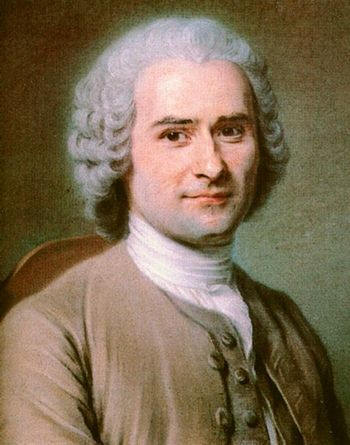
JEAN-JACQUES, ROUSSEAU(b.JUNE 28, 1712, GENEVA, SWITZERLAND-d. JULY 2, 1778, ERMENONVILLE, FRANCE) FRENCH PHILOSOPHER, POLITICAL THEORIST WHOSE IDEAS INSPIRED THE LEADERS OF THE FRENCH REVOLUTION.
JEAN-JACQUES, ROUSSEAU (b.JUNE 28, 1712, GENEVA, SWITZERLAND-d. JULY 2, 1778, ERMENONVILLE, FRANCE) FRENCH PHILOSOPHER, POLITICAL THEORIST WHOSE IDEAS INSPIRED THE LEADERS OF THE FRENCH REVOLUTION.
Attain Enlightenment -Reason, Experience, and Intuition
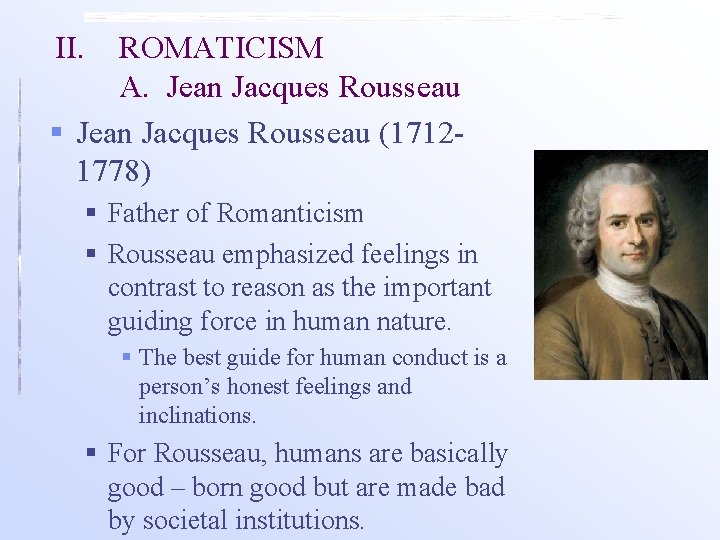
Rousseau is the least academic of modern philosophers but in many ways he is the most influential. His thought marked the end of the Age of Reason and the birth of Romanticism.
Attain Enlightenment -Reason, Experience, and Intuition
Rousseau had a profound impact on people’s way of life. He opened men’s eyes to the beauties of nature and he made liberty an object of almost universal aspiration.
Attain Enlightenment -Reason, Experience, and Intuition
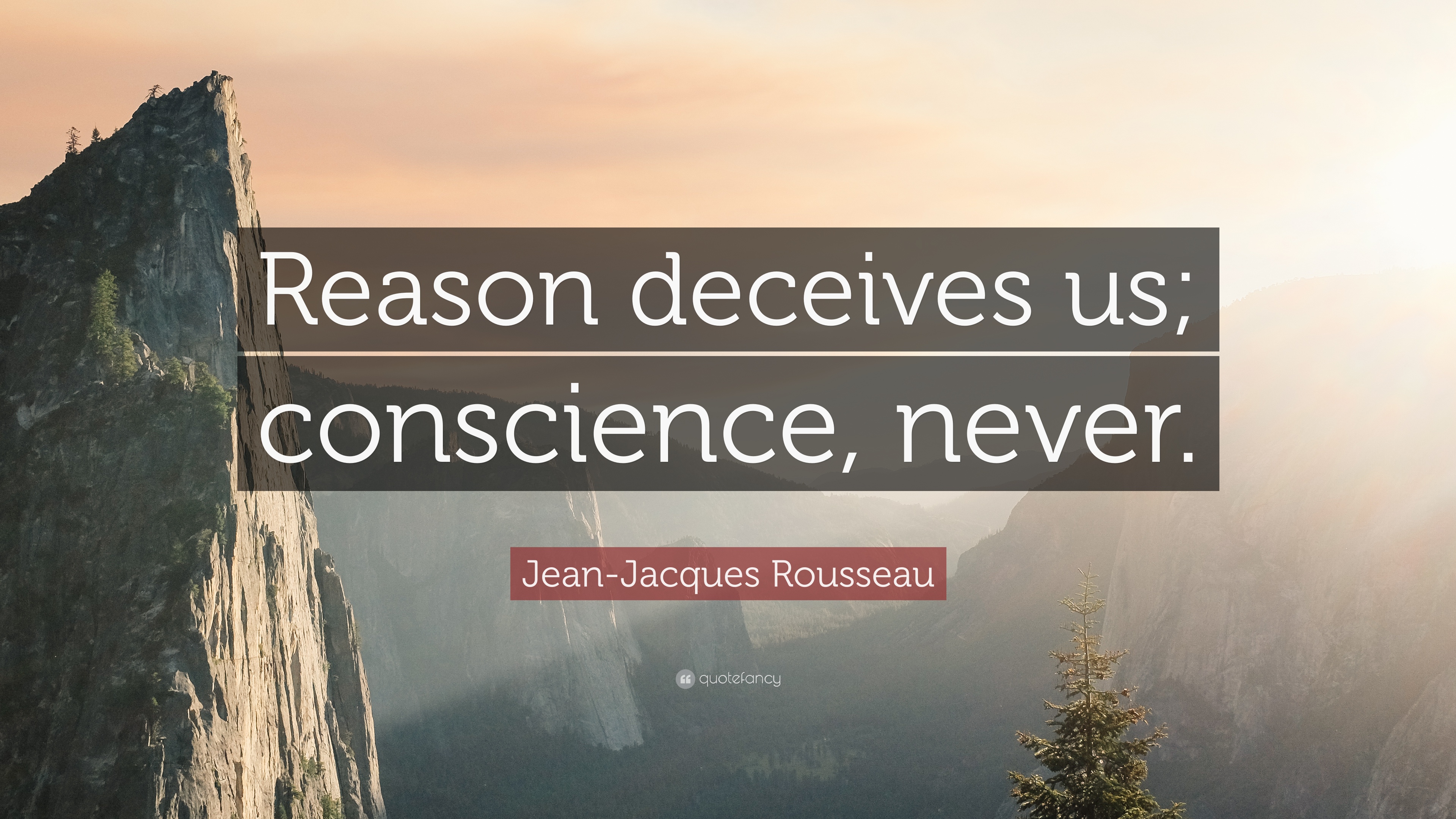
He is credited with having introduced a great discovery about the nature of freedom and he emphasized the primacy of individual liberty. The other Enlightenment thinkers pursued the nature of humankind empirically in physiological and psychological studies or in historical and anthropological researches, whereas Rousseau sought the nature of humans in the wholly private realm of intuition and conscience. He looked inward for the fundamental source of moral obligation. Enlightenment has faith in reason which is understood as abstraction from external experience, Rousseau has emphasized that the inner life as a source of truth.
Attain Enlightenment -Reason, Experience, and Intuition
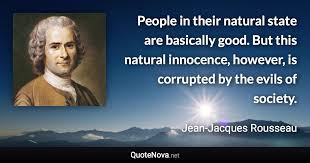
Rousseau had shared the Enlightenment view that society had perverted natural man, the “noble savage” who lived harmoniously with nature, free from selfishness, want, possessiveness, and jealousy. In his essay, ‘ A Discourse on the Sciences and the Arts ‘(1750), he argued that the history of man’s life on earth has been a history of decay. Man is good by nature but has been corrupted by society and civilization.
One of the first principles of Rousseau’s political philosophy is that politics and morality never be separated. The second important principle is freedom, which the state is created to preserve. The state is a unity and as such expresses the general will. The general will is to secure freedom, equality and justice within the state and in the Social Contract, individual sovereignty is given up to the state in order that these goals might be achieved.
Attain Enlightenment -Reason, Experience, and Intuition
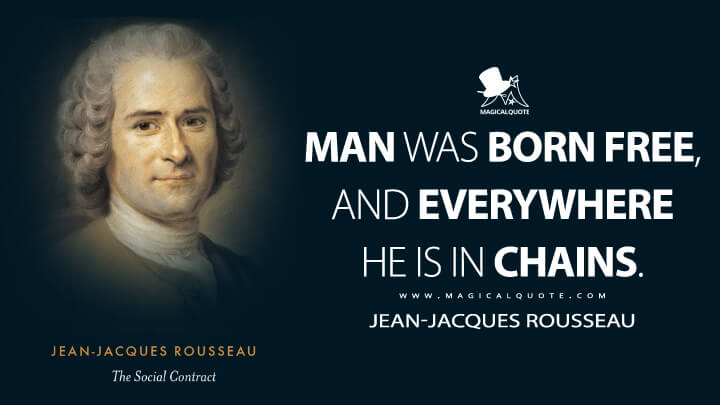
In his political book called ‘ Du Contrat Social ‘(The Social Contract) published in 1762, Rousseau begins with the opening sentence; ” Man was born free, but he is everywhere in chains “. He proposed a society able to cultivate the individual’s moral stature without injury to his freedom. He had expressed freedom and equality of citizens in the idiom of natural and inalienable rights. Rousseau had believed that man has to find his way to his pure nature and to achieve this , man’s duty is to look for his most deep interior feelings and follow them.
BUDDHA’S ENLIGHTENMENT
Attain Enlightenment -Reason, Experience, and Intuition
Gautama, at the age of 35, attained the Enlightenment or Awakening. In Buddha’s own recorded words : ” My mind was emancipated…. Ignorance was dispelled, science(knowledge) arose, darkness was dispelled, light arose.”
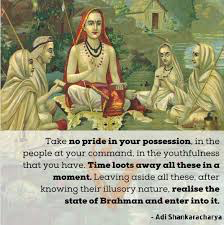
Science and scientific methods bring us knowledge about life, nature and the universe that we live in. But, intuition provides us with the insight to improve the way we live this life. My Guru, Shankara has spoken a word of caution:
Attain Enlightenment -Reason, Experience, and Intuition
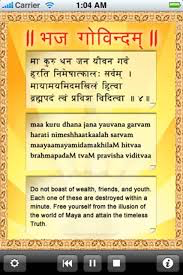
maa kuru dhana jana yauvana garvam
harati nimeshhaat kaalah sarvam
maayaamayamidamakhilam hitvaa
brahmapadam tvam pravisha viditvaa
Attain Enlightenment -Reason, Experience, and IntuitionAttain Enlightenment -Reason, Experience, and IntuitionAttain Enlightenment -Reason, Experience, and Intuition
Whole Dude – Whole Realism: Half Full or Half Empty? – What is the real Question?
Half Full or Half Empty is not the Right Question – Can You Drink the Cup I Drink?
Whole Dude – Whole Realism: Half Full or Half Empty? – What is the real Question? Can You Drink the Cup I Drink?
Excerpt: When I drink from the ‘Cup of my Life’; What I truly experience from my life, the reality of my condition is more important than my attitude towards existence. The man has no hope to find happiness until and unless he renounces all desires including the desire to find happiness. The man has no choice other than that of living in the moment without concern for either pessimism or optimism. The attitude of dispassion automatically excludes both pessimism and optimism.
Whole Dude – Whole Realism: Half Full or Half Empty? What is the real Question? Can You Drink the Cup I Drink?
HALF FULL OR HALF EMPTY? IS THAT REALLY IMPORTANT?
Whole Dude – Whole Realism: Half Full or Half Empty? – What is the real Question? Can You Drink the Cup I Drink?
I drank from that cup. Now, the cup could be described as half full or half empty. Is that really important? The cup that I drink from gives me pain and I experience suffering. What would be the right question if I have to drink from that cup? What I truly experience from my life, the reality of my condition is more important than my attitude towards my existence. The issue is not about optimism or pessimism. I need to focus on knowing the reality and I need to face the reality about what I experience when I drink from that Cup of my Life.
IS IT POSSIBLE FOR THIS CUP TO BE TAKEN AWAY FROM ME ?
Whole Dude – Whole Realism: Half Full or Half Empty? – What is the real Question? Can You Drink the Cup I Drink?
I would answer this question from a reading from The New Testament of The Holy Bible. I would like to quote verses 36 to 44, chapter 26, The Gospel According to Matthew.
Whole Dude – Whole Realism: Half Full or Half Empty? – What is the real Question? Can You Drink the Cup I Drink?
36. Then Jesus came with His disciples to a place called Gethsemane and said to them, “Sit here while I go and pray over there.”
Whole Dude – Whole Realism: Half Full or Half Empty? – What is the real Question? Can You Drink the Cup I Drink?
37. And He took with Him Peter and the two sons of Zebedee, and He began to be sorrowful and deeply distressed.
Whole Dude – Whole Realism: Half Full or Half Empty? – What is the real Question? Can You Drink the Cup I Drink?
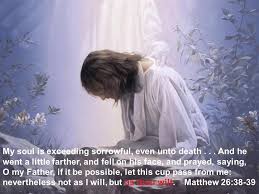
38. Then He said to them, “My soul is exceedingly sorrowful, even to death. Stay here and watch with Me.”
Whole Dude – Whole Realism: Half Full or Half Empty? – What is the real Question? Can You Drink the Cup I Drink?
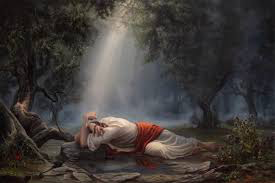
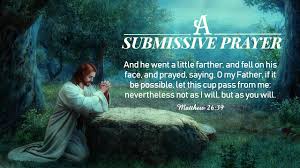
39. He went a little farther and fell on His face, and prayed, saying, “O My Father, if it is possible let this cup pass from Me; nevertheless not as I will, but as You will.”
Whole Dude – Whole Realism: Half Full or Half Empty? – What is the real Question? Can You Drink the Cup I Drink?
40. Then He came to the disciples and found them sleeping, and said to Peter, “What! Could you not watch with Me one hour?
41.”Watch and pray, lest you enter into temptation. The spirit indeed is willing, but the flesh is weak.”
Whole Dude – Whole Realism: Half Full or Half Empty? – What is the real Question? Can You Drink the Cup I Drink?
42. Again, a second time, He went away and prayed, saying, “O My Father, if this cup cannot pass away from Me unless I drink it, may Your will be done.”
43. And He came and found them asleep again, for their eyes were heavy.
Whole Dude – Whole Realism: Half Full or Half Empty? – What is the real Question? Can You Drink the Cup I Drink?
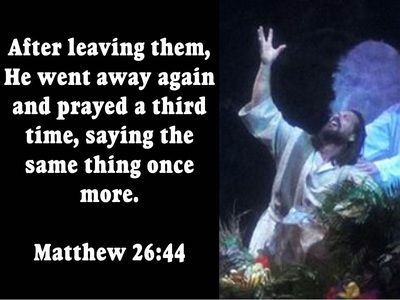
44. So He left them, went away again, and prayed the third time, saying the same words.
Whole Dude – Whole Realism: Half Full or Half Empty? – What is the real Question? Can You Drink the Cup I Drink?
Jesus had prayed three times, saying the same words. It was not possible for the cup to pass away and Jesus had to drink from the cup.
Whole Dude – Whole Realism: Half Full or Half Empty? – What is the real Question? Can You Drink the Cup I Drink?
THE TEACHINGS OF GAUTAMA BUDDHA:
Whole Dude – Whole Realism: Lord Gautama Buddha has laid the foundation for understanding Pain and Suffering that is implicit in Human Existence. Half Full or Half Empty? – What is the real Question? Can You Drink the Cup I Drink?
At age 29, Prince Siddhartha realized that humans are subject to old age, sickness, disability and death. He became aware of the suffering implicit in human existence. Buddha described the nature of reality and Dharma (“true law”) as the Four Noble Truths (1) life is fundamentally disappointment and suffering; (2) suffering is a result of one’s desires for pleasure, power, and continued existence; (3) to stop disappointment and suffering one must stop desiring and (4) the way to stop desiring and thus suffering is the Noble Eightfold Path- right views, intention, speech, conduct, livelihood, effort, mindfulness, and concentration.
From the hymns popularly known as Bhaja Govindam, while I drink from the Cup of my Life, I will keep contemplate on the concept of dispassion:
“KASYA SUKHAM NA KAROTI VIRAGAH”
Whole Dude – Whole Realism: Half Full or Half Empty? What is the real Question? Can You Drink the Cup I Drink?
Living in temples or at the foot of trees, sleeping on the ground, wearing deer-skin, renouncing all possessions and their enjoyment – to whom will not dispassion bring happiness?
The verse 19 in Shankaracharya’s Bhaja Govindam questions, “Kasya sukham na karoti viragah?”, which means, “What pleasure cannot be given by dispassion?” It gives all the pleasures because you are so totally living in the moment.
The man has no hope to find happiness until and unless he renounces all desires including the desire to find happiness. The man has no choice other than that of living in the moment without concern for either pessimism or optimism. The attitude of dispassion automatically excludes both pessimism and optimism.
Whole Dude – Whole Realism: Half Full or Half Empty? – What is the real Question?Whole Dude – Whole Realism: Half Full or Half Empty doesn’t change the reality of the experience.Whole Dude – Whole Realism: The Cup of Life holds for me Pain, Humiliation, and Loss of Face.
HIS HOLINESS THE DALAI LAMA’S VISIT TO ANN ARBOR, MICHIGAN
HIS HOLINESS THE DALAI LAMA- WINNER OF THE 1989 NOBEL PEACE PRIZE
HIS HOLINESS THE DALAI LAMA’S VISIT TO ANN ARBOR, MICHIGAN
The Dalai Lama is believed to be a manifestation of Avalokiteshvara or Chenrezig, the Bodhisattva of Compassion and the patron saint of Tibet. Bodhisattvas are enlightened beings who have postponed their own nirvana and chosen to take rebirth in order to serve humanity.
Tenzin Gyatso, the 14th Dalai Lama, was born in 1935 in a small hamlet in northeastern Tibet. At the age of 2, the child who was named Lhamo Dhondup, was recognized as the reincarnation of the 13th Dalai Lama, Thubten Gyatso.
The 14th Dalai Lama will visit Ann Arbor for a series of talks in Crisler Arena at the University of Michigan on Saturday and Sunday April 19 and 20. His presentation of the University of Michigan’s annual Peter M. Wege Lecture on Sustainability is in celebration of Earth Day. The Wege Lecture is sponsored by the Center for Sustainable Systems at the School of Natural Resources and Environment. He will also present a two-day program with two sessions on April 19 and 20. The session will focus on “Engaging Wisdom and Compassion.” The teaching will be based on Acharya Nagarjuna’s Commentary on Ultimate Compassion and Je Tsong Khapa’s “In Praise of Dependent Origination.”
THE FUTURE OF TIBET:
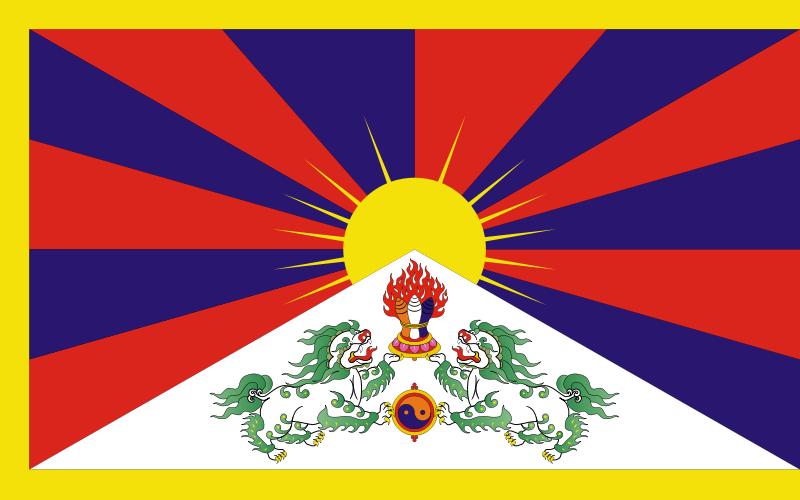
The Vatican City State and Tibet. Just like the Pope who is the Head of the Vatican City State, H.H. Dalai Lama is the Temporal and Spiritual Leader of the Land of Tibet.
Vatican City is recognized as an ecclesiastical State. Sovereignty is exercised by the Pope upon his election as the Head of the Roman Catholic Church. The Pope has absolute executive, legislative and judicial powers within the Vatican City State. Similarly, the Dalai Lama is the spiritual and temporal Head of Tibet. The United States had formulated an official policy about Taiwan. With regards to Tibet, the United States has to first recognize the fact that the Tibet is under illegal Chinese occupation since 1951.
THE SPIRITS OF SPECIAL FRONTIER FORCE:
WholeDude-WholeAgency : Unfortunately, the Central Intelligence Agency has represented the United States as the military partner of the military pact/alliance between the United States, India, and Tibet. Tibetan Resistance Movement has remained beyond public view and this is the first photo image of public recognition of US participation to defend Freedom, and Democracy in the occupied Land of Tibet. Picture taken at Camp Hale, Colorado, USA.
Special Frontier Force is a multinational defense plan, a military pact/alliance between the United States, India, and Tibet which came into existence during 1962 to defend freedom and democracy in the occupied Land of Tibet.
HIS HOLINESS THE DALAI LAMA’S VISIT TO ANN ARBOR, MICHIGAN
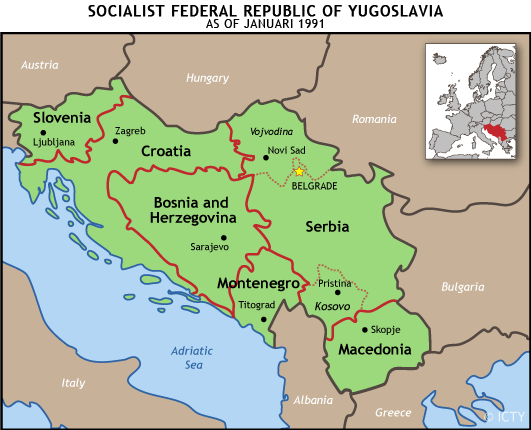
The Policy of Regime Change Dismantles the Republic of Yugoslavia
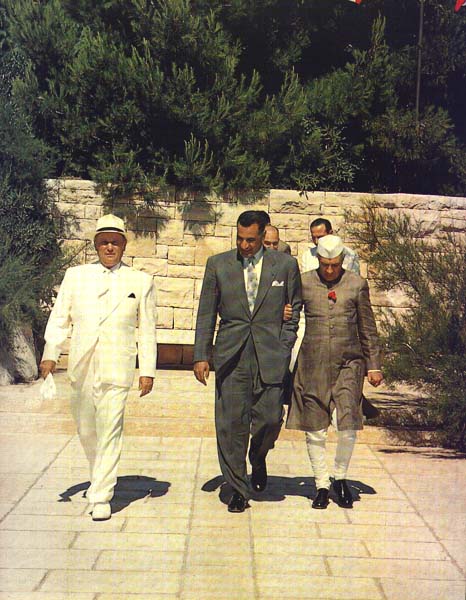
Driving the last nail into the coffin. The Dismembering of the Republic of Yugoslavia. NEHRU, NKRUMAH, NASSER, SUKARNO, TITO-THE FOUNDING LEADERS OF NON-ALIGNED MOVEMENT
NEHRU, NKRUMAH, NASSER, SUKARNO, TITO-THE FOUNDING LEADERS OF NON-ALIGNED MOVEMENT
THE INITIATIVE OF FIVE:
Driving the Last Nail into the Coffin – The Dismembering of the Republic of Yugoslavia. President Tito was the first Secretary General for the Non-Aligned Movement.
The term ” Non-Alignment ” was coined by Indian Prime Minister Nehru during his speech in 1954 in Colombo, Sri Lanka. The first official Non-Aligned Movement Summit was held in September 1961 in Belgrade at the initiative of Yugoslav President Tito and he was appointed as the first Secretary General for the Non-Aligned Movement. India, Yugoslavia, Egypt, Ghana and Indonesia became the leading advocates for this Movement and currently 55 percent of world’s population is represented by the Non-Aligned Movement.
I grew up in India and developed a sense of fondness for Yugoslavia and viewed it as a friend and a partner in a world that is divided into rival camps.
THE DISMEMBERING OF THE REPUBLIC OF YUGOSLAVIA:
Driving the Last Nail into the Coffin – The Dismembering of the Republic of Yugoslavia
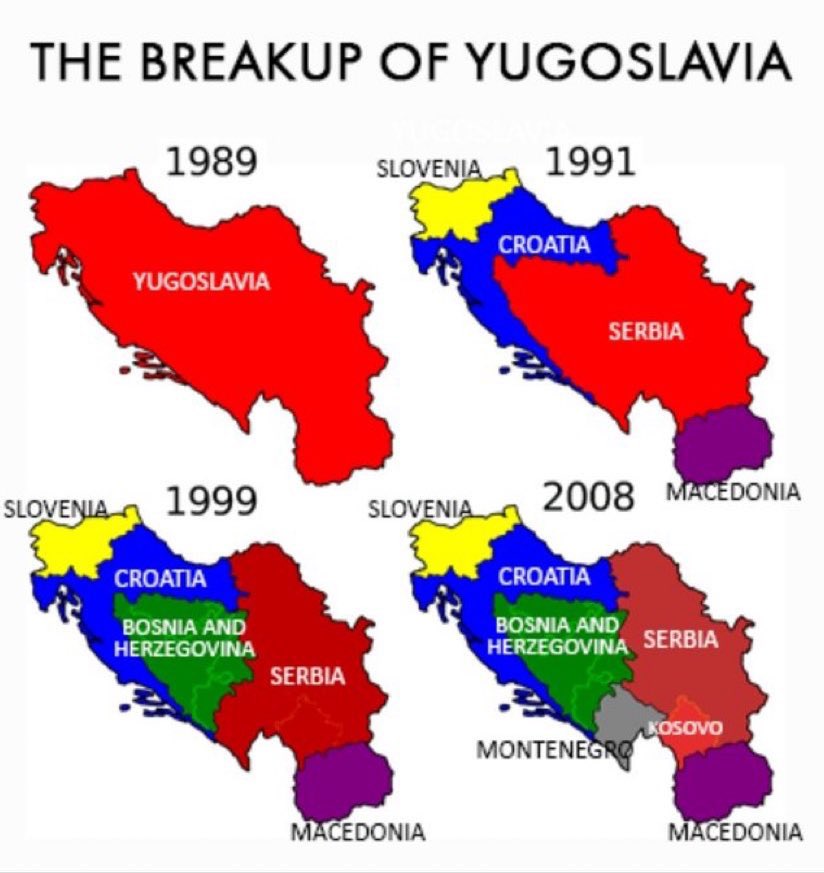
Yugoslavia is the largest of the Balkan countries of southeastern Europe, is bordered by Austria and Hungary in the north, Romania and Bulgaria in the east, Greece and Albania in the south, and Italy and the Adriatic Sea in the west. From the end of World War II until 1990, Yugoslavia was a Communist state. Hence, the West led by the United States targeted this nation for destruction. The death of Tito in 1980 provided an opportunity. Ethnic rivalries were encouraged and violent conflicts between various ethnic and religious groups were strongly supported by various outside forces and the country started falling apart into bits by 1991.
THE LAST NAIL IN THE COFFIN:
Driving the Last Nail into the Coffin – The Dismembering of the Republic of Yugoslavia
The unilateral declaration of independence on February 18, 2008 by Kosovo which is under occupation by U.S. led NATO forces is the final nail in the coffin and the West had successfully accomplished its mission of dismembering the State of Yugoslavia.
This event is of very great significance to India as the United States continues to support ethnic and religious rivalries in the Indian sub-continent. The United States over the last several decades is pursuing a policy that would assure the dismembering of the Republic of India and it openly funds, arms and equips the secessionist elements and provides political patronage in public events such as the Party Conventions.
Driving the Last Nail into the Coffin – The Dismembering of the Republic of Yugoslavia. Kosovo’s independence threatens the Republic of India due to the threat posed by American interventionism.The US Policy of Regime Change – The Dismantling of the Republic of Yugoslavia
I am filled with optimism when I heard the news about the boycott of the Summer Olympic Games in Beijing by film director Steven Spielberg and actress Mia Farrow. I am hopeful that movements like the “Global Action Plan Day” would one day liberate the Tibetans. People across the globe can work together to end the illegal occupation of Tibet and restore their rights for freedom and preserve their cultural identity.
Tibetans must get a chance to live under the Sun and we must support their struggle to get out of the Shadows of Illegal Occupation.
Shia Muslim Ruler of Golconda. Verily, a Blessed Soul
Shia Muslim Ruler of Golconda is a Verily Blessed Soul. The Temple in Bhadrachalam gives testimony to this date.
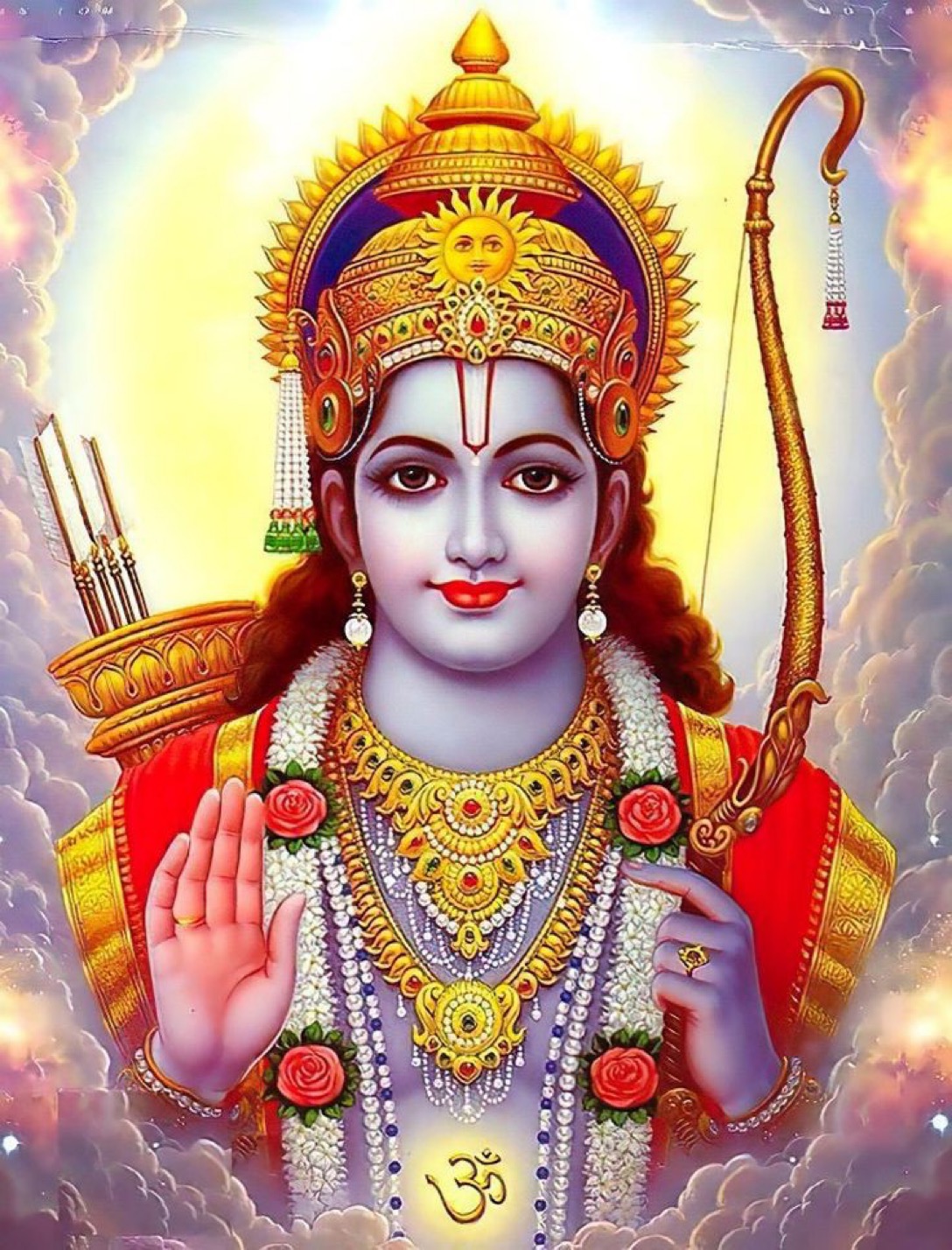
SREE SEETHA RAMACHANDRA SWAMY SHRINE-TEMPLE OF LORD RAMA IN BHADRACHALAM
Myths, Legends, and Reality – Defining Indian Identity. A Temple to define the concept of Ultimate Reality.
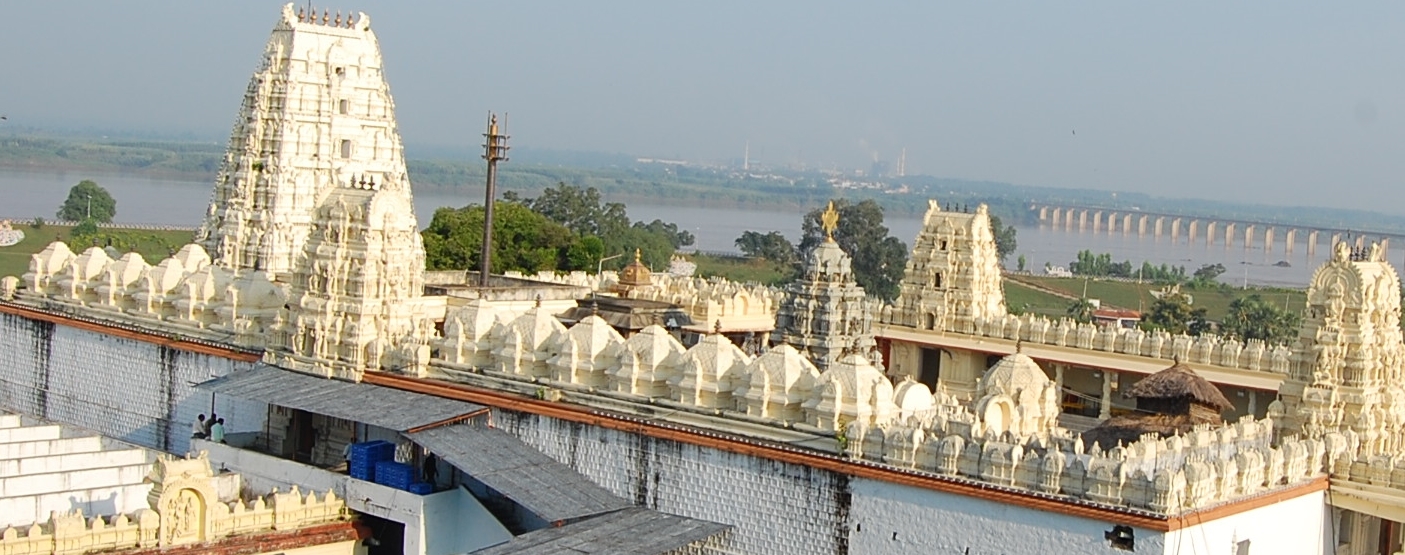
This temple town of Bhadrachalam, located on the northern banks of the river Godavari in Khammam District of Telangana, India, best describes my Indian Identity as it brings together our myths, our legends and our quest for the “Ultimate Reality”.
Myths, Legends, and reality – Defining Indian Identity. A Temple to define the Ultimate Reality. The place described as Panchvati is in the vicinity of Bhadrachalam as per our local legend
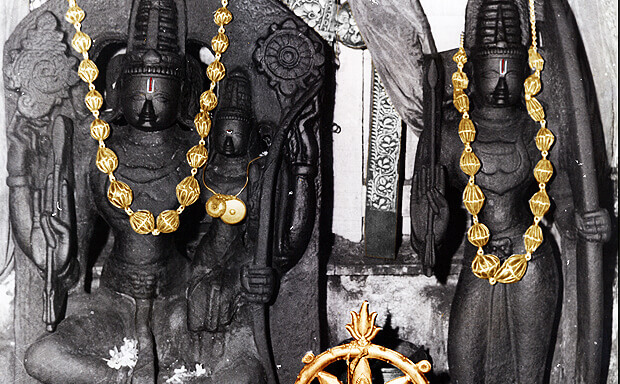
This place is connected to events described in the epic poem of Ramayan which narrates Lord Rama’s journey in our Land. Rama while living in exile, camped in the forest by the name ‘Dandakaranya’ and His spouse Seetha was abducted and eventually, Rama and His brother Laxmana cross the river Godavari at this place in search of Seetha. A pious man known as Bhadra prayed at this place seeking Lord Rama’s return to this place. Much later, a simple tribal woman who lived in this area discovered the idols of ‘Vaikuntha Rama’ (for He carried the Sudarshana Chakra apart from the bow and arrow) with Seetha seated on His lap and the idol of Laxmana standing next to them.
Myths, Legends, and Reality -Defining Indian Identity. A Temple to define the concept of Ultimate Reality
Kancharla Gopanna, a Tahsildar (revenue official) of Palvancha Paragana, completed building this temple in 1674 A.D. The legend about the divine intervention and the miraculous release of Gopanna from the prison at the Golconda Fort is narrated in my entry titled, ‘The Benevolent Shia Ruler of Golconda-Verily, A Blessed Soul’.
ABOUT MYTHS AND LEGENDS:
Myths, Legends, and Reality. Defining Indian Identity. A Temple to define the concept of Ultimate Reality.
Myths are traditional stories which serve to explain our connection to God and the universe and hence they are not the same like the fictional stories. Myths exist in a historical context but may not be true historical accounts that are supported by scientific verification. Legends are stories handed down for generations among a people and popularly believed to have a historical basis but do not qualify for inclusion in a text book of history. As an Indian, I depend upon myths and legends to derive a sense of direction, a sense of guidance and a sense of hope for my human existence. They help me to know who I am and where I am going.
ABOUT REALITY AND ULTIMATE REALITY:
The influence called Time makes the distinction between Real and Unreal. A Temple to define the concept of Ultimate Reality
Indians are very concerned about the effects of Time . We practically witness in our daily lives the forceful consequences of time. Time changes the course of human life and time changes the physical world. However, the “Ultimate Reality” does not change, it is constant and it is eternal. Indians seek this Reality as it represents their natural home and that is their final destination on completion of the life’s journey. Since ‘TRUTH’ is unchanging in its character, is also described as the Reality that we cherish to experience.
Myths, Legends, and Reality. Defining Indian Identity. A Temple defines the concept of Ultimate Reality. The name Ra Ma represents Eternal Truth.
Millions of Indians express this desire for Truth and the Reality with a very simple statement. They claim that the name “RA MA” is eternal Truth. Our search for Truth and Reality becomes very easy if we just seek “RA MA”. Great powers on this earth had vainly tried to destroy our belief in RAMA. Mughal Emperor Babur destroyed the temple in Ayodhya which we consider as Rama’s birth place. The forces of Sultan Tughlak destroyed the Rama temple in my home town Rajahmundry. Mughal Emperor Aurangzeb destroyed countless number of temples and idols of Rama. Yet the myth and legend of Rama survives. At Bhadrachalam also known as Bhadra giri or Bhadradri (the hill of Bhadra), Sultan Tani Shah, a benevolent Shia Muslim ruler of Golconda, helped Kancharla Gopanna to maintain this temple. This devotee of Lord Rama is popularly known by the name Bhakta Rama Dasu.
WOULD IT BE POSSIBLE TO DESTROY RAMA?
Myths, Legends, and Reality. Defining Indian Identity. A Temple defines the concept of Ultimate Reality.
Many have tried to destroy the idols and images of Rama. For example, if some one would destroy the temple of Rama in Bhadrachalam, we still connect this place and the forest and the river with Rama’s life journey. If some one would destroy the forest, level the ground and change the course of the river, I would still look for the signs of His presence in the creation of the heavens and the earth. I would describe the blue sky as the color of Rama. If some one could destroy the blue sky and when I look up and see the dark sky, I would say that I am reminded of Lord Krishna who is described as black in color as dark as the sky of New Moon’s day. Our myths remind us that Rama and Krishna are one and the same. I do know people take great pride in their physical power but it may not be easy to wipe out a belief system which is more than the Idols which represent the Belief. The Indian Identity associated with Blue and Dark sky would survive as long as there is a sky above our heads and as long as the difference of night and day exists on this earth.
Myths, Legends, and Reality – Defining Indian Identity. A Temple to define the concept of Ultimate Reality.
” Lo! In the creation of the heavens and the earth and (in) the difference of night and day are tokens (of His sovereignty) for men of understanding”. Surah III, verse 190, Holy Book of Quran.
Myths, Legends, and Reality – Defining Indian Identity. A Temple to define the concept of Ultimate Reality.
Shia Muslim Ruler of Golconda. Verily, a Blessed Soul
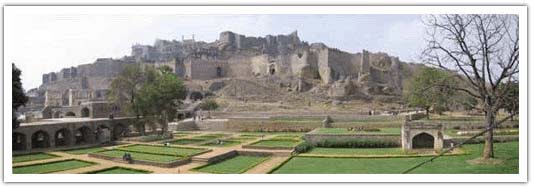
Shia Muslim Ruler of Golconda. Verily, a Blessed Soul. SULTAN ABUL HASAN QUTB SHAH (MAY PEACE BE UPON HIM).Golconda Fort near the City of Hyderabad, the seat of Qutb Shahi Dynasty. GOLCONDA FORT- “GOLLA KONDA”(SHEPHERD’S HILL)
Quli Qutub Mulk, a Shia Muslim from Persia (present day Turkmenistan) with friends and a few relatives migrated to Delhi in the beginning of 16th century CE. He migrated south to Deccan and served Bahmani Sultan Mohammad Shah. He conquered Golconda and was appointed as the governor of the Telangana region (about the size of France) in 1512 CE. After the disintegration of the Bahmani Kingdom into the five Deccan Sultanates, Quli Qutub Mulk declared independence, assumed the title of ‘QUTUB SHAH’ and established the Qutb Shahi Dynasty of Golconda in 1518 CE. Qutub Shahis were great builders and patrons of learning. They not only patronized the Persian culture but also the regional culture of the Deccan, symbolized by the Telugu language and the Deccani idiom of Urdu. The Golconda rulers learned Telugu.
The Qutub Shahis was the ruling family of the kingdom of Golconda, DECCAN, southern India. They were Shia Muslims and belonged to a Turkmen tribe from the Turkmenistan-Armenia region. The dynasty ruled Golconda for 171 years until the Mughal Emperor Aurangazeb’s armies conquered the Deccan in 1687 CE. Abdullah Qutb Shah, the sixth ruler of the Qutb Shahi Dynasty (1626-1672 CE). Abdul Hasan Tana Shah married his daughter and gained access to power.Tana Shah (Abul Hasan Qutb Shah or Tanishah) (1672-1687 CE)
Sultan Abul Hasan Qutb Shah was the seventh and the last ruler of the Kingdom of Golconda (Deccan, Southern India) under the Qutb Shahi Dynasty. He ruled from 1672 CE to 1687 CE. He is also known as Abul Hasan Tana Shah and more popularly, he is known as TANI SHAH meaning benevolent ruler. He did not discriminate against those of other ethnicities or religions. He hired Hindus as his ministers and generals.
Akkanna, Madanna were secretaries to the prime minister during Abdullah Qutb Shah rule and their position helped Gopanna get a post as Palvancha Tehsildar. Sultan Tana Shah appointed Madanna as Prime Minister and Akkanna as Revenue Minister.
Madanna served as an official during Sultan Abdullah Qutb Shah’s rule. Madanna had a nephew by name Kancharla Gopanna and he helped Gopanna to be appointed as a “Tehsildar” (a revenue official) of Palvancha county.
Pokala Dhammakka, a tribal woman living in Bhadrareddypalem, found the central icon of Rama in an anthill.
During mid 17th century CE, Pokala Dhammakka, a tribal woman living in Bhadrareddypalem, found the central icon of Rama in an anthill. She dissolved the anthill using the water from the Godavari River. With the help of the villagers, Dhammakka constructed a mandapam (a temporary platform with a roof) and offered prayers to the deities. Following Abdullah Qutb Shah’s orders, Gopanna enforced the Jizyah tax (jizyah, also spelled jizya, historically, a tax paid by non-Muslim populations to their Muslim rulers., a penalty designed to make Hindus pay for not adopting Islam). Observing the dilapidated state of the worship site, Gopanna decided to build a temple for Rama, Seeta, and Laxmana idols by raising donations. In the initial attempt, Gopanna received harsh criticism from the local Hindus for enforcing the Jizyah tax. Dejected by numerous rebuffs, Gopanna decided to use a portion of the tax collected to build the temple and face the consequences. The temple was built by Gopanna in 1662 CE with a cost of nearly six lakh Varahas ( Gold coins). Abdullah Qutb Shah summoned Gopanna, who had no proper answer for misusing kingdom’s funds.
Sultan found Gopanna was guilty of the misuse of the funds and had him imprisoned at the Golconda Fort.
A LEGEND ABOUT DIVINE INTERVENTION:
Shia Ruler of Golconda, Verily, a Blessed Soul. A Temple to define the concept of Ultimate Reality.Did Lord Rama actually visit Golconda Fort to obtain the release of Kancharla Gopanna from the prison? Sultan Tani Shah believed that it was God or Allah who had come to him and cleared the debt owed by Gopanna. He further expressed that belief in his actions. He allowed Gopanna to complete the construction of Lord Rama’s Temple in Bhadrachalam and financially supported the maintenance of that Temple. By doing so, the Shia Ruler of Golconda gave us a chance to reflect upon Lord’s Mercy, Grace, and Compassion.
Gopanna spent about 12 years in prison. According to legend, God intervened on behalf of Gopanna to obtain his release from the prison at Golconda Fort.
RamaTanka Gold Coins given to Tana Shah are still in display at Bhadrachalam Temple.
As per the legend, Lord Rama in disguise had come before the King and returned the money owed by Gopanna and the debt was repaid with gold coins. God who came to rescue Gopanna from the prison had met the Sultan but not the prisoner. Upon his release from the prison, Gopanna did express his sorrow for missing the opportunity to meet the Lord. Gopanna was released from the prison and he successfully finished the construction of the Rama temple which stands even today. Sultan Tani Shah publicly acknowledged that he had met “ALLAH ” and recognized the fact of Gopanna’s release from the prison was made possible by divine intervention. He made permanent arrangements for the upkeep of this temple. The funds that were collected as tax from Palvancha county were allocated to the temple and also he had established an annual tradition of sending pearls to shower the Deity during the annual temple festival. This tradition of offering pearls was continued by the rulers of the princely State of Hyderabad popularly known as the ‘Nizams of Hyderabad’, who ruled the Telangana region continuously until India’s independence. The Hyderabad State became a part of the Indian Union and the State of Andhra Pradesh came into existence in 1956. The Government of Andhra Pradesh and later Telangana followed the tradition established by Sultan Tani Shah in the 17th century and the tradition of offering pearls to Lord Rama still exists.
VERILY A BLESSED SOUL:
Shia Ruler of Golconda, Verily a Blessed Soul.
Did Lord Rama actually visit Golconda Fort to obtain the release of Kancharla Gopanna from the prison? Sultan Tani Shah believed that it was God or Allah who had come to him and cleared the debt owed by Gopanna. He further expressed that belief in his actions. He allowed Gopanna to complete the construction of Lord Rama’s Temple in Bhadrachalam and financially supported the maintenance of that Temple. By doing so, the Shia Ruler of Golconda gave us a chance to reflect upon Lord’s Mercy, Grace, and Compassion.
This Lord Rama’s Temple in Bhadrachalam is a testimony about Lord’s Grace, Mercy, and Compassion.
This benevolent ruler defended the Golconda Fort for eight months when the Mughal Emperor Aurangzeb attacked it in 1687 A.D. In October 1687, the Fort was captured by bribery and Sultan Tani Shah was taken as a prisoner and was imprisoned in Daulatabad Fort until his death.
I would call Sultan Tani Shah is a Blessed Soul for he recognized God’s plan and purpose and supported Gopanna to build the temple and provided for the maintenance of the temple and gave us the opportunity to know about God’s Compassion, Grace, and Mercy. Secondly, Sultan Tani Shah received the biggest gift that a man could ever seek. Man always cherishes the idea of meeting his Creator, the Father in Heaven, Allah, the Lord, RAMA the divine reincarnation of Vishnu and very few actually realize that dream. Gopanna was rescued but could not meet RAMA. Sultan Tani Shah did not pray or ask for this favor from God. He is a Blessed Soul because God granted him that gift. He received a sensory experience of that Reality called God and I fully trust this experience he had shared with others. Sultan Tani Shah’s actions substantiate his claim. Most importantly, he did not seek any personal reward or personal gain while he acted in the obedience of a God he never actually believed and had never intended to worship in any manner. He acted without seeking the fruits of his actions. I bless this Shia Ruler of Golconda and pray for Lord’s Peace be upon him forever.
India and Iran – What is the connection? It relates to my military service in the Indian Army and the Royal Oman Army.
I joined the Indian Army Medical Corps during September 1969 when I qualified for the grant of Short Service Regular Commission in the rank of Second Lieutenant. General Manekshaw had a very high reputation across all the ranks and branches of the Indian Armed Forces. I had no opportunity to meet him in person but I always felt motivated by his spirit and enthusiasm to perform military tasks with cheerfulness and a sense of strong conviction to uphold the pride and dignity of Indian Army.
MY CONNECTION WITH THE PARSI COMMUNITY OF INDIA:
Parsi Community in India had arrived from HORMUZ area of Persia. My military career in India began under the leadership of General Sam Manekshaw, a Parsi by birth, and Srimati Indira Gandhi who had married Feroze Gandhi, a Parsi by birth. Interestingly, my military career has ended in July 1986 at KHASAB, on the shores of the Strait of Hormuz.
Parsis are the followers in India of the Iranian Prophet Zoroaster. The name means Persians. According to tradition, the Parsis had initially settled at Hormuz on the Persian Gulf and they sailed to India in the 8th century. They form a well-defined community and they have retained almost unchanged the beliefs and customs of their ancestors. Just like other Indians, the Parsis consider the elements of Fire, Water and Earth as sacred. I would like to speak about two members of this community with whom I am connected with love and a great admiration.
1. Field Marshal Sam Hormusji Framji Jamshedji Manekshaw:
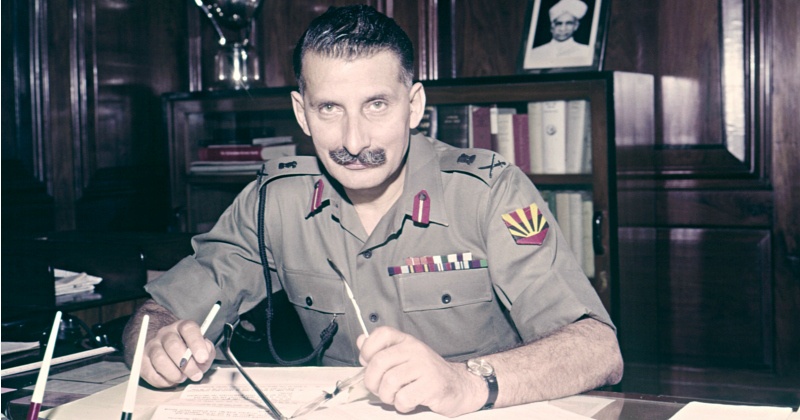
SAM THE BRAVE’-FIELD MARSHAL SAM HORMUSJI FRAMJI JAMSHEDJI MANEKSHAW, MILITARY CROSS, PADMA VIBHUSHAN, PADMA BHUSHAN, CHIEF OF ARMY STAFF 07 JUNE 1969-15 JAN 1973
In the year 1969, while I was a student at Kurnool Medical College, Kurnool, Andhra Pradesh, I qualified for the grant of Short Service Regular Commission to join the Indian Army Medical Corps in the rank of Second Lieutenant. I joined the Army Medical Corps on 26 July, 1970 in the rank of Lieutenant. On completion of my training, I got promoted to the rank of Captain on 26 July, 1971. My first task was getting ready for the crisis that India was facing on account of the influx of the Bangla refugees.
Field Marshal Sam Hormusji Framji Jamshedji Manekshaw is popularly known as ‘SAM BAHADUR’. He was 8th Chief of Army Staff of Indian Army from 07 June 1969 to 15 January 1973. My career in the Indian Army commenced with this Parsi Connection.He served as the GOC-in-C of the Eastern Command.
General Manekshaw was born in Amritsar, Punjab to Parsi parents. He became the 8th Chief of Staff of the Indian Army in 1969 and his distinguished military career has spanned four decades and through five wars, including World War II. He has the rare distinction of being honoured for his bravery on the battle front itself. He won the Military Cross for display of his valour in face of stiff resistance from the Japanese while he was leading a counter-offensive against the invading Japanese Army in Burma. He is the architect of India’s heroic victory in the 1971 India-Pakistan War. He had shown uncommon ability to motivate the troops and coupled it with a mature war strategy. He had masterminded the rout of the Pakistan Army in one of the quickest victories in recent military history. I take pride in my military service and my connection to Sam Bahadur. This military experience has helped me while I participated in Military Security and Intelligence Operations at Strait of Hormuz, Persian Gulf during 1984 to 1986 while I served in Royal Oman Army.
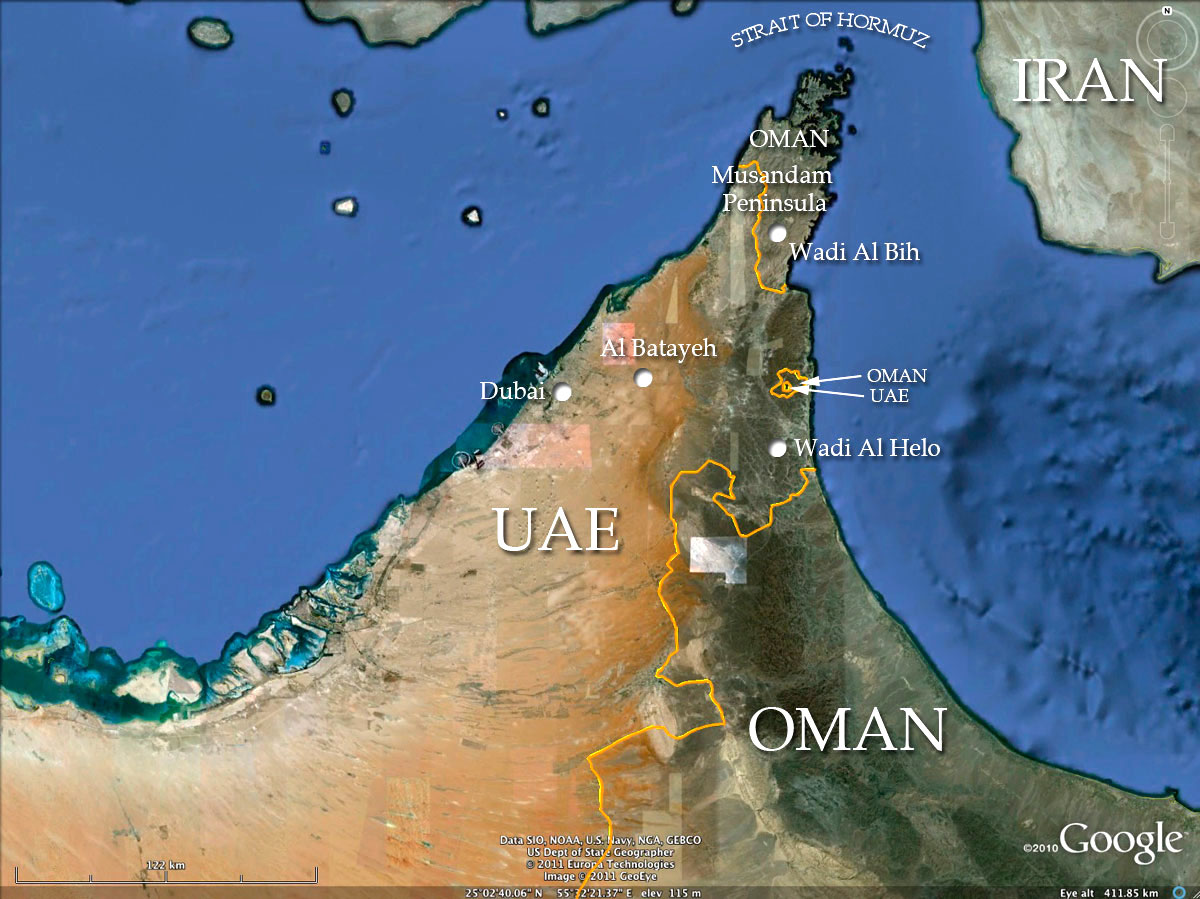
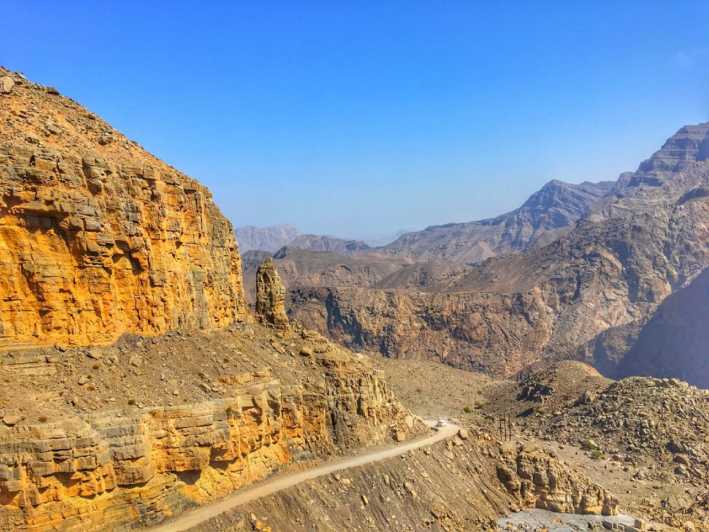
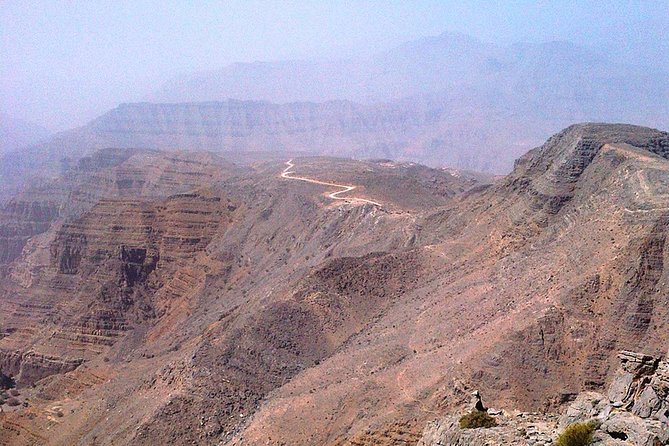
The rugged sea coast of Musandam Peninsula where I had worked hard patrolling the coastline, visiting remote villages, looking for Iranian infiltrators. Iran is just 18 miles away. I used to look towards Bandar abbas of Iran which is clearly visible while I used to drive over these hill cliffs. I had a sense of fascination for Hormuz region of Iran. Parsi community of India had arrived from Hormuz. My military career in Indian Army had started under General Manek Shaw. Prime Minister Indira Gandhi’s husband Feroze Gandhi was a Parsi by birth. I had actually visited Iranian Embassy in Muscat. The Staff were excited to receive me as I went there in my military uniform and they had recognized that I was stationed at Khasab defending Strait of Hormuz. They wanted to help me but they had no powers. I was not seeking a tourist visa. I had reconciled. It was not God’s Plan. When God plans your Journey, there would be no obstacles. His uplifting power would enable you to overcome all obstacles.
I began my military service under the leadership of a member of the Parsi Community which had arrived in India from Hormuz area of Persian Gulf (Iran) and my military career came to a final conclusion at Headquarters Peninsular Security Force (Hq PENSEC), Musandam, Khasab, on the shores of Persian Gulf at Strait of Hormuz while I was very actively involved in arresting the growth of Iranian influence in that area.
2. FEROZE GANDHI (FEROZE GANDHY):
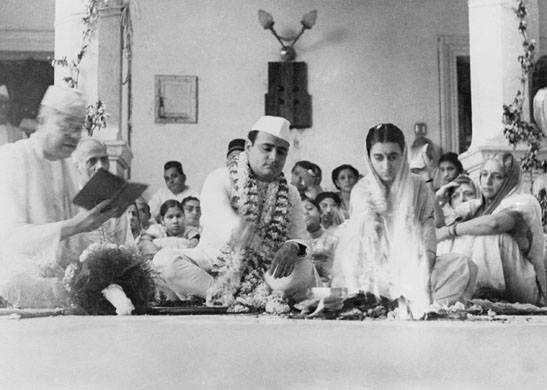
INDIA AND IRAN WHAT IS THE CONNECTION? I DESCRIBE THIS CONNECTION FROM MY NATIONAL PERSPECTIVE. IT NARRATES MY LIFE’S JOURNEY FROM INDIA TO THE SHORES OF STRAIT OF HORMUZ , PERSIAN GULF. I SENT A LETTER OF CONGRATULATIONS TO MRS. INDIRA GANDHI WHEN SHE BECAME THE THIRD PRIME MINISTER OF INDIA IN 1966.On January 24, 1966, Indira Gandhi became the third Prime Minister of India. She had married Feroze Gandhy or Feroze Gandhi born into a Parsi family. Feroze Gandhi was a Member of India’s First Parliament and had won elections to the Parliament in 1952 and 1957 from Rai Bareilly Constituency in Uttar Pradesh State.
Feroze Gandhi was born into a Parsi family. He was a member of India’s first Parliament. He won his election in 1952 and in 1957 from Rai Bareilly constituency in Uttar Pradesh. His wife was his election manager. He was the husband of India’s first woman Prime Minister, Mrs. Indira Gandhi and the father of the former Indian Prime Minister Rajiv Gandhi. His grandson is a Member of Indian Parliament. Feroze died in 1960 but his name connects me to our beloved Prime Minister Indira Gandhi. I was a student in Kurnool Medical College in 1966 when Mrs. Gandhi was first appointed as the Prime Minister. I wrote her a personal letter to congratulate her and she had graciously responded to that letter. In 1967, I was in New Delhi to participate in a National Student Seminar for National Integration . Myself and other student delegates had a opportunity to meet Mrs. Gandhi at her residence and exchanged our views and expressed our concerns on several issues. After joining Indian Army, in 1971, I joined duty at the Office of the Directorate General of Security which takes its orders from the Prime Minister’s Cabinet Secretariat. It gave me an opportunity to understand the great leadership role played by Mrs.Gandhi and it provided me an insight into her foreign policy initiatives. Mrs. Gandhi’s decisive leadership had helped India to successfully test our first nuclear weapon.
SPECIAL FRONTIER FORCE – OPERATION EAGLE – INDIRA GANDHI’S MILITARY ACTION IN THE CHITTAGONG HILL TRACTS – LIBERATION WAR OF BANGLADESH 1971:
INDIA AND IRAN – WHAT IS THE CONNECTION? INDIAN AIR FORCE HELICOPTER PILOT FLIGHT LIEUTENANT PARVEZ JAMASJI, VrC . THE FIRST PARSI OFFICER OF INDIAN ARMED FORCES THAT I MET AND BRIEFLY INTERACTED DURING THE MILITARY ACTION IN THE CHITTAGONG HILL TRACTS THAT INITIATED THE LIBERATION OF BANGLADESH DURING 1971.
Among several people who had participated in Operation Eagle 1971, I want to mention the name of Flight Lieutenant Parvez Jamasji of Indian Air Force, the Parsi helicopter pilot who helped me with my battle casualty evacuation from the Chittagong Hill Tracts to our Field Hospital at Lungleh, Mizoram.
OPERATION EAGLE 1971 – INDIA’S MILITARY VICTORY IN THE CHITTAGONG HILL TRACTS – THE PARSI CONNECTION
Iran is an ancient land. We had trade and Cultural relations with Iran (PERSIA – THE LAND OF ARYANS) for several centuries. People of Persian origin have immensely contributed to India in a variety of fields such as business, arts, architecture and public service. The Parsi community of India represents my connection to Iran, a Land which still proclaims its Aryan heritage.
Major General Sujan Singh Uban, Inspector General of Special Frontier Force, was my Commander during Indo-Pak War of 1971.I used this military experience in the conduct of Security and Intelligence Operations at the ‘Strait of Hormuz’, Persian Gulf.The Taste of Victory. Indian Armed Forces scored a historical victory in its successful conduct of a massive military campaign that resulted in the Birth of Bangladesh.
Dr. R. Rudra Narasimham, B.Sc., M.B.B.S.,
Service Number: MR-03277K, Rank: Major Army Medical Corps/Direct Permanent Commission & XSCO-324 Naqeeb/Captain Force Medical Services, Royal Oman Army, Sultanate of Oman
Medical Officer, South Column Unit, Operation Eagle 1971-72
Headquarters Establishment No. 22 C/O 56 APO
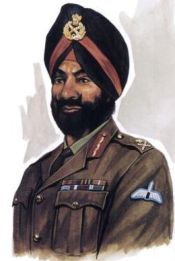
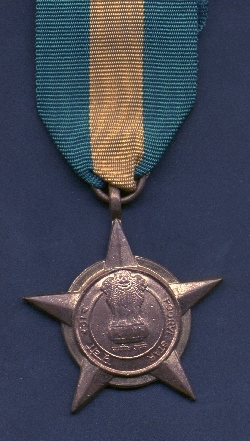
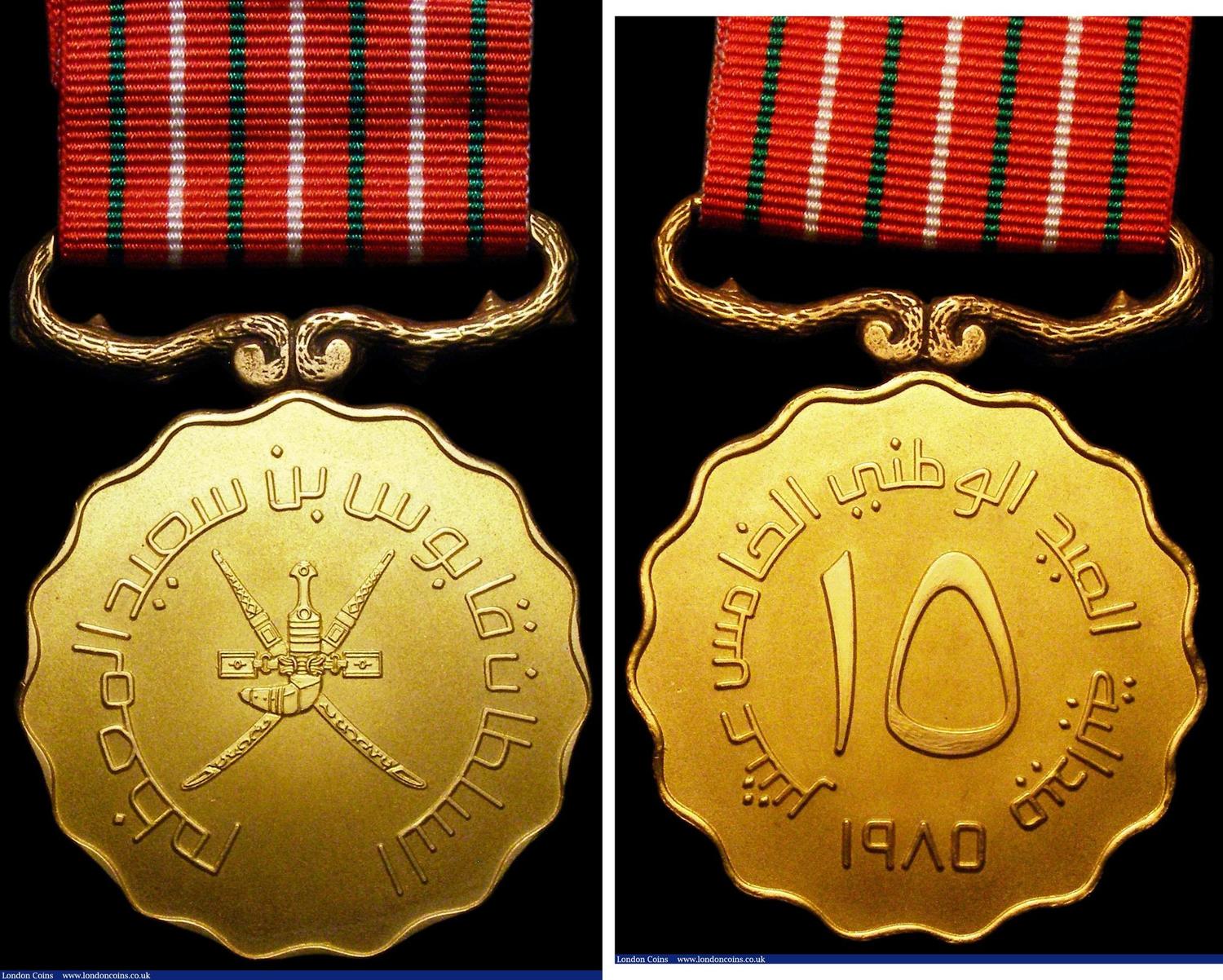
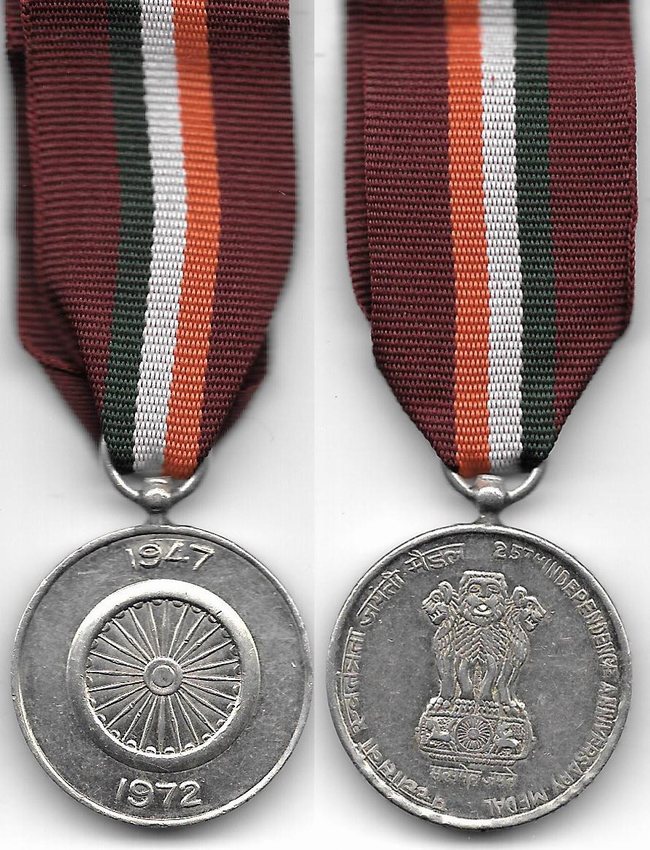
Indian Army has awarded POORVI STAR for my participation in military operation in the Chittagong Hill Tracts during the Indo-Pak War of 1971Sangram Medal 1971Sainya Seva Medal (NEFA) 1972Nine Years Long Service Medal 1979Royal Oman Army Peace MedalRoyal Oman Army 15th Anniversary MedalSilver Jubilee Medal 1972India and Iran – What is the connection? It relates to my military service in the Indian Army and the Royal Oman Army.
Golden Jubilee Celebrations – Giriraj Government College remembers the Smiling Buddha
GIRIRAJ GOVERNMENT DEGREE COLLEGE, NIZAMABAD, INDIA
Golden Jubilee Celebrations – Giriraj Government College remembers the Smiling Buddha
INDIA’S RIGHT TO TEST NUCLEAR WEAPONS
Golden Jubilee Celebrations – Giriraj Government College remembers the Smiling Buddha
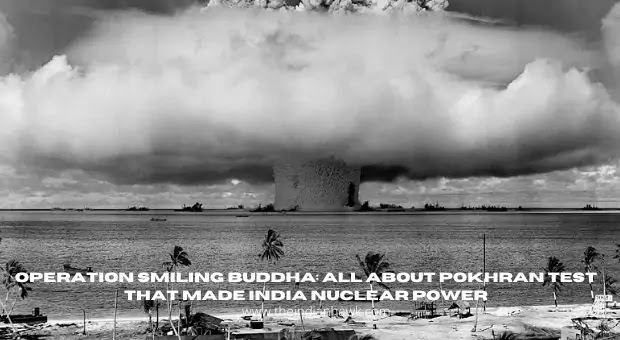
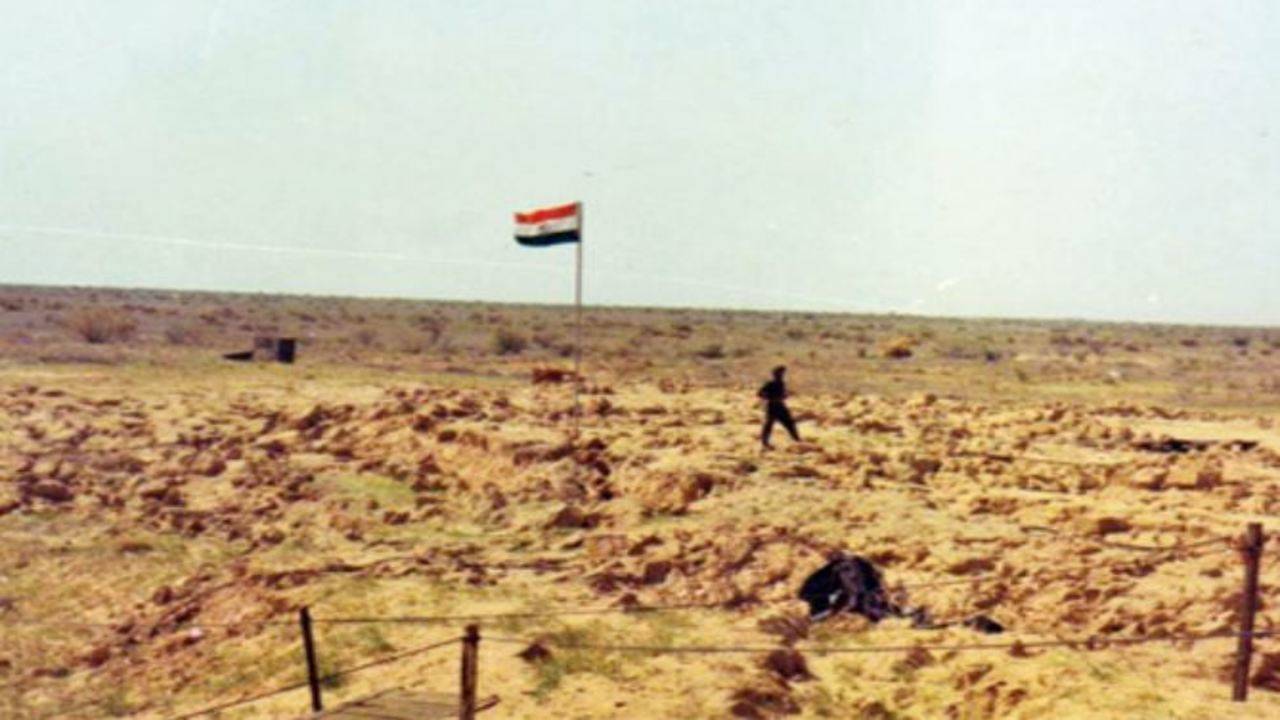
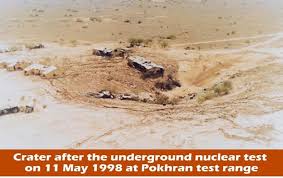
In the year 1961, my father was transferred from Government Arts College, Rajahmundry to Nizamabad upon his selection as the Principal of Giriraj Government Arts College. At age 13, I joined Giriraj as a student of the Pre-University Course. In 1962, at age 14, I joined the Bachelor of Science 3- year degree course. I started understanding the security threats that were faced by India after the brutal Chinese aggression across our Himalayan frontier. I had also started to lose my faith in the United Nations as India was not able to defend its vital national interests in the UN Security Council. India survived on account of the diplomatic support extended by the Soviet Union. At Giriraj , in 1962, when we celebrated the ‘U.N.O. DAY’, I had the opportunity to speak and publicly express my opinion about India’s relationship with the United Nations. As my father, the Principal of Giriraj, was listening to me, I told the Faculty Staff Members and the assembled student community that India should exercise its rights to develop and test the nuclear weapons. India carried out its first nuclear test at POKHRAN on May 18, 1974.
I WAS SMILING LIKE ‘THE SMILING BUDDHA’
Golden Jubilee Celebrations – Giriraj Government College remembers the Smiling BuddhaGolden Jubilee Celebrations – Giriraj Government College remembers the Smiling BuddhaGolden Jubilee Celebrations – Giriraj Government College remembers the Smiling BuddhaGolden Jubilee Celebrations – Giriraj Government College remembers the Smiling BuddhaGolden Jubilee Celebrations – Giriraj Government College remembers the Smiling BuddhaGolden Jubilee Celebrations – Giriraj Government College remembers the Smiling BuddhaGolden Jubilee Celebrations – Giriraj Government College remembers the Smiling BuddhaGolden Jubilee Celebrations – Giriraj Government College remembers the Smiling Buddha
I love Giriraj , which gave me this courage to speak my mind without any inhibition or fear. Later in my life, in the year 1979 while serving in the rank of Major in the Indian Army Medical Corps, I participated in a major military exercise in and around Pokhran area of Rajasthan and I was smiling like “THE SMILING BUDDHA.”
Golden Jubilee Celebrations – Giriraj Government College remembers the Smiling Buddha
Whole Dude – Whole Jubilee:
Whole Dude – Whole Jubilee: My Father, Shri. R. Suryanarayana Murthy, Principal (1961-65) rejoicing during the Golden Jubilee Celebrations at Giriraj Government Degree College, Nizamabad.
Golden Jubilee celebrations were held from 20th January 2008 to 21st January 2008 at Girraj Govt. College,Nizamabad. A large number of distinguished guests attended the ceremony and made it a grand success. On behalf of the Golden Jubilee celebrations, Girraj Govt. College launched a web portal named www.ggnzb.info The College was established on July 12, 1956.
Whole Dude – Whole Jubilee: My Father, Shri. R. Suryanarayana Murthy, Principal (1961-65) rejoicing during the Golden Jubilee Celebrations at Giriraj Government Degree College, Nizamabad. My friend, Apkari Surya Prakash also served as the Principal (2002-2005)My Father, Shri. R. Suryanarayana Murthy, Principal (1961-65) rejoicing during the Golden Jubilee Celebrations at Giriraj Government Degree College, Nizamabad.Whole Dude – Whole Jubilee: My Father, Shri. R. Suryanarayana Murthy, Principal (1961-65) rejoicing during the Golden Jubilee Celebrations at Giriraj Government Degree College, Nizamabad.Whole Dude – Whole Jubilee: My Father, Shri. R. Suryanarayana Murthy, Principal (1961-65) rejoicing during the Golden Jubilee Celebrations at Giriraj Government Degree College, Nizamabad.Whole Dude – Whole Jubilee: My Father, Shri. R. Suryanarayana Murthy, Principal (1961-65) rejoicing during the Golden Jubilee Celebrations at Giriraj Government Degree College, Nizamabad.Whole Dude – Whole Jubilee: The Golden Jubilee Celebrations at Giriraj Government College, Nizamabad.
I was a student of Giriraj Government Arts College, Nizamabad, Andhra Pradesh (now Telangana), India from 1961 to 1965.I joined the Pre-University Course (P.U.C.) and did the 3-Year Bachelor of Science Degree Course (B.Sc.) at Giriraj. My father, Shri. R. Suryanarayana Murthy was the Principal of Giriraj during those years. My Professor of Zoology, S. Lakshman Rao served as the Principal from 1960-61 prior to my father’s appointment as Principal in 1961. I am glad to find his name again as the Principal from 1981-83. K.S.R. Sarma was my Professor of Physics (1962-65) and I am glad to find his name as the Principal (1977-78).
Whole Dude – Whole Jubilee: The Golden Jubilee Celebrations at Giriraj Government College, Nizamabad.
My friend Apkari Surya Prakash did his Bachelor of Arts 3-Year Degree Course (1962-65) at Giriraj and later he served as the Principal of Giriraj from 2002 to 2005.
Whole Dude – Whole Jubilee: The Golden Jubilee Celebrations at Giriraj Government College, Nizamabad.Whole Dude – Whole Jubilee: The Golden Jubilee Celebrations at Giriraj Government College, Nizamabad.Whole Dude – Whole Jubilee: The Golden Jubilee Celebrations at Giriraj Government College, Nizamabad.Whole Dude – Whole Jubilee: The Golden Jubilee Celebrations at Giriraj Government College, Nizamabad.Whole Dude – Whole Jubilee: The Golden Jubilee Celebrations at Giriraj Government College, Nizamabad.Whole Dude – Whole Jubilee: The Golden Jubilee Celebrations at Giriraj Government College, Nizamabad.Whole Dude – Whole Jubilee: The Golden Jubilee Celebrations at Giriraj Government College, Nizamabad.
Iran – A Missed Opportunity?My military service in Royal Oman Army 1984-86.
The Strait of Hormuz
The rugged sea coast of Musandam Peninsula where I had worked hard patrolling the coastline, visiting remote villages, looking for Iranian infiltrators. Iran is just 18 miles away. I used to look towards Bandar Abbas of Iran which is clearly visible while I used to drive over these hill cliffs. I had a sense of fascination for Hormuz region of Iran. Parsi community of India had arrived from Hormuz. My military career in Indian Army had started under General Manek Shaw. Prime Minister Indira Gandhi’s husband Feroze Gandhi was a Parsi by birth. I had actually visited Iranian Embassy in Muscat. The Staff were excited to receive me as I went there in my military uniform and they had recognized that I was stationed at Khasab defending Strait of Hormuz. They wanted to help me but they had no powers. I was not seeking a tourist visa. I had reconciled. It was not God’s Plan. When God plans your Journey, there would be no obstacles. His uplifting power would enable you to overcome all obstacles.
The Strait of Hormuz connects Persian Gulf with Gulf of Oman and kindly view the enlarged picture and you would appreciate the maritime boundaries between Iran and Oman and the narrow shipping lanes that are vital for global energy supply. I served in The Sultanate of Oman’s Land Forces and also took part in the operations conducted by The Sultanate of Oman’s Air force, Navy and Coast Guard almost on a daily basis while I was stationed at Al-KHASAB air base.
Iran – A Missed Opportunity?My military service in Royal Oman Army 1984-86. The Gulf Crisis in Qatar – The US Military Presence in Oman. The Khasab airfield.
My Unit Hq PENSEC is responsible for the security of the Musandam Peninsula and also safeguard Oman’s territorial waters. We keep a 24 hours watch on all the vessels that transit through the Strait of Hormuz and provide navigational guidance and assistance as needed. Apart from keeping this vigil and monitoring the activity in the narrow shipping lanes, we regularly patrol all the coastal villages and contact the residents on a regular basis and gather information about any possible cross border infiltration. I used to make my trips using a variety of modes of transportation that included boats, smaller naval vessels, helicopters and land rovers. There are very few roads and the terrain is rocky and very rough. The villages are literally cut off from the rest of the country. Oman’s Ministry of Health runs clinics and hospitals at places like Khasab and Bukha and the smaller village communities have no such facilities and I have not noticed even grocery stores as the places are remote and inaccessible. I made a very dramatic impact upon the Village Patrolling operations in Musandam Peninsula and successfully redirected the military security and intelligence operation to provide assistance to the villagers.
Iran – A Missed Opportunity?My military service in Royal Oman Army 1984-86.Iran – A Missed Opportunity?My military service in Royal Oman Army 1984-86.Iran – A Missed Opportunity?My military service in Royal Oman Army 1984-86.Iran – A Missed Opportunity?My military service in Royal Oman Army 1984-86.Iran – A Missed Opportunity?My military service in Royal Oman Army 1984-86.
I used to spend my time talking to the residents, provide free medicine and arrange free helicopter trips to obtain hospital care in Khasab. Many of them needed dental treatment and were not able to visit a dentist. I could use the military helicopters to take them to the dentist and bring them back to their homes at the end of their appointments. During all of my trips, women, children, the elderly and others used to come out of their dwellings and line up to converse with me. To my utter surprise, sometimes I used to meet women from Hyderabad, India who had married Omani citizens. During my journeys, I used to get a very clear view of the coastline of Iran and I was told that many villagers regularly do their shopping at Bandar-e-Abbas of Iran.
IRAN – A MISSED OPPORTUNITY?
Iran – A Missed Opportunity? My military service in Royal Oman Army 1984-86.Musandam Peninsula, Oman
Before I moved to OMAN in January 1984, I made an attempt to find employment in Iran. I visited the beautiful Iranian Consulate in Hyderabad, India. Several of my friends who were then serving in the Medical and Health Services of the Government of Andhra Pradesh, had been to Iran on 5 years deputation, gave me a very good account of their service conditions and experience in Iran. I was looking for an opportunity to serve in the Iranian Armed Forces and was not really keen to take up a job with their Ministry of Health. Simultaneously, I found this opportunity in Oman to serve as an Officer with a good contract from their Ministry of Defense. Interestingly, I had again gone to the Iranian Embassy in Muscat, Oman in July, 1986 looking for an opportunity to live in Iran. I met with their senior officials who received me with great courtesy. Very regretfully, they claimed that their hands are tied and they could not give me the type of Visa I wanted. However, they sincerely appreciated my desire to work and live in Iran. If God is willing, may be I would get a third chance to knock on the doors of some Iranian Embassy. When I look back into our history, the story of Aryan Migration to Iran interests me a lot and I also recognize that Persian was the Court language during the long rule by Mughals (Moguls) and I love listening to ‘ghazals’, the lyrics composed in the Indian language Urdu which is enriched with the ideas and thoughts that are expressed in the Persian language.
Iran – A Missed Opportunity? My military service in Royal Oman Army 1984-86. The Gulf Crisis in Qatar – The US Military Presence in Oman. Khasab.
The reason to rejoice this Season- Be prepared for the Second Coming.
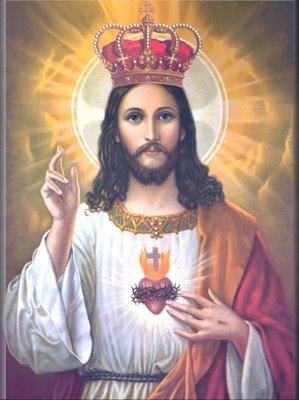
LORD OF LORDS AND KING OF KINGS
The reason to rejoice this Season- Be prepared for the Second Coming
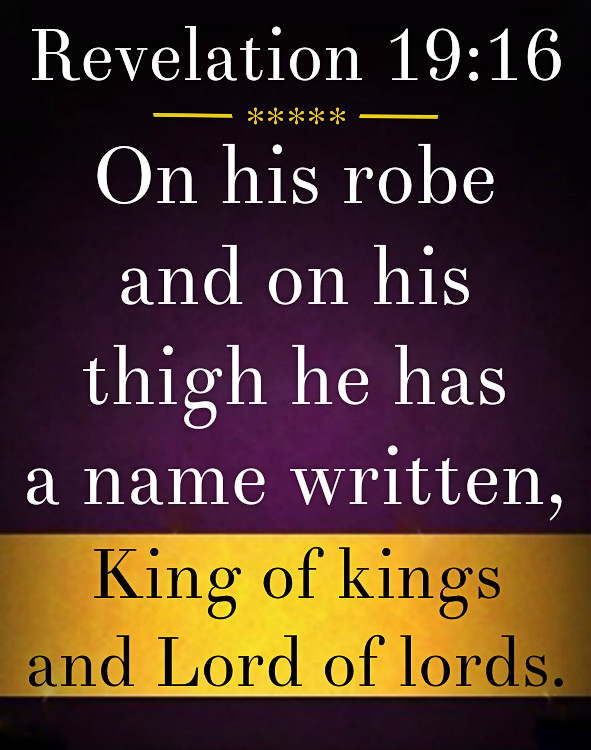
The Holy Bible, The Book of Revelation, Chapter 19, verse 16 reads : “He has on his garment and on his thigh a name written, ” KING OF KINGS, AND LORD OF LORDS.”
The reason to rejoice this Season- Be prepared for the Second Coming
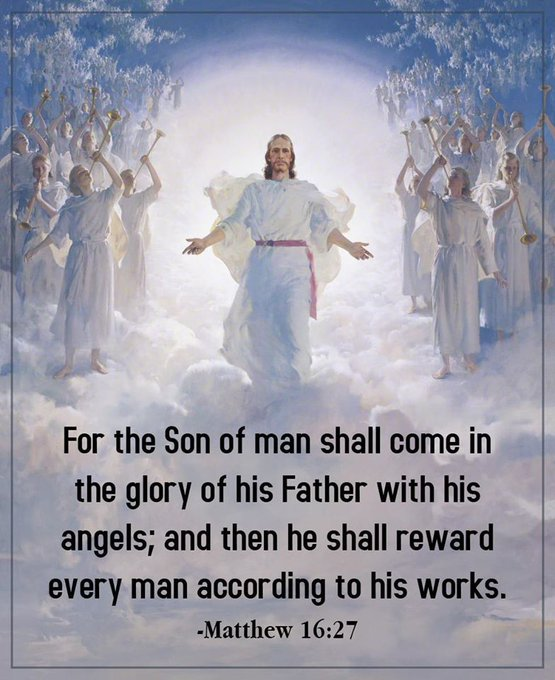
For the Son of Man is going to come in his Father’s glory with his angels, and then he will reward each person according to what he has done. (Matthew 16:27)
WHEN WILL JESUS RETURN?
The reason to rejoice this Season- Be prepared for the Second Coming
“No one knows about that day or hour, not even the angels in heaven, nor the Son, but only the Father.” (Matthew24:36)
The reason to rejoice this Season- Be prepared for the Second Coming
“Therefore keep watch, because you do not know on what day your Lord will come”. (Matthew24:42)
The reason to rejoice this Season- Be prepared for the Second Coming
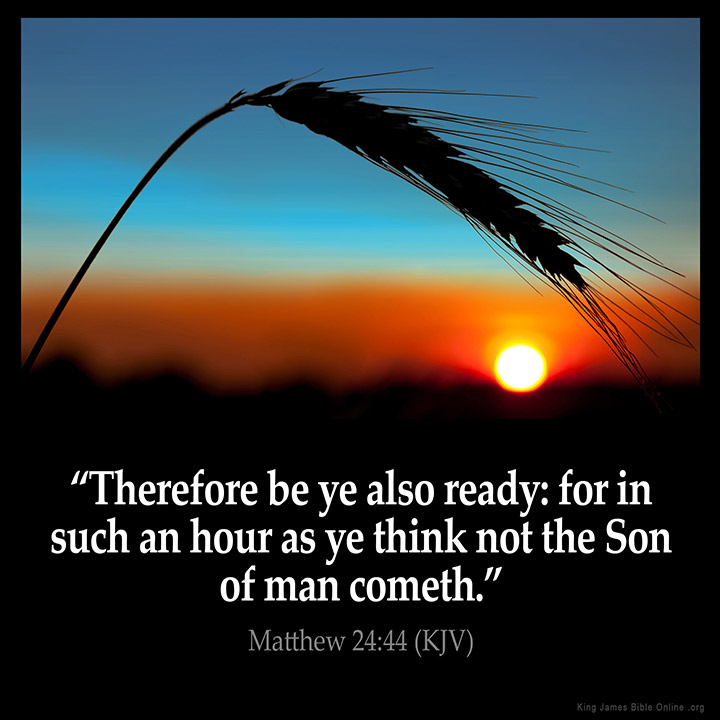
“So you also must be ready, because the Son of Man will come at an hour when you do not expect him.” (Matthew24:44)
BE PREPARED FOR THE SECOND COMING
1. Imitate Christ’s Humility:
The reason to rejoice this Season- Be prepared for the Second ComingThe reason to rejoice this Season- Be prepared for the Second ComingThe reason to rejoice this Season- Be prepared for the Second Coming
“If you have any encouragement from being united with Christ, if any comfort from his love, if any fellowship with the Spirit, if any tenderness and compassion, then make my joy complete by being like-minded, having the same love, being one in spirit and purpose. Do nothing out of selfish ambition or vain conceit, but in humility consider others better than yourselves. Each of you should look not only to your own interests, but also to the interests of others. Your attitude should be the same as that of Christ Jesus.(Philippians 2:1-5)
2.Working with God:
The reason to rejoice this Season- Be prepared for the Second Coming
“Therefore, my dear friends, as you have always obeyed-not only in my presence, but now much more in my absence-continue to work out your salvation with FEAR and TREMBLING, for it is God who works in you to will and to act according to his good purpose.”(Philippians 2:12)
The reason to rejoice this Season- Be prepared for the Second Coming
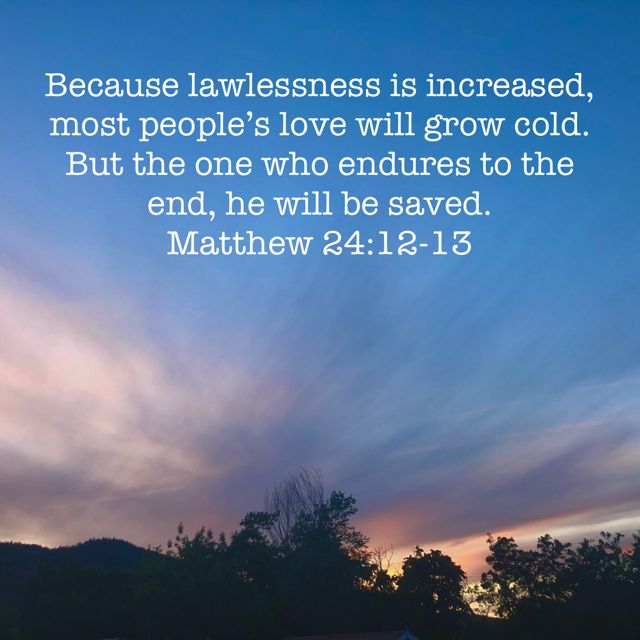
“Because of the increase of wickedness, the love of most will grow cold, but he who stands firm to the end will be saved”. (Matthew 24:12-13)
Christmas should not be viewed as an opportunity to please ourselves in the pursuit of joy for our selfish happiness. During this Season it is important to be prepared with a sense of FEAR and TREMBLING rather than to rejoice without Christ-like spirit. Your attitude should be the same as that of Jesus.
The reason to rejoice this Season- Be prepared for the Second Coming
























































 Whole Dude - Whole Spirituality
