About Guns, Victory and Gallantry Awards – 1971 Bangladesh Liberation War

Whole Dude – WholeVillain: India’s Prime Minister Indira Gandhi could not obtain any support from US President Richard Nixon during her visit to Washington D.C. on November 04, 1971. However, it did not deter Special Frontier Force/Establishment No. 22 from initiating our military action to dislodge Pakistan’s Army from East Pakistan. We began our military action on November 03, 1971, a day before this meeting.

About Guns, Victory and Gallantry Awards – Bangladesh Ops of 1971. The US President Richard Nixon and the Indian Prime Minister Indira Gandhi, Washington DC, November 04, 1971.

Operation Eagle, the military operation that initiated the liberation of Bangladesh with military action in the Chittagong Hill Tracts.
Indira Gandhi, Prime Minister of India initiated the Liberation of Bangladesh during 1971 with military action in the Chittagong Hill Tracts. This battle plan is known as Operation Eagle. 

OPERATION EAGLE 1971 – ABOUT GUNS, VICTORY, AND GALLANTRY AWARDS.  THE MILITARY ACTION IN THE CHITTAGONG HILL TRACTS COMMENCED ON NOVEMBER 03, 1971, ONE MONTH PRIOR TO INDIA’S OFFICIAL WAR ON PAKISTAN WHICH WAS DECLARED ON DECEMBER 03, 1971.

SPECIAL FRONTIER FORCE – ESTABLISHMENT NUMBER. 22 – OPERATION EAGLE – LIBERATION WAR OF BANGLADESH 1971 – GALLANTRY AWARD: 

Establishment No. 22 Company Commanders were among the first recipients of the gallantry awards granted during the 1971 India-Pakistan War.

Operation Eagle – Gallantry Award: Service Number IC-22805 Major Survendra Singh Negi, The Grenadiers, served as a Company Commander, South Column, Operation Eagle, Bangladesh Ops, the Chittagong Hill Tracts.
Operation Eagle – Gallantry Award: Flight Lieutenant Parvez Rustom Jamasji, Indian Air Force Helicopter Pilot provided airlift to the battle casualties in the conduct of Operation Eagle, Bangladesh Ops in the Chittagong Hill Tracts.

Indian Air Force Officer Parvez Rustom Jamasji served in Aviation Research Centre (ARC) on deputation as a helicopter pilot in the rank of Flight Lieutenant during 1971-72. He was awarded the Gallantry Award of Vir Chakra for giving our Unit air support during the conduct of our combat mission in the Chittagong Hill Tracts. He airlifted my battlefield casualties.

About Guns, Victory and Gallantry Awards. Bangladesh Ops of 1971. POORVI Star for Operations in the Eastern Sector.

On the 3rd. of December 1971, The Pakistani Air Force (PAF) struck several Indian airfields. By midnight, India was officially at war with Pakistan. Two weeks later, the war was over. The Indian Army had overrun erstwhile East Pakistan (Bangladesh) and had taken 93,000 Prisoners of War. It was one of the swiftest military campaigns in recent history. 

We helped the Bangla Muslims to regain their freedom and dignity. The India-Pakistan War of 1971 and the Birth of Bangladesh are very significant achievements of Prime Minister Indira Gandhi. As I was then serving in an Establishment under the Cabinet Secretariat, I had direct and personal understanding of her Foreign Policy initiatives. She approved our military Operation in the Chittagong Hill Tracts. In the conduct of this War, we faced a very critical moment in providing airlift to the battlefield casualties. The dispatch of a helicopter into the enemy airspace in the absence of an official war needed her personal intervention and a decision that the Prime Minister alone could make. I rendered my services and had overcome the challenge posed by that critical situation when we could not provide the airlift to the battle casualties. The importance of this situation could be understood as it needed an intervention from the Prime Minister. I am now asking the Government of India to recognize my GALLANT response inside enemy’s territory without any concern for my personal safety.

This War is memorable to me for several reasons. 1. I proceeded to take part in offensive, combat operations without my personal weapon/gun. 2. I was recommended for a ‘Gallantry Award’. I was recommended for” VIR CHAKRA” and the award citation did not go beyond the Office of The Director of Medical Services (ARMY), Medical Branch of Adjutant General’s Office, Army Headquarters and did not reach the Military Secretary’s Branch (Army) Ministry of Defense in time and the award was not granted on technical grounds. But 12 years later, my Formation Commander still remembered the role I had played and gave his appreciation in a formal letter. 3. I have shown gallantry without firing a bullet and I received appreciation from the enemy soldiers that we had captured. 

Lieutenant Governor of Andaman & Nicobar Islands (December 1985 to December 1989) – Lieutenant General(Retd) TS Oberoi, PVSM, VrC., former General Officer Commanding-in-Chief, Headquarters Southern Command, Pune, former Inspector General, Special Frontier Force, former Commandant, Headquarters Establishment No. 22.

Lieutenant Governor of Andaman & Nicobar Islands (December 1985 to December 1989) – Lieutenant General(Retd) TS Oberoi, PVSM, VrC., former General Officer Commanding-in-Chief, Headquarters Southern Command, Pune, former Inspector General, Special Frontier Force, former Commandant, Headquarters Establishment No. 22. He is the tall person in this photo wearing a dark brown turban. I knew him since 1971. Under his able leadership, the Liberation of Bangladesh commenced in November 1971. Apart from his military wisdom, he took good care of all men under his Command. While I was proceeding to the Chittagong Hill Tracts, he individually greeted all the members of my team and delayed the departure of aircraft to ensure that a hot breakfast was served to all the men boarding the aircraft. He paid personal attention to all the aspects of the military mission to ensure the well-being of men apart from achieving success in accomplishing the military task. The sense of warmth he radiated is easily felt when we meet him in person. His grandson provided me the link to this photo. Photo Credit – Trishna-Ajay-Picasa Web Album.

About Guns, Victory, and Gallantry Awards – 1971 Bangladesh Liberation War
A Personal Tribute to Colonel B K Narayan, The Regiment of Artillery, Indian Army.

This image has an empty alt attribute; its file name is kaaba-07.jpg
A Sermon in Kaptai, Bangladesh Ops 1971-72. A personal tribute to Colonel B K Narayan, Islamic Scholar who served in Olive Green Uniform. The Imam of Friday Prayer in Kaptai on December 17, 1971: Glorious Quran, Surah VIII, SPOILS OF WAR, Verse 01: “And if they incline to peace, incline thou also to it, and trust in Allah.Lo! He is the Hearer, the Knower.”

The remarks made by Lt Col B K Narayan on May 13, 1972, in my Annual Confidential Report for 1971-72 are as follows: “A very conscientious and Tough MO who worked hard during the Bangladesh OPs. He did very well and showed Maturity which was beyond the call of duty. I have recommended this Officer for a gallantry award for which he deserves eminently. He is physically Tough and cheerful. Is a fresh entrant with less than 2 years of Service and yet he displayed capability and confidence.

About Guns, Victory, and Gallantry Awards – 1971 Bangladesh Liberation War. My Service Weapon.

As an Officer of the Indian Army, I received training in the use of a 9 mm Sub Machine Gun known as Sten Gun or SMG (Carbine, Machine, Sten) and had always passed in my weapon training tests. It is a devastating close-range weapon. It is a compact, lightweight automatic weapon firing pistol ammunition and it would fire without any lubrication. The personal weapon that was issued to me was held in the Unit and is generally taken out for range practice and weapon training. Being a Medical Officer, I also spend a lot of time away from my Hospital and provide medical cover during troop training and exercises. In 1971, as the war clouds started gathering, I started spending more time away from the Hospital where I was posted. As the tensions started mounting, my formation was asked to get ready for deploying troops and to get them ready for the war; they had to be moved and repositioned at locations closer to the border. When the airlift of troops began, I was far away from the Hospital and had to board the aircraft with combat-ready troops without my personal weapon. Brigadier TS Oberoi, our Commander was present at the airfield during this predawn flight and he was personally supervising very minute details and was making sure that the men were treated well. He gave orders that the troops could not be asked to board the plane until they were served a hot breakfast. He was personally shaking hands and gave encouragement to each one of us. Being a doctor, they were all used to seeing me without a personal weapon and my Brigadier also did not raise any objection when I got into the plane without my gun.

Operation Eagle. The military action to initiate the Liberation of Bangladesh involved the use of this US Marine Corps Service Rifle.

After having reached the border location, I was still hoping that I could manage to get a gun for my personal protection. Officially, still there was no war and my expectation being that finding a gun would not be much of a problem. When I checked and asked for an ‘SMG’, the service authorized personal weapon for which I had prior weapon training, I was told that they had none to issue. I was asked to carry an assault rifle and the Company Commanders told me that they love the M-14 Rifle better than the light and compact SMG. I accepted the M-14 Rifle despite its heavy weight and bulky ammunition. I was not yet attached to the Battalion (South Column) with which I would participate during the operation. Soon, the basic battle plans were revealed, and the most important detail was that we would operate on a ‘manpack’ basis. That means there would be no vehicles and we literally carry everything on our backs and move as a column and we were cautioned that we would not be resupplied for the first seven days of the war. We should be self-sufficient in all aspects for one whole week. I arrived at this border village with my bedding, books, clothes etc., and was not knowing anything about the type of operation that was in store for me. I decided to leave everything at the Regimental Quarter Master Stores and proceed on foot with the men with a backpack. I had my team of medical assistants and I had to assign them to different Companies. Then I had the problem of my medical supplies for the battle. I had to carry every band-aid, dressings, pills, medicines that I would need. Nothing else would be supplied in the early and most difficult phase of the war. My medical assistants could only carry the load for their company role. I had to support the Battalion Headquarters and all other support personnel. I took a deep look at my medical supplies. Then I made my decision. I decided that I would rather go for the war with my medical mission and totally forget about defending myself during the war. I made a decision to return the M-14 Assault Rifle,and its bulky ammunition. I would be able to serve my men better if I have my medical supplies and I truly need more of it to protect others and there was no room to worry about my personal safety. In the first conference with my Battalion Commander Lieutenant Colonel BK Narayan, (that was the very first time I had met him in my life), I told him that nothing else really matters to me other than providing and caring for the men during combat and I would be happy to lift an extra load of medical supplies rather than carrying a gun to protect myself. Colonel. Narayan could immediately understand my decision and in the first battle briefing, he announced that the Adjutant would defend the doctor for the entire duration of the operation. Captain Kottayam Chacko Kurien, an Officer of Jewish faith accepted this additional responsibility with great seriousness and he solemnly pledged that I would be the last person to get killed in the Unit during the war in which I had marched everywhere along with the men without my personal weapon.  

I never met Brigadier TS Oberoi after he had bid me farewell at the airfield. He got a promotion to the rank of Major General and moved to New Delhi and I spent my time on the Himalayan frontier. In 1983, he was the General Officer Commanding-in-Chief at Headquarters Southern Command, PUNE and since I was serving under his Command, I sent him a formal letter mentioning that I was seeking release from Army Service. He immediately wrote back to me and I am pleased to quote a few lines from the letter that I had received from him:  

1.” Major R. Rudranarasimham of Army Medical Corps……….was closely associated with my organization during 1971 Indo-Pak War, thus, I would highlight certain commendable traits of this officer during this period of national crisis which certainly deserve befitting recognition on his relinquishing the Army.  

2. During the Indo-Pak War the officer was a medical officer with regular troops. He rose to the call of duty and displayed tremendous courage and total dedication to his duty. He carried out the given task with perfect organizational acumen and professional knowledge. He weathered tremendous physical and mental stress with utmost zeal and remained cool and composed during the operations. For this display of gallant qualities in the face of enemy the officer was recommended for a gallantry award but was not among the fortunate ones to receive it………….”  

The letter signed by Lieutenant General T S Oberoi, PVSM, VrC dated 14 Feb 1983 is still in my possession and it lets me celebrate the Victory in the 1971 War.  

Remarks of Lieutenant General T S Oberoi, PVSM, VrC, General Officer Commanding-in-Chief, Headquarters Southern Command Pune 411001.He had remarked about my participation in the Indo-Pak War of 1971.

THE PHANTOMS OF CHITTAGONG: THE FIFTH ARMY IN BANGLADESH:  

General Sujan Singh Uban, Special Frontier Force and The Liberation of Bangladesh.

Major General (Retd) Sujan Singh Uban, AVSM, the former Inspector General of Special Frontier Force authored a book titled ‘The Phantoms of Chittagong: The Fifth Army in Bangladesh’. He narrated the military exploits of his Force while operating in the difficult terrain of the Chittagong Hill Tracts during the India-Pakistan War of 1971. He did not discuss the role of the Indian Army Medical Corps and the Medical Plan for his Fifth Army in Bangladesh.  

The Flag of the Indian Army Medical Corps

The Flag of Indian Army Medical Corps. The AMC personnel are Combatants. The professional Service rendered inside enemy territory and showing courage in the face of enemy action deserves appropriate recognition. Gallantry Awards are not merely intended for firing bullets.

THE SPIRITS OF SPECIAL FRONTIER FORCE:

The U.S. President Richard Nixon and the Secretary of State Dr. Henry A. Kissinger opposed this military action to initiate the Liberation of Bangladesh during 1971. However, this political opposition had not undermined the purpose of the multinational military alliance/pact. Soon after the Liberation War, we were happy to extend our cooperation to the Nixon administration and had planted electronic listening devices to gather intelligence inside the occupied territory of Tibet.

Dr. R. Rudra Narasimham, B.Sc., M.B.B.S., 

Service Number. MS-8466, Rank. Captain, Army Medical Corps/Short Service Regular Commission  

Medical Officer South Column Operation Eagle 1971-72,

Headquarters Establishment No. 22 C/O  56  APO 

Special Frontier Force-Establishment No. 22-Operation Eagle:. In 1971, Special Frontier Force initiated Liberation of Bangladesh with military action in the Chittagong Hill Tracts with Battle Plan Code-named Operation Eagle. This Operation is not governed by Army Act 1950.


Guns, Victory and Gallantry Awards – Bangladesh Liberation War of 1971

Guns, Victory and Gallantry Awards – Bangladesh Liberation War of 1971. The US President Richard Nixon and the Indian Prime Minister Indira Gandhi, Washington DC, 4 November 1971.
OPERATION EAGLE 1971 – ABOUT GUNS, VICTORY, AND GALLANTRY AWARDS.  THE MILITARY ACTION IN THE CHITTAGONG HILL TRACTS COMMENCED ON NOVEMBER 03, 1971, ONE MONTH PRIOR TO INDIA’S OFFICIAL WAR ON PAKISTAN WHICH WAS DECLARED ON DECEMBER 03, 1971.

SPECIAL FRONTIER FORCE – ESTABLISHMENT NUMBER. 22 – OPERATION EAGLE – LIBERATION WAR OF BANGLADESH 1971 – GALLANTRY AWARD: 

Indian Air Force Officer Parvez Jamasji had served in Aviation Research Centre on deputation as a helicopter pilot in the rank of Flight Lieutenant during 1971-72. He was awarded the Gallantry Award of Vir Chakra for giving our Unit airsupport during the conduct of our combat mission in Chittagong Hill Tracts. He had airlifted my battlefield casualties.
Guns, Victory, and Gallantry Awards-The Bangladesh Liberation War of 1971. The Indian Air Force Officer Parvez Jamasji served in Aviation Research Centre (ARC) on deputation as a helicopter pilot in the rank of Flight Lieutenant during 1971-72. He was awarded the Gallantry Award of Vir Chakra for giving our Unit air support during the conduct of our combat mission in the Chittagong Hill Tracts. He airlifted my battlefield casualties.

Indira Gandhi, Prime Minister of India initiated Liberation of Bangladesh during 1971 with military action in the Chittagong Hill Tracts. This battle plan is known as Operation Eagle. 

Guns, Victory and Gallantry Awards. The Bangladesh Liberation War of 1971. POORVI Star for Operations in the Eastern Sector.

On the 3rd of December 1971, The Pakistan Air Force (PAF) struck a number of Indian airfields. By midnight, India was officially at war with Pakistan. Two weeks later, the war was over. The Indian Army had overrun erstwhile East Pakistan (Bangladesh) and had taken 93,000 Prisoners of War. It was one of the swiftest military campaigns in recent history.

Guns, Victory, and Gallantry Awards – India-Pakistan War 1971. India’s Prime Minister Indira Gandhi could not obtain any support from the US President Richard Nixon during her visit to Washington D.C. on November 04, 1971. However, it did not deter Special Frontier Force/Establishment No. 22 from initiating our military action to dislodge Pakistan’s Army from East Pakistan. We began our military action on November 03, 1971, a day before this meeting.

This War is memorable to me for several reasons. 1. I proceeded to a battle or combat zone without my personal weapon/gun. 2. I was recommended for a Gallantry Award without any concern about not possessing a combat weapon. I was recommended for the gallantry award called VIR CHAKRA and the award citation did not go beyond the Office of The Director of Medical Services (ARMY), Medical Branch of Adjutant General’s Office, Army Headquarters and did not reach the Military Secretary’s Branch (Army), Ministry of Defence in time and the award was not granted on technical grounds. But 12 years later, my Formation Commander still remembered the role I had played and gave his appreciation in a formal letter. 3. I have shown gallantry without firing a bullet and I received appreciation from the enemy soldiers that we had captured. I shall narrate my war-time experience in short stories now and then as the information remains classified.  

Guns, Victory, and Gallantry Awards-The Bangladesh Liberation War of 1971.The remarks made by Lt Col B K Narayan on May 13, 1972, in my Annual Confidential Report for 1971-72 are as follows: “A very conscientious and Tough MO who worked hard during the Bangladesh OPs. He did very well and showed Maturity which was beyond the call of duty. I have recommended this Officer for a gallantry award for which he deserves eminently. He is physically Tough and cheerful. Is a fresh entrant with less than 2 years of Service and yet he displayed capability and confidence.
A Personal Tribute to Colonel B K Narayan, The Regiment of Artillery, Indian Army.

This image has an empty alt attribute; its file name is kaaba-07.jpg
A Sermon in Kaptai, Bangladesh Ops 1971-72. A personal tribute to Colonel B K Narayan, Islamic Scholar who served in Olive Green Uniform. The Imam of Friday Prayer in Kaptai on December 17, 1971: Glorious Quran, Surah VIII, SPOILS OF WAR, Verse 01: “And if they incline to peace, incline thou also to it, and trust in Allah.Lo! He is the Hearer, the Knower.”
Guns, Victory, and Gallantry Awards-The Bangladesh Liberation War of 1971. I performed gallant action in the battlefield without the help of the M14 Gun.
Guns, Victory, and Gallantry Awards-The Bangladesh Liberation War of 1971. I was awarded the Sainya Seva Medal in 1973. The Indian Army Service Award while I served without my Service Weapon.

As an Officer of the Indian Army, I received training in the use of a 9 mm Sub Machine Gun known as ‘ Sten Gun ‘ or ‘ SMG’ (” Carbine, Machine, Sten “) and had always passed in my weapon training tests. It is a devastating close-range weapon. It is a compact, lightweight automatic weapon firing pistol ammunition and it would fire without any lubrication. The personal weapon that was issued to me was held in the Unit and is generally taken out for range practice and weapon training. Being a Medical Officer, I also spend a lot of time away from my Hospital and provide medical cover during troop training and exercises. In 1971, as the war clouds started gathering, I started spending more time away from the Hospital where I was posted. As the tensions started mounting, my formation was asked to get ready for deploying troops and to get them ready for the war, they had to be moved and repositioned at locations closer to the border. When the airlift of troops began, I was far away from the Hospital and had to board the aircraft with combat-ready troops without my personal weapon.

Guns, Victory, and Gallantry Awards – Bangladesh Liberation War of 1971. My military expedition commenced with a flight from Sarsawa airfield in Uttar Pradesh to Kumbhigram airfield in Assam.

Brigadier TS Oberoi, our Commander was present at the Sarsawa airfield during this predawn flight and he was personally supervising very minute details and was making sure that the men were treated well. He gave orders that the troops could not be asked to board the plane until they were served a hot breakfast. He was personally shaking hands and gave encouragement to each one of us. Being a doctor, they were all used to seeing me without a personal weapon and my Brigadier also did not raise any objection when I got into the plane without my gun. After having reached the border location, I was still hoping that I could manage to get a gun for my personal protection. Officially, still there was no war and my expectation was that finding a gun would not be much of a problem. When I had checked and asked for an ‘SMG’, the gun for which I had prior weapon training, I was told that they had none to issue. I was asked to carry an assault rifle and many Infantry Officers told me that they love the rifle better than the light and compact SMG. I accepted the gun in spite of its heavy weight and bulky ammunition. I was not yet attached to the Battalion with which I would actually participate during the operation. Soon, the basic battle plans were revealed and the most important detail was that we would operate on a ‘ manpack ‘ basis. That means there would be no vehicles and we literally carry everything on our backs and move as a column and we were cautioned that we would not be resupplied for the first seven days of the war. We should be self-sufficient in all aspects for one whole week which includes fighting the enemy. I had arrived at this border village with my bedding, books, clothes etc., and was not knowing anything about the type of operation that was in store for me. I decided to leave everything at the regimental Quarter Master Stores and proceed on foot with the men with a backpack. I had my team of medical assistants and I had to assign them to different companies. Then I had the problem of my medical supplies for the battle. I had to carry every band-aid, dressing, pills, medicines that I would need. Nothing else would be supplied in the early and most difficult phase of the war. My medical assistants could only carry the load for their company role. I had to support the Battalion Headquarters and all other support personnel. I took a deep look at my medical supplies. Then I made my decision. I decided that I would rather go for the war with my medical mission and totally forget about defending myself during the war. I made a decision to return my gun, my bulky ammunition and I would be able to serve my men better if I have my medical supplies and I truly need more of it to protect others and there was no room to worry about my personal safety. In the first conference with my Battalion Commander, Col BK Narayan, that was the very first time I had met him in my life, I told him that nothing else really matters to me other than providing and caring for the men during combat and I would be happy to lift an extra load of medical supplies rather than carrying a gun to protect myself. Col.Narayan could immediately understand my decision and in the first battle briefing, he had announced that the Adjutant would defend the doctor for the entire duration of the operation. Captain Kottayam Chacko Kurien, an Officer of Jewish faith had accepted this additional responsibility with great seriousness and he had solemnly pledged that I would be the last person to get killed in the Unit during the war in which I had marched everywhere along with the men without my personal weapon.  

Guns, Victory, and Gallantry Awards-The Bangladesh Liberation War of 1971. Lieutenant Governor of Andaman & Nicobar Islands(December 1985 to December 1989) – Lieutenant General(Retd) TS Oberoi, PVSM, VrC., former General Officer Commanding-in-Chief, Headquarters Southern Command, Pune, former Inspector General, Special Frontier Force, former Commandant, Headquarters Establishment No. 22. He is the tall person in this photo wearing a dark brown turban. I knew him since 1971. Under his able leadership, the Liberation of Bangladesh had commenced in the year 1971 during the Indo-Pak War. Apart from his military wisdom, he took good care of all men under his Command. While I was proceeding to the Chittagong Hill Tracts, he had individually greeted all the members of my team and had delayed the departure of aircraft to ensure that a hot breakfast was served to all the men boarding the aircraft. He paid personal attention to all the aspects of the military mission to ensure the well-being of men apart from achieving success in accomplishing the military task. The sense of warmth he radiated is easily felt when we meet him in person. His grandson provided me the link to this photo. Photo Credit – Trishna-Ajay-Picasa Web Album.

I never met Brigadier.TS Oberoi after he had bid me farewell at the Sarsawa airfield. He got a promotion to the rank of Major General and moved to New Delhi and I spent my time on the Himalayan frontier. In 1983, he was the General Officer Commanding-in-Chief at Headquarters Southern Command, PUNE and since I was serving under his Command, I sent him a formal letter mentioning that I was seeking release from Army Service.He immediately wrote back to me and I am pleased to quote a few lines from the letter that I had received from him:  

1.” Major R. Rudranarasimham of Army Medical Corps………..was closely associated with my organisation during 1971 Indo-Pak War, thus, I would highlight certain commendable traits of this officer during this period of national crisis which certainly deserve befitting recognition on his relinquishing the Army.  

2. During the Indo-Pak War the officer was a medical officer with regular troops. He rose to the call of duty and displayed tremendous courage and total dedication to his duty. He carried out the given task with perfect organizational acumen and professional knowledge. He weathered tremendous physical and mental stress with utmost zeal and remained cool and composed during the operations. For this display of gallant qualities in the face of enemy the officer was recommended for a gallantry award but was not among the fortunate ones to receive it………….”  

The letter signed by Lieutenant General T S Oberoi, PVSM, VrC dated 14 Feb 1983 is still in my possession and it lets me celebrate the Victory in the 1971 War.  

Guns, Victory, and Gallantry Awards-The Bangladesh Liberation War of 1971. Remarks of Lieutenant General T S Oberoi, PVSM, VrC, General Officer Commanding-in-Chief,Headquarters Southern Command Pune 411001.He had remarked about my participation in the Indo-Pak War of 1971.

THE PHANTOMS OF CHITTAGONG: THE FIFTH ARMY IN BANGLADESH:  

General Sujan Singh Uban, Special Frontier Force
Guns, Victory, and Gallantry Awards-The Bangladesh Liberation War of 1971. General Sujan Singh Uban, Special Frontier Force and The Liberation of Bangladesh.

Major General ( Retd ) Sujan Singh Uban, AVSM, the former Inspector General of Special Frontier Force had authored a book titled ‘The Phantoms of Chittagong : The Fifth Army in Bangladesh’. He had narrated the military exploits of his Force while operating in the difficult terrain of Chittagong Hill Tracts during the Indo-Pak War of 1971. He did not discuss the role of Indian Army Medical Corps and the Medical Plan for his Fifth Army in Bangladesh.  

The Flag of Indian Army Medical Corps. The AMC personnel are Combatants. The professional Service rendered inside enemy territory and showing courage in the face of enemy action deserves appropriate recognition. Gallantry Awards are not merely intended for firing bullets.
Guns, Victory, and Gallantry Awards-The Bangladesh Liberation War of 1971. The Flag of Indian Army Medical Corps. The AMC personnel are Combatants. The professional Service rendered inside enemy territory and showing courage in the face of enemy action deserves appropriate recognition. Gallantry Awards are not merely intended for firing bullets.

THE SPIRITS OF SPECIAL FRONTIER FORCE:

Establishment No. 22 – Operation Eagle: This badge represents a military alliance/pact between India, Tibet, and the United States of America. Its first combat mission was in the Chittagong Hill Tracts which unfolded on 03 November 1971. It was named Operation Eagle. It accomplished its mission of securing peace in the region that is now knownas Republic of Bangladesh.

The U.S. President Richard Nixon and the Secretary of State Dr. Henry A. Kissinger opposed this military action to initiate the Liberation of Bangladesh during 1971. However, this political opposition had not undermined the purpose of the multinational military alliance/pact. Soon after the Liberation War, we were happy to extend our cooperation to the Nixon administration and had planted electronic listening devices to gather intelligence inside the occupied territory of Tibet.

Dr. R. Rudra Narasimham, B.Sc., M.B.B.S., 

Service Number. MS-8466, Rank. CAPTAIN  AMC/SSC  

Medical Officer South Column Operation Eagle 1971

Headquarters Establishment No. 22  C/O  56  APO 

Guns, Victory, and Gallantry Awards-The Bangladesh Liberation War of 1971.
Whole Dude – Whole Expedition: In 1971, Special Frontier Force initiated Liberation of Bangladesh with military action in the Chittagong Hill Tracts with Battle Plan Code-named Operation Eagle. This Operation is not governed by Army Act 1950.


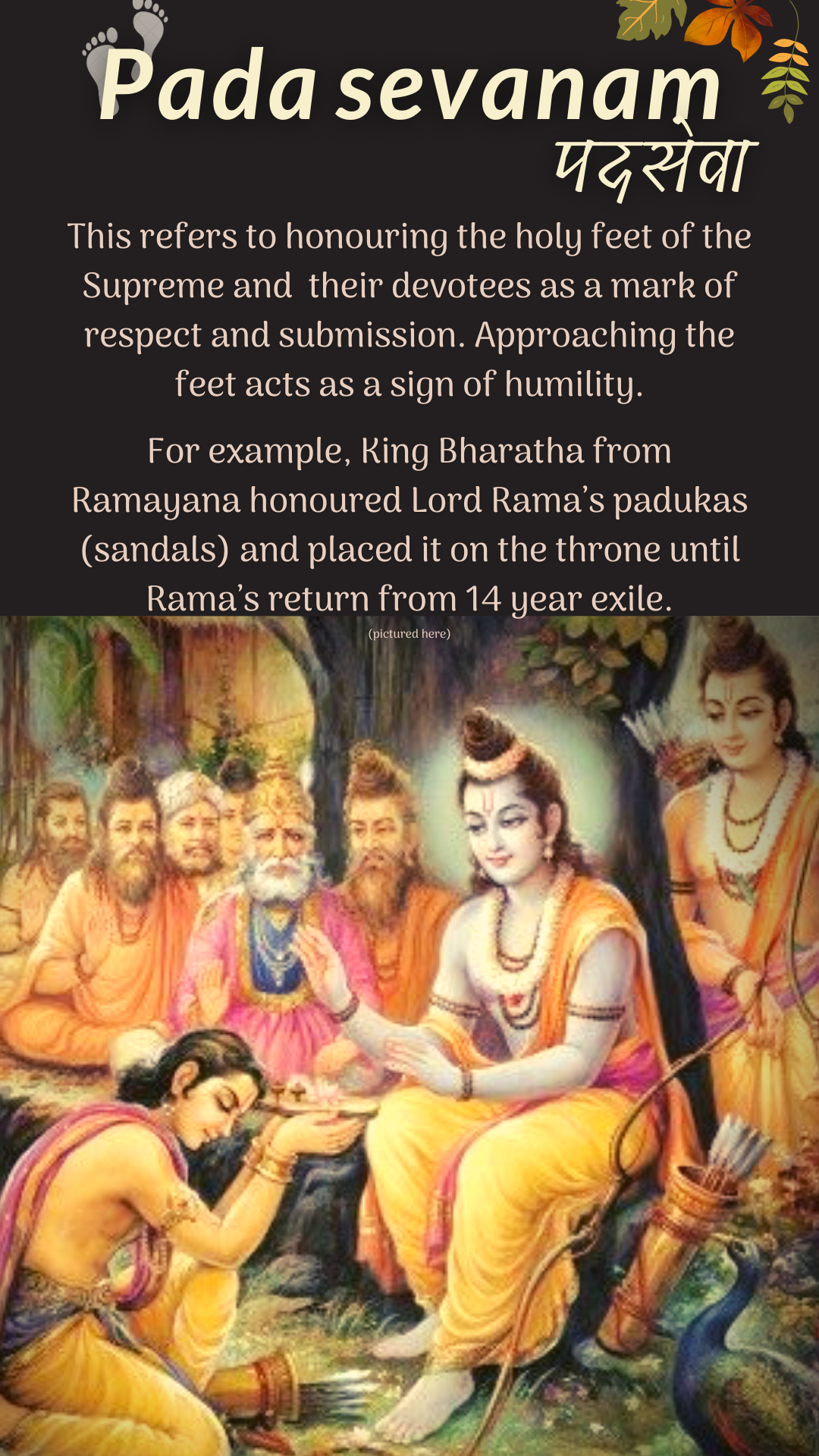
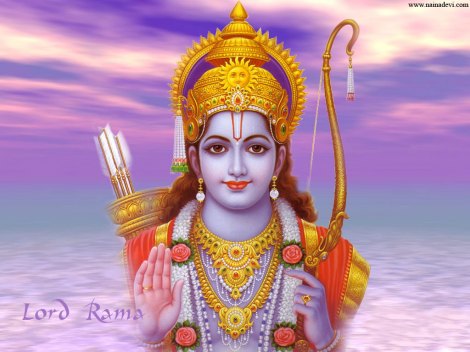
Lord Rama – My Beloved Hero

LORD RAMA-MY BELOVED HERO.

Sree Rama, Rama, Rameti, Rame, Raame, Manorame

Sahsra Nama tattulyam, Rama Nama Varanane.

Whole Beloved – Whole Adoration – Sage Poet Valmiki personified his adoration of Lord Rama

My Beloved Hero:

Whole Dude – Whole Beloved

The Culture of the Land Of India introduced to me several personalities and Cultural Icons and I tend to develop a relationship with them and each of my relationships exists in a particular context. Shiva is my protector and the Master who guides my intellectual functions. I describe Lord Krishna as my “GURU”, the Guru who guides my actions and I name Prince Karna as my favorite Hero as he is the “Salt of Life.” Rama describes himself in the following words. On the occasion of Princess Seetha’s ordeal by fire at the end of the epic battle, Rama says to Brahma (The Lord of Creation) who appeared there among others:

आत्मानं मानुषं मन्ये रामं दशरथात्मजम् || ६-११७-११
सोऽहं यस्य यतश्चाहं भगवंस्तद्ब्रवीतु मे |

11. manye = I think; aatmaanam = of myself; maanuSham = to be a human being; raamam = called Rama; dasharathaatmajam = the son of Dasaratha; bhagavaan = you; as a gracious Divinity; braviitu = tell; me = me; tat = that; saH aham yasya = which I as such really am; aham yashcha = and why I am like this.

“I think of myself to be a human being, by name Rama, the son of Dasaratha. You, as a gracious Divinity, tell me that which I as such really am like this.”

“I regard myself only as Rama, son of Dasaratha, an ordinary human being. Who I am in reality, where I belong, why I took birth, are matters on which you may enlighten me, and I do not know.”

In the personality of Rama, the course of human conduct and the Dharma governing it come linked together. My love for Rama could be mostly attributed to the story that is revealed in Book II, ‘Ayodhya Kanda’ of Valmiki Ramayana. We should view the events described through imagination and actually experience the emotional state of each character as the story is enacted in front of our eyes. It is claimed that, wherever Rama’s tale is told, Hanuman himself joins the gathering and reverentially stands with tear-filled eyes, listening. This has been my personal experience. Whenever I read the story about this ordinary human being, my eyes fill up with tears. I rechecked my emotions while preparing to write down this entry. When I read Ayodhya Kanda, my eyes can not resist from filling up with tears. For having experienced this emotional connection, I claim that Rama is my Beloved Hero.

My desire to speak about Rama is provided by Rama himself and I did mention about it in the very first entry of my blog posts. I give credit to the Telugu poet Bammera Potana whom I acknowledge as my ‘mentor’. Potana proclaims that he wrote his poems with the help of the creative spirit inspired directly by Rama. My Master Shiva gives the consent to entertain this idea that Rama is my resource for creative writing, my Guru Krishna approves my actions to express my sentimental attachment to Rama, Saraswati gracefully provides the ability to pen my thoughts, Hanuman certifies that my tears are genuine and Ganesha blesses my effort and lets me post this entry.

Lord Rama – My Beloved Hero. The Life Journey is viewed as a perilous and tedious swim without navigational aids and floatation devices across an unknown and uncharted ocean.

In the Indian tradition, the Life Journey is described as a perilous and tedious swim without navigational aids and floatation devices across an unknown and uncharted ocean. I stay afloat while I cross this ocean and the name RaMa is like a life jacket, a flotation device which would guide me to get to the destination and gives me the hope to reach the shore. I live in a universe which is a reflection of Maya. I find no better way to know the Ultimate Reality. I prefer to cling to the two-letter Mantra of Ra-Ma. I would just be happy if I could find the way and end up in the company of others who lived before me placing their trust in this Name.

Mother Kaikeyi spoke prophetic words when she said Rama’s dutifulness would bring him glory undying. That glory she said will continue as long as the Himaalaya stands and the waters of Ganga flow and as long as the ocean-waves beat on the solid earth.

May everyone that reads the Chapter XV of Ayodhya Kanda receive by Rama’s grace the strength to bear the sorrows that have to be faced in life.

Whole Beloved – Whole Adoration – Poet Valmiki immortalized his poetry through Love and Devotion.

Whole Beloved – Whole Adoration – Poet Valmiki immortalized his poetry through Love and Devotion.

I love to share these thoughts with my mother and I shed tears reading Rama’s story while remembering her.

Ramayana narrates the life journey of Lord Rama as a mortal human being. Man is a physical being, a mental being, a social being, a moral being, and a spiritual being. Man can not express a sense of human freedom and he is not free to act as he pleases. All the central characters of the epic poem of Ramayana acted within the limitations imposed upon their existence by mental, social, moral, and spiritual factors. Hence, I claim that Rama is not born Free.

“Burma Shave” – A disgusting insult

Burma Shave – A disgusting insult.

Excerpt: A controversial cartoon of a decapitated Buddha in The Ann Arbor News in 2007 was criticized as offensive and disrespectful. The critic, an ex-employee of the CIA’s ‘Campaign for Tibet’, called out America for its selective support of Democracy and Human Rights, implying favoritism towards its interests. President Bush’s lack of concern for human rights issues in Tibet was highlighted, as he spoke about the situation in Burma. The writer urged for local political development in Burma and more support for Tibetan Buddhist monks.

The cartoon picture of decapitated Buddha that was published in The Ann Arbor News on Wednesday, October 3, 2007 is plainly disgusting and is clearly an insult. It serves no purpose other than to hurt the feelings of people who respect Lord Gautama Buddha.

Having worked for the Central Intelligence Agency’s ‘ Campaign for Tibet ‘ for over four years in the past, I have come to the following conclusions :

1.America’s support for Democracy and Human Rights is good when and where it serves their selfish interests.

2.America does not care to give a hoot to Buddha.

In his most recent appearance at the General Assembly of the United Nations, President Bush spoke about human rights and the protests in Burma. If Democracy is good for Buddhist monks of Burma, it is equally good for Buddhist monks of Tibet. He had expressed no concern about the brutal oppression of human rights in Tibet.

If the pro-democracy movement in Burma is orchestrated by foreign agents, it would not deserve any support from India. We should let Burmese people develop their own political parties and any outside interference should be condemned.

The Buddhist Monks of Tibet deserve to get our attention and support.

Taj Mahal or Setu Bandhanam – Who lifted the stones?

Taj Mahal world heritage site in Agra, India.
Taj Mahal or Setu Bandhanam – Who lifted the stones?

Excerpt: The author, identifying as a rational thinker, questions who truly deserves credit for historical structures like the Taj Mahal or the Setu Bandhanam (Adam’s Bridge). They believe such recognition should go to the nameless workers who constructed these impressive works, rather than the kings and emperors who ordered their creation. Expressing a concern about personal and cultural identity, they imply that the credit for structures like Adam’s Bridge could potentially belong to the Dravidian people of Southern India, rather than simply to legendary figures like Prince Rama, as the epic poem Valmiki Ramayana would suggest. Also mentioned, is the importance of preserving such historical structures for their heritage significance.

Taj Mahal or Setu Bandhanam – Who lifted the stones? SETU SAMUDRAM – LORD RAMA’S BRIDGE ACROSS THE SEA – THE STORY OF RAMAYANA GIVES A VERY VIVID ACCOUNT OF THIS BRIDGE CONSTRUCTION.

I would very much love to be known as a rational thinker and my faith is just a byproduct of my rational thinking. I started my life in Mylapore, Madras and shared my story as to how Dravida Munnetra Kazhagam gave me concerns about my Identity. Kindly refer to my entry titled ‘Defining Indian Identity – The Language Factor’ 

https://bhavanajagat.wordpress.com/2007/08/13/defining-indian-identity-the-language-factor/  .

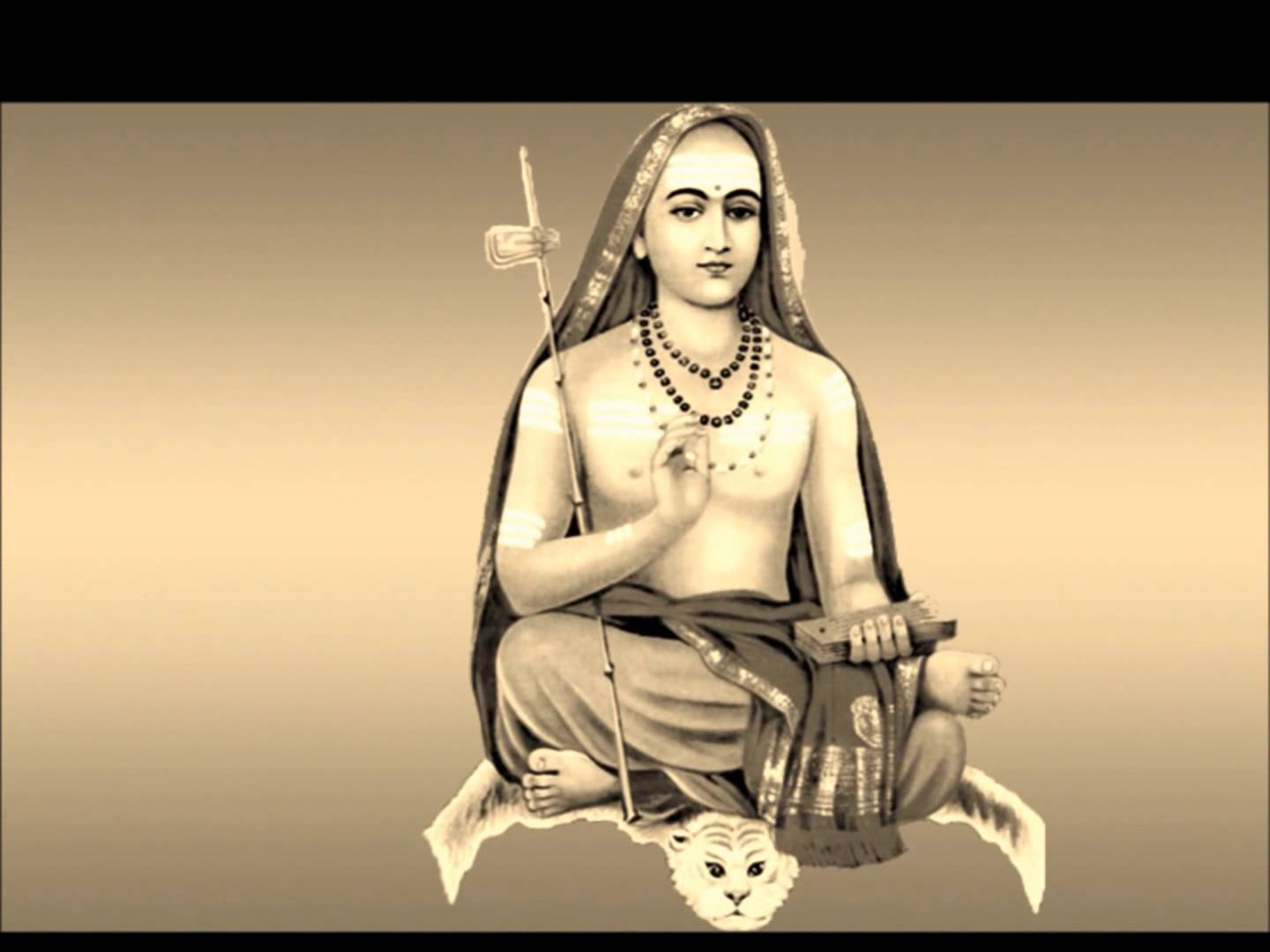
I grew up in the Smarta tradition founded by Adi Shankaracharya, and rational thinking is always acceptable to me. The ancient Land of India is known for lively debates and the battle of intellects at all of its seats of higher learning.

Taj Mahal or Setu Bandhanam – Who lifted the stones?

We often attach too much importance to the Kings and the Emperors who had ordered building of monuments such as the Pyramids or the Taj Mahal. The real credit should be given to those nameless workers who had actually labored, carved and lifted the stones and made the monuments a cherished reality.

The ‘Adam’s Bridge has generated some controversy. The DMK Party leader M.K. Karunanidhi would prefer to view this structure as the legacy of Prince Rama, an Aryan person. I would like to say that we must give recognition to the denizens who lived south of Vindhya mountains. They lifted the stones and the trees and built this land connection to Sri Lanka. If these workers were of Dravidian origin, the Adam’s Bridge represents the heritage of Dravidians. 

Taj Mahal or Setu Bandhanam – Who lifted the stones? Adam’s Bridge, Lord Rama’s Bridge across the Sea, Setu Bandhanam – Sage Valmiki gave a very detailed account of its construction in his epic poem known as Ramayana. I give credit to all those denizens of Southern India who had lifted the stones and trees to participate in this Herculean Project.

India’s epic poem Valmiki Ramayan describes building of a Causeway across the narrow strait that separates India and Sri Lanka.

Taj Mahal or Setu Bandhanam – Who lifted the stones?

Apart from literary evidence, there is evidence particularly gathered by satellite images to verify the fact of a Causeway built over shallow waters. This historical construction may belong to 5076 BCE and this site deserves protection as World Heritage Site just like the Pyramids or Taj Mahal. In the past, Supreme Court of India restrained Government of India from constructing a shipping channel called ‘Setu Samudram’ and the project was suspended. In my view, Government of India has no right to destroy this site for purposes of building a shipping channel.

Taj Mahal or Setu Bandhanam – Who lifted the stones?
Taj Mahal or Setu Bandhanam – Who lifted the stones?
Bharat Darshan – Ram Setu – World Heritage Site


Operation Eagle 1971 – A Sermon in Kaptai, Bangladesh

A Personal Tribute to Colonel B K Narayan, The Regiment of Artillery, Indian Army.

This image has an empty alt attribute; its file name is kaaba-07.jpg
A Sermon in Kaptai, Bangladesh Ops 1971-72. A personal tribute to Colonel B K Narayan, Islamic Scholar who served in Olive Green Uniform. The Imam of Friday Prayer in Kaptai on December 17, 1971: Glorious Quran, Surah VIII, SPOILS OF WAR, Verse 01: “And if they incline to peace, incline thou also to it, and trust in Allah.Lo! He is the Hearer, the Knower.”

GLORIOUS QURAN – SURAH VIII – SPOILS OF WAR, VERSE 61: “AND IF THEY INCLINE TO PEACE, INCLINE THOU ALSO TO IT, AND TRUST IN ALLAH. LO! HE IS THE HEARER, THE KNOWER.”

Operation Eagle 1971-72. A Sermon in Kaptai, Bangladesh.

THE GOSPEL ACCORDING TO SAINT MATTHEW, CHAPTER 5, VERSE 9: “BLESSED ARE THE PEACEMAKERS, FOR THEY WILL BE CALLED SONS OF GOD “

Operation Eagle 1971-72. A Sermon in Kaptai, Bangladesh.
The military operation – Operation Eagle 1971 in the Chittagong Hill Tracts was inclined towards PEACE.
OPERATION EAGLE 1971 IN THE CHITTAGONG HILL TRACTS IS INCLINED TOWARDS PEACE. WE DELIVERED PEACE TO PEOPLE OF BANGLADESH.

Operation Eagle 1971 was conceived by Prime Minister Indira Gandhi to deliver peace to the people of Bangladesh who had earlier declared their independence from Pakistan. I had the good fortune to serve under the Command of an Islamic Scholar who had performed Hajj and who had retained the entire book of Holy Quran in his memory and a true master of Islamic religious tradition and rituals of worship. Peace is the greeting of the Righteous. The Righteous while engaged in war are inclined towards Peace. My South Column Infantry Unit Commander of Operation Eagle, Lieutenant Colonel B K Narayan belonged to the Regiment of Artillery and during the time I spent with him I learned about the peace traditions of Righteous Muslims. Kindly read my personal tribute to this Islamic Scholar who had served Indian Army in its Olive Green Uniform. 

Dr. R. Rudra Narasimham, B.Sc., M.B.B.S.,

Personal Number: MS-8466; Rank: Captain; Branch: AMC/SSC

Medical Officer, South Column, Operation Eagle

Headquarters Establishment No. 22  C/O  56  APO

Operation Eagle 1971-72. A Sermon in Kaptai, Bangladesh
Operation Eagle 1971-72. A Sermon in Kaptai, Bangladesh.

https://bhavanajagat.wordpress.com/2007/09/22/a-sermon-in-kaptai-bangladesh/

Operation Eagle 1971-72. A Sermon in Kaptai, Bangladesh

Defining Indian Identity -Finding Truth – Listening to the Heart

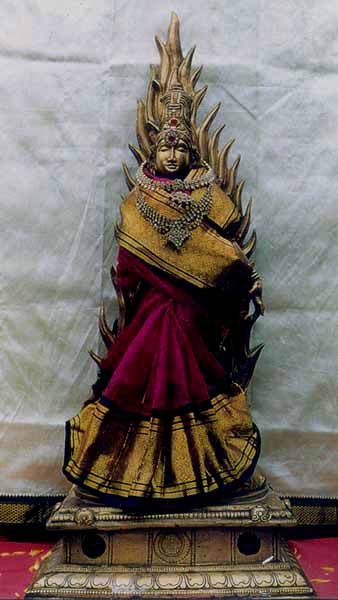
Defining Indian Identity -Finding Truth – Listening to the Heart. The Divine Mother is fondly remembered by invoking the numerous endearing names such as Amba, Durga, Parvati, and others.

While I was posted as an Intern at Military Hospital, Ambala, a patient of my Surgical Ward reported the problem of his missing watch.

To investigate the problem, I asked all the patients to come to my office and I carefully listened to their heartbeats. It was my impression that the missing watch was in the possession of one of the patients who was not its rightful owner.

I listened to their heart beats after I announced to them that I could discover the wrongful owner of the watch as the truth could be found in his heart. At the end of this listening session, I announced that I discovered the truth and asked the unspecified wrongful owner to return the watch to the place from where it was picked up, for that would give him a chance to avoid public exposure of his mischief. As expected by me, the missing watch found its way back to the bathroom from where it was picked up. The watch was returned to its rightful owner.

I listened to the hearts of my patients under the assumption that Indians have a deep sense of concern for truth and this concern about truth is a defining characteristic of Indian Identity. I would not suggest that my patients were gullible enough to trust my words about finding the culprit by listening to the heart sounds. They indeed have a true concern about the nature of truth and their inability to conceal truth from being revealed when man looks into his own heart in search of truth.

Dr. R. Rudra Narasimham, B.Sc., M.B.B.S.,

Personal Number – MS-8466  Rank Lieutenant/Captain  Intern/Medical Officer ( 1970-71),

Military Hospital, Ambala, Haryana, India.

SPIRITUALITY SCIENCE – ESSENCE AND EXISTENCE – CHIDAMBARA RAHASYAM: LORD GOD IS JUST ONE AND THE SAME AND YET MAN KNOWS HIM BY DIFFERENT NAMES. IN THE INDIAN TRADITION, THE NAME RAMA IS THE PERSONIFICATION OF THE ABSOLUTE TRUTH OR THE ULTIMATE REALITY. LORD RAMA IS THE SOURCE OF KRUPA OR COMPASSION FOR HE HAS THE EXPERIENCE OF A LIFE JOURNEY IN HIS PHYSICAL MANIFESTATION AS A HUMAN BEING.

A photo and a bit of Indian History

A photo and a bit of Indian History. A decorated Gateway at Warangal, India stands for the glorious rule of the Kakatiya Dynasty during 12th Century A.D.
A Photo and a bit of Indian History. PRATAP-RUDRA: The names speak for themselves. It is a testimony to the influence of Kakatiya Dynasty over Telugu speaking people.

My elder brother Pratap and me (Rudra) come together as Prataparudra. Does that name sound familiar to you? My father taught Indian History all his life and he was clearly inspired by the names of the legendary figures found in our history books. He selected names to reflect his admiration for people who lived before and who had established a glorious period in the collective memory of Indians.

My elder brother got his name Pratap to remind us of the bravery of Rana Pratap who challenged the Mughal emperor Akbar.

Telugu people also take pride in the legacy of the great Kakatiya Dynasty that ruled much of the Telugu speaking areas in 12th century A.D. The famous Thousand-Pillar Temple in Hanamkonda near Warangal was built in 1162 A.D. by the Kakatiya king Rudra Deva (1158-1195 A.D.) who is also known as Prataparudra I. One of the few queens in Indian history and a most prominent ruler of Kakatiya Dynasty was Rani Rudrama Devi (1262-1295 A.D.). Her grandson, Prataprudra ascended the throne in 1280 A.D. During his reign, art and literature flourished. The conquest of South India (Deccan) by the Delhi Sultanate started in 1296 by Alauddin Khilji. The first invasion in 1303 A.D. was repulsed by the valiant resistance of the Kakatiya army. The Khilji dynasty ended and Ghiyasuddin Tughlaq ascended the Delhi throne in 1320 A.D. The first attack by Muhammad bin Tughlaq was repulsed. During 1321 A.D. after an initial failed attempt, a much larger force attacked the Warangal Fort for the second time and finally King Prataparudra was taken prisoner. While being taken as a prisoner to Delhi, King Prataparudra released his life into the loving embrace of River Narmada and preserved his dignity. Maharana Pratap, Chatrapati Shivaji and King Prataparudra are our national heroes because of their resistance to foreign rulers and occupation.  

A photo and a bit of history. The name Rudra derives its historical importance when it is united with the name Pratap when it becomes Prataprudra.

ESSENCE AND EXISTENCE: Who you are (your essence) is defined by what you do (your existence). King Prataprudra desired to exist as a man of honor and integrity and defended the dignity of his existence and did not desire to yield his dignity to keep his existence. Indian tradition makes a distinction between the Subjective Reality of Existence and the Objective Reality of Existence. The Subjective Reality of King Prataprudra who was taken as a prisoner by his enemy was not consistent with the Objective Reality of Existence of King Prataprudra as defined by his nature. The King took the extreme measure to destroy the reality of his subjective existence as a prisoner and upheld the  true nature of his essence which was consistent with the Objective Reality of his existence. By killing the prisoner, the King  became an immortal individual. The prisoner had died and the King lives in the hearts of Telugu people.     

Our names have stories to tell and guide us to revisit the history and we take pride in our Telugu heritage.    

A Photo and a bit of Indian History. PRATAP-RUDRA: The names speak for themselves. It is a testimony to the influence of Kakatiya Dynasty over Telugu speaking people.


Defending Indian Identity -The Challenge of Terror

Defending Indian Identity-The Challenge of Terror. The tragic scene at Lumbini Amusement Park, Hyderabad, India on August 25, 2007 (Hyderabad Bombings).

In the Land from where beautiful thoughts have blossomed, the people have now become increasingly vulnerable to Terror Attacks and a countless number of innocent lives have already perished because of evil forces which desire to wipe out our Identity as a people. While we commit ourselves to promote peace and goodwill and work for the well- being of all people, there is no escape from the challenge that we face today. As a community and as a nation, we have no alternative other than preparing ourselves to this threat that is showing its ugly face without prior notice or warning.

Defending Indian Identity-The Challenge of Terror. The tragic scene at Lumbini Amusement Park, Hyderabad, India on August 25, 2007 (Hyderabad Bombings).

A STRATEGY TO FACE THE SECURITY CHALLENGES OF TERRORISM

Defending Indian Identity-The Challenge of Terror. The tragic scene at Lumbini Amusement Park, Hyderabad, India on August 25, 2007 (Hyderabad Bombings).

Terror and ruthless violence have become the tools of fanatics who would like to impose their socio-cultural agenda to bring about large scale societal changes by using coercion and not negotiation. The recent bomb attacks in the city of Hyderabad on August 25, 2007 is establishing a trend. The targets of terror are very soft and nothing was known about an impending attack. There is no easily identifiable group. There is no proclaimed goal or agenda other than that of destroying the fabric of the Indian society. We should stop clinging to the traditional views of conventional wars between countries. Each incident of terror attack should be legally defined as an act of war and the suspects should be held accountable for war crimes. The Armed Forces of the country should be equipped, prepared and redeployed to join this battle at a short notice.The military planners need to evolve a strategy for urban warfare and to pursue an enemy hiding in densely populated areas and to engage enemy targets with great precision and fire power which could be delivered with greater accuracy. The military intelligence capabilities should be enhanced to evolve military operations against internal enemies. We may need trained, rapid response teams to respond to this kind of aggression and its aftermath of wounded victims. The asymmetrical war unleashed by the terror groups is of equal importance in terms of the danger it poses to our national sovereignty. The response to each attack should come from the nation as a whole with the Armed Forces keeping the option of a military strike in retaliation.

The most important task following a terror attack would be that of caring for the victims. The Army Response Teams should be called in to arrange for the evacuation and treatment of the victims in the same manner that casualties from a battle field are taken care of. The wounded should be treated, rehabilitated and be provided followup care and paid a disability pension if required. We need to take care of victims instead of forgetting about them after paying some compensation. The investigation of the incidents and the prosecution of suspects should happen under the jurisdictional directions from the military authority.There should be no public disclosures about the evidence and the tools and methods used for collection of evidence. Such disclosures would only help the terror groups to plan their future attacks better. The suspects should be tried under the provisions of the military law in military courts. Indian citizens who are accomplices to these acts of war should be charged with treason and tried as traitors. If we are at war with groups and terror outfits based in foreign countries, our trade and diplomatic relationships should reflect the state of war that exists and there should be no normalization of relationships till such time the threat is neutralized.

Our government has an obligation to protect and defend the rights of the people and we need to step up our response to these acts of war of aggression.

Defending Indian Identity-The Challenge of Terror