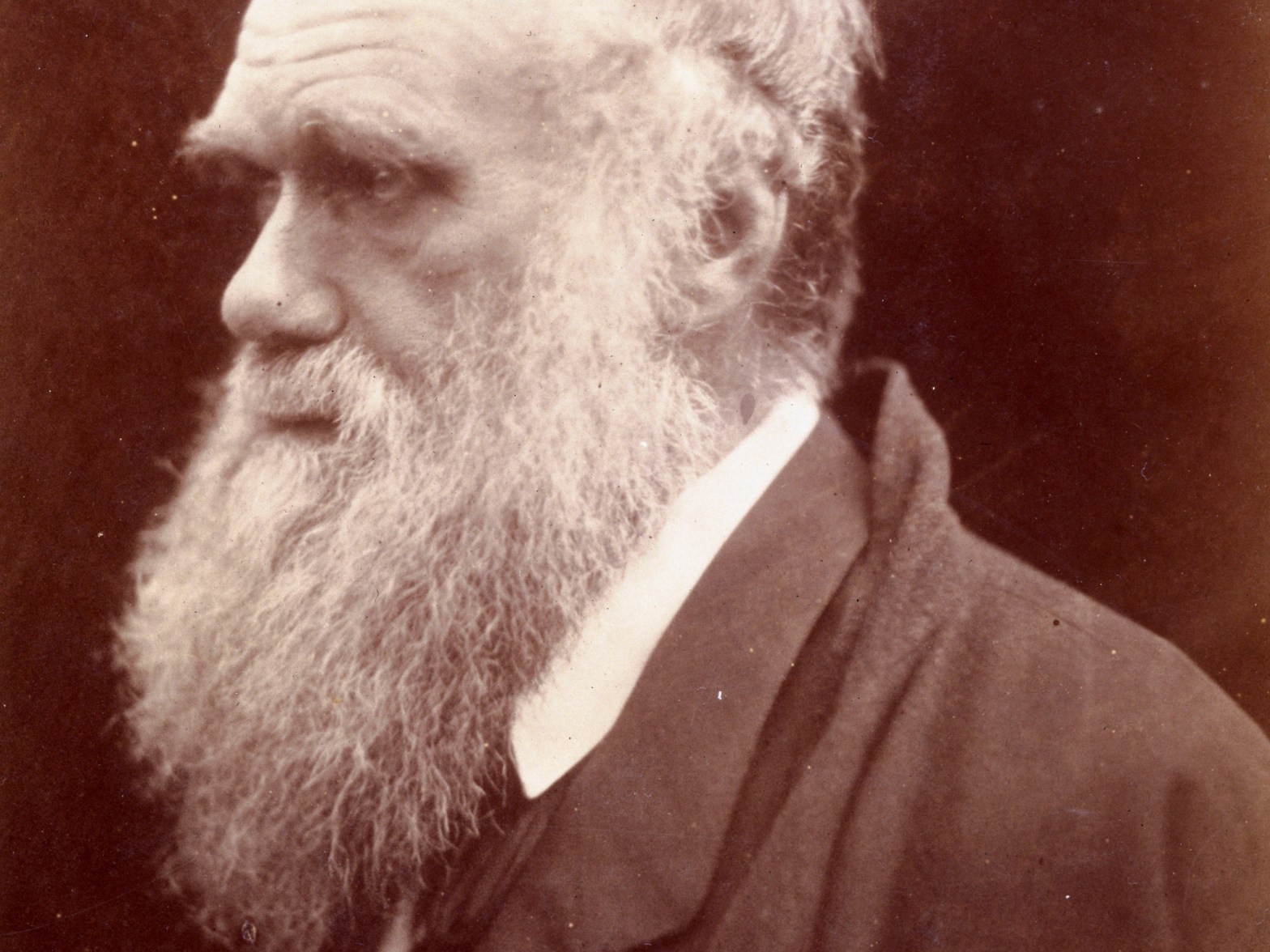
Man’s “Evolution” from ape-like ancestors is thought to be the key to our true Human Nature. Ethology or the scientific study of Animal Behavior is based on the Theory of Evolution. In order to explain human condition, Ethological Theories of Human Nature appeal to the “evolutionary” past of man.
However, it is important to know that Lorenz made no scientific study of Behavior displayed by Apes. Among the members of Homo genus, Man is the only surviving representative of the Homo sapiens Species and hence it will not be easy to validate his conclusions about evolutionary origin of innate Human Aggressive Behavior. If Aggression is viewed as Hereditary Behavior which is based upon its Survival Value for the genes for that Behavior, it must be noted that there are no surviving human ancestral Species. It appears that Aggressive Behavior had no value in defending survival of Members of Hominin Family, immediate ancestors of Anatomically Modern Man.
Category Archives: The Discovery of Self
Philosophy of Medicine – Lesson. 52. The Contents of Conscious ness + The Capacity of Consciousness = Total Consciousness
The Theory of Total Consciousness explores the total contents of conscious experience and determines its significance in relation to the act, state, or condition called Living.
Man enjoys an existence characterized by Peace, Harmony, and Tranquility, as the Soul, or the Life Principle operates the vital functions of the complex organism without relaying all the information to the cortical areas avoiding information overload. Thereby, Man is protected from a huge information overload that is not compatible with mental peace and equilibrium. In this context of defending existence from the threat of Information overload, it may be said, “Ignorance is Bliss.” The Creator is the Source of Great Knowledge (Sanskrit. Prajnanam) and the access to the realities of the Inner World and the Outer World are selectively restricted to defend the wellbeing of the living creatures.
Philosophy of Medicine – Lesson. 50 – The Constitutive and the Regulative Principles of Human Existence
Man has the Subjective and the Objective experience of the reality called Existence. The man has to account for this experience using the Faculty of Understanding, and the Faculty of Reasoning.
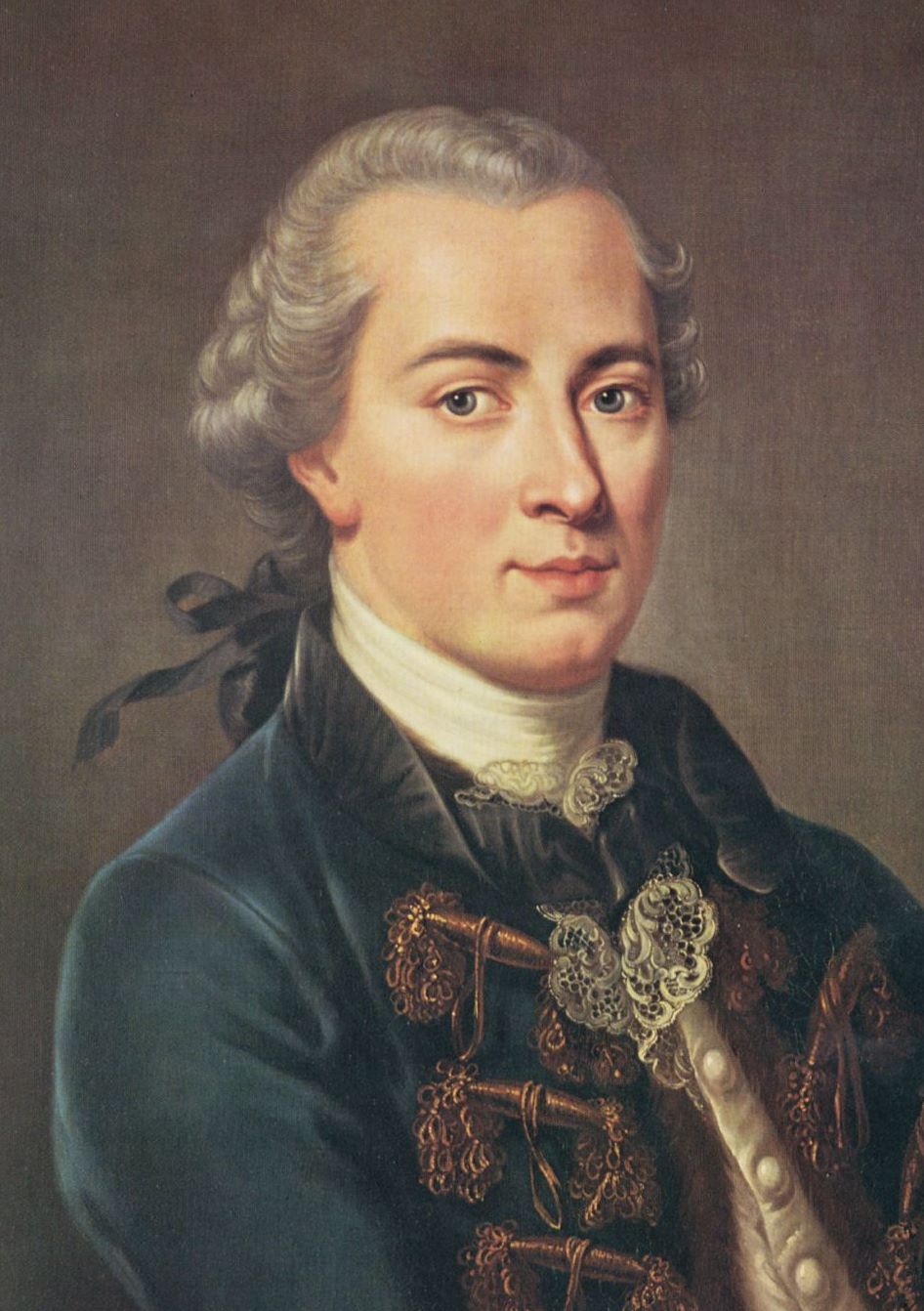
I recognize ‘Tat Asmi Prabhu’, a statement made by Indian thinker Shankara as the ‘Fifth Mahavakya’ or the Fifth Great Aphorism, a short, concise statement of Principle expressing a general truth about Man’s Essence and Man’s Existence. The word ‘Tat’ refers to Man’s Essence that constitutes Man’s Identity in the physical world. The word ‘Asmi’ refers to unity, harmony, agreement, concord, or arrangement of parts that will produce a singular effect that establishes oneness of that which is made up of distinct elements. The word Prabhu refers to Lord God Creator as the Supreme Being or the Supreme Power. To arrive at a complete understanding of Man and the Reality of Human Existence, it is important to make the distinction between the Constitutive and the Regulative Principles of Existence. To describe the Constitutive and the Regulative dimensions of the Human Existence as a subject matter of Natural Science, I would begin with my tribute to Immanuel Kant who explained the difference between constitutive and regulative concepts.
Philosophy of Medicine – Lesson. 49 – Adhyatma Vidya-The Discovery of Real or True Self
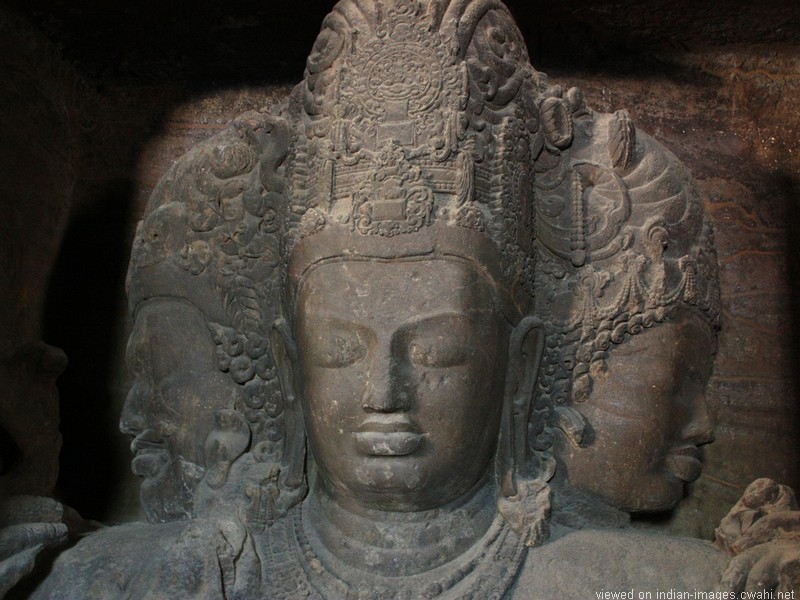
The Knowledge of the Spiritual Self involves knowing the nature of the substance or matter that describes the human form.
When does Life begins? When does Life end? Every Living Cell is derived from a previously existing Living Cell. Life has not experienced the final event called DEATH. Life continues its act of Living through a function called Reproduction. A given species is considered to be totally extinct only if there is no surviving member to represent that particular species. In spite of numerous major and minor extinction events, Life exists on planet Earth as if Life is imperishable. The phenomena of Life and Death always involve a social group of interacting living things.
Philosophy of Medicine – Lesson. 48 – The Medical Doctrine of Dialectical Spiritualism

The Ground Substance of Spiritualism and Spirituality. The vital characteristics, the animating principles of Protoplasm could be known by observing Amoeba proteus. The Living Substance works as an organ of Motion or Movement, as an organ of Nutrition, and as an organ of Reproduction to generate new cells which have a life span of their own. In these physiological functions, I describe the characteristics such as Cognition, Consciousness, Memory, and Intelligence which have a Spiritual role as they bring functional unity and harmony in the interactions between different parts of the same individual organism while it exists in an environment as a member of a biological community.
Man progresses towards his goal of becoming a Complete or Whole Spiritual Being and his body substance will exist in its higher state of existence of Imperishability. The Medical Doctrine of Dialectical Spiritualism proposes the hypothesis of Man’s Immortality or Everlasting Life as a higher state of existence of a mortal or perishable substance that has the potentiality and progresses towards its natural goal of Imperishability and Indestructibility.
Philosophy of Medicine – Lesson. 39 – The Concept of Whole Self

If the body knows its Owner, there is an anatomical structure that is associated with the function called Knowing-Self.
Philosophy of Medicine – Lesson. 31 – Whole Individual, Whole Identity, and Whole Individuality

Soul/Spirit represent the living process which brings unity, harmony, and equilibrium in the living functions of trillions of individual, independent cells which work together for the benefit of the Singularity popularly represented by the personality of man.
Biology must use the concept of Soul/Spirit to identify each man as a Specific Individual with Individuality. Human Identity and Individuality always involves the biological community, the time, the place, and the environment which are constantly interacting to provide the basis for the human existence.
A brief glance at the face is enough for most people to identify one another. However, man does not exist with the same identity during the course of his life. The word identity describes the condition or fact of being a specific person. Identification is the process by which a person can be identified in an accurate and consistent manner.
Philosophy of Medicine – Lesson. 30 – Identity and Individuality of Multicellular Human Organism

Soul/Spirit represent the living process which brings unity, harmony, and equilibrium in the living functions of trillions of individual, independent cells which work together for the benefit of the Singularity popularly represented by the personality of man.
Biology must use the concept of Soul/Spirit to identify each man as a Specific Individual with Individuality. Human Identity and Individuality always involves the biological community, the time, the place, and the environment which are constantly interacting to provide the basis for the human existence.
Philosophy of Medicine – Lesson. 16 – Life is neither created nor destroyed by Man

Yes Indeed, Life is Complicated. The complexity of Life involves the perplexing problem of Death. But, I ask my readers to meditate on the phenomenon called Life by understanding the designing of Matter and Spirit.
Life can neither be created nor destroyed by man. Life is established by the Principle called Spirit which is related to the unchanging or immutable nature of Matter.
The indestructibility of matter was explained by Lavoisier as the Law of Conservation. “We may lay it down as an incontestable axiom,” Lavoisier writes, “that in all the operations of art and nature, nothing is created; an equal quantity of matter exists both before and after the experiment.” What appears to be the destruction of a body is merely the transformation of its matter into another physical condition, without loss of mass unless there is an equivalent gain in energy. The total quantity of matter and energy remains constant throughout all physical changes. Material substances undergo changes when they interact with other material substances, but this “change” cannot be described as the permanent reality. The permanent reality describes the unchanging, or constant nature of chemical elements and molecules in spite of their tendency to interact with other elements and molecules.
Philosophy of Medicine – Lesson. 1 – Man is the Spectrum of Seven Colors

Whole Dude’s Whole Theory of Man defines Man as the ‘Spectrum of Seven Colors’. The Seven Colors or Dimensions of Man are, 1. The Physical, 2. The Mental, 3. The Social, 4. The Moral, 5. The Spiritual, 6. The Creative and 7. The Rational. Isaac Newton could easily verify his ‘Theory of Light’ by conducting his critical experiment in which he used two prisms to breakdown and to reconstitute white light rays. In case of Man, such experimental verification is not possible as Science does not have the capability to breakdown Man and reconstitute him. However, Science provides verified information about the building blocks of life and about basic living functions such as ‘Metabolism’ which essentially involve making, breaking, and repairing ‘Molecules of Life’.

