

I ask my readers to add the knowledge of Temperance to promote their Physical and Mental Health. The essence of Temperance is choosing moderation and deliberately avoid excess. In Indian Culture and Tradition, living in moderation and living in virtue are almost identical. Socrates suggests that one should “choose that which is orderly and sufficient and has a due provision for daily needs.” He compares the intemperate man “to a vessel full of holes because it can never be satisfied.” Socrates describes the temperate man as able to satisfy his limited desires, whereas the intemperate man of boundless desire, can never pause in his search of pleasure. According to Freud, when “the ego learns that it must inevitably go without immediate satisfaction, postpone gratification, learn to endure a degree of pain, and altogether renounce certain sources of pleasure”, it “becomes ‘reasonable’, is no longer controlled by the pleasure-principle, but follows the reality-principle”, which seeks, “a delayed and diminished pleasure, one which is assured by its realization of fact, its relation to reality.”
Category Archives: Philosophy of Medicine
Philosophy of Medicine – Lesson. 96 – Marching together with the Spirit

A Soldier’s Reflections on the Art of Self-Discipline: This is a tribute to all the men and women who serve India in Uniform after undergoing rigorous training enduring pain and hardships. The drill, such as marching together during ceremonial parades, testifies to the process of teaching the ‘Art of Self-Discipline’.
Self-discipline is essentially the same as self-control, one of the nine fruits of the Spirit listed by Paul in Galatians 5:22-23. The KJV translation uses the word temperance in place of “self-control” which, like self-discipline, generally refers to our ability to control or restrain ourselves from all kinds of feelings, impulses, and desires, which includes the desire for physical and material comfort
Philosophy of Medicine – Lesson. 95 – The Diagnosis of the Moral Dimension of Man
The Science of Virtue and Vice is related to man’s experience of Peace, Harmony, and Tranquility in his own living condition and in his interactions with his given environment and community.
The phrase “Spiritual Well-Being” describes a human living condition, a human living experience, and a human living state characterized by Peace, Harmony, Tranquility, and Equilibrium in its relationship with its own Self and the members present in the interacting social community and the external environment of a given place and time.
Philosophy of Medicine – Lesson. 94 – Whole Designer – The Detection of a Specific Primary Odor at Whole Foods, Ann Arbor reveals the designing of Biomolecules
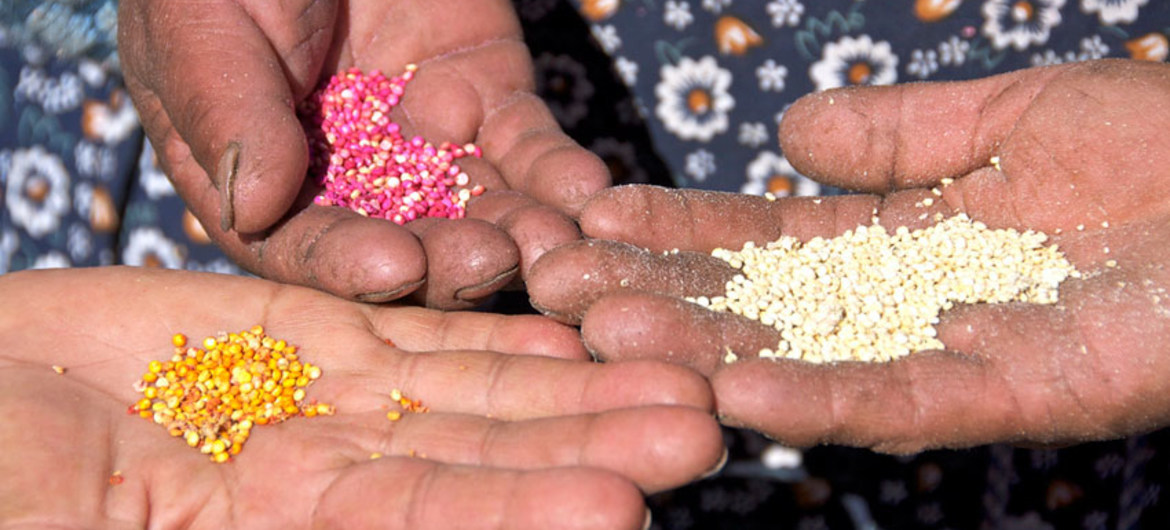
I am amazed to discover that a plant creates the same chemical compounds in the precise concentration and combination to generate the same odor, smell, flavor, scent, or aroma that is produced by a freshly voided sample of human male Semen, the biological fluid that contains seeds called Spermatozoa.
I ask my readers to acknowledge the creative use of putrid smelling Nitrogen containing unchanging biomolecules that operate the creation of life and the dissolution of life. The fact of Creation is simply revealed by knowing the Smell, the Scent, the Aroma, the Flavor and the Odor of Polyamine Molecules that declare their presence in the performance of human Reproduction as well as the nature of Mortal Existence making it extremely difficult to conceal the forensic evidence of Death.
Philosophy of Medicine – Lesson. 93 – Discovery of Dietary Polyamine contents of Chenopodium quinoa using the Smell Test
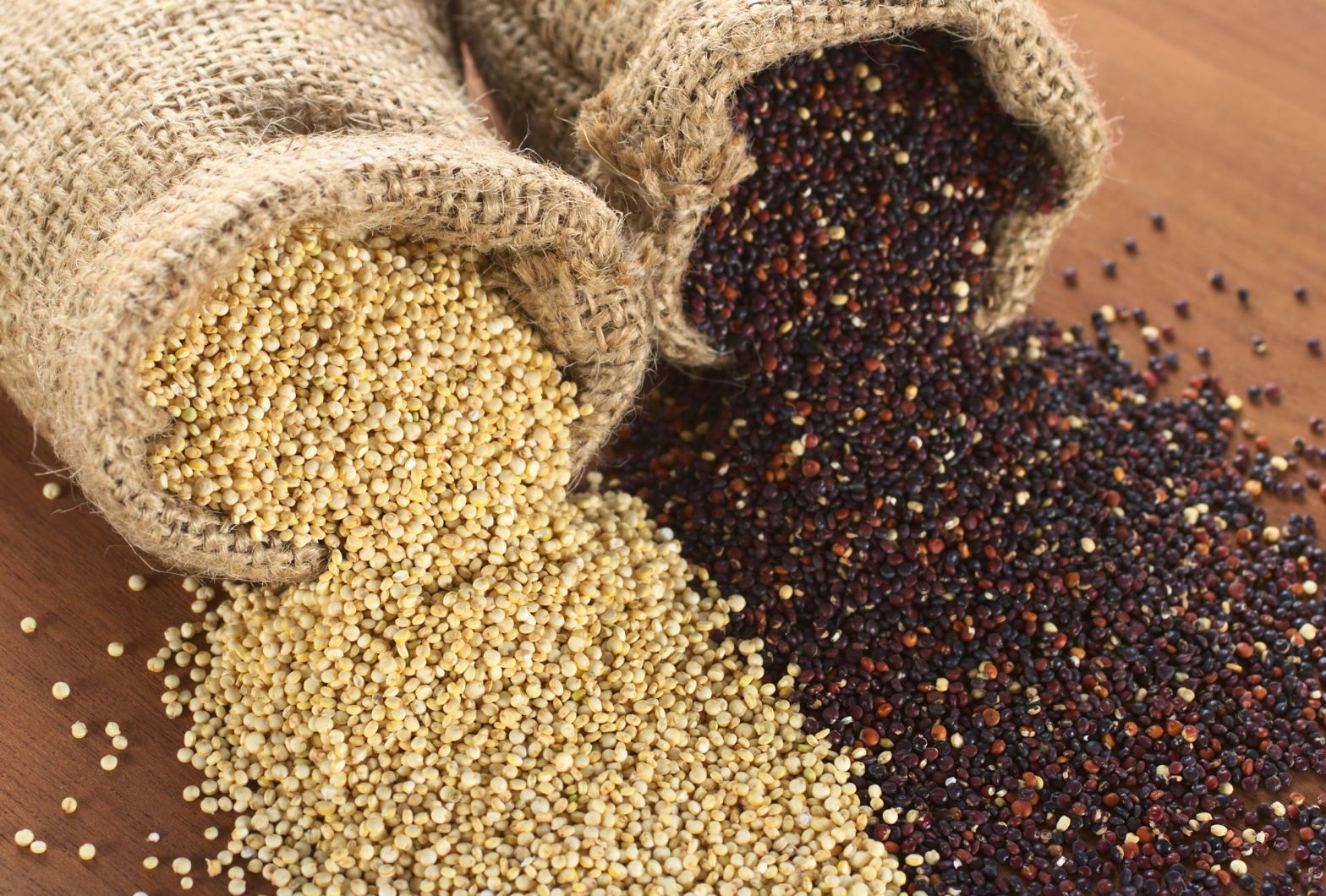
James Griffin is an expert in Food Retail Industry. To promote knowledge of food products, in 2014, he announced the “James Griffin Quinoa Challenge Award” and the same was presented to me at Whole Foods Market Inc., Ann Arbor, Michigan, USA on Sunday, May 18, 2014. This award describes importance of the development of a food database that food consumers can easily use to make important decisions about the food products they purchase to promote their health and to prevent diseases like cancer. I ask my readers to acknowledge the creative use of putrid smelling Nitrogen containing unchanging biomolecules that operate the creation of life and the dissolution of life. The fact of Creation is simply revealed by knowing the Smell, the Scent, the Aroma, the Flavor and the Odor of Polyamine Molecules that declare their presence in the performance of human Reproduction as well as the nature of Mortal Existence making it extremely difficult to conceal the forensic evidence of Death.
Philosophy of Medicine – Lesson. 91 – The Eureka Moment on October 09, 2013 to acknowledge the Bridge between Life and Death

The Magic of Creation is experienced by man who has the faculties of special sensation such as vision, olfaction (smell), and taste. Plants create chemical molecules that have the ability to provide the stimulus to cause a sensation that man can easily recognize. The fact of Creation can be recognized by knowing the color, the odor, the smell, the scent, the fragrance, the aroma, the flavor, and the taste of chemical molecules synthesized by plants.
The Magic of Creation can be interpreted from an understanding of Photochemistry and Phytochemistry. Photochemistry provides information about light and matter interactions in the material world where the living things survive using directly, or indirectly the energy trapped by photosynthetic organisms. Phytochemistry provides information about the creation, or the synthesis of chemical molecules by plants which are not endowed with organs of special sensation.
Philosophy of Medicine – Lesson. 90 – The Biological Significance of Dietary Polyamines

James Griffin is an expert in Food Retail Industry. To promote knowledge of food products, in 2014, he announced the “James Griffin Quinoa Challenge Award” and the same was presented to me at Whole Foods Market Inc., Ann Arbor, Michigan, USA on Sunday, May 18, 2014. This award describes importance of the development of a food database that food consumers can easily use to make important decisions about the food products they purchase to promote their health and to prevent diseases like cancer.
Polyamines continue to be a subject of intense study, with over 75,000 papers written on the topic since 1900. Since 2013, after reporting my Whole Discovery at Whole Foods, Ann Arbor, no researcher has shared my findings on the role of the Sense of Olfaction in describing the presence of Polyamines in aromatic compounds synthesized by Plants.
Philosophy of Medicine – Lesson. 89 – Long Before the Origin of Man, a plant has known the Smell of Human Semen

In this blog post, I explore the connection between the chemical compounds made by Chenopodium quinoa and the male human reproductive system. I am totally amazed for my Whole Discovery of a plant that creates the same chemical compounds in the precise concentration and combination to generate the same odor, smell, flavor, scent, or aroma that is produced by a freshly voided sample of human male Semen, the biological fluid that contains seeds called Spermatozoa. Apparently, Quinoa Plant knows the Recipe to generate this Primary Odor long before the Origin of Man. In my entire food experience with a wide variety of plant, and animal products, I have never encountered a similar observation where I see convergence in chemical processes to generate unique, unmistakable and distinctive odor by two entirely different organisms. Both plants and man may synthesize similar chemical compounds using similar enzymatic pathways, still it would be very exceptional to generate an odor that man can easily recognize as his own. The mechanisms that operate the phenomenon of Evolution cannot bring about this kind of convergence. In my interpretation, it is the evidence of an artistic Unit created by the Whole Designer, or Whole Architect, and a Master Planner.
Philosophy of Medicine – Lesson. 88 -Biomolecules present evidence to refute the Theory of Evolution
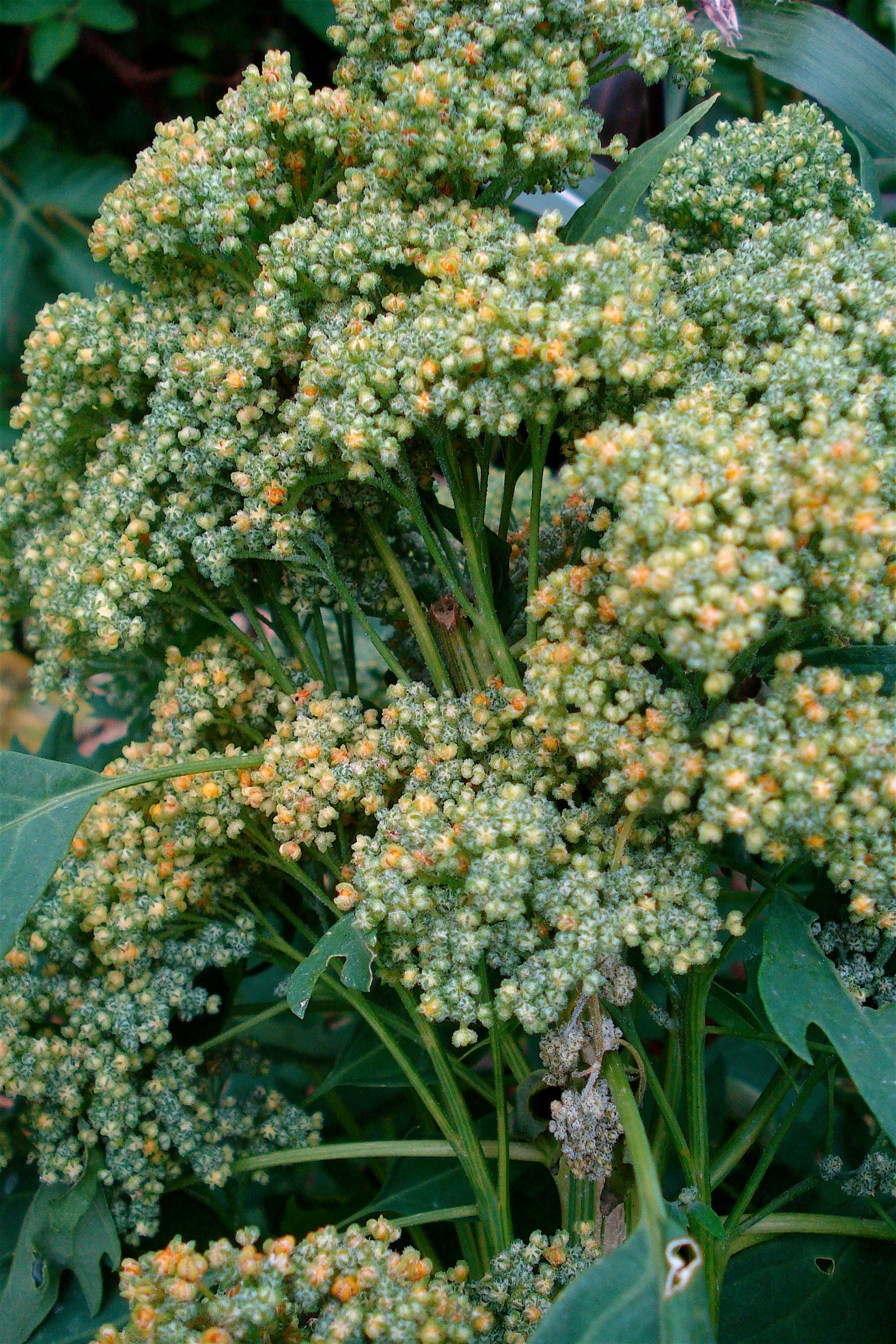
I am totally amazed to discover that a plant creates the same chemical compounds in the precise concentration and combination to generate the same odor, smell, flavor, scent, or aroma that is produced by a freshly voided sample of human male Semen, the biological fluid that contains seeds called Spermatozoa. In my entire food experience with a wide variety of plant, and animal products, I have never encountered a similar observation where I see convergence in chemical processes to generate unique, unmistakable and distinctive odor by two entirely different organisms. Both plants and man may synthesize similar chemical compounds using similar enzymatic pathways, still it would be very exceptional to generate an odor that man can easily recognize as his own. The mechanisms that operate the phenomenon of Evolution cannot bring about this kind of convergence. In my interpretation, it is evidence of an artistic Unit created by the WholeDesigner, or WholeArchitect, and a Master Planner. Incas have been continuously cultivating Quinoa for the last 7,000 years. They may not be aware of the chemical compounds made by these plants. However, they should be able to very easily recognize the smell, the odor, the scent, the aroma, and the flavor of the plant products that they use. A ‘Smell Test’ can accurately detect presence of some odoriferous chemical molecules and man will be able to describe the odor without being a Chemist, or a Biochemist.
Philosophy of Medicine – Lesson. 86 – Mendel’s Laws of Inheritance vs Theory of Evolution
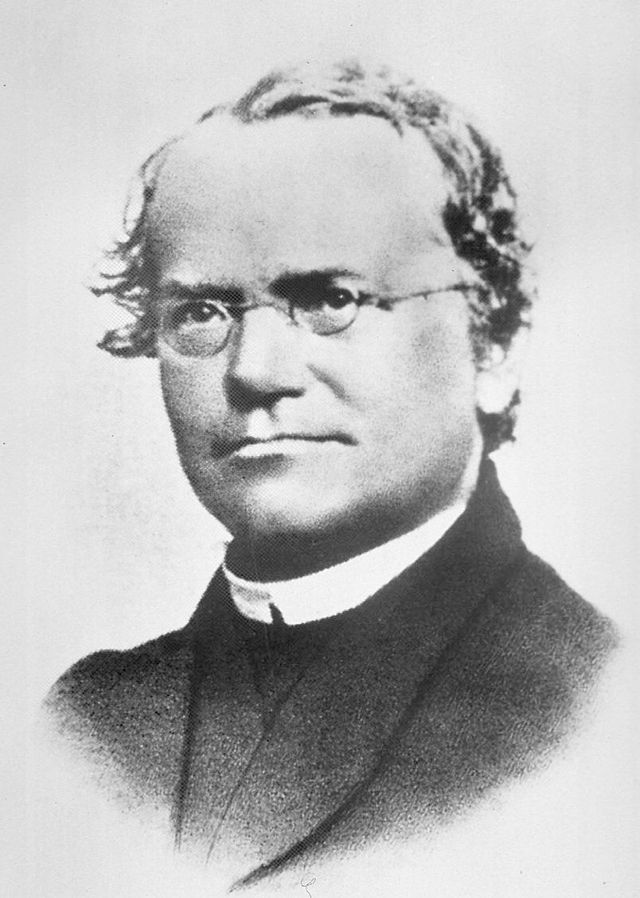
In my view, the substance or material called the Living Matter has always existed with the same chemical composition resisting any influence of changing Time. The forms assumed by the Living Matter have always varied to demonstrate the operation of a creative mechanism that maintains the stability of each Species while generating variations among members of the same Species and between different Species. I would further seek to explain the arrival of the Human Species as a Creative Event as other member Species of the Genus Homo disappeared simultaneously without any specific contribution made by the Nature or the natural living conditions that prevail on planet Earth.

