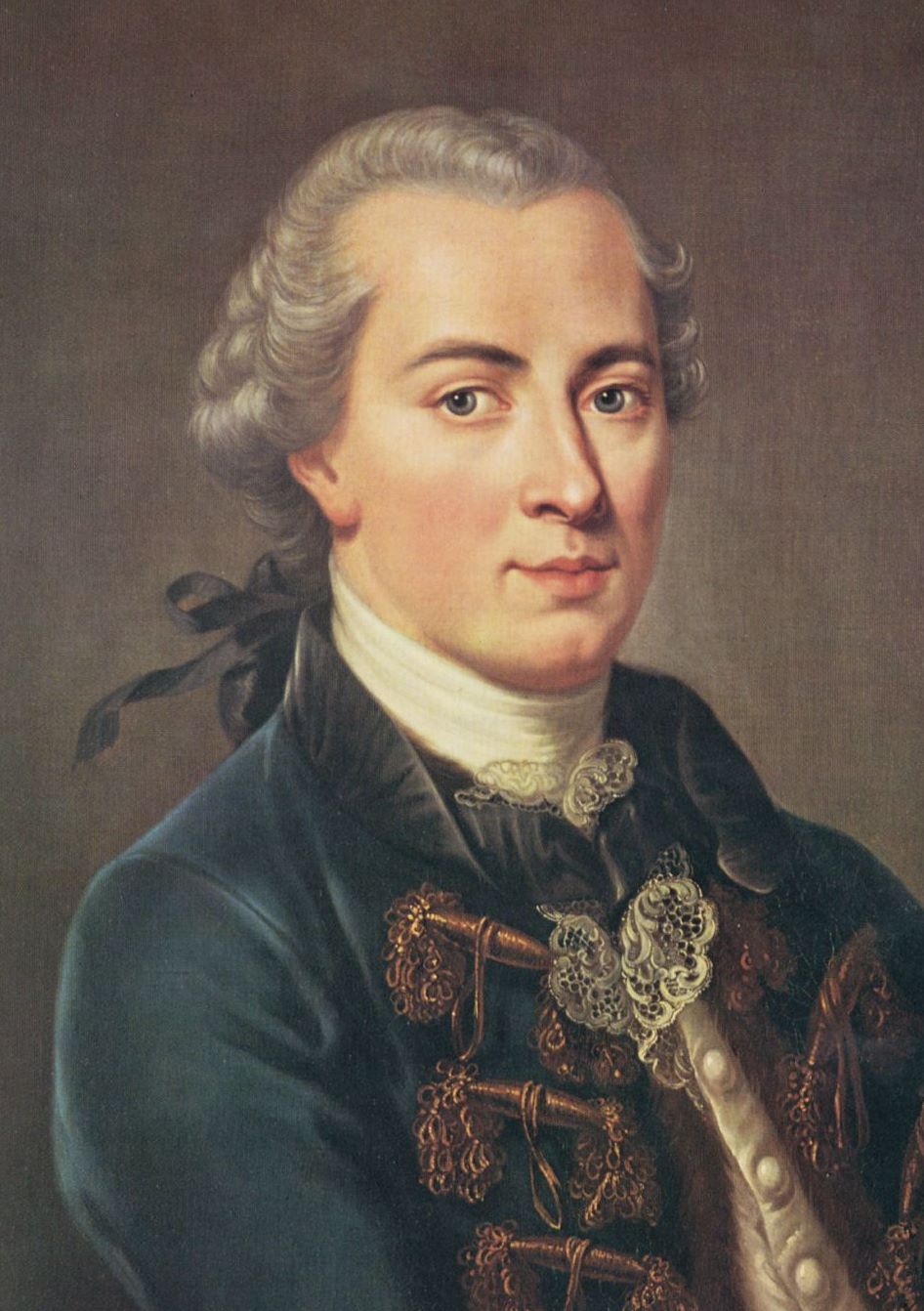
Man has the Subjective and the Objective experience of the reality called Existence. The man has to account for this experience using the Faculty of Understanding, and the Faculty of Reasoning.
I recognize ‘Tat Asmi Prabhu’, a statement made by Indian thinker Shankara as the ‘Fifth Mahavakya’ or the Fifth Great Aphorism, a short, concise statement of Principle expressing a general truth about Man’s Essence and Man’s Existence. The word ‘Tat’ refers to Man’s Essence that constitutes Man’s Identity in the physical world. The word ‘Asmi’ refers to unity, harmony, agreement, concord, or arrangement of parts that will produce a singular effect that establishes oneness of that which is made up of distinct elements. The word Prabhu refers to Lord God Creator as the Supreme Being or the Supreme Power. To arrive at a complete understanding of Man and the Reality of Human Existence, it is important to make the distinction between the Constitutive and the Regulative Principles of Existence. To describe the Constitutive and the Regulative dimensions of the Human Existence as a subject matter of Natural Science, I would begin with my tribute to Immanuel Kant who explained the difference between constitutive and regulative concepts.

Whole Dude – Whole Spirituality
Whole Spirituality describes the Unity of God, Soul, and Matter using a Ground Substance of Spiritual Nature.

