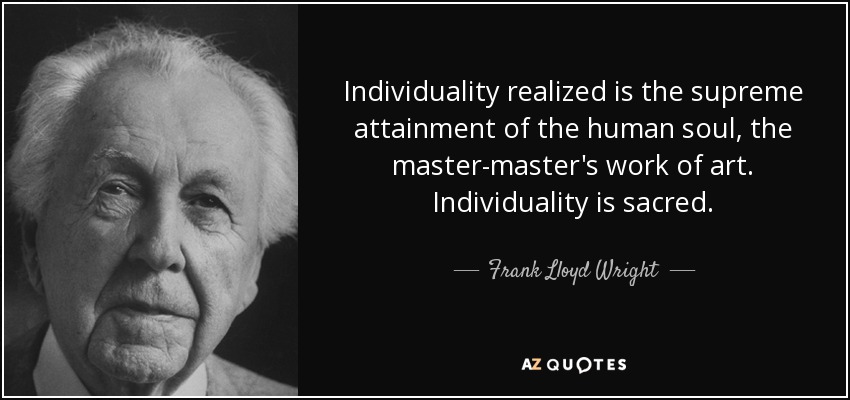

Whole Dude – Whole Individual – Whole Identity – Whole Individuality


Soul/Spirit represent the living process which brings unity, harmony, and equilibrium in the living functions of trillions of individual, independent cells which work together for the benefit of the Singularity popularly represented by the personality of man.
Biology must use the concept of Soul/Spirit to identify each man as a Specific Individual with Individuality. Human Identity and Individuality always involves the biological community, the time, the place, and the environment which are constantly interacting to provide the basis for the human existence.
What is Identity and What is Individuality?

A brief glance at the face is enough for most people to identify one another. However, man does not exist with the same identity during the course of his life. The word identity describes the condition or fact of being a specific person. Identification is the process by which a person can be identified in an accurate and consistent manner.

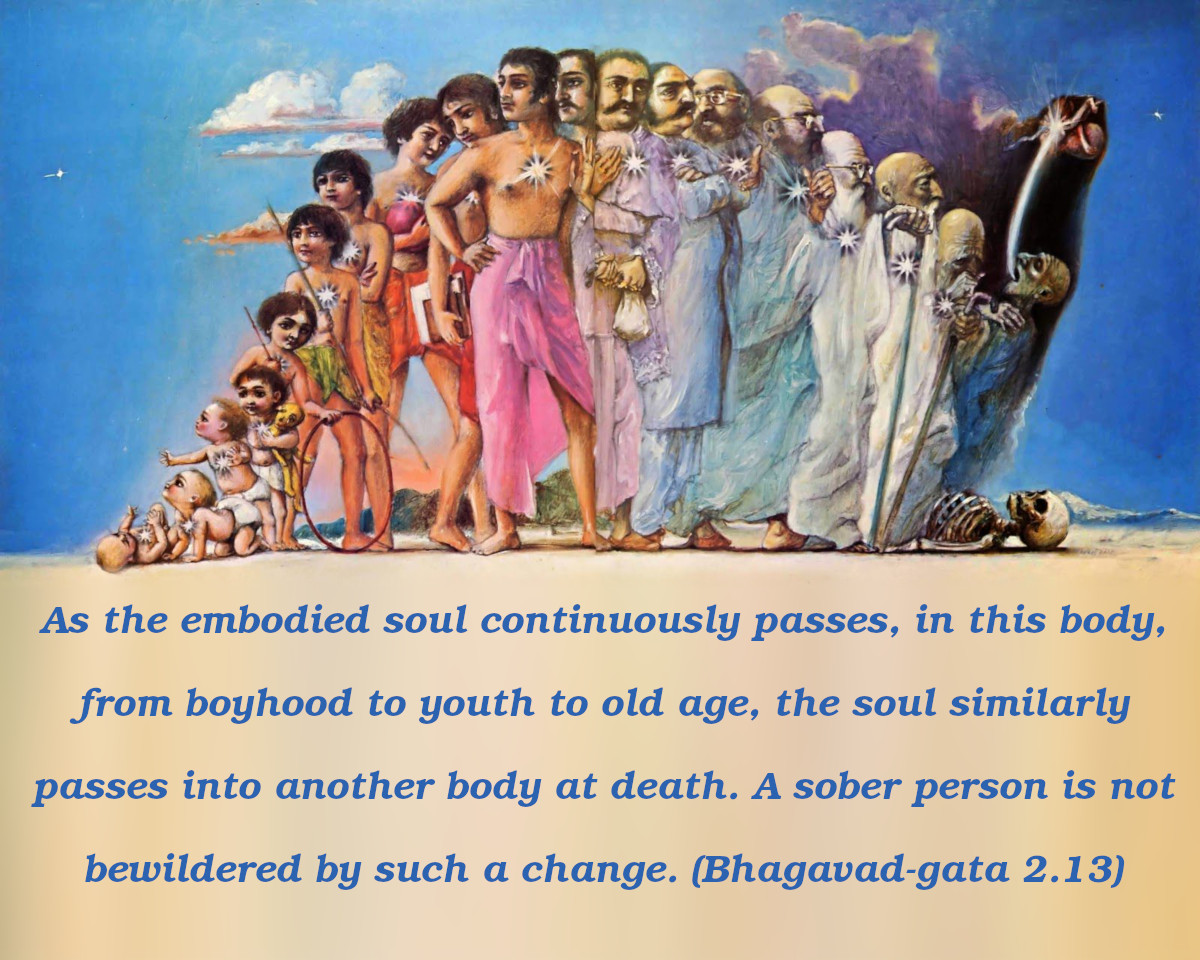
The morphological or the external appearance of a person is subject to constant changes and it differs in a significant manner during the various stages of life such as infancy, boyhood, adulthood, and old age.
The term individuality describes the sum of the characteristics or qualities that set one person apart from others. The condition of being individual, or different from others establishes the indivisibility of man. Man is unique, original, one kind of person who has not existed before and would not also exist in future even when he shares the same identical genome. Two identical twins could be correctly identified as two different individuals.
I propose the Law of Individuality and Creation which claims that man exists as Individual without any choice of his own to change or alter this conditioned nature of subjective physical existence in the world. Man can only exist as Individual with Individuality.

The Identification Technology:
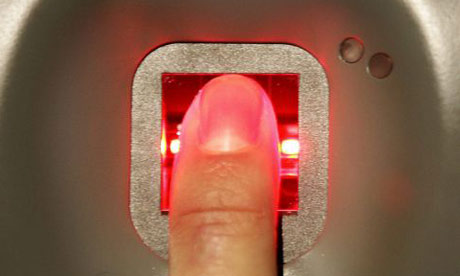
Biometrics is that branch of Biology which deals with its data statistically and by mathematical analysis. Using Fingerprints is the oldest method of Identification using biometric information. People have tiny ridges of skin on their fingers. These ridges form through a combination of genetic and environmental factors. The genetic makeup, the position of the fetus in the womb, and the composition and density of surrounding amniotic fluid play a role in how every individual ridge on the skin surface of finger will form. Fingerprints are a unique marker for a person, even an identical twin. Fingerprint analysis can define the differences between two fingerprint impressions.

The Fingerprint is electronically read. The corrugated ridges of the skin are non-continuous and form a pattern that has distinguishing features or minutiae. Two varieties of Fingerprint scanning technology are currently used; the optical Fingerprint scanners and the Capacitance Fingerprint scanner that uses a computerized analysis.
Iris Recognition Technology:
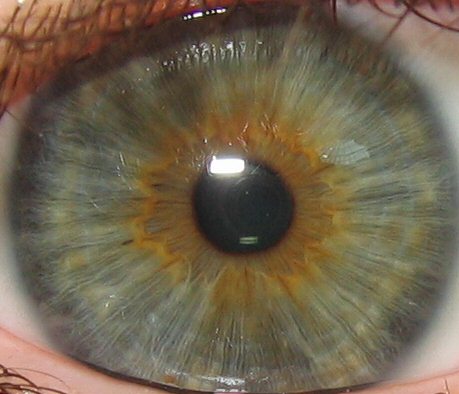
Iris Scanners use pattern recognition techniques based on images of the irides (Irises) of an individual’s eyes.

No two irides being the same, even in identical twins, individuals could be identified with accuracy and consistency.
DNA Analysis:

A small sample of DNA is amplified by using Polymerase Chain Reaction or PCR. In a method described as Short Tandem Repeat Analysis, it is examined to find how often base pairs repeat in specific locations or loci on a given DNA strand. These can be dinucleotide, trinucleotide, tetranucleotide, or pentanucleotide repeats; that is repetition of 2, 3, 4, or 5 base pairs. Very often, the investigator looks for tetranucleotide or pentanucleotide repeats in the DNA sample. The likelihood that any two individuals (except identical twins) will have the same 13-loci DNA profile can be as high as 1 in 1 billion or greater.
Biometric Facial Recognition Technology:

Every face has numerous distinguishable landmarks, the different peaks and valleys that make up facial features. These landmarks are known as nodal points. Each human face has approximately 80 nodal points.

Distance between the eyes, width of the nose, depth of the eye sockets, the shape of the cheekbones, the length of the jawline and other features are used as nodal points. These nodal points are measured creating a numerical code called a face print, representing the face in the database and comparison is made between images of face. 2D or 3D image of a person’s face uses distinct features of the face where rigid tissue and bone is most apparent, such as the curves of the eye socket, nose, and chin to identify the subject.
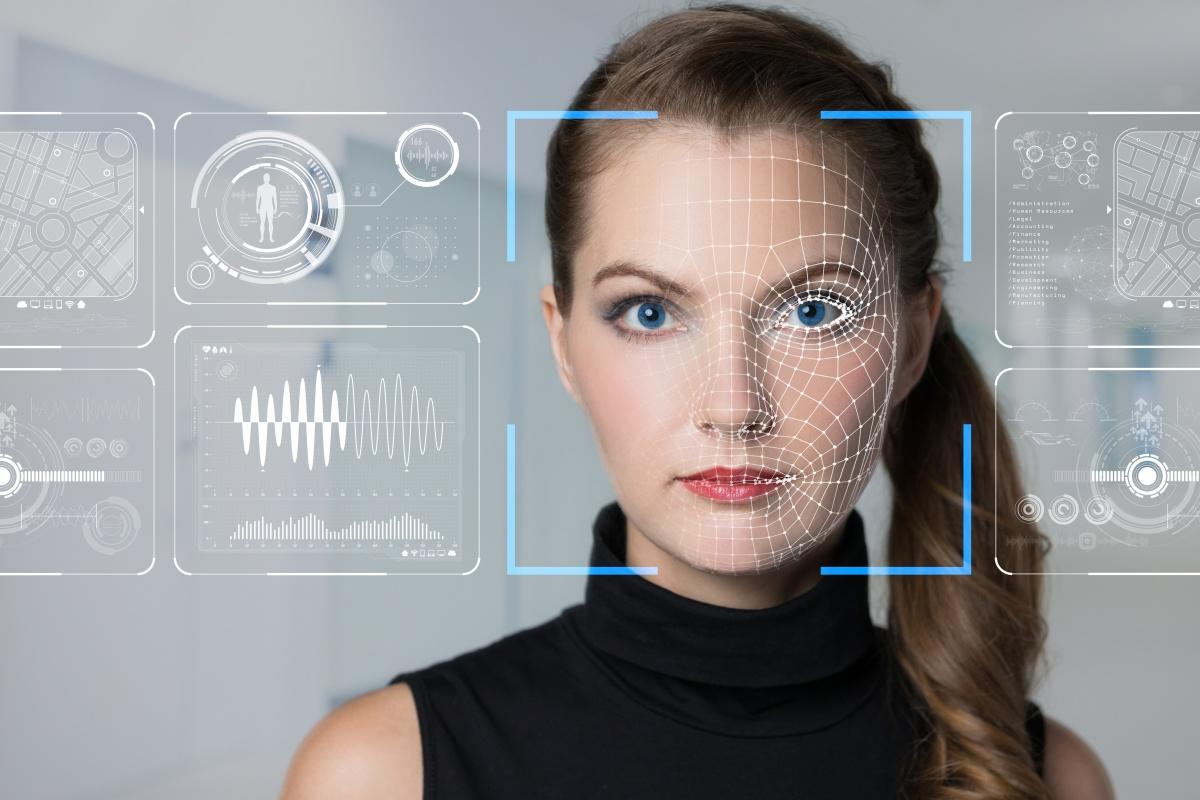
Unique templates are created from measurements between key points on the face and these measurements provide identification of the individual.
Skin Biometrics – Skin Surface Texture Analysis:

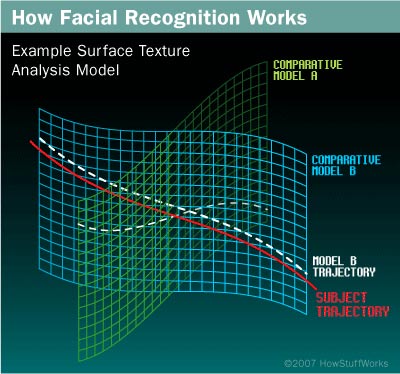
The Surface Texture Analysis algorithm operates on the top percentage of results as determined by the Local feature analysis. This method creates a Skin Print and performs either a 1:1 or 1:N match for verification or identification. It can identify the differences between identical twins.
Identity, Individuality, and Consciousness:

Man describes his identity in terms of his personal name, age, gender, race, ethnicity, place of origin, language, religion, political, occupational, or social affiliation. In reality, the man is an association of trillions of individual cells.

The human organism is a conscious being and the function called consciousness achieves functional unity of all these individual cells and works for the benefit of the individual who always maintains his individuality.

This is possible because individual cells have the ability to recognize the presence of other living cells in their environment and display functional subordination to serve the purpose of the whole organism.

The Cellular and the Molecular Basis of Identity and Individuality


In 1965, while Whole Dude was a student of Human Anatomy at Kurnool Medical College, they had the opportunity to know Dr. J. C. B. Grant (1886-1973), the author of Grant’s Atlas of Anatomy. The 5th Edition of his Atlas was published in 1962 and was available in India in their Medical College Library.
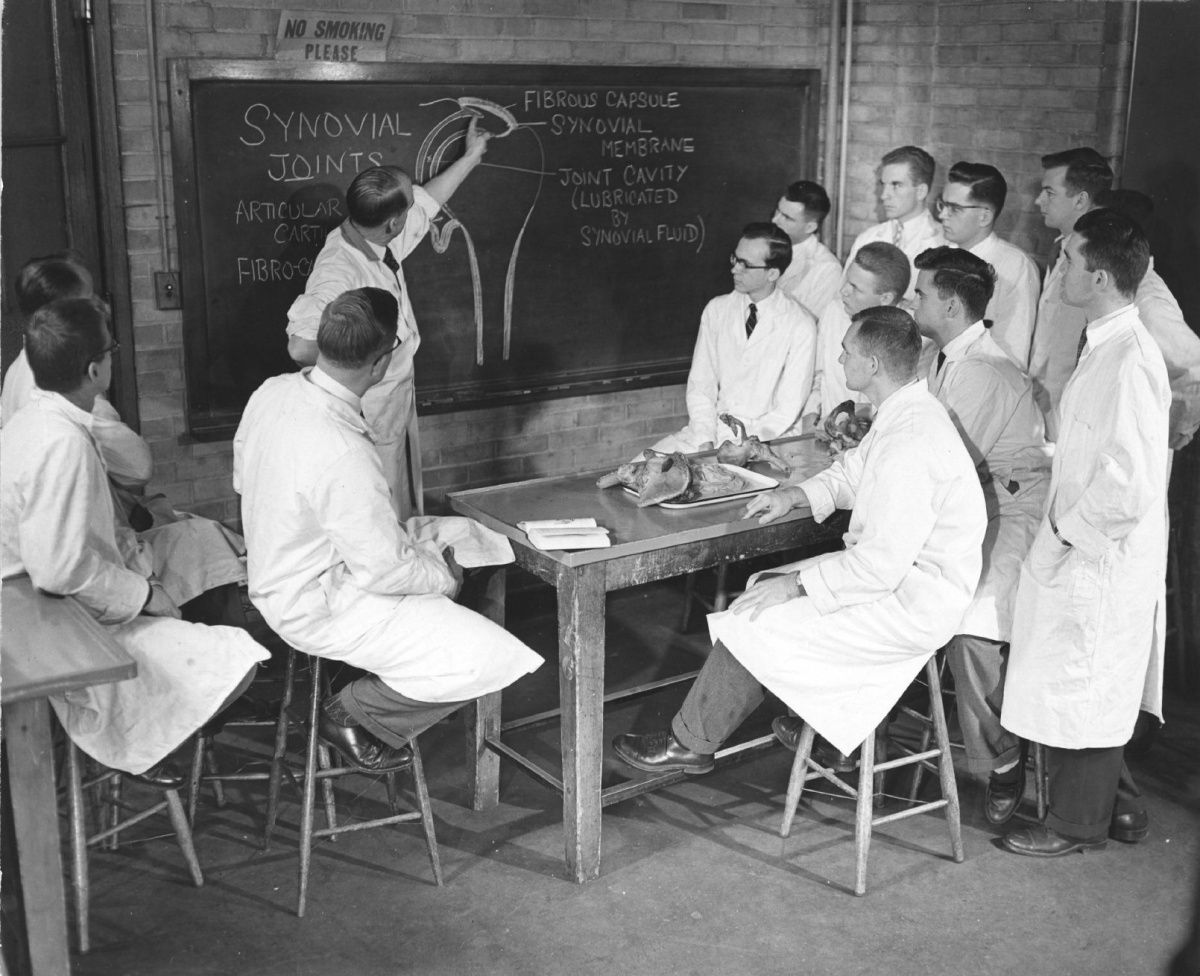
As a medical student, Whole Dude used Grant’s Atlas of Anatomy, the seminal work of Scottish-born Dr. John Charles Boileau Grant, who was the chair of Anatomy at the University of Toronto in 1930 and retired in 1965.
The concept of Whole Dude relates to knowing the man, the building blocks and the structural units and organization of the human body. To defend human existence, Whole Dude lays the emphasis on knowing the person who is at risk apart from knowing the agent posing the risk.
The Identity of Multicellular Human Organism:

Daniel John Cunningham was born on 15 April 1850 in Scotland. After his initial schooling at his home town, Crieff, he took up the study of medicine at the University of Edinburgh and passed with honours. He is best known for the excellent series of dissection manuals, namely Cunningham’s Dissection Manuals. Cunningham’s Manual of Practical Anatomy has provided me the learning tools to know and understand Man’s External and Internal Reality and its Identity as described by Cells, Tissues, Organs,and Organ Systems.


Whole Dude learned the truths about the living human body and about Life while dissecting dead human bodies in a systematic manner. The Manual of Practical Anatomy which guides students through this entire process was published in England. The author Dr. Daniel John Cunningham prepared the Manual while dissecting cadavers of British or Irish citizens. He never encountered cadavers of Indian citizens. At Kurnool Medical College, Kurnool, Andhra Pradesh, India, where Whole Dude was a student, the Department of Anatomy obtains dead bodies from Government General Hospital Kurnool and most of the deceased are the poor and often illiterate people of that region. None of the deceased had the chance to know this man called Cunningham and Cunningham had no knowledge about the existence of these people who arrive on our dissection tables. But, as the dissection of the human body proceeds, inch, by inch, we recognize the anatomical parts as described by Cunningham. The manual also lists some anatomical variations and we very often exchange information between various dissection tables and recognize the variations mentioned. The dissections also involve slicing the organs and studying them, both macroscopically, and microscopically. We did not miss any part of the human body.

So what is the Identity of this Human Person who experiences his life using Sensory Experiences such as Taste? How does the living Human organism maintains its Identity and Individuality? Apart from the Cultural Traditions of India, several Schools of Religious Thought claim that the Human Individuality and true or real Identity is represented by Human Soul. Does man have a soul? Where does this soul exist in the human body? What is the location if the soul is present in the living person? How does the human organism acquires Knowledge about its own structures and the functions they perform?To know the burdens of Life, Whole Dude asks his readers to know the reality of man and the nature of his existence.

Human Identity vs Human Individuality:

Human Identity may involve a variety of factors such as facial appearance, age, gender, race, ethnicity, language, religion, culture, nationality, sexual orientation, social and occupational status. Whereas human individuality has to be evaluated by using the markers that the human body uses to recognize its own Self and defends its own existence from threats posed by Non-Self.

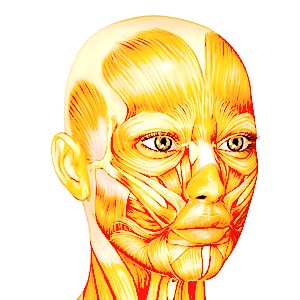

The cellular and the molecular basis of human identity and human individuality. In the final analysis, the human organism is a biotic community of trillions of individual, independent cells.
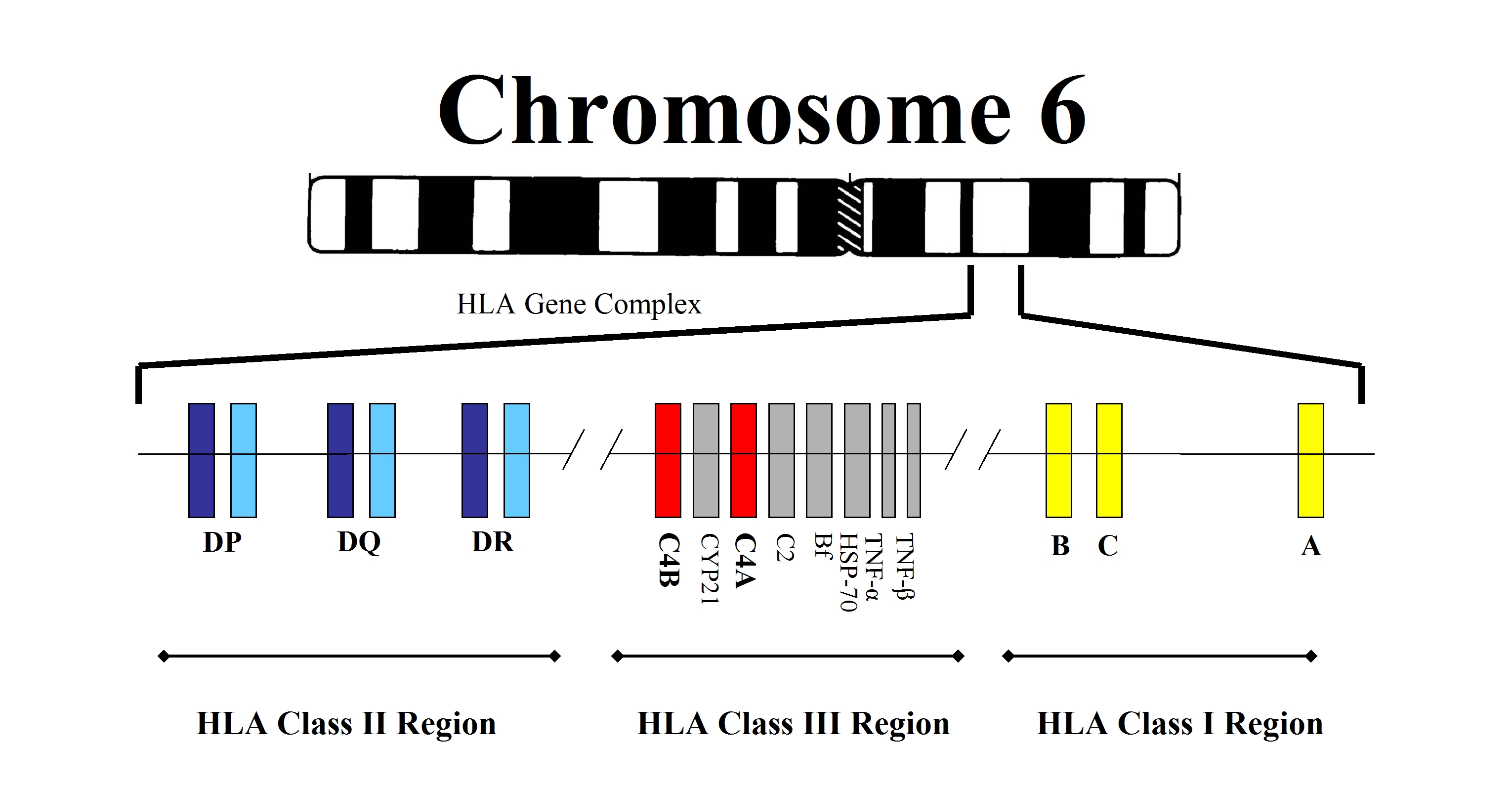
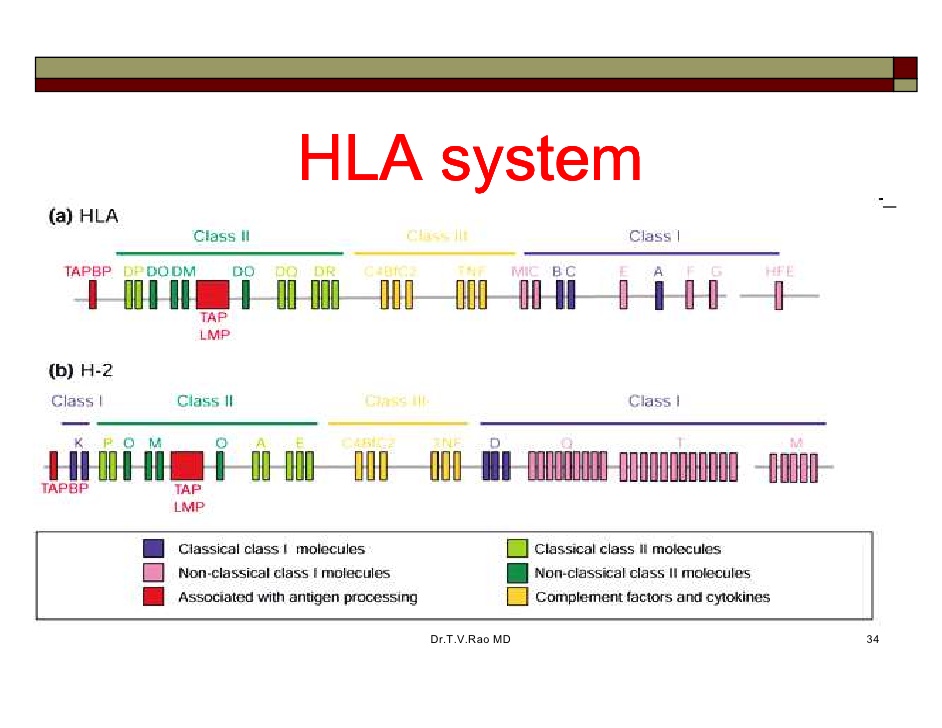
THE MAJOR HISTOCOMPATIBILITY COMPLEX (MHC) IS THE HUMAN LEUKOCYTE ANTIGEN (HLA) GENE CLUSTER ON CHROMOSOME 6. HUMAN ORGANS AND TISSUES CANNOT BE TRANSPLANTED OR GRAFTED INTO THE BODIES OF UNRELATED INDIVIDUALS. HUMAN IDENTITY MUST BE DISCOVERED AT MOLECULAR LEVEL TO ESTABLISH THE AFFINITY BETWEEN TWO HUMAN INDIVIDUALS.
Human Individuality and the Genome

Understanding Individuality:
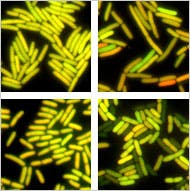
Dr. Michael Elowitz, Physicist at California Institute of Technology has conducted experiments on colonies of genetically identical (Clones) E. coli bacteria under identical experimental conditions and has discovered that the clones behave in different ways which could be viewed as an expression of ‘individuality’.

E. coli bacteria in billions populate our intestines. Typical E. coli bacillus has about 4,000 genes. Human cells have about 20,000 genes. The bacteria have fingerprints of their own and even when they share the exact same genome, they could still be identified as ‘individuals’.

The key to understanding E. coli’s fingerprints is to recognize that the bacteria are not simple machines. Unlike wires and transistors, E. coli’s molecules are floppy, twitchy and unpredictable. In an electronic device, like a computer or a radio, electrons stream in a steady flow through the machine’s circuits, but the molecules in E. coli jostle and wander. When E. coli begins using a gene to make a protein, it does not produce a smoothly increasing supply. It spurts out the proteins in fits and starts. One clone may produce half a dozen copies of a protein in an hour, while a clone right next to it produces none.
Michael Elowitz, a physicist at Caltech, put these bursts on display in an elegant experiment. He and his colleagues incited E. coli to produce its proteins for feeding on lactose. Dr. Elowitz and his colleagues added extra genes to the bacteria so that when they made lactose-digesting proteins, they also released light.
The bacteria, Dr. Elowitz found, did not produce a uniform glow. They flickered, sometimes brightly, sometimes dimly. And when Dr. Elowitz took a snapshot of the colony, it was not a uniform sea of light. Some microbes were dark at that moment while others shone at full strength.
At the very least, E. coli’s individuality should be a warning to those who would put human nature down to any sort of simple genetic determinism. Living things are more than just programs run by genetic software. Even in minuscule microbes, the same genes and the same genetic network can lead to different fates.
The bacteria have fingerprints of their own and even when they share the same genome, they could still be identified as individuals.

Humans differ from one another in too many different ways and it is hard to count. The current human population of over six billion could be identified as the same number of individuals. Each human being has an unique genome of his own. There are millions of typographical differences between one genome and another human genome. Even identical twins are not truly identical at all as identical genes in our cells can behave differently.
Living entities are not like simple machines. When we use a gene to make a protein, the gene may not produce a smoothly increasing supply of that protein. The gene tends to work in fits and starts and spurts out the protein. Identical genes can behave differently as the gene makes protein or remains silent depending upon the ‘Methyl’ groups that cap the DNA strands and function as ‘transducers’. These ‘Methyl’ groups sometimes fall off of DNA or become attached to new spots. Hence genetically identical individuals can have different physical identities in the natural world. The protein molecules that make up living entities, turn them into individuals.
The Irrelevance of Evolution:

In the natural world, all living entities exist as individuals and express their individuality. The Theory of Evolution proposes that a species can descend or arrive to become a new species by changing its genome in a gradual and incremental manner using a mechanism that is described as Natural Selection. As per Darwinism, the mechanism of natural selection operates via a process of random and unguided mutations in the genetic code that changes the genome and eventually produces the ‘biodiversity’ that we witness in the natural world.

This Theory of Evolution has no relevance to the ultimate identity of each individual member of a given species. This identity is dictated by interplay between the various components of each individual cell and its interactions with other cells. With the same genomes or different genomes, the living entities can only exist as individuals and they have no other choice. The evolutionary connections are not relevant to this identity. To understand the phenomenon of biodiversity, we will be forced to look at each individual member of each given species.
The Law of Individuality:
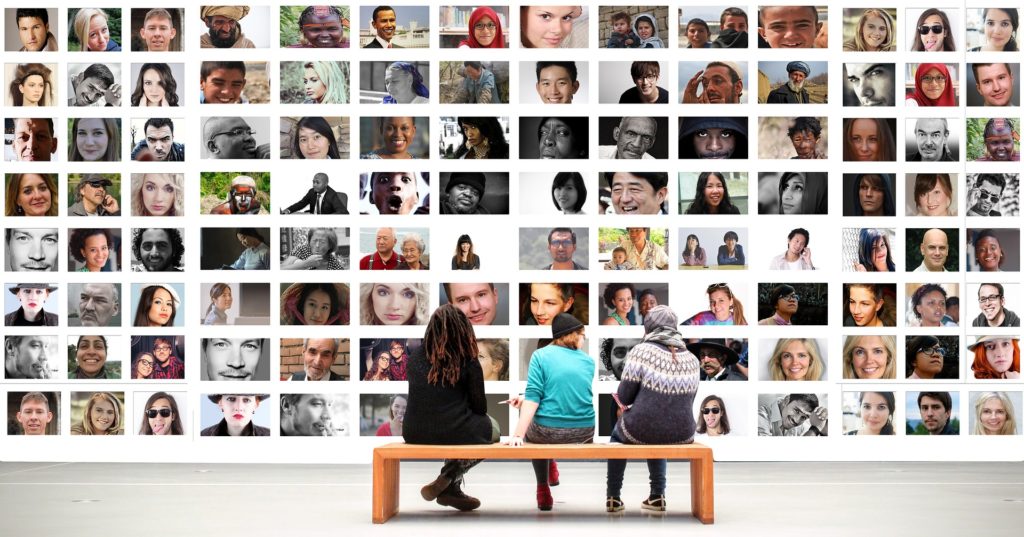
Whole Dude states that the Law of Individuality governs all the living entities and is manifested in various biological phenomena. The genes and the genetic code function in accordance with the Law of Individuality. Hence, Whole Dude describes Individuality as a Trade Mark. It is the characteristic of a biological entity. Genes and the genetic codes are the tools that an organism uses to express its Individuality. Each organism assembles its own kind of protein molecules to define its identity and to defend its existence in the natural world.

Dr. Rudranarasimham, Rebbapragada, B.Sc., M.B.B.S.,
Father’s Name: R. Suryanarayana Murty, M.A., B.Ed.,
Sri Venkateswara University M.B.B.S. Class of April, 1970
Andhra Pradesh Medical Council Medical Registration Number: AMC5282; Date of Registration: September 16, 1971