FOOD SAFETY AND FOOD SECURITY FOR OUR FUTURE GENERATIONS :
We need to get together, and get united as a global community, an universal family described in Indian Tradition as “VASUDHAIKA KUTUMBUM”, to stop Genetically Modified Food Crops, and the introduction of Genetically Modified Organisms into our Living Environment. Let us join hands to work together and speak with one voice to stop the greed driven Agribusiness to use Biotechnology to enhance its profitability while disregarding Food Safety and Food Security of our Future Generations. I am sharing some of the images of protest events in different parts of the world. We need to win this Battle against GMOs in every single Nation of our planet Earth, the Home to all of us.
Kindly join me to support Greenpeace India and call or write to Ms. Sonia Gandhi to oppose the Biotechnology Regulatory Authority of India ( BRAI ) Bill which has been recently approved by the Cabinet of Indian Union Government.
Dr. R. Rudra Narasimham, Kurnool Medical College, Kurnool, Andhra Pradesh, India, M.B.B.S., Class of April, 1970.
In this handout photo released by Greenpeace shows an aerial view of a crop circle made by local farmers and Greenpeace volunteers in Isabela province, 300 km northeast of Manila, on Saturday Sept. 30, 2006. The crop circle, with a slash over the letter ‘
Protesters display placards against the alleged escalating prices of commodities and for the ouster of President Gloria Macapagal Arroyo during a protest march in Manila Philippines, Saturday, April 12, 2008. The protesters urged the government to impose
Sonia Gandhi is waiting to hear from you. Over 28,000 people have already signed the open letter to her, asking her to change the Biotechnology Regulatory Authority of India (BRAI) bill.
With the nuclear liability bill out of its way, the Government is desperate to clear the Biotechnology Regulatory Authority of India (BRAI) bill. If cleared in its current form the bill will create an autocratic body to allow genetically modified (GM) food crops in the country.
As the chairperson of National Advisory Council (NAC), Sonia Gandhi can stop this bill. More and more signatures on the open letter will make it difficult for her to ignore this issue.
Can you sign this open letter to Sonia Gandhi asking her make the Government consult people before tabling the bill?
Earlier we were trying to get changes in the nuclear liability bill. Though the bill disappoints on several grounds, changes demanded by people have been incorporated into the bill, due to the public pressure on the policy makers. The biggest being the re-inclusion of supplier liability in the bill. While they did not incorporate unlimited liability, they have increased the limit on it and allow the Government to further increase compensation depending on the scale of the accident.
Lots of people demanding change in the BRAI bill again, will help make Ms Gandhi and the NAC act fast.
The BRAI will be a single window clearance body for all GM food. If the bill is passed as is then we will not have a chance to stop the introduction of GM crops like we did in the case of Bt brinjal. Bt brinjal will come back along with 56 other food crops whose GM versions are in the pipeline.
The bill will be tabled in the Parliament any time. Sign the letter now to save your food from genetic contamination.
This online album has 14 photos and will be available on SkyDrive until 11/23/2010.
A psycho-neurological Boarding School for Children in Novinki, Minsk is a safe heaven for severely handicapped children, many of whom are not able to walk or get out of bed by themselves. Most pictures show the kids with nurses in the “solarium”, a small
Over 221,000 people have raised their voice for unlimited liability in the nuclear liability bill. The bill is going to be tabled in the Parliament today.The bill in its revised form lets foreign nuclear suppliers off the hook yet again. It completely ignores the changes suggested by the Standing Committee and supported by the people.
The Prime Minister, keen on clearing this faulty bill, is ignoring the voices of his people.
Check out this video to see what some Greenpeace activists are doing to make him hear properly. Then write to the PM asking him to incorporate supplier liability in the bill.
More and more letters to the Prime Minister will make it difficult for him to ignore the voices against this bill. The Government is trying to appease foreign corporations at the cost of it’s people.
Earlier the Standing Committee had made suggested changes which made the supplier liable for any nuclear accident that took place in the country. But the change made by the Cabinet makes the supplier liable only if it is proved that the nuclear accident was done deliberately. This is quite a contradiction and will help the suppliers get away very easily.
The Government is all set to repeat the mistakes of Bhopal with this bill. They have to be stopped. The PM has to follow the will of the people.
The Laws of Karma govern the lives of the People of India. It would be a grave mistake to insult Mother India by dumping Radioactive Nuclear Waste into Her lap.
India is popularly known as ‘Karma Bhumi’, or ‘Karma Kshetra’. The Laws of Karma govern the lives of the people of the Land of India. We, as Indians are destined to experience the taste of the Fruits of our own Actions either during the present stage of existence and in subsequent or future states of existence. When an action damages the Genetic Code contained in DNA, the consequences would be experienced in the lives of our children and their children. If we recklessly pollute the air we breathe, the water we drink, and contaminate the soils that support the lives of living organisms, the consequences would be experienced as long as these toxic chemicals persist in our living environment. Radioactive Chemicals are extremely hazardous to human life and to the lives of plants and animals upon whom human life depends for its own existence. Radiation damages DNA and injures the structures known as Chromosomes which carry vital hereditary information. We need to learn from the lessons of our recent past. Kindly review the Nuclear Damage caused by Nuclear Accidents at Three Mile Island during 1979, and at Chernobyl during 1986.
Nuclear Meltdown at Three Mile Island Nuclear Reactor describes the problems of equipment failure and the hazards of Nuclear Industry. In the United States, 15 Nuclear Plants were forced offline between 2000 and 2001 because of equipment failures attributed to Aging. The Costs of Maintenance and Upkeep of Equipment must be considered apart from Liability for Nuclear Damage. The Nuclear Chain Reaction damages the Nuclear Reactor Vessel.Radiation Emissions from Three Mile Island Nuclear Accident are linked to Cancer Incidence in the Community.The Chernobyl Nuclear Disaster of April 23, 1986 should not be erased from Human Memory.Trans-Boundary Effects of Nuclear Accidents could be understood from this Radiation Map following Chernobyl Nuclear Disaster.Children are extremely vulnerable to Radiation Injuries. The Thyroid Gland selectively concentrates Iodine and exposure to Radioactive Iodine causes Thyroid Cancer.
Nuclear Accidents are extremely expensive as we need to take care of children affected by birth defects and deformities.
PLAN FOR NEGATIVE CONSEQUENCES PRIOR TO REAPING BENEFITS FROM POSITIVE CONSEQUENCES :
The Hindu Mythological Legend known as 'Samudra Manthan' narrates the importance of taking care of Negative Consequences prior to reaping the Benefits from Positive Consequences of our intended actions. India needs a Savior and Protector like Lord Shiva who could hold the extremely Hazardous Radioactive Nuclear Waste that India wants to generate by importing Nuclear Fuel and Nuclear Technology.
Indian Traditional Wisdom directs us to take into account all the consequences that result from our actions. Indeed, we plan to take action hoping to gain the rewards of the positive consequences from that intended course of action. But, Traditional Wisdom sounds the Bells of Caution. It asks us to take into account all the negative consequences of our intended action, and then it would be very easy to taste the fruits of positive consequences. India’s Epic Poem known as Bhagavata Purana narrates the Story about churning the mythical Milk Ocean to obtain the Nectar of Immortality popularly known as ‘AMRIT’. It was a herculean task. All people forgot their differences and rivalries and had joined hands in their effort to churn the Ocean described as ‘SAMUDRA MANTHAN’. They were shocked and were surprised when deadly, noxious, toxic fumes emerged threatening the existence of all living entities. Fortunately, they could seek protection of Lord Shiva who had mercifully agreed to hold and store this poison in His throat. While speaking about Radioactive Waste, we need to face it with a sense of Reality. We have no Lord Shiva who could step forward and safely store this extremely hazardous Nuclear Waste for thousands of years. We need to have the ability to deal with this problem of a Toxic Waste which is highly persistent. We cannot afford to bury the High Level Radioactive Waste in the ground and forget about it. The storage of Nuclear Waste is an immense problem and we have not yet resolved the problems involved in storing the Radioactive Waste and monitor it for thousands of years. We need to understand the consequences from Natural Disasters like Floods and Earthquakes which could impact the Nuclear Waste Storage Sites.
SEEK FREEDOM TO LIVE IN A NUCLEAR FREE WORLD :
I am circulating a Petition that is sponsored by Greenpeace India, an Environmental Advocacy Organization. It is simply asking Shri. Manmohan Singh, Prime Minister of India to hold further public consultations on this important issue of Liability for Nuclear Damage. This Bill when enacted into Law would impact the lives of our future generations. We need to defend the Rights of our children, and also the Rights of their children to live in a safe, and healthy environment. We cannot feed them from this Cup of Radioactive Poison that the Nuclear Industry would create by using Nuclear Fuel for Power generation.
Kindly read the article written by Brahma Chellaney which was originally published in ‘The Hindu’ in its edition dated March 13, 2010.
Dr. R. Rudra Narasimham. Kurnool Medical College, Kurnool, Andhra Pradesh, India, M.B.B.S., Class of April, 1970.
India’s Civil Liability for Nuclear Damage Bill – Brahma Chellaney
Brahma Chellaney | The Hindu | March 13, 2010
The government has finally released the text of its controversial nuclear-accident liability Bill. The text not only confirms the concerns expressed earlier over key elements of the proposed law, but also raises additional issues of worry. What stands out in the Civil Liability for Nuclear Damage Bill is the extent to which it goes to aid the business interests of the foreign reactor builders. In the process, the Bill seeks to financially burden the Indian taxpayer and encumber the rights of victims of any potential radioactive release from a foreign-built plant. A special Indian law limiting liability in amount and in time has been sought by Washington for its nuclear-exporting firms, with the largest two, Westinghouse and General Electric (GE), set to win multibillion-dollar contracts to build several commercial nuclear power reactors. To forestall lawsuits filed against American suppliers in US courts by victims of a nuclear catastrophe, Washington has also pressed for exclusive jurisdiction for Indian courts so that there will be no repeat of what happened after the Bhopal gas disaster. The Bill seeks to help out the US firms on these counts, going at times even beyond what American law provides.
Under the Bill, the foreign reactor builder — however culpable it is for a nuclear accident — will be completely immune from any victim-initiated civil suit or criminal proceedings in an Indian court or in a court in its home country. The Bill actually turns the legal liability of a foreign reactor supplier for an accident into mere financial compensation — that too, pegged at a pittance and routed through the Indian state operator of the plant. Foreign suppliers will have no*direct accident-related liability. The foreign builders will bask under legal immunity because the Bill channels all legal liability to the Central Government. Clause 7 states the “Central Government shall be liable for nuclear damage in respect of a nuclear incident” when such liability exceeds the Rs. 500- crore liability limit of the operator or where the accident occurs “in a nuclear installation owned by it [the Indian government].” The Union government will own all foreign-built
reactors. Indeed, the Bill creates a specious distinction between the operator and the government when both are fused in the Indian context. After all, it is the Indian state which will run all foreign-built plants through its operator, the Nuclear Power Corporation of India Limited (NPCIL). Yet, throughout the Bill, the pretence of a US-style separation between the operator and the government is maintained.
Under Clause 6, the maximum liability of the operator and the government combined has been set at “the rupee equivalent of 300 million special drawing rights (SDRs),” or Rs.2,087 crore ($458 million) — 23 times lower than what is provided under the equivalent US law, the controversial Price-Anderson Act (labelled “Half-Price Anderson” by critics). Of this, the total liability of the operator has been limited to Rs.500 crore ($109 million). The Central government will be liable for damages in excess of Rs.500 crore but only up to Rs.2,087 crore. In actual fact, all liability falls on the Indian taxpayer, whether it is the operator’s slice or the Central government’s portion. The state operator, the NPCIL, through a construction contract, can make the foreign builder legally responsible to pay compensation for an accident. But the amount payable by a foreign builder can only be up to the state operator’s own liability ceiling, which is a trifling Rs.500 crore ($109 million).
So, even if the accident were triggered by wilful negligence on the part of the foreign supplier and the consequences were catastrophic, all claims would have to be filed against the Indian state — with the NPCIL required to disburse the first Rs. 500 crore and the Central government the second portion up to Rs. 2,087 crore. The NPCIL could, in turn, try to recover its Rs. 500 crore from the foreign supplier. But for the Indian taxpayer, this is a lose-lose proposition.
That raises a fundamental question: What will it do to nuclear safety to grant foreign suppliers legal immunity upfront and to shift the liability to the Indian taxpayer? Another key issue relates to the rights of victims. The Bill ensures that victims of a disaster involving a foreign-built reactor will not be able to sue the builder in its home country. Worse still, the Bill blocks the victims from suing the foreign supplier even in Indian courts.
Only the “operator shall have a right of recourse,” according to Clause 17. The state operator can sue the foreign supplier where “such right is expressly provided for in a contract in writing” and “the nuclear incident has resulted from the wilful act or gross negligence on the part of the supplier of the material, equipment or services, or of his employee.” But such a right of recourse can only be to meet the operator’s own small liability of Rs. 500 crore. In fact, the Bill seriously shackles Indian courts. All nuclear-damage claims will be dealt with by a Claims Commissioner or a Nuclear Damage Claims Commission, and any award made “shall be final” and cannot be appealed in any court. “No civil court shall have jurisdiction to entertain any suit or proceedings in respect of any matter which the Claims Commissioner or the Commission, as the case may be, is empowered to adjudicate under this Act and no injunction shall be granted by any court or other authority in respect of any action taken or to be taken in pursuance of any power conferred by or under this Act,” according to Clause 35.
By contrast, the Price-Anderson Act permits economic (but not legal) channelling of liability, thereby allowing lawsuits and criminal proceedings against the reactor builder or any other party in US courts. That is a key reason why the US has not joined the Vienna or Paris convention — the two main international liability instruments. But the US has become party to another convention it helped draft under the auspices of the IAEA — the Convention on Supplementary Compensation (CSC), which is still not in force. The CSC, as the name suggests, is about compensation through an international fund, to be paid “supplementary” to the liability limit. The Bill also limits liability in time, with Clause 18 stating: “The right to claim compensation for any nuclear damage caused by a nuclear incident shall extinguish if such claim is not made within a period of 10 years from the date of incident…” That provision was retained despite the Environment Ministry’s note of caution — revealed by this newspaper — that the 10-year time limit was untenable because damage to human health from a serious radioactive release “involves changes in DNAs, resulting in mutagenic and teratogenic changes, which take a long time to manifest.”
And although the Finance Ministry, in its comments on the Bill, had warned the proposed law would “expose the government to substantial liabilities for the failings of the private sector,” the Bill essentially seeks to give foreign reactor builders a free ride at the Indian taxpayer’s expense. The Indian Bill, in effect, amounts to a huge hidden subsidy by protecting foreign reactor builders from the weight of the financial consequences of accidents. If the Bill is passed, the costs of doing business in India for foreign suppliers will be low but the assured profits will be high. To cover the maximum potential compensation payable for an accident, a foreign builder will need to take insurance for a mere Rs. 500 crore. What is more, the foreign builders are being freed from the task of producing electricity at marketable rates. The NPCIL will run the foreign-built reactors, with the state subsidising the high-priced electricity generated.
India is under no international obligation to pass such a law. In fact, efforts to create common international standards on liability and compensation since the Chernobyl disaster have made exceedingly slow progress. Yet the Bill’s accompanying “Statement of Objects and Reasons” creates the deceptive impression that the proposed law aims to bring India in line internationally. If anything, the Bill seeks to set a wrong international precedent by its mollycoddling of foreign suppliers. To be sure, technological improvements in reactor-safety systems have significantly lowered the risks of a major nuclear accident. Yet nuclear technology remains intrinsically dangerous, and a single catastrophe anywhere in the world will impose colossal, long-term costs and have a chilling effect on the global appeal of nuclear power. Given the nuclear safety and security issues that have been highlighted by recent incidents in India, accident liability is a matter demanding serious consideration. The government must answer the central question: In seeking to invite US reactor builders, should a poor country rush to pass a special law that skews the business terms in their favour, gratuitously burdens the Indian taxpayer and ignores the lessons of the Bhopal gas disaster.
Whole Dude – Whole Heart: The discovery of truth by listening to the heart beat. Defining Indian Identity at Military Hospital, Ambala Cantonment.
The opportunity to serve in the Indian Armed Forces works like a powerful magnet. It draws into its folds the youth of the country from a multitude of villages that dot our landscape. My service in uniform gave me a wonderful opportunity to personally know and get acquainted with a broad spectrum of the Indian population. The Indian Identity that I describe is the product of such direct and first-hand experience of the people of my land.
Defining Indian Identity at Military Hospital, Ambala Cantonment.
Amba Shambhavi Chandramouli abalaparna Uma Parvati,
Kali Hemavati Shiva Trinayani Katyani Bhairavi
Savitri nava yauvana Shubhakari Samrajya Lakshmi Prada,
Chidrupee Para Devata Bhagavati Sree Raja Rajeswari.
After a brief and exciting period of basic military training in the historical city of Lucknow, in the State of Uttar Pradesh, my tour of duty took me to the city of Ambala Cantonment in the State of Haryana.
The name Ambala is very dear to my heart. Traditionally, Indians do not desire to fight evil and dark forces. They would rather prefer to rely upon the names of the mighty Lords that they worship. It is Shiva, Vishnu, Rama and Krishna who would fight the battle on their behalf and Indians could simply sit back and relax and watch the demons getting vanquished.
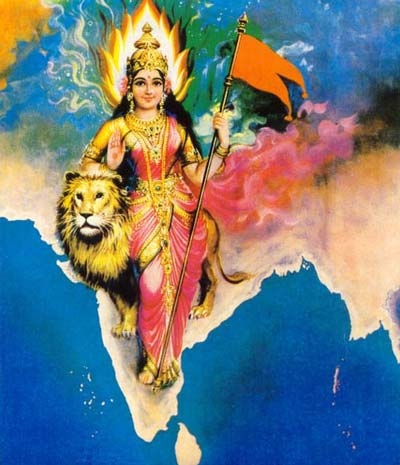
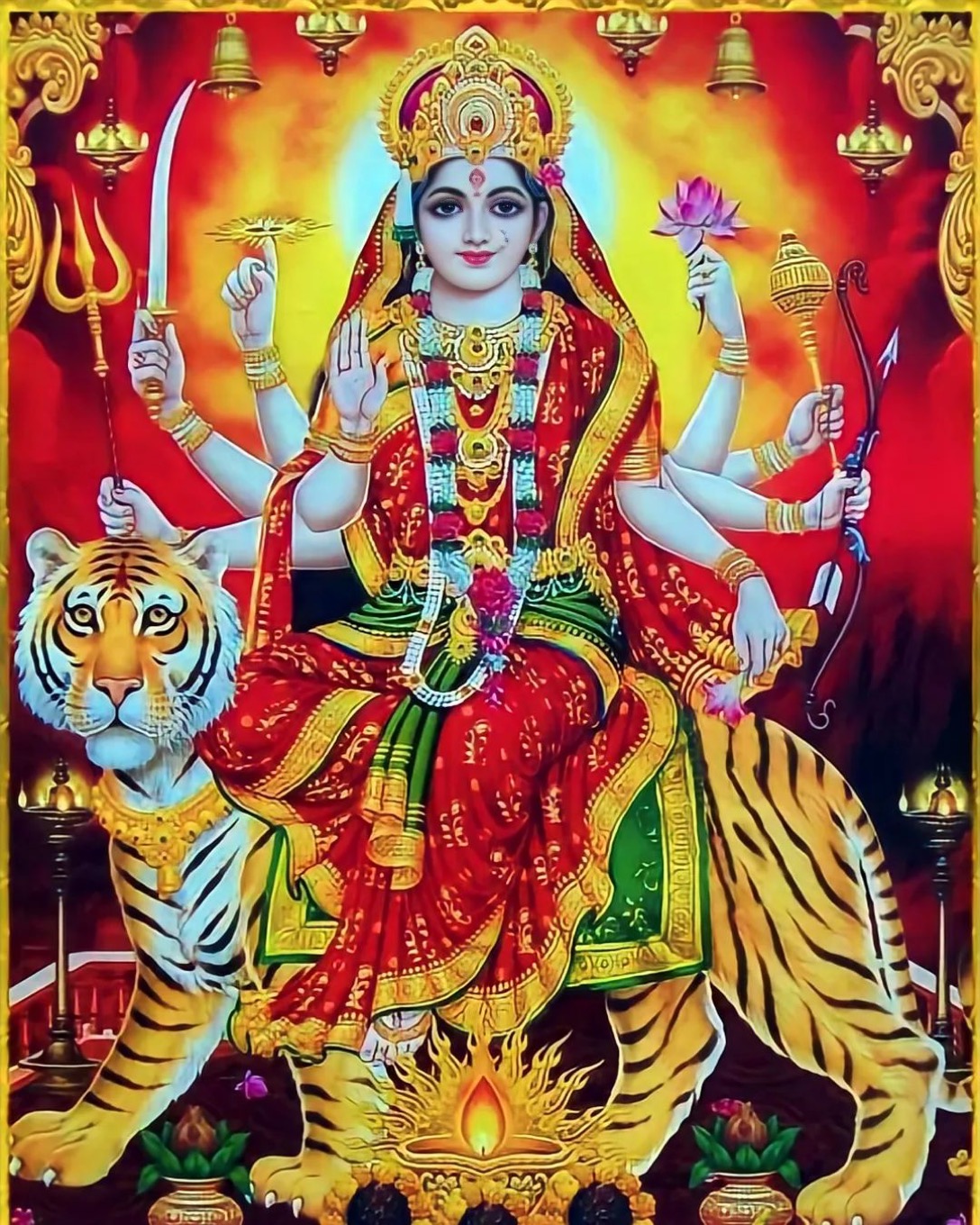
But when a physical fight becomes inevitable and when pushed to confront an enemy and to take up the challenge personally, Indians derive their strength and they get infused with courage by remembering with adoration the name of BHAVANI, also known as DURGA, AMBA, KALI or simply referred to as MATA (MOTHER). That name is used as the battle cry. That name is the armor of divine protection they prefer to use on the front lines of war fields. When the confrontation is real, nothing works better than the sweet name of AMBA. Hence Ambala has represented to me the willingness and the determination of Indians to fight the battle against the enemy. On my second tour of duty in Ambala, I could proudly wear the emblem of Black Elephant on my left arm. Black Elephant is an elite fighting force and the military station of Ambala is it’s home.
I arrived in Ambala during 1970 and reported to the Military Hospital on my very first posting. My first assignment in the Hospital was that of an internship in the Surgical Division. The Senior Surgical Specialist at that time was Major Mohan Pal Dhir. The advice he gave me was that I should get acquainted with the patients and should try to know them as if they were my personal friends.
I was given the charge of two Surgical Wards, III and IV. My first priority was not learning the principles of surgery and the technique of surgical procedures. As an Officer-in-Charge of the Surgical Ward, my first duty was to learn and remember the rank, name and regimental affiliation of each patient. It sounded pretty easy but in practical terms, it was really difficult. The working hours were totally consumed with processing the medical information and preparing patients for surgical evaluation and procedures. My office staff would meticulously document all the personal information and there was no time to read that again. The patient interrogation is primarily intended to obtain the relevant medical information about their physical ailments and documenting the medical case history. It was easy to remember medical information rather than their personal details.
Since I grew up in India, I accepted the advice of my senior with earnestness. The only way I could find time to know personally all the men in my Wards was by returning to the Hospital and spend my evening hours conducting personal interviews with each one of them. We had a variety of sports and recreational facilities and a very lovely Officers’ Club right in front of our Hospital. But I had to ignore such perks of my Service. Thus my journey in uniform included a commitment to know the men at a personal level.
A SIMPLE EXPERIMENT TO KNOW THE HEART:
Soon after I assumed the charge of the Surgical Wards, during one of my evening visits, my office staff reported that one of the patients lost his expensive wristwatch. While taking a shower, the patient removed the watch and forgot to recover it. Within a short time, the watch disappeared. It was apparent that the watch got stolen by some other patient. I could have simply notified the Military Police and asked them to investigate the incident. Or, I could have used my authority and could have ordered confining all patients to their beds and directed the staff to conduct a thorough search of their personal belongings.
But, I lack the temperament of a law enforcement official. I depend upon my ability to observe things and derive answers from such observations.
What I observed was the fact that in India, people share a common concern about truth. Truth or reality cannot be concealed. Whatever a person may do, in the person’s heart, the truth is always known. When you listen to the person’s heart, the truth is revealed.
I announced to my staff that I would like to listen to the heartbeat of each of my patient and ascertain the truth for myself. They assembled and lined up all patients in front of my office and they marched in one after the other. I conducted this little experiment in absolute silence. No questions were asked. I carefully listened to their heartbeats. After having done so, I demanded that the watch be returned to the place from where it was picked up and if not, the truth would only bring humiliation to the culprit.
The purpose of the experiment was not to directly identify the culprit but it intended to give him a chance to search his own heart and reveal the truth. Next day, when I came to work, my staff cheerfully reported that the watch reappeared in the bathroom and was returned to the owner.
INDIA-THE LAND OF SATYA AND DHARMA:
Defining Indian Identity – Listen to the Heart. The Land of India or Bharat Varsha is traditionally identified as ‘KARMA KSHETRA’ or ‘KARMA BHUMI’.Human Existence is operated by the ‘Law of Karma’.
India is the land where people’s psyche has a deeply embedded concern about SATYA (TRUTH). It is a fundamental belief of all of its people. They believe that TRUTH is GOD and they would define that GOD is TRUTH. The powerful effects of TIME would dissolve and destroy all things that are unreal and in the end, only TRUTH will remain and TRUTH would prevail.
Defining Indian Identity – Listen to the heart.
The Indian National Emblem describes the Motto of the Nation as, SATYA MEVA JAYATE (TRUTH alone triumphs). Indians cherish the value of Truth and would prefer to merge into that unchanging, ETERNAL REALITY. Nothing else would save them from certain destruction. DHARMA or Right Conduct in its simplest context would mean to Indians that they should fulfill the promise they had given. They are afraid of the consequences of a false utterance.
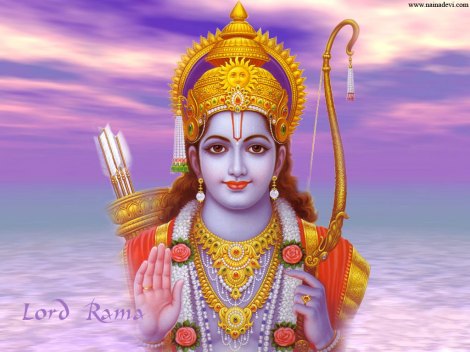
The Story of RAMAYANA touches the hearts of Indians. It is no surprise that RAMA is their beloved Hero. He represents the values that Indians cherish to possess. The nobility of Rama lies in the fact that He had chosen to obey His father with a sincere desire that the father should fulfill the promise he had given to his wife and help him to uphold the enduring principle of adherence to Truth.
SPIRITUALITY SCIENCE – ESSENCE AND EXISTENCE – CHIDAMBARA RAHASYAM: LORD GOD IS JUST ONE AND THE SAME AND YET MAN KNOWS HIM BY DIFFERENT NAMES. IN INDIAN TRADITION, THE NAME RAMA IS THE PERSONIFICATION OF THE ABSOLUTE TRUTH OR THE ULTIMATE REALITY. LORD RAMA IS THE SOURCE OF KRUPA OR COMPASSION FOR HE HAD THE EXPERIENCE OF A LIFE JOURNEY IN HIS PHYSICAL MANIFESTATION AS A HUMAN BEING.
It is no surprise that Rama is a beloved Hero. He upheld the values that most Indians value and cherish.
Indians carry their identity in their hearts. The identity is simply revealed by listening to their hearts. When you listen, you would know that all of them share a concern that TRUTH alone would prevail at the end of the day.
As a member of the medical profession, I can observe a man in good health, in sickness and disease, and eventually in his death and dissolution. I also observe man’s reaction to his own condition and state of existence. I observe the physical, mental, and psychological aspects of the man’s condition.
My experiment which involved listening to the heartbeats of my patients in the Surgical Ward was not intended as a ‘Lie Detector Test’. A typical Lie Detector Test describes a ‘Polygraph’ used on persons suspected of lying; it records certain bodily changes which are assumed to occur when the subject lies in answering questions. The objective of my experiment was not that of finding any bodily response or change in a heartbeat in response to any question. I was not trying to discover a lying person. The person who had stolen the watch knows the truth, the fact that he had stolen. Through my experiment, I tried to evoke a reaction from that person. That subject emotionally reacted to my experiment in the manner that I expected. He admitted the truth by simply returning the watch. I did not question him directly or indirectly if he had taken the watch. I did not find the lying person, but I have proved that the man does have an actual psychological concern about truth.
Medicine cannot stop death and Truth cannot be delivered as a prescription.
I observed some of the funeral processions in India. People either chant “Ram Naam Satya Hai” ( The name Rama is eternal Truth ), or the “Hare Rama Mantra.”
The man whose physical body experiences death and dissolution could not be true. If the man is mortal, the Indian mind seeks comfort from an idea that is not subject to mortality.
Set Your Mind Free. Let Sarasvati Flow. Goddess Sarasvati is known as the Goddess of Speech or Vag ( or Vak) Devi and She symbolizes importance of Speech Etiquette and Speech Discipline.Set Your Mind Free. Let Sarasvati Flow. Richard Lovelace(1618-1657),English Poet and Soldier
SET YOUR MIND FREE:
Richard Lovelace, a romantic poet was confined within the walls of Gate House, a prison in Westminster, London. From the prison, in 1642 he wrote the poem, “To Althea, from Prison.” The poem has the following famous lines:
Stone walls do not a prison make,
Nor iron bars a cage;
Minds innocent and quiet take
That for a hermitage;
If I have freedom in my love
And in my soul am free,
Angels alone, that soar above,
Enjoy such liberty.
Those who had confined him could not stop him from exercising his ability to think and dream. No one can imprison or enslave the human mind. A human being essentially seeks to exist in a free state and when imprisoned, the man can still set his mind free to think and dream. A mind that is free, expresses its freedom in speech, in writing, in songs and music. Speech in all of its forms conveys the ability of a man to communicate his thoughts. Fluent and coherent speech requires the formulations of propositions, which are translated into conventional symbols, earlier acquired and readily accessible, which then reach external expression by means of an efficient vocalizing apparatus. The sequences involved in efficient speech production could be interrupted at various levels to produce different types of speech defects.
DISTURBANCES OF SPEECH:
Set Your Mind Free. Let Sarasvati Flow. Intellectual impairment due to drugs, disease, and old age cause Speech Disorders.Set Your Mind Free. Let Sarasvati Flow. Broca’s Area – Brain’s Speech CenterSet Your Mind Free. Let Sarasvati Flow. Co-ordination of sensory and motor functions is vital for normal Speech.
Since speech is an attribute of a free mind, it is important to understand the problems of disturbances of speech:
1. Intellectual impairment: Speech is deranged as a result of a deficit of intellectual function which prevents organization of meaningful propositions. A person who is intoxicated cannot speak well. There are several medical conditions associated with cognitive impairment, and the level of consciousness. Apart from these problems, a person, who is uneducated as he is unwilling to learn, cannot deliver good speech. In Sanskrit language such ignorant persons are identified as ‘MOORKHA’.
2. Dysarthria and Dysphonia: Precise enunciation of words with good volume requires normal function and co-ordination of lips, tongue, palate, and the vocal apparatus called larynx. Several medical conditions could cause a defect in motor output involved in speaking and contribute to slurring and distortion of speech.
3. Aphasia: These are speech difficulties or absence of speech where the person has no motor disorder and the articulatory system is intact. Three major varieties of aphasia are described. a. Broca’s, motor/expressive/Non-fluent aphasia: Broca’s area of brain produces verbs, builds sentences and predicts what people are going to say. Problems in this area makes the person’s speech non-fluent as the person has profound word finding difficulties. The person speaks slowly and with great effort. The speech is described as ‘telegraphic’ because it has no grammatical structure and small connecting words (e.g., and, or, but), are missing. The person comprehends well. The person can formulate thoughts in appropriate words i.e. internal speech is preserved, but is unable to translate them into corresponding sounds. b. Wernicke’s/Sensory/Receptive/fluent aphasia: Wernicke’s area of brain is involved in learning patterns corresponding to different types of auditory stimulation. It attaches meanings, images, and feelings to sounds and to individual words. Problems in this area would result in severe impairment in comprehension of language (both spoken and written). The person speaks fluently with ease and often in large amounts. However, the speech often goes in circles (circumlocutory) and contains incorrect word usages (paraphasias). The person fails to understand or carry out spoken instructions. Internal speech is disturbed and hence there is impairment of external speech. The person cannot understand what he hears. c. Conductive aphasia: The nerve fibers between Broca’s and Wernicke’s areas are involved in this type of problem. The person has trouble converting auditory input to verbal output. It is characterized by a marked inability to repeat words or phrases spoken to the person. d. Dyslexia and Alexia: Impairment of reading ability in individuals with normal intelligence either due to a developmental disorder or due to acquired brain lesions.
Set Your Mind Free. Let Sarasvati Flow. Eloquent Speech is comparable to free-flowing water, the words come out continuously without any apparent effort.
SPEECH AND MENTAL LETHARGY:
Set Your Mind Free and Let Sarasvati Flow. Mental Fluidity overcomes Mental Lethargy, Mental Lassitude, Mental Inertia, and Mental Fatigue.
A normal healthy person with normal intelligence and abilities to speak, write, read, and sing may not automatically become a fluent speaker. Human mind needs to exist in a ‘fluid’ state to maintain and sustain a high state of alertness and activity. Mental lethargy is described in Sanskrit language as “JADD.” The mental lethargy could be due to disease (‘ROGA’), ignorance ( ‘MOORKHA’) , or could be due to a depressed condition or state of mental activity which is described in the Sanskrit language as “JADATHA.” This condition of mental weakness or diminished energy is characterized by intellectual sluggishness. The mind is dull, lazy or indifferent. Whatever term is used, mental inertia, lack of interest or energy or lassitude is an important issue, and the man’s speech lacks the fluency and the mind lacks the ‘fluidity’ that is needed for coordinating activities. Very often, man creates ‘mental barriers’, and erects ‘mental fences’ and impedes his own intellect from generating creative thoughts and in expressing such thoughts through creative forms of speech and music. There should be no obstacles to the flow of thoughts and to its physical expression. In its natural state, a river flows without any impediments and that ‘fluid’ flowing state is important for effective human communications.
Set Your Mind Free. Let Sarasvati Flow.The Concept of ‘Mental Fluidity’ is very important to appreciate Eloquent Speech. Eloquence has a charming quality of its own, it is pleasing to the ears of the listeners and captivates the minds of the members of the audience. Speech should make the same impact in terms of its appeal like a scenic picture.Set Your Mind Free. Let Sarasvati Flow. Star Jasmine or Kunda’s whiteness symbolizes Purity.White Lotus symbolizes Purity. White and radiant personality symbolizes Purity.
Indian Traditions about Letters, Speech, Arts and Music:
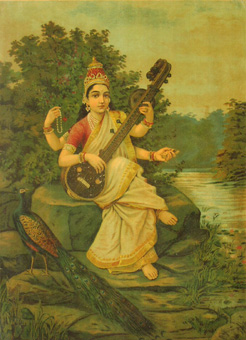
Mind if it is responding slowly, a condition of mental inertia or lethargy described as ‘Buddhi Mandhyam’, the man cannot realize his creative potential in the field of letters, speech, arts, and music. The Vedic River of Sarasvati is personified as the patron Goddess of Speech (‘VAC or VAK’). Sarasvati enjoys a unique autonomous position and apart from man, the entire Hindu pantheon of Gods pay obeisance to Her and seek Her protection to destroy and dissolve the problem of mental lethargy which impairs mental activity. The mind of man cannot be set free unless the mental barriers and mental fences are totally eradicated and Sarasvati is allowed to flow in its natural state without impediments.
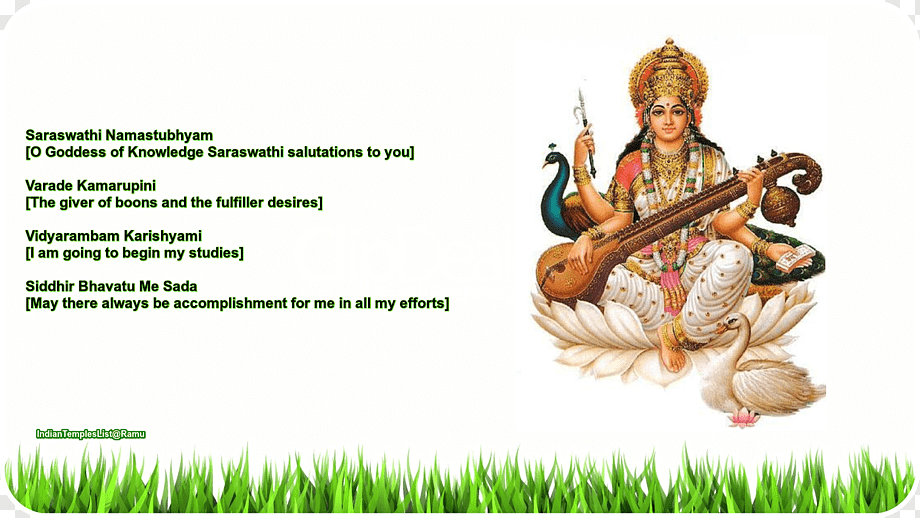
A hymn to worship Goddess Sarasvati:
Set Your Mind Free. Let Sarasvati Flow. Jasminum multiflorum,’ KUNDA’, Star Jasmine, Native of India.Set Your Mind Free. Let Sarasvati Flow. Moon, ‘INDU’ and the radiant personality of Sarasvati.Set Your Mind Free. Let Sarasvati Flow. ‘TUSHAR’, Snow clad peaks of Himalayas, the abode of Snow/Ice.Set Your Mind Free. Let Sarasvati Flow. ‘VEENA’, stringed musical instrument, native to India.Set Your Mind Free. Let Sarasvati Flow. Nelumbo nucifera, White Lotus flower,’ “Shwetha Padma” , Native of India.Set Your Mind Free. Let Sarasvati Flow. The Divine Trinity-Brahma, Vishnu, and Shiva join to worship the Goddess of Knowledge and Wisdom.Set Your Mind Free. Let Sarasvati Flow. The Rig Vedic River Sarasvati, the source of pure, nourishing waters. The Sanskrit language and the Devanagari script originated here.Set Your Mind Free. Let Sarasvati Flow. Sarasvati, the destroyer of Mental Inertia and Lethargy.Set Your Mind Free, Let Sarasvati Flow. Bhagavathi, Facilitator of man’s journey from Reality to Ultimate Reality.Set Your Mind Free, Let Sarasvati Flow. ‘AUM’, the Sound Invocation for Sarasvati Vandana.
Ya kundendu tushara haara dhavala, Ya shubhra vastravrita Ya veena vara danda mandithakara, Ya shwetha padmaasana Ya brahmachyuthaha shankara prabrithibhi devai, sada poojitha Samaam paatu Sarasvati Bhagavathi, nihshesha Jaddyapaha. _/\_
Meaning:
Salutations to Devi Sarasvati, who is pure white like Jasmine and covered with white garments, with the coolness of Moon, brightness of snow and shine like the garland of Pearls.
Whose hands are adorned with Veena and the boon giving staff and who is seated on white lotus.
Who is always adored by Lord Brahma, Vishnu, Shankara and other Devas.
O Goddess, please protect me and remove my mental inertia and ignorance completely.
Sarasvati is defined as “Saaram vaati iti Sarasvati”, She who flows towards the Absolute is Sarasvati. For river-like streaming and fluent speech the blessings of Sarasvati would help and the mind is set free as long as the waters flow.
The Art of diagnosing Good Health vs Ill-health. This portrait of Adi Shankara depicts him in perfect, good and positive health.
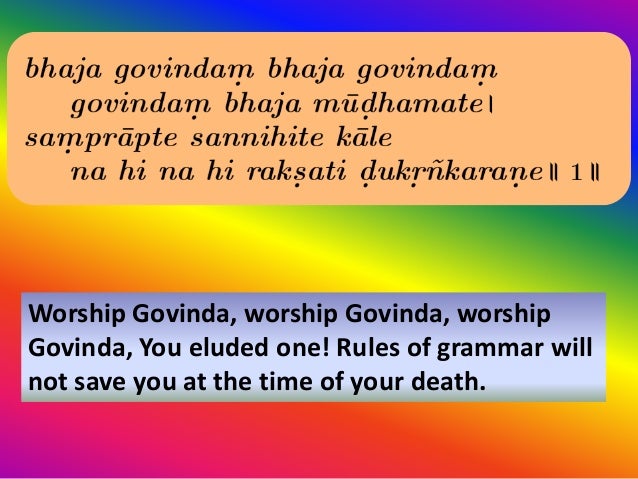
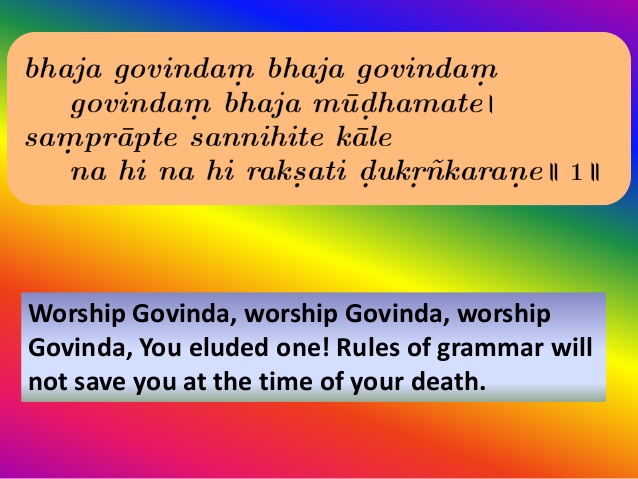
The Legend About Bhaja Govindam
The Art of Diagnosing Good Health vs ill-health. The man’s existence is always conditioned by the Divine Providence.
Adi Shankara, an Indian philosopher of 8th century CE, born in the southern Indian state of Kerala is well-known for his doctrine of Advaita Vedanta which formulated by his interpretation of the Upanishads. Shankara also established the ‘SMARTHA’ tradition to which I belong. He recommends devotion to both Shiva and Vishnu and the worship of other gods and goddesses. His poetic composition popularly known as ‘Bhaja Govindam’ deals with issues of human existence and the problem of death. Shankara renounced the comforts associated with materialistic existence and had become a ‘Sanyasi’ (Hindu ascetic) at a very young age and walked across the length and breadth of India on foot. He lived by accepting the offerings (‘bhiksha’) given by the community which often involved walking along the streets in places where he lived.
While Shankara visited the city of Kashi also known as Benares or Varanasi, the legend claims that he composed the twelve verses of Bhaja Govindam in the Sanskrit language. He was accompanied by fourteen of his disciples and they also contributed a verse each and these songs are collectively known as ‘Bhaja Govindam’. As per the legend, Shankara encountered a man teaching the rules of Sanskrit grammar to his students. In India, the teaching technique often involves learning by rote. A phrase is repeated several times to let the students put it into memory. As this Sanskrit Grammar teacher was repeating the phrase ‘Du krun kariney’, Shankara, a man of great spiritual insight, instantly recognized that the Sanskrit teacher was actually facing the threat of death and the teacher himself was not aware of the threat to his physical existence.
Shankara who mastered Vedas and Upanishads was aware of the many sources both external and internal that endanger human existence. This particular ability of Shankara to diagnose the health of an individual interests me because of my educational experience and training in the ‘Art of Diagnosis’. Unfortunately, Shankara died at the very young age of 32. A mystery surrounds his death. The place of his death is disputed. He was always followed by his disciples. Some accounts claim that he had died in Kedarnath in the Himalayan mountains of Uttarakhand State. Others claim that he had died in the southern Indian city of Kanchi. What had contributed to his premature demise is not known. His portraits always depicted him in good and positive health.
THE ART OF DIAGNOSING GOOD HEALTH:
The Art of Diagnosing Good Health vs ill-health. The Diagnostic Process must be applied to the evaluation of the man to diagnose the condition called Good, Perfect, and Positive health.
To diagnose ill-health is easy. The sick person may describe his ailments. In addition to a person’s subjective symptoms, ill-health shows objective manifestations. The art of clinical diagnosis in sickness and disease involves the use of signs and symptoms attributable to specific conditions that affect the state of health of an individual. However, the mere absence of ill-health does not necessarily mean that the person is positively healthy. Health, like beauty is often a matter of subjective impression. But, while beauty is in the eyes of the beholder, the diagnosis of perfect and positive health is a verdict rendered after a carefully executed medical examination.
The important object of medical inspection and examination of Armed Forces personnel is to ensure that they are healthy and are able to perform the tasks assigned to them. As the medical officer providing medical cover to units in the Armed Forces of India and The Sultanate of Oman where I had served, I was responsible for assessment of health of all personnel under my care. To ensure that the troops are in good health, I was required to medically inspect all personnel under my care periodically and diagnose that they were in good health. Good health demands that a person should appear well nourished. In stature and build, a person should represent an average example of his race and class. The person should not present any evidence of emotional hyper-excitability. Temperamentally, the individual should exhibit reasonable aptitude and behavior consistent with the expectations of his occupation. Most importantly, the face of the person should reflect the bloom of vigorous health. A person in good health should appear cheerful and be full of vitality. The entire individual is carefully examined to assess the health status. I had acquired the practical skills of the ‘Art of Diagnosing Good Health’ by carefully carrying out regular, periodic health inspections of all men under my care. Armed Forces insists upon Medical Inspections for a variety of reasons and individuals who are subject to the Rules and Regulations that govern Service in Uniform cannot refuse the mandatory Medical Examinations. Medical Inspection of all the men including all food handlers of the Unit is done typically once every month. In addition, men newly posted to the Unit (New Arrivals), men before proceeding on and returning from Courses of Instruction/Leave of Absence/Temporary Duty, and after Hospital Discharge are Medically Inspected. Recruits posted to the Unit after completion of Recruit Training, and men joining their Units after serving abroad are subjected to Medical Inspections. Thorough, detailed and specific Medical Examinations of military personnel is required under the following conditions:
1. All troops proceeding on ‘active service’ or troops proceeding overseas. 2. Individuals proceeding on permanent transfer to another Unit. 3. Men desirous of an extension of service or re-engagement. 4. Troops for transfer for the Reserve Duty. 5.Officers at the time of initiation of Annual Confidential Reports, entry to Staff College, any Course of Instruction, Fitness for Special Duty. 6. Men under arrest and undergoing sentence and before disciplinary action. 7. Men posted to serve at High Altitude. 8. Special examination at the outbreak of an infectious disease. Typically, I used to examine at least twenty known contacts of each case of Malaria or Viral Hepatitis.
Medicine is not merely the Art of Diagnosing ill-health and it is equally the Art of Diagnosing Good and Positive Health. I perfected this skill by meticulously repeating the task of conducting Medical Inspections thousands of times during the course of my service in the Armed Forces. This practice also contributed to my ability to diagnose ill-health and in the next several posts I would narrate a few specific instances when I diagnosed an impending outcome of death. During my service, there are instances when I diagnosed the fact of Good Health and made the individuals to perform their assigned tasks and did not allow them to escape from the obligations of Military Duty making invalid claims about their health status.
A STORY FROM MILITARY HOSPITAL, ROORKEE:
The Art of Diagnosing Good Health vs ill health. The Diagnosis of Acute Appendicitis at Military Hospital, Roorkee Cantonment
Sometimes, the acute power of observation works better than that of Physician’s clinical examination. During 1973, while I was serving at Gauchar near Rudraprayag, I was admitted to Military Hospital, ROORKEE for an intestinal infection. During my hospital stay as a patient,while I was standing in the lobby of the Officers’ Ward, one particular evening, I saw a young, male patient arriving at the Ward after his admission. When I looked at him, and the manner in which he was walking, particularly his gait and the position of his right hand over the right lower quadrant of his abdomen, I suspected his medical problem. After he came into the Ward, from his facial appearance alone, I recognized him as the younger brother of an Officer who was then serving in my Unit. Both of them belonged to the Corps of Engineers. I introduced myself and he promptly confirmed his relationship to the Officer who was serving in my Unit. I asked him about his medical ailment. He was getting treatment from the Hospital Physician (M.D., Classified Medical Specialist) over the last several days and was seen by the Physician twice in the Out-Patient Clinic and he was not responding to the medicines that were prescribed. I looked up at the Hospital Admission document. He was admitted to the Military Hospital with the provisional diagnosis of Fever Not Yet Diagnosed. I told him that Fever was not the real issue and that he was suffering on account of a common well-known surgical condition called Acute Appendicitis. I confirmed this diagnosis by performing a simple test on this young Officer patient and told him that he would need immediate surgery and that his ‘APPENDIX’ must be removed without any delay. I proceeded to contact the Duty Medical Officer who admitted and sent this patient to the Officers’ Ward. The Duty Officer told me that he admitted this patient based upon the written opinion and recommendation given by the Physician. The Duty Medical Officer came over to the Officers’ Ward and he repeated the test I had performed earlier and the diagnosis was very clear. He immediately called the Duty Surgeon, who came over and repeated the test I had conducted and confirmed that Appendix should be removed. The appendix was removed and the Surgeon came back and told me that the appendix was highly inflamed and was at the risk of rapture which poses a greater threat. While, Appendicitis is a common surgical emergency among young adults, the Medical Specialists are not trained to treat this condition and sometimes they may fail to look for it. I was less qualified than the Medical Specialist but I had trained myself in the Art of Diagnosis which would be of use in diagnosis if not in delivering the special treatment and interventions that a medical condition requires. Whatever may be the outcome, a Good Diagnosis is as relevant as a Good and proper Treatment. Roorkee was the hometown of this Officer patient. Later his father came to the Ward to meet me and was particularly excited with this exceptional coincidence ; I knew his first son and then I was in Roorkee at that precise moment and intervened as his second son was arriving at the Officers’ ward.
BHAJA GOVINDAM-PART-I:
The Art of Diagnosing Good Health vs ill-health.
While the Art of Diagnosis interests me, I constantly remind myself that Good Health is due to the GRACE, MERCY, and Compassion of the LORD and Indians love to personify the Divine Providence as LORD Govinda. For the man exists because of MERCY, when the existence is threatened, the man may have no choice other than remembering the LORD.
Dr. R. Rudra Narasimham, B.Sc., M.B.B.S.,
Special Frontier Force-Establishment No.22-Vikas Regiment
The Art of Diagnosing Good Health vs ill-health. The man’s existence is always conditioned by the Divine Providence.
Human Existence in the Age of Stress: Spirituality Science – Cyclical Flow of Time – HUMAN BEHAVIOR AND HUMAN NATURE: IN INDIAN TRADITION, MAN DISPLAYS DIFFERENT KINDS OF BEHAVIOR DUE TO EXTERNAL ENVIRONMENTAL STIMULI THAT VARY UNDER THE INFLUENCE OF TIME. INDIA’S SPIRITUAL LEADER AND MASTER GURU NANAK (c.1469 – c.1539) RESISTED THE POLLUTING EFFECTS OF KALI YUGA AND PREACHED ABOUT FUNDAMENTAL IDENTITY OF ALL RELIGIONS.
We live in an age of “Stress” and the Indian traditions refer to the present times as the age of “Kali Yuga” and describes the human behavioral disorders as the effects of pollution both mental and physical.
Human Existence in the Age of Stress.
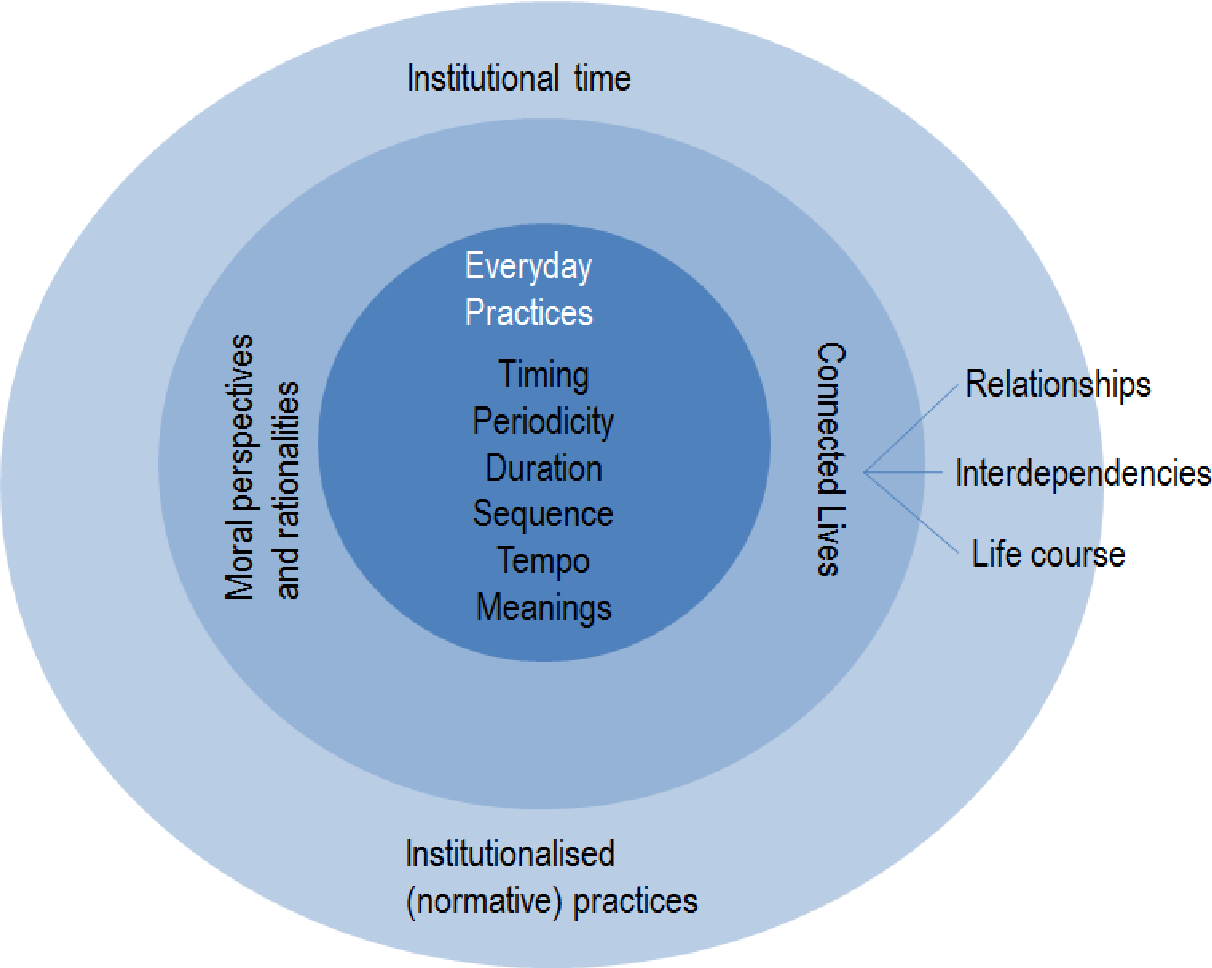
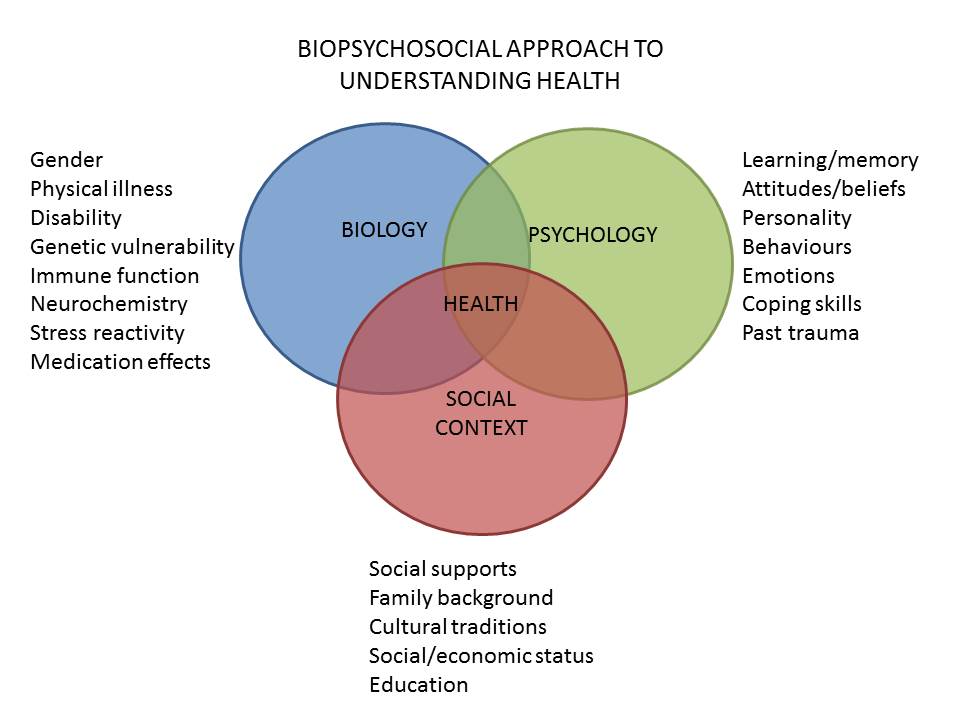
The accelerated tempo of life brings forth stimuli of high velocity of action, magnitude, and impact that they stimulate a chain of psycho-physical reactions strong enough to cause manifest effects in the human body. A person experiences ‘strain’ when his life’s demands exceed his ability to meet those demands. Prolonged high intensity intellectual and emotional strain which involves fixation of motives to do hard work, achieve high standards, carryout a task against opposition, and aspiration for high professional, prestigious, economic and social career and status would produce ‘stress’. Stress is produced not so much by the efforts which have been rewarded by success but more often by the ones not ending in satisfactory achievement. The impact of modern living has a significant bearing on the genesis of stress-associated declines in health. Prolonged stress may result in increased levels of stress hormones such as cortisol, a decline in certain aspects of immune system which contributes to a decline in the immune system surveillance against viral infected and cancer cells, increases the rigidity of the vascular system which produces hypertension (high blood pressure), thickening of the coronary arteries that impacts cardiac health, aggravate breathing difficulties, disrupts gastrointestinal microbial balance, and a host of other problems. Depending upon the physical, psychological, and social environments under which the person has been brought up and is presently living; and depending upon the genetic and constitutional factors, stress affects a particular target organ or system. The problems associated with the use of alcohol, tobacco, and a variety of mind altering drugs and substances could be considered as an extension of a response to stressful stimuli and substance abuse further aggravates the ‘stress syndrome’.
The Biological Concept of Stress
Human Existence in the Age of Stress
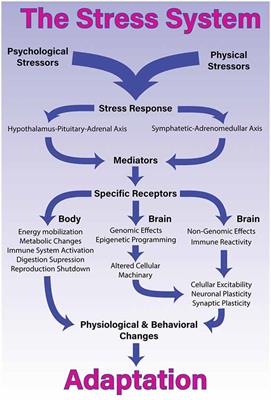
The word ‘stress’ or ‘strain’ should be understood as a Stimulus-Response-Complex produced in an individual by hostile physical, psychological, or biological invasion. It also leads to the development of resistance to the stressful stimuli. Depending upon the nature of the hostile or invasive factor, the resistance produced may be physical, psychological,biological, or a combination of all. Thus ‘stress’ includes the chain of reactions which constitute the process of development of final resistance to extrinsic strains. Resistance produced may be general or specific. The reactions of stress may produce the ‘General Adaptation’ and ‘Specific Adaptation’ syndromes. Stress precedes and promotes all the resistance phenomena. Final resistance produced by any biological, physical, and psychological stress producing stimulus detremines the survival, or defeat/death of the man under the strain. Stress could be viewed as beneficial when it is produced in tolerable quantum and is spread over a tolerable period of time.
The types of Stressors
Human Existence in the Age of Stress. The types of Stressors.
The biological stress is caused by pathogenic organisms such as bacteria, viruses, parasites, animal bites and stings.
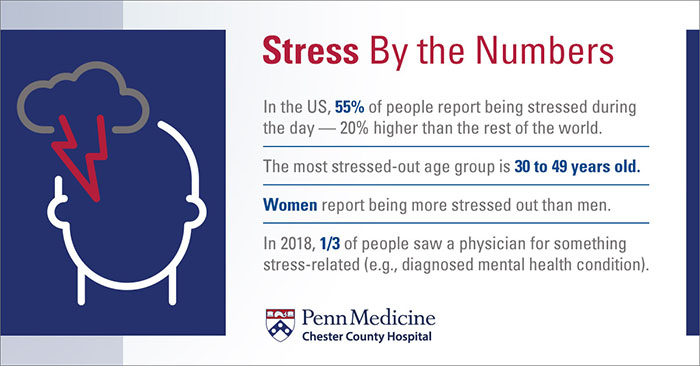
Human Existence in the Age of Stress. During the height of COVID pandemic, the US reported a high incidence of stress-related problems.
Physical stress is caused by physical factors like heat, cold, burn, injury, radiation or privations.
Human Existence in the Age of Stress.
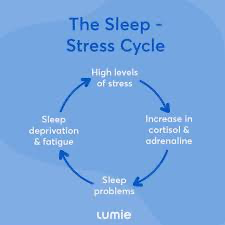
In modern times the most important stress producing cause is that of sleep deprivation. Our biological existence is synchronized with the cosmic event that causes alternating periods of light and darkness. A biological clock manages a variety of biological activities such as the production of stress hormones. Body needs periods of relaxation and should stay tuned with the 24 hour biological rhythm which is popularly known as the ‘circadian rhythm’. We very often disrupt the functioning of this biological rhythm to accomplish one task or the other. Many of us just stay awake for the sake of enjoyment of life. If not at work, or preparing for an examination, we stay awake in front of TV, listening to music, watching sports, playing games, drinking alcohol, partying with friends, and in a myriad of other ways which would provide a sense of euphoria. While we are enjoying our time, the body still experiences stress and reacts to the stress of being in a wakeful stage when it should be resting without receiving any mentally exciting stimuli. Our desire to get away from the stress at work place or daily life, may actually enhance the effects of stress upon our body.
Human Existence in the Age of Stress.
The psychological stress is produced by an adverse situation, proximity of an aggressive or overwhelming personality, or an intellectual, emotional (such as anger or worry), or social challenge. We could therapeutically combat the stress due to biological agents and physical conditions. But the psychological stress is not amenable to an easy therapeutic approach. Stress as a disease producing factor very often refers to the psychological stress.
The Genesis of Stress
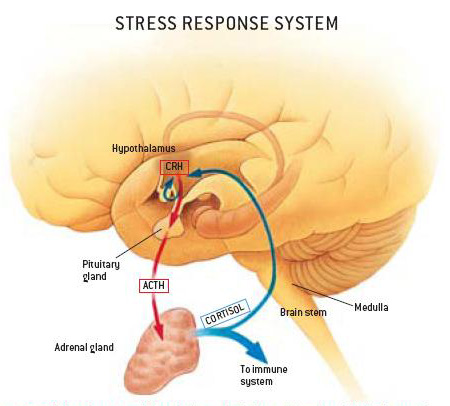
Human Existence. The Age of Stress. Hypothalamus, Pituitary and Adrenal glands play a central role in the Stress response.
The part of the brain known as hypothalamus, and the organs of the endocrine system, particularly the pituitary and adrenal glands play an important part in the body’s adaptation to stress. The hormones such as epinephrine (Adrenalin) and cortisol produced by the adrenal glands help to protect the body and raise its resistance against stress irrespective of the nature of the stimulus.
Human Existence in the Age of Stress
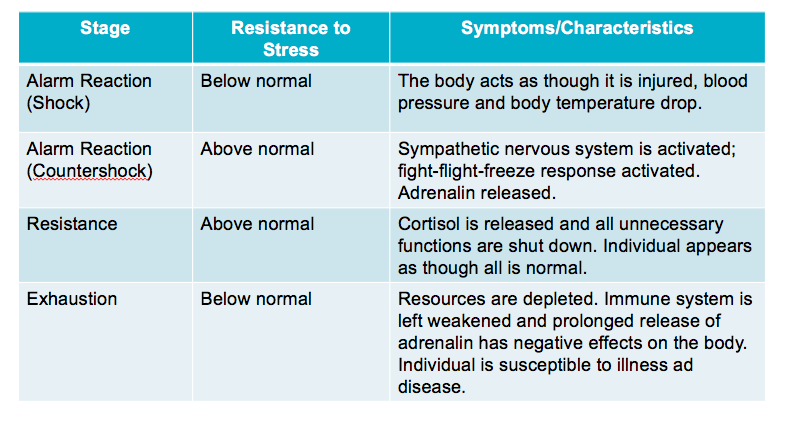
After sudden exposure to stress stimulus, in times of anger, fright, fight, and flight, the initial ‘Alarm Reaction’ produces epinephrine that increases the heart rate and blood pressure. When the stress continues, the adrenals are again stimulated via the hypothalamus-pituitary axis and release hormones such as cortisol which is important for providing glucose, a source of energy for the body. If the stress further continues, body tends to develop resistance against prolonged stimuli. If the stress stimuli are very aggressive and are sustained over a very long period, the ‘General Adaptation’ mechanism of the body could fail, a ‘Stage of Exhaustion’ may follow and the individual could be overwhelmed. Pre-existent resistance against stress reduces the requirement of immediate response of an “Alarm Reaction.” Stress is reduced by pre-existing resistance. The defeat, imperfect production of resistance, or premature arrest of the process of its production gives rise to disease. Heredity, environment, physical and mental health, and social support detremine our ability to resist stress situations. The development of a well integrated personality to face life squarely determines the extent and quality of the resistance. By proper education and training, the threshold for physical and emotional stress could be increased.
Resistance to Stress
Human Existence in the Age of Stress.
A psychological stress stimulus may not cause a similar reaction in all individuals. All individuals have different capacities to perform and adapt when faced with stress. People will react differently depending upon the preformed resistance they have. Five different types of reactions are possible. 1. The stress stimulus acts like an inspiration and becomes a source of healthy pursuit. 2. The stimulus is accepted as a reasonable strain and the individual takes it up as a healthy challenge. 3. The situation appears to be overwhelming and the stimulus becomes either a source of depression, and breakdown or a source of ‘stress syndrome’. 4. It may cause anxiety and becomes a source of an anxiety state or neurosis. 5. The stimulus does not elicit any reaction at all as the individual is apathetic.
Depending upon their response or reaction to stress, we can distinguish five different categories of people.
GROUP I: Persons highly resistant to stress. They have superior preformed resistance and often display an ability to develop resistance within a short time of exposure to stress. They master the stressful event and overcome the stress triumphantly. They do not suffer from any negative consequences while they carry out the task even while under great stress. They have dominant will power and have a great power of endurance.
GROUP II: These persons have enough preformed resistance to overcome the stress partially. They do not show overt ‘stress syndrome’ but suffer to a lesser extent in their attempts to master the stressful situation and achieve success. The task does not suffer. Such persons are likely to suffer from precipitation of internal conditions such as hypertension, coronary artery disease if they have other predisposing risk factors.
GROUP III: These persons have very low preformed resistance. If a stressful situation continues such persons may develop resistance which carries them through for some time but sooner or later they succumb to the situation and show evident ‘stress syndrome’. The task may not always suffer but the individual suffers from physical manifestations of stress.
GROUP IV: These persons have no preformed resistance and their ability to create immediate resistance is low. These persons abandon the task and tend to get away from the stressful situation. The task suffers and the individual could be punished for failing to perform his task.
GROUP V: These persons are Non-Resistant to stress. They have no preformed resistance. They are not capable of favorably reacting to a stress producing situation at all. They succumb and become psychiatric casualties and cease to exist as an organized entity. Sometimes, they may not be able to maintain their biological existence.
Armed Forces consistently strive to select and recruit only Resistant personalities and weed out the vulnerable ones by careful monitoring of the health of the troops.Over fifteen years of military service, I had conducted several thousands of medical examinations to assess the physical and mental fitness of people and was actively involved in preserving their health and promoting the quality of their health.I recruited several thousands of young people for service in the Indian Army and also recommended the removal of people whom I had detected to be falling short of our expected standards of fitness. With proper nutrition, physical training, personal hygiene, clean habits, and immunization, without any doubt we could make people ‘resistant’ to a variety of biological, and physical stress stimuli. The stress imposed by psychological stimuli is also important and the resistance to such ‘stress’ could also be improved. Understanding the phenomenon of stress is important for our existence in the modern times. By improving ‘Stress Resistance’, we keep the men ready for a batlle at all times, maintain the level of Stress Resistance during the most stressful moments of the battle, and protect their well being after the stress of the battle is over. The psychological preparation for batlle includes an effort to increase the stress resistance level by proper motivational techniques used routinely in the medical fitness examinations of men. To sustain productivity in education, and at work, we need to lay emphasis on the concept of stress resistance.
The Sound Energy – A Miracle Cure for Stress. The human body reacts to Stressful Stimuli and the Stress Reaction can manifest with psychological and physical Signs and Symptoms.
The impact of stress on the body reveals how closely mental health and physical health are connected. Stress can also lead to serious mental health problems like depression and anxiety disorders if the body is constantly overloaded.
The Stress Reaction triggers major bodily changes, such as:
Sugars in the bloodstream increase to supply energy
Muscles tense so they’re poised for action
Heart beats faster to get blood pumping
Digestion and other functions slow to save energy needed elsewhere
Stress May Contribute To:
high blood pressure
heart disease and stroke
decreased immune defenses
cancer
stomach problems
poorer brain functioning
Stress also can lead to serious mental health problems, like depression and anxiety disorders.
The Symptoms of Stress Overload:
fatigue
headaches
loss of concentration
difficulty making decisions
inability to control anger
increased use of alcohol, caffeine, cigarettes or drugs
increased or decreased eating
feeling overwhelmed
thinking often about what you need to do
Of course, none of us can remove the sources of stress. But, we can figure out ways to cope better with various kinds of stressful stimuli.A person with a well-integrated personality acquires high resistance against stress and will be able to react healthily while confronting unwholesome life situations.
The Sound Energy – A Miracle Cure for Stress: A person with a well-integrated personality acquires high resistance against stress and will be able to react healthily while confronting unwholesome life situations.
Ten Tools for Resiliency
Connect with Others
Stay Positive
Get Physically Active
Help Others
Get Enough Sleep
Create Joy and Satisfaction
Eat Well
Take Care of Your Spirit
Deal Better with Hard Times
Get Professional Help If You Need It
The attributes of ‘Kali Yuga’ – The Age of Stress:
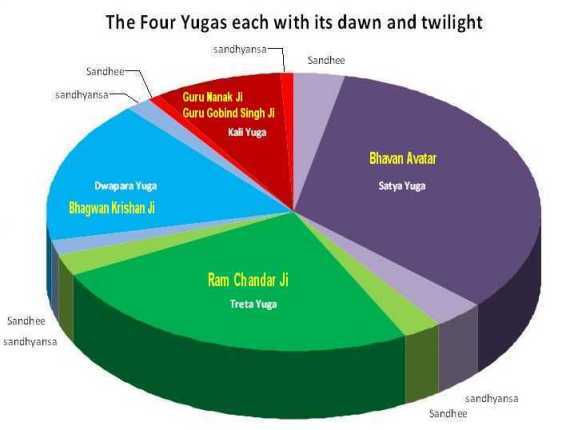
The Sound Energy – The Miracle Cure for Stress: SPIRITUALITY SCIENCE – CYCLICAL FLOW OF TIME – HUMAN NATURE AND HUMAN BEHAVIOR: IN THE INDIAN TRADITION THE CYCLICAL FLOW OF TIME IS DESCRIBED AS FOUR PERIODS NAMED 1. SATYA YUGA, 2. TRETA YUGA, 3. DWAPARA YUGA, AND 4. KALI YUGA. MAN MAY DISPLAY DIFFERENT BEHAVIORS DURING EACH PERIOD OF TIME OR YUGA.
The Sanskrit word ‘Kali’ means fermented or contaminated water. While fresh water contributes to good health, and vitality, polluted water would induce stress and strain and leads to illness that manifests as strife, discord, quarrel, or contention. One of the attributes of Kali Yuga is the importance attached to wealth acquisition. Money and acquisition of money have become significant stressors in our lives. Money related problems are among top concerns playing a role in anxious or depressed moods. As avarice, greed, and wrath have become common, there is no contentment, nor discernment, and nor mental composure. As men are tormented by worries, the use of prescription drugs such as tranquilizers has become very common. Various methods have been developed to cope with psychogenic or internal stress including the use of psychotherapy. Unhealthy coping of stress is leading people to activities such as smoking, drinking, gambling, compulsive eating, and the use of mood altering drugs and chemical substances. Such unhealthy coping mechanisms to deal with stress can trigger more conflicts both at home and in the society.
Creative uses for Sound Energy:
The Sound Energy – A Miracle Cure for Stress.
The science of acoustics deals with the nature, properties, generation, propagation, and reception of sound waves. Sound is defined as a vibration, a mechanical disturbance from a state of equilibrium that propagates by wave motion through an elastic medium. In gases, and liquids, sound propagates as longitudinal, compression waves. In solids, sound propagates as transverse, shear waves. Sound waves behave in many ways as light waves do. Sound is a form of energy like light. Light is an electromagnetic wave. Unlike light, sound cannot exist in a vacuum. Acoustics is important in fields of speech and hearing, the production of music, in warfare, in research, in exploration, in medical diagnosis and therapy. Sonar is an acronym for sound navigation and ranging. Sonar is used in detection and location of submerged objects like submarines by using acoustical echo. Ultrasonics describe the study of all sound like waves whose frequency is above the range of normal human hearing. Ultrasound is widely used in industry and in medicine. Pulses of ultrasound could be used to shatter kidney stones and gall stones. Ultrasonic drills and saws are useful in surgery and dentistry. Ultrasonic transducers have come to be widely used in medical imaging and have become a common diagnostic tool in pregnancy and for screening medical conditions that affect children. The technique of studying heart motions by ultrasonic means is known as echocardiography. In modern life we use sound energy in several creative ways.
The World is Full of Sounds:
Sound Energy – A Miracle Cure for Stress.
We encounter a great variety of sounds in our daily life. All natural phenomena such as thunder, rain, waterfall, surf, and gusts of wind generate their unique sounds which could be pleasing aswellas frightening. Across animal kingdom, sound is used for detecting danger, navigation, predation, communication, and also for relaxation. Animals possess special structures for production and reception of sounds. The sounds produced could be mechanical or vocal. The special vocal organs could also produce speech and song. Mammals can also produce sounds with parts of the body that are specialized for other purposes. We can produce sound by tapping the floor or by clapping the hands. Many animals are highly vocal and can produce species-specific sounds. By understanding the sound reception mechanisms used by animals, we can also protect ourselves. Snakes have no reception for sounds propagated through air as they do not have external ears. But they recognize the sound vibrations that are propagated through ground. Snakes often bite when they are stressed. During Operation Eagle 1971 in Chittagong Hill Tracts, the War of Bangladesh Liberation, I had allowed a large group of snakes to move under my legs by remaining still and not provoking them with any attempt to move. I had trained soldiers to protect themselves from snake bites. For example, we can easily alert others by shouting and announcing the presence of a snake while standing still and get help to avoid snake bite. Humans have developed Culture and technology such as radio, telephone, and music that allows them to generate, record, transmit, and broadcast sounds. We should further explore the potential uses for sound energy. In ancient India, thoughts were propagated from person to person using the ‘oral tradition’ which involves the use of sound energy as a tool of human communication.
The Biological Effects of Sound:
Sound Energy – A Miracle Cure for Stress.
A sudden, loud sound could disorient a person. High intensity sounds and exposure to noise could cause irritation, anxiety, fear, sleep deprivation, stress-reaction, and hearing loss. It could also cause permanent damage to the sense organs of hearing. High-order explosives produce a supersonic high pressure blast wave that could cause severe primary blast injuries in several organs like brain and lungs.
Sound Energy – A Miracle Cure for Stress.
Humans appreciate the value of sound as a tool for obtaining relaxation, rejuvenation of spirit and for mental amusement and entertainment. The soothing effects of sound can provide us mental comfort, help in the healing and recovery process. The Indian traditions claim that sound could be used as a medicine and the sound could exert medicinal effects taking advantage of the mind-body connection. Sound undoubtedly can affect our physiological responses to stress. Sound could act both like a stressor and as a stress reducer.
The Mystical Effects of Sound:
Sound Energy – A Miracle Cure for Stress
A ‘mantra’ can be defined as a sound, syllable, word, or group of words that are considered capable of creating transformation. The vocal sounds of the ‘mantra’ have inherent meaning independent of the understanding of the person uttering them. The incantor need not know the meaning of the words employed and it makes no difference to the mantric action. When we take prescribed medications, most of us do not understand the chemical formulas of the active ingredients and the pharmacological basis for their medicinal action. The vocal sounds of ‘mantra’ could still work even when we do not know the reason as to how it works. Many of the modern medications are derived from plants, herbs, and compounds that were traditionally used for curing illness.
Sound Energy – A Miracle Cure for Stress
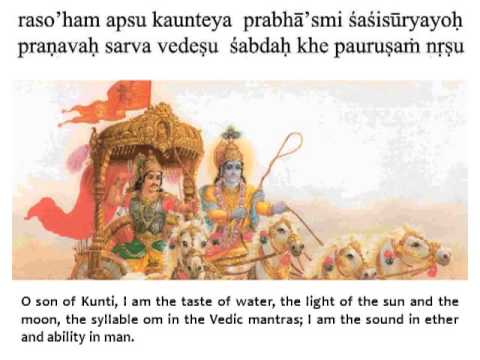
The Indian tradition advocates the efficacy of vocal sounds in providing relief from physical problems that afflict us. In Bhagavad Gita, Chapter 7, verse 8, Lord Krishna states that He is the light of the sun and the moon, and that He is the Sound in ether. Light energy, and sound energy are aspects of the various energy manifestations of an Eternal, Original,and Primeval Person described as ‘Purusha’, the Lord God Creator. Our earthly existence is made possible by our Cosmic Connection with the material energies that we exploit to sustain and support our living functions.. Sound is a unique natural phenomenon of our earthly existence and because of its uniqueness it could be described as a creative energy. In the entire universe that we know and have explored, planet Earth is the only place where sound is generated, sound is propagated, and sound is recognized by living entites with anatomical organs and structures that are designed for that purpose.
An Elixir to destroy the ill-effects of Stress Pollution in the age of Kali Yuga:
The Sound Energy-A Miracle Cure for StressThe Sound Energy-A Miracle Cure for Stress.
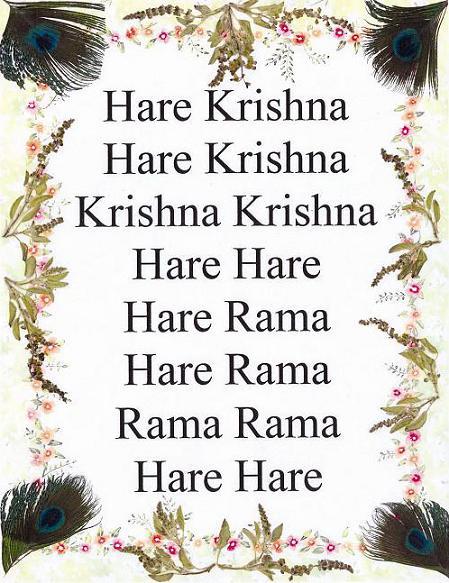
The creative power of sound could be used to counteract the contaminating influence of the age of Kali. The sixteen words of the Hare Rama Mantra is first attested in the ‘Kali santaranopanisad'( Kali Santarana Upanishad) which is associated with the Krishna Yajur Veda. Creator Lord Brahma instructs sage Narada about the efficacy of this Mantra. The mere uttering of the phonetic sounds of words Hari, Rama, and Krishna is enough. A person does not require a Guru or a teacher to instruct the mantra. No fee is expected to obtain the knowledge of this mantra. A person is not expected to change his religion or observe any specific religious rituals as a part of using the mantra. There is no set time, or duration for repeating the words of the mantra. The words could be used individually or the precedence of the words could be rearranged. All the words are of a great potency.A person requires no previous qualification or training to use the mantra. There are no rites of initiation. It is unlike the practice of Yoga or Meditation. The person need not be in a temple or any other secluded place. The mantra could be used while fully engaged in the routine activities of life. The words could be repeated either out loud, softly to oneself, or internally within the mind. The mind hears the sounds of the words irrespective of the manner used to utter them. The Upanishad further states:
TEXT 6
iti sodasakam namnam kali kalmasa nasanam
natah parataropayah sarva vedesu drusyate
iti—in this way; sodasam—sixteen; kam—collections of words;
sarva—in all; vedesu—Vedic scriptures; drusyate—is seen
TRANSLATION
“In this way, the collection of sixteen names is the only destroyer of the polluting effects of Kali-Yuga. No other remedy can be found in any part of the Vedic literature.”
The sixteen words of ‘Hare Rama Maha Mantra’ are especially meant for counteracting the polluting effects of the age of Kali. After searching through all the Vedic literature, one cannot find a better method.
I am not surprised to read about the mystical effects of sounds that could transform our lives and protect us from Stress. I have personal experience of withstanding the physical stress imposed by sun’s scorching heat in the open deserts during military exercises. We used nothing more than a little shade provided by thorny bushes or the camouflage net that we use to conceal our presence. The shade would at the most reduce the heat by a couple of degrees and yet the psychological relief it provides us so immense and it enables us to resist heat the entire day. I spent time in evaluating people and witness their ability to withstand a great variety of physical, chemical, biotic, and environmental stressors. The sixteen words of Hare Krishna Mantra have the potential to destroy the evil effects of stress by increasing our stress tolerance, by inducing stress resistance and by protecting our biological existence. Kindly review a related blog post about Stress.
Fighting an Enemy. A story from Suratgarh, Rajasthan. Mahajan Firing Range, Suratgarh.
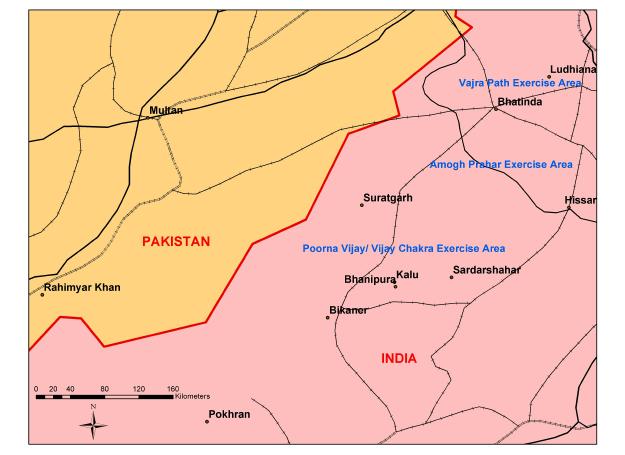
Indian Armed Forces train and conduct Military Exercises in Suratgarh region of Rajasthan with a sense of ‘excitement’ induced by the preparation to confront the enemy. The attack by an ‘invisible’ enemy is manifested by the medical symptom of mental excitement.
SURATGARH, RAJASTHAN – THE LAND OF RIG VEDA:
Fighting an Enemy. A story from Suratgarh, Rajasthan.
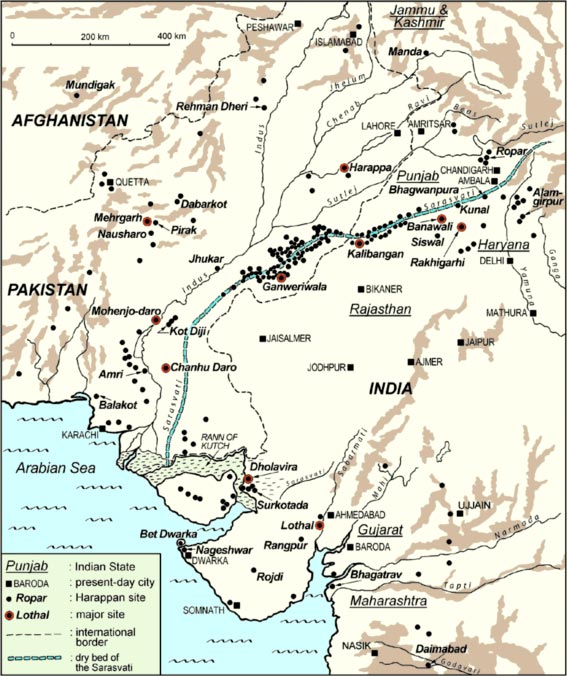
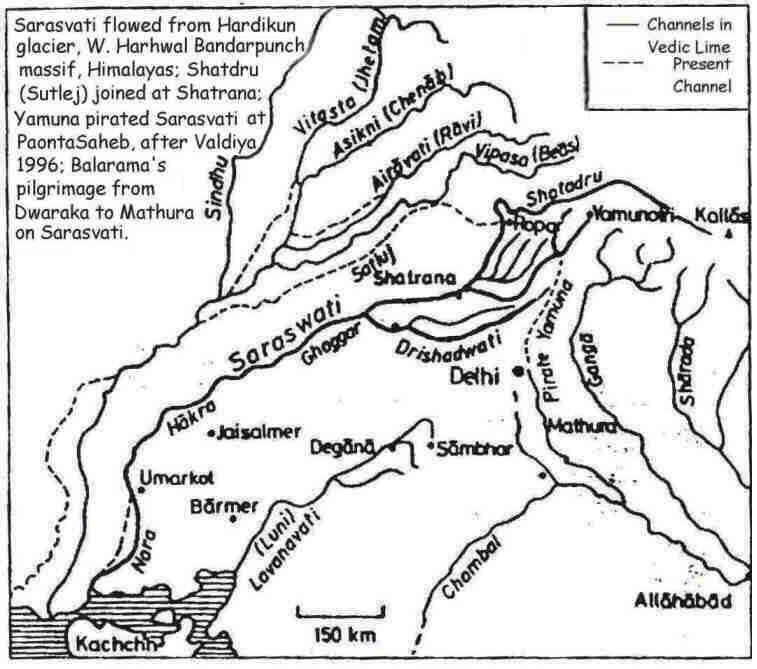
Suratgarh is in Sri Ganganagar District of Rajasthan. Around 3,000 B.C., Suratgarh is believed to be a lush green pasture land due to the presence of Sarasvati River which is repeatedly mentioned in Rig Veda and is described as “Ambi ta mey, Nadi ta mey, Devi ta mey, Sarasvati” meaning that River Sarasvati is Best Mother, Best River, and Best Goddess.
Fighting the Enemy – The Excitement at Suratgarh:
Fighting an Enemy. A story from Suratgarh, Rajasthan.
Suratgarh is of strategic importance. I visited and camped in this area several times during the period from 1976 to 1978. It was not a picnic. My visits were mostly related to military training and exercises that would prepare me to fight the enemy in a battle. Battle preparation always induces a sense of excitement. Apart from the body, the mind would be put on an alert to accept the challenge and confront the enemy. I never missed that feeling on any day that I spent in Suratgarh. During 1977, I camped at Suratgarh for three months where the First Armored Division opened a ‘Desert Driving School’ to impart training to military drivers. The sandy desert terrain poses a challenge to the man aswell as the machine. The driving lessons were imparted by instructors from Army Service Corps which provides provisions(rations) and transportation in the conduct of military operations. We established a very small camp in tents on the Suratgarh-Sri Ganganagar Road. I set up a very modest Medical Inspection Room in a bunker to provide medical services to trainees at our School. I had posted a sign on the road near our School to encourage others to visit my Medical Inspection Room if they needed any help. I had always liked the idea of preparing for the battle. The success in actual war depends upon the skills a person acquires while training for the battle. I thought that it was important that I must learn to drive and operate all types of vehicles that Indian Army would use in the desert terrain. Like all other trainees at the School, I drove a 3- ton Lorry, the basic workhorse of Indian Army. I successfully finished my training and was issued a Military Driver’s License. Apart from 3- ton Lorry, I also operated all other vehicles like Jeep, Jonga, and 1- ton trucks. The driving tracks included regular surface roads and plenty of cross-country driving over sand dunes and desert terrain. It was exciting to face the challenge and be prepared.
Fighting an Invisible Enemy – A Challenge to Human Existence:
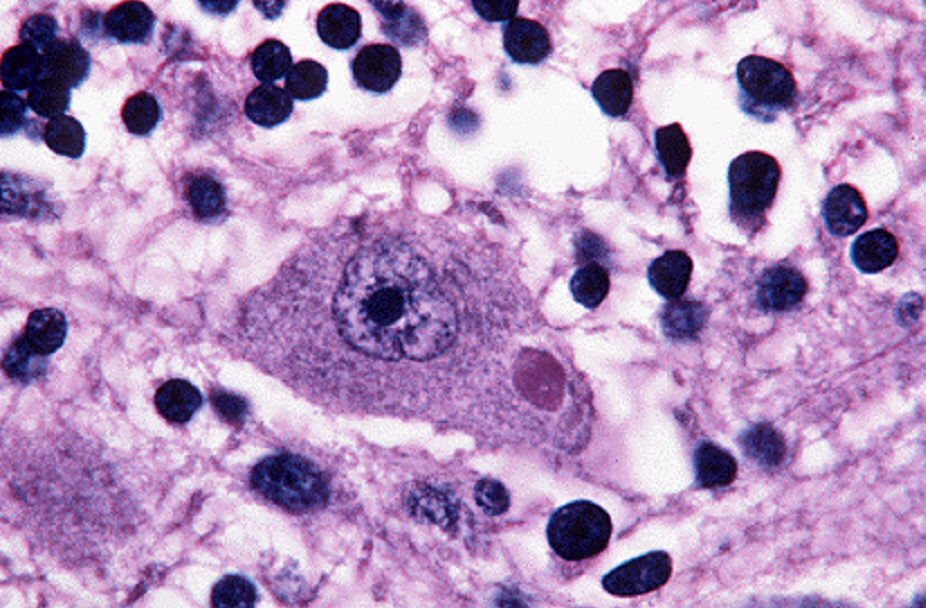
Fighting an Enemy. A Story from Suratgarh, Rajasthan. The Enemy, Rabies Virus, has a “Bullet” shape.Fighting an Enemy. A story from Suratgarh, Rajasthan. Mortality from a “Bullet” shaped Virus.
Fighting a visible, external enemy is easier rather than fighting an ‘invisible’ enemy. The Rhabdovirus that causes the fatal disease of RABIES is one such invisible enemy. The virus has a characteristic ‘bullet’ shape. It is described as a neurotropic virus as it chiefly attacks the central nervous tissues and causes brain inflammation. While a person is alive, the infection is always diagnosed on clinical grounds.
Fighting an Enemy. A story from Suratgarh, Rajasthan. After the battle is lost, the Enemy is identified by the presence of Negri Bodies.Fighting an Enemy. A story from Suratgarh, Rajasthan. The battle is lost before the establishment of Final Diagnosis of the Enemy Agent invading the human body.
After death, the evidence for this infection is demonstrated by the presence of microscopic, the oxyphilic inclusion bodies called the ‘Negri Bodies’ found in the cytoplasm of the brain nerve cells.
The disease once manifested, has no cure and the mortality is 100 percent. The disease was eradicated in Britain and Australia, but is still prevalent in India. Rabies is primarily a disease of a variety of animals( the Canidae tribe) and man is secondarily infected. In India, furious canine rabies causes most cases of the disease in man. The virus also attacks the salivary glands and the virus is present in the saliva of the infected animal.
Fighting an Enemy. A story from Suratgarh, Rajasthan. Carnivore animals are implicated in the transmission of Rabies Virus.Fighting an Enemy. A story from Suratgarh, Rajasthan. Wild animals like Foxes, and Jackals can transmit the Rabies Virus infection to man.
For man, the immediate source of infection is essentially the rabid domestic, street, or pet, dogs, and cats. The infection could also spread from wild animals like Jackals and Foxes. The virus is transmitted to man either by the bite of an infected animal or by contact through the mucous membranes or breaks in the skin such as cuts, abrasions, and open injuries that get licked by the animal.The virus cannot enter the body without some trauma to the skin or mucosa. However, the virus can gain entry if it contacts intact conjunctiva of the eyes. Transmission by ‘droplets’ has also been demonstrated. Once within the body, the virus travels using nervous tissues and attacks the brain. Depending upon the site of entry into the body, the disease can manifest itself in about 10 to 90 days.
HYDROPHOBIA – THE FEAR OF WATER: THE CHARACTERISTIC FEATURE OF RABIES:
During the very initial phase of infection which may last from 1 to 10 days, the disease is manifested as increasing restlessness, excitement, anxiety, and irritability.
Although rabies has a fairly long incubation period—from the time of the infected bite to the time a person develops symptoms—once the virus impacts the brain it replicates quickly and efficiently. It particularly impacts the limbic system, the part of our brain which controls our emotional and behavioral life (and helps us to form memories).
Fighting an Enemy. A Story from Suratgarh, Rajasthan. Fear, restlessness, mental agitation, and anxiety could be the presenting symptoms of Rabies due to brain inflammation involving the Limbic System.
A person who has rabies will become very fearful, highly agitated and often violent. That’s because the brain is now infected, and the brain’s ability to do its job has been overtaken by the spreading infection.
From the brain, the rabies virus travels to a person’s salivary glands where it reproduces itself at astonishing rates. A person with rabies develops the inability to swallow while simultaneously developing an extreme need to drink.
Working at cross purposes—the need to drink and the inability to swallow—leads to a condition called hydrophobia (“fear of water”). Doctors who treat rabies-infected people see extremely thirsty people pushing away glasses of water. Patients become fearful of drinking because their inability to swallow causes choking.
After the initial period of 1 to 10 days, the symptoms and signs of Hydrophobia appear in the man. This is a characteristic feature of the disease only in man and does not occur in dogs or other animals. The fearful manifestation of Hydrophobia includes violent contractions of the diaphragm and other respiratory muscles if the individual attempts to drink water. The muscles of throat go into spasm and the victim would be unable to drink water despite extreme thirst. The sight of water or even the sound of water may precipitate these very distressing spasms and attacks of panic.Man has no natural immunity against the infection. Anti-Rabic Vaccine treatment is useful during the incubation period. The Vaccine treatment has no value if the Rabies Virus reaches the brain. Once the symptoms of the infection appear, no treatment is possible. Rabies is prevalent in India, but the incidence is very low in the Indian Armed forces. We had 59 reported cases of Rabies from 1944 to 1964, about 3 cases per year. There have been cases of Rabies transmitted by corneal grafts taken from people who had died of undiagnosed Rabies.
THE INVISIBLE ENEMY’S ATTACK IN SURATGARH:
While I was attending to patients at my Medical Inspection Room at the Desert Driving School, a Non-Commissioned Officer (NCO) came to our Camp to seek my assistance. He belonged to the Corps of Electrical & Mechanical Engineers (EME). He being a member of the SIKH religious community could be immediately identified by the turban that he wore and his beard. He was well-groomed and was in proper military attire and had very good physical stature and appearance. His Unit sent a small detachment to Suratgarh area in preparation for some training event. They were camping nearby. His Unit was not directly affiliated to First Armored Division which had set up the Driving School. During that time, Suratgarh had only a Primary Healthcare Clinic. I was the only Army Medical Officer providing services to military personnel stationed in that area. As he walked in, I could see that he was excited and I immediately assured him that he should have no apprehension to seek my services and the Unit affiliations are of no consequence and he should totally feel free to discuss his medical problems with me. He had a very brief medical history. For some unknown reason, he was feeling restless, excited , and becoming anxious about his restlessness. He had no headache, no fever, and no other problems. He was apparently performing all his tasks very well and had no quarrels or arguments with his colleagues. I could easily see his attitude and military bearing. He was displaying a very disciplined behavior, a respectful attitude while coping with a serious and troubling condition. I could immediately rule out the possibility of overt or occult ‘Malingering’. He was a NCO who spent several years in military service, he was very well-adjusted to his military life and had no particular problems with superiors or colleagues of his Unit. I spent time to fully medically examine him and evaluating his general condition and exploring the reasons for this sudden onset of mental restlessness in an adult who had no prior medical problems. He was not disgruntled, cynical or bitter. He was speaking and answering all of my questions in a very coherent manner. He was not expressing any bizarre ideas or thoughts. He was not hallucinating, not deluded or demented. His personal habits were good and he did not consume alcohol or any other mood altering drugs. He was not any medications. He was not experiencing a ‘STRESS’ disorder and appeared to be having good stress resistance. He had no pressing domestic concerns or problems. I could not discover any physical factors like Heat or infections like Malaria or metabolic disorders like diabetes which may explain his condition. Through careful interrogation, I could exclude Psychiatric illness or disorder. After spending some time, I could not still come to any conclusion and I was unwilling to send him away with some symptomatic treatment to relieve his anxiety.
MEDICAL COMFORTS AND MEDICAL DIAGNOSIS:
Unlike in civil medical practice, the army medical practice gives attention to the individual and not exclusively to the disease. At Medical Inspection Rooms, we very often provide ‘Medical Comforts’, to all people who visit us, as needed. The Medical Inspection Room is entitled to draw rations like sugar, tea leaves, and milk powder and very often we serve hot, and refreshing tea while people wait at the Clinic. Suratgarh is an extremely hot place. I was drawing blocks of ice to keep my Clinic cool as there was no electricity or air conditioning. I was also serving chilled water to all visitors and consistently encouraged everyone to consume more fluids.
After my initial, inconclusive evaluation of my patient, I wanted to provide him some ‘Medical Comfort’ and offered him a glass of chilled water as it was already very hot. He declined my offer and showed no interest to drink water. He was not being rude or impolite. He was too excited and was not in a mood to relax. But, that very simple act of offering water as ‘Medical Comfort’ and his refusal made me to contemplate about his condition. It suddenly occurred to me that I could be dealing with a case of Rabies. He had no symptoms or signs that could be identified as ‘Hydrophobia’. He had no such concerns or problems at that time. However, I decided to fully explore that possibility. I again started my interrogation to find out if he had contact with any animal. He never had pet animals. He was never bitten by any animal. He was never licked by any animal. I carefully examined his skin and could not discover any cuts, abrasions, open wounds or healed injuries. His skin was intact and it would not be possible for Rabies Virus to enter his body through his unbroken skin. I had no other options left and I was not able to exclude the possibility of Rabies infection as the cause of his medical complaints of restlessness and anxiety. I had no choice other than acting upon my suspicion even though I fully trusted his statements about never being licked or bitten by any animal.
THE ROAD JOURNEY FROM SURATGARH TO ABOHAR, PUNJAB:
I made a decision to medically evacuate my patient to a military medical facility located about 95 Kilometres away at ABOHAR, Punjab. We made no such prior plans to evacuate patients from the Desert Driving School to Abohar. I had to make that decision on my own keeping the best interests of my patient in my mind. I also decided to transport the patient myself and to drive the 1 – ton truck ambulance. I wanted to assume the full responsibility for taking the military vehicle to Abohar. As we were getting ready for this road journey, I checked and found that I had only 2 ampoules of Injection Chlorpromazine hydrochloride (LARGACTIL), a drug of choice to alleviate anxiety. It can tranquillize the patient without impairing his consciousness. Largactil has a marked sedating effect without causing stupor. However, I had only two ampoules in my Clinic. I quickly ran to Suratgarh Primary Healthcare Centre and met the doctor there to get some additional ampoules of Largactil. He had none in his dispensary. So, I prepared my patient for the road journey after administering the medicine that I had and none for the duration of the journey. The road was in a very bad shape with pot holes. My patient could not be fully sedated with the dose I administered. While I was driving the ambulance, I kept the partition glass window open to check on the patient. Two of my medical assistants were with the patient, and the ambulance driver was in the co-passenger seat in the front. The bumpy ride caused a bit of stress and my patient was constantly shouting from behind asking me to slow down and sometimes he was directing me to speed up. I was happy to hear his voice and finding that his condition was still stable without any worsening of symptoms. By the time we entered the Hospital at Abohar, it was already dark. I contacted the Duty Medical Officer who immediately sent word to the Surgeon to evaluate the patient. The Surgeon carefully examined him and there were no clinical grounds to diagnose Rabies at that hour. The possibility was there. In any case, the patient needed Hospital admission simply on account of his extremely excited condition. I gave the postal address of my Unit and obtained an assurance from the Surgeon that he would communicate to me the Medical Diagnosis of my patient. After that assurance, the patient was duly handed over, I left Abohar and returned to Suratgarh. A few days after this trip, my three months of stay at Suratgarh concluded and I returned to my Unit where I assumed the duties of Unit Adjutant. I received that unfortunate Medical Diagnosis in the mail. The Surgeon wrote to me stating that the Medical Diagnosis of Rabies was confirmed after conducting an autopsy and the demonstration of ‘Negri Bodies’ in the brain nerve cells.
Fighting an Enemy. A story from Suratgarh, Rajasthan. The presence of ‘Negri Bodies’ offers the conclusive evidence of infection with Rabies Virus.
BHAJA GOVINDAM:
Fighting an Enemy. A story from Suratgarh, Rajasthan.
The human body is very vulnerable and could be attacked in several manners. In this particular patient, the deadly virus might have gained its entry into his body through the conjunctiva of his eyes. The saliva, the droplets carrying the Virus from an infected animal like a Jackal or Fox could have entered his eyes while the animal was in his vicinity but escaped from being noticed by him. We camp outdoors and sometimes fail to notice an imminent threat. I would suggest to all of my readers to use protective goggles while camping outdoors and introduce its use on a regular basis while conducting military exercises and training in areas where infected animals could be present. After taking all these precautions, we still need the help, the help of our LORD, the help that a sweet name like GOVINDA could offer to protect and defend our human existence.
The incidence of Infectious Disease Tetanus. For example, there are no reported cases in the United States and Europe. A challenge to existence. A story from Military Hospital, Ambala.The spores of Tetanus bacilli can live in soil for years. The spores can survive autoclaving instruments at 121 degrees centigrade. A challenge to existence. A story from Military Hospital Ambala.The tetanus bacilli live in the guts of humans, cattle, and other animals.The Tetanus causing bacilli produce deadly Neurotoxin. How would you manage this case of Tetanus if you know that the bacilli are lodged in the endometrial lining of this young woman? In 1971, we had no Human Immunoglobulin. Anti Tetanus Serum is not very effective. What are your options?How would you get rid of the bacilli?Clostridium.tetani bacilli cause Tetanus.This young woman reported to the Hospital very early and her condition was diagnosed promptly.If you had known that the bacilli are lodged in the endometrial lining of her uterus, would you attempt surgical debridement? Would you attempt Curettage to remove the source of neurotoxin production?What are the risks of surgical debridement? Would you recommend Hysterectomy to save her life?Conservative Treatment did not save her life. Is there a chance that she would have been living after emergency Hysterectomy?Tetanus disease first manifests in the facial muscles.The jaw muscles are typically involved in Tetanus.Tetanus neurotoxin affects the neuro-muscular junction.Clostridium.botulinum causes Botulism, a paralysis of muscles.
A STORY FROM MILITARY HOSPITAL AMBALA, HARYANA STATE, INDIA :
I served at the Military Hospital, Ambala from July 1970, to September 1971. I served in the rank of Lieutenant during the period of my twelve months Hospital Internship Training. I narrated an earlier experience at the same Military Hospital in my blog post titled ‘Defining Indian Identity-Listen to the Heart’.
I want to recount some of my experiences to understand the nature of human condition and the challenges to human existence. The challenges are many and they are so vastly different. I am choosing to narrate the stories of those individuals whose life was cut short while they had no other health issues that could undermine their ability to live. Padma Sundarji, Lieutenant ColonelD’ Souza, and the athlete at Army Ordnance Corps Centre, Secunderabad fought to defend their existence from the threats of Cancer. I had earlier described the nature of the Immune System that defends the human body from Cancer, infections, and foreign proteins.
This is the story about a very young woman whose life was shortened in tragic circumstances and I want to stress the importance; the medical profession has a duty to avoid costly mistakes while delivering routine care.
When people walk into a government-run clinic or hospital, the usual impression is that a doctor would listen to the complaints in about a few minutes time, make a very quick evaluation, and send the patient away with a prescription.
I had earlier mentioned that in the Armed Forces, the Medical Officers would love to spend time medically examining people who have no apparent sickness as they lay emphasis upon diagnosing a person’s Good Health. I was introduced to aspects of Medical Practice in Army at Military Hospital, Ambala where I learned that writing a prescription should not be our first concern. Major. Mohan Pal Dhir, AMC, the Senior Surgical Specialist of the Hospital at that time of my service, instructed me to converse with my patients and try to know each one as an individual; as a person and not as a diseased entity. In India, we would still follow the cultural norms and do not intrude into personal lives unless the patient desires to discuss all the aspects of their medical history.
During 1971, I was in the Hospital Medical Inspection Room around 8.30 P.M. while my friend Lt. Mohan Lal Dubey, AMC was the Orderly Medical Officer;(Dr. M L Dubey is presently Professor, Department of Parasitology, Postgraduate Institute of Medical Education & Research, Chandigarh, India).
A young woman about 17-years-old accompanied by her father walked into the Clinic. Her father had earlier served in the Indian Army. They were traveling in a bus and she was feeling unwell, and they decided to discontinue their journey. The Military Hospital, Ambala is at a short distance from the Grand Trunk Road and the father knew the Hospital and thought that it would be better to have his daughter checked up before getting back to their village. She could not contribute any further information and did not suffer from any serious illness in her life.
As she walked into the Clinic, I noticed an expression of fear on her face, and it alerted me that there would be some underlying life-threatening problem. Surprisingly, we could not detect any reason( a medical condition ) to explain her feeling of being unwell. Her temperature, pulse, respiration, heart, lungs, and abdomen were all within normal expected limits. I did not want to suggest to this young woman that she was alright. I kept talking to her and her father to arrive at some clues about this sudden sickness that she was experiencing. While speaking to her and intently looking at her face, I noticed with a sense of alarm, that her jaw muscle known as ‘masseters’ appeared to be a lit more ‘taut’.
Masseters are the primary chewing muscles. They cover the sides of the jaw just behind the cheeks. These muscles help us to clench our jaws and to grind our teeth. The stiffening of these muscles forced me to think of the possibility of Tetanus infection. Her medical history did not reveal any possibility of contacting this terrifying disease. She had no injuries of any kind.
Myself and my friend Dr. Dubey, checked her again and could not find any evidence of even a minor injury. Her throat, her teeth were normal. She was not hysterical. She was not exposed to drugs or poisons. She had no concerns or experiencing any difficulty about opening her mouth. There was no stiffness of the muscles that she could experience on her own.
A challenge to existence. A story from Kurnool Medical College.
This stiffness of jaw muscles, this involvement of facial muscles is the basis for diagnosing the disease of Tetanus. We do not need any laboratory investigations. We need not see the Tetanus bacilli to clinically diagnose this condition. The bacilli live in the intestines of humans, cattle, horses, cats, and dogs without causing any disease. The spores of the Tetanus bacilli are widely distributed in nature, especially in top soil. The spores are very resistant to heat, and chemicals like Lysol and can survive for years in the dust. But, the infection is caused only when the spores enter the body through any wound, particularly like a thorn prick, or a puncture wound caused by a nail, a splinter, or an agricultural implement. The bacilli are strict anaerobes, meaning that they cannot thrive in areas receiving free oxygen. The Tetanus bacilli germinate from its spores only where there is reduced oxygen supply. Generally, a patient would be having a dirty wound or injury. The disease manifests itself very quickly in about 2 days to 2 weeks after the spores germinated in the body tissues. The stiffness of the jaw muscles is called ‘Lock Jaw’ or ‘Trismus’.
We could not conclude that she was a case of Tetanus. The sign of ‘Trismus’ was hanging in the air like a ‘SWORD’. We made a decision to admit her to the Family Ward with the Provisional Diagnosis of ? TRISMUS and initiated the prophylactic treatment against Tetanus as recommended in the Standard Text Books of Surgery. During 1970s, Indian Army Hospitals had no Tetanus Human Immunoglobulin, the antitoxin that is used in the United States to neutralize the neurotoxin produced by tetanus bacilli. We were then using Tetanus Anti-Serum that is procured from horses. This Serum could cause some serious side-effects, and very high doses are not recommended unless treating established Tetanus. She was given an initial dose of 5,000 International Units with due precautions. In India during 1970s, and prior to it, the children were not routinely immunized by ‘triple vaccine’ which is very effective against Tetanus infection. As a precaution, she was also started on Penicillin antibiotic and initiated immunization against tetanus with a dose of Tetanus Toxoid injection. I went away hoping that the stiffness of jaw muscles that I had discovered on my examination would go away and that she would be alright.
Next day, when I arrived at the Hospital at about 7.00 A.M., I came to know that the suspicion of Tetanus became stronger and the patient was transferred to the Intensive Care Room at the Acute Surgical Ward. The Surgeon treated her very vigorously and she survived this terrifying ordeal of Tetanus for five days and lost her battle. She received medical attention as soon as she started experiencing illness, and yet could not be saved.
A challenge to existence. A story from Military Hospital, Ambala.
We failed because we could not discover the seat of her infection. The tetanus bacilli after entering human body do not circulate in the blood. They remain stationary at a place where they thrive. The bacilli do not directly harm the body. It is the ‘tetanospasmin’, the neurotoxin that they excrete which circulates in the blood and reaches the neuron cells of the spinal cord that inflicts the damage. It is one of the deadliest poisons known.
A challenge to existence. A story from Military Hospital, Ambala.
The poison is like the poison known as ‘STRYCHNINE’ which is used to kill rats. The poison specifically acts on the synthesis and release of ‘Acetylcholine’, a chemical that has a key role in the transmission of nerve impulses throughout the body. The stimulation, the accumulation of ‘acetylcholine’ results in rigidity of muscle groups of different voluntary muscles. This toxic rigidity of muscles gradually involves face, head, neck, trunk, extremities and the muscles of respiration. This rigidity of the body is punctuated by sudden tonic spasms, and convulsions. The patient would be exhausted and dies due to respiratory failure. Patients are nursed in dark, very quiet rooms, and are not disturbed and moved without reason. If the seat of infection is known, surgery is performed to completely clean the wound and remove all dead tissue where the Tetanus bacilli multiply.
In this young woman, we could not detect the seat of infection while she was treated. After her death, the Hospital conducted an autopsy to discover the problem. We could conduct this autopsy as her father gave us the necessary permission. Apparently, he understood our anxiety to discover the seat of this infection that took away her precious life.
The Hospital Pathologist, Major B K Sharma, AMC who conducted the autopsy informed me that he isolated the Clostridium.tetani bacilli from the lining of her uterus or womb. Apparently, she acquired a ‘Surgical Infection’ after undergoing a simple gynaecological surgical procedure commonly known as ‘CURETTAGE’ in which the lining membrane of the uterus is gently scraped and removed. The father and the patient did not reveal this information to us.
A sense of Modesty and Cultural Sensitivity could have prevented them from disclosing confidential health information. The operation was done in a Clinic or Hospital and we could not obtain any details. The surgical instrument that was used in this procedure was contaminated with dust carrying the Tetanus spores. The spores cannot be killed by autoclave or sterilizing the instruments at 121 degrees centigrade temperature.
This young woman might have experienced a relatively harmless disorder of her menstrual function which may not truly require a surgical treatment. But, we have no treatment for a disease called ‘GREED’. A medical practitioner sometimes performs a surgical procedure to justify charging a patient a large amount in fees to fill up his/her pockets.
In the autopsy examination, we could not find any reason as to why she was subjected to this Surgical Intervention which introduced this deadly infection into her body. She had no other complications from this surgical operation and she had no gynecological problems and our careful examination did not indicate any problem.
As a rule, doctors do not carry out a gynecological pelvic examination in young patients and particularly when they are not married and have no symptoms and signs of a gynecological disease. Even if we had known, we could not have done more to save her life. She was not evaluated by the Gynaecologist at the Military Hospital, Ambala. I would not think that a Gynecologist would have done the operation of ‘CURETTAGE’ for a second time to get rid of Tetanus bacilli from the endometrial lining of her uterus. It could pose risks of its own. An emergency hysterectomy could be life saving as it would have eliminated the source of neurotoxin production and would have given us a chance to fully neutralize the circulating neurotoxin. Tragically, she got caught up in a situation with no further escape.
BHAJA GOVINDAM:
A challenge to existence. A story from Military Hospital, Ambala.
We exist at the mercy of our LORD. It is not always easy to defend human existence. This tiny bacillus needs no oxygen for its survival. The antibiotics that we may use may not even reach it in enough concentration. The bacillus has a cell wall coated with sugar molecules which may even prevent the antibiotic from entering the cell. A person even with exceptionally strong and well-developed muscles cannot defend himself from this poison. Only timely immunization is the best way to protect a person. During 1970, a spent a month at the Kurnool General Hospital, Kurnool doing my Internship in Medical Ward III. As an Intern at the Medical Ward, I did a neurological examination of a young male patient with well-built body. He was admitted for Spasticity of muscles of his limbs, and the trunk. He was rigid like a board but did not experience any muscle spasms or convulsions. I diagnosed him as a case of Tetanus and transferred him to the Infectious Diseases Ward as per the Hospital Policy. These were the two instances when I made the Clinical Diagnosis of Tetanus and they are important and live in my memory and constantly remind me to seek the protection which only the LORD provides.
A challenge to human existence. A story from Kurnool Medical College. Illustration of the anatomy of a female human face
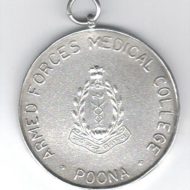


 Greenpeace activists protest against GMO’s in front of EU-parliament, during a meeting on GMO’s © Eric de Mildt / Greenpeace – all rights reserved


 In this handout photo released by Greenpeace shows an aerial view of a crop circle made by local farmers and Greenpeace volunteers in Isabela province, 300 km northeast of Manila, on Saturday Sept. 30, 2006. The crop circle, with a slash over the letter ‘
 Protesters display placards against the alleged escalating prices of commodities and for the ouster of President Gloria Macapagal Arroyo during a protest march in Manila Philippines, Saturday, April 12, 2008. The protesters urged the government to impose