WholeDude – Whole Artist : An artist uses colors with imagination to create forms and to generate a desired visual effect. A “Whole Artist” is a person who creates his own canvas, his own tools, his own pigments, and creates the desired visual effects while the forms that are created have no such creative and cognitive abilities.
The term artist is used to describe a person who works in, or is skilled in the technique of any of the fine arts, especially in painting, drawing, and sculpture. The term artistry describes the artistic ability which includes the use of imagination, a feeling for form, and a feeling for effect. I am using the term ‘Whole Artist’ to discover the person who may have used imagination to create forms to produce desired effects while the form itself lacks the cognitive abilities to generate its own form. Plants may produce flowers of different colors while they essentially lack cognitive abilities to recognize the visual effect of the color they produce. For example, we can examine the colorful hues of Chilean flowers, Mimulus luteus, Mimulus cupreus(Red Emperor), and Mimulus variegatus.
WholeDude – Whole Artist : Chilean Mimulus flowers. Mimulus luteus. Who is the artist that caused this visual effect?WholeDude – Whole Artist : Chilean Mimulus flowers. Mimulus variegatus. Who is the artist who produced this visual effect?WholeDude – Whole Artist – The Colors of Chilean Mimulus flowers. Mimulus cupreus(Red Emperor). Who is the artist who produced this visual effect?
Arielle Cooley, a researcher at the University of Michigan studied these Chilean Mimulus flowers of different colors and found that the plants make the same type of anthocyanin pigment called cyandin. The study includes Thin Layer Chromatography Analysis of petal extracts. Each flower produces red-hued anthocyanins and the yellow carotenoids. The two pigment types in combination create the fire-hydrant red spots on the yellow flowers of Mimulus luteus. Cooley concluded the observations with the remark: “Like an artist mixing simple colors of paints on a palette to achieve a specific shade, the Chilean flowers achieve their visual effect using varying proportions of red and yellow pigments.”
WholeDude – Whole Artist : The Colors of Chilean Mimulus flowers. Arielle Cooley, a researcher at the University of Michigan used Thin Layer Chromatography analysis of petal extracts to find the mixing of colors that is needed to produce the visual effects observed by Chilean Mimulus flowers of different hues. Who is the artist that produced these visual effects?
Who is the Artist?
Whole Dude – Whole Artist: God created Light and made the Everlasting Covenant using the Colors He created.
No single function can explain the coloration of living things. We need a comprehensive theory that predicts the lines and patterns of coloration of plants and animals. An artist’s palette containing only three properly chosen colors is entirely adequate under most circumstances to produce the various visual effects of color that is observed. The optical mechanisms involved in the production of color are complex. Coloration is a dynamic and complex characteristic and the term must be clearly distinguished from the term ‘color’ which only refers to the spectral qualities of emitted or reflected light. It is apparent that plants, and animals have no cognitive abilities to produce the coloration by which they are recognized. However, the coloration displayed gives us a clue about the nature of the “Whole Artist” who could be using imagination, has feelings for the forms created and seeks satisfaction from the visual effects that he produced. If man has the ability called visual perception, he must use the ability to visualize the “Whole Artist” who is at work.
Whole Dude – Whole Artist: God created Light to add Colors to Life He created.
The term ‘sin’ is portrayed using a variety of terms. The biblical writers describe sin as that condition and activity of human beings that is offensive to God. Sin is revolt against holiness and sovereign will of God. It is both a condition of the heart, mind, will, affections and the practical outworking of that condition in thoughts, words, and deeds that offend God and transgress His holy law. In secular terms, sin means any offense against good morals, any offense against established law of the Land, and any violation of standard code for human behavior and action.
WHOLE DUDE – WHOLE DECLARATION :
WHOLE DUDE – WHOLE SIN : Sin is that condition of the heart, mind, will, affections and the practical outworking of that condition in thoughts, words, and deeds that offend this Declaration of Independence and sin is any action that transgress the intent of this Declaration of Independence upon which the nation called the United States of America is created.
The Declaration of Independence adopted July 04, 1776 to pronounce the creation of the United States spells in very clear, and transparent terms the American ideal of Government based on the Theory of Natural Rights. This Declaration states the philosophy of Human Freedom and the Nation and its Government is formed by Social Contract. United States and its elected officials who represent the entity called Government have to adhere to these founding principles and they must be guided by the Laws of Nature which guarantee unalienable rights of man. Governments are instituted among men to secure their unalienable rights and Governments derive their just powers from the consent of the governed. And for the support of this Human Freedom, we must mutually pledge to each other our Lives, our Fortunes, and our sacred Honor. In this context, I would like to define the term “WHOLE SIN” as a condition of the heart, mind, will, affections and the practical outworking of that condition in thoughts, words, and deeds that offend the Declaration of Independence and transgress the Laws of Nature.
WHOLE DUDE – WHOLE MEMORIAL :
Memorial is anything that serves to help people to remember some person or event. I would like to share the photo images of the Vietnam Veterans War Memorials to remind people that we fought these wars to contain the threat posed by Communism to the doctrine of Human Freedom, and the Rule of Governance called Democracy.
Whole Dude – Whole Sin : Remember the Vietnam War. America called its sons and daughters to pledge their Lives, their Fortunes and their sacred Honor to fight the Enemy called Communism.
WHOLE DUDE – WHOLE SIN – SAN ANTONIO, TEXAS VIETNAM VETERANS MEMORIAL . This monument reminds people that the sons and daughters of the United States of America have pledged their Lives, their Fortunes, and their sacred Honor to defend Human Freedom, and Democracy and fought the Enemy called Communism.
WHOLE DUDE – WHOLE SIN – THE ORIGINAL SIN OF NIXON AND KISSINGER :
WHOLE DUDE – WHOLE SIN : The prophesy revealed by Father Moses in The Old Testament, The Fifth Book of Moses, The Book of Deuteronomy, Chapter 28, verses 47 to 50 has come true in the lives of American people. The RED DRAGON, The People’s Republic of China, The Communist nation is the Enemy that Americans will be forced to serve like slaves.
WHOLE DUDE – WHOLE SIN : This photo image is the evidence for the “Original Sin.” Chairman Mao Zedong, and Prime Minister Zhou-Enlai are guilty of the crime called “GENOCIDE.” The UN Convention of 1949 defined the crime of Genocide; the systematic destruction by government of a racial, religious, or ethnic group. Dr. Henry Alfred Kissinger of National Security Affairs is guilty of the crime called the misuse and abuse of power. His sinful actions represent the violation of the Supreme Law established by the Constitution of The United States of America. He usurped the powers entitled to the Secretary of State. He conducted secret diplomacy before he was administered the oath to the Office and before he pledged his allegiance to the Constitution.
In the history of the nation called The United States of America, President Richard Milhous Nixon(37th president of the US 1969-1974), and Dr. Henry Alfred Kissinger( initially appointed by President Nixon in 1969 as an adviser, National Security Affairs and later the Secretary of State from September 1973-1977) are guilty of the offense called ‘The Original Sin’ for they transgressed the Supreme Law of this nation. We have to recognize China’s Cultural Revolution of 1966 – 1969 as a mass campaign sponsored by the Communist government to commit “GENOCIDE.” Many thousands died and there was no proper accounting of the atrocities committed and there was never a full inquiry of this human tragedy. The Cultural Revolution officially ended in 1969, but we all know that many of its excesses continued until the death of Communist Party leader Mao – TseTung in 1976. In the words that I chose from The Old Testament, The Fifth Book of Moses, The Book of Deuteronomy, Chapter 28, verses 47 to 50, I describe their actions of “WHOLE SIN” and its consequences as follows:
“Because you did not serve the LORD your God joyfully and gladly in the time of prosperity, therefore in hunger and thirst, in nakedness and dire poverty, you will serve the enemies the LORD sends against you. The LORD will bring a nation against you from far away, from the ends of the Earth, like an eagle swooping down, a nation whose language you will not understand, a fierce-looking nation without respect for the old or pity for the young.”
I would like to share some of these photo images that reveal the transgression of Natural Law and its consequences. The people of The United States of America having failed to serve the LORD GOD joyfully and gladly in the time of prosperity, will now serve the Enemy that LORD sent against them.
WHOLE DUDE WHOLE SIN : February 21, 1972. President Richard Nixon with Communist leader Mao-Tse Tung in Peking(Beijing). Chairman Mao represents the Face of Crimes Against Humanity. The UN Convention of 1949 has defined the crime of Genocide as a systematic destruction by a government of a racial, religious, or ethnic group. When this photo was taken, the United States was officially engaged in a battle in Vietnam to contain the direct threat posed by Communism. China’s Communist Party leader is the face of that Enemy.
WHOLE DUDE – WHOLE SIN : Communist China’s Premier Zhou En-Lai and the US National Security Adviser Dr. Henry Alfred Kissinger are the faces that represent the Original Sin, they are guilty of the offense called transgression of Law. William P. Rogers was the Secretary of State from 1969 to 1973. Dr. Kissinger had usurped the powers of the Secretary of State and had misused and had abused his office to conduct secret diplomatic negotiations with the Enemy while the United States was openly fighting a grim battle to contain the threat of Communism in Vietnam.
WHOLE DUDE – WHOLE SIN : December 01, 1975. President Gerald Ford with China’s Communist leader Deng Xiaoping in Beijing. George Herbert Walker Bush who later became CIA’s Director on January 30, 1976 is also seen in this photo. Both President Ford and George Bush were fully aware of America’s partnership with India, and Tibet to fight the military threat posed by Communism.
Whole Dude-Whole Sin : January 30, 1979. The White House Ceremony. President James Earl Carter(39th president of the US 1977-1981) with Chinese Communist Party leader Teng Hsiao Ping. Does the Declaration of Independence envisage friendly relations with the Communists?
Whole Dude – Whole Sin : April 26, 1984. President Ronald Wilson Reagan(40th president of the US 1981-1989) with China’s Communist Party leader and President Li Xiannian. President Reagan, who demanded the tearing down of the ‘Berlin Wall’, could not be a friend of the Communists.
Whole Dude-Whole Sin : February 25, 1989. President George Herbert Walker Bush(41st president of the US 1989-1993) riding the bike given by China’s Communist Party leader, Premier Li Pang in Beijing. President Bush who had earlier served as the Director of CIA is fully aware of the US military alliance/pact with India, and Tibet to face the military threat posed by Communist China’s occupation of Tibet since 1950.
Whole Dude-Whole Sin : June 27, 1998. President William Jefferson Clinton(42nd president of the US 1993-2001) with China’s Communist Party leader and Premier Li Peng in Beijing. A willingness to serve the Enemy.
Whole Dude-Whole Sin : February 21, 2002. President George W. Bush(43rd president of the US) with China’s Communist Party leader, President Jiang Zemin in Beijing. Communist China’s lack of respect for Human Rights should deter the United States from pursuing this path of self-destruction.
Whole Dude-Whole Sin : Friday, June 07, 2013. President Barack Obama with China’s Communist Party leader and President Xi Jinping. The prophesy predicted in the Book of Deuteronomy, Chapter 28, verses 47-50 is coming true.
Whole Dude-Whole Sin : Saturday, June 08, 2013. Rancho Mirage, California. President Barack Obama with China’s Communist Party leader, President Jiang Zemin. The word ‘Mirage’ describes an Optical Illusion, something that falsely appears to be real. American Citizens have to wake up to the reality of the Enemy who has arrived on their shores from a distant land.( The Book of Deuteronomy, Chapter 28, verses 47-50.)
The Supreme Law of the United States of America is called The Constitution of The United States of America. The Constitution was preceded by The Declaration of Independence, the written document that pronounced the creation of the nation called The United States of America. I am respectfully claiming that the elected representatives and other officials that constitute the Government have transgressed the Laws of the nation when they began the unholy relationship with Communist China which is opposed to Human Freedom, and the principle of governance by Social Contract called Democracy.
Rudra N. Rebbapragada, Ann Arbor, Michigan, U.S.A.,
Organization : The Spirits of Special Frontier Force.
On Friday, June 07, 2013, Representative John Dingell(Democrat-Michigan) has become the longest-serving Congressman in the history of the US Congress. He has established an unprecedented record of getting elected by people for 29 consecutive terms since 1955.
Whole Dude-Whole Representative: House Representative John Dingell represented people of Michigan since 1955 and got elected for 29 consecutive terms. Photo dated June 24, 2004.
Whole Dude-Whole Representative: Representative John Dingell with the Speaker of the House Sam Rayburn taking his oath to the office in 1955.
Whole Dude-Whole Representative: Representative John Dingell with John F Kennedy, 35th president of the US(1961-1963). Representative Dingell supported the initiative of the Kennedy administration to fund the Tibetan Resistance Movement.
Whole Dude-Whole Representative: Representative John Dingell with James Earl Carter, 39th President of the US(1977-1981). Photo dated June 02, 1977. Representative Dingell supported Carter’s administration’s initiative during 1977 to issue a visa to His Holiness the 14th Dalai Lama and to continue the US funding of the Tibetan Resistance Movement.
Whole Dude-Whole Representative: Representative John Dingell, US Senator Carl Levin receiving US President Barack Obama during his visit to Detroit, Michigan. Representative Dingell continued his support of President Obama’s administration to give encouragement and support to the Tibetan people aspiring for Freedom, Democracy, Peace, and Justice in the occupied Land of Tibet.
I respect the democratic institutions and traditions of the United States. To defend Freedom, and Democracy, and to secure Peace, and Justice in the occupied Land of Tibet, I had voluntarily served in a military organization known in India as Special Frontier Force, or Establishment Number. 22. It represents a military alliance/pact between the United States, India, and Tibet. Unfortunately, this reputable military organization remains under the shroud of secrecy, a legacy of the Cold War Era. My belief in Democracy and my commitment to defend human rights is associated with unconditional adherence to the principles of transparency and accountability in governance.
Whole Dude-Whole Representative: Harry S Truman, 33rd President of the US(1949-1952) had formulated the US foreign policy during the Cold War era. He created the North Atlantic Treaty Organization during 1949 to contain the threat of Communism using military force. Representative John Dingell supported the initiatives of US administration to combat the threat of Communism.
Whole Dude-Whole Representative: President Dwight David Eisenhower, 34th President of the US(1953-1961) continued Truman administration’s policy of containing Communism. During 1957, President Eisenhower took the initiative to fund the Tibetan Resistance Movement to contain the military threat posed by Communist China’s military occupation of Tibet since 1950. Representative John Dingell and the US Congress had supported the President in helping Tibetan people.
Whole Dude-Whole Representative: John Fitzgerald Kennedy,35th President of the US(1961-1963) continued the US administration’s support for the Tibetan Resistance Movement and formulated a military alliance/pact between the United States, India, and Tibet that established a military organization known as Establishment Number. 22( which was also named Special Frontier Force) during November 1962. The funding for this multi-million dollar military organization was provided by the US Congress and the elected representatives of the US people. Representative John Dingell has the unique distinction of extending this support since 1957.
This military organization is known in India as Special Frontier Force still exists now because of the support and encouragement given by the people of the United States and because of the actions taken by their elected representatives. Representative John Dingell of Michigan must be thanked for giving his support and encouragement to the people of Tibet in their struggle against oppression by Communist China. I want to sincerely thank the people of Michigan for electing John Dingell as their Representative for 29 consecutive terms since 1955.
Rudra Rebbapragada, Ann Arbor, Michigan, USA.,
Organization: The Spirits of Special Frontier Force.
SPIRITUALISM-THE SCIENCE OF OPTICS-SPIRITUAL LIGHT-SPIRITUAL OPTICS-GOD IS LIGHT:
WHOLE DUDE – WHOLE OPTICS: SPIRITUALISM, SPIRITUAL LIGHT AND SPIRITUAL OPTICS INVOLVES A SCIENTIFIC STUDY OF LIGHT OR OPTICS. GOD IS LIGHT OR GOD CREATED LIGHT, LIGHT IS ENERGY, LIGHT IS ENERGY OF LIFE, AND COLOR IS THE EVIDENCE FOR THE USE OF IMAGINATION TO FORMULATE SPIRITUAL RELATIONSHIPS BETWEEN ENERGY DEPENDENT LIFE AND ENERGY PROVIDING SUPREME BEING.
Optics is the scientific study of Light and the study of Light should be concerned with the genesis, nature, properties of Light and its purpose and role in the establishment of life and interactions among living things. The first recorded utterance of God in the Bible is, “LET THERE BE LIGHT.” (The Old Testament, The First Book of Moses, The Book of Genesis, Chapter 1, verse 3.) Light is the sign of divine operation in the world of chaos and darkness. Light brings order to the world. Without a source of Light, a primary source of external energy, Life is impossible on planet Earth. Further, it can be stated that Light is essential for Life; for the synchronization of life’s living functions, and to generate the experience of peace, harmony, and tranquility in the living condition, or state. Thus Light is associated with the experience called happiness. “Every good and perfect gift is from above, coming down from the Father of the heavenly lights.” (The New Testament, The Epistle of Apostle James, Chapter 1, verse 17)
WHOLE DUDE – WHOLE COLORS: The most important function of Light is not that of providing visual sensation. Light performs several non optical functions. Plants do not have the ability to see Light. But, plants have the ability to use light energy to perform biochemical reactions such as Photosynthesis which is a creative mechanism to trap light energy and convert it into chemical energy that living things can further use to perform a variety of their living functions. Hence Light is Divine Providence to transform non living matter into Living Organisms which can be identified by their color, and appearance.
WHAT IS COLOR AND WHAT IS COLORATION?
The term ‘color’ refers to the spectral qualities of emitted or reflected light. The term ‘coloration’ is a dynamic and complex characteristic that has captured human interest and attention for a long time. Human interest to coloration ranges from purely aesthetic to the rigidly pragmatic. Human interest in coloration led to biological studies by the Moravian abbot Gregor Johann Mendel( 1822-1884 ), the botanist who studied inherited characteristics that established the science of Genetics, using visual clues from the coloration of plant flowers.
WHOLE DUDE – WHOLE COLORS: Human interest in Coloration lead Gregor Mendel to conduct his famous studies that established the science called Genetics. He conducted experiments studying the white or pinkish flowers of Pea(Pisum sativum) plants.
BIOLOGICAL COLORATION:
Biological Coloration refers to the general appearance of an organism as determined by the quality and quantity of light that is reflected or emitted from its surface. This Coloration depends upon several factors:
1. The integrity and deployment of the structural units and features involved in the generation of color,
2. The color and distribution of the organism’s pigments, and the relative location of differently colored areas,
3. The shape, posture, position, and movement of the organism,
4. The quality and quantity of light striking the organism, including the seasonal light and temperature variations,
5. The psychological, behavioral, hormonal, and other physiological conditions associated with the use of color,
6. The visual capacity of the viewer.
THE OPTICAL AND NON OPTICAL FUNCTIONS OF COLORATION:
In plants and animals, coloration serves the function of communication. Plants do not have the ability called visual perception and yet they can transmit optical signals to attract the attention of pollinators to achieve reproductive success. Coloration such as ‘advertising coloration’ may emphasize optical signals and thereby enhance communication. Organisms use such communication to modify biotic interactions with other members of their biological community. The coloration may repel, or attract another organism. However, coloration could also be used to suppress optical signals or to specifically create incorrect signals and thereby reduce communication. Thus coloration contributes to adaptive interactions; and the deceptive coloration serves to lessen detrimental or maladaptive interaction with other organisms.
Whole Dude – Whole Colors: Display Coloration of Cock of the Rock(Rupicola rupicola of Peru).Whole Dude – Whole Colors: Display Coloration, Flash Colors of male frigate bird(Fregata minor) with red throat patch inflated to attract a female.Whole Dude – Whole Colors: Display Coloration. Keel-billed Toucan(Ramphastos sulfuratus) uses color for species recognition.Whole Dude-Whole Colors: Alluring Coloration. The blue-tailed skink(Eumeces skiltonianus) can shed its tail at will and uses it to distract potential predators.Whole Dude-Whole Colors: Display Coloration. Courtship Coloration of male Mandrill(Mandrillus sphynx).Whole Dude-Whole Colors: Display Coloration. Peacock, the male peafowl(Pavo cristatus) displays a stunningly beautiful array of colors to attract the attention of female.Whole Dude – Whole Colors: Structures called Chloroplasts found inside the cells of green plants contain the green pigment known as Chlorophyll is the only substance in nature able to trap and store the energy of Sunlight. The light absorbed by Chlorophyll molecules is mainly in the red and blue-violet parts of the visible spectrum; the green portion is not absorbed but reflected, and thus Chlorophyll appears Green. The function of Light and Color is that of Creation of Life.
Coloration may affect an organism in ways other than its interaction with other organisms. Such non optical functions of coloration include physiological roles that depend on the molecular properties(e.g., strength and type of chemical bonds) of the chemicals that create color. Chlorophyll is a green pigment which has the exclusive ability of trapping solar energy. Other examples include, dark hair is mechanically stronger than light hair, and dark feathers resist abrasion better than light feathers. Coloration may play a role in organism’s energy budget because biochromes create color by the differential reflection and absorption of solar energy and can contribute to maintain thermal equilibrium. Color pigments like melanin work as a barrier against the harmful effects of the ultraviolet rays of Sunlight. It is the mechanism for the absorption of heat in cold environments by small cold-blooded animals. Pigments found in the eye limit the incidence of beams of light entering the eye by absorbing scattered light within the eyeball that allows greater visual acuity. Coloration or its pattern affects an animal’s own vision. Surfaces near the eye may be darkly colored to reduce reflectance that interferes with vision. Emitted light or Bioluminescence forms a portion of the coloration of some organisms. It serves as a light source in nocturnal species or in deep water marine animals such as Pinecones Fishes which have bright photophores or bioluminescent organs.
Whole Dude-Whole Colors: Bioluminescence is a non optical function of Coloration as seen in this deep water fish Monocentris japonicus.
Coloration can result from accumulation of by-products of metabolic processes. The abnormal coloration called ‘jaundice’ or ‘icterus’ describes the greenish-yellow condition of the skin, urine, and eyeballs from increased amounts of bile pigments in the blood and it often indicates a diseased condition like hepatitis, a liver disorder. Similarly, Cyanosis describes a bluish or purple coloration of skin, lips, fingers, eyes, and other mucous membranes caused by lack of oxygen, the presence of desaturated hemoglobin, or abnormal hemoglobin in the blood.
Whole Dude-Whole Colors: Coloration may reveal an underlying diseased condition. This yellow discoloration of eyes and face is called ‘Jaundice’ or Icterus often caused by Liver inflammation.Whole Dude-Whole Colors: The bluish skin coloration of this baby is called Cyanosis and the presence of this coloration helps to diagnose the condition of the baby.
SPIRITUAL LIGHT – SPIRITUAL OPTICS:
SPIRITUAL LIGHT – SPIRITUAL OPTICS: This Vedic Hymn called Gayatri Maha Mantra describes the Spiritual Nature of Light and Spiritual Optics involves the illumination of human mind with true or real Knowledge.
Light is the source of Life. The establishment of Light on planet Earth is a creative process that uses light energy to recreate the spectral colors in the lives of individual organisms. The Biological Coloration is the most compelling evidence of the fact of creation. Animals, and plants do not have the ability to generate colors by simply depending upon spontaneous, random, and unguided mutations. Biological Coloration requires complex synchronization of morphological appearance, biotic interactions and behavior of living organisms that share a given environment. Light is the primary source of external energy to support the existence of all living things. The principles of Physical Optics, Geometrical Optics, Physiological Optics have to operate in conjunction with Spiritual Optics to generate the experience of peace, harmony, and tranquility that is fundamental to existence. Life is a manifestation of order to replace disorder, or confusion that could be caused if Light does not provide the stimulus called illumination that drives away darkness. It is no surprise to note that the major Biological Rhythm is called the Diurnal, or Day, or Solar Rhythm.
THE COLORFUL IMAGES OF SPIRITUALISM:
The Colors of Spiritualism: TARANTULA SPIDER – Poecilotheria metallica. Spider of Southeast India, and Sri Lanka. What is Color? What generates the Color?The Images of Spiritualism: Naja naja. The Indian snake Cobra with warning coloration on its hood.Spiritualism in Images: Concealing and Disruptive Coloration of Tiger.Spiritualism in Images: Disruptive Coloration of Zebras – Equus burchelli.Spiritualism in Images: Concealing and Protective Coloration – Shadow pattern – Odocoileus virginianus – Mottling of the fawn’s coat.Spiritualism in Images: Protective Coloration – Counter-shading – Kobus – Kobus – kob – thomasi of Uganda.Spiritualism in Images: Concealing Coloration. Ceylon leaf insect – Philium.Spiritualism in Images: Concealing Coloration. Walking stick insect – Phasmatidae – Phraortes illepidus.Spiritualism in Images: Concealing Coloration – Leaf Butterfly – AnaeaSpiritualism in Images: Concealing Coloration. Thorn treehopper – Umbonia spinosa.Spiritualism in Images: Concealing Coloration. Black Swallowtail Butterfly – Papilio.Spiritualism in Images: Concealing Coloration. Pleuronectiformes – Flatfish.Spiritualism in Images: Concealing Coloration. Right-eyed Flounder.Spiritualism in Colors: Concealing Coloration. Scolopax rusticola. European Woodcock.Spiritualism in Images: Disruptive and Concealing Coloration. Blacksmith Plover. Vanellus armatus.Spiritualism in Images: Concealing and Disruptive Coloration. Willow Ptarmigan. Lagopus lagopus.Spiritualism in Images: Disruptive and Concealing Coloration. Moorish Idol. Zanclus canescens.Spiritualism in Images: Concealing Coloration. Orchid Mantis of Malay peninsula. Hymenopus coronatus.Spiritualism in Images: Disruptive and Protective Coloration. Emperor moth. Saturnia pavonia.Spiritualism in Images – Protective Coloration. Startle Markings. False eye. Butterfly fish. Chaetodon capistratus.Spiritualism in Images: Warning Coloration. Puss moth caterpillar Cerura when threatened, raised head and tail thorns displayed.Spiritualism in Images: Protective Coloration. Startle markings. False eyes on Noctuid moth. Noctuidae. Donuca orbigera.Spiritualism in Images – Adaptive Coloration. Octopus vulgaris can blanch and change its coloration.Spiritualism in Images: Adaptive Coloration. Anolis carolinensis can gradually change its coloration from green to brown to match its background.Spiritualism in Images. Batesian Mimicry. Non-venomous Scarlet King snake mimicking of the venomous Coral snake. Both have colored rings encircling their bodies. Coral snake has black-yellow-red-yellow ring order, and Scarlet snake has black-yellow-black-red ring order. Its predator has no perfect discrimination ability and gets easily confused about its identity.Spiritualism in Images: Mullerian Mimicry. The black-and-yellow coloration of bees and wasps is an advertising, warning coloration to warn the third-party of dangerous or inedible qualities of the organism. This is not deceptive coloration. Potential predators easily learn and generalize this optic signal.Spiritualism in Images: Warning Coloration. Yellow and black markings on Poison frogs. Mimic of Ranitomeya summersi.Spiritualism in Colors: What is Color? What generates the Color? The Colors of Eugenes fulgens. It is the radiating Spiritual Light that is reflected and is recognized by the viewer.Spiritualism in Images: The Superb Tanager. Tangara fastuosa. What is Color? What generates the Color? This Superb creature is known for its Tyndall Blue Color. It needs structural elements and pigments to generate these alluring colors it displays.
Spiritualism – The Colors of Life: Sir Isaac Newton(1642-1727),English mathematician, physicist, and natural philosopher was the first to explain what he called “the permanent colours of natural bodies.”
I would like to begin with a special tribute to Sir Isaac Newton who discovered that white light is composed of every color in the spectrum. No single function can fully explain the coloration of living things. We need to integrate the optical, visual, physiological functions of biological coloration. I propose that the understanding of color must include its spiritual dimension. The concept of Natural Selection cannot account for Biological Coloration. Color plays an important role in every aspect of life. Most of us are familiar with coloration changes; the physiological, seasonal, age-related changes in color that are regulated by environmental stimuli such as light and temperature, coloration change due to emotions like excitement, and hormonal changes that are related to color function. Graying hair is a familiar badge of the elderly. The brilliant colors produced by a prism is an optical phenomenon caused by diffraction or dispersion, or interference of light. However, the understanding of color involves not only physics, but physiology and psychology as well. The term ‘Optics’ describes the scientific study of light. Physical Optics is concerned with the genesis, nature, and properties of light. Geometrical Optics is concerned with the Geometry involved in the reflection and refraction of light as encountered in the study of mirror, lens, and prism. Physiological Optics is concerned with the role of light in causing visual sensation. I would like to add the dimension that I often describe as ‘Spiritualism’ to obtain a greater understanding of color as a function of living things.
Whole Dude – Whole Colors
The New Testament Book John, Chapter 1, verses 3 and 4 reads: ” Through Him all things were made, without Him nothing was made that has been made. In Him was life, and that life was the light of men.” There is a direct relationship between life and light and hence there is a need to describe Spiritual Optics and know the coloration of living things as a spiritual function.
Whole Dude-Whole Colors – Richard Gere in 2013. We are most familiar with changes in man’s coloration that is related to age. In several cultures, people with silvery gray hair are treated with respect as the color symbolizes maturity, and wisdom.
WHAT IS COLOR?
Whole Dude-Whole Colors: White light is perceived as colorless as only a neutral color sensation is aroused by it. White light is composed of every color in the spectrum. Human civilization has developed taste in color and has attached names, values and functions to the colors it visualizes. A sense of fitness has been acquired concerning the use of color.
Color is a sensation that is aroused when light falls on the retina of the eye. Color is the visual effect resulting from the eye’s ability to distinguish the different wavelengths or frequencies of light. The apparent color of an object depends on the wavelength of the light that it reflects. Light may originate directly from a light source or as reflected light. Color perception depends on the different degrees to which various wavelengths of light stimulate the eye. In white light, an opaque object that reflects all wavelengths appears white and the object that absorbs all wavelengths appears black. White light is perceived as colorless as only a neutral sensation is aroused by it. Any three primary or spectral colors can be combined in various proportions to produce any other color sensation. The ‘additive mixing’ involves combining colored lights. A painter uses a process called ‘subtractive mixing’ to generate colors when pigments are combined to produce the desired visual effect. It must be noted that a strict definition of color is difficult as different observers attach different meanings. The chemist is conscious of color as a quality concerning a pigment or a dye. The psychologist describes color in terms of visual perception, and this perception is further modified by human civilization that attached meanings, qualities, feelings, moods, and other special values to the colors perceived. The physicist may describe color in terms of qualities such as the wavelength of light, its intensity or brightness, and its hue, a particular shade or tint of a given color.
Spiritualism-The Colors of Life: What is Color? The answer depends upon the perspective of the person who may provide the answer to that question. But, it is important to know that colors are generated by either ‘Additive’, or ‘Subtractive Mixing. Additive mixing involves combining colored lights as done in generating color movie pictures. An artist combines dyes or pigments where the pigment absorbs or subtracts certain wavelengths and reflects some wavelengths.Spiritualism-The Colors of Life: What is Color? Munsell Color System. Munsell developed a system to describe a color using three criteria; hue, chroma, and value.Spiritualism-The Colors of Life-What is Color? Munsell System may provide a great understanding of color, but a biologist has to understand the role and purpose of color in relation to a living thing’s ability to survive in nature by defending its existence and through reproductive success and by adapting to variable environmental conditions and factors that are peculiar to its biological community with which it constantly interacts.
BIOLOGICAL COLORATION:
Whole Dude-Whole Colors: What is Color? Color performs a protective function. This insect resembles a twig which is an unrelated species Does this insect have the ability to predetermine its own color and its own appearance in its given environment?
Animals have distinctive color patterns that seem to play an important role to support their existence in a given ecological community that shares a common physical environment. The color may serve the purpose of protection by concealing the organism from predators or its own prey. The term ‘protective coloration’ describes coloration or color pattern that facilitates escape from observation by predators or prey. The color may help reproductive success and is used to attract mates, or to get recognized by the members of its own group. The color may constitute a warning to its natural enemies. Plants extensively use attractive colors to assist the process called pollination.
CRYPTIC COLORATION:
The most widespread form of coloration is called cryptic resemblance or cryptic coloration in which the coloration and pattern on the skin of the animal enables it to blend in with the coloration of its natural habitat. This kind of coloration may conceal the animal from its predator or prey and it involves the use of colors that have general resemblance with its surroundings. The advantageous resemblance of one species to another, often unrelated species or to a feature of its own habitat is predetermined by its own genetic endowment.
Spiritualism-The Colors of Life: What is Color? The purpose of cryptic coloration is that of concealment. because of background resemblance.
IMITATIVE COLORATION:
Coloration is an adaptive mechanism and an animal can conceal its presence by imitating the appearance of a natural object present in its environment.
Whole Dude-Whole Colors: What is Color? The purpose of Coloration could be an adaptive mechanism and this insect very closely imitates the color and appearance of the leaves.Whole Dude-Whole Colors: What is Color? Marine animals often imitate the appearance of Corals or rocks to conceal their presence.
WARNING COLORATION AND BATESIAN MIMICRY:
Warning coloration consists of bold markings that warn predators away from inedible or poisonous animals. Mimicry is a deceptive coloration in which the animal resembles or mimic a warning-colored animal or predator.
Spiritualism-The Colors of Life: What is Color? Color may serve as a warning sign and it involves the use of bold markings. Mimicry involves deceptive coloration in which the animal deceptively uses the warning coloration of another animal.Monarch butterfly/The Viceroy butterfly: The North American Monarch is poisonous and is distasteful and is protected by its Warning Coloration which the Viceroy uses for its Mimicry.
SUDDEN CHANGES IN COLORATION:
Chameleon is famous for its ability to change its color suddenly to express anger or fright. The change is caused by movement of pigment called chromatophores within the cells.
Spiritualism-The Colors of Life: What is Color? The purpose of color could be that of expressing sudden mood changes like that of anger, or excitement. Chameleon is known for such Sudden Change in Coloration.
SEASONAL CHANGES IN COLORATION:
The Snow Hare is white in winter and is Brown during Summer and Autumn.
Spiritualism-The Colors of Life: What is Color? The purpose of Color may relate to change in temperatures, environmental changes associated with changing Seasons. The Snow Hare is white in Winter and is Brown during Summer and Autumn.
COLORATION FOR REPRODUCTIVE SUCCESS:
The use of color may serve the purpose of getting recognition from other members of its own group and it may specifically attract the attention of mates during the reproductive season. Many plants use colors to aid pollination by bees and moths.
Spiritualism-The Colors of Life: What is Color? The purpose of color could be that of promoting reproductive success. A male, marine Stickleback, tiny Bony Fish( 3 to 10 cm long) in reproductive condition with complete armour plates develops special red coloration to attract its mate during breeding season.Spiritualism-The Colors of Life: What is Color? Bees are active during day and are attracted by brightly colored flowers such as the flowers of Milkweed.Spiritualism-The Colors of Life: What is Color? Flowers and Pollination. Flowers may have often bright color markings called ‘honeyguides’ to attract pollinating insects.Spiritualism-The Colors of Life: What is Color? Plants that depend upon moths for pollination generally produce white or dull-colored flowers that open late afternoon or night. Moths are active at dusk or night. These Mayapple white flowers produce ample nectar and carry heavy fragrance to attract the moths.
THE PROBLEM OF ALBINISM:
Albino describes animal or plant lacking normal pigmentation. The albino body covering such as skin, eyes, hair, and feathers lack pigment. Melanin is the pigment found in human skin, hair, and eyes. The amino acid tyrosine is required for melanin synthesis. An inherited lack of enzyme required for melanin synthesis results in one form of albinism. This defect is inherited as a recessive trait.
Whole Dude-Whole Colors: What is Color? The problem of Albinism helps in the understanding of the purpose of Biological Coloration. The Tiger with stripes and color has a better ability to conceal itself from its prey before attacking the unsuspecting prey.Whole Dude-Whole Colors: What is Color? This is definitely a pretty sight. This albino Peacock would not have the advantage of attracting its mate during the mating season as compared to its normal colored partner.
Biological Coloration is genetically determined and the living organism does not voluntarily select the colors it may display. Human beings could be an exception as man uses colors for purposes other than those designed by Nature for human existence.
WHAT IS THE COLOR OF MAN?
Whole Dude-Whole Colors: What is Color? What is the Color of Man? All newborn babies of all human races appear pinkish-red when they are just born. A process of maturation that extends over weeks is needed for the development of skin pigmentation.Spiritualism-The Colors of Life: What is Color? Man uses the tactic called ‘Camouflage and Concealment’ to fight a battle against his enemy.Spiritualism-The Colors of Life: What is Color? This man has used the military tactic called Camouflage and Concealment. What is the true Color of Man?
WHAT IS THE TRUE COLOR OF MAN?
To explore the spiritual basis of biological coloration, in my next post, I would discuss as to how living things generate colors that play a vital role in biochemical reactions such as photosynthesis, maintenance of thermal balance and other physiological functions.
Whole Dude-Whole Artist: An artist uses colors with imagination to create forms and to generate a desired visual effect. A “Whole Artist” is a person who creates his own canvas, his own tools, his own pigments, and creates the desired visual effects while the forms that are created have no such creative and cognitive abilities.
Whole Dude – Whole Declaration: Thomas Jefferson(b. April 13, 1743 – d. July 04, 1826), 3rd President of the United States(1801-1809), the principal author of The Declaration of Independence adopted July 04, 1776. It was a declaration of the principles to support the demand for Independence. His personal commitment to its principles was profound and intense. He became a symbol of the ideals expressed in the Declaration.
DECLARATION FOR FREEDOM FROM TYRANNY AND UNJUST RULE:
The Declaration of Independence is the most important of all American historical documents. It is one of the great political documents of the West. The Declaration was drafted at the Second Continental Congress while the delegates of the thirteen colonies convened in Philadelphia had decided to proclaim freedom from British rule and wanted to make a formal pronouncement of their rights as people to form a government by choice. The Declaration affirmed the natural rights of man and the doctrine of government by contract. The Declaration gives a detailed enumeration of specific grievances and injustices and contended that the colonies had the right and duty to revolt.
Whole Dude – Whole Declaration: Jefferson Memorial in Washington, DC. Jefferson stated that the Declaration was intended to be an expression of the American mind. He intended to translate its principles into practice and to create in America a society in which the gap between aspiration and achievement would be narrowed. The US had erected the Memorial and has yet to reduce the gap between ideals and the reality of Independence where man’s natural rights are defended by a representative government.
DECLARATION OF NATURAL RIGHTS AND THE RIGHT TO REPRESENTATIVE GOVERNMENT:
Jefferson rarely made speeches, disliked oral disputes, and he preferred pen as the natural means of his expression. He wrote a political pamphlet, “A Summary View of the Rights of British America” (1774), arguing on the basis of natural-rights theory, he claimed: “The God who gave us life gave us liberty at the same time: The hand of force may destroy, but cannot disjoin them.” It was the fact of his commitment to the principles of the Declaration and not the mere fact of literary authorship that makes Jefferson a unique symbol of Independence. Jefferson was clearly inspired by John Locke(1632 – 1704), English philosopher and founder of British School of thought known as ‘Empiricism’. Locke was a leading philosopher of freedom and in his political theory , he maintained that the original state of nature is happy and is characterized by reason and tolerance; all human beings are equal, and free to pursue “life, health, liberty, and possessions.” The state formed by the Social Contract is guided by the natural law which guarantees those natural inalienable rights.
Whole Dude – Whole Declaration: John Locke developed a ‘Social Contract’ theory which helped to formulate the liberal, social, economic, and ethical theory of the 18th century. Locke epitomized the Enlightenment’s faith in the middle class, in the new science and in human goodness.
DECLARATION OF FIRM RELIANCE UPON DIVINE PROVIDENCE:
While Jefferson drew upon the English and French Enlightenment as sources for his ideas, and used language to structure his argument to closely parallel the natural rights theories of Locke, he made a great exception. Jefferson substituted the “pursuit of happiness” for “possessions” in the trinity of inalienable natural rights. In this one key aspect, Jefferson used ‘Natural Law’ instead of natural rights theory. Jefferson showed acute awareness of the problem of corruption caused by concentration of wealth, and property in the hands of a few individuals. He emphasized public duty rather than personal choice. He thought that happiness is attainable only by diligent cultivation of civic virtue. The Declaration reads: “We hold these truths to be self-evident, that all men are created equal, that they are endowed by their Creator with certain unalienable Rights, that among these are Life, Liberty, and the pursuit of Happiness.— That to secure these rights, Governments are instituted among men, deriving their just powers from the consent of the governed…… And for the support of this Declaration, with a firm reliance on the protection of Divine Providence, we mutually pledge to each other our Lives, our Fortunes and our sacred Honour.” Jefferson suggested that man’s pursuit of Happiness and other rights demands a firm reliance on the protection of Divine Providence. If man finds satisfaction under the protection of Divine Providence, he would not claim the right to disproportionate wealth, income, possessions, and property.
Whole Dude – Whole Declaration: Thomas Jefferson’s Declaration of Independence seeking natural inalienable rights was made seeking support with a firm reliance on the protection of Divine Providence. The operation of Divine Providence is the central requirement if man has the natural, inalienable rights to Life, Liberty, and the pursuit of Happiness.
DECLARATION OF FREEDOM FROM UNEMPLOYMENT:
Jefferson had correctly predicted that the Rulers would become corrupt and abuse their power, and the people “will forget themselves, but in the sole faculty of making money, and will never think of uniting to effect a due respect for their rights.” Jefferson stated that a representative government would operate successfully only under certain conditions: 1. a wide distribution of property or the availability of a substitute that provided men with decent subsistence honestly earned, 2. an educated and informed population, and 3. laws and institutions designed to compensate for the diminution of public virtue that was sure to come when the crises of the revolution were over. While he was the Secretary of State( from September 1789), Jefferson came to distrust the proposals and the motives of the Secretary of Treasury Alexander Hamilton. Jefferson thought Hamilton’s financial programs were both unwise and unconstitutional and felt that the financial policy was flowing “from principles adverse to liberty.” He had openly expressed his disagreement in opposing Hamilton’s policies for they exceeded the powers delegated to the Federal Government by the Constitution, they were contrary to the interests of the majority of the people, and that they represent a threat to public institutions. Eventually, Jefferson resigned on December 31, 1793 for he was dissatisfied with issues like the bill incorporating a “Bank of the United States.” Jefferson’s plan for comprehensive reform of the laws and institutions of Virginia included an effort to secure abolition of the laws in order to discourage concentration of property in the hands of a few great landowners. He believed that property was among the natural rights to which man was born and that it meant the right to a decent means of subsistence. “Whenever there is in any country, uncultivated lands and unemployed poor, it is clear that the laws of property have been so far extended as to violate natural right. The earth is given as a common stock for man to labor and live on.” Jefferson held that a representative government cannot flourish in conditions of extreme poverty or complete economic dependence. Jefferson as the US President reduced internal taxes, the military budget was cut, and made plans to extinguish the public debt. Simplicity, and frugality became the hallmarks of Jefferson’s administration.
DECLARATION OF INTELLECTUAL FREEDOM:
Whole Dude – Whole Declaration: Jefferson was passionate in his commitment to intellectual freedom. He had authored the Statute of Virginia for Religious Freedom. He stated, “I have sworn upon the altar of God eternal hostility against every form of tyranny over the mind of man.”
Jefferson authored the Statute of Virginia for Religious Freedom which had initially faced very stiff opposition. The Statute constituted a complete break with the traditional relationship between Church and State. Freedom of Mind and Freedom of Conscience to let people form their own opinions without favor or fear is a great accomplishment of his life. Jefferson’s bill on religious liberty reads: “that all men shall be free to profess, and by argument to maintain, their opinions on matters of religion, and that the same shall in no wise diminish, enlarge, or affect their civil capacities.” The Bill got passed in 1786 by James Madison and Jefferson thanked him and sent him a letter which reads: “The reason of man may be trusted with the formation of his own opinions.”
DECLARATION OF FREEDOM FROM IGNORANCE:
Whole Dude – Whole Declaration: Jefferson recognized the importance of Education for an informed public opinion. His major accomplishment was the founding(1819) of The University of Virginia at Charlottesville.
Whole Dude – Whole Declaration: Jefferson believed in Freedom maintained through Education. Educators at this University of Virginia and other places of higher education must continue to investigate the reasons for inequalities among men. Men are born equal, but live their entire lives coping with unjust inequalities.
Jefferson’s comprehensive plan for a representative government had included a plan for the educational system. Ignorant people could not make rational, and responsible decisions about public affairs. Education provides an opportunity to the development of talents and capabilities suited for public office. However, he had cautioned that educational opportunity must not be identified with economic privileges. I want to know as to what our students and educators think about the extreme concentration of wealth in the hands of a few people in this country.
DECLARATION OF FREEDOM FROM VANITY:
Whole Dude – Whole Declaration: Jefferson authored the epitaph that was inscribed on his tombstone. “Here was buried Thomas Jefferson, author of the Declaration of American Independence, of the Statute of Virginia for Religious freedom, and father of the University of Virginia.” He was a great author who declared his Freedom from Vanity.
Jefferson died on July 04, 1826, the 50th anniversary of the proclamation of the Declaration of Independence. He had directed us to remember only three achievements in his public life that symbolize his quest for true human freedom. Unfortunately his predictions about people who govern and people who get governed have come true.
DECLARATION OF FREEDOM FROM INEQUALITY:
Whole Dude – Whole Declaration: Thomas Jefferson’s Declaration of Independence could not bring the Freedom from Inequality in personal income and wealth.
Whole Dude- Whole Declaration: The ideals and principles contained in the historical document known as ‘The Declaration of Independence’ could not be translated into reality. In the United States, rulers have become corrupt, they pursued economic, trade, and commerce policies that caused a huge chasm between aspirations and accomplishments of this independent nation. National, and personal indebtedness has grown to unimaginable levels while very few individuals have amassed immense personal wealth. Employment opportunities are lost as the country depends upon products and services that are entirely imported from foreign countries like People’s Republic of China where people have no representative government. United States lacks an informed population while people use education as a tool for economic privilege. There are no laws and institutions to compensate for the diminution of public virtue.
This should not come as a big surprise to read about gross inequalities in the distribution of wealth within the United States. The suspicions of Thomas Jefferson have come true. The rulers have become corrupt, and the people are only concerned about increasing their personal wealth. Education is not a tool for informed public opinion, and it simply serves the greed to satisfy the desire for economic privilege. There are no laws and there are no institutions to compensate for the diminution of public virtue. The government no longer represents an institution created by social contract. The government is following financial policies that eroded the liberty, freedom, and equality of the people. The clearest evidence for the loss of Freedom is the phenomenal increase of national and private indebtedness and the dependence upon foreign capital to run the daily operations of the government. Freedom is at peril in the United States and I am afraid that ‘The Declaration of Independence’ would be a mere historical document worthy of its being exhibited in a museum.
Rudra N. Rebbapragada, Ann Arbor, Michigan, USA.,
Organization: The Spirits of Special Frontier Force.
Benjamin Franklin, John Adams and Thomas Jefferson writing the Declaration of independence (1776) were all of British descent. (Photo credit: Wikipedia)
Whole Dude – Whole Equality: Jean Jacques Rousseau, Swiss-French philosopher, writer, and political theorist was one of the great figures of the French Enlightenment and he continues to inspire the Romantic generation.
Jean Jacques Rousseau(b. June 28, 1712 Geneva, Switzerland – d. July 2, 1778 France) was one of the great figures of the French Enlightenment and he had shaped 19th-century Romanticism. Enlightenment is the term for the rational, liberal, humanitarian, and scientific trend of 18th century Western thought. During 17th century, Empiricism of Francis Bacon, John Locke, and others fostered the belief in “Natural Law”, Natural or Universal Order, promoted a scientific approach to political and social issues. It gave rise to a sense of human progress, and State is viewed as its rational instrument. Other representatives of the Enlightenment are thinkers such as Voltaire, Montesquieu, Adam Smith, Swift, Hume, Kant, G.E. Lessing, Beccaria, and in the United States, Thomas Paine, Thomas Jefferson, and Benjamin Franklin. Rousseau had inspired the French revolutionists and had influenced Kant, Goethe, Robespierre, and Tolstoy. The Romantics are associated with belief in a return to nature and in the innate goodness of man.
WHOLE MAN – WHOLE NATURAL – WHOLE EQUAL:
In response to a question set by the Academy of Dijon: “What is the origin of the inequality among men and is it justified by natural law?”, Rousseau(1754) proposed that natural man is good. He traced the successive stages by which man has descended from primitive innocence to corrupt sophistication. He exonerated nature and blamed society for the emergence of vices. He maintained that human beings are essentially ‘good’ and ‘equal’ in the ‘State of Nature’, but are corrupted by the introduction of property, agriculture, science, and commerce when people began to compete with one another. In his view, the history of man’s life on earth has been a history of decay. However, he did not advocate a return to the state of nature. He suggested minimizing social inequalities by explaining the concept of ‘Social Contract'(1762). He held that people entered into a “Social Contract” among themselves, establishing governments, and educational systems to correct the inequalities brought about by the rise of civilization. Thus, ‘Social Contract’ is the agreement by which human beings are said to have abandoned the ‘State of Nature’ in order to form society in which they now live. This belief in man’s natural goodness is the cornerstone of Rousseau’s argument. The problem is that of man’s alienation from nature and hence the loss of innocence. “Man was born free, but he is everywhere in chains.” Rousseau had profound impact on people’s way of life. In his novel Emile(1762), Rousseau expounds his theory that the true purpose of education is not imparting of knowledge but the drawing out of what is already in the child. Rousseau opened men’s eyes to the beauties of nature and made liberty an object of almost universal aspiration.
We have not yet overcome the problem of inequalities among men and man has not yet discovered true freedom. Freedom, and Equality cannot be discovered if man remains alienated from his true or real nature. To achieve Whole Equality, Whole Liberty, Whole Freedom, Whole Justice, Whole Peace, Whole Harmony, and Whole Tranquility, men need the concept called ‘Whole Dude’ to formulate a new Whole Contract to establish Whole Governance based upon Whole Democracy that includes Whole Transparency, and Whole Accountability.
Rudra N. Rebbapragada, Ann Arbor, Michigan, U.S.A.,
Organization: The Spirits of Special Frontier Force.
SPECIAL FRONTIER FORCE – THE BATTLE OF RIGHT AGAINST MIGHT:
Special Frontier Force-The Battle of Right Against Might. Dr. Henry Kissinger, backstabbed Special Frontier Force by arranging this meeting between the US President Richard M. Nixon and Chairman Mao Zedong and Prime Minister Zhou-Enlai during 1972.
The announcement of appointment of Harvard University professor Dr. Henry Alfred Kissinger as Assistant for National Security Affairs was made on December 02, 1968. He was sworn in as Secretary of State on September 22, 1973. He made a disastrous move to normalize relations with People’s Republic of China completely reversing the US foreign policy of containing the threat posed by China’s military occupation of Tibet. Dr. Kissinger wanted to take advantage of ‘The Sino-Soviet Split’. However, it must be noted as to how this split had emerged after the death of Stalin during 1953. Soviet leadership was taken over by Nikita Khrushchev who at the 20th Congress of the Communist Party in February 1956 had denounced Stalin’s political methods. Under Khrushchev the Soviet Communist Party cautiously loosened its grip on the country and he openly stated his goal of “Peaceful Coexistence” with the West. The Chinese showed no interest in reducing Cold War tensions. In 1960 the Soviets discontinued military and technical aid to China. The USSR signed in 1963 a treaty with the United States and Great Britain banning most tests of nuclear weapons. China had then accused the USSR of joining with China’s enemies. Thereafter, both sides waged a bitter propaganda war. China has pursued its nuclear ambitions and tested its first nuclear weapon in its occupied territory of Tibet(Lop Nor 1964). Further, Mao Zedong(Mao Tse-tung), China’s Communist Party leader had declared that the Soviets had betrayed the Communist Revolution. In 1966, Mao launched the Great Proletarian Cultural Revolution in which millions of young Communists organized as Red Guards went through the country attacking people for their political, and religious beliefs and practices. The Cultural Revolution ended in 1969 and Tibetan people paid a very heavy price as Red Guards destroyed Tibetan temples, monasteries and indulged in various acts of crimes against humanity. During this period of utter turmoil and attack on human rights and human values, Special Frontier Force, a military alliance between the US, India, and Tibet remained as a valuable source of information and intelligence gathering about China’s nuclear weapons program. It is simply hard to believe that Dr. Kissinger had undermined the role of Special Frontier Force and had chosen to befriend Mao Zedong who should in reality must be tried for his crimes against humanity. I would like to describe the military mission of Special Frontier Force using the words of Mohandas Karamchand Gandhi(April 06, 1930) and state it as “The Battle of Right against Might.” The people of Tibet need to struggle to realize the hope of regaining their natural freedom. I believe that the opponent can be overwhelmed with a demand for right and just course of action. Both the United States and India must remain fully vigilant and be ready to defend Freedom, Democracy, and Justice in the occupied Himalayan territory of Tibet and fully resist incursions of Communist China across the legitimate India-Tibet boundary.
Special Frontier Force-The Battle of Right Against Might: Dr. Henry Alfred Kissinger had tried to reverse the course of this Battle of Right Against Might. Fortunately, Special Frontier Force has survived and it is not a relic of Cold War Era. This Battle has to be won.
R. Rudra Narasimham, B.Sc., M.B.B.S., Personal Numbers:MS-8466/MR-03277K. Rank:Lieutenant/Captain/Major. Branch:Army Medical Corps/Short Service Regular Commission(1969-1972); Direct Permanent Commission(1973-1984). Designation:Medical Officer. Unit:Establishment No.22(1971-1974)/South Column,Operation Eagle(1971-1972). Organization: Special Frontier Force.
Special Frontier Force-The Battle of Right Against Might: Shipki La Pass, Himachal Pradesh, India. India has to defend its Himalayan territory from Chinese intrusions and must resist the military occupation of Tibet.
Special Frontier Force-The Battle of Right Against Might: Tenzin Tsundue, Tibetan poet and activist in exile has alerted people about Communist China’s military adventurism. We must fight this threat on various fronts apart from taking military action.
Special Frontier Force-The Battle of Right Against Might. The fight against Communist China’s military occupation of Tibet needs the help and support of the entire global community of people and nations.
‘Don’t be relaxed, more Chinese intrusion coming’ Posted by: Shubham Ghosh
Published: Thursday, May 9, 2013, 13:47 [IST]
Kochi, May 9: Can India afford to relax after the Chinese reportedly withdrew from the Ladakh border where they had intruded recently, creating a massive uproar in the political and media circles in the country? According to a report published in The New Indian Express on Thursday, the next incursion by the Chinese troops could occur at Shipki La Pass along the Sino-Indian border, as per the information of Tenzin Tsundue, a noted Tibetan poet and activist in exile. Tsundue said India was complacent in the face of the growing threat from the Chinese and had no idea about the enormity of China’s military preparedness along the Line of Actual Control (LAC). He was worried over New Delhi’s casual handling of the issue of Chinese aggression. The Opposition and the media have also slammed the Congress-led UPA government after accusing it of being lax on this issue and warned that such attitude could lead to another 1962-like situation. India suffered a humiliation in the hands of the Chinese over border clashes that year. Tsundue said there is a tendency in India to play down the Chinese incursion into Ladakh and the focus here is more on entertainment like movie and cricket. He said while the establishment often portrays as if nothing serious has happened and people in the mainland do not have any knowledge, the actual issue remains a serious one. He said China’s People’s Liberation Army (PLA) have been making efforts to enter the Indian territory through Ladakh. The poet-activist said Shipki La is perhaps turning out to be the next theatre of Chinese aggression. He regretted that India has always remained blind towards the huge Himalayan region. He said Indian writing never focuses on the Himalayan region and hence there is a tendency to take the Chinese incursions on a light note. Tsundue had spent three years in Chinese prison after he was intercepted by PLA border men while trying to sneak into Tibet. He was tortured and never succeeded to visit Tibet thereafter. He said New Delhi should have perceived China as an enemy instead of a strategic partner. The man has been undergoing a trial in an eight-year-old case in Bangalore related to protest on the Tibetan issue. He said that Karnataka government could not produce the witnesses before the court and hence the trial is continuing.
The Colors of Spiritualism: An artist uses colors with imagination to create forms and to generate a desired visual effect. A “Whole Artist” is a person who creates his own canvas, his own tools, his own pigments, and creates the desired visual effects while the forms that are created have no such creative and cognitive abilities.
THE COLORS OF SPIRITUALISM: Color plays an important role in every aspect of life. Human civilization has developed taste in color and has attached values and functions to the colors it visualizes. A sense of fitness has been acquired concerning the use of color. The spectral array of colors exhibited by a rainbow is a glorious sight that cannot be improved by the omission of one or more of its components.
GOD’S COVENANT WITH MAN:
The Colors of Spiritualism: The Rainbow Covenant.The Colors of Spiritualism: The first recorded Covenant between God and Man. The Book of Genesis, Chapter 9, verses 12-16.
God’s covenant with all living creatures is described in the First Book of Moses, The Old Testament, The Book of Genesis, Chapter 9, verses 12, 13, and 16. And God said, “This is the sign of the Covenant I am making between Me and you and every living creature with you, a Covenant for all generations to come. I have set my rainbow in the clouds, and it will be the sign of the Covenant between Me and the Earth…. Whenever, the rainbow appears in the clouds, I will see it and remember the everlasting Covenant between God and all living creatures of every kind on the Earth.”
In the Bible, the rainbow is the first of the Covenant Signs. The record of Noah’s life mentions the rainbow as the Covenant Sign. The rainbow in the clouds speaks to the man from God. The rainbow is the Lord’s Promise made visible in a display of colors.
The Colors of Spiritualism – Photoreception: Photoreception is the biological responses of organisms to stimulation by light. Such responses to environmental stimuli demonstrate the presence of consciousness, the awareness of an organism of the fact of its own existence in a given external environment.
SPECIAL FRONTIER FORCE – THE FIGHT FOR FREE TIBET:
Special Frontier Force – The Fight for Freedom in Tibet: The military incursion by Communist China is only a symptom of an underlying disease. The real issue is that of military occupation of Tibet. The real remedy would be that of a Fight for Freedom in Tibet.
Special Frontier Force – The Fight for Freedom in Tibet: I would first expel all Chinese nationals from India before taking military action to expel members of People’s Liberation Army from Ladakh.
I am not surprised to read about this confrontation between China and India about national boundaries along the Himalayan frontier. India won its political freedom in 1947 and had to give attention to the problems of people and could not take decisive action to defend its northern frontier. India faced a much stronger threat from the west and was constantly put under pressure by Pakistan which has scant respect for India’s chosen secular traditions. The Communist revolution in China is the most important historical event in Asia and it has become the most significant threat to Freedom, Democracy, and Justice in this part of the world. Harry S. Truman(1884 – 1972), 33rd President of the US(1949-1952) is generally blamed for the “loss” of China to the Communists. Chiang Kai-Shek(1888-1975), and the Nationalists were ousted(1949) from mainland China by the Communists. However, the US recognized that the Communist expansion must be resisted and had helped the ‘Kuomintang’, Nationalist Party to establish the Republic of China in Taiwan(Portuguese Formosa) and has given it consistent support and has prevented Communist China from using military force to occupy Taiwan. Tibetans are not very fortunate as Tibet pursued a policy of political ‘isolationism’ and had failed to seek active US intervention in their Land to stop Communist China’s military expansion. During 1950, China occupied Tibet as the resistance was minimal and as Tibetan leaders believed that China could be appeased by agreeing to their demands. When Tibetans recognized that they made a fatal error in their political calculation, it wasn’t easy to the US to intervene directly. The military threat posed by China’s military occupation of Tibet was duly recognized by India and the United States. Dwight David Eisenhower(1890-1969), 34th President of the US(1953-1961) who had continued President Truman administration’s policy of containing Communism gave sanction to support the Tibetan Resistance Movement with active collaboration of India, and Tibet from 1958. The National Uprising of Tibetans on March 10, 1959 was brutally crushed by China, and the Tibetan Head of State, the 14th Dalai Lama was forced to take asylum in India. Since its independence in 1947, India never had an opportunity to establish strong relationship with Tibet and define its northern frontier. At the same time, it must not be ignored that India, and Tibet had signed the 1914 Simla Agreement and had ratified McMahon Treaty that established the McMahon Line as the official and legitimate boundary between these two countries. The 13th Dalai Lama had agreed that McMahon Line determines the Indo-Tibetan border. China’s military occupation of Tibet will not alter the reality of an agreement made by the two sovereign nations. Communist China lost no time and had retaliated against India by its War of Aggression during October-November 1962. John Fitzgerald Kennedy(1917-1963), 35th President of the US(1961-1963) with his intervention and the threat to “NUKE” China had forced the Communists to declare unilateral ceasefire on November 21, 1962 and China withdrew from the captured territory while retaining Aksai Chin region of Ladakh. Mao Tse-tung or Mao Zedong(1893-1976), founder of the People’s Republic of China and its Chairman from 1949 to 1959 had established China’s policy of military expansionism and there is no change in that policy. China has been very aggressively pursuing its policy of territorial expansion using its superior military strength and intelligence capabilities. India, and Tibet have no choice other than that of resisting Communist expansion and seek help, encouragement, and support from the US to fight this challenge as best possible with the limited resources that they can muster. I would make the following recommendations to resist the military threat posed by China’s incursion into Ladakh:1. Expel all Chinese nationals from India. This task is easier and can be effectively implemented without firing a bullet and without any direct combat at the Himalayan frontier.2. Cancel all visits, meetings, and diplomatic exchanges until China voluntarily withdraws its troops from Ladakh.3. Reduce the size of China’s diplomatic staff and other support personnel present in India until China commits itself not to use its military power to discuss the boundary demarcation issue.4. Insist upon the inclusion of Tibetan Government-in-Exile in any talks that concern the border between India, and Tibet.
SERVICE INFORMATION:R. Rudra Narasimham, B.Sc., M.B.B.S.,
Personal Numbers:MS-8466/MR-03277K. Rank:Lieutenant/Captain/Major. Branch:Army Medical Corps/Short Service Regular Commission(1969-1972); Direct Permanent Commission(1973-1984).
03rd May 2013: Chinese military move seriously to test India’s resolve has been on the cards for a long time now. But, this is only a gambit by Beijing to see what level of provocation will get the Indian government to act, and a means to establish a baseline for future actions. Alas, the Chinese planners misjudged how much soft tissue there is in India’s China policy, and foreign and defence policies generally, where spine should be. From the first, the China Study Group (CSG) headed by the National Security Adviser and old China-hand, Shivshankar Menon, which fuels the Ministry of External Affairs’ thinking on the subject and dictates the government’s response whenever China heaves into view, decreed that the brazen armed intrusion be soft-pedalled. Thus, the depth of penetration in the Depsang Valley in Ladakh by People’s Liberation Army troops was initially stated as 8 km, before this figure was revised to 10 km and later 19 km. Now, 19 km is not a distance that small military units “stray across” as much as it is ground covered in a directed mission and yet, the junior minister in the Home Ministry managing the Chinese border with some miserable paramilitary maintained it was a mere “incursion”, not armed “intrusion”. By such hair-splitting is the Manmohan Singh government determined to do nothing? China, in the meantime, adopted its standard stance when disrupting peace on undemarcated land and sea borders. It refused to acknowledge there was any such intrusion. When the PLA presence at Raki Nullah could no longer be denied, it stood the incident on its head by accusing the Indian Army of “aggressive patrolling”, and followed up by offering a fantastical trade-off: India ceases construction of necessary border military infrastructure and mothballs the advanced landing fields in the area in return for the status quo ante. All the while, Beijing took its cues from excuses the MEA offered for the Chinese outrage, saying it arose from “differing perceptions” of where the LAC lay. The MEA minister, Salman Khurshid, revealing his cosmetological skills, then referred to the Chinese ingress as acne that can be cured with “ointment”. With the offensively disposed Chinese military units inside Indian territory, it was again the CSG-MEA that offered Beijing a reason to stay put, saying the Chinese should be provided a “face-saving” way out of the mess they created by repairing to the negotiating table, whereupon the Chinese government promptly called for talks to restore peace. It is little wonder China sees India as a punching bag, an easy target to bully and badger. The conclusion cannot any longer be avoided that either the China Study Group constitutes a Chinese fifth column at the heart of the Indian government, or is staffed by idiot savants. The classic illustration of an idiot savant is a mentally challenged person who can memorize the numbers on the wagons in a freight train rattling past his house, but does not know how to tie his shoelaces or, in this case, can read Confucius’ Analects in the original but is unable to see a straightforward land-grab for what it is — loss of national territory. The mostly Mandarin-speaking diplomats and experts in CSG seem so overawed by China they cannot resist acting as Beijing’s B Team. At heart, the problem is that the 1962 war so institutionally rattled the MEA they still act groggy from that blow fifty years after the event and cannot recall just how military success was gained against the Chinese PLA, most recently in the 1986 Somdurong Chu incident. Having espied a PLA unit on the Indian side of LAC, General K. Sundarji airlifted troops, surrounded the Chinese encampment, placed artillery on the nearby heights ready to reduce the Chinese position to rubble, and tented a unit just 10 metres from the Chinese camp (not 500 metres as was bandied about in official circles). It was an initiative, incidentally, the then army chief took disregarding procedure and not consulting the MEA or anyone else in government, hence its success. It unnerved the Chinese who sued for peace. In contrast, the present army chief, General Bikram Singh who, by repeatedly parroting the government assertion over the past year that China poses no threat and all’s well on that front, in fact, preempted any action that Headquarters Northern Army or Leh-based 14 Corps could have instantly taken to vacate the presence of the Chinese troops, and imposed costs on PLA for this little adventure. But subordinate commanders taking their cue from the chief did nothing. The Prime Minister then compounded the trouble by reiterating the MEA-CSG line that this is but a “localised” incident. Nineteen days into this affair, General Bikram reportedly briefed the Cabinet Committee on Security about prospective actions, such as severing supply links, etc. Except, has he planned on what he’ll do when PLA helicopters or logistics truck convoys turn up to replenish the food and water stocks? Shoot down the ’çopters and destroy the trucks. Fine. Then, is the army prepared for a bigger fight? 14 Corps can mount a divisional-level action easily, but will require immediate airlifting of another division as reserve. Moreover, half a brigade’s worth of army units should forthwith descend on the PLA-occupied site, raze their camp, and physically push the PLA soldiers back on to their side, and no-nonsense about it. If this is not done, a permanent realignment of LAC is on the cards in this strategically important tri-junction area. Much worse, instead of showing self-respect and brio, and making the new Chinese premier Li Keqiang’s proposed Delhi visit in end-May conditional on immediate PLA pullback, Khurshid is planning to fly to Beijing to ensure Li keeps his date in Delhi and to ask the Chinese to withdraw, pretty please! It is as if China is the aggrieved party and needs placation. Appeasement never pays; it only emboldens belligerent states to become more demanding. China has proved this time and again, but it is doubtful the CSG-MEA and the Indian government even know what the national interest is, or where it lies. Bharat Karnad is professor at Centre for Policy Research and blogs at www.bharatkarnad.com






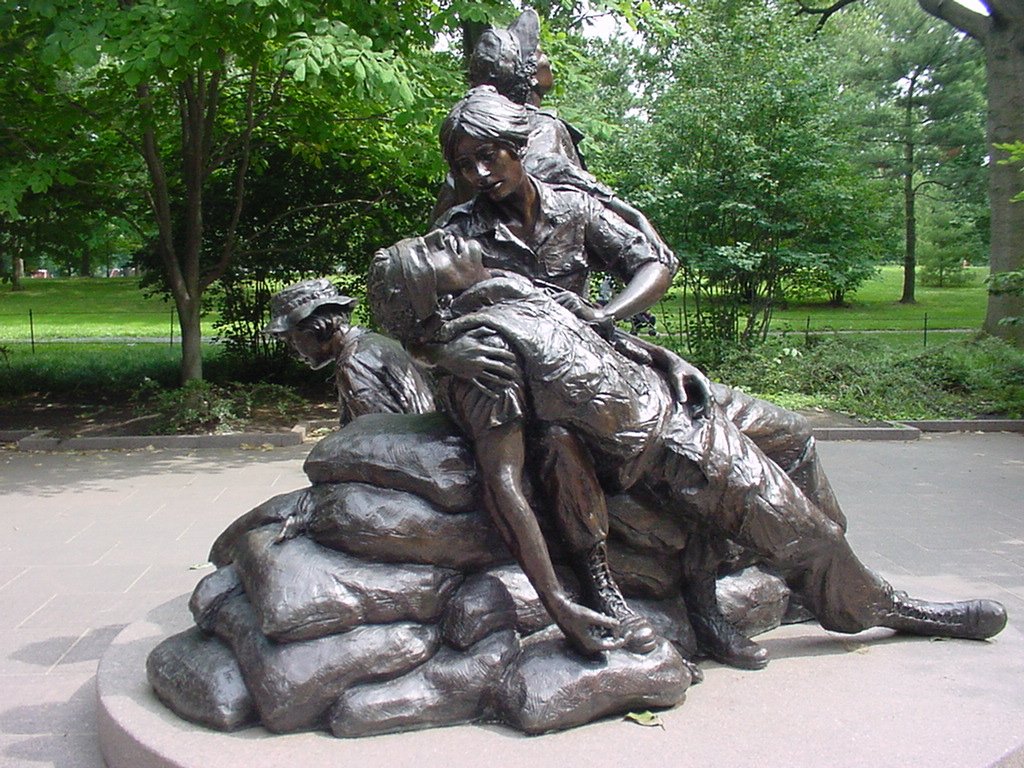
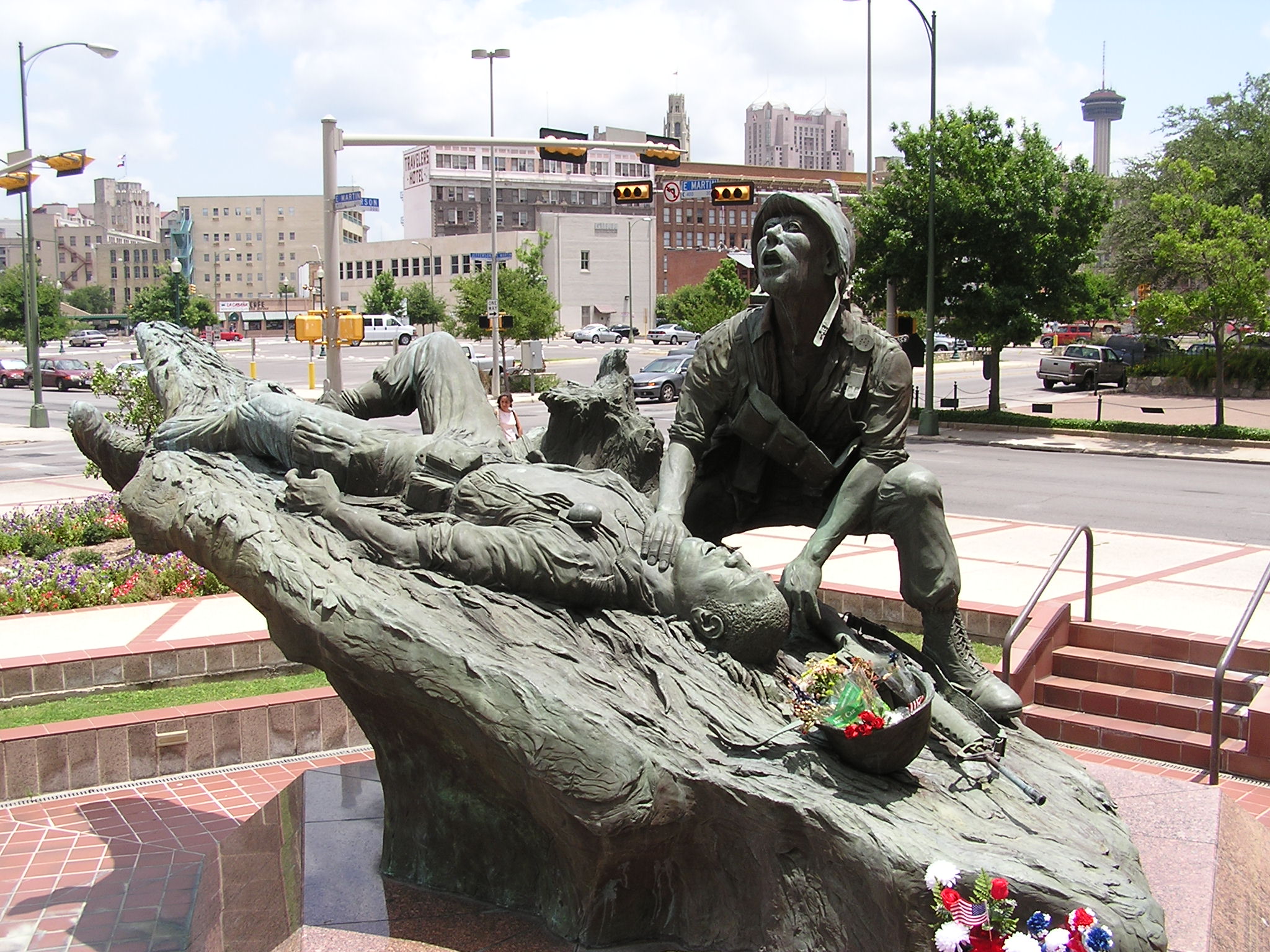

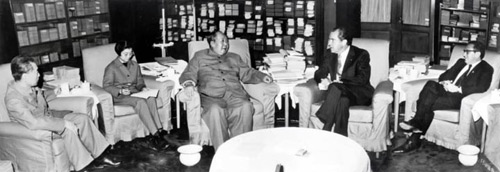
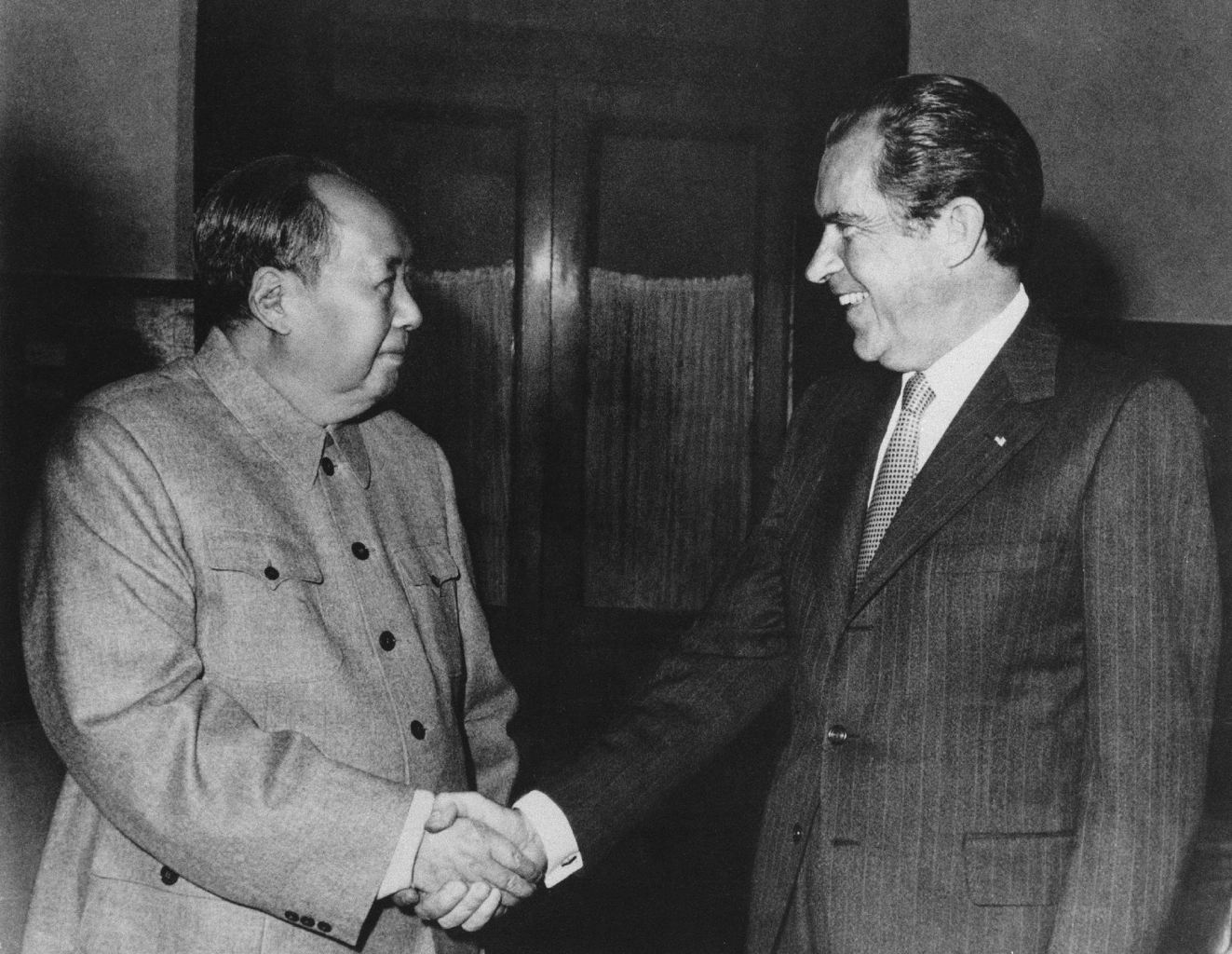
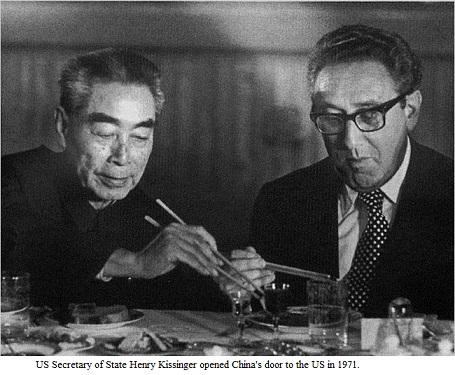
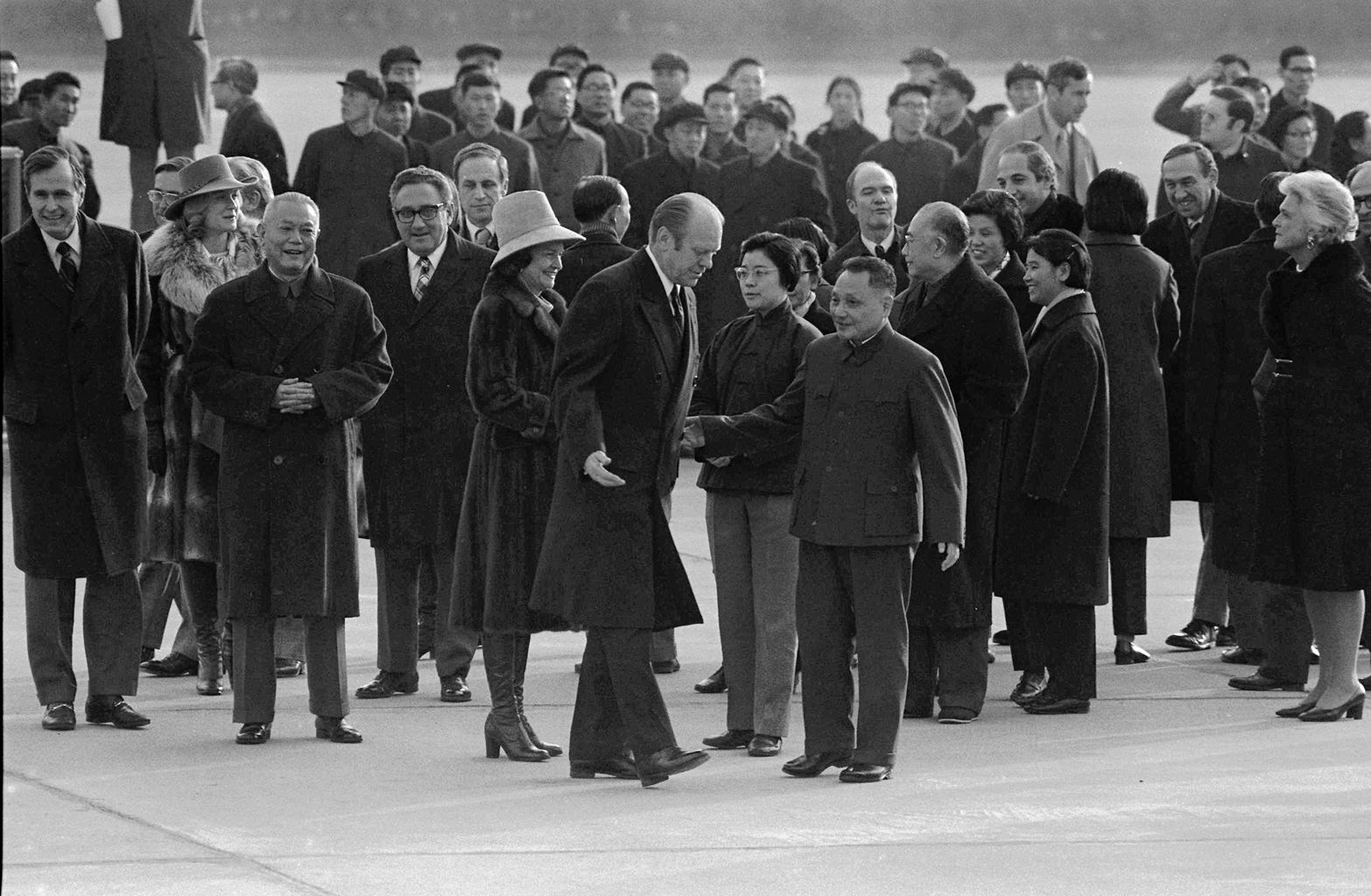

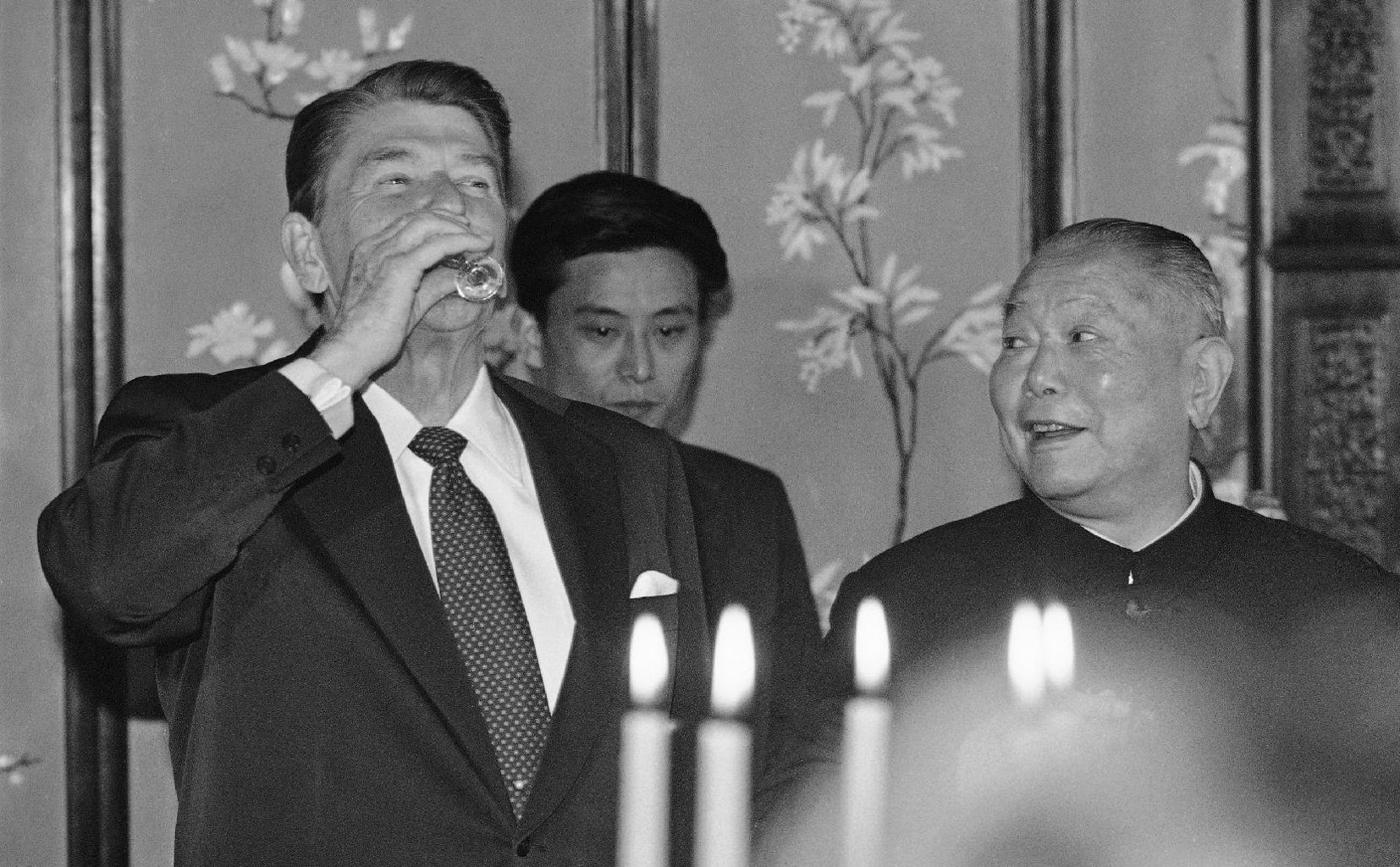
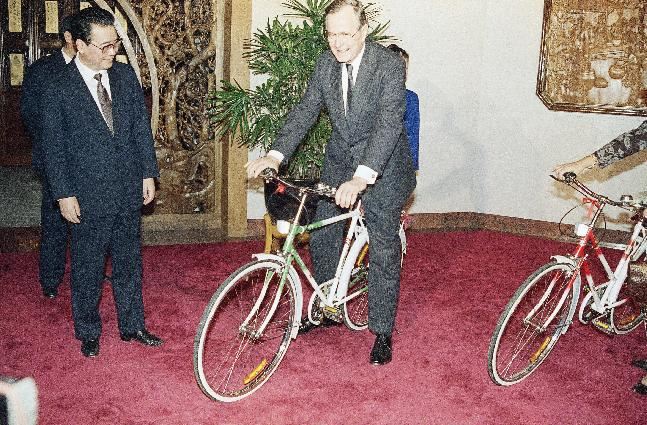
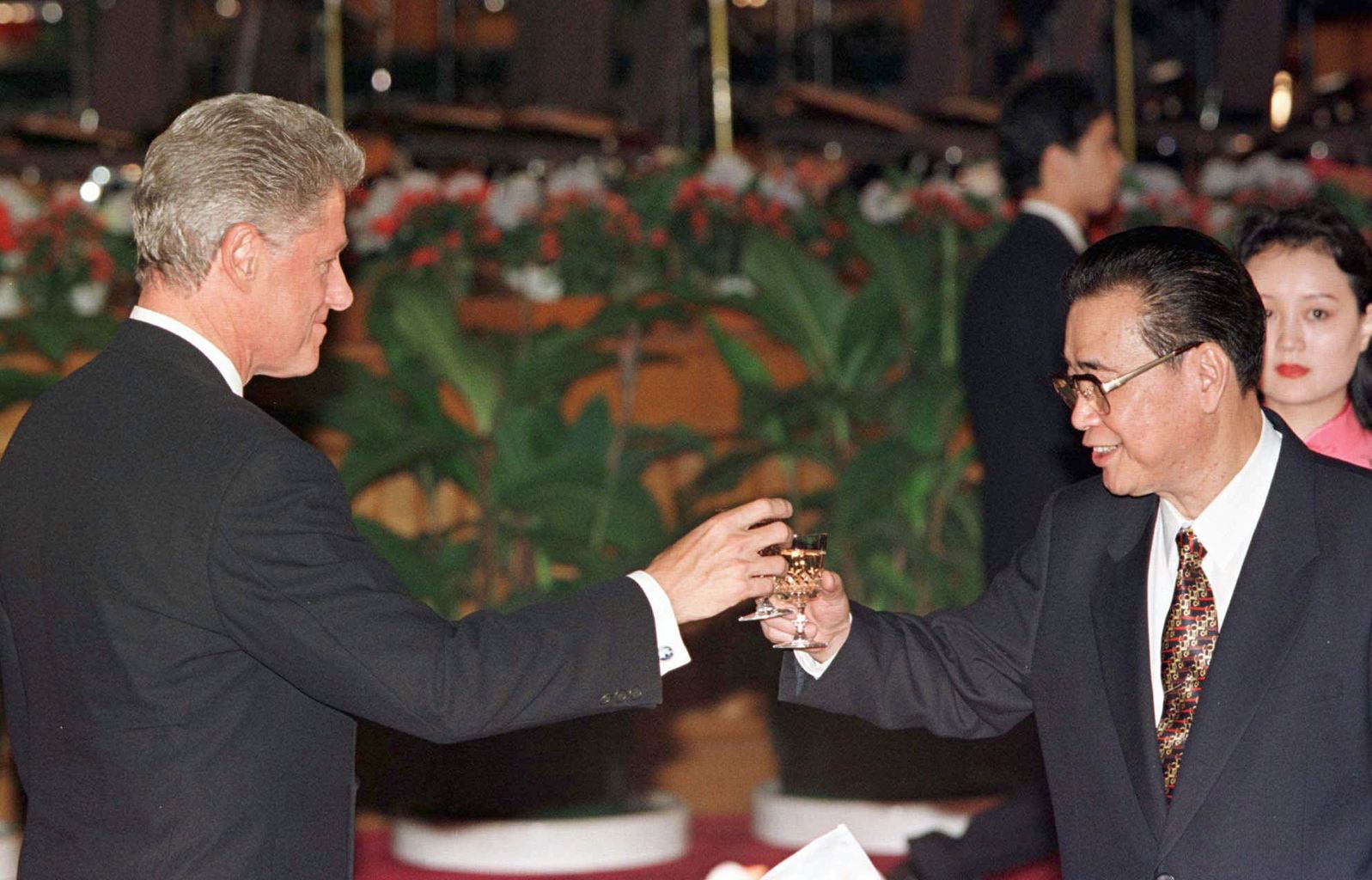
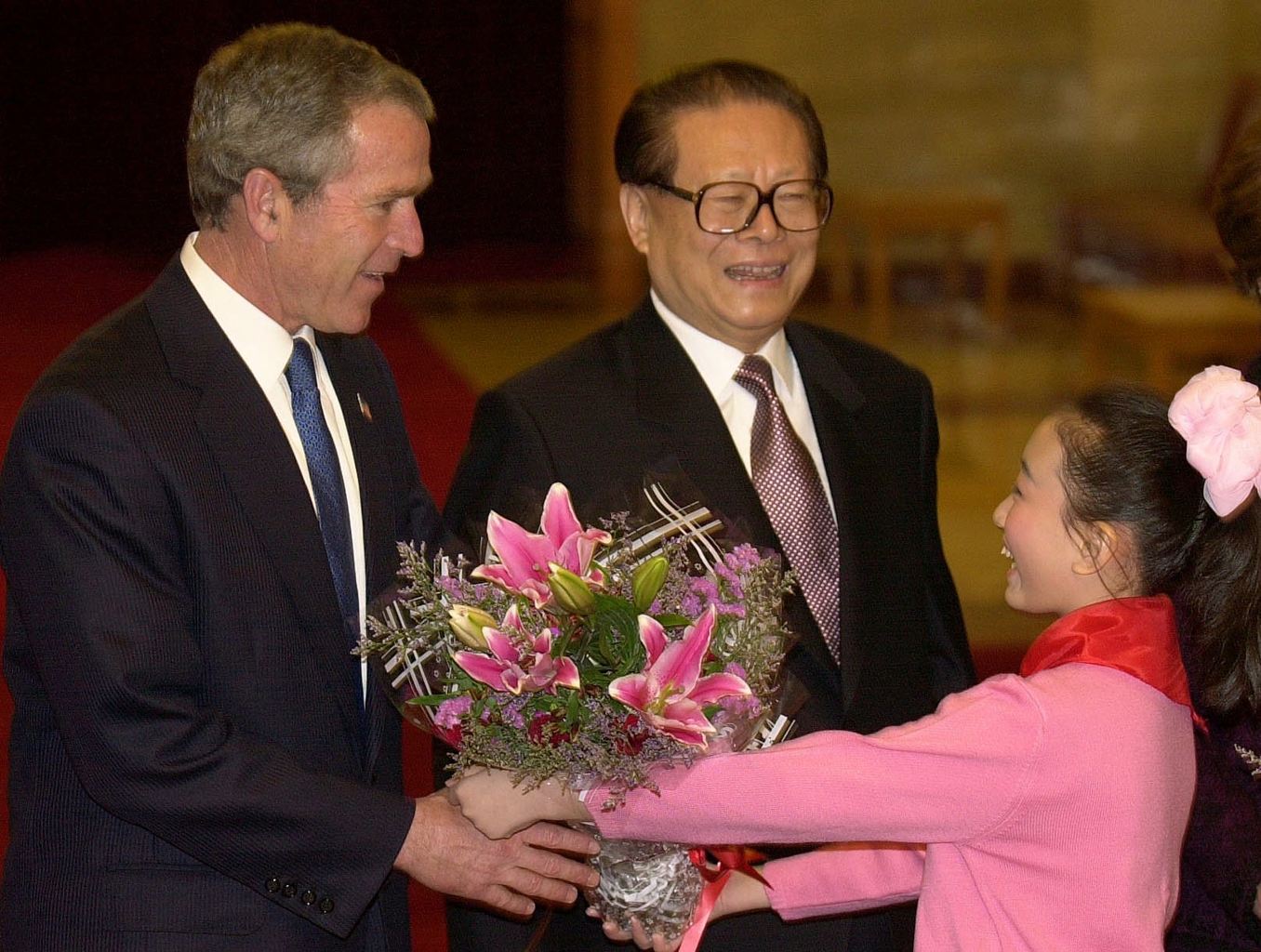
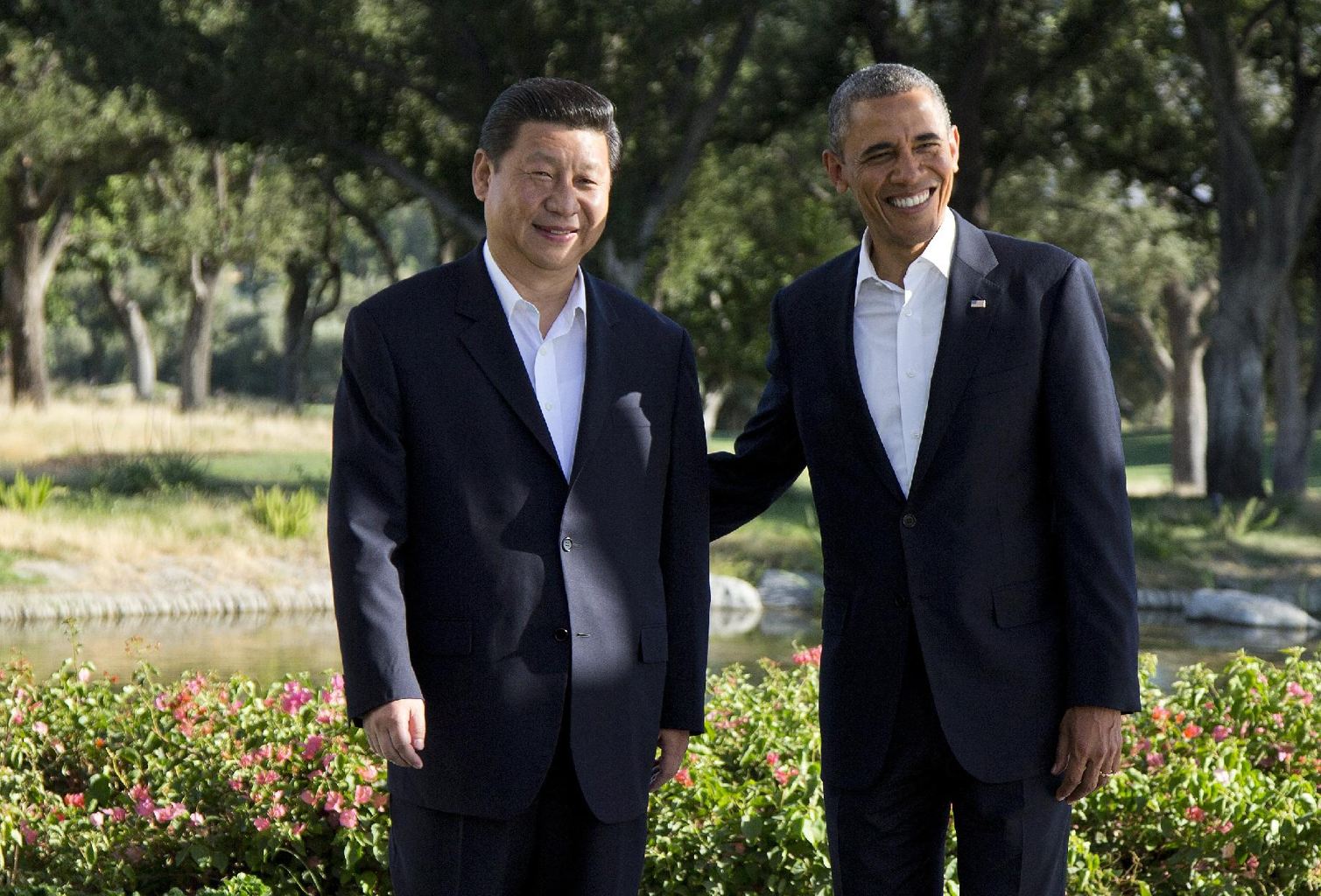
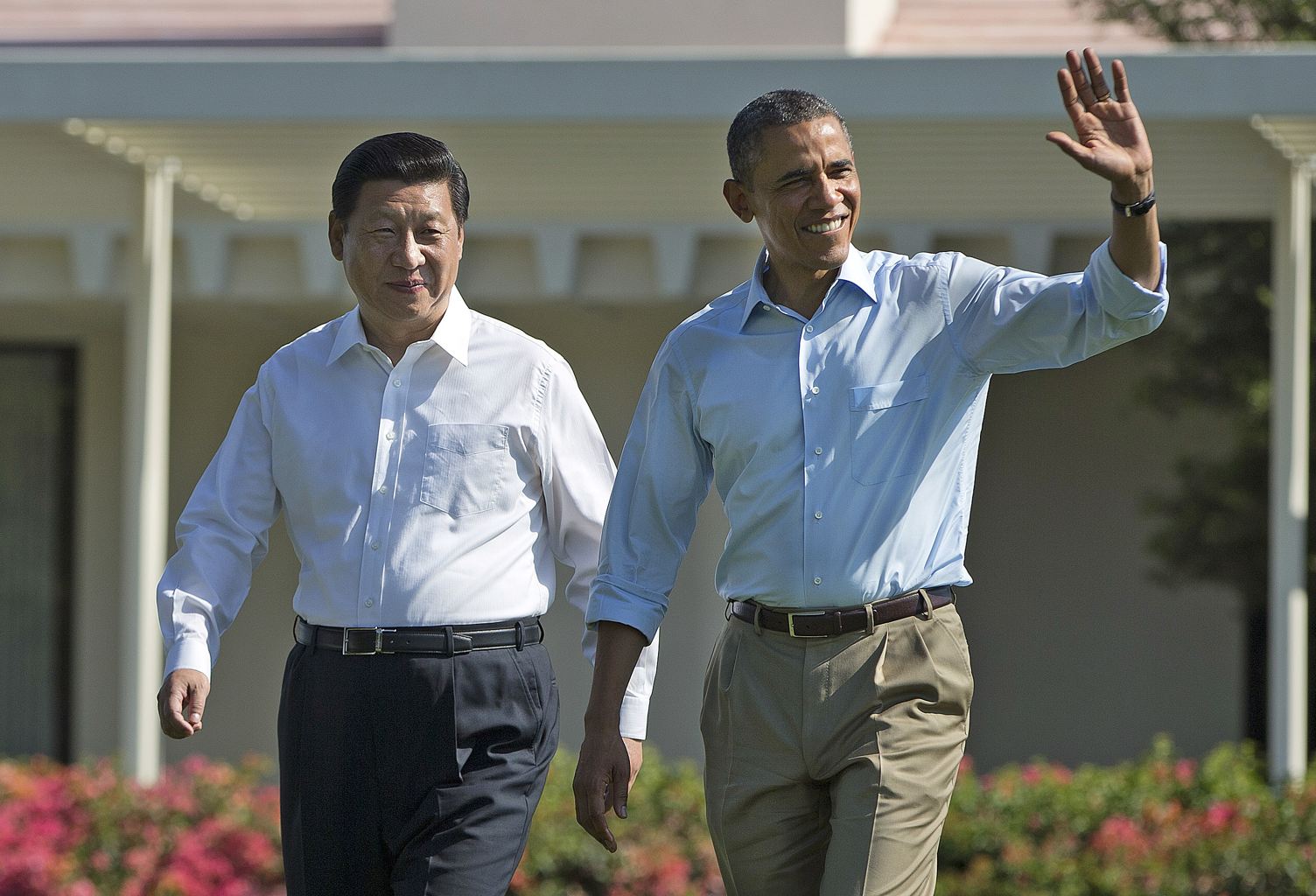

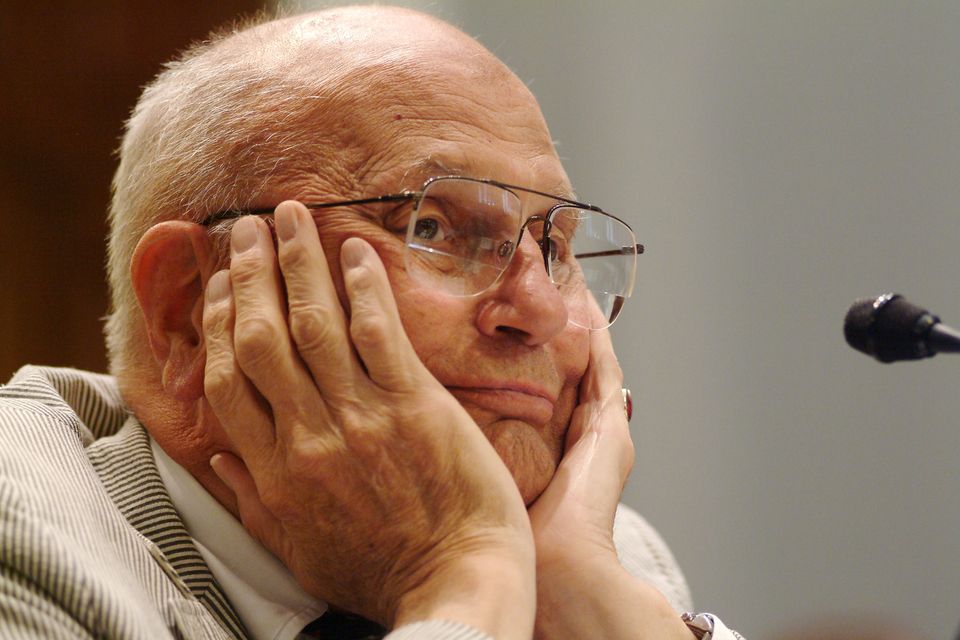
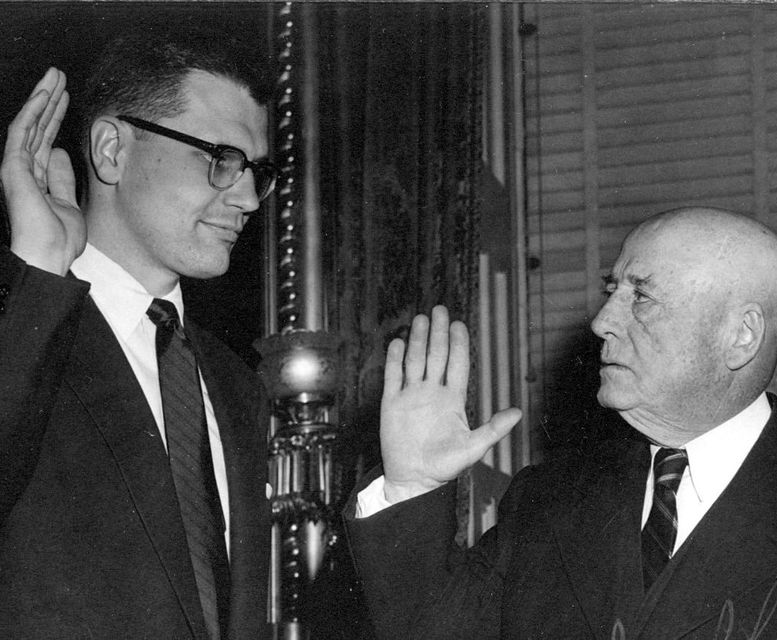
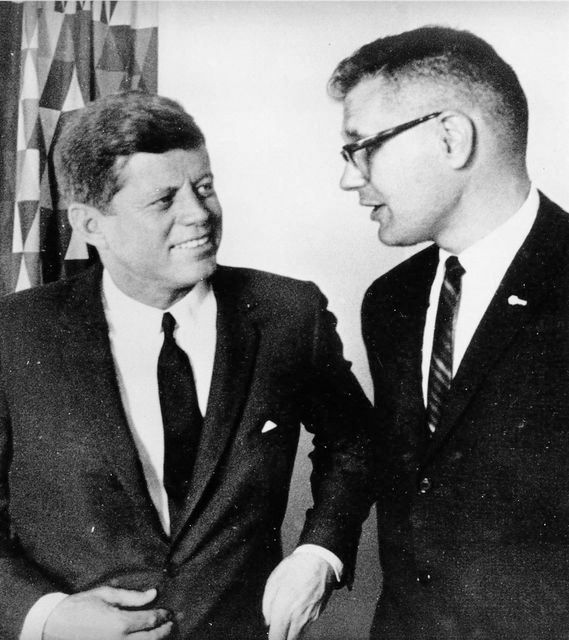




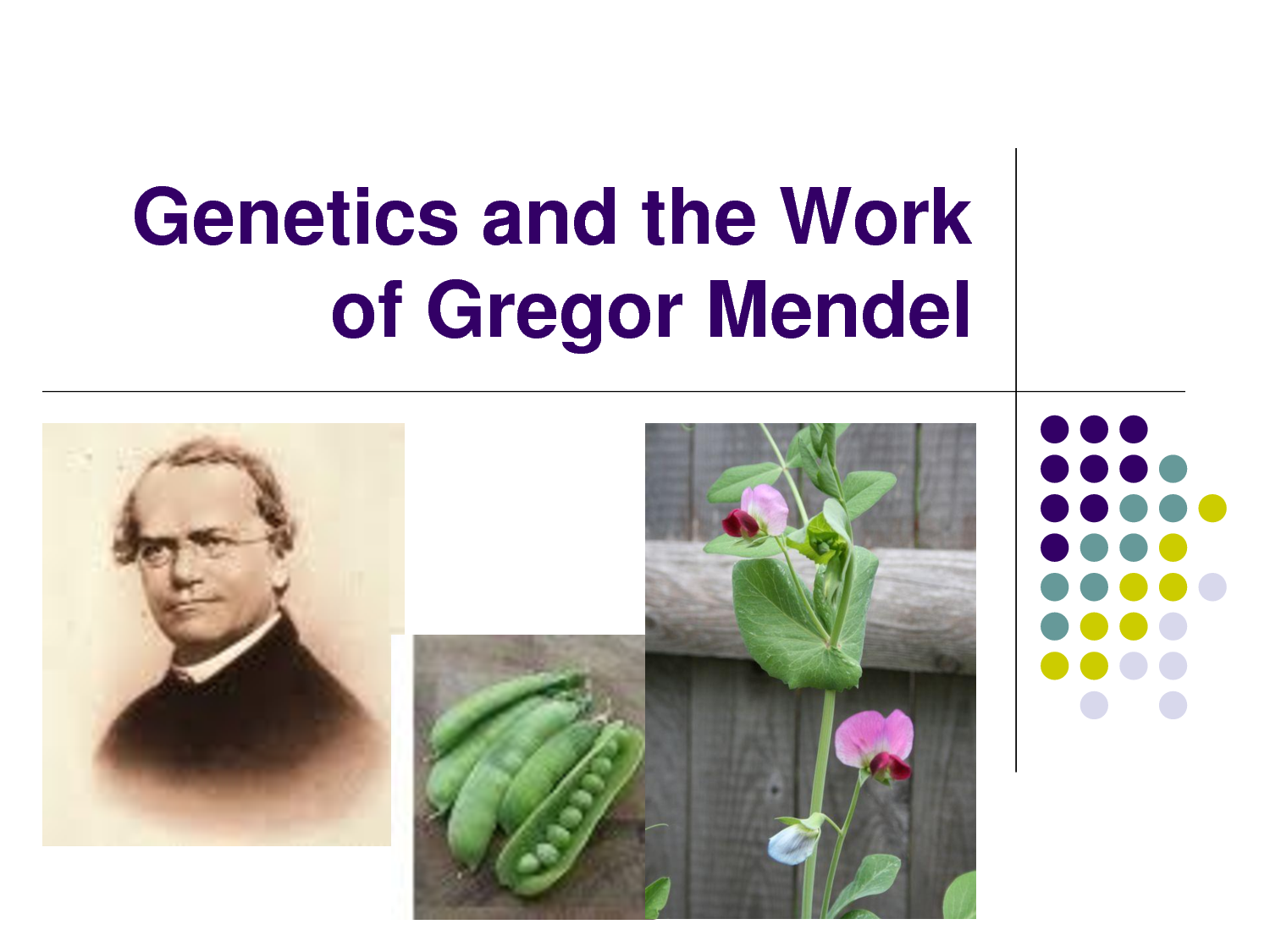

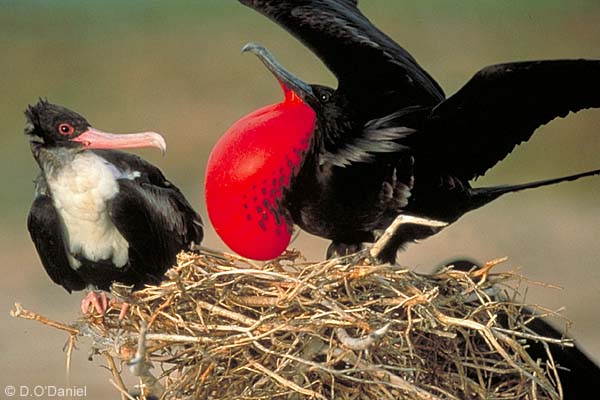
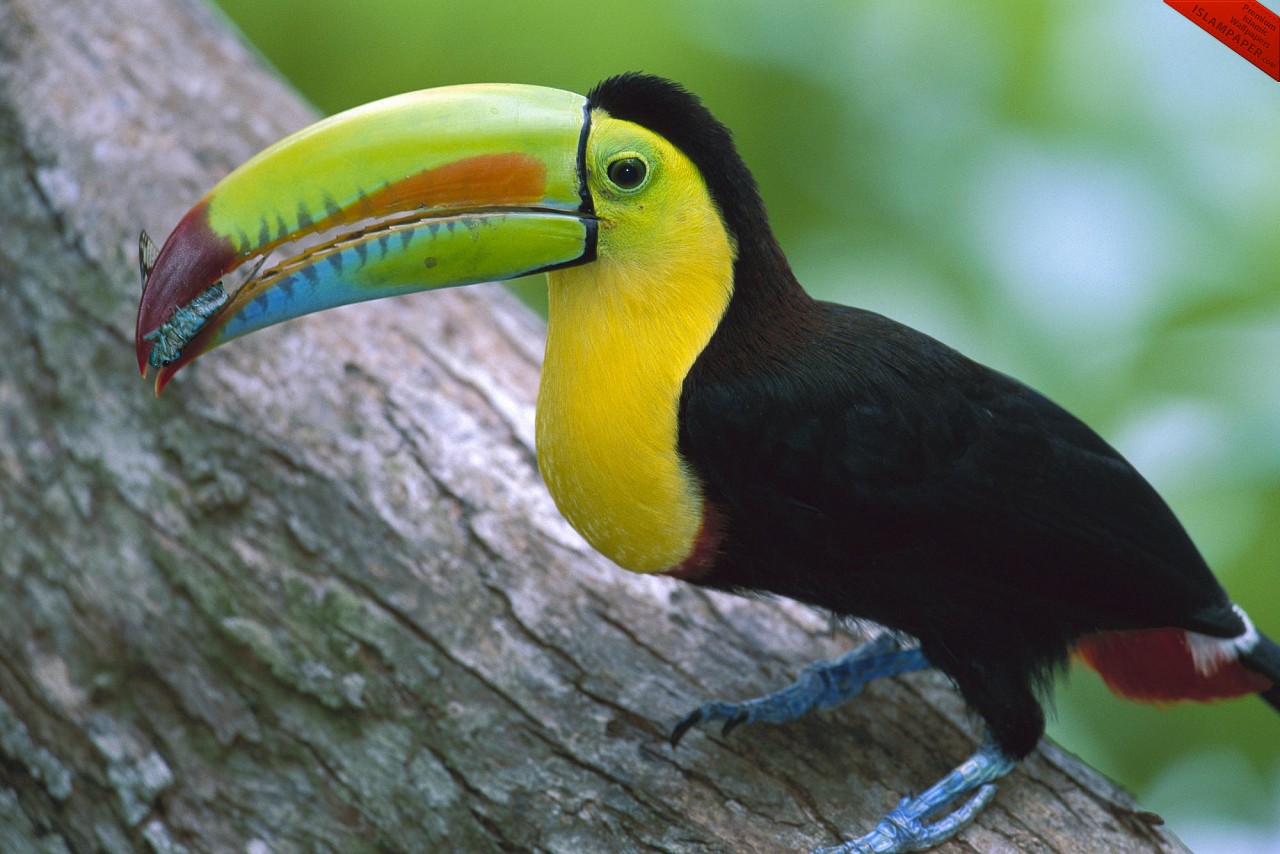

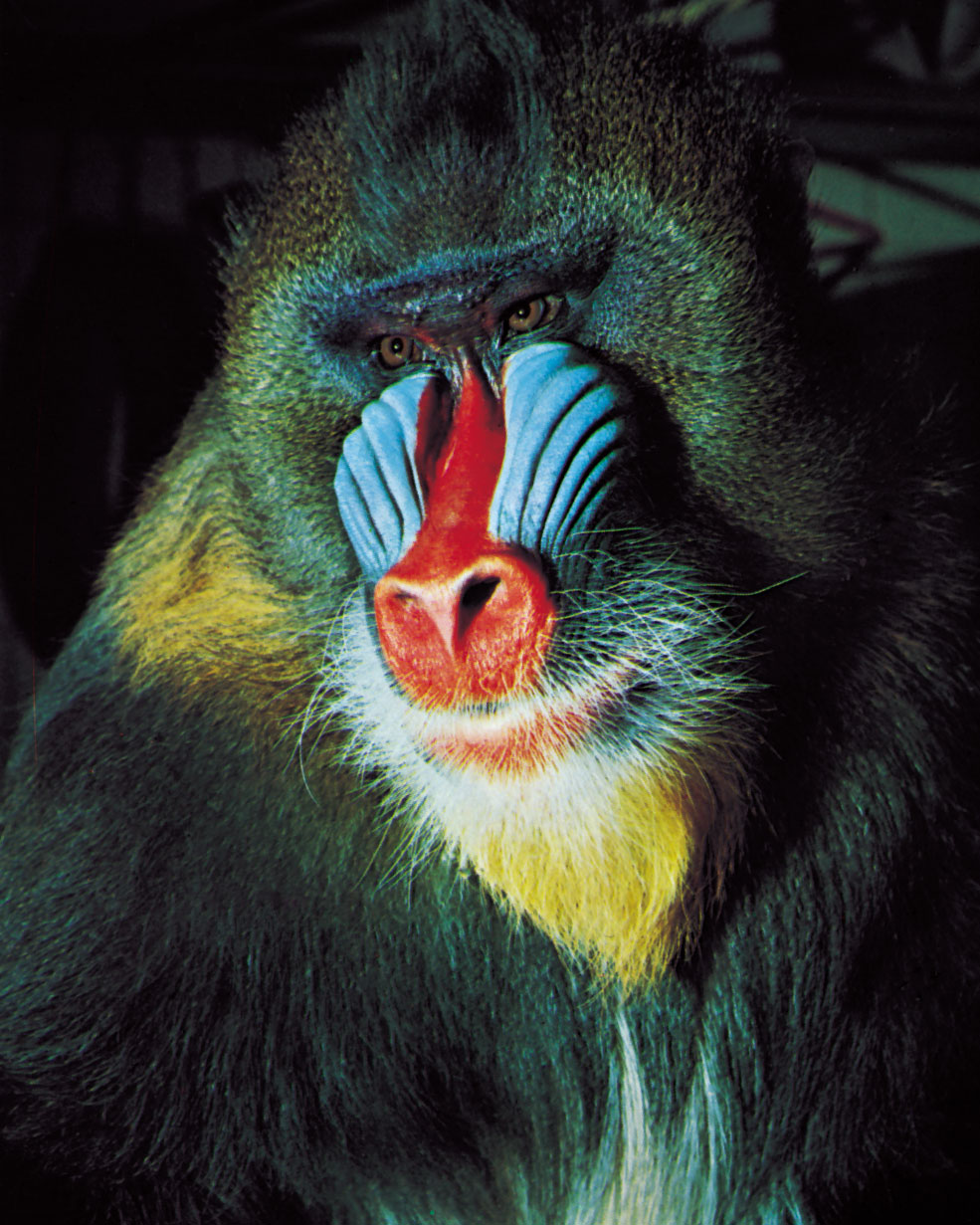


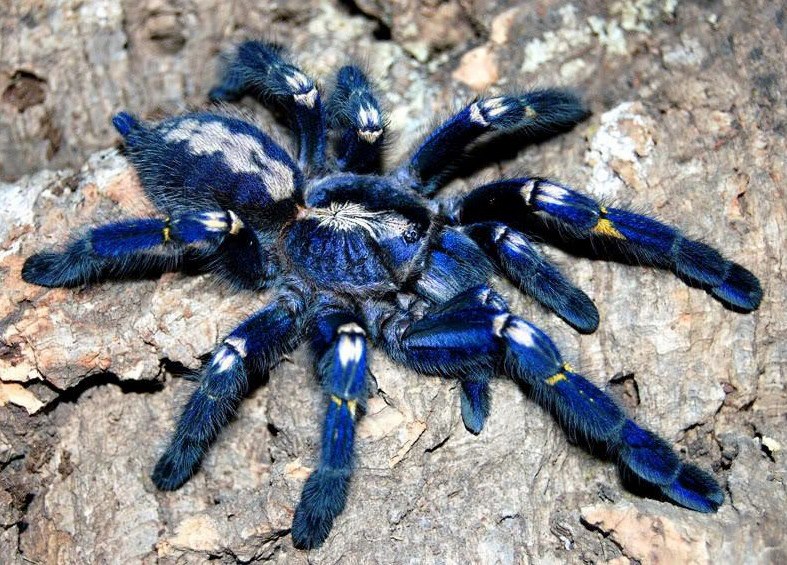



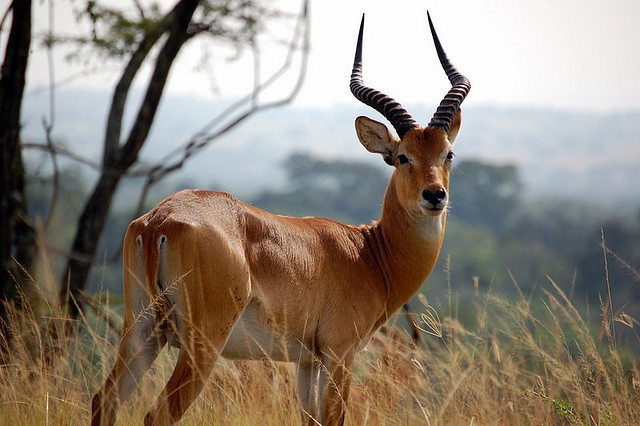
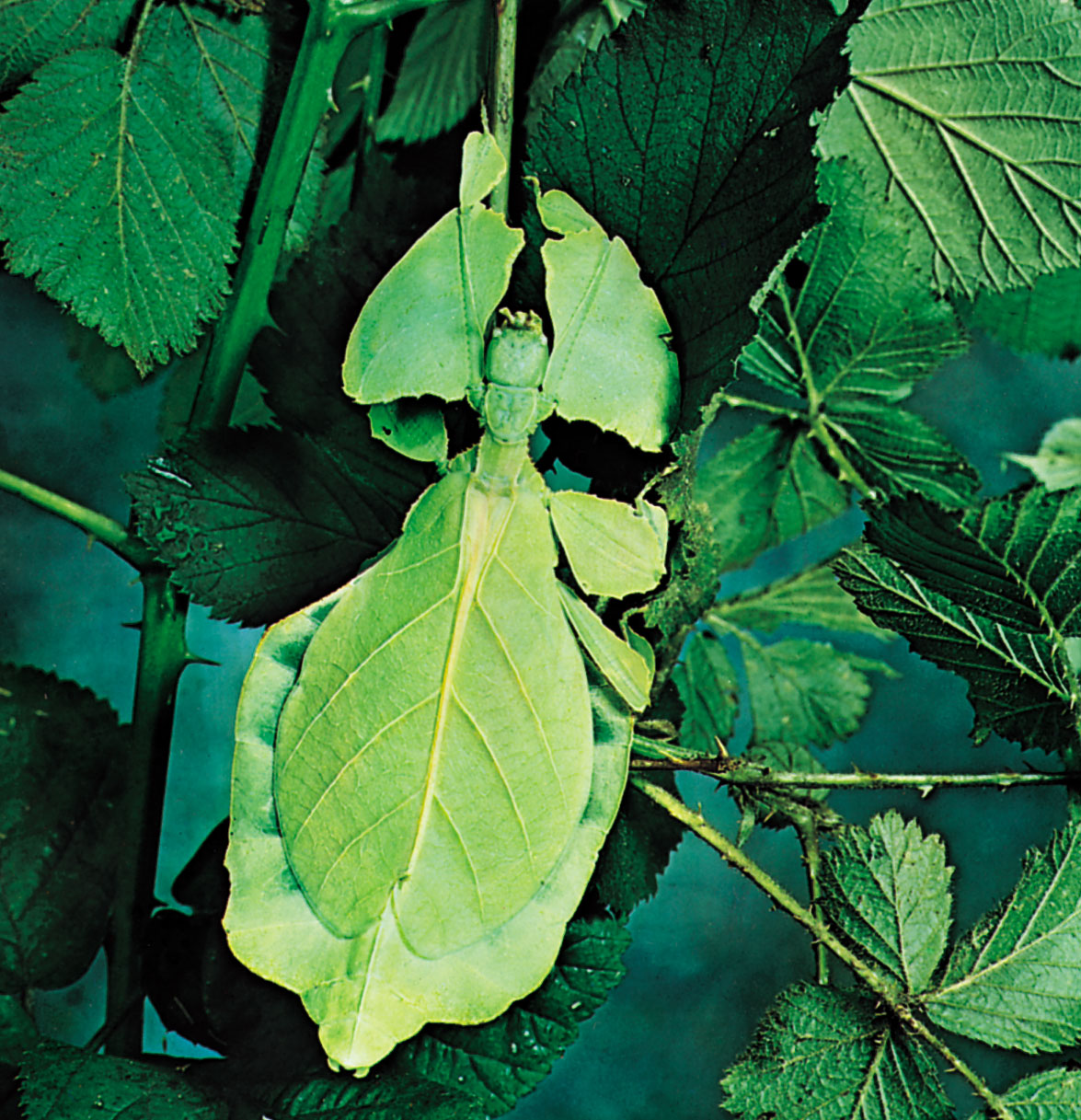
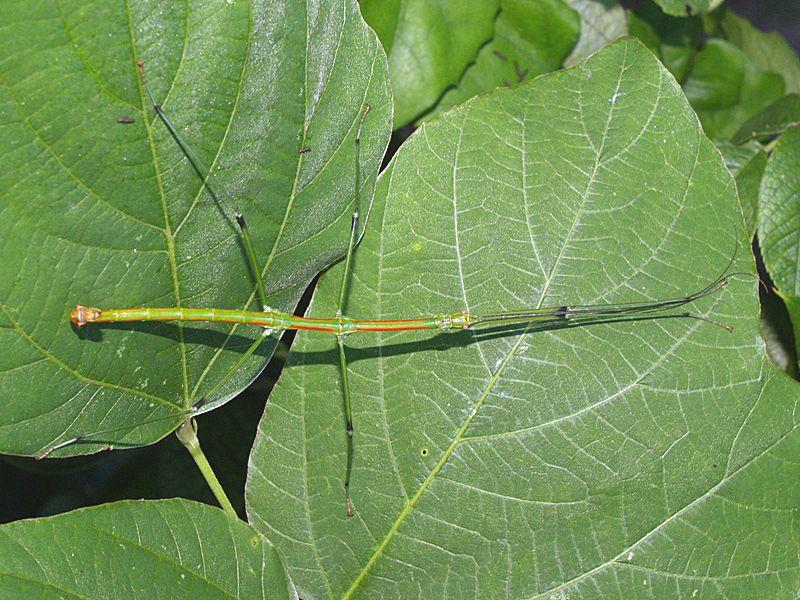

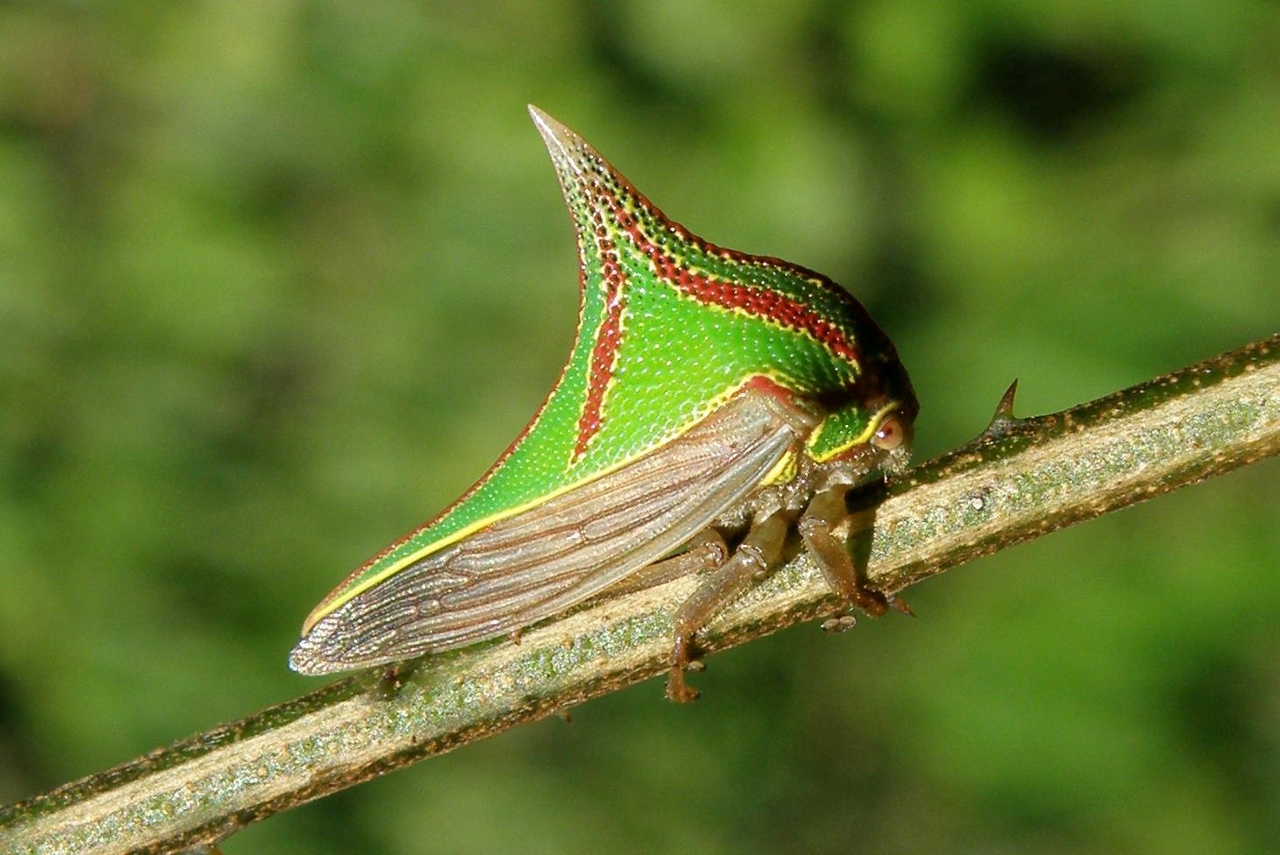


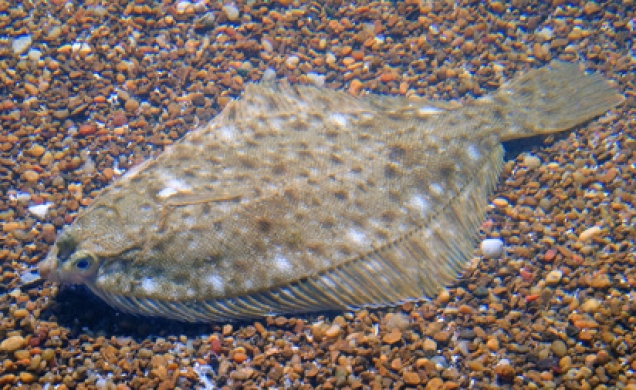

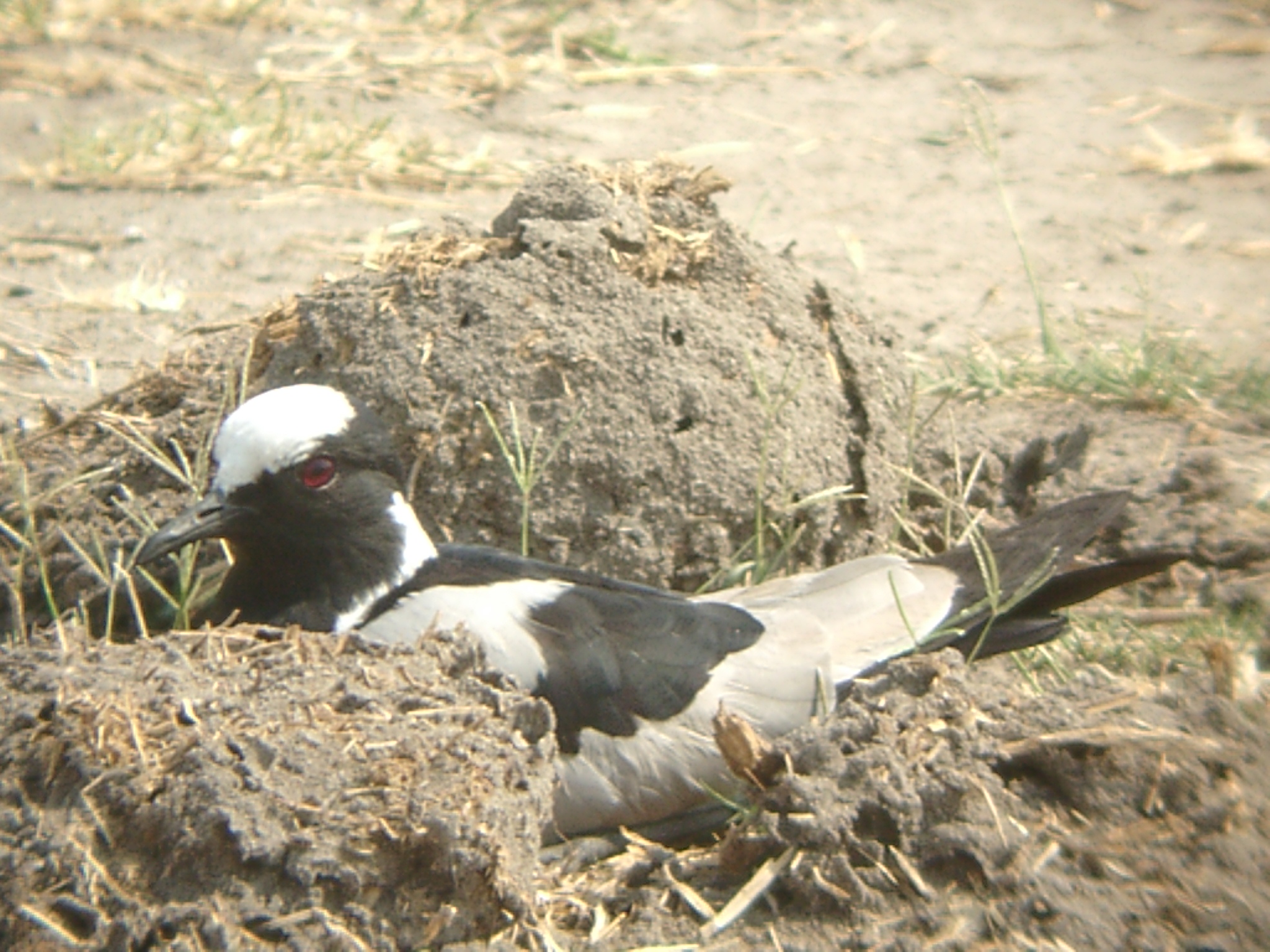
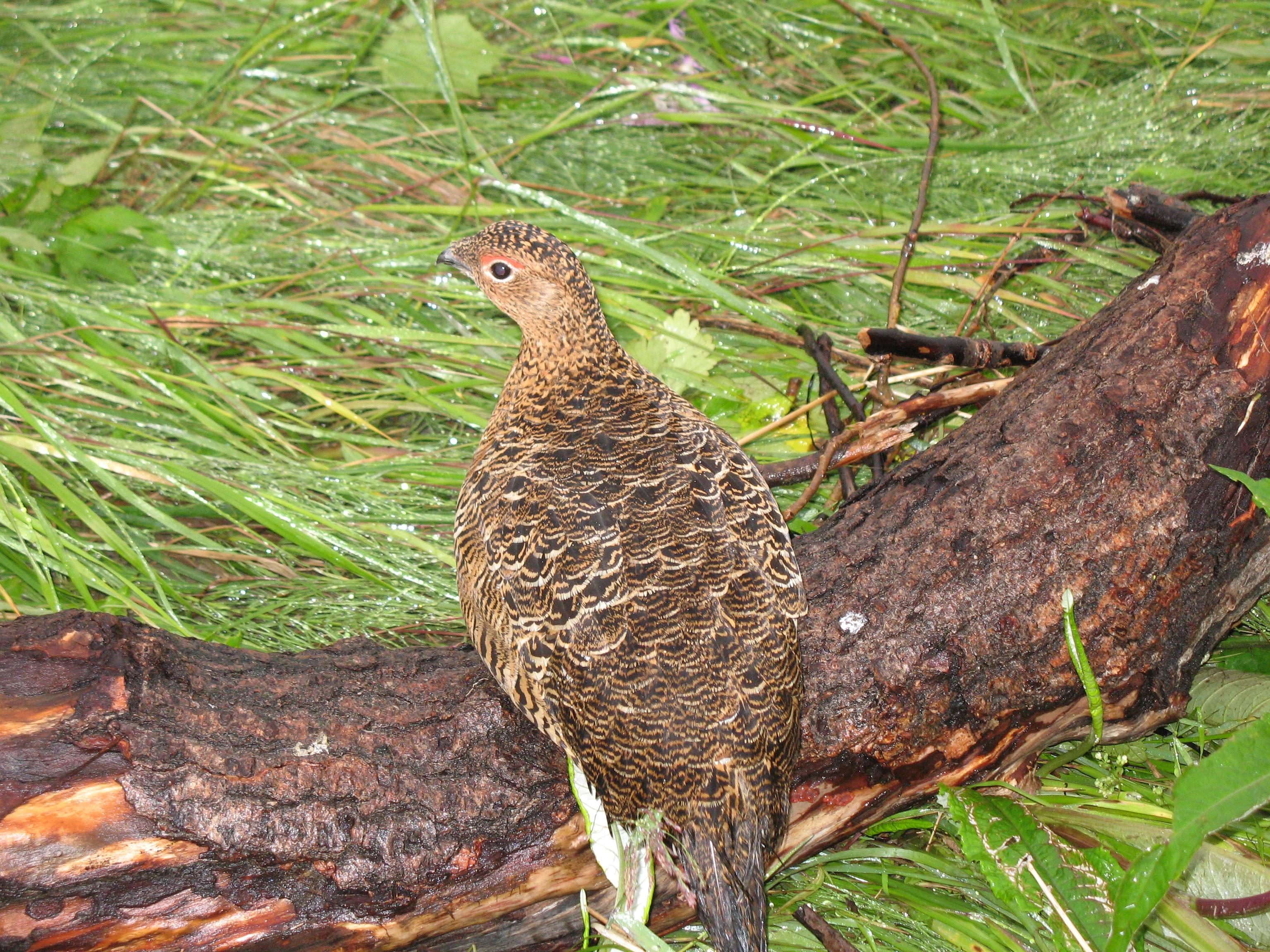


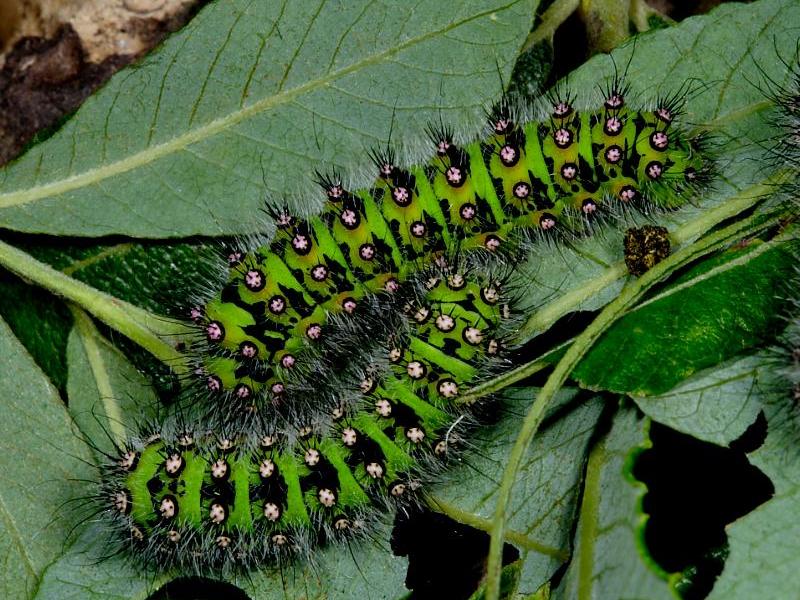
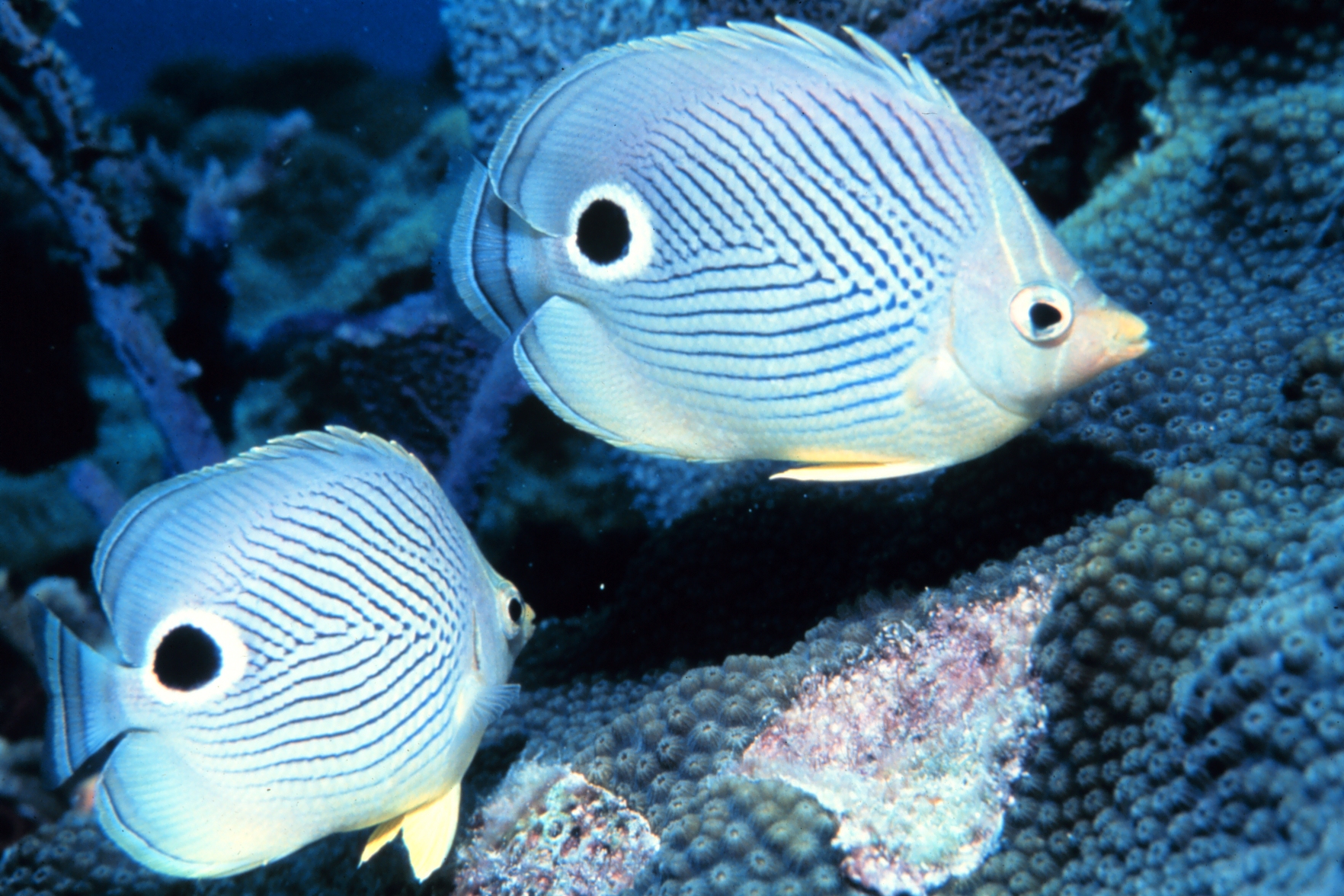
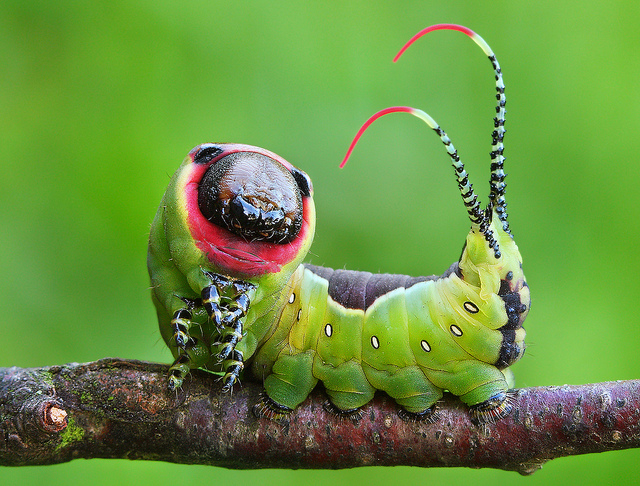









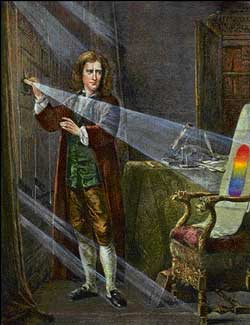

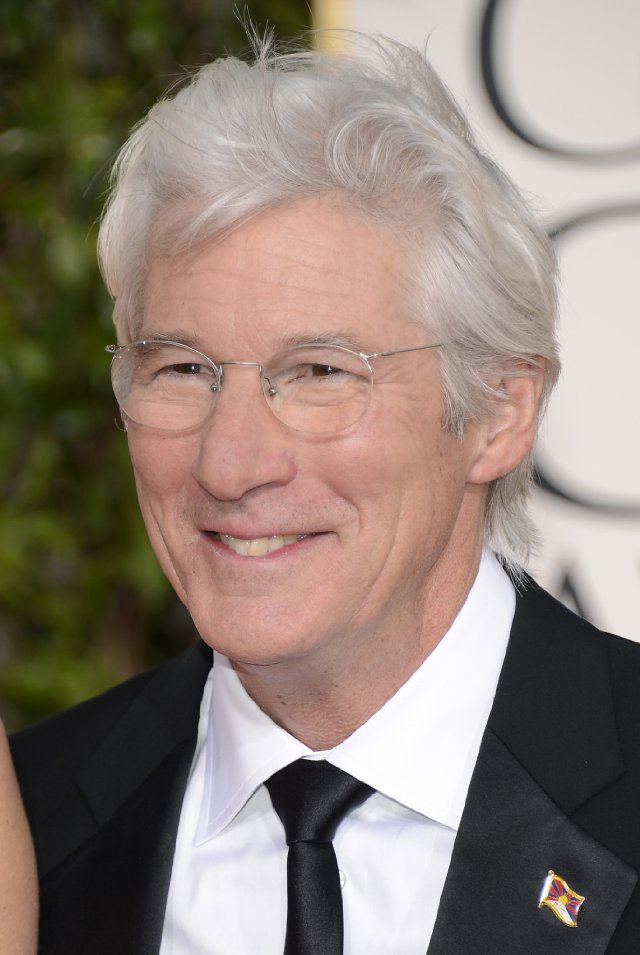


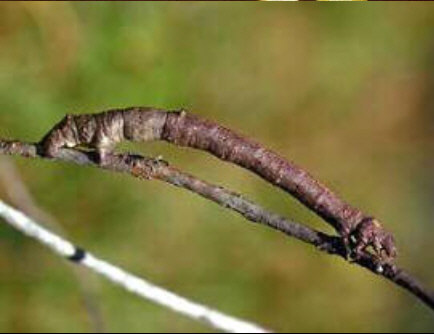
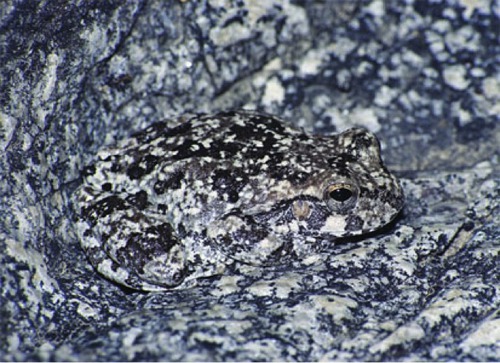
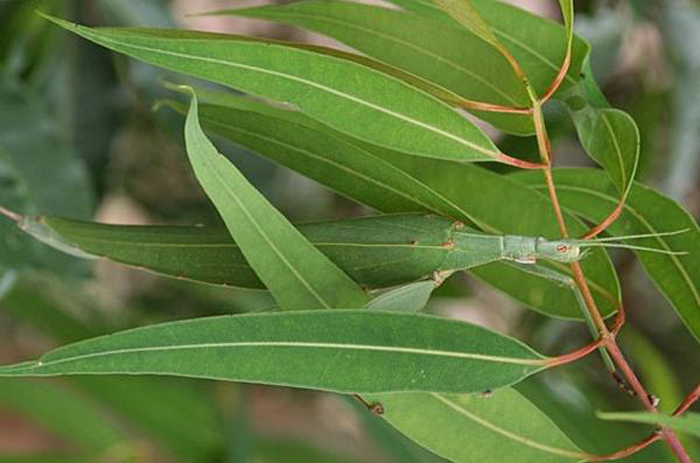


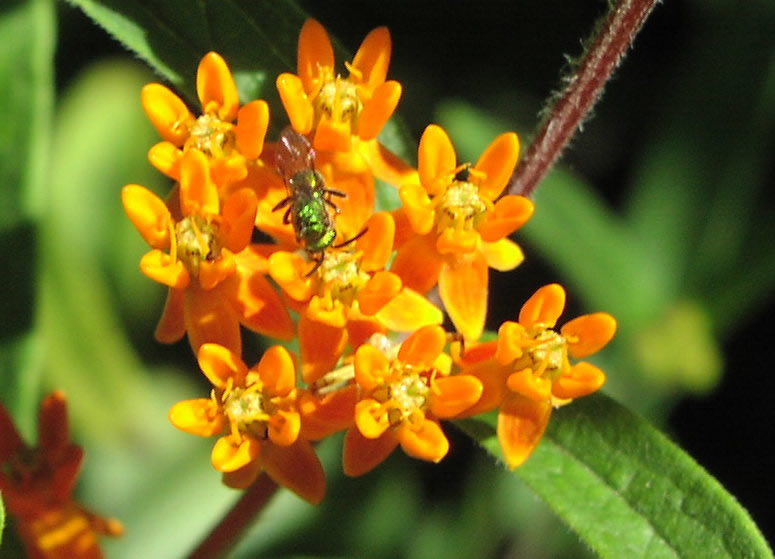

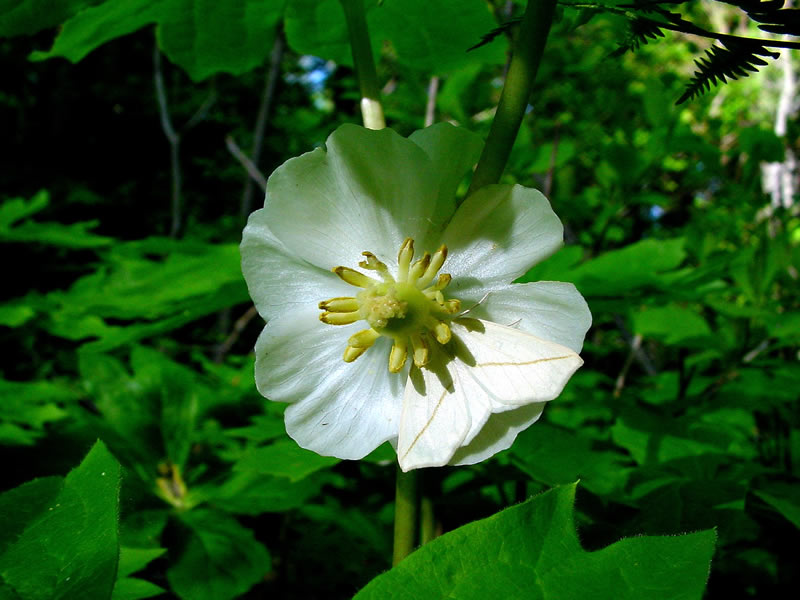

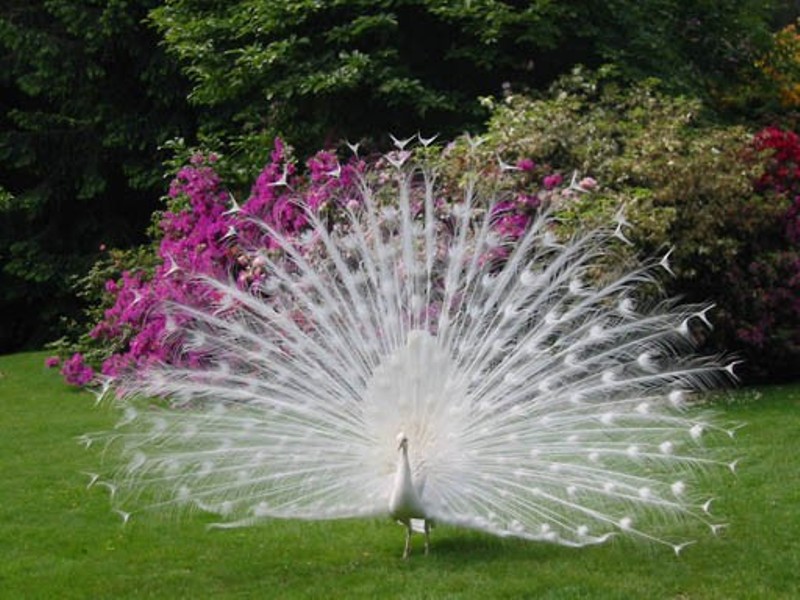



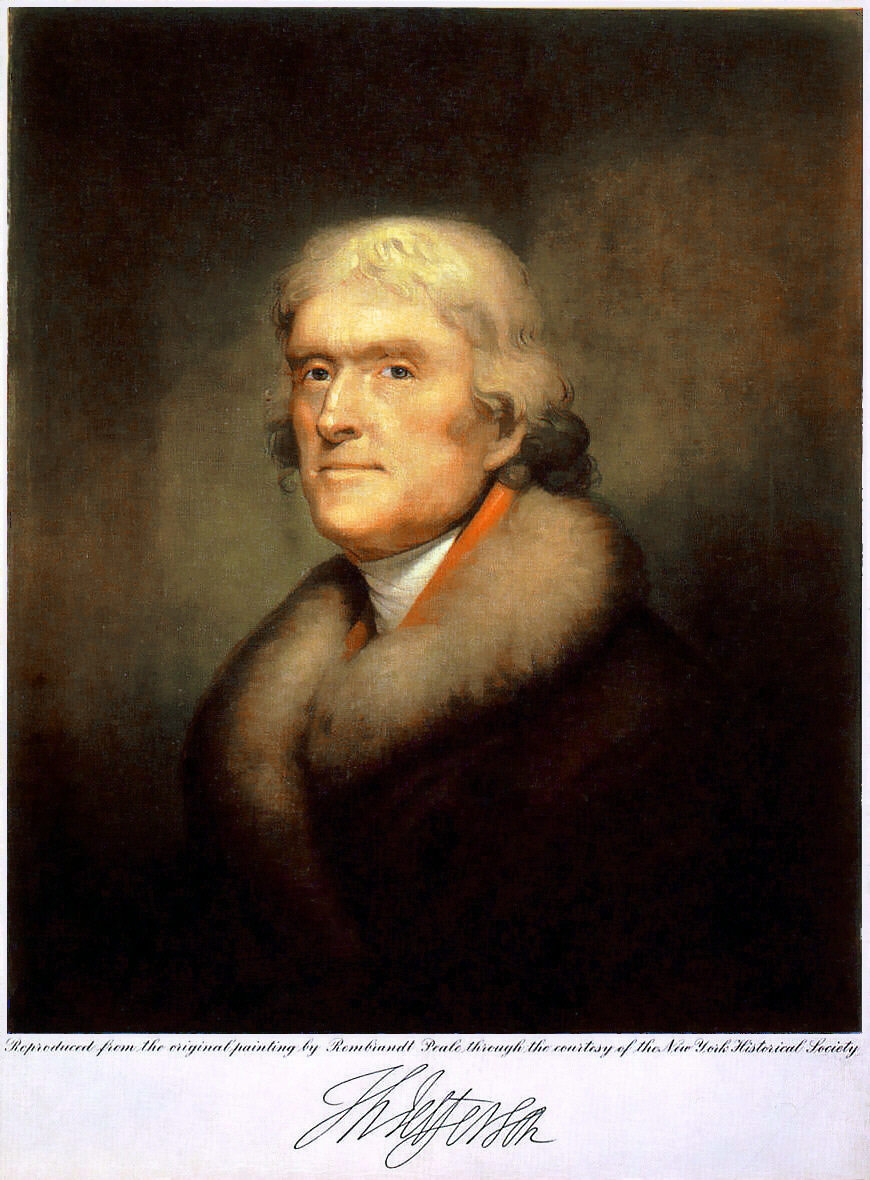

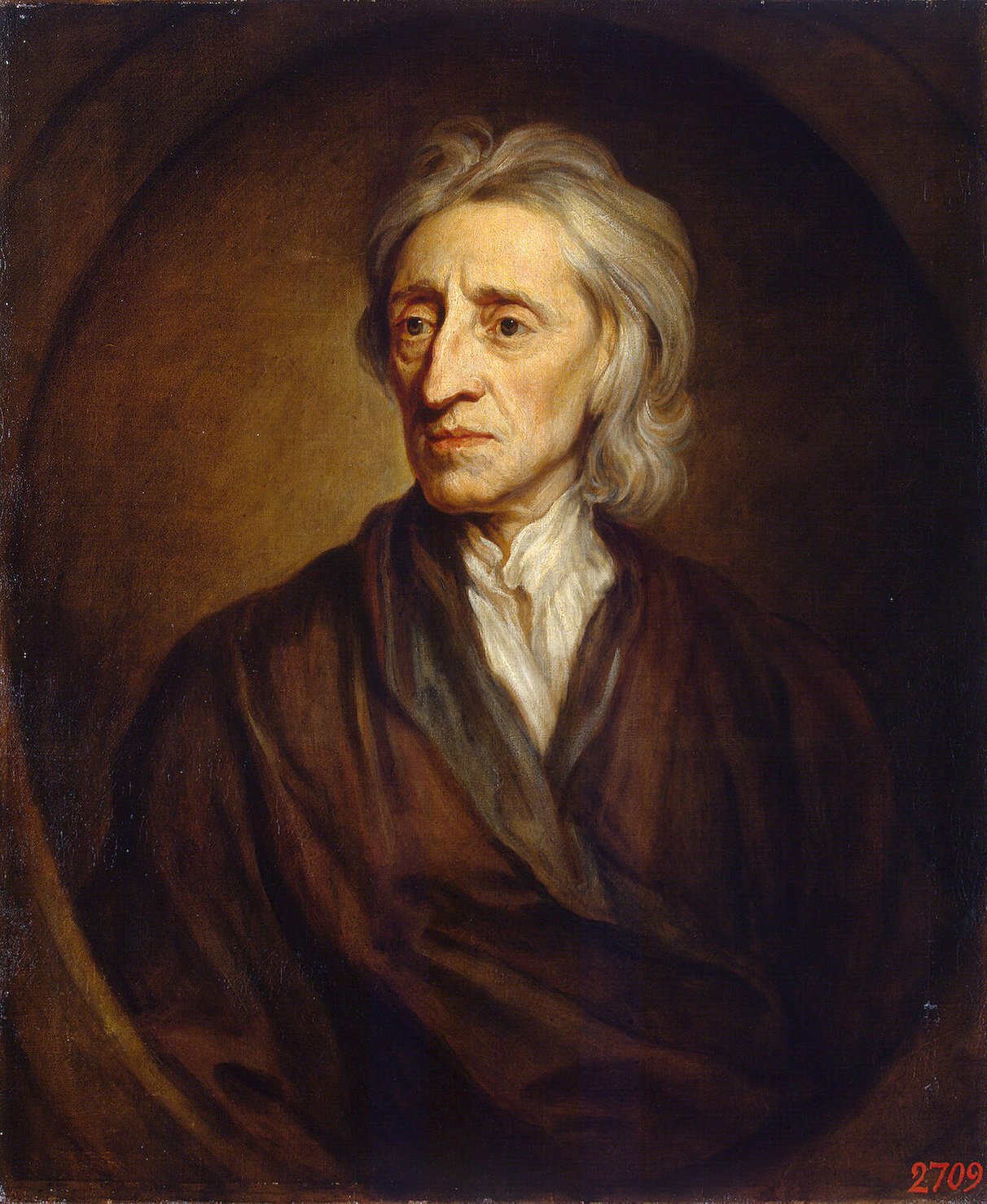


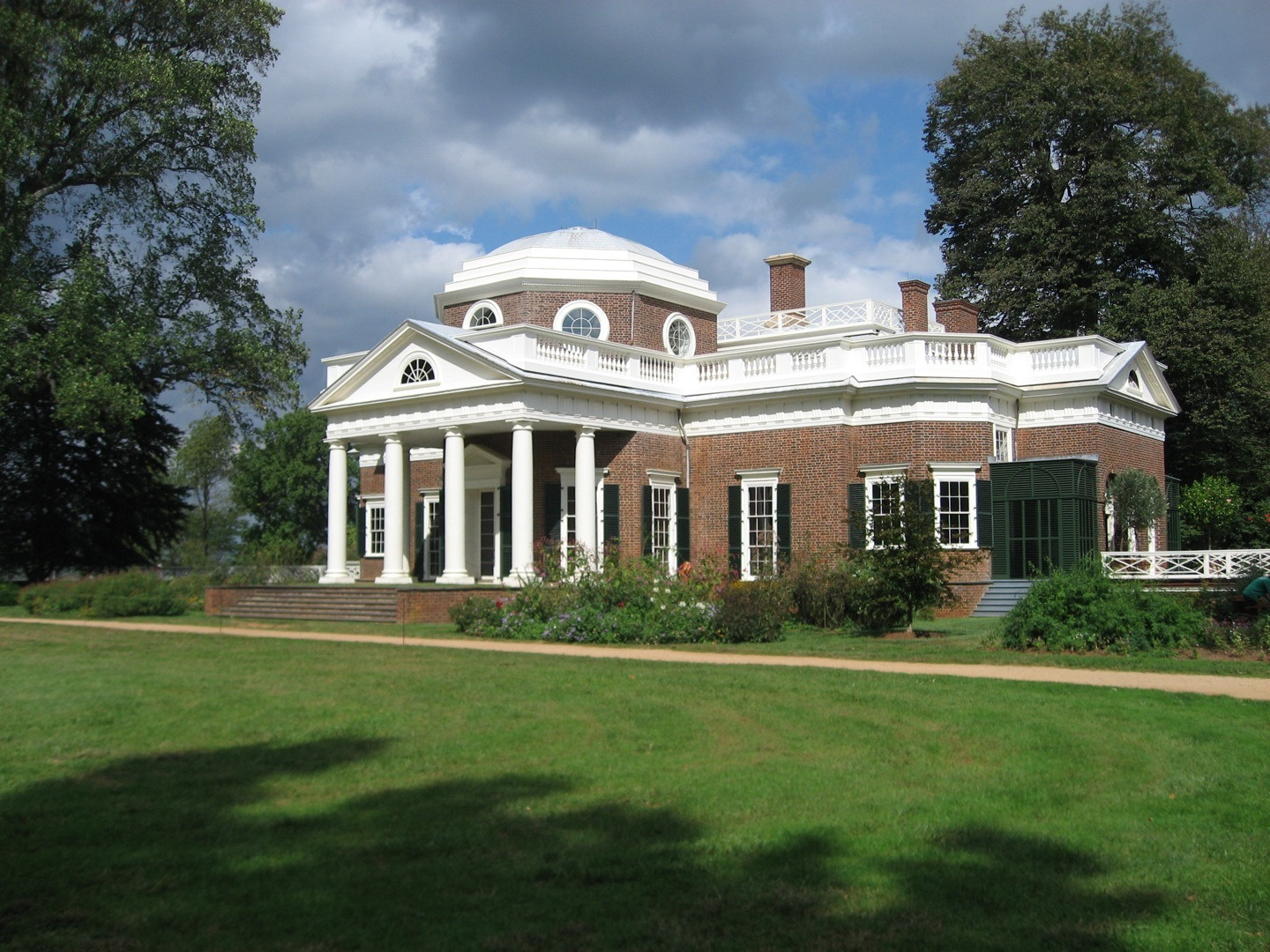

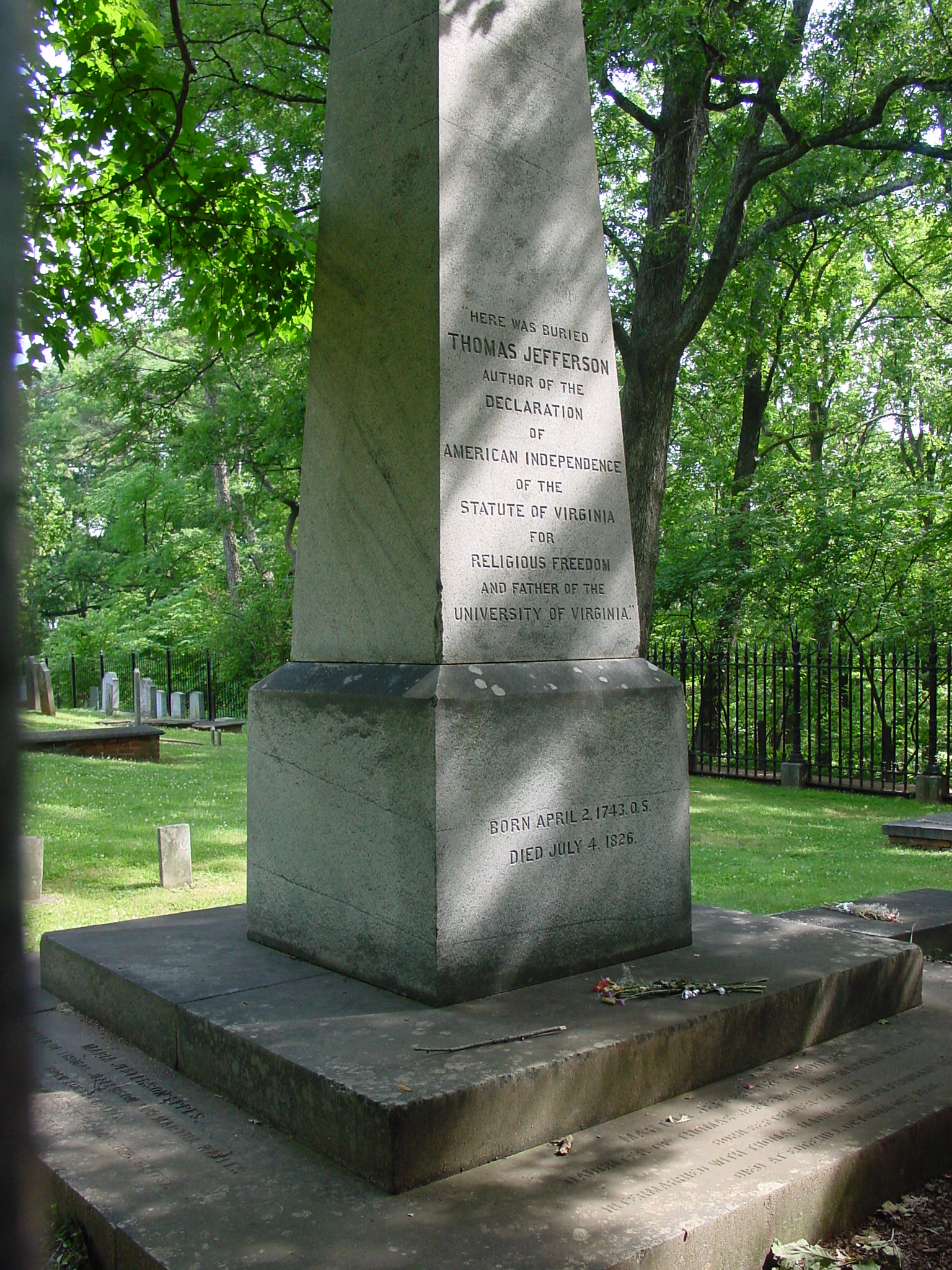


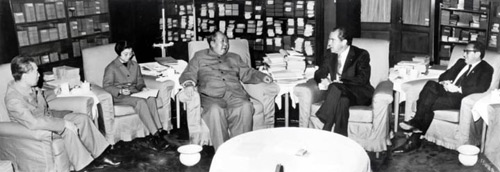


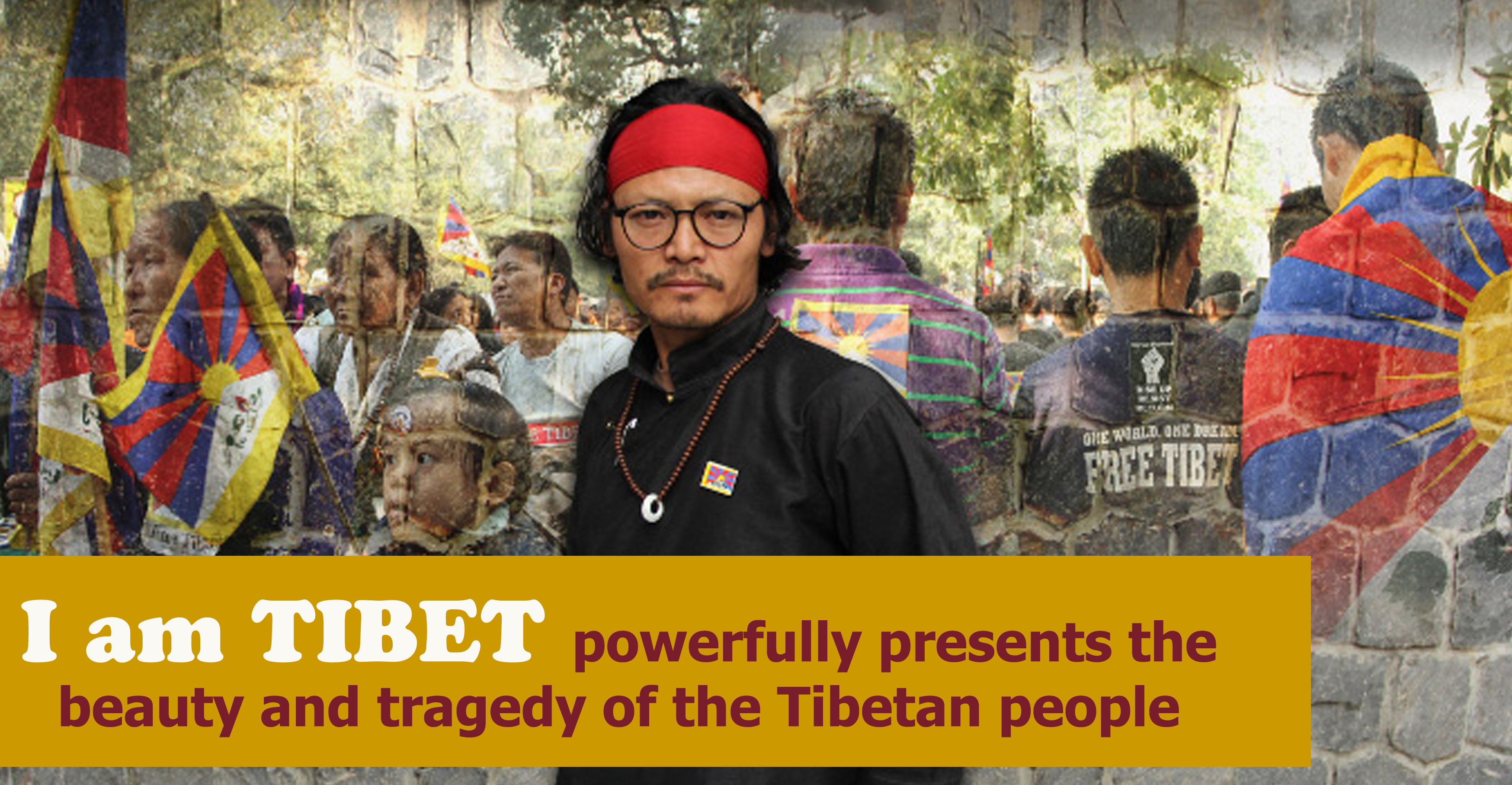





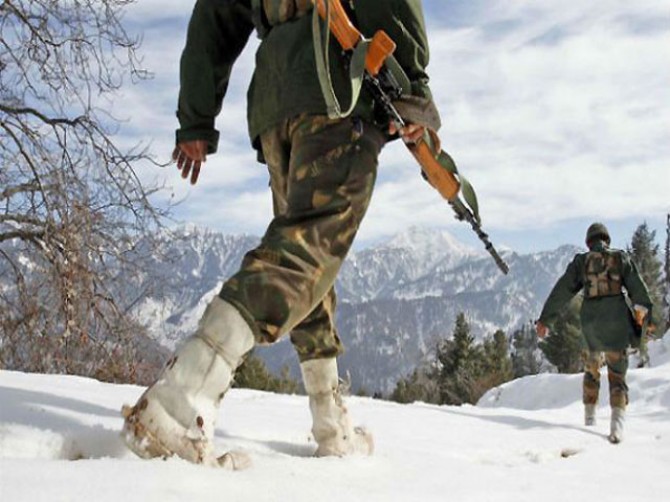

 Whole Dude - Whole Spirituality