
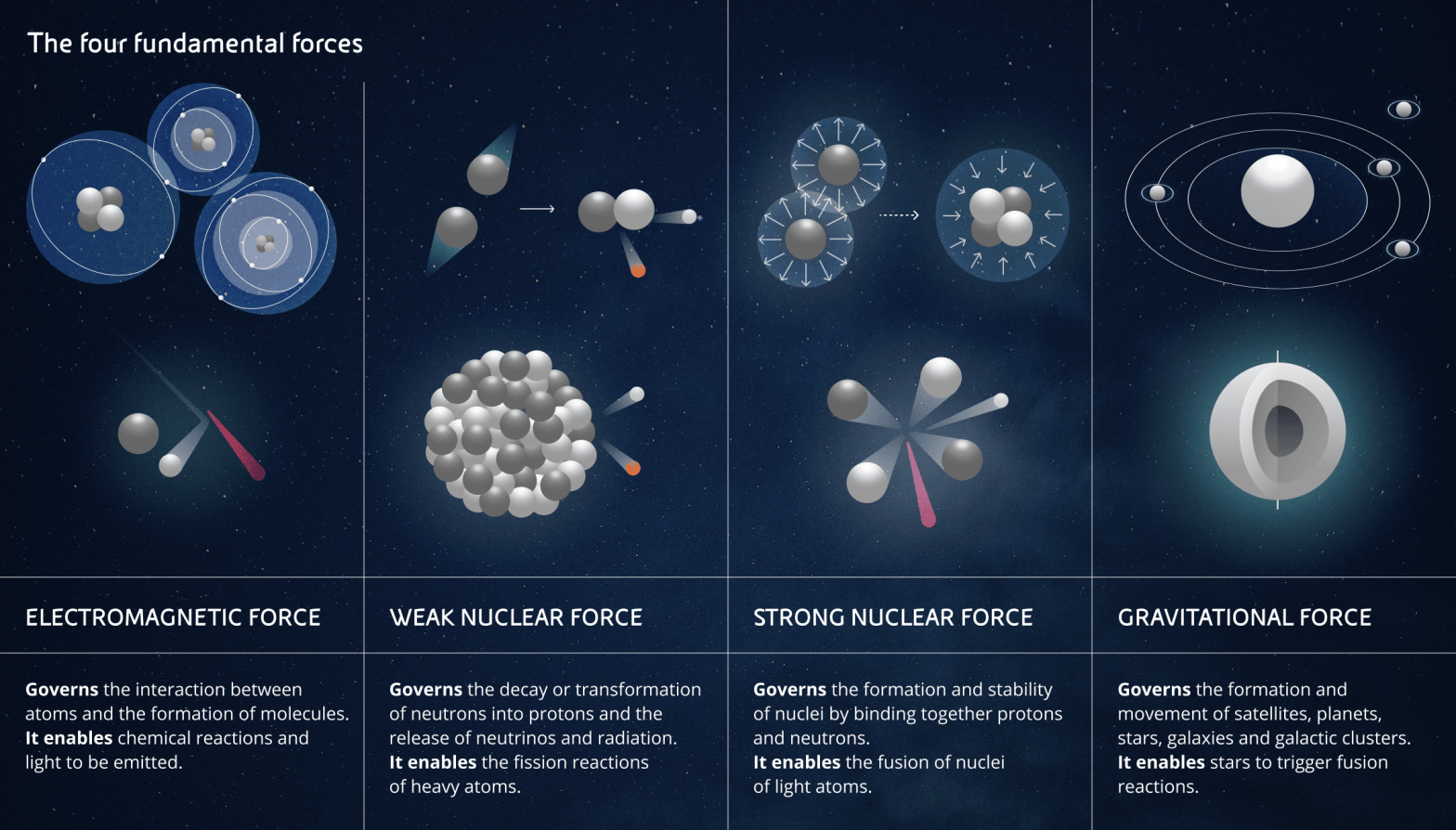
In my analysis, the known Fundamental Force Gravitation can only account for the revolving orbits or orbital motions of planets around their Sun and not of their Individualistic Rotational Spins. I am introducing the term “Maya” described in the Sanskrit language to formulate it as the creative force directing Celestial Mechanics which impart the initial momentums resulting in the varying rotational spin characteristics of all the known planets.
To create original, new, one of its own kind of celestial objects, Lord God Creator could be applying the creative force called “Maya” to impart varying amounts of momentum to new planets as they are born to begin their varying rotational spins. No two planets are alike when we compare their rotational spins.
Tag Archives: Whole Artist
Philosophy of Medicine – Lesson. 83 – The Designing of Living Things.
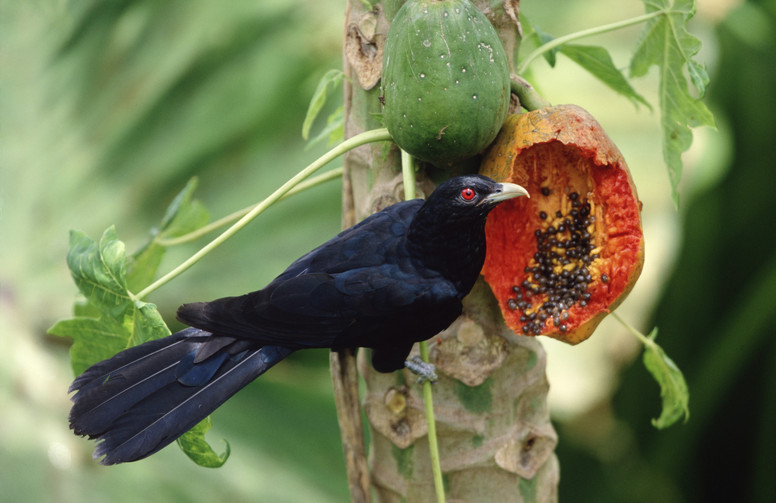
No single function can explain the coloration of living things. We need a comprehensive theory that predicts the lines and patterns of coloration of plants and animals. An artist’s palette containing only three properly chosen colors is entirely adequate under most circumstances to produce the various visual effects of color that is observed. The optical mechanisms involved in the production of color are complex. Coloration is a dynamic and complex characteristic and the term must be clearly distinguished from the term ‘color’ which only refers to the spectral qualities of emitted or reflected light. It is apparent that plants, and animals have no cognitive abilities to produce the coloration by which they are recognized. However, the coloration displayed gives us a clue about the nature of the “Whole Artist” who could be using imagination, has feelings for the forms created and seeks satisfaction from the visual effects that he produced. If man has the ability called visual perception, he must use the ability to visualize the “Whole Artist” who is at work.
Philosophy of Medicine – Lesson. 81 – The Universe exists to provide Man a Home
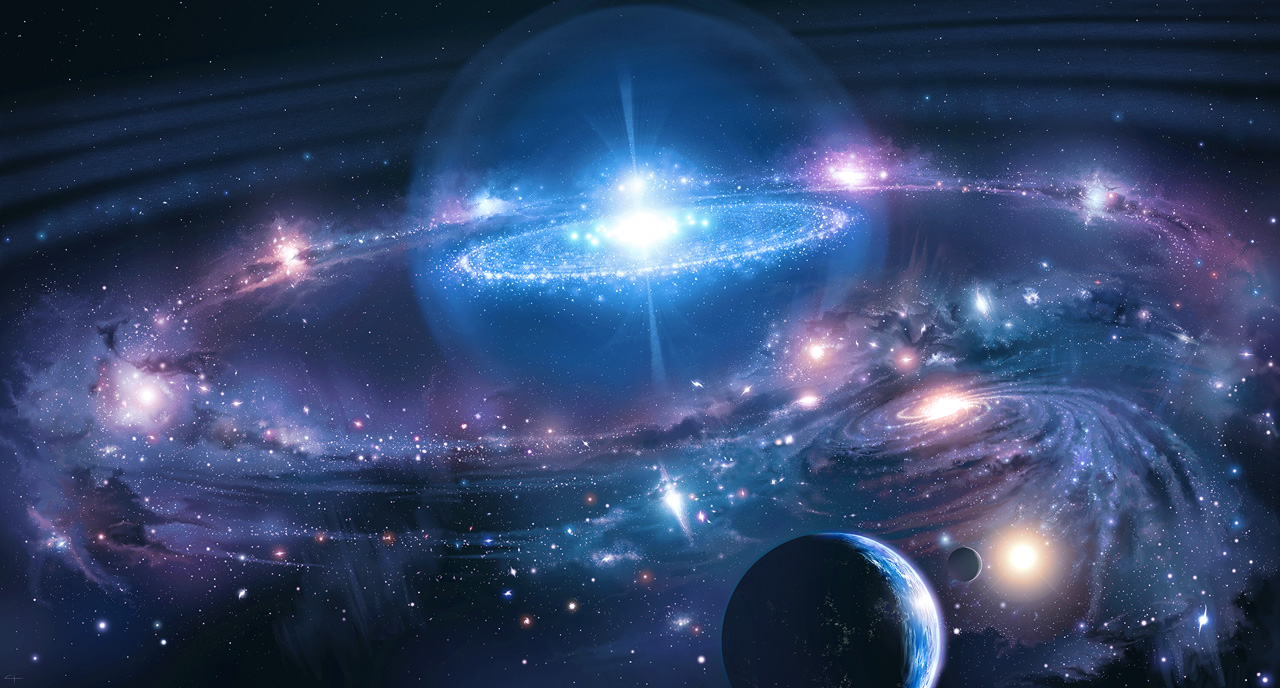
In my analysis, the reality of earthly life and earthly existence is not accounted by the Heliocentric Model of the Solar System. The Design of the Solar System must be explained in the context of the Design Effect on the Observer who is positioned on the surface of a very fast spinning celestial object. The earthly Observer can only exist if and only if he does not experience the true or real motions of the location at which he makes his observations. Secondly, the reality of the Heliocentric Model does not rule, govern, or regulate the biological rhythms of earthly life. The Sunrise and the Sunset are not real events. But, the Eternal Law of Aging is operated by the apparent motion of Sun across earthly sky. The illusion cannot be dismissed by human observer as his earthly lifetime is operated by the influence or power, or force that generates the illusion placing Earth at the center of the Solar System.
Philosophy of Medicine – Lesson. 74 -Spiritualism vs Panpsychism. The Unity of Science and Humanities
Due to a lack of unity between Natural Sciences and Humanities, we are not able to describe the reality of man, and have failed to describe the reality of this universe using words to which a definite meaning is attached. The universe is build using units such as Matter, Energy, Space, and Time. Man is composed of molecules of matter that is constituted by atoms, and chemical elements like any other form of physical matter. The difference is that of the nature of existence. The physical, non-living matter requires no supply of energy from an external source to maintain its physical existence. The living things that include all “monads” apart from man need continuous supply of energy from the external environment to sustain existence. The atoms and chemical elements of man do have mass and energy and yet that energy is not available for maintaining the living condition.
The fertilized Egg Cell or Human Ovum called Zygote could be called a ‘Whole Monad’.
Philosophy of Medicine – Lesson. 64 – The Arrival of the Human Species
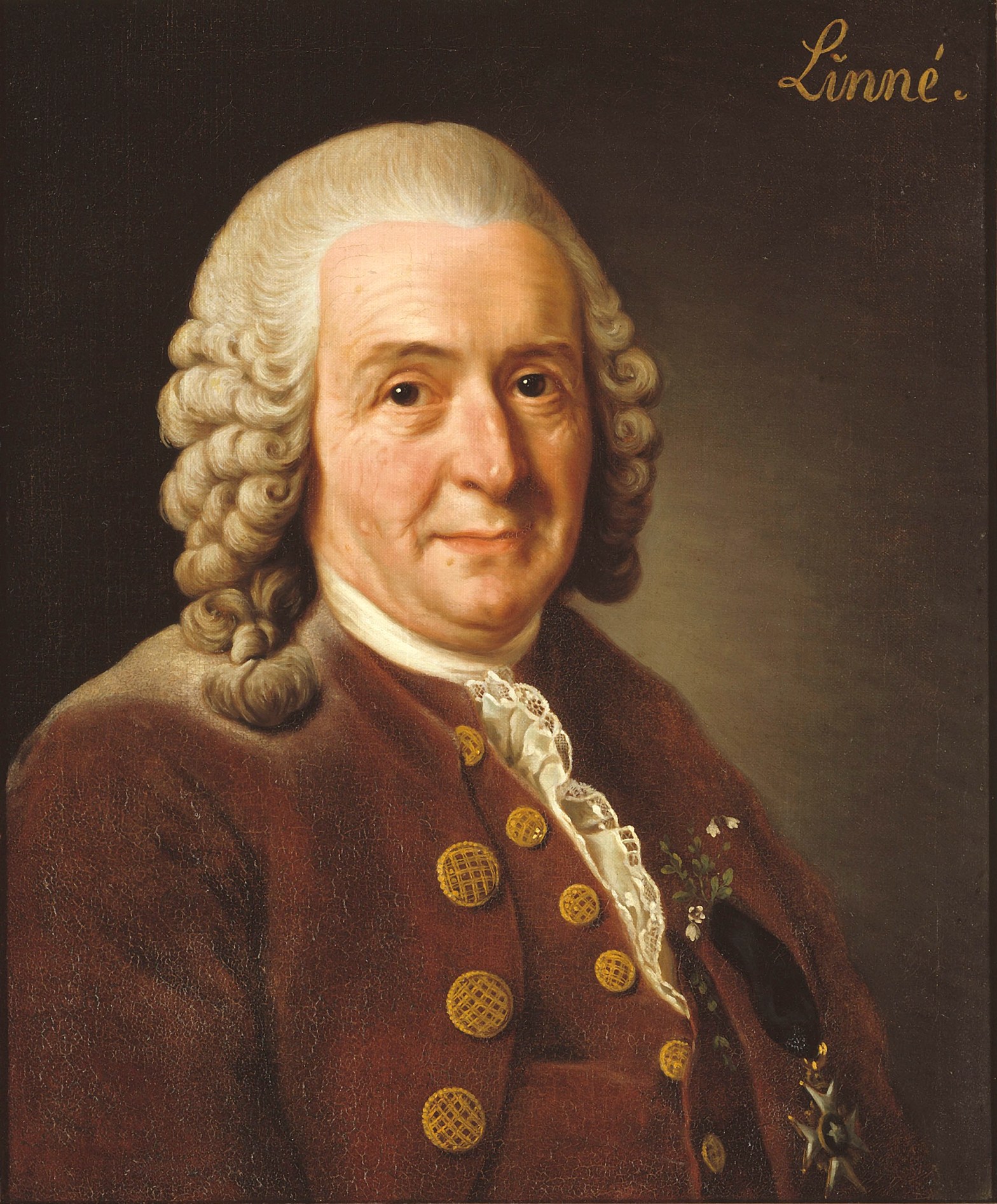
The arrival of the Human Species is a Creative Event and it cannot be accounted by the mechanistic principles shared by the Theory of Evolution.
In my view, the substance or material called the Living Matter has always existed with the same chemical composition resisting any influence of changing Time. The forms assumed by the Living Matter have always varied to demonstrate the operation of a creative mechanism that maintains the stability of each Species while generating variations among members of the same Species and between different Species. I would further seek to explain the arrival of the Human Species as a Creative Event as other member Species of the Genus Homo disappeared simultaneously without any specific contribution made by the Nature or the natural living conditions that prevail on planet Earth.
Philosophy of Medicine – Lesson. 59 – The Status of Man in Nature.
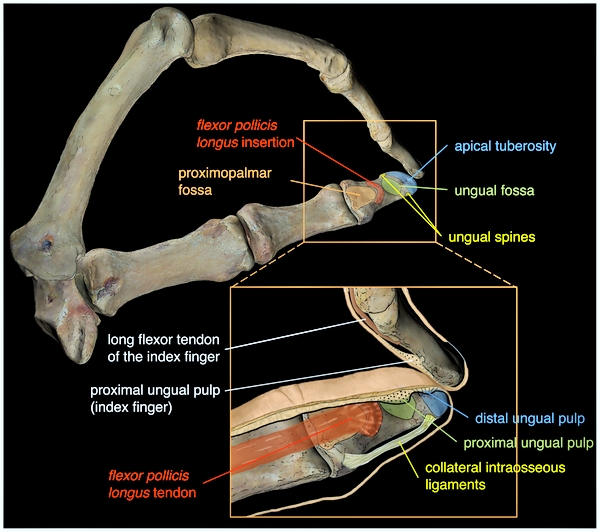
To make the distinction between the Prehistoric Man and the Modern Man, to discern the difference between Paleolithic Art and Human Art, I want to suggest that only a Human Artist has the potential, spiritual ability to draw and depict objects for which there could be no basis in the physical environment directly experienced by the Artist.
Among animal species, only ‘Humans’ have the spiritual ability to communicate or describe things that may not exist in their immediate, physical environment. A Human Artist has the potential ability to write or depict objects for which there is no direct sensory experience. To make the distinction between the Prehistoric Man and the Anatomically Modern Man, to discern the difference between Paleolithic Art and Human Art, I categorically assert that only a Human Artist has the potential, spiritual ability to draw and depict objects for which there could be no basis in the physical environment directly experienced by the Artist. To make the equation between Man and Human and to determine the Status of Man in Nature, the use of the Precision Grip provides decisive evidence.
Philosophy of Medicine – Lesson. 51 – Pure Phenomenology-Pure Consciousness-
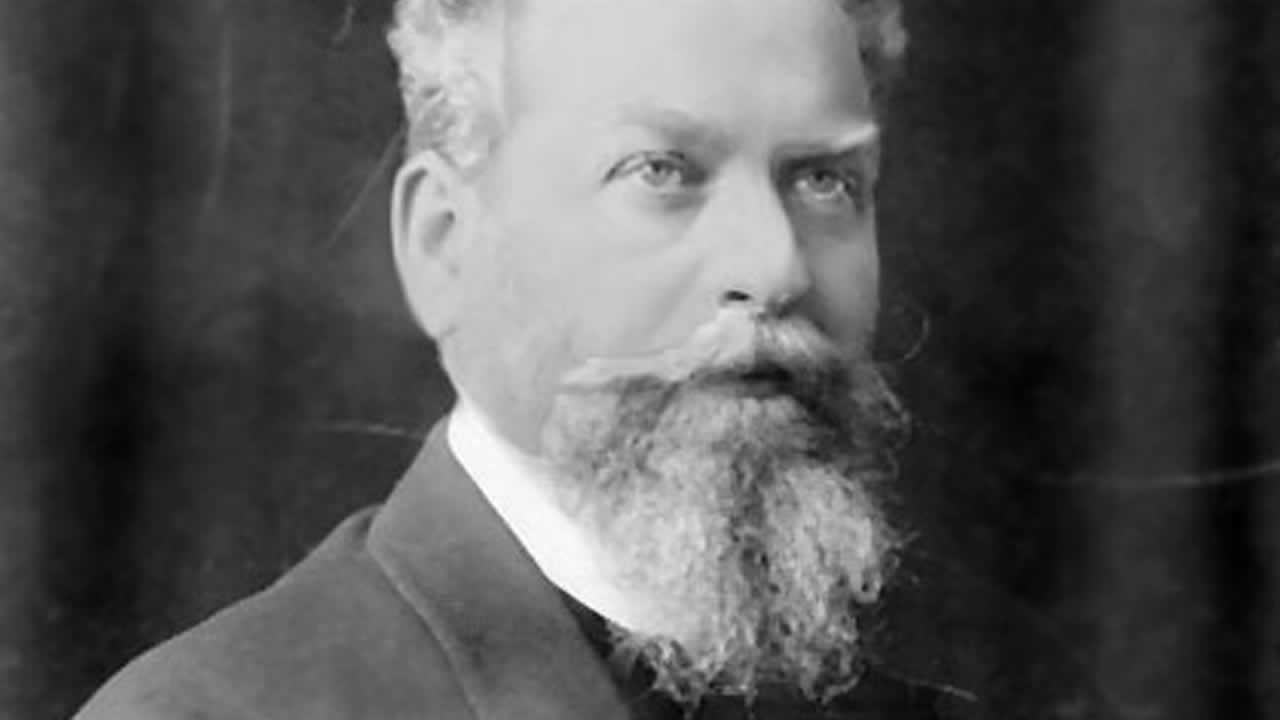
the term “Whole Phenomenon” can be stated as any event, circumstance, or experience that can be known by human senses, or the mental faculty called intuition under the influence of Illusion. The man can only perceive the reality of this physical world as a product of Illusion and will never have consciousness of the fact of its speed of rotational spin.
In my analysis, all human experiences of the objective world and of human imagination can occur only under the influence of the Power/Force/Energy called Illusion which is popularly described as “Maya” (The Phenomenon of Great Grand Illusion) in Indian Sanskrit language. To facilitate a man’s powers of sensory and intuitive perception, it demands the operation of a mechanism called ‘Illusion’. Man has no choice other than that of gaining perceptual experience under the influence of Mercy, Grace, and Compassion that establishes, supports, and sustains the human existence.
Philosophy of Medicine – Lesson. 32 – Discover the Whole Connection – The Red Blood Cell connects the Body, Mind and Soul
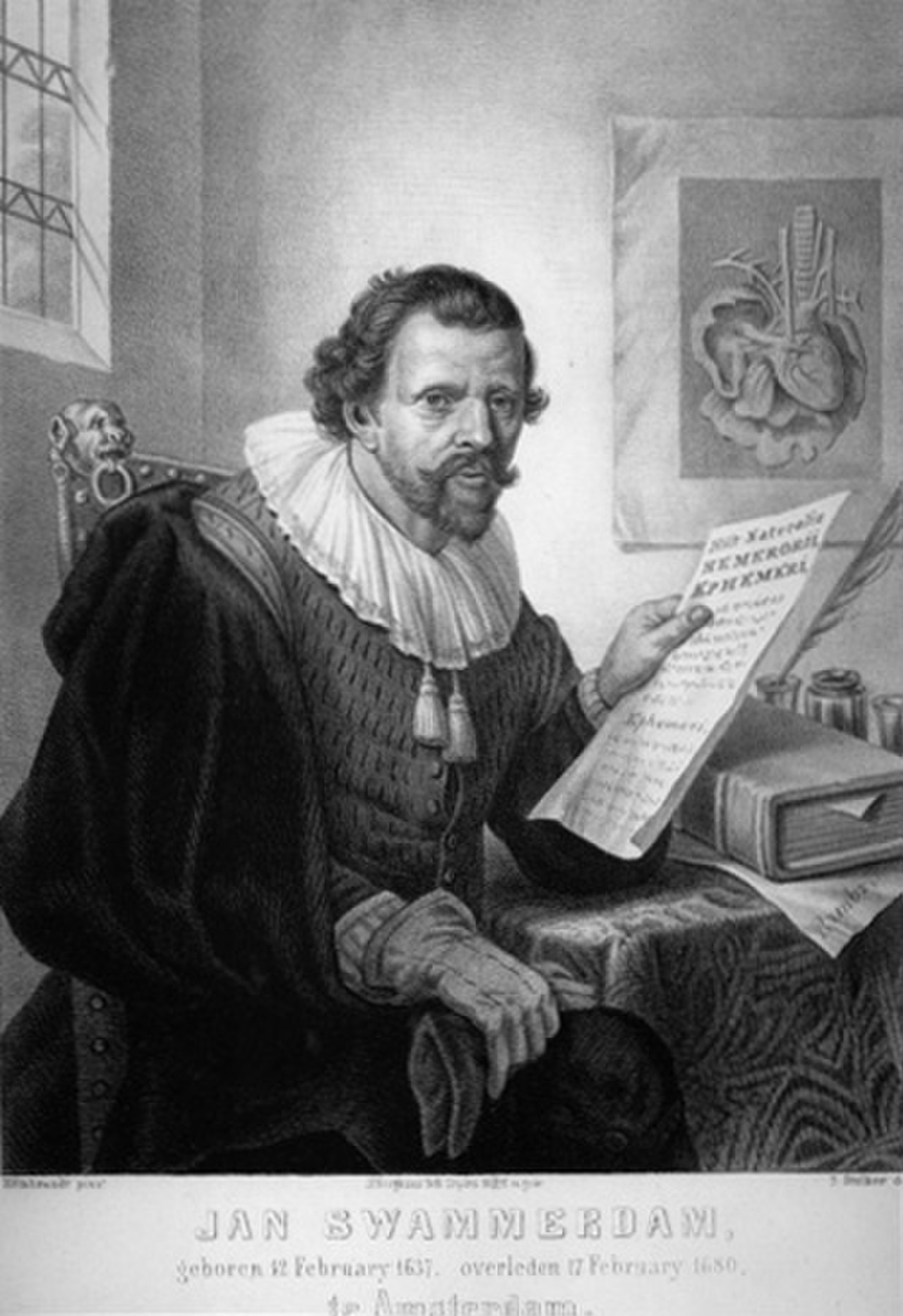
The Red Blood cells constitute the principal stabilizing, connective linkage among the trillions of living cells that comprise the biological community which gets recognized as the human being.
The Red Blood Cells display functional subordination to the requirements of the organism as a Whole. Altruism is a theory of conduct that regards the good of others as the end of moral action. The Red Blood Cells have very short, individual lifespans and the entire period of their existence involves unselfish concern for the welfare of other cells.
When man is viewed as a multicellular organism, the human subject finds his objective existence because of the living functions of the cells, tissues, organs, and organ systems that provide the biological basis for that existence. In multicellular eukaryotes, cells with the same genes must differentiate into many types. Multicellularity is accomplished by definite capabilities for differentiation. The functional differentiation is not a simple process that can be called adaptation. To achieve differentiation, complex control mechanisms determine which genes are active in a given cell at a given time.
Philosophy of Medicine – Lesson. 18 – The Magic of Creation revealed by Phytochemistry
The Magic of Creation can be interpreted from an understanding of Photochemistry and Phytochemistry. Photochemistry provides information about light and matter interactions in the material world where the living things survive using directly, or indirectly the energy trapped by photosynthetic organisms. Phytochemistry provides information about the creation, or the synthesis of chemical molecules by plants which are not endowed with organs of special sensation.
The recognition of smell indicates the presence of something; the something is called Divine Providence.
Philosophy of Medicine – Lesson. 17 – The Material Basis of Spirit and Life

Man exists in physical world not because of the abilities of his physical or mental work. The separation of Matter and Spirit as two distinct entities will not help us to understand the reality of human existence. Man has to know that there is no disunity between Matter and Spirit.
Life means the experience of Peace, Harmony, Tranquility, Hope, Fear, Love, Joy, and Wisdom. The problem of Death is experienced as a Fear as Death means the inability to have the subjective experiences associated with Life. But, man does not exist in the physical world because of the abilities of his physical, or mental work. Man exists because of the nature of Matter, and Spirit and this nature is only an extension of the Divine Nature.

