

Chlorophyll is not simply about generating coloration in plant leaves. It describes the work, the imagination, the inspiration used by a Whole Architect who uses matter, energy, time, space, and color in a very creative manner.
Green plants with Chlorophyll pigment trap light energy, and transform it into chemical energy and use it in the process described as Photosynthesis. It is a creative mechanism to transform one form of energy into a different form of stored chemical energy that can be further used to create new forms of matter called organic molecules that are not present in nature. These organic molecules come into existence because of the activity of living things. It shows the intent of a designer to use energy, and matter to create the visual, sensory effect.
Tag Archives: Whole Artist
Philosophy of Medicine – Lesson. 11 – Light and Matter Interactions – The Photoelectric Effect
Photochemical reactions that play a vital role in biological systems are called Photobiological processes. Photochemistry establishes relationship between the laws of Physics, and Chemistry with the living functions to synchronize the interactions between Light and Matter that is important for Life to exist on planet Earth.
Photochemical reactions that play a vital role in biological systems are called Photobiological processes. Photochemistry establishes relationship between the laws of Physics, and Chemistry with the living functions to synchronize the interactions between Light and Matter that is important for Life to exist on planet Earth.
Philosophy of Medicine – Lesson. 10 – The Designing of the Artistic Units
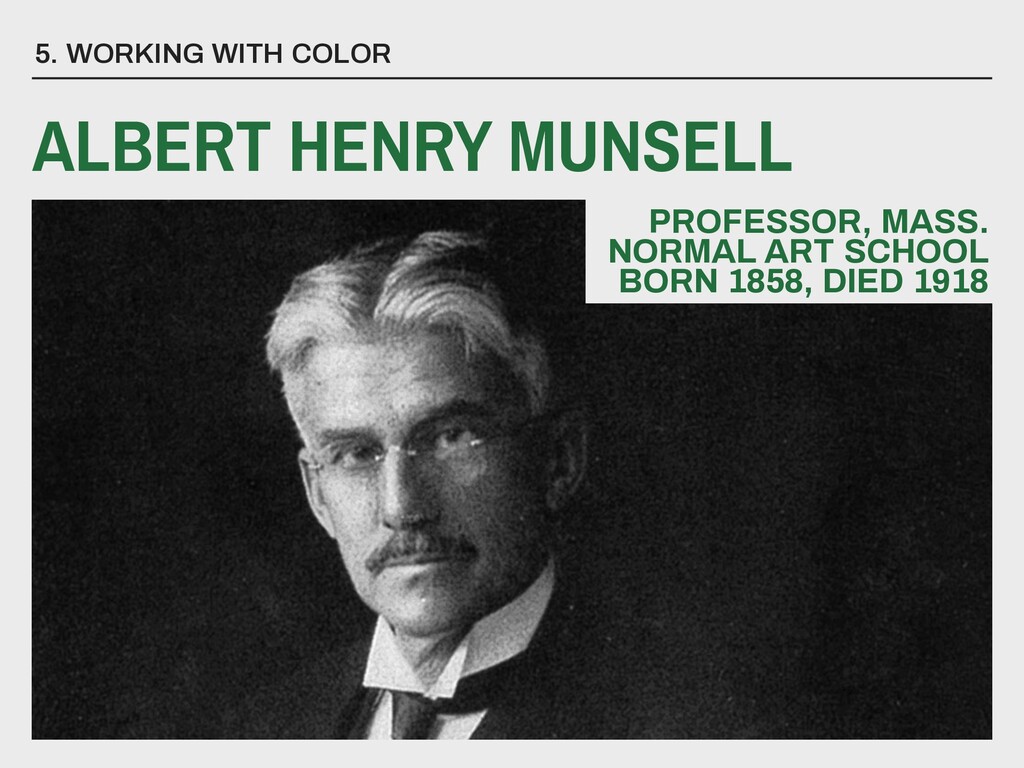
In biology, the generation of color is more complex than the use of a Color Order System described by Albert Henry Munsell. Firstly, the information for the Color Order System must be transplanted in the genetic material such as the DNA of the organism to make the information as its hereditary characteristic. Secondly, when we look at the green plants, the green pigment called Chlorophyll is found inside structures called Chloroplasts. It involves the designing and arrangement of parts, details of structural units, and formulate a creative scheme apart from the use of the scheme for the color. The fact of designing can be known by studying the purpose and the functions of the Artistic Unit that is created.
Philosophy of Medicine – Lesson. 9 – The Phenomenon of Color Perception

The three dimensions of Color Perception. 1. The Designer or the Artist, 2. The Object of Perception, and 3. The visual capacity of the Viewer.
Green plants with Chlorophyll pigment trap light energy, and transform it into chemical energy and use it in the process described as Photosynthesis. It is a creative mechanism to transform one form of energy into a different form of stored chemical energy that can be further used to create new forms of matter called organic molecules that are not present in nature. These organic molecules come into existence because of the activity of living things. It shows the intent of a designer to use energy, and matter to create the visual, sensory effect.
Philosophy of Medicine – Lesson. 8 – The Coming Together of Man, Sky, Earth, and Light – Rayleigh Scattering Effect
The Sky is Blue. It may reveal that planet Earth is a designed, unique, original, distinct, one of its own kind of celestial object. Rayleigh Scattering accounts for the coming together of the man, Earth, Light, and the Sky.
The appearance of Sky’s color when viewed by an observer on planet Earth is Blue, and yet this appearance is not common in the vast universe that man has explored. It may be suggested that planet Earth is unique, original, distinct, and one of its own kind of celestial object and it meets the criteria that are required to name an object as a designed object.
Philosophy of Medicine – Lesson. 6 – The creative use of pigments
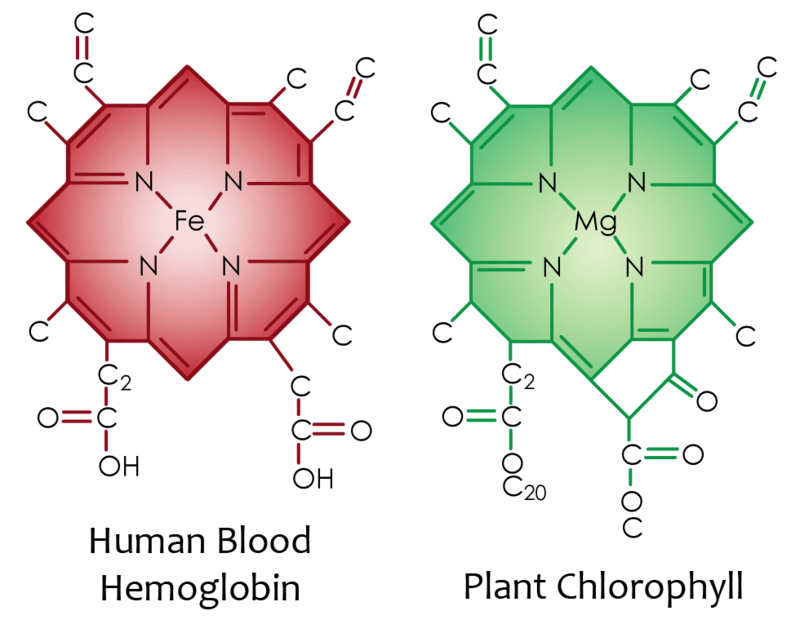
Pigments are substances that impart color to other materials. Most paint pigments are metallic compounds. Some metallic pigments occur naturally. Plants and animals contain pigments. Most opaque substances owe their color to a combination of scattering and absorption within the body of the material. The production of color depends upon the wavelength of incident light, the diameter of the pigment particle, and the relationship between the refractive index of the pigment and that of the vehicle in which the pigment particles are suspended.
The role of pigments in biological coloration displays the role of an artist who chooses the pigments to generate a desired visual effect in organisms that have the visual capacity to recognize the color.
Philosophy of Medicine – Lesson. 5 – The Tristimulus Theory of Color – Who is the Artist?
The Tristimulus Theory of Color is important, and we have to know the connection between the stimulus and the psychological satisfaction experienced by the viewer.
No single function can explain the coloration of living things. We need a comprehensive theory that predicts the lines and patterns of coloration of plants and animals. An artist’s palette containing only three properly chosen colors is entirely adequate under most circumstances to produce the various visual effects of color that is observed. The optical mechanisms involved in the production of color are complex. Coloration is a dynamic and complex characteristic and the term must be clearly distinguished from the term ‘color’ which only refers to the spectral qualities of emitted or reflected light. It is apparent that plants, and animals have no cognitive abilities to produce the coloration by which they are recognized. However, the coloration displayed gives us a clue about the nature of the “Whole Artist” who could be using imagination, has feelings for the forms created and seeks satisfaction from the visual effects that he produced.
Philosophy of Medicine – Lesson. 2 – The Doctrine of Whole Optics accounts for the phenomenon of Biological Coloration

No single function can explain the coloration of living things. We need a comprehensive theory that predicts the lines and patterns of coloration of plants and animals. An artist’s palette containing only three properly chosen colors is entirely adequate under most circumstances to produce the various visual effects of color that is observed. The optical mechanisms involved in the production of color are complex. Coloration is a dynamic and complex characteristic and the term must be clearly distinguished from the term ‘color’ which only refers to the spectral qualities of emitted or reflected light. It is apparent that plants, and animals have no cognitive abilities to produce the coloration by which they are recognized. However, the coloration displayed gives us a clue about the nature of the “Whole Artist” who uses imagination, has feelings for the forms created and seeks satisfaction from the visual effects that He produced. If man has the ability called visual perception, he must use the ability to visualize the “Whole Artist” who is at work.
The Theory of Beauty. The concept of Whole Aesthetics
Whole Aesthetics is the application of an artistic process to give the experience of reality using Illusion.
The Designing of the Red Blood Cell
The Red Blood cells constitute the principal stabilizing, connective linkage among the trillions of living cells that comprise the biological community which gets recognized as the human being.

