Defining Indian Identity -The Tradition of Hospitality

Defining Indian Identity – The Tradition of Hospitality. Honoring our fallen soldiers. The War Memorial in Walong, Arunachal Pradesh
Defining Indian Identity – The Tradition of Hospitality. I arrived at DumDuma (Doom Dooma) Airfield, Assam in 1972 after the successful conclusion of Operation Eagle, the military action in the Chittagong Hill Tracts, Bangladesh.
I had the wonderful opportunity to serve in the North East Frontier Agency (NEFA) during 1972-73, after Indian Army’s victory in Bangladesh. I camped at Walong visiting troops.
A view from a hill top near Walong, Arunachal Pradesh.
During the 1962 Chinese aggression Indian Army valiantly resisted the enemy’s attack in a historical battle at Namti Plains, near Walong, Arunachal Pradesh.
Suspension bridge across Lohit River near Chigwinti, Arunachal Pradesh.
This is a picture taken at Headquarters ‘D’ Sector, prior to my visit to Chigwinti, and Walong. I am seen here along with Major Deedar Singh, the Unit Adjutant, and Captain Roop Singh an Assistant Company Commander standing in the middle.

This entry is dedicated to the memory of those brave men who gave their precious lives fighting the massive Chinese aggression in 1962. I experienced the traditional Indian hospitality at a forward Company location in Arunachal Pradesh (North East Frontier Agency) and my memories are fresh after a lapse of nearly 35 years and the reason is that I still feel the same passion to serve our men who fight for our country.    

Defining Indian Identity – The Tradition of Hospitality. A view of Lohit River at Walong, Anjaw District.

In 1962 while the Chinese attacked India, I was a first year student studying for a Bachelor of Science degree (3- Year Bachelor’s Degree Course) at Government Giriraj Arts College, Nizamabad, Andhra Pradesh. India was taken aback by this unprovoked and unexpected invasion across the Himalayan Frontier. There was a spontaneous reaction from people across our nation. Nizamabad was no exception and the Giriraj students took out a procession to condemn the enemy. I was not a student leader but I was the son of the Principal of the College. That placed me in the very first row of students who led the procession. At that time, I did not visualize myself that I would be wearing the Olive Green Indian Army Uniform.

Special Frontier Force – Lohit River: “WALONG WILL NEVER FALL AGAIN.”

By year 1972, I completed two years of service in Indian Army and the great moment in my life arrived when I stood before the War Memorial in WALONG. The following verses were inscribed on it:    

The sentinel hills that round us stand    

bear witness that we loved our land.    

Amidst shattered rocks and flaming pine    

We fought and died on Namti Plain.    

 O Lohit, gently by us glide    

pale stars above us softly shine    

as we sleep here in sun and rain.    

Defining Indian Identity – The Tradition of Hospitality.

Let us keep our collective memory afresh and pay tribute to these loyal sons of our land.    

The Tradition of Hospitality in India:    

Defining Indian Identity – The Tradition of Hospitality.

Hospitality is a fairly popular tradition for a variety of cultures across our globe. In India the tradition was well established a long time ago and we elevated it to a degree which may not be seen anywhere else in this world.

Defining Indian Identity: The Tradition of Hospitality. It begins with the Greeting and receiving the Guest with respect and a sense of humility.

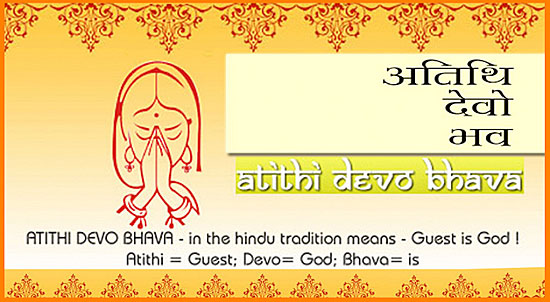
The Vedic statement ” Athiti Devo Bhava ” is a thought that finds its expression only in our Land. The word ‘Athiti’ defines the guest as a person who could show up at your home without a prior notice or formal invitation and on a day and at a time of his own choice. Our literature is full of stories about this great tradition of hospitality and the episode described in the story of MAHA BHARATA shows the importance of preserving this tradition. Princess Draupadi was overwhelmed by the arrival of a large number of guests , while she and the Pandava Princes lost their kingdom and were living in the forest. She did not want to fail in her duty of being a good hostess. She was desperate and she met this challenge by earnestly praying to Lord Krishna. Upholding the principle of hospitality is very important to Lord Krishna and He gracefully provided the help Draupadi needed to serve her guests in accordance with our Dharma (Right Conduct). Her adherence to the tradition of hospitality truly defines the Indian Identity.    

Most of you would have experienced some act of hospitality or the other and I want to narrate a simple act of hospitality that I experienced at CHINGAWANTY ( or CHIGWINTI ) in Arunachal Pradesh and would take this opportunity to speak of my memorable experience at this forward Company location and describe this as our Indian Identity.    

The Tradition of Hospitality at Chingawanty (CHIGWINTI ):    

Defining Indian Identity – The Tradition of Hospitality

The Company Commander Major.G B Valenkar was the recipient of VIR CHAKRA award for his role in Operation Eagle, the military action that initiated the Liberation of Bangladesh in 1971 with attacks on the enemy posts in the Chittagong Hill Tracts. During Operation Eagle, we had worked together in the South Column Unit under the Command of Lieutenant Colonel B K Narayan.

Major Valenkar briefed me about the traditional hospitality of the men of his Company. Before the dinner was served, he told me that the men would continue to serve food till such time I announce that I am fully satiated and that I need no further servings. Then, they would bring one more final serving to ensure that I am truly satiated and well fed. I wanted to test the men and find out for myself their devotion to their hospitality tradition. After dinner was announced, I mentioned my preference for bread.

Defining Indian Identity – The Tradition of Hospitality.

Instead of ‘chapatis’, I told the men hosting my dinner, that I would like to be served with poori (soft, fluffy, deep-fried Indian Bread) to go with my meal. The dishes were served piping hot and the fried poori were made one after the other and a fresh serving would arrive just before I would finish the previous serving. The food was delicious and the mountain weather was cool and refreshing and I was young and had a healthy appetite.  I continued eating while having a pleasant conversation with Major.Valenkar and after several servings, the man stood before me respectfully and asked me to grant him some additional time before he could bring forth the next serving. He mentioned that the cook had run out of the dough he had prepared for the evening meal. I responded saying that I really need no further servings and asked him not to bother about preparing more dough. The man submitted that it would not be fair on my part to stop him at that juncture and stated that I could only stop him from serving only at a time when he is able to provide more servings. In the Indian Hospitality tradition, the guest is also expected to give his host a reasonable opportunity to fulfill his obligation and the host has also a right to derive a sense of satisfaction by observing the rules of hospitality. I had to concede and in a little while, he resumed his service. After eating to my heart’s content, I told him that I am really satiated. He agreed to bring in the final serving and he passed in the test and he did not give up until he made sure that I am fed till such time that I am fully fed.    

I am speaking of this hearty meal to just give you a chance to taste the passion that keeps us united and we relish the opportunity to serve our Land and defend its traditions of Valor and Hospitality.    

Defining Indian Identity – The Tradition of Hospitality

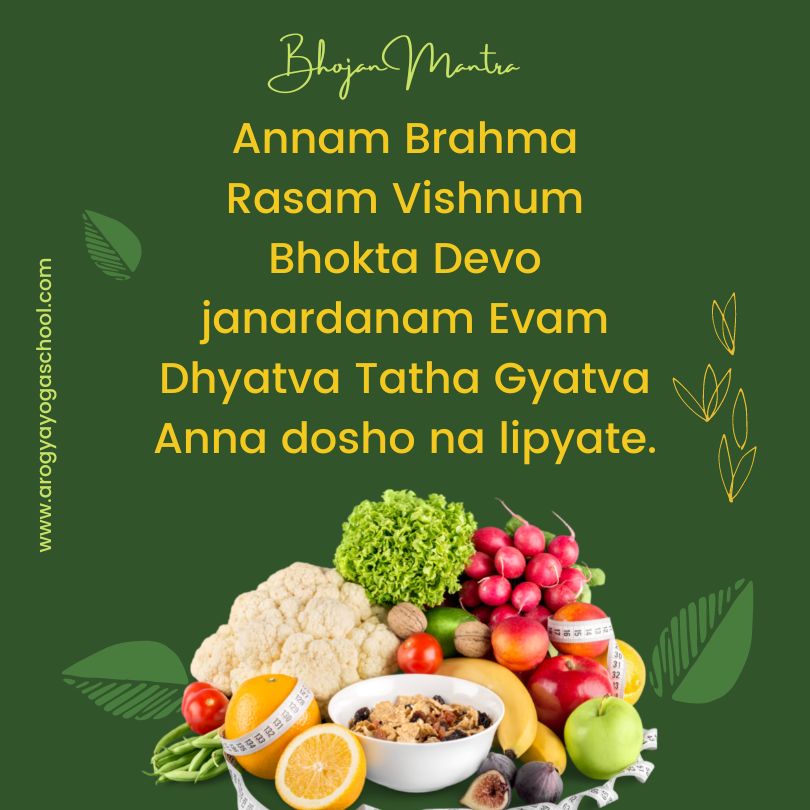
Annam Brahma raso Vishnu Bhokta Devo Maheshvarah    

Evam samchintya bhumjaano, drushti dosho na lipyate.    

Defining Indian Identity: The Tradition of Hospitality

The above verse is asking us to consider both, the meal, and the person who is partaking the meal as God.   

Defining Indian Identity – The Tradition of Hospitality.

Defining Indian Identity – The Light Bulb Connection

Defining Indian Identity – The Light Bulb Connection.
Defining Indian Identity – The Light Bulb Connection. Deepam Jyoti Param Brahma – Light and Ultimate Reality       Indian Tradition recognizes ‘Light’ as the manifestation of Ultimate Reality known as Param Brahma and Indians worship all sources of light including that of a light bulb.
Defining Indian Identity – The Light Bulb Connection. Indians celebrate the festival of “KARTHIGAI DEEPAM” . “KARTHIKAI DEEPAM” OR ‘KARTIKA DEEPAM’. Should man search inwards or search outwards to find God? I can search if and only if my existence is supported. For my existence, I depend upon the ability of plants called photo-reception.

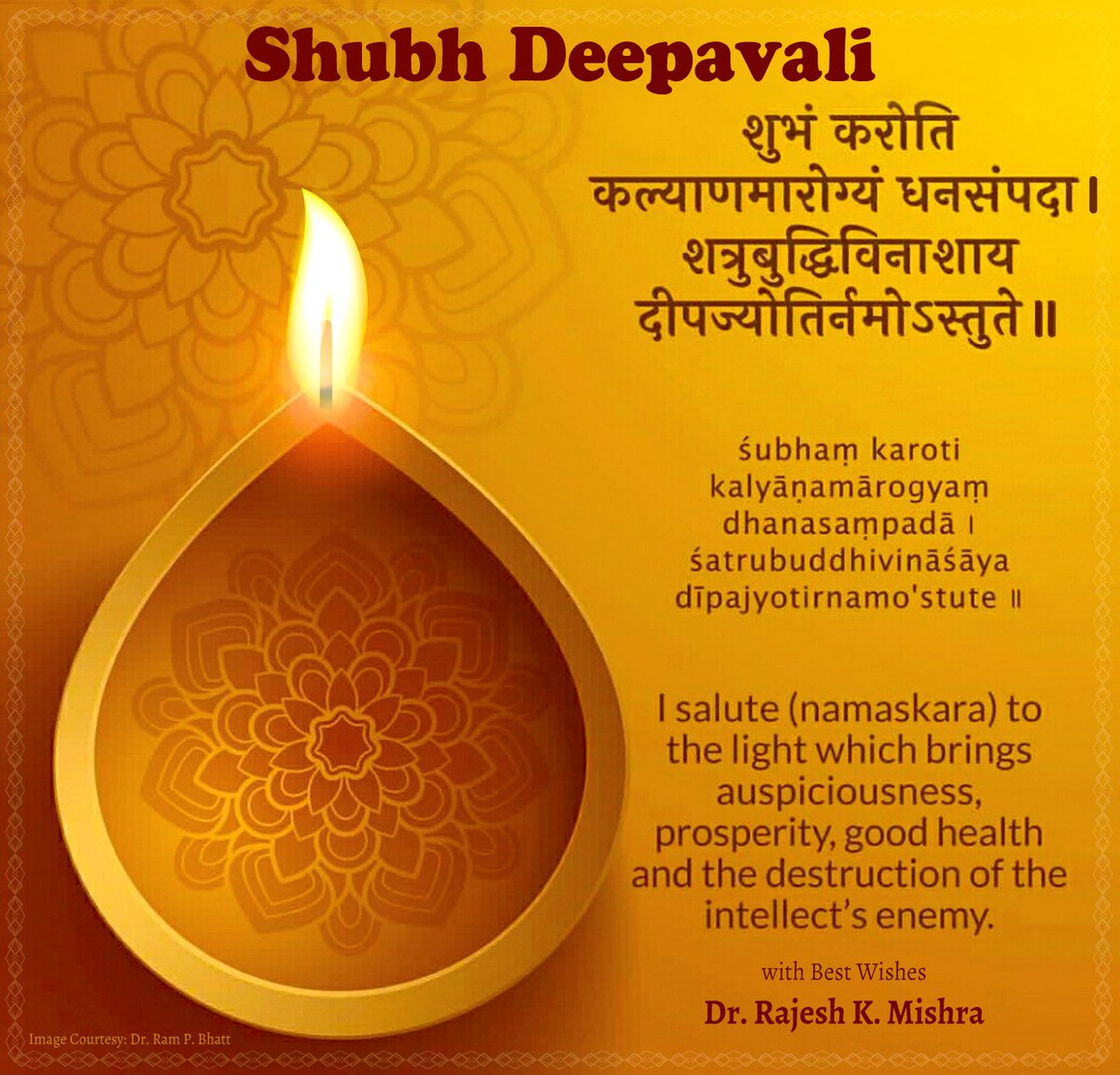
Deepam Jyoti Parabrahma
Deepam Sarva tamopaham

Deepena Saadhyathe Sarvam
Sandhya Deepam Namostute

Thomas Alva Edison - 'The Light Bulb' Connection to Indian Identity
Defining Indian Identity – The Light Bulb Connection. Thomas Alva Edison – A Great Inventor of Modern Times. His invention has connected me to my Indian Identity.

Firstly,I want to give my thanks to Mr.Thomas Alva Edison,the great American inventor. He is most famous for his development of the first commercially practical incandescent lamp (1879). Perhaps his greatest contribution,however, was the development of the world’s first central-electric-light-power station.We owe him thanks for making the human existence pleasant and comfortable. I also give my thanks to Nikola Tesla who is indeed the Genius Who Lit the World.  

Defining Indian Identity – The Light Bulb Connection. While speaking about Light and Electricity, I also pay my homage to Nikola Tesla, The Genius Who Lit the World.

What is this Light Bulb connection that may define the Indian Identity?      

Defining Indian Identity – The Light Bulb Connection. Indian Tradition recognizes ‘Light’ as the manifestation of Ultimate Reality known as Param Brahma and Indians worship all sources of light including that of a Light Bulb. This Light Bulb appears lit. What is the source of its energy?

I grew up in India. People visit a variety of temples to worship and to seek the presence of God.They do that at homes as well.When I was a boy, one of my early observations was that, in the evening hours as it gets dark after the sunset, when I flip the switch to turn the light on, my mother would pay respects to the light bulb. It is almost like a reflex behavior. I asked my mother about it.The instant the light bulb comes to life, it becomes a source of light and being a source of light, it would represent God. My mother told me that she would be reminded of God’s presence when the light bulb is switched on. My grandmother had also done the same thing.We worship the light bulb as it gives us the awareness and makes us conscious of the reality of God.       

LIGHT AND CONSCIOUSNESS:  

Defining Indian Identity – The Light Bulb Connection to Reality

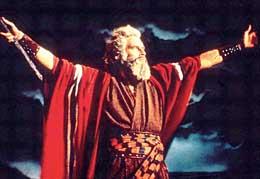
Light or JYOTI in Sanskrit language represents the Eternal Reality. Jyoti is our conscious, its our awareness and it connects us to the Creator. This consciousness permeates all entities that are created and it includes all the five elements of Mother Nature. Consciousness is a function which enables a living organism to be aware of its own state of existence and to maintain that state of existence. Living organisms are aware of their need for an external source of energy to sustain their state of existence. Living organisms exist as ‘Energy Seekers’ and to exist they need connection with a ‘Energy Provider’. Consciousness is a biological function which establishes the connection between ‘Energy Seeker’ and ‘Energy Provider’. Because of this awareness, all entities would recognize and respond to their Creator, the Prime Source of Energy and the Controller of Energy. In the Old Testament Book of Exodus, Chapter 14 narrates the story of  Moses leading children of Israel on dry ground in the midst of Red Sea.      

The Old Testament Book of Exodus, Chapter 14, verse 16 :”But lift up your rod, and stretch your hand over the Sea and divide it. And the children of Israel shall go on dry ground through the midst of the Sea.”

Water one of the five elements of Nature has ‘awareness’, or ‘conscious’ of its Creator. Otherwise, how could Moses lead his people to ‘The Promised Land’ across the Sea? It is not just humans who possess the awareness of God. In India, in the State of Andhra Pradesh, there is a beautiful town known as SRI KALA HASTI. According to legend, at this place, a spider, a snake, an elephant, and a man worshiped Lord Shiva with an excellent sense of devotion.      

Sri Kalahasti Temple at Sri Kalahasti, Andhra Pradesh, India.
Defining Indian Identity – The Light Bulb Connection. Sri Kalahasti temple, India. All living entities are ‘CONSCIOUS’ and are aware of their existence and their living environment. Living Entities are also ‘CONSCIOUS’ of the Creator. The legend at Sri Kalahasti establishes the awareness of creatures like a spider, a snake, and an elephant and their desire to seek the LORD.

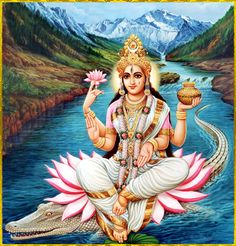
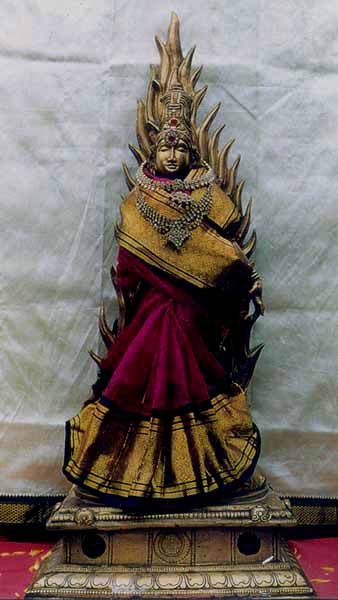
Indians light up a lamp as a ritual to worship a deity of their choice. In several parts of the world and in various cultural traditions, the use of light is prevalent and is a part of ritualistic worship. In the Land of India, light is not only used as part of a ritual but also is directly worshiped with the belief that light represents God. Light is also worshiped in a personal form known as JYOTI, the sister of SKANDA and the daughter of Lord Shiva and Mother Parvati.      

Goddess Jyothi, daughter of Parvati
Defining Indian Identity – The Light Bulb Connection. Deepam, Jyoti, or Light represents God. The personification of light is Goddess Jyoti, daughter of Parvati, the Divine Mother.
Defining Indian Identity – The Light Bulb Connection

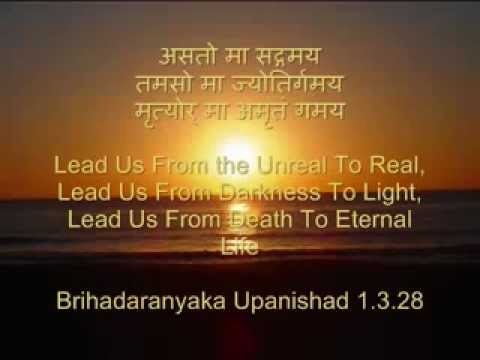
  Asato ma Sadgamaya      

 Tamaso ma Jyotirgamaya      

 Mrutyor ma Amrutamgamaya      

Om, Shanti,Shanti,ShantiH.      

Defining Indian Identity – The Light Bulb Connection

The above is a prayer to lead us towards Right Conduct, to lead us from darkness towards LIGHT (ETERNAL REALITY) and to lead us from death towards Eternal Life.      

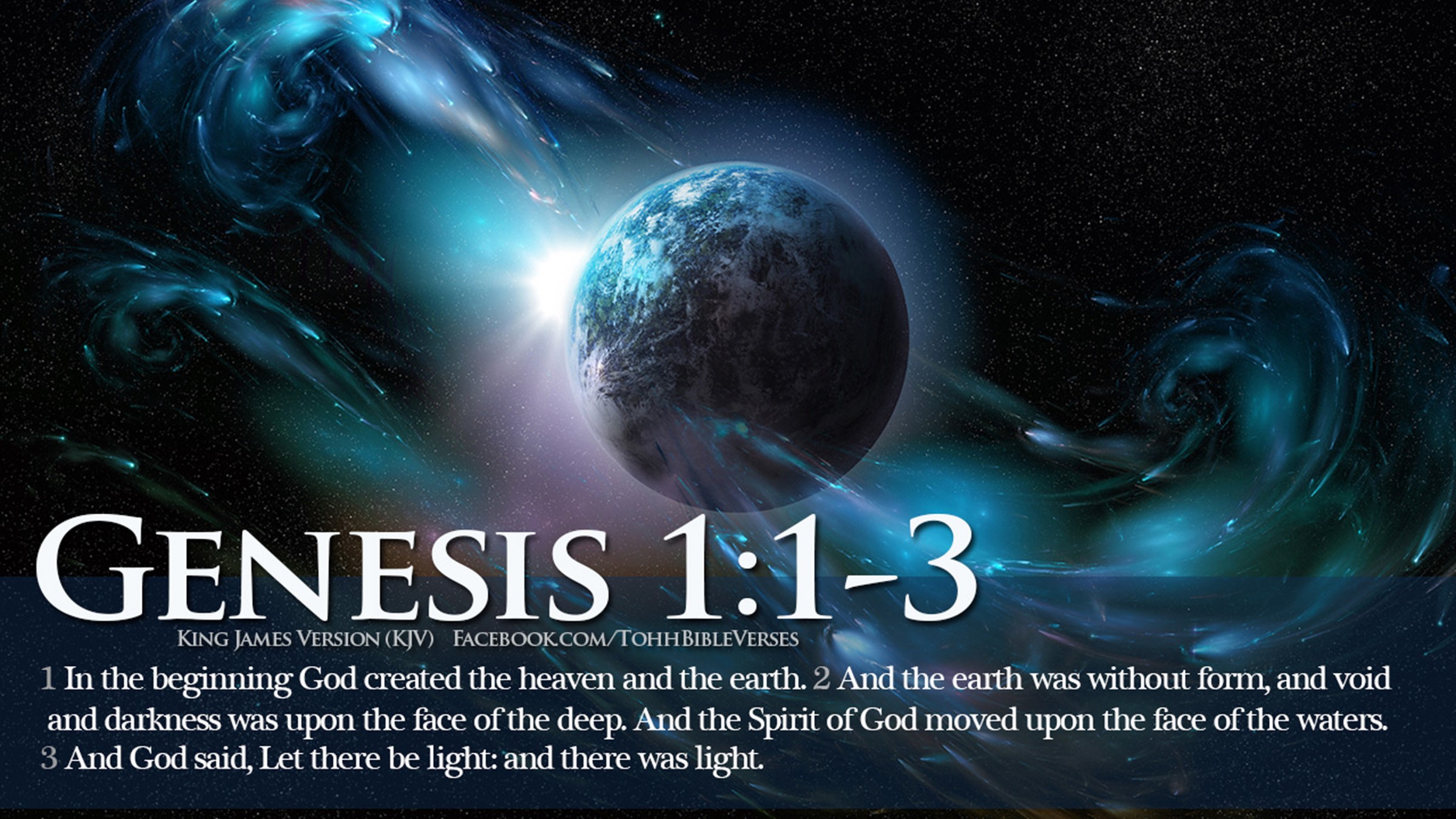
It is easy and simple to know the Indian Identity. Flip that light switch and let the ‘Light Bulb’ connect you to the Reality. The First Book of Moses called GENESIS, Chapter 1, verses 2, and 3 describe the creation of Light: Then God said, “Let there be light”; and there was light. If light was not created, the physical matter could have simply existed as dark matter. I describe luminosity, the quality of giving off light as an event of creation.  

Defining Indian Identity – The Light Bulb Connection

ESSENCE AND EXISTENCE: 

Defining Indian Identity – The Light Bulb Connection

Man, the multicellular human organism exists as a physical, mental, social, moral, and spiritual being. Man’s existence is conditioned by the subjective reality called alternating periods of light and darkness known as day and night, and the unconditioned reality is that of Sun who shines with the same brightness all the time while man experiences Sunrise and Sunset.   

Please view the related blog post titled ‘The Creation of Day and Night – A Synchronized Existence’   

https://bhavanajagat.wordpress.com/2010/04/22/the-creation-of-day-and-night-a-synchronized-existence/       

Defining Indian Identity – The Light Bulb Connection.
Defining Indian Identity – The Light Bulb Connection. Indian Tradition recognizes ‘Light’ as the manifestation of Ultimate Reality known as Param Brahma and Indians worship all sources of light including that of a Light Bulb. This Light Bulb appears lit. What is the source of its energy?

Defining Indian Identity-The Doctrine of Individualism

Defining Indian Identity-The Doctrine of Individualism

Defining Indian Identity. The Doctrine of Individualism.

Excerpt: In the Indian Tradition, the true or real identity of man is unrelated to the features of his morphological appearance which is subject to changes under the influence of time. These morphological traits are unreal and the real or true man always exists as a Specific Individual with unchanging Individuality and is associated with the vital, animating principle called Soul. The human Soul is capable of transmigrating across all known human races and ethnicities.

What is Individualism?

The word individual is derived from Latin, ‘Individualis’-that which is not divided-an individual. Individualism can be defined as follows:1. a belief that stresses the primary importance and worth of each person and in the virtues of self-reliance and personal independence, 2. the principle or practice of maintaining individuality or independence of the individual, 3. the principle or habit of or belief in independent thought or action, 4. the conception that all values, rights and duties originate in individuals, 5. a doctrine that the interests of the individual are or ought to be ethically paramount, and 6. the pursuit of individual rather than common or collective interests. The doctrine of Individualism may support a view that the interests of the individual should take precedence over the interests of the State or Social Group.

Defining Indian Identity – The Doctrine of Individualism: THREE GREAT TEACHERS OF INDIA: IN SHANKARA’S ANALYSIS, MAN IS NOT SAVED BY ACQUIRED KNOWLEDGE. MAN CANNOT DIRECTLY RULE OR GOVERN HIS OWN BODY FOR THE BUILDING BLOCKS OF LIFE OR CELLS ARE INDEPENDENT AND ENJOY CELLULAR AUTONOMY.
Defining Indian Identity. The Doctrine of Individualism.

ManO bhudhyahamkaara Chittaani na aHam,

Na Karnam, na Jihvaa, na cha Ghraana Netram,

Na cha Vyoma Bhumir na Tejo na VaayuH,

Chidaananda RuupaH  ShivO aHam, ShivO aHam.

Indian Culture views human existence in absolute individualistic terms and the legacy of Indian Culture could be described as ‘Individualism’.

The Foundation for Individualism:

Bhagavad Gita - Individualism
Defining Indian Identity. The Doctrine of Individualism.

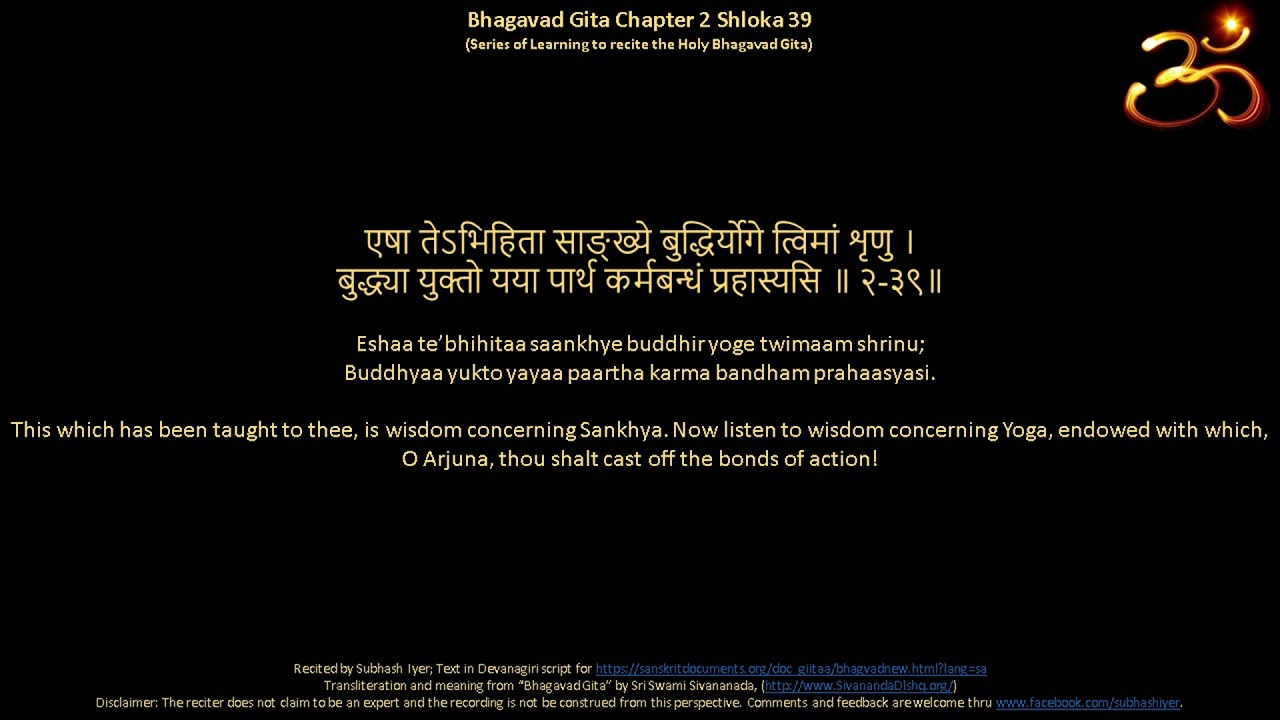
The Bhagavad Gita, Chapter II, Sankhya Yoga, verse 39, claims that the analytical knowledge derived from Samkhya philosophy gives the description of the nature of individual and individuality.

Defining Indian Identity. The Doctrine of Individualism.

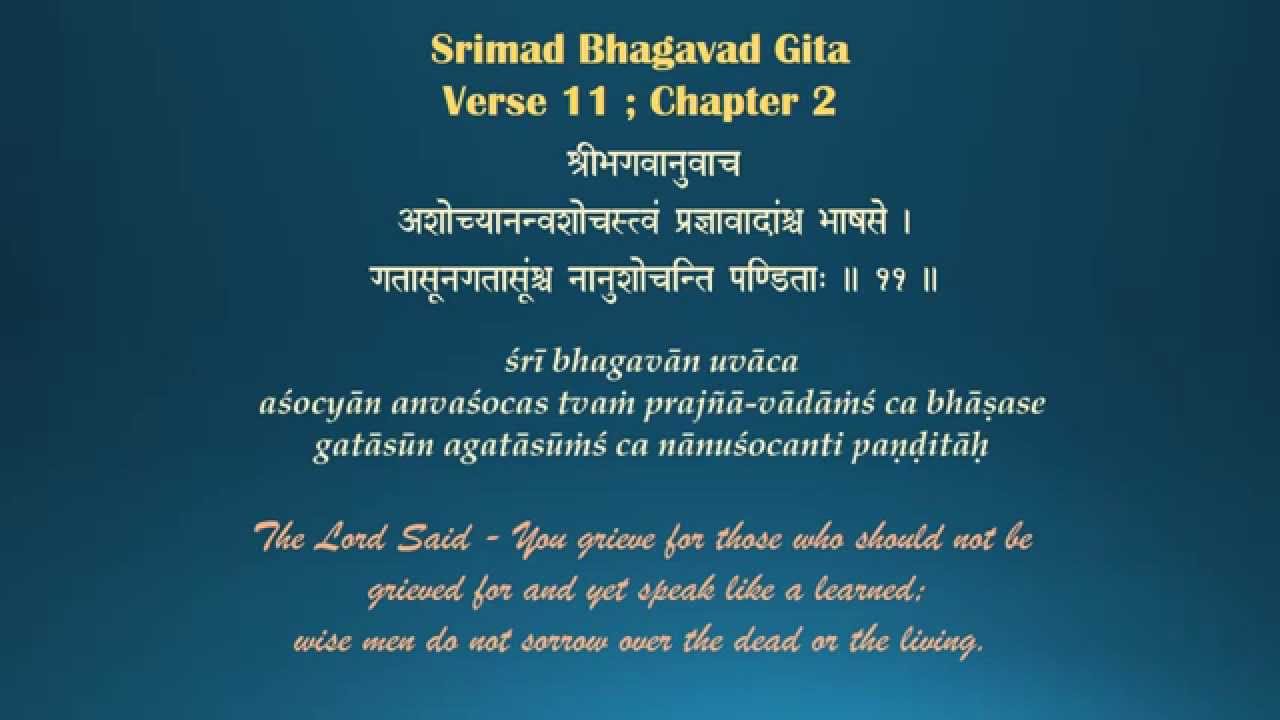
Chapter II, of the Bhagavad Gita explains this philosophy in several verses.Verse 11 claims that those who are wise lament neither for the living nor the dead.

Defining Indian Identity. The Doctrine of Individualism.

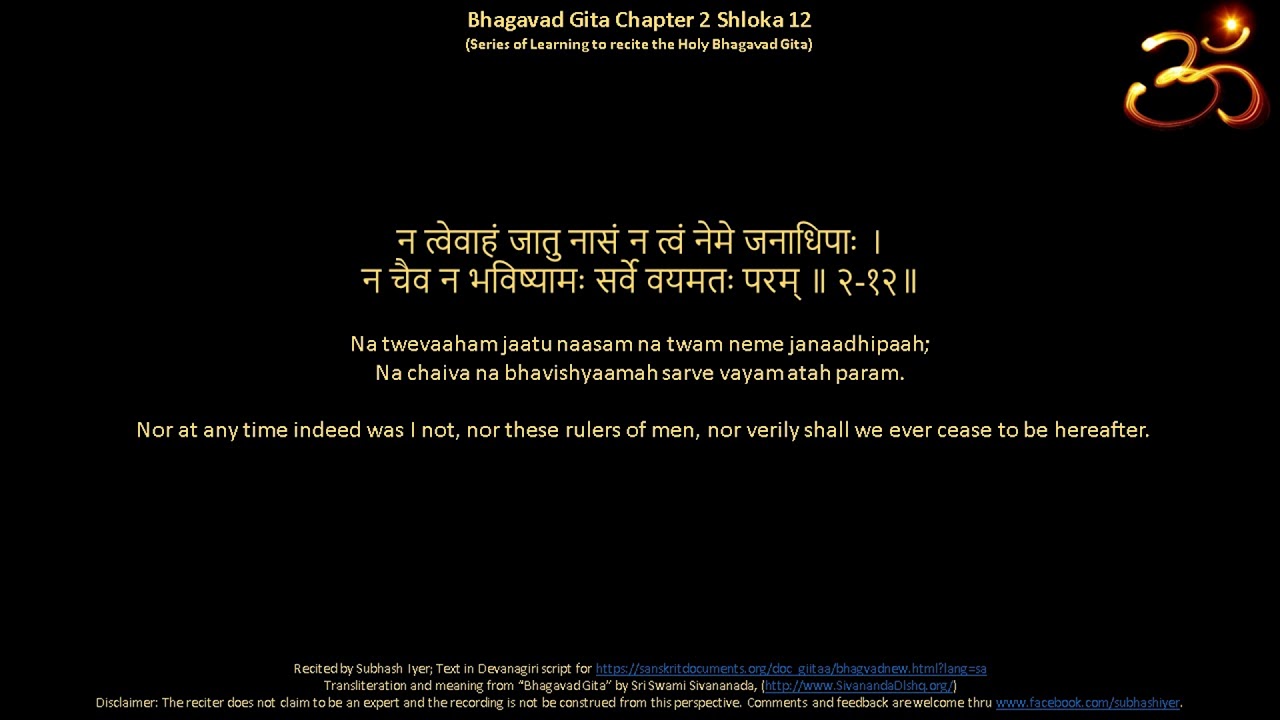
In verse 12, Lord Krishna states that there was never a time when He did not exist, nor Arjuna, nor all others in the battle field, and in the future there will never be a time when any of them cease to exist. Lord Krishna (The Supreme Individual Person) and also all other individuals are eternal persons.They existed as individuals in the past and they will continue to exist as individuals in the future.Their individuality existed in the past and their individuality will continue in the future without interruption. Lord Krishna clearly states that the individuality of all others will continue eternally. Hence, Indians do not accept the bodily conception of the living entities. Living entity is an individual soul and even though the body changes every moment, the soul does not undergo any change.

Defining Indian Identity. The Doctrine of Individualism.

Verse 13, claims that the embodied soul continually passes, in this body, from boyhood to youth, and then to old age; similarly, the soul also passes into another body at death. By nature the human body is ever changing, and the soul is eternal.

Defining Indian Identity. The Doctrine of Individualism.

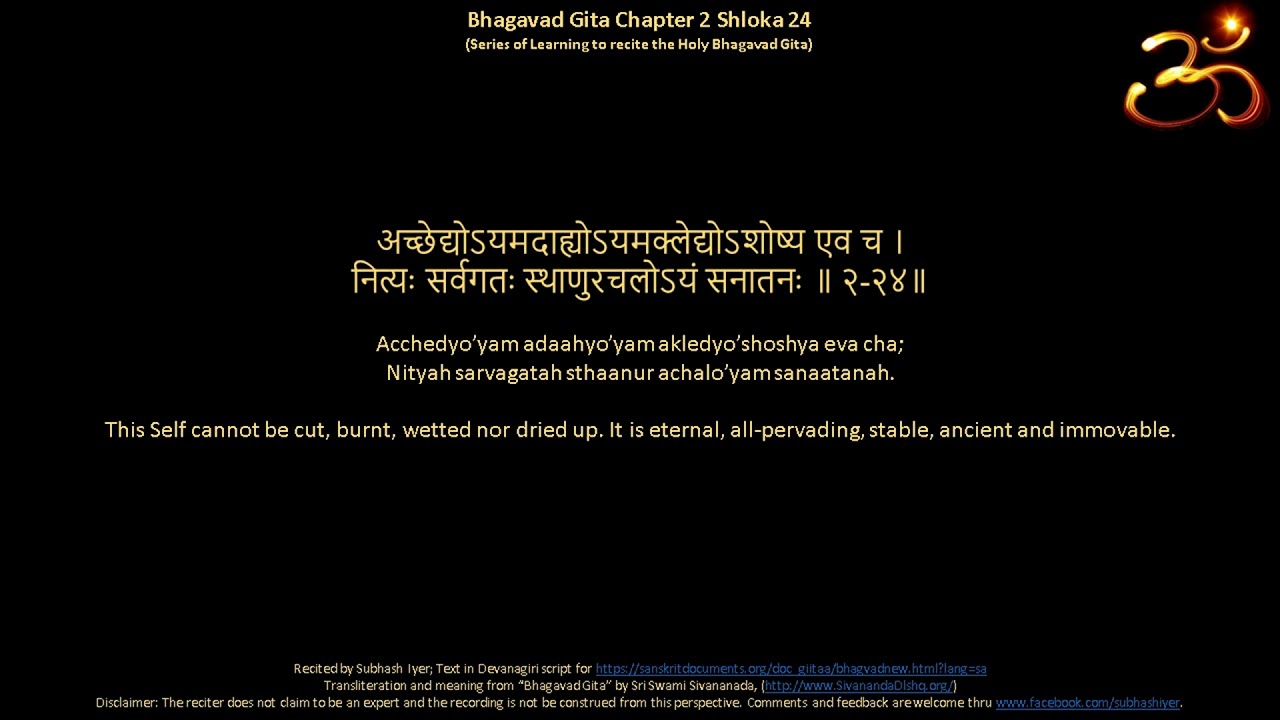
Verse 24 states that this individual soul is unbreakable and insoluble. He is everlasting, unchangeable, immovable, and eternally the same.

Defining Indian Identity. The Doctrine of Individualism.

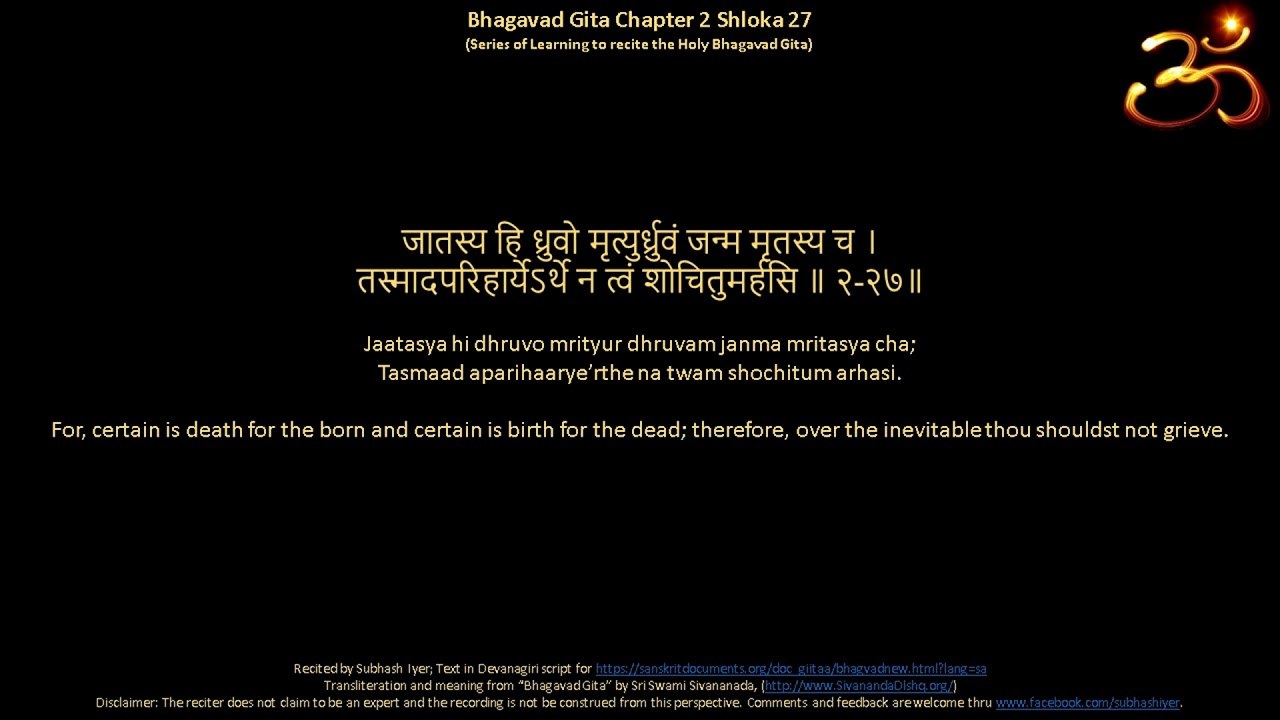
Finally, verse 27 establishes the foundation for ‘Individualism’ by stressing that ” For one who has taken his birth,death is certain; and for one who is dead, birth is certain.”

The Supremacy of Individual:

Defining Indian Identity. The Doctrine of Individualism.

The primary importance of the individual is established by the Vedic statement “AHAM BRAHMASMI” which describes the True Identity of the Individual as that of Ultimate Reality known as Brahman. The following verse supports the idea that the Individual is a Whole entity as the Whole is derived from the Whole, perfect, Supreme Being:

Defining Indian Identity. The Doctrine of Individualism.

Om, purna mada, purna midam, purnaat purna mudachyate

Purnasya purna maadaya, purna meva vasishtyate.

“That” (is an indefinite term to designate the Invisible Absolute) is Whole (Perfect Substance with Perfect Nature and Quality); “This” (the visible, the phenomenal embodied Soul) is Whole, from the (invisible) Whole comes forth the (visible) Whole. Though the visible Whole is derived or deducted from that invisible Whole, yet the Whole remains unaltered and both retain their Perfect Condition called Whole. The human entity is virtually trapped in a repeated cycle of birth, death and rebirth.The ultimate purpose of human existence is to achieve Moksha (Liberation) or Mukti (Release) from this Cycle that is referred to as ‘Samsara’.

The Practice of Individualism:

Defining Indian Identity – The Doctrine of Individualism: The illumination of Intellect -Gayatri Maha Mantra

Individualism is built upon the value attached to knowing oneself. We are encouraged to look inwards and to reflect upon the nature of ‘SELF’. Self-Knowledge is considered to be more valuable than gaining knowledge of the material world.The following prayer which is known as Gayatri Mantra is one such example of motivating Individuals to look inwards. Similarly, Socrates suggests, “Know thyself, and you will know the universe and the gods.”

 Om Bhur Bhuva Suvah, Om tatsa vitur vareynyam

Bhargo Devasya dhee mahi dheeyo yo nah prachodayaat.

The Individual while firmly establishing his Individuality also takes complete responsibility for his actions.The Individual bears the burden for his own actions.

The Journey to Ultimate Individualism:

Defining Indian Identity. The Doctrine of Individualism.

The Individual strives for self-reliance, learns to minimize the importance of all external relationships and concentrates upon developing an intimate relationship with his personal God.The following prayer is one such example of an Individual’s journey on the path of devotion (Bhakti).

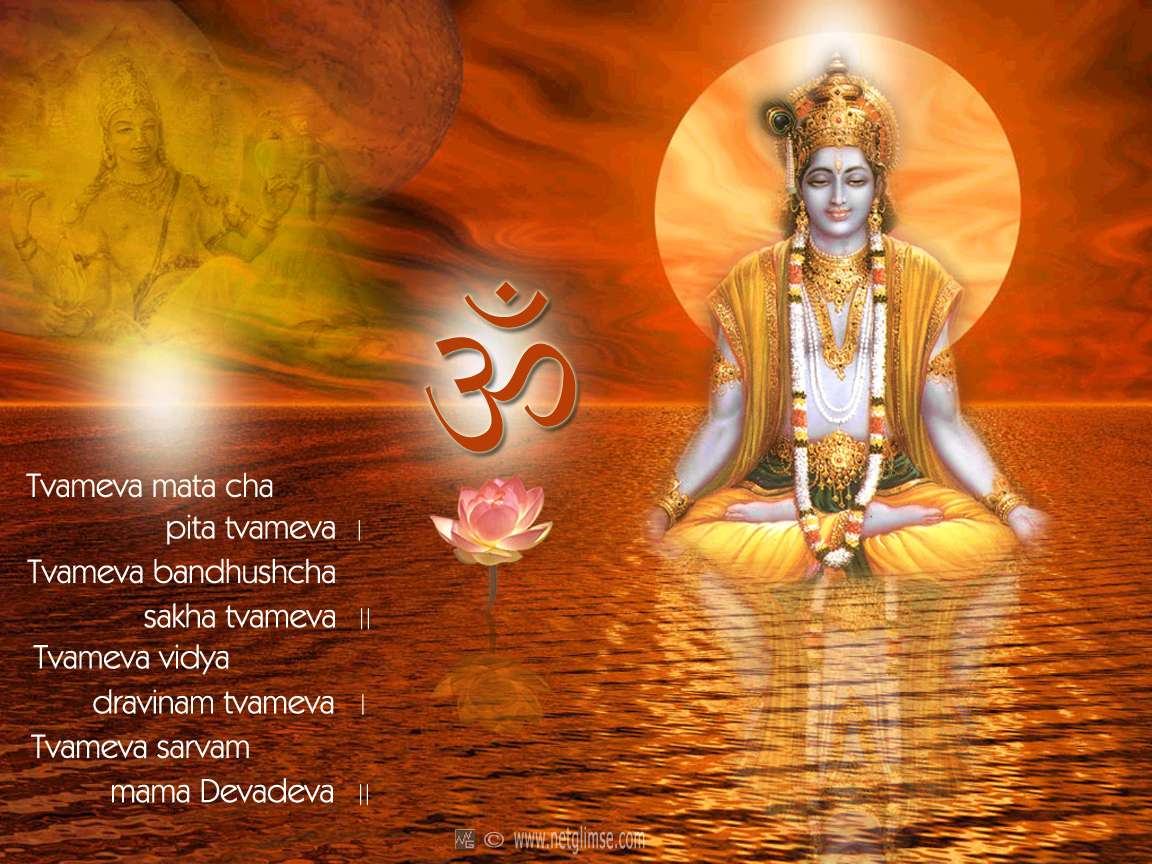
Tva meva maata cha pitaa tva meva, Tva meva bandhu cha sakha tva meva,

Tva meva vidya, dravinam tva meva, Tva meva sarvam mama Deva Deva.

Devotion to God practically takes over, replaces and consumes the need for any other kind of external relationship such as man’s relationship to his mother, father, relatives, friends, and educational and material status.

The Goal of Absolute Individualism:

Defining Indian Identity. The Doctrine of Individualism.

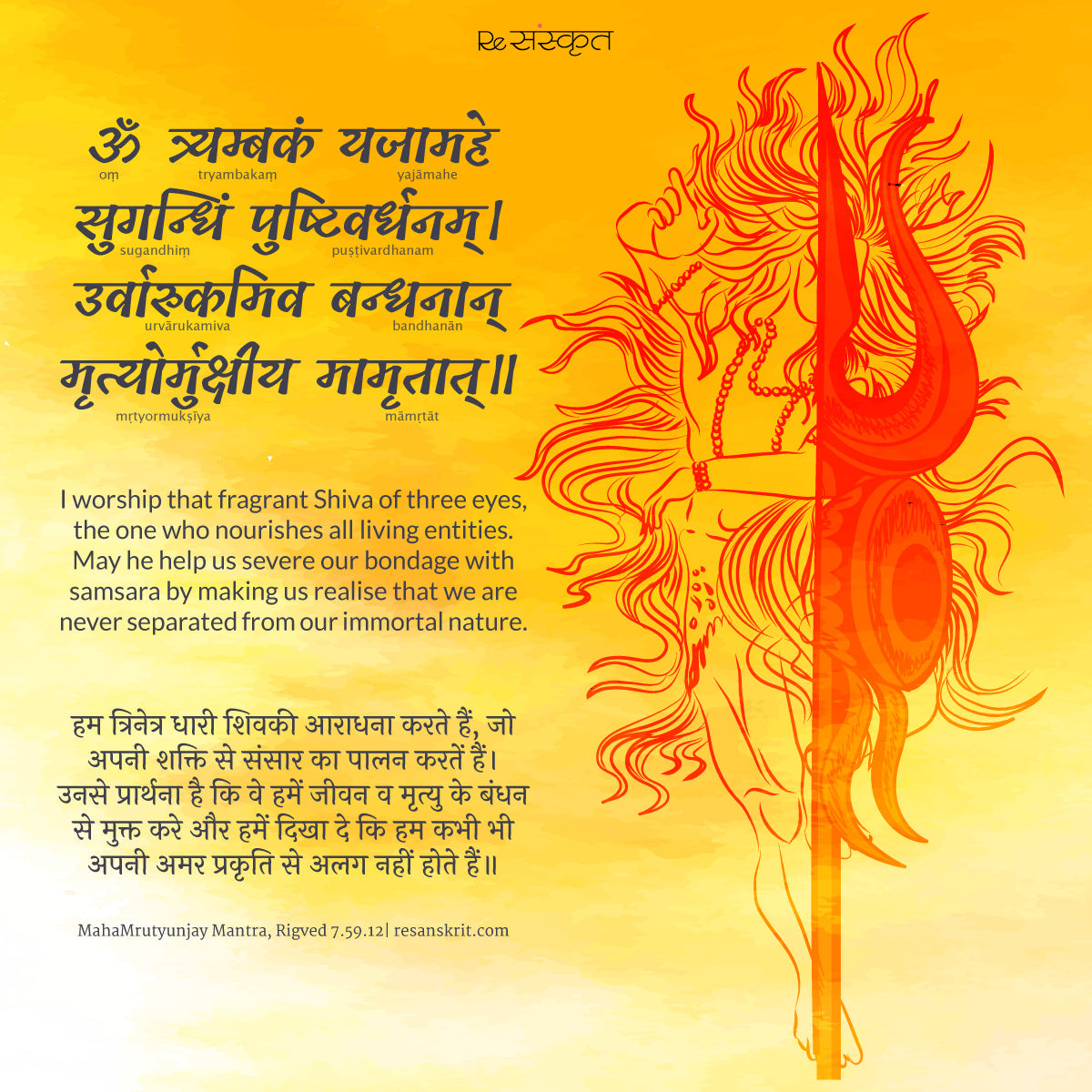
For the individual to win the battle of ‘Samsara’, to gain freedom from the cycle of birth and death, to declare victory over death and to finally reach the shore and complete the long and tiresome swim across the uncharted ocean, he is required to disentangle himself from the cobweb of relationships and set himself free. The following prayer known as Maha Mrityunjaya Mantra illustrates the point:

Defining Indian Identity. The Doctrine of Individualism.

 Om,Triyambakam,Yajamahe sugandhim pushti vardhanam,

Urvaaru kamiva bhandha naat mrutyor muksheeya amrutaat.

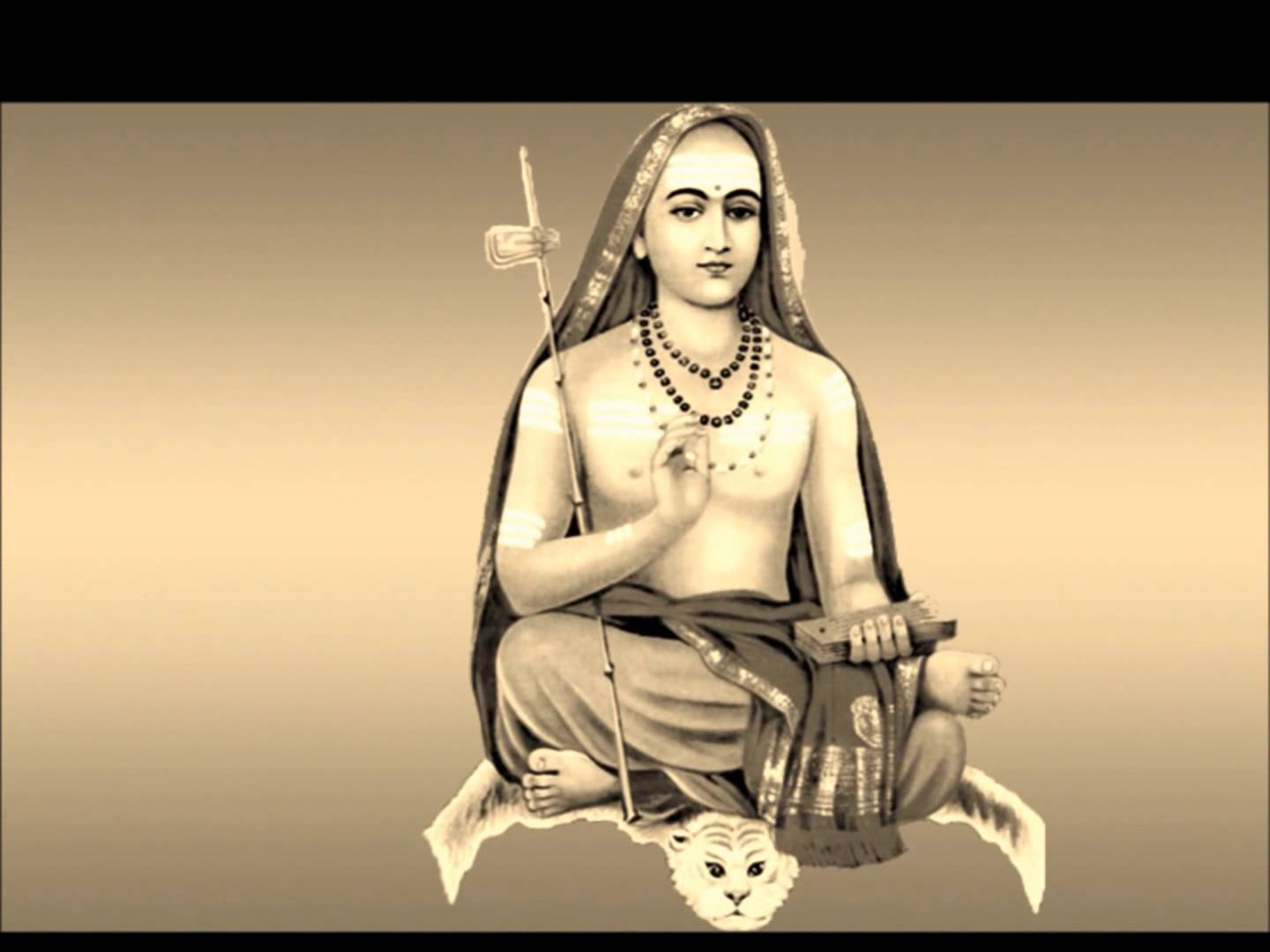
Such liberated Individual who had freed himself from all external relationships would be able to proclaim his True Identity and the following verse written by Shri Shankaracharya is an example of an Individual who had reached the Goal Of Absolute Individualism:

Defining Indian Identity. The Doctrine of Individualism.

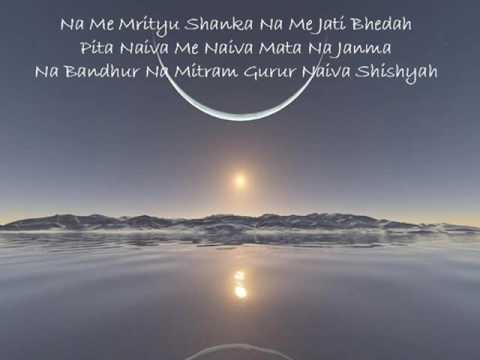
Na Mrityur, na Shankaa, na me Jaati bheydaH,

Pitaa naiva, me naiva Maataa, na Janma,

Na Bandhur,na Mitram, Gurur naiva  SishyaH,

Chidaananda RupaH  ShivO aHam, ShivO aHam.

Thus Indian Identity is none other than the identity of “SHIVA” whose Individualistic Identity is described as Sat+Chit+Ananda.

lord-rama-with-seetha-lakshmana-and-hanuman
Defining Indian Identity. The Doctrine of Individualism.

In the Epic Poem of Ramayana, the concept of Individualism is vividly portrayed. Rama alone was required to live in the forest. He could have just refused to do so. No force upon earth could have moved Him but He made His own choice. Lakshmana made His own choice and accompanied His brother for a life in the forest. Rama made no decision about Seeta. He did not want her to accompany Him into the forest. Seeta made Her own decision. All of them express their own personal independence in unique manners.

Defining Indian Identity. The Doctrine of Individualism. The Man has no choice other than that of existing as an Individual with Individuality. His genome is unique and one of its own kind.

Defining Indian Identity-The Worship of Feet

Defining Indian Identity – The Worship of Feet.

“viṣṇōḥ padē parama” ityudita praśaṃsau
yau “madhva utsa” iti bhōgya tayā’pyupāttau ।
bhūyastathēti tava pāṇitala pradiṣṭau
śrīvēṅkaṭēśa charaṇau śaraṇaṃ prapadyē ॥ 10 ॥

I seek refuge of Sri Venkateswara’s feet,
which are extolled (in the Rg Veda)
as “Visnoh parame pade” (in the most exalted abode of Vishnu),
which are, (again) extolled therein
as “madhva utsa” (meaning the fountain the honey)
as extremely enjoyable
and which are indicated as such by
the show of the palm of Thy hand.

Defining Indian Identity – The Worship of Feet.

Pada Vandanam, Pada Namaskaram, Pada Archanam, Pada Sevanam, Pada Puja or Worship of Feet: 

Defining Indian Identity – The Worship of Feet.

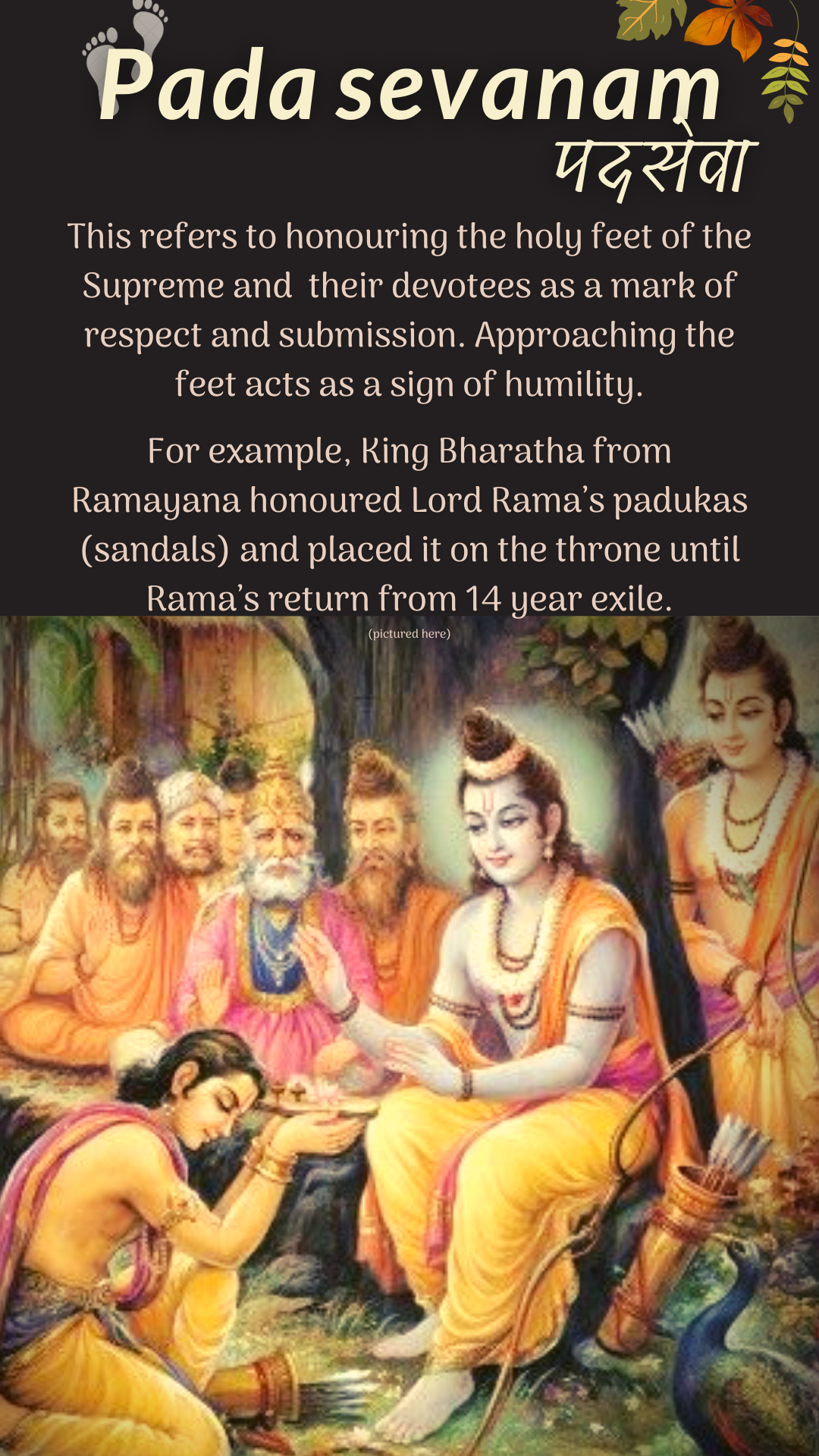
The land of India is a very unique place on this planet where people are culturally endowed with an ardent desire to worship feet.No other society or social community has openly exhibited this behavioral trait and feet worship could be described as the hall-mark of Indian Identity.This tradition and literal practice of feet worship was well established by the time the epic poem of Ramayana was composed. In AYODHYA KANDA,we read the very moving account of Rama touching the feet of His father Dasaratha and queen mother Kaikeyi after having received the orders for his banishment to live in the forest for fourteen years. Later in ARANYA KANDA, we read about the younger brother Bharata who literally clung to the feet of Rama seeking His refuge. Eventually,Bharata carried Rama’s sandals keeping them on his head and installs them on the throne (PADUKA PATTABHISHEKAM) and served them with great devotion for fourteen long years during Rama’s exile.  

Defining Indian Identity – The Worship of Feet.

India is the land where you witness people touching the feet of living persons as an act of worship.This is a fairly common event and sometimes the remembrance of such worship lingers in your mind.I would like to narrate one such event that I had witnessed in the past and my act of remembrance may add-on to the blessings these feet worshipers may be receiving even today.  

I was traveling by train from Rajahmundry to Lucknow City to serve in the Indian Army Medical Corps. I was motivated by a desire to see the land of India with my own eyes and know its people. For the first time, I was traveling in a first class compartment and was the sole occupant. Later in the night, a lady entered the compartment and was apparently traveling alone. She was elegantly attired, looked modest and the picture of an upper middle class house wife. Early morning, when the train halted at a station, I did not realize that she had reached her destination. She was quietly seated, was not gathering her belongings and was not even looking outside to check if some one had arrived to receive her. After a little while, I had noticed three young men, well- dressed and well-groomed, all of them little older than me, checking the list of passenger names on the door of the train compartment and entered the compartment. They did not pay any attention to my presence. One after the other, they went forward to bend and touch her feet and paid their respects. The behavior of the young men that I was keenly observing was natural, spontaneous and unpretentious. That early morning hour, they were not putting up an act in a public place to impress any one. They acted in a deliberate, purposeful and reverential manner and I am very sure that they grew up in that manner and clearly they were not inhibited in displaying their respect in front of strangers. I was a silent spectator of this scene wherein an unassuming woman suddenly got transformed into a living deity. I can assure you that you would witness such a scene only in the Land of India. Hence, I would claim that the desire to worship the feet of a living person would define Indian Identity.  

Defining Indian Identity – The Worship of Feet.

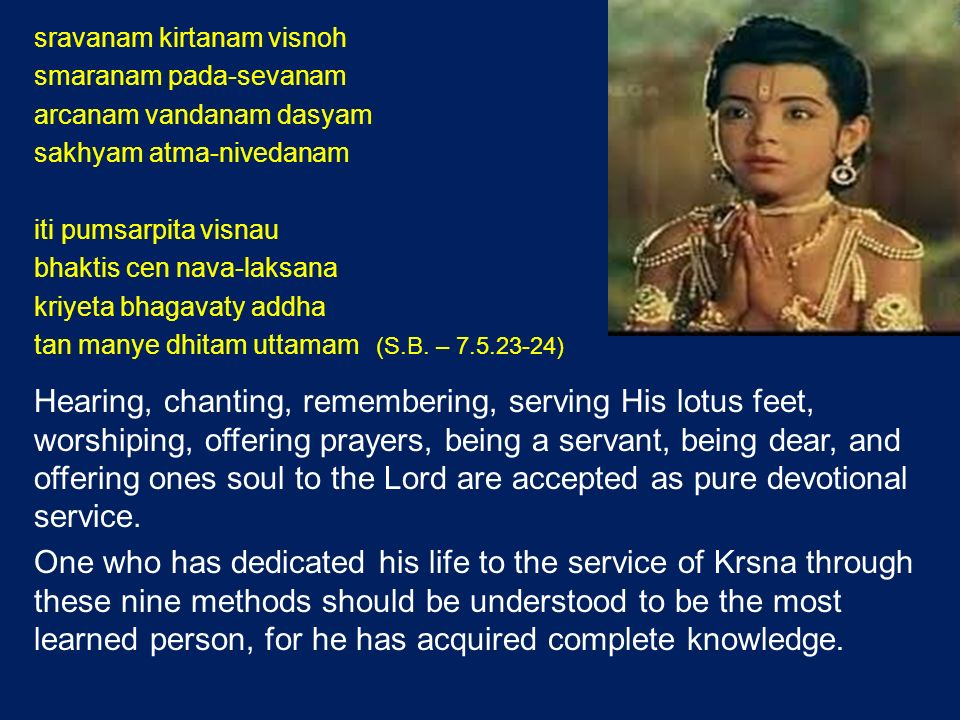
Every deity that Indians seek to worship are better pleased when we worship their feet. PRAHLADA  describes “PADA SEVANAM” as one of the nine ways to worship VISHNU.

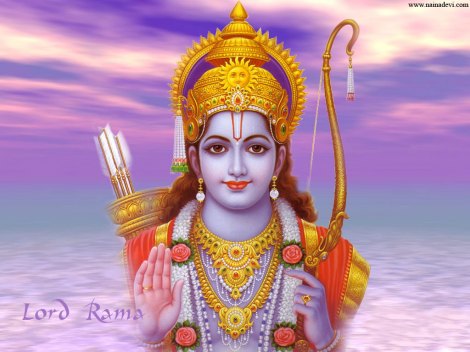
Lord Rama and the Tradidtion of 'Feet Worship'
Ramayana gives detailed accounts of the Tradition of Feet Worship.Rama worshipped the feet of His father, mother, stepmothers and His Gurus. Bharata, the younger brother of Rama had installed the sandals (Padukas) worn by Rama upon the throne had worshipped them for fourteen years.

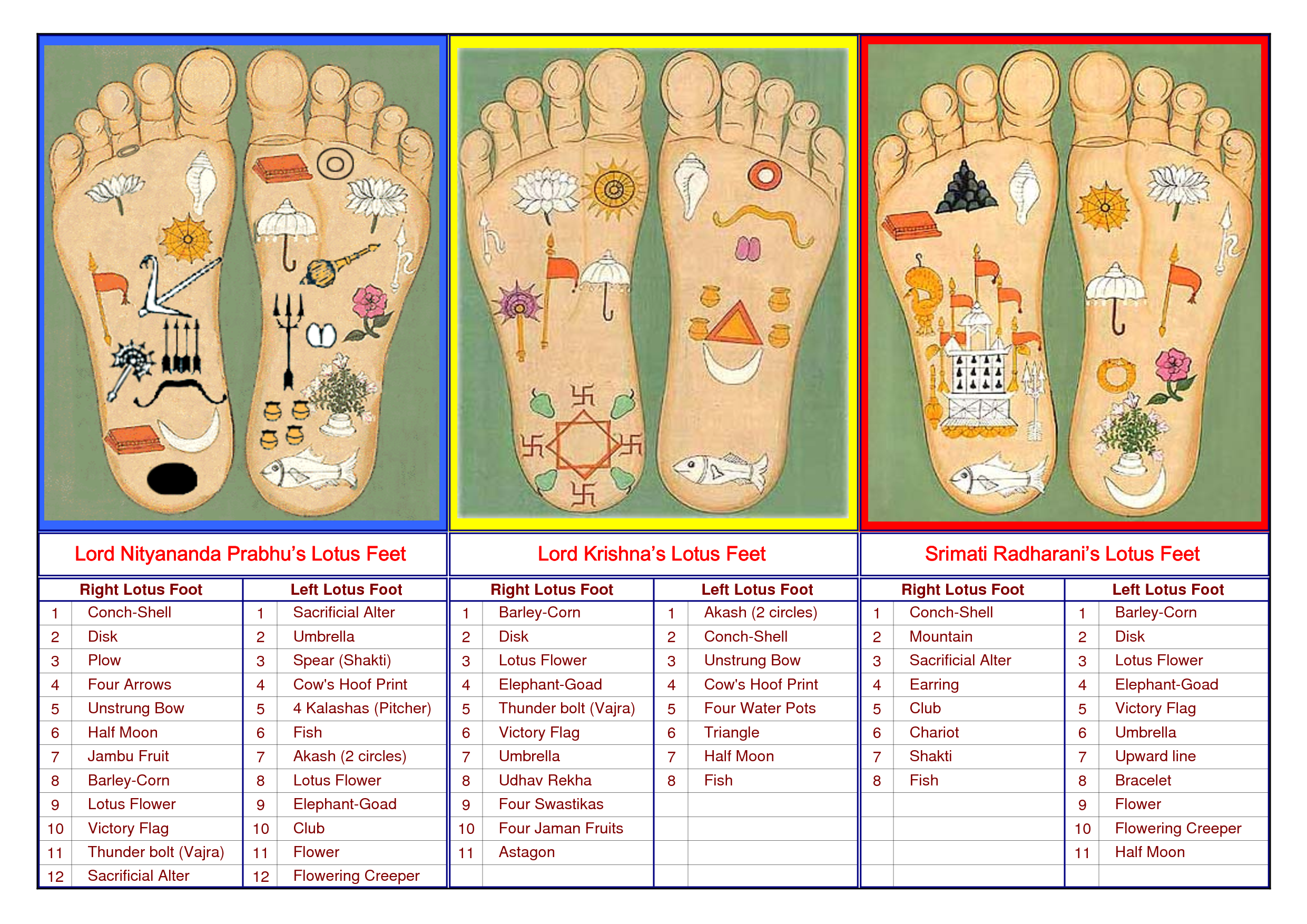
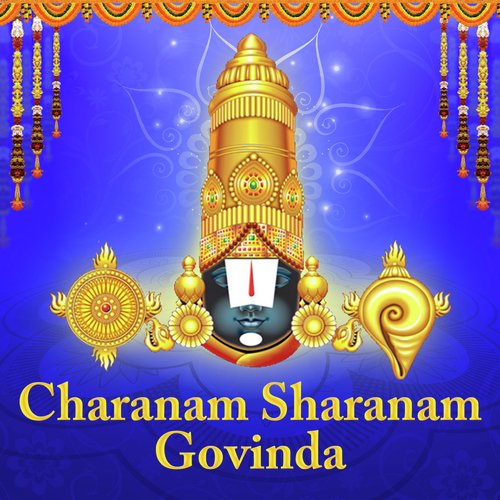
Indians worship feet not only as a sign of humility but also as a mark of submission, total surrender to the will of God. They touch feet as a plea for protection. This is not a mere religious rite or ritual and it actually shapes the attitudes and behavior of people. The final resting place for the individual souls (JEEVATMA)has been described as the Lotus Feet of the Lord. This is described as ‘CHARANAM’ (Feet of the Lord) ‘SHARANAM’ (Ultimate Refugee).  

Defining Indian Identity – The Worship of Feet