NO EVIL CAN BEFALL A GOOD MAN EITHER HERE OR HEREAFTER
THE DEATH OF SOCRATES
Ms. Emily Wilson is the author of this book (Harvard, 247 pages, $19.95) and it was reviewed by Thomas Meaney and the article with the title The Afterlife of a Skeptic appeared in The Wall Street Journal in its edition of Saturday/Sunday, November 24-25, 2007. The book deals with as to how the execution of a philosopher has been reinterpreted for every era. The history of the interpretation of Socrates’ death speaks about the history of philosophy in the West. Mr. Meaney begins his review with the observation that the name of Socrates recalls his death more than his bewilderingly eccentric life.
My musings on the death of Socrates
Socrates, ancient Athenian philosopher, is best remembered for his admonition to “KNOW THY SELF.” He laid the philosophical foundations of Western Culture. He made an effort to shore up the ethical dimension of life. He directed philosophical thought toward analyses of the character and conduct of human life. As Cicero said, Socrates “brought down philosophy from heaven to earth” – i.e. from the nature speculation of the Ionian and Italian cosmologists to analyses of the character and conduct of human life, which he had assessed in terms of an original theory of the soul. Socrates turned philosophy away from a study of the way things are, toward a consideration of virtue and the health of the human soul. He was a man of deep piety with the temperament of a mystic. He believed in the soul’s immortality and claimed that the soul of man partakes of the Divine. Socrates held himself to be an envoy from God. He believed himself charged with a mission from God to make his fellowmen aware of their ignorance and of the supreme importance of knowledge of what is for the soul’s good.
My musings on the death of Socrates
Socrates redirected philosophy from cosmology to the formulation of a rule of life, to the “practical use of reason.” The specific message from God that Socrates brought to his fellowmen was that of the “care” or “tending” of one’s ” soul, to make one’s soul as good as possible”- “making it like God,” in fact – and not to ruin one’s life, as most men do, by putting care for the body or for “possessions” before care for the “soul”; for the “soul” is that which is most truly a man’s self. According to Socrates the soul is the man. He believed that to do wrong is to damage one’s soul. From this it follows that it is always worse to do wrong than to be wronged and that one must never return wrong for wrong. He also maintained that virtue is knowledge and that all the virtues really amount to knowledge. His self-control and powers of endurance were exemplary. His self-imposed life of hardships and austerity was the price of his spiritual independence.
My musings on the death of Socrates
Socrates believed that he can teach merely by asking the right questions. He spent his life in conversation with Athenian citizens, seeking true knowledge and exposing the errors of those who claimed to have wisdom. Socrates challenged anyone with a pretense to knowledge. Socrates ushered in an age of rational inquiry. According to Socrates, the radical vice of ancient democracy is that of putting society in the hands of men without true insight and with no adequate expert knowledge (and in this regard, Socrates is absolutely correct and even today that is the biggest danger of Democracy!). He expected that statesmen should act like “physicians of the body politic” and that they should promote “righteousness and temperance.”
My musings on the death of Socrates
Socrates was indicted for “impiety,” “corruption of the young,” and “neglect of the gods whom the city worships and the practice of religious novelties.” He elevated virtue over the gods themselves, whose approval was so central to Athenian civil life. Socrates claimed that he could prick the city into a higher state of self-awareness by disturbing its settled world view. In Plato’s account of the trial, “The Apology,” Socrates defended himself not as a victim of censorship but as a benefactor of Athens. In an open- air Athenian court room in 399 B.C., the world’s first democracy sentenced one of the world’s first public intellectuals to death for disrespecting the city’s gods and leading its youth astray. His disciples were prepared to help him escape, but Socrates baffled them when he cheerfully swigged his lethal cup of hemlock after praising the city that wanted him gone. Socrates died for choosing the right to speak his conscience.
In the 18 th and 19 th centuries, Socrates was a hero aswellas a scourge for the best minds of their ages. Nietzsche saw Socrates as a deleterious species of cultural sickness. For him, Socrates marked the beginning of the regrettable triumph of “naive rationalism.” Socrates’ death was a hostile act that, by championing a deadeningly abstract and unattainable notion of virtue, precluded living authentically in the world. Socrates is described as a radical skeptic. Ms. Wilson in her book concludes her interpretation of Socrates’ death with a curiously banal argument. She charges that Socrates wasn’t a good family man.
In the closing words of his speech to the jury, Socrates says: “when my sons grow up, punish them, and pain them in the very same way I pained you, if they seem to you to care about money or anything else before virtue. And if they are reputed to be something when they are nothing, reproach them just as I did you, tell them that they do not care for the things they should, and that they suppose they are something when they are worth nothing .” The man who had been condemned to death for corrupting the sons of the city ends his life by instructing his executioners about how to treat his own children. He goes to his death with his faith in his own reason. After 2,400 years, it is still a resounding epitaph.
My musings on the death of Socrates. LORD SHIVA – THE GOD OF LEARNING – THE PURSUIT OF KNOWLEDGE AND WISDOM
I am totally surprised by the book and its review. In the West, there appears to be no awareness of the ideas and thoughts that are routinely expressed in the East. I would not describe Socrates as a skeptic and I would never describe his way of life as eccentric. I would compare Socrates to Shiva on one hand and on the other, I would compare him to Gautama Buddha. If Jesus Christ, who had written nothing, spent His time talking to people, when put on trial did not defend Himself and made no attempt to protect His personal life and did not return to His earthly parents’ home, could be recognized as The Savior of Mankind , I would most certainly uphold Socrates’ claim that he is indeed a benefactor.
My musings on the death of Socrates. SPIRITUALITY SCIENCE – THE DOCTRINE OF CREATION: SOCRATES – “KNOW THYSELF, AND YOU WILL KNOW THE UNIVERSE AND THE GODS.”
Government of India, Ministry of Defence claims that Honours and Awards are conferred within a specific period from the date of the act. For every act, there are two parties involved. I had acted on behalf of Government of India and my action was directed against the Government of Pakistan. At this belated stage, after the lapse of over 32 years, what would be the view of the Government of Pakistan about this act?
Special Frontier Force – Operation Eagle – Gallantry Award – Liberation War of Bangladesh 1971:
OPERATION EAGLE 1971 IN CHITTAGONG HILL TRACTS – I WAS AWARDED POORVI STAR AND SANGRAM MEDAL 1971 FOR MY PARTICIPATION IN OPERATION EAGLE
Indira Gandhi, Prime Minister of India initiated Liberation of Bangladesh with military action in the Chittagong Hill Tracts. The battle plan of this military action is known as Operation Eagle.
Sangram Medal 1971-72. Operation Eagle – Liberation War of Bangladesh
Sangram Medal 1971
This medal was awarded for service during the 1971/72 War with Pakistan. This medal was given to all categories of personnel who served in the military, paramilitary forces, police, and civilians in service in the operational areas of Jammu and Kashmir, Punjab, Gujarat, Rajasthan, West Bengal, Assam, Meghalaya, Mizoram or Tripura between 3 December 1971 and 20 December 1972. A lot of people were awarded with this medal. I had an opportunity to narrate my story and spoke about my War experience to The Director General of Armed Forces Medical Services during my interview for the grant of Direct Permanent Commission which was conducted during the Army Medical Corps Examination of 1972.
Lieutenant Governor of Andaman & Nicobar Islands(December 1985 to December 1989) – Lieutenant General(Retd) TS Oberoi, PVSM, VrC., former General Officer Commanding-in-Chief, Headquarters Southern Command, Pune, former Inspector General, Special Frontier Force, former Commandant, Headquarters Establishment No. 22. He is the tall person in this photo wearing a dark brown turban. I knew him since 1971. Under his able leadership, the Liberation of Bangladesh had commenced in the year 1971 during the Indo-Pak War.Apart from his military wisdom, he took a good care of all men under his Command. While I was proceeding to Chittagong Hill Tracts, he had individually greeted all the members of my team and had delayed the departure of aircraft to ensure that a hot breakfast was served to all the men boarding the aircraft. He paid personal attention to all the aspects of the military mission to ensure the wellbeing of men apart from achieving success in accomplishing the military task. The sense of warmth he radiated is easily felt when we meet him in person. His grandson provided me the link to this photo. Photo Credit – Trishna-Ajay-Picasa Web Album.The remarks made by Lt Col B K Narayan on May 13, 1972 in my Annual Confidential Report for 1971-72 are as follows:”A very conscientious and Tough MO who worked hard during the Bangladesh OPs. He did very well and showed Maturity which was beyond the call of duty. I have recommended this Officer for a gallantry award for which he deserves eminently. He is physically Tough and cheerful. Is a fresh entrant with less than 2 years of Service and yet he displayed capability and confidence.A Personal Tribute to Colonel B K Narayan, The Regiment of Artillery, Indian Army.
A Sermon in Kaptai, Bangladesh Ops 1971-72. A personal tribute to Colonel B K Narayan, Islamic Scholar who served in Olive Green Uniform. The Imam of Friday Prayer in Kaptai on December 17, 1971: Glorious Quran, Surah VIII, SPOILS OF WAR, Verse 01: “And if they incline to peace, incline thou also to it, and trust in Allah.Lo! He is the Hearer, the Knower.”I was trained in the use of a 9 mm SMG or Sten Gun. I had chosen to march into enemy territory without my personal weapon to defend myself. I did not throw away my weapon and I did not surrender my weapon to the enemy which are crimes under law. War is a team effort. My contribution to this team effort is not based upon firing bullets from my Sten Gun. I had totally discarded any concerns about my personal safety and worked for the success of the team. I have shown Courage by not carrying this Sten Gun and in following my team like a shadow and confronting the enemy as a TEAM.
I participated in the INDO-PAK WAR of 1971 while serving in the Indian Army after getting selected for Short Service Regular Commission in 1969. After the War I had applied for the grant of Direct Permanent Commission and there were over 3,000 doctors who had applied for the few vacancies that were available at that time.The AMC Examination for the grant of DPC was held in September, 1972 in New Delhi. The selection process includes an examination to evaluate the professional skills and an interview hosted by The Director General of Armed Forces Medical Services who was assisted by a large panel of specialists and other experts. In 1972, I was posted at Hq D Sector, C/O 99 APO and my Commander, Colonel Iqbal Singh had earlier served as the Chief of Staff at the Formation Headquarters during the 1971 War. My Commander was acutely aware of the fact that I was recommended for a Gallantry Award for my role in the War and that I had not received the Award. On my application for Direct Permanent Commission, Colonel Iqbal Singh, MC (the Military Cross), MiD (Mentioned-in-Dispatches), while giving his recommendation, wrote about my operational role and my performance in the War. The Director General while commencing my interview took a brief look at my application and the remarks given by my Unit Commander. The first question that I was asked was to describe my War experience. As I spoke, the entire Selection Committee listened to me with great interest and the Director General was so fascinated with my story and he directed his second question to me, asked me to give him more details of the operation. I was a Medical Officer who had witnessed the War like a front row spectator and that was a very unique situation and only a very few get that kind of chance to witness a military operation without being a fighting soldier. He got totally engrossed with my story and he even forgot that all the time that was allotted for the interview had been used up. Since, the Selection Committee had to interview several more candidates on that day, the Director General concluded my interview with openly congratulating me for my performance during the War and he graciously asked the other members of the Selection Committee if they would like to ask me any more questions. They unanimously announced that they had no other questions to ask and I was permitted to leave. A Major was designated to usher in the candidates for the interview and escort them out of the Conference Room was a witness to my performance during the interview. He briefly spoke to me as I was leaving the venue. He assured me that I am granted the Direct Permanent Commission and the confirmation letter would be a mere formality. A few weeks later, I did receive the confirmation letter and I was granted Direct Permanent Commission in Army Medical Corps with effect from 07 March 1973.
Remarks of Lieutenant General T S Oberoi, PVSM, VrC, General Officer Commanding-in-Chief,Headquarters Southern Command Pune 411001.He had remarked about my participation in the Indo-Pak War of 1971.The story about ‘Sangram Medal’ and Permanent Regular Commission in Indian Army Medical Corps.The Indo-Pak War of 1971 and the Birth of Bangladesh are very significant achievements of Prime Minister Indira Gandhi. As I was then serving in an Establishment under the Cabinet Secretariat, I had direct and personal understanding of her Foreign Policy Initiatives. She had personally approved our military Operation in Chittagong Hill Tracts. In the conduct of this War, we had faced a very critical moment and it needed her personal intervention and a decision that she alone could make. I rendered my services and had overcome the challenge posed by that critical situation. The importance of this situation could be understood as it needed an intervention from the Prime Minister. I am now asking the Government of India to recognize my GALLANT response in enemy’s territory without any concern for my personal safety.Poorvi Star 1971-A piece of material evidence in my possession to prove my participation in Operation Eagle during Liberation War of Bangladesh 1971.
The Phantoms of Chittagong: The Fifth Army in Bangladesh:
General Sujan Singh Uban, Inspector General of Special Frontier Force was awarded the Medal of AVSM for rendering Very Distinguished Service during the Indo-Pak War of 1971.Special Frontier Force-Establishment No. 22-Operation Eagle:. In 1971, Special Frontier Force initiated Liberation of Bangladesh with military action in the Chittagong Hill Tracts with Battle Plan Code-named Operation Eagle. This Operation is not governed by Army Act 1950.
Major General( Retd) Sujan Singh Uban, AVSM, the former Inspector General of Special Frontier Force is the author of the book titled ‘The Phantoms of Chittagong : The Fifth Army in Bangladesh’. He had narrated the military exploits of his Force while operating in Chittagong Hill Tracts during Indo-Pak War of 1971. He did not describe the story that I had shared with the Director General of Armed Forces Medical Services. My story was witnessed by hundreds of independent eye witnesses, for example, the Border Security Force Personnel who were manning the Post at Borunasury in Mizo Hills celebrated my arrival with Battle Casualties at their Camp.
The Flag of Army Medical Corps. General Sujan Singh Uban,AVSM did not discuss the Medical Plan for his Fifth Army in Bangladesh. The contribution made by his AMC Medical Officer is not stated in his Book.
Dr. R. Rudra Narasimham, B.Sc., M.B.B.S.,
Service Number: MR-03277K, Rank. Major AMC/DPC & MS-8466 Captain AMC/SSC
Medical Officer, South Column, Operation Eagle 1971
Headquarters Establishment No. 22 C/O 56 APO
President’s Commission 1970President’s Commission 1970Sangram Medal 1971 – A story that I shared with the Director General of Armed Forces Medical Services
Doomsayer of Doom Dooma Earns Bharat Sarkar, Indian Army Sainya Seva Medal -Service Award for Military Service Without Military Service Weapon.
This medal is awarded in recognition of non-operational services under conditions of special hardship and severe climate. The bar or clasp shows the words ” NEFA ” in Hindi. To qualify for this award, an aggregate of one year service in the North-East Frontier Agency (NEFA) is required. The medal shows an image of Nanda Devi Himalayan mountain peak with a bamboo stand in the foreground. I am proud of my military service in this area for several reasons. In 1962, after the Chinese brutal aggression, India lost control over its territory in the LADAKH region and that area still remains under the Chinese occupation. Fortunately, in the north-east Himalayan sector, India retains its control over the territory which we had lost in the 1962 War. In 1972, I was very glad to serve in this area for one complete year and I could personally witness the fact that India is prepared to fight the Chinese one more time and we are willing to do our best to keep ‘NEFA'( now known as ARUNACHAL PRADESH- The Land where Sun rises) under our control whatever may be the Chinese threats and protests. China did not give up its claim over this territory and had refused to issue a visa to an Officer of the Indian Administrative Service who had earlier served in this region. The tensions still exist and I am glad for we are better prepared now and if war is inevitable, we would welcome that challenge.
When I entered this area, the first thing that I was told by my Adjutant was, ” Rudra, if you need a copy of your most recent photo, ask the Chinese Intelligence, and they would provide you one. “ The Chinese Intelligence was keeping tabs on each Officer who is entering this area and keeping a close watch on our movements. We are neither threatened and nor intimidated by this kind of Chinese surveillance and we wanted to assure the Chinese that we will not be deterred by their Intelligence capabilities. Actually, I moved around this region without carrying my personal weapon. In 1972, this area was totally free of any unrest and insurgent activities. Indian Army had encountered problems in Nagaland, Mizoram and Tripura but not in NEFA. I would like to narrate a few events and earlier I had mentioned about the Traditional Hospitality in my entry titled ‘ Defining Indian Identity- The Tradition of Hospitality ‘.
INDIAN ARMY’S COMMITMENT TO ITS MEN:
In the Indian Army, we take pride in looking after our men and very often we stretch ourselves to do our best to safeguard the welfare of our men even under the most difficult circumstances. And we maintain this attitude while extending help to others who may not be members of our Service. I remember my stay at a Company location when a Sub-Inspector of Police came to me asking for some medical attention. He belonged to the Central Reserve Protection Force and was sent on posting to this difficult area without any prior health screening. I am sure that the same thing could be happening even today. We deploy police personnel to work in remote areas and we do not care and value their services. This man was not medically fit to serve in this area and no attempt was made to ascertain his physical fitness to perform the task for which he was sent. Fortunately, he had survived the long trek and a very difficult and physically challenging climb and reached the Government Clinic where I was voluntarily providing services to all civilian inhabitants in that area. I examined him and found his blood pressure to be very high and he was at great risk of suffering from a stroke which could be fatal or cause paralysis. He had undiagnosed high blood pressure for a long time and I could also find evidence that his kidneys were already damaged. He needed immediate hospital treatment and required emergency evacuation. His Police Department never cared to inquire about his well being before giving him the posting order. Whereas in the Armed Forces, we routinely interview the men and get them medically examined before they are sent to difficult areas. I had prepared a note about his medical condition and the signal team of my Unit immediately dispatched this message and within minutes, my request for air lift of the casualty was approved and the Air Force was informed to send a helicopter. After a short while, I received a call from the helicopter pilot who spoke to me on his radio and informed me that he was sitting in his helicopter and was ready to take off as soon as the weather permits. That was a particularly, rainy and cloudy day with very poor visibility and the mission was really challenging. The pilot assured me that he would fly in spite of all odds and would pick up my patient. The control tower was closely monitoring the clouds and they were waiting for a window of opportunity to make this trip while the cloud system moves through the mountain valley. He asked me to keep the patient ready at the helipad and that he would not be able to spend even an extra minute on the ground. Within minutes, the whole scenario at my camp had changed. The day had started on a very dull note. It was raining and there was dense fog. Suddenly, everybody got busy. As per standing orders, armed men were sent to secure our landing strip, weather signs were posted, the helipad was marked with fresh paint, smoke signals and other equipment were positioned on the ground. We erected a small shelter for the patient to rest while waiting for evacuation. A Sub-Inspector of Police was suddenly transformed into a ‘ Very Important Person ‘. He was worried about his senior officers who had transferred him to this station. He was worried that he might offend them by leaving his duty station without their prior permission. I reassured him and told him that Indian Army would accept total responsibility for sending him to the hospital and that we value him and care for his well being and that we would not expect anyone to perform duty when their personal health is at risk. The pilot made the bold trip as promised and safely transported him to a Service Hospital. The Sub-Inspector of Police told me that he would never forget the day on which he could directly experience the sense of urgency with which we acted and treated him as if he is the most precious thing on earth.
I love this award and the opportunity it gave to me to demonstrate my commitment to serve the men who serve our country.
Doomed Gun of Doom DoomaDoomed Gun of Doom DoomaEstablishment No. 22 – Operation Eagle: This badge represents a military alliance/pact between India, Tibet, and the United States of America. Its first combat mission was in Chittagong Hill Tracts which unfolded on 03 November 1971. It was named Operation Eagle. It accomplished its mission of securing peace in the region that is now knownas Republic of Bangladesh.SPECIAL FRONTIER FORCE – LOHIT RIVER: Map of Anjaw District, Arunachal Pradseh State, India.Special Frontier Force – Lohit River: I was based at Doom Dooma or Dum Duma during 1972-73.Special Frontier Force – Lohit River: Walong War MemorialDOOMSAYER OF DOOM DOOMA – BEIJING IS DOOMED : THIS IS A GOOGLE MAP IMAGE OF DOOM DOOMA WHERE I WAS STATIONED FROM 1972 TO 1973 . A CHINESE SPY LIVED IN MY MILITARY CAMP AT DOOM DOOMA AIRFIELD BUILT BY US ENGINEERS DURING WORLD WAR II .Special Frontier Force – Lohit River: I was based at Dum Duma(Doom Dooma) Airfield during 1972-73.DOOMSAYER OF DOOM DOOMA – BEIJING IS DOOMED : IN 1972, A CHINESE SPY IDENTIFIED ME AND SENT MY PHOTO IMAGE TO BEIJING .REMEMBERING THE 1962 INDIA – CHINA WAR : The McMahon Line in India’s North East Frontier Agency or the State of Arunachal Pradesh. The Top Secret of 1962 War is the number of Chinese soldiers that were killed and injured during their military attack. Communist China must take courage and admit the true numbers. This War was not a total loss. India learned its lesson. We had a spectacular Military Victory during 1971 during our Bangladesh Liberation War.Indian Army Service WeaponSainya Seva Medal – North-East Frontier Agency (NEFA) Service Award
BHARAT DARSHAN – A PRESENTATION AT HURON HIGH SCHOOL, ANN ARBOR, MICHIGAN, USABHARAT DARSHAN – A PRESENTATION ON INDIAN HISTORY, CULTURE, AND CIVILIZATION AT HURON HIGH SCHOOL ANN ARBOR, MICHIGAN, USA. ‘Bharat Darshan’ is the title of one of my presentations at Huron High School, Ann Arbor. The School offers a course titled ‘ Asian Civilization ‘. The students who take this class learn about India. I was invited to this class as a guest speaker and I took the opportunity as a learning tool and I started learning to express my ideas and thoughts about India. I still continue to learn and I use ‘ BHAVANA JAGAT ‘ to continue my learning experience. I am happy to express my sense of gratitude to the Class Teacher, Ms. Nadine Ghawi who initiated my desire for learning by inviting me to speak to her class. The following is the notes that I had prepared for one such speaking event at Huron High School.
Bharat Darshan:
National Flag of India – Bharat Darshan, a presentation at Huron High School, Ann Arbor, offers glimpses of India’s History, Culture, Civilization and Traditions.
I shall begin with a traditional greeting. As a kid, I was trained to greet and acknowledge others. The greeting is called Namaskar or Namaste.
Today’s presentation is named Bharat Darshan. The Land of India in our Culture and tradition is referred to as the Land of Bharat. ‘Darshan’ means viewing a place or an event. During this brief tour, I would present to you a few glimpses of India’s history and Culture. I would launch you on a journey to Discover India.
Culture is defined as learned behavior. My traditions teach me that I should approach life with a sense of abundant caution. I am cautioned to avoid absolute optimism. It is like fastening your seat belt before you begin to drive. In any human endeavor, I am told to expect a positive outcome only after taking care of any possible negative outcomes. If you are driving your car, the State Law dictates that you would reach your destination safely only after taking precautions such as the wearing of seat belt to avoid serious injury. My success is guaranteed only if I anticipate and overcome all the obstacles that I might face along the road. However, my success is never entirely mine. I am trained to believe that my success is a blessing and that I should accept success with a sense of humility.
Bharat Darshan: A presentation at Huron High School, Ann Arbor. Lord Ganesha, the Remover of Obstacles. A Prayer for Success with Humility. Sri Vakratunda Mahaa kaya, Koti Surya samaprabha; Nirvighnam kurume Deva, Subha karyeshu Sarvada.
To remove obstacles that may hinder me on my path, my Culture offers an icon who is designated as the remover of obstacles. This icon is known as Ganesha. He is also the mentor of learning. The learning process begins after seeking His blessings. Today, I like to succeed in my speaking event. I ask Him to help me in presenting this project which I call Bharat Darshan. My prayerful thoughts are expressed by this Sanskrit verse :
‘Shuklaam bara dharam, Vishnum, sasi varnam chaturbhujam
Prasanna Vadanam dhyaaye, tsarva vighno pa shantayey’.
The key phrase in this verse is ‘Prasanna Vadanam’. All obstacles are removed and subdued if I meditate upon His face which is a picture of relaxation and total composure. This prayer specifically guides me to overcome problems by focusing on positive energy that can be gained by reflecting upon a face that promotes tranquility.
Brief overview of Bharat Darshan:
Bharat Darshan: The National Bird of India. A peacock displays its brilliant plumage. The Discovery of India, a presentation at Huron High School, Ann Arbor, Michigan.
During this presentation, I would address the following questions.
1. Who is an Indian?
2. What was the single most important event in India’s history?
3. What is the essence of Indian Culture?
4. What is the role of icons, symbols, idols and images in Indian Culture?
I . Who is an Indian?
Bharat Darshan: A presentation at Huron High School, Ann Arbor. The Land where River Ganga or Ganges flows is known as India and the River defines Indian Identity.
Culture gives people a sense of personal identity. Defining that identity helps in understanding the Culture.
Bharat Darshan: The Discovery of India, a presentation at Huron High School, Ann Arbor, Michigan. Mother Ganga or Ganges describes the Identity of the Land and its people.
The name Indian is related to the great river SandHumility which is also known as Indus. After the political partition of the Indian subcontinent in 1947, much of the river Sindhu traverses across the land of Pakistan. However, at no time in our existence we regarded Sindhu river as our symbol of identity. We view ourselves as people of a Land where the river Ganga or the Ganges flows. Indians cherish the value of keeping their hearts and minds pure and clean. We very fondly believe that Mother Ganga or the Ganges can cleanse us and help us to attain that purity. It is like the practice of Water Baptism. Secondly, we belong to a Land where people cherish the value of speaking the truth. Indians claim that God is Truth and believe that Truth is God. This belief is reflected in the motto of our nation. The motto is ‘ Satya Meva Jayate ‘ meaning that Truth alone triumphs.
II . What was the single most important event in India’s History?
Bharat Darshan: The Rig Vedic River Sarasvati is associated with the birth of Devnagari Script and Sanskrit Language. The ideas and thoughts that are expressed in Sanskrit Language flow through our National Life and the Language has become the Language of our actions, interactions, our Culture, our Customs, and our Traditions.
The single most important event in the entire history of India, the defining moment of our history was the birth of the Sanskrit language, the Language of people who identified themselves as “Aryans” around 1500 B.C. The introduction of the Sanskrit language was indeed a blessed event. Sanskrit became the language of our Culture. Sanskrit enriched all other Indian languages and encouraged the growth of literature in almost every region of India. The Aryan Culture flows in India and joins the colorful streams of all other regional Indian Cultures. This Cultural influx can be compared to the confluence of the rivers Ganga and Yamuna at Prayag which we consider as the holiest of all holy places in India. Outwardly, the combined stream of life appears to be the same, but inwardly it illuminated our minds and vitalized our hearts.
III . What is the essence of Indian Culture?
Bharat Darshan: The Discovery of India, a presentation at Huron High School, Ann Arbor, Michigan
I must again mention that Culture is defined as learned behavior. The most important behavior that is expected of me is that of showing respect and obedience. It is not merely about showing respect to the Gods we worship. Even the Gods that we worship also implicitly observe the rule about showing respect and obedience. This social expectation rules every relationship and activity. It is the basic expectation let it be parent-child relationship, husband-wife relationship, teacher-student relationship, employer-employee relationship, the relationship between the Ruler and the ruled, relationship between siblings and very often even between friends. Respectful conduct is expected while receiving guests, while dealing with any elder even though the person may not be related to you. In addition, several plants, trees, birds, animals, rivers and mountains enjoy a special status and are treated with great respect. This social behavior is encouraged at all times and we are trained as kids to display this behavior. Instead of God, I am free to choose a human, a plant, a tree, an animal, some element of nature or even a stone and worship that object with the same and similar amount of respect that I may give to God. The Gods of our Culture would not get angry or jealous if I get totally preoccupied with showing respect to someone else other than the Gods. Most of us get used to showing respect to a variety of objects.
IV . What is the role of icons, symbols,idols, and images in Indian Culture?
Bharat Darshan: The Fear of Samsara. Samsara portrays the picture of life’s journey as a tedious,difficult and challenging swim across an unknown,uncharted and treacherous ocean
I am trained to believe that life is a complex and challenging experience. The life’s journey is compared to swimming across a vast and unknown deep ocean. The journey as perceived is neither simple nor easy. We are provided with icons and symbols as our navigational tools. We derive our comfort and strength by our dependence upon idols and images. We imbibe values by simply imitating the chosen role models. Personal responsibility and self-motivation are very important but for companionship and guidance we look towards one or the other idol. To draw a comparison, it is like using icons on your computer screen to travel upon the so-called information super highway. Every icon that we use has become a part and parcel of our Cultural legacy. I shall explain a few of them:
Lord Shiva:
Bharat Darshan: A presentation at Huron High School, Ann Arbor. Lord Shiva the God of Learning
Lord Shiva is like Socrates of 5 Th century B.C. who is claimed to be the father of western thought. He implored people to ” know thy self “. Socrates stated that the ‘unexamined life is not worth living’. Shiva guides me to reflect upon life. Shiva encourages introspection, reflecting upon your own mind and thoughts. Shiva is recognized as the God of learning. To commence learning, we respectfully tell Shiva that we are ready and prepared to receive our learning instructions. In Sanskrit, the phrase that is used is ‘Siddham’ meaning ready. Shiva ensures that we are willing and obedient before we start the first day of our schooling career. Shiva defines that the purpose of learning is to acquire the ability to think for oneself.
Bharat Darshan: A presentation at Huron High School. A Mantra to commence Learning. OM, NAMAH SHIVAYA
Lord Ganesha:
Bharat Darshan: The Discovery of India. A presentation at Huron High School, Ann Arbor, Michigan.
Ganesha is the mentor of learning. He symbolizes the values of attentive listening, writing down words as instructed and patience. In the learning process, He works like a catalyst. He facilitates achievement by removing obstacles. He helps me to gain success with humility.
Goddess Sarasvati:
Bharat Darshan: A presentation at Huron High School. Goddess Sarasvati – The Goddess of Pure Knowledge and Perfect Wisdom.
Sarasvati, the Goddess of Wisdom represents the value of acquiring pure knowledge. She is very much like the person described as ‘ Wisdom ‘ in the Book of Proverbs, Chapter 1, 3 and 4 of the King James version of Holy Bible. To optimize our learning potential, to draw upon the immense powers of a creative mind, She recommends an attitude of humility, obedience and discipline. All the Gods of our Culture including Her spouse Brahma worship Her to avoid mental lethargy. She defines that the goal of learning is to transform our minds to make us creative individuals.
Conclusion:
Bharat Darshan: A presentation at Huron High School.The Discovery of India – The Indian Traditional Greeting known as ‘NAMASKAR’ represents the essence of Indian Culture.
Discovering India demands knowledge of plants, trees, birds, animals, rivers and mountains that are a part of our landscape. The Culture is reflected in the national symbols that we chose. A single word that can represent the full spectrum of our cultural legacy is Namaskar.
Bharat Darshan: The Discovery of India. A presentation at Huron High School, Ann Arbor, MichiganBharat Darshan: The Discovery of India. A presentation at Huron High School, Ann Arbor, Michigan.Bharat Darshan: The Discovery of India. A presentation at Huron High School, Ann Arbor, Michigan.‘BHARAT DARSHAN’ – A PRESENTATION AT HURON HIGH SCHOOL, ANN ARBOR, MICHIGAN, USA.
Liberation War of Bangladesh. OPERATION EAGLE 1971 – FALLEN HEROES ON BOTH SIDES
Indira Gandhi, Prime Minister of India, initiated Liberation of Bangladesh during 1971 with military action in the Chittagong Hill Tracts. The battle plan of this military action is known as Operation Eagle.
Liberation War of Bangladesh. Fallen Heroes on both sides. Photo image of Signing of Surrender Agreement in Dhaka on December 16, 1971.
Pakistan’s Lt. Gen A. A. K. Niazi signs the instrument of surrender on December 16, 1971, surrendering his forces to Lt. Gen Jagjit Singh Aurora Commander of ‘Mitro Bahini’
A Lesson from Indian History:
The Liberation War of Bangladesh. Fallen Heroes on both sides. A Lesson from Indian History.
The very first lesson that I have learned from Indian history is about the invasion of India by Alexander the Great in 326 B.C. King Porus (Raja Puru) chose to fight Alexander the Great in order to defend his kingdom Pauravaa and his people. In the epic battle, the King had lost his sons who all chose death in the battle rather than surrender. After fierce fighting and very heavy casualties on both sides, the King who had suffered many arrow wounds in the battle was defeated and was captured. In a famous meeting, Alexander had reportedly asked the King “How should I treat you?” Porus replied, “the way one King treats another.” Alexander was very impressed by the brave and powerful response of King Porus and ordered his men to immediately release the prisoner and offered him a seat and treated him with grace and dignity. This is our Indian tradition. It is honorable to choose death in the battle fighting your enemy. But it is equally important to treat your captured enemy with grace and dignity. The picture of Pakistan’s surrender to India on 16 December, 1971 truly reflects the adherence to our Battlefield traditions.
Fallen Heroes on both sides:
Liberation War of Bangladesh – Fallen Heroes on both sides. The War concluded with India’s Victory on December 16, 1971 and India secured the release of Bangabandhu Sheik Mujibur Rehman.
It would be a mistake to think that the Liberation War of Bangladesh was a ‘cake walk’ for India. I am sharing my personal experience about this War. I attended all the meetings at my Unit and the battle plans were very carefully discussed. The task was explained in strict professional terms. Not even once, the enemy was shown any disrespect. Even in private conversations, none of us spoke about the enemy in a derogatory manner. We wanted to accomplish our task and perform our duty using the skills and training we had received. We never underestimated enemy’s strength and professional competence. We clearly knew that the challenge was tough and we had no sense of bitterness while we accomplished our task. Our Unit was not involved in the major push towards Dhaka, the Capital City. The enemy deployed a lot of their troops along the border and we made contact with some of the posts they were defending in the eastern sector. In the first encounter, Pakistan’s fighters had put up a brave resistance and I remember two of their Junior Commissioned Officers who sacrificed their lives defending their post. These two Pakistani Officers of Risaldar rank were firing their made in China machine guns, which make a characteristic ‘coughing’ sound. I was taken aback to know about (apart from the United States) China’s massive involvement in the supply of weapons and ammunition to Pakistan. I was with a reserve company and was nervously watching the progress of our attack.The ‘coughing’ did not stop for a long time. Eventually, these ‘coughing’ machine guns were silenced when our men climbed over the roof of the fortified bunker and had tossed grenades inside.They could have given up and surrendered but they had willingly chosen not to do so. We buried our brave men who gave their lives in this successful attack and so also we buried the enemy who chose to fight till the end. We recognized that these two brave Pathans were just performing their duty in the same spirit with which we performed our job. These two were substantially responsible and in the true tradition of Armed Forces be given the credit for saving the lives of their comrades who had all escaped under the cover of darkness and we could not capture any one. In the second encounter, the fight was much more fierce, we achieved our goal and we paid a price. I carefully documented the names of the battle killed and had them buried in the remote forests of the Chittagong Hill Tracts. Myself and my team of medical assistants had a busy time taking care of the battle wounded. We captured some enemy soldiers and I remember meeting a Baloch soldier who came to me for medical attention. He had an ankle injury and the injury was not life-threatening but I did not want that he should be forced to march with an ankle injury. I sent him to the Field Hospital in the same helicopter taking the battle wounded on our side.The Baloch soldiers were totally shocked and surprised to find a doctor working along with the men right next to the battle ground. I had asked him as to when he met a doctor on his side. They had no doctor on their side and they also lacked support from their Officers. None above the rank of Junior Commissioned Officer was present on their side to give them the encouragement that they would need in the stressful moments of the battle. On the Indian side, the Companies were commanded by experienced Officers and they had displayed great leadership qualities and four of our Officers had received the Military Honours/Gallantry Awards. In spite of short comings, the Pakistani men stood up for the challenge and had shown their willingness to fight with us. But, the second encounter was very decisive. Their Commanders recognized the futility of their resistance and made a good choice to withdraw and had very correctly decided to surrender to the Indian side collectively at one central location. India kept its promise to treat them well and all of them were returned to Pakistan unharmed.
Liberation War of Bangladesh. Fallen Heroes on both sides. Vijay Diwas December 16, 1971. Special Frontier Force Pays Tribute to Fallen Heroes.
I take pride in the fact that I belonged to a professional Army which fought this battle without a trace of hatred and did not act with a sense of vengeance. We used our force with a sense of restraint, had given the enemy fair treatment, conducted ourselves with a due sense of decorum and dignity, followed the well-established conventions of war and I believe that we supported a just cause. Banga Bandhu Sheik Mujibur Rehman declared Independence and announced the creation of Bangladesh on March 25, 1971, several months before this armed conflict could take place. Pakistan’s Leader had a very good opportunity to totally avoid this war. But, the men of Armed Forces did what they are expected to do. We followed the orders and acted in obedience to our Commanders and so it is but natural to have fallen heroes on both the sides of this fight.
The Phantoms of Chittagong. The Fifth Army in Bangladesh:
General Sujan Singh Uban of Special Frontier Force – The Liberation War of Bangladesh. Did he speak about Fallen Heroes on Both Sides of this War?
Major General (Retd) Sujan Singh Uban, AVSM, the former Inspector General of Special Frontier Force has authored this book and narrated the military exploits of his Force while operating in the difficult terrain of the Chittagong Hill Tracts during Indo-Pak War of 1971.
Did he mention about the ‘Fallen Heroes’ of Pakistani Army? Would it not be in the true military tradition to give recognition to your enemy with whom you are engaged in Combat? I am making a special mention about these two Junior Commissioned Officers whom I identified as Pathans and belonged to Pakistan’s Frontier Force Regiment. Both of them carried in their pockets personal letters that they had received from their wives. The wives did not ask them for any gifts or favors. They had only discussed the problem of rearing their children in the remote villages of Pakistan’s Frontier Region. The wives among other things, specially mentioned about the lack of fresh milk to feed the kids in the remote villages that they lived. Both of them were aware of the families that they support. They had a very good chance to escape from the post that they were defending. In fact, they allowed most other men at the post to save their lives. They knew that they had lost their post and the just two of them had no chance to really stop us. At that point, they could have just saved their lives if not for their own sake, but for the sake of their wives and children whom they had loved. I witnessed that they had a sense of pride in their military service which they valued more than their family relationships. They made a deliberate choice to remain inside their fortified bunker and displayed no inclination to surrender when the Battle was lost. We had no choice other than that of silencing their machine guns by tossing hand grenades into their bunker. They gave their precious lives to display valor in the true traditions of rendering military service. This War would not be memorable if there was no display of Bravery by the Enemy.
Lieutenant Governor of Andaman & Nicobar Islands (December 1985 to December 1989) – Lieutenant General (Retd) TS Oberoi, PVSM, VrC., former General Officer Commanding-in-Chief, Headquarters Southern Command, Pune, former Inspector General, Special Frontier Force, former Commandant, Headquarters Establishment No. 22. He is the tall person in this photo wearing dark brown turban. I knew him since 1971. Under his able leadership, the Liberation of Bangladesh commenced in the year 1971 with military action in the Chittagong Hill Tracts. Apart from his military wisdom, he took a good care of all men under his Command. While I was proceeding to the Chittagong Hill Tracts, he had individually greeted all the members of my team and delayed the departure of the aircraft at Sarsawa airfield, to ensure that a hot breakfast was served to all the men boarding the aircraft. He paid personal attention to all the aspects of the military mission to ensure the wellbeing of men apart from achieving success in accomplishing the military task. The sense of warmth he radiated is easily felt when we meet him in person. His grandson provided me the link to this photo. Photo Credit – Trishna-Ajay-Picasa Web Album.
Please view my related blog post titled ‘Indira Gandhi – A Flame that got Extinguished’
SPECIAL FRONTIER FORCE: THIS SHOULDER BADGE USED BY MEMBERS OF SPECIAL FRONTIER FORCE IS ALLOWED FOR PUBLIC DISPLAY.
All said and done, apart from securing Peace and stopping the genocide in Bangladesh, the primary purpose of this military action in the Chittagong Hill Tracts was that of providing combat training and to help the men of my Organization to gain useful combat experience to accomplish their military mission in the occupied Land of Tibet.
President’s Commission 1970President’s Commission 1970Liberation War of Bangladesh – Fallen Heroes on both sides.
Dr. R. Rudra Narasimham, B.Sc., M.B.B.S.,
Service Number. MS-8466, Rank: Captain, Army Medical Corps, Short Service Regular Commission
Medical Officer South Column Operation Eagle (1971-72) Headquarters Establishment No. 22 C/O 56 APO.
THE LIBERATION WAR OF BANGLADESH – The India-Pakistan War of 1971 and the birth of Bangladesh are very significant achievements of Prime Minister Indira Gandhi. As I was then serving in an Establishment under the Cabinet Secretariat, I had direct and personal understanding of her foreign policy Initiatives. She personally approved our military Operation in the Chittagong Hill Tracts. In the conduct of this War, we had faced a very critical moment and it needed her personal intervention and a decision that she alone could make. I rendered my services and had overcome the challenge posed by that critical situation. The importance of this situation could be understood as it needed an intervention from the Prime Minister. I am now asking the Government of India to recognize my gallant response in enemy’s territory without any concern for my personal safety.A Personal Tribute to Colonel B K Narayan, The Regiment of Artillery, Indian Army.
A Sermon in Kaptai, Bangladesh Ops 1971-72. A personal tribute to Colonel B K Narayan, Islamic Scholar who served in Olive Green Uniform. The Imam of Friday Prayer in Kaptai on December 17, 1971: Glorious Quran, Surah VIII, SPOILS OF WAR, Verse 01: “And if they incline to peace, incline thou also to it, and trust in Allah.Lo! He is the Hearer, the Knower.”Whole Dude – Whole Expedition: In 1971, Special Frontier Force initiated Liberation of Bangladesh with military action in the Chittagong Hill Tracts with Battle Plan Code-named Operation Eagle. This Operation is not governed by Army Act 1950.
Whole Dude – WholeVillain: India’s Prime Minister Indira Gandhi could not obtain any support from US President Richard Nixon during her visit to Washington D.C. on November 04, 1971. However, it did not deter Special Frontier Force/Establishment No. 22 from initiating our military action to dislodge Pakistan’s Army from East Pakistan. We began our military action on November 03, 1971, a day before this meeting.
About Guns, Victory and Gallantry Awards – Bangladesh Ops of 1971. The US President Richard Nixon and the Indian Prime Minister Indira Gandhi, Washington DC, November 04, 1971.
Operation Eagle, the military operation that initiated the liberation of Bangladesh with military action in the Chittagong Hill Tracts.Indira Gandhi, Prime Minister of India initiated the Liberation of Bangladesh during 1971 with military action in the Chittagong Hill Tracts. This battle plan is known as Operation Eagle.
OPERATION EAGLE 1971 – ABOUT GUNS, VICTORY, AND GALLANTRY AWARDS. THE MILITARY ACTION IN THE CHITTAGONG HILL TRACTS COMMENCED ON NOVEMBER 03, 1971, ONE MONTH PRIOR TO INDIA’S OFFICIAL WAR ON PAKISTAN WHICH WAS DECLARED ON DECEMBER 03, 1971.
SPECIAL FRONTIER FORCE – ESTABLISHMENT NUMBER. 22 – OPERATION EAGLE – LIBERATION WAR OF BANGLADESH 1971 – GALLANTRY AWARD:
Establishment No. 22 Company Commanders were among the first recipients of the gallantry awards granted during the 1971 India-Pakistan War.
Operation Eagle – Gallantry Award: Service Number IC-22805 Major Survendra Singh Negi, The Grenadiers, served as a Company Commander, South Column, Operation Eagle, Bangladesh Ops, the Chittagong Hill Tracts.Operation Eagle – Gallantry Award: Service Number IC-22805 Major Survendra Singh Negi, The Grenadiers, served as a Company Commander, South Column, Operation Eagle, Bangladesh Ops, the Chittagong Hill Tracts.Operation Eagle – Gallantry Award: Flight Lieutenant Parvez Rustom Jamasji, Indian Air Force Helicopter Pilot provided airlift to the battle casualties in the conduct of Operation Eagle, Bangladesh Ops in the Chittagong Hill Tracts.Operation Eagle – Gallantry Award: Flight Lieutenant Parvez Rustom Jamasji, Indian Air Force Helicopter Pilot provided airlift to the battle casualties in the conduct of Operation Eagle, Bangladesh Ops in the Chittagong Hill Tracts.
Indian Air Force Officer Parvez Rustom Jamasji served in Aviation Research Centre (ARC) on deputation as a helicopter pilot in the rank of Flight Lieutenant during 1971-72. He was awarded the Gallantry Award of Vir Chakra for giving our Unit air support during the conduct of our combat mission in the Chittagong Hill Tracts. He airlifted my battlefield casualties.
About Guns, Victory and Gallantry Awards. Bangladesh Ops of 1971. POORVI Star for Operations in the Eastern Sector.
On the 3rd. of December 1971, The Pakistani Air Force (PAF) struck several Indian airfields. By midnight, India was officially at war with Pakistan. Two weeks later, the war was over. The Indian Army had overrun erstwhile East Pakistan (Bangladesh) and had taken 93,000 Prisoners of War. It was one of the swiftest military campaigns in recent history.
We helped the Bangla Muslims to regain their freedom and dignity. The India-Pakistan War of 1971 and the Birth of Bangladesh are very significant achievements of Prime Minister Indira Gandhi. As I was then serving in an Establishment under the Cabinet Secretariat, I had direct and personal understanding of her Foreign Policy initiatives. She approved our military Operation in the Chittagong Hill Tracts. In the conduct of this War, we faced a very critical moment in providing airlift to the battlefield casualties. The dispatch of a helicopter into the enemy airspace in the absence of an official war needed her personal intervention and a decision that the Prime Minister alone could make. I rendered my services and had overcome the challenge posed by that critical situation when we could not provide the airlift to the battle casualties. The importance of this situation could be understood as it needed an intervention from the Prime Minister. I am now asking the Government of India to recognize my GALLANT response inside enemy’s territory without any concern for my personal safety.
This War is memorable to me for several reasons. 1. I proceeded to take part in offensive, combat operations without my personal weapon/gun. 2. I was recommended for a ‘Gallantry Award’. I was recommended for” VIR CHAKRA” and the award citation did not go beyond the Office of The Director of Medical Services (ARMY), Medical Branch of Adjutant General’s Office, Army Headquarters and did not reach the Military Secretary’s Branch (Army) Ministry of Defense in time and the award was not granted on technical grounds. But 12 years later, my Formation Commander still remembered the role I had played and gave his appreciation in a formal letter. 3. I have shown gallantry without firing a bullet and I received appreciation from the enemy soldiers that we had captured.
Lieutenant Governor of Andaman & Nicobar Islands (December 1985 to December 1989) – Lieutenant General(Retd) TS Oberoi, PVSM, VrC., former General Officer Commanding-in-Chief, Headquarters Southern Command, Pune, former Inspector General, Special Frontier Force, former Commandant, Headquarters Establishment No. 22.
Lieutenant Governor of Andaman & Nicobar Islands (December 1985 to December 1989) – Lieutenant General(Retd) TS Oberoi, PVSM, VrC., former General Officer Commanding-in-Chief, Headquarters Southern Command, Pune, former Inspector General, Special Frontier Force, former Commandant, Headquarters Establishment No. 22. He is the tall person in this photo wearing a dark brown turban. I knew him since 1971. Under his able leadership, the Liberation of Bangladesh commenced in November 1971. Apart from his military wisdom, he took good care of all men under his Command. While I was proceeding to the Chittagong Hill Tracts, he individually greeted all the members of my team and delayed the departure of aircraft to ensure that a hot breakfast was served to all the men boarding the aircraft. He paid personal attention to all the aspects of the military mission to ensure the well-being of men apart from achieving success in accomplishing the military task. The sense of warmth he radiated is easily felt when we meet him in person. His grandson provided me the link to this photo. Photo Credit – Trishna-Ajay-Picasa Web Album.
About Guns, Victory, and Gallantry Awards – 1971 Bangladesh Liberation WarA Personal Tribute to Colonel B K Narayan, The Regiment of Artillery, Indian Army.
A Sermon in Kaptai, Bangladesh Ops 1971-72. A personal tribute to Colonel B K Narayan, Islamic Scholar who served in Olive Green Uniform. The Imam of Friday Prayer in Kaptai on December 17, 1971: Glorious Quran, Surah VIII, SPOILS OF WAR, Verse 01: “And if they incline to peace, incline thou also to it, and trust in Allah.Lo! He is the Hearer, the Knower.”
The remarks made by Lt Col B K Narayan on May 13, 1972, in my Annual Confidential Report for 1971-72 are as follows: “A very conscientious and Tough MO who worked hard during the Bangladesh OPs. He did very well and showed Maturity which was beyond the call of duty. I have recommended this Officer for a gallantry award for which he deserves eminently. He is physically Tough and cheerful. Is a fresh entrant with less than 2 years of Service and yet he displayed capability and confidence.
About Guns, Victory, and Gallantry Awards – 1971 Bangladesh Liberation War. My Service Weapon.
As an Officer of the Indian Army, I received training in the use of a 9 mm Sub Machine Gun known as Sten Gun or SMG (Carbine, Machine, Sten) and had always passed in my weapon training tests. It is a devastating close-range weapon. It is a compact, lightweight automatic weapon firing pistol ammunition and it would fire without any lubrication. The personal weapon that was issued to me was held in the Unit and is generally taken out for range practice and weapon training. Being a Medical Officer, I also spend a lot of time away from my Hospital and provide medical cover during troop training and exercises. In 1971, as the war clouds started gathering, I started spending more time away from the Hospital where I was posted. As the tensions started mounting, my formation was asked to get ready for deploying troops and to get them ready for the war; they had to be moved and repositioned at locations closer to the border. When the airlift of troops began, I was far away from the Hospital and had to board the aircraft with combat-ready troops without my personal weapon. Brigadier TS Oberoi, our Commander was present at the airfield during this predawn flight and he was personally supervising very minute details and was making sure that the men were treated well. He gave orders that the troops could not be asked to board the plane until they were served a hot breakfast. He was personally shaking hands and gave encouragement to each one of us. Being a doctor, they were all used to seeing me without a personal weapon and my Brigadier also did not raise any objection when I got into the plane without my gun.
Operation Eagle. The military action to initiate the Liberation of Bangladesh involved the use of this US Marine Corps Service Rifle.
After having reached the border location, I was still hoping that I could manage to get a gun for my personal protection. Officially, still there was no war and my expectation being that finding a gun would not be much of a problem. When I checked and asked for an ‘SMG’, the service authorized personal weapon for which I had prior weapon training, I was told that they had none to issue. I was asked to carry an assault rifle and the Company Commanders told me that they love the M-14 Rifle better than the light and compact SMG. I accepted the M-14 Rifle despite its heavy weight and bulky ammunition. I was not yet attached to the Battalion (South Column) with which I would participate during the operation. Soon, the basic battle plans were revealed, and the most important detail was that we would operate on a ‘manpack’ basis. That means there would be no vehicles and we literally carry everything on our backs and move as a column and we were cautioned that we would not be resupplied for the first seven days of the war. We should be self-sufficient in all aspects for one whole week. I arrived at this border village with my bedding, books, clothes etc., and was not knowing anything about the type of operation that was in store for me. I decided to leave everything at the Regimental Quarter Master Stores and proceed on foot with the men with a backpack. I had my team of medical assistants and I had to assign them to different Companies. Then I had the problem of my medical supplies for the battle. I had to carry every band-aid, dressings, pills, medicines that I would need. Nothing else would be supplied in the early and most difficult phase of the war. My medical assistants could only carry the load for their company role. I had to support the Battalion Headquarters and all other support personnel. I took a deep look at my medical supplies. Then I made my decision. I decided that I would rather go for the war with my medical mission and totally forget about defending myself during the war. I made a decision to return the M-14 Assault Rifle,and its bulky ammunition. I would be able to serve my men better if I have my medical supplies and I truly need more of it to protect others and there was no room to worry about my personal safety. In the first conference with my Battalion Commander Lieutenant Colonel BK Narayan, (that was the very first time I had met him in my life), I told him that nothing else really matters to me other than providing and caring for the men during combat and I would be happy to lift an extra load of medical supplies rather than carrying a gun to protect myself. Colonel. Narayan could immediately understand my decision and in the first battle briefing, he announced that the Adjutant would defend the doctor for the entire duration of the operation. Captain Kottayam Chacko Kurien, an Officer of Jewish faith accepted this additional responsibility with great seriousness and he solemnly pledged that I would be the last person to get killed in the Unit during the war in which I had marched everywhere along with the men without my personal weapon.
I never met Brigadier TS Oberoi after he had bid me farewell at the airfield. He got a promotion to the rank of Major General and moved to New Delhi and I spent my time on the Himalayan frontier. In 1983, he was the General Officer Commanding-in-Chief at Headquarters Southern Command, PUNE and since I was serving under his Command, I sent him a formal letter mentioning that I was seeking release from Army Service. He immediately wrote back to me and I am pleased to quote a few lines from the letter that I had received from him:
1.” Major R. Rudranarasimham of Army Medical Corps……….was closely associated with my organization during 1971 Indo-Pak War, thus, I would highlight certain commendable traits of this officer during this period of national crisis which certainly deserve befitting recognition on his relinquishing the Army.
2. During the Indo-Pak War the officer was a medical officer with regular troops. He rose to the call of duty and displayed tremendous courage and total dedication to his duty. He carried out the given task with perfect organizational acumen and professional knowledge. He weathered tremendous physical and mental stress with utmost zeal and remained cool and composed during the operations. For this display of gallant qualities in the face of enemy the officer was recommended for a gallantry award but was not among the fortunate ones to receive it………….”
The letter signed by Lieutenant General T S Oberoi, PVSM, VrC dated 14 Feb 1983 is still in my possession and it lets me celebrate the Victory in the 1971 War.
Remarks of Lieutenant General T S Oberoi, PVSM, VrC, General Officer Commanding-in-Chief, Headquarters Southern Command Pune 411001.He had remarked about my participation in the Indo-Pak War of 1971.
THE PHANTOMS OF CHITTAGONG: THE FIFTH ARMY IN BANGLADESH:
General Sujan Singh Uban, Special Frontier Force and The Liberation of Bangladesh.
Major General (Retd) Sujan Singh Uban, AVSM, the former Inspector General of Special Frontier Force authored a book titled ‘The Phantoms of Chittagong: The Fifth Army in Bangladesh’. He narrated the military exploits of his Force while operating in the difficult terrain of the Chittagong Hill Tracts during the India-Pakistan War of 1971. He did not discuss the role of the Indian Army Medical Corps and the Medical Plan for his Fifth Army in Bangladesh.
The Flag of the Indian Army Medical Corps
The Flag of Indian Army Medical Corps. The AMC personnel are Combatants. The professional Service rendered inside enemy territory and showing courage in the face of enemy action deserves appropriate recognition. Gallantry Awards are not merely intended for firing bullets.
THE SPIRITS OF SPECIAL FRONTIER FORCE:
The U.S. President Richard Nixon and the Secretary of State Dr. Henry A. Kissinger opposed this military action to initiate the Liberation of Bangladesh during 1971. However, this political opposition had not undermined the purpose of the multinational military alliance/pact. Soon after the Liberation War, we were happy to extend our cooperation to the Nixon administration and had planted electronic listening devices to gather intelligence inside the occupied territory of Tibet.
About Guns, Victory, and Gallantry Awards – 1971 Liberation War of BangladeshPresident’s Commission 1970
Dr. R. Rudra Narasimham, B.Sc., M.B.B.S.,
Service Number. MS-8466, Rank. Captain, Army Medical Corps/Short Service Regular Commission
Medical Officer South Column Operation Eagle 1971-72,
Headquarters Establishment No. 22 C/O 56 APO
Special Frontier Force-Establishment No. 22-Operation Eagle:. In 1971, Special Frontier Force initiated Liberation of Bangladesh with military action in the Chittagong Hill Tracts with Battle Plan Code-named Operation Eagle. This Operation is not governed by Army Act 1950.
Guns, Victory and Gallantry Awards – Bangladesh Liberation War of 1971. The US President Richard Nixon and the Indian Prime Minister Indira Gandhi, Washington DC, 4 November 1971.OPERATION EAGLE 1971 – ABOUT GUNS, VICTORY, AND GALLANTRY AWARDS. THE MILITARY ACTION IN THE CHITTAGONG HILL TRACTS COMMENCED ON NOVEMBER 03, 1971, ONE MONTH PRIOR TO INDIA’S OFFICIAL WAR ON PAKISTAN WHICH WAS DECLARED ON DECEMBER 03, 1971.
SPECIAL FRONTIER FORCE – ESTABLISHMENT NUMBER. 22 – OPERATION EAGLE – LIBERATION WAR OF BANGLADESH 1971 – GALLANTRY AWARD:
Guns, Victory, and Gallantry Awards-The Bangladesh Liberation War of 1971. The Indian Air Force Officer Parvez Jamasji served in Aviation Research Centre (ARC) on deputation as a helicopter pilot in the rank of Flight Lieutenant during 1971-72. He was awarded the Gallantry Award of Vir Chakra for giving our Unit air support during the conduct of our combat mission in the Chittagong Hill Tracts. He airlifted my battlefield casualties.
Indira Gandhi, Prime Minister of India initiated Liberation of Bangladesh during 1971 with military action in the Chittagong Hill Tracts. This battle plan is known as Operation Eagle.
Guns, Victory and Gallantry Awards. The Bangladesh Liberation War of 1971. POORVI Star for Operations in the Eastern Sector.
On the 3rd of December 1971, The Pakistan Air Force (PAF) struck a number of Indian airfields. By midnight, India was officially at war with Pakistan. Two weeks later, the war was over. The Indian Army had overrun erstwhile East Pakistan (Bangladesh) and had taken 93,000 Prisoners of War. It was one of the swiftest military campaigns in recent history.
Guns, Victory, and Gallantry Awards – India-Pakistan War 1971. India’s Prime Minister Indira Gandhi could not obtain any support from the US President Richard Nixon during her visit to Washington D.C. on November 04, 1971. However, it did not deter Special Frontier Force/Establishment No. 22 from initiating our military action to dislodge Pakistan’s Army from East Pakistan. We began our military action on November 03, 1971, a day before this meeting.
This War is memorable to me for several reasons. 1. I proceeded to a battle or combat zone without my personal weapon/gun. 2. I was recommended for a Gallantry Award without any concern about not possessing a combat weapon. I was recommended for the gallantry award called VIR CHAKRA and the award citation did not go beyond the Office of The Director of Medical Services (ARMY), Medical Branch of Adjutant General’s Office, Army Headquarters and did not reach the Military Secretary’s Branch (Army), Ministry of Defence in time and the award was not granted on technical grounds. But 12 years later, my Formation Commander still remembered the role I had played and gave his appreciation in a formal letter. 3. I have shown gallantry without firing a bullet and I received appreciation from the enemy soldiers that we had captured. I shall narrate my war-time experience in short stories now and then as the information remains classified.
Guns, Victory, and Gallantry Awards-The Bangladesh Liberation War of 1971.The remarks made by Lt Col B K Narayan on May 13, 1972, in my Annual Confidential Report for 1971-72 are as follows: “A very conscientious and Tough MO who worked hard during the Bangladesh OPs. He did very well and showed Maturity which was beyond the call of duty. I have recommended this Officer for a gallantry award for which he deserves eminently. He is physically Tough and cheerful. Is a fresh entrant with less than 2 years of Service and yet he displayed capability and confidence.A Personal Tribute to Colonel B K Narayan, The Regiment of Artillery, Indian Army.
A Sermon in Kaptai, Bangladesh Ops 1971-72. A personal tribute to Colonel B K Narayan, Islamic Scholar who served in Olive Green Uniform. The Imam of Friday Prayer in Kaptai on December 17, 1971: Glorious Quran, Surah VIII, SPOILS OF WAR, Verse 01: “And if they incline to peace, incline thou also to it, and trust in Allah.Lo! He is the Hearer, the Knower.”Guns, Victory, and Gallantry Awards-The Bangladesh Liberation War of 1971. I performed gallant action in the battlefield without the help of the M14 Gun.Guns, Victory, and Gallantry Awards-The Bangladesh Liberation War of 1971. I was awarded the Sainya Seva Medal in 1973. The Indian Army Service Award while I served without my Service Weapon.
As an Officer of the Indian Army, I received training in the use of a 9 mm Sub Machine Gun known as ‘ Sten Gun ‘ or ‘ SMG’ (” Carbine, Machine, Sten “) and had always passed in my weapon training tests. It is a devastating close-range weapon. It is a compact, lightweight automatic weapon firing pistol ammunition and it would fire without any lubrication. The personal weapon that was issued to me was held in the Unit and is generally taken out for range practice and weapon training. Being a Medical Officer, I also spend a lot of time away from my Hospital and provide medical cover during troop training and exercises. In 1971, as the war clouds started gathering, I started spending more time away from the Hospital where I was posted. As the tensions started mounting, my formation was asked to get ready for deploying troops and to get them ready for the war, they had to be moved and repositioned at locations closer to the border. When the airlift of troops began, I was far away from the Hospital and had to board the aircraft with combat-ready troops without my personal weapon.
Guns, Victory, and Gallantry Awards – Bangladesh Liberation War of 1971. My military expedition commenced with a flight from Sarsawa airfield in Uttar Pradesh to Kumbhigram airfield in Assam.
Brigadier TS Oberoi, our Commander was present at the Sarsawa airfield during this predawn flight and he was personally supervising very minute details and was making sure that the men were treated well. He gave orders that the troops could not be asked to board the plane until they were served a hot breakfast. He was personally shaking hands and gave encouragement to each one of us. Being a doctor, they were all used to seeing me without a personal weapon and my Brigadier also did not raise any objection when I got into the plane without my gun. After having reached the border location, I was still hoping that I could manage to get a gun for my personal protection. Officially, still there was no war and my expectation was that finding a gun would not be much of a problem. When I had checked and asked for an ‘SMG’, the gun for which I had prior weapon training, I was told that they had none to issue. I was asked to carry an assault rifle and many Infantry Officers told me that they love the rifle better than the light and compact SMG. I accepted the gun in spite of its heavy weight and bulky ammunition. I was not yet attached to the Battalion with which I would actually participate during the operation. Soon, the basic battle plans were revealed and the most important detail was that we would operate on a ‘ manpack ‘ basis. That means there would be no vehicles and we literally carry everything on our backs and move as a column and we were cautioned that we would not be resupplied for the first seven days of the war. We should be self-sufficient in all aspects for one whole week which includes fighting the enemy. I had arrived at this border village with my bedding, books, clothes etc., and was not knowing anything about the type of operation that was in store for me. I decided to leave everything at the regimental Quarter Master Stores and proceed on foot with the men with a backpack. I had my team of medical assistants and I had to assign them to different companies. Then I had the problem of my medical supplies for the battle. I had to carry every band-aid, dressing, pills, medicines that I would need. Nothing else would be supplied in the early and most difficult phase of the war. My medical assistants could only carry the load for their company role. I had to support the Battalion Headquarters and all other support personnel. I took a deep look at my medical supplies. Then I made my decision. I decided that I would rather go for the war with my medical mission and totally forget about defending myself during the war. I made a decision to return my gun, my bulky ammunition and I would be able to serve my men better if I have my medical supplies and I truly need more of it to protect others and there was no room to worry about my personal safety. In the first conference with my Battalion Commander, Col BK Narayan, that was the very first time I had met him in my life, I told him that nothing else really matters to me other than providing and caring for the men during combat and I would be happy to lift an extra load of medical supplies rather than carrying a gun to protect myself. Col.Narayan could immediately understand my decision and in the first battle briefing, he had announced that the Adjutant would defend the doctor for the entire duration of the operation. Captain Kottayam Chacko Kurien, an Officer of Jewish faith had accepted this additional responsibility with great seriousness and he had solemnly pledged that I would be the last person to get killed in the Unit during the war in which I had marched everywhere along with the men without my personal weapon.
Guns, Victory, and Gallantry Awards-The Bangladesh Liberation War of 1971. Lieutenant Governor of Andaman & Nicobar Islands(December 1985 to December 1989) – Lieutenant General(Retd) TS Oberoi, PVSM, VrC., former General Officer Commanding-in-Chief, Headquarters Southern Command, Pune, former Inspector General, Special Frontier Force, former Commandant, Headquarters Establishment No. 22. He is the tall person in this photo wearing a dark brown turban. I knew him since 1971. Under his able leadership, the Liberation of Bangladesh had commenced in the year 1971 during the Indo-Pak War. Apart from his military wisdom, he took good care of all men under his Command. While I was proceeding to the Chittagong Hill Tracts, he had individually greeted all the members of my team and had delayed the departure of aircraft to ensure that a hot breakfast was served to all the men boarding the aircraft. He paid personal attention to all the aspects of the military mission to ensure the well-being of men apart from achieving success in accomplishing the military task. The sense of warmth he radiated is easily felt when we meet him in person. His grandson provided me the link to this photo. Photo Credit – Trishna-Ajay-Picasa Web Album.
I never met Brigadier.TS Oberoi after he had bid me farewell at the Sarsawa airfield. He got a promotion to the rank of Major General and moved to New Delhi and I spent my time on the Himalayan frontier. In 1983, he was the General Officer Commanding-in-Chief at Headquarters Southern Command, PUNE and since I was serving under his Command, I sent him a formal letter mentioning that I was seeking release from Army Service.He immediately wrote back to me and I am pleased to quote a few lines from the letter that I had received from him:
1.” Major R. Rudranarasimham of Army Medical Corps………..was closely associated with my organisation during 1971 Indo-Pak War, thus, I would highlight certain commendable traits of this officer during this period of national crisis which certainly deserve befitting recognition on his relinquishing the Army.
2. During the Indo-Pak War the officer was a medical officer with regular troops. He rose to the call of duty and displayed tremendous courage and total dedication to his duty. He carried out the given task with perfect organizational acumen and professional knowledge. He weathered tremendous physical and mental stress with utmost zeal and remained cool and composed during the operations. For this display of gallant qualities in the face of enemy the officer was recommended for a gallantry award but was not among the fortunate ones to receive it………….”
The letter signed by Lieutenant General T S Oberoi, PVSM, VrC dated 14 Feb 1983 is still in my possession and it lets me celebrate the Victory in the 1971 War.
Guns, Victory, and Gallantry Awards-The Bangladesh Liberation War of 1971. Remarks of Lieutenant General T S Oberoi, PVSM, VrC, General Officer Commanding-in-Chief,Headquarters Southern Command Pune 411001.He had remarked about my participation in the Indo-Pak War of 1971.
THE PHANTOMS OF CHITTAGONG: THE FIFTH ARMY IN BANGLADESH:
Guns, Victory, and Gallantry Awards-The Bangladesh Liberation War of 1971. General Sujan Singh Uban, Special Frontier Force and The Liberation of Bangladesh.
Major General ( Retd ) Sujan Singh Uban, AVSM, the former Inspector General of Special Frontier Force had authored a book titled ‘The Phantoms of Chittagong : The Fifth Army in Bangladesh’. He had narrated the military exploits of his Force while operating in the difficult terrain of Chittagong Hill Tracts during the Indo-Pak War of 1971. He did not discuss the role of Indian Army Medical Corps and the Medical Plan for his Fifth Army in Bangladesh.
Guns, Victory, and Gallantry Awards-The Bangladesh Liberation War of 1971. The Flag of Indian Army Medical Corps. The AMC personnel are Combatants. The professional Service rendered inside enemy territory and showing courage in the face of enemy action deserves appropriate recognition. Gallantry Awards are not merely intended for firing bullets.
THE SPIRITS OF SPECIAL FRONTIER FORCE:
Establishment No. 22 – Operation Eagle: This badge represents a military alliance/pact between India, Tibet, and the United States of America. Its first combat mission was in the Chittagong Hill Tracts which unfolded on 03 November 1971. It was named Operation Eagle. It accomplished its mission of securing peace in the region that is now knownas Republic of Bangladesh.
The U.S. President Richard Nixon and the Secretary of State Dr. Henry A. Kissinger opposed this military action to initiate the Liberation of Bangladesh during 1971. However, this political opposition had not undermined the purpose of the multinational military alliance/pact. Soon after the Liberation War, we were happy to extend our cooperation to the Nixon administration and had planted electronic listening devices to gather intelligence inside the occupied territory of Tibet.
Guns, Victory, and Gallantry Awards – Liberation War of Bangladesh 1971President’s Commission 1970
Dr. R. Rudra Narasimham, B.Sc., M.B.B.S.,
Service Number. MS-8466, Rank. CAPTAIN AMC/SSC
Medical Officer South Column Operation Eagle 1971
Headquarters Establishment No. 22 C/O 56 APO
Guns, Victory, and Gallantry Awards-The Bangladesh Liberation War of 1971.Whole Dude – Whole Expedition: In 1971, Special Frontier Force initiated Liberation of Bangladesh with military action in the Chittagong Hill Tracts with Battle Plan Code-named Operation Eagle. This Operation is not governed by Army Act 1950.
The Moments Slip Away And Are Laid to Your Account. Recalling the Moments at Government Victoria College, Palghat.
Government Victoria College, Palakkad is the oldest institution of higher learning in the Malabar region of Kerala. In January 1888 it was raised to the rank of a second grade college and was affiliated to the University of Madras. The institution was taken over by the Government of Madras Presidency in 1919.The teaching of Geography as an optional subject for ‘Intermediate’ students commenced in 1945. Before the creation of linguistic provinces in 1956, Palghat was part of Madras State after India’s independence in 1947.
Moments Slip Away And Are Laid to Your Account. Recalling the Moments at Government Victoria College, Palghat.
The Motto of the College is the Latin slogan Labuntur et imputantur. Indeed it is true that life’s moments slip away and fortunately they are laid to your account.
Moments Slip Away And Are Laid to Your Account. Recalling the Moments at Government Victoria College, Palghat.
Because of Victoria College, I am able to recall some of those moments that slipped away from my life about 55 years ago. I am speaking of the times when Palghat was a part of Madras State and when Victoria College was affiliated to the Madras University. In 1952, I was a four-year old kid and my father was employed in the Madras State Educational Service. He had obtained his M.A degree in Indian History from Madras University and worked in the Madras Presidency College, Madras which is now known as Chennai city. My father had also a Diploma in Geography and he was transferred to Government Victoria College, Palghat to teach Geography. In his long career in the Educational Service, my father taught mostly Indian History, and at Victoria College, he taught Geography and was assigned to the Department of Geography.
The Moments Slip Away and are Laid to Your Account. Reliving the Moments of Life at Queen Victoria College, Palghat.
We lived in a rented house in Palghat. The house is on a dead-end street and it is the last house on the street and it abuts the college compound wall.The house faces the college cricket stadium/sports grounds.There is a canteen of the college right in front of the house.The stadium has a nice pavilion for the spectators to sit and watch the games. Our landlord had two sons who were then students at the college. Apart from my parents, I lived with my two elder brothers. For the first time in my life, I was introduced to the game of Cricket in this house while we lived in Palghat. In the front courtyard of the house, we had a large tree which served as the stumps for our game. Very often, myself and my brothers would watch the Cricket matches and I have seen for the first time the official scorekeeping sheets they fill up during the game. Cricket has been popular with Indians for a long time. It was not Mylapore, Madras and it was not my native place Rajahmundry where I took my first lesson to play this game. I remember Palghat as the place where my love for the game of Cricket began.
Moments Slip Away And Are Laid to Your Account. Recalling the Moments at Government Victoria College, Palghat.
When I opened my PALGHAT ACCOUNT, my landlord’s two sons still look young and fresh like any other college students and I still have the visual image of myself and my brothers, all kids, playing cricket in front of the house. This is life. It is full of moments that quietly slip away and if you are lucky, the account that you have created is still there and you have the chance to recapture the moment and you can actually relive in that moment and the freshness of it is carefully preserved and it tastes as good as it was on the first occasion. Thanks to Victoria College, Palghat and I still have an account with credit balance.
Moments Slip Away And Are Laid to Your Account. Recalling the Moments at Government Victoria College, Palghat.
ESSENCE AND EXISTENCE:
What is man’s nature and how to describe man’s essence? The essence is supported by existence. The existence is in the moments that slip away on which man has no control. Man exists as he helplessly watches the moment called future is churned into past, and present is only an instant in this future-past continuum. Fortunately, man can recall and revisit the moments that have slipped away and bring past into the present moment.
Moments Slip Away And Are Laid to Your Account. Recalling the Moments at Government Victoria College, Palghat.
Whole Beloved – Whole Adoration – Sage Poet Valmiki personified his adoration of Lord Rama
My Beloved Hero:
Whole Dude – Whole Beloved
The Culture of the Land Of India introduced to me several personalities and Cultural Icons and I tend to develop a relationship with them and each of my relationships exists in a particular context. Shiva is my protector and the Master who guides my intellectual functions. I describe Lord Krishna as my “GURU”, the Guru who guides my actions and I name Prince Karna as my favorite Hero as he is the “Salt of Life.” Rama describes himself in the following words. On the occasion of Princess Seetha’s ordeal by fire at the end of the epic battle, Rama says to Brahma (The Lord of Creation) who appeared there among others:
11. manye = I think; aatmaanam = of myself; maanuSham = to be a human being; raamam = called Rama; dasharathaatmajam = the son of Dasaratha; bhagavaan = you; as a gracious Divinity; braviitu = tell; me = me; tat = that; saH aham yasya = which I as such really am; aham yashcha = and why I am like this.
“I think of myself to be a human being, by name Rama, the son of Dasaratha. You, as a gracious Divinity, tell me that which I as such really am like this.”
“I regard myself only as Rama, son of Dasaratha, an ordinary human being. Who I am in reality, where I belong, why I took birth, are matters on which you may enlighten me, and I do not know.”
In the personality of Rama, the course of human conduct and the Dharma governing it come linked together. My love for Rama could be mostly attributed to the story that is revealed in Book II, ‘Ayodhya Kanda’ of Valmiki Ramayana. We should view the events described through imagination and actually experience the emotional state of each character as the story is enacted in front of our eyes. It is claimed that, wherever Rama’s tale is told, Hanuman himself joins the gathering and reverentially stands with tear-filled eyes, listening. This has been my personal experience. Whenever I read the story about this ordinary human being, my eyes fill up with tears. I rechecked my emotions while preparing to write down this entry. When I read Ayodhya Kanda, my eyes can not resist from filling up with tears. For having experienced this emotional connection, I claim that Rama is my Beloved Hero.
My desire to speak about Rama is provided by Rama himself and I did mention about it in the very first entry of my blog posts. I give credit to the Telugu poet Bammera Potana whom I acknowledge as my ‘mentor’. Potana proclaims that he wrote his poems with the help of the creative spirit inspired directly by Rama. My Master Shiva gives the consent to entertain this idea that Rama is my resource for creative writing, my Guru Krishna approves my actions to express my sentimental attachment to Rama, Saraswati gracefully provides the ability to pen my thoughts, Hanuman certifies that my tears are genuine and Ganesha blesses my effort and lets me post this entry.
Lord Rama – My Beloved Hero. The Life Journey is viewed as a perilous and tedious swim without navigational aids and floatation devices across an unknown and uncharted ocean.
In the Indian tradition, the Life Journey is described as a perilous and tedious swim without navigational aids and floatation devices across an unknown and uncharted ocean. I stay afloat while I cross this ocean and the name RaMa is like a life jacket, a flotation device which would guide me to get to the destination and gives me the hope to reach the shore. I live in a universe which is a reflection of Maya. I find no better way to know the Ultimate Reality. I prefer to cling to the two-letter Mantra of Ra-Ma. I would just be happy if I could find the way and end up in the company of others who lived before me placing their trust in this Name.
Mother Kaikeyi spoke prophetic words when she said Rama’s dutifulness would bring him glory undying. That glory she said will continue as long as the Himaalaya stands and the waters of Ganga flow and as long as the ocean-waves beat on the solid earth.
May everyone that reads the Chapter XV of Ayodhya Kanda receive by Rama’s grace the strength to bear the sorrows that have to be faced in life.
Whole Beloved – Whole Adoration – Poet Valmiki immortalized his poetry through Love and Devotion. Whole Beloved – Whole Adoration – Poet Valmiki immortalized his poetry through Love and Devotion.
I love to share these thoughts with my mother and I shed tears reading Rama’s story while remembering her.
Ramayana narrates the life journey of Lord Rama as a mortal human being. Man is a physical being, a mental being, a social being, a moral being, and a spiritual being. Man can not express a sense of human freedom and he is not free to act as he pleases. All the central characters of the epic poem of Ramayana acted within the limitations imposed upon their existence by mental, social, moral, and spiritual factors. Hence, I claim that Rama is not born Free.
Excerpt: A controversial cartoon of a decapitated Buddha in The Ann Arbor News in 2007 was criticized as offensive and disrespectful. The critic, an ex-employee of the CIA’s ‘Campaign for Tibet’, called out America for its selective support of Democracy and Human Rights, implying favoritism towards its interests. President Bush’s lack of concern for human rights issues in Tibet was highlighted, as he spoke about the situation in Burma. The writer urged for local political development in Burma and more support for Tibetan Buddhist monks.
The cartoon picture of decapitated Buddha that was published in The Ann Arbor News on Wednesday, October 3, 2007 is plainly disgusting and is clearly an insult. It serves no purpose other than to hurt the feelings of people who respect Lord Gautama Buddha.
Having worked for the Central Intelligence Agency’s ‘ Campaign for Tibet ‘ for over four years in the past, I have come to the following conclusions :
1.America’s support for Democracy and Human Rights is good when and where it serves their selfish interests.
2.America does not care to give a hoot to Buddha.
In his most recent appearance at the General Assembly of the United Nations, President Bush spoke about human rights and the protests in Burma. If Democracy is good for Buddhist monks of Burma, it is equally good for Buddhist monks of Tibet. He had expressed no concern about the brutal oppression of human rights in Tibet.
If the pro-democracy movement in Burma is orchestrated by foreign agents, it would not deserve any support from India. We should let Burmese people develop their own political parties and any outside interference should be condemned.
The Buddhist Monks of Tibet deserve to get our attention and support.



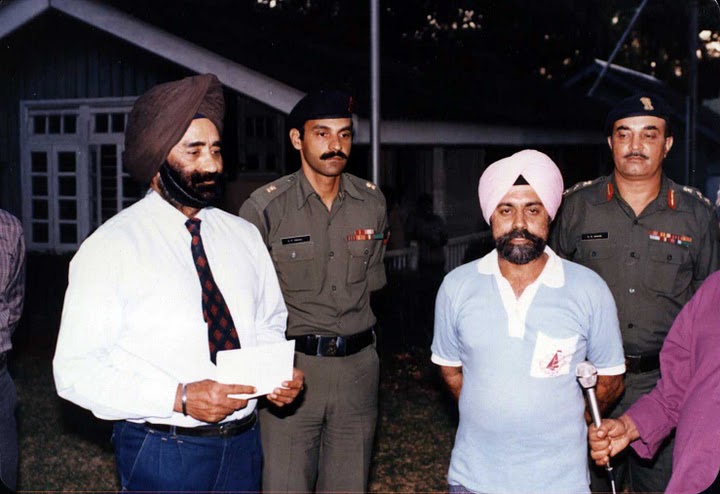





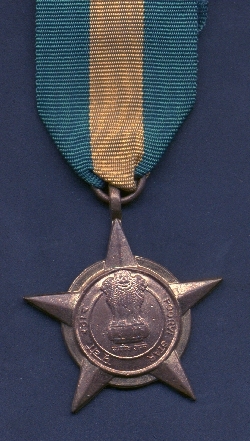

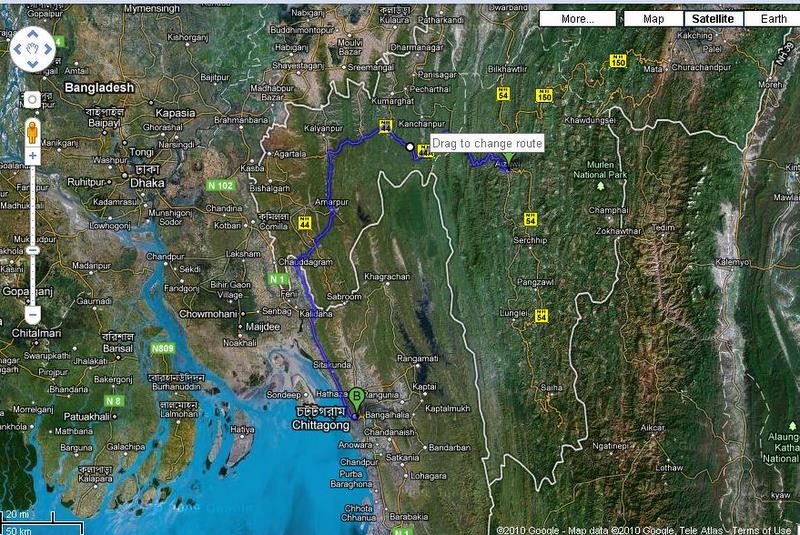

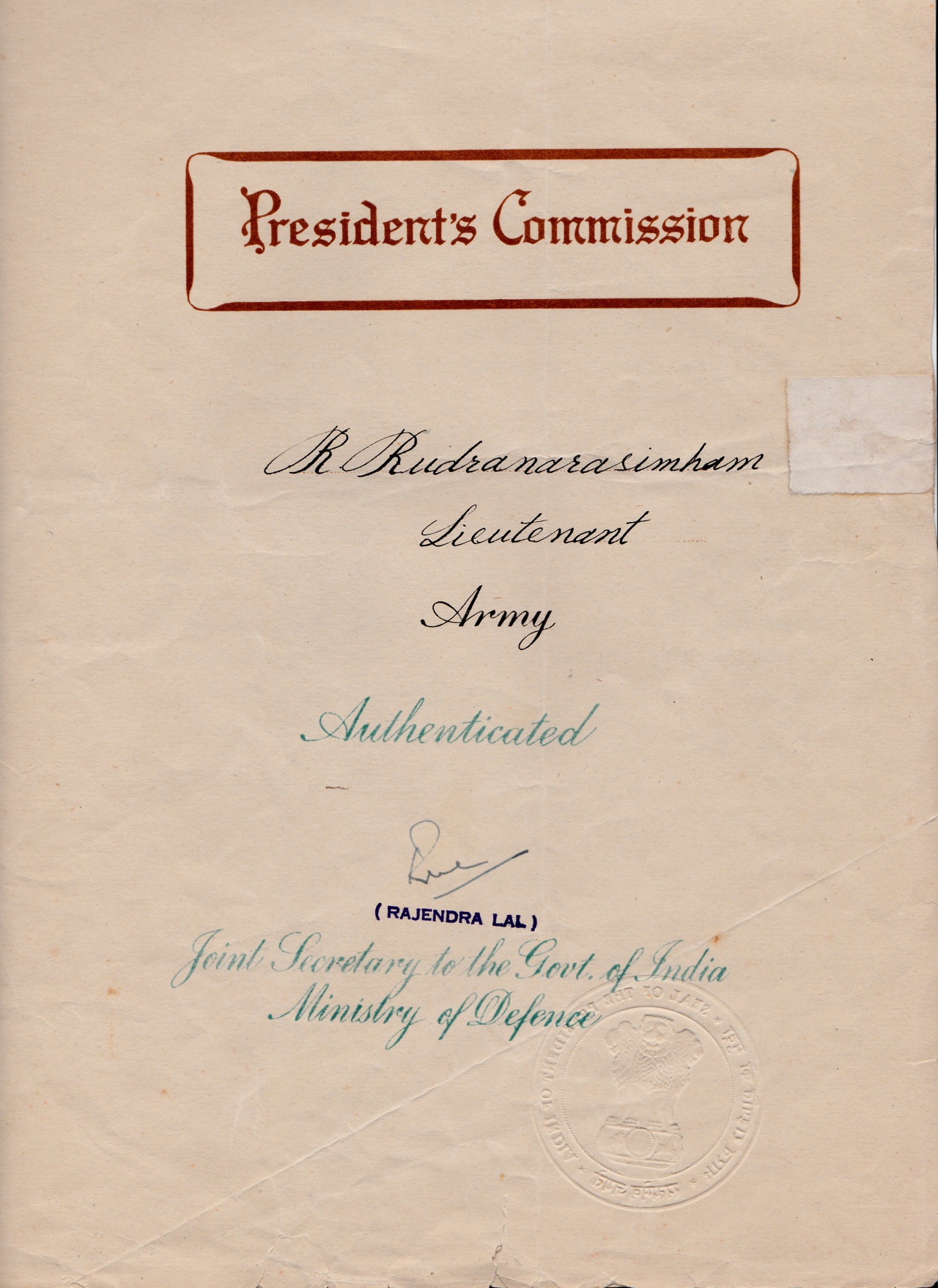


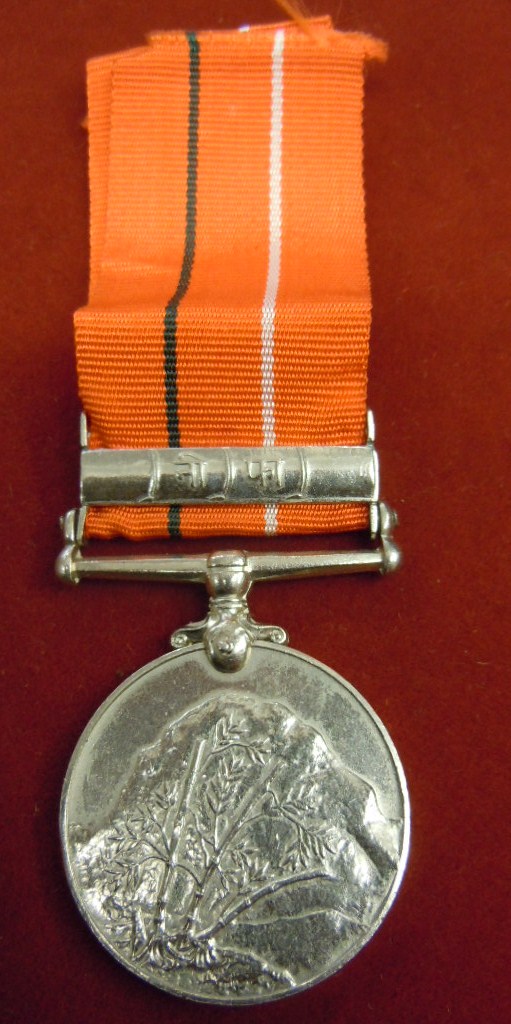
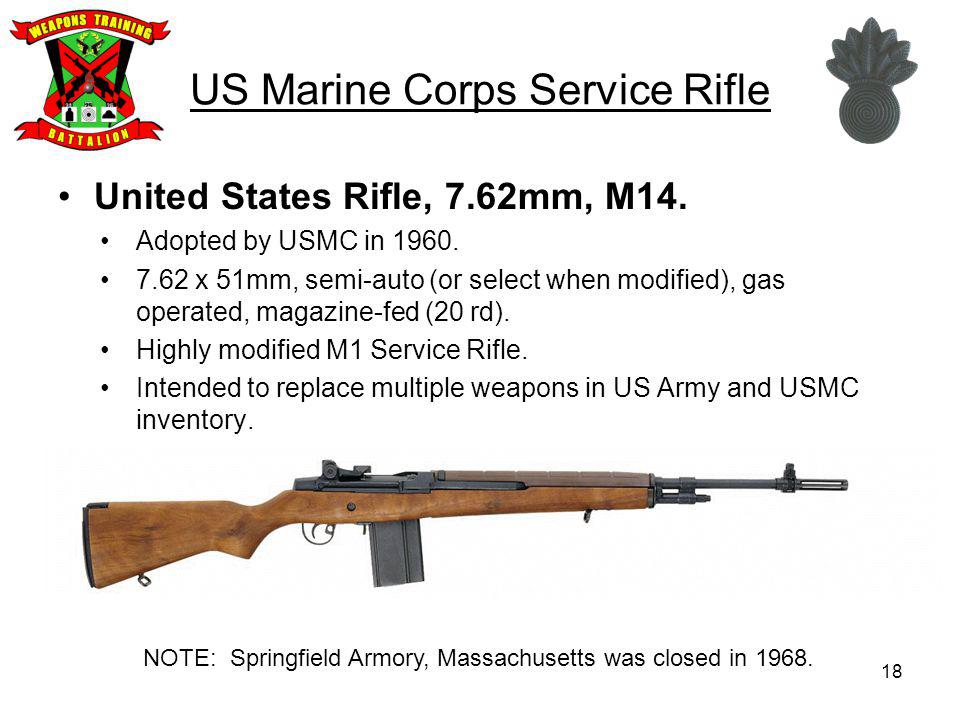


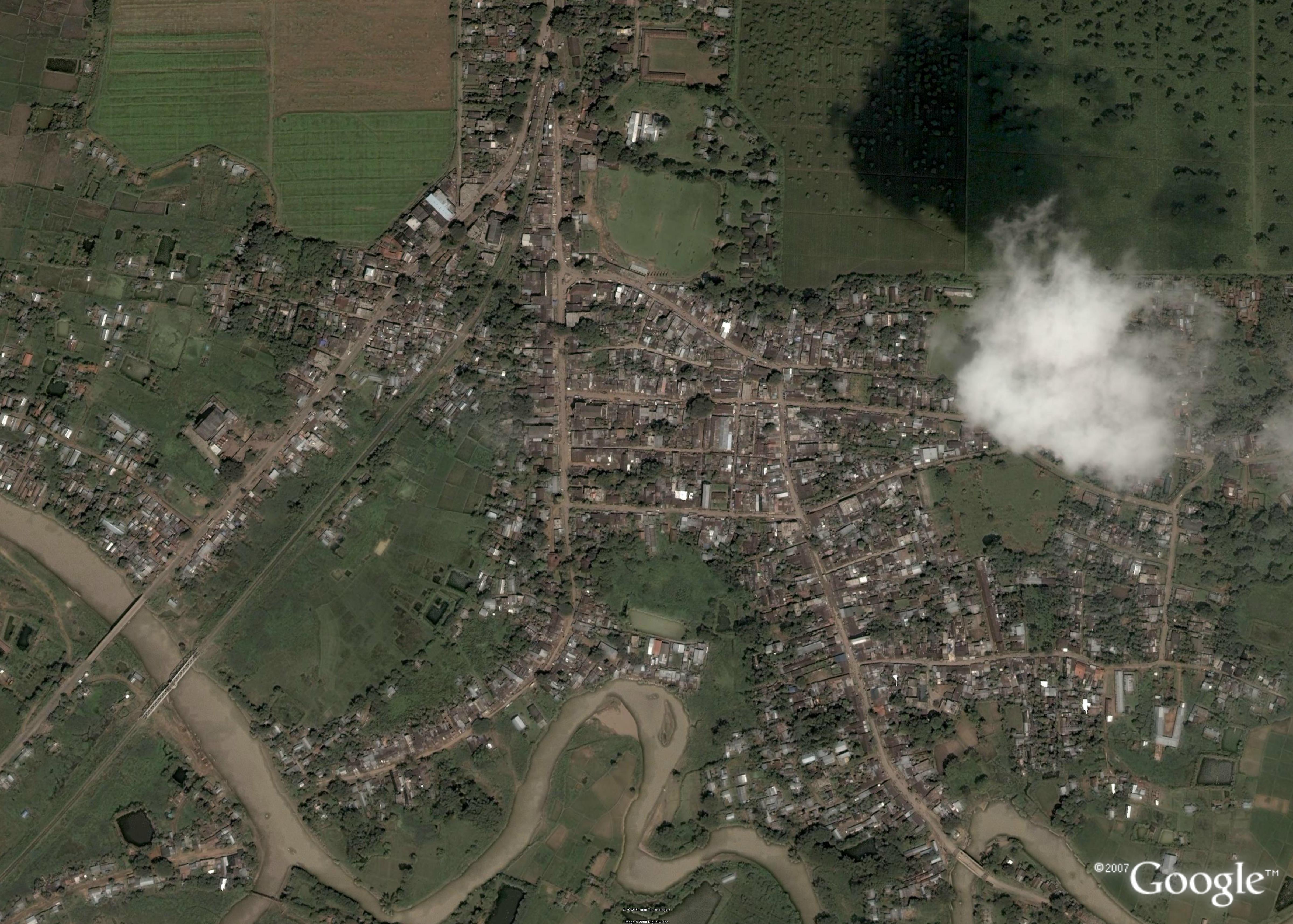
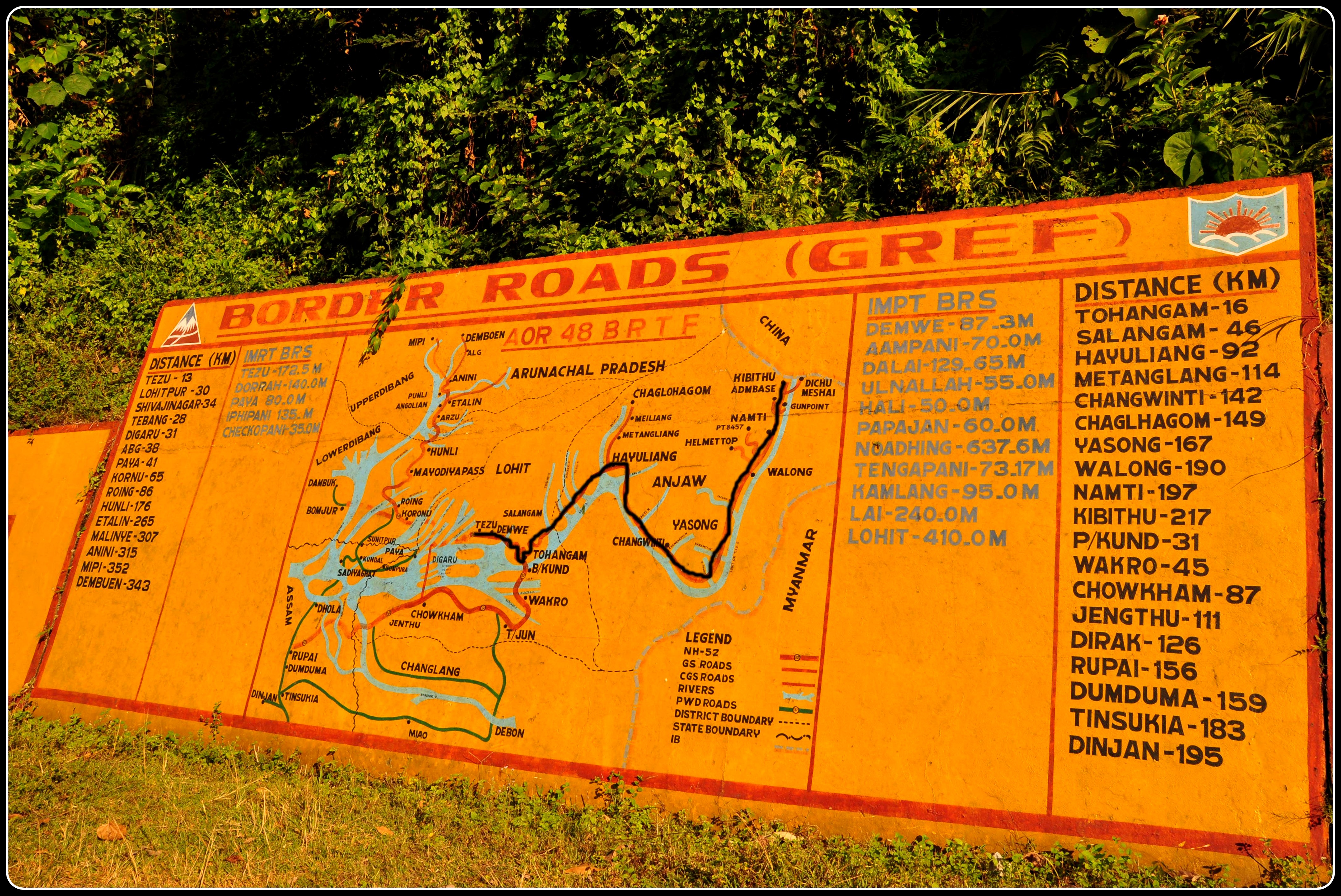

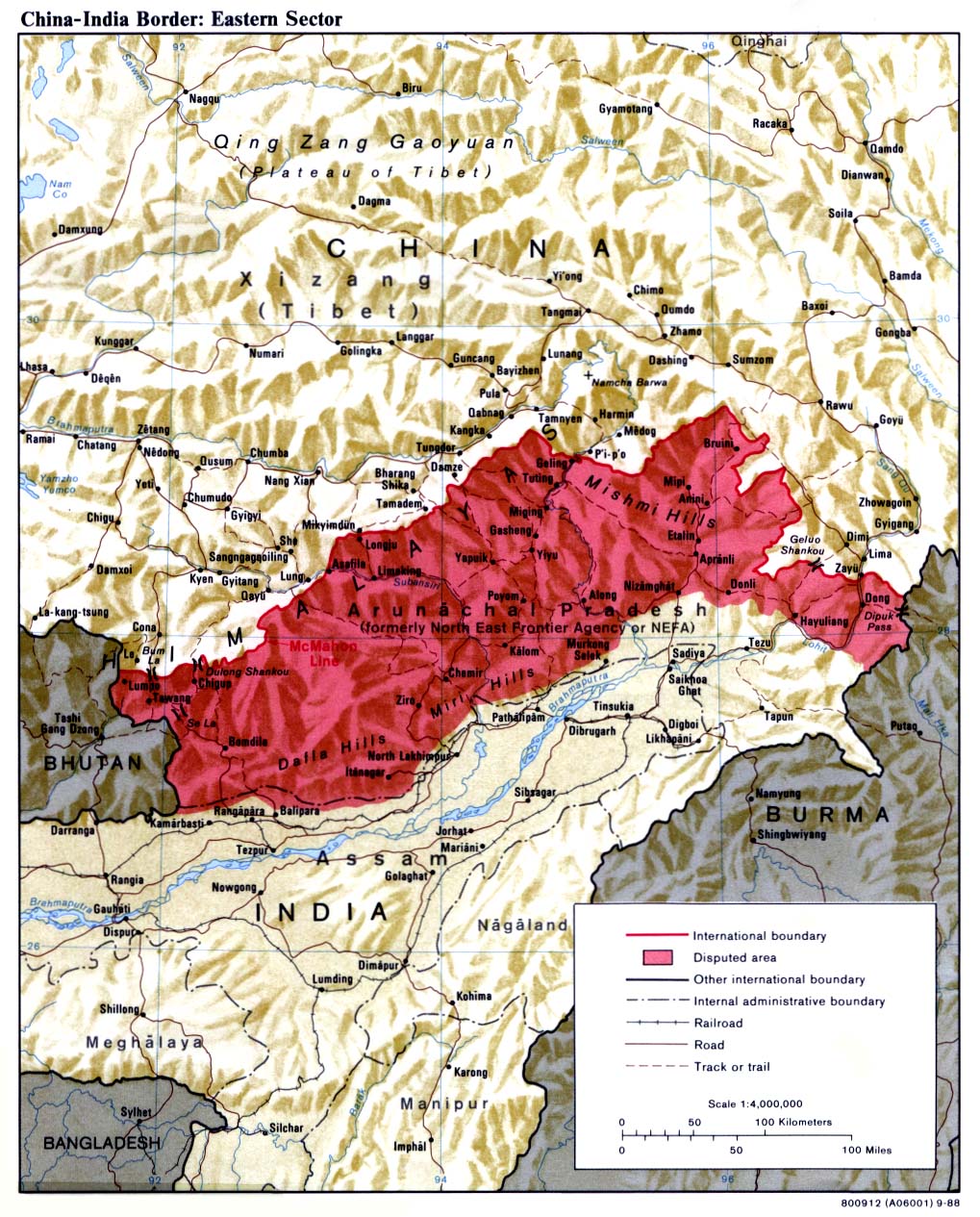



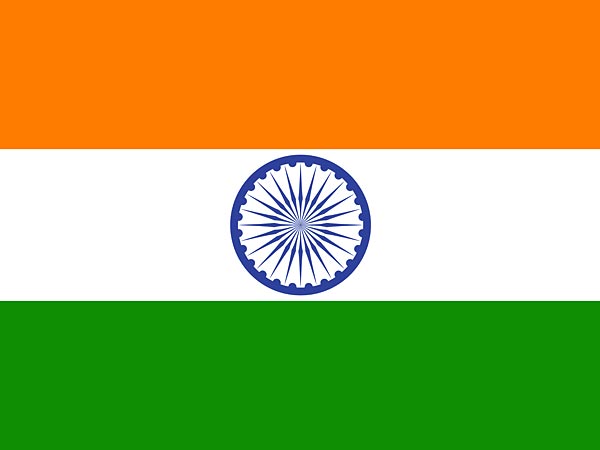


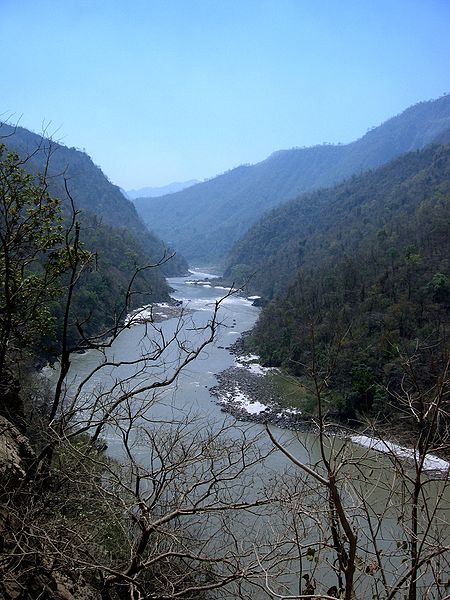




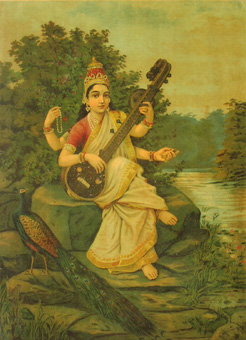


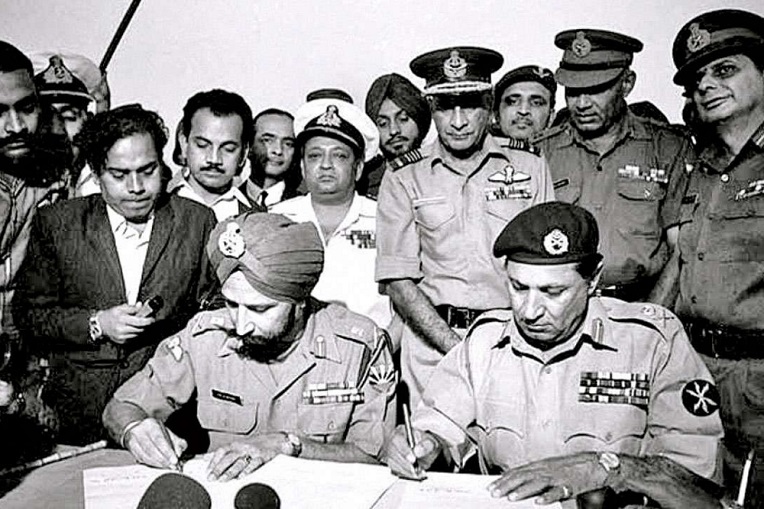


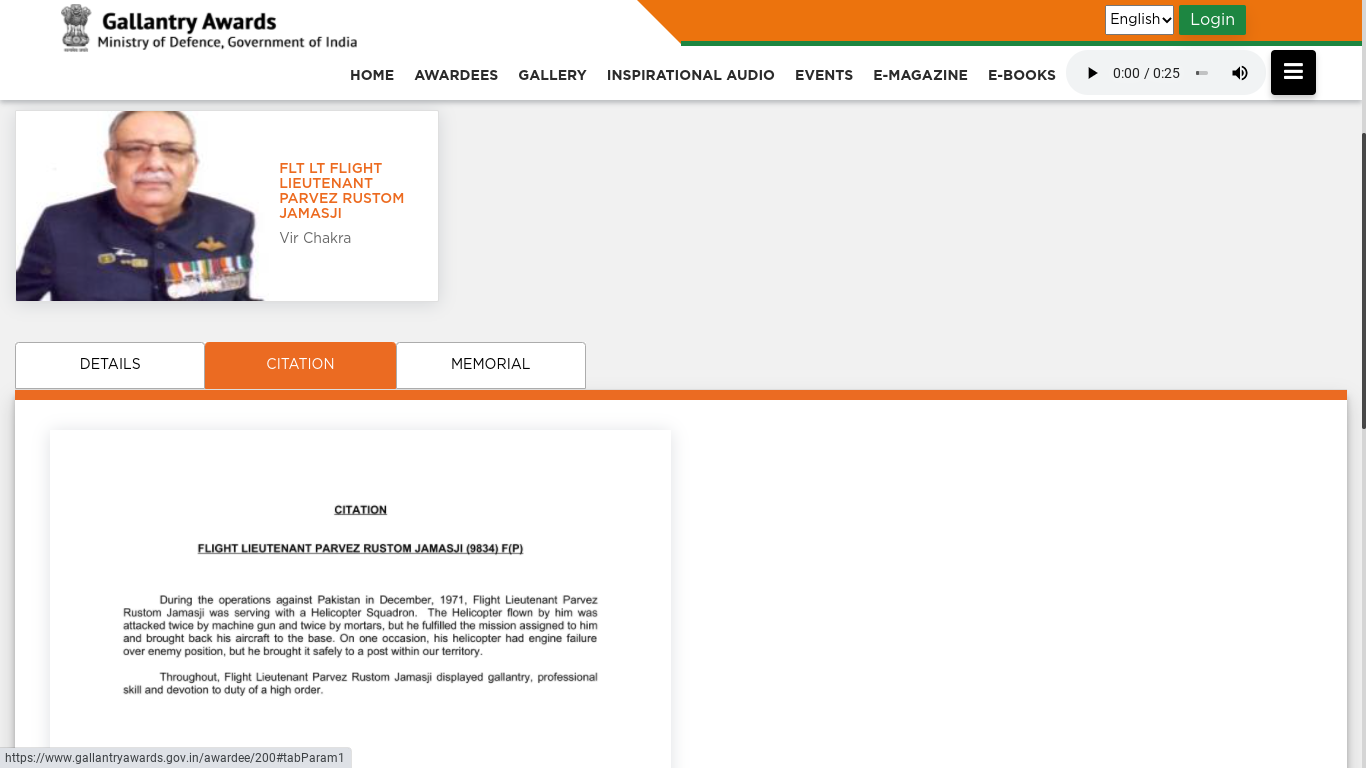

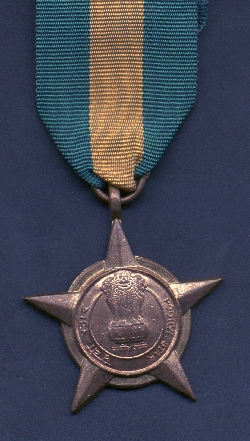

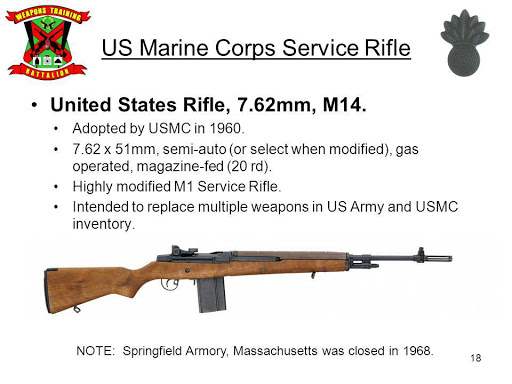
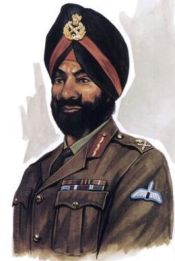

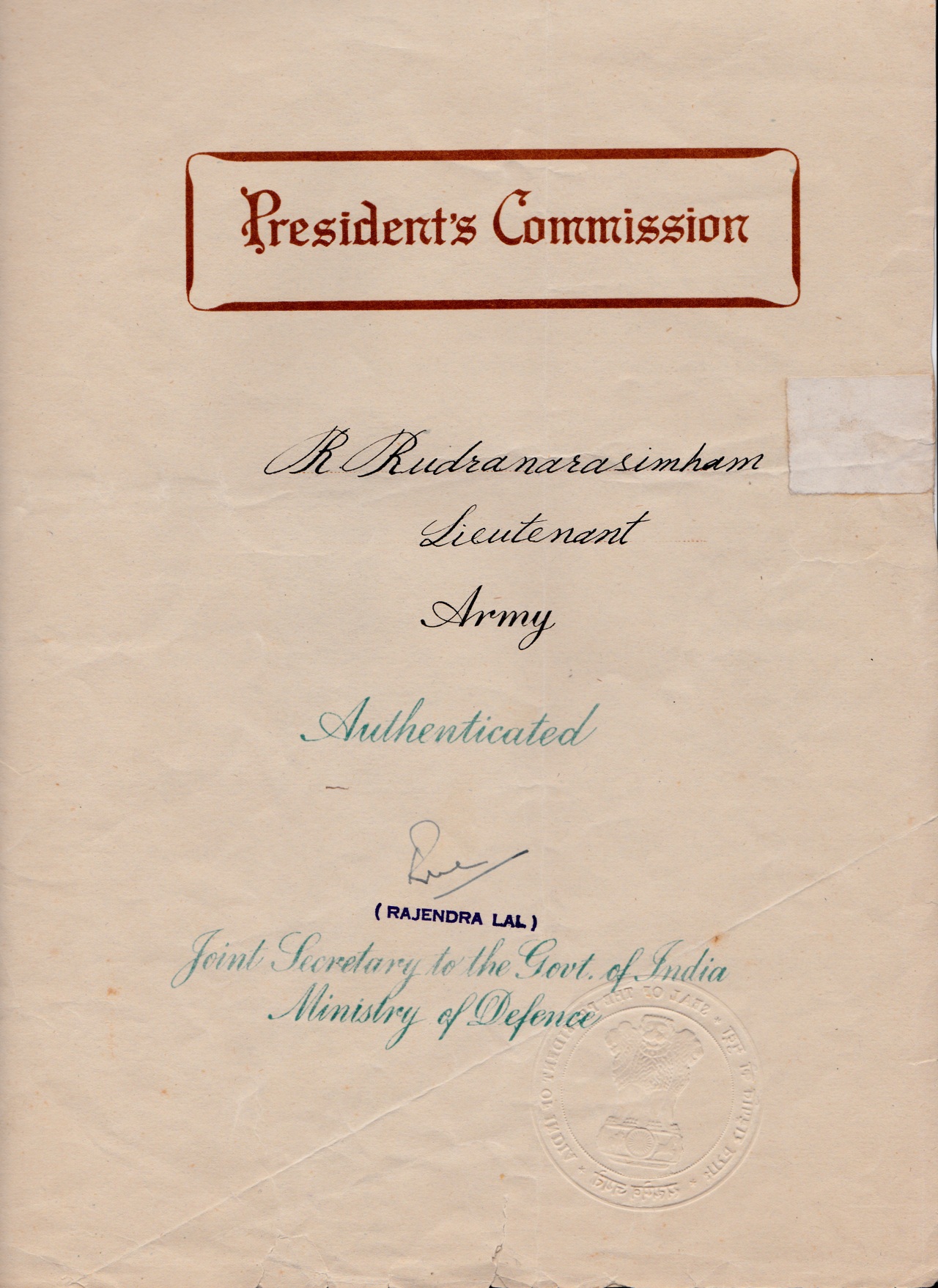




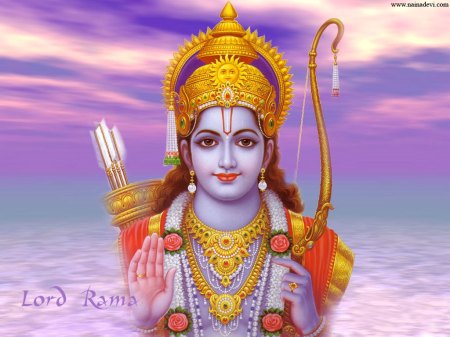


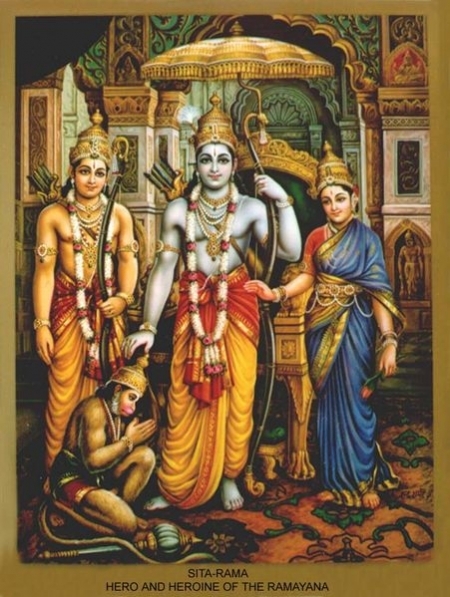

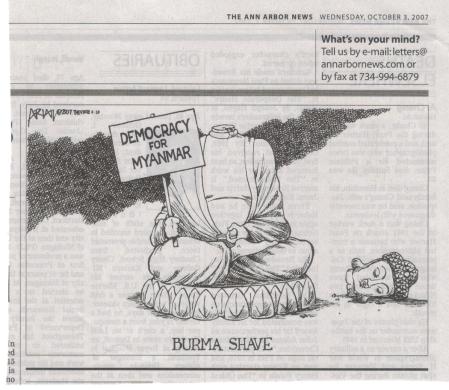


 Whole Dude - Whole Spirituality