

Good Friday is the Friday before Easter Sunday. It is observed in commemoration of the crucifixion of Jesus. Friday, April 03, 2026, is observed as Good Friday. I am praying to the Son of Man, a native of Nazareth, Galilee, to know, to understand the quality, the ability, and the fact of Patience. I am using the phrase “Whole Patience” for Jesus clearly demonstrates His other supernatural abilities. Jesus has several options if He chose not to wait, not to tolerate, not to succumb, and not to experience the horrors of pain and humiliation imposed on Good Friday. Today, the Slave is beholding the Son of Man to learn the Art of Patience. I am “alien” for I have not yet entered the Kingdom of Heaven on Earth.
Author Archives: WholeDude
Bharat Darshan Defines Indian Identity as the Breath of My Life
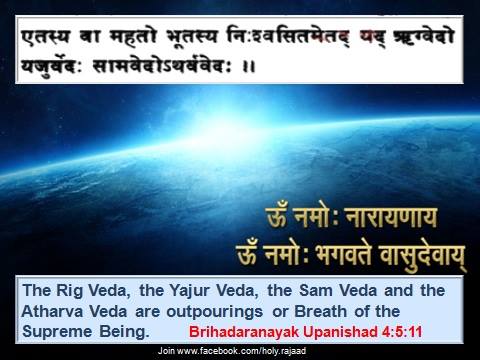
Nature supports and sustains life through various material energies, and wind or air in motion is considered to be a vital force.
Passover 2026 – Jesus instructs to observe the Day in Remembrance of His Sacrifice

In the Holy Bible, The Old Testament, The Second Book of Moses known as EXODUS traces Moses’ personal development and his emergence as one of history’s most decisive, powerful leaders. In Jewish history, Moses earned a place primarily as a liberator. He led the march from slavery to freedom, from Egypt to the Promised Land. Jews celebrate their liberation from slavery in Egypt as “Passover” festival. However, their Journey in search of Freedom and Liberation has not concluded after their march from Egypt. The fulfillment of the promise demands the fulfillment of the Law.
Reflections on Marriage Made in Heaven to Live in Hell on Earth
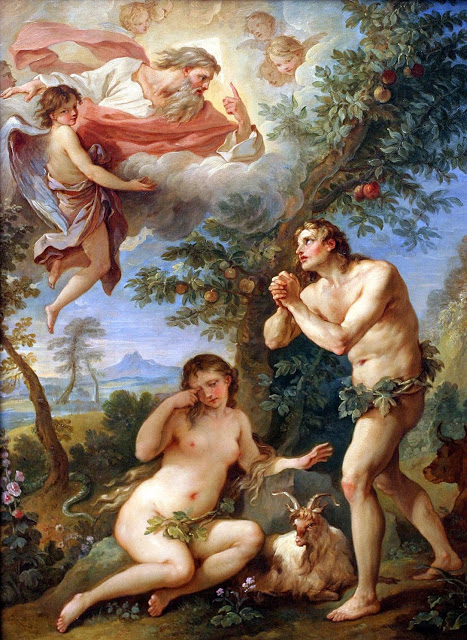
God created the Garden of Eden to provide home to Adam and Eve to live forever in eternal marital bliss. And the LORD God took the man, and put him into the Garden of Eden to dress it and to keep it. Genesis 2:15 (King James Bible). The Garden of Eden is the Paradise or Heaven on Earth. For that reason, I claim that the Marriage of Adam and Eve is Made in Heaven for God created a heavenly abode for Adam.
God created the Garden of Eden to provide home to Adam and Eve to live forever in eternal marital bliss. And the LORD God took the man, and put him into the Garden of Eden to dress it and to keep it. Genesis 2:15 (King James Bible). The Garden of Eden is the Paradise or Heaven on Earth. For that reason, I claim that the Marriage of Adam and Eve is Made in Heaven for God created a heavenly abode for Adam.
Palm Sunday 2026 – My Life Journey Living the Life of a Donkey without Human Rights

Welcome to the Celebration of Palm Sunday on March 29, 2026. This Septuagenarian celebrates the Septuagint Prophecy on Palm Sunday for Jesus fulfills Prophecy revealed by The Old Testament Prophet Zechariah. As the saying goes, every donkey has his day. It is not surprising to note that Donkeys are not entitled to Human Rights. Being a Donkey, the US determined that I am not entitled to Human Rights.
The Celebration of World Water Day on March 22

Water Molecule looks very simple and yet it plays a mysterious role inside all living cells. It is essential to Life and its propagation. Its Spiritual nature is revealed by its pure, original, and sweet taste it imparts apart from its role as a Chemical Compound. It is the main mode of transport of many Elements that are needed by the living organisms. Water is the Agent that leaches Nutrient Elements and Compounds from rocks and soils and makes them available for use by plants, and animals.
Man alone can describe the original, sweet taste imparted by the Water Molecule. The taste cannot be discovered in the atoms of Hydrogen and Oxygen that constitute the Water Molecule. Indians have glorified the significance of fresh water which is delivered from Heaven and the identity of the Land of Bharat is cherished as the Land where the sacred River Ganges flows.
The Joy of the Spring Season

In the Indian tradition, the creative energy is personified as Goddess Madhavi, and Her consort Lord Madhava is the Controller of Creative Energy. Today, I seek Blessings of Lord Madhava and Goddess Madhavi to renew my creative energy and to guide expression of my thoughts using sweet words and to promote the well-being of all my readers and become a source of Happiness to all people.
Whole Dude at Whole Foods Welcomes the Telugu New Year
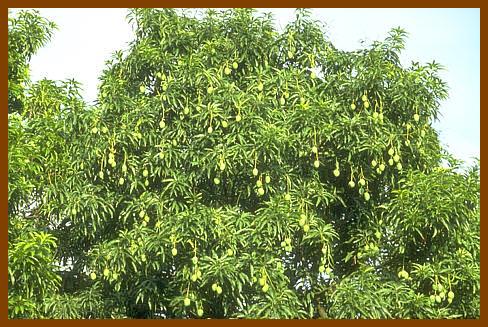
The Telugu New Year is traditionally celebrated as Ugadi festival. A traditional holiday dish, a relish called ‘Ugadi Pachadi’ is prepared to reflect the tastes and flavors of the Spring Season which may guide to prepare for the New Year with a willingness to accept the different dimensions of human experience under the influence of Time.
Chaitra Navratri – Nine-Night Festival to celebrate Divine Mother who brings Unity of Man and God
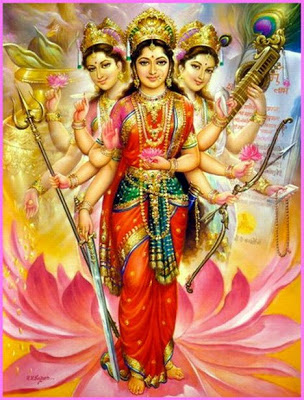
To fully account for human existence, two distinct or separate Principles must come together to produce the harmonious singular identity called man. The issue is not about God’s gender. It is the concern of the man to account for his own earthly existence as male and female. The Father Principle is called the Originating Principle. The Mother Principle is called the Source Principle, for Mother is the Source of Matter, Energy, and Knowledge to establish Life. Father originates the creation of the human form, and Mother provides Substance, the structural and functional basis of the human form.
Whole Dude at Whole Foods Celebrates Holi, the Festival of Colors on March 04, 2026.

Indians celebrate Holi for they have the choice to choose their personal God. In the Indian tradition, God manifests in various vibrant colors giving the people a sense of joy from several directions.

