Quinoa Challenge Award demands the development of food database quantifying the Polyamine content of Retail Food Products
Whole Foods-Whole Inspiration-Whole LanguageWhole Foods, Whole People and Whole Planet inspire Whole Dude to invent Whole Phrases: Whole Linguistics – Whole Language. The concept of Whole Cookie and Whole Love. Whole Dude uses the phrase Whole Linguistics to describe three entities; 1. Language User, 2. Language Interpreter and 3. Language Creator. Image Credit: Agenda Publications, Ann Arbor District Library, Issue Dates, December 1997 and February 1998.Griffin James Quinoa Challenge Award at Whole Foods Market Inc., Ann Arbor promotes the idea of improving Product Knowledge. Currently, there are no laws to include Nutrition Information about Dietary Polyamine Content of Food Products sold by Retail Food Industry.
Griffin James, an expert in Food Retail industry takes pride in disseminating information on food products sold in the US markets. On Griffin’s recommendation, the Whole Foods Market Inc., Ann Arbor presented to me the “Griffin James Quinoa Challenge Award” on Sunday, May 18, 2014. This award describes importance of the development of a food database that food consumers can easily use to make important decisions about the food products they purchase to promote their health and to prevent diseases like cancer.
Griffin James Quinoa Challenge Award: This Award promotes the development of a food database that will help consumers to know the levels of polyamines in different foods. The Nutrition Facts and Nutrition Information must include the levels of Polyamines such as Putrescine, Spermidine, and Spermine. The biosynthetic pathways of Polyamine synthesis are described. The concern is about the dietary sources and dietary contribution of Polyamines.
Nitrogen containing amino compounds such as Putrescine, Spermidine, and Spermine are commonly described as Food Polyamines.
Griffin James Quinoa Challenge Award: This Award promotes the development of a food database that will help consumers to know the levels of polyamines in different foods. The Nutrition Facts and Nutrition Information must include the levels of Polyamines such as Putrescine, Spermidine, and Spermine. The biosynthetic pathways of Polyamine synthesis are described. The concern is about the dietary sources and dietary contribution of Polyamines.The Magic of Creation discovered at Whole Foods, Ann Arbor – The Proof is in the Pudding. The Designing of Unchanging Chemical Molecules. Whole Dude – Whole Designer – Phytochemistry: Diamine, any of a group of chemical compounds containing two NH2 radicals, or double amino groups. Putrescine, 1,4-Diaminobutane is a foul-smelling organic chemical compound often produced by the breakdown of amino acids. Its name describes its connection with putrid substances such as rotten meat or decaying organic matter.The Magic of Creation discovered at Whole Foods, Ann Arbor – The Proof is in the Pudding. The Designing of Unchanging Chemical Molecules. Whole Dude – Whole Designer – Phytochemistry: Cadaverine is a foul-smelling diamine compound produced by protein hydrolysis. Compounds such as 1,5-Pentanediamine/Pentamethylenediamine impart putrid odor to dead and decaying animal matter.The Magic of Creation discovered at Whole Foods, Ann Arbor – The Proof is in the Pudding. The Designing of Unchanging Chemical Molecules.Whole Dude – Whole Designer – Phytochemistry: Spermidine is a Triamine or Polyamine and it is the precursor of a polyamine called Spermine. It is associated with the smell and flavor of Semen, the thick, whitish fluid secreted by the human male reproductive organs.The Magic of Creation discovered at Whole Foods, Ann Arbor-The Proof is in the Pudding. The Designing of Unchanging Chemical Molecules. Whole Dude – Whole Designer – Phytochemistry:TETRAMINE-POLYAMINE- SPERMINE – This amino compound was first found in human Semen several centuries ago. It is a basic substance associated with Nucleic Acids such as DNA and RNA, and cell membranes. It is found in nearly all animal, and plant cells. Its presence imparts smell and flavor to human Semen.The Magic of Creation discovered at Whole Foods, Ann Arbor-The Proof is in the Pudding. The Designing of Unchanging Chemical Molecules. Whole Dude – Whole Designer – Phytochemistry: Spermine imparts odor to human Semen. To be odorous, a substance must be sufficiently volatile for its molecules to be given off and carried into the nostrils where the Olfactory epithelium recognizes the presence of odoriferous molecules when they fit into functioning groups and specific receptors according to molecular size and shape.
There are three sources of Polyamines; 1. Synthesis within the human body, 2. Production by microorganisms residing in the human gut or intestinal tract, and 3. Contribution from the diet. There is extensive literature to describe the role of Polyamines in plants and animals. The Polyamines are ubiquitous polycationic compounds and are essential to male and female reproductive processes and to embryo/fetal development. Indeed their absence is characterized by infertility and arrest in embryogenesis. Mammals synthesize Polyamines de novo from amino acids or import these compounds from the diet. Polyamines are essential regulators of cell growth and gene expression and they are implicated in both mitosis and meiosis. In male reproduction, Polyamine expression correlates with stages of spermatogenesis and they function to promote sperm motility. In the female reproductive system, Polyamines are involved in ovarian follicle development and ovulation and Polyamine synthesis is required for steroidogenesis( production of steroid hormones) in the ovary. Polyamines play a role in implantation, in decidualization, in placenta formation and its function. Polyamine deprivation during gestation results in intrauterine growth retardation. Dietary arginine (amino acid) and dietary Polyamines can be stated as nutritional regulators of human fertility. Polyamines are universally distributed in all living cells. Biosynthesis of Polyamines from amino acids ornithine and methionine fluctuates according to the metabolic needs of the cell. Polyamines specifically interact with Nucleic Acids ( DNA and RNA ) and these compounds are found in intracellular organelle called ribosomes where they stimulate protein and RNA synthesis. There is an extensive literature indicating the physiological significance of these amino compounds.
Griffin James Quinoa Challenge Award at Whole Foods Market Inc., Ann Arbor promotes the idea of improving Product Knowledge. Currently, there are no laws to include Nutrition Information about Dietary Polyamine Content of Food Products sold by Retail Food Industry. Griffin James Quinoa Challenge Award at Whole Foods Market Inc., Ann Arbor promotes the idea of improving Product Knowledge. Currently, there are no laws to include Nutrition Information about Dietary Polyamine Content of Food Products sold by Retail Food Industry.
However, it must be noted that current research indicates importance of reducing concentration of Polyamines in the body pool in slowing the growth of cancerous tumors. Since dietary Polyamines significantly contribute to the body pool of Polyamines, quantifying them in diet is important.
Griffin James Quinoa Challenge Award at Whole Foods Market Inc., Ann Arbor promotes the idea of improving Product Knowledge. Currently, there are no laws to include Nutrition Information about Dietary Polyamine Content of Food Products sold by Retail Food Industry. Griffin James Quinoa Challenge Award at Whole Foods Market Inc., Ann Arbor promotes the idea of improving Product Knowledge. Currently, there are no laws to include Nutrition Information about Dietary Polyamine Content of Food Products sold by Retail Food Industry.
Griffin James Quinoa Challenge Award promotes importance of knowing the levels of Polyamines in different foods. It is of interest due to association of these bioactive nutrients to health and diseases like cancer. There is a lack of relevant information on their content in foods. For that reason, I would ask all of my readers to demand the US Department of Agriculture, Food Manufacturers and Food Retailers to disclose the Dietary Polyamine content of all food items sold in the US Markets.
Griffin James Quinoa Challenge Award at Whole Foods Market Inc., Ann Arbor promotes the idea of improving Product Knowledge. Currently, there are no laws to include Nutrition Information about Dietary Polyamine Content of Food Products sold by Retail Food Industry.Quinoa-Smell-Test-Challenge-I am the Secret Ingredient: We need a Polyamine Database for assessing Dietary intake of Chemical Compounds such as Spermine, Spermidine and Putrescine.
The Concept of Whole Love to Formulate Wholesome Interpersonal Relationships
Whole Foods-Whole Inspiration-Whole LanguageWhole Foods, Whole People and Whole Planet inspire Whole Dude to invent Whole Phrases: Whole Linguistics – Whole Language. The concept of Whole Cookie and Whole Love. Whole Dude uses the phrase Whole Linguistics to describe three entities; 1. Language User, 2. Language Interpreter and 3. Language Creator. Image Credit: Agenda Publications, Ann Arbor District Library, Issue Dates, December 1997 and February 1998.Christopher Columbus is coming back to rediscover America – The Land Where Love Grows. On Columbus Day I ask Americans to begin a new holiday tradition in celebration of Love: Columbus Day is a legal holiday commemorating the Discovery of America on October 12, 1492.
The word ‘Whole’ as an adjective describes the quality of being healthy, sound, auspicious, not broken, not defective, entire, undivided, complete, containing or constituting the entire amount, or having all of its natural elements. The word ‘Whole’ is also used as a noun to describe a thing or entity that is complete in itself and which lacks none of its parts.
THE DISCOVERY OF WHOLE LOVE IS AS SIGNIFICANT AS THE DISCOVERY OF AMERICA ON OCTOBER 12, 1492 BY CHRISTOPHER COLUMBUS (1451-1506) . THE LAND HE DISCOVERED WAS NOT INDIA AND THE PEOPLE HE FOUND ARE NOT INDIANS. YOU CANNOT FIND LOVE IN LIFE WITHOUT KNOWING THE PEOPLE WITH WHOM YOU GET ATTACHED. ON WEDNESDAY, JULY 30, 2014, I PROCLAIMED THAT I DESERVE THE RECOGNITION FOR DISCOVERING THE MEANING OF WHOLE LOVE.
THE DISCOVERY OF WHOLE LOVE IS AS SIGNIFICANT AS THE DISCOVERY OF AMERICA ON OCTOBER 12, 1492 BY CHRISTOPHER COLUMBUS (1451-1506) . THE LAND HE DISCOVERED WAS NOT INDIA AND THE PEOPLE HE FOUND ARE NOT INDIANS. YOU CANNOT FIND LOVE IN LIFE WITHOUT KNOWING THE PEOPLE WITH WHOM YOU GET ATTACHED. ON WEDNESDAY, JULY 30, 2014, I CLAIM THAT I DESERVE THE RECOGNITION FOR DISCOVERING THE MEANING OF WHOLE LOVE.
Christopher Columbus (1451-1506) discovered America on October 12, 1492 for he was determined to reach India by sailing West. He indeed discovered the New World but failed to discover Love or the meaning of Love. The Land that Columbus discovered was not India and he mistakenly identified its people as Indians. The Discovery of America by Columbus resulted in the introduction of sexually transmitted infection called Syphilis from the New World to the Old World. That is the reason I choose to compare my Discovery with the historical Discovery of America. My discovery is not about the New World, or the Old World. My discovery will be known as the Whole Discovery, the discovery of all the dimensions of Love, a discovery with a potential to transform the Whole World.
THE DISCOVERY OF THE NEW WORLD BY CHRISTOPHER COLUMBUS MAY HAVE CAUSED THE TRANSMISSION OF THIS BACTERIUM CALLED TREPONEMA PALLIDUM FROM THE NEW WORLD TO THE OLD WORLD. THIS INFECTION IS ACQUIRED DURING LOVE-MAKING AND IN REALITY IT IS A SYMPTOM OF THE ABSENCE OF WHOLE LOVE.
Whole Dude – Whole Discovery:
Christopher Columbus is coming back to rediscover America – The Land Where Love Grows. On Columbus Day I ask Americans to begin a new holiday tradition in celebration of Love: Columbus Day is a legal holiday commemorating the Discovery of America on October 12, 1492.
On Wednesday, July 30, 2014, I discovered the meaning of Whole Love. I am the ‘Creme’ just like the Creme of a Sandwich Creme Cookie and my original human nature reflects the sweetness of God’s Love. I discovered the three fundamental dimensions of Love, which must come together to give the experience of Whole Love.
Love is about relationships and it is central to the man’s connection with God, and the man’s relation to other persons apart from man’s relationship with his own self.
The White House Announces, “Columbus is Coming Back.” – The Rediscovery of America
Christopher Columbus is coming back to rediscover America – The Land Where Love Grows. On Columbus Day I ask Americans to begin a new holiday tradition in celebration of Love: Columbus Day is a legal holiday commemorating the Discovery of America on October 12, 1492.Christopher Columbus is coming back to rediscover America – The Land Where Love Grows. On Columbus Day I ask Americans to begin a new holiday tradition in celebration of Love: Columbus Day is a legal holiday commemorating the Discovery of America on October 12, 1492.
On Columbus Day, I ask Americans to begin a new holiday tradition in celebration of Love
Columbus Day is a legal holiday in the US commemorating the discovery of America by Christopher Columbus on October 12, 1492. The holiday is observed on the second Monday in October.
Christopher Columbus is coming back to rediscover America – The Land Where Love Grows. On Columbus Day I ask Americans to begin a new holiday tradition in celebration of Love: Columbus Day is a legal holiday commemorating the Discovery of America on October 12, 1492.
On August 3, 1492, Christopher Columbus set sail from Palos, Spain, with three small ships, the Santa Maria, the Pinta and the Nina. On October 12, the expedition reached land, probably Watling Island in the Bahamas. Later that month, Columbus sighted Cuba, which he thought was mainland China, and in December the expedition landed on Hispaniola, which Columbus thought might be Japan. He established a small colony there with 39 of his men. The explorer returned to Spain with gold, spices, and “Indian” captives in March 1493 and was received with the highest honors by the Spanish court. He was the first European to explore the Americas since the Vikings set up colonies in Greenland and Newfoundland in the 10th century.
Christopher Columbus is coming back to rediscover America – The Land Where Love Grows. On Columbus Day I ask Americans to begin a new holiday tradition in celebration of Love: Columbus Day is a legal holiday commemorating the Discovery of America on October 12, 1492.
During his lifetime, Columbus led a total of four expeditions to the “New World,” exploring various Caribbean islands, the Gulf of Mexico, and the South and Central American mainlands, but he never accomplished his original goal—a western ocean route to the great cities of Asia. Columbus died in Spain in 1506 without realizing the great scope of what he did achieve: He had discovered for Europe the New World, whose riches over the next century would help make Spain the wealthiest and most powerful nation on earth.
Christopher Columbus is coming back to rediscover America – The Land Where Love Grows. On Columbus Day I ask Americans to begin a new holiday tradition in celebration of Love: Columbus Day is a legal holiday commemorating the Discovery of America on October 12, 1492.
Columbus was honored with a U.S. federal holiday in 1937. The second Monday in October is celebrated as Columbus Day.
Christopher Columbus is coming back to rediscover America – The Land Where Love Grows. On Columbus Day I ask Americans to begin a new holiday tradition in celebration of Love: Columbus Day is a legal holiday commemorating the Discovery of America on October 12, 1492. Shavout is the celebration of the Law (Torah) given to the Jews at Mount Sinai.
The word Love does not appear in the Torah (Law) given to the Jews at Mount Sinai. I conducted a study of the holiday traditions of the US and I am totally surprised to note that there is no traditional celebration of the Proclamation of the two Great Love Commandments of Jesus Christ. Jewish Holiday Shavout celebrates the giving of the Torah (the Law or Instruction) to the Jews. God gave the Ten Commandments (The Decalogue, The Code of The Ten Words) on the sixth night of the Hebrew month of Sivan. Shavuot always falls 50 days (Pentecost) after the second night of Passover. The 49 days between Passover and Shavuot are known as Omer. While retaining the essence of The Code of The Ten Words, Jesus changes the Operating Principle of the Torah or The Law. Jesus instructs that the Law would be followed by His believers not through the use of force or authority but by simply embracing the equally powerful influence called Love.
Christopher Columbus is coming back to rediscover America – The Land Where Love Grows. On Columbus Day I ask Americans to begin a new holiday tradition in celebration of Love: Columbus Day is a legal holiday commemorating the Discovery of America on October 12, 1492.
I am posting this article to make an open appeal to all the members of the US Congress to pass a decree or law to commence a new tradition in the national life that celebrates the central role of love in developing wholesome human relationships. Love is central to man’s relationship to God and man’s relations with other persons apart from man’s relationship with one’s own self. Love has to be known as “The Medium” that generates the attachment or devotion to another person; this kind of care and concern for a person, or persons in a relationship could be called ‘Whole Love’ if whatever is done for Love occurs beyond Good and Evil.
Christopher Columbus is coming back to rediscover America – The Land Where Love Grows. On Columbus Day I ask Americans to begin a new holiday tradition in celebration of Love: Columbus Day is a legal holiday commemorating the Discovery of America on October 12, 1492: German philosopher Friedrich Wilhelm Nietzsche (1844-1900) states, “What is done out of Love always takes place beyond Good and Evil.” God’s Love for man is unconditioned and God loves man without demanding that man must acknowledge God’s Love.
What is Love?
Love is a powerful emotion felt for another person manifesting itself in deep affection, devotion or sexual desire. If love is viewed as fondness or affection it may include or based in part on sexual attraction which is related to libido (sexual urge or instinct), and lust (a desire to gratify the senses or bodily appetite that seeks unrestrained gratification). Love implies feelings that are attached to relationships or objects and assumes various forms such as sexual love, brotherly love, and love of God. The attachment may be felt for inanimate things as well as people, or ideas, or expressed as an abstraction. There are many different kinds of love; different in object, different in tendency, and different in expression. The problem of the kinds of love is further complicated by the need to differentiate and relate love and desire. The category of love known as sexual love has the tendency to desire possession of the object that is loved. The tendency of desire is acquisitive. Sexual love is a love born of desire, and the drive of desire continues until it is satisfied by possession of the loved object. Physical possession is the basis for the satisfaction of sexual desire, sexual appetite, or sexual hunger, or sexual thirst. The other forms of love do not tend to possess the object loved but seek to benefit the object that is loved. Love is selfish when it acts like hunger, thirst, or appetite which need to be satisfied for the benefit of the person expressing that love. Love is altruistic when it acts for the good or the benefit of the beloved. Conjugal love may include a combination of selfishness and altruism. The ancient languages have three distinct words for the main types of love; Eros, Philia, and Agape in Greek language; Amor, Amicita or Dilectio, and Caritas in Latin language. However, English language has no such distinct words and hence it becomes necessary to use such phrases as “sexual love”, “love of friendship”, and “love of charity” in order to indicate plainly that love is common to all three, and to distinguish the three meanings. The idea of love expressed in Biblical Scriptures makes no distinction between Amor, Dilectio, and Caritas.
Christopher Columbus is coming back to rediscover America – The Land Where Love Grows. On Columbus Day I ask Americans to begin a new holiday tradition in celebration of Love: Columbus Day is a legal holiday commemorating the Discovery of America on October 12, 1492.
For example, Matthew, Chapter 22, verses 37, 38, and 39 speak of the Great Commandments of The Laws of Moses: Jesus said unto him, “Thou shalt love the Lord thy God with all thy heart, and with all thy soul, and with all thy mind. This is the first and great commandment. And the second is like unto it. Thou shalt love thy neighbour as thyself.”
Christopher Columbus is coming back to rediscover America – The Land Where Love Grows. On Columbus Day I ask Americans to begin a new holiday tradition in celebration of Love: Columbus Day is a legal holiday commemorating the Discovery of America on October 12, 1492.
Jesus brings unity between the idea of self-love, love of God, and the love of one another without making distinction between the three different kinds of love. Jesus does not specify if man should wish and expect to be loved in return. Jesus did not attach any purpose to this act of love, and did not describe the nature of desire, the attachment, and the gratification of his Love Commandment.
The Origin of Love:
Sigmund Freud places the origin of Love in sexual instincts and he claims that the many varieties or categories of Love are simply the forms which love takes as the libido fixes upon various objects.
Sigmund Freud’s theory places the origin of love in the sexual instincts, and so for him the many varieties of love are simply the forms which love takes as the ‘Libido’ fixes upon various objects. He states, “The nucleus of what we mean by love naturally consists …… in sexual love with sexual union as its aim. We do not separate from this; on the one hand, self-love, and on the other, love for parents and children, friendship and love for humanity in general, and also devotion to concrete objects and to abstract ideas….. All these tendencies are an expression of the same instinctive activities…. They differ from sexual love only because they are diverted from its aim or prevented from reaching it, though they always preserve enough of their original nature to keep their identity recognizable.” If love is the passion of the sexual instinct, temperance is an inadequate restraint. Neither reason nor law is adequate to the task of subduing the nature of the sexual instinct. Sexual instinct is a very powerful biological instinct and it profoundly influences human behavior. Hence it becomes necessary to transform sexual love either by repressing it, or sublimating it, or mixing it with tenderness or kindness. In that context, friendship, charity or compassion, and devotion to God could be stated as transformations of sexual love. Sexual instincts are inhibited or actually repressed in the expression of brotherly love, or feelings of deep affection for children and others where the relationship should not be based upon feelings of sexual attraction.
The Complexity of Love:
Love is a very complex emotional instinct and it is complex as it may not always provide a sense of joy or happiness. There is a fact about love; love frequently turns into its opposite, hate. Sometimes there is love and hate of the same object; sometimes love inspires hate, and love may also cause jealousy, anger, and fear. Love seems to be the primal passion, generating all the others according to the oppositions of pleasure and pain and by relation of cause and effect. The individual’s experience of love is extremely variable and it includes the operation of both positive and negative impulses. The Indian tradition has carefully examined this complex instinctual behavior and has instructed people of the Land of Bharat or India to understand the three major distinctions or categories of love and to apply a sense of restraint, or that of repression to bring love under the purview of morality, the code of Right Conduct or Dharma. The Indian Culture does not provide the linguistic tools to express feelings associated with sexual passion without using temperance. There is no linguistic equivalent in classical Indian languages to profess love. The terms and words that Indians use have specific meaning attached to them.
Love vs Prema:
Christopher Columbus is coming back to rediscover America – The Land Where Love Grows. On Columbus Day I ask Americans to begin a new holiday tradition in celebration of Love: Columbus Day is a legal holiday commemorating the Discovery of America on October 12, 1492.
Love is not a universal term and this idea is not expressed in Indian tradition and classical literature. The word “Love” appears repeatedly in the Bible, in several different editions of Bible. I am not a language expert and I believe that people who had translated Bible have exercised great care to convey the meaning of love. Many editions of Bible have further clarified the meaning of Love in their glossary section or Bible dictionary and define Love as a deep sense of affection, devotion for someone or something and they very carefully exclude sexual desire and sexual passion. In English speaking world, and in English literature, the word Love is used to describe desire, libido, lust, and passion based upon sexual attraction. So, Love is a generic term and it may not always mean brotherly love and goodwill. Indian Culture has erected subtle barriers and has not provided linguistic tools to use the word Love as we like. It separates Love into various categories and sets them apart. The feelings of affection, or fondness that are associated with sexual attraction are specifically known as ‘Kama’ and intense sexual passion or desire is called ‘Moha’. Any intense or passionate desire could be called Kama and to act under its influence could be stated as Moha. My love for God could only be expressed in terms of Bhakti or Devotion, and the desire could be called Preet. The desire called Preeti or Preet is a legitimate desire. It is also called “Ishta.” I am allowed to seek or desire certain things in my life and that desire is subject to the rule of Good Conduct or Dharma. I can express the sentiment of Preet only when, and where such desire is allowed to be stated in a legitimate manner, and is acceptable to tradition and established conventions and social norms. If I entertain thoughts of sexual attraction about my attractive and rich neighbor, I am not allowed to express my feelings as Preet. It can not be called “Ishta.” I can call it Kama or Moha. In the epic poem of Ramayana, when King Ravana of Lanka wanted to marry Princess Sita and attended her Swayamvara ( a traditional function in which the bride selects her partner among the group of invited suitors), the desire was legitimate and he was allowed to feel sexual attraction and it was not Kama. But, when he abducted her while she was lawfully married to Prince Rama, that desire and sexual attraction represents an impulsive action of Moha, and Kama. King Ravana was not entitled to express his Love for Sita if it is formulated by Kama, and intense sexual passion known as lust or Moha. Similarly, a man can express his love or Preet for a woman in a respectful or legitimate manner and to seek a valid relationship. If the relationship is illegal, it can not be called Preet. A father’s love, or mother’s love, or brother’s love is described as “Vasthalya,” a natural sense of affection and fondness which is not related to sexual attraction or desire. The word “Prema” or “Prem” is used to describe the feelings of affection, fondness, friendship (Sneha), kindness (Daya, or Karuna), compassion (Krupa), happiness, joy (Ananda) that have no direct relationship to the satisfaction of sexual desires and passions. The deep sense of affection between husband and wife is often called “Anurag” which indicates an intimate friendship. I can not literally translate the word Love into any of the Indian languages as such expression is not allowed without stating the nature of its contents.
Christopher Columbus is coming back to rediscover America – The Land Where Love Grows. On Columbus Day I ask Americans to begin a new holiday tradition in celebration of Love: Columbus Day is a legal holiday commemorating the Discovery of America on October 12, 1492.
To express the Commandment of Jesus to Love your neighbour as thyself in the Indian languages is not easy. Jesus has not stated that idea in terms of friendship (Sneha), kindness (Daya), or giving happiness (Ananda). The attributes of friendship, kindness, and giving joy or happiness must be specifically described to write the preaching of Jesus to express Love of one another.
Christopher Columbus is coming back to rediscover America – The Land Where Love Grows. On Columbus Day I ask Americans to begin a new holiday tradition in celebration of Love: Columbus Day is a legal holiday commemorating the Discovery of America on October 12, 1492.
However, in the Indian tradition, the deep sense of affection or fondness of God is stated as Bhakti or devotion. Mirabai has expressed such deep sense of affection and I would not call it as her love of Krishna. Jayadeva in his famous description of Lord Krishna’s creative activities in Vrindavan has depicted the intense erotic feelings of the young maidens as a product of their intense devotion to the Lord. I can not use the word Love to describe the sexual passions of the Gopis or the young maidens of Vrindavan.
Self-Love and Narcissism:
Christopher Columbus is coming back to rediscover America – The Land Where Love Grows. On Columbus Day I ask Americans to begin a new holiday tradition in celebration of Love: Columbus Day is a legal holiday commemorating the Discovery of America on October 12, 1492.
My concern is not about Prema or Love. My concern is about self-love, a man’s love of himself. In psychology the word ‘Narcissism’ is used to describe excessive self-love. In my experience, I have not encountered such narcissistic tendencies among people of Indian origin. The Indian tradition has erected barriers and would not easily let us identify ourselves with the physical-self. Indian tradition repeatedly instructs us about our Essence and true Identity and reminds us not to get attached to the physical-self. If I have no feelings of attachment to my physical-self, I can not really love myself. If I can not truly love myself, I can not also love my neighbor in the same manner, or to the same degree or extent of my self-love. If man is not expected to love himself, the issue of loving the neighbor is redundant. In my analysis, Self-Love is an essential attribute of the concept of Whole Love for man can never avoid the fundamental duty of self-preservation and keep his own existence with self-respect and human dignity.
Christopher Columbus is coming back to rediscover America – The Land Where Love Grows. On Columbus Day I ask Americans to begin a new holiday tradition in celebration of Love: Columbus Day is a legal holiday commemorating the Discovery of America on October 12, 1492.
Christopher Columbus is coming back to rediscover America – The Land Where Love Grows. On Columbus Day I ask Americans to begin a new holiday tradition in celebration of Love: Columbus Day is a legal holiday commemorating the Discovery of America on October 12, 1492.
At Whole Foods Market, Ann Arbor, Michigan, Whole Dude has formally announced his Whole Discovery, the discovery of the experience called Whole Love. Love is an emotional experience and it is both a Subjective, and an Objective experience. Love is a personal experience and the experience can be objectively verified. The mental experience called Love demands a Subject who may experience the feelings termed as Love and at the same time, Love demands an Object that may experience those feelings described as Love. Love is always manifested as a connection, a relationship, as an attachment, a bonding, or a cementing feeling that brings together the persons involved in the attraction called Love. Hence, there are three fundamental aspects of the experience called Love. These are, 1. The Subject who experiences Love by expressing Love of another person which is identified as the Object loved, and 2. Experiencing Love for being the Object of another person’s Love, and 3. To have the experience called Whole Love each person needs to be both the Subject who is Loving, and also be the Object that is Loved.
It may be very easy to claim that Love is a mutually shared experience and state that the partners in a Love relationship experience Love for one another to the same extent. When you examine the reality of the present day world, very few people may truly claim that they have discovered Love. To be the Subject who is Loving and simultaneously be the Object that is Loved on a reciprocal basis is not happening as frequently as people would expect to find. There is a gap or a ‘Mismatch’ between the feelings expressed and the feelings returned. Many relationships are simply ending when they find this gap or Mismatch a bit overwhelming. For Love involves mental attachments, a person in Love needs the experience of an emotional attachment from the person that he truly loves and get the feeling that he is the most loved person when that person feels attached to him through expression of the sentiments of love. To explain the three aspects of Whole Love, I invite my readers to taste the 365 Everyday Value Mismatched Sandwich Cremes, exclusively sold at the Whole Foods Market.
Christopher Columbus is coming back to rediscover America – The Land Where Love Grows. On Columbus Day I ask Americans to begin a new holiday tradition in celebration of Love: Columbus Day is a legal holiday commemorating the Discovery of America on October 12, 1492.
On Wednesday, July 30, 2014, I purchased 365 Everyday Value Mismatched Sandwich Cremes to declare that, “I am the Creme of Life. The Vanilla Cookie gives me the feeling that I am the most Loved Person in the World. And the Chocolate Cookie gives me the feeling that I have never, ever experienced for being so much in Love during my entire Life.” For I am the Creme of Life, I can experience all the dimensions of Whole Love at the same time. The Two Cookies, get transformed into a singularity that I call Whole Cookie by getting intimately attached to my Whole Body, Mind, Heart, and Soul, giving me the Full, Total, Complete, and the Whole experience called Whole Love.
Christopher Columbus is coming back to rediscover America – The Land Where Love Grows. On Columbus Day I ask Americans to begin a new holiday tradition in celebration of Love: Columbus Day is a legal holiday commemorating the Discovery of America on October 12, 1492.
God’s Unconditioned Love goes beyond Good and Evil. However, the human interpersonal relationships will not be Wholesome unless they are based upon the pillars of trust, respect, and commitment. In other words, the human love relationships will never last unless the feelings of mutual attraction include the foundational values of trust, respect, and commitment. Whole Love in its essence reflects the three dimensions of Love. These dimensions are, 1. Self-Love, 2. God’s Love and 3. Love of another person.
In the United States, we have no Law, or a cultural tradition to commemorate the event in which Jesus Christ has issued the two great commandments asking people to observe the Law of ‘Whole Love’ which demands, 1. The Love of God with Whole Body, Heart, Mind, and Soul, and 2. The Love of Neighbor as a requirement of God’s Law for man
In the United States, we have no Law, or a cultural tradition to commemorate the event in which Jesus Christ has issued the two great commandments asking people to observe the Law of ‘Whole Love’ which demands, 1. The Love of God with Whole Body, Heart, Mind, and Soul, and 2. The Love of Neighbor as a requirement of God’s Law for man. After my ‘Whole Discovery’, the discovery of the experience of ‘Whole Love’ at Whole Foods Market, Ann Arbor, Michigan on Wednesday, July 30, 2014, I have decided to promote the establishment of a ‘Whole Tradition’ to follow the Spirit of the ‘Whole Law’ to truly observe the Commandment of ‘Whole Love’. To commemorate my ‘Whole Discovery’, I am writing this appeal to ask all the members of the US Congress to approve a new Law to observe the last Wednesday of July as the ‘Whole Love Holiday’. The choice of Wednesday is very appropriate as most other legal holidays are observed on Mondays as a matter of convenience and not for the purposes of obedience to a Divine Law which should be the source and inspiration for the Human Law. The concept of ‘Whole Love’ represents the ‘Whole Law’ that is explicitly pronounced by Jesus Christ as the only Commandment that man must follow and observe in his lifetime. To acknowledge the ‘Whole Law’, to celebrate its pronouncement, we need a new ‘Whole Tradition’ which is reflected by instituting a new ‘Whole Holiday’.
Christopher Columbus is coming back to rediscover America – The Land Where Love Grows. On Columbus Day I ask Americans to begin a new holiday tradition in celebration of Love: Columbus Day is a legal holiday commemorating the Discovery of America on October 12, 1492. The concept of Whole Love to formulate Wholesome Interpersonal Relationships. Matthew 5 45. Sun shines on good and evil and the blessings of rain reach both just and unjust.
Yes Indeed, Life is Complicated. The complexity of Life involves the separation between the singular entity called Man and the building blocks of his life called cells. The cells exist as independent individuals and the man does not rule or govern the cells of his own body. The concepts of Sin, Repentance, and Atonement are not applicable to the living functions performed by the cells.
Yes Indeed, Life is Complicated. The complexity of Life involves the separation between the singular entity called Man and the building blocks of his life called cells. The cells exist as independent individuals and the man does not rule or govern the cells of his own body. The concepts of Sin, Repentance, and Atonement are not applicable to the living functions performed by the cells.
Yes Indeed, Life is Complicated. The complexity of Life involves the separation between the singular entity called Man and the building blocks of his life called cells. The cells exist as independent individuals and the man does not rule or govern the cells of his own body. The concepts of Sin, Repentance, and Atonement are not applicable to the living functions performed by the cells.
The Day of Atonement does not deliver me from The Agony of the Cup
Yes Indeed, Life is Complicated. The complexity of Life involves the separation between the singular entity called Man and the building blocks of his life called cells. The cells exist as independent individuals and the man does not rule or govern the cells of his own body. The concepts of Sin, Repentance, and Atonement are not applicable to the living functions performed by the cells.
Yes Indeed, Life is Complicated. The complexity of Life involves the separation between the singular entity called Man and the building blocks of his life called cells. The cells exist as independent individuals and the man does not rule or govern the cells of his own body. The concepts of Sin, Repentance, and Atonement are not applicable to the living functions performed by the cells.
Yes Indeed, Life is Complicated. The complexity of Life involves the separation between the singular entity called Man and the building blocks of his life called cells. The cells exist as independent individuals and the man does not rule or govern the cells of his own body. The concepts of Sin, Repentance, and Atonement are not applicable to the living functions performed by the cells.
Yom Kippur / יום כפור
Yes Indeed, Life is Complicated. The complexity of Life involves the separation between the singular entity called Man and the building blocks of his life called cells. The cells exist as independent individuals and the man does not rule or govern the cells of his own body. The concepts of Sin, Repentance, and Atonement are not applicable to the living functions performed by the cells.
The Day of Atonement or Yom Kippur is the most important and solemn of the Jewish holidays. It is the tenth and final day of the Ten Days of Repentance which begins with Rosh Hashanah.
Yes Indeed, Life is Complicated. The complexity of Life involves the separation between the singular entity called Man and the building blocks of his life called cells. The cells exist as independent individuals and the man does not rule or govern the cells of his own body. The concepts of Sin, Repentance, and Atonement are not applicable to the living functions performed by the cells.
Yom Kippur (Hebrew: יוֹם כִּפּוּר or יום הכיפורים), Also known as Day of Atonement, is the holiest day of the year for the Jews. Its central themes are atonement and repentance. Jews traditionally observe this holy day with a 25-hour period of fasting and intensive prayer, often spending most of the day in synagogue services. Yom Kippur completes the annual period known in Judaism as the High Holy Days (or sometimes “the Days of Awe”).
Yom Kippur 2025. My prayers for Divine Mercy, Grace, and Compassion. If I have to suffer, LORD let me suffer living as a prisoner in the enemy’s camp.
Yom Kippur 2025 (the Day of Atonement): Wednesday, October 01 to Thursday, October 02:
The Gift of Atonement vs The Gift of The Agony of the Cup.
Yom Kippur is the holiest day of the year—the day on which we are closest to God and to the quintessence of our own souls. It is the Day of Atonement—“For on this day He will forgive you, to purify you, that you be cleansed from all your sins before God” (Leviticus 16:30).
Yom Kippur 2024. My prayers for the Divine Mercy, Grace, and Compassion. If I have to suffer, LORD let me suffer living as a prisoner in the enemy’s camp.
“For nearly twenty-six hours—from several minutes before sunset on 9 Tishrei (Wednesday, October 01) to after nightfall on 10 Tishrei (Thursday, October 02)—we “afflict our souls”: we abstain from food and drink, do not wash or anoint our bodies, do not wear leather footwear, and abstain from marital relations. Instead our time is spent in prayer to God.“
Yes Indeed, Life is Complicated. The complexity of Life involves the separation between the singular entity called Man and the building blocks of his life called cells. The cells exist as independent individuals and the man does not rule or govern the cells of his own body. The concepts of Sin, Repentance, and Atonement are not applicable to the living functions performed by the cells.
On this holy day of Atonement, I am trapped in the belly of a huge fish with no chance to seek the forgiveness of either my friend or of my enemy.
The Gift of Atonement vs The Gift of The Agony of the Cup.
I am just a refugee without a refuge. I do not know my final destination. How will I find peace while I exist as a slave in a free country? If I have to suffer, I ask God to grant me His Mercy, Grace, and Compassion. LORD, let me suffer living as a prisoner in the enemy’s camp.
The Gift of Atonement vs The Gift of The Agony of the Cup.
Yes Indeed, Life is Complicated. The complexity of Life involves the separation between the singular entity called Man and the building blocks of his life called cells. The cells exist as independent individuals and the man does not rule or govern the cells of his own body. The concepts of Sin, Repentance, and Atonement are not applicable to the living functions performed by the cells.Yes Indeed, Life is Complicated. The complexity of Life involves the separation between the singular entity called Man and the building blocks of his life called cells. The cells exist as independent individuals and the man does not rule or govern the cells of his own body. The concepts of Sin, Repentance, and Atonement are not applicable to the living functions performed by the cells.
The idea of repentance is well expressed in different Cultures but the interpretation of its consequences is not the same. The Jews associate the idea of repentance with Divine Atonement and Absolution of sins.
Judaism and The Doctrine of Atonement:
Yom Kippur 2025. My prayers for the Divine Mercy, Grace, and Compassion. If I have to suffer, LORD let me suffer living as a prisoner in the enemy’s camp.
Repentance is a common theme of Old Testament Prophets. Prophet Jeremiah had more to say about repentance than any other Prophet. He called upon Jews to repent and condemned them for their false worship and social injustice.
To Jews, repentance means living in obedience to Yahweh’s Will for the individual and the nation of Israel. For a Jew, atonement is expiation for his own sin in order to attain God’s forgiveness. He may achieve this in various ways, including repentance, payment for a wrong action, good works, suffering, and prayer. Repentance and changed conduct are stressed as the most important aspects of Atonement.
Yom Kippur 2025. My prayers for the Divine Mercy, Grace, and Compassion. If I have to suffer, LORD let me suffer living as a prisoner in the enemy’s camp.
God set up Laws for the Israelites mostly regarding holiness and worship. The Old Testament Book of Leviticus, Chapter 16, verse 34: “This is to be a lasting ordinance for you; Atonement is to be made once a year for all the sins of the Israelites.”
The Day of Atonement or Yom Kippur is the most important and solemn of the Jewish holidays. It is the tenth and final day of the Ten Days of Repentance which begins with Rosh Hashanah.
The Day of Atonement or Yom Kippur is the most important and solemn of the Jewish holidays. It is the tenth and final day of the Ten Days of Repentance which begins with Rosh Hashanah.
God has issued a lasting ordinance and has called upon the Jews to obtain Atonement once a year. After the destruction of the Second Temple at the Temple Mount in Jerusalem, Jews discontinued the practice of ritualistic animal sacrifice to make the sin and burnt offerings to seek Atonement.
The observance of Yom Kippur includes a 25 hour period of fasting and intensive prayer. At the end of Yom Kippur, the man considers himself absolved from his sin and is reconciled to God.
Yes Indeed, Life is Complicated. The complexity of Life involves the separation between the singular entity called Man and the building blocks of his life called cells. The cells exist as independent individuals and the man does not rule or govern the cells of his own body. The concepts of Sin, Repentance, and Atonement are not applicable to the living functions performed by the cells.
Repentance is not a personal choice for the Jews. It is a divine instruction given to the Jews.
Yom Kippur 2025. My prayers for the Divine Mercy, Grace, and Compassion. If I have to suffer, LORD let me suffer living as a prisoner in the enemy’s camp.The Gift of Atonement vs The Gift of The Agony of the Cup.
Yes Indeed, Life is Complicated. The fundamental complexity of Life involves the problem of Sin which dates back to the very beginning of the man. Fortunately, the Bible offers a Second Chance to the man to remove the burden of Sin. But, the burden of Sin got transformed into The Agony of the Cup and Jesus had to drink from the Cup with no other choice.
The Gift of Atonement vs The Gift of The Agony of the Cup.The Gift of Atonement vs The Gift of The Agony of the Cup.
What is Sin?
The Gift of Atonement vs The Gift of The Agony of the Cup.
In common usage, the word ‘Sin’ refers to the blame attached to any behavior or action that is not acceptable to established standards. At the Workplace, there are over one hundred rules of conduct and behavior; the terms and conditions for workplace behavior and conduct are explicitly stated. It is not easy to avoid blame or ‘sin’ while you work for wages or salary. The workplace often uses a scoring system by awarding points for each type of misconduct and the points earned will invariably lead to corrective action which includes dismissal from service.
The Gift of Atonement vs The Gift of The Agony of the Cup.The Gift of Atonement vs The Gift of The Agony of the Cup.The Gift of Atonement vs The Gift of The Agony of the Cup. Scapegoating is the practice of singling out an employee for unmerited negative treatment or blame.
Scapegoating is the practice of singling out an employee or the member of a group for unmerited negative treatment or blame. Particularly in the case of Jesus, no Gift of Atonement came to his rescue as he consumed The Agony of the Cup. I fully condemn the unjust and unfair practice that is popularly known as “Scapegoating.”
The Gift of Atonement vs The Gift of The Agony of the Cup.
What is the meaning of the Scapegoat?
The Gift of Atonement vs The Gift of The Agony of the Cup.
In Hebrew tradition, ‘ScapeGoat’ is a specially chosen he-goat over the head of which the ‘High-Priest’ of the ancient Jews confessed the sins of the people on ‘The Day of Atonement’ (YOM KIPPUR), after which the goat was allowed to escape into the wilderness.
The Gift of Atonement vs The Gift of The Agony of the CupThe Gift of Atonement vs The Gift of The Agony of the Cup.
This practice of transferring the sins of a selected group of people such as the Israelites and placing the burden of sin on an entirely blameless creature was duly sanctioned by the LORD God. However, to make this practice a success, we must take care of the details; and in that context, I may quote a well-known statement, “The Devil is in the Details.” Firstly, we have to understand the Biblical traditions and the division of humanity into two separate kinds called the SHEEP and the GOATS.
Jesus, the Lamb of God who takes away the sin of the World is not a Goat:
The Gift of Atonement vs The Gift of The Agony of the Cup: JOHN, CHAPTER 1, VERSES 29, JOHN THE BAPTIST DESCRIBEs JESUS AS THE LAMB OF GOD. HE IS THE SAVIOR OF MAN FOR HE CAN REMOVE SINS OF MAN AND CARRY THAT BURDEN AND PAID THE PENALTY. LORD JESUS CHRIST IS NOT A SCAPEGOAT FOR HE IS A LAMB AND NOT A GOAT.
I read some articles posted by biblical scholars that compare Jesus Christ to the goats described in the Old Testament Book of Leviticus, Chapter 16, verses 7 to 26. Their interpretation is totally incorrect. The word ‘SHEEP’ when applied to man, it describes a person who is meek, submissive, and obedient. The word ‘GOAT’ when applied to man, it describes a person who could be wicked, rebellious, and lecherous. Sheep and Goats are animals that are often mentioned in the Holy Scriptures and Jesus Christ is best portrayed as “The Good Shepherd.”
The Gift of Atonement vs The Gift of The Agony of the Cup: IN THE BIBLICAL TRADITION OF HEBREW PEOPLE, BOTH SHEEP AND GOATS ARE USED IN PRIESTLY RITUALS. BUT, IT MUST BE NOTED THAT SOME JEWS MADE IMAGES OF HE-GOATS FOR THEIR IDOL WORSHIP AND THE IMAGES OR IDOLS OF SHEEP ARE NOT USED. LORD GOD CONDEMNED THE WORSHIP OF GOAT IDOLS AND CALLED THEM GOAT DEMONS OR DEVILS, THE FALLEN ANGELS.
It will be equally important to note that the Hebrew people made images or idols of calves and he-goats and even appointed priests to worship those idols. The Old Testament Book, 2 CHRONICLES, Chapter 11, Verse 15 mentions that King Rehoboam, son of King Solomon appointed priests for the goat and calf idols he made. Whereas there are no reported incidents that involve the worship of images or idols of sheep.
The Gift of Atonement vs The Gift of The Agony of the Cup. Idolatry by the Hebrew People. Idols of Sheep were never involved in the Biblical practices of Idolatry.The Gift of Atonement vs The Gift of The Cup of Agony. Goat vs
In the Book of Leviticus, Chapter 17, Verse 7, LORD GOD Commands, “They must no longer offer any of their sacrifices to the ‘goat idols’ (goat devils or demons) to whom they prostitute themselves.” Hebrew religious ceremonies and offerings at the Tabernacle included the sacrifice of both sheep and goats.
Lord God condemned the practice of idol worship and he blamed the people of Israel and the animals that are used in the practice of idolatry. The worship of he-goat idols constitutes the worship of devil or devils.
Yes Indeed, Life is Complicated. The complexity of Life involves the separation between the singular entity called Man and the building blocks of his life called cells. The cells exist as independent individuals and the man does not rule or govern the cells of his own body. The concepts of Sin, Repentance, and Atonement are not applicable to the living functions performed by the cells.
However, it must be noted that the plural word “Devils” occurs four times in The Old Testament. Twice, the term ‘devils’ represents “Sa irim” which means he-goats.
The Separation of the Sheep and the Goats:
Yes Indeed, Life is Complicated. The complexity of Life involves the separation between the singular entity called Man and the building blocks of his life called cells. The cells exist as independent individuals and the man does not rule or govern the cells of his own body. The concepts of Sin, Repentance, and Atonement are not applicable to the living functions performed by the cells.
In The New Testament Book Matthew, Chapter 25, Verses 31 to 46, the separation of human beings into Sheep and Goats is fully described. “When the Son of Man comes in His glory, and all the angels with Him, He will sit on His throne in heavenly glory. All the nations will be gathered before Him, and He will separate the people one from another as a shepherd separates the sheep from the goats. The sheep will inherit the Kingdom prepared for them since the creation of the world. The righteous sheep receive the blessings of eternal life. But, the goats are cursed into the eternal fire and they will go away to eternal punishment.”
Yes Indeed, Life is Complicated. The complexity of Life involves the separation between the singular entity called Man and the building blocks of his life called cells. The cells exist as independent individuals and the man does not rule or govern the cells of his own body. The concepts of Sin, Repentance, and Atonement are not applicable to the living functions performed by the cells.Yom Kippur 2025. My prayers for the Divine Mercy, Grace, and Compassion. If I have to suffer, LORD let me suffer living as a prisoner in the enemy’s camp.Yom Kippur 2025. My prayers for the Divine Mercy, Grace, and Compassion. If I have to suffer, LORD let me suffer living as a prisoner in the enemy’s camp.The Gift of Atonement vs The Gift of The Agony of the Cup: THE NEW TESTAMENT BOOK MATTHEW, CHAPTER 25, VERSES 31 TO 46 DESCRIBE THE SEPARATION OF HUMAN BEINGS INTO SHEEP AND GOATS ON THE DAY OF JUDGMENT WHEN THE SON OF MAN RETURNS TO EARTH.
It makes abundantly clear the concept of Reward and Punishment and explains the meaning of sheep and goats as applied to mankind.
Who is Your Scapegoat?
Yom Kippur 2025. My prayers for the Divine Mercy, Grace, and Compassion. If I have to suffer, LORD let me suffer living as a prisoner in the enemy’s camp.
The ‘ScapeGoat’ is spared its life for a specific reason and it has a specific purpose and a mission to accomplish when set free in the wilderness.
The Concept of the Escaped Goat or Azazel:
The “escaped goat” is a fallen angel and got transformed into a desert demon or devil and must be recognized as a female or a she-goat.
Yes Indeed, Life is Complicated. The complexity of Life involves the separation between the singular entity called Man and the building blocks of his life called cells. The cells exist as independent individuals and the man does not rule or govern the cells of his own body. The concepts of Sin, Repentance, and Atonement are not applicable to the living functions performed by the cells.
I carefully examined the concepts of The Scapegoat and The Escaped Goat and found that the ‘ScapeGoat’ is an ’emissary goat’ that is sent to the wilderness to specifically meet the ‘escaped goat’. The Hebrew word “AZAZEL” primarily refers to “escape.” The ‘escaped goat’ did not escape from the Israeli camp. The ‘escaped goat’ had ‘escaped’ from God’s Kingdom in Heaven. For that reason, the ‘escaped goat’ is a ‘fallen angel’, a devil, or a demon. The gender of this ‘fallen angel’ must be interpreted as female for the ‘escaped goat’ is a she-goat or “ez + azal.” A male or he-goat is purposefully chosen as the ‘Escape Goat’ for it has the natural ability to deliver the sin to the devil or demon which is thought to be a she-goat.
It is surprising to note that both Hebrew and Christian Scholars have failed to interpret the word “AZAZEL.” Is that a place? Is that a person? Is that an action called ‘Escape’? In my view, “AZAZEL” describes a “Fallen Angel”, an Angel that deliberately escaped from God’s Kingdom in Heaven. Having escaped, the Angel got transformed into a ‘Devil’ and the ‘Devil’ can be easily recognized for the ‘Devil’ has horns and a tail.
We have to carefully understand the Biblical principles and practices to save people from punishment and harsh retaliation for their sinful conduct and behavior. While the Bible recommends a very rigid conduct code, it uses a flexible approach while giving punishment. Bible does not always demand punitive or retaliatory action while it deals with the problem of sinful conduct.
The Old Testament Book LEVITICUS, Chapter 16, verses 7 – 26 give a very detailed description of the practice called “The Day of Atonement.” The Bible gives the man a second chance, a chance to atone, redeem, and save himself for his shortcomings.
It is very interesting to find that the Bible has devised a mechanism to transfer the sins of an individual, or even a large group of individuals and place the burden on the head of an innocent creature whose life is spared while it finds an opportunity to dispose of the sins in a place far away from the community.
“But the goat chosen by lot as the scapegoat shall be presented alive before the LORD to be used for making atonement by sending it into the desert as a scapegoat (Leviticus 16:10).” Further, the Bible carefully describes the entire practice by which sin can be transferred. “He (the High Priest) is to lay both hands on the head of the live goat and confess over it all the wickedness and rebellion of the Israelites – all their sins – and put them on the goat’s head. He shall send the goat away into the desert in the care of a man appointed for the task. The goat will carry on itself all their sins to a solitary place; and the man shall release it in the desert (Leviticus 16:21-22).”
It is very clear that the Bible does not intend to punish or retaliate against the scapegoat which is used for Sin Removal and Sin Disposal Service and the Bible insists that the life of the scapegoat must be protected by appointing a man for the task of dispatching it into the wilderness or desert.
The Biblical Legend about “Escaped Goat”
THE PHRASE “SCAPEGOAT” HAS A VERY INTERESTING STORY RELATING TO ITS USAGE. IT IS DERIVED FROM THE HEBREW WORDS SAIR+LA+AZAZEL WHICH MEANS HE-GOAT + TO + DESERT DEMON. THE GOAT THAT LEAVES OR RELEASED IS ALWAYS A HE-GOAT AND IT ALSO IMPLIES THAT THE FEMALE-GOAT HAS ALREADY ESCAPED OR LEFT. HEBREW. EZ + AZAL WHICH MEANS FEMALE-GOAT LEFT. HE-GOAT IS AN EMISSARY AND IT IS RELEASED WITH THE EXPECTATION THAT IT WILL MEET SHE-GOAT AND TRANSFER THE BURDEN OF SINS.
The phrase “ScapeGoat” was coined by William Tyndale in 1530. Tyndale was an English reformer and translator of the Bible. His work is the basis for the Authorized or King James Version of the Bible of 1611. But, unfortunately, he was executed for heresy in 1536. He could not get the chance or fortune to be a “ScapeGoat” and he carried the burden for the faults of the Church and its Clergy.
The phrase combines Scape + Goat and it is probably derived from Latin. Caper Emissarius which means Emissary Goat, or Greek. Tragos Aperchomenos which means Departing Goat. In the Hebrew tradition, the phrase is derived from “Sair La Azazel” which means a “Goat that Leaves.” But, the Hebrew word “AZAZEL” also refers to the name of a ‘Desert Demon’. In Hebrew, the phrase was coined to imply that the “ScapeGoat” is always a He-Goat and that the “She-Goat” or “EZ + AZAZEL had already left or escaped. The Emissary Goat or the Departing Goat has a purpose for it is sent to the wilderness to meet “AZAZEL” the Escaped She-Goat or its transformation, a Desert Demon. There is some connection between the Escaped She-Goat and the Desert Demon. To seek atonement, the Hebrew tradition is placing the burden of sins on a He-Goat and then releasing it in the desert or wilderness where it may have the opportunity to find the She-Goat or the Desert Demon which may eventually accept the burden of Sin delivered by the He-Goat.
The Gift of Atonement did not give the opportunity to Jesus from not accepting the Gift of The Agony of the Cup. For I am not able to avoid the Agony of the Cup, I seek the Mercy, Grace, and Compassion of the Lord to give me the chance to suffer the indignity of the life of a prisoner spending the days of his life in the enemy’s camp.
The Gift of Atonement vs The Gift of The Agony of the Cup: Yom Kippur 2025. My prayers for the Divine Mercy, Grace, and Compassion. If I have to suffer, LORD let me suffer living as a prisoner in the enemy’s camp.
The Celebration of all the glorious forms of Divine Mother
Bharat Darshan: The celebration of the Divine Mother. Maha Navratri Celebration from Monday, September 22 to Thursday, October 02, 2025. God both Male and Female.
Excerpt: The Maha Navratri Celebration of September-October 2025 is a significant spiritual event in Indian tradition. It signifies the celebration of the Divine Mother as it explores the dual gender principle in God’s manifestation, male and female. The festival lasts nine nights, each dedicated to different forms of the divine Shakti, signifying aspects of divine power, mercy, grace, and compassion for mankind. In Indian spiritual science, the Feminine aspect, as Mother, is the source of matter, energy, and knowledge fundamental to life. The festival is also a celebration of the balance and harmony within the human existential reality.
Bharat Darshan: The celebration of the Divine Mother. Maha Navratri Celebration from Monday, September 22 to Thursday, October 02, 2025. God both Male and Female.Bharat Darshan: The celebration of the Divine Mother. Maha Navratri Celebration from Monday, September 22 to Thursday, October 02, 2025. God both Male and Female. – NINE-NIGHT CELEBRATION OF DIVINE POWER, LOVE, MERCY, GRACE, AND COMPASSION TO SECURE HEALTH, WEALTH, WISDOM, AND PERFECT WELL-BEING OF MANKIND.
In Physics, Power/Energy/Force is not associated with gender. But, when living things exist as male and female, the description of Power/Energy/Force may have gender association. In the Indian tradition, ‘Deva’ means God and ‘Devi’ means Goddess. Devi in Indian tradition is the personification of God’s Supreme Power/Force/ Energy or ‘Shakti’. To fully account for the human existence, the man needs two distinct or separate Principles that come together to produce the harmonious singular identity of the man. The issue is not about God’s gender. Father Principle is called the Originating Principle. Mother Principle is called the Source Principle, for Mother is the Source of Matter, Energy, and Knowledge to establish Life of a Living Thing. Father provides Identity to the human form, Mother provides Substance, the structural and functional basis of the human form.
Bharat Darshan: The celebration of the Divine Mother. Maha Navratri Celebration from Monday, September 22 to Thursday, October 02, 2025. God as Male and Female. GOD IS THE SUPREME BEING AND DESCRIBED AS OMNIPOTENT. THIS POTENCY OR POWER IS CALLED ‘SHAKTI’ IN THE SANSKRIT LANGUAGE. DEVI IS THE PERSONIFICATION OF ‘SHAKTI’. SHE DISPLAYED THIS GREAT POWER IN SLAYING OF A DEMON KING CALLED “MAHISHASURA.”Bharat Darshan: The celebration of the Divine Mother. Maha Navratri Celebration from Monday, September 22 to Thursday, October 02, 2025. Shardiya Navratri refers to the Navratri Celebration during the Sharad Ritu or Autumn Season.
During 2025, Indians celebrate Devi Navratri or Sharad Navratri from Monday, September 22, to Thursday, October 02. The term ‘Nav’ or ‘Nava’ means Nine. ‘Ratri’ means Night. This celebration happens in the lunar month called Asvayuja (or Ashwayuja – September – October), the month in which Full Moon Day is associated with the first star (Tithi) called ‘Asvini’ in Indian Astrology. Sharad Navratri commences on the first and ends on the tenth day of the bright half of the 7th Lunar month, Ashwin. The name “Sharadiya” refers to the name of the Season or “Ritu” called Sharad Ritu or Autumn.
Bharat Darshan: The earthly manifestation of the Divine Mother. Maha Navratri Celebration from Monday, September 22 to Thursday, October 02, 2025 – God as Male and Female. Devi or Shakti is often called ‘Durga’ for she is embodiment of great strength. SHE IS ALSO CALLED BHADRAKALI, JAGADAMBA, ANNAPURNA, SARVA MANGALA, BHAIRAVI, CHANDIKA, LALITA, BHAVANI, AND MOOKAMBIKA.
Devi or Shakti is often called ‘Durga’ for She is the embodiment of great strength. She is also called Bhadrakali, Jagadamba, Annapurna, Sarva Mangala, Bhairavi, Chandika, Lalita, Bhavani, and Mookambika. During the 9-Night or Navratri festival, Indians worship nine different forms of Goddess Durga with 1,000 names. She is simply adored as Divine Mother and often addressed as Mother (“Mata” or “Maa”) whatever may be the name or form She assumed on different occasions.
Bharat Darshan: The celebration of the Divine Mother. Maha Navratri Celebration from Monday, September 22 to Thursday, October 02, 2025. DEVI NAVRATRI – SHARAD NAVRATRI – GOD AS MALE AND FEMALE. NINE DIFFERENT FORMS OF MOTHER DURGA OR SHAKTI ARE REMEMBERED WITH DEVOTION AND ADORATION.
Goddess Shakti has three Supreme Forms called Durga, Sarasvati, and Lakshmi. In India, the traditions vary from region to region. First 3 – days of Navratri are dedicated to Goddess Durga, following 3-days are dedicated to Goddess Lakshmi and concluding 3-days are dedicated to Goddess Sarasvati or Goddess of Knowledge, Wisdom, and Speech.
Devi Navratri Celebration – September 22 to October 02, 2025 Calendar:
Bharat Darshan: The celebration of the Divine Mother. Maha Navratri Celebration from Monday, September 22 to Thursday, October 02, 2025. God both Male and Female.
Monday, September 22, Day 1 – Pratipada, Ghatasthapana, Shailputri Puja
Tuesday, September 23, Day 2 – Dwitiya, Chandra Darshana, Brahmacharini Puja
Wednesday, September 24, Day 3 – Tritiya, Sindoor Tritiya, Chandraghanta Puja
Thursday, September 25, Day 4 – Tritiya, Maa Chandraghanta Puja
Friday, September 26, Day 5 – Chaturthi, Kushmanda Puja, Upang Lalita Vrat
Saturday, September 27, Day 6 – Panchami, Skandamata Puja.
Sunday, September 28, Day 7 – Shashthi, Sarasvati Avahan, Katyayani Puja
Monday, September 29, Day 8 – Saptami, Sarasvati Puja, Kalaratri Puja.
Tuesday, September 30, Day 9 – Ashtami, Durga Ashtami, Mahagauri Puja
Wednesday, October 01, Day 10 – Navami, Ayudha Puja, Navami Homa, Siddhidatri Puja
Thursday, October 02, Day 11 – Dashami, Navratri Parana, Durga Visarjan, Vijaya Dashami
FIRST NIGHT OF NAVRATRI IS CALLED PRATIPADA. DEDICATED TO GODDESS SHAILAPUTRI, DAUGHTER OF RULER OF MOUNTAINS. SHE IS ALSO KNOWN AS PARVATI, HEMAVATI, SATI BHAVANI AND OTHERS.
Bharat Darshan: The celebration of the Divine Mother. Maha Navratri Celebration from Monday, September 22 to Thursday, October 02, 2025. God both Male and Female.CELEBRATION OF DIVINE POWER. NAVRATRI, Second Night, OR DVITIYA, DEDICATED TO GODDESS BRAHMACHARINI.Third Night, Tritiya, DEDICATED TO GODDESS CHANDRAGHANTA. THE FOURTH NIGHT IS CALLED CHATURTHI. GODDESS KUSHMANDA REPRESENTS CREATIVE POWER, AND SHE EXPRESSES A SENSE OF JOY FOR HER OWN CREATION. GODDESS OF FOURTH NIGHT OR CHATURTHI IS KNOWN AS KUSHMANDA.GODDESS OF FIFTH NIGHT OR PANCHAMI IS KNOWN AS SKANDAMATA, MOTHER OF SKANDA OR KARTIKEYA.GODDESS OF SIXTH NIGHT IS KNOWN AS KATYAYANI.GODDESS OF SEVENTH-NIGHT OR SAPTAMI IS KNOWN AS KALRATRI (BLACK OR DARK NIGHT), AND SUBHANKARI FOR SHE GIVES PROTECTION FROM TROUBLE.GODDESS SARASVATI PUJA OR WORSHIP ON THE EIGHTH NIGHT, ASHTAMI.GODDESS OF EIGHTH NIGHT OR ASHTAMI IS KNOWN AS MAHA GAURI.GODDESS OF NINTH NIGHT OR MAHARNAVAMI IS KNOWN AS SIDDHIDATRI FOR SHE BESTOWS ASHTA SIDDHIS.Bharat Darshan: The celebration of the Divine Mother. Maha Navratri Celebration from Monday, September 22, to Thursday, October 02, 2025. The Ninth Night is dedicated to Goddess Siddhidatri.DEVI OR GODDESS HAS THREE SUPREME FORMS CALLED SARASVATI, LAKSHMI, AND PARVATI. THESE NAMES DESCRIBE DIFFERENT ATTRIBUTES OF GOD’S OMNIPOTENCE.Bharat Darshan: The celebration of the Divine Mother. Maha Navratri Celebration from September 22 to October 02, 2025. GOD BOTH MALE AND FEMALE. GODDESS DURGA IS PERSONIFICATION OF GOD’S OMNIPOTENCE.Bharat Darshan: The celebration of the Divine Mother. Maha Navratri Celebration from Monday, September 22, following the New Moon Day on Sunday, September 21. and concludes on Thursday, October 02, 2025. The 11th Day, Wednesday, October 02 is also a great day of festivity and is known as Vijaya Dashami.Bharat Darshan: The celebration of the Divine Mother. Maha Navratri Celebration from Monday, September 22 to Thursday, October 02, 2025. HINDU CALENDAR OR PANCHANGA.Bharat Darshan: The celebration of the Divine Mother. Maha Navratri Celebration from Monday, September 22 to Thursday, October 02, 2025. DEVI NAVRATRI – PHASES OF MOON ASSOCIATED WITH FORMS OF GODDESS SHAKTI.Bharat Darshan: The celebration of the Divine Mother. Maha Navratri Celebration from Monday, September 22 to Thursday, October 02, 2025. GOD AS MALE AND FEMALE. NINE DIFFERENT FORMS OF WORSHIP CALLED TARA – TARINI SHAKTI.
Bharat Darshan: The celebration of the Divine Mother. Maha Navratri Celebration from Monday, September 22 to Thursday, October 02, 2025. God both Male and Female.Bharat Darshan: The celebration of the Divine Mother. Maha Navratri Celebration from Thursday, October 03 to Friday, October 11, 2024. GOD AS MALE AND FEMALE. NINE REASONS TO CELEBRATE GODDESS DURGA.Bharat Darshan: The celebration of the Divine Mother. Maha Navratri Celebration from Monday, September 22 to Thursday, October 02, 2025. GOD AS MALE AND FEMALE. A HYMN IN PRAISE AND WORSHIP OF GODDESS DURGA DEVI.Bharat Darshan: The celebration of the Divine Mother. Maha Navratri Celebration from Monday, September 22 to Thursday, October 02, 2025. NINE-NIGHT CELEBRATION, DAY – 9, MAHA NAVAMI, AYUDHA PUJA, WORSHIP OF ALL WEAPONS, TOOLS, EQUIPMENT USED BY MAN TO ACCOMPLISH ACTION.Bharat Darshan: The celebration of the Divine Mother. Maha Navratri Celebration from Monday, September 22 to Thursday, October 02, 2025. NINE-NIGHT WORSHIP OF DIVINE POWER, LOVE, GRACE, AND COMPASSION TO ACCOMPLISH VICTORY OF GOOD OVER EVIL FORCES. 10th DAY, DASAMI IS KNOWN AS VIJAYA DASAMI OR DUSSEHRA.Bharat Darshan: The Maha Navratri Celebration of 2025.Bharat Darshan: The Maha Navratri Celebration of 2025. Goddess Laxmi – The Mother Principle that is the Origin of Life and its material well-being.Bharat Darshan: The Maha Navratri Celebration of 2025. Goddess Shakti, a Protector, a Defender, and a Personification of all Material Energies present in Nature or Prakriti. Man exists as an Energy Seeker, a heterotroph and human existence is possible because of an Energy Provider. Mother is the Source of Energy for man’s physical and mental work.Goddess Sarasvati is the Divine Mother of Knowledge. Indian Tradition recognizes Mind, and Intellect as aspects of Material Energies. Life functions with Knowledge implanted into Living Organisms which display the characteristics of awareness, responsiveness, alertness, and consciousness.
Bharat Darshan: The celebration of the Divine Mother. Maha Navratri Celebration from Monday, September 22 to Thursday, October 02, 2025. God both Male and Female.
Bharat Darshan: The celebration of the Divine Mother. Maha Navratri Celebration from Monday, September 22 to Thursday, October 02, 2025. God both Male and Female.
The Science of Spiritual Optics. What is Matter? and What is Spirit? The Laws of Conservation are applicable to both the living, and the non-living matter. Hence, it can be stated that “Life can neither be created nor destroyed.”
What it is to be a Substance? and What it is to Exist? We need to establish knowledge about the man and the world on a firm basis and the information it provides must be tested for its accuracy and consistency with an external reality. We have to make the fundamental distinction between the living and the non-living matter. The scientific advances of the 19th and 20th centuries reinforced the materialistic position concerning the basic similarity of organic living and inorganic physical matter. The man is viewed as a product of natural evolution and is thought to be subject to the same laws of Physics and Chemistry or mechanistic principles.
We need a methodology to study philosophy and to understand philosophical statements. Logical Positivism, also known as Scientific Empiricism aims to clarify concepts in both everyday and scientific language. It describes analysis of language as the function of philosophy. This analysis of language and of concepts is important to understand questions of belief and ideology which affect what we think we ought to do individually and socially. I would use this method of ‘Applied Philosophy’ to analyze the concept of Spiritual Optics, the Spiritual dimension of biological coloration, and the phenomenon of changing Seasons and the behavior of organisms described as Photoperiodism.
The Science of Optics-Spiritual Light-Spiritual Optics-God is Light:
The Material Basis of Spirituality Science. Spiritual Light and Spiritual Optics involves a scientific study of Light or Optics. God is Light or God created Light; Light is Energy, Light is Energy of Life and Color is the evidence for the use of imagination to formulate spiritual relationships between energy dependent life and energy providing Supreme Being.
Optics is the scientific study of Light and the study of Light should be concerned with the genesis, nature, properties of Light and its purpose and role in the establishment of life and interactions among living things.
The Material Basis of Spirituality Science. Spiritual Light and Spiritual Optics involves a scientific study of Light or Optics. God is Light or God created Light; Light is Energy, Light is Energy of Life and Color is the evidence for the use of imagination to formulate spiritual relationships between energy dependent life and energy providing Supreme Being.
The first recorded utterance of God in the Bible is, “Let there be light.” (The Old Testament, The First Book of Moses, The Book of Genesis, Chapter 1, verse 3.) Light is the sign of divine operation in the world of chaos and darkness. Light brings order to the world. Without a source of light, a primary source of external energy, life would be impossible on planet Earth. Further, it can be stated that light is essential for life for the synchronization of life’s living functions, and to generate the experience of peace, harmony, and tranquility in the living condition, or state.
The first recorded utterance of God in the Bible is, “Let there be light.” (The Old Testament, The First Book of Moses, The Book of Genesis, Chapter 1, verse 3.) Light is the sign of divine operation in the world of chaos and darkness. Light brings order to the world. Without a source of light, a primary source of external energy, life would be impossible on planet Earth. Further, it can be stated that light is essential for life for the synchronization of life’s living functions, and to generate the experience of peace, harmony, and tranquility in the living condition, or state.
Thus light is associated with the experience called happiness. “Every good and perfect gift is from above, coming down from the Father of the heavenly lights.” (The New Testament, The Epistle of Apostle James, Chapter 1, verse 17)
The Material Basis of Spirituality Science. Spiritual Optics: The most important function of light is not that of providing visual sensation. Light performs several non optical functions. Plants do not have the ability to see Light. But, plants have the ability to use light energy to perform biochemical reactions such as Photosynthesis which is a creative mechanism to trap light energy and convert it into chemical energy that living things can further use to perform a variety of their living functions. Hence light is Divine Providence to transform nonliving matter into Living Organisms which can be identified by their color, and appearance.
The Blessings of Autumn Season
Spiritual Optics – The Magical Spell of Seasons
The fall equinox arrives on Monday, September 22, 2025, at 2:19 PM Eastern Time. The equinox occurs at the same moment worldwide. Fall begins in the Northern Hemisphere and Spring begins in the Southern Hemisphere.
Spiritual Optics – The Magical Spell of SeasonsSpiritual Optics – The Magical Spell of Seasons
The word “equinox” comes from Latin aequus, meaning “equal,” and nox, “night.” On the equinox, day and night are roughly equal in length.
Spiritual Optics – The Magical Spell of Seasons
During the equinox, the Sun crosses what we call the “celestial equator”—an imaginary extension of Earth’s equator line into space. The equinox occurs precisely when the Sun’s center passes through this line. When the Sun crosses the equator from north to south, this marks the autumnal equinox; when it crosses from south to north, this marks the vernal equinox.
Spiritual Optics – Photoperiodism – September Equinox or Autumnal Equinox:
Spiritual Optics – The Magical Spell of SeasonsSpiritual Optics – The Spiritual Dimension of Photoperiodism. Monday, September 22, 2025. The Magical Spell of Seasons.
SPIRITUALITY SCIENCE – PHOTOPERIODISM – SEPTEMBER EQUINOX. SPRING OR VERNAL EQUINOX AND AUTUMNAL EQUINOX ARE TWO POINTS ON THE CELESTIAL SPHERE WHERE THE PATH OF SUN’S APPARENT MOTION IN SKY OR ECLIPTIC AND THE CELESTIAL EQUATOR INTERSECT. BUT THE SEASONAL CHANGE IS NOT INFLUENCED BY SUN’S REAL MOTION AROUND MILKY WAY GALACTIC CENTER.
Spiritual Optics – The Spiritual Dimension of Photoperiodism. Monday, September 22, 2025. The Magical Spell of Seasons. Reflections on Autumnal Equinox. The changes called Day and Night, and the changes called Autumn, Winter, Spring, and Summer Seasons manifest while the Sun is shining with its full brightness at all times.
In my view, all natural phenomena require the operation of an unchanging condition that gives the opportunity to experience the change that is manifested. The change called Day and Night, and the changes called Autumn, Winter, Spring, and Summer Seasons are manifested because of an unchanging condition; the fact of Sun shining with its full brightness 24-hours, and at all times.
The rhythmically recurring phenomena called biological rhythms are manifested for living functions operate under the influence of an unchanging, vital, animating principle called Soul, or Spirit.
Spiritual Optics – The Spiritual Dimension of Photoperiodism. Monday, September 22, 2025. The Magical Spell of Seasons. Reflections on Autumnal Equinox.
Photoperiodism is described as the behavioral or physiological reaction of an organism to changes of duration in daily, seasonal, or yearly periods of light and darkness. The changes in activities occur on daily basis as well as with a consistent pattern when the seasons change. For example, the Autumn or Fall season in the Northern Hemisphere includes the months of September, October, and November. Fall is the season of the year in which many trees change in their appearance; the color of their leaves changes and then trees lose their leaves. Autumn is the season that comes between Summer and Winter seasons. In the astronomical year, the Fall season is the period between the Autumnal Equinox and the Winter Solstice.
Spiritual Optics – The Spiritual Dimension of Photoperiodism. Note that fall foliage isn’t due to current weather conditions. This is a common misconception. Leaves change color because of the amount of daylight and photosynthesis.
The characteristic of Fall is the beginning of a decline in activities of several living organisms to prepare for subsequent changes expected to come in future. Daily periods of light and darkness determine to a great extent when seasonal activities occur.
An important prerequisite to the response to light that occurs in Winter and Spring is exposure to short days or long nights in Autumn. This phase of the annual cycle is called the Preparatory Phase. This preparation is important for the subsequent response. Under experimental conditions, it is shown that the failure to complete the Preparatory Phase will undermine the organism’s subsequent response to changes in the next phase. Hence, Autumn is a season of preparation for the arrival of Winter and Spring seasons. This preparation has the characteristics of planning and designing the responses of organisms to forthcoming events in the future.
This ability to connect the activities of past and present with activities that occur in the future requires the operation of an unchanging principle that is not influenced by changes of time. The colorful changes that we witness during the Autumn season relate us to the works of a Whole Designer, a Whole Architect, a Whole Planner, and a Whole Artist.
Spiritual Optics – The Spiritual Dimension of Photoperiodism. Monday, September 22, 2025. The Magical Spell of Seasons. Reflections on Autumnal Equinox.
Daily periods of light and darkness determine to a great extent when seasonal activities among living organisms occur. The man exists on the surface of planet Earth experiencing the daily alternating periods of light and darkness and marks his calendar as seasons bring changes with marked regularity.
Photoperiodism was first reported in 1920 when the flowering of certain plants was demonstrated to be controlled by the daily duration of light. The photoperiodic response of plants may actually depend on the duration of the darkness. Some of the conspicuous activities of animals closely correlated with certain seasons of the year or with changes in day length are bird migration, reproduction, and changes in coat and plumage. In most birds, mammals, and other vertebrates, breeding is seasonal. For species such as brook trout, deer, sheep, and goats breeding begins in Autumn. The light stimulates the release of special hormones from the brain which in turn stimulate the pituitary gland which secretes the hormones that function to control the growth of the reproductive organs.
The length of the dark period and the ratio of light to darkness are important factors in determining the reproductive response. Practical applications of knowledge of photoperiodism are common in poultry management, for the length of daylight affects laying, sperm production, and the bodyweight of the fowl.
Spiritual Optics – The Spiritual Dimension of Photoperiodism. The phenomenon of Photoperiodism and Poultry management. Monday, September 22, 2025. The Magical Spell of Seasons. Reflections on Autumnal Equinox.
The most conspicuous seasonal change in coat and plumage occurs in those mammals and birds that are white in Autumn and Winter and brown in Spring and Summer.
Spiritual Optics – The Spiritual Dimension of Photoperiodism. Monday, September 22, 2025. The Magical Spell of Seasons. Reflections on Autumnal Equinox.
The seasonal change in the coat is conspicuous in this hare which is brown during Spring and Summer, and changes to white during Autumn, and Winter.
Spiritual Optics – The Spiritual Dimension of Photoperiodism. Monday, September 22 2025. The Magical Spell of Seasons. Reflections on Autumnal Equinox.
Photoperiodism – Biological Rhythms and Biological Clock:
Spiritual Optics – The Spiritual Dimension of Photoperiodism. Monday, September 22, 2025. The Magical Spell of Seasons. Reflections on Autumnal Equinox.
Organisms have synchronized their living functions to their rhythmic environments and have become periodic in diverse aspects of their physiology and behavior. Periodic biological phenomena fall into two distinct, different categories: 1. Those correlated with periodic changes of the planet or geophysical correlates, and 2. Those correlated to an internal timing mechanism often called the ‘Biological Clock’.
Spiritual Optics – The Spiritual Dimension of Photoperiodism. How does Time flows?
The living things to some extent behave like ‘Living Clocks’; 1. A timing capacity geared to the rhythmic variations of the natural environment, the alternating periods of light and darkness called day and night, and 2. A timing capacity that operates in response to the flow of time as the planet Earth spins and moves without providing sensory stimuli of its motions. Timing information continuously flows in from the environment and no organism can exist under constant conditions of life. All life exists on planet Earth which exists in a constant state of motion as a member of the Solar System which also exists in a constant state of motion. The biological rhythm results in part as a direct response to the environment and in part as an indirect response via the complex clock-timed organization.
Spiritual Optics – The Spiritual Dimension of Photoperiodism. Monday, September 22, 2025. The Magical Spell of Seasons. Reflections on Autumnal Equinox.
There are two kinds of biological responses or rhythms. 1. The activities like Sleep and Wakefulness are related to the fluctuations of the physical environment such as darkness, and light, or night and day variation, and 2. The rhythms such as heartbeat and respiratory rate occur without external geophysical correlates as a consequence of the movements of the Earth.
The man’s biological functions are influenced by Earth’s Rotational Spin. A man has the sensory awareness of an environmental change called Day/Night. Otherwise, man is blissfully unaware of Earth’s Motion that happens all the time. The man is always influenced by the flow of time and his existence is measured as if there is a precise internal clock.
Spirituality Science – Earth’s Rotational Spin – Reality vs illusion:
Spiritual Optics – The Spiritual Dimension of Photoperiodism. Monday, September 22, 2025. The Magical Spell of Seasons. Reflections on Autumnal Equinox.
Earth’s Rotational Spin is a unique mechanism that is indissociable from Life itself. While the Sun shines with all its brightness 24-hours all the time, Earth’s Spin allows the man to experience alternating periods of light (Day), and darkness (Night) to plan his physiological functions and activities in the external environment. There is this equally important aspect of Earth’s Spin; the man’s existence on the surface of planet Earth depends upon the lack of direct sensory awareness of the linear and angular speed/velocity of Earth’s motions.
Biological Clocks time the Solar Day, the period of Earth’s spin or rotation relative to the Sun. While Earth spins or rotates, man experiences the illusion of Sun’s apparent motion across the path called Ecliptic and exists on the surface of Earth in a state of blissful ignorance of Earth’s Angular Speed, and Linear Velocity. The daily rhythm of about 24 hours’ duration makes it appear as though the organism is keeping track of each day and behaves as if it is a Living Clock. Light appears to be the dominant Phase Setter as it synchronizes activity pattern during the 24-hour cycles. The 24-hour rhythms are called Solar Day, Circadian, Diel, Daily, Diurnal (day-active), and Night-Active rhythms. Plants show their daily rhythm in sleep movements such as the daytime raising and nighttime lowering of their leaves, and the timing of flowering activity. In man, the daily alternation of sleep and wakefulness is accompanied by many chemical and physiological changes that include the activities of the nervous, endocrine systems, and the liver and kidneys. Daily variations occur in the body temperature, in the heart and respiratory rates, and in blood pressure and composition of blood. There are daily variations in chemical syntheses and in cell divisions. The Living Systems display a timing capacity and behave as if they contain a highly dependable clock. The specialized properties of this clock suggest that it involves some unique biological mechanism indissociable from life itself.
Spiritual Optics – The Spiritual Dimension of Photoperiodism. Monday, September 22, 2025. Reflections on the first day of the Autumn Season. The world or ‘JAGAT’ exists in a constant state of motion. Fundamentally, there is no possibility of the infinite repetition without alteration of each and every moment. Every instant is a new instant as the planet is changing its location all the time.
The ‘immutability’ of Soul or Spirit can be observed as its operations are not influenced by time or external geophysical correlates.
Spiritual Optics – The Spiritual Dimension of Photoperiodism. Monday, September 22, 2025. The Magical Spell of Seasons. Reflections on Autumnal Equinox. Welcome to longer nights starting from today.
Chakrata Karma – Exploring the Doctrine of Predestination on September 22
Yes Indeed, Life is Complicated. Willingly no one chooses the Yoke of Slavery. The complexity of Life is about the choices we make. Sometimes, the pursuit of Freedom can come with the trappings of Slavery. On September 22, I explore the doctrine of Predestination.
Chakrata Karma – Exploring the Doctrine of Predestination on September 22. My Living Experience of Pain, Humiliation, and Loss of Face is Predestined. On September 22, I explore the role of my Birth Star Moola, Sagittarius Constellation in the operation of the mechanisms of Predestination.Chakrata Karma – Exploring the Doctrine of Predestination on September 22. My Living Experience of Pain, Humiliation, and Loss of Face is Predestined. On September 22, I explore the role of my Birth Star Moola, Sagittarius Constellation in the operation of the mechanisms of Predestination.Chakrata Karma – Exploring the Doctrine of Predestination on September 22. My Living Experience of Pain, Humiliation, and Loss of Face is Predestined. On September 22, I explore the role of my Birth Star Moola, Sagittarius Constellation in the operation of the mechanisms of Predestination.Chakrata Karma – Exploring the Doctrine of Predestination on September 22. My Living Experience of Pain, Humiliation, and Loss of Face is Predestined. On September 22, I explore the role of my Birth Star Moola, Sagittarius Constellation in the operation of the mechanisms of Predestination.Chakrata Karma – Exploring the Doctrine of Predestination on September 22. My Living Experience of Pain, Humiliation, and Loss of Face is Predestined. On September 22, I explore the role of my Birth Star Moola, Sagittarius Constellation in the operation of the mechanisms of Predestination.Chakrata Karma – Exploring the Doctrine of Predestination on September 22. September 22–This Day in History–The Journey of Simon Cyrene from Freedom to the Yoke of Slavery
Simon Cyrene was predestined to bear the burden of the Cross and follow Jesus Christ on His final journey at the conclusion of His earthly mission to deliver Peace and Freedom to the mankind.
Chakrata Karma – Exploring the Doctrine of Predestination on September 22. September 22–This Day in History–The Journey of Simon Cyrene from Freedom to the Yoke of Slavery. Chakrata Karma – Exploring the Doctrine of Predestination on September 22. September 22–This Day in History–The Journey of Simon Cyrene from Freedom to the Yoke of Slavery. BEHOLD THE MAN. “TAKE MY YOKE UPON YOU….FOR MY YOKE IS EASY AND MY BURDEN IS LIGHT.” BOOK OF MATTHEW 11:28-30.Chakrata Karma – Exploring the Doctrine of Predestination on September 22. September 22–This Day in History–The Journey of Simon Cyrene from Freedom to the Yoke of Slavery . My Dream for Freedom transforms into an ordeal of Slavery. My Journey to Chakrata and Beyond.
On September 22, 1971, I was Taken on Strength (TOS) of Establishment No. 22, Vikas Regiment, Special Frontier Force, a military organization created in response to ‘The Cold War in Asia.’
On Monday, September 22, 2025, I live in Ann Arbor, Michigan to welcome the first day of Fall Season. Today, I claim that my Dream for Freedom in Occupied Tibet got transformed into an ordeal of Slavery in a nation which abolished Slavery with a presidential proclamation on September 22.
On September 22, 1971, I had the freedom to reject my posting to Establishment 22. I was given the choice to choose or decline rendering military service in support of Freedom in Occupied Tibet.
The choice to serve in Establishment 22 comes with risks for its military mission differs from the military mission of the Indian Army which I joined to defend India from attacks by foreign aggressors.
Chakrata Karma – Exploring the Doctrine of Predestination on September 22
It may appear that I am making my own choices in accepting calculated risks to my life. On September 22, 2025, I am still struggling to reconcile with the choices I made in the past. Now, I must reconcile with the reality of my Slavery while living in a country which sponsored my quest for Freedom in Occupied Tibet.
Chakrata Karma – Exploring the Doctrine of Predestination on September 22
On September 22, 2025, I have no hope that I may arrive at the final destination of my life at the conclusion of my earthly existence. Chakrata in Uttarakhand, India represents the struggle ahead, a struggle waiting for me before I can arrive at the final destination of my life. Jesus Christ cannot set me free for the Yoke of Slavery is predestined.
Chakrata Karma – Exploring the Doctrine of Predestination on September 22. September 22–This Day in History–The Journey of Simon Cyrene from Freedom to the Yoke of Slavery. Chakrata Karma – Exploring the Doctrine of Predestination on September 22. September 22–This Day in History–The Journey of Simon Cyrene from Freedom to the Yoke of Slavery. My Quest for Freedom Traps me in Slavery. My Journey to Chakrata and Beyond.
September 22. This Day in History. What Happened on this Day?
Chakrata Karma – Exploring the Doctrine of Predestination on September 22. The Emancipation Proclamation of President Abraham Lincoln has failed to abolish the practice of Slavery, Involuntary Servitude, and Forced Labor. In 1996, these practices of Slavery got resurrected and are introduced into the Union territory by the secular laws enacted by the US Congress which violate the Principle of Equal Protection under Law.
On this day in 1862, President Abraham Lincoln issues a preliminary Emancipation Proclamation, which sets a date for the freedom of more than 3 million black slaves in the United States and recasts the Civil War as a fight against slavery.
When the Civil War broke out in 1861, shortly after Lincoln’s inauguration as America’s 16th president, he maintained that the war was about restoring the Union and not about slavery. He avoided issuing an anti-slavery proclamation immediately, despite the urgings of abolitionists and radical Republicans, as well as his personal belief that slavery was morally repugnant. Instead, Lincoln chose to move cautiously until he could gain wide support from the public for such a measure.
Chakrata Karma – Exploring the Doctrine of Predestination on September 22: Emancipation Proclamation by President Abraham Lincoln during September 1862. United States has officially abolished the practice of slavery. In 1996, the US institutionalized the practice of Servitude and the Union has transformed from a ‘Free State’ into a ‘Slave State.‘
In July 1862, Lincoln informed his cabinet that he would issue an emancipation proclamation but that it would exempt the so-called border states, which had slaveholders but remained loyal to the Union. His cabinet persuaded him not to make the announcement until after a Union victory. Lincoln’s opportunity came following the Union win at the Battle of Antietam in September 1862. On September 22, the president announced that slaves in areas still in rebellion within 100 days would be free.
On January 1, 1863, Lincoln issued the final Emancipation Proclamation, which declared “that all persons held as slaves” within the rebel states “are, and henceforward shall be free.” The proclamation also called for the recruitment and establishment of black military units among the Union forces. An estimated 180,000 African-Americans went on to serve in the army, while another 18,000 served in the navy.
After the Emancipation Proclamation, backing the Confederacy was seen as favoring slavery. It became impossible for anti-slavery nations such as Great Britain and France, who had been friendly to the Confederacy, to get involved on behalf of the South. The proclamation also unified and strengthened Lincoln’s party, the Republicans, helping them stay in power for the next two decades.
The proclamation was a presidential order and not a law passed by Congress, so Lincoln then pushed for an antislavery amendment to the U.S. Constitution to ensure its permanence. With the passage of the 13th Amendment in 1865, slavery was eliminated throughout America (although blacks would face another century of struggle before they truly began to gain equal rights).
Lincoln’s handwritten draft of the final Emancipation Proclamation was destroyed in the Chicago Fire of 1871. Today, the original official version of the document is housed in the National Archives in Washington, D.C.
MONDAY, SEPTEMBER 22, 2025. MY PASSION FOR FREEDOM IN OCCUPIED TIBET WHICH BEGAN AT CHAKRATA DOES NOT RECONCILE WITH MY SLAVERY OF TODAY. THE SCENIC BEAUTY OF CHAKRATA PLAYED NO ROLE IN THE CHOICE I MADE ON SEPTEMBER 22, 1971.
Chakrata Karma – Exploring the Doctrine of Predestination on September 22
Chakrata is not the final destination of my life. It is just the beginning of a struggle that remains ahead, both in terms of time and location.
Chakrata Karma – Exploring the Doctrine of Predestination on September 22. September 22–This Day in History–The Journey of Simon Cyrene from Freedom to the Yoke of Slavery. My Quest for Freedom Traps me in Slavery. My Journey to Chakrata and Beyond.Chakrata Karma – Exploring the Doctrine of Predestination on September 22. September 22–This Day in History–The Journey of Simon Cyrene from Freedom to the Yoke of Slavery. My Quest for Freedom Traps me in Slavery. My Journey to Chakrata and Beyond.Chakrata Karma – Exploring the Doctrine of Predestination on September 22. September 22–This Day in History–The Journey of Simon Cyrene from Freedom to the Yoke of Slavery. My Quest for Freedom Traps me in Slavery. My Journey to Chakrata and Beyond.Chakrata Karma – Exploring the Doctrine of Predestination on September 22. September 22–This Day in History–The Journey of Simon Cyrene from Freedom to the Yoke of Slavery. My Quest for Freedom Traps me in Slavery. My Journey to Chakrata and Beyond.Chakrata Karma – Exploring the Doctrine of Predestination on September 22. September 22–This Day in History–The Journey of Simon Cyrene from Freedom to the Yoke of Slavery. My Quest for Freedom Traps me in Slavery. My Journey to Chakrata and Beyond.Chakrata Karma – Exploring the Doctrine of Predestination on September 22. September 22–This Day in History–The Journey of Simon Cyrene from Freedom to the Yoke of Slavery. My Quest for Freedom Traps me in Slavery. My Journey to Chakrata and Beyond.Chakrata Karma – Exploring the Doctrine of Predestination on September 22. September 22–This Day in History–The Journey of Simon Cyrene from Freedom to the Yoke of Slavery. My Quest for Freedom Traps me in Slavery. My Journey to Chakrata and Beyond.Chakrata Karma – Exploring the Doctrine of Predestination on September 22. September 22–This Day in History–The Journey of Simon Cyrene from Freedom to the Yoke of Slavery. My Quest for Freedom Traps me in Slavery. My Journey to Chakrata and Beyond.Chakrata Karma – Exploring the Doctrine of Predestination on September 22. September 22–This Day in History–The Journey of Simon Cyrene from Freedom to the Yoke of Slavery. My Quest for Freedom Traps me in Slavery. My Journey to Chakrata and Beyond.Chakrata Karma – Exploring the Doctrine of Predestination on September 22. September 22–This Day in History–The Journey of Simon Cyrene from Freedom to the Yoke of Slavery. My Quest for Freedom Traps me in Slavery. My Journey to Chakrata and Beyond.Chakrata Karma – Exploring the Doctrine of Predestination on September 22. September 22–This Day in History–The Journey of Simon Cyrene from Freedom to the Yoke of Slavery. My Quest for Freedom Traps me in Slavery. My Journey to Chakrata and Beyond.Chakrata Karma – Exploring the Doctrine of Predestination on September 22. September 22–This Day in History–The Journey of Simon Cyrene from Freedom to the Yoke of Slavery. My Quest for Freedom Traps me in Slavery. My Journey to Chakrata and Beyond.Chakrata Karma – Exploring the Doctrine of Predestination on September 22. September 22–This Day in History–The Journey of Simon Cyrene from Freedom to the Yoke of Slavery. My Quest for Freedom Traps me in Slavery. My Journey to Chakrata and Beyond.Chakrata Karma – Exploring the Doctrine of Predestination on September 22. September 22–This Day in History–The Journey of Simon Cyrene from Freedom to the Yoke of Slavery. My Quest for Freedom Traps me in Slavery. My Journey to Chakrata and Beyond.Chakrata Karma – Exploring the Doctrine of Predestination on September 22. September 22–This Day in History–The Journey of Simon Cyrene from Freedom to the Yoke of Slavery. My Quest for Freedom Traps me in Slavery. My Journey to Chakrata and Beyond.Chakrata Karma – Exploring the Doctrine of Predestination on September 22. September 22–This Day in History–The Journey of Simon Cyrene from Freedom to the Yoke of Slavery. My Quest for Freedom Traps me in Slavery. My Journey to Chakrata and Beyond.Chakrata Karma – Exploring the Doctrine of Predestination on September 22. September 22–This Day in History–The Journey of Simon Cyrene from Freedom to the Yoke of Slavery. My Quest for Freedom Traps me in Slavery. My Journey to Chakrata and Beyond.Chakrata Karma – Exploring the Doctrine of Predestination on September 22. September 22–This Day in History–The Journey of Simon Cyrene from Freedom to the Yoke of Slavery. My Quest for Freedom Traps me in Slavery. My Journey to Chakrata and Beyond.Chakrata Karma – Exploring the Doctrine of Predestination on September 22. September 22–This Day in History–The Journey of Simon Cyrene from Freedom to the Yoke of Slavery. My Quest for Freedom Traps me in Slavery. My Journey to Chakrata and Beyond.Chakrata Karma – Exploring the Doctrine of Predestination on September 22. September 22–This Day in History–The Journey of Simon Cyrene from Freedom to the Yoke of Slavery. My Quest for Freedom Traps me in Slavery. My Journey to Chakrata and Beyond.Chakrata Karma – Exploring the Doctrine of Predestination on September 22. September 22–This Day in History–The Journey of Simon Cyrene from Freedom to the Yoke of Slavery. My Quest for Freedom Traps me in Slavery. My Journey to Chakrata and Beyond.Chakrata Karma – Exploring the Doctrine of Predestination on September 22. September 22–This Day in History–The Journey of Simon Cyrene from Freedom to the Yoke of Slavery. My Quest for Freedom Traps me in Slavery. My Journey to Chakrata and Beyond.Chakrata Karma – Exploring the Doctrine of Predestination on September 22. September 22–This Day in History–The Journey of Simon Cyrene from Freedom to the Yoke of Slavery. My Quest for Freedom Traps me in Slavery. My Journey to Chakrata and Beyond.Chakrata Karma – Exploring the Doctrine of Predestination on September 22. September 22–This Day in History–The Journey of Simon Cyrene from Freedom to the Yoke of Slavery. My Quest for Freedom Traps me in Slavery. My Journey to Chakrata and Beyond.Chakrata Karma – Exploring the Doctrine of Predestination on September 22. September 22–This Day in History–The Journey of Simon Cyrene from Freedom to the Yoke of Slavery. My Quest for Freedom Traps me in Slavery. My Journey to Chakrata and Beyond.Chakrata Karma – Exploring the Doctrine of Predestination on September 22. September 22–This Day in History–The Journey of Simon Cyrene from Freedom to the Yoke of Slavery. My Quest for Freedom Traps me in Slavery. My Journey to Chakrata and Beyond.Chakrata Karma – Exploring the Doctrine of Predestination on September 22. September 22–This Day in History–The Journey of Simon Cyrene from Freedom to the Yoke of Slavery. My Quest for Freedom Traps me in Slavery. My Journey to Chakrata and Beyond.Chakrata Karma – Exploring the Doctrine of Predestination on September 22. September 22–This Day in History–The Journey of Simon Cyrene from Freedom to the Yoke of Slavery. My Quest for Freedom Traps me in Slavery. My Journey to Chakrata and Beyond.Chakrata Karma – Exploring the Doctrine of Predestination on September 22. September 22–This Day in History–The Journey of Simon Cyrene from Freedom to the Yoke of Slavery. My Quest for Freedom Traps me in Slavery. My Journey to Chakrata and Beyond.Chakrata Karma – Exploring the Doctrine of Predestination on September 22. September 22–This Day in History–The Journey of Simon Cyrene from Freedom to the Yoke of Slavery. My Quest for Freedom Traps me in Slavery. My Journey to Chakrata and Beyond.Chakrata Karma – Exploring the Doctrine of Predestination on September 22. September 22–This Day in History–The Journey of Simon Cyrene from Freedom to the Yoke of Slavery. My Quest for Freedom Traps me in Slavery. My Journey to Chakrata and Beyond.Chakrata Karma – Exploring the Doctrine of Predestination on September 22. September 22–This Day in History–The Journey of Simon Cyrene from Freedom to the Yoke of Slavery. My Quest for Freedom Traps me in Slavery. My Journey to Chakrata and Beyond.Chakrata Karma – Exploring the Doctrine of Predestination on September 22. September 22–This Day in History–The Journey of Simon Cyrene from Freedom to the Yoke of Slavery. My Quest for Freedom Traps me in Slavery. My Journey to Chakrata and Beyond.
Whole Remembrance – Remembers Tuesday, September 11, 2001. In God We Trust. And now, these three remain, Faith, Hope, and Love.Remembering Tuesday, September 11, 2001. In God We Trust. And now, these three remain, Faith, Hope, and Love.Remembering Tuesday, September 11, 2001. In God We Trust. And now, these three remain, Faith, Hope, and Love.
I remember Tuesday morning September 11, 2001 when American Airlines Boeing 767 flight 11 plane crashed into North Tower of World Trade Center in New York City at 8.45 A.M. I was driving on south bound lanes of US 23 on my way to Ypsilanti City giving ride to a friend who was returning home after he finished his work in Plymouth City, Michigan. I was listening to my car radio and the appearance of smoke at World Trade Center was immediately reported by the radio station and gave it undivided attention. I will never forget this tragic event and I will always remember as to what I was doing at the precise moments when this tragic, cowardly, terrorist attacks have come to the attention of all American people. My paternal uncle was working in the North Tower on February 26, 1993 when terrorists exploded a Ryder Truck van at the basement level parking garage. He fortunately survived that Twin Tower Bomb blast.
Remembering Tuesday, September 11, 2001. In God We Trust. And now, these three remain, Faith, Hope, and Love.Remembering Tuesday, September 11, 2001. In God We Trust. And now, these three remain, Faith, Hope, and Love.Remembering Tuesday, September 11, 2001. In God We Trust. And now, these three remain, Faith, Hope, and Love.Remembering Tuesday, September 11, 2001. In God We Trust. And now, these three remain, Faith, Hope, and Love..Remembering Tuesday, September 11, 2001. In God We Trust. And now, these three remain, Faith, Hope, and Love.Remembering Tuesday, September 11, 2001. In God We Trust. And now, these three remain, Faith, Hope, and Love.Remembering Tuesday, September 11, 2001. In God We Trust. And now, these three remain, Faith, Hope, and Love.Remembering Tuesday, September 11, 2001. In God We Trust. And now, these three remain, Faith, Hope, and Love.. President George W. Bush at the Ground Zero, New York City.
Remembering September 11, 2001. Can Terror define man? The man may experience Fear when taken by surprise of a terrorist attack but the man’s Spiritual Essence is defined by Faith, Trust, Hope and Love.
Remembering Tuesday, September 11, 2001. In God We Trust. And now, these three remain, Faith, Hope, and Love.
As per the Law of Conservation of Matter and Spirit, Life is neither created nor destroyed by the man. Certain values are always conserved. Now, these three things remain; 1. Faith, 2. Hope, and 3. Love.
Remembering Tuesday, September 11, 2001. In God We Trust. And now, these three remain, Faith, Hope, and Love.Remembering Tuesday, September 11, 2001. In God We Trust. And now, these three remain, Faith, Hope, and Love.
Remembering Tuesday, September 11, 2001. In God We Trust. And now, these three remain, Faith, Hope, and Love. Remembering Tuesday, September 11, 2001. In God We Trust. And now, these three remain, Faith, Hope, and Love.Can Terror Define Man? Scene from Shanksville, PA. Spiritual Warfare against Terrorism.
America remembers Tuesday, September 11, 2001. And now, these three remain, Faith, Hope, and Love.
At 8:45 a.m. on September 11, 2001, an American Airlines Boeing 767, Flight 11, collided into the World Trade Center’s north tower in New York City immediately killing hundreds of people and trapping hundreds more in the 110-story skyscraper. Only 18 minutes later, a second Boeing 767, United Airlines Flight 175, flew into the south tower. Both towers afire, burning debris covered the surrounding buildings and the streets below while hundreds jumped from the towers to their deaths in an attempt to escape. About 30 minutes later, a third plane, American Airlines Flight 77, crashed into the west side of the Pentagon near Washington, D.C. and a fourth plane, United Flight 93, crash-landed into a field in Pennsylvania killing all 40 souls onboard. Meanwhile, both World Trade Center towers collapsed into a terrifying and deadly inferno of rubble.
The Presidents’ Responses
On September 11, 2001, sitting President George W. Bush addressed the nation with a formal statement, “Terrorist attacks can shake the foundations of our biggest buildings, but they cannot touch the foundation of America. These acts shatter steel, but they cannot dent the steel of American resolve.” Eleven days later, the Office of Homeland Security in the White House coordinated a comprehensive national strategy to safeguard the country against terrorism and respond to future attacks. Operation Enduring Freedom, the American-led international effort to oust the Taliban, began on October 7, 2001. Although the Taliban was weakened, the war continued and Osama bin Laden, the mastermind of the 9/11 attacks, remained at large for nearly a decade.
On May 2, 2011, U.S. Special Forces SEAL Team Six invaded bin Laden’s fortress in Abbottabad, Pakistan and took down bin Laden. Sitting President Barack Obama stated, “The death of bin Laden marks the most significant achievement to date in our nation’s effort to defeat al Qaeda.” He added, “his demise should be welcomed by all who believe in peace and human dignity.”
Immediately following this victory, in June 2011, Obama announced withdrawals of troops from Afghanistan. However, in August 2017, sitting President Donald Trump outlined a new plan to increase deployment of American troops into Afghanistan to continue to fight the Taliban.
The Victims
At the hands of 19 militant terrorists associated with the Islamic extremist group al-Qaeda headed by Osama bin Laden, more than 3,000 people (including more than 400 police officers and firefighters) were killed and more than 10,000 others were wounded during the attacks on 9/11. It was the deadliest terrorist act in U.S. history and the most devastating foreign attack on American soil since the attack on Pearl Harbor.
Survivors and family members of survivors have come forward with stories of bravery and triumph. Tens of thousands have suffered. The initial Victim Compensation Fund (in operation from December 2001 to June 2004) received 7,408 applications from 75 countries and made 5,560 awards totaling over $7 billion for both death (2,880) and personal injury (2,680) claims. Awards ranged from $500 to $8.6 million with an average award of $2,082,128, all tax-free.
On January 2, 2011, sitting President Barack Obama signed the James Zadroga 9/11 Health and Compensation Act of 2010 in honor of NYPD detective and first responder James Zadroga who died in 2006 from respiratory problems attributed to the inhalation of toxic dust from the World Trade Center disaster site. Also known as the “First Responders Bill,” this Act expanded the scope of the Victim Compensation Fund to include first responders and individuals who later experienced health problems related to 9/11. More than 20,000 claims have been processed since then and close to $3 billion in compensation for lost wages and other damages related to illness have been rendered.
While there are thousands of known victims and survivors, some remain unknown. The Office of the Chief Medical Examiner of the City of New York has custody of 7,930 unidentified remains of those killed in the attacks. The remains are located in the World Trade Center Repository situated between the two footprints of the Twin Towers on the sacred ground of the World Trade Center site. There is a private Family Reflection Room that is not open to the public. Family members can also speak with World Trade Center anthropologists who can answer questions about the steps they are taking to identify the remains of 9/11 victims.
9/11: Remembrance and Memorials
September 11th is now known as “Patriot Day” in the United States and is observed as the National Day of Service and Remembrance of the victims of the 9/11 attacks. Across the country, numerous events are held on this day to honor the loss of thousands of lives. There are also three somber and beautiful memorial sites dedicated to remembering the victims of 9/11:
America remembers Tuesday, September 11, 2001. And now, these three remain, Faith, Hope, and Love. The Flight 93 Memorial.
• The Flight 93 National Memorial is located at the site of the crash of United Airlines Flight 93 about 2 miles north of Shanksville, Pennsylvania. The memorial honors the 40 passengers and crew who died on 9/11. It features concrete walls outlining the Flight Path Walkway and a white marble Wall of Names. There are also plans to construct a 93-foot tower to designate the entrance of the Flight 93 National Memorial which will contain 40 wind chimes — one for each passenger and crew member who died.
America remembers Tuesday, September 11, 2001. And now, these three remain, Faith, Hope, and Love. The National 9/11 Pentagon Memorial in Arlington, Virginia.
• The National 9/11 Pentagon Memorial located in Arlington, Virginia, honors the loss of 184 people who died on September 11, 2001. Each victim’s age and location at the time of the attack are inscribed into the Memorial starting from the youngest victim, three-year-old Dana Falkenberg, to the oldest, John D. Yamnicky, 71, a Navy veteran, both of whom were aboard American Airlines Flight 77 that morning.
America Remembers Tuesday, September 11, 2001. A Callery pear tree that miraculously survived within the rubble of Ground Zero, now known as the “Survivor Tree,” stands tall and thriving nearby. A symbol of strength and resilience here and elsewhere, each year, the 9/11 Memorial gives seedlings from the Survivor Tree to communities that have endured tragedy.
• The National September 11 Memorial & Museum, a nonprofit in New York City, remembers and honors the 2,983 people killed in the horrific attacks as well as hundreds more who risked their lives to save others and all who demonstrated extraordinary compassion in the aftermath of the attacks. It is located at the epicenter of Ground Zero at the World Trade Center site. The names of every person who died in the terrorist attacks are inscribed in bronze panels around two enormous memorial pools with waterfalls that stand in the footprints of where the twin towers once stood. A Callery pear tree that miraculously survived within the rubble of Ground Zero, now known as the “Survivor Tree,” stands tall and thriving nearby. A symbol of strength and resilience here and elsewhere, each year, the 9/11 Memorial gives seedlings from the Survivor Tree to communities that have endured tragedy.
America remembers Tuesday, September 11, 2001. And now, these three remain, Faith, Hope, and Love.America remembers Tuesday, September 11, 2001. And now, these three remain, Faith, Hope, and Love.America remembers Tuesday, September 11, 2001. And now, these three remain, Faith, Hope, and Love. America remembers Tuesday, September 11, 2001. And now, these three remain, Faith, Hope, and Love. America remembers Tuesday, September 11, 2001. And now, these three remain, Faith, Hope, and Love.America remembers Tuesday, September 11, 2001. And now, these three remain, Faith, Hope, and Love.America remembers Tuesday, September 11, 2001. And now, these three remain, Faith, Hope, and Love.Remembering Tuesday, September 11, 2001. In God We Trust. And now, these three remain, Faith, Hope, and Love..
Whole Prevention – The Prevention of Suicide. Whole Dude promotes the World Suicide Prevention Awareness Month, September 2025.Whole Prevention – The Prevention of Suicide. Whole Dude promotes the World Suicide Prevention Awareness Month, September 2025.
Yes Indeed, Life is Complicated. The complexity of Life involves not only the problem of shopping for food but also the problem of shopping for the means to put to an end to one’s own existence.
Whole Prevention – The Prevention of Suicide. Whole Dude promotes the World Suicide Prevention Awareness Month, September 2025.
What it is to be a Substance? and What it is to Exist? We need to establish knowledge about the man on a firm basis and the information it provides must be tested for its accuracy and consistency with an external reality. We have to make the fundamental distinction between the living and the non-living matter. The scientific advances of the 19th and 20th centuries reinforced the materialistic position concerning the basic similarity of organic living and inorganic physical matter. The man is viewed as a product of natural evolution and is thought to be subject to the same laws of Physics and Chemistry or mechanistic principles.
Whole Prevention – The Prevention of Suicide. Whole Dude promotes the World Suicide Prevention Awareness Month, September 2025.
We need a methodology to study philosophy and to understand philosophical statements. Logical Positivism, also known as Scientific Empiricism aims to clarify concepts in both everyday and scientific language. It describes analysis of language as the function of philosophy. This analysis of language and of concepts is important to understand questions of belief and ideology which affect what we think we ought to do individually and socially. I use this method of ‘Applied Philosophy’ to analyze the problem of suicide and its prevention.
September 10 is observed as World ‘Suicide Prevention Day’ and September is ‘Suicide Awareness Month’. To promote Suicide Awareness, I promote awareness of the Seven Dimensions of Human Being. These dimensions are 1. Man is a Created Being, and man is constituted as 2. Physical, Mortal Being, 3. Mental Being, 4. Social Being, 5. Moral Being, 6. Spiritual Being, and 7. Rational Being.
Whole Prevention – The Prevention of Suicide. Whole Dude promotes the World Suicide Prevention Awareness Month, September 2025.
Spirit or Soul is the vital, animating principle that operates all living systems. Spirituality is about formulating interpersonal, and intrapersonal relationships based upon shared feelings of trust, respect, and commitment.
The Man’s Physical Existence:
Whole Prevention – The Prevention of Suicide. Whole Dude promotes the World Suicide Prevention Awareness Month, September 2025
The subjective reality of man’s physical existence is conditioned by his physical, mental, social, moral, spiritual, and rational well-being.
If a man is viewed as a multicellular organism, we may have to ask ourselves the following question. Who or What is the Subject that lives because of the living functions of trillions of individual, independent cells? Man has to explore the biological basis for his own existence in the physical world. The subjective and objective reality of man’s physical existence is conditioned by his physical, mental, social, moral, spiritual, and rational well-being.
Mental Health – The Mind-Body Connection:
Whole Prevention – The Prevention of Suicide. Whole Dude promotes the World Suicide Prevention Awareness Month, September 2025
MENTAL HEALTH IS ABOUT FORMULATING HARMONIOUS SOCIAL RELATIONSHIPS. SPIRIT OR SOUL IS THE OPERATING PRINCIPLE THAT DEVELOPS FUNCTIONAL HARMONY BETWEEN VARIOUS CELLS, TISSUES, ORGANS, AND ORGAN SYSTEMS OF THE HUMAN ORGANISM.
Mental health is an important component of total positive health when health is defined as not the mere absence of disease, but as a state of man’s physical, mental, social, moral, spiritual, and rational well-being. Physical conditions and ailments affect mental well-being.
Mental health and well-being could have important consequences affecting the physical, and social well-being of the man and may even threaten his ability to maintain the biological integrity to survive as a human organism. Mental health is defined as the capacity in an individual to form harmonious relations with others and to participate in or contribute constructively to changes in the social environment.
A living organism has a tendency to maintain normal internal stability by coordinated responses that automatically compensate for environmental changes. Claude Bernard explains this concept of ‘Milieu Interieur’ as that of “all the vital mechanisms, varied as they are, have only one object; that of preserving constant the conditions of life.” This concept of homeostasis, maintenance of stability and equilibrium is applicable to man’s existence within a social group. A living thing maintains its individuality while being a member of a social group.
Mental equilibrium and mental tranquility are needed to maintain internal stability and for developing harmonious relationships with others present in the social environment. The different constituent parts of one’s personality should work in harmony so that an individual faces life situations rationally, successfully, and happily. The aim of the positive mental health care is to strengthen and develop well-integrated personality by influencing the behavioral pattern of the individual so that psychological situations are controlled by the individual in a logical, and rational manner. The individual while facing challenging life situations must arrive at solutions without disrupting the physical, mental, or social well-being.
Mental health comprises the well-being of the intellectual and the emotional components of the mind. The intellectual breakdown of the individual deprives him of logical and rational thinking. The decisions taken will be faulty if the individual is not capable of logical and rational thinking. Such faulty decisions tend to affect an individual’s well-being. The intellectual breakdown is always accompanied by an emotional breakdown. Emotional imbalance affects an individual’s reactions. The individual may show an inability to cope with life situations. The inability to withstand the strain and stress of life situations could affect the physical well-being of the individual. The aim of this presentation is to understand the nature of man’s essence and existence in the physical world and to use that information to prevent the problem of suicide.
Stress and Stress Resistance:
Whole Prevention – The Prevention of Suicide. Whole Dude promotes the World Suicide Prevention Awareness Month, September 2025
A person with a well-integrated personality acquires high resistance against stress and will be able to react healthily while confronting unwholesome life situations.
Resistance against mental and emotional breakdown is built up by the autonomic process of integration of personality. It is the normal process of the growth of personality within the group environs. An individual with a well-integrated personality acquires high resistance against difficult situations. The individual will be able to react healthily while confronting unwholesome life situations.
A healthy mind and the ability to be molded in an integrated personality depends upon several factors including the physical, social, and psychological environment in which the individual is growing. It also depends upon the cultural patterns and attitudes handed down from one generation to the next. From a very young age, integration of the personality proceeds along with intellectual development and emotional molding. Children must be given a better chance to develop integrated personalities with resistance against stress.
Stress stimuli generate a chain of psycho-physical reactions strong enough to cause manifest effects. Personalities can be divided into 5 types according to their ability to resist strain and stress to master a given difficult life situation without a physical or mental breakdown. The same psychogenic stimulus may not cause a similar reaction in all individuals. Each person reacts in a different manner according to the level of preformed stress resistance.
GROUP I: Highly stress-resistant. These persons have a high level of preformed resistance. They also have the ability to develop resistance within a short time when exposed to stress stimuli. This group comprises of people with well-integrated personalities with dominant will power and power of endurance. They carry out the task even while under great stress without experiencing any negative consequences. They successfully master a stressful and difficult situation. These individuals live in good positive health and may not have a preexisting disease condition or a predisposition to such disease conditions that may undermine the physical and mental aspects of their health and well-being.
GROUP II: These persons have an average amount of preformed stress resistance. They overcome the stressful situation partially. In the attempt to master the stressful situation and to achieve success the person may suffer from precipitation of internal conditions such as hypertension, coronary artery disease and so on when other predisposing factors are also existing. However, the individual completes the task while facing a stressful stimulus. These persons perform better if they maintain good positive health.
GROUP III: These are persons with very low preformed stress resistance. They still have the ability to develop resistance on exposure to a prolonged stressful situation. While performing the task in a stressful situation, they may display psycho-somatic symptoms of overt stress syndrome.
GROUP IV: These are persons with no preformed stress resistance. They have a very low ability to create resistance upon exposure to a stressful stimulus. These individuals are more likely to abandon the task which may have exposed them to a stressful experience. They would try to escape from stress rather than attempting to create resistance to stress stimuli. If they cannot escape, the lack of stress resistance is manifested in a variety of bizarre symptoms.
GROUP V: These are persons who are non-resistant to stress. They have no preformed stress resistance. They are not capable of favorably reacting to situations producing stress. Their biological existence could be threatened if they are exposed to a stressful situation. They may manifest an overt psychiatric illness apart from the inability to perform a task that could generate the stress reaction. Such individuals must be recognized in their childhood and they must be provided the proper environment and psychological counseling.
The part played by stress varies in different individuals according to their basic personalities. The factors that impact the role of stress include environmental influences, community with its varied backgrounds of culture patterns and life habits. Pre-existent resistance against stress reduces the requirement of immediate psycho-physical response. If the problem of suicide is viewed as a stress reaction, the prevention of suicide would require promoting the idea of stress resistance.
The Problem of Suicide:
Whole Prevention – The Prevention of Suicide. Whole Dude promotes the World Suicide Prevention Awareness Month, September 2025
A man’s right to life is a well-recognized principle. Very often, the law would defend a man’s right to life and would condone the act of killing if it is purely intended for purposes of self-defense. Does a man have the right to kill himself or renounce his life? Suicide is condemned by various societies. Major religions like Judaism, Christianity, and Islam oppose the practice of suicide. Attempts to commit suicide are punishable by law in several countries. In the East, some cultural traditions have glorified acts of self-immolation or of renouncing life to resist the enemy or to defend personal dignity, honor, or as an extreme measure of self-preservation.
Whole Prevention – The Prevention of Suicide. Whole Dude promotes the World Suicide Prevention Awareness Month, September 2025
To defend her true nature, to preserve her essence, to resist the violation of her personal dignity and honor, Rani Padmini of Chittorgarh, India had courageously responded to a difficult and challenging life situation by an act of self-immolation. Her physical being was destroyed by fire which she had willingly embraced and yet her spirit has survived. She declares Victory over Death and she lives as an immortal person in the hearts of Indians and gives them a sense of Pride and Identity.
In the West, attitudes have been slowly changing. The law may permit euthanasia or physician-assisted suicide under very special circumstances that affect the quality of life of an individual.
The Problem of Suicide in The Armed Forces:
Whole Prevention – The Prevention of Suicide. Whole Dude promotes the World Suicide Prevention Awareness Month, September 2025
While serving as Medical Officer of the Indian Army Medical Corps, I provided Comprehensive Health Care to troops and their families. The concept of Fitness to Fight includes both Physical Fitness and Mental Fitness. The goal is to keep the troops Fighting Fit at all times and under all conditions that may impose physical, psychological, social, and biological Stress. The Indian Tradition always pays attention to the well-being of all aspects of health and it includes the Moral well-being and the Spiritual well-being of the man. During the years I served, the incidence of Suicidal Death in the Indian Armed Forces was minimal.
To members of the Armed Forces, the problem of suicide is of special significance. The Armed Forces as a military establishment have a very challenging and difficult duty to perform. It has to conserve man-power, keep up the morale of its troops, and retain its fighting abilities and capacities at all times, both during peace and during the war. In ethical, and moral terms, Armed Forces believe in the act of killing and accepts the inevitability of causing deaths during the conduct of military operations. Armed Forces also actively prepare its members to overcome the fear of death and willingly exposes its members to the risks of getting killed both for the purposes of training and during actual combat situations.
A soldier is not expected to kill himself to escape from the stress of his military duty and at the same time, he must retain a very high level of motivation to kill the enemy and be willing to get killed in the performance of his task.
Armed Forces select its members with due care and chooses people with preformed stress resistance and further uses training as a tool to build up the stress resistance level of its members. The qualities of valor, duty, and honor define the essence and the Spirit of Service. Armed Forces members must exist to display their essence.
I participated in the military operations that were conducted in the Chittagong Hill Tracts during the India-Pakistan War of 1971. I encouraged men to overcome stress and promoted the value of stress resistance. Kindly refer to my blog post titled ‘The Victory over Death – The Psychology of Warfare.
The Prevalence of Suicide:
Whole Prevention – The Prevention of Suicide. Whole Dude promotes the World Suicide Prevention Awareness Month, September 2025
Suicide has become much more common and it ranks as the second or third most common cause of death during adolescence. Suicide is also most pronounced in the older age. The rate of suicide is greatest between the ages of 35 and 75 years with a peak at about the age of 55 years. According to the National Institute of Mental Health, in the year 2007, suicide was the third leading cause of death for young people ages 15 to 24. Among ages 65 and older, of every 100,000 people, 14.3 died by suicide in the year 2007. This figure is higher than the national average of 11.3 suicides per 100,000 people in the general population.
The Warning Signs of Suicide:
Whole Prevention – The Prevention of Suicide. Whole Dude promotes the World Suicide Prevention Awareness Month, September 2025
Suicide constitutes the greatest risk in manic-depressive psychosis. During both depression, and mania, the psychotic individual shows no insight into the abnormal nature of his mood. Depression is a major symptom of neurosis. Attacks of depression are characterized by signs that the person has deep feelings of melancholia (sadness). The sufferer typically looks unhappy, he feels hopeless and worthless, considers his life a torment. The depressed individual may experience a desire to punish himself by self-destruction and may directly or indirectly express such feelings or thoughts.
The American Society for Suicide Prevention posted these warning signs of suicide, and signs of depression:-
Unrelenting low mood, pessimism, hopelessness, desperation, anxiety, psychic pain, inner tension, withdrawal, sleep problems, increased alcohol or other drug use, recent impulsiveness & taking unnecessary risks, threatening suicide or expression of a strong desire or wish to die, making a plan, giving away prized possessions, sudden or impulsive purchase of a firearm, obtaining other means of killing oneself such as poisons or medications, unexpected rage or anger. Changes in attitude, personal behavior could be always discovered and the individual who is at the risk of taking his life could be helped by simple observation.
The Causes of Suicide:
Whole Prevention – The Prevention of Suicide. Whole Dude promotes the World Suicide Prevention Awareness Month, September 2025
Current research and thinking on suicide tend to view biological, psychological, social-structural, and social-situational factors as interacting with each other. Sociological theories of suicide usually emphasize the importance of either the social structure or the social situations, and the cultural pressures that individuals face. Psychological theories emphasize personality and cognitive factors.
The Sociological Theory of Suicide:
Whole Prevention – The Prevention of Suicide. Whole Dude promotes the World Suicide Prevention Awareness Month, September 2025
Emile Durkheim in his paper ‘Le Suicide’ published in 1897, tries to explain the apparent and purely individual decision to renounce life as a product of social forces or ‘social functionalism’. He introduces the term ‘anomie’ or anomy. Suicide results from the breakdown of social standards that people need to regulate their behavior. A failed society produces in its members a sense of futility, lack of purpose, emotional emptiness, and despair. Anomie is a condition of relative normlessness of a society or social group. It may also mean a state of mind of a person who has no standards or sense of continuity or obligation to maintain his social bonds.
The Personality Theory of Suicide:
Whole Prevention – The Prevention of Suicide. Whole Dude promotes the World Suicide Prevention Awareness Month, September 2025
The desire to escape depression is the most frequently cited motivation to explain suicide. A personality factor could be involved in persons who believe that suicide constitutes a solution to the problems that they may be facing. The suicide victim’s ideas, beliefs, and ways of thinking have a causal relationship with an underlying personality. The way people view their problems can produce a greater or lesser tendency to depression and suicide.
The Quest for Authentic Existence:
Whole Prevention – The Prevention of Suicide. Whole Dude promotes the World Suicide Prevention Awareness Month, September 2025
Philosopher, Nobel Laureate Jean-Paul Sartre recommends the quest for authentic existence. He claims that Suicide is absurd; it is absurd to get rid of what man is (etre-en-soi) as the true subjectivity of man (etre-pour-soi) disappears at the same time.
The Existentialists suggest that a person must find a situation in which he finds his true significance. In his Existentialist book, ‘Being and Nothingness’, philosopher and Nobel laureate Jean-Paul Sartre divides the being (the existing reality) into two categories. One category is called being-in-itself (etre-en-soi ) and it may describe the essence of the man, the sum of the intrinsic properties without which a thing would cease to be what it is. The second category is being-for-itself (etre-pour-soi) which comprises the being that has thoughts, feelings, and consciousness. The being-for-itself exists only when it is supported by the being-in-itself. Existentialists view the man in terms of his existing thoughts and actions rather than in terms of his essence. According to Sartre, man’s own existence is always attempting to overcome a radical estrangement between man as the object of scientific study or man himself (etre-en-soi ) and the subjectivity man knows in his thoughts and consciousness (etre-pour-soi ). A man’s life in the world and his social transactions often conceal his true subjectivity. A sense of authentic existence is given to each person when he realizes his true subjectivity as a being that is conscious. Sartre claims that suicide is a final act of absurdity. Suicide is absurd; for in getting rid of what man is (etre-en-soi ), the true subjectivity of man (etre-pour-soi) also disappears at the same time.
The Prevention of Suicide:
Whole Prevention – The Prevention of Suicide. Whole Dude promotes the World Suicide Prevention Awareness Month, September 2025
There is no single approach that could be expected to succeed in substantially reducing the incidence of suicide. However, it will not be incorrect to claim that suicide is 100 percent preventable. The act of killing oneself or the action called suicide is totally preventable even when suicidal thoughts may not be preventable. If an individual’s mind is engaged in suicidal thoughts, it may not be possible to prevent those thoughts as the thoughts have already originated. I may succeed in preventing the individual from acting upon his suicidal thoughts. As long as a man knows his thoughts, and would not let his thoughts overwhelm him, the man can lead a normal life even when the mind engages in ideas or thoughts about suicide.
Stay Informed and Stay Connected:
Whole Prevention – The Prevention of Suicide. Whole Dude promotes the World Suicide Prevention Awareness Month, September 2025
Suicide is totally preventable if a man seeks information about his ‘essence’ (true or real Self) and the connection, the bonding, the partnership, the relationship, the association, or the ‘yoking’ with an external agency that supports his existence.
To help prevent suicide, I keep the man informed by sharing the following information, and the man must reflect upon the nature of the ‘connection’ that sustains the man’s existence in the physical world.
Existence Precedes Essence:
Whole Prevention – The Prevention of Suicide. Whole Dude promotes the World Suicide Prevention Awareness Month, September 2025
Existence is the state of being in the world of actuality. The essence is the most significant part of a thing’s nature, the sum of the intrinsic properties without which a thing would cease to be what it is.
What is the fundamental nature or quality that is important or essential to define the true substance of the man? To understand human essence, a human being must be defined as a physical, mental, social, moral, spiritual, and rational being. The subjective reality of a man’s existence precedes and defines the man’s essence. Existence is the first priority and must be preserved if a man wants to define his nature or essence. To defend the human existence, the physical, the mental, the social, the moral, the spiritual, and the rational well-being of the man must be defended.
As I have mentioned before, the Indian tradition honors the man who may define his moral, or spiritual essence by putting an end to his physical existence. That is the only exception to the rule.
The rule is; the human existence does not depend upon the contents of man’s thoughts, feelings, desires, emotions, self-pride or ego. The man must always strive to rationally understand and evaluate his thoughts, feelings, desires, moods, emotions, and self-pride and should not act upon them to compromise his existence which is truly independent of such factors that impact human life. If I think that I must live for two hundred years, the thoughts about a long life span would not change the basis for my biological existence. Similarly, if I think that I must kill myself, the suicidal thought does not alter the basis for my biological existence. Suicidal thoughts do not describe the human essence. A stress-resistant individual would have the ability to investigate and reflect upon his suicidal thoughts and trace the reason for such thoughts. Stress is a problem that is associated with identity and individuality. The human person is a multicellular organism and the man must know as to how the human organism establishes its identity and its individuality. While a man seeks to define his essence in terms of his identity, the organism seeks to identify the Individual for whose existence the cells perform the living functions that support the individual’s life.
Identity and Individuality – Two Sides of the Same Coin:
Whole Prevention – The Prevention of Suicide. Whole Dude promotes the World Suicide Prevention Awareness Month, September 2025
If Essence describes one facet of the coin, Existence describes the second face of the same coin.
Whole Prevention – The Prevention of Suicide. Whole Dude promotes the World Suicide Prevention Awareness Month, September 2025
If Identity is described by one side of the coin, Individuality is described by the second side of the same coin.
Mental health is related to the understanding of identity and individuality. We need to understand as to how identity and individuality are established in the multicellular human organism.
Whole Prevention – The Prevention of Suicide. Whole Dude promotes the World Suicide Prevention Awareness Month, September 2025
My mind may define my identity in one manner and my human organism may establish my identity in a different manner. My mind may seek my identity from my thoughts, intellectual information & knowledge, emotions, and false ego. These four aspects of mental activities or functions are named in the Indian tradition as Manas, Buddhi, Chitta, and Ahamkara. These four mental activities are together named as Mano Chatushtayam (the Four Dimensions of Mind) or AntaHkarana. The Indian tradition asks people to recognize that the true identity of the individual does not pertain to these four aspects of human brain activities.
The attempts by a man to establish his identity on the basis of his morphological appearance, anthropomorphic data, biometric information, race, ethnicity, gender, religion, language, occupation, or nationality/ place of origin are not relevant if strictly evaluated in terms of supporting the existence of that human individual.
The man exists as long as he has the ability to defend his individuality and maintains the integrity of the various physiological/metabolic activities that support the vital functions that impart the quality or condition called Life and keeps the organism living. In the human organism, this functional unity is maintained by an anatomical structure called the Brain Stem. The man lives as an individual while the functions of the Brain Stem are intact and a man dies if functional activity is not found in the Brain Stem. The man can seek any kind of identity if he maintains the individuality that the Brain Stem supports.
The man is free to change his morphological appearance, can change his sexual identity, can change his occupation, can speak a different language, can change his place of residence, can practice a different religion or no religion, and can change the nature of his personal relationships with others while he maintains his individuality as a living organism. A man must always be conscious of his individuality which demands him to exist as a distinct entity from his mind and its mental activities.
A man could be aware of the presence of suicidal thoughts engaged by his mind and yet maintain his separation from those thoughts. A man who seeks to exist as an individual will have no problem in resisting his thoughts, feelings, emotions, and mood changes. Such mental activities would not overwhelm or overpower the person.
The problem of stress will not go away. However, the man can become stress-resistant. Such stress resistance from psychogenic stimuli is the key for prevention of suicide. The man who is facing challenging life situations represents just one side of the coin, and on the second side, the same coin represents the man who maintains his individuality as a human organism. This separation of identity from individuality gives us the scope to make people stress-resistant and to avoid the psychological compulsions of suicidal thoughts. When this separation is established, a man would not act in ways that could harm him in body or mind. To promote mental health, to prevent the consequences of mental disease, we need to give the tools to people to understand and define individuality and identity as two separate aspects of the same coin.
The ‘Self’ and The ‘Knowing-Self’:
Whole Prevention – The Prevention of Suicide. Whole Dude promotes the World Suicide Prevention Awareness Month, September 2025
SPIRITUALITY SCIENCE–THE ART OF SELF-DISCIPLINE AND SUICIDE PREVENTION. THE CONCEPT OF SELF AND THE KNOWING-SELF WILL HELP TO PRACTICE SELF-RESTRAINT, SELF-CONTROL, AND SELF-DISCIPLINE.
The living human being could be divided into two categories. One category could be called ‘SELF’ that may be compared to Sartre’s being-in-itself or etre-en-soi. The ‘SELF’ represents man’s state of existence as the physical, mental, and social being. Both Rene Descartes and Jean-Paul Sartre divide man into two categories; 1. a physical or inert substance that has no thoughts, feelings, or consciousness, and 2. the mind that has thoughts, feelings, and is a conscious entity. Sartre further named the second as the Being-for-itself or etre-pour-soi which is capable of making decisions and giving the man the freedom to act according to his free will. I do not subscribe to the views held by Descartes or Sartre and I would not seek the separation of man into two distinct entities called the Body and the Mind. The man is a multicellular organism; the body cannot exist without a mind/brain and the mind/brain cannot exist without a body which has vital organs like lungs, heart, liver, and kidneys. The body and the mind/brain have to function together. I have also stated my view about consciousness. Please visit the page titled, “I AM CONSCIOUSNESS, THEREFORE I AM”
Consciousness is not an exclusive psychological function. Consciousness is a biological function that is shared by all living cells which display the attributes such as recognition, sensitiveness, coordination, cooperation, functional awareness, and awareness of the external and internal environment and condition.
The category that I call ‘Self’ represents the physical self with various tissues and organs including the mental self which represents mental activities associated with thinking, intellect/knowledge, emotions, feelings, moods, and ego or self-pride. The ‘Self’ describes the essence or nature, or identity of the man in terms of the man’s own mental awareness and the identity attributed to the man by other people in his environment. The second category that I describe is the ‘Knowing-Self’. The ‘Knowing-Self’ is aware or conscious of its state and the fact of its own biological existence. It may not always be aware of its external environment. A man who is in a state of sound sleep, a man who is under the influence of drugs, chemicals, or pharmacological agents like anesthetics, or a person with a head injury loses some components of the function called consciousness. However, a man at all times of his living condition is conscious of his internal condition/environment, maintains the state of equilibrium or homeostasis, and supports the vital functions that define his individuality as an organism. The category called the ‘Knowing-Self’ is related to the individuality and in the multicellular human organism this function is served by the Reticular Formation of the Brain Stem which gives the person the ‘Capacity for Consciousness’. Man needs the ‘Capacity for Consciousness’ to compose the ‘Contents of Consciousness’. In the absence of the ‘Capacity for Consciousness’, man has no ‘Contents of Consciousness’ and could be declared dead if the function called ‘Capacity for Consciousness’ is not sustained.
The ‘Capacity for Consciousness’ is essential for man’s biological existence. The ‘Capacity for Consciousness’ is required for a man to exist as a moral, spiritual, and rational being. The man exists with an intrinsic ability to discern right from wrong and exists because of his spiritual nature which gives him the ability to acquire and manipulate energy for his various metabolic, living functions. The category called ‘Self’ may experience all the difficult, and challenging situations posed by life, and the category called the ‘Knowing-Self’ is not subject to these sensory or mental experiences that impact the ‘Self’.
The God Connection:
Whole Prevention – The Prevention of Suicide. Whole Dude promotes the World Suicide Prevention Awareness Month, September 2025
The man must recognize that his biological existence depends upon energy acquisition. The man leads an energy-dependent existence and must acquire energy from external sources right from the beginning of his life journey, that is, from the moment of conception. The man does not acquire this energy because of his intellectual effort, or acquired knowledge. The fertilized ‘Egg Cell’ is conscious of its energy dependence and it implants itself into the tissues of the mother who may not be mentally aware of this process called implantation by which the human embryo starts deriving energy from its mother. The embryo grows and develops into a complex, multicellular organism and continues to derive energy from external sources. This ‘Connection’ between the energy-seeker and the energy-provider could be called the ‘God Connection’.
Whole Prevention – The Prevention of Suicide. Whole Dude promotes the World Suicide Prevention Awareness Month, September 2025
The man has no ability to formulate this kind of energy acquisition capacity for his survival in the natural world. The Sun is the source of extraterrestrial or Cosmic Power, and the Solar Energy is trapped by chloroplasts found in the cells of all green plants. This energy is further made available to the man by the presence of intracellular organelles called mitochondria which are described as the powerhouses of the cells. The man has no direct control on the nature of this ‘Connection’ and its operation. The man simply exists as there is a Provider for his energy requirements.
In good health or ill-health, under all circumstances and conditions, and during all the stages of his mortal existence, the man needs Divine Grace, Mercy, and Compassion to keep himself alive. Providence is a supernatural mechanism or a ‘God Connection’ that supports a man while he leads his energy-dependent existence. The man who experiences this compassion, mercy, and grace that is sustaining his life derives a sense of joy and experiences the condition called true happiness. A man who discovers true happiness cannot experience a mood called depression.
Whole Prevention – The Prevention of Suicide. Whole Dude promotes the World Suicide Prevention Awareness Month, September 2025
It is really hard to kill oneself while the man is connected to a source of Happiness. The man must experience this sense of Joy and Happiness and realize its uplifting power to alter any depressed feeling or mood. If pain is an inevitable aspect of human existence, so also compassion is an inescapable aspect of human existence. Just like pain, compassion also provides an equally true life experience.
Whole Prevention – The Prevention of Suicide. Whole Dude promotes the World Suicide Prevention Awareness Month, September 2025
I invite people to find Compassion, Mercy, and Grace of the Divine Providence in their living experience. It would be irrational or absurd to break the God Connection by the act called Suicide. All said and done, the man can neither create life, nor destroy life as per the Fundamental Law of Conservation of Matter and Spirit.
I say, you are welcome to join the Whole Team, Get the Whole Deal if you can Learn the Dance “At Will”, and play the Whole Game for Whole Compensation. It will be your Whole Journey. Do you get my Whole Philosophy? What do you want to say? Please join me in a Whole Conversation.
Whole Dude coined the phrase Whole Retail to define a Marketing Strategy and Marketing Philosophy to retail Whole Products and Whole Services to WholeDudes without reference to gender, race, age, nationality, and sexual orientation. For reasons of convenience and brevity the term ‘Dude’ is being used as representative of all human beings.
At-will employment is a doctrine that allows an employer or employee to end the employment relationship at any time, with or without reason, without notice, as long as the reason is not illegal. This means employees are free to quit without notice, and employers are free to fire employees for almost any reason. However, at-will employment does not permit termination for illegal reasons, such as discrimination, retaliation for reporting illegal activity, or refusing to perform illegal acts.
The employment-at-will doctrine contrasts just cause employment/termination, in which an employer must provide a fair reason for terminating an employee and the employer often pays a Severance Pay if the employment is terminated for no fault of the employee.
I say, you are welcome to join the Whole Team, Get the Whole Deal if you can Learn the Dance “At Will”, and play the Whole Game for Whole Compensation. It will be your Whole Journey. Do you get my Whole Philosophy? What do you want to say? Please join me in a Whole Conversation.
Whole Dude Loves Whole Compensation
I say, I Love Whole Food, Whole Food, Whole Food,
You say, Join the Whole Team, Whole Team, Whole Team,
I say, I Love Whole Food, Whole Food, Whole Food,
You say, Join the Whole Team, Whole Team, Whole Team.
I say, I Love Whole Retail, Whole Retail, Whole Retail,
You say, Get the Whole Deal, Whole Deal, Whole Deal,
I say, I Love, Whole Retail, Whole Retail, Whole Retail,
You say, Get the Whole Deal, Whole Deal, Whole Deal.
I say, I Love to Sing Free Will, Free Will, Free Will,
You say, Learn to Dance “At Will”, “At Will”, “At Will”,
I say, I Love to Sing Free Will, Free Will, Free Will,
You say, Learn to Dance “At Will”, “At Will”, “At Will”.
I say, I Love Whole Play, Whole Play, Whole Play,
You say, Make a Game for Whole Pay, Whole Pay, Whole Pay,
I say, I Love Whole Play, Whole Play, Whole Play,
You say, Make a Game for Whole Pay, Whole Pay, Whole Pay.
I say, I Love Whole Food, Whole Food, Whole Food,
You say, Join the Whole Team, Whole Team, Whole Team,
I say, I Love Whole Food, Whole Food, Whole Food,
You say, Join the Whole Team, Whole Team, Whole Team.
I say, you are welcome to join the Whole Team, Get the Whole Deal if you can Learn marching to the tune called “At Will”, and play the Whole Game for Whole Compensation. It will be your Whole Journey. Do you get my Whole Philosophy? What do you want to say? Please join me in a Whole Conversation.
I say, you are welcome to join the Whole Team, Get the Whole Deal if you can Learn the Dance “At Will”, and play the Whole Game for Whole Compensation. It will be your Whole Journey. Do you get my Whole Philosophy? What do you want to say? Please join me in a Whole Conversation.
Whole Dude Loves Whole Foods – A Happy Place and Happier People
WHOLE DUDE WHOLE TIME-WHOLE JOB-WHOLE LIFE. NOT PART-TIME, NOT TEMPORARY, NOT SEASONAL, AND NOT FULL-TIME. I LIVE ON WHOLE FOOD.We’re growing something good and we want you to be part of it. If you’re ready to make a difference, bring your Whole Self to Whole Foods. Whole Dude-Whole Time makes the Whole Difference.
Excerpt: Whole Dude Loves Whole Foods: The objective Standards for happiness at workplace are 1. Absenteeism, 2.Discipline, 3. Financial Security, 4. Sickness/Personal Injuries, and 5. Stress at Workplace. Using these criteria, Whole Dude claims that Whole Foods is a Happy Place with Happier People. The “Whole-Dude-Whole Time-Whole Journey” framework offers a holistic perspective on employee well-being, emphasizing that a person’s happiness at work is not isolated to their specific tasks but is influenced by their entire experience . This concept suggests that objective standards for workplace happiness must address the complete employee journey, from their initial contact with the company to their eventual departure.
Whole Dude – Whole Happy: Whole Dude Loves Whole Foods – A Happy Place and Happier People: The objective Standards for happiness at workplace are 1. Absenteeism, 2.Discipline, 3. Financial Security, 4. Sickness/Personal Injuries, and 5. Stress at Workplace. Using these criteria, Whole Dude claims that Whole Foods is a Happy Place and Happier People.
Whole Foods Market Inc., (WFM) hired me during April 1997 and since that time I am working in the Grocery Department at WFM Ann Arbor, Michigan. Most of my fellow employees acknowledge and endorse my claim, “Whole Dude Loves Whole Foods.” A person from Lansing, Michigan visited WFM Ann Arbor on April 10, 2015 and inquired if I am happy working for Whole Foods. He asked for my opinion about Whole Foods as a workplace. I politely responded that I do not believe in private conversations. I prefer to express my opinions in writing and I invite people to respond to my views by offering comments in writing. I could not continue my conversation with that person who desired to investigate working conditions at Whole Foods in general and at Ann Arbor in particular. I would welcome him and others to leave a comment on this post and ask for any further information to validate my opinion on Whole Foods – “A Happy Place and Happier People.”
Whole Foods – “A Happy Place and Happier People”
Whole Dude – Whole Happy: Whole Dude Loves Whole Foods – Happy Place-Happier People. Whole Foods Market, Austin Texas has formulated the concept of ‘Whole Foods’ to market organic, and natural foods without artificial ingredients, artificial colors, artificial flavors,synthetic sweeteners, and chemical preservatives. However, it has yet to formulate the concept of a Whole Person who may benefit by consuming Whole Foods. Whole Dude is a marketing concept to know the nature of the Whole Person. Whole Dude Loves Whole Foods, “A HAPPY PLACE AND HAPPIER PEOPLE.”
I demonstrate the fact of my Love of Whole Foods during a Life Journey precisely measured in Service Hours. Love and Happiness are purely subjective experiences. But, the fact of Love and the mental condition called Happiness can be accurately verified by using objective criteria to verify that subjective experience. Some of the tested objective standards used in evaluating the morale of any workforce include factors such as 1. Absenteeism, 2. Discipline, 3. Financial Security, 4. Sickness/Personal Injuries at workplace, and 5. Stress at workplace. Using these objective criteria, I claim that I Love Whole Foods for I find Happiness at Whole Foods.
Research clearly demonstrates a direct link between absenteeism and the happiness experienced by a worker at his workplace. I worked over 58, 308 Service Hours (not counting Overtime Hours) without no recorded unscheduled absence from work. Over the last 28 years of my employment at WFM, I maintained a Full-Time Status with variable work schedules dictated by the demands of the workplace. Since the last two years I am working Six Days per Week to give expression to my religious belief in Sixth-Day Adventism.
Weekly Work Schedule of Six Days
Apparently, I do not find the Service to be dull, uninteresting, monotonous, tedious, or boring. In fact, some of those characteristics are often associated with the experience called unhappiness. Unhappy workers tend to be either tardy or remain absent or miss scheduled work.
2. DISCIPLINE:
The compliance with the Standards and Ethics of workplace is clearly linked with the morale of the worker. Unhappy individuals more often face disciplinary action as compared to happy individuals. I will not be able to claim that I Love Whole Foods and I will not be able to assert that I am happy working at Whole Foods if I do not maintain a Clean Slate, a record that is free from marks of discredit or dishonor. I welcome any interested party to verify my personal Record of Service kept at WFM and I fully waive my rights to keep such information private and confidential.
3. Financial Security:
In the modern economic life, the true index for personal happiness in life is not the figure on the paycheck. Happiness at workplace is not consistent with financial insecurity. The level of personal indebtedness is a true measure of a person’s financial security. I make a living working at WFM without incurring personal debts or taking Credit Card loans. In other words, while being an hourly wage earner at WFM (without a signed contract), I am able to live a life without experiencing financial insecurity.
4. SICKNESS/PERSONAL INJURIES:
A number of studies reveal a relationship between a person’s susceptibility to sickness, a person’s proneness to injury and the person’s psychological state or condition. Current medical research indicates a connection between mental health and happiness with immune function. Even when the working environment is clean and healthy, unhappy individuals more often report sickness or sustain injuries at workplace. During the time I spent at WFM, I have not missed even a single day of my work on account of sickness or personal injury.
5. STRESS AT WORKPLACE:
Occupational Stress is clearly reflected in the personal habits of the workers. Individuals experiencing stress are often driven to find relaxation by using tobacco, alcohol, or any variety of Chemical Substances and Drugs used for recreational purposes. Secondly, workers often take ‘Time Off’ to escape from the stress experienced at the workplace.
I do not use tobacco, alcohol, or any other recreational substance and this fact has been consistently verified by voluntary participation in periodic drug screening tests and during medical examination by physicians over a course of 25 years.
University of Michigan and Michigan Medicine: On Tuesday, December 05, 2023, I signed the Informed Consent Form for the AHEAD 3-45 Study Screening Procedures. Reference: UM eResearch ID: HUM00178622; NIA & Eisai Inc. / Protocol Number BAN2401-G000-303
The most recent Screening Test for drugs was performed at Michigan Medicine on December 05, 2023. The Drug Screen results from tests performed at PPD Global Central Labs, 2 Tesseneer Drive, Highland Heights, Kentucky 41076 reports that the results are Negative for Amphetamines, Barbiturates, Benzodiazepines (antidepressant), Cannabinoids, Cocaine Metabolites, Opiates, Phencyclidine and Ethyl Alcohol.
Apart from my freedom from Chemical Substances, the fact of not experiencing stress during my employment at WFM can be substantiated by the number of ‘Paid Time Off’ (PTO) Hours that I have accumulated. I accumulated about 5,500 PTO Hours and the WFM paid its cash surrender value. In reality, I have not experienced any urge to pursue a habit for its recreational value as an escape from boredom or monotony relating to the workplace. I do not watch movies or visit places for personal amusement. I may often join other family members either in watching the TV or visiting places. If time permits, I listen to songs composed in the Indian languages to preserve my language skills.
All said and done, I am not suggesting that personal motivation as the most important factor to find happiness in employment. Happiness is like the Sunshine. To find happiness, Whole Dude needs an external source of Light that generates happiness. To write and state, “Whole Dude Loves Whole Foods”, Whole Dude needs to be in relationship with an external source of happiness. WFM states ‘Team Member Happiness’ as its Core Value, an Operating Principle to govern the Employer-Employee relationship at the Company. I am submitting that the WFM Core Value of Caring for Team Member Happiness is truly experienced by me. In conclusion, with a sense of great pleasure I claim Whole Foods as, “A Happy Place and Happier People.”
Whole Dude-Whole Time-Whole Life-Whole Journey
WHOLE FOODS – WHOLE PROMISE
Bringing Your Whole Self
The Rudolf Virchow Connection at Whole Foods Discovers the Identity of Human Soul, or the Knowing-Self.
“Your whole self isn’t just the way you dress or show up to work. For us, it’s expressed in the very way we do business. We volunteer at and donate to organizations that matter to you. We build a career path around your goals. And we hire teams that feel like families. When you’re here, you can be you.”
I received a letter from the Whole Foods Market inviting me to Whole Foods, Ann Arbor. The letter reads:
“We’re growing something good and we want you to be part of it. you’re ready to make a difference, bring your Whole Self to Whole Foods.”
Whole Dude – Whole Huddle
Whole Dude – Whole Huddle: A daily huddle is a daily check-in for members of a team. It is a method to communicate and measure progress of a team’s work plan.
Excerpt: Whole Dude and Whole Foods: WholeDude could be used as a Marketing Formula to define the Whole Person who lives consuming Whole Foods.
What’s a daily huddle? The daily huddle meeting is a brief, 15-minute meeting where team members come together to share progress, work through quick tactical issues, and set next steps. It’s a daily meeting and normally follows a standard format each time, for consistency and rhythm.
I say, I Love Whole Foods, Whole Foods, Whole Foods,
You say, I want Whole Dude, Whole Dude, Whole Dude,
I say, I Love Whole Foods, Whole Foods, Whole Foods,
You say, I want Whole Dude, Whole Dude, Whole Dude.
I say, it’s time to Huddle, Huddle, Huddle,
You say, I don’t care to Cuddle, Cuddle, Cuddle,
I say, it’s time to Huddle, Huddle, Huddle,
You say, I don’t care to Cuddle, Cuddle, Cuddle.
I say, let’s all Store Front, Store Front, Store Front,
You say, it’s all More Stunt, More Stunt, More Stunt,
I say, let’s all Store Front, Store Front, Store Front,
You say, it’s all More Stunt, More Stunt, More Stunt.
I say, Aha, Come for Daily Grind, Daily Grind, Daily Grind,
You say, Oh, Never Mind, Never Mind, Mind Your Own Daily Grind,
I say, Aha, Come for Daily Grind, Daily Grind, Daily Grind,
You say, Oh, Never Mind, Never Mind, Mind Your Own Daily Grind.
I say, I Love Whole Foods, Whole Foods, Whole Foods,
You say, I want Whole Dude, Whole Dude, Whole Dude,
I say, I Love Whole Foods, Whole Foods, Whole Foods,
You say, I want Whole Dude, Whole Dude, Whole Dude.
Whole Foods and Whole Spirituality of Whole Dude:
”I Grind, You Grind and Life is Nothing But a Daily Grind.”
”I Grind, You Grind and Life is Nothing But a Daily Grind.”
I say, Life is nothing but a Daily Grind and what do you want to say?
I ask Whole Team Members to join me in a Whole Conversation to receive a Whole Reward for Leaving Your Comment.
”I Grind, You Grind and Life is Nothing But a Daily Grind.”
The Whole Journey called Employment:
Whole Dude’s employment is described as a “JOURNEY”. The Journey to be Successful and Safe, must proceed on “TRACKS” that are firmly and properly laid on ground. The “TRACKS” of Life’s Journey could be named as “WHOLE SPIRITUALITY.”
Whole Dude’s employment is described as a “Journey.” Whole Dude often describes his Love of “Whole Food” and his employment has given the insight to know the true or real nature of “Whole Food.” Whole Dude has demonstrated the fact of his Love; the Love of “Whole Food” during a Life’s “Journey.” He has already rendered “Whole Service” with no reported unscheduled absence from work. In other words, Whole Dude says that the experience of this “Whole Journey” called employment is that of psychological satisfaction; mental contentment that establishes happiness in mind and joy in heart. To verify the accuracy of this statement, Whole Dude is disclosing the fact that he does not use alcohol, tobacco, or any other recreational substance to find happiness in his Life’s Journey. The reason for finding happiness and joy in living experience is because of Whole Dude’s respectful relationship, his partnership, his association, his bonding, and his connection with a nourishing substance that he calls “Whole Food.” His employment has given the insight to know the true or real nature of “Whole Food.” Whole Dude defines “Whole Food” as the nutritional substance that supports man’s physical, mental, social, moral, and spiritual well-being. These five components of well-being are important to have the experience of peace, harmony, and tranquility in human life. From the beginning of human history, the ideas about spiritualism, and spirituality included a serious concern to find peace, harmony, and tranquility in the living human experience. During the course of his employment, Whole Dude discovered that Food serves the function of a spiritual medium that fosters unity between man’s body, mind, and soul which generates the peace, harmony, and tranquility that man experiences in his living condition.
No man is truly capable of independent existence that excludes the social community and the physical environment in which he exists. Whole Dude is saying that he is supporting his biological existence because of an employment that provides a social community and a favorable environment which is keeping his Life’s Journey on sound tracks. The term “Tracks” is used to describe a pair of parallel steel rails on which freight cars, passenger cars, street cars, and other rolling stock are drawn by powered locomotives. During 1880s, the width of railroad tracks were standardized at 4 feet, 8 and half inches (1.44 m). The railroad tracks are laid on a firm, and well-prepared ground to ensure their stability and a durable metal like steel is used to support its sustained use. The “Journey” called Employment that proceeds on the right “Tracks” is a “Whole Journey” and Whole Dude names those “Tracks” as “Whole Spirituality.”
Whole Dude-Whole Time. What do you do for your living? Living as the Whole Dude is a Whole Time Whole Job for Whole Life.


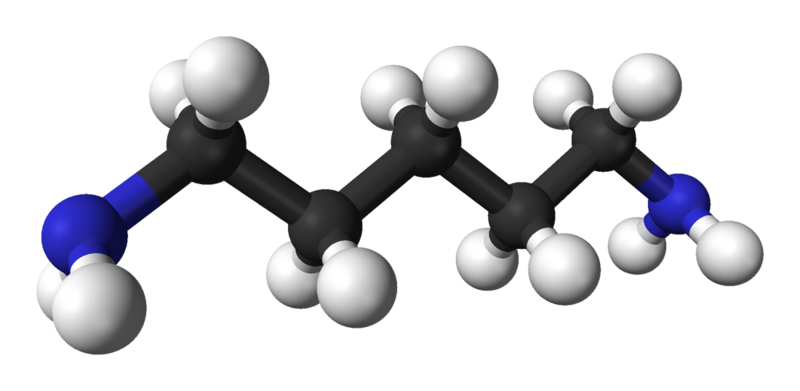





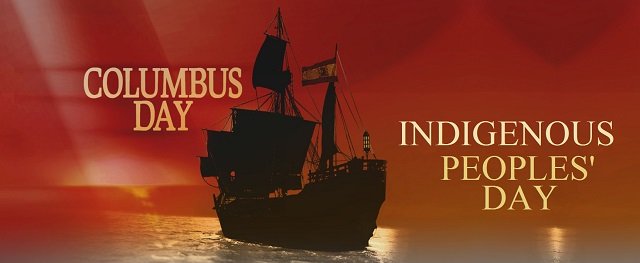

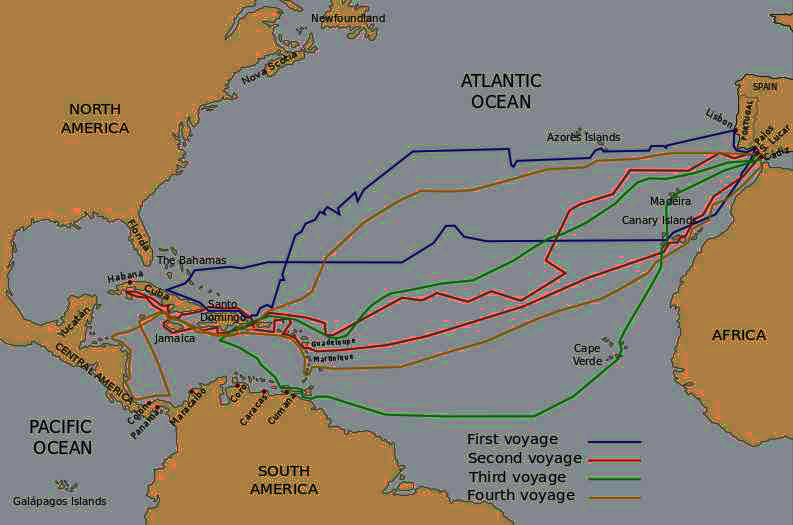
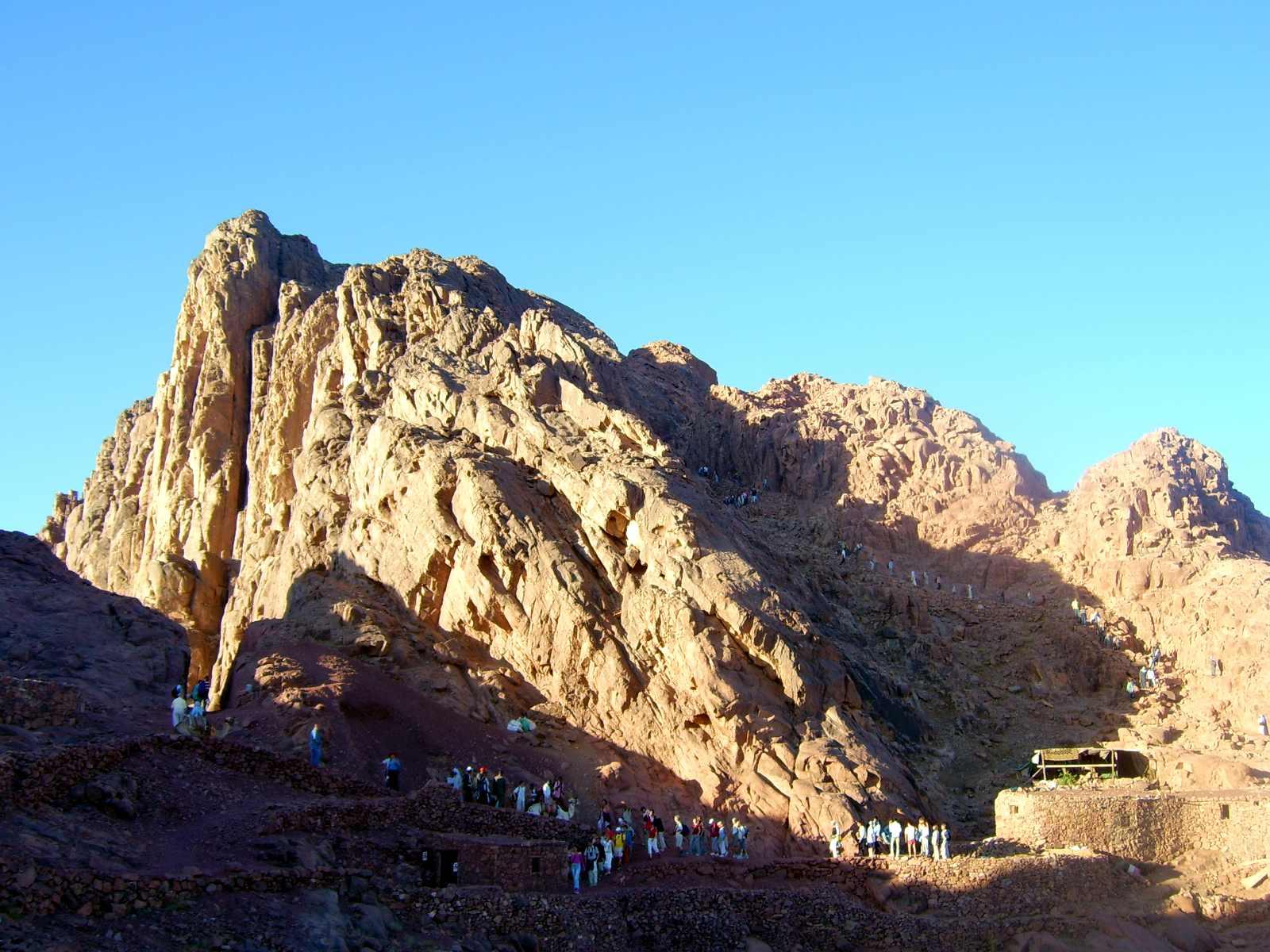



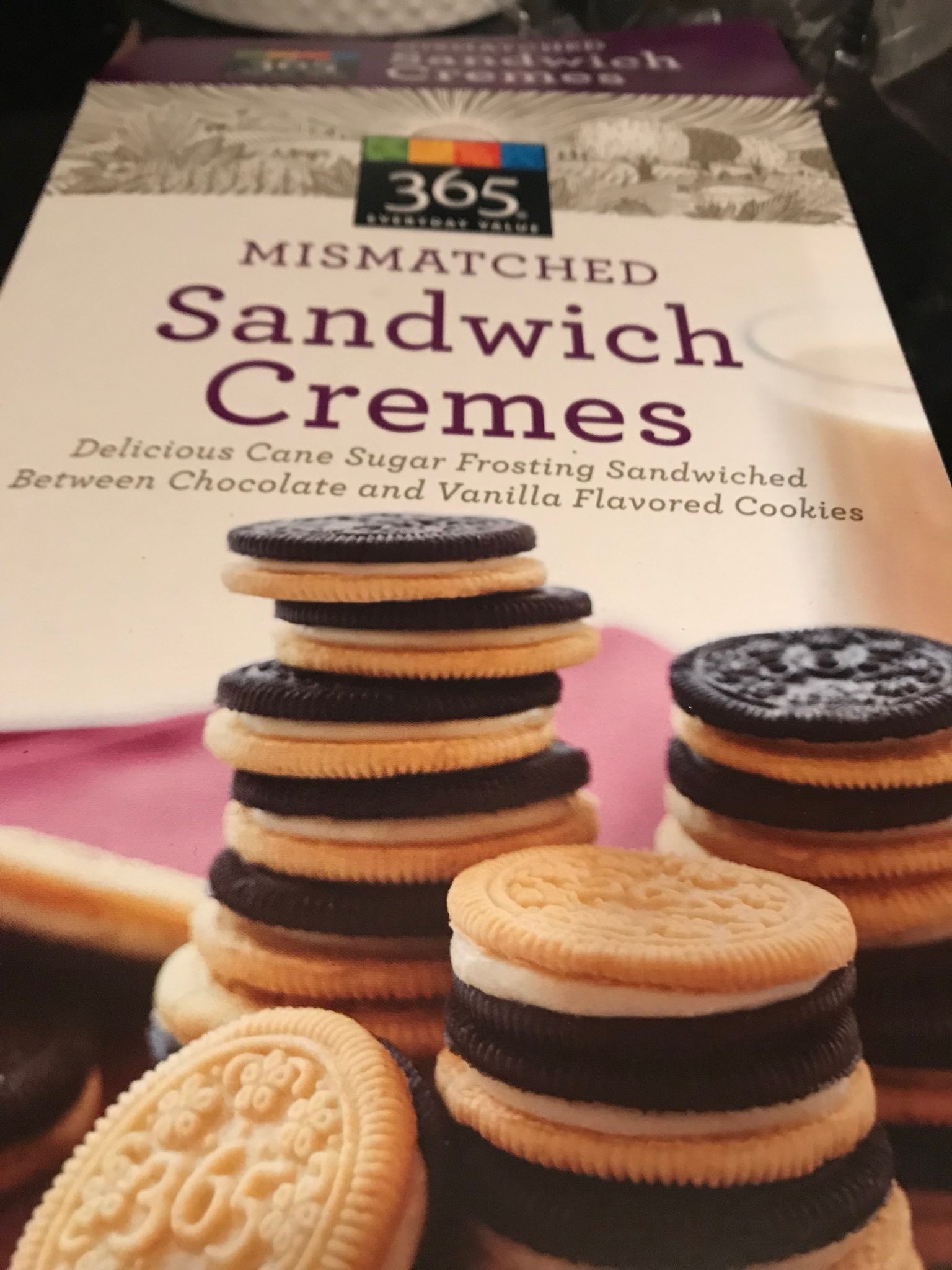







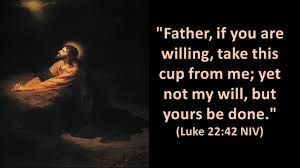
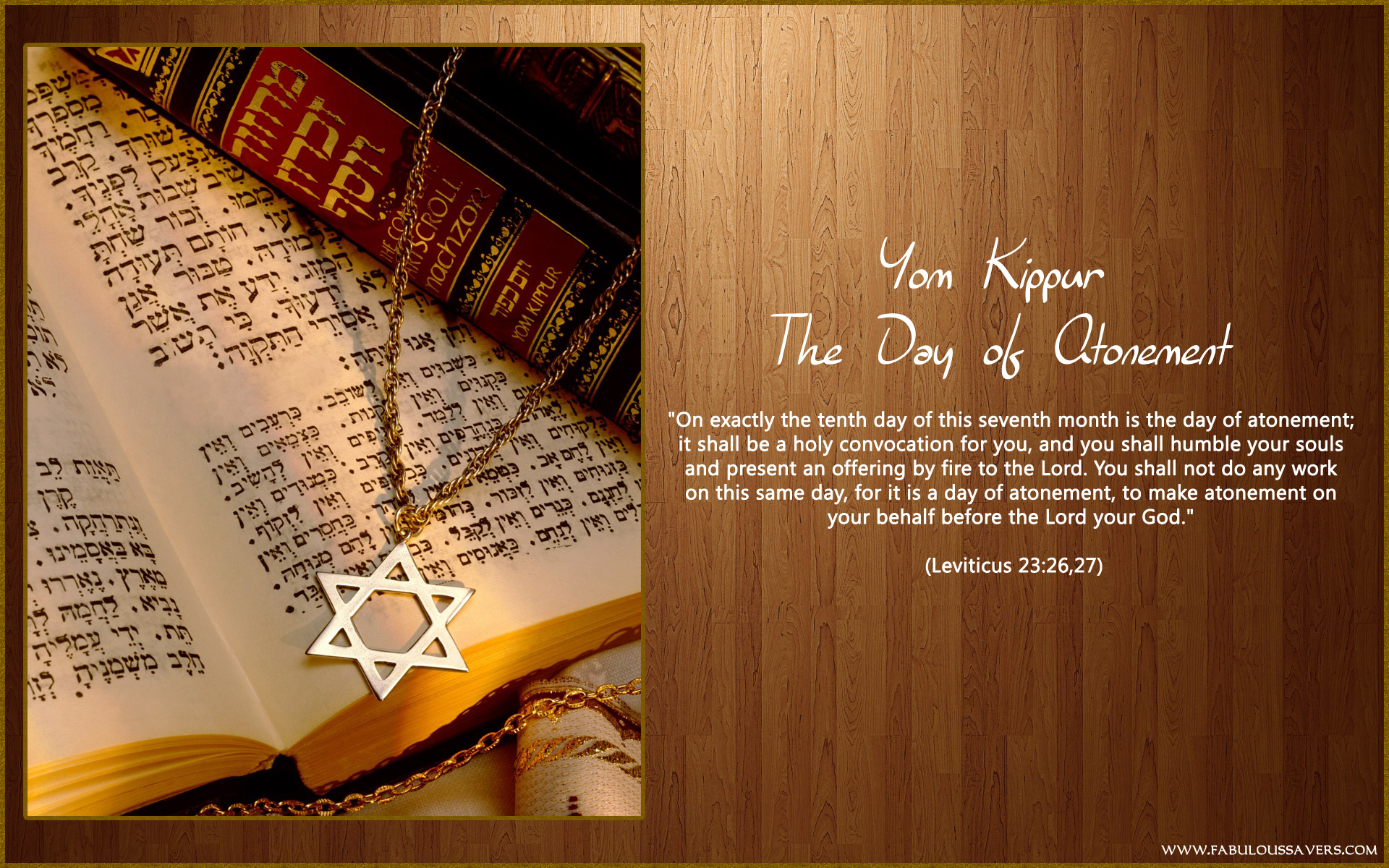



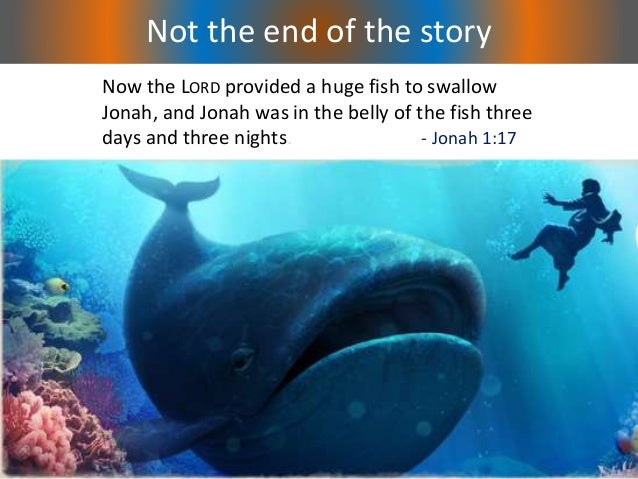

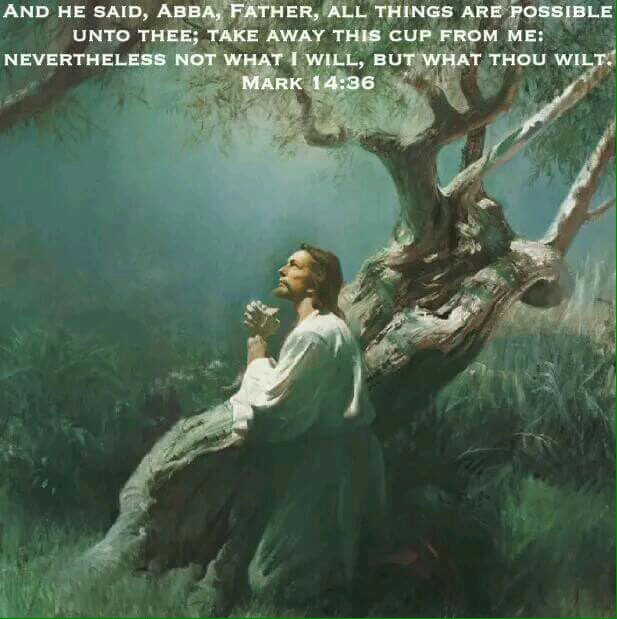


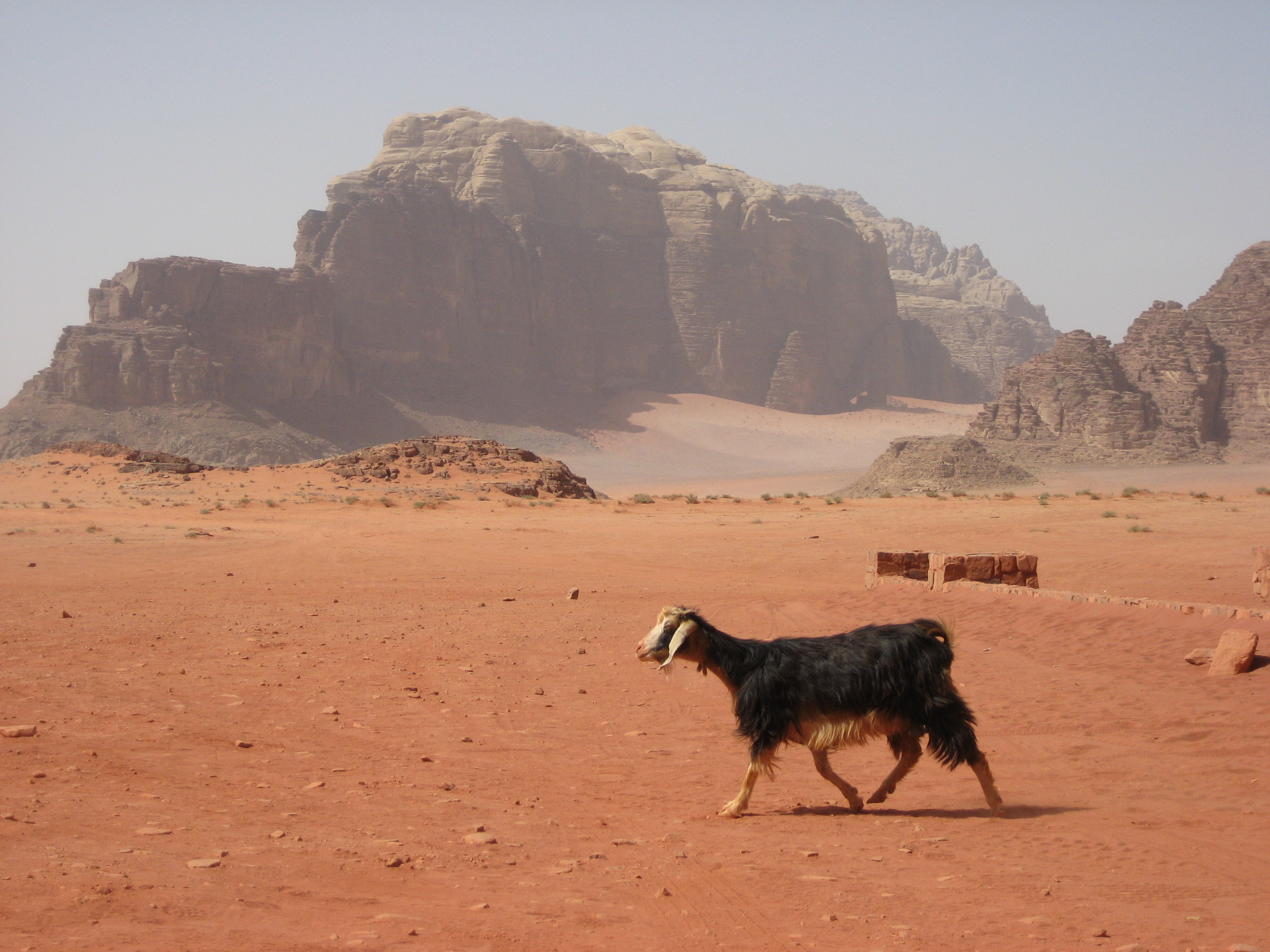


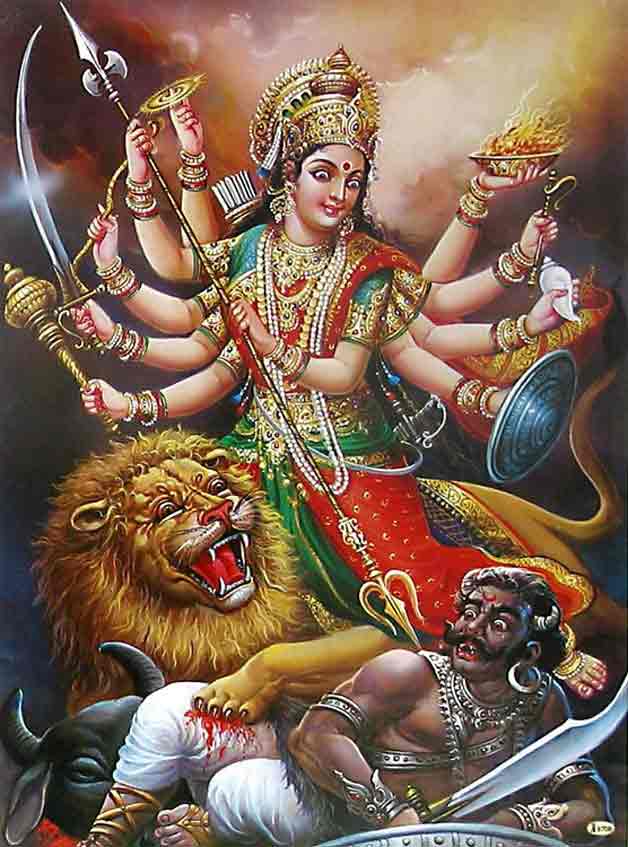
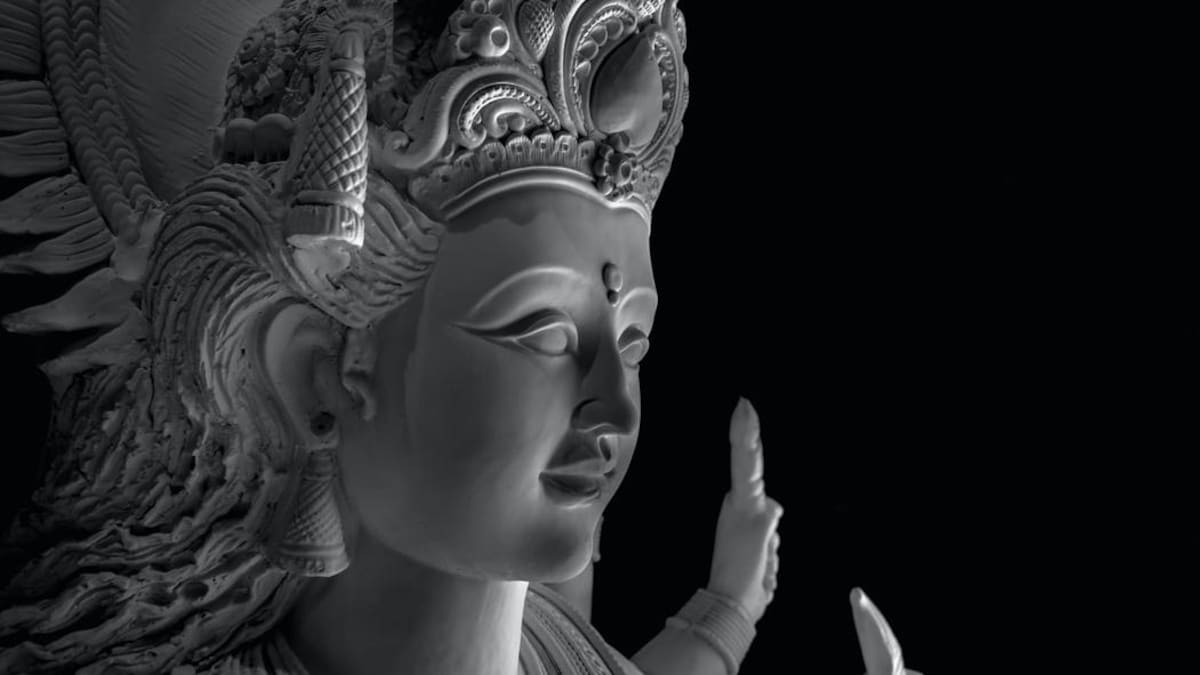


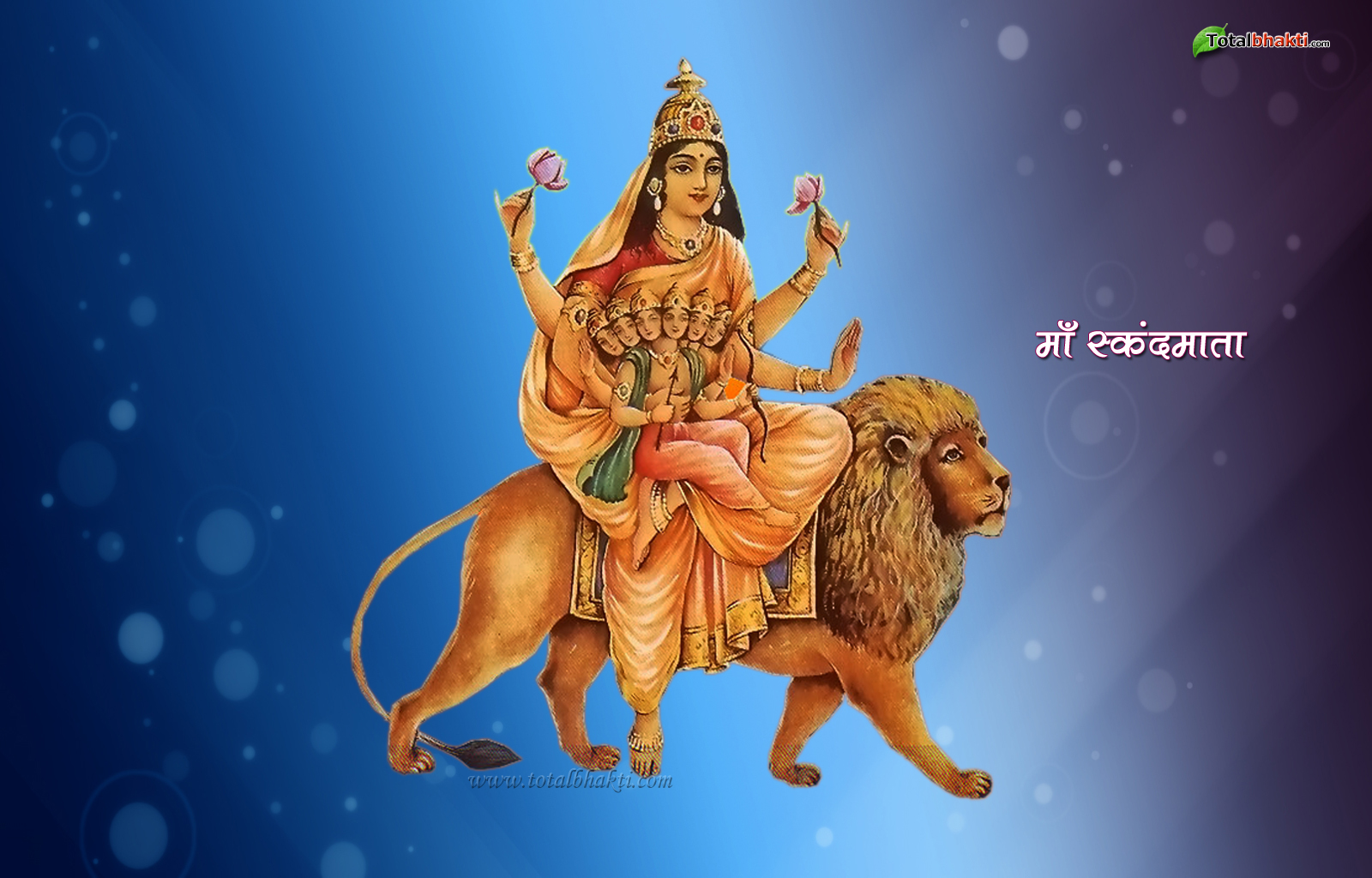

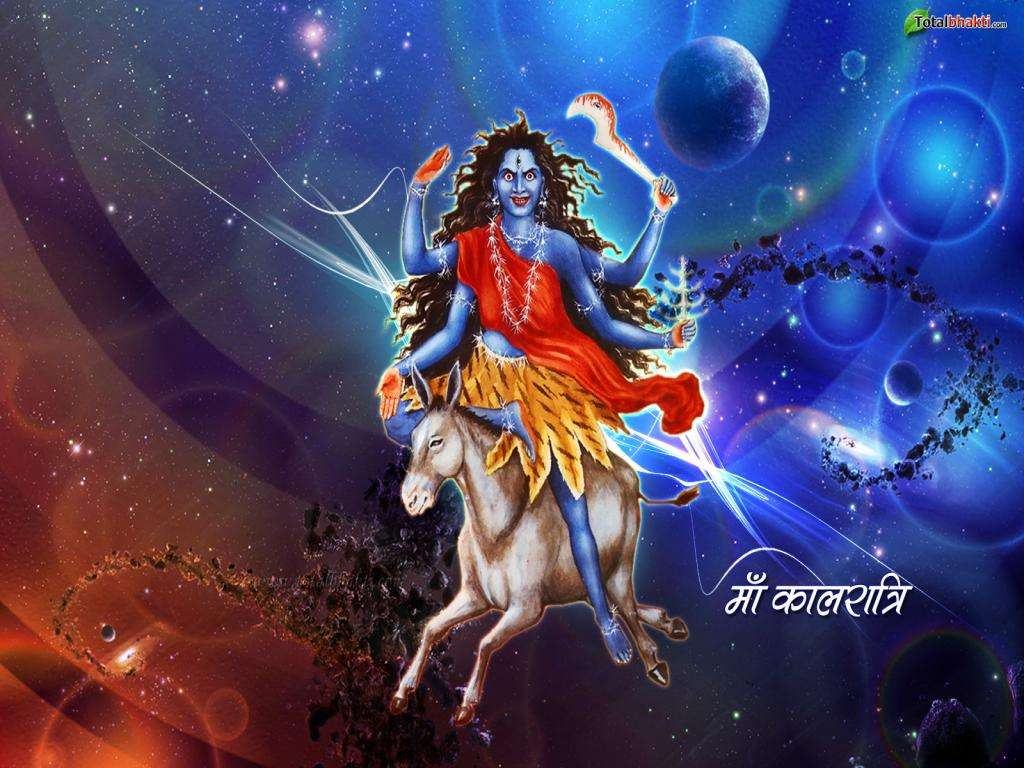



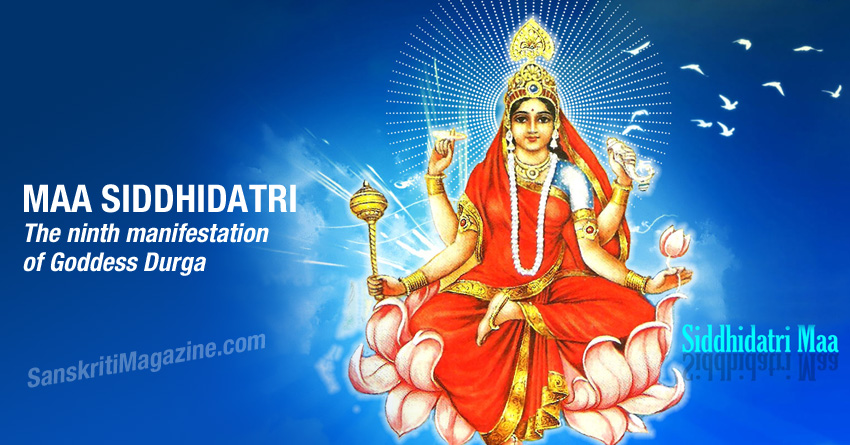

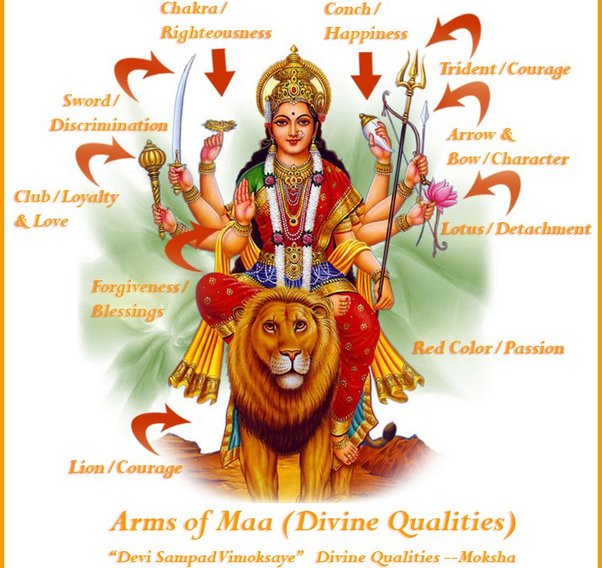

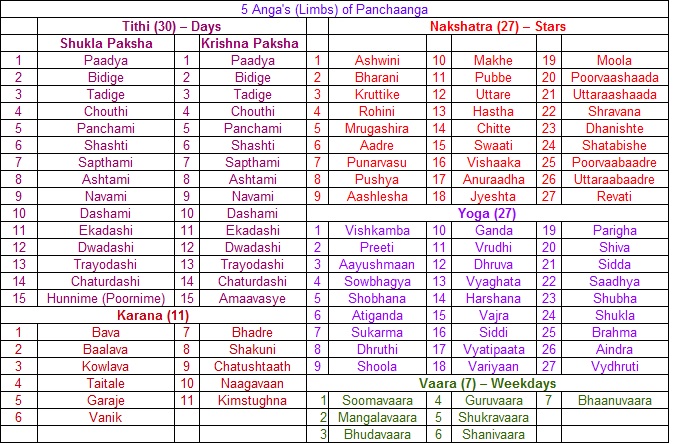


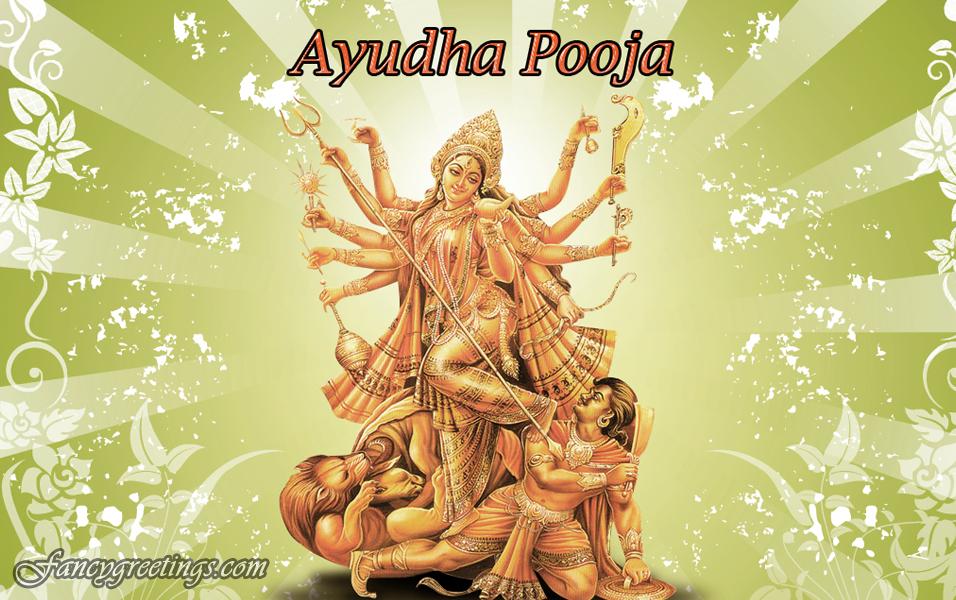


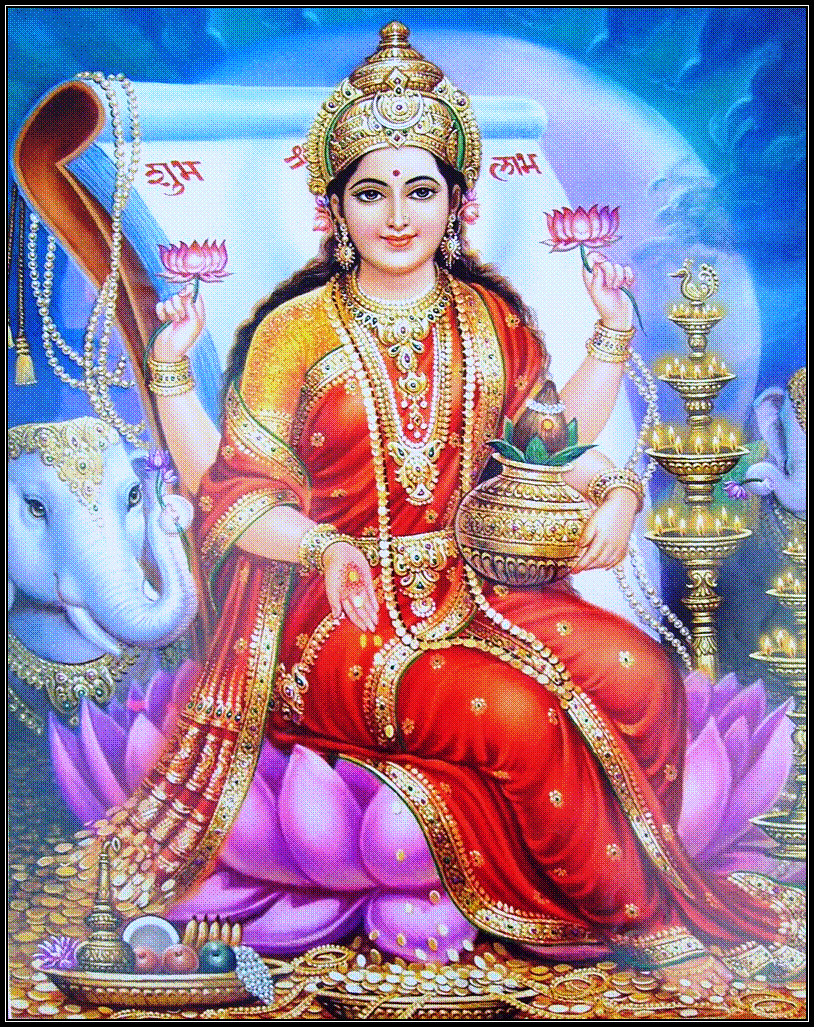


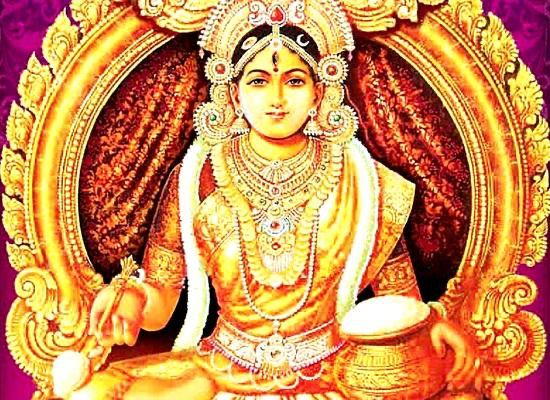





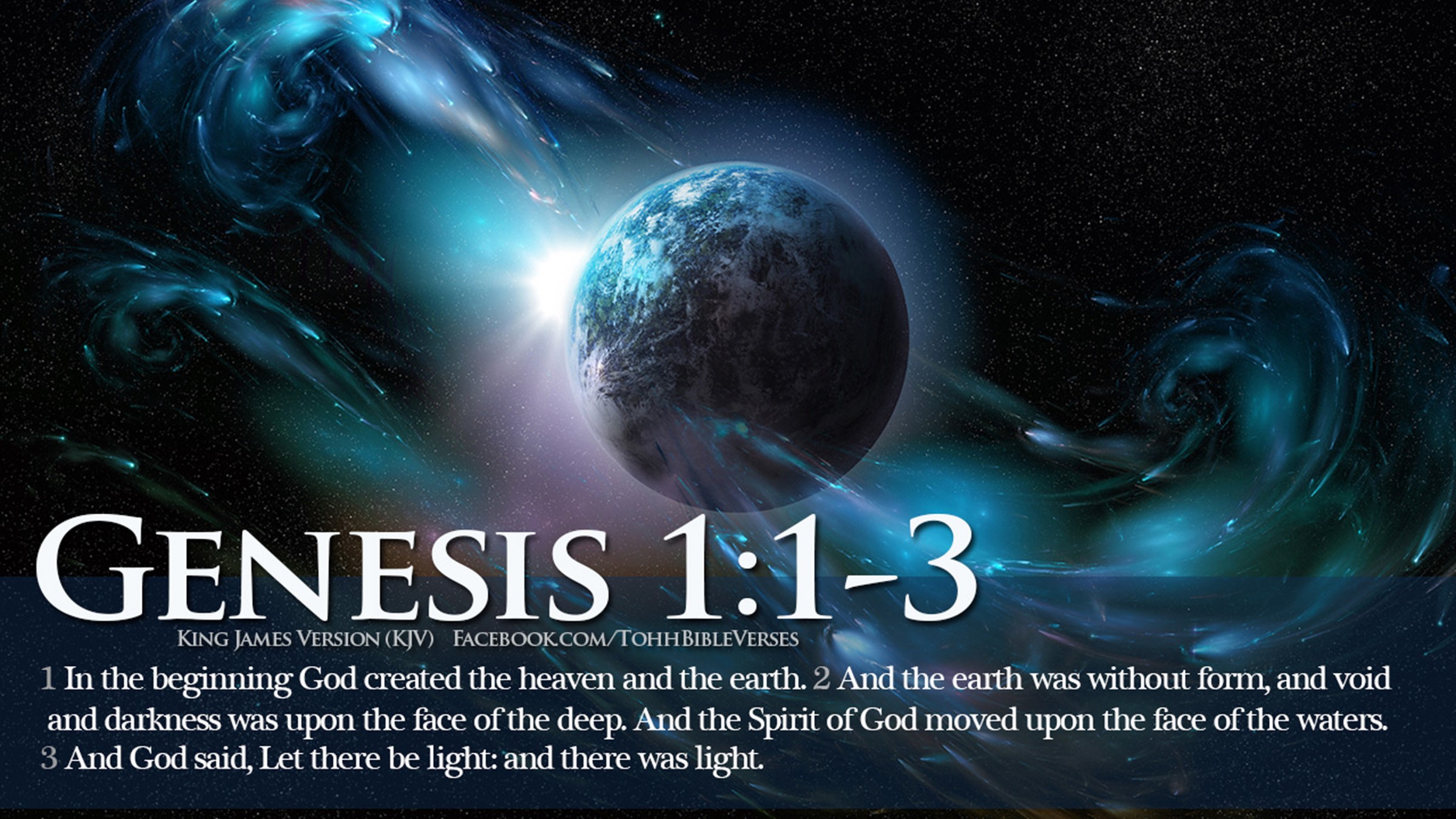


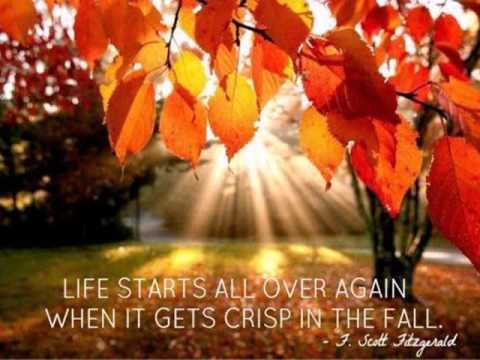


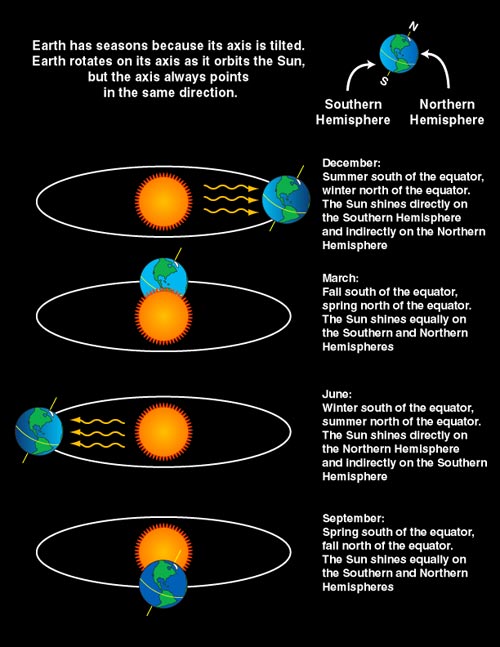




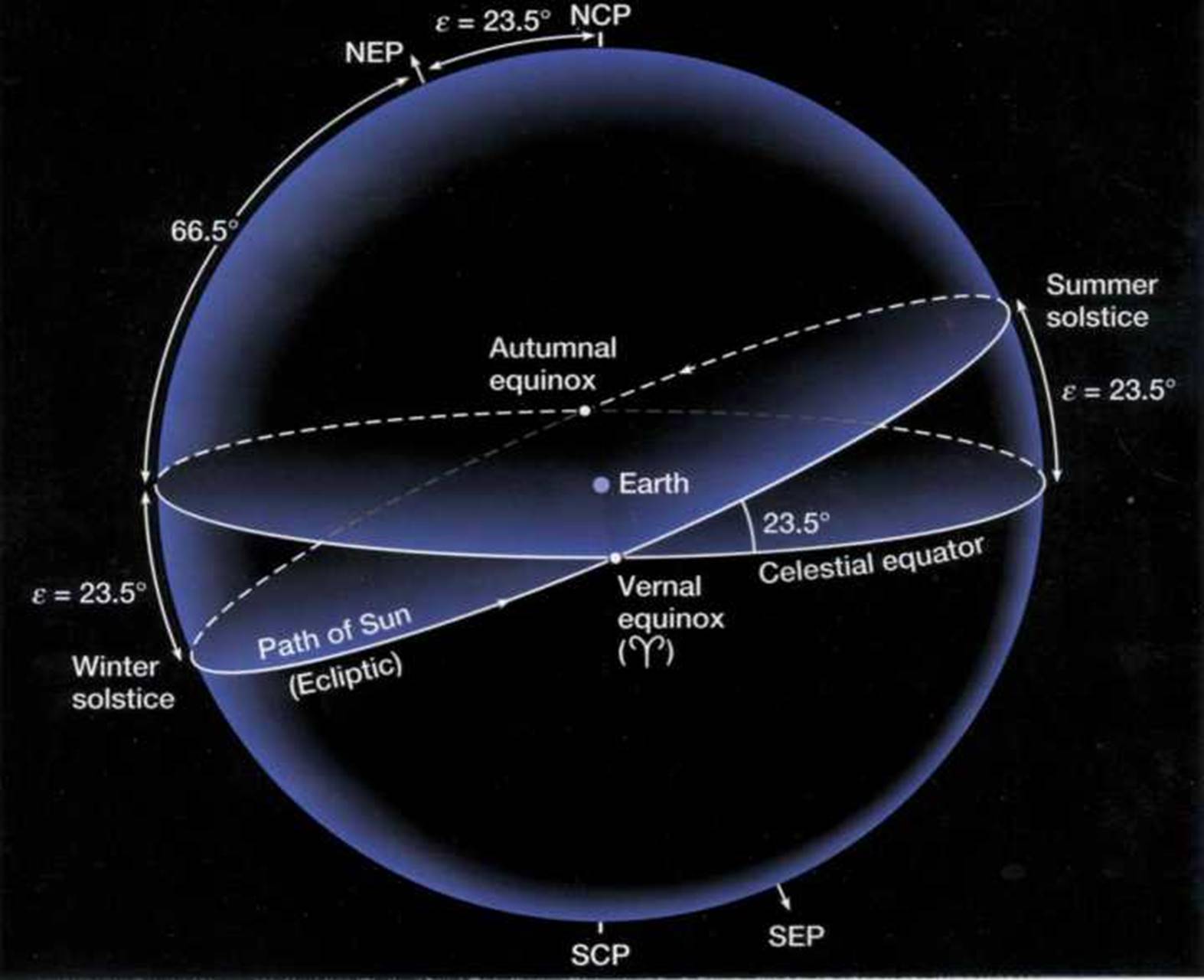





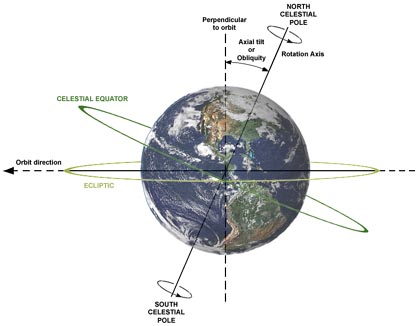




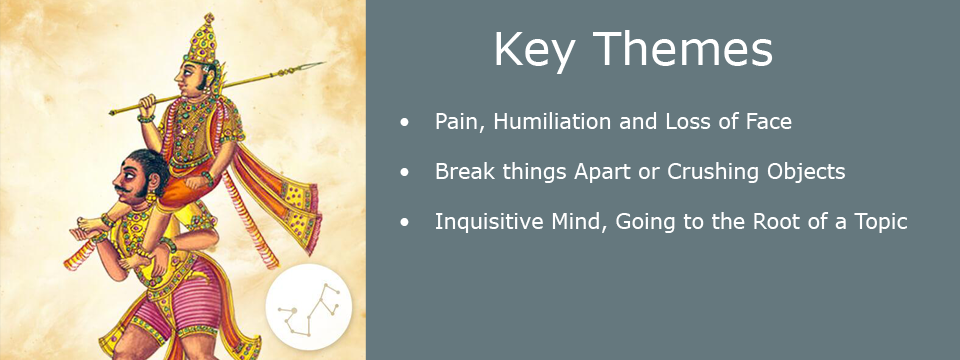

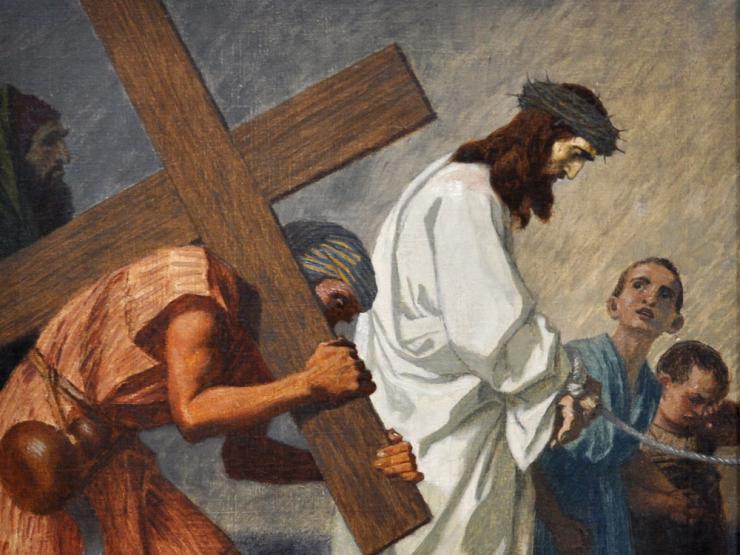





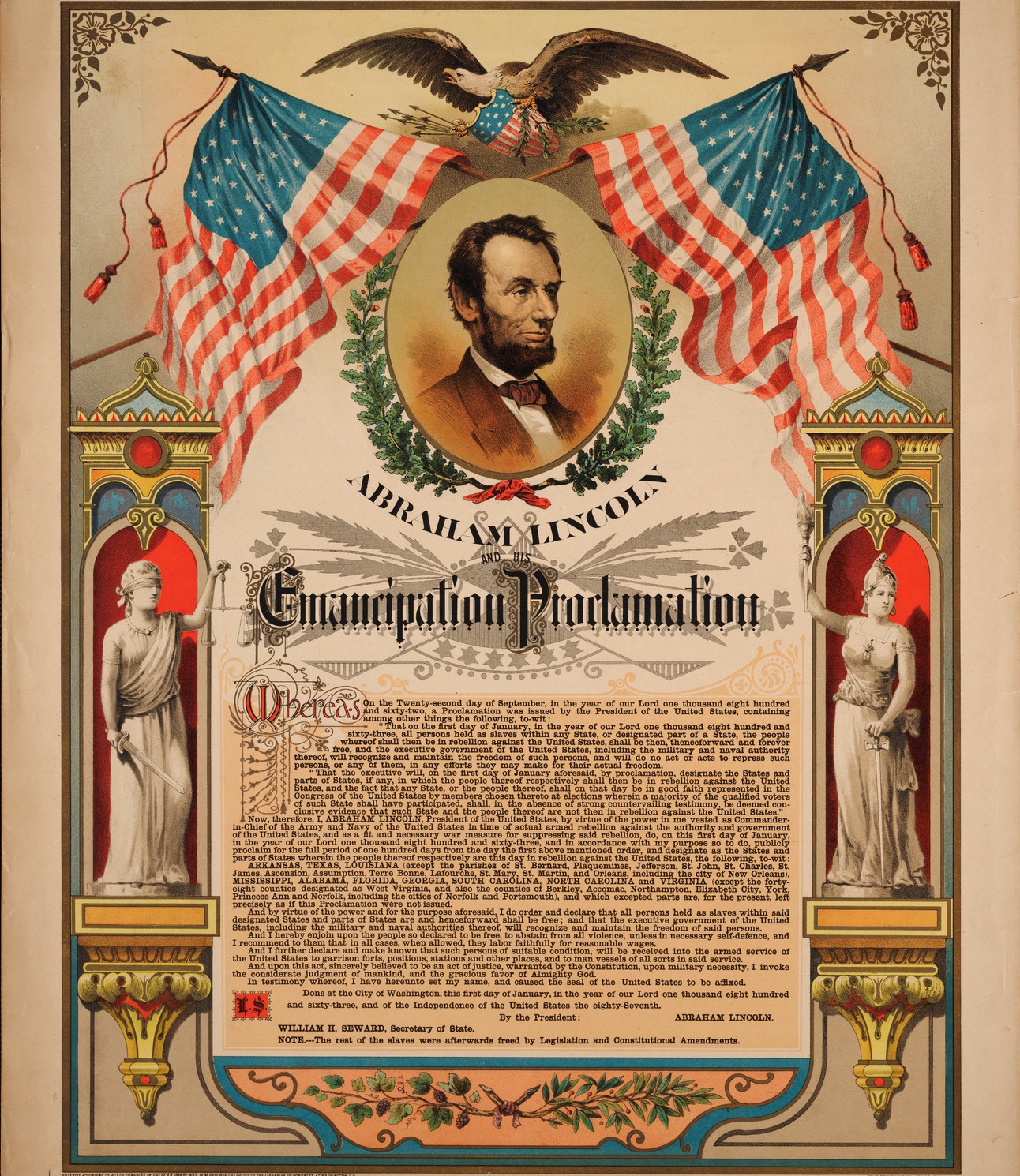
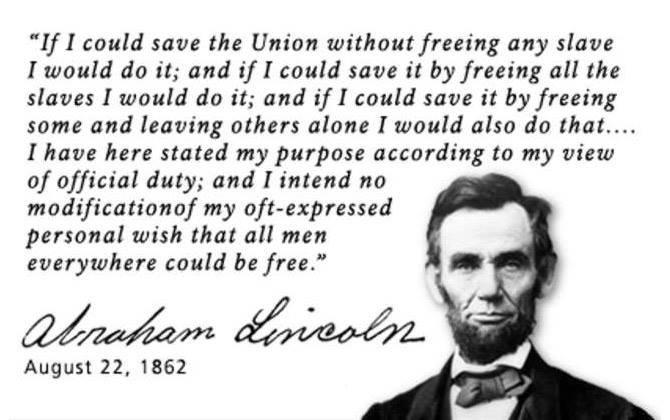





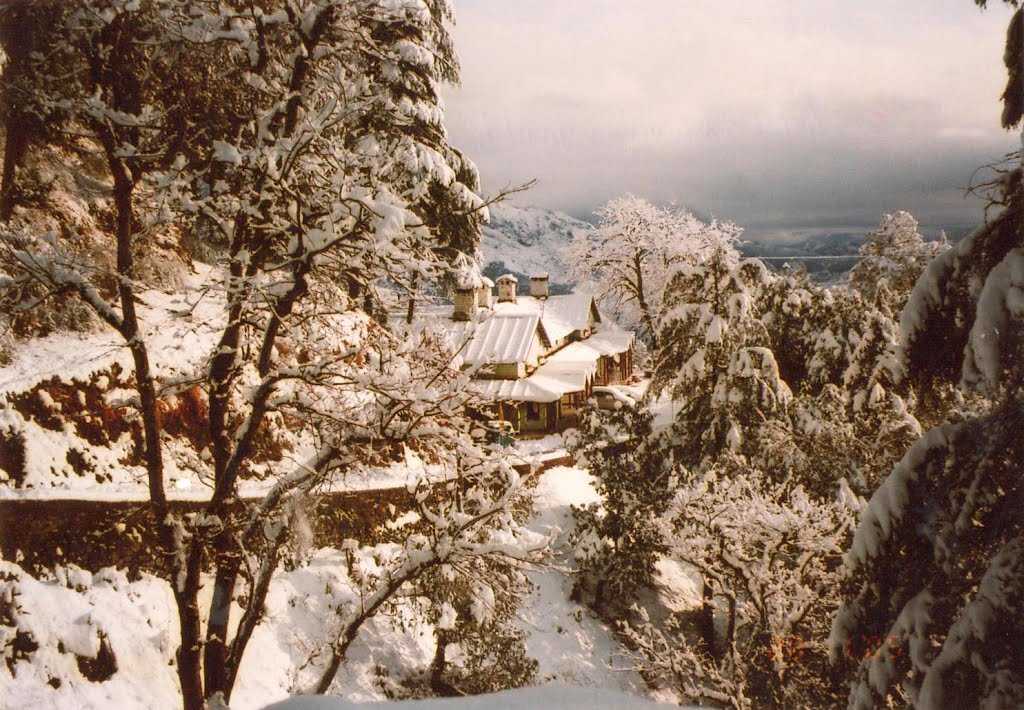






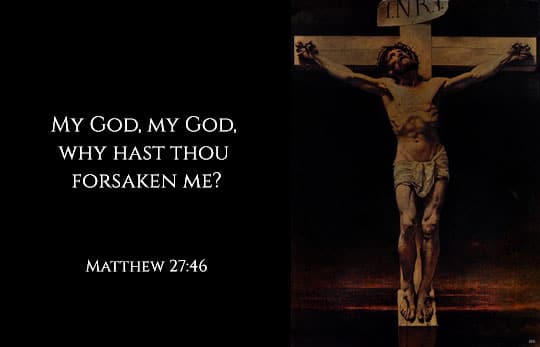


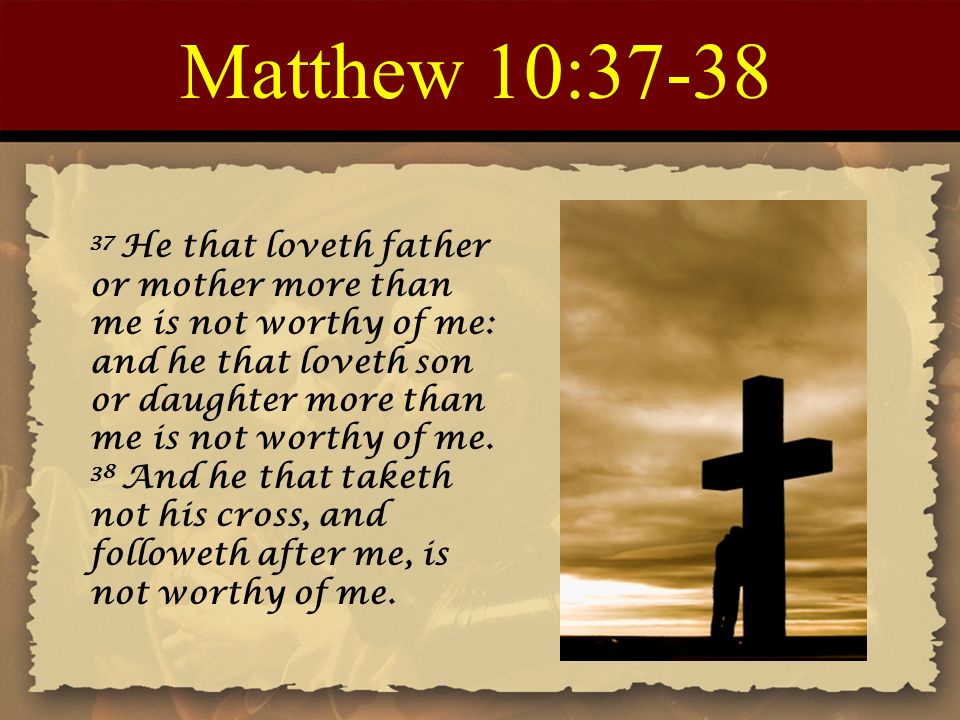
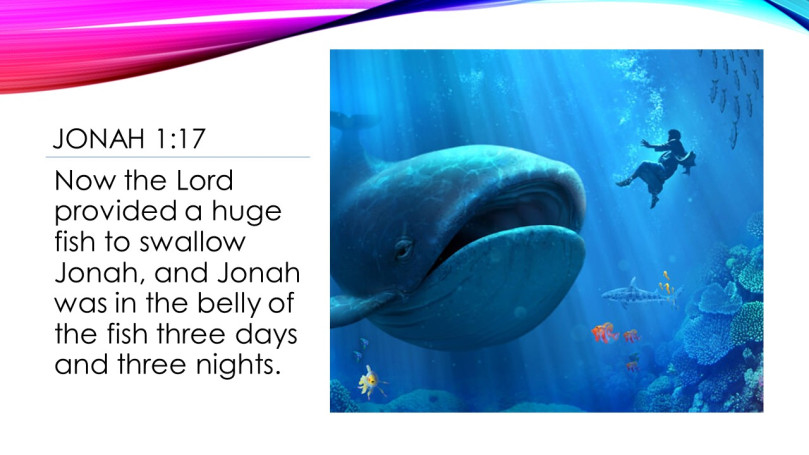




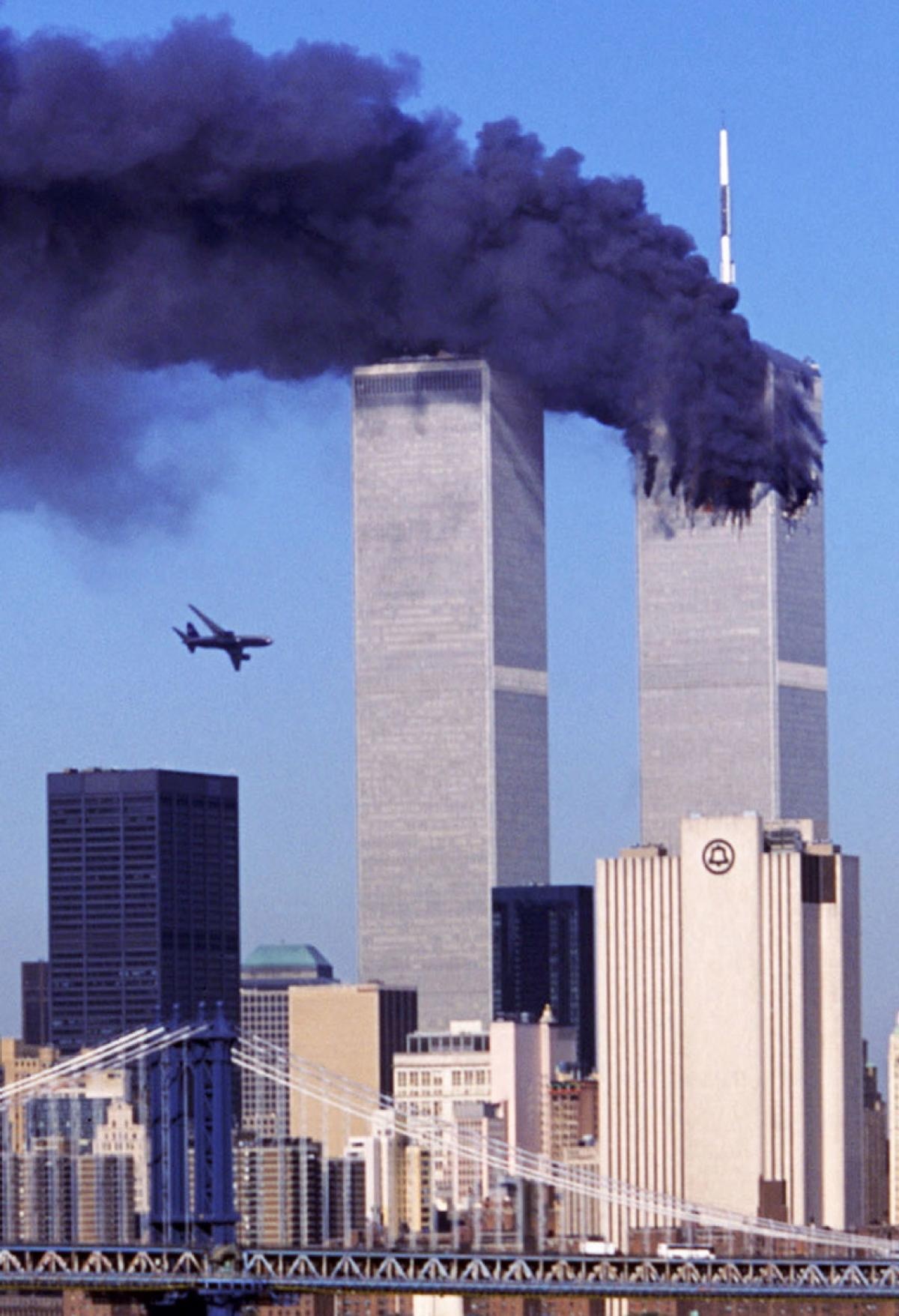



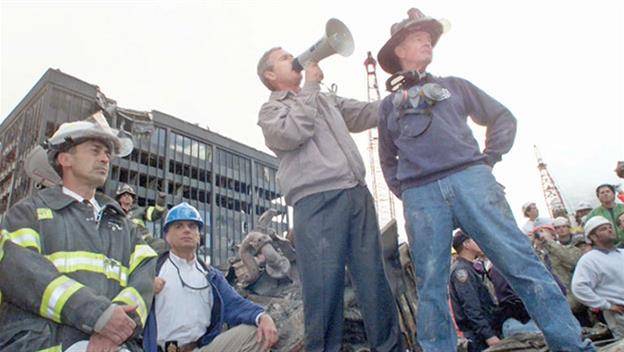



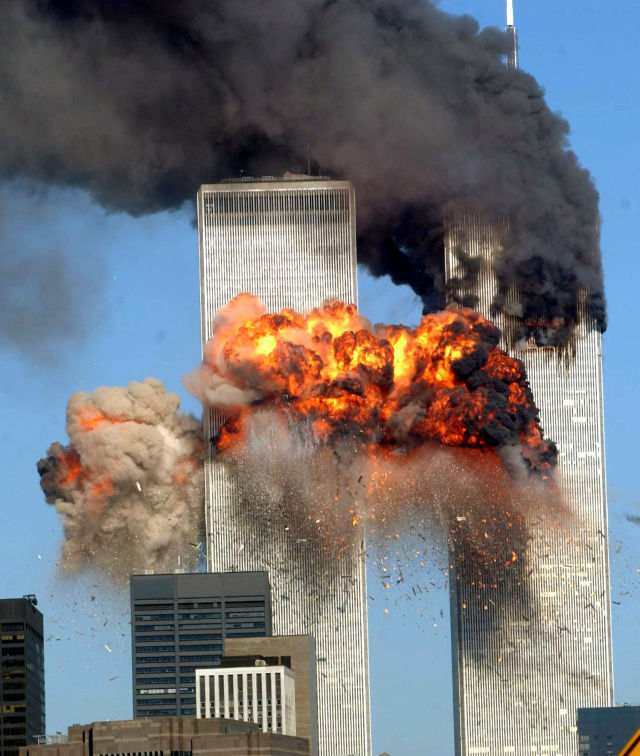












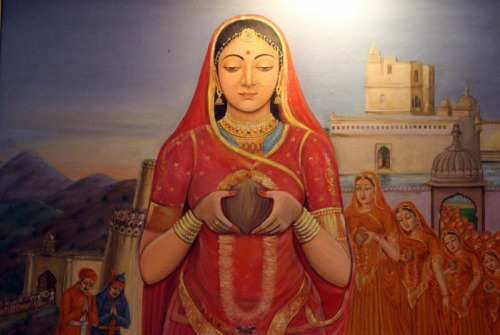



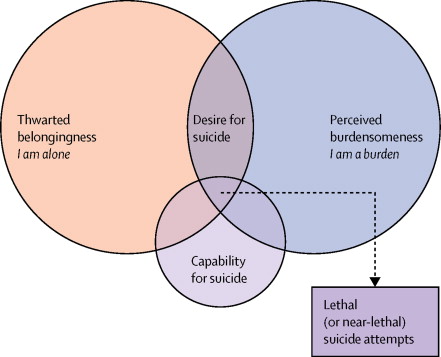
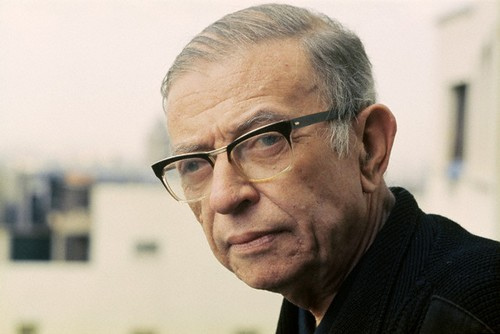


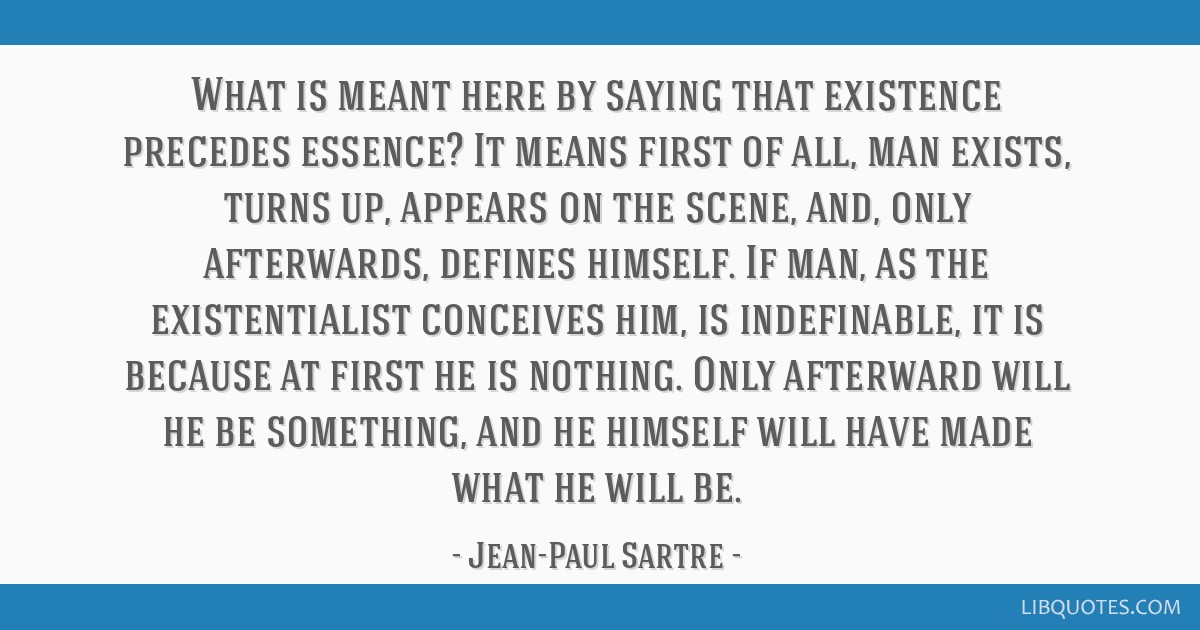








 Whole Dude - Whole Spirituality

