Bharat Darshan: January 27, 2021. India Holocaust Remembrance Day

Bharat Darshan: January 27, 2021. India Holocaust Remembrance Day.

I dedicate January 27 as the Day to Remember the millions of Hindus who lost their precious lives in unrelenting episodes of Holocaust that are etched into the collective memory of all people who live or lived in the Land of India called Bharat.

Bharat Darshan: January 27, 2021. India Holocaust Remembrance Day.

Dear Manushi Friends,

Seventy-six years ago, the UN declared January 27 as the International Holocaust Remembrance Day to mark the Jewish Genocide of 1940s.
But none has mourned the countless holocausts in the Indic universe even though the process continues unabated till date.
Even those of us whose ancestors survived repeated genocides and forced conversions at the hands of barbaric invaders have been forced to erase their memory.
We are making a small beginning with a webinar on the 76th International Holocaust Day to take stock of the 1000-year-old history and legacy of genocides that left Hindustan, that is Bharat, a deeply wounded civilization.The theme of the seminar is: The Unmourned, Continuing Genocides in the Indian Sub-Continent
.

Keynote speaker: Dr Subramanian Swamy. List of other speakers is given in the poster below.

Manushi – YouTube To Observe the 76th International Holocaust Remembrance Day Manushi invites you to an online Seminar on “The Continuing Genocides in the Indian Subcontinent. www.youtube.com
Bharat Darshan: January 27, 2021. India Holocaust Remembrance Day.

Please spread the word and join with friends and family.

Bharat Darshan: January 27, 2021. India Holocaust Remembrance Day.


Tibet Equilibrium 2021. Special Frontier Force-Establishment No. 22-Vikas Regiment Congratulates the 46th US President

Tibet Equilibrium 2021. Special Frontier Force-Establishment No. 22-Vikas Regiment Congratulates the 46th US President.

Congratulating President Joe Biden January 21, 2021

Tibet Equilibrium 2021. Special Frontier Force-Establishment No. 22-Vikas Regiment Congratulates the 46th US President.

https://www.dalailama.com/news/2021/congratulating-president-joe-biden

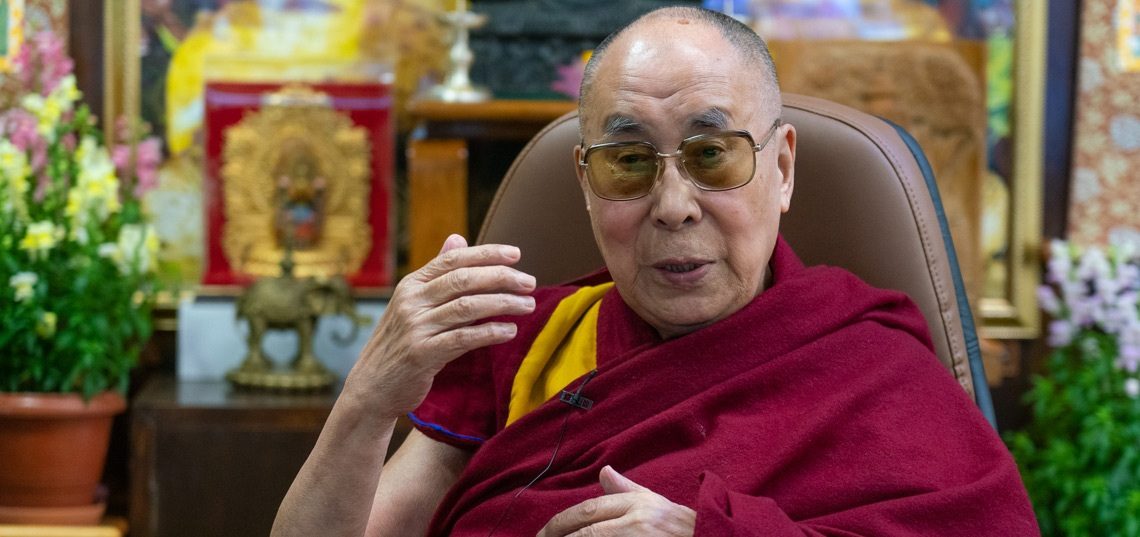
Thekchen Chöling, Dharamsala, HP, India – This morning, His Holiness the Dalai Lama wrote to President Biden to offer profound congratulations on his becoming President of the United States of America.

“As someone deeply concerned with the ecological crisis our planet faces,” he wrote, “I am so pleased that you are elevating the issue of climate change to your highest priority and that the United States is rejoining the Paris Climate Accord. Global warming is an urgent threat to the whole world and to the survival of our species.

“May I also commend you for other measures you are taking towards the betterment of the United States of America. I have long been an admirer of your great country, the bastion of liberty, democracy, religious freedom and the rule of law. The whole world places its hope in the democratic vision and leadership of the United States. In these challenging times, I am confident that you will contribute to shaping a more peaceful world in which those suffering from hunger, disease and violence may find help. The need to address these issues is indeed pressing.

“Once again, I take this opportunity to express our gratitude for your long-standing support for the Tibetan people. It has been our good fortune to have enjoyed the friendship and encouragement of the American people and their leaders in our endeavour to protect and preserve our ancient Buddhist culture, a culture of peace, non-violence and compassion.”

His Holiness concluded, “I pray for your success in meeting the challenges that lie ahead in fulfilling the hopes and aspirations of all Americans and in contributing to a more peaceful and harmonious world.”

January 20, 2021. Special Frontier Force-Establishment No. 22-Vikas Regiment Congratulates the 46th US President.

The celebration of Edgar Allan Poe with a Story theme Evening in Paris

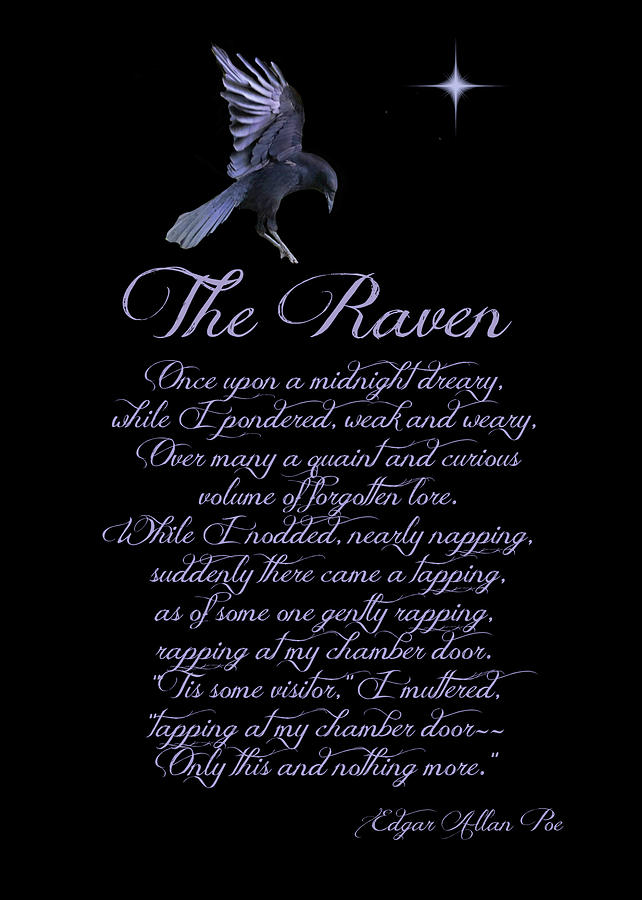
Edgar Allan Poe’s poem The Raven excites my Soul

WHOLE TEAM - WHOLE ASSIGNMENT - #EveningInParis : I AM INVITING WHOLE TEAM MEMBERS TO CONTRIBUTE A ROMANTIC STORY TO PARTICIPATE IN WHOLE ASSIGNMENT TITLED "EVENING IN PARIS."
JANUARY 19, THE CELEBRATION OF EDGAR ALLAN POE. SLEEPLESS IN PARIS SAVED BY EVENING IN PARIS. I AM INVITING READERS TO CONTRIBUTE A ROMANTIC STORY TO PARTICIPATE IN WHOLE ASSIGNMENT TITLED “EVENING IN PARIS.”

I am inviting my readers to contribute a romantic story to participate in a Whole Assignment titled “Evening in Paris.” The story celebrates a fictional Archangel’s memorable trip to Paris to rescue a dame in dire distress.

WHOLE TEAM - WHOLE ASSIGNMENT - #EVENINGINPARIS : A STORY INSPIRED BY EDGAR ALAN POE'S POEM 'THE RAVEN'. CAN #ARCHANGEL RESCUE MISS POE POSSESSED BY 'THE DEVIL' ????
SLEEPLESS IN PARIS SAVED BY EVENING IN PARIS. A STORY INSPIRED BY EDGAR ALLAN POE’S POEM ‘THE RAVEN’. CAN #ARCHANGEL RESCUE MISS POE POSSESSED BY ‘THE DEVIL’?
WHOLE TEAM - WHOLE ASSIGNMENT - #EveningInParis : EVENING IN PARIS IS THE TITLE FOR A SHORT STORY . WHOLE TEAM MEMBERS ARE GIVEN THE WHOLE ASSIGNMENT TO COMPLETE THIS STORY THAT FOLLOWS MY BRIEF INTRODUCTION . I AM INSPIRED BY POEM "THE RAVEN" COMPOSED BY EDGAR ALLAN POE .
SLEEPLESS IN PARIS SAVED BY EVENING IN PARIS.: “EVENING  IN  PARIS” IS THE TITLE FOR A SHORT STORY. MY READERS  ARE GIVEN THE WHOLE ASSIGNMENT TO COMPLETE THIS STORY THAT FOLLOWS MY BRIEF INTRODUCTION .I AM POETICALLY   INSPIRED BY  POEM “THE RAVEN” COMPOSED BY EDGAR ALLAN POE .

Edgar Allan Poe (born. January 19, 1809 – died. October 07, 1849) is one of the most brilliant and original writers in American literature. Poe is part of the American Romantic Movement. His short stories are ingenious and profound. Poe often theorized about the art of writing, as in his essay “The Poetic Principle.”  In his view, a poem deserves its title only in as much as it excites by elevating the soul. I find that Poetic Inspiration, and excitement in his poem ‘The Raven’:

Once upon a midnight dreary, while I pondered, weak and weary, over many a quaint and curious volume of forgotten lore –

While I nodded, nearly napping, suddenly there came a tapping,

As of some one gently rapping, rapping at my chamber door.

“Tis some visitor,” I muttered, “tapping at my chamber door –

Only this and nothing more.”

“The Raven” reminds me of ‘The Devil’, ‘The Satan’, ‘The Evil Spirit’ about which a Canaanite woman asked Jesus to show His mercy and drive the demon that took possession of her daughter. This parable about her great faith is  in The Book of Matthew, Chapter 15, verses 21 to 28.

WHOLE TEAM - WHOLE ASSIGNMENT - #EveningInParis : EVENING IN PARIS IS A SHORT STORY INSPIRED BY EDGAR ALLAN POE'S POEM "THE RAVEN." IT IS ABOUT THE DEMON THAT TOOK POSSESSION OF THE YOUNG DAUGHTER OF THIS CANAANITE WOMAN WHO IS PLEADING JESUS TO SHOW HIS MERCY .
SLEEPLESS IN PARIS SAVED BY EVENING IN PARIS. : EVENING IN PARIS IS A SHORT STORY  POETICALLY  INSPIRED  BY  EDGAR  ALLAN  POE’S  POEM “THE RAVEN.” IT IS ABOUT THE DEMON THAT TOOK POSSESSION OF THE YOUNG DAUGHTER OF THIS CANAANITE WOMAN WHO IS PLEADING JESUS TO  SHOW HIS MERCY .

The New Testament Book of Matthew, Chapter 15, verse# 22 : “LORD, Son of David, have mercy on me! My daughter is suffering terribly from demon possession.” Both man and woman may become the victims of evil spirits or demons which can keep the mind troubled and prevent the joy or happiness obtained by good sleep. Man or woman need the help of a guardian angel to fight the demon that may trouble their hearts.

Evening In Paris (#EveningInParis) is a short story about a young woman by name Miss. Poe (“Sleepless in Paris”) whose heart is troubled by a ‘Demon’ who keeps her awake all night denying her good sleep.

Just like “Saint Michael” who is prominent in Jewish, Christian, and Muslim traditions, the fictional “Archangel” is a young, handsome man who protects and serves young women by defending their  Happiness and Excellence in whatever they do. He trains, instructs, and provides information that lets the young women to achieve excellence in their work performance and ensures happiness in their daily lives. #Archangel provides care and comfort to make sure that the young women get a chance to enjoy good sleep. Our “#Archangel” is the only certified “Whole Kisser” in the entire nation and perhaps in the entire world.  “#Archangel” operates a Bedtime Reading Program in which he reads from his book ‘Conscious Capitalism’ and puts the young lady to sleep and delivers a ‘Whole Kiss’ as a blessing. ‘Whole Kiss’ is the most ‘Perfect Kiss’ ever described in entire human literature. Fairy Tales like ‘Sleeping Beauty’, ‘Snow White and the Seven Dwarfs, ‘ Frog Prince’ describe kisses that worked like  miracles changing the fortunes of people. But none of those Fairy Tale Kisses come close to  ‘Whole Kiss’ in terms of Perfection.                          

WHOLE TEAM - WHOLE ASSIGNMENT - #EVENINGINPARIS : THE MAGIC CALLED KISS . A TINY GREEN FROG TURNS INTO A HANDSOME PRINCE WHEN KISSED BY PRINCESS .
Sleepless in Paris Saved by Evening in Paris. The Magical Power of Kiss.

The Magical Power called Kiss. A tiny Green Frog turns into a handsome Prince when kissed by Princess.

WHOLE TEAM - WHOLE ASSIGNMENT - #EVENINGINPARIS : KISS CAN WORK LIKE A MIRACLE . SNOW WHITE RECOVERS FROM THE EFFECTS OF A DEADLY POISON WHEN PRINCE PLANTED A KISS .
January 19. The celebration of Edgar Allan Poe. SLEEPLESS IN PARIS SAVED BY EVENING IN PARIS.: KISS CAN WORK LIKE A MIRACLE . SNOW WHITE RECOVERS FROM THE EFFECTS OF A DEADLY POISON WHEN PRINCE PLANTED A KISS .
WHOLE TEAM - WHOLE ASSIGNMENT -#EVENINGINPARIS : SLEEPING BEAUTY WAKES UP FROM A LONG, DEEP SLEEP WHEN PRINCE KISSED HER .
SLEEPLESS IN PARIS SAVED BY EVENING IN PARIS. THE MAGICAL POWER OF KISS. SLEEPING BEAUTY WAKES UP FROM A LONG, DEEP SLEEP WHEN PRINCE KISSED HER
Sleepless in Paris Saved by Evening in Paris. Archangel is a Whole Kisser. The Magical Power of his perfect Kiss can either awaken a person from a long, deep sleep, or can ensure a perfect sleep if the person stays awake or sleepless due to troubled sleep.

Evening in Paris is a short story about a young woman by name Miss. Poe (“Sleepless in Paris”) who is troubled by a  Demon and can’t sleep. #Archangel is a certified “Whole Kisser” who knows how to put a young lady to sleep with a Perfect Goodnight Kiss.

Evening In Paris is a short story about “#Archangel’s encounter with a young woman by name Miss. Poe (“Sleepless in Paris”). This encounter happens at Louvre, the French Museum of Art in Paris.

WHOLE TEAM - WHOLE ASSIGNMENT - #EveningInParis : EVENING IN PARIS IS A SHORT STORY ABOUT A YOUNG WOMAN BY NAME MISS. POE. SHE ACCIDENTALLY MEETS WITH "ARCHANGEL" AT LOUVRE, THE FRENCH MUSEUM OF ART IN PARIS .
January 19. The celebration of Edgar Allan Poe. SLEEPLESS IN PARIS SAVED BY EVENING IN PARIS. EVENING IN PARIS IS A SHORT STORY ABOUT A YOUNG WOMAN BY NAME  MISS.POE (“SLEEPLESS  IN  PARIS”).  SHE ACCIDENTALLY MEETS WITH “#ARCHANGEL” AT LOUVRE, THE FRENCH MUSEUM OF ART IN PARIS.

Evening In Paris is a short story about #Archangel who while visiting Paris, accidentally meets a young woman by name Miss. Poe (“Sleepless in Paris”) at Louvre while viewing the great piece of marble sculpture “The Venus de Milo” by Alexandros of Antioch.

WHOLE TEAM - WHOLE ASSIGNMENT - #EveningInParis : EVENING IN PARIS IS A SHORT STORY ABOUT A YOUNG WOMAN BY NAME MISS. POE WHO ACCIDENTALLY MEETS WITH WHOLE TEAM'S "ARCHANGEL" WHILE VIEWING APHRODITE , THE VENUS OF MILO AT LOUVRE IN PARIS .
January 19. The celebration of Edgar Allan Poe. SLEEPLESS IN PARIS SAVED BY EVENING IN PARIS. EVENING IN PARIS  IS  A  SHORT STORY ABOUT A YOUNG WOMAN BY NAME MISS. POE(“SLEEPLESS  IN  PARIS”) WHO ACCIDENTALLY MEETS  WITH #ARCHANGEL WHILE VIEWING APHRODITE,THE VENUS OF MILO AT LOUVRE IN  PARIS .

Evening In Paris is a short story that narrates the events following the accidental encounter between #Archangel and Miss. Poe (“Sleepless in Paris”) at Louvre while viewing the famous sculpture of ‘Aphrodite’. Most interestingly, this story has  connection to ‘The Bachelor’ Reality TV Show by ABC. In ‘The Bachelor’ TV Show, a young woman by name Kelsey Poe of Hudsonville, Michigan has competed with 29 other young women to win  affection of Bachelor Chris Soules.

Evening In Paris is a short story about Miss. Poe (“Sleepless in Paris”) who is single, restless, and is troubled by a demon who took possession of her mind and would not let her sleep. In ‘The Bachelor’ TV Show, the young woman Kelsey Poe  had a panic attack which reveals her mind’s inner anxiety to find love, affection, care, and comfort through a relationship with another person .

Evening In Paris is a short story about Miss. Poe (“Sleepless in Paris”) with a troubled mind and restless heart seeking love and affection. In ‘The Bachelor’ TV Show, Michigan native Kelsey Poe was  eliminated  in the 6th Episode that followed her panic attack . She had failed to capture the love and affection of Bachelor Chris Soules and went back home to find her destiny.

Evening In Paris is a short story that narrates the events following the accidental encounter between #Archangel and Miss. Poe (“Sleepless in Paris”) at Louvre while viewing the famous sculpture of ‘Aphrodite’.

Evening In Paris is a short story about Miss. Poe (“Sleepless in Paris”) and her accidental encounter with #Archangel at Louvre Museum. After her elimination from ‘The Bachelor’ TV Show, Michigan native Kelsey Poe had shared her future plans of becoming a full-time author and move to Paris, France.

Evening in Paris is a short story about a lonely, young woman (“Sleepless in Paris”) who is restless and is deeply troubled by a demon’s possession of her body, mind, and soul. Michigan native Kelsey Poe who contested in ‘The Bachelor’ TV Show wants to find only Love and nothing more. For she had failed to find the only thing she wanted, she may have decided to move to Paris, France and find comfort by becoming a full-time author.

WHOLE TEAM - WHOLE ASSIGNMENT - #EveningInParis : EVENING IN PARIS IS A SHORT STORY ABOUT A YOUNG WOMAN BY NAME MISS. POE . THE STORY IS INSPIRED BY THE EXCITATION OF THE SOUL FROM READING EDGAR ALLAN POE'S POEM 'THE RAVEN'.
January 19. The celebration of Edgar Allan Poe. SLEEPLESS IN PARIS SAVED BY EVENING IN PARIS. EVENING IN PARIS IS A SHORT STORY ABOUT A YOUNG WOMAN BY NAME MISS. POE(“SLEEPLESS  IN  PARIS”).THE STORY IS POETICALLY INSPIRED  BY THE EXCITATION OFTHE SOUL FROM READING EDGAR ALLAN POE’S POEM ‘THE RAVEN’.

EVENING IN PARIS – #EVENINGINPARIS (“SLEEPLESS IN PARIS”):

Evening In Paris is a short story about a young woman’s (“SLEEPLESS IN PARIS”) quest for mental care and comfort  for her body, mind, and soul are  troubled by some unknown evil spirit. This Story goes beyond man or woman’s daily living needs like bread, butter, and shelter. Apart from a place to sleep, a man or woman may need a Soulmate to share mutual feelings of Love and Affection. #Archangel” provides that missing dimension by putting a troubled Soul to sleep while reading a few pages from the famous book titled ‘Conscious Capitalism’ as a Bedtime Story.

Evening In Paris is a short story that has to be completed by my readers who participate in this Whole Assignment. Writing stories has its own rewards. Whole Story writers may make some dough if the story they share can uplift Miss. Poe (“Sleepless in Paris”) from her mental misery caused by chronic sleep deprivation. The fictional #Archangel has the full potential to find and destroy the Demon who took possession of Miss. Poe’s Body, Mind, and Soul. Readers can post their stories  as a ‘Comment’  using the ‘Leave a Comment’ feature.

After #Archangel has gone to Paris to rescue Miss Poe from the clutches of ‘The Devil’, we received this Postcard mailed from Paris. I ask readers to narrate as to how #Archangel spent his #EveningInParis.

WHOLE TEAM - WHOLE ASSIGNMENT - #EVENINGINPARIS : AFTER #ARCHANGEL HAS GONE TO PARIS TO RESCUE MISS POE FROM CLUTCHES OF 'THE DEVIL' , WE RECEIVED A POSTCARD MAILED FROM PARIS .
January 19, the Celebration of Edgar Allan Poe. SLEEPLESS IN PARIS SAVED BY EVENING IN PARIS.

EVENING IN PARIS. #EVENINGINPARIS:

January 19. The celebration of Edgar Allan Poe with a short story, Evening in Paris.

AFTER #ARCHANGEL HAS GONE TO PARIS TO RESCUE MISS POE FROM THE CLUTCHES OF ‘THE DEVIL’, I RECEIVED A POSTCARD MAILED FROM PARIS .

Evening In Paris is an inspirational short story about a young woman by name Miss. Poe (“Sleepless in Paris”) who discovers the three-dimensional Love following her accidental encounter with #Archangel at Louvre Museum in Paris. The rest of this Story has to be contributed by readers who willingly accept the Whole Assignment.

January 19, The celebration of Edgar Allan Poe. Sleepless in Paris Saved by Evening in Paris is a short story about a young woman Miss Poe troubled by the Devil when she tries to sleep.

Whole Team – Whole Assignment – Evening in Paris:

WHOLE TEAM - WHOLE ASSIGNMENT - #EveningInParis : EVENING IN PARIS IS THE STORY THAT MUST BE COMPLETED BY WHOLE TEAM MEMBERS WHO PARTICIPATE IN THE WHOLE ASSIGNMENT . PARTICIPANTS MAY MAKE SOME DOUGH IF THE STORY THEY SHARE CAN UPLIFT MISS. POE FROM HER MENTAL MISERY .
Whole Team – Whole Assignment – Evening In Paris: Evening in Paris is the story that must be completed by Whole Team Members who accept this Whole Assignment. Participants may make some dough (Whole Foods Gift Card) if the story shared can uplift Miss Poe from the problem of chronic sleep deprivation.

My musings on Natural vs Supernatural Dualism in celebration of Makar Sankranti

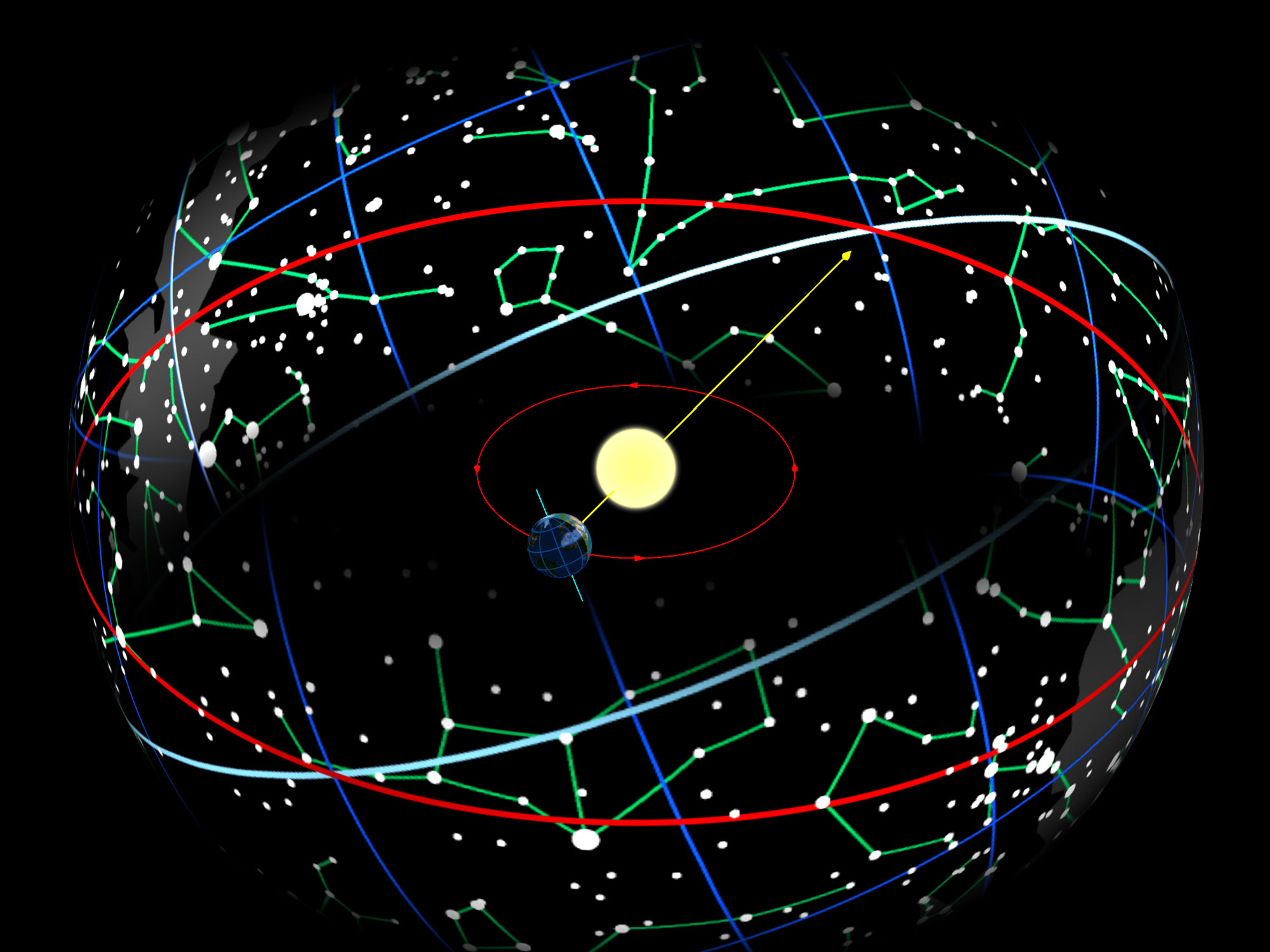
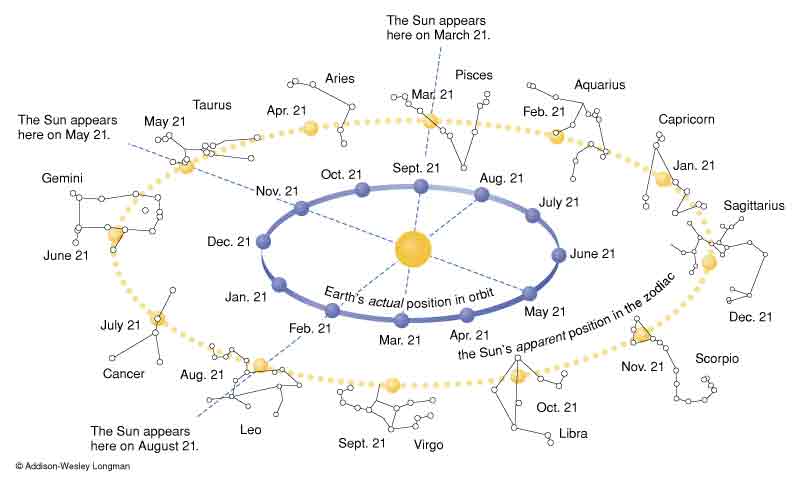
Makar Sankranti – Thursday, January 14, 2021. For God created Universe with Life on Earth, Sun traverses across Earth’s Sky giving Man blessed opportunity to Measure Time and Mark His Calendars.

Indian religious festival known as ‘Makar Sankranti’ is celebration of an event witnessed by man who dwells in ‘Natural’ or Terrestrial Realm recognizing Sun’s apparent journey across Sky which belongs to ‘Supernatural’ Realm. The separation and distinction between Natural and Supernatural Realm is important to understand the nature of man’s conditioned existence as a terrestrial organism. Firstly, I would extend ‘Happy Makar Sankranti Greetings to my readers and share some information about Sun’s Path across the Sky known as Ecliptic.

Tat Asmi Prabhu - Natural Vs Supernatural Dualism. Sun is a Celestial object that belongs to Supernatural or Extraterrestrial Realm.
Makar Sankranti:Natural Vs Supernatural Dualism. Sun is a Celestial object that belongs to Supernatural or Extraterrestrial Realm.
Tat Asmi Prabhu - Natural vs Supernatural Dualism. Sun's Ecliptic Path belongs to Supernatural Realm and this Motion is apparent to an observer who belongs to Natural or Terrestrial Realm.
Makar Sankranti:Natural vs Supernatural Dualism. Sun’s Ecliptic Path belongs to Supernatural Realm and this Motion is apparent to an observer who belongs to Natural or Terrestrial Realm.
Tat Asmi Prabhu - Natural VS Supernatural Dualism. Sun's Ecliptic Path. Is this a Problem of Visual Perception or does it describe Reality of man's conditioned existence in Natural or Terrestrial Realm?
Makar Sankranti: Natural VS Supernatural Dualism. Sun’s Ecliptic Path. Is this a Problem of Visual Perception or does it describe Reality of man’s conditioned existence in Natural or Terrestrial Realm?
Tat Asmi Prabhu - Natural Vs Supernatural Dualism. Sun's apparent motion or path in Supernatural or Extraterrestrial Realm crossing Signs of Zodiac.
Makar Sankranti: Natural Vs Supernatural Dualism. Sun’s apparent motion or path in Supernatural or Extraterrestrial Realm crossing Signs of Zodiac.
Tat Asmi Prabhu - Natural Vs Supernatural Dualism. While Sun belongs to Supernatural or Extraterrestrial Realm, Sun's Power/Energy/Force dominates Natural or Terrestrial Realm.
Makar Sankranti: Natural Vs Supernatural Dualism. While Sun belongs to Supernatural or Extraterrestrial Realm, Sun’s Power/Energy/Force dominates Natural or Terrestrial Realm.
MAKAR SANKRANTI: NATURAL Vs SUPERNATURAL DUALISM. MAKAR SANKRANTI IS A FESTIVAL CELEBRATED IN INDIA IN RECOGNITION OF SUN’S CELESTIAL JOURNEY IN SUPERNATURAL OR EXTRATERRESTRIAL REALM, WHEN SUN ENTERS THE ZODIAC SIGN OF CAPRICORN OR ‘MAKAR’ ON THURSDAY, JANUARY 14, 2021.

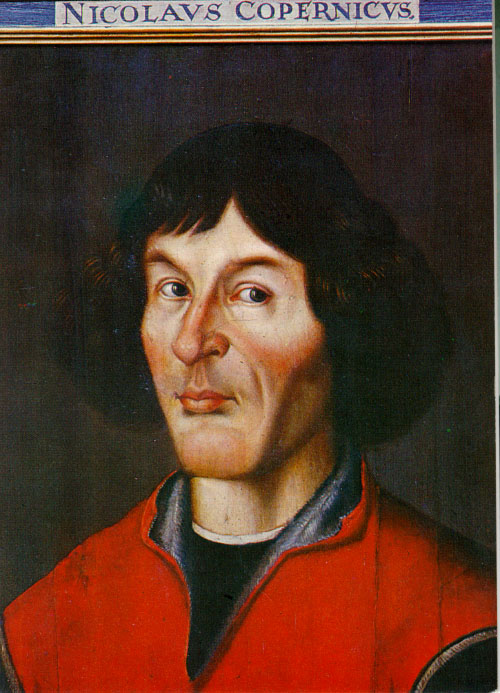
I am happy to extend my greetings to all of my readers on this festive occasion called Sankranti. In the Indian tradition, Sun is represented as personification of the Divine Energy that sustains the life of all that lives on planet Earth. Apart from being the source of primary Energy, Sun is viewed as the Source of Knowledge and Indians seek Lord Surya, the Sun God’s blessings to illuminate their inner, mental world to banish darkness called ignorance. This would lead me to reflect about the theory of Knowledge and the revolutionary change caused by Immanuel Kant in understanding our philosophic problems and procedures. In the context of our celebration of the Indian festival of Sankranti, I would like to pay a special tribute to Nicholas Copernicus (1457-1543) who laid the foundation for modern astronomy with his heliocentric theory of planetary motion which replaced the geocentric cosmological theory established by Ptolemy (Claudius Ptolemaeus) of 2nd century A.D. Ptolemy’s theory placed Earth motionless at the center of the universe with all celestial bodies revolving around it. Copernican system places the Sun motionless at the center of the solar system with all the planets, including Earth, revolving around it.

THE THEORY OF KNOWLEDGE – A COPERNICAN REVOLUTION:

Nicholas Copernicus, Polish astronomer caused a revolutionary change in Astronomy for he had reversed the way scientists think about the relationship of the Earth and the Sun.
Nicholas Copernicus, Polish astronomer caused a revolutionary change in Astronomy for he reversed the way scientists think about the relationship of the Earth and the Sun.

 Copernicus caused a revolution when he discerned reflections of the Earth’s own motion in the apparent motions of the planets, and stars. To the same extent, German philosopher Immanuel Kant (1724-1804) inaugurated a new era in the development of philosophical thought. He did comprehensive, and systematic work in Theory of Knowledge, Ethics, and Aesthetics.

Immanuel Kant had reversed the way philosophers think about the relationship of the world of experience and the mind. As per Kant, the mind is not shaped by the world of experience; rather, the world of experience is shaped by the patterns set by the mind.
Immanuel Kant reversed the way philosophers think about the relationship of the world of experience and the mind. As per Kant, the mind is not shaped by the world of experience; rather, the world of experience is shaped by the patterns set by the mind.

Kant altered the nature of philosophic inquiry. He recognized the limits of the philosophical traditions of both Empiricism that stresses Experience, and Rationalism that stresses Reason. He analyzed the tradition of Rene Descartes (Rationalism) and clarified the tradition of Francis Bacon (Empiricism). Kant attempted to incorporate both Experience and Reason, without falling into the Skepticism of the empirical school and without embracing the unverifiable metaphysical structure of the rationalist school. He criticized Leibniz rationalism in his book, “Critique of Pure Reason”(1781). In Kant’s view, objective reality is known only insofar as it conforms to the essential structure of the knowing mind. Only objects of experience or phenomena may be known. Things lying beyond experience or noumena are unknowable. Kant stated that the human mind provides the forms and the categories that can be used to describe experience. He held the view that the problems like the existence of God, freedom, and immortality are insoluble by scientific thought. Kant had proudly asserted that he had accomplished a Copernican Revolution in philosophy. He claimed that the subject doing the knowing constitutes, to a considerable extent, the object of knowing; i.e., that knowledge is in part constituted by the mind itself which imposes its influence upon the data of experience. Hence, knowledge is the product of the knowing subject and not a simple description of an external reality. Kant accounted for the application of the mind’s principles to objects by showing that the objects conform to the mind; in knowing, it is not mind that confirms to things but things confirm to the mind. I have to examine this issue for its relevance to the fundamental concern about human existence.

SPIRITUALISM-A COPERNICAN REVOLUTION:

SUN - SPIRITUALISM - COPERNICAN REVOLUTION: In a moving world and universe called "JAGAT", the entity called Soul and Spirit, or "BHAVANA" provides the unchanging operating system to make the human existence a reality.
SUN – SPIRITUALISM – COPERNICAN REVOLUTION: In a moving world and universe called “JAGAT”, the entity called Soul , or “BHAVANA” provides the unchanging operating system to make the human existence a reality.
Sun's Celestial Journey - Spiritualism - Copernican Revolution : Spiritualism is the potency that brings man's essence and existence to come together to provide man the subjective and objective reality of his own existence in the physical, or material world.
Sun’s Celestial Journey -Spiritualism-Copernican Revolution: Spiritualism is the potency that brings the man’s essence and existence to come together to provide the man the subjective and objective reality of his own existence in the physical, or material world.

The man’s earthly existence is conditioned by constant change under the influence of Space and Time. To make Life happen, the existence has to be synchronized with the external events on which the man has no control. While Earth is spinning at an amazing speed, the man perceives Earth as a motionless object, and experiences the apparent motions of planets and stars. The speed of Earth’s motion, if perceived, is not compatible with human existence. The reality of Sun shining brightly in the sky all the time is not also helpful for human existence. The man needs alternating periods of light and darkness called day, and night. Human existence demands alternating periods of wakefulness and sleep. To experience the physical reality called existence, the man needs the influence of a powerful illusion that changes the perception of reality of this world, and universe that is constantly changing, and moving. The man exists for he cannot alter the sensory experience of Sun’s journey across the heavenly dome.

Sun’s Celestial Journey -Spiritualism-Copernican Revolution: Spiritualism is the potency that brings the man’s essence and existence to come together to provide the man the subjective and objective reality of his own existence in the physical, or material world.

Bharat Darshan: The Atman or the Soul and its experience as Pure Bliss Consciousness

Bharat Darshan: The Atman or the Soul and its experience as Pure Bliss Consciousness.

Atman is a Sanskrit term which describes the spiritual life principle found in all living things, especially regarded as inherent in the real or true Self of the human individual. For all purposes of conversation, Indians use the term Atman to speak about a person’s Soul which is distinct from the Body, and Mind of the person.

Bharat Darshan: The Atman or the Soul and its experience as Pure Bliss Consciousness.

Indian thinkers speak extensively describing in great detail the concept of the Atman. Apart from characteristics such as imperishable, indestructible, and immutable, the Atman is viewed as ‘Light’ that dispels the darkness called Ignorance. Indian thinkers adamantly refuse to describe the structural and the functional attributes of the Atman making it difficult to define the term Atman using the information provided by Human Anatomy and Human Physiology. However, there is general agreement among the Indian thinkers about the nature of the Atman. There are four recurrent themes in the discourse about the Atman. These are, 1. The association of the Atman as the ultimate source of Great Knowledge to overcome the veiling effects of Maya or the Grand Illusion, 2. The experience of the Atman is the prerequisite to find Peace, Harmony, and Tranquility in the conditioned nature of the human existence characterized by pain, and suffering, 3. The Atman is manifested as Pure Joy, Perfect Happiness, and Pure Bliss Consciousness, and 4. The Atman is the Fourth Condition, the Fourth State, or the Fourth Quarter of Consciousness which is Pure for it is devoid of all contents, has no functional attributes, and most importantly, cannot be described.

Bharat Darshan: The Atman or the Soul and its experience as the Pure Bliss Consciousness.

In my analysis, the concept of the Atman, or the Soul is useful and when validated, the concept will provide the tools for practical application to promote the human well-being. To that extent, I invite my readers to study the Functional Anatomy of the Reticular Formation of the Brainstem to interpret it as the structural and functional organization called the Soul. Please review the concept of ‘Emotional Brainstem’ to understand the anatomical and physiological basis of the human experience called Pure Joy, Perfect Happiness, and Pure Bliss Consciousness.

Rudra Narasimham Rebbapragada

BHAVANAJAGAT.ORG

SPIRITUALITY SCIENCE – THE KNOWER – THE KNOWING-SELF : IN THIS IMAGE OF HUMAN BRAIN, THE GREEN PORTION OF BRAINSTEM IS CALLED THE RETICULAR FORMATION. I AM PROPOSING TO CALL IT AS THE KNOWING-SELF AND IT IS THE “KNOWER” OF THE HUMAN BODY WHICH CONSTANTLY CHANGES ITS MORPHOLOGICAL APPEARANCE UNDER THE INFLUENCE OF TIME CALLED THE AGING PROCESS.

The Functional Anatomy of the Reticular Formation

Frontiers in Neuroanatomy., 29 May 2019 | https://doi.org/10.3389/fnana.2019.00055

Ugo Faraguna1, Michela Ferrucci1Filippo S. Giorgi1,2 and Francesco Fornai1,3*

  • 1Department of Translational Research and New Technologies in Medicine and Surgery, University of Pisa, Pisa, Italy
  • 2Section of Neurology, Department of Clinical and Experimental Medicine, Pisa University Hospital, University of Pisa, Pisa, Italy
  • 3I.R.C.C.S. I.N.M. Neuromed, Pozzilli, Italy

https://www.frontiersin.org/articles/10.3389/fnana.2019.00055/full

In 1949 Moruzzi and Magoun first described the activating role of a wide area within the brainstem. They defined some physiological features of what they called the ascending reticular activating system, setting the scene for the discovery of the multifaceted roles of the reticular formation. In particular, beyond the original effects on behavioral arousal, a variety of effects is generated in the brain by the activation of these discrete nuclei population of the brainstem. In this way, physiological conditions such as the sleep-waking cycle, the level of arousal and attention, the drive for novelty seeking behaviors, the mood states and other brain activities were shown to depend on the ascending reticular formation. Meanwhile, it became more and more evident that an equal amount of processes is controlled by its descending pathways. More specifically, the reticular formation plays a key role in the modulation of posture, extrapyramidal movements, cardiovascular activity, breathing and a variety of harmonic variations in the sympathetic and parasympathetic systems which accompanies motor activity. The descending fibers of the reticular formation, as well as the ascending system, are critical in gating the sensory inputs and play a critical role in pain modulation, mainly by acting on the posterior horn of the spinal cord.

All these activities are impaired when a damage affects critical nuclei of the reticular formation. This may occur either suddenly, due to vascular disorders, or progressively, as it happens in neurodegenerative conditions. Interestingly, in this latter case the spreading of neurodegeneration has been attributed to the rich collaterals connecting various reticular nuclei, which are more and more involved in later stages of many neurodegenerative disorders.

During the last decades the anatomical counterparts of the reticular formation have been further investigated, even though a comprehensive description is still missing. Thus, the present research topic is designed to welcome contributions both defining the updated anatomy of the reticular formation and its physiological functions (sleep-wake cycle, EEG synchronization, postural control, etc.) as well as its involvement in a wide array of neuropsychiatric disorders (Parkinson and extrapyramidal disorders, epilepsy, sleep disorders, ADHD, degenerative dementia, neurovascular disorders, etc.).

The brainstem reticular formation (RF) represents the archaic core of those pathways connecting the spinal cord and the encephalon. It subserves autonomic, motor, sensory, behavioral, cognitive, and mood-related functions. Its activity extensively modulates cortical excitability, both in physiological conditions (i.e., sleep-wake cycle and arousal) and in disease (i.e., epilepsies). Such a wide variety of effects arises from the long course and profuse axonal branching of isodendritic reticular neurons, which allows the neuronal message to travel toward the entire cerebral cortex and downstream to the spinal cord. On the other hand, the isodendritic architecture featuring a monoplanar branching allows most RF neurons to cover roughly half of the brainstem and to be impinged by ascending and descending pathways. In parallel, such a generalized influence on CNS activity occurs in combination with highly focused tasks, such as those involved in the coordination of gaze.

The Journal Frontiers in Neuroanatomy offers an updated view to define the anatomical correlates of the multiple and interconnected roles played by the brainstem reticular formation in health and disease.

In fact, the integration of multiple activities within the brainstem reticular circuitries may explain why alterations of each of these domains may affect the emotional sphere, paving the way to the concept of emotional brainstem (Venkatraman et al.). 

The Brainstem in Emotion: A Review

Anand Venkatraman1Brian L. Edlow2 and Mary Helen Immordino-Yang3,4,5*

  • 1*. Department of Neurology, University of Alabama at Birmingham, Birmingham, AL, USA
  • 2*.Department of Neurology, Massachusetts General Hospital and Harvard Medical School, Boston, MA, USA
  • 3*.Brain and Creativity Institute, University of Southern California, Los Angeles, CA, USA
  • 4*.Rossier School of Education, University of Southern California, Los Angeles, CA, USA
  • 5*.Neuroscience Graduate Program, University of Southern California, Los Angeles, CA, USA

Emotions depend upon the integrated activity of neural networks that modulate arousal, autonomic function, motor control, and somatosensation. Brainstem nodes play critical roles in each of these networks, but prior studies of the neuroanatomic basis of emotion, particularly in the human neuropsychological literature, have mostly focused on the contributions of cortical rather than subcortical structures. Given the size and complexity of brainstem circuits, elucidating their structural and functional properties involves technical challenges. However, recent advances in neuroimaging have begun to accelerate research into the brainstem’s role in emotion. In this review, we provide a conceptual framework for neuroscience, psychology and behavioral science researchers to study brainstem involvement in human emotions. The “emotional brainstem” is comprised of three major networks – Ascending, Descending and Modulatory. The Ascending network is composed chiefly of the spinothalamic tracts and their projections to brainstem nuclei, which transmit sensory information from the body to rostral structures. The Descending motor network is subdivided into medial projections from the reticular formation that modulate the gain of inputs impacting emotional salience, and lateral projections from the periaqueductal gray, hypothalamus and amygdala that activate characteristic emotional behaviors. Finally, the brainstem is home to a group of modulatory neurotransmitter pathways, such as those arising from the raphe nuclei (serotonergic), ventral tegmental area (dopaminergic) and locus coeruleus (noradrenergic), which form a Modulatory network that coordinates interactions between the Ascending and Descending networks. Integration of signaling within these three networks occurs at all levels of the brainstem, with progressively more complex forms of integration occurring in the hypothalamus and thalamus. These intermediary structures, in turn, provide input for the most complex integrations, which occur in the frontal, insular, cingulate and other regions of the cerebral cortex. Phylogenetically older brainstem networks inform the functioning of evolutionarily newer rostral regions, which in turn regulate and modulate the older structures. Via these bidirectional interactions, the human brainstem contributes to the evaluation of sensory information and triggers fixed-action pattern responses that together constitute the finely differentiated spectrum of possible emotions.

Introduction

Emotions are mental and bodily responses that are deployed automatically when an organism recognizes that a situation warrants such a reaction (Damasio, 1994). Due to humans’ intellectual capacities, human emotional reactions are not necessarily triggered by immediate (real) physical or social circumstances, but can also be precipitated by inferences, memories, beliefs or imaginings (Immordino-Yang, 2010). Although human emotions can involve complex cognitive deliberations (Immordino-Yang, 2010, 2015) their activating power fundamentally depends upon the modulation of arousal, motor control and somatosensation. Emotions are therefore regulated by a broad range of subcortical and cortical structures, with a critical role being played by subcortical nuclei in the pontine and midbrain tegmentum (Nauta, 1958; Parvizi and Damasio, 2001), as well as by autonomic and cardiorespiratory nuclei in the medulla (Edlow et al., 2016). Currently, most investigations of human emotion, especially in the neuropsychology literature, have focused on contribution of cortical rather than subcortical structures to human emotion, with a few notable exceptions (Buhle et al., 2013). Given that the brainstem plays a critical role in regulating and organizing emotion-related processing, the aim of this review is to provide a conceptual framework for affective researchers to study the brainstem’s role in human emotion.

Organization of Brain Regions Involved in Emotion

For the purpose of studying its role in emotion, the brainstem can be conceptualized as being composed of Ascending, Descending, and Modulatory networks. The gray matter nodes and white matter connections within each of these networks are summarized in Table 1, while Figure 1 provides a schematic overview of the networks’ brainstem nodes. 

TABLE 1. The three networks of brainstem structures involved in emotion processing, and their components.
FIGURE 1. Brainstem nuclei involved in human emotion. (A) Sagittal view and (B) Coronal view. DR, Dorsal Raphe; LC, Locus coeruleus; LDT, Laterodorsal tegmental nucleus; Mb, Midbrain; MR, Median raphe; P, Pons; PAG, Periaqueductal gray; PBC, Parabrachial nuclear complex; PPN, Pedunculopontine nucleus; VTA, Ventral tegmental area. The substantia nigra and the nucleus of the tractus solitarius are not shown to optimize visibility of the other structures.

Integration of signaling within these three networks occurs at all levels of the brainstem, while progressively more complex levels of integration occur in the thalamus, hypothalamus and cerebral cortex. This encephalization and hierarchical organization allows phylogenetically older pathways in the brainstem, which evaluate sensory information and give rise to fixed-action pattern responses, to be regulated by evolutionarily newer rostral regions (Tucker et al., 2000). It is important to emphasize here that this conceptual model is based upon limited information about the functioning of the human brainstem, and will likely require revision and further differentiation as new evidence arises (Seeley et al., 2007; Coenen et al., 2011; Hermans et al., 2014).

Ascending Network

Damasio’s (1996) Somatic Markers Hypothesis suggests that emotion processing incorporates somatosensory and visceral feedback from the periphery, either directly or through intervening sensory representations in caudal structures. Multiple representations of the body state in the brainstem and in the insular cortices are believed to enable simulation of future actions and sensations to guide decision making, as well as to contribute to empathy and theory of mind in humans. Self-awareness may arise from successive temporal representations of the body with increasing levels of detail (Craig, 2003a). Even the simple sensory representations of the body in the brainstem nuclei can alter affective experience, as demonstrated by studies showing that subtle modulation of a subject’s facial expressions can change self-reported affect (Harrison et al., 2010).

Interoception, which is the sense of the internal condition of the body, and emotional feeling, may share a common route through the brainstem to the anterior insular cortex (Craig, 2003a; Drake et al., 2010). The interoceptive system, represented in the cortex by the insula and adjacent regions of the frontal operculum, is particularly important for the internal simulation of observed emotion in humans (Preston et al., 2007; Pineda and Hecht, 2009) and for the experience of complex social emotions (Immordino-Yang et al., 2009, 2014, 2016). The other body map in the somatosensory cortex, which is built from dorsal column inputs and segments of the anterolateral pathway, contributes to affective understanding by simulation of facial expressions (Pineda and Hecht, 2009), analogous to the proposed function of primate mirror neurons in perception/action coupling (Rizzolatti and Craighero, 2004).

The neuroanatomic basis for the Ascending sensory network and the mechanisms by which it modulates human emotion remain poorly understood. Although the structural and functional properties of these ascending pathways have been studied extensively in rodents and non-human primates using premortem tract-tracing and invasive electrophysiological studies, these techniques cannot be applied in humans. Recent studies using diffusion tractography and resting-state functional connectivity techniques in humans have found that forebrain regions involved in regulation of mood and affect are interconnected not only with mesencephalic and pontine arousal nuclei, but also with medullary cardiorespiratory and autonomic nuclei through the medial and lateral forebrain bundles (Vertes, 2004; Edlow et al., 2016). Figure 2 provides an overview of the main structures in the Ascending network.

FIGURE 2. Major structures involved in the Ascending network. (1) Spinothalamic tracts. (2) Nucleus of the tractus solitarius. (3) Parabrachial nuclear complex. (4) Thalamus. Green arrows: Ascending projections.

It is well established that sensations from the human body are carried in two major ascending pathways in the brainstem – the dorsal columns of the spinal cord, which continue as the medial lemnisci, carry discriminatory sensation, deep touch and proprioception; the anterolateral pathway, composed of the spinothalamic tracts, carries nociceptive and temperature-related signals (Nogradi et al., 2000-2013).

The Anterolateral Pathway

The nociceptive fibers in the anterolateral pathway give off collaterals at every level that converge with projections from visceral sensory neurons in the brainstem, thereby ensuring close coordination of pain and autonomic processing (Craig, 2003b). The pathway begins with small-diameter fibers that transmit signals of fast and slow pain, chemical changes, temperature, metabolic state of muscles, itch, and sensual or light touch to lamina I of the spinal cord, from where ascending projections arise. In the caudal brainstem, these projections target the nucleus of the tractus solitarius in the medulla (Figure 2), which is also innervated by visceral and taste sensations through the vagus, glossopharyngeal and facial nerves.

The Parabrachial Complex

Tract-tracing studies in rodent models have revealed that ascending projections from the nucleus of the tractus solitarius travel to the parabrachial complex (Figures 12) in the upper pons (Herbert et al., 1990), which also receives direct projections from lamina I neurons (Craig, 2003b), in addition to other inputs such as balance (Balaban, 2002). Rat studies suggest that the parabrachial complex integrates multiple types of converging sensory inputs and in turn projects to rostral regions such as the thalamus, hypothalamus, basal forebrain and amygdala, and may play an important role in arousal (Fuller et al., 2011; Edlow et al., 2012). The upper brainstem, where the parabrachial complex lies, is therefore the most caudal structure where a topographically complete map of the body can be assembled that includes all manner of interoceptive information (Damasio and Carvalho, 2013). There is also ongoing investigation of the role played by the superior colliculus, a structure in the dorsal aspect of the upper brainstem, in sensory and emotional processing in humans, but the available evidence is sparse (Celeghin et al., 2015).

The Thalamus

Immediately rostral to the upper brainstem is the thalamus, and the spinothalamic tracts, as their name indicates, end in the thalamus. A subset of thalamic nuclei function as relay structures between the emotional brainstem and rostral brain structures. The ventral posteromedial nuclei of the thalamus, which receive projections from the parabrachial complex and other parts of the anterolateral pathway, project to the insular cortex, particularly the mid/posterior dorsal part. Craig and colleagues suggested that the posterior part of the ventral medial nucleus of the thalamus, or VMPo, was uniquely involved in pain processing, particularly in primates (Craig, 2003a), but other authors had questioned the separate existence of this nucleus (Willis et al., 2002).

The intralaminar nuclei of the thalamus receive non-topographical sensory input from the spinal cord, which are in turn projected to the orbitofrontal and anterior cingulate cortices. The intralaminar nuclei are involved in orienting and attention, while arousal and visceral sensation are subserved by the midline nuclei (Morgane et al., 2005). In primates a direct pathway from lamina I to the anterior cingulate through the medial dorsal nucleus is also present (Craig, 2003a), and it has been suggested that these pathways may mediate the affective aspect of pain (Tucker et al., 2005). Indeed, the mediodorsal nucleus progressively increases in cytoarchitectonic complexity in higher animals, and is also known to project to the frontal and prefrontal cortices (Morgane et al., 2005). Thus, the thalamus contains multiple structures that appear to play a role in transmitting the signals essential for emotion processing from the brainstem to the forebrain.

Summary statement: Representations of the body of varying degrees of complexity that exist at multiple levels in the Ascending network, including the nucleus of the tractus solitarius and the parabrachial nucleus, are believed to be give rise to the “feeling” of an emotion.

Descending Network

The chief descending pathway in the human brainstem is composed of large, myelinated axons of the corticospinal tracts, transmitting motor impulses to the anterior horn cells of the spinal cord and thereafter to skeletal musculature (Nogradi and Gerta, 2000–2013). In addition, the midbrain and pontine tegmentum, as well as the medulla, contain several structures that serve as the output centers for motor and autonomic regulatory systems, which in turn regulate the bodily manifestations of the “emotion proper” (Damasio, 1994). Holstege (2009) considered the interconnected network of descending fibers and effector regions in the brainstem an “emotional motor system,” distinct from the corticospinal somatic motor pathway, each of which they divided into lateral and medial parts [Figure 3, adapted from (Holstege, 2016)].

FIGURE 3. Holstege’s conception of the Emotional and Somatic motor systems. (Adapted from Holstege, 2016).

The brainstem, as noted previously, contains a hierarchy of circuits linking ascending sensory neurons and descending effector neurons. Evidence from rat and cat studies indicates that the lower-level circuits enable quick stereotypical responses to stimuli, while the higher-level involvement of rostral centers allows for complex motor and autonomic activity and action specificity (Bandler et al., 2000; Gauriau and Bernard, 2002). This close relationship between sensory and effector networks in emotion processing is best illustrated by the close overlap seen between sites involved in emotional vocalization and pain processing in animals. Both physical and psychological pain (caused by separation from caregivers, for example) can produce distress vocalizations in animals, with the caudal brainstem containing multiple regions that control the respiratory and phonetic changes of vocalization (Tucker et al., 2005) and cardiorespiratory function during emotion (Lovick, 1993; Rainville et al., 2006; Edlow et al., 2016). The rostral nuclei are able to modulate the activity of caudal nuclei that control cardiorespiratory control and vocalization in a coordinated manner that makes the resultant action more complex and nuanced.

Lateral Part of the Emotional Motor System

The emotional motor system’s lateral part consists of projections primarily from the periaqueductal gray, as well as more rostral structures such as the amygdala and hypothalamus, to the lateral tegmentum in the caudal pons and medulla (Figures 34). This lateral part of the emotional motor system is involved in specific motor actions invoked in emotions, as well as in the control of heart rate, respiration, vocalization, and mating behavior (Holstege, 2009). Studies in multiple animal models as well as in humans have revealed that the periaqueductal gray (Figures 14) is a major site of integration of affective behavior and autonomic output, with strong connections to other brainstem structures (Behbehani, 1995).

Several fixed patterns of behavior, particularly those related to responding to external threats, with accompanying autonomic changes, are organized in the different columns of the periaqueductal gray in rats (Brandao et al., 2008). The lateral/dorsolateral column receives well-localized nociceptive input (superficial ‘fast’ pain, as might be expected from bites or scratches) and is believed to organize fight-or-flight reactions. When stimulated this column produces emotional vocalization, confrontation, aggression and sympathetic activation, shown by increased blood pressure, heart rate, and respiration. Many of these responses are mediated by descending projections to the paragigantocellularis lateralis nucleus in the rostral ventrolateral medulla (respiratory rhythm), the dorsal motor nucleus of the vagus (heart rate and rhythm), and caudal raphe (cardiorespiratory integration; Lovick, 1993; Edlow et al., 2016). Within this dorsolateral/lateral column itself, there are two parts. The rostral part is responsible for power/dominance (producing a “fight” response), while the caudal part invokes fear (producing a “flight” response) with blood flow to the limbs (Sewards and Sewards, 2002).

The ventrolateral column of the periaqueductal gray receives poorly localized “slow, burning” somatic and visceral pain signals, and on stimulation produces passive coping, long-term sick behavior, freezing with hyporeactivity and an inhibition of sympathetic outflow (Parvizi and Damasio, 2001; Craig, 2003b; Brandao et al., 2005; Benarroch, 2006). In this way, it is likely involved in background emotions such as those that contribute to mood. Rat studies have further revealed that lesions of the dorsolateral periaqueductal gray reduce innate defensive behaviors, while lesions of the caudal ventrolateral part reduce conditioned freezing and increase locomotor activity (Brandao et al., 2005). When the predator is far away, the ventromedial prefrontal cortex and the hippocampus, through the amygdala, activate midbrain structures centered around the ventrolateral periaqueductal gray, which results in freezing (Tucker et al., 2000). In the “circa-strike” stage when the predator is imminent, forebrain pathways are silenced, and the dorsolateral periaqueductal gray is activated, resulting in fight-or-flight reactions.

The Periaqueductal Gray in Human Emotion

Though the reactions detailed above are almost certainly incorporated into human emotion, the precise mechanisms have not been elucidated. One study involving high-resolution MRI of the human periaqueductal gray indicated that this structure has discrete functional subregions that parallel the divisions seen in animals – aversive stimuli caused activation in the ventrolateral regions of the caudal periaqueductal gray and in the lateral/dorsomedial regions of the rostral periaqueductal gray (Satpute et al., 2013). The periaqueductal gray threat response system is likely co-opted in the pathophysiology of conditions such as panic disorder and generalized anxiety disorder. Blood flow analysis suggests that the inhibitory influence of the cortex over the fight-or-flight mechanisms in the periaqueductal gray is reduced in panic disorder (Del-Ben and Graeff, 2009). Functional MRI has also revealed activation of the human periaqueductal gray in complex emotions such as frustration (Yu et al., 2014), admiration and compassion (Immordino-Yang et al., 2009), in addition to more immediate threat responses (Lindner et al., 2015).

Medial Part of the Emotional Motor System

The medial part of the emotional motor system (Figures 34) consists of descending projections from the reticular formation that are involved in level-setting and modulatory functions (Holstege, 2009). Once again, the vast majority of the research on this subject has been in animals. The caudal third of the locus coeruleus (Sasaki et al., 2008) and the caudal raphe nuclei both send projections downward to the spinal cord, as depicted in Figure 4, and are responsible for descending pain modulation (Renn and Dorsey, 2005). The effect of norepinephrine from the locus coeruleus is mostly antinociceptive, while serotonin from the raphe nuclei can have varying effects depending upon the type of receptor activated (Benarroch, 2008). In rats, it has been shown that the midbrain tectum and the dorsal/lateral periaqueductal gray indirectly produce the analgesia that occurs in fear (Coimbra et al., 2006), through a primarily non-opioid mechanism involving GABAergic and serotonergic neurons (as opposed to the ventrolateral periaqueductal gray that produces a long-lasting opioid mediated analgesia; Gauriau and Bernard, 2002). It is likely that this system of fear suppressing the pain system is still present in humans, allowing us to act and move rapidly in situations of threat (Mobbs et al., 2007).

FIGURE 4. Major structures involved in the Descending network. (5) Periaqueductal gray. (6) Locus coeruleus. (7) Caudal raphe nuclei. (8) Rostral ventrolateral medullary nuclei. (9) Dorsal motor nucleus of the vagus nerve. Green arrows: Descending projections from periaqueductal gray. Blue arrows: Descending projections from the caudal raphe and locus coeruleus.

In addition to nociceptive modifications, the medial part of the emotional motor system is also involved in level-setting for arousal levels and muscle function – studies on rodents and monkeys indicate that this is accomplished through norepinephrine secretion from the locus coeruleus (Aston-Jones and Cohen, 2005; Lang and Davis, 2006) and cholinergic projections from the pedunculopontine tegmental nucleus in the upper pons (Bechara and van der Kooy, 1989; Homs-Ormo et al., 2003). Further detail regarding these important structures is provided in the section below on the Modulatory network.

Summary statement: The Descending network, otherwise referred to here as the emotional motor system, has a lateral part that triggers patterned emotional behaviors, while the medial part is responsible for level-setting in sensory and arousal systems that might be important in emotionally charged situations.

Modulatory Neurotransmitter Network – Valence, Arousal, and Reward

Since a major characteristic of an adaptive emotional behavioral response is flexibility, a network that modulates the autonomic, motor, affective and memory changes brought about by different stimuli is needed. The chief upper brainstem structures involved in this modulation are the neurotransmitter pathways arising from the upper raphe nuclei (serotonergic), the ventral tegmental area-substantia nigra pars compacta complex (dopaminergic), and the upper locus coeruleus (noradrenergic), which project widely throughout the hypothalamus, cortex and other parts of the forebrain. In addition, the laterodorsal and the pedunculopontine tegmental nuclei are sources of cholinergic fibers, which stimulate cortical activation through the thalamus. These structures are depicted in Figures 15. Ascending projections from the brainstem to subcortical and cortical structures communicate the states of brainstem structures to more rostral regions of the nervous system, where these states contribute to affective experience. Since these pathways are involved in arousal and in the maintenance of consciousness (Jones, 2003), they are sometimes called the Ascending Reticular Activating System or Ascending Arousal Network (Moruzzi and Magoun, 1949; Edlow et al., 2012). The following sections on the various pathways that comprise the Modulatory network are in large part descriptions of the Ascending Reticular Activating System, albeit with a focus on how these relate to emotion.

FIGURE 5. The nuclei of the Modulatory network. (10) Substantia nigra. (11) Ventral tegmental area. (12) Raphe nuclei. (6) Locus coeruleus. (13) Pedunculopontine nucleus. (14) Laterodorsal tegmental nucleus.

The Valence-Arousal Model of Emotion and Its Critiques

The modulation of affective states by these upper brainstem-based pathways has been expressed through the two domains of valence and arousal. According to the circumplex model of emotions, each basic emotion is postulated to be a combination of these two domains, in differing degrees (Russell, 1980; Zald, 2003; Posner et al., 2009). In humans, valence correlates with pleasantness ratings, heart rate, and facial muscle activity, while arousal correlates with skin conductance, interest ratings and viewing time for stimuli (Lang and Davis, 2006). Both valence and arousal have significant impact on an organism’s relationship with the environment, influencing, for example, the allocation of attention and long term memory formation (Arbib and Fellous, 2004).

Recent work, especially in the neuroimaging literature, has raised questions about whether complex neurological processes like emotions can actually be represented by reducing to dimensions of valence and arousal. Kragel and LaBar (2016), in an interesting review of the nature of brain networks that subserve human emotion, argue that each emotion uniquely correlates with activation of a constellation of cortical and subcortical structures (Kragel and LaBar, 2016), and that the current neuroimaging data do not support the valence-arousal model of emotions. They focused on fMRI studies which have applied novel statistical methods collectively known as multivoxel pattern analysis to identify mappings between mental states and multiple measures of neural activity. The mainstay of earlier neuroimaging research on emotion was univariate pattern analysis, but multivariate analyses have the advantages of higher sensitivity, and the ability to detect counterintuitive relationships because of the lack of reliance on a priori hypotheses. These approaches also have the advantage of overcoming the assumption that dedicated modules or homogeneous neural units subserve each emotion, because they can investigate various neuronal populations at much larger spatial scales.

Kragel and LaBar (2016) suggest that while the use of machine learning approaches to large neuroimaging datasets is likely to expand in the near future, it might be premature to draw conclusions about neural substrates underlying each emotion, because the current studies using multivariate analyses have not all been consistent with one another. These differences may be coming from technical variations in the methods used to induce and assess the emotion and associated neural activations, but might also represent fundamental variations in the circuitry employed in different individuals, or even a lack of emotional “essences” that can be studied in a standardized manner across people and cultures. While this is a valid critique, we believe that the older valence-arousal classification still holds value in furthering our understanding of brainstem contributions to emotions and especially to basic emotions shared with intelligent animals. This debate may eventually be resolved with technical advances in functional neuroimaging and multidisciplinary approaches to studying emotional experiences (Immordino-Yang and Yang, 2017, in press).

Conclusion and Future Directions

The brainstem contains several structures that are likely of critical importance in the generation and experience of emotion. Most prior research on human emotion has focused on cortical mechanisms, largely because of the complexity of the brainstem coupled with the difficulty of analyzing brainstem functioning using current technologies. We have provided a conceptual overview of how tegmental structures of the brainstem are involved in emotion-related processes. Future research on the structural and functional connectivity of the human brainstem is needed to further understand its role in emotion. Such work will undoubtedly contribute to a more enriched and nuanced understanding of the neurobiology of human emotion in psychology and in affective neuroscience.

Bharat Darshan: The Atman or the Soul and its experience as Pure Bliss Consciousness.

On the Tenth Day of January 2021, the Septuagenarian knows that his Redeemer Lives

Job 19:25
On the Tenth Day of January 2021, the Septuagenarian knows that his Redeemer Lives.
On the Tenth Day of January 2021, the Septuagenarian lives to meet his Redeemer.
On the Tenth day of January 2021, the Septuagenarian lives to meet his Redeemer.

On the Tenth Day of January, 2021, the Septuagenarian Discovers the Septuagint

On the Tenth Day of January 2021, the Septuagenarian Discovers the Septuagint.
PPT - A Time Line of Key Events in the History of the Bible PowerPoint  Presentation - ID:3124561
On the Tenth Day of January 2021, the Septuagenarian Discovers the Septuagint

I acknowledge the fulfillment of Isaiah’s prophecy on the Tenth Day of January 2021. At any given place, and time, the external circumstances impacting our living conditions vary as all of us have individualistic life experiences even while sharing a common living environment.

I seek Emotional Equilibrium or Emotional Balance or Mood Balance while preparing to face challenges posed in the new year of my life. I seek Wisdom shared by the Septuagint, the Greek version of the Bible known to Jesus during His lifetime. He cautions people about hardened hearts, spiritual blindness, and deafness that makes people unresponsive to human pain and suffering. I should not hope or desire to find people who have the heart to know my problems, who have eyes to see my difficulties, and who have ears to listen to my pitiable groans.

On the Tenth Day of January 2021, the Septuagenarian Discovers the Septuagint.

It helps me to secure my Emotional Equilibrium by knowing the Septuagint, particularly, the ideas shared by Prophet Isaiah which guided Jesus during His very difficult Life Journey.

On the Tenth Day of January 2021, the Septuagenarian Discovers the Septuagint.

I am not surprised to find that people do not understand the pain that I reveal in my writing. I am not surprised to find that people do not perceive the hardships that I endure. I am not surprised to find that people cannot hear my voice filled with desperation.

On the Tenth Day of January 2021, the Septuagenarian Discovers the Septuagint.

I am not perturbed for I live among people whose hearts have become dull. At least for now, I must live without the benefit of healing promised by Jesus.

Jesus speaks of conversion that leads to healing of hearts. Time has healing power of its own. Both physical wounds and emotional injuries heal under the influence of time. In 2021, I need to wait with patience and ask for the blessings of perseverance for the healing process to manifest its results. My Redeemer lives. I live on the hope of meeting Him.

On the Tenth Day of January 2021, the Septuagenarian Discovers the Septuagint.

Simon Cyrene

On the Tenth Day of January 2021, the Septuagenarian Discovers the Septuagint.
On the Tenth Day of January 2021, Septuagenarian Lives to meet his Redeemer.
On the Tenth Day of January 2021, the Septuagenarian lives to meet his Redeemer.
On the Tenth Day of January 2021, I know that my Redeemer Lives.

Vijay Diwas 2020. On the 50th Anniversary of India-Pakistan War, the Special Frontier Force pays tribute to the fallen heroes

Vijay Diwas 2020: PM Modi to light ‘Swarnim Vijay Mashaal’ at National War Memorial. Vijay Diwas is celebrated every year on December 16 to mark India’s triumph in liberating Bangladesh from Pakistan in 1971. 

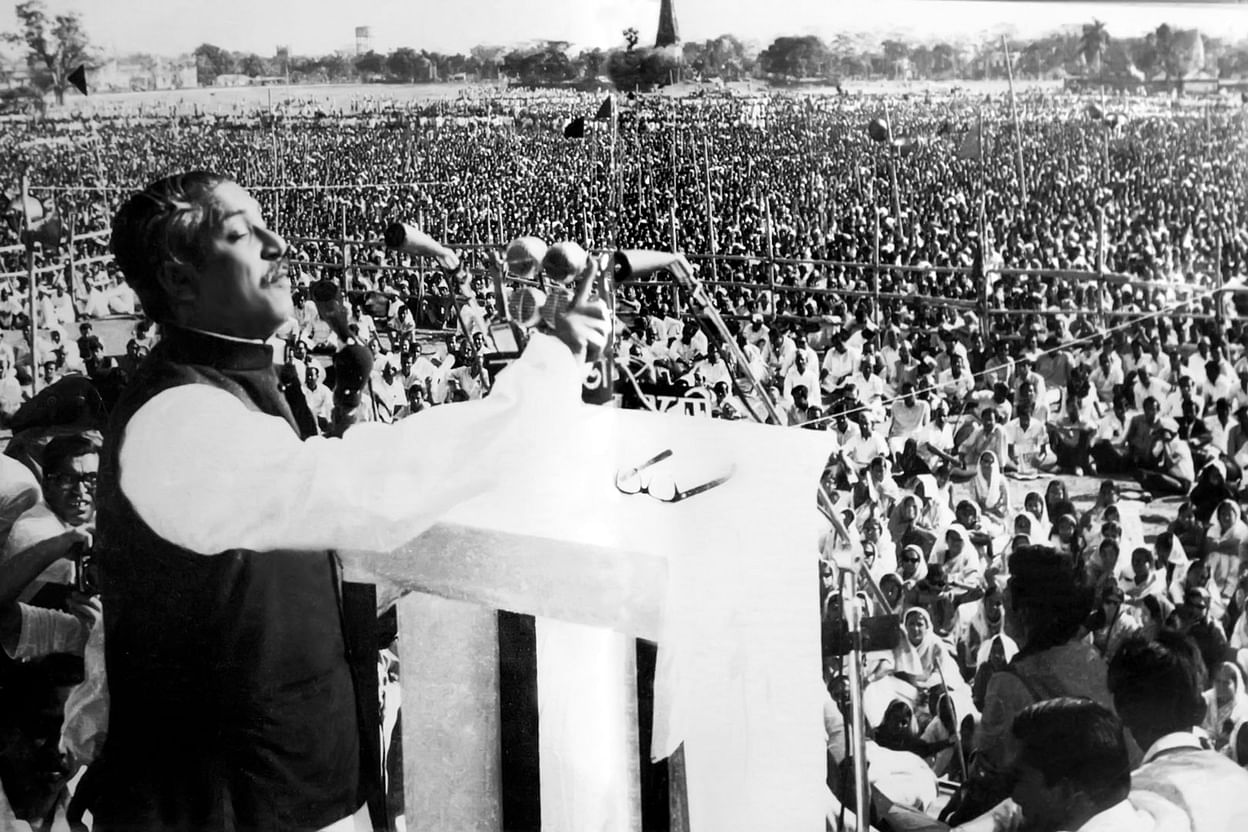
The Indo-Pak war of 1971 was a defining moment in the history of the subcontinent, resulting in Bangladesh becoming independent. This established the progress of the Indian Armed Forces including the Army, Air Force and Navy. The war started on 3 December 1971, when the struggle for independence was going on in East Pakistan. The war ended 13 days later on 16 December with the surrender of the Pakistani Army. Since then, this day has been celebrated as Vijay Diwas in India and Bangladesh.

I take this golden opportunity to acknowledge the leadership role of Prime Minister Mrs. Indira Gandhi in the execution of the Liberation War of Bangladesh. I have first-hand knowledge of her stewardship for she approved the battle plan code-named Operation EAGLE which initiated the liberation with direct military action in the Chittagong Hill Tracts. Her initiative was very critical and she balanced the opposition and the resistance exerted by the United States.

In an official release on Tuesday, the Defence Ministry has said, “In December 1971, the Indian Armed Forces secured a decisive and historic Victory over Pakistan Army, which led to the creation of a Nation – Bangladesh and also resulted in the largest Military Surrender after the World War – II. From 16 December, the Nation will be celebrating 50 Years of India-Pak War, also called ‘Swarnim Vijay Varsh’. Various commemorative events are planned across the Nation.”

Vijay Diwas 2020. Prime Minister Modi pays tribute to the fallen soldiers at the National War Memorial, New Delhi.

Prime Minister Modi was received by Defence Minister Rajnath Singh at the venue. The Prime Minister, Chief of Defence Staff and Tri-Service Chiefs laid a wreath and pay homage to the fallen soldiers.

The Prime Minister lit up the ‘Swarnim Vijay Mashaal’ from the eternal flame of National War Memorial on the occasion.

Vijay Diwas 2020. On the 50th Anniversary of the India-Pakistan War, Prime Minister Modi lit up the ‘Swarnim Vijay Mashaal from the Eternal Flame of the National War Memorial, New Delhi.’

Vijay Diwas 2020. Soldiers carry the victory flames ‘Swarnim Vijay Mashaal’ which was lit-up by Prime Minister Narendra Modi, marking the beginning of Golden Jubilee celebrations of India’s victory over Pakistan in the Indo-Pak War, at the National War Memorial in New Delhi

“Four Victory Mashaals (flames) were lit from the Eternal Flame of National War Memorial. These Mashaals will now be carried to various parts of the country including to villages of Param Vir Chakra and Mahavir Chakra Awardees of 1971 War. Soil from the villages of these Awardees and from areas where major battles were fought in 1971 is being brought to the NWM,” read the release.

India’s Field Marshal Sam Manekshaw on 13th December said “You surrender or We wipe you out,” soon after which India won the war over Pak armed forces.

I regret I have only one life to give for my country. -Prem Ramchandani

Prime Minister Narendra Modi on Wednesday visited the National War Memorial (NWM) in Delhi, where he lit the ‘Swarnim Vijay Mashaal’ on the 50th anniversary of the 1971 India-Pakistan war.

Vijay Diwas 2020. Prime Minister Narendra Modi accompanied by Chief of Defence Staff General Bipin Rawat, Chief of Army Staff General M M Narawane, Chief of Naval Staff Admiral Karambir Singh and Chief of Air Staff Air Chief Marshal R K S Bhadauria lays a wreath at the National War Memorial at the beginning of the Golden Jubilee of India’s victory over Pakistan in the Indo-Pak War, in New Delhi

Prime Minister Narendra Modi lays wreath at the National War Memorial at the beginning of the Golden Jubilee of India’s victory over Pakistan in the India-Pakistan War of 1971, in New Delhi
I take this golden opportunity to acknowledge the leadership role of Prime Minister Mrs. Indira Gandhi in the execution of the Liberation War of Bangladesh. I have first-hand knowledge of her stewardship for she approved the battle plan code-named Operation EAGLE which initiated the liberation with direct military action in the Chittagong Hill Tracts. Her initiative was very critical and she balanced the opposition and the resistance exerted by the United States.

December 07. Special Frontier Force joins the celebration of the Indian Armed Forces Flag Day

December 07. Special Frontier Force Joins the Celebration of the Indian Armed Forces Flag Day.

Armed Forces Flag Day 2020

Today, India is celebrating the Armed Forces Flag Day.

Since 1949, December 7 is observed as the Armed Forces Flag Day throughout the country to honour the martyrs and the men in uniform who valiantly fought and continue to fight on our borders to safeguard the country’s honour.

On August 28, 1949, the government had set up a committee under the defence minister and had decided to observe a Flag Day annually on December 7.

This came right after India had achieved independence and the welfare of the defence personnel had to be taken care of. The Armed Forces Flag Day was observed to distribute small flags to the civilians and in return collect donations.

The Flag day is mainly observed to serve three basic purposes which include rehabilitation of battle casualties, the welfare of serving personnel and their families, resettlement and welfare of ex-servicemen and their families.

According to the ministry of defence, every year around 60,000 defence personnel are compulsorily retired. They are released between 35-40 years of age and they are physically fit and young. Therefore, taking the responsibility of these ex-soldiers (ESM) and their families is important.

On the Flag Day all three branches of the Indian armed forces, the Indian Army, the Indian Air Force and the Indian Navy, arrange a variety of shows, carnivals, dramas and other entertainment programmes to showcase to the general public the efforts of their personnel to ensure national security.

December 07. Special Frontier Force Joins the Celebration of the Indian Armed Forces Flag Day.
December 07. Special Frontier Force Joins the Celebration of the Indian Armed Forces Flag Day

In Tibet, China occupies the Land, the Body, the Mind, and the Soul of the Tibetans

In Tibet, China occupies the Land, the Body, the Mind, and the Soul of the Tibetans.

In Tibet, China preaches the material over the spiritual

By Yew Lun Tian

In Tibet, China occupies the Land, the Body, the Mind, and the Soul of the Tibetans.

LHASA, China (Reuters) – Dzekyid, a 54-year-old barley farmer, presents himself as a role model for his neighbours and for the success of China’s efforts to tie economic development to social control in Tibet.

Dzekyid’s well-built house in Jangdam village has a hall filled with Buddhist scriptures and Thangka paintings, and a row of prayer wheels for his religious 76-year-old father, Tenzin, to spin twice a day. As a member of China’s ruling Communist Party, Dzekyid is an atheist.

“This house is possible because of good government policies. My heart is wholly with the party, not even one bit with religion,” said Dzekyid, whose family was showcased to a group of reporters on a government-organised tour of Tibet, an area where access to foreign journalists is normally barred.

Government officials in both Beijing and Tibet vetted the reporters from media organisations who were invited to join the trip. On the closely supervised tour, there was little opportunity to interact with ordinary Tibetans without government officials in attendance.

In Tibet, China occupies the Land, the Body, the Mind, and the Soul of the Tibetans.

China is pushing to transform the mindsets and values of Tibetans to bring them into the country’s modern mainstream, which includes urging the region’s devout Buddhists to focus less on religion and more on material prosperity.

“Tibet has some bad old habits, mainly due to the negative influence of religion that emphasises the afterlife and weakens the urge to pursue happiness in the current life,” said Che Dhala, chairman of the Tibet Autonomous Region.

On the trip to Tibet, officials showcased poverty-relief programmes that include relocation of families to better homes, schooling, vocational training, and business development efforts such as a climate-controlled mushroom farm. The efforts are part of China’s push to eradicate rural poverty nationwide by the end of this year.

Officials also described efforts to “manage the minds” of Tibetans, who for centuries lived in a deeply religious society with a belief in reincarnation and a devotion to their spiritual leader.

The head of Caiqutang village, Dekyi Paldron, described how poor households who receive free new government housing “should not” set up a family room for worshipping Buddha, a common feature in traditional Tibetan houses, because they “shouldn’t be two-faced” after benefiting from the atheist Communist Party.

“If space is taken up by the Buddha room, the boy and girl may have to squeeze into one bedroom – this is not ideal for the healthy development of either child,” another official told the visiting journalists.

China seized Tibet after troops entered the region in 1950, in what Beijing calls a “peaceful liberation.”

In 1959, spiritual leader the Dalai Lama fled China after a failed uprising, and the long-impoverished region has been one of the most politically sensitive and restricted parts of China.

PRAY LESS, WORK MORE

Recipients of poverty relief are told to curb their spending on religion and to instead invest in increasing their earning power and in their children.

In Tibet, China is occupying the Land, the Body, the Mind, and the Soul of the Tibetans.

At a vocational school in Nyingchi, a signboard stated that the school uses ideological and political education to fight against “separatism”, denounce the Dalai Lama and to prevent religion from making people “passive”.

“Ten years ago, villagers competed among themselves to see who donates more to temples. Now they compete to see whose son or daughter has a stable government job, or who owns a car,” Karma Tenpa, deputy propaganda minister for the Tibet Autonomous Region, told Reuters.

In Tibet, China occupies the Land, the Body, the Mind, and the Soul of the Tibetans.

Pictures of the Dalai Lama, once commonly displayed in Tibetans’ houses, are banned, but framed posters of President Xi Jinping were visible inside all the homes the journalists were shown.

In Tibet, China occupies the Land, the Body, the Mind, and the Soul of the Tibetans.

Propaganda slogans urging allegiance to China and the Communist Party are conspicuous along roadsides and billboards in Tibet.

Critics say China’s efforts linking poverty eradication to an embrace of a secular life and the Communist Party infringe on human rights.

“The Chinese government’s efforts to force Tibetans to change their way of life to the one the government approves is a violation of their fundamental human rights, including their freedoms of thought and religion,” Maya Wang of Human Rights Watch told Reuters.

A recent Reuters report based on official documents described how growing numbers of rural Tibetans were being pushed into recently built training centres, where they are trained to be factory workers in a programme that some critics have called coercive – a characterisation China rejects.

“At first we have to go around explaining to the nomads and herders why they should go for skills training to earn higher wages. Now that they see the benefit of doing so, they come to us automatically,” Lin Bei, a poverty alleviation official, told Reuters.

FAME OR SHAME

Families who practise good hygiene or have other desirable attributes receive credits for goods such as washing powder or towels, Lin said. The best are listed as “Five Star Families” on the village notice board.

Those deemed to show undesirable behaviour are named and shamed.

“If someone has been lazy, drunk alcohol, hung out at the teahouse or played games instead of taking care of his family, we will call him out at the village meeting,” said Lin, who is a member of China’s ethnic Han majority.

Dzekyid, who like many Tibetans uses only one name, encourages his neighbours to support the party and its programmes. His house was built with a government grant of nearly $20,000.

“Praying to the gods and Buddha can’t get me this,” he told Reuters.

In Tibet, China occupies the Land, the Body, the Mind, and the Soul of the Tibetans.

November 22. Special Frontier Force-Establishment 22-Vikas Regiment Remembers the 35th US President John F. Kennedy

HISTORY OF THE US-INDIA-TIBET RELATIONS: November 22. Special Frontier Force-Establishment No. 22-Vikas Regiment remembers the 35th US President John F. Kennedy.

NOVEMBER 22, 1963: DEATH OF THE PRESIDENT

The History of Special Frontier Force-Establishment No. 22-Vikas Regiment: June 03, 1963, Indian President Radhakrishnan by his visit acknowledges the India-Tibet-US military alliance/pact to oppose the military threat posed by China.

Shortly after noon on November 22, 1963, President John F. Kennedy was assassinated as he rode in a motorcade through Dealey Plaza in downtown Dallas, Texas.

By the fall of 1963, President John F. Kennedy and his political advisers were preparing for the next presidential campaign. Although he had not formally announced his candidacy, it was clear that President Kennedy was going to run and he seemed confident about his chances for re-election.

At the end of September, the president traveled west, speaking in nine different states in less than a week. The trip was meant to put a spotlight on natural resources and conservation efforts. But JFK also used it to sound out themes—such as education, national security, and world peace—for his run in 1964.

Campaigning in Texas

A month later, the president addressed Democratic gatherings in Boston and Philadelphia. Then, on November 12, he held the first important political planning session for the upcoming election year. At the meeting, JFK stressed the importance of winning Florida and Texas and talked about his plans to visit both states in the next two weeks. 

Mrs. Kennedy would accompany him on the swing through Texas, which would be her first extended public appearance since the loss of their baby, Patrick, in August. On November 21, the president and first lady departed on Air Force One for the two-day, five-city tour of Texas.

President Kennedy was aware that a feud among party leaders in Texas could jeopardize his chances of carrying the state in 1964, and one of his aims for the trip was to bring Democrats together. He also knew that a relatively small but vocal group of extremists was contributing to the political tensions in Texas and would likely make its presence felt—particularly in Dallas, where US Ambassador to the United Nations Adlai Stevenson had been physically attacked a month earlier after making a speech there. Nonetheless, JFK seemed to relish the prospect of leaving Washington, getting out among the people and into the political fray.

The first stop was San Antonio. Vice President Lyndon B. Johnson, Governor John B. Connally, and Senator Ralph W. Yarborough led the welcoming party. They accompanied the president to Brooks Air Force Base for the dedication of the Aerospace Medical Health Center. Continuing on to Houston, he addressed a Latin American citizens’ organization and spoke at a testimonial dinner for Congressman Albert Thomas before ending the day in Fort Worth.

Morning in Fort Worth

A light rain was falling on Friday morning, November 22, but a crowd of several thousand stood in the parking lot outside the Texas Hotel where the Kennedys had spent the night. A platform was set up and the president, wearing no protection against the weather, came out to make some brief remarks. “There are no faint hearts in Fort Worth,” he began, “and I appreciate your being here this morning. Mrs. Kennedy is organizing herself. It takes longer, but, of course, she looks better than we do when she does it.” He went on to talk about the nation’s need for being “second to none” in defense and in space, for continued growth in the economy and “the willingness of citizens of the United States to assume the burdens of leadership.”

The warmth of the audience response was palpable as the president reached out to shake hands amidst a sea of smiling faces.

Back inside the hotel, the president spoke at a breakfast of the Fort Worth Chamber of Commerce, focusing on military preparedness. “We are still the keystone in the arch of freedom,” he said. “We will continue to do…our duty and the people of Texas will be in the lead.”

On to Dallas

The presidential party left the hotel and went by motorcade to Carswell Air Force Base for the thirteen-minute flight to Dallas. Arriving at Love Field, President and Mrs. Kennedy disembarked and immediately walked toward a fence where a crowd of well-wishers had gathered, and they spent several minutes shaking hands.

The first lady received a bouquet of red roses, which she brought with her to the waiting limousine. Governor John Connally and his wife, Nellie, were already seated in the open convertible as the Kennedys entered and sat behind them. Since it was no longer raining, the plastic bubble top had been left off. Vice President and Mrs. Johnson occupied another car in the motorcade.

The procession left the airport and traveled along a ten-mile route that wound through downtown Dallas on the way to the Trade Mart where the President was scheduled to speak at a luncheon.

The Assassination

Crowds of excited people lined the streets and waved to the Kennedys. The car turned off Main Street at Dealey Plaza around 12:30 p.m. As it was passing the Texas School Book Depository, gunfire suddenly reverberated in the plaza.

Bullets struck the president’s neck and head and he slumped over toward Mrs. Kennedy. The governor was shot in his back. 

The car sped off to Parkland Memorial Hospital just a few minutes away. But little could be done for the President. A Catholic priest was summoned to administer the last rites, and at 1:00 p.m. John F. Kennedy was pronounced dead. Though seriously wounded, Governor Connally would recover.

The president’s body was brought to Love Field and placed on Air Force One. Before the plane took off, a grim-faced Lyndon B. Johnson stood in the tight, crowded compartment and took the oath of office, administered by US District Court Judge Sarah Hughes. The brief ceremony took place at 2:38 p.m.

Less than an hour earlier, police had arrested Lee Harvey Oswald, a recently hired employee at the Texas School Book Depository. He was being held for the assassination of President Kennedy and the fatal shooting, shortly afterward, of Patrolman J. D. Tippit on a Dallas street.

On Sunday morning, November 24, Oswald was scheduled to be transferred from police headquarters to the county jail. Viewers across America watching the live television coverage suddenly saw a man aim a pistol and fire at point-blank range. The assailant was identified as Jack Ruby, a local nightclub owner. Oswald died two hours later at Parkland Hospital.

The President’s Funeral

That same day, President Kennedy’s flag-draped casket was moved from the White House to the Capitol on a caisson drawn by six grey horses, accompanied by one riderless black horse. At Mrs. Kennedy’s request, the cortege and other ceremonial details were modeled at the funeral of Abraham Lincoln. Crowds lined Pennsylvania Avenue and many wept openly as the caisson passed. During the 21 hours that the president’s body lay in state in the Capitol Rotunda, about 250,000 people filed by to pay their respects.

On Monday, November 25, 1963, President Kennedy was laid to rest in Arlington National Cemetery. The funeral was attended by heads of state and representatives from more than 100 countries, with untold millions more watching on television. Afterward, at the gravesite, Mrs. Kennedy and her husband’s brothers, Robert and Edward, lit an eternal flame.

Perhaps the most indelible images of the day were the salute to his father given by little John F. Kennedy Jr. (whose third birthday it was), daughter Caroline kneeling next to her mother at the president’s bier, and the extraordinary grace and dignity shown by Jacqueline Kennedy.

As people throughout the nation and the world struggled to make sense of a senseless act and to articulate their feelings about President Kennedy’s life and legacy, many recalled these words from his inaugural address:

All this will not be finished in the first one hundred days, nor in the first one thousand days, nor in the life of this administration. Nor even perhaps in our lifetime on this planet. But let us begin.”

President John F. Kennedy is known to me for he founded the military organization called the Special Frontier Force-Establishment No. 22-Vikas Regiment, in 1962 to secure Freedom, Democracy, Peace, and Justice in the occupied Land of Tibet. President Kennedy acted as a ‘True Neighbor’ of Tibet when he acted with compassion after recognizing the plight of helpless Tibetan people. The United States must reflect its true national values in the manner in which it treats its alien residents.