Whole Knowledge: The man is fortunate for things of world experience do not always confirm to the knowing mind.
Makar Sankranti on Wednesday, January 14, 2026. The celebration of Sun’s Journey across the Sky. While Sun belongs to Supernatural or Extraterrestrial Realm, Sun’s Power/Energy/Force dominates Natural or Terrestrial Realm.
In my analysis, the man lacks the cognitive abilities to know God. The reality of LORD God Creator is revealed by the Power of the Great Grand Illusion governing the man’s mortal existence.
In my analysis, the man lacks the cognitive abilities to know God. The reality of LORD God Creator is revealed by the Power of the Great Grand Illusion governing the man’s mortal existence.
Makar Sankranti festival has special religious significance in Hinduism. Makar Sankranti festival is celebrated every year when the Sun god enters Capricorn according to the Hindu calendar. The Earth reaches the same location in its orbit on the same calendar date each year.
Makar Sankranti on Wednesday, January 14, 2026. The celebration of Sun’s Journey across the Sky. While Sun belongs to Supernatural or Extraterrestrial Realm, Sun’s Power/Energy/Force dominates Natural or Terrestrial Realm.
Every year this time comes on 14th or 15th of January. There are mythological beliefs that on the day of Makar Sankranti, Lord Surya, Sun God goes to his son Shani’s (the personification of planet Saturn) house. According to Vedic Astrology, Shani is the Lord of Capricorn and Aquarius, and on the day of Makar Sankranti, the father-son union takes place. According to Hindu astrology, on Makar Sankranti festival, if all the religious works are done in auspicious time, then the person gets the virtuous results.
Makar Sankranti on Wednesday, January 14, 2026. The celebration of Sun’s Journey across the Sky. While Sun belongs to Supernatural or Extraterrestrial Realm, Sun’s Power/Energy/Force dominates Natural or Terrestrial Realm.
Makar Sankranti will be celebrated this year on Wednesday, January 14th.
Makar Sankranti on Wednesday, January 14, 2026. The celebration of Sun’s Journey across the Sky. MAKAR SANKRANTI IS A FESTIVAL CELEBRATED IN INDIA IN RECOGNITION OF SUN’S CELESTIAL JOURNEY IN SUPERNATURAL OR EXTRATERRESTRIAL REALM, WHEN SUN ENTERS THE ZODIAC SIGN OF CAPRICORN OR ‘MAKAR’ ON WEDNESDAY, JANUARY 14, 2026.
According to the Panchang (Vedic Astrology), the auspicious time of Makar Sankranti will be from 2.48 PM to 5.45 PM in the evening, Indian Standard Time. On the other hand, the great virtuous period of Makar Sankranti will be from 2.48 PM to 3.42 PM (IST). It is a religious belief that a person’s sins are washed away by donating and by bathing in the Ganges during the virtuous and great virtuous period of Makar Sankranti.
Makar Sankranti on Wednesday, January 14, 2026. The celebration of Sun’s Journey across the Sky. MAKAR SANKRANTI IS A FESTIVAL CELEBRATED IN INDIA IN RECOGNITION OF SUN’S CELESTIAL JOURNEY IN SUPERNATURAL OR EXTRATERRESTRIAL REALM, WHEN SUN ENTERS THE ZODIAC SIGN OF CAPRICORN OR ‘MAKAR’ ON WEDNESDAY, JANUARY 14, 2026.
Lord Surya is worshiped on Makar Sankranti. On this day, Lord Surya should be offered Arghya (ritualistic offering) by adding water, jaggery and rose leaves in a copper vessel. On the other hand, donating khichdi of jaggery, sesame and moong dal (Pongal, a rice dish prepared with Moong Dal, a lentil) to the poor and needy and chanting Gayatri Mantra is considered auspicious.
Makar Sankranti on Wednesday, January 14, 2026. The celebration of Sun’s Journey across the Sky. Sun’s apparent motion or path in Supernatural or Extraterrestrial Realm crossing Signs of Zodiac. Hindus celebrate Sankranti on twelve separate occasions, but Sun’s Journey across Capricorn or Makar is considered to be the most auspicious event.
The Earth revolves around Sun and reaches the same location in its orbit on the same calendar date each year. On Wednesday, January 14, 2026, Earth reaches the location that an observer on Earth recognizes as the constellation of Capricorn when he sees Sun against the backdrop of stars in the Celestial Sphere. The man is blissfully unaware of Earth’s motion and merely perceives the apparent motions of Sun, Moon, and stars.
Makar Sankranti on Wednesday, January 14, 2026. The celebration of Sun’s Journey across the Sky. Sun’s apparent motion or path in Supernatural or Extraterrestrial Realm crossing Signs of Zodiac. Hindus celebrate Sankranti on twelve separate occasions, but Sun’s Journey across Capricorn or Makar is considered to be the most auspicious event.Makar Sankranti on Wednesday, January 14, 2026. The celebration of Sun’s Journey across the Sky. Sun’s apparent motion or path in Supernatural or Extraterrestrial Realm crossing Signs of Zodiac. Hindus celebrate Sankranti on twelve separate occasions, but Sun’s Journey across Capricorn or Makar is considered to be the most auspicious event.
The experience called Life is possible for man’s terrestrial home is set upon firm foundations so that it is never moved. The Celestial Drama unfolds on the vaulted Dome called Sky which seems to be strong and resembles molten looking glass.
Makar Sankranti on Wednesday, January 14, 2026. The celebration of Sun’s Journey across the Sky Dome. For God created Universe with Life on Earth, Sun traverses across Earth’s Sky giving man a blessed opportunity to Measure Time and Mark his Calendars.
Indian religious festival known as Makar Sankranti is celebration of an event witnessed by man who dwells in the Natural or Terrestrial Realm recognizing Sun’s apparent journey across Sky Dome which belongs to the Supernatural Realm. This separation of Terrestrial and Extraterrestrial domains is a creative event. God created Earth separating it from the Firmament.
Makar Sankranti on Wednesday, January 14, 2026. The celebration of Sun’s Journey across the Sky. Sun’s apparent motion or path in Supernatural or Extraterrestrial Realm crossing Signs of Zodiac. Hindus celebrate Sankranti on twelve separate occasions, but Sun’s Journey across Capricorn or Makar is considered to be the most auspicious event.
The separation and distinction between Natural and Supernatural Realms is important to understand the nature of man’s conditioned existence as a terrestrial organism. Firstly, I extend Happy Makar Sankranti Greetings to my readers and share some information about Sun’s Path across the Sky known as Ecliptic.
Makar Sankranti on Wednesday, January 14, 2026. The celebration of Sun’s Journey across the Sky. Sun is a Celestial object that belongs to Supernatural or Extraterrestrial Realm.Makar Sankranti on Wednesday, January 14, 2026. The celebration of Sun’s Journey across the Sky. Sun’s Ecliptic Path belongs to Supernatural Realm and this Motion is apparent to an observer who belongs to Natural or Terrestrial Realm.Makar Sankranti, Wednesday, January 14, 2026. The Perception of Time: Kepler’s Laws of Planetary Motion explain the Perception of Time in our Solar System. Mercury takes 88 Days, Venus takes 224 Days, Earth takes one Year, Mars takes 686 Days, Jupiter takes 11 Years, Saturn takes 29 Years, Uranus takes 84 Years, and Neptune takes 165 Years to orbit the Sun if Time is measured by Units created by man.
I am happy to extend my greetings to all of my readers on this festive occasion called Sankranti. In the Indian tradition, Sun is represented as personification of the Divine Energy that sustains the life of all that lives on planet Earth. Apart from being the source of primary Energy, Sun is viewed as the Source of Knowledge and Indians seek Lord Surya, the Sun God’s blessings to illuminate their inner, mental world to banish darkness called ignorance. This leads me to reflect on the Theory of Knowledge and the revolutionary change caused by Immanuel Kant in understanding our philosophic problems and procedures.
Makar Sankranti, Wednesday, January 14, 2026. The Perception of Time: Kepler’s Laws of Planetary Motion explain the Perception of Time in our Solar System. Mercury takes 88 Days, Venus takes 224 Days, Earth takes one Year, Mars takes 686 Days, Jupiter takes 11 Years, Saturn takes 29 Years, Uranus takes 84 Years, and Neptune takes 165 Years to orbit the Sun if Time is measured by Units created by man.
In the context of our celebration of the Indian festival of Sankranti, I pay a special tribute to Nicholas Copernicus (1457-1543) who laid the foundation for modern astronomy with his heliocentric theory of planetary motion which replaced the geocentric cosmological theory established by Ptolemy (Claudius Ptolemaeus) of 2nd century A.D. Ptolemy’s theory placed Earth motionless at the center of the universe with all celestial bodies revolving around it. Copernican system places the Sun motionless at the center of the Solar System with all the planets, including Earth, revolving around it.
Makar Sankranti, Wednesday, January 14, 2026. The Perception of Time: Kepler’s Laws of Planetary Motion explain the Perception of Time in our Solar System. Mercury takes 88 Days, Venus takes 224 Days, Earth takes one Year, Mars takes 686 Days, Jupiter takes 11 Years, Saturn takes 29 Years, Uranus takes 84 Years, and Neptune takes 165 Years to orbit the Sun if Time is measured by Units created by man.
The Theory of Knowledge – A Copernican Revolution:
Makar Sankranti on Wednesday, January 14, 2026. The celebration of Sun’s Journey across the Sky: Spiritualism is the potency that brings the man’s essence and existence to come together to provide the man the subjective and objective reality of his own existence in the physical, or material world.Makar Sankranti on Wednesday, January 14, 2026. The celebration of Sun’s Journey across the Sky. Nicholas Copernicus, Polish astronomer caused a revolutionary change in Astronomy for he reversed the way scientists think about the relationship of the Earth and the Sun.
Copernicus caused a revolution when he discerned reflections of the Earth’s own motion in the apparent motions of the planets, and stars. To the same extent, German philosopher Immanuel Kant (1724-1804) inaugurated a new era in the development of philosophical thought. He did comprehensive, and systematic work in Theory of Knowledge, Ethics, and Aesthetics.
Makar Sankranti on Wednesday, January 14, 2026. The celebration of Sun’s Journey across the Sky. Immanuel Kant reversed the way philosophers think about the relationship of the world of experience and the mind. As per Kant, the mind is not shaped by the world of experience; rather, the world of experience is shaped by the patterns set by the mind.
Kant alters the nature of philosophic inquiry. He recognizes the limits of the philosophical traditions of both Empiricism that stresses Experience, and Rationalism that stresses Reason. He analyzes the tradition of Rene Descartes (Rationalism) and clarifies the tradition of Francis Bacon (Empiricism). Kant attempts to incorporate both Experience and Reason, without falling into the Skepticism of the empirical school and without embracing the unverifiable metaphysical structure of the rationalist school. He criticizes Leibniz rationalism in his book, “Critique of Pure Reason” (1781). In Kant’s view, objective reality is known only insofar as it conforms to the essential structure of the knowing mind. Only objects of experience or phenomena may be known. Things lying beyond experience or noumena are unknowable. Kant states that the human mind provides the forms and the categories that can be used to describe experience. He holds the view that the problems like the existence of God, freedom, and immortality are insoluble by scientific thought. Kant proudly asserts that he accomplished a Copernican Revolution in philosophy. He claims that the subject doing the knowing constitutes, to a considerable extent, the object of knowing; i.e., that knowledge is in part constituted by the mind itself which imposes its influence upon the data of experience. Hence, knowledge is the product of the knowing subject and not a simple description of an external reality. Kant accounts for the application of the mind’s principles to objects by showing that the objects conform to the mind; in knowing, it is not mind that confirms to things but things confirm to the mind. I examine this issue for its relevance to the fundamental concern about human existence.
Spiritualism – A Copernican Revolution:
Makar Sankranti on Wednesday, January 14, 2026. The celebration of Sun’s Journey across the Sky: In a moving world and universe called “Jagat”, the entity called Soul , or “Bhavana” provides the unchanging operating system to make the human existence a reality.
The man’s earthly existence is conditioned by constant change under the influence of Space and Time. To make Life happen, the existence has to be synchronized with the external events on which the man has no control. While Earth is spinning at an amazing speed, the man perceives Earth as a motionless object, and experiences the apparent motions of planets and stars. The speed of Earth’s motion, if perceived, is not compatible with human existence. The reality of Sun shining brightly in the sky all the time is not also helpful for human existence. The man needs alternating periods of light and darkness called day, and night. Human existence demands alternating periods of wakefulness and sleep. To experience the physical reality called existence, the man needs the influence of a powerful illusion that changes the perception of reality of this world, and universe that is constantly changing, and moving. The man exists for he cannot alter the sensory experience of Sun’s journey across the heavenly dome.
Makar Sankranti on Wednesday, January 14, 2026. The celebration of Sun’s Journey across the Sky. Sir Isaac Newton demonstrated the properties of Light rays using experiments. Science explains this optical illusion. Could Science remove the optical illusion and give man a chance to experience the reality of this Pencil. The Reality of this Pencil would be known if and only if the Pencil is removed from water as man has no ability to change the properties of Light rays.
In the Indian tradition, it is stated that the Creative Force/Power/Energy called Maya clouds man’s sense of perception of the world and man has no ability to overcome the Power/Force/Energy or Maya that causes the Great Grand Illusion. This world experience caused by the Great Grand Illusion has a survival value as it protects man from the harsher realities of the world and the universe.
Man’s mortal journey on Earth’s surface is measured by the duration of the Sun’s apparent motions across sky which is experienced as Day and Night while the Sun shines all the time without performing movements characterized as Sunrise and Sunset. Man blissfully exists without ever experiencing true motions of the Sun around Milky Way Galactic Center. The Grand Illusion, the apparent motion of the Sun across the sky is the fundamental basis of Biological Rhythm that governs the man’s living functions.
In my analysis, man needs the guiding and regulative mechanism called Soul to perform his living functions in a constantly moving, and changing world. Soul provides man the ability to derive energy from an external source and hence Soul is always associated with the living body. The unity of man’s body and Soul could be named as the ‘God-Connection’ as this ‘Connection’ is not formulated by man’s mental, or physical work. This ‘God-Connection’ helps man to express his desire for Freedom which includes a desire to seek Freedom from the world experience called ‘Death’. If Soul and Spirit are present in the living body that exists in the earthly, material realm, it points towards the operation of Divine Providence in this terrestrial realm. If God by the nature of His existence is present in the immanent realm, the problems of metaphysics such as Freedom, Immortality, and God’s existence do not belong to unknowable, transcendental realm. I claim that Kant is wrong in his view about the relationship between human mind, and the world of experience.
Man blissfully exists without ever experiencing true motions of the Sun around Milky Way Galactic Center. The Grand Illusion, the apparent motion of the Sun across the sky is the fundamental basis of Biological Rhythm that governs the man’s living functions.Man blissfully exists without ever experiencing true motions of the Sun around Milky Way Galactic Center. The Grand Illusion, the apparent motion of the Sun across the sky is the fundamental basis of Biological Rhythm that governs the man’s living functions.
The man is fortunate for things of world experience do not always confirm to the knowing mind.
Man blissfully exists without ever experiencing true motions of the Sun around Milky Way Galactic Center. The Grand Illusion, the apparent motion of the Sun across the sky is the fundamental basis of Biological Rhythm that governs the man’s living functions.Man can only exist in this Universe if he does not directly experience the Reality of this Universe. Man’s earthly existence is defended by ILLUSION and Science has no Power to provide man a chance to experience Reality which is hidden by the ILLUSION.
The Spiritual Medium to Provide Nourishment to Life
Whole Foods opened its Store in Ann Arbor on September 16, 1993. Whole Foods, Whole People and Whole Planet inspire Whole Dude to invent Whole Phrases: Whole Linguistics-Whole Language, Whole conversation, Whole Cookie, Whole Huddle, Whole Grind, Whole Love and others. Whole Dude uses the phrase Whole Linguistics to describe three entities; 1. Language User, 2. Language Interpreter and 3. Language Creator. Image Credit: Agenda Publications, Ann Arbor District Library, Issue Dates, September 1993, December 1997 and February 1998
National Nutrition Month (NNM) 2026, spearheaded by the Academy of Nutrition and Dietetics, will feature the theme “Discover the Power of Nutrition!”, focusing on how food choices help individuals and communities thrive by building healthy habits, making informed decisions, and connecting with nourishing foods
Whole Spirituality: Salutations to Mother Annapurna. The name Annapurna is the Original Source of Whole or Purna Concept (Always Full, Complete and Perfect). My mother’s name is Annapurna, the equivalent of Whole Food.
To define food as any substance consumed to provide the nutritional support to an organism is incomplete as it fails to describe the totality of the relationship between food and its consumer. The term Food cannot be defined without defining the Organism, the Consumer of Food. I describe the Seven Dimensions of the man. These are, 1. The Physical, 2. The Mental, 3. The Social, 4. The Moral, 5. The Spiritual, 6. The Creative, and 7. The Rational. I define Whole Food as substances consumed by the man to provide support to the Seven Dimensions of the man. Hence, Whole Food is defined as the Spectrum of Seven Colors.
Whole Spirituality: The Spiritual Medium to Provide Nourishment to Life. I am using the term Spiritual Medium to describe Protoplasm for I want my readers to understand the importance of Culture Medium to provide Support to Living Organisms.Whole Spirituality – The Spiritual Medium to Provide Nourishment to Life. I am using the term Spiritual Medium to describe Protoplasm for I want my readers to understand the importance of Culture Medium to provide Support to Living Organisms.
What it is to be a Substance? and What it is to Exist? We need to establish knowledge about the man and the world on a firm basis and the information it provides must be tested for its accuracy and consistency with an external reality.
Whole Spirituality: Goddess Annapurna is depicted as The Mother Principle of human creation and existence. The celebration of Whole Food as a Spiritual Substance of Human Nourishment. Salutations to Mother Annapurna. The name Annapurna is the Original Source of Whole or Purna Concept (Always Full, Complete and Perfect). My mother’s name Annapurna is the equivalent of Whole Food.
I discovered the spiritual connection between Food, Man, Planet Earth and Providence. Whole Food, Whole People, and Whole Planet are connected by a material substance called Protoplasm, a divine plan to provide nourishment to Life.
Whole Spirituality – Whole Definition: Salutations to Mother Annapurna. The name Annapurna is the Original Source of Whole or Purna Concept (Always Full, Complete and Perfect). My mother’s name Annapurna is the equivalent of Whole Food.
I coined the phrase Whole Spirituality to describe the three dimensional spiritual relationship between Food, the multicellular human organism, and Divine Providence.
Whole Spirituality: Whole Dude at Whole Foods describes the Spiritual Connection between Cell and its Energy Provider. The 3-Dimensional Spiritual Relationship between Food, Man, and God.
Spiritualism – The Cell Theory of Spirituality:
The Rudolf and Rudi Connection. The Discovery of the concept of Whole Spirituality, the three dimensional spiritual relationship between the multicellular human organism, food, and the Divine Providence.
In Biology, cell is the basic or fundamental unit of structure, function, and organization in all living things or it is the building block of life. Let me begin with my respectful tribute to some of the people who contributed to ‘The Cell Theory’, one of the foundations of Biological Sciences. Cells were first observed in the 17th century shortly after the discovery of the microscope. Robert Hooke, british curator of instruments at The Royal Society of London, during 1665 coined the word cell. Dutch microscopist Antonie Van Leeuwenhoek (1632-1723) made over 247 microscopes and examined microorganisms and tissue samples. He gave the first complete descriptions of bacteria, protozoa (which he called animalcules), spermatozoa, and striped muscle. He also studied capillary circulation and observed Red Blood Cells.
The Spiritual Medium to Provide Nourishment to Life: Robert Hooke, British curator of instruments at The Royal Society of London coined the term cell during 1665.The Spiritual Medium to Provide Nourishment to Life: Dutch microscopist Antonie Van Leeuwenhoek (1668-80) studied capillary circulation and observed Red Blood Cells.
Improvements in microscopy during early 19th century permitted closer observation and the significance of cells had received better understanding. Matthias Jakob Schleiden (1838), German botanist, Theodor Schwann (1839), German physiologist, and Rudolf Virchow (1855), German pathologist, and others made important contributions to the Cell Theory that describes cell as the building block of all Life.
The Spiritual Medium to Provide Nourishment to Life: Schleiden, Professor of Botany, The University of Jena studied plant structure under the microscope, published “Contributions to Phytogenesis”(1838). He had also published the two-volume text of ‘Principles of Scientific Botany’.The Spiritual Medium to Provide Nourishment to Life: Schwann founder of modern Histology extended the Cell Theory of Plants to animals in his ‘Microscopic Researches into Accordance in the Structure and Growth of Animals and Plants(1839).The Spiritual Medium to Provide Nourishment to Life: Schwann discovered Myelin Sheath covering peripheral axons, now termed Schwann Cells. He coined the term ‘Metabolism’ for the chemical changes that take place in living tissues.The Spiritual Medium to Provide Nourishment to Life: Rudolf Virchow, German pathologist in 1855 coined the biological dictum “OMNIS CELLULA E CELLULA” – All living cells arise only from pre-existing living cells.
The Cell is the smallest unit in the living organism that is capable of carrying on the essential life processes of sustaining metabolism for producing energy and reproducing. Many simple, small, single-celled organisms like Protozoa perform all life functions. In higher, complex, bigger, multicellular organisms, groups of cells are structurally and functionally differentiated into specialized tissues, organs, and organ systems. Thus, the Cell Theory includes the following foundational principles of the Biological Sciences:
1. All living things are made up of cells. Cell is the most elementary or basic unit of Life.
2. Cell is a fundamental unit of structure, function, and organization in all living things including plants and animals.
3. Cells only rise from division of previously existing cells.
4. All cells are similar in composition, form, and function. All cells are basically the same in chemical composition (in spite of variations) in organisms of similar species. For example, all the solid tissues in the human body can be shown to consist largely of similar cells; differing it is true, but that are essentially similar to an Ovum.
5. The cells exhibit functional autonomy. The activity of an organism depends on the total activity of ‘INDEPENDENT’ cells.
6. Energy flow (metabolism and biochemistry) occurs within cells.
7. Cells contain hereditary, biological information (DNA) which is passed from cell to cell during cell division.
The Cell Theory of Spirituality:
The Rudolf and Rudi Connection. The Discovery of the concept of Whole Spirituality, the three dimensional spiritual relationship between the multicellular human organism, food, and the Divine Providence.
The basic or fundamental unit of life in the human organism is derived from the fertilized egg cell that eventually develops into a complete organism. The most significant feature of similarity between the cells of the human body is the presence of a soft, gelatinous, semi-fluid, granular material inside the cell. This substance known as Protoplasm or Cytoplasm, or Cytosol is similar to the ground substance found in the Ovum or the Egg Cell.
The Spiritual Medium to Provide Nourishment to Life: Life begins at Conception. Human Ovum Structure – The Cell Theory of Spirituality is based upon the Substance, Structure, Form, Organization, Function, Action and Interactions of this Single Fertilized Egg Cell that eventually develops into a complete human organism.
Protoplasm, the viscous, translucent, colloidal substance is enclosed in a membrane called Cell Membrane, Plasma Membrane or Biological Membrane. A small spherical body called nucleus is embedded in the Protoplasm of the cell. The three essential features of any living cell in the human body are that of the presence of protoplasm, the nucleus, and the cell membrane.
Protoplasm – The Ground Substance of Spiritualism and Spirituality:
The Spiritual Medium to Provide Nourishment to Life: The Discovery of the concept of Whole Spirituality, the three dimensional spiritual relationship between the multicellular human organism, food, and the Divine Providence.
I seek the existence of Soul or Spirit in a substance that is basic to life activities, and in a material that is responsible for all living processes. I, therefore, propose that the understanding of the true or real nature of this ground substance of all living matter will help man to discover peace, harmony, and tranquility in all of his internal and external relationships while man exists in a physical environment as a member of a social group, social community, and Society. In this blog post, I would like to pay my respectful tribute to Jan Evangelista Purkinje and Hugo Von Mohl for their great contribution to the scientific understanding of the living substance, living material, and living matter.
The Spiritual Medium for Providing Nourishment to Life: Jan Evangelista Purkyne (Czech name), Jan Evangelista Purkinje (German name)also known as Johannes Evangelist Purkinje, b. December 17, 1787, d. July 28, 1869. The pioneer Czech experimental Physiologist whose investigations in the fields of Histology, Embryology,and Pharmacology helped create a modern understanding of the eye and vision, brain and heart function, mammalian reproduction, and the composition of cells.
Purkinje conducted his research on human vision at the University of Prague and later on, he served there as a Professor of Physiology (1850-69). He went to Germany and was appointed the Chair of Physiology and Pathology (1823-50) at the University of Breslau, Prussia. There Purkinje created the world’s first independent Department of Physiology (1839) and the first Physiological Laboratory (Physiological Institute, 1842). He is best known for his discovery of large nerve cells with many branching extensions found in the cortex of Cerebellum of the brain (Purkinje Cells, 1837). He discovered the fibrous tissue that conducts electrical impulses from the ‘pacemaker’ called Atrioventricular node or A-V node along the inside walls of the ventricles to all parts of the heart to help in Cardiac contractile function (Purkinje Fibers, 1839). In 1835, he invented and introduced the scientific term ‘Protoplasm’ to describe the ground substance found inside young animal embryo cells. He discovered the sweat glands of the skin (1833); he discovered the nine configuration groups of Fingerprints used in biometric identification of man (1823); he described the germinal vesicle or nucleus of the unripe ovum that now bears his name (1825), and he noted the protein digesting power of pancreatic extracts (1836).
The Spiritual Medium to Provide Nourishment to Life: Hugo Von Mohl, b. April 08, 1805, d. April 01, 1872, German Botanist noted for his research on the anatomy and physiology of plant cells.
Hugo Von Mohl named the granular, colloidal material that made up the main substance of the plant cell as “Protoplasm” in 1846. Purkinje invented the word, but Hugo gave more clarity, understanding, and knowing the nature of this ground substance.
The Spiritual Medium for Providing Nourishment to Life: Protoplasm or Cytoplasm is the clear, soft, gelatinous living substance found inside all living cells. A most striking characteristic of Protoplasm is its vital property of Nutrition. Nutrition is the power which Protoplasm has of attracting to itself the materials that provide energy and are necessary for its growth and maintenance.
Hugo Von Mohl viewed cell as an “elementary organ” and in Physiology he explained Protoplasm as an organ of Motion or Movement, Nutrition, and Reproduction. It is the preliminary material in cellular generation. He was the first to propose that new cells are formed by division of preexisting cells and he had observed this process of Cell Division in the algal cells of Conferva glomerata. His observations are very important to understand the Cell Theory that explains cells as the basic building blocks of Life. He was the first to investigate the phenomenon of the stomatal openings in leaves.
The Spiritual Medium to Provide Nourishment to Life:Protoplasm or Cytoplasm is the clear, soft, gelatinous living substance found inside all living cells. A most striking characteristic of Protoplasm is its vital property of Nutrition. Nutrition is the power which Protoplasm has of attracting to itself the materials that provide energy and are necessary for its growth and maintenance.
Protoplasm is a complex, viscous, translucent solution of such materials as salts and simple sugars with other molecules, mostly proteins and fats, in a colloidal state, that is dispersed but not dissolved in one another. Carbon, Hydrogen, Oxygen, and Nitrogen constitute more than 90 percent of Protoplasm. It exhibits properties such as Protoplasmic Streaming or Cytoplasmic Streaming or Motion that is called “Amoeboid Movement.” It has the intrinsic power to change its shape and position. It has the power of Nutrition by which it can attract and obtain the materials necessary for its growth and maintenance from surrounding matter/environment. These functions involve acquiring, processing, retaining, and using information to perform tasks in a sequential manner for a predetermined purpose and hence describe Consciousness, Memory, and Intelligence. The terms Soul and Spirit belong to the materialistic realm where the Physical Reality of man’s biological existence is established. I have not yet discovered any good reason to use the terms Soul and Spirit as a metaphysical or transcendental Reality.
The Ground Substance of Spiritualism and Spirituality:
The Ground Substance of Spiritualism and Spirituality. The vital characteristics, the animating principles of Protoplasm could be known by observing Amoeba proteus. The Living Substance works as an organ of Motion or Movement, as an organ of Nutrition, and as an organ of Reproduction to generate new cells which have a life span of their own. In these physiological functions, I describe the characteristics such as Cognition, Consciousness, Memory, and Intelligence which have a Spiritual role as they bring functional unity and harmony in the interactions between different parts of the same individual organism while it exists in an environment as a member of a biological community.
The vital characteristics, the animating principles of Protoplasm could be known by observing Amoeba proteus. The Living Substance works as an organ of Motion or Movement, as an organ of Nutrition, and as an organ of Reproduction to generate new cells which have a life span of their own. In these physiological functions, I describe the characteristics such as Cognition, Consciousness, Memory, and Intelligence as spiritual attributes of Life as they bring functional unity and harmony in the interactions between different parts of the same individual organism while it exists in an environment as a member of a biological community.
The Spirituality of Substance, Function, Organization, Action, and Interactions:
The Rudolf and Rudi Connection. The Discovery of the concept of Whole Spirituality, the three dimensional spiritual relationship between the multicellular human organism, food, and the Divine Providence.
To establish the biological existence of the human organism, I add the concept of Spiritualism and Spirituality to the Cell Theory. The Single Fertilized Egg Cell has ground substance that is of Spiritual nature and the Spiritualism and Spirituality consists of the following functional, and organizational characteristics:
1. The Cell is Conscious of its own existence and knows its internal condition and knows it external environment.
2. The Cell is intelligent and it has the cognitive abilities like perception and memory to acquire information, to retain information, to recall information, and to use information in the performance of its complex tasks in a sequential manner.
3. The Cell has the ability to show characteristics such as mutual cooperation, mutual tolerance, and display functional subordination and subservience while being independent.
4. The Cell grows, divides, and develops into a complete organism while it acquires substances and energy from an external environment. The power of Protoplasm/Cytoplasm to attract matter found in its external environment is called Nutrition. The Cell continuously transforms matter to build matter of its own kind for its own benefit to sustain its existence with its own identity and individuality. The Organism represents a social group or a biological community of Cells. The Spiritual nature of Protoplasm/Cytoplasm brings this functional harmony and unity in the Social Group or Biotic Community of Cells by bringing together its Essence and Existence.
5. The Cell Theory is incomplete for it does not describe the conditioned nature of the Cell’s existence. The Cell represents a Living System that is thermodynamically unstable. It requires a constant supply of matter and energy from its external environment to sustain its living functions. The concept of Whole Spirituality formulates the connection between the Cell and its external source of matter and energy.
Life comes into existence when energy-yielding molecules and energy-demanding molecules come together in a spiritual relationship.
Whole Dude Defines Whole Food as the Spectrum of Seven Colors. A 3-Dimensional View of the Adenosine triphosphate Molecule, the Chemical Energy used in the performance of the cellular functions. There is a creative process involved in the transformation of the radiant Solar Energy into Chemical Energy that living organisms use.
The theoretical claims about Spirit and Soul, the religious and philosophical doctrines of Spiritualism and Spirituality must be verified using the Cell Theory that defines the multicellular human organism. To describe Soul or Spirit as nonmaterial or immaterial Self will not help man to know the real or true man.
Whole Spirituality: Salutations to Mother Annapurna. The name Annapurna is the Original Source of Whole or Purna Concept (Always Full, Complete and Perfect). My mother’s name Annapurna is the equivalent of Whole Food.
In my analysis, the Science of Nutrition reveals the purpose of food as that of a spiritual medium that fosters unity between man’s body, mind, and soul.
The Spiritual Medium to Provide Nourishment to Life: The Discovery of Whole Spirituality in Ann Arbor.
Whole Food, Whole People, and Whole Planet come together in a Wholesome Relationship as God is the Energy Provider, the Original Source of Matter and Energy for Life.
The Spiritual Medium to Provide Nourishment to Life: Whole Dude at Whole Foods describes the Spiritual Connection between the Cell and its Energy Provider.
Whole Food comprises of the nutritional substances that support a man’s Physical, Mental, Social, Moral, and Spiritual well-being. These five components of well-being are important to generate the experience of peace, harmony, and tranquility in human Life and the human existence.
Whole Spirituality: Salutations to Mother Annapurna. The name Annapurna is the Original Source of Whole or Purna Concept (Always Full, Complete and Perfect). My mother’s name Annapurna is the equivalent of Whole Food
HAPPY NEW YEAR 2026 – WISDOM FROM THE SPIRIT. THE FIRST LETTER OF SAINT PAUL TO CORINTHIANS.
Excerpt: The man cannot discover God’s mind by inventing schemes or mental tricks, or by using cunningness or deception. Man has to submit to Will of God and learn about God with guidance, assistance, instruction, and counsel of the Spirit, the Spirit of the Lord. The man cannot depend upon his own thoughts, mind, intellect, and wisdom to know God’s mind. It is the Spirit or Soul which is of the Lord that can counsel, guide, and instruct a man to live according to God’s thoughts, mind, intellect, and wisdom.
Happy New Year 2026 – Wisdom to guide me in 2026. THE WISDOM AND POWER OF GOD. I SEEK WISDOM TO GUIDE ME IN 2025 FROM THOUGHTS SHARED BY SAINT PAUL IN HIS FIRST LETTER SENT TO MEMBERS OF THE CHURCH IN CORINTH. I AM A PRISONER SEEKING FREEDOM THROUGH A MIRACLE.
Firstly, I acknowledge that I no longer depend upon my intellect to support my frugal earthly existence. I am indeed astounded for my intellect has vanished for all practical purposes. I seek wisdom to guide me in 2026 from thoughts shared by Saint Paul in his First Letter to the Church at Corinth. For I am a prisoner living in a free country, I seek the freedom experienced by Saint Paul who was held captive in prisons.
THE WISDOM AND POWER OF GOD. NEW YEAR GREETINGS-WISDOM TO GUIDE IN 2026. I SEEK WISDOM TO GUIDE ME IN 2026 FROM THOUGHTS SHARED BY SAINT PAUL IN HIS FIRST LETTER SENT TO MEMBERS OF THE CHURCH IN CORINTH.
I seek wisdom to guide me in 2026 from 1 Corinthians, Chapter 1, Verse 19:
THE WISDOM AND POWER OF GOD. HAPPY NEW YEAR GREETINGS. PRAYERS FOR WISDOM TO GUIDE ME IN 2026. WISDOM FROM 1 CORINTHIANS, CHAPTER 1, VERSE 19. IT REFERS TO ISAIAH 29:14.
“For it is written:
“I will destroy the wisdom of the wise;
the intelligence of the intelligent I will frustrate.”
THE WISDOM AND POWER OF GOD. NEW YEAR GREETINGS -WISDOM TO GUIDE IN 2026. WISDOM FROM 1 CORINTHIANS, CHAPTER 1, VERSE 19. IT REFERS TO ISAIAH 29:14.
I seek wisdom to guide me in 2026 from 1 Corinthians 1:19 which refers to Book of Isaiah, Chapter 29, Verse 14:
THE WISDOM AND POWER OF GOD. HAPPY NEW YEAR GREETINGS. PRAYERS FOR WISDOM TO GUIDE ME IN 2026. I SEEK WISDOM FROM 1 CORINTHIANS, CHAPTER 1, VERSE 9 THAT REFERS TO ISAIAH CHAPTER 29:14.THE WISDOM AND POWER OF GOD. NEW YEAR GREETINGS – WISDOM TO GUIDE IN 2026. I SEEK WISDOM FROM 1 CORINTHIANS, CHAPTER 1, VERSE 9 THAT REFERS TO ISAIAH CHAPTER 29:14.
“Therefore once more I will astound these people
with wonder upon wonder;
the wisdom of the wise will perish,
the intelligence of the intelligent will vanish.”
I seek wisdom to guide me in 2026 from 1 Corinthians, Chapter 1, Verse 20:
THE WISDOM AND POWER OF GOD. HAPPY NEW YEAR GREETINGS. PRAYERS FOR WISDOM TO GUIDE ME IN 2026. WISDOM FROM 1 CORINTHIANS, CHAPTER 1, VERSE 20.THE WISDOM AND POWER OF GOD. NEW YEAR GREETINGS-WISDOM TO GUIDE IN 2026. WISDOM FROM 1 CORINTHIANS, CHAPTER 1, VERSE 20.
“Where is the wise man? Where is the scholar? Where is the philosopher of this age? Has not God made foolish the wisdom of the world?”
I seek wisdom to guide me in 2026 from 1 Corinthians, Chapter 1, Verse 21:
THE WISDOM AND POWER OF GOD. HAPPY NEW YEAR GREETINGS. PRAYERS FOR WISDOM TO GUIDE ME IN 2026. I SEEK WISDOM FROM 1 CORINTHIANS, CHAPTER 1, VERSE 21.THE WISDOM AND POWER OF GOD. NEW YEAR GREETINGS – WISDOM TO GUIDE IN 2026. I SEEK WISDOM FROM 1 CORINTHIANS, CHAPTER 1, VERSE 21.
“For since in the wisdom of God the world through its wisdom did not know him, God was pleased through the foolishness of what was preached to save those who believe.”
I seek wisdom to guide me in 2026 from 1 Corinthians, Chapter 1, Verse 25:
THE WISDOM AND POWER OF GOD. HAPPY NEW YEAR GREETINGS. PRAYERS FOR WISDOM TO GUIDE ME IN 2026. I SEEK WISDOM FROM 1 CORINTHIANS, CHAPTER 1, VERSE 25.THE WISDOM AND POWER OF GOD. HAPPY NEW YEAR GREETINGS. PRAYERS FOR WISDOM TO GUIDE ME IN 2026. I SEEK WISDOM FROM 1 CORINTHIANS, CHAPTER 1, VERSE 25.THE WISDOM AND POWER OF GOD. NEW YEAR GREETINGS – WISDOM TO GUIDE IN 2026. I SEEK WISDOM FROM 1 CORINTHIANS, CHAPTER 1, VERSE 25.
“For the foolishness of God is wiser than man’s wisdom, and the weakness of God is stronger than man’s strength.”
THE WISDOM AND POWER OF GOD. NEW YEAR GREETINGS – WISDOM TO GUIDE IN 2026. I SEEK WISDOM FROM 1 CORINTHIANS, CHAPTER 1, VERSE 25.
I seek wisdom to guide me in 2026 from 1 Corinthians, Chapter 1, Verse 27:
THE WISDOM AND POWER OF GOD. HAPPY NEW YEAR GREETINGS. PRAYERS FOR WISDOM TO GUIDE ME IN 2026. I SEEK WISDOM FROM 1 CORINTHIANS, CHAPTER 1, VERSE 27.Happy New Year Greetings. Prayers for wisdom to guide me in 2026.
“But God chose the foolish things of the world to shame the wise; God chose the weak things of the world to shame the strong.”
I seek wisdom to guide me in 2026 from 1 Corinthians, Chapter 1, Verses 28 & 29:
THE WISDOM AND POWER OF GOD. HAPPY NEW YEAR GREETINGS. PRAYERS FOR WISDOM TO GUIDE ME IN 2026. I SEEK WISDOM FROM 1 CORINTHIANS, CHAPTER 1, VERSES 28 & 29.
“He (GOD) chose the lowly things of the world and the despised things – and the things that are not – to nullify the things that are.”
THE WISDOM AND POWER OF GOD. NEW YEAR GREETINGS-WISDOM TO GUIDE IN 2026. I SEEK WISDOM FROM 1 CORINTHIANS, CHAPTER 1, VERSES 28 & 29.Happy New Year Greetings. Prayers for wisdom to guide me in 2026.
WISDOM FROM THE SPIRIT TO GUIDE ME IN 2026:
WISDOM FROM THE SPIRIT. HAPPY NEW YEAR GREETINGS. PRAYERS FOR WISDOM TO GUIDE ME IN 2026. I SEEK WISDOM FROM 1 CORINTHIANS, CHAPTER 2, VERSE 4 AND 5.
I seek Wisdom From the Spirit to Guide me in 2026, wisdom from 1 Corinthians, Chapter 2, Verses 4 and 5:
WISDOM FROM THE SPIRIT. NEW YEAR GREETINGS-WISDOM TO GUIDE IN 2026. I SEEK WISDOM FROM 1 CORINTHIANS, CHAPTER 2, VERSE 4 AND 5.
“My message and my preaching were not with wise and persuasive words, but with a demonstration of the Spirit’s power, so that your faith might not rest on men’s wisdom, but on God’s power.”
I seek Wisdom From the Spirit to Guide me in 2026, the wisdom from 1 Corinthians, Chapter 2, Verse 6:
WISDOM FROM THE SPIRIT. HAPPY NEW YEAR GREETINGS. PRAYERS FOR WISDOM TO GUIDE ME IN 2026. I SEEK WISDOM FROM 1 CORINTHIANS, CHAPTER 2, VERSE 6.WISDOM FROM THE SPIRIT. NEW YEAR GREETINGS – WISDOM TO GUIDE IN 2026. I SEEK WISDOM FROM 1 CORINTHIANS, CHAPTER 2, VERSE 6.WISDOM FROM THE SPIRIT. HAPPY NEW YEAR GREETINGS. PRAYERS FOR WISDOM TO GUIDE ME IN 2026. I SEEK WISDOM FROM 1 CORINTHIANS, CHAPTER 2, VERSE 6, THE WISDOM OF LORD OF GLORY.
“We do, however, speak a message of wisdom among the mature, but not the wisdom of this age or of the rulers of this age, who are coming to nothing.”
Saint Paul graciously acknowledges the wisdom of the ‘mature’ but I recognize the role of natural aging process which invariably and inevitably compromises man’s mental faculties and impairs man’s intellectual functions. No man can truly boast before God about his intelligence or wisdom. The man merely enjoys intelligence or wisdom under the operating Principle called Divine Providence. No man can escape from the natural consequences of aging or maturing called ‘Senescence’. For a man leads a perishable, conditioned, mortal existence, the man needs Wisdom of Lord of Glory, the Lord who conquered Death.
WISDOM FROM THE SPIRIT. NEW YEAR GREETINGS – WISDOM TO GUIDE IN 2026. I SEEK WISDOM FROM 1 CORINTHIANS, CHAPTER 2, VERSE 9. THIS REFERS TO ISAIAH, CHAPTER 64, VERSE 4.WISDOM FROM THE SPIRIT. HAPPY NEW YEAR GREETINGS. PRAYERS FOR WISDOM TO GUIDE ME IN 2026. I SEEK WISDOM FROM 1 CORINTHIANS, CHAPTER 2, VERSE 9. THIS REFERS TO ISAIAH, CHAPTER 64, VERSE 4.WISDOM FROM THE SPIRIT. HAPPY NEW YEAR GREETINGS. PRAYERS FOR WISDOM TO GUIDE ME IN 2026. I SEEK WISDOM FROM 1 CORINTHIANS, CHAPTER 2, VERSE 9. THIS REFERS TO ISAIAH, CHAPTER 64:4.
I seek Wisdom From the Spirit to Guide me in 2026, wisdom from 1 Corinthians, Chapter 2, Verse 9:
WISDOM FROM THE SPIRIT. NEW YEAR GREETINGS – WISDOM TO GUIDE IN 2026. I SEEK WISDOM FROM 1 CORINTHIANS, CHAPTER 2, VERSE 9 WHICH REFERS TO ISAIAH, CHAPTER 64, VERSE 4.
“However, as it is written:
‘No eye has seen,
no ear has heard,
no mind has conceived
what God has prepared for those who love Him.”
This verse refers to wisdom from Isaiah, Chapter 64, Verse 4.
WISDOM FROM THE SPIRIT. HAPPY NEW YEAR GREETINGS. PRAYERS FOR WISDOM TO GUIDE ME IN 2026. I SEEK WISDOM FROM 1 CORINTHIANS, CHAPTER 2, VERSE 9 WHICH REFERS TO ISAIAH, CHAPTER 64, VERSE 4.
I seek Wisdom From the Spirit to Guide me in 2026, wisdom from Book of Isaiah, Chapter 64, Verse 4:
“Since ancient times no one has heard,
no ear has perceived,
no eye has seen any God besides you,
who acts on behalf of those who wait for Him.”
WISDOM FROM THE SPIRIT. HAPPY NEW YEAR GREETINGS. PRAYERS FOR WISDOM TO GUIDE ME IN 2026. I SEEK WISDOM FROM 1 CORINTHIANS, CHAPTER 2, VERSE 10.
I seek Wisdom From the Spirit to Guide me in 2026, wisdom from 1 Corinthians, Chapter 2, Verse 10:
WISDOM FROM THE SPIRIT. NEW YEAR GREETINGS – WISDOM TO GUIDE IN 2026. I SEEK WISDOM FROM 1 CORINTHIANS, CHAPTER 2, VERSE 10.
“But God has revealed it to us by His Spirit. The Spirit searches all things, even the deep things of God.”
WISDOM FROM THE SPIRIT. HAPPY NEW YEAR GREETINGS. PRAYERS FOR WISDOM TO GUIDE ME IN 2026. I SEEK WISDOM FROM 1 CORINTHIANS, CHAPTER 2, VERSE 11.
I seek Wisdom From the Spirit to Guide me in 2026, wisdom from 1 Corinthians, Chapter 2, Verse 11:
WISDOM FROM THE SPIRIT. NEW YEAR GREETINGS – WISDOM TO GUIDE IN 2026. I SEEK WISDOM FROM 1 CORINTHIANS, CHAPTER 2, VERSE 11.
“For who among men knows the thoughts of a man except the man’s Spirit within him?”
I am glad to note that Saint Paul made a clear distinction between man’s Mind, the Seat of Thoughts and man’s Spirit which I often describe as ‘The Knowing-Self’, the true or real ‘Self’ that knows all the activities of man’s Body and Mind. This Mind-Spirit Dualism is important to gain the full understanding of a man.
WISDOM FROM THE SPIRIT. HAPPY NEW YEAR GREETINGS. PRAYERS FOR WISDOM TO GUIDE ME IN 2026. I SEEK WISDOM FROM 1 CORINTHIANS, CHAPTER 2, VERSES 13 & 14.
I seek Wisdom From the Spirit to Guide me in 2026, wisdom from 1 Corinthians, Chapter 2, Verses 13 & 14:
“This is what we speak, not in words taught us by human wisdom but in words taught by the Spirit, expressing spiritual truths in spiritual words( or Spirit interpreting spiritual truths to spiritual men). The man without Spirit does not accept the things that come from the Spirit of God, for they are foolishness to him, and he cannot understand them, because they are spiritually discerned.”
This statement of Saint Paul gives an impression that the term Spirit is not the same as Soul, a vital, animating principle found in all living things. In my analysis, all men, and all living beings have Soul as there is no existence in the absence of Soul. The man and all living entities need Divine Grace, Mercy, and Compassion often described as ‘Providence’ to sustain, to support, and to maintain their fragile, transient existence in the natural world. However, a man can be foolish, a man can be ignorant if he believes that he exists in the physical world without the assistance of Spirit and Soul. Man, very often fails to understand that he is connected, related, joined, associated, bonded, and is in partnership with God. The man receives Divine Providence because of Spirit and Soul that establishes this connection between man and God.
WISDOM FROM THE SPIRIT. HAPPY NEW YEAR GREETINGS . PRAYERS FOR WISDOM TO GUIDE ME IN 2026. I SEEK WISDOM FROM 1 CORINTHIANS, CHAPTER 2, VERSES 15 & 16.
I seek Wisdom From the Spirit to Guide me in 2026, wisdom from 1 Corinthians, Chapter 2, Verses 15 & 16:
WISDOM FROM THE SPIRIT. NEW YEAR GREETINGS – WISDOM TO GUIDE IN 2026. I SEEK WISDOM FROM 1 CORINTHIANS, CHAPTER 2, VERSES 15 & 16.
“The spiritual man makes judgments about all things, but he himself is not subject to any man’s judgment: ‘For who has known the mind of the Lord that He may instruct him?'”
WISDOM FROM THE SPIRIT. HAPPY NEW YEAR GREETINGS. PRAYERS FOR WISDOM TO GUIDE ME IN 2025. I SEEK WISDOM FROM 1 CORINTHIANS, CHAPTER 2, VERSES 15 & 16. THESE REFER TO ISAIAH, CHAPTER 40, VERSE 13.
This Verse refers to wisdom from Book of Isaiah, Chapter 40, Verse 13:
WISDOM FROM THE SPIRIT. NEW YEAR GREETINGS – WISDOM TO GUIDE IN 2026. I SEEK WISDOM FROM 1 CORINTHIANS, CHAPTER 2, VERSE 16 WHICH REFERS TO ISAIAH, CHAPTER 40, VERSE 13.
“Who has understood the mind of the Lord,
or instructed him as his counselor.”
Happy New Year Greetings. Prayers for Wisdom to guide me in 2026.
The man cannot depend upon his own thoughts, mind, intellect, and wisdom to know God’s mind. It is the Spirit or Soul which is of the Lord that can counsel, guide, and instruct a man to live according to God’s thoughts, mind, intellect, and wisdom.
WISDOM FROM THE SPIRIT. HAPPY NEW YEAR GREETINGS – WISDOM TO GUIDE ME IN 2026. I SEEK WISDOM FROM 1 CORINTHIANS, CHAPTER 3, VERSE 19. IT REFERS TO BOOK OF JOB 5:13.
I seek Wisdom From the Spirit to Guide me in 2026, wisdom from 1 Corinthians, Chapter 3, Verse 19:
“For the wisdom of this world is foolishness in God’s sight. As it is written: ‘He catches the wise in their craftiness.'”
WISDOM FROM THE SPIRIT. HAPPY NEW YEAR GREETINGS. PRAYERS FOR WISDOM TO GUIDE ME IN 2026. I SEEK WISDOM FROM 1 CORINTHIANS, CHAPTER 3, VERSE 19 WHICH REFERS TO BOOK OF JOB 5:13.
I seek Wisdom From the Spirit, wisdom from Book of Job, Chapter 5, Verse 13:
WISDOM FROM THE SPIRIT. NEW YEAR GREETINGS – WISDOM TO GUIDE IN 2026. I SEEK WISDOM FROM 1 CORINTHIANS, CHAPTER 3, VERSE 19 WHICH REFERS TO BOOK OF JOB 5:13.
“He (LORD) catches the wise in their craftiness,
and the schemes of the wily are swept away.”
The man cannot discover God’s mind by inventing schemes or mental tricks, or by using cunningness or deception. Man has to submit to Will of God and learn about God with guidance, assistance, instruction, and counsel of the Spirit, the Spirit of the Lord.
WISDOM FROM THE SPIRIT. HAPPY NEW YEAR GREETINGS. PRAYERS FOR WISDOM TO GUIDE ME IN 2026. I SEEK WISDOM FROM 1 CORINTHIANS, CHAPTER 3, VERSE 20. IT REFERS TO BOOK OF PSALM 94:11.
I seek Wisdom From the Spirit to Guide me in 2026. Wisdom from 1 Corinthians, Chapter 3, Verse 20:
WISDOM FROM THE SPIRIT. NEW YEAR GREETINGS – WISDOM TO GUIDE IN 2026. I SEEK WISDOM FROM 1 CORINTHIANS, CHAPTER 3, VERSE 20. IT REFERS TO BOOK OF PSALM 94:11.
“and again, ‘The Lord knows that the thoughts of the wise are futile.'”
WISDOM FROM THE SPIRIT. HAPPY NEW YEAR GREETINGS. PRAYERS FOR WISDOM TO GUIDE ME IN 2026. I SEEK WISDOM FROM 1 CORINTHIANS, CHAPTER 2, VERSE 20 WHICH REFERS TO BOOK OF PSALM 94:11.
During 2026 , I need wisdom to guide me to discover my purpose in my life. I cannot discover the purpose of my life without understanding God’s Plan for my life. I cannot discern God’s Plan for my life using my thoughts, human mind, human intellect, and human wisdom for they are all destined to be destroyed and are not comparable to God’s thoughts, God’s Mind, God’s Intelligence, and God’s Wisdom. However, I draw inspiration and hope from the teachings of Saint Paul which he shared with us in his First Letter to Corinthians.
A MAN’S PURPOSE IN LIFE
Knowing my purpose in life primarily involves knowing God and understanding God for my mortal existence is not accounted by my physical or intellectual work. I have no existence in this physical world if I do not experience God’s Grace, Mercy, and Compassion. I have no choice other than that of praising the LORD if I am able to think and act in the natural world. In words of Saint Paul’s First Letter to the Church in Corinth, I submit:
“Therefore as it is written,
‘Let him who boasts, boast in the Lord.'” (1 CORINTHIANS 1:31)
HAPPY NEW YEAR GREETINGS. PRAYERS FOR WISDOM TO GUIDE ME IN 2026. I SEEK WISDOM FROM 1 CORINTHIANS, CHAPTER 1, VERSE 31.
Saint Paul was inspired by divine revelation of Prophet Jeremiah and his statement refers to Book of Jeremiah, Chapter 9, verses 23 and 24:
“This is what the LORD says:
‘Let not the wise man boast of his wisdom
or the strong man boast of his strength
or the rich man boast of his riches,
but let him who boasts boast about this:
that he understands and knows me,
that I am the LORD, who exercises kindness, justice and righteousness on earth,
for in these I delight.'” declares the LORD.
HAPPY NEW YEAR GREETINGS. PRAYERS FOR WISDOM TO GUIDE ME IN 2026. KNOWING THE MAN’S PURPOSE IN LIFE DEMANDS UNDERSTANDING, AND KNOWING THE LORD GOD CREATOR WHO EXERCISES KINDNESS, JUSTICE AND RIGHTEOUSNESS ON EARTH.
A man has a purpose in life for certain things endure despite man’s mortal existence. These things are, 1. Man’s Faith in God, 2. Man’s Hope in God’s promise of Salvation, and 3. God’s Unconditioned Love.
HAPPY NEW YEAR GREETINGS. PRAYERS FOR WISDOM TO GUIDE ME IN 2026. THE MAN LEADS TRANSIENT, CONDITIONED, MORTAL EXISTENCE. BUT, SOME THINGS ENDURE, FAITH, HOPE, AND LOVE. 1 CORINTHIANS 13:13. Image by Janetateher.
A man has purpose in Life for God’s Unconditioned Love helps the man to transcend barriers imposed by conditioned, physical existence which include challenges of illness, injury, and aging or senescence.
HAPPY NEW YEAR GREETINGS. PRAYERS FOR WISDOM TO GUIDE ME IN 2026.
I wish all my readers a Very Happy New Year 2026. All said and done, a ‘Penny of God’s Foolishness is Greater than a Pound of man’s Wisdom’. For my thoughts and my words are futile, I ask you to seek Wisdom from God’s Power as revealed by the Spirit of God.
WHOLE CHRIST – WHOLE LOVE: The term “Whole Christ” refers to Jesus before His human birth, during His earthly existence, after His Resurrection, and to the Hope of His Second Coming to establish the ‘Kingdom of Heaven on Earth’.The term “Whole Love” describes God’s Unconditioned Love that is not determined by human knowledge and rationality. The Birth of Jesus cannot be fully accounted by human knowledge and rationality for man lacks the ability to account for his own existence.
Excerpt: Man cannot explain the Birth of Jesus using his scientific knowledge. The Birth of Jesus can only be understood as a fact of Creation, a creative event. Each man is born as a created being and the birth of Jesus as a singular event reveals a creative mechanism not known to man and not subject to the limitations of man’s rational power. God uses the dimension called Whole Love to bring Unity and Harmony between the dimensions of Matter, Energy, Time, and Space to create man and the World in which man exists.
The Whole Joy of Christmas – Whole Christ – Whole Love:
WHOLE CHRIST – WHOLE LOVE: The term “Whole Christ” refers to Jesus before His human birth, during His earthly existence, after His Resurrection, and to the Hope of His Second Coming to establish the ‘Kingdom of Heaven on Earth’.The term “Whole Love” describes God’s Unconditioned Love that is not determined by human knowledge and rationality. The Birth of Jesus cannot be fully accounted by human knowledge and rationality for man lacks the ability to account for his own existence.
Whole Christ – Whole Love – Whole Gospel:
WHOLE CHRIST – WHOLE LOVE: The term “Whole Christ” refers to Jesus before His human birth, during His earthly existence, after His Resurrection, and to the Hope of His Second Coming to establish the ‘Kingdom of Heaven on Earth’.The term “Whole Love” describes God’s Unconditioned Love that is not determined by human knowledge and rationality. The Birth of Jesus cannot be fully accounted by human knowledge and rationality for man lacks the ability to account for his own existence.
The word Christ (Greek. Christos) refers to the Messiah whose appearance is prophesied in the Old Testament and is used as a title to describe Jesus of Nazareth. I am using the term “Whole Christ” to describe Jesus before His human birth, Jesus during the years spent on this Earth, Jesus after His Resurrection, and Jesus who gives the Hope of the Second Coming to establish The Kingdom of Heaven on Earth. The word Christ may not communicate the entirety of Jesus and in the four Gospels we do not obtain the full picture as the event called ‘The Second Coming’ has not yet taken place. The word “Love” (Hebrew. ‘ahavah’, Greek. ‘agape’) is presented in Scripture as the very nature or essence of God, the supreme attribute in which all other attributes are harmonized. Love is a bond that unites all virtues. I consider the Power/Force/Energy of Mercy, Grace, and Compassion as the operating mechanism of God’s Love and could be simply called Divine Providence. I am using the term “Whole Love” to describe God’s Unconditioned Love that is not determined or fully accounted by human knowledge and human rationality. In other words, I have no ability to empower myself to receive God’s Unconditioned Love. I cannot manipulate God’s Whole Love through my actions, behavior, or even prayers. I can experience Whole Love but, I cannot explain or fully account for the existence of that Love.
Whole Christ – Whole Love – Whole Creation:
Whole Christ – Whole Love – Whole Creation: The Birth of Jesus as a Spiritual Being cannot be fully accounted by using human knowledge and human rationality. Man must try to know and understand as to where he exists and as to how he exists. God uses the dimension called Whole Love to bring Unity and Harmony between the dimensions of Matter, Energy, Time, and Space to create man and the World in which man exists.
Man cannot explain the Birth of Jesus using his scientific knowledge. The Birth of Jesus can only be understood as a fact of Creation, a creative event. It should not come as a surprise as each human being who took birth on Earth has always arrived as an original, unique, distinctive, and one of its own kind of object with a genome that never existed in the past, and would also never exist again in the future. Each man is born as a created being and the birth of Jesus as a singular event reveals a creative mechanism not known to man and not subject to the limitations of man’s rational power. God uses the dimension called Whole Love to bring Unity and Harmony between the dimensions of Matter, Energy, Time, and Space to create man and the World in which man exists.
Whole Christ – Whole Love – Whole Existence:
Whole Christ – Whole Love -Whole Existence: The Birth of Jesus and His earthly existence describes the operation of a Supreme, Spiritual WholeLaw that harmonizes all Laws of Nature that operate in the physical world to establish WholeExistence which may be stated as a Law of Conservation:” Matter is neither created nor destroyed.” Similarly, it can be stated: “Life is neither created nor destroyed.”
Whole Christ – Whole Love – Whole Existence: God Exists. Very often people raise the question about God’s place of existence in this vast universe of unknown dimensions. Where does man exist? How could man be certain about the location of his own existence in this universe which is constantly moving every instant?
JOHANNES KEPLER(1571-1630), GERMAN ASTRONOMER AND MATHEMATICIAN IS KNOWN FOR THE LAWS OF PLANETARY MOTIONS. MAN CAN DESCRIBE MOTIONS OF PLANETS BUT CANNOT ACCOUNT FOR THE FORCE THAT INITIATED EARTH’S ROTATION AROUND ITS AXIS.
To experience the Joy of Christmas, to seek the uplifting power of Jesus Christ, man must know the truth and reality about human existence. Human knowledge and rationality in themselves do nothing to justify human existence or the existence of this universe. To establish the fact of this human existence on one known planet called Earth is beyond the abilities of human cognitive powers. The biological basis of human existence demands the support of Love whose operating principles are Mercy, Grace, and Compassion. This Love is not conditioned by human behavior and human actions and not even prayers. Man cannot empower himself to acquire God’s Love using his free will. The good and evil actions of man, the right and bad conduct of man will be possible if and only if man’s existence precedes his actions and behavior. It is often argued that the evil and suffering in the world seems to count against the existence of God. I have to account for my physical existence before I can share the experience of pain, misery, disappointment, frustration, and suffering of my life’s condition. The fact or the reality of human pain and suffering cannot exclude the fact of God’s existence. Man at any given age and any given stage of his existence, from conception, physical birth, infancy, youth, adult, old age and death, in ill-health or good health depends upon an Unchanging Spiritual Principle to bring Unity and Harmony to maintain that condition or state called existence. This concept of God’s Unconditioned Love or WholeLove for man is shared by the Birth of Jesus. When I think of this WholeLove, I feel better, my mood gets uplifted, the burden of my painful existence is eased, and I can sense the Joy of the Season.
Whole Christ – Whole Love – Whole Law:
Whole Christ – Whole Love – Whole Law: Love is defined by stating its attributes. Love is Patient. Love is Kind. Love does not envy. Love does not boast, it is not proud. Love is not rude. Love is not self-seeking. Love is not easily angered. Love protects, trusts, hopes, always perseveres and Love never fails. Divine Mother Mary is seen expressing such Love for her baby Jesus.
Apostle Paul in his First Epistle to Corinthians, in the New Testament Book of 1 Corinthians, Chapter 13, verses #4 to 8 describes the attributes of Love: “Love is patient, love is kind. It does not envy. It does not boast, it is not proud. It is not rude, it is not self-seeking, it is not easily angered, it keeps no record of wrongs. Love does not delight in evil but rejoices with the truth. It always protects, always trusts, always hopes, always perseveres. Love never fails. But where there are prophecies, they will cease; where there are tongues, they will be stilled; where there is knowledge, it will pass away.”
Whole Christ – Whole Love – Whole Law
Jesus Christ while teaching the operating principle called Love, names Love as a Law, a Law above all other laws of nature, and above all other Commandments. In the Gospel According to Saint Matthew, Chapter 22, verses 37 to 40 “WholeLove” is explained as “Whole Law”: Jesus replied: ” ‘Love the Lord your God with all your heart and with all your soul and with all your mind.’ This is the first and greatest commandment. And the second is like it: ‘Love your neighbor as yourself.’ All the Law and the Prophets hang on these two commandments.”
Whole Christ – Whole Love – Whole Law
Love is the supreme attribute, nature, and essence of God and at the same time it operates as a Law above all other Laws of Nature and the commandments shared by Prophets. WholeLove can be stated as the WholeLaw that governs the existence of man and gives man the chance to experience Peace, Harmony, and Tranquility in his living condition.
Whole Christ – Whole Love – Whole Reality:
Whole Christ – Whole Love – Whole Reality: The Birth of Jesus Christ. Life is neither created nor destroyed. The term WholeChrist describes Jesus as an eternal, immortal, unborn Spiritual Principle that existed before His birth, that existed in the Middle or during His earthly Life, and continues to exist in Future without being influenced by Time.
Apostle Paul in his First Epistle to Corinthians, 1 Corinthians, Chapter 13, verse 13 shares the Spiritual Principles of Conservation: “And now these three remain: faith, hope, and love. But the greatest of these is love.”
Whole Christ – Whole Love – Whole Reality: The Spiritual Principles of Conservation
Man exists in a world that is restless and is constantly changing. The Individual, created human being is born, grows and develops, exists with a physical identity that constantly changes under the powerful influence of Time and the event called death records the loss of that identity that is never constant at any time of its earthly existence. In the natural world, such changes in appearance are governed by the Laws of Conservation such as the Laws of Conservation of Mass, Energy, and Momentum. During man’s physical existence, the physical form and appearance change and yet the Spiritual Principles of Faith, Hope, and Love are conserved. Man cannot depend upon his knowledge and rationality as they are always subject to change. To know the Subjective and Objective Reality or the “WholeReality” of his ‘WholeExistence’, man needs to know the Law of Conservation of Faith, Hope, and Love.
Whole Christ – Whole Love – Whole Prayer:
Whole Christ – Whole Love – Whole Prayer: The Gospel According to Saint Matthew, Chapter 6 gives the account of “Whole Prayer” that is popularly known as ‘Lord’s Prayer’. Father knows what you need before you ask Him. We pray for His “WILL” be done on earth as it is in Heaven. The ‘Whole Prayer’ gives virtues such as Patience, Perseverance, Tolerance, and Kindness the attributes of ‘Whole Love’.
The word Prayer refers to man’s communication with God. It is a spiritual or devotional communication to make a humble, sincere request. Prayer is the act of supplication and it includes words of praise, words of thanksgiving, words of confession, and words of plea seeking sanction of a favor to transform a mental desire into a physical reality in the external world. If God is omniscient, He must know of the evil; and if God is omnipotent, He must be able to remove the evil; and if God is perfectly benevolent and is loving, there should be no pain and suffering. To experience pain and misery, to experience suffering, disappointment and frustration, I have to maintain the condition called existence. At a fundamental level, I have to understand my ability to know things, my power to rule or govern things, and I must know my ability to make choices to change things in my external environment.
Whole Christ – Whole Love – Whole Prayer
Jesus in the New Testament Book of Matthew, Chapter 6, verse 8 instructs: “Do not be like them (pagans), for your Father knows what you need before you ask Him.” In Lord’s Prayer, Jesus makes it abundantly clear that the purpose of the ‘Whole Prayer’ is that of asking, “Your will be done on earth as it is in heaven.” Using my human knowledge and rationality, I can neither account for my existence nor account for my experience of pain and suffering which describes the nature of my existence.
I describe ‘Whole Prayer’ as an act of Faith, and Hope in recognition of the fact or reality called Whole Love that imparts its qualities and virtues such as Patience, Perseverance, Tolerance, and Kindness. Even if I cannot change the circumstances of my life that cause or give the experience of pain, suffering, and misery, the acceptance of Whole Love makes me pain-tolerant, and pain-resistant. It gives me the strength called ‘Endurance’ to overcome the challenge called the ‘Stress of Life’.
Whole Christ – Whole Love – Nietzsche: “That which is done out of Love always takes place beyond Good and Evil.” Man with his Good or Evil actions and behavior cannot control the flow of God’s Unconditioned or ‘Whole Love’.
Whole Christ – Whole Love – Whole Reality: The Birth of Jesus Christ. Life is neither created nor destroyed. The term WholeChrist describes Jesus as an eternal, immortal, unborn Spiritual Principle that existed before His birth, that existed in the Middle or during His earthly Life, and continues to exist in Future without being influenced by Time.Whole Christ – Whole Love – Whole Reality: The Birth of Jesus Christ. Life is neither created nor destroyed. The term WholeChrist describes Jesus as an eternal, immortal, unborn Spiritual Principle that existed before His birth, that existed in the Middle or during His earthly Life, and continues to exist in Future without being influenced by Time.
Bharat Darshan Defines Indian Identity. The Land of Karma.
The Sanskrit word Karma describes the totality of a person’s actions in any one of the successive states of that person’s existence. The ‘Law of Karma’ governs all action and its inevitable consequences on the doer. The ‘Law of Karma’ determines the consequences on the doer not only during the course of his current existence but also during the course of the next successive states of future existence.
Because of this deep-rooted belief in the inevitability of consequences on the doer, the Land of Bharat or India is identified as Karma Kshetra or Karma Bhumi, the Land where the Law of Karma is enforced upon all living and non-living entities.
The Law of Karma and its relationship to Fate or Destiny
Defining Indian Identity. The Law of Karma. A ceiling decoration from a Jain temple in Ranakpur, Rajasthan, India. The knots represent the interlinking notion of karma.
In whichever manner an individual chooses to act, the action may have been predetermined by his past Karma. In this sense, Karma could be described as the root cause of any action or event. The word Fate or Destiny is described in the Sanskrit language as Daivam, Bhagyam, Niyati, and Vidhi. Fate or Destiny is the Power or Divine Agency that determines the outcome of events before they actually occur. Fate or Destiny determines what happens or has happened to a person during his past, present, or future existence.
Very often, people are confused about the relationship between the concept of Karma and the concept of Daivam, or Vidhi which is popularly described as Fate or Destiny. People may invoke the concept of Fate or Destiny to explain when something inexplicable and unexpected happens in one’s life.
The belief in a Supreme Being and the belief in God as the Prime Cause, and the concept of God’s Supreme Will are slightly different from the concept of the Power or the Divine Agency represented by Daivam or Vidhi. God will not contrive the actions of an individual for His own benefit. God has the intrinsic ability to execute His own Plans. It is the individual’s Karma (from present and past stages of existence) that determines his own Fate or Destiny in the next and subsequent stages of existence.
The Power or the Agency of Fate or Destiny is not operated by the individual but by a Divine Strategy. The individual has no control over the Divine Strategy. A person can exercise control over his own actions but cannot modify the manner in which the consequences for his actions manifest. The consequences for the actions in one’s own life may manifest at an unknown time, in an unexpected manner strictly according to the Divine Strategy, the Power or Agency that administers Fate or Destiny. Karma literally writes the Fate or Destiny of an individual and yet they may not be used as synonyms. However, it would be correct to attribute any inexplicable event to the doings of Karma or Fate/Destiny.
Defining Indian Identity. The Land of Karma. The Divine Witness, Karma Sakshi of the actions and the consequences of actions during lifetime.
Since most living entities are dependent upon Sun for their existence, the Sun God or Lord Surya is also known as ‘Karma Sakshi’ which means that Sun is a Witness to all of our actions (Karma) during our lifetime. In the ‘Afterlife’, an individual could be judged and punished for his actions by a divine entity known as Lord Yama, Yama Dharmaraj or Karmakar, the Lord of Death and Justice who imposes punishment strictly according to the individual’s account of Karma.
Defining Indian Identity. The Land of Karma. In the Indian tradition, the Final Rites of Passage is called KARMA, or the Final Action, Antya Kriya.
The idea or concept of Karma is firmly associated with the idea or concept of Samsara and the belief that a living entity has existed in the past, and would continue to exist in the future and death is viewed as a transition from one stage of existence to the next.
The attributes of Karma
Karma encompasses all actions performed by the five organs of Karma known as ‘Karma Indriya’. These are identified as hands, feet, speech (Vak), Payu, and Upastha. The last two describe bodily functions associated with excretion and reproduction.
In the West also there are stringent laws to protect people from offensive behavior that involve the use of the organs of excretion and reproduction. Lewd public behavior is prohibited by law.
Defining Indian Identity. The Land of Karma. The Cyclical Flow of Action, the performance of one’s own duties called Dharma, the Law of Right Conduct, and the Law of Cause and Effect. The man can never totally abstain from the performance of actions.
Karma describes a variety of activities. It includes occupational duties and work, rituals and ceremonies particularly in the context of death and mourning, the last rites, the rituals of sacrifice such as Havan or Yajna, the interest paid on a loan or debt, the struggle or effort to safeguard existence (Yatana), the good deeds (Punya), and also the sinful activities (Papa). An individual is expected to exercise control on his Organs of Karma and this attitude of self-restraint is described as Indriya Nigraha. An individual has no foreknowledge of his own Fate/Destiny and the only manner by which he may shape the future events is by choosing appropriate Karma according to the Laws of Right Conduct described in the Sanskrit language as Dharma.
The Mechanisms of Karma
Defining Indian Identity. The Land of Karma. The newborn always arrives with a Credit Balance in the individualized Karma Bank Account.
Karma operates like a Bank Account. An individual entity, the newborn arrives with a Credit Balance of Karma known as Sa Beeja Karma or Sanchita Karma. This Credit Balance represents the Account Balance that is carried Forward from the individual’s previous existence. An individual’s physical existence may end with death, and the Karma Account would not be permanently closed and the Balance is carried Forward and represents the Beginning Balance with which an individual begins a new journey in the cycle of Life-Death-and Life. Whenever, an individual actually experiences the consequences of his past Karma, the Karma that is withdrawn from the Karma Bank Account is called as Prarabdha Karma. The individual actually tastes the Fruits of this Karma and hence it is also known as Karma Phal. The taste of the Fruit depends upon the nature of Karma that is being consumed by the individual. The experience of Prarabdha Karma has direct consequences as it affects the human body in its present state of existence. The individual has no choice in matters concerning this Withdrawal. The individual cannot control the Amount of Withdrawal, the Time of Withdrawal and the effects of the Withdrawal. The Authority which administers the Bank Account makes all the decisions in the manner a Karma Account is operated. The individual during the course of his existence would be continuously replenishing his Karma Bank Account. This Credit Balance in the Karma Account is known as Agami Karma (Kriyamana Karma). This Balance is not yet Withdrawn and is held in store until such time the individual gets a chance to experience its Fruits. Agami Karma represents an individual’s Predestination of which the individual has no foreknowledge. It is not exactly ordained by God. It is only operated by a Divine Strategy which chooses its own Plan to deliver this Agami Karma to the individual from his own Credit Balance. When the Karma Bank Account’s Balance becomes Zero, or nil balance the individual is promptly released from the shackles and entanglements of Karma. Such Liberated Individual Entity is described as Jivanmukta, a person who attained his total independence from the bondage of Samsara, the Cycle of Life-Death- and Life.
The Purpose of Life and Human Existence is ultimately that of eliminating the Balance in the Karma Bank Account and a Zero Balance is a Goal to be obtained. The idea of Liberation (Moksha) or Salvation is neither a reward nor a punishment. It should not be confused with the concept of Heaven and Hell where the individuals may receive rewards or punishment after the Day of Judgment. The concept of Liberation requires that there should be no Credit (Positive Karma), or Debit (Negative Karma ) Balance in the Karma Bank Account.
Defining Indian Identity. The Land of Karma.
It may not be easy to empty the Karma Bank Account as the individual could only make deposits into his Account and the Account is withdrawn under a Plan operated by Daivam. Adi Shankaracharya describes the Identity of True or Real Self. Self-Knowledge is the key to obtain Release or Vimochan or Mukti from the entanglements of Karma and the act of Liberation called Moksha.
Shankara asserts that the Five Organs of Karma known as Vak (organs of Speech ), Panee (Hands), Pada (Feet), Upastha (organs of reproduction), and Payu (organ of excretion) do not describe his true Identity.
Defining Indian Identity. The Land of Karma.
Who Can Oppose Destiny?
Who can resist Fate? The epic poem of Ramayana very explicitly states that human entities are Weak (Durbala) and should not attempt to challenge or fight against Fate/Destiny. Since Fate is the work of Divine Strategy, we need to humble ourselves, exhibit an attitude of humility, and seek Divine Grace, Mercy and Compassion to deal with the doings of Fate.
In the story of Ramayana, all the central characters willingly submit themselves to the Power of Daivam, the Agency that operates Fate/Destiny. To illustrate this point of view, I shall quote from Valmiki Ramayana, Book VI, Yuddha Kanda – The Book of War, Chapter (Sarga) 113, verses 30 to 47. It describes the scene after the killing of King Ravana of Lanka who had earlier abducted Princess Seetha and held her captive in a grove known as Ashoka Vana. Prince Rama dispatches Hanuman to give Princess Seetha the message about His victory in the War. After having delivered the message, Hanuman seeks the permission of Princess Seetha to kill the notorious female-demons, the servant-maids of King Ravana who were frightening her during her prolonged captivity. In her response to Hanuman, Princess Seetha claims that the servant-maids were only acting in obedience to the orders of their King and hence should not be targeted with anger. She also further explains that she was only reaping the consequences of her misfortunes on an account of misdeed she may have committed in the past and states, ” The Fruits of one’s own making is indeed experienced in one’s life.” In verse number 42, Princess Seetha asks Hanuman to refrain from talking in that manner (about angry retaliation) and instructs him: “This indeed is a great Divine Strategy. It was ordained that this type of situation (her captivity) is to be obtained by Me, due to the application of Fate. Feeble as I am in these matters (about counteracting the Power of Fate), I shall grant protection from retaliation to the servant-maids of Ravana here.”
MaivaM vada Mahaabaaho Daivii hye Shaa paraa gatiH,
PraaptavyaM tu dashaa yog Anmayaitaditi nishchitam
Mahaabaaho=O’ the Great Armed (Hanuman), maa vada= do not speak, evam=like this, eshaa= this, paraa hi= it is indeed great, Daivii gatiH= Divine Strategy, Nishchitam= it was decided, iti=that, idam= this situation, praaptavyam=is to be obtained, ma yaa= by me, durbalaa= feeble, aham=(as) I am, marshayaami=giving protection from retaliation,daasiinaam= the servant-maids, Raavanaasya= of Ravana, iha=here.
It is very interesting to note that Princess Seetha specifically using the phrase “Mahaa baaho” to glorify the physical prowess of Hanuman who merely asked for her permission to punish the female demons and it is absolutely clear that no physical effort is truly required on her part to execute that punishment. And yet, she claims that she will not consider punishing the servant-maids just because of her own physical weakness. In saying so, she is actually suggesting to Hanuman that he must also consider himself to be physically feeble and should not engage in any action with an intention to counteract the doings of Fate. Princess Seetha delivers a clear message to all living entities and reminds all of us to realize the ineffectiveness of our physical abilities and the Superiority of the Divine Power which operates Fate/Destiny. In her concluding remarks, Princess Seetha further instructs that it is incorrect to respond to evil with evil. No evil is to be done, even to those cruel persons of sinful deeds, who take pleasure to harm others and continue to perpetuate their sinful acts. Kindness is to be shown by a noble person either towards a sinner or to a virtuous person or even to a person who deserves death, for, there is none who never commits a wrong. Virtuous persons value good conduct as an ornament. A superior person does not take into account the sin of those who have committed an offense or a transgression.
The epic poem of Ramayana firmly establishes the concept of Karma and the inescapable consequences of Karma and the role played by Daivam, the Divine Power which is manifested as Fate/Destiny and supports an attitude of humility and submission to the Divine Strategy.
The Secular Aspects of Indian Identity
Defining Indian Identity. The Land of Karma.
The ideas and concepts that originated in the Land of Bharat or India are secular. None of the concepts demand that the individual must worship any particular God. While embracing these ideas and concepts, Indians are free to worship a God of their own choice. Apart from a Divine Entity, Indians are free to choose a living entity or even a physical entity for an act of Worship and Devotion.
The ideas or concepts of Karma, Fate/Destiny, Satya (Truth), Dharma (Right Conduct), Samsara, Mukti, Moksha (Liberation) are not attached to any particular God. The ideas of Karma and Fate/Destiny do not demand absolute Faith in a particular God. The idea of Karma describes the activities of an individual and its consequences upon the individual. God is not involved in this idea. The idea of Fate/Destiny involves an unknown Supernatural Power or Agency and the Strategy used by this Agency. God does not contrive or conspire to cause an unfortunate event. In the epic poem of Ramayana, Prince Rama and Princess Seetha being reincarnations of Lord Vishnu and Goddess Lakshmi arrived upon planet Earth for their earthly existence without any Credit Balance of Karma and the mechanisms of Karma are not responsible for unfortunate incidents in their lives. They behave and act like ordinary mortals and hence we should not be surprised by Princess Seetha’s remarks about any misdeed she may have committed in her prior life as an explanation for the sufferings she endures. The entire Story is set into motion by a Divine Strategy and the principal players are not directly aware of that Strategy which would unfold in their lives with direct physical consequences. Ordinary mortals would be better off by contemplating upon their misdeeds and seek redemption and obtain protection from the Sovereign Energy/Power/Force of Mercy, Grace, and Compassion described as Krupa.
The idea of Karma helps us to accept a sense of personal responsibility for any action that we perform, shapes our attitudes, controls our behavior, and strengthens our character. God is involved in all the actions performed by the man but God is not held accountable for the actions of the man. God constituted the man as a moral and rational being who has the ability to review his actions even if the choices are predestined.
Defining Indian Identity. The Land of Karma. January 21 is Squirrel Appreciation Day. My reflections on “Chakrata Karma” with the help of a Squirrel Story.
Tribute to the Fallen Heroes of the 1971 India-Pakistan War:
16 December, Vijay Diwas. New Delhi: I pay tribute to fallen heroes of the 1971 Bangladesh Liberation War.
I coined the phrase Whole Tribute to pay my tributes to the young Tibetan soldiers who were injured and who gave their precious lives in the 1971 India-Pakistan War. Their participation is generally ignored by the news media as well as the Ministry of Defence.
India marked the 54th Vijay Diwas with a wreath-laying ceremony at New Delhi’s National War Memorial, celebrating the Indian Armed Forces’ significant triumph in the 1971 conflict. Defense Minister Rajnath Singh and top military leaders, including CDS Chief General Anil Chauhan and COAS General Upendra Dwivedi, attended to honor the valorous soldiers.
The Prime Minister, Shri Narendra Modi on Vijay Diwas, remembered the brave soldiers whose courage and sacrifice ensured India had a historic victory in 1971. Shri Modi said that their steadfast resolve and selfless service protected the nation and etched a moment of pride in India’s history.
Friday, 16 December 2022, Vijay Diwas. New Delhi: India’s Union Defence Minister Rajnath Singh pays tribute to fallen heroes of the 1971 Bangladesh Liberation War.
The Prime Minister noted that Vijay Diwas stands as a salute to their valour and a reminder of their unmatched spirit, adding that the heroism of the soldiers continues to inspire generations of Indians.
The Prime Minister said;
“On Vijay Diwas, we remember the brave soldiers whose courage and sacrifice ensured India had a historic victory in 1971. Their steadfast resolve and selfless service protected our nation and etched a moment of pride in our history. This day stands as a salute to their valour and a reminder of their unmatched spirit. Their heroism continues to inspire generations of Indians.”
16 December 2021 Vijay Diwas. India’s Prime Minister Narendra Modi pays tribute to fallen heroes of the 1971 Bangladesh Liberation War.
New Delhi. Prime Minister Narendra Modi on Friday, December 16, 2022 paid tributes to the armed forces personnel who played a significant role in ensuring India’s victory over Pakistan in the 1971 war on the occasion of Vijay Diwas and said the country will always be indebted to them. In a tweet, Modi said, “On Vijay Diwas, I pay tribute to all the brave armed forces personnel who ensured India an extraordinary victory in the 1971 war.” The country will be indebted to the armed forces for their role in keeping the country safe.
Swarnim Vijay Diwas Tribute to Prime Minister Mrs. Indira Gandhi for her leadership role in the execution of the Liberation War of Bangladesh.
I take this golden opportunity to acknowledge the leadership role of Prime Minister Mrs. Indira Gandhi in the execution of the Liberation War of Bangladesh. I have first-hand knowledge of her stewardship for she approved the battle plan code-named Operation Eagle which initiated the liberation with direct military action in the Chittagong Hill Tracts. Her initiative was very critical and she balanced the opposition and the resistance exerted by the United States.
Swarnim Vijay Diwas Tribute to Prime Minister Mrs. Indira Gandhi. Operation Eagle is the code name for the military action that initiated the Liberation of Bangladesh on November 03, 1971 with strikes on the enemy military posts in the Chittagong Hill Tracts.
I also pay my tributes to all the fallen heroes of the War including the membres of Special Frontier Force, Establishment No. 22, now known as Vikas Regiment.
Swarnim Vijay Diwas Tribute to Prime Minister Mrs. Indira Gandhi for her leadership in the execution of the Liberation War of Bangladesh.
Service Number: MS-8466 and MR-03277K Major R. Rudra Narasimham, AMC, Medical Officer, South Column, Operation Eagle, Special Frontier Force.
Swarnim Vijay Diwas Tribute to Prime Minister Mrs. Indira Gandhi. Indian Prime Minister Indira Gandhi and US President Richard Nixon, talking at the White House, Washington D C, USA, November 03, 1971. (Photo by Keystone/Hulton Archive/Getty Images) Barely four months before the start of the 1971 Bangladesh War, documents recently declassified by the Central Intelligence Agency show how US Secretary of State Henry Kissinger wanted to choke India. This post is presented by Whole Dude – Whole Concept
Whole Food is the term that describes the Spiritual Dimension of the Substances that Man consumes as Food
Whole Foods opened its Store in Ann Arbor on September 16, 1993. Whole Foods, Whole People and Whole Planet inspire Whole Dude to invent Whole Phrases: Whole Linguistics-Whole Language, Whole conversation, Whole Cookie, Whole Huddle, Whole Grind, Whole Love and others. Whole Dude uses the phrase Whole Linguistics to describe three entities; 1. Language User, 2. Language Interpreter and 3. Language Creator. Image Credit: Agenda Publications, Ann Arbor District Library, Issue Dates, September 1993, December 1997 and February 1998
What it is to be a Substance? and What it is to Exist? We need to establish knowledge about the man and the world on a firm basis and the information it provides must be tested for its accuracy and consistency with an external reality. We have to make the fundamental distinction between the living and the non-living matter. The scientific advances of the 19th and 20th centuries reinforced the materialistic position concerning the basic similarity of organic living and inorganic physical matter. The man is viewed as a product of natural evolution and is thought to be subject to the same laws of Physics and Chemistry or mechanistic principles.
We need a methodology to study philosophy and to understand philosophical statements. Logical Positivism, also known as Scientific Empiricism aims to clarify concepts in both everyday and scientific language. It describes analysis of language as the function of philosophy. This analysis of language and of concepts is important to understand questions of belief and ideology which affect what we think we ought to do individually and socially. I use this method of ‘Applied Philosophy’ to analyze the concept of Spiritual Optics, the Spiritual dimension of the relationship between man and the substances he consumes as food.
Food and Spirituality. What is Food? How do the energy-yielding and the energy-seeking molecules get connected? The chemical energy molecule called Adenosine triphosphate.Adenosine Tri Phosphate or ATP is a Nucleotide; the monomeric unit of Nucleic Acid,contains a Purine or Nitrogenous base called Adenosine, a Sugar called Ribose and three Phosphate groups.In most Chemical Reactions of all cells in which transfer of energy occurs, the nucleotide ATP is involved. It functions as a Coenzyme in many enzyme-catalyzed reactions and helps in the performance of chemical, electrical, and osmotic work in animals, plants, and microorganisms.
What is Food?
What is Food? Food is a substance eaten for nourishment. Food serves functions other than nutrition. Food plays a vital role in the development, and the maintenance of social interactions, social relationships, and is the fundamental basis for man’s spiritual relationship with a source of energy and its provider who sustains life and existence. Whole Dude – Whole Food – Whole Spirituality: What is Food? Human Foods are divided into Classes and the basic nutritional goal is to have a Balanced Diet with items from all of the major Food Groups. The Balanced Diet may or may not provide the experience called ‘Satiation’
Food is a substance eaten for nourishment. Food serves functions other than nutrition. Food plays a vital role in the development, and the maintenance of social interactions, social relationships, and is the fundamental basis for man’s spiritual relationship with a source of energy and its provider who sustains life and existence.
Whole Dude Defines Whole Food as the Spectrum of Seven Colors. The 1943 USDA Nutrition Chart showing the “Basic 7” Food Groups. (Photo credit: Wikipedia)
Food=Energy=Life:
Food describes any substance which a living organism can convert into energy and new tissue using the process of metabolism. The body fluids surrounding each cell are the immediate source of nutrients. The nutrients supplied by food are either used as building blocks in synthesizing large molecules or, they are oxidized producing a form of energy that is further used for powering the activities of the cell. To maintain life, an organism not only repairs or replaces (or both ) its structures by a constant supply of the materials of which it is composed but also keeps its life processes in operation by a steady supply of energy. Living systems must be supplied energy for continual synthesis of new organic molecules and to replace or to repair broken organic molecules.
Cellular respiration is a set of metabolic reactions and processes that take place in the cells of organisms to convert biochemical energy from nutrients into adenosine triphosphate (ATP), and then release waste products.
Dr. Oliver Wendell Holmes, Professor of Anatomy and Physiology, Dean of the Harvard Medical School (1847 to 1882) defines life; “To live is to function; and that is all there is in living.” At cellular level, the living functions include uptake and conversion of nutrients, synthesis of new molecules, production of energy, and regulation and coordination of metabolic sequences.
The Living Cell is a thermodynamically unstable system. This means that without a continuous input of Energy, a Living Cell will degrade spontaneously into a collection of nonliving molecules.
The processes of synthesis and breakdown of the organic molecules of the cell are termed metabolism. Metabolism is divided into two categories; 1. Anabolism- it describes the processes of maintenance and growth, and 2. Catabolism- it describes the processes of energy production. The Living Cell depends on a virtually uninterrupted supply of materials for its metabolism. The Living Cell is a thermodynamically unstable system. This means that without a continuous input of energy, a Cell will degrade spontaneously into a nonliving collection of molecules.
Whole Dude – Whole Food – This image called ‘MyPlate’ depicts important Food Groups such as Vegetables,Fruits, Grains, Proteins and Dairy. Could we be able to say that these substances together be called as Whole Food???
Food supplies organic molecules and other substances as nourishment to sustain life. Life is characterized by the presence of complex transformation of organic molecules and by the organization of such molecules into successively larger units of protoplasm, cells, organs, and tissues.
What is Nutrition?
Protoplasm or Cytoplasm is the clear, soft, gelatinous living substance found inside all living cells. A most striking characteristic of Protoplasm is its vital property of Nutrition. Nutrition is the power which Protoplasm has of attracting to itself the materials that provide energy and are necessary for its growth and maintenance.
All the tissues and organs of which the human body is composed, consists of building blocks called Cells. Each Living Cell contains soft, gelatinous, semi-fluid, viscous, clear or translucent, colloidal living substance or matter called Protoplasm or Cytoplasm or Cytosol. A most striking characteristic of protoplasm is its vital property of ‘Nutrition’. Nutrition is described as the ‘power’ which protoplasm has of attracting to itself the materials that provide the energy, and the substances for its growth and maintenance from surrounding matter/environment. Nutrition, as a biological function and activity, is the evidence for the operation of Consciousness at cellular level. The Living Cell is conscious or aware of its own existence in its given environment, it is conscious or aware of its energy dependent state of internal condition, and consciously uses its power of nutrition to attract substances from its immediate environment. The Living Cell displays its living functions while it exists as a conscious entity. The Cell Death is characterized by the absence of the power of nutrition, and in the absence of energy input or food intake, the Cell dies.
Consciousness and Food are related to each other. Consciousness gives the power of attracting Food and Food provides the ability to live with Consciousness which is the most important characteristic of life. The human organism exists because of the functions of the trillions of cells. The purpose of consciousness is to foster functional unity of the multicellular organism and establish it as an Individual. This conscious individual experiences hunger, and thirst which provide the drive or motivation to initiate his feeding behavior. Each individual cell uses its own power of Nutrition to attract the nutrients from the body fluids that are present in its immediate environment.
Certain metabolic disorders and conditions like Diabetes are associated with problems of food intake at cellular level. The diabetic person may feed himself, and nutrients like glucose accumulate in the blood stream and fail to provide the nourishment needed by the cells. Similarly, there are several mental diseases that are associated with a variety of eating disorders, and bizarre disturbances of appetite, taste, and food preference.
Human Nutrition:
The Protoplasm has the power of Nutrition. The Cell Membrane or the Biological Membrane is not a simple physical barrier separating the Cell from its surrounding environment. The Cell Membrane plays an active role in food intake.
The Biological Membrane or the Plasma Membrane separates the living cell from its environment and from other cells. It helps to maintain a constant ‘milieu’ in which intracellular reactions occur. The Plasma Membrane allows a highly controlled exchange of matter across the barrier it poses; some compounds are able to pass through the Membrane easily, others are completely blocked. Food must provide adequate amounts of all chemical elements needed by the Cells. Of the approximately 35 elements known to occur in cells, four (Oxygen, Carbon, Hydrogen, and Nitrogen) make up about 95 percent of the cell weight. Nine elements (Calcium, Phosphorus, Chlorine, Sulfur, Potassium, Sodium, Magnesium, Iodine, and iron ) contribute about 4 percent of the cell weight. The remaining 20+ elements together constitute less than 1 percent of cell weight and are called trace elements because they occur in minute quantities. However, many such as Copper, and Zinc fulfil vital functions.
Animal cells do not have the ability to synthesize certain complex organic molecules from simple inorganic compounds. Certain large organic molecules that serve as building blocks that must be supplied by food are known as essential dietary components. They include Vitamins, Essential Amino Acids, and Essential Fatty Acids. Man has restricted synthetic powers as compared to the bacteria and hence needs greater number of essential foodstuffs. Man derives energy solely from the breakdown of complex organic molecules, mainly Carbohydrates and Fats. Fuel for the maintenance of life comes from other living organisms or their products. Human life ultimately depends on the existence of green plants that can use inorganic source of energy such as Solar radiation. Terrestrial life depends upon an extraterrestrial source of Energy. All terrestrial organisms live as energy dependent entities and live by establishing a relationship with a source of energy.
Food and Energy – The ‘God Connection’:
The human life begins as a single cell, the fertilized Ovum. How does it obtain food and energy? Man exists because of a “Connection” with an Energy Provider.The man’s life journey begins as an Embryo which gets implanted into the maternal tissues by about 6 days after its conception. Thus, mother is the source of Food and Energy to establish human life.
The man exists because of a “Connection” that sustains his conditioned existence. In nature, man exists as an energy seeker or heterotroph. The human existence becomes possible only when a man is connected to an energy provider. This physical connection to a source of energy is made possible because of biological information implanted in the Single fertilized Egg Cell which begins its journey to grow and develop into a new organism.
If Sun is viewed as a source of energy for all life on this planet, the man is not directly connected to that source of energy. The man exists as a multicellular organism and each cell derives its energy from powerhouses called mitochondria; the intracellular membrane bound organelles found in all living cells.
The man exists as energy seeker. Mitochondria are the powerhouses found inside all living cells. They establish the ‘Connection’ between the energy seeker and the energy provider.
The mitochondria have the necessary biological information to transform oxidative energy into a form of chemical energy that the cell could further use for its living functions. In nature, man obtains food from other organisms. Only the green-celled plants known as autotrophs can directly convert light energy into chemical energy that they can further use.
Green-celled plants are known as autotrophs. They can directly convert light energy into chemical energy that they further use to manufacture plant substances and products. The Chloroplasts act like Solar Panels to capture inorganic light energy. The Chloroplasts act like a relay station in the flow of energy from the Sun to Man who uses the Mitochondria to establish this Connection.
The man is connected to these Chloroplasts of green plant cells that have the ability to trap Sun’s light energy. Sun’s energy is an extraterrestrial source of energy and it is provided to man by the intervention of Chloroplasts and the Mitochondria which man directly acquires from his mother’s Egg Cell. These biological mechanisms are put in place and they operate outside the intellectual or physical abilities of the man.
In my blog post titled, ‘The Divine Mother of Life, Energy, and Knowledge, I describe Mother as the source of Life and Energy. Kindly read that post using the hyperlink :
The act of consuming or eating Food establishes Social Bonding between the Food Provider and the Food Consumer. Feeding has a social purpose and it initiates social interactions. There is always a spiritual relationship between Mother and the Baby, a relationship based upon sympathy, understanding, affection, feelings, and Love.
Apart from nutrition, man consumes food for psychological satisfaction or to derive a sense of emotional contentment, and for the benefit of other individuals. A pregnant woman consumes food to provide a direct benefit to the baby growing in her womb. This placental connection between mother and her fetus establishes an anatomical relationship and a social relationship and social bonding between the two both during the duration of pregnancy and after the delivery of the baby.
Man’s feeding behavior and feeding activities are influenced by social, and external environmental factors. Both, the timing of feeding, and the choice of food are affected by social facilitation. Food-directed activities in social situations demonstrate the ability of food to establish connection between food provider and the food consumer. Hunger and Satiety operate the physiological mechanisms related to food intake.
The psychological, and emotional contentment derived from food is related to Social Bonding and Social Relationships that are fostered by Food. I describe spirituality as a relationship based upon sympathy, understanding, affection, feelings of care and Love. Food has the intrinsic ability to nurture a spiritual relationship between the provider of the food and its consumer. There is also a direct emotional relationship between man and the food he consumes.
The causes for excessive or overeating are not yet fully understood. Overeating could be a symptom of boredom or emotional frustration. For many persons who indulge in overeating, the craving to eat is very strong and is similar to the craving for alcohol in the alcoholic and for a cigarette in a person addicted to tobacco smoke. The physiological mechanisms of hunger and thirst cannot fully account for the feeding behavior of man. Just like lust, and greed, man has psychological desire or craving for food and develops an intimate relationship with the food and drink he consumes. However, man can always express his craving for food in a spiritual context and seek the satisfaction provided by knowing the nature of God-Connection.
Food and The Covenant of Salt Forever:
Salt enjoys a special status among all food substances that man consumes. The intimate connection of salt with the idea of a “COVENANT” or binding contract or binding relationship, as a mark of Loyalty and Faithfulness, between man and God and between man and man is recognized in all human cultures.
Salt is universally used as a seasoning and as a preservative of food. Salt enjoys a special status among all food substances that man consumes. The status of salt as a life-giving and life-sustaining substance is well-founded. The intimate connection of salt with the idea of a “Covenant” or binding relationship between man and God, and between man and man is recognized in all human cultures.
Food and Spirituality. The binding relationship between man and God.Food and Spirituality. The binding relationship between man and God.
The idea of “a covenant of salt forever” is found in The Fourth Book of Moses, The Old Testament Book of Numbers, Chapter 18, verse 19: “It is an everlasting covenant of salt before the Lord for both you and your offspring.” Similarly, The Third Book of Moses, The Old Testament Book of Leviticus, Chapter 2, verse 13 reads: “Season all your grain offerings with salt. Do not leave the salt of the covenant of your God out of your grain offerings, add salt to all your offerings.” The special status enjoyed by salt is reflected in the phrases popularly used in the languages of different people; “Untrue to Salt” (Persian), “Trespass not against the Salt” (Greek), “There is Salt between Us” (Arabic), “Injury or Harm to Salt” (“Namaq or Namak Haram” – Indian).
Jesus very effectively communicates the relationship between the status of salt and the nature of man. The nature of man is understood in terms of his behavior, character, and conduct. It is expected of a man to display respect, faithfulness, and loyalty in his relationship with other persons where the relationship is established by the covenant of salt. Jesus directly instructs people to reject any person who has lost the fundamental characteristics of character and integrity and states His view by comparing the man to salt. By accepting food, by consuming food, and by deriving nourishment and sustenance from food, the man has established a binding relationship forever with his food provider.
Food that is seasoned with salt and is given as offering to God, and food that is seasoned with salt and is given to another person establishes a binding contract, a covenant, a binding relationship which has validity of its own. The nature of this social bonding and binding social relationship is reflected in the words used by Jesus while He delivered His Sermon on the Mount: “You are the Salt of the earth. But, if the Salt loses its saltiness, how can it be made salty again? It is no longer good for anything except to be thrown out and trampled by men.”
Food and God:
The Last Supper- The Gospel according to Saint Mark, Chapter 14, verse 22, and the Gospel according to Saint Matthew, Chapter 26, verse 26 and the Gospel according to Saint Luke, Chapter 22, verse 19, depict the scene called the Last Supper. The ritual instituted by Jesus has established the Sacrament of the Lord’s Supper or Holy Communion. Judas Iscariot, one of the twelve apostles was the betrayer and is depicted by the person who is leaving the dinner table with bread in his hand.
Jesus Christ has described Himself as the Spiritual Food of man. In the Gospel according to Saint John, Chapter 6, verse 35, Jesus declared, “I am the bread of life. He who comes to me will never go hungry, and he who believes in me will never be thirsty.” Further, the Book of John, Chapter 6, verse 48 also reveals the purpose of Jesus, “I am the bread of life. I am the living bread that came down from heaven.”
Jesus Christ has described Himself as the Spiritual Food of man. In the Gospel according to Saint John, Chapter 6, verse 35, Jesus declared, “I am the bread of life. He who comes to me will never go hungry, and he who believes in me will never be thirsty.” Further, the Book of John, Chapter 6, verse 48 also reveals the purpose of Jesus, “I am the bread of life. I am the living bread that came down from heaven.”
Virtually all Christian Churches celebrate the practice of Communion such as Mass, Eucharist, or Lord’s Supper in some form or the other. The First Epistle of Apostle Paul to the Corinthians, Chapter 10, verse 31 instructs, “so whether you eat or drink or whatever you do, do it all for the glory of God.” Apart from the satisfaction of hunger and thirst, man uses food and drink to derive a psychological satisfaction by establishing a spiritual connection with God who is the ultimate Food Provider.
In all religious traditions and cultures of this world, food is associated with God. Food is used in the ritualistic worship of God, food is offered to God, and food is consumed in the name of God. Most religious festivals involve the use of food in celebration of God’s Mercy, Grace and Compassion. Food is traditionally used as the medium for fomenting a spiritual relationship with God.
Food and God in the Indian Tradition:
“Annam Brahma, RasO Vishnu, Bhokta DevO MaheswaraH” – The Divine Trinity-Brahma, Vishnu, and Shiva define the Indian tradition about Food and Spirituality. Lord Brahma, the Creator symbolizes solid food called Annam, Lord Vishnu the Protector symbolizes liquid food called Rasa, and Lord Shiva the Destroyer symbolizes the Food Consumer called Bhokta. Food and Drink are described as Bhojan, the person who consumes Food and Drink is described as Bhokta. Both Food and the Food Consumer symbolize the Divine Entity. Both man and food are created by God using the powers of Creativity. The nature of man, and the synthesis of food by plants using the process called Photosynthesis involve the use of creative mechanisms and the implantation of supernatural knowledge.
The Indian tradition describes Food and Drink as God and man the consumer of Food and Drink is also God. Man must view food as a spiritual substance; spiritual nourishment provided by the Lord God, the Creator and that attitude towards food would provide nutrition, psychological satisfaction, and social bonding which is complete and wholesome.
The Indian tradition describes Food and Drink as God and man the consumer of Food and Drink is also God. Man must view food as a spiritual substance; spiritual nourishment provided by the Lord God, the Creator and that attitude towards food would provide nutrition, psychological satisfaction, and social bonding which is complete and wholesome.
The creation of Earth, and the Status of Man in nature are fundamental attributes of the Divine Being and His Divine Powers. The physical, mental, and social well-being of man is nourished by food that establishes man’s spiritual relationship with food and the food provider.
The Celebration of first transatlantic Radio Communication on December 12, 1901
Guglielmo Marconi(1874 – 1937) shared with Karl Braun the 1909 Nobel Prize in Physics. He had received the first transatlantic wireless signal and he developed wireless telegraphy or Radio. Modern Science has given us several new options for our daily conversations.
Firstly, let me begin this conversation with a tribute to Guglielmo Marconi and the new opportunities that he created to communicate with each other. There are several options for our conversation.
Whole Foods-Whole Inspiration-Whole LanguageWhole Foods Arrives in Ann Arbor, September 1993Whole Foods opened its Store in Ann Arbor on September 16, 1993. Whole Foods, Whole People and Whole Planet inspire Whole Dude to invent Whole Phrases: Whole Linguistics – Whole Language. The concept of Whole Cookie and Whole Love. Whole Dude uses the phrase Whole Linguistics to describe three entities; 1. Language User, 2. Language Interpreter and 3. Language Creator. Image Credit: Agenda Publications, Ann Arbor District Library, Issue Dates, September 1993, December 1997 and February 1998.
Yes Indeed, Life is Complicated. The complexities of Life demand a Whole Conversation to communicate our thoughts, our mental concepts of the most common terms that we use in our daily conversations. For example, we need a better understanding of our own selves and of the world in which we exist. We need to learn to attach specific meaning to terms such as man, food, and the planet on which we find our existence.
Bhavanajagat.com welcomes all of its readers, both male and female to participate in an open, Whole Conversation about ourselves. I very often use the masculine term man for reasons of linguistic convenience, brevity, and clarity.
Bhavanajagat.com welcomes all of its readers, both male and female to participate in an open, Whole Conversation about ourselves. I very often use the masculine term man for reasons of linguistic convenience, brevity, and clarity. It is my intention to give attention to the Whole Human Person. We can talk about who we are, what we do, where we live, and about our purpose in life. We need to know about ourselves and know about our place in the world and universe in which we live.
The complexities of Life truly demand a Whole Conversation that brings together the insights provided by Science, Philosophy, and Religion.
AN/GRC-9 Back Pack Radio Set- I could not find an image of the radio set that I had used. I had basically used the military radio to listen to news reports from Voice of America and British Broadcasting Corporation.
At the same time, the Whole Conversation could be directed towards understanding the basic concepts about man, woman, life, existence, and the world without violating any concerns about privacy or private information.
At the same time, the Whole Conversation is to give attention to the basic about man, woman, life, existence, and the world without violating any concerns about privacy or private information. We can exchange our ideas, our views, and our thoughts on a range of subjects in a polite, meaningful conversation mixed with a sense of humor.
We can exchange our ideas, our views, and our thoughts on a range of subjects in a polite, meaningful conversation mixed with a sense of humor. I may suggest that we could use the method called conceptual analysis, or that of applied philosophy to understand mental concepts, ideas, thoughts, and views.
I suggest that we must use the method called conceptual analysis, or that of applied philosophy to understand mental concepts, ideas, thoughts, and views.
I suggest that we could use a simple reasoning process to verify statements for their accuracy and consistency. A Whole Conversation is hopefully pleasing to hear, and may provide some amusement and a sense of joy to the listener of the conversation.
I suggest that we could use a simple reasoning process to verify statements for their accuracy and consistency. A Whole Conversation is hopefully pleasing to hear, and may provide some amusement and a sense of joy to the listener of the conversation.
In my opinion, we all exist as ‘Dudes’ as we are all special in our own manners of speech, dress, attitudes, and behavior. Whether we like it or not, there is no real choice and I want to say that you are unique, important, special, distinctive, and one of your own kind.
In my opinion, we all exist as ‘Dudes’ as we are all special in our own manners of speech, dress, attitudes, and behavior. Whether we like it or not, there is no real choice and I want to say that you are unique, important, special, distinctive, and one of your own kind.December 12. The celebration of first transatlantic radio communication. The concept of Whole Conversation.
December 12, 1901
First radio transmission sent across the Atlantic Ocean
Italian physicist and radio pioneer Guglielmo Marconi succeeds in sending the first radio transmission across the Atlantic Ocean, disproving detractors who told him that the curvature of the earth would limit transmission to 200 miles or less. The message–simply the Morse-code signal for the letter “s”–traveled more than 2,000 miles from Poldhu in Cornwall, England, to Newfoundland, Canada.
Born in Bologna, Italy, in 1874 to an Italian father and an Irish mother, Marconi studied physics and became interested in the transmission of radio waves after learning of the experiments of the German physicist Heinrich Hertz. He began his own experiments in Bologna beginning in 1894 and soon succeeded in sending a radio signal over a distance of 1.5 miles. Receiving little encouragement for his experiments in Italy, he went to England in 1896. He formed a wireless telegraph company and soon was sending transmissions from distances farther than 10 miles. In 1899, he succeeded in sending a transmission across the English Channel. That year, he also equipped two U.S. ships to report to New York newspapers on the progress of the America’s Cup yacht race. That successful endeavor aroused widespread interest in Marconi and his wireless company.
Marconi’s greatest achievement came on December 12, 1901, when he received a message sent from England at St. John’s, Newfoundland. The transatlantic transmission won him worldwide fame. Ironically, detractors of the project were correct when they declared that radio waves would not follow the curvature of the earth, as Marconi believed. In fact, Marconi’s transatlantic radio signal had been headed into space when it was reflected off the ionosphere and bounced back down toward Canada. Much remained to be learned about the laws of the radio wave and the role of the atmosphere in radio transmissions, and Marconi would continue to play a leading role in radio discoveries and innovations during the next three decades.
In 1909, he was jointly awarded the Nobel Prize in physics with the German radio innovator Ferdinand Braun. After successfully sending radio transmissions from points as far away as England and Australia, Marconi turned his energy to experimenting with shorter, more powerful radio waves. He died in 1937, and on the day of his funeral all British Broadcasting Corporation (BBC) stations were silent for two minutes in tribute to his contributions to the development of radio.
Whole Reflections – Human Body carries far more Microbial Cells than Human Cells
Whole Foods-Whole Inspiration-Whole LanguageWhole Foods Arrives in Ann Arbor, September 1993Whole Foods opened its Store in Ann Arbor on September 16, 1993. Whole Foods, Whole People and Whole Planet inspire Whole Dude to invent Whole Phrases: Whole Linguistics – Whole Language. The concept of Whole Cookie and Whole Love. Whole Dude uses the phrase Whole Linguistics to describe three entities; 1. Language User, 2. Language Interpreter and 3. Language Creator. Image Credit: Agenda Publications, Ann Arbor District Library, Issue Dates, September 1993, December 1997 and February 1998.On Thursday, November 27, 2025, Thanksgiving Day, reflections delve into man’s existence as a social being.
Excerpt: On Thursday, November 27, 2025, Thanksgiving Day, reflections delve into man’s existence as a social being. The post highlights Man’s social relationships, often enhanced through shared meals, and acknowledges the role trillions of microbes play in man’s existence, silently hosted within our bodies. The tradition of Thanksgiving Day, a celebration of a historical feast marking the culmination of a successful harvest, emphasizes gratitude and spiritual bonding during shared meals. With human bodies carrying far more microbial cells than human cells, an unseen reciprocation of symbiotic relationships occurs; it is viewed as an unintentional act of constant ‘Thanksgiving’. Man’s existence continues due to Mercy, Compassion, Grace, or Krupa in Sanskrit, despite his lack of awareness of the interactions happening within him. The Whole Dude wishes everyone a Happy Thanksgiving and expresses gratitude for life itself.
The Positive Science of Spirituality. The Biotic Community that formulates the Human Being as a Social Being.On Thursday, November 27, 2025, Thanksgiving Day, reflections delve into man’s existence as a social being.
On Thursday, November 27, 2025, Thanksgiving Day, Whole Dude shares their thoughts on the ‘Social’ dimension of man’s existence in the natural world. Man’s mental health and well-being are determined by his ability to formulate harmonious social relations. Man uses food and drink as tools to develop and to sustain his social relationships.
Thursday, November 27, 2025. Reflections on man as a social being.Man is the natural host of trillions of microbes. It adds a new dimension to the social aspects of man’s existence in the natural world.
The singular reality called Man represents a biological or biotic community of independent, individual cells apart from trillions of individual microorganisms that man hosts by providing them food and shelter all the time.
The Tradition of Thanksgiving Day
On Thursday, November 27, 2025, Thanksgiving Day, reflections delve into man’s existence as a social being. The tradition of Thanksgiving Day – Man lives by giving Thanks during all days of his life.
The tradition of Thanksgiving Day – Man lives by giving Thanks during all days of his life.
In the United States, Thanksgiving is an annual holiday observed on the fourth Thursday of November. It is a day of feasting, and it often serves as a public expression of thanks to God in the form of prayerful eating of food. It commemorates the Pilgrims’ celebration of the good harvest and a friendly relationship between Plymouth Colonists and Native Americans in 1621. The first national Thanksgiving Day, proclaimed by President George Washington was celebrated on November 26, 1789. In 1863, President Abraham Lincoln made Thanksgiving an annual holiday.
Gratitude is an Acknowledgment
The tradition of Thanksgiving Day – Man lives by giving Thanks during all days of his life.
The word “Thanks” is used to acknowledge the feelings of gratitude for a benefit that we have received; grateful acknowledgment of something received by or done for one. Giving thanks is an act that reveals the spiritual nature of a relationship between two or more entities involved in interactions. The term ‘spiritual’ describes the nature of a relationship, partnership, an association, or bonding between two living entities based upon characteristics such as cooperation, mutual assistance, tolerance, sympathy, compassion, voluntary subservience, and functional subordination to provide some benefit to the members of a biotic community participating in the biotic interactions at a given place, and in a given environment.
Thursday, November 23, 2023. Reflections on man as a social being.
The human organism represents a biotic community of interacting living cells. It is estimated that the human body consists of about 100 trillion cells, and the human body carries about ten times as many bacteria in the gastrointestinal tract. These microbes are important to the health of humans. The man has no cortical awareness of the colonization of his body by microbial flora and has no direct awareness of the biotic interactions that take place inside his gut. The biotic interactions between the gut cells of the human body and the bacterial cells have the characteristics of spiritual biotic interactions.
Thursday, November 27, 2025. Reflections on man as a social being. The Biological Membrane performs cognitive functions.
Living cells have a corporeal substance called Protoplasm or Cytoplasm that demonstrates the ability that can be described as Spiritual Biotic Interactions. The Biological Membrane or Cell Membrane separates the cell from its environment and other living cells present in the environment. Cells use unique proteins, biological molecules and receptor sites to recognize the other living cells and use chemical signals to facilitate the interactions. Such interactions between living cells involve cognitive abilities, the characteristics of consciousness or awareness.
The biotic interactions take place at the cellular level and are dependent upon the conscious nature of the living cell that gives it the ability to recognize the presence of other living cells in its external environment. The anatomical organ known as the brain does not play any role in these spiritual biotic interactions inside the human gastrointestinal tract. Each time we eat a meal, consume any food or drink, the act of eating gets transformed into ‘Thanksgiving’. The man has no choice and has no control over the beneficial effects his eating contributes to the microbial flora of the gut with whom he had established a mutually beneficial social relationship. Whether he likes it or not, whether he knows it or not, man lives by providing a Thanksgiving meal during all the days of his existence. Each meal functions as a serving of ‘Gratitude’. While his existence is dependent upon Lord God Creator’s Power/Force/Energy known as Mercy, Compassion, Grace, and or Krupa (Sanskrit), the man may or may not publicly express his thanks in acknowledgment of that Compassion. However, man has no escape from the act of giving thanks and living as a Natural Host to trillions of unknown microbes.
Man’s Essence and Existence – The idea of Thanksgiving:
The word “Thanks” is used to acknowledge the feelings of gratitude for a benefit that we have received; grateful acknowledgment of something received by or done for one. Giving thanks is an act that reveals the spiritual nature of a relationship between two or more entities involved in interactions.
The idea of giving thanks to God is associated with the fact of celebrating the success of a bountiful harvest. Man expresses joy and happiness for success in his physical and mental endeavors. The success is often measured by the gain in material prosperity, social position and public acclaim. The desire for success is often driven by ambition, a craving for the desired object called success. It gives the impression that man would be forced to experience pain, misery, sorrow, and despair if he encounters failure in his physical and mental work. Readers must examine the reality or the truth that establishes man’s biological existence in the physical world. The man may try his very best to define the purpose of his mortal existence or his Essence in terms of his physical and mental output. Man is conditioned to think that his experience of joy and happiness in life is a simple product of his physical and mental work.
Whole Dude – A Dude with Whole Attitude:
Whole Dude – Wholesome Attitude: The Right Honourable Sir Winston Leonard Spencer Churchill, the British Prime Minister (1940-1945 and 1951-1955) who won the Nobel Prize in Literature. A Whole Person with a Wholesome Attitude.
Whole Dude is pleased to share this photo image of Sir Winston Churchill as representative of a Whole Dude with a Whole Attitude, an attitude that is wholesome and is rewarding. He said, “You make a living by what you get. You make a life by what you give.” Life is all about The Art of Receiving and The Art of Giving and by the actions and behavior that we display in getting and giving, we show our true colors and it is all about Wholesome Attitude.
When properly examined, it must be recognized that human existence primarily involves what may be called Divine Grace, Mercy, and Compassion or Providence. Human Existence shows the characteristics of a design, or plan to achieve a desired goal or objective.
In our opinion, man is conditioned by fear, the fear of failure in his struggle for Existence. When properly examined, it must be recognized that human existence primarily involves what may be called Divine Grace, Mercy, and Compassion or Providence. Human Existence shows the characteristics of a design, or plan to achieve a desired goal or objective. For man need not struggle to keep his existence, there is no need to fear and man has no reason to strive to avoid failure in life. When the expectation about failure is emptied from the mind, man liberates himself from the thoughts of fear.
In the absence of fear, and in the absence of the expectation of failure, the man finds the experience of a living condition that is characterized by Peace, Harmony, and Tranquility. Without the experience of peace, harmony, and tranquility in the living condition, there will be no true or real joy and happiness in life. The Freedom from Fear, the lack of concern about an outcome that could be called Failure gives the man a true ability to Give Thanks to God for His benevolent guidance. Today, in giving Thanks to God, Whole Dude proclaims their Victory over Fear, the Fear of Failure in life.
Whole Dude extends Best Wishes for a Happy Thanksgiving Day to all readers.
Whole Dude extends Best Wishes for a Happy Thanksgiving Day to all readers.
Whole Dude calls for Whole Holiday, a Whole New Tradition:
On Thanksgiving Day, Whole Dude asks Americans to begin a new holiday tradition in celebration of Love.Whole Foods-Whole Inspiration-Whole LanguageWhole Foods Arrives in Ann Arbor, September 1993Whole Foods opened its Store in Ann Arbor on September 16, 1993. Whole Foods, Whole People and Whole Planet inspire Whole Dude to invent Whole Phrases: Whole Linguistics – Whole Language. The concept of Whole Cookie and Whole Love. Whole Dude uses the phrase Whole Linguistics to describe three entities; 1. Language User, 2. Language Interpreter and 3. Language Creator. Image Credit: Agenda Publications, Ann Arbor District Library, Issue Dates, September 1993, December 1997 and February 1998.
Excerpt: The author proposes a new American holiday centered on the celebration of love, emphasizing its significance in human relationships, mental health, and societal cohesion. Comparing extant religious holidays, like Jewish Shavuot and Christian Christmas, they point out the lack of an equivalent occasion dedicated to the two ‘Love’ commandments in Christian faith. He appeals to the U.S. Congress to institute this holiday, aiming to cultivate love as a unifying significant principle. He suggests the last Wednesday in July as the date, reflecting on the proposal’s origins in a personal ‘Whole Love’ experience he had on a July Wednesday.
The Beginning of a new holiday tradition with Thanksgiving to God.
In the United States, Thanksgiving is an annual holiday observed on the fourth Thursday of November. It is a day of feasting, and it often serves as a public expression of thanks to God in the form of prayerful eating of food. It commemorates the Pilgrims’ celebration of the good harvest and a friendly relationship between Plymouth Colonists and Native Americans in 1621. The first national Thanksgiving Day, proclaimed by President George Washington was celebrated on November 26, 1789. In 1863, President Abraham Lincoln made Thanksgiving an annual holiday.
On Thursday, November 27, 2025, Thanksgiving Day, Whole Dude shares their thoughts on the ‘Social’ dimension of man’s existence in the natural world. Man’s mental health and well-being are determined by his ability to formulate harmonious social relations. Man uses food and drink as tools to develop and to sustain his social relationships.
On Thanksgiving Day, Whole Dude asks Americans to begin a new holiday tradition in celebration of Love. CELEBRATION OF LOVE AS A HOLIDAY TRADITION: IN JEWISH TRADITION, THE DAY OF PROCLAMATION OF THE TORAH TO THE JEWS AT MOUNT SINAI IN EGYPT IS CELEBRATED AS SHAVUOT, THE HARVEST HOLIDAY, THE FEAST OF WEEKS, THE HOLIDAY OF THE FIRST FRUITS. AMONG CHRISTIANS OF NUMEROUS DENOMINATIONS THERE IS NO COMPARABLE HOLIDAY TRADITION TO CELEBRATE THE PROCLAMATION OF THE TWO GREAT ‘LOVE’ COMMANDMENTS OF JESUS CHRIST WHICH IS THE BASIS FOR CHRISTIAN FAITH BOTH IN TERMS OF RELATIONS WITH GOD AND OTHER MEN.
The word Love does not appear in the Torah ( Law) given to the Jews at Mount Sinai. Whole Dude conducted a study of the holiday traditions of the US and they are totally surprised to note that there is no traditional celebration of the Proclamation of the two Great Love Commandments of Jesus Christ. Jewish Holiday Shavout celebrates the giving of the Torah (the LAW or Instruction) to the Jews. God gave the Ten Commandments (The Decalogue, The Code of The Ten Words)on the sixth night of the Hebrew month of Sivan. Shavuot always falls 50 days (Pentecost) after the second night of Passover. The 49 days between Passover and Shavuot are known as Omer. While Jesus Christ retains the essence of The Code of The Ten Words; but, He has changed the Operating Principle of the Torah or The Law. Jesus instructs that the Law would be followed by His believers not through the use of force or authority but by simply embracing the equally powerful influence called Love.
On Thanksgiving Day, Whole Dude asks Americans to begin a new holiday tradition in celebration of Love: THIS IS AN OPEN APPEAL TO ALL THE MEMBERS OF THE US CONGRESS TO PASS A DECREE OR LAW TO BEGIN A NEW TRADITION IN THE NATIONAL LIFE THAT CELEBRATES THE CENTRAL ROLE OF LOVE IN DEVELOPING WHOLESOME HUMAN RELATIONSHIPS.
Whole Dude posts this article to make an open appeal to all the members of the US Congress to pass a decree or law to commence a new tradition in the national life that celebrates the central role of love in developing wholesome human relationships. Love is central to man’s relationship to God and man’s relations with other persons. The term love includes the feelings or the emotion of love expressed by a person and it involves a personal experience evoked when another person reflects the feelings of love. Love has to be known as The Medium that generates the attachment or devotion to another person; and this attachment implies connection by ties of affection, sexual attraction, devotion, friendship, goodwill, compassion, respect, trust, and commitment. This kind of care and concern for a person, or persons in a relationship could be called ‘Whole Love’ if whatever is done for Love occurs beyond good and evil.
On Thanksgiving Day, Whole Dude asks Americans to begin a new holiday tradition in celebration of Love: GERMAN PHILOSOPHER FRIEDRICH WILHELM NIETZSCHE(1844-1900) HAD STATED: “WHAT IS DONE OUT OF LOVE ALWAYS TAKES PLACE BEYOND GOOD AND EVIL.” GOD’S LOVE FOR MAN IS UNCONDITIONED AND GOD LOVES MAN WITHOUT DEMANDING THAT MAN MUST ACKNOWLEDGE GOD’S LOVE..
Holiday is a day of freedom from labor sanctioned by God, and it is set aside for leisure and recreation to renew man’s relationship with his Creator. In Civil Society, certain days are set aside by Law or Custom and Traditions for the suspension of official business activities and very often in commemoration of some important events in national life. Whole Dude uses the term ‘Whole Holiday’ to recognize a specific day that is set aside by Human Law in recognition of the Divine Law that is conducive to the development of harmonious, or wholesome interpersonal relationships that are essential to promote the health, and well-being of all people. In the US, there are several holidays that are legal and none of them directly address the central issue of developing Love relationships.
On Thanksgiving Day Whole Dude asks Americans to begin a new holiday tradition in celebration of Love: THANKSGIVING DAY IS AN ANNUAL US HOLIDAY OBSERVED ON THE FOURTH THURSDAY OF NOVEMBER AS A DAY OF GIVING THANKS AND FEASTING.
Thanksgiving Day is among the major US holiday traditions to commemorate the Pilgrims’ celebration of the good harvest of 1621 at Plymouth Colony. The US Congress decreed in 1941 to observe this holiday of thanksgiving and feasting on the fourth Thursday of November.
Whole Love – Whole Holiday:
On Thanksgiving Day Whole Dude asks Americans to begin a new holiday tradition in celebration of Love: WHOLE DUDE INFORMS ALL THE MEMBERS OF THE US CONGRESS TO INSTITUTE A NEW LAW IN RECOGNITION OF THE WHOLE LAW OF WHOLE LOVE. THE LAST WEDNESDAY OF JULY SHOULD BE A LEGAL HOLIDAY TO CELEBRATE THE SPIRIT OF CHRISTMAS IN JULY.
In the United States, we have no Law, or a cultural tradition to commemorate the event in which Jesus Christ has issued the two great commandments asking people to observe the Law of ‘Whole Love’ which demands, 1. The Love of God with Whole Body, Heart, Mind, and Soul, and 2. The Love of Neighbor as a requirement of God’s Law for man.
On Thanksgiving Day Whole Dude asks Americans to begin a new holiday tradition in celebration of Love: WHOLE DUDE INFORMS ALL THE MEMBERS OF THE US CONGRESS TO INSTITUTE A NEW LAW IN RECOGNITION OF THE WHOLE LAW OF WHOLE LOVE. THE LAST WEDNESDAY OF JULY SHOULD BE A LEGAL HOLIDAY TO CELEBRATE THE SPIRIT OF CHRISTMAS IN JULY.
After their ‘Whole Discovery’, the discovery of the experience of ‘Whole Love’ at Whole Foods Market, Ann Arbor, Michigan on Wednesday, July 30, 2014, Whole Dude decided to promote the establishment of a ‘Whole Tradition’ to follow the Spirit of the ‘Whole Law’ to truly observe the Commandment of ‘Whole Love’.
On Thanksgiving Day Whole Dude asks Americans to begin a new holiday tradition in celebration of Love.
To commemorate their Whole Discovery, Whole Dude writes this appeal to ask all the members of the US Congress to approve a new Law to observe the last Wednesday of July as the Whole Love Holiday. The choice of Wednesday is very appropriate as most other legal holidays are observed on Mondays as a matter of convenience and not for the purposes of obedience to a Divine Law which should be the source and inspiration for the Human Law. The concept of Whole Love represents the Whole Law that is explicitly pronounced by Jesus Christ as the only Commandment that man must follow and observe in his lifetime. To acknowledge the Whole Law, to celebrate its pronouncement, we need a new ‘Whole Tradition’ which is reflected by instituting a new Whole Holiday.
On Thanksgiving Day, Whole Dude asks Americans to begin a new holiday tradition in celebration of Love: WHOLE DUDE INFORMS ALL THE MEMBERS OF THE US CONGRESS TO INSTITUTE A NEW LAW IN RECOGNITION OF THE WHOLE LAW OF WHOLE LOVE. THE LAST WEDNESDAY OF JULY SHOULD BE A LEGAL HOLIDAY TO CELEBRATE THE SPIRIT OF CHRISTMAS IN JULY.




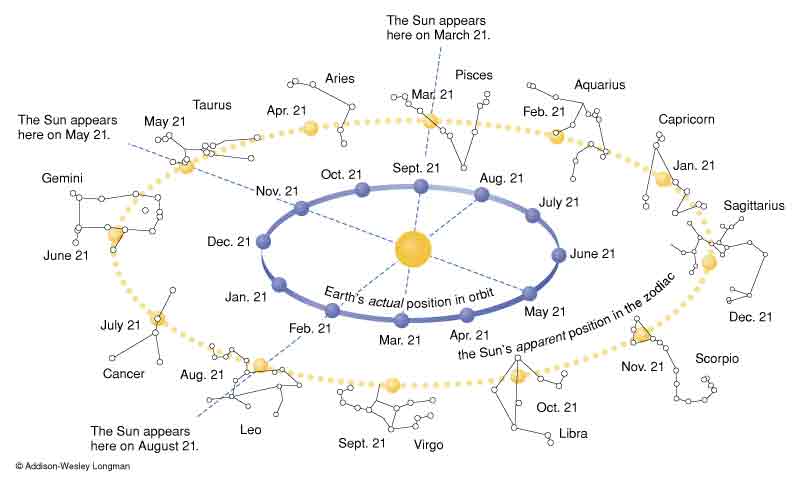

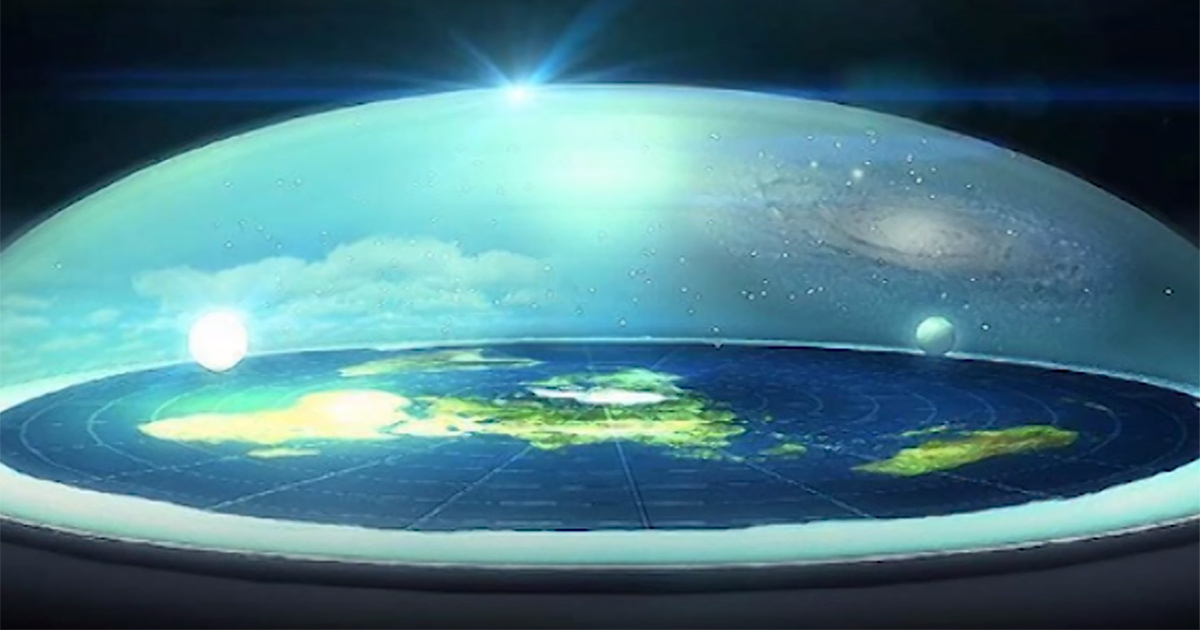
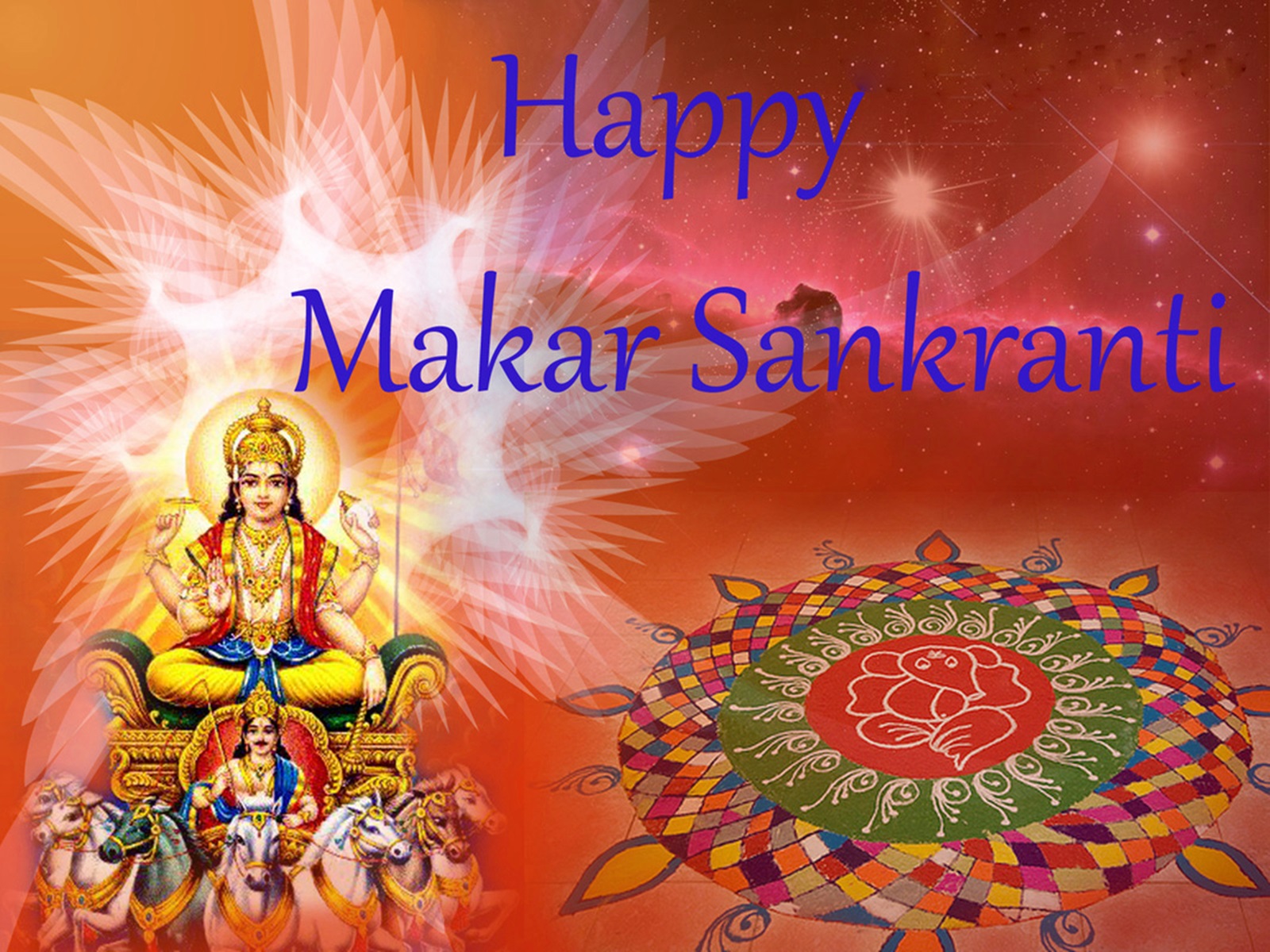


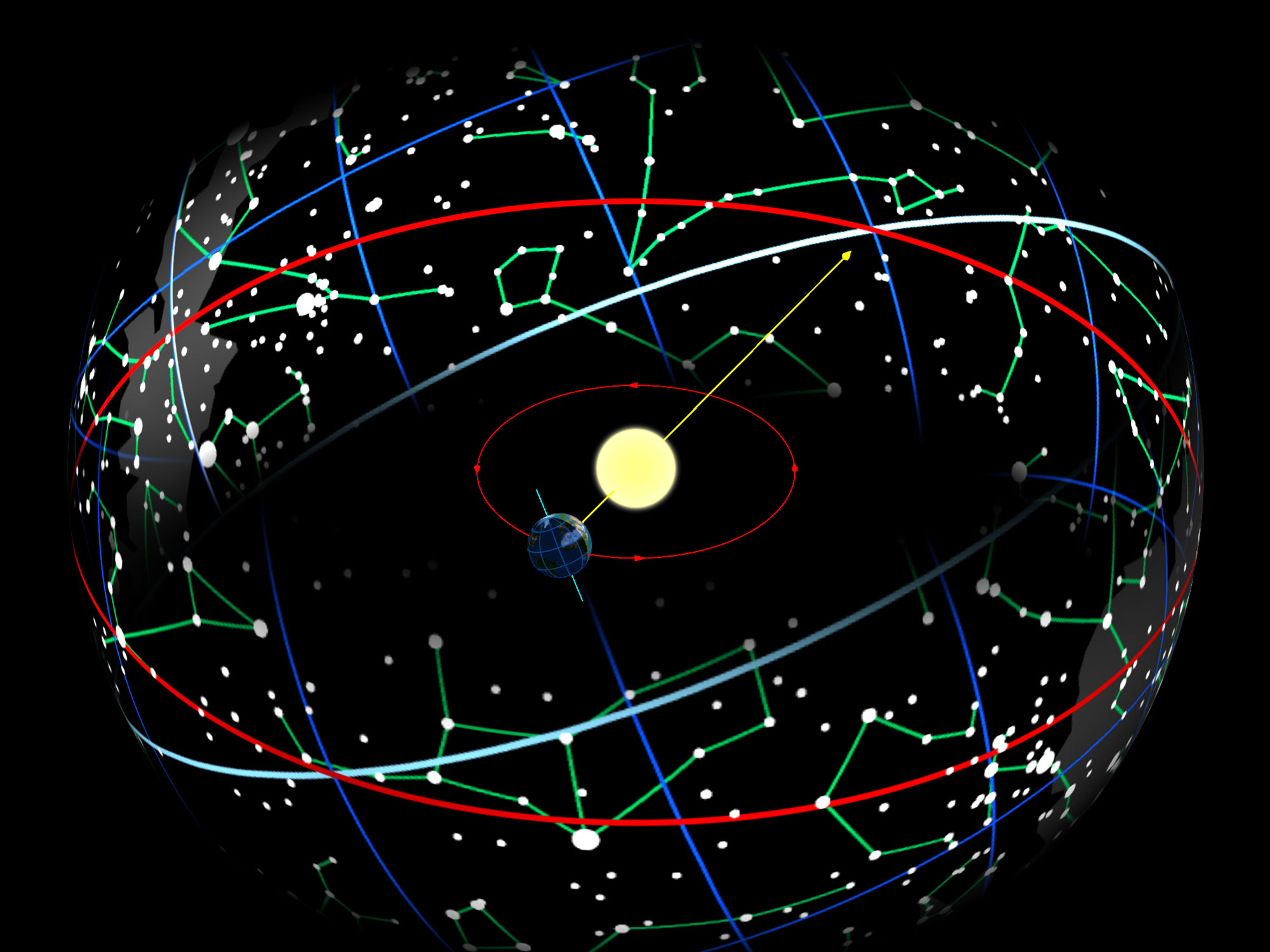


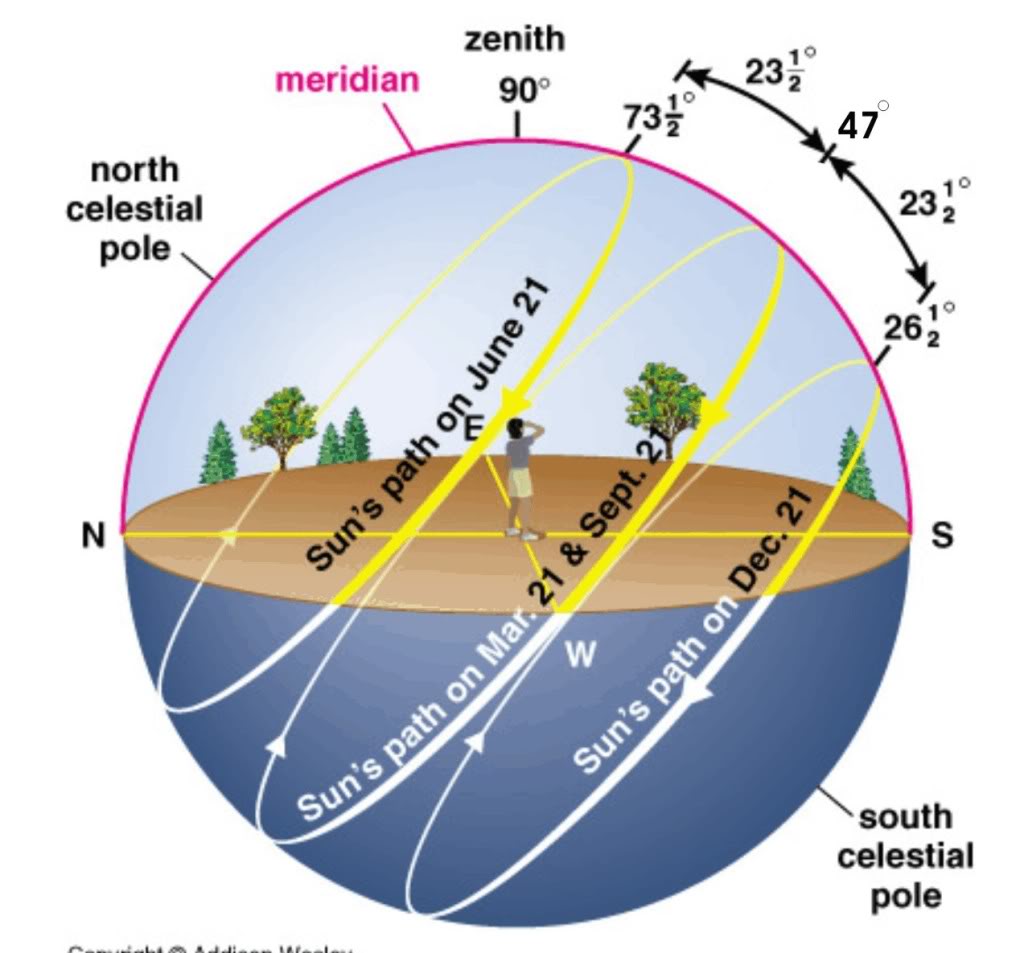
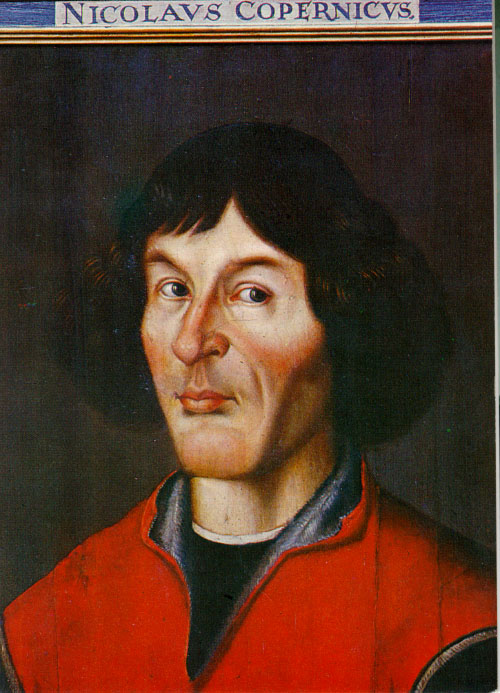


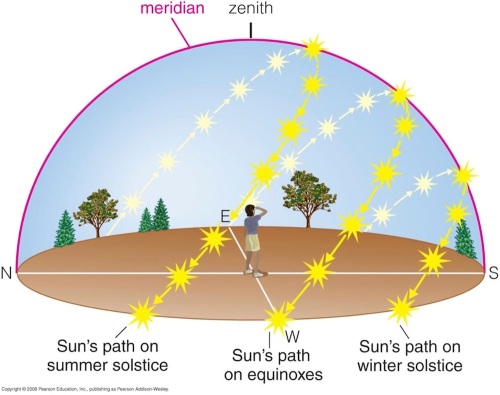



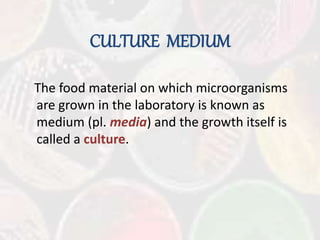





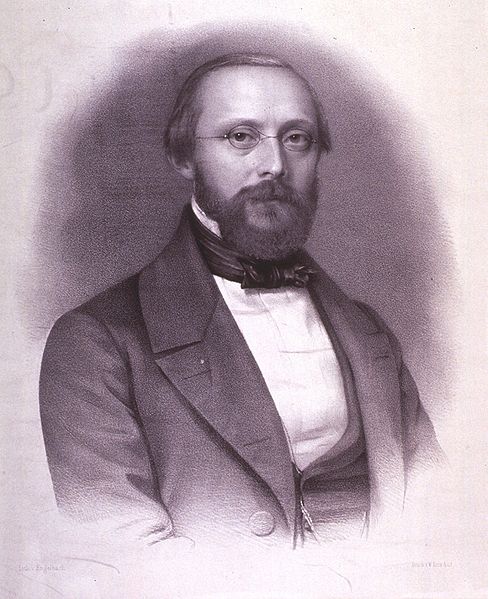


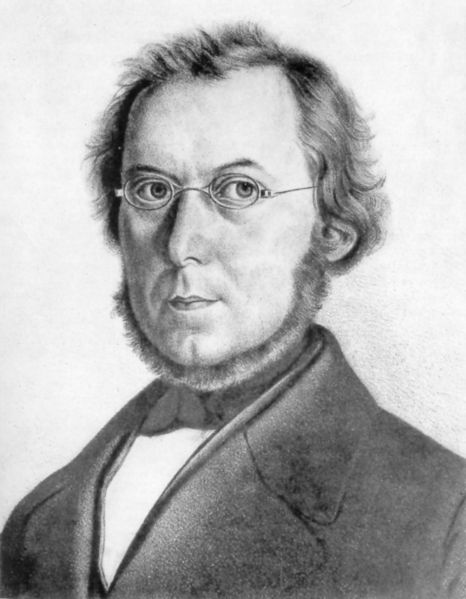


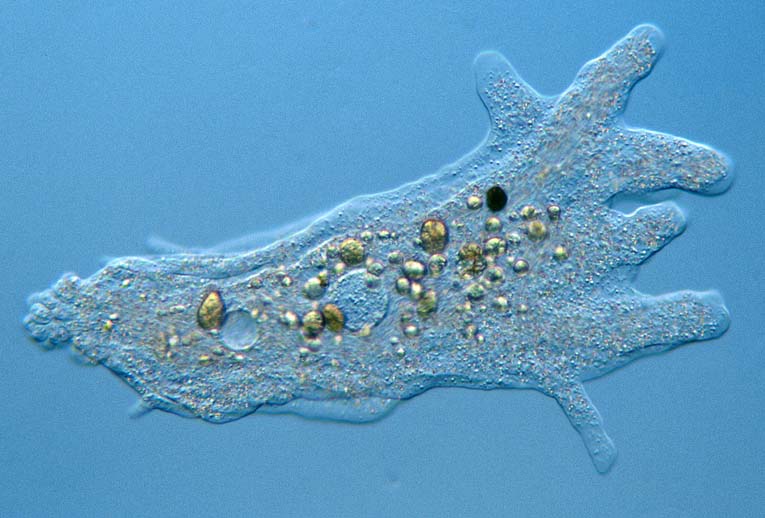






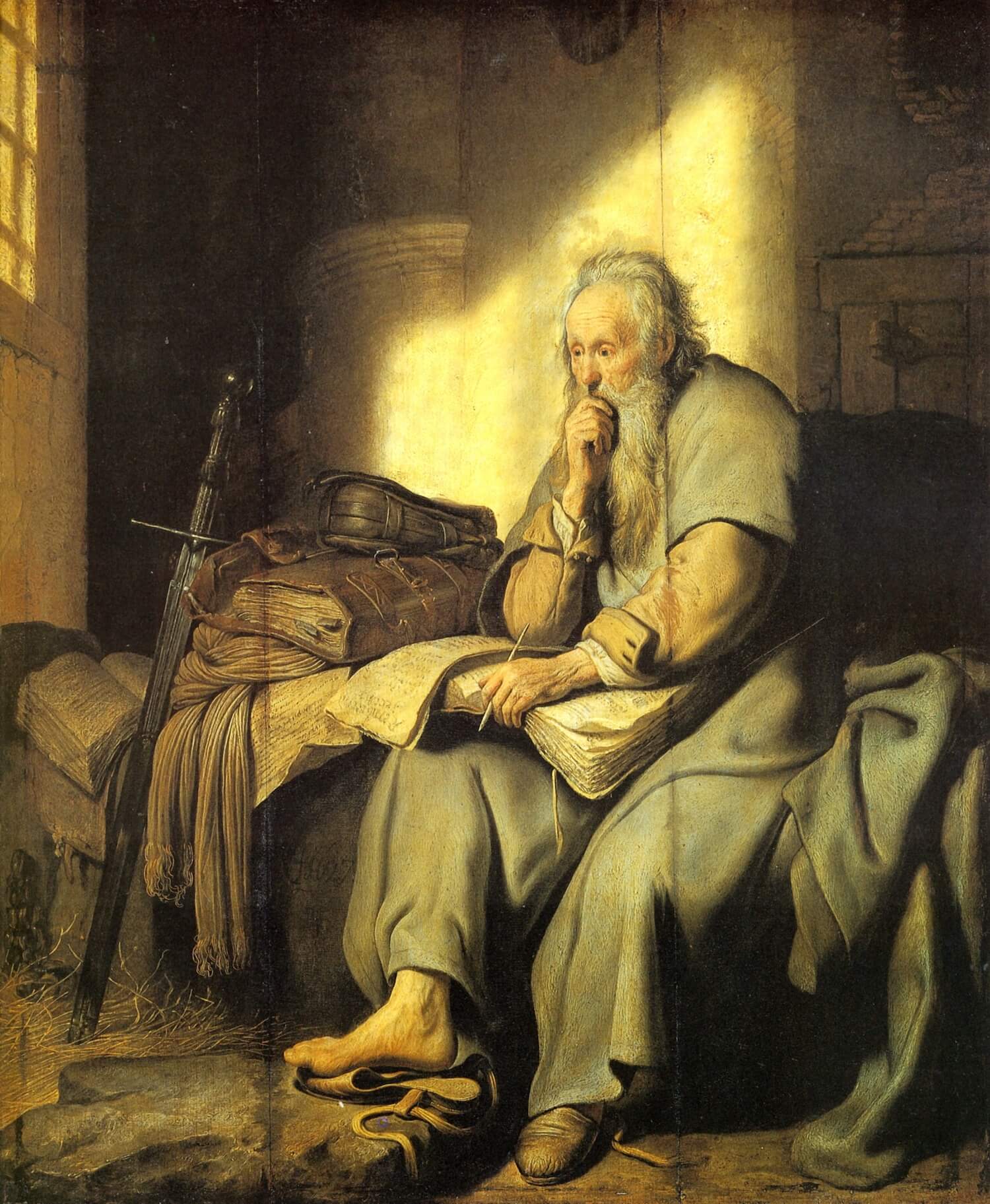




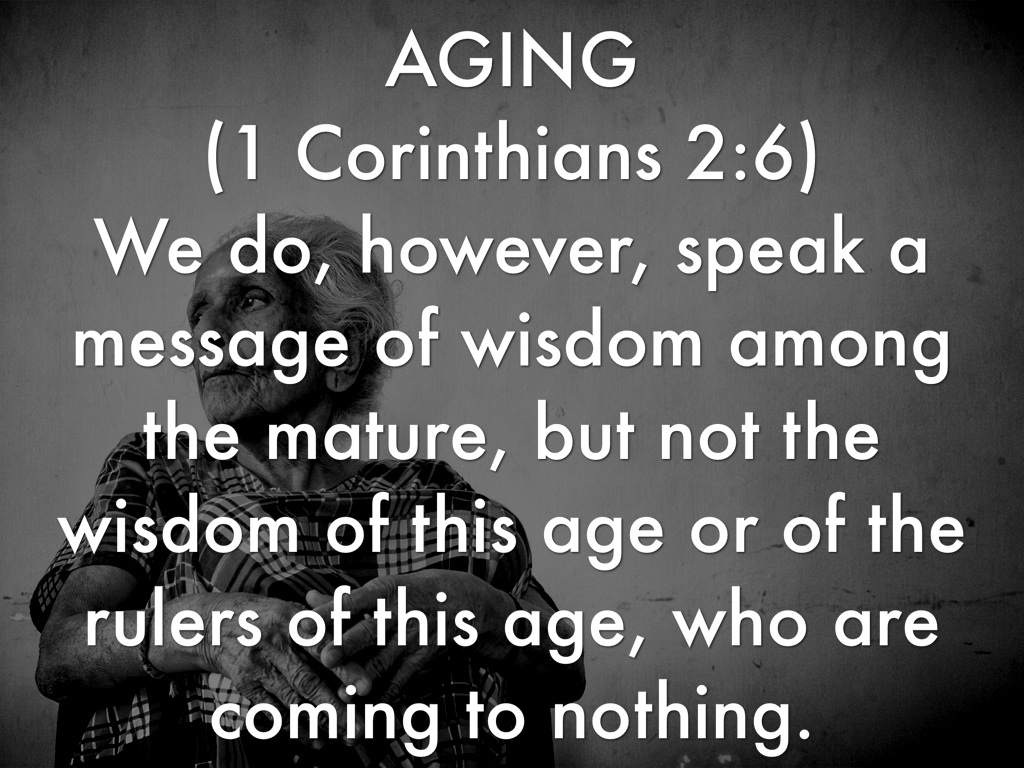



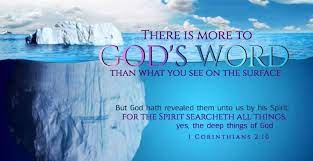





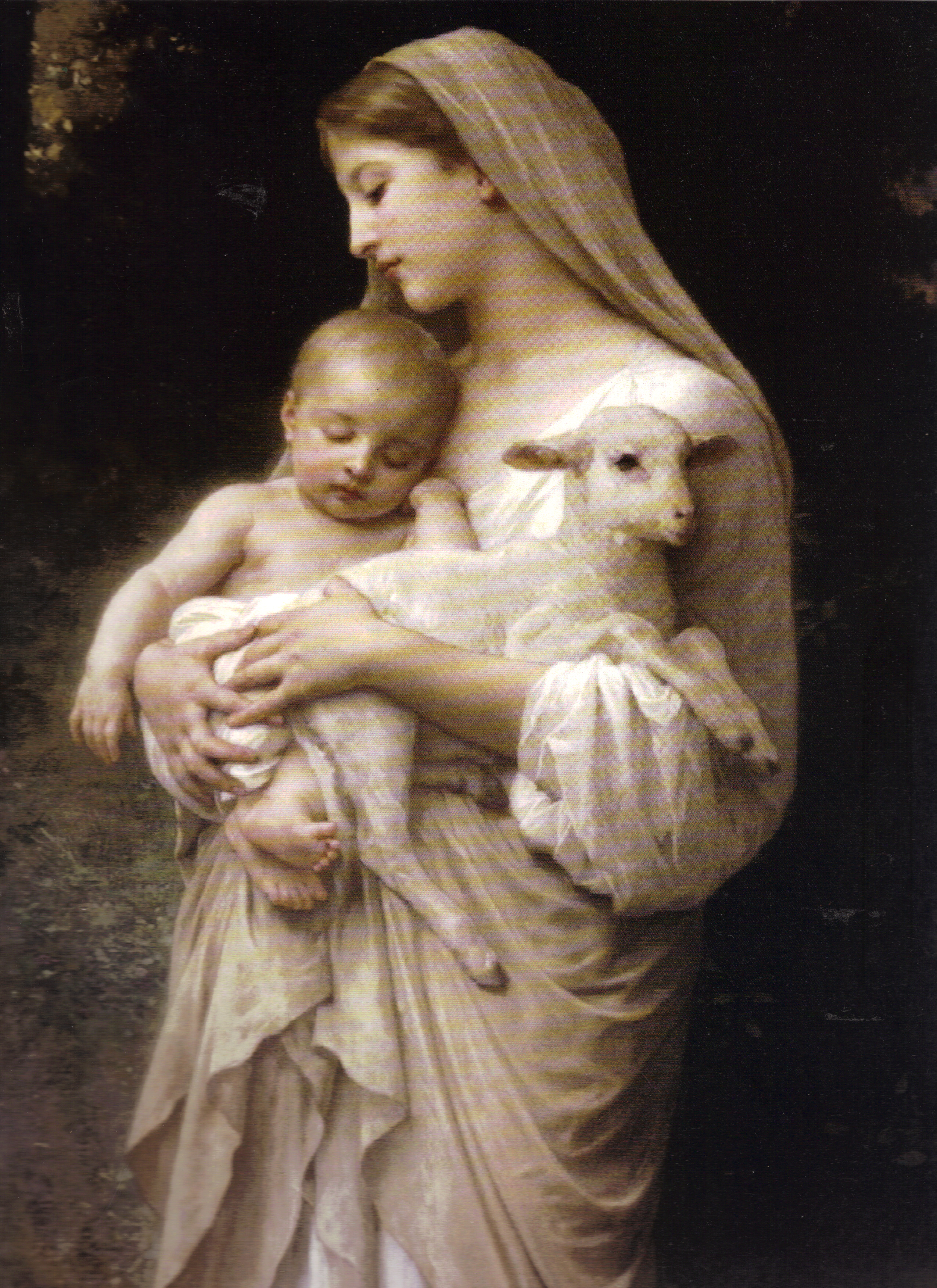


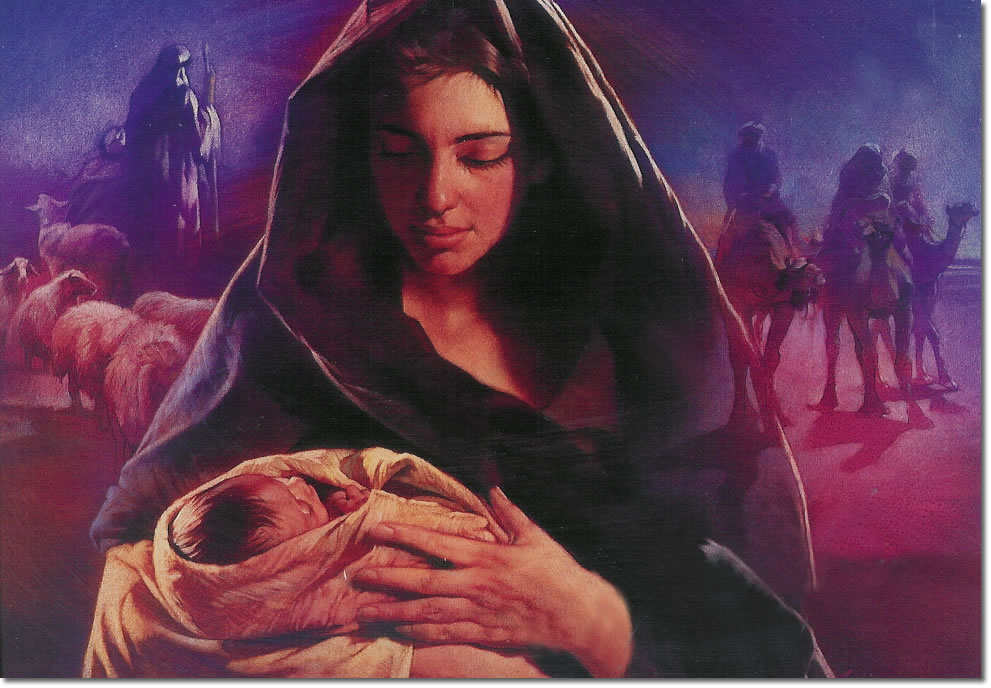


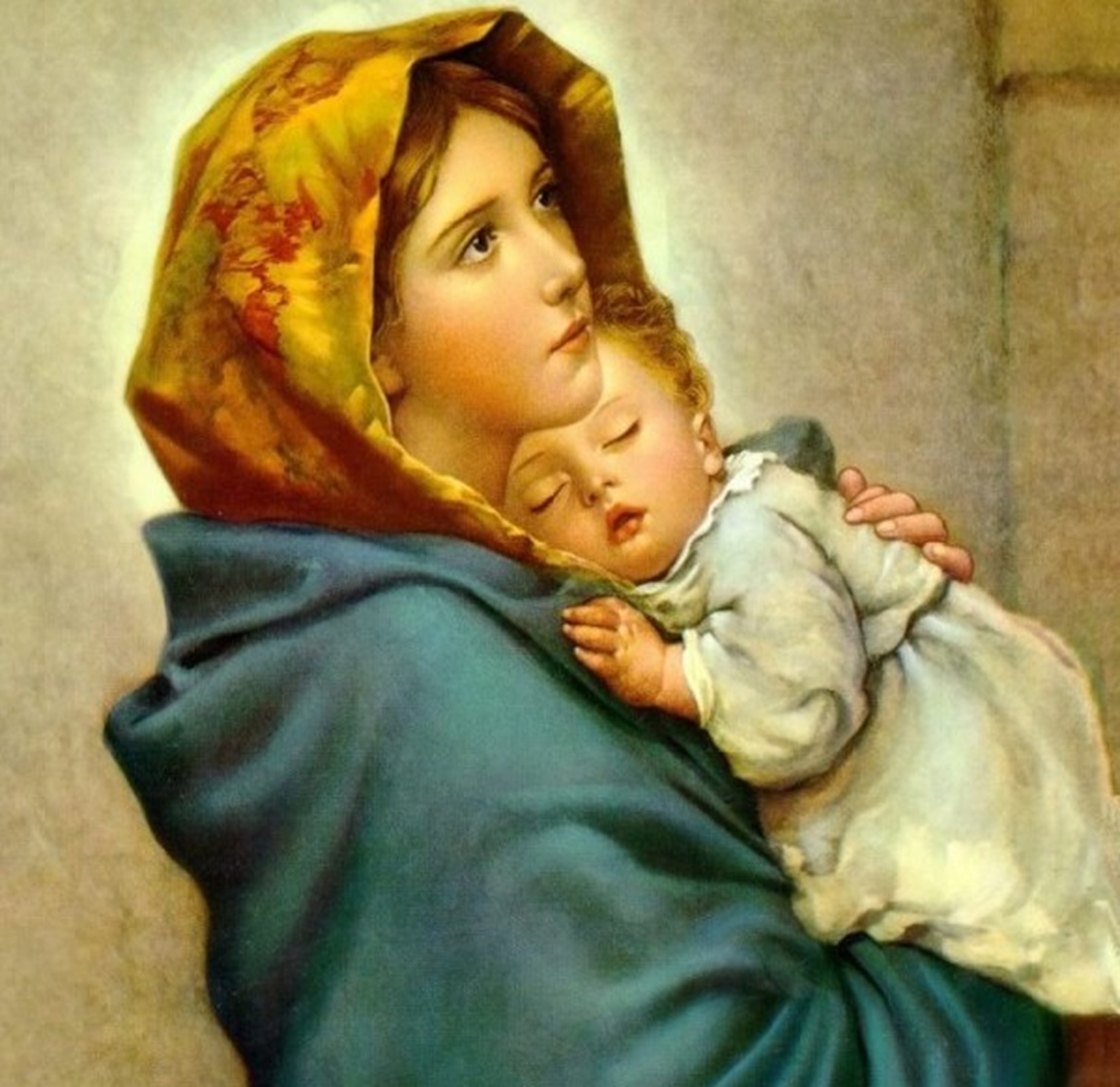


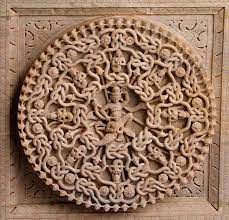




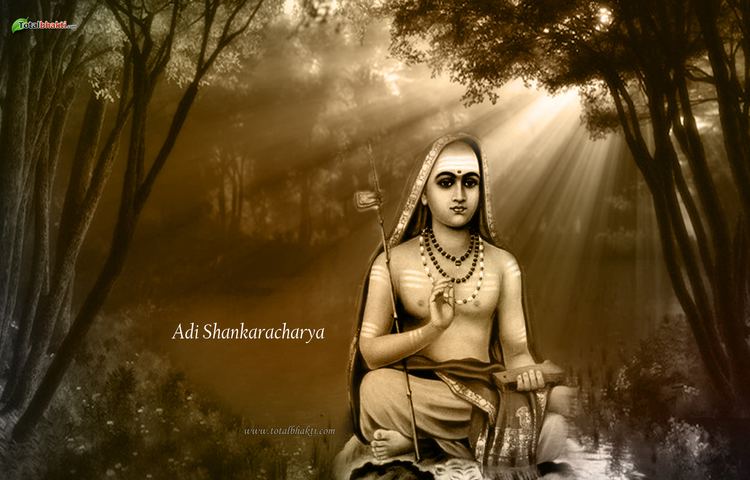
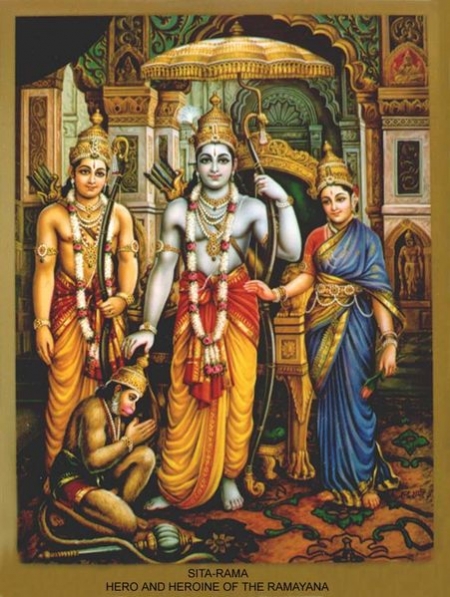
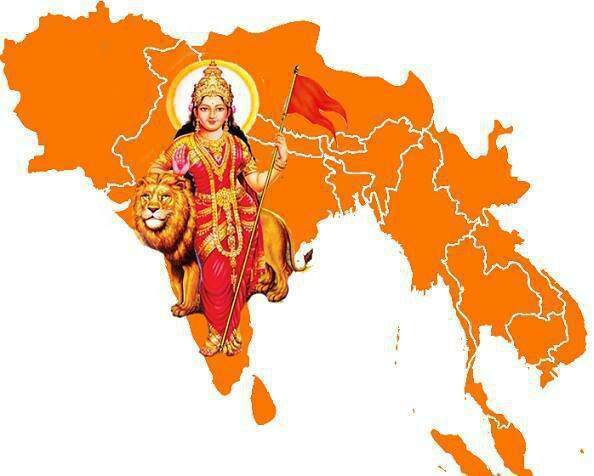





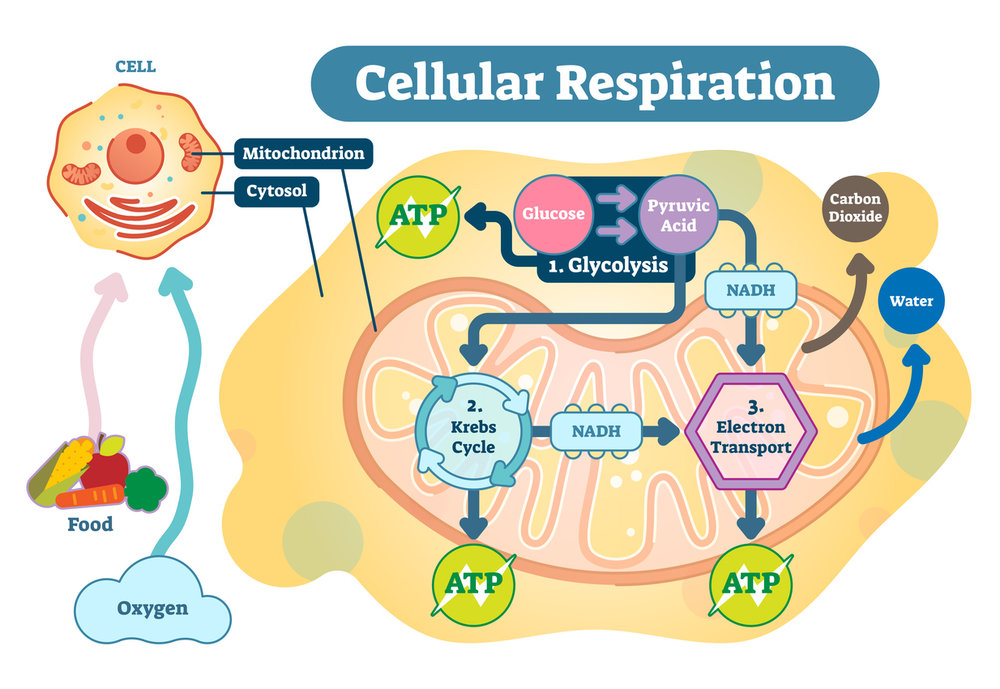
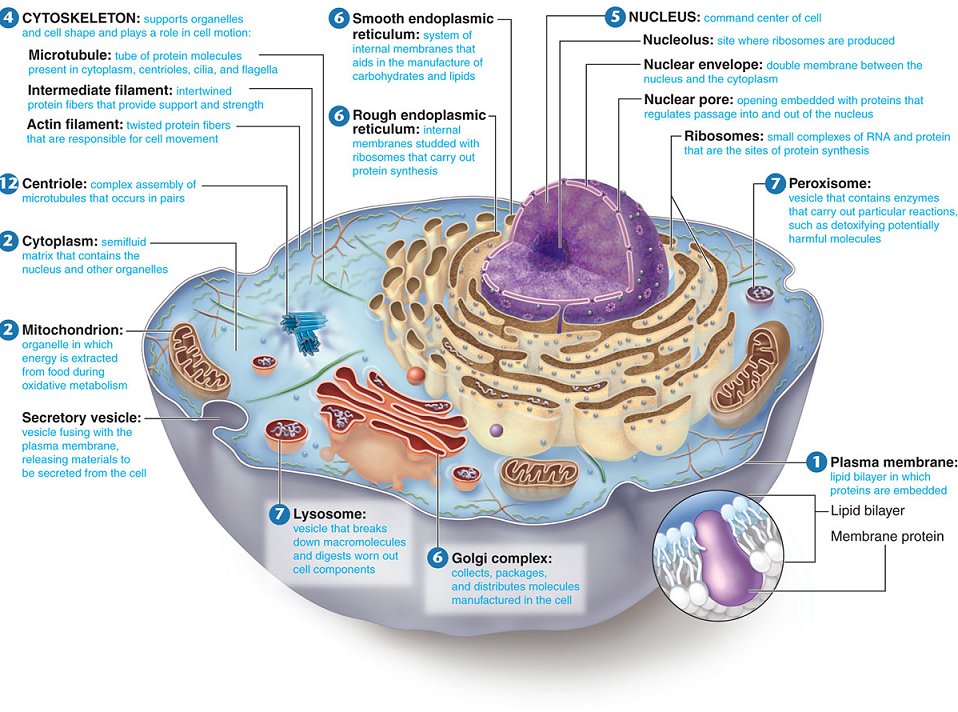



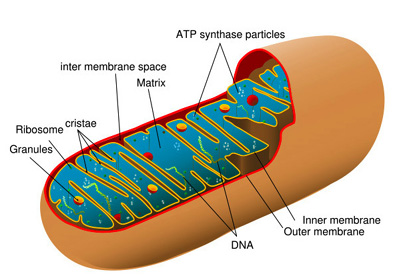


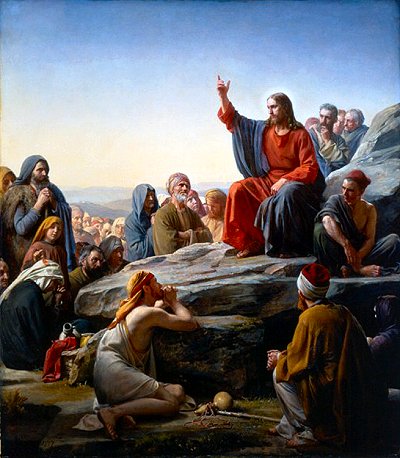

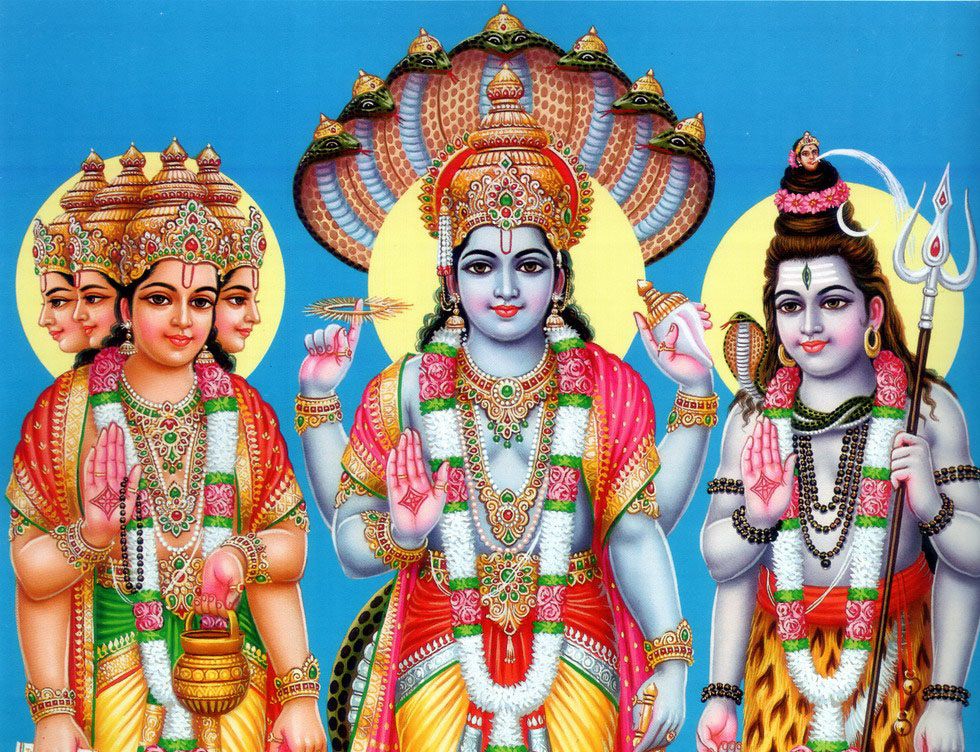
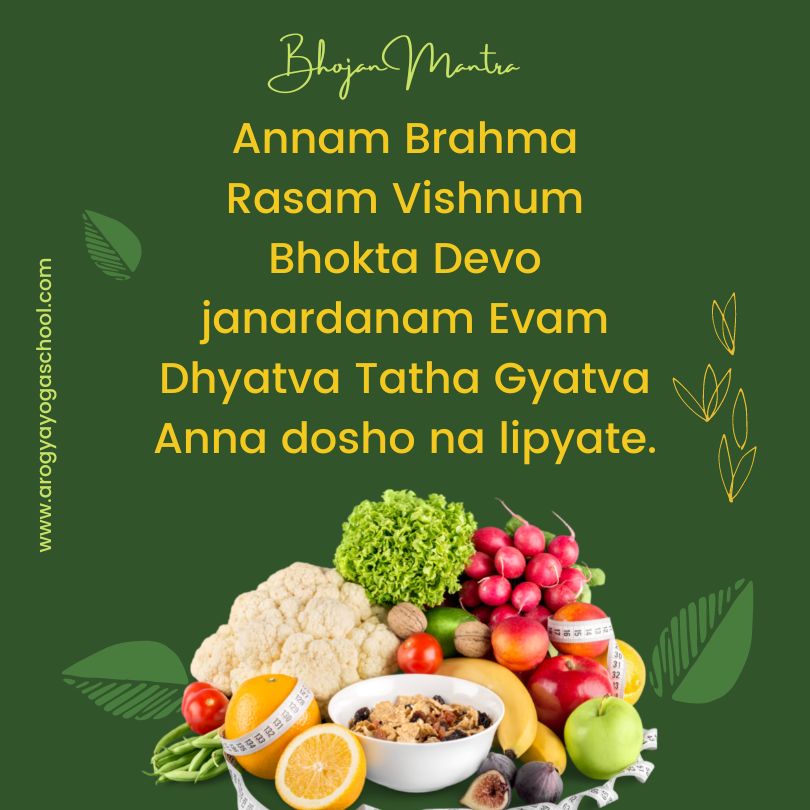







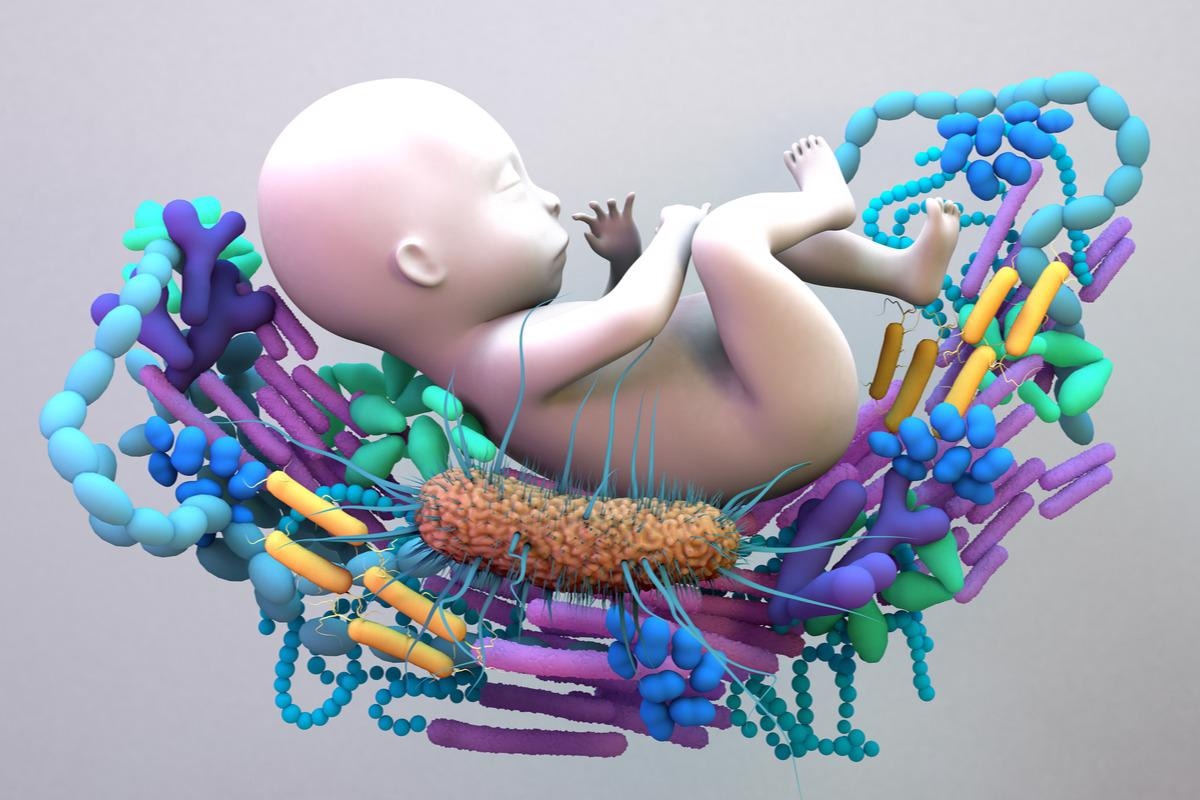


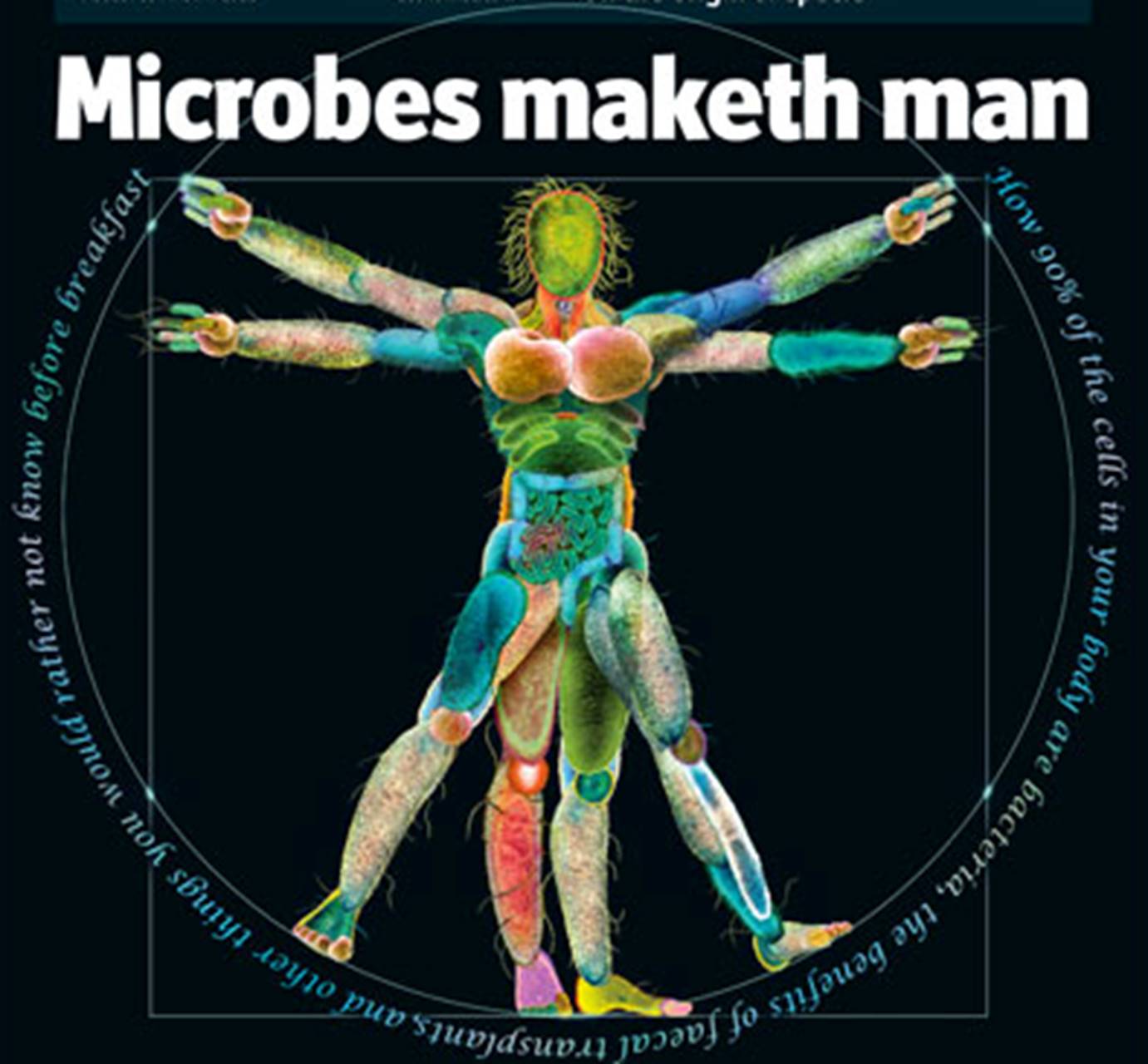










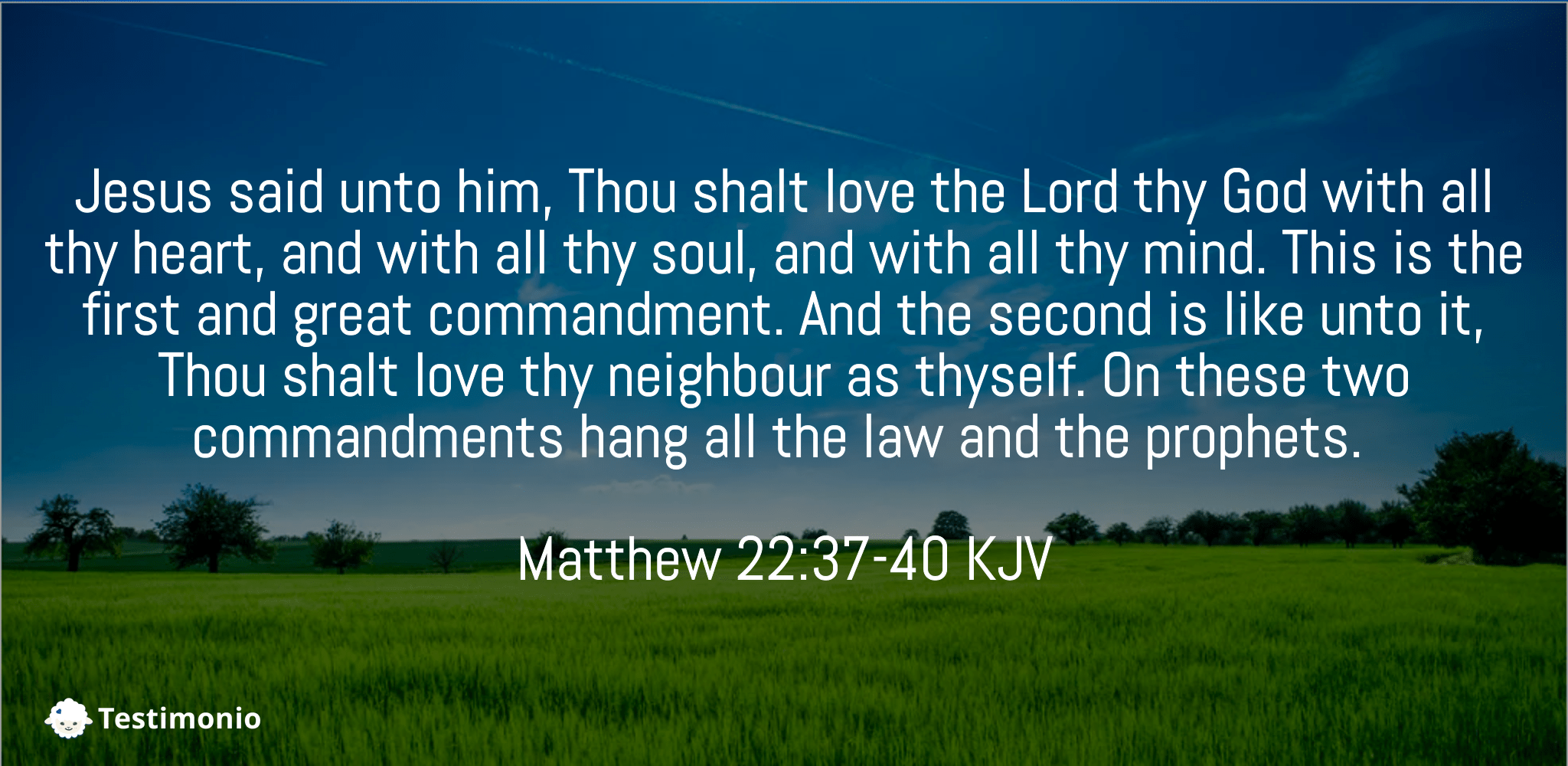


 Whole Dude - Whole Spirituality
