The Status of Man in Nature. Who or What formed the Man?
The Status of Man in Nature. Who or What formed the Man?
Excerpt: Man is added to nature by a special act of Creation. The status of Man in Nature is determined by the Law of Natural Generation, Bio-genetic Law, and the Law of Individuality. Could we view the behavior of man and animals and the phenomena of intelligence or mind and the constitution of psyche in confirmation with the doctrine of evolution? If man is a created being, he would exist as a spiritual being, and spirituality describes the connection between man and his Creator. If an immortal principle is involved in the creation of man, the nature or essence of man would describe the nature of that immortal principle.
The Status of Man in Nature. Who or What formed the Man? MICHELANGELO’S FAMOUS PAINTING IN SISTINE CHAPEL– MAN IS ADDED TO NATURE BY A SPECIAL ACT OF CREATION
Man is a Created Being:
The Status of Man in Nature. Who or What formed the Man?The Status of Man in Nature. Who or What formed the Man?
“You turn things upside down,
as if the potter were thought to be like the clay!
The Status of Man in Nature. Who or What formed the Man?The Status of Man in Nature. Who or What formed the Man?
The Place of Man in the Order of Nature:
The Status of Man in Nature. Who or What formed the Man?
Does man have an animal ancestry ?
Could we view the behavior of man and animals and the phenomena of intelligence or mind and the constitution of psyche in confirmation with the doctrine of evolution?
There are two different views about the place of man in nature.
Man is a special creation in body and soul:
The Status of Man in Nature. Who or What formed the Man?
Plants and animals did not actually exist when the world began. The Book of Genesis speaks about the successive appearance of the various forms of life. The actual production of plants and animals in their various kinds is an act of creation. An increase in the number of species upon earth is merely a matter of addition, they attribute stability to each species new as well as old. Man is simply added to the life forms already in existence without any change in the status as species of the pre-existing forms. To quote from the Book of Psalms, 104:24
The Status of Man in Nature. Who or What formed the Man?
“How many are your works, O LORD !
In wisdom you made them all;
the earth is full of your creatures.”
The first appearance of man at a historical moment was an act of spontaneous generation, due to a special act of creation. Man is created as an individual human soul.
So God created man in his own image,
in the image of God He created him ;
male and female He created them. (Book of Genesis 1:27)
The Status of Man in Nature. Who or What formed the Man?
Man is essentially and abruptly distinct from animals. Man and ape as they now exist in the world, are essentially distinct – different in kind.
“the Lord God formed the man from the dust of the ground and breathed into his nostrils the breath of life, and the man became a living being.” (Book of Genesis 2:7)
The Status of Man in Nature. Who or What formed the Man?
The Law of Biogenesis – Like generating Like:
The Status of Man in Nature. What or Who formed the Man?
An important fact about generation or reproduction is that a species always breeds true; its members always generate organisms which can be classified as belonging to the same species however much they vary among themselves as individuals within the group. Furthermore, the subgroups the races or varieties of species are able to breed with one another, but diverse species cannot interbreed. If crossbred, like the horse and the ass, they produce a sterile hybrid like the mule.
The Status of Man in Nature. Who or What formed the Man?
Species are distinguished by their stability from generation to generation. Species are thus self-perpetuating, they in turn give stability to all the larger groupings – the genera, phyla, families – which remain as fixed from generation to generation as the species which constitute them. Nobody has actually observed or demonstrated the transformation of one species into a different species. Species of living things appear to be fixed in number and immutable in type throughout the ages.
The Status of Man in Nature: Species are recognized on the basis of their morphology (size, shape, and appearance) and, more recently, by genetic analysis. For example, there are up to species of butterfly; they are often very different in appearance and do not interbreed.
By the Law of Natural Generation, offspring will always be of the same species as the parent organisms. No origin of species would be possible except by a special act of creation. If in the course of ages new species have arisen, their appearance cannot be accounted by natural generation.
The Status of Man in Nature. Who or What formed the Man?
Modern science tends to affirm the Law of Biogenesis, living organisms are generated only by living organisms.
Life could have sprung up from the nature of what is void of life
The Status of Man in Nature. Who or What formed the Man?
In the words of Aristotle, “nature proceeds little by little from things lifeless to animal life.” In terms of structure and function, animals and plants tend to demonstrate a common scheme and this analogy of forms seem to be produced in accordance with a common type. They have an actual kinship due to descent from a common parent. The facts of comparative anatomy and embryology reveal affinities in organic structure and development between organisms distinct in species. The geological record of earth indicates the great antiquity of life upon the earth, also gives evidence of the cataclysmic changes in the earth’s surface with consequences for the survival of life. The fossil remains of forms of life now extinct are not dissimilar from species alive in the present age. The Theory of Evolution describes a developmental or genetic relation among the various forms of life.
Charles Darwin claims that new species do originate in the course of time. He describes the circumstances under which new species arise and other forms become extinct. He formulates the various factors in the differentiation of species. A new species does not require a special act of creation and it is entirely the result of a natural process which requires no factors other than those at work every day in the life, death, and breeding of plants and animals. According to Darwin, new species arises when, among the varieties of an existing species, certain intermediate forms become extinct, and the surviving varieties become more sharply separated from one another in type, and in the course of many generations of inbreeding, also tend to breed true. The process of natural selection may exterminate the parent-forms and the intermediate links. Thus the origin of species is associated with the extinction of intermediate varieties, combined with the survival of one or more of the extreme varieties. This theory requires the existence of an infinite number of intermediate members lying between two given species.
Man is a by-product of the evolutionary process and has arrived from already existing organic forms by “descent with modification.” Man is a species and differs from other animals only by continuous variation. Man and ape differ only in degree and intermediate varieties have existed to account for their descent from a common ancestor. The genetic code of man and other primates is nearly identical and they also share the same pseudo genes (genes that are present but their character is not expressed). Man and the anthropoid apes have descended from a common ancestral form which is now extinct as are also many of the intermediate varieties in the chain of development -some fossil remains supply some of the missing links. Some of the transitional forms which are described as part-ape, part-human are identified as ‘Australopithecus’, and ‘paranthropines’. Man has become a distinct species through the extinction of intermediate varieties and he differs from animals in an accidental manner.
The Law of Individuality and Creation:
The Status of Man in Nature. Who or What formed the Man?
Ultimately, each individual living creature differs from every other in the same group with whom, at the same time, it shares certain characteristics of the race, the species, the genus, and all the larger classes to which they belong. This uniqueness is important to describe the intrinsic value of human life and the notion of Human Individuality and Individualism. Man has arrived as an individual and essentially exists as an individual as per the Law of Individuality, a biological characteristic of all living organisms and creatures.
The Status of Man in Nature. Who or What formed the Man?
We have two choices about the position of man in nature. There is an aspect of human existence which is not governed by our choice. Man, when viewed as a physical being, the physical being is mortal and would eventually die and everything that is born comes with its own plan for its dissolution.
If man is a created being, he would exist as a spiritual being, and spirituality describes the connection between man and his Creator. If an immortal principle is involved in the creation of man, the nature or essence of man would describe the nature of that immortal principle.
The Status of Man in Nature. Who or What formed the Man?
“By the sweat of your brow
you will eat your food
until you return to the ground,
since from it you were taken;
for dust you are
and to dust you will return.” (Genesis, Chapter 3, verse 19)
The Status of Man in Nature. Who or What formed the Man?
MISSING IN ACTION – INDIAN PRISONERS OF WAR SINCE 1971 WAR
Whole Dude – Whole Plight: MISSING IN ACTION – INDIAN PRISONERS OF WAR SINCE 1971 WAR
Excerpt: Pakistan is still holding 54 Indian Prisoners of 1971 War and has not formally announced their existence in captivity. I am rejoiced to hear about efforts launched by human rights activists to bring these prisoners back home. May God Speed their efforts and bless them for standing up to defend dignity and rights of Indian Prisoners who have already endured over 50 years in prisons away from their loved ones. Most unfortunately, their efforts still remain unsuccessful.
Whole Dude – Whole Plight: MISSING IN ACTION – INDIAN PRISONERS OF WAR SINCE 1971 WAR
Special Frontier Force initiated Liberation of Bangladesh with military action in the Chittagong Hill Tracts during November – December 1971. Indian Army’s victory in East Pakistan during the brief 1971 War has come with a sense of pain for India has failed to account for Service Personnel Missing In Action.
Whole Dude – Whole Plight: MISSING IN ACTION – INDIAN PRISONERS OF WAR SINCE 1971 WAR
Pakistan is still holding 54 Indian Prisoners of 1971 War and has not formally announced their existence in captivity. I am rejoiced to hear about efforts launched by human rights activists to bring these prisoners back home. May God Speed their efforts and bless them for standing up to defend dignity and rights of Indian Prisoners who have already endured over 50 years in prisons away from their loved ones. Most unfortunately, their efforts still remain unsuccessful.
After 45 years in Pakistan, India’s ‘Missing 54’ POWs Could Be Coming Home
Whole Dude – Whole Plight: MISSING IN ACTION – INDIAN PRISONERS OF WAR SINCE 1971 WAR
NEWSWEEK
A Pakistani flag flies on a mast as paramilitary Frontier Corps soldiers talk while guarding at Karachi District Malir Prison, August 23, 2013.
Nila Gosh was just eight months old at the time, but her mother has recounted this story many times. There Nila’s father was—hands clutched around the bars of a prison cell, the smart cuffs of his military jacket replaced with a rough sweater, his moustache still neatly trimmed—staring out from a grainy black and white photograph in Time magazine. The official story was that Major Arskok Gosh had been killed during fierce fighting the year before. Yet there he was, behind bars in a Pakistani prison, and alive.
Time was reporting on the messy end of a bloody 14-day conflict between Pakistan and India; a military disaster for the Pakistani state which saw Eastern Pakistan, later to become an independent Bangladesh, entirely lost.
A clutch of Indian military personnel was captured during the hostilities. The bulk was swiftly released. Yet the so-called “Missing 54,” Major Gosh among them, have never been set free. That war ended in 1971, and the 54 captured Indians—whose existence is still denied by the Pakistani authorities, whom the Indian government seems in no hurry to recover, and whose families still hope will return—are still missing.
Earlier this week, to try to break this decades-long deadlock, two British human rights lawyers, Jas Uppal and Christopher Wing, flew to Delhi to begin legal proceedings on behalf of the families at the Indian Supreme Court. They will argue that the dispute should be taken out of both Indian and Pakistani government hands and passed to the International Court of Justice in The Hague for arbitration. Both India and Pakistan recognise the jurisdiction of that Court, which is backed by the United Nations Security Council.
“The Indian authorities have prevaricated for over four decades and failed to raise the matter at an international level,” argues Uppal, a British Indian of Punjabi origin. “These families have been living in purgatory for 45 years.”
After the war, the exchange of each sides’ prisoners-of-war became a bitter and highly politicised dispute. Ninety thousand captured Pakistani troops represented a third of the country’s ground forces and paramilitary groups, and were only handed back after Pakistan was forced to sign a humiliating peace agreement.
“India was just so happy with the victory, maybe they were overlooked?” Major Gosh’s daughter Nila observes, “And if they were released now it would be a huge embarrassment for both countries.”
Though Islamabad won’t admit Pakistan holds the missing men, Pakistani state radio stations have on several occasions during and since the war alluded to their existence – broadcasting across the border into India. One such case was Wing Commander Hersern Singh Gill, a fighter pilot whose Mig-21 was shot down over Pakistani territory on 13 December 1971. That same day, the Pakistani military bragged it had captured an “ace Indian pilot”.
Some of the families have been tracked down by former inmates in Pakistani prisons, saying they had spent time with the missing men while inside. Like the photo of Major Gosh turning up in Time, a photo of another missing soldier—Captain Ravinder Kaura—made its way to India, and was published by a local paper in 1972. One family even received a note directly from their missing loved one, smuggled out by a released detainee.
More worryingly, British historian Victoria Schoffield wrote in her book Bhutto – Trial and Execution, that prisoners in a Pakistani jail had heard men being tortured, men they believed to be The Missing 54.
“Their screams and shrieks in the dead of night are something I will not forget,” reads a chilling testimonial. Still, with no formal confirmation from the Pakistani government, decades of not knowing has taken its toll on the families.
“He was so patriotic,” Captain Kaura’s sister says, handing me a framed photo of her brother, handsome and resplendent in uniform, as we sit in her home in north London. The last time she saw him was when he dropped her off at the airport for a flight to the United Kingdom, where she was to marry. “He had already done two tours,” she says, “he insisted on doing a third, he shouldn’t have gone.” Mrs Kaur doesn’t hesitate for a second when I ask if she thinks her brother is still alive—”Of course!”
Yet earlier, when we arranged to meet on the phone, she had broken down in tears. In the four and a half decades her brother has been missing, Mrs Kaur saw her father go blind, then die with his wife in 1982. Her other brother died two years later, in ethnic violence which gripped northern India. Mrs Kaur herself is wheelchair bound, after a car accident. She tells me that when, not if, her brother returns, she will buy him a house in India so he can retire. “I could bring him to the UK, but he fought for India,” she explains.
The families complain the Indian government has not done enough. Eight years after the conflict ended, authorities finally published a list of 40 missing personnel, admitting the men could be being held by the Pakistanis. A further 14 were later added to the list. While Pakistan is probably holding them to make a point or as political leverage, Delhi are not keen to rock an uneasy relationship with its counterparts in Islamabad—with frequent border skirmishes still flaring up.
A formal commission was formed to investigate the cases in 2008, but took four years to even interview the families of the missing. Since then the commission has been unenthusiastic and ineffective. Direct approaches to various senior Army and Air Force personnel by the families have been met with indifference.
“Evidence shows these men were last in the custody of Pakistan. Their government must be held to account too,” adds lawyer Uppal. A date for the final decision by the Supreme Court in Delhi has yet to be set.
Newsweek
Whole Dude – Whole Plight: MISSING IN ACTION – INDIAN PRISONERS OF WAR SINCE 1971 WAR
The Oral Tradition Helps me to discover the Homer of Rajahmundry
Defining Indian Identity -The Oral Tradition helps me to discover the Homer of Rajahmundry. Homer-One of the greatest of the world’s literary artists
Excerpt: A simple man, whose name is not known to me, who had written no epic poetry, is my ‘Homer’. Like the Great Poet, this man orally transmitted the ‘Original’ pain and the emotional experience of people who had lived in Rajahmundry centuries before my arrival and the pain survives in my memory and it would hopefully survive in the memories of our future generations. A bit of historical truth is as great as a long poem. A temple had been destroyed and the pain experienced by the community would live as long as our oral tradition would live.
Homer – One of the greatest of the world’s literary artists
Defining Indian Identity -The Oral Tradition helps me to discover the Homer of Rajahmundry. Achilles vs. Hector. The Climactic Confrontation of the Iliad. Triumphant Achilles dragging Hector s lifeless body in front of the Gates of Troy (from a panoramic fresco on the upper level of the main hall of the Achilleion).
The two great epic poems of ancient Greece, the Iliad and the Odyssey are attributed to Homer. Homer is an oral poet and Homeric tradition is an oral one- that this is a kind of poetry made and passed down by word of mouth and without the intervention of writing. Through out world, people have orally transmitted many texts, let it be history, literature or scriptures, for long periods of time, before the texts were committed to writing. The people of India share this great tradition and we practice this tradition during our festivals and while performing specific rituals. For example, ‘Gayatri Maha Mantra’ is orally transmitted during the ritual called Upanayanam. During festival season, we gather and listen to Puranas and to the Indian Epic Poems, which are ancient stories. A myth is essentially told. India is the land where the myths are transmitted form one generation to the next in the form of Epic Poetry.
MY STORY ABOUT ‘HOMER’ WHO LIVED IN RAJAHMUNDRY
I narrated my stories about my early childhood life in Rajahmundry. Kindly refer back to my blog entries about ‘The Tradition of Ahimsa’, ‘The Tradition of Idol Worship’ and ‘The Tradition of River Worship’. I learned about the Culture of my Land from very ordinary folks and they are the faces of the Indian Identity that I would love to speak about.
Defining Indian Identity -The Oral Tradition helps me to discover the Homer of Rajahmundry. The Story about ‘Pedda Masjid’, Main Road, Rajahmundry narrated by Homer of Rajahmundry
As a little kid, I sometimes performed chores while we lived in my grand parents’ home in Innespeta, Rajahmundry. I still have a vivid recollection of this event which helps me to speak about our oral tradition. I was walking along the ‘Main Road’ of Rajahmundry and was passing in front of Pedda Masjid (The Big Mosque). An elderly person stopped me and spoke to me. I was a little diminutive kid walking bare foot on the street. The man was very modestly dressed and appeared to be one of the working poor of the town who make their living by performing simple menial tasks at the market place. Some of you, who may have lived in Rajahmundry know that we have a vegetable market in that area and it is the heart of the town. I could see the sense of sadness on his face. He was simply trying to unburden himself and share the emotional pain with which he might have lived for many years. I remember this incident as the expression of sorrow and dismay is entirely true. He did not ask for any favor or help. He was not canvassing for any support for political ideology. He was not speaking about his poverty or the hardships of his daily life. He plainly shared the truth about the “Pedda Masjid.”
Defining Indian Identity -The Oral Tradition helps me to discover the Homer of Rajahmundry. The Story about the ‘Pedda Masjid’, Main Road, Rajahmundry narrated by Homer of Rajahmundry.
The mosque was not real. It was a temple. The temple was demolished and the mosque was erected in its place. He did not learn about it by visiting a library or reading the notes written by some historian or archaeologist. He had lived his life in the town and he gained this information from people who had lived before him. He had felt their pain and thought that it was important to share this collective memory with the next generation. I really do not know as to how long we should live with this injustice. But for now, my time has come. I need to narrate this story to the next generation. We shall continue to do so as long as this pain lives. This simple man, whose name is not known to me, who had written no epic poetry, is my ‘Homer’. Like the Great Poet, this man orally transmitted the ‘Original’ pain and the emotional experience of people who had lived in Rajahmundry centuries before my arrival and the pain survives in my memory and it would hopefully survive in the memories of our future generations. A bit of historical truth is as great as a long poem. A temple had been destroyed and the pain experienced by the community would live as long as our oral tradition would live.
A Hindu Place of WorshipThe Reality of Pedda MasjidDefining Indian Identity -The Oral Tradition helps me to discover the Homer of Rajahmundry
Special Frontier Force – Establishment 22 – Operation Eagle – Grant of Gallantry Award
Special Frontier Force – Establishment 22 – Operation Eagle – Grant of Gallantry Award: An open letter to President of India about the sanction of Gallantry Award for participation in Special Frontier Force Operation Eagle during Liberation of Bangladesh 1971-72: OPERATION EAGLE IS THE CODE NAME FOR MILITARY ACTION THAT INITIATED THE LIBERATION OF BANGLADESH ON NOVEMBER 03, 1971 WITH STRIKES ON THE ENEMY MILITARY POSTS IN THE CHITTAGONG HILL TRACTS.
Excerpt: Special Frontier Force – Operation Eagle – Bangladesh Liberation War of 1971-72. Sanction of Gallantry Award. It must be clearly noted that the eligibility criteria for the grant of military awards, decorations and honours were included in the Battle Plan of Operation Eagle which was duly approved and sanctioned by the Prime Minister of India.
Special Frontier Force – Establishment 22 – Operation Eagle – Grant of Gallantry Award: An open letter to President of India about the sanction of Gallantry Award for participation in Special Frontier Force Operation Eagle during Liberation of Bangladesh 1971-72. Special Service Award Presented by Establishment – 22Establishment No. 22 – Operation Eagle: The Shoulder Badge of Special Frontier Force. Its first combat mission was in the Chittagong Hill Tracts which unfolded on 03 November 1971. It was named Operation Eagle. It accomplished its mission of securing peace in the region that is now knownas Republic of Bangladesh.Operation Eagle – Gallantry Award: Flight Lieutenant Parvez Rustom Jamasji, Indian Air Force Helicopter Pilot provided airlift to the battle casualties in the conduct of Operation Eagle, Bangladesh Ops in the Chittagong Hill Tracts.Operation Eagle – Gallantry Award: Service Number IC-22805 Major Survendra Singh Negi, The Grenadiers, served as a Company Commander, South Column, Operation Eagle, Bangladesh Ops, the Chittagong Hill Tracts.
Government of India, Department of Administrative Reforms & Public Grievances Portal to receive Petitions and Grievances: www.pgportalgov.in/
Registration Number: DARPG/E/2013/82597
Name of Complainant:Rebbapragada Pratap Narayan
Date of Receipt: 07 September 2013
Received by: Department of Administrative Reforms and Public Grievances
1. My younger brother, Service Number: MS-8466/MR-03277K, Name:R. Rudra Narasimham (or R. R. Narasimham) served as Medical Officer in the Army Medical Corps from 26 July 1970 to 10 January 1984 after the grant of Short Service Commission (September 1969) and Direct Permanent Commission (March 1973). He served in the rank of Lieutenant/Captain at Establishment No. 22/Special Frontier Force from 22 September 1971 to 18 December 1974.
2. He had served under the command of Major General Sujan Singh Uban, Inspector General Special Frontier Force and took part in Operation Eagle from November 1971 to January 1972. Operation Eagle had initiated the Liberation of Bangladesh with military action in the Chittagong Hill Tracts. The Brigade Commander of Operation Eagle was Brigadier T S Oberoi, the Commandant, Establishment No. 22. The Chief Staff Officer was Colonel Iqbal Singh. My brother served in the South Column Unit that was commanded by Lieutenant Colonel BK Narayan. During November 1971, his Unit had attacked and captured an enemy post defended by regular troops of Pakistan’s Army. In this Infantry attack, my brother was at the front line marching with the men. The two Company Commanders, Major Savendra Singh Negi (Grenadiers), and Major G B Velankar (SFF-EST No. 22, a Civilian Officer) who led the assault on the enemy position were awarded the Gallantry Award of Vir Chakra. My brother who took part in this action with the men of these two Company Commanders was also recommended to receive the Gallantry Award of Vir Chakra. The citation for the grant of this Gallantry Award was initiated by Lieutenant Colonel BK Narayan, it was seen by Colonel Iqbal Singh, the Chief Staff Officer, it was reviewed and recommended by Brigadier T S Oberoi and it was finally approved by Major General Sujan Singh Uban, IG SFF who had recommended it and sent it directly to the Director of Medical Services, DMS (Army), Medical Directorate, New Delhi for favour of sending the citation to the MS Branch, Army Hq for their necessary action to sanction the Gallantry Award.
3. It must be clearly noted that the eligibility criteria for the grant of military awards, decorations and honours were included in the Battle Plan of Operation Eagle which was duly approved and sanctioned by the Prime Minister of India.
The Prime Minister’s Office (PMO) and the Cabinet Secretariat are fully aware of the terms and conditions for the grant of awards to members who took part in Operation Eagle. My brother is requesting that the Gallantry Award to be granted as approved and recommended by the Inspector General of Special Frontier Force. My brother applied for Direct Permanent Commission during September 1972 and his application for AMC Examination held in September 1972 includes the remarks of recommendation signed by Colonel Iqbal Singh who had mentioned the citation, and had substantially quoted the citation giving the full details of my brother’s gallant response in the face of enemy action. This application for Permanent Regular Commission in the Army Medical Corps is archived at the Medical Personnel Records Section (Officers)/ MPRS(O), Office of the DGAFMS, Ministry of Defence, New Delhi.
4. If you need any further information, kindly write to me and I will be happy to provide the same.
Current Status: Received the Grievance
Grievance Status for registration number: DARPG/E/2013/82597
Grievance Concerns To
Name Of Complainant
R Pratap Narayan
Date of Receipt
07/09/2013
Received By Ministry/Department
Administrative Reforms and Public Grievances – Nodal Agency
Grievance Description
1. My younger brother, Service Number: MS-8466/MR-03277K, Name:R. Rudra Narasimham (or R. R. Narasimham) served as Medical Officer in the Army Medical Corps from 26 July 1970 to 10 January 1984 after the grant of Short Service Commission (September 1969) and Direct Permanent Commission (March1973). He served in the rank of Lieutenant/Captain at Establishment No. 22/Special Frontier Force from 22 September 1971 to 18 December 1974.
2. He had served under the command of Major General Sujan Singh Uban, Inspector General Special Frontier Force and took part in Operation Eagle from November 1971 to January 1972. Operation Eagle had initiated the Liberation of Bangladesh with military action in the Chittagong Hill Tracts. The Brigade Commander of Operation Eagle was Brigadier T S Oberoi, the Commandant, Establishment No. 22. The Chief Staff Officer was Colonel Iqbal Singh. My brother served in the South Column Unit that was commanded by Lieutenant Colonel BK Narayan. During November 1971, his Unit had attacked and captured an enemy post defended by regular troops of Pakistan’s Army. In this Infantry attack, my brother was at the front line marching with the men. The two Company Commanders, Major Savendra Singh Negi (Grenadiers), and Major G B Velankar (SFF-EST No. 22, a Civilian Officer) who led the assault on the enemy position were awarded the Gallantry Award of Vir Chakra. My brother who took part in this action with the men of these two Company Commanders was also recommended to receive the Gallantry Award of Vir Chakra. The citation for the grant of this Gallantry Award was initiated by Lieutenant Colonel BK Narayan, it was seen by Colonel Iqbal Singh, the Chief Staff Officer, it was reviewed and recommended by Brigadier T S Oberoi and it was finally approved by Major General Sujan Singh Uban, IG SFF who had recommended it and sent it directly to the Director of Medical Services, DMS (Army), Medical Directorate, New Delhi for favour of sending the citation to the MS Branch, Army Hq for their necessary action to sanction the Gallantry Award.
3. It must be clearly noted that the eligibility criteria for the grant of military awards, decorations and honours were included in the Battle Plan of Operation Eagle which was duly approved and sanctioned by the Prime Minister of India. The Prime Minister’s Office(PMO) and the Cabinet Secretariat are fully aware of the terms and conditions for the grant of awards to members who took part in Operation Eagle. My brother is requesting that the Gallantry Award to be granted as approved and recommended by the Inspector General of Special Frontier Force. My brother applied for Direct Permanent Commission during September 1972 and his application for AMC Examination held in September 1972 includes the remarks of recommendation signed by Colonel Iqbal Singh who had mentioned the citation, and had substantially quoted the citation giving the full details of my brother’s gallant response in the face of enemy action. This application for Permanent Regular Commission in Army Medical Corps is archived at the Medical Personnel Records Section(Officers)/ MPRS(O), Office of the DGAFMS, Ministry of Defence, New Delhi.
4. If you need any further information, kindly write to me and I will be happy to provide the same.
Current Status
Case Disposed of
Date of Action
11/03/2016
Remarks
Redressed vide DGMS (Army)/DGMS-3D (Comp) vide their letter No B/74303/MOD/475/2013/DGMS-3D (Comp) dt 01 Sep 2014
Reply Document
Telephone: 23093735 B/74303/MOD/475/2013/DGMS-3D(Comp) Shri R Pratap Narayan F/o MR-03277K Ex AMC Offr R R Narasimham
Dte Gen of Med Services (Army) Adiutant General’s Branch Integrated HQ of MOD (Army) L” Block, New Delhi- 110001 01 Sep 2014
DISPOSALOFCOMPLAINT/PETITIONS: MR-03277K EX AMC OFFR RR NARASIMHAM
1 Refer to your petition dt 07 Sep 2013. 2 In this regard, it is intimated that no record is available with this Dte Gen regarding grant of gallantry award or proposal for grant of the same in r/o MR-03277K EX AMC Offr R R Narasimham.
This is for vour info please.
(Y S Reddy)
Lt Col
OIC Complaint Cell for DGMS (Army)
Copy to :- MoD/D(Med) 0/o DGAFMS (Complaint Cell) for info and closing the dy entry please wrt ID Note number 20(1)/2013/D(Medical) dt 12 Nov 2013. for info and closing the dy entry please wrt your office Note No 44712/DGAFMS/Addl DGAFMS/HR/147/2013 dt 26 Dec 2013 and 44712/DGAFMS/Addl DGAFMS/HR/ 141/2013 dt 26 Dec 2013.
It must be clearly noted that the eligibility criteria for the grant of military awards, decorations and honours were included in the Battle Plan of Operation Eagle which was duly approved and sanctioned by the Prime Minister of India.Special Frontier Force – Establishment 22 – Operation Eagle – Grant of Gallantry Award: An open letter to President of India about the sanction of Gallantry Award for participation in Special Frontier Force Operation Eagle during Liberation of Bangladesh 1971-72.A Personal Tribute to Colonel B K Narayan, The Regiment of Artillery, Indian Army.
A Sermon in Kaptai, Bangladesh Ops 1971-72. A personal tribute to Colonel B K Narayan, Islamic Scholar who served in Olive Green Uniform. The Imam of Friday Prayer in Kaptai on December 17, 1971: Glorious Quran, Surah VIII, SPOILS OF WAR, Verse 01: “And if they incline to peace, incline thou also to it, and trust in Allah.Lo! He is the Hearer, the Knower.”
Whole Dude – Whole Smile: On January 30, Martyrs’ Day, I Smile like the Smiling Buddha.
January 30, Martyrs’ Day, I smile like the Smiling Buddha
Excerpt: On January 30, Martyrs’ Day, I smile like the Smiling Buddha. At Giriraj , in 1962, when we celebrated the ‘U.N.O. DAY’, I had the opportunity to speak and publicly express my opinion about India’s relationship with the United Nations. As my father, the Principal of Giriraj, was listening to me, I told the Faculty Staff Members and the assembled student community that India should exercise its rights to develop and test the nuclear weapons. India carried out its first nuclear test at Pokhran (Operation Smiling Buddha) on May 18, 1974. The Concept of Peace and Non-violence does not exclude India’s Right to Test Nuclear Weapons.
Whole Dude – Whole Smile: Remembering the Smiling Buddha on January 30, Martyrs’ DayWhole Dude – Whole Smile: Smiling Buddha at Giriraj Government Arts College, Nizamabad, India.
SMILING BUDDHA AT GIRIRAJ GOVERNMENT ARTS COLLEGE, NIZAMABAD, INDIA
Whole Dude – Whole Smile: Smiling Buddha at Giriraj Government Arts College, Nizamabad, India.
The Concept of Peace and Non-violence does not exclude India’s Right to Test Nuclear Weapons
Smiling Buddha at Giriraj Government Arts College, Nizamabad, India.
In the year 1961, my father was transferred from Government Arts College, Rajahmundry to Nizamabad upon his selection as the Principal of Giriraj Government Arts College. At age 13, I joined Giriraj as a student of the Pre-University Course. In 1962, at age 14, I joined the Bachelor of Science 3- year degree course. I started understanding the security threats that were faced by India after the brutal Chinese aggression across our Himalayan frontier. I had also started to lose my faith in the United Nations as India was not able to defend its vital national interests in the UN Security Council. India survived on account of the diplomatic support extended by the Soviet Union. At Giriraj , in 1962, when we celebrated the ‘U.N.O. DAY’, I had the opportunity to speak and publicly express my opinion about India’s relationship with the United Nations. As my father, the Principal of Giriraj, was listening to me, I told the Faculty Staff Members and the assembled student community that India should exercise its rights to develop and test the nuclear weapons. India carried out its first nuclear test at POKHRAN on May 18, 1974.
I WAS SMILING LIKE ‘THE SMILING BUDDHA’
Whole Dude – Whole Smile: Smiling Buddha at Giriraj Government Arts College, Nizamabad, India.Whole Dude – Whole Smile: Smiling Buddha at Giriraj Government Arts College, Nizamabad, IndiaWhole Dude – Whole Smile: Smiling Buddha at Giriraj Government Arts College, Nizamabad.Whole Dude – Whole Smile: Smiling Buddha at Giriraj Government Arts College, Nizamabad, India.Whole Dude – Whole Smile: Smiling Buddha at Giriraj Government Arts College, Nizamabad, India.Whole Dude – Whole Smile: Smiling Buddha at Giriraj Government Arts College, Nizamabad, India.Whole Dude – Whole Smile: Smiling Buddha at Giriraj Government Arts College, Nizamabad, India.Whole Dude – Whole Smile: Smiling Buddha at Giriraj Government Arts College, Nizamabad, India.
I love Giriraj , which gave me this courage to speak my mind without any inhibition or fear. Later in my life, in the year 1979 while serving in the rank of Major in the Indian Army Medical Corps, I participated in a major military exercise in and around Pokhran area of Rajasthan and I was smiling like “THE SMILING BUDDHA.”
Whole Dude – Whole Smile: Smiling Buddha at Giriraj Government Arts College, Nizamabad, IndiaWhole Dude – Whole Smile: On January 30, Martyrs’ Day, I was smiling like the Smiling Buddha.
Whole Dude – Whole Parade: Septuagenarian of Special Frontier Force celebrates the 75th Republic Day of India
Whole Dude – Whole Parade: Septuagenarian of Special Frontier Force celebrates the 75th Republic Day of India This Shoulder Badge represents a military alliance/pact between India, Tibet, and the United States of America. Its first combat mission was in the Chittagong Hill Tracts which unfolded on 03 November 1971. It was named Operation Eagle. It accomplished its mission of securing peace in the region that is now knownas Republic of Bangladesh.Whole Dude – Whole Parade: Septuagenarian of Special Frontier Force celebrates the 75th Republic Day of India
India is celebrating its momentous Platinum Celebrations of the country’s 75th Republic Day on 26th January 2024 with an enthralling showcase of its military prowess and rich cultural heritage at the majestic ‘Kartavya Path’ in the national capital.This year French President Emmanuel Macron will be the chief guest.
President Droupadi Murmu will hoist the national flag at 8 am at Kartavya Path. Based on the twin themes of ‘Viksit Bharat’ and ‘Bharat – Loktantra ki Matruka’, this year’s parade will witness the participation of around 13,000 special Guests – an initiative which will provide an opportunity to people from all walks of life to take part in the celebrations and encourage Jan Bhagidari in this national festival.
Tableaux of 16 States and nine ministries will also take part. The grand performance includes 30 folk dance styles uniquely prevalent in different states, as well as contemporary classical dance and Bollywood styles. The artists include tribal dancers, folk dancers, and classical dancers.
The Republic Day 2024 parade will commence at 10:30 am (IST) from New Delhi’s Vijay Chowk, following the route from Vijay Chowk to Kartavya Path. It will start at Rashtrapati Bhawan and proceed to the Rajpath or Kartavya Path.
Whole Dude – Whole Parade: Septuagenarian of Special Frontier Force celebrates the 75th Republic Day of India. For the first time, the 35th Infantry Regiment of France’s 7th Armoured Brigade march on Rajpath on the 75th Republic Day.Whole Dude – Whole Parade: Septuagenarian of Special Frontier Force celebrates the 75th Republic Day of India. For the first time, the 35th Infantry Regiment of France’s 7th Armoured Brigade march on Rajpath on the 75th Republic Day.
This year’s top attractions include a women’s tri-service group parade, a French contingent to join the R-Day parade, six Indians to join the French military team in the Republic Day parade.
Whole Dude – Whole Parade: Septuagenarian of Special Frontier Force celebrates the 75th Republic Day of India. For the inaugural march on Kartavya Path, an all-female contingent from the Armed Forces Medical Services, under the leadership of Major Srishti Khullar of Army Medical Corps, accompanied by Captain Amba Samant from Army Dental Corps, Surg Lt Kanchana from the Indian Navy, and Flt Lt Dhivya Priya from the Indian Air Force.Whole Dude – Whole Parade: Septuagenarian of Special Frontier Force celebrates the 75th Republic Day of India. India’s first all-women Tri-Services Contingent from Military Police.Whole Dude – Whole Parade: Septuagenarian of Special Frontier Force celebrates the 75th Republic Day of India. India’s first all-women Tri-Services Contingent from Military Police.Whole Dude – Whole Parade: All women contingent from Tri services, led by Captain Sandhya of Military Police march past through the Kartavya Path. (Photo/ANI)Whole Dude – Whole Parade: Septuagenarian of Special Frontier Force celebrates the 75th Republic Day of India. All-Women Contingent of Central Reserve Protection Force.Whole Dude – Whole Parade: Septuagenarian of Special Frontier Force celebrates the 75th Republic Day of India. All-Women Contingent of Delhi Police.The 144-member contingent was led by 2019-batch Indian Police Service (IPS) officer Shweta K SugathanWhole Dude – Whole Parade: The Contingent of Coast Guard.Whole Dude – Whole Parade: All-Women Contingent of Border Security Force.Whole Dude – Whole Parade: The Camel Regiment of the Border Security ForceWhole Dude – Whole Parade: The marching contingent of Rajputana Rifles led by Lieutenant Sanyam Chaudhary of 20th Batallion.
Rajputana Rifles led by Lieutenant Sanyam Chaudhary of 20th Batallion marched past the Kartavya Path as part of the Republic Day parade, with war cry ‘Raja Ram Chandra Ki Jai!’ echoing in sync on their mouths. Its motto is ‘Veer Bhogaya Vasundarah’. With first battalion of Rajputana Rifles having being raised in 1775, it is the oldest Rifle Regiment of the Indian Army.
It also has the distinction of winning the first Victoria Cross in 1856. The Regiment has displayed exceptional valour and bravery, wherever it has been deployed.
During the Kargil war of 1999, the gallant action of 7th & 11th battalions of Rajputana Rifles led to the capture of Tololing and Haneefuddin sector.
Whole Dude – Whole Parade: With first battalion of Rajputana Rifles having being raised in 1775, it is the oldest Rifle Regiment of the Indian Army.
During the Kargil war of 1999, the gallant action of 7th & 11th battalions of Rajputana Rifles led to the capture of Tololing and Haneefuddin sector.
The Regiment has a rare and impeccable distinction of winning 10 Arjuna Awards
Whole Dude – Whole Parade: Septuagenarian of Special Frontier Force celebrates the 75th Republic Day of India. Madras Regiment, oldest Indian Army regimentmarches down Kartavya Path . Whole Dude – Whole Parade: Septuagenarian of Special Frontier Force celebrates the 75th Republic Day of India. A contingent of the Indian Army’s Sikh Regiment led by Major Sarabjeet Singh marched down the Kartavya Path here during the 75th Republic Day parade on Friday.The regiment was raised in 1846
Nag Missile System
Whole Dude – Whole Parade: NAG Missile System
The detachment Nag Missile System (NAMIS) of Mechanised Infantry Regiment led by Capt Abhay Pandit of 17 Mechanised Infantry Regiment. The System popularly called NAMIS is a tank destroyer indigenously designed by the Defence Research & Development Laboratory Hyderabad. It consists of a tracked Armoured Fighting Vehicle, which has a crew-less turret capable of firing six ‘Nag’ Anti-Tank Guided Missiles.
Whole Dude – Whole Parade: The Nag Missile Carrier
The NAMICA (Nag Missile Carrier) is a stretched, license-built BMP-2 with additional wheels, nicknamed “Sarath” in India. Classified as a tank destroyer, it is equipped with various electro-optical systems including a thermal imager (TI) and a laser rangefinder (LRF) for target acquisition.
The NAMICA carries a total of twelve missiles, with six in ready-to-fire mode and six in storage. It has a compact auxiliary power unit (APU) for silent watch operation, a fire detection and suppression system (FDSS) and nuclear, biological and chemical protection system (NBCPS). The carrier weights 14.5 ton in fully combat load and is capable of moving 7 Km/hr in water.
NAMICA can fire missiles at a target located around 7.5 Km with hunter-killer sight capability and carries 4 Military personnel. Its motto is ‘Satrah Mech Har Maidan Fateh’.
The mechanised column of Infantry Combat Vehicle BMP – 2 /2K of GUARDS Regiment led by Lt Shivam Singh of 23 GUARDS. ICV BMP-2 named SARATH, is a high mobility Inf Combat Vehicle (ICV) with potent armament and state of the art night fighting capability, which makes it capable to destroy any unknown enemy target upto a distance of 4 ICms at night. It can operate effectively in all battlefield terrains of desert, mountainous region or high-altitude area. The ICV is equipped with 30mm Automatic Cannon Gun, 7.62mm PKT & Konkurs missiles, upgraded with Thermal Imaging (TI) night sights. Being an all-weather amphibious combat vehicle, ICV (BMP-2) is battle ready for full spectrum of challenges & conflicts and thus truly considered as Backbone of Indian Army’s Mechanized Warfare. While its motto its Pehla Hamesha Pehla, its war cry is Garud Ka Hoon Bol Pyare.
Pinaka Multiple-Rocket Launcher System
Whole Dude – Whole Parade: Indian Army multi-rocket launcher vehicles drive through the ceremonial Kartavya Path boulevard, previously known as Rajpath, during India’s Republic Day parade celebrations in New Delhi.
The next detachment of PINAKA of the Regiment of Artillery from 1890 Rocket Regiment, led by Lt Priyanka Sevda of 262 Field Regiment. Pinaka Multiple Launcher Rocket System is an indigenously designed, developed and manufactured medium range, all weather and free flight artillery rocket system.
The domestically conceived and produced Pinaka Multiple Rocket Launcher System prominently showcased India’s defence capabilities and underscored the country’s dedication to self-sufficiency in defence technology.
The parade showcased a medium-range surface-to-air missile with a surveillance range of 300 km and the capacity to engage hostile aerial platforms within a range of 70 km. This missile system underscores India’s emphasis on enhancing air defence capabilities, ensuring protection across diverse threat scenarios.
Whole Dude – Whole Parade: PINAKA of the Regiment of Artillery from 1890 Rocket Regiment, led by Lt Priyanka Sevda of 262 Field Regiment.
It is fully automated, offensive weapon system with each launcher boasting of 12 rockets of 214mm caliber having a range of 37.5 kilometer. Its motto is `Sarvatra Izzat ‘O’ Iqbal –
‘Everywhere with Honour and Glory’.
Drone Jammer and Advanced Radio Frequency Monitoring System
Whole Dude – Whole Parade: The Indian Army Corps of Signals showcased the Mobile Drone Jammer System.
The Indian Army’s Corps of Signals showcased the mobile drone jammer and advanced radio frequency monitoring systems. These technologies are designed to tackle contemporary threats, demonstrating India’s proactive stance in addressing unmanned aerial vehicles and monitoring radio frequencies to bolster security measures.
The detachment of Mobile Drone Jammer System and Advance Radio Frequency Monitoring led by Lt Col Ankita Chauhan of 11 Electronic Warfare Battalion. Drone Jammer System of Indian Army is used to detect and track drones and UAS (Unmanned Aircraft System) signals (downlink), as well as ground control signals (GDT, Uplink) and to jam drone activities. The electro-optical sub-system serves to identify, track and verify the target. Besides detection and tracking of drones, The DJ System can neutralize hostile drone activities using Directional high-power smart jamming of drone UAS control uplink signals. The DJ system is installed on two high mobility standard 2.5-ton vehicles. The DJ system is equipped with electro-optical subsystem and RF sensors to scan the radio frequencies.
The detachment of SWATHI – Weapon Locating Radar System, led by Lt Deepti Rana of Regiment of Artillery. Weapon locating radar SWATHI, developed by DRDO and Bharat Electronics Ltd, is highly mobile radar system designed for automatic first round detection SWATHI is a coherent c-band, passive electronically scanned phased array radar intended to be used as weapon locating radar and for direction of own artillery fire (DOOAF). SWATHI is a two tatra vehicle configuration system comprising radar vehicle and power source cum bite (PSB) vehicle with twin generators and the auxiliary components. It has the capability to classify projectile targets and rejection of unwanted targets (Clutter/ Aircraft). SWATHI being a phased array radar operates in Cband with fence detection mode of operation, ensuring first detection and tracking of shells, motors and rockets. In its secondary role, it can track and direct friendly artillery fire. The radar can provide corrections to projectile trajectory of friendly artillery to pin point the fire towards enemy.
Sarvatra Mobile Bridging System
Whole Dude – Whole Parade: Sarvatra Mobile Bridging System of Corps of Engineers
The of ‘Sarvatra Mobile Bridging System’ of Corps of Engineers led by Capt Suman Singh of 9 Rapid Engineer Regiment 15m Sarvatra Mobile Bridging System is a “Made in India’ specialized equipment to be employed by Engineer units for bridging over dry and wet gaps. This vehicle-mounted, multi-apron, mechanically-launched mobile bridge system is designed for speedy deployment and retrieval under tactical conditions. It has a capability of spanning a minimum of 15m in single span, and a maximum of 75m in multi-span. The deployed bridge equipment is suitable for the crossing of ‘A’ as well as ‘B’ vehicles upto a load class MLC-70.
All Terrain Vehicles
Whole Dude – Whole Parade: The inclusion of various special-purpose vehicles like the Ator N1200 and the Mahindra Armado in the Republic Day parade marks a new era in military transport.
The detachment comprised of six modern specialist vehicles, to include ‘Quick Reaction Force Vehicles — Heavy and Medium, a Light Specialist vehicle, Vehicle Mounted Infantry Mortar System, All-terrain vehicle and a Specialist Mobility Vehicle. The detachment is led by Major Toofan Singh Chauhan, 5 Rajput on All-Terrain Vehicle, Lt Col Panmei Kabiphun on Light Specialist Vehicle, 19 Maratha Light Infantry & Capt Armandeep Singh Aujla of 2nd Battalion of the First Gorkha Rifles on QRFV.
Whole Dude – Whole Parade: The Polaris ATV, reminiscent of the RZR 1000, made a notable appearance at the Republic Day parade. Known for its robust design and powerful performance, this all-terrain vehicle represents the blend of technology and durability.Whole Dude – Whole Parade: Each vehicle, from the Polaris ATV to the Mahindra Armado, demonstrates how the armed forces are equipping themselves with specialized transport to tackle diverse and challenging situations, thereby strengthening their operational capabilities.Whole Dude – Whole Parade: The Mahindra Armado light armoured personnel carrier showcased at the parade is a testament to advanced military engineering. Equipped with a 3.2-litre 215bhp diesel engine, a 6-speed automatic transmission, and 4×4 capability with front and rear diff locks, this vehicle is a powerhouse. Mahindra Armado Defence Vehicle Makes Republic Day DebutWhole Dude – Whole Parade: The parade featured some impressive trucks, the specifics of which remain somewhat of a mystery. These heavy quick reaction force vehicles, though details are scarce, symbolize the strategic mobility and readiness of the forces.Whole Dude – Whole Parade: The Sherp N1200, recently rebranded as Ator N1200, stood out at the parade. Utility Terrain Vehicle.
Tank T-90 Bhishma
Whole Dude – Whole Parade: Tank T-90 Bhishma
The detachment of Tank T-90 BHISHMA, led by Lt Fayz Singh Dhillon of 42 Armoured Regiment. Bhishma Tank is a 3rd generation Russian Main Battle Tank armed with 125 mm smooth bore gun. T-90 functions on the hunter killer concept. It can fire four types of ammunition and also has the capability of firing a missile from gun upto range of 5000 mtrs. Bhishma tank can hunt and kill at night effectively with the help of thermal imaging sight. It also has ERA panels which makes the armour of this lethal machine even stronger. The 46-ton giant machine can move upto a speed of 50 to 60 km per hour and can operate in all types of terrains effectively. The colors of the Regiment are French Grey, Maroon, Black. Its motto is ‘Karam Shaurya Vijay’ (Action Courage Victory).
Whole Dude – Whole Parade: Main Battle Tanks.Whole Dude – Whole Parade: Main Battle TankWhole Dude – Whole Parade: Main Battle TanksWhole Dude – Whole Parade: IAF’s Su-30 MKI fighter jets flypast in a formation during the Republic Day Parade 2024 at the Kartavya Path in New Delhi.Whole Dude – Whole Parade: The contingent of the 61st Cavalry of the Army was led by Major Yashdeep Ahlawat. Raised in 1953, this is the only serving horse-mounted cavalry regiment in the world, with an amalgamation of all “State Horsed Cavalry Units”.
My Dream Trip to Mount Everest gives testimony about True Tibetan Identity
The Supreme Ruler of Tibet cannot be chosen by any foreign government.Whole Dude – Whole Trip: My Dream Trip to Mount Everest gives testimony about True Tibetan Identity.Whole Dude – Whole Trip: The Living Tibetan Spirits Make a Dream Trip to Mount Everest.
In my Dream Trip to Mount Everest or Qomolangma, the mighty mountain gives me testimony in support of true Tibetan Identity. Mount Everest proclaims that Tibet is never a part of China.
Whole Dude – Whole Trip: Mount Everest or Qomolangma is my mighty witness testifying in support of true Tibetan Identity. Mount Everest proclaims that Tibet is never a part of China.Whole Dude – Whole Trip: Mount Everest or Qomolangma is my mighty witness testifying in support of true Tibetan Identity. Mount Everest proclaims that Tibet is never a part of China.Whole Dude – Whole Trip: Mount Everest or Qomolangma is my mighty witness testifying in support of true Tibetan Identity. Mount Everest proclaims that Tibet is never a part of China.Whole Dude – Whole Trip: Mount Everest or Qomolangma is my mighty witness testifying in support of true Tibetan Identity. Mount Everest proclaims that Tibet is never a part of China.Whole Dude – Whole Trip: Mount Everest or Qomolangma is my mighty witness testifying in support of true Tibetan Identity. Mount Everest proclaims that Tibet is never a part of China.Whole Dude – Whole Trip: Mount Everest or Qomolangma is my mighty witness testifying in support of true Tibetan Identity. Mount Everest proclaims that Tibet is never a part of China.Whole Dude – Whole Trip: Mount Everest or Qomolangma is my mighty witness testifying in support of true Tibetan Identity. Mount Everest proclaims that Tibet is never a part of China.Whole Dude – Whole Trip: Mount Everest or Qomolangma is my mighty witness testifying in support of true Tibetan Identity. Mount Everest proclaims that Tibet is never a part of China.Whole Dude – Whole Trip: Mount Everest or Qomolangma is my mighty witness testifying in support of true Tibetan Identity. Mount Everest proclaims that Tibet is never a part of China.Whole Dude – Whole Trip: Mount Everest or Qomolangma is my mighty witness testifying in support of true Tibetan Identity. Mount Everest proclaims that Tibet is never a part of China.Whole Dude – Whole Trip: Mount Everest or Qomolangma is my mighty witness testifying in support of true Tibetan Identity. Mount Everest proclaims that Tibet is never a part of China.Whole Dude – Whole Trip: Mount Everest or Qomolangma is my mighty witness testifying in support of true Tibetan Identity. Mount Everest proclaims that Tibet is never a part of China.Whole Dude – Whole Trip: Mount Everest or Qomolangma is my mighty witness testifying in support of true Tibetan Identity. Mount Everest proclaims that Tibet is never a part of China.Whole Dude – Whole Trip: Mount Everest or Qomolangma is my mighty witness testifying in support of true Tibetan Identity. Mount Everest proclaims that Tibet is never a part of China.Whole Dude – Whole Trip: The Living Tibetan Spirits Make a Dream Trip to Mount Everest.
As my miserable mortal life journey crawls towards its end without giving me any clue about my destination, I can only afford to make a dream trip to Mount Everest. I give my thanks to photographer Bruce Connolly and ChinaDaily.com.Cn for sharing with me the story about ‘A Road Trip Across Tibet to Mount Everest’.
Whole Dude – Whole Trip: The Living Tibetan Spirits Make a Dream Trip to Mount Everest.
Whole Dude – Whole Trip: The Living Tibetan Spirits Make a Dream Trip to Mount Everest.
Lhasa – the start of the road trip in 2000. [Photo by Bruce Connolly/chinadaily.com.cn]
In 2000, Lhasa was a different city in many ways, compared to what it is today. High on the Qinghai-Tibet Plateau, it was much more isolated back then. Its airport, a roughly 90-minute drive from downtown, was at that time the only one operating across all of Tibet. In earlier years, flying into Lhasa had been restricted to early morning flights from Chengdu in Sichuan. By 2000, however, it was well-served by modern, powerful jet aircraft capable of landings and takeoffs at high altitudes, able to cope with occasionally difficult afternoon weather conditions. In recent years several new airports have also opened across Tibet.
Despite the advances in aviation technology, flying into Tibet was expensive. Before the completion of the Tibet railway in 2006, roads were the only feasible option for most freight and passenger traffic. It amazed me during my time in Lhasa how so much that made my stay both pleasant and comfortable must surely have come up to the city by road. Two main highways served Lhasa at the time. From Golmud to Xining, Highway G109 was a long, lonely journey through an empty upland plateau. The other route, Highway G318, runs 5,476 kilometers from Shanghai’s People’s Square, via Sichuan and southeastern Tibet ultimately to Zhangmu, the border crossing with Nepal. I would leave Lhasa along G318 on a road trip initially to the base of Qomolangma, known in the West as Mount Everest.
I noticed several oxygen bags loaded into what was a comfortable but strong SUV. Lhasa was modern and well-planned, but outside the city, infrastructure such as road quality was quite variable. The physical terrain often proved very challenging for highway construction, even between Lhasa and Xigaze, Tibet’s second city. Geologically, much of the area is still active. Landslides remained a danger during the rainy season.
Initially, my departure from Lhasa along G318 followed the road that had brought me a few days earlier from the airport. Nearing the Yarlung Tsangpo Bridge, we turned right for Xigaze. Initially, the route followed a wide valley and the river braided into many channels, with sweeping views toward glacial mountain peaks and ridges. Villages sat near intensively cultivated, irrigated farmland. Then it started narrowing, with scenery becoming increasingly breathtaking. Settlements perched on any patches of level terrain available.
Whole Dude – Whole Trip: The Living Tibetan Spirits Make a Dream Trip to Mount Everest. Yarlung Tsangpo River (Brahmaputra River).
Highway 318 to Xigaze along Yarlung Tsangpo River. [Photo by Bruce Connolly/chinadaily.com.cn]
The road started along a ledge cut below almost vertical cliffs. High gullies were filled with long fingers of snow. Below the road, sheer drops reached the river that appeared to be cascading around huge rocks. Workers tirelessly cleared fallen boulders from roadside ditches. Flocks of sheep and goats also shared the road space, with drivers carefully edging past.
Whole Dude – Whole Trip: The Living Tibetan Spirits Make a Dream Trip to Mount Everest.
A wide section of Yarlung Tsangpo near Xigaze. [Photo by Bruce Connolly/chinadaily.com.cn]
Gradually the valley widened, and the river slowed, allowing flat-bottomed ferry boats to carry villagers across. Both road width and quality improved. Where bridges spanned river junctions, small restaurants and shops had opened, providing supplies for travelers. At intervals, pack horses gathered beside narrow trails leading to seemingly inaccessible villages.
Eventually, the valley really did widen and the waters calmed, becoming almost lake-like. A tugboat pulled a pontoon carrying vehicles across to the far shore. Some of the landscape appeared as a small sandy desert with protective trees planted along the highway. I noticed poles being erected to carry electricity to some villages while concrete-lined aqueducts helped irrigate reclaimed land for arable farming.
Rounding a bend, I saw a concentration of modern buildings, some even medium-rise. We arrived at Xigaze, at an altitude of 3,836 meters, the highest city I had ever reached. Since that 2000 road trip, travel to and from Xigaze has greatly improved. Not only has the road been upgraded but the railway has been extended from Lhasa and a modern airport opened. Partly in response to such infrastructure investments, tourism has grown significantly, not just to Xigaze but across much of Tibet.
Whole Dude – Whole Trip: The Living Tibetan Spirits Make a Dream Trip to Mount Everest.
I stayed at the Xigaze-Shandong Hotel, which then was the city’s tallest building. I discovered at that time a certain arrangement existed, where the more developed parts of China were paired up with areas of Tibet to assist in regional assistance programs such as infrastructure projects. Xigaze had relationships with Shanghai and Shandong, Lhasa with Beijing, and so on.
It was an unexpected joy to find excellent accommodation in what in theory was then a remote location. After a spicy Sichuan-style lunch in the hotel, I spent the afternoon visiting Tashi Lhunpo Monastery. Founded in 1447, it was the traditional seat of the Panchen Lama — Panchen meaning “great scholar”, the title bestowed on the abbots of Tashi Lhunpo.
Whole Dude – Whole Trip: The Living Tibetan Spirits make a Dream Trip to Mount Everest. Paying respects to Lord Maitreya at Tashi Lhunpo Monastery.
I was spellbound by the magnificence of the monastery as I walked through its halls illuminated by trays of butter lamps. One chapel was home to a 26-meter-high copper image of the Maitreya, or Buddha of the future. Around the walls were around 1,000 gold paintings of the Maitreya.
Whole Dude – Whole Trip: The Living Tibetan Spirits Make a Dream Trip to Mount Everest. Tashi Lhunpo Monastery.
Groups of monks at Tashi Lhunpo Monastery Xigaze. [Photo by Bruce Connolly/chinadaily.com.cn ]
Within an assembly hall dating from the 15th century, chanting monks sat on carpets while above them long thangka images and colored scarves hung from the ceiling.
Whole Dude – Whole Trip: The Living Tibetan Spirits Make a Dream Trip to Mount Everest. The Official Seat of Panchen Lama at Tashi Lhunpo Monastery founded by the First Dalai Lama.
A large throne in the middle was where the Panchen Lamas once sat.
Whole Dude – Whole Trip: The Living Tibetan Spirits Make a Dream Trip to Mount Everest.
A doorway within Tashi Lhunpo Monastery Xigaze. [Photo by Bruce Connolly/chinadaily.com.cn]
I wandered the alleys between prayer halls crowded by people chanting, prostrating themselves, walking clockwise along balconies or spinning personal prayer wheels. Some, along with young monks, scooped up chunks of butter from large bowls and smeared it into lamp bowls. The butter produced a distinctive aroma that seemed to permeate everywhere. Above the monastery’s perimeter wall, people quietly followed the Tashi Lhunpo Kora (pilgrimage).
That evening I tried writing in my diary but found it a challenge because I had experienced so much throughout the day. I did realize that this hotel would offer the last comfortable bed for the next few days, as there were no more cities ahead on this route, with only small trading towns and to look forward to.
Leaving Xigaze early next morning, I saw many people already walking around the monastery. The road was initially unpaved, passing many exposed multicolored rock formations that stood as a testament to the massive tectonic movements that had uplifted the area’s geology. The land became increasingly dry with small patches of cultivation, mostly barley and potatoes, where water could be sourced. Occasionally someone on horseback would tend herds of black-coated yaks.
Whole Dude – Whole Trip: The Living Tibetan Spirits Make a Dream Trip to Mount Everest.
Villages. Photo by Bruce Connolly/ChinaDaily.com.Cn
The road would climb up and over several passes usually crowned with prayer flags, such as the 4,500-meter-high Gyatso-La Pass and the 4,950 meter-high Yulang-La Pass.
Whole Dude – Whole Trip: The Living Tibetan Spirits Make a Dream Trip to Mount Everest.
Rough driving on G318 and a former fort above the road. [Photo by Bruce Connolly/chinadaily.com.cn]
The visibility was so clear, giving excellent views of distant peaks. At one point I saw the heavy walls of what had been a fort guarding a pass. Descending, lower areas would have limited cultivation, although I did observe groups of farmers scattering seed potatoes onto plowed soil. Ponies pulled wooden carts along the farmers.
Whole Dude – Whole Trip: The Living Tibetan Spirits Make a Dream Trip to Mount Everest. Tso-La Pass, Shigatse, Tibet.Whole Dude – Whole Trip: The Living Tibetan Spirits Make a Dream Trip to Mount Everest. Tso-La Pass, Shigatse, Tibet.
Along G318 there also was a regular procession of blue trucks laden with goods, for this road was also the main lifeline to western Tibet. Some 150 kilometers from Xigaze is Lhaze, a small county whose main street had many small restaurants with name boards in English such as “Chengdu Restaurant”, for it was where G318 to the Nepalese border splits from the highway to western Tibet. Apparently, travelers heading up toward Mount Everest maybe would stay one or two nights, for it was the last real town on the route.
Whole Dude – Whole Trip: The Living Tibetan Spirits Make a Dream Trip to Mount Everest. Gyatso-La Pass, Shigatse, Tibet.
The road climbed again up a narrow valley where herders would camp while tending their yaks. This led up to Gyatso-La Pass, at an altitude of 5,220 meters, one of the highest along the route.
Whole Dude – Whole Trip: The Living Tibetan Spirits Make a Dream Trip to Mount Everest. Gyatso-La Pass.
Stopping briefly, I thought it was amazing how people gathered around, yet there was no sign of any habitation.
Whole Dude – Whole Trip: The Living Tibetan Spirits Make a Dream Trip to Mount Everest.
Across the high, arctic, plateau lands. [Photo by Bruce Connolly/chinadaily.com.cn]
The landscape felt like arctic tundra vegetation, and beyond it, I could finally see the snow-capped peaks of the Himalayas. However, clouds were building up over those peaks for the monsoon would soon push up from the Indian sub-continent. In this area, the road was not surfaced and it was a constant struggle for work crews to keep it open.
Whole Dude – Whole Trip: The Living Tibetan Spirits Make a Dream Trip to Mount Everest.
Highway 318 at Tingri. [Photo by Bruce Connolly/chinadaily.com.cn]
When we reached distance marker 5,115, a sign declared we were entering the Mount Everest Protection Area. Scattered trees indicated the approach toward a small village, Tingri, where the main road turned off to Shegar. Notices proclaiming “guesthouse” and restaurant adorned building exteriors signaled the area was used to visitors. I had lunch in a restaurant that amazingly had television, hi-fi, and a fridge! Boys tried to sell fossils dug up locally while people gathered for onward transport by truck or bus.
Whole Dude – Whole Trip: The Living Tibetan Spirits Make a Dream Trip to Mount Everest.
Incredible geological formations alongside road up to Pang-la Pass. [Photo by Bruce Connolly/chinadaily.com.cn]
Soon after the village was the 63-kilometer route leading up to Mount Everest. As we drove gradually higher, I was enthralled with the geology exposed everywhere, often showing bedding planes of the rocks tilted vertically.
Whole Dude – Whole Trip: The Living Tibetan Spirits Make a Dream Trip to Mount Everest. Pang-La Pass.
Pang-la Pass 5120 meters. Looking towards the Himalayan foothills. [Photo by Bruce Connolly/chinadaily.com.cn]
That gravel road gradually climbed up through a wide valley with an increasing sensation of being on the roof of the world as we reached the 5,120-meter-high summit of Pang-La Pass.
Whole Dude – Whole Trip: The Living Tibetan Spirits Make a Dream Trip to Mount Everest. Before reaching Rongphu the road crosses over Pang La Pass (5200m / 17062 ft) offering amazing views of Everest, Lhotse, Cho Oyo, Makalu and Shishapangma.
Beyond it lay one of the most spectacular views in the world. Along the horizon stood the glacial peaks of the Himalayas, with Mount Everest, or Qomolangma, at the center. It was so stunning I could easily have stayed there all day.
From the summit, the road descended through a moon-like landscape reaching a small agricultural village, Tashi Dzom. Notices again in English advertised accommodation and dining. Turning right into a broad valley, we encountered a river spreading over a wide terrain of gravel and stones, which was actually meltwater draining off the northern slopes of Mount Everest.
Whole Dude – Whole Trip: The Living Tibetan Spirits Make a Dream Trip to Mount Everest. Glacial meltwater river from Mount Everest.
Glacial meltwater river from Mount Everest. [Photo by Bruce Connolly/chinadaily.com.cn]
Jeeps carrying tourists descended as we headed higher, passing Chodzom, possibly the world’s highest village, again offering a hotel built in a local Tibetan style. The route went up through boulder fields, the descending river now milky white as it carried so much gravel and crushed stones.
Whole Dude – Whole Trip: The Living Tibetan Spirits Make a Dream Trip to Mount Everest.
Rongphu Monastery at 5030 meters. [Photo by Bruce Connolly/chinadaily.com.cn]
At an altitude of 5,030 meters sat Rongphu Monastery, the last inhabited building before the base of Mount Everest. I would stay there overnight, but first, the last section of the road had to be skillfully accomplished.
Whole Dude – Whole Trek: The Living Tibetan Spirits Make a Dream Trip to Mount Everest. Rongphu Monastery and Everest Base Camp. It’s a beautiful location with an imposing view of Everest just up the Rongbuk Valley. It’s a beautiful location with an imposing view of Everest just up the Rongbuk Valley.
The going was extremely rough, bumping over many rocks and glacial debris while driving through streams. Great mounds of stones and silt had been carried down and deposited by the Rongphu Glacier.
Whole Dude – Whole Trip: The Living Tibetan Spirits Make a Dream Trip to Mount Everest.
End of the road to Everest. [Photo by Bruce Connolly/chinadaily.com.cn]
Reaching the road’s end, I found myself lacking the energy to manage anything beyond a slow walk up a gravelly hill. There was no vegetation on this stark landscape, but it was very inspiring. My only disappointment was that Everest was wrapped in clouds. It was windy and felt very cold.
I returned to the guesthouse for a simple meal of egg fried rice and pot noodles, and went to bed, trying to sleep, an almost impossible task. This proved fortuitous.
Whole Dude – Whole Trip: The Living Tibetan Spirits Make a Dream Trip to Mount Everest. Dawn over Mount Everest.
Dawn over Mount Everest – thirty minutes later it clouded over. [Photo by Bruce Connolly/chinadaily.com.cn]
As dawn was breaking I went outside for a glimpse of the grandeur of Mount Everest exposed before me. I sat on a rock trying to take it all in, the world’s highest peak. At last, I had arrived at this breathtaking vista, which I had seen so many times in books from years back. Within 30 minutes the clouds once again enveloped it!
I enjoyed a simple breakfast, and then weathered a bumpy descent as villages such as Chodzom were waking up. I watched people heading out to the fields, some by horseback, and children going to school.
Whole Dude – Whole Trip: The Living Tibetan Spirits Make a Dream Trip to Mount Everest.
Prayer flags on high passes along the highway. [Photo by Bruce Connolly/chinadaily.com.cn]
Back over the Pang-La Pass, with its many prayer flags, it felt like time for a memorable look back toward Mount Everest, sadly almost obscured by clouds. Soon we returned back to the G318, stopping for lunch at Tingri before arriving in Xigaze once again. I had accomplished an incredible journey, thanks in part to the amazing skills of my Tibetan driver.
Whole Dude – Whole Trip: The Living Tibetan Spirits Make a Dream Trip to Mount Everest.
Amazing colors of the land alongside the highway. [Photo by Bruce Connolly/chinadaily.com.cn]
Whole Dude – Whole Trip: The Living Tibetan Spirits Make a Dream Trip to Mount Everest.
Villages along the road to Everest. [Photo by Bruce Connolly/chinadaily.com.cn]
Whole Dude – Whole Trip: The Living Tibetan Spirits Make a Dream Trip to Mount Everest.
Villages and a mill where there was water. [Photo by Bruce Connolly/chinadaily.com.cn]
Whole Dude – Whole Trip: The Living Tibetan Spirits Make a Dream Trip to Mount Everest.Whole Dude – Whole Trip: Mount Everest or Qomolangma is my mighty witness testifying in support of true Tibetan Identity. Mount Everest proclaims that Tibet is never a part of China.
Whole Dude – Whole Supreme: The White House of Supreme Ruler of Tibet
Living Tibetan Spirits present a guide to Potala Palace, Lhasa, Tibet. Potala Palace serves the same purpose as The White House of the US President.
The Potala Palace on the Red Hill in Lhasa was built during the reign of Lobsang Gyatso (1617-1682), the Great Fifth Dalai Lama. The Sovereign Authority of the Dalai Lama as the Ruler of Tibet was established before the US President became the Chief Executive of the United States.
Whole Dude – Whole Supreme: The political institution of Dalai Lama is formally known as ‘Ganden Phodrang’ and this is the Official Seal of the Tibetan Government.
Potala is the Seat of Tibetan Government called The Dalai Lama Institution of Tibet.
Whole Dude – Whole Supreme: The White House of Supreme Ruler of Tibet.
A GUIDE TO POTALA PALACE, LHASA, TIBET
Whole Dude – Whole Supreme: The White House of Supreme Ruler of Tibet
Potala Palace is one of the most well-known spiritual sanctums in the world
Whole Dude – Whole Supreme: His Holiness the 14th Dalai Lama, Supreme Ruler of Tibet lives in exile to defend Freedom in Tibet. Potala Palace in Lhasa is witness to the long history of Tibetan Independence.
At 12,139 feet above sea level, Potala is the highest palace in the world. The 1,300-year-old structure was originally built as a gesture of love, commissioned by Tibetan king Songtsen Gambo for his marriage to Princess Wencheng of the Chinese Tang Dynasty. Eventually, monks came to rule Tibet and the palace was expanded and converted into the winter residence for the Dalai Lama. But when the Dalai Lama was exiled to India in 1959, the Chinese government took over and made the grounds into a museum.
Whole Dude – Whole Supreme: Lhasa, Potala und Medizinberg von Osten. My Prayers to Lhasa River.
Still, the Potala Palace remains an iconic part of the region and a mecca for Buddhists around the world. The name Potala is a nod to a sacred mountain in India, where the Buddha of compassion is said to dwell. Year-round, thousands of religious pilgrims circle the perimeter of the palace with prayer wheels and beads to ask for a blessing. Many have traveled thousands of miles by foot just to pay their respects.
Whole Dude – Whole Supreme: TIBET AWARENESS – HISTORY OF TIBET’S UNREST. POTALA PALACE, LHASA, TIBET.
With more than a thousand rooms, 10,000 painted scrolls, 698 murals, and thousands of exquisite statues made from precious alloys and jewels, the structure has become one of the most famous spiritual sanctums in the world. Inside are the tombs of eight Dalai Lamas, hundreds of sacred Buddhist scrolls, and numerous shrines. Butter lamps light the hallways and watchful monks are stationed in nearly every public room to ensure that decorum is maintained.
Whole Dude – Whole Supreme: The Potala Palace on the Red Hill in Lhasa was built during the reign of Lobsang Gyatso (1617-1682), the Great Fifth Dalai Lama. The Sovereign Authority of the Dalai Lama as the Ruler of Tibet was established before the US President became the Chief Executive of the United States.
The building is divided into two sections—the Red Palace and the White Palace. The former serves as the religious section and the latter as the administrative area. They are literally colored red and white; a fresh coat of paint made up of milk, honey, and sugar is applied every autumn.
Whole Dude – Whole Supreme: Potala Palace is the symbol of Tibets Independence
The Potala Palace was named a World Heritage site in 1994 by UNESCO, and the neighboring Jokhang Temple and Norbulingka and were added on as extensions in 2000 and 2001, respectively. The Jokhang Temple is considered the most sacred temple in Tibet and the Norbulingka was the former summer residence of the Dalai Lama. All three structures are outstanding embodiments of Tibetan culture and despite waves of natural and human-induced damage, they are international icons that have remained spiritually relevant and intact over the centuries.
How to get there
Whole Dude – Whole Supreme: Potala Palace is the Institution of Tibetan National Identity
Fly into the Lhasa Gonggar Airport or take a train into the city. Visitors must obtain a Tibet Tourism Bureau permit through a local tour agency in advance (allow up to 14 days) to enter Tibet by plane or train.
How to visit
Whole Dude – Whole Supreme: In this July 12, 2013, photo, the Potala Palace, once the residence of the Dalai Lama, is seen in Lhasa, Tibet, China. Tibet has been a source of controversy ever since Beijing sent troops to occupy the Himalayan region following the 1949 communist revolution. It says the region has been part of Chinese territory for centuries, while many Tibetans say it has a long history of independence under a series of Buddhist leaders. (AP Photo/Penny Yi Wang)
All visitors must visit the Potala Palace with a tour group. Groups are allocated an hour inside the premises and photos are not allowed. While the palace and its adjacent temples are very much tourist attractions, many of the guests are Tibetan pilgrims who have come to the sacred sites to pray.
When to visit
Whole Dude – Whole Supreme: Potala Palace represents the Institution of Dalai Lama known as Ganden Phodrang
As one of the highest cities in the world, Lhasa can get quite frosty during the winter. Summer is the best time to visit. June to August is peak tourist season.
Whole Dude – Whole Supreme: The White House of Supreme Ruler of Tibet. These Tibetans are not pilgrims visiting the Potala Palace. They came to defend their Political Rights.
Tibetan Consciousness Movement spreads in Occupied Tibet
Whole Dude – Whole Unrest. A Thanka painting inside the Namgyal Institute
Excerpt: Special Frontier Force – The Doctrine of Tibetan Resistance: The Problem of War and Peace in Tibet. Can we order Peace for the sake of War, and not War for the sake of Peace? It may be argued that Peace is Inevitable or it may be stated that War is Inevitable. The problem is the absence of Natural Order, Natural Condition, Natural Power, and Natural Authority in the Land of Tibet and in the lives of Tibetans. I state that Resistance is Inevitable, Resistance will Endure, and Resistance will Prevail if there is no Natural Order in Tibet. Tibet can Resist, Tibet will Resist, and Tibetan Resistance will Prevail until the Natural Order is restored in Tibet.Tibetan Identity is a reflection of Tibetan Consciousness and Tibetan Resistance is the natural reaction to occupation.
Whole Dude – Whole Unrest: This Yak dressed up in Tibetan Costume symbolizes the Tibetan Consciousness Movement. The Consciousness of The Living Tibetan Spirits includes the Land, the People, the denizens of Tibet.
The Living Tibetan Spirits appreciate the following article published by Mr. Bahukutumbi.Raman, the former associate of Mr. R. N. Kao of the Intelligence Bureau, and the Secretary (Research) of the Research and Analysis Wing (R&AW) from 1968 to 1977. During 1971, Mr. R. N. Kao and Mr. B. Raman visited my Organization that was commanded by Major General Sujan Singh Uban, Inspector General Special Frontier Force. Mr. B. Raman also served as Additional Secretary, the Cabinet Secretariat, Government of India.
Whole Dude – Whole Unrest: For the purpose of working out a response to the current tragic situation in Tibet, a Special General Meeting of Tibetans was held at Dharamshala, India.
The Tibetan Spirits live in my consciousness and we recognize the Tibetan Consciousness Movement. The Tibetan Identity will survive in spite of illegal occupation of Tibet. We have set our minds free and freedom is the state of our minds and freedom is the condition of our Spirits.
WHOLE DUDE – WHOLE UNREST: OLD FLAMES NEVER DIE – TIBETAN CONSCIOUSNESS MOVEMENT
The unrest in the Tibetan areas of China —Tibet, Qinghai, Sichuan and Yunnan— continues in different forms. The unrest was triggered off in March last by unhappiness among the Tibetans of Sichuan over the continued suppression of their political, religious and ethnic rights by the Chinese authorities and over their attempts to punish anyone who proclaimed his or her loyalty to His Holiness the Dalai Lama. 2. The unrest in the Tibetan areas of Sichuan has taken the form of a chain of self-immolations by young Tibetan monks of the large Kirti monastery. The Chinese authorities have not been able to stop these acts or attempted acts of self-immolation despite their removing a large number of monks of the monastery to a military detention camp euphemistically called a re-education centre and punishing those present at the time of the self-immolations on charges of abetment to suicide. They have also been forcing senior monks to come out with statements condemning self-immolations as unBuddhist and have launched a campaign against His Holiness for not condemning self-immolations. 3. Despite these suppressive measures, acts or attempted acts of self-immolation continue with nine so far. In the latest incident reported on October 17, 2011, a nun is reported to have committed self-immolation. This is the first instance of a self-immolation by a nun in the history of Tibetan Buddhism. Wamgmo, the 20-year-old nun, was from the Mamo or Dechen Choekorling Nunnery, which has about 350 nuns in Ngaba. Nuns from here had also participated in the March 2008 protest movement, 4. The same day, the Chinese police opened fire on a group of protesting Tibetans, injuring two of them. There were no fatalities. The shooting followed a protest the previous day in the Khekor township of Serthar (in Chinese, Seda) county of the Kardze (in Chinese, Ganzi) prefecture. A group of seven Tibetans protested in front of the local police station and shouted slogans calling for freedom for Tibet, the return of His Holiness from exile and the release from jail of His Holiness the Panchen Lama, chosen by the Dalai Lama in accordance with Tibetan Buddhist traditions. The Chinese have jailed him and the Communist Party of China has nominated its own Panchen Lama who has not been accepted by the Tibetans. 5. The self-immolations in Sichuan have been accompanied by protests and commercial strikes by Tibetans in the towns and villages to which those committing self-immolation belonged. The Tibetan community of Sichuan observed a day of fasting and protest on October 19 to express solidarity with the families of those who committed self-immolation. The acts of self-immolation have not so far spread to other Tibetan areas outside Sichuan. 6. However, a Tibetan-consciousness movement has been spreading right across the Tibetan belt. The objective of the movement is to enhance the consciousness of the Tibetans–particularly the youth— about the distinct nature of the Tibetan culture as distinguished from the Han culture and to impress upon the youth the importance of preserving the Tibetan culture and maintaining their loyalty and devotion to His Holiness the Dalai Lama. The monasteries have been in the forefront of this movement. 7. As part of this Tibetan-consciousness movement, Tibetans are being encouraged to dress in typical Tibetan style, speak among themselves only in the Tibetan language, eat only Tibetan food and participate in joint prayer meetings. Reports received from Tibet and other Tibetan areas say that thousands of Tibetans–many of them youth—are participating in the peaceful gatherings organised by this movement. The Chinese authorities have till now refrained from disrupting this movement lest it led to any violence. 8.At the Sershul monastery in the Kardze (in Chinese, Ganzi) Tibetan Autonomous Prefecture of the Sichuan province, more than 20,000 Tibetan monks and others gathered from Oct. 6-13 to take part in discussions on Tibetan-consciousness. In an earlier Tibetan-consciousness gathering from Oct. 2-5 at the Dzogchen monastery, also in Kardze, a senior religious leader spoke to more than 10,000 Tibetans on the Tibetan identity. Pledges to struggle for Tibetan freedom through non-violent means were taken 9. Similar gatherings were held in eight other places during September and October, including one gathering of about 1,400 monks in Nangchen in the Yulshul (in Chinese, Yushu) Tibetan Autonomous Prefecture of Qinghai province. 10. The absence of acts of self-immolation, protest meetings and commercial strikes in Tibet itself should not be misconstrued to mean that the struggle for Tibetan rights, which led to a mass flare-up in 2008, is showing signs of subsiding. It has taken a different form. The presence of thousands of Tibetans–particularly Tibetan youth— in the Tibetan-consciousness gatherings in Tibet speaks of the continuing pride of the Tibetans in their Tibetan personality, culture and religious faith. 11. The Tibetan struggle for the protection and preservation of their self-identity and their loyalty and devotion to His Holiness remain as strong as ever. What should be encouraging is that a new generation Tibetan activists, different from those who were in the vanguard of the 2008 flare-up, has emerged and is now leading the Tibetan struggle. The new generation believes in a peaceful struggle. It feels that the violence of March 2008 played into the hands of the Chinese and enabled them to use brutal force to suppress the movement.
Whole Dude – Whole Unrest: Tibetan Consciousness Movement
Whole Dude – Whole Resistance: Resistance is inevitable, Resistance will endure and Resistance will prevail if there is no Natural Order in Tibet.
Excerpt: Special Frontier Force – The Doctrine of Tibetan Resistance: The Problem of War and Peace in Tibet. Can we order Peace for the sake of War, and not War for the sake of Peace? It may be argued that Peace is Inevitable or it may be stated that War is Inevitable. The problem is the absence of Natural Order, Natural Condition, Natural Power, and Natural Authority in the Land of Tibet and in the lives of Tibetans. I state that Resistance is Inevitable, Resistance will Endure, and Resistance will Prevail if there is no Natural Order in Tibet. Tibet can Resist, Tibet will Resist, and Tibetan Resistance will Prevail until the Natural Order is restored in Tibet.Tibetan Identity is a reflection of Tibetan Consciousness and Tibetan Resistance is the natural reaction to occupation.
Tibetan Consciousness and Tibetan Resistance:
Whole Dude – Whole Resistance: Dr. Lobsang Sangay assumed the Office of the Chief on the Tibetan Exile Cabinet on August 08, 2011. On his maiden visit to United States, he spoke to the press on Wednesday, November 02, at the National Press Club. He urged the Obama administration to take a stronger stance of Tibet as China’s repressive policy is pushing Tibetans to desperation.
I am not surprised to read that Tibetans are expressing their sense of resentment and frustration by acts of self-immolation.
Whole Dude – Whole Resistance: To defend her true nature, to preserve her essence, to resist the violation of her personal dignity and honor, Rani Padmini of Chittorgarh, India courageously responded to a difficult and challenging life situation by an act of self-immolation. Her physical being was destroyed by the fire which she had willingly embraced and yet her spirit has survived. She has declared Victory over Death and she lives as an immortal person in the hearts of Indians and gives them a sense of Pride and Identity. Indian Culture and Tradition glorify the act of giving life to resist the Enemy.
I grew up in India and I am proud to be an Indian because of the Courage displayed by Rani Padmini of Chittorgarh while she confronted her enemy. She preserved her Essence by ending her Existence. She acted as an Individual who faced a tough challenge posed by her enemy’s intention to violate her and dishonor her spiritual Essence.
Whole Dude – Whole Resistance: Resistance is inevitable, Resistance will endure and Resistance will prevail if there is no Natural Order in Tibet.
In Tibet, I describe the problem as that of foreign occupation. The foreign invader imposed his identity across the Land of Tibet. Historically, Tibetans witnessed foreign conquests, but the Land was never subjugated by the invading forces. The Tibetan Identity has survived and the foreign domination died its natural death. The occupation by Communist China not only disrupted the natural sense of freedom enjoyed by Tibetans, but also is wiping out the Identity of the Land of Tibet and all of its denizens. As long as Tibetans are conscious of their Identity, they would continue to resist foreign occupation. The international community must not remain as silent spectators. The global community of nations had responded in the past to help Jews and to stop Nazi persecution of Jews. Communist China must be contained and the Land known as Tibet must exist with its own Identity and we should not recognize occupation as a final event.
Whole Dude – Whole Resistance: Resistance is inevitable, Resistance will endure and Resistance will prevail if there is no Natural Order in Tibet. India’s perspective on Tibetan Resistance.
I am pleased to share an article written by BahukutumbiRaman. Mr. Raman served in Intelligence Bureau along with Mr. R. N. Kao who got appointed as Secretary (Research) of India’s Research and Analysis Wing from 1968 to 1977. Mr. Raman also served as Additional Secretary, Cabinet Secretariat, Government of India. If my recollection is correct, both Mr. R. N. Kao and Mr. B. Raman visited my Organization during 1971 while I served under the Command of Major General Sujan Singh Uban, the Inspector General of Special Frontier Force.
Tibetan Unrest shows Signs of Spreading from Sichuan to Tibet
By B. Raman 2/11/2011
The unrest of Tibetan monks, which has so far led to 10 attempts to commit self-immolation –seven of them successful resulting in deaths— in Western Sichuan, is now showing signs of spreading to Tibet. However, there are no reports so far of any attempted self-immolation in Tibet. 2. The unrest in Tibet is showing signs of taking a more violent form directed against Han targets instead of self-immolation. The Chinese authorities have banned all religious activities at the historic Karma monastery in Tibet’s Chamdo prefecture following a bomb explosion at a government building there on October 26, 2011. It has been reported that nearly all the monks at the monastery in the Dzagyu Karma township where the blast occurred have fled from the area, fearing that they might be arrested and detained in a military detention camp as the Chinese have done to a large number of monks of the Kirti monastery in Western Sichuan following the first incident of self-immolation of a young monk in March last. 3. For some week now, there have been reports of anger among the Tibetans in the Dzagyu Karma area over the re-settlement of a large number of Hans from other provinces in the rural areas under the pretext of undertaking development projects for the Tibetans. Before the blast, anonymous leaflets circulating in the area had warned as follows: “Anyone who settles in the rural area should speak Tibetan. Otherwise, we will not accept them. If this policy of settling Chinese in Tibetan rural areas is not stopped, we will protest and may be forced to resort to violence.” 4. After the blast, Chinese security forces surrounded the Karma monastery, on the eastern bank of the Dzachu River in Chamdo (in Chinese, Changdu) prefecture and founded in the 12th century. They allegedly suspected that monks in the monastery were behind the blast, which badly damaged the building but caused no casualties. The Chinese security forces claimed to have found in the area of the blast posters and leaflets calling for Tibetan independence. 5. Fearing that the Tibetan refugees in Nepal (about 20,000) may play a role in spreading the unrest to Tibet from Nepalese territory, the Chinese Embassy in Kathmandu is reported to have stepped up pressure on the Nepalese Government to arrest what the Embassy described as the splittist elements in the local Tibetan refugee community. Chinese concerns have increased following an attempt by some members of the Tibetan refugee community in Nepal to hold a prayer meeting in memory of those who committed self-immolation in Sichuan. Following pressure from the Chinese Embassy, the Nepalese authorities are reported to have arrested about 100 refugees who participated in the prayer meeting. 6.In the meanwhile, Lobsang Sangay, the newly elected head of the Tibetan Government-in-exile in Dharamshala, has arrived in Washington DC to testify before a Congressional Committee on the human rights situation in the Tibetan areas of China. While expressing his readiness for talks with the Chinese authorities, he blamed the Chinese refusal to accept the reality of the ground situation in the Tibetan areas for the continuing unrest. He added: “The actions of Tibetans who pour gasoline over themselves are clear indications of their desperation and frustration and of the urgency of the situation inside Tibet.”
Whole Dude – Whole Resistance: Resistance is inevitable, Resistance will endure and Resistance will prevail if there is no Natural Order in Tibet. India’s perspective on Tibetan Resistance.


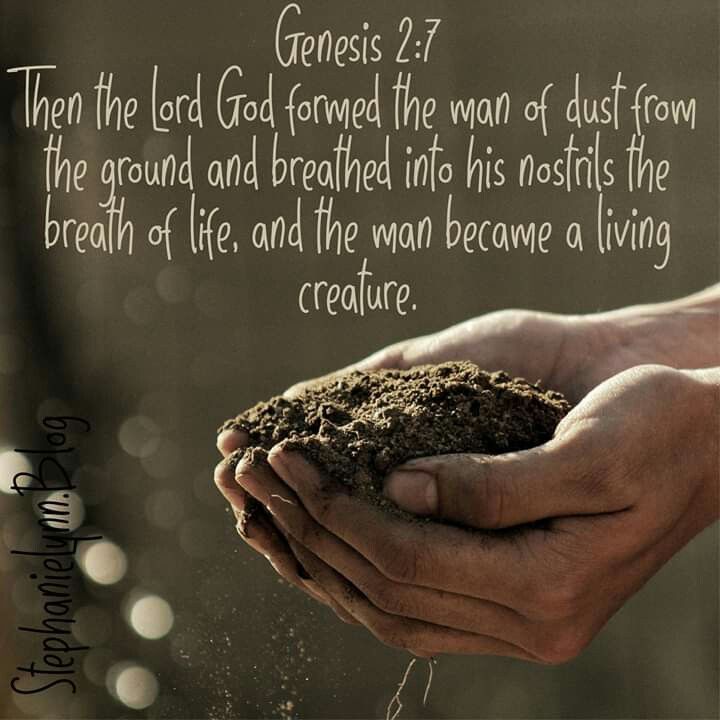




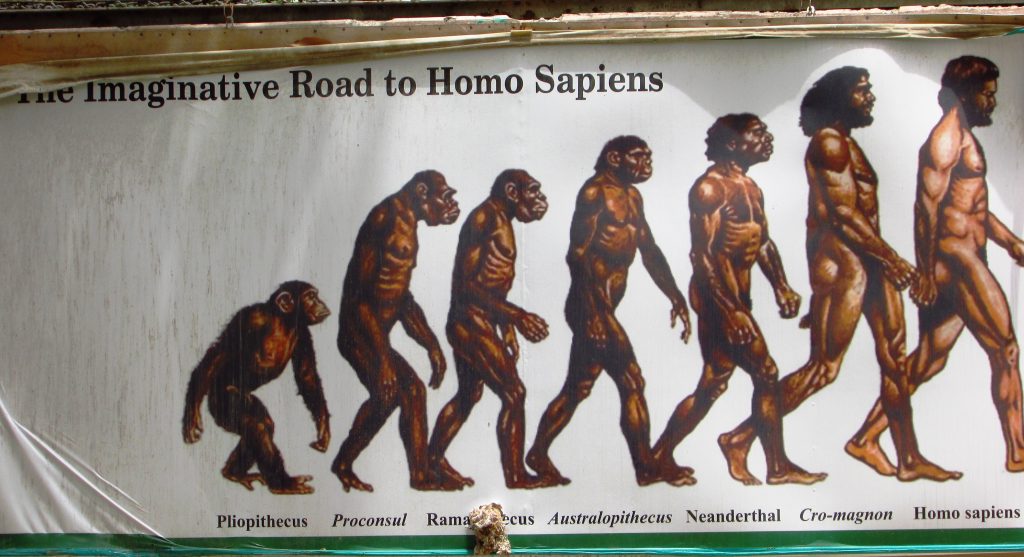


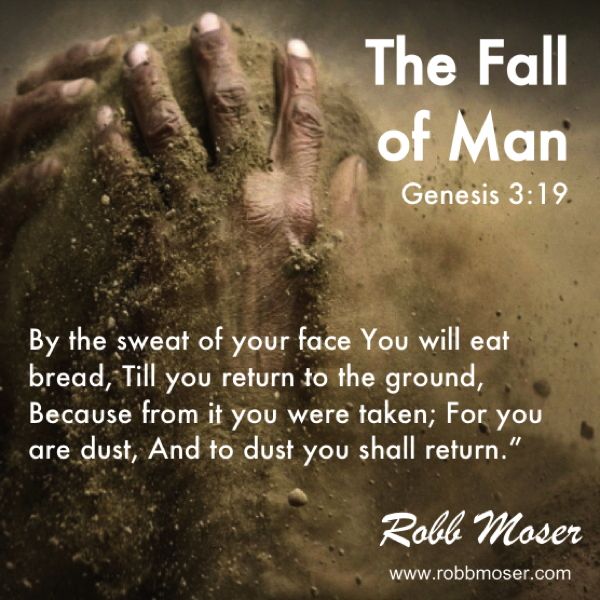


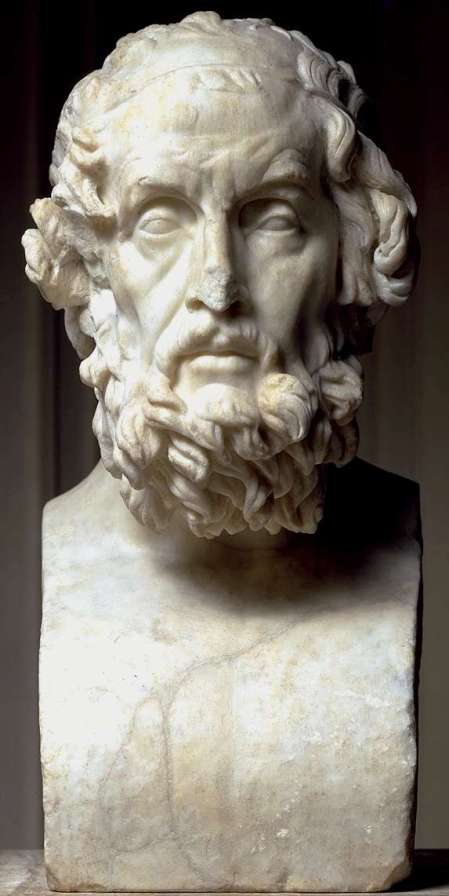

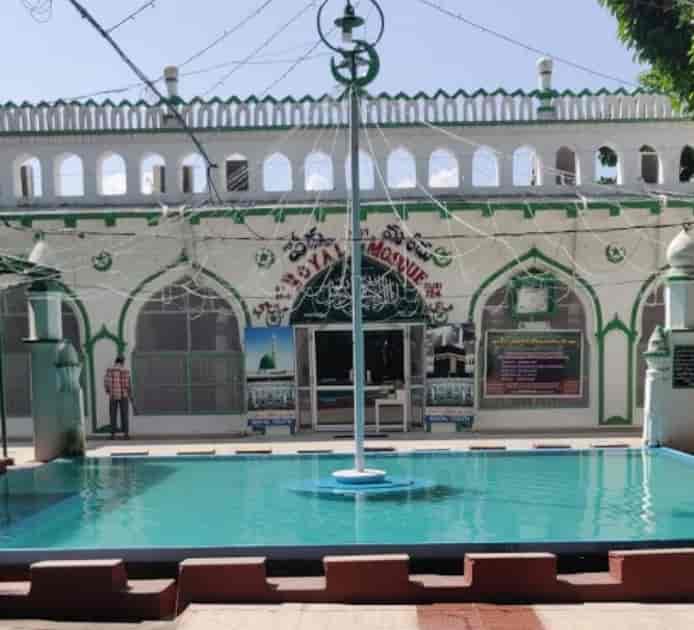
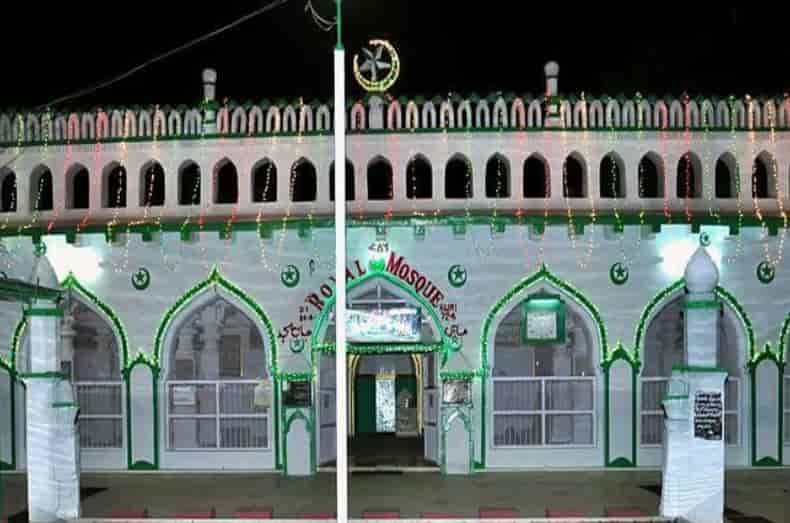
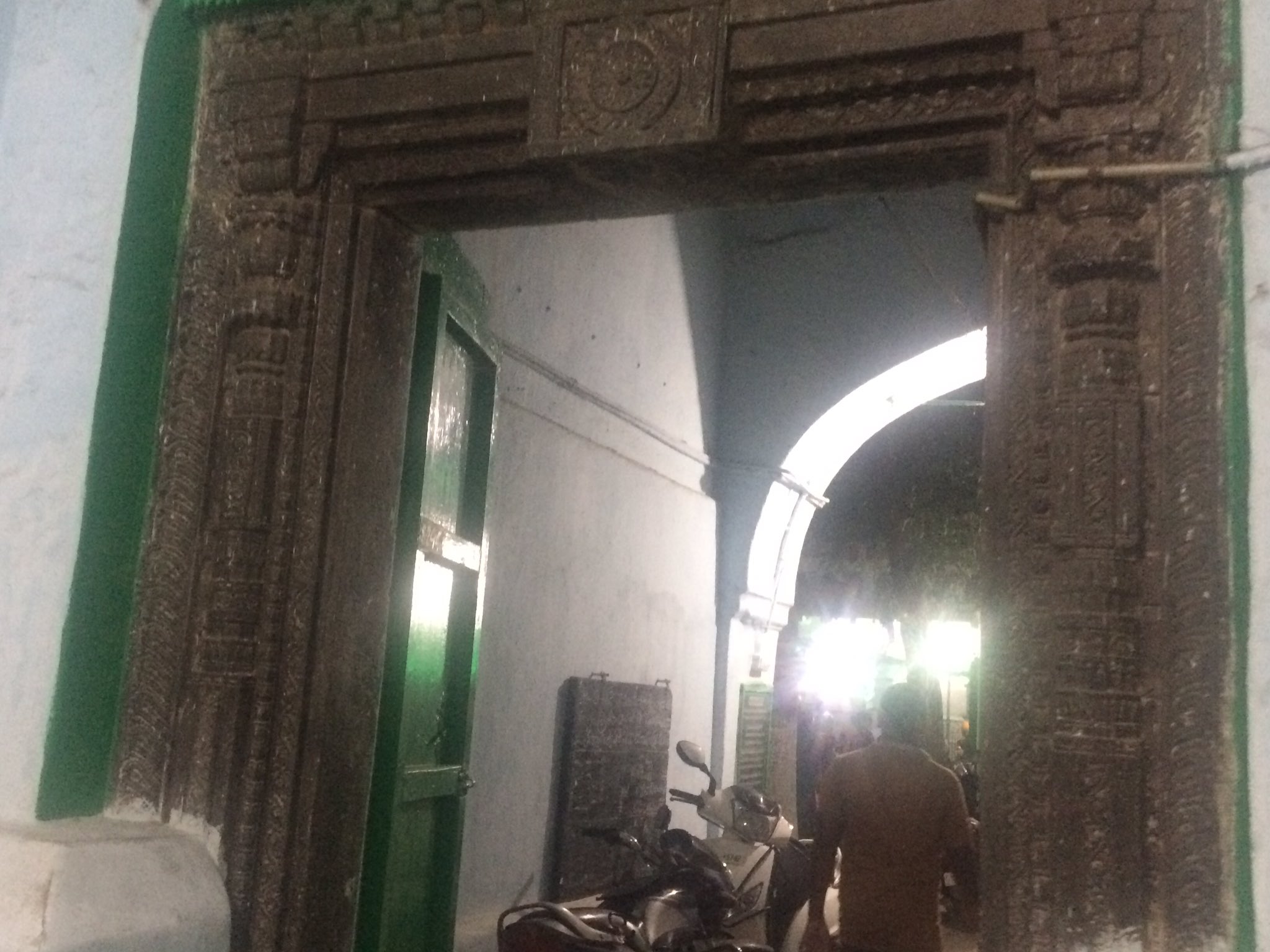
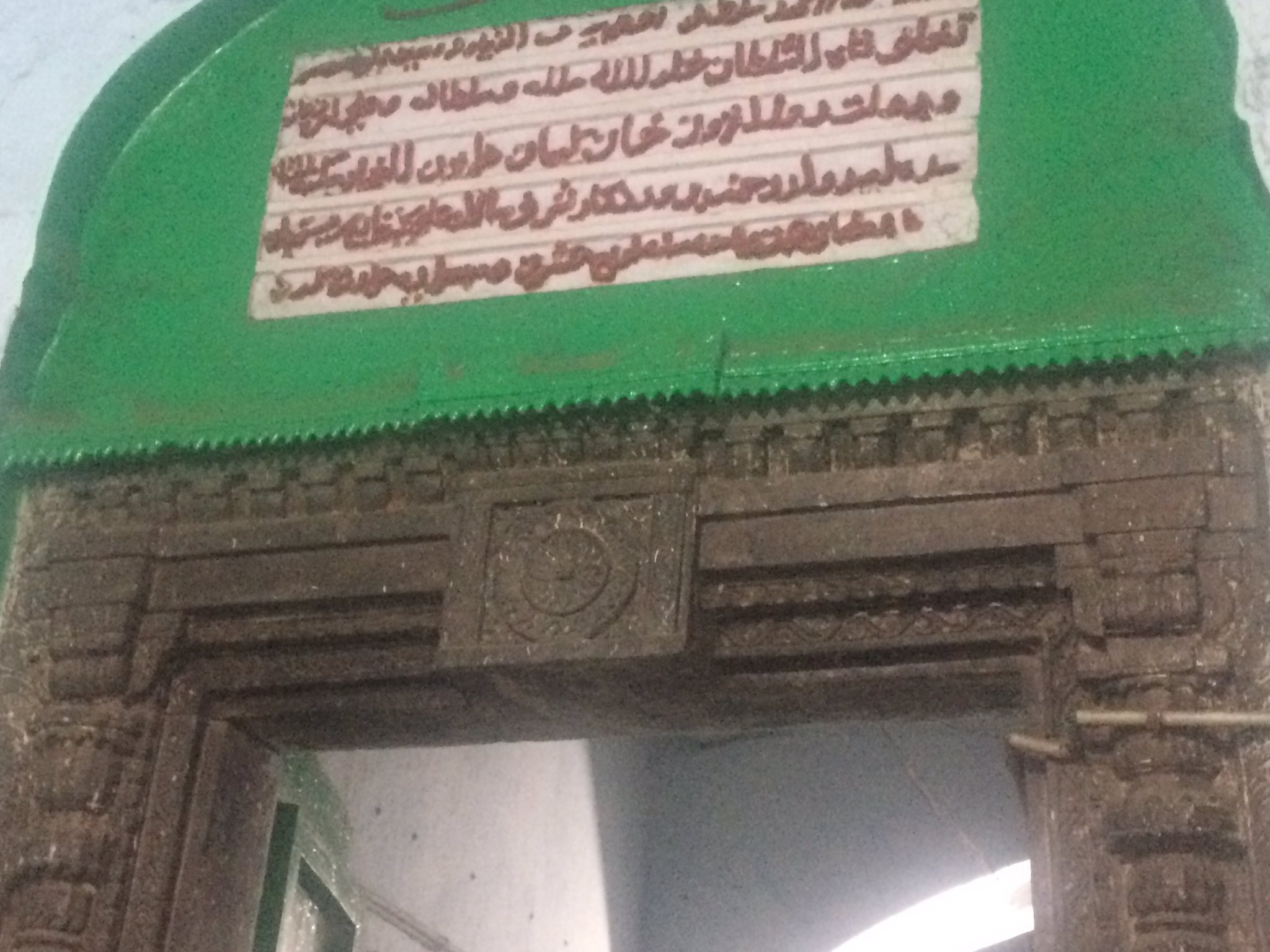


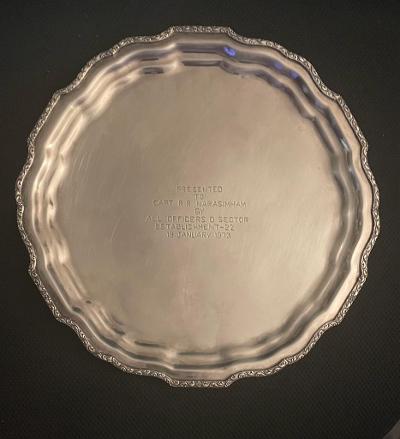


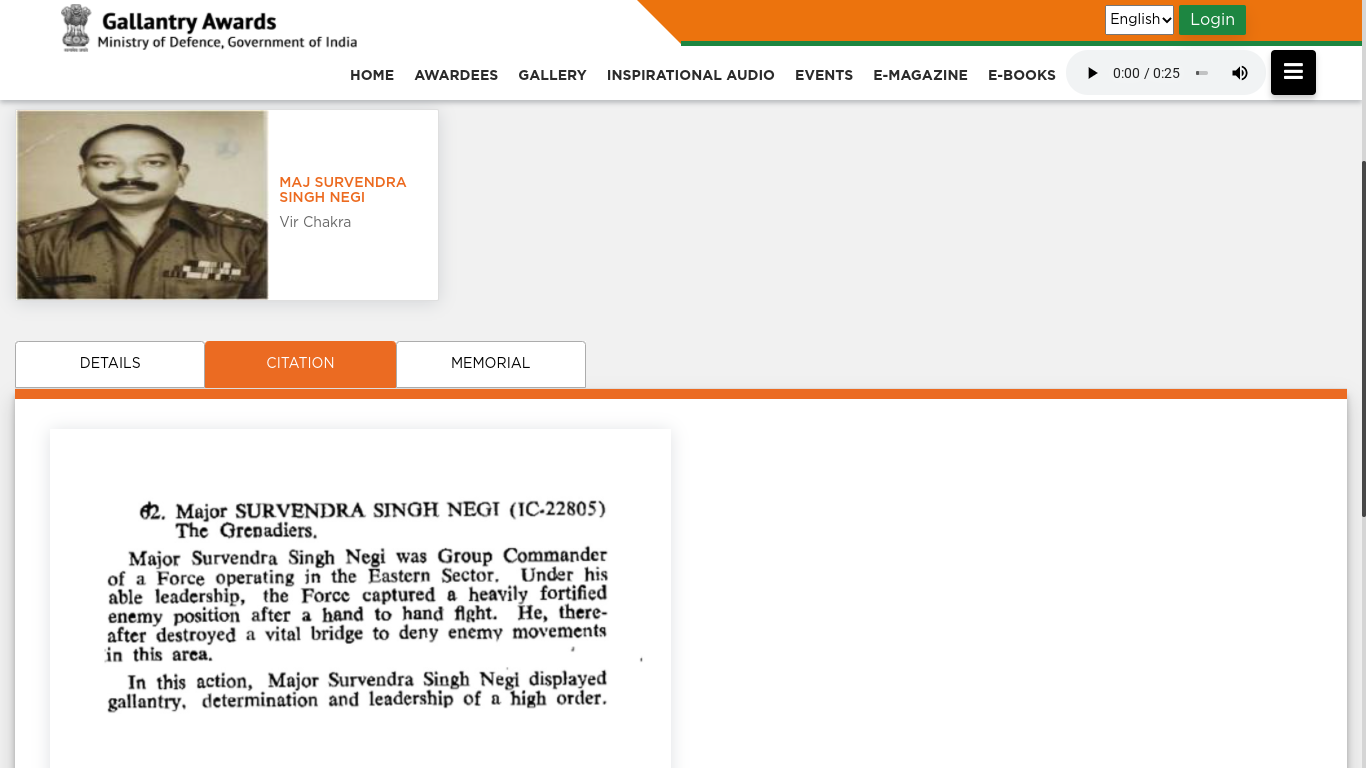
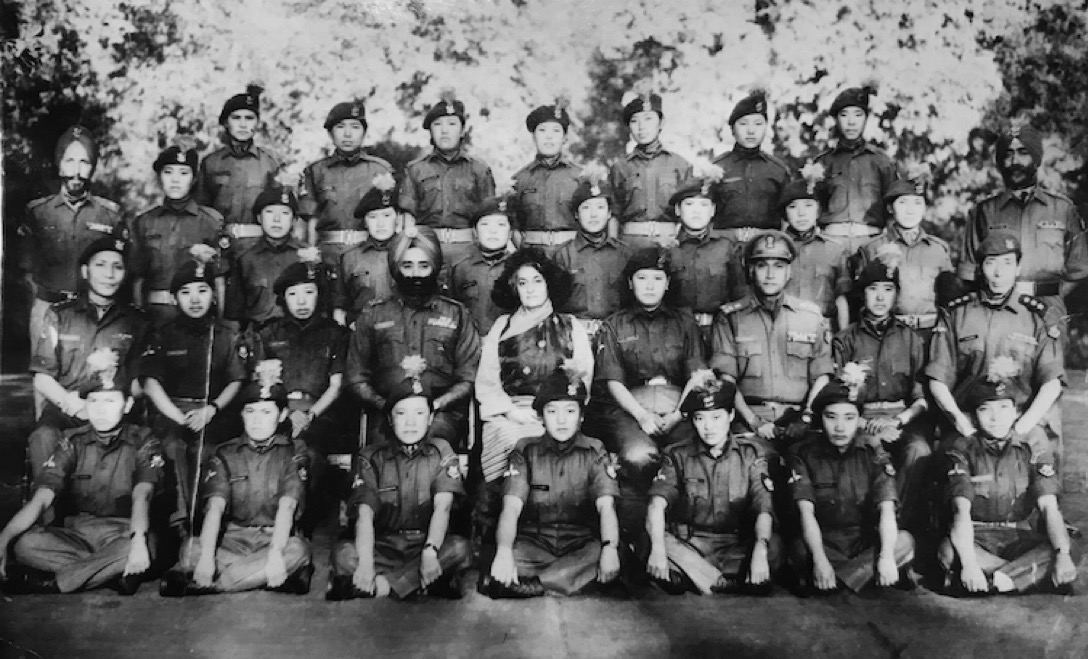


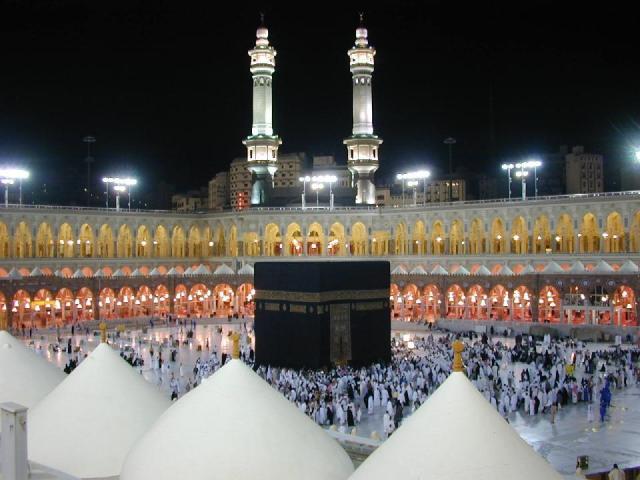


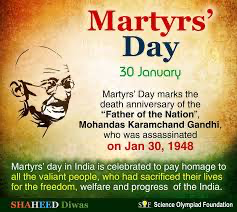


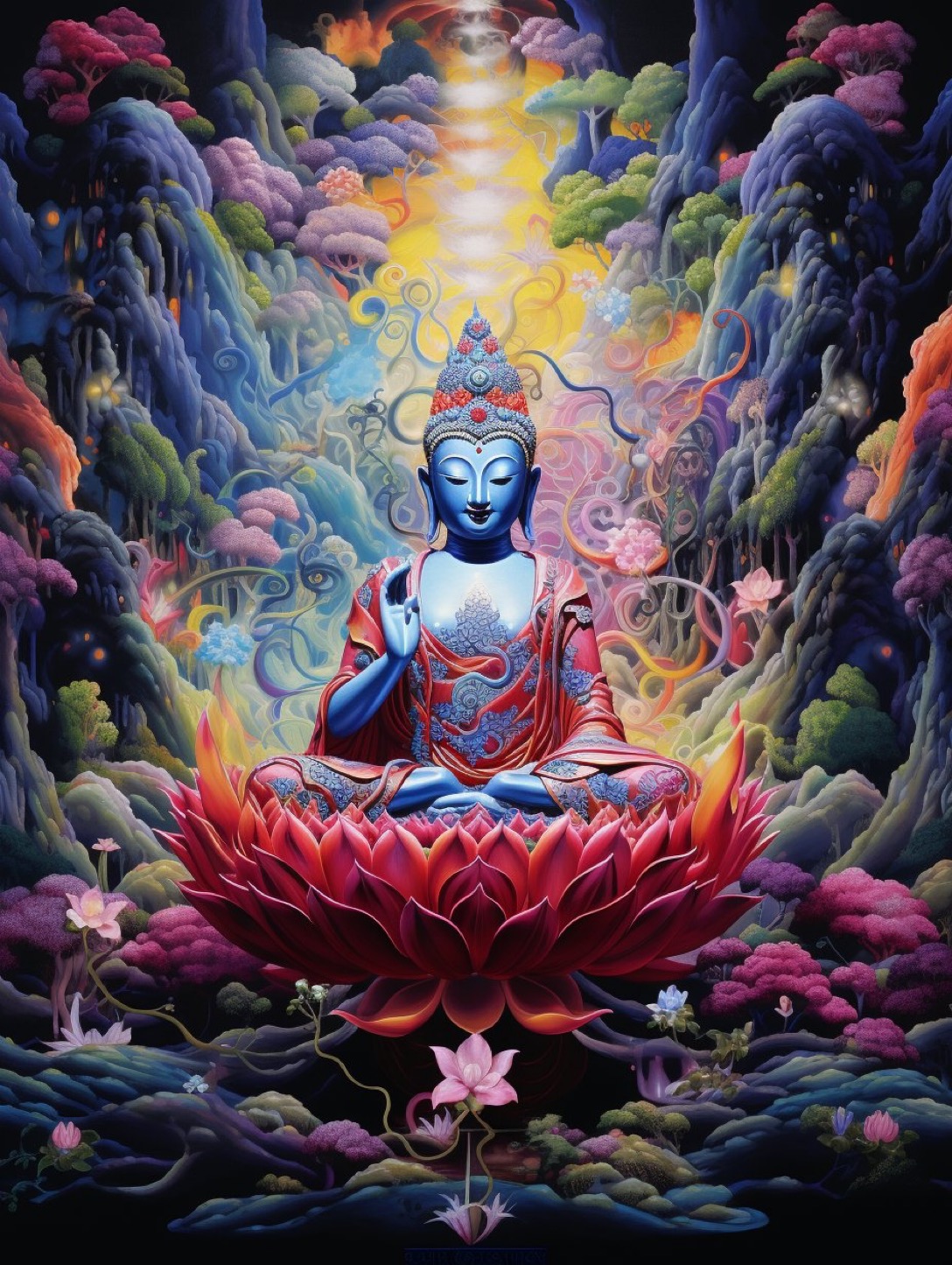

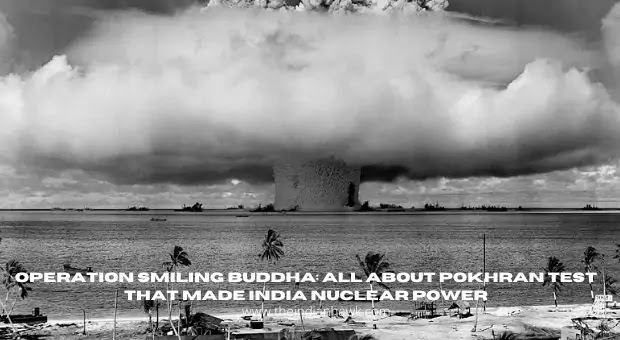


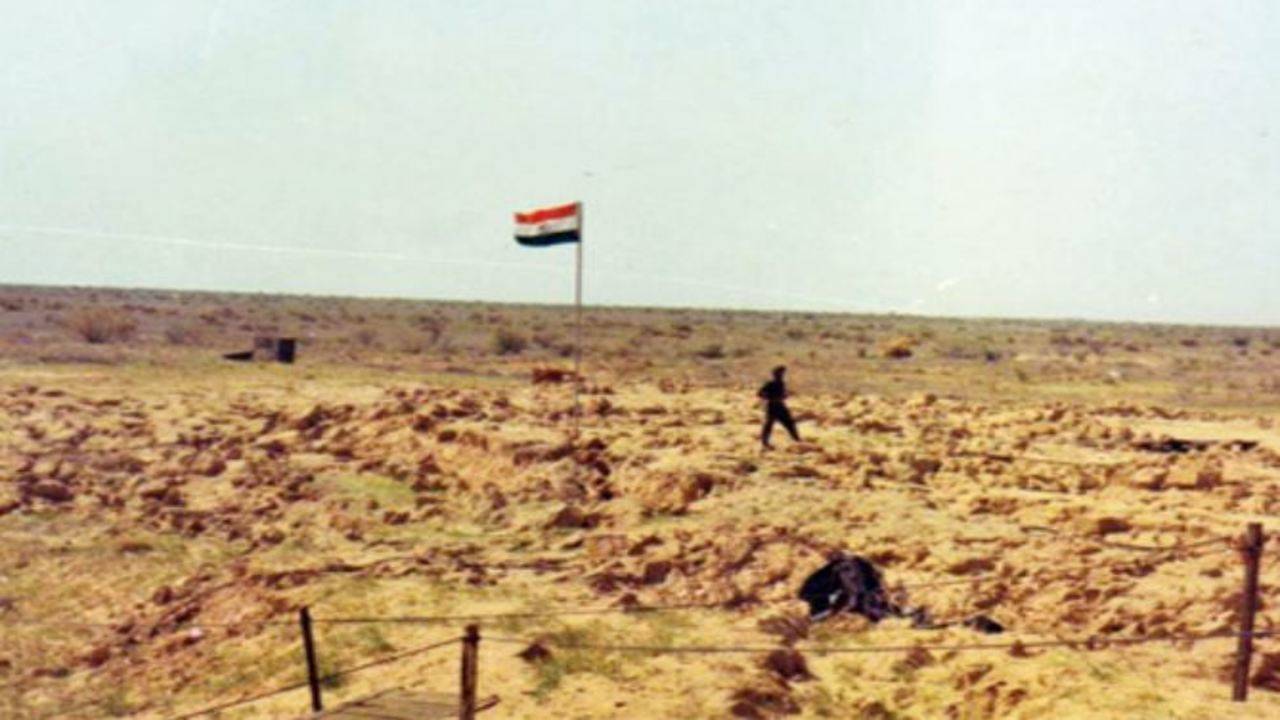

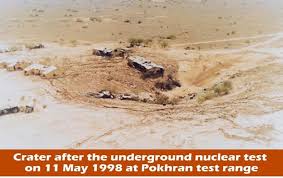


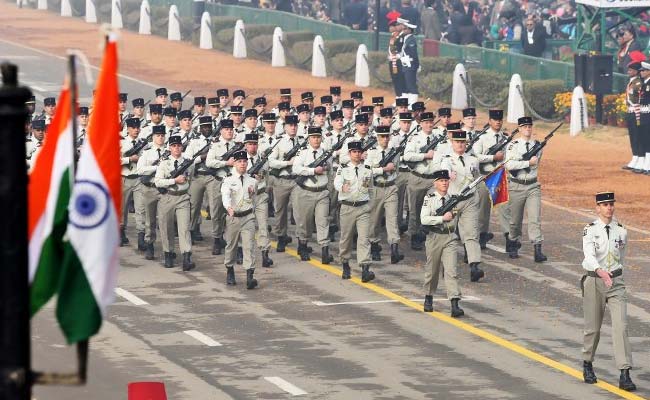


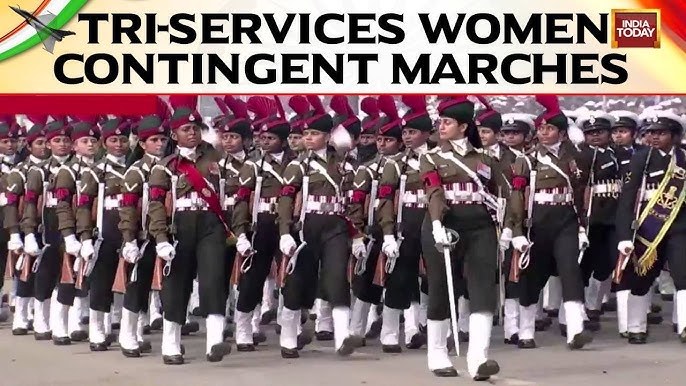
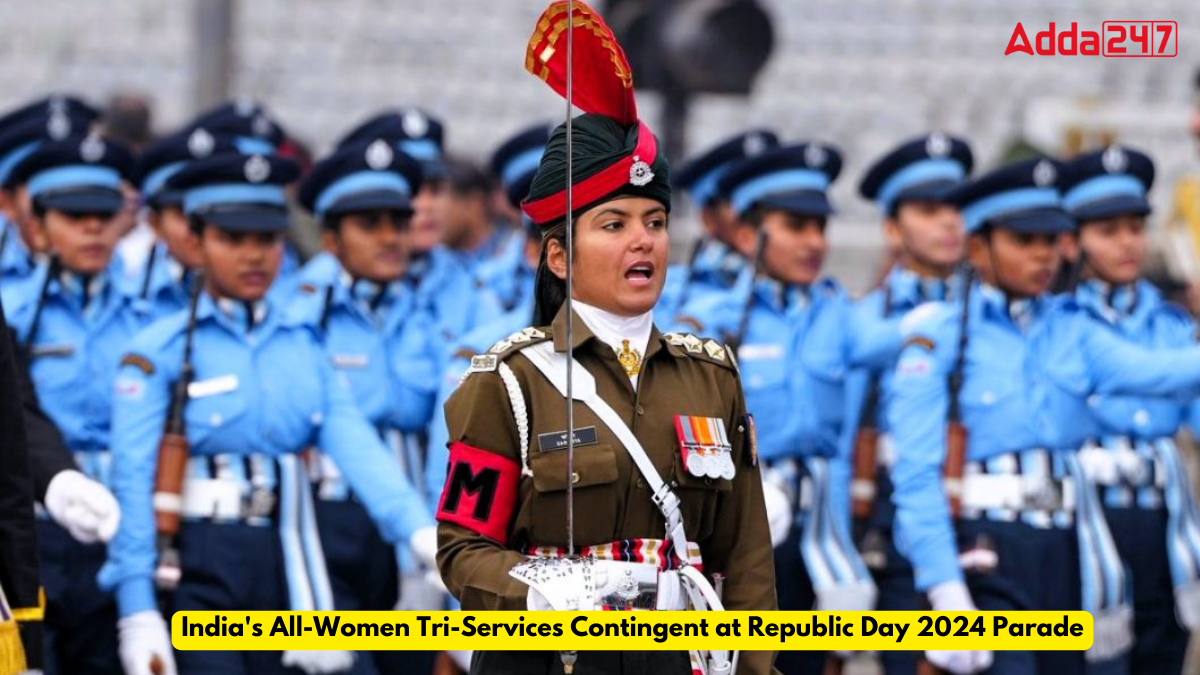


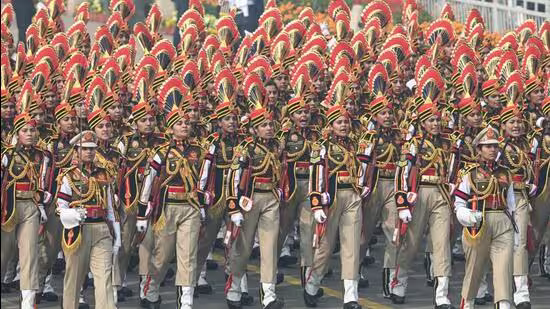


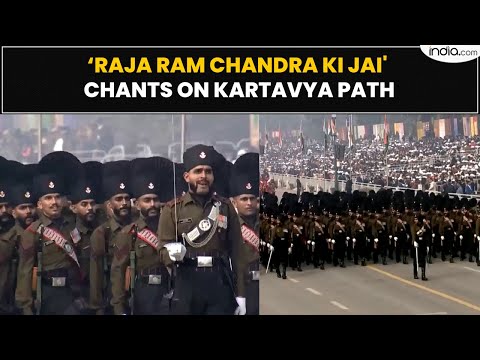
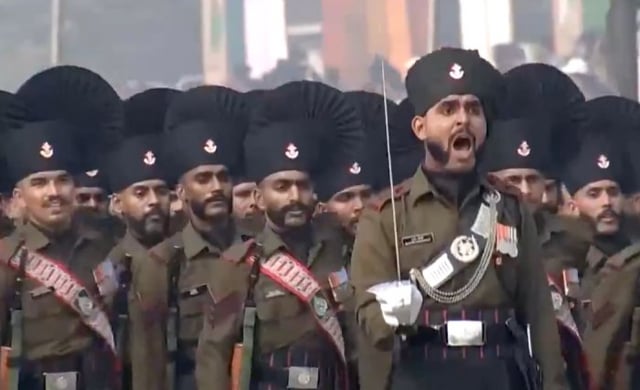
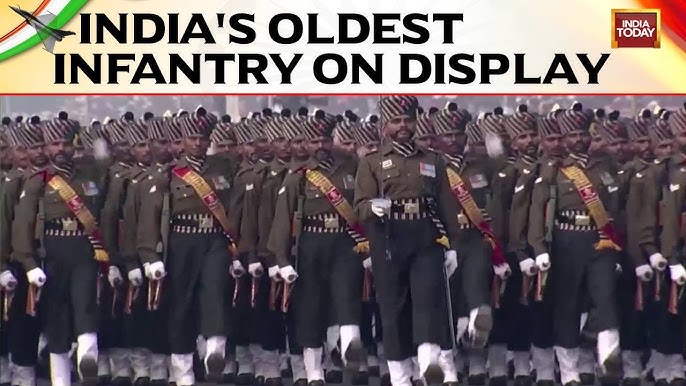
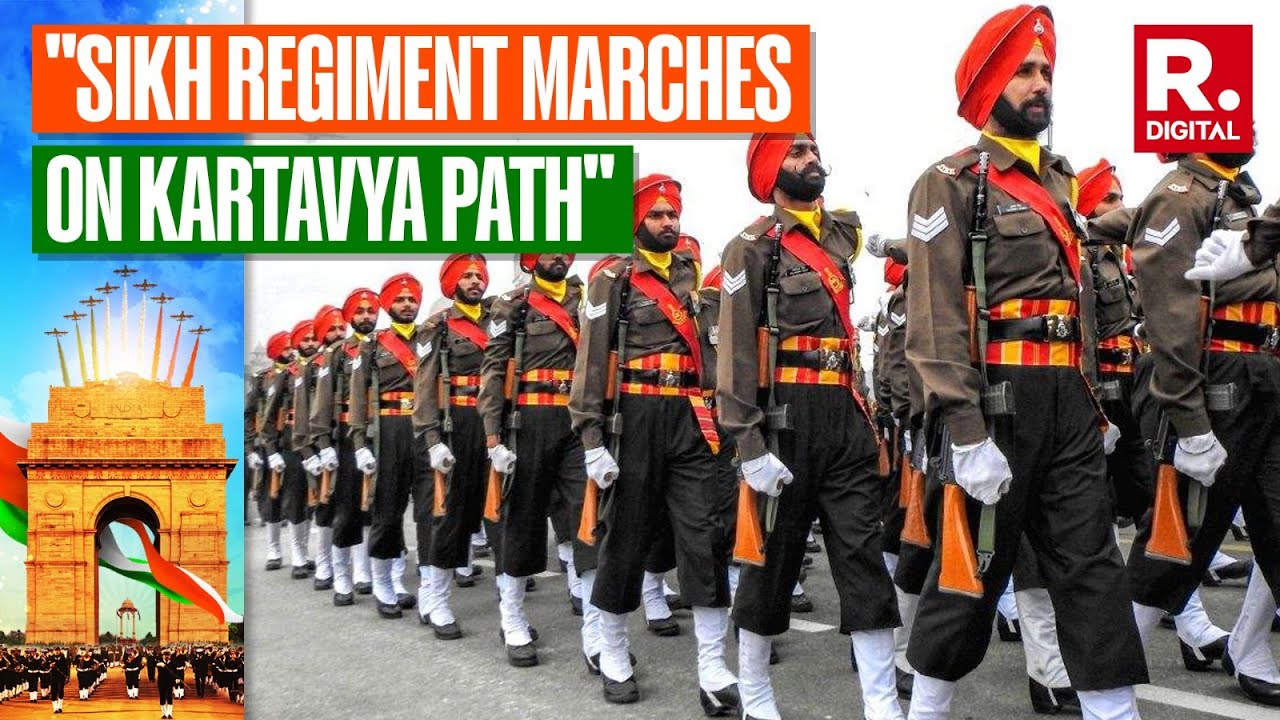


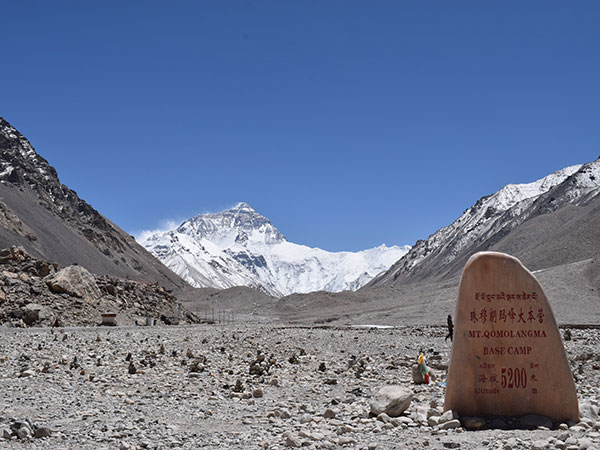
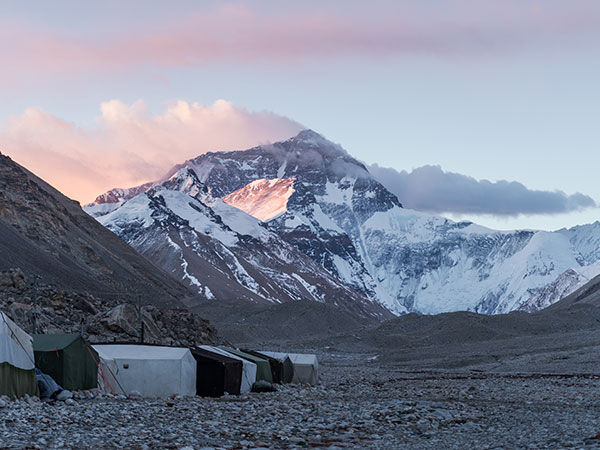
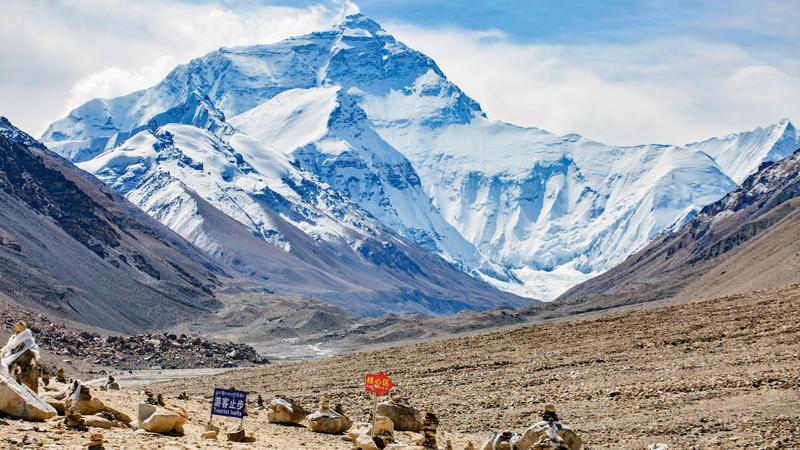


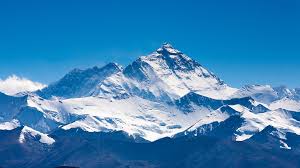

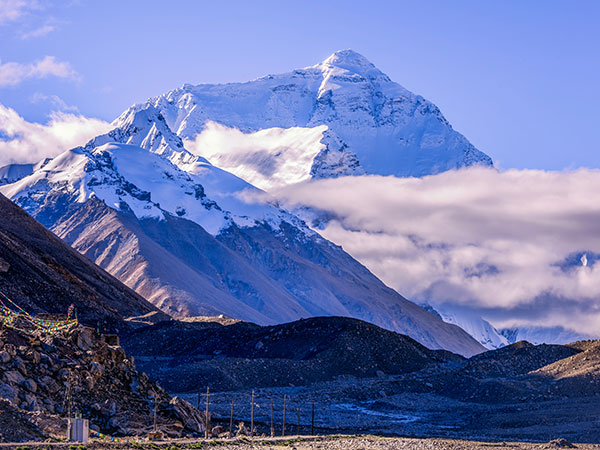
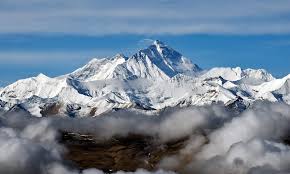
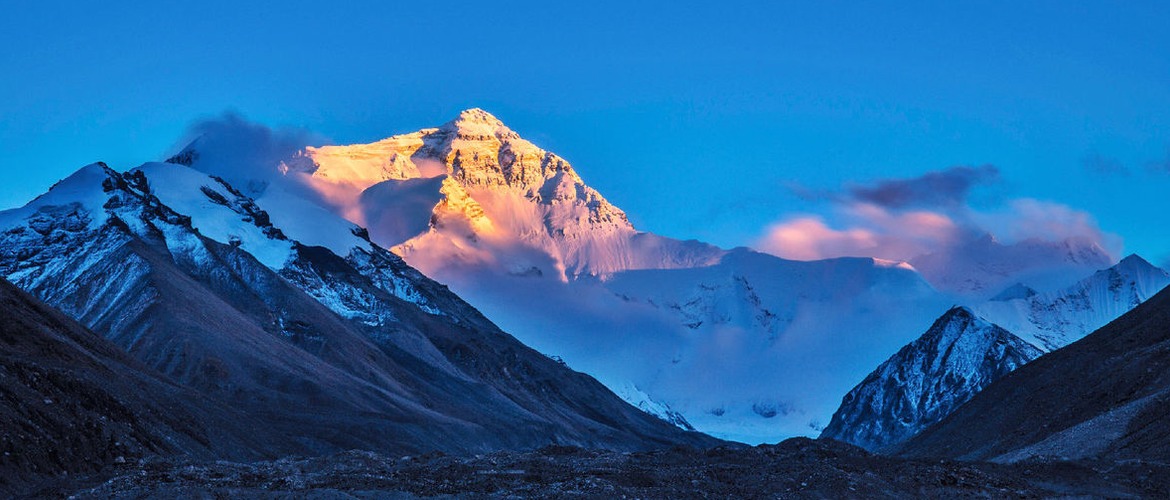
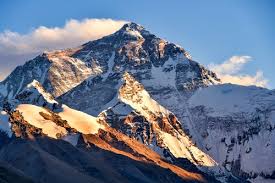
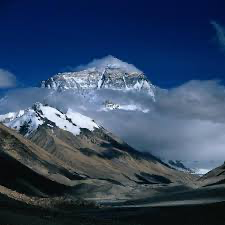
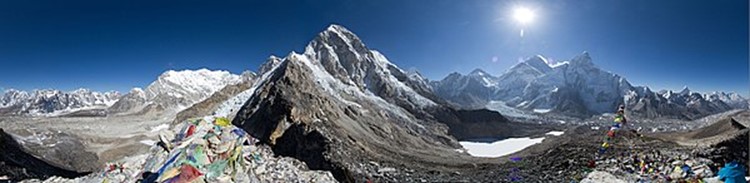

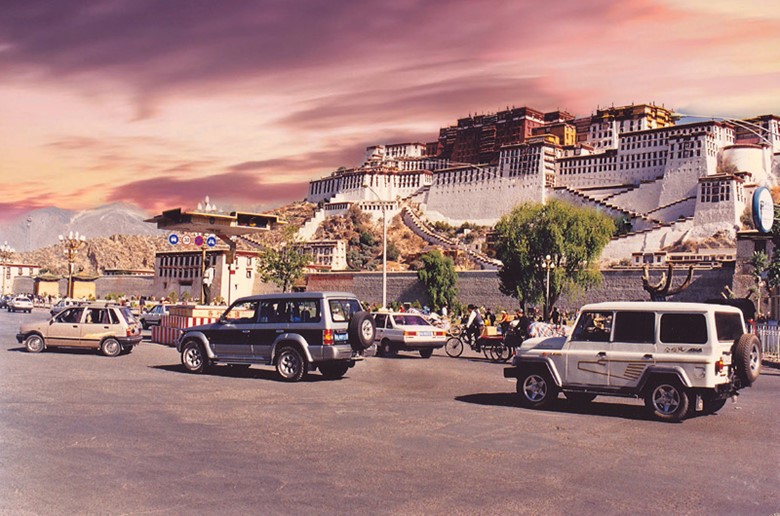

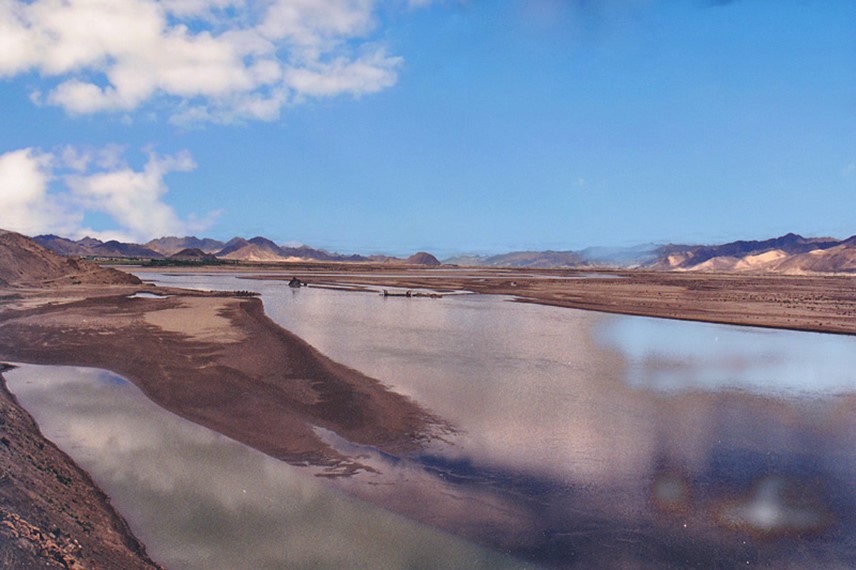


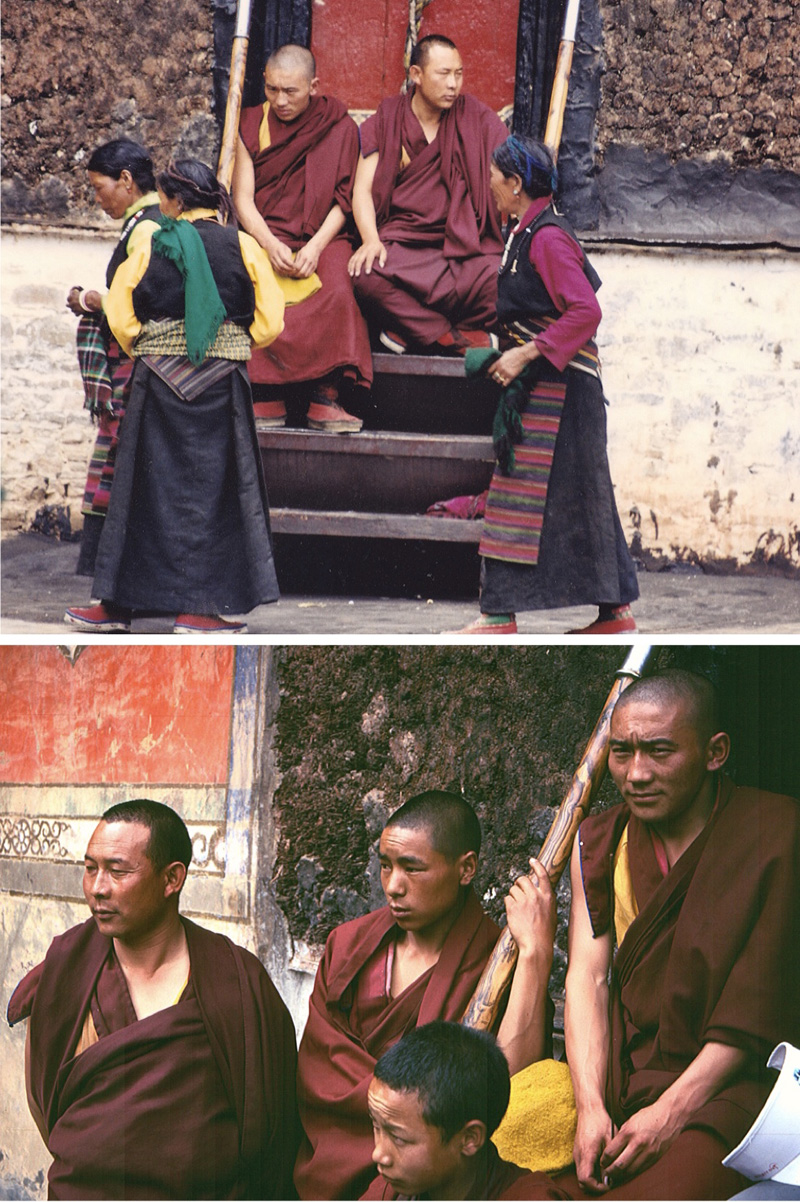

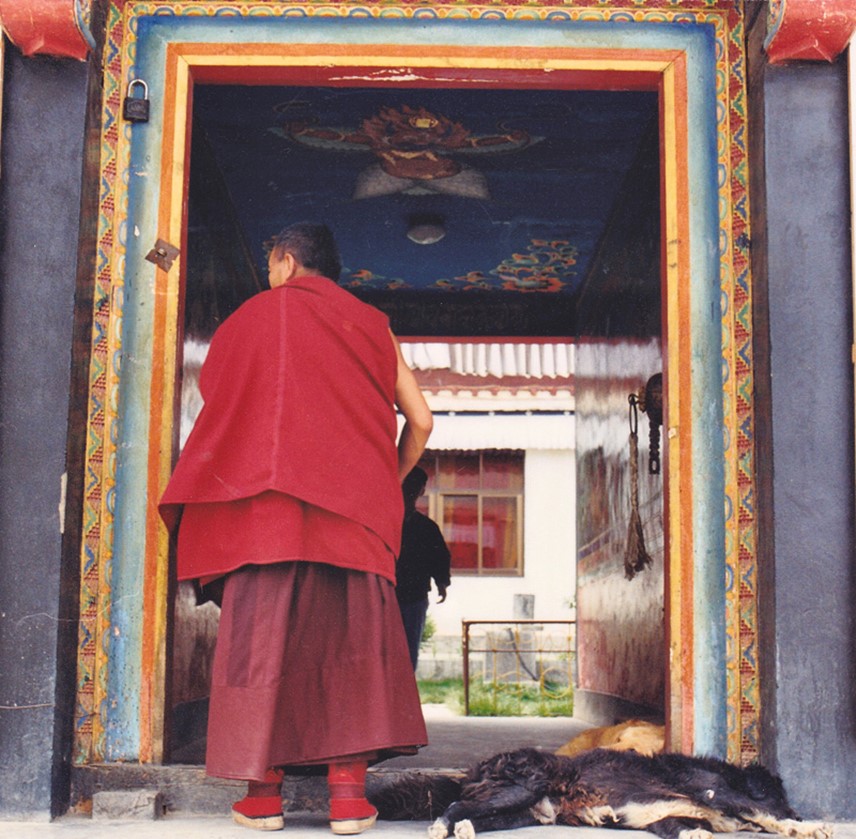
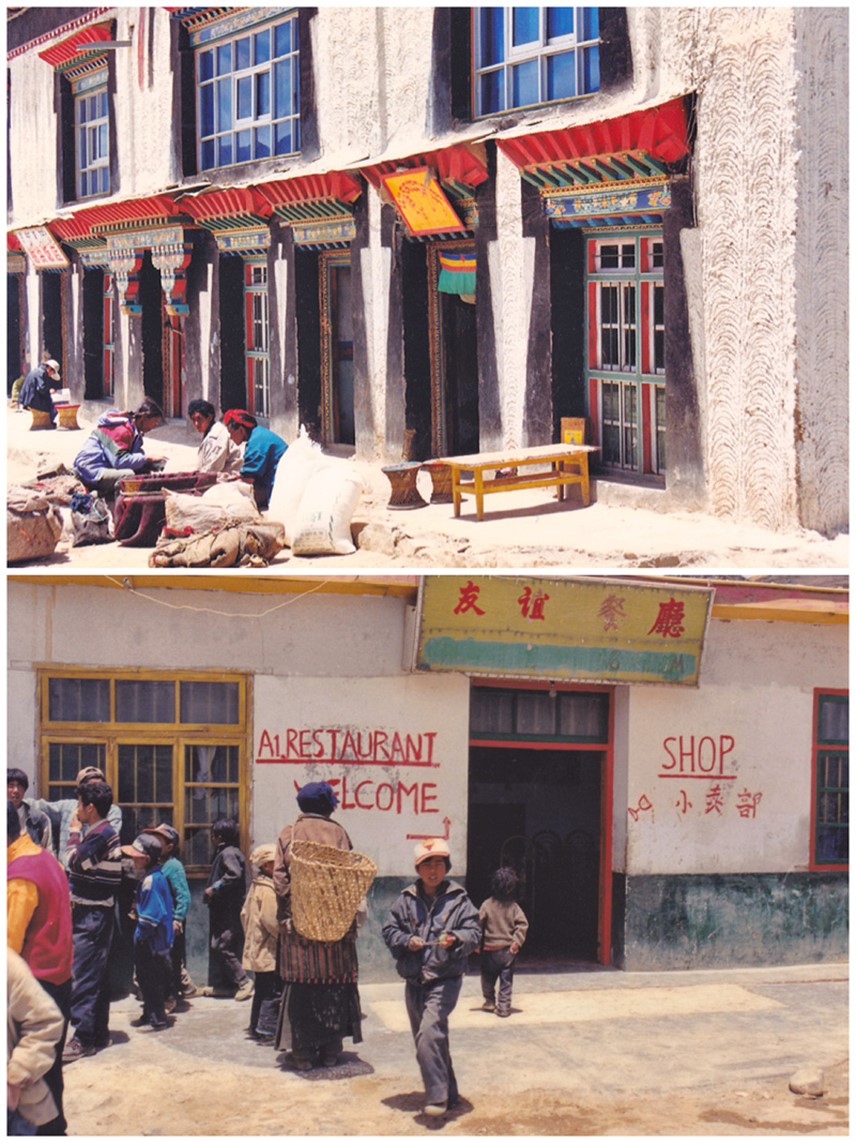
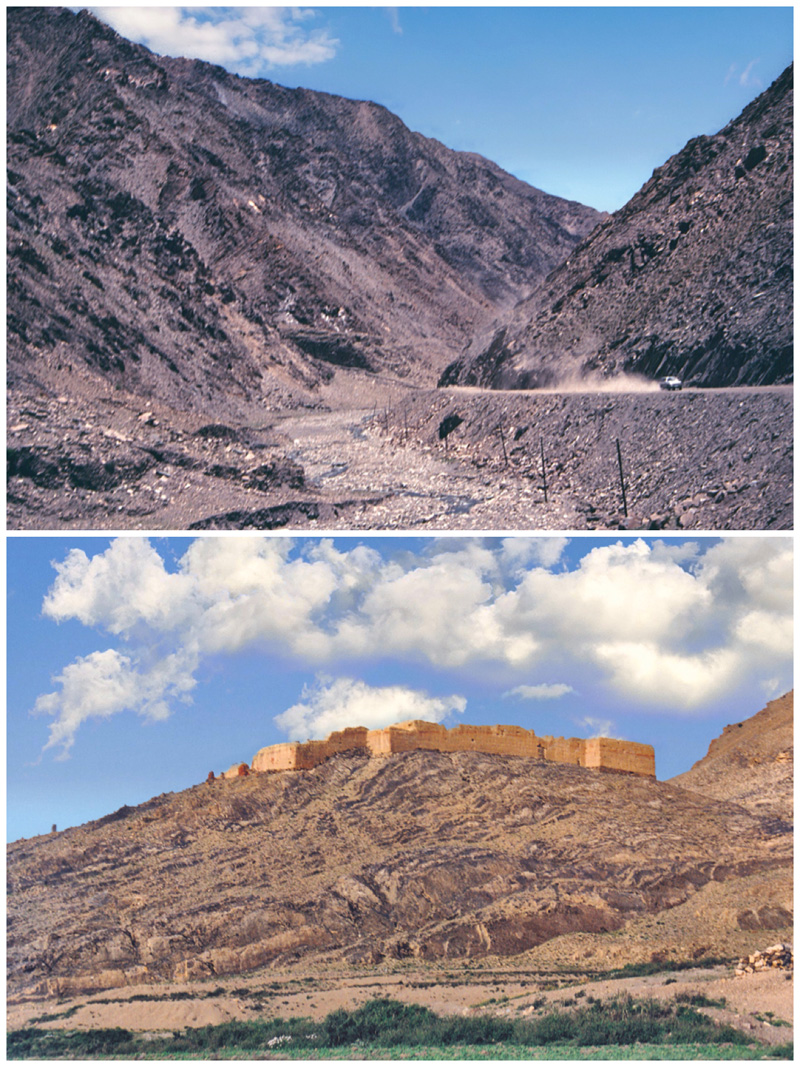


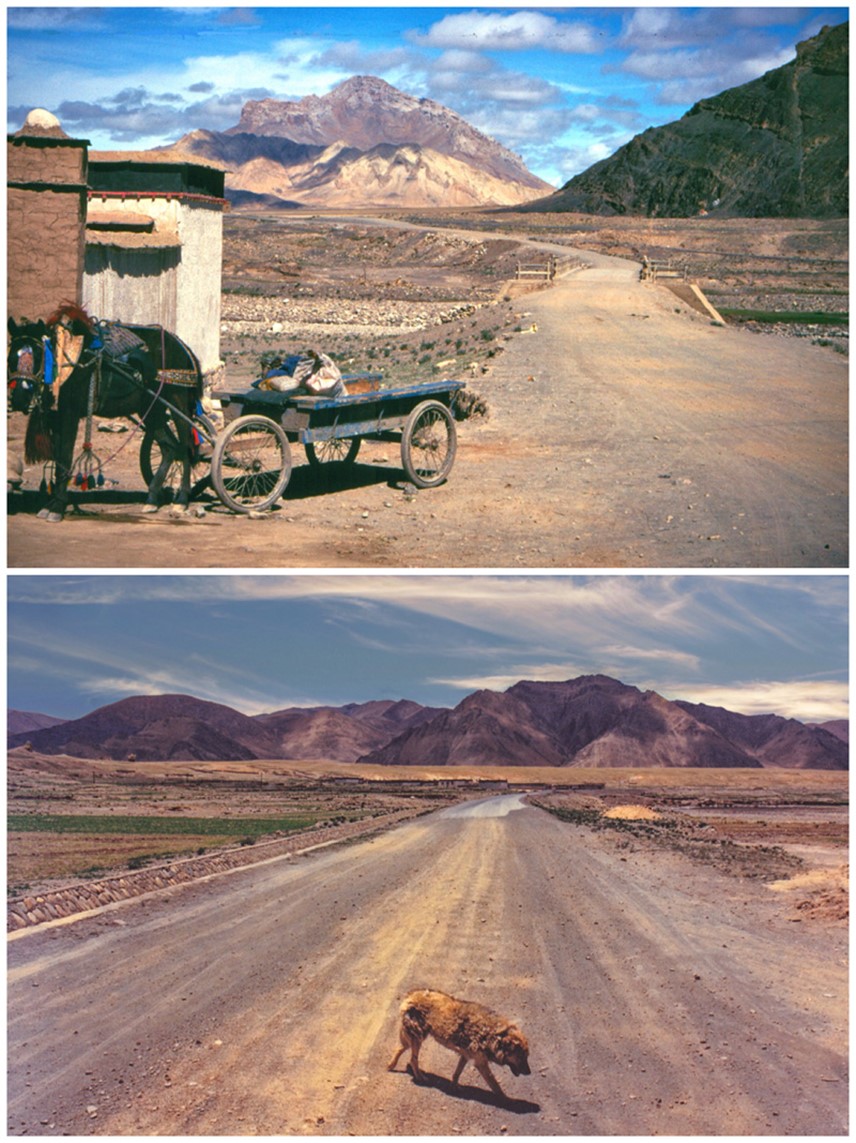
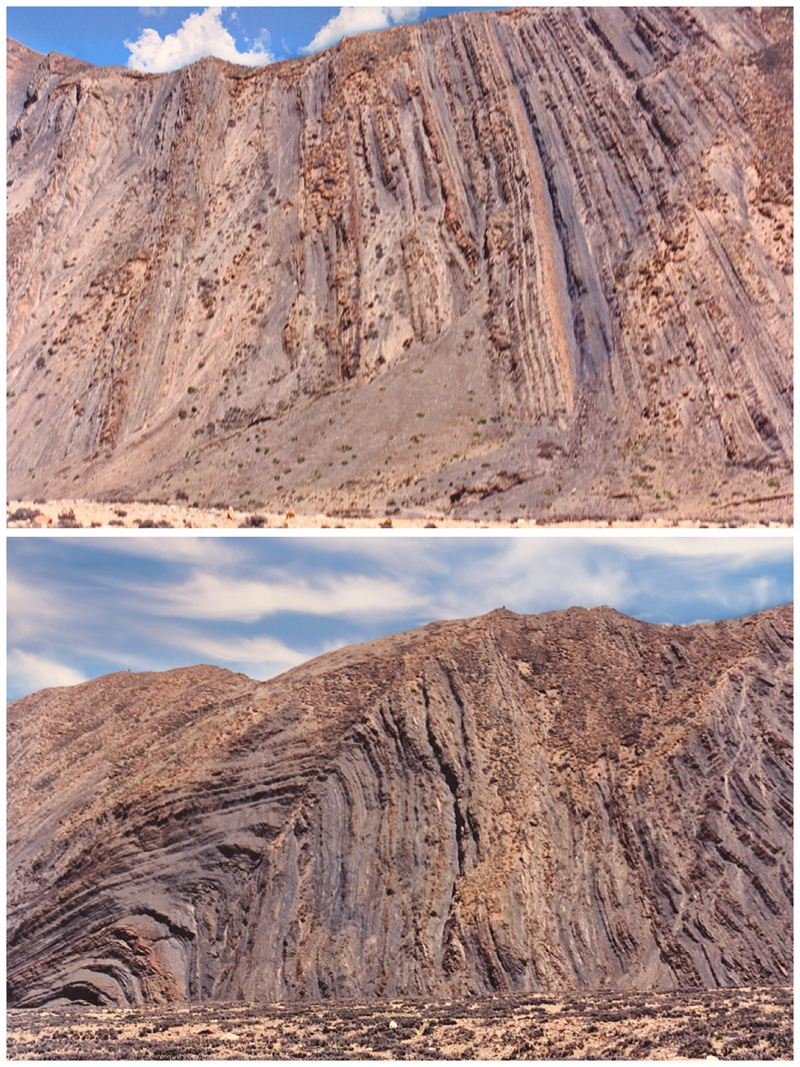
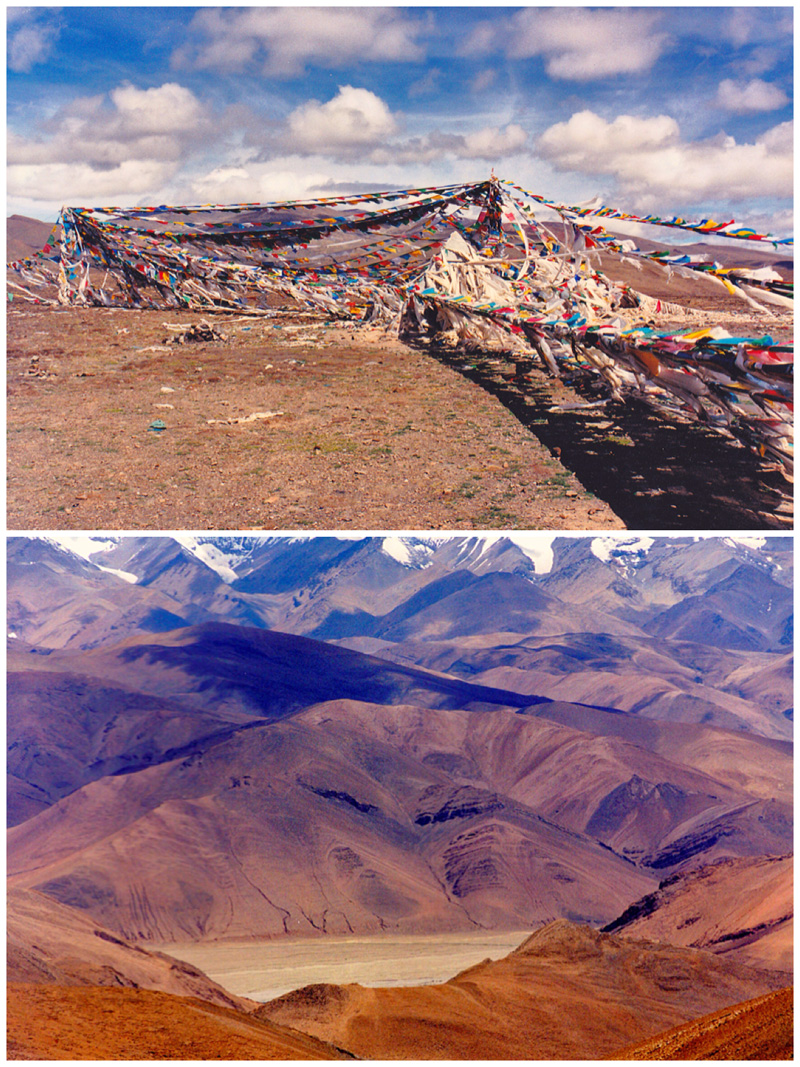


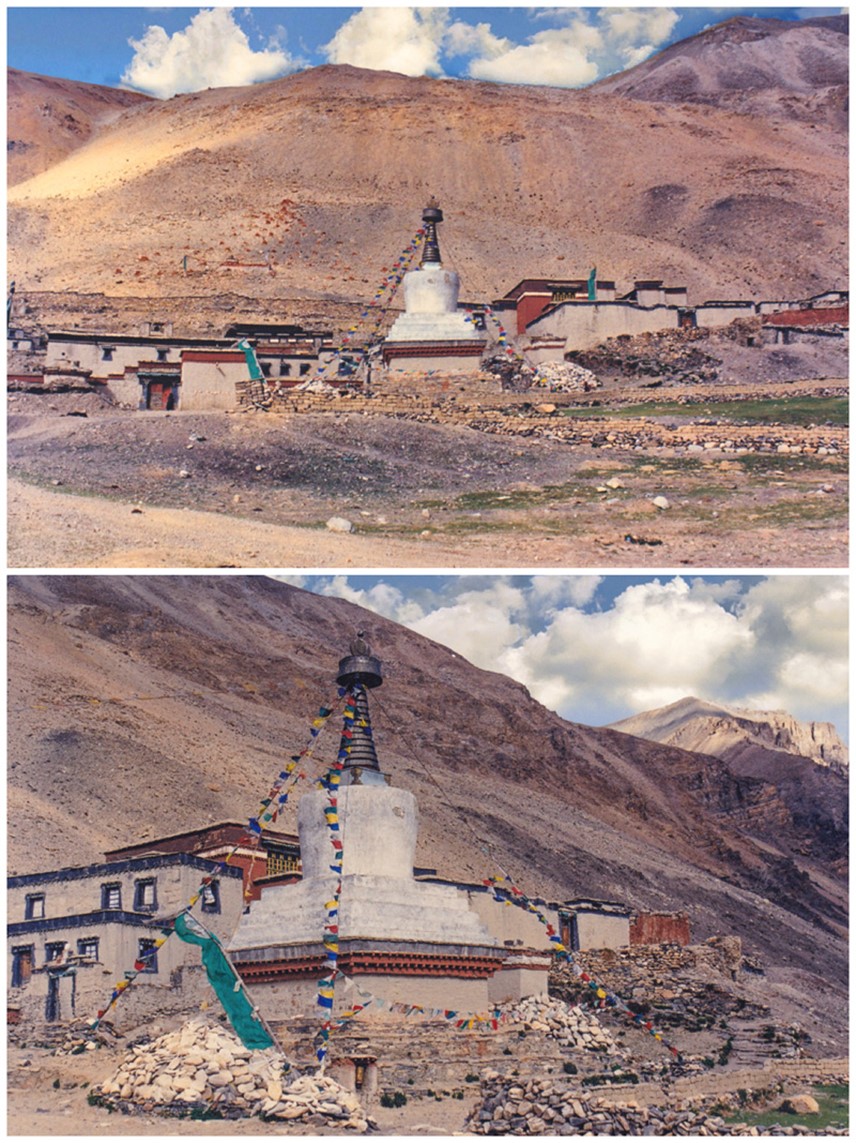

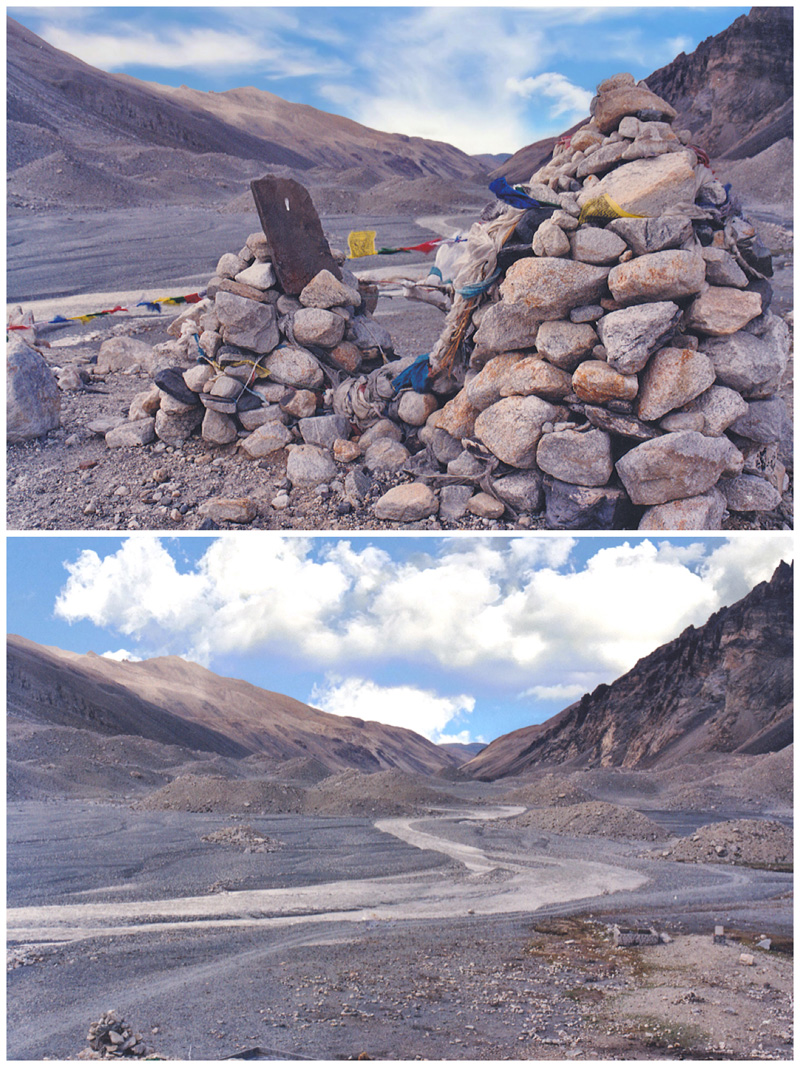
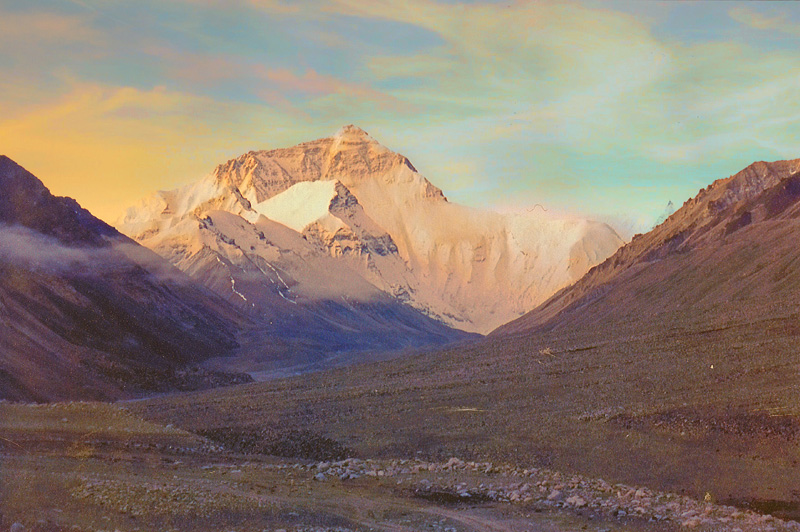

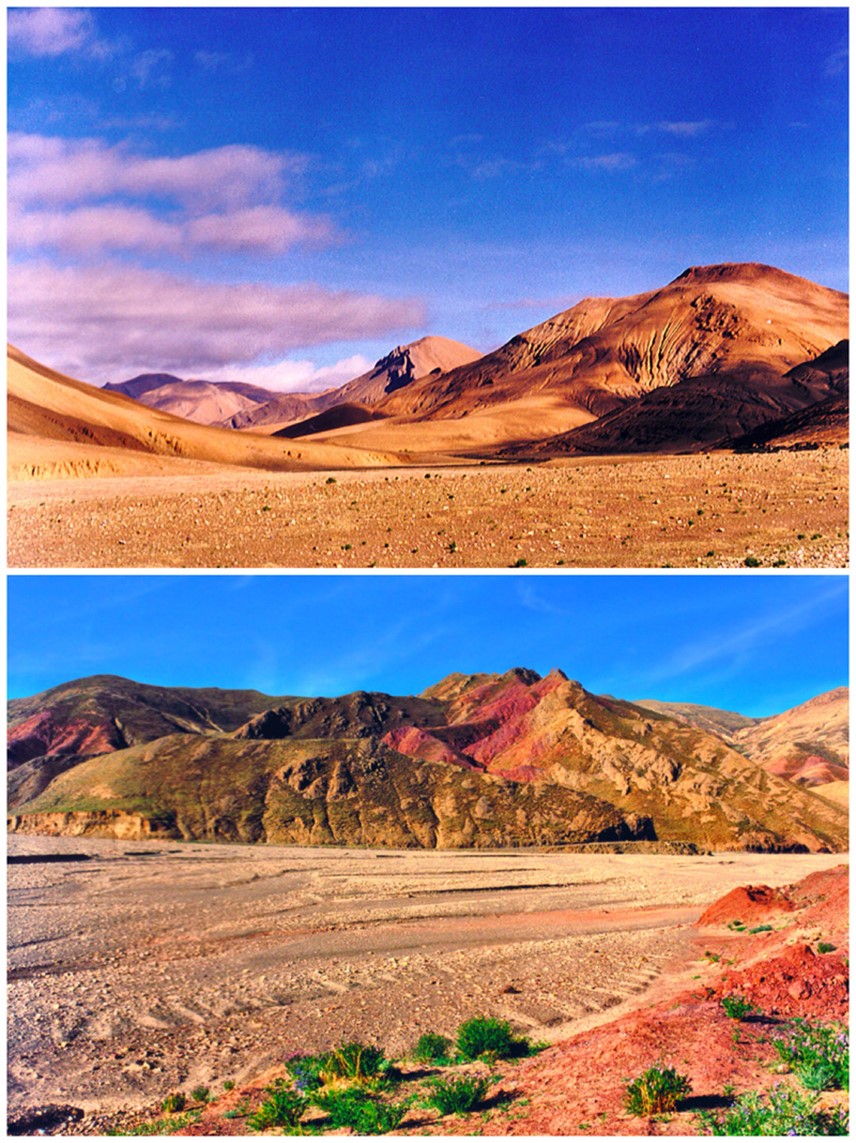
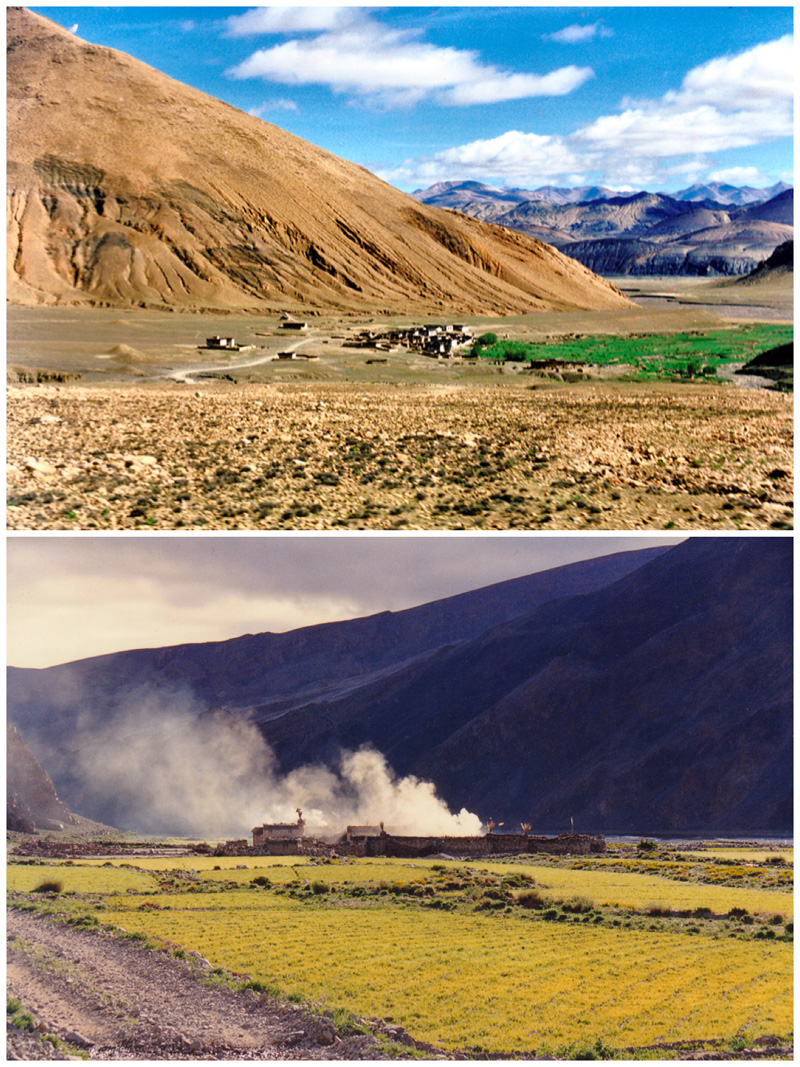
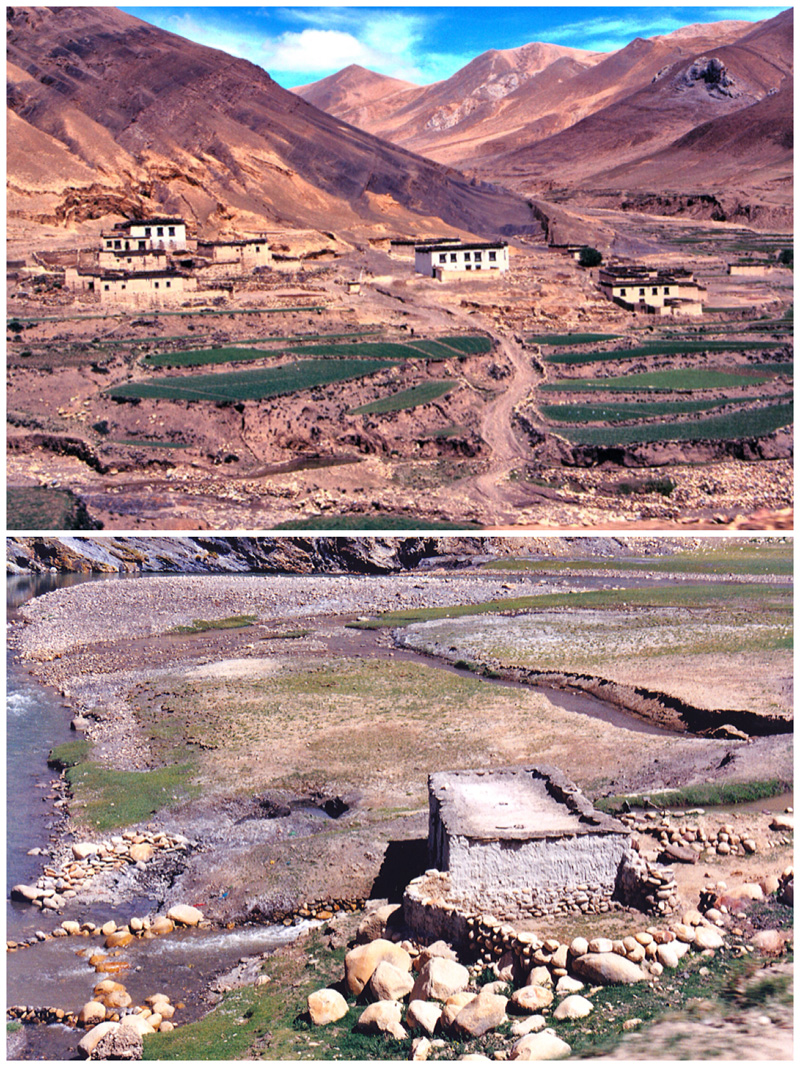
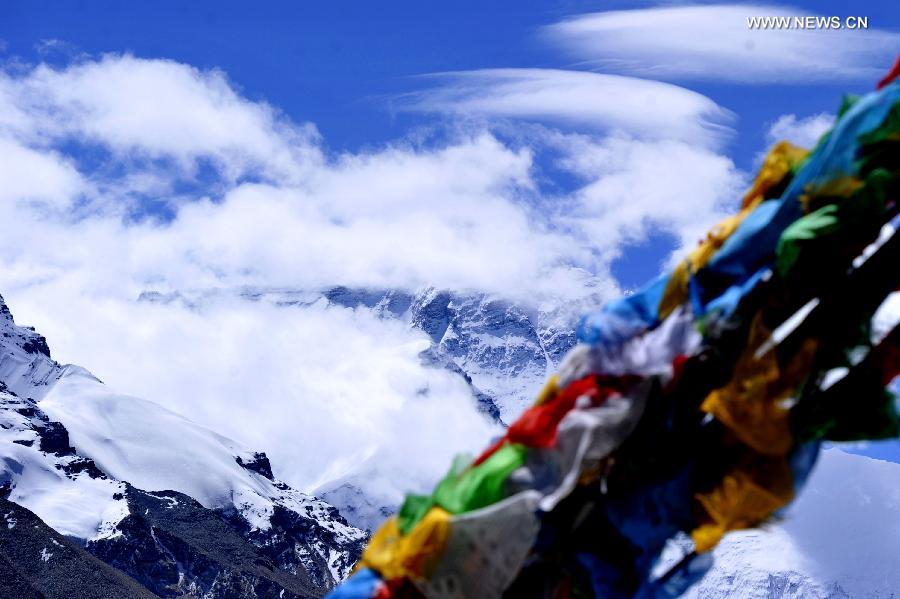


 Whole Dude - Whole Spirituality