My Philosophy of Medicine reviews the Buddhist Doctrine of Dependent Origination of Pain and Suffering.My Philosophy of Medicine reviews the Buddhist Doctrine of Dependent Origination of Pain and SufferingMy Philosophy of Medicine reviews the Buddhist Doctrine of Dependent Origination of Pain and Suffering
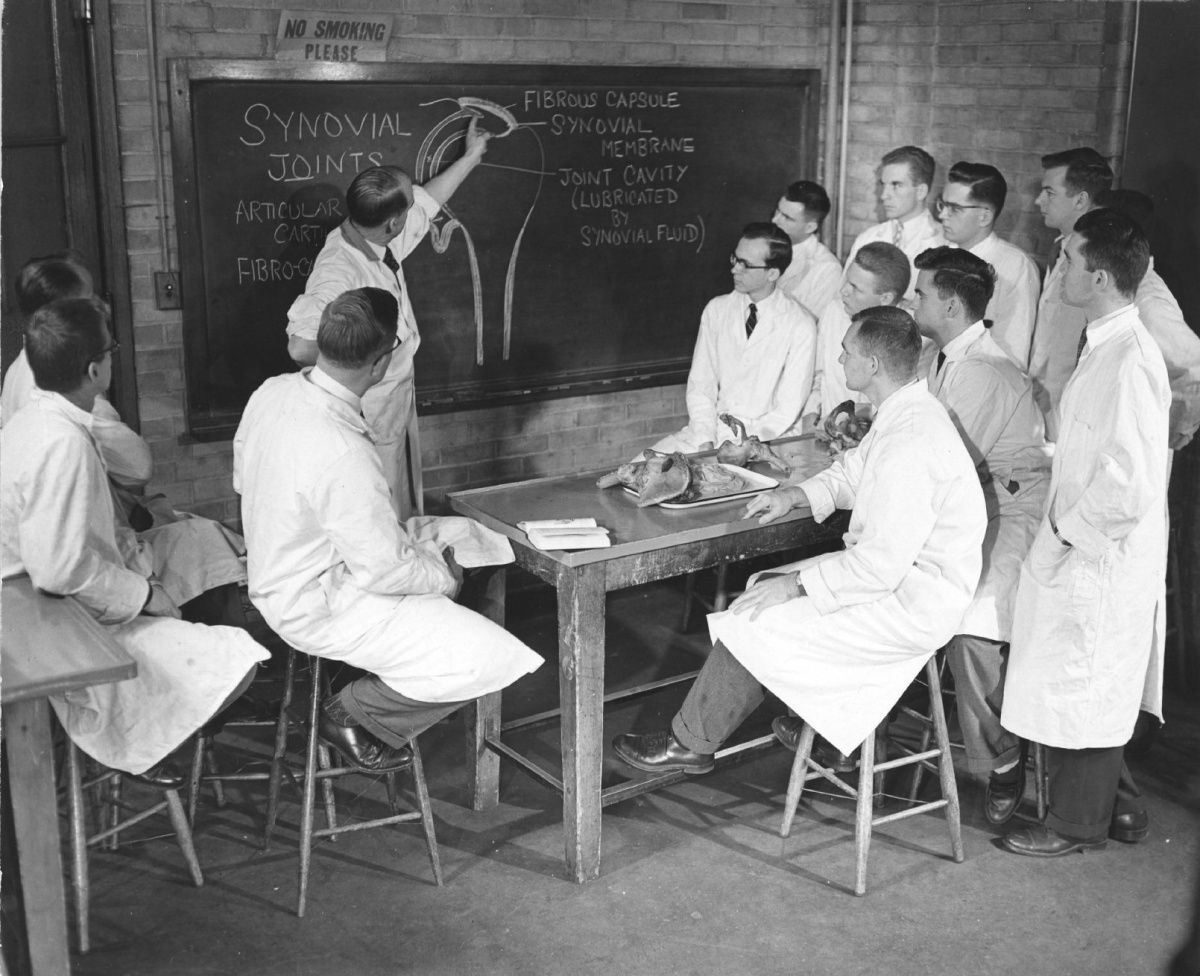
In 1965, while I was a student of Human Anatomy at Kurnool Medical College, I had the opportunity to know about Dr. J. C. B. Grant (1886-1973), the author of Grant’s Atlas of Anatomy. The 5th Edition of his Atlas was published in 1962 and was available in India in our Medical College Library.
Born in Loanhead (south of Edinburgh) in 1886, Grant studied medicine at the University of Edinburgh Medical School and graduated with an M.B., Ch.B. degree in 1908. While at Edinburgh, he worked under the renowned anatomist Daniel John Cunningham. Grant became a decorated serviceman of the Royal Army Medical Corps during the First World War before moving to Canada. He established himself as an ‘anatomist extraordinary’ at the University of Toronto, publishing three textbooks that form the basis of Grant’s Anatomy. The textbooks are still used in anatomy classes today, and made unforgettable memories for those who found themselves in his classes nearly a century ago. One of Grant’s many accomplishments was establishing a division of histology within the department.
My Philosophy of Medicine reviews the Buddhist Doctrine of Dependent Origination of Pain and Suffering
As a medical student, I used Grant’s Atlas of Anatomy, the seminal work of Scottish-born Dr. John Charles Boileau Grant, who would become the chair of Anatomy at the University of Toronto in 1930 and retired in 1965.
Students continue to use Grant’s textbooks today, and for the more artistic anatomist there’s even a Grant’s Anatomy Coloring Book, published in 2018.
My Philosophy of Medicine reviews the Buddhist Doctrine of Dependent Origination of Pain and Suffering
At the University of Toronto, Dr.McMurrich, Chair of Anatomy was succeeded as chairman in 1930 by Dr. John Charles Boileau Grant. Dr. Grant wrote three text books, of which “An Atlas of Anatomy” (published in 1943) rapidly gained international prominence and is still, one of the most widely used anatomical atlases in the world. It is now known as “Grant’s Atlas of Anatomy” and is in its tenth edition. The atlas was based on a series of elegant dissections done either by Grant or by others under his supervision. Many of these dissections are currently housed in Grant’s Museum at the University of Toronto.
The Rudi-Grant Connection is about knowing the man, the building blocks and the structural units and organization of the human body. To defend the human existence, the Rudi-Grant Connection lays the emphasis on knowing the person who is at risk apart from knowing the agent posing the risk.
THE IDENTITY OF MULTICELLULAR HUMAN ORGANISM:
My Philosophy of Medicine reviews the Buddhist Doctrine of Dependent Origination of Pain and Suffering. Cunningham’s Manuals of Practical Anatomy provide me the learning tools to know and understand Man’s External and Internal Reality and its Identity as described by Cells, Tissues, Organs,and Organ Systems
Daniel John Cunningham was born on 15 April 1850 in Scotland. After his initial schooling at his home town, Crieff, he took up the study of medicine at the University of Edinburgh and passed with honours. He is best known for the excellent series of dissection manuals, namely Cunningham’s Dissection Manuals. Cunningham’s Manual of Practical Anatomy has provided me the learning tools to know and understand Man’s External and Internal Reality and its Identity as described by Cells, Tissues, Organs,and Organ Systems.
My Philosophy of Medicine reviews the Buddhist Doctrine of Dependent Origination of Pain and Suffering. Cunningham’s Manuals of Practical Anatomy provide me the learning tools to know and understand Man’s External and Internal Reality and its Identity as described by Cells, Tissues, Organs,and Organ SystemsMy Philosophy of Medicine reviews the Buddhist Doctrine of Dependent Origination of Pain and Suffering. Cunningham’s Manuals of Practical Anatomy provide me the learning tools to know and understand Man’s External and Internal Reality and its Identity as described by Cells, Tissues, Organs,and Organ SystemsMy Philosophy of Medicine reviews the Buddhist Doctrine of Dependent Origination of Pain and Suffering. Cunningham’s Manuals of Practical Anatomy provide me the learning tools to know and understand Man’s External and Internal Reality and its Identity as described by Cells, Tissues, Organs,and Organ Systems
I learned the truths about the living human body and about Life while dissecting the dead human bodies in a systematic manner. The Manual of Practical Anatomy which guides us through this entire process was published in England. The author Dr. Daniel John Cunningham prepared the Manual while dissecting cadavers of British or Irish citizens. He had never encountered cadavers of Indian citizens. At Kurnool Medical College, Kurnool, Andhra Pradesh, India, where I was a student, the Department of Anatomy obtains dead bodies from Government General Hospital Kurnool and most of the deceased are the poor, illiterate, and uneducated people of that region. None of the deceased had the chance to know this man called Cunningham and Cunningham had no knowledge about the existence of these people who arrive on our dissection tables. But, as the dissection of the human body proceeds, inch, by inch, we recognize the anatomical parts as described by Cunningham. The manual also lists some anatomical variations and we very often exchange information between various dissection tables and recognize the variations mentioned. The dissections also involve slicing the organs and studying them, both macroscopically, and microscopically. We did not miss any part of the human body.
My Philosophy of Medicine reviews the Buddhist Doctrine of Dependent Origination of Pain and Suffering
So what is the Identity of this Human person or Human subject who experiences his life using the sensory experiences such as pain and temperature? How does the living Human organism maintain its Identity and Individuality? Apart from the Cultural Traditions of India, several Schools of Religious Thought claim that the Human Individuality and true or real Identity is represented by Human Soul. Where does this soul exist in the human body? What is the location if the soul is present in the living person? Does man have a soul?How does the human organism acquires Knowledge about its own structures and the functions they perform?To explore the burdens of pain and suffering in Life, I ask my readers to know the reality of man and the nature of his existence.
My Philosophy of Medicine reviews the Buddhist Doctrine of Dependent Origination of Pain and Suffering
The Buddhist Doctrine of Dependent Origination of Pain and Suffering:
Philosophy of Medicine. SIDDHARTHA – GAUTAMA BUDDHA ( c. 563 to c. 483 BC ):”Whatever is born, produced, conditioned, contains within itself the nature of its own dissolution.”
( The photo image of Lord Gautama Buddha belongs to Ms. Ewa Serwicka. www.dalekoniedaleko.pl )
Prince Siddhartha got married at age 16 leading a life of luxury and comfort in a royal palace. While he took a fateful chariot trip outside the palace, for the first time in his life, the young prince witnessed irremediable suffering in the form of physical disability, sickness, old age, and death. He left the palace at the age of 29 leaving behind his young wife and an infant son. After 6 years of ascetic life, while meditating under a pipal tree (later called ‘Bodhi’ or Tree of Enlightenment), he became Supreme Buddha (c.528 BC) and preached his first sermon at Sarnath and continued his preaching until his death 49 years later. The Full Moon Day of the month of May or Vaisakh is celebrated as ‘Buddha Purnima’. He outlined his doctrine of the Four NobleTruths; 1. Suffering or Dukha is implicit in Existence. 2. Suffering has a cause – the Doctrine of ‘Dependent Origination’ – suffering is the result of one’s desires for pleasure, power, and continued existence. 3. Suffering can cease (stop desiring). 4. Cessation of suffering can be brought about by the practice of the Noble Eightfold Path; Right Views, Intentions, Speech, Conduct, Livelihood, Effort, Mindfulness, and Concentration. Buddha preached to his followers, known as ‘Sangha’, the True Law or Dharma. He described a three-part scheme of Buddhist life which combines 1. Initial Faith or Saddha, 2. Training in concentration or meditation called Samadhi, and 3. Ethical and Disciplinary practices called Sila. Unlike Jesus Christ, Buddha never performed miracles. He was not superhuman. He did not restore life to any dead person. He did not restore vision to any blind person. He did not restore the hearing ability of any deaf person. He did not restore the ability of speech of any mute person. He did not miraculously heal any sickness or cured bodily disabilities or infirmities. Gautama Buddha believed that the greatest miracle was to explain the truth and to make a man realize it.
Philosophy of Medicine.In my analysis, Gautama Buddha did not realize the truth about man and the world in which he exists.
In my analysis, Gautama Buddha did not realize the truth about man and the world in which he exists. Apart from suffering or dukha, the experience of Joy, Ananda, Happiness, and Bliss is implicit in the human existence. The nature of dependent or conditioned existence does contribute to feelings of sadness, fear, anxiety, and depression. But, man does derive satisfaction, satiation, and contentment in his living condition and does experience joy, particularly when he recognizes that his mortal existence is made possible because of his unity or yoking with an Everlasting Principle.
Philosophy of Medicine. The Doctrine of Dependent Origination of Suffering is fundamentally flawed for it fails to recognize the usefulness of pain sensation in protecting the human existence.
Gautama Buddha’s doctrine of dependent origination to account for pain, suffering, and human misery is fundamentally flawed for it fails to recognize the usefulness of pain sensation in protecting the human existence. Most medical interventions investigate the underlying causes and mechanisms that contribute to the experience of pain and suffering and successfully reduce the pain or even totally eliminate it depending upon its cause.
Philosophy of Medicine. The desire to perpetuate existence is the fundamental characteristic of the Living Matter or Substance called Protoplasm which has the powers of Nutrition and Reproduction
Gautama Buddha’s recommendation to stop desiring to treat the problem of human pain, suffering, and misery goes against the fundamental characteristic of all living things. All living things have the desire to exist and perpetuate their living condition using the power of motion, nutrition, and reproduction. Since the time of its origin, Life has never ceased to exist and continues to exist in spite of the various recorded major and minor extinction events.
PHILOSOPHY OF MEDICINE:
Philosophy of Medicine. In my analysis, Gautama Buddha did not realize the truth about man and the world in which he exists.
I define Philosophy of Medicine as a systematic study of physical, mental, social, and spiritual aspects of man’s well-being in relation to health and disease using reflective methods characteristic of Philosophy. This is a systematic study of man as a physical, social, moral, and spiritual being. I am concerned with the status of man in the universe, in his natural environment, in his community, and as an ‘Individual’. Man has come into existence as an individual and he exists as an individual according to the Law of Individuality. Man’s existence is defended by his Immune System that deploys unique molecules (polymers) that display Molecular Individualism. Unlike Gautama Buddha, I would explore the problem of human suffering from my definitions of health and disease. If desire is a causative agent of pain and suffering, I would explore that connection. My philosophical insights would help to make inferences about the purpose and meaning of human life. Philosophy of Medicine is not a ‘Mantra’ or a Magical Word. I am not superhuman. I do not promise miracles. Philosophy of Medicine while exploring the nature of human existence provides the understanding of the vital connections that establish, maintain, and sustain human existence. Such understanding provides a sensory experience called ‘Madhurya’, a sensation of Sweetness which enables man to function better and overcome obstacles; and I maintain that Philosophy of Medicine provides a bodily experience called ‘Ananda’, a sense of perfect happiness, pure joy, bliss, and contentment. The goal is not Enlightenment or Nirvana. The purpose is that of improving the quality of life and gain the experience of a whole life.
“VAIDYO NARAYANO HARI”
Philosophy of Medicine. The natural healing process is a divine gift. In my analysis, Gautama Buddha did not realize the truth about man and the world in which he exists.
Physicians are able to provide preventive, curative, restorative, and rehabilitative services because of the human body’s natural ability to heal itself. The repair process by which body heals itself is described as Inflammation and Repair. Human existence is possible because of these valuable, protective, natural healing mechanisms. This process and these mechanisms are not under a man’s voluntary control.
Philosophy of Medicine. The natural healing process is a divine gift. In my analysis, Gautama Buddha did not realize the truth about man and the world in which he exists.
Indian thinkers claim that the Physician (Vaidya) is equal to LORD God known as Narayana, or Hari. It does not imply that a physician could be superhuman or could perform miracles. A physician understands the natural mechanisms that assist healing and he could use them and manipulate them to provide a remedy or cure. Physician could aim to get connected to the divine gifts of healing that already exist and could seek a better outcome while treating a sick or injured person. The mechanism and the natural process could be identified as Divine.
MEDICINE AND FAITH:
LORD RAMA – Indian Tradition claims that His name acts like a Medicine to cure the sickness or problems associated with Human Existence.- “Sareere jarjaree bhuuthe, vyaadhigraste kalebare, Aushadham Jahnavee toyam, Vaidyo NarayanO Hari.”
The problems of disease, sickness, and disability associated with human life should not come as a surprise. The verse quoted in the above caption states that human body naturally experiences age related decay, deterioration of function, and is prone to infirmities. The verse further mentions that human body is subject to sickness or disease. Medicine is viewed as the equivalent of the sacred waters of Ganga or River Ganges. Indian Tradition believes that the waters of Ganga are holy and could wipe away man’s sins and cure his spiritual sickness. Similarly, the Doctor of Medicine could administer medicine or provide medical intervention invoking the Divine Power of Ganga and qualify himself to be known as Lord Narayana or Hari. It suggests that the Physician should seek positive motivation while giving a medicine and the patient should be inspired to believe in the efficacy of that medicine. In any case, seeking or expecting a negative outcome would not be of any use in real life. When the natural healing process is considered as a divine gift, all medical interventions begin with a prayerful thought to invoke the blessings of healing.
The threats and challenges to human existence:
Adi Shankaracharya cautions people, when Death knocks on the door, be prepared for the inevitable consequences :”Bhaja Govindam, Bhaja Govindam, Govindam Bhaja Muudha mate; Sampraptey Sannihitey kaale, nahi, nahi Rakshati dukrun karane.”
The threats and challenges to human health and well-being come from several directions. Tragically, very healthy individuals may sometimes succumb to injury or sickness. The causative factors of several diseases still remain a mystery. There are several medical conditions which are well-known and well understood but they have no proper remedy or cure. There are medical situations where the only choice that is available would be that of seeking Divine Mercy, Grace, and Compassion to tolerate pain and suffering with patience while supporting other living functions.
‘Sarve Santu Niramaya’ – Freedom From Disease and Sickness:
The Motto of the Indian Army Medical Corps is ‘SARVE SANTU NIRAMAYA’ – MAY EVERYBODY LIVE IN PERFECT HEALTH AND BE FREE FROM SICKNESS.
The Motto of the Indian Army Medical Corps is ‘Sarve Santu Niramaya’. This is an idea expressed in the Upanishads. The hymn appears as a benediction to invoke ‘Peace’ and hence it is known as a ‘Shanti Mantra’.
Philosophy of Medicine. The diagnosis of good and positive health is more important than the diagnosis of ill-health.
May everybody be blessed with happiness (Sukhinah), May everybody live in perfect health free from sickness (Niramaya), May everybody be assured of well-being , lead a life that is safe and secure (Bhadrani), and May there be no mental thought that could arouse sorrow or grief (Dukh bhaag).
Philosophy of Medicine. The diagnosis of good and positive health is more important than the diagnosis of ill-health.In my analysis, Gautama Buddha did not realize the truth about man and the world in which he exists.
Philosophy of Medicine will explore all these concepts and arrange the information into a meaningful pattern and interpret it to describe the reality of the health status. The purpose of Medical Science is to describe and codify observations and experiences. My service in the Indian Army Medical Corps provided me the insights to understand and define Good Health and my goal is to keep people in Positive Health.
Philosophy of Medicine. The diagnosis of good and positive health is more important than the diagnosis of ill-health. In my analysis, Gautama Buddha did not realize the truth about man and the world in which he exists.
The Study of Human Anatomy to determine the place of Man in the Order of Nature. THE ORIGIN OF HUMAN SPECIES: THERE IS NO NATURAL CAUSE, NATURAL FACTOR, NATURAL CONDITION, OR NATURAL MECHANISM TO ACCOUNT FOR THE VARIATION SEEN WHEN THE NEANDERTHAL SKULL IS COMPARED WITH THE SKULL OF THE ANATOMICALLY MODERN MAN.The Study of Human Anatomy to determine the place of Man in the Order of Nature
In 1965, while I was a student of Human Anatomy at Kurnool Medical College, I had the opportunity to know about Dr. J. C. B. Grant (1886-1973), the author of Grant’s Atlas of Anatomy. The 5th Edition of his Atlas was published in 1962 and was available in India in our Medical College Library.
Born in Loanhead (south of Edinburgh) in 1886, Grant studied medicine at the University of Edinburgh Medical School and graduated with an M.B., Ch.B. degree in 1908. While at Edinburgh, he worked under the renowned anatomist Daniel John Cunningham. Grant became a decorated serviceman of the Royal Army Medical Corps during the First World War before moving to Canada. He established himself as an ‘anatomist extraordinary’ at the University of Toronto, publishing three textbooks that form the basis of Grant’s Anatomy. The textbooks are still used in anatomy classes today, and made unforgettable memories for those who found themselves in his classes nearly a century ago. One of Grant’s many accomplishments was establishing a division of histology within the department.
The Study of Human Anatomy to determine the place of Man in the Order of Nature
As a medical student, I used Grant’s Atlas of Anatomy, the seminal work of Scottish-born Dr. John Charles Boileau Grant, who would become the chair of Anatomy at the University of Toronto in 1930 and retired in 1965.
Students continue to use Grant’s textbooks today, and for the more artistic anatomist there’s even a Grant’s Anatomy Coloring Book, published in 2018.
The Study of Human Anatomy to determine the place of Man in the Order of Nature
At the University of Toronto, Dr.McMurrich, Chair of Anatomy was succeeded as chairman in 1930 by Dr. John Charles Boileau Grant. Dr. Grant wrote three text books, of which “An Atlas of Anatomy” (published in 1943) rapidly gained international prominence and is still, one of the most widely used anatomical atlases in the world. It is now known as “Grant’s Atlas of Anatomy” and is in its tenth edition. The atlas was based on a series of elegant dissections done either by Grant or by others under his supervision. Many of these dissections are currently housed in Grant’s Museum at the University of Toronto.
The Rudi-Grant Connection is about knowing the man, the building blocks and the structural units and organization of the human body. To defend the human existence, the Rudi-Grant Connection lays the emphasis on knowing the person who is at risk apart from knowing the agent posing the risk.
THE IDENTITY OF MULTICELLULAR HUMAN ORGANISM:
The Study of Human Anatomy to determine the place of Man in the Order of Nature. Cunningham’s Manuals of Practical Anatomy provide me the learning tools to know and understand Man’s External and Internal Reality and its Identity as described by Cells, Tissues, Organs,and Organ Systems
Daniel John Cunningham was born on 15 April 1850 in Scotland. After his initial schooling at his home town, Crieff, he took up the study of medicine at the University of Edinburgh and passed with honours. He is best known for the excellent series of dissection manuals, namely Cunningham’s Dissection Manuals. Cunningham’s Manual of Practical Anatomy has provided me the learning tools to know and understand Man’s External and Internal Reality and its Identity as described by Cells, Tissues, Organs,and Organ Systems.
The Study of Human Anatomy to determine the place of Man in the Order of Nature. Cunningham’s Manuals of Practical Anatomy provide me the learning tools to know and understand Man’s External and Internal Reality and its Identity as described by Cells, Tissues, Organs,and Organ SystemsThe Study of Human Anatomy to determine the place of Man in the Order of Nature. Cunningham’s Manuals of Practical Anatomy provide me the learning tools to know and understand Man’s External and Internal Reality and its Identity as described by Cells, Tissues, Organs,and Organ SystemsThe Study of Human Anatomy to determine the place of Man in the Order of Nature. Cunningham’s Manuals of Practical Anatomy provide me the learning tools to know and understand Man’s External and Internal Reality and its Identity as described by Cells, Tissues, Organs,and Organ Systems
I learned the truths about the living human body and about Life while dissecting the dead human bodies in a systematic manner. The Manual of Practical Anatomy which guides us through this entire process was published in England. The author Dr. Daniel John Cunningham prepared the Manual while dissecting cadavers of British or Irish citizens. He had never encountered cadavers of Indian citizens. At Kurnool Medical College, Kurnool, Andhra Pradesh, India, where I was a student, the Department of Anatomy obtains dead bodies from Government General Hospital Kurnool and most of the deceased are the poor, illiterate, and uneducated people of that region. None of the deceased had the chance to know this man called Cunningham and Cunningham had no knowledge about the existence of these people who arrive on our dissection tables. But, as the dissection of the human body proceeds, inch, by inch, we recognize the anatomical parts as described by Cunningham. The manual also lists some anatomical variations and we very often exchange information between various dissection tables and recognize the variations mentioned. The dissections also involve slicing the organs and studying them, both macroscopically, and microscopically. We did not miss any part of the human body.
The Study of Human Anatomy to determine the place of Man in the Order of Nature. Skull anatomy, 1866 illustrations. This page is plate 7 from the first volume of ‘Atlas d’anatomie descriptive du corps humain’ (1844-1866) by French anatomists Constantin Bonamy and Paul Broca. This work described the anatomy of the human body with over 250 hand-coloured lithographs. The illustrations were by Emile Beau, with the text by Bonamy and Broca. The three volumes were bound as four books in 1866 when the atlas was completed. This page is from the first book ‘Locomotion’, a republication of the section on bones, ligaments and muscles that was first published in 1844.
So what is the Identity of this Human person or Human subject who experiences his life using the Sensory Experience such as taste? How does the living Human organism maintain its Identity and Individuality? Apart from the Cultural Traditions of India, several Schools of Religious Thought claim that the Human Individuality and true or real Identity is represented by Human Soul. Where does this soul exist in the human body? What is the location if the soul is present in the living person? Does man have a soul?How does the human organism acquires Knowledge about its own structures and the functions they perform?To know the burdens of Life, I ask my readers to know the reality of man and the nature of his existence.
THE ORIGIN OF HUMAN SPECIES: THERE IS NO NATURAL CAUSE, NATURAL FACTOR, NATURAL CONDITION, OR NATURAL MECHANISM TO ACCOUNT FOR THE VARIATION SEEN WHEN THE NEANDERTHAL SKULL IS COMPARED WITH THE HUMAN SKULL.
The Study of Human Anatomy to determine the place of Man in the Order of Nature
THE ORIGIN OF HUMAN SPECIES: THERE IS NO NATURAL CAUSE, NATURAL FACTOR, NATURAL CONDITION, OR NATURAL MECHANISM TO ACCOUNT FOR THE VARIATION SEEN WHEN THE NEANDERTHAL SKULL IS COMPARED WITH THE HUMAN SKULL.
The Status of Man in Nature. Who or What formed the Man?
The Status of Man in Nature. MICHELANGELO’S FAMOUS PAINTING IN SISTINE CHAPEL– MAN IS ADDED TO NATURE BY A SPECIAL ACT OF CREATION
MAN IS A CREATED BEING:
The Status of Man in Nature. Who or What formed the Man?The Status of Man in Nature
“You turn things upside down,
as if the potter were thought to be like the clay!
The Status of Man in Nature. Who or What formed the Man?The Status of Man in Nature. Who or What formed the Man?
The Place of Man in the Order of Nature:
Does man have an animal ancestry ?
Could we view the behavior of man and animals and the phenomena of intelligence or mind and the constitution of psyche in confirmation with the doctrine of evolution ?
There are two different views about the place of man in nature.
Man is a special creation in body and soul:
The Status of Man in Nature. Who or What formed the Man?
Plants and animals did not actually exist when the world began. The Book of Genesis speaks about the successive appearance of the various forms of life. The actual production of plants and animals in their various kinds is an act of creation. An increase in the number of species upon earth is merely a matter of addition, they attribute stability to each species new as well as old. Man is simply added to the life forms already in existence without any change in the status as species of the pre-existing forms. To quote from the Book of Psalms, 104:24
The Status of Man in Nature. Who or What formed the Man?
“How many are your works, O LORD !
In wisdom you made them all;
the earth is full of your creatures.”
The first appearance of man at a historical moment was an act of spontaneous generation, due to a special act of creation. Man is created as an individual human soul.
So God created man in his own image,
in the image of God He created him ;
male and female He created them. (Book of Genesis 1:27)
The Status of Man in Nature. Who or What formed the Man?
Man is essentially and abruptly distinct from animals. Man and ape as they now exist in the world, are essentially distinct – different in kind.
“the Lord God formed the man from the dust of the ground and breathed into his nostrils the breath of life, and the man became a living being.” (Book of Genesis 2:7)
The Status of Man in Nature. Who or What formed the Man?
The Law of Biogenesis – Like generating Like:
The Status of Man in Nature. What or Who formed the Man?
An important fact about generation or reproduction is that a species always breeds true; its members always generate organisms which can be classified as belonging to the same species however much they vary among themselves as individuals within the group. Furthermore, the subgroups the races or varieties of species are able to breed with one another, but diverse species cannot interbreed. If crossbred, like the horse and the ass, they produce a sterile hybrid like the mule.
The Status of Man in Nature. Who or What formed the Man?
Species are distinguished by their stability from generation to generation. Species are thus self-perpetuating, they in turn give stability to all the larger groupings – the genera, phyla, families – which remain as fixed from generation to generation as the species which constitute them. Nobody has actually observed or demonstrated the transformation of one species into a different species. Species of living things appear to be fixed in number and immutable in type throughout the ages.
The Status of Man in Nature: Species are recognized on the basis of their morphology (size, shape, and appearance) and, more recently, by genetic analysis. For example, there are up to species of butterfly; they are often very different in appearance and do not interbreed.
By the Law of Natural Generation, offspring will always be of the same species as the parent organisms. No origin of species would be possible except by a special act of creation. If in the course of ages new species have arisen, their appearance cannot be accounted by natural generation.
The Status of Man in Nature. Who or What formed the Man?
Modern science tends to affirm the Law of Biogenesis, living organisms are generated only by living organisms.
Life could have sprung up from the nature of what is void of life
The Status of Man in Nature. Who or What formed the Man?
In the words of Aristotle, “nature proceeds little by little from things lifeless to animal life.” In terms of structure and function, animals and plants tend to demonstrate a common scheme and this analogy of forms seem to be produced in accordance with a common type. They have an actual kinship due to descent from a common parent. The facts of comparative anatomy and embryology reveal affinities in organic structure and development between organisms distinct in species. The geological record of earth indicates the great antiquity of life upon the earth, also gives evidence of the cataclysmic changes in the earth’s surface with consequences for the survival of life. The fossil remains of forms of life now extinct are not dissimilar from species alive in the present age. The Theory of Evolution describes a developmental or genetic relation among the various forms of life.
Charles Darwin claims that new species do originate in the course of time. He describes the circumstances under which new species arise and other forms become extinct. He formulates the various factors in the differentiation of species. A new species does not require a special act of creation and it is entirely the result of a natural process which requires no factors other than those at work every day in the life, death, and breeding of plants and animals. According to Darwin, new species arises when, among the varieties of an existing species, certain intermediate forms become extinct, and the surviving varieties become more sharply separated from one another in type, and in the course of many generations of inbreeding, also tend to breed true. The process of natural selection may exterminate the parent-forms and the intermediate links. Thus the origin of species is associated with the extinction of intermediate varieties, combined with the survival of one or more of the extreme varieties. This theory requires the existence of an infinite number of intermediate members lying between two given species.
Man is a by-product of the evolutionary process and has arrived from already existing organic forms by “descent with modification.” Man is a species and differs from other animals only by continuous variation. Man and ape differ only in degree and intermediate varieties have existed to account for their descent from a common ancestor. The genetic code of man and other primates is nearly identical and they also share the same pseudo genes (genes that are present but their character is not expressed). Man and the anthropoid apes have descended from a common ancestral form which is now extinct as are also many of the intermediate varieties in the chain of development -some fossil remains supply some of the missing links. Some of the transitional forms which are described as part-ape, part-human are identified as ‘Australopithecus’, and ‘paranthropines’. Man has become a distinct species through the extinction of intermediate varieties and he differs from animals in an accidental manner.
THE LAW OF INDIVIDUALITY AND CREATION:
The Status of Man in Nature. Who or What formed the Man?
Ultimately, each individual living creature differs from every other in the same group with whom, at the same time, it shares certain characteristics of the race, the species, the genus, and all the larger classes to which they belong. This uniqueness is important to describe the intrinsic value of human life and the notion of Human Individuality and Individualism. Man has arrived as an individual and essentially exists as an individual as per the Law of Individuality, a biological characteristic of all living organisms and creatures.
We have two choices about the position of man in nature. There is an aspect of human existence which is not governed by our choice. Man, when viewed as a physical being, the physical being is mortal and would eventually die and everything that is born comes with its own plan for its dissolution. If man is a created being, he would exist as a spiritual being, and spirituality describes the connection between man and his Creator. If an immortal principle is involved in the creation of man, the nature or essence of man would describe the nature of that immortal principle.
The Status of Man in Nature. Who or What formed the Man?
“By the sweat of your brow
you will eat your food
until you return to the ground,
since from it you were taken;
for dust you are
and to dust you will return.” (Genesis, Chapter 3, verse 19)
The Status of Man in Nature. Who or What formed the Man?
The functional anatomy of hands demonstrates the creative process of making man.The functional anatomy of hands demonstrates the creative process of making man
In 1965, while I was a student of Human Anatomy at Kurnool Medical College, I had the opportunity to know about Dr. J. C. B. Grant (1886-1973), the author of Grant’s Atlas of Anatomy. The 5th Edition of his Atlas was published in 1962 and was available in India in our Medical College Library.
Born in Loanhead (south of Edinburgh) in 1886, Grant studied medicine at the University of Edinburgh Medical School and graduated with an M.B., Ch.B. degree in 1908. While at Edinburgh, he worked under the renowned anatomist Daniel John Cunningham. Grant became a decorated serviceman of the Royal Army Medical Corps during the First World War before moving to Canada. He established himself as an ‘anatomist extraordinary’ at the University of Toronto, publishing three textbooks that form the basis of Grant’s Anatomy. The textbooks are still used in anatomy classes today, and made unforgettable memories for those who found themselves in his classes nearly a century ago. One of Grant’s many accomplishments was establishing a division of histology within the department.
The functional anatomy of hands demonstrates the creative process of making man
As a medical student, I used Grant’s Atlas of Anatomy, the seminal work of Scottish-born Dr. John Charles Boileau Grant, who would become the chair of Anatomy at the University of Toronto in 1930 and retired in 1965.
Students continue to use Grant’s textbooks today, and for the more artistic anatomist there’s even a Grant’s Anatomy Coloring Book, published in 2018.
The functional anatomy of hands demonstrates the creative process of making man
At the University of Toronto, Dr.McMurrich, Chair of Anatomy was succeeded as chairman in 1930 by Dr. John Charles Boileau Grant. Dr. Grant wrote three text books, of which “An Atlas of Anatomy” (published in 1943) rapidly gained international prominence and is still, one of the most widely used anatomical atlases in the world. It is now known as “Grant’s Atlas of Anatomy” and is in its tenth edition. The atlas was based on a series of elegant dissections done either by Grant or by others under his supervision. Many of these dissections are currently housed in Grant’s Museum at the University of Toronto.
The Rudi-Grant Connection is about knowing the man, the building blocks and the structural units and organization of the human body. To defend the human existence, the Rudi-Grant Connection lays the emphasis on knowing the person who is at risk apart from knowing the agent posing the risk.
THE IDENTITY OF MULTICELLULAR HUMAN ORGANISM:
The functional anatomy of hands demonstrates the creative process of making man. Cunningham’s Manuals of Practical Anatomy provide me the learning tools to know and understand Man’s External and Internal Reality and its Identity as described by Cells, Tissues, Organs,and Organ Systems
Daniel John Cunningham was born on 15 April 1850 in Scotland. After his initial schooling at his home town, Crieff, he took up the study of medicine at the University of Edinburgh and passed with honours. He is best known for the excellent series of dissection manuals, namely Cunningham’s Dissection Manuals. Cunningham’s Manual of Practical Anatomy has provided me the learning tools to know and understand Man’s External and Internal Reality and its Identity as described by Cells, Tissues, Organs,and Organ Systems.
The functional anatomy of hands demonstrates the creative process of making man. Cunningham’s Manuals of Practical Anatomy provide me the learning tools to know and understand Man’s External and Internal Reality and its Identity as described by Cells, Tissues, Organs,and Organ SystemsThe functional anatomy of hands demonstrates the creative process of making man. Cunningham’s Manuals of Practical Anatomy provide me the learning tools to know and understand Man’s External and Internal Reality and its Identity as described by Cells, Tissues, Organs,and Organ SystemsThe functional anatomy of hands demonstrates the creative process of making man. Cunningham’s Manuals of Practical Anatomy provide me the learning tools to know and understand Man’s External and Internal Reality and its Identity as described by Cells, Tissues, Organs,and Organ Systems
I learned the truths about the living human body and about Life while dissecting the dead human bodies in a systematic manner. The Manual of Practical Anatomy which guides us through this entire process was published in England. The author Dr. Daniel John Cunningham prepared the Manual while dissecting cadavers of British or Irish citizens. He had never encountered cadavers of Indian citizens. At Kurnool Medical College, Kurnool, Andhra Pradesh, India, where I was a student, the Department of Anatomy obtains dead bodies from Government General Hospital Kurnool and most of the deceased are the poor, illiterate, and uneducated people of that region. None of the deceased had the chance to know this man called Cunningham and Cunningham had no knowledge about the existence of these people who arrive on our dissection tables. But, as the dissection of the human body proceeds, inch, by inch, we recognize the anatomical parts as described by Cunningham. The manual also lists some anatomical variations and we very often exchange information between various dissection tables and recognize the variations mentioned. The dissections also involve slicing the organs and studying them, both macroscopically, and microscopically. We did not miss any part of the human body.
The functional anatomy of hands demonstrates the creative process of making man.
So what is the Identity of this Human person or Human subject who experiences his life using the Sensory Experience such as taste? How does the living Human organism maintain its Identity and Individuality? Apart from the Cultural Traditions of India, several Schools of Religious Thought claim that the Human Individuality and true or real Identity is represented by Human Soul. Where does this soul exist in the human body? What is the location if the soul is present in the living person? Does man have a soul?How does the human organism acquires Knowledge about its own structures and the functions they perform?To know the burdens of Life, I ask my readers to know the reality of man and the nature of his existence.
The functional anatomy of hands offers the evidence of creativity to qualify man as a created being
Man’s Creation – The evidence of Precision Grip. A FULLY OPPOSABLE THUMB GIVES THE HUMAN HAND ITS UNIQUE POWER GRIP AND PRECISION GRIP
WHAT IS CREATION?
Man’s Creation – The evidence of Precision Grip. Man’s use of hands demonstrates creativity.
I would like to define creation as the process by which products are created with degrees of variations amongst them and they would appear to be different even when they are related to each other. This variation gives the product of creation an identity, individuality, a sense of uniqueness, and an attribute of distinctiveness. For example, humans and chimpanzees share almost identical genomes, but we are different. This variation is present between different species and amongst members of the same species. Hence, creation could be stated as a process which institutes differences between apparently similar objects and makes them unique and distinct. In the fields of arts, music, literature and others, originality is an attribute of creativity. In creating man, the Creator has displayed His powers of creativity and we can always distinguish one individual from another individual.
WHAT IS THE IDENTITY OF MAN?
SPIRITUALITY SCIENCE – THE ORIGIN OF HUMAN SPECIES: THERE IS NO NATURAL CAUSE, NATURAL FACTOR, NATURAL CONDITION, OR NATURAL MECHANISM TO ACCOUNT FOR THE VARIATION SEEN WHEN THE NEANDERTHAL SKULL IS COMPARED WITH THE HUMAN SKULL.
Man is classified as Homo sapiens sapiens- i.e. the sapiens variety of the species Homo sapiens. Modern humans have delicate skeletons. Their skulls are more rounded with a mean cranial capacity of about 1,350 cubic centimeters (82 cubic inches). Their brow ridges generally protrude much less and they have a vertical forehead. The back part of the skulls are more rounded and rarely display the occipital buns found on the back of Neanderthal skulls. Man has jaws and teeth of reduced size, the nose and chin are prominent or projecting. The relatively high foreheads are indicative of both qualitative and quantitative development of the brain. Those areas of the brain concerned with vision, muscular coordination, memory, learning, and communication have especially shown development. A large and complicated brain (which may be called a superior brain), the stereoscopic vision and a corresponding reduction of the sense of smell, the upright posture and the supremely flexible hands are some of our important features. The pelvis and the legs are designed to support weight, help the bipedal propulsion of the body in the erect position, while the feet and toes have lost the prehensility characteristic of the Primates in general. We have been identifying individuals for a long time now. We use several methods to establish the identity. Photos, fingerprints, dental records, iris scans, and DNA are some of the tools used in the identification process.
THE EVIDENCE OF PRECISION GRIP:
SPIRITUALITY SCIENCE – THE STATUS OF MAN IN NATURE: The Grasping ability of Hand can perform two functions; 1. The Pressure Grip, and 2. The Precision Grip. The image shows the anatomy of the distal phalanx and its relationship with soft structures that are related to refined manipulation of tools or objects held by the Grip.
The modern humans are different from all other species including other species which have similar features of the genus HOMO.
SPIRITUALITY SCIENCE – THE STATUS OF MAN IN NATURE: While the Modern Man (Homo sapiens sapiens) and Paleolithic Man (Homo sapiens neanderthalis) NEANDERTHAL have similar skeletal features that contribute to the functional ability called the ‘Precision Grip’, the distinction between the two can be easily made when they perform functions making use of that Grip.
Humans use their flexible, grasping hands to explore and utilize the environment in unique ways. A fully opposable thumb and fingers makes the hands capable of both power and precision grips and gives remarkable manipulative abilities. Human hands can skillfully fabricate tools and produce art and sculpture. Man has not only invented tools like needles, he has the manipulative ability to thread a needle and to sew clothes using hides and other materials. The ability to hold a brush and draw paintings sets man apart from other ancestral types which used stone tools and used fire for cooking, for warmth and in hunting.
Man’s Creation – The evidence of Precision Grip: CRO-MAGNON MAN AND PRECISION GRIP .
Prehistoric art is a relatively recent development; it first appeared during the Upper Paleolithic Period, the last division of the Old Stone Age. The first cave paintings were discovered in Spain and France belong to the Upper Paleolithic Period (c. 30,000 – c. 10,000 BC). These are associated with the remains of CRO-MAGNON MAN who appeared in Europe about 35,000 years ago. So far, no direct evidence of Neanderthal art has been found.
SPIRITUALITY SCIENCE – THE STATUS OF MAN: THE CRO-MAGNON MAN IS DESCRIBED AS PREHISTORIC MAN. HIS SKULL IS LARGER AND LESS ROUNDED IN SHAPE AS COMPARED TO THE SKULL OF MODERN MAN.
The CRO-MAGNON MAN would have looked like the present day European man but the CRO-MAGNON had a relatively larger cranial capacity (up to 1590 cubic centimeters) and a broader face. The culture based upon hunting and gathering reached its peak of development about 12,000 years ago. Technical innovations included tools made of bone and ivory, clothing sewn together and a system of reckoning time by the Sun and the Moon. About 10,000 years ago, during the Mesolithic Period, man had invented new weapons such as the bow and arrow and started using ingenious traps, snares and nets to exploit the natural resources.
THE UNIQUENESS ABOUT THE USE OF HANDS:
Man’s Creation – The evidence of Precision Grip. The use of hands to communicate thoughts, ideas, feelings, moods, and emotions.
Man uses his hands not only in the performance of non-locomotor activities but also to express his thoughts, ideas, feelings, moods and emotions. We differ from all other species in the manner with which we use our hands to communicate with others. We use our hands to greet others, to show love and affection,to provide comfort and to perform acts of kindness and compassion, to demonstrate anger and displeasure or frustration, to display an obedient and respectful behavior, to derive psycho-sexual gratification, and to communicate in various non-verbal manners. The unique ways in which man uses his hands has produced cultural icons. In India, people use hands to greet others and the greeting is known as ‘NAMASKAR’ or ‘NAMASTE’. Indians greet and worship their Gods and everything that He created in the same manner and with the same greeting of Namaskar which acknowledges the divine creative phenomenon by the display of respect and obedience using hand gestures.
Man’s Creation – The evidence of Precision Grip.
If there are over six billion human beings on this planet, I can demonstrate that there are over six billion individual variations by simply testing the use of the precision grip by each individual. These differences are important and give us our identity and this is possible because each one of us is created in a very special manner.
The experience of the magic of creation using the Sensory Experience called Taste The experience of the magic of creation using the Sensory Experience called Taste
In 1965, while I was a student of Human Anatomy at Kurnool Medical College, I had the opportunity to know about Dr. J. C. B. Grant (1886-1973), the author of Grant’s Atlas of Anatomy. The 5th Edition of his Atlas was published in 1962 and was available in India in our Medical College Library.
Born in Loanhead (south of Edinburgh) in 1886, Grant studied medicine at the University of Edinburgh Medical School and graduated with an M.B., Ch.B. degree in 1908. While at Edinburgh, he worked under the renowned anatomist Daniel John Cunningham. Grant became a decorated serviceman of the Royal Army Medical Corps during the First World War before moving to Canada. He established himself as an ‘anatomist extraordinary’ at the University of Toronto, publishing three textbooks that form the basis of Grant’s Anatomy. The textbooks are still used in anatomy classes today, and made unforgettable memories for those who found themselves in his classes nearly a century ago. One of Grant’s many accomplishments was establishing a division of histology within the department.
The experience of the magic of creation using the Sensory Experience called Taste
As a medical student, I used Grant’s Atlas of Anatomy, the seminal work of Scottish-born Dr. John Charles Boileau Grant, who would become the chair of Anatomy at the University of Toronto in 1930 and retired in 1965.
Students continue to use Grant’s textbooks today, and for the more artistic anatomist there’s even a Grant’s Anatomy Coloring Book, published in 2018.
The experience of the magic of creation using the Sensory Experience called Taste
At the University of Toronto, Dr.McMurrich, Chair of Anatomy was succeeded as chairman in 1930 by Dr. John Charles Boileau Grant. Dr. Grant wrote three text books, of which “An Atlas of Anatomy” (published in 1943) rapidly gained international prominence and is still, one of the most widely used anatomical atlases in the world. It is now known as “Grant’s Atlas of Anatomy” and is in its tenth edition. The atlas was based on a series of elegant dissections done either by Grant or by others under his supervision. Many of these dissections are currently housed in Grant’s Museum at the University of Toronto.
The Rudi-Grant Connection is about knowing the man, the building blocks and the structural units and organization of the human body. To defend the human existence, the Rudi-Grant Connection lays the emphasis on knowing the person who is at risk apart from knowing the agent posing the risk.
THE IDENTITY OF MULTICELLULAR HUMAN ORGANISM:
The experience of the magic of creation using the Sensory Experience called Taste. Cunningham’s Manuals of Practical Anatomy provide me the learning tools to know and understand Man’s External and Internal Reality and its Identity as described by Cells, Tissues, Organs,and Organ Systems
Daniel John Cunningham was born on 15 April 1850 in Scotland. After his initial schooling at his home town, Crieff, he took up the study of medicine at the University of Edinburgh and passed with honours. He is best known for the excellent series of dissection manuals, namely Cunningham’s Dissection Manuals. Cunningham’s Manual of Practical Anatomy has provided me the learning tools to know and understand Man’s External and Internal Reality and its Identity as described by Cells, Tissues, Organs,and Organ Systems.
The experience of the magic of creation using the Sensory Experience called Taste. Cunningham’s Manuals of Practical Anatomy provide me the learning tools to know and understand Man’s External and Internal Reality and its Identity as described by Cells, Tissues, Organs,and Organ SystemsThe experience of the magic of creation using the Sensory Experience called Taste. Cunningham’s Manuals of Practical Anatomy provide me the learning tools to know and understand Man’s External and Internal Reality and its Identity as described by Cells, Tissues, Organs,and Organ SystemsThe experience of the magic of creation using the Sensory Experience called Taste. Cunningham’s Manuals of Practical Anatomy provide me the learning tools to know and understand Man’s External and Internal Reality and its Identity as described by Cells, Tissues, Organs,and Organ Systems
I learned the truths about the living human body and about Life while dissecting the dead human bodies in a systematic manner. The Manual of Practical Anatomy which guides us through this entire process was published in England. The author Dr. Daniel John Cunningham prepared the Manual while dissecting cadavers of British or Irish citizens. He had never encountered cadavers of Indian citizens. At Kurnool Medical College, Kurnool, Andhra Pradesh, India, where I was a student, the Department of Anatomy obtains dead bodies from Government General Hospital Kurnool and most of the deceased are the poor, illiterate, and uneducated people of that region. None of the deceased had the chance to know this man called Cunningham and Cunningham had no knowledge about the existence of these people who arrive on our dissection tables. But, as the dissection of the human body proceeds, inch, by inch, we recognize the anatomical parts as described by Cunningham. The manual also lists some anatomical variations and we very often exchange information between various dissection tables and recognize the variations mentioned. The dissections also involve slicing the organs and studying them, both macroscopically, and microscopically. We did not miss any part of the human body.
The experience of the magic of creation using the Sensory Experience called Taste
So what is the Identity of this Human person or Human subject who experiences his life using the Sensory Experience such as taste? How does the living Human organism maintain its Identity and Individuality? Apart from the Cultural Traditions of India, several Schools of Religious Thought claim that the Human Individual and its Identity is represented by Human Soul. Where does this soul exist in the human body? What is the location if the soul is present in the living person? Does man have a soul?How does the human organism acquires Knowledge about its own structures and the functions they perform?To know the burdens of Life, I ask my readers to know the reality of man and the nature of his existence.
The Proof of Pudding is in the Eating
Eat Sweet Garden Peas. We can directly taste the Magic of Creation. The Proof of Pudding is in the Eating
THE LEGUME FAMILY AND PULSE CROPS:
The Proof of Pudding is in the Eating. The Legume Family. Each member is easily described by the taste it imparts.
The garden pea, Pisum sativum of the legume family (Leguminosae) is a most widely grown vegetable for its high protein content. It is grown since Bronze Age. Humans cultivated peas for millennia. Its relatives are Black-eyed pea, the Chick-pea, and Lentils. The Lentil, Lens culinaris is among the most ancient of cultivated vegetables. India is by far the largest producer of lentils in the world. Lentils are grown for their seeds which are rich in protein, and for animal forage. They range in color from white to green, brown, orange, and violet blue. The grain legumes or pulse crops are a major source of dietary protein. Many legumes like soybean, and peanuts also supply fats and oils.
PROTEINS AND NUTRITION:
The Proof of Pudding is in the Eating. The role of Proteins in human nutrition.
Proteins are nitrogen containing molecules essential to maintaining the structure and function of all living organisms. It is derived from the Greek word ‘proteios’- meaning “primary.” Proteins function in a variety of ways. For example, enzymes, hemoglobin, muscles, the collagen of bones, tendons, skin and polypeptide hormones like Insulin. Proteins play a role in virtually every cellular function. For instance, proteins regulate muscle contraction, antibody production, and dilatation and contraction of arterial blood vessels to maintain normal blood pressure. Generally, a lack of protein in the diet retards growth in children and causes a decrease in energy. The National Academy of Sciences in the United States recommends a daily protein intake of about 0.8 to 1.6 grams per kilogram of body weight. Excessive amounts of protein intake puts a burden on the liver and kidneys which excrete the excess nitrogen as urea and uric acid.
The Proof of Pudding is in the Eating: The Magic of Creation will be appreciated by simply comparing Hemoglobin molecule with Chlorophyll molecule.
Proteins exist in diverse, complex structures that specify their particular function. Despite the variety of structures, all proteins comprise about 20 amino acids. A primary protein is simply a long chain of amino acids. The sequence of the amino acids in the chain varies with each type of protein. Protein is a critically important part of the diet. Plants synthesize all the amino acids required for building all the necessary proteins. Animals including humans cannot synthesize eight Essential Amino Acids and therefore depend upon animal or plant protein in their food to obtain them. Plants have the ability to combine ammonia, NH3 with the products of photosynthesis to form amino acids. Animals eat the plant proteins, break them down into amino acids during the process of digestion. These amino acids are absorbed into the blood stream, where they travel to tissues throughout the body. Cells build up new proteins from these amino acids in order to build tissues and organs of their bodies or to serve a specific function such as enzymes, hemoglobin, or hormones.
NITROGEN, NITROGEN FIXATION, AND NITROGEN CYCLE:
All living organisms need organic Nitorgen compounds such as Proteins, Vitamins like Thiamine and Riboflavin. In nature, Nitrogen from the air is ‘fixed’ by some bacteria and plants. It is then made available to all organisms through ‘Nitrogen Cycle’.
Nitrogen is a relatively inert, colorless, odorless gas. Nitorgen is the most abundant uncombined element. Air is 78.06 percent nitorgen gas by volume. It occurs as the diatomic molecule N2 which is very stable.
All living organisms participate in the Nitrogen Cycle. It includes the processes and Chemical Reactions involved in producing organic Nitrogen from inorganic Nitrogen and subsequently breaking down organic Nitrogen back to the inorganic form.
The production of a simple nitrogen compound from atmospheric nitrogen is known as Nitrogen Fixation. Several species of soil bacteria (Nitrosomonas, Nitrosococcus, Nitrobacter), some fungi, blue-green algae are involved in the process of Nitrogen Fixation. In nature, nitrogen from the air is converted to nitrates which is used by plants and the nitrogen is made available to all organisms through the Nitrogen Cycle. All living organisms participate in the Nitrogen Cycle which encompasses the processes and chemical reactions involved in producing organic nitogen compounds from inorganic nitrogen and subsequently breaking down organic nitrogen back to the inorganic form. An important genus of nitrogen-fixing bacteria is Rhizobium which forms nodules on the roots of legumes. The bacteria obtain food from the legume, and the legume obtains abundant usable nitrogen compounds from the bacteria. Because of this symbiotic relationship, legumes (alfalfa, beans, and peanuts) are excellent protein sources.
MENDEL’S LAWS OF HEREDITY AND GENETICS:
The Proof of Pudding is in the Eating. Apart from Nutrition, Proteins are studied by science called Genetics.
Genetics is the area of biology concerned with the study of inheritance, the process by which certain characteristics of organisms are handed down from parent to offspring.
The Proof of Pudding is in the Eating. Mendel’s Laws of Inheritance.
Gregor Mendel, an Austrian monk, demonstrated the inheritance patterns of the garden pea through breeding experimentations in his monastery’s garden. He had discovered in 1866 hereditary factors or genes whose existence he deduced without actually seeing them. Mendel’s statistical analysis of his data provided the mathematical basis for modern genetics.
GENES AND GENETIC CODE:
The Proof of Pudding is in the Eating: Human interest in Coloration lead Gregor Mendel to conduct his famous studies that established the science called Genetics. He conducted experiments studying the white or pinkish flowers of Pea (Pisum sativum) plants.
Inside the nucleus of the cells of the higher organisms, the structures known as chromosomes are made up of units called genes. Each gene is responsible for a particular trait of the organism. Each gene is responsible for the manufacture of a particular protein that is involved in the expression of that trait. While genes are located inside the nucleus of the cell, the actual protein synthesis occurs in the structures known as ribosomes located in the cytoplasm outside the nucleus. The Genetic Code is the chemical equation by which hereditary information is translated from genes into proteins. The constancy of the Genetic Code in all past and present members of the species permit the genes to have the same effects on their carriers from generation to generation. Because of the constancy of the Genetic Code, we have the ability to identify the existence of individual species which maintain and display their species-specific traits.
The Proof of Pudding is in the Eating. The origin of Genetic Code is unknown. The Genetic Code is Species Specific and each organism always exists as an Individual with Individuality.
Although the origin of the Genetic Code is unknown, since its formation more than 3 billion years ago, several organisms exist today with the same Genetic Code. The relationship between genes and the human sensory experiences of taste, flavor, and texture of plant and animal proteins is not yet studied in a systematic fashion. In higher organisms, the cells are differentiated to perform special functions. For example, the muscle cells have the ability to contract. Animals may use different modes of locomotion, the physiological function of the muscle cells which is contractility remains the same. While the key ingredients of muscle protein remain the same, man recognizes the existence of different varieties of animal muscle protein by his sensory experience of taste, flavor, and texture. Man applies his culinary skills to improve the palatability of the plant and animal proteins that he consumes as food.
MAN AND FOREIGN PROTEINS:
The Proof of Pudding is in the Eating: DEFENDING HUMAN EXISTENCE – NATURE OF HUMAN IDENTITY AND INDIVIDUALITY IS REVEALED BY HUMAN DEFENSE MECHANISMS.
Man refuses to recognize any “evolutionary” connection between his body and other plant and animal proteins. The immune system of human body constantly defends itself from dangerous and sometimes even harmless foreign proteins. About 70 percent of body’s immune cells protect the gastro-intestinal tract. Several people are sensitive to foreign proteins found in milk, eggs, fish, wheat (Gluten), nuts and others.
The Proof of Pudding is in the Eating: THE MAJOR HISTOCOMPATIBILITY COMPLEX (MHC) IS THE HUMAN LEUKOCYTE ANTIGEN (HLA) GENE CLUSTER ON CHROMOSOME 6. HUMAN ORGANS AND TISSUES CANNOT BE TRANSPLANTED OR GRAFTED INTO THE BODIES OF UNRELATED INDIVIDUALS. HUMAN IDENTITY MUST BE DISCOVERED AT MOLECULAR LEVEL TO ESTABLISH THE AFFINITY BETWEEN TWO HUMAN INDIVIDUALS.
While people tolerate ingested foreign proteins, the body very often rejects foreign proteins injected or inserted into the body. The proteins found in spider, scorpion, bee, or wasp stings and snake bites are very harmful. The Hypersensitivity reaction known as Anaphylaxis can cause shock and death. Extreme caution is used in the administration of blood transfusions and while using any serum or vaccine. The rejection of foreign substances poses serious problems in tissue and organ transplants.
THE PROOF OF PUDDING IS IN THE EATING:
The Proof of Pudding is in the Eating: Quinoa seeds are Gluten-Free. It is also Cholesterol-free, low-fat, and high in protein. Throughout the ages many foods have been considered sexual stimulants. Quinoa has a special reason to be recognized as an Aphrodisiac, a chemical agent that can enhance sexual performance. Such a claim can be based upon the study of Polyamines found in its leaves and seeds.
The Magic of Creation is manifested in the taste sensation imparted by plant and animal proteins. Each has its distinctive species-specific taste. Organisms use similar mechanisms and metabolic processes to build the proteins with the same amino acids. If organisms are related to each other through “evolution”, we should be able to tolerate foreign proteins and our sensory experience should not perceive the variation in taste. When I eat, I taste the Power of Creation which has introduced this variation among all living entities.
The Proof of Pudding is in the Eating. PHYTOCHEMISTRY OF CHENOPODIUM QUINOA: I USED ANCIENT HARVEST QUINOA HOT CEREAL FLAKES TO CONDUCT THE QUINOA SMELL TEST .
Whole Dude – Whole Realism: Half Full or Half Empty? – What is the real Question?
Half Full or Half Empty is not the Right Question – Can You Drink the Cup I Drink?
Whole Dude – Whole Realism: Half Full or Half Empty? – What is the real Question? Can You Drink the Cup I Drink?
Excerpt: When I drink from the ‘Cup of my Life’; What I truly experience from my life, the reality of my condition is more important than my attitude towards existence. The man has no hope to find happiness until and unless he renounces all desires including the desire to find happiness. The man has no choice other than that of living in the moment without concern for either pessimism or optimism. The attitude of dispassion automatically excludes both pessimism and optimism.
Whole Dude – Whole Realism: Half Full or Half Empty? What is the real Question? Can You Drink the Cup I Drink?
HALF FULL OR HALF EMPTY? IS THAT REALLY IMPORTANT?
Whole Dude – Whole Realism: Half Full or Half Empty? – What is the real Question? Can You Drink the Cup I Drink?
I drank from that cup. Now, the cup could be described as half full or half empty. Is that really important? The cup that I drink from gives me pain and I experience suffering. What would be the right question if I have to drink from that cup? What I truly experience from my life, the reality of my condition is more important than my attitude towards my existence. The issue is not about optimism or pessimism. I need to focus on knowing the reality and I need to face the reality about what I experience when I drink from that Cup of my Life.
IS IT POSSIBLE FOR THIS CUP TO BE TAKEN AWAY FROM ME ?
Whole Dude – Whole Realism: Half Full or Half Empty? – What is the real Question? Can You Drink the Cup I Drink?
I would answer this question from a reading from The New Testament of The Holy Bible. I would like to quote verses 36 to 44, chapter 26, The Gospel According to Matthew.
Whole Dude – Whole Realism: Half Full or Half Empty? – What is the real Question? Can You Drink the Cup I Drink?
36. Then Jesus came with His disciples to a place called Gethsemane and said to them, “Sit here while I go and pray over there.”
Whole Dude – Whole Realism: Half Full or Half Empty? – What is the real Question? Can You Drink the Cup I Drink?
37. And He took with Him Peter and the two sons of Zebedee, and He began to be sorrowful and deeply distressed.
Whole Dude – Whole Realism: Half Full or Half Empty? – What is the real Question? Can You Drink the Cup I Drink?
38. Then He said to them, “My soul is exceedingly sorrowful, even to death. Stay here and watch with Me.”
Whole Dude – Whole Realism: Half Full or Half Empty? – What is the real Question? Can You Drink the Cup I Drink?
39. He went a little farther and fell on His face, and prayed, saying, “O My Father, if it is possible let this cup pass from Me; nevertheless not as I will, but as You will.”
Whole Dude – Whole Realism: Half Full or Half Empty? – What is the real Question? Can You Drink the Cup I Drink?
40. Then He came to the disciples and found them sleeping, and said to Peter, “What! Could you not watch with Me one hour?
41.”Watch and pray, lest you enter into temptation. The spirit indeed is willing, but the flesh is weak.”
Whole Dude – Whole Realism: Half Full or Half Empty? – What is the real Question? Can You Drink the Cup I Drink?
42. Again, a second time, He went away and prayed, saying, “O My Father, if this cup cannot pass away from Me unless I drink it, may Your will be done.”
43. And He came and found them asleep again, for their eyes were heavy.
Whole Dude – Whole Realism: Half Full or Half Empty? – What is the real Question? Can You Drink the Cup I Drink?
44. So He left them, went away again, and prayed the third time, saying the same words.
Whole Dude – Whole Realism: Half Full or Half Empty? – What is the real Question? Can You Drink the Cup I Drink?
Jesus had prayed three times, saying the same words. It was not possible for the cup to pass away and Jesus had to drink from the cup.
Whole Dude – Whole Realism: Half Full or Half Empty? – What is the real Question? Can You Drink the Cup I Drink?
THE TEACHINGS OF GAUTAMA BUDDHA:
Whole Dude – Whole Realism: Lord Gautama Buddha has laid the foundation for understanding Pain and Suffering that is implicit in Human Existence. Half Full or Half Empty? – What is the real Question? Can You Drink the Cup I Drink?
At age 29, Prince Siddhartha realized that humans are subject to old age, sickness, disability and death. He became aware of the suffering implicit in human existence. Buddha described the nature of reality and Dharma (“true law”) as the Four Noble Truths (1) life is fundamentally disappointment and suffering; (2) suffering is a result of one’s desires for pleasure, power, and continued existence; (3) to stop disappointment and suffering one must stop desiring and (4) the way to stop desiring and thus suffering is the Noble Eightfold Path- right views, intention, speech, conduct, livelihood, effort, mindfulness, and concentration.
From the hymns popularly known as Bhaja Govindam, while I drink from the Cup of my Life, I will keep contemplate on the concept of dispassion:
“KASYA SUKHAM NA KAROTI VIRAGAH”
Whole Dude – Whole Realism: Half Full or Half Empty? What is the real Question? Can You Drink the Cup I Drink?
Living in temples or at the foot of trees, sleeping on the ground, wearing deer-skin, renouncing all possessions and their enjoyment – to whom will not dispassion bring happiness?
The verse 19 in Shankaracharya’s Bhaja Govindam questions, “Kasya sukham na karoti viragah?”, which means, “What pleasure cannot be given by dispassion?” It gives all the pleasures because you are so totally living in the moment.
The man has no hope to find happiness until and unless he renounces all desires including the desire to find happiness. The man has no choice other than that of living in the moment without concern for either pessimism or optimism. The attitude of dispassion automatically excludes both pessimism and optimism.
Whole Dude – Whole Realism: Half Full or Half Empty? – What is the real Question?Whole Dude – Whole Realism: Half Full or Half Empty doesn’t change the reality of the experience.Whole Dude – Whole Realism: The Cup of Life holds for me Pain, Humiliation, and Loss of Face.
The Rudi-Grant Connection studies the reality of existence without pessimism or optimism. Is my Cup Half Full, or Half Empty is not the right question.The Rudi-Grant Connection studies the reality of existence without optimism or pessimism. Credit. Jessica A Grant.
In 1965, while I was a student of Human Anatomy at Kurnool Medical College, I had the opportunity to know about Dr. J. C. B. Grant (1886-1973), the author of Grant’s Atlas of Anatomy. The 5th Edition of his Atlas was published in 1962 and was available in India in our Medical College Library.
Born in Loanhead (south of Edinburgh) in 1886, Grant studied medicine at the University of Edinburgh Medical School and graduated with an M.B., Ch.B. degree in 1908. While at Edinburgh, he worked under the renowned anatomist Daniel John Cunningham.
badge, headdress, British, Royal Army Medical Corps (INS 8067) Brass cap badge of the rod of Aesculapius with a serpent entwined round it, head uppermost and looking left, all within a laurel wreath. Above, an Imperial (King’s) crown and below, a scroll bearing ROYAL ARMY MEDICAL CORPS. Slider to reverse. Copyright: � IWM. Original Source: http://www.iwm.org.uk/collections/item/object/30078877The Cap Badges and the Insignia of the British Royal Medical Corps and the Indian Army Medical Corps reveal the Rudi-Grant Connection. The Indian Army Medical Corps was created from the British Royal Army Medical Corps.
Grant became a decorated serviceman of the Royal Army Medical Corps during the First World War before moving to Canada. He established himself as an ‘anatomist extraordinary’ at the University of Toronto, publishing three textbooks that form the basis of Grant’s Anatomy. The textbooks are still used in anatomy classes today, and made unforgettable memories for those who found themselves in his classes nearly a century ago. One of Grant’s many accomplishments was establishing a division of histology within the department.
The Rudi-Grant Connection studies the reality of existence without optimism or pessimism
As a medical student, I used Grant’s Atlas of Anatomy, the seminal work of Scottish-born Dr. John Charles Boileau Grant, who would become the chair of Anatomy at the University of Toronto in 1930 and retired in 1965.
John Charles Boileau Grant (1886–1973)
The Cap Badges and the Insignia of the British Royal Medical Corps and the Indian Army Medical Corps reveal the Rudi-Grant Connection. The Indian Army Medical Corps was created from the British Royal Army Medical Corps.
The author of Grant’s Atlas of Anatomy (1943), Grant used to train thousands of medical students around the world. He came to University of Toronto’s Faculty of Medicine from University of Manitoba (and previously Edinburgh), and was Chair of the Department of Anatomy there from 1930 to 1965. Although he is best known for this famous atlas, his research and teaching also included biological anthropology, as evidenced by such work as Anthropometry of the Cree and Saulteaux Indians in Northeastern Manitoba (Archaeological Survey of Canada 1929). The human skeletal collection he formed, the “J.C.B. Grant Collection,” is still a core collection for human osteology in the Department of Anthropology at University of Toronto. He is also remembered in the Grant’s Museum at the Medical Sciences Building at the University of Toronto. This museum, with its displays of anatomical specimens, many of which were dissected by Grant himself, continues to be used in an active learning environment by more than 1000 students each year.
Students continue to use Grant’s textbooks today, and for the more artistic anatomist there’s even a Grant’s Anatomy Coloring Book, published in 2018.
The Rudi-Grant Connection studies the reality of existence without optimism or pessimism
At the University of Toronto, Dr.McMurrich, Chair of Anatomy was succeeded as chairman in 1930 by Dr. John Charles Boileau Grant. Dr. Grant wrote three text books, of which “An Atlas of Anatomy” (published in 1943) rapidly gained international prominence and is still, one of the most widely used anatomical atlases in the world. It is now known as “Grant’s Atlas of Anatomy” and is in its tenth edition. The atlas was based on a series of elegant dissections done either by Grant or by others under his supervision. Many of these dissections are currently housed in Grant’s Museum at the University of Toronto.
The Rudi-Grant Connection is about knowing the man, the building blocks and the structural units and organization of the human body. To defend the human existence, the Rudi-Grant Connection lays the emphasis on knowing the person who is at risk apart from knowing the agent posing the risk.
THE IDENTITY OF MULTICELLULAR HUMAN ORGANISM:
The Rudi-Grant Connection studies the reality of existence without optimism or pessimism. Dr John Daniel Cunningham (b. April 15, 1850, d. July 23, 1909), Scottish physician and professor of Anatomy. Cunningham’s Manual of Practical Anatomy has provided me the learning tools to know and understand Man’s External and Internal Reality and its Identity as described by Cells, Tissues, Organs,and Organ Systems.
Daniel John Cunningham was born on 15 April 1850 in Scotland. After his initial schooling at his home town, Crieff, he took up the study of medicine at the University of Edinburgh and passed with honours. He is best known for the excellent series of dissection manuals, namely Cunningham’s Dissection Manuals. Cunningham’s Manual of Practical Anatomy has provided me the learning tools to know and understand Man’s External and Internal Reality and its Identity as described by Cells, Tissues, Organs,and Organ Systems.
The Rudi-Grant Connection studies the reality of existence without optimism or pessimism. Dr John Daniel Cunningham (b. April 15, 1850, d. July 23, 1909), Scottish physician and professor of Anatomy. Cunningham’s Manual of Practical Anatomy has provided me the learning tools to know and understand Man’s External and Internal Reality and its Identity as described by Cells, Tissues, Organs,and Organ Systems.The Rudi-Grant Connection studies the reality of existence without optimism or pessimism. Dr John Daniel Cunningham (b. April 15, 1850, d. July 23, 1909), Scottish physician and professor of Anatomy. Cunningham’s Manual of Practical Anatomy has provided me the learning tools to know and understand Man’s External and Internal Reality and its Identity as described by Cells, Tissues, Organs,and Organ Systems.The Rudi-Grant Connection studies the reality of existence without optimism or pessimism. Dr John Daniel Cunningham (b. April 15, 1850, d. July 23, 1909), Scottish physician and professor of Anatomy. Cunningham’s Manual of Practical Anatomy has provided me the learning tools to know and understand Man’s External and Internal Reality and its Identity as described by Cells, Tissues, Organs,and Organ Systems.
I learned about the human body while dissecting the body in a systematic manner. The Manual of Practical Anatomy which guides us through this entire process was published in England. The author Dr. Daniel John Cunningham prepared the Manual while dissecting cadavers of British or Irish citizens. He had never encountered cadavers of Indian citizens. At Kurnool Medical College, Kurnool, Andhra Pradesh, India, where I was a student, the Department of Anatomy obtains dead bodies from Government General Hospital Kurnool and most of the deceased are the poor, illiterate, and uneducated people of that region. None of the deceased had the chance to know this man called Cunningham and Cunningham had no knowledge about the existence of these people who arrive on our dissection tables. But, as the dissection of the human body proceeds, inch, by inch, we recognize the anatomical parts as described by Cunningham. The manual also lists some anatomical variations and we very often exchange information between various dissection tables and recognize the variations mentioned. The dissections also involve slicing the organs and studying them, both macroscopically, and microscopically. We did not miss any part of the human body. So what is the Identity of this Human person or Human subject? How does the living Human organism maintain its Identity and Individuality? Apart from the Cultural Traditions of India, several Schools of Religious Thought claim that the Human Individual and its Identity is represented by Human Soul. Where does this soul exist in the human body? What is the location if the soul is present in the living person? Does man have a soul?How does the human organism acquires Knowledge about its own structures and the functions they perform?
Half Full or Half Empty is not the Right Question – Can You Drink the Cup I Drink?
Whole Dude – Whole Question: Half Full or Half Empty? – What is the real Question? Can You Drink the Cup I Drink?
Excerpt: When I drink from the ‘Cup of my Life’; What I truly experience from my life, the reality of my condition is more important than my attitude towards existence. The man has no hope to find happiness until and unless he renounces all desires including the desire to find happiness. The man has no choice other than that of living in the moment without concern for either pessimism or optimism. The attitude of dispassion automatically excludes both pessimism and optimism.
Whole Dude – Whole Question: Half Full or Half Empty? What is the real Question? Can You Drink the Cup I Drink?
HALF FULL OR HALF EMPTY? IS THAT REALLY IMPORTANT?
Whole Dude – Whole Question: Half Full or Half Empty? – What is the real Question? Can You Drink the Cup I Drink?
I drank from that cup. Now, the cup could be described as half full or half empty. Is that really important? The cup that I drink from gives me pain and I experience suffering. What would be the right question if I have to drink from that cup? What I truly experience from my life, the reality of my condition is more important than my attitude towards my existence. The issue is not about optimism or pessimism. I need to focus on knowing the reality and I need to face the reality about what I experience when I drink from that Cup of my Life.
IS IT POSSIBLE FOR THIS CUP TO BE TAKEN AWAY FROM ME ?
Whole Dude – Whole Question: Half Full or Half Empty? – What is the real Question? Can You Drink the Cup I Drink?
I would answer this question from a reading from The New Testament of The Holy Bible. I would like to quote verses 36 to 44, chapter 26, The Gospel According to Matthew.
Whole Dude – Whole Question: Half Full or Half Empty? – What is the real Question? Can You Drink the Cup I Drink?
36. Then Jesus came with His disciples to a place called Gethsemane and said to them, “Sit here while I go and pray over there.”
Whole Dude – Whole Question: Half Full or Half Empty? – What is the real Question? Can You Drink the Cup I Drink?
37. And He took with Him Peter and the two sons of Zebedee, and He began to be sorrowful and deeply distressed.
Whole Dude – Whole Question: Half Full or Half Empty? – What is the real Question? Can You Drink the Cup I Drink?
38. Then He said to them, “My soul is exceedingly sorrowful, even to death. Stay here and watch with Me.”
Whole Dude – Whole Question: Half Full or Half Empty? – What is the real Question? Can You Drink the Cup I Drink?
39. He went a little farther and fell on His face, and prayed, saying, “O My Father, if it is possible let this cup pass from Me; nevertheless not as I will, but as You will.”
Whole Dude – Whole Question: Half Full or Half Empty? – What is the real Question? Can You Drink the Cup I Drink?
40. Then He came to the disciples and found them sleeping, and said to Peter, “What! Could you not watch with Me one hour?
41.”Watch and pray, lest you enter into temptation. The spirit indeed is willing, but the flesh is weak.”
Whole Dude – Whole Question: Half Full or Half Empty? – What is the real Question? Can You Drink the Cup I Drink?
42. Again, a second time, He went away and prayed, saying, “O My Father, if this cup cannot pass away from Me unless I drink it, may Your will be done.”
43. And He came and found them asleep again, for their eyes were heavy.
Whole Dude – Whole Question: Half Full or Half Empty? – What is the real Question? Can You Drink the Cup I Drink?
44. So He left them, went away again, and prayed the third time, saying the same words.
Whole Dude – Whole Question: Half Full or Half Empty? – What is the real Question? Can You Drink the Cup I Drink?
Jesus had prayed three times, saying the same words. It was not possible for the cup to pass away and Jesus had to drink from the cup.
Whole Dude – Whole Question: Half Full or Half Empty? – What is the real Question? Can You Drink the Cup I Drink?
THE TEACHINGS OF GAUTAMA BUDDHA:
Whole Dude – Whole Question: Lord Gautama Buddha has laid the foundation for understanding Pain and Suffering that is implicit in Human Existence. Half Full or Half Empty? – What is the real Question? Can You Drink the Cup I Drink?
At age 29, Prince Siddhartha realized that humans are subject to old age, sickness, disability and death. He became aware of the suffering implicit in human existence. Buddha described the nature of reality and Dharma (“true law”) as the Four Noble Truths (1) life is fundamentally disappointment and suffering; (2) suffering is a result of one’s desires for pleasure, power, and continued existence; (3) to stop disappointment and suffering one must stop desiring and (4) the way to stop desiring and thus suffering is the Noble Eightfold Path- right views, intention, speech, conduct, livelihood, effort, mindfulness, and concentration.
From the hymns popularly known as Bhaja Govindam, while I drink from the Cup of my Life, I will keep contemplate on the concept of dispassion:
“KASYA SUKHAM NA KAROTI VIRAGAH”
Whole Dude – Whole Question: Half Full or Half Empty? What is the real Question? Can You Drink the Cup I Drink?
Living in temples or at the foot of trees, sleeping on the ground, wearing deer-skin, renouncing all possessions and their enjoyment – to whom will not dispassion bring happiness?
The verse 19 in Shankaracharya’s Bhaja Govindam questions, “Kasya sukham na karoti viragah?”, which means, “What pleasure cannot be given by dispassion?” It gives all the pleasures because you are so totally living in the moment.
The man has no hope to find happiness until and unless he renounces all desires including the desire to find happiness. The man has no choice other than that of living in the moment without concern for either pessimism or optimism. The attitude of dispassion automatically excludes both pessimism and optimism.
Whole Dude – Whole Question: Half Full or Half Empty? – What is the real Question?Whole Dude – Whole Question: Half Full or Half Empty doesn’t change the reality of the experience.
Defining Indian Identity. The Doctrine of Individualism.BHARAT DARSHAN – THREE GREAT TEACHERS OF INDIA: IN SHANKARA’S ANALYSIS, MAN IS NOT SAVED BY ACQUIRED KNOWLEDGE. MAN CANNOT DIRECTLY RULE OR GOVERN HIS OWN BODY FOR CELLS ARE INDEPENDENT AND ENJOY CELLULAR AUTONOMY. Defining Indian Identity. The Doctrine of Individualism.
ManO bhudhyahamkaara Chittaani na aHam,
Na Karnam, na Jihvaa, na cha Ghraana Netram,
Na cha Vyoma Bhumir na Tejo na VaayuH,
Chidaananda RuupaH ShivO aHam, ShivO aHam.
WHAT IS INDIVIDUALISM?
The word individual is derived from Latin, ‘Individualis’-that which is not divided-an individual. Individualism can be defined as follows:1. a belief that stresses the primary importance and worth of each person and in the virtues of self-reliance and personal independence, 2. the principle or practice of maintaining individuality or independence of the individual, 3. the principle or habit of or belief in independent thought or action, 4. the conception that all values, rights and duties originate in individuals, 5. a doctrine that the interests of the individual are or ought to be ethically paramount, and 6. the pursuit of individual rather than common or collective interests. The doctrine of Individualism may support a view that the interests of the individual should take precedence over the interests of the State or Social Group.
Indian Culture views human existence in absolute individualistic terms and the legacy of Indian Culture could be described as ‘INDIVIDUALISM’.
THE FOUNDATION FOR INDIVIDUALISM:
Defining Indian Identity. The Doctrine of Individualism. Defining Indian Identity. The Doctrine of Individualism.
The Bhagavad Gita, Chapter II, Sankhya Yoga, verse 39, claims that the analytical knowledge derived from Samkhya philosophy gives the description of the nature of individual and individuality.
Defining Indian Identity. The Doctrine of Individualism.
Chapter II, of the Bhagavad Gita explains this philosophy in several verses.Verse 11 claims that those who are wise lament neither for the living nor the dead.
Defining Indian Identity. The Doctrine of Individualism.
In verse 12, Lord Krishna states that there was never a time when He did not exist, nor Arjuna, nor all others in the battle field, and in the future there will never be a time when any of them cease to exist. Lord Krishna (The Supreme Individual Person) and also all other individuals are eternal persons.They existed as individuals in the past and they will continue to exist as individuals in the future.Their individuality existed in the past and their individuality will continue in the future without interruption. Lord Krishna clearly states that the individuality of all others will continue eternally. Hence, Indians do not accept the bodily conception of the living entities. Living entity is an individual soul and even though the body changes every moment, the soul does not undergo any change.
Defining Indian Identity. The Doctrine of Individualism.
Verse 13, claims that the embodied soul continually passes, in this body, from boyhood to youth, and then to old age; similarly, the soul also passes into another body at death. By nature the human body is ever changing, and the soul is eternal.
Defining Indian Identity. The Doctrine of Individualism.
Verse 24 states that this individual soul is unbreakable and insoluble. He is everlasting, unchangeable, immovable, and eternally the same.
Defining Indian Identity. The Doctrine of Individualism.
Finally, verse 27 establishes the foundation for ‘Individualism’ by stressing that ” For one who has taken his birth,death is certain; and for one who is dead, birth is certain.”
THE SUPREMACY OF INDIVIDUAL:
Defining Indian Identity. The Doctrine of Individualism.
The primary importance of the individual is established by the Vedic statement “AHAM BRAHMASMI” which describes the True Identity of the Individual as that of Ultimate Reality known as Brahman. The following verse supports the idea that the Individual is a Whole entity as the Whole is derived from the Whole, perfect, Supreme Being:
Defining Indian Identity. The Doctrine of Individualism.
Om, purna mada, purna midam, purnaat purna mudachyate
Purnasya purna maadaya, purna meva vasishtyate.
“That” (is an indefinite term to designate the Invisible Absolute) is Whole (Perfect Substance with Perfect Nature and Quality); “This” (the visible, the phenomenal embodied Soul) is Whole, from the (invisible) Whole comes forth the (visible) Whole. Though the visible Whole is derived or deducted from that invisible Whole, yet the Whole remains unaltered and both retain their Perfect Condition called Whole. The human entity is virtually trapped in a repeated cycle of birth, death and rebirth.The ultimate purpose of human existence is to achieve ‘MOKSHA’ (LIBERATION) or MUKTI (RELEASE) from this Cycle that is referred to as ‘SAMSARA’.
THE PRACTICE OF INDIVIDUALISM:
Defining Indian Identity. The Doctrine of Individualism.
Individualism is built upon the value attached to knowing oneself. We are encouraged to look inwards and to reflect upon the nature of ‘SELF’. Self-Knowledge is considered to be more valuable than gaining knowledge of the material world.The following prayer which is known as ‘GAYATRI MANTRA’ is one such example of motivating Individuals to look inwards. Similarly, Socrates suggests, “Know thyself, and you will know the universe and the gods.”
Om Bhur Bhuva Suvah, Om tatsa vitur vareynyam
Bhargo Devasya dhee mahi dheeyo yo nah prachodayaat.
The Individual while firmly establishing his Individuality also takes complete responsibility for his actions.The Individual bears the burden for his own actions.
THE JOURNEY TO ULTIMATE INDIVIDUALISM:
Defining Indian Identity. The Doctrine of Individualism.
The Individual strives for self-reliance, learns to minimize the importance of all external relationships and concentrates upon developing an intimate relationship with his personal God.The following prayer is one such example of an Individual’s journey on the path of devotion (BHAKTI).
Tva meva maata cha pitaa tva meva, Tva meva bandhu cha sakha tva meva,
Tva meva vidya, dravinam tva meva, Tva meva sarvam mama Deva Deva.
Devotion to God practically takes over, replaces and consumes the need for any other kind of external relationship such as man’s relationship to his mother, father, relatives, friends, and educational and material status.
THE GOAL OF ABSOLUTE INDIVIDUALISM:
Defining Indian Identity. The Doctrine of Individualism.
For the individual to win the battle of ‘SAMSARA’, to gain freedom from the cycle of birth and death, to declare victory over death and to finally reach the shore and complete the long and tiresome swim across the uncharted ocean, he is required to disentangle himself from the cobweb of relationships and set himself free. The following prayer known as ‘MAHA MRITYUN JAYA MANTRAM’ illustrates the point:
Defining Indian Identity. The Doctrine of Individualism.
Such liberated Individual who had freed himself from all external relationships would be able to proclaim his True Identity and the following verse written by Shri Shankaracharya is an example of an Individual who had reached the Goal Of Absolute Individualism:
Defining Indian Identity. The Doctrine of Individualism.
Na Mrityur, na Shankaa, na me Jaati bheydaH,
Pitaa naiva, me naiva Maataa, na Janma,
Na Bandhur,na Mitram, Gurur naiva SishyaH,
Chidaananda RupaH ShivO aHam, ShivO aHam.
Thus Indian Identity is none other than the identity of “SHIVA” whose Individualistic Identity is described as Sat+Chit+Ananda.
Defining Indian Identity. The Doctrine of Individualism.
In the Epic Poem of Ramayana, the concept of Individualism is vividly portrayed. Rama alone was required to live in the forest. He could have just refused to do so. No force upon earth could have moved Him but He made His own choice. Lakshmana made His own choice and accompanied His brother for a life in the forest. Rama made no decision about Seeta. He did not want her to accompany Him into the forest. Seeta made Her own decision. All of them express their own personal independence in unique manners.
Defining Indian Identity. The Doctrine of Individualism. The Man has no choice other than that of existing as an Individual with Individuality. His genome is unique and one of its own kind.
The Rudi-Grant Connection describes the functional anatomy of the Atman, the soul, the Knowing-Self.The Rudi-Grant Connection describes the Functional Anatomy of the Atman-the Soul-The Knowing-Self. Credit. Jessica A Grant
In 1965, while I was a student of Human Anatomy at Kurnool Medical College, I had the opportunity to know about Dr. J. C. B. Grant (1886-1973), the author of Grant’s Atlas of Anatomy. The 5th Edition of his Atlas was published in 1962 and was available in India in our Medical College Library.
Born in Loanhead (south of Edinburgh) in 1886, Grant studied medicine at the University of Edinburgh Medical School and graduated with an M.B., Ch.B. degree in 1908. While at Edinburgh, he worked under the renowned anatomist Daniel John Cunningham. Grant became a decorated serviceman of the Royal Army Medical Corps during the First World War before moving to Canada. He established himself as an ‘anatomist extraordinary’ at the University of Toronto, publishing three textbooks that form the basis of Grant’s Anatomy. The textbooks are still used in anatomy classes today, and made unforgettable memories for those who found themselves in his classes nearly a century ago. One of Grant’s many accomplishments was establishing a division of histology within the department.
The Rudi-Grant Connection describes the Functional Anatomy of the Atman-the Soul-The Knowing-Self
As a medical student, I used Grant’s Atlas of Anatomy, the seminal work of Scottish-born Dr. John Charles Boileau Grant, who would become the chair of Anatomy at the University of Toronto in 1930 and retired in 1965.
John Charles Boileau Grant (1886–1973)
The Rudi-Grant Connection describes the functional anatomy of the Atman, the soul, the Knowing-Self. Credit. Jessica A Grant.
The author of Grant’s Atlas of Anatomy (1943), Grant used to train thousands of medical students around the world. He came to University of Toronto’s Faculty of Medicine from University of Manitoba (and previously Edinburgh), and was Chair of the Department of Anatomy there from 1930 to 1965. Although he is best known for this famous atlas, his research and teaching also included biological anthropology, as evidenced by such work as Anthropometry of the Cree and Saulteaux Indians in Northeastern Manitoba (Archaeological Survey of Canada 1929). The human skeletal collection he formed, the “J.C.B. Grant Collection,” is still a core collection for human osteology in the Department of Anthropology at University of Toronto. He is also remembered in the Grant’s Museum at the Medical Sciences Building at the University of Toronto. This museum, with its displays of anatomical specimens, many of which were dissected by Grant himself, continues to be used in an active learning environment by more than 1000 students each year.
Students continue to use Grant’s textbooks today, and for the more artistic anatomist there’s even a Grant’s Anatomy Coloring Book, published in 2018.
The Rudi-Grant Connection describes the Functional Anatomy of the Atman-the Soul-The Knowing-Self
At the University of Toronto, Dr.McMurrich, Chair of Anatomy was succeeded as chairman in 1930 by Dr. John Charles Boileau Grant. Dr. Grant wrote three text books, of which “An Atlas of Anatomy” (published in 1943) rapidly gained international prominence and is still, one of the most widely used anatomical atlases in the world. It is now known as “Grant’s Atlas of Anatomy” and is in its tenth edition. The atlas was based on a series of elegant dissections done either by Grant or by others under his supervision. Many of these dissections are currently housed in Grant’s Museum at the University of Toronto.
The Rudi-Grant Connection is about knowing the man, the building blocks and the structural units and organization of the human body. To defend the human existence, the Rudi-Grant Connection lays the emphasis on knowing the person who is at risk apart from knowing the agent posing the risk.
THE IDENTITY OF MULTICELLULAR HUMAN ORGANISM:
Dr John Daniel Cunningham (b. April 15, 1850, d. July 23, 1909), Scottish physician and professor of Anatomy. Cunningham’s Manual of Practical Anatomy has provided me the learning tools to know and understand Man’s External and Internal Reality and its Identity as described by Cells, Tissues, Organs,and Organ Systems.
Daniel John Cunningham was born on 15 April 1850 in Scotland. After his initial schooling at his home town, Crieff, he took up the study of medicine at the University of Edinburgh and passed with honours. He is best known for the excellent series of dissection manuals, namely Cunningham’s Dissection Manuals. Cunningham’s Manual of Practical Anatomy has provided me the learning tools to know and understand Man’s External and Internal Reality and its Identity as described by Cells, Tissues, Organs,and Organ Systems.
Cunningham’s Manual of Practical Anatomy has provided me the learning tools to know and understand Man’s External and Internal Reality and its Identity as described by Cells, Tissues, Organs,and Organ Systems.Cunningham’s Manual of Practical Anatomy has provided me the learning tools to know and understand Man’s External and Internal Reality and its Identity as described by Cells, Tissues, Organs,and Organ Systems.Cunningham’s Manual of Practical Anatomy has provided me the learning tools to know and understand Man’s External and Internal Reality and its Identity as described by Cells, Tissues, Organs,and Organ Systems.Cunningham’s Manual of Practical Anatomy has provided me the learning tools to know and understand Man’s External and Internal Reality and its Identity as described by Cells, Tissues, Organs,and Organ Systems.Cunningham’s Manual of Practical Anatomy has provided me the learning tools to know and understand Man’s External and Internal Reality and its Identity as described by Cells, Tissues, Organs,and Organ Systems.Cunningham’s Manual of Practical Anatomy has provided me the learning tools to know and understand Man’s External and Internal Reality and its Identity as described by Cells, Tissues, Organs,and Organ Systems.Cunningham’s Manual of Practical Anatomy has provided me the learning tools to know and understand Man’s External and Internal Reality and its Identity as described by Cells, Tissues, Organs,and Organ Systems.
I learned about the human body while dissecting the body in a systematic manner. The Manual of Practical Anatomy which guides us through this entire process was published in England. The author Dr. Daniel John Cunningham prepared the Manual while dissecting cadavers of British or Irish citizens. He had never encountered cadavers of Indian citizens. At Kurnool Medical College, Kurnool, Andhra Pradesh, India, where I was a student, the Department of Anatomy obtains dead bodies from Government General Hospital Kurnool and most of the deceased are the poor, illiterate, and uneducated people of that region. None of the deceased had the chance to know this man called Cunningham and Cunningham had no knowledge about the existence of these people who arrive on our dissection tables. But, as the dissection of the human body proceeds, inch, by inch, we recognize the anatomical parts as described by Cunningham. The manual also lists some anatomical variations and we very often exchange information between various dissection tables and recognize the variations mentioned. The dissections also involve slicing the organs and studying them, both macroscopically, and microscopically. We did not miss any part of the human body. So what is the Identity of this Human person or Human subject? How does the living Human organism maintain its Identity and Individuality? Apart from the Cultural Traditions of India, several Schools of Religious Thought claim that the Human Individual and its Identity is represented by Human Soul. Where does this soul exist in the human body? What is the location if the soul is present in the living person? Does man have a soul?
The Rudi-Grant Connection describes the Functional Anatomy of the Atman-the Soul-The Knowing-Self
The Indian tradition refers to the Mandukya Upanishad, verse 7 to describe the Fourth State, or Fourth Condition, or Fourth Quarter of Consciousness named Turiya. In the interpretation made by Shankara, the founder of the Advaita (Nondualism or Monism) Turiya is Atman or the Soul.
The Rudi-Grant Connection describes the Functional Anatomy of the Atman-the Soul-The Knowing-Self
In my analysis, the Fourth Quarter of Consciousness is the Seat of Consciousness where the Contents of the Consciousness are assembled or Composed to account for the Capacity of Consciousness. While the Indian Tradition describes the Fourth Quarter as ATMAN (the True or Real Self), I name it as The Knowing-Self to make the distinction between the Self (Body and Mind) and the Soul. In making the distinction between the Self (Body and Mind) and the Atman or the Soul, I follow the argument proposed by Shankara in his poem the Nirvana Shatakam or Atma Shatakam.
SPIRITUALITY SCIENCE: THE KNOWER-THE KNOWING-SELF: IN THIS IMAGE OF HUMAN BRAIN, THE GREEN PORTION OF BRAINSTEM IS CALLED RETICULAR FORMATION. I AM PROPOSING TO CALL IT AS THE KNOWING-SELF AND IT IS THE “KNOWER” OF THE HUMAN BODY WHICH CONSTANTLY CHANGES ITS MORPHOLOGICAL APPEARANCE UNDER THE INFLUENCE OF TIME CALLED THE AGING PROCESS.
To further describe the Soul, The Knowing-Self, or ATMAN, I will ask my readers to explore the Functional Anatomy of Reticular Formation of the Brainstem. In my view, the ATMAN/SOUL/THE KNOWING-SELF is the substratum associated with the Functional Capacity of Consciousness. Indian thinkers like Shankara and various others account for the information processed by the cerebral cortex of the brain or the cortical awareness as consciousness and are ignorant of the functional anatomy of the Reticular Formation of the Brainstem where the contents of consciousness are actually assembled or composed.
The Rudi-Grant Connection describes the Functional Anatomy of the Atman-the Soul-The Knowing-Self
For example, the human subject who recognizes the fourth quarter or Turiya is always cognizant of the position of his body in space to maintain the postural orientation, postural balance, postural equilibrium, and postural control associated with various dynamic and static activities such as sitting, standing, or running. The man involved in the practices of YOGA such as Dhyana, Meditation, and Samadhi has to still maintain his Asana or Bodily Posture.
Mandukya Upanishad: Translation by Jayaram V
The Mandukya Upanishad belongs to the Atharvaveda. Although it contains only 12 verses, the Mandukya Upanishad occupies an important place in the development of Indian philosophical thought, following a commentary or Karika on it by Gaudapada, who is believed to be a teacher of Adi Shankaracharya.
Gaudapada Karika on the Upanishad became the basis for the emergence of the Advaita Vedanta or the philosophy of monism, according to which Brahman alone is the truth and the rest is an illusion. The Upanishad deals with the symbolic significance of the sacred syllable Aum and its correlation with the four states of consciousness, namely the wakeful consciousness, dream state, the state of deep sleep or dreamless sleep and the state of transcendental consciousness in which all divisions and duality disappear and the self alone exists in its pure state, all by itself.
1. This syllable AUM is verily all this This is the explanation about AUM: The past, the present and the future are AUM, And That beyond these three is also AUM.
2. Brahman is indeed all this. This self in us is also Brahman. And this self has four planes.
3. Vaisvanara is the first stage. Wakeful, outwardly conscious, With seven limbs and nineteen mouths, He is the enjoyer of the gross objects.
4. Taijasa is the second stage. Dreaming, inwardly conscious, With seven limbs and nineteen mouths, He is the enjoyer of the subtle objects.
5. In deep sleep, seeking no desires, Dreaming no dreams, unified into The mass of greater consciousness, Full of bliss, enjoying bliss only, Face turned towards Chetasa, Is Prajna the third stage.
6. This is the Master of All, the Omniscient, The Inmost Dweller and source of Creation and destruction of all beings.
7. Conscious, not internally not externally, Nor either ways, neither ordinary consciousness, Nor the greater and the deeper consciousness, Invisible, otherworldly, incomprehensible, Without qualities, beyond all thoughts, Indescribable, the unified soul in essence, Peaceful, auspicious, without duality, Is the fourth stage, that self, that is to be known.
8. The same Atman is AUM among the syllables, Each syllable in the word AUM is a stage. They Are the letter A, the letter U and the letter M.
9. The wakeful Vaishwanara is the First letter “A”, being the first letter and All pervasive. He who knows thus realizes All his desires and becomes foremost too.
10. The dreaming Taijasa is the second Letter “U”, being superior and situated in The middle. He who knows thus attains Knowledge and children equally and none In his family would be ignorant of Brahman
11. In the world of deep sleep, Prajna, is the Third letter “M”, being the limit and the end of All diversity. He who knows thus is free from All diversity and becomes one with the Self.
12. The fourth state is without parts and entanglements Not bound to this world, It is auspicious and non-dual Thus the form of AUM is verily the Self itself He who knows thus enters into his own Self by himself.
The Rudi-Grant Connection describes the Functional Anatomy of the Atman-the Soul-The Knowing-Self
Mandukya Upanishad, seventh verse:
नान्तःप्रज्ञं न बहिःप्रज्ञं नोभयतःप्रज्ञं न प्रज्ञानघनं न प्रज्ञं नाप्रज्ञम् | अदृश्यमव्यवहार्यमग्राह्यमलक्षणमचिन्त्यमव्यपदेश्यमेकात्मप्रत्ययसारं प्रपञ्चोपशमं शान्तं शिवमद्वैतं चतुर्थं मन्यन्ते स आत्मा स विज्ञेयः || 7 ||
nāntaḥprajñaṃ na bahiḥprajñaṃ nobhayataḥprajñaṃ na prajñānaghanaṃ na prajñaṃ nāprajñam | adṛśyamavyavahāryamagrāhyamalakṣaṇamacintyamavyapadeśyamekātmapratyayasāraṃ prapañcopaśamaṃ śāntaṃ śivamadvaitaṃ caturthaṃ manyante sa ātmā sa vijñeyaḥ || 7 ||
7. Turīya is not that which is conscious of the internal (subjective) world, nor that which is conscious of the external (objective) world, nor that which is conscious of both, nor that which is a mass all sentiency, nor that which is simple consciousness, nor that which is insentient. (It is) unseen (by any sense organ), not related to anything, incomprehensible (by the mind), uninferable, unthinkable, indescribable, essentially of the nature of Consciousness constituting the Self alone, negation of all phenomena, the Peaceful, all Bliss and the Non-dual. This is what is known as the fourth (Turīya). This is the Ātman and it has to be realised.
(‘Consciousness’ as the nearest English word is used.)
Shankara Bhashya (commentary)
(Objection)—The object was to describe Ātman as having four quarters. By the very descriptions of the three quarters, the fourth is established as being other than the three characterised by the “conscious of the subjective”, etc. Therefore the negation (of attributes relating to the three quarters) for the purpose of indicating Turīya implied in the statement, “Turīya is that which is not conscious of the subjective”, etc., is futile.
(Reply)—No. As the nature of the rope is1 realised by the negation of the (illusory) appearances of the snake, etc., so also it is intended to establish the very Self, which subsists in the three states, as Turīya. This2 is done in the same way as (the great Vedic statement) “Thou art that”. If Turīya were, in fact, anything different3 from Ātman subsisting in the three states, then, the teachings of the Scriptures would have no meaning on4 account of the absence of any instrument of knowledge (regarding Turīya). Or the other (inevitable alternative would be to declare absolute nihilism ( śūnya) to be the ultimate Truth. Like the (same) rope mistaken as snake, garland, etc., when the same Ātman is mistaken as Antaḥprajña (conscious of the subjective) etc., in the three states associated with different characteristics, the knowledge, resulting from the negation of such attributes as the conscious of the subjective, etc., is the means of establishing the absolute absence of the unreal phenomena of the world (imagined) in Ātman. As a matter of fact, the two5 results, namely, the negation of (superimposed) attributes and the disappearance of the unreal phenomena happen at the same time. Therefore no additional6 instrument of knowledge or no other7 effort is to be made or sought after for the realisation of Turīya. With the cessation of the idea of the snake, etc., in the rope, the real nature of the rope becomes revealed and this happens simultaneously with the knowledge of the distinction between the rope and the snake. But those who say that the knowledge, in addition to the removal of the darkness (that envelopes the jar), enables8 one to know the jar, may as well affirm9 that the act of cutting (a tree), in addition to its undoing the relation of the members of the body intended to be cut, also functions (in other ways) in other parts of the body. As the act of cutting intended to divide the tree into two is said to be complete with the severance of the parts (of the tree) so also the knowledge employed to perceive the jar covered by the darkness (that envelopes it) attains its purpose when it results in removing the darkness, though that is not the object intended to be produced. In such case the knowledge of the jar, which is invariably10 connected with the removal of the darkness, is not the result accomplished by the instrument of knowledge. Likewise, the knowledge, which is (here) the same as that which results from the negation of predicates, directed towards the discrimination of such attributes as “the conscious of the subjective” etc., superimposed upon Ātman, cannot11 function with regard to Turīya in addition to its act of negating of such attributes as “the conscious of the subjective” which is not the object intended to be produced. For, with the negation of the attributes such as “conscious of the subjective,” etc., is12 accomplished simultaneously the cessation of the distinction between the knower, the known and the knowledge. Thus it will be said later on, “Duality cannot exist when Gnosis, the highest Truth (non-duality), is realised.” The knowledge of duality cannot exist even for a moment immediately after the moment of the cessation of duality. If it should remain, there would13; follow what is known as regressus ad infinitum; and consequently duality will never cease. Therefore it is established that the cessation of such unreal attributes as “conscious of the subjective” etc., superimposed upon Ātman is14 simultaneous with the manifestation of the Knowledge which, in itself, is the means (pramāṇa) for the negation of duality.
By the statement that it (Turīya) is “not conscious of the subjective” is indicated that it is not “Taijasa”. Similarly by the statement that it is “not conscious of the objective,” it is denied that it (Turīya) is Viśva. By saying that it is “not conscious of either”, it is denied that Turīya is any intermediate state between15 the waking and the dream states. By the statement that Turīya is “not a mass all sentiency”, it is denied that it is the condition of deep sleep—which is held to be a causal16 condition on account of one’s inability to distinguish the truth from error (in deep sleep). By saying that it is “not simple consciousness”, it is implied that Turīya cannot17 simultaneously cognize the entire world of consciousness (by a single act of consciousness). And lastly by the statement that it is “not unconsciousness” it is implied that Turīya is not insentient or of the nature of matter.
(Objection)—How,18 again, do such attributes as “conscious of the subjective,” etc., which are (directly) perceived to subsist in Ātman become non-existent only by an act of negation as the snake, etc. (perceived) in the rope, etc., become non-existent (by means of an act of negation)?
(Reply)—Though19 the states (waking and dream) are really of the essence of consciousness itself, and as such are non-different from each other (from the point of view of the substratum), yet one state is seen to change20 into another as do the appearances of the snake, water-line, etc., having for their substratum the rope, etc. But the consciousness itself is real because it never changes.
(Objection)—Consciousness is seen to change (disappear) in deep sleep.
(Reply)—No, the state of deep sleep is a matter of experience.21 For the Śruti says, “Knowledge of the Knower is never absent.”
Hence it (Turīya) is “unseen”22; and because it is unseen therefore it is “incomprehensible”.23Turīya cannot be apprehended by the organs of action. Alakṣanam means “uninferable”,24 because there is no Liṅga (common characteristic) for its inference. Therefore Turīya is “unthinkable”25 and hence “indescribable”26 (by words). It is “essentially27 of the nature of consciousness consisting of Self”. Turīya should be known by spotting that consciousness that never changes in the three states, viz., waking, etc., and whose nature is that of a Unitary Self. Or,28 the phrase may signify that the knowledge of the one Ātman alone is the means for realising Turīya, and therefore Turīya is the essence of this consciousness or Self or Ātman. The Śruti also says, “It should be meditated upon as Ātman.” Several attributes, such as the “conscious of the subjective” etc., associated with the manifestation (such as, Viśva, etc.) in each of the states have already been negated. Now by describing Turīya as “the cessation of illusion”, the attributes which characterise the-three states, viz., waking, etc., are negated. Hence it is “ever29 Peaceful”, i.e., without any manifestation of change—and “all30 bliss”. As it is non-dual, i.e., devoid of illusory ideas of distinction, therefore it is called “Turīya”, the “Fourth”,31 because it is totally distinct (in character) from the three quarters which’ are mere appearances. “This, indeed, is the Ātman and it should be known,” is intended to show that the meaning of the Vedic statement, “That thou art”, points to the relationless Ātman (Turīya) which is like the rope (in the illustration) different from the snake, line on the ground, stick, etc,, which are mere appearances. That Ātman which has been described in such Śruti passages as “unseen, but the seer”, “the consciousness of the seer is never absent”, etc., should be known. (The incomprehensible) Turīya “should be known”, and this32 is said so only from the standpoint of the previously unknown condition, for duality cannot exist when the Highest Truth is known.
Anandagiri Tika (glossary)
1Is realised—The rope did not cease to be the rope when it appeared as the snake. The rope, again, is seen in its true nature when the snake idea is removed. Similarly, Ātman appears as Viśva, Taijasa and Prājña in the three states. And the same Ātman is realised as Turīya when the upādhis, namely the states, are negated. Turīya is not a separate entity nor is it a fourth state succeeding the three other states. The real nature of Turīya cannot be realised without the negation of the upādhis of the three states.
2This is, etc.—The real significance of “That thou art”, is Turīya and it is realised when the contrary qualities, known as the upādhis, indicated by the words “That” and “thou” are eliminated. Similarly, the Scripture by the negative process, removes the upādhis of the Ātman when associated with the three states and this reveals its eternal identity with Turīya.
3Different—From the relative or causal standpoint, the Ātman associated with any of the three states, is, no doubt, different from Turīya. But from the standpoint of Turīya there is no difference whatsoever between it and the Ātman associated with the three states. As a matter of fact, it is Turīya as the witness (sākṣi) that is revealed out by the three states.
4On account of— Ignorant person, for whom Scripture is prescribed for the attainment of Knowledge, moves in the relative plane of the three states. To him the Scripture suggests the examination of the three states in order to arrive at the Knowledge of Turīya. If Turīya were something totally separate from and essentially unconnected with the three states and if the three states were not the means of realising Turīya, then no other instrument of Knowledge would be left for the realisation of Turīya. It cannot be contended that one can get the Knowledge of Turīya from the Scripture. Because the Scripture also teaches about Turīya by the method of repudiation (apavāda) of the superimposed attributes (adhyāropa) by negating the upādhis which were superimposed upon Turīya. If Turīya were something totally different from the three states, then no scriptural teaching would be effective in establishing it. If Turīya cannot be established through the examination of the Ātman qualified by the three states, by following the scriptural method of negation, then one is faced with the only alternative that the Ultimate Reality is total non-existence (śūnya) because no other reality remains after the negation of the upādhis of the three states if the existence of Turīya be denied.
5Two results—The instrument of Knowledge (pramāṇa) by means of which we become aware of the result of the negation of the upādhis, namely, the three states, reveals the relationless Turīya. It is like the seeing of the real rope (which is never absent) with the cessation of the illusory idea of the snake. It must be carefully noted that the realisation of Turīya is not the result of the Pramāṇa by means of which we become aware of the negation of the attributes of Ātman, viz., the three states. The two results are simultaneous—and not successive in time as the language seems to imply. It is because no new entity known as Turīya is discovered (or comes into existence) after the negation of upādhis. Turīya is always present. Therefore there īs no possibility of taking Turīya as the result of the negation of the upādhis, viz., the three states. Turīya b eing characterised by non-duality there is no subject-object relationship m Turīya in which case alone an instrument of Knowledge would have a meaning.
6Additional instrument, etc.—No instrument of Knowledge can establish Turīya on account of its non-relation and non-dual nature. Even the function of the Śruti which indicates Turīya is only to negate what is unreal, relative and non-Brahman.
7Other effort—Even contemplation, etc., which are the essential features of Yoga cannot establish Turīya, because it cannot be proved that Yogic contemplation can yield such Knowledge. Therefore the realisation of Turīya cannot be characterised as the result of any particular instrument of Knowledge or of any Yogic practice.
8Enables, etc.—This means that the instrument of Knowledge, besides removing the darkness enveloping the Jar, also yields another positive result that is the manifestation of the Jar.
9Affirm—This means that the act of cutting besides severing the parts to which it is directed also functions in other ways. But this is absurd because we have no knowledge of any other effect op the tree produced by the act of cutting.
10Invariably, etc.—It is because the Jar always exists even when it is enveloped in darkness.
11Cannot function.— It is because Turīya is Knowledge itself. Hence no instrument of Knowledge can act upon it. Turīya does not stand in need of any demonstration or proof because it is ever-existent. The instrument of Knowledge only removed the super-impositions falsely attributed to Ātman. The instrument of Knowledge (perception) continues to act upon an object till the object is revealed (as Brahman).
12Is accomplished— The instrument of Knowledge, invariably connected with its employer and an object, can act only in the plane of duality. With the negation of duality, the instrument of Knowledge itself becomes ineffective, for it cannot function the next moment. The idea of time is also annihilated with the destruction of duality. When the non-dual Turīya is realised, all ideas of the instrument of Knowledge, the employer and the object with their distinction are destroyed. Only Brahman is.
13Would follow, etc—It is because a second instrument of Knowledge would be required to negate the residual Knowledge or instrument and a third would be necessary to negate the second and so on ad infinitum. An argument ending in a regressus is not allowed in logical discussion.
14Is simultaneous—Here Pramāṇa is the Jñānam that results from the negation of attributes. And through this instrument of Knowledge alone we know that all relative ideas have been negated.. Simultaneously with this assurance, Turīya is realised.
15intermediate, etc.—It is the state when one experiences something like a “day dream” that is, he half sees the one and half sees the other.
16Causal condition—By seeing the manifestation in the waking state one naturally infers that the preceding state, that is Suṣupti, is the cause of both the waking and dream experiences. In Suṣupti, specific states of consciousness, which manifest themselves as different objects in dream and waking states, remain in a state of indistinguiṣability. In deep sleep, no distinctions are perceived.
17Cannot, etc.—By this are denied such attributes as omniscience, etc., associated with Īśvara.
18How, etc.—The contention of the objector is this: That the idea of the snake, etc., in the rope is an illusion is a matter of’ common experience. When the error is pointed out, the idea of the snake disappears. Therefore the idea of such a snake can be said to be non-existent. But this is not the case with the attributes of Ātman which are sought to be negated. Such attributes are directly perceived by everyone and do not vanish even though they are negated. Therefore the phenomena of the three states cannot be said to be non-existent on the analogy of the rope and the snake.
19Though, etc.—The reply is that the attributes, viz., the three-states, can be demonstrated to be non-existent (unreal) by the act of negation. The illustration of the snake and the rope is quite-apposite. The ideas of the snake, the water-line, etc., for which the rope is mistaken are first pointed out to be illusion because, they are subject to change. Therefore, such objects as are indicated by the ideas are non-existent. Similarly it is a matter or common experience that the states of Jāgrat, Svapna and Suṣupti are subject to change. Therefore they are negatable. In any one state the two other states are negated. Besides, in the state of waking one can realise the three states as following one another. Therefore the three states partake of the nature of unreality as distinguished from Reality which is never subject to any change. Now, what is Reality? From the examination of the three states it becomes clear that though the states are changing and negatable the consciousness which is present therein is constant and invariable. Change of one state to another cannot affect the unchanging nature of Consciousness itself. Therefore pure Consciousness is real. Hence it follows that by constantly examining the changeable and negatable character of the attributes, viz., the three states, one can realise their non-existent or unreal nature. The fallacy of the contention of the objector is due to the partial examination of Reality in only one state in which case the changeable nature of the attributes cannot be realized. But the examination of the three states at once demonstrates their changeable and negatable nature and points out that consciousness itself which is the sub* stratum of the changing attributes is the only Reality.
20Change—That is, no one is aware of consciousness in deep sleep.
21Experience—Consciousness cannot be dissociated from the state of deep sleep. Suṣupti is experienced from the Jāgrat state, that is to say, Turīya in Jāgrat state knows that it experienced deep sleep. Otherwise Suṣupti would have never been known to exist at all.
22Unseen—It cannot be recognised by any organ of perception. It is because Turīya is the negation of all the attributes. It cannot be made the object of any sense-organ.
23incomprehensible—It cannot come within the cognizance of the senses: therefore Turīya cannot serve any purpose (arthakiyā??).
24Uninferable—“Existence, Knowledge and Infinity,” by which Brahman is described in the Taittirīya Upaniṣad are not to be considered to be real and positive attributes for the purpose of drawing an inference about Brahman. They only serve a negative purpose indicating that Brahman is other than non-truth, nonconsciousness and non-infinity. Besides, inference requires a common feature which always presupposes more objects than one. But Brahman is one and without a second. Therefore no inference is possible regarding Brahmān.
26Unthinkable—It is because the predicates by which we can think about an entity have been totally eliminated from Turīya.
28Indescribable—Turīya cannot be described by words because it is unthinkable. That which one thinks in mind, is expressed by words.
27Essentially, etc.—The elimination of all the attributes may make Turīya appear as a void to the unwary student. Therefore it is described as a positive existence which can be realised by spotting it as the changeless and the constant factor in the three states. The states, no doubt, do change but there is a unity of the subject implied in the conscious experience of “I am that perceiver” common to all the three states.
28 Or—The alternative meaning is that through consciousness-of Self alone, which forms the basis of the three states, we can demonstrate Turīya which transcends all the states, or in other words, because there is Pure Consciousness, changeless and constant, known as Turīya, therefore we are aware of self-consciousness in the three states.
29Ever-peaceful—Free from attachment of love and hate, i.e., changeless and immutable.
30All Bliss—Pure and embodiment of the highest Bliss.
31Fourth—This does not signify any numerical relationship-with the three other states narrated previously. Turīya is called the “fourth” because it occupies the “fourth” place in order of explanation of Brahman of which the three states have previously been dealt with.
32This is, etc—The statement that “It should be known cannot be properly made with regard to the non-dual Ātman which is incomprehensible, etc. This objection is, no doubt, valid from, the standpoint of Turīya where there cannot be a separate knower of Ātman. But Turīya is certainly unknown from the standpoint of any of the three states, and from that dual standpoint it is perfectly legitimate to speak of Brahman as something “to be known.”
SPIRITUALITY SCIENCE – MAN IS A SPIRITUAL BEING: Man is constituted by trillions of independent, individual, living cells and each is operated by the vital, animating, Life Principle called Soul or Spirit. However, to establish the physical reality of the Human Individual, a central, coordinating structure called the Reticular Formation of the Brain Stem, constitutes the Human Soul or Spirit.
Consciousness Without Content: A Look at Evidence and Prospects
Narayanan Srinivasan1,2*
1Centre of Behavioural and Cognitive Sciences, University of Allahabad, Allahabad, India
2Interdisciplinary Program in Cognitive Science, Indian Institute of Technology Kanpur, Kanpur, India
Many traditions in the East have proposed that consciousness without content is possible and could be achieved with mental training. However, it is not clear whether such a state is possible given that intentionality is a critical property of mentality and consciousness in many theories of consciousness. A prominent recent attempt to account for such states of “minimal phenomenal experience” is the ascending reticular arousal system (ARAS) model, which proposes a specific type of non-conceptual representational content to address such a state. Consciousness without content can also be understood by studying related or similar states of minimal phenomenal experience and this paper discusses such findings from such states including dreamless sleep experience and their implications. One way to argue for the need for proposing consciousness without content is to locate a property of consciousness that would necessitate postulating it. A continuous state of consciousness without content may be needed to understand continuity of conscious experience. Finally, I discuss the implications of consciousness without content for current theories of consciousness.
Introduction
Multiple contemplative traditions report exceptional experiences and these experiences pose critical questions for the study of consciousness (Thompson, 2014; Metzinger, 2019). These exceptional experiences have been used to characterize and define states of consciousness. One of the earliest writings on states of consciousness comes from the Upanishads (Olivelle, 1998; Thompson, 2014). Verse 7 of the Mandukya Upanishad mentions four states of consciousness. Three states of consciousness are familiar, which are wakefulness, dreaming, and sleep. The most interesting and unusual is the fourth state called Turiya. Turiya is defined as follows: “They consider the fourth quarter as perceiving neither what is inside nor what is outside, nor even both together; not as a mass of perception, neither as perceiving nor as not perceiving; as unseen; as beyond the reach of ordinary transaction; as ungraspable; as without distinguishing marks; as unthinkable; as indescribable; as one whose essence is the perception of itself alone; as the cessation of the visible world; as tranquil; as auspicious; as without a second. That is the self (atman), and it is that which should be perceived (Olivelle, 1998, p. 475).” Turiya is also mentioned in other Upanishads as well; for example, in Brihadaranyaka Upanishad, chapter 5.14.3 (Olivelle, 1998). Turiya is not simply another state of consciousness but is considered the basis of all the other three states of consciousness. Given this conceptualization, the possibility of Turiya has important implications for theories of consciousness (Metzinger, 2019).
A variation of the concept of Turiya can be found in Kashmir Shaivism (Lakshmanjoo, 2015, 2017). According to this, there is a junction between each of three states, wakefulness, dreaming, and deep sleep. Turiya can be experienced in these junctions with practice. Some minor Upanishads and Kashmir Shaivism also propose a fifth state of consciousness called Turiyatita, which is a state beyond Turiya. Kashmir Shaivism also talks of seven states of Turiya or bliss (Lakshmanjoo, 2017) in terms of progressive steps achieved through practice. These include nijananda (the bliss of your own self), nirananda (devoid of limited bliss), prananda (the bliss of breathing), brahmānanda (the bliss which is all-pervading), mahananda (the great bliss), cidānanda (the bliss of consciousness), and jagadānanda (universal bliss).
Buddhists also talk about different states or planes of consciousness. They mention four planes of consciousness, in which the fourth plane is called Lokuttara, which is unintentional consciousness (nirvana). Nirvana is a pure conscious state (Rao and Paranjpe, 2015). In later schools like Vajrayana, Buddha Nature (ultimate reality) is defined as permanence, bliss, purity, and self (Takasaki, 1966). The state of consciousness without content is problematic because such states are described as being non-intentional. Recent attempts to understand such states characterize non-dual consciousness in terms of multiple dimensions, which include presence or being, emptiness, non-representational reflexivity, bliss, luminosity, continuity, and singularity (Josipovic, 2019; Josipovic and Miskovic, 2020).
On a first pass, the definition of Turiya as given in the Upanishads or samadhi or nirvana seems formidable and difficult to capture by empirical methods. It is also possible that pure consciousness is conflated with absorption states like samadhi (Josipovic and Miskovic, 2020). So, the first question ignoring the difficulties posed by the definition is whether Turiya exists. If it does not exist (as defined?), then how do we understand the Turiya experience and how do we explain it? This paper will discuss one such prominent attempt, which is the ascending reticular arousal system (ARAS) model by Metzinger (2019).
If a state of consciousness without content (Turiya or Nirvana) does exist, then how do we study it? This paper sympathetically explores the possibility of consciousness without content and discusses possible ways to attack this problem. One possibility is to link it to states of consciousness or minimal phenomenal experience that are close in nature, study them, and interpolate (Baars, 2013; Windt, 2015). The second possibility is to argue for a need to postulate consciousness without content to explain specific properties of consciousness. In this paper, I will focus on the continuity of conscious experience and whether this necessitates postulation of consciousness without content, primarily based on Buddhist theories of consciousness. Finally, I will discuss current scientific theories in the context of consciousness without content.
A Model of Minimal Phenomenal Experience (MPE)
The nature of consciousness and its phenomenal properties have also been investigated in western philosophy (Tye, 1997). For example, Metzinger (2019) quotes from Moore (1903) regarding transparency: “the moment we try to fix our attention upon consciousness and to see what, distinctly, it is, it seems to vanish: it seems as if we had before us a mere emptiness. When we try to introspect the sensation of blue, all we can see is the blue: the other element is as if it were diaphanous (Moore, 1903, p. 450).” The argument is that we can access only content but not content-carrying vehicle properties. Consciousness without content is not possible and consciousness is a second-order process. The second-order meta-awareness is generally not noticed but can be noticed through attention.
Based on phenomenological reports and analysis, Metzinger (2019, 2020) postulates certain phenomenological constraints for the minimal phenomenal experience (MPE). They are tonic alertness, absence of intentional content or content of “absence,” self-luminosity, introspective availability, epistemicity, and transparency. A state of full absorption is mostly characterized by wakefulness and self-luminosity. Lucid dreamless sleep is also somewhat similar to the state of full absorption, which is discussed in the next section.
Metzinger (2019) defines the minimal form of experience as: “constituted by the content of a predictive model serving to control and regulate the global signal of the ARAS, which in turn determines the brain’s general level of activation (pp. 1).” The model argues that this minimal phenomenal experience appears to be empty because it models a hidden cause of the ARAS signal, which is non-intentional vehicle property. The choice of the ARAS is due to its strength and its non-representational nature and this system needs to be controlled to obtain optimal level of arousal. While the ARAS signal itself is continuous, the ARAS model is discrete. In Metzinger (2020), the minimal phenomenal experience is defined in terms of a representation of tonic alertness maintained by the cingulo-opercular network (Sadaghiani and D’Esposito, 2015).
The model in essence argues that content-less consciousness is an illusion and the pure consciousness state actually has non-conceptual representational content. To be more specific, the model argues that the non-conceptual content is “empty” or “non-representational.” The “content-less” phenomenal state actually carries an abstract form of intentional content. Metzinger (2019, 2020) raises questions about taking the phenomenological reports as they are in terms of no-content. If it is the case that there is no sense of self or time, how could one remember that one was in such a state sans content or remember the duration or onset of such a state? In addition, it points to the fact that the experience and its report could be affected by the expectations and theories associated with such experiences in various contemplative traditions.
States Close to Consciousness Without Content
Irrespective of whether the state of consciousness without content is actually without content or a special content (Metzinger, 2019), it is important to study such a state or reported experiences of such a state. Whether truly consciousness without content is possible or not, some have suggested focusing on states with minimal content as a way to get closer to reported experiences of such non-content states (Baars, 2013). Such suggestions include experiences based on repetition including Ganzfeld experiences and near threshold attending (Baars, 2013).
One possible way to study them would be to study neural measures associated with such a state with meditators who claim to experience such states (Hinterberger et al., 2014). In this electroencephalogram (EEG) study with experienced meditators, participants were asked to perform different types of meditation, which included thoughtless emptiness, focused attention, and open monitoring. Results showed that thoughtless emptiness is characterized not just by reduction in power of high frequencies but also low frequencies in EEG. In a more recent study (Winter et al., 2020) with a single experienced Buddhist meditator, conscious state without content was reported toward the end of the meditation session. EEG results showed a reduction in alpha power and increase in theta power during the self-reported content-free awareness period compared to the rest. The functional connectivity results showed decreases in the posterior default mode network and increases in connectivity in the dorsal anterior network. A direct comparison of the EEG results from the two studies show that the spectral analysis results do not confirm with each indicating the potential difficulties with studying such a state using EEG at present.
Some neural areas or systems have been proposed to underlie MPE states (Baars, 2013; Hinterberger et al., 2014; Josipovic, 2019). One proposal is the central precuneus network (Josipovic, 2014, 2019), which shows increased connectivity between central precuneus and the dorsolateral prefrontal cortex and could underlie nondual awareness. Another neural measure that has been proposed for minimal phenomenal experience is larger theta-alpha power perhaps accompanied by much reduced power in beta or gamma frequency ranges (Baars, 2013). Studies on sensory deprivation have also been used to study MPE states (Ben-Soussan et al., 2019) and insula has been proposed an important area for such states. However, there is very little conclusive evidence for neural mechanisms that underlie such states at the current juncture. It is also not clear whether these states have anything in common, which can also be discerned from the different neural substrates proposed in different studies (Baars, 2013; Hinterberger et al., 2014; Josipovic, 2014).
Dreamless Sleep Experience
Windt (2015) proposes that “dreamless sleep experience can be described as pure temporal experience (pp. 35)” and could be considered a minimal phenomenal experience. In this state of dreamless sleep experience, there is experience of time but without any intentional content. The nature of dreamless sleep has been debated among different Indian philosophical systems (Thompson, 2014; Windt, 2015). Different Indian philosophical systems allow or disallow cognitive states without content. For example, the Nyaya does not allow objectless cognitive states but Advaita does. A state of consciousness without content or a pure temporal experience without content is possible according to Advaita. Given that pure self or consciousness is always present, Advaita argues that consciousness is present during dreamless sleep.
During such a dreamless sleep experience, the experience is that of a no-self and no intentional content. Windt (2015) argues that this experience can be understood as a phenomenal “now.” Using Husserl’s notion of retention (Husserl, 1991), Thompson (2015) argues that the recognition of absence of self and intentional content can possibly be based on retentional aspects of the “now.” While acknowledging, the possibility of dreamless sleep experience as a MPE, Metzinger (2019) points out potential issues with the characterization of dreamless sleep experience. These include contentlessness, atemporality, and epistemicity. The notion of an empty phenomenal now is not clear and phenomenology of the experience of consciousness without content is that of a lack of sense of time. In addition, Windt (2015) account does not take into account “passive, non-agentive knowing,” which captures the notion of “witnessing sleep.” These considerations pointed by Metzinger (2019) are critically important for not just dreamless sleep experience but also other MPE states, both in terms of similarities and differences.
Continuity of Conscious Experience
One important debate about conscious perception is whether it is continuous or discrete (VanRullen and Koch, 2003; Dainton, 2014; Herzog et al., 2016; Fekete et al., 2018; White, 2018). It has been argued that conscious perception is discrete and the continuity of experience is as such an illusion (VanRullen and Koch, 2003; Herzog et al., 2016). Models of time perception, more specifically cinematic models assume discrete frames and imply that continuity of temporal experience is an illusion (Dainton, 2014).
Discrete models of perception generally assume that unconscious integrative processes occur over time and once the integration is complete, this results in all at once in conscious perception. This has been postulated to take around 100–500 ms. It has been argued that the conscious percept is an attractor in phase space (Herzog et al., 2016). Studies on attention have argued that attentional sampling is discrete (around 7–8 Hz) and this is a possible factor that underlies the discreteness of perception (VanRullen and Koch, 2003; VanRullen, 2016).
Arguments have been raised against the discrete model of mind or conscious perception (Spivey and Dale, 2006; Fekete et al., 2018; White, 2018). The proponents of continuous-time models of perception argue that the putative evidence for discrete perception is also consistent with continuous-time models of perception. Occasionally, the duration of the stimulus needed to consciously perceive a stimulus is conflated with the duration or timing of conscious experience (Thompson, 2014, p. 46–48).
White (2018) questions the boundaries of discrete temporal windows of momentary awareness, given that we already know that different perceptual modalities have different temporal resolutions. A gap of 30 ms may be required to segregate two flashes in foveal vision but a gap of 2–5 ms is enough to segregate two tones. In addition to temporal resolution differences across modalities, such differences also exist for different features within modalities. A classic example is the trade-off between peripheral and central vision in terms of spatio-temporal resolution. Moreover, integration of visual-auditory information themselves involve different timescales and our perceptual system can tolerate small asynchronies between the two (sounds and sight), still representing them as co-synchronous even with offsets around 50–100 ms to produce a unified audio-visual experience. White (2018) also considers the ability of such frames to explain feelings of flow, succession, and persistence of experiences beyond and within these frames. Would these problems be addressed by proposing a fourth state that is content less, non-representational, and continuous that underlie our experience?
The answer to the question of continuity (apparent or real) may have implications for the notion of consciousness without content. Different Indian systems argue for or against the continuity of consciousness (Waldron, 2003; Thompson, 2015). Many early Buddhist (Theravada and some Mahayana) theories argue for discrete moments of experience (Collins, 1982; Waldron, 2003; Thompson, 2015). However, for Buddhists, the discrete theories of consciousness do pose a problem in explaining other aspects of mind and consciousness. To quote from Evan Thompson, “How consciousness manages to function coherently, given that it is gappy. If consciousness is strictly momentary, in the sense that there is no consciousness whatsoever that persists during the gaps, then what accounts for its coherent functioning, not only from moment to moment but also across longer stretches of time? For example, what accounts for longer-lasting traits of consciousness, such as the attentional stability arising from meditation practice? Why do not the gaps between moments of awareness disrupt these continuities? (pp. 58).”
Different solutions have been proposed by different schools of Indian thought (Waldron, 2003; Thompson, 2014). The Theravada school distinguishes between active consciousness versus passive consciousness. Active consciousness is about the differing contents of experience. Here, passive consciousness is the basis of continuity of individual; “Life-continuum” or “factor of existence (bhavanga).” The passive exists only in the gaps between active (Waldron, 2003).
The Yogacara school argues for a underlying more base consciousness, which is continuously present at all time – Alaya-vijnana (store consciousness). The alaya-vijnana is the basis for cognitive awareness (which is probably discrete). This alaya-vijnana has no “I” or perspectivalness and it is the ego consciousness that brings in the “I (Waldron, 2003; Thompson, 2014).”
Sometimes bhavanga and alaya-vijnana have been interpreted as an unconscious base, which makes consciousness possible (Waldron, 2003; Rao and Paranjpe, 2015). If bhavanga or alaya-vijnana is interpreted as unconscious (but still presumably part of the mind) but continuous, then it is not clear what provides the continuity of conscious experience and it seems to simply move the problem of continuity of consciousness to continuity of non-consciousness. In addition, the term awareness or consciousness is explicitly used in many Buddhist texts in discussing bhavanga or alaya-vijnana. Alaya-vijnana is translated as storehouse consciousness and need not be interpreted as an unconscious process (Kalupahana, 1992).
Generally, Buddhist theories of time assume time to be discrete (Collins, 1982; Waldron, 2003; Thompson, 2014). Theravada assumes that bhavanga itself is discrete and made of finer moments than consciousness with content. This stance implies that even bhavanga is gappy. It has been argued with consistent meditative practice that this momentariness may become perceivable. However, even if this is true then those who meditate should report a somewhat choppy consciousness without content experience. This is not usually reported even though loss of self and time are reported (Ataria et al., 2015).
Hierarchical theories of time perception assume time scales generally in the 30–100 ms range to a few seconds range (Pöppel, 1997). If bhavanga is made of moments and then is at a scale much smaller than 30 ms range, then these moments could be even of the order of less than 1 ms. From what we know of neuronal firings and their time scales, the discrete frames for a bhavanga would require neurons firing rates that would be difficult given their physical limitations. Of course, one can argue that bhavanga as fine discrete moments is not based on neuronal activations or new finer mechanisms would emerge but at this point there are no clear possible mechanisms available at such a fine temporal scale. The hierarchical nature of time perception itself can possibly achieved with nested, synchronized activity of populations of neurons oscillating at different frequencies, which are coupled and interact with each other (Roux and Uhlhaas, 2014).
Buddhist theories, in general, do use the metaphor of the stream of consciousness and especially describe alaya-vijnana as stream. Some have used citta-santāna or mind-stream as a synonym or alternative for alaya-vijnana (Lusthaus, 2013). For example, Kalupahana (1992) says “Instead of being a completely distinct category, alaya-vijnana merely represents the normal flow of the stream of consciousness uninterrupted by the appearance of reflective self-awareness. It is no more than the unbroken stream of consciousness called the life-process referred to by the Buddha. It is the cognitive process, containing both emotive and conative aspects of human experience, but without the enlarged egoistic emotions and dogmatic graspings characteristic of the next two transformations.”
Representational theories of consciousness like the global workspace theory (Baars, 2013) are generally not concerned with properties of conscious experience like continuity. The ARAS model postulated to handle MPEs is a special representational model and prima facie, it appears that is not concerned with explaining specific phenomenological aspects like continuity of conscious experience (Metzinger, 2019). In addition, while the ARAS signal is continuous, the ARAS model itself is not continuous.
Consciousness Without Content and Theories of Consciousness
A prominent cognitive theory of consciousness is the global workspace theory (Baars, 2013). The global workspace theory, at its core, is a representational or functionalist theory. What one is conscious of is what is globally broadcasted in the brain or mind. If this is the case, and if consciousness is present without content, then this would imply that nothing is broadcast. This seems to go against global workspace workspace theory and representationalist theories, in general (unless the no-content is made into a special non-intentional, non-conceptual content as in the ARAS model). Even if somehow workspace itself is represented and there is no other content, this would still be semantic content (Josipovic, 2019). The maintenance of any content in the global workspace would still need attention and monitoring.
While Baars (Baars, 2013; Josipovic and Baars, 2015) seems to be sympathetic to the possibility of consciousness without content, the implications of consciousness without content for global workspace needs to be explored in detail. It appears that alaya–vijnana or bhavanga awareness cannot be easily accommodated by purely content-based theories of consciousness, since processes operating on content are what makes cognitive or access consciousness possible.
How would other theories of consciousness address the possibility of consciousness without content? For example, consciousness has been conceptualized as a meaning-making process or producing information (Marchetti, 2018). Marchetti (2018) focusing on the content of conscious experience say that “the content of CI coincides with its form.” Given this conceptualization, it is not clear how consciousness without concept can be conceptualized. One could argue for the notion of “pure attention” as a process that does not have content but holds the system in a state of readiness within this theoretical framework (Marchetti, 2018). This is somewhat akin to the proposal of tonic alertness as a possible representational substrate for minimal phenomenal experience (Metzinger, 2020).
Integrated information theory (IIT) is another prominent theory that has been proposed to understand consciousness (Tononi, 2004; Tononi et al., 2016). Tononi et al. (2016) state “Similarly, IIT predicts that the cerebral cortex as a whole may support experience even if it is almost silent, a state which may perhaps be reached through meditative practices designed to achieve ‘naked awareness’ without content (pp. 460).” They also state “States of naked awareness could be compared with states of unawareness that occur, for example, during deep sleep or anesthesia, when the cause-effect repertoires of cortical neurons, regardless of the level of neuronal activity, are disrupted as a result of bistability (pp. 460).”
Dimensional models of consciousness (Berkovich-Ohana and Glicksohn, 2014; Paoletti and Ben-Soussan, 2019, 2020) also try to account for consciousness without content and how they can be achieved. In these dimensional models, time and emotion constitute two dimensions. The third dimension varies: access, varying from low accessibility to high accessibility (Berkovich-Ohana and Glicksohn, 2014) or motivation/self-determination (Paoletti and Ben-Soussan, 2020). The time axis goes from past to future and the emotion axis goes from reward to punishment. They intersect at a point which represent “present” in the time axis and zero emotion in the time axis. Defined in terms of access to awareness (Berkovich-Ohana and Glicksohn, 2014), the third axis goes from minimum access to maximum access or no-access to maximum access. In terms of self-determination (Paoletti and Ben-Soussan, 2019, 2020), the focus is on a particular form of intentionality to act and being aware. The origin or intersection of the all three dimensions possibly represents the state of consciousness without content, which they call the “place of pre-existence” (Paoletti and Ben-Soussan, 2019). It has been argued that such a state of no-self and lack of content is achieved through meditation or possibly sensory deprivation.
How would predictive processing theories handle consciousness without content? Some recent attempts have been made to understand meditation and meditative experience in the context of the predictive processing approach (Lutz et al., 2019; Pagnoni, 2019). Focused attention meditation can be conceived as a way to minimize prediction error through the processes of focusing attention and eliminating distractions with practice (Lutz et al., 2019). If we regard the mind as a hierarchical predictive control system (Jordan, 2003; Kumar and Srinivasan, 2012, 2014), then perhaps one is in a state of effortless perception in which prediction errors at all hierarchical levels are zero. This would include the ability to predict not signals from external environment but interoceptive signals from the body itself, which would need the ability to control the body as well. The ability to control both the body and mind is possible only through interactions with environment, which may partially address the dark room problem (Friston et al., 2012). If consciousness without content is possible, then it is not necessary to have a dark room per se to have absence of content in experience. If it is so, predictive processing theories may need to explain how it is that we have conscious experience, when there is no content (or minimal content) about which predictive inference needs to be made. Of course, it has been argued that the content is a special type of content, which gives rise to the phenomenological experience of no content (Metzinger, 2020). A speculative solution to this would be continuous-time models of perception, which can realize hierarchical predictive inference (Fekete et al., 2018) and may involve prediction of the vehicle (bhavanga or alaya-vijnana) alongside content of consciousness. That is predictive inference not just about the content of experience but also the dynamical structure of experience embedded possibly on a base consciousness.
One of the phenomenal aspects that is very rarely considered in most of these models or theories of consciousness, is Ananda or bliss. As discussed earlier, the Kashmir Shaivists talk of seven different states of bliss associated with Turiya (Lakshmanjoo, 2017). Since emotions or feelings are thought to be intentional mental states, it is not clear why there should be a reported experience of bliss, if there is no content. Consistent with this argument, bliss is not a phenomenal constraint for MPE according to Metzinger (2019). In the spherical models of consciousness (Berkovich-Ohana and Glicksohn, 2014; Paoletti and Ben-Soussan, 2019), the putative point in the three dimensional space representing a state of consciousness without content has zero emotion (neither pleasant nor unpleasant). It is not clear why this point is associated with reports of bliss. Proposers of nondual awareness do include bliss as one of the dimensions of such an awareness (Josipovic, 2019). The term Brahman, the underlying reality according to the Upanishads is generally characterized as sacchidananda (sat – existence or truth, cit – consciousness, and ananda – bliss). It could be important to consider how ananda is linked to consciousness without content or MPEs, in general.
Conclusions
The presence or absence of content-less state of consciousness has important implications for theories of consciousness (Metzinger, 2019). Many current conceptions of consciousness do not consider a content-less state of consciousness as a possibility and would need to be significantly altered if such a state is possible. We need novel paradigms to study and theorize about such states of consciousness without content or minimal phenomenal experience. A thorough understanding of the phenomenal properties of consciousness and its links to functional or neurophysiological aspects would enable us build a comprehensive theory of consciousness (Josipovic and Miskovic, 2020; Metzinger, 2020). The current paper suggests that focusing on the continuity of conscious experience may necessitate proposing consciousness without content a theoretical necessity. Such states of consciousness have been reported for a long time among practitioners in various contemplative traditions and there is a need to take them seriously to eventually understand consciousness. It also seems to be the case that realizing such an experiential state seem to change one’s life in a significant manner. Hence there is also a need to measure the impact of having experienced such a state in day to day life of those practitioners.
The Rudi-Grant Connection describes the Functional Anatomy of the Atman-the Soul-The Knowing-SelfThe Rudi-Grant Connection describes the Functional Anatomy of the Atman-the Soul-The Knowing-Self. Human being exists in a process of constant change from the moment of conception until death. These changes are not the result of man’s own efforts. These changes do not depend upon man’s mental awareness, intellect, or mental ability to control his own functions. Man can not fully account for his own act of existing. Man is not self-sufficient and his existence is affected from external factors; he has to operate in an environment which is not of his own making. Man like all other living organisms is a finite being. Just like human brain needs oxygen and glucose, man needs an infinite being for completion of his finite existence.
Illustration of the anatomy of a female human face. The Rudi-Grant Connection describes the functional anatomy of human emotional experience.The Emotional Experience of Atman as Ananda, Pure Joy, or Pure Bliss. In the final analysis, the study of human emotions involves knowing the Emotional Experience of the human subject by the study of the muscles of Facial Expression.Credit. Jessica A Grant
In 1965, while I was a student of Human Anatomy at Kurnool Medical College, I had the opportunity to know about Dr. J. C. B. Grant (1886-1973), the author of Grant’s Atlas of Anatomy. The 5th Edition of his Atlas was published in 1962 and was available in India in our Medical College Library.
Born in Loanhead (south of Edinburgh) in 1886, Grant studied medicine at the University of Edinburgh Medical School and graduated with an M.B., Ch.B. degree in 1908. While at Edinburgh, he worked under the renowned anatomist Daniel John Cunningham. Grant became a decorated serviceman of the Royal Army Medical Corps during the First World War before moving to Canada. He established himself as an ‘anatomist extraordinary’ at the University of Toronto, publishing three textbooks that form the basis of Grant’s Anatomy. The textbooks are still used in anatomy classes today, and made unforgettable memories for those who found themselves in his classes nearly a century ago. One of Grant’s many accomplishments was establishing a division of histology within the department.
The Emotional Experience of Atman as Ananda, Pure Joy, or Pure Bliss. In the final analysis, the study of human emotions involves knowing the Emotional Experience of the human subject by the study of the muscles of Facial Expression.
As a medical student, I used Grant’s Atlas of Anatomy, the seminal work of Scottish-born Dr. John Charles Boileau Grant, who would become the chair of Anatomy at the University of Toronto in 1930 and retired in 1965.
John Charles Boileau Grant (1886–1973)
The Rudi-Grant Connection describes the functional anatomy of human emotional experience. Credit. Jessica A Grant.
The author of Grant’s Atlas of Anatomy (1943), Grant used to train thousands of medical students around the world. He came to University of Toronto’s Faculty of Medicine from University of Manitoba (and previously Edinburgh), and was Chair of the Department of Anatomy there from 1930 to 1965. Although he is best known for this famous atlas, his research and teaching also included biological anthropology, as evidenced by such work as Anthropometry of the Cree and Saulteaux Indians in Northeastern Manitoba (Archaeological Survey of Canada 1929). The human skeletal collection he formed, the “J.C.B. Grant Collection,” is still a core collection for human osteology in the Department of Anthropology at University of Toronto. He is also remembered in the Grant’s Museum at the Medical Sciences Building at the University of Toronto. This museum, with its displays of anatomical specimens, many of which were dissected by Grant himself, continues to be used in an active learning environment by more than 1000 students each year.
Students continue to use Grant’s textbooks today, and for the more artistic anatomist there’s even a Grant’s Anatomy Coloring Book, published in 2018.
The Emotional Experience of Atman as Ananda, Pure Joy, or Pure Bliss. In the final analysis, the study of human emotions involves knowing the Emotional Experience of the human subject by the study of the muscles of Facial Expression.
At the University of Toronto, Dr.McMurrich, Chair of Anatomy was succeeded as chairman in 1930 by Dr. John Charles Boileau Grant. Dr. Grant wrote three text books, of which “An Atlas of Anatomy” (published in 1943) rapidly gained international prominence and is still, one of the most widely used anatomical atlases in the world. It is now known as “Grant’s Atlas of Anatomy” and is in its tenth edition. The atlas was based on a series of elegant dissections done either by Grant or by others under his supervision. Many of these dissections are currently housed in Grant’s Museum at the University of Toronto.
The Rudi-Grant Connection is about knowing the man, the building blocks and the structural units and organization of the human body. To defend the human existence, the Rudi-Grant Connection lays the emphasis on knowing the person who is at risk apart from knowing the agent posing the risk.
THE IDENTITY OF MULTICELLULAR HUMAN ORGANISM:
Dr John Daniel Cunningham (b. April 15, 1850, d. July 23, 1909), Scottish physician and professor of Anatomy. Cunningham’s Manual of Practical Anatomy has provided me the learning tools to know and understand Man’s External and Internal Reality and its Identity as described by Cells, Tissues, Organs,and Organ Systems.
Daniel John Cunningham was born on 15 April 1850 in Scotland. After his initial schooling at his home town, Crieff, he took up the study of medicine at the University of Edinburgh and passed with honours. He is best known for the excellent series of dissection manuals, namely Cunningham’s Dissection Manuals.
The Rudolf-Rudi Connection Formulates the Biological Law, I am Consciousness, Therefore I am.Cunningham’s Manual of Practical Anatomy has provided me the learning tools to know and understand Man’s External and Internal Reality and its Identity as described by Cells, Tissues, Organs,and Organ Systems.The Rudolf-Rudi Connection Formulates the Biological Law, I am Consciousness, Therefore I am.Cunningham’s Manual of Practical Anatomy has provided me the learning tools to know and understand Man’s External and Internal Reality and its Identity as described by Cells, Tissues, Organs,and Organ Systems.The Rudolf-Rudi Connection Formulates the Biological Law, I am Consciousness, Therefore I am.Cunningham’s Manual of Practical Anatomy has provided me the learning tools to know and understand Man’s External and Internal Reality and its Identity as described by Cells, Tissues, Organs,and Organ Systems.The Rudolf-Rudi Connection Formulates the Biological Law, I am Consciousness, Therefore I am.Cunningham’s Manual of Practical Anatomy has provided me the learning tools to know and understand Man’s External and Internal Reality and its Identity as described by Cells, Tissues, Organs,and Organ Systems.The Rudolf-Rudi Connection Formulates the Biological Law, I am Consciousness, Therefore I am.Cunningham’s Manual of Practical Anatomy has provided me the learning tools to know and understand Man’s External and Internal Reality and its Identity as described by Cells, Tissues, Organs,and Organ Systems.The Rudolf-Rudi Connection Formulates the Biological Law, I am Consciousness, Therefore I am.Cunningham’s Manual of Practical Anatomy has provided me the learning tools to know and understand Man’s External and Internal Reality and its Identity as described by Cells, Tissues, Organs,and Organ Systems.
I learned about the human body while dissecting the body in a systematic manner. The Manual of Practical Anatomy which guides us through this entire process was published in England. The author Dr. Daniel John Cunningham prepared the Manual while dissecting cadavers of British or Irish citizens. He had never encountered cadavers of Indian citizens. At Kurnool Medical College, Kurnool, Andhra Pradesh, India, where I was a student, the Department of Anatomy obtains dead bodies from Government General Hospital Kurnool and most of the deceased are the poor, illiterate, and uneducated people of that region. None of the deceased had the chance to know this man called Cunningham and Cunningham had no knowledge about the existence of these people who arrive on our dissection tables. But, as the dissection of the human body proceeds, inch, by inch, we recognize the anatomical parts as described by Cunningham. The manual also lists some anatomical variations and we very often exchange information between various dissection tables and recognize the variations mentioned. The dissections also involve slicing the organs and studying them, both macroscopically, and microscopically. We did not miss any part of the human body. So what is the Identity of this Human person or Human subject? How does the living Human organism maintain its Identity and Individuality? Apart from the Cultural Traditions of India, several Schools of Religious Thought claim that the Human Individual and its Identity is represented by Human Soul. Where does this soul exist in the human body? What is the location if the soul is present in the living person? Does man have a soul?
The Emotional Experience of Atman as Ananda, Pure Joy, or Pure Bliss:
SPIRITUALITY SCIENCE: THE SPIRIT, SOUL, OR ATMAN HAS TO BE INTERPRETED AS THE VITAL, ANIMATING PRINCIPLE THAT IS PRIMARILY INVOLVED IN ESTABLISHING MAN’S PHYSICAL EXISTENCE IN THE WORLD AND THE ISSUE IS NOT ABOUT ITS EXISTENCE WHEN SEPARATED FROM HUMAN BODY.
Atman is a Sanskrit term which describes the spiritual life principle found in all living things, especially regarded as inherent in the real or true Self of the human individual. For all purposes of conversation, Indians use the term Atman to speak about a person’s Soul which is distinct from the Body, and Mind of the person.
Bharat Darshan: The Atman or the Soul and its emotional experience as Ananda, Pure Joy, or Pure Bliss.
Indian thinkers speak extensively describing in great detail the concept of the Atman. Apart from characteristics such as imperishable, indestructible, and immutable, the Atman is viewed as ‘Light’ that dispels the darkness called Ignorance. Indian thinkers adamantly refuse to describe the structural and the functional attributes of the Atman making it difficult to define the term Atman using the information provided by Human Anatomy and Human Physiology. However, there is general agreement among the Indian thinkers about the nature of the Atman. There are four recurrent themes in the discourse about the Atman. These are, 1. The association of the Atman as the ultimate source of Great Knowledge to overcome the veiling effects of Maya or the Grand Illusion, 2. The experience of the Atman is the prerequisite to find Peace, Harmony, and Tranquility in the conditioned nature of the human existence characterized by pain, and suffering, 3. The Atman is manifested as the emotional experience of Ananda, Pure Joy, Perfect Happiness, and Pure Bliss Consciousness, and 4. The Atman is the Fourth Condition, the Fourth State, or the Fourth Quarter of Consciousness which is Pure for it is devoid of all contents, has no functional attributes, and most importantly, cannot be described.
The Emotional Experience of The Atman or the Soul as Ananda, Pure Joy, or Pure Bliss.
In my analysis, the concept of the Atman, or the Soul is useful and when validated, the concept will provide the tools for practical application to promote the human well-being. To that extent, I invite my readers to study the Functional Anatomy of the Reticular Formation of the Brainstem to interpret it as the structural and functional organization called the Soul. Please review the concept of ‘Emotional Brainstem’ to understand the anatomical and physiological basis of the human emotional experience called Ananda, Pure Joy, Perfect Happiness, and Pure Bliss.
SPIRITUALITY SCIENCE – THE KNOWER – THE KNOWING-SELF: IN THIS IMAGE OF HUMAN BRAIN, THE GREEN PORTION OF BRAINSTEM IS CALLED THE RETICULAR FORMATION. I AM PROPOSING TO CALL IT AS THE KNOWING-SELF AND IT IS THE “KNOWER” OF THE HUMAN BODY WHICH CONSTANTLY CHANGES ITS MORPHOLOGICAL APPEARANCE UNDER THE INFLUENCE OF TIME CALLED THE AGING PROCESS.
In 1949 Moruzzi and Magoun first described the activating role of a wide area within the brainstem. They defined some physiological features of what they called the ascending reticular activating system, setting the scene for the discovery of the multifaceted roles of the reticular formation. In particular, beyond the original effects on behavioral arousal, a variety of effects is generated in the brain by the activation of these discrete nuclei population of the brainstem. In this way, physiological conditions such as the sleep-waking cycle, the level of arousal and attention, the drive for novelty seeking behaviors, the mood states and other brain activities were shown to depend on the ascending reticular formation. Meanwhile, it became more and more evident that an equal amount of processes is controlled by its descending pathways. More specifically, the reticular formation plays a key role in the modulation of posture, extrapyramidal movements, cardiovascular activity, breathing and a variety of harmonic variations in the sympathetic and parasympathetic systems which accompanies motor activity. The descending fibers of the reticular formation, as well as the ascending system, are critical in gating the sensory inputs and play a critical role in pain modulation, mainly by acting on the posterior horn of the spinal cord.
All these activities are impaired when a damage affects critical nuclei of the reticular formation. This may occur either suddenly, due to vascular disorders, or progressively, as it happens in neurodegenerative conditions. Interestingly, in this latter case the spreading of neurodegeneration has been attributed to the rich collaterals connecting various reticular nuclei, which are more and more involved in later stages of many neurodegenerative disorders.
During the last decades the anatomical counterparts of the reticular formation have been further investigated, even though a comprehensive description is still missing. Thus, the present research topic is designed to welcome contributions both defining the updated anatomy of the reticular formation and its physiological functions (sleep-wake cycle, EEG synchronization, postural control, etc.) as well as its involvement in a wide array of neuropsychiatric disorders (Parkinson and extrapyramidal disorders, epilepsy, sleep disorders, ADHD, degenerative dementia, neurovascular disorders, etc.).
The brainstem reticular formation (RF) represents the archaic core of those pathways connecting the spinal cord and the encephalon. It subserves autonomic, motor, sensory, behavioral, cognitive, and mood-related functions. Its activity extensively modulates cortical excitability, both in physiological conditions (i.e., sleep-wake cycle and arousal) and in disease (i.e., epilepsies). Such a wide variety of effects arises from the long course and profuse axonal branching of isodendritic reticular neurons, which allows the neuronal message to travel toward the entire cerebral cortex and downstream to the spinal cord. On the other hand, the isodendritic architecture featuring a monoplanar branching allows most RF neurons to cover roughly half of the brainstem and to be impinged by ascending and descending pathways. In parallel, such a generalized influence on CNS activity occurs in combination with highly focused tasks, such as those involved in the coordination of gaze.
The Journal Frontiers in Neuroanatomy offers an updated view to define the anatomical correlates of the multiple and interconnected roles played by the brainstem reticular formation in health and disease.
In fact, the integration of multiple activities within the brainstem reticular circuitries may explain why alterations of each of these domains may affect the emotional sphere, paving the way to the concept of emotional brainstem (Venkatraman et al.).
The Brainstem in Emotion: A Review
Anand Venkatraman1, Brian L. Edlow2 and Mary Helen Immordino-Yang3,4,5*
1*. Department of Neurology, University of Alabama at Birmingham, Birmingham, AL, USA
2*.Department of Neurology, Massachusetts General Hospital and Harvard Medical School, Boston, MA, USA
3*.Brain and Creativity Institute, University of Southern California, Los Angeles, CA, USA
4*.Rossier School of Education, University of Southern California, Los Angeles, CA, USA
5*.Neuroscience Graduate Program, University of Southern California, Los Angeles, CA, USA
Emotions depend upon the integrated activity of neural networks that modulate arousal, autonomic function, motor control, and somatosensation. Brainstem nodes play critical roles in each of these networks, but prior studies of the neuroanatomic basis of emotion, particularly in the human neuropsychological literature, have mostly focused on the contributions of cortical rather than subcortical structures. Given the size and complexity of brainstem circuits, elucidating their structural and functional properties involves technical challenges. However, recent advances in neuroimaging have begun to accelerate research into the brainstem’s role in emotion. In this review, we provide a conceptual framework for neuroscience, psychology and behavioral science researchers to study brainstem involvement in human emotions. The “emotional brainstem” is comprised of three major networks – Ascending, Descending and Modulatory. The Ascending network is composed chiefly of the spinothalamic tracts and their projections to brainstem nuclei, which transmit sensory information from the body to rostral structures. The Descending motor network is subdivided into medial projections from the reticular formation that modulate the gain of inputs impacting emotional salience, and lateral projections from the periaqueductal gray, hypothalamus and amygdala that activate characteristic emotional behaviors. Finally, the brainstem is home to a group of modulatory neurotransmitter pathways, such as those arising from the raphe nuclei (serotonergic), ventral tegmental area (dopaminergic) and locus coeruleus (noradrenergic), which form a Modulatory network that coordinates interactions between the Ascending and Descending networks. Integration of signaling within these three networks occurs at all levels of the brainstem, with progressively more complex forms of integration occurring in the hypothalamus and thalamus. These intermediary structures, in turn, provide input for the most complex integrations, which occur in the frontal, insular, cingulate and other regions of the cerebral cortex. Phylogenetically older brainstem networks inform the functioning of evolutionarily newer rostral regions, which in turn regulate and modulate the older structures. Via these bidirectional interactions, the human brainstem contributes to the evaluation of sensory information and triggers fixed-action pattern responses that together constitute the finely differentiated spectrum of possible emotions.
Introduction
Emotions are mental and bodily responses that are deployed automatically when an organism recognizes that a situation warrants such a reaction (Damasio, 1994). Due to humans’ intellectual capacities, human emotional reactions are not necessarily triggered by immediate (real) physical or social circumstances, but can also be precipitated by inferences, memories, beliefs or imaginings (Immordino-Yang, 2010). Although human emotions can involve complex cognitive deliberations (Immordino-Yang, 2010, 2015) their activating power fundamentally depends upon the modulation of arousal, motor control and somatosensation. Emotions are therefore regulated by a broad range of subcortical and cortical structures, with a critical role being played by subcortical nuclei in the pontine and midbrain tegmentum (Nauta, 1958; Parvizi and Damasio, 2001), as well as by autonomic and cardiorespiratory nuclei in the medulla (Edlow et al., 2016). Currently, most investigations of human emotion, especially in the neuropsychology literature, have focused on contribution of cortical rather than subcortical structures to human emotion, with a few notable exceptions (Buhle et al., 2013). Given that the brainstem plays a critical role in regulating and organizing emotion-related processing, the aim of this review is to provide a conceptual framework for affective researchers to study the brainstem’s role in human emotion.
Organization of Brain Regions Involved in Emotion
For the purpose of studying its role in emotion, the brainstem can be conceptualized as being composed of Ascending, Descending, and Modulatory networks. The gray matter nodes and white matter connections within each of these networks are summarized in Table 1, while Figure 1 provides a schematic overview of the networks’ brainstem nodes.
TABLE 1.The three networks of brainstem structures involved in emotion processing, and their components.FIGURE 1.Brainstem nuclei involved in human emotion. (A) Sagittal view and (B) Coronal view. DR, Dorsal Raphe; LC, Locus coeruleus; LDT, Laterodorsal tegmental nucleus; Mb, Midbrain; MR, Median raphe; P, Pons; PAG, Periaqueductal gray; PBC, Parabrachial nuclear complex; PPN, Pedunculopontine nucleus; VTA, Ventral tegmental area. The substantia nigra and the nucleus of the tractus solitarius are not shown to optimize visibility of the other structures.
Integration of signaling within these three networks occurs at all levels of the brainstem, while progressively more complex levels of integration occur in the thalamus, hypothalamus and cerebral cortex. This encephalization and hierarchical organization allows phylogenetically older pathways in the brainstem, which evaluate sensory information and give rise to fixed-action pattern responses, to be regulated by evolutionarily newer rostral regions (Tucker et al., 2000). It is important to emphasize here that this conceptual model is based upon limited information about the functioning of the human brainstem, and will likely require revision and further differentiation as new evidence arises (Seeley et al., 2007; Coenen et al., 2011; Hermans et al., 2014).
Ascending Network
Damasio’s (1996) Somatic Markers Hypothesis suggests that emotion processing incorporates somatosensory and visceral feedback from the periphery, either directly or through intervening sensory representations in caudal structures. Multiple representations of the body state in the brainstem and in the insular cortices are believed to enable simulation of future actions and sensations to guide decision making, as well as to contribute to empathy and theory of mind in humans. Self-awareness may arise from successive temporal representations of the body with increasing levels of detail (Craig, 2003a). Even the simple sensory representations of the body in the brainstem nuclei can alter affective experience, as demonstrated by studies showing that subtle modulation of a subject’s facial expressions can change self-reported affect (Harrison et al., 2010).
Interoception, which is the sense of the internal condition of the body, and emotional feeling, may share a common route through the brainstem to the anterior insular cortex (Craig, 2003a; Drake et al., 2010). The interoceptive system, represented in the cortex by the insula and adjacent regions of the frontal operculum, is particularly important for the internal simulation of observed emotion in humans (Preston et al., 2007; Pineda and Hecht, 2009) and for the experience of complex social emotions (Immordino-Yang et al., 2009, 2014, 2016). The other body map in the somatosensory cortex, which is built from dorsal column inputs and segments of the anterolateral pathway, contributes to affective understanding by simulation of facial expressions (Pineda and Hecht, 2009), analogous to the proposed function of primate mirror neurons in perception/action coupling (Rizzolatti and Craighero, 2004).
The neuroanatomic basis for the Ascending sensory network and the mechanisms by which it modulates human emotion remain poorly understood. Although the structural and functional properties of these ascending pathways have been studied extensively in rodents and non-human primates using premortem tract-tracing and invasive electrophysiological studies, these techniques cannot be applied in humans. Recent studies using diffusion tractography and resting-state functional connectivity techniques in humans have found that forebrain regions involved in regulation of mood and affect are interconnected not only with mesencephalic and pontine arousal nuclei, but also with medullary cardiorespiratory and autonomic nuclei through the medial and lateral forebrain bundles (Vertes, 2004; Edlow et al., 2016). Figure 2 provides an overview of the main structures in the Ascending network.
FIGURE 2.Major structures involved in the Ascending network. (1) Spinothalamic tracts. (2) Nucleus of the tractus solitarius. (3) Parabrachial nuclear complex. (4) Thalamus. Green arrows: Ascending projections.
It is well established that sensations from the human body are carried in two major ascending pathways in the brainstem – the dorsal columns of the spinal cord, which continue as the medial lemnisci, carry discriminatory sensation, deep touch and proprioception; the anterolateral pathway, composed of the spinothalamic tracts, carries nociceptive and temperature-related signals (Nogradi et al., 2000-2013).
The Anterolateral Pathway
The nociceptive fibers in the anterolateral pathway give off collaterals at every level that converge with projections from visceral sensory neurons in the brainstem, thereby ensuring close coordination of pain and autonomic processing (Craig, 2003b). The pathway begins with small-diameter fibers that transmit signals of fast and slow pain, chemical changes, temperature, metabolic state of muscles, itch, and sensual or light touch to lamina I of the spinal cord, from where ascending projections arise. In the caudal brainstem, these projections target the nucleus of the tractus solitarius in the medulla (Figure 2), which is also innervated by visceral and taste sensations through the vagus, glossopharyngeal and facial nerves.
The Parabrachial Complex
Tract-tracing studies in rodent models have revealed that ascending projections from the nucleus of the tractus solitarius travel to the parabrachial complex (Figures 1, 2) in the upper pons (Herbert et al., 1990), which also receives direct projections from lamina I neurons (Craig, 2003b), in addition to other inputs such as balance (Balaban, 2002). Rat studies suggest that the parabrachial complex integrates multiple types of converging sensory inputs and in turn projects to rostral regions such as the thalamus, hypothalamus, basal forebrain and amygdala, and may play an important role in arousal (Fuller et al., 2011; Edlow et al., 2012). The upper brainstem, where the parabrachial complex lies, is therefore the most caudal structure where a topographically complete map of the body can be assembled that includes all manner of interoceptive information (Damasio and Carvalho, 2013). There is also ongoing investigation of the role played by the superior colliculus, a structure in the dorsal aspect of the upper brainstem, in sensory and emotional processing in humans, but the available evidence is sparse (Celeghin et al., 2015).
The Thalamus
Immediately rostral to the upper brainstem is the thalamus, and the spinothalamic tracts, as their name indicates, end in the thalamus. A subset of thalamic nuclei function as relay structures between the emotional brainstem and rostral brain structures. The ventral posteromedial nuclei of the thalamus, which receive projections from the parabrachial complex and other parts of the anterolateral pathway, project to the insular cortex, particularly the mid/posterior dorsal part. Craig and colleagues suggested that the posterior part of the ventral medial nucleus of the thalamus, or VMPo, was uniquely involved in pain processing, particularly in primates (Craig, 2003a), but other authors had questioned the separate existence of this nucleus (Willis et al., 2002).
The intralaminar nuclei of the thalamus receive non-topographical sensory input from the spinal cord, which are in turn projected to the orbitofrontal and anterior cingulate cortices. The intralaminar nuclei are involved in orienting and attention, while arousal and visceral sensation are subserved by the midline nuclei (Morgane et al., 2005). In primates a direct pathway from lamina I to the anterior cingulate through the medial dorsal nucleus is also present (Craig, 2003a), and it has been suggested that these pathways may mediate the affective aspect of pain (Tucker et al., 2005). Indeed, the mediodorsal nucleus progressively increases in cytoarchitectonic complexity in higher animals, and is also known to project to the frontal and prefrontal cortices (Morgane et al., 2005). Thus, the thalamus contains multiple structures that appear to play a role in transmitting the signals essential for emotion processing from the brainstem to the forebrain.
Summary statement: Representations of the body of varying degrees of complexity that exist at multiple levels in the Ascending network, including the nucleus of the tractus solitarius and the parabrachial nucleus, are believed to be give rise to the “feeling” of an emotion.
Descending Network
The chief descending pathway in the human brainstem is composed of large, myelinated axons of the corticospinal tracts, transmitting motor impulses to the anterior horn cells of the spinal cord and thereafter to skeletal musculature (Nogradi and Gerta, 2000–2013). In addition, the midbrain and pontine tegmentum, as well as the medulla, contain several structures that serve as the output centers for motor and autonomic regulatory systems, which in turn regulate the bodily manifestations of the “emotion proper” (Damasio, 1994). Holstege (2009) considered the interconnected network of descending fibers and effector regions in the brainstem an “emotional motor system,” distinct from the corticospinal somatic motor pathway, each of which they divided into lateral and medial parts [Figure 3, adapted from (Holstege, 2016)].
FIGURE 3.Holstege’s conception of the Emotional and Somatic motor systems. (Adapted from Holstege, 2016).
The brainstem, as noted previously, contains a hierarchy of circuits linking ascending sensory neurons and descending effector neurons. Evidence from rat and cat studies indicates that the lower-level circuits enable quick stereotypical responses to stimuli, while the higher-level involvement of rostral centers allows for complex motor and autonomic activity and action specificity (Bandler et al., 2000; Gauriau and Bernard, 2002). This close relationship between sensory and effector networks in emotion processing is best illustrated by the close overlap seen between sites involved in emotional vocalization and pain processing in animals. Both physical and psychological pain (caused by separation from caregivers, for example) can produce distress vocalizations in animals, with the caudal brainstem containing multiple regions that control the respiratory and phonetic changes of vocalization (Tucker et al., 2005) and cardiorespiratory function during emotion (Lovick, 1993; Rainville et al., 2006; Edlow et al., 2016). The rostral nuclei are able to modulate the activity of caudal nuclei that control cardiorespiratory control and vocalization in a coordinated manner that makes the resultant action more complex and nuanced.
Lateral Part of the Emotional Motor System
The emotional motor system’s lateral part consists of projections primarily from the periaqueductal gray, as well as more rostral structures such as the amygdala and hypothalamus, to the lateral tegmentum in the caudal pons and medulla (Figures 3, 4). This lateral part of the emotional motor system is involved in specific motor actions invoked in emotions, as well as in the control of heart rate, respiration, vocalization, and mating behavior (Holstege, 2009). Studies in multiple animal models as well as in humans have revealed that the periaqueductal gray (Figures 1, 4) is a major site of integration of affective behavior and autonomic output, with strong connections to other brainstem structures (Behbehani, 1995).
Several fixed patterns of behavior, particularly those related to responding to external threats, with accompanying autonomic changes, are organized in the different columns of the periaqueductal gray in rats (Brandao et al., 2008). The lateral/dorsolateral column receives well-localized nociceptive input (superficial ‘fast’ pain, as might be expected from bites or scratches) and is believed to organize fight-or-flight reactions. When stimulated this column produces emotional vocalization, confrontation, aggression and sympathetic activation, shown by increased blood pressure, heart rate, and respiration. Many of these responses are mediated by descending projections to the paragigantocellularis lateralis nucleus in the rostral ventrolateral medulla (respiratory rhythm), the dorsal motor nucleus of the vagus (heart rate and rhythm), and caudal raphe (cardiorespiratory integration; Lovick, 1993; Edlow et al., 2016). Within this dorsolateral/lateral column itself, there are two parts. The rostral part is responsible for power/dominance (producing a “fight” response), while the caudal part invokes fear (producing a “flight” response) with blood flow to the limbs (Sewards and Sewards, 2002).
The ventrolateral column of the periaqueductal gray receives poorly localized “slow, burning” somatic and visceral pain signals, and on stimulation produces passive coping, long-term sick behavior, freezing with hyporeactivity and an inhibition of sympathetic outflow (Parvizi and Damasio, 2001; Craig, 2003b; Brandao et al., 2005; Benarroch, 2006). In this way, it is likely involved in background emotions such as those that contribute to mood. Rat studies have further revealed that lesions of the dorsolateral periaqueductal gray reduce innate defensive behaviors, while lesions of the caudal ventrolateral part reduce conditioned freezing and increase locomotor activity (Brandao et al., 2005). When the predator is far away, the ventromedial prefrontal cortex and the hippocampus, through the amygdala, activate midbrain structures centered around the ventrolateral periaqueductal gray, which results in freezing (Tucker et al., 2000). In the “circa-strike” stage when the predator is imminent, forebrain pathways are silenced, and the dorsolateral periaqueductal gray is activated, resulting in fight-or-flight reactions.
The Periaqueductal Gray in Human Emotion
Though the reactions detailed above are almost certainly incorporated into human emotion, the precise mechanisms have not been elucidated. One study involving high-resolution MRI of the human periaqueductal gray indicated that this structure has discrete functional subregions that parallel the divisions seen in animals – aversive stimuli caused activation in the ventrolateral regions of the caudal periaqueductal gray and in the lateral/dorsomedial regions of the rostral periaqueductal gray (Satpute et al., 2013). The periaqueductal gray threat response system is likely co-opted in the pathophysiology of conditions such as panic disorder and generalized anxiety disorder. Blood flow analysis suggests that the inhibitory influence of the cortex over the fight-or-flight mechanisms in the periaqueductal gray is reduced in panic disorder (Del-Ben and Graeff, 2009). Functional MRI has also revealed activation of the human periaqueductal gray in complex emotions such as frustration (Yu et al., 2014), admiration and compassion (Immordino-Yang et al., 2009), in addition to more immediate threat responses (Lindner et al., 2015).
Medial Part of the Emotional Motor System
The medial part of the emotional motor system (Figures 3, 4) consists of descending projections from the reticular formation that are involved in level-setting and modulatory functions (Holstege, 2009). Once again, the vast majority of the research on this subject has been in animals. The caudal third of the locus coeruleus (Sasaki et al., 2008) and the caudal raphe nuclei both send projections downward to the spinal cord, as depicted in Figure 4, and are responsible for descending pain modulation (Renn and Dorsey, 2005). The effect of norepinephrine from the locus coeruleus is mostly antinociceptive, while serotonin from the raphe nuclei can have varying effects depending upon the type of receptor activated (Benarroch, 2008). In rats, it has been shown that the midbrain tectum and the dorsal/lateral periaqueductal gray indirectly produce the analgesia that occurs in fear (Coimbra et al., 2006), through a primarily non-opioid mechanism involving GABAergic and serotonergic neurons (as opposed to the ventrolateral periaqueductal gray that produces a long-lasting opioid mediated analgesia; Gauriau and Bernard, 2002). It is likely that this system of fear suppressing the pain system is still present in humans, allowing us to act and move rapidly in situations of threat (Mobbs et al., 2007).
FIGURE 4.Major structures involved in the Descending network. (5) Periaqueductal gray. (6) Locus coeruleus. (7) Caudal raphe nuclei. (8) Rostral ventrolateral medullary nuclei. (9) Dorsal motor nucleus of the vagus nerve. Green arrows: Descending projections from periaqueductal gray. Blue arrows: Descending projections from the caudal raphe and locus coeruleus.
In addition to nociceptive modifications, the medial part of the emotional motor system is also involved in level-setting for arousal levels and muscle function – studies on rodents and monkeys indicate that this is accomplished through norepinephrine secretion from the locus coeruleus (Aston-Jones and Cohen, 2005; Lang and Davis, 2006) and cholinergic projections from the pedunculopontine tegmental nucleus in the upper pons (Bechara and van der Kooy, 1989; Homs-Ormo et al., 2003). Further detail regarding these important structures is provided in the section below on the Modulatory network.
Summary statement: The Descending network, otherwise referred to here as the emotional motor system, has a lateral part that triggers patterned emotional behaviors, while the medial part is responsible for level-setting in sensory and arousal systems that might be important in emotionally charged situations.
Modulatory Neurotransmitter Network – Valence, Arousal, and Reward
Since a major characteristic of an adaptive emotional behavioral response is flexibility, a network that modulates the autonomic, motor, affective and memory changes brought about by different stimuli is needed. The chief upper brainstem structures involved in this modulation are the neurotransmitter pathways arising from the upper raphe nuclei (serotonergic), the ventral tegmental area-substantia nigra pars compacta complex (dopaminergic), and the upper locus coeruleus (noradrenergic), which project widely throughout the hypothalamus, cortex and other parts of the forebrain. In addition, the laterodorsal and the pedunculopontine tegmental nuclei are sources of cholinergic fibers, which stimulate cortical activation through the thalamus. These structures are depicted in Figures 1, 5. Ascending projections from the brainstem to subcortical and cortical structures communicate the states of brainstem structures to more rostral regions of the nervous system, where these states contribute to affective experience. Since these pathways are involved in arousal and in the maintenance of consciousness (Jones, 2003), they are sometimes called the Ascending Reticular Activating System or Ascending Arousal Network (Moruzzi and Magoun, 1949; Edlow et al., 2012). The following sections on the various pathways that comprise the Modulatory network are in large part descriptions of the Ascending Reticular Activating System, albeit with a focus on how these relate to emotion.
FIGURE 5.The nuclei of the Modulatory network. (10) Substantia nigra. (11) Ventral tegmental area. (12) Raphe nuclei. (6) Locus coeruleus. (13) Pedunculopontine nucleus. (14) Laterodorsal tegmental nucleus.
The Valence-Arousal Model of Emotion and Its Critiques
The modulation of affective states by these upper brainstem-based pathways has been expressed through the two domains of valence and arousal. According to the circumplex model of emotions, each basic emotion is postulated to be a combination of these two domains, in differing degrees (Russell, 1980; Zald, 2003; Posner et al., 2009). In humans, valence correlates with pleasantness ratings, heart rate, and facial muscle activity, while arousal correlates with skin conductance, interest ratings and viewing time for stimuli (Lang and Davis, 2006). Both valence and arousal have significant impact on an organism’s relationship with the environment, influencing, for example, the allocation of attention and long term memory formation (Arbib and Fellous, 2004).
Recent work, especially in the neuroimaging literature, has raised questions about whether complex neurological processes like emotions can actually be represented by reducing to dimensions of valence and arousal. Kragel and LaBar (2016), in an interesting review of the nature of brain networks that subserve human emotion, argue that each emotion uniquely correlates with activation of a constellation of cortical and subcortical structures (Kragel and LaBar, 2016), and that the current neuroimaging data do not support the valence-arousal model of emotions. They focused on fMRI studies which have applied novel statistical methods collectively known as multivoxel pattern analysis to identify mappings between mental states and multiple measures of neural activity. The mainstay of earlier neuroimaging research on emotion was univariate pattern analysis, but multivariate analyses have the advantages of higher sensitivity, and the ability to detect counterintuitive relationships because of the lack of reliance on a priori hypotheses. These approaches also have the advantage of overcoming the assumption that dedicated modules or homogeneous neural units subserve each emotion, because they can investigate various neuronal populations at much larger spatial scales.
Kragel and LaBar (2016) suggest that while the use of machine learning approaches to large neuroimaging datasets is likely to expand in the near future, it might be premature to draw conclusions about neural substrates underlying each emotion, because the current studies using multivariate analyses have not all been consistent with one another. These differences may be coming from technical variations in the methods used to induce and assess the emotion and associated neural activations, but might also represent fundamental variations in the circuitry employed in different individuals, or even a lack of emotional “essences” that can be studied in a standardized manner across people and cultures. While this is a valid critique, we believe that the older valence-arousal classification still holds value in furthering our understanding of brainstem contributions to emotions and especially to basic emotions shared with intelligent animals. This debate may eventually be resolved with technical advances in functional neuroimaging and multidisciplinary approaches to studying emotional experiences (Immordino-Yang and Yang, 2017, in press).
Conclusion and Future Directions
The Emotional Experience of Atman as Ananda, Pure Joy, or Pure Bliss. In the final analysis, the study of human emotions involves knowing the Emotional Experience of the human subject by the study of the muscles of Facial Expression.
The brainstem contains several structures that are likely of critical importance in the generation and experience of emotion. Most prior research on human emotion has focused on cortical mechanisms, largely because of the complexity of the brainstem coupled with the difficulty of analyzing brainstem functioning using current technologies. We have provided a conceptual overview of how tegmental structures of the brainstem are involved in emotion-related processes. Future research on the structural and functional connectivity of the human brainstem is needed to further understand its role in emotion. Such work will undoubtedly contribute to a more enriched and nuanced understanding of the neurobiology of human emotion in psychology and in affective neuroscience.
The Emotional Experience of Atman as Ananda, Pure Joy, or Pure Bliss. In the final analysis, all kinds of human emotions are revealed by the muscles of Facial Expression. Illustration of the anatomy of a female human face.
Brain Stem Reticular Formation shown as a red band in the image represents an integrative focus of consciousness functioning through its widespread interconnections with the Cerebral Cortex and other regions of the Brain. It functions to compose the contents of consciousness that would be revealed as Cortical Awareness. Reticular Formation describes “The Capacity of Consciousness” and without this function the contents of consciousness( or cortical awareness) will not be known to the individual.The Rudi-Grant Connection explores the man to find the seat of consciousness. Credit. Jessica A Grant
In 1965, while I was a student of Human Anatomy at Kurnool Medical College, I had the opportunity to know about Dr. J. C. B. Grant (1886-1973), the author of Grant’s Atlas of Anatomy. The 5th Edition of his Atlas was published in 1962 and was available in India in our Medical College Library.
Born in Loanhead (south of Edinburgh) in 1886, Grant studied medicine at the University of Edinburgh Medical School and graduated with an M.B., Ch.B. degree in 1908. While at Edinburgh, he worked under the renowned anatomist Daniel John Cunningham. Grant became a decorated serviceman of the Royal Army Medical Corps during the First World War before moving to Canada. He established himself as an ‘anatomist extraordinary’ at the University of Toronto, publishing three textbooks that form the basis of Grant’s Anatomy. The textbooks are still used in anatomy classes today, and made unforgettable memories for those who found themselves in his classes nearly a century ago. One of Grant’s many accomplishments was establishing a division of histology within the department.
The Rudi-Grant Connection explores the man to find the seat of consciousness. Human Anatomy Class at the University of Toronto.
As a medical student, I used Grant’s Atlas of Anatomy, the seminal work of Scottish-born Dr. John Charles Boileau Grant, who would become the chair of Anatomy at the University of Toronto in 1930 and retired in 1965.
John Charles Boileau Grant (1886–1973)
The author of Grant’s Atlas of Anatomy (1943), Grant used to train thousands of medical students around the world. He came to University of Toronto’s Faculty of Medicine from University of Manitoba (and previously Edinburgh), and was Chair of the Department of Anatomy there from 1930 to 1965. Although he is best known for this famous atlas, his research and teaching also included biological anthropology, as evidenced by such work as Anthropometry of the Cree and Saulteaux Indians in Northeastern Manitoba (Archaeological Survey of Canada 1929). The human skeletal collection he formed, the “J.C.B. Grant Collection,” is still a core collection for human osteology in the Department of Anthropology at University of Toronto. He is also remembered in the Grant’s Museum at the Medical Sciences Building at the University of Toronto. This museum, with its displays of anatomical specimens, many of which were dissected by Grant himself, continues to be used in an active learning environment by more than 1000 students each year.
Students continue to use Grant’s textbooks today, and for the more artistic anatomist there’s even a Grant’s Anatomy Coloring Book, published in 2018.
The Rudi-Grant Connection explores the man to find the seat of consciousness. The J C B Grant Museum at the University of Toronto.
At the University of Toronto, Dr.McMurrich, Chair of Anatomy was succeeded as chairman in 1930 by Dr. John Charles Boileau Grant, who became a well-known anatomist. Dr. Grant wrote three text books, of which “An Atlas of Anatomy” (published in 1943) rapidly gained international prominence and is still, more than 50 years later, one of the most widely used anatomical atlases in the world. It is now known as “Grant’s Atlas of Anatomy” and is in its tenth edition. The atlas was based on a series of elegant dissections done either by Grant or by others under his supervision. Many of these dissections are currently housed in Grant’s Museum at the University of Toronto.
The Rudi-Grant Connection explores the man to find the seat of consciousness
The Rudi-Grant Connection is about knowing the man, the building blocks and the structural units and organization of the human body. To defend the human existence, the Rudi-Grant Connection lays the emphasis on knowing the person who is at risk apart from knowing the agent posing the risk.
Whole Dude at Whole Foods Formulates the Biological Law, I am Consciousness, Therefore I am
Yes indeed, Life is Complicated. The Complexities of Life cannot be resolved without making the fundamental distinction between the Living and the Non-Living Matter.
VITRUVIAN MAN, BY LEONARDO DA VINCI (c. 1492). This picture is used as the cover page for Best & Taylor’s Text-Book of Human Physiology. Medical Science and Medical Education is knowledge built upon the foundations of understanding and knowing Human Anatomy (Structure) and Human Physiology (Function).
Spirituality Science: My Spiritual Journey – The Inquiry about Self, Spirit, and Soul:
Spiritualism and Intelligent Behavior: Human Embryo Implantation at about 6 days after fertilization of egg cell is an example of Intelligent Behavior. Intelligence is identified as the Cognitive or Knowing aspect that is distinct from the Affective or Emotional aspect, and Motivation or Drive aspect of Human Behavior. Human Embryo is Conscious and Intelligent for it knows about its condition, or state, and fact of living.
I would submit that we have to arrive at an understanding of ‘self’, spirit, and soul by knowing the structure and functional organization of the Living Thing or Being that exists.
The Identity of Multicellular Human Organism:
“ManO buddhyaHamkaara, chittani na aHam, Na karnam, na jihvaa, na cha ghraana netre, Na cha Vyoma, Bhuumir na Tejo, na VaayuH; Chidaananda Ruupah, Shivo aHam, Shivo aHam.” Adi Shankaracharya describes that his Identity does not pertain to his mind, intellect, the intellectual pride/ego, mental functions, his organs of sense, the five primordial elements of Nature. His Identity could only be stated as SAT+CHIT+ANANDA, the Identity of Ultimate Reality. However, the human organism has an Identity described by Human Anatomy and the organism’s functions (Physiology) establish and defend this Identity of the Human Person in Nature.Dr John Daniel Cunningham (b. April 15, 1850, d. July 23, 1909), Scottish physician and professor of Anatomy. Cunningham’s Manual of Practical Anatomy has provided me the learning tools to know and understand Man’s External and Internal Reality and its Identity as described by Cells, Tissues, Organs,and Organ Systems.
Daniel John Cunningham was born on 15 April 1850 in Scotland. After his initial schooling at his home town, Crieff, he took up the study of medicine at the University of Edinburgh and passed with honours. He is best known for the excellent series of dissection manuals, namely Cunningham’s Dissection Manuals.
The Rudolf-Rudi Connection Formulates the Biological Law, I am Consciousness, Therefore I am.Cunningham’s Manual of Practical Anatomy has provided me the learning tools to know and understand Man’s External and Internal Reality and its Identity as described by Cells, Tissues, Organs,and Organ Systems.The Rudolf-Rudi Connection Formulates the Biological Law, I am Consciousness, Therefore I am. Cunningham’s Manual of Practical Anatomy has provided me the learning tools to know and understand Man’s External and Internal Reality and its Identity as described by Cells, Tissues, Organs,and Organ Systems.The Rudolf-Rudi Connection Formulates the Biological Law, I am Consciousness, Therefore I am. Cunningham’s Manual of Practical Anatomy has provided me the learning tools to know and understand Man’s External and Internal Reality and its Identity as described by Cells, Tissues, Organs,and Organ Systems.
I learned about the human body while dissecting the body in a systematic manner. The Manual of Practical Anatomy which guides us through this entire process was published in England. The author Dr. Daniel John Cunningham prepared the Manual while dissecting cadavers of British or Irish citizens. He had never encountered cadavers of Indian citizens. At Kurnool Medical College, Kurnool, Andhra Pradesh, India, where I was a student, the Department of Anatomy obtains dead bodies from Government General Hospital Kurnool and most of the deceased are the poor, illiterate, and uneducated people of that region. None of the deceased had the chance to know this man called Cunningham and Cunningham had no knowledge about the existence of these people who arrive on our dissection tables. But, as the dissection of the human body proceeds, inch, by inch, we recognize the anatomical parts as described by Cunningham. The manual also lists some anatomical variations and we very often exchange information between various dissection tables and recognize the variations mentioned. The dissections also involve slicing the organs and studying them, both macroscopically, and microscopically. We did not miss any part of the human body. So what is the Identity of this Human person or Human subject? How does the living Human organism maintain its Identity and Individuality? Apart from the Cultural Traditions of India, several Schools of Religious Thought claim that the Human Individual and its Identity is represented by Human Soul. Where does this soul exist in the human body? What is the location if the soul is present in the living person? Does man have a soul?
The Knowledge of Field and The Field of Activity: ‘Kshetra and Kshetra Jnana’:
SPIRITUALITY SCIENCE – WHOLE YOGA: WHAT IS YOGA? THE CONNECTION BETWEEN YOGA AND YOKE MUST BE PRPERLY INTERPRETED. YOKING IS ABOUT PAIRING, SOMETHING THAT BINDS, UNITES, OR CONNECTS, OR JOINED TOGETHER APART FROM A PAIR OF ANIMALS HARNESSED TOGETHER TO PERFORM PHYSICAL TASKS THAT IMPOSE A HEAVY BURDEN IF PERFORMED WITHOUT THE PAIRING. The human body is described as the Field of Activity or Kshetra in which Existence gets manifested by the performance of numerous functions.
The term soul has to be carefully defined if I have to find it by exploring the human body. In the Indian tradition, the human body is described as ‘KSHETRA’ or Field. The individual who knows and enjoys this body, Kshetra, or field is often described as ‘PURUSHA’. The knowledge of the body is called ‘KSHETRA JNANA’. The person called Purusha could explore his body called ‘Kshetra’ and acquire knowledge called ‘Kshetra Jnana’. So, I explored my body to find out if I have a soul and as to where it exists. I can explore my body while I am alive. If I am dead, only a different living person may get the opportunity to explore my dead body, but he may not be able to discover the soul which may have already departed from the body. If the soul exists in the cadaver, Cunningham would not have missed it, and we the diligent students dissecting human cadavers would not have missed it. By definition, the soul does not exist in dead bodies. It has something to do with life and the characteristics of a living person or organism. With the intellectual insight I had gained by studying Human Anatomy, I can explore my living body without placing it on a dissection table.
The Functional Unity of Multicellular Human Organism:
The newborn baby upon separation from its mother begins life as an independent living entity by initiation of its vital, living functions such as Respiration and Circulation. To survive in physical world, the baby needs the ability to breathe on its own and circulate the vital supply of Oxygen to all tissues and organs of the entire body.
Humans are multicellular organisms. Who or what is the Subject who lives because of the functions of the trillions of cells? Multicellularity found in complex organisms like humans is accompanied by definite capabilities of cells for differentiation. The design of cells has been modified to serve specialized functions of tissues and organs. To achieve a proper numerical balance between functionally related cell groups, the death of many cells is necessary for others to reach maturity. This programmed cell death plays an important role during embryological growth and development of the human fetus. Waves of genetically driven cell deaths are critical to the proper modeling of organs, and organ systems. Such programmed cell death events are essential if the organism as a whole is to develop its normal final form by which its Identity as an Individual is established. The constituent cells of the organism do not display functional individuality while living as individuals. The cell in a complex organism is not truly an independently functioning unit. The cell exists and functions to achieve Unity of the Organism as a Whole. The one very important part of the environment of a cell is other cells. The Consciousness, the Awareness of individual cells in multicellular organism functions to achieve the Functional Unity of the Whole Organism. Consciousness brings Functional Unity by providing the abilities of recognition, association, and cooperation between all the cells of the multicellular organism. Multicellular organisms are characterized by the ‘Adaptive Subordination’ of the constituent cells to the requirements of the organism as a Whole. For example, mature Red Blood Cells or RBCs have no nuclei and they cannot divide or replicate. They are exclusively adapted to transport Oxygen and serve the whole human organism. The RBCs have short lives as individual cells. The human organism has a life span of its own. During the lifetime of a human person, RBCs live for short periods of time and are constantly replaced by new RBCs. Thus it may be stated that the purpose of Consciousness at the cellular level is to foster Functional Unity of the multicellular organism and establish it as an Individual. If the term ‘Soul’ represents the Identity of this Individual, the Soul is a Functional Attribute of Consciousness at the cellular level.
Adaptive Subordination of Red Blood cells to the requirements of the whole Human Organism. The mature RBCs have no nuclei and they cannot divide. They are exclusively adapted to transport Oxygen and serve the Human Organism. During the life span of the Human Organism, the RBCs live for short periods of time and are constantly replaced by new RBCs.
THE BIOLOGICAL ASPECTS OF HUMAN SOUL:
The Rudolf-Rudi Connection Formulates the Biological Law, I am Consciousness, Therefore I amThe Rudolf-Rudi Connection Formulates the Biological Law, I am Consciousness, Therefore I amThe Rudolf-Rudi Connection Formulates the Biological Law, I am Consciousness, Therefore I amReticular Formation is shown as a single ‘red’ bar in this figure. It consists of numerous Brain Stem nuclei. It is a network of nerve pathways and nuclei throughout the Brain Stem. A single neuron in this network may have synapses/connections with as many as 25,000 other neurons/nerve cells.Capacity for consciousness is an upper Brain-Stem Function and the Contents of consciousness is a Function of the Cerebral Cortex. The Reticular Formation which is located in the central Brain Stem helps to coordinate and integrate actions of different parts of the Central Nervous System such as regulation of muscle and reflex activity; central transmission and composition of sensory impulses; respiration; cardiovascular responses; behavioral arousal; and sleep.
I explore my body called Kshetra. The Kshetra Jnana or Knowledge of my body is as follows: My soul is represented by an anatomical structure described as Reticular Formation in the Brain Stem. Just like my body is composed of trillions of individual cells which collectively represent and establish my physical identity in this world, my soul derives its existence and identity from trillions of these individual units or cells that comprise my body. My soul is actually a composite of trillions of units of consciousness of trillions of individual cells that comprise my human body. The Functional Unity in relation to Consciousness is achieved in the Reticular Formation, the site where Consciousness of the Whole human organism is composed and then is relayed to the Cerebral hemispheres. It is just like a picture or a photo which represents trillions of spots of varying degrees of light intensity or brightness. The term soul has to be defined as the manifestation of “Consciousness.” If there is no “Consciousness,” there is no soul. The existence of the soul is witnessed by the presence of “Consciousness.” This biological characteristic described as “Consciousness” exists in every single living cell. If a living organism is made up of one single cell, it has a soul as manifested by its “Consciousness.” For the human person, when identified as an Individual, the anatomical location of his Soul is the Reticular Formation of the Brain Stem which receives input from the rest of the body and shapes the information and sends it to Thalamus and to Cortical Areas of the Brain which provide the awareness, the functional knowledge with which the human organism exists as a living entity. The man enjoys an existence characterized by Peace, Harmony, and Tranquility, for the Soul, or the Life Principle operates most of the vital functions of the complex organism. Further, the soul does not relay all this enormous amount of information to the cortical areas where it would be then known to the Man who exists because of these vital functions. For the soul does not relay, Man is protected from a huge information overload that is not compatible with mental peace and equilibrium.
I AM CONSCIOUSNESS, THEREFORE I AM:
DESCARTES, RENE (b. March 31, 1596, d. February 11, 1650), French Mathematician and Father of Modern Philosophy.
Could we extend the scientific methodology of an investigation into every field of inquiry? Could we find Truth, and Reality as an external experience? Is it possible to visualize Truth and Reality in the realm of Intuition and Conscience? Jean Jacques Rousseau, the French philosopher suggested that man has to find his way to his pure nature, and this through feelings. Man’s duty is to look for his most deep interior feelings and follow them. Rene Descartes advances a philosophy based on certitude. He seeks to devise a method of inquiry for reaching the Truth. He proposes a method for guaranteeing Knowledge. He argues that in order to provide a secure foundation for Knowledge it is necessary to discover “clear and distinct ideas” that could not be doubted and could serve as a basis for deriving further truths. He finds such an idea in the proposition “I think, therefore I am” (“Cogito, ergo sum”). Descartes stresses a world of metaphysical truths that could be discovered by pure reason. He subjects his beliefs to a series of skeptical hypotheses. He invokes skepticism as a means of reaching certainty. As per his conclusion, “I think, therefore I am” is beyond skeptical doubt.
CARTESIAN PHILOSOPHY – THE VALUE OF “SYSTEMATIC DOUBT”
The human body is composed of cells and each of these cells is a conscious entity. Consciousness is a biological, cellular function which brings about Functional Unity of the Whole Organism. Cellular consciousness provides the abilities of recognition, association, and cooperation between cells. Cells are characterized by Adaptive Subordination to meet the requirements of the organism as a whole. Rene Descartes proposition to divide the human body into two parts; a thinking part, and a mechanical part is incorrect.
I truly admire Descartes for adopting a strategy of withholding his belief from anything that is not entirely certain and indubitable. Skepticism is an attitude that rejects claims to certainty. Its basic philosophical contention is that the possibility of knowledge is limited by the limitations of the mind itself or by the inaccessibility of the object.
Descartes is known as the Father of the Mind-Body Problem. He claims that human beings are composites of two kinds of substances, mind, and body. A mind is conscious or thinking being, that is, it understands, wills, senses, and imagines. A body is being extended in length, width, and breadth. He thinks that minds are indivisible, whereas bodies are infinitely divisible. The “I” of the “I think, therefore I am” is the mind that he claims could exist without being extended so that it can in principle survive the death of the body. Descartes argues that colors, sounds, tastes, heat, cold, and pain are merely sensations existing in mind/thought and that there is nothing in bodies that resembles the sensation. He thinks that all complex functioning of living organisms including human bodies could be explained solely by mechanistic physics. He even denies that consciousness could be attributed to animals in order to explain their behavior. Descartes influences the whole course of the philosophical inquiry. Using the same Cartesian Philosophy, I find Descartes proposition to be invalid and incorrect based upon my understanding of the human body, mind, and consciousness. The proposition which I would use is, “I am Consciousness, therefore I am.” This clear, and distinct idea, which is beyond doubt would help me to discover man’s awareness of God or what I describe as the “GOD CONNECTION”. This “Connection” is the foundation for man’s existence in the natural world.
LORD KRISHNA IN THE HINDU SCRIPTURE OF BHAGAVAD GITA, Chapter 10, The Opulence of the Absolute, verse 22 claimed that “…in living beings I am Consciousness.” Similarly, in Chapter 7, verses 9 and 10, Lord Krishna claims that “I am the life of all that Lives”, “I am the Original seed of all existences.”
Rudolf is reborn as Rudi to describe the spiritual connection between the Cell and its Energy Provider
Rudolf is reborn as Rudi to describe the spiritual connection between Cell and its Energy Provider
Rudi acknowledges his German heritage at Whole Foods for he discovered the spiritual connection between man, food, and Providence. Whole Foods, Whole People, and Whole Planet are connected by a material substance called Protoplasm or Cytoplasm, a divine plan to provide nourishment to Life.
The Rudolf and Rudi Connection. The Discovery of Whole Spirituality at Whole Foods, Ann Arbor.
The Rudolf and Rudi Connection at Whole Foods, Ann Arbor can be best described as the concept of Whole Spirituality, the three dimensional spiritual relationship between the multicellular human organism, food, and the Divine Providence.
Rudolf is reborn as Rudi to describe the spiritual connection between Cell and its Energy Provider. The 3-Dimensional Spiritual Relationship between Man, Food, and God.
SPIRITUALISM – THE CELL THEORY OF SPIRITUALITY:
The Rudolf and Rudi Connection. The Discovery of Whole Spirituality at Whole Foods, Ann Arbor.
In Biology, cell is the basic or fundamental unit of structure, function, and organization in all living things or it is the building block of life. Let me begin with my respectful tribute to some of the people who contributed to ‘The Cell Theory’, one of the foundations of Biological Sciences. Cells were first observed in the 17th century shortly after the discovery of the microscope. Robert Hooke, british curator of instruments at The Royal Society of London, during 1665 coined the word cell. Dutch microscopist Antonie Van Leeuwenhoek (1632-1723) made over 247 microscopes and examined microorganisms and tissue samples. He gave the first complete descriptions of bacteria, protozoa (which he called animalcules), spermatozoa, and striped muscle. He also studied capillary circulation and observed Red Blood Cells.
Robert Hooke, british curator of instruments at The Royal Society of London coined the term cell during 1665.Dutch microscopist Antonie Van Leeuwenhoek (1668-80) studied capillary circulation and observed Red Blood Cells.
Improvements in microscopy during early 19th century permitted closer observation and the significance of cells had received better understanding. Matthias Jakob Schleiden (1838), german botanist, Theodor Schwann (1839), german physiologist, and Rudolf Virchow (1855), german pathologist, and others made important contributions to the Cell Theory that describes cell as the building block of all Life.
Schleiden, Professor of Botany, The University of Jena studied plant structure under the microscope, published “Contibutions to Phytogenesis”(1838). He had also published the two-volume text of ‘Principles of Scientific Botany’.Schwann founder of modern Histology extended the Cell Theory of Plants to animals in his ‘Microscopic Researches into Accordance in the Structure and Growth of Animals and Plants(1839).Schwann discovered Myelin Sheath covering peripheral axons, now termed Schwann Cells. He coined the term ‘Metabolism’ for the chemical changes that take place in living tissues.Rudolf Virchow,german pathologist in 1855 coined the biological dictum “OMNIS CELLULA E CELLULA” – All living cells arise only from pre-existing living cells.
The Cell is the smallest unit in the living organism that is capable of carrying on the essential life processes of sustaining metabolism for producing energy and reproducing. Many simple, small, single-celled organisms like Protozoa perform all life functions. In higher, complex, bigger, multicellular organisms, groups of cells are structurally and functionally differentiated into specialized tissues and organ systems. Thus, the Cell Theory includes the following foundational principles of the Biological Sciences:
1. All living things are made up of cells. Cell is the most elementary or basic unit of Life.
2. Cell is a fundamental unit of structure, function, and organization in all living things including plants and animals.
3. Cells only rise from division of previously existing cells.
4. All cells are similar in composition, form, and function. All cells are basically the same in chemical composition (in spite of variations) in organisms of similar species. For example, all the solid tissues in the human body can be shown to consist largely of similar cells; differing it is true, but that are essentially similar to an Ovum.
5. The cells exhibit functional autonomy. The activity of an organism depends on the total activity of ‘INDEPENDENT’ cells.
6. Energy flow (metabolism and biochemistry) occurs within cells.
7. Cells contain hereditary, biological information (DNA) which is passed from cell to cell during cell division.
THE CELL THEORY OF SPIRITUALITY:
The Rudolf-Rudi Connection coins the dictum, I am Consciousness, Therefore I am. Rudolf Virchow, Photograph, 1893. Rudolf Virchow (1821-1902).
The basic or fundamental unit of life in the human organism is derived from the fertilized egg cell that eventually develops into a complete organism. The most significant feature of similarity between the cells of the human body is the presence of a soft, gelatinous, semi-fluid, granular material inside the cell. This substance known as Protoplasm or Cytoplasm, or Cytosol is similar to the ground substance found in the Ovum or the Egg Cell.
Human Ovum Structure – The Cell Theory of Spirituality is based upon the Substance, Structure, Form, Organization, Function, Action and Interactions of this Single Fertilized Egg Cell that eventually develops into a complete human organism.
This viscous, translucent, colloidal substance is enclosed in a membrane called Cell Membrane, Plasma Membrane or Biological Membrane. A small spherical body called nucleus is embedded in the Protoplasm of the cell. The three essential features of any living cell in the human body are that of the presence of protoplasm, the nucleus, and the cell membrane.
PROTOPLASM – THE GROUND SUBSTANCE OF SPIRITUALISM AND SPIRITUALITY:
I seek the existence of Soul or Spirit in a substance that is basic to life activities, and in a material that is responsible for all living processes. I, therefore, propose that the understanding of the true or real nature of this ground substance of all living matter will help man to discover peace, harmony, and tranquility in all of his internal and external relationships while man exists in a physical environment as a member of a social group, social community, and Society. In this blog post, I would like to pay my respectful tribute to Jan Evangelista Purkinje and Hugo Von Mohl for their great contribution to the scientific understanding of the living substance, living material, and living matter.
Jan Evangelista Purkyne(Czech name), Jan Evangelista Purkinje(German name)also known as Johannes Evangelist Purkinje, b. December 17, 1787, d. July 28, 1869. The pioneer Czech experimental Physiologist whose investigations in the fields of Histology, Embryology,and Pharmacology helped create a modern understanding of the eye and vision, brain and heart function, mammalian reproduction, and the composition of cells.
Purkinje conducted his research on human vision at the University of Prague and later on, he served there as a Professor of Physiology (1850-69). He went to Germany and was appointed the Chair of Physiology and Pathology (1823-50) at the University of Breslau, Prussia. There Purkinje created the world’s first independent Department of Physiology (1839) and the first Physiological Laboratory (Physiological Institute, 1842). He is best known for his discovery of large nerve cells with many branching extensions found in the cortex of Cerebellum of the brain (Purkinje Cells, 1837). He discovered the fibrous tissue that conducts electrical impulses from the ‘pacemaker’ called Atrioventricular node or A-V node along the inside walls of the ventricles to all parts of the heart to help in Cardiac contractile function (Purkinje Fibers, 1839). In 1835, he invented and introduced the scientific term ‘Protoplasm’ to describe the ground substance found inside young animal embryo cells. He discovered the sweat glands of the skin (1833); he discovered the nine configuration groups of Fingerprints used in biometric identification of man (1823); he described the germinal vesicle or nucleus of the unripe ovum that now bears his name (1825), and he noted the protein digesting power of pancreatic extracts (1836).
Hugo Von Mohl, b. April 08, 1805, d. April 01, 1872, German Botanist noted for his research on the anatomy and physiology of plant cells.
Hugo Von Mohl named the granular, colloidal material that made up the main substance of the plant cell as “Protoplasm” in 1846. Purkinje invented the word, but Hugo gave more clarity, understanding, and knowing the nature of this ground substance. He viewed cell as an “elementary organ” and in Physiology he explained Protoplasm as an organ of Motion or Movement, Nutrition, and Reproduction. It is the preliminary material in cellular generation. He was the first to propose that new cells are formed by division of preexisting cells and he had observed this process of Cell Division in the algal cells of Conferva glomerata. His observations are very important to understand the Cell Theory that explains cells as the basic building blocks of Life. He was the first to investigate the phenomenon of the stomatal openings in leaves.
The Ground Substance of Spiritualism and Spirituality. The vital characteristics, the animating principles of Protoplasm could be known by observing Amoeba proteus. The Living Substance works as an organ of Motion or Movement, as an organ of Nutrition, and as an organ of Reproduction to generate new cells which have a life span of their own. In these physiological functions, I describe the characteristics such as Cognition, Consciousness, Memory, and Intelligence which have a Spiritual role as they bring functional unity and harmony in the interactions between different parts of the same individual organism while it exists in an environment as a member of a biological community.
Protoplasm is a complex, viscous, translucent solution of such materials as salts and simple sugars with other molecules, mostly proteins and fats, in a colloidal state, that is dispersed but not dissolved in one another. Carbon, Hydrogen, Oxygen, and Nitrogen constitute more than 90 percent of Protoplasm.
The Rudolf-Rudi Connection at Whole Foods. God created Cytoplasm or Protoplasm as the Ground Substance of Spirituality.The Rudolf-Rudi Connection at Whole Foods. God created Cytoplasm or Protoplasm as the Ground Substance of Spirituality.
It exhibits properties such as Protoplasmic Streaming or Cytoplasmic Streaming or Motion that is called “Amoeboid Movement.” It has the intrinsic power to change its shape and position. It has the power of Nutrition by which it can attract and obtain the materials necessary for its growth and maintenance from surrounding matter/environment.
The Rudolf-Rudi Connection at Whole Foods. God created Cytoplasm or Protoplasm as the Ground Substance of Spirituality.
The living functions such as Nutrition, Cellular Respiration, and Reproduction performed by Cytoplasm involve acquiring, processing, retaining, and using information to perform tasks in a sequential manner for a predetermined purpose and hence describe Consciousness, Memory, and Intelligence.
The Rudolf-Rudi Connection at Whole Foods. God created Cytoplasm or Protoplasm as the Ground Substance of Spirituality. Cellular respiration is a set of metabolic reactions and processes that take place in the cells of organisms to convert biochemical energy from nutrients into adenosine triphosphate (ATP), and then release waste products.The Rudolf-Rudi Connection at Whole Foods. God created Cytoplasm or Protoplasm as the Ground Substance of Spirituality.The Rudolf-Rudi Connection at Whole Foods. God created Cytoplasm or Protoplasm as the Ground Substance of Spirituality.The Rudolf-Rudi Connection at Whole Foods. God created Cytoplasm or Protoplasm as the Ground Substance of Spirituality.
The terms Soul and Spirit belong to the materialistic realm where the Physical Reality of man’s biological existence is established. I have not yet discovered any good reason to use the terms Soul and Spirit as a metaphysical or transcendental Reality.
The Inheritance of Cytoplasmic Membrane or Cell or Plasma Membrane:
The Rudolf-Rudi Connection at Whole Foods. God created Cytoplasm or Protoplasm as the Ground Substance of Spirituality. Living cells have a corporeal substance called Protoplasm that has the ability of Spiritual Biotic Interactions. The Biological Membrane or Cell Membrane separates the cell from its environment and other living cells present in the environment. Cells use unique proteins, biological molecules and receptor sites to recognize the other living cells and use chemical signals to facilitate the interactions. Such interactions between living cells have the characteristics of consciousness or awareness.The Rudolf-Rudi Connection at Whole Foods. God created Cytoplasm or Protoplasm as the Ground Substance of Spirituality. Cytoplasmic Membrane or Cell Membrane is an integral feature of Cytoplasm, a limiting membrane devised by Cytoplasm to create boundaries to perform its numerous living functions.
The Functions of Cytoplasmic Membrane or Cell Membrane or Biological Membrane:
1. Protection: It protects the cell from its surroundings or extracellular environment. Plant cell possess wall over the plasma membrane for extra protection and support.
2. Holding cell contents: Plasma membranes hold the semi fluid protoplasmic contents of the cell intact; thus keeping the individuality of the cell.
3. Selective Permeability: Cell membrane allows only selected or specific substances to enter into the cell and are impermeable to others.
Gases like O2 and CO2 can diffuse rapidly in solution through membranes.
Small compounds like H2O and methane can easily pass through where as sugars, amino acids and charged ions are transported with the help of transport proteins.
The size of the molecules which can pass through the plasma membrane is 1-15 A0. This property is responsible for keeping a cell ‘as a cell’, an individual unit.
4. Shape: It maintains form and shape of the cell. It serves as site of anchorage or attachment of the cytoskeleton; thus providing shape to the cell (especially in animal cells without cell wall).
5. Organelles: Cell membrane delimits or covers all sub-cellular structures or organelles like nucleus, mitochondria, plastids, Golgi apparatus, endoplasmic reticulum, microbodies etc. thus protecting them form the surroundings and also helps in maintaining a constant internal environment.
6. Compartmentalization: Cell membrane separate the cells from their external environment and cell organelle from cytosol. It help the cells and their organelles to have their own microenvironments, structural and functional individuality.
7. Cell Recognition: With the help of glycolipids and glycoproteins on its surface, cell membranes are able to differentiate similar cells from dissimilar ones, foreign substances and cells own materials. Cell recognition is useful for tissue formation and defence against microbes.
8. Antigens: Cell membranes possess antigens which determine blood grouping, immune response, acceptance or rejection of a transplant (graft rejection by MHC’s on plasma membrane).
9. Microvilli: They are microscopic finger like projections of plasma membrane present on some cells like intestinal epithelial cells, which are involved in a wide variety of functions, including increasing surface area for absorption, secretion, cellular adhesion etc.
10. Sheaths of cilia and flagella: Cilia and flagella are projections from the cell; made up of microtubules which are covered by an extension of the plasma membrane.
11. Cytoplasmic bridges in plasmodesmata and gap junctions: Plasmodesmata in plant cells and gap junctions in animal cells; meant for intercellular transport and communication, form cytoplasmic bridges between adjacent cells through plasma membrane.
12. Endocytosis and Exocytosis: Bulk intake of materials or endocytosis occurs through development of membrane vesicles or invagination and engulfing by plasma membrane.
Exocytosis: It is reverse of endocytosis that provides for releasing waste products and secretory materials ot of the cells with the help of plasma membrane.
13. Impulse transmission in neurons: The transmission of a nerve impulse along a neuron from one end to the other occurs as a result of electrical changes across the plasma membrane of the neuron
14. Cell metabolism: Cell membranes control cell metabolism through selective permeability and retentivity of substances in a cell.
15. Electron transport chain in bacteria: In bacteria; Electron transport chain is located in cell membrane.
16. Osmosis through cell membrane: It is movement of solvent molecules (generally water) from the region of less concentrated solution to the region of high concentrated solution through a semi permeable membrane. Here the semi permeable membrane that helps in osmosis is the cell membrane. Eg: Root cells take up water from the soil by osmosis
17. Carrier proteins for active transport: They occur in the cell membranes and control active transport of substances. Example, GLUT1 is a named carrier protein found in almost all animal cell membranes that transports glucose across the bilayer or plasma membrane.
18. Plasma Membrane enzymes: Many enzymes are present on the plasma membrane with wide variety of catalytic activity. Example: Red blood cell plasma membranes contain a number of enzymes such as ATPases, anion transport protein, glyceraldehyde 3-phosphate dehydrogenase, protein kinases, adenylate cyclase, acetylcholinesterase.
19. Cell Membrane Receptors: Receptor on the plasma membrane performs signal transduction, converting an extracellular signal into an intra-cellular signal. Membrane possess receptors for hormones, neurotransmitters, antibodies and several other biochemicals.
20. Plasma membrane assisted Cell movements: Undulation and pseudopodia are cell membrane phenomenon involved in cell movement. Amoeba, macrophages and WBCs move with the helps of temporary organelles like pseudopodia. Pseudopods are temporary cytoplasmic projections of the cell membrane in certain unicellular protists such as Amoeba. Some mammalian cells such as fibroblasts can move over a solid surface by wave like undulations of the plasma membrane.
The Ground Substance of Spiritualism and Spirituality. The vital characteristics, the animating principles of Protoplasm could be known by observing Amoeba proteus. The Living Substance works as an organ of Motion or Movement, as an organ of Nutrition, and as an organ of Reproduction to generate new cells which have a life span of their own. In these physiological functions, I describe the characteristics such as Cognition, Consciousness, Memory, and Intelligence as spiritual attributes of Life as they bring functional unity and harmony in the interactions between different parts of the same individual organism while it exists in an environment as a member of a biological community.
THE SPIRITUALITY OF SUBSTANCE, FUNCTION, ORGANIZATION, ACTION, AND INTERACTIONS:
The Rudolf and Rudi Connection. The Discovery of Whole Spirituality at Whole Foods, Ann Arbor.
To establish the biological existence of the human organism, I add the concept of Spiritualism and Spirituality to the Cell Theory.
The Rudolf-Rudi Connection at Whole Foods. God created Cytoplasm or Protoplasm as the Ground Substance of Spirituality.
The Single Fertilized Egg Cell has ground substance that is of Spiritual nature and the Spiritualism and Spirituality consists of the following functional, and organizational characteristics:
1. The Cell is Conscious of its own existence and knows its internal condition and knows it external environment.
2. The Cell is intelligent and it has the cognitive abilities like perception and memory to acquire information, to retain information, to recall information, and to use information in the performance of its complex tasks in a sequential manner.
3. The Cell has the ability to show characteristics such as mutual cooperation, mutual tolerance, and display functional subordination and subservience while being independent.
4. The Cell grows, divides, and develops into a complete organism while it acquires substances and energy from an external environment. The power of Protoplasm/Cytoplasm to attract matter found in its external environment is called Nutrition. The Cell continuously transforms matter to build matter of its own kind for its own benefit to sustain its existence with its own identity and individuality. The Organism represents a social group or a biological community of Cells. The Spiritual nature of Protoplasm/Cytoplasm brings this functional harmony and unity in the Social Group or Biotic Community of Cells by bringing together its Essence and Existence.
5. The Cell Theory is incomplete for it does not describe the conditioned nature of the Cell’s existence. The Cell represents a Living System that is thermodynamically unstable. It requires a constant supply of matter and energy from its external environment to sustain its living functions. The concept of Whole Spirituality formulates the connection between the Cell and its external source of matter and energy.
The Rudolf and Rudi Connection. The Discovery of Whole Spirituality at Whole Foods, Ann Arbor. The Bone Marrow smear from a patient of Leukemia or Blood Cancer helps to illustrate the nature of Biotic Interactions in the Social Group or Biotic Community that represents the singularity called man. The true or real man can only be discovered by the microscopic study of the Cells that constitute the Organism.
The theoretical claims about Spirit and Soul, the religious and philosophical doctrines of Spiritualism and Spirituality must be verified using the Cell Theory that defines the human organism. To describe Soul or Spirit as nonmaterial or immaterial Self will not help man to know the real or true man.
The Rudolf-Rudi Connection at Whole Foods. God created Cytoplasm or Protoplasm as the Ground Substance of Spirituality.
The Rudolf and Rudi Connection. The Discovery of Whole Spirituality at Whole Foods, Ann Arbor
Whole Foods, Whole People, and Whole Planet come together in a Wholesome Relationship as God is the Energy Provider, the Original Source of Matter and Energy for Life.
SPIRITUALITY SCIENCE – THE ART OF KNOWING : WHICH HAS COME FIRST? THE CHICK OR THE EGG? SPIRITUALITY IS NOT ABOUT KNOWING THE BEGINNING OR THE ENDING OF THINGS. IT IS ABOUT THINGS THAT EXIST IN THE PRESENT.

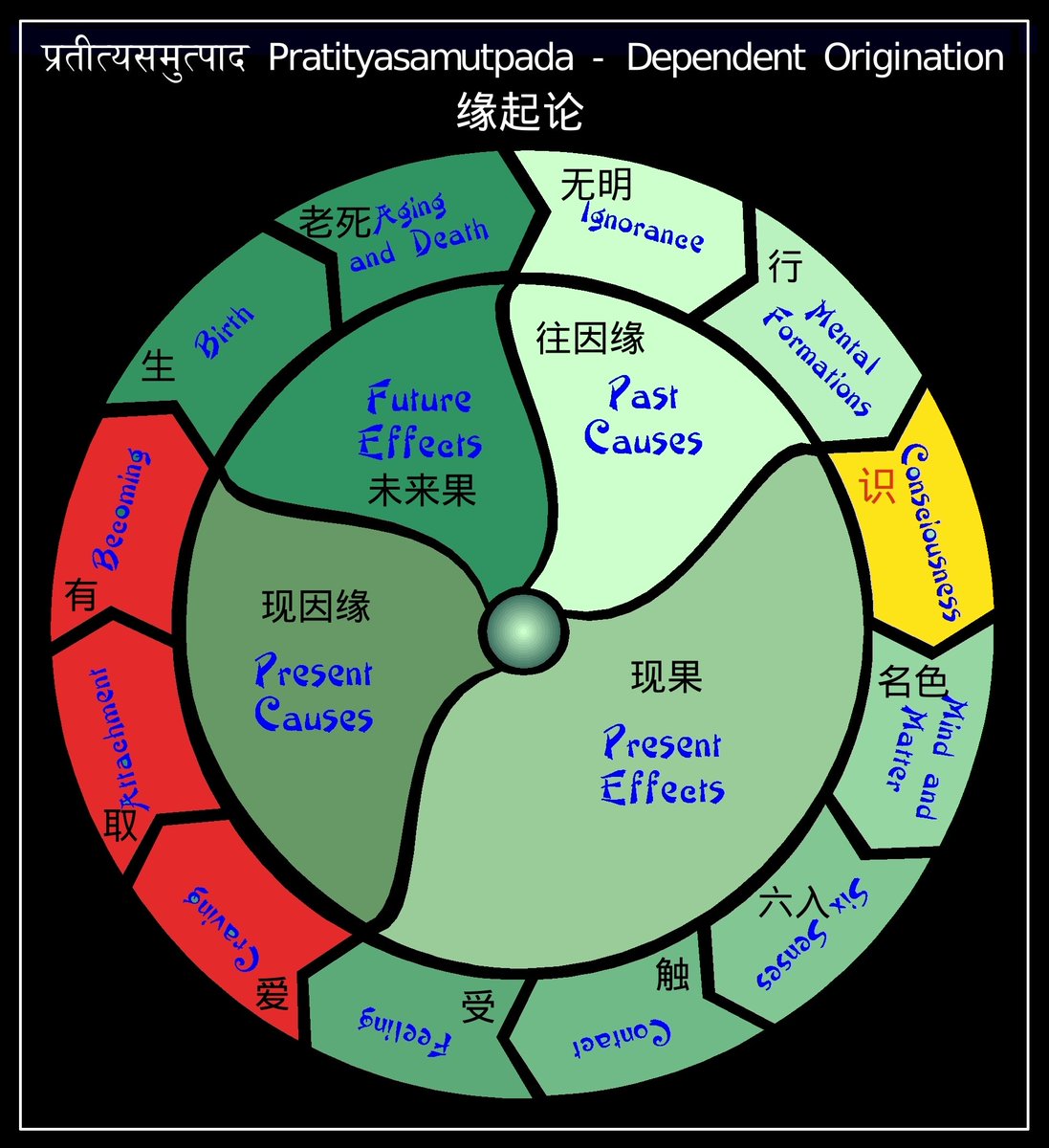

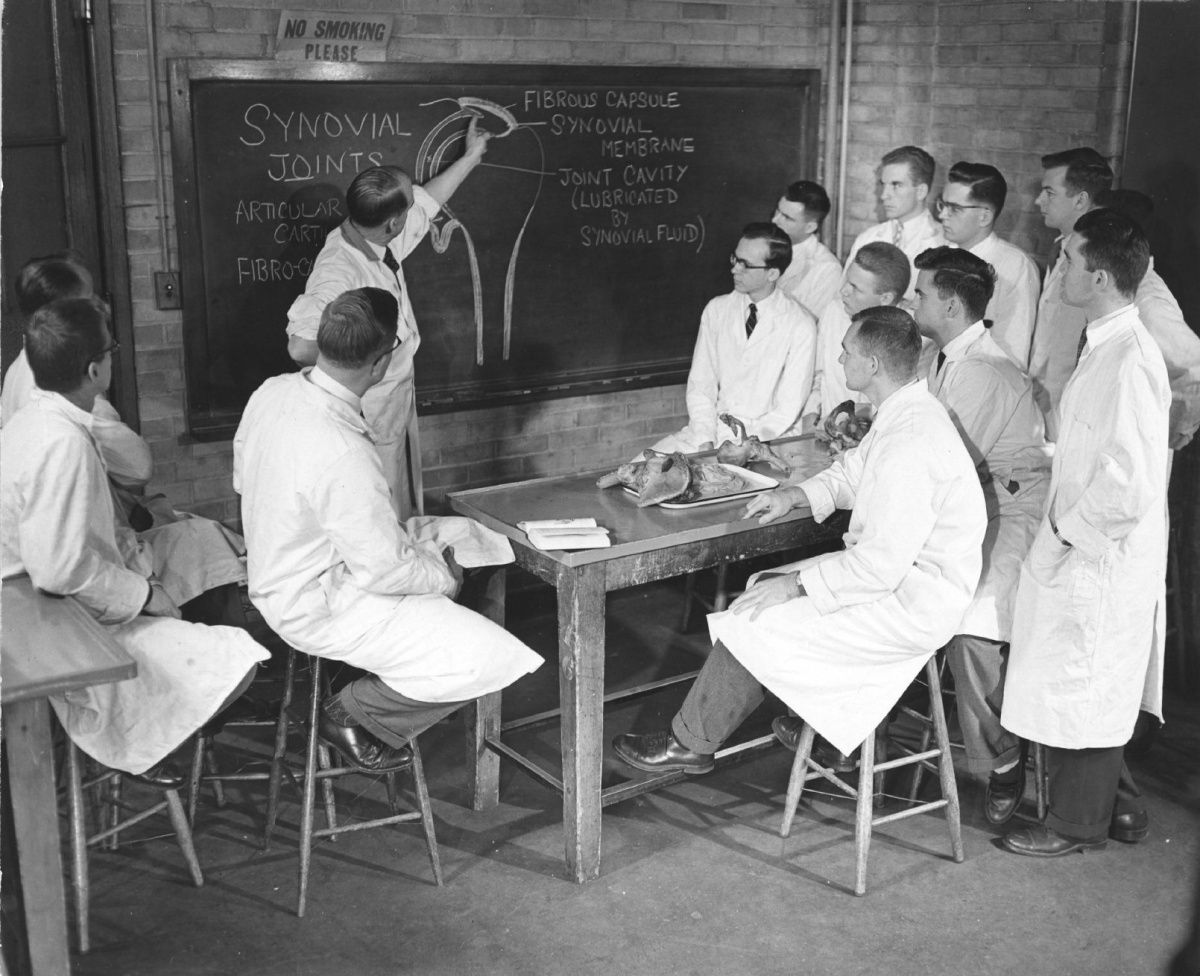

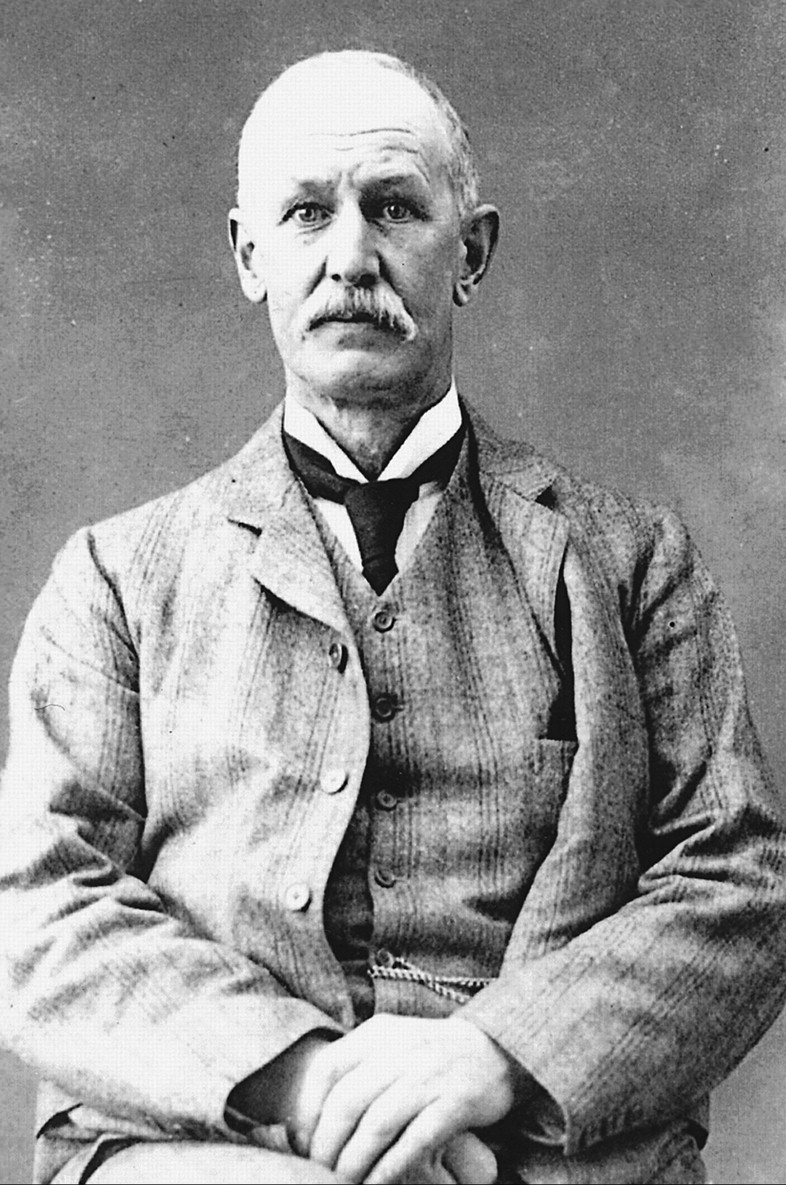
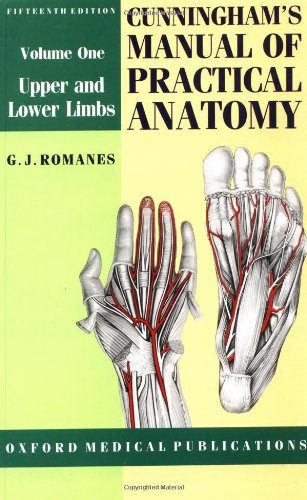


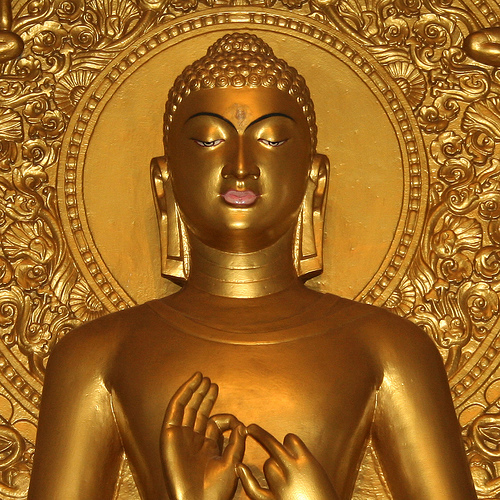


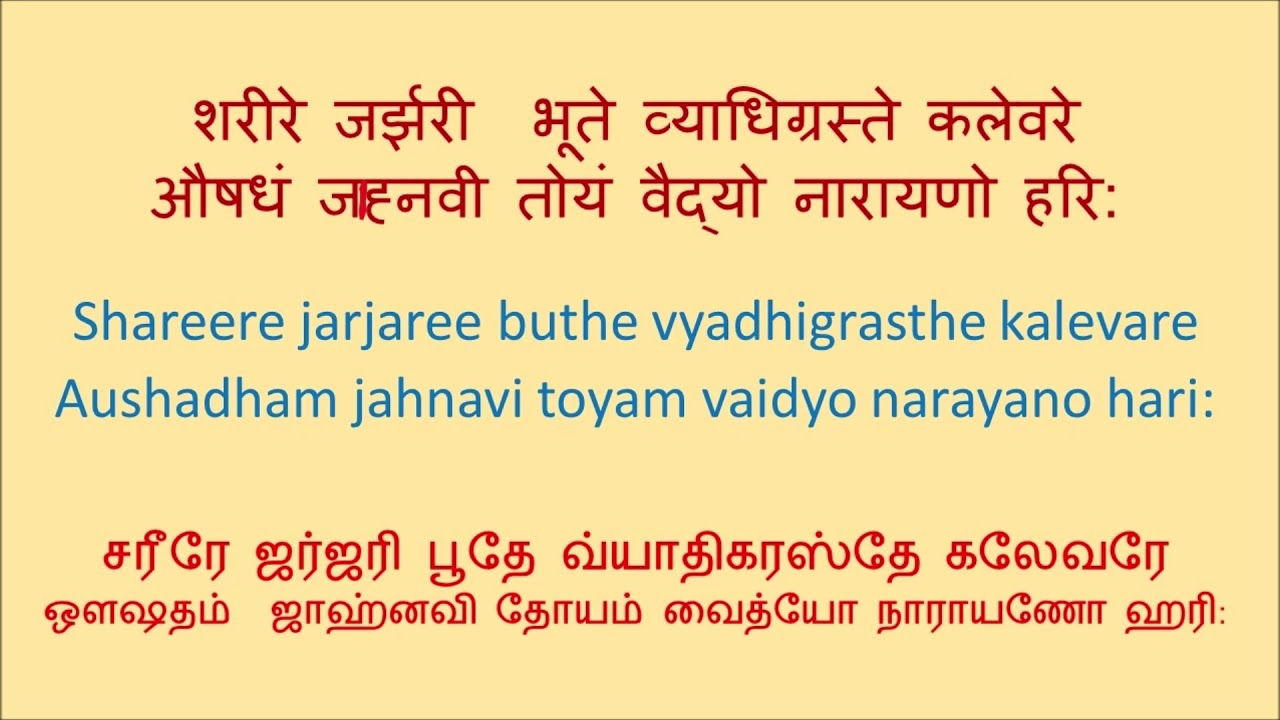



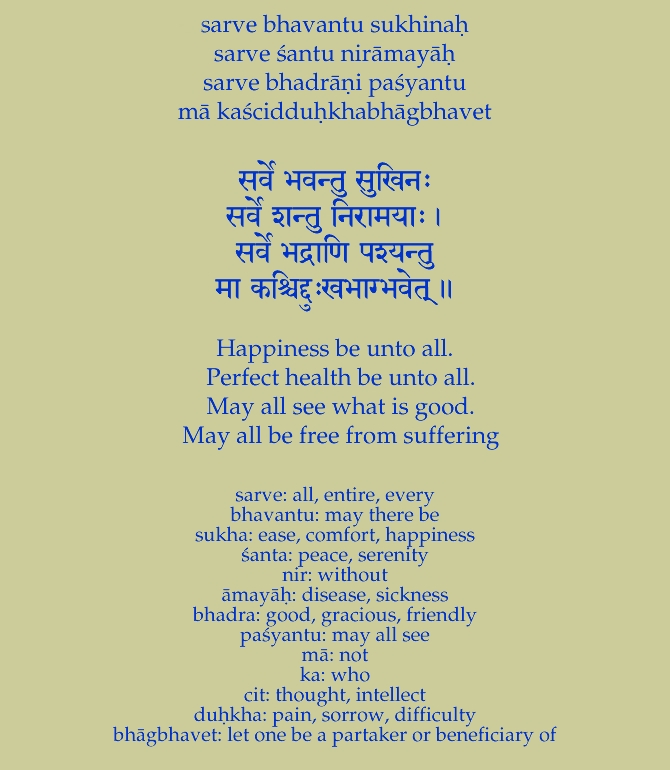
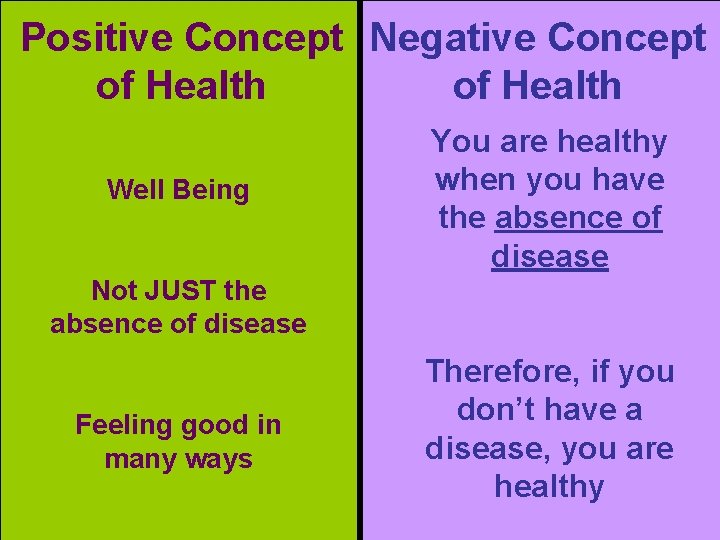


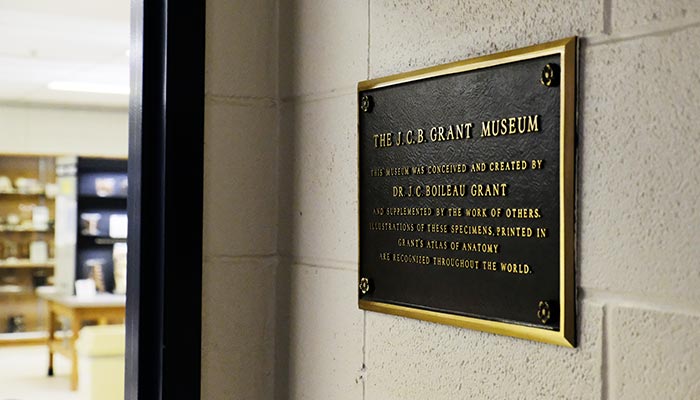


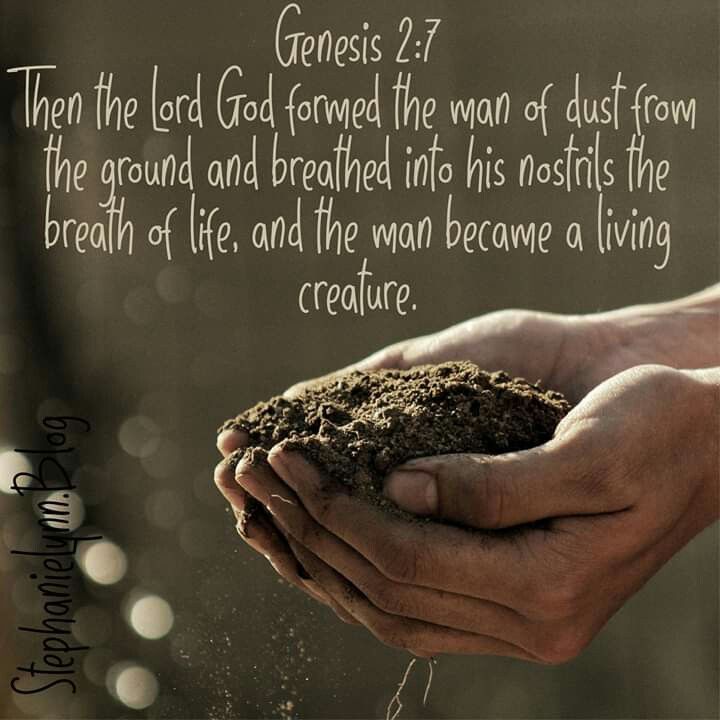




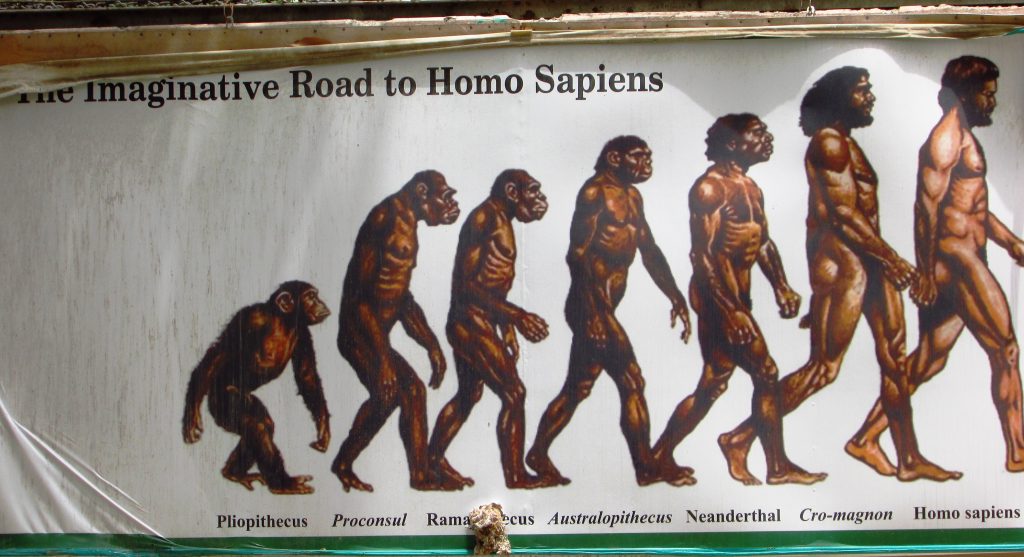

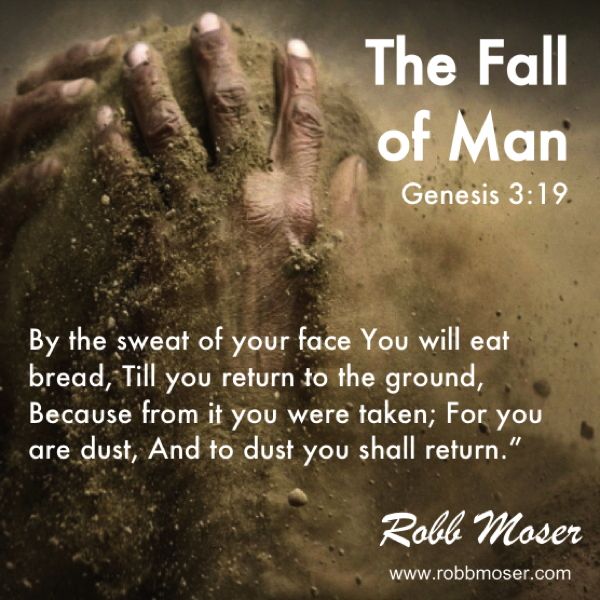

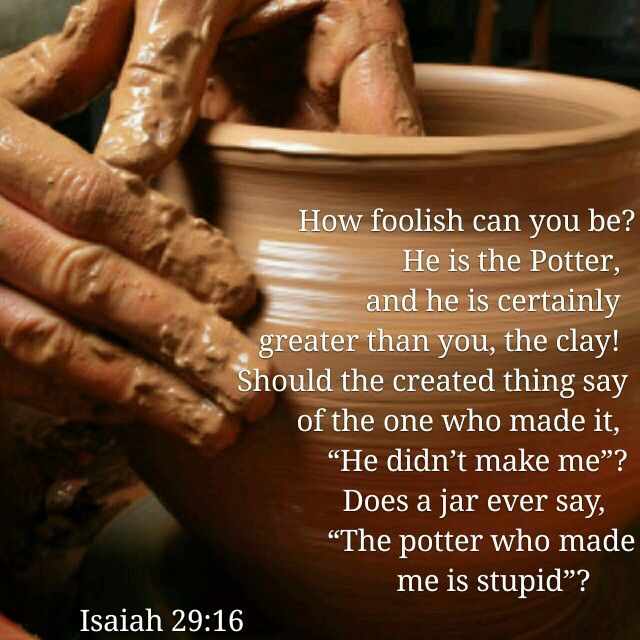
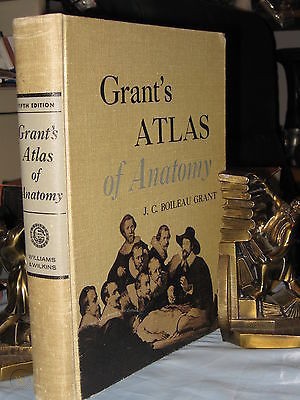
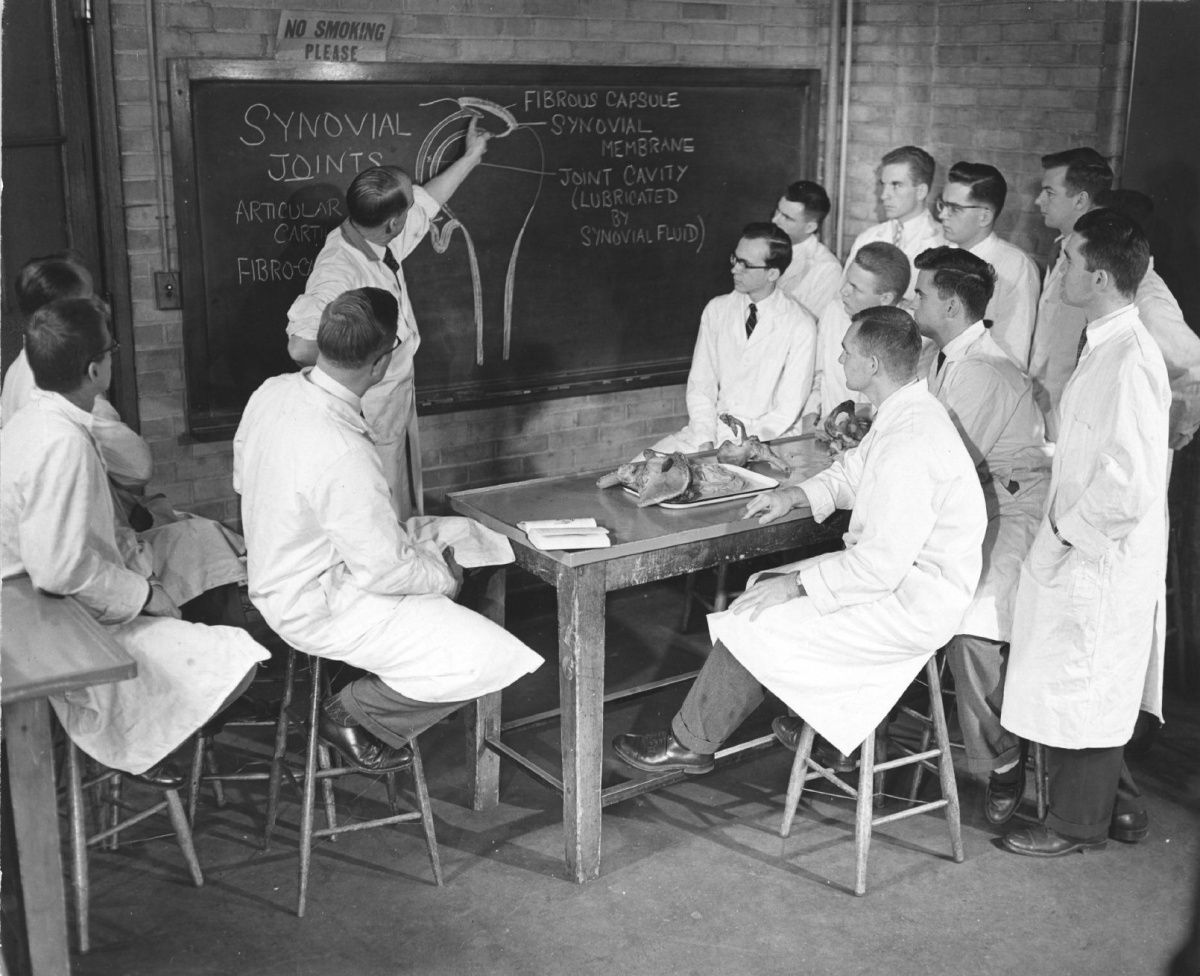

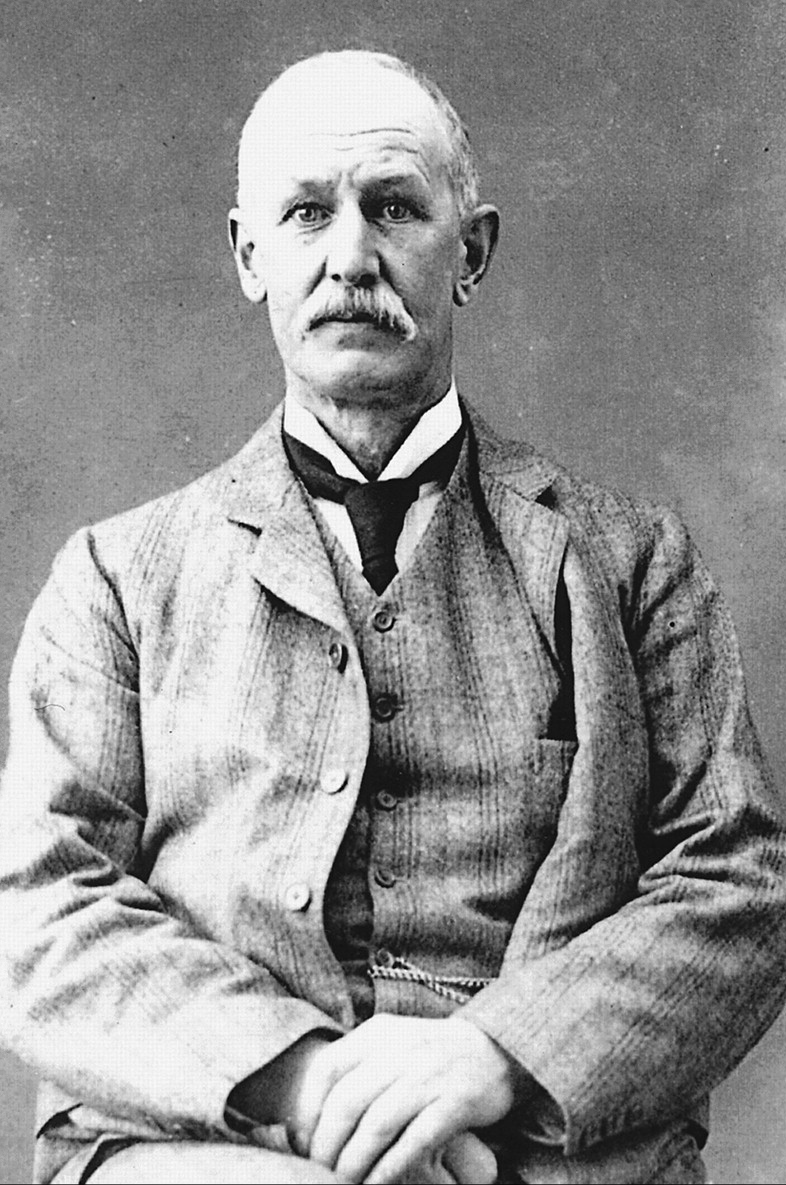
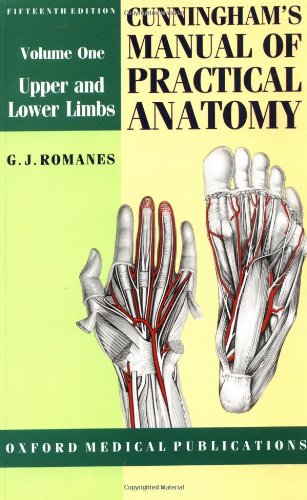
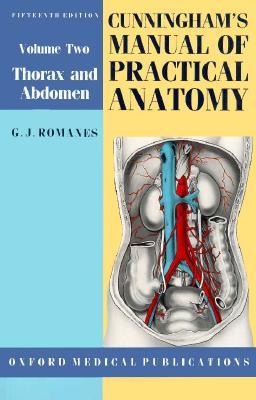
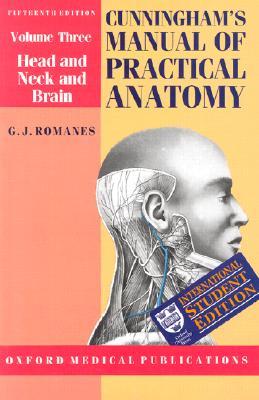


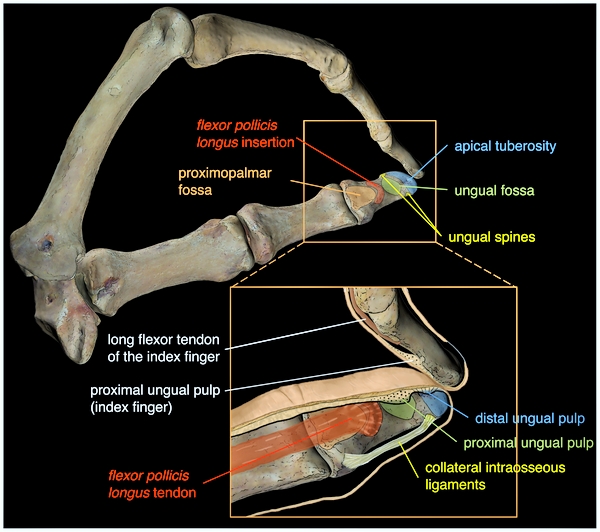
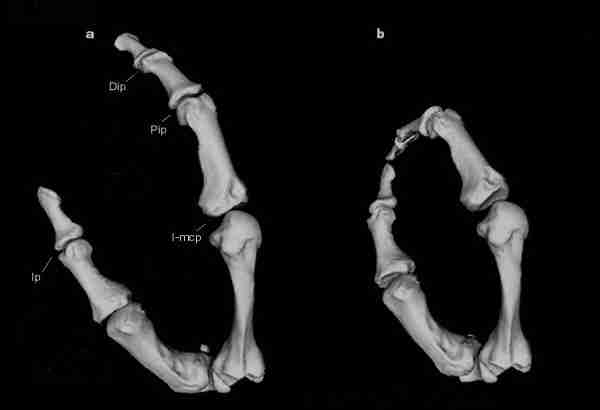
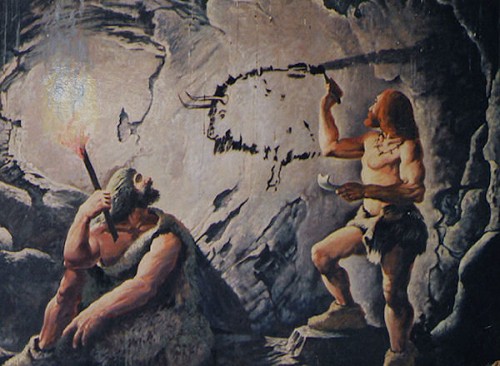
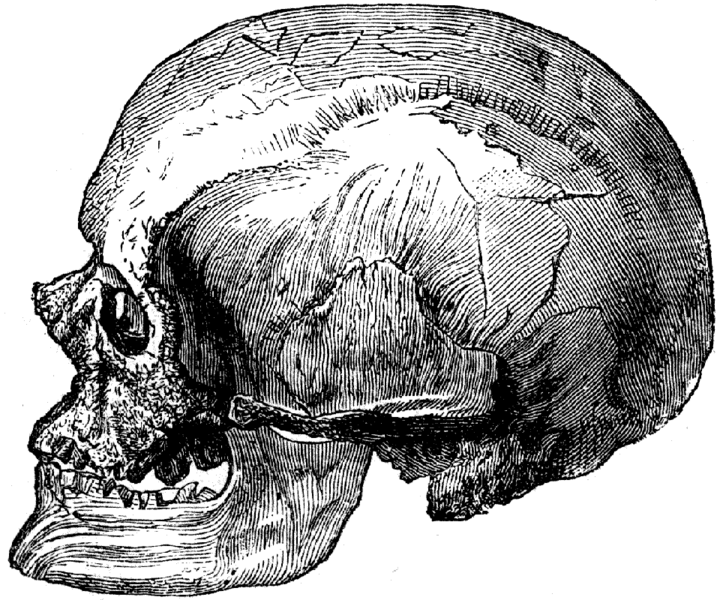



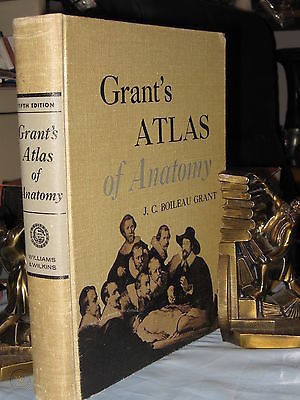
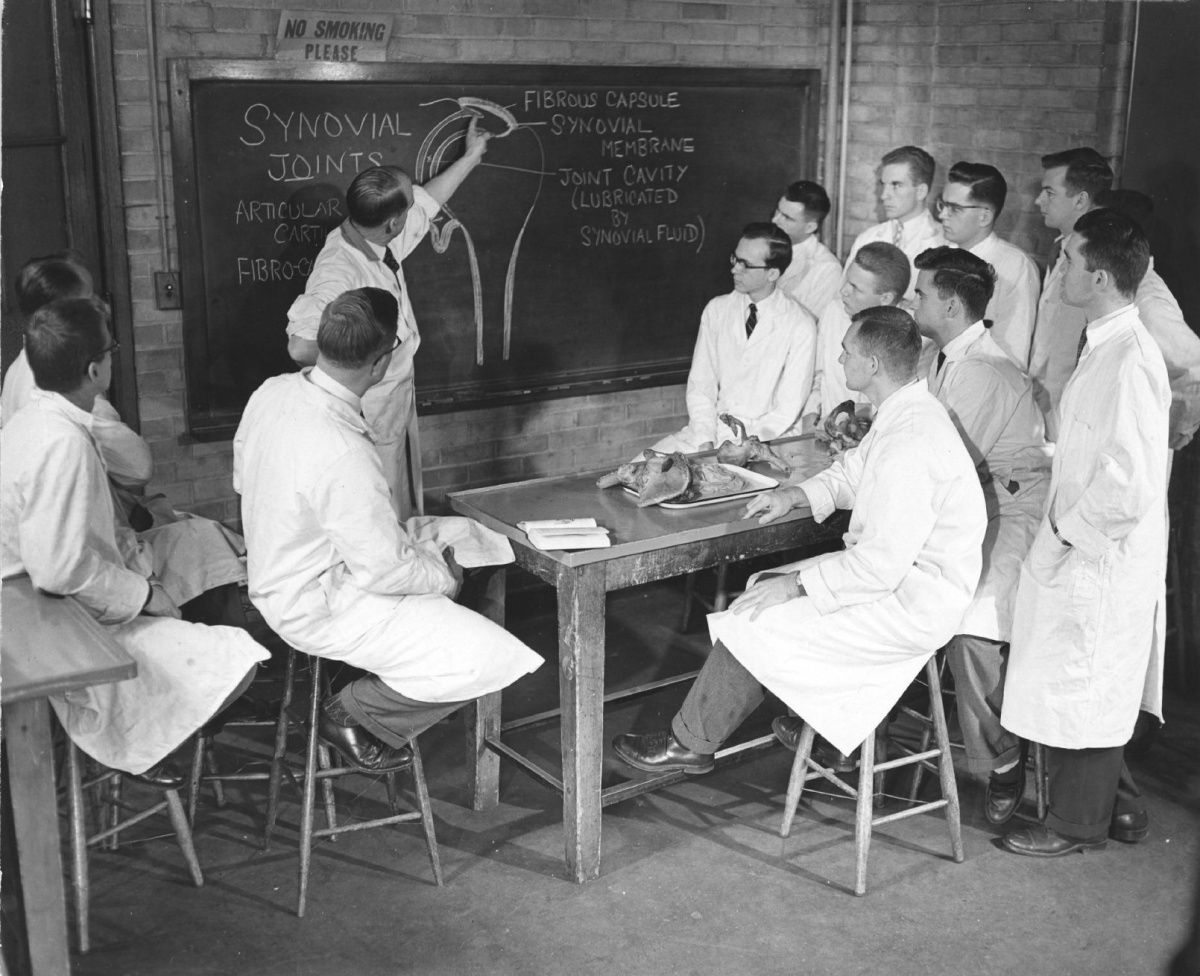
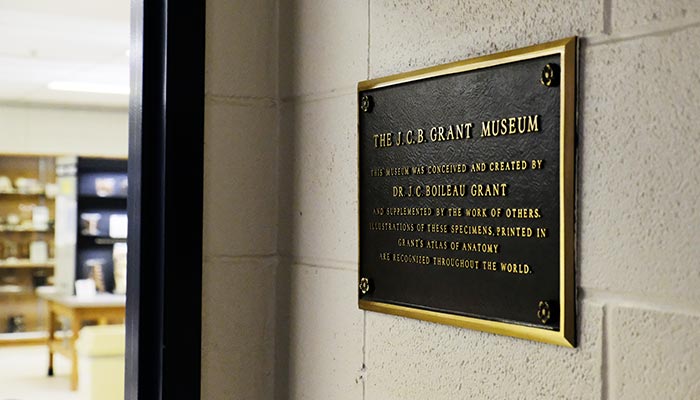
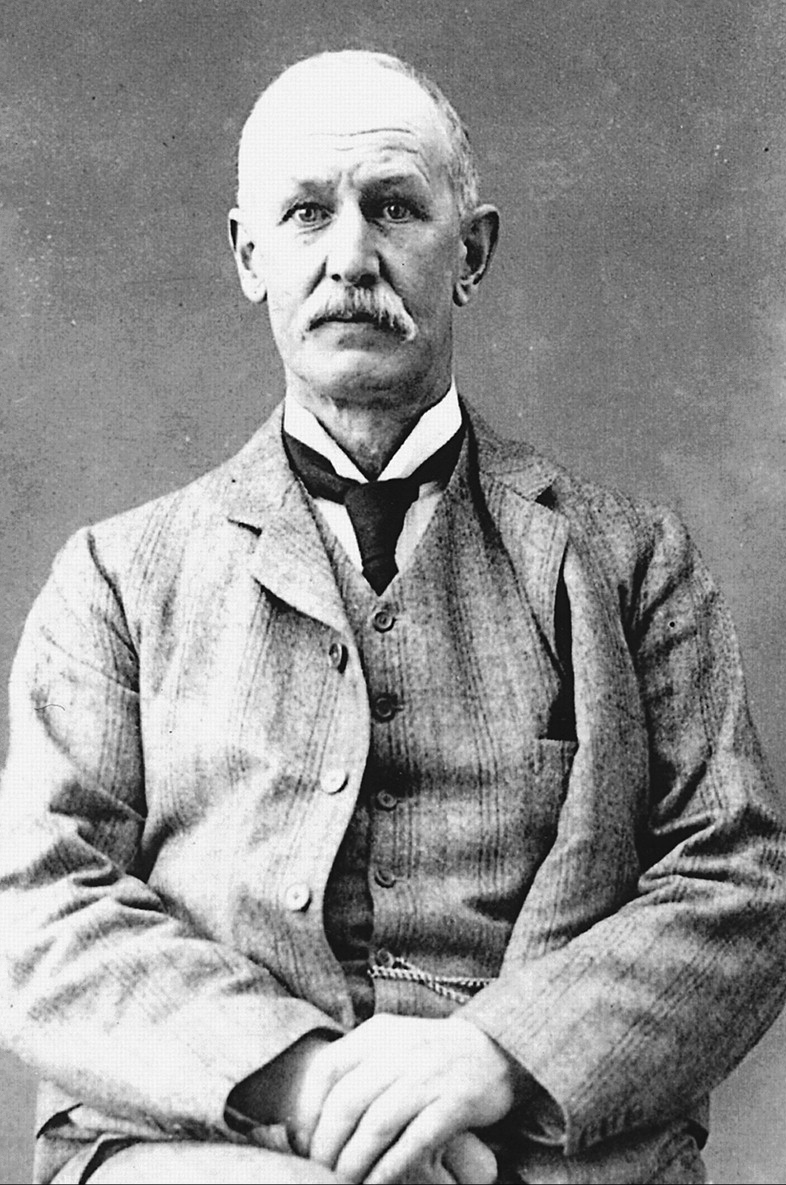
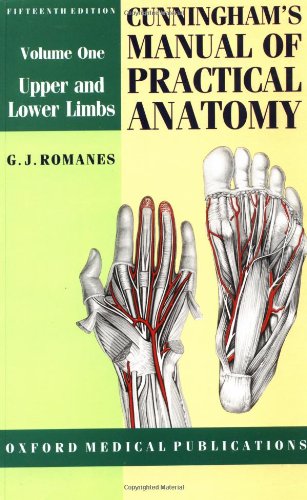
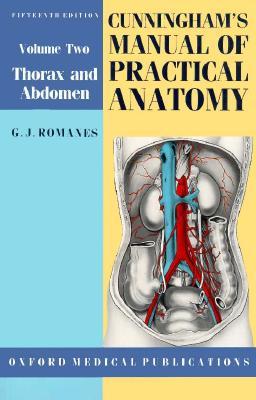
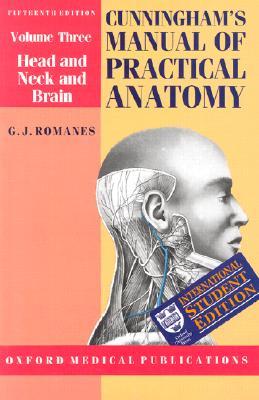





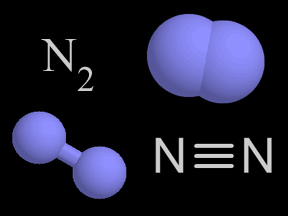
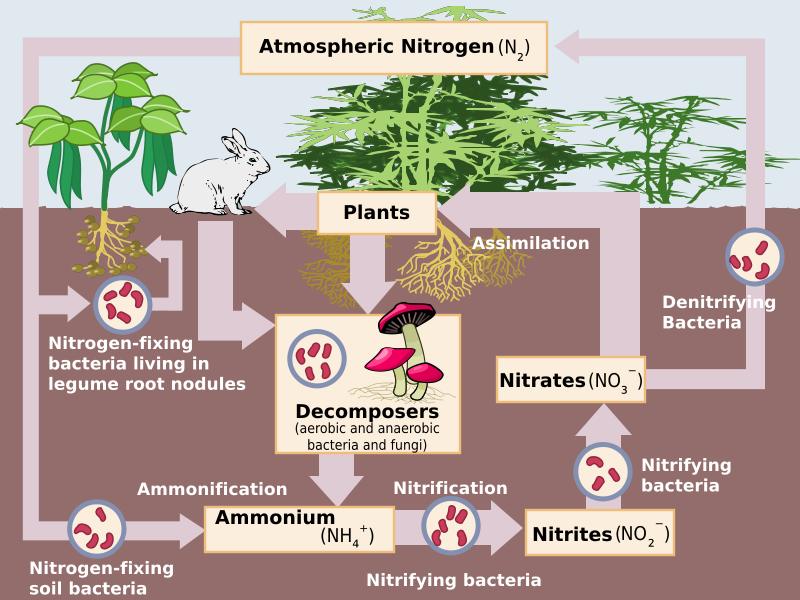
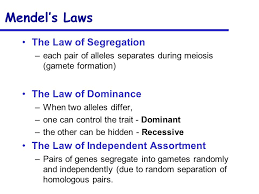
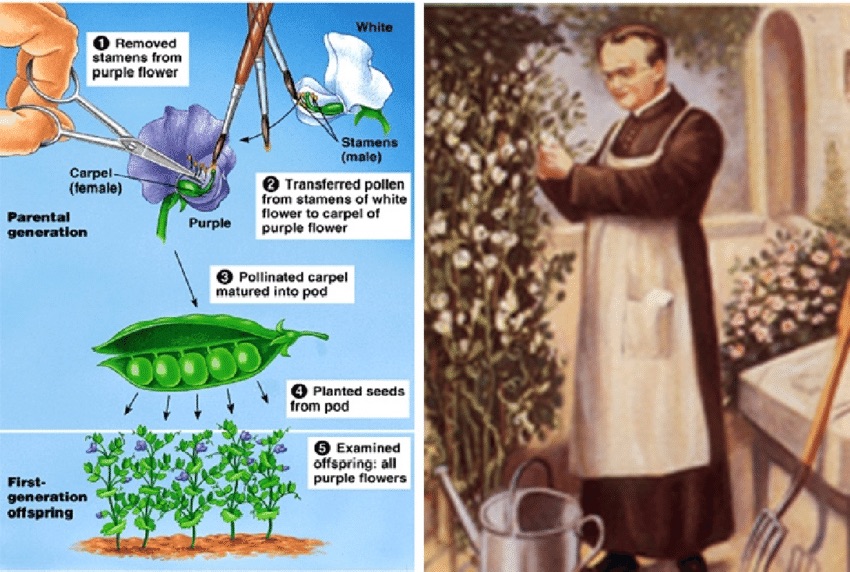
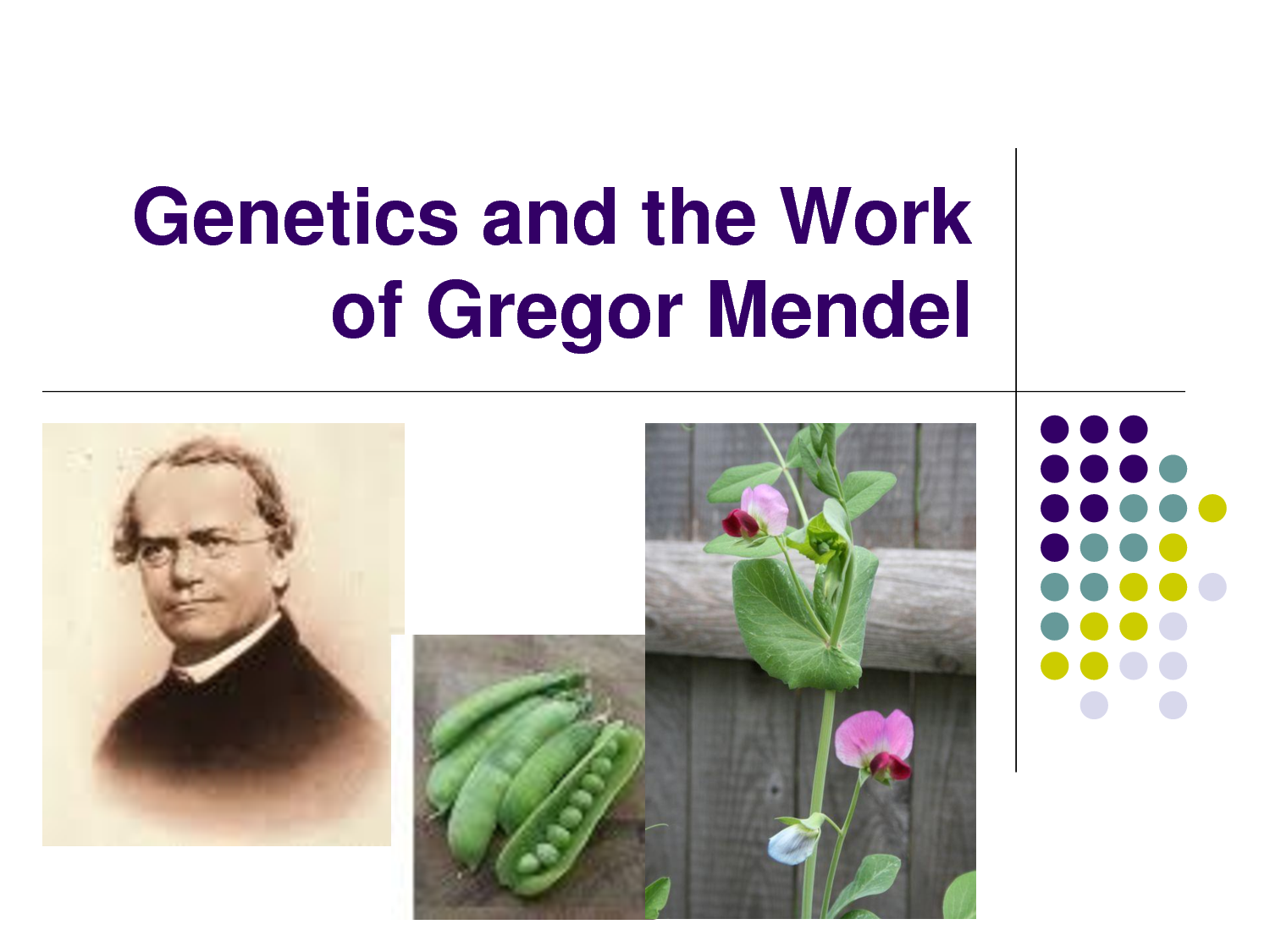
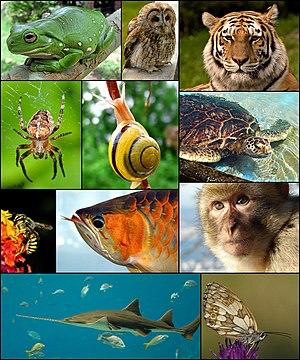

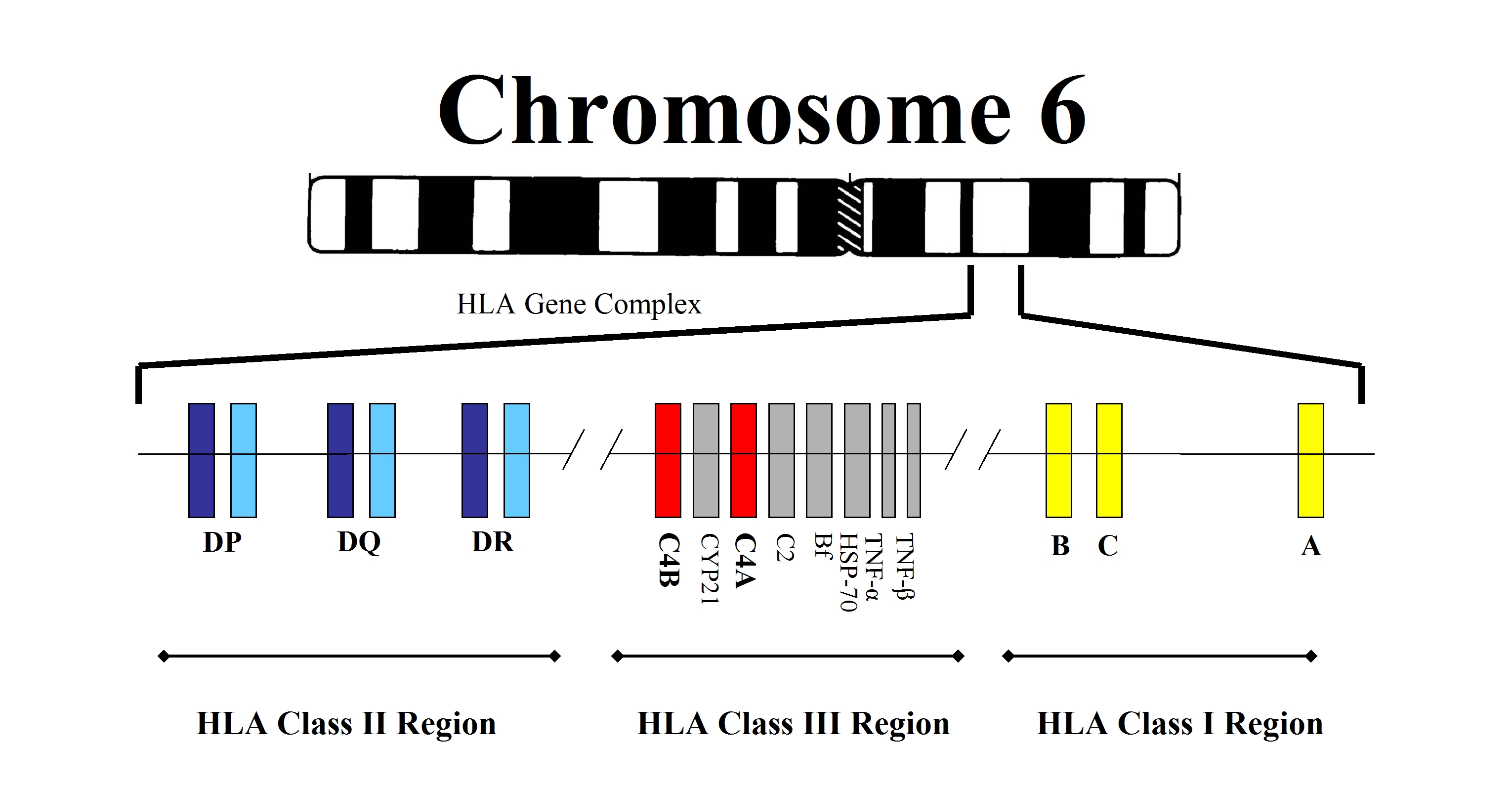






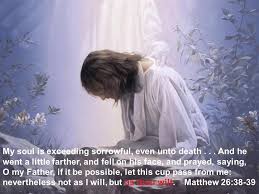



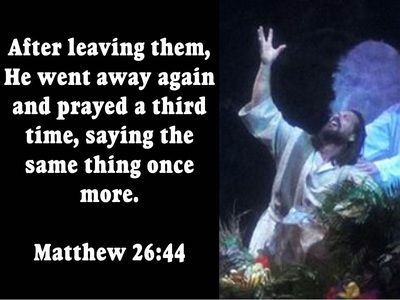






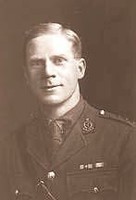

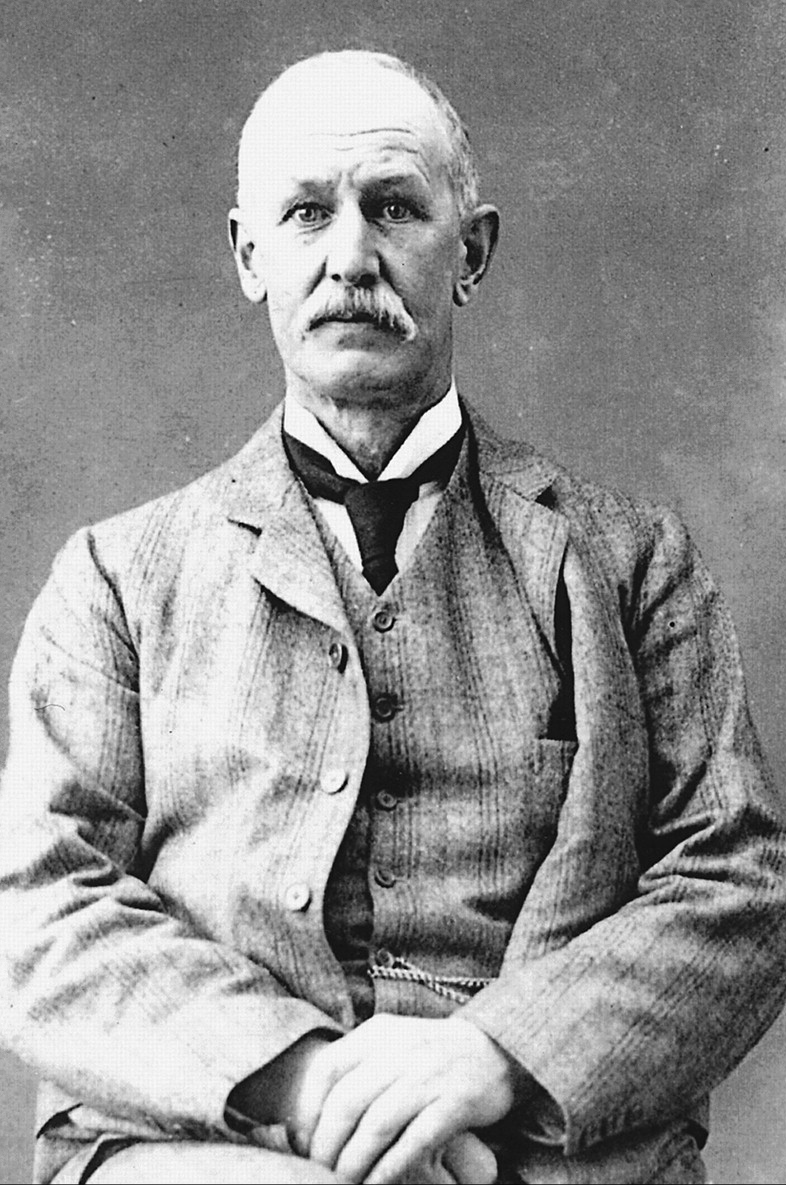


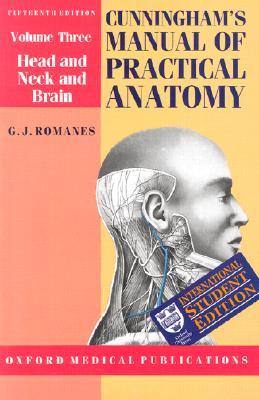


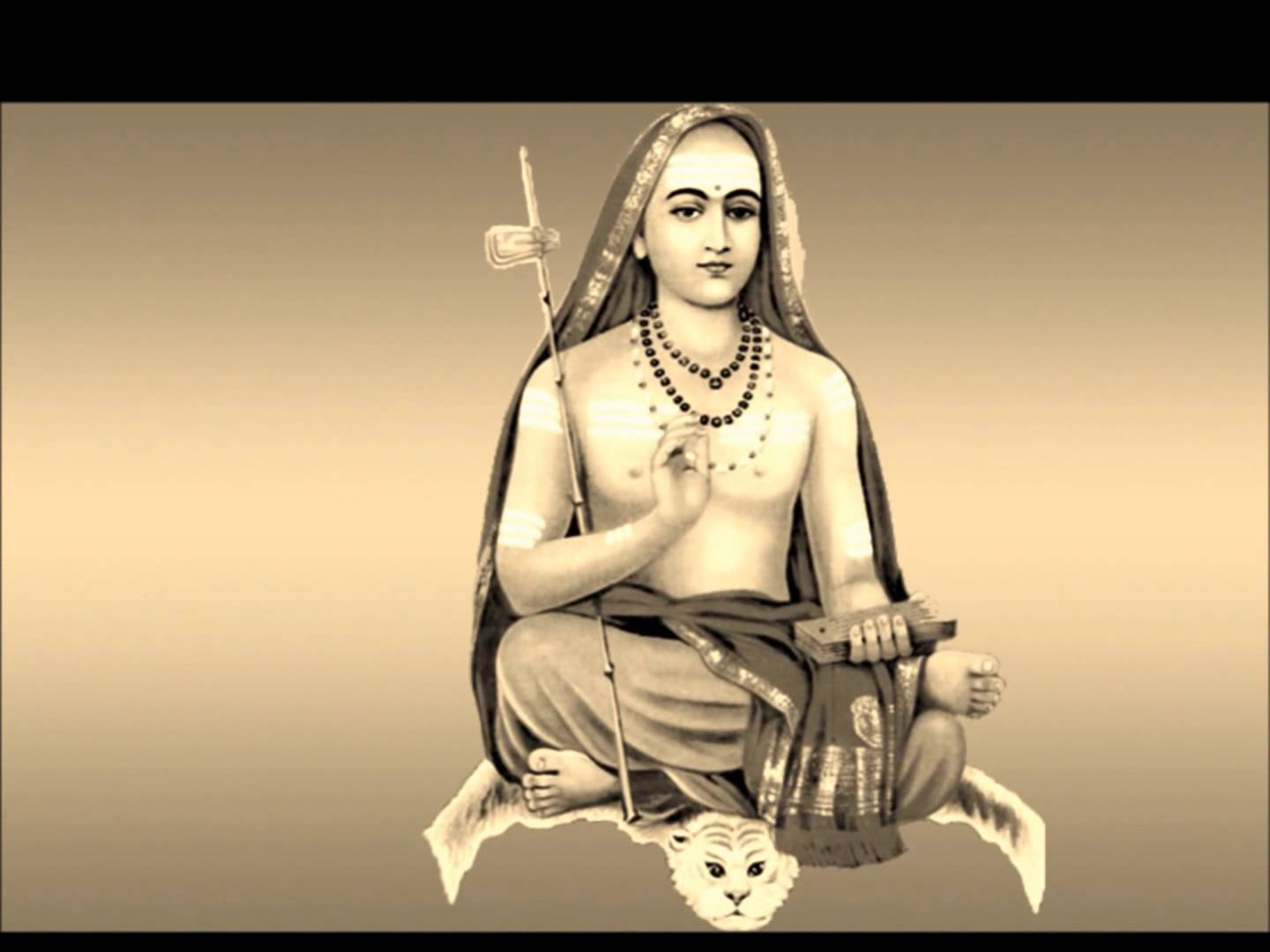


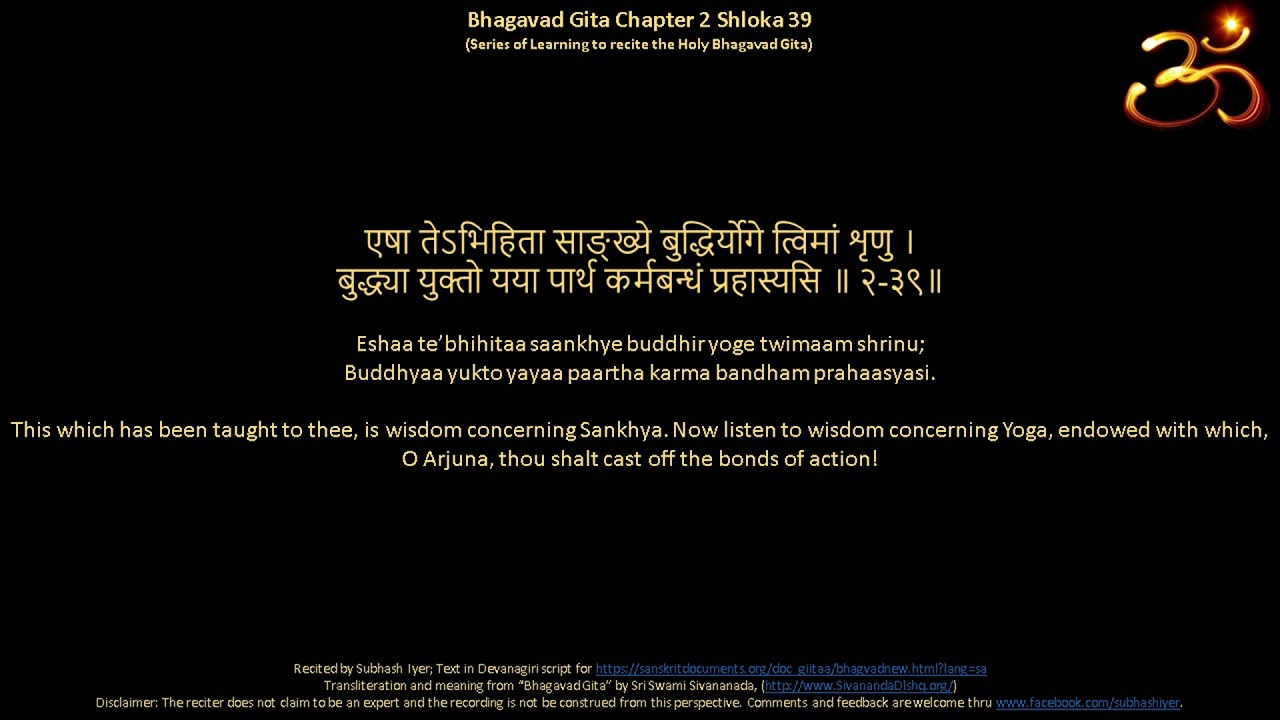
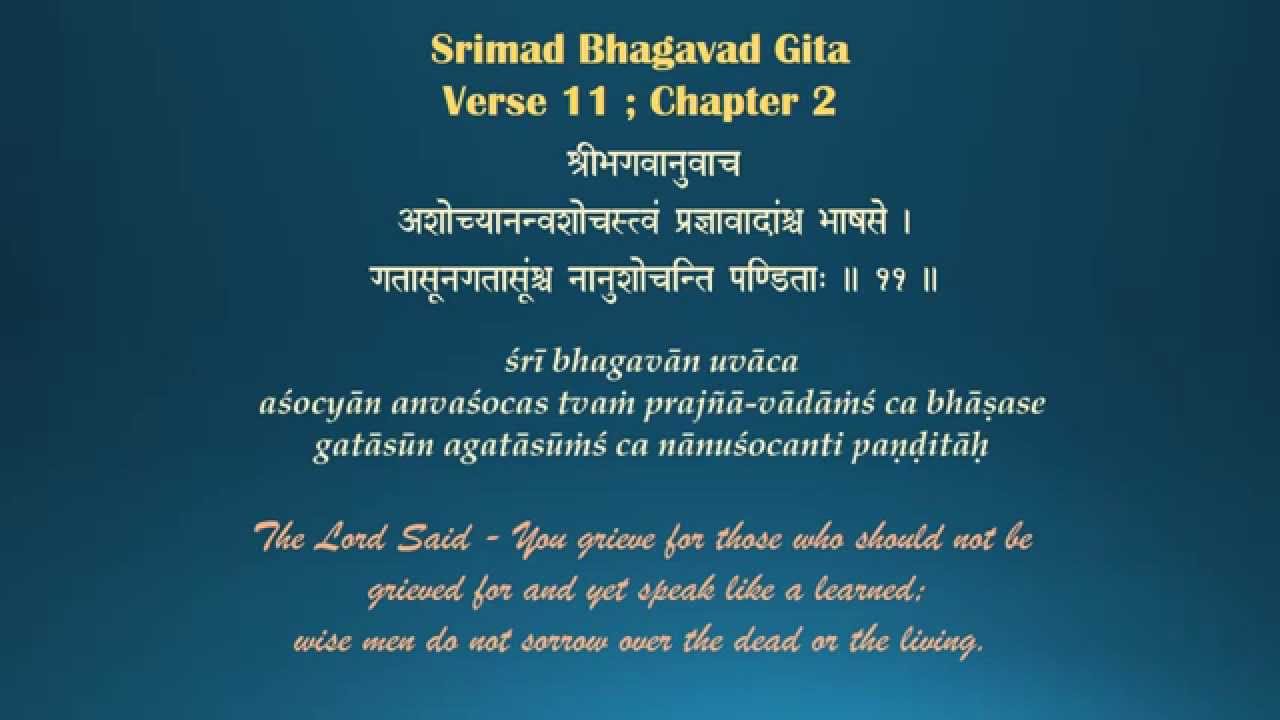
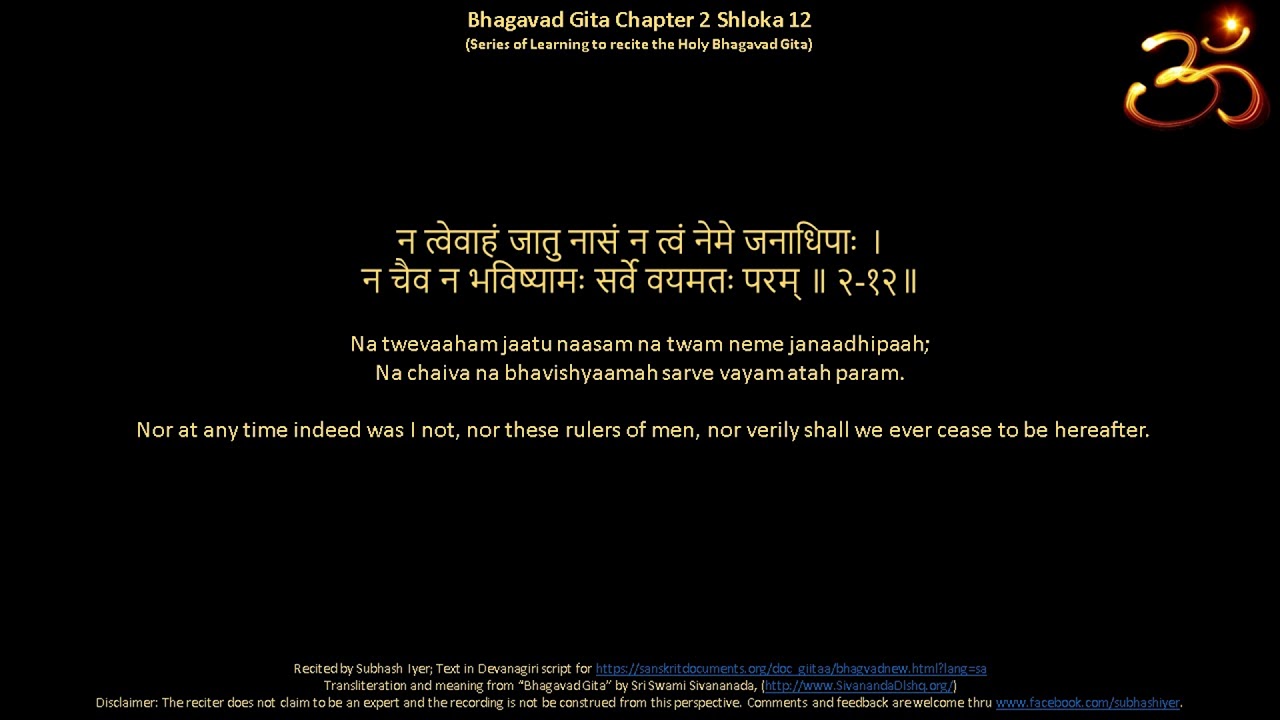

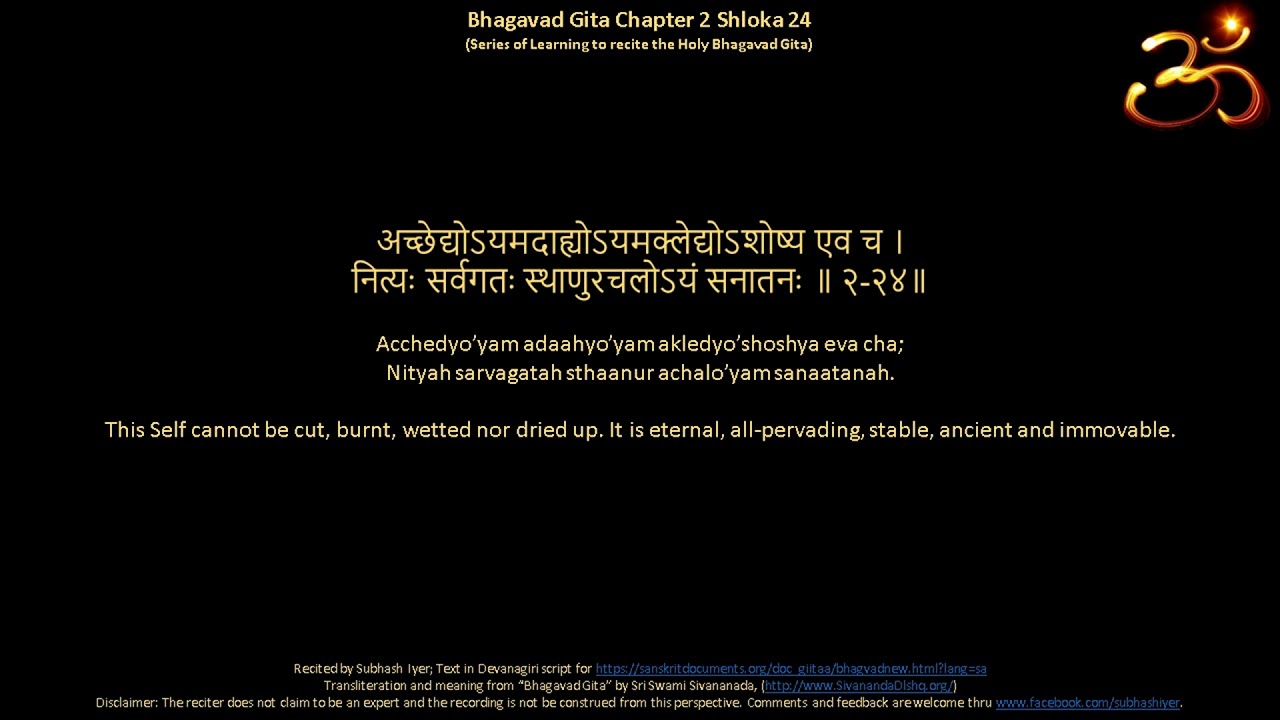
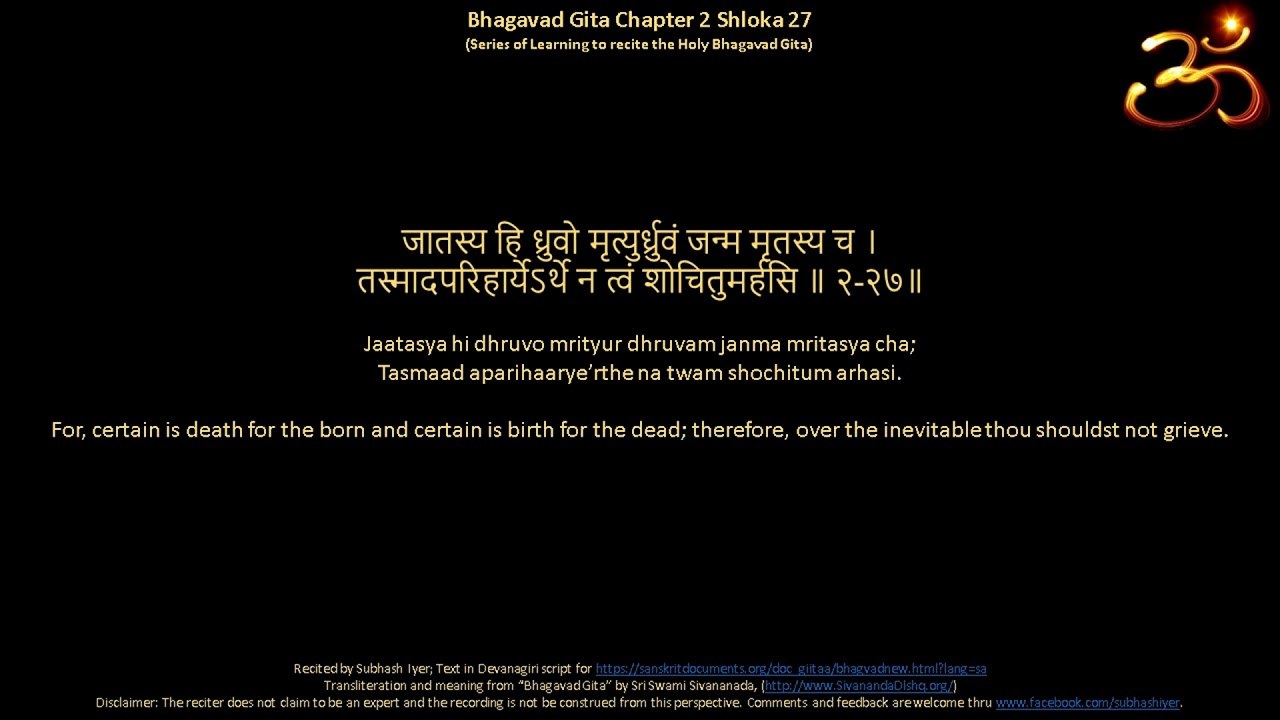






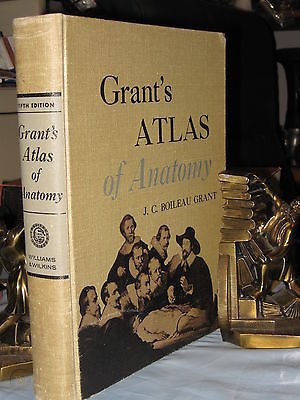
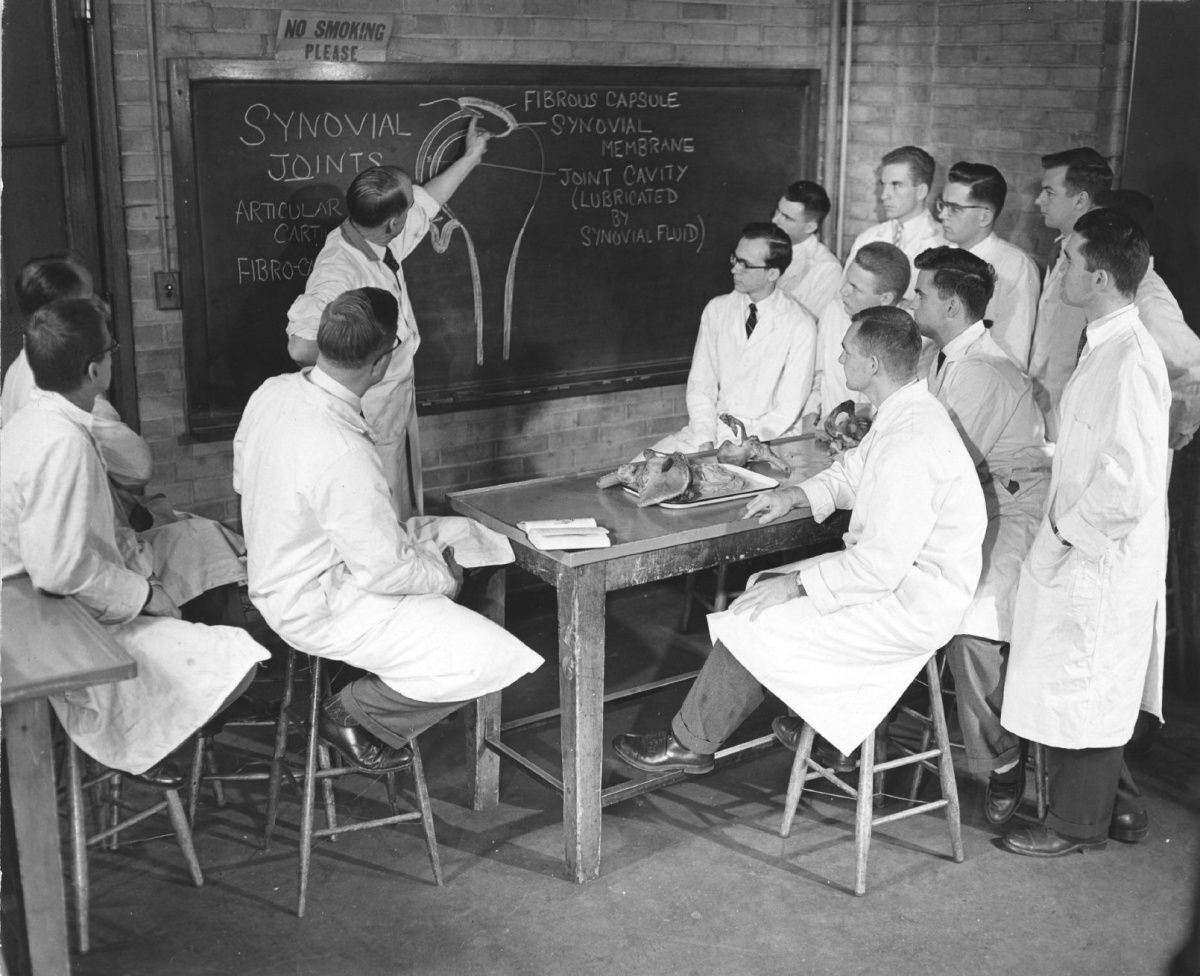
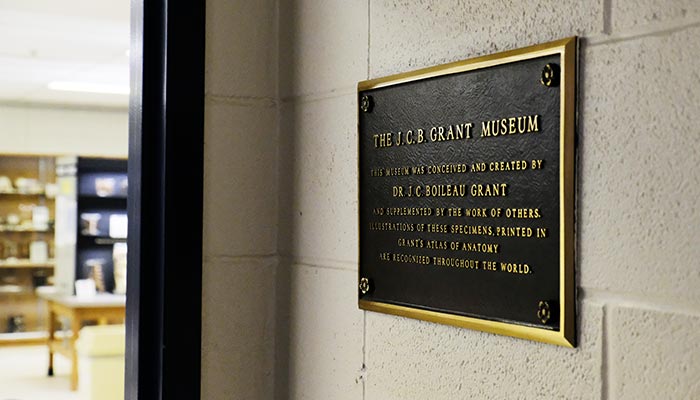
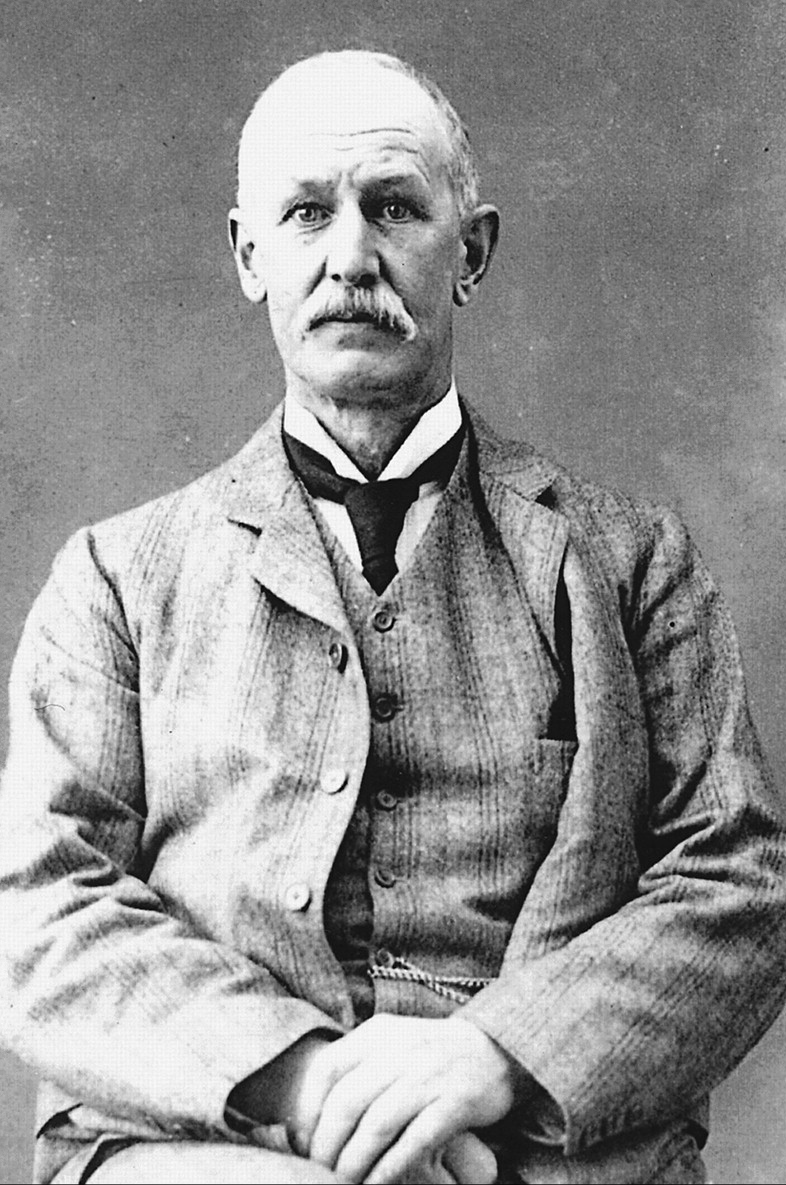
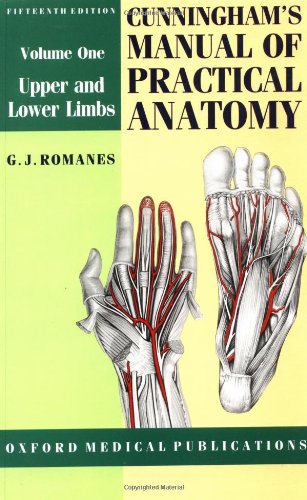
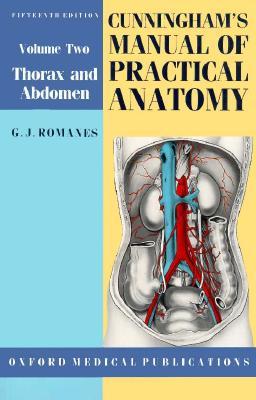
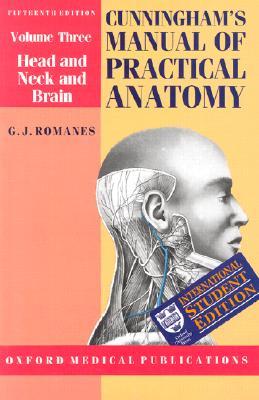
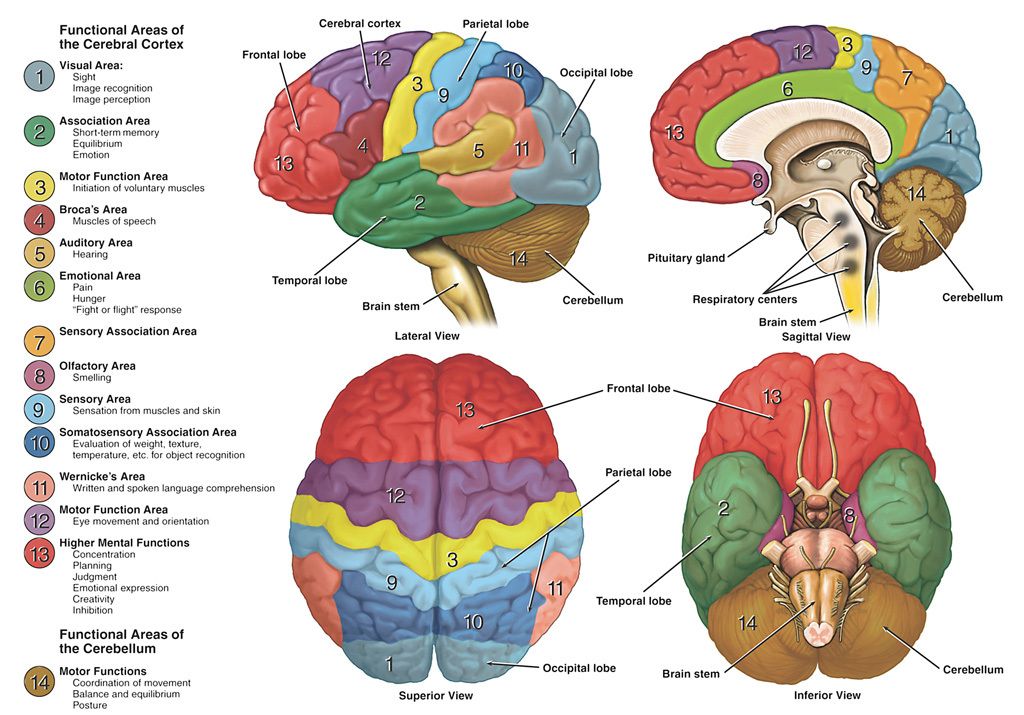
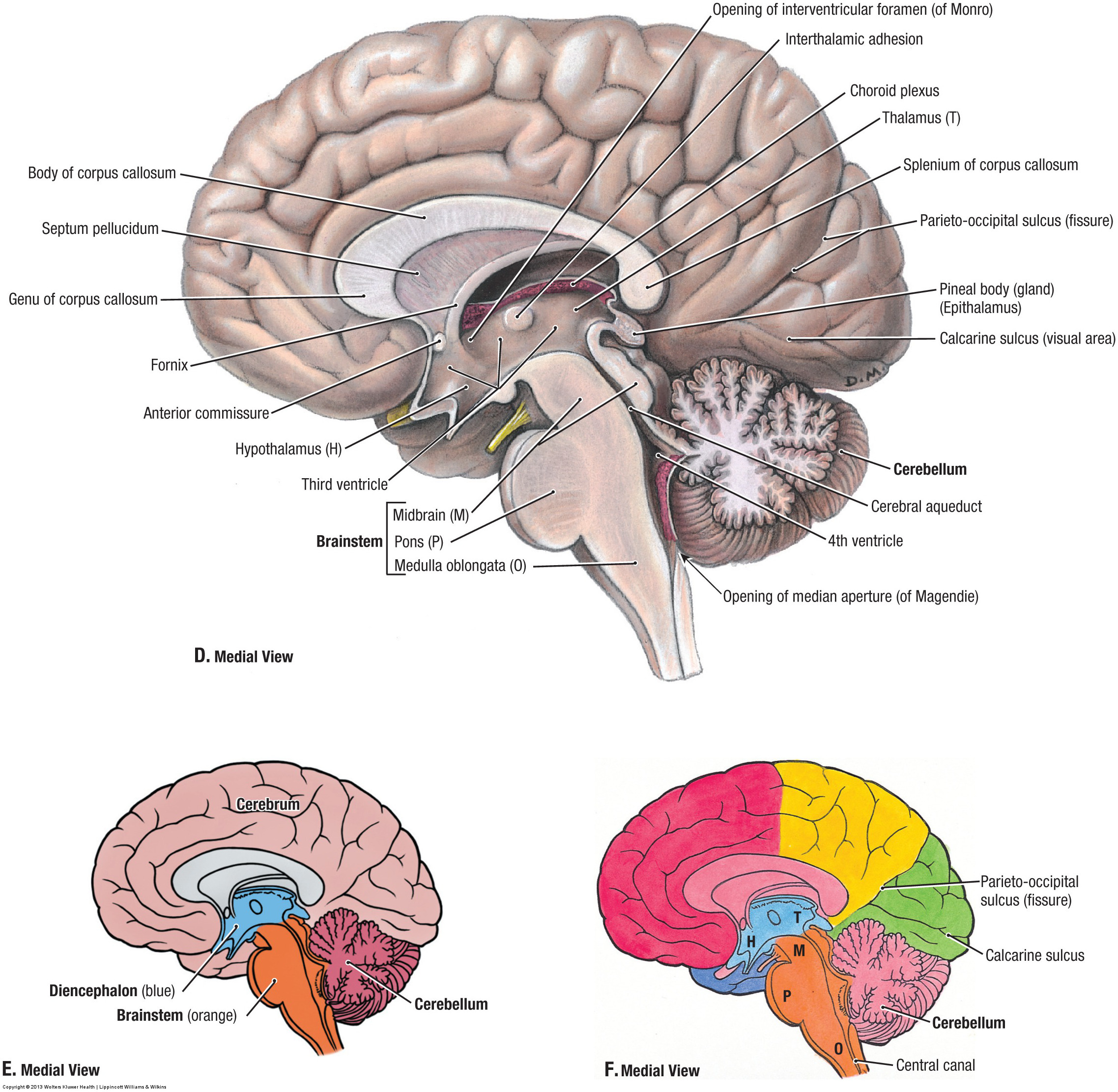

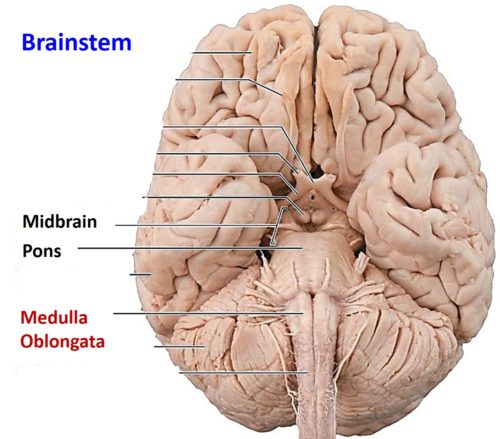
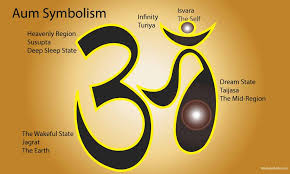

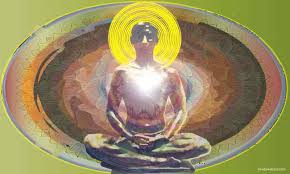

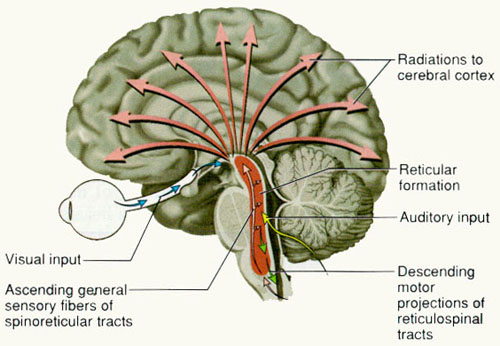
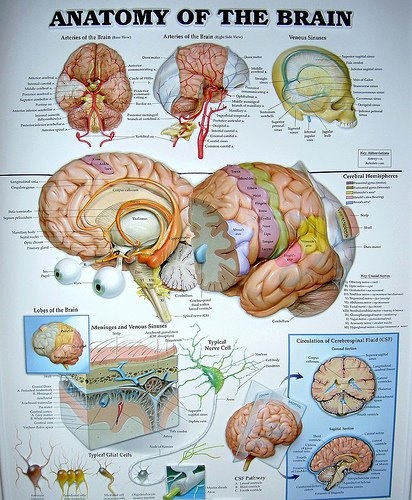

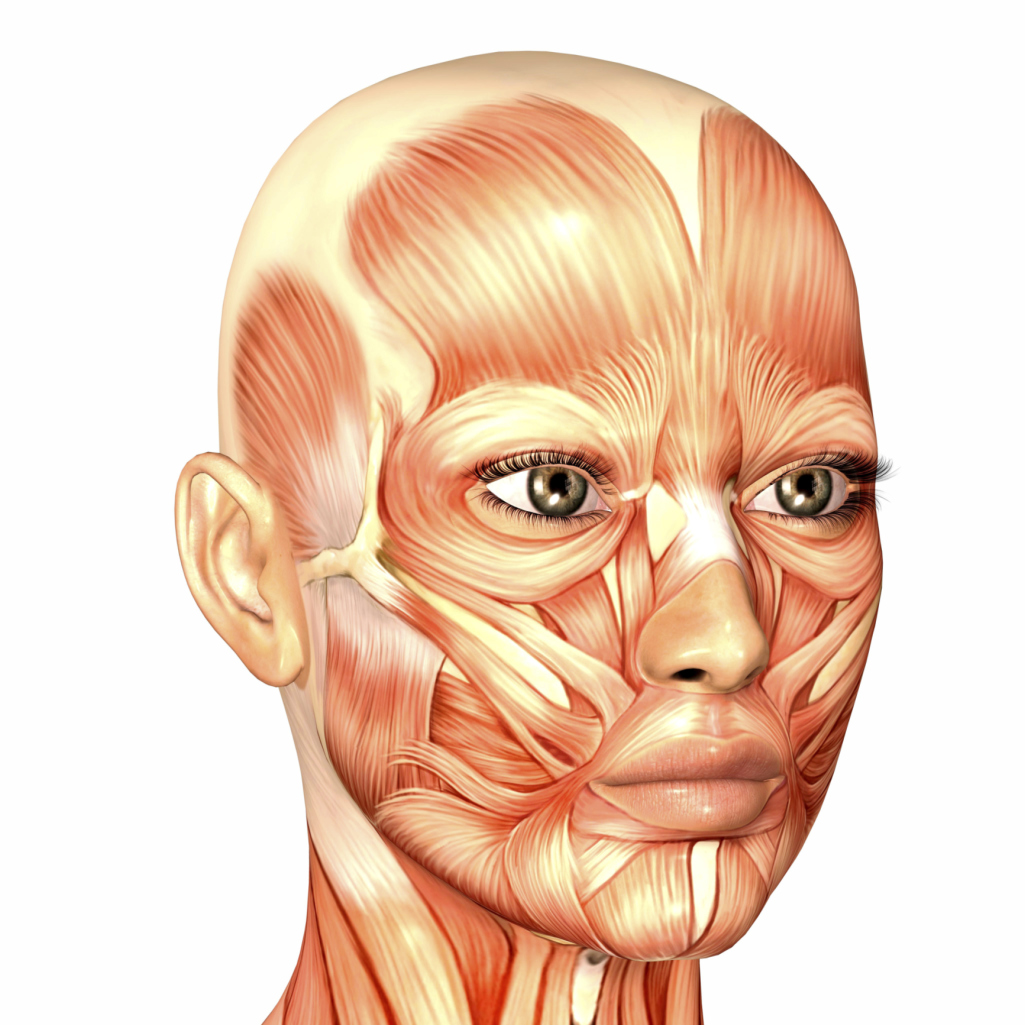
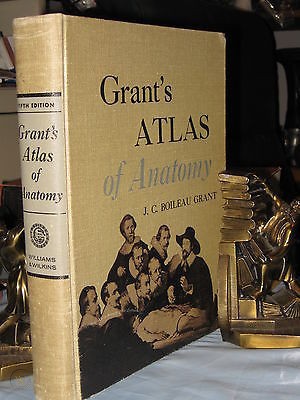

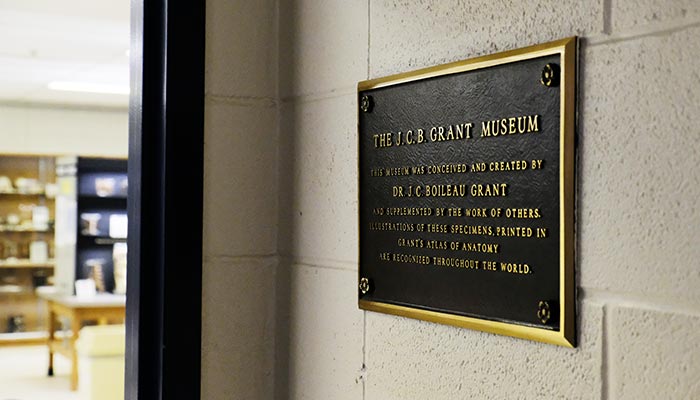
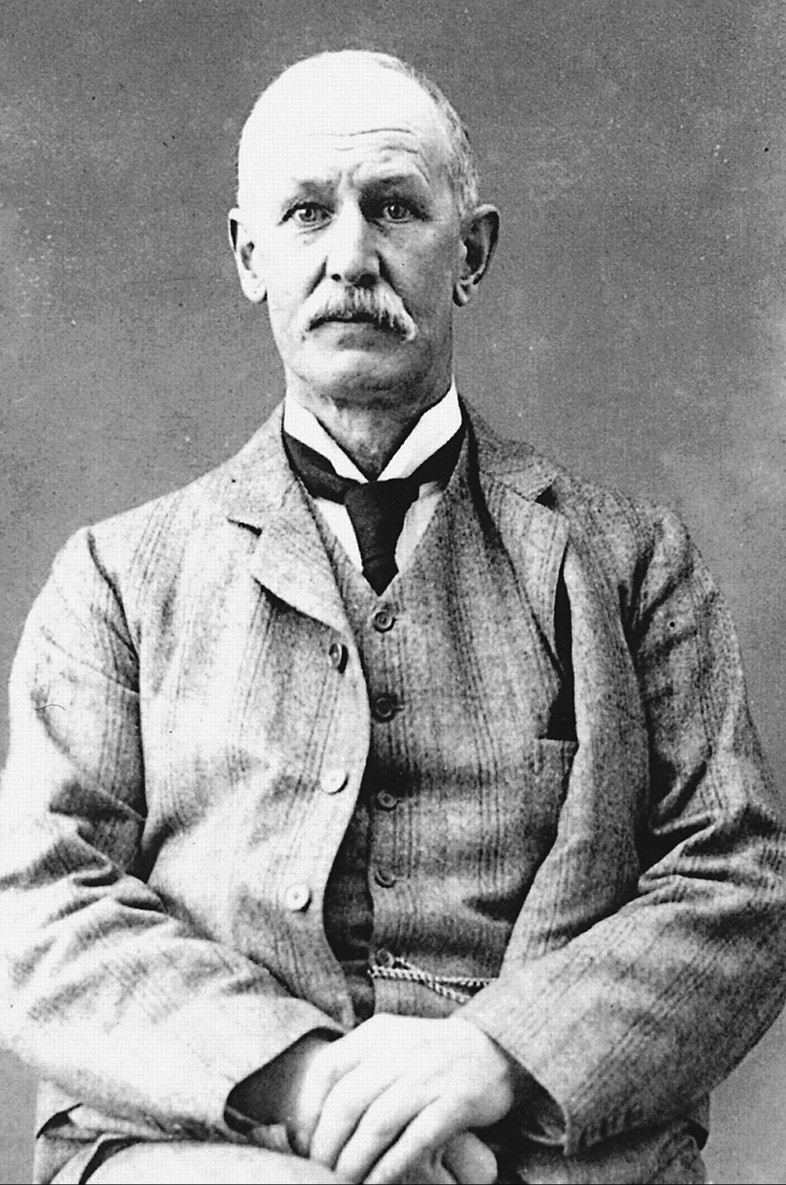
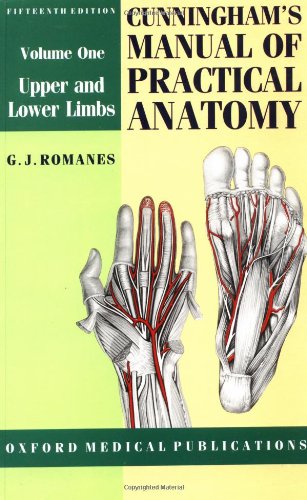

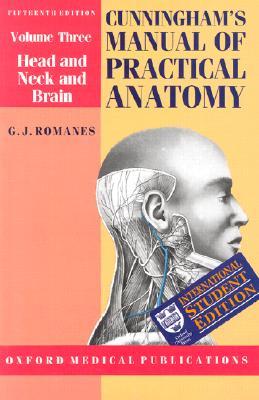
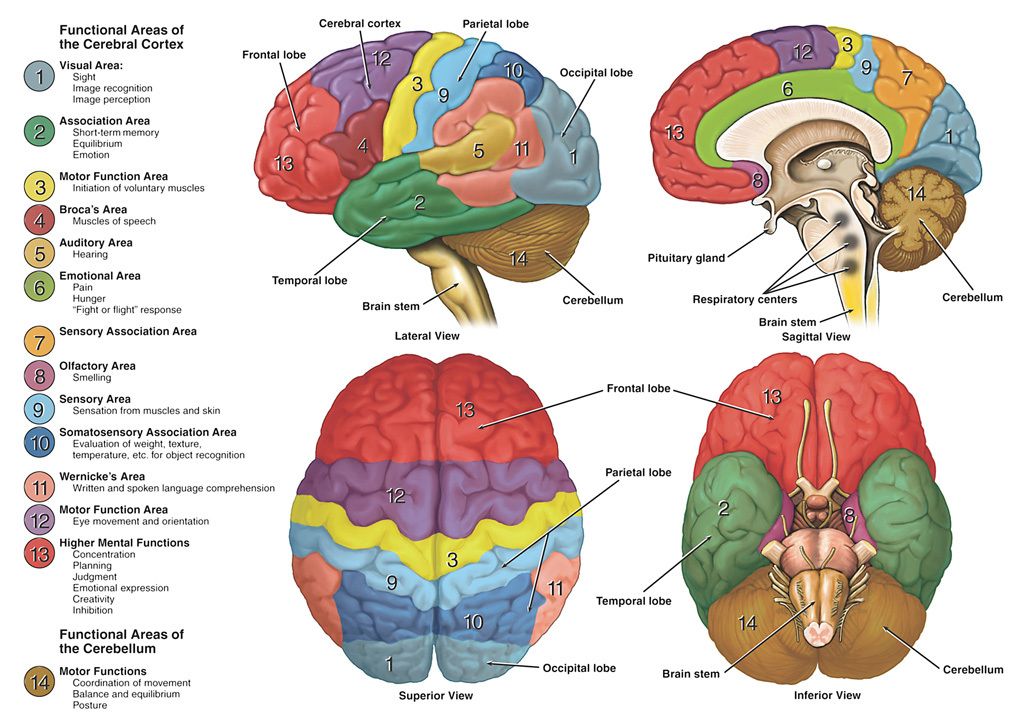
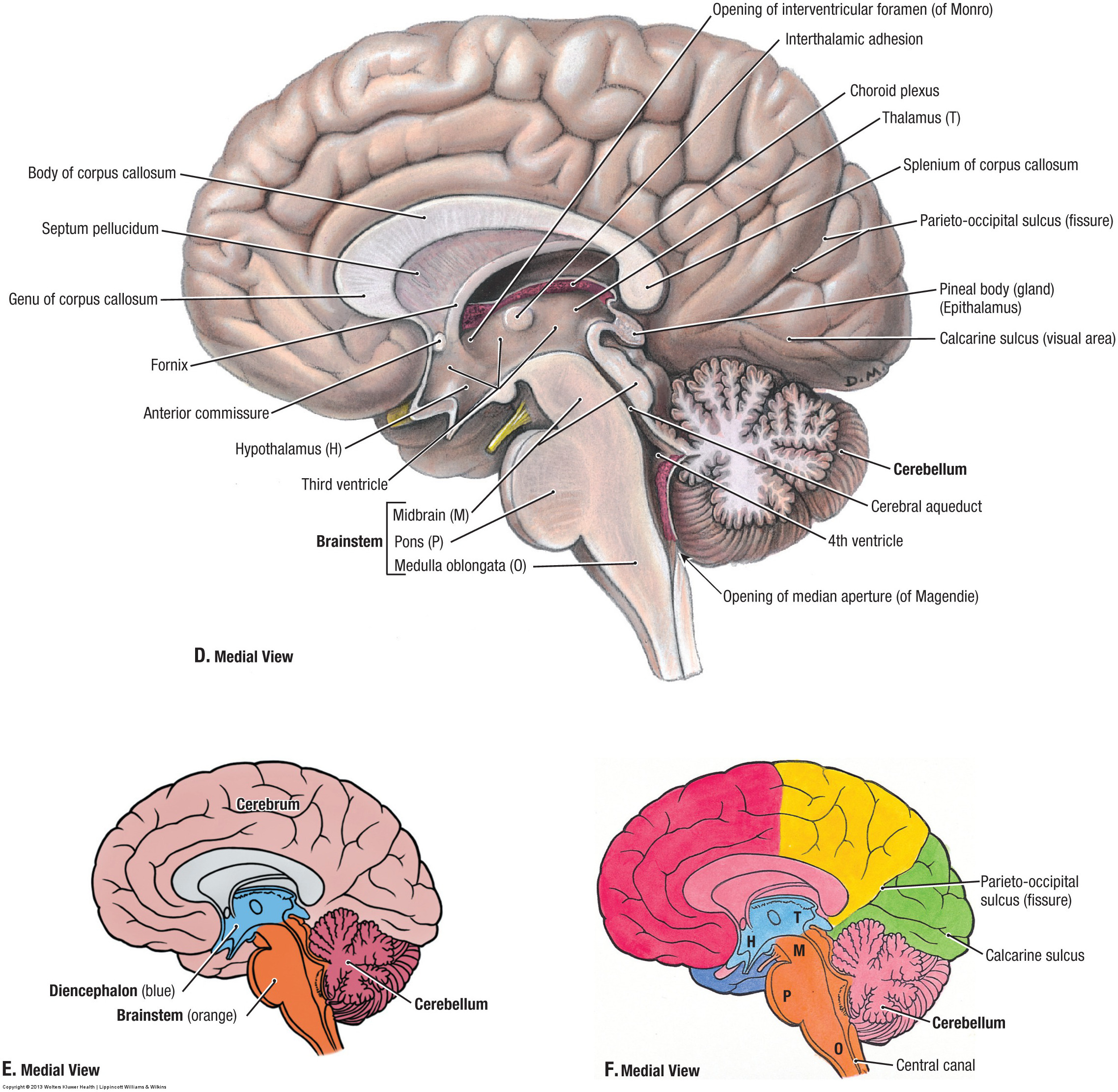


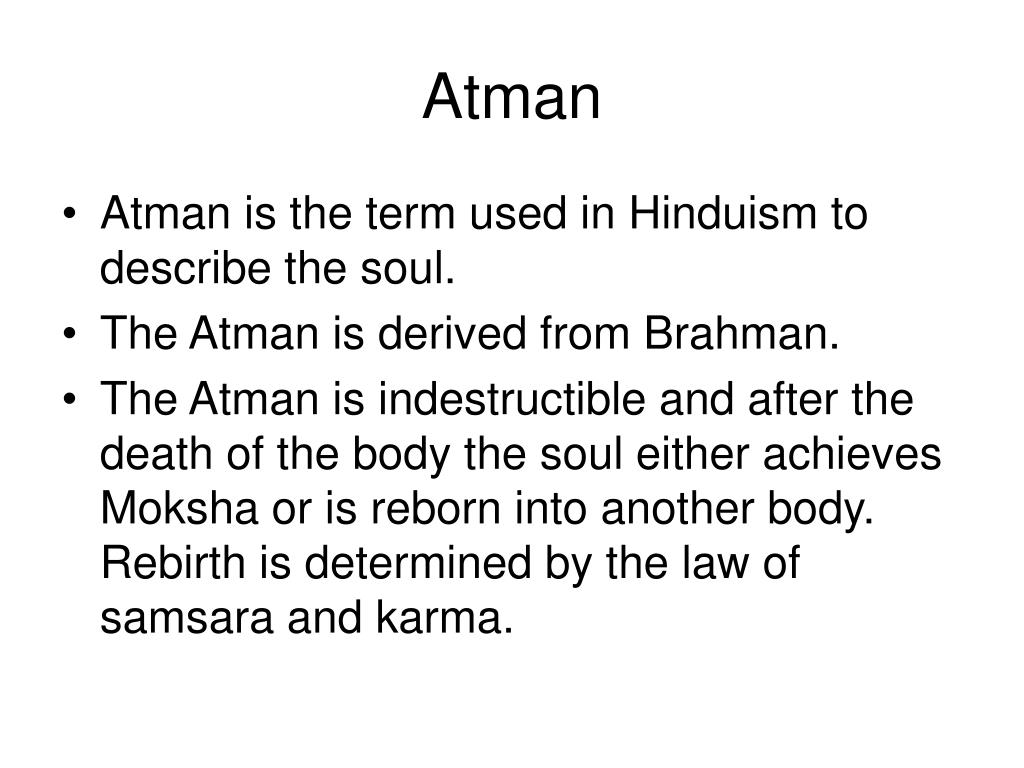

 Filippo S. Giorgi1,2 and Francesco Fornai1,3*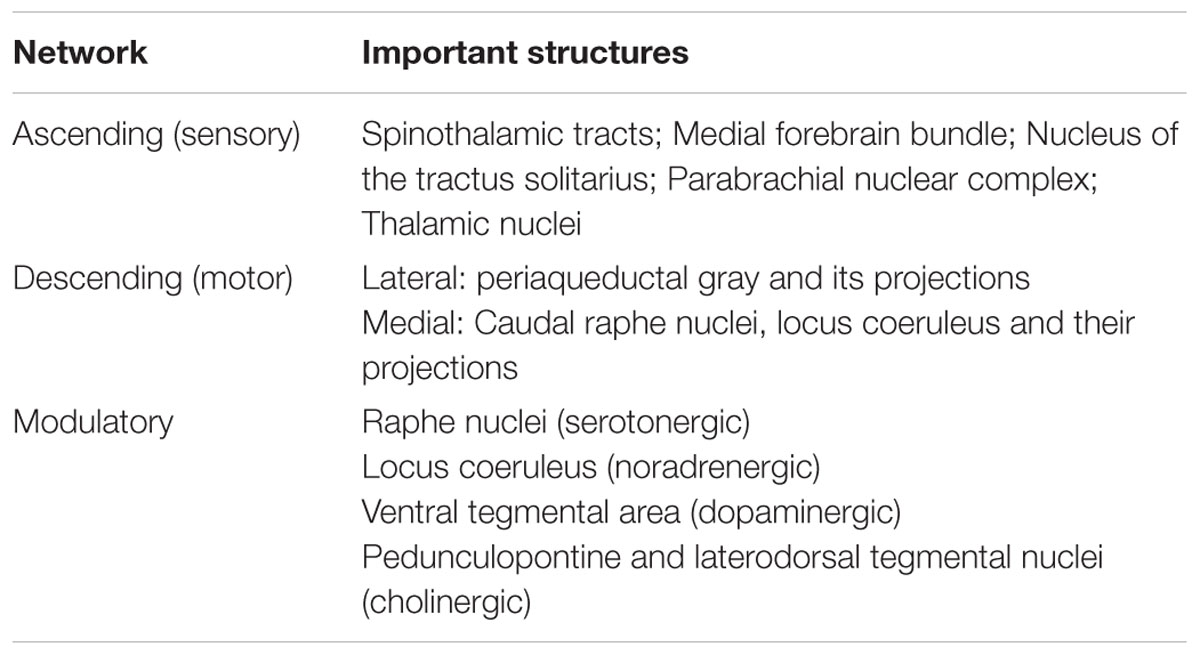
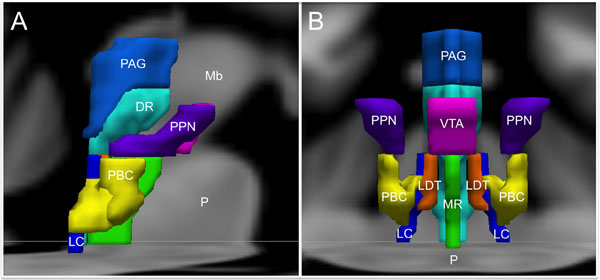
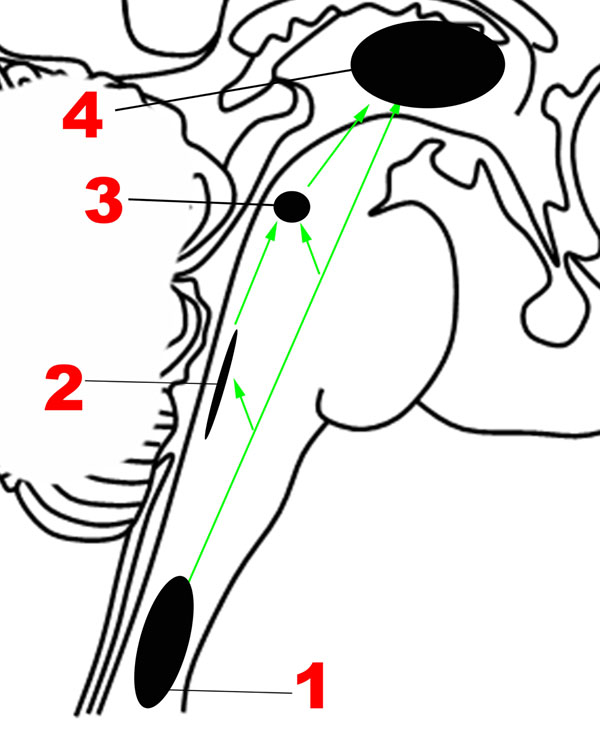
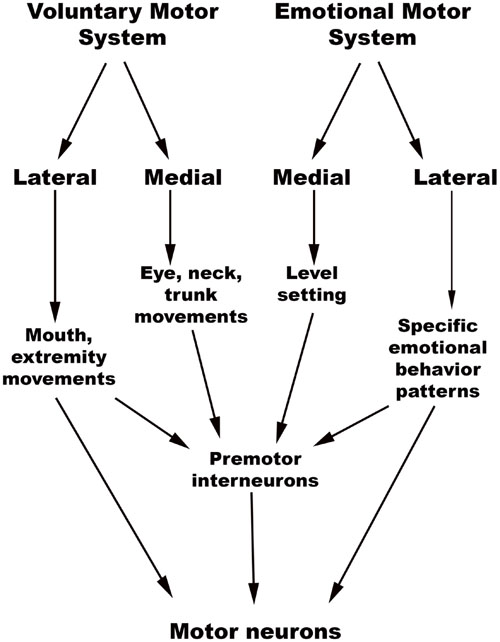
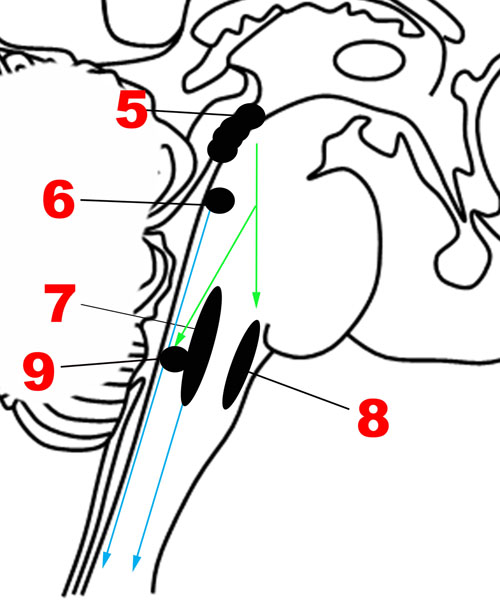
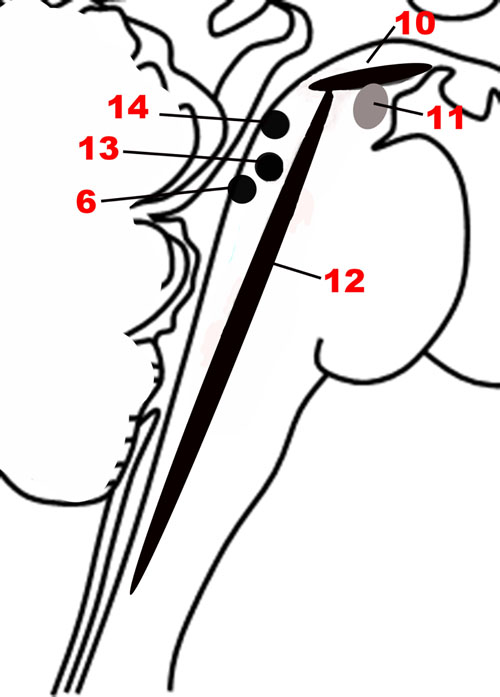



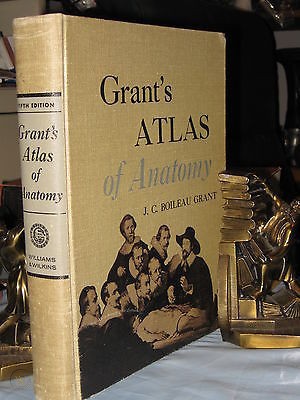
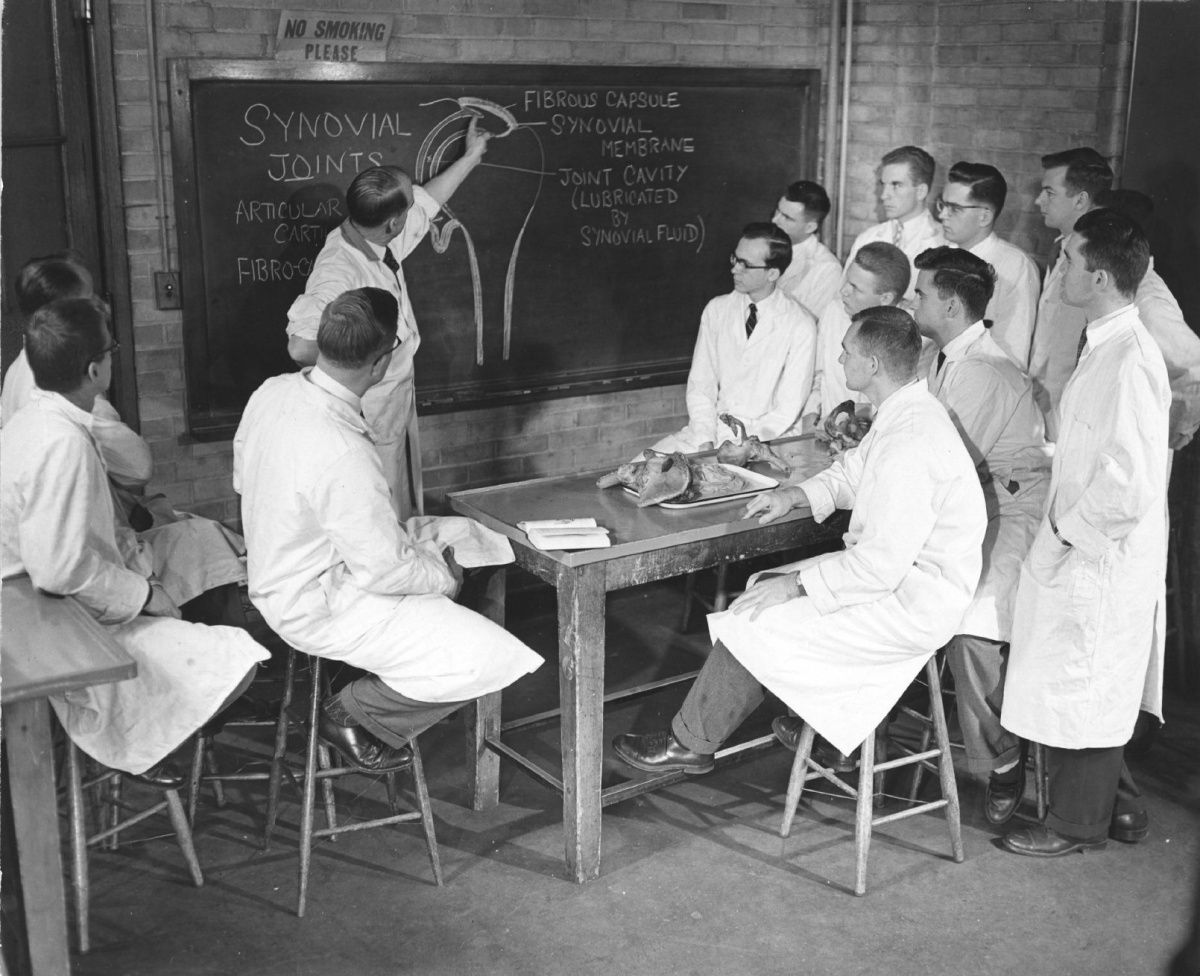
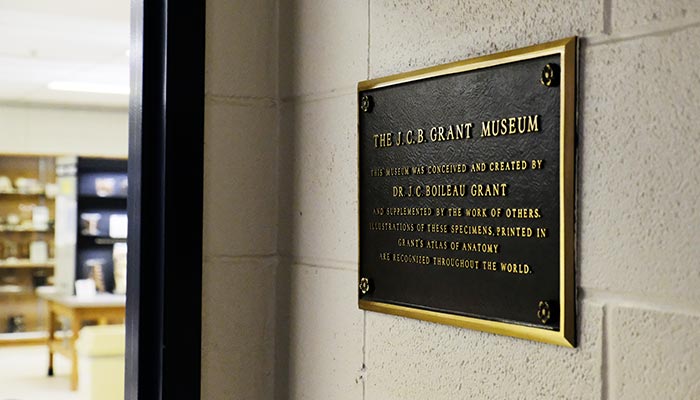
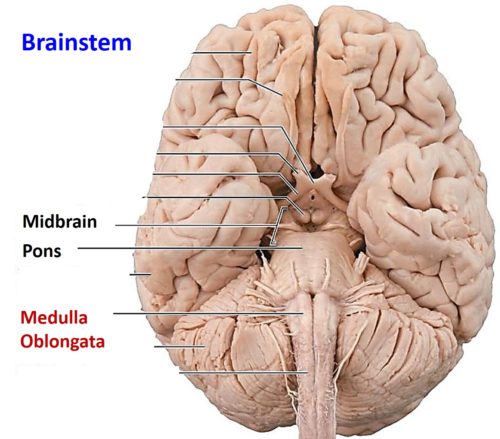



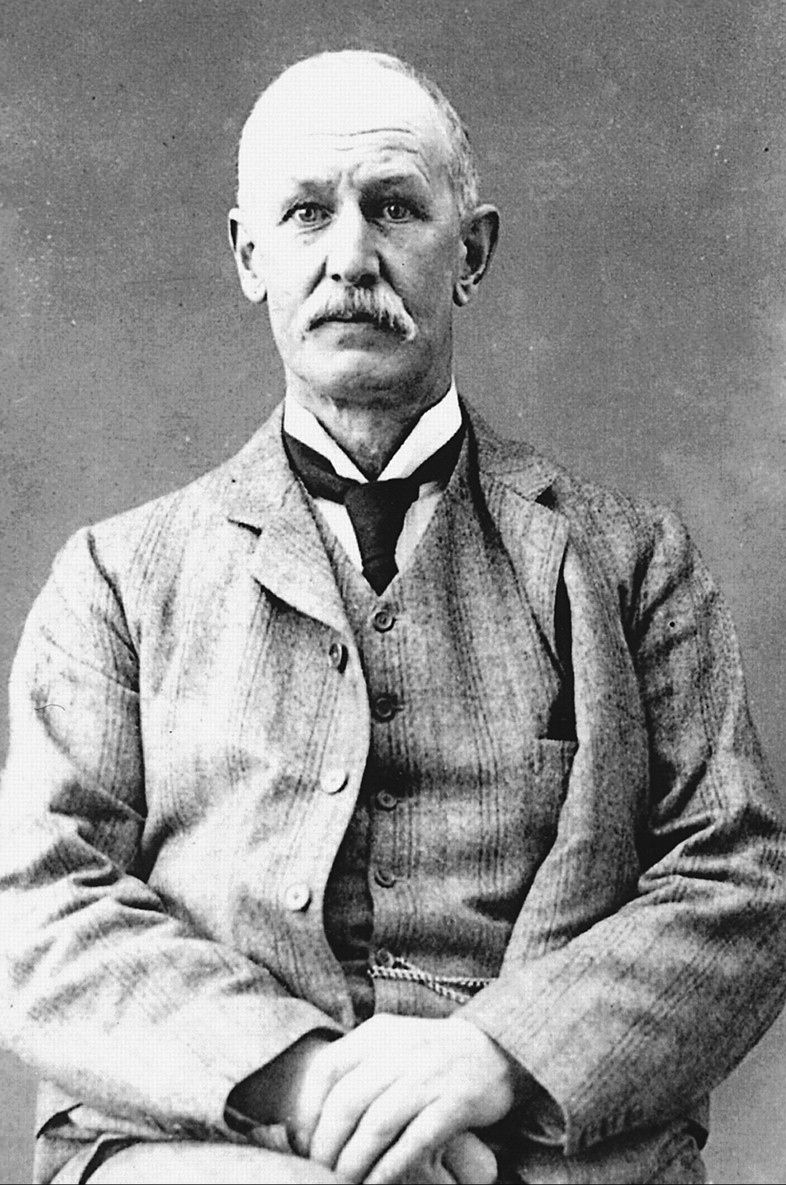
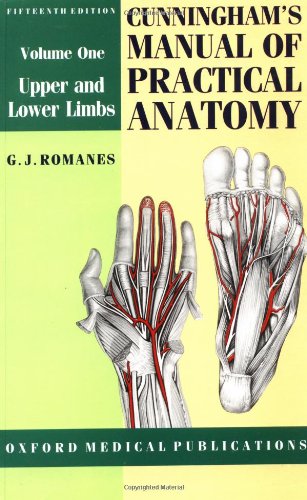
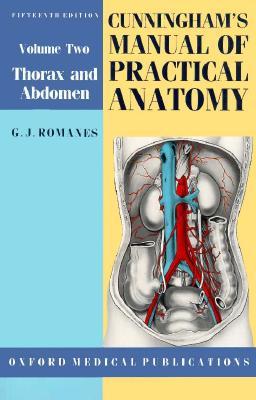


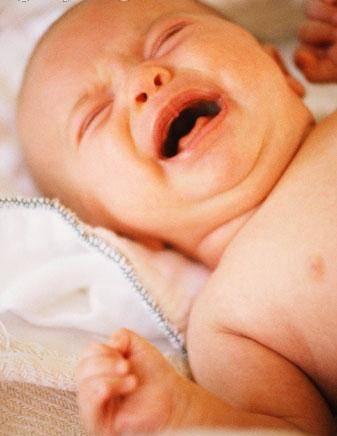
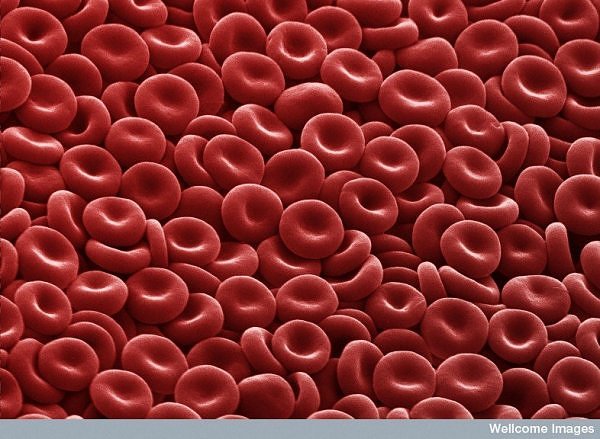
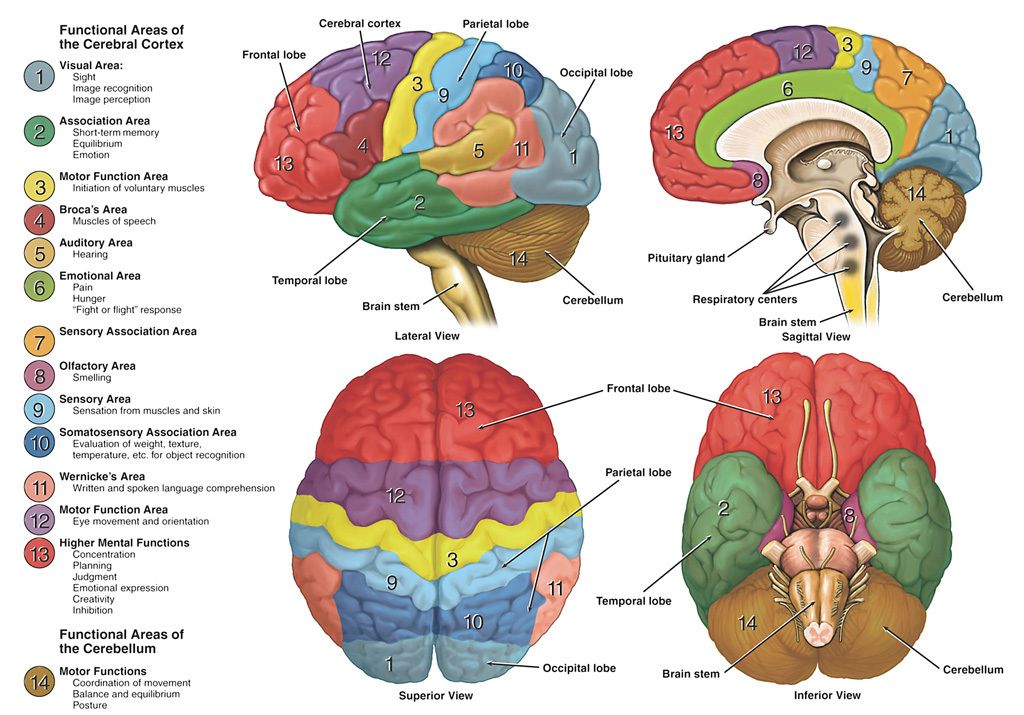
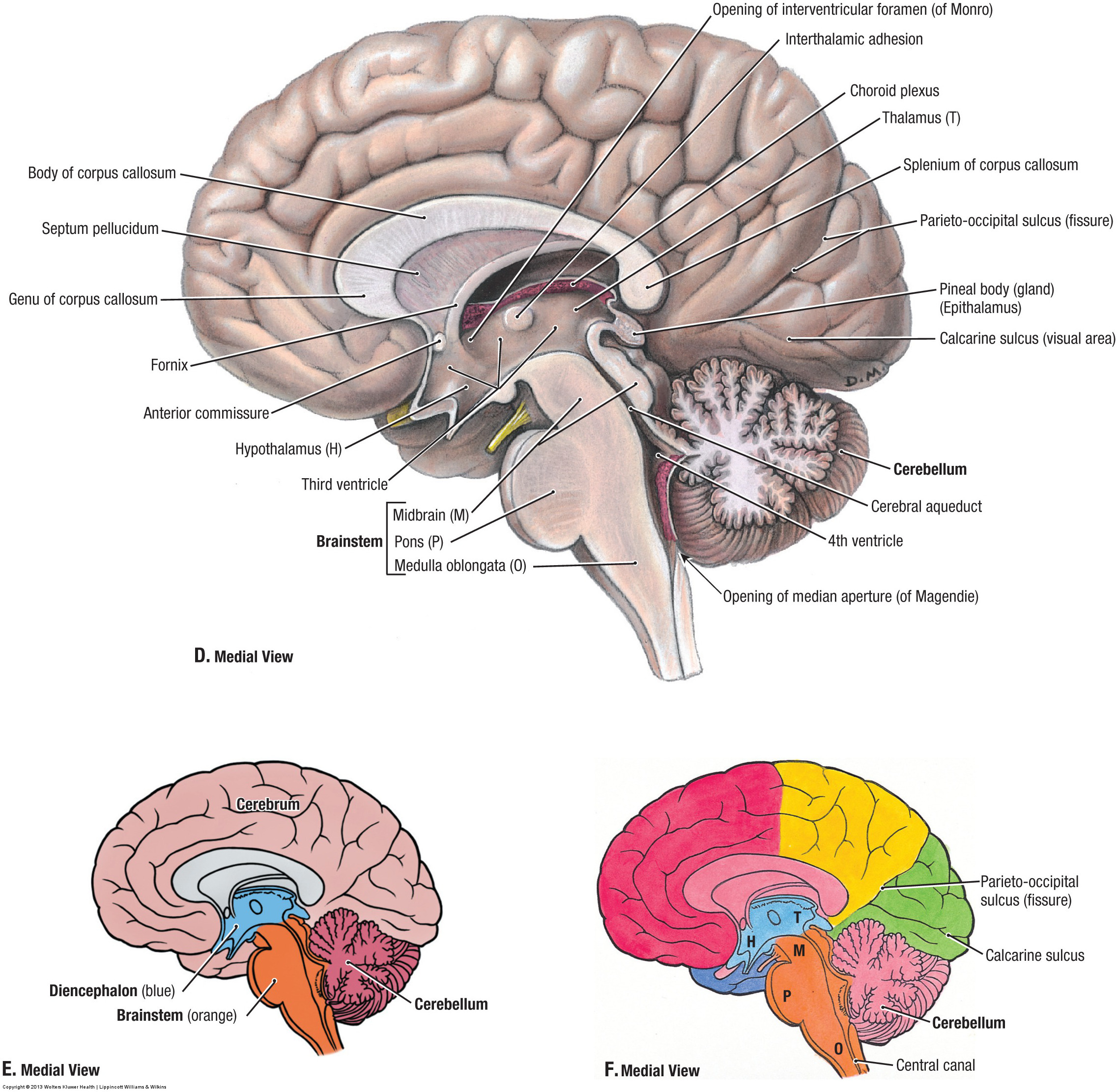
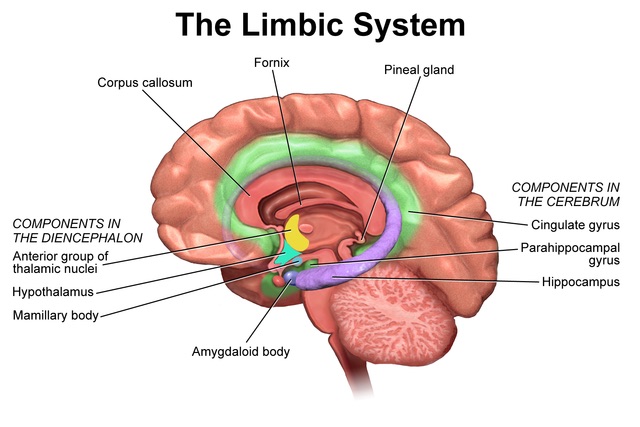


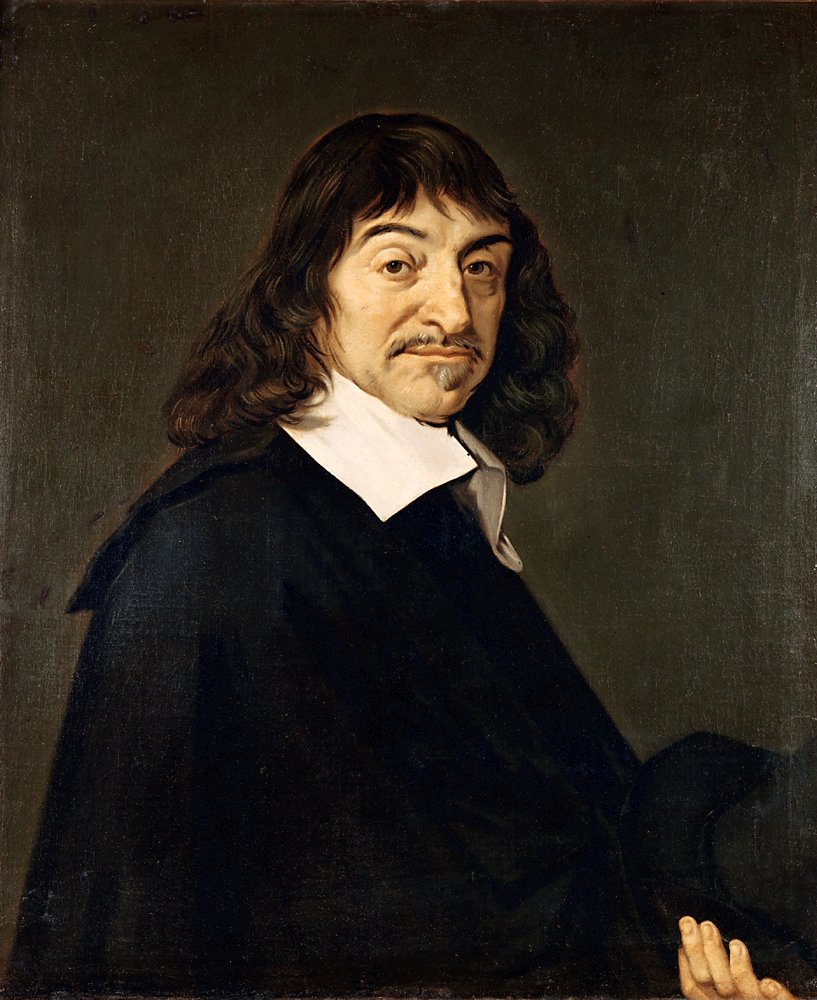
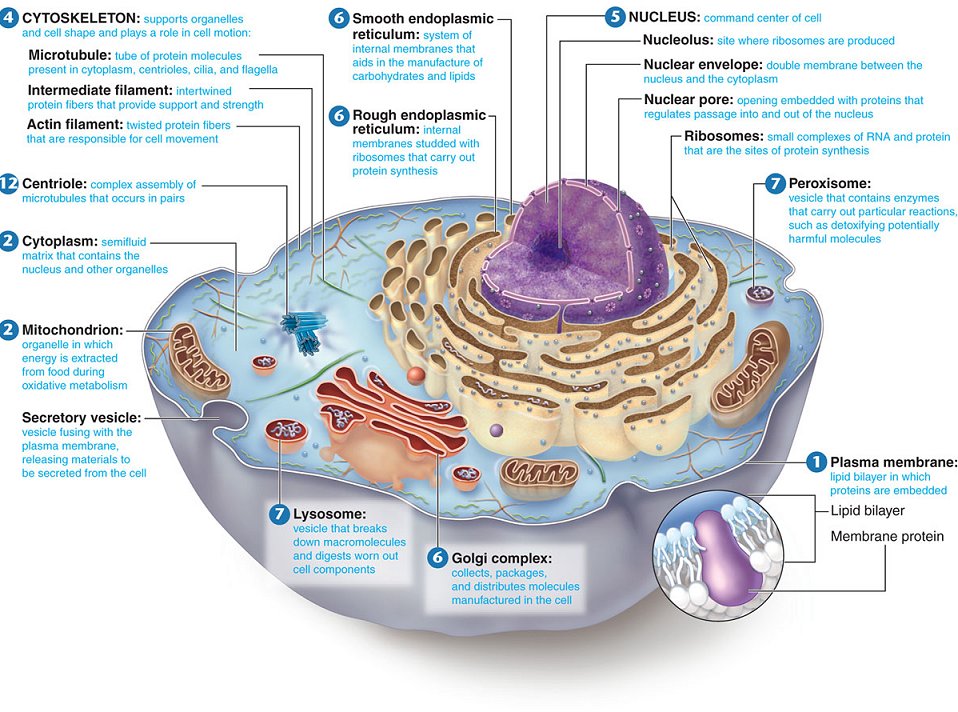





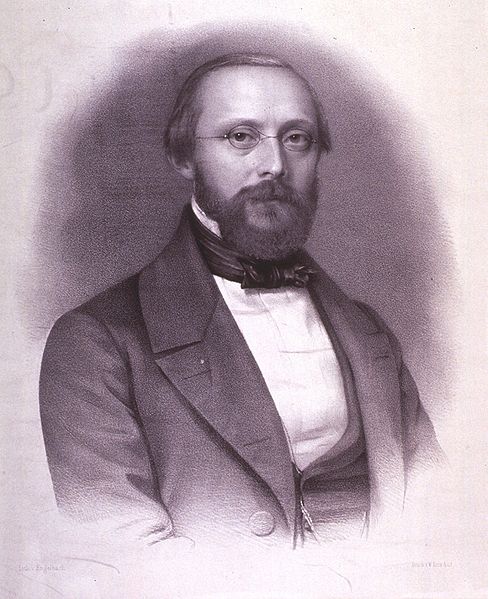
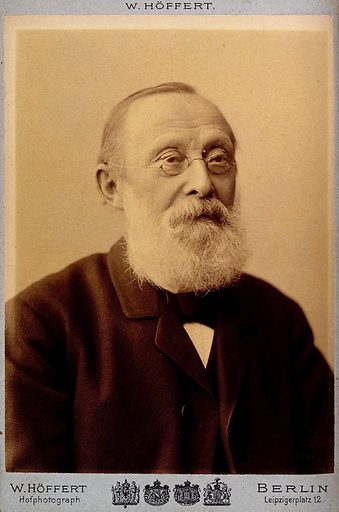


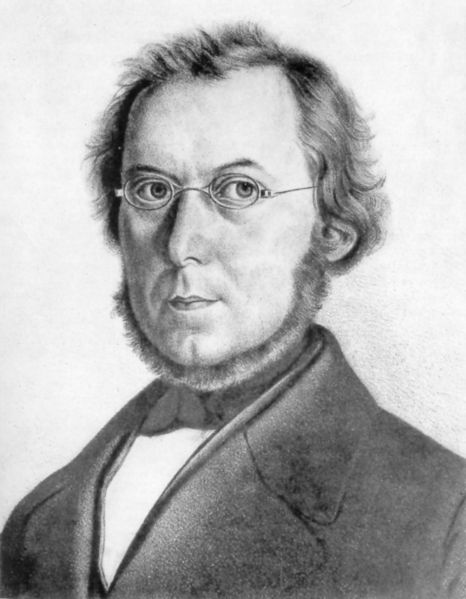
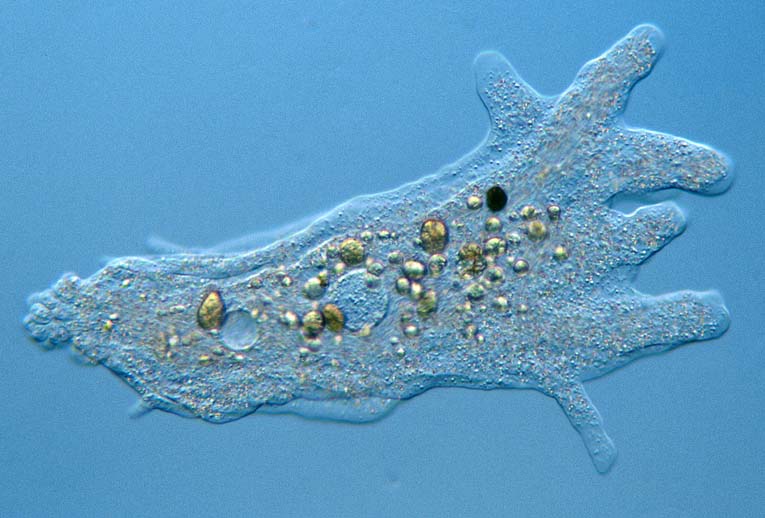


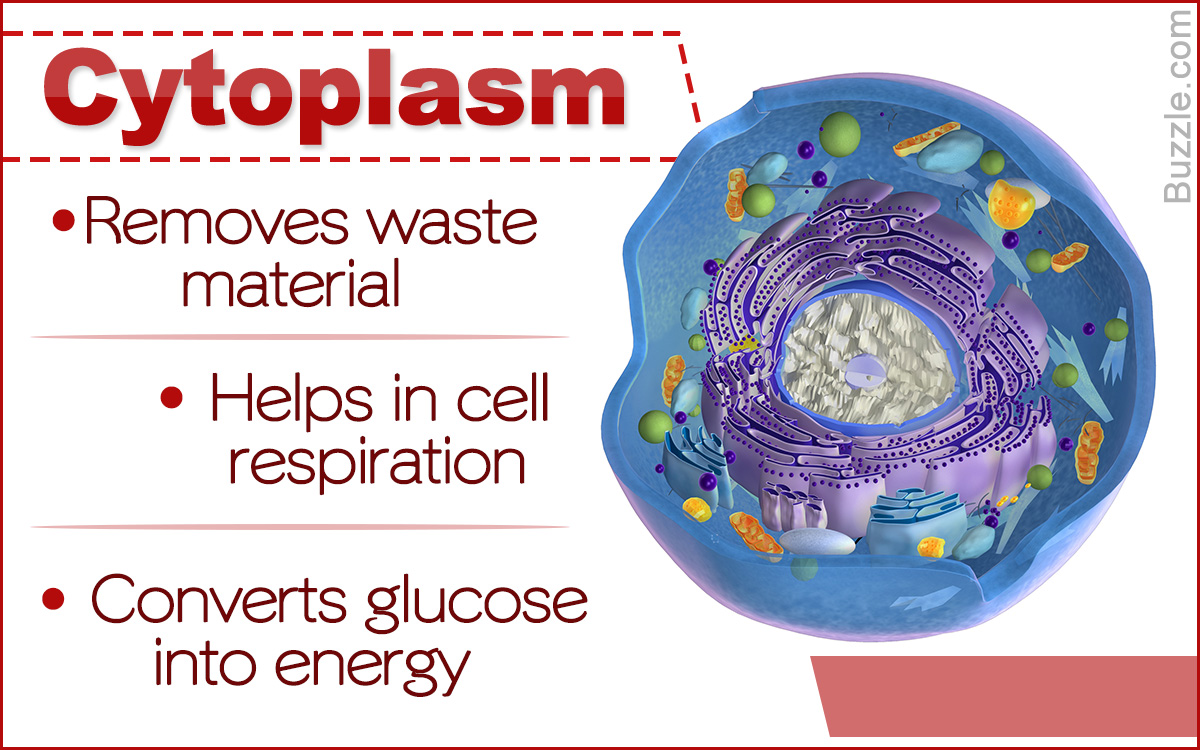
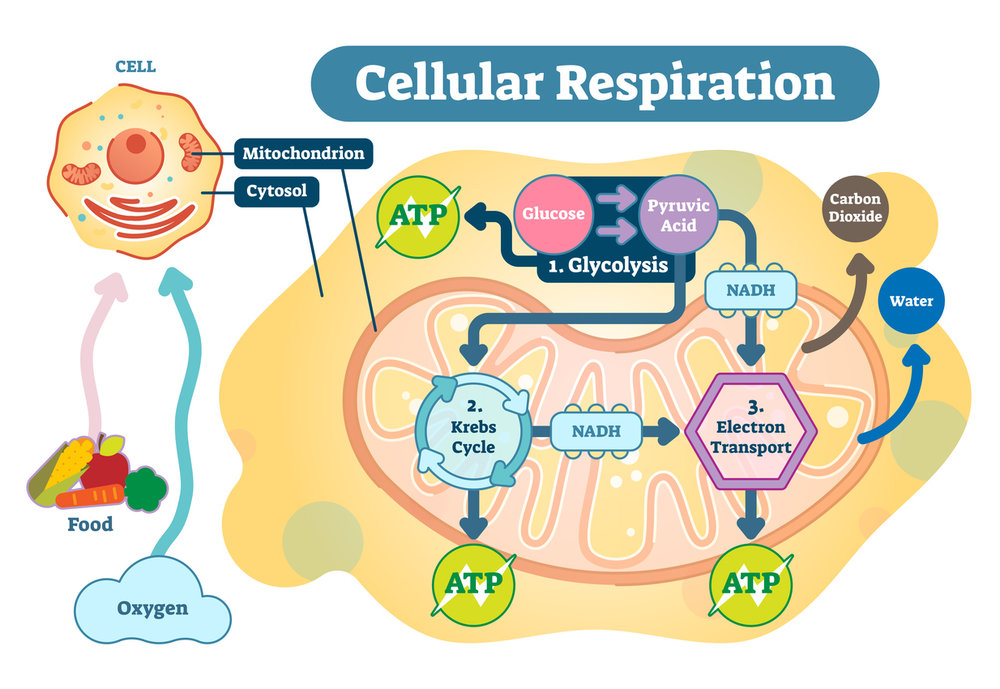


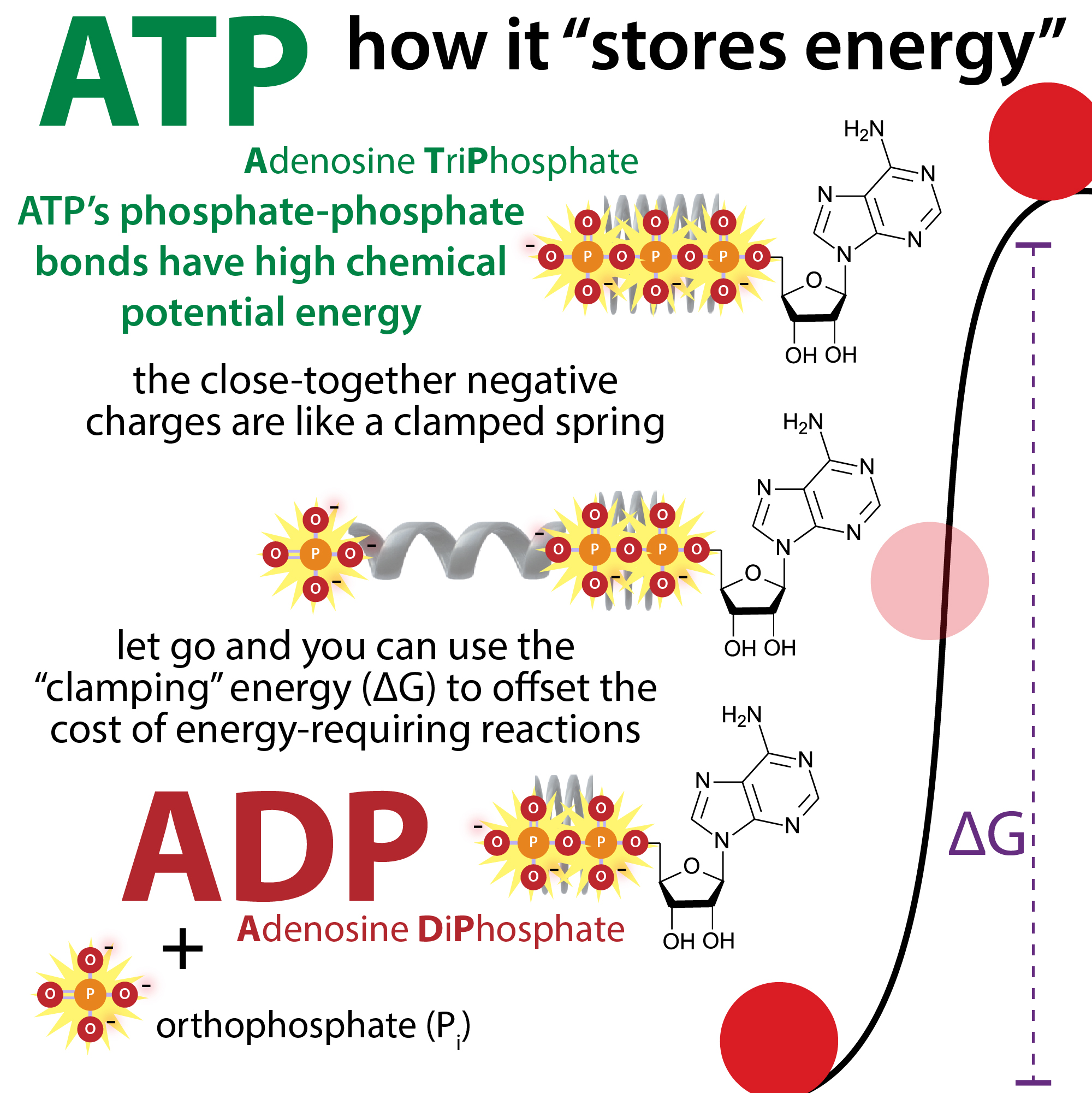

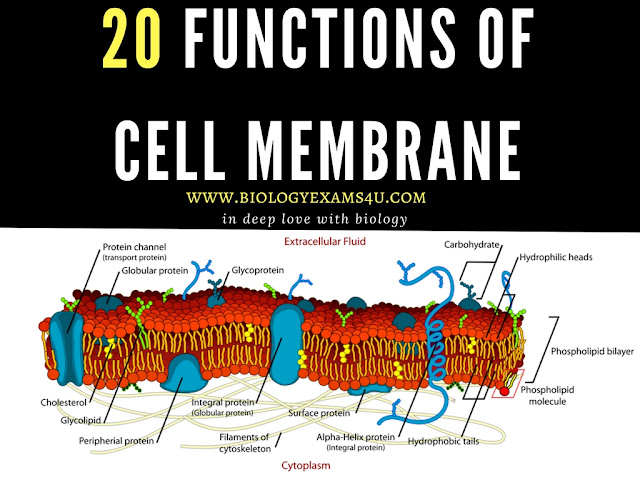
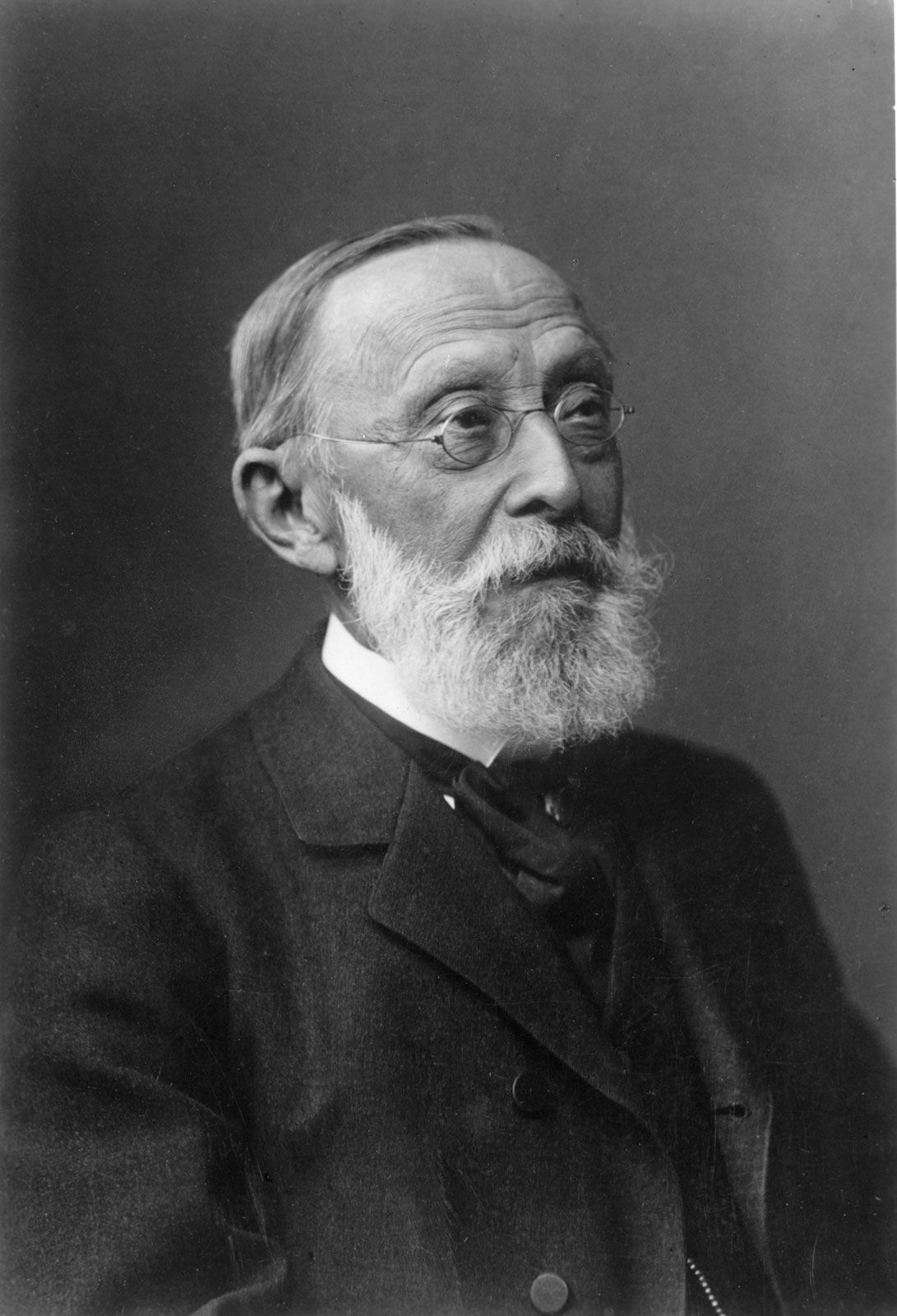


 Whole Dude - Whole Spirituality