
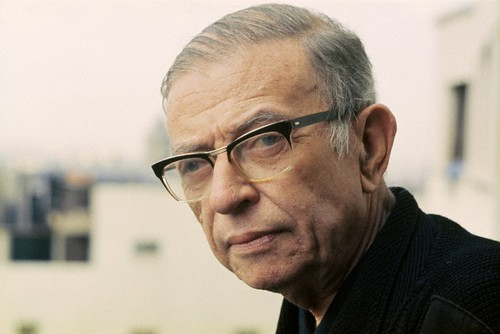
Nobel Laureate Jean Paul Sartre believes that “Man is condemned to be free.” Is that so???
Man describes as to who he is, his nature, and his essence, with the help of his thoughts, his intellect, his knowledge, his feelings, his sense of self-pride or self-ego, and his social status and social position. However, this essence is not the basis for man’s existence in nature. Man can not sustain his biological existence because of his essence. Man is not an independent entity. Man leads a dependent existence. The reality of man’s existence is a conditioned experience. Without this reality of conditioned state of existence, man can not describe his essence. Existence precedes essence. Existence is the prerequisite for essence to manifest. The essence is manifested by the being, the material body with mind, thoughts, intellect, knowledge, feelings, and self-pride or self-ego. This material being need to exist, and the state or condition of this physical existence is biologically manifested as alertness, wakefulness, awareness, and consciousness. Consciousness or Nothingness is the prerequisite for essence, and for the physical existence of the material Being. When consciousness departs, the essence also gets dissolved. If man enjoys a sense of freedom and expresses it as his essence, this freedom is subject to the reality of conditioned subjective existence. Man, and his essence is displayed if it is accompanied by Nothingness, the biological function called the Capacity for Consciousness. The contents of consciousness describe the nature of man’s essence. The contents of consciousness are known only when man has the capacity for consciousness. The anatomical structure that performs the function to provide the ability or the capacity for consciousness is in the Reticular Formation of the Brain Stem. Man is aware of his essence when the functions of his Brain Stem exist. Brain Stem functions in an autonomous manner and man is not truly free to govern the functions of his Brain Stem which is the prerequisite for his physical and mental being to maintain its living functions, the state and the condition called Living.
Tag Archives: What is Consciousness
Philosophy of Medicine – Lesson. 45 – The Functional Anatomy of Human Emotional Experience
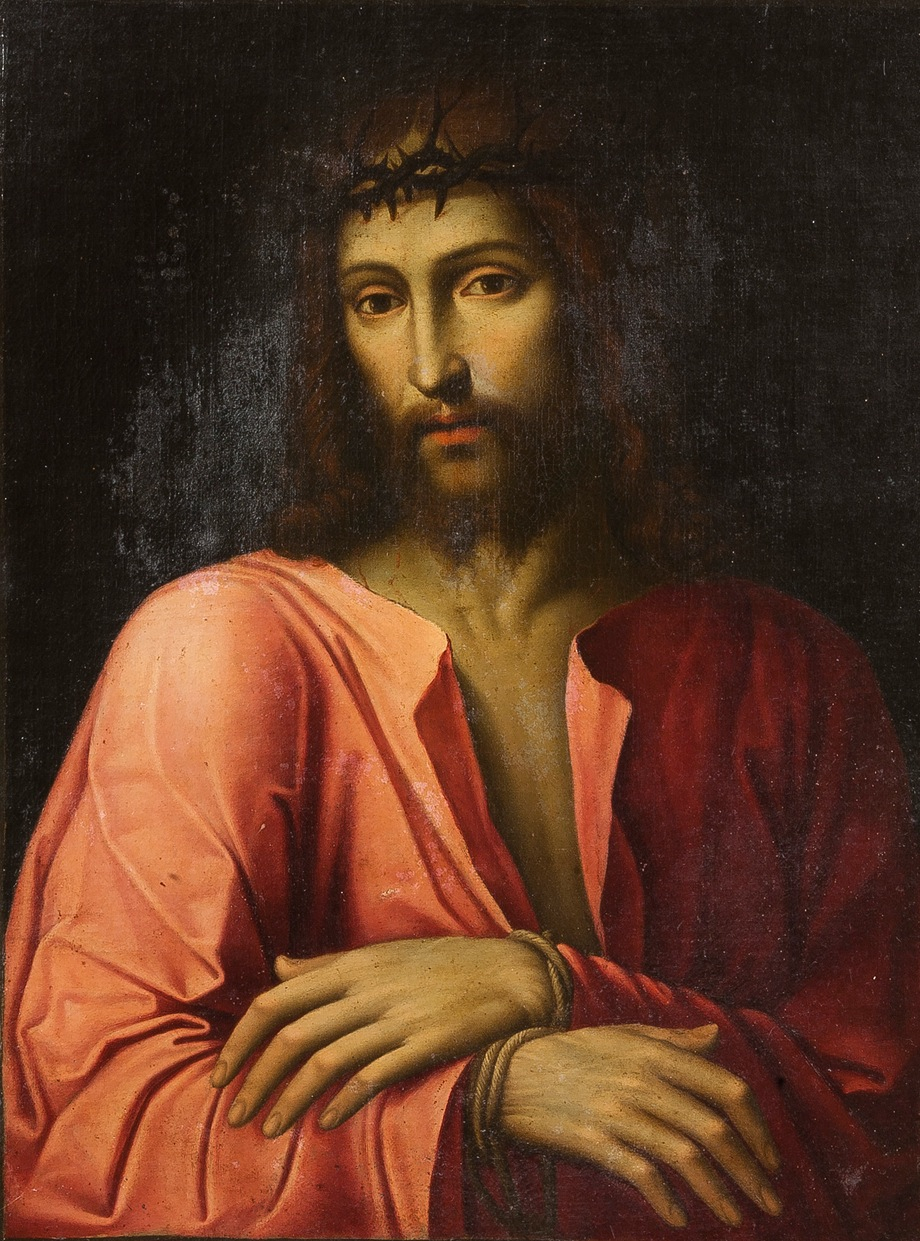
The anatomical and physiological basis for the experience of the human emotion called Pure Joy, Perfect Happiness, and Bliss.
Man enjoys an existence characterized by Peace, Harmony, and Tranquility, as the Soul, or the Life Principle operates the vital functions of the complex organism without relaying all the information to the cortical areas avoiding information overload. Thereby, Man is protected from a huge information overload that is not compatible with mental peace and equilibrium. In this context of defending existence from the threat of Information overload, it may be said, “Ignorance is Bliss.” The Creator is the Source of Great Knowledge (Sanskrit. Prajnanam) and the access to the realities of the Inner World and the Outer World are selectively restricted to defend the wellbeing of the living creatures.
Philosophy of Medicine – Lesson. 43 -Cognitive Biology – The Science of Consciousness
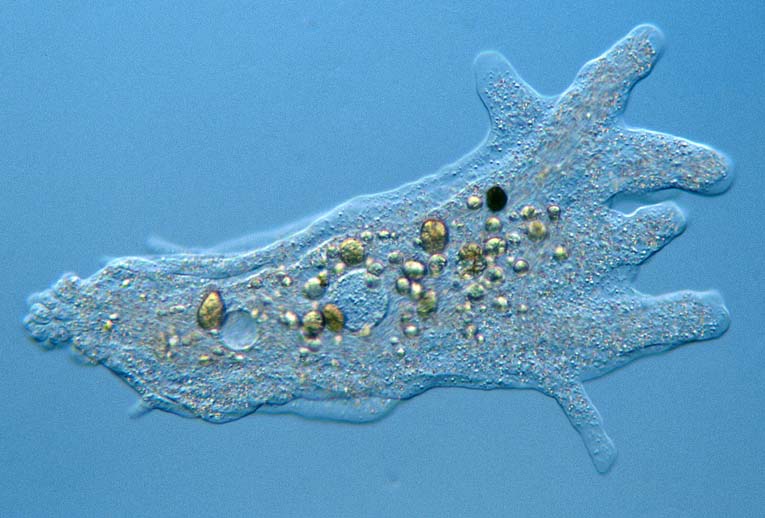
Cognitive Science – Knowledge – Consciousness . The ability to know about one’s own existence.
The Cognitive Science of Spirituality that I describe is related to the cognitive abilities of a living cell or living organism; the abilities such as recognition, responsiveness, communication using signals, memory, ability to process, store, retrieve, and use information that could be innate or acquired, the ability of adaptation to changing internal or external environmental conditions, and the fact of awareness of its own existence; the awareness of its internal condition, and the awareness of its external environment.
To understand the human person as a Spiritual being, we need to know and understand the Spiritual nature of Living Matter or Living Substance and describe its Cognitive abilities.
Bharat Darshan: The Atman or the Soul and its experience as Pure Bliss Consciousness
The anatomical and physiological basis for the experience of the human emotion called Pure Joy, Perfect Happiness, and Bliss.
Spirituality Science-For Whom the Bell Tolls?
Washington National Cathedral Bell Tolls for 200,000 Covid-19 Victims In the next day or two, the official number of people who have died from Covid-19 in the United States will pass 200,000 (the actual death toll passed 200,000 back in July). To mark the grim occasion yesterday, the Washington National Cathedral tolled its mourning bell 200 times …
Continue reading “Spirituality Science-For Whom the Bell Tolls?”
January 21 is Squirrel Appreciation Day. My reflections on “CHAKRATA KARMA” with the help of a Squirrel Story.
The term consciousness is not a description of mere psychological function or mental awareness. Consciousness includes awareness of both mind, and body in relation to external and internal environment for the purpose of maintaining the state of existence.
SARTRE WINS AND DECLINES NOBEL PRIZE – OCTOBER 22, 1964
SARTRE WINS AND DECLINES NOBEL PRIZE – OCTOBER 22, 1964 · · http://www.history.com/this-day-in-history/sartre-wins-and-declines-nobel-prize · · Publisher A+E Networks On this day in 1964, Jean-Paul Sartre is awarded the Nobel Prize for literature, which he declines. In his novels, essays, and plays, Sartre advanced the philosophy of existentialism, arguing that each individual must create meaning for …
Continue reading “SARTRE WINS AND DECLINES NOBEL PRIZE – OCTOBER 22, 1964”
A Science of Consciousness
Spirit or Soul is often defined as a vital, animating principle found in all living things. Professor Sir Roger Penrose, English mathematical physicist, and Dr. Stuart Hameroff, Professor of Anesthesiology, Director of Center of Consciousness Studies at the University of Arizona shared a view claiming that Spirit or Soul lives in cellular structures called microtubules …
THE THEORY OF CONSCIOUSNESS
THE THEORY OF CONSCIOUSNESS : What is Man? The motivation for asking this question comes from a statement expressed in Sanskrit language: “Sarvesham Swastir Bhavatu”, a statement which seeks the well-being of all humans, of all races, of all cultures, of all religions, and of all nations. The meaning and purpose of human life are …
BHAVANAJAGAT – 2013 IN REVIEW
The WordPress.com stats helper monkeys prepared a 2013 annual report for this blog. Here’s an excerpt: The Louvre Museum has 8.5 million visitors per year. This blog was viewed about 160,000 times in 2013. If it were an exhibit at the Louvre Museum, it would take about 7 days for that many people to see …

