Wishes for Less Troubles and More Blessings and Nothing But Happiness Come Through Your Door
The idea of peace is always associated with the idea of well-being and good health. The idea of perfect well-being also includes ideas of mental peace, mental tranquility, and mental equilibrium. The physical, mental, and social well-being are a part of man’s well-being in the environment, and community where he lives. To achieve perfect, and complete peace or Whole Peace, we must include the dimensions of the man’s moral, and spiritual well-being apart from the physical, mental, and social well-being. The aspects of external and inner or mental peace work together to contribute a Blissful Existence while man experiences Joy in his mind, and Love in his heart. Hence, peace is not mere absence of war and strife.
Wishes for Less Troubles and More Blessings and Nothing But Happiness Come Through Your Door
Yes indeed, Life is Complicated. The complexity of Life involves the fundamental problem of mortal existence. It evokes a sense of fear and anxiety even if the fear and anxiety are not overtly expressed in behavior and actions. The man can never escape from the need for peace and tranquility to overcome the challenges of existence.
Wishes for Less Troubles and More Blessings and Nothing But Happiness Come Through Your DoorWishes for Less Troubles and More Blessings and Nothing But Happiness Come Through Your Door
Human existence evokes a sense of fear and anxiety. The fear is associated with the idea that the journey is long and tedious and the uncertainty of reaching the shore line. The anxiety is because of the fact that the life span is over as the time marches on relentlessly. The passage of day and night, the change of seasons, the spring and the winter, the life span is over even if the individual wants to cling to his life.The life span is compared to air bubbles in water and the bubble exists only for a moment. The long journey generates fear and the short life span produces anxiety. When the heart is troubled and when the mind is afraid, there is no peace.
Searching for Peace:
Wishes for Less Troubles and More Blessings and Nothing But Happiness Come Through Your Door
May Your Troubles Be Less and Your Blessings Be More
Wishes for Less Troubles and More Blessings and Nothing But Happiness Come Through Your Door
1. For he himself is our peace. (EPHESIANS 2:14)
Wishes for Less Troubles and More Blessings and Nothing But Happiness Come Through Your Door
2.”Peace I leave with you; my peace I give you. I do not give to you as the world gives. Do not let your hearts be troubled and do not be afraid”. (JOHN14:27)
Wishes for Less Troubles and More Blessings and Nothing But Happiness Come Through Your Door
3.But the fruit of the Spirit is love, joy, peace, patience, kindness, goodness, faithfulness, gentleness and self-control. (GALATIANS 5:22-23)
Wishes for Less Troubles and More Blessings and Nothing But Happiness Come Through Your Door
4. Rejoice in the Lord always. I will say it again: Rejoice! Let your gentleness be evident to all. The Lord is near. Do not be anxious about anything, but in everything, by prayer and petition, with thanksgiving, present your requests to God. And the peace of God, which transcends all understanding, will guard your hearts and your minds in Christ Jesus. (PHILIPPIANS4:4-7)
Wishes for Less Troubles and More Blessings and Nothing But Happiness Come Through Your Door
Every year, January 15 is commemorated as Army Day to mark the occasion when General (later Field Marshal) K M Cariappa took over the command of the Indian Army from General Sir F R R Bucher, the last British Commander-in-Chief, in 1949 and became the first Indian Commander-in-Chief of Independent India. The theme for the 77th Army Day 2025 is ‘Samarth Bharat, Saksham Sena’ (Capable India, Empowered Army), reflecting the Indian Army’s commitment to national strength and defence capabilities.
Bharat Darshan. Indian Army celebrates 74th Army Day on Saturday, January 15, 2022. Lt Manisha Bohra of AOC Contingent gives a command during the full dress rehearsal for the Army Day Parade, at Army Parade Ground in New Delhi. (PTI Photo)Bharat Darshan. Indian Army celebrates 74th Army Day on Saturday, January 15, 2022. Marching contingent of the Indian Army during the full dress rehearsal for the Army Day Parade, at Army Parade Ground in New Delhi. (PTI Photo) ..
Bharat Darshan-The Indian Army Celebrates 74th Army Day on Friday, January 15, 2022. Field Marshal K. C. Cariappa, The First Commander-in-Chief of the Indian Army, 1949
Even after the Independence, the Indian Army did not have an Indian chief; instead it was led by British Army officers. On January 15, 1949, then Commander-in-Chief of the Indian Army General Sir Francis Butcher handed over the charge to then Lieutenant General KM Cariappa, giving Army its first Indian chief. A decorated Army officer, Field Marshal KM Cariappa spearheaded Indian forces during 1947 India-Pakistan war. The first Indian Commander-in-Chief of the Indian Army, Cariappa hailed from Karnataka. Born on December 1898, his career spanned over three decades. He is also one of the first two recipients of the title of Field Marshal of India, the second Field Marshal of India is Sam Manekshaw.
Rare photo of Field Marshal KM Cariappa (extreme right) and C Rajagopalachari, the last Governor-General of India. (Image: twitter.com/adgpi)Bharat Darshan-Indian Army Celebrates 74th Army Day on Saturday, January 15, 2022.
Army Day is celebrated every year across the country on January 15.
Bharat Darshan. Indian Army celebrates 74th Army Day on Saturday, January 15, 2022.
The Indian Army’s theme for the year 2022, “In Stride with the Future”, is an acknowledgment of the increasingly critical role played by niche and disruptive technologies in modern warfare. The Indian Army confronts a plethora of security challenges, conventional and non-traditional, and is looking at Artificial Intelligence (AI), 5G, Robotics and Quantum Technology to find innovative solutions to these emerging challenges.
The Army Day celebrations commenced with the Wreath Laying Ceremony at the National War Memorial where the three Service Chiefs paid homage to the Bravehearts. In his message to all ranks of the Indian Army, the Chief of the Army Staff, General MM Naravane saluted the supreme sacrifice of all personnel who laid down their lives in the line of duty, reiterating his unstinted support to the Veer Naris and Next of Kin of the fallen soldiers. He assured the Nation that the Indian Army was operationally ready to deal with any adverse situation.
Bharat Darshan. Indian Army celebrates 74th Army Day on Saturday, January 15, 2022. Centurion Tank on display during the full dress rehearsal for the Army Day Parade, at the Army Parade Ground in New Delhi. (PTI PhotoBharat Darshan. Indian Army celebrates 74th Army Day on Saturday, January 15, 2022. Army jawans display their war skills during the full dress rehearsal for the Army Day Parade, at Army Parade Ground in New Delhi. (PTI Photo)Bharat Darshan. Indian Army celebrates 74th Army Day on Saturday, January 15, 2022. Akash Missile system on display during the full dress rehearsal for the Army Day Parade, at Army Parade Ground in New Delhi. (PTI Photo)Bharat Darshan, Indian Army celebrates 74th Army Day on Saturday, January 15, 2022. Akash Missile system on display during the full dress rehearsal for the Army Day Parade, at Army Parade Ground in New Delhi. (PTI Photo)
The Chief of the Army Staff reviewed the Army Day Parade at the Cariappa Parade Ground, Delhi Cantonment, and awarded 15 Sena Medals (including five posthumously) for individual acts of gallantry and 23 COAS Unit Citations to units for their commendable performance.
Bharat Darshan. Indian Army celebrates 74th Army Day on Saturday, January 15, 2022.
The Army Day Parade this year showcased the evolution of various weapon systems held in the Indian Army’s inventory. New and modern weapon systems and platforms were displayed alongside their old counterparts. Centurion tanks were followed by Arjun Main Battle Tanks and TOPAS was succeeded by the BMP-II. Similarly, pairs of the 75/24 Indian Field Gun and Dhanush, PMP/PMS and Sarvatra bridges, and Tiger Cat & Akash Surface to Air Missiles were also on display.
The parade also included International Sports awardees and seven marching contingents, including mounted horse cavalry. A song titled ‘Maati’, sung by famed singer Hariharan, dedicated to the Army and the Nation was exclusively released during the event.
Bharat Darshan. Indian Army celebrates 74th Army Day on Saturday, January 15, 2022.
The 72nd year Army day celebrations was different as a fourth-generation woman army officer spearheaded an all men contingent on January 15. Captain Bhavana Kasturi, marking a departure from the convention, led an all men contingent on Republic Day 2019. Army Day is celebrated to honour our brave soldiers who serve the country selflessly, sometimes, laying down their lives.
Chief of Defence Staff (CDS) General Bipin Rawat, Army chief General MM Naravane, Chief of the Naval Staff Admiral Karambir Singh and Air Force chief Air Chief Marshal RKS Bhadauria laid wreaths remembering the brave martyrs on the occasion of the 73rd Army Day on Friday (January 15) at the National War Memorial in Delhi. Tweeting from its official handle, the Indian army also paid tribute to the 100 martyrs who sacrificed their lives in 2020. “Army pays homage to the 100 battle casualties in the year 2020 on the Army Day today. These officers and jawans lost their lives in different operations including the Galwan valley clash in Eastern Ladakh on June 15,” the army’s tweet read. Pic Courtesy: Twitter/@adgpiArmy Chief General MM Naravane takes salute before inspecting the parade on the occasion of the Army Day, at the Parade Ground in New Delhi. Paying homage to the 20 soldiers who lost their lives during India-China standoff, Army chief asserted that their “sacrifice won’t go in vain”. Pic Courtesy: PTI
Army chief General Manoj Mukund Naravane will be chief guest at the Army Day celebrations this year. The parade will showcase various routines such as aerial stunts and bike pyramids.
On Army Day, the army chief takes the salute and inspects the parade led by the General Officer Commanding, HQs Delhi Area. The other two service chiefs also attend the parade every year and take salute. This year, the Chief of Defence Staff General Bipin Rawat will also attend the parade this year and take salute. General Rawat took charge as CDS on 31st December, 2019.
India shows its power at the Army Day parade. T-90 battle tanks of Indian Army displayed during the 73rd Army Day parade, at the Parade ground. Pic Courtesy: PTIArmy soldiers display drone attack during the 73rd Army Day being celebrated at the Parade ground in New Delhi. Pic Courtesy: PTIArmy Service Corps (ASC) Motorcycle Display Team ‘Tornadoes’ perform during the 73rd Army Day parade. The team members also performed various daredevil stunts at the parade. Pic Courtesy: PTIIn view of the COVID-19 protocols, troops march wearing face masks during the Army Day parade. Pic Courtesy: ANI
Bharat Darshan. The Indian Army Celebrates 73rd Army Day on Friday, January 15, 2021.
Last year, Captain Tania Shergill from the Corp of Signals lead an all men contingent on Army Day. Shergill was inducted in March 2017 from Officers Training Academy, Chennai. Her father and grandfather also served in the Indian Army.
Army Day 2020: Tania Shergil became the first woman parade adjutant in the 72nd Army Day Parade.
The main event takes place at Cariappa Parade Ground at Delhi Cantonment. The ceremony begins with Indian Army chief taking the salute. Soldiers are accorded Sena medals for their service to the nation. However, Army Day is observed at all Army Command headquarters across the country.
Indian Army soldiers take out a parade and arsenals are put on display. Last year, Army exhibited the BrahMos Missiles, BLT T-72 ‘Bharat Rakshak’ tank, Advanced Light Helicopters, and the 155mm Soltam Gun.
In 2020, 15 soldiers were decorated with gallantry awards while 18 battalions got unit citations. The military hardware which were showcased in the 2020 parade include infantry combat vehicle BMP-2K, K9 Vajra-T artillery guns, locally built Dhanush towed guns, T-90 main battle tanks and the short span bridging system.
Army Day 2020 Theme
The main focus of Army Day 2020 will be on the ‘Digital Transformation of Defense’.
Bharat Darshan-The Indian Army Celebrates 72nd Army Day on January 15.Bharat Darshan-The Indian Army Celebrates 72nd Army Day on January 15.Bharat Darshan-The Indian Army Celebrates 72nd Army Day on January 15.Bharat Darshan-The Indian Army Celebrates 72nd Army Day on January 15.Bharat Darshan-The Indian Army Celebrates 72nd Army Day on January 15.Bharat Darshan-The Indian Army Celebrates 72nd Army Day on January 15.Bharat Darshan-The Indian Army Celebrates 72nd Army Day on January 15.Bharat Darshan. Indian Army celebrates 74th Army Day on Saturday, January 15, 2022.
Bharat Darshan. Indian Army celebrates 74th Army Day on Saturday, January 15, 2022.
Living with a Broken HeartPersonal Number: MS-8466. Rank: Captain. Name: R Rudra Narasimham, Branch: Army Medical Corps/Short Service Regular Commission. Unit: Headquarters Establishment Number. 22, C/O 56 APO. Designation: Medical Officer from September 22, 1971 to December 18, 1974. Organization: SPECIAL FRONTIER FORCE.The Celebration of the First Birth Anniversary of the Rudolf-Grant Connection onFebruary 22, 2023.
On February 22, 2022, I had the unique experience of visualizing the Living Spirit of Indian film actress Madhubala born on February 14, 1933 and died on February 23, 1969
The Celebration of the First Birth Anniversary of the Rudolf-Grant Connection onFebruary 22, 2023.The Celebration of the First Birth Anniversary of the Rudolf-Grant Connection on February 22, 2023
I ask my readers to kindly note that I have not watched any of the numerous Indian movies in which Madhubala was featured in different roles. I heard her name and have listened to the songs on the radio where the attention goes to the actual singers and not to the actors and actresses who appear to sing those songs on the Screen. For the first time in my life, I found the opportunity to listen and to watch some of the music videos of old Hindi films on YouTube during the month of February 2022.
The Celebration of the First Birth Anniversary of the Rudolf-Grant Connection on February 22, 2023
It was entirely by accident, I watched a couple of the old film music videos. I was not aware of Madhubala’s life story. As I watched her on the TV screen, I could discern some facial features that could connect her to a living person. As my curiosity got aroused, I looked for information and gathered her biographical information.
The Celebration of the First Birth Anniversary of the Rudolf-Grant Connection on February 22, 2023
On February 22, 2022, I was totally amazed to see the face of that living person getting superimposed on the face of Madhubala while I watched a music video. I asked another person to verify my observation and confirm the accuracy of this facial resemblance.
The Celebration of the First Birth Anniversary of the Rudolf-Grant Connection onFebruary 22, 2023.
The 22nd Day of February 1972 lives in my memory as I was issued the Indian Army ID with a photo image showing me wearing the badges of Captain’s Rank. In reality, my Date of Seniority is July 26, 1971 and I was promoted to the Captain’s Rank on that day. However, due to the contingencies of military service and the Bangladesh Ops of 1971, my Unit had no time to verify the Gazette of India publication which formally announces the promotion of Rank in respect of Officers. I continued to serve wearing the badges of Lieutenant even after my official promotion to the Rank of Captain. In the month of February 1972, I obtained a passport picture at a photo studio in Doom Dooma, Tinsukia District of Assam. The photo studio graciously provided me with an extra copy of my passport picture which I submitted to obtain my new Indian Army Picture ID Card that I started to use since February 22, 1972. On February 22, 1972, the People’s Daily printed a picture of Chairman Mao shaking hands with Richard Nixon.
On February 22, 1972, the People’s Daily printed a picture of Chairman Mao shaking hands with Richard Nixon.On February 22, 1972, the People’s Daily printed a picture of Chairman Mao shaking hands with Richard Nixon.
Unfortunately, a few months later, an unknown enemy agent who was spying on me stole my personal belongings including my Uniform in which I kept my Feb 1972 Army Picture ID. Surprisingly, this stolen Army Picture ID was featured in an Indian Film titled TE3N. I keep using this Feb 72 photo image to inform the enemy that I am still alive.
The Celebration of the First Birth Anniversary of the Rudolf-Grant Connection onFebruary 22, 2023.
So, I have special reasons to celebrate my unique visual experience on Wednesday, February 22, 2023. However, in my view, the vital, animating principle called Spirit or Soul is not about facial identity or human identity as every human being always arrives with a new, original genome that has never existed in the past, and will never exist again in the future. I am speaking about the Individuality of the person that we recognize as Madhubala. The Individuality of Madhubala has never perished. The Individuality of Madhubala lives as her Spirit or Soul never dies. The human identity belongs to the mortal body called Jism. The human Individuality belongs to the Spirit/Soul/Rooh. The condition called Death or Maut afflicts the human body whereas the Spirit/Soul/Rooh is the Unchanging Principle operating the human bodyand is not touched by Death.
Jism ko maut aati hai lekin
Rooh ko maut aati nahi hai Jism ko maut aati hai lekin Rooh ko maut aati nahi hai
The Celebration of the First Birth Anniversary of the Rudolf-Grant Connection onFebruary 22, 2023.The Celebration of the First Birth Anniversary of the Rudolf-Grant Connection onFebruary 22, 2023.The Celebration of the First Birth Anniversary of the Rudolf-Grant Connection onFebruary 22, 2023.The Celebration of the First Birth Anniversary of the Rudolf-Grant Connection onFebruary 22, 2023.The Celebration of the First Birth Anniversary of the Rudolf-Grant Connection onFebruary 22, 2023.The Celebration of the First Birth Anniversary of the Rudolf-Grant Connection onFebruary 22, 2023.The Celebration of the First Birth Anniversary of the Rudolf-Grant Connection onFebruary 22, 2023.The Celebration of the First Birth Anniversary of the Rudolf-Grant Connection onFebruary 22, 2023.
For 36 long years, from 1933 to 1969, Madhubala struggled to mortify the inequities of her physical body and finally she won her freedom and lives through the Spirit.
Yes indeed, Life is complicated. The Complexities of Life can never be understood without knowing the truth called Past. The experiences of Future Life cannot be validated or verified. The experience of Present Life can be validated and be verified by knowing the true or real Past Experience of Life. The Past is Never Dead.
The Celebration of the First Birth Anniversary of the Rudolf-Grant Connection onFebruary 22, 2023.The Celebration of the First Birth Anniversary of the Rudolf-Grant Connection onFebruary 22, 2023.
On 02-22-2022, I confirm the Rudolf-Grant Connection at Ann Arbor, Michigan, USA. The Connection is validated, and verified by another person who works in Ann Arbor, Michigan.
The Rudolf-Grant Connection:
The Celebration of the First Birth Anniversary of the Rudolf-Grant Connection on February 22, 2023.”Old Flames Never Die” – A Pledge to my Valentine. These Flames kindled a fire in my heart on September 22, 1971 and that fire still burns. I shall keep the Flame alive in my future.
Happy Twosday on Tuesday, 22/02/2022. I joined Two-Two after getting Commission at age Twenty-Two
Happy Twosday on Tuesday, February 22, 2022. I joined Two-Two after getting Commission at age Twenty-Two
22/02/2022: Today is Happy Twosday, and it’s both a palindrome and an ambigram
Happy Twosday on Tuesday. The date on 22nd February 2022 is both a palindrome and an ambigram. The date reads the same from left to right, from right to left AND upside down. Photograph:( Twitter )
The world will reach a historic milestone on February 22. It’s the date itself: February 22nd, 2022.This is an ambigram as well as a rare palindrome. Only a few dates on the calendar are extremely rare numerically. Such dates are usually accurate over a long period of time. Today is one of those occasions.
The date forms a palindrome and an ambigram when written in the British style on 22/02/2022, a pattern that is unique and extremely unusual. This implies it may be read in any direction, including backwards and upside down.
Personal Number: MS-8466. Rank: Captain. Name: R Rudra Narasimham, Branch: Army Medical Corps/Short Service Regular Commission. Unit: Headquarters Establishment Number. 22, C/O 56 APO. Designation: Medical Officer. Organization: SPECIAL FRONTIER FORCE. Joined Two-Two after getting Commission at age Twenty-TwoHappy Twosday on Tuesday, February 22, 2022. I belong to Two-Two and I joined Two-Two on September 22 after getting Commission at age Twenty-Two.
At age twenty-two, I got Commission in the Indian Army Medical Corps giving me the opportunity to serve in a top-secret military Establishment Number. 22 which is popularly identified as Two-Two. I joined Two-Two on September 22 making it a Special Day of my life.
Who are You at age Twenty-Two?
I ask my readers to share their images at age Twenty-Two.
Happy Twosday on Tuesday, 22/02/2022. I joined Two-Two after getting Commission at age Twenty-Two.The Celebration of the First Birth Anniversary of the Rudolf-Grant Connection onFebruary 22, 2023.
Operation Eagle – A Demand for Justice from Dr. Manmohan Singh, Prime Minister of IndiaMy elder brother Pratap is seen with me in a photo taken in Mylapore, Madras(Chennai) and he is the author of this letter demanding action from Prime Minister Dr. Manmohan Singh.OPERATION EAGLE 1971 – CHITTAGONG HILL TRACTS – LIBERATION WAR OF BANGLADESH – A DEMAND FOR JUSTICE
SPECIAL FRONTIER FORCE – OPERATION EAGLE – GALLANTRY AWARD:
FROM,
R.Pratap Narayan, 103, Second Floor, Vamsi Residency, Sri Ram Nagar Colony, Manikonda, Hyderabad, A.P. – 500 089.
To,
The Prime Minister Of India, NEW DELHI.
Respected Sir,
I request you to consider my brother’s letter to you. I hope that you will take appropriate steps to review the long pending case of my brother Mr. R.Rudra Narasimham. Gallantry Awards should be presented by the Nation as a mark of respect for the Service rendered to the Motherland. Justice delayed is considered as Justice denied.
I expect Justice to my brother from you in this case.
With regards,
Pratap Narayan.
Subject:- Operation Eagle – Military Operation of 1971 in Chittagong Hill Tracts – Prime Minister Indira Gandhi – The Cabinet Secretariat – “The Past is Never Dead.” – Regarding.
Reference:- Government of India Ministry of Defence Letter No. 3533/2009/D ( Cer ) dated 2nd/3rd December, 2009.
Sir,
1. Kindly direct the Under Secretary ( Cer ), Ministry of Defence, Government of India to take action as per the citation initiated by my Unit while I had participated in Operation Eagle under the authority sanctioned by Prime Minister Indira Gandhi, Cabinet Secretariat, Government of India during 1971.
2.This military Operation was not ordered by the Defence Minister, and was not planned or executed by the orders that were issued by the Army Headquarters, Ministry of Defence,
3. Army Headquarters, and the Medical Directorate( DMS-Army ) had taken action during 1971 to send me on deputation to Special Frontier Force. They have no jurisdiction to invalidate the action taken by my Unit during its participation in Operation Eagle. Kindly ask me for any further clarification or information about the nature of military act for which my Unit recommended my name for the Award of ‘Vir Chakra’ Gallantry Award.
4. Ministry of Defence Army Headquarters has no legal authority to refuse the sanction of this gallantry award. Army Hqrs may be informed of the fact and the nature of military service rendered by me while I was on deputation at Hq Establishment No. 22 of Special Frontier Force. To conduct the Military Operation of 1971 in Chittagong Hill Tracts, we have taken orders direct from the Prime Minister and the Cabinet Secretariat.
5. I would ask you to uphold the dignity of the Prime Minister’s Office. The actions taken by the Cabinet Secretariat should be treated with respect by the Ministry of Defence and Army Hqrs.
6. Thanking You,
Yours Faithfully,
R. Rudra Narasimham, B.Sc., M.B.B.S., Service Number – MR-03277K MAJOR AMC/DPC Service Number – MS-8466 Lieutenant/Captain AMC/SSC Medical Officer South Column Operation Eagle 1971 Headquarters Establishment No.22 C/O 56 APO
THE RESPONSE FROM GOVERNMENT OF INDIA:
This response dated 02/03 December, 2009 does not suggest that no citation was initiated to consider the Award of Vir Chakra Gallantry Award. However, it carefully conceals the fact that the Military Operation specifically pertains to Operation Eagle for which the Rules of Engagement were prescribed by the Prime Minister of India and not by Indian Army.This response from Military Secretary’s Branch Ministry of Defence(Army) categorically claims that it had not seen the Citation that recommended my name for the award of Vir Chakra Gallantry Award. The letter also carefully avoids any reference to name the Military Operation called Operation Eagle which was executed by the orders issued by the Prime Minister’s Office.Shri. S. Kumar, Deputy Director, Military Secretary’s Branch(X), Ministry of Defence(Army) is not telling the truth in this letter. If truth is concealed, it cannot serve the purpose of providing Justice. Indian Army must accept the truth. The truth is Indian Army or the Ministry of Defence have not issued the Rules of Engagement for the Military Operation called Operation Eagle. This Battle of 1971 was fought under a Battle Plan and Rules of Engagement issued by the Prime Minister’s office. The Rules for this War include the benefit of receiving Gallantry Awards as recommended. There is no time stipulated in this Battle Plan for receiving the Award. Indian Army cannot change the Rules of this Battle Plan for Operation Eagle.Shri. S. Kumar, Deputy Director, Military Secretary’s Branch(X), Ministry of Defence(Army) is not telling the truth in this letter. If truth is concealed, it cannot serve the purpose of providing Justice. Indian Army must accept the truth. The truth is Indian Army or the Ministry of Defence have not issued the Rules of Engagement for the Military Operation called Operation Eagle. This Battle of 1971 was fought under a Battle Plan and Rules of Engagement issued by the Prime Minister’s office. The Rules for this War include the benefit of receiving Gallantry Awards as recommended. There is no time stipulated in this Battle Plan for receiving the Award. Indian Army cannot change the Rules of this Battle Plan for Operation Eagle.Shri. S. Kumar, Deputy Director, Military Secretary’s Branch(X), Ministry of Defence(Army) is not telling the truth in this letter. If truth is concealed, it cannot serve the purpose of providing Justice. Indian Army must accept the truth. The truth is Indian Army or the Ministry of Defence have not issued the Rules of Engagement for the Military Operation called Operation Eagle. This Battle of 1971 was fought under a Battle Plan and Rules of Engagement issued by the Prime Minister’s office. The Rules for this War include the benefit of receiving Gallantry Awards as recommended. There is no time stipulated in this Battle Plan for receiving the Award. Indian Army cannot change the Rules of this Battle Plan for Operation Eagle.Lieutenant Governor of Andaman & Nicobar Islands(December 1985 to December 1989) – Lieutenant General(Retd) TS Oberoi, PVSM, VrC., former General Officer Commanding-in-Chief, Headquarters Southern Command, Pune, former Inspector General, Special Frontier Force, former Commandant, Headquarters Establishment No. 22. He is the tall person in this photo wearing a dark brown turban. I knew him since 1971. Under his able leadership, the Liberation of Bangladesh had commenced in the year 1971 during the India-Pakistan War. Apart from his military wisdom, he took good care of all men under his Command. While I was proceeding to the Chittagong Hill Tracts, he had individually greeted all the members of my team and had delayed the departure of aircraft to ensure that a hot breakfast was served to all the men boarding the aircraft. He paid personal attention to all the aspects of the military mission to ensure the well-being of men apart from achieving success in accomplishing the military task. The sense of warmth he radiated is easily felt when we meet him in person. When you meet him, you would instantly recognize that the Organization called Special Frontier Force is not a bunch of mercenaries fighting on behalf of a foreign government or Intelligence Agency. We had always received our orders directly from the Prime Minister’s office and the Cabinet Secretariat. His grandson provided me the link to this photo. Photo Credit – Trishna-Ajay-Picasa Web Album.A Personal Tribute to Colonel B K Narayan, The Regiment of Artillery, Indian Army.
A Sermon in Kaptai, Bangladesh Ops 1971-72. A personal tribute to Colonel B K Narayan, Islamic Scholar who served in Olive Green Uniform. The Imam of Friday Prayer in Kaptai on December 17, 1971: Glorious Quran, Surah VIII, SPOILS OF WAR, Verse 01: “And if they incline to peace, incline thou also to it, and trust in Allah.Lo! He is the Hearer, the Knower.”
Special Frontier Force demands the United States to recognize the McMahon Line in Kashmir.
In my analysis, the United States will not be able to support the military mission of Special Frontier Force without recognizing the McMahon Line in Kashmir. On behalf of Special Frontier Force I demand the United States to duly recognize the McMahon Line in Kashmir apart from recognizing it in Arunachal Pradesh to contain China’s military expansionism in Southeast Asia. In the past, China grabbed the Aksai Chin area of Kashmir taking the full advantage of the weakness of the US Policy in Southeast Asia.
Special Frontier Force demands the United States to recognize the McMahon Line in Kashmir. REMEMBERING THE 1962 INDIA-CHINA WAR : The McMahon Line in India’s North East Frontier Agency or the State of Arunachal Pradesh. The Top Secret of 1962 War is the number of Chinese soldiers that were killed and injured during their military attack. Communist China must take courage and admit the true numbers. This War was not a total loss. India learned its lesson. We had a spectacular Military Victory during 1971 during our Bangladesh Liberation War.
Principal Deputy Assistant Secretary for South and Central Asian Affairs Alice Wells: Discussion on India and the Indo-Pacific
REMARKS
THE ATLANTIC COUNCIL
WASHINGTON, DC
MAY 21, 2020
As delivered on 5/20/20.
Special Frontier Force demands the United States to recognize the McMahon Line in Kashmir.
Mr. Kempe: Hello, everyone. I’m Fred Kempe. I’m President and CEO of the Atlantic Council and I’m delighted to have you in this virtual room with two of my favorite people, and I’ll get to that in a second, but there are not two more people more knowledgeable in their fields or more accomplished in their work as diplomats.
We talk a lot about social distance. We like to call it Atlantic Council geographic distance because we feel through these meetings we can bring all of you closer together socially and intellectually.
As a reminder, today’s meeting, which is a discussion on India and the Indo-Pacific, is public and on the record.
We are fortunate today to be joined by Ambassador Alice Wells, Principal Deputy Assistant Secretary of State for South and Central Asian Affairs. We’re especially grateful to host Ambassador Wells today. She will be retiring after an enormously distinguished 31 year career serving as a diplomat with the U.S. Department of State this Saturday.
Ambassador Wells assumed her duties as Acting Assistant Secretary for South and Central Asia in June 2017. I’m delighted to say that the Atlantic Council has had the good fortune of working with her and hosting her several times during this tenure.
Prior to her current post, Ambassador Wells served as the U.S. Ambassador to the Kingdom of Jordan, one of the most important positions in that region; a Senior Advisor in the Near Eastern Affairs Bureau in Department of State; Special Assistant to the President for Russia and Central Asia; and much more. During her time in the Foreign Service she served in U.S. embassies in New Delhi, Islamabad, in Riyadh. In short, she knows the world and she knows her stuff.
Alice, please allow me once again to thank you for your distinguished service.
We’re also joined by Ambassador Richard Verma, Vice Chair and Partner to the Asia Group and former U.S. Ambassador to India from 2014 to 2017.
Ambassador Verma has a distinguished career also over the past 25 years, serving across the U.S. government as Assistant Secretary of State for Legislative Affairs, Senior National Security Advisor to the Senate Majority Leader, and as Judge Advocate in the U.S. Air Force.
Our two participants, as I said earlier, are two of the most knowledgeable and accomplished individuals working on India and the Indo-Pacific. I look forward, as we all do on this virtual call, to your conversation. So Alice, Rich, it’s a pleasure to know you and it’s going to be a great pleasure to listen to you.
I think Alice, you’re going to kick us off, Ambassador Wells will kick us off with some opening remarks, and then we’ll ask Rich to moderate the event.
Ambassador Verma:
Let me turn to another frankly tense issue which is the border standoff. As you noted, Indian and Chinese forces often coming into contact with each other perhaps more frequently, even in the last week or so additional security challenges on that front. How much does that worry you? Can you give us a sense, are there de-escalatory measures that can be taken? This 2200 mile contested border presents some real security challenges for the Indian side.
Ambassador Wells: I think for anyone who was under any illusions that Chinese aggression was only rhetorical, I think they need to speak to India where India on a weekly, monthly, but certainly a very regular basis has to experience the pinpricks of Chinese military. It’s a reminder of what’s at stake in building a world order and sustaining a world order that respects sovereignty, territorial integrity, as well as respects the rules of international trade that have allowed, again, so many hundreds of millions to be lifted out of poverty.
We in the United States recognize the McMahon Line.
We’ve always recognized Arunachal Pradesh as an Indian state. We certainly urge India and China on the Line of Actual Control to engage diplomatically to resolve any outstanding differences. But this is, if you look to the South China Sea, there’s a method here to Chinese operations and it is that constant aggression, the constant attempt to shift the norms, to shift what is the status quo, that has to be resisted whether it’s in the South China Sea where we’ve done a group sail with India or whether it’s in India’s own backyard, both on land as well as in the Indian Ocean.
Special Frontier Force demands the United States to recognize the McMahon Line in Kashmir.
The History of Special Frontier Force – Establishment No. 22 – Vikas Regiment: “AHIMSA PARAMO DHARMA; DHARMA HIMSA TATHIVA CHA.” Both India and Tibet recognize Non-Violence or Ahimsa as the highest principle. The military organization, Special Frontier Force-Establishment No. 22-Vikas Regiment represents the second part of the statement; Violence or Himsa is equally the highest principle when it is necessary to defend the righteous.November 14 – The Birth Anniversary of Special Frontier Force – Establishment 22 – Vikas Regiment. AHIMSA PARAMO DHARMA; DHARMA HIMSA TATHIVA CHA.” Both India and Tibet recognize Non-Violence or Ahimsa as the highest principle. The military organization, Special Frontier Force-Establishment No. 22-Vikas Regiment represents the second part of the statement; Violence or Himsa is equally the highest principle when it is necessary to defend the righteous.
The military organization which is known as Special Frontier Force – Establishment 22 – Vikas Regiment came into its existence during the presidency of Dr. Sarvepalli Radhakrishnan, the second President of the Republic of India, 13 May 1962 to 13 May 1967.
India’s first Prime Minister Jawaharlal Nehru was the architect of Special Frontier Force – Establishment No. 22 – Vikas Regiment: “AHIMSA PARAMO DHARMA; DHARMA HIMSA TATHIVA CHA.” Both India and Tibet recognize Non-Violence or Ahimsa as the highest principle. The military organization, Special Frontier Force-Establishment No. 22-Vikas Regiment represents the second part of the statement; Violence or Himsa is equally the highest principle when it is necessary to defend the righteous.
India’s first Prime Minister, Jawaharlal Nehru is the architect of this military organization and hence the 14th Day of November, his birthday is linked to the birth of this organization. While Special Frontier Force is a product of Cold War Era secret diplomacy, I would like to share my personal story, the events from early childhood, that shaped the rest of my life and has formulated my bonding with this Organization and my desire to accomplish its military mission.
September 05. Dr. Sarvepalli Radhakrishnan’s birthday. The history of Special Frontier Force-Establishment No. 22-Vikas Regiment: “AHIMSA PARAMO DHARMA; DHARMA HIMSA TATHIVA CHA.” Both India and Tibet recognize Non-Violence or Ahimsa as the highest principle. The military organization, Special Frontier Force-Establishment No. 22-Vikas Regiment represents the second part of the statement; Violence or Himsa is equally the highest principle when it is necessary to defend the righteous.
Dr. Sarvepalli Radhakrishnan belonged to Mylapore, Madras City (Chennai) and his daughter, Rukmini was married to the younger brother of my maternal grandfather, Dr. Kasturi. Narayana Murthy, M.D., who lived at 2/37 Kutchery Road in Mylapore. I was born at 2/37 Kutchery Road, Mylapore, my grandfather’s residence. While I lived in Mylapore and later during my regular summer vacations spent in Madras City, I used to visit Dr. Radhakrishnan’s daughter’s residence daily. At that time, Dr. Radhakrishnan served as the first Vice President of India (1952-1962). I clearly remember the celebration of 2500th Birth Anniversary of Gautama Buddha on May 24, 1956, while I was in Mylapore, Madras City (Chennai), and in India’s capital of New Delhi, the celebration was attended by His Holiness the 14th Dalai Lama and the 10th Panchen Lama Rinpoche. The Institution of Dalai Lama is the central focus of Tibetan Cultural Identity and Tibetan national character.
Dr. Sarvepalli Radhakrishnan and the history of Special Frontier Force -Establishment No. 22 – Vikas Regiment: In India, school children celebrate Dr. Radhakrishnan’s birthday(05 September) as Teacher’s Day and every year that I spent as a student, I had a special reason to remember my family connection with his daughter and the Indian President. He had correctly predicted the need for military action to fight injustice and during his Presidency, India bravely resisted the Chinese aggression and thousands of Indian Army soldiers gave their precious lives to defend India. It inspired me to serve in the Indian Armed Forces to continue the task of opposing, and resisting the threat posed by Communist China.
India – Tibet Relations From 1950 to 1962:
The history of Special Frontier Force – Establishment No. 22 – Vikas Regiment: The Celebration of 2500th Anniversary of the birth of Gautama Buddha (Buddha Jayanti) in New Delhi on May 24, 1956 displays the historical connection between India, and Tibet. Prime Minister Nehru, President Rajendra Prasad, the 14th Dalai Lama, and the 10th Panchen Lama, Rinpoche are seen in this photo image. Because of Gautama Buddha, India, and Tibet are natural allies. But, the complex, political, and military relationship developed as a reaction to the People’s Republic of China’s invasion of Tibet in 1950.The History of Special Frontier Force – Establishment No. 22 – Vikas Regiment: The President of India Babu Rajendra Prasad with the visiting His Holiness the 14th Dalai Lama, and Panchen Lama Rinpoche. India, and Tibet, during 1956 tried to resolve the crisis imposed by China using peaceful, diplomatic negotiations.The History of Special Frontier Force – Establishment No. 22 – Vikas Regiment: The military occupation of Tibet by Communist China had shaped the historical, cultural, religious relationship between India, and Tibet. It commenced an entirely new era in which both India and Tibet are driven by the same kind of security concerns. Prime Minister Chou En-Lai represents the face of that danger that forced Prime Minister Nehru to know and appreciate the nature of Tibetan Nation as represented by the 14th Dalai Lama and the 10th Panchen Lama Rinpoche.
India had achieved its full independence from British rule on August 15, 1947. India became the Republic of India on January 26, 1950. Dr. Babu Rajendra Prasad became the first President of the Republic of India. The first general elections were held in 1952, and Dr. Sarvepalli Radhakrishnan, who was at that time-serving as India’s ambassador to the Soviet Union, was elected as the first Vice President and he had served a second term as the Vice President from 1957 to 1962. India witnessed a major military threat to its Himalayan frontier when the People’s Republic of China sent its army during October 1950 to occupy Tibet while Tibetans had no ability to resist such a massive, military invasion of their territory. Tibet tried to resolve the issue using diplomacy. Tibet requested India to bring the issue to the attention of the United Nations to adopt a resolution against the Communist invasion. At that time Tibet was still following the policy of political isolationism, and neutralism and was not recognized by the United Nations as a member nation. The United States was fighting the Korean War and was fully interested in preventing the spread of Communism in Asia. However, Tibet did not request direct, US military intervention. India did not have the necessary military force of its own to intervene inside Tibet. At the same time, India had also actively pursued its own policy of political neutralism that is known as the Nonaligned Movement to reduce the political tensions caused by the Cold War. India thought that the crisis in Tibet could be resolved by directly negotiating with China without involving the United Nations. During 1951 Communist China had imposed a 17-Point Agreement on Tibet while Tibetans had no capacity to defend their rights; the Agreement of the Central People’s Government and the Local Government of Tibet on 23rd May 1951 to take measures for the “Peaceful Liberation of Tibet.” China started quoting this agreement to justify its illegal and unjust military occupation of Tibet. It must be clearly understood that the Great Fifth Dalai Lama founded the “Ganden Phodrang” Government of Tibet in 1642. The successive Dalai Lamas have headed the Tibetan State for nearly four centuries. Towards the end of the Qing Dynasty or Ching Dynasty, the Great 13th Dalai Lama declared Tibet’s Independence from Manchu China. From 1911 to 1950 – 39-Years, Tibet was an independent Nation before the creation of this political entity called The People’s Republic of China.
The history of Special Frontier Force – Establishment No. 22 – Vikas Regiment: The photo image of His Holiness the 14th Dalai Lama in Peking. Tibet tried its very best to appease the Communist Party Chairman Mao Tse-Tung until 1954-1955. China took full political, and military advantage of Tibet’s isolationism and took every possible measure to deny the freedom that Tibetans had enjoyed for several centuries in spite of sporadic foreign invasions by the Mongols, and later by the Manchus. In the past, the foreign rulers of Tibet did not intervene in Tibet’s internal affairs and their traditional style of governance through the institution of the Dalai Lama or the “Ganden Phodrang” Government continued for four centuries.The History of Special Frontier Force – Establishment No. 22 – Vikas Regiment: His Holiness the 14th Dalai Lama with India’s President and Vice President. Both India and Tibet had strongly desired to resolve the conflict with communist China using diplomacy. The existence of an autonomous Tibetan nation serves the best interests of Indian national security.The History of Special Frontier Force – Establishment No. 22 – Vikas Regiment: India and Tibet had no intentions to formulate a military alliance/pact in response to China’s military occupation. They had expected that China would consent to release its military grip and allow full autonomy. A banquet held in Ashoka Hotel, New Delhi in 1956 to honor the visiting Head of State, the 14th Dalai Lama of Tibet who is seen seated between Prime Minister Jawaharlal Nehru and his daughter Ms. Indira Gandhi.The History of Special Frontier Force – Establishment No. 22 – Vikas Regiment: Both India and Tibet desired friendly and peaceful relations with China. Prime Minister Chou En-Lai is seen here with the 14th Dalai Lama, Indian Prime Minister Jawaharlal Nehru, and his daughter Ms. Indira Gandhi. These efforts towards peaceful co-existence with Communist China had utterly failed during 1957-58.The history of Special Frontier Force – Establishment No. 22 – Vikas Regiment: India and Tibet tried to cultivate a friendly relationship with China and its failure was caused by China’s policy of Expansionism.The History of Special Frontier Force – Establishment No. 22 – Vikas Regiment: India desired to promote international peace and tried to avoid armed conflicts. The burden imposed by China’s military occupation of Tibet was viewed with concern, but India tried the use of diplomacy and avoid war. A ceremony to honor Prime Minister Chou En-Lai, and the 14th Dalai Lama during their visit to New Delhi in 1956.The History of Special Frontier Force – Establishment No. 22 – Vikas Regiment: The photo images of Prime Minister Chou En-Lai, Prime Minister Jawaharlal Nehru, and the 14th Dalai Lama demonstrate the desire of India to promote peaceful co-existence. Establishment No. 22 represents the failure of India’s peace initiative. The military occupation of Tibet is not a friendly posture and China could not be trusted as a friend.
While Tibet tried its very best to please the Communist leaders of China, India had also pursued a similar policy to befriend China to address the problem of the military threat posed by the military occupation of Tibet. The “Panchsheela” Agreement of 1954 between India and the People’s Republic of China recognized Chinese sovereignty over Tibet, and India had agreed to withdraw its very small, military presence in Tibet. India believed that China would grant full autonomy to Tibet and preserve the political, and cultural institutions of Tibet. It must be noted that Tibet had not recognized or endorsed the agreement made by India and China.
The history of Special Frontier Force – Establishment No. 22 – Vikas Regiment: Chinese Prime Minister Zhou Enlai visited New Delhi, India in June 1954 after his initiative called the Five Principles of Peaceful Coexistence (PANCHSHEEL). The first President of India, Rajendra Prasad (first right), Vice President Radhakrishnan third right, and India’s Prime Minister Jawaharlal Nehru is at the far left.The history of Special Frontier Force – Establishment No. 22 – Vikas Regiment: Indian Vice President Dr. Radhakrishnan made an unsuccessful attempt to resolve the problem of the military occupation of Tibet. He had visited Peking during September 1957 and met with various Communist Party leaders including Chairman Mao Tse-Tung, and President Liu Shao-Chi (Liu Shaoqi), and Party General Secretary Teng Hsiao-Ping (Deng Xiaoping).The history of Special Frontier Force – Establishment No. 22 – Vikas Regiment: Indian Vice President Radhakrishnan had visited Peking during September/October 1957 and could not get any concessions from the Communist leaders. China had determined to pursue a policy of Expansionism and had tripled the size of its country using its superior military power.6 November 1961: President John F. Kennedy and Prime Minister Jawaharlal Nehru arriving at Andrews Air Force Base and being greeted by Vice President Lyndon B. Johnson and Lady Bird Johnson, Secretary of State Dean Rusk and Mrs. Rusk, General Lyman Lemnitzer, and embassy staff members. United States Ambassador to India John Kenneth Galbraith also attends. President Kennedy and Prime Minister Nehru make addresses on a speaker’s stand, inspect troops, go through a reception line, and board a U.S. Army helicopter.November 1961. The History of Special Frontier Force – Establishment No. 22 – Vikas Regiment: “AHIMSA PARAMO DHARMA; DHARMA HIMSA TATHIVA CHA.” Both India and Tibet recognize Non-Violence or Ahimsa as the highest principle. The military organization, Special Frontier Force-Establishment No. 22-Vikas Regiment represents the second part of the statement; Violence or Himsa is equally the highest principle when it is necessary to defend the righteous.November 1961. The History of Special Frontier Force – Establishment No. 22 – Vikas Regiment: “AHIMSA PARAMO DHARMA; DHARMA HIMSA TATHIVA CHA.” Both India and Tibet recognize Non-Violence or Ahimsa as the highest principle. The military organization, Special Frontier Force-Establishment No. 22-Vikas Regiment represents the second part of the statement; Violence or Himsa is equally the highest principle when it is necessary to defend the righteous.November 1961. The History of Special Frontier Force – Establishment No. 22 – Vikas Regiment: “AHIMSA PARAMO DHARMA; DHARMA HIMSA TATHIVA CHA.” Both India and Tibet recognize Non-Violence or Ahimsa as the highest principle. The military organization, Special Frontier Force-Establishment No. 22-Vikas Regiment represents the second part of the statement; Violence or Himsa is equally the highest principle when it is necessary to defend the righteous.November 1961. The History of Special Frontier Force – Establishment No. 22 – Vikas Regiment: “AHIMSA PARAMO DHARMA; DHARMA HIMSA TATHIVA CHA.” Both India and Tibet recognize Non-Violence or Ahimsa as the highest principle. The military organization, Special Frontier Force-Establishment No. 22-Vikas Regiment represents the second part of the statement; Violence or Himsa is equally the highest principle when it is necessary to defend the righteous.November 1961. The History of Special Frontier Force – Establishment No. 22 – Vikas Regiment: “AHIMSA PARAMO DHARMA; DHARMA HIMSA TATHIVA CHA.” Both India and Tibet recognize Non-Violence or Ahimsa as the highest principle. The military organization, Special Frontier Force-Establishment No. 22-Vikas Regiment represents the second part of the statement; Violence or Himsa is equally the highest principle when it is necessary to defend the righteous.November 1961. The History of Special Frontier Force – Establishment No. 22 – Vikas Regiment: “AHIMSA PARAMO DHARMA; DHARMA HIMSA TATHIVA CHA.” Both India and Tibet recognize Non-Violence or Ahimsa as the highest principle. The military organization, Special Frontier Force-Establishment No. 22-Vikas Regiment represents the second part of the statement; Violence or Himsa is equally the highest principle when it is necessary to defend the righteous.November 1961. The History of Special Frontier Force – Establishment No. 22 – Vikas Regiment: “AHIMSA PARAMO DHARMA; DHARMA HIMSA TATHIVA CHA.” Both India and Tibet recognize Non-Violence or Ahimsa as the highest principle. The military organization, Special Frontier Force-Establishment No. 22-Vikas Regiment represents the second part of the statement; Violence or Himsa is equally the highest principle when it is necessary to defend the righteous.November 1961. The History of Special Frontier Force – Establishment No. 22 – Vikas Regiment: “AHIMSA PARAMO DHARMA; DHARMA HIMSA TATHIVA CHA.” Both India and Tibet recognize Non-Violence or Ahimsa as the highest principle. The military organization, Special Frontier Force-Establishment No. 22-Vikas Regiment represents the second part of the statement; Violence or Himsa is equally the highest principle when it is necessary to defend the righteous.
The Origin of Special Frontier Force -Establishment No. 22 – Vikas Regiment:
The history of Special Frontier Force – Establishment No. 22 – Vikas Regiment: 1957 was a turning point. India had recognized that its foreign policy of political neutralism was of no use and had started depending upon the United States to address the military threat posed by China’s occupation of Tibet. But, the effort was too modest and both India and the United States had grossly underestimated the strength of the People’s Liberation Army. Camp Hale at Colorado represents one aspect of CIA operation and had been called ST CIRCUS.
The need for the use of military force became inevitable after China made it abundantly clear that it would not negotiate its military occupation of Tibet and would not allow the traditional form of Tibetan Government as represented by the Institution of the Dalai Lama. The Tibetan Resistance Movement began with a very modest attempt to train some Tibetan nationals to fight the Chinese People’s Liberation Army that occupied Tibet.
The history of Special Frontier Force – Establishment No. 22 – Vikas Regiment can be traced back to 1957-58 when the CIA launched Operation ST CIRCUS. This Commemoration on September 10, 2010, was the first time that the US had officially acknowledge the CIA operation with the Tibetans and it includes the Mustang(Nepal) Operation.
In 1957 it became very clear that Communist China would not relax its military grip over Tibet, and the hopes for limited Tibetan autonomy evaporated. Both India, and Tibet had agreed to seek American military intervention, and it must be believed that India had only wanted a covert, military operation to build and establish a Tibetan Resistance Movement to challenge and overthrow the Chinese military regime in Tibet. The climax of this Tibetan Resistance was during March 1959, and China using its vastly superior military power had easily crushed this Tibetan Uprising. His Holiness the 14th Dalai Lama had no choice; he and his close followers fled Tibet to seek political asylum in India.
The history of Special Frontier Force – Establishment No. 22 – Vikas Regiment: The arrival of His Holiness the 14th Dalai Lama in India to seek political asylum represents the failure of CIA’s covert operation inside Tibet. CIA had grossly underestimated the intelligence capabilities of Communist China.The history of Special Frontier Force – Establishment No. 22 – Vikas Regiment: The Journey of a political refugee. His Holiness the 14th Dalai Lama had arrived in India on 31 March 1959 and was presented a Guard of Honor by the Assam Rifles in the Tawang Sector of the North-East Frontier Agency which is renamed as Arunachal Pradesh.The History of Special Frontier Force – Establishment No. 22 – Vikas Regiment: “AHIMSA PARAMO DHARMA; DHARMA HIMSA TATHIVA CHA.” Both India and Tibet recognize Non-Violence or Ahimsa as the highest principle. The military organization, Special Frontier Force-Establishment No. 22-Vikas Regiment represents the second part of the statement; Violence or Himsa is equally the highest principle when it is necessary to defend the righteous. HISTORY OF THE US-INDIA-TIBET RELATIONS: SEPTEMBER 04, 1959 .The history of Special Frontier Force – Establishment No. 22 – Vikas Regiment: Indian President Babu Rajendra Prasad had received His Holiness the 14th Dalai Lama with due dignity reflecting India’s belief that the Dalai Lama is the traditional Head of Tibet, an autonomous nation.The history of Special Frontier Force – Establishment No. 22 – Vikas Regiment: The military tyranny imposed by Communist China’s occupation had forced Tibet to break-free from its traditional policy of political isolationism and it is not a big surprise to find India as its natural ally. Vice President Radhakrishnan is seen with His Holiness the 14th Dalai Lama.
The 1962 India – China War:
The History of Special Frontier Force – Establishment No. 22 – Vikas Regiment: Prior to the 1962 India-China War, the Tibetan Resistance Movement had no permanent base in India. The War had forced India to strengthen the Tibetan Resistance Movement and provide it a permanent base within Indian territory. Indian Armed Forces played a major role in training the members of Special Frontier Force with financial, and technical assistance provided by the United States.The History of Special Frontier Force – Establishment No. 22 – Vikas Regiment: “AHIMSA PARAMO DHARMA; DHARMA HIMSA TATHIVA CHA.” Both India and Tibet recognize Non-Violence or Ahimsa as the highest principle. The military organization, Special Frontier Force-Establishment No. 22-Vikas Regiment represents the second part of the statement; Violence or Himsa is equally the highest principle when it is necessary to defend the righteous. The 1962 India- China War. Indian Army troops in NEFA (Arunachal Pradesh)
I must admit that the Chinese brutal attacks across the Himalayan frontier during October 1962 came as a shocking surprise to me and to most people all over India. To some extent, India, Tibet, and the United States had lacked the intelligence capabilities to know the intentions and the capabilities of their enemy. The costs of this 1962 War would be known if China takes courage and openly admits the numbers of its soldiers wounded, or killed in action. China paid a heavy price and had utterly failed to obtain legitimacy for its military occupation of Tibet.
The history of Special Frontier Force – Establishment No. 22 – Vikas Regiment: The 1962 War between India and China paved the way towards a better understanding of India’s security concerns and the need for military alliance/pact with a friendly power like the United States to meet the challenge posed by Communist China. I appreciate Prime Minister Jawaharlal Nehru for his idealistic views and aspiration to be known as a peacemaker. He finally recognized the need for a strong, well-equipped Army.
The 1962 War of Aggression launched by Communist China had a decisive influence on my personal life. I was a college student, and I was in the first year of my 3-year Bachelor of Science degree course. I felt a strong urge to join India’s Armed Forces to specifically address the military threat posed by China. The 1962 War was a conflict imposed by China to teach India a lesson. Later, official documents released by China describe that Chairman Mao Tse-Tung took punitive action to teach a lesson to India when it launched a massive war of retribution attacking Indian Army positions across the entire Himalayan frontier in October 1962. Chairman Mao Tse-Tung was angered by the support extended by India to Tibet to counter the military occupation. Chairman Mao had resented India’s role in helping the covert operation of the Central Intelligence Agency and had called it an “Imperialist” conspiracy or plot against China. China had utterly failed to achieve its objectives and the War ended when China declared a unilateral ceasefire on November 21, 1962, and withdrew from the captured Himalayan territory. It should be noted that India did not request China to declare this ceasefire. India did not promise that it will withhold the support that it extends to the Tibetan Government-in-Exile. The Secret White House Recordings of the US President John F Kennedy reveal that Kennedy had threatened to nuke China in 1962 and I must say that the threat achieved its purpose and had forced China to stop its military aggression and withdraw unilaterally without demanding any concessions from India, or Tibet.
The Birth of Special Frontier Force -Establishment No. 22 -Vikas Regiment:
November 14 – Birth Anniversary of Special Frontier Force – Establishment No. 22 – Vikas Regiment: I served in this military organization from September 22, 1971 to December 18, 1974. I was not a mercenary working for a foreign government or Agency. I was fully involved and was prepared to defend the legitimate border between India and Tibet as established by the McMahon Treaty and the Simla Agreement of 1914 between India and Tibet. We as an organization defended our own territory to defend our natural rights. We were fully ready to conduct offensive operations against our Enemy if the Enemy attacks us during the conduct of our military mission.
President John F. Kennedy immediately responded to the Chinese attack on India. Apart from the delivery of arms and ammunition, and other military supplies, American aircraft carried out photo missions over the Indo-Tibetan border.
Gyalo Thondup, the elder brother of His Holiness the 14th Dalai Lama played a critical role in raising the Tibetan Force and in formulating the trilateral military alliance with India and the U.S.
In a meeting held on November 19, 1962 at the White House, President Kennedy, Dean David Rusk (Secretary of State), Averell Harriman (Assistant Secretary of State for Far Eastern Affairs), Robert McNamara (Secretary of Defense), General Paul Adams (Chief of the US Strike Command), John Kenneth Galbraith (US Ambassador to India), John Alexander McCone (Director of Central Intelligence Agency), Desmond Fitzgerald (the Far Eastern CIA Chief), James Critchfield (the Near East CIA Chief), John Kenneth Knaus (CIA’s Tibet Task Force), and David Blee(CIA Station Chief in New Delhi) had decided upon a military aid package in support of the newly created military organization in India which was initially named as Establishment No. 22 with its Headquarters in Chakrata, Uttar Pradesh.
Whole Dude-Whole Master: This is a special tribute to Spymaster John Alexander McCone who served as CIA’s 6th Director from November 1961 to April 1965.Desmond FitzGerald was serving as the Far Eastern CIA Chief in November 1962 at the time of raising Establishment 22 and Special Frontier Force
Later the name Special Frontier Force was added to describe the location of its headquarters in New Delhi.
The History of Special Frontier Force – Establishment No. 22 – Vikas Regiment: In the Cold War Era of Silence and Secrecy, India was fortunate to find the Assistant Secretary of State for Far Eastern Affairs, Averell Harriman who played a crucial role in developing the military response to the 1962 War.The History of Special Frontier Force – Establishment No. 22 – Vikas Regiment: John Kenneth Galbraith, the US Ambassador to India played a very helpful role to bring India, and the United States to come together on mutual security concerns and to build a personal relationship between the leaders. This photo image is from 1961 taken during Prime Minister Nehru’s visit to Washington D.C.9 November 1961 Prime Minister of India Jawaharlal Nehru (white hat) departs the White House following a meeting with President John F. Kennedy (at right, with back to camera). Also pictured: Indian Ambassador to the United States, B.K. Nehru (behind President Kennedy); United Press International (UPI) photographer, James K. W. Atherton (far left). West Wing Entrance, White House, Washington, D.C.The History of Special Frontier Force – Establishment No. 22 – Vikas Regiment: the People’s Republic of China could not alter the course of India’s foreign policy. The 1962 War launched by China ended very abruptly when China declared a unilateral ceasefire and withdrew from the captured territory on November 21, 1962. President Kennedy played a decisive role by threatening to “NUKE” China.
The 1962 India-China War, a military conflict that was initiated by China had accomplished the exact opposite of what China had planned to accomplish.
1. India became more firmly aligned with the United States discarding its original policy of political neutralism.
2. The level of cooperation between the Central Intelligence Agency and India’s Research and Analysis Wing(RAW-The Intelligence Bureau of India) became greatly enhanced.
3. India started increasing its own defense-preparedness and had strengthened its military capabilities to fight a future war with China.
4. India was not deterred by the Chinese attack and had decided to substantially increase its involvement with the Tibetan Resistance Movement. India made the commitment to provide a permanent base to the Tibetan Resistance Movement apart from hosting the Tibetan Government-in-Exile.
5. India, Tibet, and the United States joined together in a military alliance/pact leading to the creation of the military organization called the Establishment No. 22 which is later formally named The Special Frontier Force to describe its official Headquarters in New Delhi.
The history of Special Frontier Force – Establishment No. 22 – Vikas Regiment: President Radhakrishnan visiting Indian Army units during the 1962 India-China War. India had withstood the attack by Communist China and it soon recovered from its wounds and regained its full confidence to engage China on the battlefield.The history of Special Frontier Force – Establishment No. 22 – Vikas Regiment: President Radhakrishnan with Officers of Indian Army during the 1962 India-China War. India understood the need for better preparedness to fight future wars and had decided to maintain its support to His Holiness the 14th Dalai Lama, the Head of Tibetan nation who was granted political asylum in India.The History of Special Frontier Force – Establishment No. 22 – Vikas Regiment: “AHIMSA PARAMO DHARMA; DHARMA HIMSA TATHIVA CHA.” Both India and Tibet recognize Non-Violence or Ahimsa as the highest principle. The military organization, Special Frontier Force-Establishment No. 22-Vikas Regiment represents the second part of the statement; Violence or Himsa is equally the highest principle when it is necessary to defend the righteous.
President Radhakrishnan’s historic visit to the United States on June 03/04 1963:
The History of Special Frontier Force – Establishment No. 22 – Vikas Regiment: “AHIMSA PARAMO DHARMA; DHARMA HIMSA TATHIVA CHA.” Both India and Tibet recognize Non-Violence or Ahimsa as the highest principle. The military organization, Special Frontier Force-Establishment No. 22-Vikas Regiment represents the second part of the statement; Violence or Himsa is equally the highest principle when it is necessary to defend the righteous.The History of Special Frontier Force – Establishment No. 22 – Vikas Regiment: “AHIMSA PARAMO DHARMA; DHARMA HIMSA TATHIVA CHA.” Both India and Tibet recognize Non-Violence or Ahimsa as the highest principle. The military organization, Special Frontier Force-Establishment No. 22-Vikas Regiment represents the second part of the statement; Violence or Himsa is equally the highest principle when it is necessary to defend the righteous.
After the conclusion of the 1962 War with China, as Prime Minister Nehru’s personal health demanded serious attention, President Radhakrishnan performed the historical journey to the United States on June 03/04 to meet the US President John F. Kennedy to express India’s solidarity with the United States in promoting Peace and Democracy. The visit displays the trust, and confidence placed by India in the future of their mutual military assistance, and cooperation. I am happy to share several photo images of that visit.
The History of Special Frontier Force – Establishment No. 22 – Vikas Regiment: “AHIMSA PARAMO DHARMA; DHARMA HIMSA TATHIVA CHA.” Both India and Tibet recognize Non-Violence or Ahimsa as the highest principle. The military organization, Special Frontier Force-Establishment No. 22-Vikas Regiment represents the second part of the statement; Violence or Himsa is equally the highest principle when it is necessary to defend the righteous.The History of Special Frontier Force – Establishment No. 22 – Vikas Regiment: “AHIMSA PARAMO DHARMA; DHARMA HIMSA TATHIVA CHA.” Both India and Tibet recognize Non-Violence or Ahimsa as the highest principle. The military organization, Special Frontier Force-Establishment No. 22-Vikas Regiment represents the second part of the statement; Violence or Himsa is equally the highest principle when it is necessary to defend the righteous.The History of Special Frontier Force – Establishment No. 22 – Vikas Regiment: “AHIMSA PARAMO DHARMA; DHARMA HIMSA TATHIVA CHA.” Both India and Tibet recognize Non-Violence or Ahimsa as the highest principle. The military organization, Special Frontier Force-Establishment No. 22-Vikas Regiment represents the second part of the statement; Violence or Himsa is equally the highest principle when it is necessary to defend the righteous.The History of Special Frontier Force – Establishment No. 22 – Vikas Regiment: “AHIMSA PARAMO DHARMA; DHARMA HIMSA TATHIVA CHA.” Both India and Tibet recognize Non-Violence or Ahimsa as the highest principle. The military organization, Special Frontier Force-Establishment No. 22-Vikas Regiment represents the second part of the statement; Violence or Himsa is equally the highest principle when it is necessary to defend the righteous.The History of Special Frontier Force – Establishment No. 22 – Vikas Regiment: June 03/04, 1963. The historic visit by President Radhakrishnan to affirm India’s friendly relationship with the United States in their policy towards China.The History of Special Frontier Force – Establishment No. 22 – Vikas Regiment: June 03/04, 1963. President Radhakrishnan’s visit affirms the appreciation for American support during the 1962 India-China War.The History of Special Frontier Force – Establishment No. 22 – Vikas Regiment: June 03, 1963, Indian President Radhakrishnan by his visit acknowledges the India-Tibet-US military alliance/pact to oppose the military threat posed by China.The History of Special Frontier Force-Establishment No. 22-Vikas Regiment. President of India’s visit of June 03/04, 1963.The History of Special Frontier Force – Establishment No. 22 – Vikas Regiment: “AHIMSA PARAMO DHARMA; DHARMA HIMSA TATHIVA CHA.” Both India and Tibet recognize Non-Violence or Ahimsa as the highest principle. The military organization, Special Frontier Force-Establishment No. 22-Vikas Regiment represents the second part of the statement; Violence or Himsa is equally the highest principle when it is necessary to defend the righteous.The History of Special Frontier Force – Establishment No. 22 – Vikas Regiment: “AHIMSA PARAMO DHARMA; DHARMA HIMSA TATHIVA CHA.” Both India and Tibet recognize Non-Violence or Ahimsa as the highest principle. The military organization, Special Frontier Force-Establishment No. 22-Vikas Regiment represents the second part of the statement; Violence or Himsa is equally the highest principle when it is necessary to defend the righteous.The History of Special Frontier Force – Establishment No. 22 – Vikas Regiment is linked to the presidency of John F. Kennedy.
I met President Radhakrishnan at his Mylapore residence after his retirement during 1967. At that time, both of us were not aware that the very first posting of my career in Indian Armed Forces would be that of Special Frontier Force-Establishment No. 22 that was created during his presidency. In India, Dr. Sarvepalli Radhakrishnan is recognized as a teacher, philosopher, and statesman. He is never described as the Supreme Commander of the Indian Armed Forces. I was granted Commission to serve in the Indian Army at the pleasure of the President of India, and my posting order to serve as a Medical Officer in Establishment No. 22 – Special Frontier Force was issued under the authority of the Ministry of Defence which functions under the powers sanctioned by the President of India.
The history of Special Frontier Force – Establishment No. 22- Vikas Regiment: This photo image shows Vice President Radhakrishnan at his New Delhi residence during 1960. The events from 1957 to 1962 had shaped Indian foreign policy and it paved the way for alignment with the United States to oppose the military threat posed by the People’s Republic of China. I met President Radhakrishnan at his Mylapore, Madras (Chennai) residence after completion of his term of presidency in 1967. He prefers to read while relaxing in his bed. This is the image, I still carry in my memory.The history of the Special Frontier Force – Establishment No. 22 – Vikas Regiment: This is a photo image taken at Sarasawa airfield that proudly displays the National Flag of Tibet. Special Frontier Force is a living military organization that is facing its future with hope and encouragement from the United States, India, and Tibet.THE SPIRITS OF SPECIAL FRONTIER FORCE: WE ARE OPENLY SHARING THIS PHOTO ILLEGALLY OBTAINED BY A CHINESE SPY. THE PHOTO WAS TAKEN AT CHAKRATA ON 03 JUNE, 1972 WHILE HIS HOLINESS THE 14th DALAI LAMA WAS PRESENTED A GUARD OF HONOR BY MAJOR GENERAL SUJAN SINGH UBAN, AVSM, INSPECTOR GENERAL, SPECIAL FRONTIER FORCE. MY INDIAN ARMY CAREER BEGAN AT THIS LOCATION AND I WILL CONTINUE TO FIGHT FOR FREEDOM AND DEMOCRACY IN THE OCCUPIED LAND OF TIBET.November 14 – The Birth Anniversary of Special Frontier Force – Establishment No. 22 – Vikas Regiment. The History of Special Frontier Force – Establishment No. 22 – Vikas Regiment: “AHIMSA PARAMO DHARMA; DHARMA HIMSA TATHIVA CHA.” Both India and Tibet recognize Non-Violence or Ahimsa as the highest principle. The military organization, Special Frontier Force-Establishment No. 22-Vikas Regiment represents the second part of the statement; Violence or Himsa is equally the highest principle when it is necessary to defend the righteous.November 14 – The Birth Anniversary of Special Frontier Force – Establishment No. 22 – Vikas Regiment: “AHIMSA PARAMO DHARMA; DHARMA HIMSA TATHIVA CHA.” Both India and Tibet recognize Non-Violence or Ahimsa as the highest principle. The military organization, Special Frontier Force-Establishment No. 22-Vikas Regiment represents the second part of the statement; Violence or Himsa is equally the highest principle when it is necessary to defend the righteous.THE SPECIAL FRONTIER FORCE-ESTABLISHMENT NO. 22 – VIKAS REGIMENT – OLD FLAMES NEVER DIE – THE LIVING NEHRU LEGACY: I AM WITNESS TO THE LIVING LEGACY OF PRIME MINISTER JAWAHARLAL NEHRU. I GRATEFULLY ACKNOWLEDGE HIS TIRELESS EFFORTS TO FOSTER FRIENDLY RELATIONS BETWEEN INDIA, TIBET, AND THE UNITED STATES.Special Service Award – Silver Plate presented by all Officers, D-Sector, Establishment 22 in appreciation of my Service (Operation Eagle, Bangladesh Ops) and for serving in the North East Frontier Agency/Arunachal Pradesh in January 1973.
Whole Review – Movie TE3N Reveals My Tibet Connection by grouping four photo images in a single screenshot: SURRENDER AGREEMENT SIGNED IN DHAKA ON DECEMBER 16, 1971.Whole Review – Movie TE3N Reveals My Tibet Connection by grouping four photo images in a single screenshot: LIBERATION OF BANGLADESH ON DECEMBER 16, 1971.Whole Review – Movie TE3N Reveals My Tibet Connection by grouping four photo images in a single screenshot: Pakistan Surrenders on December 16, 1971.Movie TE3N Reveals my Tibet Connection by using Four Photo images grouped together in a single screenshot. Liberation of Bangladesh on December 16, 1971.Movie TE3N Reveals my Tibet Connection by grouping four photo images in a single screenshot. Surrender Agreement in Dhaka on December 16, 1971.TE3N Movie Reviews my Tibet Connection by grouping together four photo images. Pakistan surrenders in Dhaka on December 16, 1971.
TE3N Movie Producer Sujoy Ghosh and Director Ribhu Das Gupta imaginatively created a screenshot grouping four different photo images to describe my Tibet Connection; These are,
1. Surrender Agreement signed in Dhaka on December 16, 1971 leading to creation of independent nation of Bangladesh,
Lieutenant General Dalbir Singh AVSM VSM, General Officer-in-Command, Eastern Command of Indian Army had served as the Inspector General of Special Frontier Force prior to his promotion to the rank of Lieutenant General. He served in the rank of Brigadier during the 1971 War but Movie TE3N chose this photo image.
2. Lieutenant General Dalbir Singh Suhag, General Officer Commanding-in-Chief, Headquarters Eastern Command, Kolkata, who actually participated in the 1971 War while serving in the rank of Brigadier,
TE3N Movie Reviews my Tibet Connection by grouping four photo images in a single screenshot. My Indian Army Picture ID photo image of 1972 taken at Doom Dooma, Tinsukia District, Assam, India. In reality, I participated in the 1971 War wearing the badges of rank of Lieutenant and not Captain
3. My Indian Army Picture ID photo image of 1972 taken in Doom Dooma while I was posted to D Sector, Establishment 22 after the 1971 War, and
Lieutenant General T S Oberoi, the Southern Army Commander during 1983, the former Inspector General of Special Frontier Force is seen in this photo wearing a helmet. The photo was taken during 1982 while he visited Army Service Corps Centre, Bangalore. In reality, he served as my Brigade Commander during the 1971 War.
4. Lieutenant General Thirath Singh Oberoi PVSM VrC, General Officer Commanding-in-Chief, Headquarters Southern Command Pune while he visited Army Service Corps Centre in Bangalore in 1982. In reality, T S Oberoi served in the rank of Brigadier during the 1971 War.
Photo images 2, 3, and 4 are related for they relate to our military service at Special Frontier Force, Establishment 22 now known as Vikas Regiment. In November 1971, Special Frontier Force initiated Liberation of Bangladesh with military action in the Chittagong Hill Tracts and so, these images relate to the photo image of the Surrender Agreement signed in Dhaka on December 16, 1971.
Beijing is Doomed – Revelation Unsealed
TE3N Movie explores my Tibet Connection. Beijing is Doomed – Revelation Unsealed. Strike by Heavenly Object.
I kept silent about my participation in Operation Eagle, Bangladesh Ops for a very long time and none of you heard that word from me until 2010 when I started my demand for gallantry award after His Holiness the Dalai Lama’s visit to Ann Arbor, Michigan on March 03/04, 2008. I did not invite him to visit Ann Arbor, and I had no time to meet him. I read news media coverage, particularly the story published by The Ann Arbor News of this event. Prior to this date, I did not speak or write about him. I realized that the time has come to describe my Tibet Connection. If I had really cared about getting Gallantry Award, I would have reacted in January 1972 when my Unit Commander informed me that the Indian Army Medical Directorate did not forward my gallantry award citation on time to Army Headquarters, MS Branch. The citation was not lost. It was not sent in time for its consideration. I raised the issue in 2010, for it is important to disclose my Tibet Connection.
I want to receive Gallantry Award recommended in 1971 War. However, it is not an acknowledgment of my service in Indian Army. The award was recommended by my Unit Commander who knew that I deliberately chose to enter Enemy territory without carrying my service weapon. Under Army Act, the refusal to carry personal weapon, the concealing or disposal of personal weapon, or not using weapon against Enemy are punishable offenses. My Unit (South Column, Op Eagle, Establishment 22 – Special Frontier Force) is not subject to Army Act. They have not threatened to discipline me. Rather, they have shown appreciation for my determination to work without my personal weapon. I made that decision because of my Tibet Connection.
While most of you may have read about speeches or quotes from speeches given by the Dalai Lama, may not be knowing about an assurance the Dalai Lama has given to his followers. Dalai Lama lives on the hope that China’s Communist Regime would experience sudden downfall. Many in the Tibetan Exile community share this hope as they believe or have faith in his words. I acknowledge my Tibet Connection, but I am not follower of the Dalai Lama. So, I had to investigate his statement and subject it to my rational analysis, a scientific method which I call Devotional Inquiry. I use the term Devotion not in the context of any kind of worship service or prayerful thought. I don’t look inwards. I look for answers examining the reality of external world.
For example, many Christians believe in the Future Coming of Christ or Advent. This hope comes from The New Testament Book of Revelation. Over 2,000 years have passed, many believers lived and died and yet the prophecy has not come true. I looked at various possibilities to account for Dalai Lama’s hope for the sudden, unexpected downfall of China. He has not shared or further explained the mechanism to trigger a sudden downfall of Communist China. World War II came to an abrupt stop when US bombed Hiroshima and Nagasaki. Japan surrendered in August 1945. I ruled out the possibility of China surrendering in World War III. Regimes have changed after public revolts like American Revolution, French Revolution, Red Revolution, and October Revolution of China. In fact, Tibet formally declared Full Independence on February 13, 1913 after the downfall of Manchu China following 1911 Revolution. We have seen some protests in China during 1989, protests in Hong Kong, and signs of severe labor unrest in China. But, I am not expecting a Great Proletarian Revolution to cause China’s downfall. If not political unrest, I considered the possibility of economic meltdown and severe or Great Depression. It is a good possibility as their Communist – Capitalist Economy will fail and is currently failing.
Historically, we have records of great empires rising and falling. People have given a variety of reasons to account for rise and fall of empires. Diseases like Malaria may account for fall of Roman Empire. Apart from health and sickness, people have cultural beliefs. Jews may believe in Messiah, Christians believe in the Kingdom of Heaven, Buddhists believe in Reincarnation of Compassionate Buddha (Maitreya), and Hindus may believe in Reincarnation of Lord Vishnu to change World Order to restore Peace and Justice.
Being student of Biology, I looked at Natural Causes and Natural Mechanisms that can significantly impact life on Earth. Natural calamities like floods, earthquakes, and hurricanes can have devastating effect. But, most major and minor mass extinction events have extraterrestrial causes such as Radiation or impact or collision by celestial objects like comets or asteroids. Planet Earth experienced several such collision events. At K-T Junction, about 65 million years ago, the entire Dinosaur population got wiped out while Life on Earth continued to multiply. In most recent times, during Geological Epoch called Holocene, entire species of Hominin Family got wiped out with the exception of Anatomically Modern Man leaving no surviving prehistoric man such as Neanderthal, Denisova, or Cro-Magnon. But, in terms of Science, these are all random, unguided events that can be interpreted as accidents and are not purposeful actions.
I account for human life as series of guided, goal-oriented, sequential, purposeful actions which demand synchronization with events in external environment such as periods of light and darkness, and Conservation of Mass, Energy, and Momentum. While planet Earth is spinning at great speed and is moving all the time, I sleep and get up in Ann Arbor as if Earth is a stationary object. I am not predicting a random, spontaneous event or natural calamity that may cause sudden downfall of China.
I looked at Book of Revelation written by Prophet John who most Christian theologians think of as Apostle John, one of Jesus Christ’s Twelve Disciples. Apparently, he wrote this Book while imprisoned in a small island far away from Babylon. But, that is not important. Historical Babylonian Empire had fallen several centuries before birth of Jesus Christ. There was no Evil Babylon when John wrote his Revelation Prophecy. Babylon is thought of a ‘code’ name for some unknown Evil Empire. Some think, that the term ‘Evil Empire’ or ‘Babylon’ may refer to Rome or even China in the East which was not a great empire at the time of writing that Book.
Chapter 18, Book of Revelation, that describes sudden downfall of Babylon was inspired by The Old Testament Book of Isaiah, a Hebrew Prophet. His prophecy came true when Persian Emperor Cyrus defeated and vanquished Babylon and graciously permitted rebuilding of Second Temple in Jerusalem long before the birth of Jesus Christ. So John has no reason to make prophecy about Babylon while he lived during the lifetime of Jesus and His Crucifixion.
I accept the scenario described in Chapter 18, Book of Revelation. I am not claiming a new prophetic vision. I am simply unsealing the mystery of Babylon. When I state, “Beijing is Doomed,” I am not visualizing natural accident or natural calamity. China’s downfall will come by guided, goal-oriented, purposeful, sequential actions following its strike by a heavenly object such as asteroid, large stone which will collide with China’s largest City of Shanghai.
Doomsayer of Doom Dooma – Revelation – Photo Image in Bollywood Movie – TE3N
TE3N MOVIE EXPLORES MY TIBET CONNECTION BY GROUPING TOGETHER FOUR PHOTO IMAGES IN A SINGLE SCREENSHOT.
TE3N is a suspense thriller set in Kolkata. Industry’s best actors Amitabh Bachchan, Vidya Balan and Nawazuddin Siddiqui coming together in one film.
Story in detail:
It’s been 8 years since John Biswas (Amitabh Bachchan) lost his granddaughter, Angela, in a tragic kidnapping incident that scarred him & his wife Nancy forever. But eight years later, while the world has moved, John hasn’t given up his relentless quest for justice.
He continues to visit the police station where he’s shunned & ignored every day. The only person whose help he seeks is Martin Das (Nawazuddin Siddiqui), an ex-cop turned priest who has one thing in common with John – the death of Angela had a life altering impact on both men.
But then, 1 day, 8 years after that tragic incident, there’s another kidnapping & everything about it echoes of similarity with the kidnapping of Angela. Father Martin is once again dragged into the investigation by cop Sarita Sarkar (Vidya Balan).
Doomsayer of Doom Dooma – Beijing is Doomed: In 1972, a Chinese spy who infiltrated my military camp in Doom Dooma sent my photo image to Peking (Beijing).
It comes as a big surprise to find my stolen Indian Army Photo ID image from 1972 is revealed in a brief screenshot of this Movie.
Doomsayer of Doom Dooma – Revelation
TE3N Movie explores my Tibet Connection. Beijing is Doomed.
I use my Indian Army Photo ID image of 1972 to describe my connection with City of Doom Dooma, Tinsukia District, Assam, India. I unsealed the prophecy shared by Book of Revelation, Chapter 18 that gives detailed account of sudden, unexpected, downfall of Evil Empire in one single day.
TE3N Movie explores my Tibet Connection using photo image taken at Doom Dooma in 1972. Beijing is Doomed.TE3N Movie explores my Tibet Connection using single screenshot of photo image taken at Doom Dooma, Tinsukia District, Assam. Beijing is Doomed.TE3N Movie explores my Tibet Connection. Beijing is Doomed.TE3N Movie explores my Tibet Connection. Beijing is Doomed.TE3N Movie explores my Tibet Connection. Beijing is Doomed.TE3N Movie explores my Tibet Connection. Beijing is Doomed. Mystery of Revelation 18: 1-24 Unsealed.TE3N Movie explores my Tibet Connection. Mystery of Babylon Unsealed. Beijing is Doomed.TE3N Movie explores my Tibet Connection. Mystery of Babylon Unsealed. Beijing is Doomed.TE3N Movie explores my Tibet Connection. Mystery of Babylon Unsealed. Beijing is Doomed.TE3N Movie explores my Tibet Connection. Mystery of Babylon Unsealed. Beijing is Doomed.
My Indian Army Photo ID image taken in 1972 at Doom Dooma serves just one purpose; it unseals Revelation Prophecy and it helps me to announce, “BEIJING IS DOOMED.”
Whole Review – Movie TE3N Reveals My Tibet Connection by grouping four photo images in a single screenshot. Special Service Award presented by all Officers D Sector, Establishment 22, at Doom Dooma, Tinsukia District, Assam, India.
Three interesting facts about Bollywood Movie TE3N:
Bollywood Movie TE3N inspires me to recount my 1972 Journey from Kaptai to Kolkata
Bollywood Movie TE3N is a suspense thriller set in Kolkata. Industry’s best actors Amitabh Bachchan, Vidya Balan and Nawazuddin Siddiqui coming together in one film. There are three interesting facts about Movie TE3N which refers to the numerical number 3. 1. As the movie is set in Kolkata, it reminds me of my lifetime’s first journey, a maiden Sea Voyage of Three Days to the City of Kolkata. 2. Interestingly, this movie features a scene in which a framed portrait of my Indian Army Photo ID Card is displayed. The Indian Army Photo ID I had on Tuesday, January 25, 1972, the day I visited Kolkata and during the Liberation War of Bangladesh was different from the photo image featured in movie TE3N. The photo image shown in movie TE3N in June 2016 was from photo image of February 1972 that was taken after my posting to Doom Dooma, Tinsukia District, Assam. 3. As a survivor of childhood abduction, the theme of movie TE3N is of great interest to me for it involves the suspense associated with the effort to find the child abductor.
TE3N Movie inspires me to review my 1972 Journey from Kaptai, Bangladesh to Kolkata, India
TE3N Movie inspires me to review my 1972 Journey from Kaptai, Bangladesh to Kolkata, IndiaTE3N Movie inspires me to Review My Journey From Kaptai To Kolkata. I was at Kaptai, Rangamati Hill District, Bangladesh on January 10, 1972, while Bangabandhu Shiek Mujibur Rehman arrived at Palam Airport, New Delhi.TE3N Movie inspires me to Review My Journey From Kaptai To Kolkata. I was at Kaptai, Rangamati Hill District, Bangladesh on January 10, 1972, while Bangabandhu Shiek Mujibur Rehman arrived at Palam Airport, New Delhi.TE3N Movie inspires me to Review My Journey From Kaptai To Kolkata. I was at Kaptai, Rangamati Hill District, Bangladesh on January 10, 1972, while Bangabandhu Shiek Mujibur Rehman arrived at Palam Airport, New Delhi.TE3N inspires me to reviews My Journey From Kaptai to Kolkata. I was at Kaptai, Rangamati Hill District, Bangladesh on January 10, 1972 when Bangabandhu Shiek Mujibur Rehman arrived as Palam Airport, New Delhi.
TE3N Movie produced by Sujoy Ghosh and directed by Ribhu Das Gupta inspires me to Review My Three Days or “TEEN (3) Din” Journey to Kolkata ( formerly known as Calcutta) in January 1972. I was camping at Kaptai, Rangamati Hill District of Chittagong Division during January 1972. On January 10, 1972, Bangabandhu Shiek Mujibur Rehman arrived at Palam Airport, New Delhi. He returned to Dhaka and assumed office as the first Prime Minister of independent Bangladesh on January 12, 1972.
TE3N Movie inspires me to Review My Journey From Kaptai to Kolkata. On January 10, 1972, I was at Kaptai, Rangamati Hill District, Bangladesh while Bangabandhu Shiek Mujibur Rehman arrived at Palam Airport, New Delhi.He was appointed as the first Prime Minister of independent Bangladesh on January 12, 1972.TE3N Movie inspires me to Review My Journey From Kaptai to Kolkata. On January 10, 1972, I was at Kaptai, Rangamati Hill District, Bangladesh while Bangabandhu Shiek Mujibur Rehman arrived at Palam Airport, New Delhi.He was appointed as the first Prime Minister of independent Bangladesh on January 12, 1972.TE3N Movie inspires me to Review My Journey From Kaptai to Kolkata. On January 10, 1972, I was at Kaptai, Rangamati Hill District, Bangladesh while Bangabandhu Shiek Mujibur Rehman arrived at Palam Airport, New Delhi.He was appointed as the first Prime Minister of independent Bangladesh on January 12, 1972.TE3N Movie inspires me to Review My Journey From Kaptai to Kolkata. On January 10, 1972, I was camping at Kaptai, Rangamati Hill District, Bangladesh while Bangabandhu Shiek Mujibur Rehman arrived at Palam Airport, New Delhi. Later, during February 1972, he visited Kolkata.
Operation Eagle concluded its Bangladesh Operations on January 22, 1972. Special Frontier Force contracted Indian Merchant Navy Cargo Vessel to arrange our departure from Port of Chittagong to Port of Kolkata, a distance of about 361 nautical miles. Our ship may have traveled at a speed of about 5 knots/hour and my maiden Sea Voyage took 3 days (Teen =3 in Hindi). We arrived in Kolkata on Tuesday, January 25, 1972.
1871 and 1971, One Hundred Years Apart, Southern Column vs South Column. The Military Expeditions to Demagiri, Mizo Hills. On Saturday, January 22, 1972, the South Column departed from Chittagong Sea Port after their successful execution of the military expedition to the Chittagong Hill Tracts launched from Demagiri, Tlabung, Lushai, Mizo Hills.1871 and 1971, One Hundred Years Apart, Southern Column vs South Column. The Military Expeditions to Demagiri, Tlabung, Lushai, Mizo Hills. On Saturday, January 22, 1972, the South Column boarded a hired Indian Merchant Vessel to depart from Chittagong Sea Port.
My Journey to Kolkata – Past is not Dead – It’s Not Even Past
The Fifth Army – The Untold Story from the Chittagong Hill Tracts: In 1971, Special Frontier Force initiated Liberation of Bangladesh with military action in the Chittagong Hill Tracts with Battle Plan Code-named Operation Eagle. This Operation is not governed by Army Act 1950.
My Past is not Dead for I survived my childhood abduction. My Past is not even Past for it just resurfaced in Kolkata.
This Movie takes me back to Kolkata which I visited for the first time in my life when I sailed from Chittagong Harbor on Saturday, January 22, 1972 to arrive at Kidderpore(?) Docks in Calcutta on Tuesday, 25 January, 1972 still wearing the badges of rank of a Lieutenant in spite of my promotion to the rank of Captain on July 26, 1971. After disembarking at Kolkata port, there were no formalities, and we quickly proceeded to military vehicles that were waiting to take us to Howrah Railway Station, the oldest railway station in India. I received information that the Train is not ready to depart giving me several hours to spend in Kolkata.
TE3N Movie inspires me to Review My Journey From Kaptai, Bangladesh to Kolkata, India during January 1972. My maiden Sea Voyage took Three (3) days or ‘Teen Din’. We immediately proceeded to Howrah Railway Station (Howrah Junction).TE3N Movie inspires me to Review My Journey From Kaptai to Kolkata in January 1972. My maiden Sea Voyage took Three (3) Days or ‘Teen Din’. I was at this Howrah Station on January 25, 1972.TE3N Movie inspires me to Review My Journey From Kaptai to Kolkata in January 1972. My maiden Sea Voyage took Three (3) Days or ‘Teen Din’. I was at this Howrah Station on January 25, 1972.TE3N Movie inspires me to Review My Journey From Kaptai to Kolkata in January 1972. My maiden Sea Voyage took Three (3) Days or ‘Teen Din’. I was at this Howrah Station on January 25, 1972TE3N Movie inspires me to Review My Journey From Kaptai to Kolkata in January 1972. My maiden Sea Voyage took Three (3) Days or ‘Teen Din’. I was at this Howrah Station on January 25, 1972.
I took a ride in Cycle Rickshaw to reach Purna Das Road, Gariahat, via Rash Behari Avenue after crossing Howrah Bridge for the first time in my life. My eldest brother lived in Gariahat and was working in Hindustan Lever Company (Unilever of India) factory famous for its Lipton Tea. It was a long road journey but the ride was pleasant. Myself and my brother walked over to my uncle’s house for he lived in the same neighborhood. My uncle served in Indian Airlines as a Pilot. I returned to Howrah Station using the City Bus Service to continue my train journey to Dehradun.
TE3N Movie inspires me to Review My Journey From Kaptai to Kolkata, my maiden Sea Voyage of Three (3) Days or ‘Teen Din’ in January, 1972. On January 25, 1972, I crossed Howrah Bridge riding in a Cycle Rickshaw or pedicab.TE3N Movie inspires me to Review My Journey From Kaptai to Kolkata, my maiden Sea Voyage of Three (3) Days or ‘Teen Din’ in January, 1972. On January 25, 1972, I crossed Howrah Bridge riding in a Cycle Rickshaw or pedicab.TE3N Movie asks me to Review my Journey From Kaptai to Kolkata of Three (3) Days or ‘Teen Din’ in January, 1972. I visited Gariahat, Calcutta on January 25, 1972.TE3N Movie asks me to Review my Journey From Kaptai to Kolkata of Three (3) Days or ‘Teen Din’ in January, 1972. I visited Gariahat, Calcutta on January 25, 1972.
I never expected that I would serve in Assam – North East Frontier Agency (NEFA) or Arunachal Pradesh or D Sector (Delta Sector) of Special Frontier Force. I was keen to visit Leh, Ladakh or A Sector (Alpha Sector) of Special Frontier Force. In my debriefing interview held in January 1972, I expressed my desire to serve in Ladakh Sector and eventually visit the entire Himalayan Frontier from West to East. Ignoring my desire to be dispatched to Ladakh or “Alpha Sector”, Special Frontier Force Headquarters in New Delhi decided to post me to Assam/NEFA or “Delta Sector.” To my surprise, I took a flight provided by Aviation Research Centre (ARC) at Sarsawa Airfield to reach Doom Dooma town, a name I never heard before. However, it is famous for its Tea Gardens and it seems Hindustan Lever had a large factory to process tea leaves. I had no time to visit that place. But, my camp is surrounded by Tea estate with plenty of Orange trees used to provide cover apart from fruits. It was again, a pleasant surprise as they used to sell us fresh fruit across our barbed wire fence. We used to buy bucketfuls of fresh oranges for our Officers Mess as they were so cheap. As water in that area is not very good, we used to drink freshly squeezed orange juice all the time. We used to visit Tea plantations where lot of friends known to my Unit Officers worked as managers. Many of them served in Army or Police before.
The Fifth Army – The Untold Story from the Chittagong Hill Tracts. I joined the Indian Army Medical Corps in the rank of Lieutenant and was issued an Army Photo ID at AMC Centre, Lucknow. On July 26, 1971, I was promoted to the rank of Captain and as my Unit could not verify the Gazette of India Notification, I continued to wear the badges of rank of a Lieutenant until February 1972. The Passport photo with the badges of rank of Captain for the above Army Photo ID was taken in a photo studio in Doom Dooma, Tinsukia District, Assam.
My picture image that appears in TE3N Movie was taken in a photo studio at Doom Dooma and I still have two copies of the same. I lost that Picture ID Card when my belongings (suitcase) got stolen. This is the only photo image of my Army ID that still lives today and I have not saved copies of others.
In this picture, I have no medal ribbons to display. The medals for participation in the India-Pakistan War of 1971 had arrived later.
My lifetime’s first journey to the City of Kolkata. Poorvi Star was awarded for my Service in the Eastern Sector during India-Pakistan War of 1971My lifetime’s first journey to the City of Kolkata. Sangram Seva Medal was awarded for my Service during India-Pakistan War of 1971.
It surprises me to find Bollywood Movie ‘TE3N’ includes a scene in which my Indian Army Photo ID picture is revealed. This Army ID along with my army uniform and other belongings contained in a black leather suitcase that I purchased in Kaptai of Bangladesh during 1971 Liberation War got stolen at Cuttack railway station while I was traveling to Tinsukia, after my 1972 annual leave at Rajahmundry. I tried to contact a person who was proceeding to the Aviation Research Centre (ARC), Charbatia Air Base which was a clear mistake I made.
Whole Facts – Bollywood Movie TE3N relates to Three interesting Facts of my Life Journey. My Indian Army Picture ID Card was stolen at Cuttack Railway Station as I got distracted by making an attempt to contact a person proceeding to Aviation Research Centre (ARC), Air Base at Charbatia.
I lodged a complaint with Cuttack Railway Police and could not get immediate assistance from duty Police Constable. For I missed my train journey to Tinsukia, Assam, I was left with no alternative and had to call the Aviation Reserach Centre (ARC), Charbatia to provide me with assistance to travel to Doom Dooma Air Base. ARC Charbatia provided me with immediate assistance and provided air lift to reach Doom Dooma Air Field. For the loss of my Indian Army Picture ID Card in 1972, my Commandant at Head Quarters Establishment 22 at Chakrata punished me on January 10, 1973 with an official, verbal Reprimand that entered into my Service Record in ‘Blue Ink’. This disciplinary action taken on January 10, 1973 lives in my memory for it also revealed the problem of Espionage at Chakrata that ultimately impacted my career in Indian Army.
In recent months, when I reviewed that theft, it aroused a suspicion of some unknown enemy agent who may have stolen my Army Photo ID Card at Cuttack Railway Station as I got distracted by my desire to find a person who was proceeding to Charbatia and was in the same train that I was traveling. Since TE3N movie is entirely shot in Kolkata, the stolen Army ID Card may have resurfaced in Kolkata to get included with three other photo images in a scene imaginatively created by the Movie Director. I will be happy to recover my Army Picture ID Card if the film company found it in Kolkata. I have noticed increased site visits to my blog post in which I included this photo, and now I think this movie released on June 10, 2016 could be the reason.
Special Frontier Force – Operation Eagle – Liberation War of Bangladesh 1971:
Major General Sujan Singh Uban, the Commander of Special Frontier Force.The Commander of the ‘Fifth Army’ in Chittagong Hill Tracts.
General Sujan Singh Uban had narrated his story in his book titled ‘The Phantoms of Chittagong : The Fifth Army in Bangladesh.
Lieutenant Governor of Andaman & Nicobar Islands (December 1985 to December 1989) – Lieutenant General TS Oberoi, PVSM, VrC., former General Officer Commanding-in-Chief, Headquarters Southern Command, Pune, former Inspector General, Special Frontier Force, former Commandant, Headquarters Establishment No. 22. He is the tall person in this photo wearing dark brown turban. I knew him since 1971. Under his able leadership, the Liberation of Bangladesh had commenced in the year 1971 during the Indo-Pak War.Apart from his military wisdom, he took a good care of all men under his Command. While I was proceeding to the Chittagong Hill Tracts, he had individually greeted all the members of my team and had delayed the departure of aircraft to ensure that a hot breakfast was served to all the men boarding the aircraft. He paid personal attention to all the aspects of the military mission to ensure the wellbeing of men apart from achieving success in accomplishing the military task. The sense of warmth he radiated is easily felt when we meet him in person. His grandson provided me the link to this photo. Photo Credit – Trishna-Ajay-Picasa Web Album.The Fifth Army – The Untold Story from the Chittagong Hill Tracts. A VIEW OF INDIAN MIZO HILLS FROM CHITTAGONG HILL TRACTSThe Fifth Army – The Untold Story from the Chittagong Hill Tracts. Rivers and streams flow throughout the region of Chittagong Hill Tracts.The Fifth Army – The Untold Story from the Chittagong Hill Tracts Early morning dense fog and mist in the Chittagong Hill Tracts.The Fifth Army – The Untold Story from the Chittagong Hill Tracts. I used a large waterproof poncho to get protection from early morning mist and dew.The Fifth Army – The Untold Story from the Chittagong Hill Tracts. The Fifth Army operated in the Chittagong Hill Tracts.The Fifth Army – The Untold Story from the Chittagong Hill Tracts. Chittagong Hill Tracts is sparsely populated with isolated dwellings.The Fifth Army – The Untold Story from the Chittagong Hill TractsThe Fifth Army – The Untold Story from the Chittagong Hill Tracts. The Simplicity of Chakma Existence.The Fifth Army – The Untold Story from the Chittagong Hill Tracts. The Chakma posed no threat but we had avoided direct contact. The Chakma Ruler or King had earlier announced his support of Pakistan’s military regime.The Fifth Army – The Untold Story from the Chittagong Hill Tracts. I had camped at Kaptai Lake and it is memorable.The Fifth Army – The Untold Story from the Chittagong Hill Tracts. I had regularly visited men deployed in Kaptai Lake Area.The Fifth Army – The Untold Story from the Chittagong Hill Tracts. We had never executed the plan to blow up the dam over Karnaphuli River at Kaptai; we have indeed carried some explosives and as the Enemy withdrew his forces, we had no need to blow up the Dam on Karnaphuli River.The Fifth Army – The Untold Story from the Chittagong Hill Tracts. For brief moments during 1971, messages in Telugu language had appeared in the radio waves transmitted across the Chittagong Hill Tracts.The Fifth Army – The Untold Story from the Chittagong Hill Tracts. We had operated in an area under the operational control of IV CORPS but did not provide the details of our operation to either IV Corps or HQ Eastern Command.In the history of Indian Army Medical Corps for the first time during 1971 I had provided the services of a Medical Officer, a Nursing Assistant, and an Ambulance Assistant.I was trained in the use of a 9 mm SMG or Sten Gun. I had chosen to march into enemy territory without my personal weapon to defend myself. I did not throw away my weapon and I did not surrender my weapon to the enemy which are crimes under law. War is a team effort. My contribution to this team effort is not based upon firing bullets from my Sten Gun. I had totally discarded any concerns about my personal safety and worked for the success of the team. I have shown Courage by not carrying this Sten Gun and in following my team like a shadow and confronting the enemy as a Team.The Indo-Pak War of 1971 and the Birth of Bangladesh are very significant achievements of Prime Minister Indira Gandhi. As I was then serving in an Establishment under the Cabinet Secretariat, I had direct and personal understanding of her Foreign Policy Initiatives. She had personally approved the ‘Fifth Army’s military Operation in Chittagong Hill Tracts. In the conduct of this War, we had faced a very critical moment and it needed her personal intervention and a decision that she alone could make. I rendered my services and had overcome the challenge posed by that critical situation. The importance of this situation could be understood as it needed an intervention from the Prime Minister. I am now asking the Government of India to recognize my GALLANT response in enemy’s territory without any concern for my personal safety.
I am pleased to claim that I had established an entirely new record in providing medical support to the battle wounded in an operational area of Chittagong Hill Tracts during Operation Eagle 1971, Liberation War of Bangladesh. To provide medical support to the battle casualties, I reached the casualties at the enemy post that we had just captured. I was the only Army Medical Corps person on the ground. We had no stretchers, blankets, and resuscitation fluids. The casualties could not be airlifted as per the prior Medical Evacuation Plan. The men felt outraged. I comforted them with my assurance that I would accompany them to the nearest helipad that was located over forty miles away at the Border Security Force outpost of Bonapansuria near the border in the Indian Mizo Hills. The men prepared improvised stretchers. We had no Infantry Officer to accompany us. A party of about 65 men, a Bangla Refugee as a guide, carried all the battle casualties in stretchers and had camped overnight in the forest and had reached the helipad at Bonapansuria the next day morning. I had acted as the Medical Officer, the Nursing Assistant, and an Ambulance Assistant for the battle wounded during this foot journey through the difficult hilly and forest terrain. My patients reached the Field Hospital in Lungleh in very good spirits and in a stable condition in spite of being critically wounded.
Lungleh, or Lunglei, was the destination for my battle wounded patients. The Flag of the Indian Army Medical Corps.
The sense of resolve, determination, and confidence with which I had accompanied my patients and had performed a foot journey walking over forty miles through the forests of Chittagong Hill Tracts during Operation Eagle 1971 had given the sense of comfort and reassurance the men needed to boost up their morale. In the medical evacuation of battle casualties from the battle field, Army Medical Corps typically uses several Nursing Assistants and Ambulance Assistants who perform a variety of tasks. I had the unique privilege to perform their duties for I have a true sense of appreciation for the valuable services they render in providing patient care and comfort. I had actually self-learned the tasks they perform and knew it would be of a great value and an asset for my success as a Medical officer of Indian Army.
Silver Plate presented by all Officers, D-Sector, Establishment 22 in appreciation of my Service during Bangladesh Ops and in the North East Frontier Agency/Arunachal Pradesh in January 1973.The Fifth Army – The Untold Story from the Chittagong Hill Tracts: In 1971, Special Frontier Force initiated Liberation of Bangladesh with military action in the Chittagong Hill Tracts with Battle Plan Code-named Operation Eagle. This Operation is not governed by Army Act 1950.TE3N Movie asks me to Review My Journey From Kaptai To Kolkata. My Photo Image of 1972 resurfaced in Calcutta in June 2016. The Past is Never Dead for I survived my childhood abduction.TE3N Movie asks me to Review My Three (3) Days or ‘Teen Din’ Journey From Kaptai to Calcutta during January 1972. I visited my eldest brother living in Gariahat on Tuesday, January 25, 1972.
Special Frontier Force is not an Arm or Branch of the Indian Armed Forces
TE3N MOVIE REVIEW – WHAT’S IN A NAME? INDIAN ARMY vs SPECIAL FRONTIER FORCE. CONTROL AND COMMAND STRUCTURES OF MILITARY ORGANIZATIONS. ARMY ACT 1950 IS NOT APPLICABLE TO SPECIAL FRONTIER FORCE. Special Frontier Force is not an Arm or Branch of the Indian Armed Forces
TE3N Movie is of personal interest to me for its theme gives prominence to Hindi word ‘TEEN’ which means numerical number ‘3’. In Indian tradition, Number ‘3’ is culturally of high significance for it describes three dimensions of God or the Hindu Trinity; 1. The Creator, 2. The Protector, and 3. The Destroyer. Life is viewed as cyclical flow of three events; 1. Birth, 2. Death, and 3. Rebirth. Each dimension of God is represented by a God Personality with given names, Lord Brahma, Lord Vishnu, and Lord Shiva representing creation, sustenance, and eventual destruction of all lifeforms.
TE3N MOVIE REVIEW – WHAT’S IN A NAME? INDIAN ARMY vs SPECIAL FRONTIER FORCE. CONTROL AND COMMAND STRUCTURES OF MILITARY ORGANIZATIONS. ARMY ACT 1950 IS NOT APPLICABLE TO SPECIAL FRONTIER FORCE. Special Frontier Force is not an Arm or Branch of the Indian Armed Forces
Number ‘3’ or ‘TEEN’, or ‘TE3N’ is of interest for it has shaped my entire life journey till now. I am third among five siblings and my father who consulted Vedic Astrologers was forced to name me as Rudra and designated Lord Shiva, the Destroyer as my Personal Protector.
At age 3, I had real lifetime experience of childhood abduction when got snatched from a busy street in Rajahmundry, East Godavari District, Andhra Pradesh, India. I am the most fortunate survivor to be found among countless stories of childhood abductions. Within minutes of my abduction, miraculously, a stranger riding a bike on the street, decided to intervene demanding to verify my identity and pressing for my release from the hands of my abductors. He rescued me, offered me food, and took me home making several inquiries in the entire neighborhood as I was not able to provide my home address.
TE3N MOVIE REVIEW – WHAT’S IN A NAME? INDIAN ARMY vs SPECIAL FRONTIER FORCE. CONTROL AND COMMAND STRUCTURES OF MILITARY ORGANIZATIONS. ARMY ACT 1950 IS NOT APPLICABLE TO SPECIAL FRONTIER FORCE. Special Frontier Force is not an Arm or Branch of the Indian Armed Forces. Army Act 1950 provides Law that governs conduct of Indian Army personnel.
TE3N Movie in a Screenshot that lasts for a few seconds, presented to viewers, a selection of photo images of Military Personnel. Most viewers can easily recognize the famous image of the Surrender Agreement signed in Dhaka on December 16, 1971 signifying India’s Victory in Bangladesh Liberation War.
TE3N MOVIE REVIEW – WHAT’S IN A NAME? INDIAN ARMY vs SPECIAL FRONTIER FORCE. CONTROL AND COMMAND STRUCTURES OF MILITARY ORGANIZATIONS. ARMY ACT 1950 IS NOT APPLICABLE TO SPECIAL FRONTIER FORCE. Special Frontier Force is not an Arm or Branch of the Indian Armed Forces. Army Act 1950 did not govern my Military Conduct during 1971 Bangladesh Ops for the Act does not govern Special Frontier Force.
However, most viewers may not recognize the role played by military organization called Special Frontier Force. My 1972 Indian Army Picture ID photo image seen on the Movie screen does not reveal my affiliation to Special Frontier Force. I demand Transparency and Public Accountability in all aspects of Democratic Governance and hence viewers of Movie TE3N and general public have to know the difference between Indian Army and Special Frontier Force.
What’s in a Name ? Indian Army vs Special Frontier Force
TE3N MOVIE REVIEW – WHAT’S IN A NAME? INDIAN ARMY vs SPECIAL FRONTIER FORCE. CONTROL AND COMMAND STRUCTURES OF MILITARY ORGANIZATIONS. ARMY ACT 1950 IS NOT APPLICABLE TO SPECIAL FRONTIER FORCE. Special Frontier Force is not an Arm or Branch of the Indian Armed Forces. Army Act 1950 does not govern Special Frontier Force Operations. Photo image of Signing of the Surrender Agreement in Dhaka on December 16, 1971 appears in TE3N.
Central Government Act of 1950 known as Army Act 1950 regulates laws relating to the government of Indian Army personnel and defines their chain of Command. Section 34 of Army Act lists offences in relation to the Enemy that are punishable with death. Section 34(c) of Army Act reads: “in the presence of the enemy, shamefully casts away his arms, ammunition, tools or equipment or misbehaves in such manner as to show cowardice;”
TE3N Movie Review – Indian Army vs Special Frontier Force. In 1971, Special Frontier Force initiated Liberation of Bangladesh with military action in the Chittagong Hill Tracts with Battle Plan Code-named Operation Eagle. This Operation is not governed by Army Act 1950.
Special Frontier Force initiated Liberation of Bangladesh in November 1971 with discrete military action in the Chittagong Hill Tracts. This battle plan was code-named ‘Operation Eagle’ and I participated in this battle without constraints imposed by Army Act 1950, Section 34(c). Prior to entering Enemy territory to engage in military attack, I had willfully cast away my personal weapon and ammunition without attracting any disciplinary action mandated by Army Act 1950 Section 34(c). The reason is very simple. Army Act 1950 does not govern the conduct of Special Frontier Force personnel. My Indian Army ID does not subject me to conditions and terms imposed by Army Act while I serve to perform military duties assisting Special Frontier Force to accomplish its military mission.
TE3N MOVIE REVIEW – WHAT’S IN A NAME? INDIAN ARMY vs SPECIAL FRONTIER FORCE. CONTROL AND COMMAND STRUCTURES OF MILITARY ORGANIZATIONS. ARMY ACT 1950 IS NOT APPLICABLE TO SPECIAL FRONTIER FORCE. Special Frontier Force is not an Arm or Branch of the Indian Armed Forces. Establishment 22 – Operation Eagle: This badge represents a military alliance/pact between India, Tibet, and the United States of America. Its first combat mission was in the Chittagong Hill Tracts which unfolded on 03 November 1971. It was named Operation Eagle. It accomplished its mission of securing peace in the region that is now knownas Republic of Bangladesh.
Special Frontier Force represents military pact between three (3) participating nations and its members owe their allegiance to their own national authority.
Tibetan nationals serving in Special Frontier Force acknowledge the Dalai Lama as the Supreme, Independent, Political Authority and Ruler of Tibet. Tibetan nationals serving in Special Frontier Force acknowledge no other Superior Authority. They owe their total allegiance to Supreme Authority of the Dalai Lama.
Tibetan nationals serving in Special Frontier Force acknowledge the Dalai Lama as the Supreme, Independent, Political Authority and Ruler of Tibet. Tibetan nationals serving in Special Frontier Force acknowledge no other Superior Authority. They owe their total allegiance to Supreme Authority of the Dalai Lama.
Tibetan nationals serving in Special Frontier Force acknowledge authority of other nationals if that authority is authorized by the Dalai Lama. In principle, Command and Control of Tibetans serving in Special Frontier Force is derived from authority vested by the Dalai Lama and not by authority or power sanctioned by President of the United States or President of Republic of India.
TE3N Movie Review – Indian Army vs Special Frontier Force. In 1971, Special Frontier Force initiated Liberation of Bangladesh with military action in the Chittagong Hill Tracts with Battle Plan Code-named Operation Eagle. This Operation is not governed by Army Act 1950. My 1972 Indian Army Picture ID Image is seen in TE3N. My Conduct during 1971 Bangladesh Ops is not governed by Army Act 1950, Section.34(c).
Bollywood Movie TE3N
TE3N MOVIE REVIEW – VICTORY OVER DEATH. Reliance Big Entertainment Pvt Ltd is distributing TE3N Movie which shows my stolen Indian Army Photo ID in a framed portrait in Section.15 of DVD.
TE3N is a suspense thriller set in Kolkata. Industry’s best actors Amitabh Bachchan, Vidya Balan and Nawazuddin Siddiqui coming together in one film.
TE3N MOVIE REVIEW – VICTORY OVER DEATH. Reliance Big Entertainment Pvt Ltd is distributing TE3N Movie which shows my stolen Indian Army Photo ID in a framed portrait in Section.15 of DVD.
Story in detail:
It’s been 8 years since John Biswas (Amitabh Bachchan) lost his granddaughter, Angela, in a tragic kidnapping incident that scarred him & his wife Nancy forever. But eight years later, while the world has moved, John hasn’t given up his relentless quest for justice.
TE3N MOVIE REVIEW – VICTORY OVER DEATH. Reliance Big Entertainment Pvt Ltd is distributing TE3N Movie which shows my stolen Indian Army Photo ID in a framed portrait in Section.15 of DVD.
He continues to visit the police station where he’s shunned & ignored every day. The only person whose help he seeks is Martin Das (Nawazuddin Siddiqui), an ex-cop turned priest who has one thing in common with John – the death of Angela had a life altering impact on both men.
TE3N MOVIE REVIEW – VICTORY OVER DEATH. Reliance Big Entertainment Pvt Ltd is distributing TE3N Movie which shows my stolen Indian Army Photo ID in a framed portrait in Section.15 of DVD.
But then, 1 day, 8 years after that tragic incident, there’s another kidnapping & everything about it echoes of similarity with the kidnapping of Angela. Father Martin is once again dragged into the investigation by cop Sarita Sarkar (Vidya Balan).
TE3N MOVIE REVIEW – VICTORY OVER DEATH. Reliance Big Entertainment Pvt Ltd is distributing TE3N Movie which shows my stolen Indian Army Photo ID in a framed portrait in Section.15 of DVD.
Number 3, Destroyer of Trinity, Unseals Doomsday Scenario not shown in Bollywood Movie TE3N
TE3N Movie Review – Indian Army vs Special Frontier Force. In 1971-72 Bangladesh Ops, my Conduct was not governed by Army Act 1950, Section.34(c). This Indian Army Photo ID picture was taken at a Photo Studio in Doom Dooma, Assam
I use my Indian Army Picture ID image of 1972 to describe my connection with Doom Dooma, Tinsukia District, Assam, India. I unsealed the prophecy shared by Book of Revelation, Chapter 18 that gives detailed account of sudden, unexpected, downfall of Evil Empire of Babylon in one day or even Single Hour.
TE3N Movie Review – Indian Army vs Special Frontier Force. My 1972 Indian Army Picture ID photo was taken in Photo Studio of Doom Dooma while I served in Special Frontier Force. Google Map of Doom Dooma.TE3N Movie Review – Indian Army vs Special Frontier Force. My military service in Doom Dooma destined me to unseal the mystery of Babylon, Revelation:18-1 to 24. Tea Gardens of Doom Dooma, Assam which is celebrated as the Tea City of India.
My Indian Army Picture ID image taken in 1972 at Doom Dooma, Tinsukia District, Assam, serves just one purpose; it unseals the Revelation Prophecy and it helps me to announce, “Beijing is Doomed.”
Whole Doom – Doomsayer of Doom Dooma
Doomsayer of Doom Dooma – The Revelation
TE3N Movie Review – Indian Army vs Special Frontier Force. My military service in Special Frontier Force destined me to unseal the mystery of Babylon, Revelation:18-1 to 24.It is my Destiny to Resist the Evil Power with or without arms and ammunition.
My military service in Doom Dooma destined me to Resist the Evil Empire with or without the use of arms and ammunition. Victory in the Battlefield is not always predicted by the relative strengths of opposing forces.
TE3N Movie Review – Indian Army vs Special Frontier Force. My military service in Doom Dooma destined me to Resist Red Dragon’s Lust for Global Supremacy with or without the use of arms and ammunition.TE3N Movie Review – Indian Army vs Special Frontier Force. My Military Service in Doom Dooma destined me to find answers for problems within the covers of the Bible. Hebrew Prophet Isaiah knew the answer.TE3N Movie Review – Indian Army vs Special Frontier Force. My military service in Doom Dooma destined me to discover answers within the covers of the Bible.Problems can be solved without the use of arms and ammunition.TE3N Movie Review – Indian Army vs Special Frontier Force. My military service in Doom Dooma destined me to find Courage to Resist the Evil Empire with or without arms and ammunition.TE3N Movie Review – Indian Army vs Special Frontier Force. My military service in Doom Dooma destined me to unseal the prophecy of downfall of Evil Empire of Babylon. Revelation:18-1 to 24.TE3N Movie Review – Indian Army vs Special Frontier Force. My military service in Doom Dooma destined me to unseal the prophecy of downfall of Evil Empire of Babylon. Revelation:18-1 to 24.TE3N Movie Review – Indian Army vs Special Frontier Force. My military service in Doom Dooma destined me to unseal the prophecy of downfall of Evil Empire of Babylon. Revelation:18-1 to 24.TE3N Movie Review – Indian Army vs Special Frontier Force. Military Power and Military Tactics are not the deciding factors in the Battlefield. Revelation:18 – 1 to 24.TE3N Movie Review – Indian Army vs Special Frontier Force. Downfall of Evil Empire Babylon. Military Power and Military Tactics are not always the deciding factors in the Battlefield.TE3N Movie Review – Indian Army vs Special Frontier Force. My military service in Doom Dooma destined me to unseal the prophecy of downfall of Evil Empire of Babylon. Revelation:18-1 to 24.TE3N Movie Review – Indian Army vs Special Frontier Force. My military service in Doom Dooma destined me to unseal the prophecy of downfall of Evil Empire of Babylon. Revelation:18-1 to 24.TE3N Movie Review – Indian Army vs Special Frontier Force. My military service in Doom Dooma destined me to unseal the prophecy of downfall of Evil Empire of Babylon. Revelation:18-1 to 24.
TE3N MOVIE REVIEW – VICTORY OVER DEATH. Reliance Big Entertainment Pvt Ltd is distributing TE3N Movie exhibiting my portrait in Section.15 of DVD – Bollywood Movie TE3N.
To Whomsoever it may concern:
This letter informs of my legal right to distribute some contents of TE3N Movie DVD distributed by Reliance Big Entertainment Pvt Ltd., Mumbai – 400055, India.
TE3N MOVIE REVIEW – VICTORY OVER DEATH. Reliance Big Entertainment Pvt Ltd is distributing TE3N Movie exhibiting my portrait in Section.15 of DVD.
TE3N Movie Review – Victory Over Death – Psychology of Warfare
TE3N MOVIE REVIEW – VICTORY OVER DEATH. Reliance Big Entertainment Pvt Ltd is distributing TE3N Movie exhibiting my portrait in Section.15 of DVD.
Reliance Big Entertainment Private Ltd, Grandeur, 8th Floor, Veera Desai Road Extension, Oshiwara, Andheri (West), Mumbai – 400053, India. And Reliance Big Entertainment Private Ltd, 502, Plot No. 91/94, Prabhat Colony, Santacruz (E), Mumbai – 400053, India.
Dear Sir,
Subject: TE3N Pre-recorded DVD, PKD: July/2016, Section.15, Photo Images Reference: Electronic mail dated July 26, 2016 sent to customercare
1. Reliance Big Entertainment Pvt.Ltd is distributing TE3N Movie DVD exhibiting my portrait in Section.15 of DVD.
TE3N MOVIE REVIEW – VICTORY OVER DEATH: Reliance Big Entertainment Private Ltd is distributing TE3N Movie DVD that exhibits my Photo Image of 1972 in Section.15 of DVD. In the Indian traditions of my Telugu or Andhra Family, such a framed portrait seen mounted on a wall in a living room is often used to show respect to a deceased person. TE3N Movie used my stolen Indian Army Picture ID photo image to prepare this framed portrait in a manner to indirectly claim the death of the person shown in the image. It is reasonable to assume that TE3N Movie Producer and Director have counted me among War Dead while knowing that I am a living person. In other words, the display of a portrait of a living person on a wall implies a non-verbal death threat or death wish.
In the Indian traditions of my Telugu or Andhra Family, such a framed portrait seen mounted on a wall in a living room is often used to show respect to a deceased person. TE3N Movie used my stolen Indian Army Picture ID photo image to prepare this framed portrait in a manner to indirectly claim the death of the person shown in the image. It is reasonable to assume that TE3N Movie Producer and Director have counted me among War Dead while knowing that I am a living person. In other words, the display of a portrait of a living person on a wall implies a non-verbal death threat or death wish.
TE3N MOVIE REVIEW – VICTORY OVER DEATH. Reliance Big Entertainment Pvt Ltd is distributing TE3N Movie DVD that exhibits my Photo Image of my stolen Indian Army Picture ID of 1972 in Section.15 of DVD. 2. In the Indian traditions of my Telugu or Andhra Family, such a framed portrait seen mounted on a wall in a living room is often used to show respect to a deceased person. TE3N Movie used my stolen Indian Army Picture ID photo image to prepare this framed portrait in a manner to indirectly claim the death of the person shown in the image. It is reasonable to assume that TE3N Movie Producer and Director have counted me among War Dead while knowing that I am a living person. In other words, the display of a portrait of a living person on a wall implies a non-verbal death threat or death wish.
3. I inform you that I have a legal right to distribute a few contents of TE3N Movie DVD to counteract the impression given to TE3N Movie DVD viewers.
Special Frontier Force – Operation Eagle – Liberation War of Bangladesh 1971:
The Victory Over Death – The Psychology of Warfare. The Connection between the Fruit and the Vine. To overcome the Fear of Death, the man is encouraged to sever the attachment to the Cycle of Life and Death which separates man from his true or real immortal essence. OPERATION EAGLE IS THE CODE NAME FOR MILITARY ACTION THAT INITIATED THE LIBERATION OF BANGLADESH ON NOVEMBER 03, 1971 WITH STRIKES ON THE ENEMY MILITARY POSTS IN THE CHITTAGONG HILL TRACTS.
Indira Gandhi, Prime Minister of India initiated the Liberation of Bangladesh during 1971 with military action in the Chittagong Hill Tracts. The battle plan of this military action is known as Operation Eagle. This blog post is related to the war experience obtained by conducting the military operation in the Chittagong Hill Tracts.
The Victory Over Death – The Psychology of Warfare. The Connection between the Fruit and the Vine. To overcome the Fear of Death, the man is encouraged to sever the attachment to the Cycle of Life and Death which separates man from his true or real immortal essence. Kachumbar/Cucumber, Cucumis sativus, a native of India. THE VICTORY OVER DEATH – BREAK THE PEDICLE OF ATTACHMENT – Man is attached to his life by a pedicle or attachment called ‘the fear of death’. Man conquers Death and can declare his Victory over Death by simply severing this attachment that arouses the sense of fear of Death. Spiritualism is the potency that brings man’s Essence and Existence to come together to establish the subjective reality of man in the physical world or the material realm. This hymn called ‘Mrityunjaya Maha Mantra’in praise of Lord Shiva known as ‘Triyambaka appears in the ancient Vedic Book of Rig Veda.’
This hymn in praise of Lord Shiva also known as ‘Triyambaka’ appears in the ancient Vedic Book of Rig Veda. It expresses a very unique idea or concept about conquering death. This idea has originated in India as this idea relates to a plant that is a native of India. Man is mortal, and just like a fully ripened fruit falls off from a tree, a man ripe in his age, even when not afflicted by any disease or sickness, would meet natural physical death. This Mantra suggests that a man can become immortal (a person who has consumed the divine nectar known as ‘Amrita’) and conquer physical death (Mrityu) by simply severing his psychological attachment to his own life and liberating (Mukshiya) himself from bondage. This Mantra compares the act of cutting attachments to free oneself (Mukti) to secure victory (Jaya) over physical death (Mrityu) to the act of harvesting Cucumbers (Urvaru). The pedicle (Kamiva or the stalk of the fruit) should be severed to separate the fruit from its attachment (Bandhan) to the Vine.
The Victory Over Death – The Psychology of Warfare. The Connection between the Fruit and the Vine. To overcome the Fear of Death, the man is encouraged to sever the attachment to the Cycle of Life and Death which separates man from his true or real immortal essence.
Cucumber, Cucumis sativus is a vine fruit. It is a member of the Cucurbitaceae family. It is native to northwestern India and is being cultivated for thousands of years. The fruit is harvested in the immature stage and is eaten in its unripe, green form. The ripe fruit turns bitter and is not eaten. The fruit is firmly attached to the vine by its stalk or pedicle. The unripe, green fruit would not naturally fall off from the vine. The farmer harvests the Cucumber by cutting off the pedicle( Kamiva).
The Victory Over Death – The Psychology of Warfare. The Connection between the Fruit and the Vine. To overcome the Fear of Death, the man is encouraged to sever the attachment to the Cycle of Life and Death which separates man from his true or real immortal essence. Dosakayi, a popular Cucumber of Telugu people.
This analogy of severing the connection and freeing the Cucumber also implies that man should not wait until he reaches a very ripe age to conquer physical death. A man who is still at an unripe age or still young in years, just like the unripe and green fruit of Cucumber, should plan to overcome death or his ‘liberation’ from death, by cutting away the stalk or pedicle which symbolizes attachment (bandhan). The attachment in the context of man and his mortality could be described as his ‘Fear of Death’. By overcoming his ‘Fear of Death’, a man’s attachment to the ‘Vine of Life’ is severed and he is ‘Liberated’ (Mukshiya) from Death (Mrityu). As long as the ‘Fear of Death’ is alive, man cannot win his battle against Death and mortality. To achieve ‘immortality’, man must conquer his ‘Fear of Death’. Indians seek to praise (Yajamahe) the Lord known as ‘Triyambaka’ for He had declared His victory over Death (Mrityu) by burning away all of His desires and had become Free from all Attachments. Lord Shiva physically demonstrates His Freedom from Attachments by covering His entire body with ashes (Bhasma), the burnt residue of His desires.
The Psychology of Warfare:
An Infantry soldier to ‘attack’ his enemy’s position has to physically ‘advance’ towards the entrenched enemy and directly confront the enemy. The assault on the enemy’s position or site is carefully planned and the Infantry soldier is physically, and psychologically ready for his task which exposes him to the threat of death. The soldier loosens the attachment called the ‘Fear of Death’ in his march towards the enemy. A man who is tied down by the ‘Fear of Death’ cannot physically move towards his enemy who symbolizes the threat of death.
Victory over Death – The Psychology of Warfare: We helped the Bangla Muslims to regain their freedom and dignity. The India-Pakistan War of 1971 and the Birth of Bangladesh are very significant achievements of Prime Minister Indira Gandhi. As I was then serving in an Establishment under the Cabinet Secretariat, I had direct and personal understanding of her Foreign Policy Initiatives. She personally approved our military Operation in the Chittagong Hill Tracts. In the conduct of this War, we faced a very critical moment and it needed her personal intervention and a decision that she alone could make. I rendered my services and had overcome the challenge posed by that critical situation. The importance of this situation could be understood as it needed an intervention from the Prime Minister. I am now asking the Government of India to recognize my Gallant response to conduct a rescue mission in enemy’s territory without any concern for my personal safety.
I participated in the 1971 War of Liberation of Bangladesh. The men of my Unit did not recite the ‘Mrityunjaya Maha Mantra’, but they used its concept in their psychological preparation for War and in their attack on their enemy’s positions. Our success in 1971 over the enemy demonstrates that the concept of breaking the stalk or pedicle is useful to gain victory over the ‘Fear of Death’ before we actually meet the threat of Death.
Psychology of Warfare – Victory over Death: To defend her true nature, to preserve her essence, to resist the violation of her personal dignity and honor, Rani Padmini of Chittorgarh, India courageously responded to a difficult and challenging life situation by an act of self-immolation. Her physical being was destroyed by the fire which she had willingly embraced and yet her spirit has survived. She has declared Victory over Death and she lives as an immortal person in the hearts of Indians and gives them a sense of Pride and Identity. Indian Culture and Tradition glorify the act of giving life to resist the Enemy.
In my blog post titled “Proud to be an Indian”, dated Monday, September 17, 2007, I described the ability to conquer fear as Courage. Courage does not mean the absence of Fear. Rani Padmini has truly immortalized herself by her victory over the Fear of Death. She defeated her enemy’s intention to violate her personal dignity and honor. She could embrace fire for she had overcome the Fear of Death. She lives in our hearts today as a truly “Immortal” person. She is described as a person who declared Victory over Death (Mrityun Jaya).
Psychology of Warfare – Victory over Death: To defend her true nature, to preserve her essence, to resist the violation of her personal dignity and honor, Rani Padmini of Chittorgarh, India courageously responded to a difficult and challenging life situation by an act of self-immolation. Her physical being was destroyed by the fire which she had willingly embraced and yet her spirit has survived. She has declared Victory over Death and she lives as an immortal person in the hearts of Indians and gives them a sense of Pride and Identity. Indian Culture and Tradition glorify the act of giving life to resist the Enemy.






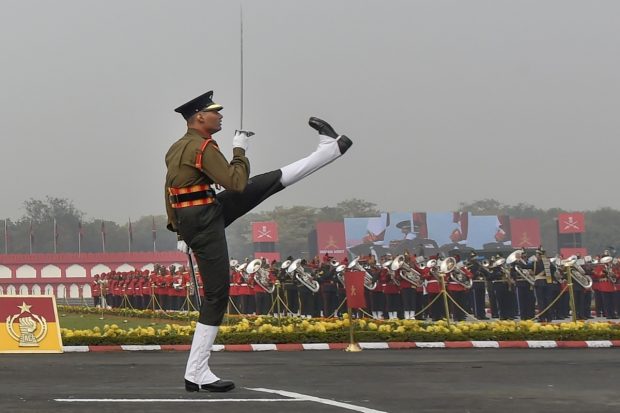

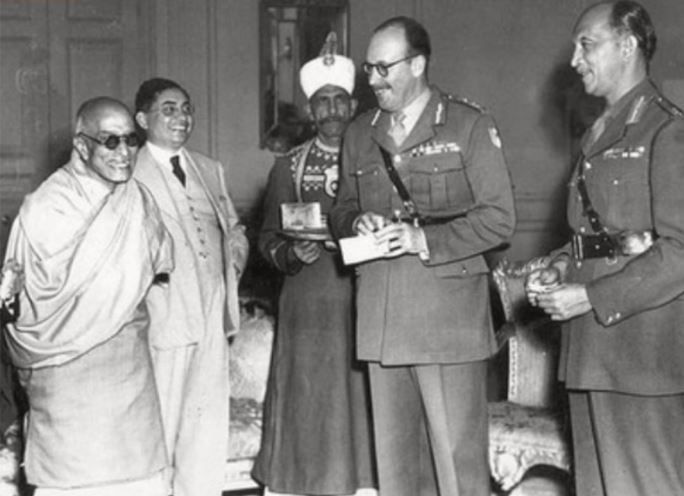
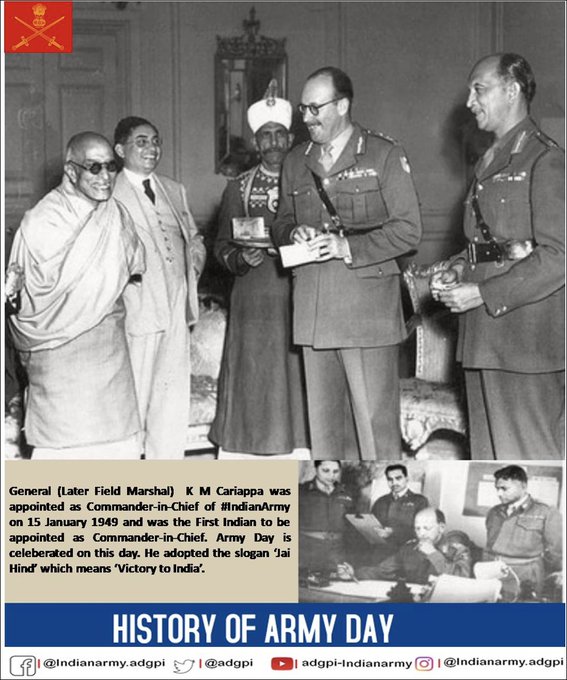


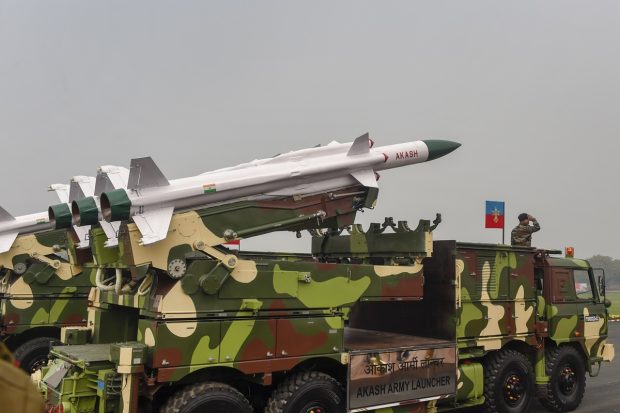
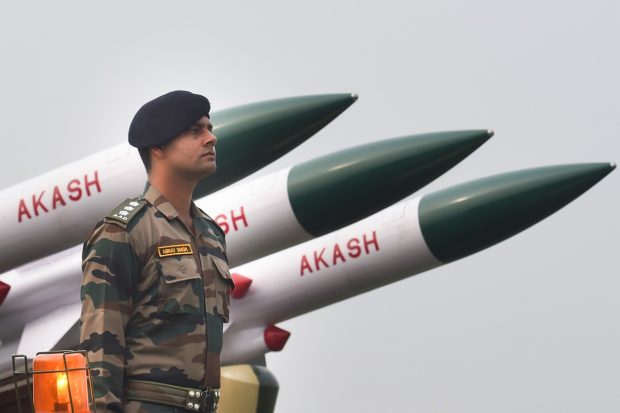

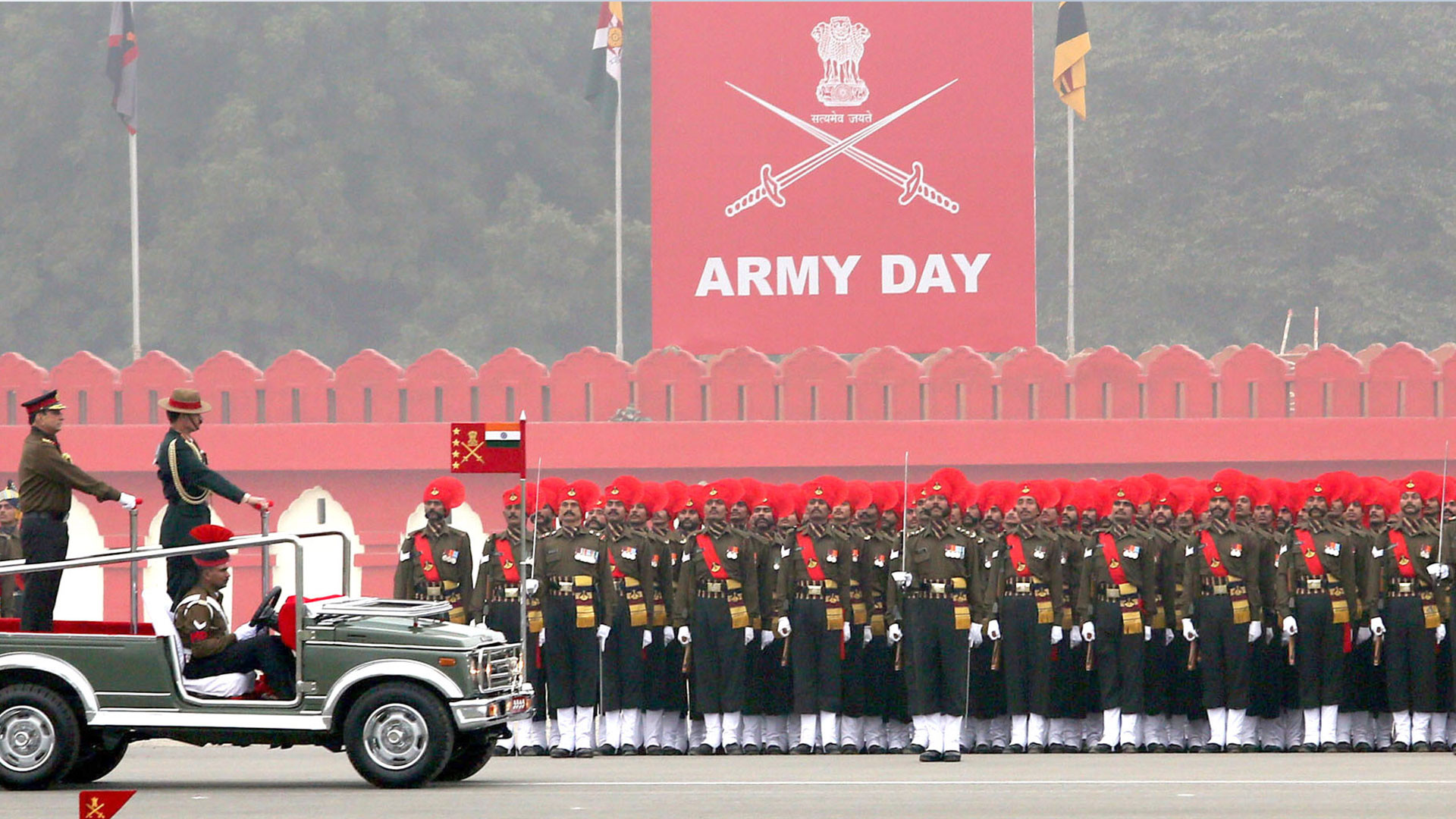
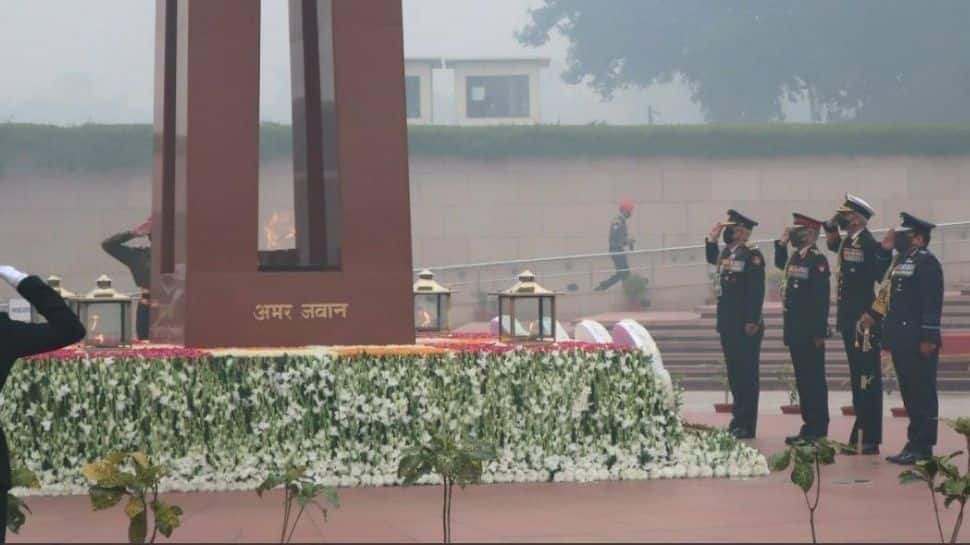
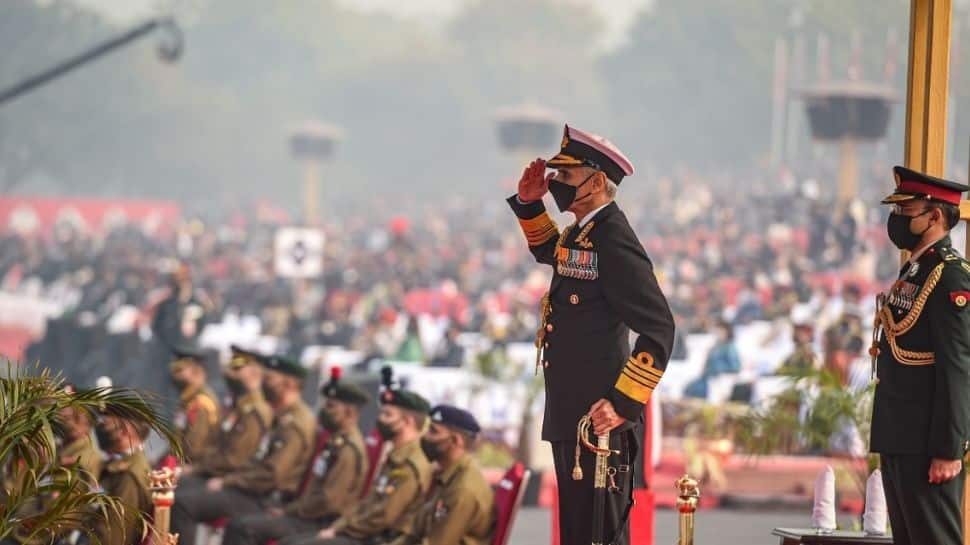
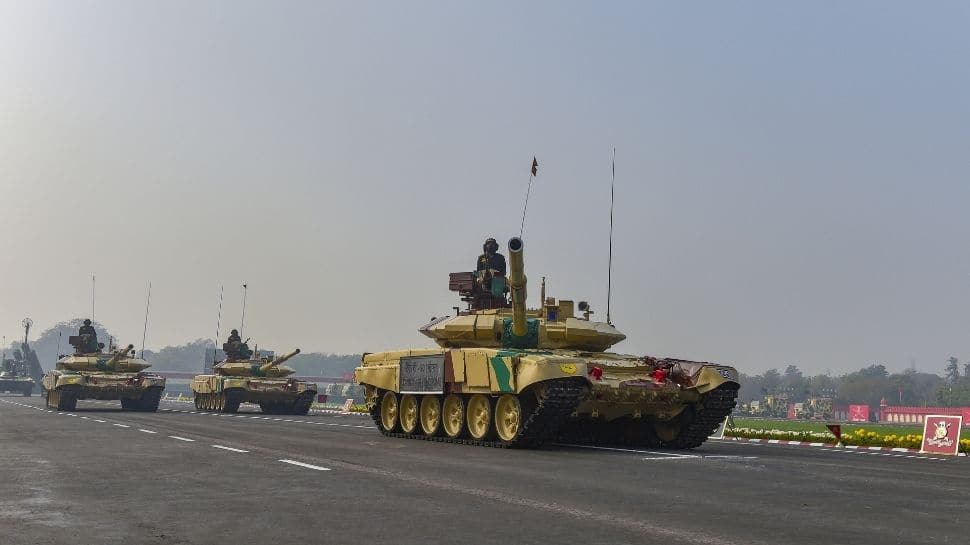
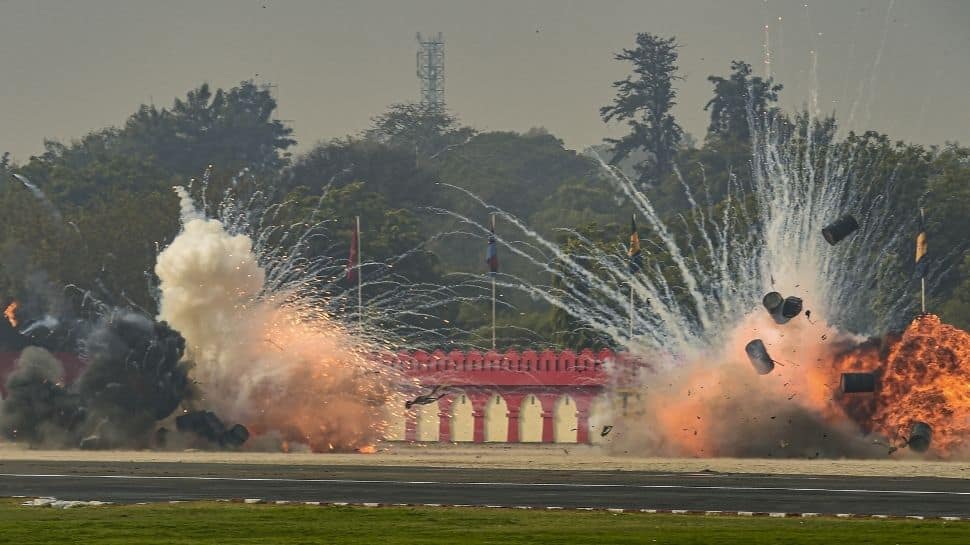
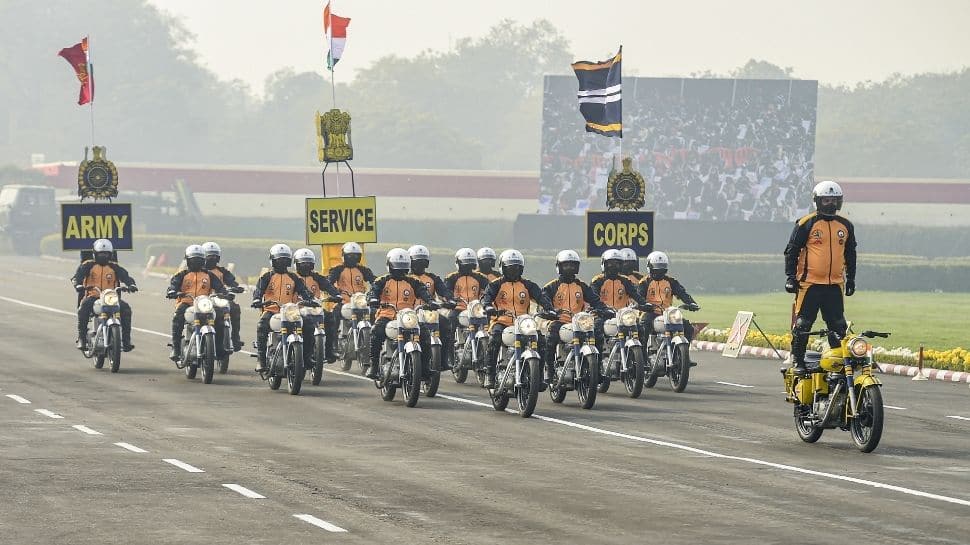
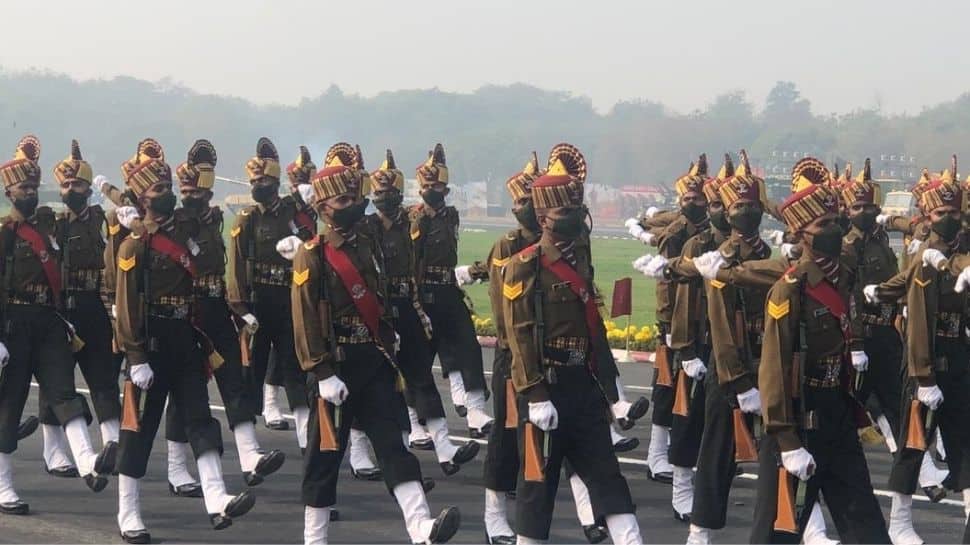


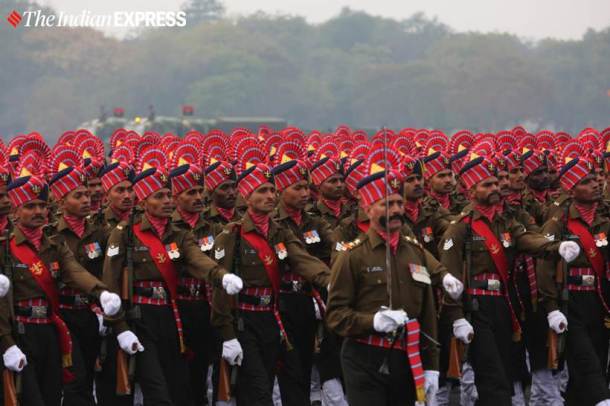
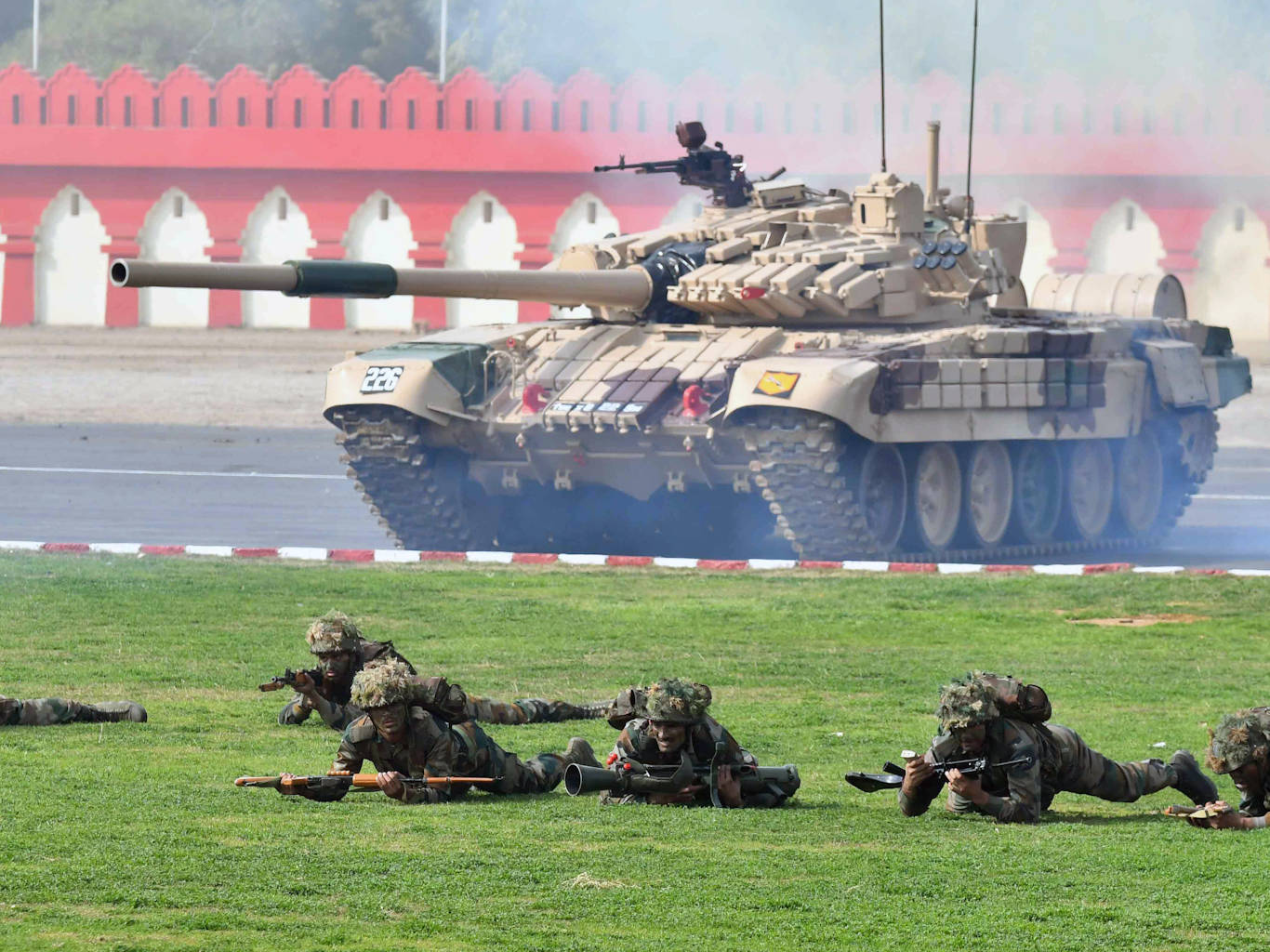

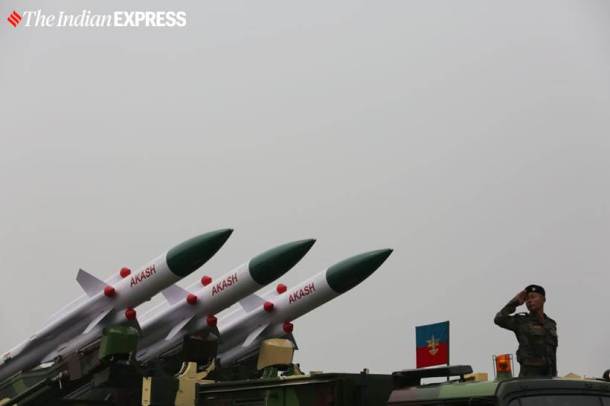
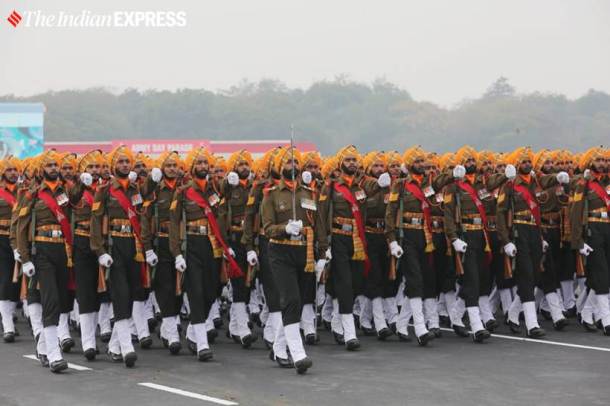
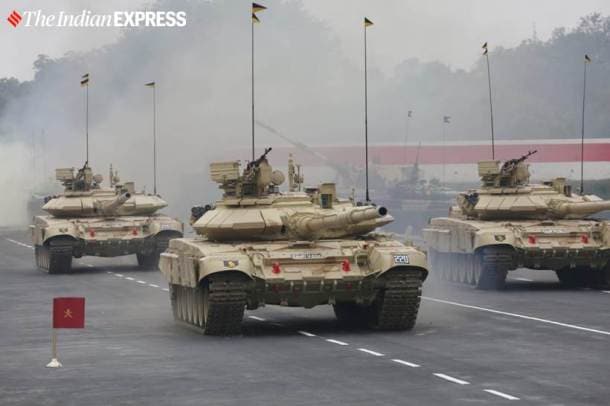




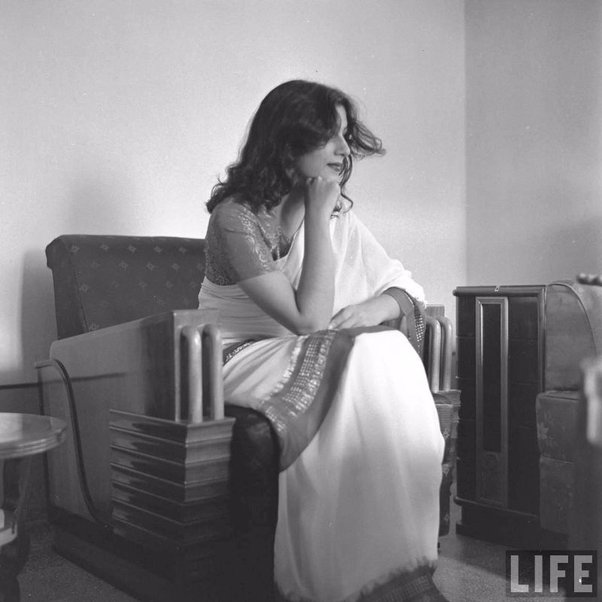


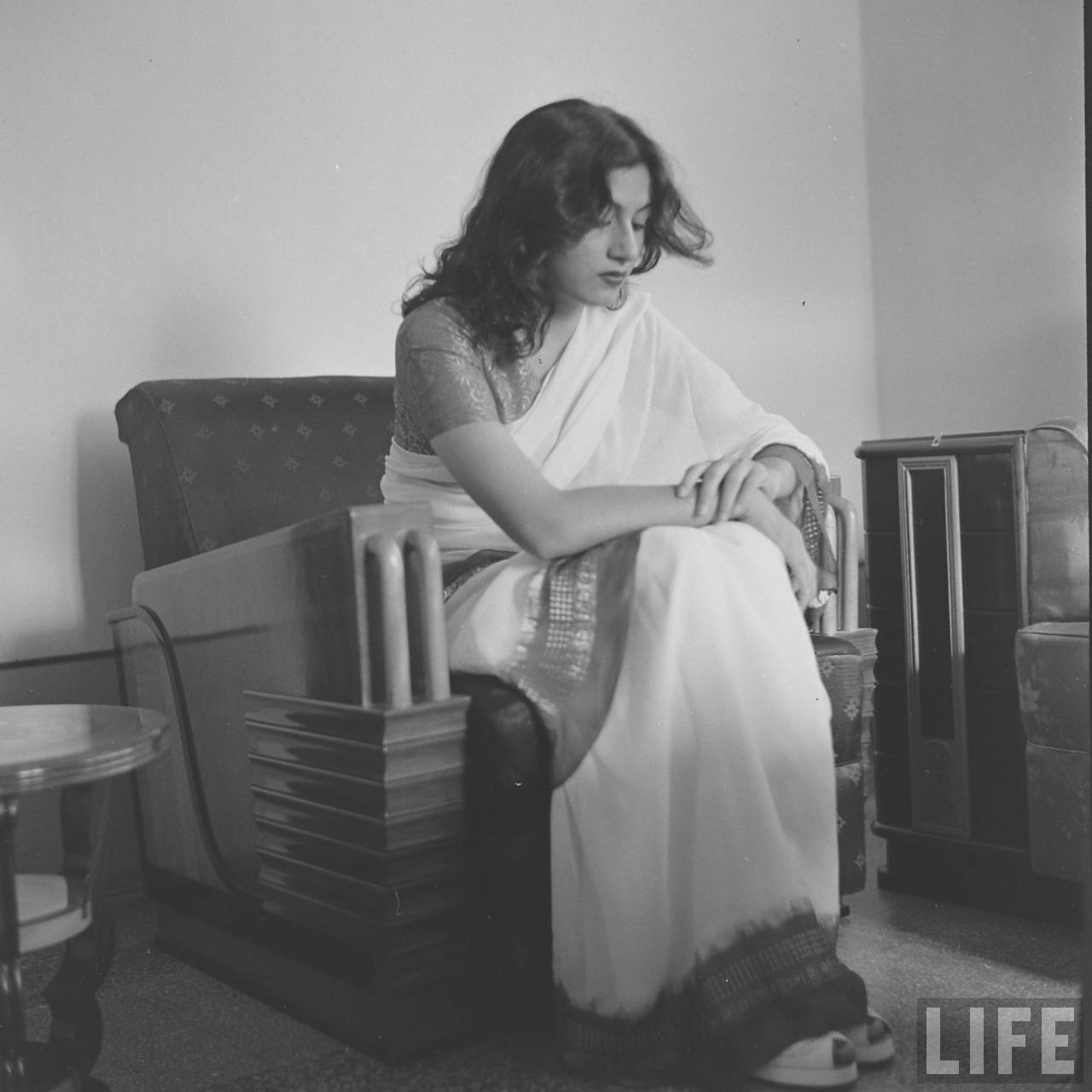
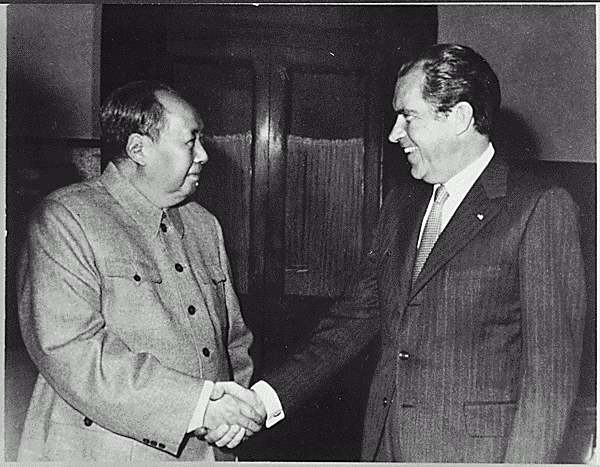
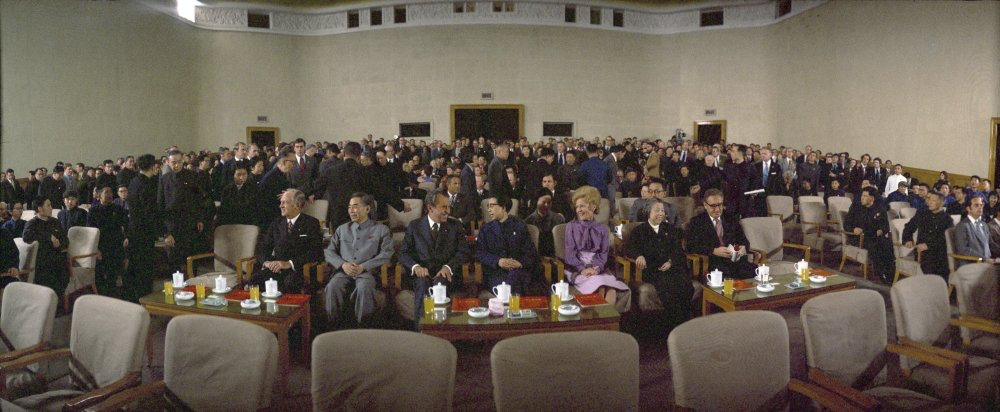


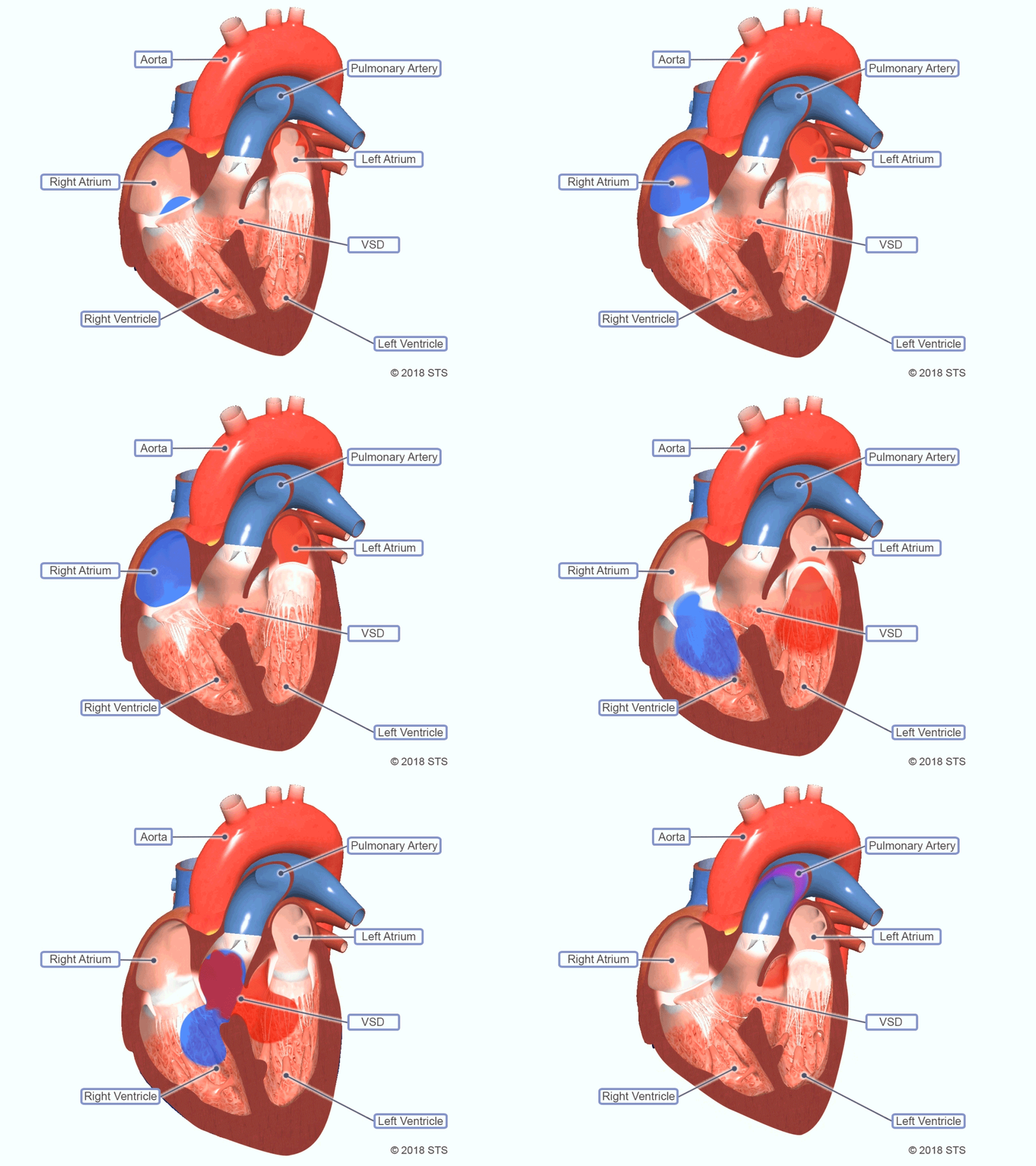


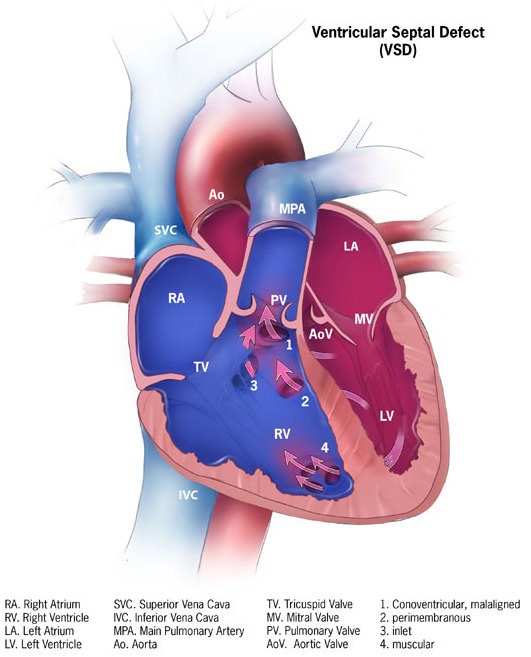
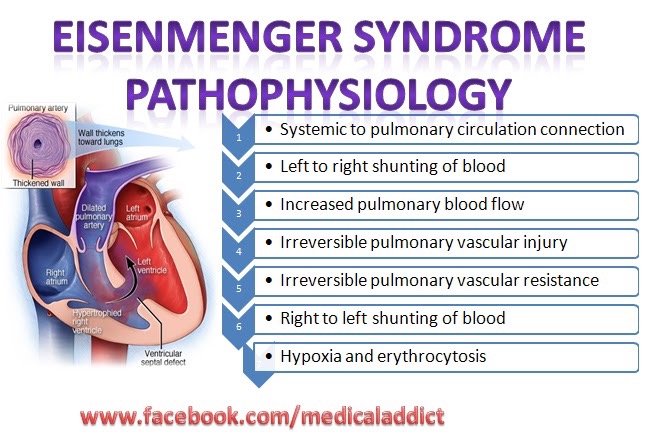






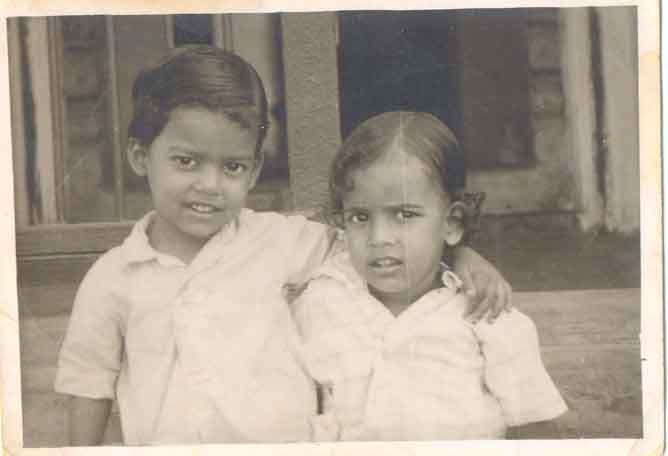
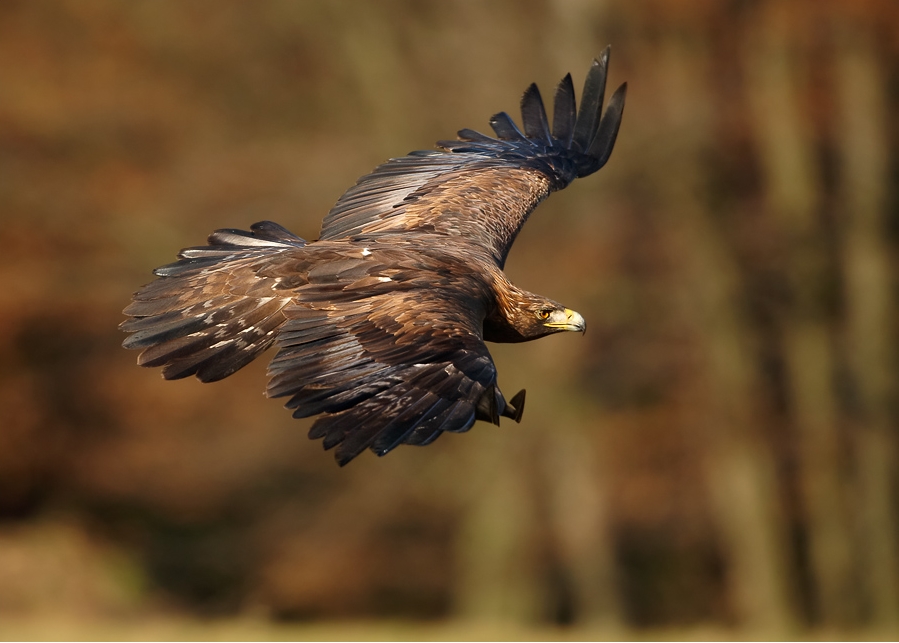


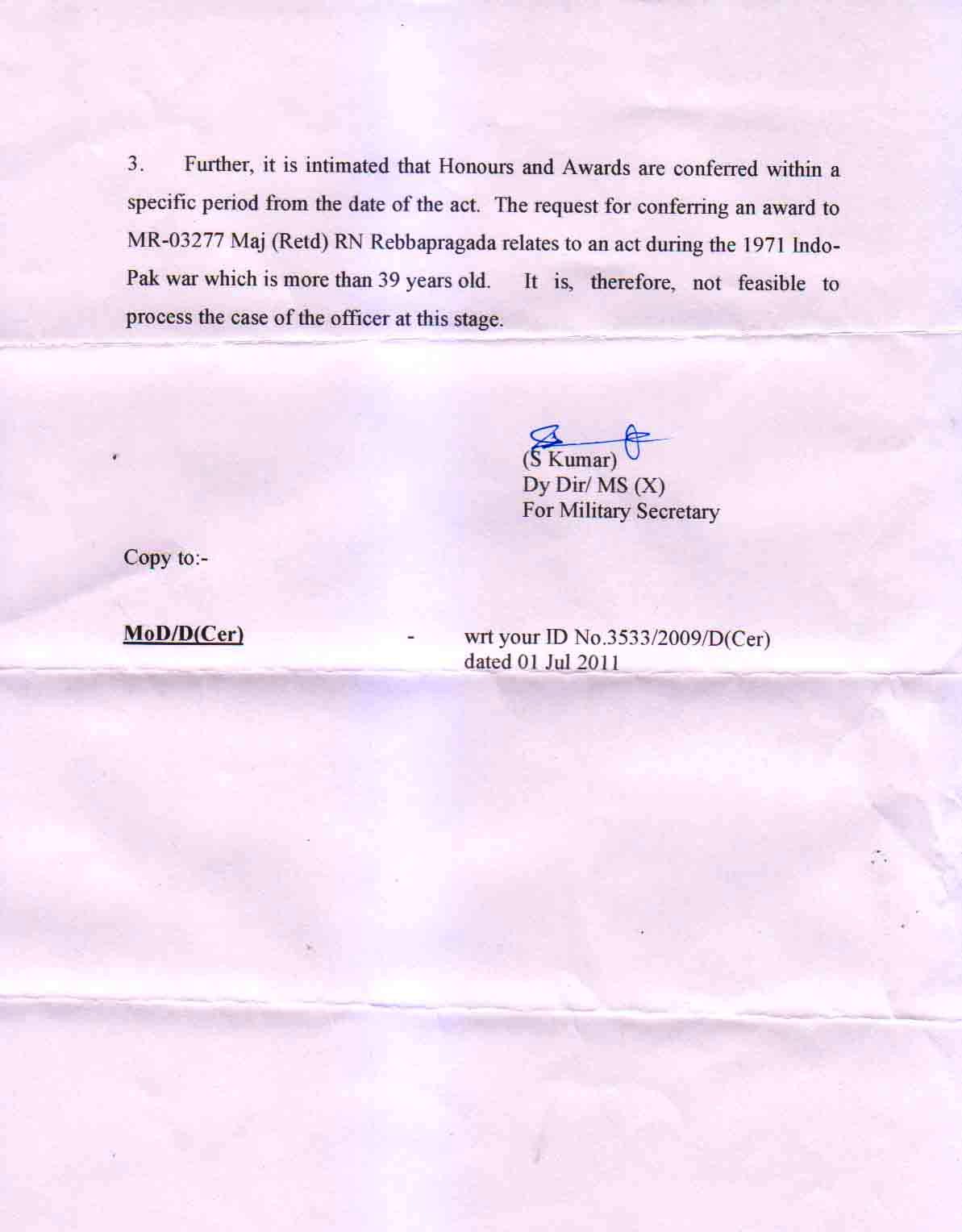


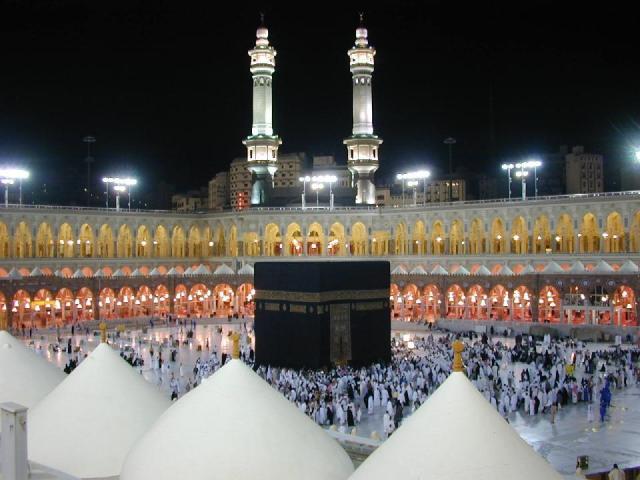


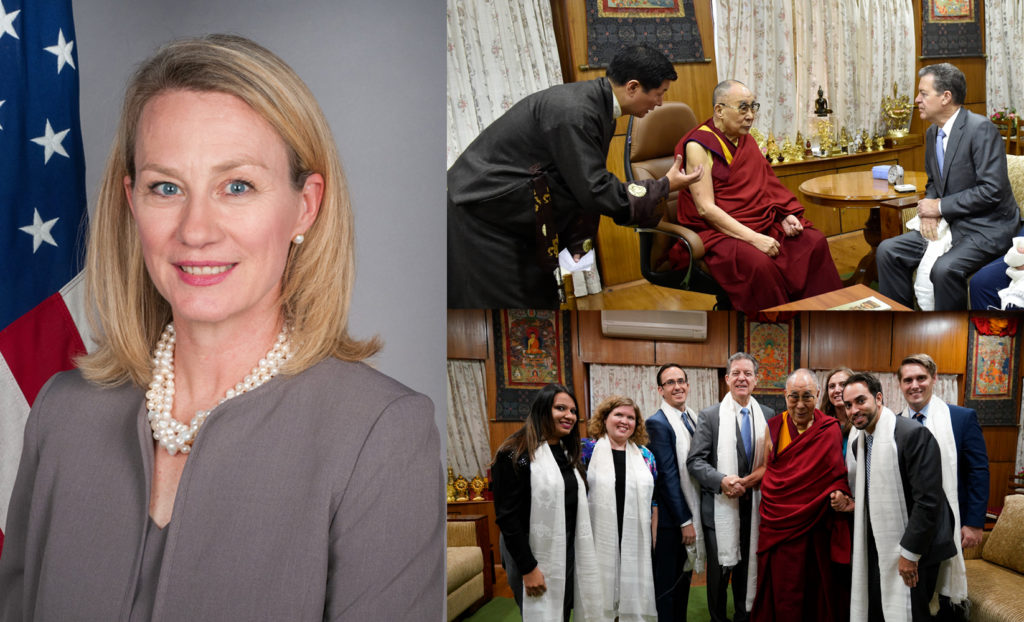
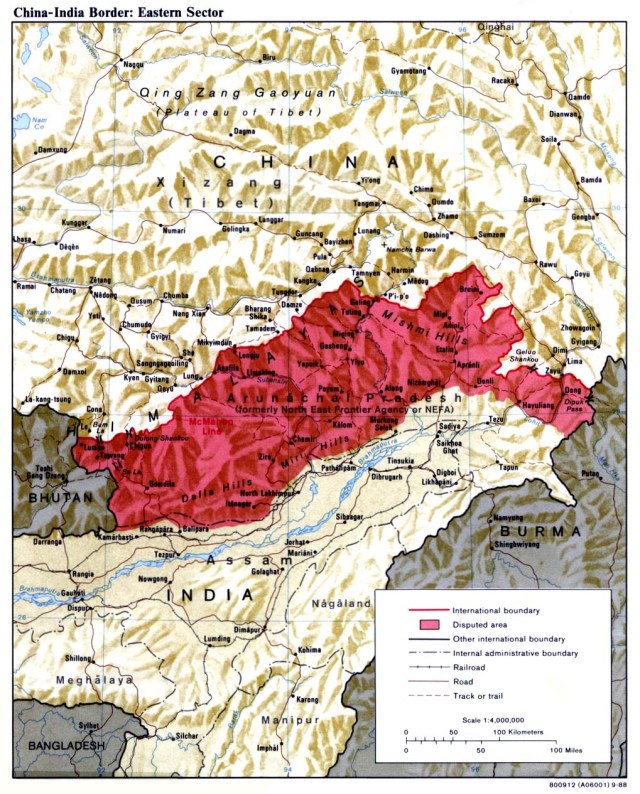
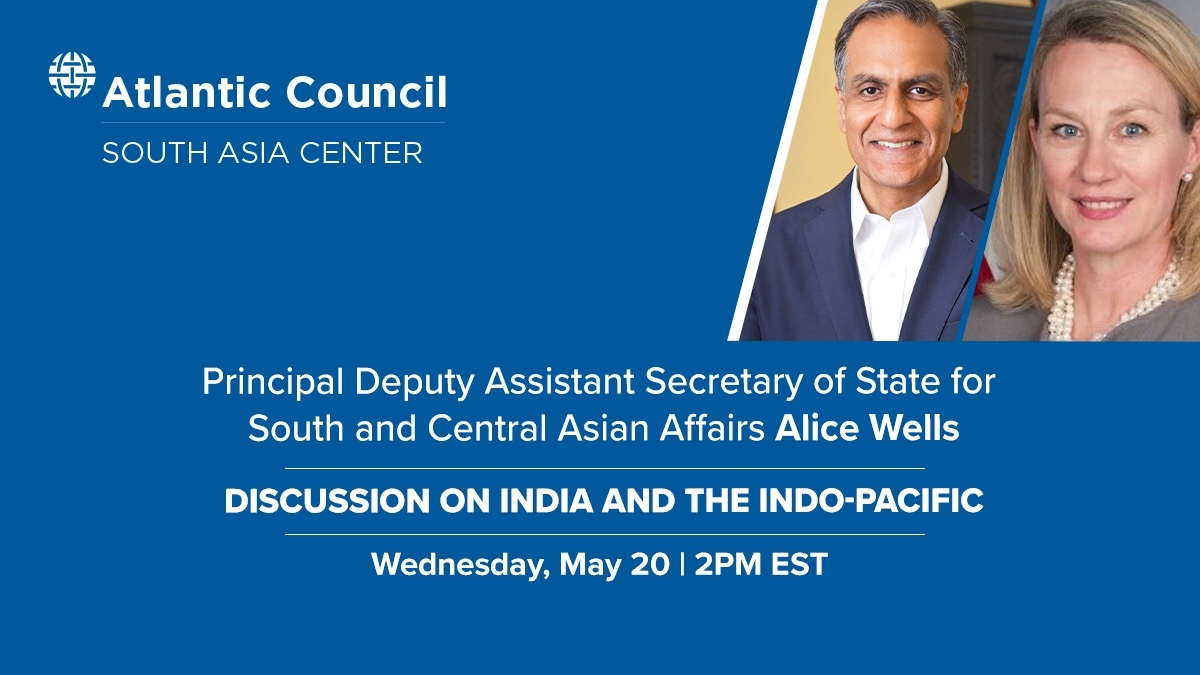


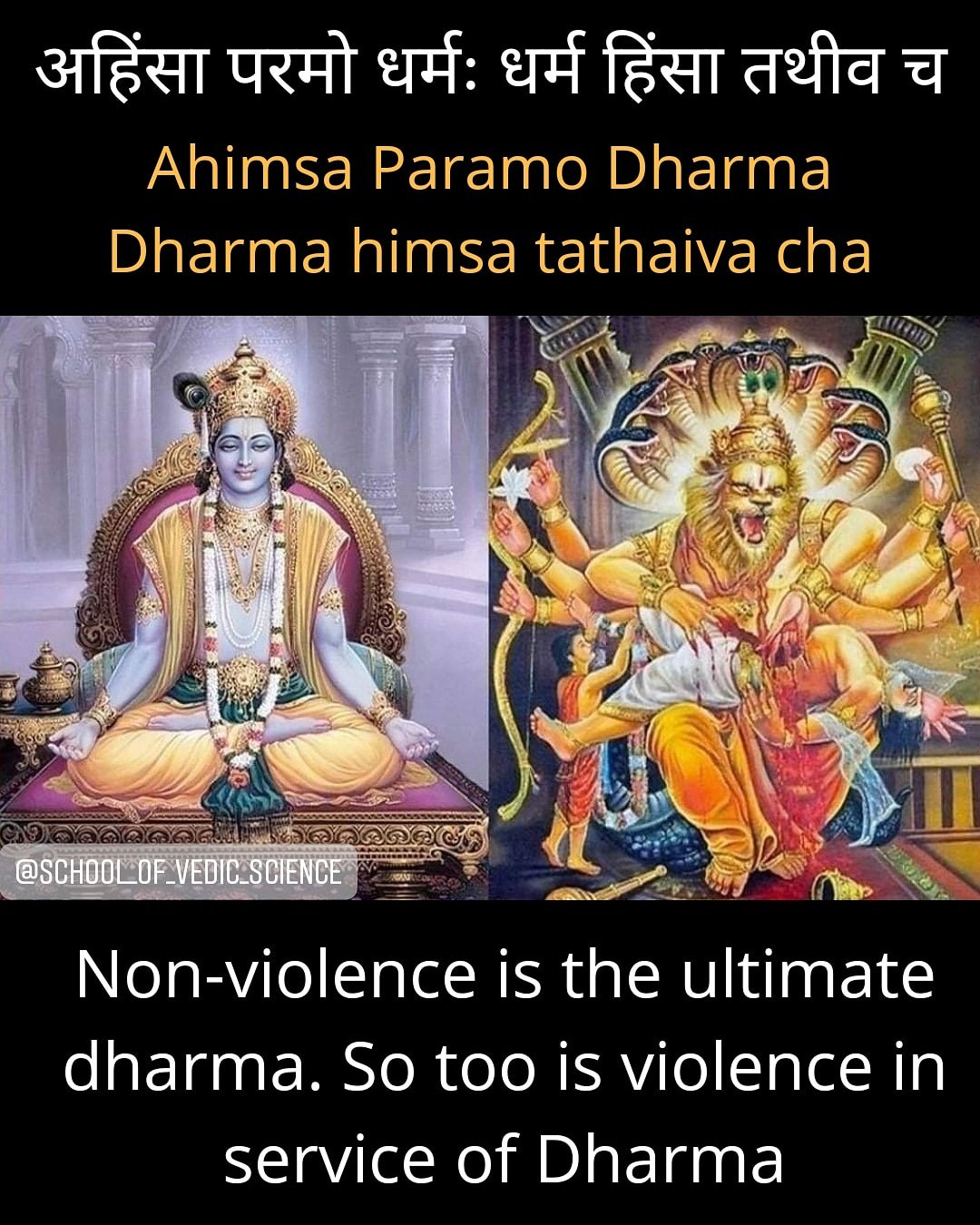
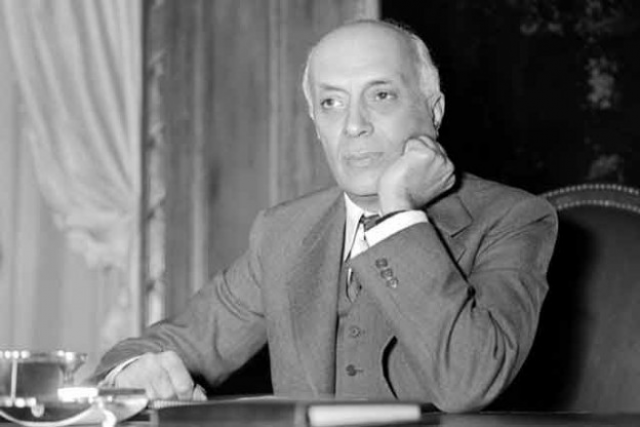
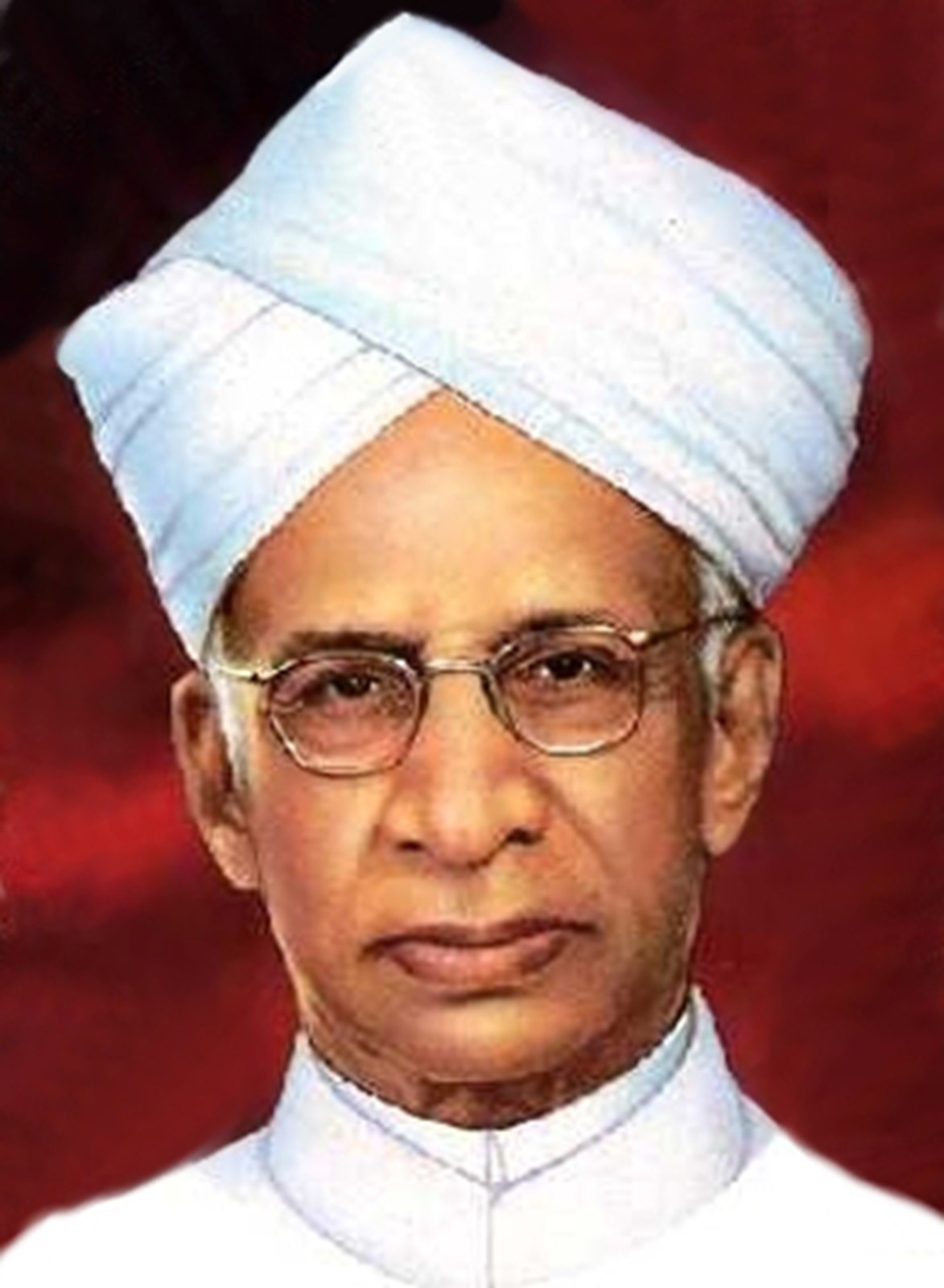


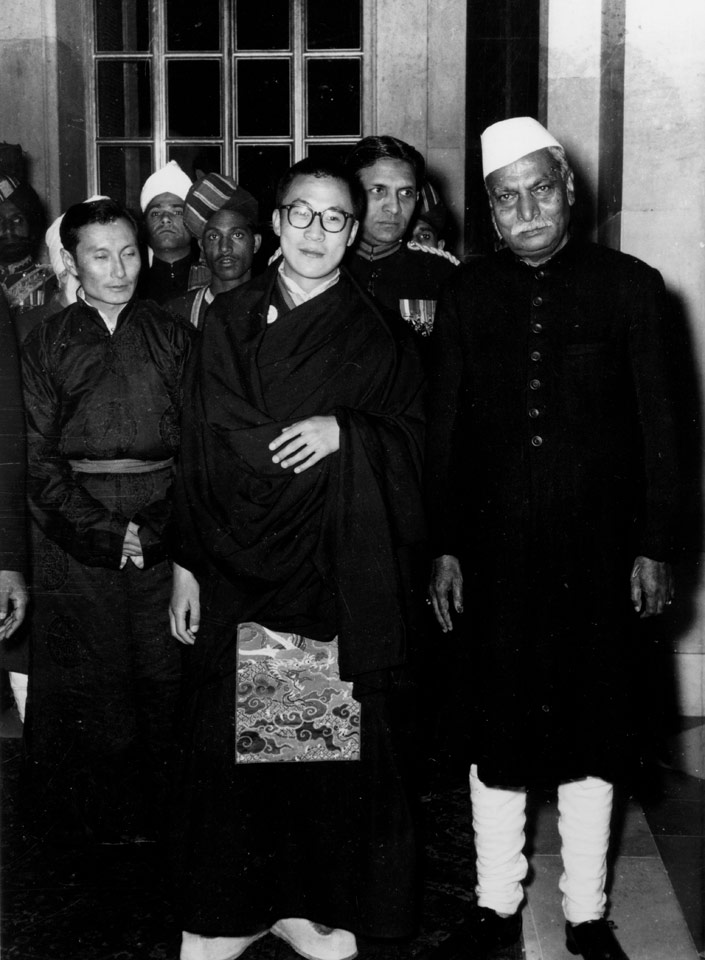


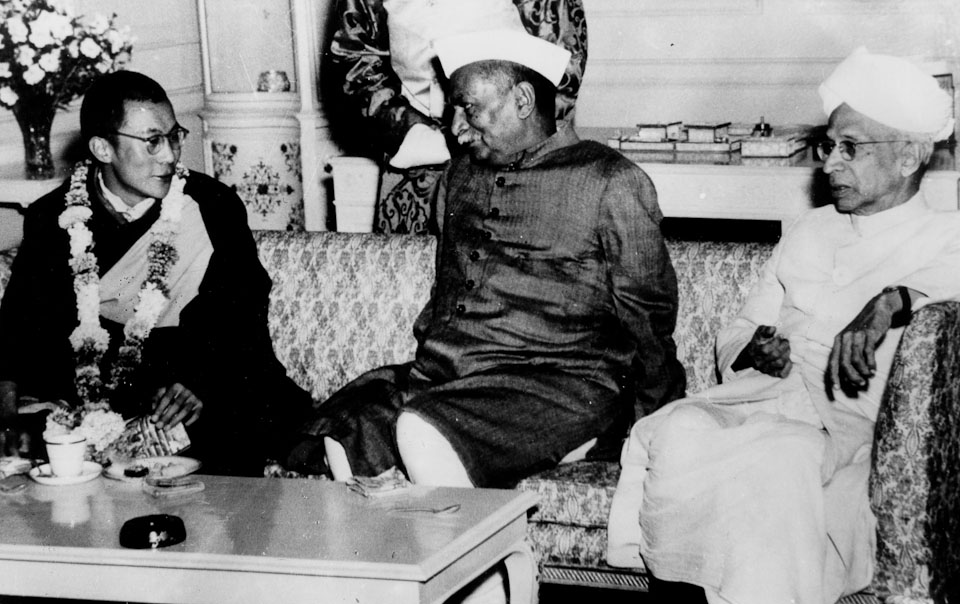
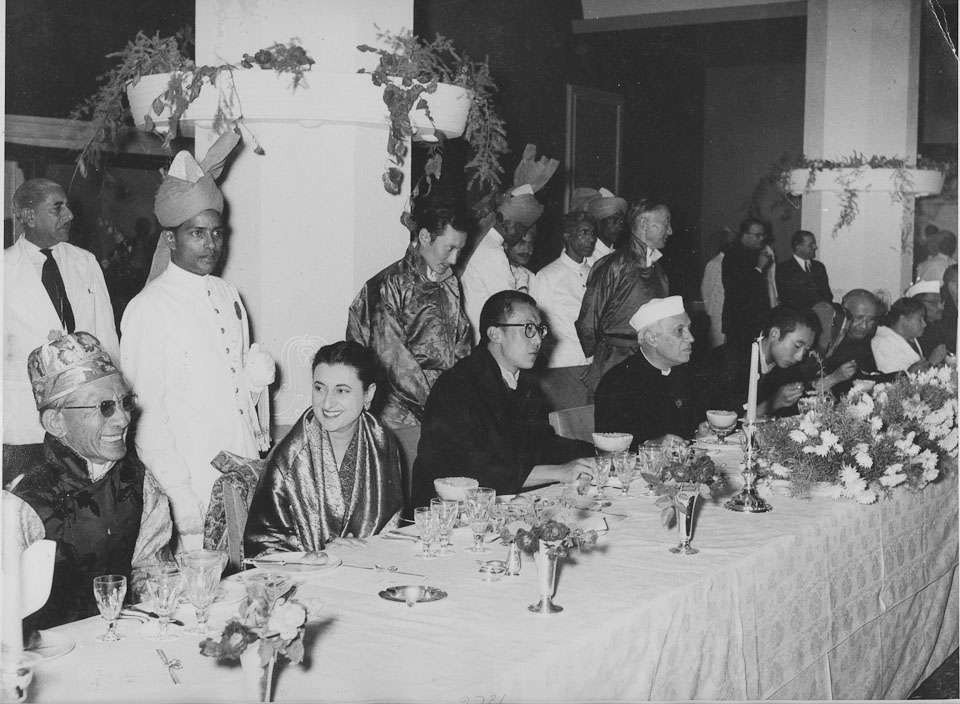
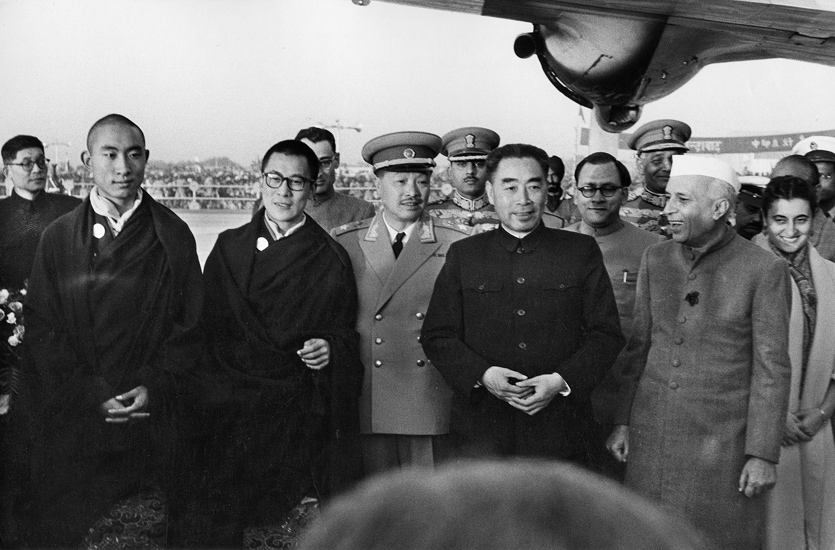
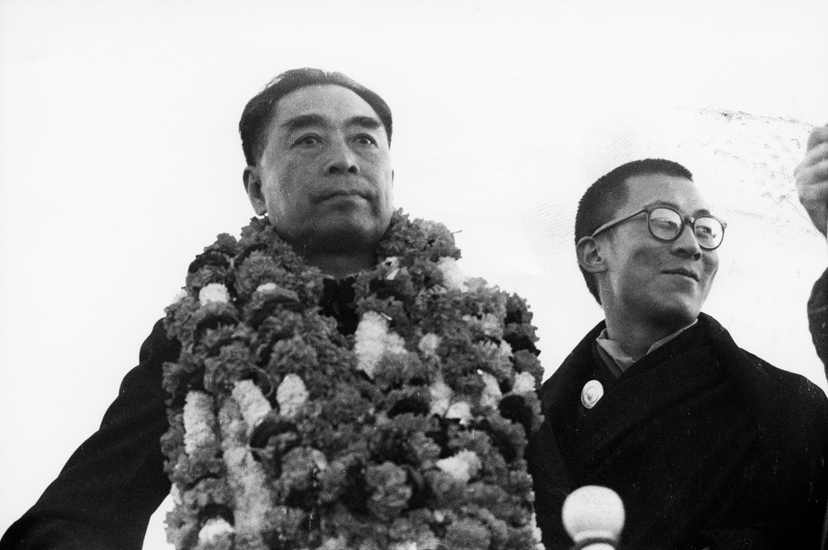
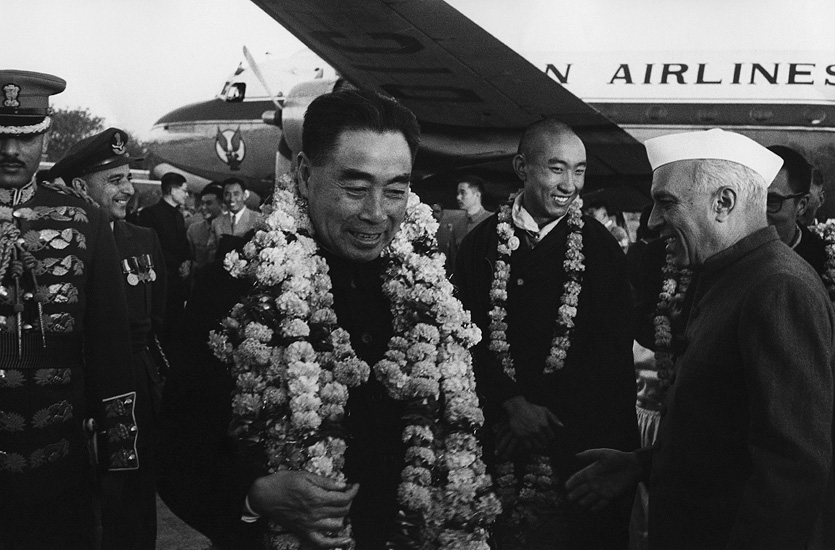


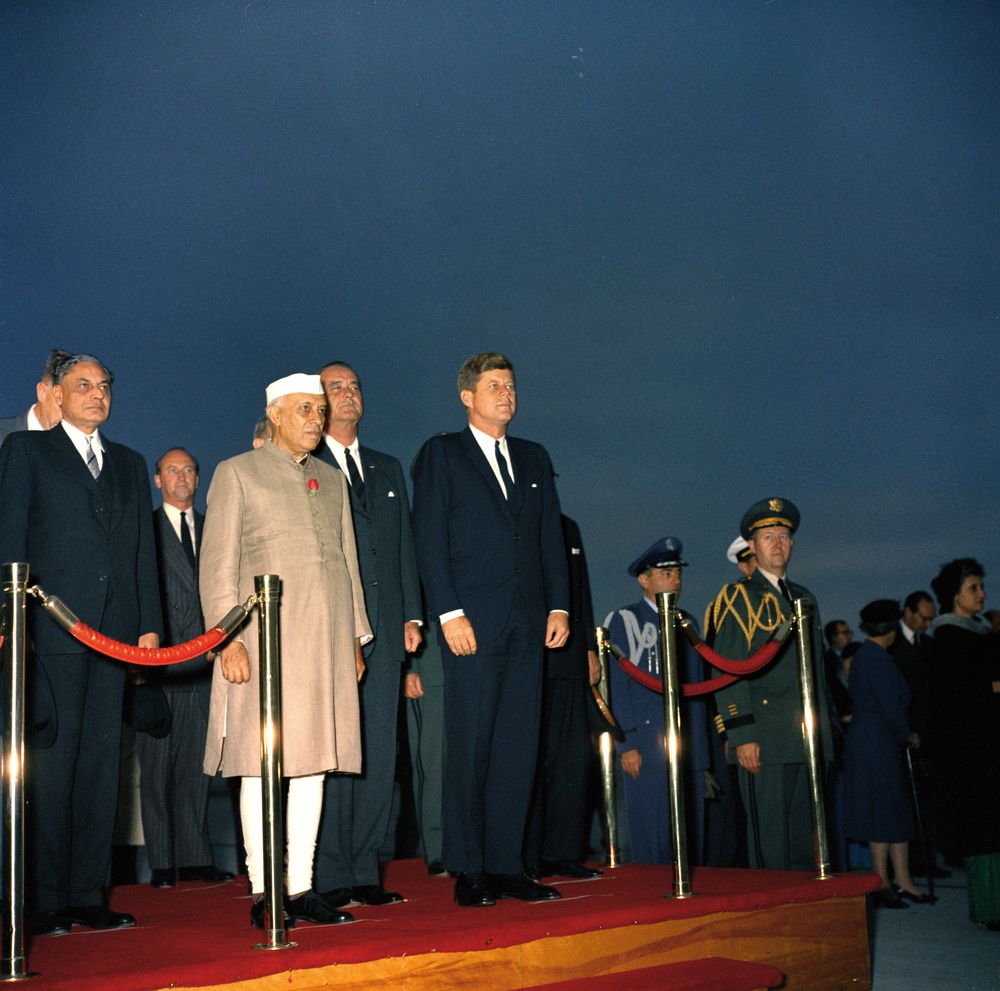
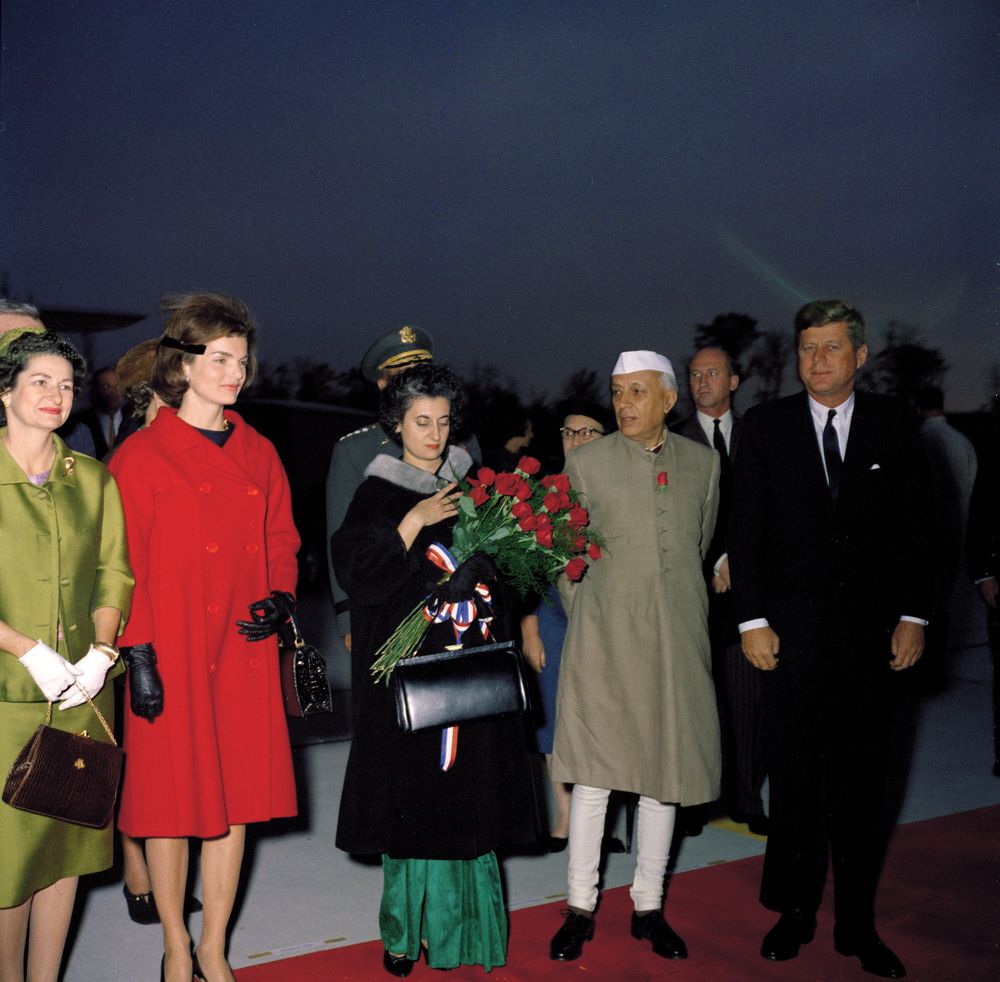


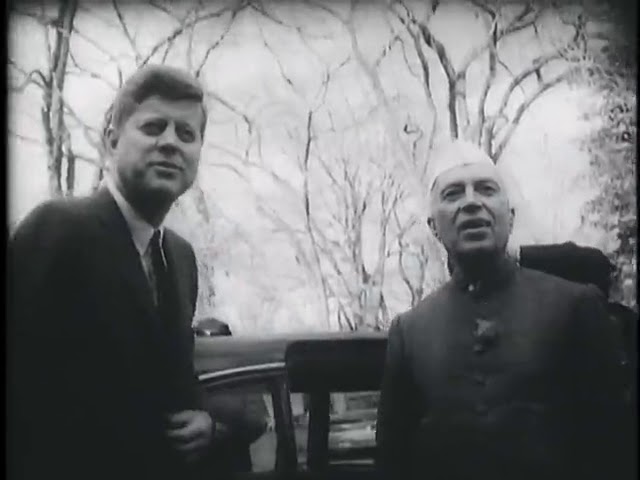

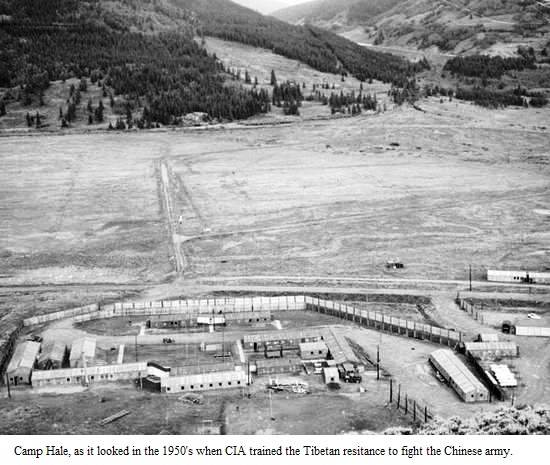

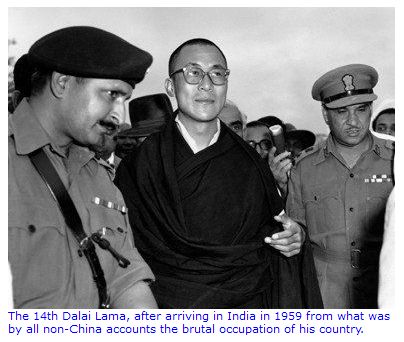
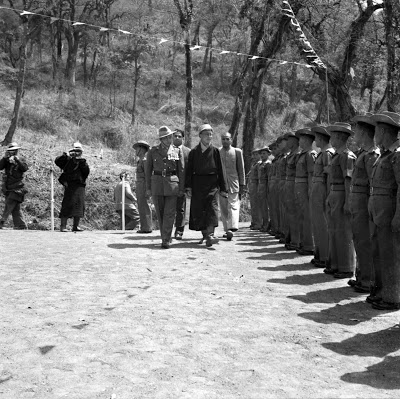
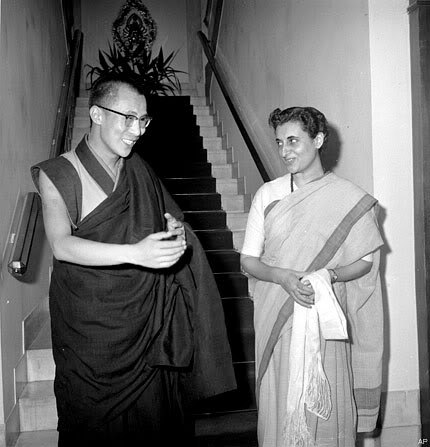

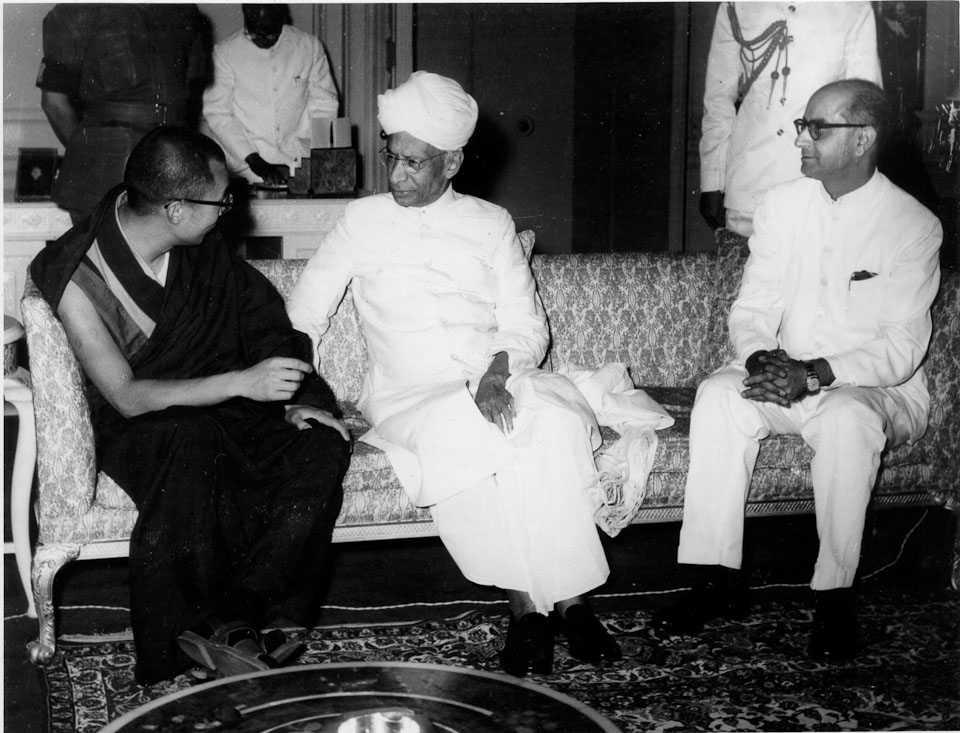


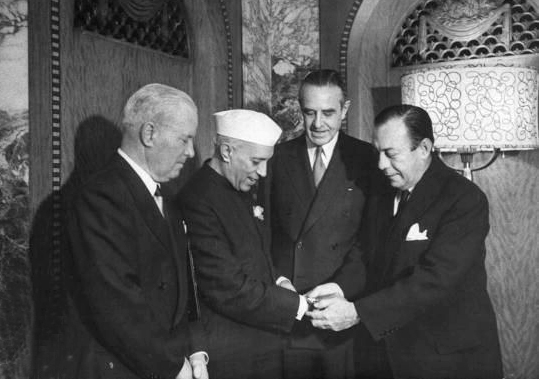
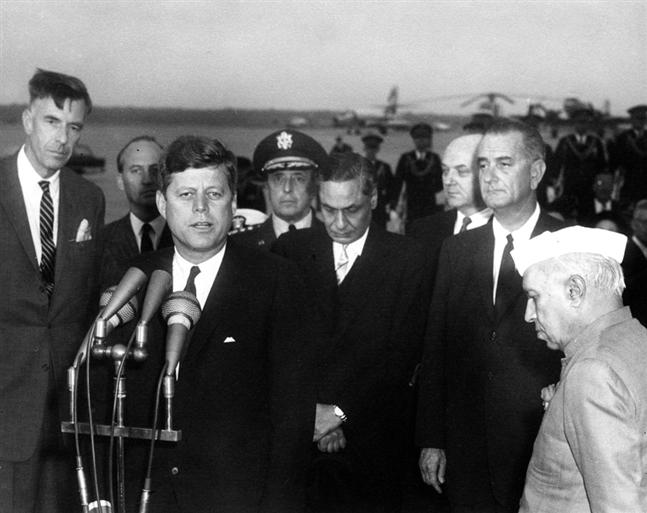


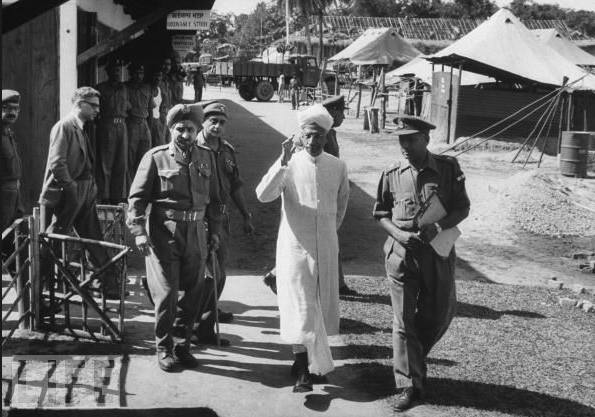


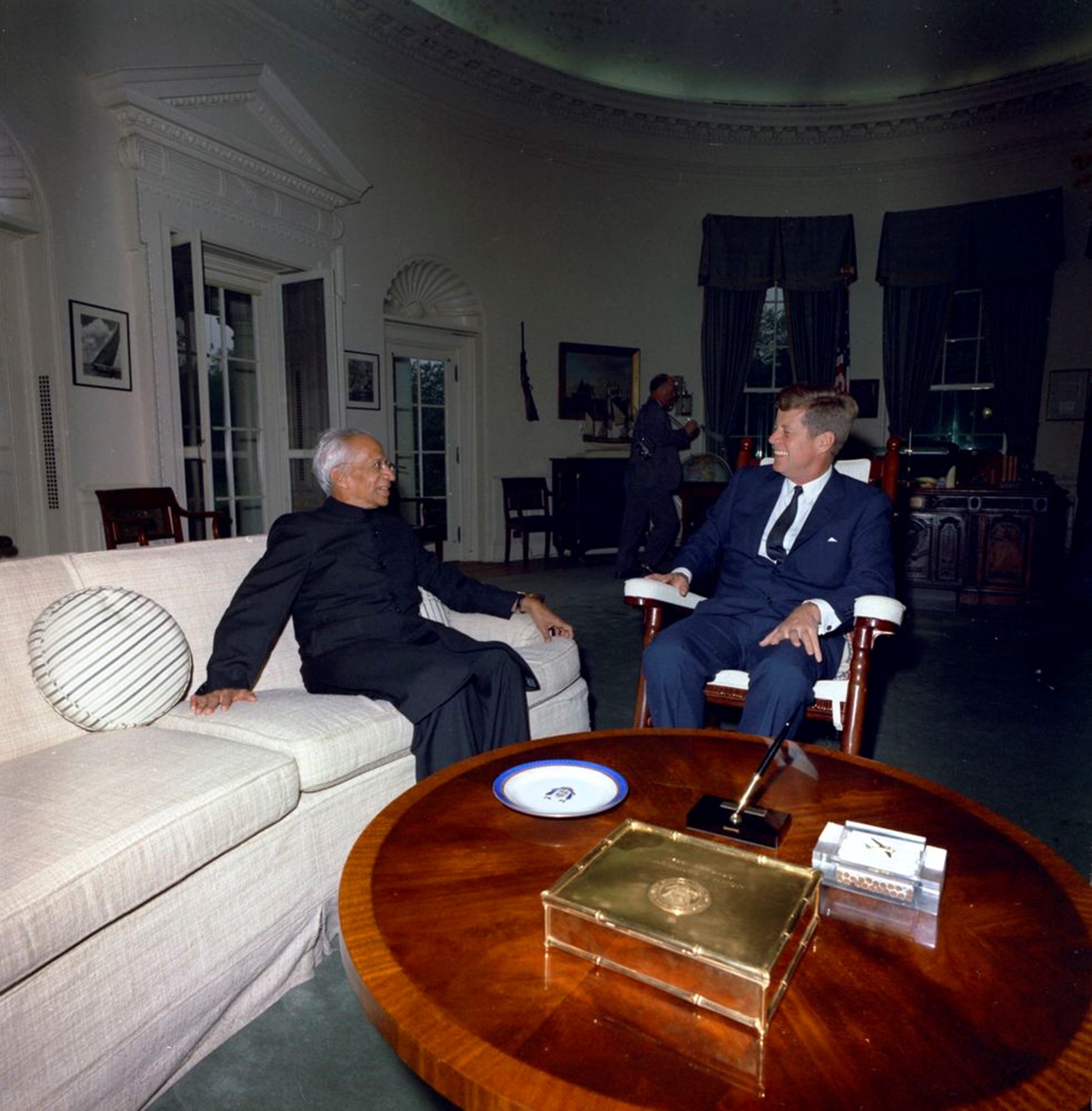
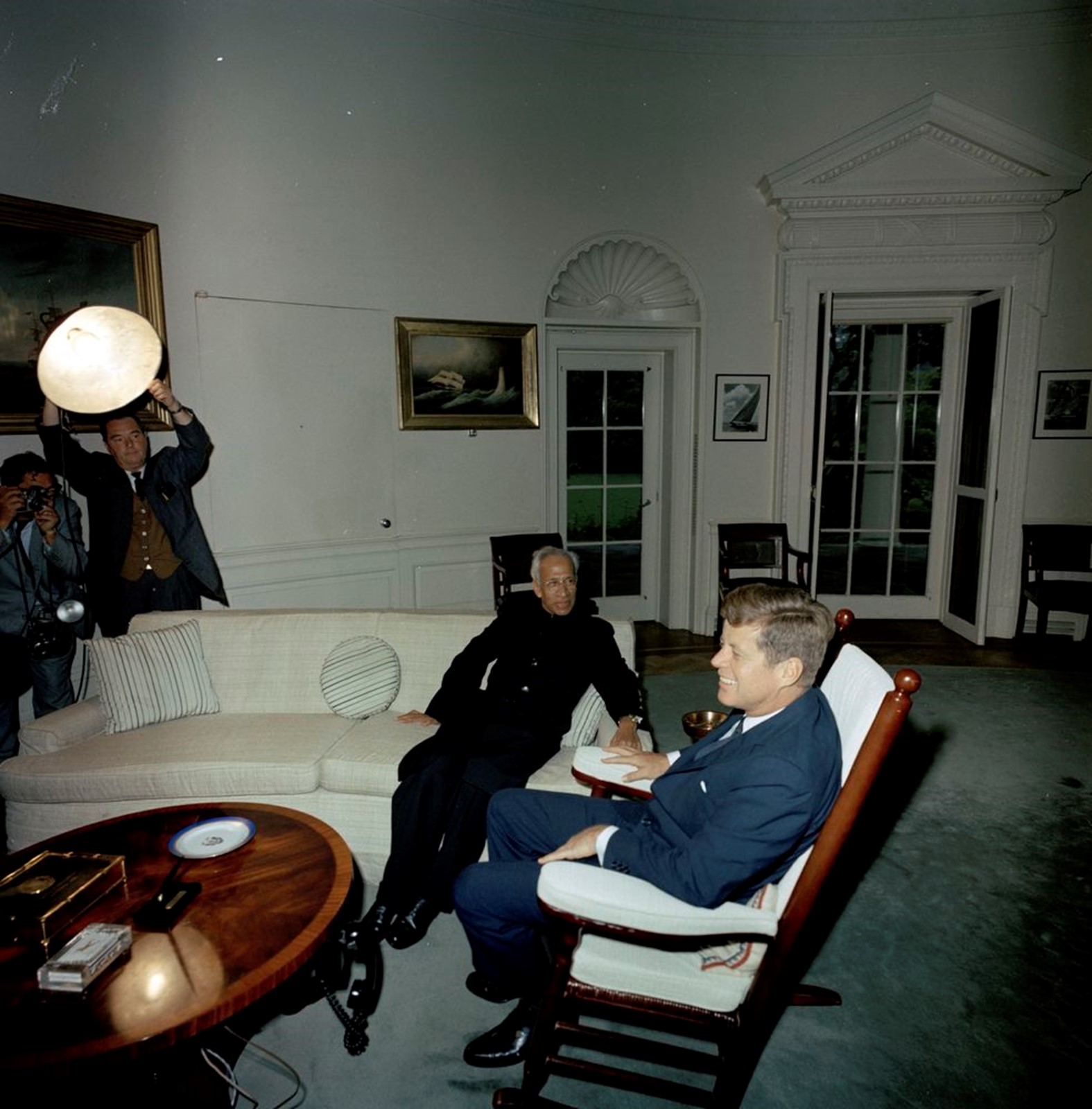


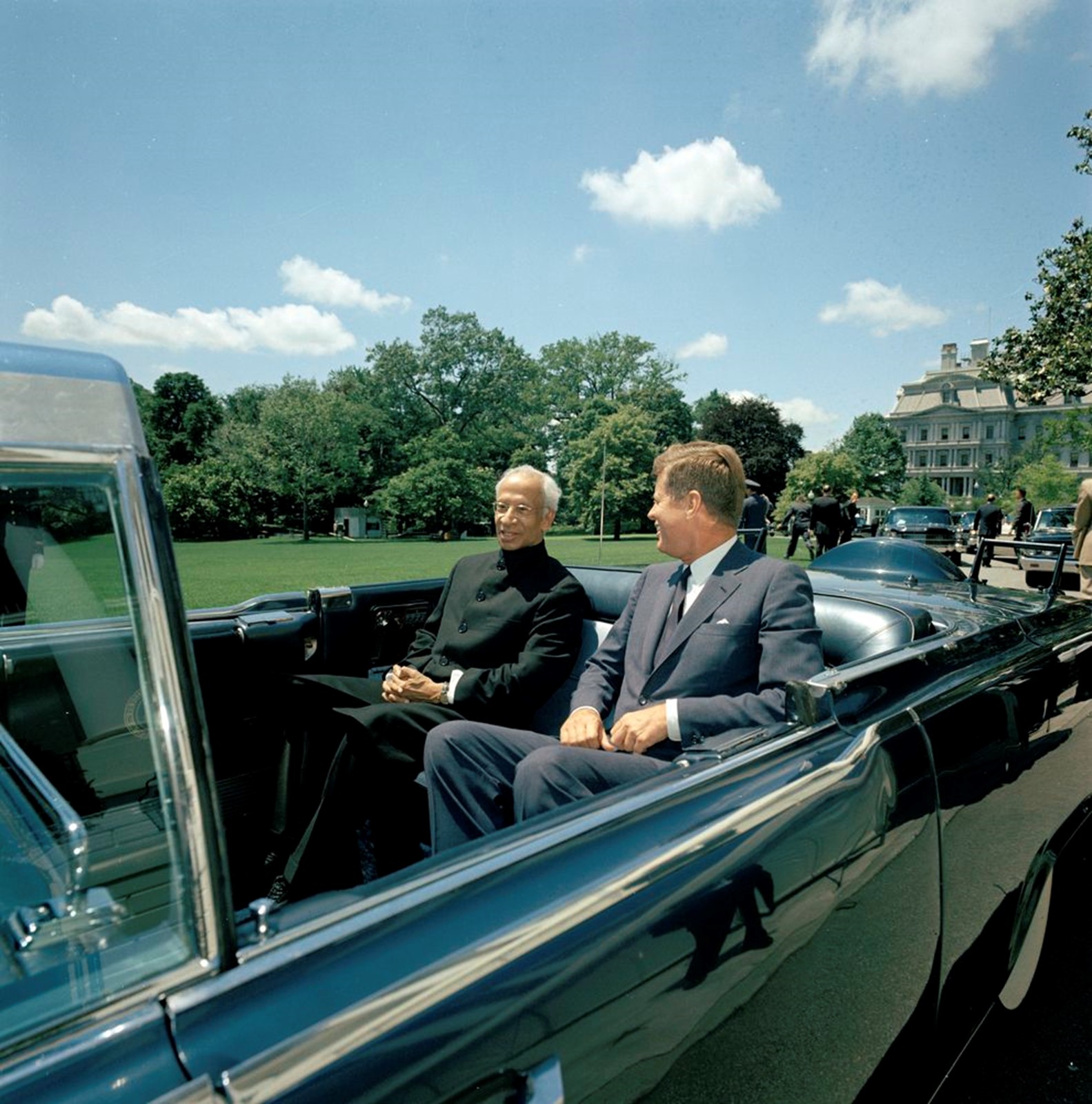
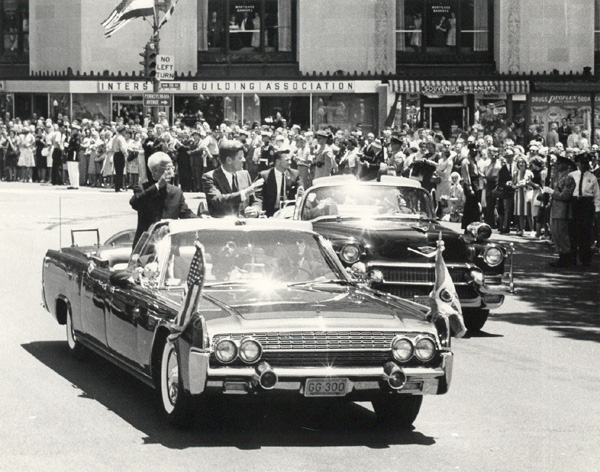

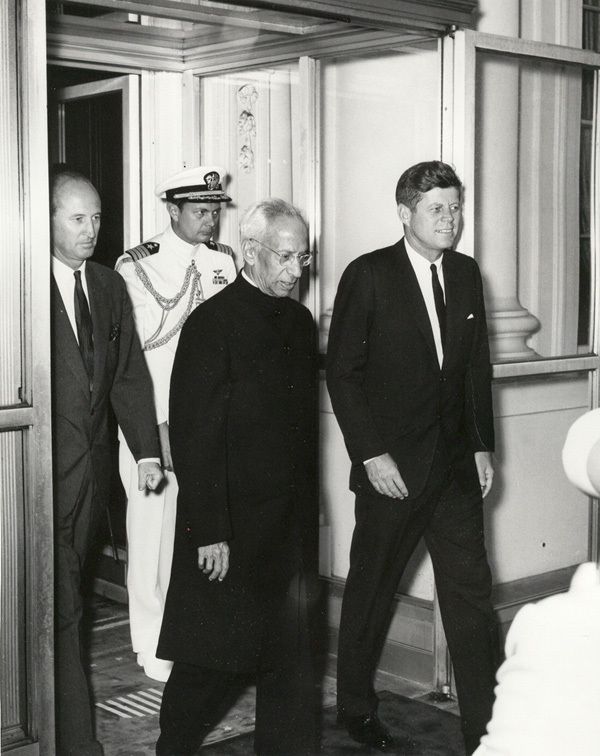


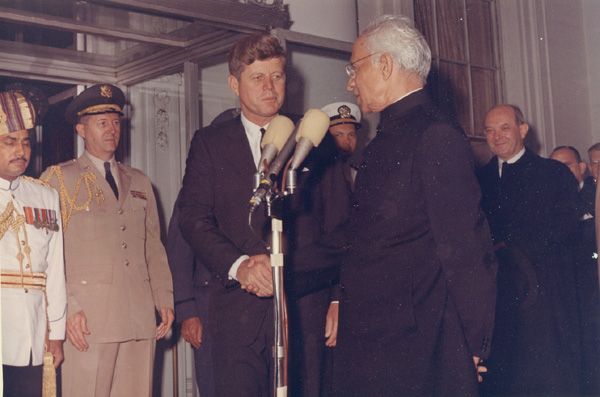


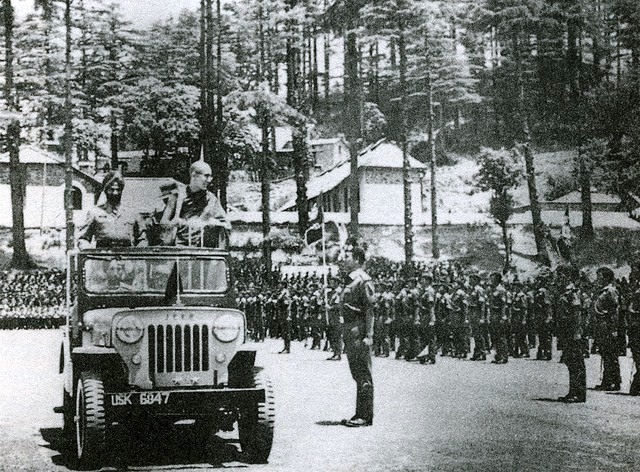


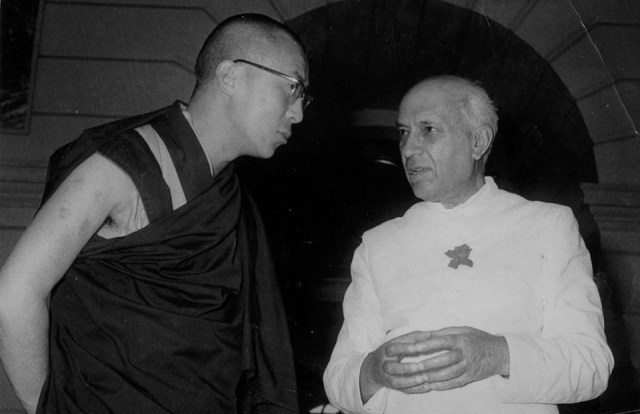


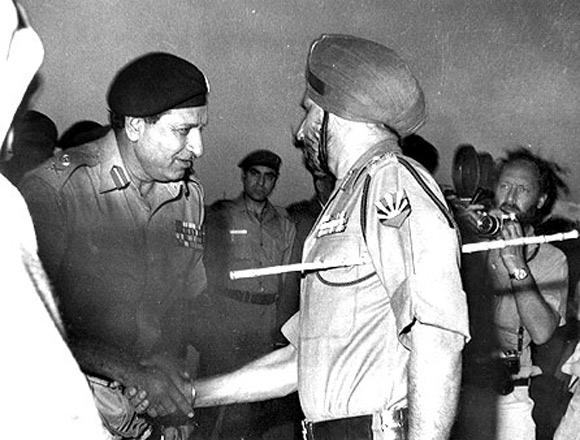

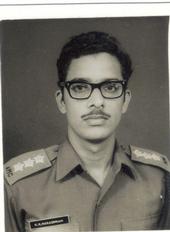


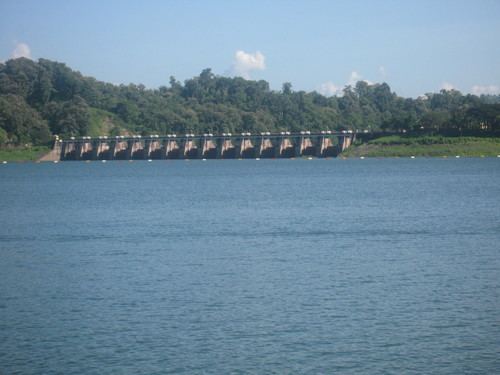


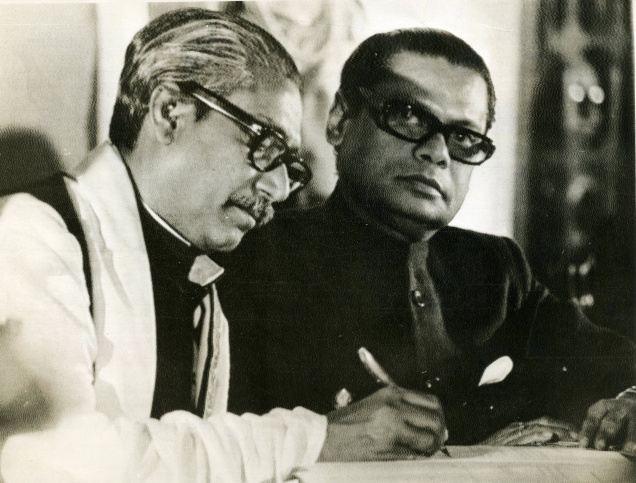
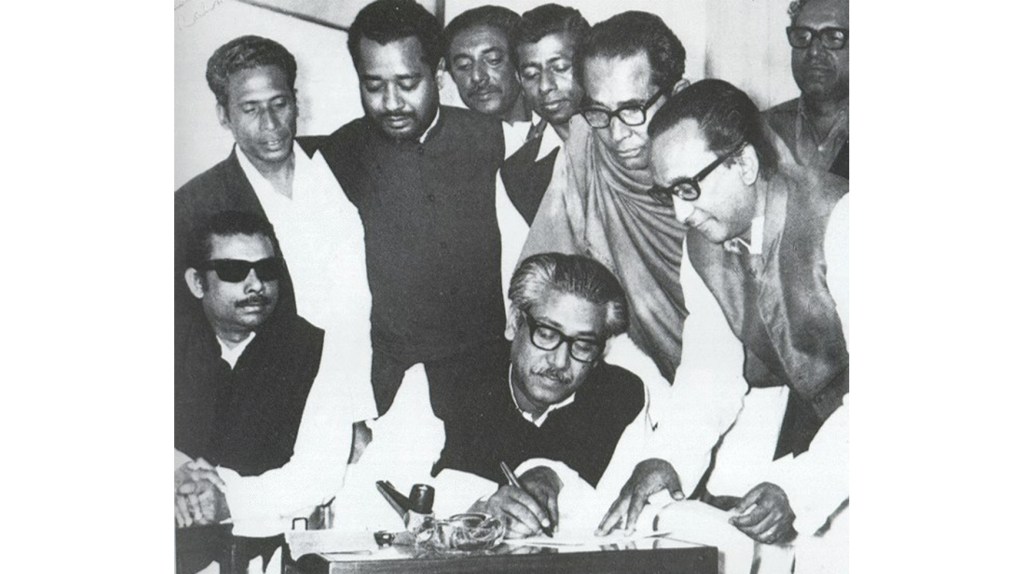
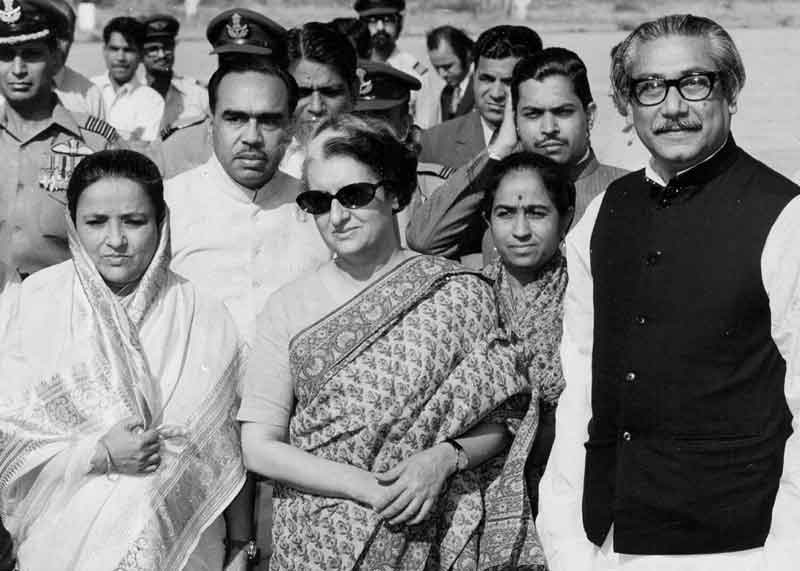







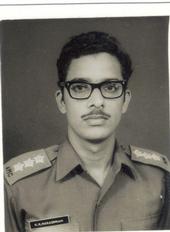


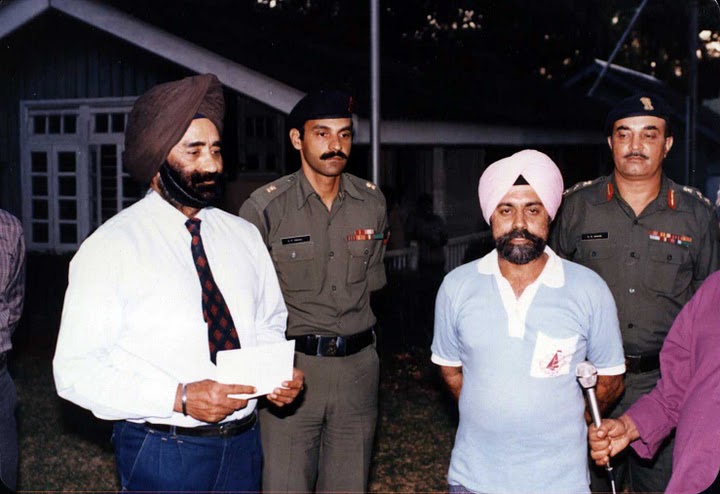
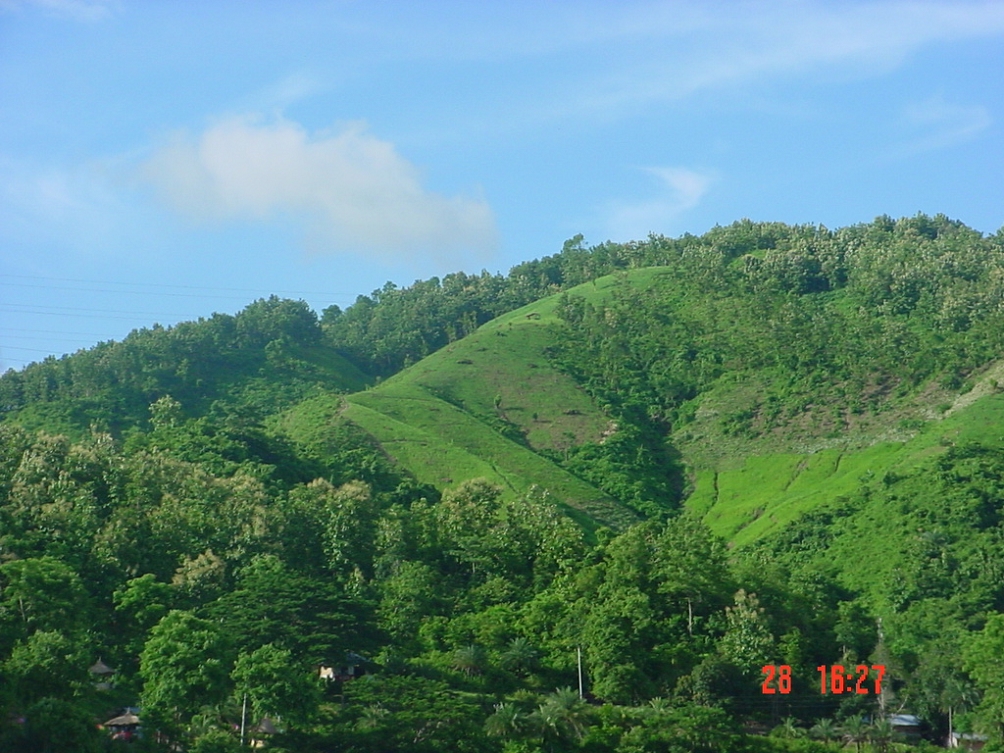

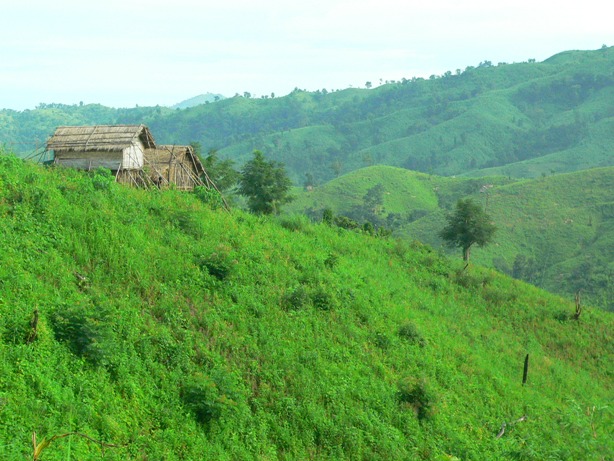
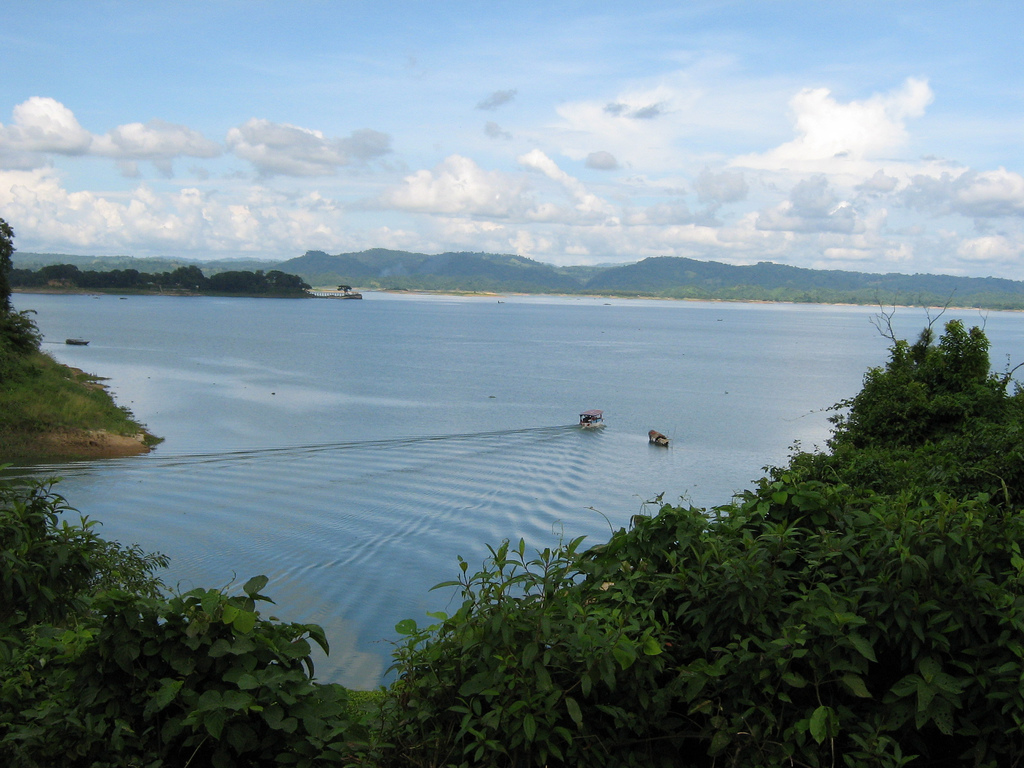
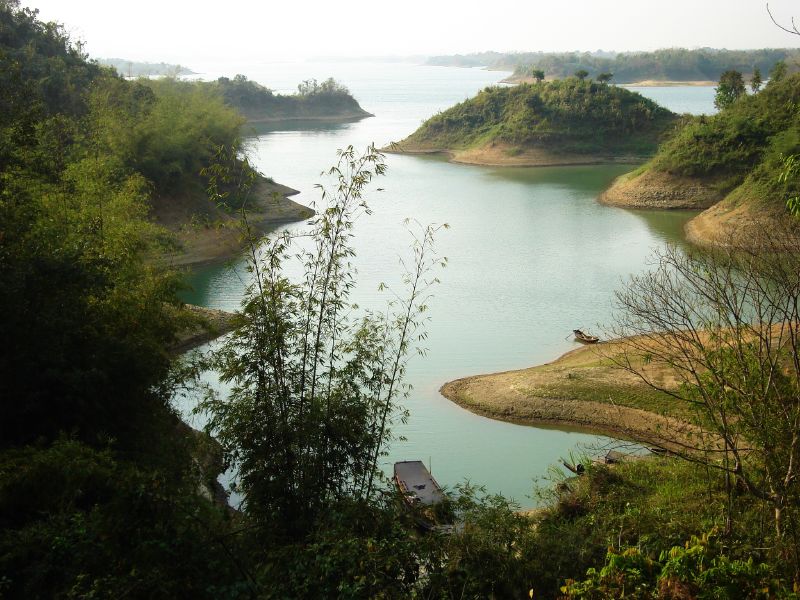
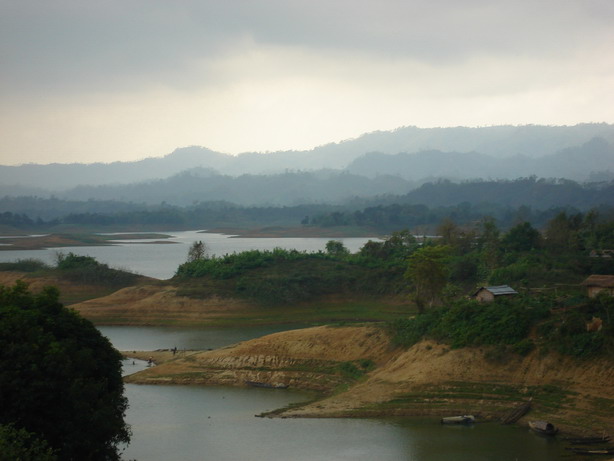
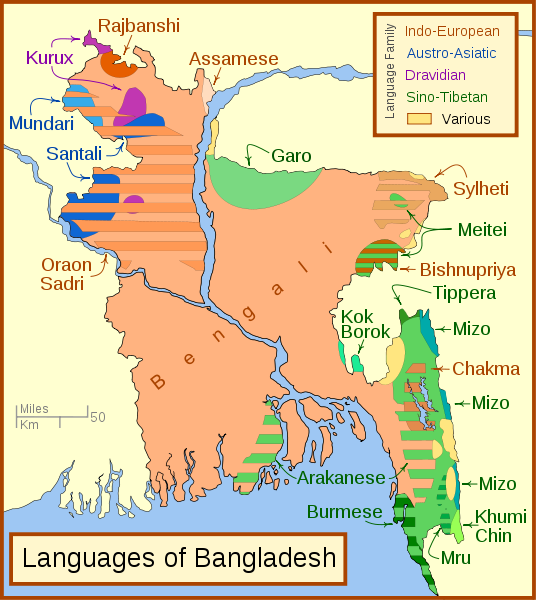
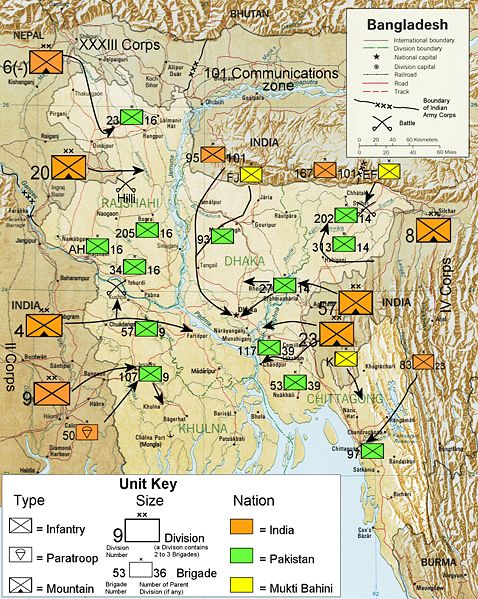



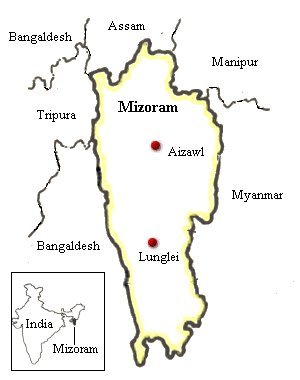




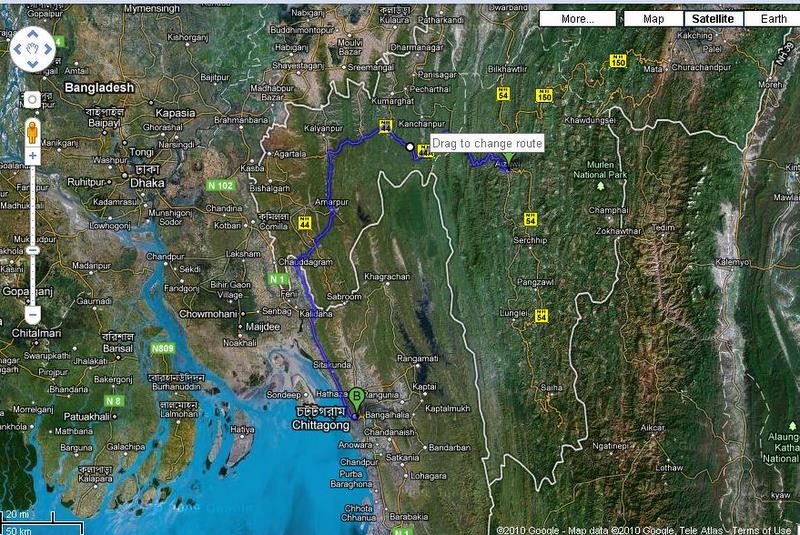


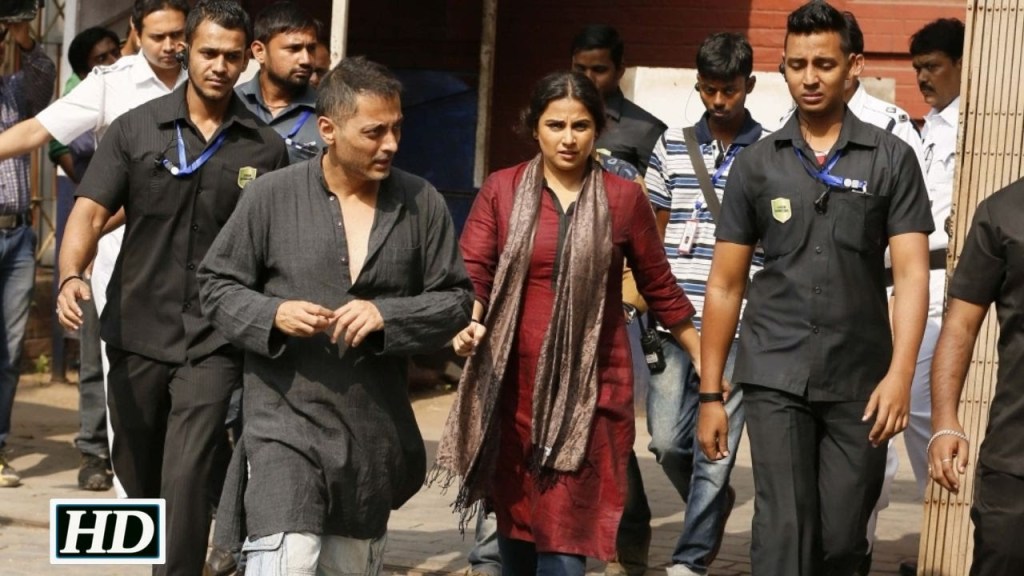


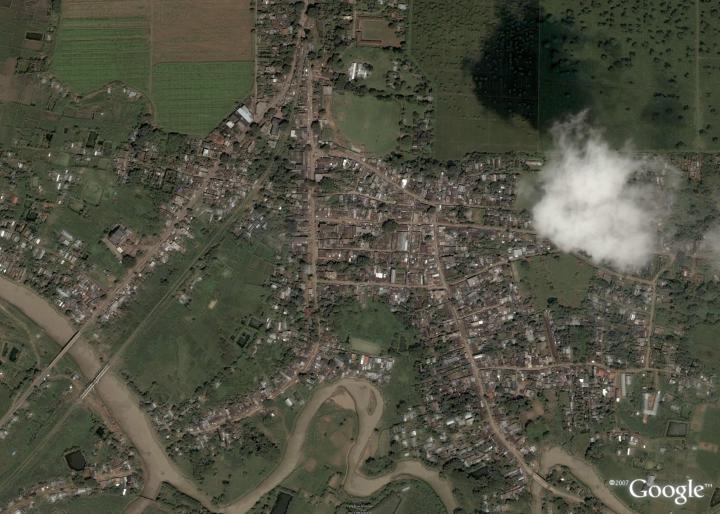
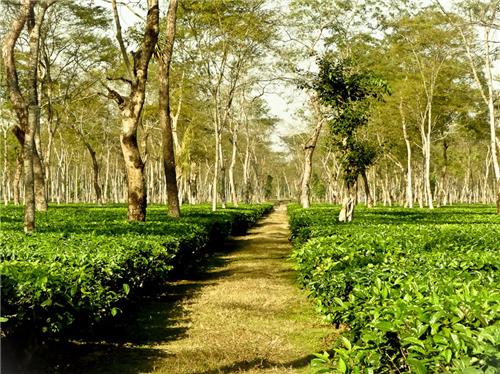




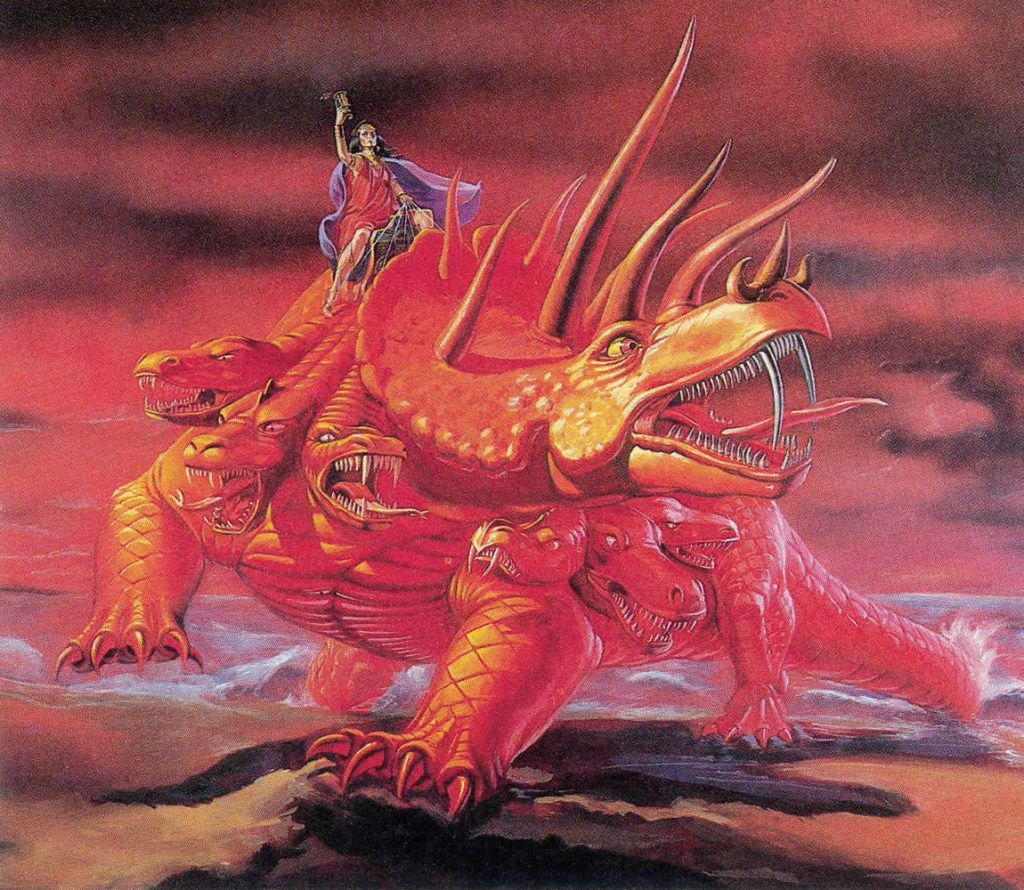


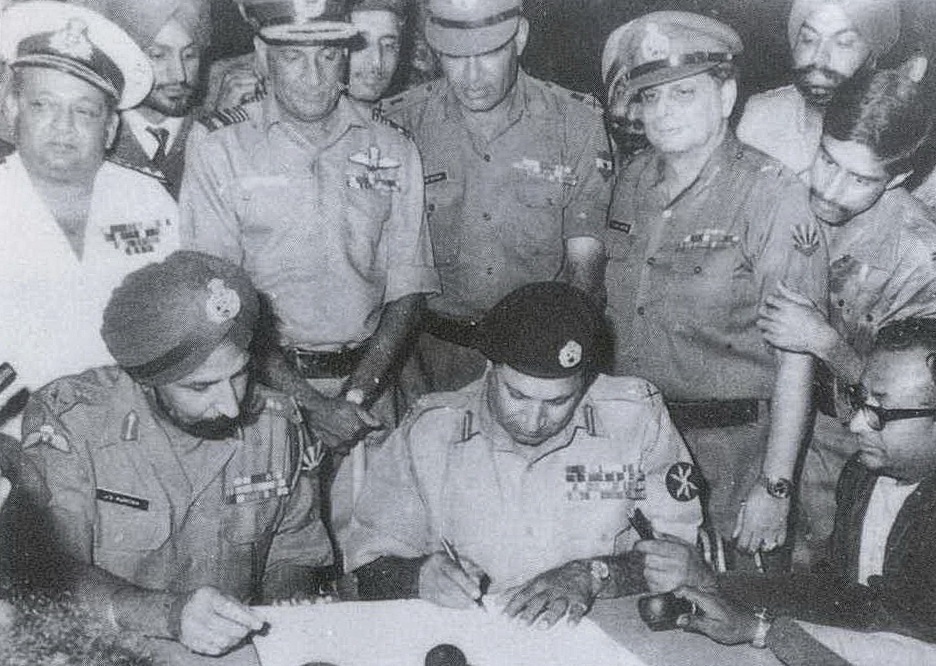

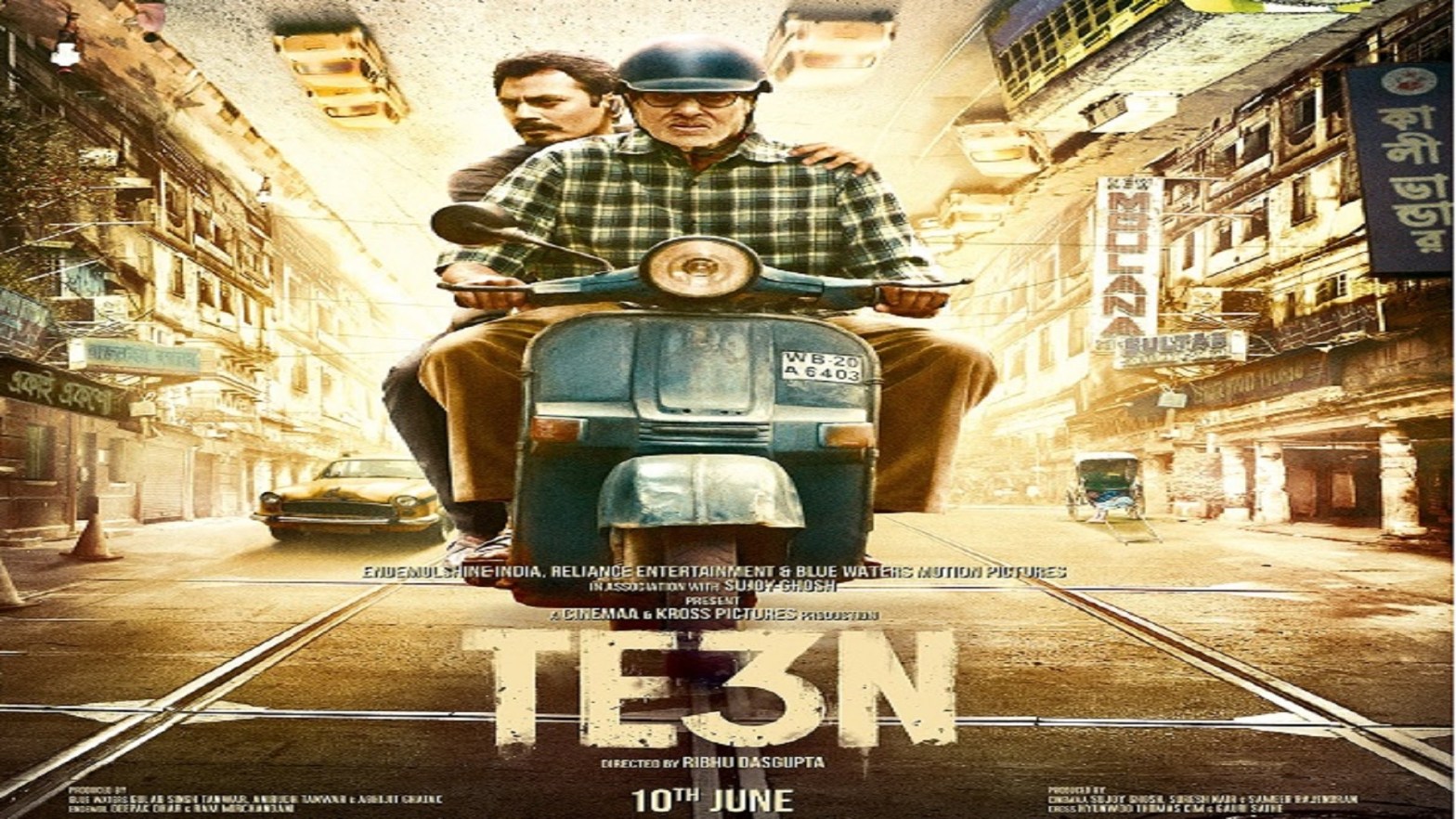

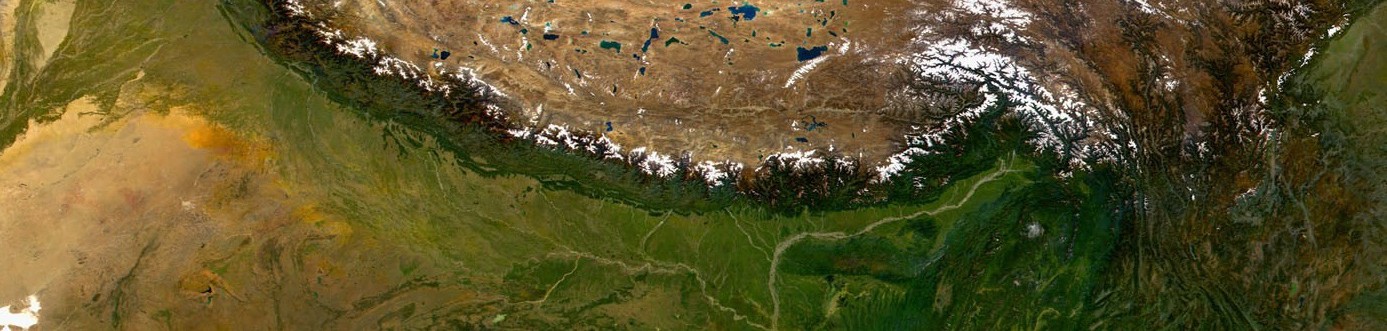

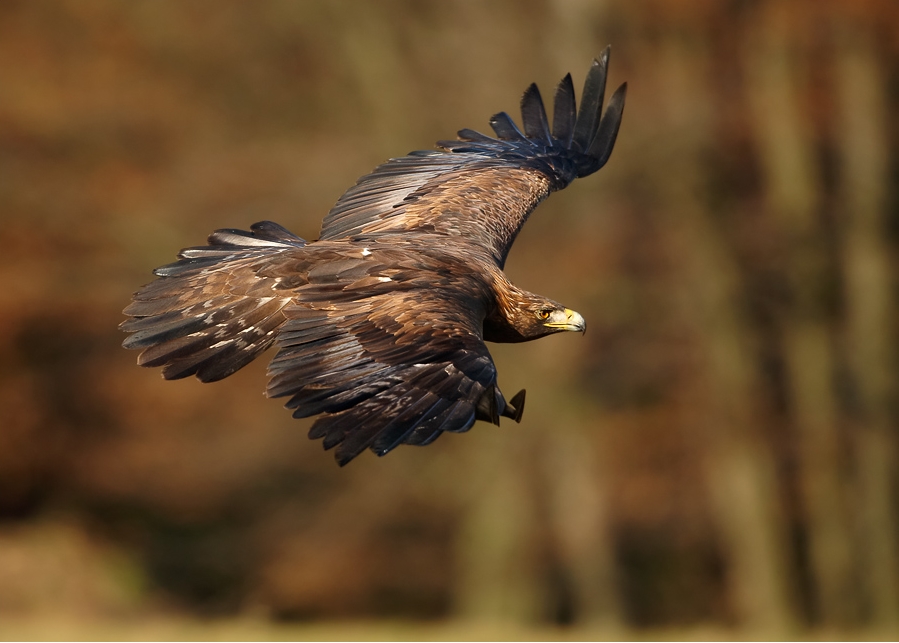




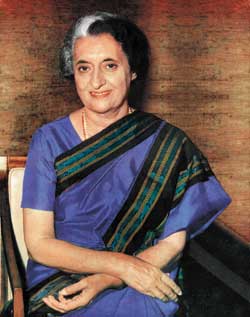
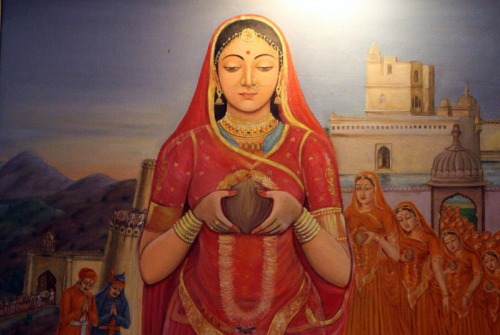


 Whole Dude - Whole Spirituality