Juneteenth, a new holiday tradition to celebrate Freedom from Slavery
Juneteenth, a new holiday tradition to celebrate Freedom from SlaveryJuneteenth, the new national holiday. I ask Americans to begin another new holiday tradition to celebrate the proclamation of the Love Commandments. I am asking the Members of the US Congress to institute a new Law in recognition of the Whole Law of Whole Love. The last Wednesday of July be proclaimed as a legal Holiday to celebrate the true spirit of Christmas in July
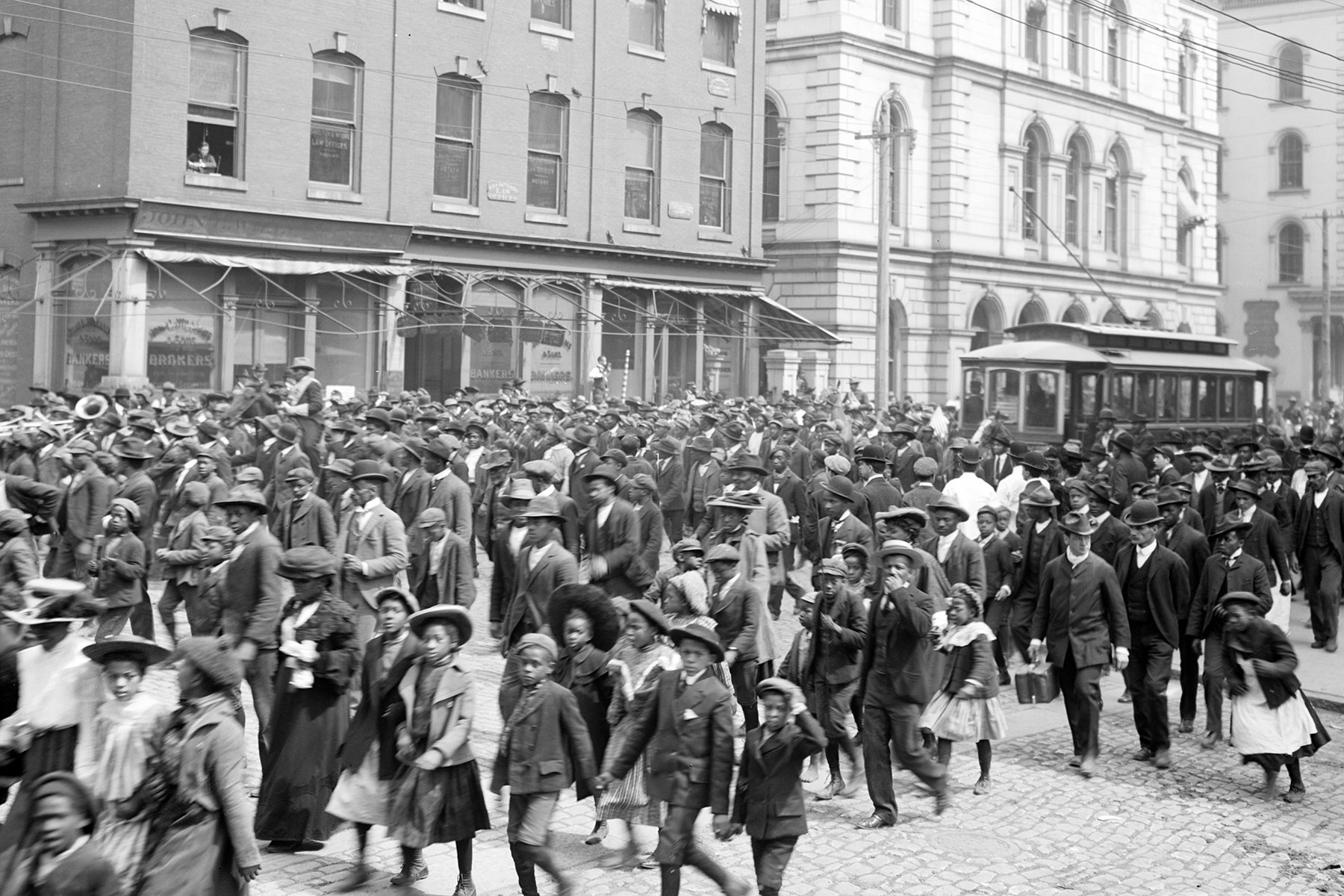
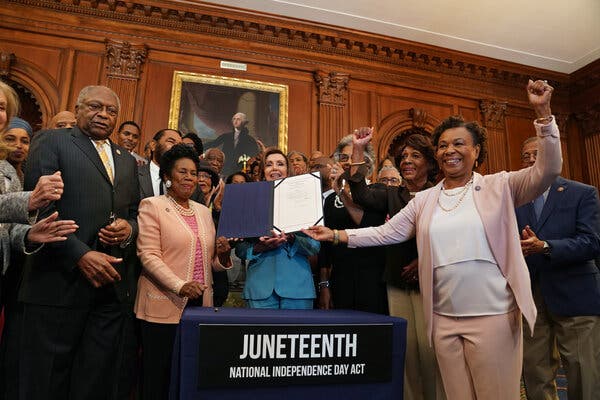
June 19 is now officially Juneteenth National Independence Day, a US federal holiday commemorating the end of slavery in the United States.
Juneteenth, the new national holiday. I ask Americans to begin another new holiday tradition to celebrate the proclamation of the Love Commandments. I am asking the Members of the US Congress to institute a new Law in recognition of the Whole Law of Whole Love. The last Wednesday of July be proclaimed as a legal Holiday to celebrate the true spirit of Christmas in July
The day’s name is a blending of the words June and nineteenth.
Juneteenth, the new national holiday. I ask Americans to begin another new holiday tradition to celebrate the proclamation of the Love Commandments. I am asking the Members of the US Congress to institute a new Law in recognition of the Whole Law of Whole Love. The last Wednesday of July be proclaimed as a legal Holiday to celebrate the true spirit of Christmas in July
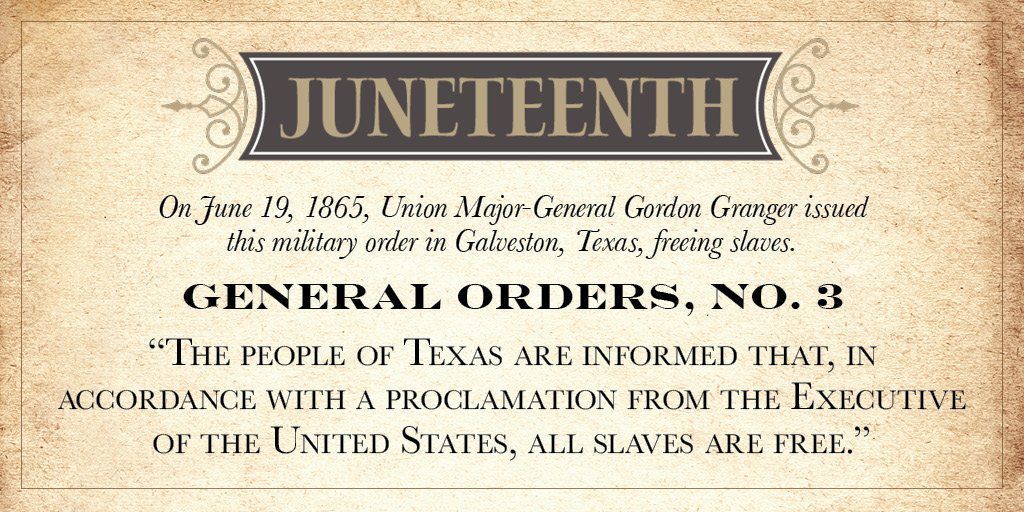
It commemorates June 19, 1865: the day that Union Army Maj. Gen. Gordon Granger rode into Galveston, Texas, and told slaves of their emancipation.
WholeDude – Whole Slave: United States of America – A Slave Driver. The Emancipation Proclamation of President Abraham Lincoln has failed to abolish the practice of Slavery, Involuntary Servitude, and Forced Labor. These practices got resurrected and are introduced into the Union territory by the secular laws enacted by the US Congress which violate the Principle of Equality of Protection under Law.
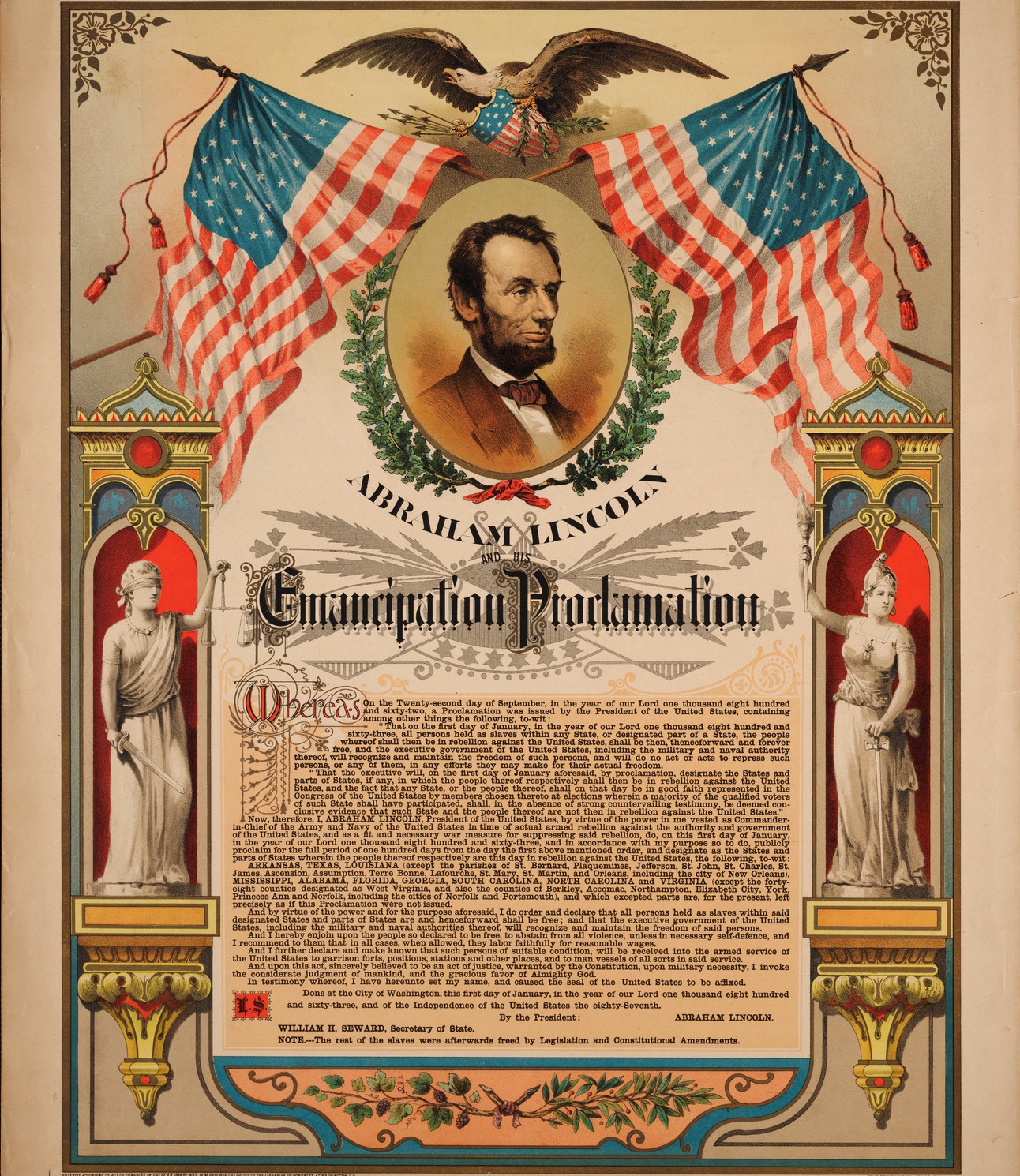
That day came more than two years after President Abraham Lincoln issued the Emancipation Proclamation on January 1, 1863. Even after Lincoln declared all enslaved people free on paper, that hadn’t necessarily been the case in practice.
Juneteenth, the new national holiday. I ask Americans to begin another new holiday tradition to celebrate the proclamation of the Love Commandments. I am asking the Members of the US Congress to institute a new Law in recognition of the Whole Law of Whole Love. The last Wednesday of July be proclaimed as a legal Holiday to celebrate the true spirit of Christmas in JulyJuneteenth, the new national holiday. I ask Americans to begin another new holiday tradition to celebrate the proclamation of the Love Commandments. I am asking the Members of the US Congress to institute a new Law in recognition of the Whole Law of Whole Love. The last Wednesday of July be proclaimed as a legal Holiday to celebrate the true spirit of Christmas in July
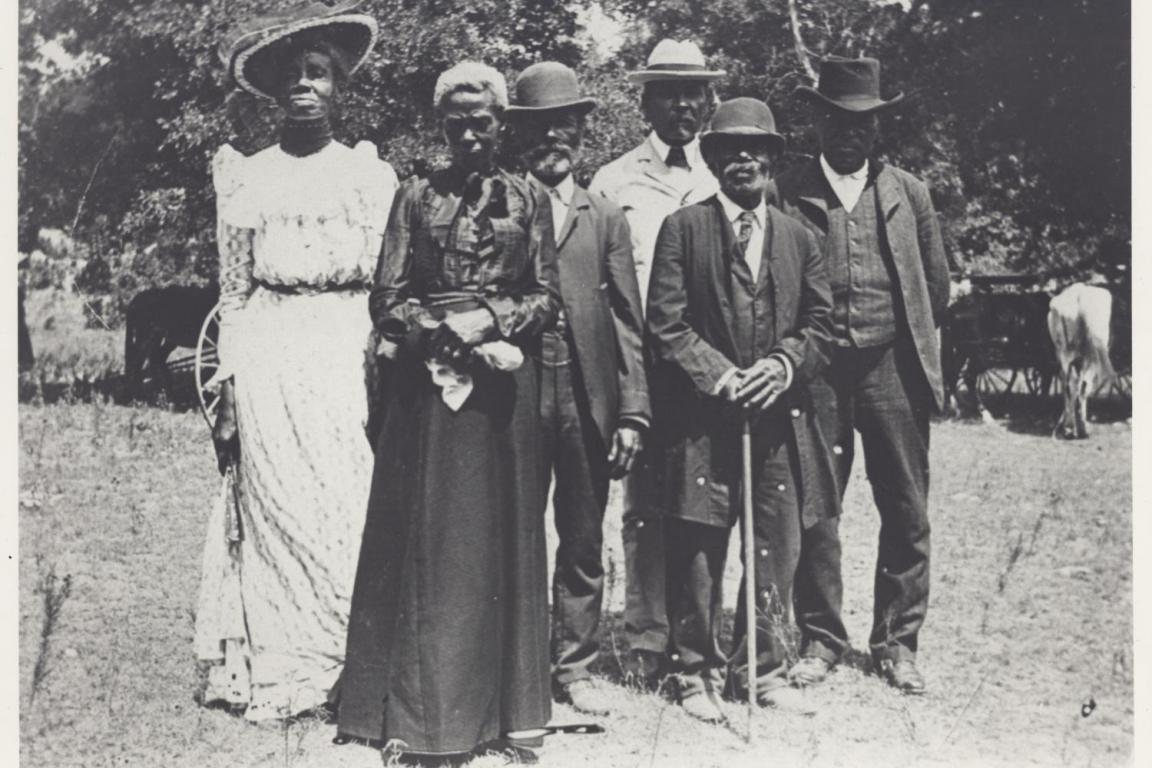
Juneteenth is also known as Emancipation Day. People across the country celebrate with food and festivities, much like the Fourth of July.
All but one state, as well as the District of Columbia, recognize the milestone of Black liberation in some shape or form. For example, some companies honor the occasion by giving their employees the day off.
Juneteenth, the new national holiday. I ask Americans to begin another new holiday tradition to celebrate the proclamation of the Love Commandments. I am asking the Members of the US Congress to institute a new Law in recognition of the Whole Law of Whole Love. The last Wednesday of July be proclaimed as a legal Holiday to celebrate the true spirit of Christmas in July
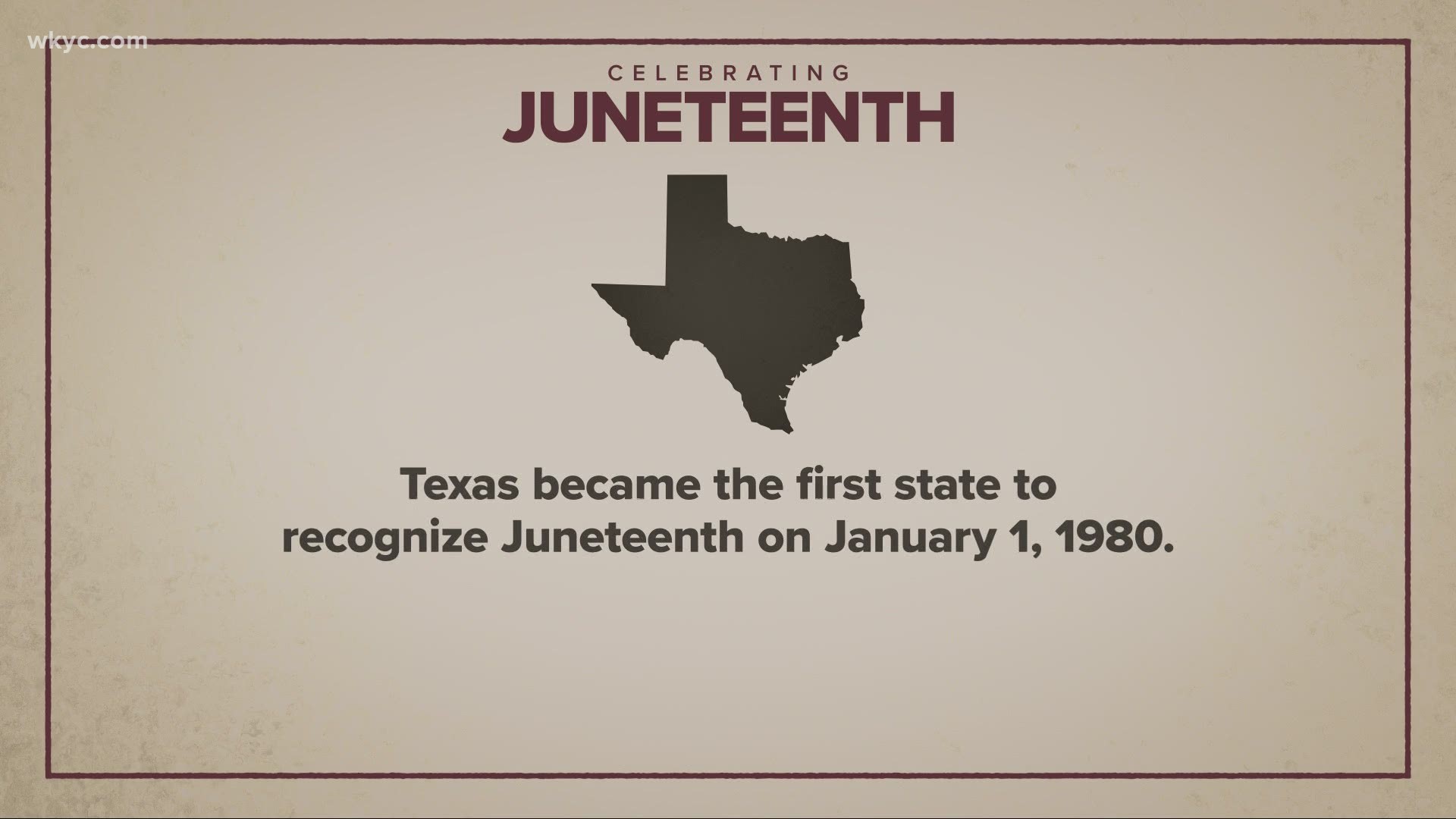
Despite being celebrated since 1865, it was only until 1980 that Texas became the first state to make Juneteenth a state holiday.
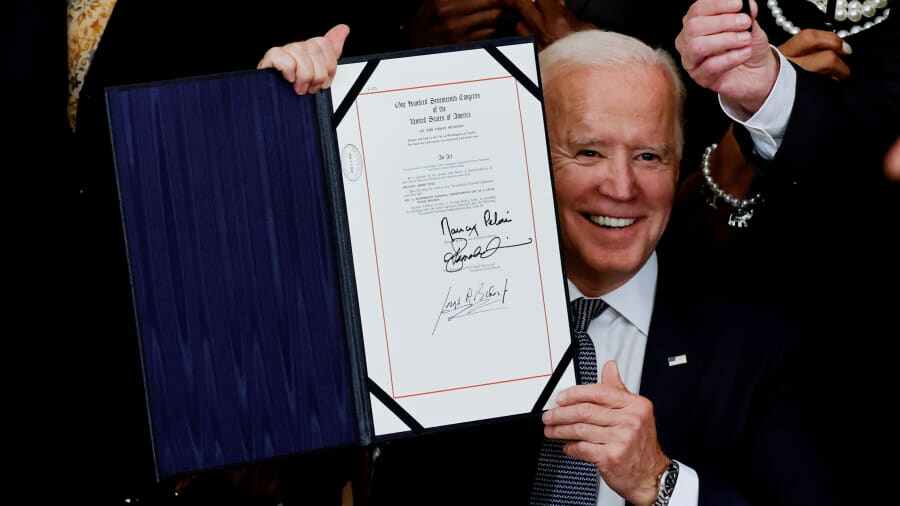
With Biden’s signature, Juneteenth is the first holiday to be approved since Martin Luther King Jr. Day, which was established in 1983.
Juneteenth, June 19, 2021, the new national holiday. I ask Americans to begin another new holiday tradition to celebrate the proclamation of the Love CommandmentsJuneteenth, June 19, 2021, the new national holiday. I ask Americans to begin another new holiday tradition to celebrate the proclamation of the Love Commandments. I am asking the Members of the US Congress to institute a new Law in recognition of the Whole Law of Whole Love. The last Wednesday of July be proclaimed as a legal Holiday to celebrate the true spirit of Christmas in July
Whole Tradition -Whole Love -Whole Holiday: The New Beginning – Freedom From Sin through Slavery to God
JESUS REPLIED, “I TELL YOU THE TRUTH, EVERYONE WHO SINS IS A SLAVE TO SIN.” JOHN 8:34WHOLE TRADITION – THE NEW BEGINNING: DEAD TO SIN. ALIVE TO GOD. FREEDOM THROUGH CHRIST. GALATIANS, 5:1.WHOLE TRADITION – THE NEW BEGINNING: DEAD TO SIN. ALIVE TO GOD. FREEDOM THROUGH CHRIST. GALATIANS, 5:1.NEW BEGINNING, NEW CREATION, LIVING SACRIFICE. FREEDOM FROM SIN AND SLAVERY TO GOD. ROMANS, 6:22.Juneteenth, the new national holiday. I ask Americans to begin another new holiday tradition to celebrate the proclamation of the Love Commandments. I am asking the Members of the US Congress to institute a new Law in recognition of the Whole Law of Whole Love. The last Wednesday of July be proclaimed as a legal Holiday to celebrate the true spirit of Christmas in July
I am posting this article to make an open appeal to the members of the US Congress to pass a decree or law to commence another new holiday tradition in the national life that celebrates the central role of love in developing wholesome human relationships.
Juneteenth, the new national holiday. I ask Americans to begin another new holiday tradition to celebrate the proclamation of the Love Commandments. I am asking the Members of the US Congress to institute a new Law in recognition of the Whole Law of Whole Love. The last Wednesday of July be proclaimed as a legal Holiday to celebrate the true spirit of Christmas in July
The concept of Holiday begins with the story of creation as revealed in the Book of Genesis and it involves the observance of a ‘Holy Day’. “And God blessed the seventh day and made it holy, because on it He rested from all the work of creating that He had done.” (Genesis 2:3).
Holiday is a day of freedom from labor sanctioned by God, and it is set aside for leisure and recreation to renew man’s relationship with his Creator. In Civil Society, certain days are set aside by Law or Custom and Traditions for the suspension of official business activities and very often in commemoration of some important events in national life. I am using the term ‘Whole Holiday’ to recognize a specific day that is set aside by Human Law in recognition of the Divine Law that is conducive to the development of harmonious, or wholesome interpersonal relationships that are essential to promote the health, and well-being of all people. In the US, there are several holidays that are legal and none of them directly address the central issue of developing Love relationships.
Juneteenth, the new national holiday. I ask Americans to begin another new holiday tradition to celebrate the proclamation of the Love Commandments. I am asking the Members of the US Congress to institute a new Law in recognition of the Whole Law of Whole Love. The last Wednesday of July be proclaimed as a legal Holiday to celebrate the true spirit of Christmas in July.
In the United States, we have no Law, or a cultural tradition to commemorate the event in which Jesus Christ has issued the two great commandments asking people to observe the Law of ‘Whole Love’ which demands, 1. The Love of God with Whole Body, Heart, Mind, and Soul, and 2. The Love of Neighbor as a requirement of God’s Law for man.
After my ‘Whole Discovery’, the discovery of the experience of ‘Whole Love’ at Whole Foods Market, Ann Arbor, Michigan on Wednesday, July 30, 2014, I have decided to promote the establishment of a ‘Whole Tradition’ to follow the Spirit of the ‘Whole Law’ to truly observe the Commandment of ‘Whole Love’. To commemorate my ‘Whole Discovery’, I am writing this appeal to ask the members of the US Congress to approve a new Law to observe the last Wednesday of July as ‘Whole Love Holiday’. The choice of Wednesday is very appropriate as most other legal holidays are observed on Mondays as a matter of convenience and not for the purposes of obedience to a Divine Law which should be the source and inspiration for the Human Law. The concept of ‘Whole Love’ represents the ‘Whole Law’ that is explicitly pronounced by Jesus Christ as the only Commandment that the man must follow and observe in his lifetime. To acknowledge the ‘Whole Law’, to celebrate its pronouncement, we need a new ‘Whole Tradition’ by instituting a new ‘Whole Holiday’.
Juneteenth, the new national holiday. I ask Americans to begin another new holiday tradition to celebrate the proclamation of the Love Commandments. I am asking the Members of the US Congress to institute a new Law in recognition of the Whole Law of Whole Love. The last Wednesday of July be proclaimed as a legal Holiday to celebrate the true spirit of Christmas in July
June 14 is Flag Day, which commemorates the adoption of the flag of the United States in 1777. Our nation’s first official flag had 13 stars and 13 red and white stripes to represent the original 13 colonies that broke from British rule. The stars were arranged on a blue background to represent a ‘new constellation.’ In 1795, two more stars and two stripes were added to reflect the entry of Vermont and Kentucky to the Union. Then in 1818, Congress passed a plan to go back to 13 stripes and add only stars for new states. The current version of the flag has been in effect since 1960, after Hawaii became a state the prior year. The flags we’re looking at here are flying in New Jersey’s Liberty State Park, with the Statue of Liberty in the background.
In 1916, President Woodrow Wilson issued a proclamation that officially established June 14 as Flag Day; on August 3, 1949, National Flag Day was established by an Act of Congress. Flag Day is not an official federal holiday. Title 36 of the United States Code, Subtitle I, Part A, CHAPTER 1, § 110 is the official statute on Flag Day; however, it is at the president’s discretion to officially proclaim the observation.
The red and white and starry blue is freedom’s shield and hope. —John Philip Sousa
Proclamation on Flag Day and National Flag Week, 2020
Issued on: June 12, 2020
Sunday, June 14, 2020. The US Flag Day Gives the Hope for Freedom in Tibet.
On Flag Day and throughout National Flag Week, we pay tribute to the American flag, the most recognizable symbol of the principles for which our Republic stands. For more than 200 years, the Stars and Stripes has represented liberty, justice, and the rule of law. Recently, as our Nation has come together to respond to the coronavirus pandemic, our flag has been a reminder of the courage, tenacity, and loyalty that define the indomitable American spirit.
Our great flag causes us to reflect humbly on the immeasurable price that has been paid to keep it “so gallantly streaming.” Throughout our Nation’s history, proud patriots have nobly answered the call of duty when our country needed them most. The Star Spangled Banner serves as an everlasting remembrance of the sacrifices heroes of every generation have made in conflicts from the Revolutionary War to the wars in Iraq and Afghanistan. Our flag ensures that we never forget the incredible sacrifices our men and women in uniform have made to defend our liberty and way of life.
This year, Old Glory has waved over millions of brave Americans fighting the invisible enemy, often at risk to their personal health and wellbeing. Throughout the coronavirus pandemic, healthcare professionals have treated and cared for those sickened by the virus, and countless American patriots have provided critical goods and services to their fellow citizens in these uncertain times. These dedicated individuals have risen to the challenge, meeting the virus on the frontlines with the same conviction and unwavering determination that has empowered our Nation to overcome previous trials. Just as we prevailed in those struggles, we will emerge victorious against this new enemy and again raise our flag in triumph.
The American flag represents the unity of our country and its people. No matter what may divide us, Old Glory should be revered and cherished, as a symbol of all that makes America the greatest country in the world. As we honor our beautiful flag on this day and throughout this week, let us vow never to forget the tremendous sacrifices made by patriots from generation to generation to ensure that the red, white, and blue continues to fly high and free. Today, and every day, I am proud to join my fellow Americans in standing tall and saluting our great American flag.
To commemorate the adoption of our flag, the Congress, by joint resolution approved August 3, 1949, as amended (63 Stat. 492), designated June 14 of each year as “Flag Day” and requested that the President issue an annual proclamation calling for its observance and for the display of the flag of the United States on all Federal Government buildings. The Congress requested, by joint resolution approved June 9, 1966, as amended (80 Stat. 194), that the President issue annually a proclamation designating the week in which June 14 occurs as “National Flag Week” and calling on all citizens of the United States to display the flag during that week.
NOW, THEREFORE, I, DONALD J. TRUMP, President of the United States of America, do hereby proclaim June 14, 2020, as Flag Day, and the week starting June 14, 2020, as National Flag Week. I direct the appropriate officials to display the flag on all Federal Government buildings during this week, and I urge all Americans to observe Flag Day and National Flag Week by displaying the flag. I encourage the people of the United States to observe with pride and all due ceremony those days from Flag Day through Independence Day, set aside by the Congress (89 Stat. 211), as a time to honor America, to celebrate our heritage in public gatherings and activities, and to publicly recite the Pledge of Allegiance to the Flag of the United States of America.
IN WITNESS WHEREOF, I have hereunto set my hand this twelfth day of June, in the year of our Lord two thousand twenty, and of the Independence of the United States of America the two hundred and forty-fourth.
DONALD J. TRUMP
The White House
Sunday, June 14, 2020. The US Flag Day Gives the Hope for Freedom in Tibet.
June is Professional Wellness Month – The Theory of Man precedes the Theory of Health
Professional Wellness Month is celebrated each year in June and it throws light on the workplace’s role in creating a holistic environment for employees. It also focuses on how organizations that place emphasis on professional wellness are largely successful, attract top talent, and drive employee retention.
June is Professional Wellness Month – The Theory of Man precedes the Theory of Health
I ask my readers to reject the assumptions and the criteria described by the Fair Labor Standards Act as they contribute to Unequal Employment Opportunities at the American Workplace. As such the Fair Labor Standards Act is not consistent with the Natural Law principle of Equality that formulates the Supreme Law of this Land. We need just one plan to promote the wellness of all workers without making any distinctions such as the hourly wage earners and the salaried class imposed by the US Labor Law FLSA.
June is Professional Wellness Month – The Theory of Man precedes the Theory of Health
Theory of Man precedes Theory of Health
In my analysis, there can be no ‘Theory of Health’ without sharing a ‘Theory of Man’. The question, “What is health?” cannot be asked without raising the question, “What is man?”
June is Professional Wellness Month – The Theory of Man precedes the Theory of Health
In my view, ‘ the existence of a man always precedes the essence of the man’. For that reason, the biological basis of the man’s existence must be identified to define the living entity called man. The natural event called ‘death’ precedes the natural event called ‘birth’ which heralds the arrival of newborn Life. The newborn always arrives after several programmed cellular death events.
June is Professional Wellness Month – The Theory of Man precedes the Theory of Health
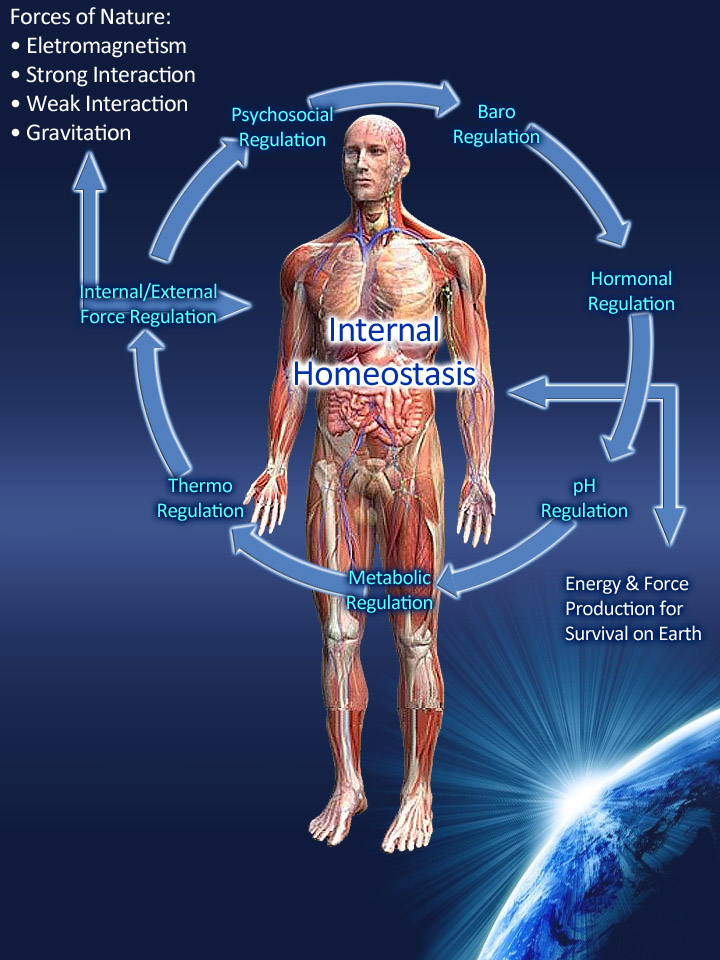
The man’s existence in any condition, good health or ill-health, at any age, at any given time and place, depends upon Mercy, Grace, and Compassion (Sanskrit. KRUPA or KRIPA) of LORD God Creator. The man does not exist in the natural world because of his physical and mental work. The man needs input of matter and energy, from an external source, from the moment of conception to the conclusion of his entire life journey. The man’s existence is always conditioned as he cannot regulate either internal, or external factors that determine the fact of his existence.
The Medical Science fails to define the term ‘health’ for it fails to define the term ‘man’. To attach meaning to health, I must attach meaning to the word called ‘man’.
June is Professional Wellness Month – The Theory of Man precedes the Theory of Health
The man represents a biological or biotic community of trillions of individuals; independent, living cells with individuality. The Man is also a natural host to trillions of microbes. Human life must be defined in terms of biotic interactions; both intraspecific, and interspecific biotic interactions.
I ask the Medical Science to apply the principles of Clinical Medicine not only to diagnose ill health but also to diagnose good and perfect or ‘Whole Health’ for the man is created by entity called God who is always Perfect and Whole.
Theory of Man–The Spectrum of Seven Colors
June is Professional Wellness Month – The Theory of Man precedes the Theory of Health.
My ‘Theory of Man’ defines the Man as the ‘Spectrum of Seven Colors’. Isaac Newton could easily verify his ‘Theory of Light’ by conducting his critical experiment in which he used two prisms to breakdown and to reconstitute white light rays. In case of Man, such experimental verification is not possible as Science does not have the capability to breakdown the man and reconstitute him. However, Science provides verified information about the building blocks of life and about basic living functions such as ‘Metabolism’ which essentially involve making, breaking, and repairing ‘Molecules of Life’.
June is Professional Wellness Month – The Theory of Man precedes the Theory of Health
Man – The Spectrum of Seven Colors
June is Professional Wellness Month – The Theory of Man precedes the Theory of Health
For purposes of defining Man the concept of Light Spectrum is useful. Light Spectrum appears continuous with no distinct boundaries.
June is Professional Wellness Month – The Theory of Man precedes the Theory of Health
The ‘Singularity’ called Man can be easily witnessed at conception at the stage of Single, fertilized Egg Cell.
June is Professional Wellness Month – The Theory of Man precedes the Theory of Health. SPIRITUALITY SCIENCE – CELLULAR BASIS OF SPIRITUAL FUNCTIONS. STRUCTURE AND FUNCTIONS OF HUMAN OVUM OR EGG CELL.
The study of Man during all stages of his physical existence provides information about Man’s Seven Dimensions or Seven Colors. These are, 1. The Physical, Mortal Being, 2. The Mental Being, 3. The Social Being, 4. The Moral Being, 5. The Spiritual Being, 6. The Created Being, and 7. The Rational Being. Science called Cell & Molecular Biology can account for biomolecules of life and yet do not explain or account for the constitution of Man as a Rational Being.
June is Professional Wellness Month – The Theory of Man precedes the Theory of Health
Sixth-Day Adventist integrated plan for physical, mental, social, moral, and spiritual wellbeing of all classes of workers
This painting the Vitruvian Man( c. 1492 ) by Leonardo da Vinci displays a spirit of scientific inquiry. What is Man? The understanding of human nature will help to promote man’s well-being.Sixth-Day Adventist integrated plan for physical, mental, social, moral, and spiritual wellbeing of all classes of workers
Our efforts to support the well-being of Man get affected by our understanding the ‘real’ or ‘true’ nature of Man. I recognize Man’s Existence with Seven Forms or Dimensions. These are, 1. the Physical Being described by Human Anatomy, Human Physiology and other Medical Sciences, the human being in health and sickness, 2. the Mental Being, the intellect, thoughts and emotional states of Man described by Psychology and Psychiatry, 3. the Social Being described by Social Sciences, 4. the Moral Being described by Moral Science and Ethics, the power of discernment used by Man to make distinction between good and evil, and right and wrong, 5. the Spiritual Being described by Vital Power, Animating /Sensible Properties, and Conscious/Cognitive abilities of Man’s Corporeal Substance that develops and builds the cells, tissues, and organs of Human Body, 6. the Created Being which is reflected in the existence of man as an Individual with Individuality without any choice, and 7. the Rational Being which directs man to reconcile his behavior with his true or real nature that makes the man to review the actions performed in the external environment.
June is Professional Wellness Month – The Theory of Man precedes the Theory of Health. SPIRITUALITY SCIENCE – WHOLISTIC MEDICINE: THE DEFINITION OF WHOLE PERSON. 1. CONSCIOUS BEING, 2. PHYSICAL BEING, 3. MENTAL BEING, 4. SOCIAL BEING, 5. MORAL BEING, 6. SPIRITUAL BEING, and 7. CREATED BEING. This entire Human Organism is derived from a Single, Fertilized Egg Cell.
The Six Dimensions of Man contribute to six kinds of Behavior of Man; the physical, mental, social, moral, spiritual and creative facets of Behavior. For example, muscle cell displays the behavior of contraction in response to a stimulus; it is able to contract because of its contractile nature which gives it the power of contracting.
I account for Spiritual Dimension of Human Nature as that of generating a Singular, Harmonious Effect in the working of trillions of cells giving Man power or ability to perform his living functions such as Respiration and display his characteristic Behaviors like Feeding, and Reproduction.
I define the term Health as a systematic study of the Physical, Mental, Moral, Social, and Spiritual aspects of Man’s Well-Being while the man exists as a Created Being.
June is Professional Wellness Month – The Theory of Man precedes the Theory of Health. Sixth-Day Adventist integrated plan for physical, mental, social, moral, and spiritual wellbeing of all classes of workers
Michigan Medicine proceeds with Infusion Therapy as the Vital Signs are Stable in the patient with Upper Respiratory Tract Infection
In a written statement, Michigan Medicine claims, “it was reasonable to proceed with treatment (Steroid therapy + Chemo Infusion therapy) based on the assessment completed during the April 7 visit. At that time her Vital Signs were Stable.” Michigan Medicine fails to disclose the Diagnostic Code that describes the Clinical Assessment made on April 07, 2026. The issue is not about stable vital signs; the issue is about the Diagnosis of the Symptoms presented for Clinical Assessment. The Treatment given by Michigan Medicine worked like a Magic. In a few days time, the patient was rushed to the Hospital. We have a duty to report deficiencies of the health delivery system which directly relate to the health policy and not of shortcomings of individuals or errors in performance. It is not because of the negative outcome. It is about informing the patient of the risks involved in the treatment plan.
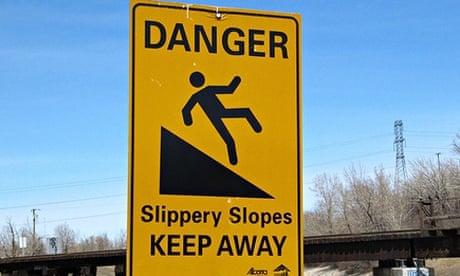
Michigan Medicine on a Slippery Slope for it lacks professional expertise to review its own actions
Michigan Medicine is on a Slippery Slope for it lacks the professional ability to review its own actions. On May 27, 2026, Michigan Medicine issued a written statement stating, “Dexamethasone is a standard component of the treatment regimen and is also commonly used in the management of certain respiratory illnesses.” Michigan Medicine does not believe in Individualized Patient Care Plan.
From: Rudra Rebbapragada To: Customer Service, BlueCross BlueShield of Texas Group / Subscriber: 272553 / 000823730773 Mon, 1 Jun 2026 7:14:14 AM Quality of Care at Michigan Medicine is totally deficient; its negligence and the lack of a Screening Protocol have endangered the life of my dependent substantially impacting the quality of her life. On May 27, 2026, Michigan Medicine closed my inquiry without taking any further action. I ask you to carefully review the letter and it provides direct evidence to support my concerns apart from displaying their lack of professional ability to review their own actions. For example, Michigan Medicine in their written statement of May 27, 2026 state, “Dexamethasone is a standard component of the treatment regimen and is also commonly used in the management of certain respiratory illnesses.” This statement clearly provides the evidence to claim that Michigan Medicine has no Individualized Care Plan to meet the needs of the Specific Individual Patient. Administering dexamethasone—a potent systemic corticosteroid—for a cough caused by a simple viral upper respiratory tract infection (URTI) is generally not recommended and poses several clinical risks.Primary Dangers & RisksSuppressed Immune Response: Because URTIs are viral, the body relies on an active immune response to clear the infection. Dexamethasone suppresses the immune system, which can increase the severity of the illness and delay viral clearance. I ask BlueCross BlueShield of Texas to demand the medical service provider to give the Diagnostic Code for the Screening Examination conducted on April 07, 2026. The Patient Records do not reveal the Diagnostic Medical Data of this Medical Visit. Further, Michigan Medicine failed to discuss this Diagnosis with the patient and failed to obtain an Informed Consent Statement to proceed with Infusion Therapy and its potential to harm the patient who is diagnosed with Upper Respiratory Tract Infection. I ask BlueCross BlueShield of Texas to contact the following agencies as I am not satisfied with the resolution provided by Michigan Medicine. Please file a complaint on my behalf; 1. LARA – Michigan Department of Licensing and Regulatory Affairs and 2. Joint Commission – Office of Quality and Patient Safety. I encourage you file a complaint with the two agencies as you have access to the patient records.
We have a duty to report deficiencies of the health delivery system which directly relate to the health policy and not of shortcomings of individuals or errors in performance. It is not because of the negative outcome. It is about informing the patient of the risks involved in the treatment plan.
Michigan Medicine Neglects Taking Care of Common Cold
The most famous instance of Michigan “fumbling the ball” is the 2015 “Trouble with the Snap” play, where a mishandled punt against Michigan State was returned for a game-winning touchdown by the Spartans, 27–23.
On October 17, 2015, No. 7 Michigan State defeated No. 12 Michigan 27–23 in Ann Arbor following a disastrous, mishandled punt by Michigan with 10 seconds left. Spartans player Jalen Watts-Jackson recovered the fumble and ran 38 yards for a touchdown as time expired, creating one of the most iconic, shocking endings in college football history.
Steroid Protocol for Chemotherapy Infusion at Michigan Medicine Rogel Cancer Center is Fundamentally Flawed
Michigan Medicine neglects the Golden Rules of Clinical Medicine to diagnose the challenge that can be posed by a humble medical condition called Upper Respiratory Tract Infection. In their Game Plan, Michigan Medicine jumps into action if and only if the Challenge comes in the shape of a High-Risk Pneumonia.
Michigan Medicine neglects the Golden Rules of Clinical Medicine to diagnose the challenge that can be posed by a humble medical condition called Upper Respiratory Tract Infection. In their Game Plan, Michigan Medicine jumps into action if and only if the Challenge comes in the shape of a High-Risk Pneumonia. In my analysis, the Steroid Protocol for Infusion Therapy at Rogel Cancer Center is fundamentally flawed for it fails to include a Specific Warning and a Disclaimer to Warn the patient of the Dangers of taking Steroids while experiencing the symptoms of an Upper Respiratory Tract Infection or Common Cold .
What is the Screening Protocol for Cancer Infusion Therapy at Rogel Cancer Center?
Michigan Medicine neglects the Golden Rules of Clinical Medicine to diagnose the challenge that can be posed by a humble medical condition called Upper Respiratory Tract Infection. In their Game Plan, Michigan Medicine jumps into action if and only if the Challenge comes in the shape of a High-Risk Pneumonia.
Based on standard premedication protocols used at the Michigan Medicine Rogel Cancer Center, particularly for taxane-based chemotherapy, a common steroid regimen involves taking oral dexamethasone the day before and the day of infusion to prevent hypersensitivity reactions and alleviate nausea.
Common Protocol Structure:
Day Before Infusion: Often 8–10 mg of dexamethasone orally.
Day of Infusion: Often 8–10 mg of dexamethasone orally, typically given 1–2 hours before the infusion, often supplemented with intravenous dexamethasone at the clinic.
Day After Infusion: Frequently 4–8 mg of dexamethasone, sometimes twice daily, depending on the specific chemotherapy regimen (e.g., Daratumumab or Paclitaxel protocols).
Important Notes:
Steroid protocols are tailored to the specific treatment (e.g., chemotherapy, immunotherapy, or CAR-T) and the individual patient’s risk of reaction.
Some treatments, such as certain CAR T-cell therapies, require avoiding or limiting corticosteroids before infusion, contrary to standard chemotherapy protocols.
Before chemotherapy is administered, healthcare providers follow a rigorous multi-step screening and assessment protocol to ensure the patient’s body can safely handle the treatment. This process includes baseline medical evaluations, specific lab tests, and safety verifications. Unfortunately, Hi-Tech Michigan Medicine neglects the Clinical Diagnosis of Common Cold until it poses a life-threatening danger called Viral Pneumonia.
Mcdonald’s Screening Protocol to provide Service
Hi-Tech Michigan Medicine neglects the Clinical Diagnosis of Common Cold until it poses a life-threatening danger called Viral Pneumonia.
McDonald’s frequently displays “No Shirt, No Shoes, No Service” signs, a common, lawful policy used by businesses to ensure customer safety and maintain service standards. These signs are largely aimed at preventing safety hazards, such as slip-and-fall risks for customers walking in wet from nearby pools or protecting customers from hazards.
Hi-Tech Michigan Medicine neglects the Clinical Diagnosis of Common Cold until it poses a life-threatening danger called Viral Pneumonia.”Historical Michigan TouchDown” without Tossing Ball. World Rejoices Singing ‘Hail to the Victors’.
Michigan Medicine Oncology Department has no Clinical Medicine Protocol to Screen Patients with Upper Respiratory Tract Infections as the Medical Problem does not demand Hi-Tech Medical Interventions.
Michigan Medicine Oncology Department has no Clinical Medicine Protocol to Screen Patients with Upper Respiratory Tract Infections as the Medical Problem does not demand Hi-Tech Medical Interventions.
Reporting Concerns to Michigan Medicine Patient Relations and Clinical Risk Management Program
The Michigan Medicine Office of Patient Relations & Clinical Risk (734-936-4330) manages patient feedback, investigates complaints, and works to improve safety and care quality. They handle concerns when care does not meet expectations, offering a formal process for resolution. The team also manages medical professional liability and investigates safety incidents.
The Michigan Medicine Office of Patient Relations & Clinical Risk (734-936-4330) manages patient feedback, investigates complaints, and works to improve safety and care quality. They handle concerns when care does not meet expectations, offering a formal process for resolution. The team also manages medical professional liability and investigates safety incidents.
From Patient Relations: Apr 28Apr 28 at 1:20 PM
What specifically led you to believe the screening protocol is “dangerously inadequate” and “medically unethical”?Was there a particular date, visit, or appointment when this occurred?When you say the patient was “deliberately exposed to the consequences of a viral infection,” what do you mean? For example, was the concern about possible exposure to others who were ill, or about proceeding with treatment despite symptoms?Regarding the persistent, recurrent cough, when was this ignored by caregivers?
You are receiving this secure, encrypted email message because it may contain sensitive information. If you have concerns about the validity of this message, contact the sender directly and ensure the email address is a known @med.umich.edu email address.
I want to bring to your attention that a patient received corticosteroid therapy (Tablet Dexamethasone twice daily on Monday, April 06, Tuesday, April 07, and on Wednesday, April 08, while she was experiencing an Upper Respiratory Tract Infection. This steroid therapy can easily mask symptoms like fever while aggravating the severity of the infection.
Taking dexamethasone tablets during an upper respiratory tract infection (URTI) poses significant risks due to its immunosuppressant nature, which can worsen or mask infections. It may delay viral clearance, promote bacterial superinfections, and increase risks for serious complications like pneumonia or secondary fungal infections.
Key Risks of Dexamethasone with URTIs:
Increased Infection Severity: Dexamethasone lowers your immune system, making it easier to catch infections and harder for your body to fight existing ones. It can cause infections to become more severe or fatal.
Masking Symptoms: By suppressing inflammation, dexamethasone can mask signs of infection, such as fever, causing a delay in necessary medical treatment.
Secondary/Reactivated Infections: It can increase the risk of developing secondary infections or causing latent infections (like tuberculosis or hepatitis B) to become active again.
Increased Viral Load: Evidence suggests that corticosteroids like dexamethasone can delay the clearance of viruses from the body.
Respiratory Complications: The use of dexamethasone in patients with viral infections can be associated with increased mortality and, in some cases, exacerbation of respiratory conditions.
Systemic Side Effects: Even short-term use can lead to side effects such as high blood pressure, hyperglycemia (high blood sugar), and fluid retention. This patient reported to the Clinic with hyperglycemia on the day of Infusion therapy.
1. It is medically unethical to administer drugs without fully disclosing the side effects of the medications. The patient must be duly informed about the risks involved and the patient must get an opportunity to make an informed choice about the therapeutic intervention. The Hospital has billed the patient $400.00 to impart education to learn about the drugs and their adverse effects which could be life threatening. The educator provided by the Hospital has the fundamental duty to assess the risks that of direct concern to the particular, specific patient. The Screening is put in place to avoid negative outcomes for the patient. The Screening Protocol must determine the medical fitness of the patient to receive the therapy planned. Patient’s life is endangered by the administration of Chemotherapy while the patient is infected by an infectious agent and exhibiting clear symptoms of an active infection that produces charateristic symptoms. 2. This unfortunate incident took place on Tuesday, April 7 at the University Hospital and the event is recorded in the patient’s medical documents and the aftercare summary notes available on the patient portal. 3. Patient is placed at the extreme risk of losing life on account of administering a therapeutic agent while immunocompromised. The patient’s age and her medical condition are known risk factors and the presence of an active infection is a known contraindications to the planned infusion therapy on April 07. The treatment plan must not proceed even if the patient with symptomatic Upper Respiratory Tract infection has come to the clinic. 4. On April 07, at the University Hospital, the Physician Assistant deliberately ignored the concerns shared by the patient, her son and her spouse about Dry persistent Cough. The educator gave false assurances by dismissing the concern and suggested that viral infections in the community cause these problems like cough and failed to mention the risk of Pneumonia that can cause respiratory failure and death.
The patient talked to Patient Relations on the phone on April 28. 2026 to confirm that she has concerns to share about her Office Visit with PA-C on Tuesday, April 07, 2026, 2.40 P.M., at Thoracic Oncology Clinic, University of Michigan Health Infusion Area, Rogel Cancer Center for assessment of her medical fitness prior to Infusion Therapy prescribed by Michigan Medicine Oncologist. The Medical Negligence of this caregiver directly resulted in patient’s admission to University Hospital on April 12, 2026 and she remains in the Hospital on this day, Wednesday, April 29, 2026 suffering from the direct consequences of infection with Human Metapneumovirus (hMPV) and lost the benefit of receiving the planned palliative care scheduled for April 28, 2026. The evidence of this infection was apparent on Tuesday, April 07, 2026 during the above mentioned Office Visit.
Medical negligence is a legal concept defining when a healthcare professional deviates from the accepted standard of care, causing injury or death to a patient. It occurs when a provider acts—or fails to act—in a way a reasonably competent professional would not, often labeled as medical malpractice. Key elements include duty, breach, causation, and damages.
Failure to Obtain Informed Consent: Failing to inform a patient of the risks of a procedure, leading to an injury they would have otherwise avoided.
World Class Medical Care refers to Stringent Quality Standards: Adherence to superior clinical guidelines that often result in significantly lower readmission rates compared to national averages.
Screening Protocol for giving Cancer Chemotherapy to Patients: Before chemotherapy is administered, healthcare providers follow a rigorous multi-step screening and assessment protocol to ensure the patient’s body can safely handle the treatment. This process includes baseline medical evaluations, specific lab tests, and safety verifications.
Unfortunately, Hi-Tech Michigan Medicine neglects the Clinical Diagnosis of Common Cold until it poses a life-threatening danger called Viral Pneumonia.
High-tech Medicine falls short for neglecting clinical medicine
High-tech medicine often falls short of its promise because an overemphasis on technological solutions frequently leads to the neglect of essential clinical skills and humanistic care. While advanced diagnostic tools and AI have enhanced medical capabilities, they have also contributed to a “high-tech, low-touch” environment that can dehumanize patient care, reduce, and increase.
Impact of Neglecting Clinical Medicine
Erosion of the Patient-Physician Relationship:Technology has become an obstacle to direct patient-physician interaction. The art of listening and physical examination is being lost as clinicians focus more on screen-based data and automated tools.
Dehumanization of Care:Patients are increasingly treated as a collection of data points rather than whole individuals. The subjective, personal experience of illness is often ignored in favor of biochemical or imaging results.
Data Overload vs. Meaningful Care:Modern, and are often, leading to “drowning in data but starving for meaning”.
Increased Medical Errors:Over-reliance on technology (e.g., or) can lead to new types of errors. Poorly designed Electronic Health Records (EHRs) lead to “check-the-box” workflows that obscure the patient’s true narrative.
The “High-Tech” Paradox
“Prisoner’s Dilemma”:Hospitals often invest in expensive technology (e.g.,) to attract talent, not necessarily because it improves patient outcomes.
False Efficiency:The time spent on and digital documentation contributes to clinician burnout and reduces the time available for direct patient care.
Misleading Solutions:AI and High-Tech gadgets cannot replace the compassionate, “high-touch” care required to treat anxious and uncertain patients.
The Need for Balance To avoid falling short, healthcare must reintegrate the “art” of medicine—empathy, communication, and physical touch—with technological advancements. Experts suggest that technology should be a supportive tool, not a substitute for the patient-physician connection.
Prioritize Human Interaction:Reimbursement models should value time spent listening to patients over simply conducting tests and procedures.
Improve Technology Design:Future development must focus on usability and reducing, rather than adding to, the burden on clinicians.
Acknowledge Limits: Michigan Medicine must recognize that it is not ready to replace human judgment with high-cost technology to address the health care challenges posed by the most common illnesses that impact the Community.
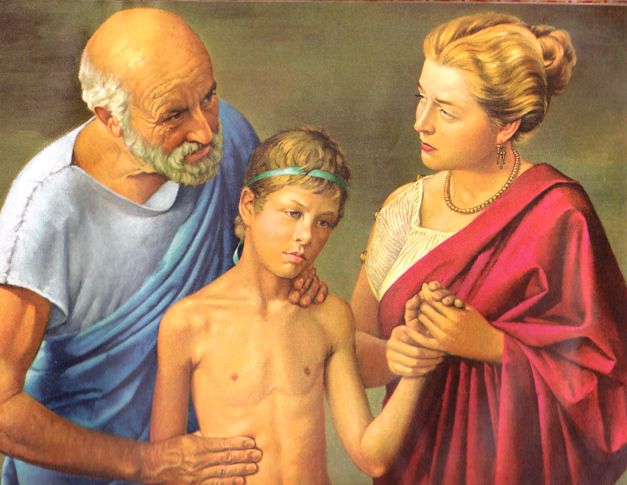
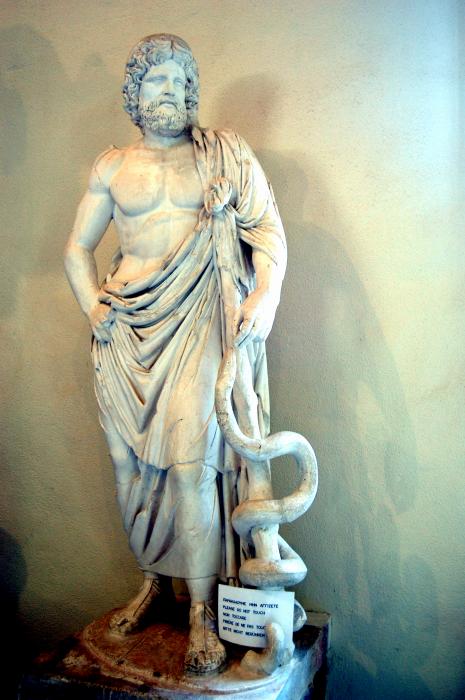
Spirituality Science – Whole Medicine: Hippocrates, Greek physician of antiquity is traditionally regarded as the Father of Medicine. He belonged to the Greek Island of Kos. Michigan Medicine must recognize that it is not ready to replace human judgment with high-cost technology to address the health care challenges posed by the most common illnesses that impact the Community.
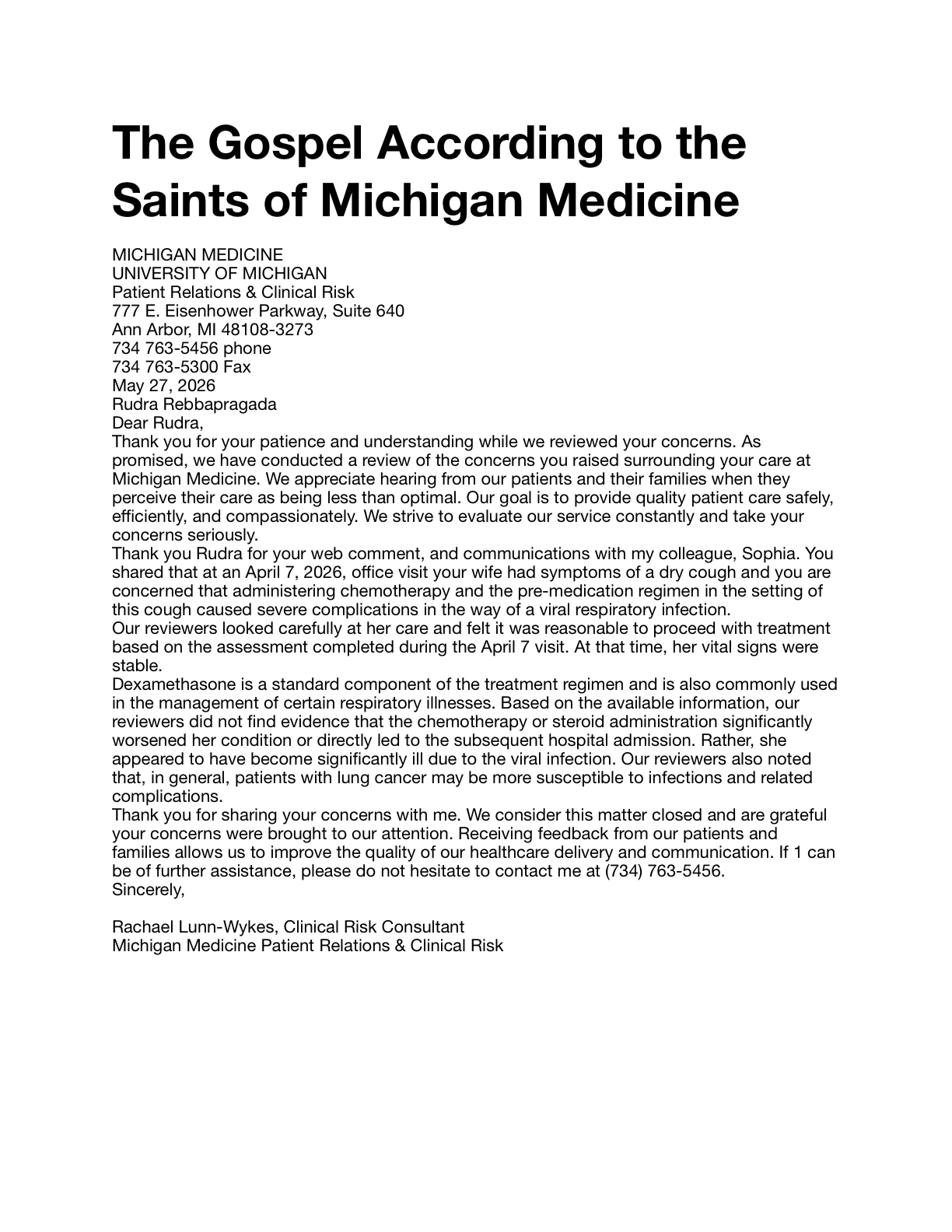
The Gospel According to the Saints of Michigan Medicine
The Gospel According to the Saints of Michigan Medicine : “Dexamethasone is a standard component of the treatment regimen and is also commonly used in the management of certain respiratory illnesses.”
In a written statement, Michigan Medicine claims that “it was reasonable to proceed with treatment (Steroid therapy + Chemo Infusion therapy) based on the assessment completed during the April 7 visit. At that time her Vital Signs were Stable.” Michigan Medicine fails to disclose the Diagnostic Code that describes the Clinical Assessment made on April 07, 2026. The issue is notabout stable vital signs; the issue is about the Diagnosis of the Symptoms presented for Clinical Assessment. The Treatment given by Michigan Medicine worked like a Magic. In a few days time, the patient was rushed to the Hospital.
Michigan Medicine on a Slippery Slope for it lacks professional expertise to review its own actions
Michigan Medicine is on a Slippery Slope for it lacks the professional ability to review its own actions. On May 27, 2026, Michigan Medicine issued a written statement stating, “Dexamethasone is a standard component of the treatment regimen and is also commonly used in the management of certain respiratory illnesses.” Michigan Medicine does not believe in Individualized Patient Care Plan.
From: Rudra Rebbapragada To: Customer Service, BlueCross BlueShield of Texas Group / Subscriber: 272553 / 000823730773 Mon, 1 Jun 2026 7:14:14 AM Quality of Care at Michigan Medicine is totally deficient; its negligence and the lack of a Screening Protocol have endangered the life of my dependent substantially impacting the quality of her life. On May 27, 2026, Michigan Medicine closed my inquiry without taking any further action. I ask you to carefully review the letter and it provides direct evidence to support my concerns apart from displaying their lack of professional ability to review their own actions. For example, Michigan Medicine in their written statement of May 27, 2026 state, “Dexamethasone is a standard component of the treatment regimen and is also commonly used in the management of certain respiratory illnesses.” This statement clearly provides the evidence to claim that Michigan Medicine has no Individualized Care Plan to meet the needs of the Specific Individual Patient. Administering dexamethasone—a potent systemic corticosteroid—for a cough caused by a simple viral upper respiratory tract infection (URTI) is generally not recommended and poses several clinical risks.Primary Dangers & RisksSuppressed Immune Response: Because URTIs are viral, the body relies on an active immune response to clear the infection. Dexamethasone suppresses the immune system, which can increase the severity of the illness and delay viral clearance. I ask BlueCross BlueShield of Texas to demand the medical service provider to give the Diagnostic Code for the Screening Examination conducted on April 07, 2026. The Patient Records do not reveal the Diagnostic Medical Data of this Medical Visit. Further, Michigan Medicine failed to discuss this Diagnosis with the patient and failed to obtain an Informed Consent Statement to proceed with Infusion Therapy and its potential to harm the patient who is diagnosed with Upper Respiratory Tract Infection. I ask BlueCross BlueShield of Texas to contact the following agencies as I am not satisfied with the resolution provided by Michigan Medicine. Please file a complaint on my behalf; 1. LARA – Michigan Department of Licensing and Regulatory Affairs and 2. Joint Commission – Office of Quality and Patient Safety. I encourage you file a complaint with the two agencies as you have access to the patient records. We have a duty to report deficiencies of the health delivery system which directly relate to the health policy and not of shortcomings of individuals or errors in performance. It is not because of the negative outcome. It is about informing the patient of the risks involved in the treatment plan.
Michigan Medicine Neglects Taking Care of Common Cold
The most famous instance of Michigan “fumbling the ball” is the 2015 “Trouble with the Snap” play, where a mishandled punt against Michigan State was returned for a game-winning touchdown by the Spartans, 27–23.
On October 17, 2015, No. 7 Michigan State defeated No. 12 Michigan 27–23 in Ann Arbor following a disastrous, mishandled punt by Michigan with 10 seconds left. Spartans player Jalen Watts-Jackson recovered the fumble and ran 38 yards for a touchdown as time expired, creating one of the most iconic, shocking endings in college football history.
Steroid Protocol for Chemotherapy Infusion at Michigan Medicine Rogel Cancer Center is Fundamentally Flawed
Michigan Medicine neglects the Golden Rules of Clinical Medicine to diagnose the challenge that can be posed by a humble medical condition called Upper Respiratory Tract Infection. In their Game Plan, Michigan Medicine jumps into action if and only if the Challenge comes in the shape of a High-Risk Pneumonia.
Michigan Medicine neglects the Golden Rules of Clinical Medicine to diagnose the challenge that can be posed by a humble medical condition called Upper Respiratory Tract Infection. In their Game Plan, Michigan Medicine jumps into action if and only if the Challenge comes in the shape of a High-Risk Pneumonia. In my analysis, the Steroid Protocol for Infusion Therapy at Rogel Cancer Center is fundamentally flawed for it fails to include a Specific Warning and a Disclaimer to Warn the patient of the Dangers of taking Steroids while experiencing the symptoms of an Upper Respiratory Tract Infection or Common Cold .
What is the Screening Protocol for Cancer Infusion Therapy at Rogel Cancer Center?
Michigan Medicine neglects the Golden Rules of Clinical Medicine to diagnose the challenge that can be posed by a humble medical condition called Upper Respiratory Tract Infection. In their Game Plan, Michigan Medicine jumps into action if and only if the Challenge comes in the shape of a High-Risk Pneumonia.
Based on standard premedication protocols used at the Michigan Medicine Rogel Cancer Center, particularly for taxane-based chemotherapy, a common steroid regimen involves taking oral dexamethasone the day before and the day of infusion to prevent hypersensitivity reactions and alleviate nausea.
Common Protocol Structure:
Day Before Infusion: Often 8–10 mg of dexamethasone orally.
Day of Infusion: Often 8–10 mg of dexamethasone orally, typically given 1–2 hours before the infusion, often supplemented with intravenous dexamethasone at the clinic.
Day After Infusion: Frequently 4–8 mg of dexamethasone, sometimes twice daily, depending on the specific chemotherapy regimen (e.g., Daratumumab or Paclitaxel protocols).
Important Notes:
Steroid protocols are tailored to the specific treatment (e.g., chemotherapy, immunotherapy, or CAR-T) and the individual patient’s risk of reaction.
Some treatments, such as certain CAR T-cell therapies, require avoiding or limiting corticosteroids before infusion, contrary to standard chemotherapy protocols.
Before chemotherapy is administered, healthcare providers follow a rigorous multi-step screening and assessment protocol to ensure the patient’s body can safely handle the treatment. This process includes baseline medical evaluations, specific lab tests, and safety verifications. Unfortunately, Hi-Tech Michigan Medicine neglects the Clinical Diagnosis of Common Cold until it poses a life-threatening danger called Viral Pneumonia.
Mcdonald’s Screening Protocol to provide Service
Hi-Tech Michigan Medicine neglects the Clinical Diagnosis of Common Cold until it poses a life-threatening danger called Viral Pneumonia.
McDonald’s frequently displays “No Shirt, No Shoes, No Service” signs, a common, lawful policy used by businesses to ensure customer safety and maintain service standards. These signs are largely aimed at preventing safety hazards, such as slip-and-fall risks for customers walking in wet from nearby pools or protecting customers from hazards.
Hi-Tech Michigan Medicine neglects the Clinical Diagnosis of Common Cold until it poses a life-threatening danger called Viral Pneumonia.”Historical Michigan TouchDown” without Tossing Ball. World Rejoices Singing ‘Hail to the Victors’.
Michigan Medicine Oncology Department has no Clinical Medicine Protocol to Screen Patients with Upper Respiratory Tract Infections as the Medical Problem does not demand Hi-Tech Medical Interventions.
Michigan Medicine Oncology Department has no Clinical Medicine Protocol to Screen Patients with Upper Respiratory Tract Infections as the Medical Problem does not demand Hi-Tech Medical Interventions.
Reporting Concerns to Michigan Medicine Patient Relations and Clinical Risk Management Program
The Michigan Medicine Office of Patient Relations & Clinical Risk (734-936-4330) manages patient feedback, investigates complaints, and works to improve safety and care quality. They handle concerns when care does not meet expectations, offering a formal process for resolution. The team also manages medical professional liability and investigates safety incidents.
The Michigan Medicine Office of Patient Relations & Clinical Risk (734-936-4330) manages patient feedback, investigates complaints, and works to improve safety and care quality. They handle concerns when care does not meet expectations, offering a formal process for resolution. The team also manages medical professional liability and investigates safety incidents.
From Patient Relations: Apr 28Apr 28 at 1:20 PM
What specifically led you to believe the screening protocol is “dangerously inadequate” and “medically unethical”?Was there a particular date, visit, or appointment when this occurred?When you say the patient was “deliberately exposed to the consequences of a viral infection,” what do you mean? For example, was the concern about possible exposure to others who were ill, or about proceeding with treatment despite symptoms?Regarding the persistent, recurrent cough, when was this ignored by caregivers?
You are receiving this secure, encrypted email message because it may contain sensitive information. If you have concerns about the validity of this message, contact the sender directly and ensure the email address is a known @med.umich.edu email address.
I want to bring to your attention that a patient received corticosteroid therapy (Tablet Dexamethasone twice daily on Monday, April 06, Tuesday, April 07, and on Wednesday, April 08, while she was experiencing an Upper Respiratory Tract Infection. This steroid therapy can easily mask symptoms like fever while aggravating the severity of the infection.
Taking dexamethasone tablets during an upper respiratory tract infection (URTI) poses significant risks due to its immunosuppressant nature, which can worsen or mask infections. It may delay viral clearance, promote bacterial superinfections, and increase risks for serious complications like pneumonia or secondary fungal infections.
Key Risks of Dexamethasone with URTIs:
Increased Infection Severity: Dexamethasone lowers your immune system, making it easier to catch infections and harder for your body to fight existing ones. It can cause infections to become more severe or fatal.
Masking Symptoms: By suppressing inflammation, dexamethasone can mask signs of infection, such as fever, causing a delay in necessary medical treatment.
Secondary/Reactivated Infections: It can increase the risk of developing secondary infections or causing latent infections (like tuberculosis or hepatitis B) to become active again.
Increased Viral Load: Evidence suggests that corticosteroids like dexamethasone can delay the clearance of viruses from the body.
Respiratory Complications: The use of dexamethasone in patients with viral infections can be associated with increased mortality and, in some cases, exacerbation of respiratory conditions.
Systemic Side Effects: Even short-term use can lead to side effects such as high blood pressure, hyperglycemia (high blood sugar), and fluid retention. This patient reported to the Clinic with hyperglycemia on the day of Infusion therapy.
1. It is medically unethical to administer drugs without fully disclosing the side effects of the medications. The patient must be duly informed about the risks involved and the patient must get an opportunity to make an informed choice about the therapeutic intervention. The Hospital has billed the patient $400.00 to impart education to learn about the drugs and their adverse effects which could be life threatening. The educator provided by the Hospital has the fundamental duty to assess the risks that of direct concern to the particular, specific patient. The Screening is put in place to avoid negative outcomes for the patient. The Screening Protocol must determine the medical fitness of the patient to receive the therapy planned. Patient’s life is endangered by the administration of Chemotherapy while the patient is infected by an infectious agent and exhibiting clear symptoms of an active infection that produces charateristic symptoms. 2. This unfortunate incident took place on Tuesday, April 7 at the University Hospital and the event is recorded in the patient’s medical documents and the aftercare summary notes available on the patient portal. 3. Patient is placed at the extreme risk of losing life on account of administering a therapeutic agent while immunocompromised. The patient’s age and her medical condition are known risk factors and the presence of an active infection is a known contraindications to the planned infusion therapy on April 07. The treatment plan must not proceed even if the patient with symptomatic Upper Respiratory Tract infection has come to the clinic. 4. On April 07, at the University Hospital, the Physician Assistant deliberately ignored the concerns shared by the patient, her son and her spouse about Dry persistent Cough. The educator gave false assurances by dismissing the concern and suggested that viral infections in the community cause these problems like cough and failed to mention the risk of Pneumonia that can cause respiratory failure and death.
The patient talked to Patient Relations on the phone on April 28. 2026 to confirm that she has concerns to share about her Office Visit with PA-C on Tuesday, April 07, 2026, 2.40 P.M., at Thoracic Oncology Clinic, University of Michigan Health Infusion Area, Rogel Cancer Center for assessment of her medical fitness prior to Infusion Therapy prescribed by Michigan Medicine Oncologist. The Medical Negligence of this caregiver directly resulted in patient’s admission to University Hospital on April 12, 2026 and she remains in the Hospital on this day, Wednesday, April 29, 2026 suffering from the direct consequences of infection with Human Metapneumovirus (hMPV) and lost the benefit of receiving the planned palliative care scheduled for April 28, 2026. The evidence of this infection was apparent on Tuesday, April 07, 2026 during the above mentioned Office Visit.
Medical negligence is a legal concept defining when a healthcare professional deviates from the accepted standard of care, causing injury or death to a patient. It occurs when a provider acts—or fails to act—in a way a reasonably competent professional would not, often labeled as medical malpractice. Key elements include duty, breach, causation, and damages.
Failure to Obtain Informed Consent: Failing to inform a patient of the risks of a procedure, leading to an injury they would have otherwise avoided.
World Class Medical Care refers to Stringent Quality Standards: Adherence to superior clinical guidelines that often result in significantly lower readmission rates compared to national averages.
Screening Protocol for giving Cancer Chemotherapy to Patients: Before chemotherapy is administered, healthcare providers follow a rigorous multi-step screening and assessment protocol to ensure the patient’s body can safely handle the treatment. This process includes baseline medical evaluations, specific lab tests, and safety verifications.
Unfortunately, Hi-Tech Michigan Medicine neglects the Clinical Diagnosis of Common Cold until it poses a life-threatening danger called Viral Pneumonia.
High-tech Medicine falls short for neglecting clinical medicine
High-tech medicine often falls short of its promise because an overemphasis on technological solutions frequently leads to the neglect of essential clinical skills and humanistic care. While advanced diagnostic tools and AI have enhanced medical capabilities, they have also contributed to a “high-tech, low-touch” environment that can dehumanize patient care, reduce, and increase.
Impact of Neglecting Clinical Medicine
Erosion of the Patient-Physician Relationship:Technology has become an obstacle to direct patient-physician interaction. The art of listening and physical examination is being lost as clinicians focus more on screen-based data and automated tools.
Dehumanization of Care:Patients are increasingly treated as a collection of data points rather than whole individuals. The subjective, personal experience of illness is often ignored in favor of biochemical or imaging results.
Data Overload vs. Meaningful Care:Modern, and are often, leading to “drowning in data but starving for meaning”.
Increased Medical Errors:Over-reliance on technology (e.g., or) can lead to new types of errors. Poorly designed Electronic Health Records (EHRs) lead to “check-the-box” workflows that obscure the patient’s true narrative.
The “High-Tech” Paradox
“Prisoner’s Dilemma”:Hospitals often invest in expensive technology (e.g.,) to attract talent, not necessarily because it improves patient outcomes.
False Efficiency:The time spent on and digital documentation contributes to clinician burnout and reduces the time available for direct patient care.
Misleading Solutions:AI and High-Tech gadgets cannot replace the compassionate, “high-touch” care required to treat anxious and uncertain patients.
The Need for Balance To avoid falling short, healthcare must reintegrate the “art” of medicine—empathy, communication, and physical touch—with technological advancements. Experts suggest that technology should be a supportive tool, not a substitute for the patient-physician connection.
Prioritize Human Interaction:Reimbursement models should value time spent listening to patients over simply conducting tests and procedures.
Improve Technology Design:Future development must focus on usability and reducing, rather than adding to, the burden on clinicians.
Acknowledge Limits: Michigan Medicine must recognize that it is not ready to replace human judgment with high-cost technology to address the health care challenges posed by the most common illnesses that impact the Community.
Spirituality Science – Whole Medicine: Hippocrates, Greek physician of antiquity is traditionally regarded as the Father of Medicine. He belonged to the Greek Island of Kos. Michigan Medicine must recognize that it is not ready to replace human judgment with high-cost technology to address the health care challenges posed by the most common illnesses that impact the Community.
The Gospel According to the Saints of Michigan Medicine : “Dexamethasone is a standard component of the treatment regimen and is also commonly used in the management of certain respiratory illnesses.”
Michigan Medicine on a Slippery Slope for it lacks professional expertise to review its own actions
Michigan Medicine is on a Slippery Slope for it lacks the professional ability to review its own actions. On May 27, 2026, Michigan Medicine issued a written statement stating, “Dexamethasone is a standard component of the treatment regimen and is also commonly used in the management of certain respiratory illnesses.” Michigan Medicine does not believe in Individualized Patient Care Plan.
From: Rudra Rebbapragada To: Customer Service, BlueCross BlueShield of Texas Group / Subscriber: 272553 / 000823730773 Mon, 1 Jun 2026 7:14:14 AM Quality of Care at Michigan Medicine is totally deficient; its negligence and the lack of a Screening Protocol have endangered the life of my dependent substantially impacting the quality of her life. On May 27, 2026, Michigan Medicine closed my inquiry without taking any further action. I ask you to carefully review the letter and it provides direct evidence to support my concerns apart from displaying their lack of professional ability to review their own actions. For example, Michigan Medicine in their written statement of May 27, 2026 state, “Dexamethasone is a standard component of the treatment regimen and is also commonly used in the management of certain respiratory illnesses.” This statement clearly provides the evidence to claim that Michigan Medicine has no Individualized Care Plan to meet the needs of the Specific Individual Patient. Administering dexamethasone—a potent systemic corticosteroid—for a cough caused by a simple viral upper respiratory tract infection (URTI) is generally not recommended and poses several clinical risks.Primary Dangers & RisksSuppressed Immune Response: Because URTIs are viral, the body relies on an active immune response to clear the infection. Dexamethasone suppresses the immune system, which can increase the severity of the illness and delay viral clearance. I ask BlueCross BlueShield of Texas to demand the medical service provider to give the Diagnostic Code for the Screening Examination conducted on April 07, 2026. The Patient Records do not reveal the Diagnostic Medical Data of this Medical Visit. Further, Michigan Medicine failed to discuss this Diagnosis with the patient and failed to obtain an Informed Consent Statement to proceed with Infusion Therapy and its potential to harm the patient who is diagnosed with Upper Respiratory Tract Infection. I ask BlueCross BlueShield of Texas to contact the following agencies as I am not satisfied with the resolution provided by Michigan Medicine. Please file a complaint on my behalf; 1. LARA – Michigan Department of Licensing and Regulatory Affairs and 2. Joint Commission – Office of Quality and Patient Safety. I encourage you file a complaint with the two agencies as you have access to the patient records. We have a duty to report deficiencies of the health delivery system which directly relate to the health policy and not of shortcomings of individuals or errors in performance. It is not because of the negative outcome. It is about informing the patient of the risks involved in the treatment plan.
Michigan Medicine Neglects Taking Care of Common Cold
The most famous instance of Michigan “fumbling the ball” is the 2015 “Trouble with the Snap” play, where a mishandled punt against Michigan State was returned for a game-winning touchdown by the Spartans, 27–23.
On October 17, 2015, No. 7 Michigan State defeated No. 12 Michigan 27–23 in Ann Arbor following a disastrous, mishandled punt by Michigan with 10 seconds left. Spartans player Jalen Watts-Jackson recovered the fumble and ran 38 yards for a touchdown as time expired, creating one of the most iconic, shocking endings in college football history.
Steroid Protocol for Chemotherapy Infusion at Michigan Medicine Rogel Cancer Center is Fundamentally Flawed
Michigan Medicine neglects the Golden Rules of Clinical Medicine to diagnose the challenge that can be posed by a humble medical condition called Upper Respiratory Tract Infection. In their Game Plan, Michigan Medicine jumps into action if and only if the Challenge comes in the shape of a High-Risk Pneumonia.
Michigan Medicine neglects the Golden Rules of Clinical Medicine to diagnose the challenge that can be posed by a humble medical condition called Upper Respiratory Tract Infection. In their Game Plan, Michigan Medicine jumps into action if and only if the Challenge comes in the shape of a High-Risk Pneumonia. In my analysis, the Steroid Protocol for Infusion Therapy at Rogel Cancer Center is fundamentally flawed for it fails to include a Specific Warning and a Disclaimer to Warn the patient of the Dangers of taking Steroids while experiencing the symptoms of an Upper Respiratory Tract Infection or Common Cold .
What is the Screening Protocol for Cancer Infusion Therapy at Rogel Cancer Center?
Michigan Medicine neglects the Golden Rules of Clinical Medicine to diagnose the challenge that can be posed by a humble medical condition called Upper Respiratory Tract Infection. In their Game Plan, Michigan Medicine jumps into action if and only if the Challenge comes in the shape of a High-Risk Pneumonia.
Based on standard premedication protocols used at the Michigan Medicine Rogel Cancer Center, particularly for taxane-based chemotherapy, a common steroid regimen involves taking oral dexamethasone the day before and the day of infusion to prevent hypersensitivity reactions and alleviate nausea.
Common Protocol Structure:
Day Before Infusion: Often 8–10 mg of dexamethasone orally.
Day of Infusion: Often 8–10 mg of dexamethasone orally, typically given 1–2 hours before the infusion, often supplemented with intravenous dexamethasone at the clinic.
Day After Infusion: Frequently 4–8 mg of dexamethasone, sometimes twice daily, depending on the specific chemotherapy regimen (e.g., Daratumumab or Paclitaxel protocols).
Important Notes:
Steroid protocols are tailored to the specific treatment (e.g., chemotherapy, immunotherapy, or CAR-T) and the individual patient’s risk of reaction.
Some treatments, such as certain CAR T-cell therapies, require avoiding or limiting corticosteroids before infusion, contrary to standard chemotherapy protocols.
Before chemotherapy is administered, healthcare providers follow a rigorous multi-step screening and assessment protocol to ensure the patient’s body can safely handle the treatment. This process includes baseline medical evaluations, specific lab tests, and safety verifications. Unfortunately, Hi-Tech Michigan Medicine neglects the Clinical Diagnosis of Common Cold until it poses a life-threatening danger called Viral Pneumonia.
Mcdonald’s Screening Protocol to provide Service
Hi-Tech Michigan Medicine neglects the Clinical Diagnosis of Common Cold until it poses a life-threatening danger called Viral Pneumonia.
McDonald’s frequently displays “No Shirt, No Shoes, No Service” signs, a common, lawful policy used by businesses to ensure customer safety and maintain service standards. These signs are largely aimed at preventing safety hazards, such as slip-and-fall risks for customers walking in wet from nearby pools or protecting customers from hazards.
Hi-Tech Michigan Medicine neglects the Clinical Diagnosis of Common Cold until it poses a life-threatening danger called Viral Pneumonia.”Historical Michigan TouchDown” without Tossing Ball. World Rejoices Singing ‘Hail to the Victors’.
Michigan Medicine Oncology Department has no Clinical Medicine Protocol to Screen Patients with Upper Respiratory Tract Infections as the Medical Problem does not demand Hi-Tech Medical Interventions.
Michigan Medicine Oncology Department has no Clinical Medicine Protocol to Screen Patients with Upper Respiratory Tract Infections as the Medical Problem does not demand Hi-Tech Medical Interventions.
Reporting Concerns to Michigan Medicine Patient Relations and Clinical Risk Management Program
The Michigan Medicine Office of Patient Relations & Clinical Risk (734-936-4330) manages patient feedback, investigates complaints, and works to improve safety and care quality. They handle concerns when care does not meet expectations, offering a formal process for resolution. The team also manages medical professional liability and investigates safety incidents.
The Michigan Medicine Office of Patient Relations & Clinical Risk (734-936-4330) manages patient feedback, investigates complaints, and works to improve safety and care quality. They handle concerns when care does not meet expectations, offering a formal process for resolution. The team also manages medical professional liability and investigates safety incidents.
From Patient Relations: Apr 28Apr 28 at 1:20 PM
What specifically led you to believe the screening protocol is “dangerously inadequate” and “medically unethical”?Was there a particular date, visit, or appointment when this occurred?When you say the patient was “deliberately exposed to the consequences of a viral infection,” what do you mean? For example, was the concern about possible exposure to others who were ill, or about proceeding with treatment despite symptoms?Regarding the persistent, recurrent cough, when was this ignored by caregivers?
You are receiving this secure, encrypted email message because it may contain sensitive information. If you have concerns about the validity of this message, contact the sender directly and ensure the email address is a known @med.umich.edu email address.
I want to bring to your attention that a patient received corticosteroid therapy (Tablet Dexamethasone twice daily on Monday, April 06, Tuesday, April 07, and on Wednesday, April 08, while she was experiencing an Upper Respiratory Tract Infection. This steroid therapy can easily mask symptoms like fever while aggravating the severity of the infection.
Taking dexamethasone tablets during an upper respiratory tract infection (URTI) poses significant risks due to its immunosuppressant nature, which can worsen or mask infections. It may delay viral clearance, promote bacterial superinfections, and increase risks for serious complications like pneumonia or secondary fungal infections.
Key Risks of Dexamethasone with URTIs:
Increased Infection Severity: Dexamethasone lowers your immune system, making it easier to catch infections and harder for your body to fight existing ones. It can cause infections to become more severe or fatal.
Masking Symptoms: By suppressing inflammation, dexamethasone can mask signs of infection, such as fever, causing a delay in necessary medical treatment.
Secondary/Reactivated Infections: It can increase the risk of developing secondary infections or causing latent infections (like tuberculosis or hepatitis B) to become active again.
Increased Viral Load: Evidence suggests that corticosteroids like dexamethasone can delay the clearance of viruses from the body.
Respiratory Complications: The use of dexamethasone in patients with viral infections can be associated with increased mortality and, in some cases, exacerbation of respiratory conditions.
Systemic Side Effects: Even short-term use can lead to side effects such as high blood pressure, hyperglycemia (high blood sugar), and fluid retention. This patient reported to the Clinic with hyperglycemia on the day of Infusion therapy.
1. It is medically unethical to administer drugs without fully disclosing the side effects of the medications. The patient must be duly informed about the risks involved and the patient must get an opportunity to make an informed choice about the therapeutic intervention. The Hospital has billed the patient $400.00 to impart education to learn about the drugs and their adverse effects which could be life threatening. The educator provided by the Hospital has the fundamental duty to assess the risks that of direct concern to the particular, specific patient. The Screening is put in place to avoid negative outcomes for the patient. The Screening Protocol must determine the medical fitness of the patient to receive the therapy planned. Patient’s life is endangered by the administration of Chemotherapy while the patient is infected by an infectious agent and exhibiting clear symptoms of an active infection that produces charateristic symptoms. 2. This unfortunate incident took place on Tuesday, April 7 at the University Hospital and the event is recorded in the patient’s medical documents and the aftercare summary notes available on the patient portal. 3. Patient is placed at the extreme risk of losing life on account of administering a therapeutic agent while immunocompromised. The patient’s age and her medical condition are known risk factors and the presence of an active infection is a known contraindications to the planned infusion therapy on April 07. The treatment plan must not proceed even if the patient with symptomatic Upper Respiratory Tract infection has come to the clinic. 4. On April 07, at the University Hospital, the Physician Assistant deliberately ignored the concerns shared by the patient, her son and her spouse about Dry persistent Cough. The educator gave false assurances by dismissing the concern and suggested that viral infections in the community cause these problems like cough and failed to mention the risk of Pneumonia that can cause respiratory failure and death.
The patient talked to Patient Relations on the phone on April 28. 2026 to confirm that she has concerns to share about her Office Visit with PA-C on Tuesday, April 07, 2026, 2.40 P.M., at Thoracic Oncology Clinic, University of Michigan Health Infusion Area, Rogel Cancer Center for assessment of her medical fitness prior to Infusion Therapy prescribed by Michigan Medicine Oncologist. The Medical Negligence of this caregiver directly resulted in patient’s admission to University Hospital on April 12, 2026 and she remains in the Hospital on this day, Wednesday, April 29, 2026 suffering from the direct consequences of infection with Human Metapneumovirus (hMPV) and lost the benefit of receiving the planned palliative care scheduled for April 28, 2026. The evidence of this infection was apparent on Tuesday, April 07, 2026 during the above mentioned Office Visit.
Medical negligence is a legal concept defining when a healthcare professional deviates from the accepted standard of care, causing injury or death to a patient. It occurs when a provider acts—or fails to act—in a way a reasonably competent professional would not, often labeled as medical malpractice. Key elements include duty, breach, causation, and damages.
Failure to Obtain Informed Consent: Failing to inform a patient of the risks of a procedure, leading to an injury they would have otherwise avoided.
World Class Medical Care refers to Stringent Quality Standards: Adherence to superior clinical guidelines that often result in significantly lower readmission rates compared to national averages.
Screening Protocol for giving Cancer Chemotherapy to Patients: Before chemotherapy is administered, healthcare providers follow a rigorous multi-step screening and assessment protocol to ensure the patient’s body can safely handle the treatment. This process includes baseline medical evaluations, specific lab tests, and safety verifications.
Unfortunately, Hi-Tech Michigan Medicine neglects the Clinical Diagnosis of Common Cold until it poses a life-threatening danger called Viral Pneumonia.
High-tech Medicine falls short for neglecting clinical medicine
High-tech medicine often falls short of its promise because an overemphasis on technological solutions frequently leads to the neglect of essential clinical skills and humanistic care. While advanced diagnostic tools and AI have enhanced medical capabilities, they have also contributed to a “high-tech, low-touch” environment that can dehumanize patient care, reduce, and increase.
Impact of Neglecting Clinical Medicine
Erosion of the Patient-Physician Relationship:Technology has become an obstacle to direct patient-physician interaction. The art of listening and physical examination is being lost as clinicians focus more on screen-based data and automated tools.
Dehumanization of Care:Patients are increasingly treated as a collection of data points rather than whole individuals. The subjective, personal experience of illness is often ignored in favor of biochemical or imaging results.
Data Overload vs. Meaningful Care:Modern, and are often, leading to “drowning in data but starving for meaning”.
Increased Medical Errors:Over-reliance on technology (e.g., or) can lead to new types of errors. Poorly designed Electronic Health Records (EHRs) lead to “check-the-box” workflows that obscure the patient’s true narrative.
The “High-Tech” Paradox
“Prisoner’s Dilemma”:Hospitals often invest in expensive technology (e.g.,) to attract talent, not necessarily because it improves patient outcomes.
False Efficiency:The time spent on and digital documentation contributes to clinician burnout and reduces the time available for direct patient care.
Misleading Solutions:AI and High-Tech gadgets cannot replace the compassionate, “high-touch” care required to treat anxious and uncertain patients.
The Need for Balance To avoid falling short, healthcare must reintegrate the “art” of medicine—empathy, communication, and physical touch—with technological advancements. Experts suggest that technology should be a supportive tool, not a substitute for the patient-physician connection.
Prioritize Human Interaction:Reimbursement models should value time spent listening to patients over simply conducting tests and procedures.
Improve Technology Design:Future development must focus on usability and reducing, rather than adding to, the burden on clinicians.
Acknowledge Limits: Michigan Medicine must recognize that it is not ready to replace human judgment with high-cost technology to address the health care challenges posed by the most common illnesses that impact the Community.
Spirituality Science – Whole Medicine: Hippocrates, Greek physician of antiquity is traditionally regarded as the Father of Medicine. He belonged to the Greek Island of Kos. Michigan Medicine must recognize that it is not ready to replace human judgment with high-cost technology to address the health care challenges posed by the most common illnesses that impact the Community.
Michigan Medicine on a Slippery Slope for it fails to deliver Individualized Care
Michigan Medicine is on a Slippery Slope for it lacks the professional ability to review its own actions. On May 27, 2026, Michigan Medicine issued a written statement stating, “Dexamethasone is a standard component of the treatment regimen and is also commonly used in the management of certain respiratory illnesses.” Michigan Medicine does not believe in Individualized Patient Care Plan.
From: Rudra Rebbapragada To: Customer Service, BlueCross BlueShield of Texas Group / Subscriber: 272553 / 000823730773 Mon, 1 Jun 2026 7:14:14 AM Quality of Care at Michigan Medicine is totally deficient; its negligence and the lack of a Screening Protocol have endangered the life of my dependent substantially impacting the quality of her life. On May 27, 2026, Michigan Medicine closed my inquiry without taking any further action. I ask you to carefully review the letter and it provides direct evidence to support my concerns apart from displaying their lack of professional ability to review their own actions. For example, Michigan Medicine in their written statement of May 27, 2026 state, “Dexamethasone is a standard component of the treatment regimen and is also commonly used in the management of certain respiratory illnesses.” This statement clearly provides the evidence to claim that Michigan Medicine has no Individualized Care Plan to meet the needs of the Specific Individual Patient. Administering dexamethasone—a potent systemic corticosteroid—for a cough caused by a simple viral upper respiratory tract infection (URTI) is generally not recommended and poses several clinical risks.Primary Dangers & RisksSuppressed Immune Response: Because URTIs are viral, the body relies on an active immune response to clear the infection. Dexamethasone suppresses the immune system, which can increase the severity of the illness and delay viral clearance. I ask BlueCross BlueShield of Texas to demand the medical service provider to give the Diagnostic Code for the Screening Examination conducted on April 07, 2026. The Patient Records do not reveal the Diagnostic Medical Data of this Medical Visit. Further, Michigan Medicine failed to discuss this Diagnosis with the patient and failed to obtain an Informed Consent Statement to proceed with Infusion Therapy and its potential to harm the patient who is diagnosed with Upper Respiratory Tract Infection. I ask BlueCross BlueShield of Texas to contact the following agencies as I am not satisfied with the resolution provided by Michigan Medicine. Please file a complaint on my behalf; 1. LARA – Michigan Department of Licensing and Regulatory Affairs and 2. Joint Commission – Office of Quality and Patient Safety. I encourage you file a complaint with the two agencies as you have access to the patient records. We have a duty to report deficiencies of the health delivery system which directly relate to the health policy and not of shortcomings of individuals or errors in performance. It is not because of the negative outcome. It is about informing the patient of the risks involved in the treatment plan.
Michigan Medicine Neglects Taking Care of Common Cold
The most famous instance of Michigan “fumbling the ball” is the 2015 “Trouble with the Snap” play, where a mishandled punt against Michigan State was returned for a game-winning touchdown by the Spartans, 27–23.
On October 17, 2015, No. 7 Michigan State defeated No. 12 Michigan 27–23 in Ann Arbor following a disastrous, mishandled punt by Michigan with 10 seconds left. Spartans player Jalen Watts-Jackson recovered the fumble and ran 38 yards for a touchdown as time expired, creating one of the most iconic, shocking endings in college football history.
Steroid Protocol for Chemotherapy Infusion at Michigan Medicine Rogel Cancer Center is Fundamentally Flawed
Michigan Medicine neglects the Golden Rules of Clinical Medicine to diagnose the challenge that can be posed by a humble medical condition called Upper Respiratory Tract Infection. In their Game Plan, Michigan Medicine jumps into action if and only if the Challenge comes in the shape of a High-Risk Pneumonia.
Michigan Medicine neglects the Golden Rules of Clinical Medicine to diagnose the challenge that can be posed by a humble medical condition called Upper Respiratory Tract Infection. In their Game Plan, Michigan Medicine jumps into action if and only if the Challenge comes in the shape of a High-Risk Pneumonia. In my analysis, the Steroid Protocol for Infusion Therapy at Rogel Cancer Center is fundamentally flawed for it fails to include a Specific Warning and a Disclaimer to Warn the patient of the Dangers of taking Steroids while experiencing the symptoms of an Upper Respiratory Tract Infection or Common Cold .
What is the Screening Protocol for Cancer Infusion Therapy at Rogel Cancer Center?
Michigan Medicine neglects the Golden Rules of Clinical Medicine to diagnose the challenge that can be posed by a humble medical condition called Upper Respiratory Tract Infection. In their Game Plan, Michigan Medicine jumps into action if and only if the Challenge comes in the shape of a High-Risk Pneumonia.
Based on standard premedication protocols used at the Michigan Medicine Rogel Cancer Center, particularly for taxane-based chemotherapy, a common steroid regimen involves taking oral dexamethasone the day before and the day of infusion to prevent hypersensitivity reactions and alleviate nausea.
Common Protocol Structure:
Day Before Infusion: Often 8–10 mg of dexamethasone orally.
Day of Infusion: Often 8–10 mg of dexamethasone orally, typically given 1–2 hours before the infusion, often supplemented with intravenous dexamethasone at the clinic.
Day After Infusion: Frequently 4–8 mg of dexamethasone, sometimes twice daily, depending on the specific chemotherapy regimen (e.g., Daratumumab or Paclitaxel protocols).
Important Notes:
Steroid protocols are tailored to the specific treatment (e.g., chemotherapy, immunotherapy, or CAR-T) and the individual patient’s risk of reaction.
Some treatments, such as certain CAR T-cell therapies, require avoiding or limiting corticosteroids before infusion, contrary to standard chemotherapy protocols.
Before chemotherapy is administered, healthcare providers follow a rigorous multi-step screening and assessment protocol to ensure the patient’s body can safely handle the treatment. This process includes baseline medical evaluations, specific lab tests, and safety verifications. Unfortunately, Hi-Tech Michigan Medicine neglects the Clinical Diagnosis of Common Cold until it poses a life-threatening danger called Viral Pneumonia.
Mcdonald’s Screening Protocol to provide Service
Hi-Tech Michigan Medicine neglects the Clinical Diagnosis of Common Cold until it poses a life-threatening danger called Viral Pneumonia.
McDonald’s frequently displays “No Shirt, No Shoes, No Service” signs, a common, lawful policy used by businesses to ensure customer safety and maintain service standards. These signs are largely aimed at preventing safety hazards, such as slip-and-fall risks for customers walking in wet from nearby pools or protecting customers from hazards.
Hi-Tech Michigan Medicine neglects the Clinical Diagnosis of Common Cold until it poses a life-threatening danger called Viral Pneumonia.”Historical Michigan TouchDown” without Tossing Ball. World Rejoices Singing ‘Hail to the Victors’.
Michigan Medicine Oncology Department has no Clinical Medicine Protocol to Screen Patients with Upper Respiratory Tract Infections as the Medical Problem does not demand Hi-Tech Medical Interventions.
Michigan Medicine Oncology Department has no Clinical Medicine Protocol to Screen Patients with Upper Respiratory Tract Infections as the Medical Problem does not demand Hi-Tech Medical Interventions.
Reporting Concerns to Michigan Medicine Patient Relations and Clinical Risk Management Program
The Michigan Medicine Office of Patient Relations & Clinical Risk (734-936-4330) manages patient feedback, investigates complaints, and works to improve safety and care quality. They handle concerns when care does not meet expectations, offering a formal process for resolution. The team also manages medical professional liability and investigates safety incidents.
The Michigan Medicine Office of Patient Relations & Clinical Risk (734-936-4330) manages patient feedback, investigates complaints, and works to improve safety and care quality. They handle concerns when care does not meet expectations, offering a formal process for resolution. The team also manages medical professional liability and investigates safety incidents.
From Patient Relations: Apr 28Apr 28 at 1:20 PM
What specifically led you to believe the screening protocol is “dangerously inadequate” and “medically unethical”?Was there a particular date, visit, or appointment when this occurred?When you say the patient was “deliberately exposed to the consequences of a viral infection,” what do you mean? For example, was the concern about possible exposure to others who were ill, or about proceeding with treatment despite symptoms?Regarding the persistent, recurrent cough, when was this ignored by caregivers?
You are receiving this secure, encrypted email message because it may contain sensitive information. If you have concerns about the validity of this message, contact the sender directly and ensure the email address is a known @med.umich.edu email address.
I want to bring to your attention that a patient received corticosteroid therapy (Tablet Dexamethasone twice daily on Monday, April 06, Tuesday, April 07, and on Wednesday, April 08, while she was experiencing an Upper Respiratory Tract Infection. This steroid therapy can easily mask symptoms like fever while aggravating the severity of the infection.
Taking dexamethasone tablets during an upper respiratory tract infection (URTI) poses significant risks due to its immunosuppressant nature, which can worsen or mask infections. It may delay viral clearance, promote bacterial superinfections, and increase risks for serious complications like pneumonia or secondary fungal infections.
Key Risks of Dexamethasone with URTIs:
Increased Infection Severity: Dexamethasone lowers your immune system, making it easier to catch infections and harder for your body to fight existing ones. It can cause infections to become more severe or fatal.
Masking Symptoms: By suppressing inflammation, dexamethasone can mask signs of infection, such as fever, causing a delay in necessary medical treatment.
Secondary/Reactivated Infections: It can increase the risk of developing secondary infections or causing latent infections (like tuberculosis or hepatitis B) to become active again.
Increased Viral Load: Evidence suggests that corticosteroids like dexamethasone can delay the clearance of viruses from the body.
Respiratory Complications: The use of dexamethasone in patients with viral infections can be associated with increased mortality and, in some cases, exacerbation of respiratory conditions.
Systemic Side Effects: Even short-term use can lead to side effects such as high blood pressure, hyperglycemia (high blood sugar), and fluid retention. This patient reported to the Clinic with hyperglycemia on the day of Infusion therapy.
1. It is medically unethical to administer drugs without fully disclosing the side effects of the medications. The patient must be duly informed about the risks involved and the patient must get an opportunity to make an informed choice about the therapeutic intervention. The Hospital has billed the patient $400.00 to impart education to learn about the drugs and their adverse effects which could be life threatening. The educator provided by the Hospital has the fundamental duty to assess the risks that of direct concern to the particular, specific patient. The Screening is put in place to avoid negative outcomes for the patient. The Screening Protocol must determine the medical fitness of the patient to receive the therapy planned. Patient’s life is endangered by the administration of Chemotherapy while the patient is infected by an infectious agent and exhibiting clear symptoms of an active infection that produces charateristic symptoms. 2. This unfortunate incident took place on Tuesday, April 7 at the University Hospital and the event is recorded in the patient’s medical documents and the aftercare summary notes available on the patient portal. 3. Patient is placed at the extreme risk of losing life on account of administering a therapeutic agent while immunocompromised. The patient’s age and her medical condition are known risk factors and the presence of an active infection is a known contraindications to the planned infusion therapy on April 07. The treatment plan must not proceed even if the patient with symptomatic Upper Respiratory Tract infection has come to the clinic. 4. On April 07, at the University Hospital, the Physician Assistant deliberately ignored the concerns shared by the patient, her son and her spouse about Dry persistent Cough. The educator gave false assurances by dismissing the concern and suggested that viral infections in the community cause these problems like cough and failed to mention the risk of Pneumonia that can cause respiratory failure and death.
The patient talked to Patient Relations on the phone on April 28. 2026 to confirm that she has concerns to share about her Office Visit with PA-C on Tuesday, April 07, 2026, 2.40 P.M., at Thoracic Oncology Clinic, University of Michigan Health Infusion Area, Rogel Cancer Center for assessment of her medical fitness prior to Infusion Therapy prescribed by Michigan Medicine Oncologist. The Medical Negligence of this caregiver directly resulted in patient’s admission to University Hospital on April 12, 2026 and she remains in the Hospital on this day, Wednesday, April 29, 2026 suffering from the direct consequences of infection with Human Metapneumovirus (hMPV) and lost the benefit of receiving the planned palliative care scheduled for April 28, 2026. The evidence of this infection was apparent on Tuesday, April 07, 2026 during the above mentioned Office Visit.
Medical negligence is a legal concept defining when a healthcare professional deviates from the accepted standard of care, causing injury or death to a patient. It occurs when a provider acts—or fails to act—in a way a reasonably competent professional would not, often labeled as medical malpractice. Key elements include duty, breach, causation, and damages.
Failure to Obtain Informed Consent: Failing to inform a patient of the risks of a procedure, leading to an injury they would have otherwise avoided.
World Class Medical Care refers to Stringent Quality Standards: Adherence to superior clinical guidelines that often result in significantly lower readmission rates compared to national averages.
Screening Protocol for giving Cancer Chemotherapy to Patients: Before chemotherapy is administered, healthcare providers follow a rigorous multi-step screening and assessment protocol to ensure the patient’s body can safely handle the treatment. This process includes baseline medical evaluations, specific lab tests, and safety verifications.
Unfortunately, Hi-Tech Michigan Medicine neglects the Clinical Diagnosis of Common Cold until it poses a life-threatening danger called Viral Pneumonia.
High-tech Medicine falls short for neglecting clinical medicine
High-tech medicine often falls short of its promise because an overemphasis on technological solutions frequently leads to the neglect of essential clinical skills and humanistic care. While advanced diagnostic tools and AI have enhanced medical capabilities, they have also contributed to a “high-tech, low-touch” environment that can dehumanize patient care, reduce, and increase.
Impact of Neglecting Clinical Medicine
Erosion of the Patient-Physician Relationship:Technology has become an obstacle to direct patient-physician interaction. The art of listening and physical examination is being lost as clinicians focus more on screen-based data and automated tools.
Dehumanization of Care:Patients are increasingly treated as a collection of data points rather than whole individuals. The subjective, personal experience of illness is often ignored in favor of biochemical or imaging results.
Data Overload vs. Meaningful Care:Modern, and are often, leading to “drowning in data but starving for meaning”.
Increased Medical Errors:Over-reliance on technology (e.g., or) can lead to new types of errors. Poorly designed Electronic Health Records (EHRs) lead to “check-the-box” workflows that obscure the patient’s true narrative.
The “High-Tech” Paradox
“Prisoner’s Dilemma”:Hospitals often invest in expensive technology (e.g.,) to attract talent, not necessarily because it improves patient outcomes.
False Efficiency:The time spent on and digital documentation contributes to clinician burnout and reduces the time available for direct patient care.
Misleading Solutions:AI and High-Tech gadgets cannot replace the compassionate, “high-touch” care required to treat anxious and uncertain patients.
The Need for Balance To avoid falling short, healthcare must reintegrate the “art” of medicine—empathy, communication, and physical touch—with technological advancements. Experts suggest that technology should be a supportive tool, not a substitute for the patient-physician connection.
Prioritize Human Interaction:Reimbursement models should value time spent listening to patients over simply conducting tests and procedures.
Improve Technology Design:Future development must focus on usability and reducing, rather than adding to, the burden on clinicians.
Acknowledge Limits: Michigan Medicine must recognize that it is not ready to replace human judgment with high-cost technology to address the health care challenges posed by the most common illnesses that impact the Community.
Spirituality Science – Whole Medicine: Hippocrates, Greek physician of antiquity is traditionally regarded as the Father of Medicine. He belonged to the Greek Island of Kos. Michigan Medicine must recognize that it is not ready to replace human judgment with high-cost technology to address the health care challenges posed by the most common illnesses that impact the Community.
Michigan Medicine is on a Slippery Slope for it lacks the professional ability to review its own actions. On May 27, 2026, Michigan Medicine issued a written statement stating, “Dexamethasone is a standard component of the treatment regimen and is also commonly used in the management of certain respiratory illnesses.” Michigan Medicine does not believe in Individualized Patient Care Plan.
From: Rudra Rebbapragada To: Customer Service, BlueCross BlueShield of Texas Group / Subscriber: 272553 / 000823730773 Mon, 1 Jun 2026 7:14:14 AM Quality of Care at Michigan Medicine is totally deficient its negligence and the lack of a Screening Protocol have endangered the life of my dependent substantially impacting the quality of her life. On May 27, 2026, Michigan Medicine closed my inquiry without taking any further action. I ask you to carefully review the letter and it provides direct evidence to support my concerns apart from displaying their lack of professional ability to review their own actions. For example, Michigan Medicine in their written statement of May 27, 2026 state, “Dexamethasone is a standard component of the treatment regimen and is also commonly used in the management of certain respiratory illnesses.” This statement clearly provides the evidence to claim that Michigan Medicine has no Individualized Care Plan to meet the needs of the Specific Individual Patient. Administering dexamethasone—a potent systemic corticosteroid—for a cough caused by a simple viral upper respiratory tract infection (URTI) is generally not recommended and poses several clinical risks.Primary Dangers & RisksSuppressed Immune Response: Because URTIs are viral, the body relies on an active immune response to clear the infection. Dexamethasone suppresses the immune system, which can increase the severity of the illness and delay viral clearance. I ask BlueCross BlueShield of Texas to demand the medical service provider to give the Diagnostic Code for the Screening Examination conducted on April 07, 2026. The Patient Records do not reveal the Diagnostic Medical Data of this Medical Visit. Further, Michigan Medicine failed to discuss this Diagnosis with the patient and failed to obtain an Informed Consent Statement to proceed with Infusion Therapy and its potential to harm the patient who is diagnosed with Upper Respiratory Tract Infection. I ask BlueCross BlueShield of Texas to contact the following agencies as I am not satisfied with the resolution provided by Michigan Medicine. Please file a complaint on my behalf; 1. LARA – Michigan Department of Licensing and Regulatory Affairs and 2. Joint Commission – Office of Quality and Patient Safety. I encourage you file a complaint with the two agencies as you have access to the patient records. We have a duty to report deficiencies of the health delivery system which directly relate to the health policy and not of shortcomings of individuals or errors in performance. It is not because of the negative outcome. It is about informing the patient of the risks involved in the treatment plan.
Michigan Medicine Neglects Taking Care of Common Cold
The most famous instance of Michigan “fumbling the ball” is the 2015 “Trouble with the Snap” play, where a mishandled punt against Michigan State was returned for a game-winning touchdown by the Spartans, 27–23.
On October 17, 2015, No. 7 Michigan State defeated No. 12 Michigan 27–23 in Ann Arbor following a disastrous, mishandled punt by Michigan with 10 seconds left. Spartans player Jalen Watts-Jackson recovered the fumble and ran 38 yards for a touchdown as time expired, creating one of the most iconic, shocking endings in college football history.
Steroid Protocol for Chemotherapy Infusion at Michigan Medicine Rogel Cancer Center is Fundamentally Flawed
Michigan Medicine neglects the Golden Rules of Clinical Medicine to diagnose the challenge that can be posed by a humble medical condition called Upper Respiratory Tract Infection. In their Game Plan, Michigan Medicine jumps into action if and only if the Challenge comes in the shape of a High-Risk Pneumonia.
Michigan Medicine neglects the Golden Rules of Clinical Medicine to diagnose the challenge that can be posed by a humble medical condition called Upper Respiratory Tract Infection. In their Game Plan, Michigan Medicine jumps into action if and only if the Challenge comes in the shape of a High-Risk Pneumonia. In my analysis, the Steroid Protocol for Infusion Therapy at Rogel Cancer Center is fundamentally flawed for it fails to include a Specific Warning and a Disclaimer to Warn the patient of the Dangers of taking Steroids while experiencing the symptoms of an Upper Respiratory Tract Infection or Common Cold .
What is the Screening Protocol for Cancer Infusion Therapy at Rogel Cancer Center?
Michigan Medicine neglects the Golden Rules of Clinical Medicine to diagnose the challenge that can be posed by a humble medical condition called Upper Respiratory Tract Infection. In their Game Plan, Michigan Medicine jumps into action if and only if the Challenge comes in the shape of a High-Risk Pneumonia.
Based on standard premedication protocols used at the Michigan Medicine Rogel Cancer Center, particularly for taxane-based chemotherapy, a common steroid regimen involves taking oral dexamethasone the day before and the day of infusion to prevent hypersensitivity reactions and alleviate nausea.
Common Protocol Structure:
Day Before Infusion: Often 8–10 mg of dexamethasone orally.
Day of Infusion: Often 8–10 mg of dexamethasone orally, typically given 1–2 hours before the infusion, often supplemented with intravenous dexamethasone at the clinic.
Day After Infusion: Frequently 4–8 mg of dexamethasone, sometimes twice daily, depending on the specific chemotherapy regimen (e.g., Daratumumab or Paclitaxel protocols).
Important Notes:
Steroid protocols are tailored to the specific treatment (e.g., chemotherapy, immunotherapy, or CAR-T) and the individual patient’s risk of reaction.
Some treatments, such as certain CAR T-cell therapies, require avoiding or limiting corticosteroids before infusion, contrary to standard chemotherapy protocols.
Before chemotherapy is administered, healthcare providers follow a rigorous multi-step screening and assessment protocol to ensure the patient’s body can safely handle the treatment. This process includes baseline medical evaluations, specific lab tests, and safety verifications. Unfortunately, Hi-Tech Michigan Medicine neglects the Clinical Diagnosis of Common Cold until it poses a life-threatening danger called Viral Pneumonia.
Mcdonald’s Screening Protocol to provide Service
Hi-Tech Michigan Medicine neglects the Clinical Diagnosis of Common Cold until it poses a life-threatening danger called Viral Pneumonia.
McDonald’s frequently displays “No Shirt, No Shoes, No Service” signs, a common, lawful policy used by businesses to ensure customer safety and maintain service standards. These signs are largely aimed at preventing safety hazards, such as slip-and-fall risks for customers walking in wet from nearby pools or protecting customers from hazards.
Hi-Tech Michigan Medicine neglects the Clinical Diagnosis of Common Cold until it poses a life-threatening danger called Viral Pneumonia.”Historical Michigan TouchDown” without Tossing Ball. World Rejoices Singing ‘Hail to the Victors’.
Michigan Medicine Oncology Department has no Clinical Medicine Protocol to Screen Patients with Upper Respiratory Tract Infections as the Medical Problem does not demand Hi-Tech Medical Interventions.
Michigan Medicine Oncology Department has no Clinical Medicine Protocol to Screen Patients with Upper Respiratory Tract Infections as the Medical Problem does not demand Hi-Tech Medical Interventions.
Reporting Concerns to Michigan Medicine Patient Relations and Clinical Risk Management Program
The Michigan Medicine Office of Patient Relations & Clinical Risk (734-936-4330) manages patient feedback, investigates complaints, and works to improve safety and care quality. They handle concerns when care does not meet expectations, offering a formal process for resolution. The team also manages medical professional liability and investigates safety incidents.
The Michigan Medicine Office of Patient Relations & Clinical Risk (734-936-4330) manages patient feedback, investigates complaints, and works to improve safety and care quality. They handle concerns when care does not meet expectations, offering a formal process for resolution. The team also manages medical professional liability and investigates safety incidents.
From Patient Relations: Apr 28Apr 28 at 1:20 PM
What specifically led you to believe the screening protocol is “dangerously inadequate” and “medically unethical”?Was there a particular date, visit, or appointment when this occurred?When you say the patient was “deliberately exposed to the consequences of a viral infection,” what do you mean? For example, was the concern about possible exposure to others who were ill, or about proceeding with treatment despite symptoms?Regarding the persistent, recurrent cough, when was this ignored by caregivers?
You are receiving this secure, encrypted email message because it may contain sensitive information. If you have concerns about the validity of this message, contact the sender directly and ensure the email address is a known @med.umich.edu email address.
I want to bring to your attention that a patient received corticosteroid therapy (Tablet Dexamethasone twice daily on Monday, April 06, Tuesday, April 07, and on Wednesday, April 08, while she was experiencing an Upper Respiratory Tract Infection. This steroid therapy can easily mask symptoms like fever while aggravating the severity of the infection.
Taking dexamethasone tablets during an upper respiratory tract infection (URTI) poses significant risks due to its immunosuppressant nature, which can worsen or mask infections. It may delay viral clearance, promote bacterial superinfections, and increase risks for serious complications like pneumonia or secondary fungal infections.
Key Risks of Dexamethasone with URTIs:
Increased Infection Severity: Dexamethasone lowers your immune system, making it easier to catch infections and harder for your body to fight existing ones. It can cause infections to become more severe or fatal.
Masking Symptoms: By suppressing inflammation, dexamethasone can mask signs of infection, such as fever, causing a delay in necessary medical treatment.
Secondary/Reactivated Infections: It can increase the risk of developing secondary infections or causing latent infections (like tuberculosis or hepatitis B) to become active again.
Increased Viral Load: Evidence suggests that corticosteroids like dexamethasone can delay the clearance of viruses from the body.
Respiratory Complications: The use of dexamethasone in patients with viral infections can be associated with increased mortality and, in some cases, exacerbation of respiratory conditions.
Systemic Side Effects: Even short-term use can lead to side effects such as high blood pressure, hyperglycemia (high blood sugar), and fluid retention. This patient reported to the Clinic with hyperglycemia on the day of Infusion therapy.
1. It is medically unethical to administer drugs without fully disclosing the side effects of the medications. The patient must be duly informed about the risks involved and the patient must get an opportunity to make an informed choice about the therapeutic intervention. The Hospital has billed the patient $400.00 to impart education to learn about the drugs and their adverse effects which could be life threatening. The educator provided by the Hospital has the fundamental duty to assess the risks that of direct concern to the particular, specific patient. The Screening is put in place to avoid negative outcomes for the patient. The Screening Protocol must determine the medical fitness of the patient to receive the therapy planned. Patient’s life is endangered by the administration of Chemotherapy while the patient is infected by an infectious agent and exhibiting clear symptoms of an active infection that produces charateristic symptoms. 2. This unfortunate incident took place on Tuesday, April 7 at the University Hospital and the event is recorded in the patient’s medical documents and the aftercare summary notes available on the patient portal. 3. Patient is placed at the extreme risk of losing life on account of administering a therapeutic agent while immunocompromised. The patient’s age and her medical condition are known risk factors and the presence of an active infection is a known contraindications to the planned infusion therapy on April 07. The treatment plan must not proceed even if the patient with symptomatic Upper Respiratory Tract infection has come to the clinic. 4. On April 07, at the University Hospital, the Physician Assistant deliberately ignored the concerns shared by the patient, her son and her spouse about Dry persistent Cough. The educator gave false assurances by dismissing the concern and suggested that viral infections in the community cause these problems like cough and failed to mention the risk of Pneumonia that can cause respiratory failure and death.
The patient talked to Patient Relations on the phone on April 28. 2026 to confirm that she has concerns to share about her Office Visit with PA-C on Tuesday, April 07, 2026, 2.40 P.M., at Thoracic Oncology Clinic, University of Michigan Health Infusion Area, Rogel Cancer Center for assessment of her medical fitness prior to Infusion Therapy prescribed by Michigan Medicine Oncologist. The Medical Negligence of this caregiver directly resulted in patient’s admission to University Hospital on April 12, 2026 and she remains in the Hospital on this day, Wednesday, April 29, 2026 suffering from the direct consequences of infection with Human Metapneumovirus (hMPV) and lost the benefit of receiving the planned palliative care scheduled for April 28, 2026. The evidence of this infection was apparent on Tuesday, April 07, 2026 during the above mentioned Office Visit.
Medical negligence is a legal concept defining when a healthcare professional deviates from the accepted standard of care, causing injury or death to a patient. It occurs when a provider acts—or fails to act—in a way a reasonably competent professional would not, often labeled as medical malpractice. Key elements include duty, breach, causation, and damages.
Failure to Obtain Informed Consent: Failing to inform a patient of the risks of a procedure, leading to an injury they would have otherwise avoided.
World Class Medical Care refers to Stringent Quality Standards: Adherence to superior clinical guidelines that often result in significantly lower readmission rates compared to national averages.
Screening Protocol for giving Cancer Chemotherapy to Patients: Before chemotherapy is administered, healthcare providers follow a rigorous multi-step screening and assessment protocol to ensure the patient’s body can safely handle the treatment. This process includes baseline medical evaluations, specific lab tests, and safety verifications.
Unfortunately, Hi-Tech Michigan Medicine neglects the Clinical Diagnosis of Common Cold until it poses a life-threatening danger called Viral Pneumonia.
High-tech Medicine falls short for neglecting clinical medicine
High-tech medicine often falls short of its promise because an overemphasis on technological solutions frequently leads to the neglect of essential clinical skills and humanistic care. While advanced diagnostic tools and AI have enhanced medical capabilities, they have also contributed to a “high-tech, low-touch” environment that can dehumanize patient care, reduce, and increase.
Impact of Neglecting Clinical Medicine
Erosion of the Patient-Physician Relationship:Technology has become an obstacle to direct patient-physician interaction. The art of listening and physical examination is being lost as clinicians focus more on screen-based data and automated tools.
Dehumanization of Care:Patients are increasingly treated as a collection of data points rather than whole individuals. The subjective, personal experience of illness is often ignored in favor of biochemical or imaging results.
Data Overload vs. Meaningful Care:Modern, and are often, leading to “drowning in data but starving for meaning”.
Increased Medical Errors:Over-reliance on technology (e.g., or) can lead to new types of errors. Poorly designed Electronic Health Records (EHRs) lead to “check-the-box” workflows that obscure the patient’s true narrative.
The “High-Tech” Paradox
“Prisoner’s Dilemma”:Hospitals often invest in expensive technology (e.g.,) to attract talent, not necessarily because it improves patient outcomes.
False Efficiency:The time spent on and digital documentation contributes to clinician burnout and reduces the time available for direct patient care.
Misleading Solutions:AI and High-Tech gadgets cannot replace the compassionate, “high-touch” care required to treat anxious and uncertain patients.
The Need for Balance To avoid falling short, healthcare must reintegrate the “art” of medicine—empathy, communication, and physical touch—with technological advancements. Experts suggest that technology should be a supportive tool, not a substitute for the patient-physician connection.
Prioritize Human Interaction:Reimbursement models should value time spent listening to patients over simply conducting tests and procedures.
Improve Technology Design:Future development must focus on usability and reducing, rather than adding to, the burden on clinicians.
Acknowledge Limits: Michigan Medicine must recognize that it is not ready to replace human judgment with high-cost technology to address the health care challenges posed by the most common illnesses that impact the Community.
Spirituality Science – Whole Medicine: Hippocrates, Greek physician of antiquity is traditionally regarded as the Father of Medicine. He belonged to the Greek Island of Kos. Michigan Medicine must recognize that it is not ready to replace human judgment with high-cost technology to address the health care challenges posed by the most common illnesses that impact the Community.
1871 and 1971, One Hundred Years Apart, Southern Column vs South Column. The Military Expeditions to Demagiri, Tlabung,Lushai, Mizo Hills. This Memorial Stone was erected in Demagiri in honor of Captain Thomas Herbert Lewin, the Deputy Commissioner of the Chittagong Hill Tracts who built a fort in Demagiri to serve as the Force Headquarters of the British Indian Army First Lushai Expedition of 1871-72.
I am sharing this story about the British Indian Army First Lushai Expedition of 1871-72 to honor the memory of the Tibetan soldiers who arrived in Demagiri, Tlabung, Lushai or Mizo Hills in October 1971 and gave their precious lives during the military action in the Chittagong Hill Tracts initiating the Liberation of Bangladesh. On behalf of The Living Tibetan Spirits, I ask that a Memorial Stone be erected in Demagiri, Tlabung, the place which served as the Force Headquarters of The Fifth Army in Bangladesh under the command of Major General Sujan Singh Uban, the Inspector General of Special Frontier Force.
1871 and 1971, One Hundred Years Apart, Southern Column vs South Column. The Military Expeditions to Demagiri, Tablung, Lushai, Mizo Hills. Captain Lewin the founder of Demagiri Military Settlement lived in Demagiri for about nine years. 1871 and 1971, One Hundred Years Apart, Southern Column vs South Column. The Military Expeditions to Demagiri, Tablung, Lushai, Mizo Hills. Captain Lewin befriended the native people by learning their language and their cultural traditions.
Captain Thomas Herbert Lewin was appointed as the Deputy Commissioner and Political Agent for the Chittagong Hill Tracts in March 1866. He held that post until 1875. In 1874, he was made an honorary Lieutenant Colonel.. He made his first camp at Chandraghona and later in Rangamati. He was the founder of a military camp and settlement at Demagiri ahead of the British Indian Army First Lushai Expedition of 1871-72.
1871 and 1971, One Hundred Years Apart, Southern Column vs South Column. The Military Expeditions to Demagiri, Mizo Hills. A view of Demagiri, Tlabung on the banks of the Khawthlang Tuipui or Karnaphuli River, the border between Mizo Hills and the Chittagong Hill Tracts.
The British Indian Army Lushai Expedition of 1871 to 1872 was a punitive incursion under the command of Generals Brownlow and Bourchier. General Charles Henry Brownlow commanded the Southern Column or the Chittagong Column for the Lushai Expedition and then served as Assistant Military Secretary for India for ten years. General George Bourchier commanded the East Frontier District, and in 1871 to 1872 he commanded the Cachar Column or the North Column in the Lushai Expedition.
In 1871, the British Indian Army military expedition named the Southern Column started from Kasalong in Rangamati and it followed the course of Karnaphuli River to reach Demagiri, Tlabung in Lushai, Mizo Hills. Whereas in 1971, the Special Frontier Force military expedition named the South Column started from Demagiri and initially it was an overland incursion followed by the use of passenger boat service to reach Rangamati and used captured vehicles to advance to Kaptai by road and launched a separate airborne operation to secure the Naval Base at Chittagong Sea Port. The South Column reached Chittagong by road taking advantage of the vehicles left behind by the enemy but camped in Kaptai and around the Kaptai Lake until the conclusion of the Campaign in the Chittagong Hill Tracts.
1871 and 1971, One Hundred Years Apart, Southern Column vs South Column. The Military Expeditions to Demagiri, Mizo Hills. A view of the Khawthlang Tuipui or Karnaphuli River near Demagiri, Tlabung, Lushai, Mizo Hills.
The objectives of the British Indian Army First Lushai Expedition were to rescue British subjects who had been captured by the Lushais (Mizos) in raids into Assam—including a six-year-old girl called Mary Winchester—and to convince the hill tribes of the region that they had nothing to gain and everything to lose by placing themselves in a hostile position towards the British Government. Mary Winchester, or Zolûti to Mizos, (1865–1955) was a Scottish girl who was captured and held hostage by the Lushai, Mizo tribes of Lushai Hills, Mizo Hills in 1871, and rescued by the British expedition in 1872.
Captain Thomas Herbert Lewin signed a Peace Treaty with Mizo Chief Rothangpuia of Thangluah clan following which he shifted his headquarters from Rangamati to Demagiri, Tlabung. The Mizos called him Thangliana or the Man of Great Fame. Captain Lewin returned to England due to ill health, was made an honorary Lieutenant Colonel and received a Colonel’s pension. He returned to India in 1875 to take up the post of Deputy Commissioner of Cooch Behar, and later became Deputy Commissioner of Darjeeling, where he remained until his retirement in 1879. In 1885, Thomas Herbert bought Parkhurst, a house in Abinger, near Dorking, Surrey where he lived until his death in 1916. Lewin was the author of several works on India and Indian languages.
The Story of South Column
1871 and 1971, One Hundred Years Apart, Southern Column vs South Column. The Military Expeditions to Demagiri, Tlabung, Lushai, Mizo Hills. On completion of my Medical Internship at Military Hospital, Ambala Cantonment, Haryana, I joined Establishment 22 (Two-Two) on September 22, 1971.1871 and 1971, One Hundred Years Apart, Southern Column vs South Column. The Military Expeditions to Demagiri, Mizo Hills. The Story of South Column begins in October 1971.1871 and 1971, One Hundred Years Apart, Southern Column vs South Column. The Military Expeditions to Demagiri, Tlabung, Lushai, Mizo Hills. During October 1971, I provided the medical support to Bangla Freedom Fighters training at a Camp on the eastern bank of the Yamuna River near Dakpathar Barrage.
I joined duty at the Military Hospital Wing of Establishment 22 (Two-Two) on September 22, 1971 and at the end of the month I was sent on temporary duty to provide medical support to Bangla Freedom Fighters training on the eastern banks of the Yamuna River between the Shivalik Hills and Dakpathar Barrage across the Yamuna River. This Training Camp was commanded by Lieutenant Colonel Prasanta Coomar Purkayastha, The Regiment of Garhwal Rifles. I did not take my service weapon to perform this duty while the men did receive weapon training. I returned to Chakrata during the third week of October 1971 and was not yet aware of any battle plan to take military action in support of the Bangla refugees in India.
On October 19, 1971, while serving in the Military Hospital Wing of Establishment 22 (Two-Two) in Chakrata, I was asked to provide medical support to the Mobile Reserve Force (MRF), Kailana Camp in Chakrata Cantonment. I was not briefed about the nature of my temporary duty and I moved to the MRF Kailana Camp with a steel trunk and a bedding, a heavy load of personal belongings.
1871 and 1971, One Hundred Years Apart, Southern Column vs South Column. The Military Expeditions to Demagiri, Tlabung, Lushai, Mizo Hills From the Military Hospital Wing, Chakrata Camp, I proceeded on temporary duty to the Mobile Reserve Force, Kailana Camp in Chakrata Cantonment without taking my service weapon, the 9 mm Sub Machine Gun, SMG (Carbine, Machine, Sten)..
As an Officer of the Indian Army, I received training in the use of a 9 mm Sub Machine Gun known as Sten Gun or SMG (Carbine, Machine, Sten) and had always passed in my weapon training tests. It is a devastating close-range weapon. It is a compact, lightweight automatic weapon firing pistol ammunition and it would fire without any lubrication. The personal weapon is held in the Unit Quarter Guard (Armory) and is generally taken out for range practice and weapon training during peacetime and is carried during the performance of active duty deployment either training or actual combat operations. I proceeded for this assignment at MRF, Kailana Camp without taking my personal weapon and ammunition as it was primarily a peacetime assignment. My Movement Order did not specify that I must draw the service weapon and ammunition prior to proceeding on this duty. However, the men were personally briefed to prepare for a wartime duty and I was in the Hospital and did not listen to the motivational speech given by Gyalo Thondup, the brother of His Holiness the 14th Dalai Lama.
1871 and 1971, One Hundred Years Apart, Southern Column vs South Column. The Military Expeditions to Demagiri, Tlabung, Lushai, Mizo Hills. THE PROBLEM OF ESPIONAGE. ILLEGAL PHOTO IMAGE TAKEN BY CHINESE SPY AT ESTABLISHMENT NO. 22. DAPON/POLITICAL LEADER RATUK NGAWANG HAD POSSESSION OF THIS IMAGE AND SUPPLIED IT TO A JOURNALIST. Gyalo Thondup, 14th Dalai Lama’s brother gave a motivational speech at the Mobile Reserve Force Kailana Camp in Chakrata during the third week of October 1971. Special Secretary Mr. R.N. Kao is flanked by Major General Sujan Singh Uban (Left) and Brigadier T S Oberoi (Right)..1871 and 1971, One Hundred Years Apart, Southern Column vs South Column. The Military Expeditions to Demagiri, Tlabung, Lushai, Mizo Hills. The Key Players met in Chakrata. Brigadier T S Oberoi (extreme left) seen with Special Secretary Mr. R. N. Kao, and Major General Sujan Singh Uban, the Inspector General of Special Frontier Force, and Tibetan Political Leader at extreme right.The Fifth Army in Bangladesh. Establishment No. 22 – Operation Eagle: This badge represents a military alliance/pact between India, Tibet, and the United States of America. Its first combat mission was in the Chittagong Hill Tracts which unfolded on Thursday, October 28, 1971 when South Column crossed the international boundary West of Borunasury Border Security Force Company Post. It was named Operation Eagle. It accomplished its mission of securing peace in the region that is now known as Republic of Bangladesh. The Badge is not worn on uniforms during active duty.1871 and 1971, One Hundred Years Apart, Southern Column vs South Column. The Military Expeditions to Demagiri, Tlabung, Lushai, Mizo Hills. I proceeded from Mobile Reserve Force Kailana Camp, Chakrata in Uttarakhand to the Aviation Research Centre Airbase in Sarsawa on October 20, 1971 without carrying my service weapon.1871 and 1971, One Hundred Years Apart, Southern Column vs South Column. The Military Expeditions to Demagiri, Tlabung, Lushai, Mizo Hills.My journey begins at Mobile Reserve Force Kailana Camp, Chakrata after I was attached to the Mobile Reserve Force on October 19, 1971.1871 and 1971, One Hundred Years Apart, Southern Column vs South Column. The Military Expeditions to Demagiri, Mizo Hills. The story of South Column begins at Mobile Reserve Force Kailana Camp, Chakrata. Apart from Chakrata, troops had also arrived in Demagiri from other locations.1871 and 1971, One Hundred Years Apart, Southern Column vs South Column. The Military Expeditions to Demagiri, Mizo Hills. On October 20, 1971, I moved from Kailana Camp, Chakrata to Sarsawa, near Saharanpur travelling by road in a military convoy.1871 and 1971, One Hundred Years Apart, Southern Column vs South Column. The Military Expeditions to Demagiri, Mizo Hills. On October 20, 1971, I moved from Chakrata to Sarsawa, near Saharanpur by road. A view of the bridge over the Tons River at Kalsi, near Dakpathar.1871 and 1971, One Hundred Years Apart, Southern Column vs South Column. The Military Expeditions to Demagiri, Mizo Hills. After arriving in Sarsawa on October 20, 1971, I was issued a Movement Order to proceed on duty described as Operation Eagle. I proceeded on this duty with a heavy load of my personal belongings and without my personal service weapon and ammunition. A view of Sarsawa Airfield. On October 21, 1971, for the early morning takeoff, the runway was lit by rows of flaming torches.1871 and 1971, One Hundred Years Apart, Southern Column vs South Column. The Military Expeditions to Demagiri, Mizo Hills. OPERATION EAGLE IS THE CODE NAME FOR MILITARY ACTION THAT INITIATED THE LIBERATION OF BANGLADESH DURING OCTOBER-NOVEMBER 1971 WITH STRIKES ON THE ENEMY MILITARY POSTS IN CHITTAGONG HILL TRACTS.1871 and 1971, One Hundred Years Apart, Southern Column vs South Column. The Military Expeditions to Demagiri, Mizo Hills. I took an early morning flight on October 21, 1971 from Sarsawa Air Force Station to Kumbhigram Air Force Station.1871 and 1971, One Hundred Years Apart, Southern Column vs South Column. The Military Expeditions to Demagiri, Mizo Hills. On October 20, 1971 I was deployed for the military action code-named Operation Eagle at Sarsawa, near Saharanpur. My Movement Order did not provide any details and there was no briefing to keep the battle plan as a secret.1871 and 1971, One Hundred Years Apart, Southern Column vs South Column. The Military Expeditions to Demagiri, Mizo Hills. The Antonov An-12 is a four-engined turboprop transport aircraft designed in the Soviet Union. The above photo image is used just for the illustrative purpose. We were not permitted to take any photographs in the conduct of the covert military mission code named Operation Eagle.
At Sarsawa Air Force Station, I boarded the Antonov An-12, Soviet designed transport aircraft in the early morning hours of October 21, 1971. The runway was illuminated by rows of flaming torches on either side. The Commandant of Establishment 22 (Two-Two) Brigadier T S Oberoi delayed the departure of the flight until a hot breakfast was served to all the men boarding the aircraft. The men were fully armed and were dressed in combat gear and I was the only exception proceeding on Operation Eagle mission without carrying a service weapon. I was permitted to carry the heavy load of my personal belongings as the nature of the mission was not formally disclosed. While we boarded the aircraft in a single file, Brigadier T S Oberoi warmly shook hands of each person. He wished me all the best and did not inquire about my service weapon as the mission remained a secret and its objectives were not disclosed in Sarsawa. I was just taking part in an unknown military mission and did not even know the destination of this morning flight from Sarsawa Airfield until the aircraft landed in Kumbhigram Airfield near Silchar City in Cachar District, Assam. However, I checked the Movement Order that was issued to me. The Commandant of Establishment 22 has the authority to sanction my move from the Military Hospital Wing to the Mobile Reserve Force Base, Kailana Camp in Chakrata and from there to Sarsawa airfield where we often go for parachuting or para jumping. The Inspector General of Special Frontier Force has the authority to sanction my move from Chakrata to any other location within India. The Inspector General does not have the sanctioning power to ask me to move across the boundaries of India. The Movement Order deploying me for Operation Eagle that I received in Sarsawa did not specify any particular location but the Move was sanctioned by the Cabinet Secretariat, the Prime Minister’s Office (PMO), the executive branch of the Government of India which has the sanctioning power to move me to any location in India as well as across the borders of India. Before boarding the Antonov An-12 transport aircraft in Sarsawa, I knew I may have to move across the borders of India but had no clue about its precise location. I was not briefed and I did not ask any questions as my mission was still under the wraps of operational security. On October 21, 1971, I was blissfully unaware of the existence of a place known as Demagiri in Lushai, Mizo Hills. On that date I am aware of the training imparted to Bangla Freedom Fighters but had no clue about an impending operation that follows the course of the British Indian Army’s First Lushai Expedition of 1871-72.
1871 and 1971, One Hundred Years Apart, Southern Column vs South Column. The Military Expeditions to Demagiri, Tlabung, Lushai, Mizo Hills. On October 21, 1971, I boarded the Antonov An-12 transport aircraft in Sarsawa without knowing the destination of my air flight.1871 and 1971, One Hundred Years Apart, Southern Column vs South Column. The Military Expeditions to Demagiri, Mizo Hills. On October 21, 1971, I arrived in Kumbhigram Air Force Station, Cachar District, Assam and camped near the runaway to begin the road journey to Lushai, Mizo Hills on October 22, 1971.1871 and 1971, One Hundred Years Apart, Southern Column vs South Column. The Military Expeditions to Demagiri, Mizo Hills. The 3-ton Lorry shown in this picture is used just for the illustrative purpose.. In 1971, the Indian Army was using TATA Mercedes Benz 3-ton Lorry for the transportation of men and supplies.1871 and 1971, One Hundred Years Apart, Southern Column vs South Column. The Military Expeditions to Demagiri, Mizo Hills. On October 22, 1971, I moved from Kumbhigram, Cachar District, Assam to Aizawl, Mizo Hills in a military convoy and halted there for the night at the Border Roads Task Force (BRTF), Project Pushpak, Officers Mess.1871 and 1971, One Hundred Years Apart, Southern Column vs South Column. The Military Expeditions to Demagiri, Mizo Hills. On October 22, 1971, I arrived in Aizawl and spent the night at the Officers Mess of the Border Roads Task Force (BRTF), Project Pushpak.1871 and 1971, One Hundred Years Apart. Southern Column vs South Column. The Military Expeditions to Demagiri, Tlabung, Lushai, Mizo Hills. On October 23, 1971, I moved from Aizawl to Lunglei, Mizoram for another night halt at Border Roads Task Force (BRTF), Project Pushpak Officers Mess in Lunglei. A view of Mizo Hills, Aizawl.1871 and 1971, One Hundred Years Apart, Southern Column vs South Column. The Military Expeditions to Demagiri, Mizo Hills. On October 24, 1971, I moved from Lunglei to Demagiri, Tlabung.1871 and 1971, One Hundred Years Apart, Southern Column vs South Column. The Military Expeditions to Demagiri, Mizo Hills. On October 24, 1971, the military convoy moved from Lunglei to arrive in Demagiri. 1871 and 1971, One Hundred Years Apart, Southern Column vs South Column. The Military Expeditions to Demagiri, Mizo Hills. I arrived in Demagiri on October 24, 1971. I walked up to the Khawthlang Tuipui, Karnaphuli River bank and looked for signs of activity across the border. Surprisingly, the area looked uninhabited while in Demagiri the streets were crowded with Bangla refugees.
October 1971, Operation Eagle Deployment at Demagiri, Tlabung
1871 and 1971, One Hundred Years Apart, Southern Column vs South Column. The Military Expeditions to Demagiri, Tlabung, Lushai, Mizo Hills. On Monday, October 25, 1971, I selected Vietnam War Era US Army Infantry Assault M14 Rifle as my service weapon.Operation Eagle. The military action to initiate the Liberation of Bangladesh involved the use of this US Marine Corps Service Rifle. 1871 and 1971, One Hundred Years Apart, Southern Column vs South Column. The Military Expeditions to Demagiri, Tlabung, Lushai, Mizo Hills. The M14 Rifle was issued to me on Monday, October 25, 1971. On Tuesday, October 26, 1971, I returned the Gun to the Armory at Force Headquarters, Operation Eagle, Demagiri (Tlabung).1871 and 1971, One Hundred Years Apart, Southern Column vs South Column. The Military Expeditions to Demagiri, Tlabung, Lushai, Mizo Hills. On Monday, October 25, 1971, I was offered Hungarian AK-47 Assault Rifle to use as my issued or authorized weapon. I selected the US Army M14 Infantry Assault Rifle recommended by the Company Commanders of South Column.
Friday, October 01, 1971 to Friday, October 15, 1971: I was at a Training Camp with Bangla Freedom Fighters near Dakpathar Barrage across the Yamuna River, Uttarakhand, India.
Tuesday, October 19, 1971: Moved from the Military Hospital Wing, Headquarters Establishment 22, Chakrata to the Mobile Reserve Force, Kailana Camp, Chakrata Cantonment.
Wednesday, October 20, 1971: Moved from Mobile Reserve Force, Kailana Camp, Chakrata to Sarsawa Airfield, near Saharanpur by road in a military convoy.
Thursday, October 21, 1971: Moved from Sarsawa Airfield to Kumbhigram Airfield, Cachar District, Assam in the Antonov An-12 transport aircraft. The air flight was provided by Aviation Research Centre. The Movement Order described the move as Operation Eagle deployment and did not specify the name of any location.
Friday, October 22, 1971: Moved from Kumbhigram Airfield, Assam, to Border Roads Task Force Camp, Project Pushpak, Aizawl, Mizoram by military convoy.
Saturday, October 23, 1971: Moved from Aizawl to Border Roads Task Force Camp, Project Pushpak, Lunglei, Mizoram by military convoy.
Sunday, October 24, 1971: Moved from Lunglei to the Force Headquarters, Operation Eagle Camp in Demagiri, Tlabung, Mizo Hills by road convoy. I viewed the Khawthlang Tuipui, Karnaphuli River. Found several Bangla refugees on the streets of Demagiri.
A Personal Tribute to Colonel B K Narayan, The Regiment of Artillery, Indian Army.
A Sermon in Kaptai, Bangladesh Ops 1971-72. A personal tribute to Colonel B K Narayan, Islamic Scholar who served in Olive Green Uniform. The Imam of Friday Prayer in Kaptai on December 17, 1971: Glorious Quran, Surah VIII, SPOILS OF WAR, Verse 01: “And if they incline to peace, incline thou also to it, and trust in Allah.Lo! He is the Hearer, the Knower.”
Monday, October 25, 1971: I was informed that I am posted as the Medical Officer of South Column under the Command of Lieutenant Colonel B K Narayan, the Regiment of Artillery. Attended the first briefing by Colonel Narayan. Briefed about the battle plan to operate on Manpack basis to assault the enemy posts in the Chittagong Hill Tracts. I reviewed the options for my service weapon. I viewed the Hungarian AK-47 Assault Rifle and the US Marine Corps M14 Rifle. On the recommendation of the Company Commanders of South Column, I selected the US Marine Corps M14 Rifle.
Tuesday, October 26, 1971: Attended the second briefing by South Column Commander B K Narayan. Discussed the options for my service weapon. Took permission to return the US Marine Corps M14 Rifle and to serve in the military mission without carrying any service weapon and ammunition. Deposited all the heavy personal belongings in the store of Quartermaster of Force Headquarters Camp in Demagiri. Collected all the field gear, rations, medical supplies required for the conduct of operational tasks on the manpack basis.
1871 and 1971, One Hundred Years Apart, Southern Column vs South Column. The Military Expeditions to Demagiri, Tlabung, Lushai, Mizo Hills. American made High-Explosive Fragmentation Mark II Hand Grenade. OPERATION EAGLE 1971. During Operation Eagle, the India-Pakistan War of 1971, I collected two such hand grenades at the enemy post that we captured. I removed the Detonator to safely handle the grenade. I took them home and presented them to my father as a piece of evidence of my participation in the War. My father was afraid to keep my evidence. The Grenades were buried in Alcot Gardens, Rajahmundry. 1871 and 1971, One Hundred Years Apart, Southern Column vs South Column. The Military Expeditions to Demagiri, Tlabung, Lushai, Mizo Hills.The General Purpose Machine Gun M60 was designed for use in the Vietnam War was equally useful for our Infantry Operation Eagle in the Chittagong Hill Tracts. 1871 and 1971, One Hundred Years Apart, Southern Column vs South Column. The Military Expeditions to Demagiri, Tlabung, Lushai, Mizo Hills. M1 Muzzle loading 81mm Mortar is a heavy piece of Infantry weapon which provides indirect fire support. During Operation Eagle, our men had carried them on their backs and used them to fire upon the enemy patrols whenever they had confronted us. 1871 and 1971, One Hundred Years Apart, Southern Column vs South Column. The Military Expeditions to Demagiri, Tlabung, Lushai, Mizo Hills. The most common weapon used by American Infantry Battalions in World War II, Korea, and Vietnam. Operation Eagle was fought on a manpack basis and this short-range, lightweight mortar was very useful. 1871 and 1971, One Hundred Years Apart, Southern Column vs South Column. The Military Expeditions to Demagiri, Tlabung, Lushai, Mizo Hills AN/PRC-77 Backpack radio set is similar to the AN/PRC-25 radio set. This has the additional ability to scramble voice communications while being transmitted. The US Army used the same radio sets in Vietnam. .1871 and 1971, One Hundred Years Apart, Southern Column vs South Column. The Military Expeditions to Demagiri, Tlabung, Lushai, Mizo HillsShort-range, manpack, portable, frequency modulated (FM) transceiver that provides two-way voice communication. Radio Set AN/PRC – 25 is used in the Vietnam War and I had used the same in Operation Eagle. .1871 and 1971, One Hundred Years Apart, Southern Column vs South Column. The Military Expeditions to Demagiri, Tlabung, Lushai, Mizo Hills Operation Eagle: Fifth Army in Bangladesh. We used the Collapsible, Tri-fold, Entrenching Tool used by the US Army in Vietnam. .1871 and 1971, One Hundred Years Apart, Southern Column vs South Column. The Military Expeditions to Demagiri, Tlabung, Lushai, Mizo Hills Infantry marches on its feet. Boots are the most important equipment apart from Guns. I had used Ankle Canvas Boots used by the US Army in Vietnam, during Operation Eagle and had marched on feet to fight and dislodge the enemy from the Chittagong Hill Tracts. .1871 and 1971, One Hundred Years Apart, Southern Column vs South Column. The Military Expeditions to Demagiri, Tlabung, Lushai, Mizo Hills. A Soldier needs his gun, boots, and clothing to protect himself. During Operation Eagle 1971, I had used this US Army Nylon Poncho with Hood (Olive) to sleep on the ground and as a coat to protect myself from intense fog and dew prevalent in the Chittagong Hill Tracts. 1871 and 1971, One Hundred Years Apart, Southern Column vs South Column. The Military Expeditions to Demagiri, Tlabung, Lushai, Mizo Hills.During Operation Eagle 1971 we were not allowed the use of cameras or photography. I would have looked like this man wearing Olive Green Coat Poncho. I had used US Army Cap-Jungle. 1871 and 1971, One Hundred Years Apart, Southern Column vs South Column. The Military Expeditions to Demagiri, Tlabung, Lushai, Mizo Hills. The US Army Lightweight, Olive Green, Field Patrol Cap or Cap Jungle was worn by me during the entire duration of the military expedition.1871 and 1971, One Hundred Years Apart, Southern Column vs South Column. The Military Expeditions to Demagiri, Tlabung, Lushai, Mizo Hills.U.S. Army uses a variety of Individual Field Medical Kits. The Kits issued to us during Operation Eagle 1971 were Olive Green Canvas pouches worn on the belts by each individual. The medical supplies included Water Purification Tablets for use in water bottles, anti-Malaria pills, Insect Repellent Solution (DBP), Insect Repellant Cream (DMP), Injectable Tubonic Morphine, Oxytetracycline tablets, Multivitamin tablets, Field dressings, bandages and others. The Kits were not stamped but the contents reveal the place of origin. 1871 and 1971, One Hundred Years Apart, Southern Column vs South Column. The Military Expeditions to Demagiri, Tlabung, Lushai, Mizo Hills.Operation Eagle. We used the same Water Purification Tablets and Water Canteens used by the US Army in Vietnam. 1871 and 1971, One Hundred Years Apart, Southern Column vs South Column. The Military Expeditions to Demagiri, Tlabung, Lushai, Mizo Hills. Field Rations supplied in Demagiri. Kraft processed Cheddar Cheese in Blue tins.1871 and 1971, One Hundred Years Apart, Southern Column vs South Column. The Military Expeditions to Demagiri, Tlabung, Lushai, Mizo Hills. Field Rations supplied in Demagiri. Nestle’s Condensed Milk. Image used for illustrative purpose.1871 and 1971, One Hundred Years Apart, Southern Column vs South Column. The Military Expeditions to Demagiri, Tlabung, Lushai, Mizo Hills. In 1971, South Column used the US Army 2-piece Aluminum Mess tin kit
In October 1971, the US Army in Vietnam was using the same items and supplies that I was supplied in Demagiri. After the Sunset, South Column began its tactical move to Borunasury, a Border Security Force Company Post located South of Demagiri. The South Column marched in single file along a narrow walking trail observing absolute silence and without the use of lights. The trail was not maintained and was broken at several places with steep trenches and we had to very slowly negotiate these obstacles maintaining the distance between the person ahead and the person behind. Sometimes, we were forced to stop the march as the advance elements checked the route for any possible threats. We were in an area known for Mizo rebel activity and took precautions to avoid getting ambushed. I still remember the moment when I watched a bunch of snakes crawling under my legs while I rested on the trail using my heavy backpack as my support. I just silently watched the snakes without making any move and they moved quickly without noticing my presence.
Wednesday, October 27, 1971: Camped at Borunasury Border Security Force Company Post preparing for the next tactical move to assault the enemy post at Jalanpara, the Chittagong Hill Tracts located across the international boundary West of Borunasury. Using binoculars, we could watch activity at Jalanpara Camp as the enemy prepared trenches around the Camp.
Thursday, October 28, 1971: Crossed the international boundary West of Borunasury under the cover of darkness wading through the waters of a narrow stream. After marching through the forest for several hours, wading through shallow streams, avoiding all known walking trails and beaten paths, the South Column decided to Camp in the forest near an abandoned Chakma hut. One Company of South Column moved to a location just East of Jalanpara enemy camp to keep the enemy engaged while the assault gets launched from North of Jalanpara enemy camp.
Friday, October 29, 1971: The march resumed in the morning to reach a place North of Jalanpara enemy post to secure the enemy’s supply chain. Wading through the forest streams posed its own problems like leeches and my feet got soaked for so long, the skin simply peeled off. After Sunset, the enemy patrol spotted our movement and fired upon our position. We remained calm taking cover in trench pits and kept the enemy patrol at bay by very restrained response with a very few men returning the fire. The enemy patrol went back and didn’t get the chance to estimate the size of our force.
Saturday night, October 30/early morning hours of Sunday, October 31, 1971: Two Companies of South Column with Company Commanders Major Savendra Singh Negi, the Grenadiers, Major (Honorary) G B Velankarmove South along the trail to assault the enemy post at Jalanpara.The enemy resisted the assault fiercely shooting the made in China machine guns and I was able to hear the bouts of coughing noise of the gunfire for several hours. Finally, the enemy was neutralized and the machine gun fire stopped.
Sunday, October 31, 1971: South Column Commander radioed me and spoke to me using my mother tongue Telugu. We knew the composition of the enemy troops and we knew that they would not be able to decipher the words spoken in Telugu. He asked me to come to the enemy post at Jalanpara. I moved there with four men providing me the escort. South Column lost nine Tibetan men in the action due to hostile fire and had 13 battlefield casualties. South Column cremated the bodies of the battlefield dead as per the Tibetan Customs. I was informed that an airlift of the battlefield casualties was not possible as the helicopter flight across the international boundary was not sanctioned. The men were utterly surprised and reacted with anger. I spoke to the men giving them the assurance that I can take care of the situation. I made a decision to evacuate the casualties to Borunasury Border Security Force Company Post in India by using improvised stretchers. South Column assembled a party of about sixty or sixty five men to lift the stretchers and to provide armed escort to the evacuation team. We marched to Borunasury Border Security Force Post on foot and had to halt the march after 4 hours due to night fall. During the night of Sunday, October 31, 1971, I continued to monitor the condition of the battle casualties providing nursing care and support. For this battlefield casualty evacuation, I performed the duties of the Army Medical Corps Medical Officer, Nursing Assistant, as well as Ambulance Assistant. The services of the AMC Nursing Assistants of the South Column could not be spared for this ground evacuation from Jalanpara as we had to be on alert for an enemy counterattack.
1871 and 1971, One Hundred Years Apart, Southern Column vs South Column. The Military Expeditions to Demagiri, Tlabung, Lushai, Mizo Hills. The Mi-4 was a Soviet design medium-lift helicopter designed to carry 1,600 kgs of weight or 16 troops and had a maximum range of 500 km at typical speeds of 140 kmph to 160 kmph.The helicopters could be loaded up to the maximum since the sortie durations were not more than an hour or so in duration and the missions could be flown with less fuel..
Monday, November 01, 1971: The ground evacuation of the battle casualties resumed before dawn and I reached Borunasury Border Security Force Company Post early in the morning and prepared the battle casualties for airlift to the Field Hospital in Lunglei, Mizoram. Flight Lieutenant Jadhav of Aviation Research Centre (ARC) arrived at the helipad in Mi-4 Helicopter. Operation Eagle was provided airlift support by two ARC Mi-4 Helicopters.
On Monday, November 01, 1971, myself and the battle casualty evacuation team marched back to Jalanpara and the foot journey took about eight hours. I had a very surprising encounter with a Chakma youth who stopped me asking for medical assistance.
After I rejoined the South Column at Jalanpara, the second Mi-4 helicopter pilot Flight Lieutenant Parvez Rustom Jamasji of Aviation Research Center (ARC) arrived at our Camp to bring in a young Captain who was posted to the South Column. I could not meet the helicopter pilot as this Captain from the Regiment of Jammu and Kashmir Rifles wanted to speak to me immediately upon his arrival.
The Slow and Tedious Military Campaign in the Forests of the Chittagong Hill Tracts
1871 and 1971, One Hundred Years Apart, Southern Column vs South Column. The Military Expeditions to Demagiri, Mizo Hills. THE FIFTH ARMY IN BANGLADESH – THE CHITTAGONG HILL TRACTS. I arrived in Demagiri on October 24, 1971 and I attended the first briefing by Lieutenant Colonel B K Narayan on October 25, 1971.THE FIFTH ARMY IN BANGLADESH – THE CHITTAGONG HILL TRACTS. THE DIFFERENCE BETWEEN THE INDIAN ARMY AND THE FIFTH ARMY IN BANGLADESH . WE USED THE SAME WEAPONS AND EQUIPMENT USED BY THE US ARMY IN VIETNAM.1871 and 1971, One Hundred Years Apart, Southern Column vs South Column. The Military Expeditions to Demagiri, Tlabung, Lushai, Mizo Hills. Special Frontier Force-Establishment No. 22-Operation Eagle:. In 1971, Special Frontier Force initiated Liberation of Bangladesh with military action in the Chittagong Hill Tracts with Battle Plan Code-named Operation Eagle. This Operation is not governed by Army Act 1950.1871 and 1971, One Hundred Years Apart, Southern Column vs South Column. The Military Expeditions to Demagiri, Mizo Hills.
Tuesday, November 02, 1971: At Jalanpara, we expected the enemy to regroup and launch a counterattack the Company Post we captured. It did not happen. We used the beaten track to march towards Barkal which was our next target. As we marched out of Jalanpara in single file, an hour before the Sunset, we had an encounter with an enemy patrol. The advance party of the South Column exchanged fire with the enemy patrol keeping them at bay.
As we our exchanging fire with the enemy patrol, Major Sarvendra Singh Negi came up to me to offer his M-14 Rifle and invited me to join the gun battle with the enemy patrol. I told him that I am too busy for I was reading a paperback romance novel authored by Denise Robins and that I wanted to finish reading the novel before the Sunset. I found this book in Jalanpara and I was intrigued by its presence in the enemy camp where none of the men of Pakistan’s Frontier Regiment (mostly Pathans) read books in English language. This camp was involved in training the Mizo rebels and we found the records of their training sessions. However, this book was published in England and not available in Lushai/Mizo Hills. Later, on December 16, I met the owner of this romance novel in Rangamati at the Force Headquarters while he was being interviewed to ascertain his involvement in training the Mizo rebels at the Jalanpara Camp. He was a Christian Missionary (a foreign agent posing as a Missionary) of British descent but arrived in East Pakistan with an Australian passport.
The enemy patrol withdrew but left behind a booby trap using hand grenades and a tripwire. Several of my men marched over the tripwire without noticing it. Soon, the booby trap was discovered in a very tragic manner. A young Tibetan soldier had hit the tripwire setting off a loud explosion. I immediately rushed forward to see if I could provide some medical care and support. The blast force was too severe and hit him over the abdomen spilling his intestines. He died almost instantaneously. The South Column decided to cremate him at that site on the forest trail. It taught us a bitter lesson about the use of the beaten tracks.
1871 and 1971, One Hundred Years Apart, Southern Column vs South Column. The Military Expeditions to Demagiri, Tlabung, Lushai, Mizo Hills. Made in China High-Explosive Fragmentation Hand Grenade found during Operation Eagle 1971. Chinese Army uses the same hand grenades. Pakistan receives arms and ammunition from Communist China apart from the massive military aid it receives from the United States of America. In the Indo-Pak War of 1971, we captured enemy posts and recovered arms and ammunition that were made in China. 1871 and 1971, One Hundred Years Apart, Southern Column vs South Column. The Military Expeditions to Demagiri, Tlabung, Lushai, Mizo Hills.
During the month of November 1971, our march towards Barkal was hampered by the enemy sending heavily armed patrols waiting for us on the tracks we tried to use to reach the Karnaphuli River at Barkal. At least on two occasions, we had prolonged exchanges of gunfire and we had to use the 81mm Mortar Bombs to checkmate the enemy patrol parties. We were not able to cross the Karnaphuli River without fully neutralizing the enemy force operating from hidden camps in the forest East of Barkal. It took us a while to locate the enemy’s camp in the forest where he was hiding to impede our advance to Barkal on foot.
Friday, December 10, 1971: The South Column launched a decisive attack on the enemy camp on a hill feature East of Barkal. The assault started early in the morning before the Sunrise to take advantage of the very dense fog. But, it was not much of a surprise. The enemy was fully prepared and the resistance was fierce. The South Column experienced the worst loss of battle dead in this attack. I duly identified all the battle dead and prepared the documentation before the South Column prepared individual graves to bury them on the side of the forest trail near the hill post East of Barkal. The battle wounded were airlifted to the Field Hospital in Lunglei. I met Flight Lieutenant Parvez Rustom Jamsaji, the Mi-4 helicopter pilot for the first time on Friday, December 10, 1971 when he had arrived at that South Column location.
1871 and 1971, One Hundred Years Apart, Southern Column vs South Column. The Military Expeditions to Demagiri, Mizo Hills.1871 and 1971, One Hundred Years Apart, Southern Column vs South Column. The Military Expeditions to Demagiri, Mizo Hills.The Mi-4 was a Soviet design medium-lift helicopter designed to carry 1,600 kgs of weight or 16 troops and had a maximum range of 500 km at typical speeds of 140 kmph to 160 kmph.The helicopters could be loaded up to the maximum since the sortie durations were not more than an hour or so in duration and the missions could be flown with less fuel. On Friday, December 10, 1971, the Mi-4 helicopter was loaded up to the maximum capacity to provide airlift support to the battlefield casualties.
Friday, December 10, 1971: The Battle for Barkal was intense. The enemy withdrew from the hill post taking away the battle wounded and battle dead casualties. The South Column captured an enemy soldier who could not run away because of his ankle injury. I treated this prisoner of war and got him airlifted to the Field Hospital, Lunglei.
Monday, December 13, 1971: The Indian Air Force sent a sortie in support of the advance of the South Column to capture Barkal. The IAF pilots were in contact with the South Column as they targeted the enemy’s fortified bunkers on the hill ridge that overlooks the Karnaphuli River.
Monday, December 13, 1971: The South Column crossed the Karnaphuli River using very small fishing boats left behind my the local fishermen on the east bank of the River. It involved the making of several trips. The enemy and even the civilian population of Barkal had fully withdrawn and I could not find any person in this small village. I visited the enemy’s fortified bunkers on the top of the hill ridge. The bunker roofs were riddled with large gaping holes. Apparently, the enemy withdrew from the post on Sunday, December 12, 1971. I checked the Medical Clinic in Barkal. There were no signs of any casualties from the air raid by the Indian Air Force.
1871 and 1971, One Hundred Years Apart, Southern Column vs South Column. The Military Expeditions to Demagiri, Mizo Hills. The South Column crossed the Karnaphuli River on Monday, December 13, 1971 to capture Barkal.1871 and 1971, One Hundred Years Apart, Southern Column vs South Column. The Military Expeditions to Demagiri, Mizo Hills. The South Column advanced to Rangamati hiring a passenger boat service on Monday, December 13, 1971. The passenger boat came to Barkal from Rangamati.
Monday, December 13, 1971: The South Column advanced to Rangamati after the Sunset. A large crowd of Bangla citizens had gathered to greet us as we disembarked from the passenger boat. The crowd was cheering, wild with excitement and enthusiasm as the enemy withdrew from Rangamati prior to the arrival of the South Column.
Tuesday, December 14, 1971: The South Column advanced to Kaptai by road taking advantage of the vehicles abandoned by the enemy.
Friday, December 17, 1971: The South Column deployed itself in Kaptai and a few locations around the Kaptai Lake. Lieutenant Colonel B K Narayan, the South Column Commander officiated as the Imam of the Friday Morning Prayer Service held at the Kaptai Guest House where we camped. A very large number of Bangla citizens of Kaptai attended this Prayer Service and the large conference hall at the Guest House was fully packed.
Soon after capturing Kaptai, South Column Commander Colonel B K Narayan and myself along with our Bangla guide Mr. Siddique Ahmed went to Chandraghona using a captured enemy car. Mr. Siddique Ahmed worked as an engineer in the Chandraghona (Karnaphuli) Paper Mills before he joined the Bangla Freedom Movement.
1871 and 1971, One Hundred Years Apart, Southern Column vs South Column. The Military Expeditions to Demagiri, Mizo Hills. The Bangla Guide assigned to South Column, Mr. Siddique Ahmed worked as engineer at Chandraghona (Karnaphuli) Paper Mills, Chandraghona. We visited the Paper Mills soon after capturing Kaptai.1871 and 1971, One Hundred Years Apart, Southern Column vs South Column. The Military Expeditions to Demagiri, Mizo Hills. Soon after capturing Kaptai, South Column Commander Colonel B K Narayan, myself, and our Bangla guide Mr. Siddique Ahmed visited Chandraghona. A view of the Karnaphuli River at Chandraghona.
Tuesday, December 14, 1971 to Saturday, January 22, 1972: I camped in Kaptai and could fortunately enjoy the comforts of residing in the Guest House whose staff prepared and served hot meals using our military rations. I could purchase a few personal care items and some casual wear at the local market in Kaptai. I was visiting the Company locations deployed around the Kaptai Lake using the speedboats the enemy abandoned.
1871 and 1971, One Hundred Years Apart, Southern Column vs South Column. The Military Expeditions to Demagiri, Mizo Hills.1871 and 1971, One Hundred Years Apart, Southern Column vs South Column. The Military Expeditions to Demagiri, Mizo Hills.1871 and 1971, One Hundred Years Apart, Southern Column vs South Column. The Military Expeditions to Demagiri, Mizo Hills.1871 and 1971, One Hundred Years Apart, Southern Column vs South Column. The Military Expeditions to Demagiri, Mizo Hills.1871 and 1971, One Hundred Years Apart, Southern Column vs South Column. The Military Expeditions to Demagiri, Mizo Hills.1871 and 1971, One Hundred Years Apart, Southern Column vs South Column. The Military Expeditions to Demagiri, Mizo Hills.1871 and 1971, One Hundred Years Apart, Southern Column vs South Column. The Military Expeditions to Demagiri, Mizo Hills.1871 and 1971, One Hundred Years Apart, Southern Column vs South Column. The Military Expeditions to Demagiri, Mizo Hills1871 and 1971, One Hundred Years Apart, Southern Column vs South Column. The Military Expeditions to Demagiri, Mizo Hills.1871 and 1971, One Hundred Years Apart, Southern Column vs South Column. The Military Expeditions to Demagiri, Mizo Hills.1871 and 1971, One Hundred Years Apart, Southern Column vs South Column. The Military Expeditions to Demagiri, Mizo Hills1871 and 1971, One Hundred Years Apart, Southern Column vs South Column. The Military Expeditions to Demagiri, Mizo Hills.1871 and 1971, One Hundred Years Apart, Southern Column vs South Column. The Military Expeditions to Demagiri, Mizo Hills1871 and 1971, One Hundred Years Apart, Southern Column vs South Column. The Military Expeditions to Demagiri, Tlabung, Lushai, Mizo Hills. The South Column was camping in Kaptai on Monday, January 10, 1972, the Homecoming Day of Bangabandhu Sheikh Mujibur Rahman.1871 and 1971, One Hundred Years Apart, Southern Column vs South Column. The Military Expeditions to Demagiri, Mizo Hills.1871 and 1971, One Hundred Years Apart, Southern Column vs South Column. The Military Expeditions to Demagiri, Mizo Hills.1871 and 1971, One Hundred Years Apart, Southern Column vs South Column. The Military Expeditions to Demagiri, Mizo Hills.1871 and 1971, One Hundred Years Apart, Southern Column vs South Column. The Military Expeditions to Demagiri, Mizo Hills. On Saturday, January 22, 1972, the South Column departed from Chittagong Sea Port after their successful execution of the military expedition to the Chittagong Hill Tracts launched from Demagiri, Tlabung, Lushai, Mizo Hills.1871 and 1971, One Hundred Years Apart, Southern Column vs South Column. The Military Expeditions to Demagiri, Tlabung, Lushai, Mizo Hills. On Saturday, January 22, 1972, the South Column boarded a hired Indian Merchant Vessel to depart from Chittagong Sea Port.1871 and 1971, One Hundred Years Apart, Southern Column vs South Column. The Military Expeditions to Demagiri, Tlabung, Lushai, Mizo Hills. Just like this Camp Hale Memorial Plaque in Colorado, USA, I am asking for a Memorial Plate to be placed in Demagiri, Tlabung, Lushai, Mizo Hills, India.
Michigan Medicine Neglects Taking Care of Common Cold
The most famous instance of Michigan “fumbling the ball” is the 2015 “Trouble with the Snap” play, where a mishandled punt against Michigan State was returned for a game-winning touchdown by the Spartans, 27–23.
On October 17, 2015, No. 7 Michigan State defeated No. 12 Michigan 27–23 in Ann Arbor following a disastrous, mishandled punt by Michigan with 10 seconds left. Spartans player Jalen Watts-Jackson recovered the fumble and ran 38 yards for a touchdown as time expired, creating one of the most iconic, shocking endings in college football history.
Michigan Medicine neglects the Golden Rules of Clinical Medicine to diagnose the challenge that can be posed by a humble medical condition called Upper Respiratory Tract Infection. In their Game Plan, Michigan Medicine jumps into action if and only if the Challenge comes in the shape of a High-Risk Pneumonia.
Michigan Medicine neglects the Golden Rules of Clinical Medicine to diagnose the challenge that can be posed by a humble medical condition called Upper Respiratory Tract Infection. In their Game Plan, Michigan Medicine jumps into action if and only if the Challenge comes in the shape of a High-Risk Pneumonia. In my analysis, the Steroid Protocol for Infusion Therapy at Rogel Cancer Center is fundamentally flawed for it fails to include a Specific Warning and a Disclaimer to Warn the patient of the Dangers of taking Steroids while experiencing the symptoms of an Upper Respiratory Tract Infection or Common Cold .
What is the Screening Protocol for Cancer Infusion Therapy at Rogel Cancer Center?
Michigan Medicine neglects the Golden Rules of Clinical Medicine to diagnose the challenge that can be posed by a humble medical condition called Upper Respiratory Tract Infection. In their Game Plan, Michigan Medicine jumps into action if and only if the Challenge comes in the shape of a High-Risk Pneumonia.
Based on standard premedication protocols used at the Michigan Medicine Rogel Cancer Center, particularly for taxane-based chemotherapy, a common steroid regimen involves taking oral dexamethasone the day before and the day of infusion to prevent hypersensitivity reactions and alleviate nausea.
Common Protocol Structure:
Day Before Infusion: Often 8–10 mg of dexamethasone orally.
Day of Infusion: Often 8–10 mg of dexamethasone orally, typically given 1–2 hours before the infusion, often supplemented with intravenous dexamethasone at the clinic.
Day After Infusion: Frequently 4–8 mg of dexamethasone, sometimes twice daily, depending on the specific chemotherapy regimen (e.g., Daratumumab or Paclitaxel protocols).
Important Notes:
Steroid protocols are tailored to the specific treatment (e.g., chemotherapy, immunotherapy, or CAR-T) and the individual patient’s risk of reaction.
Some treatments, such as certain CAR T-cell therapies, require avoiding or limiting corticosteroids before infusion, contrary to standard chemotherapy protocols.
Before chemotherapy is administered, healthcare providers follow a rigorous multi-step screening and assessment protocol to ensure the patient’s body can safely handle the treatment. This process includes baseline medical evaluations, specific lab tests, and safety verifications. Unfortunately, Hi-Tech Michigan Medicine neglects the Clinical Diagnosis of Common Cold until it poses a life-threatening danger called Viral Pneumonia.
Mcdonald’s Screening Protocol to provide Service
Hi-Tech Michigan Medicine neglects the Clinical Diagnosis of Common Cold until it poses a life-threatening danger called Viral Pneumonia.
McDonald’s frequently displays “No Shirt, No Shoes, No Service” signs, a common, lawful policy used by businesses to ensure customer safety and maintain service standards. These signs are largely aimed at preventing safety hazards, such as slip-and-fall risks for customers walking in wet from nearby pools or protecting customers from hazards.
Hi-Tech Michigan Medicine neglects the Clinical Diagnosis of Common Cold until it poses a life-threatening danger called Viral Pneumonia.”Historical Michigan TouchDown” without Tossing Ball. World Rejoices Singing ‘Hail to the Victors’.
Michigan Medicine Oncology Department has no Clinical Medicine Protocol to Screen Patients with Upper Respiratory Tract Infections as the Medical Problem does not demand Hi-Tech Medical Interventions.
Michigan Medicine Oncology Department has no Clinical Medicine Protocol to Screen Patients with Upper Respiratory Tract Infections as the Medical Problem does not demand Hi-Tech Medical Interventions.
Reporting Concerns to Michigan Medicine Patient Relations and Clinical Risk Management Program
The Michigan Medicine Office of Patient Relations & Clinical Risk (734-936-4330) manages patient feedback, investigates complaints, and works to improve safety and care quality. They handle concerns when care does not meet expectations, offering a formal process for resolution. The team also manages medical professional liability and investigates safety incidents.
The Michigan Medicine Office of Patient Relations & Clinical Risk (734-936-4330) manages patient feedback, investigates complaints, and works to improve safety and care quality. They handle concerns when care does not meet expectations, offering a formal process for resolution. The team also manages medical professional liability and investigates safety incidents.
From Patient Relations: Apr 28Apr 28 at 1:20 PM
What specifically led you to believe the screening protocol is “dangerously inadequate” and “medically unethical”?Was there a particular date, visit, or appointment when this occurred?When you say the patient was “deliberately exposed to the consequences of a viral infection,” what do you mean? For example, was the concern about possible exposure to others who were ill, or about proceeding with treatment despite symptoms?Regarding the persistent, recurrent cough, when was this ignored by caregivers?
You are receiving this secure, encrypted email message because it may contain sensitive information. If you have concerns about the validity of this message, contact the sender directly and ensure the email address is a known @med.umich.edu email address.
I want to bring to your attention that a patient received corticosteroid therapy (Tablet Dexamethasone twice daily on Monday, April 06, Tuesday, April 07, and on Wednesday, April 08, while she was experiencing an Upper Respiratory Tract Infection. This steroid therapy can easily mask symptoms like fever while aggravating the severity of the infection.
Taking dexamethasone tablets during an upper respiratory tract infection (URTI) poses significant risks due to its immunosuppressant nature, which can worsen or mask infections. It may delay viral clearance, promote bacterial superinfections, and increase risks for serious complications like pneumonia or secondary fungal infections.
Key Risks of Dexamethasone with URTIs:
Increased Infection Severity: Dexamethasone lowers your immune system, making it easier to catch infections and harder for your body to fight existing ones. It can cause infections to become more severe or fatal.
Masking Symptoms: By suppressing inflammation, dexamethasone can mask signs of infection, such as fever, causing a delay in necessary medical treatment.
Secondary/Reactivated Infections: It can increase the risk of developing secondary infections or causing latent infections (like tuberculosis or hepatitis B) to become active again.
Increased Viral Load: Evidence suggests that corticosteroids like dexamethasone can delay the clearance of viruses from the body.
Respiratory Complications: The use of dexamethasone in patients with viral infections can be associated with increased mortality and, in some cases, exacerbation of respiratory conditions.
Systemic Side Effects: Even short-term use can lead to side effects such as high blood pressure, hyperglycemia (high blood sugar), and fluid retention. This patient reported to the Clinic with hyperglycemia on the day of Infusion therapy.
1. It is medically unethical to administer drugs without fully disclosing the side effects of the medications. The patient must be duly informed about the risks involved and the patient must get an opportunity to make an informed choice about the therapeutic intervention. The Hospital has billed the patient $400.00 to impart education to learn about the drugs and their adverse effects which could be life threatening. The educator provided by the Hospital has the fundamental duty to assess the risks that of direct concern to the particular, specific patient. The Screening is put in place to avoid negative outcomes for the patient. The Screening Protocol must determine the medical fitness of the patient to receive the therapy planned. Patient’s life is endangered by the administration of Chemotherapy while the patient is infected by an infectious agent and exhibiting clear symptoms of an active infection that produces charateristic symptoms. 2. This unfortunate incident took place on Tuesday, April 7 at the University Hospital and the event is recorded in the patient’s medical documents and the aftercare summary notes available on the patient portal. 3. Patient is placed at the extreme risk of losing life on account of administering a therapeutic agent while immunocompromised. The patient’s age and her medical condition are known risk factors and the presence of an active infection is a known contraindications to the planned infusion therapy on April 07. The treatment plan must not proceed even if the patient with symptomatic Upper Respiratory Tract infection has come to the clinic. 4. On April 07, at the University Hospital, the Physician Assistant deliberately ignored the concerns shared by the patient, her son and her spouse about Dry persistent Cough. The educator gave false assurances by dismissing the concern and suggested that viral infections in the community cause these problems like cough and failed to mention the risk of Pneumonia that can cause respiratory failure and death.
The patient talked to Patient Relations on the phone on April 28. 2026 to confirm that she has concerns to share about her Office Visit with PA-C on Tuesday, April 07, 2026, 2.40 P.M., at Thoracic Oncology Clinic, University of Michigan Health Infusion Area, Rogel Cancer Center for assessment of her medical fitness prior to Infusion Therapy prescribed by Michigan Medicine Oncologist. The Medical Negligence of this caregiver directly resulted in patient’s admission to University Hospital on April 12, 2026 and she remains in the Hospital on this day, Wednesday, April 29, 2026 suffering from the direct consequences of infection with Human Metapneumovirus (hMPV) and lost the benefit of receiving the planned palliative care scheduled for April 28, 2026. The evidence of this infection was apparent on Tuesday, April 07, 2026 during the above mentioned Office Visit.
Medical negligence is a legal concept defining when a healthcare professional deviates from the accepted standard of care, causing injury or death to a patient. It occurs when a provider acts—or fails to act—in a way a reasonably competent professional would not, often labeled as medical malpractice. Key elements include duty, breach, causation, and damages.
Failure to Obtain Informed Consent: Failing to inform a patient of the risks of a procedure, leading to an injury they would have otherwise avoided.
World Class Medical Care refers to Stringent Quality Standards: Adherence to superior clinical guidelines that often result in significantly lower readmission rates compared to national averages.
Screening Protocol for giving Cancer Chemotherapy to Patients: Before chemotherapy is administered, healthcare providers follow a rigorous multi-step screening and assessment protocol to ensure the patient’s body can safely handle the treatment. This process includes baseline medical evaluations, specific lab tests, and safety verifications.
Unfortunately, Hi-Tech Michigan Medicine neglects the Clinical Diagnosis of Common Cold until it poses a life-threatening danger called Viral Pneumonia.
High-tech Medicine falls short for neglecting clinical medicine
High-tech medicine often falls short of its promise because an overemphasis on technological solutions frequently leads to the neglect of essential clinical skills and humanistic care. While advanced diagnostic tools and AI have enhanced medical capabilities, they have also contributed to a “high-tech, low-touch” environment that can dehumanize patient care, reduce, and increase.
Impact of Neglecting Clinical Medicine
Erosion of the Patient-Physician Relationship:Technology has become an obstacle to direct patient-physician interaction. The art of listening and physical examination is being lost as clinicians focus more on screen-based data and automated tools.
Dehumanization of Care:Patients are increasingly treated as a collection of data points rather than whole individuals. The subjective, personal experience of illness is often ignored in favor of biochemical or imaging results.
Data Overload vs. Meaningful Care:Modern, and are often, leading to “drowning in data but starving for meaning”.
Increased Medical Errors:Over-reliance on technology (e.g., or) can lead to new types of errors. Poorly designed Electronic Health Records (EHRs) lead to “check-the-box” workflows that obscure the patient’s true narrative.
The “High-Tech” Paradox
“Prisoner’s Dilemma”:Hospitals often invest in expensive technology (e.g.,) to attract talent, not necessarily because it improves patient outcomes.
False Efficiency:The time spent on and digital documentation contributes to clinician burnout and reduces the time available for direct patient care.
Misleading Solutions:AI and High-Tech gadgets cannot replace the compassionate, “high-touch” care required to treat anxious and uncertain patients.
The Need for Balance To avoid falling short, healthcare must reintegrate the “art” of medicine—empathy, communication, and physical touch—with technological advancements. Experts suggest that technology should be a supportive tool, not a substitute for the patient-physician connection.
Prioritize Human Interaction:Reimbursement models should value time spent listening to patients over simply conducting tests and procedures.
Improve Technology Design:Future development must focus on usability and reducing, rather than adding to, the burden on clinicians.
Acknowledge Limits: Michigan Medicine must recognize that it is not ready to replace human judgment with high-cost technology to address the health care challenges posed by the most common illnesses that impact the Community.
Spirituality Science – Whole Medicine: Hippocrates, Greek physician of antiquity is traditionally regarded as the Father of Medicine. He belonged to the Greek Island of Kos. Michigan Medicine must recognize that it is not ready to replace human judgment with high-cost technology to address the health care challenges posed by the most common illnesses that impact the Community.