The celebration of Guru Purnima and Vyasa Purnima on Thursday, July 10, 2025.
The Sanskrit word ‘guru’ translates to ‘dispeller of darkness’. Guru Purnima, marks the appearance day of Srila Vyasadeva.
The celebration of Guru Purnima and Vyasa Purnima on Thursday, July 10, 2025
Guru Purnima falls every year on the day of Ashadha Shukla Purnima. It is also known as Vyasa Purnima because Veda Vyasa, the sage who wrote the Mahabharata and assembled the Vedas, celebrates his birthday on this day.
The celebration of Guru Purnima and Vyasa Purnima on Thursday, July 10, 2025
Bharat Darshan – Bhagavan Ved Vyas – Author of Geetopanishad
The celebration of Guru Purnima and Vyasa Purnima on Thursday, July 10, 2025
In the Indian tradition, Ved Vyas is the legendary author of epic poem Mahabharat, Bhagavata Purana, and several other Puranas , son of Sage Parashara, and Satyavati. He is father of Sage Shuka, King Pandu, and Minister Vidura. He is great-grandson of Maharishi Vasishta, and grandson of Sage Shakti. Ved Vyas is a historical person, a contemporary of another legendary person known as Lord Krishna whom Indians worship. As per Indian tradition, Lord Krishna belongs to a time period or “Yug” called ‘Dwapar Yug.” Apart from being a great poet, Ved Vyas is recognized as a great teacher, a spiritual guide, and a divine personality with exceptional creative writing abilities. He is often recognized as author of ‘Geetopanishad’ for the divine song, ‘Bhagavad Gita’ distills the essence of Vedic Wisdom and presents it as useful guide to live daily life experiencing peace, harmony, and tranquility.
The celebration of Guru Purnima and Vyasa Purnima on Thursday, July 10, 2025
In India, there was a suggestion or speculation about some unknown author, who may have inserted into epic poem Mahabharat, his/her poetical work (700 verses) that most Indians recognize as “Bhagavad Gita” and may have given credit to Ved Vyas, original author of Mahabharat. It raises issues about identity of author and the methods that people use to know the identity of any given person. In both Biology, and Medical Science, identification of individuals or individual entities is very important. Forensic Medicine deals with the identification of unknown dead bodies. In common practice, man is recognized by his occupation or actions. A poet is identified by his/her poetical composition, the literary contents of work published.
The celebration of Guru Purnima and Vyasa Purnima on Thursday, July 10, 2025
I took time to study the concepts shared in Bhagavad Gita, and Bhagavata Purana and I could easily identify the similarities of views. In Bhagavad Gita, Lord Sri Krishna spoke to Prince Arjuna. In Bhagavata Purana, in a story popularly known as ‘Prahalad Charitra’ Demon King Hiranyakashipu spoke to grieving family members following death of his brother. Both of them use the same words and share the same Vedic knowledge about life and death.
The celebration of Guru Purnima and Vyasa Purnima on Thursday, July 10, 2025
The poet who composed Bhagavad Gita knows concepts shared by Vedas and Upanishads. For example, we can compare ‘Parable of the Chariot’ or “Ratha Kalpana” of Katha Upanishad, Part III, verses 3 to 11 with Bhagavad Gita, Chapter III, verses 39 to 43. The author of Bhagavad Gita reconstructed Ratha Kalpana and presented his own version and there is subtle difference between those two concepts. I recognize Veda Vyas as author of Bhagavad Gita through literary analysis and by comparing views and concepts that appear in different works in different contexts. We can easily know the identity of the author by examining his work.
Comparison of Amrita Bindu Upanishad (Krishna Yajur Veda) and Bhagavad Gita:
“Eka eva hi bhutatma bhute bhute vyavasthitah ekadha bahudha caiva drsyate jala Chandravat.” (Verse # 12)
Being the One, the universal Soul is present in all beings, present in each individual living entity, and this One entity is viewed as several, different entities, just like reflection of (same) Moon seen in several pots of water.
The celebration of Guru Purnima and Vyasa Purnima on Thursday, July 10, 2025
The knowledge of one who sees in every living entity, though divided into innumerable forms, one undivided spiritual nature, that knowledge is to be understood as being in the mode of Goodness. Just like the verse from Amrita Bindu Upanishad, this verse speaks about one single reality pervading all existence.
Comparison of Katha Upanishad (Ratha Kalpana) and Bhagavad Gita:
The celebration of Guru Purnima and Vyasa Purnima on Thursday, July 10, 2025. Parable of Chariot, Ratha Kalpana of Katha Upanishad. The relationship between body, organs of sense perception, mind, seat of intellect or discernment and soul.
“atmanam rathinam viddhi, sariram ratham eva tu, buddhim tu Saradhim viddhi manah pragraham eva ca; indriyani hayan ahur visayams tesu gocaran atmendriya-mano-yuktam bhoktety ahur manisinah.” (Katha Upanishad, Part III, Sadhana, Verses 3 &4)
Know the Atman (Self) as the Master or Lord of the chariot, and the body as the chariot, know also the intellect to be the driver and mind as reins. The senses are called the horses, the sense objects are the roads; when the Atman is united with body, senses and mind, then the Wise call Him the Enjoyer.
The celebration of Guru Purnima and Vyasa Purnima on Thursday, July 10, 2025. Body, Mind, and Soul are connected to each other, with Soul having a central controlling power over some aspects of functions of other parts or units to promote unity and harmony.
These describe hierarchy, various levels of functional control in a complex system that has different parts like body, organs of sense perception, mind, intellect, and a Master who enjoys because of functional Unity and Harmony of organizational units. In a chariot driven by horses, reins are used as a means of guiding, controlling, checking, or restraining horses. The driver uses reins to control horses to slow them down or stop or to allow them to run at full speed without restraint if required.
The celebration of Guru Purnima and Vyasa Purnima on Thursday, July 10, 2025. The problem called Desire. There are Six kinds of Desires; 1. Kama (Lust), 2. Krodha (Anger), 3. LOBHA (Miserliness), 4. Moha (Infatuation), 5. Mada (Arrogance), and 6. Matsarya (Jealousy).
“Indriyani mano buddhir asyadhisthanam ucyate etair vimohayaty esa jnanam avrtya dehinam.” (Bhagavad Gita, Chapter III, Verse 40)
The celebration of Guru Purnima and Vyasa Purnima on Thursday, July 10, 2025. The problem called Desire. There are Six kinds of Desires; 1. Kama (Lust), 2. Krodha (Anger), 3. LOBHA (Miserliness), 4. Moha (Infatuation), 5. Mada (Arrogance), and 6. Matsarya (Jealousy).
It is declared that the senses, the mind, and the intelligence are the stronghold of this sensual desire (‘Kama’), covering one’s discrimination this enemy called sensual desire deludes the living entities.
The celebration of Guru Purnima and Vyasa Purnima on Thursday, July 10, 2025. Body, Mind, and Soul are connected to each other, with Soul having a central controlling power over some aspects of functions of other parts or units to promote unity and harmony. Prince Arjuna is the Master (Soul), the Charioteer (Lord Krishna) symbolizes Buddhi (Intellect), the Reins symbolize Mind and Horses symbolize the Sense Organs, the Chariot symbolizes the human Body, and the Road represents the Pursuit to reach goal.
“tasmat tvam indriyany adau niyama bharatarsabha papmanam prajahi hy enam jnana-vijnana nasanam.”(Bhagavad Gita, Chapter III, Verse 41)
The celebration of Guru Purnima and Vyasa Purnima on Thursday, July 10, 2025
Therefore O’ Arjuna, first you must bring the senses under control and directly destroy this sensual desire(‘Kama’), which is embodiment of sin and the destroyer of knowledge and self-realization.
The celebration of Guru Purnima and Vyasa Purnima on Thursday, July 10, 2025. To fight with an external enemy is easy. Man has to be mindful of an internal enemy called Desire which has Six Dimensions.
“indriyani parany ahur indriyebhyah param manah, manasas tu para buddhir yo buddheh paratas tu sah.”(Bhagavad Gita, Chapter III, Verse#42)
The celebration of Guru Purnima and Vyasa Purnima on Thursday, July 10, 2025. To fight with an external enemy is easy. Man has to be mindful of an internal enemy called Desire which has Six Dimensions.
It is declared, the senses are superior (than insensible matter) but more than the senses, the mind is superior, but more than the mind the intelligence is superior, and more than the intelligence that which is superior is the individual consciousness (Atma).
The celebration of Guru Purnima and Vyasa Purnima on Thursday, July 10, 2025. To fight with an external enemy is easy. Man has to be mindful of an internal enemy called Desire which has Six Dimensions.
The celebration of Guru Purnima and Vyasa Purnima on Thursday, July 10, 2025. To fight with an external enemy is easy. Man has to be mindful of an internal enemy called Desire which has Six Dimensions.
Thus knowing the individual consciousness (Atman) to be superior to the intelligence, O’ mighty armed one, steady the mind by self-realization and conquer this insatiable enemy which presents in the form of sensual desire (Kama).
The celebration of Guru Purnima and Vyasa Purnima on Thursday, July 10, 2025. To fight with an external enemy is easy. Man has to be mindful of an internal enemy called Desire which has Six Dimensions.
Bhagavad Gita distills wisdom of Upanishads and conveys knowledge that is of practical value and can be used as daily living guide. While Bhagavad Gita avoids analogy of chariot, the author uses the same concept to guide readers to learn The Art of Self-Discipline, a training that develops self-restraint, self-control to shape character and personal conduct that promote orderliness and efficiency in any given field of human activity or work performance.
If I have the intellectual capacity to compose 700 poems and insert them into work done by another person, I will not stop writing. I will be driven by the same creative zeal to compose more poems and keep publishing my works using my name or another name. Bhagavad Gita exposes identity of a literary genius at work, and very few people have such creative writing ability. If any of my readers have doubts about identity of Ved Vyas; you may have to support your view citing literary works of comparable merit and make claim that a different author made insertion of his/her work giving credit to Ved Vyas.
The celebration of Guru Purnima and Vyasa Purnima on Thursday, July 10, 2025. To fight with an external enemy is easy. Man has to be mindful of an internal enemy called Desire which has Six Dimensions. Ved Vyas is a historical person. Indian tradition names Time Periods as Yug and Ved Vyas belongs to Dwapara Yuga.
Bhagavad Gita refers to Kurukshetra battlefield as “Dharma Kshetra” and the concern of its author is about values, the battle between good and evil. Secondly, the conversation on the battlefield begins with Prince Duryodhana speaking to his guru Dronacharya. Here, the author is carefully suggesting that battle is not decided by relative strengths of parties engaged in war. Prince Duryodhana made an estimate of strength of Pandava Camp and was impressed by strength of Kaurava Camp. But, the author’s concern is about ‘Dharma’ or right actions and the ultimate success of right over might. Sanjaya was a disciple of author Veda Vyas and the author used his poetic imagination and freedom to confer a special ability to his student to know his thoughts as reflected in battlefield dialogue.
Hymns in praise of Maharishi Ved Vyas:
The celebration of Guru Purnima and Vyasa Purnima on Thursday, July 10, 2025. To fight with an external enemy is easy. Man has to be mindful of an internal enemy called Desire which has Six Dimensions. Ved Vyas is a Divine Being for he shared Divine Knowledge that brings Joy, Bliss, Happiness, and Ananda.
The celebration of Guru Purnima and Vyasa Purnima on Thursday, July 10, 2025. To fight with an external enemy is easy. Man has to be mindful of an internal enemy called Desire which has Six Dimensions. Ved Vyas is a Divine Being for he shared Divine Knowledge that brings Joy, Bliss, Happiness, and Ananda.The celebration of Guru Purnima and Vyasa Purnima on Thursday, July 10, 2025. To fight with an external enemy is easy. Man has to be mindful of an internal enemy called Desire which has Six Dimensions. Ved Vyas is a Divine Being for he shared Divine Knowledge that brings Joy, Bliss, Happiness, and Ananda.
On Sunday, July 06, 2025, I declare that I am a Refugee and I need a Refuge for I do not have either “willpower,” or “Free Will.” I join the Tibetan community in the celebration of the 90th Birth Anniversary of His Holiness the 14th Dalai Lama. May God Bless Him with a Long Life.
In Tibetan Buddhism, Bodhisattva-Avalokitesvara is physically manifested as His Holiness The Dalai Lama.
90th Birthday MessageJuly 5, 2025
On the occasion of my 90th birthday, I understand that well-wishers and friends in many places, including Tibetan communities, are gathering for celebrations. I particularly appreciate the fact that many of you are using the occasion to engage in initiatives that highlight the importance of compassion, warm-heartedness, and altruism.
I am just a simple Buddhist monk; I don’t normally engage in birthday celebrations. However, since you are organizing events focused on my birthday I wish to share some thoughts.
While it is important to work for material development, it is vital to focus on achieving peace of mind through cultivating a good heart and by being compassionate, not just toward near and dear ones, but toward everyone. Through this, you will contribute to making the world a better place.
As for myself, I will continue to focus on my commitments of promoting human values, religious harmony, drawing attention to the ancient Indian wisdom which explains the workings of mind and emotions, and Tibetan culture and heritage, which has so much potential to contribute to the world through its emphasis on peace of mind and compassion.
I develop determination and courage in my daily life through the teachings of the Buddha and Indian masters such as Shantideva, whose following aspiration I strive to uphold.
As long as space endures, As long as sentient being remain, Until then, may I too remain To dispel the miseries of the world.
Thank you for using the opportunity of my birthday to cultivate peace of mind and compassion.
Tashi Deleg and with prayers,
Dalai Lama
5 July 2025
Whole Compassion – The Bodhisattva of CompassionWhole Compassion – The Bodhisattva of Compassion
I am a Refugee, and Who is my Refuge? Musings on the 84th Birthday of the Dalai Lama
Whole Compassion – The Bodhisattva of Compassion
On Saturday, July 06, 2019, I declare that I am a Refugee and I need a Refuge for I do not have either “willpower,” or “Free Will.” I join the Tibetan community in the celebration of the 84th Birth Anniversary of His Holiness the 14th Dalai Lama. May God Bless Him with a Long Life.
Rudra Narasimham Rebbapragada
Special Frontier Force-Establishment 22-Vikas Regiment
I am a Refugee. Who is my Refuge? I have neither ‘willpower’ nor free-will.
Dalai Lama 84th birthday | 10 Inspirational quotes from Tibetan spiritual leader Tenzin Gyatso
If you want others to be happy, practice compassion. If you want to be happy, practice compassion.
Our prime purpose in this life is to help others. And if you can’t help them, at least don’t hurt them.
New Delhi: The 84th birthday of Tibetan spiritual leader the Dalai Lama is being celebrated today in the main Tibetan temple Tsuglagkhang in Mcleodganj, Dharamshala.
Be kind whenever possible. It is always possible.
10 Inspirational quotes from Tenzin Gyatso
#Be kind whenever possible. It is always possible.
#Remember that sometimes not getting what you want is a wonderful stroke of luck.
#Remember that sometimes not getting what you want is a wonderful stroke of luck.
Happiness is not something readymade. It comes from your own actions.
Happiness is not something readymade. It comes from your own actions.
#My religion is very simple. My religion is kindness.
#My religion is very simple. My religion is kindness.
If you want others to be happy, practice compassion. If you want to be happy, practice compassion.
#If you want others to be happy, practice compassion. If you want to be happy, practice compassion.
Our prime purpose in this life is to help others. And if you can’t help them, at least don’t hurt them.
#Our prime purpose in this life is to help others. And if you can’t help them, at least don’t hurt them.
Do not let the behavior of others destroy your inner peace.
#Do not let the behavior of others destroy your inner peace.
Love and compassion are necessities, not luxuries. Without them, humanity cannot survive.
#Love and compassion are necessities, not luxuries. Without them, humanity cannot survive.
#The purpose of our lives is to be happy.
#The purpose of our lives is to be happy.
#We can never obtain peace in the outer world until we make peace with ourselves.
#We can never obtain peace in the outer world until we make peace with ourselves.
Whole Dude – Whole Love – Whole Independence: Happy July 04, 2025. America must begin a new holiday tradition to celebrate the proclamation of the Love Commandments
Fourth of July or Independence Day is a legal holiday to celebrate the anniversary of the adoption of the Declaration of Independence in 1776.
Happy July 04, 2025. America must begin a new holiday tradition to celebrate the proclamation of the Love CommandmentsHappy July 04, 2025. America must begin a new holiday tradition to celebrate the proclamation of the Love Commandments
I am posting this article to make an open appeal to all the members of the US Congress to pass a decree or law to commence a new tradition in the national life that celebrates the proclamation of the Love Commandments by Jesus on the last Wednesday of July. I ask Americans to recognize the central role of love in developing wholesome human relationships.
Happy July 04, 2025. America must begin a new holiday tradition to celebrate the proclamation of the Love Commandments
Love is central to the man’s relationship to God and the man’s relations with other persons. Love has to be known as “The Medium” that generates the attachment or devotion to another person; and this attachment implies connection by ties of affection, sexual attraction, devotion, friendship, goodwill, compassion, respect, trust, and commitment. This kind of care and concern for a person, or persons in a relationship could be called ‘Whole Love’ if whatever is done for Love occurs beyond good and evil.
Happy July 04, 2025. America must begin a new holiday tradition to celebrate the proclamation of the Love Commandments. GERMAN PHILOSOPHER FRIEDRICH WILHELM NIETZSCHE (1844-1900) SAYS, “WHAT IS DONE OUT OF LOVE ALWAYS TAKES PLACE BEYOND GOOD AND EVIL.” GOD’S LOVE FOR MAN IS UNCONDITIONED AND GOD LOVES MAN WITHOUT DEMANDING THAT MAN MUST ACKNOWLEDGE GOD’S LOVE..
The word “Love” does not appear in the Torah (Law) given to the Jews at Mount Sinai. I conducted a study of the holiday traditions of the US and I am totally surprised to note that there is no traditional celebration of the Proclamation of the two Great Love Commandments of Jesus. Jewish Holiday “Shavuot” celebrates the giving of the ‘Torah’ (the Law or Instruction) to the Jews. God gave the Ten Commandments (The Decalogue, The Code of The Ten Words)on the sixth night of the Hebrew month of ‘Sivan’. Shavuot always falls 50 days (Pentecost) after the second night of Passover. The 49 days between Passover and Shavuot are known as ‘Omer’. While retaining the essence of The Code of The Ten Words Jesus changed the Operating Principle of the Torah or The Law. Jesus instructs that the Law must be followed by His believers not through the use of force or authority but by simply embracing the equally powerful influence called “Love.”
The concept of Holiday begins with the story of creation as revealed in the Book of Genesis and it involves the observance of a ‘Holy Day’. “And God blessed the seventh day and made it holy, because on it He rested from all the work of creating that He had done (Genesis, Chapter 2, verse.3).”
Happy July 04, 2025. America must begin a new holiday tradition to celebrate the proclamation of the Love CommandmentsHappy July 04, 2025. America must begin a new holiday tradition to celebrate the proclamation of the Love Commandments
Holiday is a day of freedom from labor sanctioned by God, and it is set aside for leisure and recreation to renew man’s relationship with his Creator. In Civil Society, certain days are set aside by Law or Custom and Traditions for the suspension of official business activities and very often in commemoration of some important events in national life. I am using the term ‘Whole Holiday’ to recognize a specific day that is set aside by Human Law in recognition of the Divine Law that is conducive to the development of harmonious, or wholesome interpersonal relationships that are essential to promote the health, and well-being of all people. In the US, there are several holidays that are legal and none of them directly address the central issue of developing Love relationships.
Happy July 04, 2025. America must begin a new holiday tradition to celebrate the proclamation of the Love Commandments
The Christmas tradition is about the Joy that is associated with the birth of baby Jesus and the exchange of gifts to express the sense of happiness. Christmas holiday is not in remembrance of God’s Law. Jesus Christ has established Love as the God’s Greatest Commandment.
Happy July 04, 2025. America must begin a new holiday tradition to celebrate the proclamation of the Love Commandments
The Gospel according to Apostle Matthew (Chapter 22:37-40), and The Gospel according to Apostle Mark (Chapter 12:28-31) describe the Commandments of Love: “Love the Lord your God with all your heart and with all your soul and with all your mind and with all your strength. This is the first great commandment. The second is this: ‘Love your neighbor as yourself.’ There is no commandment greater than these. All the Law and the Prophets hang on these two Commandments.” The Gospel according to Apostle John, Chapter 13, verse. 34 describes the need for neighborly relations among people based upon Love: “A new command I give you: Love one another, as I have loved you, so you must love one another.”
Happy July 04, 2025. America must begin a new holiday tradition to celebrate the proclamation of the Love Commandments
Whole Love – Whole Tradition – Whole Law – Whole Holiday:
Happy July 04, 2025. America must begin a new holiday tradition to celebrate the proclamation of the Love Commandments
In the United States, we have no Law, or a cultural tradition to commemorate the event in which Jesus Christ has issued the two great commandments asking people to observe the Law of ‘Whole Love’ which demands, 1. The Love of God with Whole Body, Heart, Mind, and Soul, and 2. The Love of Neighbor as a requirement of God’s Law for man. After my ‘Whole Discovery’, the discovery of the experience of Whole Love at Whole Foods Market, Ann Arbor, Michigan on Wednesday, July 30, 2014, I have decided to promote the establishment of a ‘Whole Tradition’ to follow the Spirit of the Whole Law to truly observe the Commandment of Whole Love. To commemorate my Whole Discovery, I am writing this appeal to ask all the members of the US Congress to approve a new Law to observe the last Wednesday of July as the Whole Love Holiday. The choice of Wednesday is very appropriate as most other legal holidays are observed on Mondays as a matter of convenience and not for the purposes of obedience to a Divine Law which should be the source and inspiration for the Human Law.
Happy July 04, 2025. America must begin a new holiday tradition to celebrate the proclamation of the Love Commandments
The concept of Whole Love represents the Whole Law that is explicitly pronounced by Jesus Christ as the only Commandment that the man must follow and observe in his lifetime. To acknowledge the ‘Whole Law’, to celebrate its pronouncement, we need a new ‘Whole Tradition’ by instituting a new ‘Whole Holiday’.
Whole Dude – Whole Love – Whole Independence: Happy July 04, 2025. America must begin a new holiday tradition to celebrate the proclamation of the Love CommandmentsWhole Dude – Whole Love – Whole Independence: Happy July 04, 2025. America must begin a new holiday tradition to celebrate the proclamation of the Love Commandments
Whole Slavery – Free Will vs Predestination – The Musings of Jonah on the Fourth of July celebration.Whole Slavery – Free Will vs Predestination – The Musings of Jonah on the Fourth of July celebration.Whole Slavery – Free Will vs Predestination – The Musings of Jonah on the Fourth of July celebration.
Fourth of July is observed as the US Independence Day. This celebration calls for a study on the problem of Freedom in World, and the problem of Freedom in the individualistic human experience.
Fourth of July is observed as the US Independence Day. This celebration calls for a study on the problem of Freedom in World, and the problem of Freedom in the individualistic human experience.
In my analysis, freedom is a myth, or an illusion. The man is fundamentally trapped inside the belly of a great fish prepared by God.
Fourth of July is observed as the US Independence Day. This celebration calls for a study on the problem of Freedom in World, and the problem of Freedom in the individualistic human experience.
The biblical prophet Jonah represents the reality of my life’s journey. God has foreknowledge of my thoughts and actions and has prepared the place for my entrapment without giving me any further access to seek the freedom of movement. Just like Jonah, I am surprised to find myself alive in the body of a fish. Just like Jonah, I give thanks to God for keeping me alive. However, I do not share the hope and confidence of Jonah about the ultimate deliverance. Jonah fervently prayed and the fish vomited him onto the dry land after holding him captive for three days and three nights. I do not pray for my freedom as I am not born free. The big fish values its own freedom of movement and declares itself to be the champion of freedom without any concern for the lack of my individualistic freedom and personal liberty. I may share Jonah’s sense of self-pride, self-centered egotism, without proper respect for God or love for my enemies. I want God to account for His own actions while I taste the bitter fruits borne out of my own actions.
Fourth of July is observed as the US Independence Day. This celebration calls for a study on the problem of Freedom in World, and the problem of Freedom in the individualistic human experience.
India is my country of origin. I left India in January 1984 due to a concern about my freedom due to the threats emanating from my service rendered to an external intelligence agency in coordination with India’s external intelligence agency known as Research and Analysis Wing (R&AW); this has driven me to resign my job in the Indian Army Medical Corps. I reached the United States during July 1986 to eventually experience that I have lost all freedom; I gave up freedom associated with my Indian citizenship and found that my existence is not dependent upon freedom but upon Divine Providence and Sovereign Grace. Do I have a choice? Is freedom an entitlement? Is there freedom in Free World? Freedom is it self-determined or is it determined by external causes?
Fourth of July is observed as the US Independence Day. This celebration calls for a study on the problem of Freedom in World, and the problem of Freedom in the individualistic human experience.
The word ‘freedom’ has many meanings – theological, metaphysical, psychological, moral, natural, and civil. Freedom may mean enjoyment of personal liberty, of not being a slave, nor a prisoner, and it speaks about the freedom in acting and choosing. Freedom may imply the state of not being subject to determining forces.
Fourth of July is observed as the US Independence Day. This celebration calls for a study on the problem of Freedom in World, and the problem of Freedom in the individualistic human experience.
I arrived in the United States for I believe in the Motto of this Nation: “In God We Trust.” The New Testament Book, The Epistle of Apostle Paul to Ephesians, Chapter 2:19 speaks of my quest for freedom: “Consequently, you are no longer Foreigners and Aliens, but fellow citizens with God’s people and members of God’s household.”
Fourth of July is observed as the US Independence Day. This celebration calls for a study on the problem of Freedom in World, and the problem of Freedom in the individualistic human experience.
I seek freedom to enter God’s household for I am not a foreigner, or alien. There is a promise in The New Testament Book, The Epistle of Apostle Paul to Romans, Chapter 9:25: As He says in Hosea: “I will call them ‘my people’ who are not my people;”
Fourth of July is observed as the US Independence Day. This celebration calls for a study on the problem of Freedom in World, and the problem of Freedom in the individualistic human experience.
“Free World” is a Cold War era term often used by the US to describe those countries that are not in the sphere of influence of Communist States like the Soviet Union, or the People’s Republic of China. United States is the Leader of the Free World, and it is the world’s Democratic Superpower. In response to Communist China’s military occupation of sovereign nation of Tibet, the United States, to defend its own national interests and to combat the threat of Communist Expansionism, during the presidency of Truman and Eisenhower initiated programs in 1950s to render assistance to the Tibetan Resistance Movement to uphold the principles of Freedom and Democracy in the Land of Tibet. John F. Kennedy, the 35th President of the United States (1961-1963) created a military alliance/pact between the US, India, and Tibet to contain the military threat posed by Communist China.
In September 1969, I made a deliberate choice to serve in the Indian Army Medical Corps to face the military challenge and threat posed by China after her brutal attack on India across the Himalayan frontier in 1962. On completion of my military training, I joined the US, India, Tibet military alliance/pact and was posted to Headquarters Establishment No. 22, a military organization also known to public as Vikas Regiment and Special Frontier Force. I view myself as very passionate defender of Freedom and Democracy. During the years spent in India, in my imagination, I had freedom to choose and act and deliberately expressed this sense of personal freedom when I got married in January 1973. This personal choice had its own consequences. It initiated a process of alienation and estrangement from my birth-related social community. The first blow to my sense of social identity and birth affiliation was delivered in May 1976 while I was at the Armed Forces Medical College, Pune. By year 1982, I fully recognized that I have no freedom to choose, or act without compromising my sense of self-respect, and self-dignity. For all practical purposes, in my estimate, I was transformed into a Foreigner or Alien while I was still serving my country as a Commissioned Officer of its Armed Forces. It undermined my ability to serve in the Armed Forces to defend Freedom of the Country while in my perception I existed as Foreigner or Alien. At that time, as the father of two young children, I felt that I have no choice other than that of leaving India to find a place in another part of Free World, a place prepared for me by God. Having stepped inside of the mouth of a big fish, I got easily swallowed by the force of the external circumstances. Now, I am conscious of the lack of freedom to make choices, or I may state that I am only free to make a choice that is foreordained or predetermined.
Fourth of July is observed as the US Independence Day. This celebration calls for a study on the problem of Freedom in World, and the problem of Freedom in the individualistic human experience.
In the drama of human life and history, do we have capacity to choose our Life according to our Free Will? The issue of human freedom, and Freedom in World may have to be reconciled with God’s omniscience, and omnipotence. We must understand as to what extent the will of an individual can and does determine some of his acts. If man is entirely dependent upon God’s power, can man make bad, or evil choices? Do we need divine grace for both meritorious, and even terrible acts? How to define the problem of the universal supposition of responsibility for personal actions? Can there be Freedom in the absence of Divine Providence, and Sovereign Grace?
Determinism and Free Will:
Fourth of July is observed as the US Independence Day. This celebration calls for a study on the problem of Freedom in World, and the problem of Freedom in the individualistic human experience.
The kid in the above photo image apparently has free will and can choose to get wet in the rain. He can also choose to remain under some shade and keep dry. This ability to choose is operated by an external contingency called rain. Does man have the natural ability to make choices in the face of all types of external contingencies? Plato held that actions are determined by the extent of a person’s understanding, or reasoning. The New Testament Book, The Epistle of Apostle Paul to Romans, Chapter 8, verses 28-30 describe the concept of “Predestination.” Verse. 30 reads: “Moreover, those He predestined, them He also called; those He called, them He also Justified; those He justified, them He also glorified.” I live in expectation of finding this ‘glory’ in the eyes of God.
Fourth of July is observed as the US Independence Day. This celebration calls for a study on the problem of Freedom in World, and the problem of Freedom in the individualistic human experience.
The term free will refers to the power or capacity to choose among alternatives. It refers to the ability to act in certain situations independently of natural, social, or divine restraints. Will is the factor which turns human thought into human action and behavior. Existentialist thinkers like Jean Paul Sartre speak about the concept of a radical, perpetual, and frequently agonizing freedom of choice. Sartre claims that man is “condemned to be free” even though his situation may be wholly determined. Behavioral psychologists hold the view that human action and behavior is determined by the nature of an external environmental stimulus. Sigmund Freud held the view that human actions are determined by hidden mental causes which control their actions; “You have an illusion of a psychic freedom within you which you do not want to give up.” Freud recommends that this “deeply rooted belief in psychic freedom and choice” must be given up because it “is quite unscientific.” Man appears to be subject to the Law of Cause and Necessity or is governed by a doctrine of Determinism.
The Doctrine of Predestination:
Fourth of July is observed as the US Independence Day. This celebration calls for a study on the problem of Freedom in World, and the problem of Freedom in the individualistic human experience.
Saint Augustine (354-430), Doctor of the Church, founder of Christian theology followed the doctrine of predestination or divine grace that states God’s superintendence of the Whole Cosmos and everything in it.
Fourth of July is observed as the US Independence Day. This celebration calls for a study on the problem of Freedom in World, and the problem of Freedom in the individualistic human experience.
Martin Luther (November 10, 1483, to February 18, 1546), German theologian, leader of the Protestant Reformation held the view that everything is determined by God from the beginning.
Fourth of July is observed as the US Independence Day. This celebration calls for a study on the problem of Freedom in World, and the problem of Freedom in the individualistic human experience.
John Calvin (1509 – 1564), French Protestant theologian of the Reformation held the view that human free will is predetermined. While rejecting the role of free will, Calvinism maintains that God’s grace is irresistible.
Saint Thomas Aquinas held the view that God’s omnipotence does not include predetermination of human will. The Roman Catholic Church teaches that predestination is consistent with free will since God moves the soul according to its nature. Do I make my own choices while God foreordained my circumstances? Does God have foreknowledge of my reaction to His Choice? If God foreordained the circumstances, the choices, and the destiny of the person according to His Perfect Will, how to explain the exercise of free will? It appears to me that God may elect or predestinate the circumstances of a person and make a choice on His own initiative based on His knowing in advance the reactions of the person to His Will. Man’s free will is like the game of chess; man can make his moves while playing the game according to God’s plan while God is the second Player with whom man must contend.
Fourth of July is observed as the US Independence Day. This celebration calls for a study on the problem of Freedom in World, and the problem of Freedom in the individualistic human experience.
The Hindu Temple, Malibu, Southern California. Is this the Temple in which I am destined to worship the LORD GOD? The New Testament Book, The Epistle of Apostle Paul to Ephesians, Chapter 2:21 reads: “In Him the Whole building is joined together and rises to become a Holy Temple in the LORD.” Why does this Temple in Malibu treats me as a Foreigner and Alien providing an external contingency that took away my Freedom?
Fourth of July is observed as the US Independence Day. This celebration calls for a study on the problem of Freedom in World, and the problem of Freedom in the individualistic human experience.
Rudra Narasimham, Rebbapragada
Ann Arbor, Michigan, U.S.A.
Special Frontier Force-Establishment 22-Vikas Regiment
Fourth of July is observed as the US Independence Day. This celebration calls for a study on the problem of Freedom in World, and the problem of Freedom in the individualistic human experience. Fourth of July is observed as the US Independence Day. This celebration calls for a study on the problem of Freedom in World, and the problem of Freedom in the individualistic human experience. Fourth of July is observed as the US Independence Day. This celebration calls for a study on the problem of Freedom in World, and the problem of Freedom in the individualistic human experience.
What to the Slave is the Fourth of July? I am not Born Free. I am a Born Slave.
The man is not Born Free. From his conception until his death, the man, the created being simply lives a dependent or conditioned existence. The entire mankind without any exceptions are all Slaves irrespective of Race, Ethnicity, Language, Nationality, or Sexual Orientation for all men are born sinners.
What to the Slave is the Fourth of July? I am not Born Free. I am a Born Slave.
The man can either be Slave to God or Slave to Sin. There is no Freedom without the Blessings of Mercy, Grace, and Compassion of Lord God Creator. I take pride to proclaim that I am a Born Slave on Fourth of July.
What to the Slave is the Fourth of July? I am not Born Free. I am a Born Slave.
Frederick Douglass’ descendants recite his famous speech about July 4th. “What to the Slave is the Fourth of July?”
What to the Slave is the Fourth of July? I am not Born Free. I am a Born Slave.
CNN July 4, 2020, 1:51 PM EDT
For the Fourth of July, Frederick Douglass’ descendants read excerpts of his famous speech, “What to the Slave is the Fourth of July?”
Douglass, an abolitionist who fought for social reform in the 1800s, delivered the speech on July 5, 1852 at an Independence Day celebration, pointing out the hypocrisy in the holiday and in the Founding Fathers’ ideals.
On Saturday, five of Douglass’ descendants — Douglass Washington Morris II, 20, Isidore Dharma Douglass Skinner, 15, Zoë Douglass Skinner, 12, Alexa Anne Watson, 19 and Haley Rose Watson, 17 — recited the speech in a short film for NPR.
“The U.S. celebrates this Independence Day amid nationwide protests and calls for systemic reforms,” NPR stated in the description of the film. “In this short film, five young descendants of Frederick Douglass read and respond to excerpts of his famous speech, “What to the Slave is the Fourth of July?” which asks all of us to consider America’s long history of denying equal rights to Black Americans.”
In his speech, Douglass says: “The rich inheritance of justice, liberty, prosperity and independence, bequeathed by your fathers, is shared by you, not by me. The sunlight that brought life and healing to you, has brought stripes and death to me. This Fourth [of] July is yours, not mine. You may rejoice, I must mourn.”
That section is also read in the 7-minute video by NPR.
It continues, both by Douglass in 1852 and by his descendants in the video, “What, to the American slave, is your Fourth of July? I answer: a day that reveals to him, more than all other days in the year, the gross injustice and cruelty to which he is the constant victim. To him, your celebration is a sham; your boasted liberty, an unholy license; your national greatness, swelling vanity; your sounds of rejoicing are empty and heartless; your denunciations of tyrants, brass fronted impudence; your shouts of liberty and equality, hollow mockery; your prayers and hymns, your sermons and thanksgivings, with all your religious parade, and solemnity, are, to him, mere bombast, fraud, deception, impiety, and hypocrisy.”
After reciting excerpts, his descendants responded to what they’d read.
“This speech was written almost 170 years ago, but this part of it is still extremely relevant, especially with today’s protests,” said Douglass Washington Morris II.
“While the Fourth of July probably does not feel the same to me as it does to others, I wouldn’t say that it has no meaning because it is the time when America as a country became free from another country,” said Alexa Anne Watson. “But I would say it’s not the time in which I gained my freedom.”
Isidore Dharma Douglass Skinner closes out the video on an optimistic note, saying: “I think in many ways we are still slaves to the notion that it will never get better, but I think that there is hope and I think that it’s important that we celebrate Black joy and Black life and we remember that change is possible, change is probable and that there’s hope.”
What to the Slave is the Fourth of July? I am not Born Free. I am a Born Slave.The Vanity of heartless celebration of Independence
Bharat Darshan describes the concept of Whole Yoga.
Yoga explores the principle of man’s Unity with God or Supreme Being. Indian tradition suggests that God is present in entire creation and yet God remains detached, unattached, aloof, distant, or separate from creation. Human Existence is evidence for Unity of man with Divine Principle and yet Human Existence is burdensome, worrisome, and troublesome as God chooses to remain separate from entire creation.
Bharat Drashan describes the concept of Whole Yoga
International Yoga Day – The Celebration of Man – Woman – God Unity called Humanity
International Yoga Day – The Celebration of Man – Woman – God Unity called Humanity. International Day of Yoga 2025 celebrated at Rama Krishna Mission Beach, Visakhapatnam (Vizag), Andhra Pradesh, India.International Yoga Day – The Celebration of Man – Woman – God Unity called Humanity. International Day of Yoga 2025 celebrated at Rama Krishna Mission Beach, Visakhapatnam (Vizag), Andhra Pradesh, India.International Yoga Day – The Celebration of Man – Woman – God Unity called Humanity. International Day of Yoga 2025 celebrated at Rama Krishna Mission Beach, Visakhapatnam (Vizag), Andhra Pradesh, India.
The term ‘Yoga’ is related to ‘Yug’ which pertains to time, and Yoking which means pairing, joining, coming together, harnessed to work together, bonding, and union.
International Yoga Day – The Celebration of Man – Woman – God Unity called Humanity The term ‘Yoga’ is related to ‘Yug’ which pertains to time, and Yoking which means pairing, joining, coming together, harnessed to work together, bonding, and union. The harnessing of farm animals makes the burden of Yoke easy.
The term ‘Yoking’ is also attached to Holy Union of Man and Woman in Matrimony, a coming together if mankind has to survive.
International Yoga Day – Celebration of Man-Woman-God Unity called Humanity. Yoga relates to Yoking, a term used to describe the Yoke of Marriage.
International Yoga Day is observed on June 21 and it emphasizes importance of seeking harmony, and physical well-being through actions that bring body, mind, and soul to work together.
International Yoga Day – The Celebration of Man – Woman – God Unity called Humanity The term ‘Yoga’ is related to ‘Yug’ which pertains to time, and Yoking which means pairing, joining, coming together, harnessed to work together, bonding, and union. The harnessing of farm animals makes the burden of Yoke easy.International Yoga Day – The Celebration of Man – Woman – God Unity called Humanity The term ‘Yoga’ is related to ‘Yug’ which pertains to time, and Yoking which means pairing, joining, coming together, harnessed to work together, bonding, and union. The harnessing of farm animals makes the burden of Yoke easy. The Declaration of International Day of Yoga shows the popularity of the physical practices associated with the Theory of Yoga.
The UN General Assembly declared June 21 as International Yoga Day. Indian Prime Minister Narendra Modi during his maiden address to the UN General Assembly on September 27, 2014, asked the world leaders to adopt June 21 as Yoga Day. He stated that Yoga provides a holistic approach to health and well-being; a holistic way of life that brings harmony between man and nature and promotes simpler lifestyles. Prime Minister Modi has expressed the hope that by changing our lifestyle and creating consciousness, Yoga can help us deal with Climate Change.
International Yoga Day – The Celebration of Man – Woman – God Unity called Humanity The term ‘Yoga’ is related to ‘Yug’ which pertains to time, and Yoking which means pairing, joining, coming together, harnessed to work together, bonding, and union. The harnessing of farm animals makes the burden of Yoke easy. The Declaration of International Day of Yoga shows the popularity of the physical practices associated with the Theory of Yoga. India’s Prime Minister Narendra Modi practices Yoga and finds it useful in his personal life and well-being.
The phenomenon called ‘Humanity’ is the evidence of Divine Providence sustaining Life on Earth as individual human beings arrive and depart experiencing Peace, Harmony, and Tranquility in their living condition.
What is Yoga?
What is Yoga? Yoga is often associated with spiritual practices such as Meditation, “Dhyan” (Internal Reflection and Mental Concentration), Bhakti or Devotion, and a system of postures that includes controlled breathing. In the Indian tradition, Lord Shiva is often depicted in images as a practitioner of Yoga
Yoga is a general term for spiritual practices, and spiritual discipline followed for centuries by devotees of both Hinduism, Jainism, and Buddhism to attain “Higher Consciousness,” liberation from ignorance, release from suffering, and Freedom from Rebirth. It is also one of the six orthodox systems of Indian Philosophy. Patanjali (2nd Century B.C.,) expounded the Theory and the Practice of Yoga called “Raja Yoga” (Royal Yoga). He stated Yoga Sutras or aphorisms and divided the practice of Yoga into eight stages.
The School of Indian Thought called Yoga was expounded by Patanjali who described the Yoga Sutras and the Eightfold Path to “Samadhi” or identification of Individual Consciousness with the Godhead.
Patanjali considered “Samadhi” as the highest stage of Yoga practice in which the Yogi, the practitioner of Yoga finds identification of the individual “Consciousness” with the Ultimate Godhead, or the Absolute Reality (often called Brahman). Hindu tradition recognizes three main types of Yoga; Jnana Yoga, the path of wisdom and discrimination, Bhakti Yoga, the path of Love and Devotion to a personal, or impersonal God, or both, and Karma Yoga, the path of selfless or unattached action. Hatha Yoga emphasizes physical control, holding body in systematized postures, and the practice of controlled breathing. In Jainism and Buddhism, the emphasis may involve withdrawing from the world, mental concentration without allowing the mind to get distracted by extraneous things. In Indian traditions, the highest meditative state is called “Nirvikalpa Samadhi,” content less trance that constitutes Liberation or “Nirvana.”
In Buddhism, Yoga is a tool to attain perfect wisdom, overcoming ignorance by emptying the contents of the mind that permits reaching the State of Pure Consciousness in which Man has no desires.
While Yoga may explain the highest aim or purpose in “Life” for most Hindus, Buddhists, and Jains, certain physical practices have found their acceptance in the West without any concern for the religious doctrine or the philosophical basis. Even in the Indian tradition, the practice called “Japa Yoga” which involves the repetition of certain sounds with mystic power or “Mantras” is concerned about providing relief to man while coping with “Stress”, the physical, and mental challenges posed by day-to-day existence in a world where threats to existence come from several known and unknown directions.
The Indian Tradition of Japa Yoga involves the repetition of certain sounds, words with mystic powers called Mantras. For example, the above Hare Krishna Maha Mantra is composed of Sixteen Words and the mere chanting of these Words may destroy the evil or polluting effects of the present Time Cycle called “Kali Yuga” which is associated or joined with the experience of Stress.
The word ‘Yoga’ is related to the Sanskrit word ‘Yuga’ which symbolizes union, or association of entities or events. It may be noted that the problem of human existence is always connected to the Time and the Place of man’s existence. In the Indian tradition, the events in one’s life are conditioned by the Cyclical Flow of Time, and the Time Cycles have designated names called “Yuga.” The term ‘Yoga’ is variously used in Indian tradition to describe the ‘Yoke’ which is often seen as a mark or symbol of bondage. ‘Yoke’ is commonly used all over the ancient world where the agricultural practices are similar.
What is Yoga? Yoga is related to the Sanskrit Word “Yuga” and it describes the nature of human condition which is influenced by the powerful effects of Time and the need for easing the burden of existence. This principle is often applied in the agricultural fields where the practice of Yoking involves bringing together a pair of Oxen to work together to reduce the burden of their work
Yoke (Hebrew. motah, an oxbow, a yoke, tsemedh, yoke of oxen; Greek. zeugos, a team and Zygos, yoke) in the literal sense, is a bar of wood so constructed as to unite two animals, usually oxen, enabling them to work in the fields, drawing loads and pulling the plow. For these two chief functions yoke was commonly used all over the ancient world.
What is Yoga? The connection between Yoga and Yoke must be properly interpreted. Yoking is about pairing, something that binds, unites, or connects, or joins together. Apart from a pair of animals harnessed together to perform physical tasks that impose a heavy burden (if the work is performed without the pairing); Yoking is about sharing the Burdens of Life. The Yoke of Matrimony helps the pair, the Man and the Woman who are united to share the burden of raising their own children.
The Yoke imposes a burden of its own and can be seen as a sign of bondage and servitude. At the same time, the Yoke provides some relief to the entities that are paired or joined together while they are subject to bondage and servitude for there is sharing of the burden. Man’s existence in the world imposes a burden for man has to constantly find an external source of energy to support his living functions. This burden of ‘Life’ is eased for man is paired with Providence, the term that describes God’s Compassion, Mercy, and Grace. Man is never alone in the toils of his ‘Life.’ I use the term “Spiritual” to describe the nature of a relationship, a partnership, a pairing, “Yoking”, an association, a connection, or bonding between two, or more living entities to find Peace, Harmony, and Tranquility in their living experience. For man’s existence is conditioned and is constantly threatened by both internal, and external challenges from known and unknown directions, man has to find comfort and solace by pairing with the Divine Providence.
Spirituality is about finding Peace, Harmony, and Tranquility in the Living, Human Condition challenged by burdens, worry, anxiety, hopelessness, and misery. The spiritual practice called Yoga will give Peace, Harmony, and Tranquility if Man is Yoked with the Son of Man for His Yoke is Easy and the Burden is Light.
If spirituality is about finding Peace, Harmony, and Tranquility in the living, human condition, the spiritual practice called ‘Yoga’ demands the “Yoking” of man with Son of Man. In The New Testament Book, The Gospel According to Saint Matthew, Chapter 11, verses 28 to 30 describe the ‘Yoga’ prescribed by Jesus Christ: “Come to me, all you who are weary and burdened, and I will give you rest. Take my yoke upon you and learn from me, for I am gentle and humble in heart, and you will find rest for your souls. For my yoke is easy and my burden is light.”
Matthew, Chapter 11, verses 28 to 30 describe the ‘Yoga’ prescribed by Jesus Christ: “Come to me, all you who are weary and burdened, and I will give you rest. Take my yoke upon you and learn from me, for I am gentle and humble in heart, and you will find rest for your souls. For my yoke is easy and my burden is light.”
If spirituality is about finding Peace, Harmony, and Tranquility in the living, human condition, the spiritual practice called ‘Yoga’ demands the “YOKING” of man with “The Good Shepherd.” In The New Testament Book of Bible, The Gospel According to Saint Matthew, Chapter 11, verses 28 to 30 describe the ‘YOGA’ prescribed by Jesus Christ: “Come to me, all you who are weary and burdened, and I will give you rest. Take my yoke upon you and learn from me, for I am gentle and humble in heart, and you will find rest for your souls. For my yoke is easy and my burden is light.”
Yoga explores the principle of man’s Unity with God or Supreme Being. Indian tradition suggests that God is present in entire creation and yet God remains detached, unattached, aloof, distant, or separate from creation. Human Existence is evidence for Unity of man with Divine Principle and yet Human Existence is burdensome, worrisome, and troublesome as God chooses to remain separate from entire creation.
Millions stretch and bend as Indian PM Modi leads International Yoga Day exercises
21st June 2016 | AFP
In this photograph released by the Indian Press Information Bureau (PIB) on June 21, 2016, Indian Prime Minister Narendra Modi takes part in a yoga demonstration at the Capitol Complex in Chandigarh. AFP PHOTO / PIB –
CHANDIGARGH: Indian Prime Minister Narendra Modi called yoga a “people’s mass movement” as he took to the mat Tuesday along with millions of others worldwide to celebrate the ancient practice.
Across India, sailors, soldiers, school children and bureaucrats bent and twisted their bodies from early morning at mass outdoor sessions to mark the second International Yoga Day.
Sessions were also held around the world including at the Sydney Opera House where colorful mats were spread outside the Australian landmark, while Afghans and foreigners gathered at the Indian embassy in Kabul.
Yoga-loving Modi, dressed in a white track suit, led more than 30,000 people in the northern city of Chandigarh for a mass session where they performed poses and breathing exercises at the outdoor Capitol Complex.
“Do not wait, make yoga a part of your life,” Modi urged in a brief speech to mark the event, an idea he successfully asked the United Nations to adopt. “This is a day linked with good health and now it has become a people’s mass movement,” the 65-year-old premier said.
Modi took a short break to inspect the poses of his fellow yogis, who included students and soldiers, before returning to his spot.
His ministers were also dispatched to cities around India to stretch and bend along school children, while the navy tweeted photos of sailors on mats spread atop an aircraft carrier.
Modi, who credits yoga for his ability to work long hours on little sleep, has been spearheading an initiative to reclaim the practice as a historic part of Indian culture after his Hindu nationalist government came to power in 2014.
Indian scholars believe yoga dates back 5,000 years, based on archaeological evidence of poses found inscribed on stones and references to Yogic teachings in the ancient Hindu scriptures of the Vedas.
Modi, who has established a government ministry charged with promoting yoga, last year led around 35,000 people in New Delhi in an outdoor session to mark the first World Yoga Day.
Indian Home Minister Rajnath Singh, center in middle row, performs yoga with others at an event to celebrate International Yoga Day in Lucknow, India, Tuesday, June 21, 2016. Millions of yoga enthusiasts are bending their bodies in complex postures across India as they take part in a mass yoga program to mark the second International Yoga Day. (AP Photo/Rajesh Kumar Singh)
Yoga guru Vachanaananda (2R) conducts a laughter session with Chief Minister of Karnataka Siddaramaiah (R), Union Minister for Fertilizer Ananth Kumar (2L), and Bollywood actress Bipasha Basu (C) at a yoga session to mark International Yoga Day in Bangalore on June 21, 2016. / AFP PHOTO / Manjunath Kiran
This photo taken on June 20, 2016 shows Chinese enthusiasts practicing yoga at a glass sightseeing platform in Shilinxia scenic area in Beijing. June 21 marks the International Yoga Day. / AFP PHOTO / STR / China OUT
Sydneysiders engage in a yoga event in front of the Australia’s iconic landmark Opera House in Sydney on June 21, 2016. Hundreds of Yoga lovers gathered at Opera House to mark the International Yoga Day. / AFP PHOTO / Wendell Teodoro
Indian Yoga practitioners pose in front of a floral arrangement after taking part in a morning yoga session to mark International Yoga Day in Lodhi Gardens in New Delhi on June 21, 2016. / AFP PHOTO / ROBERTO SCHMIDT
Kashmiri students perform yoga at an event to celebrate International Yoga Day in Srinagar, India, Tuesday, June 21, 2016. Millions of yoga enthusiasts are bending their bodies in complex postures across India as they take part in a mass yoga program to mark the second International Yoga Day. (AP Photo/Mukhtar Khan)
Nepali yoga practitioners take part in a yoga session to mark International Yoga Day in Kathmandu on June 21, 2016. / AFP PHOTO / PRAKASH MATHEMA
In this photograph released by the Indian Press Information Bureau (PIB) on June 21, 2016, Indian Armed Forces personnel take part in a yoga session to mark International Yoga Day on the Indian Navy aircraft carrier INS Viraat in Mumbai.
Indian army personnel take part in a yoga session on International Yoga Day at Khasa on the outskirts of Amritsar on June 21, 2016. Yoga, which means union in Sanskrit, is a family of ancient spiritual practices and also a school of spiritual thought from the South East Asian continent, where it remains a vibrant living tradition and is seen as a means of enlightenment. / AFP PHOTO / NARINDER NANU
Indian Yoga practitioner Goverdhan, sits in front of a monument as he practices yoga in Lodhi Gardens in New Delhi on June 21, 2016, on International Yoga Day. A large group of yoga practitioners gathered at the park to mark International Yoga Day but Goverdhan sat away from the group and completed the same morning ritual he has done for the past 14 years since moving to a colony near the park. / AFP PHOTO / ROBERTO SCHMIDT
Indian yoga practitioners take part in a session during heavy rains on International Yoga Day in Jammu on June 21, 2016. / AFP PHOTO /
In this photograph released by the Indian Press Information Bureau (PIB) on June 21, 2016, Indian Armed Forces personnel take part in a yoga session to mark International Yoga Day on the Indian Navy aircraft carrier INS Viraat in Mumbai.
Indian army personnel take part in a yoga session on International Yoga Day at Khasa on the outskirts of Amritsar on June 21, 2016. Yoga, which means union in Sanskrit, is a family of ancient spiritual practices and a school of spiritual thought from the South East Asian continent, where it remains a vibrant living tradition and is seen as a means of enlightenment. / AFP PHOTO / NARINDER NANU
Indian yoga practitioners participate in a mass yoga session to mark the International Yoga Day at Capitol complex in Chandigarh on June 21, 2016. / AFP PHOTO / PRAKASH SINGH
Participants perform yoga during World Yoga Day in Srinagar June 21, 2016. REUTERS/Danish Ismail
A student performs yoga during World Yoga Day in Srinagar, India June 21, 2016. REUTERS/Danish Ismail
Participants perform yoga during World Yoga Day in Ahmedabad, India, June 21, 2016. REUTERS/Amit Dave
A participant performs yoga during World Yoga Day on a seafront promenade in Mumbai, India, June 21, 2016. REUTERS/Shailesh Andrade
Participants perform yoga during World Yoga Day in Ahmedabad, India, June 21, 2016. REUTERS/Amit Dave
In this photograph released by the Indian Press Information Bureau (PIB) on June 21, 2016, Indian Armed Forces personnel take part in a yoga session to mark International Yoga Day on the Indian Navy aircraft carrier INS Viraat in Mumbai.
Participants perform yoga during World Yoga Day on a seafront promenade in Mumbai, India, June 21, 2016. REUTERS/Shailesh Andrade
Indian army personnel take part in a yoga session on International Yoga Day at Khasa on the outskirts of Amritsar on June 21, 2016. Yoga, which means union in Sanskrit, is a family of ancient spiritual practices and a school of spiritual thought from the South East Asian continent, where it remains a vibrant living tradition and is seen as a means of enlightenment. / AFP PHOTO / NARINDER NANU
Indian Yoga practitioners participate in a morning yoga session in Lodhi Gardens in New Delhi on June 21, 2016, on International Yoga Day. / AFP PHOTO / ROBERTO SCHMIDT
Indian Army soldiers participate in a yoga demonstration on International Yoga Day in Chennai on June 21, 2016. Yoga, which means union in Sanskrit, is a family of ancient spiritual practices and a school of spiritual thought from the South East Asian continent, where it remains a vibrant living tradition and is seen as a means of enlightenment. / AFP PHOTO / ARUN SANKAR
An Indian Yoga practitioner sits away from others as she participates in a morning yoga session to mark International Yoga Day in Lodhi Gardens in New Delhi on June 21, 2016 / AFP PHOTO / ROBERTO SCHMIDTAn Indian Yoga instructor takes photographs as others participate in a morning yoga session to mark International Yoga Day in Lodhi Gardens in New Delhi on June 21, 2016. / AFP PHOTO / ROBERTO SCHMIDT
Welcome to the First Day of Summer Season 2025. The summer solstice marks the first day of summer in astronomical terms. On this day, we experience the longest day and shortest night. Dozens of celebrations around the world are attached to this event.Welcome to the First Day of Summer Season 2025. The summer solstice marks the first day of summer in astronomical terms. On this day, we experience the longest day and shortest night. The June Solstice (aka Summer Solstice) occurs when the Sun travels along its northernmost path in the sky.
Yes indeed, Life is complicated. The complexities of Life cannot be understood without reference to the external dimensions of Time and Space. Every instant of Lifetime experience is a new experience which has not happened in the past and would not recur in the future for the man exists on the surface of a fast spinning planet which partakes in the motions of Sun and the motions of the Milky Way Galaxy. However, Time seems to flow in a cyclical manner and the man experiences the varying Seasons with constancy.
Welcome to the First Day of Summer Season 2025. The summer solstice marks the first day of summer in astronomical terms. The June Solstice (aka Summer Solstice) occurs when the Sun travels along its northernmost path in the sky..Welcome to the First Day of Summer Season 2025. The summer solstice marks the first day of summer in astronomical terms. On this day, we experience the longest day and shortest night. The June Solstice (aka Summer Solstice) occurs when the Sun travels along its northernmost path in the sky..Welcome to the First Day of Summer Season 2025. The summer solstice marks the first day of summer in astronomical terms. On this day, we experience the longest day and shortest night. Dozens of celebrations around the world are attached to this event.Welcome to the First Day of Summer Season 2025. The summer solstice marks the first day of summer in astronomical terms. On this day, we experience the longest day and shortest night. Dozens of celebrations around the world are attached to this event.
The June Solstice
Welcome to the First Day of Summer Season 2025. The summer solstice marks the first day of summer in astronomical terms. On this day, we experience the longest day and shortest night. Dozens of celebrations around the world are attached to this event.
In the Northern Hemisphere, the June Solstice (aka Summer Solstice) occurs when the Sun travels along its northernmost path in the sky. This marks the astronomical start of Summer in the northern half of the globe. (In the Southern Hemisphere, it’s the opposite: the June Solstice marks the astronomical start of winter, when the Sun is at its lowest point in the sky.)
When is the Summer Solstice?
Welcome to the First Day of Summer Season 2025. The summer solstice marks the first day of summer in astronomical terms. On this day, we experience the longest day and shortest night. Dozens of celebrations around the world are attached to this event.
The June solstice occurs on Friday, June 20, 2025, at 10:42 P.M. EDT.
Imagine the Earth orbiting the Sun in space. As we know, our planet both revolves around the Sun and rotates around its own axis — an imaginary straight line through the Earth that runs from the North Pole to the South Pole.
This axis is not perpendicular to the Earth’s orbital plane but is tilted at about 23.5°. This is why throughout the year, the North and South poles lean towards the Sun at different angles.
So the moment when one of the Earth’s hemispheres reaches its maximum tilt toward the Sun is called the summer solstice in that hemisphere. On this day, it receives the most amount of sunlight, which results in the longest day of the year there.
Welcome to the First Day of Summer Season 2025. The summer solstice marks the first day of summer in astronomical terms. On this day, we experience the longest day and shortest night. Dozens of celebrations around the world are attached to this event.Welcome to the First Day of Summer Season 2025. The summer solstice marks the first day of summer in astronomical terms. On this day, we experience the longest day and shortest night. Dozens of celebrations around the world are attached to this event.
The Solstice marks the official beginning of Summer in the Northern Hemisphere, occurring when Earth arrives at the point in its orbit where the North Pole is at its maximum tilt (about 23.5 degrees) toward the Sun, resulting in the longest day and shortest night of the calendar year. (By longest “day,” we mean the longest period of sunlight hours.) On the day of the June solstice, the Northern Hemisphere receives sunlight at the most direct angle of the year.
Astronomically speaking, a new season on any planet (not just the Earth) begins on either a solstice or an equinox. These natural phenomena were used by our ancestors to mark time for thousands of years; they became the basis for the astronomical calendar. But the dates of the solstices and equinoxes change every year, so the length of the seasons varies between 89 and 93 days, making it difficult to compare seasonal data.
To overcome this, meteorologists and climatologists created meteorological seasons, which divide the year into three-month periods based on annual temperature patterns. These seasons better match our civil calendar and are more consistent, making it much easier to calculate seasonal statistics from monthly statistics. Conveniently, both of them are very useful for various purposes, such as agriculture and commerce.
When do the days start getting shorter?
Welcome to the First Day of Summer Season 2025. The summer solstice marks the first day of summer in astronomical terms. On this day, we experience the longest day and shortest night. Dozens of celebrations around the world are attached to this event.
Days get shorter after the day of the summer solstice. This is the day when people experience the most daylight. Then the days become shorter and shorter, and by the autumnal equinox, the length of day and night are almost equal.
Locations closer to the poles experience greater differences in day length throughout the year, so summer days are longer there. In Whitehorse, Canada, which is far north, the longest day in 2024 will be 19 hours and 09 minutes. In Bogota, Colombia, near the equator, the longest day will last for 12 hours and 23 minutes.
Places within the polar circles experience Midnight Sun or polar day for a few days or months when the Sun does not set at all.
Welcome to the First Day of Summer Season 2025. The summer solstice marks the first day of summer in astronomical terms. On this day, we experience the longest day and shortest night. Dozens of celebrations around the world are attached to this event.
Summer on other planets
Every planet in the Solar System experiences seasons because they all have an axial tilt. Only Mercury has such a small axial tilt that we can’t even tell when one season ends and the next one begins. Let’s take a look at how long summer lasts on other planets.
Venus: 55-58 days
Earth: 89-93 days
Mars: 7 months
Jupiter: 3 years
Saturn: about 7 years
Uranus: 21 years
Neptune: more than 40 years
Of all the planets, Uranus has the most interesting seasons due to its extreme axial tilt of 98° (the planet basically rotates on its side relative to the plane of the Solar System). Imagine a summer day that lasts for a quarter of your life! This is the case with Uranus, whose summer half faces the Sun continuously for 21 years. Meanwhile, the other (winter) half of this bizarre planet experiences 21 years of night. But in spring and autumn the situation changes. Around the equinoxes, sunlight hits the equatorial region of the planet. Uranus rotates on its axis every 17 hours and 14 minutes. This means that much of the planet has a fairly normal (for us on the Earth) day-night cycle of 17 hours.
Welcome to the First Day of Summer Season 2025. The summer solstice marks the first day of summer in astronomical terms. On this day, we experience the longest day and shortest night. Dozens of celebrations around the world are attached to this event.Welcome to the First Day of Summer Season 2025. The summer solstice marks the first day of summer in astronomical terms. On this day, we experience the longest day and shortest night. Dozens of celebrations around the world are attached to this event.
Juneteenth, a new holiday tradition to celebrate Freedom from Slavery
Juneteenth, a new holiday tradition to celebrate Freedom from SlaveryJuneteenth, the new national holiday. I ask Americans to begin another new holiday tradition to celebrate the proclamation of the Love Commandments. I am asking the Members of the US Congress to institute a new Law in recognition of the Whole Law of Whole Love. The last Wednesday of July be proclaimed as a legal Holiday to celebrate the true spirit of Christmas in July
June 19 is now officially Juneteenth National Independence Day, a US federal holiday commemorating the end of slavery in the United States.
Juneteenth, the new national holiday. I ask Americans to begin another new holiday tradition to celebrate the proclamation of the Love Commandments. I am asking the Members of the US Congress to institute a new Law in recognition of the Whole Law of Whole Love. The last Wednesday of July be proclaimed as a legal Holiday to celebrate the true spirit of Christmas in July
The day’s name is a blending of the words June and nineteenth.
Juneteenth, the new national holiday. I ask Americans to begin another new holiday tradition to celebrate the proclamation of the Love Commandments. I am asking the Members of the US Congress to institute a new Law in recognition of the Whole Law of Whole Love. The last Wednesday of July be proclaimed as a legal Holiday to celebrate the true spirit of Christmas in July
It commemorates June 19, 1865: the day that Union Army Maj. Gen. Gordon Granger rode into Galveston, Texas, and told slaves of their emancipation.
WholeDude – Whole Slave: United States of America – A Slave Driver. The Emancipation Proclamation of President Abraham Lincoln has failed to abolish the practice of Slavery, Involuntary Servitude, and Forced Labor. These practices got resurrected and are introduced into the Union territory by the secular laws enacted by the US Congress which violate the Principle of Equality of Protection under Law.
That day came more than two years after President Abraham Lincoln issued the Emancipation Proclamation on January 1, 1863. Even after Lincoln declared all enslaved people free on paper, that hadn’t necessarily been the case in practice.
Juneteenth, the new national holiday. I ask Americans to begin another new holiday tradition to celebrate the proclamation of the Love Commandments. I am asking the Members of the US Congress to institute a new Law in recognition of the Whole Law of Whole Love. The last Wednesday of July be proclaimed as a legal Holiday to celebrate the true spirit of Christmas in JulyJuneteenth, the new national holiday. I ask Americans to begin another new holiday tradition to celebrate the proclamation of the Love Commandments. I am asking the Members of the US Congress to institute a new Law in recognition of the Whole Law of Whole Love. The last Wednesday of July be proclaimed as a legal Holiday to celebrate the true spirit of Christmas in July
Juneteenth is also known as Emancipation Day. People across the country celebrate with food and festivities, much like the Fourth of July.
All but one state, as well as the District of Columbia, recognize the milestone of Black liberation in some shape or form. For example, some companies honor the occasion by giving their employees the day off.
Juneteenth, the new national holiday. I ask Americans to begin another new holiday tradition to celebrate the proclamation of the Love Commandments. I am asking the Members of the US Congress to institute a new Law in recognition of the Whole Law of Whole Love. The last Wednesday of July be proclaimed as a legal Holiday to celebrate the true spirit of Christmas in July
Despite being celebrated since 1865, it was only until 1980 that Texas became the first state to make Juneteenth a state holiday.
With Biden’s signature, Juneteenth is the first holiday to be approved since Martin Luther King Jr. Day, which was established in 1983.
Juneteenth, June 19, 2021, the new national holiday. I ask Americans to begin another new holiday tradition to celebrate the proclamation of the Love CommandmentsJuneteenth, June 19, 2021, the new national holiday. I ask Americans to begin another new holiday tradition to celebrate the proclamation of the Love Commandments. I am asking the Members of the US Congress to institute a new Law in recognition of the Whole Law of Whole Love. The last Wednesday of July be proclaimed as a legal Holiday to celebrate the true spirit of Christmas in July
Whole Tradition -Whole Love -Whole Holiday: The New Beginning – Freedom From Sin through Slavery to God
JESUS REPLIED, “I TELL YOU THE TRUTH, EVERYONE WHO SINS IS A SLAVE TO SIN.” JOHN 8:34WHOLE TRADITION – THE NEW BEGINNING: DEAD TO SIN. ALIVE TO GOD. FREEDOM THROUGH CHRIST. GALATIANS, 5:1.WHOLE TRADITION – THE NEW BEGINNING: DEAD TO SIN. ALIVE TO GOD. FREEDOM THROUGH CHRIST. GALATIANS, 5:1.NEW BEGINNING, NEW CREATION, LIVING SACRIFICE. FREEDOM FROM SIN AND SLAVERY TO GOD. ROMANS, 6:22.Juneteenth, the new national holiday. I ask Americans to begin another new holiday tradition to celebrate the proclamation of the Love Commandments. I am asking the Members of the US Congress to institute a new Law in recognition of the Whole Law of Whole Love. The last Wednesday of July be proclaimed as a legal Holiday to celebrate the true spirit of Christmas in July
I am posting this article to make an open appeal to the members of the US Congress to pass a decree or law to commence another new holiday tradition in the national life that celebrates the central role of love in developing wholesome human relationships.
Juneteenth, the new national holiday. I ask Americans to begin another new holiday tradition to celebrate the proclamation of the Love Commandments. I am asking the Members of the US Congress to institute a new Law in recognition of the Whole Law of Whole Love. The last Wednesday of July be proclaimed as a legal Holiday to celebrate the true spirit of Christmas in July
The concept of Holiday begins with the story of creation as revealed in the Book of Genesis and it involves the observance of a ‘Holy Day’. “And God blessed the seventh day and made it holy, because on it He rested from all the work of creating that He had done.” (Genesis 2:3).
Holiday is a day of freedom from labor sanctioned by God, and it is set aside for leisure and recreation to renew man’s relationship with his Creator. In Civil Society, certain days are set aside by Law or Custom and Traditions for the suspension of official business activities and very often in commemoration of some important events in national life. I am using the term ‘Whole Holiday’ to recognize a specific day that is set aside by Human Law in recognition of the Divine Law that is conducive to the development of harmonious, or wholesome interpersonal relationships that are essential to promote the health, and well-being of all people. In the US, there are several holidays that are legal and none of them directly address the central issue of developing Love relationships.
Juneteenth, the new national holiday. I ask Americans to begin another new holiday tradition to celebrate the proclamation of the Love Commandments. I am asking the Members of the US Congress to institute a new Law in recognition of the Whole Law of Whole Love. The last Wednesday of July be proclaimed as a legal Holiday to celebrate the true spirit of Christmas in July.
In the United States, we have no Law, or a cultural tradition to commemorate the event in which Jesus Christ has issued the two great commandments asking people to observe the Law of ‘Whole Love’ which demands, 1. The Love of God with Whole Body, Heart, Mind, and Soul, and 2. The Love of Neighbor as a requirement of God’s Law for man.
After my ‘Whole Discovery’, the discovery of the experience of ‘Whole Love’ at Whole Foods Market, Ann Arbor, Michigan on Wednesday, July 30, 2014, I have decided to promote the establishment of a ‘Whole Tradition’ to follow the Spirit of the ‘Whole Law’ to truly observe the Commandment of ‘Whole Love’. To commemorate my ‘Whole Discovery’, I am writing this appeal to ask the members of the US Congress to approve a new Law to observe the last Wednesday of July as ‘Whole Love Holiday’. The choice of Wednesday is very appropriate as most other legal holidays are observed on Mondays as a matter of convenience and not for the purposes of obedience to a Divine Law which should be the source and inspiration for the Human Law. The concept of ‘Whole Love’ represents the ‘Whole Law’ that is explicitly pronounced by Jesus Christ as the only Commandment that the man must follow and observe in his lifetime. To acknowledge the ‘Whole Law’, to celebrate its pronouncement, we need a new ‘Whole Tradition’ by instituting a new ‘Whole Holiday’.
Juneteenth, the new national holiday. I ask Americans to begin another new holiday tradition to celebrate the proclamation of the Love Commandments. I am asking the Members of the US Congress to institute a new Law in recognition of the Whole Law of Whole Love. The last Wednesday of July be proclaimed as a legal Holiday to celebrate the true spirit of Christmas in July
Father’s Day, Sunday, June 15, 2025. Heavenly Father vs Earthly Father
Whole Dude – Whole Father – Whole Alienation: Father’s Day, Sunday, June 15, 2025. Heavenly Father vs Earthly FatherWhole Dude – Whole Father – Whole Alienation: Father’s Day, Sunday, June 15, 2025. Heavenly Father vs Earthly Father
Yes indeed, Life is complicated. The complexities of Life demand the understanding of the Regulative and the Constitutive Principles of Human Existence. On Sunday, June 15, 2025, I reflect upon the Fundamental Dualism that I describe as Heavenly Father vs Earthly Father. Being constituted as an earthly dad, I have no options other than that of repeating the famous last words of Jesus Christ, the Earthly Father when he breathed for the last time on the Cross. “ My God, My God, Why Have You Forsaken Me?”
Whole Dude – Whole Father – Whole Alienation: Father’s Day, Sunday, June 15, 2025. Heavenly Father vs Earthly Father: The Agony of the Cup vs The Burden of the Cross. The transformation of personal God to impersonal God.
On Sunday, June 15, 2025, Father’s Day, I reflect upon the unique and special relationship between God and Jesus, the Son of Man, whom I identify as my Earthly Father. I am alien, foreigner, sojourner, stranger, tenant and traveler with no place to call home.
Whole Dude – Whole Father – Whole Alienation: Father’s Day, Sunday, June 15, 2025. Heavenly Father vs Earthly Father: The Agony of the Cup vs The Burden of the Cross. The transformation of personal God to impersonal God.Whole Dude – Whole Father – Whole Alienation: Father’s Day, Sunday, June 15, 2025. Heavenly Father vs Earthly Father: The Agony of the Cup vs The Burden of the Cross. The transformation of personal God to impersonal God.
I describe myself as the alien who carries the burden of the cross as Jesus slowly moves to reach His earthly destination. Jesus is spared from the burden of carrying the cross on the day of His crucifixion.
Whole Dude – Whole Father – Whole Alienation: Father’s Day, Sunday, June 15, 2025. Heavenly Father vs Earthly Father: The Agony of the Cup vs The Burden of the Cross. The transformation of personal God to impersonal God.Whole Dude – Whole Father – Whole Alienation: Father’s Day, Sunday, June 15, 2025. Heavenly Father vs Earthly Father: The Agony of the Cup vs The Burden of the Cross. The transformation of personal God to impersonal God.Whole Dude – Whole Father – Whole Alienation: Father’s Day, Sunday, June 15, 2025. Heavenly Father vs Earthly Father: The Agony of the Cup vs The Burden of the Cross. The transformation of personal God to impersonal God.Whole Dude – Whole Father – Whole Alienation: Father’s Day, Sunday, June 15, 2025. Heavenly Father vs Earthly Father: The Agony of the Cup vs The Burden of the Cross. The transformation of personal God to impersonal God.Whole Dude – Whole Father – Whole Alienation: Father’s Day, Sunday, June 15, 2025. Heavenly Father vs Earthly Father: The Agony of the Cup vs The Burden of the Cross. The transformation of personal God to impersonal God.
I describe myself as Simon a Cyrenian bearing the burden of the cross under compulsion and following Jesus. I am in the City of Jerusalem and yet I am an alien for I am not a citizen of Rome, not a citizen of Israel, not a citizen of Judea, and not a citizen of Galilee. I follow Jesus but I have not yet entered the Kingdom of Heaven on Earth to claim the citizenship status. I reflect upon the Great Struggle, the Agony of the Cup held by Jesus and the Burden of the Cross I carry. The completed act of Crucifixion resolved the Agony of the Cup, the Great Struggle endured by Jesus. I am the alien who is present when Jesus, my Earthly Father cries out as the Agony of the Cup comes to its conclusion. For my Earthly Father, the completed act of Crucifixion, was the end of the Great Struggle. For me, the Agony remains the same for I have to carry the Burden of the Cross until I reach my earthly destination.
Whole Dude – Whole Father – Whole Alienation: Father’s Day, Sunday, June 15, 2025. Heavenly Father vs Earthly Father: The Agony of the Cup vs The Burden of the Cross. The transformation of personal God to impersonal God.Whole Dude – Whole Father – Whole Alienation: Father’s Day, Sunday, June 15, 2025. Heavenly Father vs Earthly Father: The Agony of the Cup vs The Burden of the Cross. The transformation of personal God to impersonal God.Whole Dude – Whole Father – Whole Alienation: Father’s Day, Sunday, June 15, 2025. Heavenly Father vs Earthly Father: The Agony of the Cup vs The Burden of the Cross. The transformation of personal God to impersonal God.Whole Dude – Whole Father – Whole Alienation: Father’s Day, Sunday, June 15, 2025. Heavenly Father vs Earthly Father: The Agony of the Cup vs The Burden of the Cross. The transformation of personal God to impersonal God.Whole Dude – Whole Father – Whole Alienation: Father’s Day, Sunday, June 15, 2025. Heavenly Father vs Earthly Father: The Agony of the Cup vs The Burden of the Cross. The transformation of personal God to impersonal God.Whole Dude – Whole Father – Whole Alienation: Father’s Day, Sunday, June 15, 2025. Heavenly Father vs Earthly Father: The Agony of the Cup vs The Burden of the Cross. The transformation of personal God to impersonal God.Whole Dude – Whole Father – Whole Alienation: Father’s Day, Sunday, June 15, 2025. Heavenly Father vs Earthly Father: The Agony of the Cup vs The Burden of the Cross. The transformation of personal God to impersonal God.Whole Dude – Whole Father – Whole Alienation: Father’s Day, Sunday, June 15, 2025. Heavenly Father vs Earthly Father: The Agony of the Cup vs The Burden of the Cross. The transformation of personal God to impersonal God.Whole Dude – Whole Father – Whole Alienation: Father’s Day, Sunday, June 15, 2025. Heavenly Father vs Earthly Father: The Agony of the Cup vs The Burden of the Cross. The transformation of personal God to impersonal God.
I reflect upon the words of Jesus on this Father’s Day. Before getting nailed to the Cross, Jesus expresses His special and unique relationship to God by addressing God as Abba or Father. After getting nailed to the Cross, I hear the final seven words cried out by Jesus. The special and unique relationship between the Father and the Son of Man suddenly disappears. The personal God gets transformed into impersonal God.
Whole Dude – Whole Father – Whole Alienation: Father’s Day, Sunday, June 15, 2025. Heavenly Father vs Earthly Father: The Agony of the Cup vs The Burden of the Cross. The transformation of personal God to impersonal God.Whole Dude – Whole Father – Whole Alienation: Father’s Day, Sunday, June 15, 2025. Heavenly Father vs Earthly Father: The Agony of the Cup vs The Burden of the Cross. The transformation of personal God to impersonal God.Whole Dude – Whole Father – Whole Alienation: Father’s Day, Sunday, June 15, 2025. Heavenly Father vs Earthly Father: The Agony of the Cup vs The Burden of the Cross. The transformation of personal God to impersonal God.Whole Dude – Whole Father – Whole Alienation: Father’s Day, Sunday, June 15, 2025. Heavenly Father vs Earthly Father: The Agony of the Cup vs The Burden of the Cross. The transformation of personal God to impersonal God.Whole Dude – Whole Father – Whole Alienation: Father’s Day, Sunday, June 15, 2025. Heavenly Father vs Earthly Father: The Agony of the Cup vs The Burden of the Cross. The transformation of personal God to impersonal God.
On this Father’s Day, I reflect upon the final words of the Son of Man. His words relate to the words of pain and anguish shared by King David, the King of Israel and the author of the Book of Psalms. The pain is the same. But, the Agony of the Cup and the Burden of the Cross are different. The Agony of the Cup gets revealed to Father. The pain of Crucifixion gets revealed to God. Father vs God. What is the difference? What makes the difference? What is the difference between personal God and impersonal God?
Whole Dude – Whole Father – Whole Alienation: Father’s Day, Sunday, June 15, 2025. Heavenly Father vs Earthly Father: The Agony of the Cup vs The Burden of the Cross. The transformation of personal God to impersonal God.Whole Dude – Whole Father – Whole Alienation: Father’s Day, Sunday, June 15, 2025. Heavenly Father vs Earthly Father: The Agony of the Cup vs The Burden of the Cross. The transformation of personal God to impersonal God.Whole Dude – Whole Father – Whole Alienation: Father’s Day, Sunday, June 15, 2025. Heavenly Father vs Earthly Father: The Agony of the Cup vs The Burden of the Cross. The transformation of personal God to impersonal God.Whole Dude – Whole Father – Whole Alienation: Father’s Day, Sunday, June 15, 2025. Heavenly Father vs Earthly Father: The Agony of the Cup vs The Burden of the Cross. The transformation of personal God to impersonal God.Whole Dude – Whole Father – Whole Alienation: Father’s Day, Sunday, June 15, 2025. Heavenly Father vs Earthly Father: The Agony of the Cup vs The Burden of the Cross. The transformation of personal God to impersonal God.Whole Dude – Whole Father – Whole Alienation: Father’s Day, Sunday, June 15, 2025. Heavenly Father vs Earthly Father: The Agony of the Cup vs The Burden of the Cross. The transformation of personal God to impersonal God.
On this Father’s Day, I am reflecting upon the difference between the words Father and God, the two different words used by Son of Man before getting nailed to the Cross, and after the completion of the act of Crucifixion that is nearing its conclusion. In my analysis, the difference between Father and God reflects upon the nature of the relationship. The Father-Son relationship, partnership, bonding, association, the coming together, and the yoking cannot be experienced in the God-man relationship which imposes a degree of detachment, estrangement, separation, and alienation. For I describe myself as an alien, I bear the burden of the Cross as I painfully march to the destination when the struggle finally reaches its conclusion, at the ninth hour, I ask myself, “My God, My God, Why Have You Forsaken me.”
Whole Dude – Whole Father – Whole Alienation: Father’s Day, Sunday, June 15, 2025. Heavenly Father vs Earthly Father: The Agony of the Cup vs The Burden of the Cross. The transformation of personal God to impersonal God.
Whole Dude – Whole Father – Whole Alienation: Father’s Day, Sunday, June 15, 2025. Heavenly Father vs Earthly Father: The Agony of the Cup vs The Burden of the Cross. The transformation of personal God to impersonal God.Whole Dude – Whole Father – Whole Alienation: Father’s Day, Sunday, June 15, 2025. Heavenly Father vs Earthly Father: The Agony of the Cup vs The Burden of the Cross. The transformation of personal God to impersonal God. A biblical perspective on Fatherhood.
In my analysis, the ‘Invitation’ asking this Refugee to return to China simply represents an Agreement to accept imprisonment rather than living the life of a Slave in the host nation. It is like choosing between the Devil and the Deep Blue Sea.
I claim that I am a ‘Refugee’ for I host ‘The Living Tibetan Spirits’ in my Consciousness. Living Tibetan Spirits represent the young Tibetan Soldiers who gave their precious lives during the Bangladesh Ops of 1971-72. They live in the hope of securing Freedom in Occupied Tibet.
Refugee is a person who is not entitled to the benefits of the Citizenship status in the country that hosts the Refugee. Very often, the Refugee Status may impose several conditions or terms under which it is approved. A Refugee can be deemed to be a ‘Slave’ if the Refugee has only the permission to live in bondage performing labor to earn his living. For example, the Refugee or Slave or Serf or Servant is not entitled to receive monetary benefits paid to citizens if they get old or disabled.
In my analysis, the ‘Invitation’ asking this Refugee to return to China simply represents an Agreement to accept imprisonment rather than living the life of a Slave in the host nation. It is like choosing between the Devil and the Deep Blue Sea.
In my analysis, the ‘Invitation’ asking this Refugee to return to China simply represents an Agreement to accept imprisonment rather than living the life of a Slave on in Bondage in the host nation. It is like choosing between the Devil and the Deep Blue Sea.
Rudra Narasimham Rebbapragada
Special Frontier Force-Establishment 22-Vikas Regiment
In my analysis, the ‘Invitation’ asking this Refugee to return to China simply represents an Agreement to accept imprisonment rather than living the life of a Slave in the host nation. It is like choosing between the Devil and the Deep Blue Sea.
In my analysis, the ‘Invitation’ asking this Refugee to return to China simply represents an Agreement to accept imprisonment rather than living the life of a Slave in the host nation. It is like choosing between the Devil and the Deep Blue Sea.
Give up: The Dalai Lama has been asked to ‘relinquish all attachment to life’ and ‘live among Tibetans even though it may seem humbling. In my analysis, the ‘Invitation’ asking this Refugee to return to China simply represents an Agreement to accept imprisonment rather than living the life of bondage in the host nation. It is like choosing between the Devil and the Deep Blue Sea.
JAYADEVA RANADE President, Centre for China Analysis and Strategy
In the midst of mounting pressure from the US and steadily growing dissatisfaction with Chinese President Xi Jinping inside China, Beijing appears to be making a strategic overture to the exiled 84-year-old spiritual leader of Tibetan Buddhists, the Dalai Lama. This coincides with the increasing apprehension in the higher echelons of the Chinese Communist Party (CCP) that the US and the West plan to resume support to the Tibetans and stir up trouble in China’s Tibetan-majority border province. It coincides, too, with the persistent rumor that has been circulating for months in Beijing that the Dalai Lama is rather unwell.
The first indicator of renewed thinking about reaching out to the Dalai Lama was an article authored by Zhu Weiqun and published on June 9 in the Global Times, a subsidiary of the official CCP mouthpiece, People’s Daily. Zhu is a senior recently retired Chinese Communist cadre who has stayed in close touch with Tibetan affairs and is well regarded in Beijing for his knowledge of Tibet-related affairs. The article assumes added significance as Zhu is a former executive vice-minister of the CCP Central Committee’s (CC) united front work department and till last year held a national-level post as chairman of the ethnic and religious affairs committee of the Chinese People’s Political Consultative Conference (CPPCC). He has participated in all 10 rounds of the ‘negotiations’ between the Dalai Lama’s representatives and the Chinese communist authorities between 2002 and 2010, when they were suspended, and has intimate knowledge of the CCP’s position on the Dalai Lama. Zhu seldom writes in the Chinese media.
Quite unusually, he stated in his article that he was responding to the US ambassador’s recent remark after a visit to Tibet, urging resumption of talks with the Dalai Lama and accused him of ‘interference in China’s internal affairs’. He also asserted that the CC ‘has not closed its door of contacts and negotiation with the Dalai Lama’. With this, he indirectly confirms that while contacts have been maintained with the Dalai Lama, negotiations of the type held earlier could now possibly be contemplated. He also reiterated China’s consistent position that it doesn’t recognize the ‘Tibetan government-in-exile’ or ‘Central Tibetan Administration’ and that the talks that have been held are neither ‘Tibetan-Han talks’ or ‘Tibetan-China talks’. He clarified that ‘the Dalai Lama must accept Tibet as an integral part of China, abandon all attempts about so-called Tibet independence, stop all separatist and destructive activities, and recognize Taiwan as an integral part of China’. Stating that the above issues ‘underline that there is no so-called Tibet issue’, he underscored it is ‘just the problem of the Dalai Lama’. These points reflected China’s position during the negotiations nine years ago between the Dalai Lama’s envoys and the united front work department that they were only discussing the Dalai Lama’s return to China!
Zhu’s article was followed by a more direct and blunt communication. This was the 680-word letter, published by the Korea Times on June 22, and addressed to the Dalai Lama by the Venerable Dongbong, head monk of the ninth-ranked Daegaksa Temple of the Jogye Order of Buddhism of South Korea. The Jogye Order, incidentally, has thus far not joined other Buddhist sects in requesting permission for the Dalai Lama’s visit to South Korea because of its sensitivity to China. In the unprecedented letter, which is being studied in the Dalai Lama’s office, Dongbong advised him to ‘go back to your Tibetan homeland so your body may be interred there’. Adding that ‘at the age of 83, Your Holiness has lived longer than the Buddha’, it asked him to ‘relinquish all attachment to life as the Buddha taught’ and ‘to live among Tibetans is the way you should walk to the end of your life, even though it may seem humbling to you’. During an interview with Korea Times, he said: ‘Time is running against’ the Dalai Lama. ‘If he dies outside his old Tibet home, not being able to reach his people and hold their hands, his death will be the death of a great religious leader and nothing more. It will not bring any difference in Tibetan independence history.’
In the months leading up to these overtures to the Dalai Lama, the Chinese communist authorities have stepped up security measures in the Tibet Autonomous Region (TAR) and adjoining Tibetan areas. The annual budget of the TAR’s public security apparatus was enhanced by the National People’s Congress in March 2019 by 8.3 per cent. Party surveillance has been expanded with a party cadre presently deployed in each of the 5,453 villages and a distinct focus on ‘political education’ and propaganda, especially among monks and nuns in monasteries. The concerns of the senior party echelons were articulated late last year by Wu Sikang, director of the policy research office of Shenzhen municipal government, in an ‘internal’ document. He warned that the US had increased financial aid to Tibetans from this year to $17 million and that the amount allocated for Tibet-related activities in India and Nepal have been doubled. Beijing has long apprehended that Nepal would be used by ‘hostile foreign powers’ as a launch pad for anti-China activities.
A positive response to these overtures by the Dalai Lama would bring some relief for Jinping from the pressure being exerted by the US, troubles in Hong Kong and spreading domestic dissatisfaction. Tibet has long been portrayed as one of China’s ‘core issues’ and Jinping would be able to claim a degree of success in achieving the ‘reunification of the great Chinese nation’ projected in the China Dream. The question is, what can the Dalai Lama hope to get if he returns?
In my analysis, the ‘Invitation’ asking this Refugee to return to China simply represents an Agreement to accept imprisonment rather than living the life of a Slave in the host nation. It is like choosing between the Devil and the Deep Blue Sea.


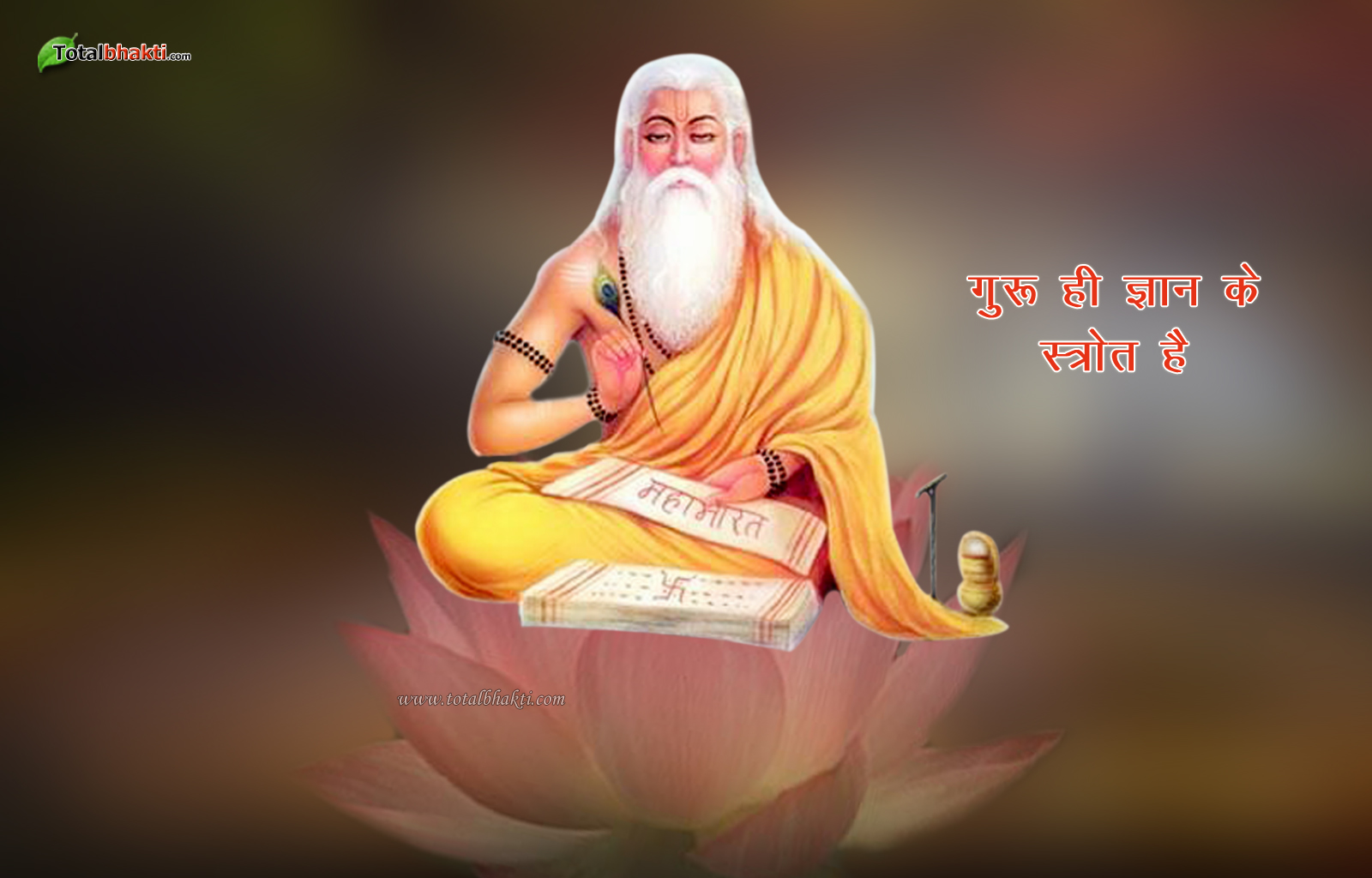


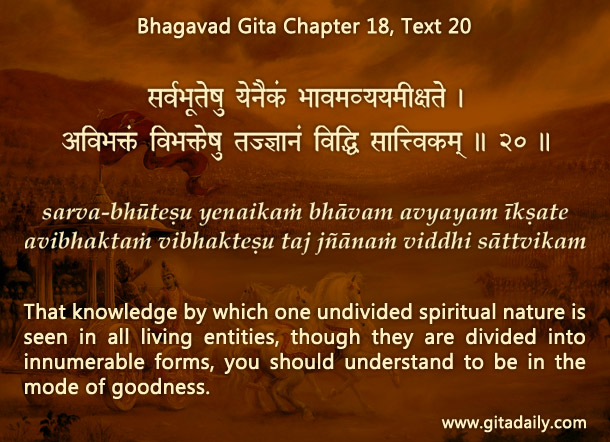


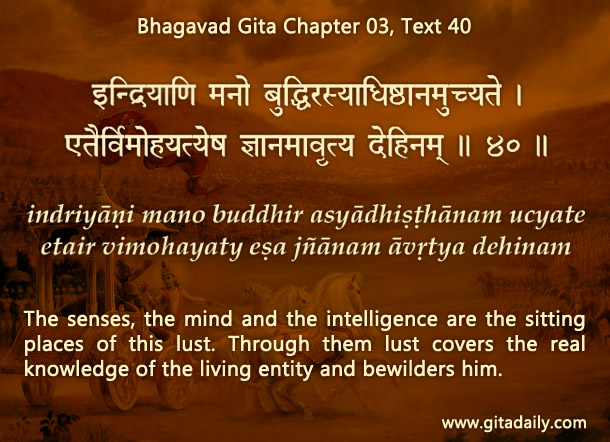


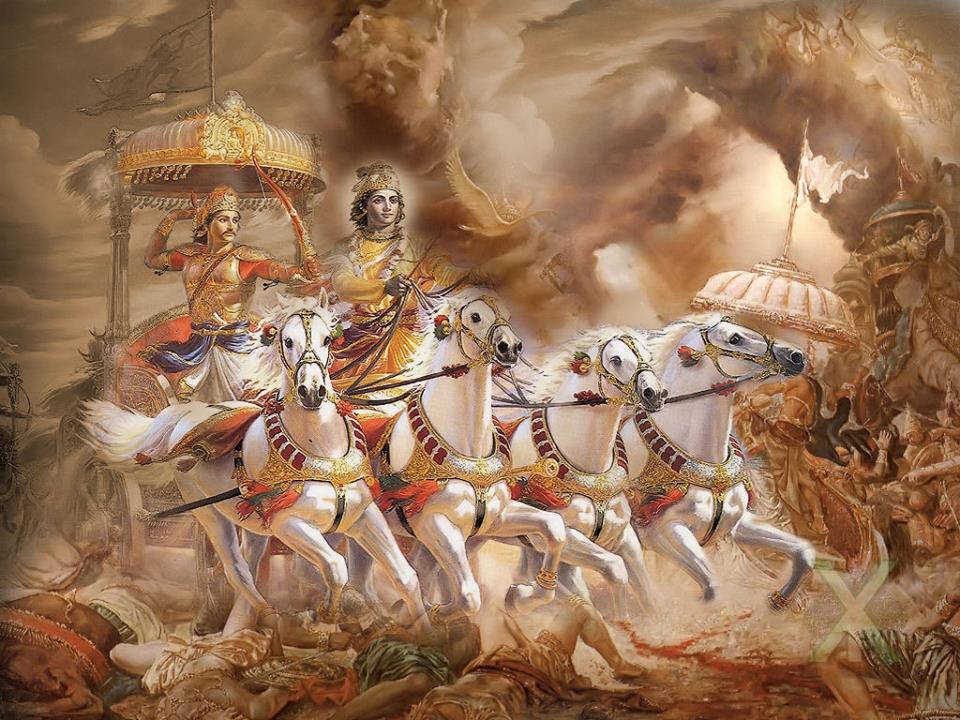

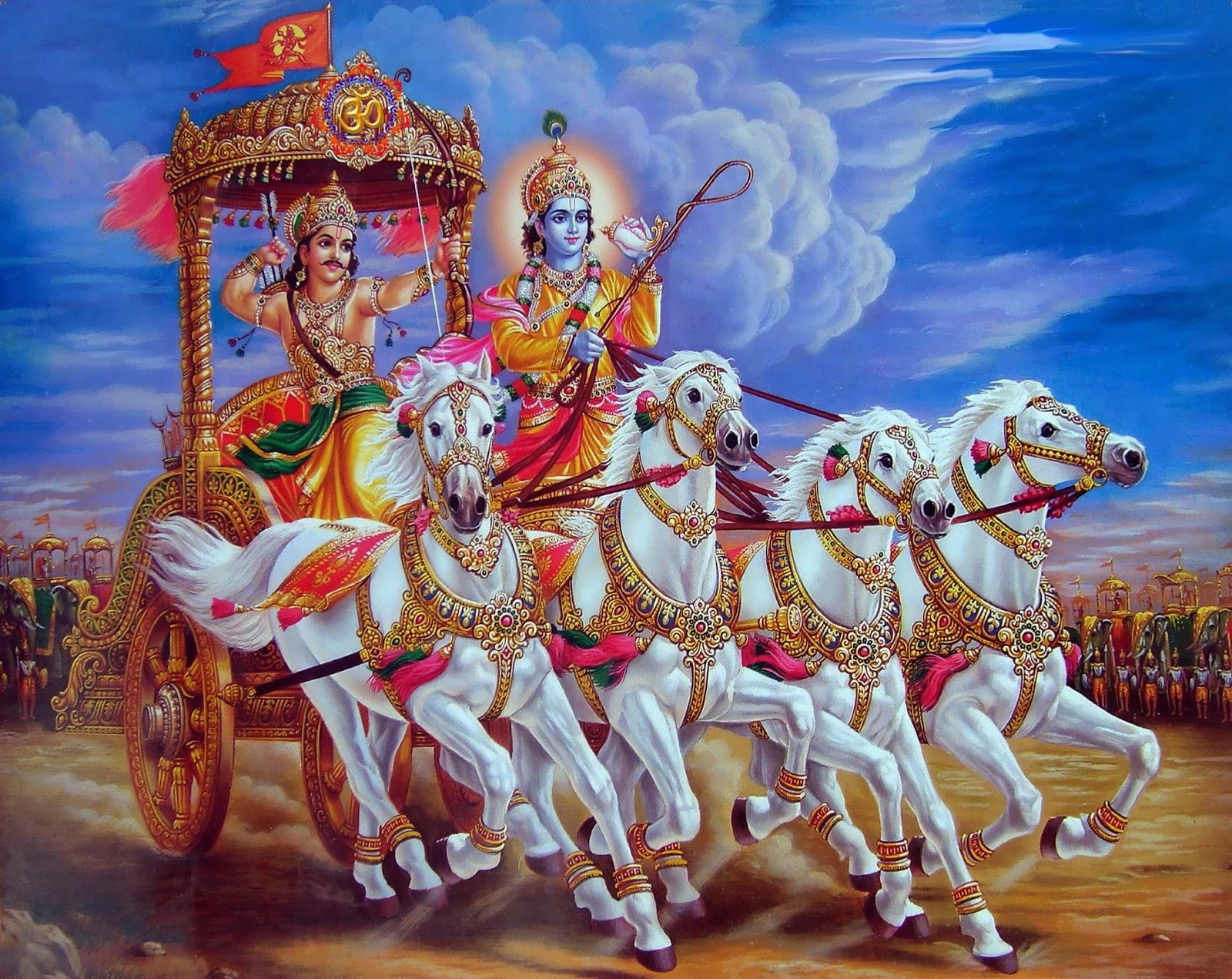

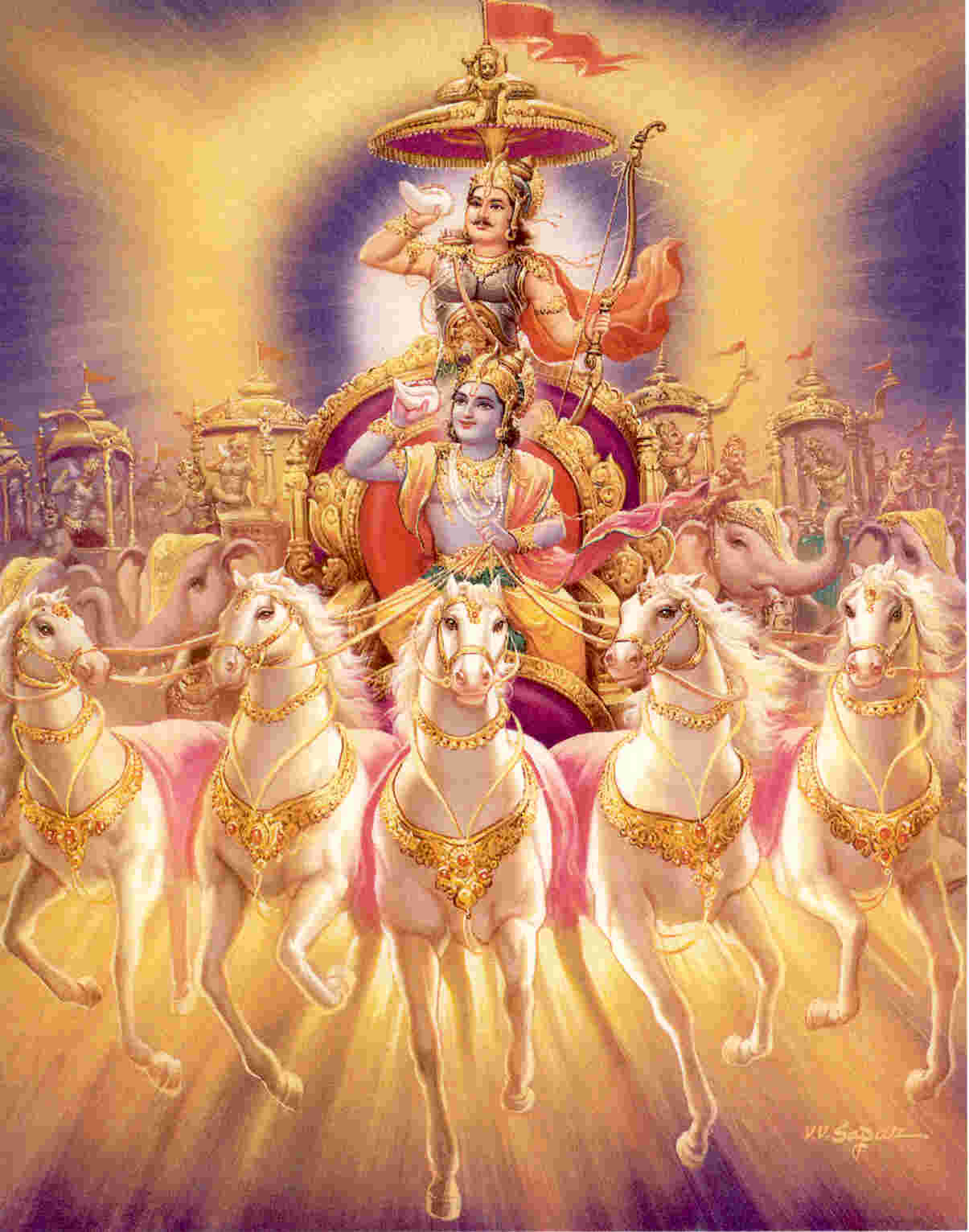


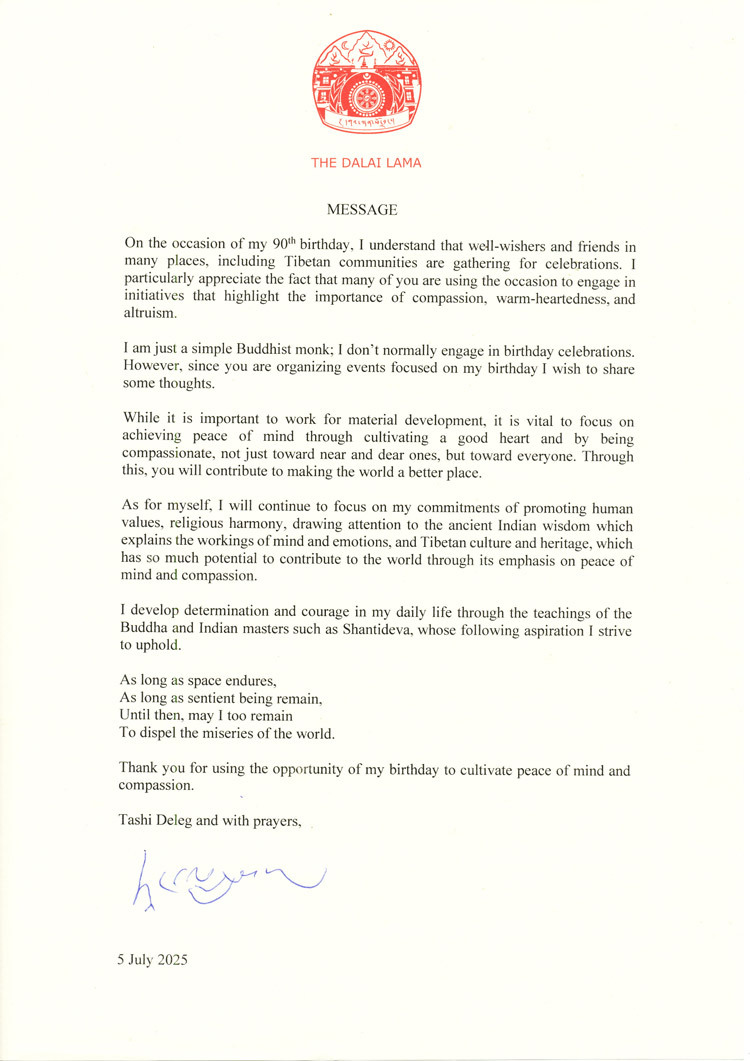


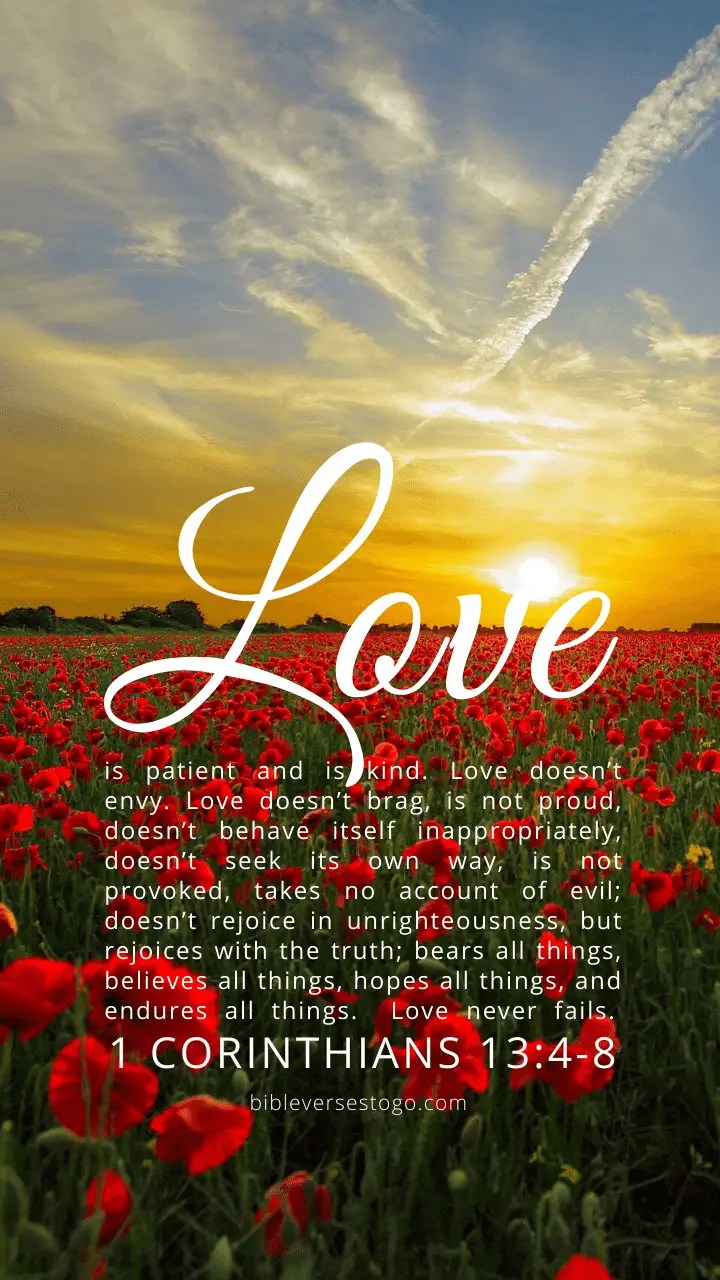













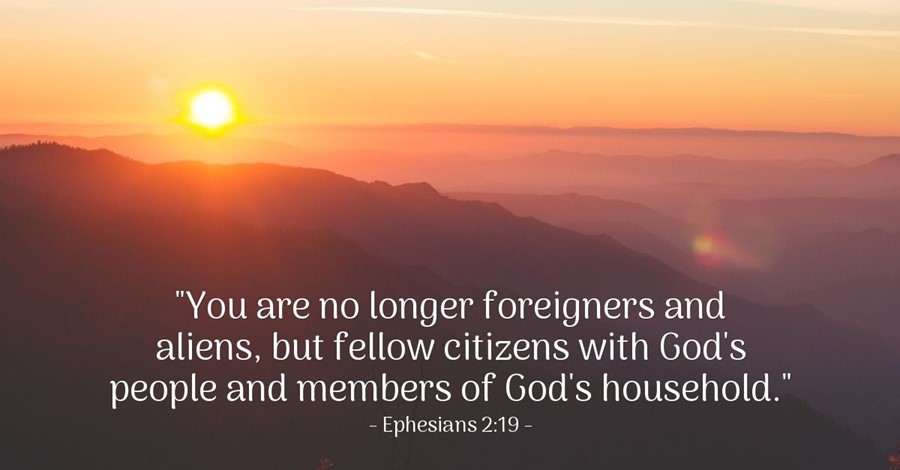



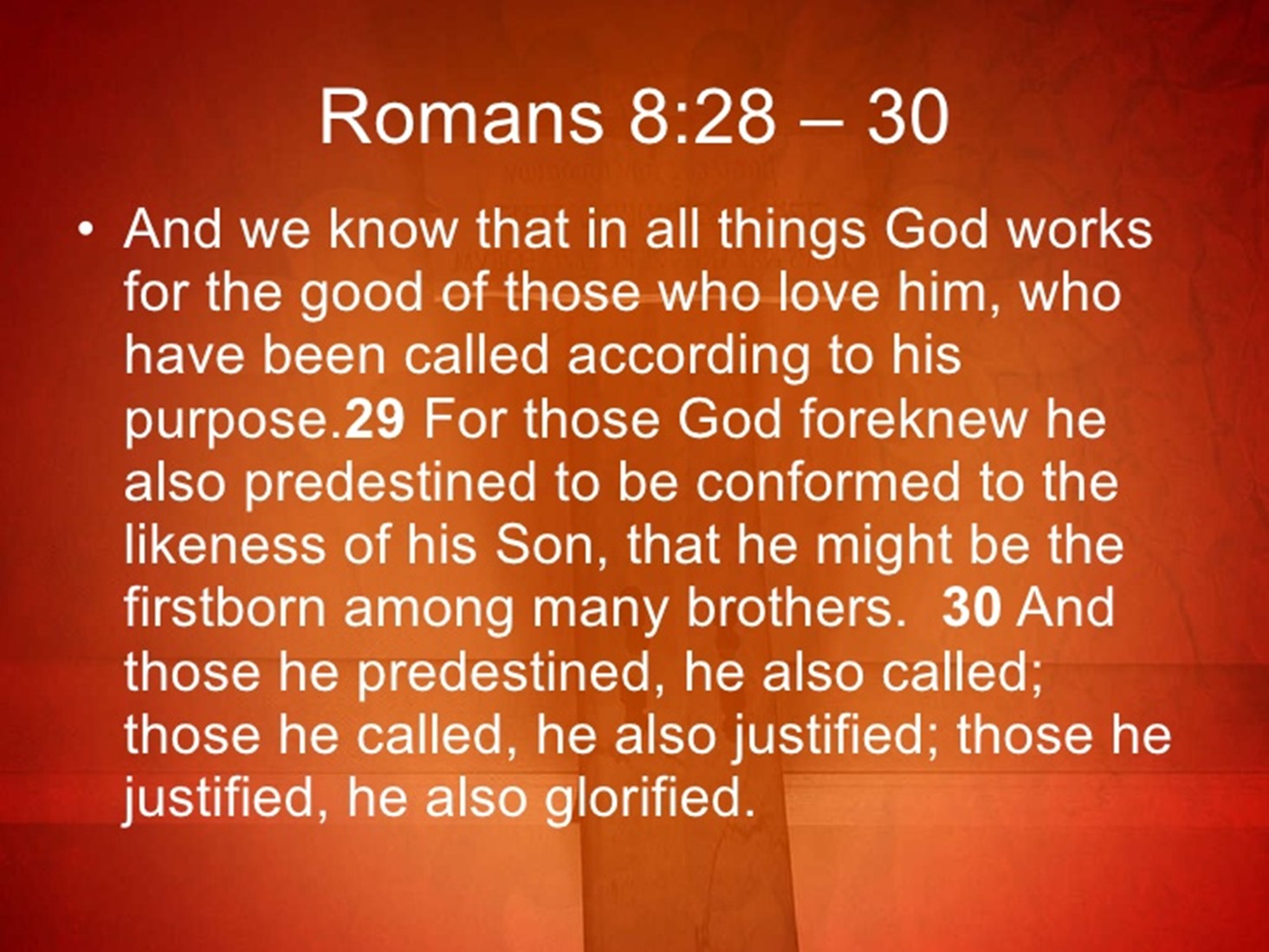
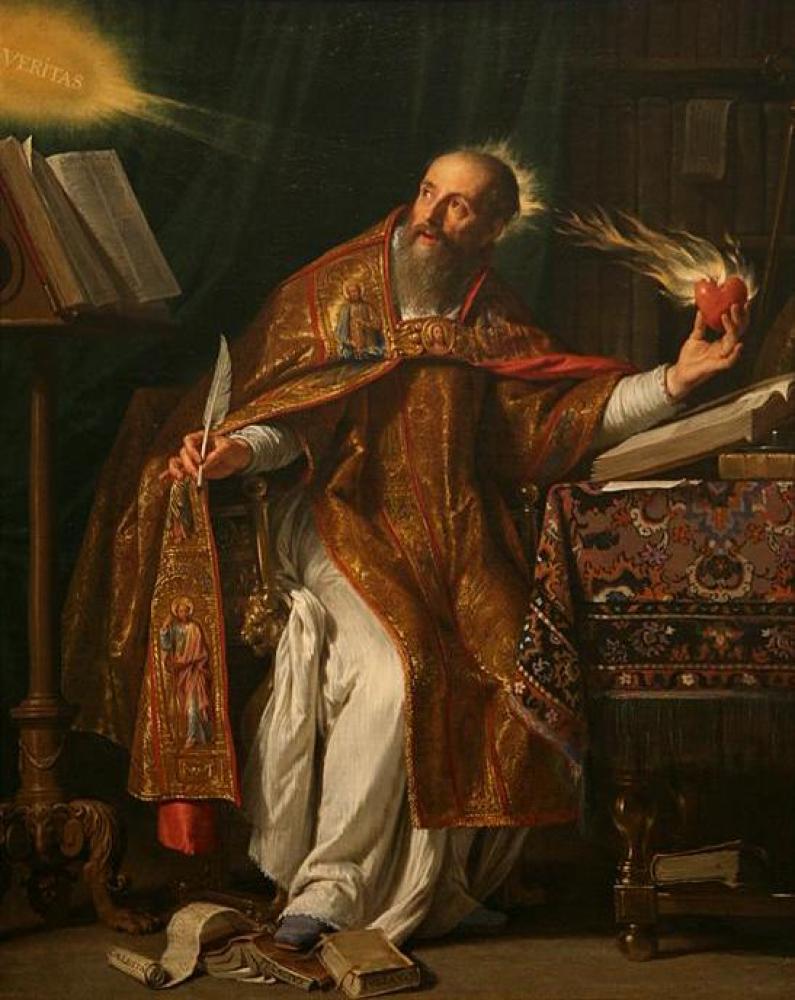


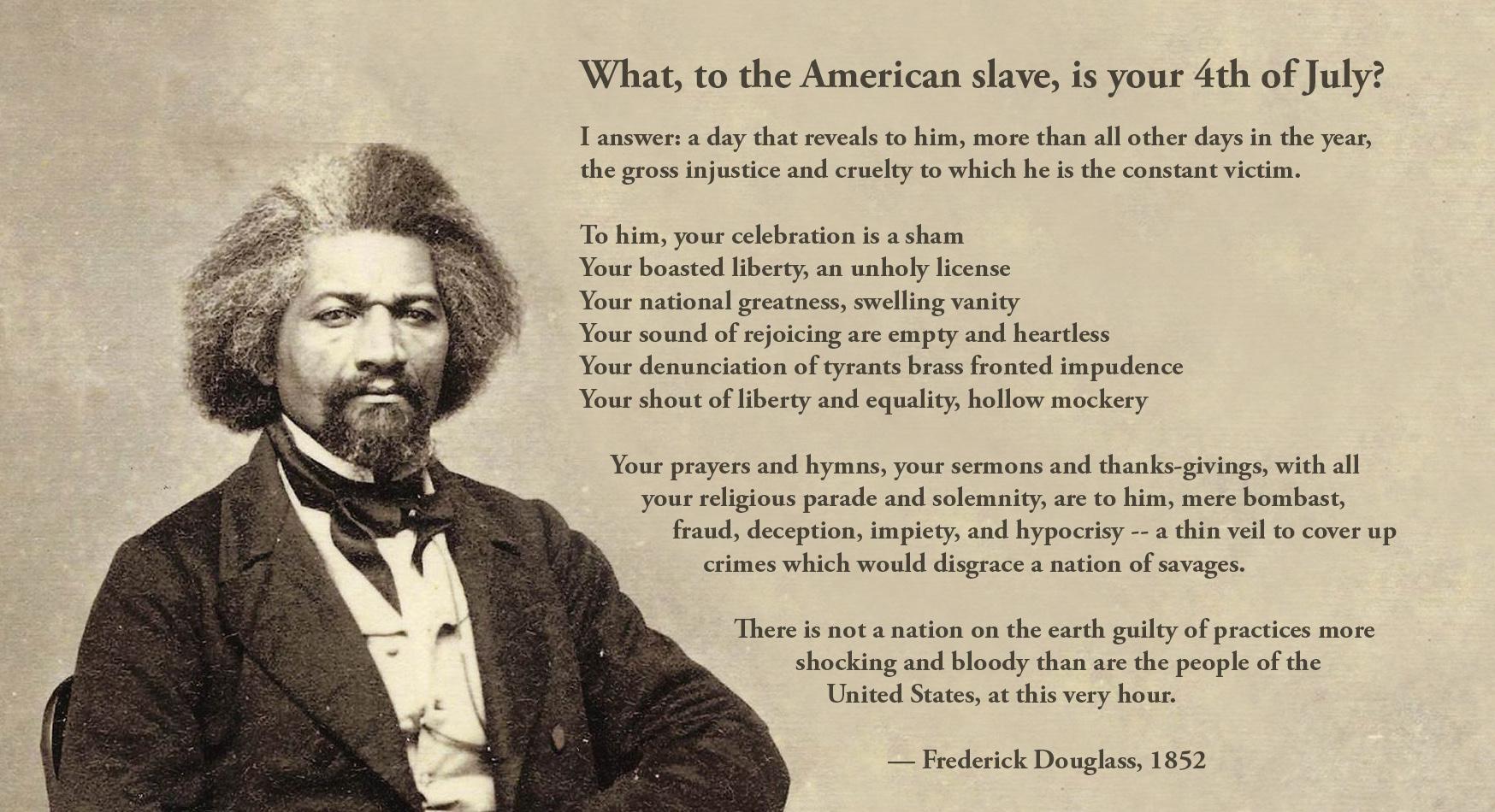
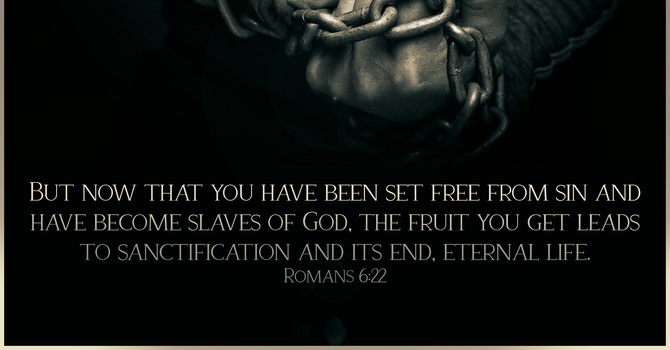






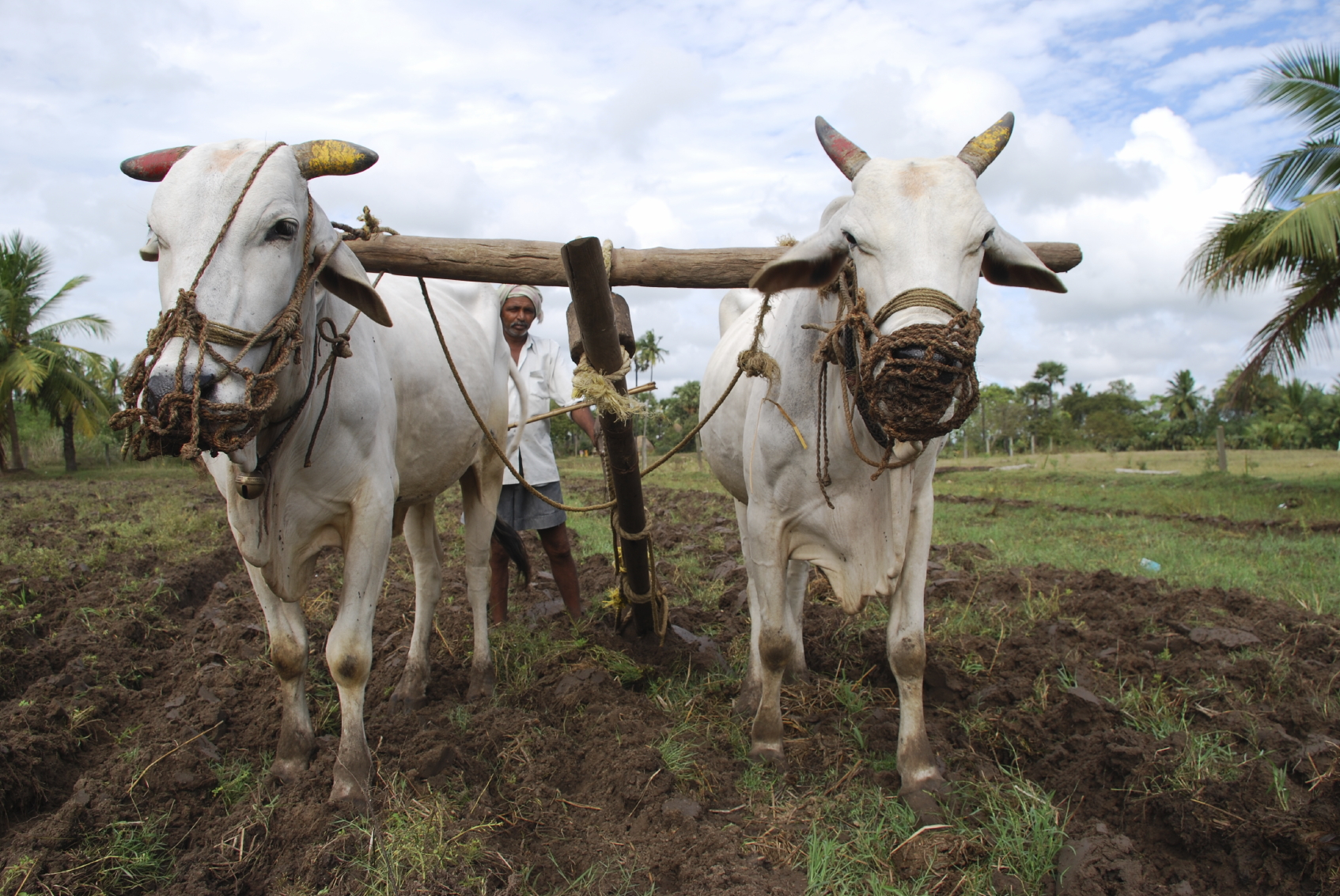


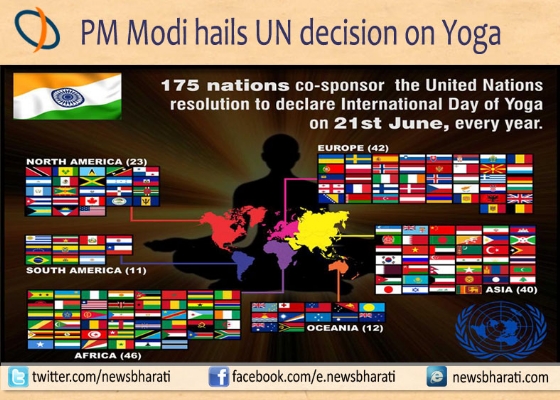
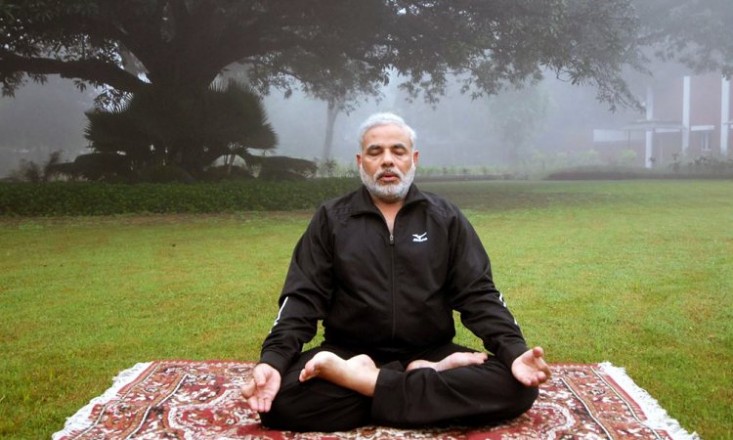
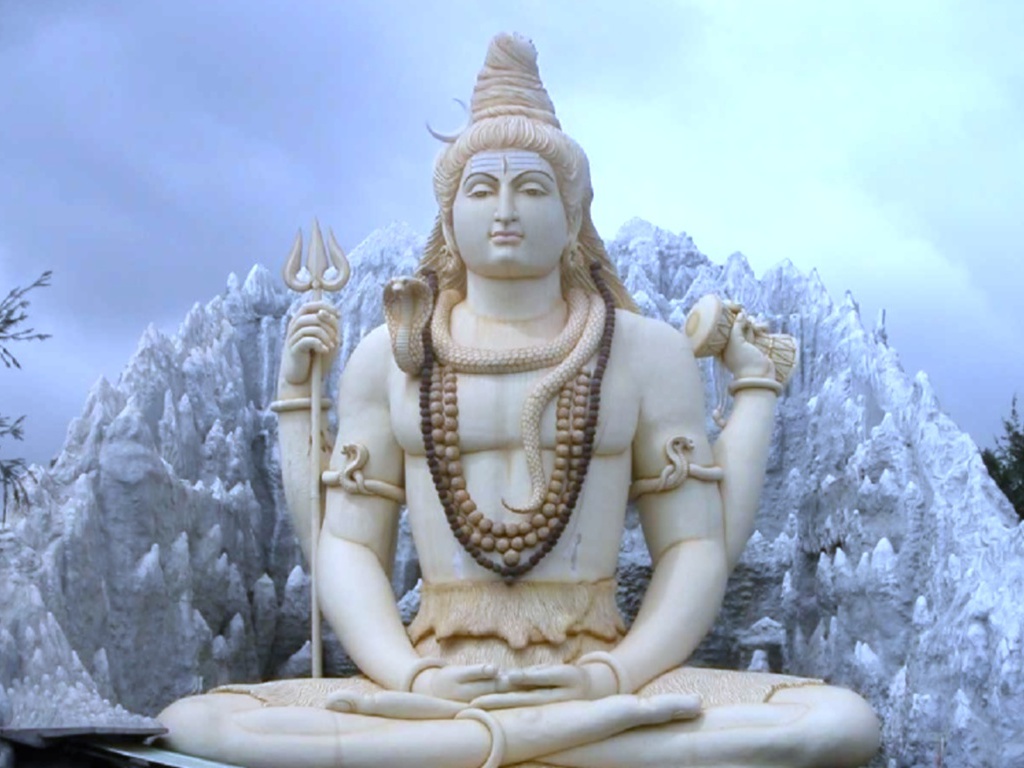
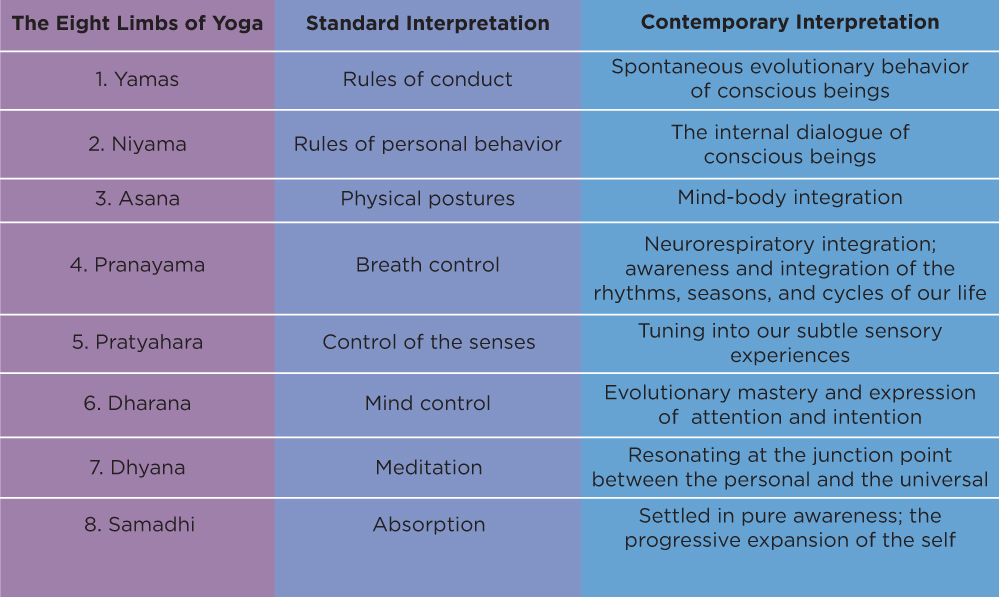
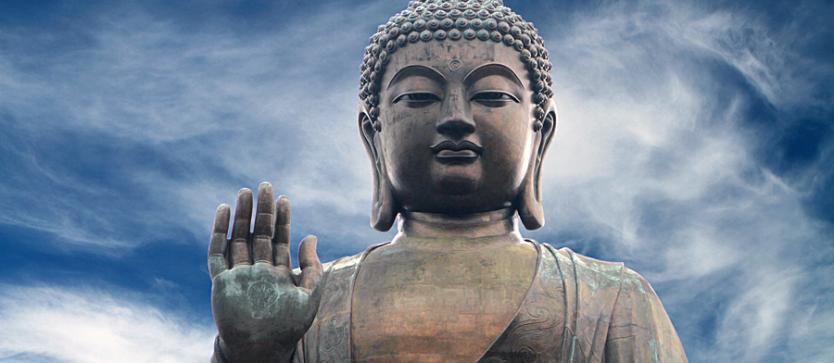
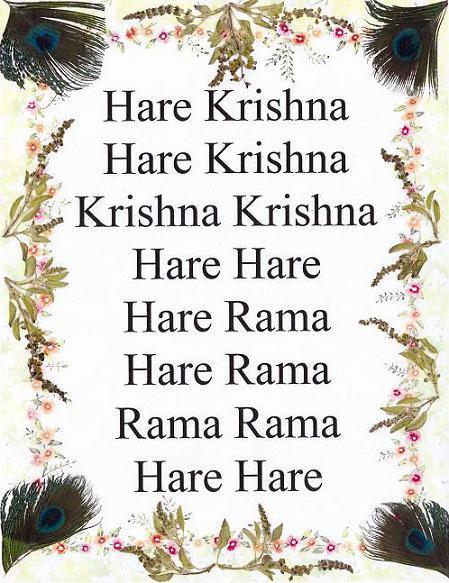
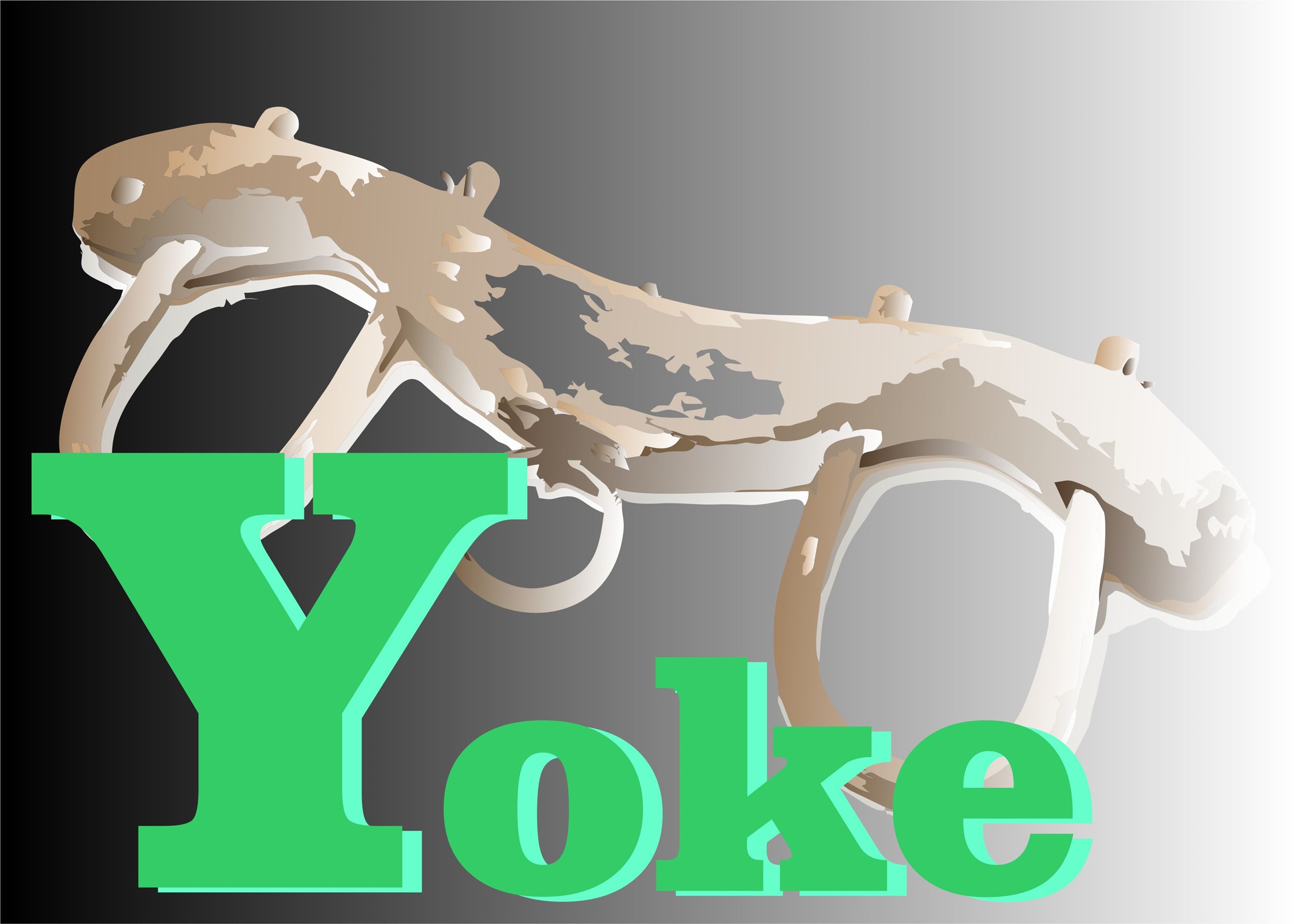
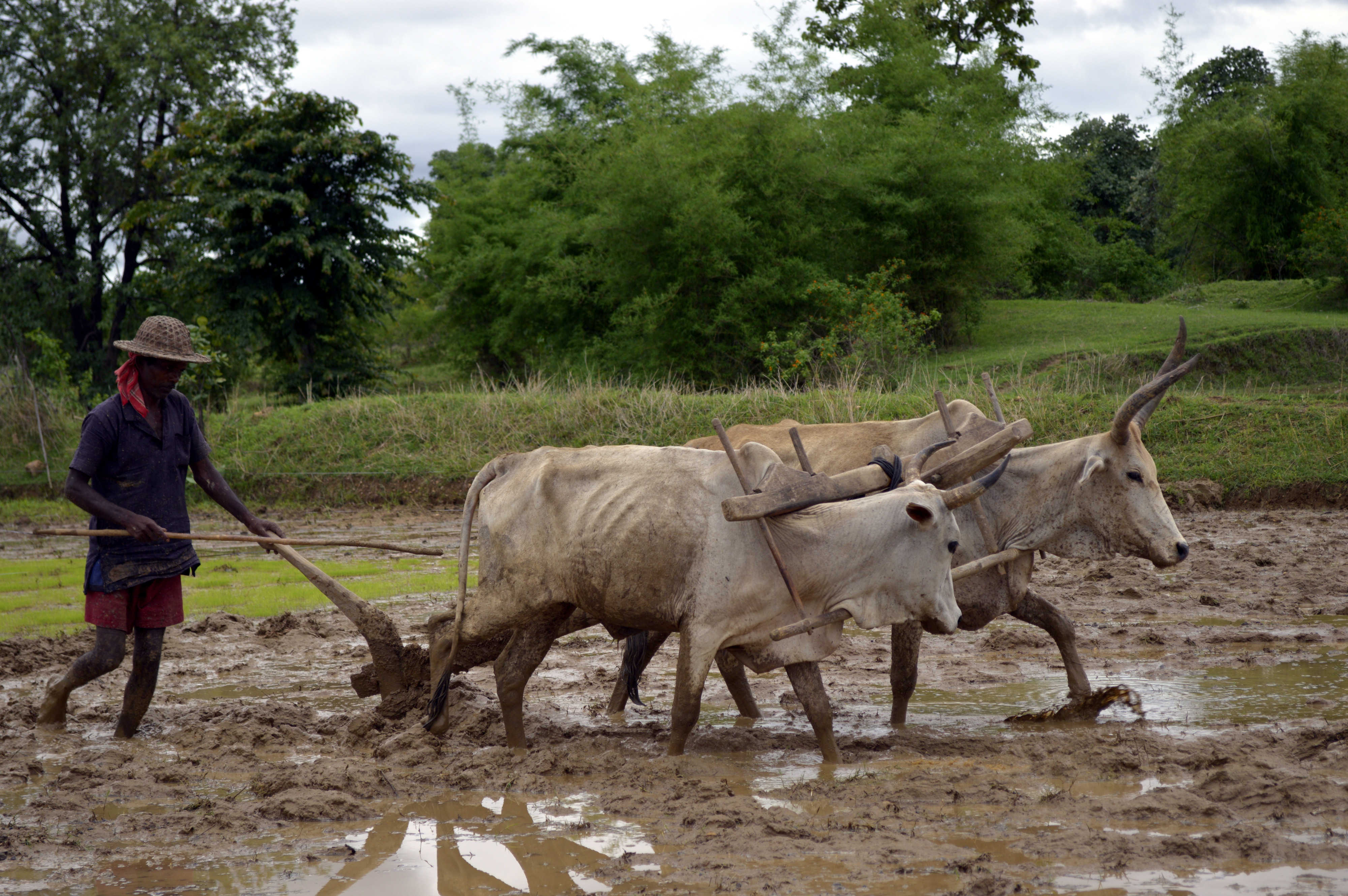

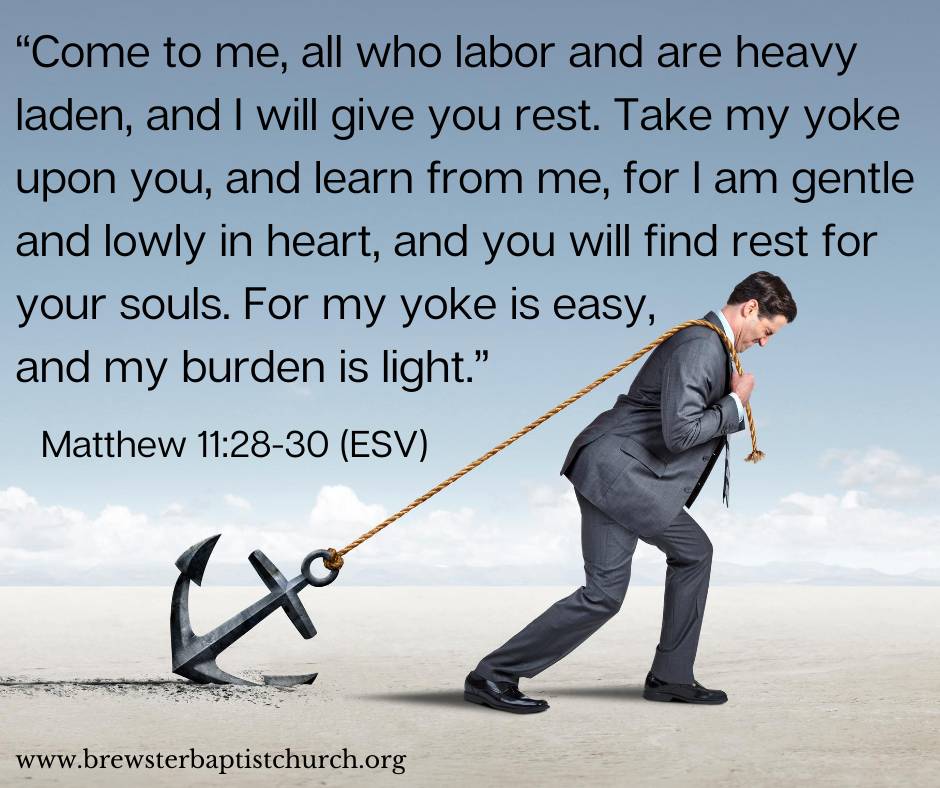


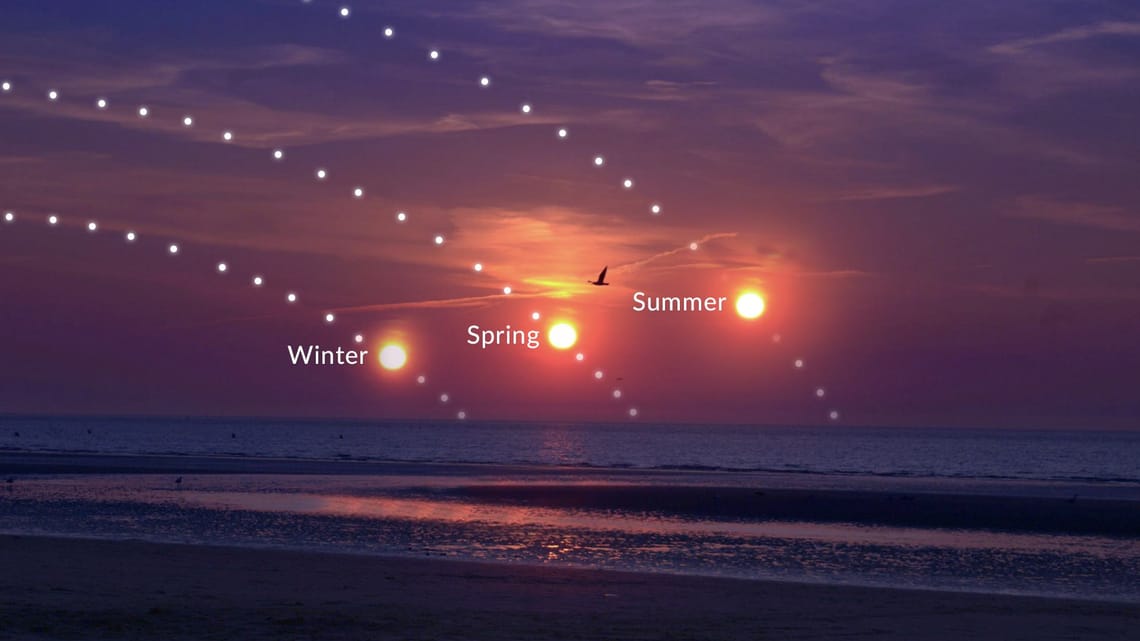
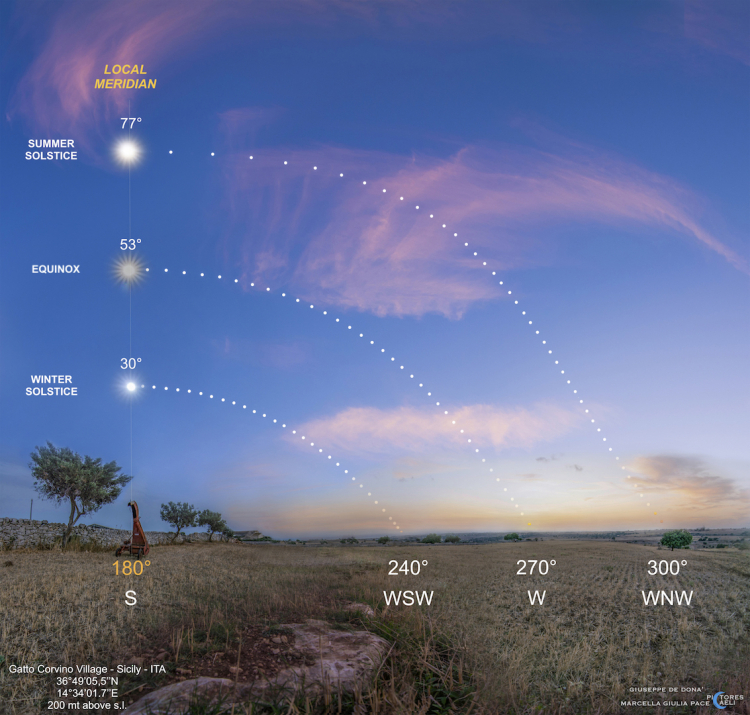
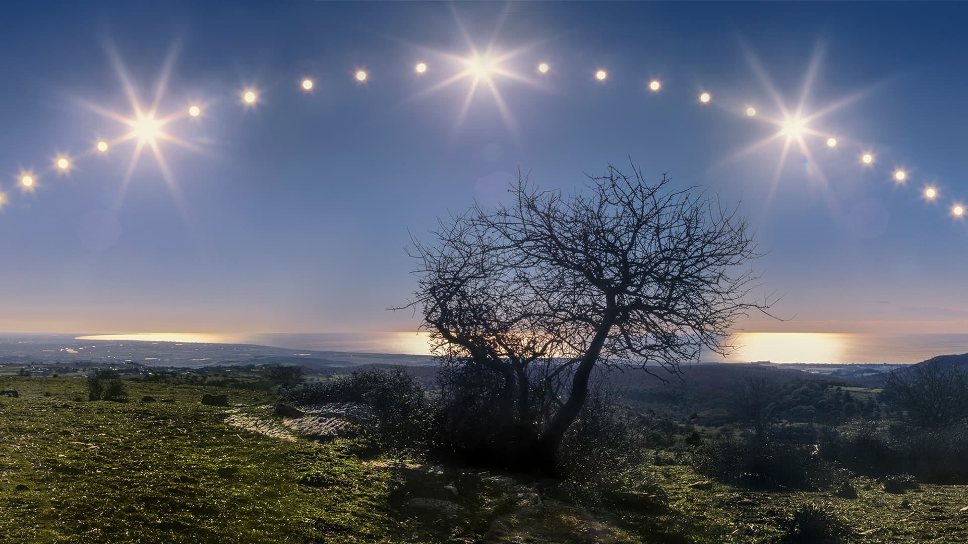
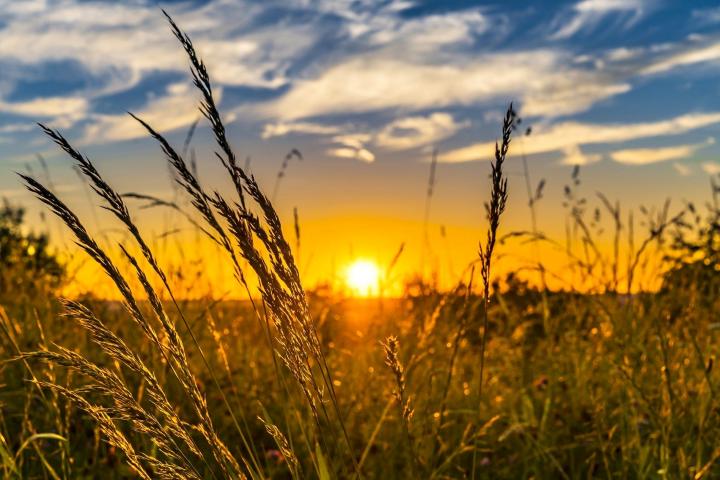

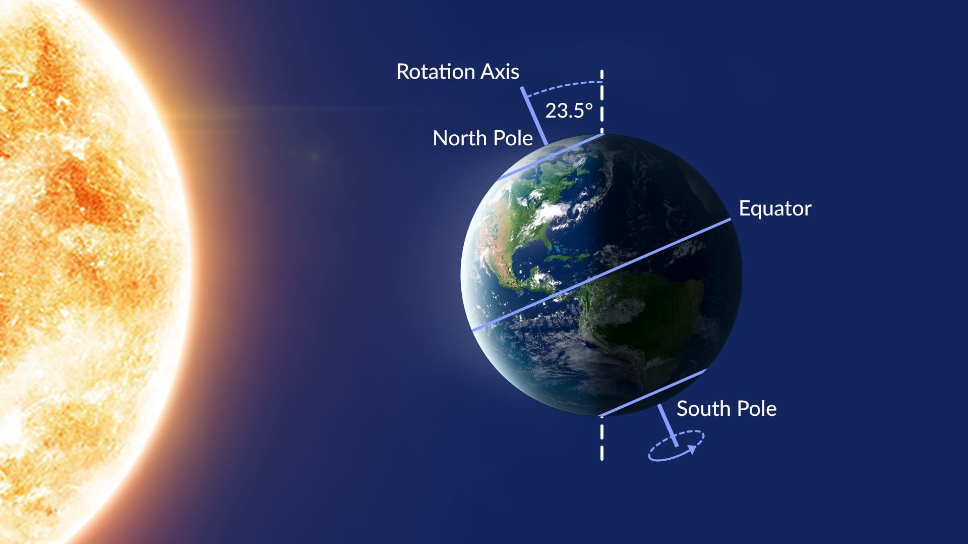

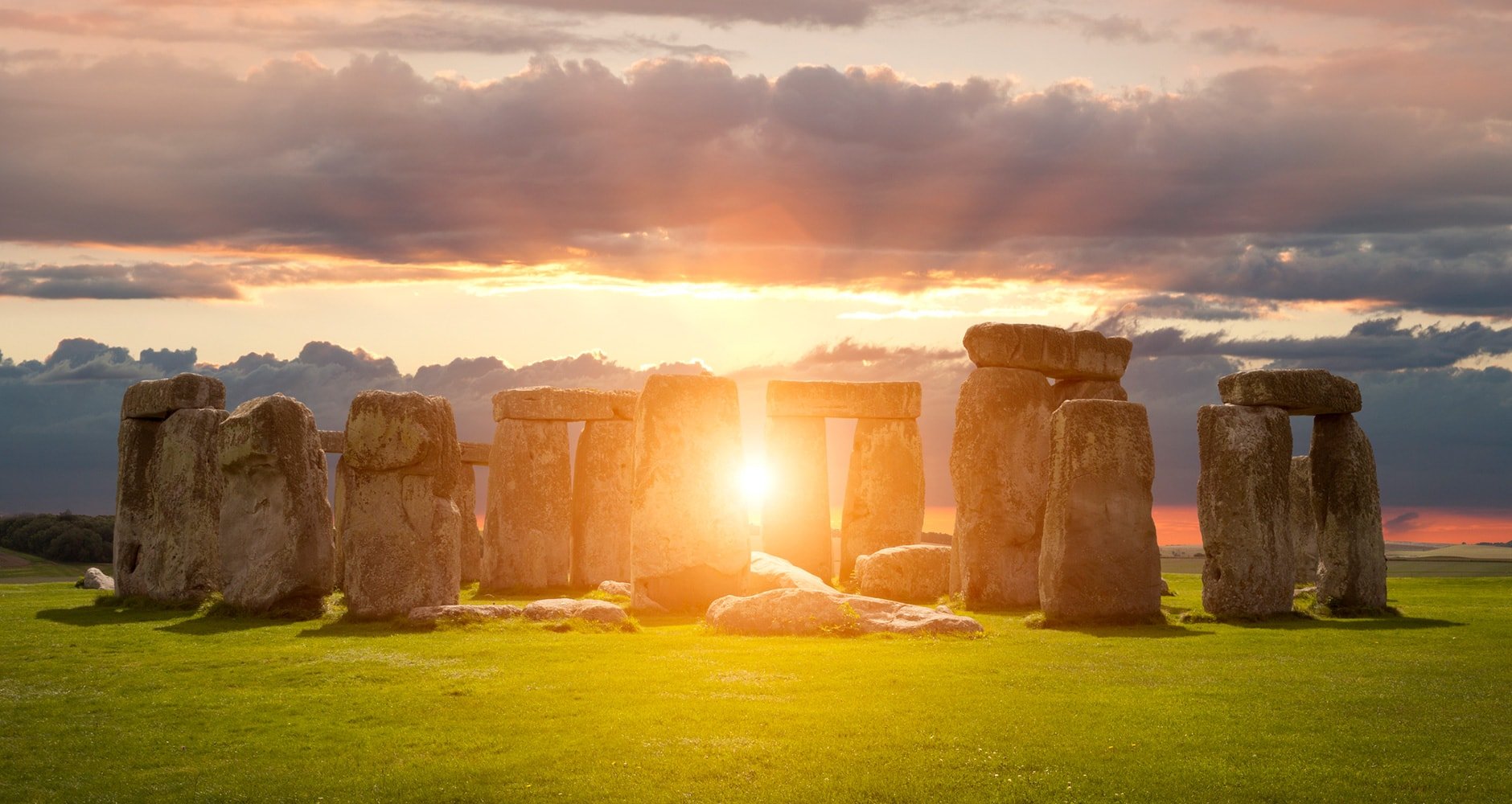
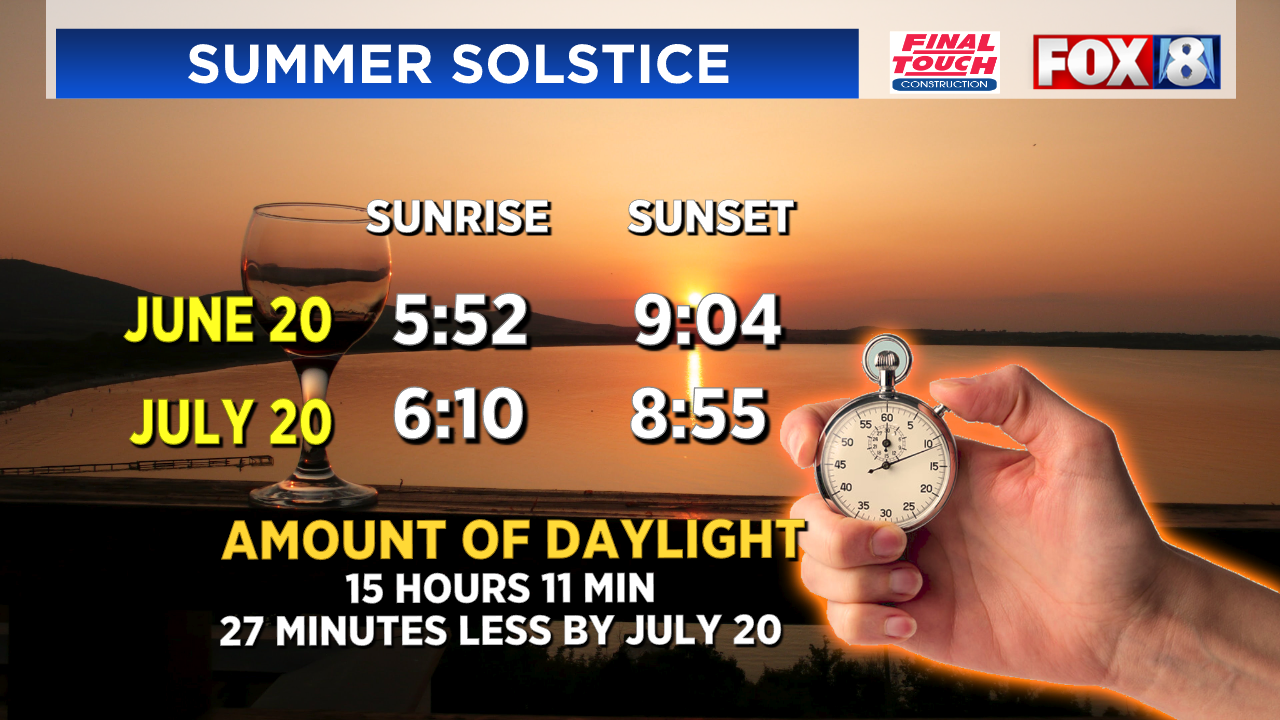


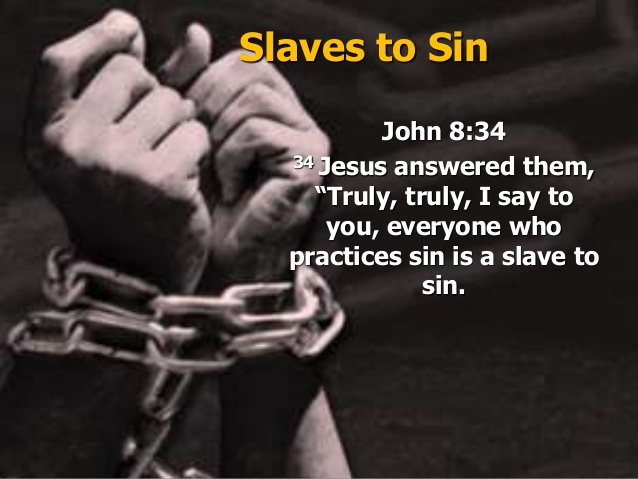


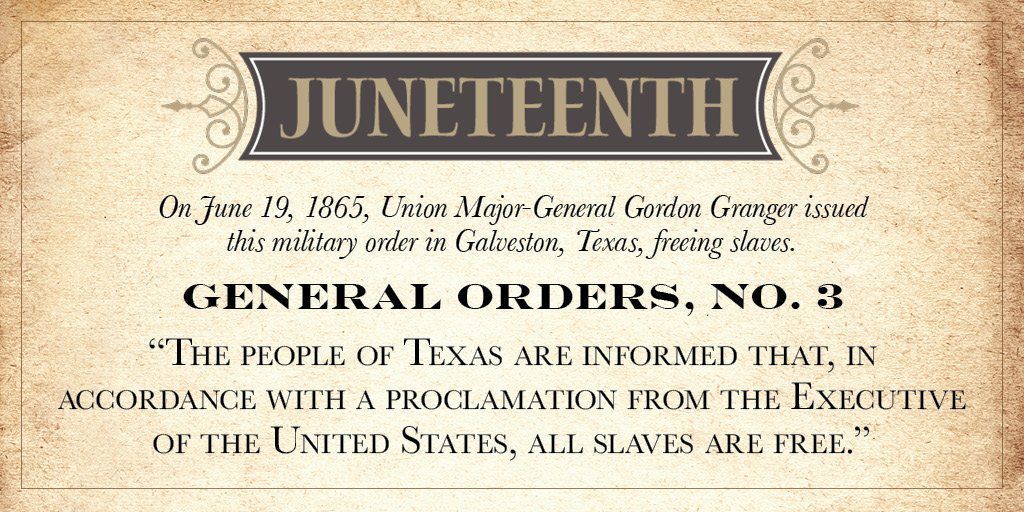
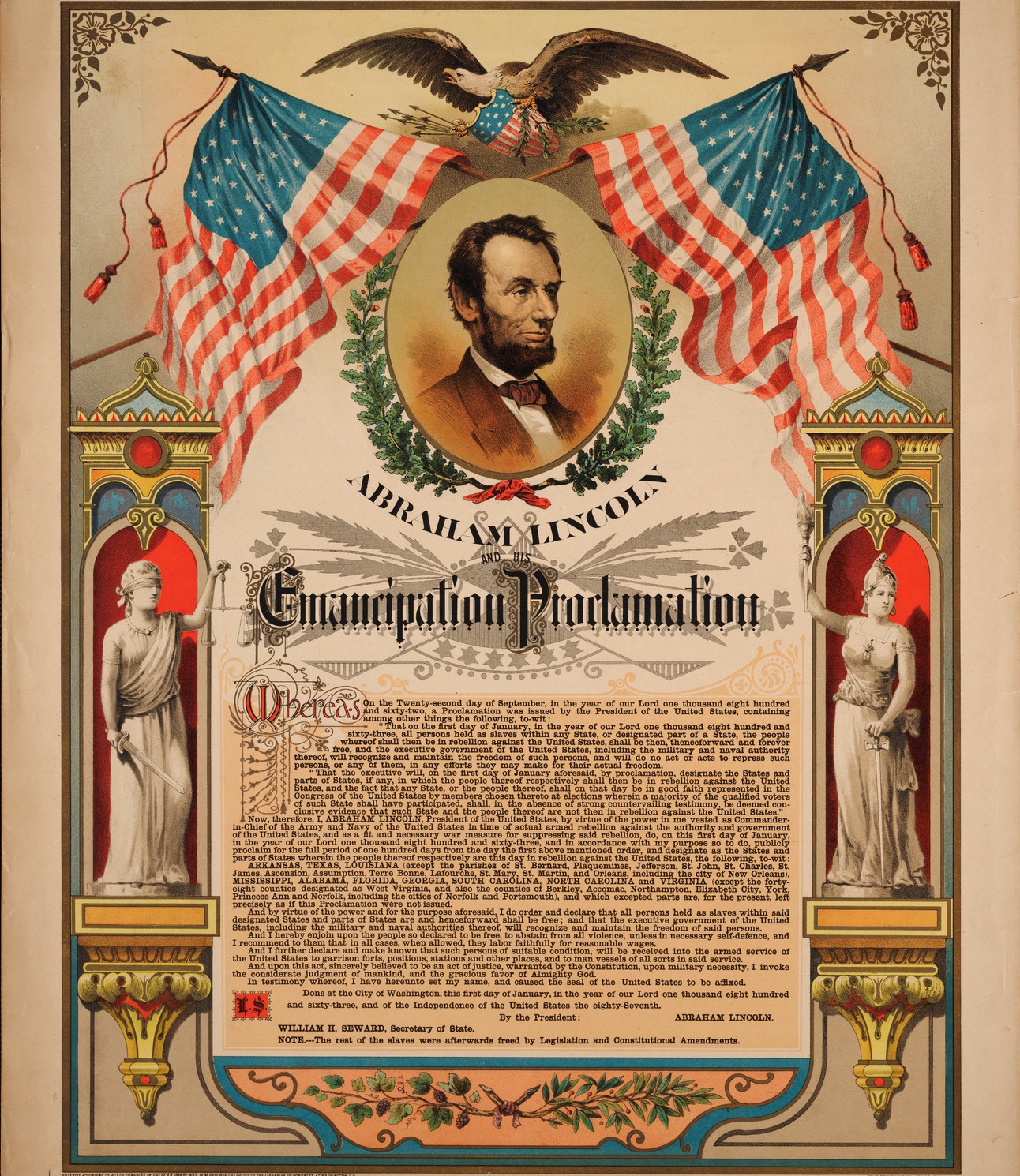
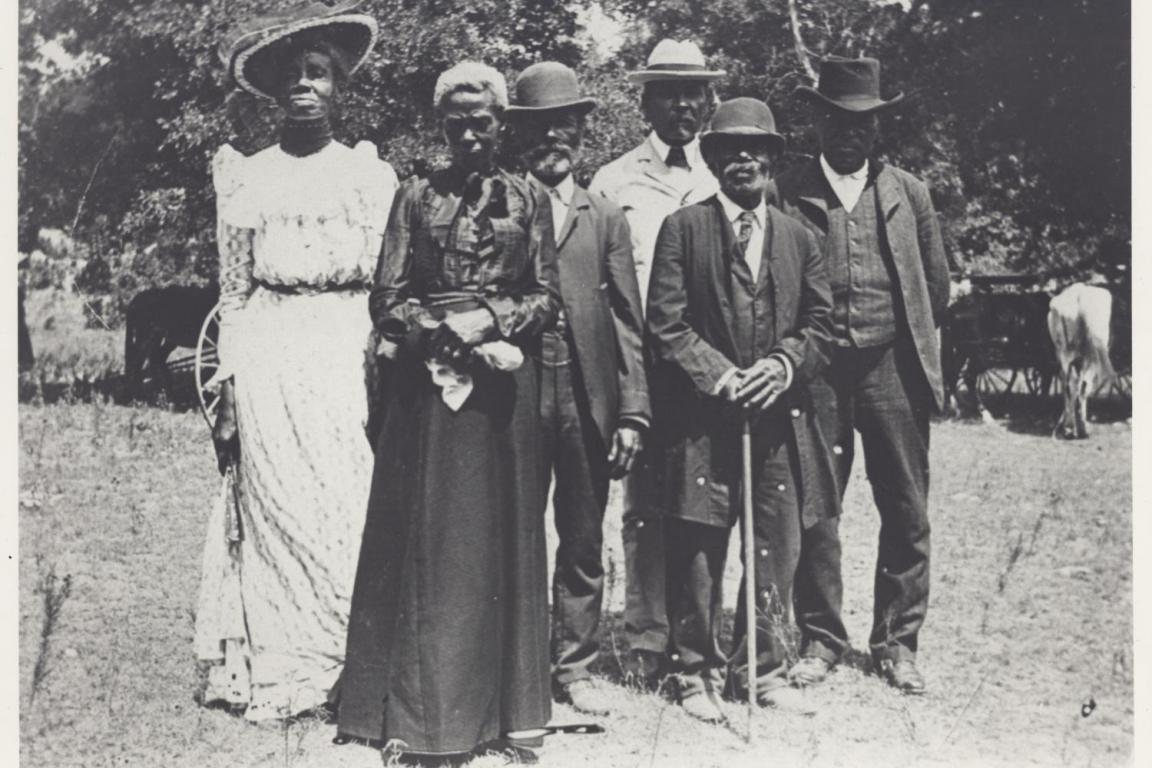
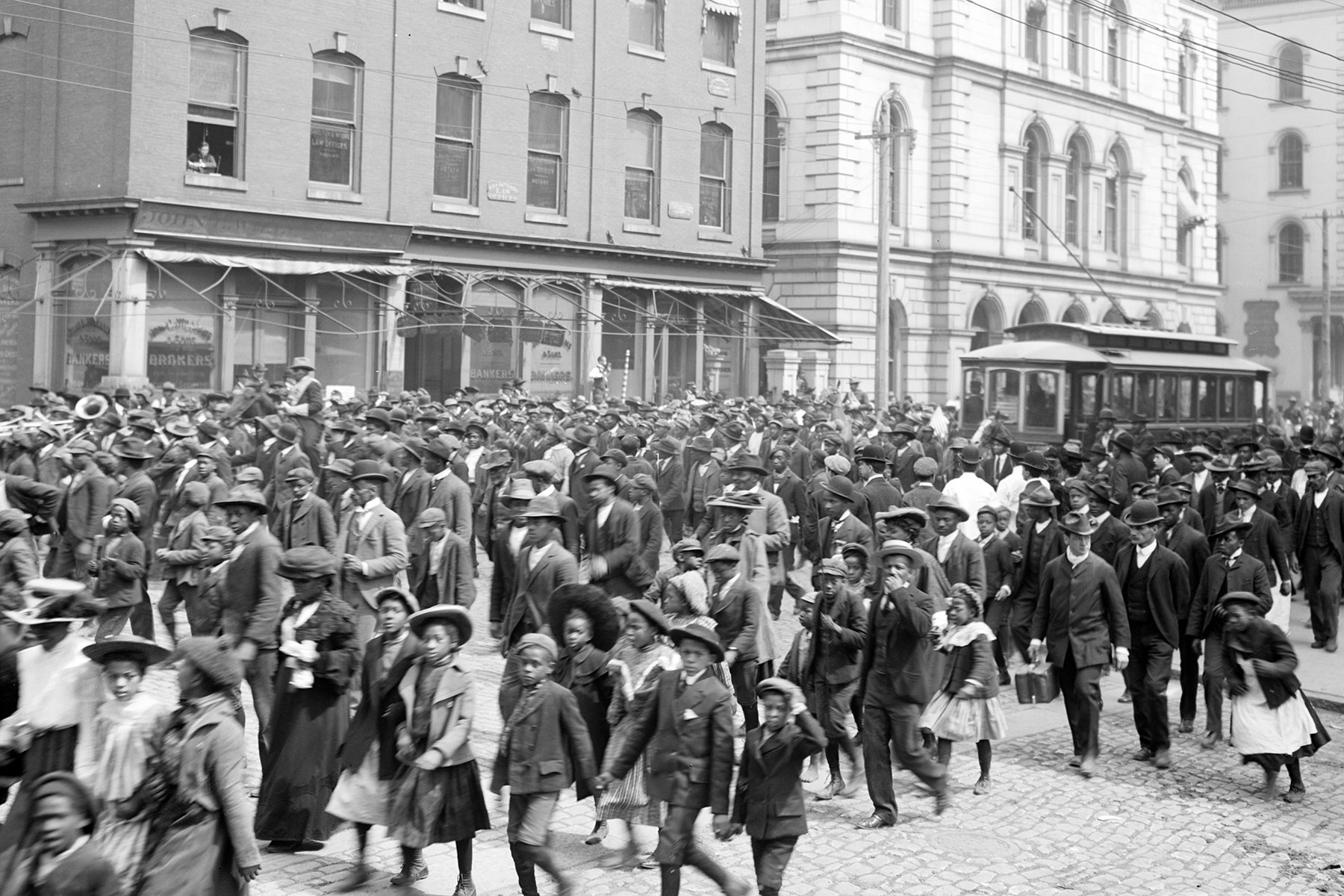
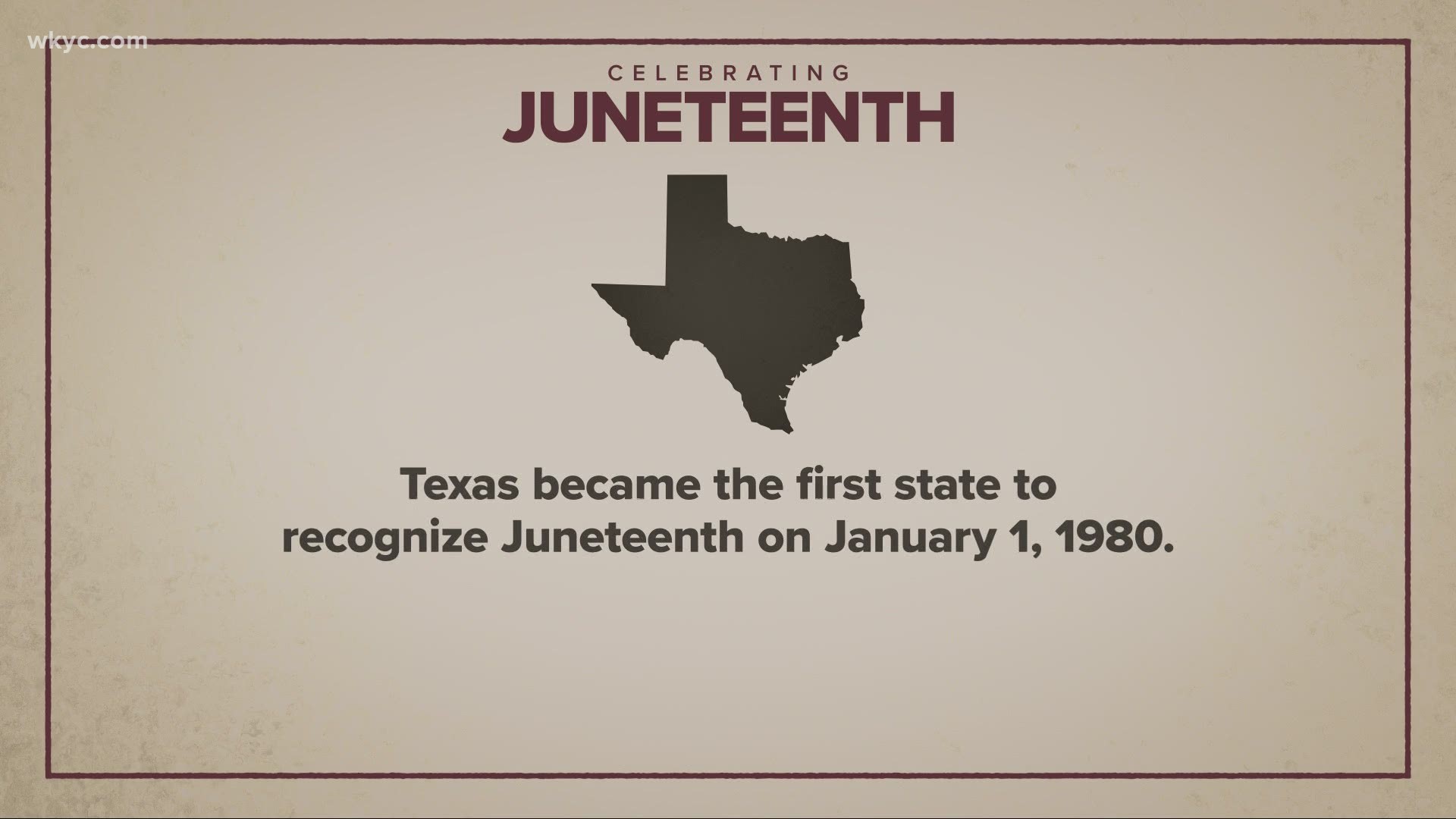

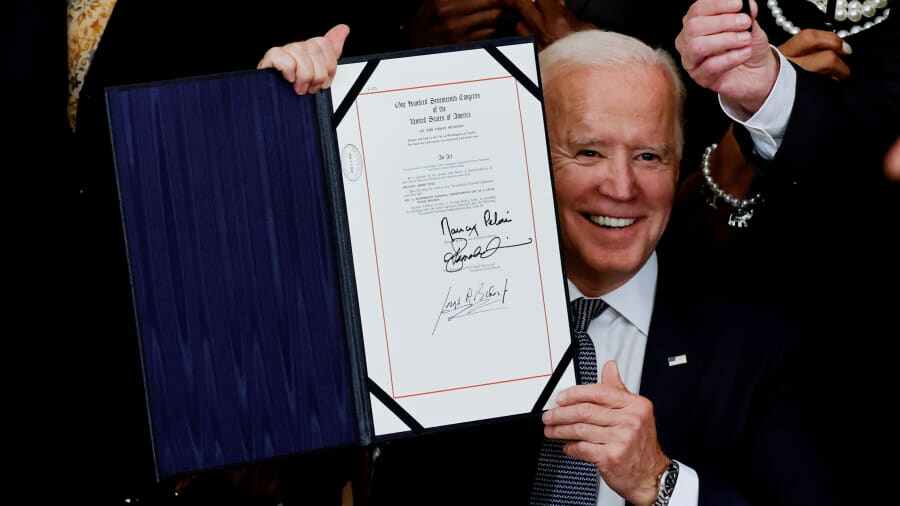


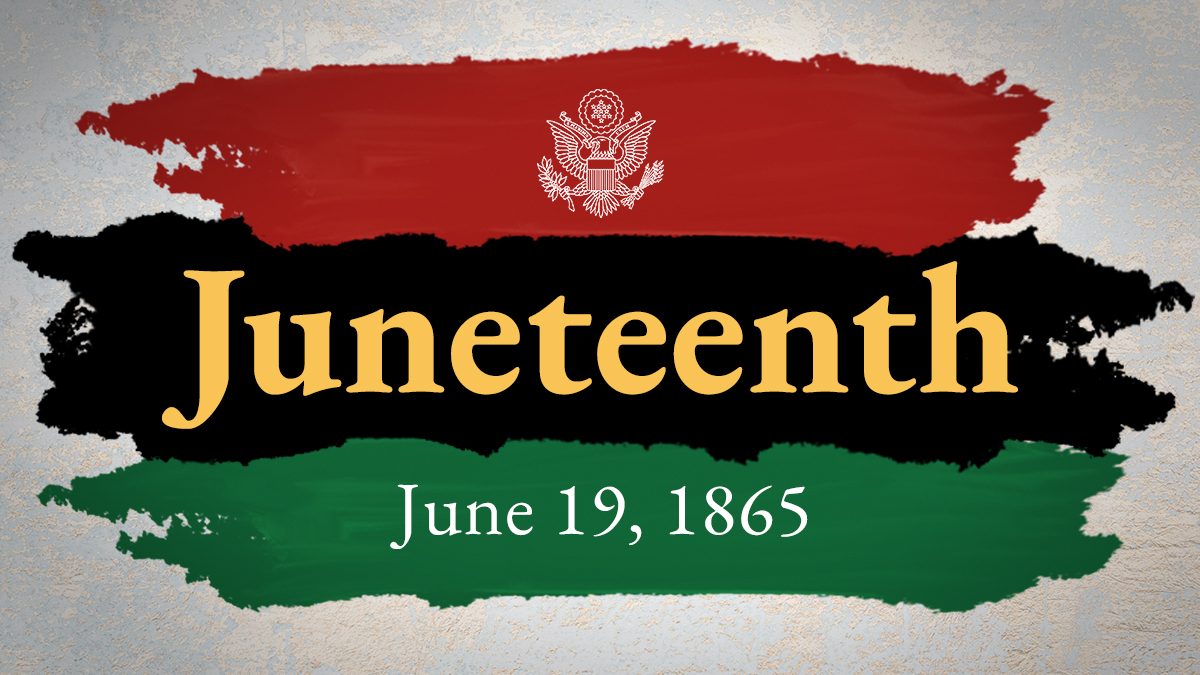





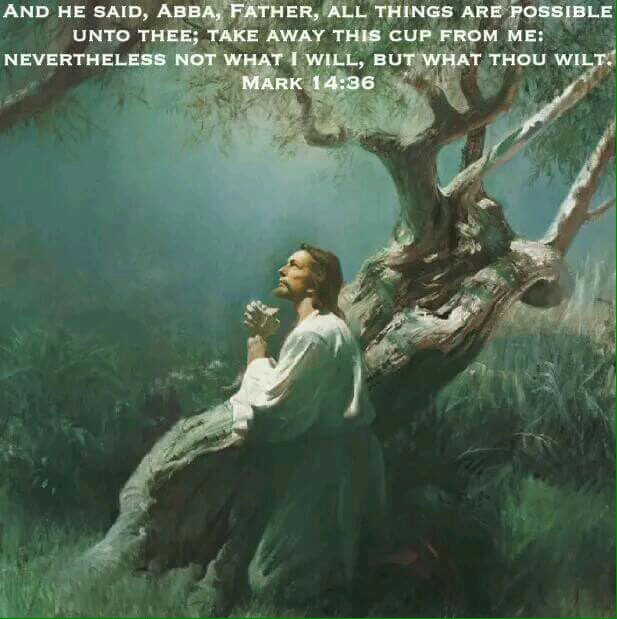




 Whole Dude - Whole Spirituality