WHAT IS MAN ? – SIX DIMENSIONS OF MAN

WHAT IS MAN ? – SIX DIMENSIONS OF MAN

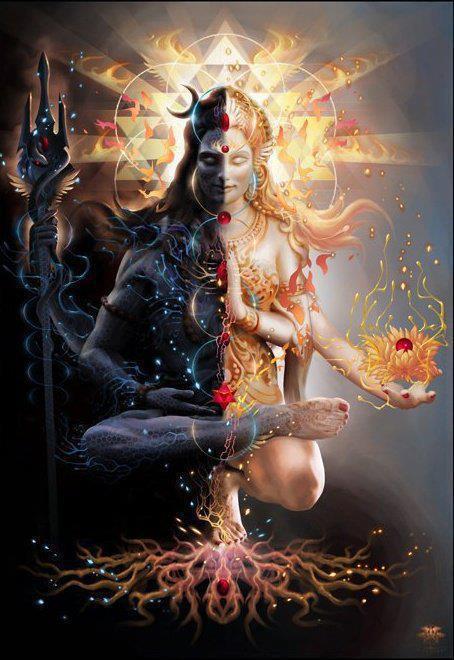
WHAT IS MAN ? – SIX DIMENSIONS OF MAN. LORD SHIVA REPRESENTS GOD BOTH MALE AND FEMALE AT ONE AND SAME TIME. HUMAN GENOME, BOTH MALE AND FEMALE ALWAYS CARRIES FEMALE PRINCIPLE DERIVED FROM EGG CELL.

For purposes of brevity and convenience, I am using the term ‘Man’ to describe Human Being that can be either Male or Female. In Indian tradition, Lord Shiva represents God both Male and Female at one and same time. Human Genome, both Male and Female always carries Female Principle derived from Egg Cell.This Man cannot be divided into Perishable Body and Imperishable Soul or Spirit. As per Fundamental Laws of Conservation of Matter and Energy, Matter is neither created nor destroyed. It may be said that God pervades all material objects with no exception.

What is Man ? – Six Dimensions of Man. It is incorrect to divide Man into Perishable Body and Imperishable Soul. God is the Ultimate Source of both Perishable and Imperishable.On bhavanajagat.com

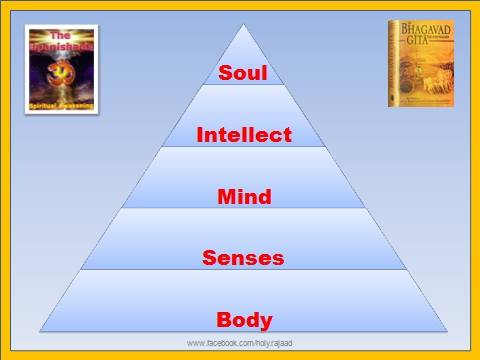
The division or separation of Man into Body,Mind, and Soul or three entities such as Gross Body, Causal Body, and Spiritual Body leads to misinterpretation of information about Man that is verified by Science. The Physical Reality of Man represents Unity of Body, Mind, and Soul.

What is Man ? – Six Dimensions of Man. The Division of Man into Body, Mind, and Soul is incorrect. The Physical Reality of Man represents Unity of Body, Mind, and Soul.On bhavanajagat.com

MAN IS CONSTITUTED BY SINGLE, FERTILIZED EGG CELL

What is Man ? – Six Dimensions of Man. The entire Human Organism is derived from Growth, Division, Development, and Differentiation of Single, Fertilized Egg Cell.On bhavanajagat.com

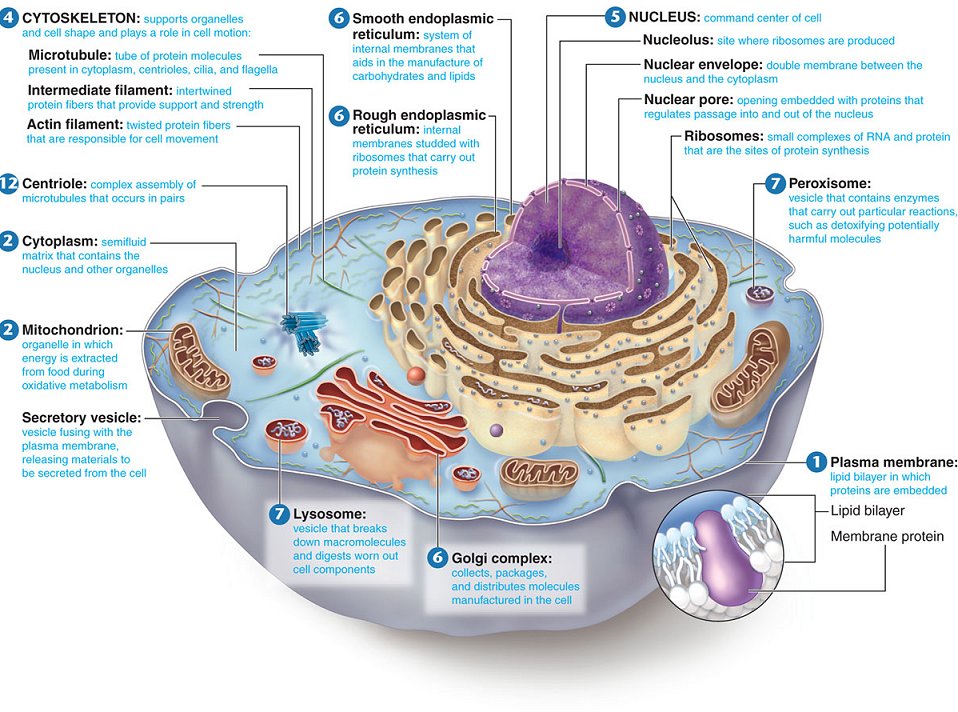
Man is derived from Single, Fertilized Egg Cell which grows, develops, divides and differentiates to create the complex human organism. All the cells of human body are essentially like the Egg Cell or Fertilized Ovum from which they are derived. The cells of human body can vary in size and shape but all of them carry the same genome in structure called Nucleus and similar living matter called Cytoplasm.

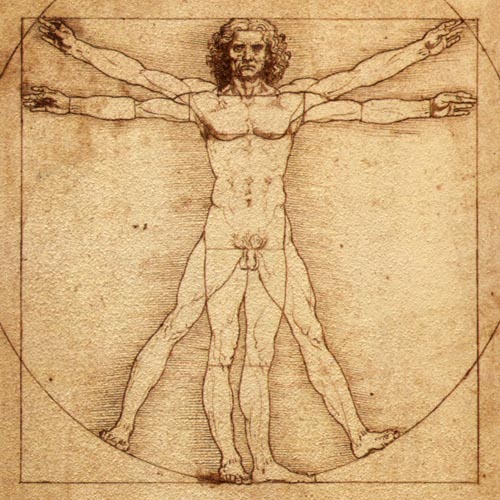
What is Man ? – Six Dimensions of Man. Identity and Individuality. Face Recognition is an important dimension of Human Identity. Each Person can be recognized as Specific Individual.On bhavanajagat.com

For Body is divisible into numerous parts and yet the Same, derived from Single Source, its relevant to describe Dimensions of Body to recognize Identity and Individuality of Human Subject. Using current Face Recognition technology, all Persons including identical twins can be recognized as Specific Individuals. I describe Six Dimensions of Man, and these are, 1. Physical Being, 2. Mental Being, 3. Social Being, 4. Moral Being, 5. Spiritual Being, and 6. Created Being.

WHAT IS MAN? MORTAL, PHYSICAL BEING

WHAT IS MAN ? – SIX DIMENSIONS OF MAN. PHYSICAL, MORTAL BEING DOES NOT GIVE FULL ACCOUNT OF MAN’S EXPERIENCE OF HIS LIVING CONDITION CALLED LIFE.

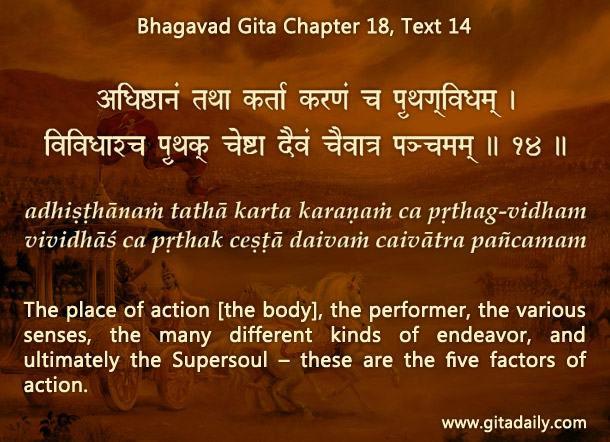
Man is Physical, Mortal Being. But that Dimension of Man does not represent full account of Man’s Experience of His Living Condition called Life.

MAN IS PHENOMENAL BEING:

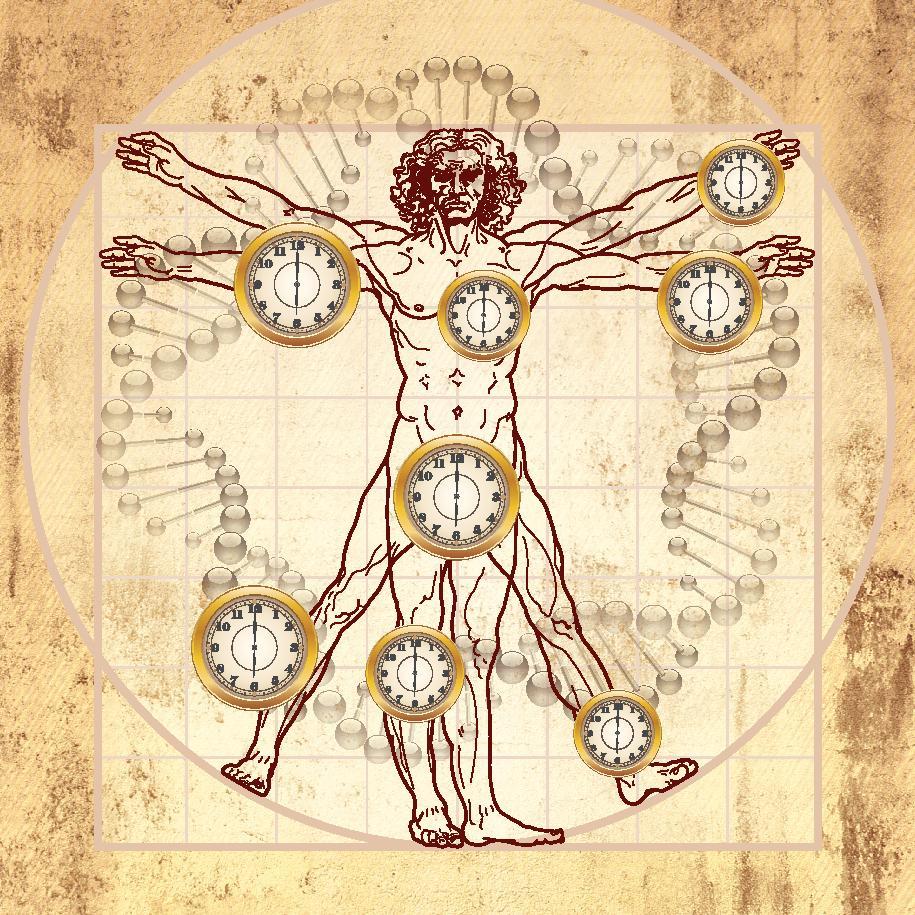
WHAT IS MAN ? SIX DIMENSIONS OF MAN. MAN IS PHENOMENAL BEING WHO VARIES HIS LIVING FUNCTIONS TO SYNCHRONIZE HIS EXISTENCE WITH ALTERNATING PERIODS OF LIGHT (DAY) AND DARKNESS (NIGHT).

Man’s existence is synchronized with changes in external environment. Man varies his Living Functions to synchronize his Existence with alternating periods of Light called Day and Darkness called Night. Man is constituted as Phenomenal Being for his Existence is conditioned by Change; Earth is constantly moving and is not in the same position at any two given instants.

WHAT IS MAN? MAN IS PHYSICAL BEING:

What is Man ? – Six Dimensions of Man. Physical, Mortal Being called Man is governed by Eternal Law of Aging. The Physical Dimension of Man is Subject to Constant Change under external influence of Time.

Man is constituted as Physical Being governed by Eternal Law of Aging. The Physical Dimension of Man is Subject to Constant Change under external influence of Time.

WHAT IS MAN? MAN IS MENTAL BEING:

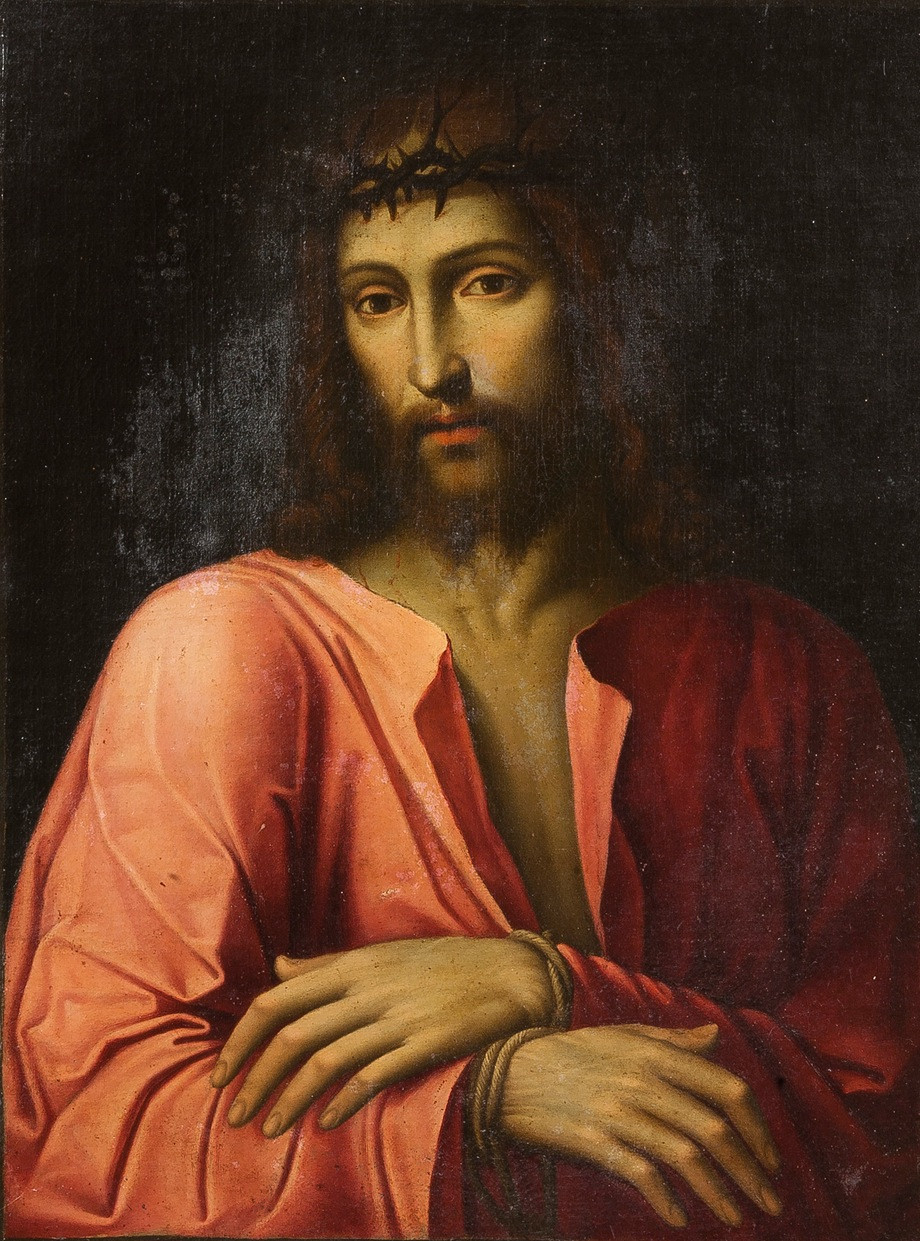
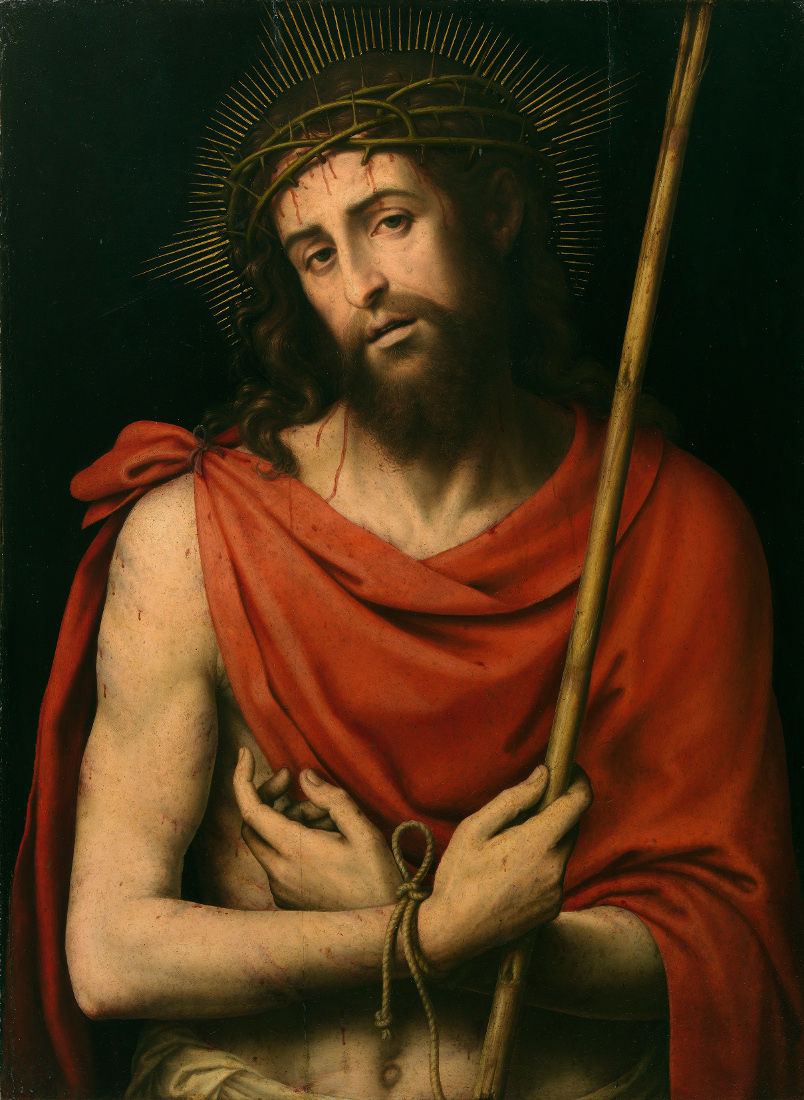
WHAT IS MAN ? – SIX DIMENSIONS OF MAN. SON OF MAN. BEHOLD THE MAN. LOOK AT THIS MAN! (JOHN 19:5). MAN IS MENTAL BEING. HE KNOWS GOD’S MIND, HIS PURPOSE IN LIFE.

Man is constituted as Mental Being. He knows God’s Mind and hence has ability to discover God’s Purpose in Man’s Life.

WHAT IS MAN? MAN IS SOCIAL BEING:

WHAT IS MAN ? – SIX DIMENSIONS OF MAN. BEHOLD THE MAN. LOOK AT THIS MAN! (JOHN 19:5) MAN IS SOCIAL BEING FOR HE HAS FATHER IN HEAVEN.

Man is constituted as Social Being and his existence demands Biological Parents, and Social Community. Man is Social Being for He has Father in Heaven.

WHAT IS MAN? MAN IS MORAL BEING:

WHAT IS MAN ? – SIX DIMENSIONS OF MAN. BEHOLD THE MAN. LOOK AT THIS MAN! (JOHN 19:5) MAN IS MORAL BEING, ALWAYS BOUND BY DIVINE LAW. NOT FREE TO LIVE THROUGH SIN. THE LAW OF SIN DOESN’T GIVE LIFE.

Man is constituted as Moral Being with discerning abilities to know Right and Wrong and make distinction between Good and Evil. Man is always bound by Divine Law. Man is not Free to Live through Sin. The Law of Sin and Death doesn’t give Life.

WHAT IS MAN? MAN IS SPIRITUAL BEING:

WHAT IS MAN? MAN IS SPIRITUAL BEING. SIX DIMENSIONS OF MAN. BEHOLD THE MAN. LOOK AT THIS MAN!(JOHN 19:5) MAN DIED TO SIN AND LIVES THROUGH SPIRIT.

Man cannot entirely account for the Reality of His own Physical Existence in Natural World. Spirit or Soul constitutes Man as Spiritual Being. ‘The Creation itself will be Liberated from its Bondage to Decay and brought into the glorious Freedom of the Children of God'(ROMANS 8:21).

WHAT IS MAN? MAN IS CREATED BEING:

WHO IS MAN ? – SIX DIMENSIONS OF MAN. MAN IS CREATED BEING FOR MAN’S EXISTENCE HAS ULTIMATE CAUSE, ULTIMATE SOURCE AND ULTIMATE RESTING PLACE.

Man’s Existence is Personification of Ultimate Cause, Ultimate Source and Ultimate Resting Place of all that Exists.

MAN AND LORD GOD CREATOR:

WHAT IS MAN ? – SIX DIMENSIONS OF MAN. TO ACCOUNT FOR PHYSICAL REALITY OF HIS OWN EXISTENCE, MAN TRIES TO KNOW HIS LORD GOD CREATOR OR MAHADEVA OF INDIAN TRADITION.

To account for Physical Reality of His own Existence, Man tries to know His LORD God Creator or MAHADEVA of Indian tradition.Man using his limited knowledge and reasoning abilities may define His relationship with LORD God Creator describing or attributing Special Forms such as Creator (Lord BRAHMA), Sustainer (Lord Vishnu), and Destroyer (Lord Shiva).

MAN AND BIOGENETIC LAW:

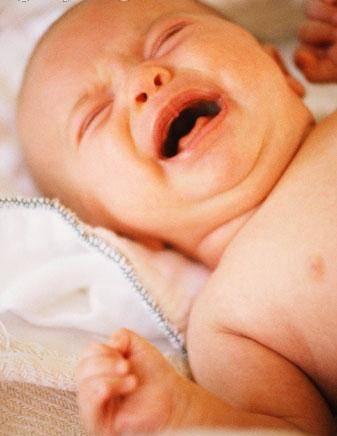
WHAT IS MAN ? – SIX DIMENSIONS OF MAN. NEWBORN BABY ALWAYS ARRIVES WITH UNIQUE, ORIGINAL, DISTINCTIVE, ONE OF ITS OWN KIND OF GENOME THAT NEVER EXISTED IN THE PAST AND WILL NEVER AGAIN EXIST IN FUTURE.

Man always arrives in the World as Individual with Individuality defined by Human Genome that is Original, One of its own kind, Unique, Distinctive, that never existed in the Past and will never again exist in Future.

For purposes of convenience, I divide man into two categories; 1. Self, and 2. The Knowing-Self. The first three dimensions of Man are more often expressed by category called Self and the last three dimensions of Man involve category called The Knowing-Self. However, it is important to know as to how Human Organism makes distinction between Self and Non-Self by study of Science called Immunology.

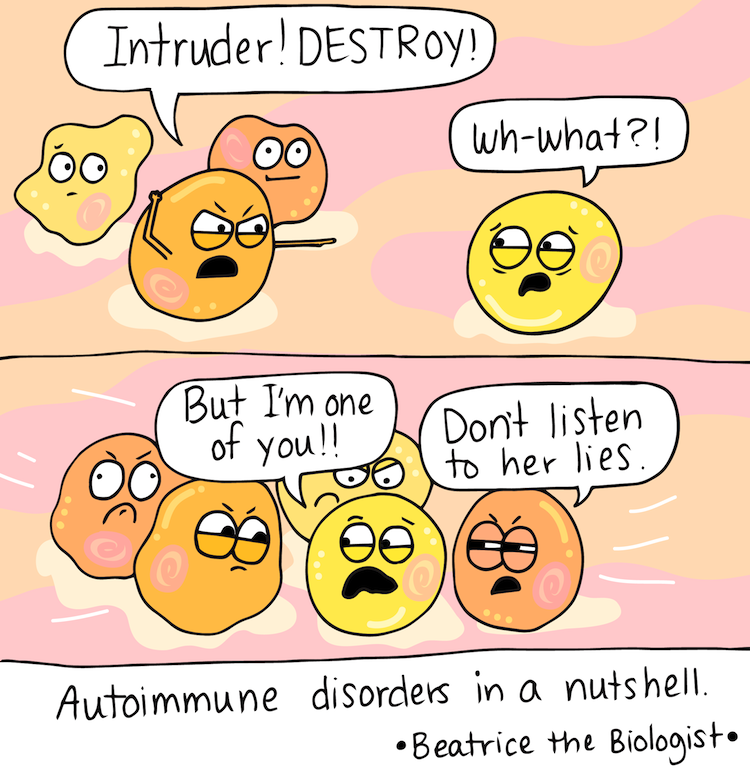
What is Man ? – Six Dimensions of Man. How Does Human Organism Makes Distinction between Self and Non-Self. Molecular Basis of Human Identity.

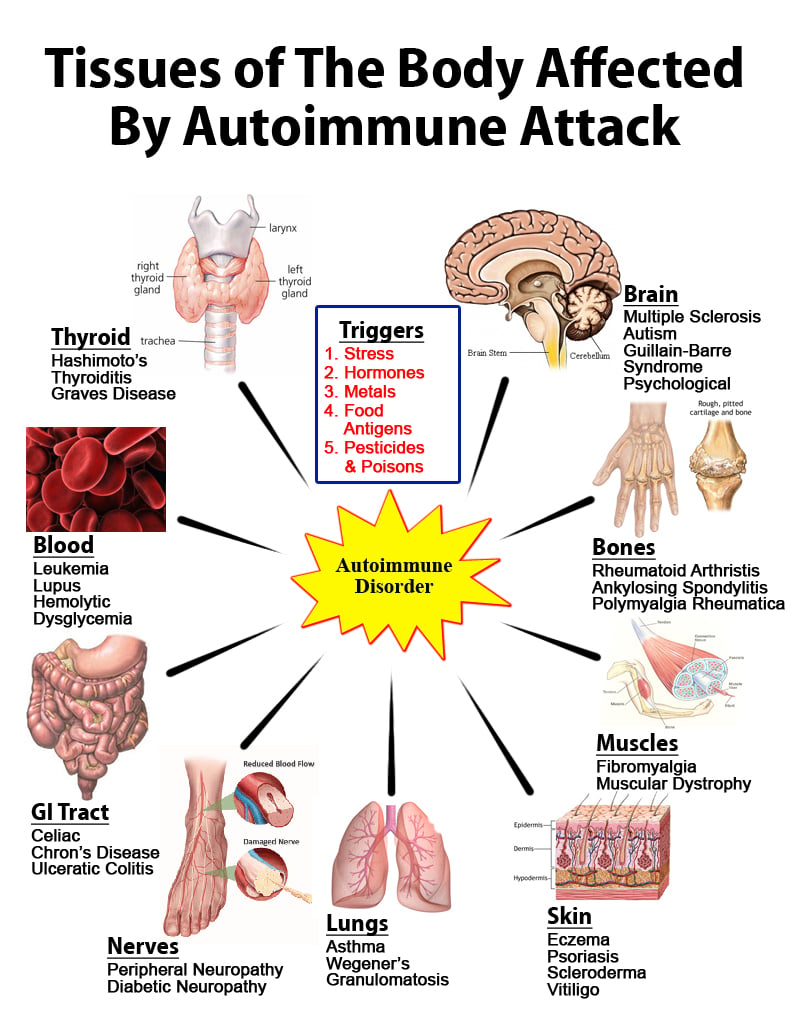
This organization of information about Man is important for millions of people all over the world who suffer from Diseases called Autoimmune Disorders in which Body’s Immune System attacks, damages, kills, and destroys its own cells, and tissues for it identifies them as NON-SELF or Foreign. Any discussion about Man’s Identity, subjects such as Self, Ego, and Subject called “I” have to include interpretation of information provided by Science called Immunology.

Rudranarasimham Rebbapragada
Ann Arbor, MI 48104-4162 USA
BHAVANAJAGAT.ORG

WHAT IS MAN ? HOW DOES HUMAN ORGANISM MAKES DISTINCTION BETWEEN SELF AND NON-SELF ? WHAT IS AUTOIMMUNE DISEASE/DISORDER ?

From: PREM SABHLOK:

In Vedas Soul and Spirit are different. Mind is part of Gross body, Spirit is part of Kundalini in our spiritual body and Soul is in our Causal Body near the heart. Human beings are tri-ani-pada (three bodies in one). Soul is omniscience principle and contains the entire knowledge of Brahmjnan as contained in Vedas. Spirit is energy principle and on death merges with Cosmic energy and sum total of energy always remains constant. Mind is in gross body.and and gets knowledge through human senses and sense organs and in Yogic stage gets knowledge from Soul as. Human soul is vachispatiah i.e one can communicate with soul in Yogic stage after crossing Five Koshas. Human Soul is our Real self containing a-priori knowledge.

According to Vedas I am not a body but I have a Body. Thus human gross body is not our Real self. Guru Nanak Dev Ji was a self realized Brahmjnani and his each word was a Divine Message.

From: DEVINDER SINGH GULATI:

Is Self the same as soul? Is Self Spirit?

The Self is the immortal portion in human beings that survives death. The self (small ‘s’) on the other hand is the mortal self that comprises of mind, body, life-force, and the ego.

Every human knows that (s)he exists. She needs no further proof. Even animals are aware of their existence as they seek to preserve it. But there is a greater knowing. Sages throughout history have reported knowing in a more concrete way than the mental knowing that their real self is immortal. This knowing comes from identification with the Self.

When Guru Nanak was 27 years of age he identified with the Self. His contact with it henceforth was constant. This is called Self- realization.


Most interpreters of Gurbani make the following common mistakes:

1. That mind and spirit are the same thing.

2. That all consciousness can be spoken of as “mind”.

3. That all consciousness therefore is of a spiritual substance.

4. That the body is merely Matter, not conscious, therefore something quite different from the spiritual part of the nature.

Sri Aurobindo’s clarification on the subject in Letters on Yoga goes far to throw light on Spirit as distinct from Mind.

First, the spirit and the mind are two different things and should not be confused together. The mind is an instrumental entity or instrumental consciousness whose function is to think and perceive – the spirit is an essential entity or consciousness which does not need to think or perceive either in the mental or the sensory way, because whatever knowledge it has is direct or essential knowledge, svayaṃprakāśa.

Next, it follows that all consciousness is not necessarily of a spiritual make and it need not be true and is not true that the thing commanding and the thing commanded are the same, are not at all different, are of the same substance and therefore are bound or at least ought to agree together.

Third, it is not even true that it is the mind which is commanding the mind and finds itself disobeyed by itself. First, there are many parts of the mind, each a force in itself with its formations, functionings, interests, and they may not agree. One part of the mind may be spiritually influenced and like to think of the Divine and obey the spiritual impulse, another part may be rational or scientific or literary and prefer to follow the formations, beliefs or doubts, mental preferences and interests which are in 3.gif2.gif3.gife.gif conformity with its education and its nature. But quite apart from that, what was commanding in St. Augustine may very well have been the thinking mind or reason while what was commanded was the vital, and mind and vital, whatever anybody may say, are not the same. The thinking mind or buddhi lives, however imperfectly in man, by intelligence and reason. Vital, on the other hand, is a thing of desires, impulses, force-pushes, emotions, sensations, seekings after life-fulfilment, possession and enjoyment; these are its functions and its nature; – it is that part of us which seeks after life and its movements for their own sake and it does not want to leave hold of them if they bring it suffering as well as or more than pleasure; it is even capable of luxuriating in tears and suffering as part of the drama of life. What then is there in common between the thinking intelligence and the vital and why should the latter obey the mind and not follow its own nature? The disobedience is perfectly normal instead of being, as Augustine suggests, unintelligible. Of course, man can establish a mental control over his vital and in so far as he does it he is a man, – because the thinking mind is a nobler and more enlightened entity and consciousness than the vital and ought, therefore, to rule and, if the mental will is strong, can rule. But this rule is precarious, incomplete and held only by much self-discipline. For if the mind is more enlightened, the vital is nearer to earth, more intense, vehement, more directly able to touch the body. There is too a vital mind which lives by imagination, thoughts of desire, will to act and enjoy from its own impulse and this is able to seize on the reason itself and make it its auxiliary and its justifying counsel and supplier of pleas and excuses. There is also the sheer force of Desire in man which is the vital’s principal support and strong enough to sweep off the reason, as the Gita says, “like a boat on stormy waters”, nāvamivāmbhasi.

Finally, the body obeys the mind automatically in those things in which it is formed or trained to obey it, but the relation of the body to the mind is not in all things that of an automatic perfect instrument. The body also has a consciousness of its own and, though it is a submental instrument or servant consciousness, it can disobey or fail to obey as well. In many things, in 4.gif2.gif3.gife.gif matters of health and illness for instance, in all automatic functionings, the body acts on its own and is not a servant of the mind. If it is fatigued, it can offer a passive resistance to the mind’s will. It can cloud the mind with tamas, inertia, dullness, fumes of the subconscient so that the mind cannot act. The arm lifts, no doubt, when it gets the suggestion, but at first the legs do not obey when they are asked to walk; they have to learn how to leave the crawling attitude and movement and take up the erect and ambulatory habit. When you first ask the hand to draw a straight line or to play music, it can’t do it and won’t do it. It has to be schooled, trained, taught, and afterwards it does automatically what is required of it. All this proves that there is a body-consciousness which can do things at the mind’s order, but has to be awakened, trained, made a good and conscious instrument. It can even be so trained that a mental will or suggestion can cure the illness of the body. But all these things, these relations of mind and body, stand on the same footing in essence as the relation of mind to vital and it is not so easy or primary a matter as Augustine would have it.

This puts the problem on another footing with the causes more clear and, if we are prepared to go far enough, it suggests the way out, the way of yoga.

P.S. All this is quite apart from the contributing and very important factor of plural personality of which psychological enquiry is just beginning rather obscurely to take account. That is a more complex affair.

*http://www.aurobindo.ru/ workings/sa/22/0005_e.htm#vi


DOOMED GUN OF DOOM DOOMA – NIXON-KISSINGER VIETNAM TREASON

DOOMED GUN OF DOOM DOOMA – NIXON-KISSINGER VIETNAM TREASON

Doomed Gun of Doom Dooma – Nixon-Kissinger Vietnam Treason. US Rifle M14. President befriends Enemy denying opportunity to fight Enemy.
Doomed Gun of Doom Dooma – Nixon-Kissinger Vietnam Treason. United States Rifle M14. President befriends Enemy.
Doomed Gun of Doom Dooma – Nixon-Kissinger Vietnam Treason. US Army Rifle M14. President befriends Enemy while Men are fighting and bleeding.
Doomed Gun of Doom Dooma – Nixon-Kissinger Vietnam Treason. US Rifle M14 Witnessed Historical Process. President befriends Enemy I am destined to Oppose.
Doomed Gun of Doom Dooma – Nixon-Kissinger Vietnam Treason. US Rifle M14. DoomSayer Predestined. President during War, befriends Enemy.
Doomed Gun of Doom Dooma – Nixon-Kissinger Vietnam Treason. Good, Reliable Service Weapon Not Put into Use by Doomed Presidency.
Doomed Gun of Doom Dooma – Nixon-Kissinger Vietnam Treason. US Rifle M14 Relic of Doomed Presidency. President withdraws from Battle exposing Men to Harm.
Doomed Gun of Doom Dooma – Nixon-Kissinger Vietnam Treason. Couldn’t use it to fight against Enemy as President befriended Enemy.
Doomed Gun of Doom Dooma – Nixon-Kissinger Vietnam Treason. President’s Treacherous Deviation From State Policy while Nation is at War.
DOOMED GUN OF DOOM DOOMA – NIXON-KISSINGER VIETNAM TREASON

In 1971, I was first introduced to United States Rifle, 7.62mm, M14. I describe it as ‘Doomed Gun of Doom Dooma’ where I had opportunity to join US War on Communism. However, Nixon-Kissinger US administration flatly denied me that opportunity. Nixon-Kissinger Vietnam Treason forced me to reject United States Rifle, M14. This Gun is Doomed for it is given to me to use against Enemy whom US President befriended in Treacherous Deviation of US Policy on Communism.

Rudranarasimham Rebbapragada
Ann Arbor, MI 48104-4162 USA

NIXON-KISSINGER TREASON IN VIETNAM – REMEMBERING JANUARY 23, 1973
... were also wounded 40 us involvement in the war ends january 23 1973
Doomed Gun of Doom Dooma – Nixon-Kissinger Vietnam Treason.
On January 23, 1973, President Nixon announced about ‘The Agreement on Ending the War and Restoring Peace in Vietnam’ popularly known as Paris Peace Accords. This Vietnam Peace Treaty was signed on January 27, 1973 with cease-fire effective from January 28, 1973. Nixon-Kissinger are guilty of treason in Vietnam for President Nixon won his election for first-term in 1968, and later won his election for second-term in 1972 by using Vietnam War for political gain and not to serve the purpose of the United States which was at War actively fighting against enemy. For all practical purposes, ‘The Fate of Saigon’, and ‘The Fall of Saigon’ on April 30, 1975 was decisively concluded on January 23, 1973.

THE WASHINGTON POST

SECRET ARCHIVE OFFERS FRESH INSIGHT INTO NIXON PRESIDENCY

#yiv5160397915 .yiv5160397915hidetext{position:absolute;}

October 11 at 9:29 AM


The Post’s Bob Woodward, author of the new book, “The Last of the President’s Men,” talks to former Nixon aide Alexander Butterfield about a previously undisclosed top-secret memo updating Nixon on war developments. (Ultan Guilfoyle and Tom LeGro/The Washington Post)
President Richard Nixon believed that years of aerial bombing in Southeast Asia to pressure North Vietnam achieved “zilch” even as he publicly declared it was effective and ordered more bombing while running for reelection in 1972, according to a handwritten note from Nixon disclosed in a new book by Bob Woodward.
Nixon’s note to Henry Kissinger, then his national security adviser, on Jan. 3, 1972, was written sideways across a top-secret memo updating the president on war developments. Nixon wrote: “K. We have had 10 years of total control of the air in Laos and V.Nam. The result = Zilch. There is something wrong with the strategy or the Air Force.”
The day before he wrote the “zilch” note, Nixon was asked about the military effectiveness of the bombing by Dan Rather of CBS News in an hour-long, prime-time television interview. “The results have been very, very effective,” Nixon declared.
Nixon’s private assessment was correct, Woodward writes: The bombing was not working, but Nixon defended and intensified it in order to advance his reelection prospects. The claim that the bombing was militarily effective “was a lie, and here Nixon made clear that he knew it,” Woodward writes.
Nixon’s note, which has not previously been disclosed, was found in a trove of thousands of documents taken from the White House by Alexander P. Butterfield, deputy to H.R. Haldeman, Nixon’s chief of staff, and not made public until now. Butterfield’s odyssey through Nixon’s first term is the subject of Woodward’s book, “The Last of the President’s Men,” to be published Tuesday by Simon & Schuster.
Doomed Gun of Doom Dooma – Nixon-Kissinger Vietnam Treason.


Richard Nixon performs the last acts of his devastated presidency in the White House East Room on Aug. 9, 1974, as he bids farewell to his Cabinet, aides and staff. (AP)
Butterfield became a key figure in the Watergate scandal when he revealed to Senate investigators the existence of the White House taping system. The tapes captured Nixon’s role in the coverup and marked a critical turning point in the collapse of his presidency. He resigned in 1974. Woodward and Carl Bernstein exposed the Watergate story in The Washington Post.
The new book, based on the documents and more than 46 hours of interviews with Butterfield, offers an intimate but disturbing portrayal of Nixon in the Oval Office. Butterfield depicts Nixon, who died in 1994, as forceful and energetic, but also vengeful, petty, lonely, shy and paranoid.
Butterfield felt deeply conflicted; he was proud to be serving but chagrined to be caught up in the underside of Nixon’s presidency. “The whole thing was a cesspool,” he told Woodward.
Doomed Gun of Doom Dooma – Nixon-Kissinger Vietnam Treason. Nixon Staffer Alexander Butterfield.


Alexander Butterfield is photographed in Washington, D.C., on Oct. 10. (Nikki Kahn/The Washington Post)
Butterfield, now 89, was in charge of preventing other Nixon staffers from leaving the White House with government documents, but he saw many, including the late Nixon counselor Arthur Burns, haul away boxes when they left.
Butterfield anticipated writing a memoir, so when he left the White House in 1973, “I just took my boxes of stuff and left,” he told Woodward, packing them into his and his wife’s car. Woodward writes that the boxes contained everything from routine chronologies and memos to some top-secret exchanges with Kissinger and a few highly classified CIA bulletins.

The new book by The Post’s Bob Woodward, “The Last of the President’s Men,” is based on previously undisclosed documents and more than 46 hours of interviews with Alexander Butterfield, the Nixon aide who revealed the existence of the White House taping system. (Ultan Guilfoyle and Tom LeGro/The Washington Post)
Butterfield acknowledged to Woodward that it was improper and wrong to remove them, and pledged to ensure that they will be deposited with a proper archive.
Woodward, who wrote that he thought the Nixon story was over for him after his book on Mark Felt, the FBI associate director and secret source known as Deep Throat, said he was “shocked” at the existence of Butterfield’s secret files. “So the story, like most of history, does not end,” he writes.
‘SHAKE THEM UP!!’

The Vietnam War had been all-consuming for Nixon’s presidency. The antiwar movement was strong in the United States, and Nixon was under political pressure to end the conflict. The centerpiece of Nixon’s approach was “Vietnamization”: withdraw U.S. troops so the South Vietnamese could take over, and negotiate a peace settlement “with honor,” avoiding anything that could be labeled a defeat.
As ground troops withdrew, air power was one of Nixon’s few remaining tools to pressure Hanoi. In late December 1971, Nixon ordered renewed bombing of North Vietnamese targets for five days.
By early 1972, Nixon was on the verge of announcing his reelection campaign and taking his momentous trip to China. But he was worried about reports of a major North Vietnamese buildup, foreshadowing a possible offensive.
On Jan. 2, 1972, in the CBS television interview, Rather asked Nixon, “On everyone’s mind is the resumption of the widespread bombing of North Vietnam. Can you assess the military benefits of that?” Nixon reiterated what he had often said about the bombing, that it was “very, very effective,” and added, “I think that effectiveness will be demonstrated by the statement I am now going to make.” Nixon then announced that he would soon bring home more troops — virtually removing any U.S. combat force in Vietnam.
Woodward said he could find no evidence that the study was ever carried out.
[How Mark Felt Became ‘Deep Throat’]

In another memo written a few months later, also found in the Butterfield files, Nixon complained to Kissinger that the military and bureaucracy were too timid. Nixon demanded action that is “strong, threatening and effective” to “punish the enemy” and “go for broke.” Nixon may also have been frustrated at North Vietnamese resilience. Woodward cites CIA, Defense Intelligence Agency and Pentagon memos showing that the bombing was not that effective because the North was getting more supplies than it needed to fight the ground war in the south, and could hold out for two years even if the bombing continued.
Kissinger, in an interview, told Woodward he agreed with the conclusion that years of bombing North Vietnam had failed, and he recalled that Nixon was frustrated. “He was in the habit of wanting more bombing . . . his instructions most often were for more bombing,” Kissinger said.
Woodward writes: “The ‘zilch’ conclusion had grown over three years. In what way and when did he realize this? History may never know. Maybe Nixon never knew, never grasped the full weight of his own conclusion.”
Woodward concludes that while Nixon knew the bombing was militarily futile, he believed it would reap political rewards at home. After Nixon resigned, papers found in his hideaway office in the White House included a GOP polling study, commissioned in 1969, that showed that the American people would favor bombing and blockading North Vietnam for six months. Woodward cites the work of Ken Hughes of the University of Virginia’s Miller Center to show that “the massive bombing did not do the job militarily but it was politically popular. Hughes argues with a great deal of evidence that the bombing was chiefly designed so Nixon would win re-election.”
[Woodward and Bernstein: Nixon was far worse than we thought]

The “zilch” note was followed in February by orders for intensified bombing of North Vietnam. On May 8, Nixon ordered the mining of Haiphong Harbor and bombing of key military targets. On Sept. 8, Nixon reported to Kissinger that poll numbers favored the bombing. “It’s two-to-one for bombing,” he boasted.
On Oct. 16, just weeks before the election, Nixon recalled the May 8 decision to mine the harbor and told Kissinger, “May 8 was the acid test. And how it’s prepared us for all these things. The election, for example.” Kissinger replied, “I think you won the election on May 8.” Nixon was reelected by a landslide in November.
In that election year, the United States dropped 1.1 million tons of bombs in the Vietnam War, including 207,000 tons in North Vietnam alone, Woodward reports, citing Pentagon records.
‘DEEP, DEEP RESENTMENTS’

Before joining the White House, Butterfield was a 42-year-old U.S. Air Force colonel with an assignment in Australia. After Nixon’s triumph in the 1968 election, Butterfield reached out to Haldeman, an acquaintance from their university years at UCLA. Haldeman then hired Butterfield as his White House deputy. Butterfield was an outsider, unlike many of the others around Nixon, and what he saw in the next four years left a vivid impression.
When Butterfield was introduced to the president in the Oval Office by Haldeman, Nixon mumbled, cleared his throat and gestured. “No words came out, only a kind of growl,” Woodward writes, based on Butterfield’s recollection. Another time, also in the White House, Nixon dropped by a birthday party for Paul Keyes, a comedy writer and Nixon friend who had helped on the 1968 campaign. When Nixon entered the room, there was an unnatural hush. No one offered a handshake or a glass of wine. Nixon seemed at a loss. Keyes was wearing a solid green blazer. “Ah, ah, ah . . . uh,” Nixon muttered, according to Woodward’s account. “Then Nixon pointed down at the carpet, a worn, faded maroon. He spoke in a deep but barely audible voice. ‘Green coat . . . red rug . . . Christmas colors.’ He then wheeled around and strode out of the room to the Oval Office.”
Doomed Gun of Doom Dooma – Nixon-Kissinger Vietnam Treason. Alexander Butterfield, July 02, 1974.


Alexander Butterfield, administrator of the Federal Aviation Administration, arrives at the Rayburn Building to testify before the Judiciary Committee in Washington, D.C., on July 2, 1974.
(Bob Burchette/The Washington Post)
Woodward says Butterfield felt that “Nixon was quickly becoming the oddest man he’d ever known.”
“It was if he were locked in his own deeply personal world, thinking, planning and churning,” Woodward writes of Butterfield’s impressions. Butterfield described Nixon as so lonely that he often took dinner by himself in the Old Executive Office Building, sitting with his suit coat still on, writing on his legal pad. “He was happiest when he was alone,” Butterfield recalled.
Nixon’s relationship with his wife, Pat, was cold, Butterfield observed. At the Winter White House, a compound in Key Biscayne, Fla., she stayed in a separate house.
On Christmas Eve 1969, Nixon walked through the Executive Office Building adjacent to the White House to wish employees a merry Christmas. The president discovered that some support staff employees had prominently displayed photographs of President John F. Kennedy — and that one worker had two. Nixon was furious and ordered Butterfield to remove all photos of other presidents. On Jan. 16, 1970, Butterfield wrote a memo to the president, titled “Sanitization of the EOB,” describing how all 35 offices displayed only Nixon’s photograph.

Alexander Butterfield, deputy assistant to President Richard Nixon, describes to The Post’s Bob Woodward how Nixon barred certain reporters from traveling with him to China in 1972. (Ultan Guilfoyle and Tom LeGro/The Washington Post)
Butterfield learned that Nixon did not just have an “enemies list” with dozens of names, but also an “opponents list” and a “freeze list.” One day Nixon exploded in anger after finding out that Derek Bok, then the president of Harvard University, was at the White House. “I don’t ever want that son of a bitch back here on the White House grounds,” he told Butterfield. “And you get those enemies lists, make sure everybody knows who’s on them.”
[Kissinger: the Dr. Frankenstein of foreign affairs, or just self-promoter?]
The president constantly scrutinized event invitation lists, striking names. Nixon organized a procedure with Butterfield so that during coffee after a state dinner, only a pre-selected group of five out of some 100 invited guests would get a chance to talk to the president. No one else could approach him.
Butterfield told Woodward that Nixon was controlled by “his various neuroses, the deep, deep, deep resentments and hatreds — he seemed to hate everybody. The resentments festered. And he never mellowed out.”
Butterfield did not know about the specifics of the Watergate break-in, but witnessed how Nixon’s obsessions led to it. At one point, Butterfield was given the assignment to plant a spy in the Secret Service detail of Sen. Edward M. Kennedy (D-Mass.). Nixon later mused that the spy — a retired agent who was reactivated — might find information that would “ruin him for ’76,” when Kennedy might be considered a possible presidential candidate. Butterfield knew the plan was illegal, and told Woodward that he was surprised at himself for going along with it.

Alexander Butterfield, deputy assistant to President Richard Nixon, talks to The Post’s Bob Woodward about revealing the existence of the White House taping system. (Ultan Guilfoyle and Tom LeGro/The Washington Post)
It fell to Butterfield to organize the White House taping system, installed at Nixon’s behest in February 1971. Although Nixon endlessly explored and sifted his options on most issues, Woodward reports that “there was apparently no discussion about the merits or risks of such a taping system.” It was installed over a weekend by the Secret Service while the president was out of town. Five microphones were put in the president’s desk, on the top, concealed with a coating of varnish. The lights on the mantel in the Oval Office also carried microphones, a place where Nixon often took guests, including heads of state, to chat. The microphones were connected to voice-activated tape recorders behind a metal door in the basement.
When the Watergate scandal broke, “I was thinking of the tapes the whole time,” Butterfield recalled. “God, if they only knew. If they only knew. In a way I wanted it to be known. In the deep recesses of my brain, I was eager to tell.” Woodward devotes several chapters to Butterfield’s personal struggle over whether to reveal the secret taping system, which Nixon thought would never be made public.
On the day of Nixon’s departure from the White House, Aug. 9, 1974, Butterfield saw many White House officials and workers weeping in the East Room. “I could not believe that people were crying in that room,” he told Woodward. “It was sad, yes. But justice had prevailed. Inside I was cheering. That’s what I was doing. I was cheering.”
washingtonpost.com

#yiv5160397915 .yiv5160397915hidetext{position:absolute;}#yiv5160397915 .yiv5160397915pb-feature.yiv5160397915pb-f-page-comments .yiv5160397915pb-comment-wrapper{padding-right:0;border-bottom:none;}#yiv5160397915 .yiv5160397915pb-feature.yiv5160397915pb-f-page-comments{border-right:1px solid #d5d5d5;padding-right:50px;}#yiv5160397915 .yiv5160397915the-most ul.yiv5160397915large li{display:none;}

PLANT PRIONS AND MEMORY FUNCTION

PLANT PRIONS AND MEMORY FUNCTION

The study of plant prions and memory function may help understanding of cognitive impairment and memory loss associated with various neurological disorders characterized by formation of abnormal proteins in nerve cells or neurons.

alzheimer’s protein folding

Prions are investigated in the study of problems like Cognitive Impairment and Memory Loss associated with conditions like Alzheimer’s Disease. There is accumulation of proteins that are not properly formed due to defects in the folding process.

Diagram of misfolded proteins

Rudranarasimham Rebbapragada
Ann Arbor, MI 48104-4162 USA
BHAVANAJAGAT.ORG

Decoded: This is how plants form memories of past events!

New Delhi: Prions are special proteins which help plants in collecting environmentalmemor ies and with their help plants also remember flowering and other natural processes, a new study has revealed.
According to the research, plants can form memories of past events and also make decisions with the aid of prions and then can pass this to their offspring.
Plants have memory molecules called prions - India Tv
A study authored by an Indian biologist, Sohini Chakrabortee, at the Massachusetts Institute of Technology (MIT) has discovered that even plants have memory cells. An analysis was done over 20,000 plants after which a special protein called prions was discovered that plays an essential role of neurons to form their environmental memories.
Under certain circumstances, these proteins known as prions fold and also make other proteins present around them to fold as well. The memories are then formed by the damage caused in this folding process.
Prions also play an important role in flowering of plants. They are very much capable of keeping information stored for a long duration of time. The present study in the Proceedings of the National Academies of Sciences makes the role of prions in plants very clear.

http://www.indiatvnews.com/ buzz/life-decoded-this-is-how- plants-form-memories-of-past- events-326262

DOOM DOOMA DOOMSAYER – MY NIXON – FORD CONNECTION

DOOM DOOMA DOOMSAYER – MY NIXON-FORD CONNECTION                                      
Doom Dooma DoomSayer – My Nixon-Ford Connection.
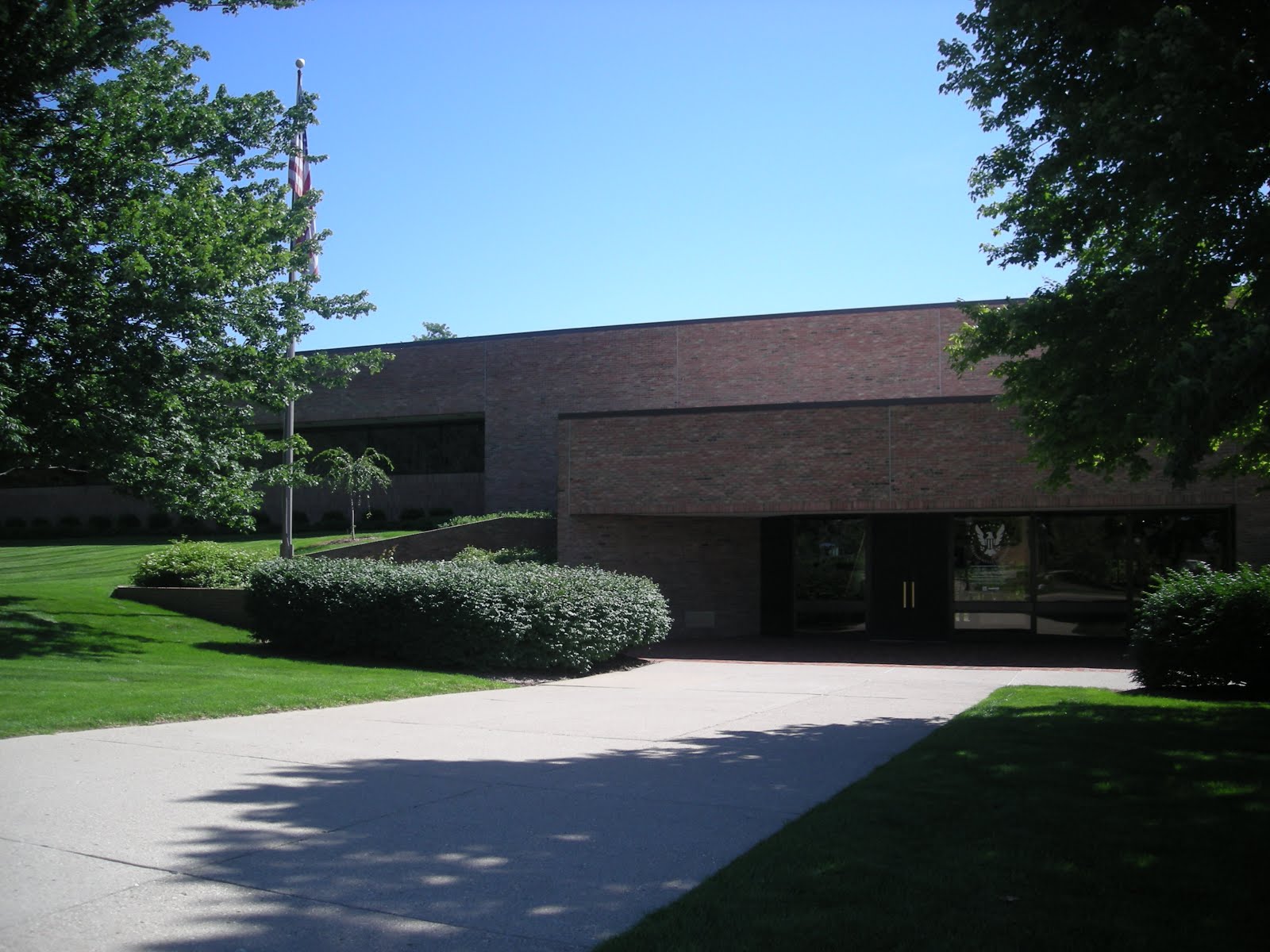
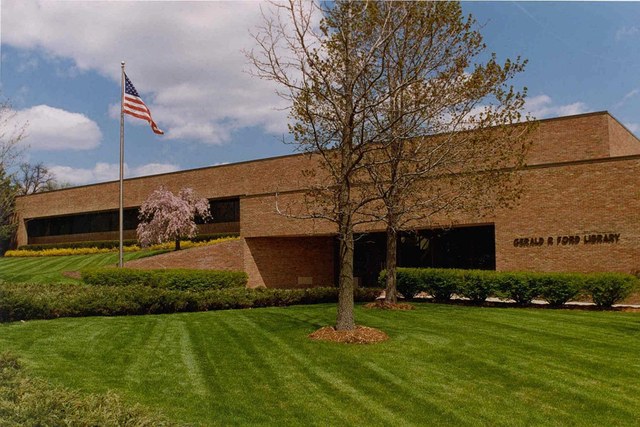
Doom Dooma DoomSayer – My Nixon-Ford Connection. Ford Presidential Library in Ann Arbor, Michigan, USA. Nixon-Ford Presidency Doomed for not Playing ‘Tibet Card’.
Doom Dooma DoomSayer – My Nixon-Ford Connection. Presidency of Nixon and Ford Doomed for failing to Play ‘Tibet Card’.
Doom Dooma DoomSayer – My Nixon-Ford Connection. Ford Presidential Library in Ann Arbor, Michigan, USA. Nixon-Ford Presidency Doomed for not Playing ‘Tibet Card’.
Doom Dooma DoomSayer – My Nixon-Ford Connection. Ford Presidential Library in Ann Arbor, Michigan, USA. Nixon-Ford Presidency Doomed for not Playing ‘Tibet Card’. 
Doom Dooma DoomSayer – My Nixon-Ford Connection. Nixon-Ford Presidency Doomed. Backstabber of Tibet Nation.
Doom Dooma DoomSayer – My Nixon-Ford Connection. Funeral Function symbolizes Doomed Presidency.
Doom Dooma DoomSayer – My Nixon-Ford Connection. Nixon-Ford Presidency Doomed for not Playing ‘Tibet Card’.
Doom Dooma DoomSayer – My Nixon-Ford Connection. Nixon-Ford Presidency Doomed by Nixon-Kissinger Vietnam Treason.
DOOM DOOMA DOOMSAYER – MY NIXON – FORD CONNECTION
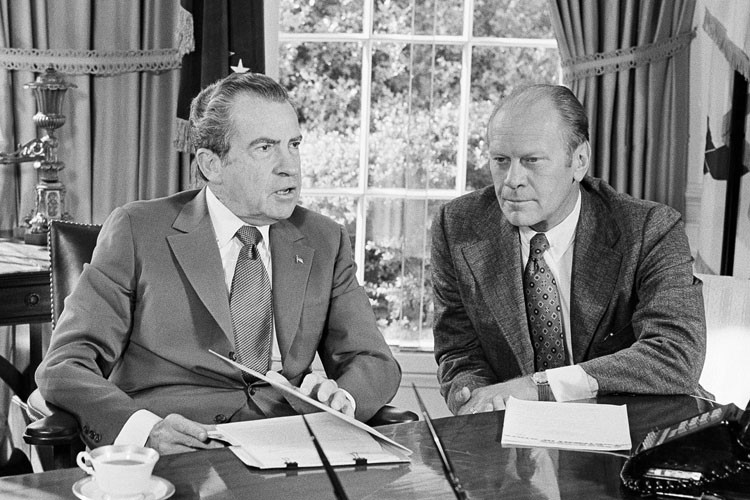
I account for events in my life using the Doctrine of Predestination. On September 08, 1974, President Gerald R. Ford grants unconditional pardon to Richard M Nixon, 37th President of the United States of America. I served in Special Frontier Force during the presidency of Nixon and Ford. I live in Ann Arbor, Michigan where I have the opportunity to visit Gerald R. Ford’s Presidential Library on University of Michigan Campus. 
In my opinion, President Ford’s pardon may not include Nixon’s Vietnam Treason. I cannot grant pardon to Nixon for he had never admitted his crime of Betrayal, Treachery in the conduct of Vietnam War. I still recognize Nixon as Backstabber of Tibet nation.
Rudranarasimham Rebbapragada
Ann Arbor, MI 48104-4162 USA

This Day in History: Ford pardons Nixon

    • Author: History.com Staff


    • URL: http://www.history.com/this-day-in-history/ford-pardons-nixon


    • Publisher: A+E Networks

In a controversial executive action, President Gerald Ford pardons his disgraced predecessor Richard Nixon for any crimes he may have committed or participated in while in office. Ford later defended this action before the House Judiciary Committee, explaining that he wanted to end the national divisions created by the Watergate scandal.

The Watergate scandal erupted after it was revealed that Nixon and his aides had engaged in illegal activities during his reelection campaign–and then attempted to cover up evidence of wrongdoing. With impeachment proceedings underway against him in Congress, Nixon bowed to public pressure and became the first American president to resign. At noon on August 9, Nixon officially ended his term, departing with his family in a helicopter from the White House lawn. Minutes later, Vice President Gerald R. Ford was sworn in as the 38th president of the United States in the East Room of the White House. After taking the oath of office, President Ford spoke to the nation in a television address, declaring, “My fellow Americans, our long national nightmare is over.”

Ford, the first president who came to the office through appointment rather than election, had replaced Spiro Agnew as vice president only eight months before. In a political scandal independent of the Nixon administration’s wrongdoings in the Watergate affair, Agnew had been forced to resign in disgrace after he was charged with income tax evasion and political corruption. Exactly one month after Nixon announced his resignation, Ford issued the former president a “full, free and absolute” pardon for any crimes he committed while in office. The pardon was widely condemned at the time.

Decades later, the John F. Kennedy Library Foundation presented its 2001 Profile in Courage Award to Gerald Ford for his 1974 pardon of Nixon. In pardoning Nixon, said the foundation, Ford placed his love of country ahead of his own political future and brought needed closure to the divisive Watergate affair. Ford left politics after losing the 1976 presidential election to Democrat Jimmy Carter. Ford died on December 26, 2006, at the age of 93.

© 2016, A&E Television Networks, LLC. All Rights Reserved.


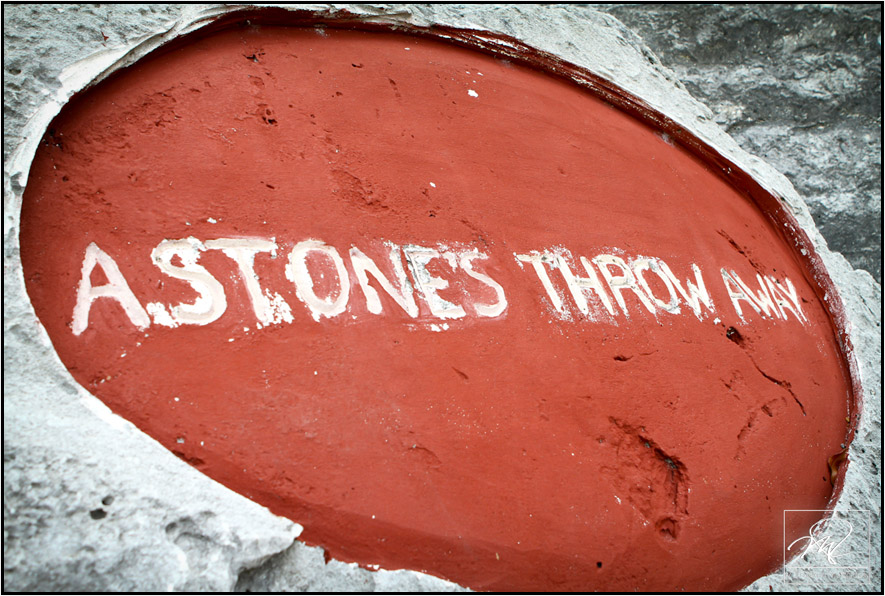
Beijing’s doom is near – Just a stone’s throw away

Beijing’s doom is near – Just a stone’s throw away

The New Testament Book ‘REVELATION’, Chapter 18 gives full account of sudden, unexpected Fall of Evil Empire. Beijing’s Doom is Near – Just A Stone’s Throw Away.

Beijing’s doom is near – Just a stone’s throw away

Doom Dooma Doomsayer hints at Mao Zedong’s downfall

Doom Dooma Doomsayer hints at Mao Zedong’s downfall

I say, “Mao Zedong Lives” for his Occupation of Tibet survives apart from his Single-Party governance of China that he has put in place shaping lives of millions of people.

I am a witness to his failure in 1971 when he failed to attack India to abort the Liberation of Bangladesh War. He was too busy plotting the murder of his Defence Secretary and purging top-ranking officials of People’s Liberation Army. I am a witness to his success in Vietnam War when he outmaneuvered Nixon-Kissinger who deserve equal credit for their Vietnam treason.

Mao Zedong Lives. Red China is still in Tibet. At this moment, China’s Communist Party appears to be invincible. However, I visualize Mao Zedong as the Queen of Babylon whose downfall is revealed in The New Testament Book REVELATION, Chapter 18, Verses 1-24. Mao Zedong’s Evil Red Empire awaits the Fate of Babylon revealed by Prophet John.

Doom Dooma Doomsayer hints at Mao Zedong’s downfall

THE NATIONAL INTEREST BLOG:

SPECIAL FRONTIER FORCE vs THE EVIL RED EMPIRE: MAO ZEDONG or MAO TSE-TUNG PROCLAIMS THE FOUNDING OF THE PEOPLE’S REPUBLIC OF CHINA IN PEKING (BEIJING) ON OCTOBER 01, 1949. THIS NATION IS FOUNDED ON THE IDEOLOGY OF COMMUNISM FOLLOWING “RED REVOLUTION.” THIS RED CHINA IS AN EVIL EMPIRE FROM ITS BIRTH .

China’s Biggest History “What-If”: If Mao Zedong Died in 1949

Robert Farley 

September 23, 2016

For thirty-seven years, Mao Zedong occupied a singular position atop the Chinese Communist Party (CCP), governing organization of the world’s largest country. For over a dozen years, Mao had led the CCP through wilderness (literally), fighting off factional opponents, the armies of Chiang Kai Shek, and the invading forces of the Empire of Japan. In the next decades, Mao would put a deep imprint on the politics and history of China, rarely for the good.

Modern scholarship on the history of the CCP has demonstrated that Mao rarely, if ever, had complete control over the Party machinery. He struggled through his entire tenure against competitors, both bureaucratic and ideological. Many of the decisions Mao made had strong support from the rest of the CCP, and emerged more from consensus that from authoritarian diktat. Nevertheless, the CCP and the People’s Republic of China (PRC) bore the special imprint of Mao’s ideological conviction and genius for infighting.

What if Mao had died in 1949, shortly after the declaration of the existence of the People’s Republic of China? How might China’s domestic and foreign policy have fared in the absence of the Great Helmsman?

Ideology and Factionalism:

For better or worse, Mao Zedong supplied a strong ideological foundation for the existence of the CCP, and for its provision of single-party control over the PRC. This melded a modified form of Marxist economic doctrine with Soviet state Leninism, leavened by a strong dose of anti-colonial thought. This ideological foundation, and the cult of personality that the CCP established around Mao, helped provide unity for the party and the state throughout the PRC’s early years, allowing it to weather such crises as the Korean War, the ongoing challenge of the survival of Chiang Kai Shek’s regime on Taiwan, and the Sino-Soviet Split. It also helped drive crises, including the Great Leap Forward, the aforementioned split with the USSR and the Cultural Revolution.

But Mao Zedong was far from the only important figure in the CCP in 1949. The struggle against Chiang and the Japanese had given many prominent commanders and administrators the chance to prove their worth. Other major political players in 1949 included Peng Dehuai, senior PLA commander; Liu Shaoqi, a key theorist and administrator; Zhou Enlai, Mao’s long-time right-hand man; Lin Biao, another senior commander and close confidant of Mao; Zhu De, founder of the PLA; Gao Gang, Bo Yibo, and Chen Yun, chief economic administrators; Deng Xiaoping, protégé of Liu Shaoqi, and Yang Shangkun, military and political leader during the Revolution.

Mao’s prominence among this group played an important role in stifling infighting; he could command sufficient legitimacy inside and outside the party that the other major players remained in check. It is unlikely that any other figure in the PRC could have provided the same degree of prestige and ideological heft. This would have made it difficult, at least in the early going, to pursue a “cult of personality” state-building strategy.

In Mao’s absence, the factions that formed around these prominent figures (and others) might have descended into open combat with one another. As is often the case with revolutionary insurgencies, the Chinese Communist Party was riven with factionalism even as it took power in Beijing in 1949. Different components of the People’s Liberation Army had fought entirely different wars, in different areas, with different tactics and organizational structures.

Powerbrokers within the CCP commanded the allegiance of portions of the PLA, which provided them with security from factional conflict. Without Mao to keep them in check, the PLA itself might have become embroiled in political infighting. Moreover, the USSR (which had substantial influence in the 1950s) might have decided to support one faction or another, leading to even more fighting.

Domestic Policy:

Mao Zedong was the primary driver behind the Great Leap Forward, a project designed to spur industrialization but that instead resulted in massive famine. Mao wasn’t alone; much of the rest of the CCP supported, or at least acquiesced, in the project. However, Mao’s idiosyncratic views on expertise, and his faith in the power of the peasantry, made the Great Leap much worse than it otherwise might have been. In the end, millions died in a campaign that Liu Shaoqi himself declared resulted from “70% human error.” The Great Leap also resulted in the purging of Peng Dehuai (critic of Mao), and the sidelining of Mao from the day-to-day domestic decision-making process. Under the guidance of Liu Shaoqi or similar figure, China would likely not have embarked on such a risky, dangerous course towards modernization, and millions might have lived.

The sidelining of Mao after the Great Leap Forward helped set the stage for the next great upheaval. The Cultural Revolution did not spring fully formed from the mind of Mao Zedong, but he did drive most of its main elements, and the ideological brew it created benefitted Mao at the expense of his competitors. Mao fueled the sense of ideological resentment among a younger generation of Chinese students in order to break the back of the parts of the CCP that opposed him and that, in the early 1960s, had worked hard to sideline him. The impact was dreadful in nearly every way imaginable; millions died, Chinese state capacity atrophied, science and innovation slowed, and the PRC withdrew from the international community. While some of the underlying tensions in China would have existed even without Mao, he played a key role in activating those tensions, and creating a political disaster of epic proportions. Without Mao, China might not have lost an entire decade of economic, social, and technical progress.

Foreign Relations:

The PRC stood in precarious position in the wake of its declaration. The Republic of China, led by Chiang Kai Shek, remained in existence on Formosa, with the United States acting as apparent security guarantor. The Soviet Union offered ideological, military, and economic support, but at the price of full alignment. For a decade, the PRC took this deal. The Soviets supplied support for Chinese military operations in Korea, and helped lay the foundation for the PRC’s military-industrial complex. The Soviets also helped jumpstart China’s nuclear weapons program.

In 1956, Nikita Khrushchev’s turn against Stalin’s cult of personality cut hard into Mao’s own ideological foundation. Tensions increased as China and the USSR pursued divergent approaches to confrontation with the West; Mao preferred taking risks, while Khrushchev wanted to play it safe. Mao had managed to maintain control over the greater part of the foreign policy apparatus of the PRC, giving him ample space to carry out a feud with the USSR. While other voices within China also resented the Soviets, Mao’s ideological convictions, along with his special role at the top of the CCP, helped poison Sino-Soviet relations and bring about a dramatic split between the two countries.

Ten years later, Mao would override many of the rest of the senior leadership (Lin Biao, longtime confidant, died under suspicious circumstances) to seek an opening with the United States. This decision, which permanently detached China from the increasingly moribund USSR and paved the way for opening the PRC’s economy and society, remains Mao’s most meaningful positive contribution to China’s success. Without Mao, the PRC might have pursued Lin Biao’s preferred policy of re-engaging with the Soviet Union.

Parting Thoughts: 

China would have struggled to emerge from civil war and its agrarian roots regardless of who guided the ship of state. The establishment of the cult of personality around Mao undoubtedly helped prevent some nasty conflicts between the leaders of the CCP, and assured a degree of unity against foreign foes. But it also gave Mao Zedong, a man with a special talent for human misery, the ability to guide the destinies of hundreds of millions of people for several decades.

ROBERT FARLEY, a frequent contributor to TNI, is author of The Battleship Book. He serves as a Senior Lecturer at the Patterson School of Diplomacy and International Commerce at the University of Kentucky. His work includes military doctrine, national security, and maritime affairs. He blogs at Lawyers, Guns and Money and Information Dissemination and The Diplomat. 

Image: The portrait of Mao Zedong at the Tiananmen Gate. Wikimedia

©2016 The National Interest. All rights reserved. | Privacy Policy | Terms & Conditions

Doom Dooma Doomsayer hints at Mao Zedong’s downfall

BHARAT DARSHAN – INDIA’S WAR ON TERROR

BHARAT DARSHAN – INDIA’S WAR ON TERROR

BHARAT DARSHAN – INDIA’S WAR ON TERROR. OFFENSE IS BEST DEFENSE.


Bharat Darshan – India’s War on Terror. The Best Defense is Good Offense.

Indian people in their long history of peaceful existence tolerated foreign conquests and have not retaliated against foreign invaders fighting simply defensive battles to save their lives and kingdoms.

Terror Attacks changed the concept of Warfare. To address the challenge posed by Terror Attacks, I advocate the Maxim of ‘The Best Defense is Good Offense’.

Rudranarasimham Rebbapragada
Ann Arbor, MI 48104-4162 USA
SPECIAL FRONTIER FORCE

Bharat Darshan – India’s War on Terror. The Best Offense is Good Defense.

INDIA’S WAR ON TERROR

Author: Ryszard Czarnecki, Vice President, European Parliament
Publication: EPToday.com
Date: October 4, 2016
URL: http://eptoday.com/indias-war-on-terror/

On September 29, 2016, the Indian government informed the international community, both through diplomatic channels and the media, that it’s Army had carried out action against Pakistani terrorists who had assembled in small groups on the Pak-controlled side of its border in Kashmir, and had plans to enter India to carry out terror activities. According to the Indian Army statement, ‘significant casualties’ were inflicted on the terrorists. The message that came out was loud and clear – that India would no longer allow Pakistan to fuel cross-border terrorism. This proactive operation, carried out on Pak-controlled territory, was probably a first by India, and was a response to the two attacks by terror groups on Indian defence establishments earlier this year – the Pathankot Air base in January and the Uri Army camp in September. Both these establishments are located near the Indian border with Pakistan, and the attacks were carried out by Pak-based terror groups who had sneaked across the border into India.

The Pak government’s response to India’s statement was on expected lines. A spokesman of the Pak military described India’s announcement as “totally baseless and a complete lie”, adding that “the notion of surgical strikes linked to alleged terrorist bases is an illusion being deliberately generated by India to create false effects”. Pakistan has instead preferred to label the incident as a routine exchange of fire, in which it lost two soldiers, with another nine being wounded. For long, Pakistan has denied that anti-India terror groups and camps are operating in Pak-administered Kashmir, or other parts of the country. Hence it was unlikely that the Pak government would acknowledge that the Indian Army had neutralised some of these terror bases, whose very existence it has always denied.

Activities of Pak terror groups, usually supported by the country’s security establishment, have been extensively reported in the international media, over the last few years. The close association of the Pak defence establishment with the Afghan Taliban and Haqqani network is also well-known, and the European Union has listed some of these Pak-based terror groups, including the Hizbul Mujahideen, on its terror list.

While earlier, groups like the Lashkar-e-Taiba or Jaish-e-Muhammad were seen as a threat to Indian assets and as operating only in South Asia, over the recent past, we have witnessed the alarming growth of Pak-linked terror modules in Europe and other parts of the world. The close proximity between the Pak security establishment and extremist / terror groups has also given rise to a situation where organisations propagating Islamic militancy in Pakistan enjoy de-facto State patronage, including in their call to Pakistani youth to participate in the ‘global jihad’. Evidence of this is available in the blatant manner in which UN-proscribed individuals and organisations are permitted to threaten attacks against the Western world in public meetings in different parts of Pakistan. This radicalisation is also evident in arrests worldwide, including in the European Union, of Pak youth for their involvement in terror activities. Examples are the arrest of Mohd Usman Ghani by the Austrian police for his links to the Paris terror attack in November 2015, the arrest of 18 Pak nationals by the Italian security agencies in 2015 for their association with international terrorism, and of 3 Pakistani nationals by the Spanish police in July 2016 for spreading jihadist ideology.

Over the last few years, the EU has experienced a large number of casualties caused by terror attacks, and there is every likelihood that we will continue to face an increasing number of threats from jihadist groups and individuals, in the near future. This rising threat calls for an effective response by us, to groups and states that sponsor terror, and support to states that are dealing with such threats. The need of the hour, therefore, is for the international community to stand together and cooperate in the common fight against terrorism.

India’s cross-border action against terrorists on its borders with Pakistan should be commended and supported by the international community. India has clearly indicated that these attacks were not against the Pakistani state, but focussed against terror groups that threatened peace and stability in the region. India deserves global support in its fight against terror emanating from Pakistan, for if left unchecked, these individuals and groups would be attacking Europe and the West, soon. It is also important for the European Union to maintain pressure on Pakistan to eliminate the terror networks that operate within its borders. The time has come for the world to act decisively against terrorism and ensure that no terror group is assured of a secure haven in any part of the world.

– Ryszard Czarnecki, Vice President, European Parliament

Bharat Darshan - India's War on Terror - In Kashmir, Offense is Best Defense.
Bharat Darshan – India’s War on Terror – In Kashmir, Offense is Best Defense.

Bharat Darshan - India's War on Terror. To Defend Kashmir from Terror Attacks, Offense is Best Defense.
Bharat Darshan – India’s War on Terror. To Defend Kashmir from Terror Attacks, Offense is Best Defense.

BHARAT DARSHAN – INDIA’S WAR ON TERROR OFFENSE IS BEST DEFENSE.

stime=1475732094

Bharat Darshan – India’s War on Terror. Offense is the Best Defense.

SPIRITUALITY SCIENCE – DEATH PRECEDES LIFE

SPIRITUALITY SCIENCE – DEATH PRECEDES LIFE

SPIRITUALITY SCIENCE – DEATH PRECEDES LIFE. THE RESURRECTION OF LAZARUS FROM DEATH. BOOK OF JOHN, CHAPTER 11.

The Phenomenon of Life demands Operation of Death as a condition that precedes Life. All living things live by consuming Life; consuming other living things or products made by other living things. Science called Ecology describes movement of Matter and Energy in Ecological Systems. Nutrient Cycles are operated by mechanism called Death and Decomposition without which Life is simply impossible. Life is never an isolated Individualistic experience; rather Life is experienced in a Biotic or Biological Community in which certain lifeforms take birth while others die all the time.

Man has Subjective and Objective Experience of the fact or reality of his existence. For example, man has experience of his Body Weight or Mass and he can verify it by using Weighing Scale. Body Weight or Mass is physical experience and it is not a product of thought or imagination.

SPIRITUALITY SCIENCE – DEATH PRECEDES LIFE. MAN’S EXPERIENCE OF HIS LIVING CONDITION. On bhavanajagat.com

THE PHENOMENON OF PROGRAMMED CELLULAR DEATH

SPIRITUALITY SCIENCE – DEATH PRECEDES LIFE. CREATION OF LIFE INVOLVES USE OF CREATIVE MECHANISM OF DEATH AND DYING. On bhavanajagat.wordpress.com

Study of Science called Embryology will help to know the Phenomenon of Programmed Cellular Death that shapes physical appearance of Newborn baby during Growth and Development in mother’s womb. To ensure birth of normal, healthy newborn baby the intervention of Programmed Cellular Death is important. The Function called Biogeneration involves use of Creative Mechanism of Death and Dying. Without Death, Life cannot be shaped.

Apoptosis-or-Programmed-Cell-Death
Spirituality Science – Death Precedes Life. The Phenomenon of Apoptosis or Programmed Cell Death.
Spirituality Science – Death Precedes Life. Death Shapes Life During Growth and Development.
Spirituality Science – Death Precedes Life. During Growth and Development, Life is shaped by Cell Death called Programmed Cell Death.
Spirituality Science – Death Precedes Life. Human Organism exists as Biotic or Biological Community of Trillions of Individual, Independent Cells in which some Members die while others are born everyday.On wholedude.com

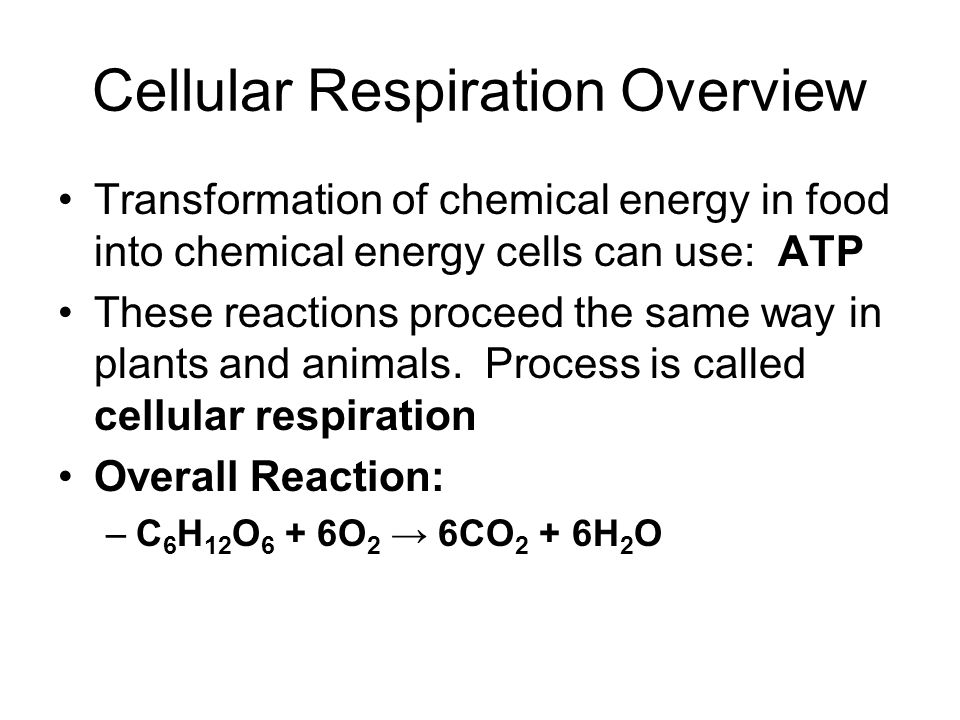
Man understands the process called Living by Study of the process called Dying. Throughout man’s lifetime, millions of Red Blood Cells take birth and die every single day. Man is a Created Being, for the mechanism called Dying and Death are Creative Mechanisms which involve guided, sequential, purposeful, and goal-oriented actions. Both living and dying functions involve the same kind of Oxidation-Reduction or Redox Chemical Reactions.

SURVIVAL AFTER DEATH – RESURRECTION – AFTERLIFE

New Year Greetings-Wisdom-Spirit-Guide-1 Corinthians 13-13-Image by Janetateher
MAN LEADS TRANSIENT, CONDITIONED, MORTAL EXISTENCE. BUT, SOMETHINGS ENDURE, FAITH, HOPE, AND LOVE. 1 CORINTHIANS 13:13. Image by Janetateher.

As per Laws of Conservation of Mass, Energy, and Momentum, certain ‘Values’ are always conserved in all Natural Processes. Matter is neither created nor destroyed. Birth and Death are operated by Unchanging Principle of Natural Law of Conservation which describes values that are always conserved while ‘Things in Nature Change’ under the influence of Time. Living things exist not on account of their physical or mental work. Life exists if, and only if Fundamental Force called LOVE sustains the making, breaking, and repairing of Molecules of Life. After Death of man, Three things endure; these are 1. Faith in LORD God Creator, 2. Hope in God’s Promise of Afterlife or Everlasting Life, and 3. God’s Unconditioned Love that goes Beyond Good and Evil. For man is a Created Being, man always survives in the Memory of his Creator who is Unborn, Uncreated, Eternal and Everlasting.

LOVE IS FUNDAMENTAL FORCE:

Spirituality Science – Death Precedes Life. Physiology of Living Functions such as Diet and Nutrition are Preceded by Death and Dying Process of Decay and Decomposition that make Nutrients available.On bhavanajagat.com

Physiology of Living Functions such as Diet and Nutrition are preceded by Death and Dying Functions of Decay and Decomposition that make Nutrients available.What is the name of the “FORCE” that keeps living matter, living substance, or living material in a constant condition of movement often called Cytoplasmic Streaming?

Spirituality Science – Death Precedes Life. Fundamental Force called LOVE keeps Living Substance in Constant Motion while Life and Death operate Cyclical Events.On bhavanajagat.com
Spirituality Science – Death Precedes Life. Establishment of New Living Things includes use of Creative Mechanism called Apoptosis or Programmed Cell Death.

Life and Death are Chemical Reactions involving exchange of Matter and Energy. Love is Fundamental Force that transforms Inanimate Matter into Animate or Living Matter and its Decay or Decomposition to continue the Cyclical Flow of Biomolecules of Life.

Rudranarasimham Rebbapragada
Ann Arbor, MI 48104-4162 USA

BHAVANAJAGAT.ORG

“Neither can I nor would I want to conceive of an individual that survives his physical death; let feeble souls, from fear or absurd egoism, cherish such thoughts. I am satisfied with the mystery of the eternity of life and with the awareness and a glimpse of the marvelous structure of the existing world, together with the devoted striving to comprehend a portion, be it ever so tiny, of the Reason that manifests itself in nature.” Albert Einstein, The World As I See It

SPIRITUALISM – THE LIVING TIBETAN SPIRITS

The statements attributed to Buddhism or Christianity need to be verified after physical contact with members who identify themselves as Buddhists or Christians. For example, I claim that I host ‘The Living Tibetan Spirits’ in my consciousness. I make my claim for I am in physical contact with those Tibetan Spirits. My claim is unrelated to Gautama Buddha’s belief or lack of belief in Soul or Spirit. However, Tibetans have institutionalized the belief in reincarnation of Spirits and the Dalai Lama is living example of that cultural practice.

Christians may use the term “RESURRECTION” but it simply describes the phenomenon called Reincarnation. Either both terms are correct or both are wrong. To verify it, man has to know if he has Soul or Spirit while he lives. If man has Soul or Spirit, its presence can be detected by functions it performs. To verify Soul or Spirit associated with living body, man has to account for the fact or reality of his physical existence in Natural World.

Spirituality Science – Death Precedes Life. God’s Promise of Everlasting Life demands Death of Jesus and His Resurrection From Death.

I am born at my maternal grandparent’s home in Mylapore, Madras. As per legend, Apostle Thomas, popularly known as ‘Doubting Thomas’, one of the Twelve Disciples of Jesus Christ lived in Madras and was buried about a block away from my place of birth. Thomas claimed that he physically verified the fact of Christ’s Resurrection from Death. There is no Resurrection if Reincarnation is theoretically incorrect.

Rudranarasimham Rebbapragada

Ann Arbor, MI 48104-4162 USA
SPECIAL FRONTIER FORCE

BHARAT DARSHAN – BLESSINGS OF DEVOTION WITH PATIENCE FROM SHIRDI SAI BABA

BHARAT DARSHAN – BLESSINGS OF DEVOTION WITH PATIENCE FROM SHIRDI SAI BABA

On Wednesday, September 28, 2016, I am happy to share Blessings of Devotion with Patience From Shirdi Sai Baba.

OM SRI SAINATHAAYA NAMAH

saibaba_1

SHIRDI BABA INCARNATED ON THIS DAY,178 YEARS AGO (28TH SEPT 1838) IN THE VILLAGE “PATHRI”, PARBHANI DISTRICT, MAHARASHTRA. HE LEFT HIS MORTAL COIL ON 15TH OCT 1918 (VIJAYADASHAMI DAY) IN SHIRDI AFTER LIVING THERE FOR SIXTY LONG YEARS,IN A DILAPIDATED MASJID (DWAARAKAAMAI).

HIS MAIN MANTRA FOR HIS DEVOTEES,IS “SHRADDHA” AND “SABURI”
SHRADDHA MEANS UNWAVERING FAITH IN GOD,FAITH IN HIS PROTECTIVE POWER.
SABURI MEANS PATIENCE IN FACING DAY TO DAY EVENTS IN LIFE WITHOUT ANY AGITATION AND LOOSING COURAGE AND HOPE.

MAY THE COMPASSIONATE LORD OF SHIRDI PROMOTE IN US
“SHRADDHA” AND “SABURI” IN BOUNTIFUL MEASURE,SO THAT LIFE WILL BE FILLED WITH BLISS (DIVYAANANDA) AND MAKE OUR LIFE MEANINGFUL (SAARTHAKA).

Rudranarasimham Rebbapragada
Ann Arbor, Michigan, USA 48104 – 4162.
BHAVANAJAGAT.ORG

Shirdi Sai Baba
On www.dollsofindia.com

Shirdi Sai Baba and a Few Dubious Miracles |
On nitwitnastik.wordpress.com

... Sai Baba Experiences - Part 198 - Devotees Experiences with Shirdi Sai
On www.shirdisaibabaexperiences.org

BHARAT DARSHAN – TERRORIST ATTACK IN URI SECTOR, KASHMIR

BHARAT DARSHAN – TERRORIST ATTACK IN URI SECTOR, KASHMIR 

Bharat Darshan – Terrorist Attack in Uri Sector, Kashmir.

I am pleased to share unconfirmed news story with my readers that India may be willing to take retaliatory action to avenge Terrorist Attack on September 18, in Uri Sector, Kashmir. Indian Army lost twenty men when a group of about ten infiltrators entered India to launch their cowardly attack. All the enemy attackers were killed.

Rudranarasimham Rebbapragada
Ann Arbor, MI 48104-4162 USA
SPECIAL FRONTIER FORCE


facebook.png

The Spirits of Special Frontier Force | Facebook

The Spirits of Special Frontier Force, Ann Arbor, Michigan. 899 likes · 7 talking about this.

This Story is not Confirmed by Indian Army. Others are not able to verify its accuracy.

Uri Avenged: Daring Cross Operation by Indian Army, 20 Terrorists Executed

By
Admin

September 21, 2016

Bharat Darshan – Terrorist Attack in Uri Sector, Kashmir.

One of the biggest crises that Modi government has faced ever since it formed the government is the Uri Attack. A nation of 1.25 billion awaits judgement with baited breath. And it becomes extremely important for Modi as he was quite critical of Manmohan Singh’s defense policies in his electoral speeches. Well looks like there is some good news at last. As Pakistani PM takes the center-stage to rant about international intervention in Kashmir and the alleged human rights violation in Kashmir valley, there comes a welcome news.

According to a report by The Quint – At least 20 terrorists have been neutralised in a daring cross-LoC operation by the Indian Army in response to the Uri attack.

As per The Quint “Two units of the elite 2 Paras consisting of 18-20 soldiers flew across the LoC (Line of Control) in the Uri sector in military helicopters and allegedly carried out an operation that executed at least 20 suspected terrorists across three terror camps in Pakistan Occupied Kashmir (PoK).
Military sources revealed to The Quint, which confirmed this information from two other independent sources, that the operation happened during the intervening hours of 20 September and 21 September.

This news is going to bring a lot of respite to people who were waiting for revenge. Narendra Modi did promise that the evildoers will be brought to justice and looks like he meant business when he said that. But this shouldn’t satiate us. We should be looking for a long lasting solution. More surgical strikes and such cross border pursuits cannot be ruled out.
Manak Gupta:

Bharat Darshan – Terrorist Attack in Uri Sector, Kashmir.

Bharat Darshan – Terrorist Attack in Uri Sector, Kashmir.

Bharat Darshan – Terrorist Attack in Uri Sector, Kashmir. 20 Indian Army Soldiers  Killed in Militant Attack At Army Base in Jammu And Kashmir’s Uri Sector.

Bharat Darshan – Terrorist Attack at Lachipora in Uri Sector of Jammu And Kashmir on September 18 .

Bharat Darshan – Terrorist Attack at Lachipora, Uri Sector. Weapons and ammunition captured after killing ten militants.

Bharat Darshan – Terrorist Attack in Uri Sector, Kashmir on September 18.

Bharat Darshan – Deadliest Terrorist Attack in Uri Sector, Kashmir on September 18. All enemy attackers Killed.

Bharat Darshan – Terrorist Attack in Uri Sector, Kashmir on September 18. All enemy attackers Killed.

Bharat Darshan – Terrorist Attack at Army Brigade Base in Baramulla’s Uri Sector on September 18.

Bharat Darshan – Terrorist Attack in Uri Sector, Kashmir.

Bharat Darshan – URI, JAMMU AND KASHMIR.

Bharat Darshan – Uri, Kashmir.

Bharat Darshan – Uri Terror Attack on September 18. All enemy attackers Killed.


Bharat Darshan – Uri, Kashmir.

Bharat Darshan – Terror Attack in Uri Sector, Kashmir on September 18. All enemy attackers Killed.

Bharat Darshan – Terror Attack in Uri Sector, Kashmir on September 18. India lost twenty of her brave soldiers.

Bharat Darshan – Terrorist Attack in Uri Sector September 18.

Bharat Darshan – The Blue Stream, Uri, Kashmir with Pir Panjal Range.

Bharat Darshan – Terrorist Attack in Uri Sector, Kashmir on September 18.

Bharat Darshan – Terrorist Attack in Uri Sector, Kashmir on September 18.