November 24, 2019. The Origin, the Beginning, the Genesis, or the Descent of the Anatomically Modern Man, the species called Homo. sapiens, sapiens cannot be accounted for by any known Natural Factor, Natural Condition, Natural Cause, or Natural Mechanism.
In my analysis, Gregor Mendel’s Laws of Inheritance do not verify, do not validate, and do not corroborate the ‘Theory of Evolution’ proposed by the British naturalist Charles Darwin. In fact, the term ‘Evolution’ cannot be applied to the Living Matter or corporeal substance described in Biology as Protoplasm or Cytoplasm. The Chemical Composition of the Living Matter has essentially remained the same over billions of years. I cannot find any known Natural Factor, Natural Condition, Natural Cause, or Natural Mechanism to account for the Origin, the Beginning, the Genesis, the Descent of Man from any other previously existing species other than the species identified as Homo. sapiens, sapiens.
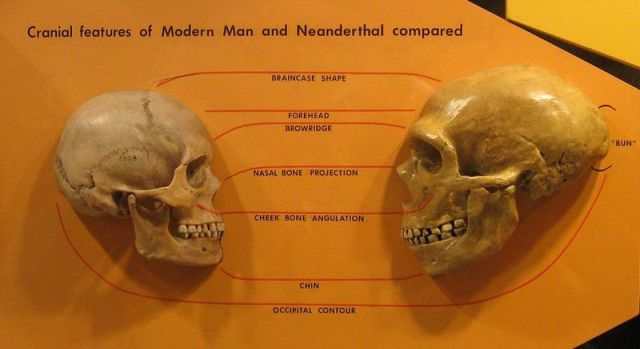
SPIRITUALITY SCIENCE – THE ORIGIN OF HUMAN SPECIES: THERE IS NO NATURAL CAUSE, NATURAL FACTOR, NATURAL CONDITION, OR NATURAL MECHANISM TO ACCOUNT FOR THE VARIATION SEEN WHEN THE NEANDERTHAL SKULL IS COMPARED WITH THE HUMAN SKULL.
NOVEMBER 24, 1859. “Origin of Species” is published
On the Origin of Species by Means of Natural Selection, a groundbreaking scientific work by British naturalist Charles Darwin is published in England. Darwin’s theory argued that organisms gradually evolve through a process he called “natural selection.” In natural selection, organisms with genetic variations that suit their environment tend to propagate more descendants than organisms of the same species that lack the variation, thus influencing the overall genetic makeup of the species.
Darwin, who was influenced by the work of French naturalist Jean-Baptiste de Lamarck and the English economist Thomas Mathus, acquired most of the evidence for his theory during a five-year surveying expedition aboard the HMS Beagle in the 1830s. Visiting such diverse places as the Galapagos Islands and New Zealand, Darwin acquired an intimate knowledge of the flora, fauna, and geology of many lands. This information, along with his studies in variation and interbreeding after returning to England, proved invaluable in the development of his theory of organic evolution.
The idea of organic evolution was not new. It had been suggested earlier by, among others, Darwin’s grandfather Erasmus Darwin, a distinguished English scientist, and Lamarck, who in the early 19th century drew the first evolutionary diagram—a ladder leading from one-celled organisms to man. However, it was not until Darwin that science presented a practical explanation for the phenomenon of evolution.
Darwin had formulated his theory of natural selection by 1844, but he was wary to reveal his thesis to the public because it so obviously contradicted the biblical account of creation. In 1858, with Darwin still remaining silent about his findings, the British naturalist Alfred Russel Wallace independently published a paper that essentially summarized his theory. Darwin and Wallace gave a joint lecture on evolution before the Linnean Society of London in July 1858, and Darwin prepared On the Origin of Species by Means of Natural Selection for publication.
Published on November 24, 1859, the Origin of Species sold out immediately. Most scientists quickly embraced the theory that solved so many puzzles of biological science, but orthodox Christians condemned the work as heresy. Controversy over Darwin’s ideas deepened with the publication of The Descent of Man, and Selection in Relation to Sex (1871), in which he presented evidence of man’s evolution from apes.
By the time of Darwin’s death in 1882, his theory of evolution was generally accepted. In honor of his scientific work, he was buried in Westminster Abbey beside kings, queens, and other illustrious figures from British history. Subsequent developments in genetics and molecular biology led to modifications in accepted evolutionary theory, but Darwin’s ideas remain central to the field.
November 24, 2019. The Origin of the Anatomically Modern Man, the species called Homo. sapiens, sapiens cannotbe accounted for by any known Natural Factor, Natural Condition, Natural Cause, or Natural Mechanism.
This is my special tribute to Lohit River and I post this blog to remember my life’s journey; a journey from 1962 to 1972.
During 1962, I was a student at Giriraj Government Arts College, Nizamabad, Andhra Pradesh, India and I was studying in the First Year of a 3-Year Bachelor of Science Degree Course. During October 1962, when China attacked India across the Himalayan Frontier, Indian people spontaneously reacted condemning the act of Chinese aggression. It gave me a strong motivation to serve the country to defend the Northern Frontier. My dream came true during 1969 when I was granted Short Service Regular Commission to join the Indian Army Medical Corps. On completion of my basic military and professional training, I was deputed to Special Frontier Force and I had the proudest moment of my life when I visited the War Memorial in Walong, Lohit District, North-East Frontier Agency(NEFA) during 1972. I got married during January 1973, while I was serving in the North-East Frontier Agency and Lohit River is my witness to my Life’s Journey and Commitment.
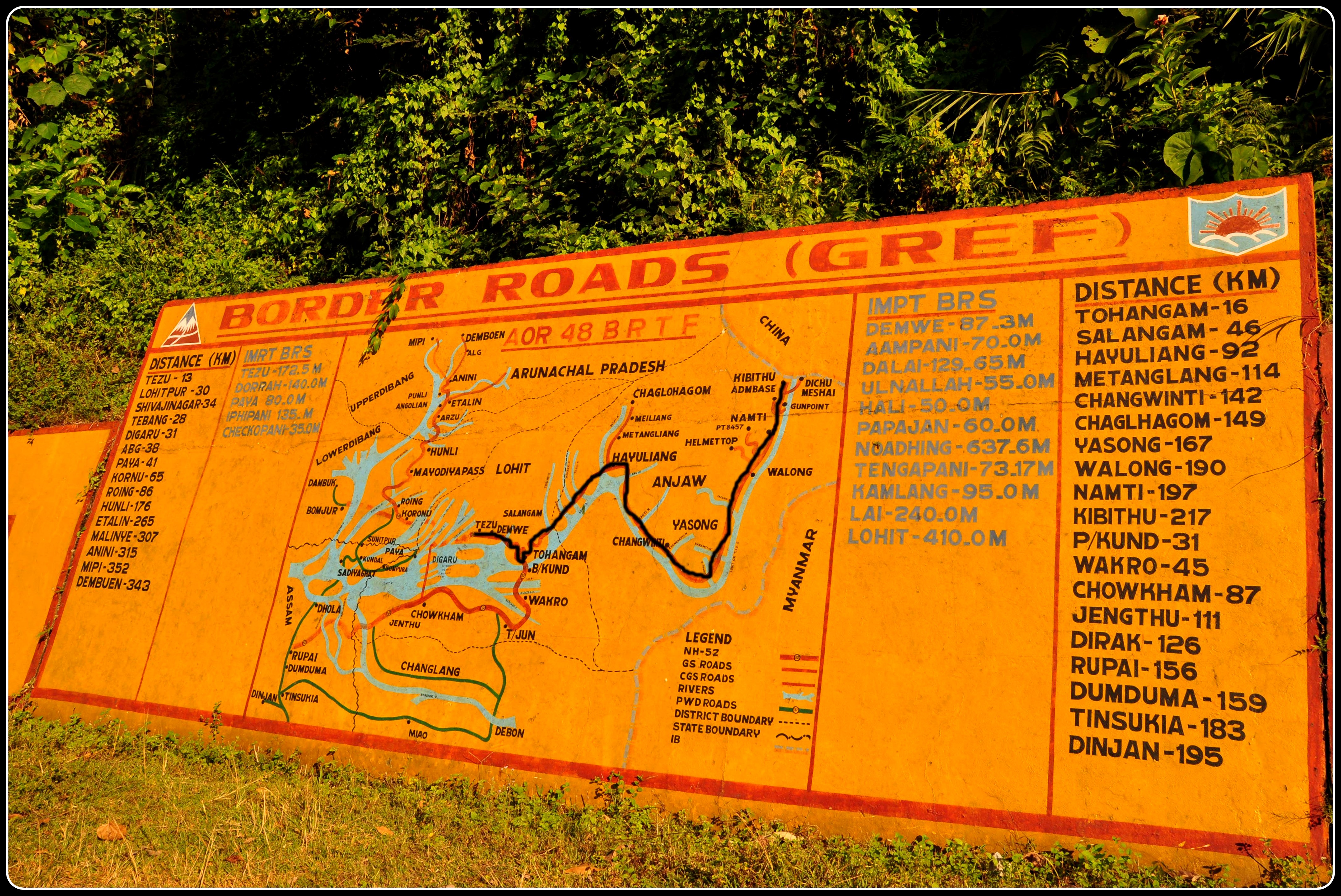
SPECIAL FRONTIER FORCE-Establishment No. 22-Vikas Regiment celebrates the LOHIT RIVER: Map of Anjaw District, Arunachal Pradesh State, India.
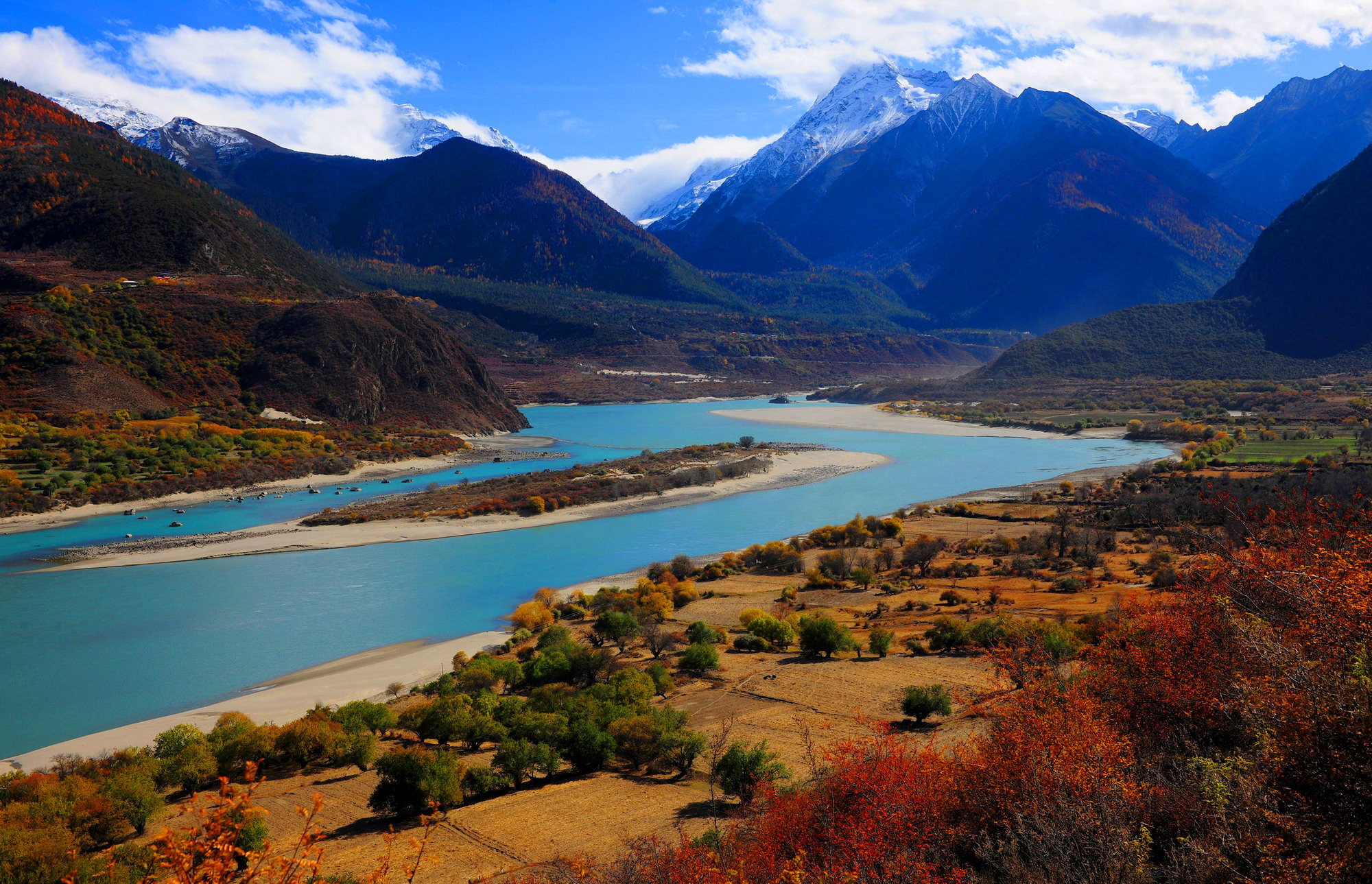
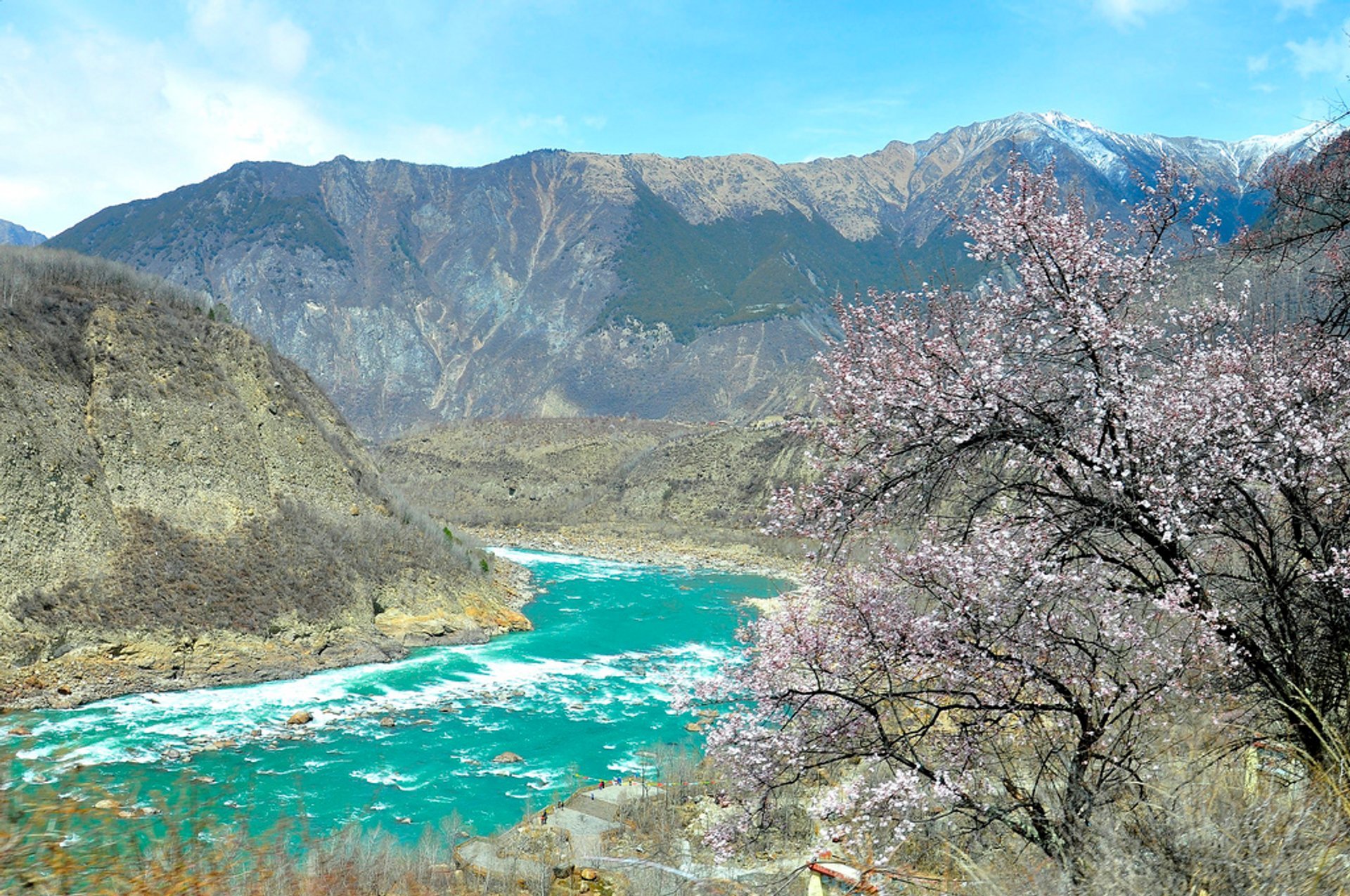
I am pleased to share an article titled ‘China opens a new highway near Arunachal Pradesh Border’ written by Ananth Krishnan that was published in the HINDU on November 01, 2013. I served in that area and the military organization in which I served discouraged photography and I did not take photos of the natural scenery of that area. I would like to share some photo images published by http://GreenerPasturesInd.Wordpress.com and others, particularly the images of Lohit River that flows down the Anjaw District of Arunachal Pradesh.
The North-East Frontier Agency(NEFA) was constituted in 1912-13. To settle the border between India and Tibet, Sir Henry McMahon, Secretary in the Indian Foreign Department represented Great Britain at a conference held in Simla during 1913-14. The Simla Accord or Simla Agreement between India, Tibet, and China resulted in the McMahon Treaty and the McMahon Line established the official border between India and Tibet. India after gaining her independence and after becoming an independent Republic has ratified the McMahon Treaty. The People’s Republic of China which came into existence on October 01, 1949 opposed this Treaty and occupied Tibet during 1950 rejecting the status of Tibet of being an independent nation.
Communist China’s occupation of Tibet continues to pose a military threat to Peace and Democracy in Southeast Asia. The Supreme Ruler of Tibet, His Holiness the 14th Dalai Lama fled to India in March 1959 as a consequence of China’s repressive, brutal military actions. On August 26, 1959, in this northeast frontier sector, China’s People’s Liberation Army crossed the McMahon Line for the first time to capture an Indian border post. China abandoned this post during 1961 and launched a major offensive war during October 1962 attacking Indian Army positions in the entire North-East Frontier Agency.
Due to the firm intervention by US President John F. Kennedy, China declared a unilateral ceasefire and withdrew its forces from all the areas it had captured in the North-East Frontier Agency. One of the consequences of this 1962 War of China’s Aggression on India was the creation of a military alliance/pact between India, Tibet, and the United States to defend the border and to challenge the military occupation of Tibet. This military pact/alliance has created a military organization called Establishment No. 22 which is later given the name of Special Frontier Force. I served in Special Frontier Force along with Tibetan soldiers and we were defending North-East Frontier Agency. The North-East Frontier Agency became Indian Union Territory and was named Arunachal Pradesh on January 20, 1972. The State of Arunachal Pradesh was formed on February 20, 1987.
I had arrived at Doom Dooma(Dum Duma) during February 1972 after my successful participation in the military action called ‘Operation Eagle’ which initiated the Liberation of Bangladesh on November 03, 1971 with attacks on Pakistan’s military border posts in the Chittagong Hill Tracts. The United States had withdrawn its CIA personnel from our Organization prior to the launch of Operation Eagle. However, our military alliance/pact withstood the test of the times.
In 1972, the CIA contacted my Unit in North East Frontier Agency to request us for assistance to plant monitoring devices to record data from China’s underground nuclear tests in occupied Tibet. China’s occupation of Tibet, its claims for Indian territory and China’s military build-up still pose a grave threat to Peace and Freedom in Southeast Asia.
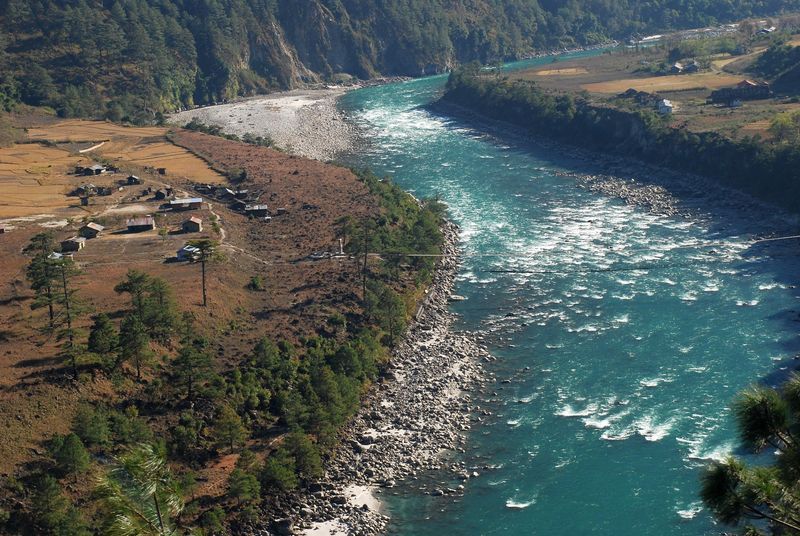
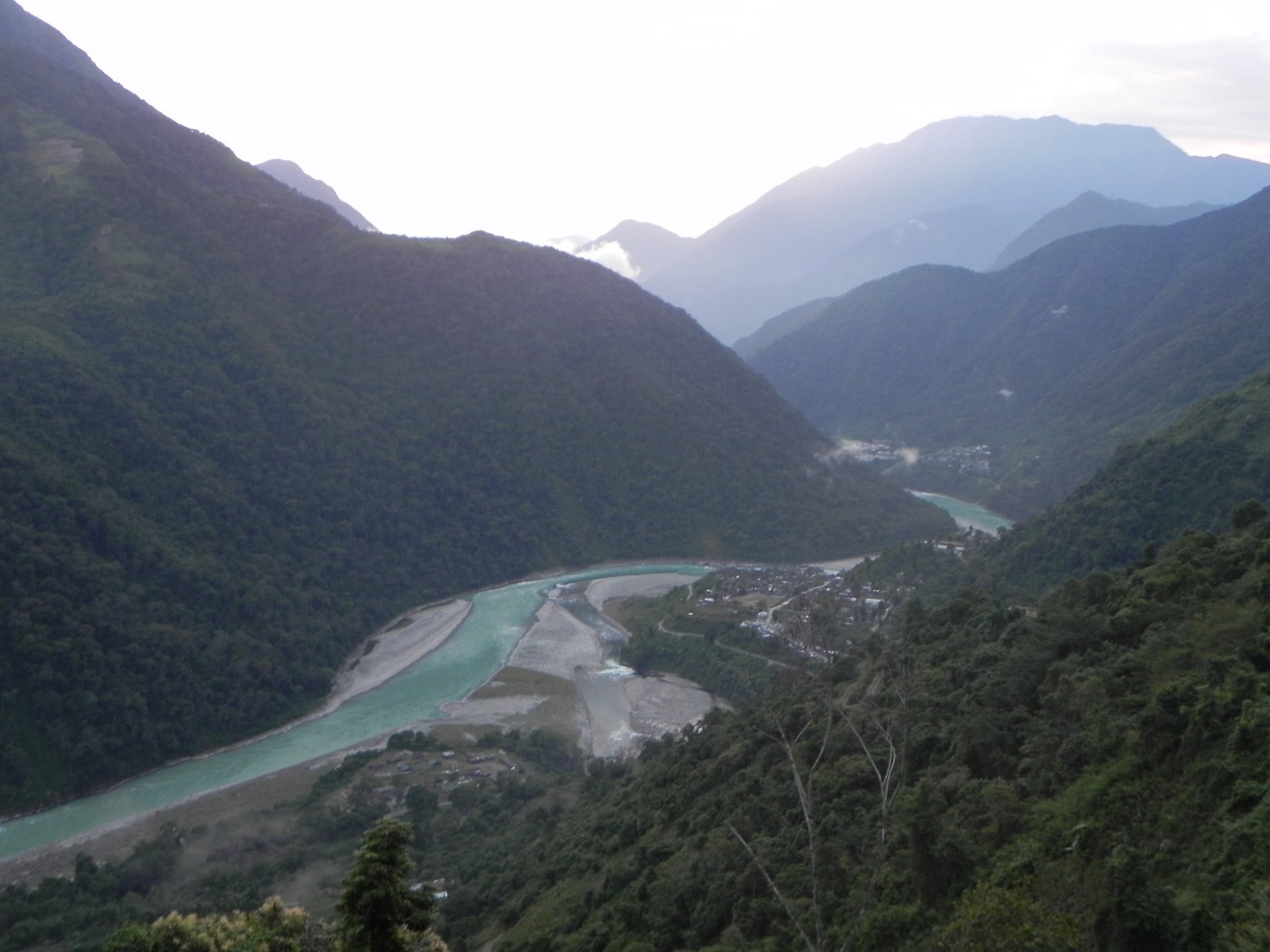
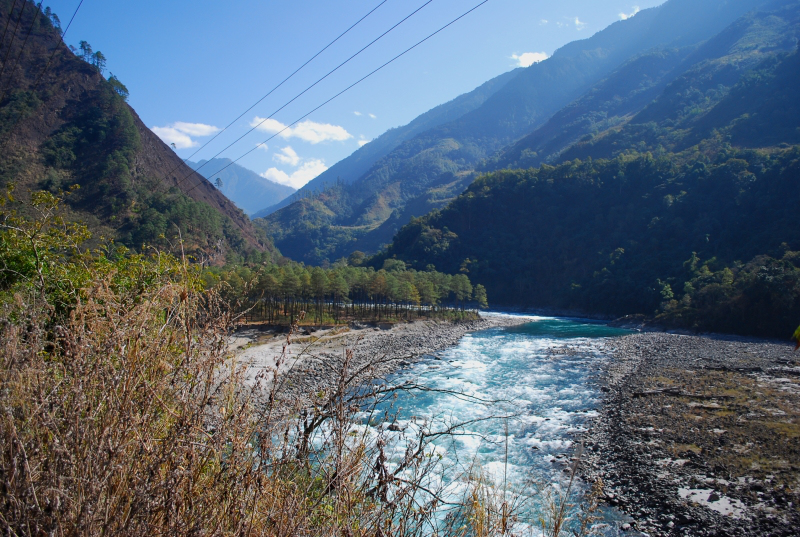
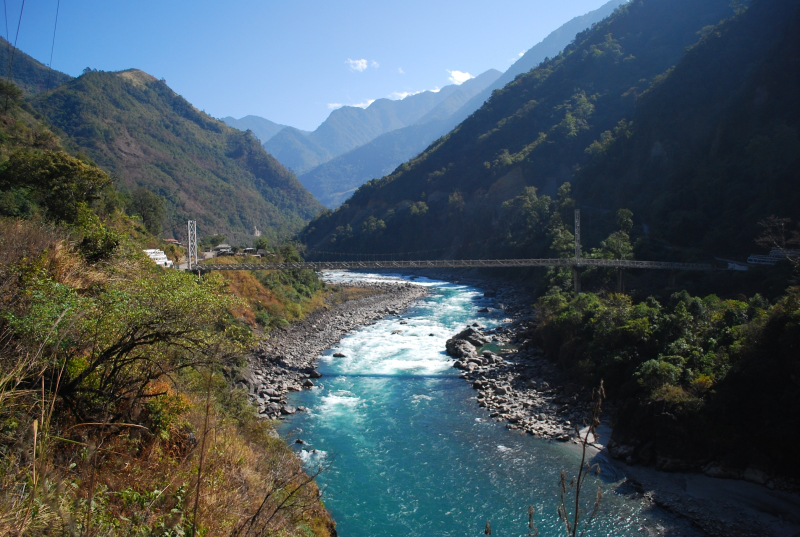
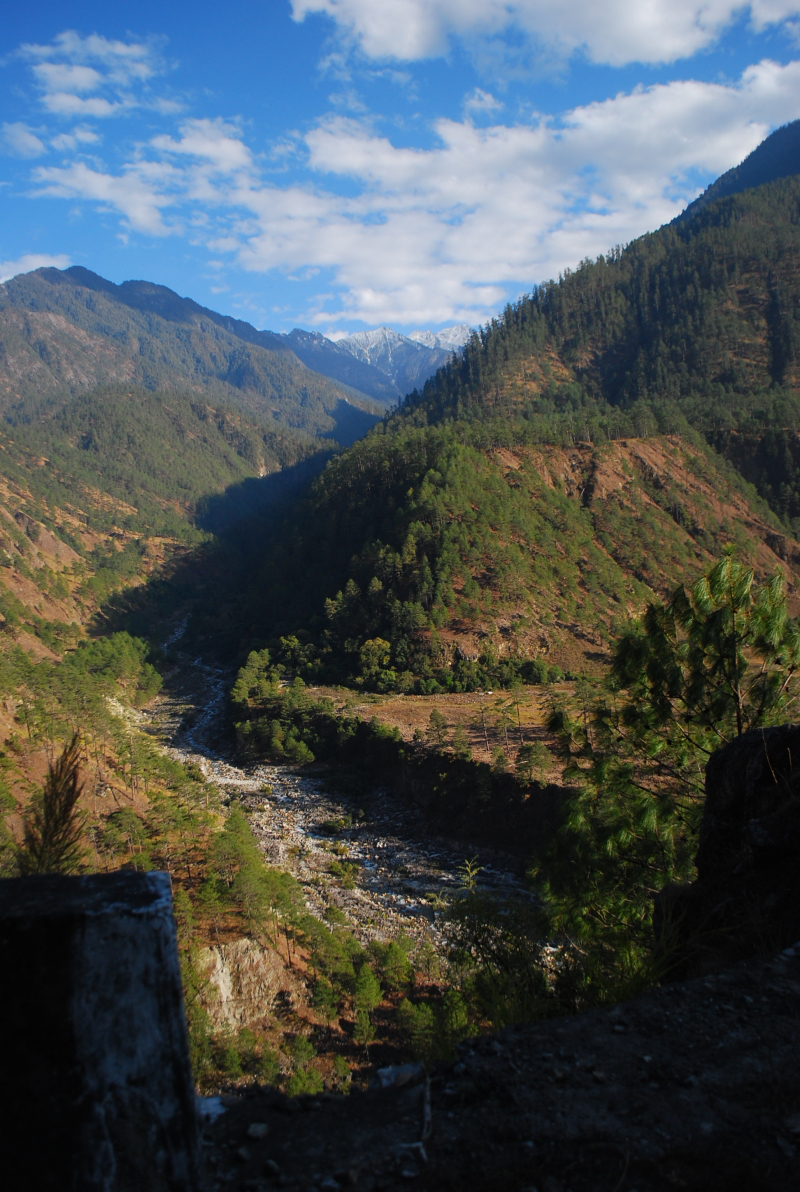
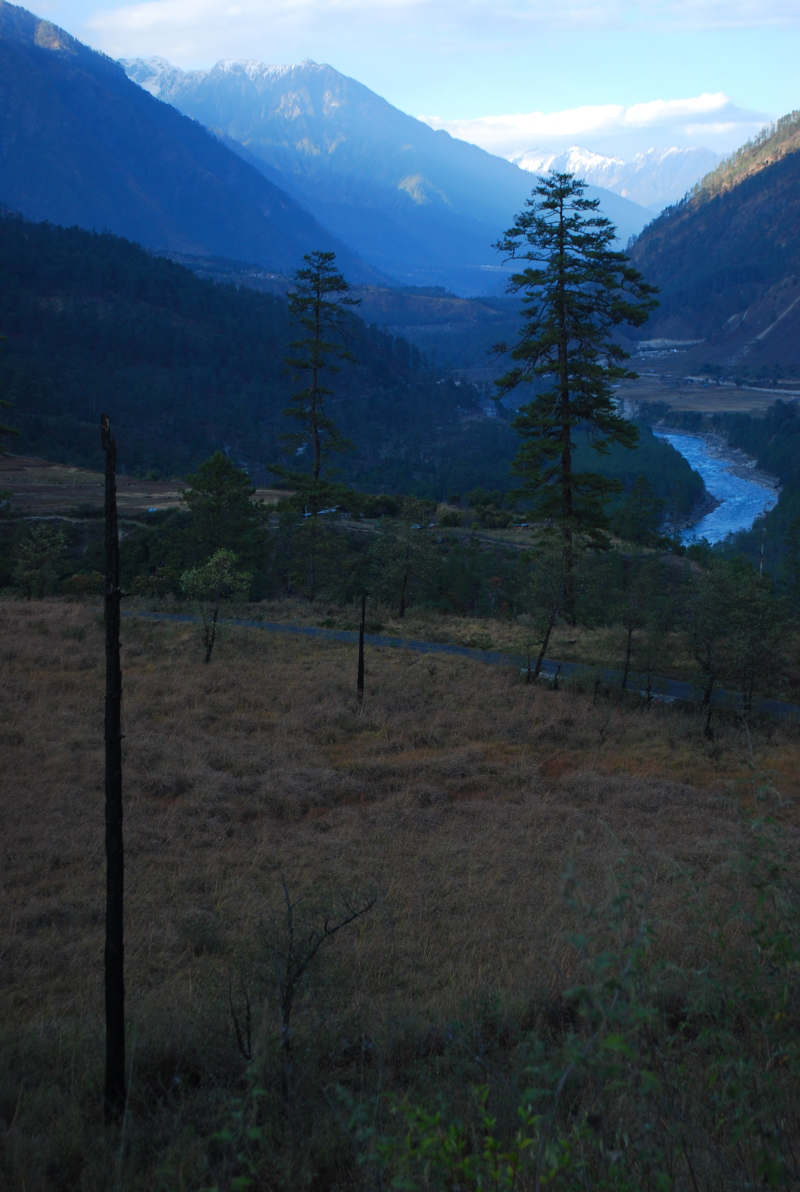
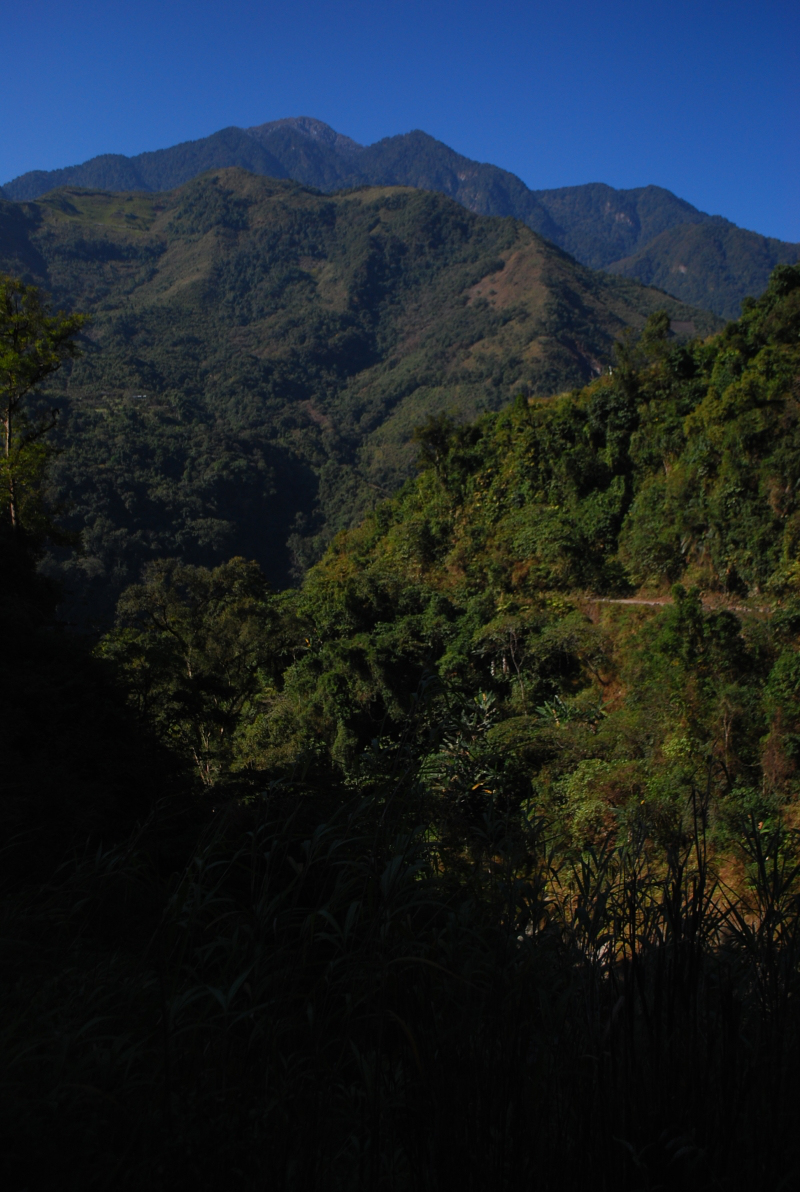
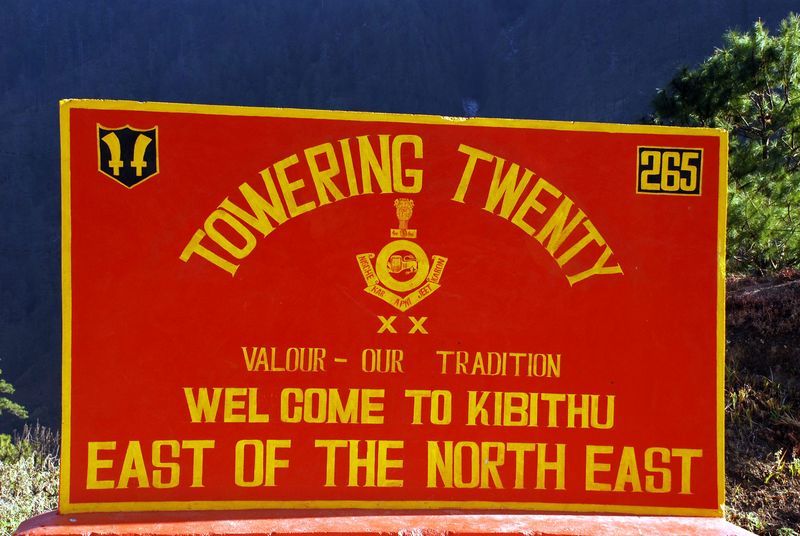
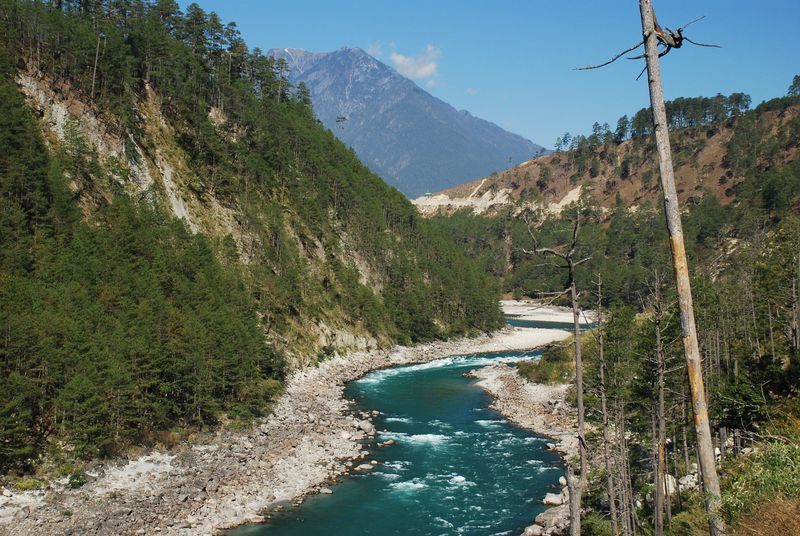
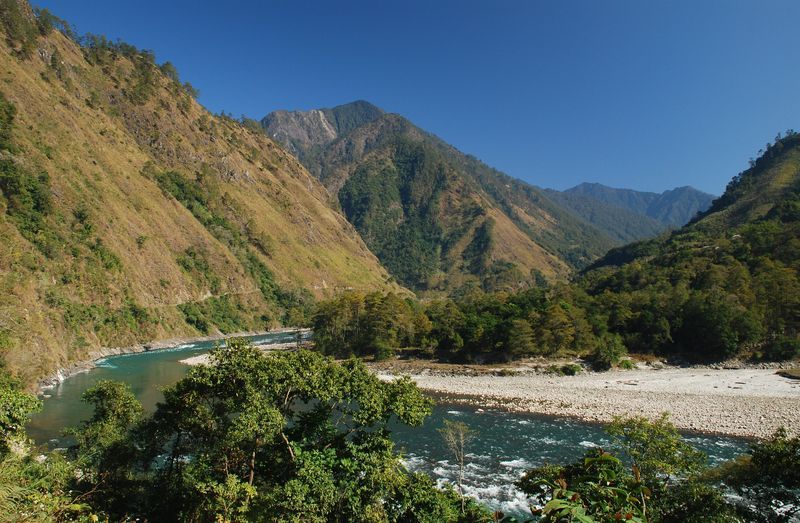
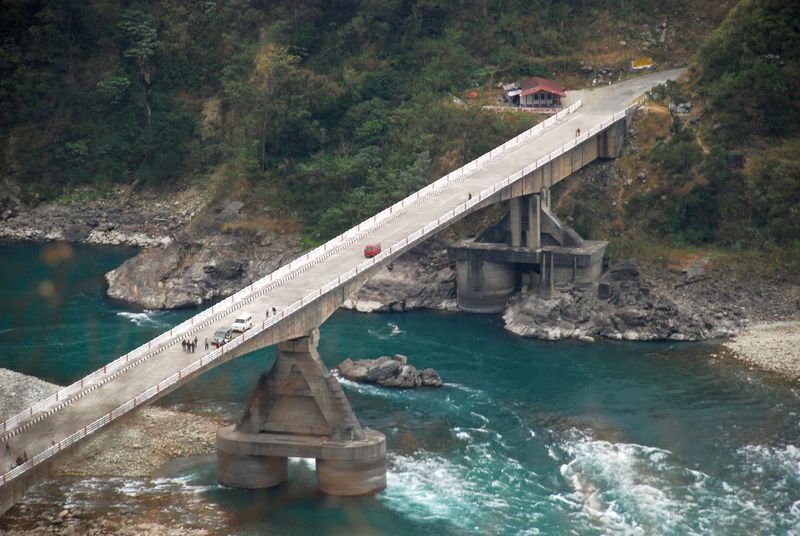
Special Frontier Force-Establishment No. 22-Vikas Regiment celebrates the Lohit River: I was based at Doom Dooma Airfield during 1972-73.Special Frontier Force-Establishment No. 22-Vikas Regiment celebrates the Lohit River: Lohit River enters the plains and flows as the Brahmaputra River.Special Frontier Force-Establishment No. 22-Vikas Regiment celebrates the Lohit River: At the southern end of Lohit District, Lohit River enters the plains.Special Frontier Force-Establishment No. 22-Vikas Regiment celebrates the Lohit River: The bridge near Parasuram Kund also known as Brahma Kund.Special Frontier Force-Establishment No. 22-Vikas Regiment celebrates the Lohit River: This Border Road along Lohit River did not exist during 1972-73. I had the pleasure of trekking along this route.Special Frontier Force-Establishment No. 22-Vikas Regiment celebrates the Lohit River: Suspension Bridge across Lohit River.Special Frontier Force-Establishment No. 22-Vikas Regiment celebrates the Lohit River: A Special Tribute to Lohit River.Special Frontier Force-Establishment No. 22-Vikas Regiment celebrates the Lohit River: This bridge swings in the air and is commonly called “JHULA” which refers to the swing found in recreational parks and playgrounds.Special Frontier Force-Establishment No. 22-Vikas Regiment celebrates the Lohit River: Walong ValleySpecial Frontier Force-Establishment No.22-Vikas Regiment celebrates the Lohit River: Parashuram KundSpecial Frontier Force-Establishment No. 22-Vikas Regiment celebrates the Lohit River: A view taken at Hayuliang.Special Frontier Force-Establishment No. 22-Vikas Regiment No. 22 Lohit River: Hayuliang-Walong Road.Special Frontier Force-Establishment No. 22-Vikas Regiment celebrates the Lohit River:Special Frontier Force-Establishment No. 22-Vikas Regiment celebrates the Lohit River:Special Frontier Force-Establishment No. 22-Vikas Regiment celebrates the Lohit River:Special Frontier Force-Establishment No. 22-Vikas Regiment celebrates the Lohit River: Walong War MemorialSpecial Frontier Force-Establishment No. 22-Vikas Regiment celebrates the Lohit River: “WALONG WILL NEVER FALL AGAIN.”Special Frontier Force-Establishment No. 22-Vikas Regiment celebrates the Lohit River: Walong, Anjaw District.Special Frontier Force-Establishment No. 22-Vikas Regiment celebrates the Lohit River: Trip to KibithuSpecial Frontier Force-Establishment No. 22-Vikas Regiment celebrates the Lohit River: Mishmi HillsSpecial Frontier Force-Establishment No. 22-Vikas Regiment celebrates the Lohit River: HayuliangSpecial Frontier Force-Establishment No. 22-Vikas Regiment celebrates the Lohit River: The Border Post at KibithuSpecial Frontier Force-Establishment No. 22-Vikas Regiment celebrates the Lohit River: Lohit River near India-Tibet Border.Special Frontier Force-Establishment No. 22-Vikas Regiment celebrates the Lohit River:
R. Rudra Narasimham, B.Sc., M.B.B.S., Personal Numbers: MS-8466/MR-03277K. Rank: Lieutenant/Captain/Major. Branch:Army Medical Corps/Short Service Regular Commission(1969-1972); Direct Permanent Commission(1973-1984). Designation:Medical Officer. Unit:Establishment No. 22(1971-1974)/South Column,Operation Eagle(1971-1972). Organization: Special Frontier Force.
Published in the HINDU: November 1, 2013 03:14 IST | BEIJING, November 1, 2013
China opens new highway near Arunachal Pradesh border
Ananth Krishnan
Nearly 1 billion Yuan project comes to light after seven failed attempts over the past 50 years
China on Thursday opened a new highway that links what the government has described as Tibet’s “last isolated county” – located near the border with Arunachal Pradesh – with the rest of the country and will now provide all-weather access to the strategically important region. Chinese state media have hailed the opening of the highway to Medog – which lies close to the disputed eastern section of the border with India – as a technological breakthrough, with the project finally coming to fruition after seven failed attempts over the past fifty years. China started attempting to build the highway to Medog – a landlocked county in Tibet’s Nyingchi prefecture – in the 1960s, according to State media reports, in the aftermath of the 1962 war with India. With Thursday’s opening of the road, every county in Tibet is now linked through the highway network, underlining the widening infrastructure gulf across the disputed border, even as India belatedly pushes forward an upgrading of border roads in more difficult terrain. The official Xinhua News Agency on Thursday described Medog as “the last roadless county in China”. Before this week, Medog was the only one of China’s 2,100 counties to remain isolated from the highway network, according to State broadcaster China Central Television (CCTV). What the project will do State media reports have focused on the development benefits that the project would bring and have sought to play down the strategic dimensions. Local officials said the road’s opening will bring down commodity prices and widen access to healthcare. The road will also provide access to the border county for nine months of the year. That the government was willing to spend as much as 950 million Yuan – or $ 155 million – on a 117-km highway, with ostensibly few economic returns expected, has underscored the project’s importance to State planners. Local officials said prior to the opening of the highway, reaching Medog required traversing the treacherous Galung La and Doxong La mountains at an altitude of 4,000 metres. With frequent landslides, the road was often rendered impassable. Now, the road will be accessible for “8 to 9 months per year, barring major natural disasters”, Ge Yutao, Communist Party head of the transportation department for the Tibet Autonomous Region (TAR), told Xinhua. Work on the 117-km road began in 2009, a year after the project was given the green light by the State Council, or Cabinet. Renewed attention on infrastructure projects The opening of the road comes at a time when there has been renewed attention on infrastructure projects in border areas in India and China. Last week, both countries signed a Border Defence Cooperation Agreement (BDCA) during Prime Minister Manmohan Singh’s visit to Beijing, aimed at expanding confidence-building measures. The agreement calls for setting up channels of communication between military commands, increasing the number of border personnel meetings, and formalizing rules such as no tailing of patrols, to build trust and avoid incidents. The agreement does not specify or limit either country’s plans to boost infrastructure – an issue that, analysts say, has in the past triggered tensions along the disputed Line of Actual Control (LAC), most notably in April when a Chinese incursion sparked a three-week-long stand-off in Depsang, Ladakh. Han Hua, a South Asia scholar at Peking University, suggested in a recent interview that the “basic reason” for the incident was “too much construction” along the border. The Chinese side, she acknowledged, did not have to build closer to the disputed LAC because their infrastructure, as well as more favourable terrain enabled quicker mobilisation. “If we don’t have the overall collaboration of the military, policy-makers and decision-makers on both sides,” she said, “it will be difficult to avoid such incidents”. ‘India’s plans will not be limited’ The BDCA, Indian officials said, will not limit India’s plans to upgrade infrastructure. It recognises the principle of equal and mutual security, which allows either side to pursue its security in its own way. At the same time, officials say the BDCA will still help “regulate activity” along the border by opening up new channels of communication, even as the border continues to remain a matter of dispute. On Thursday, Chinese Defence Ministry spokesperson Yang Yujun told a regular press conference that military personnel would hold “regular meetings” and “make joint efforts” to maintain peace in border areas, following the signing of the BDCA. The agreement, he said according to a Xinhua report, “summarised good practices and experiences on the management of differences in China-India border areas”.
Special Frontier Force-Establishment No. 22-Vikas Regiment celebrates the Lohit River: I was based at Doom Dooma during 1972-73.Special Frontier Force-Establishment No. 22-Vikas Regiment celebrates the Lohit River: Landscape of Anjaw DistrictSpecial Frontier Force-Establishment No. 22-Vikas Regiment celebrates the Lohit River.An aerial view of the Lohit’s braided channels in winters soon after it emerges from the hills and simply spreads on the plains. The fantastic view right till the horizon makes for a good photo opportunity. At the same time, it also brings in thought about the possible dreadful image of this whole place under a thick volume of water in monsoon. (Photo: Nivedita Khandekar)The spot where Lohit emerges free from the mountains. A little upstream of this place is Parshuram Kund, a place squeezed tight between two virtually parallel mountain ranges. Downstream of this, on the right side, the road continues through the gradually decreasing slope towards Tezu while on the left side is jungles bringing in several more tributaries of Lohit. In winters, a whole lot of pebbled riverbed is exposed. At several places, this makes for an easy spot to collect pebbles and stones for crushers used for road building. (Photo: Nivedita Khandekar)A beautiful, serene destination, Parshuram Kund is a major pilgrim place on the Lohit banks. A huge Mela (fair) is held for two days on the occasion of Makar Sankranti in January every year. The story associated with the place goes that after killing his mother and brothers on the orders of his father, Parshuram could find no other place to wash off his sins. The kund here, now only a portion of it remains after the 1952 quake, was the place where the Parshu came off his blood-stained hands. Also, upstream of this place till Tiding inside the river waters is considered to be the sacred abode of Nimkay, the spirit that is invoked by the Mishmi community before their every ritual. (Photo: Nivedita Khandekar)Hayuliang (seen on the top left) is a scenic place at an altitude of about 4000 feet approximately almost mid-way between Tezu and Walong. As altitude decreases, alpine vegetation gives way to subtropical forests. These were some of the densest tropical jungles in all of India. But now, places such as Hayuliang and surrounding areas have become a major concrete zone as scores of government offices shifted here in the last decade. Also, it is a major congregation point for people coming from the Chhaglagam side, an area that is not entirely connected with motorable roads. Hayuliang showcases both the modern and the traditional facets of the Mishmi community, especially its housing and food habits. (Photo: Nivedita Khandekar)From Kibithoo till Hayuliang, the road runs parallel to the river and entirely on the right bank. At times, right near it, as can be seen here. At times, high above on the face of the lofty hills. Having a road connection makes or breaks the overall connectivity for the people and the army. In 1962, there was no road beyond Tezu, the headquarters of the then undivided Lohit district and Indian soldiers had walked almost 8-10 days to reach the respective posts near Walong and Kibithoo. Things are relatively easier now with the BRO building and maintaining roads but there is always a possibility of a landslide washing away a substantial chunk of the road and/or the hill on which that road is built. (Photo: Nivedita Khandekar)Walong, situated at a picturesque location at an undulating 4,500 to 6,000 feet, was where the Indian soldiers braved the Chinese onslaught during the 1962 war at the nearby Namti plains. Here the Lohit flows on one side of a vast relatively plain landform at about 4,500 plus altitude while the hilly roadside has almost all the houses. There are war memorials (both old one and new one) and few government offices apart from the ALG (advanced landing ground) of the armed forces. (Photo: Nivedita Khandekar)Places that are few and far on the left bank are connected with a variety of bridges – bamboo made, steel wire suspension bridges and at very few places, proper RCC bridges – with the road on the right bank. This one, a little downstream of the hot springs leads to Dong that receives the first sunrays of India. (Photo: Nivedita Khandekar)The site near Walong that has hot springs aptly called Garam Pani. It is a typical Himalayan geological feature of warm water oozing out of a small opening barely meters away from the bone chilling cold waters of Lohit. This is a popular tourist destination for both locals and outsiders. In winters, as the Lohit waters ebb, the spot is open for all to reach easily. (Photo: Nivedita Khandekar)The difference in volume that the Lohit carries in winters and monsoons can be understood from the markings on the torn hill on the other side. The water column easily rises to almost 100 feet or more in peak monsoon and the winding river gnaws off hillocks and washes off soils and trees in its spate. In winters, icy cold water splashes the banks that are full of pebbles of various shapes and sizes. These pebbles form the core of building material for roads by the Border Road Organisation (BRO) that needs to bring tar/bitumen from outside Arunachal Pradesh. Locals in the higher reaches still majorly live in houses made of bamboo, so these pebbles hardly make to the civilian construction sites there. (Photo: Nivedita Khandekar)As the blue river charts a serpentine path, the sparsely populated hills are covered with large coniferous trees as found in higher altitudes. The Lohit is called Tallow in local Mishmi language. Beyond the human habitations around the Walong area, there are large and small several lakes, some of the glacial lakes, at 6,000 feet and above. These lakes feed big and small streams and rivers joining the Lohit from both sides. In monsoon, the river turns muddy and showcases an entire range of grey and ash. (Photo: Nivedita Khandekar)This was the only motorable road connection that the two bastis (Villages) Kaho and Mosai had with Kibithoo. Built only in 2009 as a suspension bridge by the Indian army, which touted it as the “Easternmost Road of India”, this bridge was washed away by Lohit’s perilous floods in 2012. People are left to use the hanging bridge again. (Photo: Nivedita Khandekar)Kaho and Meshai (also called Mosai) are the two small habitations of Meyor community on the left bank of Lohit in the Kibithoo neighborhood. Kaho has just seven houses. In absence of a road (which is on the right bank all through), this hanging bridge, about six km from Kaho, is the only connection that the two bastis have with Kibithoo and hence, the rest of India. Lohit flows through a gorge for a long distance in this stretch. The atmosphere is hazy in winters on most days. Similarly, the strong winds on most days exacerbated due to the gorge make it very hard for commuters crossing the hanging bridge. (Photo: Nivedita Khandekar)This is a war memorial in the shape of the Mishmi community’s memorial for the dead. An emotional poem adorns the plaque at this war memorial. (Photo: Nivedita Khandekar)Special Frontier Force-Establishment No. 22-Vikas Regiment celebrates the Lohit River.
Spirituality Science – Perishable and Imperishable Dimensions of Life.
The Living Things are composites of 1. Form, and 2. Matter. There are many living things that live with the same ‘form’ or morphological appearance while experiencing the aging process that defines the mortal dimension of Life. The term ‘extinction’ refers to the complete disappearance of a living form from the natural world.
Spirituality Science – The Perishable and Imperishable Dimensions of Life
However, the phenomenon of extinction cannot be easily applied to the Living Substance or Matter which has the faculty of propagating itself either by using the mechanism called Reproduction or the power called Nutrition which involves the ability of a Living Thing to consume Matter provided by other Living Things to renew or regenerate or rebuild its own Living Matter.
THE PHENOMENON OF LONGEVITY:
SPIRITUALITY SCIENCE – PERISHABLE AND IMPERISHABLE DIMENSIONS OF LIFE: THIS UNIQUE SPECIES OF JELLYFISH (PHYLUM-COELENTERATA-CNIDARIA) AN INVERTEBRATE SEA CREATURE WITH STINGING CELLS KNOWN AS TURRITOPIS NUTRICULA USES A CELL DEVELOPMENT PROCESS CALLED TRANSDIFFERENTIATION AND IT CAN REVERT FROM A MATURE ADULT STAGE TO AN IMMATURE POLYP STAGE AND HENCE MAY HAVE NO NATURAL LIMITS TO ITS LIFE-SPAN OR IT BEHAVES LIKE AN IMMORTAL BEING BY REVERSING ITS AGING PROCESS.
Since man exists as a Mortal Being, man has a natural tendency to investigate the Beginning of Life and the End of Life and seek a better understanding of the natural processes liking Aging that propels man to travel and reach the destination termed ‘Death’ without any choice. Aging is a widespread biological phenomenon and all living things display a natural tendency towards a decline of biological functions and a time-related disability to adapt to metabolic stress. At the same time, I ask my readers to note that the ‘Protoplasm’, the living substance that makes up both the cytoplasm and nucleoplasm appears to be potentially immortal. The term ‘Longevity’, the length or duration of a life or lives, must be interpreted in the context of the potential ability of Protoplasm to survive while individual members of species take birth, live, and die after a period of time. The term Life-Span describes the longest period of time that a typical individual can be expected to live. Similarly, Lifetime is the period of time that someone lives, or that something lasts, functions, or is in effect. Human beings have the unique ability to use their Lifetime to create a legacy that can endure giving an aura of immortality to that specific human individual who may have finished his or her mortal existence.
SPIRITUALITY SCIENCE – PERISHABLE AND IMPERISHABLE DIMENSIONS OF LIFE: THIS IMAGE OF DIVIDING YEAST CELLS DESCRIBES A REAL POTENTIAL IMMORTALITY IN SIMPLE ORGANISMS THAT ARE SINGLE-CELLED AND REPRODUCE BY ASEXUAL REPRODUCTION CALLED FISSION.
The concept of Life-Span implies that there is an individual whose existence has a definite beginning and end. Within the Phylum Protozoa, organisms that consist of a single cell, are numerous species that reproduce by fission which is a form of asexual reproduction in which the parent organism divides into two or more approximately equal parts, each becoming an independent individual. In such organisms where it is not easy to establish the beginning and end of an individual organism, the growth seems to continue indefinitely and a potential immortality can be observed. In organisms that use sexual reproduction, the limits of the life-span of each species appear to be determined by ‘Heredity’ which refers to the transmission of characteristics from parent to offspring by means of genes in the chromosomes. Each individual member of any given species has a life-span during which something of that individual lasts when transmitted to offspring as heritable information. The term heredity and the Laws of Inheritance and the Science called Genetics will have validity if, and only if some biological characteristics survive in spite of the death of any individual member of a species. It is very interesting to observe that there are several species of living things which have continuously lived for exceptionally long periods of time retaining their species-specific identity. Such organisms can be claimed to be immortal as they appear to be fully capable of surviving indefinitely. This faculty has been attributed to some insects, some simpler forms of invertebrate marine life (such as Tube Worms, Jellyfish, Clams, and Lobsters), certain fishes and reptiles which appear to be capable of unlimited growth. As the complexity of an organism increases, the internal changes associated with the aging process contribute to senescence and death of the organism. Even under the most favorable external conditions, there is a predetermined age beyond which a given individual of a species may not be able to survive. The Maximum Life-Span is often an estimate based on the longest lived organism of its species that is known to date. The Average Life-Span is a statistical concept that is derived by the analysis of mortality data for populations of each species. The Average Life-Span is related to Life Expectancy, the statistically probable length of time that a typical individual of any given species can be expected to live. Life Expectancy varies as it depends on the changing death rate over a period of time. Even species that have very slow-growing rates can experience higher than natural death rates due to external factors and may even face the threat of total extinction.
Longest-Living Animals in the World
John Harrington 10/30/2019
How long can a creature on Earth live? Animals living on the land, in the air, and in water can, under the right circumstances, live for many decades or even centuries.
The oldest-documented creature, a clam named Ming the Mollusk, lived for 507 years. Ming was born in 1499, seven years after Christopher Columbus first arrived in North America. We don’t know how much longer Ming would have lived if researchers trying to determine its age in 2006 had not opened the clam and in the process killed it. Ming’s fate is an example of an unfortunate encounter between people and animals.
To find the 50 longest living animals in the world, 24/7 Tempo reviewed data in the Human Ageing Genomic Resources database collection — specifically, the AnAge animal longevity database.
Cynthia Kenyon is a biochemist and geneticist working on unlocking the secrets of longevity. At a TED talk in Edinburgh, Scotland, eight years ago, she talked about aging. “There are some animals that don’t seem to age,” said Kenyon. “If you look at birds, which live a long time, cells from the birds tend to be more resistant to a lot of environmental stresses like high temperature, or hydrogen peroxide.”
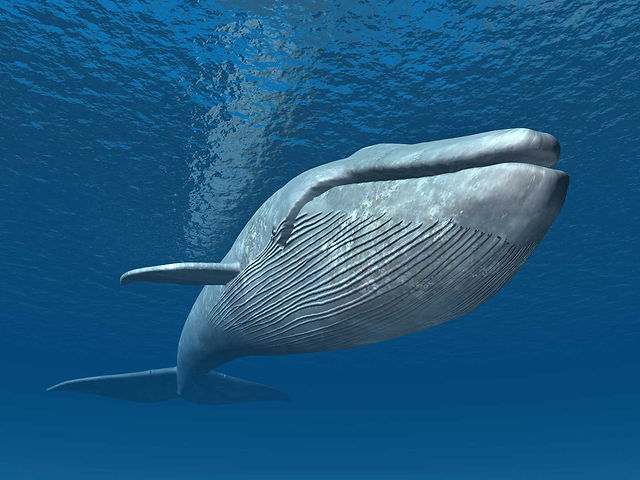
About three-fourths of the 50 species on our list are either fish or mammals like whales that live in the ocean. Size doesn’t appear to be a factor in how long animals live. Salamanders called olms that weigh less than an ounce can live as long as 102 years. The largest animal on Earth, the blue whale, can live to be up to 110 years. Despite its size, the blue whale is not among the most dangerous mammals on Earth.
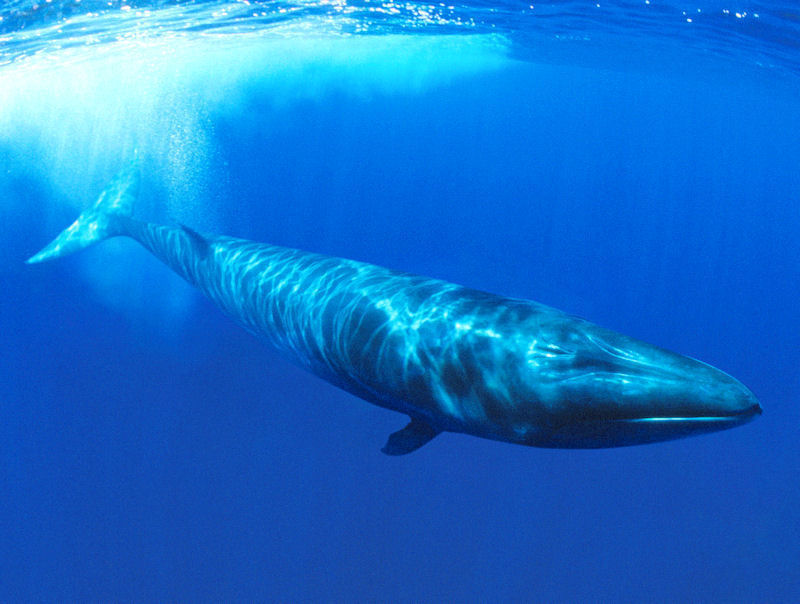
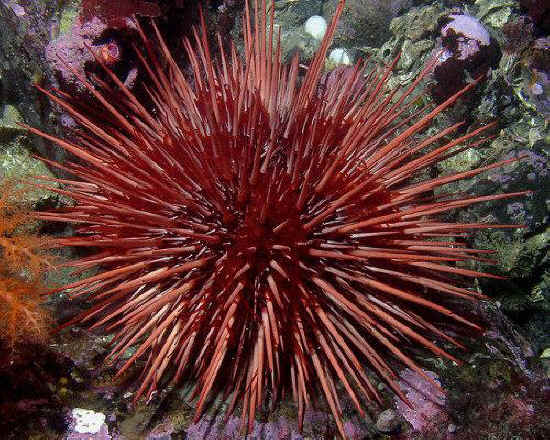
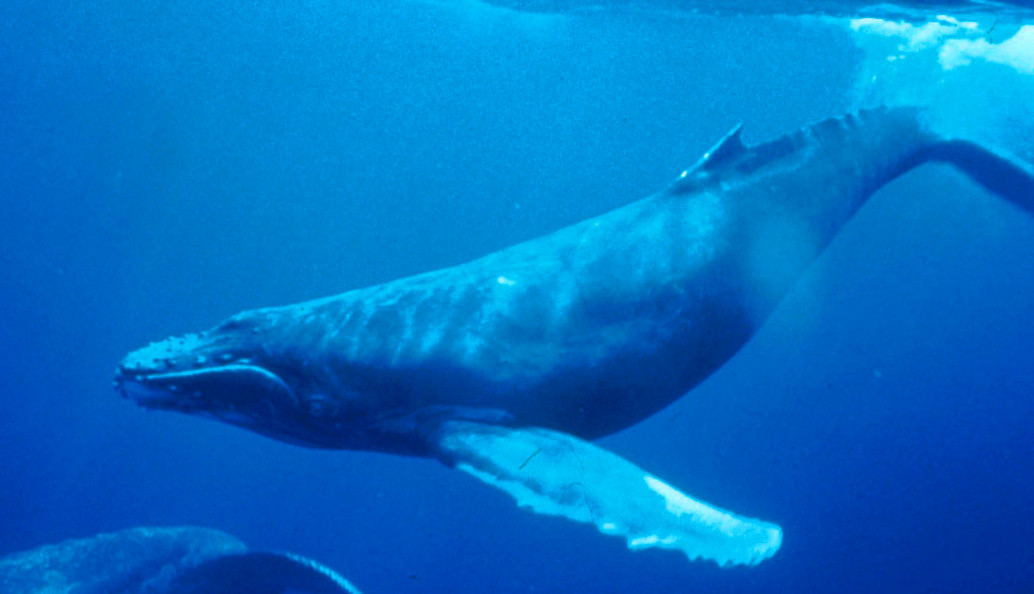
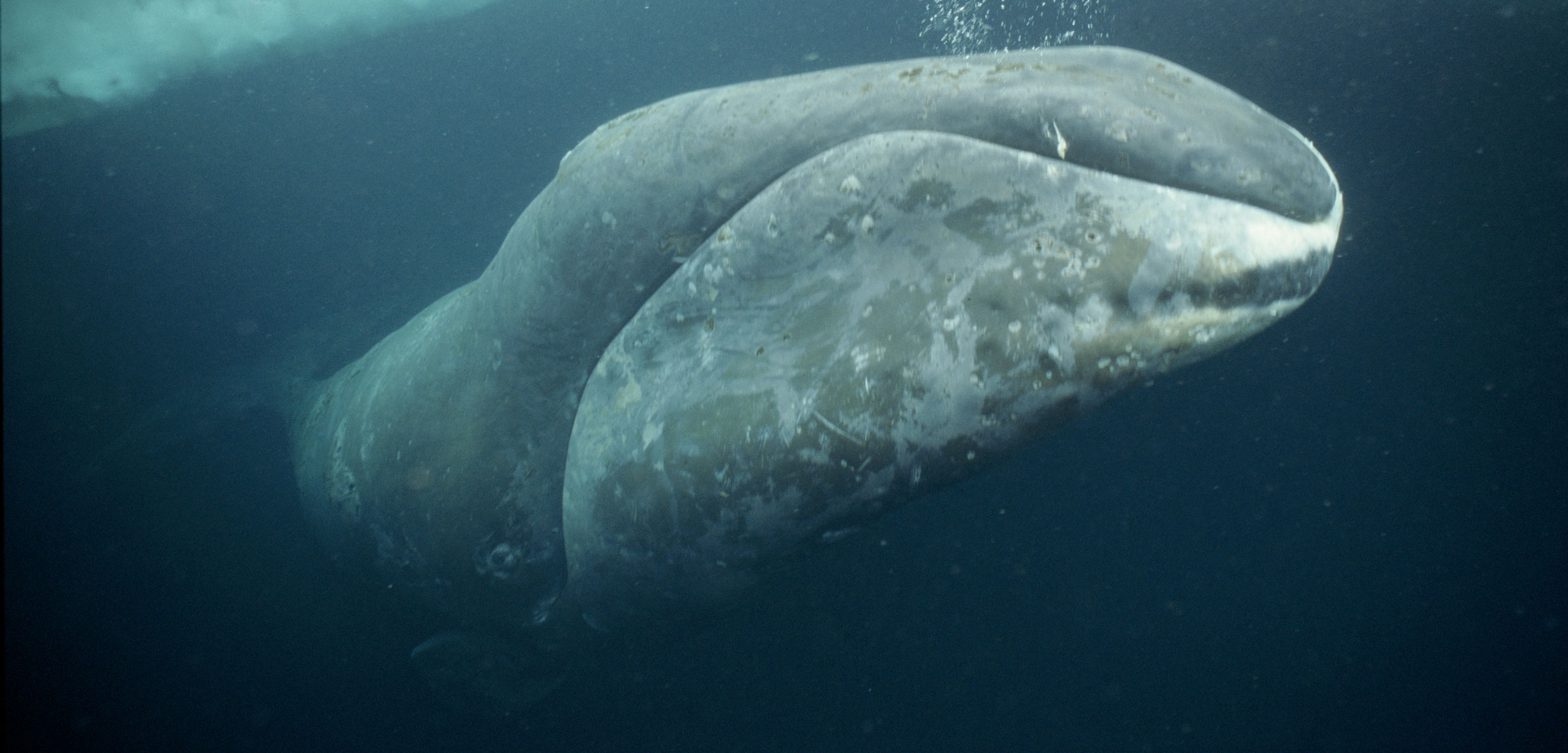
SPIRITUALITY SCIENCE – PERISHABLE AND IMPERISHABLE DIMENSIONS OF LIFE: TUBE WORMS (PHYLUM-ANNELIDA) SUCH AS LAMELLIBRACHIA LUYMESI LIVE ON THE FLOOR OF ATLANTIC OCEAN NEAR HYDROCARBON VENTS. THEY TAKE 170-250 YEARS TO GROW.SPIRITUALITY SCIENCE – PERISHABLE AND IMPERISHABLE DIMENSIONS OF LIFE: ANTARCTIC SPONGE (PHYLUM- PORIFERA) CAN LIVE FOR CENTURIES, THE OLDEST KNOWN LIVING SPONGE COULD BE 1,550-YEARS OLD.SPIRITUALITY SCIENCE – PERISHABLE AND IMPERISHABLE DIMENSIONS OF LIFE: GEODUCKS (PHYLUM-MOLLUSKA) DATE BACK TO CAMBRIAN PERIOD OR 500 MILLION YEARS AGO, FOUND IN THE US COASTAL SEA WATERS OF PUGET SOUND. ONE OF THE OLDEST ANIMALS IN THE WORLD. IT CAN LIVE FROM 140 TO 160 YEARS.SPIRITUALITY SCIENCE – PERISHABLE AND IMPERISHABLE DIMENSIONS OF LIFE: THE WHITE SHARK, CARCHARODON CARCHARIAS, ONE OF ABOUT 350 SPECIES OF CARTILAGINOUS FISHES. SHARKS ARE REMARKABLY SUCCESSFUL ANIMALS WITH FEW PARASITES OR DISEASES AND ALMOST NO ENEMIES EXCEPT OTHER SHARKS. THEY ARE LIVING ALMOST UNCHANGED FOR ABOUT 350 MILLION YEARS SINCE THE END OF THE DEVONIAN PERIOD.SPIRITUALITY SCIENCE – PERISHABLE AND IMPERISHABLE DIMENSIONS OF LIFE: COCKROACHES ARE AMONG THE OLDEST INSECT GROUPS HAVING SURVIVED BASICALLY UNCHANGED FOR 300 TO 350 MILLION YEARS (CARBONIFEROUS PERIOD).SPIRITUALITY SCIENCE – AGING AND LONGEVITY: TORTOISE IS THE LAND-LIVING TURTLE SPECIES. THEY ARE IN EXISTENCE FROM THE TRIASSIC PERIOD, ABOUT 200 MILLION YEARS AGO. THIS GALAPAGOS GIANT TORTOISE (TESTUDO ELEPHANTOPUS) CAN LIVE UPTO 177 YEARS. THE ALDABRA GIANT TORTOISE NAMED ADWAITA LIVED FOR 250 YEARS.SPIRITUALITY SCIENCE – PERISHABLE AND IMPERISHABLE DIMENSIONS OF LIFE: SEA TURTLES ARE REPTILES, AMONG THE OLDEST LIVING GROUP OF REPTILES WHICH HAVE NOT CHANGED IN THEIR APPEARANCE FOR NEARLY 200 MILLION YEARS. IF THEY ARE ENDANGERED OR THREATENED, THE PROBLEM IS NOT CONTRIBUTED BY AGING OR NATURAL LONGEVITY.SPIRITUALITY SCIENCE – AGING AND LONGEVITY: CROCODILES ARE LARGE AMPHIBIOUS REPTILES THAT ORIGINATED DURING THE LATE TRIASSIC PERIOD, 200 MILLION YEARS AGO. DURING THE CRETACEOUS PERIOD, ABOUT 120 MILLION YEARS AGO, LARGE CROCODILES (40 FEET OR MORE) THAT EXISTED MAY HAVE PREYED ON DINOSAURS.SPIRITUALITY SCIENCE – AGING AND LONGEVITY: THE BOWHEAD WHALE OF ALASKA. RIGHT WHALE OR BALAENA MYSTICETUS ORIGINATED IN THE EARLY TERTIARY OR UPPER CRETACEOUS PERIOD ABOUT 70 MILLION YEARS AGO. IT IS THE LONGEST LIVING MAMMAL AND INDIVIDUAL MEMBERS HAVE RECORDED 150 TO 200 YEARS OF LIFE.SPIRITUALITY SCIENCE – PERISHABLE AND IMPERISHABLE DIMENSIONS OF LIFE: SEA URCHIN (PHYLUM ECHINODERMATA), STRONGYLOCENTROTUS FRANCISCANUS LIVES IN PACIFIC OCEAN. IT CAN LIVE FOR ABOUT 200 YEARS.European eel > Oldest recorded: 88 years > Average adult weight: 8.0 lbs. > Habitat: All over the European Continent. (Photo Credit. Wikimedia Commons)SPIRITUALITY SCIENCE – PERISHABLE AND IMPERISHABLE DIMENSIONS OF LIFE: TUATARA(SPHENODON PUNCTATUM), NATIVE OF NEW ZEALAND IS NOT A LIZARD. THIS SPECIES IS IN EXISTENCE FOR ABOUT 225 MILLION YEARS. IT IS A VERY RARE, MEDIUM-SIZED REPTILE WHICH BELONGS TO THE ORDER SPHENODONTIA. ALL OTHER SPECIES OF THIS ORDER BECAME EXTINCT 60 MILLION YEARS AGO. IT IS CALLED A LIVING FOSSIL. INDIVIDUAL MEMBERS MAY LIVE FROM 100 TO 200 YEARS..TuataraHumpback whale > Oldest recorded: 95 years > Average adult weight: 66,138.7 lbs. > Habitat: All major ocean basins.American lobster > Oldest recorded: 100 years > Average adult weight: 3.5 lbs. > Habitat: Northern Atlantic Ocean. Olm > Oldest recorded: 102 years > Average adult weight: 17 grams > Habitat: Southern Europe. (Photo Credit. Wikimedia Commons)Redbanded rockfish > Oldest recorded: 106 years > Average adult weight: 5.4 lbs. > Habitat: Northern Pacific Ocean.Blue whale > Oldest recorded: 110 years > Average adult weight: 299,828.7 lbs. > Habitat: All Oceans except the Arctic.Mediterranean spur-thighed tortoise > Oldest recorded: 127 years > Average adult weight: 13.0 lbs. > Habitat: North Africa, Southwest Asia, and Southern Europe. (Photo Credit. Wikimedia Commons)Orange roughy > Oldest recorded: 149 years > Average adult weight: 8.5 lbs. > Habitat: Southern Coast of Australia. Aldabra Tortoise. Can live up to 152 Years. Habitat: Aldabra Island, Indian Ocean near Madagascar.Rougheye rockfish > Oldest recorded: 205 years > Average adult weight: 1.1 lbs. > Habitat: Northern Pacific Ocean.Bowhead whale > Oldest recorded: 211 years > Average adult weight: 220,462.3 lbs. > Habitat: Arctic Ocean. Greenland shark > Oldest recorded: 500 years > Average adult weight: 2,260.0 lbs. > Habitat: Arctic Ocean.Ocean quahog clam > Oldest recorded: 507 years > Average adult weight: 0.5 lbs. > Habitat: Northern Atlantic Ocean.
The issue of Life-Span of plants and trees and of Human Life-Span needs special consideration. In all animals, where the organism is formed by sexual reproduction, the beginning of life is defined by the formation of the fertilized egg cell or zygote. Very often, physical birth is considered to be the beginning of the Life-Span. The end or death of an organism is reflected in its inability to support its structural and functional organization that gives it a distinctive physical identity. This generation of Life by the union of an egg and sperm is a most remarkable event. In the entire Animal and Plant Kingdom where the organisms achieve reproduction sexually, the Generative Mechanism remains the same and is unchanged over millions of years. This Generative Potential of Sexual Reproduction is unaltered and it describes a most creative process that is involved in the beginning of all living creatures. In my view, the immutability of Life’s beginning is dependent upon the Unchanging Principle called Soul or Spirit.
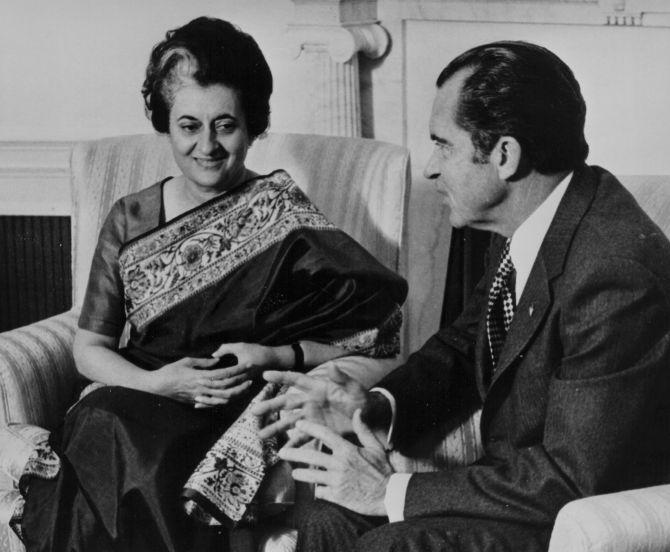
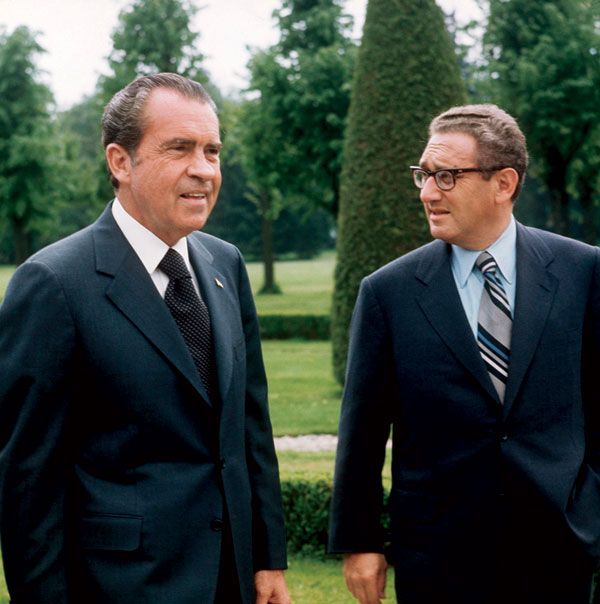
Special Frontier Force-Establishment No. 22-Vikas Regiment and the Vietnam War. The Bald Eagle-Golden Eagle-Operation Eagle-Nixon Connection.The Bald Eagle-The Golden Eagle-Operation Eagle-The Nixon Connection. The US President Richard M. Nixon visits South Vietnam on July 30, 1969.The Bald Eagle-The Golden Eagle-Operation Eagle-The Nixon Connection. The US President Richard M.Nixon with Mrs. Indira Gandhi, Prime Minister of India during his visit on July 31, 1969.The Bald Eagle-The Golden Eagle-Operation Eagle-The Nixon Connection. The US National Security Adviser Dr. Henry A. Kissinger with Mrs. Indira Gandhi, Prime Minister of India.The Bald Eagle-The Golden Eagle-Operation Eagle-The Nixon Connection. The US President Richard M. Nixon with Mrs. Indira Gandhi, Prime Minister of India during his visit on July 31-August 01, 1969.The Bald Eagle-The Golden Eagle-Operation Eagle-The Nixon Connection. Mrs. Indira Gandhi, Prime Minister of India with the US President Richard M. Nixon at the White House on November 04, 1971.The Bald Eagle-The Golden Eagle-Operation Eagle: What is the Connection? Indian Prime Minister Indira Gandhi with the US President Richard Nixon at the White House, Washington, D.C. on November 04, 1971. The US did not sanction Operation Eagle.The Bald Eagle-The Golden Eagle-Operation Eagle-The Nixon Connection. Mrs. Indira Gandhi, Prime Minister of India with the US President Richard M. Nixon at the White House, November 04, 1971.The Bald Eagle-The Golden Eagle-Operation Eagle: What is the Connection? Indian Prime Minister Indira Gandhi with the US President Richard Nixon in Washington, D.C. on November 03/04, 1971. The US did not sanction Operation Eagle.The Bald Eagle-The Golden Eagle-Operation Eagle: What is the Connection? Indian Prime Minister Indira Gandhi with the US President Richard Nixon in the White House, Washington, D.C. on November 03/04, 1971. The US did not sanction Operation Eagle. The Bald Eagle-The Golden Eagle-Operation Eagle-The Nixon Connection. Mrs. Indira Gandhi, Prime Minister of India with the US President Richard M. Nixon in the White House on November 04, 1971.The Bald Eagle-The Golden Eagle-Operation Eagle: What is the Connection? Indian Prime Minister Indira Gandhi with the US President Richard Nixon in Washington, D.C. on November 04, 1971. The US did not sanction Operation Eagle.The Bald Eagle-The Golden Eagle-Operation Eagle: What is the Connection? Indian Prime Minister Indira Gandhi with the US President Richard Nixon in Washington, D.C. on November 03, 1971. The US did not sanction Operation Eagle.
SPECIAL FRONTIER FORCE-ESTABLISHMENT NO. 22-VIKAS REGIMENT- OPERATION EAGLE 1971 AND THE VIETNAM WAR:
THE EAGLE CONNECTION: THE BALD EAGLE-THE GOLDEN EAGLE-OPERATION EAGLE – WHAT IS THE CONNECTION?
The military action in the Chittagong Hill Tracts that initiated the Liberation of Bangladesh during 1971 is known as Operation Eagle. This military action used the military power of ‘The Bald Eagle’ and is executed by ‘The Golden Eagle’ without getting the formal approval or sanction of the US President.
Operation Eagle was a very modest military confrontation as compared to the Vietnam War. However, a comparison must be made to understand the use of military force to defeat an enemy to obtain a political objective. The Operation Eagle was executed using US weapons, ammunition, US military radios, medical supplies, assorted tools and equipment, field gear, and U.S. Military Field Rations-Meals Ready to Eat or MREs that the US Army was using in the conduct of the Vietnam War.
In a hilly, forest terrain, the use of aerial firepower or bombing campaigns will not dislodge the enemy. The enemy must be found on the ground and must be directly attacked. This is a view of Mizo Hills of India taken from Chittagong Hill Tracts in the foreground.
The military objectives of the Vietnam War could not be accomplished because of the reliance placed upon aerial bombardment to defeat the enemy. Operation Eagle was small in its scope and size. But, it did not rely upon the use of aerial bombardment. We operated on a ‘manpack’ basis, went in search of enemy positions, and directly challenged the enemy at his own post. United States failed to attack the enemy on the ground during the Vietnam War. To defend South Vietnam, the military strategy and planning would call for Infantry attacks on the enemy inside North Vietnam. United States used more bombs as compared to the number of bombs that were dropped during the Second World War and yet could not dislodge the enemy from his entrenched positions. We need to fight and engage the enemy on the ground. Secondly, during Nixon’s presidency(1969-1974), while engaged in War, the President conceded the battle by befriending the Enemy.
OPERATION EAGLE 1971 AND THE VIETNAM WAR INFANTRY WEAPONS AND FIELD GEAR:
OPERATION EAGLE 1971 AND THE VIETNAM WAR INFANTRY WEAPONS, FIELD GEAR AND COMMUNICATION EQUIPMENT. INDIA’S GOLDEN EAGLE SYMBOLIZES THE MILITARY OPERATION THAT WAS WAGED WITH THE MILITARY EQUIPMENT PROVIDED BY THE BALD EAGLE THAT SYMBOLIZES AMERICAN MILITARY POWER.
A military action by Infantry is best understood by examining the weapons that are used. During Operation Eagle 1971 and the Vietnam War, the Infantry used the same kinds of Infantry weapons. We must ignore the sophisticated technology and the firepower of United States Navy and Air Force. The battle must be won on the ground. During Operation Eagle 1971 we used the same Infantry weapons, equipment, and other supplies more effectively in our battle as compared to US Armyin its combat missions against its enemy in Vietnam. We did not use helicopters as gunships or to attack the enemy in support of ground troops. I would like to share some of the photo images of the Infantry Weapons and equipment that were used in the Vietnam War and which I have seen during Operation Eagle 1971.
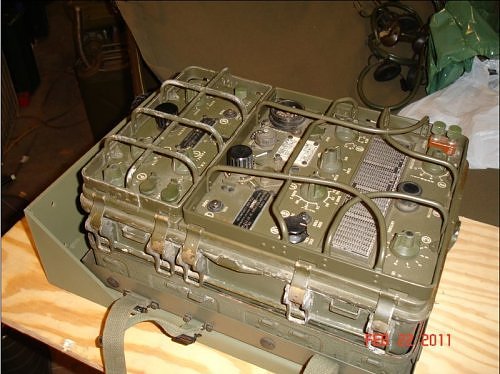
The General Purpose Machine Gun M60 was designed for use in the Vietnam War was equally useful for Operation Eagle in the Chittagong Hill Tracts.M1 Muzzle loading 81mm Mortar is a heavy piece of Infantry weapon which provides indirect fire support. During Operation Eagle, our men carried them on their backs and used them to fire upon the enemy patrols and enemy posts. The most common weapon used by American Infantry Battalions in World War II, Korea, and Vietnam. Operation Eagle was fought on a manpack basis and this short-range, lightweight mortar was very useful.Rifle is the most basic Infantry weapon. M14 Infantry Assault Rifle was used in Vietnam. During Operation Eagle 1971, I politely refused to use this M14 Rifle as my personal weapon.The men used this Rifle. During Operation Eagle 1971, I could not bring my Sub Machine Gun or SMG and willingly participated in the battle without carrying the M14 Rifle.During Operation Eagle 1971 we were not allowed the use of cameras or photography. I would have looked like this man wearing Olive Green Coat Poncho. I used US Army Cap-Field.A Soldier needs his gun, boots, and clothing to protect himself. During Operation Eagle 1971, I used this US Army Nylon Poncho with Hood(Olive) to sleep on the ground and as a coat to protect myself from intense fog and dew prevalent in the Chittagong Hill Tracts.Short-range, manpack, portable, frequency modulated(FM) transceiver that provides two-way voice communication. Radio Set AN/PRC – 25 is used in the Vietnam War and I used the same in Operation Eagle. Two-way voice communications could be easily monitored by the enemy. Fortunately, It posed no problem as the enemy in the Chittagong Hill Tracts had no linguistic experts. I openly communicated with my Unit Commander in my native language of Telugu and there was absolutely no risk of revealing any sensitive information.The Bald Eagle-The Golden Eagle-Operation Eagle: What is the Connection?The Bald Eagle-The Golden Eagle-Operation Eagle: What is the Connection?The Bald Eagle-The Golden Eagle-Operation Eagle – What is the Connection? The military water canteen and the water purification pills used are the same.The U.S. Army uses a variety of Individual Field Medical Kits. The Kits issued to us during Operation Eagle 1971 were Olive Green Canvas pouches worn on the belts by each individual. The medical supplies included Water Purification Tablets for use in water bottles, anti-Malaria pills, Insect Repellent Solution(DBP), Insect Repellent Cream(DMP), Injectable Tubonic Morphine, tetracycline tablets, Multivitamin tablets, Field dressings, bandages and others. The Kits were not stamped but the contents reveal the place of origin.Infantry marches on its feet. Boots are the most important equipment apart from Guns. I used Ankle Canvas Boots during Operation Eagle and marched on feet to fight and dislodge the enemy from the Chittagong Hill Tracts. The Canvas Boots lasted for the entire duration of Operation Eagle. They were better than the leather boots that I would use in other operational areas.The Bald Eagle-The Golden Eagle-Operation Eagle-The Nixon Connection. On November 03, 1971 the Connection was revealed to me by the military equipment and tools that I used in the conduct of the military operation in the Chittagong Hill Tracts.
WAR AND PEACE – A FAILURE OF U.S. DIPLOMACY:
United States failed in Vietnam as it failed to develop a clear vision to achieve its goal of resisting and containing the expansion of Communist Power in Southeast Asia. U.S. efforts to stop the spread of Communism got derailed by Dr. Henry Kissinger who chose the option of backstabbing people who support the United States in its global mission to oppose Communism using diplomacy and military power. U.S. gave away a lot during the Paris Peace Talks basically defeating the accomplishments of its military and literally ridiculing their sacrifices. The several concessions given to the Peoples’ Republic of China to win its cooperation failed to stop the flow of military assistance to North Vietnam.
The establishment of US-China relations gave no advantage to the United States for its War in Vietnam. United States added insult to its own injuries by seeking the support of Communist China to attack India across its Himalayan frontier in the North East Frontier Agency in a vain bid to stop India in its efforts to liberate Bangladesh during 1971.
President Nixon and Dr Henry Kissinger failed in their attempt to block the launching of Operation Eagle, the Bangladesh Ops of 1971.During 1971, Richard Nixon and Dr. Kissinger played on the Sino-Soviet Split. United States moved to normalize trade with China. Dr. Kissinger and President Nixon visited Peking(Beijing) to befriend Communist China. Did it stop China from delivering military assistance to North Vietnam? Did this famous meeting stop Hanoi’s EASTER OFFENSIVE in March 1972?President Nixon met Communist China’s Prime Minister Chou Enlai. Did this act of friendship help the US Army in the Vietnam War? Could it stop Communist North Vietnam from launching its major invasion of South Vietnam during March 1972? Using this friendship, both President Nixon and Dr. Kissinger tried their best to stop India from Liberating Bangladesh during 1971. This Nixon and Chou Enlai friendship did not stop the Liberation of Bangladesh which India initiated with Operation Eagle in the Chittagong Hill Tracts.Dr. Kissinger’s diplomatic initiatives totally fail the US Policy in Southeast Asia. Communist China remains a huge military threat in this region and United States fails in its mission to curb the expansion of Communist Power.
THE BALD EAGLE AND THE GOLDEN EAGLE CONNECTION:
The Bald Eagle and the Golden Eagle came together as Operation Eagle.
My Unit participated in Operation Eagle during 1971-72 to gain practical experience of Infantry Combat Operations to fight against Communists in a future battle.
The Operation Eagle 1971-72 was inclined towards peace. It intended to deliver peace to the people of Bangladesh who declared their independence from Pakistan during March 1971.
The War in Vietnam is over and yet the threat of Communism still persists in Southeast Asia. To deliver peace to people of Southeast Asia, the United States must learn from its failure in Vietnam. The failure was not that of the US Army which willingly sacrificed the lives of over 58,000 of its fighting men and women. The US political leadership had failed the US military mission in Vietnam. United States must seek assistance from the people of Southeast Asia and fight its enemy on the ground and dislodge the enemy in a ground battle.
Dr. R. R. Narasimham, B.Sc., M.B.B.S.,
Service Number: MS-8466, Rank. Captain,
Branch: Army Medical Corps/Short Service Regular Commission. Designation: Medical Officer, South Column Operation Eagle 1971-72.
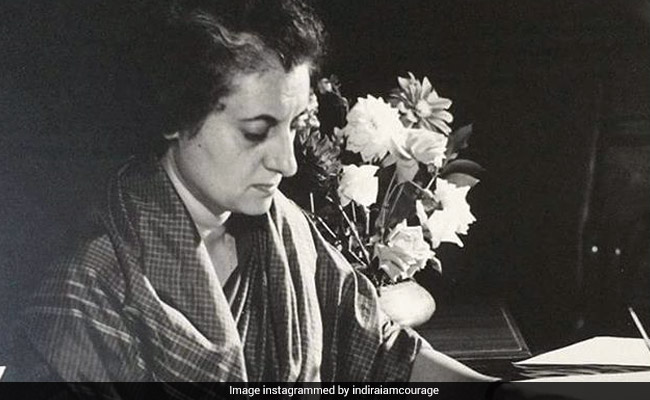
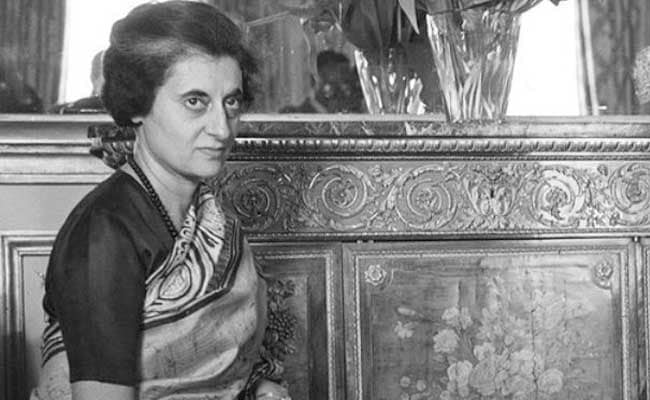
October 31, 1984. Prime Minister Indira Gandhi. A Flame that got extinguished.Prime Minister Indira Gandhi. A Flame that got extinguished on October 31, 1984.Prime Minister Indira Gandhi. A Flame that got extinguished on October 31, 1984.Prime Minister Indira Gandhi. A Flame that got extinguished on October 31, 1984.Prime Minister Indira Gandhi. A Flame that got extinguished on October 31, 1984.Prime Minister Indira Gandhi. A Flame that got extinguished on October 31, 1984. Operation Eagle(1971)-Public Grievance Registration Number: MODEF/E/2011/00761 dated 24 September, 2011 is asking Government of India to give due recognition to a participant of Prime Minister Indira Gandhi’s military action in the Chittagong Hill Tracts that initiated the Liberation of Bangladesh during 1971. This was India’s Undeclared War on Pakistan that started on November 03, 1971.Prime Minister Indira Gandhi. A Flame that got extinguished on October 31, 1984.Prime Minister Indira Gandhi. A Flame that got extinguished on October 31, 1984.
Organization: Special Frontier Force-Establishment No. 22-Vikas Regiment
Prime Minister Indira Gandhi with President Richard Nixon on November 03, 1971 while I was taking part in Operation Eagle to initiate Liberation of Bangladesh with military action in the Chittagong Hill Tracts.Prime Minister Indira Gandhi took the executive responsibility to initiate military action in the Chittagong Hill Tracts to initiate the Liberation of Bangladesh during 1971. The Battle Plan was named Operation Eagle.On completion of my military training and medical internship, I was sent on deputation to serve in Special Frontier Force (Establishment No. 22), a multinational defense alliance/pact which is supervised by the Prime Minister and the Cabinet Secretariat/The Directorate General of Security.Prime Minister Indira Gandhi. A Flame that got extinguished on October 3, 1984.
From “Rudi” to Rudolf J. Siebert of Western Michigan University, Kalamazoo, Michigan. The Verification of The Dialectical Theory of Religion.
Rudi is my nickname. I studied Natural Sciences. I was introduced to the name Rudolf Ludwig Carl Virchow while I studied Human Pathology.
Rudolf Virchow, German pathologist in 1855 coined the biological dictum “OMNIS CELLULA E CELLULA” – All living cells arise only from pre-existing living cells.
Dr. Virchow is known as the Pope of Medicine. Cellular Pathology (1858), regarded as the root of modern pathology, introduced the third dictum in cell theory: Omnis cellula e cellula (“All cells come from cells”). I refer to Dr. Rudolf Virchow’s Cell Theory in my analysis of man, society, and religion.
From “Rudi” to Rudolf of Western Michigan University, Kalamazoo, Michigan. The Verification of The Dialectical Theory of Religion.
The story of Professor Rudolf of Western Michigan University is of interest to me as it relates to a person named Rudolf of German descent. But, I do respect his age. I want to give my attention to Western Michigan University (WMU). Does this School believe in the principles of academic freedom and academic integrity at places of higher learning? My concern directly relates to their teaching of the subject called ‘Comparative Religion’. What is the WMU trying to compare? It appears that the University is indulging in comparing human thoughts described as “Religion” without any concern about the Unchanging, Everlasting, Eternal Truth or Reality called God.
MENDEL’S LAWS OF INHERITANCE VS HUMAN EVOLUTION: CRETACEOUS-TERTIARY EXTINCTION EVENT ABOUT 65 MILLION YEARS AGO WIPED OUT APPROXIMATELY 80 PERCENT OF ALL SPECIES OF ANIMALS INCLUDING A GREAT VARIETY OF DINOSAURS.
I directly ask the WMU to reject the redundant idea of comparing religions as the same God is existing now as in the past when planet Earth had no living species identified as Homo sapiens. sapiens. To begin with, Earth had no religion and human thoughts about God are of only recent origin. Without knowing God who exists irrespective of the presence or absence of human thought, how could we postulate about the future of society, and the future of religion?
Professor Rudolf’s hypothesis for the future of society and the future of religion needs basic verification. His predictions apparently have not considered the fact of man’s creation as a rational being. The social/political/religious conflicts recorded in human history simply reveal that the man is alienated, separated, or even ignorant of his true or real nature. How can there be any tensions or conflicts between religions if the man has a rational experience of true God, the Reality that never changes, the Reality that is never influenced by time or place?
The Vitruvian Man. c. 1492. The painting by Leonardo da Vinci displays the spirit of scientific inquiry. The inquiry of Man must begin with the investigation of Consciousness.
The Theory of Man:
I would be happy if Professor Rudolf Siebert joins this conversation to briefly explain his ‘Theory of Peace’. Firstly, I have to ascertain his theory of man. I appreciate his interest in comparative religions. Most religions, unfortunately, deal with the Theory of God without properly accounting for the entity who is concerned about God.
SPIRITUALITY SCIENCE – THE PROMISE OF GOOD OLD AGE: THE OLD TESTAMENT BOOK OF GENESIS IS A WRITTEN RECORD OF THE LIFE-SPAN OF HEBREW PEOPLE. HUMAN HISTORY AND THE RECORDS OF HUMAN LONGEVITY BEGIN WITH THE CREATION OF ADAM AND EVE IN THE GARDEN OF EDEN. THE HEBREW WORD ADAM MEANS MAN.
I am not opposed to the Biblical preaching, the story of the man and woman described in the Book of Genesis. So, we have a man and a woman. Now, I ask Dr. Rudolf Siebert, his colleagues, his students, to tell me the rest of the story about the man who desires to find peace in his living condition and living experience. How can there be an experience called peace without knowing the man?
Professor Rudolf Siebert’s ‘Dialectical Theory of Religion’ proposes three global alternative futures of human society. His second alternative Future, the entirely militarized society, is a product of his creative imagination without any correspondence to the present-day reality called Military Service. I ask Rudolf to describe the name of the country to which his imagined militarized society may belong. The military is a very sophisticated professional service and the professional soldier is unwilling and is unprepared to manage the affairs of the society in which he may live.
From “Rudi” to Rudolf of Western Michigan University, Kalamazoo, Michigan. The verification of The Dialectical Theory of Religion.
For example, the problem of civilian unrest in Hong Kong cannot be managed by professional military service. The military does not believe in the use of tactics used by the Police Service to manage civilian unrest or street protests. A professional soldier does not use a baton, teargas, water cannon, taser gun, or rubber bullets. Do you want the professional soldier to abandon his training to embrace the role of the policeman?
From “Rudi” to Rudolf of Western Michigan University, Kalamazoo, Michigan. The Verification of The Dialectical Theory of Religion.Rudolf J. Siebert was born in Frankfurt a.M., Germany. He studied history, philology, philosophy, sociology, psychoanalysis, and theology at the University of Frankfurt a.M., the University of Mainz, the University of Munster, and the Catholic University of America, Washington D.C. from 1947 – 1955. Professor Siebert has taught, lectured, and published widely in Western and Eastern Europe, the United States, and Canada. He is a professor of Religion and Society in the Department of Comparative Religion at Western Michigan University, Kalamazoo, Michigan, USA. He is the director of the Center for Humanistic Future Studies at Western Michigan University since 1980, the director of the international course on the “Future of Religion” in the Inter-University Center for Post-Graduate Studies in Dubrovnik, Yugoslavia / Croatia since 1975, and the international course on “Religion and Civil Society” in Yalta, Crimea, and Ukraine since 1999. The Inter-University Center is sponsored by the University of Simferopol, Simferopol, Ukraine, and Western Michigan University.
Professor Siebert’s main works are The Critical Theory of Religion: Frankfurt School, and From Critical Theory to Critical Political Theology: Personal Autonomy and Universal Solidarity. From 1955 to the present, Professor Siebert has developed the critical or dialectical theory of religion out of the critical theory of society, from the endeavors of the Institute for Social Research at the University of Frankfurt, globally known as the “Frankfurt School,” and in continual discourse with sociologists, psychologists, anthropologists, economists, philosophers, religionists, and theologians from the United States, Canada, England, Belgium, Holland, France, Germany, Yugoslavia / Croatia, Israel, and Columbia. The dialectical theory of religion emphasizes the three global alternative futures of society: Future I – the totally administered society; Future II – the entirely militarized society; and Future III – the reconciled society. It stresses the three global alternative futures of religion: Future I – religious fundamentalism; Future II – total secularization; Future III – the open dialectic between the religious and the secular aiming at a post-modern reconciliation between a reformed religion and transformed secular enlightenment.
From “Rudi” to Rudolf ofWestern Michigan University, Kalamazoo, Michigan. The verification of The Dialectical Theory of God.
LIVING TIBETAN SPIRITS. MY MARGINALIZED EXISTENCE IN EXILE
My marginalized existence in exile.
Living Tibetan Spirits who inhabit my consciousness know the experience of my marginalized existence in exile.
I am alive without Freedom or Free Will to choose. I can narrate my story either as a Blessing or a Curse. In my belief, when the man suffers, the Lands gets cursed.
As the desire for Freedom is the root cause of my pain and suffering, how can I receive the Blessings of Peace?
Rudra Narasimham Rebbapragada
Special Frontier Force-Establishment No.22
Living Tibetan Spirits
Vanished homelands of Tibet
Meghaa Aggarwal | Updated on October 18, 2019, Published on October 18, 2019
Living Tibetan Spirits. Marginalized Existence in Exile.
Living Tibetan Spirits. My marginalized existence in exile.
Uncertain ground: The politics of Tibet’s geography is so contested that even a map of the region could land the publishers in trouble.
Madhu Gurung’s deeply researched anthology Tibet With My Eyes Closed, evokes the history, culture, and identity of a community that is at risk of being forgotten
Sixty years ago, Chinese occupation forced the 14th Dalai Lama to flee Tibet and seek refuge in India. Thousands of Tibetans followed him, giving up a nomadic, agrarian life for a marginalized existence in exile. The 11 stories that make up journalist Madhu Gurung’s anthology Tibet With My Eyes Closed are true accounts of displaced Tibetans trying to find salvation in the midst of heartbreaking loss.
Dehradun-based Gurung has worked with organizations such as Oxfam, UNIFEM, BBC, and the Bill and Melinda Gates Foundation. Her first book The Keeper of Memories, historical fiction on the Gorkhas, was shortlisted for the Shakti Bhatt First Book Award in 2016. The author, whose mother was Tibetan, seems driven by a passionate need to inform. She begins the book with a background to Tibet, which instinctively makes me seek out a map. That’s when the irony hits home. We are talking of such fraught geography that even an innocuous map of the Tibetan region can land publishers in trouble!
Living Tibetan Spirits. Marginalized Existence in Exile.
Living Tibetan Spirits. My marginalized existence in exile.
Tibet With My Eyes Closed: Stories Madhu Gurung Speaking Tiger Non-fiction ₹350
Prayer flags of five colors — blue, white, red, green and yellow — representing the five core elements of space, wind, fire, water, and earth respectively are synonymous with Tibetan Buddhism. The stories in this anthology have been divided under the colors of the prayer flags and have some elements of the colors woven into their background. The author has also added an insightful introduction explaining the significance of the flags and how the elements have inspired her stories. However, the associations feel somewhat tenuous and I found myself wondering whether it was necessary to divide the contents as well as feature an introduction to explain the division. The anthology opens with stories of refugees besieged by memories of home as they try to regain their lives under a foreign sky. It then transitions to the experiences of a new generation of Tibetans born and brought up in India, carving out their paths and identities in the new land. Mid-way, one learns of the tragic guerrilla wars that the Tibetans waged for their homeland from the windswept Mustang Plateau in Nepal. Towards the end, it speaks of the human ability to persevere and dream of possibilities, despite great odds. References to the Chushi Gangdruk, the guerrilla Tibetan army that waged war against the Chinese, and the 22 Establishment, a secret force of Tibetans recruited by India in the wake of its humiliating defeat in the Sino-Indian war of 1962, appear several times across the book. However, sufficient variety is provided by the stories of a Tibetan man’s pursuit of an Indian passport, of a young man who gives up monkhood to embrace his sexual identity and of a grieving old widow who finds solace in stray dogs.
Tibet with my Eyes Closed is not an unputdownable page-turner. It is a compilation of stories laced with facts and observations that compel the reader to pause. The author takes no shortcuts in her effort to build narratives that are not only immersive but also greatly illuminating. However, in places, the details seem extraneous. For instance, in the story, Tibet With My Eyes Closed, the author speaks of Tibetan poet, writer and activist Lhasang Tsering whose poem inspired the title of this anthology. She writes about how he is greatly influenced by the saint and poet Milarepa who is revered in Tibet for his songs. But she doesn’t end there. She writes of how Tsering was born exactly 900 years after Milarepa and how his songs have also been translated in English, in a book called the Shambhala. Such additions appear somewhat forced, as the story would read much the same without them. I was fascinated by the author’s journey to Mustang in pursuit of former Chushi Gangdruk warriors, as documented in the story, In the Footsteps of Buddha’s Warriors. Not only is it a testament to the author’s keen research but also to the undaunted commitment to her subject. Unlike the other stories in this anthology, In the Footsteps of Buddha’s Warriors and Amala, which is a memoir of the author’s mother, are both personal accounts. This prompted me to wonder whether it might have been better to have them as part of a longer introduction that spoke of the experiences driving the author’s writing. These, however, are minor misgivings about this much-feted collection that has been endorsed by several prominent personalities. I just wished, though, that all these endorsements had been kept on the back cover or some of them shifted inside, to leave the reader with more room to admire the striking cover painting and design by Vikram Singh Verma. With the sky and mountains in shades of red against a monastery in tones of black and white, the cover is deeply atmospheric and stirring. If the role of literature is to create empathy and build understanding, Tibet with My Eyes Closed succeeds amply. It is an important piece of literature about a people and region, that, as Shashi Tharoor puts it in his endorsement, ‘are at risk of being forgotten’.
Meghaa Aggarwal works in children’s publishing and writes features on education and the environment
Published on October 18, 2019 bookreview
Living Tibetan Spirits. Marginalized Existence in Exile.
I AM A REFUGEE. I DO NOT ENJOY AMERICA’S FREEDOM. MY FREEDOM IS STOLEN.
His Holiness the Dalai Lama had to flee from Tibet in 1959 for he sensed a threat to his life from the Chinese authority. I joined the Tibetan Resistance Movement in India on September 22, 1971. I experienced threat to my existence on three separate occasions from the Chinese authority that forces the Dalai Lama to live in Exile. The threat posed by China has stolen my freedom.
I AM A REFUGEE. I DO NOT ENJOY AMERICA’S FREEDOM.
I have chosen the profile imageof my stolen Indian Army picture ID to describe my plight on account of my stolen freedom. My Indian Army picture ID was stolen in 1972 at Cuttack, near CharbatiaAir Base operated by Aviation Research Centre (ARC). My Indian Army picture ID was purposefully stolen because of my association with The Research and Analysis Wing (R&AW or RAW), the Intelligence Agency of India which formulated my association with The U.S. Central Intelligence Agency (CIA). My stolen Indian Army ID of 1972 resurfaced in Indian Movie TE3Nin 2016. It accounts for the loss of my freedom and the fear it arouses in my heart since 1972.
Rudra Narasimham Rebbapragada
SPECIAL FRONTIER FORCE-ESTABLISHMENT NO. 22
Am a refugee but I enjoy India’s freedom: Dalai Lama
By: FE Online | Published: October 14, 2019, 4:16:48 PM
I am a Refugee. I do not enjoy America’s Freedom for I have no Refuge.
Dalai Lama has been living in India since 1959. He had to flee Tibet after he sensed a threat to his life from the Chinese authority in the wake of Tibetan uprising. Former Prime Minister Jawahar Lal Nehru offered Dalai Lama to set up the Government of Tibet in Exile in Dharamshala, Himachal Pradesh.
I am a Refugee. I do not enjoy America’s Freedom.
Tibetan spiritual leader Dalai Lama on Sunday hailed India for its freedom and said that he has been here for the last 60 years as a refugee but still enjoys the freedom that this country offers. “We already enjoy freedom in India. It’s been 60 years…one way, I am a refugee, but I enjoy India’s freedom,” he said while responding to a question on his freedom struggle for Tibet. When asked about whether he thinks that Tibetans can get freedom by living in India, Dalai Lama said that he had tried to go back to Tibet but that could not happen because there was no freedom to preserve “our own culture”. The spiritual leader said that he had also appealed to the United Nations in this regard.
“At that time Pandit (Jawahar Lal) Nehru advised me that the United Nations can not do much…sooner or later much better to approach Chinese and talk to China. I think that was realistic advice. And in 74, we decide(ed) not to take independence, (we) tried to remain within the Republic of China but we should have got certain rights (from China) for the preservation of our own culture,” he told news agency ANI.
HISTORY OF THE US-INDIA-TIBET RELATIONS. I AM A REFUGEE. I DO NOT ENJOY AMERICA’S FREEDOM.
Lord Gautama Buddha has stated that the experience of sorrow or ‘DUKHA’ is unavoidable. If the experience of pain is inevitable, the experience of Compassion is also inescapable. The experience of Compassion gives us the sensation of Sweetness called ‘MADHURYA’. Photo by Noelli from the Flickr site. http://www.dalekoniedaleko.pl
Lord Gautama Buddha’s simple preachings have generated intense debate and discussion among his followers leading to the creation of different Schoolsof Buddhist Thought, varying traditions, apart from the production of volumes of literature in various human languages.
In my analysis, Lord Gautama Buddha and the various brands of Buddhism with established traditions have failed to formulate a complete ‘Theory of Man’. In my view, Buddhism as such is an incomplete study of the Man for it fails to comprehend the nature of the living matter, the living substance, the corporeal matter described in Biology as ‘protoplasm’ or ‘cytoplasm’ which is found in all living things.
The spiritual inquiry, the spiritual investigation, the spiritual study of the Man demands the learning process called ‘Adhyatma Vidya’, the Knowledge of Self, or the spiritual journey called Self-Discovery to answer the two fundamental questions about the Man. The questions are 1. Who am I? and 2. Why am I like this? Lord Gautama Buddha’s life journey begins with a quest to find answers for the conditioned nature of human existence but his study remains incomplete for he has not studied the human being whose existence is conditioned.
Venerable Samdhong Rinpoche speaks of the salient features of the religion, which originated in India
Beginning his study of Buddhism in the Gadhan Dhechenling Monastery, in Tibet, Venerable Samdhong Rinpoche, came to India in 1959, at the age of 20. He headed the Central Tibetan Administration, Dharamsala, for two terms. A highly regarded scholar of Buddhism, he has held many important positions with academic and administrative responsibilities. A few of them: Member General Body Indian Council of Philosophical Research; member, Governing Council, Asiatic Society, Kolkata; member of the National Advisory Committee for Buddhist Studies; President, Association of Indian Universities; President, Coomaraswamy Centre for Traditional Studies, Lucknow; member, Association of Commonwealth Universities. Member, Governing Body, Krishnamurti Foundation of India, Chennai; member, Expert Advisory Committee, Ministry of Culture, Government of India.
Venerable Samdhong Rinpoche was in Chennai for a short visit. The following are excerpts from an interview with him:
What are the distinctive features of Tibetan Buddhism?
First of all, there is no such thing as Tibetan Buddhism. It is an expression, which Western scholars use, and I do not know why they do. Do you talk of British Christianity or American Christianity? There are different schools of philosophy in Buddhism like Mahayana, Hinayana, etc. But Buddhism is not divided by geography. If at all there is any country to which Buddhism belongs, that is India, because Buddha was born here. It is Indians who can take pride in Buddhism because it originated here.
I stand corrected. Let me rephrase the question. What is special about Buddhism in Tibet?
Buddhism in Tibet is a complete tradition. Educational centers such as Nalanda, Taxila, Bodhgaya, and Sarnath produced Buddhist canonical literature. All of this was translated into the Tibetan language.
How big is this collection of Tibetan works?
We have a compilation of 108 volumes of Buddha’s teachings. It includes 3,000 titles. Woodblock techniques have been used to preserve ancient Tibetan texts. We also have 223 volumes of commentaries of Indian scholars, which include 4,000 titles. The topics range from Mahayana and Hinayana to Ayurveda, dharma, and literature.
Prof. Hahn’s dissertation was on Vrttamalastuti, where each stanza illustrated a different Sanskrit meter. It was a text that was preserved only in a Tibetan translation. And this kindled Hahn’s interest in recovering the Sanskrit literature of Buddhism from Tibetan translations. So, would it be correct to say that Tibetan translations have helped preserve the Buddhist tradition, because of the possibility of re-translations from Tibetan to Sanskrit?
Certainly. Tibetan translations are the most accurate, and the Tibetan collection is also the largest available translation of Buddhist texts. The original texts, which were in Sanskrit were lost when Nalanda University was destroyed. Mahayana texts were in Sanskrit, whereas Hinayana texts were mostly in Prakrit. In Tibet, Mahayana school is followed. So, if we want the original Sanskrit texts about Mahayana, we can now work backward from Tibetan to Sanskrit. So, in that way, the Tibetan translations help us to get back the basic Sanskrit texts.
Hahn was a close friend of mine. But even before Hahn, there were other European scholars who took an interest in Buddhist literature which had been translated to Tibetan. The Italian scholar Tucci, for instance. Tibet enjoys an unbroken lineage of Buddhism, and before the days of Communism, Buddhists from Russia and Mongolia came to Tibet and studied Buddhist teachings preserved in the Tibetan language.
You talk about Mahayana texts in Sanskrit. What about the commentaries? Were they also in Sanskrit?
Yes, but Buddhist Sanskrit is a hybrid Sanskrit. It is a mixture of Sanskrit, Prakrit, Apabrahmsa, etc. Paninian sutras were not strictly followed.
Why was it a hybrid?
Because the Buddha spoke in a simple language. He wanted his teachings to reach the masses. So, he spoke a language that was easy to understand.
And what about efforts at translation now? Are they continuing?
A lot of translation work has been going on in the Central Institute of Higher Tibetan Studies in Sarnath, Varanasi. It is a deemed University. I was associated with the Institute for 30 years, first as Principal and then director. One hundred Tibetan Buddhist texts have been translated to Sanskrit by the scholars in this University.
Where can we find the largest collection of Tibetan texts?
In the Library of Congress in the U.S.
And in India?
The Institute of Tibetology in Sikkim, the library in Dharamsala, in Sarnath and the Central Institute of Buddhist studies in Leh, Ladakh.
What is the Tibetan way of ordination for monks?
In the bhikshu ordination, mulsarvastivadin school is followed in Tibet.
Does Buddhism in Tibet follow Tantric traditions?
Wherever Mahayana is followed, there is a tantric tradition. So, this is not unique to Tibet.
Does Buddhist art vary according to the school of philosophy followed?
If you observe minutely, there might be some differences. But by and large, art is just an expression of imagination. So, there are only a few minor variations. But mandala constructions are found only in art based on Vajrayana, which is a part of Mahayana.
MY COMMENT ON THE ABOVE INTERVIEW BY MS.SUGANTHY KRISHNAMACHARI WAS NOT APPROVED BY THEHINDU.COM
‘Buddhism in Tibet is a complete tradition’ on thehindu.com
My Comment:
Buddhism is an incomplete study of the man: I am affiliated to a military organization called Special Frontier force-Establishment No. 22-Vikas Regiment where I medically examined hundreds of Tibetan men and women. Lord Gautama Buddha’s preachings are essentially simple. However, they generated numerous interpretations and massive human literature in different languages. He examined the conditioned nature of human existence without fully examining the human being whose existence is conditioned. Buddhism remains an incomplete study irrespective of its various traditions. It is incomplete for it does not study the living matter or the living substance of the man while sharing views on the human condition of the living being with a physical form that we identify as the man.
Vitruvian Man, the creation of Leonardo da Vinci – Spirituality Science. The Discovery of Bhavanajagat.org: The Self-Discovery begins with the two fundamental questions. 1. Who am I ? and Why am I like this?
A fresh look at the Tibetan Resistance Movement in India.
Ms. Madhu Gurung in her book, “Tibet With My Eyes Closed” takes a fresh look at the Tibetan Resistance Movement in India.
Rudra Narasimham Rebbapragada
SpecialFrontierForce
Review: Tibet With My Eyes Closed by Madhu Gurung
A fresh look at the Tibetan Resistance Movement in India.
A fresh look at the experience of Tibetan refugees in India
A fresh look at the Tibetan Resistance Movement in India.
BOOKS Updated: Oct 04, 2019 19:03 IST
Thubten Samphel Hindustan Times
The Dalai Lama speaks at a Tibetan temple in McLeod Ganj.(Shyam Sharma/Hindustan Times)A fresh look at the Tibetan Resistance Movement in India.
253pp, Rs 350; Speaking Tiger
There is a new interest in Tibet and Tibetan culture amongst the Indian public. This is because of the Dalai Lama’s tireless efforts to reach out to the Indian public to alert them to the relevance of ancient India’s wisdom in our vexing times. There is also whispered foreboding of what would happen to the Tibetan community in India and elsewhere and the fate of Tibet itself when he is no longer what us.
Tibet With My Eyes Closed is a fresh look at the experience of the Tibetan refugees in India and the pain of separation of families and being uprooted from their homeland. It is also of a story of how the community as a whole faced and still faces the challenges of adaption and survival.
In her exploration and discovery of the Tibetan refugee community in India, Madhu Gurung quotes an old Tibetan proverb. “If I tell you my dream, you might forget it. If I act on my dream, perhaps you will remember it, but if I involve you — it becomes your dream too.” Madhu Gurung’s dream of the Tibetan community in exile is a gentle paring of the community’s many layers of strength, weakness, human quirks and the need to survive as an individual and community.
The author kicks off her Tibetan story by narrating in broad contours the birth of the resistance movement in Tibet in the 1950s. This resistance relocated to Mustang in Nepal and then fought in Bangladesh’s war for independence. Some scholars call the Tibetan soldiers who fought in the war “Phantoms of Chittagong.” Sangay, the main protagonist in Gurung’s first story Zinda, was a little boy when members of his family whispered the formation of the resistance in central Tibet. He expressed his wish to join the resistance. He was told to wait till he became thirteen. Then, “You … will be of some use to them.”
Tibetan resistance grew not only because of repression and forced land distribution but also because of the implementation of the Great Leap Forward with its excessive stress on industrialization to the neglect of agriculture and production of food. This created the biggest famine in Chinese history and Tibet was caught up in this man-made disaster.
A fresh look at the Tibetan Resistance Movement in India.
Madhu Gurung ( Courtesy the author )
Sangay and his father, leaving with excruciating pain other family members, including his mother, behind in Tibet, were able to escape this political disaster and the great famine. In India “everything was strange – the language, the food and the people.” At school, he got a greater shock, a huge dent to his Tibetan pride and sense of self and identity. He discovered that the Tibetans were the ‘nowhere’ people. His schoolmates did not know where Tibet was.
However, during the period of ‘liberalization’ which the post-Mao leader Deng Xiaoping initiated in China and Tibet, Sangay was able to return to Tibet and bring his mother to their new home in Dehradun auspiciously named Zinda. Shakti Gurung informs the readers that Sangay’s home village in Tibet called Zinda which the author says in Hindi means “Alive.”
That Sangay survived all these ordeals is a tribute to his character and his generation of Tibetan refugees. Back in the late 1950s while on their way to Lhasa, someone in his group shouted: “Lhasa is burning.” These days rather than burning Lhasa is drowning in concrete, amazing infrastructure development and the sheer weight of the growing demographic strength of the migrant Chinese workers. Tibet With My Eyes Closed is a cautionary tale for the countries and people strung along the Himalayan belt. You might be next, maybe an exaggeration but exaggeration is not enough to describe the true intentions and scale of the People’s Republic of China’s ambitions. The book is also a cautionary tale for the coming generation of Tibetan exiles. They inherit a cohesive and productive community scattered across the globe, a legacy of the first generation of Tibetan refugees. Keeping its cohesion and productivity will be a huge challenge in the coming years of adversity.
Thubten Samphel is an independent researcher and a former director of the Tibet Policy Institute
A fresh look at the Tibetan Resistance Movement in India.