June is Professional Wellness Week – The benefits of Sixth-Day Adventist Positive Work Culture. This article is dedicated to the loving memory of Jessica Cole of Seventh-Day Adventist Church, Bangalore (Bengaluru), India.
This article is dedicated to the loving memory of Jessica Cole, my relative who lived in Bangalore (Bengaluru), India as a member of the Seventh-Day Adventist Church. She inspired me to formulate the Sixth-Day Adventist Positive Work Culture.
June is Professional Wellness Week – The benefits of Sixth-Day Adventist Positive Work Culture
The U.S. Working Week
June is Professional Wellness Week – The benefits of Sixth-Day Adventist Positive Work Culture
As in most industrialized countries, the Standard Work Week in the United States begins on Monday and ends on Friday. During the Depression, President Herbert Hoover called for a reduction in Work Hours in lieu of layoffs. Later, President Franklin Roosevelt signed the Fair Labor Standards Act of 1938, which established a five-day, 40-hour workweek for many workers.
June is Professional Wellness Week – The benefits of Sixth-Day Adventist Positive Work Culture
Benefits of a Healthy Work Culture
June is Professional Wellness Week – The benefits of Sixth-Day Adventist Positive Work Culture
The benefits of a healthy workplace culture are innumerable. Some of the most astounding benefits that a strong culture has to offer include
Highly engaged and productive teams—Research shows that when employees view their organization’s culture positively, they are 3.8 times more likely to be engaged at work; in fact, a staggering 89 percent of “highly engaged” employees claim that the culture in their organization is positive.1 Some of the markers that are associated with increases in employee engagement rates include workplace connections2; clear communication around organizational goals, objectives, and plans for implementation or execution3; community, inclusivity, and teamwork; learning and development opportunities4; frequent feedback; commitment to wellbeing and wellness programs; and above all, trust in senior management.
June is Professional Wellness Week – The benefits of Sixth-Day Adventist Positive Work Culture
Improved retention and recruitment—In a study conducted by Deloitte, organizations that had the strongest workplace cultures were much more likely to attract and keep talent, including 59 percent less attrition. Given that corporate culture is now more important than compensation or material benefits when employees decide whether to work for a certain organization, organizations with high employee satisfaction rates and employee experience stories testifying to a strong workplace culture are likely to have a larger pool of potential hires to choose from compared to their competitors, and are likely to hold on to new talent for the long-term—a needed perk amongst mounting evidence that suggests that Gen Z, on average, is spending significantly less time at a given job compared to older generations.
June is Professional Wellness Week – The benefits of Sixth-Day Adventist Positive Work Culture
Healthier employees—While toxic work cultures are linked to poor health outcomes, the opposite is also true. Research shows that employees who think positively of their workplace culture tend to have lower heart rates and blood pressure, as well as stronger immune systems. As this makes employees less likely to get sick, organizations that tout healthy workplace environments also observe 41 percent reductions in absenteeism and presenteeism.
June is Professional Wellness Week – The benefits of Sixth-Day Adventist Positive Work Culture
Fewer accidents, injuries, and mistakes—In addition to fewer absences and less sick days, founder and CEO of Choose People, Kris Boesch, reports that organizations with people-centric or “people-first” cultures boast 26 percent fewer mistakes, accidents, and work-related injuries.
June is Professional Wellness Week – The benefits of Sixth-Day Adventist Positive Work Culture
Greater customer satisfaction and higher profitability—When employees feel healthier and happier in the workplace thanks to a positive work culture, research shows that such feelings tend to rub off on the customers they interact with, making for an improved customer service experience. Consequently, PwC insights reveal that organizations with strong cultures are a whopping 89 percent more likely to report higher customer satisfaction.—but not only that, they are also more likely to report revenue increases up to four times that of their competitors (with an average increase of up to 682 percent for organizations with thriving cultures compared to just 166 percent for organizations with poor cultures).
June is Professional Wellness Week – The benefits of Sixth-Day Adventist Positive Work Culture
Organizational resiliency and adaptability—Managers almost unanimously agree that a positive workplace culture creates more resilient teams. In fact, a strong company culture is responsible for helping nearly 70 percent of organizations adapt better to the pandemic. According to new insights from PwC, 67 percent of senior leaders cited a strong culture as the tool that helped change initiatives happen and helped them to maintain and drive successful outcomes.
The Concept of Positive Sixth-Day Adventist Work Culture is inspired by God’s Work Week:
June is Professional Wellness Week – The benefits of Sixth-Day Adventist Positive Work Culture
The details of God’s Work Week are vividly described in Genesis, Chapter 1.
June is Professional Wellness Week – The benefits of Sixth-Day Adventist Positive Work CultureJune is Professional Wellness Week – The benefits of Sixth-Day Adventist Positive Work CultureJune is Professional Wellness Week – The benefits of Sixth-Day Adventist Positive Work CultureJune is Professional Wellness Week – The benefits of Sixth-Day Adventist Positive Work CultureJune is Professional Wellness Week – The benefits of Sixth-Day Adventist Positive Work CultureJune is Professional Wellness Week – The benefits of Sixth-Day Adventist Positive Work CultureJune is Professional Wellness Week – The benefits of Sixth-Day Adventist Positive Work CultureJune is Professional Wellness Week – The benefits of Sixth-Day Adventist Positive Work CultureJune is Professional Wellness Week – The benefits of Sixth-Day Adventist Positive Work CultureJune is Professional Wellness Week – The benefits of Sixth-Day Adventist Positive Work CultureJune is Professional Wellness Week – The benefits of Sixth-Day Adventist Positive Work Culture
Six is a number perfect in itself. God created the world and the man in Six Days because this number is perfect. For that reason, the man must also choose a Six-Day Work Week.
June is Professional Wellness Week – The benefits of Sixth-Day Adventist Positive Work Culture. The Seventh-Day Adventist Church in Loma Linda, California inspires me to formulate the Sixth-Day Adventist Positive Work Culture.
The Fair Labor Standards Act (FLSA) is fundamentally flawed for it is not inspired by the Sixth-Day Adventist Positive Work Culture
June is Professional Wellness Week – The benefits of Sixth-Day Adventist Positive Work Culture
The Material Basis of Spirituality. What is Matter? and What is Spirit? If materialism is about the influence of material wealth, I would like to use the Power/Force/Energy called Money to talk about Life and Death. The Laws of Conservation are applicable to both living, and non-living matter. Hence, it can be stated that “Life can neither be created nor destroyed.” If any person can refute my claim using valid, scientific information, I would give the person a US $1,000 bill as a reward
This blog post is dedicated to Goddess Sarasvati, the Goddess of Pure Knowledge and Perfect Wisdom:
Bharat Darshan defines Life as Knowledge in Action. Goddess Sarasvati symbolizes the pursuit of Knowledge and Wisdom and helps me to define Life as Knowledge in Action.
What is Knowledge?
Knowledge is defined as the act, fact, or state of knowing a range of information. The act of knowing requires knowledge or information relevant to a particular act. The state of knowing describes the condition that characterizes an object in which such knowledge or information exists. If knowledge is defined as a fact of knowing some information, it describes a clear perception, or understanding, or awareness, or cognizance of information that pertains to that fact. Knowledge can only exist, can only be found in an object which has the abilities of perception, understanding, awareness, or cognition. In other words, knowledge is an attribute of the act, fact, or state of living. A living object is the seat of knowledge and the presence of knowledge could be verified or detected in any of the actions or activities of that living matter. The act of living requires a state or condition of knowing information relevant to sustaining life’s functions.
Bharat Darshan defines Life as Knowledge in Action. If the human brain or mind is viewed as the Seat of Knowledge, hands, and feet, or the muscles used in vocalization are the sites where Knowledge is transformed into Action.
In common usage, the word knowledge is used to describe all that has been perceived or grasped by the human brain or mind. The learning, the body of facts, principles, etc., accumulated by man is stated as his knowledge. The state of knowing becomes evident only when knowledge is transformed into action. The man displays knowledge in the use of his hands and feet in the performance of his actions. Man can communicate his knowledge in his speech, in his writings, and in his use of a variety of tools, instruments, gadgets, and machines. If the human brain or mind is viewed as the seat of knowledge, hands, and feet, or the muscles used in vocalization are the sites where knowledge is transformed into action. Knowledge involves receiving/storing information at one site and using that information in the performance of action at a different site. The ability and the quality of a man’s function reflect upon his state of knowledge relative to that function. Knowledge is verified during its application to perform a function. This concept or understanding of knowledge in action could also be used in the context of describing functions at the cellular level.
Bharat Darshan defines Life as Knowledge in Action. The Da Vinci Telerobotic Surgical System permits the surgeon to perform an operation on a patient from a remote site. The mechanical robotic arm could perform tasks with great precision while it has no knowledge of its own.
While information can be found in books, in writings, in speech/ speech recordings, and etc., it should not be described as knowledge. A robotic, mechanical arm could perform tasks with great precision while it has no knowledge of its own. Knowledge, awareness, and ability to use information exist only as an attribute of life or as an act of living.
WHAT IS LIFE? LIFE IS KNOWLEDGE IN ACTION:
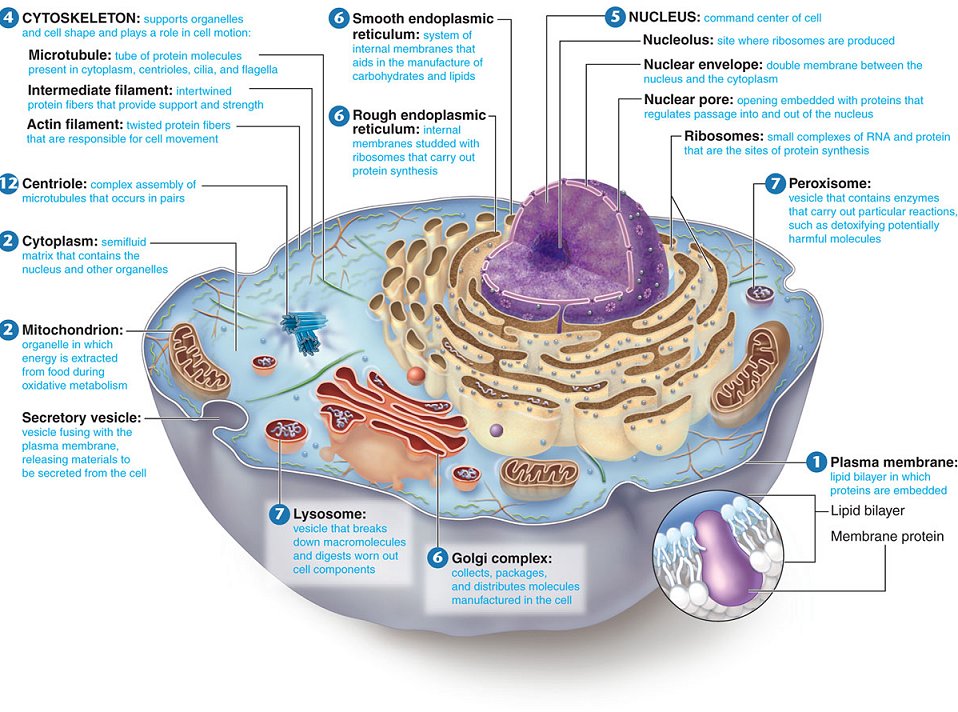
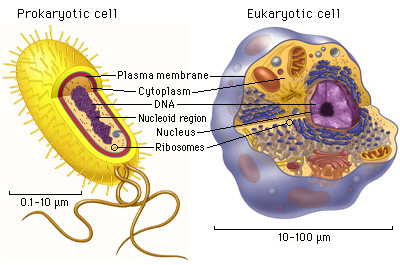
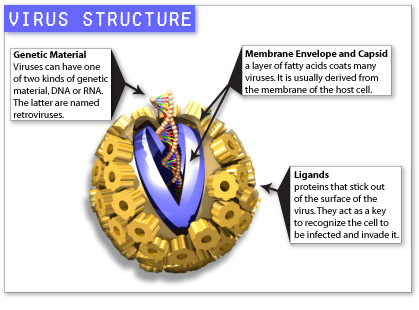
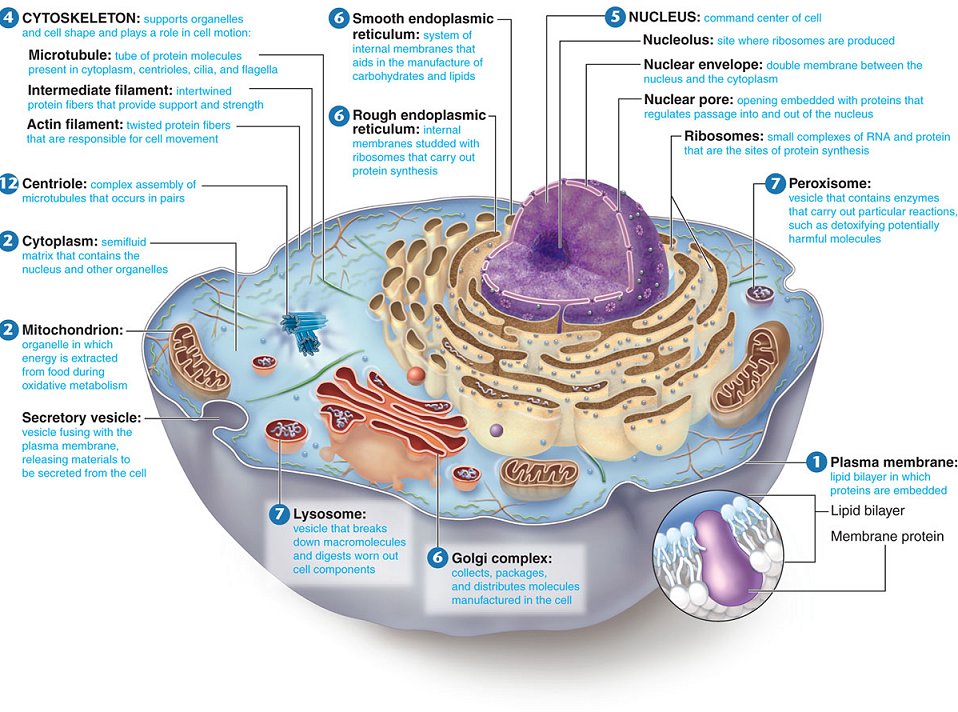
Bharat Darshan defines Life as Knowledge in Action. Anatomy of Plant Cell clearly illustrates that Life exists because of the establishment of Knowledge, the source of Information for a variety of biological functions.Bharat Darshan defines Life as Knowledge in Action. Both Bacterial (Prokaryotic), Animal, and Plant (Eukaryotic) Cells share similar Characteristics. The Living Cell functions by application of information contained in its genetic material. Use of information to perform action describes the Knowing and it represents Knowledge in Action.Bharat Darshan defines Life as Knowledge in Action. Virus particles composed of Nucleic Acids either RNA or DNA within a case of Protein, in its Free State the Virus particle behaves like Inert matter and when it infects living cells of plants, animals, or bacteria the Virus starts replicating using the Chemical Energy and Nucleic Acid synthesizing abilities of the host Cell. The Application of Knowledge in Viral Replication is very interesting.Bharat Darshan defines Life as Knowledge in Action. The Structure of the Influenza Virus reveals its Functional Organization. Each function involves the application of Knowledge. This Knowledge is derived from its hereditary information.Bharat Darshan defines Life as Knowledge in Action.The Virus exists because of genetic material which provides it the information to perform its function that is characteristic of its existence.Bharat Darshan defines Life as Knowledge in Action. A living cell performs a variety of functions that are characteristic of its life. The Cell Structure known as Nucleus is the Seat of Knowledge. In structures known as Chromosomes it stores hereditary, and biological information for its growth, development, replication, reproduction, and metabolic functions such as protein synthesis for its growth and maintenance. Protein Synthesis takes place in structures known as Ribosomes that are located in Cytoplasm outside the Nucleus. Nucleus transfers information to Ribosomes by using Transfer RNA. Nucleus provides only information and to use that information for its function of Protein Synthesis, the Ribosome derives Energy from another Cell Structure known as Mitochondrion. This process of Cellular Function describes Knowledge in Action.
Life is described as a state of an organism characterized by certain processes or abilities that include metabolism, nutrition, growth, motion, replication, reproduction, responsiveness to stimuli, and awareness of its own condition of existence or living in an environment. The act of living could be stated by describing the functions that characterize life. Functions depend upon the use of information; the information that is stored at a particular site or location is transferred to a different site or location where it is transformed into action which constitutes the nature of functioning. Life is always associated with its living functions and these functions depend upon the use of energy. If the Nucleus is viewed as the Seat of Knowledge of a Living Cell, it communicates its Knowledge to another Cell Structure known as Ribosome which is the Site of Action for the Knowledge transferred from the Nucleus. The Ribosome performs its action of Protein Synthesis drawing Energy provided by another Cell Structure known as Mitochondrion. So also the human brain provides information and sends signals to muscles to perform actions. Muscle cells perform actions drawing Energy from Mitochondria of their Cells. This process called Living depends upon the use of Energy. If Life is a manifestation of an Energy or Life Force, Life could be defined as Knowing the Connection between ‘energy-Seeker'( or energy-demanding molecules ) and an ‘Energy-Provider’ or Source of Energy (or energy-yielding molecules). Life and its functions are the evidence of its State of Knowledge. Hence, Life could be defined as “Knowledge in Action.” Life comes into existence or into a state called Living, and Life begins with the establishment of Knowledge in an object or matter that gains the identity of a Living Organism.
What is Life? Life is Knowledge in Action. What is Matter? and What is Spirit? If materialism is about the influence of material wealth, I would like to use the Power/Force/Energy called Money to talk about Life and Death. The Laws of Conservation are applicable to both living, and non-living matter. Hence, it can be stated that “Life can neither be created nor destroyed.” If any person can refute my claim using valid, scientific information, I would give the person a US $1,000 bill as a reward.
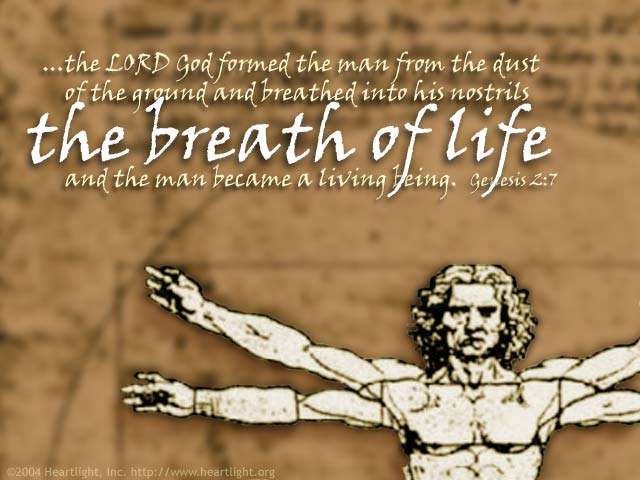
Bharat Darshan describes the Breath of Life as a vital, spiritual function.
The Spiritual Connection of Man, Earth and Sun: The process or mechanism called Cellular Respiration is not learned or acquired experience. No Spiritual Teacher, no Spiritual Master, and no Spiritual Guide can implant this Knowledge in Man.
Air and the act of Respiration deliver the vital element Oxygen to the body and then blood circulates this vital element to rest of the building blocks of the body called cells.
No religious doctrine mentions about Cellular Respiration. But, understanding of Existence and Life will be impossible without examining the Connection between Air, Breath, Vayu, Respiration and Food that sustains Life by providing Matter and Energy drawn from an external source.
The understanding of Spirit or Soul begins with knowing as to When Life begins.
I ask my readers to begin their inquiry by studying the Single, Fertilized Egg Cell which initiates a man’s Life Journey. This Cell has Life, has ‘Prana’ for it performs the vital function called ‘Cellular Respiration’.
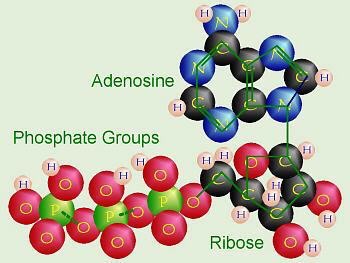
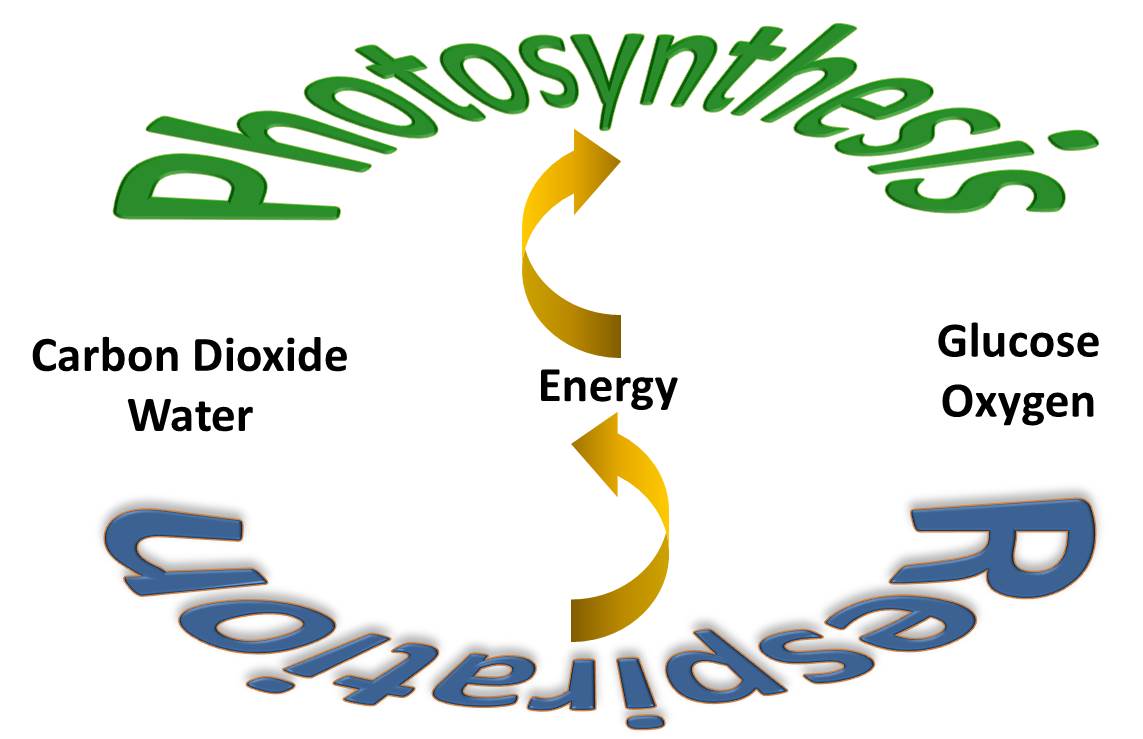
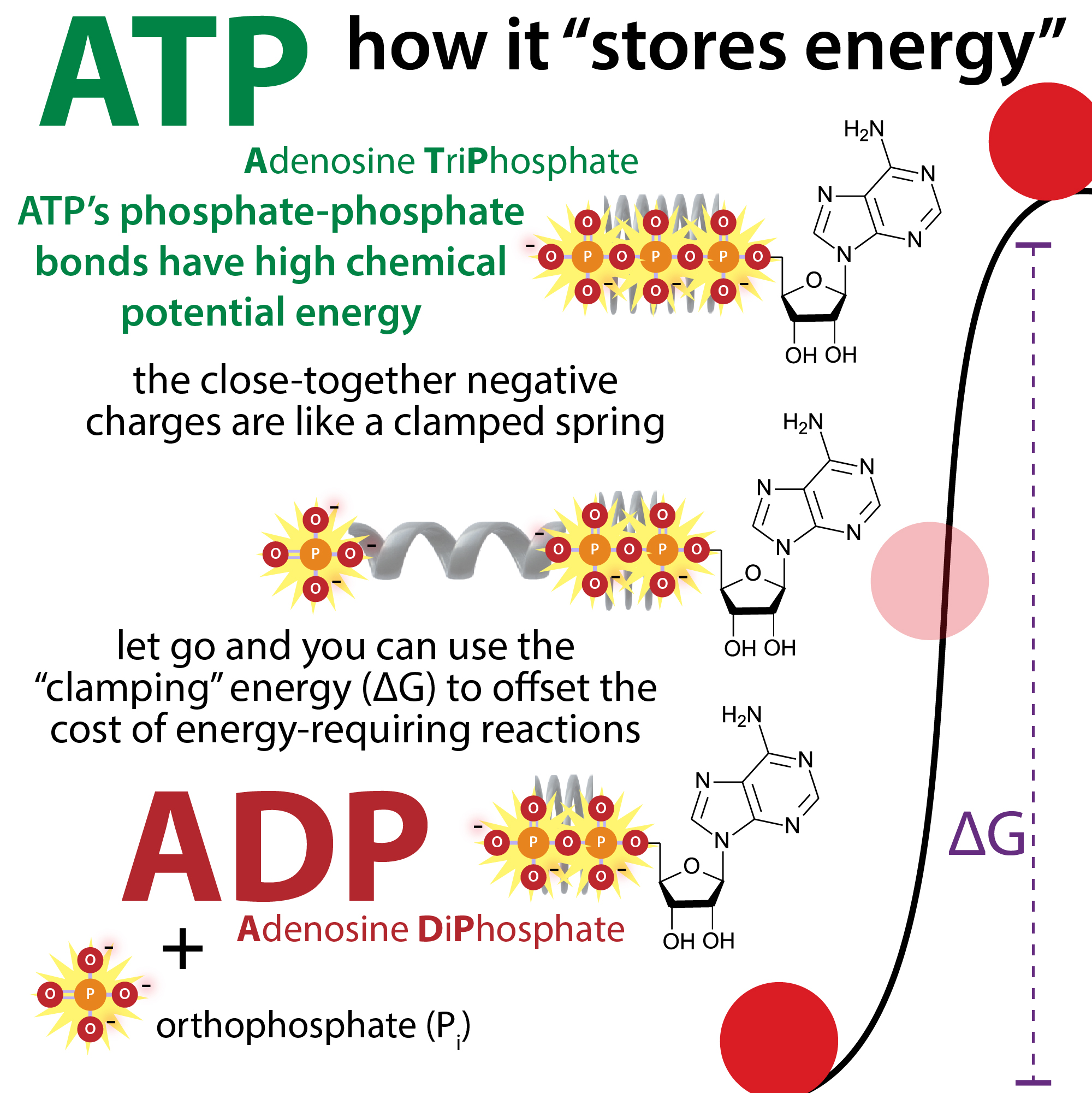
The vital functions called Respiration and Circulation, the Breath of Life and the Heart Beat of Life have to be interpreted by comparing Photosynthesis with Cellular Respiration. Respiration and Circulation are described as Vital Functions as they provide Vital Energy in the form of Energy-Yielding Chemical Molecules called ATP (Adenosine triphosphate) required for the performance of all living functions.
I use the term Spiritual to describe the nature of connection, relationship, partnership, association, the coming together, the joining, or the yoking of two or more distinct entities to perform guided, goal-oriented, sequential, purposeful actions to support the existence of life on planet Earth.
Sun, Photosynthesis, and Respiration demonstrate the nature of spiritual interactions between Earthly domain and the extraterrestrial or Supernatural domain. I will describe as to how Sanskrit word “Prana” describes mechanism for transmission of Knowledge from Supernatural or Heavenly Realm to Natural or Earthly Realm transcending barrier between the two realms.
Bharat Darshan describes the Breath of Life as a vital, spiritual function.
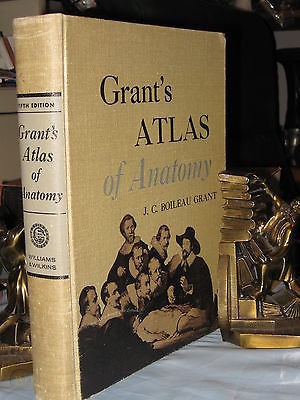
In 1965, while I was a student of Human Anatomy at Kurnool Medical College, I had the opportunity to know about Dr. J. C. B. Grant (1886-1973), the author of Grant’s Atlas of Anatomy. The 5th Edition of his Atlas was published in 1962 and was available in India in our Medical College Library.
Born in Loanhead (south of Edinburgh) in 1886, Grant studied medicine at the University of Edinburgh Medical School and graduated with an M.B., Ch.B. degree in 1908. While at Edinburgh, he worked under the renowned anatomist Daniel John Cunningham.
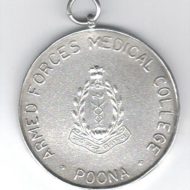
badge, headdress, British, Royal Army Medical Corps (INS 8067) Brass cap badge of the rod of Aesculapius with a serpent entwined round it, head uppermost and looking left, all within a laurel wreath. Above, an Imperial (King’s) crown and below, a scroll bearing ROYAL ARMY MEDICAL CORPS. Slider to reverse. Copyright: � IWM. Original Source: http://www.iwm.org.uk/collections/item/object/30078877Bharat Darshan describes the Breath of Life as a vital, spiritual function. The Cap Badges and the Insignia of the British Royal Medical Corps and the Indian Army Medical Corps reveal the Rudi-Grant Connection. The Indian Army Medical Corps was created from the British Royal Army Medical Corps.
Grant became a decorated serviceman of the Royal Army Medical Corps during the First World War before moving to Canada. He established himself as an ‘anatomist extraordinary’ at the University of Toronto, publishing three textbooks that form the basis of Grant’s Anatomy. The textbooks are still used in Anatomy classes today, and made unforgettable memories for those who found themselves in his classes nearly a century ago. One of Grant’s many accomplishments was establishing a division of Histology within the department.
Bharat Darshan describes the Breath of Life as a vital, spiritual function.
As a medical student, I used Grant’s Atlas of Anatomy, the seminal work of Scottish-born Dr. John Charles Boileau Grant, who would become the chair of Anatomy at the University of Toronto in 1930 and retired in 1965.
John Charles Boileau Grant (1886–1973)
The Cap Badges and the Insignia of the British Royal Medical Corps and the Indian Army Medical Corps reveal the Rudi-Grant Connection. The Indian Army Medical Corps was created from the British Royal Army Medical Corps.
The author of Grant’s Atlas of Anatomy (1943) used to train thousands of medical students around the world. He came to University of Toronto’s Faculty of Medicine from University of Manitoba (and previously Edinburgh), and was Chair of the Department of Anatomy there from 1930 to 1965. Although he is best known for this famous atlas, his research and teaching also included biological anthropology, as evidenced by such work as Anthropometry of the Cree and Saulteaux Indians in Northeastern Manitoba (Archaeological Survey of Canada 1929). The human skeletal collection he formed, the “J.C.B. Grant Collection,” is still a core collection for human osteology in the Department of Anthropology at University of Toronto. He is also remembered in the Grant’s Museum at the Medical Sciences Building at the University of Toronto. This museum, with its displays of anatomical specimens, many of which were dissected by Grant himself, continues to be used in an active learning environment by more than 1000 students each year.
Students continue to use Grant’s textbooks today, and for the more artistic anatomist there’s even a Grant’s Anatomy Coloring Book, published in 2018.
Bharat Darshan describes the Breath of Life as a vital, spiritual function.
At the University of Toronto, Dr.McMurrich, Chair of Anatomy was succeeded as chairman in 1930 by Dr. John Charles Boileau Grant. Dr. Grant wrote three text books, of which “An Atlas of Anatomy” (published in 1943) rapidly gained international prominence and is still, one of the most widely used anatomical atlases in the world. It is now known as “Grant’s Atlas of Anatomy” and is in its tenth edition. The atlas was based on a series of elegant dissections done either by Grant or by others under his supervision. Many of these dissections are currently housed in Grant’s Museum at the University of Toronto.
The Rudi-Grant Connection is about knowing the man, the building blocks and the structural units and organization of the human body. To defend human existence, the Rudi-Grant Connection lays emphasis on knowing the person who is at risk apart from knowing the agent posing the risk.
The Identity of Multicellular Human Organism:
Cunningham’s Manuals of Practical Anatomy provide me the learning tools to know and understand Man’s external and internal reality and its Identity as described by Cells, Tissues, Organs, and Organ Systems. Bharat Darshan describes the Breath of Life as a vital, spiritual function.
Daniel John Cunningham was born on 15 April 1850 in Scotland. After his initial schooling at his home town, Crieff, he took up the study of Medicine at the University of Edinburgh and passed with honours. He is best known for the excellent series of dissection manuals, namely Cunningham’s Dissection Manuals. Cunningham’s Manual of Practical Anatomy has provided me the learning tools to know and understand Man’s external and internal reality and its Identity as described by Cells, Tissues, Organs, and Organ Systems.
Cunningham’s Manuals of Practical Anatomy provide me the learning tools to know and understand Man’s external and internal reality and its Identity as described by Cells, Tissues, Organs, and Organ Systems. Bharat Darshan describes the Breath of Life as a vital, spiritual function.Cunningham’s Manuals of Practical Anatomy provide me the learning tools to know and understand Man’s external and internal reality and its Identity as described by Cells, Tissues, Organs, and Organ Systems. Bharat Darshan describes the Breath of Life as a vital, spiritual function.
I learned about the human body while dissecting the body in a systematic manner. The Manual of Practical Anatomy which guides us through this entire process was published in England. The author Dr. Daniel John Cunningham prepared the Manual while dissecting cadavers of British or Irish citizens. He had never encountered cadavers of Indian citizens. At Kurnool Medical College, Kurnool, Andhra Pradesh, India, where I was a student, the Department of Anatomy obtains dead bodies from Government General Hospital Kurnool and most of the deceased are the poor, illiterate, and uneducated people of that region. None of the deceased had the chance to know this man called Cunningham and Cunningham had no knowledge about the existence of these people who arrive on our dissection tables. But, as the dissection of the human body proceeds, inch, by inch, we recognize the anatomical parts as described by Cunningham. The manual also lists some anatomical variations and we very often exchange information between various dissection tables and recognize the variations mentioned. The dissections also involve slicing the organs and studying them, both macroscopically, and microscopically. We did not miss any part of the human body.
Cunningham’s Manuals of Practical Anatomy provide me the learning tools to know and understand Man’s external and internal reality and its Identity as described by Cells, Tissues, Organs, and Organ Systems. Bharat Darshan describes the Breath of Life as a vital, spiritual function.
What is the Identity of the human person or human subject? How does the living, multicellular human organism maintains its Identity and Individuality? Apart from the Cultural Traditions of India, several Schools of Religious Thought claim that the human soul represents the true or real Human Self. Where does this soul exist in the human body? If human soul cannot be found in the human cadaver, what is the location if soul is present in the living person? Does man have a soul? How does the human organism acquires Knowledge about its own structures and the functions they perform?
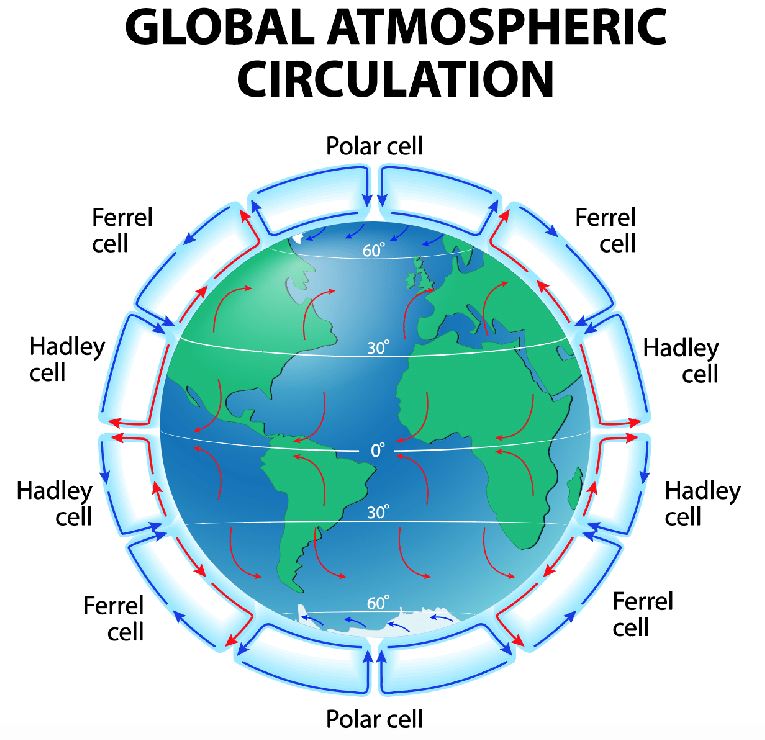
Nature supports and sustains life through various material energies, and wind or air in motion is considered to be a vital force. The Sanskrit word Prana is described as the ‘Breath of Life’ and death is generally viewed as the departure of Prana. Wind is described in Sanskrit as Vayu, Pavan, and Marut. Wind is very important and it protects planet Earth from Sun’s radiation. Sun heats up the planet in an uneven manner, and the winds redistribute the heat. The importance of wind in controlling climate, rainfall, and ocean currents is well understood.
Wind or Air in Motion – A Life Giving Force
Bharat Darshan describes the Breath of Life as a vital, spiritual functionBharat Darshan describes the Breath of Life as a vital, spiritual function
Air is the source of Carbon and Nitrogen and hence is an important source for food synthesis. Most living organisms depend upon Oxygen to sustain their metabolic activities. The carbon based fossil fuels are derived from atmospheric carbon dioxide. Wind energy is being directly harnessed as an alternate source of energy and will play a greater role in future energy supplies.
Cunningham’s Manuals of Practical Anatomy provide me the learning tools to know and understand Man’s external and internal reality and its Identity as described by Cells, Tissues, Organs, and Organ Systems. Bharat Darshan describes the Breath of Life as a vital, spiritual function.Cunningham’s Manuals of Practical Anatomy provide me the learning tools to know and understand Man’s external and internal reality and its Identity as described by Cells, Tissues, Organs, and Organ Systems. Bharat Darshan describes the Breath of Life as a vital, spiritual function.Cunningham’s Manuals of Practical Anatomy provide me the learning tools to know and understand Man’s external and internal reality and its Identity as described by Cells, Tissues, Organs, and Organ Systems. Bharat Darshan describes the Breath of Life as a vital, spiritual function. Structures between the respiratory bronchioles and alveoli are part of the respiratory pathway, since they contain alveoli and perform gas exchange.
Several cultures across this globe recognize the importance of natural elements such as wind or air. Soul, the life principle of human beings is associated with the act of breathing.
If a man is seriously wounded, is bleeding profusely, and is not breathing, the physician would first give attention to the problem of breathing and restore it before he may give attention to the bleeding wounds. If a physician had to attend upon two patients, one fully conscious, howling in terrible pain and is profusely bleeding, and the second patient who is quiet but not able to breathe on his own, the physician would give the top priority to the quiet patient who may have an obstruction in his airways and is not able to breathe on his own.
Air and the act of Respiration deliver the vital element Oxygen to the body and then blood circulates this vital element to rest of the building blocks of the body called cells.
Cunningham’s Manuals of Practical Anatomy provide me the learning tools to know and understand Man’s external and internal reality and its Identity as described by Cells, Tissues, Organs, and Organ Systems. Bharat Darshan describes the Breath of Life as a vital, spiritual function.
The living function called Cellular Respiration fundamentally involves creating the Chemical Molecules of Energy for Life. The most important organ in the body which is critically dependent upon Oxygen is brain. Compared to heart and circulation, the function of lungs and respiration are of higher importance for human survival.
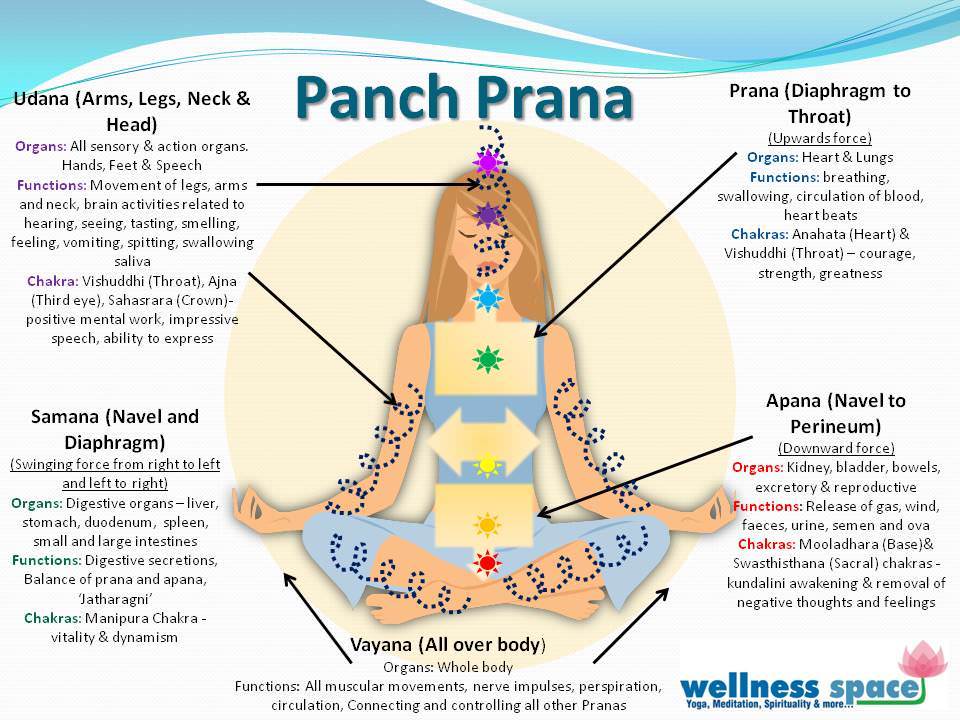
What is “Pancha Prana?”
Bharat Darshan describes the Breath of Life as a vital, spiritual function
In the Indian Tradition, Pancha Prana (Breath of Life) is described as Vyana, Samana, Udana, Apana and Prana. The term or phrase ‘Prana’ refers to air that is in the heart, and the word is generally used to describe the act of breathing or respiration, as a sign or mark of Life. In reality, this air or breath, or Vayu does not exist as a gas but in combination with the molecules of Hemoglobin contained in the Red Blood Cells.
Bharat Darshan describes the Breath of Life as a vital, spiritual function. Oxygen O2 from the alveoli diffuse into the blood. Then O2 enters the RBC and binds to hemoglobin. 3% of O2 is dissolved in plasma while 97% is bound to Hb oxyHb. The binding is reversible. Hb + O2 HbO2. 104mmHg.
Oxygen is transported in the blood in two ways: Bound to hemoglobin: About 97% of oxygen is transported in this way. Hemoglobin is a pigment found in red blood cells that binds to oxygen molecules, forming a compound called oxyhemoglobin. Each hemoglobin molecule can bind to four oxygen molecules.
Dissolved in blood plasma: About 3% of oxygen is transported in this way.
Bharat Darshan describes the Breath of Life as a vital, spiritual function. Oxygen O2 from the alveoli diffuse into the blood. Then O2 enters the RBC and binds to hemoglobin. 3% of O2 is dissolved in plasma while 97% is bound to Hb oxyHb. The binding is reversible. Hb + O2 HbO2. 104mmHg.
No religious doctrine mentions about Cellular Respiration. But, understanding of Existence and Life will be impossible without examining the Connection between Air, Breath, Vayu, Respiration and Food that sustains Life by providing Matter and Energy drawn from an external source.
The Spiritual Connection of Man, Earth and Sun: The process or mechanism called Cellular Respiration is not learned or acquired experience. No Spiritual Teacher, no Spiritual Master, and no Spiritual Guide can implant this Knowledge in Man.
When Does Life Begin?
Bharat Darshan describes the Breath of Life as a vital, spiritual functionBharat Darshan describes the Breath of Life as a vital, spiritual function
The understanding of Spirit or Soul begins with knowing as to When Life begins.
Bharat Darshan describes the Breath of Life as a vital, spiritual function. Life begins as a Single, Fertilized Egg Cell.Bharat Darshan describes the Breath of Life as a vital, spiritual function. Life begins as a Single, Fertilized Egg Cell.
I ask my readers to begin their inquiry by studying the Single, Fertilized Egg Cell which initiates a man’s Life Journey. This Cell has Life, has ‘Prana’ for it performs the vital function called ‘Cellular Respiration’.
The Spiritual Connection of Man, Earth and Sun: The process or mechanism called Cellular Respiration is not learned or acquired experience. No Spiritual Teacher, no Spiritual Master, and no Spiritual Guide can implant this Knowledge in Man.
The vital functions called Respiration and Circulation, the Breath of Life and the Heart Beat of Life have to be interpreted by comparing Photosynthesis with Cellular Respiration. Respiration and Circulation are described as Vital Functions as they provide Vital Energy in the form of Energy-Yielding Chemical Molecules called ATP (Adenosine triphosphate) required for the performance of all living functions.
The Spiritual Connection of Man, Earth and Sun: The process or mechanism called Cellular Respiration is not learned or acquired experience. No Spiritual Teacher, no Spiritual Master, and no Spiritual Guide can implant this Knowledge in Man. Energy for Life involves the creation of Adenosine triphosphate (ATP) chemical molecules.
The Spiritual Connection between Man, Earth and Sun
Bharat Darshan describes the Breath of Life as a vital, spiritual function.The existence of Life on planet Earth depends upon an external source of energy. But, Life is eternally separated from its original source of energy. What is the “Connection” between man and Sun? Does man have the physical and intellectual ability or capacity to harness Solar Energy to maintain his living functions?
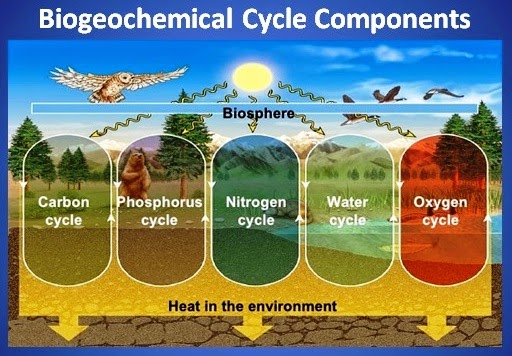
All living entities upon Earth are energy dependent and they thrive by drawing the material energy from nature. Sun is the cosmic source of energy for earthly life. Apart from energy, the Sun is the source of freshwater for all terrestrial life. Sun’s role in the hydrologic cycle could be compared to the role heart plays in the human circulatory system. Human heart is considered to be a vital organ as it works like a mechanical pump to circulate purified blood which sustains all the essential functions of the entire body. Just like the human heart, the Sun provides the energy, which very much like a mechanical pump, lifts water from the oceans into the atmosphere and during this process of evaporation the salt water is transformed into purified fresh water. This water vapor is the most important component of Earth’s atmosphere and it provides the opportunity for our earthly existence. Being the source of energy, and of fresh water, it is appropriate to describe the Sun as the Cosmic Father. His heat may put us to trouble, arouse our sense of thirst, but His rains quench our thirst. Indian Cultural traditions recognize Sun as SAVITA which means Cosmic Father and He is often described as the provider of great rains, and as a friend of waters that flow across the land surface. Earthly existence is simply impossible without this harmonious relationship between the Cosmic Sun and earthly living creatures.
The Science of Spiritual Optics – God is Light:
The Material Basis of Spirituality Science. Spiritual Optics: The most important function of light is not that of providing visual sensation. Light performs several non optical functions. Plants do not have the ability to see Light. But, plants have the ability to use light energy to perform biochemical reactions such as Photosynthesis which is a creative mechanism to trap light energy and convert it into chemical energy that living things can further use to perform a variety of their living functions. Hence light is Divine Providence to transform nonliving matter into Living Organisms which can be identified by their color, and appearance.
Sun, Photosynthesis, and Respiration demonstrate the nature of spiritual interactions between Earthly domain and the extraterrestrial or Supernatural domain. I will describe as to how Sanskrit word “Prana” describes mechanism for transmission of Knowledge from Supernatural or Heavenly Realm to Natural or Earthly Realm transcending barrier between the two realms.
The Material Basis of Spirituality Science – Spiritual Optics: Structures called Chloroplasts found inside the cells of green plants contain the green pigment known as Chlorophyll is the only substance in nature able to trap and store the energy of Sunlight. The light absorbed by Chlorophyll molecules is mainly in the red and blue-violet parts of the visible spectrum; the green portion is not absorbed but reflected, and thus Chlorophyll appears Green. The function of Light and Color is that of Creation of Life.
Optics is the scientific study of Light and the study of Light should be concerned with the genesis, nature, properties of Light and its purpose and role in the establishment of life and interactions among living things. Light is the sign of divine operation in the world of chaos and darkness. Light brings order to the world. Without a source of light, a primary source of external energy, life would be impossible on planet Earth. Further, it can be stated that light is essential for life for the synchronization of life’s living functions, and to generate the experience of peace, harmony, and tranquility in the living condition, or state. Thus light is associated with the experience called happiness.
Whole Dude – Whole Designer – Red Blood Cell: The Magic of Creation will be appreciated by simply comparing Hemoglobin molecule with Chlorophyll molecule.
Light is the source of Life. The establishment of light on planet Earth is a creative process that uses light energy to recreate the spectral colors in the lives of individual organisms. The Biological Coloration is the most compelling evidence of the fact of creation. Animals, and plants do not have the ability to generate colors by simply depending upon spontaneous, random, and unguided mutations. Biological Coloration requires complex synchronization of morphological appearance, biotic interactions and behavior of living organisms that share a given environment. Light is the primary source of external energy to support the existence of all living things. The principles of Physical Optics, Geometrical Optics, Physiological Optics have to operate in conjunction with Spiritual Optics to generate the experience of peace, harmony, and tranquility that is fundamental to existence. Life is a manifestation of order to replace disorder, or confusion that could be caused if light does not provide the stimulus called illumination that drives away darkness. It is no surprise to note that the major Biological Rhythm is called the Diurnal, or Day, or Solar Rhythm.
I use the term Spiritual to describe the nature of connection, relationship, partnership, association, the coming together, the joining, or the yoking of two or more distinct entities to perform guided, goal-oriented, sequential, purposeful actions to support the existence of life on planet Earth.
The Spiritual Connection of Man, Earth and Sun: The process or mechanism called Cellular Respiration is not learned or acquired experience. No Spiritual Teacher, no Spiritual Master, and no Spiritual Guide can implant this Knowledge in Man.
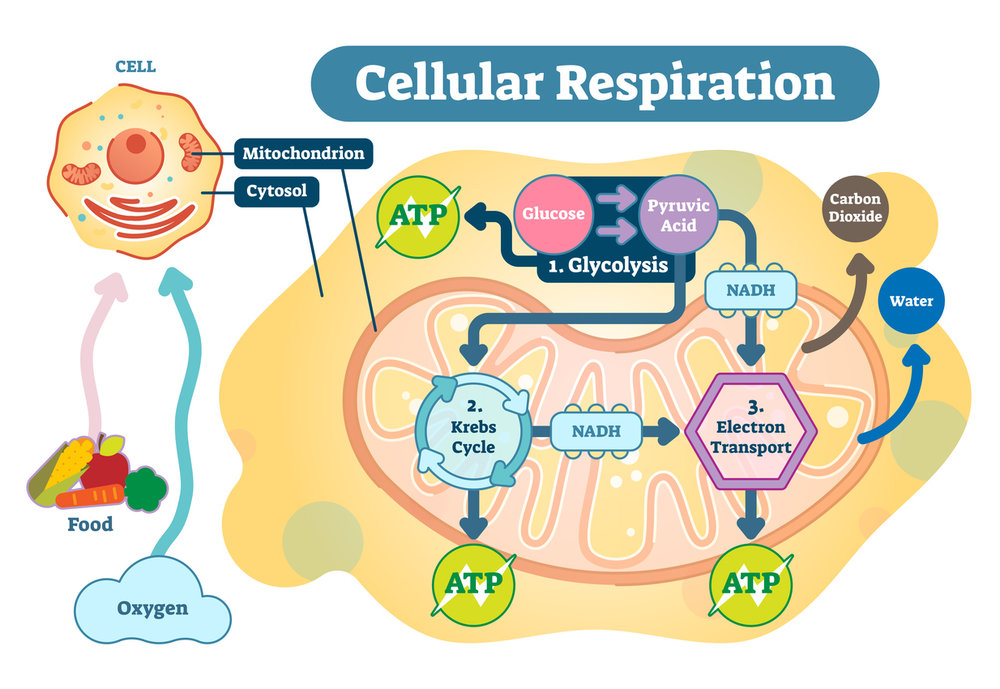
The fundamental living function performed by all the trillions of independent, individual cells of the human body is described as Cellular Respiration. This function involves the use of Oxygen molecules to create new molecules of energy using the Carbon molecules synthesized by plants performing the Photochemical Reaction called Photosynthesis. Cellular respiration is a set of metabolic reactions and processes that take place in the cells of organisms to convert biochemical energy from nutrients into adenosine triphosphate (ATP), and then release waste products. The process or mechanism called Cellular Respiration is not learned or acquired experience. No Spiritual Teacher, no Spiritual Master, and no Spiritual Guide can implant this Knowledge in Man.
Sun, Photosynthesis, and Respiration demonstrate the nature of spiritual interactions between Earthly domain and the extraterrestrial or Supernatural domain.
Veda = Knowledge – “Prana” – Mechanism for transmission of Knowledge:
The Spiritual Connection between Man, Earth and Sun: Knowledge is transmitted as Prana, the outpourings or Breath of the Supreme Being.
Man, the Physical, Mortal Being has Subjective, and Objective experience of his ephemeral existence in real world for that existence is made possible by a Principle that is ‘always present’, and ‘ever-existing’. Sanskrit language coined the term ‘ASMI’ to describe this Principle of Unity or “Eikyata.” Further, Sanskrit language coined the term “Prana” to describe ‘Vital Force’ that operates man’s physical existence in real world. ‘Prana’ describes the underlying mechanism that establishes origin of ‘Vital Force’, the basis of man-God Connection. For all living functions involve knowing a range of information, processing information, interpreting information, and using information in a selective manner, ‘Vital Force’, the animating or vital Principle found in all living things involves mechanisms to acquire Knowledge and transmit Knowledge, or supporting Cognitive abilities which perform functions of knowing often called intelligence used in performing intelligent actions as opposed to transitive actions, or mechanical functions performed by inanimate matter as per Laws of Physics and Chemistry.
The word ‘Veda’ refers to Knowledge which means the fact, the state, or condition of knowing a range of information. As mentioned before, human body performs thousands of functions which involve use of knowledge or processing information. However, human body makes no use of any known human language. In Science, they use the term ‘communication’ to describe the act of transmitting, giving or exchanging of information. Science of transmitting information between living cells and within cells (between intracellular organelle, subunits like nucleus and ribosomes) involves study of chemical molecules which function as signals or chemical messengers. Most modern cancer research involves investigating signalling pathways used by cells to communicate information for purposes such as to begin cell division or to stop cell division.
Sanskrit words very often describe an underlying mechanism while the word stands for an action performed in external world. In this context, I will describe as to how Sanskrit word “Prana” describes mechanism for transmission of Knowledge from Supernatural or Heavenly Realm to Natural or Earthly Realm transcending barrier between the two realms.
The Spiritual Connection between Man, Earth and Sun: Knowledge is transmitted as Prana, the outpourings or Breath of the Supreme Being.
To make it brief, I ask you to read about Photochemistry which is the study of chemical processes that are exclusively brought about by interaction of light with matter. Photoreception is any of the biological responses of organisms to stimulation by light.
The Spiritual Connection between Man, Earth and Sun: PHOTOSYNTHESIS AND RESPIRATION SEEN AS EVIDENCE OF MAN-GOD CONNECTION.
Photochemical reactions play a vital role in biological systems. Two important photobiological processes are 1. Vision, and 2. Photosynthesis. In plants the primary photoreceptive response is photosynthesis which involves using energy of the Sun to convert Carbon dioxide and Water to essential nutritive elements of all life. One important outcome of the photosynthetic chemical reactions is, light energy splits the Water molecule so that one of its component atoms, Oxygen is released as molecular Oxygen which serves to replenish the atmospheric Oxygen supply which would be depleted by respiration processes of most other living organisms. Life on planet Earth is made possible by Sun’s energy that splits water molecules to provide Oxygen, component of air that acts as vital force to sustain Life.Prana describes this Vital Force that operates most living functions called Oxidation-Reduction Chemical Reactions.
The Spiritual Connection between Man, Earth and Sun: OXIDATION-REDUCTION CHEMICAL REACTIONS SUPPORT ALL LIVING FUNCTIONS, FORM THE BASIS FOR INTELLIGENCE AND INTELLIGENT ACTIONS PERFORMED BY LIVING ORGANISMS.
‘Prana’ as a sign of life refers to air in the heart. The right chambers of heart deal with deoxygenated air, and left chambers with oxygenated air. Heart works as a mechanical pump circulating flow of air in the entire human body. If this activity of heart that involves air is improper or missing, life becomes difficult, and its most important consequence is that of immediate brain injury, brain damage, and brain death. Brain’s ability to process information or to provide Knowledge is dependent upon ‘Prana’, the air in human heart. The origin, or the source of this ‘Prana’ is Sun’s light energy. Sun rays are source of intellect for Sun is the Original Cause of ‘Prana’.
The Breath of My Life – Defining Indian Identity
Wind or Air in Motion is a Life Giving Force.The Breath of my Life – Defining Indian Identity. Lord Hanuman, the Son of Vayu or the Wind God, 85 feet tall, stands gracefully in Trinidad, Caribbean Islands.
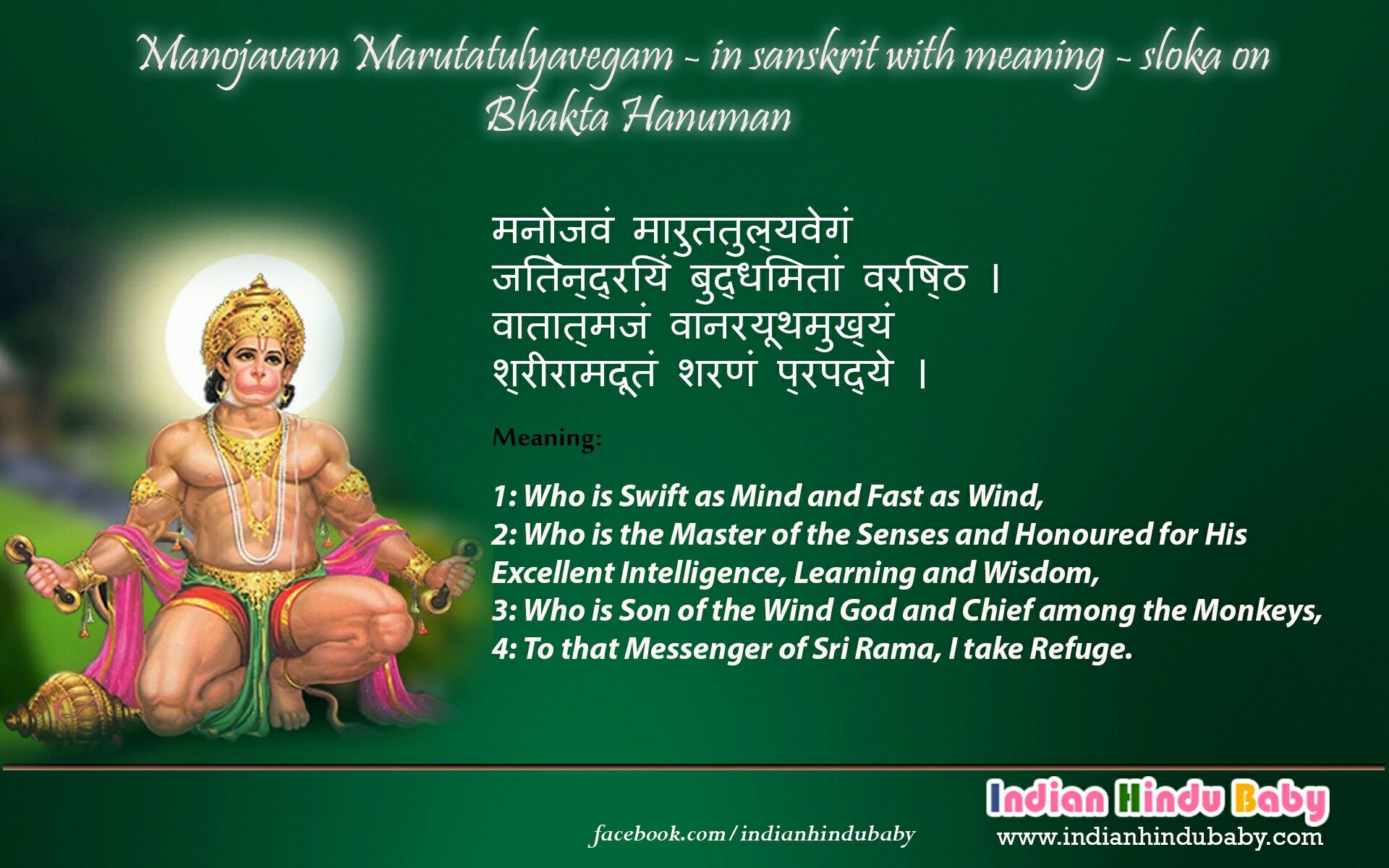
While Wind, Vayu, Pawan, or Marut are well-recognized as a life-giving force all over the world, Indians have a unique way of celebrating and showing their reverence to this natural energy. Indians all across their Land worship Lord Hanuman who is the legendary son of the Wind God Vayu. Hanuman is invariably described as the son of Wind God and in recognition of that fact He is bestowed with several names such as ‘Pavan Putra’, ‘Pavan Tanaya’, ‘Pavan Suta’, ‘Vayu Putra’, and ‘Marut Nandan’.
The Rudi-Grant Connection studies the Breath of Life as a vital, spiritual function called Cellular Respiration. Lord Hanuman – The Fear of Samsara: Man’s conditioned existence evokes a psychological response called “FEAR”. The difficulties of Life’s Journey is compared to the crossing of a Sea of unknown dimensions. To reach the destination, man needs physical help, and mental comfort. Lord Hanuman is the source of Life’s Vital Energy.
When Indians think of wind or vayu, their thoughts automatically lead to Lord Hanuman whom they value for His devotional service to Lord Rama. The worship of Lord Hanuman became popular in India after the Muslim invasion and conquest of India and beginning in the 12th century A.D. several temples were constructed to worship Him. Lord Hanuman symbolizes the Bhakti Movement (Devotional Service) in India and is generally viewed as the Protector who dispels fears about enemy.
The Rudi-Grant Connection studies the Breath of Life as a vital, spiritual function called Cellular Respiration. The worship of Lord Rama could be accomplished through worship of Lord Hanuman who had rendered an excellent and devoted service to Lord Rama.
The following hymn in praise of Lord Hanuman describe his characteristic personality:
Bharat Darshan describes the Breath of Life as a vital, spiritual function called Cellular Respiration. The Breath of my Life. Defining Indian Identity
Father’s Day, Sunday, June 16, 2024. Heavenly Father vs Earthly Father
Whole Dude – Whole Father – Whole Alienation: Father’s Day, Sunday, June 16, 2024. Heavenly Father vs Earthly FatherWhole Dude – Whole Father – Whole Alienation: Father’s Day, Sunday, June 16, 2024. Heavenly Father vs Earthly Father
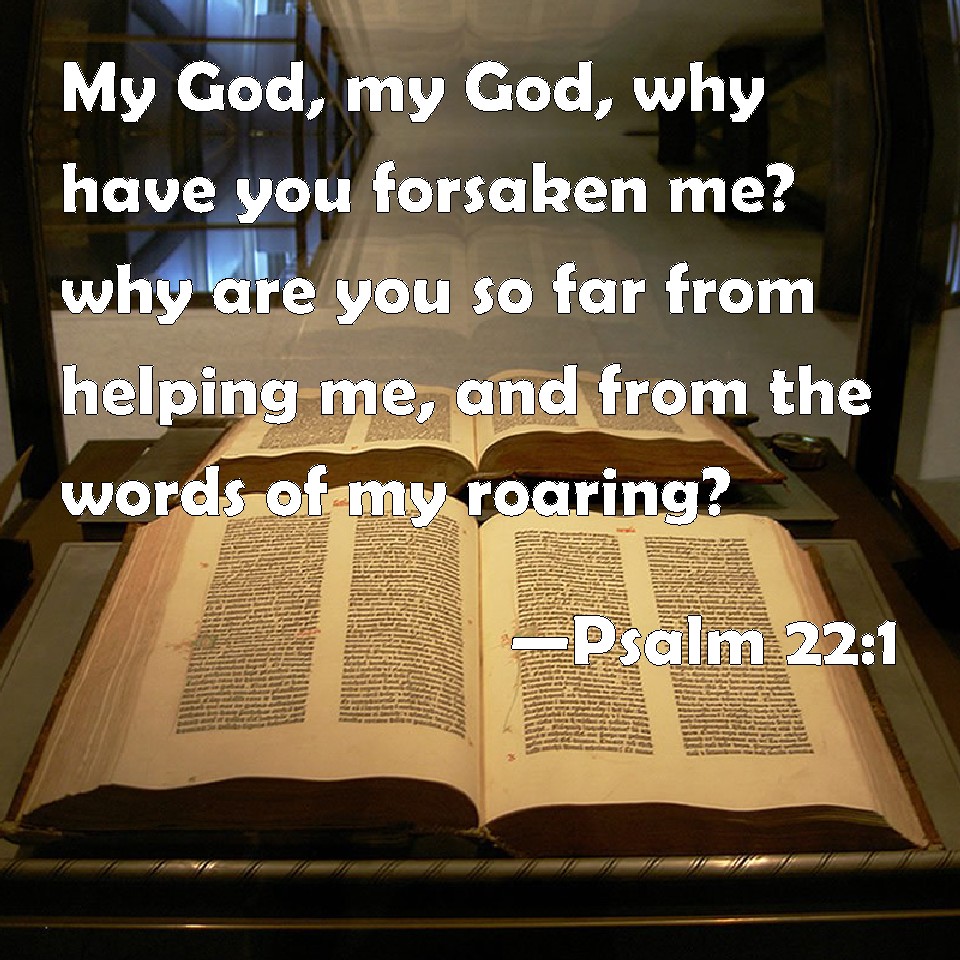
Yes indeed, Life is complicated. The complexities of Life demand the understanding of the Regulative and the Constitutive Principles of Human Existence. On Sunday, June 16, 2024, I reflect upon the Fundamental Dualism that I describe as Heavenly Father vs Earthly Father. Being constituted as an earthly dad, Rudolf Reborn as Rudi has no options other than that of repeating the famous last words of Jesus Christ, the Earthly Father when he breathed for the last time on the Cross. “ My God, My God, Why Have You Forsaken Me?”
Whole Dude – Whole Father – Whole Alienation: Father’s Day, Sunday, June 16, 2024. Heavenly Father vs Earthly Father: The Agony of the Cup vs The Burden of the Cross. The transformation of personal God to impersonal God.
On Sunday, June 16, 2024, Father’s Day, I reflect upon the unique and special relationship between God and Jesus, the Son of Man, whom I identify as my Earthly Father. I am alien, foreigner, sojourner, stranger, tenant and traveler with no place to call home.
Whole Dude – Whole Father – Whole Alienation: Father’s Day, Sunday, June 16, 2024. Heavenly Father vs Earthly Father: The Agony of the Cup vs The Burden of the Cross. The transformation of personal God to impersonal God.Whole Dude – Whole Father – Whole Alienation: Father’s Day, Sunday, June 16, 2024. Heavenly Father vs Earthly Father: The Agony of the Cup vs The Burden of the Cross. The transformation of personal God to impersonal God.
I describe myself as the alien who carries the burden of the cross as Jesus slowly moves to reach His earthly destination. Jesus is spared from the burden of carrying the cross on the day of His crucifixion.
Whole Dude – Whole Father – Whole Alienation: Father’s Day, Sunday, June 16, 2024. Heavenly Father vs Earthly Father: The Agony of the Cup vs The Burden of the Cross. The transformation of personal God to impersonal God.Whole Dude – Whole Father – Whole Alienation: Father’s Day, Sunday, June 16, 2024. Heavenly Father vs Earthly Father: The Agony of the Cup vs The Burden of the Cross. The transformation of personal God to impersonal God.Whole Dude – Whole Father – Whole Alienation: Father’s Day, Sunday, June 16, 2024. Heavenly Father vs Earthly Father: The Agony of the Cup vs The Burden of the Cross. The transformation of personal God to impersonal God.
I describe myself as Simon a Cyrenian bearing the burden of the cross under compulsion and following Jesus. I am in the City of Jerusalem and yet I am an alien for I am not a citizen of Rome, not a citizen of Israel, not a citizen of Judea, and not a citizen of Galilee. I follow Jesus but I have not yet entered the Kingdom of Heaven on Earth to claim the citizenship status. I reflect upon the Great Struggle, the Agony of the Cup held by Jesus and the Burden of the Cross I carry. The completed act of Crucifixion resolved the Agony of the Cup, the Great Struggle endured by Jesus. I am the alien who is present when Jesus, my Earthly Father cries out as the Agony of the Cup comes to its conclusion. For my Earthly Father, the completed act of Crucifixion, was the end of the Great Struggle. For me, the Agony remains the same for I have to carry the Burden of the Cross until I reach my earthly destination.
Whole Dude – Whole Father – Whole Alienation: Father’s Day, Sunday, June 16, 2024. Heavenly Father vs Earthly Father: The Agony of the Cup vs The Burden of the Cross. The transformation of personal God to impersonal God.Whole Dude – Whole Father – Whole Alienation: Father’s Day, Sunday, June 16, 2024. Heavenly Father vs Earthly Father: The Agony of the Cup vs The Burden of the Cross. The transformation of personal God to impersonal God.Whole Dude – Whole Father – Whole Alienation: Father’s Day, Sunday, June 16, 2024. Heavenly Father vs Earthly Father: The Agony of the Cup vs The Burden of the Cross. The transformation of personal God to impersonal God.Whole Dude – Whole Father – Whole Alienation: Father’s Day, Sunday, June 16, 2024. Heavenly Father vs Earthly Father: The Agony of the Cup vs The Burden of the Cross. The transformation of personal God to impersonal God.Whole Dude – Whole Father – Whole Alienation: Father’s Day, Sunday, June 16, 2024. Heavenly Father vs Earthly Father: The Agony of the Cup vs The Burden of the Cross. The transformation of personal God to impersonal God.Whole Dude – Whole Father – Whole Alienation: Father’s Day, Sunday, June 16, 2024. Heavenly Father vs Earthly Father: The Agony of the Cup vs The Burden of the Cross. The transformation of personal God to impersonal God.Whole Dude – Whole Father – Whole Alienation: Father’s Day, Sunday, June 16, 2024. Heavenly Father vs Earthly Father: The Agony of the Cup vs The Burden of the Cross. The transformation of personal God to impersonal God.Whole Dude – Whole Father – Whole Alienation: Father’s Day, Sunday, June 16, 2024. Heavenly Father vs Earthly Father: The Agony of the Cup vs The Burden of the Cross. The transformation of personal God to impersonal God.Whole Dude – Whole Father – Whole Alienation: Father’s Day, Sunday, June 16, 2024. Heavenly Father vs Earthly Father: The Agony of the Cup vs The Burden of the Cross. The transformation of personal God to impersonal God.
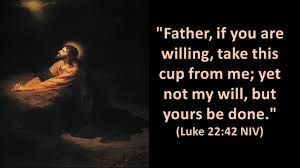
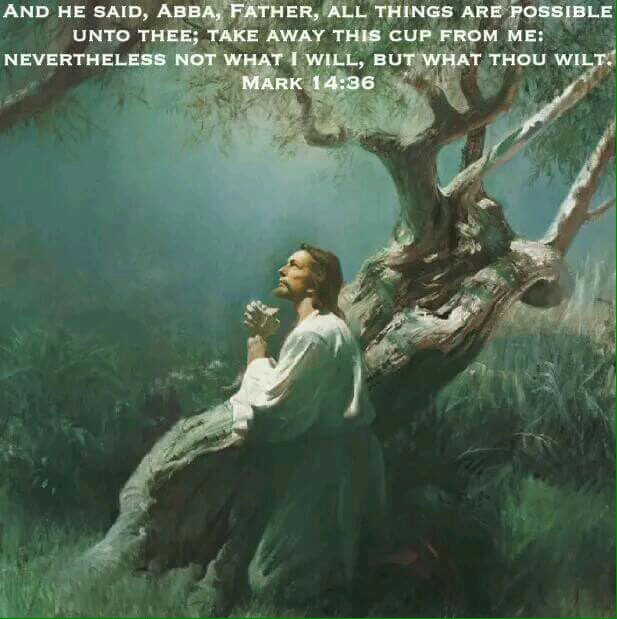
I reflect upon the words of Jesus on this Father’s Day. Before getting nailed to the Cross, Jesus expresses His special and unique relationship to God by addressing God as Abba or Father. After getting nailed to the Cross, I hear the final seven words cried out by Jesus. The special and unique relationship between the Father and the Son of Man suddenly disappears. The personal God gets transformed into impersonal God.
Whole Dude – Whole Father – Whole Alienation: Father’s Day, Sunday, June 16, 2024. Heavenly Father vs Earthly Father: The Agony of the Cup vs The Burden of the Cross. The transformation of personal God to impersonal God.Whole Dude – Whole Father – Whole Alienation: Father’s Day, Sunday, June 16, 2024. Heavenly Father vs Earthly Father: The Agony of the Cup vs The Burden of the Cross. The transformation of personal God to impersonal God.Whole Dude – Whole Father – Whole Alienation: Father’s Day, Sunday, June 16, 2024. Heavenly Father vs Earthly Father: The Agony of the Cup vs The Burden of the Cross. The transformation of personal God to impersonal God.Whole Dude – Whole Father – Whole Alienation: Father’s Day, Sunday, June 16, 2024. Heavenly Father vs Earthly Father: The Agony of the Cup vs The Burden of the Cross. The transformation of personal God to impersonal God.Whole Dude – Whole Father – Whole Alienation: Father’s Day, Sunday, June 16, 2024. Heavenly Father vs Earthly Father: The Agony of the Cup vs The Burden of the Cross. The transformation of personal God to impersonal God.
On this Father’s Day, I reflect upon the final words of the Son of Man. His words relate to the words of pain and anguish shared by King David, the King of Israel and the author of the Book of Psalms. The pain is the same. But, the Agony of the Cup and the Burden of the Cross are different. The Agony of the Cup gets revealed to Father. The pain of Crucifixion gets revealed to God. Father vs God. What is the difference? What makes the difference? What is the difference between personal God and impersonal God?
Whole Dude – Whole Father – Whole Alienation: Father’s Day, Sunday, June 16, 2024. Heavenly Father vs Earthly Father: The Agony of the Cup vs The Burden of the Cross. The transformation of personal God to impersonal God.Whole Dude – Whole Father – Whole Alienation: Father’s Day, Sunday, June 16, 2024. Heavenly Father vs Earthly Father: The Agony of the Cup vs The Burden of the Cross. The transformation of personal God to impersonal God.Whole Dude – Whole Father – Whole Alienation: Father’s Day, Sunday, June 16, 2024. Heavenly Father vs Earthly Father: The Agony of the Cup vs The Burden of the Cross. The transformation of personal God to impersonal God.Whole Dude – Whole Father – Whole Alienation: Father’s Day, Sunday, June 16, 2024. Heavenly Father vs Earthly Father: The Agony of the Cup vs The Burden of the Cross. The transformation of personal God to impersonal God.Whole Dude – Whole Father – Whole Alienation: Father’s Day, Sunday, June 16, 2024. Heavenly Father vs Earthly Father: The Agony of the Cup vs The Burden of the Cross. The transformation of personal God to impersonal God.Whole Dude – Whole Father – Whole Alienation: Father’s Day, Sunday, June 16, 2024. Heavenly Father vs Earthly Father: The Agony of the Cup vs The Burden of the Cross. The transformation of personal God to impersonal God.
On this Father’s Day, I am reflecting upon the difference between the words Father and God, the two different words used by Son of Man before getting nailed to the Cross, and after the completion of the act of Crucifixion that is nearing its conclusion. In my analysis, the difference between Father and God reflects upon the nature of the relationship. The Father-Son relationship, partnership, bonding, association, the coming together, and the yoking cannot be experienced in the God-man relationship which imposes a degree of detachment, estrangement, separation, and alienation. For I describe myself as an alien, I bear the burden of the Cross as I painfully march to the destination when the struggle finally reaches its conclusion, at the ninth hour, I ask myself, “My God, My God, Why Have You Forsaken me.”
Whole Dude – Whole Father – Whole Alienation: Father’s Day, Sunday, June 16, 2024. Heavenly Father vs Earthly Father: The Agony of the Cup vs The Burden of the Cross. The transformation of personal God to impersonal God.
Whole Dude – Whole Father – Whole Alienation: Father’s Day, Sunday, June 16, 2024. Heavenly Father vs Earthly Father: The Agony of the Cup vs The Burden of the Cross. The transformation of personal God to impersonal God.Whole Dude – Whole Father – Whole Alienation: Father’s Day, Sunday, June 16, 2024. Heavenly Father vs Earthly Father: The Agony of the Cup vs The Burden of the Cross. The transformation of personal God to impersonal God.
Whole Help – Whole Guide to understand the Complexities of Life
Friday, June 10, 2022. The Tenth Anniversary of The Rudolf-Rudi Connection at Whole Foods. How Can I Help You? Whole Dude often describes his Love of Whole Foods as if Love can be measured using the Units of Measurement used by man
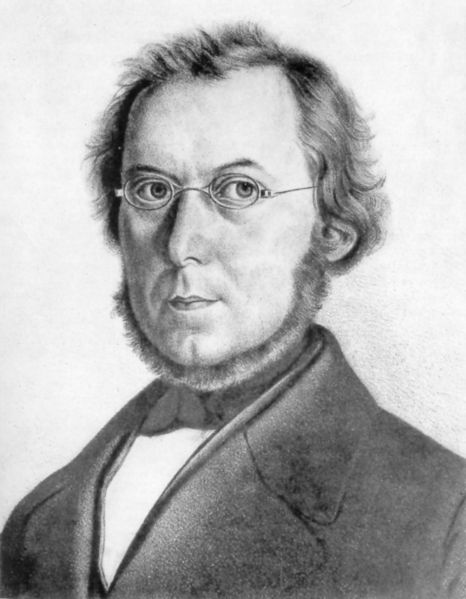
I seek the existence of Soul or Spirit in a substance that is basic to life activities, and in a material that is responsible for all living processes. I, therefore, propose that the understanding of the true or real nature of this ground substance of all living matter will help man to discover peace, harmony, and tranquility in all of his internal and external relationships while man exists in a physical environment as a member of a social group, social community, and Society. In this blog post, I would like to pay my respectful tribute to Jan Evangelista Purkinje and Hugo Von Mohl for their great contribution to the scientific understanding of the living substance, living material, and living matter.
Friday, June 10, 2022. The Tenth Anniversary of the Rudolf-Rudi Connection at Whole Foods. How Can I Help You? Whole Dude often describes his Love of Whole Foods as if Love can be measured using the Units of Measurement used by man.
Yes indeed, Life is Complicated. On Friday, June 10, 2022, I made a phone call to inquire about the Complexities of Life. My call is answered with very sweet words, How Can I Help You?
Friday, June 10, 2022. The Tenth Anniversary of the Rudolf-Rudi Connection at Whole Foods. How Can I Help You? Whole Dude often describes his Love of Whole Foods as if Love can be measured using the Units of Measurement used by man.
Life is a Complicated Journey. I am in need of a Guide who may ask me, How Can I Help You?
Friday, June 10, 2022. The Tenth Anniversary of the Rudolf-Rudi Connection at Whole Foods. How Can I Help You? Whole Dude often describes his Love of Whole Foods as if Love can be measured using the Units of Measurement used by man.
Whole Dude – Whole Journey – Whole Spirituality
Whole Dude’s Whole Journey Called Whole Spirituality. The Journey to be Successful and Safe, must proceed on TRACKS that are firmly and properly laid on Ground. I name the Tracks of Life’s Journey as Whole Spirituality. Whole Dude often describes his Love of Whole Foods as if Love can be measured using the Units of Measurement used by man.
Whole Dude often describes his Love of Whole Foods as if Love can be measured using the Units of Measurement used by man.
Friday, June 10, 2022, the Tenth Anniversary of the Rudolf-Rudi Connection at Whole Foods. How Can I Help You? Whole Dude often describes his Love of Whole Foods as if Love can be measured using the Units of Measurement used by man.
Whole Dude demonstrates the fact of his Love; the Love of Whole Foods during a Life Journey that is measured as Service Hours. He rendered Service of about 56, 000 hours with no reported unscheduled absence from work. Over the last 27 years of this Life Journey, Whole Dude never missed a single day of work due to illness, sickness, or injury. Apparently, Whole Dude does not find the Service to be dull, uninteresting, monotonous, tedious, or boring. The lack of boredom during the course of time devoted to Whole Foods could be verified by the fact that Whole Dude has accumulated over 4, 430 hours of Paid Time Off or paid vacation time of about three years. In other words, Whole Dude says that he finds in his Life Journey the experience of psychological satisfaction; mental contentment that establishes happiness in mind and joy in heart. To verify the accuracy of this statement, Whole Dude is disclosing the fact that he does not use alcohol, tobacco, or any other recreational substance to find happiness in his Life Journey. To attest this fact, Whole Dude participated in Community Volunteer Service over several years and the Volunteers are routinely screened to verify that they do not use drugs or alcohol. The reason for finding happiness and joy in living experience is because of Whole Dude’s respectful relationship, his partnership, his association, his bonding, and his connection with a nourishing substance that he calls Whole Food. His Journey has given the insight to know the true or real nature of Whole Food. Whole Dude defines Whole Food as the nutritional substance that supports the man’s physical, mental, social, moral, and spiritual well-being. These five components of well-being are important to have the experience of peace, harmony, and tranquility in human living condition.
Friday, June 10, 2022. The Tenth Anniversary of the Rudolf-Rudi Connection at Whole Foods. How Can I Help You? Whole Dude often describes his Love of Whole Foods as if Love can be measured using the Units of Measurement used by man.
From the beginning of human history, the ideas about spiritualism, and spirituality included a serious concern to find peace, harmony, and tranquility in the living human experience. During the course of his Life Journey, Whole Dude discoveres that Food serves the function of a spiritual medium that fosters unity between man’s body, mind, and soul which generates the peace, harmony, and tranquility that man experiences in his living condition.
No man is truly capable of independent existence that excludes the social community and the physical environment in which he exists. Whole Dude is saying that he is supporting his biological existence because of an Inheritance that includes the Community and a favorable environment which is keeping his Life Journey on sound tracks. The term Tracks is used to describe a pair of parallel steel rails on which freight cars, passenger cars, street cars, and other rolling stock are drawn by powered locomotives. During 1880s, the width of railroad tracks were standardized at 4 feet, 8 and half inches (1.44 m). The railroad tracks are laid on a firm, and well-prepared ground to ensure their stability and a durable metal like steel is used to support its sustained use. The Journey that proceeds on the right Tracks is a Whole Journey and Whole Dude names those Tracks as Whole Spirituality.
Whole Dude – Whole Journey – Whole Spirituality. Whole Dude often describes his Love of Whole Foods as if Love can be measured using the Units of Measurement used by man.
Rudolf is reborn as Rudi to describe the spiritual connection between the Cell and its Energy Provider
Rudolf is reborn as Rudi to describe the spiritual connection between Cell and its Energy Provider. Whole Dude often describes his Love of Whole Foods as if Love can be measured using the Units of Measurement used by man.
Rudi acknowledges his German heritage at Whole Foods when he discovered the spiritual connection between man, food, and God. Whole Foods, Whole People, and Whole Planet are connected by a material substance called Protoplasm or Cytoplasm, a divine plan to provide nourishment to Life.
The Rudolf and Rudi Connection. The Discovery of Whole Spirituality at Whole Foods, Ann Arbor. Whole Dude often describes his Love of Whole Foods as if Love can be measured using the Units of Measurement used by man.
The Rudolf and Rudi Connection at Whole Foods, Ann Arbor can be best described as the concept of Whole Spirituality, the three dimensional spiritual relationship between the multicellular human organism, food, and God.
Rudolf is reborn as Rudi to describe the spiritual connection between Cell and its Energy Provider. The 3-Dimensional Spiritual Relationship between Man, Food, and God. Whole Dude often describes his Love of Whole Foods as if Love can be measured using the Units of Measurement used by man.
Spiritualism – The Cell Theory of Spirituality:
The Rudolf and Rudi Connection. The Discovery of Whole Spirituality at Whole Foods, Ann Arbor. Whole Dude often describes his Love of Whole Foods as if Love can be measured using the Units of Measurement used by man.
In Biology, cell is the basic or fundamental unit of structure, function, and organization in all living things or it is the building block of life. Let me begin with my respectful tribute to some of the people who contributed to ‘The Cell Theory’, one of the foundations of Biological Sciences. Cells were first observed in the 17th century shortly after the discovery of the microscope. Robert Hooke, british curator of instruments at The Royal Society of London, during 1665 coined the word cell. Dutch microscopist Antonie Van Leeuwenhoek (1632-1723) made over 247 microscopes and examined microorganisms and tissue samples. He gave the first complete descriptions of bacteria, protozoa (which he called animalcules), spermatozoa, and striped muscle. He also studied capillary circulation and observed Red Blood Cells.
Robert Hooke, british curator of instruments at The Royal Society of London coined the term cell during 1665. Whole Dude often describes his Love of Whole Foods as if Love can be measured using the Units of Measurement used by man.Dutch microscopist Antonie Van Leeuwenhoek (1668-80) studied capillary circulation and observed Red Blood Cells. Whole Dude often describes his Love of Whole Foods as if Love can be measured using the Units of Measurement used by man.
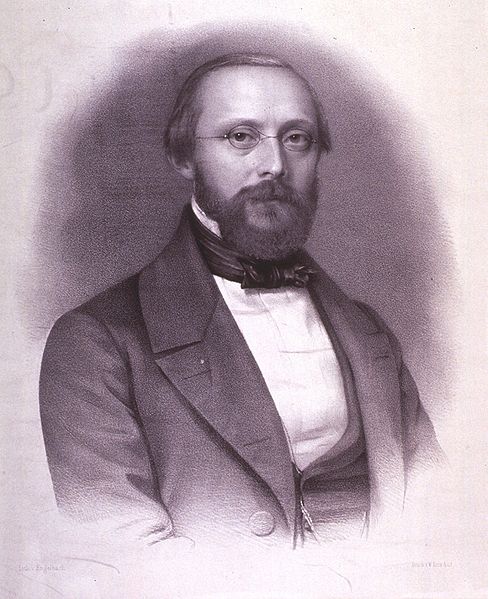
Improvements in microscopy during early 19th century permitted closer observation and the significance of cells had received better understanding. Matthias Jakob Schleiden (1838), german botanist, Theodor Schwann (1839), german physiologist, and Rudolf Virchow (1855), german pathologist, and others made important contributions to the Cell Theory that describes cell as the building block of all Life.
Schleiden, Professor of Botany, The University of Jena studied plant structure under the microscope, published “Contibutions to Phytogenesis”(1838). He had also published the two-volume text of ‘Principles of Scientific Botany’. Whole Dude often describes his Love of Whole Foods as if Love can be measured using the Units of Measurement used by man.Schwann founder of modern Histology extended the Cell Theory of Plants to animals in his ‘Microscopic Researches into Accordance in the Structure and Growth of Animals and Plants(1839). Whole Dude often describes his Love of Whole Foods as if Love can be measured using the Units of Measurement used by man.Schwann discovered Myelin Sheath covering peripheral axons, now termed Schwann Cells. He coined the term ‘Metabolism’ for the chemical changes that take place in living tissues. Whole Dude often describes his Love of Whole Foods as if Love can be measured using the Units of Measurement used by man.Rudolf Virchow,german pathologist in 1855 coined the biological dictum “OMNIS CELLULA E CELLULA” – All living cells arise only from pre-existing living cells. Whole Dude often describes his Love of Whole Foods as if Love can be measured using the Units of Measurement used by man.
The Cell is the smallest unit in the living organism that is capable of carrying on the essential life processes of sustaining metabolism for producing energy and reproducing. Many simple, small, single-celled organisms like Protozoa perform all life functions. In higher, complex, bigger, multicellular organisms, groups of cells are structurally and functionally differentiated into specialized tissues and organ systems. Thus, the Cell Theory includes the following foundational principles of the Biological Sciences:
1. All living things are made up of cells. Cell is the most elementary or basic unit of Life.
2. Cell is a fundamental unit of structure, function, and organization in all living things including plants and animals.
3. Cells only rise from division of previously existing cells.
4. All cells are similar in composition, form, and function. All cells are basically the same in chemical composition (in spite of variations) in organisms of similar species. For example, all the solid tissues in the human body can be shown to consist largely of similar cells; differing it is true, but that are essentially similar to an Ovum.
5. The cells exhibit functional autonomy. The activity of an organism depends on the total activity of ‘INDEPENDENT’ cells.
6. Energy flow (metabolism and biochemistry) occurs within cells.
7. Cells contain hereditary, biological information (DNA) which is passed from cell to cell during cell division.
The Cell Theory of Spirituality:
The Rudolf-Rudi Connection at Whole Foods. Rudolf Virchow, Photograph, 1893. Rudolf Virchow (1821-1902). Whole Dude often describes his Love of Whole Foods as if Love can be measured using the Units of Measurement used by man.
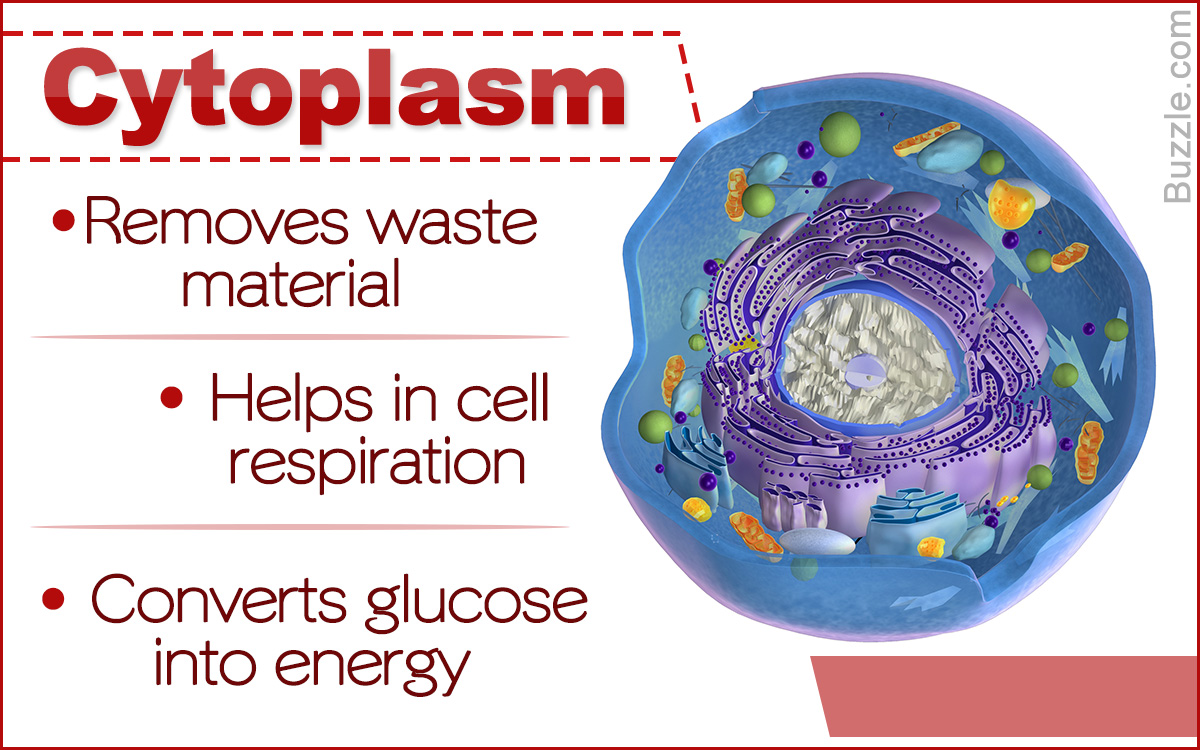
The basic or fundamental unit of life in the human organism is derived from the fertilized egg cell that eventually develops into a complete organism. The most significant feature of similarity between the cells of the human body is the presence of a soft, gelatinous, semi-fluid, granular material inside the cell. This substance known as Protoplasm or Cytoplasm, or Cytosol is similar to the ground substance found in the Ovum or the Egg Cell.
Human Ovum Structure – The Cell Theory of Spirituality is based upon the Substance, Structure, Form, Organization, Function, Action and Interactions of this Single Fertilized Egg Cell that eventually develops into a complete human organism. Whole Dude often describes his Love of Whole Foods as if Love can be measured using the Units of Measurement used by man.
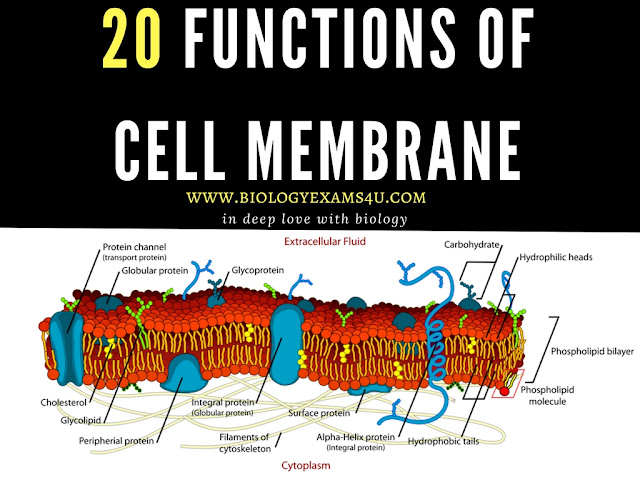
This viscous, translucent, colloidal substance is enclosed in a membrane called Cell Membrane, Plasma Membrane or Biological Membrane. A small spherical body called nucleus is embedded in the Protoplasm of the cell. The three essential features of any living cell in the human body are that of the presence of protoplasm, the nucleus, and the cell membrane.
Protoplasm – The Ground Substance of Spiritualism and Spirituality:
I seek the existence of Soul or Spirit in a substance that is basic to life activities, and in a material that is responsible for all living processes. I, therefore, propose that the understanding of the true or real nature of this ground substance of all living matter will help man to discover peace, harmony, and tranquility in all of his internal and external relationships while man exists in a physical environment as a member of a social group, social community, and Society. In this blog post, I would like to pay my respectful tribute to Jan Evangelista Purkinje and Hugo Von Mohl for their great contribution to the scientific understanding of the living substance, living material, and living matter.
Jan Evangelista Purkyne(Czech name), Jan Evangelista Purkinje(German name)also known as Johannes Evangelist Purkinje, b. December 17, 1787, d. July 28, 1869. The pioneer Czech experimental Physiologist whose investigations in the fields of Histology, Embryology,and Pharmacology helped create a modern understanding of the eye and vision, brain and heart function, mammalian reproduction, and the composition of cells.
Purkinje conducted his research on human vision at the University of Prague and later on, he served there as a Professor of Physiology (1850-69). He went to Germany and was appointed the Chair of Physiology and Pathology (1823-50) at the University of Breslau, Prussia. There Purkinje created the world’s first independent Department of Physiology (1839) and the first Physiological Laboratory (Physiological Institute, 1842). He is best known for his discovery of large nerve cells with many branching extensions found in the cortex of Cerebellum of the brain (Purkinje Cells, 1837). He discovered the fibrous tissue that conducts electrical impulses from the ‘pacemaker’ called Atrioventricular node or A-V node along the inside walls of the ventricles to all parts of the heart to help in Cardiac contractile function (Purkinje Fibers, 1839). In 1835, he invented and introduced the scientific term ‘Protoplasm’ to describe the ground substance found inside young animal embryo cells. He discovered the sweat glands of the skin (1833); he discovered the nine configuration groups of Fingerprints used in biometric identification of man (1823); he described the germinal vesicle or nucleus of the unripe ovum that now bears his name (1825), and he noted the protein digesting power of pancreatic extracts (1836).
Hugo Von Mohl, b. April 08, 1805, d. April 01, 1872, German Botanist noted for his research on the anatomy and physiology of plant cells.
Hugo Von Mohl named the granular, colloidal material that made up the main substance of the plant cell as “Protoplasm” in 1846. Purkinje invented the word, but Hugo gave more clarity, understanding, and knowing the nature of this ground substance. He viewed cell as an “elementary organ” and in Physiology he explained Protoplasm as an organ of Motion or Movement, Nutrition, and Reproduction. It is the preliminary material in cellular generation. He was the first to propose that new cells are formed by division of preexisting cells and he had observed this process of Cell Division in the algal cells of Conferva glomerata. His observations are very important to understand the Cell Theory that explains cells as the basic building blocks of Life. He was the first to investigate the phenomenon of the stomatal openings in leaves.
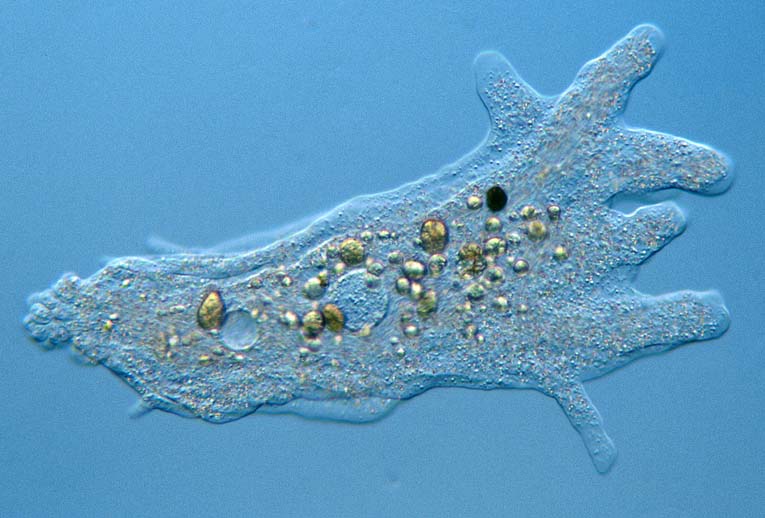
The Ground Substance of Spiritualism and Spirituality. The vital characteristics, the animating principles of Protoplasm could be known by observing Amoeba proteus. The Living Substance works as an organ of Motion or Movement, as an organ of Nutrition, and as an organ of Reproduction to generate new cells which have a life span of their own. In these physiological functions, I describe the characteristics such as Cognition, Consciousness, Memory, and Intelligence which have a Spiritual role as they bring functional unity and harmony in the interactions between different parts of the same individual organism while it exists in an environment as a member of a biological community.
Protoplasm is a complex, viscous, translucent solution of such materials as salts and simple sugars with other molecules, mostly proteins and fats, in a colloidal state, that is dispersed but not dissolved in one another. Carbon, Hydrogen, Oxygen, and Nitrogen constitute more than 90 percent of Protoplasm.
The Rudolf-Rudi Connection at Whole Foods. God created Cytoplasm or Protoplasm as the Ground Substance of Spirituality.The Rudolf-Rudi Connection at Whole Foods. God created Cytoplasm or Protoplasm as the Ground Substance of Spirituality.
It exhibits properties such as Protoplasmic Streaming or Cytoplasmic Streaming or Motion that is called “Amoeboid Movement.” It has the intrinsic power to change its shape and position. It has the power of Nutrition by which it can attract and obtain the materials necessary for its growth and maintenance from surrounding matter/environment.
The Rudolf-Rudi Connection at Whole Foods. God created Cytoplasm or Protoplasm as the Ground Substance of Spirituality.
The living functions such as Nutrition, Cellular Respiration, and Reproduction performed by Cytoplasm involve acquiring, processing, retaining, and using information to perform tasks in a sequential manner for a predetermined purpose and hence describe Consciousness, Memory, and Intelligence.
The Rudolf-Rudi Connection at Whole Foods. God created Cytoplasm or Protoplasm as the Ground Substance of Spirituality. Cellular respiration is a set of metabolic reactions and processes that take place in the cells of organisms to convert biochemical energy from nutrients into adenosine triphosphate (ATP), and then release waste products.The Rudolf-Rudi Connection at Whole Foods. God created Cytoplasm or Protoplasm as the Ground Substance of Spirituality.The Rudolf-Rudi Connection at Whole Foods. God created Cytoplasm or Protoplasm as the Ground Substance of Spirituality.The Rudolf-Rudi Connection at Whole Foods. God created Cytoplasm or Protoplasm as the Ground Substance of Spirituality.
The terms Soul and Spirit belong to the materialistic realm where the Physical Reality of man’s biological existence is established. I have not yet discovered any good reason to use the terms Soul and Spirit as a metaphysical or transcendental Reality.
The Inheritance of Cytoplasmic Membrane or Cell or Plasma Membrane:
The Rudolf-Rudi Connection at Whole Foods. God created Cytoplasm or Protoplasm as the Ground Substance of Spirituality. Living cells have a corporeal substance called Protoplasm that has the ability of Spiritual Biotic Interactions. The Biological Membrane or Cell Membrane separates the cell from its environment and other living cells present in the environment. Cells use unique proteins, biological molecules and receptor sites to recognize the other living cells and use chemical signals to facilitate the interactions. Such interactions between living cells have the characteristics of consciousness or awareness.The Rudolf-Rudi Connection at Whole Foods. God created Cytoplasm or Protoplasm as the Ground Substance of Spirituality. Cytoplasmic Membrane or Cell Membrane is an integral feature of Cytoplasm, a limiting membrane devised by Cytoplasm to create boundaries to perform its numerous living functions.
The Functions of Cytoplasmic Membrane or Cell Membrane or Biological Membrane:
1. Protection: It protects the cell from its surroundings or extracellular environment. Plant cell possess wall over the plasma membrane for extra protection and support.
2. Holding cell contents: Plasma membranes hold the semi fluid protoplasmic contents of the cell intact; thus keeping the individuality of the cell.
3. Selective Permeability: Cell membrane allows only selected or specific substances to enter into the cell and are impermeable to others.
Gases like O2 and CO2 can diffuse rapidly in solution through membranes.
Small compounds like H2O and methane can easily pass through where as sugars, amino acids and charged ions are transported with the help of transport proteins.
The size of the molecules which can pass through the plasma membrane is 1-15 A0. This property is responsible for keeping a cell ‘as a cell’, an individual unit.
4. Shape: It maintains form and shape of the cell. It serves as site of anchorage or attachment of the cytoskeleton; thus providing shape to the cell (especially in animal cells without cell wall).
5. Organelles: Cell membrane delimits or covers all sub-cellular structures or organelles like nucleus, mitochondria, plastids, Golgi apparatus, endoplasmic reticulum, microbodies etc. thus protecting them form the surroundings and also helps in maintaining a constant internal environment.
6. Compartmentalization: Cell membrane separate the cells from their external environment and cell organelle from cytosol. It help the cells and their organelles to have their own microenvironments, structural and functional individuality.
7. Cell Recognition: With the help of glycolipids and glycoproteins on its surface, cell membranes are able to differentiate similar cells from dissimilar ones, foreign substances and cells own materials. Cell recognition is useful for tissue formation and defence against microbes.
8. Antigens: Cell membranes possess antigens which determine blood grouping, immune response, acceptance or rejection of a transplant (graft rejection by MHC’s on plasma membrane).
9. Microvilli: They are microscopic finger like projections of plasma membrane present on some cells like intestinal epithelial cells, which are involved in a wide variety of functions, including increasing surface area for absorption, secretion, cellular adhesion etc.
10. Sheaths of cilia and flagella: Cilia and flagella are projections from the cell; made up of microtubules which are covered by an extension of the plasma membrane.
11. Cytoplasmic bridges in plasmodesmata and gap junctions: Plasmodesmata in plant cells and gap junctions in animal cells; meant for intercellular transport and communication, form cytoplasmic bridges between adjacent cells through plasma membrane.
12. Endocytosis and Exocytosis: Bulk intake of materials or endocytosis occurs through development of membrane vesicles or invagination and engulfing by plasma membrane.
Exocytosis: It is reverse of endocytosis that provides for releasing waste products and secretory materials ot of the cells with the help of plasma membrane.
13. Impulse transmission in neurons: The transmission of a nerve impulse along a neuron from one end to the other occurs as a result of electrical changes across the plasma membrane of the neuron
14. Cell metabolism: Cell membranes control cell metabolism through selective permeability and retentivity of substances in a cell.
15. Electron transport chain in bacteria: In bacteria; Electron transport chain is located in cell membrane.
16. Osmosis through cell membrane: It is movement of solvent molecules (generally water) from the region of less concentrated solution to the region of high concentrated solution through a semi permeable membrane. Here the semi permeable membrane that helps in osmosis is the cell membrane. Eg: Root cells take up water from the soil by osmosis
17. Carrier proteins for active transport: They occur in the cell membranes and control active transport of substances. Example, GLUT1 is a named carrier protein found in almost all animal cell membranes that transports glucose across the bilayer or plasma membrane.
18. Plasma Membrane enzymes: Many enzymes are present on the plasma membrane with wide variety of catalytic activity. Example: Red blood cell plasma membranes contain a number of enzymes such as ATPases, anion transport protein, glyceraldehyde 3-phosphate dehydrogenase, protein kinases, adenylate cyclase, acetylcholinesterase.
19. Cell Membrane Receptors: Receptor on the plasma membrane performs signal transduction, converting an extracellular signal into an intra-cellular signal. Membrane possess receptors for hormones, neurotransmitters, antibodies and several other biochemicals.
20. Plasma membrane assisted Cell movements: Undulation and pseudopodia are cell membrane phenomenon involved in cell movement. Amoeba, macrophages and WBCs move with the helps of temporary organelles like pseudopodia. Pseudopods are temporary cytoplasmic projections of the cell membrane in certain unicellular protists such as Amoeba. Some mammalian cells such as fibroblasts can move over a solid surface by wave like undulations of the plasma membrane.
The Ground Substance of Spiritualism and Spirituality. The vital characteristics, the animating principles of Protoplasm could be known by observing Amoeba proteus. The Living Substance works as an organ of Motion or Movement, as an organ of Nutrition, and as an organ of Reproduction to generate new cells which have a life span of their own. In these physiological functions, I describe the characteristics such as Cognition, Consciousness, Memory, and Intelligence as spiritual attributes of Life as they bring functional unity and harmony in the interactions between different parts of the same individual organism while it exists in an environment as a member of a biological community.
The Spirituality of Substance, Function, Organization, Action, and Interactions:
The Rudolf and Rudi Connection. The Discovery of Whole Spirituality at Whole Foods, Ann Arbor. God created Cytoplasm or Protoplasm as the Ground Substance of Spirituality.
To establish the biological existence of the human organism, I add the concept of Spiritualism and Spirituality to the Cell Theory.
The Rudolf-Rudi Connection at Whole Foods. God created Cytoplasm or Protoplasm as the Ground Substance of Spirituality.
The Single Fertilized Egg Cell has ground substance that is of Spiritual nature and the Spiritualism and Spirituality consists of the following functional, and organizational characteristics:
1. The Cell is Conscious of its own existence and knows its internal condition and knows it external environment.
2. The Cell is intelligent and it has the cognitive abilities like perception and memory to acquire information, to retain information, to recall information, and to use information in the performance of its complex tasks in a sequential manner.
3. The Cell has the ability to show characteristics such as mutual cooperation, mutual tolerance, and display functional subordination and subservience while being independent.
4. The Cell grows, divides, and develops into a complete organism while it acquires substances and energy from an external environment. The power of Protoplasm/Cytoplasm to attract matter found in its external environment is called Nutrition. The Cell continuously transforms matter to build matter of its own kind for its own benefit to sustain its existence with its own identity and individuality. The Organism represents a social group or a biological community of Cells. The Spiritual nature of Protoplasm/Cytoplasm brings this functional harmony and unity in the Social Group or Biotic Community of Cells by bringing together its Essence and Existence.
5. The Cell Theory is incomplete for it does not describe the conditioned nature of the Cell’s existence. The Cell represents a Living System that is thermodynamically unstable. It requires a constant supply of matter and energy from its external environment to sustain its living functions. The concept of Whole Spirituality formulates the connection between the Cell and its external source of matter and energy.
The Rudolf and Rudi Connection. The Discovery of Whole Spirituality at Whole Foods, Ann Arbor. The Bone Marrow smear from a patient of Leukemia or Blood Cancer helps to illustrate the nature of Biotic Interactions in the Social Group or Biotic Community that represents the singularity called man. The true or real man can only be discovered by the microscopic study of the Cells that constitute the Organism.
The theoretical claims about Spirit and Soul, the religious and philosophical doctrines of Spiritualism and Spirituality must be verified using the Cell Theory that defines the human organism. To describe Soul or Spirit as nonmaterial or immaterial Self will not help man to know the real or true man.
The Rudolf-Rudi Connection at Whole Foods. God created Cytoplasm or Protoplasm as the Ground Substance of Spirituality.
The Rudolf and Rudi Connection. The Discovery of Whole Spirituality at Whole Foods, Ann Arbor. God created Cytoplasm or Protoplasm as the Ground Substance of Spirituality.
Whole Foods, Whole People, and Whole Planet come together in a Wholesome Relationship as God is the Energy Provider, the Original Source of Matter and Energy for Life.
Friday, June 10, 2022. The Tenth Anniversary of The Rudolf-Rudi Connection at Whole Foods. How Can I Help You?
Bharat Darshan defines Indian Identity- What is Prema (Love)? Sri Satya Sai Baba describes the man as an embodiment of PREMA (Love) and it appears that he was inspired by The New Testament Books of Holy Bible which define God as Love and directs man to Love God and to Love one another.
Indian saint Sri Satya Sai Baba describes man as an embodiment of PREMA (Love) and it appears that he drew inspiration from the Books of Holy Bible which define God as Love and directs man to Love God and to Love one another. He further asserts that he would be known as Prema Sai (Sai, the embodiment of Divine Love) in his next reincarnation.
Bharat Darshan defines Indian Identity- What is Prema (Love)? Sri Satya Sai Baba describes the man as an embodiment of PREMA (Love) and it appears that he was inspired by The New Testament Books of Holy Bible which define God as Love and directs man to Love God and to Love one another.
Love is a powerful emotion felt for another person manifesting itself in deep affection, devotion or sexual desire. If love is viewed as fondness or affection it may include or based in part on sexual attraction which is related to libido (sexual urge or instinct), and lust (a desire to gratify the senses or bodily appetite that seeks unrestrained gratification).
Love implies feelings that are attached to relationships or objects and assumes various forms such as sexual love, brotherly love, and love of God. The attachment may be felt for inanimate things as well as people, or ideas, or expressed as an abstraction. There are many different kinds of love; different in object, different in tendency, and different in expression.
The problem of the kinds of love is further complicated by the need to differentiate and relate love and desire. The category of love known as sexual love has the tendency to desire possession of the object that is loved. The tendency of desire is acquisitive. Sexual love is a love born of desire, and the drive of desire continues until it is satisfied by possession of the loved object. Physical possession is the basis for the satisfaction of sexual desire, sexual appetite, or sexual hunger, or sexual thirst. The other forms of love do not tend to possess the object loved but seek to benefit the object that is loved. Love is selfish when it acts like hunger, thirst, or appetite which need to be satisfied for the benefit of the person expressing that love.
Love is altruistic when it acts for the good or the benefit of the beloved. Conjugal love may include a combination of selfishness and altruism. The ancient languages have three distinct words for the main types of love; Eros, Philia, and Agape in Greek language; Amor, Amicita or Dilectio, and Caritas in Latin language. However, English language has no such distinct words and hence it becomes necessary to use such phrases as “sexual love”, “love of friendship”, and “love of charity” in order to indicate plainly that love is common to all three, and to distinguish the three meanings.
Bharat Darshan defines Indian Identity- What is Prema (Love)? Sri Satya Sai Baba describes the man as an embodiment of PREMA (Love) and it appears that he was inspired by The New Testament Books of Holy Bible which define God as Love and directs man to Love God and to Love one another.
The idea of love expressed in Biblical Scriptures makes no distinction between Amor, Dilectio, and Caritas.
Whole Dude – Whole Love. What is Love?
For example, in The Gospel according to Saint Matthew, Chapter 22, verses 37, 38, and 39 Jesus proclaims the Great Commandments while endorsing the Laws of Moses: Jesus said unto him, “Thou shalt love the Lord thy God with all thy heart, and with all thy soul, and with all thy mind. This is the first and great commandment. And the second is like unto it. Thou shalt love thy neighbor as thyself.”
Jesus brings unity between the idea of self-love, love of God, and the love of one another without making distinction between the three different kinds of love. Jesus does not specify if man should wish and expect to be loved in return. Jesus did not attach any purpose to this act of love, and did not describe the nature of desire, the attachment, and the gratification that may operate the Love Commandment.
THE ORIGIN OF LOVE:
Sigmund Freud places the origin of Love in sexual instincts and he claims that the many varieties or categories of Love are simply the forms which love takes as the libido fixes upon various objects.
Sigmund Freud’s theory places the origin of love in the sexual instincts, and so for him the many varieties of love are simply the forms which love takes as the ‘Libido’ fixes upon various objects. He states, “The nucleus of what we mean by love naturally consists …… in sexual love with sexual union as its aim. We do not separate from this; on the one hand, self-love, and on the other, love for parents and children, friendship and love for humanity in general, and also devotion to concrete objects and to abstract ideas….. All these tendencies are an expression of the same instinctive activities…. They differ from sexual love only because they are diverted from its aim or prevented from reaching it, though they always preserve enough of their original nature to keep their identity recognizable.” If love is the passion of the sexual instinct, temperance is an inadequate restraint. Neither reason nor law is adequate to the task of subduing the nature of the sexual instinct. Sexual instinct is a very powerful biological instinct and it profoundly influences human behavior. Hence it becomes necessary to transform sexual love either by repressing it, or sublimating it, or mixing it with tenderness or kindness. In that context, friendship, charity or compassion, and devotion to God could be stated as transformations of sexual love. Sexual instincts are inhibited or actually repressed in the expression of brotherly love, or feelings of deep affection for children and others where the relationship should not be based upon feelings of sexual attraction.
THE COMPLEXITY OF LOVE:
Bharat Darshan defines Indian Identity- What is Prema (Love)? Sri Satya Sai Baba describes the man as an embodiment of PREMA (Love) and it appears that he was inspired by The New Testament Books of Holy Bible which define God as Love and directs man to Love God and to Love one another.
Love is a very complex emotional instinct and it is complex as it may not always provide a sense of joy or happiness. There is a fact about love; love frequently turns into its opposite, hate. Sometimes there is love and hate of the same object; sometimes love inspires hate, and love may also cause jealousy, anger, and fear. Love seems to be the primal passion, generating all the others according to the oppositions of pleasure and pain and by relation of cause and effect. The individual’s experience of love is extremely variable and it includes the operation of both positive and negative impulses.
The Indian tradition has carefully examined this complex instinctual behavior and it instructs people to understand the three major distinctions or categories of love and to apply a sense of restraint, or that of repression. It brings love under the purview of morality, the code of Right Conduct or Dharma. Indian Culture does not provide the linguistic tools to express feelings associated with sexual passion without using temperance. There is no linguistic equivalent in classical Indian languages to profess love. The terms and words that Indians use have specific meaning attached to them.
LOVE vs PREMA:
Bharat Darshan defines Indian Identity- What is Prema (Love)? Sri Satya Sai Baba describes the man as an embodiment of PREMA (Love) and it appears that he was inspired by The New Testament Books of Holy Bible which define God as Love and directs man to Love God and to Love one another.
Love is not a universal term and this idea is not expressed in Indian tradition and classical literature.
Bharat Darshan defines Indian Identity- What is Prema (Love)? Sri Satya Sai Baba describes the man as an embodiment of PREMA (Love) and it appears that he was inspired by The New Testament Books of Holy Bible which define God as Love and directs man to Love God and to Love one another.
The word “Love” appears repeatedly in the Bible, in several different editions of Bible. I am not a language expert and I believe that people who translated Bible have exercised great care to convey the meaning of love. Many editions of Bible have further clarified the meaning of Love in their glossary section or Bible dictionary and define Love as a deep sense of affection, devotion for someone or something and they very carefully exclude sexual desire and sexual passion. In English speaking world, and in English literature, the word Love is used to describe desire, libido, lust, and passion based upon sexual attraction. So, Love is a generic term and it may not always mean brotherly love and goodwill.
Indian Culture has erected subtle barriers and has not provided linguistic tools to use the word Love as we like. It separates Love into various categories and sets them apart. The feelings of affection, or fondness that are associated with sexual attraction are specifically known as ‘Kama’ and intense sexual passion or desire is called ‘Moha’. Any intense or passionate desire could be called Kama and to act under its influence could be stated as Moha. My love for God could only be expressed in terms of Bhakti or Devotion, and the desire could be called Preet. The desire called Preeti or Preet is a legitimate desire. It is also called “Ishta.” I am allowed to seek or desire certain things in my life and that desire is subject to the rule of Good Conduct or Dharma. I can express the sentiment of Preet only when, and where such desire is allowed to be stated in a legitimate manner, and is acceptable to tradition and established conventions and social norms. If I entertain thoughts of sexual attraction about my attractive and rich neighbor, I am not allowed to express my feelings as Preet. It can not be called “Ishta”. I can call it Kama or Moha. In the epic poem of Ramayana, when King Ravana, the King of Lanka desired to marry Princess Sita and had attended her ‘Swayamvara’, his desire was legitimate as he intended to seek the gratification of the feelings of sexual attraction through rightful conduct called marriage. But, when he abducted her while she was lawfully married to Prince Rama, that desire and sexual attraction represents an impulsive action of Moha, and Kama. King Ravana was not entitled to express his Love for Sita if it is formulated by Kama, and intense sexual passion known as lust or Moha. Similarly, a man can express his love or Preet for a woman in a respectful or legitimate manner and to seek a valid relationship based upon trust, respect, and commitment. If the relationship is illegal, it can not be called Preet. A father’s love, or mother’s love, or brother’s love is described as “Vatsalya,” a natural sense of affection and fondness which is not related to sexual attraction or desire. The word “Prema” or “Prem” is used to describe the feelings of affection, fondness, Friendship (Sneha or Maitri)), Kindness (Daya, or Karuna), Compassion (Krupa), Happiness, Joy (Ananda) that have no direct relationship to the satisfaction of sexual desires and passions. The deep sense of affection between husband and wife is often called “Anurag” which indicates an intimate friendship. I can not literally translate this word Love into any of the Indian languages as such expression is not allowed without stating the nature of its contents.
Whole Dude – Whole Love. What is Love?
The Commandment of Jesus to Love your neighbor as thyself cannot be easily expressed in Indian languages. Jesus has not stated that idea in terms of Friendship (Sneha), Kindness (Daya), or giving Happiness (Ananda). Only when, and if those qualities of friendship, kindness, and giving joy or happiness are specifically included; Jesus could Command others to express Love or Prema to another person.
Whole Dude – Whole Love. What is Love?
However, in the Indian tradition, the deep sense of affection or fondness of God is stated as Bhakti or Devotion.
Whole Dude – Whole Love. What is Love? The Mystical Relationship between Poet Meerabai and Lord Krishna.
16th century Hindu Saint Meerabai (1498 AD to 1547 AD) reveals her deep sense of affection and adoration of Lord Krishna in songs and actions which still captivates the attention of people who learn about her thoughts and feelings. Her passionate feelings expressed in sweet and endearing words cannot be captured by the term Love.
Whole Dude – Whole Love. What is Love? In the Indian tradition, the Love of God is described in an unique manner always imparting a divine sensation or an experience of Sweetness.
Jayadeva in his famous Ashtapadi, Gita Govinda gives an enchanting description of Lord Krishna’s creative activities in Brindavan (Vrindavan) and he depicts the intense erotic feelings of the young maidens as a product of their supreme devotion to the Lord. I can not use the word Love to describe the sexual passions of the Gopis or the young maidens of Brindavan.
Bharat Darshan defines Indian Identity- What is Prema (Love)? Sri Satya Sai Baba describes the man as an embodiment of PREMA (Love) and it appears that he was inspired by The New Testament Books of Holy Bible which define God as Love and directs man to Love God and to Love one another.
SELF-LOVE AND NARCISSISM:
Bharat Darshan defines Indian Identity- What is Prema (Love)? Sri Satya Sai Baba describes the man as an embodiment of PREMA (Love) and it appears that he was inspired by The New Testament Books of Holy Bible which define God as Love and directs man to Love God and to Love one another.
My concern is not about Prema or Love. My concern is about self-love, a man’s love of himself. In psychology the word ‘Narcissim’ is used to describe excessive self-love. In my medical practice, I have not encountered such narcissistic tendencies among people of Indian origin. The Indian tradition has erected barriers and would not easily let us identify ourselves with the physical-self. The Indian tradition repeatedly instructs us about our Essence and true Identity and reminds us not to get attached to the physical-self. If I have no feelings of attachment to my physical-self, I can not really love myself. If I can not truly love myself, I can not also love my neighbor in the same manner, or to a same degree of my self-love. If man is not expected to love himself, the issue of loving the neighbor is redundant.
Bharat Darshan defines Indian Identity- What is Prema (Love)? Sri Satya Sai Baba describes the man as an embodiment of PREMA (Love) and it appears that he was inspired by The New Testament Books of Holy Bible which define God as Love and directs man to Love God and to Love one another.Whole Dude – Whole Love: What is Love? GERMAN PHILOSOPHER FRIEDRICH WILHELM NIETZSCHE (1844-1900) HAD STATED: “WHAT IS DONE OUT OF LOVE ALWAYS TAKES PLACE BEYOND GOOD AND EVIL.” GOD’S LOVE FOR MAN IS UNCONDITIONED.Whole Dude – Whole Love: What is Love?
“Prema Sai will be born in Doddamalur”
Whole Dude – Whole Love: What is Love? Indian Saint Sri Sathya Sai Baba announced his plans for his reincarnation as an embodiment of Love called Prema Sai Baba.
M B Maramkal & K R Rajendra Kumar, TNN | Times of India, Apr 28, 2011, 05.52am IST
DODDAMALUR (Mandya): Will the reincarnation be reality or not? Whatever happens, the tiny village of Doddamalur, off the Bangalore-Mysore highway, will definitely be in the news in the coming years, with scores of stories doing the rounds here over the reincarnation of Sathya Sai Babaas Prema Sai.
What has lent credence to claims of people of the Vaishnava sect temples of Aprameya (Vishnu) and Ambegalu Krishna (toddler Krishna) is based on a book `Sri Sathya Sai — Anandasai’ authored by one Swami, an ardent devotee of Sai Baba. In that, he claims that the godman, during his visit to Doddamalur, had told him that Sai Baba had three avatars in kalyug, and of them, he is the second avatar (reincarnation) of Shirdi Sai Baba. The third will be Prema Sai and he will be born in this village. He also claims that Baba, during his visit in the ’60s, showed a small house where he will be born.
However, confusion prevails among people who are making claims of Baba’s reincarnation in the village. According to Ramadas, who runs a Krishna charitable trust, Prema Sai will be born in this village after 2023, as predicted by Sathya Sai Baba. Ramadas said Baba had predicted that his personal assistant, Narayan Kasturi, who died long ago, will reincarnate himself as a woman in a village near Bhadravathi, marry a person from this village and give birth to Prema Sai. “Today you are my assistant, in the next life you will be my mother,” Sai Baba is supposed to have said.
Doddamalur, located on the banks of the river Kanva, will be called Gunaparthy after the reincarnation, said Raghav, an aged villager, disclosing that the soil and water of the village have curative powers. The village will be called Gun (cure) parthy (place) in the years to come.
WHY DID BABA CHOOSE THIS VILLAGE?
Villagers who are well-versed with its history claim that Baba was carried away by the religious history and mythological importance of this village. People say a Kanva sage did tapasya (penance) here and it was an agrahara (Brahmin settlement) in medieval history. It is said that saint Purandaradasa visited the Aprameya and Krishna temples here and presented a kirtana (discourse) on this village and temples. Baba was enamoured by the historic significance of this village.
“My impression about this story is, Sri Satya Sai Baba has attempted to import a foreign idea to the Land of Bharat without fully understanding the subtle cultural barriers that exist in the Land. The notion of Prema could only be expressed in terms of Friendship (lack of animosity), kindness and goodwill, and that of giving happiness to others. It can not be related to the idea of Love. The theory of reincarnation is not the issue. The issue is about the idea itself. He has to attach meaning to the word “Prema” that he used and distinguish it from the word “Love” that is used in English language.
Defining Indian Identity – The Light Bulb Connection
Bharat Darshan discovers Indian Identity by turning on the Light Bulb
Deepam Jyoti Param Brahma,
Deepam sarva tamopaham,
Deepena Saadhyate Sarvam,
Sandhyadeepam Namostute.
Bharat Darshan discovers Indian Identity by turning on the Light Bulb. Deepam Jyoti Param Brahma – Light and Ultimate Reality. Indian Tradition recognizes ‘Light’ as the manifestation of Ultimate Reality known as Param Brahma and Indians worship all sources of light including that of a light bulb.Bharat Darshan discovers Indian Identity by turning on the Light Bulb. Deepam Jyoti Param Brahma – Light and Ultimate Reality. Indian Tradition recognizes ‘Light’ as the manifestation of Ultimate Reality known as Param Brahma and Indians worship all sources of light including that of a light bulb. Thomas Alva Edison – A Great Inventor of Modern Times. His invention connected me to my Indian Identity.
Firstly, I want to give my thanks to Mr.Thomas Alva Edison, the great American inventor. He is most famous for his development of the first commercially practical incandescent lamp (1879). Perhaps his greatest contribution, however was the development of the world’s first central-electric-light-power station. We owe him thanks for making the human existence pleasant and comfortable.
Thomas Edison’s bright idea
Bharat Darshan discovers Indian Identity by turning on the Light Bulb. Deepam Jyoti Param Brahma – Light and Ultimate Reality. Indian Tradition recognizes ‘Light’ as the manifestation of Ultimate Reality known as Param Brahma and Indians worship all sources of light including that of a light bulb. The invention of Light Bulb in the City of New York..Bharat Darshan discovers Indian Identity by turning on the Light Bulb. Deepam Jyoti Param Brahma – Light and Ultimate Reality. Indian Tradition recognizes ‘Light’ as the manifestation of Ultimate Reality known as Param Brahma and Indians worship all sources of light including that of a light bulb.Bharat Darshan discovers Indian Identity by turning on the Light Bulb. Deepam Jyoti Param Brahma – Light and Ultimate Reality. Indian Tradition recognizes ‘Light’ as the manifestation of Ultimate Reality known as Param Brahma and Indians worship all sources of light including that of a light bulb.
On January 27, 1880, Thomas Edison received a patent for an electric lamp using ‘a carbon filament or strip coiled and connected to platina contact wires.’ This wasn’t exactly the first light bulb, but it was the first practical and inexpensive one, a key technological innovation that introduced a new era. To mark the day, we’re looking at the bright lights of New York City and its surrounding area, as seen from the International Space Station.
Edison moved to New York in 1869 and did much of his work in nearby West Orange, New Jersey. He started the Edison Electric Illuminating Company of New York to supply electricity (and help sell light bulbs). It would eventually merge with several gas companies to form Con Edison, which supplies power to New York City to this day.
I also give my thanks to Nikola Tesla who is indeed the Genius Who Lit the World.
Bharat Darshan discovers Indian Identity by turning on the Light Bulb. Deepam Jyoti Param Brahma – Light and Ultimate Reality. Indian Tradition recognizes ‘Light’ as the manifestation of Ultimate Reality known as Param Brahma and Indians worship all sources of light including that of a light bulb. While speaking about Light and Electricity, I also pay my homage to Nikola Tesla, The Genius Who Lit the World.
What is this ‘Light Bulb’ connection that may define the Indian Identity?
I grew up in India. People visit a variety of temples to worship and to seek the presence of God.They do that at homes as well.When I was a boy, one of my early observations was that, in the evening hours as it gets dark after the sunset, when I flip the switch to turn the light on, my mother would pay respects to the light bulb. It is almost like a reflex behavior. I had asked my mother about it.The instant the light bulb comes to life, it becomes a source of light and being a source of light, it would represent God. My mother had told me that she would be reminded of God’s presence when the light bulb is switched on. My grandmother had also done the same thing.We worship the light bulb as it gives us the awareness and makes us conscious of the reality of God.
All living entities are ‘CONSCIOUS’ and are aware of their existence and their living environment. Living Entities are also ‘CONSCIOUS’ of the Creator. The legend at Sri Kalahasti establishes the awareness of creatures like a spider, a snake, and an elephant and their desire to seek the LORD.
Light and Consciousness:
Light or Jyoti in the Sanskrit language represents the Eternal Reality. Jyoti is our conscious, its our awareness and it connects us to the Creator.This consciousness permeates all living entities. Consciousness is a function which enables a living organism to be aware of its own state of existence and to maintain that state of existence. Living organisms are aware of their need for an external source of energy to sustain their state of existence. Living organisms exist as ‘Energy Seekers’ and to exist they need connection with a ‘Energy Provider’. Consciousness is a biological function which establishes the connection between ‘Energy Seeker’ and ‘Energy Provider’. Because of this awareness, all entities would recognize and respond to their Creator, the Prime Source of Energy and the Controller of Energy.
It is not just humans who possess the awareness of God. In India, in the State of Andhra Pradesh, there is a beautiful town known as SriKalahasti. According to legend, at this place, a spider, a snake, an elephant, and a man worshiped Lord Shiva with an excellent sense of devotion.
In almost every Indian home a lamp is lit daily before the altar of the Lord. In some houses it is lit at dawn, in some, twice a day – at dawn and dusk and in a few it is maintained continuously (akhanda deepa). All auspicious functions and moments like daily worship, rituals and festivals and even many social occasions like inaugurations commence with the lighting of the lamp, which is often maintained right through the occasion.
Indians light up a lamp as a ritual to worship a deity of their choice. In several parts of the world and in various cultural traditions, the use of light is prevalent and is a part of ritualistic worship. In the Land of India, light is not only used as part of a ritual but also is directly worshiped with the belief that light represents God. Light is also worshiped in a personal form known as Jyoti, the sister of Skanda and the daughter of Lord Shiva and Mother Parvati.
Deepam, Jtoyhi, or Light represents God. The personification of light is Goddess Jyoti. Bharat Darshan discovers Indian Identity by turning on the Light Bulb. Deepam Jyoti Param Brahma – Light and Ultimate Reality. Indian Tradition recognizes ‘Light’ as the manifestation of Ultimate Reality known as Param Brahma and Indians worship all sources of light including that of a light bulb.Bharat Darshan discovers Indian Identity by turning on the Light Bulb. Deepam Jyoti Param Brahma – Light and Ultimate Reality. Indian Tradition recognizes ‘Light’ as the manifestation of Ultimate Reality known as Param Brahma and Indians worship all sources of light including that of a light bulb.
The above is a prayer to lead us towards Right Conduct, to lead us from darkness towards Light (Eternal Reality) and to lead us from death towards Eternal Life.
It is easy and simple to know the Indian Identity. Flip that light switch and let the ‘Light Bulb’ connect you to the Reality.
Bharat Darshan discovers Indian Identity by turning on the Light Bulb. Deepam Jyoti Param Brahma – Light and Ultimate Reality. Indian Tradition recognizes ‘Light’ as the manifestation of Ultimate Reality known as Param Brahma and Indians worship all sources of light including that of a light bulb.
The First Book of Moses called GENESIS, Chapter 1, verses 2, and 3 describe the creation of Light : Then God said, “Let there be light”; and there was light. If light was not created, the physical matter could have simply existed as dark matter. I describe luminosity, the quality of giving off light as an event of creation.
Essence and Existence:
Man, the multicellular organism exists as a physical, mental, social, moral, spiritual, and rational being. Man’s existence is conditioned by the subjective reality called alternating periods of light and darkness known as day and night, and the unconditioned reality is that of Sun who shines with the same brightness all the time while man experiences Sun rise and Sunset.
Bharat Darshan discovers Indian Identity by turning on the Light Bulb. Deepam Jyoti Param Brahma – Light and Ultimate Reality. Indian Tradition recognizes ‘Light’ as the manifestation of Ultimate Reality known as Param Brahma and Indians worship all sources of light including that of a light bulb.
For the very first time since its inception, a fallen soldier of Special Frontier Force gets a public funeral
For the very first time since its inception, a fallen soldier of Vikas Regiment, Special Frontier Force gets a public funeral.
I have been demanding for a long time to give public recognition to the fallen soldiers of Special Frontier Force. Finally, on September 07, 2020, Company Leader Nyima Tenzin of Special Frontier Force has departed from us with due public honor.This is the first time a Tibetan’s sacrifice is known to all of India.
For the very first time since its inception, a fallen soldier of Vikas Regiment, Special Frontier Force gets a public funeral.
India’s Special frontier force’s Tibetan soldier Nyima Tenzin cremated with full public honor
This is the first time a Tibetan’s sacrifice is known to all of India. Army officials pay tribute to Vikas Regiment, Special Frontier Force (SFF) commando Nyima Tenzin during a wreath-laying ceremony in Devachan, Leh.(PTI)
With his body wrapped in Indian and Tibetan flags, Tenzin was cremated as the atmosphere reverberated with slogans like “Bharat Mata Ki Jai”, “We salute Indian army”. The Indian National anthem was also sung along with the anthem of Tibetan Government in Exile which is considered as the Tibetan National Anthem written in 1950.
Senior Bharatiya Janata Party (BJP) leader Ram Madhav’s presence at the official funeral of a Tibetan soldier from the secretive Special Frontier Force (SFF) on Monday created a flutter in diplomatic and political circles amid the border standoff with China.
The funeral of SFF Company Leader Nyima Tenzin, killed in a landmine blast in an operation along the Line of Actual Control (LAC) during August 29-30, was held at Leh in the union territory of Ladakh. The funeral cortege was joined by scores of cars and motorcycles and people waving the Indian and Tibetan flags.
Tenzin’s coffin, carried in an army truck, was draped in the Indian tricolor and Tibetan flag, which were handed over to his widow at the funeral. Experts noted this was probably the first time an SFF personnel who died in action was given a public funeral, complete with military honors and a volley of shots by a ceremonial guard.
Following the protocol for those killed in action, Indian Army troops folded the two flags and handed them over to Tenzin’s wife. Tenzin had 33 years of service in the SFF. He leaves behind his wife and three children. This is the first time a Tibetan’s sacrifice is known to all of India. Tenzin Yangkey, a student, said that they came to the funeral to pay tributes to a man who sacrificed his life for India. “We are all proud of him,” Yangkey said.
During the operation, another junior soldier Tenzin Loden, 24, was critically injured in the same explosion, and is currently undergoing treatment at the military hospital in Leh, Ladakh. The injured Tenzin Loden is from the same settlement.
BJP national general secretary Madhav posted photos of the funeral and paid tribute to Tenzin on Twitter but subsequently deleted the tweet. Screenshots of his tweet, which were widely shared, showed he had posted: “Attended [the] funeral of SFF Coy Ldr Nyima Tenzin, a Tibetan who laid down his life protecting our borders in Ladakh, and laid a wreath as a tribute. Let [the] sacrifices of such valiant soldiers bring peace along the Indo-Tibetan border. That will be [the] real tribute to all martyrs.”
People present at the funeral shouted slogans such as “Bharat Mata ki jai”, “Tibet desh ki jai”, “Vikas Regiment zindabad” and “We salute Tenzin”. SFF is also known as Establishment 22 and Vikas Regiment. Banners put up at the funeral site by SFF ex-servicemen described Tenzin as a soldier who “sacrificed his life to protect his second homeland India fighting common enemy China”.
Madhav spoke to the media at the funeral, saying in Hindi that he hoped Tenzin’s sacrifice “will bring peace to the border” and that “efforts are on to end the tension”. He added, “We hope peace will be restored soon.”
People familiar with developments said Madhav hadn’t attended the funeral as a representative of the government. On Sunday, Madhav began a two-day visit to Ladakh, a union territory that was carved out of the erstwhile state of Jammu and Kashmir, whose special status was scrapped in August 2019.
However, the move marks a shift from the government’s reported decision in early 2018 asking officials and leaders to skip events which were being organised at the time to mark the Dalai Lama’s 60 years in exile. As the government worked to improve ties with China, especially through the mechanism of informal summits, the Tibet issue was largely sidelined.
SFF was raised with former Tibetan guerrillas in 1962 and went on to see action during the 1971 war with Pakistan that led to the creation of Bangladesh and the 1999 Kargil conflict. It is led by army officers and most of its personnel are men of Tibetan origin.
Amitabh Mathur, a former special secretary in the Research and Analysis Wing (RAW) who advised the government on issues related to Tibet, said it made sense for India to use a force such as SFF in the current scenario because of the special skills of its personnel. “They are used to operating at high altitudes and it would be an enormous waste if they are kept away from the terrain where they are most useful,” he said.
However, he said the Indian side will have to ensure that their use is followed up with other messages that reach the overall Tibetan community and a consistent policy. “There has to be some sort of gesture, an overt sign and this message should reach the Tibetans in Tibet,” he added.
The funeral this morning of Company Leader Nyima Tenzin, the Tibetan-Indian soldier in the Special Frontier Force who laid down his life fighting for India against the Chinese PLA.
This is the first time a Tibetan’s sacrifice is known to all of India.
#WATCH People raise 'Bharat Mata ki Jai' chants at the funeral of Special Frontier Force Commando Nyima Tenzin in Devachan, Leh today. He had lost his life in an anti-personnel mine blast near the Line of Actual Control in the last week of August pic.twitter.com/K37bvawvdw
This is the first time a Tibetan’s sacrifice is known to all of India.
Right now in Leh, a final farewell to Vikas Regiment company leader Nyima Tenzin, who died during the August 29-30 mission to Kaala Top. pic.twitter.com/dgdY5bUWAu
This is the first time a Tibetan’s sacrifice is known to all of India.This is the first time a Tibetan’s sacrifice is known to all of India. This is the first time a Tibetan’s sacrifice is known to all of India. Indian soldiers pay their respects during the funeral of their comrade, Tibetan-origin India’s special forces soldier Nyima Tenzin in Leh on September 7, 2020. (Mohd Arhaan Archer/AFP/Getty Images)
Military Service at D Sector, Vikas Regiment is not regulated by Army Act, Army Rules and Defence Service Regulations
Sainya Seva Medal – Service Award without Service Weapon: Special Service Award, a Silver Plate presented by all Officers, D-Sector, Establishment 22 in appreciation of my Service in the North East Frontier Agency/Arunachal Pradesh in January 1973. Vikas Regiment, D Sector, Establishment-22 Special Service Award: I participated in military operations without carrying my Service Weapon for my Service at D Sector, Vikas Regiment, Establishment-22 is not regulated by Army Act, Army Rules and Defence Service Regulations which have remained unchanged over the decades.
Excerpt: I love the Service Award I earned at Doom Dooma without using any Service Weapon. I love Doom Dooma for the opportunity it gave to me to demonstrate my commitment to serve the men who serve our country without any concern for my personal safety. I participated in military operations without carrying my Service Weapon for my Service at D Sector, Vikas Regiment, Establishment-22 is not regulated by Army Act, Army Rules and Defence Service Regulations which have remained unchanged over the decades.
Vikas Regiment, D Sector, Establishment-22 Special Service Award: I participated in military operations without carrying my Service Weapon for my Service at D Sector, Vikas Regiment, Establishment-22 is not regulated by Army Act, Army Rules and Defence Service Regulations which have remained unchanged over the decades.
SAINYA SEVA MEDAL
Sainya Seva Medal. Service Award without Service Weapon. Vikas Regiment, D Sector, Establishment-22 Special Service Award: I participated in military operations without carrying my Service Weapon for my Service at D Sector, Vikas Regiment, Establishment-22 is not regulated by Army Act, Army Rules and Defence Service Regulations which have remained unchanged over the decades.
The Government of India awards Sainya Seva Medal to Service Personnel serving in Indian Armed Forces in recognition of ‘non-operational’ services under conditions of special hardship and severe climate. The bar or clasp shows the words ” NEFA ” in Hindi. To qualify for this award, an aggregate of one- year service in the North-East Frontier Agency (NEFA) is required. The Medal shows an image of Nanda Devi Himalayan mountain peak with a bamboo stand in the foreground.
REMEMBERING A WAR:THE 1962 INDIA-CHINA WAR: This is a photo image taken at D Desctor, Vikas Regiment in 1972, ten years after the 1962 War, while I proudly served the Nation in the North East Frontier Agency. Vikas Regiment, D Sector, Establishment-22 Special Service Award: I participated in military operations without carrying my Service Weapon for my Service at D Sector, Vikas Regiment, Establishment-22 is not regulated by Army Act, Army Rules and Defence Service Regulations which have remained unchanged over the decades.
I am proud of my military service in North East Frontier Agency (renamed Arunachal Pradesh) for several reasons. These are;
Special Frontier Force – Sainya Seva Medal – Service Award without Service Weapon. Vikas Regiment, D Sector, Establishment-22 Special Service Award: I participated in military operations without carrying my Service Weapon for my Service at D Sector, Vikas Regiment, Establishment-22 is not regulated by Army Act, Army Rules and Defence Service Regulations which have remained unchanged over the decades.
In 1962, Communist China’s War of Aggression across Himalayan Frontier motivated me to Resist, to Oppose and to Fight against Red China’s military threat posed from Occupied Tibet. 54 Years after the 1962 War, India is unwilling to part with her territory. India lost control of her territory in the Ladakh region as Tibet still remains under Chinese occupation.
REMEMBERING THE 1962 INDIA – CHINA WAR: The McMahon Line in India’s North East Frontier Agency or the State of Arunachal Pradesh. Vikas Regiment, D Sector, Establishment-22 Special Service Award: I participated in military operations without carrying my Service Weapon for my Service at D Sector, Vikas Regiment, Establishment-22 is not regulated by Army Act, Army Rules and Defence Service Regulations which have remained unchanged over the decades.
Fortunately, in the North-East Himalayan Sector, India retains control over territory which we initially lost in the 1962 War. In 1972, I was very glad to serve in this area for one complete year and I could personally witness the fact that India is fully prepared to fight against Red China one more time. We are willing to do our best to keep ‘NEFA’ (Arunachal Pradesh) under our control whatever may be the Chinese threats protests, and claims to territory she calls “Southern Tibet.” China, apart from the illegal military occupation of Tibet, claims Indian territory publishing maps showing international borders. In recent years, China refused to issue a visa to an Officer of the Indian Administrative Service who had earlier served in this region.
Special Frontier Force – Sainya Seva Medal – Service Award without Service Weapon. Vikas Regiment, D Sector, Establishment-22 Special Service Award: I participated in military operations without carrying my Service Weapon for my Service at D Sector, Vikas Regiment, Establishment-22 is not regulated by Army Act, Army Rules and Defence Service Regulations which have remained unchanged over the decades.
The tensions still exist and I am glad for we are better prepared now and if war is inevitable, we welcome that challenge. To serve in NEFA, I was stationed at Doom Dooma, Tinsukia District, Assam. When I first arrived in Doom Dooma to join my Unit, the first thing that I was told by my Unit Adjutant was, ” Rudra, if you need a copy of your most recent photo, ask the Chinese Intelligence, and they could provide you one.” The Chinese Intelligence operatives or spies keep tabs on each Officer who is entering this area while keeping a close watch on our movements.
To my utter surprise, my Indian Army Picture ID Card stolen during 1972 resurfaces in the Indian Movie titled TE3N. Doomsayer of Doom Dooma earns Sainya Seva Medal – Service Award Without Service Weapon. Vikas Regiment, D Sector, Establishment-22 Special Service Award: I participated in military operations without carrying my Service Weapon for my Service at D Sector, Vikas Regiment, Establishment-22 is not regulated by Army Act, Army Rules and Defence Service Regulations which have remained unchanged over the decades.
We are neither threatened nor intimidated by this kind of Chinese surveillance. We want to assure China that we will not be deterred by their superior Intelligence capabilities.
Special Frontier Force – Sainya Seva Medal. Service Award without Service Weapon. Vikas Regiment, D Sector, Establishment-22 Special Service Award: I participated in military operations without carrying my Service Weapon for my Service at D Sector, Vikas Regiment, Establishment-22 is not regulated by Army Act, Army Rules and Defence Service Regulations which have remained unchanged over the decades.
I arrived in Doom Dooma without my Service Weapon issued by Indian Army as I am expected to participate in operations not known to Indian Army and not regulated by Army Act, Army Rules and Defence Service Regulations.
Special Frontier Force – Sainya Seva Medal – Service Award without Service Weapon. Doomed Gun of Doom Dooma. Vikas Regiment, D Sector, Establishment-22 Special Service Award: I participated in military operations without carrying my Service Weapon for my Service at D Sector, Vikas Regiment, Establishment-22 is not regulated by Army Act, Army Rules and Defence Service Regulations which have remained unchanged over the decades.Vikas Regiment, D Sector, Establishment-22 Special Service Award: I participated in military operations without carrying my Service Weapon for my Service at D Sector, Vikas Regiment, Establishment-22 is not regulated by Army Act, Army Rules and Defence Service Regulations which have remained unchanged over the decades.
My Unit in Doom Dooma is fully armed and equipped by the United States. While I arrived in Doom Dooma, US President Richard M. Nixon arrived in Peking seeking Communist Party Chairman Mao Zedong’s hand in friendship.
Special Frontier Force – Sainya Seva Medal – Service Award without Service Weapon. Richard Nixon Visits China. The Last Week of February 1972 My Life Doomed. Vikas Regiment, D Sector, Establishment-22 Special Service Award: I participated in military operations without carrying my Service Weapon for my Service at D Sector, Vikas Regiment, Establishment-22 is not regulated by Army Act, Army Rules and Defence Service Regulations which have remained unchanged over the decades.
I was not amused. I had no choice, no alternative for providing Military Service using the US Infantry Weapon for my personal protection. At Doom Dooma, I am predestined to oppose Red China without access to any Service Weapon. I moved around in NEFA performing military tasks sanctioned by my Unit without carrying any Military Weapon.
Indian Army’s Commitment to its Men:
Vikas Regiment, D Sector, Establishment-22 Special Service Award: I participated in military operations without carrying my Service Weapon for my Service at D Sector, Vikas Regiment, Establishment-22 is not regulated by Army Act, Army Rules and Defence Service Regulations which have remained unchanged over the decades.
In the Indian Army, we take pride in looking after our men and very often we stretch ourselves to do our best to safeguard the welfare of our men even under the most difficult circumstances. And we maintain this attitude while extending help to others who may not be members of our Service.
I remember my visit to a Forward Company location when a Sub-Inspector of Police came to me asking for medical attention. He belonged to the Central Reserve Protection Force and was dispatched to this difficult area without any prior health screening. I will not be surprised if the same thing is happening today. We deploy police personnel to work in remote areas and we do not care and value their services. This Police Officer was not medically fit to serve in this area and no attempt was made to ascertain his physical fitness to perform the task for which he was sent. Fortunately, he survived the long trek and the very difficult and physically challenging climb to reach the Village where I am camping. The Village has a Government Clinic and as there was no Doctor posted at the Clinic, I was voluntarily providing services to all civilians residing in that area.
I examined him and found his blood pressure to be very high and he was at great risk of suffering from a stroke which could be fatal or cause paralysis. Apparently, he had undiagnosed high blood pressure for a long time and I could also find evidence that his kidneys were already damaged. To bring his blood pressure under control, he needed immediate hospital treatment and required emergency medical evacuation.
His Police Department never cared to inquire about his well-being before giving him the posting order. Whereas in the Armed Forces, we routinely interview the men and get them medically examined before they are sent to difficult areas.
I prepared a note about his medical condition and the Signal Company Operators immediately dispatched this message. Within minutes, my request for Emergency Medical Evacuation was approved. Doom Dooma Air Force Station was asked to send a helicopter. After a short while, I received a call from the helicopter pilot who spoke to me on his radio and informed me that he was sitting in his helicopter and was ready to take off as soon as the weather permits. That was a particularly, rainy and cloudy day with very poor visibility and the mission was really challenging. The pilot had assured me that he would fly in spite of all odds and would pick up my patient. The control tower was closely monitoring the clouds and they were waiting for a window of opportunity to make this trip while the cloud system moves through the mountain valley. He had asked me to keep the patient ready at the helipad and that he would not be able to spend even an extra minute on the ground.
Special Frontier Force – Sainya Seva Medal – Service Award without Service Weapon. Mi- 4 Helicopter provided airlift service for our operations in NEFA (Arunachal Pradesh) Vikas Regiment, D Sector, Establishment-22 Special Service Award: I participated in military operations without carrying my Service Weapon for my Service at D Sector, Vikas Regiment, Establishment-22 is not regulated by Army Act, Army Rules and Defence Service Regulations which have remained unchanged over the decades.
Instantly, the whole scenario at my Company location got transformed. The day started on a very dull note. It was raining and there was dense fog. Suddenly, everybody got busy. As per standing orders, armed men were sent to secure our landing strip, weather signs were posted, the helipad was marked with fresh paint. Equipment for Fire-Fighting and Smoke Signaling were positioned on the ground. We erected a small shelter for the patient to rest while awaiting evacuation. A Sub-Inspector of Police suddenly became the focus of attention literally transforming him into a ‘VIP’ or Very Important Person. He was worried about his senior officers who dispatched him to this station. He was concerned that he might offend them by leaving his duty station without their prior permission. I reassured him and told him that the Indian Army would accept total responsibility for sending him to the hospital. I informed him that we value him and care for his well-being and that we would not expect any person to perform duty when their personal health is at risk.
The pilot made the bold trip as promised and safely transported him to Service Hospital at Air Force Station, Jorhat. The Sub-Inspector of Police told me that he would never forget this particular day of his life on which he could directly experience the sense of urgency with which we acted and treated him as if he is the most precious thing on earth.
I love the Service Award I earned at Doom Dooma without using any Service Weapon. I love Doom Dooma for the opportunity it gave to me to demonstrate my commitment to serve the men who serve our country without any concern for my personal safety.
Doomsayer of Doom Dooma Earns Bharat Sarkar, Indian Army Sainya Seva Medal -Service Award for Military Service Without Military Service Weapon.Vikas Regiment, D Sector, Establishment-22 Special Service Award: I participated in military operations without carrying my Service Weapon for my Service at D Sector, Vikas Regiment, Establishment-22 is not regulated by Army Act, Army Rules and Defence Service Regulations which have remained unchanged over the decades.Doomsayer of Doom Dooma Earns Sainya Seva Medal – Service Award Without Service Weapon. Vikas Regiment, D Sector, Establishment-22 Special Service Award: I participated in military operations without carrying my Service Weapon for my Service at D Sector, Vikas Regiment, Establishment-22 is not regulated by Army Act, Army Rules and Defence Service Regulations which have remained unchanged over the decades.
Doomsayer of Doom Dooma Earns Sainya Seva Medal – Service Award Without Service Weapon. Walong War Memorial. Vikas Regiment, D Sector, Establishment-22 Special Service Award: I participated in military operations without carrying my Service Weapon for my Service at D Sector, Vikas Regiment, Establishment-22 is not regulated by Army Act, Army Rules and Defence Service Regulations which have remained unchanged over the decades.
Doomsayer of Doom Dooma Earns Sainya Seva Medal – Service Award Without Service Weapon. Walong War Memorial. Vikas Regiment, D Sector, Establishment-22 Special Service Award: I participated in military operations without carrying my Service Weapon for my Service at D Sector, Vikas Regiment, Establishment-22 is not regulated by Army Act, Army Rules and Defence Service Regulations which have remained unchanged over the decades.During 1962 Chinese aggression Indian Army had valiantly resisted the enemy’s attack in a historical battle at Namti Plains, near Walong, Arunachal Pradesh. Vikas Regiment, D Sector, Establishment-22 Special Service Award: I participated in military operations without carrying my Service Weapon for my Service at D Sector, Vikas Regiment, Establishment-22 is not regulated by Army Act, Army Rules and Defence Service Regulations which have remained unchanged over the decades.Special Frontier Force – Lohit River: “WALONG WILL NEVER FALL AGAIN.” Vikas Regiment, D Sector, Establishment-22 Special Service Award: I participated in military operations without carrying my Service Weapon for my Service at D Sector, Vikas Regiment, Establishment-22 is not regulated by Army Act, Army Rules and Defence Service Regulations which have remained unchanged over the decades.Special Frontier Force – Sainya Seva Medal – Service Award without Service Weapon. Vikas Regiment, D Sector, Establishment-22 Special Service Award: I participated in military operations without carrying my Service Weapon for my Service at D Sector, Vikas Regiment, Establishment-22 is not regulated by Army Act, Army Rules and Defence Service Regulations which have remained unchanged over the decades.Special Frontier Force – Sainya Seva Medal – Service Award without Service Weapon. Vikas Regiment, D Sector, Establishment-22 Special Service Award: I participated in military operations without carrying my Service Weapon for my Service at D Sector, Vikas Regiment, Establishment-22 is not regulated by Army Act, Army Rules and Defence Service Regulations which have remained unchanged over the decades
Mark the observance of Memorial Day to Remember and Honor God’s Love. The last Monday in May is observed as Memorial Day in Memory of the Dead Servicemen of all Wars.
The tradition of Memorial Day holiday was instituted in 1868 as ‘Decoration Day’ to honor the Civil War dead. The last Monday in May is observed as a legal holiday in memory of the dead servicemen of all wars for they gave their precious lives to let the countrymen enjoy all their freedoms.
Mark the observance of Memorial Day to Remember and Honor God’s Love. The last Monday in May is observed as Memorial Day in Memory of the Dead Servicemen of all Wars.
On this solemn occasion, I ask the members of the US Congress to pass a decree or law to commence a new tradition in the national life that celebrates the central role of love in developing wholesome human relationships.
Mark the observance of Memorial Day to Remember and Honor God’s Love. The last Monday in May is observed as Memorial Day in Memory of the Dead Servicemen of all Wars. On this solemn occasion, I ask the members of the US Congress to pass a decree or law to commence a new tradition in the national life that celebrates the central role of love in developing wholesome human relationships.
Love is central to a man’s relationship to God and the man’s relations with other persons.
Mark the observance of Memorial Day to Remember and Honor God’s Love. The last Monday in May is observed as Memorial Day in Memory of the Dead Servicemen of all Wars. German philosopher Friedrich Wilhelm Nietzsche (1844-1900) says, “What is done out of love always takes place beyond Good and Evil.” God’s love of man is Unconditioned.
The word Love does not appear in the Torah (Law) given to the Jews at Mount Sinai. I conducted a study of the holiday traditions of the US and I am totally surprised to note that there is no traditional celebration of the Proclamation of the two Great Love Commandments of Jesus.
Mark the observance of Memorial Day to Remember and Honor God’s Love. The last Monday in May is observed as Memorial Day in Memory of the Dead Servicemen of all Wars. On this solemn occasion, I ask the members of the US Congress to pass a decree or law to commence a new tradition in the national life that celebrates the central role of love in developing wholesome human relationships.Mark the observance of Memorial Day to Remember and Honor God’s Love. The last Monday in May is observed as Memorial Day in Memory of the Dead Servicemen of all Wars. On this solemn occasion, I ask the members of the US Congress to pass a decree or law to commence a new tradition in the national life that celebrates the central role of love in developing wholesome human relationships.
While retaining the essence of The Code of The Ten Words Jesus changed the Operating Principle of the TORAH or The Law. Jesus instructs that the Law must be followed by His believers not through the use of force or authority but by simply embracing the equally powerful influence called Love.
Mark the observance of Memorial Day to Remember and Honor God’s Love. The last Monday in May is observed as Memorial Day in Memory of the Dead Servicemen of all Wars. On this solemn occasion, I ask the members of the US Congress to pass a decree or law to commence a new tradition in the national life that celebrates the central role of love in developing wholesome human relationships.
Holiday is a day of freedom from labor sanctioned by God, and it is set aside for leisure and recreation to renew man’s relationship with his Creator. In Civil Society, certain days are set aside by Law or Custom and Traditions for the suspension of official business activities and very often in commemoration of some important events in national life. I am using the term ‘Whole Holiday’ to recognize a specific day that is set aside by Human Law in recognition of the Divine Law that is conducive to the development of harmonious, or wholesome interpersonal relationships that are essential to promote the health, and well-being of all people. In the US, there are several holidays that are legal and none of them directly address the central issue of developing Love relationships.
Mark the observance of Memorial Day to Remember and Honor God’s Love. The last Monday in May is observed as Memorial Day in Memory of the Dead Servicemen of all Wars. On this solemn occasion, I ask the members of the US Congress to pass a decree or law to commence a new tradition in the national life that celebrates the central role of love in developing wholesome human relationships.
Jesus Christ has established ‘LOVE’ as the God’s Greatest Commandment. The Gospel according to Apostle Matthew (Chapter 22, verses 37-40),
Mark the observance of Memorial Day to Remember and Honor God’s Love. The last Monday in May is observed as Memorial Day in Memory of the Dead Servicemen of all Wars. On this solemn occasion, I ask the members of the US Congress to pass a decree or law to commence a new tradition in the national life that celebrates the central role of love in developing wholesome human relationships.Mark the observance of Memorial Day to Remember and Honor God’s Love. The last Monday in May is observed as Memorial Day in Memory of the Dead Servicemen of all Wars. On this solemn occasion, I ask the members of the US Congress to pass a decree or law to commence a new tradition in the national life that celebrates the central role of love in developing wholesome human relationships.
The Gospel according to Apostle Mark (Chapter 12, verses 28-31) describe the Commandments of Love: “Love the LORD your God with all your heart and with all your soul and with all your mind and with all your strength. This is the first great commandment. The second is this: ‘Love your neighbor as yourself.’ There is no commandment greater than these. All the Law and the Prophets hang on these two Commandments.”
Mark the observance of Memorial Day to Remember and Honor God’s Love. The last Monday in May is observed as Memorial Day in Memory of the Dead Servicemen of all Wars. On this solemn occasion, I ask the members of the US Congress to pass a decree or law to commence a new tradition in the national life that celebrates the central role of love in developing wholesome human relationships.Mark the observance of Memorial Day to Remember and Honor God’s Love. The last Monday in May is observed as Memorial Day in Memory of the Dead Servicemen of all Wars. On this solemn occasion, I ask the members of the US Congress to pass a decree or law to commence a new tradition in the national life that celebrates the central role of love in developing wholesome human relationships.
The Gospel according to Apostle John, Chapter 13, verse 34 describes the need for neighborly relations among people based upon Love: “A new command I give you: Love one another, as I have loved you, so you must love one another.”
Mark the observance of Memorial Day to Remember and Honor God’s Love. The last Monday in May is observed as Memorial Day in Memory of the Dead Servicemen of all Wars. On this solemn occasion, I ask the members of the US Congress to pass a decree or law to commence a new tradition in the national life that celebrates the central role of love in developing wholesome human relationships.
Mark the observance of Memorial Day to Remember and Honor God’s Love. The last Monday in May is observed as Memorial Day in Memory of the Dead Servicemen of all Wars. On this solemn occasion, I ask the members of the US Congress to pass a decree or law to commence a new tradition in the national life that celebrates the central role of love in developing wholesome human relationships.
In the United States, we have no Law, or a cultural tradition to commemorate the event in which Jesus Christ issued the two great commandments asking people to observe the Law of ‘Whole Love’ which demands, 1. The Love of God with Whole Body, Heart, Mind, and Soul, and 2. The Love of Neighbor as a requirement of God’s Law for man.
Mark the observance of Memorial Day to Remember and Honor God’s Love. The last Monday in May is observed as Memorial Day in Memory of the Dead Servicemen of all Wars. On this solemn occasion, I ask the members of the US Congress to pass a decree or law to commence a new tradition in the national life that celebrates the central role of love in developing wholesome human relationships.
After my discovery of the experience of ‘Whole Love’ at Whole Foods Market, Ann Arbor, Michigan on Wednesday, July 30, 2014, I have decided to promote the establishment of a tradition’ to follow the Spirit of the ‘Whole Law’ to truly observe the Commandment of Love.
Mark the observance of Memorial Day to Remember and Honor God’s Love. The last Monday in May is observed as Memorial Day in Memory of the Dead Servicemen of all Wars. On this solemn occasion, I ask the members of the US Congress to pass a decree or law to commence a new tradition in the national life that celebrates the central role of love in developing wholesome human relationships.
To commemorate my Discovery, I am writing this appeal to ask all the members of the US Congress to approve a new Law to observe the last Wednesday of July as the ‘Whole Love Holiday’. The choice of Wednesday is very appropriate as most other legal holidays are observed on Mondays as a matter of convenience and not for the purposes of obedience of a Divine Law which should be the source and inspiration for the Human Law. The concept of ‘Whole Love’ represents the ‘Whole Law’ that is explicitly pronounced by Jesus Christ as the only Commandment that the man must follow and observe in his lifetime. To acknowledge the ‘Whole Law’, to celebrate its pronouncement, we need a new tradition by instituting a new Holiday.
Mark the observance of Memorial Day to Remember and Honor God’s Love. The last Monday in May is observed as Memorial Day in Memory of the Dead Servicemen of all Wars. On this solemn occasion, I ask the members of the US Congress to pass a decree or law to commence a new tradition in the national life that celebrates the central role of love in developing wholesome human relationships.