Prayers for the Fulfillment of the Law by enacting a new holiday tradition
Happy Easter 2025. Prayers for the Fulfillment of the Law by enacting a new holiday tradition
Easter 2025 will be observed on Sunday, April 20. Easter is a “movable feast” that is always held on a Sunday between March 22 and April 25.
Happy Easter 2025. Prayers for the Fulfillment of the Law by enacting a new holiday tradition.
Easter this year happens after March Equinox full Moon (Sunday, April 13), which is the first full Moon to occur after the ecclesiastical spring equinox (March 21) and is therefore known in the Christian calendar as the “Paschal FullMoon.”
Happy Easter 2025. Prayers for the Fulfillment of the Law by enacting a new holiday tradition.
Easter always occurs on the first Sunday after the Paschal Full Moon. Specifically, Easter is celebrated on the first Sunday following the full Moon that occurs on or just after the ecclesiastical spring equinox (March 21).
Happy Easter 2025. Prayers for the Fulfillment of the Law by enacting a new holiday tradition.
The ecclesiastical spring equinox (in other words, the date observed by the Christian Church) has a set date of March 21. The first full Moon to occur after March 21 rises on Sunday, April 13, this year. Therefore, Easter will be observed on the subsequent Sunday, which is Sunday, April 20, 2025.
Happy Easter 2025. Prayers for the Fulfillment of the Law by enacting a new holiday tradition. The First Full Moon after March 21 rises on Sunday, April 13, 2025. Therefore, Easter is celebrated on Sunday, April 20, 2025.
Note that the equinox date used by the Christian Church (the “ecclesiastical” date) is different from the astronomical date of the equinox, which can change from year to year. In 2025, the astronomical date of the equinox was Thursday, March 20. This discrepancy between the astronomical equinox date and the Church’s observed equinox date can sometimes cause confusion, as it did in 2019, when the full Moon and the astronomical equinox occurred on the same day—Wednesday, March 20. According to the formula above, this should have meant that Easter would be observed on Sunday, March 24. However, because the Church observes the equinox on March 21, the full Moon technically did not occur “on or just after” the equinox, meaning that the next full Moon would determine Easter’s date instead. Thus, in 2019, Easter was held on Sunday, April 21, after the full Moon on Friday, April 19.
Happy Easter 2025. Prayers for the Fulfillment of the Law by enacting a new holiday tradition.
The word “Paschal,” which is used in the ecclesiastical (Christian church) calendar, comes from “Pascha,” a transliteration of the Aramaic word meaning “Passover.”
In reference to the full Moon, Paschal refers to the date of the full Moon determined many years ago as the 14th day of a lunar month. Ancient calculations (made in a.d. 325) did not take into account certain lunar motions.
So, the Paschal Full Moon is the 14th day of a lunar month occurring on or after March 21 according to a fixed set of ecclesiastical calendar rules, which does not always match the date of the astronomical full Moon nearest the astronomical spring equinox.
He is Risen!
Happy Easter 2025. Prayers for the Fulfillment of the Law by enacting a new holiday tradition.
Easter is the most important feast day in the Christian calendar.
Happy Easter 2025. Prayers for the Fulfillment of the Law by enacting a new holiday tradition.
Regularly observed from the earliest days of the Church, Easter celebrates Christ’s resurrection from the dead, following crucifixion. It marks the end of Holy Week, the end of Lent, and the last day of the Easter Triduum (starting from the evening of Maundy Thursday, through Good Friday, Holy Saturday, and Easter Sunday), as well as the beginning of the Easter season of the liturgical year.
Easter, also called Pascha or Resurrection Sunday, is a festival and holiday commemorating the resurrection of Jesus from the dead.
Happy Easter 2025. Prayers for the Fulfillment of the Law by enacting a new holiday tradition.
Let’s start with Pascha (Latin) which comes directly from Pesach, the Hebrew word for Passover. Going back to the Hebrew Bible and the story of the first Passover, Moses tells the Israelites to slaughter a passover lamb and paint its blood on their door. The Lord protected the Israelites from death by passing over their doors and would not “allow the destroyer to enter your houses to strike you down” (Exodus: 12:23).
Happy Easter 2025. Prayers for the Fulfillment of the Law by enacting a new holiday tradition.
In the New Testament (1 Corinthians 5:7), Apostle Paul connects the resurrected Christ to Passover. He refers to Jesus as the paschal lamb who has been sacrificed for his people’s salvation. Jesus celebrated the Last Supper with his disciples during Passover, so it makes sense that the Feast of the Resurrection is connected with the Jewish holiday. Today, Christians celebrate the “Paschal mystery.”
Celebration of Love as a Holiday Tradition: IN JEWISH TRADITION, THE DAY OF PROCLAMATION OF THE TORAH TO THE JEWS AT MOUNT SINAI IN EGYPT IS CELEBRATED AS SHAVUOT, THE HARVEST HOLIDAY, THE FEAST OF WEEKS, THE HOLIDAY OF THE FIRST FRUITS. AMONG CHRISTIANS OF NUMEROUS DENOMINATIONS THERE IS NO COMPARABLE HOLIDAY TRADITION TO CELEBRATE THE PROCLAMATION OF THE TWO GREAT ‘LOVE’ COMMANDMENTS OF JESUS CHRIST WHICH IS THE BASIS FOR CHRISTIAN FAITH BOTH IN TERMS OF RELATIONS WITH GOD AND OTHER MEN.
The word Love does not appear in the Torah (Law) given to the Jews at Mount Sinai. I conducted a study of the holiday traditions of the US and I am totally surprised to note that there is no traditional celebration of the Proclamation of the two Great Love Commandments of Jesus Christ. Jewish Holiday Shavuot celebrates the giving of the Torah (the LAW or Instruction) to the Jews. God gave the Ten Commandments (The Decalogue, The Code of The Ten Words) on the sixth night of the Hebrew month of ‘Sivan’. Shavuot always falls 50 days (Pentecost) after the second night of Passover. The 49 days between Passover and Shavuot are known as ‘Omer’. While Jesus Christ has retained the essence of The Code of The Ten Words; but, He has changed the Operating Principle of the Torah or The Law. Jesus instructs that the Law would be followed by His believers not through the use of force or authority but by simply embracing the equally powerful influence called Love.
Happy Easter 2025. Prayers for the Fulfillment of the Law by enacting a new holiday tradition.
I am posting this article to make an open appeal to all the members of the US Congress to pass a decree or law to commence a new tradition in the national life that celebrates the central role of love in developing wholesome human relationships.
Happy Easter 2025. Prayers for the Fulfillment of the Law by enacting a new holiday tradition: GERMAN PHILOSOPHER FRIEDRICH WILHELM NIETZSCHE (1844-1900) STATES: “WHAT IS DONE OUT OF LOVE ALWAYS TAKES PLACE BEYOND GOOD AND EVIL.” GOD’S LOVE FOR MAN IS UNCONDITIONED AND GOD LOVES MAN WITHOUT DEMANDING THAT MAN MUST ACKNOWLEDGE GOD’S LOVE.
Holiday is a day of freedom from labor sanctioned by God, and it is set aside for leisure and recreation to renew man’s relationship with his Creator. I am using the term ‘Whole Holiday’ to recognize a specific day that is set aside by Human Law in recognition of the Divine Law that is conducive to the development of harmonious, or wholesome interpersonal relationships that are essential to promote the health, and well-being of all people. In the US, there are several holidays that are legal and none of them directly address the central issue of developing interpersonal Love relationships.
Christmas holiday is not in remembrance of God’s Law. Jesus Christ established Love as the God’s Greatest Commandment.
Happy Easter 2025. Prayers for the Fulfillment of the Law by enacting a new holiday tradition.
Matthew (Chapter 22, verses 37-40), and Mark (Chapter 12, verses 28-31) describe the Commandments of Love: “Love the LORD your God with all your heart and with all your soul and with all your mind and with all your strength. This is the first great commandment. The second is this: ‘Love your neighbor as yourself.’ There is no commandment greater than these. All the Law and the Prophets hang on these two Commandments.”
Happy Easter 2025. Prayers for the Fulfillment of the Law by enacting a new holiday tradition.
John, Chapter 13, verse 34 describes the need for neighborly relations among people based upon Love: “A new command I give you: Love one another, as I have loved you, so you must love one another.”
Whole Love – Whole Law – Whole Holiday – Whole Tradition:
Happy Easter 2025. Prayers for the Fulfillment of the Law by enacting a new holiday tradition.
In the United States, we have no Law, or a cultural tradition to commemorate the event in which Jesus Christ issued the two great commandments asking people to observe the Law of ‘Whole Love’ which demands, 1. The Love of God with Whole Body, Heart, Mind, and Soul, and 2. The Love of Neighbor as a requirement of God’s Law for man.
Happy Easter 2025. Prayers for the Fulfillment of the Law by enacting a new holiday tradition.
I am writing this appeal to ask all the members of the US Congress to approve a new Law to observe the last Wednesday of July as the ‘Whole Love Holiday’. The choice of Wednesday is very appropriate as most other legal holidays are observed on Mondays as a matter of convenience and not for the purposes of obedience to a Divine Law which should be the source and inspiration for the Human Law. The concept of ‘Whole Love’ represents the ‘Whole Law’ that is explicitly pronounced by Jesus Christ as the only Commandment that man must follow and observe in his lifetime. To acknowledge the ‘Whole Law’, to celebrate its pronouncement, we need a new ‘Whole Tradition’ which is reflected by instituting a new ‘Whole Holiday’.
I am writing this appeal to ask all the members of the US Congress to approve a new Law to observe the last Wednesday of July as the ‘Whole Love Holiday’. The choice of Wednesday is very appropriate as most other legal holidays are observed on Mondays as a matter of convenience and not for the purposes of obedience to a Divine Law which should be the source and inspiration for the Human Law. The concept of ‘Whole Love’ represents the ‘Whole Law’ that is explicitly pronounced by Jesus Christ as the only Commandment that man must follow and observe in his lifetime. To acknowledge the ‘Whole Law’, to celebrate its pronouncement, we need a new ‘Whole Tradition’ which is reflected by instituting a new ‘Whole Holiday’.
The remembrance of the ‘Love Commandments’, the honoring of its Proclamation and a traditional celebration of ‘Whole Love’ will definitely promote the development of social harmony, is conducive to peaceful enjoyment of life and will establish tranquility in human interactions. We need Wholesome Relations between individuals and between nations to prepare the Whole World for the dawn of the Kingdom of Heaven on Earth.
I am writing this appeal to ask all the members of the US Congress to approve a new Law to observe the last Wednesday of July as the ‘Whole Love Holiday’. The choice of Wednesday is very appropriate as most other legal holidays are observed on Mondays as a matter of convenience and not for the purposes of obedience to a Divine Law which should be the source and inspiration for the Human Law. The concept of ‘Whole Love’ represents the ‘Whole Law’ that is explicitly pronounced by Jesus Christ as the only Commandment that man must follow and observe in his lifetime. To acknowledge the ‘Whole Law’, to celebrate its pronouncement, we need a new ‘Whole Tradition’ which is reflected by instituting a new ‘Whole Holiday’.
Musings on Good Friday – Personal God vs Impersonal God
Looking at Jesus on Good Friday: The Agony of the Cup vs The Burden of the Cross. The transformation of personal God to impersonal God.
On Friday, April 18, 2025, Good Friday, I reflect upon the unique and special relationship between Jesus, the Son of Man and God. I am alien, foreigner, sojourner, stranger, tenant and traveler with no place to call home.
Looking at Jesus on Good Friday: The Agony of the Cup vs The Burden of the Cross. The transformation of personal God to impersonal God.Looking at Jesus on Good Friday: The Agony of the Cup vs The Burden of the Cross. The transformation of personal God to impersonal God.
I describe myself as the alien who carries the burden of the cross as Jesus slowly moves to reach His earthly destination. Jesus is spared from the burden of carrying the cross on the day of His crucifixion.
Looking at Jesus on Good Friday: The Agony of the Cup vs The Burden of the Cross. The transformation of personal God to impersonal God.Looking at Jesus on Good Friday: The Agony of the Cup vs The Burden of the Cross. The transformation of personal God to impersonal God.Looking at Jesus on Good Friday: The Agony of the Cup vs The Burden of the Cross. The transformation of personal God to impersonal God.
I describe myself as Simon a Cyrenian bearing the burden of the cross under compulsion and following Jesus. I am in the City of Jerusalem and yet I am an alien for I am not a citizen of Rome, not a citizen of Israel, not a citizen of Judea, and not a citizen of Galilee. I follow Jesus but I have not yet entered the Kingdom of Heaven on Earth to claim the citizenship status. I reflect upon the Great Struggle, the Agony of the Cup held by Jesus and the Burden of the Cross I carry. The completed act of Crucifixion resolved the Agony of the Cup, the Great Struggle endured by Jesus. I am the alien who is present when Jesus cries out as the Agony of the Cup comes to its conclusion.
Looking at Jesus on Good Friday: The Agony of the Cup vs The Burden of the Cross. The transformation of personal God to impersonal God.Looking at Jesus on Good Friday: The Agony of the Cup vs The Burden of the Cross. The transformation of personal God to impersonal God.Looking at Jesus on Good Friday: The Agony of the Cup vs The Burden of the Cross. The transformation of personal God to impersonal God.Looking at Jesus on Good Friday: The Agony of the Cup vs The Burden of the Cross. The transformation of personal God to impersonal God.Looking at Jesus on Good Friday: The Agony of the Cup vs The Burden of the Cross. The transformation of personal God to impersonal God.Looking at Jesus on Good Friday: The Agony of the Cup vs The Burden of the Cross. The transformation of personal God to impersonal God.Looking at Jesus on Good Friday: The Agony of the Cup vs The Burden of the Cross. The transformation of personal God to impersonal God.Looking at Jesus on Good Friday: The Agony of the Cup vs The Burden of the Cross. The transformation of personal God to impersonal God.Looking at Jesus on Good Friday: The Agony of the Cup vs The Burden of the Cross. The transformation of personal God to impersonal God.
I reflect upon the words of Jesus on this Good Friday. Before getting nailed to the Cross, Jesus expresses His special and unique relationship to God by addressing God as Abba or Father. After getting nailed to the Cross, I hear the final seven words cried out by Jesus. The special and unique relationship between the Father and the Son of Man suddenly disappears. The personal God gets transformed into impersonal God.
Looking at Jesus on Good Friday: The Agony of the Cup vs The Burden of the Cross. The transformation of personal God to impersonal God.Looking at Jesus on Good Friday: The Agony of the Cup vs The Burden of the Cross. The transformation of personal God to impersonal God.Looking at Jesus on Good Friday: The Agony of the Cup vs The Burden of the Cross. The transformation of personal God to impersonal God.Looking at Jesus on Good Friday: The Agony of the Cup vs The Burden of the Cross. The transformation of personal God to impersonal God.Looking at Jesus on Good Friday: The Agony of the Cup vs The Burden of the Cross. The transformation of personal God to impersonal God.
On this Good Friday, I reflect upon the final words of the Son of Man. His words relate to the words of pain and anguish shared by King David, the King of Israel and the author of the Book of Psalms. The pain is the same. But, the Agony of the Cup and the Burden of the Cross are different. The Agony of the Cup gets revealed to Father. The pain of Crucifixion gets revealed to God. Father vs God. What is the difference? What makes the difference? What is the difference between personal God and impersonal God?
Looking at Jesus on Good Friday: The Agony of the Cup vs The Burden of the Cross. The transformation of personal God to impersonal God.Looking at Jesus on Good Friday: The Agony of the Cup vs The Burden of the Cross. The transformation of personal God to impersonal God.Looking at Jesus on Good Friday: The Agony of the Cup vs The Burden of the Cross. The transformation of personal God to impersonal God.Looking at Jesus on Good Friday: The Agony of the Cup vs The Burden of the Cross. The transformation of personal God to impersonal God.Looking at Jesus on Good Friday: The Agony of the Cup vs The Burden of the Cross. The transformation of personal God to impersonal God.Looking at Jesus on Good Friday: The Agony of the Cup vs The Burden of the Cross. The transformation of personal God to impersonal God.
On this Good Friday, I am reflecting upon the difference between the words Father and God, the two different words used by Son of Man before getting nailed to the Cross, and after the completion of the act of Crucifixion that is nearing its conclusion. In my analysis, the difference between Father and God reflects upon the nature of the relationship. The Father-Son relationship, partnership, bonding, association, the coming together, and the yoking cannot be experienced in the God-man relationship which imposes a degree of detachment, estrangement, separation, and alienation. For I describe myself as an alien, I bear the burden of the Cross as I painfully march to the destination when the struggle finally reaches its conclusion, at the ninth hour, I ask myself, “My God, Why have You forsaken me.”
Looking at Jesus on Good Friday: The Agony of the Cup vs The Burden of the Cross. The transformation of personal God to impersonal God.Looking at Jesus on Good Friday: The Agony of the Cup vs The Burden of the Cross. The transformation of personal God to impersonal God.
Simon Cyrene Bears the Burden of the Cross with Whole Patience
Good Friday 2025. Behold the Man. Simon Cyrene knows the Burden of the Cross. The Slave in Free Nation Prays for the Blessings of Whole Patience.
The Slave in Free Nation Prays for The Blessings of Whole Patience on Good Friday
Good Friday 2025. Behold the Man. Simon Cyrene knows the Burden of the Cross. The Slave in Free Nation Prays for the Blessings of Whole Patience.
Good Friday is the Friday before Easter Sunday. It is observed in commemoration of the crucifixion of Jesus. Friday, April 18, 2025, is observed as Good Friday. I am praying to the Son of Man, a native of Nazareth, Galilee, to know, to understand the quality, the ability, and the fact of Patience. I am using the phrase “Whole Patience” for Jesus clearly demonstrates His other supernatural abilities. Jesus has several options if He chose not to wait, not to tolerate, not to succumb, and not to experience the horrors of pain and humiliation imposed on Good Friday. Today, the Slave is beholding the Son of Man to learn the Art of Patience. I am “alien” for I have not yet entered the Kingdom of Heaven on Earth.
Good Friday 2025. Behold the Man. Simon Cyrene knows the Burden of the Cross. The Slave in Free Nation Prays for the Blessings of Whole Patience.Good Friday 2025. Behold the Man. Simon Cyrene knows the Burden of the Cross. The Slave in Free Nation Prays for the Blessings of Whole Patience.
Whole Patience: To Know, to understand the Quality, the Ability, or the Fact of Patience. I pray to The Son of Man known as Jesus, a Native of Nazareth, Galilee.
Good Friday 2025. Behold the Man. Simon Cyrene knows the Burden of the Cross. The Slave in Free Nation Prays for the Blessings of Whole Patience.Good Friday 2025. Behold the Man. Simon Cyrene knows the Burden of the Cross. The Slave in Free Nation Prays for the Blessings of Whole Patience.
Whole Christ – Whole Love – Whole Redeemer:
Good Friday 2025. Behold the Man. Simon Cyrene knows the Burden of the Cross. The Slave in Free Nation Prays for the Blessings of Whole Patience.
GOOD FRIDAY 2025. THE SLAVE IN FREE NATION PRAYS FOR THE BLESSINGS OF PATIENCE AND ENDURANCE. GOSPEL IS OF VERY SPECIAL INTEREST TO MAN AS IT REVEALS GOD’S COSTLY PLAN FOR MAN’S REDEMPTION THROUGH JESUS CHRIST.
Good Friday is of very special interest to man for it reveals God’s costly plan for the redemption of man. The word redemption means to release, or freedom from payment of a price and man’s freedom or deliverance, or liberation involving the greatest possible depth of suffering. The price paying concept lies at the heart of redemption and hence it is a costly action. For man is a “SLAVE” to sin, to set him free, a ransom-price is paid. “For even the Son of Man did not come to be served, but to serve, and to give His life as a ransom for many.” (Mark 10:45) The emphasis is on the giving of Life as a ransom. Good Friday is a completed act for Jesus paid the ransom-price. Jesus performed this action with Whole Patience. It is immaterial as to whom Christ paid this price. For man, the only concern is to experience the results of this full redemption by receiving God’s grace and mercy through Christ and His Love. On Good Friday, Jesus had gone through the whole of human experience including the worst horrors of pain and humiliation.
Endurance is the ability to stand pain, distress, and fatigue; it is the ability to resist and withstand suffering and hardship with fortitude and patience.
Good Friday 2025. Behold the Man. Simon Cyrene knows the Burden of the Cross. The Slave in Free Nation Prays for the Blessings of Whole Patience.
GOOD FRIDAY 2025. THE SLAVE IN FREE NATION PRAYS FOR THE BLESSINGS OF PATIENCE AND ENDURANCE: THE TRIAL AND EXECUTION OF JESUS ON GOOD FRIDAY. IT IS A LESSON TO HUMANITY, A TEACHING TO KNOW AND UNDERSTAND THE QUALITIES OF PATIENCE AND ENDURANCE. ROMAN GOVERNOR PONTIUS PILATE THOROUGHLY SCOURGED JESUS AND ASKED PEOPLE IF HE NEEDS TO PUNISH MORE.
Endurance speaks of the ability to hold up under pain, to tolerate, to put up with, to bear pain without flinching. It is the will, ability, quality, or fact of waiting without complaint. It demands steadiness, perseverance, self-control, resoluteness in the face of grave provocation. This ability to bear suffering results from firm sustained courage and it is a mistake to interpret endurance as cowardice. Jesus remained calm and unperturbed while people angrily shouted demanding his crucifixion.
On Good Friday, the Son of Man was a picture of Stoicism displaying grit, and courage that refuses to succumb under any circumstances, courage that involves utmost indifference to personal pain and suffering.
Good Friday 2025. Behold the Man. Simon Cyrene knows the Burden of the Cross. The Slave in Free Nation Prays for the Blessings of Whole Patience.
GOOD FRIDAY 2025. THE SLAVE IN FREE NATION PRAYS FOR THE BLESSINGS OF WHOLE PATIENCE: “THEN SOME BEGAN TO SPIT AT HIM, THEY BLINDFOLDED HIM, STUCK HIM WITH THEIR FISTS, AND SAID, ‘PROPHESY!’ AND THE GUARDS TOOK HIM AND BEAT HIM .” MARK, CHAPTER 14:65.
Good Friday 2025. Behold the Man. Simon Cyrene knows the Burden of the Cross. The Slave in Free Nation Prays for the Blessings of Whole Patience.
GOOD FRIDAY 2025. THE SLAVE IN FREE NATION PRAYS FOR THE BLESSINGS OF WHOLE PATIENCE: TO WHICH LAND AND TO WHICH KINGDOM DOES THE SON OF MAN TRULY BELONGS? IF JESUS BELONGS TO THE KINGDOM OF HEAVEN, WHO HAS GIVEN THE AUTHORITY AND POWER TO MAN TO DEFINE HIS TERRITORY AND HIS DOMAIN?
Good Friday 2025. Behold the Man. Simon Cyrene knows the Burden of the Cross. The Slave in Free Nation Prays for the Blessings of Whole Patience.
GOOD FRIDAY 2025. THE SLAVE IN FREE NATION PRAYS FOR THE BLESSINGS OF WHOLE PATIENCE: IF THE SON OF MAN WAS CRUCIFIED ON GOOD FRIDAY, IT ONLY SPEAKS ABOUT HIS WILL TO REFRAIN FROM RETALIATION, AND FORBEARANCE. PEOPLE TAUNTED JESUS TO SAVE HIS OWN LIFE AND TO COME DOWN. HIS FORTITUDE IS NOT TO BE MISTAKEN OR MISINTERPRETED AS WEAKNESS.
Good Friday 2025. Behold the Man. Simon Cyrene knows the Burden of the Cross. The Slave in Free Nation Prays for the Blessings of Whole Patience.
GOOD FRIDAY 2025. THE SLAVE IN FREE NATION PRAYS FOR THE BLESSINGS OF WHOLE PATIENCE: ON GOOD FRIDAY, ROMAN GOVERNOR PONTIUS PILATE OR HIS SOLDIERS POSTED A WRITTEN NOTICE ABOVE THE CROSS ON WHICH JESUS WAS CRUCIFIED.
On Good Friday, Jesus was repeatedly taunted, mocked, and ridiculed by people, by criminals, by officials, by soldiers, by the high priest, King Herod, and Roman Governor Pontius Pilate. The ultimate act of indignity was that of calling Him, “The King of The Jews” showing utter contempt for His failure to save His own life and get away from the Cross on which He was nailed.
Good Friday 2025. Behold the Man. Simon Cyrene knows the Burden of the Cross. The Slave in Free Nation Prays for the Blessings of Whole Patience.
GOOD FRIDAY 2025. THE SLAVE IN FREE NATION PRAYS FOR THE BLESSINGS OF WHOLE PATIENCE: ON GOOD FRIDAY, JESUS DID NOT EXPRESS ANY THOUGHTS OR FEELINGS OF SELF-PITY. JESUS SAID, “FATHER, FORGIVE THEM, FOR THEY DO NOT KNOW WHAT THEY ARE DOING.”(LUKE 23:34).
On Good Friday, Jesus did not rebuke the people who offended and punished Him. Jesus did not express any desire to retaliate against them and did not express any thoughts or feelings of Self-Pity. Jesus after His crucifixion said, “Father, forgive them, for they do not know what they are doing.”(Luke 23:34)
ECCE HOMO – “BEHOLD THE MAN”
Good Friday 2025. Behold the Man. Simon Cyrene knows the Burden of the Cross. The Slave in Free Nation Prays for the Blessings of Whole Patience.
There is no easy cure, and there is no easy remedy for man’s problems. Man’s problem is that of alienation or estrangement from his own true or real nature that God implanted in man while making man in His own image. Man lives as an ‘alien’ for man has lost his connection with his own LORD God Creator. The divine nature of the Son of Man becomes self-evident when man learns the Art of Patience and Endurance. I ask my readers to ‘Behold The Man’ and see His Patience, Fortitude, Forbearance, Perseverance, Calmness, Steadiness, Strength, Self-Control, and His resolute Endurance.
Good Friday 2025. Behold the Man. Simon Cyrene knows the Burden of the Cross. The Slave in Free Nation Prays for the Blessings of Whole Patience.Good Friday 2025. Behold the Man. Simon Cyrene knows the Burden of the Cross. The Slave in Free Nation Prays for the Blessings of Whole Patience.Good Friday 2025. Behold the Man. Simon Cyrene knows the Burden of the Cross. The Slave in Free Nation Prays for the Blessings of Whole Patience.Good Friday 2025. Behold the Man. Simon Cyrene knows the Burden of the Cross. The Slave in Free Nation Prays for the Blessings of Whole Patience.Good Friday 2025. Behold the Man. Simon Cyrene knows the Burden of the Cross. The Slave in Free Nation Prays for the Blessings of Whole Patience.Good Friday 2025. Behold the Man. Simon Cyrene knows the Burden of the Cross. The Slave in Free Nation Prays for the Blessings of Whole Patience.Good Friday 2025. Behold the Man. Simon Cyrene knows the Burden of the Cross. The Slave in Free Nation Prays for the Blessings of Whole Patience.Good Friday 2025. Behold the Man. Simon Cyrene knows the Burden of the Cross. The Slave in Free Nation Prays for the Blessings of Whole Patience.Good Friday 2025. Behold the Man. Simon Cyrene knows the Burden of the Cross. The Slave in Free Nation Prays for the Blessings of Whole Patience.Good Friday 2025. Behold the Man. Simon Cyrene knows the Burden of the Cross. The Slave in Free Nation Prays for the Blessings of Whole Patience.Good Friday 2025. Behold the Man. Simon Cyrene knows the Burden of the Cross. The Slave in Free Nation Prays for the Blessings of Whole Patience.Good Friday 2025. Behold the Man. Simon Cyrene knows the Burden of the Cross. The Slave in Free Nation Prays for the Blessings of Whole Patience.Good Friday 2025. Behold the Man. Simon Cyrene knows the Burden of the Cross. The Slave in Free Nation Prays for the Blessings of Whole Patience.Good Friday 2025. Behold the Man. Simon Cyrene knows the Burden of the Cross. The Slave in Free Nation Prays for the Blessings of Whole Patience.Good Friday 2025. Behold the Man. Simon Cyrene knows the Burden of the Cross. The Slave in Free Nation Prays for the Blessings of Whole Patience.Good Friday 2025. Behold the Man. Simon Cyrene knows the Burden of the Cross. The Slave in Free Nation Prays for the Blessings of Whole Patience.Good Friday 2025. Behold the Man. Simon Cyrene knows the Burden of the Cross. The Slave in Free Nation Prays for the Blessings of Whole Patience.Good Friday 2025. Behold the Man. Simon Cyrene knows the Burden of the Cross. The Slave in Free Nation Prays for the Blessings of Whole Patience.Good Friday 2025. Behold the Man. Simon Cyrene knows the Burden of the Cross. The Slave in Free Nation Prays for the Blessings of Whole Patience.Good Friday 2025. Behold the Man. Simon Cyrene knows the Burden of the Cross. The Slave in Free Nation Prays for the Blessings of Whole Patience.Good Friday 2025. Behold the Man. Simon Cyrene knows the Burden of the Cross. The Slave in Free Nation Prays for the Blessings of Whole Patience.Good Friday 2025. Behold the Man. Simon Cyrene knows the Burden of the Cross. The Slave in Free Nation Prays for the Blessings of Whole Patience.Good Friday 2025. Behold the Man. Simon Cyrene knows the Burden of the Cross. The Slave in Free Nation Prays for the Blessings of Whole Patience.Good Friday 2025. Behold the Man. Simon Cyrene knows the Burden of the Cross. The Slave in Free Nation Prays for the Blessings of Whole Patience.Good Friday 2025. Behold the Man. Simon Cyrene knows the Burden of the Cross. The Slave in Free Nation Prays for the Blessings of Whole Patience.Good Friday 2025. Behold the Man. Simon Cyrene knows the Burden of the Cross. The Slave in Free Nation Prays for the Blessings of Whole Patience.Good Friday 2025. Behold the Man. Simon Cyrene knows the Burden of the Cross. The Slave in Free Nation Prays for the Blessings of Whole Patience.Good Friday 2025. Behold the Man. Simon Cyrene knows the Burden of the Cross. The Slave in Free Nation Prays for the Blessings of Whole Patience.
On this Good Friday, I am sharing a collection of images that depict Jesus when Roman Governor Pontius Pilate presented Him to a mob of people who gathered outside the palace shouting to crucify Jesus. The Slave in Free Nation has no access to care or comfort while he faces the difficult problems of his simple, mortal existence. The Slave understands the proverb that instructs man to endure problems that cannot be cured.
Good Friday 2025. Behold the Man. Simon Cyrene knows the Burden of the Cross. The Slave in Free Nation Prays for the Blessings of Whole Patience.
GOOD FRIDAY 2025. THE SLAVE IN FREE NATION PRAYS FOR THE BLESSINGS OF PATIENCE AND ENDURANCE: IF PROBLEMS HAVE NO ANSWERS, IF PAIN AND SUFFERING CANNOT BE CURED, MAN, TO KEEP HIS EXISTENCE, HAS TO LEARN THE ART OF PATIENCE.
Good Friday 2025. Behold the Man. Simon Cyrene knows the Burden of the Cross. The Slave in Free Nation Prays for the Blessings of Whole Patience. “TAKE MY YOKE UPON YOU….FOR MY YOKE IS EASY AND MY BURDEN IS LIGHT.” MATTHEW 11:28-30.
Whole Command – Whole Love: On Thursday, April 17, 2025, Maundy Thursday, I ask Americans to begin a new holiday tradition
Maundy Thursday falls on the fifth day of Holy Week, which commenced this year on April 13, Palm Sunday. This year, Maundy Thursday takes place on Thursday, April 17.
Whole Command – Whole Love: On Thursday, April 17, 2025, Maundy Thursday, I ask Americans to begin a new holiday tradition
The day is also recognized by names including Holy Thursday, Covenant Thursday, Great and Holy Thursday and Thursday of Mysteries.
Whole Command – Whole Love: On Thursday, April 17, 2025, Maundy Thursday, I ask Americans to begin a new holiday tradition
It is followed by Good Friday (April 18), Holy Saturday (April 19) and Easter Day (April 20), otherwise known as EasterSunday.
The word “Maundy” comes from the Latin word “mandatum” meaning “command”.
Whole Command – Whole Love: On Thursday, April 17, 2025, Maundy Thursday, I ask Americans to begin a new holiday tradition
According to Bible, Jesus told his followers: “A new command I give you: Love one another. As I have loved you, so you must love one another.” John 13:34.
Whole Command – Whole Love: On Thursday, April 17, 2025, Maundy Thursday, I ask Americans to begin a new holiday tradition
On Maundy Thursday, Christians commemorate the day on which Jesus Christ shared the Last Supper with his 12 apostles, prior to his crucifixion.
Whole Command – Whole Love: On Thursday, April 17, 2025, Maundy Thursday, I ask Americans to begin a new holiday tradition
Jesus is believed to have washed the disciples’ feet before the meal in order to demonstrate the importance of serving others and as a mark of humility.
Whole Command – Whole Love: On Thursday, April 17, 2025, Maundy Thursday, I ask Americans to begin a new holiday traditionWhole Command – Whole Love: On Thursday, April 17, 2025, Maundy Thursday, I ask Americans to begin a new holiday traditionWhole Command – Whole Love: On Thursday, April 17, 2025, Maundy Thursday, I ask Americans to begin a new holiday traditionWhole Command – Whole Love: On Thursday, April 17, 2025, Maundy Thursday, I ask Americans to begin a new holiday traditionWhole Command – Whole Love: On Thursday, April 17, 2025, Maundy Thursday, I ask Americans to begin a new holiday tradition
WHOLE COMMAND – WHOLE LOVE – WHOLE COMMUNION:
WHOLE COMMAND – WHOLE LOVE – WHOLE COMMUNION: I WILL ASK MY READERS TO PRAYERFULLY REFLECT UPON THE CONCEPT OF HOLY COMMUNION. THE SACRAMENT KNOWN AS EUCHARIST DOES NOT ESTABLISH THE TRADITION TO CELEBRATE THE DIVINE LAW OF LOVE.
I will ask my readers to prayerfully reflect upon the concept of Holy Communion, the Sacrament known as ‘Eucharist’ and it does not establish the tradition to celebrate the Divine Law of Love that replaced the Torah. Judas Iscariot, the twelfth disciple of Jesus had participated in Lord’s Supper and betrayed the Lord just after receiving the consecrated bread and wine directly shared by the Lord. If only Judas had loved the Lord, the betrayal would have been impossible. The Holy Communion is incomplete, is imperfect and is not Wholesome until the Command to Love One Another is fulfilled. Hence, I want to make a fundamental distinction between Holy Communion and “Whole Communion” in which the “Whole Sacrament” is received to reflect man’s participation and adherence to the Law of Love. I want to share the concept of ‘Whole Communion’, a “Whole Sacrament” in remembrance of Jesus Christ and His Ministry on Earth.
WHOLE COMMAND – WHOLE LOVE – WHOLE COMMUNION: SACRAMENT IS AN OUTWARDS SIGN. CATHOLICS RECOGNIZE SEVEN SACRAMENTS AND PROTESTANTS RECOGNIZE BAPTISM AND COMMUNION. NONE OF THEM RECOGNIZE THE COVENANT OF LOVE.
The term ‘Sacrament’ refers to an outward sign of something sacred. Roman Catholics, the Orthodox, and the Anglicans may believe in seven Sacraments; 1. Eucharist, 2. Baptism, 3. Confirmation, 4. Penance or Reconciliation, 5. Anointing of the Sick, 6. Marriage, and 7. Holy Orders. Protestants recognize two Sacraments, Baptism and Holy Communion. None of these sacred rituals and observances are directly related to the two Greatest Commandments proclaimed by Jesus Christ.
WHOLE COMMAND – WHOLE LOVE – WHOLE COMMUNION: JESUS CHRIST CELEBRATED HIS LAST SUPPER THE NIGHT BEFORE HIS CRUCIFIXION. HE ESTABLISHED A NEW COVENANT SO THAT A NEW RELATIONSHIP COULD BE CREATED BETWEEN GOD, CHRIST, AND MAN. JUDAS, THE TWELFTH BETRAYED THE LORD FOR HE DID NOT PARTICIPATE IN THE NEW COVENANT OR COMMAND TO LOVE ONE ANOTHER.
Lord’s Supper was the Last Supper that Jesus had shared with His twelve disciples on the night before His Crucifixion. Christ offered Himself to God as a sacrifice for sin so that a new relationship could be created by God between Himself and the redeemed community of believers. Lord’s Supper is a proclamation of the Lord’s death as a Sacrament until He returns to Earth. It could be correct to claim that Lord’s Supper is the Memorial of a Sacrifice. When believers receive the consecrated bread and wine, their participation is not a repetition of the Sacrifice of Christ made at Calvary. The act of sharing bread and wine which are used as symbols of Body and Blood of Jesus, will not constitute a participation in the self-offering that Christ has made. Virtually all Christian Churches celebrate the practice of Holy Communion and the ‘Mass’ is held as a real though mystical reenactment of the Christ on the Cross and in expectation of the arrival of the Kingdom of God in its fullness. Churches believe that the recipient of the Sacrament is united mystically with Christ by simply receiving the consecrated bread and wine.
Judas participated in the Holy Communion and received the sacrament directly from the hands of Jesus but there was no mystical union between the recipient and the Christ. In my view, the bread and wine partaken in remembrance of Christ’s atoning death cannot be viewed as man’s participation in the Sacrifice and man has no ability to offer himself to atone his own sins. Between man and God, the relationship demands a new basis, a new Law, and a new Covenant.
WHOLE COMMAND – WHOLE LOVE – WHOLE COMMUNION: THE CELEBRATION OF LORD’S SUPPER, EUCHARIST, MASS, AND HOLY COMMUNION DEMANDS THE ESTABLISHMENT OF A NEW RELATIONSHIP BETWEEN GOD, CHRIST, AND MAN, A RELATIONSHIP THAT USES LOVE AS THE BOND THAT UNITES ALL. THE FULFILLMENT THAT JESUS DESIRES IS THAT OF THE FULFILLMENT IN THE KINGDOM OF GOD.
In the New Testament Book of Luke, Chapter 22, verse 18, Jesus explicitly states, “For I tell you I will not drink again of the fruit of the vine until the Kingdom of God comes.” In my view, there is no fulfillment of Communion without the fulfillment of the Law of Love that demands man to Love One Another.
WHOLE COMMAND -WHOLE LOVE – WHOLE COMMUNION: THE CELEBRATION OF LORD’S SUPPER, EUCHARIST, MASS, AND HOLY COMMUNION DEMANDS THE ESTABLISHMENT OF A NEW RELATIONSHIP BETWEEN GOD, CHRIST, AND MAN, A RELATIONSHIP THAT USES LOVE AS THE BOND THAT UNITES ALL. THE FULFILLMENT THAT JESUS DESIRES IS THAT OF THE FULFILLMENT IN THE KINGDOM OF GOD. Luke 22:17,18.
WHOLE CHRIST – WHOLE LOVE – WHOLE SACRIFICE:
WHOLE COMMAND – WHOLE LOVE – WHOLE COMMUNION – WHOLE SACRIFICE: COMMUNION IS THE ACT OF SHARING ONE’S THOUGHTS AND EMOTIONS WITH ANOTHER OR OTHERS. MAN CANNOT PARTICIPATE IN THE ACT OF SELF-SACRIFICE TO ATONE HIMSELF. MAN HAS TO FIND FULFILLMENT IN CHRIST’S ACT OF WHOLE SACRIFICE FOR HE BORE THE SINS OF MANY AND MADE INTERCESSION FOR ALL TRANSGRESSORS.
The term ‘Communion’ means the act of sharing one’s thoughts and emotions with another or others. It describes an intimate relationship with deep understanding. In the context of the ‘Whole Sacrifice’, the Christ who bore the sin of many, and made intercession for all the transgressors, the term ‘Communion’ must be used in a celebration that is more significant than that of professing the same faith and practicing the same religious rites. The New Testament Book of LUKE, Chapter 22, verses 7 to 23 describe the Last Supper on the night before the Crucifixion; “And He said to them, ‘I have eagerly desired to eat this Passover with you before I suffer. For I tell you, I will not eat it again until it finds fulfillment in the Kingdom of God’.”
The ‘Whole Sacrifice’ derives its meaning and purpose in Christ’s expectation of fulfillment in the Kingdom of God. The instructions for Lord’s Supper are shared in the New Testament Book of 1 Corinthians, Chapter 11, verses 17 to 34; “For whenever you eat this bread and drink this cup, you proclaim the Lord’s death until He comes.”
On Thursday, April 17, 2025, Maundy Thursday, I ask Americans to begin a new holiday tradition
The New Testament Book of Romans, Chapter 12, verse 1 describes the concept of ‘Living Sacrifice’; “Therefore, I urge you, brothers, in view of God’s mercy, to offer your bodies as living sacrifices, holy and pleasing to God – this is your spiritual act of worship.” In my view, this spiritual act of worship is about the two Greatest Commandments that Jesus proclaimed. The praise of God, and the worship of God demand the following of His Command. The fulfillment of ‘Whole Sacrifice’ demands a Living Sacrifice, a new spiritual act of worship by following the Command to Love One Another and seeking relationship with God through the Love of Christ.
WHOLE LOVE – WHOLE SACRIFICE – WHOLE REMEMBRANCE:
THE CELEBRATION OF LORD’S SUPPER, EUCHARIST, MASS, AND HOLY COMMUNION DEMANDS THE ESTABLISHMENT OF A NEW RELATIONSHIP BETWEEN GOD, CHRIST, AND MAN, A RELATIONSHIP THAT USES LOVE AS THE BOND THAT UNITES ALL. THE FULFILLMENT THAT JESUS DESIRES IS THAT OF THE FULFILLMENT IN THE KINGDOM OF GOD.
The New Testament Book of Romans, Chapter 13, verse 8 reminds, “Let no debt remain outstanding except the continuing debt to love one another, for he who loves his fellow-man has fulfilled the Law.”
Similarly, Romans asks us to seek the fulfillment of the Law which has specifically taken the place of the ‘Torah’.
THE CELEBRATION OF LORD’S SUPPER, EUCHARIST, MASS, AND HOLY COMMUNION DEMANDS THE ESTABLISHMENT OF A NEW RELATIONSHIP BETWEEN GOD, CHRIST, AND MAN, A RELATIONSHIP THAT USES LOVE AS THE BOND THAT UNITES ALL. THE FULFILLMENT THAT JESUS DESIRES IS THAT OF THE FULFILLMENT IN THE KINGDOM OF GOD.
“Love does no harm to its neighbor. Therefore love is the fulfillment of the Law.”(Romans:13:10) For the mystical union between man and God, the requirement is that of the fulfillment of the Law. I discovered the meaning of Love, the fulfillment of the Law when I purchased the 365 Everyday Value Mismatched Cremes at Whole Foods, Ann Arbor on Wednesday, July 30, 2014. The Creme symbolizes God’s essential Nature called Love, the Love that brings Unity by developing bonding relationships. If I am the Creme, I will inherit the Nature of Love. If I am the Creme, there is Unity between me and God through Christ and this bonding is symbolized by the Vanilla Cookie. The Command to Love One Another is symbolized by the Chocolate Cookie to which I am attached because of the ‘Whole Creme’ that symbolizes God’s Essence or Nature called Love. In remembrance of Christ’s Whole Sacrifice, I shall profess ‘Whole Love’ by celebrating the Sacrament of ‘Whole Communion’ while I eat and share these ‘Whole Cookies’.
THE CELEBRATION OF LORD’S SUPPER, EUCHARIST, MASS, AND HOLY COMMUNION DEMANDS THE ESTABLISHMENT OF A NEW RELATIONSHIP BETWEEN GOD, CHRIST, AND MAN, A RELATIONSHIP THAT USES LOVE AS THE BOND THAT UNITES ALL. THE FULFILLMENT THAT JESUS DESIRES IS THAT OF THE FULFILLMENT IN THE KINGDOM OF GOD.
Holy Communion vs Whole Communion: Why was Jesus betrayed by his own disciple? For the mystical union between man and God, the requirement is that of the Fulfillment of the Law.
Excerpt: I will ask my readers to prayerfully reflect upon the concept of Holy Communion, the Sacrament known as ‘Eucharist’ and it does not establish the tradition to celebrate the Divine Law of Love that replaced the Torah. Judas Iscariot, the twelfth disciple of Jesus had participated in Lord’s Supper and betrayed the Lord just after receiving the consecrated bread and wine directly shared by the Lord. If only Judas had loved the Lord, the betrayal would have been impossible. The Holy Communion is incomplete, is imperfect and is not Wholesome until the Command to Love One Another is fulfilled. Hence, I want to make a fundamental distinction between Holy Communion and “Whole Communion” in which the “Whole Sacrament” is received to reflect man’s participation and adherence to the Law of Love. I want to share the concept of ‘Whole Communion’, a “Whole Sacrament” in remembrance of Jesus Christ and His Ministry on Earth.
Holy Communion vs Whole Communion: Why was Jesus betrayed by his own disciple? For the mystical union between man and God, the requirement is that of the Fulfillment of the Law.
Lord’s Supper was the Last Supper that Jesus had shared with His twelve disciples on the night before His Crucifixion. Christ offered Himself to God as a sacrifice for sin so that a new relationship could be created by God between Himself and the redeemed community of believers. Lord’s Supper is a proclamation of the Lord’s death as a Sacrament until He returns to Earth. It could be correct to claim that Lord’s Supper is the Memorial of a Sacrifice. When believers receive the consecrated bread and wine, their participation is not a repetition of the Sacrifice of Christ made at Calvary. The act of sharing bread and wine which are used as symbols of Body and Blood of Jesus, will not constitute a participation in the self-offering that Christ has made. Virtually all Christian Churches celebrate the practice of Holy Communion and the ‘Mass’ is held as a real though mystical reenactment of the Christ on the Cross and in expectation of the arrival of the Kingdom of God in its fullness. Churches believe that the recipient of the Sacrament is united mystically with Christ by simply receiving the consecrated bread and wine. Judas participated in the Holy Communion and received the sacrament directly from the hands of Jesus but there was no mystical union between the recipient and the Christ. In my view, the bread and wine partaken in remembrance of Christ’s atoning death cannot be viewed as man’s participation in the Sacrifice and man has no ability to offer himself to atone his own sins. Between man and God, the relationship demands a new basis, a new Law, and a new Covenant.
Holy Communion vs Whole Communion: Why was Jesus betrayed by his own disciple? For the mystical union between man and God, the requirement is that of the Fulfillment of the Law.
In the New Testament Book of Luke, Chapter 22, verse 18, Jesus explicitly states, “For I tell you I will not drink again of the fruit of the vine until the Kingdom of God comes.” In my view, there is no fulfillment of Communion without the fulfillment of the Law of Love that demands man to Love One Another.
Holy Communion vs Whole Communion: Why was Jesus betrayed by his own disciple? For the mystical union between man and God, the requirement is that of the Fulfillment of the Law.
The term ‘Communion’ means the act of sharing one’s thoughts and emotions with another or others. It describes an intimate relationship with deep understanding. In the context of the ‘Whole Sacrifice’, the Christ who bore the sin of many, and made intercession for all the transgressors, the term ‘Communion’ must be used in a celebration that is more significant than that of professing the same faith and practicing the same religious rites. The New Testament Book of LUKE, Chapter 22, verses 7 to 23 describe the Last Supper on the night before the Crucifixion; “And He said to them, ‘I have eagerly desired to eat this Passover with you before I suffer. For I tell you, I will not eat it again until it finds fulfillment in the Kingdom of God’.” The ‘Whole Sacrifice’ derives its meaning and purpose in Christ’s expectation of fulfillment in the Kingdom of God. The instructions for Lord’s Supper are shared in the New Testament Book of 1 Corinthians, Chapter 11, verses 17 to 34; “For whenever you eat this bread and drink this cup, you proclaim the Lord’s death until He comes.”
Holy Communion vs Whole Communion: Why was Jesus betrayed by his own disciple? For the mystical union between man and God, the requirement is that of the Fulfillment of the Law.
The New Testament Book of Romans, Chapter 12, verse 1 describes the concept of ‘Living Sacrifice’; “Therefore, I urge you, brothers, in view of God’s mercy, to offer your bodies as living sacrifices, holy and pleasing to God – this is your spiritual act of worship.” In my view, this spiritual act of worship is about the two Greatest Commandments that Jesus proclaimed. The praise of God, and the worship of God demand the following of Command. The fulfillment of ‘Whole Sacrifice’ demands a Living Sacrifice, a new spiritual act of worship by following the Command to Love One Another and seeking relationship with God through the Love of Christ.
Whole Dude – Whole Command: A New Command to Love One Another
Whole Command – Whole Law: On Thursday, April 17, 2025, Maundy Thursday, I ask Americans to begin a new holiday tradition
Maundy Thursday falls on the fifth day of Holy Week, which commenced this year on April 13, Palm Sunday. This year, Maundy Thursday takes place on Thursday, April 17.
Whole Command – Whole Law: On Thursday, April 17, 2025, Maundy Thursday, I ask Americans to begin a new holiday tradition
The day is also recognized by names including Holy Thursday, Covenant Thursday, Great and Holy Thursday and Thursday of Mysteries.
Whole Command – Whole Law: On Thursday, April 17, 2025, Maundy Thursday, I ask Americans to begin a new holiday tradition
It is followed by Good Friday (April 18), Holy Saturday (April 19) and Easter Day (April 20), otherwise known as EasterSunday
The word “Maundy” comes from the Latin word “mandatum” meaning “command”.
Whole Command – Whole Law: On Thursday, April 17, 2025, Maundy Thursday, I ask Americans to begin a new holiday tradition
According to Bible, Jesus told his followers: “A new command I give you: Love one another. As I have loved you, so you must love one another.” John 13:34.
Whole Command – Whole Law: On Thursday, April 17, 2025, Maundy Thursday, I ask Americans to begin a new holiday tradition
On Maundy Thursday, Christians commemorate the day on which Jesus Christ shared the Last Supper with his 12 apostles, prior to his crucifixion.
Whole Command – Whole Law: On Thursday, April 17, 2025, Maundy Thursday, I ask Americans to begin a new holiday tradition
Jesus is believed to have washed the disciples’ feet before the meal in order to demonstrate the importance of serving others and as a mark of humility.
Whole Command – Whole Law: On Thursday, April 17, 2025, Maundy Thursday, I ask Americans to begin a new holiday traditionWhole Command – Whole Law: On Thursday, April 17, 2025, Maundy Thursday, I ask Americans to begin a new holiday traditionWhole Command – Whole Law: On Thursday, April 17, 2025, Maundy Thursday, I ask Americans to begin a new holiday traditionWhole Command – Whole Law: On Thursday, April 17, 2025, Maundy Thursday, I ask Americans to begin a new holiday traditionWhole Command – Whole Law: On Thursday, April 17, 2025, Maundy Thursday, I ask Americans to begin a new holiday tradition
WHOLE COMMAND – WHOLE LOVE – WHOLE COMMUNION:
WHOLE DUDE – WHOLE COMMAND – WHOLE COMMUNION: I WILL ASK MY READERS TO PRAYERFULLY REFLECT UPON THE CONCEPT OF HOLY COMMUNION. THE SACRAMENT KNOWN AS EUCHARIST DOES NOT ESTABLISH THE TRADITION TO CELEBRATE THE DIVINE LAW OF LOVE.
I will ask my readers to prayerfully reflect upon the concept of Holy Communion, the Sacrament known as ‘Eucharist’ and it does not establish the tradition to celebrate the Divine Law of Love that replaced the Torah. Judas Iscariot, the twelfth disciple of Jesus had participated in Lord’s Supper and betrayed the Lord just after receiving the consecrated bread and wine directly shared by the Lord. If only Judas had loved the Lord, the betrayal would have been impossible. The Holy Communion is incomplete, is imperfect and is not Wholesome until the Command to Love One Another is fulfilled. Hence, I want to make a fundamental distinction between Holy Communion and “Whole Communion” in which the “Whole Sacrament” is received to reflect man’s participation and adherence to the Law of Love. I want to share the concept of ‘Whole Communion’, a “Whole Sacrament” in remembrance of Jesus Christ and His Ministry on Earth.
WHOLE DUDE – WHOLE COMMAND – WHOLE COMMUNION: SACRAMENT IS AN OUTWARDS RECOGNIZE SEVEN SACRAMENTS AND PROTESTANTS RECOGNIZE BAPTISM AND COMMUNION. NONE OF THEM RECOGNIZE THE COVENANT OF LOVE.
The term ‘Sacrament’ refers to an outward sign of something sacred. Roman Catholics, the Orthodox, and the Anglicans may believe in seven Sacraments; 1. Eucharist, 2. Baptism, 3. Confirmation, 4. Penance or Reconciliation, 5. Anointing of the Sick, 6. Marriage, and 7. Holy Orders. Protestants recognize two Sacraments, Baptism and Holy Communion. None of these sacred rituals and observances are directly related to the two Greatest Commandments proclaimed by Jesus Christ.
WHOLE DUDE – WHOLE COMMAND – WHOLE COMMUNION: JESUS CHRIST CELEBRATED HIS LAST SUPPER THE NIGHT BEFORE HIS CRUCIFIXION. HE ESTABLISHED A NEW COVENANT SO THAT A NEW RELATIONSHIP COULD BE CREATED BETWEEN GOD, CHRIST, AND MAN. JUDAS, THE TWELFTH BETRAYED THE LORD FOR HE DID NOT PARTICIPATE IN THE NEW COVENANT OR COMMAND TO LOVE ONE ANOTHER.
Lord’s Supper was the Last Supper that Jesus had shared with His twelve disciples on the night before His Crucifixion. Christ offered Himself to God as a sacrifice for sin so that a new relationship could be created by God between Himself and the redeemed community of believers. Lord’s Supper is a proclamation of the Lord’s death as a Sacrament until He returns to Earth. It could be correct to claim that Lord’s Supper is the Memorial of a Sacrifice. When believers receive the consecrated bread and wine, their participation is not a repetition of the Sacrifice of Christ made at Calvary. The act of sharing bread and wine which are used as symbols of Body and Blood of Jesus, will not constitute a participation in the self-offering that Christ has made. Virtually all Christian Churches celebrate the practice of Holy Communion and the ‘Mass’ is held as a real though mystical reenactment of the Christ on the Cross and in expectation of the arrival of the Kingdom of God in its fullness. Churches believe that the recipient of the Sacrament is united mystically with Christ by simply receiving the consecrated bread and wine. Judas participated in the Holy Communion and received the sacrament directly from the hands of Jesus but there was no mystical union between the recipient and the Christ. In my view, the bread and wine partaken in remembrance of Christ’s atoning death cannot be viewed as man’s participation in the Sacrifice and man has no ability to offer himself to atone his own sins. Between man and God, the relationship demands a new basis, a new Law, and a new Covenant.
WHOLE DUDE – WHOLE COMMAND – WHOLE COMMUNION: THE CELEBRATION OF LORD’S SUPPER, EUCHARIST, MASS, AND HOLY COMMUNION DEMANDS THE ESTABLISHMENT OF A NEW RELATIONSHIP BETWEEN GOD, CHRIST, AND MAN, A RELATIONSHIP THAT USES LOVE AS THE BOND THAT UNITES ALL. THE FULFILLMENT THAT JESUS DESIRES IS THAT OF THE FULFILLMENT IN THE KINGDOM OF GOD.
In the New Testament Book of Luke, Chapter 22, verse 18, Jesus explicitly states, “For I tell you I will not drink again of the fruit of the vine until the Kingdom of God comes.” In my view, there is no fulfillment of Communion without the fulfillment of the Law of Love that demands man to Love One Another.
WHOLE DUDE – WHOLE COMMAND: THE CELEBRATION OF LORD’S SUPPER, EUCHARIST, MASS, AND HOLY COMMUNION DEMANDS THE ESTABLISHMENT OF A NEW RELATIONSHIP BETWEEN GOD, CHRIST, AND MAN, A RELATIONSHIP THAT USES LOVE AS THE BOND THAT UNITES ALL. THE FULFILLMENT THAT JESUS DESIRES IS THAT OF THE FULFILLMENT IN THE KINGDOM OF GOD. Luke 22:17,18.
WHOLE CHRIST – WHOLE LOVE – WHOLE SACRIFICE:
WHOLE COMMAND – WHOLE LOVE – WHOLE COMMUNION – WHOLE SACRIFICE: COMMUNION IS THE ACT OF SHARING ONE’S THOUGHTS AND EMOTIONS WITH ANOTHER OR OTHERS. MAN CANNOT PARTICIPATE IN THE ACT OF SELF-SACRIFICE TO ATONE HIMSELF. MAN HAS TO FIND FULFILLMENT IN CHRIST’S ACT OF WHOLE SACRIFICE FOR HE BORE THE SINS OF MANY AND MADE INTERCESSION FOR ALL TRANSGRESSORS.
The term ‘Communion’ means the act of sharing one’s thoughts and emotions with another or others. It describes an intimate relationship with deep understanding. In the context of the ‘Whole Sacrifice’, the Christ who bore the sin of many, and made intercession for all the transgressors, the term ‘Communion’ must be used in a celebration that is more significant than that of professing the same faith and practicing the same religious rites. The New Testament Book of LUKE, Chapter 22, verses 7 to 23 describe the Last Supper on the night before the Crucifixion; “And He said to them, ‘I have eagerly desired to eat this Passover with you before I suffer. For I tell you, I will not eat it again until it finds fulfillment in the Kingdom of God’.” The ‘Whole Sacrifice’ derives its meaning and purpose in Christ’s expectation of fulfillment in the Kingdom of God. The instructions for Lord’s Supper are shared in the New Testament Book of 1 Corinthians, Chapter 11, verses 17 to 34; “For whenever you eat this bread and drink this cup, you proclaim the Lord’s death until He comes.”
Whole Command – Whole Law: On Thursday, April 17, 2025, Maundy Thursday, I ask Americans to begin a new holiday tradition
The New Testament Book of Romans, Chapter 12, verse 1 describes the concept of ‘Living Sacrifice’; “Therefore, I urge you, brothers, in view of God’s mercy, to offer your bodies as living sacrifices, holy and pleasing to God – this is your spiritual act of worship.” In my view, this spiritual act of worship is about the two Greatest Commandments that Jesus proclaimed. The praise of God, and the worship of God demand the following of Command. The fulfillment of ‘Whole Sacrifice’ demands a Living Sacrifice, a new spiritual act of worship by following the Command to Love One Another and seeking relationship with God through the Love of Christ.
WHOLE LOVE – WHOLE SACRIFICE – WHOLE REMEMBRANCE:
THE CELEBRATION OF LORD’S SUPPER, EUCHARIST, MASS, AND HOLY COMMUNION DEMANDS THE ESTABLISHMENT OF A NEW RELATIONSHIP BETWEEN GOD, CHRIST, AND MAN, A RELATIONSHIP THAT USES LOVE AS THE BOND THAT UNITES ALL. THE FULFILLMENT THAT JESUS DESIRES IS THAT OF THE FULFILLMENT IN THE KINGDOM OF GOD.
The New Testament Book of Romans, Chapter 13, verse 8 reminds, “Let no debt remain outstanding except the continuing debt to love one another, for he who loves his fellow-man has fulfilled the Law.”
Similarly, Romans asks us to seek the fulfillment of the Law which has specifically taken the place of the ‘Torah’.
THE CELEBRATION OF LORD’S SUPPER, EUCHARIST, MASS, AND HOLY COMMUNION DEMANDS THE ESTABLISHMENT OF A NEW RELATIONSHIP BETWEEN GOD, CHRIST, AND MAN, A RELATIONSHIP THAT USES LOVE AS THE BOND THAT UNITES ALL. THE FULFILLMENT THAT JESUS DESIRES IS THAT OF THE FULFILLMENT IN THE KINGDOM OF GOD.
“Love does no harm to its neighbor. Therefore love is the fulfillment of the Law.”(Romans:13:10) For the mystical union between man and God, the requirement is that of the fulfillment of the Law. I discovered the meaning of Love, the fulfillment of the Law when I purchased the 365 Everyday Value Mismatched Cremes at Whole Foods, Ann Arbor on Wednesday, July 30, 2014. The Creme symbolizes God’s essential Nature called Love, the Love that brings Unity by developing bonding relationships. If I am the Creme, I will inherit the Nature of Love. If I am the Creme, there is Unity between me and God through Christ and this bonding is symbolized by the Vanilla Cookie. The Command to Love One Another is symbolized by the Chocolate Cookie to which I am attached because of the ‘Whole Creme’ that symbolizes God’s Essence or Nature called Love. In remembrance of Christ’s Whole Sacrifice, I shall profess ‘Whole Love’ by celebrating the Sacrament of ‘Whole Communion’ while I eat and share these ‘Whole Cookies’.
For the mystical union between man and God, the requirement is that of the fulfillment of the Law. THE CELEBRATION OF LORD’S SUPPER, EUCHARIST, MASS, AND HOLY COMMUNION DEMANDS THE ESTABLISHMENT OF A NEW RELATIONSHIP BETWEEN GOD, CHRIST, AND MAN, A RELATIONSHIP THAT USES LOVE AS THE BOND THAT UNITES ALL. THE FULFILLMENT THAT JESUS DESIRES IS THAT OF THE FULFILLMENT IN THE KINGDOM OF GOD.Holy Communion vs Whole Communion: For the mystical union between man and God, the requirement is that of the Fulfillment of the Law.
The Journey to Freedom and Liberation concludes when man enters the Kingdom of Heaven by fulfillment of the Law
Passover 2025 – There is no Freedom or Liberation without the Fulfillment of the Law
Passover is one of the most important Jewish festivals. It is celebrated for seven days (by the Jewish calendar, Nisan 5874-5785). In year 2025, the festival begins on Saturday, April 12 and concludes on Sunday, April 20 (Easter Sunday 2025).
Passover 2025 – There is no Freedom or Liberation without the Fulfillment of the LawPassover 2025 – There is no Freedom or Liberation without the Fulfillment of the Law
Passover (Pesach) April 12-20, 2025
Passover 2025 – There is no Freedom or Liberation without the Fulfillment of the Law. Passover begins after Sunset on Saturday, April 12, 2025, the Pesach Full Moon Day is on Sunday, April 13, 2025.
The cycles of the moon and the sun are the basis for the Jewish calendar. The fourteenth day of the month of Nissan is the beginning of The Feast of Unleavened Bread, the 7-day Passover (Pesach) holiday (8 days in the Diaspora). The yearly celebration by the Jewish people commemorates the anniversary of their ancestors’ miraculous exodus from Egyptian slavery. More than three thousand years ago they waited for their deliverance behind a closed door with blood from a sacrificed lamb on the side and top of the door frame.
Passover 2025 – There is no Freedom or Liberation without the Fulfillment of the LawPassover 2025 – There is no Freedom or Liberation without the Fulfillment of the Law
On the eve of Passover, Jewish families will remember the Exodus with a Seder, a dinner with four cups of wine and a special plate with symbolic foods. In retelling the Exodus story, Scriptures are read with each cup of wine and the purpose of the symbolic food is explained.
Passover 2025 – There is no Freedom or Liberation without the Fulfillment of the Law
Since Passover is about Knowing God, people recognize Yeshua Jesus as the sacrificial Lamb, the Messiah in the symbolism. Jesus clearly instructs, Luke 22: 18, “For I tell you that from now on I will not drink of the fruit of the vine until the kingdom of God comes.” 18. For I will not drink wine again until the Kingdom of God has come.” 18. As for me, I’ll not drink wine again until the kingdom of God arrives.”
Passover 2025 – There is no Freedom or Liberation without the Fulfillment of the Law. The Celebration of Passover, the remembrance of Lord’s Supper, the sacrament of Eucharist, Mass, and Holy Communion deliver the promise of Freedom and Liberation on the basis of a new relationship between God, Christ, and Man; a Relationship which demands the Fulfillment of the Law to enter the Kingdom of Heaven. Luke 22:17,18.
Jews celebrate the festival while reading the Book of Exodus. It includes encounters and conversations with God that have no equal in the Bible. Exodus contains much material about the nature of God. Moses met God in intimate ways which is not possible for other humans.
Moses parts the Red Sea in the 1956 film Ten Commandments directed by DeMille
Passover 2025 – There is no Freedom or Liberation without the Fulfillment of the Law. I am is the most proper name for Eternally Existing God. Passover is about Knowing God.
This entry is dedicated to the memory of legendary actor Charles Heston who passed away on April 5, 2008 at age 84.
In the Holy Bible, The Old Testament, The Second Book of Moses known as EXODUS traces Moses’ personal development and his emergence as one of history’s most decisive, powerful leaders. In Jewish history, Moses earned a place primarily as a liberator. He led the march from slavery to freedom, from Egypt to the Promised Land. Jews celebrate their liberation from slavery in Egypt as “Passover” festival. However, their Journey in search of Freedom and Liberation has not concluded after their march from Egypt. The fulfillment of the promise demands the fulfillment of the Law.
THE PROPER NAME OF GOD:
Passover 2025 – There is no Freedom or Liberation without the Fulfillment of the Law. I am is the most proper name for eternally existing God. ” I am that I am “- ” I will be what I will be “
EXODUS, Chapter 3, verses 13-14
Moses said to God, “Suppose I go the Israelites and say to them, ‘The God of your fathers has sent me to you’, and they ask me, ‘What is his name ?’ Then what shall I tell them ?”
God said to Moses, “I AM THAT I AM.” This is what you are to say to the Israelites. ‘I AM has sent me to you.”
Passover 2025 – There is no Freedom or Liberation without the Fulfillment of the Law. I am is the most proper name for Eternally existing God. “I am that I am” – “I will be what I will be.”
I AM is the most proper name of God because it signifies that the being of God is His very essence and it is the proof of His existence.The great “I AM” represents the following ideas and I ask you to reflect upon these thoughts and the references are cited:
1. I am the Lord, the God of your Father. (Genesis 46:3, Leviticus 18:2)
Passover 2025 – There is no Freedom or Liberation without the Fulfillment of the Law. “I am that I am.” – “I will be what I will be.”
2. I am the Supreme Being. The God of the Whole Human Race. (Jeremiah 32:27)
Passover 2025 – There is no Freedom or Liberation without the Fulfillment of the Law. “I am that I am” – “I will be what I will be.”
3. I am God Almighty. (Genesis 35:11, Isaiah 51:15)
Passover 2025 – There is no Freedom or Liberation without the Fulfillment of the Law. “I am that I am” – “I will be what I will be.”Passover 2025 – There is no Freedom or Liberation without the Fulfillment of the Law. “I am that I am” – “I will be what I will be.”
4. I am the Unchanging Reality. I Change Not. (Malachi 3:6)
Passover 2025 – There is no Freedom or Liberation without the Fulfillment of the Law. “I am that I am” – “I will be what I will be.”
5. I am the Truth. (John 14:6)
Passover 2025 – There is no Freedom or Liberation without the Fulfillment of the Law. “I am that I am” – “I will be what I will be.”
6. I am the Prime Cause. I am the Creator. (Isaiah 45:18)
Passover 2025 – There is no Freedom or Liberation without the Fulfillment of the Law. “I am that I am” – “I will be what I will be.”
7. I am the Source of Love, Grace and Compassion. (Exodus 22:27)
Passover 2025 – There is no Freedom or Liberation without the Fulfillment of the Law. “I am that I am” – “I will be what I will be.”
8. I am Eternal. I am the Alpha and the Omega. Who is, and Who Was, and Who is to Come. The Beginning and the End. (Revelation 1:8, 21:6)
Passover 2025 – There is no Freedom or Liberation without the Fulfillment of the Law. “I am that I am” – “I will be what I will be.”
9. I am the First and I am the Last (Isaiah 44:6)
Passover 2025 – There is no Freedom or Liberation without the Fulfillment of the Law. “I am that I am” – “I will be what I will be.”
10. I am Holy. (Leviticus 11:44,45, 19:2, 1 Peter 1:6)
Passover 2025 – There is no Freedom or Liberation without the Fulfillment of the Law. “I am that I am” – “I will be what I will be.”
11. I am the Covenant Maker. (Genesis 9:12, Exodus 34:10)
Passover 2025 – There is no Freedom or Liberation without the Fulfillment of the Law. “I am that I am” – “I will be what I will be.”
12. I am the Provider of Laws. (Deuteronomy 4:8, 12:28, 13:18)
Passover 2025 – There is no Freedom or Liberation without the Fulfillment of the Law. “I am that I am” – “I will be what I will be.”
13. I offer Life or Death. (Deuteronomy 30:11, 32:39)
Passover 2025 – There is no Freedom or Liberation without the Fulfillment of the Law. “I am that I am” – “I will be what I will be.”
14. I am the Savior. (Isaiah 45:22)
Passover 2025 – There is no Freedom or Liberation without the Fulfillment of the Law. “I am that I am” – “I will be what I will be.”
15. I am the Living Bread. (John 6:51)
Passover 2025 – There is no Freedom or Liberation without the Fulfillment of the Law. “I am that I am” – “I will be what I will be.”
16. I am the True Vine. (John 15:1)
Passover 2025 – There is no Freedom or Liberation without the Fulfillment of the Law. “I am that I am” – “I will be what I will be.”
17. I am the Teacher. (John 13:13)
Passover 2025 – There is no Freedom or Liberation without the Fulfillment of the Law. “I am that I am” – “I will be what I will be.”
18.I am the Healer. (Exodus 15:26)
Passover 2025 – There is no Freedom or Liberation without the Fulfillment of the Law. “I am that I am” – “I will be what I will be.”
19. I am the Destroyer. (Genesis 6:13)
Passover 2025 – There is no Freedom or Liberation without the Fulfillment of the Law. “I am that I am” – “I will be what I will be.”
20. I am the Resurrection and the Life. (John 11:25)
Passover 2025 – There is no Freedom or Liberation without the Fulfillment of the Law. “I am that I am” – “I will be what I will be.”Passover 2025 – There is no Freedom or Liberation without the Fulfillment of the Law. “I am that I am” – “I will be what I will be.”Passover 2025 – There is no Freedom or Liberation without the Fulfillment of the Law. “I am that I am” – “I will be what I will be.”Passover 2025 – There is no Freedom or Liberation without the Fulfillment of the Law. “I am that I am” – “I will be what I will be.”
Palm Sunday 2025. Simon Cyrene, the Bearer of the Cross Leads a Donkey’s Life of Service, Carrying the Burdens of Life With Humility. Being a Donkey, the US determined that I am not entitled to Human Rights.
Welcome to the Celebration of Palm Sunday on April 13, 2025. This Septuagenarian celebrates the Septuagint Prophecy on Palm Sunday for Jesus fulfills Prophecy revealed by The Old Testament Prophet Zechariah. As the saying goes, every donkey has his day. It is not surprising to note that Donkeys are not entitled to Human Rights. Being a Donkey, the US determined that I am not entitled to Human Rights.
Palm Sunday 2025. Simon Cyrene, the Bearer of the Cross Leads a Donkey’s Life of Service, Carrying the Burdens of Life With Humility. Being a Donkey, the US determined that I am not entitled to Human Rights. This Septuagenarian Celebrates the Septuagint Prophecy on Palm Sunday According to the Whole Gospel.
I am inviting my readers to reflect upon the choice made by Jesus Christ when he rode into Jerusalem riding on the back of a donkey.
Palm Sunday 2025. Simon Cyrene, the Bearer of the Cross Leads a Donkey’s Life of Service, Carrying the Burdens of Life With Humility. Being a Donkey, the US determined that I am not entitled to Human Rights. This Septuagenarian Celebrates the Septuagint Prophecy on Palm Sunday According to the Whole Gospel.Palm Sunday 2025. Simon Cyrene, the Bearer of the Cross Leads a Donkey’s Life of Service, Carrying the Burdens of Life With Humility. This Septuagenarian Celebrates the Septuagint Prophecy on Palm Sunday According to the Whole Gospel.Palm Sunday 2025. Simon Cyrene, the Bearer of the Cross Leads a Donkey’s Life of Service, Carrying the Burdens of Life With Humility. Being a Donkey, the US determined that I am not entitled to Human Rights. This Septuagenarian Celebrates the Septuagint Prophecy on Palm Sunday According to the Whole Gospel.Palm Sunday 2025. Simon Cyrene, the Bearer of the Cross Leads a Donkey’s Life of Service, Carrying the Burdens of Life With Humility. This Septuagenarian Celebrates the Septuagint Prophecy on Palm Sunday According to the Whole Gospel. Being a Donkey, the US determined that I am not entitled to Human Rights.
Palm Sunday According to the Whole Gospel:
Palm Sunday 2025. Simon Cyrene, the Bearer of the Cross Leads a Donkey’s Life of Service, Carrying the Burdens of Life With Humility. Being a Donkey, the US determined that I am not entitled to Human Rights.Palm Sunday 2025. Simon Cyrene, the Bearer of the Cross Leads a Donkey’s Life of Service, Carrying the Burdens of Life With Humility. Being a Donkey, the US determined that I am not entitled to Human Rights.
Greetings from Septuagenarian Celebrating the Septuagint Prophecy on Happy Palm Sunday, April 13, 2025.
Palm Sunday 2025. Simon Cyrene, the Bearer of the Cross Leads a Donkey’s Life of Service, Carrying the Burdens of Life With Humility. Being a Donkey, the US determined that I am not entitled to Human Rights.Palm Sunday 2025. Simon Cyrene, the Bearer of the Cross Leads a Donkey’s Life of Service, Carrying the Burdens of Life With Humility. Being a Donkey, the US determined that I am not entitled to Human Rights.
THE ABOVE ARTISTIC CREATION CORRECTLY DEPICTS THE CELEBRATION OF PALM SUNDAY DESCRIBED IN THE GOSPEL ACCORDING TO APOSTLE MATTHEW.
Palm Sunday 2025. Simon Cyrene, the Bearer of the Cross Leads a Donkey’s Life of Service, Carrying the Burdens of Life With Humility. Being a Donkey, the US determined that I am not entitled to Human Rights.Palm Sunday 2025. Simon Cyrene, the Bearer of the Cross Leads a Donkey’s Life of Service, Carrying the Burdens of Life With Humility. Being a Donkey, the US determined that I am not entitled to Human Rights.Palm Sunday 2025. Simon Cyrene, the Bearer of the Cross Leads a Donkey’s Life of Service, Carrying the Burdens of Life With Humility. Being a Donkey, the US determined that I am not entitled to Human Rights.Palm Sunday 2025. Simon Cyrene, the Bearer of the Cross Leads a Donkey’s Life of Service, Carrying the Burdens of Life With Humility. Being a Donkey, the US determined that I am not entitled to Human Rights.
Palm Sunday According to the Whole Gospel: The Gospel According to Saint Matthew is the First Book of The New Testament. Its historical account of Jesus’ Triumphal Entry into Jerusalem on Palm Sunday differs from the other three Gospels. The Gospel Story that I am sharing describes vision of the Second Coming of Jesus Christ.
The Gospel According to Saint Matthew:
Palm Sunday 2025. Simon Cyrene, the Bearer of the Cross Leads a Donkey’s Life of Service, Carrying the Burdens of Life With Humility. Being a Donkey, the US determined that I am not entitled to Human Rights.
The Gospel of Matthew was written in Greek language; is the most highly valued, most popular, and widely read of the four Gospels. This is revealed not only by its position in the canon, it is found in first place in most of the known lists of the Gospels but also by the fact of its widespread citation and for it is by far the most often quoted Gospel. Matthew, the Apostle (The Book of Matthew, Chapter 10, verse 3) was eyewitness to the most significant events of Christ’s life and mission. Matthew (Greek. Maththaios) was initially known as Levi, a tax collector (telones) whom Jesus met at the tax office (Matthew, Chapter 9, verse 9). Levi changed his name to Matthew (Hebrew. “Gift of Yahweh”) and it may mean “Amittai” or “True”, when he became a disciple of Jesus. He carefully recorded all the teachings and sayings of Jesus and the Book of Matthew is the teaching Gospel par excellence. Matthew’s Gospel is also the Gospel of fulfillment and it is especially concerned with showing that Christ is fulfillment of the Revelations of The Old Testament. Matthew’s Gospel is the historical record of Jesus Christ, the King of Jews. It describes the birth of the King, preparation of the King, the Law of the Kingdom, the power of the King, the Proclamation of the Kingdom, the rejection of the King, the growth of the Kingdom, the Mission of the King, the Fellowship of the Kingdom, the Triumphal entry of King into Jerusalem, the Consummation of the Kingdom, the Death and Resurrection of the King, and finally the great challenge of the Kingdom. I would like to focus upon the most important event of Jesus’ entry into Jerusalem as a King in a ceremonial procession.
Palm Sunday 2025. Simon Cyrene, the Bearer of the Cross Leads a Donkey’s Life of Service, Carrying the Burdens of Life With Humility. Being a Donkey, the US determined that I am not entitled to Human Rights.
Simon Cyrene, the Bearer of the Cross, Lives the Life of a Donkey:
Palm Sunday 2025. Simon Cyrene, the Bearer of the Cross Leads a Donkey’s Life of Service, Carrying the Burdens of Life With Humility. Being a Donkey, the US determined that I am not entitled to Human Rights.
Cross (Greek. Stauros): There are three biblical uses of the term: first, the wooden instrument of torture; second, the Cross as a symbolic representation of redemption; third, death on the Cross, i.e., Crucifixion. The English word ‘Cross’ is derived from the Latin ‘Crux’. The Cross existed in different forms, the most important form is known as ‘The Crux immissa’, the type of Cross usually presented in Art in which the upright beam extends above the cross beam, and traditionally this depiction of Cross is held to be the Cross on which the ‘Redeemer’ suffered and died. It is often called the ‘Latin form of Cross. Because of the sacrificial death of the Savior on the Cross, it is presented as the medium of Reconciliation (The Epistle of Apostle Paul to Ephesians, Chapter 2, verse 16) between man and God. In The Epistle of Apostle Paul to the Colossians, Chapter 1, verse 20, states that Peace is effected through the Cross and Chapter 2, verse 14 also claims that the penalties of the law are removed from the believer by the Cross.
Palm Sunday 2025. Simon Cyrene, the Bearer of the Cross Leads a Donkey’s Life of Service, Carrying the Burdens of Life With Humility. Being a Donkey, the US determined that I am not entitled to Human Rights.
The Epistle of Apostle Paul to the Galatians, Chapter 2, verse 20 says that man is crucified with Christ and lives by faith of the Son of God. Crucifixion is a dreaded event, and in common usage, the cares and troubles of life are often compared to a Cross. Kindly examine the connection between Cross and the humble Donkey which man uses as a beast of burden.
Palm Sunday 2025. Simon Cyrene, the Bearer of the Cross Leads a Donkey’s Life of Service, Carrying the Burdens of Life With Humility. Being a Donkey, the US determined that I am not entitled to Human Rights.
Palm Sunday According to the Whole Gospel: The ‘Cross’ is a symbolic representation of redemption, it describes the act known as Crucifixion or death on the Cross on which the Redeemer suffered and died. Donkey, Equus africanus asinus has a dark stripe from the mane back to onto the tail and a prominent crosswise stripe across the shoulders. Donkeys are domesticated descendants from African ass (true ass) known as Equus asinus which belongs to the Horse family of Equidae. Donkeys derived from Nubian and Somalian subspecies of African wild ass have served mankind since 4,000 B.C. It is tamed and trained for work. It is sturdy, surefooted, known for its endurance and for its ability to carry heavy loads. Donkeys were a fundamental part of economy, they undertook heavy work on the farm and sometimes used for personal transportation. In the southwestern United States, the small donkey is known as ‘Burro’, the word for donkey in Spanish language. Many Americans are very fond of eating ‘burrito’, a Mexican dish consisting of a flour tortilla wrapped around a filling of meat, cheese, refried beans, etc. However, most Americans are not familiar with the crosswise stripes on Donkey’s back that could be termed as ‘Donkey Cross’. Donkey is frequently mentioned in the Books of Bible; Prophet Abraham’s journey of testing, with his son Isaac, was made with a donkey (The First Book of Moses, Genesis, Chapter 22, verses 3,5), Balaam’s donkey was given the temporary power of speech in order to rebuke the foolish prophet (The Fourth Book of Moses, Numbers, Chapter 22, verses 21-33), Israelites captured some 61,000 donkeys from the Midianites (The Fourth Book of Moses, Numbers, Chapter 31, verse 34). Mule is the offspring of a male donkey and a horse mare and it is sterile. King David introduced the use of mule for riding. In the Biblical times, mules were used by kings, officials, and army officers for personal transportation. Jesus Christ, the one coequal with God descended to agony and torture of death due to Crucifixion by riding on the back of a donkey to fulfill the prophecy of Zechariah 9:9
“Tell the daughter of Zion, ‘Behold, your King is coming to you. Lowly, and sitting on a donkey, A colt, the foal of a donkey.”
Palm Sunday 2025. Simon Cyrene, the Bearer of the Cross Leads a Donkey’s Life of Service, Carrying the Burdens of Life With Humility. Being a Donkey, the US determined that I am not entitled to Human Rights.
It is very interesting and important to note the difference in narration of this event.
Palm Sunday 2025. Simon Cyrene, the Bearer of the Cross Leads a Donkey’s Life of Service, Carrying the Burdens of Life With Humility. Being a Donkey, the US determined that I am not entitled to Human Rights.Palm Sunday 2025. Simon Cyrene, the Bearer of the Cross Leads a Donkey’s Life of Service, Carrying the Burdens of Life With Humility. Being a Donkey, the US determined that I am not entitled to Human Rights.
In the Gospel of Matthew, Chapter 21, verse 2, Jesus instructs two of his disciples, “Go into the village opposite you, and immediately you will find a (female) donkey tied, and a colt (young, male donkey) with her. Loose them and bring them to Me.”
Palm Sunday 2025. Simon Cyrene, the Bearer of the Cross Leads a Donkey’s Life of Service, Carrying the Burdens of Life With Humility. Being a Donkey, the US determined that I am not entitled to Human Rights.Palm Sunday 2025. Simon Cyrene, the Bearer of the Cross Leads a Donkey’s Life of Service, Carrying the Burdens of Life With Humility. Being a Donkey, the US determined that I am not entitled to Human Rights.Palm Sunday 2025. Simon Cyrene, the Bearer of the Cross Leads a Donkey’s Life of Service, Carrying the Burdens of Life With Humility. Being a Donkey, the US determined that I am not entitled to Human Rights.Palm Sunday 2025. Simon Cyrene, the Bearer of the Cross Leads a Donkey’s Life of Service, Carrying the Burdens of Life With Humility. Being a Donkey, the US determined that I am not entitled to Human Rights.Palm Sunday 2025. Simon Cyrene, the Bearer of the Cross Leads a Donkey’s Life of Service, Carrying the Burdens of Life With Humility. Being a Donkey, the US determined that I am not entitled to Human Rights.
In the Gospel According to Mark, Chapter 11, verse 2, in the Gospel According to Luke, Chapter 19, verse 30, and in the Gospel According to John, Chapter 12, verse 14, no mention was made about the female donkey which was needed by Jesus and fetched by His disciples. Many Biblical scholars are not able to explain this apparent discrepancy in the four Gospel accounts and they are not certain if one or two donkeys are involved and the gender identity of the donkey(s) that Jesus used for His victorious entry into Jerusalem. The four Gospel accounts are incomplete and have not revealed the Whole Story of the Donkey and the Donkey Cross.
Palm Sunday 2025. Simon Cyrene, the Bearer of the Cross Leads a Donkey’s Life of Service, Carrying the Burdens of Life With Humility. Being a Donkey, the US determined that I am not entitled to Human Rights.
Every Donkey Has His Day
Palm Sunday 2025. Simon Cyrene, the Bearer of the Cross Leads a Donkey’s Life of Service, Carrying the Burdens of Life With Humility. Being a Donkey, the US determined that I am not entitled to Human Rights.Palm Sunday 2025. Simon Cyrene, the Bearer of the Cross Leads a Donkey’s Life of Service, Carrying the Burdens of Life With Humility. Being a Donkey, the US determined that I am not entitled to Human Rights.
Bharat Darshan – Chaitra Navratri 2025 – The Coming Together of Man, Nature, and God. Knowing God through the worship of the Divine Mother. Nine-Night Celebration of Divine Power, Love, Mercy, Grace, and Compassion to secure health, wealth, wisdom, and perfect well-being of mankind.Bharat Darshan – Chaitra Navratri 2025 – The Coming Together of Man, Nature, and God. Knowing God through the worship of the Divine Mother. Nine-Night Celebration of Divine Power, Love, Mercy, Grace, and Compassion to secure health, wealth, wisdom, and perfect well-being of mankind.Bharat Darshan – Chaitra Navratri 2025 – The Coming Together of Man, Nature, and God. Knowing God through the worship of the Divine Mother. Nine-Night Celebration of Divine Power, Love, Mercy, Grace, and Compassion to secure health, wealth, wisdom, and perfect well-being of mankind.
In Physics, Power/Energy/Force is not associated with gender. But, when living things exist as male and female, the description of Power/Energy/Force can get gender association. In the Indian tradition, ‘Deva’ means God and ‘Devi’ means Goddess. Devi in the Indian tradition is the personification of God’s Supreme Power/Force/ Energy or Shakti.
Bharat Darshan – Chaitra Navratri 2025 – The Coming Together of Man, Nature, and God. Knowing God through the worship of the Divine Mother. Nine-Night Celebration of Divine Power, Love, Mercy, Grace, and Compassion to secure health, wealth, wisdom, and perfect well-being of mankind. God is the Supreme Being and is described as Omnipotent. This potency or Power is called Shakti in the Sanskrit language. Devi is the personification of Shakti.
To fully account for human existence, two distinct or separate Principles must come together to produce the harmonious singular identity called man. The issue is not about God’s gender. It is the concern of the man to account for his own earthly existence as male and female. The Father Principle is called the Originating Principle. The Mother Principle is called the Source Principle, for Mother is the Source of Matter, Energy, and Knowledge to establish Life. Father originates the creation of the human form, and Mother provides Substance, the structural and functional basis of the human form.
Chaitra or Vasant Navratri refers to the Navratri Celebration during the Spring Season or Vasant Ritu which begins with the New Year Day called Ugadi of the First Month called Chaitra.
During 2025, Indians celebrate Devi Navratri or Chaitra Navratri that begins on Sunday, March 30, and ends on the ninth day, Monday, April 07. The term ‘Nav’ or ‘Nava’ means Nine and the condition called New. ‘Ratri’ means night. This celebration happens in the first lunar month called Chaitra (March-April), during Shukla Paksha or the Waxing Phase of Moon following the New Moon Day or Amavasya on Saturday, March 29.
Chaitra or Vasant Navratri refers to the Navratri Celebration during the Spring Season or Vasant Ritu which begins with the New Year Day called Ugadi of the First Month called Chaitra. Chaitra or Vasant Navratri 2025 begins on Sunday, March 30 during the Shukla Paksha or the Waxing Phase and ends on the ninth day, Monday, April 07, 2025.
Goddess Shakti has three Supreme Forms called Durga, Sarasvati, and Lakshmi. In India, traditions vary from region to region. First 3 – days of Navratri are dedicated to Goddess Durga, following 3-days are dedicated to Goddess Lakshmi and concluding 3-days are dedicated to Goddess Sarasvati or Goddess of Knowledge, Wisdom, and Speech.
Bharat Darshan – Chaitra Navratri 2025 – The Coming Together of Man, Nature, and God. Knowing God through the worship of the Divine Mother. Nine-Night Celebration of Divine Power, Love, Mercy, Grace, and Compassion to secure health, wealth, wisdom, and perfect well-being of mankind. Devi or Shakti is often called Durga for She is the embodiment of Great Strength. She is also called Bhadrakali, Jagadamba, Annapurna, Sarva Mangala, Bhairavi, Chandika,Lalita, Bhavana, and Mookambika.
Devi or Shakti is often called Durga for She is the embodiment of great strength. She is also called Bhadra Kali, Jagadamba, Annapurna, Sarva Mangala, Bhairavi, Chandika, Lalita, Bhavani, and Mookambika. During the 9-Night or Navratri festival, Indians worship nine different forms of Goddess Durga with 1,000 names. She is simply adored as Divine Mother and often addressed as Mother, Mata, or Maa whatever may be the name or form She assumes on different occasions.
Bharat Darshan – Chaitra Navratri 2025 – The Coming Together of Man, Nature, and God. Knowing God through the worship of the Divine Mother. Nine-Night Celebration of Divine Power, Love, Mercy, Grace, and Compassion to secure health, wealth, wisdom, and perfect well-being of mankind.
Nine Days of Chaitra Navratri 2025
Day 1, Sunday, March 30, 2025 (Pratipada)- Ghatasthapana, Chandra Darshana, Shailputri Puja
Day 2, Monday, March 31, 2025 (Dwitiya)- Brahmacharini Puja
Day 3, Tuesday, April 01, 2025 (Tritiya)- Gauri Puja, Saubhagya Teej, Chandraghanta Puja
Day 4, Wednesday, April 02, 2025 (Chaturthi)- Kushmanda Puja, Vinayaka Chaturthi
Day 5, Thursday, April 03, 2025 (Panchami)- Naag Puja, Lakshmi Panchami, Skandamata Puja
Day 6, Friday, April 04, 2025 (Shasthi)- Skanda Sashti, Yamuna Chhath, Katyayani Puja
Day 7, Saturday, April 05, 2025 (Saptami)- Maha Saptami, Kalaratri Puja
Day 8, Sunday, April 06, 2025 (Ashtami)- Durga Ashtami, Mahagauri Puja, Annapurna Ashtami, Sandhi Puja
Day 9, Monday, April 07, 2025 (Navami)- Siddhidatri Puja, Rama Navami
Bharat Darshan – Chaitra Navratri 2025 – The Coming Together of Man, Nature, and God. Knowing God through the worship of the Divine Mother. Nine-Night Celebration of Divine Power, Love, Mercy, Grace, and Compassion to secure health, wealth, wisdom, and perfect well-being of mankind. Hindu Calendar or Panchanga.Bharat Darshan – Chaitra Navratri 2025 – The Coming Together of Man, Nature, and God. Knowing God through the worship of the Divine Mother. Nine-Night Celebration of Divine Power, Love, Mercy, Grace, and Compassion to secure health, wealth, wisdom, and perfect well-being of mankind. Nine different forms of worship called Tara – Tarini Shakti.Bharat Darshan – Chaitra Navratri 2025 – The Coming Together of Man, Nature, and God. Knowing God through the worship of the Divine Mother. Nine-Night Celebration of Divine Power, Love, Mercy, Grace, and Compassion to secure health, wealth, wisdom, and perfect well-being of mankind. Nava Durga – Nine-Forms of Adoration.Bharat Darshan – Chaitra Navratri 2025 – The Coming Together of Man, Nature, and God. Knowing God through the worship of the Divine Mother. Nine-Night Celebration of Divine Power, Love, Mercy, Grace, and Compassion to secure health, wealth, wisdom, and perfect well-being of mankind. Nine Reasons to Celebrate Goddess Durga.CHAITRA OR VASANT NAVRATRI 2025. Knowing God through the worship of the Divine Mother. GOD AS MALE AND FEMALE. EACH FORM IS ASSOCIATED WITH A SPECIAL LEGEND AND HAS SOME VERY SPECIFIC FEATURES.CHAITRA OR VASANT NAVRATRI 2025. Knowing God through the worship of the Divine Mother.GOD AS MALE AND FEMALE – FIRST DAY OF NAVRATRI IS CALLED PRATIPADA. DEDICATED TO GODDESS SHAILAPUTRI, DAUGHTER OF RULER OF MOUNTAINS. SHE IS ALSO KNOWN AS PARVATI, HEMAVATI, SATI BHAVANI AND OTHERS.CHAITRA OR VASANT NAVRATRI 2025. Knowing God through the worship of the Divine Mother. GOD AS MALE AND FEMALE. FIRST DAY OF NINE-NIGHT CELEBRATION.CHAITRA OR VASANT NAVRATRI 2025. Knowing God through the worship of the Divine Mother. CELEBRATION OF DIVINE POWER. NAVRATRI, ON DAY-2, OR DWITIYA IS DEDICATED TO GODDESS BRAHMACHARINI.Chaitra or Vasant Navratri 2025. Knowing God through the worship of the Divine Mother. On Day-3, Tritiya, is dedicated to Goddess Chandraghanta.Chaitra or Vasant Navratri 2025 . Knowing God through the worship of the Divine Mother. Day-3, Tritiya is dedicated to Goddess Chandraghanta.CHAITRA OR VASANT NAVRATRI 2025. Knowing God through the worship of the Divine Mother. GOD AS MALE AND FEMALE. THE FOURTH DAY IS CALLED CHATURTHI. GODDESS KUSHMANDA REPRESENTS CREATIVE POWER, AND SHE EXPRESSES A SENSE OF JOY FOR HER OWN CREATION.CHAITRA OR VASANT NAVRATRI 2025. Knowing God through the worship of the Divine Mother. GOD AS MALE AND FEMALE. GODDESS OF FOURTH DAY OR CHATURTHI IS KNOWN AS KUSHMANDA.CHAITRA OR VASANT NAVRATRI 2025. Knowing God through the worship of the Divine Mother. GOD AS MALE AND FEMALE. GODDESS OF FIFTH DAY OR PANCHAMI IS KNOWN AS SKANDAMATA, MOTHER OF SKANDA OR KARTIKEYA.CHAITRA OR VASANT NAVRATRI 2025. Knowing God through the worship of the Divine Mother. GOD AS MALE AND FEMALE. GODDESS OF SIXTH DAY IS KNOWN AS KATYAYANI.CHAITRA OR VASANT NAVRATRI 2025 Knowing God through the worship of the Divine Mother. GODDESS SARASVATI PUJA OR WORSHIP ON THE SEVENTH DAY MORNING, SAPTAMI.CHAITRA OR VASANT NAVRATRI 2025. Knowing God through the worship of the Divine Mother. GOD AS MALE AND FEMALE. GODDESS OF SEVENTH-DAY OR SAPTAMI IS KNOWN AS KALRATRI (BLACK OR DARK NIGHT), AND SUBHANKARI FOR SHE GIVES PROTECTION FROM TROUBLE.CHAITRA OR VASANT NAVRATRI 2025. Knowing God through the worship of the Divine Mother. GOD AS MALE AND FEMALE. GODDESS OF EIGHTH DAY OR ASHTAMI IS KNOWN AS MAHA GAURI. Day-8 or Ashtami is dedicated to Goddess Durga. Knowing God through the worship of the Divine Mother.Bharat Darshan – Chaitra Navratri 2025 – The Coming Together of Man, Nature, and God. Knowing God through the worship of the Divine Mother. Nine-Night Celebration of Divine Power, Love, Mercy, Grace, and Compassion to secure health, wealth, wisdom, and perfect well-being of mankind.Bharat Darshan – Chaitra Navratri 2025 – The Coming Together of Man, Nature, and God. Knowing God through the worship of the Divine Mother. Nine-Night Celebration of Divine Power, Love, Mercy, Grace, and Compassion to secure health, wealth, wisdom, and perfect well-being of mankind.Bharat Darshan – Chaitra Navratri 2025 – The Coming Together of Man, Nature, and God. Knowing God through the worship of the Divine Mother. Nine-Night Celebration of Divine Power, Love, Mercy, Grace, and Compassion to secure health, wealth, wisdom, and perfect well-being of mankind. A hymn in praise and worship of Goddess Durga Devi.Bharat Darshan – Chaitra Navratri 2025 – The Coming Together of Man, Nature, and God. Knowing God through the worship of the Divine Mother. Nine-Night Celebration of Divine Power, Love, Mercy, Grace, and Compassion to secure health, wealth, wisdom, and perfect well-being of mankind. Devi or Goddess has three Supreme Forms called Sarasvati Lakshmi, and Parvati. These names describe different attributes of God’s Omnipotence.Bharat Darshan – Chaitra Navratri 2025 – The Coming Together of Man, Nature, and God. Knowing God through the worship of the Divine Mother. Nine-Night Celebration of Divine Power, Love, Mercy, Grace, and Compassion to secure health, wealth, wisdom, and perfect well-being of mankind.Bharat Darshan – Chaitra Navratri 2025 – The Coming Together of Man, Nature, and God. Knowing God through the worship of the Divine Mother. Nine-Night Celebration of Divine Power, Love, Mercy, Grace, and Compassion to secure health, wealth, wisdom, and perfect well-being of mankind.Bharat Darshan – Chaitra Navratri 2025 – The Coming Together of Man, Nature, and God. Knowing God through the worship of the Divine Mother. Nine-Night Celebration of Divine Power, Love, Mercy, Grace, and Compassion to secure health, wealth, wisdom, and perfect well-being of mankind. Monday, April 07, 2025 is celebrated as Rama Navami. In the Indian tradition, the name Rama is the personification of Absolute Truth or the Ultimate Reality. He is the ultimate source of Krupa or Compassion for He had the experience of a Life Journey in His reincarnation as a human being.Bharat Darshan – Chaitra Navratri 2025 – The Coming Together of Man, Nature, and God. Knowing God through the worship of the Divine Mother. Nine-Night Celebration of Divine Power, Love, Mercy, Grace, and Compassion to secure health, wealth, wisdom, and perfect well-being of mankind.
The Telugu New Year is traditionally celebrated as Ugadi festival. A traditional holiday dish, a relish called ‘Ugadi Pachadi’ is prepared to reflect the tastes and flavors of the Spring Season which may guide to prepare for the New Year with a willingness to accept the different dimensions of human experience under the influence of Time.Bharat Darshan – Welcome to Ugadi, the Telugu New Year Vishwavasu on Sunday, March 30, 2025. In several Indian traditions, the New Year begins during the Spring Season. The first month of the New Year is known as Chaitra.
Excerpt: The Telugu New Year is traditionally celebrated as Ugadi festival. A traditional holiday dish, a relish called ‘Ugadi Pachadi’ is prepared to reflect the tastes and flavors of the Spring Season which may guide to prepare for the New Year with a willingness to accept the different dimensions of human experience under the influence of Time.
The Celebration of Telugu New Year – Ugadi:
The Telugu New Year is traditionally celebrated as Ugadi festival. A traditional holiday dish, a relish called ‘Ugadi Pachadi’ is prepared to reflect the tastes and flavors of the Spring Season which may guide to prepare for the New Year with a willingness to accept the different dimensions of human experience under the influence of Time.
Ugadi or Yugadi is celebrated as the first day of the year by people of Andhra Pradesh, Telangana and Karnataka. On this day new Samvatsara, which is cycle of sixty years, starts. All sixty Samvatsara are identified by unique names.
The Celebration of Telugu New Year Vishwavasu. The Last Month of Telugu Calendar is known as Phalguna and it concludes on March 29, 2025, Amavasya or the New Moon Day. The New Year begins on March 30, 2025 with the First Month of Chaitra.
Ugadi is new year according to Luni-Solar calendar. Luni-Solar calendars consider the position of the Moon and the position of the Sun to divide the year into months and days.
The Celebration of Telugu New Year Vishwavasu. The Last Month of Telugu Calendar is known as Phalguna and it concludes on March 29, 2025, Amavasya or the New Moon Day. The New Year begins on March 30, 2025 with the First Month of Chaitra.
The counter-part of Luni-Solar calendar is Solar calendar which considers only position of the Sun to divide the year into months and days. Because of that Hindu new year is celebrated twice in the year with different names and at two different times of the year. The Hindu new year based on Solar calendar is known as Puthandu in Tamil Nadu, Bihu in Assam, Vaisakhi in Punjab, Pana Sankranti in Orissa and Naba Barsha in West Bengal.
The Celebration of Ugadi, the Telugu New YearThe Celebration of Ugadi, the Telugu New Year.
Ugadi is celebrated as Gudi Padwa by the people of Maharashtra. Both Ugadi and Gudi Padwa are celebrated on the same day.
The day begins with ritual oil-bath followed by prayers. Oil bath and eating Neem leaves are must rituals suggested by scriptures. North Indians don’t celebrate Ugadi but start nine days Chaitra Navratri Puja on the same day and also eat Neem with Mishri on the very first day of Navratri.
The Celebration of Ugadi, the Telugu New Year. There are Sixty Telugu New Years.The Celebration of Spring Season. Mangifera indica, the Cashew family of Anacardiaceae, the evergreen Mango tree is extensively grown across India. The unripe green fruits are used in the preparation of the traditional holiday dish in celebration of Ugadi festival. The fresh leaves are used in decorating the house. The taste and flavor of unripe Mango is unique, it is not sweet, it is not very sour or tart, and it is not bitter. Telugu people describe this taste as OGARU, the taste sensation imparted by eating unripe Pomegranate fruit. Tamarindus indica, evergreen tree, a native of Africa, belongs to Pea family Fabaceae, the leaves are pinnately compound or feather-formed leaves, the freshly harvested fruits add rich golden color, a mild sour taste with a tinge of sweetness to the traditional holiday dish.The Celebration of Spring Season. Tamarindus indica, evergreen tree, a native of Africa, belongs to Pea family Fabaceae, the leaves are pinnately compound or feather-formed leaves, the freshly harvested fruits add rich golden color, a mild sour taste with a tinge of sweetness to the traditional holiday dish.The Celebration of Spring Season. The Neem tree is evergreen, known as Azadirachta indica, belongs to the Mahogany family Meliaceae and is popular for its medicinal properties. The flowers which impart a mild taste of bitterness add flavor to the traditional holiday dish.The Celebration of Spring Season.The Covenant of Salt – The intimate connection of Salt with the idea of a Covenant or Binding Relationship between man and God or one person and another.The Celebration of Spring Season. Sugarcane, Saccharum officinarum, a perennial grass gives the taste of Sweetness to the traditional holiday dish. Small chunks of Sugarcane are used and in addition freshly prepared sugar called Jaggery, Gur, Gud, or Bellam is used. The Covenant of Salt – The intimate connection of Salt with the idea of a Covenant or Binding Relationship between man and God or one person and another.Ugadi pachadi is a mixture that has six different tastes sweet, sour, salt, pungent, spice and bitter. It signifies that life is a mixture of happiness, sadness, anger, disgust, fear and surprise.
The Telugu speaking people of India follow the Lunar Calendar and the first month of the year ( March-April) is known as Chaitra.
The Telugu New Year is traditionally celebrated as Ugadi festival. A traditional holiday dish, a relish called ‘Ugadi Pachadi’ is prepared to reflect the tastes and flavors of the Spring Season which may guide to prepare for the New Year with a willingness to accept the different dimensions of human experience under the influence of Time.
Sweet taste comes from jaggery & it symbolizes happiness.
Astringent or pungent taste that comes from raw unripe green mangoes & it symbolizes surprises in life.
Bitter taste that comes from neem flowers represent the sadness.
Sour taste comes from the tamarind & symbolizes unpleasantness.
Salty taste is from salt & represents fear of the unknown phase.
Hot or Spice comes from pepper & symbolizes anger.
The Celebration of Telugu New Year Krodhi, April 09 2024 to March 29, 2025
Bharat Darshan – Welcome to Ugadi, the Telugu New Year Krodhi on Tuesday, April 09, 2024.Bharat Darshan – Welcome to Ugadi, the Telugu New Year Krodhi on Tuesday, April 09, 2024. The first month of the Telugu Calendar, Chaitra begins on the first day of the Waxing Phase following the New Moon Day on Tuesday, April 09, 2024.Bharat Darshan – Welcome to Ugadi, the Telugu New Year Krodhi on Tuesday, April 09, 2024.
Welcome to Ugadi, the Telugu New Year Sobhakrith on Wednesday, March 22, 2023.
Telugu people are celebrating the dawn of their New Year called Sobhakrit which brings the Blessings of Peace and Harmony on Wednesday, March 22, 2023.Happy Ugadi to all of you.
Welcome to Ugadi, the Telugu New Year Sobhakrith on Wednesday, March 22, 2023.
Welcome to Ugadi, the Telugu New Year Subhakruth on Saturday, April 02, 2022.
Welcome to Ugadi, the Telugu New Year Subhakruth on Saturday, April 02, 2022.Bharat Darshan – Welcome to Ugadi, the Telugu New Year Plava on Tuesday, April 13, 2021. Chaitra (corresponds to April 13 to May 11) is the first month of the Telugu New Year 2021-22.Bharat Darshan – Welcome to Ugadi, the Telugu New Year Sharvari on Wednesday, March 25, 2020.
THE CELEBRATION OF SPRING SEASON – SATURDAY, APRIL 06, 2019.WELCOME TO THE TELUGU NEW YEAR VIKARI – UGADI CELEBRATION:
The Celebration of Spring Season on Saturday, April 06, 2019.The Celebration of Spring Season, Saturday, March 17, 2018.THE CELEBRATION OF SPRING SEASON ON WEDNESDAY, MARCH 29, 2017. THE DAWN OF TELUGU NEW YEAR “HEVILAMBA.”The Celebration of Spring Season April 06, 2016.THE CELEBRATION OF SPRING SEASON: WELCOME TO TELUGU NEW YEAR “MANMADHA.” UGADI CELEBRATION ON MARCH 21, 2015. EVERY NATURAL PHENOMENON IS POSSIBLE BECAUSE OF AN UNCHANGING REALITY. THINGS IN NATURE CHANGE WITH TIME FOR THERE IS AN UNCHANGING TRUTH THAT OPERATES ALL MANIFESTATIONS.
THE CELEBRATION OF SPRING SEASON: WELCOME TO TELUGU NEW YEAR “JAYA” – UGADI CELEBRATION ON MONDAY, MARCH 31, 2014:
THE CELEBRATION OF SPRING SEASON: THE BEGINNING OF THE NEW YEAR OR “UGADI” COMES WITH A NATURAL CHANGE IN THE ENVIRONMENT THAT BRINGS HOPE BY ITS RENEWAL, REGENERATION, REGROWTH, REVIVAL, AND REBIRTH. I SHARE THIS SENSE OF JOY WITH ALL MY READERS.
TELUGU NEW YEAR VIJAYA: UGADI- THE DAWN OF NEW YEAR APRIL 11, 2013:
VIJAYA – TELUGU NEW YEAR ON APRIL 11, 2013 – UGADI – GREETINGS: The Celebration of Spring Season.Bharat Darshan – Welcome to Ugadi, the Telugu New Year Vishwavasu on Sunday, March 30, 2025.Ugadi Greetings. Best Wishes for a Very Happy Telugu New Year.Bharat Darshan – Welcome to Ugadi, the Telugu New Year Vishwavasu on Sunday, March 30, 2025.
Whole Dude – Whole Conservation: The Celebration of World Water Day on March 22
The Celebration of World Water Day on March 22
The Celebration of World Water Day on March 22. The Panna Meena Ka Kund Stepwell, Jaipur, Bharat.
World Water Day celebrates water and raises awareness of the 2.2 billion people living without access to safe water. It is about taking action to tackle the global water crisis. A core focus of World Water Day is to support the achievement of Sustainable Development Goal 6: water and sanitation for all by 2030.
Water: Our Common Wealth
The Celebration of World Water Day on March 22
The Importance of Water
The Celebration of World Water Day on March 22
World Water Day, held on 22 March every year since 1993, focuses on the importance of freshwater.
Celebrating World Water Day
The Celebration of World Water Day on March 22. The Panna Meena Ka Kund, Stepwell in Jaipur.
The stepwell that these women are climbing is an apt image to mark World Water Day. Stepwells originated in western India over a thousand years ago as way for locals in that arid climate to easily and reliably access fresh water—even during the driest months. The Panna Meena Ka Kund stepwell in Jaipur is a classic example of the beautiful, regular, geometric architecture used to produce these useful public works. Most stepwells also feature shaded side chambers where locals (primarily women) can gather to escape the heat of the day.
In this image, one can see obvious signs of previous high-water marks on the well’s walls as seasonal fluctuations and the changing climate affect water levels throughout the region. The impact of climate change on fresh water accessibility is the theme that the United Nations has chosen for World Water Day 2020. The goal of today’s observance is to focus attention and energy not just on those problems, but on potential solutions as well.
Water and Climate Change
The Celebration of Spiritual Dimension of Water on World Water Day
World Water Day 2020 is about water and climate change – and how the two are inextricably linked. The campaign shows how our use of water will help reduce floods, droughts, scarcity and pollution, and will help fight climate change itself.
By adapting to the water effects of climate change, we will protect health and save lives. And, by using water more efficiently, we will reduce greenhouse gases.
Our key messages for this day are clear:
We cannot afford to wait. Climate policy makers must put water at the heart of action plans.
Water can help fight climate change. There are sustainable, affordable and scalable water and sanitation solutions.
Everyone has a role to play. In our daily lives, there are surprisingly easy steps we can all take to address climate change.
History of the Day
The Celebration of World Water Day on March 22
The idea for this international day goes back to 1992, the year in which the United Nations Conference on Environment and Development in Rio de Janeiro took place. That same year, the United Nations General Assembly adopted a resolution by which 22 March of each year was declared World Day for Water, to be observed starting in 1993.
Later on, other celebrations and events were added. For instance, the International Year of Cooperation in the Water Sphere 2013, and the current International Decade for Action on Water for Sustainable Development, 2018-2028. These observances serve to reaffirm that water and sanitation measures are key to poverty reduction, economic growth, and environmental sustainability.
The Celebration of World Water Day: Antoine Laurent Lavoisier (1743-1794) French chemist and physicist, the founder of modern Chemistry. He gave the name Oxygen to the gaseous chemical element discovered by Joseph Priestley. He discovered the composition of Water molecule. He formulated the Law of Conservation of Mass.
Antoine Laurent Lavoisier (1743-1794), French Chemist and Physicist. He discovered the Composition of Water Molecule and of various other Organic Compounds.
March 22. The Celebration of World Water Day.
Water Molecule looks very simple and yet it plays a mysterious role inside all living cells. It is essential to Life and its propagation. Its Spiritual nature is revealed by its pure, original, and sweet taste it imparts apart from its role as a Chemical Compound. It is the main mode of transport of many Elements that are needed by the living organisms. Water is the Agent that leaches Nutrient Elements and Compounds from rocks and soils and makes them available for use by plants, and animals.
Bharat Darshan – The Celebration of World Water Day on March 22.
Bharat Darshan – The Celebration of World Water Day on March 22
Bhagavad Gita, Chapter 7, verse 8: I am the taste in water, O son of Kunti, and the radiance of the sun and the moon. I am the sacred syllable Om in the Vedic mantras; I am the sound in ether, and the ability in humans.
Bharat Darshan – The Celebration of World Water Day on March 22
Man alone can describe the original, sweet taste imparted by the Water Molecule. The taste cannot be discovered in the atoms of Hydrogen and Oxygen that constitute the Water Molecule. Indians have glorified the significance of fresh water which is delivered from Heaven and the identity of the Land of Bharat is cherished as the Land where the sacred River Ganges flows.
Bharat Darshan – The Celebration of World Water Day on March 22. Mother Ganges is the Spirit of the Nation called India or Bharat.Bharat Darshan – The Celebration of World Water Day on March 22. This River GANGA or GANGES is adored by people across the Land of India or Bharat. Mother Ganga defines my National Identity and National Individuality. March 22. The Celebration of World Water Day. Living Waters. The New Testament, The Gospel According to John, Chapter 3, verse#5 , Jesus answered, “I tell you the truth, no one can enter the Kingdom of God unless he is born of the water and the Spirit.”



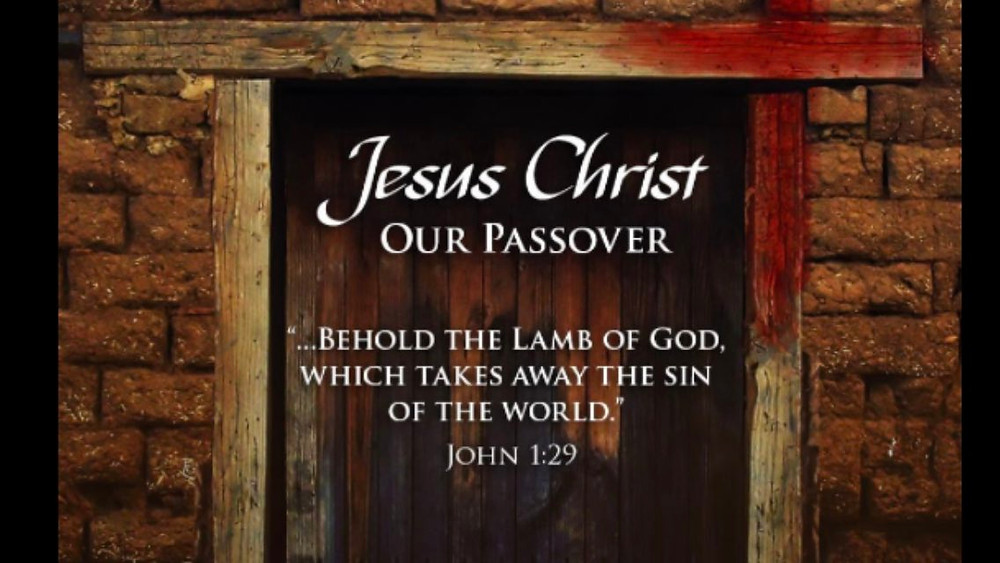



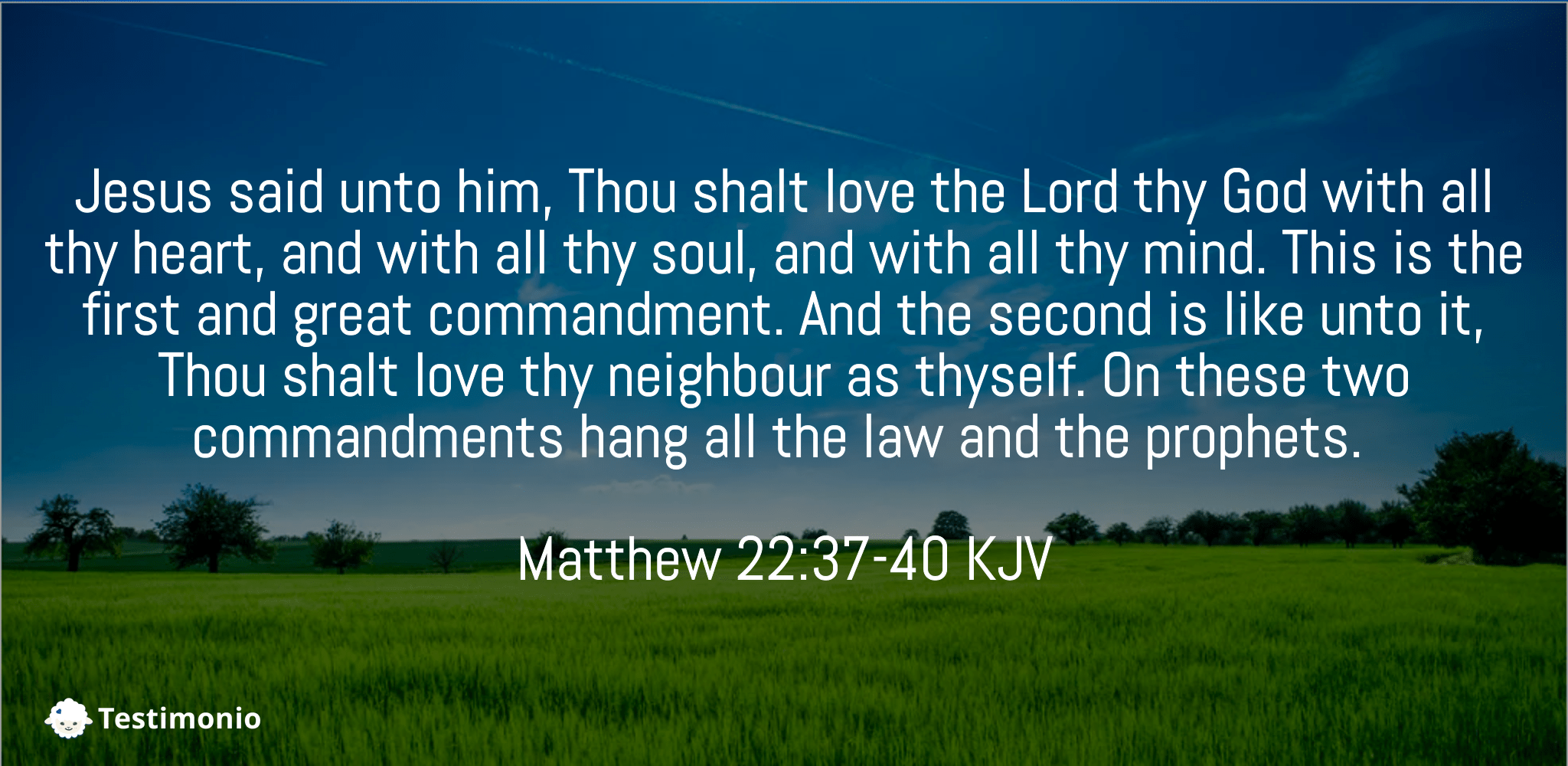

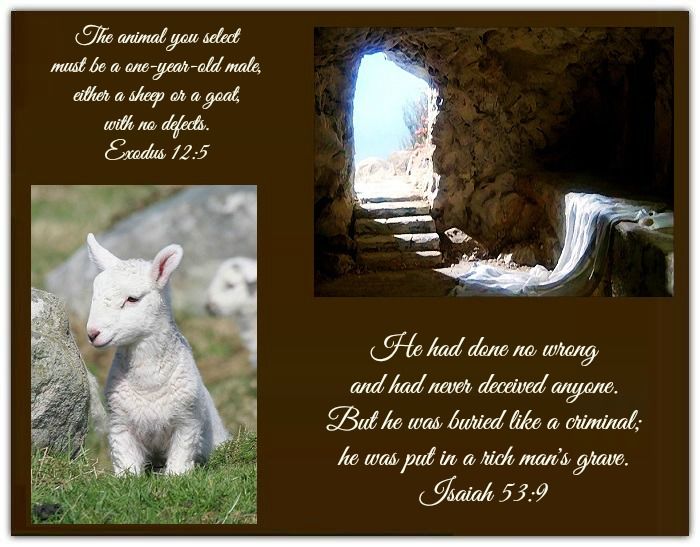




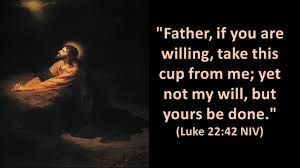

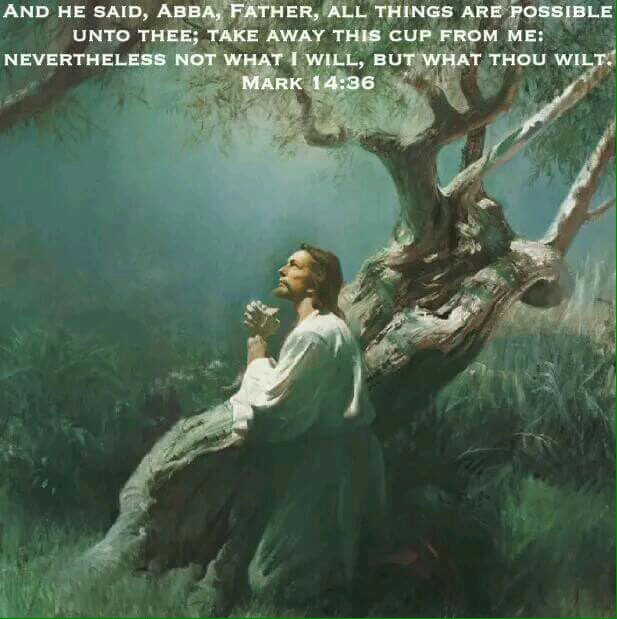


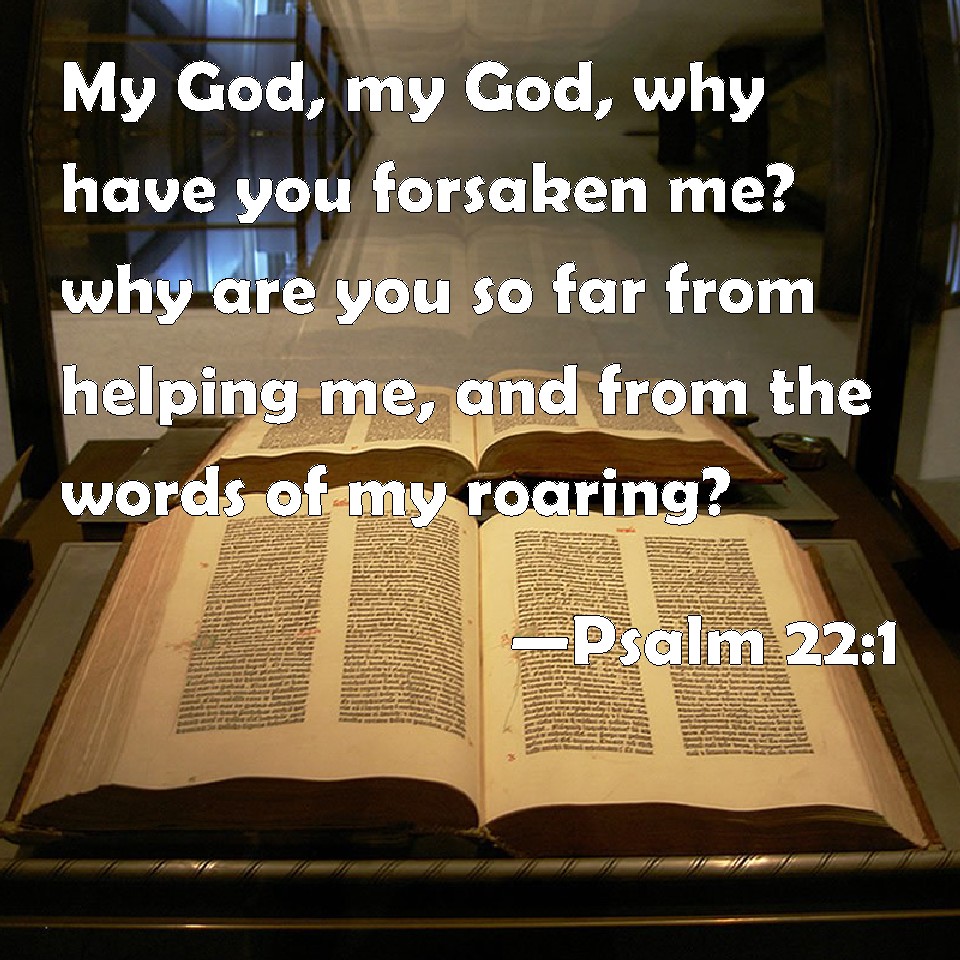




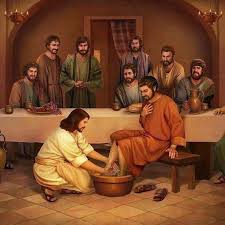
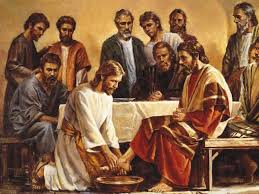


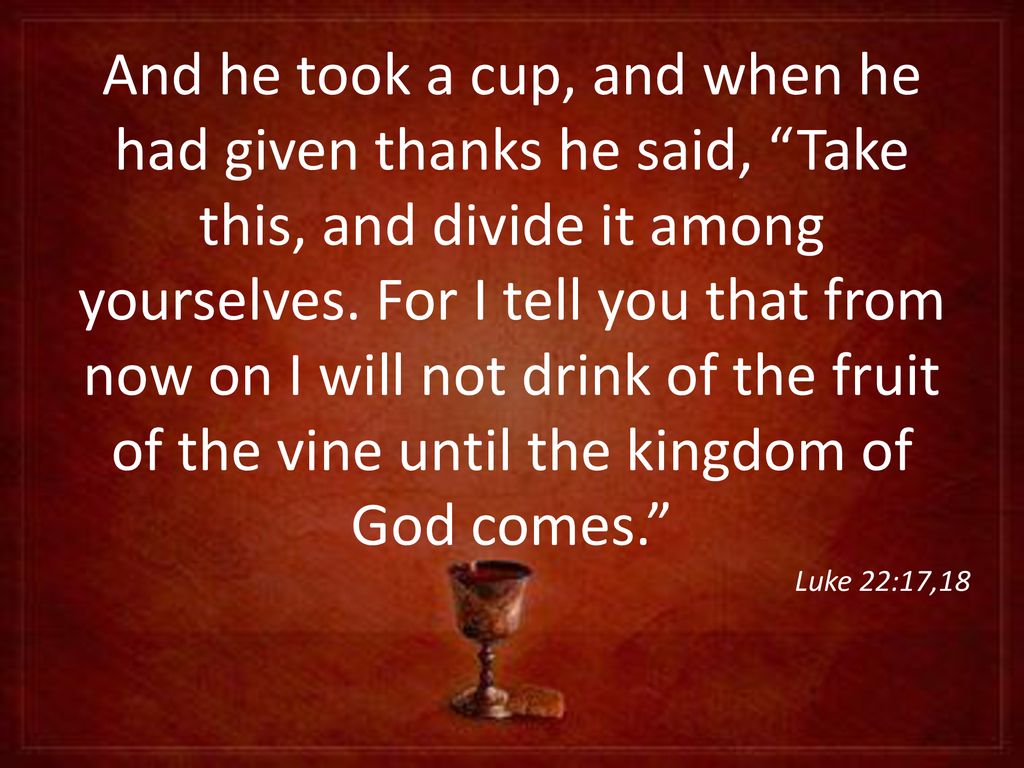


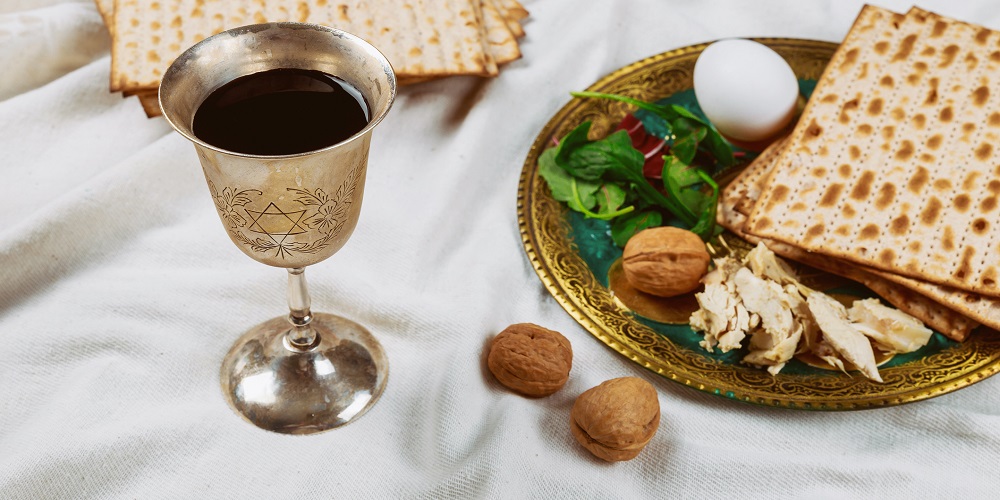
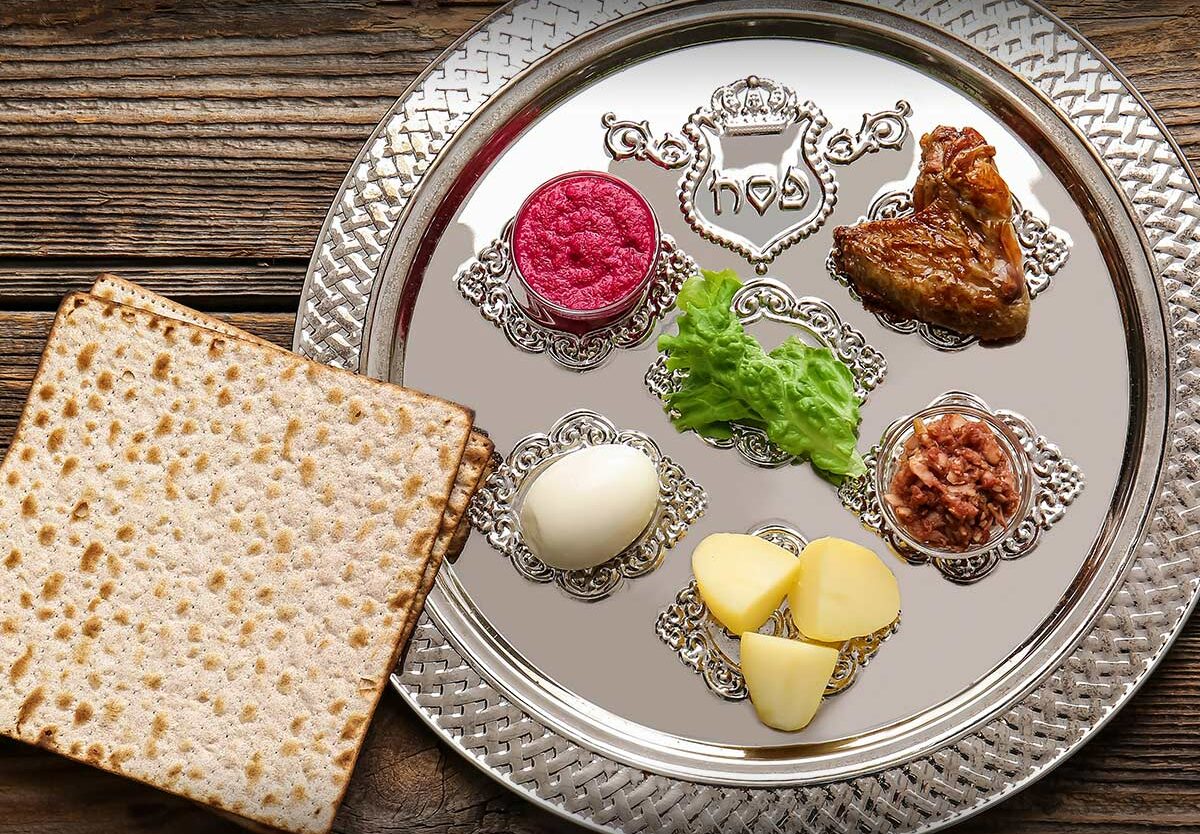
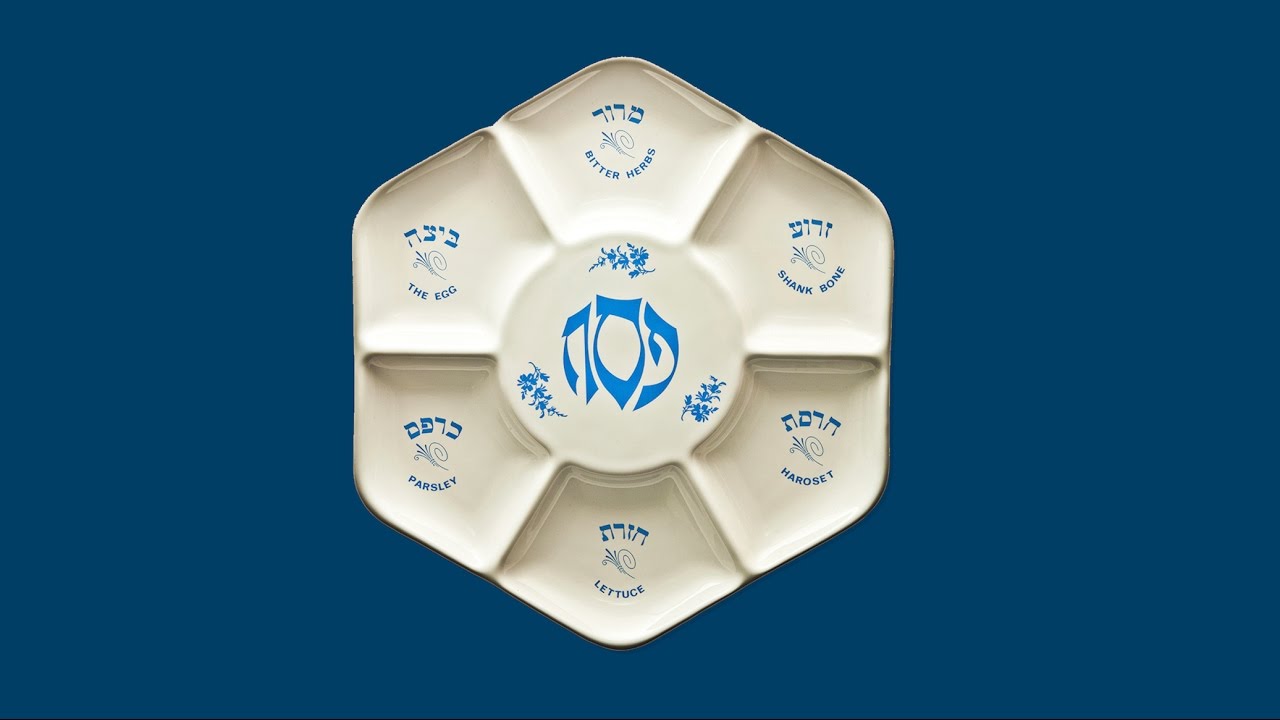
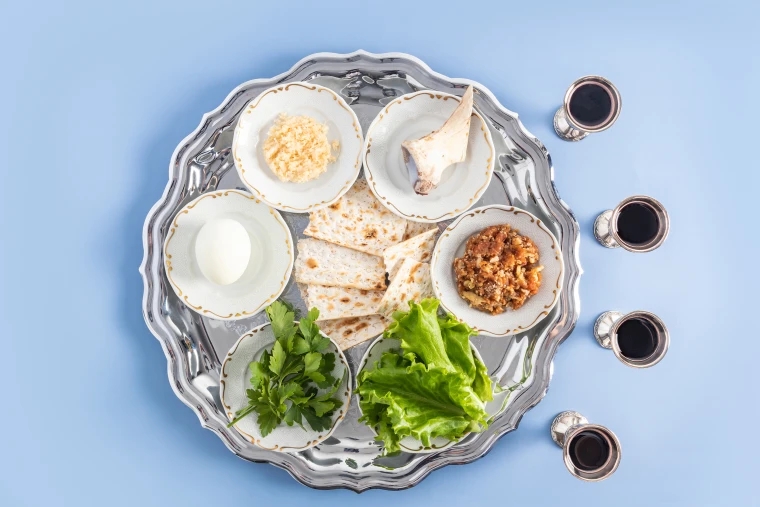
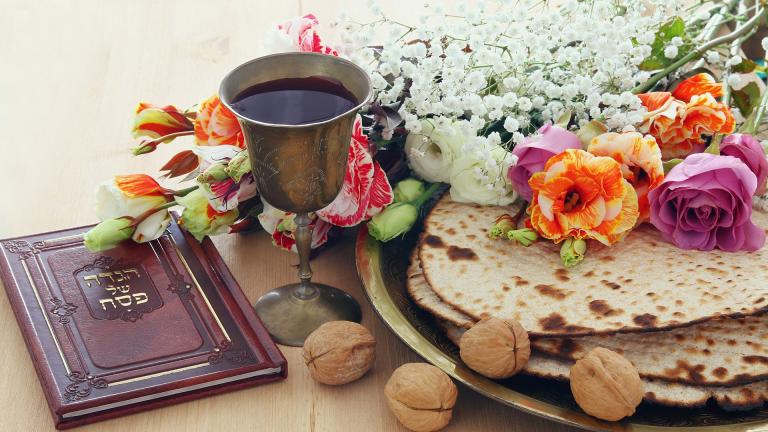
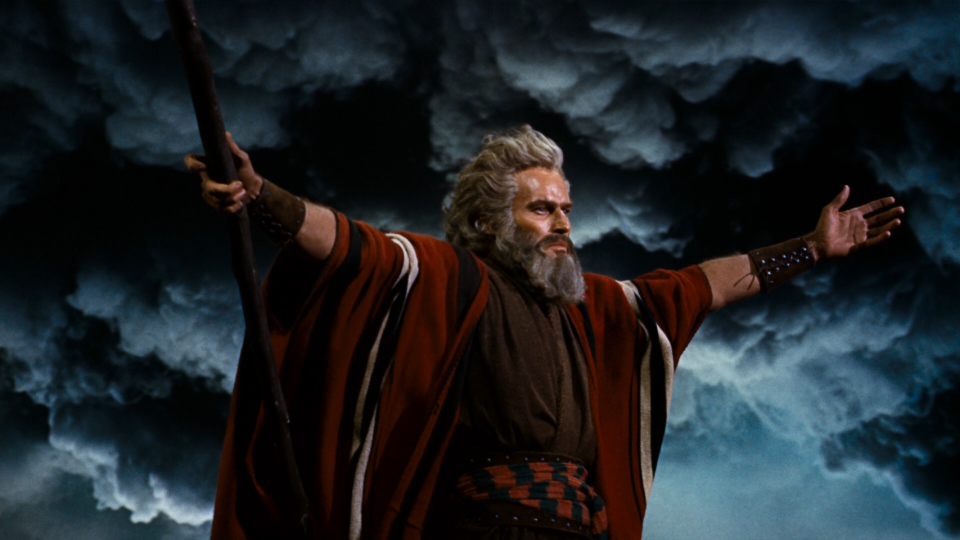


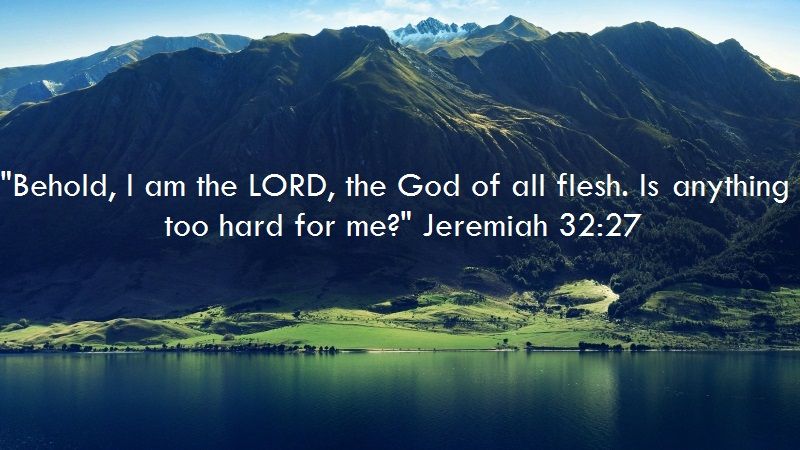




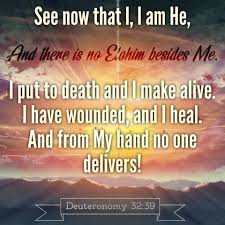


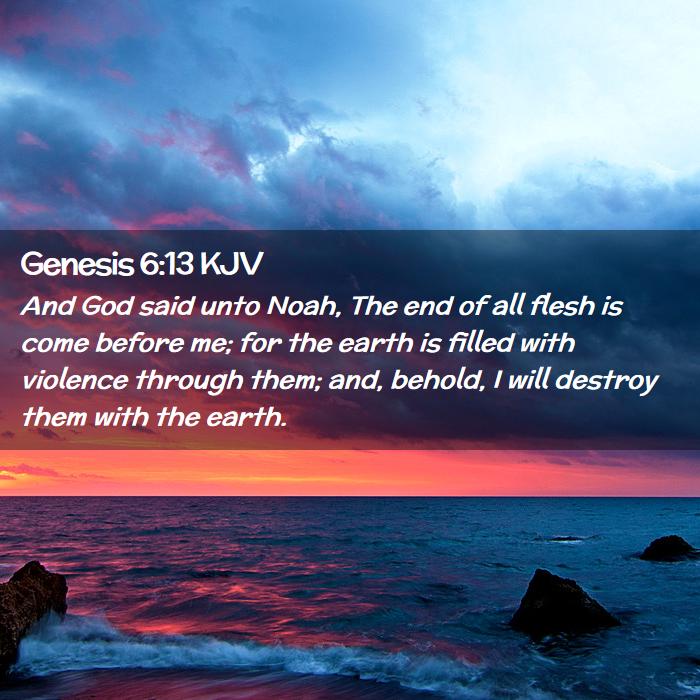

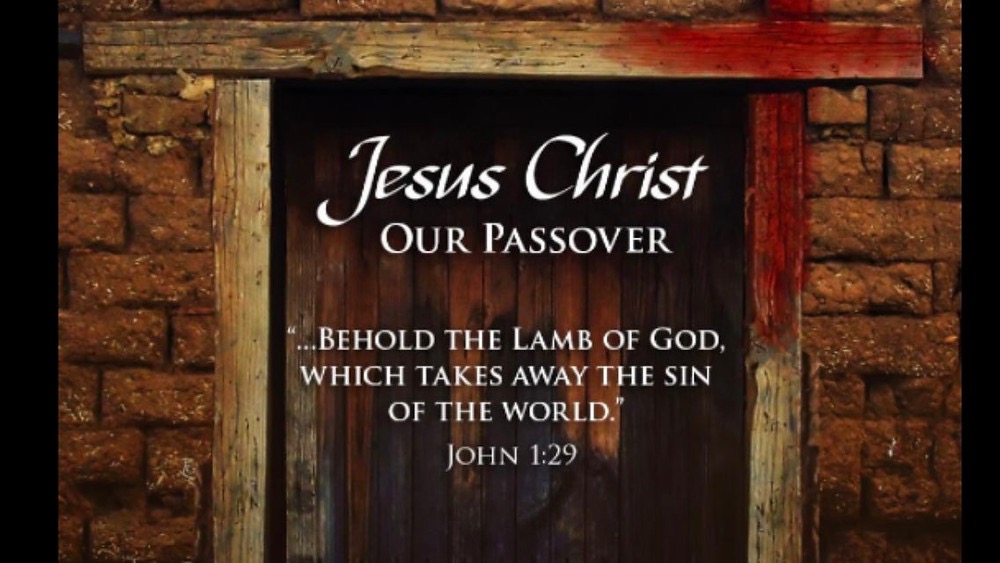

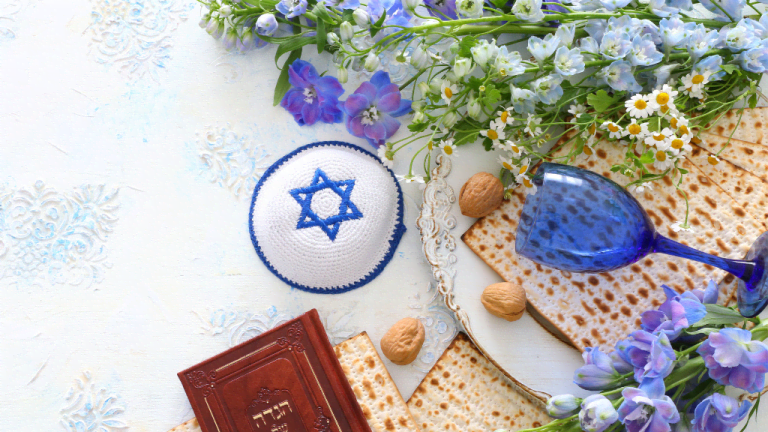


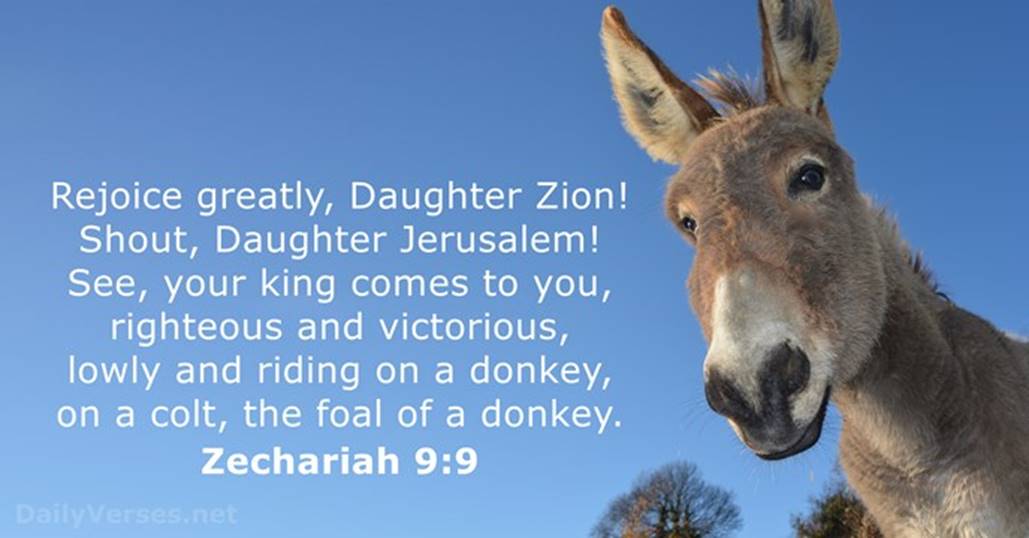




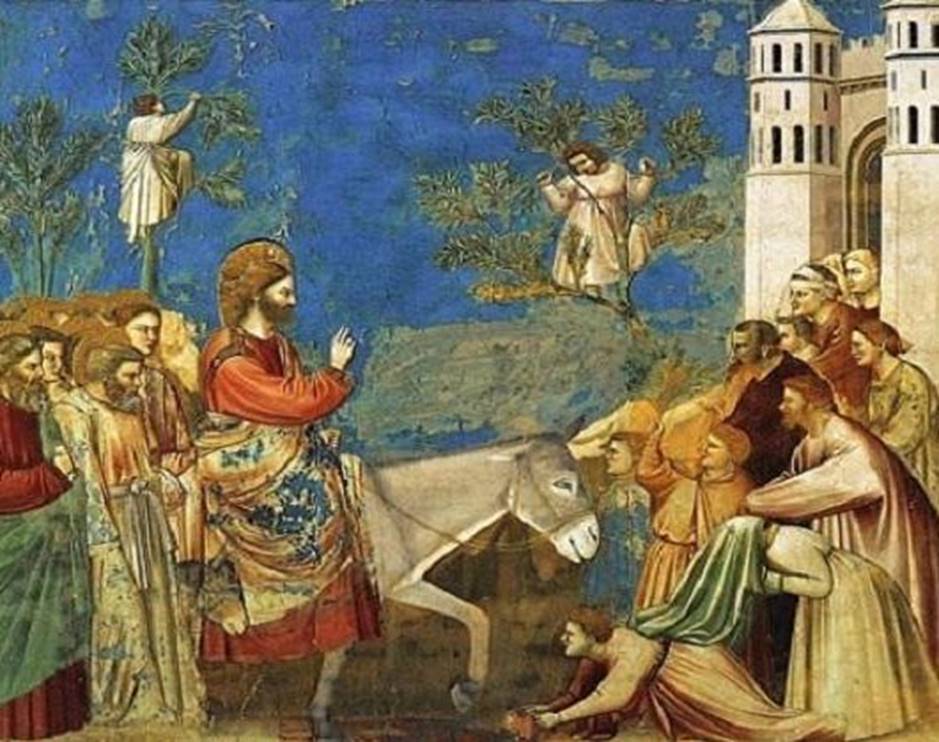




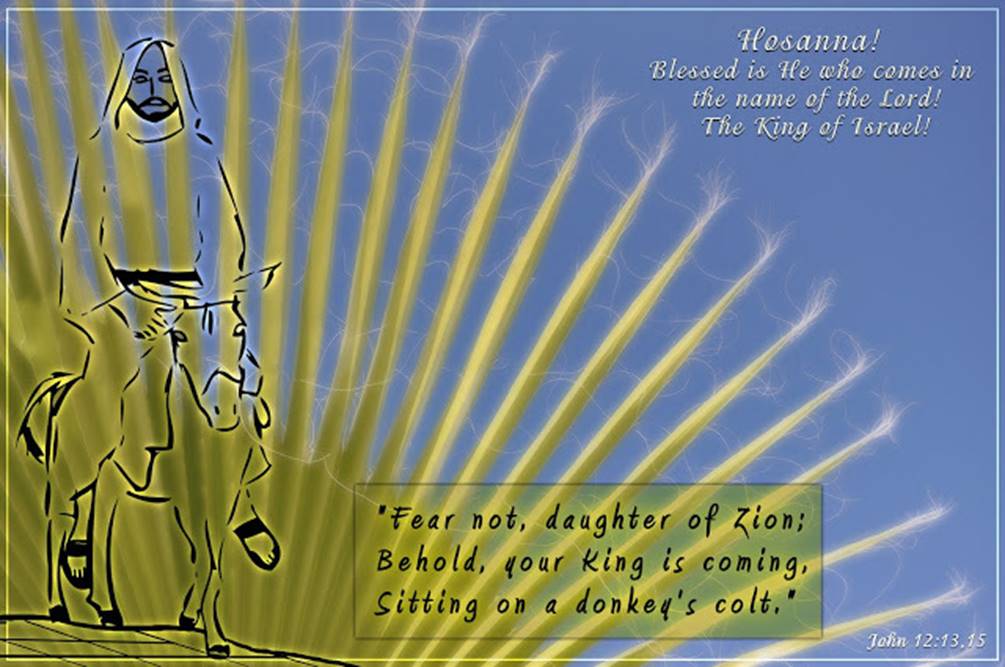




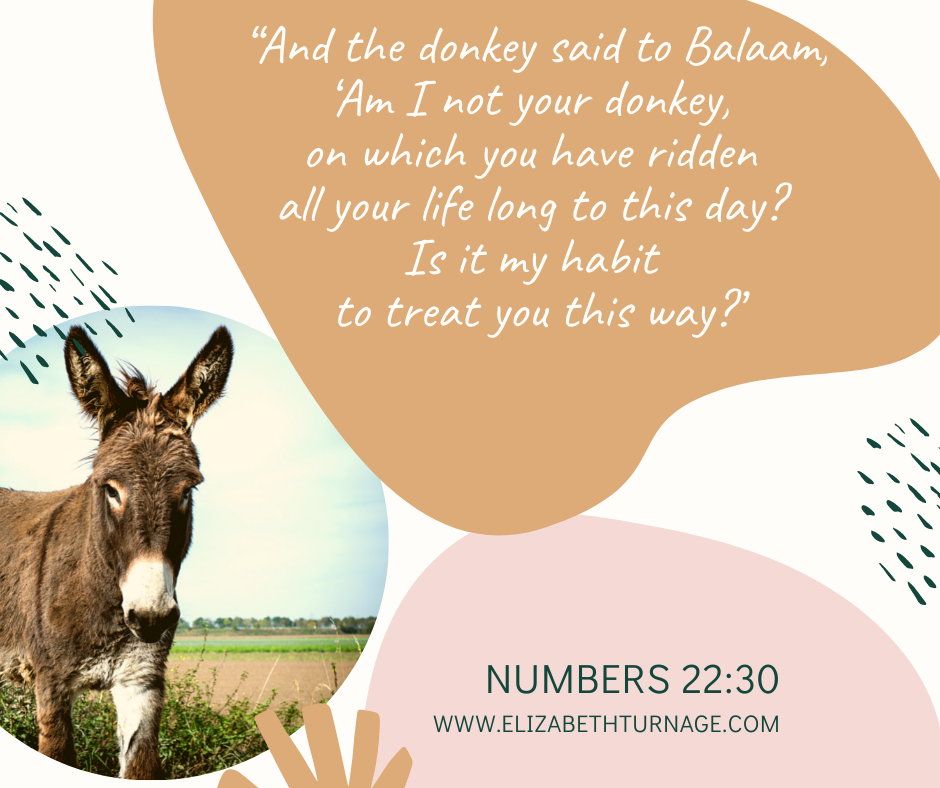






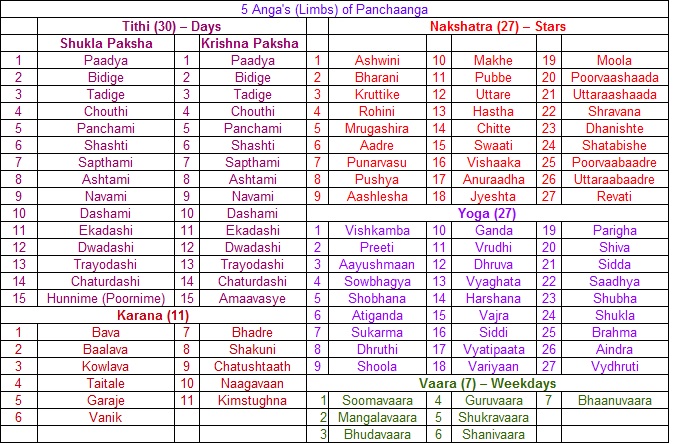


























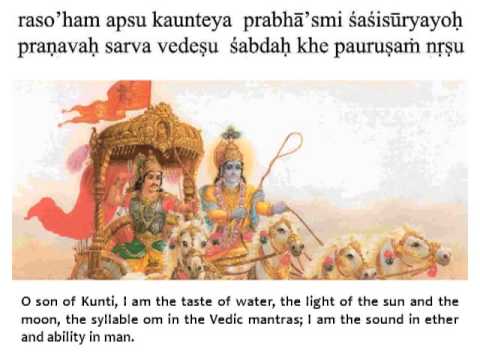


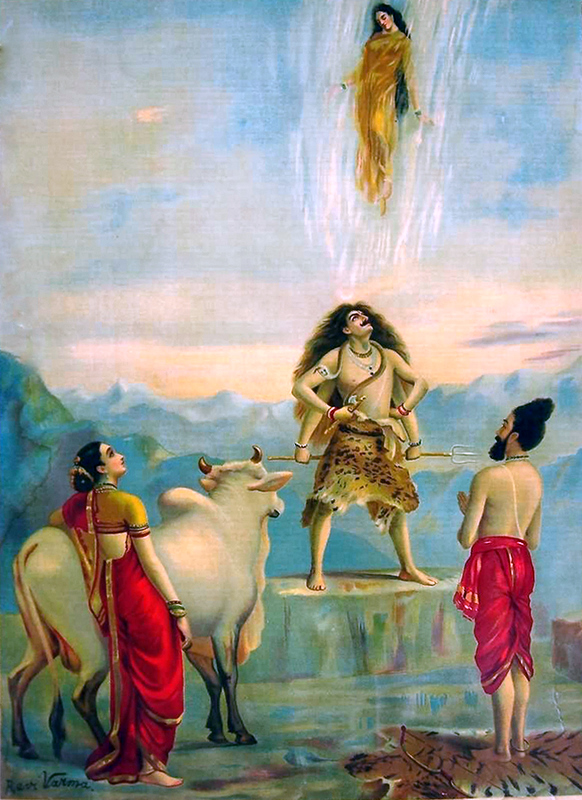


 Whole Dude - Whole Spirituality