Rajahmundry Formulates My Connection to India and Indian Literature
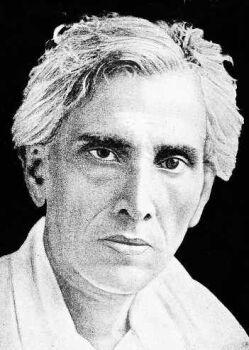
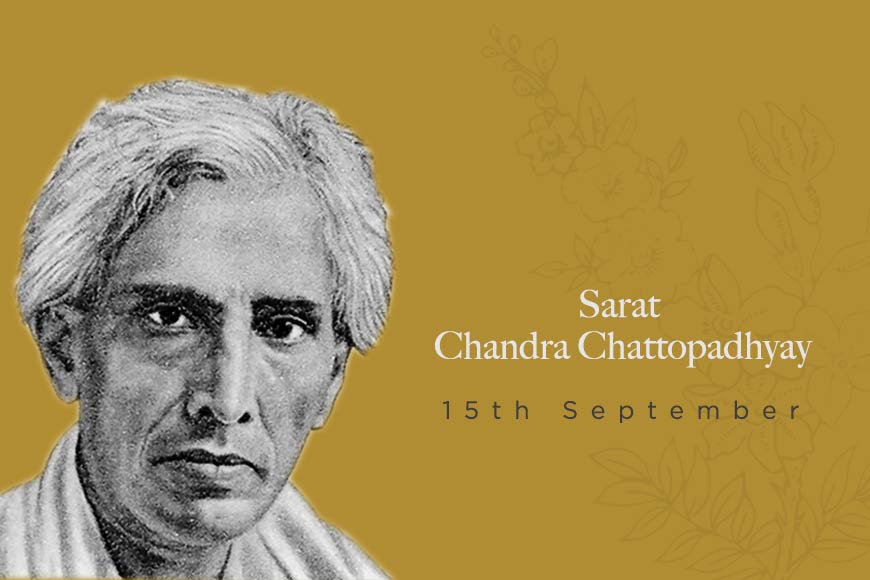
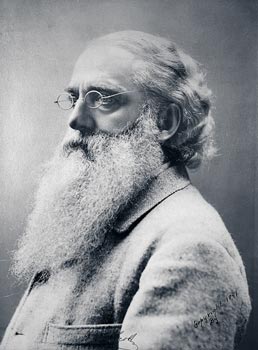
Bharat Darshan – City of Rajahmundry shapes My connection to India and Indian literature. Shri. Sarat Chandra Chatterjee or Chattopadhyay, popularly known as Sarat Babu.Shri. Sarat Chandra Chatterjee or Chattopadhyay, popularly known as Sarat Babu.
I belong to Rajahmundry where Kandukuri Veeresalingam had written the first novel ever written in the Telugu language. However, it was ‘ SARAT BABU’ who had first provoked my interest in reading Telugu literature. Sarat Babu, the famous novelist had written in Bengali language but fortunately, his books are translated into Telugu language and while I grew up in Rajahmundry, his novels were extremely popular he quickly aroused my curiosity.
Rajahmundry – My connection to India and Indian literature.
In 1953, the Telugu film ‘DEVADASU’ with Akkineni Nageswara Rao (A N R) in the lead role was released and the songs from that film though not written by Sarat Babu also became very popular. It was not the popularity of this film which had drawn me towards the novels written by Sarat Babu.
Rajahmundry – My connection to India and Indian literature
I actually started reading his translated stories a few years later after joining Danavaipeta Municipal Corporation High School. I was attracted by his powerful narrative style and the portrayal of the characters in his stories. His novels were easily available in the City Public Library. I know Telugu people who learned the Bengali language just to get the pleasure of reading Sarat Babu’s original works. I also know some of my friends who acquired their names from Sarat Babu. I should acknowledge the fact that his novels gave me the impetus to develop the habit of reading books. While Telugu people could embrace and adore a Bengali novelist, I have not witnessed any love for Tamil writers. While I attended Danavaipeta Municipal High School in Rajahmundry, I learned about ‘TIRUKKURAL’ and was not introduced to any other Tamil literature.
The Bengal, Andhra, Tamil Connection:
Rajahmundry – My connection to India and Indian literature.
Since Mylapore, Madras is my birthplace, I grew up with a sense of fondness for that City and during the 1950s I visited Madras several times as my maternal grandparents still lived there. The Howrah-Madras Mail connected Rajahmundry and Madras. At Rajahmundry I got connected to the nation and much of it was inspired by the writers and thinkers of Bengal. At the beginning of the 20th century, Bengal shaped our sentiments and exerted a great influence on our minds. I am not surprised that ‘Vande Mataram’ is our National Song and ‘Jana Gana Mana’ is our National Anthem and the honor goes to Bengal. Unfortunately, Madras apart from being the State Capital could not excite Telugu people’s’ hearts in the way Bengal did. I can not recall the name of even one public figure from the Tamil speaking areas of Madras State who may have visited Rajahmundry or other Telugu speaking areas of Madras State. Actually, the relationship between Telugu and Tamils started deteriorating after India’s independence in 1947 and it led to the linguistic partition of India. I am proud of my Telugu heritage but I am not truly happy with the partition of the country on a linguistic basis.
Rajahmundry – My connection to India and Indian literature
Dr. R. Rudra Narasimham, B.Sc., M.B.B.S.,
C/O Shri. R. Suryanarayana Murthy, M.A., B.Ed.,
13-92 First Cross Road, Prakasam Nagar, Rajahmundry,
East Godavari District, Andhra Pradesh, India.
S.S.L.C. MARCH 1961, Danavaipeta Municipal High School, Rajahmundry.
Rajahmundry – My connection to India and Indian literature
THE SPIRITS OF SPECIAL FRONTIER FORCE WELCOME HIS HOLINESS THE DALAI LAMA TO ANN ARBOR, MICHIGAN
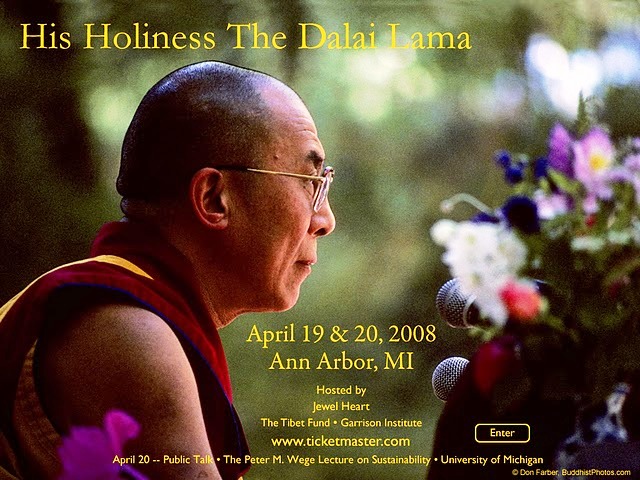
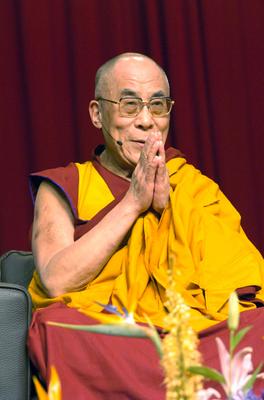
His Holiness, The 14th Dalai Lama spoke on “Engaging Wisdom and Compassion” on April 19-20, 2008 at Crisler Arena, The University of Michigan, Ann Arbor.
The concept of Sunyata, Emptiness or Nothingness:
The emptying of the mind and the attainment of an undifferentiated unity is a theme of the ‘Sunyata’ doctrine developed by Acharya Nagarjuna. ‘Sunyata’ can be stated as a state of “pure consciousness” in which the mind has been emptied of all particular objects and images. The emptied mind reflects or manifests the undifferentiated reality in which the world appears without distinction and multiplicity.
H.H. Dalai Lama’s presentation :
“At the root of all our suffering lies a form of ignorance, a form of unknowing”. The origin of suffering is attachment. “Self-grasping( or self-focus) gives rise to suffering. It is the root of all afflictions”. “Self-grasping” leads to attachment to impermanent things or thoughts which gives rise to suffering. Emptiness is created by casting aside the attachment to everyday things and worries.
H.H. Dalai Lama advised practicing loving kindness to eliminate the afflictions caused by attachment. The goal, he said is,”Cultivating the Wisdom of no self”, a sense of grand emptiness that leaves behind everyday pollutants that can take both physical or emotional form.
THE SPIRITS OF SPECIAL FRONTIER FORCE:
Special Frontier Force is a multinational defense plan to defend freedom and democracy in the occupied Land of Tibet. I had emptied my mind of all desires. The Spirits that inhabit my Consciousness seek Freedom in their Land of origin.
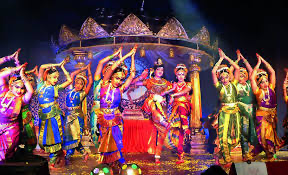
Bharat Darshan – A tribute to Rajahmundry’s traditions of Performing Arts
Bharat Darshan – A tribute to Rajahmundry’s traditions of Performing Arts
Bharat Darshan – A tribute to Rajahmundry’s traditions of Performing Arts
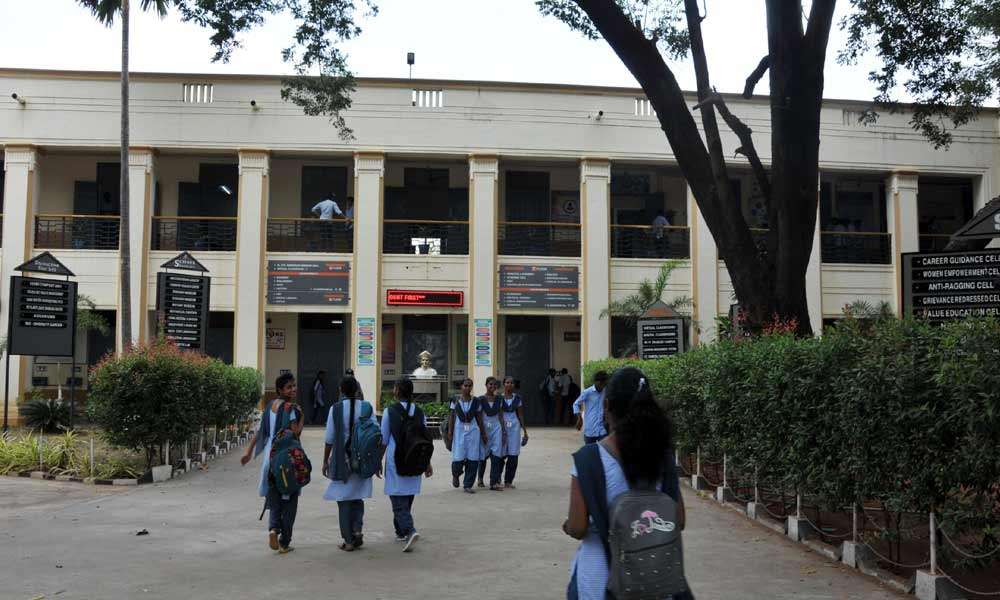
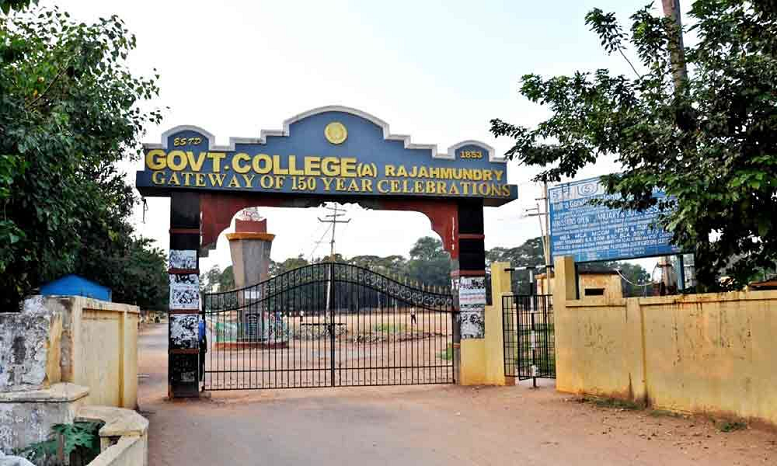
GOVERNMENT ARTS COLLEGE, RAJAHMUNDRY WHERE STUDENTS EXCEL IN PERFORMING ARTS
The Traditions of Performing Arts in Rajahmundry
Bharat Darshan – A Tribute to Rajahmundry’s Traditions of Performing Arts
Rajahmundry gets credit for being the home for great artists. The first drama in Telugu language was written by KandukuriVeeresalingam, a native of Rajahmundry. During the few years I spent in Rajahmundry, I had witnessed several wonderful performances and all of them without paying an entrance fee or buying a ticket. The community supports these performances and they are staged for public enjoyment free of cost. I had earlier mentioned about a traditional art form known as ‘BURRA KATHA‘. There is another traditional form of story narration known as ‘HARI KATHA’ and it introduced to me several interesting stories from the Indian epic poems.
Bharat Darshan – A Tribute to Rajahmundry’s Traditions of performing Arts. The Tradition of story-telling called Harikatha.
Apart from story narration, Rajahmundry is a great place to witness artists performing drama. The themes are selected from mythology, history, social satire and modern social life. We have several companies in Rajahmundry that provide costumes, makeup artists, and stage equipment. During the major festivals and summer school vacations, we very often get a chance to enjoy the performances on makeshift stages putup at road intersections during night time. At the Government Arts College, Rajahmundry, students always celebrate their annual functions with several drama performances.
Just in Time- A Little Performance for Little Kids:
Bharat Darshan – A Tribute to Rajahmundry’s Traditions of Performing Arts
There is a memorable performance that I witnessed at the Government Arts College, Rajahmundry, fully enacted by little kids. I remember some of the lines from this song drama :
A little girl sings,
“Found a peanut, Found a peanut, Found a peanut Just Now,”
The girl relishes eating the peanut,
Very soon, the girl is in trouble,
“Stomach aching, Stomach aching, Stomach aching Just Now,”
The girl can not bear the pain and asks for help,
“Call the Doctor, Call the Doctor, Call the Doctor Just Now”,
A young kid in doctor’s costume arrives, and the girl instructs the doctor,
“Cut it Open, Cut it Open, Cut it Open Just Now”,
The young doctor performs the mock surgery as the girl demands,
“Find the Peanut, Find the Peanut, Find the Peanut Just Now”,
The doctor successfully removes the offending Peanut, and the girl recovers,
“Thank You Doctor, Thank You Doctor, Thank You Doctor Just Now.”
A Tribute to Rajahmundry’s Traditions of performing Arts
My sister was the little girl in this performance and the audience received this brief show with a great sense of amusement and because of that pleasurable experience, I still happen to remember the lines.
This is my tribute to the great lovers of performing arts whose patronage makes Rajahmundry a wonderful place and I still cherish those pleasant memories of spending the evening hours watching very entertaining dramas.
Dr. R. Rudra Narasimham, B.Sc., M.B.B.S.,
DANAVAIPETA MUNICIPAL HIGH SCHOOL, RAJAHMUNDRY,
S.S.L.C. CLASS OF MARCH, 1961.
Bharat Darshan – A Tribute to Rajahmundry’s Traditions of Performing Arts. The tradition of story-telling called Burrakatha.
Rajahmundry – The Gateway to Traditions and History
Bharat Darshan – Rajahmundry – The Gateway to Traditions and History. Kandukuri Veeresalingam Pantulu of Rajahmundry
Kandukuri Veeresalingam Pantulu of Rajahmundry
Bharat Darshan – Rajahmundry – The Gateway to Traditions and History
I am a native of Rajahmundry of East Godavari District, Andhra Pradesh, India by way of my family connections. I lived only a small part of my life in my hometown. Within those few years, Rajahmundry very graciously connected me to the nation that we know as India. On one hand, I was introduced to the traditions of River Worship and Idol Worship, I got acquainted with the ideas of Ahimsa (non-injury), and at the same time I was also introduced to India’s history of foreign occupation, the pain imposed by the Muslim invaders, the struggle for Independence from the British Rule and equally important is the social awakening of the people. During the 19th century, India saw the rise of nationalism and simultaneously there was a wish to reform the society. The natives of Rajahmundry received inspiration from a variety of sources.
Bharat Darshan – Rajahmundry – The Gateway to Traditions and History. ANNIE BESANT – ANGEL OF INDIA.
Ms. Annie Besant who became the President of the Theosophical Society in 1907 visited Rajahmundry twice and established a place of worship known as ‘Divya Gjyan Samaj’ in a residential sub-division of Rajahmundry which is still known as ‘ALCOT GARDENS’ (named after Theosophist Henry Steel Olcott).
Bharat Darshan – Rajahmundry – The Gateway to Traditions and History
Bipin Chandra Pal (1858-1932), the leader of ‘Vande Mataram’ nationalist movement visited Rajahmundry in April 1907.
Bharat Darshan – Rajahmundry – The Gateway to Traditions and History
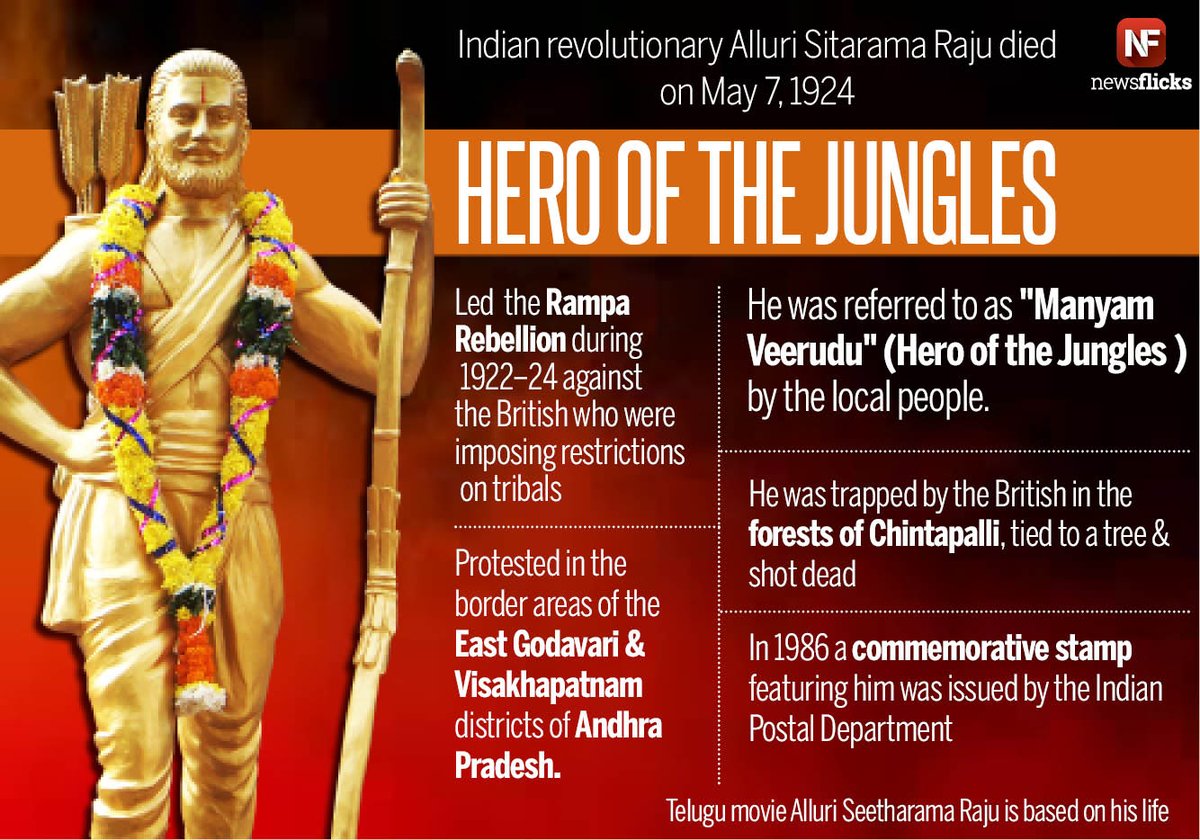
Alluri Sita Ramaraju (1898-1924) was inspired by the patriotic zeal of the revolutionaries in Bengal and waged a brief war against the British winning the hearts of the natives of Rajahmundry.
Kandukuri Veeresalingam Pantulu Garu:
Bharat Darshan – Rajahmundry – The Gateway to Traditions and History
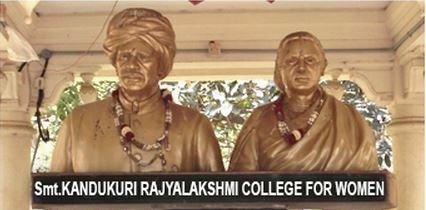
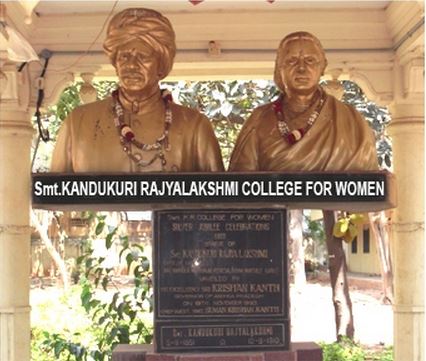
He was born into a poor Brahmin family at Rajahmundry in 1848. About one hundred years later, when I arrived in Innespeta subdivision of Rajahmundry, the first time I had known this great man was during a visit to the municipal park on the Main Road, just a short walking distance from my grandparents’ house. There is a very imposing statue and people spoke about him with pride and admiration. My eldest brother, Hari was a student at the Veeresalingam Theistic High School in Innespeta. During the academic year 1952-53, I studied in 3rd grade at ‘Shade Girls High School’ located near ‘Kambala Cheruvu’ (Lake Kambala) while my family resided in Danavaipeta subdivision of Rajahmundry. Myself and my elder brother Pratap used to walk to the school and the easiest way to reach the school was a private road which traverses the Veeresalingam Gardens. The subdivisions of Danavai peta and the Danavai Pond and Prakasam Nagar are located on the southern side of the Gardens and Gandhi Nagar is located along the northern perimeter of the Gardens. The school is at a short distance from the north-west entrance to the Gardens. Apart from the tombs of Veeresalingam and his wife Rajya Lakshmi, the Gardens had a venue to conduct marriage functions and there was a Home for Widows. On our way to the school, we used to enter the Widow’s Home and a classmate of ours by name Sai Baba would join us in the walk to the school. On our return trip, the three of us used to reach the Home and after leaving Sai Baba, myself and my brother would resume our walk to our residence in Danavaipeta. There were several occasions when we would wait at the Home while Sai Baba’s mother would be breastfeeding him. During that school year, it was my daily experience and I knew that my friend and his mother derived their support from this great benefactor known as Veeresalingam.
As my family lived on the outer fringes of Veeresalingam Gardens during the most part of my later school years at Danavaipeta Municipal High School, walking across the Gardens and playing cricket in the evening in the open areas of the Garden became a part of my daily routine. The Gardens had several flowering plants and fruit-bearing trees and to celebrate the festival of Ganesh we used to gather from the Gardens several flowers, leaves, and fruits which are required for the worship. At the same time, I also knew about ‘Hithakarani Samajamu’. Veeresalingam donated all his lifetime earnings and had established this trust in 1907. Addepalli Vivekananda Devi, a social worker, and educationist lived in Danavaipeta and I had seen her several times and I was aware that she was continuing the relentless effort started by Veeresalingam to empower women and for the uplifting of women.
Bharat Darshan – Rajahmundry – The Gateway to Traditions and History
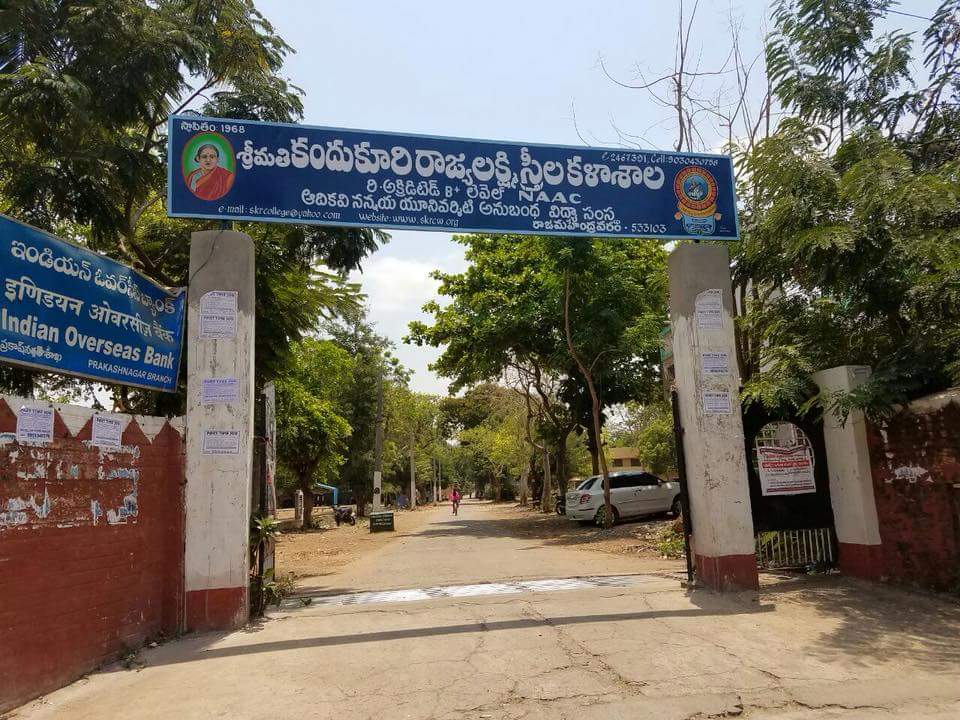
In 1968, Ms. Addepalli Vivekananda Devi successfully established Srimati. Kandukuri Rajya Lakshmi College for Women near the Lake known as ‘Danavai Gunta’. My sister and a sister-in-law studied in this College.
Veeresalingam was influenced by the ideals of ‘BRAHMO SAMAJ‘ founded by the great social reformers of Bengal, Raja Ram Mohan Roy, Keshub Chunder Sen, and Iswar Chandra Vidya Sagar who did much work for women’s emancipation. Veeresalingam was the pioneer of social reform in Andhra areas of the Madras Presidency apart from his remarkable contributions to Telugu literature and for the cause of education.
Bharat Darshan – Rajahmundry – The Gateway to Traditions and History
During the course of life, moments slip away and fortunately, they are laid into account. If there are no memories, there is no life worth speaking about.
Dr. R. Rudra Narasimham, B.Sc., M.B.B.S.,
Danavaipeta Municipal High School, Rajahmundry,
S.S.L.C. Class, March 1961
Bharat Darshan – Rajahmundry – The Gateway to Traditions and History.
The West Meets the East – Meet the White American Brahmin
Bharat Darshan – The West Meets the East-Meet the White American Brahmin.
Colonel Henry Steel Olcott (Born. August 2, 1832,Orange, N.J. U.S.A., Died. February 17, 1907, Adyar, Madras (Chennai), India.
Bharat Darshan – The West Meets the East-Meet the White American Brahmin.
“OH, East is East, and West is West,
And never the twain shall meet.
Till Earth and Sky stand presently at
God’s Great Judgment Seat.”
(Rudyard Kipling, English poet, novelist, Nobel Prize winner)
The West Meets the East – The East – West Confluence:
Bharat Darshan – The West Meets the East. Meet the White American Brahmin. Helena Petrovna Blavatsky and Colonel Henry Steel Olcott founded the Theosophical Society and established its headquarters at Adyar, Madras, Chennai .
Colonel Henry Steel Olcott, an American lawyer and philosopher founded the Theosophical Society in New York City in 1875 along with Russian-born religious mystic Helena Petrovna Blavatsky, William Judge and others. He became the first president of the Theosophical Society. In 1878 he and Blavatsky visited India. The two settled there in 1879 and in 1882 established the permanent headquarters of the Theosophical Society at Adyar, Madras. Theosophy incorporates aspects of Buddhism, Hinduism and Christian esotericism. His acceptance by and influence on the Buddhists was far reaching. Identified with Eastern philosophical thought, he also helped revive Hindu philosophy. A Pandit conferred on him the sacred thread of the Brahmin caste.
Olcott dedicated his energies to fraternal understanding and the search for truth. He referred to theosophists as “original searchers after spiritual knowledge”. In his farewell message he expressed the wish ” to impress on all men on earth that ‘there is no religion higher than Truth’ and that in the Brotherhood of Religions lies the peace and progress of humanity.”
Upon his death at Adyar, Madras, India in 1907, Olcott was succeeded as president by Ms. Annie Besant, a social reformer and Indian independence leader. She visited my home town Rajahmundry twice and established ‘Divya Gjyan Samaj'(Divine Wisdom Assembly) building at Alcot Gardens. The teachings of the Theosophical Society emphasized human service, a spiritual evolutionism and the role of suprahuman masters of Wisdom (“ADEPTS”).
The natives of my home town Rajahmundry still honour the memory of Colonel Olcott. The residential community of ‘Alcot Gardens’ derives its name from “Olcott”. (Kindly review the comment posted .)
Dr. R. Rudra Narasimham, B.Sc., M.B.B.S.,
Danavaipeta Municipal High School, Rajahmundry, East Godavari District, Andhra Pradesh, India,
S.S.L.C., Class of March, 1961.
THE WEST MEETS THE EAST. MEET THE WHITE AMERICAN BRAHMIN. ANNIE BESANT – ANGEL OF INDIA .
Akshaya Paatra – Discover Bliss from an empty pot.
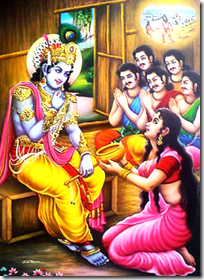
DHARMA RAJA, THE ELDEST OF PANDAVA PRINCES RECEIVING “AKSHAYA PAATRA” FROM ‘SURYA BHAGAWAN’
Akshaya Patra. Discover Bliss From an Empty Pot.
THE STORY OF AKSHAYA PAATRA:
Akshaya Paatra – Discover Bliss from an empty pot. There are several interesting legends associated with Akshaya Tritiya.
The word ‘Akshaya Paatra’ in the Sanskrit language means an inexhaustible vessel. This pot could supply delicious meals in an endless manner. This story is found in the Indian Epic poem of Mahabharata. Akshaya Paatra was a divine gift given to Dharmaraj by the Sun god, Surya. The pot was given to help the princely family of Pandavas to tide over their difficulties while they spent twelve years in the forest. They had to spend time in exile after losing their kingdom in a game of dice. Akshaya Paatra would provide meals so that the Pandava family could keep up with the Indian traditions of hospitality.Also keeping in line with the tradition, each day Akshaya Paatra would serve the final and last meal to the hostess. The hostess, Draupadi was very mindful of her traditional role and each day she would feed all the guests, all the dependents, all the family members and would then take the last meal.
THE DISCOVERY OF BLISS FROM AN EMPTY POT:
Akshaya Paatra – Discover Bliss from an empty pot.
As per the story from Mahabharata, one evening, Draupadi found herself in a troubled situation. A Hindu sage by the name of Durvasa with a large entourage of his disciples arrived at the forest abode of Pandavas after Draupadi had taken the last meal from Akshaya Paatra. She prayed to Lord Krishna seeking help to feed her guests. Lord Krishna appeared before her and asked her to feed Him from Akshaya Paatra. Draupadi regretfully answered that the pot was empty. He directed her to take a closer look. Draupadi carefully reexamined the pot and discovered a single grain of rice that was stuck in the pot. As instructed, she fed the last grain from the pot to Lord Krishna and now the pot became truly empty. Lord Krishna derived His satisfaction when the last grain from the pot was removed and simultaneously, the entire party of guests experienced full satiation and Draupadi escaped from the burden of actually feeding them that evening.
I am speaking of this story about Akshaya Paatra to understand the concept about emptying the mind to discover pure consciousness. In Indian literature and idiom, the mind is often compared to a vessel or a pot. When all thoughts ( or desires) are taken out of the mind, what would remain in the mind is like that single grain of rice that Draupadi had discovered in the otherwise empty Akshaya Paatra. This last grain would represent the pure consciousness which discovers its unity with the Divine consciousness to provide pure Bliss and Joy. Lord Krishna could have easily provided a hearty meal to the entire party of guests. He did not choose to provide happiness through gratification of the physical needs of the body. Akshaya Paatra if seen as the representation of the mind, the mind was truly emptied when the last grain was removed from it and Lord Krishna demonstrated that there is no need to fill-up the pot to feed our desires. He delivered Joy, Bliss, and a total sense of perfect satisfaction while the pot remained empty. Just like the empty Akshaya Paatra that provided Bliss, when the last grain of desire is removed from the mind and given in offering to the Lord, the Lord would provide all that you may need without physical gratification of the senses. Man at any given age, under all given circumstances, in good health, or ill-health exists in this physical world because of ‘God-Connection’, the Connection between man, the energy seeker, and God, the energy provider. When the God-Connection is recognized, man experiences a sense of satisfaction, mental satiation, and he would have no desires to be gratified.
Akshaya Patra. Discover the Bliss From an Empty Pot.
There is Joy in Emptiness. ‘Engaging Wisdom and Compassion’. The Dalai Lama spoke at Crisler Arena, Ann Arbor.
The Dalai Lama is believed to be a manifestation of Avalokiteshvara or Chenrezig, the Bodhisattva of Compassion and the patron saint of Tibet. Bodhisattvas are enlightened beings who have postponed their own nirvana and chosen to take rebirth in order to serve humanity.
Tenzin Gyatso, the 14th Dalai Lama, was born in 1935 in a small hamlet in northeastern Tibet. At the age of 2, the child who was named Lhamo Dhondup, was recognized as the reincarnation of the 13th Dalai Lama, Thubten Gyatso.
The 14th Dalai Lama will visit Ann Arbor for a series of talks in Crisler Arena at the University of Michigan on Saturday and Sunday April 19 and 20. His presentation of the University of Michigan’s annual Peter M. Wege Lecture on Sustainability is in celebration of Earth Day. The Wege Lecture is sponsored by the Center for Sustainable Systems at the School of Natural Resources and Environment. He will also present a two-day program with two sessions on April 19 and 20. The session will focus on ” Engaging Wisdom and Compassion “. The teaching will be based on Acharya Nagarjuna’s Commentary on Ultimate Compassion and Je Tsong Khapa’s “In Praise of Dependent Origination.”
The Nature of Existence – The concept of Sunyata (Emptiness or Nothingness):
There is Joy in Emptiness. ‘Engaging Wisdom and Compassion’. The Dalai Lama spoke at Crisler Arena, Ann Arbor. Acharya Nagarjuna (A.D. 150-A.D. 250), the proponent of the ‘Sunyata’ doctrine.
Acharya Nagarjuna (A.D. 150- A.D. 250) born into a Brahmin family had lived in the present State of Andhra Pradesh, India. The emptying of the mind and the attainment of an undifferentiated unity is the theme of the ‘SUNYATA’ doctrine developed by Acharya Nagarjuna. ‘Sunyata’ is described as a state of “Pure Consciousness” in which the mind has been emptied of all particular objects and images. The emptied mind reflects or manifests the undifferentiated reality in which the world appears without distinctions and multiplicity. Nagarjuna was critical of both Buddhist and Hindu views on existence. According to Nagarjuna, the individual person is empty and lacks an eternal self. He extended the concept of ‘Sunyata’ to cover all concepts and all entities.
There is Joy in Emptiness. ‘Engaging Wisdom and Compassion’. The Dalai Lama spoke at Crisler Arena, Ann Arbor.
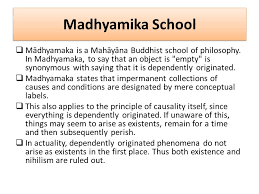
Nagarjuna’s philosophy is also called ‘Madhyamika’ because it claims to tread the middle path. As per Nagarjuna, the nature of existence is relational. There is no eternal reality behind changing forms of existence. There is no soul, no thing, no concept independent of its context, all things are empty of an absolute reality and exist only in relation to conditions.
There is Joy in Emptiness. ‘Engaging Wisdom and Compassion’. The Dalai Lama spoke at Crisler Arena, Ann Arbor.
The knowledge, perceiving the emptiness of all things and hence becoming detached from them, would help us to practice “nonattachment” in our engagement with people. If “EMPTINESS” is the highest Wisdom, it would help us to develop a sense of detachment and enable us to act with Compassion.
H.H. DALAI LAMA’S PRESENTATION -“ENGAGING WISDOM AND COMPASSION”:
There is Joy in Emptiness. His Holiness the 14th Dalai Lama spoke on ‘Engaging Wisdom and Compassion’ on April 19-20, 2008 at Ann Arbor.
“At the root of all our suffering lies a form of ignorance, a form of unknowing”. The origin of suffering is attachment. “Self-grasping( or self-focus) gives rise to suffering. It is the root of all afflictions.” “Self-grasping” leads to attachment to impermanent things or thoughts which gives rise to suffering.
My Philosophy of Medicine reviews the Buddhist Doctrine of Dependent Origination of Pain and Suffering
Emptiness is created by casting aside the attachment to everyday things and worries. “The ultimate awakening mind is the Wisdom that directly realizes emptiness.”
My Philosophy of Medicine reviews the Buddhist Doctrine of Dependent Origination of Pain and Suffering
H.H. Dalai Lama advised practicing loving kindness to eliminate the afflictions caused by attachment. The ultimate goal, he said is “cultivating the Wisdom of no self”, a sense of grand emptiness that leaves behind everyday pollutants that can take both physical or emotional form.
There is Joy in Emptiness. Is there Joy in receiving the Nobel Peace Prize?
MOSES PARTS THE RED SEA IN THE 1956 FILM TEN COMMANDMENTS DIRECTED BY DEMILLE
This entry is dedicated to the memory of legendary actor Charles Heston who passed away on April 5, 2008 at age 84.
In the Holy Bible, The Old Testament, The Second Book of Moses known as EXODUS traces Moses’ personal development and his emergence as one of history’s most decisive, powerful leaders. In Jewish history, Moses earned a place primarily as a liberator. He led the march from slavery to freedom, from Egypt to the Promised Land. Jews celebrate their liberation from slavery in Egypt as “PASSOVER” festival. Passover is one of the most important Jewish festivals. It is celebrated for seven days (by the Jewish calendar, Nisan 15-22). In year 2008, the festival begins on Saturday, April 19th. Jews celebrate the festival while reading the Book of Exodus. It includes encounters and conversations with God that have no equal in the Bible. Exodus contains much material about the nature of God. Moses met God in intimate ways which is not possible for other humans.
THE PROPER NAME OF GOD:
” I am that I am “- ” I will be what I will be “
EXODUS, Chapter 3, verses 13-14
Moses said to God, “Suppose I go the Israelites and say to them, ‘The God of your fathers has sent me to you’, and they ask me, ‘What is his name ?’ Then what shall I tell them ?”
God said to Moses, “I AM THAT I AM.” This is what you are to say to the Israelites. ‘I AM has sent me to you.”
” I am that I am “- ” I will be what I will be “
I AM is the most proper name of God because it signifies that the being of God is His very essence and it is the proof of His existence.The great “I AM” would represent the following ideas and you may explore these thoughts and the references are cited :
” I am that I am “- ” I will be what I will be “
1. I AM THE LORD GOD.(Genesis 46:3, Leviticus 18:2)
” I am that I am “- ” I will be what I will be “
2. I AM THE SUPREME BEING. THE GOD OF THE WHOLE HUMAN RACE. ( Jeremiah 32:27)
” I am that I am “- ” I will be what I will be “
3. I AM GREATER. THERE IS NO THOUGHT GREATER THAN I AM. (Genesis 35:11, Isaiah 51:15)
” I am that I am “- ” I will be what I will be “
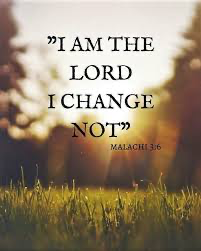
4. I AM THE UNCHANGING REALITY. I CHANGE NOT. (Malachi 3:6)
” I am that I am “- ” I will be what I will be “
5. I AM THE TRUTH. (John 14:6)
” I am that I am “- ” I will be what I will be “
6. I AM THE PRIME CAUSE. I AM THE CREATOR. (Isaiah 45:18)
” I am that I am “- ” I will be what I will be “
7. I AM THE SOURCE OF LOVE, GRACE AND COMPASSION.(Exodus 22:27)
” I am that I am “- ” I will be what I will be “
8. I AM ETERNAL. IAM THE ALPHA AND THE OMEGA. WHO IS, AND WHO WAS,AND WHO IS TO COME. THE BEGINNING AND THE END. (Revelation 1:8, 21:6)
” I am that I am “- ” I will be what I will be “
9. I AM THE FIRST AND I AM THE LAST (Isaiah 44:6)
” I am that I am “- ” I will be what I will be “
10. I AM HOLY. (Leviticus 11:44,45, 19:2, 1 Peter 1:6)
” I am that I am “- ” I will be what I will be “
11. I AM THE COVENANT MAKER. (Genesis 9:12, Exodus 34:10)
” I am that I am “- ” I will be what I will be “
12. I AM THE PROVIDER OF LAWS. (Deuteronomy 4:8, 12:28, 13:18)
” I am that I am “- ” I will be what I will be “
13. I OFFER LIFE OR DEATH. (Deuteronomy 30:11, 32:39)
” I am that I am “- ” I will be what I will be “
14. I AM THE SAVIOR. (Isaiah 45:22)
” I am that I am “- ” I will be what I will be “
15. I AM THE LIVING BREAD. (John 6:51)
” I am that I am “- ” I will be what I will be “
16. I AM THE TRUE VINE. (John 15:1)
” I am that I am “- ” I will be what I will be “
17. I AM THE TEACHER. (John 13:13)
” I am that I am “- ” I will be what I will be “
18.I AM THE HEALER. (Exodus 15:26)
” I am that I am “- ” I will be what I will be “
19. I AM THE DESTROYER. (Genesis 6:13)
” I am that I am “- ” I will be what I will be “
20. I AM THE RESURRECTION AND THE LIFE. (John 11:25)
KOSOVO-A TINY, ECONOMICALLY STAGNANT BREAKAWAY PROVINCE OF SERBIA
Kosovo’s independence – A threat to India
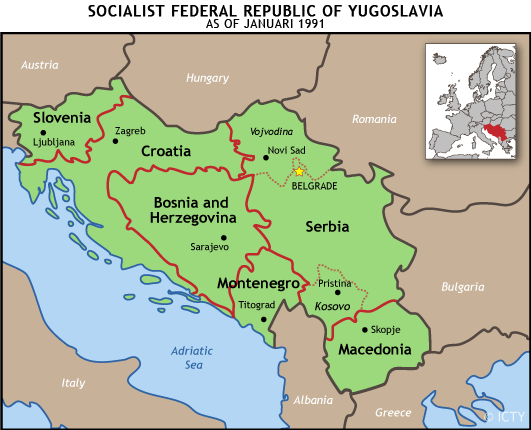
James Palmer is a student in the Fletcher School of Law and Diplomacy at Tufts University in Medford, Massachusetts, U.S.A.(james.palmer@tufts.edu) In a guest editorial titled ‘ U.S. blunders by recognizing Kosovo independence’ that was published in The Detroit Free Press on Monday, March 31, 2008, he claims that the decision to recognize Kosovo’s independence is foolish. In doing so, he states that the United States and its European allies have undermined international law and opened the door to separatist movements world wide to follow suit.
THE UNITED NATIONS AND THE INTERNATIONAL LAW:
Kosovo’s independence – A threat to India
The United Nations Charter enshrines the inviolability of state sovereignty. Mr. Palmer argues that in recognizing Kosovo without a UN Security Council Resolution, the United States and its European allies have weakened two of the fundamental principles of international law: that states are free to determine their internal composition and that their territorial integrity must be respected. Security Council Resolution 1244 placed Kosovo under the UN administration and provided for Kosovo’s autonomy within Serbia. Now, the administrative authority is transferred from the UN sanctioned mission in Kosovo to an EU mission that has no legal mandate in the province. The main problem is that Kosovo’s independence undermines a system of international law. Kosovo’s independence sets the precedent for ethnic enclaves within other sovereign states. As per Mr. Palmer, the dangerous precedent it has created is: the carving off of a sovereign state’s territory in favor of an ethnic and religious minority threatening violence – a model to be replicated elsewhere.
America has been making ill-fated decisions in the Balkans for at least a decade and a half. Kosovo’s unilateral declaration of independence has only re inflamed the divisions and enmities of the 1990s. Mr. Palmer warns that the ethnic Albanians in the states of Bosnia, Macedonia and Montenegro are emboldened and they are calling for creation of “greater Albania” which would result in a new round of ethnic cleansing and more violence.
KOSOVO AND KASHMIR – AMERICAN POLICY:
Kosovo’s independence – A threat to India
America and its European ally Great Britain have consistently worked to undermine the interests of India in the United Nations and the Security Council had passed resolutions which ignore India’s territorial integrity and India’s sovereignty over areas of Kashmir that Pakistan illegally occupied during its wars of aggression in 1947-48 (First Kashmir War).
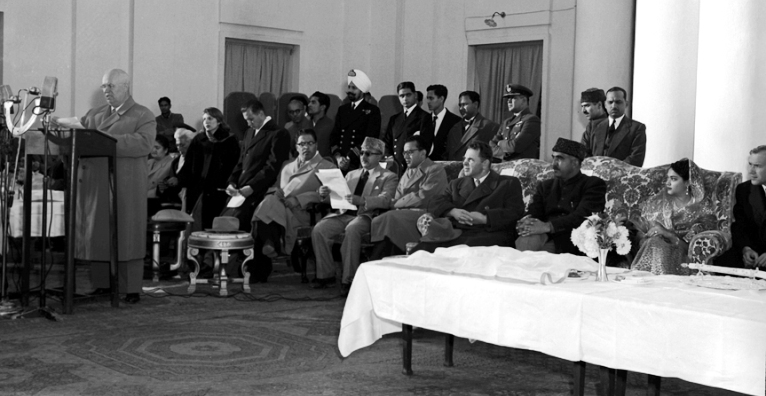
Kosovo’s independence – A threat to India. Soviet Prime Minister Nikita Khrushchev in Srinagar, Kashmir in 1955.
India could protect its vital interests in the Security Council only on account of the help provided by the Soviet Union. Leaders of USSR, Nikita Khrushchev (1953-1964) and Leonid Brezhnev (1964-1982) played the role of a life savior and had helped India to defend its position with regard to Kashmir. At the end of the cold war, America to exercise its role as the world’s only Super Power had changed its attitude towards the basic principles of the United Nations Charter which govern international relations. America would now like to intervene on its own initiative without obtaining a mandate from the United Nations. American support to militant groups based in Kashmir clearly poses a great threat to India’s sovereignty over Kashmir and India should protect itself from the dangerous precedent created by the unilateral declaration of independence by Kosovo.
Kosovo’s independence threatens the Republic of India due to the threat posed by American interventionism.
Man is condemned to be Free. Is that so? SARTRE, JEAN-PAUL (b. JUNE 21, 1905, PARIS – d. APRIL 15, 1980, PARIS) FRENCH NOVELIST, PLAYWRIGHT, AND EXPONENT OF EXISTENTIALISM
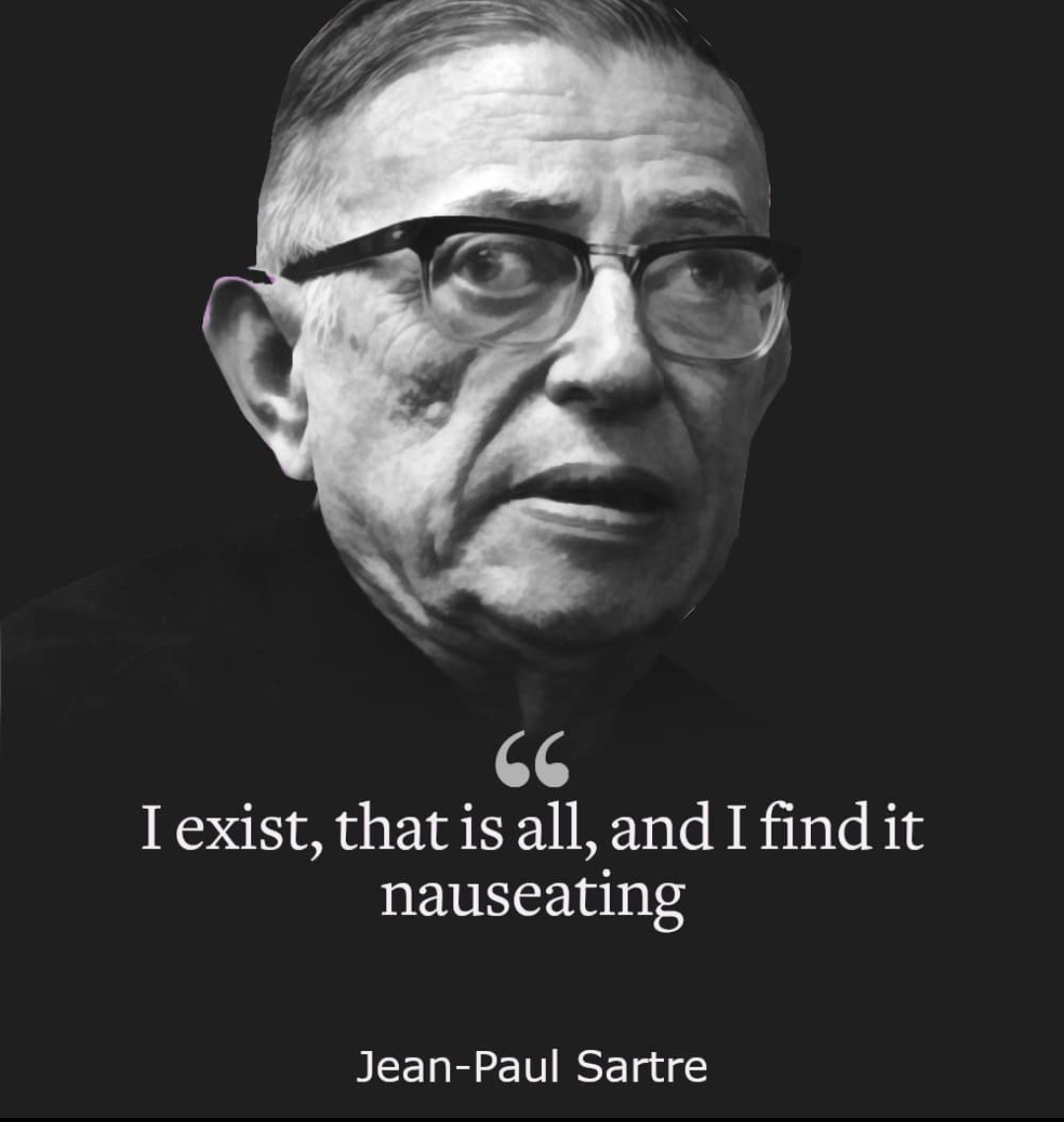
Existentialism is the popular name of a philosophical focus on human freedom, personal responsibility, and the importance of the individual’s need to make choices. Sartre’s book “Being and Nothingness” (1943) is considered to be one of the best philosophical work of the 20th century. Sartre’s central thesis is that humans are essentially free, free to choose (though Not free Not to choose) and free to negate the given features of the world. Sartre’s driving belief was in human freedom, the ability to choose not only a course of action but also what one would become. If man is truly free, the world, whether material or social, can place no constraints on him, not even to the extent of determining what would or would not be good reasons for following a given course of action.
Man is born free:
Man is condemned to be Free. Is that so? The Book of Genesis, Chapter 1, verse 27:”So God created man in His own image; in the image of God He created him; male and female He created them.”
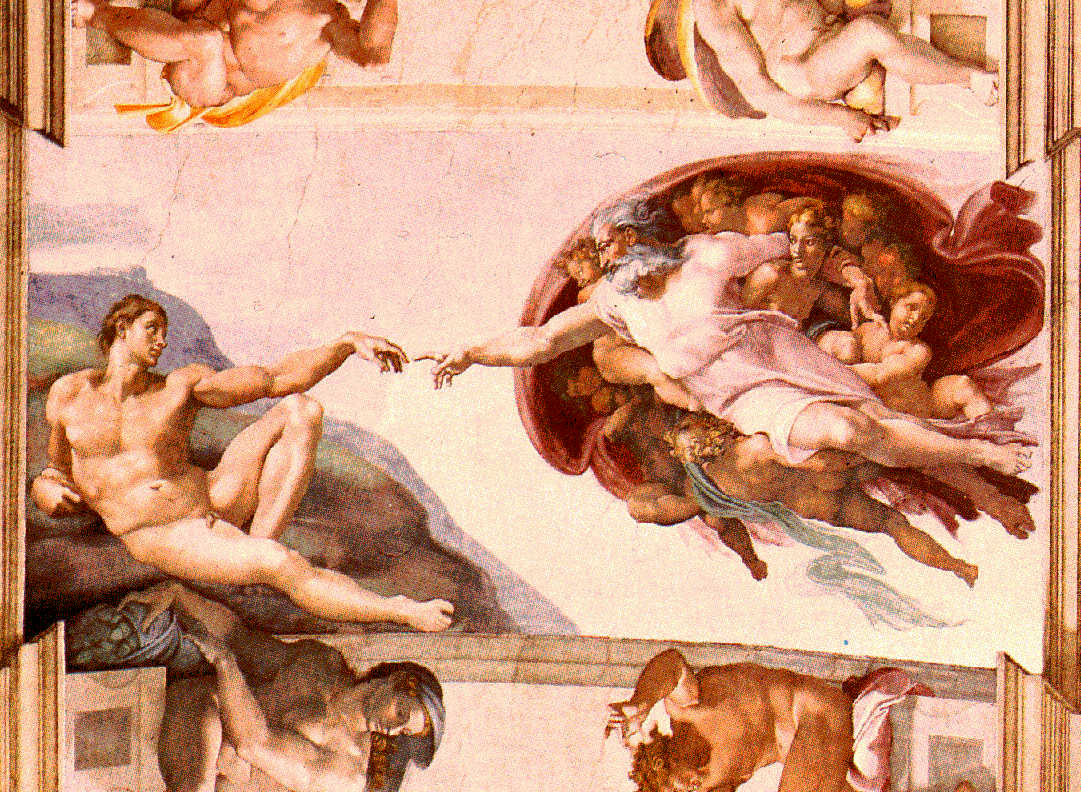
The Christian idea of freedom is based in the concept of man as the image of God. The Holy Bible, The Old Testament, The First Book of Moses, Genesis, Chapter 1, verse 26 reads: Then God said, “Let Us make man in Our image, according to Our likeness;”
Man is a person because God is a person. The real sign of God as personal being is freedom. When God created man according to His image, He also gave over to him this mark of nobility i.e., freedom.
Freedom is based upon Knowledge:
Man is condemned to be Free. Is that so?
German philosopher, Friedrich Hegel (1770-1831) viewed the whole of human history as a vast dialectical movement toward the realization of freedom. All of history is the progress of mind or spirit along a logically necessary path that leads to freedom. Human beings are manifestations of this universal mind, although at first they do not realize this. Freedom can not be achieved until human beings do realize it, and so feel at home in the universe. Hence, Hagel claimed that freedom is based on knowledge.
The Radical Freedom of “Being and Nothingness”
Man is condemned to be Free. Is that so?
Sartre focused on the opposition between objective things and human consciousness. Human consciousness is a non-thing as its reality consists in standing back from things and taking a point of view on them. Because consciousness is a non-thing (Sartre’s “neant” literally means “nothingness”), it does not have any of the causal involvements that things have with other things. This means that consciousness and thus humans themselves are essentially free. Ironically, the freedom of human consciousness is experienced by humans as a burden. “Man is condemned to be free”.
Man is condemned to be Free. Is that so?
The existentialist emphasis on the ultimacy of human freedom continues to represent an essential ingredient of philosophical thinking.
Indian tradition and Human Freedom:
Man is condemned to be Free. Is that so? SPIRITUALITY SELF – AHAM BRAHMASMI – UNITY VS IDENTITY : THE SPIRIT, SOUL, OR ATMAN HAS TO BE INTERPRETED AS THE VITAL, ANIMATING PRINCIPLE THAT IS PRIMARILY INVOLVED IN ESTABLISHING MAN’S PHYSICAL EXISTENCE IN THE WORLD AND THE ISSUE IS NOT ABOUT ITS EXISTENCE WHEN SEPARATED FROM HUMAN BODY.
Who or what is the subject who lives because of the functions of trillions of cells that comprise the human organism? How to describe the identity of this individual who is truly a multicellular organism? While describing man’s identity, Indian Tradition points out the problem of Subjective-Objective dualism. The man who is born is the Subject and the man who is unborn is the Object. Indian thinkers propose that man is an embodied soul; the physical body experiences birth, growth, old age, sickness, and death while the soul is eternal, it is unborn and it never dies. Man as a subjective individual exists as a physical being, mental being, social being, moral being, and a spiritual being. The subjective reality of man’s physical or material existence is conditioned by his physical, mental, social, moral, and spiritual well-being. Man can seek to exist with a total sense of freedom in his thoughts but the thoughts exist while they are supported by a material being with a physical body and mind. The fact that the man is born binds him into a state of conditioned existence and the experience of freedom is a subjective experience.
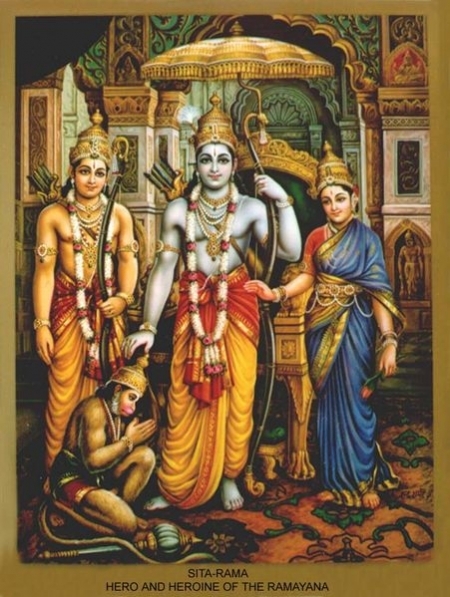
Man is condemned to be Free. Is that so? Ramayana narrates the life journey of Lord Rama as a mortal human being. Man is a physical being, a mental being, a social being, a moral being, and a spiritual being. Man can not express a sense of human freedom and he is not free to act as he pleases. All the central characters of the epic poem of Ramayana acted within the limitations imposed upon their existence by mental, social, moral, and spiritual factors. Hence, I would claim that Rama is not born FREE.
In the epic poem of RAMAYANA, which describes the life journey of Prince Ramachandra of Ayodhya Kingdom, the Book of Ayodhya Kanda, chapters X IV to X VIII describe the anguish of King Dasaratha, the ruler of Ayodhya Kingdom. King Dasaratha was the father of Prince Ramachandra. He was in extreme agony as he had failed to act to express his natural affection to his son. The Emperor was tied down by the traditions of SATYA(Truth) and DHARMA(Right Conduct), was totally helpless and could not display any sense of freedom. King Dasaratha was a moral being and this identity of a moral being would not allow him the freedom to act as a social being and express love and affection to his son. King Dasaratha had ordered his son to live in a forest and then urged his son to disobey his order to fulfil his duty to show his sense of filial affection. Prince Ramachandra claimed that He was not free to act in disobedience of His father’s command and stated that He can not make any choice other than that of choosing a life in exile. Man who is experiencing the subjective reality of conditioned existence has no real freedom.
This inexplicable and unexpected act that resulted in the banishment of Prince Ramachandra is described as a work of ‘FATE’. In Sanskrit literature, “DAIVAM” means fate. It conveys the sense of belief in God as the ‘PRIME CAUSE’. Since God is in control, man is not free to act as he pleases. Since man is tied down, he is born in shackles without freedom. The goal of man is to seek “RELEASE” which is described as “MUKTI” and the purpose of human life is described as “LIBERATION” which is named as “MOKSHA”.
ESSENCE AND EXISTENCE:
Man describes as to who he is, his nature, and his essence, with the help of his thoughts, his intellect, his knowledge, his feelings, his sense of self-pride or self-ego, and his social status and social position. However, this essence is not the basis for man’s existence in nature. Man can not sustain his biological existence because of his essence. Man is not an independent entity. Man leads a dependent existence. The reality of man’s existence is a conditioned experience. Without this reality of conditioned state of existence, man can not describe his essence. Existence precedes essence. Existence is the prerequisite for essence to manifest. The essence is manifested by the being, the material body with mind, thoughts, intellect, knowledge, feelings, and self-pride or self-ego. This material being need to exist, and the state or condition of this physical existence is biologically manifested as alertness, wakefulness, awareness, and consciousness. Consciousness or Nothingness is the prerequisite for essence, and for the physical existence of the material Being. When consciousness departs, the essence also gets dissolved. If man enjoys a sense of freedom and expresses it as his essence, this freedom is subject to the reality of conditioned subjective existence. Man, and his essence is displayed if it is accompanied by Nothingness, the biological function called the capacity for consciousness. The contents of consciousness describe the nature of man’s essence. The contents of consciousness are known only when man has the capacity for consciousness. The anatomical structure that performs the function to provide the ability or the capacity for consciousness is in the Reticular Formation of the Brain Stem. Man is aware of his essence when the functions of his Brain Stem exist. Brain Stem functions in an autonomous manner and man is not truly free to govern the functions of his Brain Stem which is the prerequisite for his physical and mental being to maintain its living functions, the state and the condition called Living.
The Objective Reality of Man’s Existence:
In Chapter Four(Transcendental Knowledge) of The Bhagavad Gita, in verse 6 Lord Krishna states that He is unborn and also in Chapter VII (Knowledge of the Absolute), in verse 24, He states “Unintelligent men, who do not know Me not, think that I have assumed this Form and Personality. Due to their small knowledge, they do not know My higher nature, which is changeless and supreme.”
Indian Tradition suggests that the mind and body which represent the material human person is in reality an illusion named as ‘MAYA’. The real identity of man is described by an eternal and unchanging reality that is unborn and hence is not subject to birth or death.








































 Whole Dude - Whole Spirituality