Light of Lights – The Phenomenon of Illumination and the Phenomenon of Knowing.
THE LIGHT IS THE SOURCE OF ILLUMINATION. THE KNOWLEDGE IS THE OBJECT OF ILLUMINATION. THE MIND IS THE OBSERVER OF ILLUMINATION. THERE IS UNITY BETWEEN THE SOURCE, THE OBJECT KNOWN, THE KNOWER TO MANIFEST THE PHENOMENA OF KNOWING.
The man’s ability of Sensory Perception called Vision, and the ability of Inner Vision are of secondary importance as Existence depends directly on the act of Breathing and the Lord or Prabhu provides Knowledge for performing that act of Breathing. The True Self or Atman illuminates me if it is connected to Lord or Prabhu, the Original Source of Light.
Category Archives: Spiritual Optics
Philosophy of Medicine – Lesson. 67 – The Origin of Human Languages describes the Origin of Newly Formed Human Species
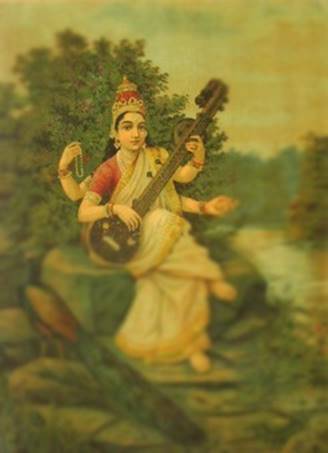
Human Civilization can be described as the Civilization of Dialogue and the conversation continues from one generation to the next as if man is not a perishable creature.
Human Language has the Spiritual attribute called Immortality for it includes the thoughts shared by the living and the dead and extends to those as yet unborn. Human Civilization can be described as the Civilization of Dialogue and the conversation continues from one generation to the next as if man is not a perishable creature. Plato observes, “thought and speech are the same, with this exception, that which is called thought is the unuttered conversation of the Soul with itself.”
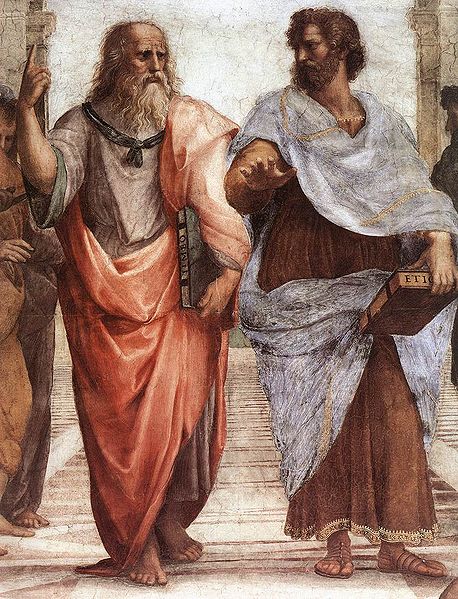
Philosophy of Medicine – Lesson. 58 – Plato’s Theory of Human Forms
The Material Basis of Spirituality. What is Matter? and What is Spirit? If materialism is about the influence of money and material wealth, I would like to use the Power/Force/Energy called Money to talk about Life and Death. The Law of Conservation is applicable to both living, and non-living matter. If any person can refute my claim using valid, scientific information, I would give the person a US $1,000 bill as a reward.
Philosophy of Medicine – Lesson. 51 – Pure Phenomenology-Pure Consciousness-
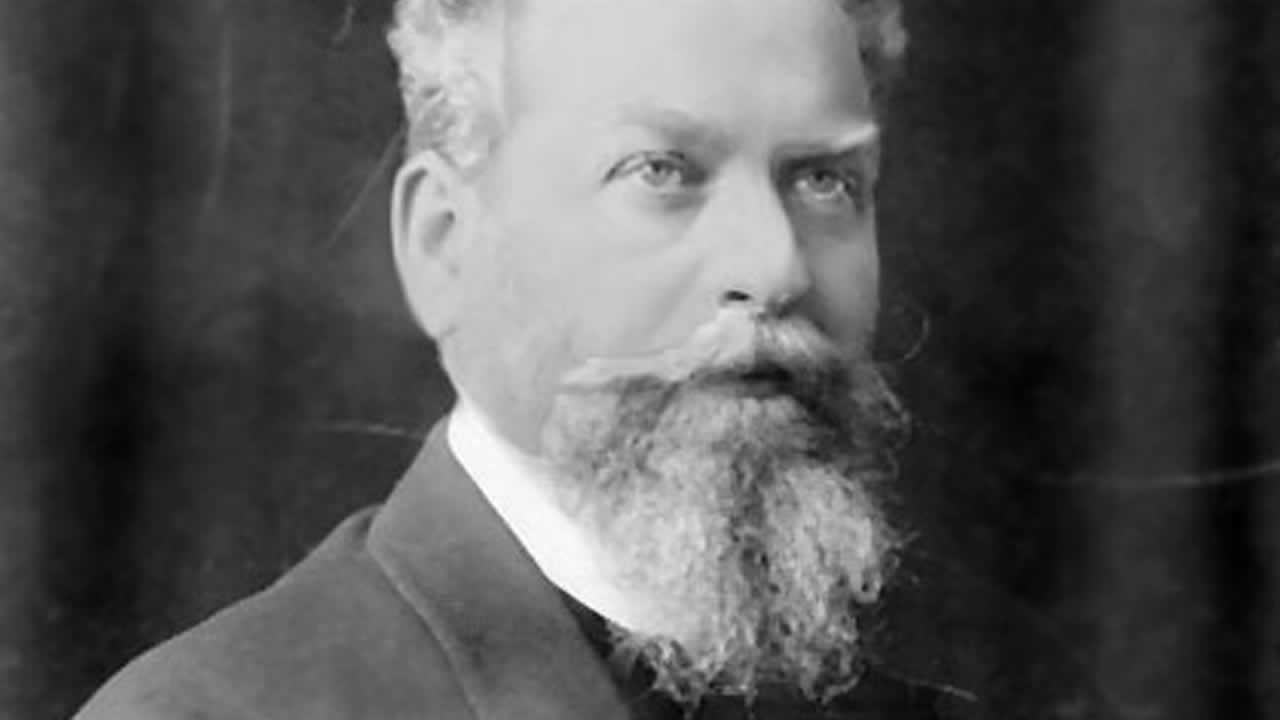
the term “Whole Phenomenon” can be stated as any event, circumstance, or experience that can be known by human senses, or the mental faculty called intuition under the influence of Illusion. The man can only perceive the reality of this physical world as a product of Illusion and will never have consciousness of the fact of its speed of rotational spin.
In my analysis, all human experiences of the objective world and of human imagination can occur only under the influence of the Power/Force/Energy called Illusion which is popularly described as “Maya” (The Phenomenon of Great Grand Illusion) in Indian Sanskrit language. To facilitate a man’s powers of sensory and intuitive perception, it demands the operation of a mechanism called ‘Illusion’. Man has no choice other than that of gaining perceptual experience under the influence of Mercy, Grace, and Compassion that establishes, supports, and sustains the human existence.
Philosophy of Medicine – Lesson. 50 – The Constitutive and the Regulative Principles of Human Existence
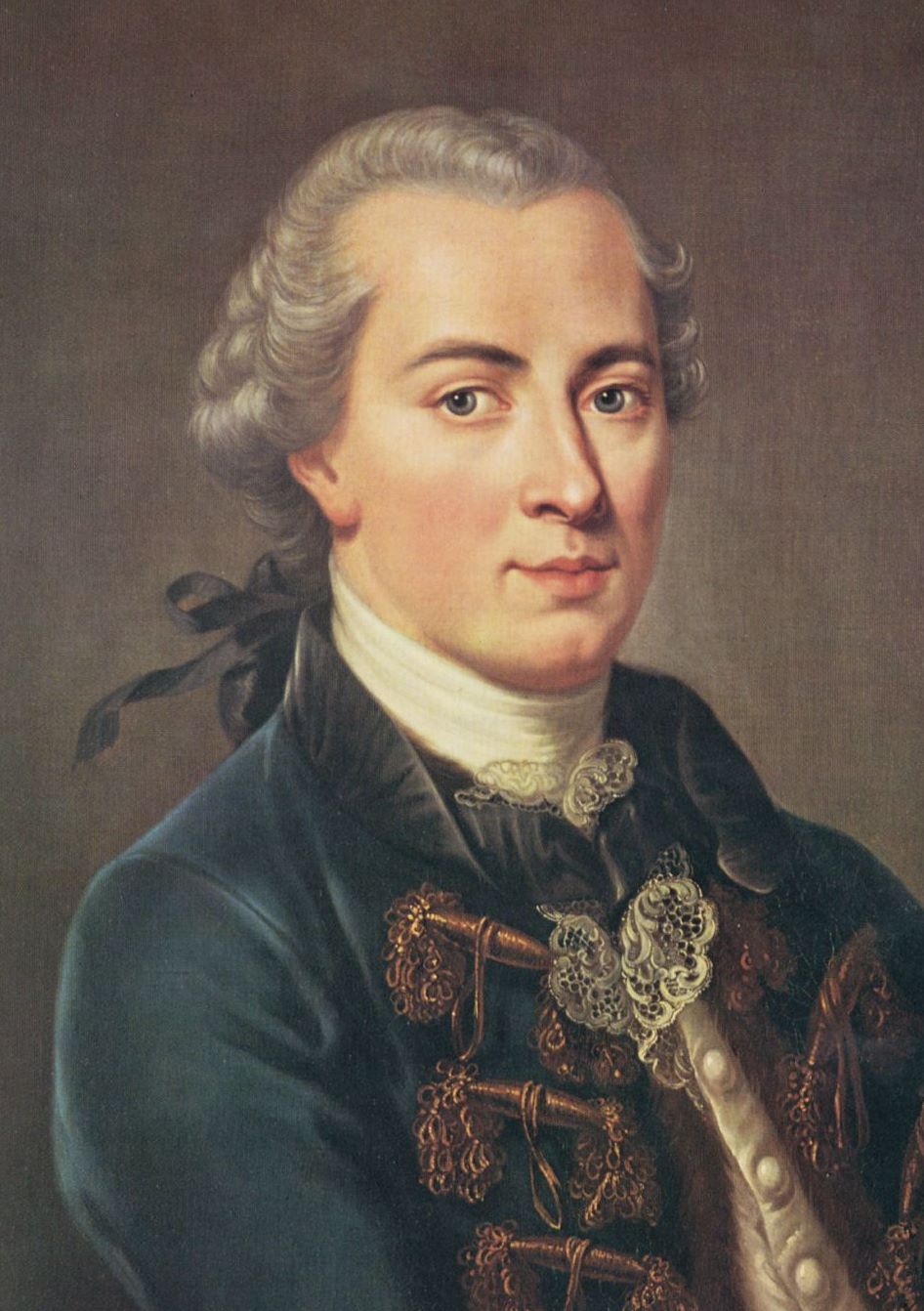
Man has the Subjective and the Objective experience of the reality called Existence. The man has to account for this experience using the Faculty of Understanding, and the Faculty of Reasoning.
I recognize ‘Tat Asmi Prabhu’, a statement made by Indian thinker Shankara as the ‘Fifth Mahavakya’ or the Fifth Great Aphorism, a short, concise statement of Principle expressing a general truth about Man’s Essence and Man’s Existence. The word ‘Tat’ refers to Man’s Essence that constitutes Man’s Identity in the physical world. The word ‘Asmi’ refers to unity, harmony, agreement, concord, or arrangement of parts that will produce a singular effect that establishes oneness of that which is made up of distinct elements. The word Prabhu refers to Lord God Creator as the Supreme Being or the Supreme Power. To arrive at a complete understanding of Man and the Reality of Human Existence, it is important to make the distinction between the Constitutive and the Regulative Principles of Existence. To describe the Constitutive and the Regulative dimensions of the Human Existence as a subject matter of Natural Science, I would begin with my tribute to Immanuel Kant who explained the difference between constitutive and regulative concepts.
Philosophy of Medicine – Lesson. 39 – The Concept of Whole Self

If the body knows its Owner, there is an anatomical structure that is associated with the function called Knowing-Self.
Philosophy of Medicine – Lesson. 37 -Spirituality – Soul, Consciousness and the God-Connection
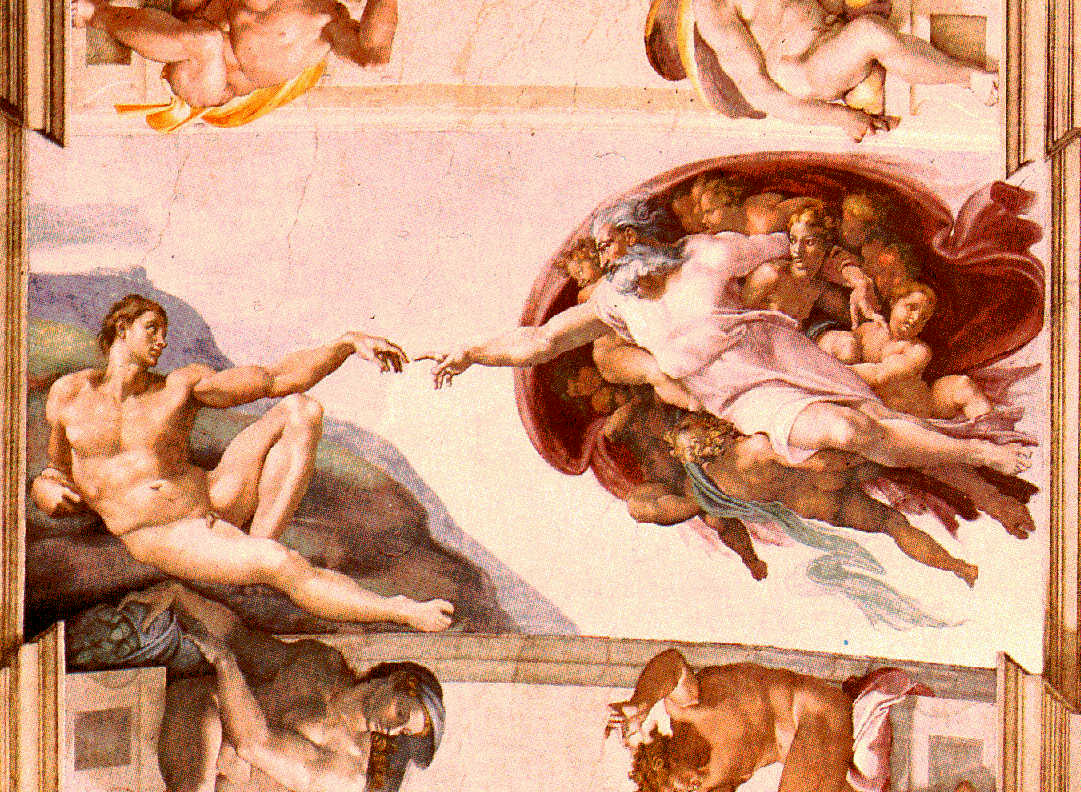
Man is a created being. Man is a Spiritual being which displays man’s humanity, moral nature, individuality, and consciousness. Spirituality describes the nature of man’s connection with God.
Whole Foods (the concept of Anna Purna), Whole People, and Whole Planet come together in a Wholesome Relationship as God is the Energy Provider, the Original Source of Matter and Energy for Life.
Philosophy of Medicine – Lesson. 34 – Defining Spirituality from a Study of the Laws of Thermodynamics
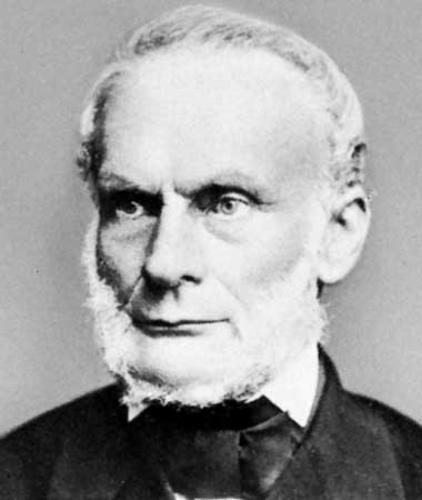
In a Living System, the conversion of energy into work involves the operation of Consciousness and the application of Knowledge. Consciousness or awareness is the mechanism that operates the structural and functional relationship between molecules. Consciousness is the principle by which a Living System that is thermodynamically unstable knows the fact of its own existence, it knows as to where it exists and knows as to how it is existing. Hence, Consciousness is a Spiritual mechanism as it establishes a relationship between the energy-dependent Living System and its energy-yielding provider. This is a relationship that requires use of Knowledge which is defined as the fact of knowing a range of information which is used to perform highly selective, sequential tasks under proper guidance. In the operation of a Living System, there is no random, unguided and unpredictable movement of molecules.
Philosophy of Medicine – Lesson. 33 – Consciousness is a Spiritual Function

The word “Animal” derives from the Latin (anima, animus) name for the vital principle called “Soul” which is a life principle associated with functions like breathing, or the principle called animation. Breathing is a vital function as it is associated with the “Power” of self-nutrition. The power of self-nutrition is the originating power, the possession of which leads us to speak of things as living, and non-living. Nutrition is a vital power as the action is not a mechanical performance. Nutrition is a function associated with a purpose and it is guided to achieve a future end and it involves the choice or selection of specific means to attain the desired goal of its action.
Philosophy of Medicine – Lesson. 32 – Discover the Whole Connection – The Red Blood Cell connects the Body, Mind and Soul
The Red Blood cells constitute the principal stabilizing, connective linkage among the trillions of living cells that comprise the biological community which gets recognized as the human being.
The Red Blood Cells display functional subordination to the requirements of the organism as a Whole. Altruism is a theory of conduct that regards the good of others as the end of moral action. The Red Blood Cells have very short, individual lifespans and the entire period of their existence involves unselfish concern for the welfare of other cells.
When man is viewed as a multicellular organism, the human subject finds his objective existence because of the living functions of the cells, tissues, organs, and organ systems that provide the biological basis for that existence. In multicellular eukaryotes, cells with the same genes must differentiate into many types. Multicellularity is accomplished by definite capabilities for differentiation. The functional differentiation is not a simple process that can be called adaptation. To achieve differentiation, complex control mechanisms determine which genes are active in a given cell at a given time.

