
In my analysis, the concepts used by the Fair Labor Standards Act (FLSA) are not consistent with the doctrine of Dignity of Labor and hence I ask Americans to repeal the Fair Labor Standards Act.
I ask my readers to reject the assumptions and the criteria described by the Fair Labor Standards Act as they contribute to Unequal Employment Opportunities at the American Workplace. As such the Fair Labor Standards Act is not consistent with the Natural Law principle of Equality that formulates the Supreme Law of this Land.
In my view, the Natural Sciences and Medical Science in particular do not validate the concept of “WHITE-COLLAR” as no human being performs executive, administrative, or professional service while operating metabolic functions of human bodies of their own. No man lives as the boss, the ruler, the governor, or the administrator of his own body.
Category Archives: Andhra Pradesh Medical Council
Philosophy of Medicine – Lesson. 60 – The Functional Anatomy of Hands is the hallmark of Creativity
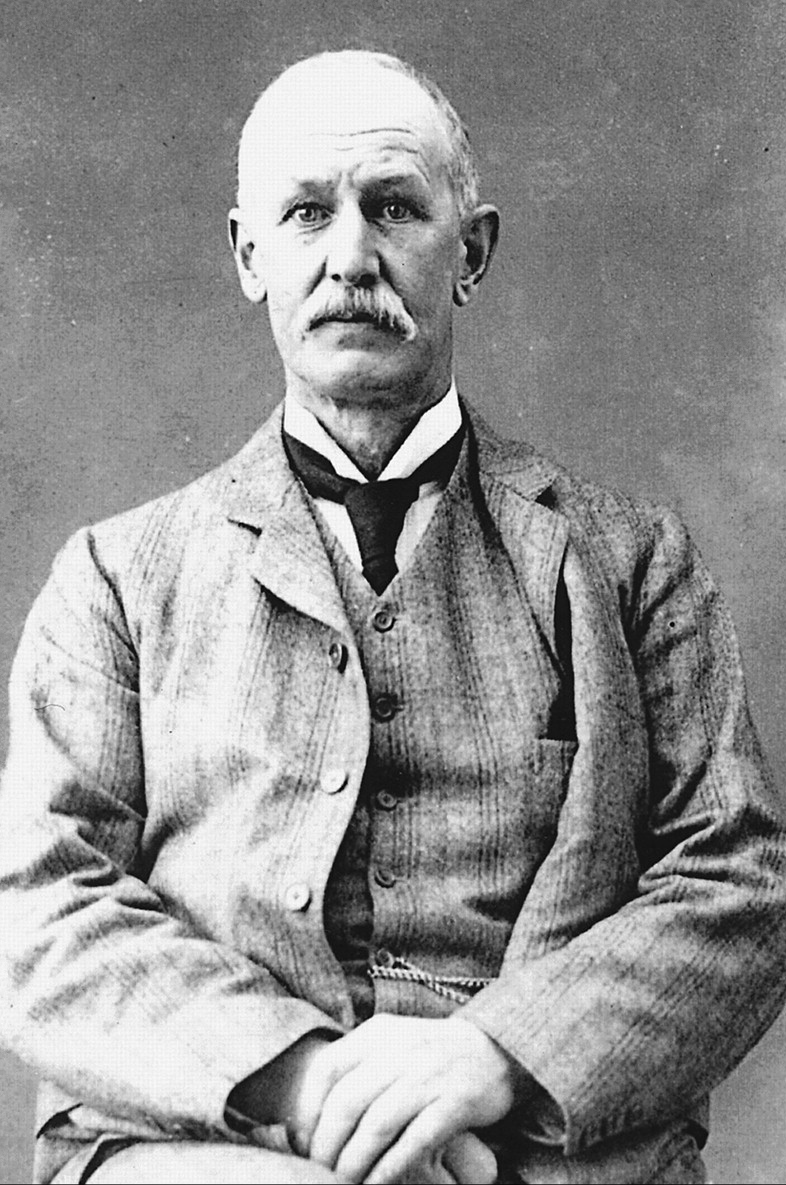
If there are over six billion human beings on this planet, I can demonstrate that there are over six billion individual variations by simply testing the use of the precision grip by each individual.
Man uses his hands not only in the performance of non-locomotor activities but also to express his thoughts, ideas, feelings, moods and emotions. We differ from all other species in the manner with which we use our hands to communicate with others. We use our hands to greet others, to show love and affection,to provide comfort and to perform acts of kindness and compassion, to demonstrate anger and displeasure or frustration, to display an obedient and respectful behavior, to derive psycho-sexual gratification, and to communicate in various non-verbal manners. The unique ways in which man uses his hands has produced cultural icons. In India, people use hands to greet others and the greeting is known as ‘Namaskar’ or ‘Namaste’. Indians greet and worship their Gods and everything that He created in the same manner and with the same greeting of Namaskar which acknowledges the divine creative phenomenon by the display of respect and obedience using hand gestures.
Philosophy of Medicine – Lesson. 59 – The Status of Man in Nature.
To make the distinction between the Prehistoric Man and the Modern Man, to discern the difference between Paleolithic Art and Human Art, I want to suggest that only a Human Artist has the potential, spiritual ability to draw and depict objects for which there could be no basis in the physical environment directly experienced by the Artist.
Among animal species, only ‘Humans’ have the spiritual ability to communicate or describe things that may not exist in their immediate, physical environment. A Human Artist has the potential ability to write or depict objects for which there is no direct sensory experience. To make the distinction between the Prehistoric Man and the Anatomically Modern Man, to discern the difference between Paleolithic Art and Human Art, I categorically assert that only a Human Artist has the potential, spiritual ability to draw and depict objects for which there could be no basis in the physical environment directly experienced by the Artist. To make the equation between Man and Human and to determine the Status of Man in Nature, the use of the Precision Grip provides decisive evidence.
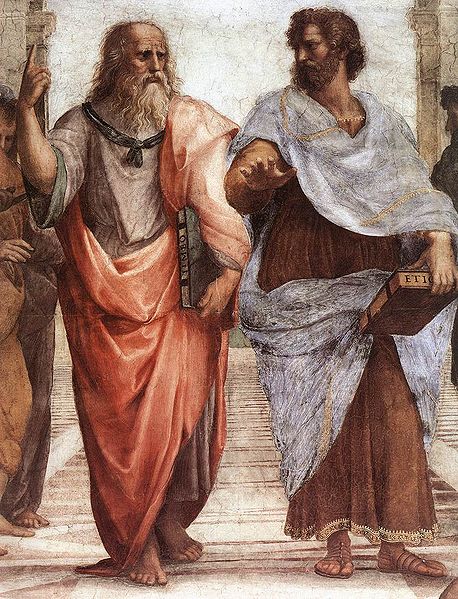
Philosophy of Medicine – Lesson. 58 – Plato’s Theory of Human Forms
The Material Basis of Spirituality. What is Matter? and What is Spirit? If materialism is about the influence of money and material wealth, I would like to use the Power/Force/Energy called Money to talk about Life and Death. The Law of Conservation is applicable to both living, and non-living matter. If any person can refute my claim using valid, scientific information, I would give the person a US $1,000 bill as a reward.
Philosophy of Medicine – Lesson. 57 – Philosopher President Sarvepalli Radhakrishnan fails to examine the Material Basis of Atman
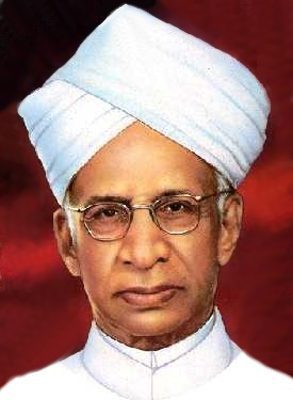
Hinduism cannot be defined as the Religion of the Spirit. In my experience, most Hindus worship Mother Earth as the physical manifestation of the Absolute (Brahman). In my analysis, the Spirituality of the Hindu experience always includes a Material Basis to account for the relationship between man, Earth, and God.
In the study of a man, the know-er and the known are one. Man is the observer and the observed fact is that of Man’s nature. If Man has to know the truth about his true or real self, he has to understand the truth and reliability of his own cognitive powers. If the Subject called Man is identified as an Object called Soul, or Spirit, the Truth or Reality of Soul, or Spirit involves a structural/functional relationship between the Subject and its Object.
Philosophy of Medicine – Lesson. 56 – The Designing of Matter and Spirit

Life can neither be created nor destroyed. Life is established by the Principle called Spirit which is related to the unchanging or immutable nature of Matter.
Matter is an actual substance that has properties such as mass or weight, and occupies space. Matter has other attributes like motion, size, shape, and a form by which it may be recognized. Materialism is defined as a system of thought that explains the nature of world as entirely dependent on “matter” the final reality. Materialism as a philosophical doctrine deals with matter as the only reality and that everything in the world, including thought, will, and feeling can be explained only in terms of matter.
Philosophy of Medicine – Lesson. 55 – The Study of Social Behavior
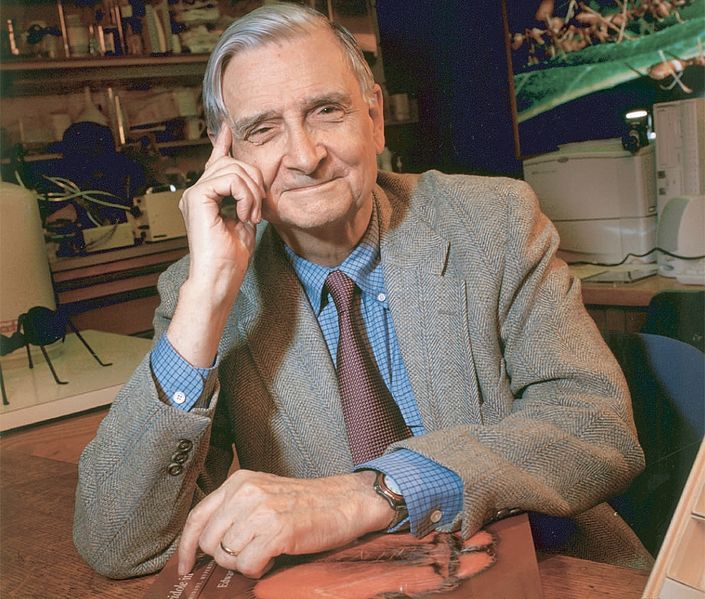
It must be understood that behavior is a fundamental characteristic of life and of all living entities. All species, whether single-celled protozoans or the largest of mammals possess the capacity to respond to stimuli in their environment. This ability called responsiveness is the fundamental attribute of all kinds and types of behavior.
I define Spiritualism as the capacity or the biological ability of an individual living cell to formulate harmonious relations with others and to participate in or contribute constructively to changes in the social environment. The potency called Spiritualism is reflected in the biological functions of Consciousness and Intelligence.
Philosophy of Medicine – Lesson. 54 – Theory of Human Nature
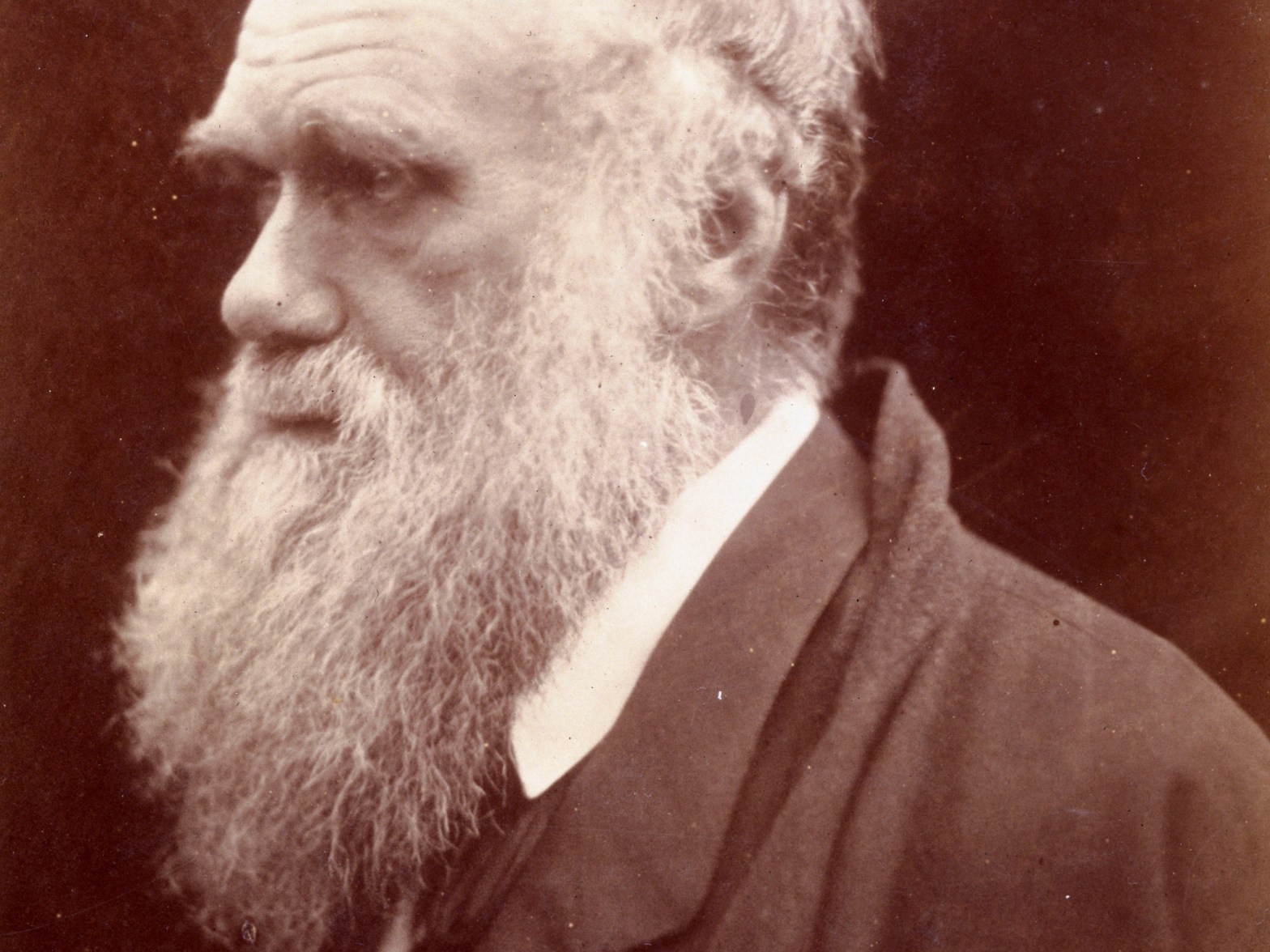
Man’s “Evolution” from ape-like ancestors is thought to be the key to our true Human Nature. Ethology or the scientific study of Animal Behavior is based on the Theory of Evolution. In order to explain human condition, Ethological Theories of Human Nature appeal to the “evolutionary” past of man.
However, it is important to know that Lorenz made no scientific study of Behavior displayed by Apes. Among the members of Homo genus, Man is the only surviving representative of the Homo sapiens Species and hence it will not be easy to validate his conclusions about evolutionary origin of innate Human Aggressive Behavior. If Aggression is viewed as Hereditary Behavior which is based upon its Survival Value for the genes for that Behavior, it must be noted that there are no surviving human ancestral Species. It appears that Aggressive Behavior had no value in defending survival of Members of Hominin Family, immediate ancestors of Anatomically Modern Man.
Philosophy of Medicine – Lesson. 53-Spiritualism vs Behaviorism
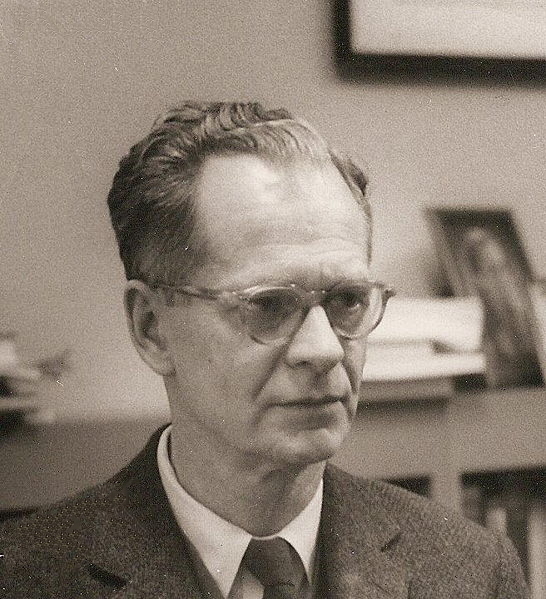
I define the term ‘Spiritualism’ as the nature of a relationship, a partnership, an association, or bonding between two individual living entities based upon characteristics such as compassion, sympathy, understanding, cooperation, mutual assistance, mutual tolerance, voluntary subservience to provide some benefit to the member participating in the biotic interaction. Spiritualism is innate and is not acquired by learning experience. The man depends upon the protoplasmic substance for his very existence as a human being and to perform the characteristic living functions. The human form becomes the actuality that it represents by the Nature of its spiritual association with the protoplasmic living matter. Man is a spiritual being because of the spiritual nature of his living substance called protoplasm.
Philosophy of Medicine – Lesson. 52. The Contents of Conscious ness + The Capacity of Consciousness = Total Consciousness
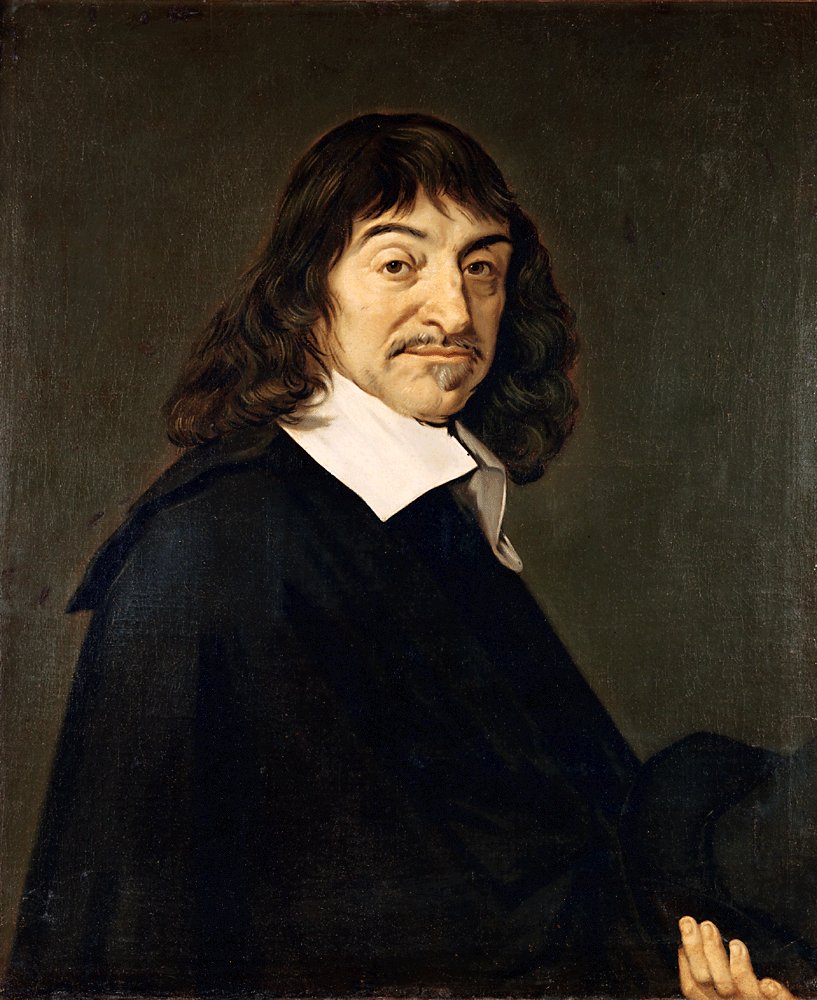
The Theory of Total Consciousness explores the total contents of conscious experience and determines its significance in relation to the act, state, or condition called Living.
Man enjoys an existence characterized by Peace, Harmony, and Tranquility, as the Soul, or the Life Principle operates the vital functions of the complex organism without relaying all the information to the cortical areas avoiding information overload. Thereby, Man is protected from a huge information overload that is not compatible with mental peace and equilibrium. In this context of defending existence from the threat of Information overload, it may be said, “Ignorance is Bliss.” The Creator is the Source of Great Knowledge (Sanskrit. Prajnanam) and the access to the realities of the Inner World and the Outer World are selectively restricted to defend the wellbeing of the living creatures.

