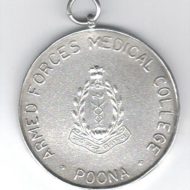

In India, Radhakrishnan is recognized as a teacher, philosopher, and a statesman. He is never described as the Supreme Commander of the Indian Armed Forces. I was granted Commission to serve in the Indian Army at the pleasure of the President of India, and my posting order to serve as a Medical Officer in Establishment No. 22, Special Frontier Force was issued under the authority of the Ministry of Defence which functions under the powers sanctioned by the President of India.
Author Archives: WholeDude
American Landscape gets shaped by the Clinton Curse

For many unskilled, hourly wage earners performing labor in the US, the American Workplace is defined as Work until Death for they have no Retirement option. The American Workplace of the alien worker who labors in America with no Retirement option derives its definition from the Book of Genesis, Chapter 3, verses 17 to 19.
I ask my readers to reflect upon the awful consequences of President Clinton’s actions on this Labor Day. Apart from the alien workers, the ground gets cursed with consequences to all its denizens. The Clinton Curse compels Americans to live and work paying off their foreign debt. This nation runs its government on money borrowed from other nations.
The Blessings of Radha Ashtami
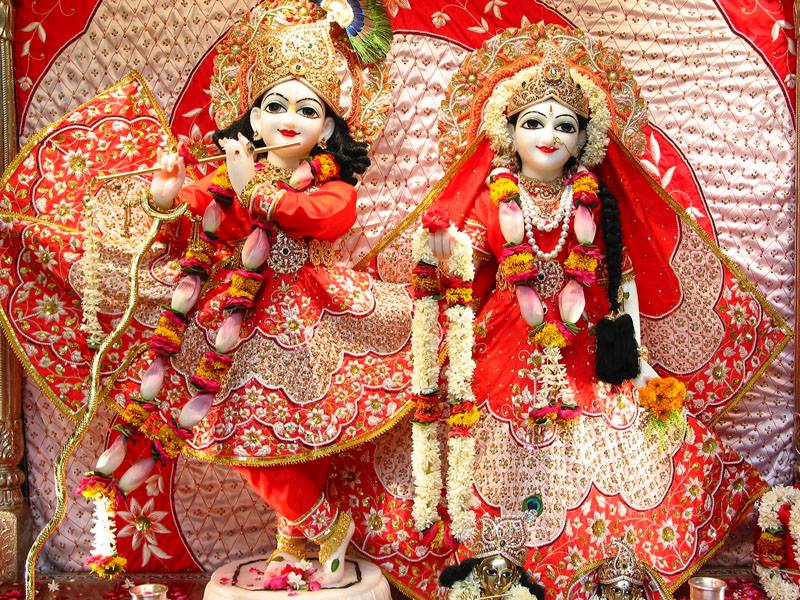
Yes Indeed, Life is Complicated. The complexity of Life involves the conditioned or the dependent nature of the human existence. The man has no existence if he is not connected to an external source of energy. The external source of energy which supports the existence of Life is often described as the Divine Providence, the original source of Love, Mercy, Grace, and Compassion.
The blessings of Lord Ganesh for Success through the practice of obedience and humility

Indian Cultural Traditions offer tools for Success in all dimensions of Life including health, education, employment, social status and social relationships. The formula for success is simple; perform all tasks making an estimate to take care of negative consequences or outcomes, and plan for roadblocks or obstacles in the planning stage of executing any action. Indians initiate actions seeking Blessings of Lord Ganesha for their desire for Success in Life should not be directed by intellectual pride or arrogant use of physical or material power.
The Divine Mother of Life, Energy and Knowledge – The Concept of Whole Motherhood
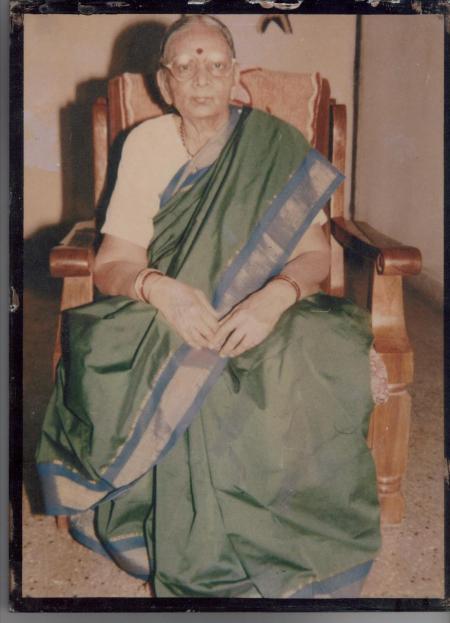
The concept of Whole Motherhood:
I account for human existence honoring ‘The Divine Mother of Life, Energy, and Knowledge’. The Divine Principle is both male and female and in this article, I present the feminine aspect of Divine Principle as Whole Mother, the harmonious blending or coming together of the Divine Mother of Life, the Divine Mother of Energy and Compassion and the Divine Mother of Knowledge.
I as a human organism exist in this world as I arrived from a previously existing Mother Cell.This single cell is the Source of Life, Energy, and Knowledge that has established my human existence.
The erosion of Christian Values sets in motion a great economic disaster since August 22, 1996

President Clinton’s tricks and gimmicks will utterly ruin and destroy the Nation for he failed to obey the LORD.
The Concept of Whole Warfare – The Commemoration of National Security Act of 1947

On Saturday, 26th Day of July 2025, I confess that I have not arrived at the final destination of my life. I continue to struggle for my personal freedom and I continue to wrestle against the dark forces keeping Tibetans away from freedom.
The Bodhisattva of Compassion celebrates his 90th Birthday

On Sunday, July 06, 2025, I declare that I am a Refugee and I need a Refuge for I do not have either “willpower,” or “Free Will.” I join the Tibetan community in the celebration of the 90th Birth Anniversary of His Holiness the 14th Dalai Lama. May God Bless Him with a Long Life.
What to the Slave is the Fourth of July? I am not Born Free. I am a Born Slave

What to the Slave is the Fourth of July? I am not Born Free. I am a Born Slave.
The man is not Born Free. From his conception until his death, the man, the created being simply lives a dependent or conditioned existence. The entire mankind without any exceptions are all Slaves irrespective of Race, Ethnicity, Language, Nationality, or Sexual Orientation for all men are born sinners.
The Yoking of Man and God in the creation of Humanity

Yoga explores the principle of man’s Unity with God or Supreme Being. Indian tradition suggests that God is present in entire creation and yet God remains detached, unattached, aloof, distant, or separate from creation. Human Existence is evidence for Unity of man with Divine Principle and yet Human Existence is burdensome, worrisome, and troublesome as God chooses to remain separate from entire creation.

