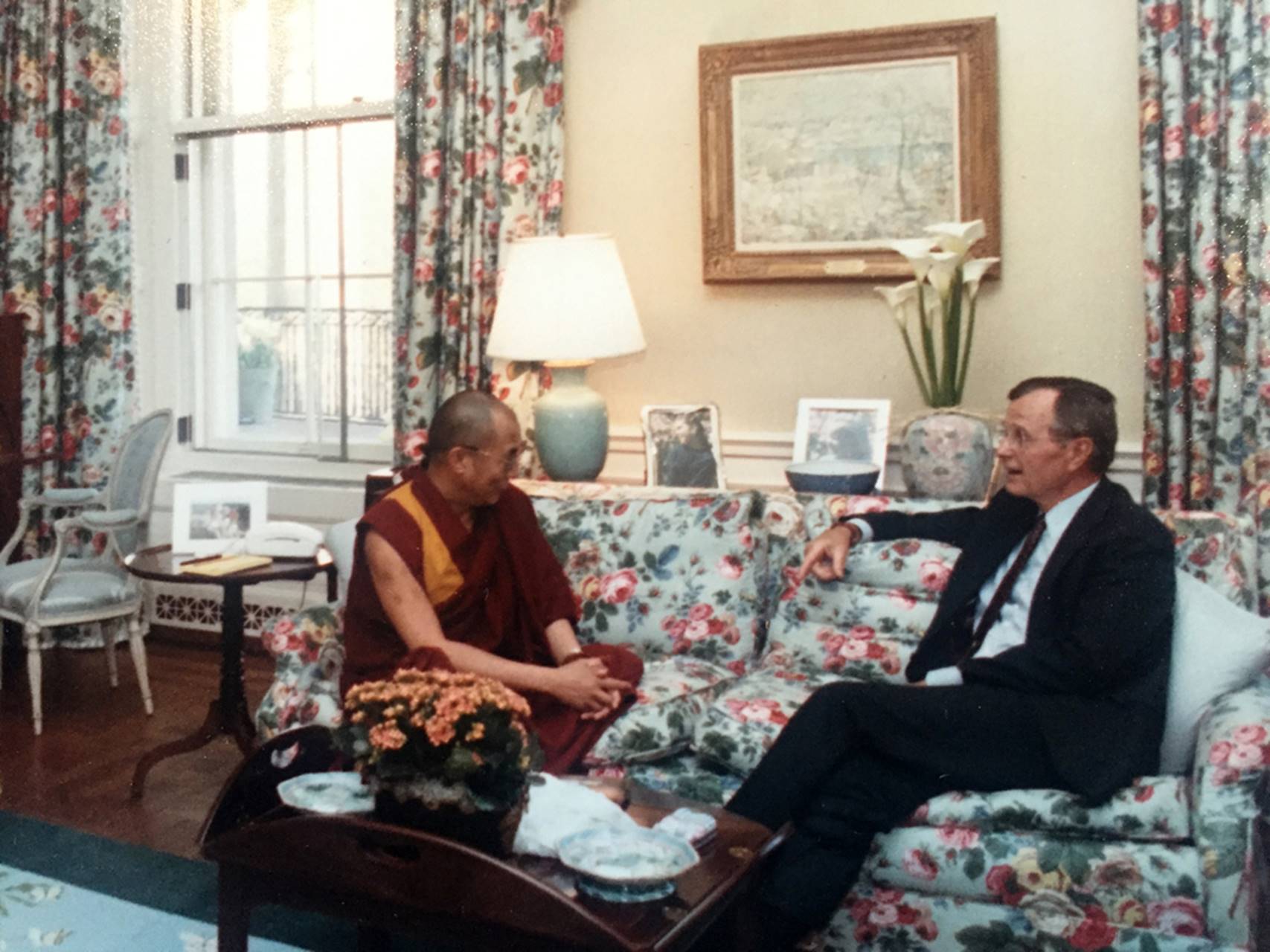
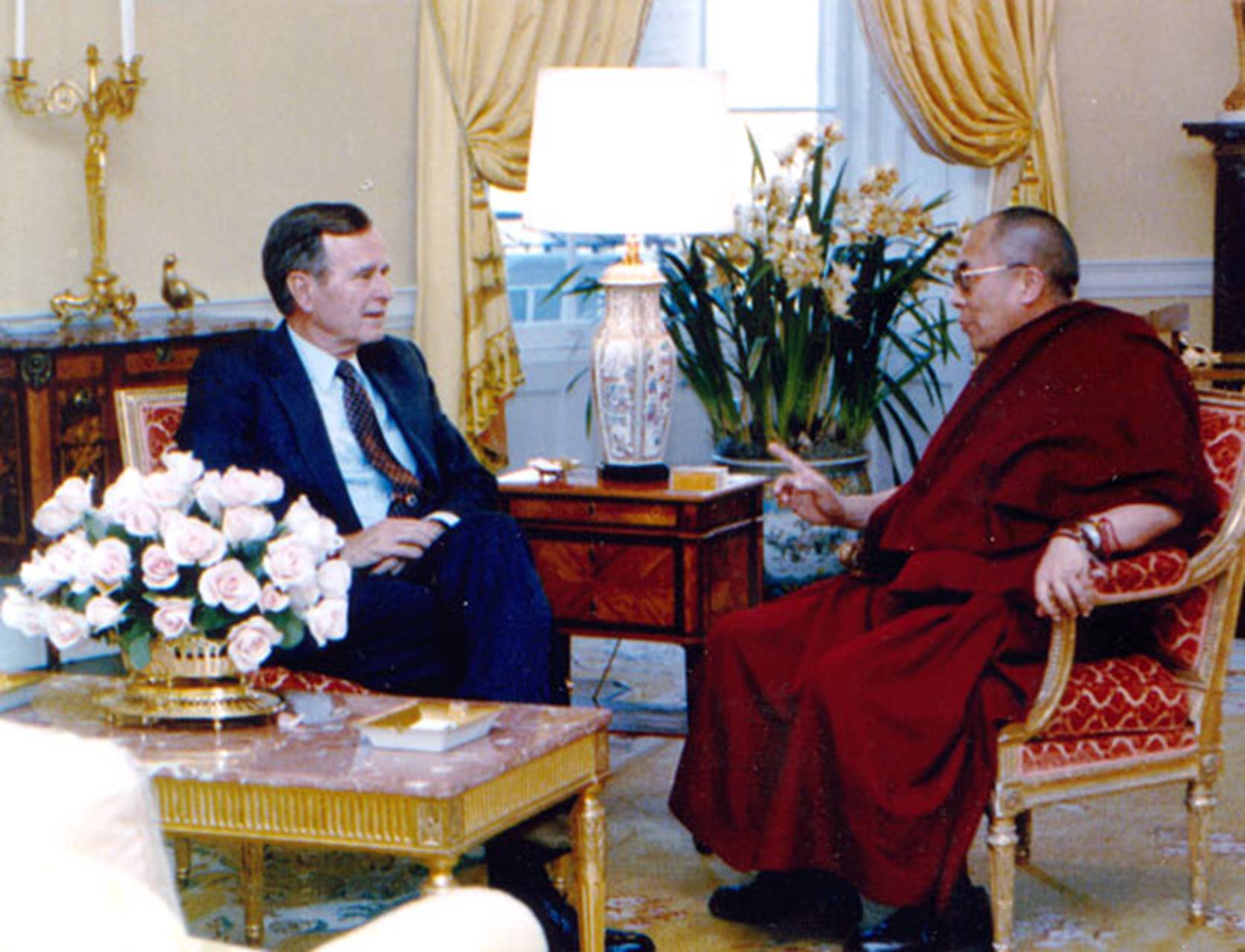
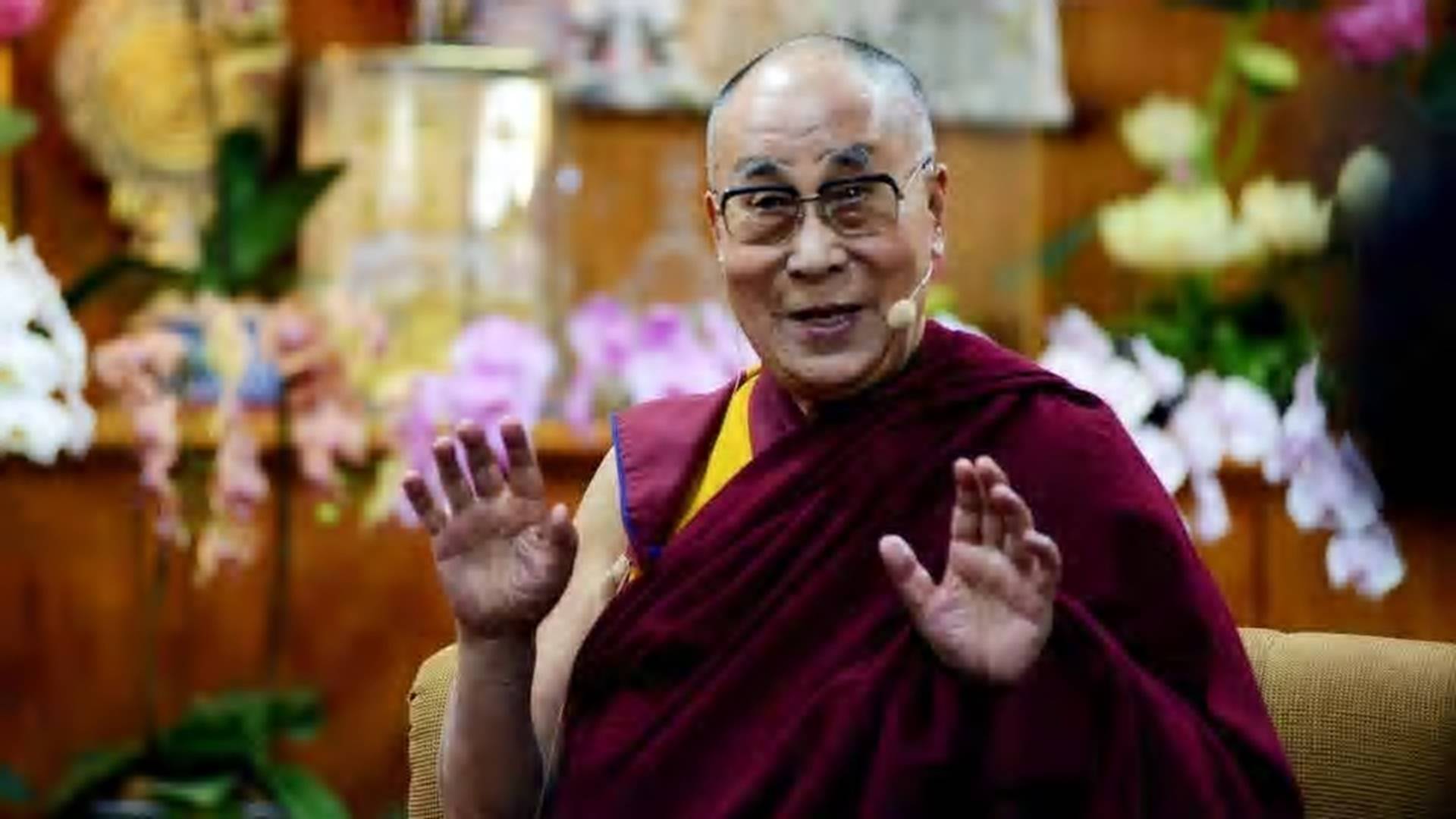
“It was the year when George HW Bush took a stance against China’s repressive religious policy after he became the first-ever US President to receive the Dalai Lama officially at the White House.”
Time for an old Tibet Story. Time when George H.W. Bush officially received the Dalai Lama at The White House.
In my analysis, the time has come to share an old Tibet story. I am happy to tell about the meeting between His Holiness the 14th Dalai Lama and the US President George Herbert Walker Bush in the White House.
Time for an old Tibet Story. Time when George H.W. Bush officially received the Dalai Lama at The White House.
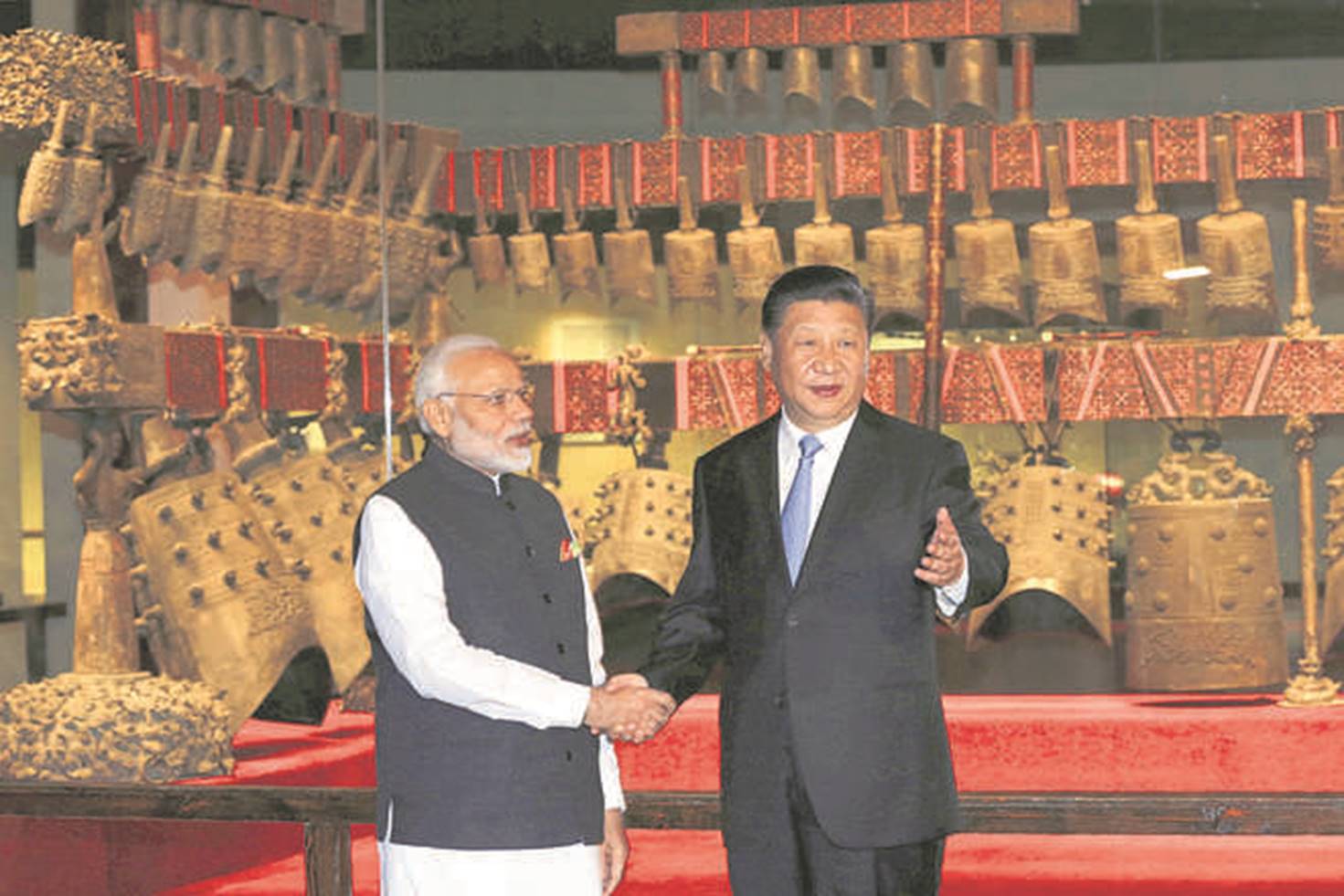
A New start: China certainly requires India’s support to resolve the issue in its favour. Perhaps, the Wuhan meet was just about that!
P Stobdan
FORMER AMBASSADOR
At a recent academic presentation at Tibetology Research Centre, Beijing, Chinese experts on Tibet said when Deng Xiaoping was seeking an accommodation in Tibet in the 1980s, the Dalai Lama was exploring other options in the West to play mischief against China. On his part, Tibet expert Xiaobin Wang claimed that the most belligerent attempt at confronting China came from the Dalai Lama immediately after the dramatic collapse of the Soviet Union in 1991. It was the year when George HW Bush took a stance against China’s repressive religious policy after he became the first-ever US President to receive the Dalai Lama officially at the White House.
The Tibetan spiritual leader was perhaps prompted to believe that the mightiest of empires could be pulled down by shared power of religion. Whether or not such assessments are accurate, there was no doubting the Dalai Lama’s optimism about a Soviet spinoff effect to either opt for a ‘political process’ or face ‘bloody political struggles’ as he also decided to drop the dialogue path.
The US Tibet Policy Act Bill (2001) and Congressional gold medal to the Dalai Lama (2007) ensued worst riots across the plateau in 2008.
Wang insinuated how the West fostered the Dalai Lama to become a potent force and an icon of resistance against China to wage a psychic war against the Communist regime. China’s vitriol against the Dalai Lama as an ‘evil separatist’ never stopped until Xi Jinping came to power in 2013. But the dialogue interrupted in 2010 has never been resumed.
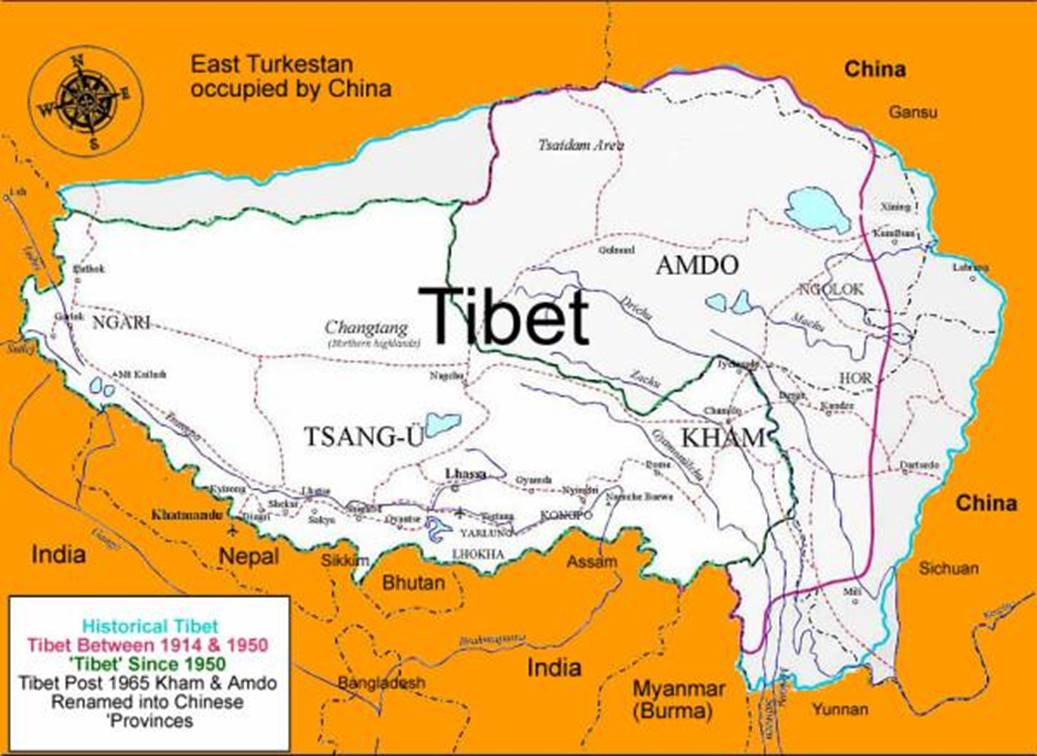
Tibet’s history and polity is rooted in China’s ritualistic order that can’t be changed, Wang asserted. The confusion arose after the British Empire (through eight key conventions between 1876 and 1914) tried to alter Tibet’s status, from a territory of China to a de facto independent nation.
The Dalai Lama’s ‘middle way’ policy is an attempt at regaining a ‘suzerainty’ status like ‘trying to change the liquid, but not the drug’, the Chinese said.
The briefing was a part of the rare trip to Ganzi Tibetan Autonomous Prefecture organised by China’s foreign ministry to showcase China’s achievements in Tibet. Ganzi (thrice the size of Punjab) proved its economic vitality: the middle class population here drew income from hydropower, geothermal, mining and tourism. The world’s largest methyl card lithium ore reserve is found here. Its agro-products directly go to Hong Kong, to cite few examples.
One could feel the churning — ethnic Chinese own shops everywhere. Tibetans are moving towards Chengdu to buy properties. Most Tibetans were discreet in making political comments. A lama in Xiede town said Xi was revered as lingxiu (wise man) and people are ‘very respectful of Xi’.
Asked discreetly why they were not inviting the Dalai Lama back, the reply invariably was ‘why should we invite him, he left the country by himself!’ Any prospect of his return would be resisted by the power elite network; people are more interested in better living than risking uncertainty, an official said.
Obviously, China still suspects the Dalai Lama’s covert intention to split Tibet from China. It is wary of his ‘disruptive potentials’. It is not ready to risk the chaos ensuing upon his arrival. ‘Tibet is an outlying region and its vulnerabilities could be exploited by anti-China forces,’ noted an official in Khanding.
Yet, I felt, he is still revered as a ‘god-king’ by Tibetan folks, though this question was met with polite reticence by local Tibetan officials. Nobody I spoke to in Ganzi and Beijing thought reconciliation is coming anytime soon. No radical policy change is visible though more and more ordinary Chinese are seemingly getting drawn towards Tibetan Buddhism. I was amazed by the area’s development and natural beauty. But as for the political takeaways, a bit of self-censorship in observation is needed, not only to avoid blocking access by China, but also to be careful to not hurt Tibetan sentiments about narrating China’s ‘Tibet story’.
On the downside, despite China’s high development achievements, some unsettling elements could be felt. The situation concealed as much as it revealed. I could understand the Tibetan obsession for an epistemological and metaphysical-driven life, but failed to figure out why, as practitioners of the most erudite Buddhist philosophy like the Indians, Japanese, Koreans, Chinese and others, they fail in adopting the transformative changes.
Perhaps, the greatest challenge before the younger Tibetan masters should include: firstly, to recognise the hard geopolitical reality; secondly, to employ their brand of Buddhism as a bridge to find a common ground; and thirdly, to catalyse Buddhism for bringing about a transformative change in Tibet.
After all, Asian societies have succeeded in spurring an enduring socio-economic change this way.
As for India, the Tibet issue seems no longer a crucial sticking point in its relationship with China. But, China definitely requires India’s support if the issue is to be resolved in its favour. Probably, the Wuhan process was just about that!
The visit has given rise to the idea that it is now time for India to normalise its traditional trade and cultural ties with Tibet that should include reopening of an Indian Consulate in Lhasa. Equally apt to find ways to send high Tibetan lamas back to Tibet if the fruits of investments made by India on them for such a long time are to be reaped fully.
Time for an old Tibet Story. Time when George H.W. Bush officially received the Dalai Lama at The White House.
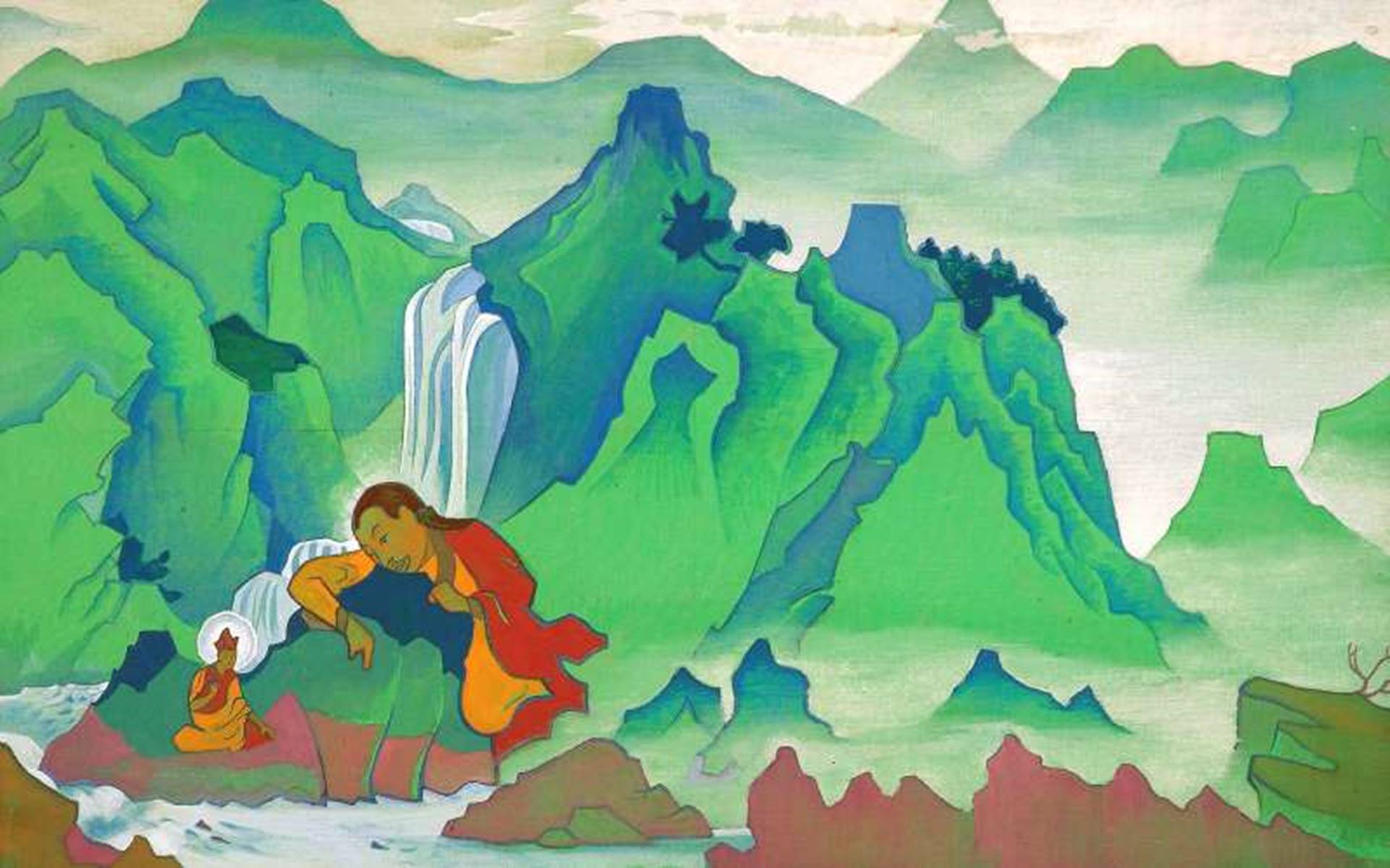
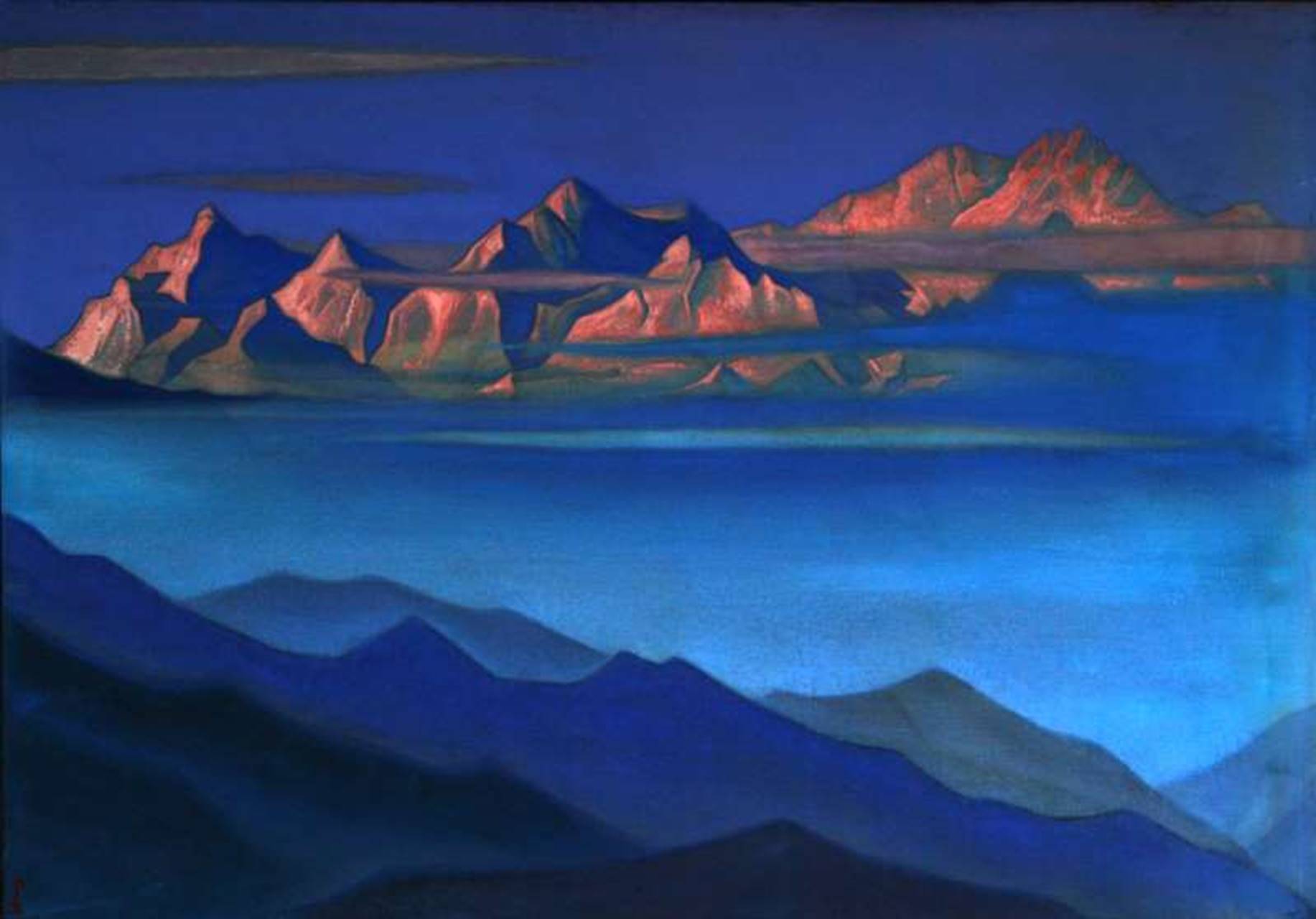
BLESSINGS FOR PEACE – MY PRAYERS TO TIBET’S MOUNTAINS FOR JUSTICE
Peace, Harmony, and Tranquility define the Tibetan Living Experience. Tibetans pray to their Mountains to receive the Blessings for Peace. I am praying to Tibet’s Mountains to give us Justice in addition to Peace.
The painting – titled "Tangla. The Song about Shambhala" – shows a mythical paradise. Shambhala is believed to be the birthplace of Kalki, the tenth incarnation of Lord Vishnu.
From the meandering Brahmaputra River winding its way through the Himalayas to the magnificent vision of the Kangchenjunga melding with the sky above, here are some colorful and dramatic paintings of Tibet’s mountains.
Brahmaputra River is shown flowing through a path between lofty mountain peaks in this painting titled "Brahmaputra.". (Found in the collection of State Museum of Oriental Art in Moscow, Russia.)
The painting – titled "Tangla. The Song about Shambhala" – shows a mythical paradise. Shambhala is believed to be the birthplace of Kalki, the tenth incarnation of Lord Vishnu. (Found in the collection of State Museum of Oriental Art.)
A 1924 work titled "Padma Sambhava." Padmasambhava was an Indian sage who is said to have introduced Tantric Buddhism to Bhutan and Tibet in the eighth century. (Found in the collection of the Nicholas Roerich Museum in New York City, New York, U.S.)
An illustration, titled "Kangchenjunga," of world’s third highest mountain. (Found in the collection of the International Centre of the Roerichs in Moscow.)
In my analysis, Tibet Separatism is just a natural phenomenon for it is entirely derived from the actions of various Natural Forces acting over thousands of years to create the separate Tibetan Identity which refuses to merge with identities of other foreign nationalities. Tibetan Identity will always exist as a ‘Separate’ Identity and no man will be able to wipe it out by building roads, bridges, railways, airports to plunder the natural resources of Tibetan Plateau. Tibetan Separatism does not constitute any kind of political activity. In fact, Tibetan Separatism represents the reality of Independence granted by the works of Mother Nature.
China insists Tibet has been part of its territory for centuries, but many Tibetans claim they were essentially independent for most of that time
Press Trust of India
Beijing
Tibetan spiritual leader Dalai Lama interacts with the leaders of the United States Institute of Peace (USIP) at his residence, in Dharamshala, Himachal Pradesh, on October 24. (HT File Photo)
China on Tuesday hit out at the Dalai Lama who is on a visit to Japan, saying that countries should not facilitate the Tibetan spiritual leader’s “separatist activities”.
On the Dalai Lama’s reported comments that China and Tibet should co-exist and prosper together, Chinese foreign ministry spokesman Geng Shuang said here that the Tibet issue is an internal matter of Beijing.
“As for the Dalai Lama’s speech, it is not up to me to answer this question. I can tell you that the 14th Dalai Lama is a political exile and he is engaged in separatist activities,” he said.
“We hope the relevant parties will not provide facilitation for his separatist activities,” he said.
China insists Tibet has been part of its territory for centuries, but many Tibetans claim they were essentially independent for most of that time. The Dalai Lama fled to India in 1959 amid an abortive uprising against Chinese rule in his Himalayan homeland.
The Dalai Lama is on a 10-day teaching tour of Japan. China routinely objects to his foreign visits.
TIBET AWARENESS – TIBET IS THE CORE ISSUE FOR INDIA
Tibet Awareness. Tibet is the Core Issue for India.
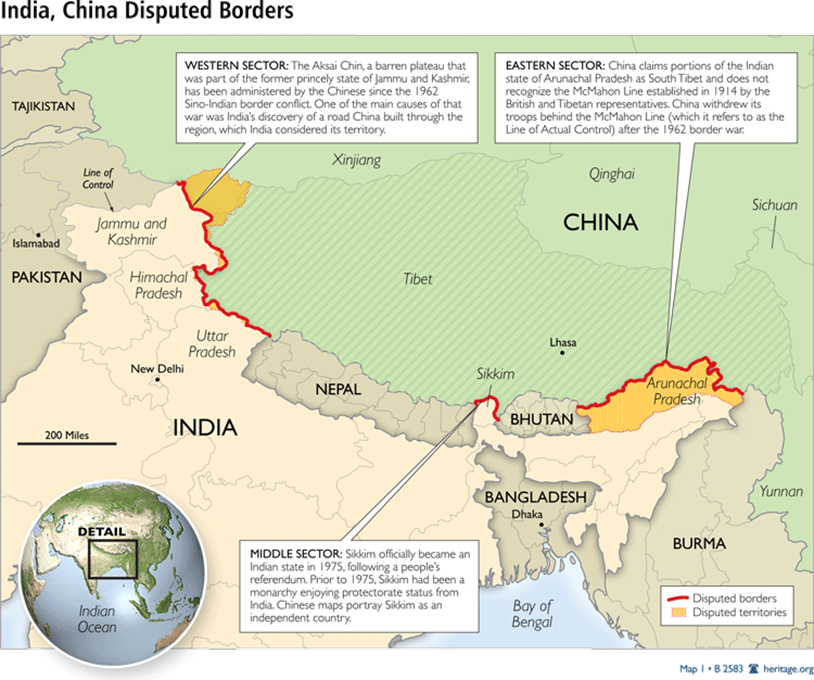
There is no border dispute between India and the People’s Republic of China as they do not share a common border. The problem of China’s military occupation of Tibet should be addressed by the global community of nations to secure Peace, Security, and Justice in South Asia.
Tibet should be one of the core issues for India as China is trying to “influence” all of its neighbors, Lobsang Sangay, the head of the Tibetan government in exile has said.
Tibet Awareness. Tibet is the Core Issue for India.
Tibet should be one of the core issues for India, says Lobsang Sangay (Reuters)
Tibet should be one of the core issues for India as China is trying to “influence” all of its neighbors, Lobsang Sangay, the head of the Tibetan government in exile has said. China insists Tibet has been part of its territory for centuries, but many Tibetans say they were essentially independent for most of that time. The Dalai Lama fled to India in 1959 amid an abortive uprising against Chinese rule in his Himalayan homeland.
Sangay, who is currently here, has met a number of senior US administration officials, congressmen and senators and members of the think-tank community like the Hudson Institute. Explaining his quest for India making “Tibet a core issue”, Harvard educated Sangay said that after the occupation of Tibet, the People’s Liberation Army has now moved near the border of India.
“Now they are influencing all of India’s neighbors, from Pakistan to Sri Lanka, Bangladesh, and Nepal. It is a reality now,” he said in an interview to PTI.
India and Tibet have had historically, cultural and civilizational ties for hundreds of years, he said, adding Tibet is the source of water for India and South Asia. “For these reasons, Tibet is very important for not just India, for the whole of South Asia and ASEAN countries too. Hence, Tibet should be one of the core issues for India,” Sangay said.
“China has already said Tibet is one of the core issues. So, India should also table Tibet as one of the core issues and address this issue with Tibetan people in mind,” he said. Responding to a question, Sangay said that the people of Tibet are following the middle way approach by seeking “genuine autonomy within the framework of the Chinese constitution”. “This is the reasonable moderate line,” he said.
For that there should be a dialogue between the envoys of the Dalai Lama and the Chinese Government, he said. He sought the revival of a dialogue that happened between 2002 to 2010. “We think, that kind of dialogue will lead to the resolution of the Tibetan issue,” he said.
Tibet Awareness. Tibet is the Core Issue for India.
November 14, 1962. First Prime Minister of India shares his birthday with Special Frontier Force.
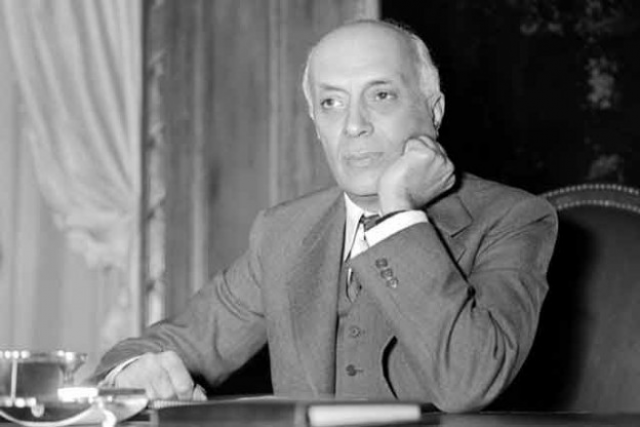
On Wednesday, November 14, 2018, I pay my respectful tributes to India’s first Prime Minister Jawaharlal Nehru. On November 14, 1962, he shared his birthday with Special Frontier Force without hosting any public ceremony.
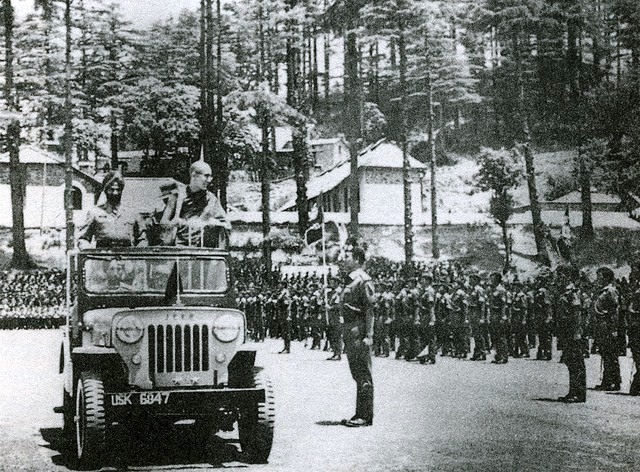
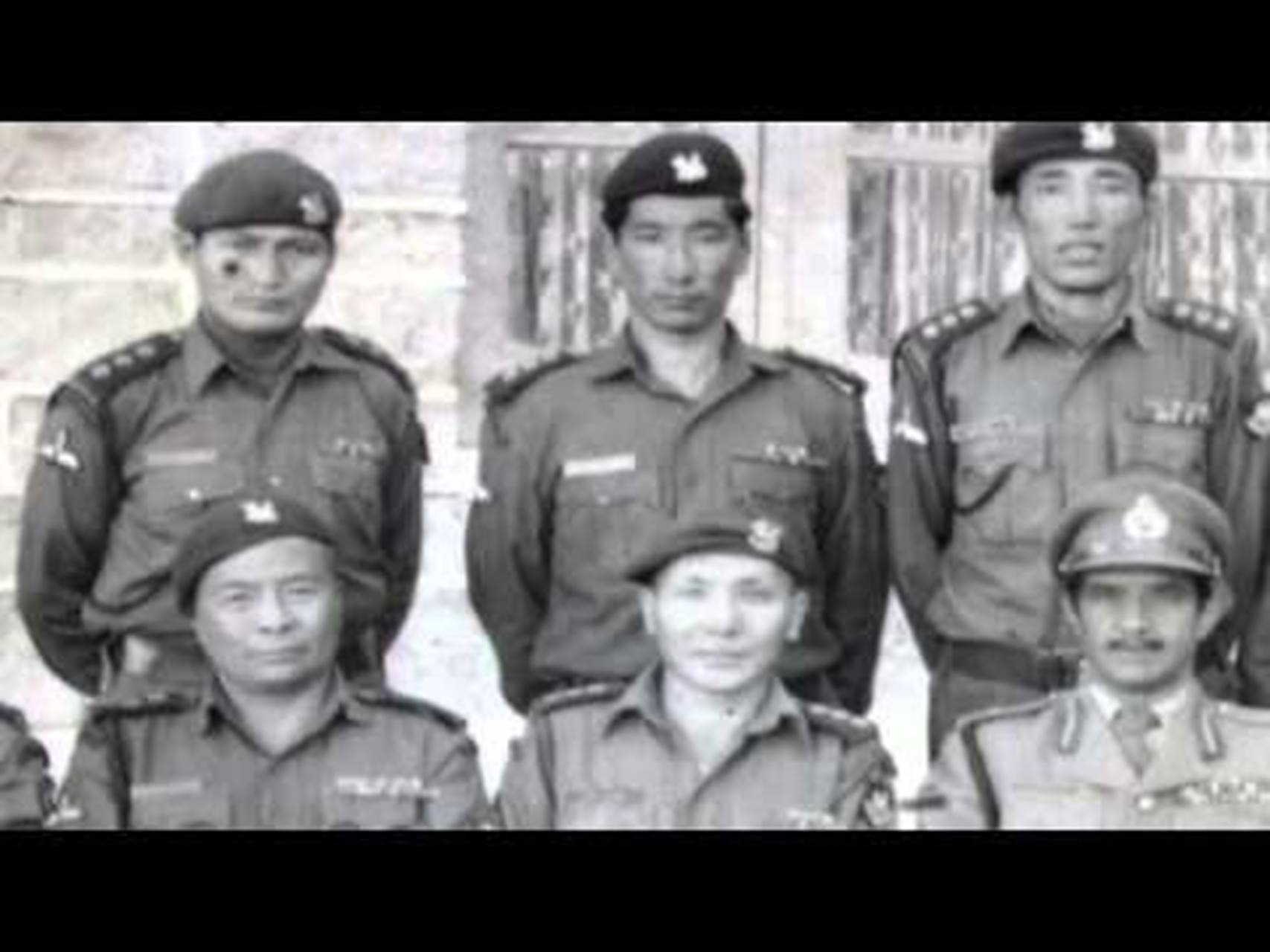
India’s first Prime Minister Jawaharlal Nehru was the architect of Special Frontier Force – Establishment No. 22 – Vikas Regiment: “AHIMSA PARAMO DHARMA; DHARMA HIMSA TATHIVA CHA.” Both India and Tibet recognize Non-Violence or Ahimsa as the highest principle. The military organization, Special Frontier Force-Establishment No. 22-Vikas Regiment represents the second part of the statement; Violence or Himsa is equally the highest principle when it is necessary to defend the righteous.November 14 – Birth Anniversary of Special Frontier Force – Establishment No. 22 – Vikas Regiment: I served in this military organization from September 22, 1971 to December 18, 1974. I was not a mercenary working for a foreign government or Agency. I was fully involved and was prepared to defend the legitimate border between India and Tibet as established by the McMahon Treaty and the Simla Agreement of 1914 between India and Tibet. We as an organization defended our own territory to defend our natural rights. We were fully ready to conduct offensive operations against our Enemy if the Enemy attacks us during the conduct of our military mission.THE SPIRITS OF SPECIAL FRONTIER FORCE: WE ARE OPENLY SHARING THIS PHOTO ILLEGALLY OBTAINED BY A CHINESE SPY. THE PHOTO WAS TAKEN AT CHAKRATA ON 03 JUNE, 1972 WHILE HIS HOLINESS THE 14th DALAI LAMA WAS PRESENTED A GUARD OF HONOR BY MAJOR GENERAL SUJAN SINGH UBAN, AVSM, INSPECTOR GENERAL, SPECIAL FRONTIER FORCE. MY INDIAN ARMY CAREER BEGAN AT THIS LOCATION AND I WILL CONTINUE TO FIGHT FOR FREEDOM AND DEMOCRACY IN THE OCCUPIED LAND OF TIBET.The history of the Special Frontier Force – Establishment No. 22 – Vikas Regiment: This is a photo image taken at Sarasawa airfield that proudly displays the National Flag of Tibet. Special Frontier Force is a living military organization that is facing its future with hope and encouragement from the United States, India, and Tibet.November 14 – The Birth Anniversary of Special Frontier Force – Establishment No. 22 – Vikas Regiment. The History of Special Frontier Force – Establishment No. 22 – Vikas Regiment: “AHIMSA PARAMO DHARMA; DHARMA HIMSA TATHIVA CHA.” Both India and Tibet recognize Non-Violence or Ahimsa as the highest principle. The military organization, Special Frontier Force-Establishment No. 22-Vikas Regiment represents the second part of the statement; Violence or Himsa is equally the highest principle when it is necessary to defend the righteous.November 14, 1962. India’s first Prime Minister shares his birthday with Special Frontier Force.
November 14, 1962. India’s first Prime Minister shares his birthday with Special Frontier Force.
Jawaharlal Nehru was born to Motilal Nehru and Swaruprani Thussu on November 14, 1889, in Allahabad in Uttar Pradesh. His birthday is celebrated as Children’s Day. Jawaharlal Nehru remained in office (as prime minister) until his death in 1964.
New Delhi:
President Ram Nath Kovind, Prime Minister Narendra Modi and senior Congress leader Sonia Gandhi on Wednesday paid tributes to India’s first prime minister Jawaharlal Nehru on his 129th birth anniversary.
Jawaharlal Nehru was born to Motilal Nehru and Swaruprani Thussu on November 14, 1889, in Allahabad in Uttar Pradesh. His birthday is celebrated as Children’s Day. Jawaharlal Nehru remained in office (as prime minister) until his death in 1964.
Former president Pranab Mukherjee, former vice president Hamid Ansari, former prime minister Manmohan Singh, and Sonia Gandhi paid their respects to Jawaharlal Nehru at Shantivan.
“Remembering Shri Jawaharlal Nehru, our first Prime Minister, on his birth anniversary,” read a post on the official Twitter handle of the President Kovind.
PM Modi recalled Jawaharlal Nehru’s contribution to India’s freedom struggle and during his tenure as prime minister. “Remembering our first Prime Minister, Pandit Jawaharlal Nehru on his birth anniversary. We recall his contribution to our freedom struggle and during his tenure as Prime Minister,” he tweeted.
Balloons in the colors of the Indian flag were released amid playing of bands and singing of patriotic songs by school children at Jawaharlal Nehru’s memorial Shantivan.
Lok Sabha Speaker Sumitra Mahajan led parliamentarians in paying tributes to the first prime minister at the Central Hall of Parliament.
Besides Ms. Mahajan, senior leaders LK Advani, Ghulam Nabi Azad, Leader of Opposition Mallikarjun Kharge, Union minister Vijay Goel, former Haryana chief minister Bhupinder Singh Hooda among others paid homage to Jawaharlal Nehru.
November 14, 1962. India’s first Prime Minister shares his birthday with Special Frontier Force.
Bharat Darshan Asks You to Look Before You Leap. What is Prudence?
Prudence has a role in all the concerns of life. The right end, whether that be the goal of personal happiness or the common good of society, or the performance of one’s duties, cannot be achieved unless the means to it are rightly chosen. Prudence can be acquired through learning to take sufficient counsel and to deliberate enough before taking any action. The habit of prudent action can be gained by a remembrance of the past experience, by the understanding of what is present, and providing for the future by resolving thoughts and making decisions and commanding their execution.
Lord Hanuman’s Leap – Prudence is Indispensable to Good Human Life
Bharat Darshan Asks You to Look Before You Leap. The virtue of Prudence.
The Indian epic poem of ‘RAMAYANA‘ describes life journey of Lord Rama, the Prince of the Ayodhya Kingdom who was exiled to live in the forest. The story narrates the abduction of His wife, Princess Sita. While searching the forest to find Sita, Lord Rama befriends the ‘VANARA’ or Monkey Forces of Kishkindha Kingdom. The Vanara King Sugriva in an effort to find Sita dispatched his forces in all directions with very strict orders to report back within a month. The search party that proceeded southwards eventually reach the southern sea-shore at the end of their appointed time for reporting back to the King. While they were feeling anxious about their delayed mission, they receive a vital clue about Sita held captive in the island kingdom of Lanka ruled by the demon King Ravana. The search party now gets fearful about the course of action they have to choose. They seek counsel from the eldest member of their party. They decide against returning home with secondhand information about Princess Sita’s whereabouts. After due deliberation, they choose to physically verify the accuracy of the information about Princess Sita’s presence in the island. The action that they selected requires crossing the sea, entering an enemy kingdom, searching diligently tightly guarded places, and returning safely crossing the sea one more time. In the context of this story, as there is no land bridge to reach the island, the safest way to get there is to jump across the sea in one leap. The party’s elder leader recommends entrusting Hanuman with this difficult and challenging mission. The choice of Hanuman is prudent because of His strength, courage, intelligence, and other special abilities like changing of body size at His discretion.
The story describes that Hanuman stood on a hill by the name of Mahendra to gain advantage for the proposed leap. He looks at the sea and directs His mind towards the island of Lanka. He is sure about His devotion to Lord Rama and He is certain about His desire to fulfil Lord Rama’s purpose. He said to Himself: “I shall search and find Sita. I shall fly in the sky and cross the sea.” However, He undertakes this mission with a sense of absolute modesty and humility. He offers worship and prayers to God and to all creation before He leaps into the sky with a roar of triumph. With that leap, Hanuman’s role in the story of Ramayana reaches heroic proportions and continues to be very exalted till the end of the story.
The Quality of Prudence
Bharat Darshan Asks You to Look Before You Leap. What is Prudence?
The quality of prudence is most concerned with action. Prudence is a product of experience and a possession of reason. The maxims of prudence are counsel, deliberation, and judgment. A prudent man knows how to deliberate or calculate well about things to be done. He evaluates the negative as well as the positive consequences of his actions. Prudence also shapes the character of the person. Use of unjust or dishonest means to achieve the end or goal set for oneself is not prudence. ‘ One cannot have prudence unless one has the moral virtues; since prudence is the right reason about things to be done, to which end man is rightly disposed by moral virtue’. The choice of the best means is as important as the election of the right end. The clever thief who plans and executes a successful robbery exhibits no prudence but its counterfeit called cunning. The rightness of the means requires not merely that they are adapted to an end, but that the end itself be right.
Bharat Darshan Asks You to Look Before You Leap. What is Prudence?
Prudence has a role in all the concerns of life. The right end, whether that be the goal of personal happiness or the common good of society, or the performance of one’s duties, cannot be achieved unless the means to it are rightly chosen. Prudence can be acquired through learning to take sufficient counsel and to deliberate enough before taking any action. The habit of prudent action can be gained by a remembrance of the past experience, by the understanding of what is present, and providing for the future by resolving thoughts and making decisions and commanding their execution.
A Prayer to Lord Hanuman
Bharat Darshan Asks You to Look Before You Leap. What is Prudence?
Having known that my human body is deficient of intelligence, I call upon Pavan Kumar (Son of Wind God or Vayu) asking Him to grant me strength, intelligence, and true knowledge to dissolve all of my blemishes which cause pain and misery.
Bharat Darshan Asks You to Look Before You Leap. What is Prudence?
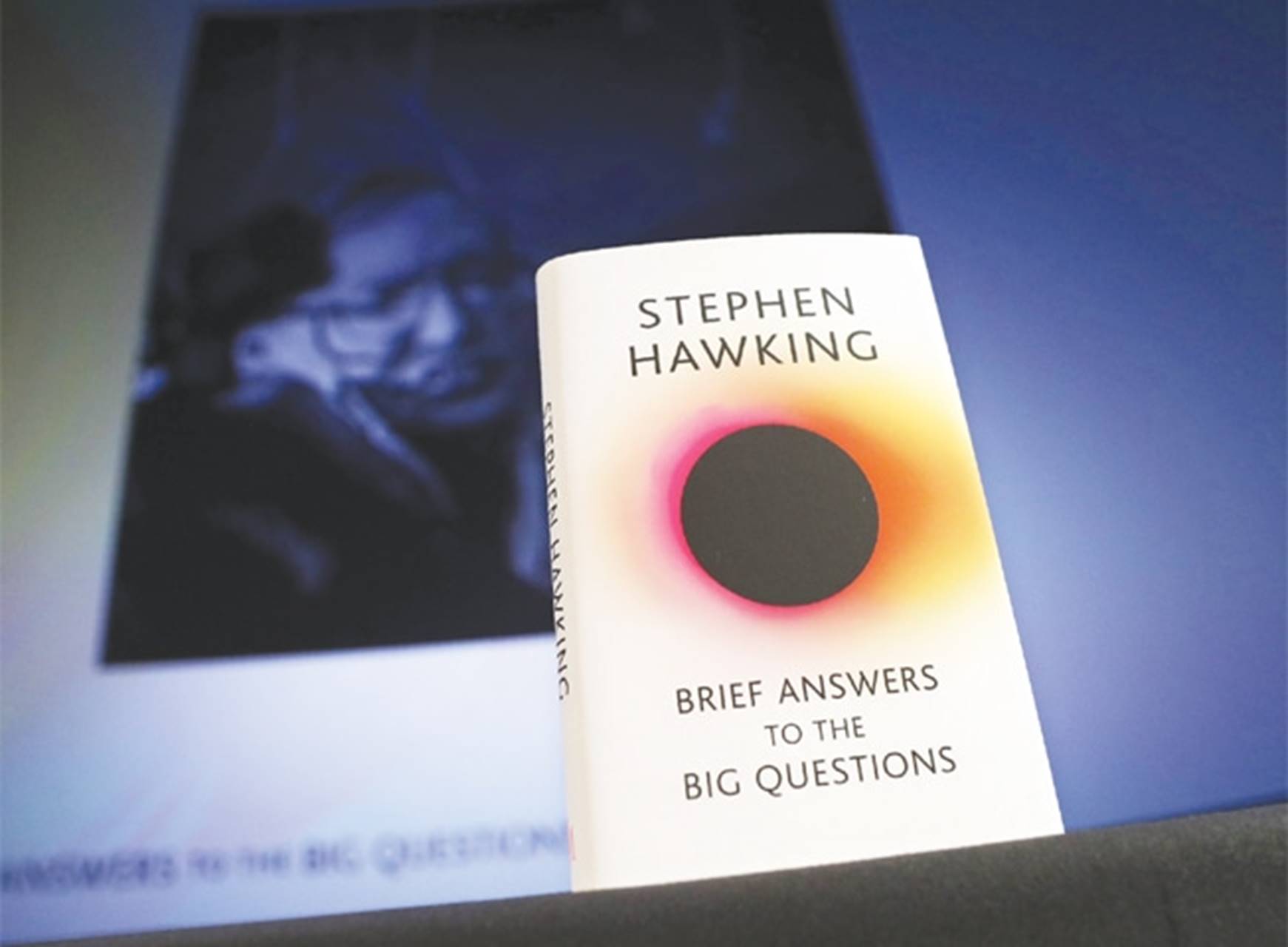
In his final book titled ‘Brief Answers to the Big Questions’, physicist Stephen Hawking states that ‘There is no God’ without further validating his statement. In my analysis, man has to first define himself for man’s existence as a living thing has both Subjective and Objective evidence. The fact of man’s existence can be verified and can be proven beyond reasonable doubt. ‘What is Man’? is the Big Question that demands an answer.
There is No God Theory of Stephen Hawking.
Attempting to answer the question “How do we shape the future?” in the book’s final chapter, the scientist writes: “Remember to look up at the stars and not down at your feet.”
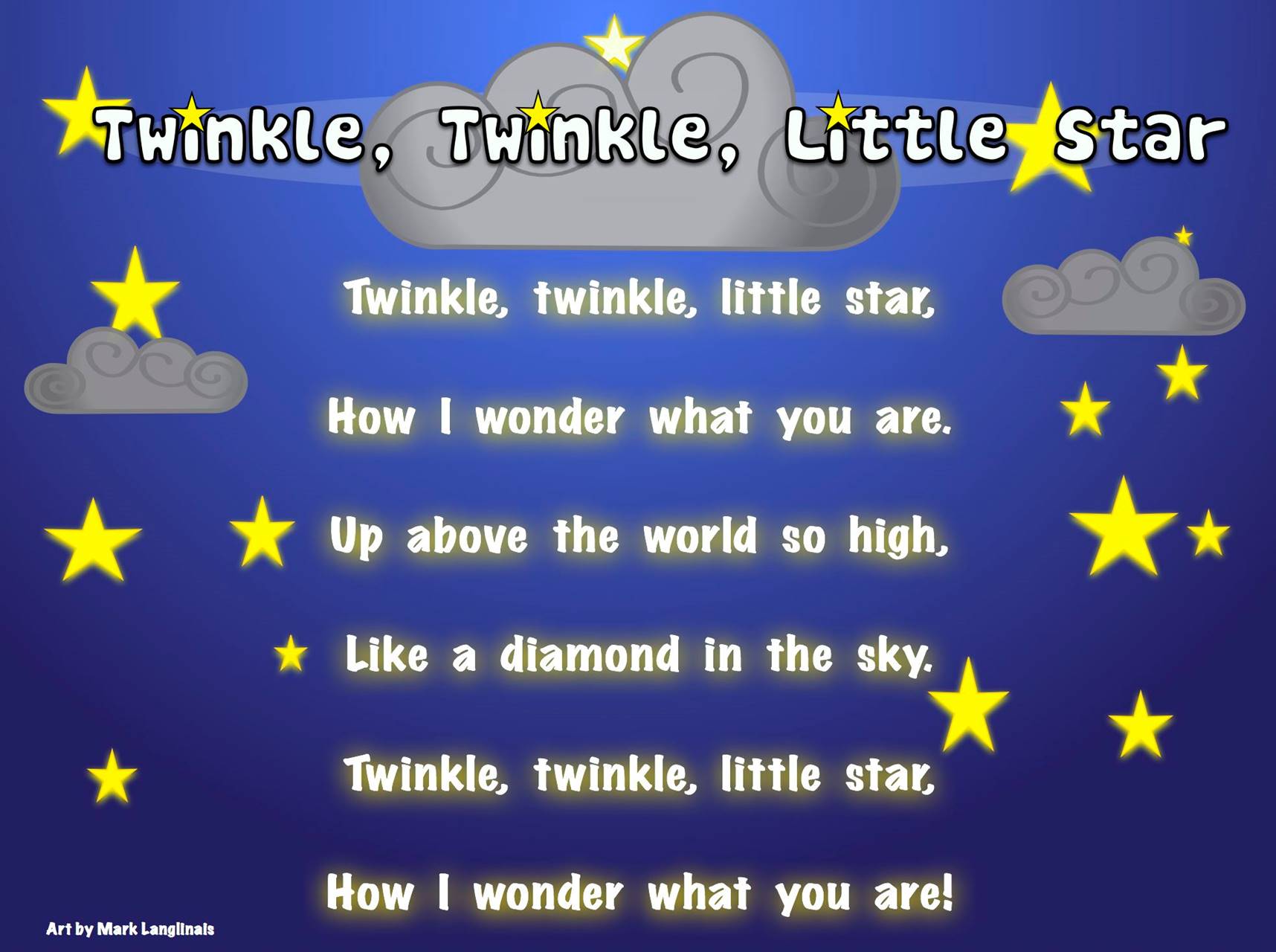
When we indeed look up the stars, man finds some amusement in knowing that he would never ever know more than the little answer provided by the nursery rhyme called “Twinkle, Twinkle Little Star.” For example, man will never be able to account for the variations in the orbital spin displayed by various celestial objects. No two celestial objects share the same kind of rotational spin.
There is no God Theory of Stephen Hawking.
Once the living thing called a man is defined, the issue of God’s existence requires no further explanation.
There is no God — that’s the conclusion of the celebrated physicist Stephen Hawking, whose final book is published Tuesday.
The book, which was completed by his family after his death, presents answers to the questions that Hawking said he received most during his time on Earth.
Other bombshells the British scientist left his readers with include the belief that alien life is out there, artificial intelligence could outsmart humans and time travel can’t be ruled out.
Hawking, considered one of the most brilliant scientists of his generation, died in March at the age of 76.
“There is no God. No one directs the universe,” he writes in “Brief Answers to the Big Questions.”
“For centuries, it was believed that disabled people like me were living under a curse that was inflicted by God,” he adds. “I prefer to think that everything can be explained another way, by the laws of nature.”
Hawking suffered from amyotrophic lateral sclerosis (ALS), a neurodegenerative disorder also known as Lou Gehrig’s Disease, for most of his adult life.
The scientist died while still working on the book, which his family and colleagues finished with the help of his vast personal archives.
‘Increasingly looking inward’
While Hawking spoke of his lack of belief in God during his life, several of his other answers are more surprising.
“There are forms of intelligent life out there,” he writes. “We need to be wary of answering back until we have developed a bit further.”
And he leaves open the possibility of other phenomena.
“Travel back in time can’t be ruled out according to our present understanding,” he says. He also predicts that “within the next hundred years we will be able to travel to anywhere in the Solar System.”
“He realized that people specifically wanted his answers to these questions,” the scientist’s daughter, Lucy Hawking, who helped complete the book, told CNN.
Hawking saw the world on the brink of a “vast transformative change” when he died, she noted, adding: “He’s asking us not to go into the future blindly. How good is the track record of the human race in using advances in technology for the good of ordinary people?”
In remarks prepared by Hawking and played at the launch of the book in London on Monday, the scientist also turned his attention to the world he was leaving behind.
“With Brexit and Trump now exerting new forces in relation to immigration and the development of education, we are witnessing a global revolt against experts, and that includes scientists,” Hawking said.
Hawking had been a critic of the United Kingdom’s decision to leave the European Union and called Donald Trump a “demagogue” in 2016.
His greatest concern, his daughter said, “is how divided we’ve become,” adding: “He makes this comment about how we seem to have lost the ability to look outward, and we are increasingly looking inward to ourselves.”
Hawking’s final message to readers, though, is a hopeful one.
Attempting to answer the question “How do we shape the future?” in the book’s final chapter, the scientist writes: “Remember to look up at the stars and not down at your feet.”
BREAKING THE SOUND BARRIER – THE MYSTICAL EFFECTS OF SOUND ENERGY
Breaking the Sound Barrier. The Mystical Effects of Sound Energy.
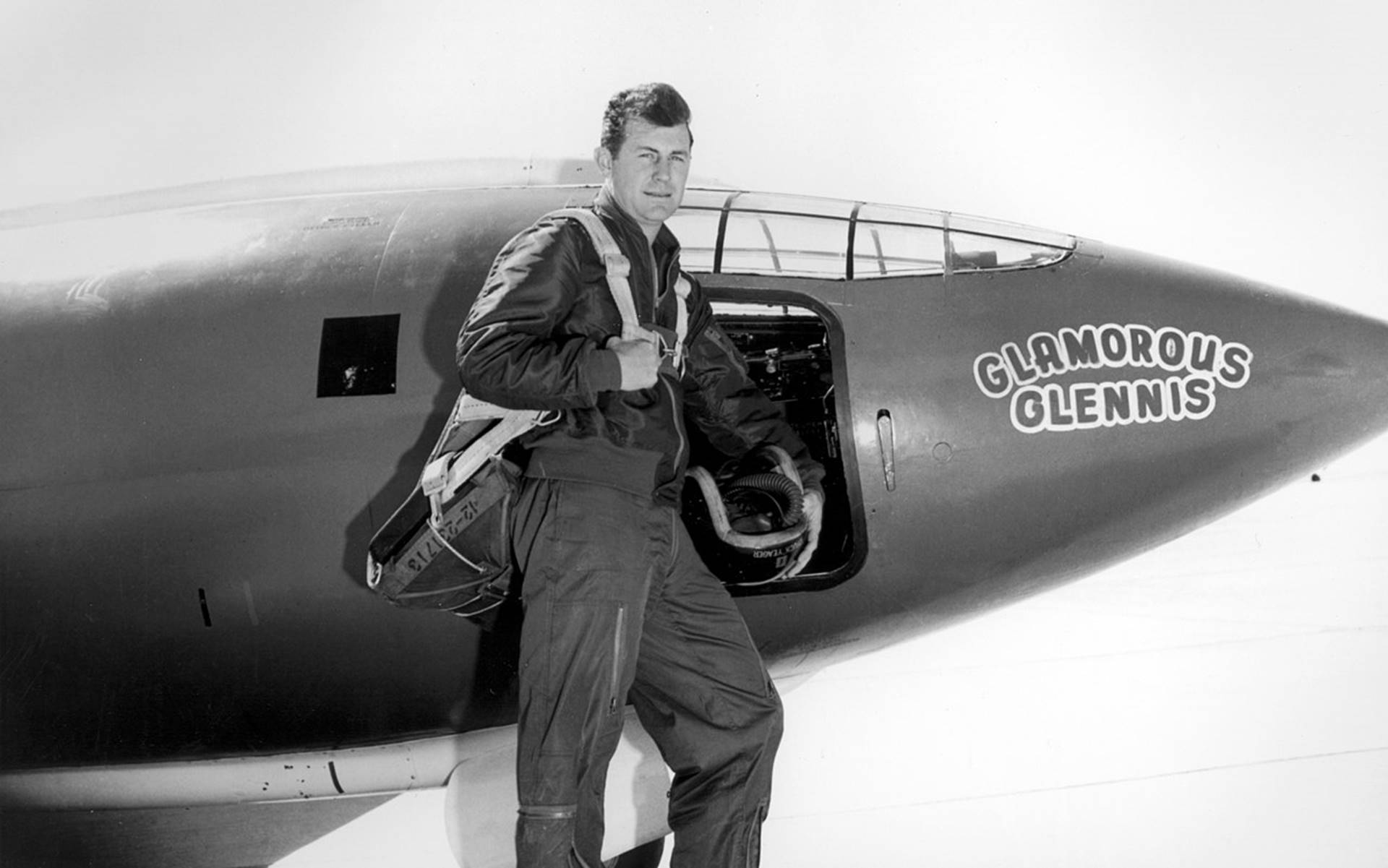
On October 14, 1947, U.S. Air Force Captain Chuck Yeager becomes the first person to fly faster than the Speed of Sound.
I take this opportunity to reflect upon the Mystical Effects of Sound Energy. In various human traditions of this world, the Sound Energy is glorified as God’s chosen medium of Energy/Power/Force to physically manifest His presence in the Immanent Realm.
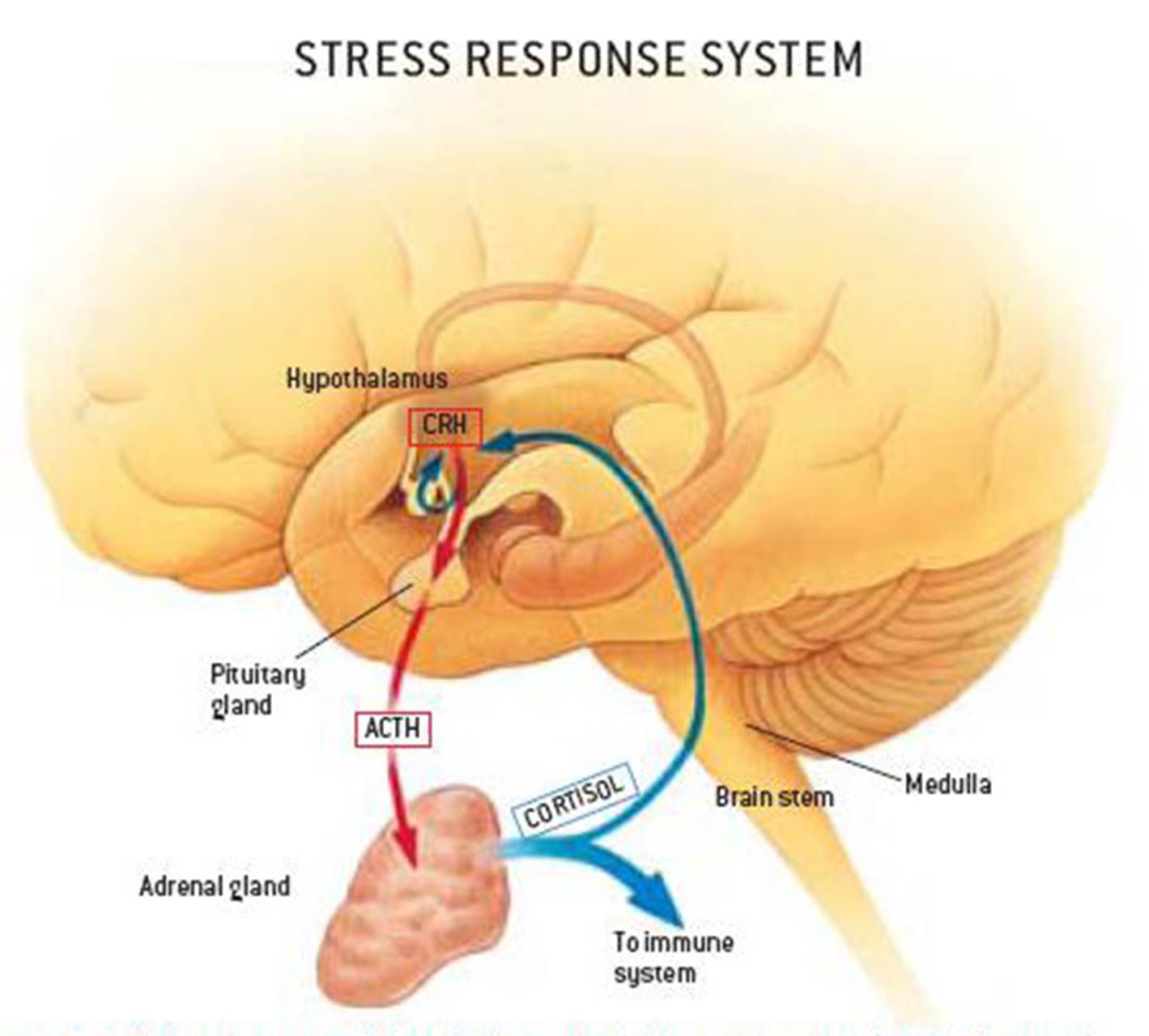
In my analysis, Sound Energy could be used to prevent the harmful consequences of “STRESS” and stress-related health conditions. The Man exists on the surface of Earth partaking the Speed of Earth with blissful unawareness of his own Speed. For Man’s mortal existence transcends the Sound Barrier, Man must explore the Mysteries of Sound Energy.
U.S. Air Force Captain Chuck Yeager becomes the first person to fly faster than the speed of sound.
Yeager, born in Myra, West Virginia, in 1923, was a combat fighter during World War II and flew 64 missions over Europe. He shot down 13 German planes and was himself shot down over France, but he escaped capture with the assistance of the French Underground. After the war, he was among several volunteers chosen to test-fly the experimental X-1 rocket plane, built by the Bell Aircraft Company to explore the possibility of supersonic flight.
For years, many aviators believed that man was not meant to fly faster than the speed of sound, theorizing that transonic drag rise would tear any aircraft apart. All that changed on October 14, 1947, when Yeager flew the X-1 over Rogers Dry Lake in Southern California. The X-1 was lifted to an altitude of 25,000 feet by a B-29 aircraft and then released through the bomb bay, rocketing to 40,000 feet and exceeding 662 miles per hour (the sound barrier at that altitude). The rocket plane, nicknamed “Glamorous Glennis,” was designed with thin, unswept wings and a streamlined fuselage modeled after a .50-caliber bullet.
Because of the secrecy of the project, Bell and Yeager’s achievement was not announced until June 1948. Yeager continued to serve as a test pilot, and in 1953 he flew 1,650 miles per hour in an X-1A rocket plane. He retired from the U.S. Air Force in 1975 with the rank of brigadier general.
CREATIVE USES FOR SOUND ENERGY
Breaking the Sound Barrier. The Mystical Effects of Sound Energy.
The science of acoustics deals with nature, properties, generation, propagation, and reception of sound waves. The sound is defined as a vibration, a mechanical disturbance from a state of equilibrium that propagates by wave motion through an elastic medium. In gases and liquids, sound propagates as longitudinal, compression waves. In solids, sound propagates as transverse, shear waves. Sound waves behave in many ways as light waves do. A sound is a form of energy like light. Light is an electromagnetic wave. Unlike light, sound cannot exist in a vacuum. Acoustics is important in the fields of speech and hearing, the production of music, in warfare, in research, in exploration, in medical diagnosis and therapy. Sonar is an acronym for sound navigation and ranging. Sonar is used in detection and location of submerged objects like submarines by using acoustical echo.
Breaking the Sound Barrier. The Mystical Effects of Sound Energy.
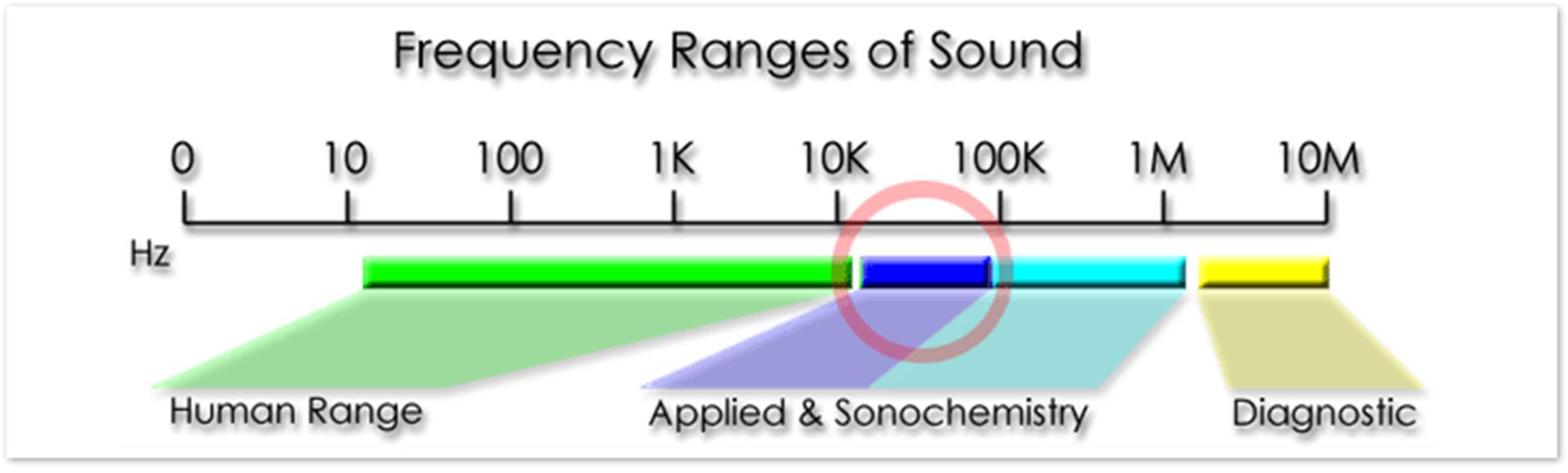
Ultrasonics describe the study of all sound like waves whose frequency is above the range of normal human hearing. Ultrasound is widely used in industry and in medicine. Pulses of ultrasound could be used to shatter kidney stones and gallstones. Ultrasonic drills and saws are useful in surgery and dentistry. Ultrasonic transducers have come to be widely used in medical imaging and have become a common diagnostic tool in pregnancy and for screening medical conditions that affect children. The technique of studying heart motions by ultrasonic means is known as echocardiography. In modern life, we use sound energy in several creative ways.
THE WORLD IS FULL OF SOUNDS:
Breaking the Sound Barrier. The Mystical Effects of Sound Energy.
We encounter a great variety of sounds in our daily life. All natural phenomena such as thunder, rain, waterfall, surf, and gusts of wind generate their unique sounds which could be pleasing as well as frightening. Across the animal kingdom, the sound is used for detecting danger, navigation, predation, communication, and for relaxation. Animals possess special structures for production and reception of sounds. The sounds produced could be mechanical or vocal. The special vocal organs could also produce speech and song. Mammals can also produce sounds with parts of the body that are specialized for other purposes. We can produce sound by tapping the floor or by clapping the hands. Many animals are highly vocal and can produce species-specific sounds. By understanding the sound reception mechanisms used by animals, we can also protect ourselves. Snakes have no reception for sounds propagated through the air as they do not have external ears. But they recognize the sound vibrations that are propagated through the ground. Snakes often bite when they are stressed. During Operation Eagle 1971 in the Chittagong Hill Tracts, the War of Bangladesh Liberation, I had allowed a large group of snakes to move under my legs by remaining still and not provoking them with any attempt to move. I had trained soldiers to protect themselves from snake bites. For example, we can easily alert others by shouting and announcing the presence of a snake while standing still and get help to avoid a snake bite. Humans have developed Culture and technology such as radio, telephone, and music that allows them to generate, record, transmit, and broadcast sounds. We should further explore the potential uses for sound energy. In ancient India, thoughts were propagated from person to person using the ‘oral tradition’ which involves the use of sound energy as a tool of human communication.
THE BIOLOGICAL EFFECTS OF SOUND
Breaking the Sound Barrier. The Mystical effects of Sound Energy.
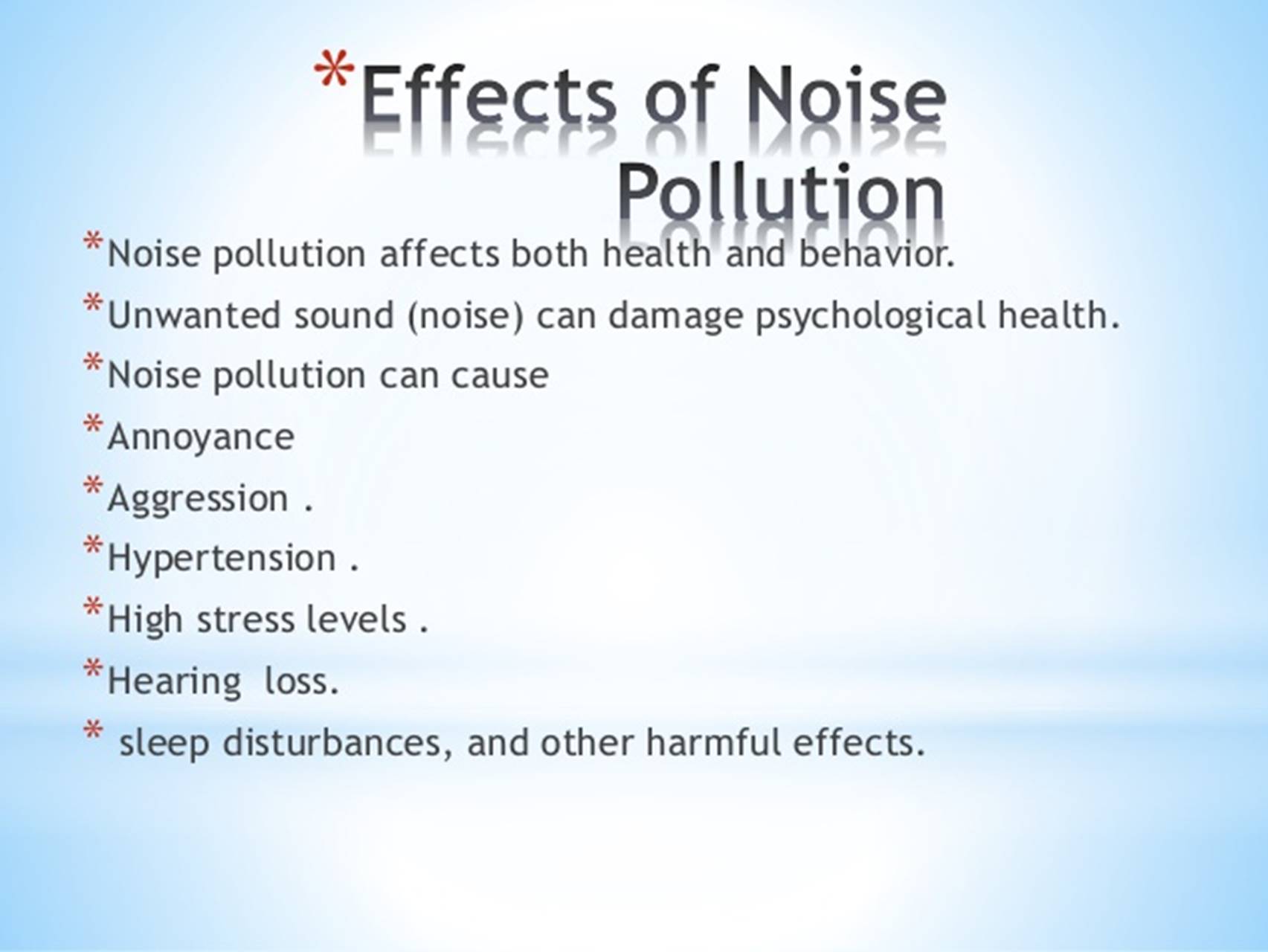
A sudden, loud sound could disorient a person. High-intensity sounds and exposure to noise could cause irritation, anxiety, fear, sleep deprivation, stress-reaction, and hearing loss. It could also cause permanent damage to the sense organs of hearing. High-order explosives produce a supersonic high-pressure blast wave that could cause severe primary blast injuries in several organs like brain and lungs. Humans appreciate the value of sound as a tool for obtaining relaxation, rejuvenation of spirit and for mental amusement and entertainment. The soothing effects of sound can provide us with mental comfort, help in the healing and recovery process. Indian traditions claim that sound could be used as a medicine and the sound could exert medicinal effects taking advantage of the mind-body connection. Sound undoubtedly can affect our physiological responses to stress. The sound could act as a stressor and as a stress reducer.
THE MYSTICAL EFFECTS OF SOUND
Breaking the Sound Barrier. The Mystical effects of Sound Energy.
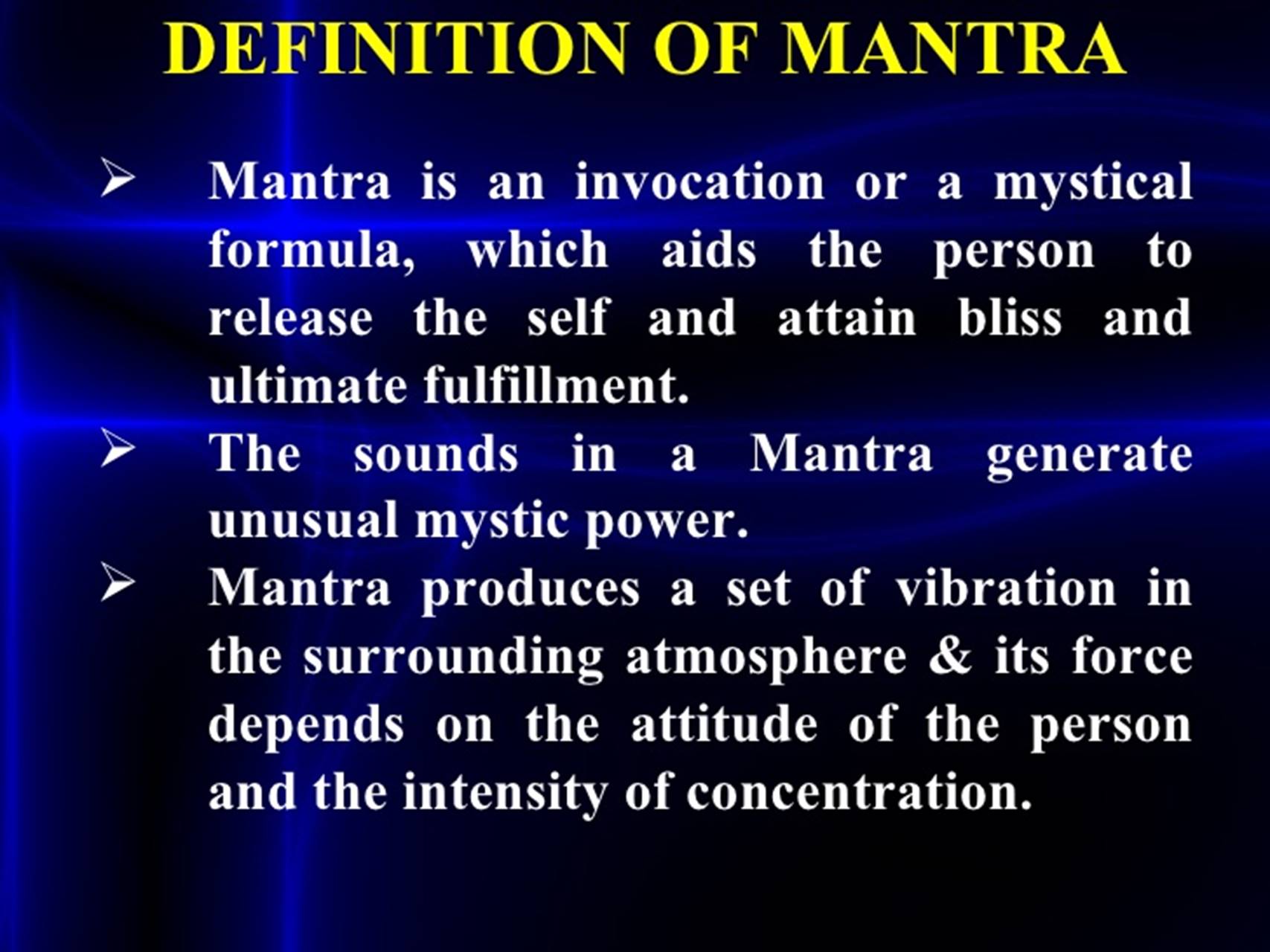
A ‘mantra’ can be defined as a sound, syllable, word, or group of words that are considered capable of creating transformation. The vocal sounds of the ‘mantra’ have inherent meaning independent of the understanding of the person uttering them. The incantor need not know the meaning of the words employed and it makes no difference to the mantric action. When we take prescribed medications, most of us do not understand the chemical formulas of the active ingredients and the pharmacological basis for their medicinal action. The vocal sounds of ‘mantra’ could still work even when we do not know the reason as to how it works. Many of the modern medications are derived from plants, herbs, and compounds that were traditionally used for curing illness. Indian tradition advocates the efficacy of vocal sounds in providing relief from physical problems that afflict us. In Bhagavad Gita, Chapter 7, verse 8, Lord Krishna states that He is the light of the sun and the moon and that He is the sound in the ether. Light energy and sound energy are aspects of the various energy manifestations of an Eternal, Original, and Primeval Person described as ‘PURUSHA’, the LORD God Creator. Our earthly existence is made possible by our Cosmic Connection with the material energies that we exploit to sustain and support our living functions. The sound is a unique natural phenomenon of our earthly existence and because of its uniqueness, it could be described as a creative energy. In the entire universe that we know and have explored, planet Earth is the only place where the sound is generated, the sound is propagated, and the sound is recognized by living entities with anatomical organs and structures that are designed for that purpose.
THE ATTRIBUTES OF ‘KALI YUGA’ – THE AGE OF STRESS:
Breaking the Sound Barrier. The Mystical effects of Sound Energy.
A person with a well-integrated personality acquires high resistance against stress and will be able to react healthily while confronting unwholesome life situations.
The Sanskrit word ‘KALI’ means fermented or contaminated water. While freshwater contributes to good health, and vitality, polluted water would induce stress and strain and leads to an illness that manifests as strife, discord, quarrel, or contention. One of the attributes of Kali Yuga is the importance attached to wealth acquisition. Money and acquisition of money have become significant “STRESSORS” in our lives. Money related problems are among top concerns playing a role in anxious or depressed moods. As avarice, greed, and wrath have become common, there is no contentment, nor discernment, and nor mental composure. As men are tormented by worries, the use of prescription drugs such as tranquilizers has become very common. Various methods have been developed to cope with psychogenic or internal stress including the use of psychotherapy. Unhealthy coping with stress is leading people to activities such as smoking, drinking, gambling, compulsive eating, and the use of mood-altering drugs and chemical substances. Such unhealthy coping mechanisms to deal with stress can trigger more conflicts both at home and in society.
AN ‘ELIXIR’ TO DESTROY THE POLLUTING EFFECTS OF STRESS
Breaking the Sound Barrier. The Mystical effects of Sound Energy.
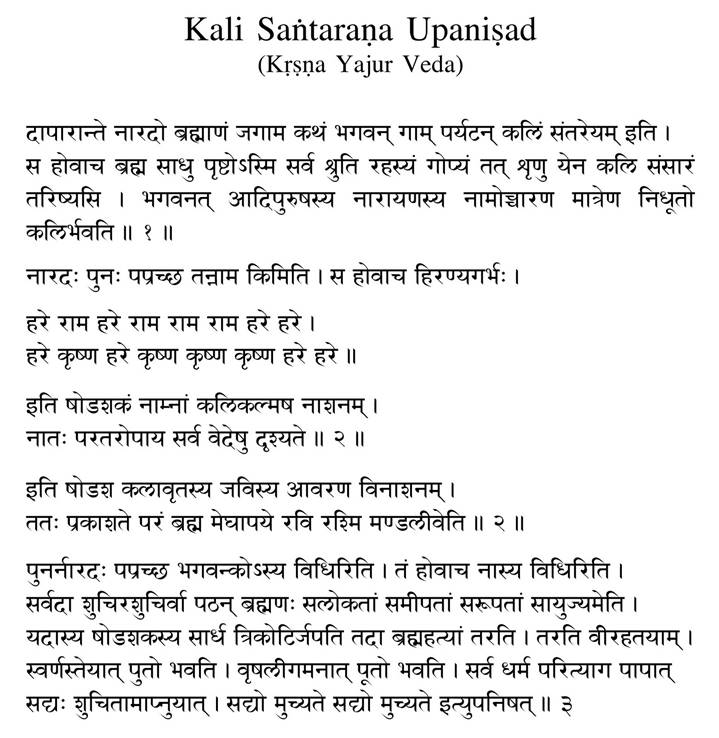
The creative power of sound could be used to counteract the contaminating influence of the age of KALI. The sixteen words of the HARE RAMA Mantra is first attested in the ‘Kali santaranopanisad'( KALI SANTARANA UPANISHAD) which is associated with the Krishna Yajur Veda. Creator Brahma had instructed sage Narada about the efficacy of this Mantra. The mere uttering of the words of HARI, RAMA, and KRISHNA is enough. A person does not require a Guru or a teacher to instruct the mantra. No fee is expected to obtain the knowledge of this mantra. A person is not expected to change his religion or observe any specific religious rituals as a part of using the mantra. There is no set time or duration for repeating the words of the mantra. The words could be used individually or the precedence of the words could be rearranged. All the words are of a great potency. A person requires no previous qualification or training to use the mantra. There are no rites of initiation. It is unlike the practice of YOGA or MEDITATION. The person need not be in a temple or any other secluded place. The mantra could be used while fully engaged in the routine activities of life. The words could be repeated either out loud, softly to oneself, or internally within the mind. The mind hears the sounds of the words irrespective of the manner used to utter them. The Upanishad further states :
Breaking the Sound Barrier. The Mystical effects of Sound Energy.
“Iti sodasakam namnam Kali-kalmasa-nasanam
natah parataropayah Sarva Vedeshu drusyate.”
The sixteen words of ‘HARE RAMA MAHA MANTRA’ are specially meant for counteracting the polluting effects of the age of KALI. After searching through all the Vedic literature, one cannot find a better method.
I am not surprised to read about the mystical effects of sounds that could transform our lives and protect us from STRESS. I had personal experience of withstanding the physical stress imposed by the sun’s scorching heat in the open deserts during military exercises. We had used nothing more than a little shade provided by thorny bushes or the camouflage net that we use to conceal our presence. The shade would at the most reduce the heat by a couple of degrees and yet the psychological relief it provides us so immense and it enables us to resist heat the entire day. I spent time evaluating people and witness their ability to withstand a great variety of physical, chemical, biotic, and environmental stressors. The sixteen words of Hare Krishna Mantra have the potential to destroy the evil effects of stress by increasing our stress tolerance, by inducing stress resistance and protect our biological existence.
Humans appreciate the value of sound as a tool for obtaining relaxation, rejuvenation of spirit, for mental amusement and entertainment. The soothing effects of sound can provide us with mental comfort, help in the healing and recovery process. Indian traditions claim that vocal sounds could be used as a medicine and the sounds could exert medicinal effects by taking advantage of the mind-body connection. Sound can undoubtedly affect our physiological response to stress. A person can become stress-resistant by simply chanting, or repeating the words Hare Krishna, Hare Krishna, Krishna, Krishna, Hare, Hare; Hare Rama, Hare Rama, Rama, Rama, Hare, Hare. This magical formula or Mantra could be said at any time of the day or night and does not demand any prior preparation. It could be used while the person is fully engaged in other physical activities and does not require any special skills or talents like singing abilities. The words could be repeated in total silence and the chanter recites these words to himself and mentally recognizes and hears these sounds.
Breaking the Sound Barrier. The Mystical effects of Sound Energy.
2018 NOBEL PRIZE IN CHEMISTRY REVEALS THE POWER OF CREATION
2018 Nobel Prize in Chemistry reveals the Power of Creation.
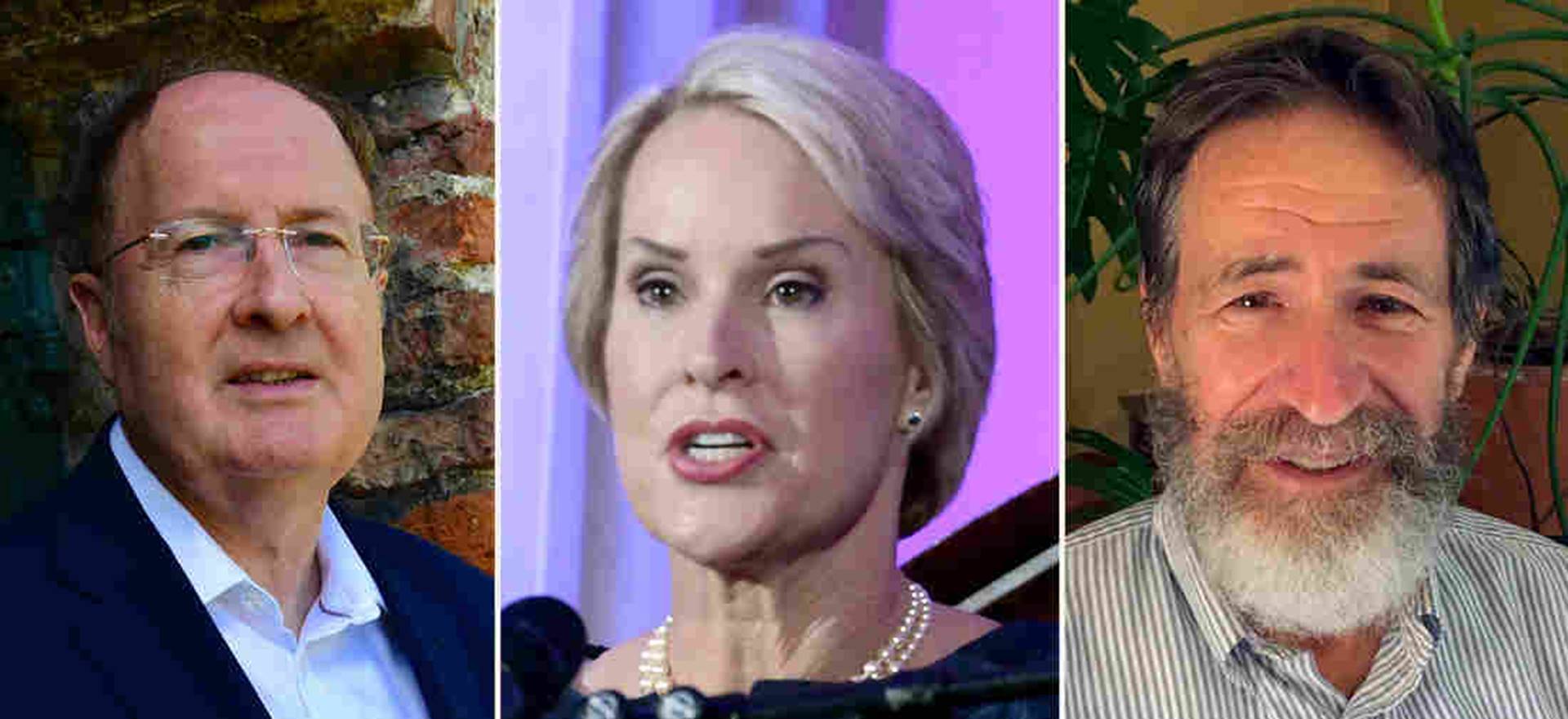
· Sir Gregory P. Winter, born 1951 in Leicester, UK. PhD 1976. University of Cambridge, UK. Research Leader Emeritus, MRC Laboratory of Molecular Biology, Cambridge, UK
· Frances H. Arnold, born 1956 in Pittsburgh, USA. PhD 1985, University of California, Berkeley, USA. Linus Pauling Professor of Chemical Engineering, Bioengineering and Biochemistry, California Institute of Technology, Pasadena, USA
· Sir Gregory P. Winter, born 1951 in Leicester, UK. PhD 1976. University of Cambridge, UK. Research Leader Emeritus, MRC Laboratory of Molecular Biology, Cambridge, UK
The Royal Swedish Academy of Sciences issued a statement in support of their decision to award the 2018 Nobel Prize in Chemistry:
‘They harnessed the power of evolution’
“The power of evolution is revealed through the diversity of life. The 2018 Nobel Laureates in Chemistry have taken control of evolution and used it for purposes that bring the greatest benefit to humankind. Enzymes produced through directed evolution are used to manufacture everything from biofuels to pharmaceuticals. Antibodies evolved using a method called phage display can combat autoimmune diseases and in some cases cure metastatic cancer. Since the first seeds of life arose around 3.7 billion years ago, almost every crevice on Earth has filled with different organisms. Life has spread to hot springs, deep oceans and dry deserts, all because evolution has solved a number of chemical problems. Life’s chemical tools – proteins – have been optimized, changed and renewed, creating incredible diversity. This year’s Nobel Laureates in Chemistry have been inspired by the power of evolution and used the same principles – genetic change and selection – to develop proteins that solve mankind’s chemical problems.”
In my analysis, the above statement is factually incorrect for it lacks scientific validity. 1. The Diversity of Life reveals the power of Creation. Every living organism exists as an Individual with Individuality without any choice. Even genetically identical clones live as Individuals with Individuality. 2. Enzymes are never produced through “directed evolution.” Charles Darwin’s Theory of Evolution describes the evolutionary process as a series of random, purposeless, unguided events. He does not subscribe to the notion of any divine or human agency directing the mechanism called Natural Selection. The organisms have no ability to choose or select specific kinds of mutations to modify protein synthesis as and when they need.
2018 Nobel Prize in Chemistry reveals the Power of Creation.
Man’s ability to invent new techniques for Protein Synthesis is commendable. Such new inventions are possible as the Chemical Elements display qualities or attributes such as imperishable, immutable, immortal, indestructible, unborn, and even uncreated. Since 3.7 billion years, the Living, Corporeal Matter or Substance called Protoplasm or Cytoplasm has essentially retained its basic Chemical Composition without any change. Life does not evolve for the Chemical Elements do not evolve and do not change their characteristics under the influence of ‘Time’.
2018 Nobel Prize in Chemistry reveals the Power of Creation.
2018 Nobel Prize in Chemistry reveals the Power of Creation.
Chemical Compounds are formed as defined by Proust’s Law of Definite Proportions. Life on planet Earth is possible for the Chemical Compounds retain the same characteristics without getting influenced by ‘Time’. For example, Water Molecule, the most important of all biomolecules always contains two elements of Hydrogen and one element of Oxygen combined together in the same ratio.
Most Living Functions often termed as Metabolism involve Oxidation-Reduction Chemical Reactions which also cause dissolution, decay, degeneration, and death of all living things. In other words, the Chemical Reactions operating Life and Death are of the same kind. I coined the phrase ‘Whole Mendelism’ to refute Darwinism, Charles Darwin’s Theory of Evolution. I ask my readers to correctly interpret the Chemical Basis of Life. Chemical Elements, Chemical Compounds, and Chemical Reactions that support Life remain the same while Living Things are born and die.
2018 Nobel Prize for Medicine. My Thoughts on the Molecular Basis for the Defense of Human Existence.
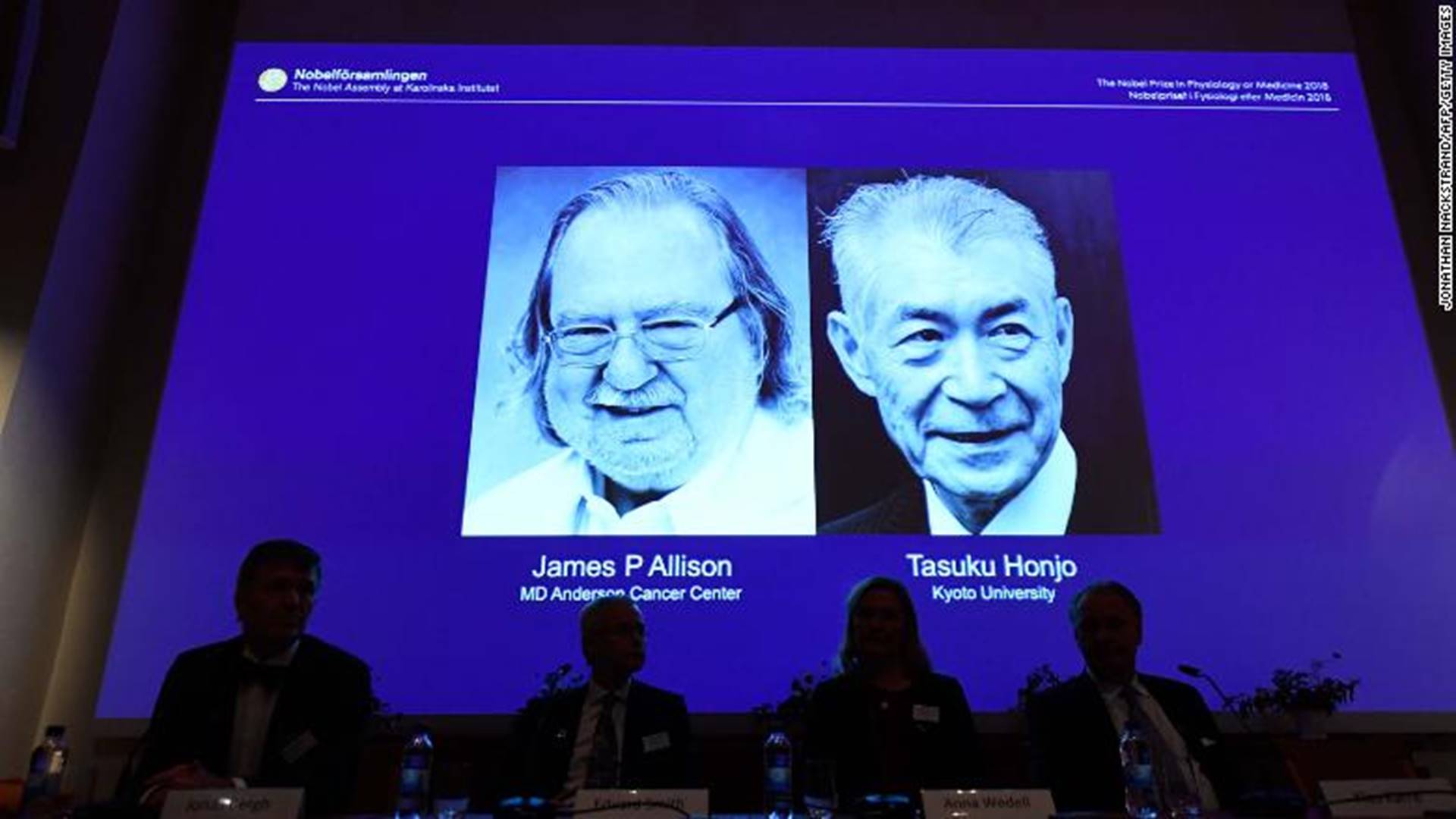
American James Allison and Japan’s Tasuku Honjo have won the 2018 Nobel Prize in Medicine for a pioneering approach to cancer treatment.
The Nobel committee said the pair’s research — which harnesses the body’s immune system to attack cancer cells — amounted to a “landmark in our fight against cancer.” The approach, known as immune checkpoint theory, had “revolutionized cancer treatment and has fundamentally changed the way we view how cancer can be managed,” the committee said.
2018 Nobel Prize for Medicine. My Thoughts on the Molecular Basis for the Defense of Human Existence.
Image copyright SPL
Two scientists who discovered how to fight cancer using the body’s immune system have won the 2018 Nobel Prize for physiology or medicine.
The work, by Professor James P Allison from the US and Professor Tasuku Honjo from Japan, has led to treatments for advanced, deadly skin cancer.
Immune checkpoint therapy has revolutionized cancer treatment, said the prize-giving Swedish Academy.
Experts say it has proved to be “strikingly effective”.
Prof Allison, of the University of Texas, and Prof Honjo, of Kyoto University, will share the Nobel prize sum of nine million Swedish kronor – about $1.01 million or 870,000 euros.
Accepting the prize, Tasuku Honjo told reporters: “I want to continue my research … so that this immune therapy will save more cancer patients than ever.”
Prof Allison said: “It’s a great, emotional privilege to meet cancer patients who’ve been successfully treated with immune checkpoint blockade. They are living proof of the power of basic science, of following our urge to learn and to understand how things work.”
Treating the untreatable
Our immune system protects us from disease, but it has built-in safeguards to stop it from attacking our own tissue.
2018 Nobel Prize for Medicine. My Thoughts on the Molecular Basis for the Defense of Human Existence.
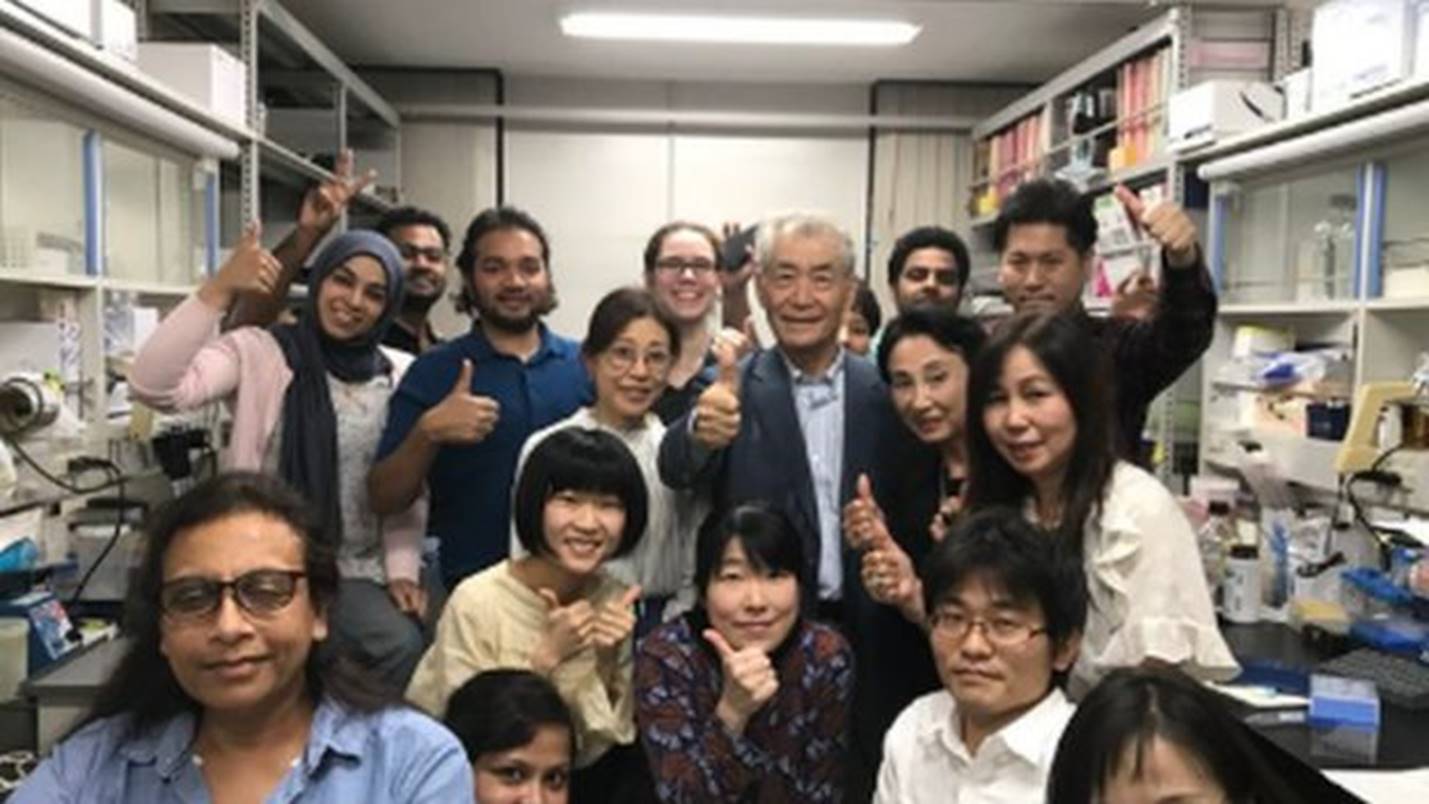
Image copyright. Kyoto University. Image caption. Professor Tasuku Honjo and his team at Kyoto University
Some cancers can take advantage of those “brakes” and dodge the attack too.
Allison and Honjo, now both in their 70s, discovered a way to unleash our immune cells to attack tumors by turning off proteins that put the brakes on.
And that led to the development of new drugs which now offer hope to patients with advanced and previously untreatable cancer.
Immune checkpoint therapy is being used by the NHS to treat people with the most serious form of skin cancer, melanoma.
It doesn’t work for everyone, but for some patients it appears to have worked incredibly well, getting rid of the tumor entirely, even after it had started to spread around the body.
Such remarkable results had never been seen before for patients like these.
2018 Nobel Prize for Medicine. My Thoughts on the Molecular Basis for the Defense of Human Existence.
Image copyright. Getty Images. Image caption. Professor James P Allison
Doctors have also been using the treatment to help some people with advanced lung cancer.
Prof Charles Swanton, from Cancer Research UK, congratulated the prize winners, saying: “Thanks to this groundbreaking work, our own immune system’s innate power against cancer has been realized and harnessed into treatments that continue to save the lives of patients. For cancers such as advanced melanoma, lung, and kidney, these immune-boosting drugs have transformed the outlook for many patients who had run out of options.
“The booming field of immunotherapy that these discoveries have precipitated is still relatively in its infancy, so it’s exciting to consider how this research will progress in the future and what new opportunities will arise.”
Medicine is the first of the Nobel Prizes awarded each year.
Previous winners
2017- Jeffrey Hall, Michael Rosbash and Michael Young for unravelling how bodies keep a circadian rhythm or body clock
2016 – Yoshinori Ohsumi for discovering how cells remain healthy by recycling waste.
2015 – William C Campbell, Satoshi mura and Youyou Tu for anti-parasite drug discoveries.
2014 – John O’Keeffe, May-Britt Moser and Edvard Moser for discovering the brain’s navigating system.
2013 – James Rothman, Randy Schekman, and Thomas Sudhof for their discovery of how cells precisely transport material.
2012 – Two pioneers of stem cell research – John Gurdon and Shinya Yamanaka – were awarded the Nobel after changing adult cells into stem cells.
2011 – Bruce Butler, Jules Hoffmann and Ralph Steinman shared the prize after revolutionizing the understanding of how the body fights infection.
2010 – Robert Edwards for devising the fertility treatment IVF which led to the first “test tube baby” in July 1978.
2009 – Elizabeth Blackburn, Carol Greider and Jack Szostak for finding the telomeres at the ends of chromosomes.
MY THOUGHTS ON THE MOLECULAR BASIS FOR THE DEFENSE OF HUMAN EXISTENCE
Antibody Molecule helps in the study of the Molecular Basis for the Defense of Human Existence.
The Molecular Basis for the Defense of Human Existence. Man’s Unity with LORD God Creator can be learned from the study of Immunology. Each Antibody molecule bears two identical binding sites consisting of six b-Loops.
My ‘Theory of Man’ describes the Man as a Created Being. Man’s physical existence in the natural world in good health or ill-health always demands Man’s Unity (Sanskrit. ASMI) with LORD God Creator (Sanskrit. Brahman) for Man is constituted as a Spiritual Being. Man, the Rational Being is inclined to investigate the basis for the reality of his own existence. The reasoning for my statements is derived from the study of Immunology.
THE DEFENSE OF HUMAN EXISTENCE
The Study of Immune System helps in understanding the Molecular Basis for the Defense of Human Existence.
THE MOLECULAR BASIS FOR THE DEFENSE OF HUMAN EXISTENCE. NATURE OF HUMAN IDENTITY AND INDIVIDUALITY IS REVEALED BY HUMAN DEFENSE MECHANISMS.
An individual exists in the natural world by his biological abilities to defend his continued existence as an independent entity. This essay explores the physiological aspects of human existence and the defensive mechanisms that sustain this existence and the molecules which define and shape our INDIVIDUALISM. I had earlier described the Cultural aspects of INDIVIDUALISM while describing the Indian Identity. The term immunity describes the natural defensive mechanisms that give an individual the ability to recognize foreign proteins and foreign substances and neutralize or degrade them with or without injury to the individual’s own tissues. Immunology is the branch of science concerned with the body’s response to foreign agents and substances.
FUNCTIONS OF THE IMMUNE SYSTEM
The Functions of the Immune System relate to the role played by unique protein molecules in the Defense of Human Existence.
THE MOLECULAR BASIS FOR THE DEFENSE OF HUMAN EXISTENCE. ORGANS, CELLS, AND PROTEIN MOLECULES OF IMMUNE SYSTEM REPRESENT A CREATIVE MECHANISM TO OPPOSE, NEUTRALIZE, AND DESTROY FOREIGN INVADERS.
The immune system responds to invasion by the foreign organisms and their toxic products. This immune response is also described as active immunity. In the natural world, an infant is defended by molecules transferred passively across the placenta from the mother’s circulation during the fetal stage of development. The infant after birth may also receive passively protein molecules from mother when breastfed. This passive immunity defends the baby for several months and the baby further survives by developing its own immune system. Another major function of the immune system is the removal of damaged or dying cells. The immune system is also able to recognize and eliminate abnormal or mutant cells that frequently arise within the body. Using a system that is described as immune surveillance, the body recognizes and disposes of such abnormal cells which could result in the incidence of certain types of cancer. The immune system plays a vital role in protecting the body from bacteria, viruses, fungi, and parasites and helps to prevent certain types of cancer.
The immune system is very important and it is also very sensitive. The system’s very ability to recognize foreign substances may often result in undesirable reactions. Millions of people suffer on account of hypersensitivity or allergic reactions to fairly harmless substances present in the environment. Many individuals suffer on account of their sensitivity to proteins found in the foods such as milk, eggs, fish, wheat(gluten), and nuts that we consume. Sometimes, the immune system is misdirected and initiates an immune response against the body’s own cells or tissues producing a condition known as an autoimmune disease. While an immune system could cause some problems, we take full advantage of the system to defend ourselves from serious infectious diseases such as smallpox,polio,rabies, diphtheria, whooping-cough, measles, rubella, mumps, tetanus, typhoid, cholera, tuberculosis, hepatitis B, influenza and others by using vaccines and inoculations. Millions of lives are protected by routine use of vaccines and inoculations which help the body to become resistant to these infectious agents. We also use foreign proteins to protect the lives of people in times of a severe life-threatening crisis. We use blood, plasma, and sera( containing immunoglobulins secreted by animals) with utmost care to tide over an emergency. I used foreign immunoglobulins to treat snakebite victims and tetanus cases. The foreign proteins elicit a minor immune response and the situation is carefully monitored.
By being careless and reckless, and by polluting our food, water, air, and soil with dangerous chemicals, we damage our very sensitive immune system and this is contributing to a higher incidence of immune-related health problems in the population.
TYPES OF IMMUNE RESPONSE
Man’s Intelligence, mental work, and mental memory are not the “First Line of Defense.”
The Molecular Basis for the Defense of Human Existence. The Fundamental Basis of Human Existence is not that of Man’s Intelligence, Mental Memory and Mental Functions.
The immune system defends human existence with a variety of cells and by the protein molecules known as immunoglobulins or antibodies produced by the immune function capable cells. The ability to recognize foreignness, specificity of the response, and the memory of the prior immune response are the key characteristics of immune defense. The immune system must be able to recognize the foreign agents and foreign materials in order to locate and destroy them. Specificity means that immunity to one foreign substance or organism does not provide resistance to another type of organism. Memory is the ability of the individual to develop an accelerated, enhanced, and long-lasting immunity after the initial attack by an infectious disease. The memory function described in Immunology should not be confused with the mental faculty called Memory. The body defends itself through two types of mechanisms which work together to protect our existence. 1. Humoral Immunity:- this involves the production of protein molecules described as immunoglobulins or antibodies.2. Cell-mediated Immunity:- It does not involve secretion of antibodies but requires direct physical contact with the foreign substance or agent. It also involves the use of other protein molecules which assist in the defense mechanisms.
HUMORAL IMMUNITY
The recognition of Self and Non-Self at the molecular level is the fundamental basis for human existence.
THE MOLECULAR BASIS FOR DEFENSE OF HUMAN EXISTENCE. HUMORAL IMMUNITY INVOLVES DEPLOYMENT OF UNIQUE PROTEIN MOLECULES TO COUNTERACT WITH FOREIGN PROTEIN MOLECULES.
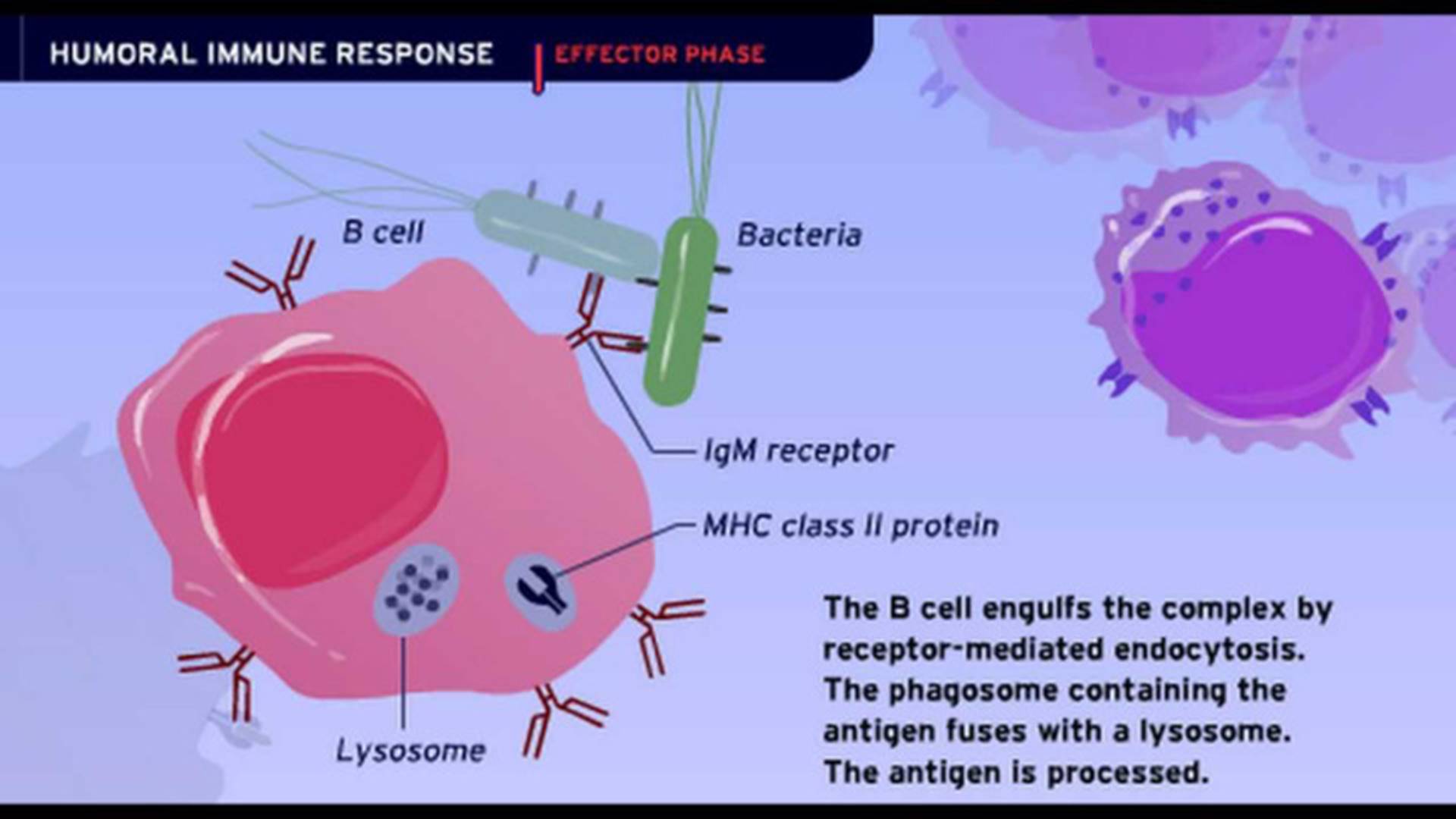
The cells known as Lymphocytes or B cells are produced in the bone marrow and circulate in our blood and are distributed to the various lymphoid tissues in the body, such as the lymph nodes, spleen, tonsils, and Peyer’s Patches (Lymphoid Follicles) that line the small intestine. When stimulated by an infectious organism, production of lymphocytes increases and the lymphocytes are carried to the site of infection. Depending upon the site of infection, the lymph nodes of that region often swell up and are found packed with lymphocytes. The B cells produce chemical substances known as antibodies. These are protein molecules which are specifically generated against specific organisms. The foreign substance is described as antigen. The antibodies that are generated recognize their antigens with high affinity and extreme selectivity. The interaction of an antigen with its specific antibody involves only small areas on the antigen’s surface; these areas are known as antigenic determinants. Protein molecules are very potent antigens as they have several antigenic determinants. Many carbohydrates are also antigenic because they have antigenic determinants. The antibodies circulate in the blood. The simplest, most prevalent means by which the immune system defends the body against bacteria and viruses is by a combination of a specific antibody with the antigenic determinants on the surface of the invading organism. This interaction between antibodies and antigens produces an aggregate of cells called as an agglutination. The body has wandering scavenger cells known as Macrophages. The clumps of agglutinated cells are engulfed and digested by the macrophages. Antibodies also bind to toxic molecules given off by invading microorganisms and this reaction produces large, insoluble aggregates known as precipitates. These precipitates are also removed by macrophages. The virus after entering the body survives by its ability to invade or enter cells. Antibodies prevent the ability of the virus to infect cells by covering up and blocking the attachment sites of the virus.
CELL-MEDIATED IMMUNITY
Immunity and Immune Response involves the deployment of unique protein molecules.
THE MOLECULAR BASIS FOR THE DEFENSE OF HUMAN EXISTENCE. INTERACTION OF CELLS AND UNIQUE PROTEIN MOLECULES OF IMMUNE SYSTEM DEFINES MAN’S IDENTITY ON MOLECULAR BASIS.
There is another distinct type of Lymphocytes known as T lymphocytes or T cells. T cells originate in the THYMUS and become localized in lymphoid organs. The immunity associated with T cells does not involve secretion of antibodies but through their direct contact with their targets or by the effects of secreted molecules known as lymphokines which help other cells to make the direct contact. There are four kinds of T cells. 1. The cytotoxic T cells or Natural Killer cells or NK cells defend the body by destroying infected, foreign or cancerous cells. The other three kinds of T cells regulate immune responses by secreting messenger proteins known as lymphokines. 2. Helper T cells enable the other T cells and most B cells to perform their functions. The Helper T cells are destroyed by Human Immunodeficiency Virus (HIV) in Acquired Immune Deficiency Syndrome (AIDS) patients resulting in a depressed immune response that allows infection by a variety of microorganisms and the growth of some types of cancerous tumors. AIDS patients are very vulnerable to fatal infections. 3. Suppressor T cells dampen the immune response of the B and T cells. 4. The fourth kind of T cell is involved in certain kinds of hypersensitivity reactions. In a normal healthy individual, there is a balanced ratio of these four kinds of T cells to provide an efficient immune system for defense against all foreign substances. Macrophages and White blood cells known as neutrophils have the ability to engulf and digest particulate matter by the process of phagocytosis. They eliminate many foreign organisms and particulate materials that enter the body. The ability of NK cells to kill or destroy some cancerous or tumor cells is enhanced by two lymphokines known as gamma interferon and interleukin-1. Another lymphokine known as interleukin-2 activates the Lymphokine Activated Killer Cells or LAK cells which also have the ability to kill a variety of human tumor cells. Activated T cells also secrete a lymphokine known as Transfer Factor which is able to cause normal lymphocytes to release lymphokines or otherwise become activated and thus to destroy other cells. Transfer Factor stimulates the lymphocytes to develop normal immunity.
The Cytotoxic T cells destroy other cells by interacting with antigens present on the surfaces of the cell. They are involved in the attacks on tissues and organs grafted or introduced into the body, viral antigens found on infected cells and on chemicals that have entered the body and found attached to cells. T cells are involved in skin reactions resulting from contact with molecules found in poisonous plants like Poison Ivy, Poison Sumac, and Poison Oak.
ORGAN TRANSPLANTATION AND CELL-MEDIATED IMMUNITY
Identity and Individuality are determined by unique protein molecules of the human body.
THE MOLECULAR BASIS FOR THE DEFENSE OF HUMAN EXISTENCE. ORGAN TRANSPLANTATION AND IMMUNOLOGY. MOLECULES OF HISTOCOMPATIBILITY LEUKOCYTE ANTIGEN (HLA) SYSTEM
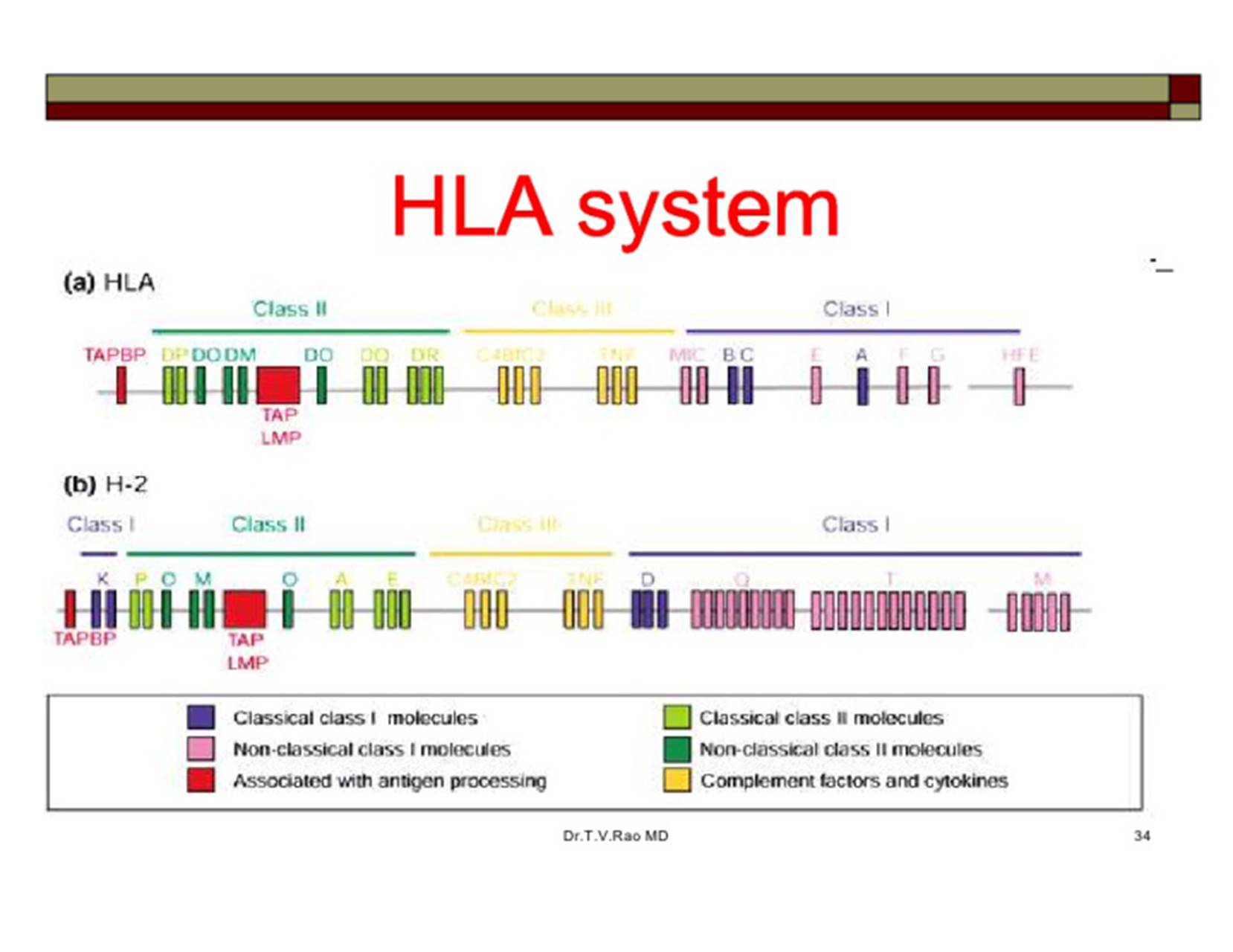
T cells are involved in the rejection of transplanted tissues and organs. The chances of successful organ transplantation are improved by carefully matching the tissue or Histocompatibility Leukocyte Antigens known as the HLA system of the donor with those of the recipient. The protein molecules of the HLA Complex establish the identity of our body, its tissues, and various organs. They work to preserve the identity of the individual and to exclude the introduction or grafting of foreign material into the body. Even after careful matching, and selection of suitable donors, transplanted tissues or organs are usually maintained by using drugs that cause immunosuppression by which the normal immune response of the recipient against the donated organ is prevented.
BIOLOGICAL EXISTENCE
A normal, healthy immune system is vital to defend our biological existence. Immunodeficiency diseases, depressed or compromised immune system conditions such as associated with corticosteroid therapy, chemotherapy, radiation therapy, or exposure to certain types of toxic chemicals, and autoimmune diseases impose a heavy burden and threaten our existence. Medical interventions and treatment may help us but the quality of life is invariably compromised. A functioning immune system is important to defend our existence.
MOLECULAR INDIVIDUALISM
Immunology helps in understanding the Molecular Basis for Man’s Identity and Individuality.
The Molecular Basis for the Defense of Human Existence. Man exists as Individual with Individuality as his existence involves defensive mechanisms operated by independent, individual cells, and protein molecules which exhibit Cellular Autonomy. The cell is the lowest common denominator of all life. While the cell is functionally independent or autonomous or self-governing, it displays the abilities characterized by Mutal Assistance, Cooperation, Tolerance, and Functional Subservience to provide some benefit to the Individual who lives in the physical world.
The unique protein molecules that we deploy to establish our identity, and to defend our existence exhibit individualism at a molecular level. Molecules can exhibit a surprising degree of individuality. In experiments that examine the physical behavior of single molecules, researchers at Stanford University have discovered that when identical polymers, long, flexible, spaghetti-like molecules that are found in everything from plastics to living cells( the strands of DNA and other protein molecules)- they UNFOLD in a variety of ways even when exposed to the same conditions. Nobel Laureate Dr Steven Chu, former Professor of Physics, and Applied Physics at Stanford( former United States Secretary of Energy) has stated that: We discovered it because we have developed the ability to visualize and manipulate single molecules. ONLY BY LOOKING AT INDIVIDUAL ANIMALS CAN YOU GET A TRUE SENSE OF THE DIVERSITY OF SPECIES. He had researched biological Physics and Polymer Physics at single molecular level. He made use of individual molecules of DNA to study Polymer Dynamics.
The Theory of Evolution fails to account for our Molecular Individualism. Our body is unique and does not display any affinity for foreign substances and proteins and is actually involved in degrading or destroying such invasion by foreign agents and their products. The body has no evolutionary preferences and the vigorous response of the immune system has no bearing upon any presumed evolutionary connections between species. We need to look at each human individual to truly understand the nature of our Human Diversity. When we look at the genetic code, the DNA molecules that operate this code, we can understand the nature of our Molecular Individualism. A man comes into existence as an Individual and he exists an individual according to the Law of Individuality.
2018 Nobel Prize for Medicine will help us to develop a ‘Theory of Man’ by the study of unique protein molecules that play an important role in the defense of human survival. The Physical Being called Man needs the support of Spirit, Soul, or a Divine Agency to bring Unity between the cells, tissues, organs, and organ systems providing the structural and functional basis for Man’s existence.