The Material Basis of Spirituality Science. Spiritual Optics. Chlorophyll formulates the Spiritual Connection between Energy and Life.
What it is to be a Substance? and What it is to Exist? We need to establish knowledge about the man and the world on a firm basis and the information it provides must be tested for its accuracy and consistency with an external reality. We have to make the fundamental distinction between the living and the non-living matter. The scientific advances of the 19th and 20th centuries reinforced the materialistic position concerning the basic similarity of organic living and inorganic physical matter. The man is viewed as a product of natural evolution and is thought to be subject to the same laws of Physics and Chemistry or mechanistic principles.
We need a methodology to study philosophy and to understand philosophical statements. Logical Positivism, also known as Scientific Empiricism aims to clarify concepts in both everyday and scientific language. It describes analysis of language as the function of philosophy. This analysis of language and of concepts is important to understand questions of belief and ideology which affect what we think we ought to do individually and socially. I would use this method of ‘Applied Philosophy’ to analyze the concept of Spiritual Optics, the Spiritual Connection between Energy and Life. The Laws of Thermodynamics are important unifying principles of Biology. The First Law of Thermodynamics, also known as the Law of Conservation of Energy, states that Energy can neither be created nor destroyed.
WHOLE DUDE – WHOLE DESIGNER – CHLOROPHYLL:
The Material Basis of Spirituality Science. Spiritual Optics. Chlorophyll formulates the Spiritual Connection between Energy and Life: Cyanobacteria chains (Blue-Green Algae) appear Blue-Green as the Green pigment is masked by the presence of other pigments. They could be some of the oldest living organisms of planet Earth. Their use of photosynthesis to convert Carbon Dioxide into organic compounds with the release of Oxygen into atmosphere serves a basic purpose to support the existence of other living organisms that depend upon Oxygen.The Material Basis of Spirituality Science. Spiritual Optics. Chlorophyll formulates the Spiritual Connection between Energy and Life: These filaments of Cyanobacteria are thought to be algae in the past. We speak about the Theory of Evolution and in reality the Molecule of Life, Chlorophyll Molecule retains its molecular structure over billions of years without any apparent modification.The Material Basis of Spirituality Science. Spiritual Optics. Chlorophyll formulates the Spiritual Connection between Energy and Life: Chlorella vulgaris, spherical, unicellular organisms with Chlorophyll pigment have no capacity called visual perception. However, the man can easily recognize the green coloration and can look for the presence of Chlorophyll. In the final analysis, the function of the design is not simply a matter of producing visual satisfaction.
The word Chlorophyll is derived by combining two Greek words; Chloros means green, and Phyllon means a leaf. It refers to the green pigment found in the Cyanobacteria (Blue-Green algae), and in the chloroplasts of Grass-Green algae, and plant cells. Chlorophyll occurs in five forms; especially Chlorophyll a, and Chlorophyll b. Chlorophyll a is the most widely distributed form in nature.
The Material Basis of Spirituality Science. Spiritual Optics. Chlorophyll formulates the Spiritual Connection between Energy and Life: This simple, unicellular, flagellate organism called Chlamydomonas, Grass-Green algae, Division Chlorophyta, contains the photosynthetic pigments Chlorophyll a and b, and Xanthophyll in the same proportions as those seen in other higher plants.The Material Basis of Spirituality Science. Spiritual Optics. Chlorophyll formulates the Spiritual Connection between Energy and Life: Chlorophyll pigments are found in all green plant cells and they are the most important biomolecules in nature.
The pigments of biological tissues that reflect or transmit light are known as biochromes. Apart from causing, or generating color, biochromes play a pivotal role in metabolic processes. Chlorophyll is a nitrogenous biochrome, an organic molecule that contains nitrogen. It is the only substance in nature that has the ability to trap and store the energy of Sunlight. It absorbs light most strongly in the blue portion of the electromagnetic spectrum followed by the red portion. It is a poor absorber of green and near-green portions of the spectrum. The green portion of the spectrum is reflected and thus Chlorophyll appears green.
The Molecular Basis of Spirituality Science. Spiritual Optics. Chlorophyll formulates the Spiritual Connection between Energy and Life: Pierre Joseph Pelletier (1788-1842), French chemist worked along with Joseph Bienaime Caventou (1795-1877) at Ecole de Pharmacie Paris and first isolated Chlorophyll in 1817. They established the basis for Alkaloid Chemistry. They paved the way for the use of chemical compounds found in the nature.The Material Basis of Spirituality Science. Spiritual Optics.Chlorophyll formulates the Spiritual Connection between Energy and Life: Joseph Bienaime Caventou (1795-1877), French chemist was the first to isolate Chlorophyll and shares this credit with Pelletier.
French chemists, Joseph Bienaime Caventou and Pierre Joseph Pelletier get the credit for first isolating Chlorophyll in 1817. They paved the way for research on natural organic compounds and they established the foundation for Alkaloid Chemistry. They isolated several plant alkaloids like Quinine, Strychnine, Emetine, and Caffeine. The general molecular structure of Chlorophyll was first described by Hans Fischer, a German chemist in 1940. Fischer investigated pigments in blood, bile, and Chlorophyll in leaves. He was awarded 1930 Nobel Prize for Chemistry.
The Material Basis of Spirituality Science. Spiritual Optics. Chlorophyll formulates the Spiritual Connection between Energy and Life: Hans Fischer (1881-1945), German chemist investigated Chemistry of Pyrrole compounds from which the pigments found in blood, bile, and leaves are derived. He was awarded 1930 Nobel Prize for Chemistry.
Pyrrole describes a class of organic compounds of the heterocyclic series characterized by a ring structure composed of four carbon atoms and one nitrogen atom. In Chlorophyll, four Pyrrole rings (Tetrapyrrole) are joined in a larger ring system known as Porphyrin. Porphyrins are a group of water-soluble, nitrogenous Pyrrole derivatives that combine with either Iron, or Magnesium. Chlorophyll has a Porphyrin ring (Chlorin ring) coordinated to a central Magnesium ion.
The Material Basis of Spirituality Science. Spiritual Optics. Chlorophyll formulates the Spiritual Connection between Energy and Life: Chlorin ring, Tetrapyrrole Porphyrin Ring called Chlorophyll with central ion of Magnesium.The Material Basis of Spirituality Science. Spiritual Optics. Chlorophyll formulates the Spiritual Connection between Energy and Life: Robert Burns Woodward (1917-1979) American chemist who worked at Harvard University published a total synthesis of Chlorophyll molecule in 1960. He synthesized many complex natural products. He was awarded 1965 Nobel Prize for Chemistry.
Robert Burns Woodward, American chemist who worked at Harvard University determined the structure of organic compounds such as Penicillin, Terramycin, and Aureomycin. During 1940s, he had synthesized many complex natural products including Quinine, Cholesterol, Cortisone, Strychnine, Lysergic Acid, Reserpine, Cephalosporin, and Colchicine. He was the first to synthesize Chlorophyll during 1960.
The Material Basis of Spirituality Science. Spiritual Optics. Chlorophyll formulates the Spiritual Connection between Energy and Life: Three-dimensional view of Chlorophyll molecule.The Material Basis of Spirituality Science. Spiritual Optics. Chlorophyll formulates the Spiritual Connection between Energy and Life: The light absorption spectra of chlorophyll molecules a and b.
The Chlorophyll molecule is the active part that absorbs the Sunlight. In order to do this job called photo reception, Chlorophyll needs to be attached to the backbone of a very complicated protein. This protein may look haphazard in design, but it has exactly the correct structure to orient the Chlorophyll molecules in the optimal position to enable them to react with Carbon Dioxide, and Water molecules in a very efficient manner. The Chlorophyll photosynthetic pigments perform the light harvesting function because of Chlorophyll-Protein Complex that is part of the Thylakoid Membrane of the Chloroplast, the disc-like structures in which the pigment is found.
The Material Basis of Spirituality Science. Spiritual Optics. Chlorophyll formulates the Spiritual Connection between Energy and Life: Thylakoid Membrane bound proteins form a Complex with Chlorophyll pigments to perform the photosynthetic function.
WHOLE DESIGNER – WHOLE ARCHITECT:
The Material Basis of Spirituality Science. Spiritual Optics. Chlorophyll formulates the Spiritual Connection between Energy and Life: The biological production of color is more complex than the use of a Color Order System described by Albert Henry Munsell. In green plants, the color is associated with an important function called Photosynthesis which involves the ability to trap radiant energy. The design involves the use of parts, format for the structural components, various details apart from a color scheme. I name this as the work of a Whole Designer. The green pigment called Chlorophyll is found inside structures or Artistic Units called Chloroplasts.
In biology, the generation of color is more complex than the use of a Color Order System described by Albert Henry Munsell. Firstly, the information for the Color Order System must be transplanted in the genetic material such as the DNA of the organism to make the information as its hereditary characteristic. Secondly, when we look at the green plants, the green pigment called Chlorophyll is found inside structures called Chloroplasts. It involves the designing and arrangement of parts, details of structural units, and formulate a creative scheme apart from the use of the scheme for the color. The fact of designing can be known by studying the purpose and the functions of the Artistic Unit that is created.
Green plants with Chlorophyll pigment trap light energy, and transform it into chemical energy and use it in the process described as Photosynthesis. It is a creative mechanism to transform one form of energy into a different form of stored chemical energy that can be further used to create new forms of matter called organic molecules that are not present in nature. These organic molecules come into existence because of the activity of living things. It shows the intent of a designer to use energy, and matter to create the visual, sensory effect.
Chlorophyll is not simply about generating coloration in plant leaves. It describes the work, the imagination, the inspiration used by a Whole Architect who uses matter, energy, time, space, and color in a very creative manner.
Who is the Artist? Who is the Designer?
The Material Basis of Spirituality Science. Spiritual Optics. Chlorophyll formulates the Spiritual Connection between Energy and Life. Who is the Artist? Who is the Designer? An artist uses colors with imagination to create forms and to generate a desired visual effect. A “Whole Artist” is a person who creates his own canvas, his own tools, his own pigments, and creates the desired visual effects while the forms that are created have no such creative and cognitive abilities.
No single function can explain the coloration of living things. We need a comprehensive theory that predicts the lines and patterns of coloration of plants and animals. An artist’s palette containing only three properly chosen colors is entirely adequate under most circumstances to produce the various visual effects of color that is observed. The optical mechanisms involved in the production of color are complex. Coloration is a dynamic and complex characteristic and the term must be clearly distinguished from the term ‘color’ which only refers to the spectral qualities of emitted or reflected light. It is apparent that plants, and animals have no cognitive abilities to produce the coloration by which they are recognized. However, the coloration displayed gives us a clue about the nature of the “Whole Artist” who could be using imagination, has feelings for the forms created and seeks satisfaction from the visual effects that he produced. If man has the ability called visual perception, he must use the ability to visualize the “Whole Artist” who is at work. I ask my readers to give attention to the three dimensions of Color Perception. These are, 1. The Designer or the Artist, 2. The Object of Perception, and 3. The visual capacity of the Viewer.
What is Matter? and What is Spirit? What is the Color of Money? If materialism is about the influence of material wealth, I would like to use the Power/Force/Energy called Money to talk about Life and Death. The Laws of Conservation are applicable to both the living, and the non-living matter. Hence, it can be stated that “Life can neither be created nor destroyed.” If any person can refute my claim using valid, scientific information, I would offer the person a US $1,000 bill as a reward
THE MATERIAL BASIS OF SPIRITUALITY SCIENCE . SPIRITUAL OPTICS. CHLOROPHYLL FORMULATES THE SPIRITUAL CONNECTION BETWEEN ENERGY AND LIFE. THE ART OF KNOWING : HOW DO PLANTS KNOW WHAT THEY KNOW ? PLANTS KNOW ABOUT LIGHT, THE LENGTH OF DAY, AND THE DURATION OF DARKNESS CALLED NIGHT. THERE IS NO “INTELLECT” INVOLVED IN THIS PROCESS OF KNOWING. THE ABILITY OF KNOWING LIGHT OR PHOTORECEPTION IS EXPLAINED BY PHOTOCHEMISTRY.
The Material Basis of Spirituality Science. Spiritual Optics. The Coming Together of the Man, Earth, Light, and the Sky by accounting for Rayleigh Scattering..
What it is to be a Substance? and What it is to Exist? We need to establish knowledge about the man and the world on a firm basis and the information it provides must be tested for its accuracy and consistency with an external reality. We have to make the fundamental distinction between the living and the non-living matter. The scientific advances of the 19th and 20th centuries reinforced the materialistic position concerning the basic similarity of organic living and inorganic physical matter. The man is viewed as a product of natural evolution and is thought to be subject to the same laws of Physics and Chemistry or mechanistic principles.
We need a methodology to study philosophy and to understand philosophical statements. Logical Positivism, also known as Scientific Empiricism aims to clarify concepts in both everyday and scientific language. It describes analysis of language as the function of philosophy. This analysis of language and of concepts is important to understand questions of belief and ideology which affect what we think we ought to do individually and socially. I would use this method of ‘Applied Philosophy’ to analyze the concept of Spiritual Optics, the Spiritual dimension of biological coloration.
WHAT IS COLOR AND WHAT IS COLORATION?
The Material Basis of Spirituality Science. Spiritual Optics. The Coming Together of the Man, Earth, Light, and the Sky by accounting for Rayleigh Scattering: The wave propagation of Light and the visible spectrum.
The term ‘color’ refers to the spectral qualities of emitted or reflected light. The term ‘coloration’ is a dynamic and complex characteristic that has captured human interest and attention for a long time. The human interest to coloration ranges from purely aesthetic to the rigidly pragmatic.
The comprehensive understanding of biological coloration demands a study of Physics, Chemistry, Physiology, Biology, Psychology and other subjects. It is equally important to pay tribute to people who have contributed to a better understanding of the principles involved in color production. I am happy to introduce Lord John William Strutt Rayleigh, 3rd Baron, 1842-1919, British physicist, professor and Superintendent at the Royal Institution, London (1887-1905) to my readers.
WHOLE DUDE – WHOLE DESIGNER – RAYLEIGH:
The Material Basis of Spirituality Science. Spiritual Optics. The Coming Together of the Man, Earth, Light, and the Sky by accounting for Rayleigh Scattering: Lord John William Strutt Rayleigh, 3rd baron, 1842-1919, English Physicist, Professor at Royal Institution, London(1887-1905). He provided the theoretical explanation for Sky’s Blue Color.
John Tyndall stated that Sky’s Blue color results from the scattering of the Sun’s rays by molecules in the atmosphere. Lord Rayleigh provided the theoretical explanation for Sky’s Blue color. Lord Rayleigh conducted research in Sound (Acoustics), and Light (Optics). He stated the Theory of Wave Propagation of Light. He had received the 1904 Nobel prize in Physics for the discovery of Argon, inert atmospheric gas. During 1871, Lord Rayleigh published paper about dispersion of electromagnetic radiation by particles that have a radius less than approximately 1/10th wavelength of radiation.
THE COLOR OF THE SKY:
The Material Basis of Spirituality Science. Spiritual Optics. The Coming Together of the Man, Earth, Light, and the Sky by accounting for Rayleigh Scattering.The Material Basis of Spirituality Science. Spiritual Optics. The Coming Together of the Man, Earth, Light, and the Sky by accounting for Rayleigh Scattering: The wave propagation of Light. The scattering effect of submicroscopic particles of the atmosphere.
The atmosphere consists of air molecules, dust particles, and water droplets, most of which are small in size by comparison with the wavelength of visible light. The submicroscopic particles of the atmosphere scatter part of the Sun light.
Rayleigh Scattering occurs when light interacts with particles smaller than 1/10th of the light’s wavelength (visible light has a wavelength between ~400nm for blue light and ~700nm for red light). Any sufficiently small particles will do, but the most common will be molecules of nitrogen and oxygen (which make up about 78% and 21% of the atmosphere, respectively).
The probability of scattering is inversely proportional to the 4th power of the wavelength. Since red light has a wavelength about 1.75 times longer than blue light, blue light is about 9.4 times more likely to scatter than red light.
The scattering is elastic, which means that the photon of light does not gain or lose any energy – it only changes direction.
The Material Basis of Spirituality Science. Spiritual Optics. The Coming Together of the Man, Earth, Light, and the Sky by accounting for Rayleigh Scattering.
Light reaching us from the sun travels in a straight line. If there was no Rayleigh Scattering, then the sky would appear black (as it does on the moon – which has no atmosphere). Because of Rayleigh Scattering, the sky is filled with scattered light – most of which is blue because it scatters the most.
The Material Basis of Spirituality Science. Spiritual Optics. The Coming Together of the Man, Earth, Light, and the Sky by accounting for Rayleigh Scattering: A view of Planet Earth from Lunar surface. Photo image by Apollo-8 astronaut taken on December 25, 1968. When viewed from the surface of Moon, the Sky appears dark, and Black.
Violet light whose wavelength is 400nm is scattered more effectively than Red light whose wavelength is 700nm. The color of the Sky is caused by this selective scattering; the scattered light reaching the observer being predominantly Blue.
The Material Basis of Spirituality Science.Spiritual Optics. The Coming Together of the Man, Earth, Light, and the Sky by accounting for Rayleigh Scattering.
The sky appears reddish around sunrise and sunset because the light has to travel a greater distance through the atmosphere. This results in much of the shorter wavelengths of light (blue and green) scattering long before they reach us, leaving only the longer red wavelengths reaching our eyes. At Sunrise, and Sunset, the light from the Sun loses its short wavelength components by selective scattering before reaching the observer; and the Sky is therefore Yellow, Orange, or even Red at Sunrise, and Sunset. f you observe the sky very carefully during sunrise or sunset, when the top part of the sky is blue and the bottom part is red, you may observe a thin yellow and green band between them. All the colors are a result of Rayleigh Scattering.
The Material Basis of Spirituality Science. Spiritual Optics. The Coming Together of the Man, Earth, Light, and the Sky by accounting for Rayleigh Scattering: Interference colors from an oil film on water can be related to the thickness of the film. The color seen depends upon the angle of view. The index of refraction of the oil is greater than that of the water.
About 99% of the Earth’s atmosphere is contained between sea level and an altitude of about 18 miles. Above 18 miles, there is very little Rayleigh Scattering and the sky above appears very dark. Rayleigh Scattering still occurs in the atmosphere below and it appears blue.
The Material Basis of Spirituality Science. Spiritual Optics. The Coming Together of the Man, Earth, Light, and the Sky by accounting for Rayleigh Scattering.The Man is conditioned to exist under the influence of Earth’s Atmosphere.
The appearance of Sky’s color when viewed by an observer on planet Earth is Blue, and yet this appearance is not common in the vast universe that man has explored. It may be suggested that planet Earth is unique, original, distinct, and one of its own kind of celestial object and it meets the criteria that are required to name an object as a designed object.
The Material Basis of Spirituality Science. Spiritual Optics.The Coming Together of the Man, Earth, Light, and the Sky by accounting for Rayleigh Scattering. Beauty is in the Eye of Beholder.
The fact of Planet Earth’s creation as a designed object could be revealed by the appearance of the color of the Sky when it is viewed from Earth’s surface. The chance of discovering a similar Earth-like Planet appears to be very remote as man has already discovered thousands of planets that exist beyond our Solar System. The man is conditioned to exist on the surface of Earth under the influence of Earth’s atmosphere. Rayleigh Scattering accounts for the coming together of the man, Earth, Light, and the Sky.
Who is the Artist? Who is the Designer?
The Material Basis of Spirituality Science. Spiritual Optics. The Coming Together of the Man, Earth, Light, and the Sky by accounting for Rayleigh Scattering. The Designing of Natural Colors. Tyndall Effect. Who is the Artist? Who is the Designer? An artist uses colors with imagination to create forms and to generate a desired visual effect. A “Whole Artist” is a person who creates his own canvas, his own tools, his own pigments, and creates the desired visual effects while the forms that are created have no such creative and cognitive abilities.
No single function can explain the coloration of living things. We need a comprehensive theory that predicts the lines and patterns of coloration of plants and animals and of the World in which they exist. An artist’s palette containing only three properly chosen colors is entirely adequate under most circumstances to produce the various visual effects of color that is observed. The optical mechanisms involved in the production of color are complex. Coloration is a dynamic and complex characteristic and the term must be clearly distinguished from the term ‘color’ which only refers to the spectral qualities of emitted or reflected light. It is apparent that plants, and animals have no cognitive abilities to produce the coloration by which they are recognized. However, the coloration displayed gives us a clue about the nature of the “Whole Artist” who could be using imagination, has feelings for the forms created and seeks satisfaction from the visual effects that he produced. If man has the ability called visual perception, he must use the ability to visualize the “Whole Artist” who is at work. I ask my readers to give attention to the three dimensions of Color Perception. These are, 1. The Designer or the Artist, 2. The Object of Perception, and 3. The visual capacity of the Viewer.
What is Matter? and What is Spirit? What is the Color of Money? If materialism is about the influence of material wealth, I would like to use the Power/Force/Energy called Money to talk about Life and Death. The Laws of Conservation are applicable to both the living, and the non-living matter. Hence, it can be stated that “Life can neither be created nor destroyed.” If any person can refute my claim using valid, scientific information, I would offer the person a US $1,000 bill as a reward
The Material Basis of Spirituality Science. Spiritual Optics. The Coming Together of the Man, Earth, Light, and the Sky by accounting for Rayleigh Scattering.
The Material Basis of Spirituality Science.Spiritual Optics. The Designing of Natural Colors. Tyndall Effect.
What it is to be a Substance? and What it is to Exist? We need to establish knowledge about the man and the world on a firm basis and the information it provides must be tested for its accuracy and consistency with an external reality. We have to make the fundamental distinction between the living and the non-living matter. The scientific advances of the 19th and 20th centuries reinforced the materialistic position concerning the basic similarity of organic living and inorganic physical matter. The man is viewed as a product of natural evolution and is thought to be subject to the same laws of Physics and Chemistry or mechanistic principles.
We need a methodology to study philosophy and to understand philosophical statements. Logical Positivism, also known as Scientific Empiricism aims to clarify concepts in both everyday and scientific language. It describes analysis of language as the function of philosophy. This analysis of language and of concepts is important to understand questions of belief and ideology which affect what we think we ought to do individually and socially. I would use this method of ‘Applied Philosophy’ to analyze the concept of Spiritual Optics, the Spiritual dimension of biological coloration.
WHAT IS COLOR AND WHAT IS COLORATION?
The Material Basis of Spirituality Science. Spiritual Optics.The Designing of Natural Colors. Tyndall Effect.
The term ‘color’ refers to the spectral qualities of emitted or reflected light. The term ‘coloration’ is a dynamic and complex characteristic that has captured human interest and attention for a long time. The human interest to coloration ranges from purely aesthetic to the rigidly pragmatic.
BIOLOGICAL COLORATION:
The Material Basis of Spirituality Science. Spiritual Optics. The Designing of Natural Colors. Tyndall Effect.
Biological Coloration refers to the general appearance of an organism as determined by the quality and quantity of light that is reflected or emitted from its surface. This Coloration depends upon several factors:
1. The integrity and deployment of the structural units and features involved in the generation of color,
2. The color and distribution of the organism’s pigments, and the relative location of differently colored areas,
3. The shape, posture, position, and movement of the organism,
4. The quality and quantity of light striking the organism, including the seasonal light and temperature variations,
5. The psychological, behavioral, hormonal, and other physiological conditions associated with the use of color,
6. The visual capacity of the viewer.
The comprehensive understanding of biological coloration demands a study of Physics, Chemistry, Physiology, Biology, Psychology and other subjects. It is equally important to pay tribute to people who have contributed to a better understanding of the principles involved in color production. I am happy to introduce John Tyndall (1820-1893), Irish-British physicist, professor and Superintendent at the Royal Institution, London (1853-1887) to my readers. As a public intellectual, Tyndall’s was one of the loudest voices advocating a scientific explanation for the natural world and for life itself, a scientific naturalism.
WHOLE DUDE – WHOLE DESIGNER – TYNDALL EFFECT:
The Material Basis of Spirituality Science. Spiritual Optics. The Designing of Natural Colors. Tyndall Effect: John Tyndall(1820-1893), English Physicist, Professor, and Superintendent at the Royal Institution, London(1853-1887), researched sound, light, and radiant heat. The scattering of light by colloids is known as Tyndall Effect.
Sir Issac Newton concluded that bodies appear colored under white light because they reflect some of its spectral components more strongly than other components of the light spectrum. The mechanisms of color production in nature involves several factors and John Tyndall explained what is named as Tyndall Effect.
The Material Basis of Spirituality Science. Spiritual Optics. The Designing of Natural Colors. Tyndall Effect.
Colloidal particles are larger than molecules but, too small to be observed by a light microscope. Some examples are, emulsions like ink, milk, jellies, dust, or smoke in air, fog, and shaving foam, Styrofoam, and aerosols. The pigments of biological tissues that reflect, or transmit light are known as biochromes. Colors produced by the structural features of an organism, created by submicroscopic structures such as striations or facets are called schemochromes. The scattering, and polarization of a light beam by colloidal particles in a dispersed system was explained by Tyndall. The physical phenomena that generate structural blue colors are similar to the phenomena that make the sky to appear blue. In birds, the light reflective properties of feathers cause violet and blue light to be selectively reflected from feather surface in the case of violet/blue feathers, whereas white feathers reflect all light. Schemochromes result from the reflection, fractination, or scattering of incident light.
WholeDude-WholeDesign: The blue color of Blue Jay, Cyanocitta cristata could be explained as Tyndall Effect.
The scattering of light to produce blue colors of structural origin, such as those of eyes, or of many feathers, occurs when small air vesicles, or suspended particles scatter the shorter wavelengths of blue light while allowing the remaining colors to be absorbed by an underlying layer of dark pigments. Reflection of the entire light spectrum imparts whiteness to flower petals, feathers, fur, and hair, is often produced by minute air spaces lying between finely divided materials.
WholeDude-WholeDesign: Mynah, Bali Starling, Leucopsar rothschilidi, the whiteness is an example of Tyndall Effect.
The structural production of colors is often reinforced by pigments lying above or below the structures, and the two may act in combination; the greens of fishes, amphibians, reptiles most often arise from blue light scattered through a layer of yellow pigments.
WholeDude-WholeDesign: Rough Green Snake- Opheodrys aestivus appears green because of blue light scattered through a layer of yellow pigments.
Interference, the fractination of light into its constituent colors is produced by repeated reflection through ultra thin films and results in striking iridescence, as seen in peacock feathers, some insect wings, and pearls.
WholeDude-WholeDesign: Iridescent Beetle is an example of the reflective light caused by structural elements.WholeDude-WholeDesigner: Iridescent colors seen on the head of Mallard Duck- get their color from interference which is due to waves of light interacting with each other to produce either constructive reinforcement, or destructive cancellation of particular wavelengths or colors.
John Tyndall demonstrated why the sky is blue which was later explained theoretically by Lord Rayleigh.
The Material Basis of Spirituality Science. Spiritual Optics.The Designing of Natural Colors. The Scattering of Light. Tyndall Effect.
The diffusion of light by large molecules is important to understand the phenomenon of biological coloration. These molecules are able to interact because of the design created with a purpose by the Whole Designer.
Who is the Artist? Who is the Designer?
The Material Basis of Spirituality Science. Spiritual Optics. The Designing of Natural Colors. Tyndall Effect. Who is the Artist? Who is the Designer? An artist uses colors with imagination to create forms and to generate a desired visual effect. A “Whole Artist” is a person who creates his own canvas, his own tools, his own pigments, and creates the desired visual effects while the forms that are created have no such creative and cognitive abilities.
No single function can explain the coloration of living things. We need a comprehensive theory that predicts the lines and patterns of coloration of plants and animals. An artist’s palette containing only three properly chosen colors is entirely adequate under most circumstances to produce the various visual effects of color that is observed. The optical mechanisms involved in the production of color are complex. Coloration is a dynamic and complex characteristic and the term must be clearly distinguished from the term ‘color’ which only refers to the spectral qualities of emitted or reflected light. It is apparent that plants, and animals have no cognitive abilities to produce the coloration by which they are recognized. However, the coloration displayed gives us a clue about the nature of the “Whole Artist” who could be using imagination, has feelings for the forms created and seeks satisfaction from the visual effects that he produced. If man has the ability called visual perception, he must use the ability to visualize the “Whole Artist” who is at work. I ask my readers to give attention to the three dimensions of Color Perception. These are, 1. The Designer or the Artist, 2. The Object of Perception, and 3. The visual capacity of the Viewer.
What is Matter? and What is Spirit? What is the Color of Money? If materialism is about the influence of material wealth, I would like to use the Power/Force/Energy called Money to talk about Life and Death. The Laws of Conservation are applicable to both the living, and the non-living matter. Hence, it can be stated that “Life can neither be created nor destroyed.” If any person can refute my claim using valid, scientific information, I would offer the person a US $1,000 bill as a reward
The Material Basis of Spirituality Science. Spiritual Optics. Munsell Color Order System and the Designing of the Artistic Units.
What it is to be a Substance? and What it is to Exist? We need to establish knowledge about the man and the world on a firm basis and the information it provides must be tested for its accuracy and consistency with an external reality. We have to make the fundamental distinction between the living and the non-living matter. The scientific advances of the 19th and 20th centuries reinforced the materialistic position concerning the basic similarity of organic living and inorganic physical matter. The man is viewed as a product of natural evolution and is thought to be subject to the same laws of Physics and Chemistry or mechanistic principles.
We need a methodology to study philosophy and to understand philosophical statements. Logical Positivism, also known as Scientific Empiricism aims to clarify concepts in both everyday and scientific language. It describes analysis of language as the function of philosophy. This analysis of language and of concepts is important to understand questions of belief and ideology which affect what we think we ought to do individually and socially. I would use this method of ‘Applied Philosophy’ to analyze the concept of Spiritual Optics, the Spiritual dimension of biological coloration.
WHAT IS COLOR AND WHAT IS COLORATION?
The Material Basis of Spirituality Science. Spiritual Optics. Munsell Color Order System and the Designing of the Artistic Units.
The term ‘color’ refers to the spectral qualities of emitted or reflected light. The term ‘coloration’ is a dynamic and complex characteristic that has captured human interest and attention for a long time. The human interest to coloration ranges from purely aesthetic to the rigidly pragmatic.
BIOLOGICAL COLORATION:
The Material Basis of Spirituality Science. Spiritual Optics. Munsell Color Order System and the Designing of the Artistic Units.
Biological Coloration refers to the general appearance of an organism as determined by the quality and quantity of light that is reflected or emitted from its surface. This Coloration depends upon several factors:
1. The integrity and deployment of the structural units and features involved in the generation of color,
2. The color and distribution of the organism’s pigments, and the relative location of differently colored areas,
3. The shape, posture, position, and movement of the organism,
4. The quality and quantity of light striking the organism, including the seasonal light and temperature variations,
5. The psychological, behavioral, hormonal, and other physiological conditions associated with the use of color,
6. The visual capacity of the viewer.
The comprehensive understanding of biological coloration demands a study of Physics, Chemistry, Physiology, Biology, Psychology and other subjects. It is equally important to pay tribute to people who have contributed to a better understanding of the principles involved in color production. I am happy to introduce Albert Henry Munsell (1858-1918), American painter, professor of Arts, Massachusetts Normal Art School to my readers.
WHOLE DUDE – WHOLE DESIGNER – MUNSELL:
The Material Basis of Spirituality Science. Spiritual Optics. Munsell Color Order System and the Designing of the Artistic Units: Albert Henry Munsell (1858-1918), an artist of distinction, a gifted teacher of art, made the description of color accurate and convenient for teaching of color. He made the foundation for all other Color Order Systems.
Albert Henry Munsell is the reputed author of A Color Notation (1905), and the Atlas of Munsell Color System (1915). The Color System he created is used internationally for specifying opaque colors of dyed or pigmented surfaces.
THE MUNSELL COLOR TREE:
The Material Basis of Spirituality Science. Spiritual Optics. Munsell Color Order System and the Designing of the Artistic Units: The Munsell Color Tree refers to the three-dimensional representation of the Munsell Color System which is a method of designating colors based on a color arrangement scheme that defines colors by measured scales of hue, value, and chroma.
The Munsell Color Tree refers to the three-dimensional representation of the Munsell Color System. It is a method of designating colors based on a color arrangement scheme developed by the american art instructor and painter Albert H Munsell. It defines colors by measured scales of hue, value, and chroma, which correspond respectively to dominant wavelength, brightness, and strength or purity. The Color System developed by Munsell has become the foundation for all other Color Order Systems.
THE SCHEME FOR THE COLOR ORDER SYSTEM:
The Material Basis of Spirituality Science. Spiritual Optics. Munsell Color Order System and the Designing of the Artistic Units: The Scheme for the Color Order System used by any living creature has to be initially incorporated in its genetic material and it is carried as its hereditary information.The Material Basis of Spirituality Science. Spiritual Optics. Munsell Color Order System and the Designing of the Artistic Units: The biological production of color is more complex than the use of a Color Order System described by Albert Henry Munsell. In green plants, the color is associated with an important function called Photosynthesis which involves the ability to trap radiant energy. The design involves the use of parts, format for the structural components, various details apart from a color scheme. I name this as the work of a Whole Designer. The green pigment called Chlorophyll is found inside structures or Artistic Units called Chloroplasts.
In biology, the generation of color is more complex than the use of a Color Order System described by Albert Henry Munsell. Firstly, the information for the Color Order System must be transplanted in the genetic material such as the DNA of the organism to make the information as its hereditary characteristic. Secondly, when we look at the green plants, the green pigment called Chlorophyll is found inside structures called Chloroplasts. It involves the designing and arrangement of parts, details of structural units, and formulate a creative scheme apart from the use of the scheme for the color. The fact of designing can be known by studying the purpose and the functions of the Artistic Unit that is created.
Green plants with Chlorophyll pigment trap light energy, and transform it into chemical energy and use it in the process described as Photosynthesis. It is a creative mechanism to transform one form of energy into a different form of stored chemical energy that can be further used to create new forms of matter called organic molecules that are not present in nature. These organic molecules come into existence because of the activity of living things. It shows the intent of a designer to use energy, and matter to create the visual, sensory effect.
Who is the Artist? Who is the Designer?
The Material Basis of Spirituality Science. Spiritual Optics. Munsell Color Order System and the Designing of Artistic Units. Who is the Artist? Who is the Designer? An artist uses colors with imagination to create forms and to generate a desired visual effect. A “Whole Artist” is a person who creates his own canvas, his own tools, his own pigments, and creates the desired visual effects while the forms that are created have no such creative and cognitive abilities.
No single function can explain the coloration of living things. We need a comprehensive theory that predicts the lines and patterns of coloration of plants and animals. An artist’s palette containing only three properly chosen colors is entirely adequate under most circumstances to produce the various visual effects of color that is observed. The optical mechanisms involved in the production of color are complex. Coloration is a dynamic and complex characteristic and the term must be clearly distinguished from the term ‘color’ which only refers to the spectral qualities of emitted or reflected light. It is apparent that plants, and animals have no cognitive abilities to produce the coloration by which they are recognized. However, the coloration displayed gives us a clue about the nature of the “Whole Artist” who could be using imagination, has feelings for the forms created and seeks satisfaction from the visual effects that he produced. If man has the ability called visual perception, he must use the ability to visualize the “Whole Artist” who is at work. I ask my readers to give attention to the three dimensions of Color Perception. These are, 1. The Designer or the Artist, 2. The Object of Perception, and 3. The visual capacity of the Viewer.
What is Matter? and What is Spirit? What is the Color of Money? If materialism is about the influence of material wealth, I would like to use the Power/Force/Energy called Money to talk about Life and Death. The Laws of Conservation are applicable to both the living, and the non-living matter. Hence, it can be stated that “Life can neither be created nor destroyed.” If any person can refute my claim using valid, scientific information, I would offer the person a US $1,000 bill as a reward
The Material Basis of Spirituality Science. Spiritual Optics. The Phenomenon of Color Perception. The contributions of James Clerk Maxwell.
What it is to be a Substance? and What it is to Exist? We need to establish knowledge about the man and the world on a firm basis and the information it provides must be tested for its accuracy and consistency with an external reality. We have to make the fundamental distinction between the living and the non-living matter. The scientific advances of the 19th and 20th centuries reinforced the materialistic position concerning the basic similarity of organic living and inorganic physical matter. The man is viewed as a product of natural evolution and is thought to be subject to the same laws of Physics and Chemistry or mechanistic principles.
We need a methodology to study philosophy and to understand philosophical statements. Logical Positivism, also known as Scientific Empiricism aims to clarify concepts in both everyday and scientific language. It describes analysis of language as the function of philosophy. This analysis of language and of concepts is important to understand questions of belief and ideology which affect what we think we ought to do individually and socially. I would use this method of ‘Applied Philosophy’ to analyze the concept of Spiritual Optics, the Spiritual dimension of biological coloration.
WHAT IS COLOR AND WHAT IS COLORATION?
The Material Basis of Spirituality Science. Spiritual Optics. The Phenomenon of Color Perception: The wave propagation of Light and the visible spectrum.
The term ‘color’ refers to the spectral qualities of emitted or reflected light. The term ‘coloration’ is a dynamic and complex characteristic that has captured human interest and attention for a long time. The human interest to coloration ranges from purely aesthetic to the rigidly pragmatic.
BIOLOGICAL COLORATION:
The Material Basis of Spirituality Science. Spiritual Optics. The Phenomenon of Color Perception.
Biological Coloration refers to the general appearance of an organism as determined by the quality and quantity of light that is reflected or emitted from its surface. This Coloration depends upon several factors:
1. The integrity and deployment of the structural units and features involved in the generation of color,
2. The color and distribution of the organism’s pigments, and the relative location of differently colored areas,
3. The shape, posture, position, and movement of the organism,
4. The quality and quantity of light striking the organism, including the seasonal light and temperature variations,
5. The psychological, behavioral, hormonal, and other physiological conditions associated with the use of color,
6. The visual capacity of the viewer.
The comprehensive understanding of biological coloration demands a study of Physics, Chemistry, Physiology, Biology, Psychology and other subjects. It is equally important to pay tribute to people who have contributed to a better understanding of the principles involved in color production. I am happy to introduce James Clerk Maxwell (1831-1879), Scottish physicist, the first professor of Experimental Physics, Cavendish Laboratory, Cambridge to my readers.
WHOLE DUDE – WHOLE DESIGNER – MAXWELL:
WholeDude-WholeDesigner: James Clerk Maxwell(1831-1879), Scottish Physicist, first Professor of Experimental Physics, Cavendish Laboratory, Cambridge who researched Electricity and Magnetism and contributed to a greater understanding of Color.
James Clerk Maxwell developed a comprehensive theory of electricity and magnetism. His theory, ‘A Treatise on Electricity and Magnetism’ (1873) concludes that electric and magnetic energy travel in transverse waves that propagate at a speed equal to that of light; light is thus only one type of electromagnetic radiation. Defining fields as a tension in the medium, he stated that energies reside in fields as well as bodies. This pointed the way to the application of electromagnetic radiation for such present day uses as radio, television, radar, microwaves, and thermal imaging. Modern technology rests firmly on the foundations established by Maxwell.
ELECTROMAGNETIC RADIATION SPECTRUM:
The Material Basis of Spirituality Science. Spiritual Optics. The phenomenon of Color Perception: It is important to understand Light as a form of Electromagnetic Radiation. Life exists on planet Earth by exploiting Light radiation, and living things which have visual perception, experience light and color because of the creative use of energy to design the artistic scheme of this physical universe in which man exists.
Electromagnetic Radiation refers to energy radiated in the form of a wave comprised of an electric field interacting with a magnetic field. Electromagnetic Radiation is the result of the acceleration of a charged particle. It does not require a material medium, and can travel through a vacuum. Maxwell’s theory received support after Heinrich Hertz proved the existence of radiowaves in 1887. The individual quantum of Electromagnetic Radiation is known as the photon. Light energy is transferred in discrete packets, or photons. The energy of each photon is equal to the frequency of the light multiplied by Planck’s Constant ‘h’.
SPIRITUALITY SCIENCE – THE ART OF KNOWING : HOW DO PLANTS KNOW WHAT THEY KNOW ? PLANTS KNOW ABOUT LIGHT, THE LENGTH OF DAY, AND THE DURATION OF DARKNESS CALLED NIGHT. THERE IS NO “INTELLECT” INVOLVED IN THIS PROCESS OF KNOWING. THE ABILITY OF KNOWING LIGHT OR PHOTORECEPTION IS EXPLAINED BY PHOTOCHEMISTRY.
Green plants with Chlorophyll pigment trap light energy, and transform it into chemical energy and use it in the process described as Photosynthesis. It is a creative mechanism to transform one form of energy into a different form of stored chemical energy that can be further used to create new forms of matter called organic molecules that are not present in nature. These organic molecules come into existence because of the activity of living things. It shows the intent of a designer to use energy, and matter to create the visual, sensory effect.
THE PERCEPTION OF COLOR:
The Material Basis of Spirituality Science. Spiritual Optics. The phenomenon of Color Perception: James Clerk Maxwell studied Color Vision. He established Red, Green, and Blue as the primary colors. All other colors can be produced by an additive or subtractive process.The Material Basis of Spirituality Science. Spiritual Optics. The phenomenon of Color Perception: Red, Green, and Blue are the true primary colors. All other colors can be produced using additive or subtractive mixing.The Material Basis of Spirituality Science. Spiritual Optics.The Phenomenon of Color Perception: James Clerk Maxwell produced this first color photo image of a Scottish tartan ribbon.
Maxwell’s many interests included color. He studied Color Vision. He established Red, Green, and Blue as the primary colors. All other colors can be produced by an additive or subtractive process. He analyzed the phenomenon of Color Perception which led him to invent the trichromatic process. He introduced Colorimetry, the analysis of color. The role of light and the creation of color for the benefit of things that have the ability, or capacity of visual perception speaks of a carefully planned work of a Whole Designer. At a fundamental level, color provides the sensory stimulus and the man perceives color as the evidence of a work done by a Designer who is intentionally providing a sense of psychological satisfaction in the mind of the viewer.
Who is the Artist? Who is the Designer?
The Material Basis of Spirituality Science. Spiritual Optics. The Phenomenon of Color Perception. Who is the Artist? Who is the Designer? An artist uses colors with imagination to create forms and to generate a desired visual effect. A “Whole Artist” is a person who creates his own canvas, his own tools, his own pigments, and creates the desired visual effects while the forms that are created have no such creative and cognitive abilities.
No single function can explain the coloration of living things. We need a comprehensive theory that predicts the lines and patterns of coloration of plants and animals. An artist’s palette containing only three properly chosen colors is entirely adequate under most circumstances to produce the various visual effects of color that is observed. The optical mechanisms involved in the production of color are complex. Coloration is a dynamic and complex characteristic and the term must be clearly distinguished from the term ‘color’ which only refers to the spectral qualities of emitted or reflected light. It is apparent that plants, and animals have no cognitive abilities to produce the coloration by which they are recognized. However, the coloration displayed gives us a clue about the nature of the “Whole Artist” who could be using imagination, has feelings for the forms created and seeks satisfaction from the visual effects that he produced. If man has the ability called visual perception, he must use the ability to visualize the “Whole Artist” who is at work. I ask my readers to give attention to the three dimensions of Color Perception. These are, 1. The Designer or the Artist, 2. The Object of Perception, and 3. The visual capacity of the Viewer.
What is Matter? and What is Spirit? What is the Color of Money? If materialism is about the influence of material wealth, I would like to use the Power/Force/Energy called Money to talk about Life and Death. The Laws of Conservation are applicable to both the living, and the non-living matter. Hence, it can be stated that “Life can neither be created nor destroyed.” If any person can refute my claim using valid, scientific information, I would offer the person a US $1,000 bill as a reward
What is Matter? and What is Spirit? What is the Color of Money? If materialism is about the influence of material wealth, I would like to use the Power/Force/Energy called Money to talk about Life and Death. The Laws of Conservation are applicable to both the living, and the non-living matter. Hence, it can be stated that “Life can neither be created nor destroyed.” If any person can refute my claim using valid, scientific information, I would offer the person a US $1,000 bill as a reward
What it is to be a Substance? and What it is to Exist? We need to establish knowledge about the man and the world on a firm basis and the information it provides must be tested for its accuracy and consistency with an external reality. We have to make the fundamental distinction between the living and the non-living matter. The scientific advances of the 19th and 20th centuries reinforced the materialistic position concerning the basic similarity of organic living and inorganic physical matter. The man is viewed as a product of natural evolution and is thought to be subject to the same laws of Physics and Chemistry or mechanistic principles.
We need a methodology to study philosophy and to understand philosophical statements. Logical Positivism, also known as Scientific Empiricism aims to clarify concepts in both everyday and scientific language. It describes analysis of language as the function of philosophy. This analysis of language and of concepts is important to understand questions of belief and ideology which affect what we think we ought to do individually and socially. I would use this method of ‘Applied Philosophy’ to analyze the concept of Spiritual Optics, the Spiritual dimension of biological coloration.
WHAT IS COLOR AND WHAT IS COLORATION?
The Material Basis of Spirituality Science. Spiritual Optics. What is Color? White Light is composed of every color in the Spectrum. But, color is more than an optical function.
The term ‘color’ refers to the spectral qualities of emitted or reflected light. The term ‘coloration’ is a dynamic and complex characteristic that has captured human interest and attention for a long time. The human interest to coloration ranges from purely aesthetic to the rigidly pragmatic.
BIOLOGICAL COLORATION:
The Material Basis of Spirituality Science. Spiritual Optics. The Measurement of Color. The Tristimulus Theory of Color.
Biological Coloration refers to the general appearance of an organism as determined by the quality and quantity of light that is reflected or emitted from its surface. This Coloration depends upon several factors:
1. The integrity and deployment of the structural units and features involved in the generation of color,
2. The color and distribution of the organism’s pigments, and the relative location of differently colored areas,
3. The shape, posture, position, and movement of the organism,
4. The quality and quantity of light striking the organism, including the seasonal light and temperature variations,
5. The psychological, behavioral, hormonal, and other physiological conditions associated with the use of color,
6. The visual capacity of the viewer.
The Tristimulus Theory of Color
The comprehensive understanding of biological coloration demands a study of Physics, Chemistry, Physiology, Biology, Psychology and other subjects. It is equally important to pay tribute to people who have contributed to a better understanding of the principles involved in color production. I am happy to introduce Herbert Eugene Ives (1882-1953), son of Frederic Eugene Ives (1856-1937) to my readers.
The Material Basis of Spirituality Science. Spiritual Optics. The Measurement of Color. The Tristimulus Theory of Color. Herbert Eugene Ives, President of the Optical Society of America (1924-25) made a systematic study of the spectral absorption characteristics of all readily available pigments. He became an expert in Color Photography, Color Facsimile, and Color Television Systems.The Material Basis of Spirituality Science. Spiritual Optics. The Measurement of Color. The Tristimulus Theory of Color. The creation of an artistic unit which is recognized by its Color demands designing ability where the Designer knows the object of perception and the mind that has the ability called perception. The problem of Color Blindness illustrates the importance of the physiology of perception.The Material Basis of Spirituality Science. Spiritual Optics. The Measurement of Color. The Tristimulus Theory of Color.. From a human perspective, the sensory organ called Eye is very important for Color Perception, but perception also involves a psychological function as humans attach feelings, moods, and thoughts to the colors that they perceive. The object of perception, like the colors of flowers do not know the mind of its viewer. The above image describes the role of Tapetum Lucidum to improve light perception.
Herbert Eugene Ives is recognized for his study of the spectral absorption characteristics of all readily available pigments and he concluded that an artist’s palette containing only three properly chosen colors is entirely adequate under most circumstances for color production.
The Material Basis of Spirituality Science. Spiritual Optics. The Measurement of Color. The Tristimulus Color Theory. We need to understand as to how the sensory stimulus generates a sense of psychological satisfaction in the mind of the viewer.
Ives introduced modern Tristimulus Colorimetry, the three-components theory of chromatic adaptation. Through his devotion to the science of Optics and the art of Photography, he proved that three colors are adequate to handle the vast majority of colors needed for naturalistic painting. In nature, the beauty of colorful objects is in the imagination of the viewer. I would like to share some photo images of Glory-bower which belongs to Family Verbenaceae, Order Lamiales, tropical plants and shrubs that are grown for their attractive flowers, and foliage.
The Material Basis of Spirituality Science. Spiritual Optics. The Measurement of Color. The Tristimulus Theory of Color. Clerodendrum thomsonae. Bleeding heart glory-bower from Africa. Blooms resemble bleeding heart and the leaves are heart-shaped, glossy, dark-green. The plant exists blissfully without any awareness of an anatomical organ called heart.The Material Basis of Spirituality Science. Spiritual Optics. The Measurement of Color. The Tristimulus Theory of Color. Flaming, or Scarlet Glory-bower, Clerodendrum spendens. Red-Orange flowers among heart-shaped leaves.The Material Basis of Spirituality Science. Spiritual Optics. The Measurement of Color. The Tristimulus Theory of Color. Glory-bower from Asia. Clerodendrum speciosissimum. Flame-Orange flowers above heart-shaped bronze leaves.
The Tristimulus Theory of Color is important as it has several useful, practical applications and it helps the man to reproduce natural colors. At a fundamental level, color provides the sensory stimulus and the man perceives color as the evidence of a work done by a Designer who is intentionally providing a sense of psychological satisfaction in the mind of the viewer.
WHO IS THE ARTIST?
The Material Basis of Spirituality Science. Spiritual Optics. The Measurement of Color. The Tristimulus Theory of Color. Who is the Artist? An artist uses colors with imagination to create forms and to generate a desired visual effect. A “Whole Artist” is a person who creates his own canvas, his own tools, his own pigments, and creates the desired visual effects while the forms that are created have no such creative and cognitive abilities.
No single function can explain the coloration of living things. We need a comprehensive theory that predicts the lines and patterns of coloration of plants and animals. An artist’s palette containing only three properly chosen colors is entirely adequate under most circumstances to produce the various visual effects of color that is observed. The optical mechanisms involved in the production of color are complex. Coloration is a dynamic and complex characteristic and the term must be clearly distinguished from the term ‘color’ which only refers to the spectral qualities of emitted or reflected light. It is apparent that plants, and animals have no cognitive abilities to produce the coloration by which they are recognized. However, the coloration displayed gives us a clue about the nature of the “Whole Artist” who could be using imagination, has feelings for the forms created and seeks satisfaction from the visual effects that he produced. If man has the ability called visual perception, he must use the ability to visualize the “Whole Artist” who is at work. I ask my readers to give attention to the three dimensions of Color Perception. These are, 1. The Designer or the Artist, 2. The Object of Perception, and 3. The Subject who has the visual capacity of Color Perception.
The Material Basis of Spirituality Science. Spiritual Optics. The Measurement of Color. The Tristimulus Theory of Color. There are Three Dimensions of Color Perception. 1. The Designer or the Artist, 2. The Object of Perception, and 3. The Subject who has the visual capacity of Color Perception.
What is Matter? and What is Spirit? What is the Color of Money? If materialism is about the influence of material wealth, I would like to use the Power/Force/Energy called Money to talk about Life and Death. The Laws of Conservation are applicable to both the living, and the non-living matter. Hence, it can be stated that “Life can neither be created nor destroyed.” If any person can refute my claim using valid, scientific information, I would offer the person a US $1,000 bill as a reward.
What is Matter? and What is Spirit? What is the Color of Money? If materialism is about the influence of material wealth, I would like to use the Power/Force/Energy called Money to talk about Life and Death. The Laws of Conservation are applicable to both the living, and the non-living matter. Hence, it can be stated that “Life can neither be created nor destroyed.” If any person can refute my claim using valid, scientific information, I would offer the person a US $1,000 bill as a reward
What it is to be a Substance? and What it is to Exist? We need to establish knowledge about the man and the world on a firm basis and the information it provides must be tested for its accuracy and consistency with an external reality. We have to make the fundamental distinction between the living and the non-living matter. The scientific advances of the 19th and 20th centuries reinforced the materialistic position concerning the basic similarity of organic living and inorganic physical matter. The man is viewed as a product of natural evolution and is thought to be subject to the same laws of Physics and Chemistry or mechanistic principles.
We need a methodology to study philosophy and to understand philosophical statements. Logical Positivism, also known as Scientific Empiricism aims to clarify concepts in both everyday and scientific language. It describes analysis of language as the function of philosophy. This analysis of language and of concepts is important to understand questions of belief and ideology which affect what we think we ought to do individually and socially. I would use this method of ‘Applied Philosophy’ to analyze the moral nature of the man and its relationship with his material or corporeal substance.
The Material Basis of Spirituality Science. The influence of Money. The story of Judas Iscariot, the disciple with the moneybag. The man is constituted by a material substance which contributes to the spiritual and moral nature of the man.
The man is a Spiritual Being and is constituted as a Moral Being. The moral nature of the man is a spiritual attribute and at a fundamental level the ability called moral discernment is related to the spiritual function that makes the man a conscious, sensible living entity. The function called consciousness contributes to the awareness to know the nature of actions performed and to make the distinction between right and wrong. Sometimes, the man is driven by an external stimulus or desire to perform an action and later the man reviews his own action to determine the good or evilness of his own act. The Science called Anthropology refers to the systematic study of all the dimensions of the man. Anthropology prefers to use direct observations of human beings, their activities and their products rather than using documentary accounts. Since Anthropology and all other Natural Sciences have not defined man as a Spiritual Being, I am using a different methodology to make my observations using documented accounts of human behavior and human nature to explain facts which can also be established by direct observations of living human beings. In this context, to know man as a Moral Being, I would like to share the story of Judas Iscariot and his betrayal of Jesus that is recorded in the Bible and most of my readers are already familiar with this story. I would like to remind my readers that at the time of this story, during the life of Judas Iscariot, there was no established religious faith or belief called Christianity and the actions of Judas strictly reflect upon his own intrinsic spiritual nature and his mind was not influenced by any concern about Salvation, Everlasting Life and acknowledging the truth about Jesus. The other disciples of Jesus were very doubtful and they waited until the fact of Resurrection to clarify their disbelief. None of those disciples were seen following Jesus while His earthly mission was coming to its conclusion by the act of crucifixion.
JUDAS ISCARIOT – THE BETRAYAL OF HUMAN NATURE:
The Material Basis of Spirituality Science. The influence of Money. The story of Judas Iscariot, the disciple with the moneybag: Judas was a common name and it is the Greek form of the name JUDAH and is related to the geographical region called JUDEA. Judas was the only disciple of Jesus who belonged to Judea and all other eleven disciples of Jesus came from GALILEE. The life of Judas Iscariot provides an understanding of man as a Moral Being. He belonged to a place called KERIOTH that is in Southern Judah.
Judas Iscariot, the son of Simon is depicted as the arch-traitor who betrayed Lord Jesus Christ. His surname of ‘Iscariot’ is a word thought to be from the Hebrew ‘Ish Kerioth’, that is, ‘a man of Kerioth’.
The Material Basis of Spirituality Science. The influence of Money. The story of Judas Iscariot, a man of Kerioth, the disciple with the moneybag.
Kerioth is a place in Southern Judah and is mentioned in The Old Testament Book of Joshua, Chapter 15, verse# 25. Judas joined the disciples of Jesus on his own and his name is always mentioned last among the twelve apostles. It may be noted that the other eleven disciples of Jesus came from Galilee. He was appointed as the treasurer or keeper of the money bag for the disciples (The New Testament Book of John, Chapter 12:6, and 13:29).
The Material Basis of Spirituality Science. The influence of Money. The story of Judas Iscariot, the disciple with the moneybag.The Material Basis of Spirituality Science. The influence of Money. The story of Judas Iscariot. The disciple with the moneybag.
Apparently, Judas got disappointed after his hopes for a high place in an earthly kingdom of Jesus were dashed.
The Material Basis of Spirituality Science. The influence of Money. The story of Judas Iscariot, the disciple with the moneybag.
Jesus spoke while teaching in the synagogue in Capernaum and said, “This is the bread that came down from heaven. Your forefathers ate manna and died, but he who feeds on this bread will live forever.” (John 6:58)
The Material Basis of Spirituality Science. The influence of Money. The story of Judas Iscariot, the disciple with the moneybag.
These words were too hard to swallow; on hearing it , many of his disciples said, “This is a hard teaching, Who can accept it?” (John 6:60)
The Material Basis of Spirituality Science. The influence of Money. The story of Judas Iscariot, the disciple with the moneybag.
Jesus was aware of the fact that his disciples were grumbling about his teaching and knew that one of the Twelve would eventually betray him; Then Jesus replied, “Have I not chosen you, the Twelve? Yet one of you is a devil !” (John 6:70)
The Material Basis of Spirituality Science. The influence of Money. The story of Judas Iscariot, the disciple with the moneybag.The Material Basis of Spirituality Science. The influence of Money. The story of Judas Iscariot, the disciple with the moneybag.
Later, when Jesus was anointed at Bethany with about a pint of pure nard, an expensive perfume; Judas expressed his sense of indignation; “Why wasn’t this perfume sold and the money given to the poor? It was worth a Year’s wages” (John 12:5 and Mark 14:3-9).
The Material Basis of Spirituality Science. The influence of Money. The story of Judas Iscariot, the disciple with the moneybag.
Judas was being hypocritical and his pretended indignation, his zeal for the poor could be really due to covetousness. By that time, Judas was already a thief and got used to help himself with money that was put in the money bag (John 12:6).
The Material Basis of Spirituality Science. The influence of Money. The story of Judas Iscariot, the disciple with the moneybag.The Material Basis of Spirituality Science. The influence of Money. The story of Judas Iscariot, the disciple with the moneybag.
It is apparent that Judas was not influenced by the teachings of Jesus and in my view, Judas was estranged or alienated from his own true or real spiritual nature, the divine attribute of the living matter or living substance that provides the capacity to exist as a man with conscience.
The Material Basis of Spirituality Science. The influence of Money. The story of Judas Iscariot, the disciple with the moneybag.
The New Testament Book of Mark records this moral predicament of Judas; then Judas Iscariot, one of the Twelve, went to the chief priests to betray Jesus to them. They were delighted to hear this and promised to give him money. So he watched for an opportunity to hand him over (Mark 14:10-11).
The Material Basis of Spirituality Science. The influence of Money. The story of Judas Iscariot, the disciple with the moneybag.
The agreement made by Judas to betray Jesus is recorded in The New Testament Book of Matthew, Chapter 26, verses 14-16; “Then one of the Twelve – the one called Judas Iscariot – went to the chief priests and asked, “What are you willing to give me if I hand him over to you?” So they counted out to him thirty silver coins. From then on Judas watched for an opportunity to hand him over.”
The Material Basis of Spirituality Science. The influence of Money. The story of Judas Iscariot, the disciple with the moneybag: At the “Last Supper”, Jesus revealed that one of the disciples would betray him. In this image, Judas Iscariot is depicted as the keeper of the money bag. He was listening to Jesus but he was alienated from his true or real nature and was planning to carry out his act of handing over Jesus to the chief priests without thinking that he would be helping the chief priests to take the life of Jesus.
At the “Last Supper” Jesus revealed that one of the Twelve would betray him (John 13:26-27); “As soon as Judas took the bread, Satan entered into him.” Jesus promptly instructed Judas to do what he had already planned to do.
The Material Basis of Spirituality Science. The influence of Money. The story of Judas Iscariot, the disciple with the moneybag.
At that time, Jesus had allowed Judas to act according to his own conscience and did not instruct him about the true or real spiritual nature of man.
The Material Basis of Spirituality Science. The influence of Money. The story of Judas Iscariot, the disciple with the moneybag: The “Last Supper.” As soon as Judas took the bread, Satan entered into him. Jesus dismissed Judas; and Judas went out to do the dastardly deed that he had already planned. He had already sold the Lord for thirty pieces of silver.The Material Basis of Spirituality Science. The influence of Money. The story of Judas Iscariot, the disciple with the moneybag: Judas Iscariot greeted Jesus and planted a kiss to betray him and got him arrested. When Jesus was condemned to death, Judas immediately recognized his own folly and expressed his remorse, and admitted that he spilled innocent blood with no deceitfulness.
The New Testament Book of Matthew, Chapter 26, verses #47-49 describe the arrest of Jesus at Gethsemane, a place near the Mount of Olives; “While Jesus was still speaking, Judas, one of the Twelve, arrived. With him was a large crowd armed with swords and clubs, sent from the chief priests and the elders of the people. Now the betrayer had arranged a signal with them: “The one I kiss is the man, arrest him.” Going at once to Jesus, Judas said, “Greetings, Rabbi.” and kissed him.” It did not take too long for Judas to recognize the enormity of his sinful conduct.
The Material Basis of Spirituality Science. The influence of Money. The story of Judas Iscariot, the disciple with the moneybag.
The Book of Matthew, Chapter 27 records in verses #1-5 as to how Judas responded to his own transgression; “Early in the morning, all the chief priests and the elders of the people came to the decision to put Jesus to death. They bound him, led him away and hand him over to Pilate, the governor. When Judas, who had betrayed him, saw that Jesus was condemned, he was seized with remorse and returned the thirty silver coins to the chief priests and the elders. “I have sinned,” he said, “for I have betrayed innocent blood.” “What is that to us?” they replied. “That’s your responsibility.” So Judas threw the money into the temple and left. Then he went away and hanged himself.” Apart from admitting his sinful act, Judas lost interest in seeking material wealth, and without any hesitation he had discarded those silver coins that he had initially coveted.
The Material Basis of Spirituality Science. The influence of Money. The story of Judas Iscariot, the disciple with the moneybag: The life of Judas Iscariot may have concluded when he hanged himself or when he fell headlong when his body burst open and all his intestines spilled out(The New Testament Book of Acts, Chapter !, verse# 18). Either way, Judas had fully recognized that his action to betray Jesus was wrong, he expressed his remorse, he admitted his sin, and he gave up his life to redeem himself.
AKELDAMA – THE POTTER’S FIELD – THE PLACE OF BLOOD:
The Material Basis of Spirituality Science. The influence of Money. The story of Judas Iscariot, the disciple with the moneybag: Akeldama or the Potter’s Field is the field purchased with the money Judas received for betraying Jesus Christ. This Place of Blood is a silent witness to man’s moral nature and it reminds man that his true or real nature is not consistent with sinful conduct for man is constituted with the ability to know Right and Wrong.The Material Basis of Spirituality Science. The influence of Money. The story of Judas Iscariot, the disciple with the moneybag: Akeldama was called “the place of blood” in Aramaic language. Judas Iscariot got estranged or alienated from his true or real spiritual nature and betrayed Jesus and sold him for thirty silver pieces. When the chief priests condemned Jesus to death, Judas recovered his moral nature and admitted that he had committed a sin. He condemned his own act and had imposed the sentence of death penalty to serve the purpose of upholding the moral nature of man which is real, and the sinful nature is the lie imposed by Devil to destroy man and his essence.The Material Basis of Spirituality Science. The influence of Money. The story of Judas Iscariot, the disciple with the moneybag: WHAT IS THE TRUE OR REAL NATURE OF MAN? It may help us to know and understand about man’s true nature by visiting the Potter’s Field on the southern slope of the Hinnom Valley in Jerusalem. Here, a man known as Judas Iscariot condemned himself to death for violating his true spiritual nature that constituted him as a Moral Being. He killed his Physical Being for its actions transgressed the purpose of the Moral Being which commands man not to spill innocent blood.
The New Testament Book of Matthew, Chapter 27, verses # 6-10 give a detailed account of the purchase of the ‘Field of Blood’. “The chief priests picked up the coins and said , “It is against the law to put this into treasury, since it is blood money.” So they decided to use the money to buy the potter’s field as a burial-place for foreigners. That is why it has been called the Field of Blood to this day. Then what was spoken by Jeremiah the prophet was fulfilled: “They took the thirty silver coins, the price set on him by the people of Israel, and they used them to buy the potter’s field as the Lord commanded me.”
The Material Basis of Spirituality Science. The influence of Money. The story of Judas Iscariot, the disciple with the moneybag.
The statement in The New Testament Book of Acts, Chapter 1, verses #18 and 19 is a parenthesis, an explanation by Apostle Luke and is not a part of Apostle Peter’s speech; “with the reward he got for his wickedness, Judas bought a field.”
The Material Basis of Spirituality Science. The influence of Money. The story of Judas Iscariot, the disciple with the moneybag.
It is apparent that the chief priests had made this purchase in the name of Judas and Judas made no attempt to gain profit from the bribe he had received for betraying Jesus. Judas had experienced a severe inner conflict when he contrasted his true nature with the action he had performed. There was no consistency between the two, between the nature and the behavior that he had expressed. To resolve this mental conflict and to assert his true nature, Judas decided to extinguish the life of the Physical Being which acted as if it is independent of its inherent moral nature.
CONSCIOUSNESS – A MORAL EXPERIENCE – SPIRITUAL ATTRIBUTE:
The Material Basis of Spirituality Science. The influence of Money. The story of Judas Iscariot, the disciple with the moneybag.
Consciousness is a biological condition and its characteristics include the awareness of behavioral actions performed and their nature. Consciousness could be explained as a moral experience. Consciousness is the attribute of a conscientious person. Conscious behavior is often described as conscientious action that is scrupulous, characterized by or done with careful attention. Conscience describes awareness of one’s own acts and the application of knowledge to discern an act as right or wrong, good or evil, selfish or altruistic. Man has the intrinsic ability to recognize his acts of transgression or sinful conduct. Man is a creature with ‘Conscience’ and hence exists as a Moral Being.
What is Matter? and What is Spirit? What is the Color of Money? If materialism is about the influence of material wealth, I would like to use the Power/Force/Energy called Money to talk about Life and Death. The Laws of Conservation are applicable to both the living, and the non-living matter. Hence, it can be stated that “Life can neither be created nor destroyed.” If any person can refute my claim using valid, scientific information, I would offer the person a US $1,000 bill as a reward.
The Laws of Physics and the concept of Whole Aesthetics. What is Matter? and What is Spirit? What is the Color of Money? Between the Summer of 1665 and the Spring of 1667, Isaac Newton lived in Woolsthorpe Manor worked to further his understanding of Light.
What it is to be a Substance? and What it is to Exist? We need to establish knowledge about the man and the world on a firm basis and the information it provides must be tested for its accuracy and consistency with an external reality. We have to make the fundamental distinction between the living and the non-living matter. The scientific advances of the 19th and 20th centuries reinforced the materialistic position concerning the basic similarity of organic living and inorganic physical matter. The man is viewed as a product of natural evolution and is thought to be subject to the same laws of Physics and Chemistry or mechanistic principles.
We need a methodology to study philosophy and to understand philosophical statements. Logical Positivism, also known as Scientific Empiricism aims to clarify concepts in both everyday and scientific language. It describes analysis of language as the function of philosophy. This analysis of language and of concepts is important to understand questions of belief and ideology which affect what we think we ought to do individually and socially. I would use this method of ‘Applied Philosophy’ to analyze the concept of Spiritual Optics, the Spiritual dimension of biological coloration.
WHAT IS COLOR AND WHAT IS COLORATION?
The Material Basis of Spirituality Science. Spiritual Optics. The Laws of Physics and the concept of Whole Aesthetics. Sir Isaac Newton discovered that white light is composed of every color in the spectrum.
Sir Isaac Newton (1642 – 1727), English mathematician, natural philosopher, physicist, is the greatest scientist of all time. He was the Professor of Mathematics at Cambridge University. He was the President of Royal Society 1703-1727. He was the first to explain what he called “the permanent colors of natural bodies.”
The Material Basis of Spirituality Science. Spiritual Optics. The Fundamental Force of Gravitation is the regulative principle of human existence and the human aesthetic experience.
Apart from his theory of Light-Optics, Newton discovered the universal law of gravitation, laws of motion, fluid mechanics, the phenomenon of tides, and the motion of heavenly bodies. His discovery helps us to understand the magic of creation that gives us the visual, sensory experience called color.
The Laws of Physics and the concept of Whole Aesthetics. White light is perceived as colorless as only a neutral color sensation is aroused by it. White light is composed of every color in the spectrum. Human civilization has developed taste in color and has attached names, values and functions to the colors it visualizes. A sense of fitness has been acquired concerning the use of color.
The term ‘color’ refers to the spectral qualities of emitted or reflected light. The term ‘coloration’ is a dynamic and complex characteristic that has captured human interest and attention for a long time. The human interest to coloration ranges from purely aesthetic to the rigidly pragmatic.
BIOLOGICAL COLORATION:
The Material Basis of Spirituality Science. Spiritual Optics. The Laws of Physics and the concept of Whole Aesthetics. God is the creator of Light.
Biological Coloration refers to the general appearance of an organism as determined by the quality and quantity of light that is reflected or emitted from its surface. This Coloration depends upon several factors:
1. The integrity and deployment of the structural units and features involved in the generation of color,
2. The color and distribution of the organism’s pigments, and the relative location of differently colored areas,
3. The shape, posture, position, and movement of the organism,
4. The quality and quantity of light striking the organism, including the seasonal light and temperature variations,
5. The psychological, behavioral, hormonal, and other physiological conditions associated with the use of color,
6. The visual capacity of the viewer. The Laws of Physics constitute and regulate the visual capacity of the man, the viewer and the visual capacity of other living organisms which have the ability called photo reception.
I am intentionally combining the words whole+dude, and whole+designer to speak about the complex, dynamic forms of man and the Creator. Man has the ability to study the plan, the pattern, the outline, and the scheme used in the execution of an artistic work called creation.
THE CONSTITUTIVE AND THE REGULATIVE PRINCIPLES OF HUMAN EXISTENCE
The Material Basis of Spirituality Science. The Constitutive and the Regulative Principles of Human Existence. MAN IS THE OBJECT OF EXPERIENCE. MASS IS THE CONSTITUTIVE PRINCIPLE. GRAVITY IS THE REGULATIVE PRINCIPLE. THE MAN MAY OR MAY NOT ACKNOWLEDGE OPERATION OF THE REGULATIVE FORCE OR POWER THAT GIVES HIM THE EXPERIENCE OF HIS BODY MASS.
The man is the Subject and is the Object of his experience called Human Existence. Such experience requires operation of two principles; 1. Mass or Substance that constitutes what is present in the Object itself without which there can be no understanding, and 2. Gravitation Force or Power that regulates the Subject’s experience of the Object’s Mass or Substance. The experience of human existence will be incomplete without the operation of the Regulative Principle or Power. The Regulative Concept and Principle helps in complete understanding of the constitution and connection of the Subject with the Object of experience. The man knows that he exists for he has the experience of his own body weight. Gravitation is a Regulative Force or Power that organizes or regulates the man’s experience without reference to the constitution of the Object. All things that have Mass experience the same Regulative Force or Power but the Regulative Principles play no part in determining the objective character of the world of appearance. The man has the Subjective experience of the Objective reality of his body Mass for he is constituted of a principle that has awareness or consciousness of such a Subjective experience. Gravitation does not determine the constitution of a man or a man’s ability called understanding.
The Material Basis of Spirituality Science. The Constitutive and the Regulative Principles of Human Existence. WEIGHT IS THE EXPERIENCE. MASS IS THE CONSTITUTIVE PRINCIPLE THAT DEFINES MAN’S APPEARANCE. GRAVITATIONAL FORCE IS THE REGULATIVE PRINCIPLE THAT REGULATES MAN’S EXPERIENCE OF WEIGHT. THE FACULTY OF REASONING IS IMPORTANT FOR COMPLETE UNDERSTANDING OF EXPERIENCE OF BODY WEIGHT.
The man has experience of Body Weight for he thinks he is a stationary object. In realty, every point on the surface of Earth partakes in the motions of Earth. The man exists on the surface of a fast, spinning object. If a man has direct, sensory experience of the speed of Earth, the man will not have the opportunity to have the sensory experience of his Body Weight. The Regulative Concept and Principle is of fundamental value in understanding of the constitution of a man as a living object with sensory experiences.
The Material Basis of Spirituality Science. The Constitutive and the Regulative Principles of Human Existence. THE MAN HAS EXPERIENCE OF BODY WEIGHT FOR HE THINKS HE IS A STATIONARY OBJECT. EVERY POINT ON THE SURFACE OF EARTH PARTAKES IN THE MOTIONS OF EARTH.
What is Aesthetics?
Aesthetics is a branch of philosophy dealing with the nature of art and the criteria of artistic judgment. Aesthetics involves the study or theory of beauty and of the psychological responses to it. Aesthetics has developed into a broad field of knowledge and inquiry. The term was coined by Alexander Gottlieb Baumgarten to denote a realm of concrete knowledge in which content is communicated in sensory form. Now the term is applied to the study of all the works of the fine arts, the useful arts (crafts) and natural phenomena (eg., landscapes, the human face and body) that have aesthetic value and generate an experience called aesthetic experience. Plato and Aristotle formulated the conception of art as an imitation of nature. Beauty inheres in the object itself and may be judged objectively. Hume identified beauty with that which pleases the observer. Baumgarten emphasized on the importance of feeling. If art imitates nature, the artist must deliberately alter nature by adding elements of feeling to perceive reality. The artistic process involves the use of illusion to mirror the creative process of the world.
I use the term ‘Whole Aesthetics’ to describe the integration of the human body with the principles of soul and spirit to bring ‘Whole Unity’ and ‘Whole Harmony’ between the conflicting elements of Dependence and Freedom by using an artistic process of combining Reality with Illusion. I use the term ‘Whole Aesthetics’ to describe the ‘Wholeness’ of Human Existence that requires the ‘Whole Harmony’ between Dependence and Freedom, the Whole Harmony between Illusion and Reality, the ‘Whole Unity’ between the human body, spirit and soul. I find the application of this artistic process in the works of Whole Artist or Whole Designer who makes the man to live on the surface of a fast spinning object called planet Earth where the Power of Time churns every future instant into a past instant without ever giving man the chance to recognize the experience of a present instant. Whole Aesthetics captures the beauty of the reality of human existence derived from the experience of illusion imposed by the fundamental force of gravitation. There is no aesthetic experience without the regulative principle which governs the human existence.
The Concept of Whole Artist:
The Material Basis of Spirituality Science. Spiritual Optics. Who is the Artist? An artist uses colors with imagination to create forms and to generate a desired visual effect. A “Whole Artist” is a person who creates his own canvas, his own tools, his own pigments, and creates the desired visual effects while the forms that are created have no such creative and cognitive abilities.
The term artist is used to describe a person who works in, or is skilled in the technique of any of the fine arts, especially in painting, drawing, and sculpture. The term artistry describes the artistic ability which includes the use of imagination, a feeling for form, and a feeling for effect. I am using the term ‘Whole Artist’ to discover the person who may have used imagination to create forms to produce desired effects while the form itself lacks the cognitive abilities to generate its own form. Plants may produce flowers of different colors while they essentially lack cognitive abilities to recognize the visual effect of the color they produce. The study, the theory of beauty, or Aesthetics helps us to know the nature of the artist.
WHO IS THE ARTIST?
No single function can explain the coloration of living things. We need a comprehensive theory that predicts the lines and patterns of coloration of plants and animals. An artist’s palette containing only three properly chosen colors is entirely adequate under most circumstances to produce the various visual effects of color that is observed. The optical mechanisms involved in the production of color are complex. Coloration is a dynamic and complex characteristic and the term must be clearly distinguished from the term ‘color’ which only refers to the spectral qualities of emitted or reflected light. It is apparent that plants, and animals have no cognitive abilities to produce the coloration by which they are recognized.
The Material Basis of Spirituality Science. The concepts of Whole Artist and Whole Aesthetics account for the cognitive ability called visual power which contributes to the aesthetic experience.
However, the coloration displayed gives us a clue about the nature of the “Whole Artist” who could be using imagination, has feelings for the forms created and seeks satisfaction from the visual effects that he produced. If man has the ability called visual perception, he must use the ability to visualize the “Whole Artist” who is at work. The Whole Artist provides the visual capacity to the man using the regulative principle of gravitation which causes the illusion of the man experiencing the world around him as if he is a stationary object.
What is Matter? and What is Spirit? What is the Color of Money? If materialism is about the influence of material wealth, I would like to use the Power/Force/Energy called Money to talk about Life and Death. The Laws of Conservation are applicable to both the living, and the non-living matter. Hence, it can be stated that “Life can neither be created nor destroyed.” If any person can refute my claim using valid, scientific information, I would offer the person a US $1,000 bill as a reward
What is Matter? and What is Spirit? What is the Color of Money? If materialism is about the influence of material wealth, I would like to use the Power/Force/Energy called Money to talk about Life and Death. The Laws of Conservation are applicable to both the living, and the non-living matter. Hence, it can be stated that “Life can neither be created nor destroyed.” If any person can refute my claim using valid, scientific information, I would offer the person a US $1,000 bill as a reward.
What it is to be a Substance? and What it is to Exist? We need to establish knowledge about the man and the world on a firm basis and the information it provides must be tested for its accuracy and consistency with an external reality. We have to make the fundamental distinction between the living and the non-living matter. The scientific advances of the 19th and 20th centuries reinforced the materialistic position concerning the basic similarity of organic living and inorganic physical matter. The man is viewed as a product of natural evolution and is thought to be subject to the same laws of Physics and Chemistry or mechanistic principles.
We need a methodology to study philosophy and to understand philosophical statements. Logical Positivism, also known as Scientific Empiricism aims to clarify concepts in both everyday and scientific language. It describes analysis of language as the function of philosophy. This analysis of language and of concepts is important to understand questions of belief and ideology which affect what we think we ought to do individually and socially. I would use this method of ‘Applied Philosophy’ to analyze the concept of Spiritual Optics, the Spiritual dimension of biological coloration.
WHAT IS COLOR AND WHAT IS COLORATION?
The Material Basis of Spirituality Science. Spiritual Optics. What is Color? White Light is composed of every color in the Spectrum. But, color is more than an optical function.
The term ‘color’ refers to the spectral qualities of emitted or reflected light. The term ‘coloration’ is a dynamic and complex characteristic that has captured human interest and attention for a long time. The human interest to coloration ranges from purely aesthetic to the rigidly pragmatic.
BIOLOGICAL COLORATION:
The Material Basis of Spirituality Science. Spiritual Optics. Who is the Artist? The study, the theory of beauty, or Aesthetics helps in knowing the nature of the artist.
Biological Coloration refers to the general appearance of an organism as determined by the quality and quantity of light that is reflected or emitted from its surface. This Coloration depends upon several factors:
1. The integrity and deployment of the structural units and features involved in the generation of color,
2. The color and distribution of the organism’s pigments, and the relative location of differently colored areas,
3. The shape, posture, position, and movement of the organism,
4. The quality and quantity of light striking the organism, including the seasonal light and temperature variations,
5. The psychological, behavioral, hormonal, and other physiological conditions associated with the use of color,
6. The visual capacity of the viewer.
The Concept of Whole Artist:
The Material Basis of Spirituality Science. Spiritual Optics. Who is the Artist? An artist uses colors with imagination to create forms and to generate a desired visual effect. A “Whole Artist” is a person who creates his own canvas, his own tools, his own pigments, and creates the desired visual effects while the forms that are created have no such creative and cognitive abilities.
The term artist is used to describe a person who works in, or is skilled in the technique of any of the fine arts, especially in painting, drawing, and sculpture. The term artistry describes the artistic ability which includes the use of imagination, a feeling for form, and a feeling for effect. I am using the term ‘Whole Artist’ to discover the person who may have used imagination to create forms to produce desired effects while the form itself lacks the cognitive abilities to generate its own form. Plants may produce flowers of different colors while they essentially lack cognitive abilities to recognize the visual effect of the color they produce. The study, the theory of beauty, or Aesthetics helps us to know the nature of the artist.
The Material Basis of Spirituality Science. Spiritual Optics. The concept of Whole Aesthetics. These Bumble Bee Orchid flowers look like the work of an artist and the artistic process involves combining illusion with reality.
Aesthetics is a branch of philosophy dealing with the nature of art and the criteria of artistic judgment. Aesthetics involves the study or theory of beauty and of the psychological responses to it. Aesthetics has developed into a broad field of knowledge and inquiry. The term was coined by Alexander Gottlieb Baumgarten to denote a realm of concrete knowledge in which content is communicated in sensory form. Now the term is applied to the study of all the works of the fine arts, the useful arts (crafts) and natural phenomena (eg., landscapes, the human face and body) that have aesthetic value and generate an experience called aesthetic experience. Plato and Aristotle formulated the conception of art as an imitation of nature. Beauty inheres in the object itself and may be judged objectively. Hume identified beauty with that which pleases the observer. Baumgarten emphasized on the importance of feeling. If art imitates nature, the artist must deliberately alter nature by adding elements of feeling to perceive reality. The artistic process involves the use of illusion to mirror the creative process of the world.
Aesthetics involves the study of objects that have an inherent aesthetic quality to generate an aesthetic experience in the mind of an observer who has the capacity to interpret sensory information. An artist uses the artistic process to capture the creative process of the world by integrating illusion with reality.
I use the term ‘Whole Aesthetics’ to describe the integration of the human body with the principles of soul and spirit to bring ‘Whole Unity’ and ‘Whole Harmony’ between the conflicting elements of Dependence and Freedom by using an artistic process of combining Reality with Illusion. I use the term ‘Whole Aesthetics’ to describe the ‘Wholeness’ of Human Existence that requires the ‘Whole Harmony’ between Dependence and Freedom, the Whole Harmony between Illusion and Reality, the ‘Whole Unity’ between the human body, spirit and soul.I find the application of this artistic process in the works of Whole Artist or Whole Designer who makes the man to live on the surface of a fast spinning object called planet Earth where the Power of Time churns every future instant into a past instant without ever giving man the chance to recognize the experience of a present instant. Whole Aesthetics captures the beauty of the reality of human existence derived from the experience of illusion.
WHOLE DESIGNER-WHOLE ARTIST-WHOLE AESTHETICS:
Plants have the ability of Photoreception but do not have organs of sense perception like eyes. They produce flowers as if an artist is at work. The flowers below all have two things in common: They’re beautiful, and they remind the human eye of something else entirely. These are flowers are just stunning works of art by nature.I am pleased to share the photo images of ‘ORCHIDS’ to explain the concept of ‘Whole Designer’ and ‘Whole Artist’.
MASTERS OF PLANT PAREIDOLIA
Pareidolia is the tendency to see familiar or significant images in places where none is intended. Classic examples are sightings of Jesus or the Virgin Mary in wood grain or the pastime of looking for shapes in clouds. Pareidolia is encouraged in the Rorschach inkblot test. There are plenty of examples in the natural world, and orchids are particularly notable for looking like something else.
Monkey Face Orchid ( Dracula simia )
The Material Basis of Spirituality Science. Spiritual Optics. The concept of Whole Aesthetics. The artistic process involves the combination of illusion with reality.
Dracula simia is another species in the Dracula genus. As the name implies, the blooms of this orchid look exactly like a monkey’s face.
The Material Basis of Spirituality Science. Spiritual Optics. The concept of Whole Aesthetics. The artistic process involves the combination of illusion with reality.
The monkey orchid (Orchis simia) is said to be shaped like a monkey’s body. A male monkey, to be sure.
Moth Orchid ( Phalaenopsis )
The Material Basis of Spirituality Science. Spiritual Optics. The concept of Whole Aesthetics. The artistic process involves the combination of illusion with reality.The Material Basis of Spirituality Science. Spiritual Optics. The concept of Whole Aesthetics. The artistic process involves the combination of illusion with reality.
There are about 60 species of Moth Orchids (Phalaenopsis), which are native to Asia and popular among orchid growers. Many of them, if you look really close, appear to have a small bird emerging from their center. Get a closer look at this pink specimen.
Naked Man Orchid (Orchis italica)
The Material Basis of Spirituality Science. Spiritual Optics. The concept of Whole Aesthetics. The artistic process involves the combination of illusion with reality.The Material Basis of Spirituality Science. Spiritual Optics. The concept of Whole Aesthetics. The artistic process involves the combination of illusion with reality.
Orchis italica is native to the Mediterranean area, and is sometimes called the Naked Man Orchid. You can see why. The blossoms even have little eyes and smiles!
Hooker’s Lips (Psychotria elata)
The Material Basis of Spirituality Science. Spiritual Optics. The concept of Whole Aesthetics. The artistic process involves the combination of illusion with reality.
Orchids may be the masters of plant pareidolia, but they aren’t the only plants that look like something else. Psychotria elata is a tropical plant that produces the psychedelic chemical DMT. The plant is also called Hooker’s Lips. I can’t imagine why.
Dancing Girls (Impatiens bequaertii)
The Material Basis of Spirituality Science. Spiritual Optics. The concept of Whole Aesthetics. The artistic process involves the combination of illusion with reality.
Laughing Bumble Bee Orchid(Ophrys bomybliflora)
While we can’t say that nature intended for an orchid to look like a male body or a flying duck, the orchid genus Ophrys has a simple reason for looking the way it does. The Bee Orchid (Ophrys apifera) bloom resembles a bee in order to attract bees. When a male bee tries to mate with the flower (because it’s so pretty), he ends up pollinating it. Using an insect to achieve plant sex is common, but using insect sex to achieve plant sex is brilliantly weird. It apparently works well, because Ophrys ranges over several continents.
Swaddled Babies (Anguloa uniflora)
The Material Basis of Spirituality Science. Spiritual Optics. The concept of Whole Aesthetics. The artistic process involves the combination of illusion with reality.
Parrot Flower (Impatiens psittacina)
The Material Basis of Spirituality Science. Spiritual Optics. The concept of Whole Aesthetics. The artistic process involves the combination of illusion with reality.
Snap Dragon Seed Pod (Antirrhinum)
The Material Basis of Spirituality Science. Spiritual Optics. The concept of Whole Aesthetics. The artistic process involves the combination of illusion with reality.
Flying Duck Orchid (Caleana major)
The Material Basis of Spirituality Science. Spiritual Optics. The concept of Whole Aesthetics. The artistic process involves the combination of illusion with reality.The Material Basis of Spirituality Science. Spiritual Optics. The concept of Whole Aesthetics. The artistic process involves the combination of illusion with reality.
The Australian orchid genus Caleana is still not fully classified, but it is commonly called the Flying Duck Orchid. The shape attracts the sawfly, which pollinates the plant. Each component of the flower is design to use the sawfly, like a bright color for it to see, a place to land, and a petal that traps the fly into taking a pollen-rich route out. That’s one smart duck!
An orchid that looks remarkably like a tiger
The Material Basis of Spirituality Science. Spiritual Optics. The concept of Whole Aesthetics. The artistic process involves the combination of illusion with reality.
Happy Alien (Calceolaria uniflora)
The Material Basis of Spirituality Science. Spiritual Optics. The concept of Whole Aesthetics. The artistic process involves the combination of illusion with reality.
And his fellow aliens
The Material Basis of Spirituality Science. Spiritual Optics. The concept of Whole Aesthetics. The artistic process involves the combination of illusion with reality.
Angel Orchid (Habenaria grandifloriformis)
The Material Basis of Spirituality Science. Spiritual Optics. The concept of Whole Aesthetics. The artistic process involves the combination of illusion with reality.
Dove Orchid Or Holy Ghost Orchid(Peristeria elata)
The Material Basis of Spirituality Science. Spiritual Optics. The concept of Whole Aesthetics. The artistic process involves the combination of illusion with reality.
White Egret Orchid ( Habenaria radiata )
The Material Basis of Spirituality Science. Spiritual Optics. The concept of Whole Aesthetics. The artistic process involves the combination of illusion with reality.
The Darth Vader ( Aristolochia salvadorensis )
The Material Basis of Spirituality Science. Spiritual Optics. The concept of Whole Aesthetics. The artistic process involves the combination of illusion with reality.
An Orchid That Looks Like A Ballerina
The Material Basis of Spirituality Science. Spiritual Optics. The concept of Whole Aesthetics. The artistic process involves the combination of illusion with reality.
Flying Duck Orchid
The Material Basis of Spirituality Science. Spiritual Optics. The concept of Whole Aesthetics. The artistic process involves the combination of illusion with reality.(Photo credit: Lorraine Phelan)
Lady Orchid
The Material Basis of Spirituality Science. Spiritual Optics. The concept of Whole Aesthetics. The artistic process involves the combination of illusion with reality. Photo credit: Jeantosti
Orchis purpurea, or Lady Orchid, range through Europe and Northern Africa. The lovely blossoms show a wide purple skirt and a fabulous hat, under which you can almost see a pair of demure eyes. We don’t know why a plant would grow flowers that look like a lady, but we can sure see it.
Dracula Orchid
The Material Basis of Spirituality Science. Spiritual Optics. The concept of Whole Aesthetics. The artistic process involves the combination of illusion with reality.
Dracula radiosa is an orchid native to Colombia. It might not look the way you picture Dracula from the movies, but it certainly has a creepy face staring at you. Dracula is the genus name, and there are over 100 species, so the face in this flower has nothing to do with Dracula. Still creepy.
Fly Orchid
Another species of Orphys is the Fly Orchid (Ophrys insectifera). The flowers not only look like flies, but also smell of insect pheromones. Found all over Europe, the Fly Orchid does not even have to produce nectar to draw flies for pollination purposes.
A well-dressed Orchid
The Material Basis of Spirituality Science. Spiritual Optics. The concept of Whole Aesthetics. The artistic process involves the combination of illusion with reality.
Javier Diaz Barrera took this picture of an unidentified orchid in Spain. Can you see the little smiling man wearing a suit and tie? You have to wonder what kind of insects this is supposed to attract! It may belong to the Ophrys genus.
WHO IS THE ARTIST?
No single function can explain the coloration of living things. We need a comprehensive theory that predicts the lines and patterns of coloration of plants and animals. An artist’s palette containing only three properly chosen colors is entirely adequate under most circumstances to produce the various visual effects of color that is observed. The optical mechanisms involved in the production of color are complex. Coloration is a dynamic and complex characteristic and the term must be clearly distinguished from the term ‘color’ which only refers to the spectral qualities of emitted or reflected light. It is apparent that plants, and animals have no cognitive abilities to produce the coloration by which they are recognized. However, the coloration displayed gives us a clue about the nature of the “Whole Artist” who could be using imagination, has feelings for the forms created and seeks satisfaction from the visual effects that he produced. If man has the ability called visual perception, he must use the ability to visualize the “Whole Artist” who is at work.
What is Matter? and What is Spirit? What is the Color of Money? If materialism is about the influence of material wealth, I would like to use the Power/Force/Energy called Money to talk about Life and Death. The Laws of Conservation are applicable to both the living, and the non-living matter. Hence, it can be stated that “Life can neither be created nor destroyed.” If any person can refute my claim using valid, scientific information, I would offer the person a US $1,000 bill as a reward.
What is Matter? and What is Spirit? What is the Color of Money? If materialism is about the influence of material wealth, I would like to use the Power/Force/Energy called Money to talk about Life and Death. The Laws of Conservation are applicable to both the living, and the non-living matter. Hence, it can be stated that “Life can neither be created nor destroyed.” If any person can refute my claim using valid, scientific information, I would offer the person a US $1,000 bill as a reward.
What it is to be a Substance? and What it is to Exist? We need to establish knowledge about the man and the world on a firm basis and the information it provides must be tested for its accuracy and consistency with an external reality. We have to make the fundamental distinction between the living and the non-living matter. The scientific advances of the 19th and 20th centuries reinforced the materialistic position concerning the basic similarity of organic living and inorganic physical matter. The man is viewed as a product of natural evolution and is thought to be subject to the same laws of Physics and Chemistry or mechanistic principles.
We need a methodology to study philosophy and to understand philosophical statements. Logical Positivism, also known as Scientific Empiricism aims to clarify concepts in both everyday and scientific language. It describes analysis of language as the function of philosophy. This analysis of language and of concepts is important to understand questions of belief and ideology which affect what we think we ought to do individually and socially. I would use this method of ‘Applied Philosophy’ to analyze the concept of Spiritual Optics, the Spiritual dimension of biological coloration.
WHAT IS COLOR AND WHAT IS COLORATION?
The Material Basis of Spirituality Science. Spiritual Optics. What is Color? White Light is composed of every color in the Spectrum. But, color is more than an optical function.
The term ‘color’ refers to the spectral qualities of emitted or reflected light. The term ‘coloration’ is a dynamic and complex characteristic that has captured human interest and attention for a long time. The human interest to coloration ranges from purely aesthetic to the rigidly pragmatic.
BIOLOGICAL COLORATION:
The Material Basis of Spirituality Science. Spiritual Optics. Who is the Artist?
Biological Coloration refers to the general appearance of an organism as determined by the quality and quantity of light that is reflected or emitted from its surface. This Coloration depends upon several factors:
1. The integrity and deployment of the structural units and features involved in the generation of color,
2. The color and distribution of the organism’s pigments, and the relative location of differently colored areas,
3. The shape, posture, position, and movement of the organism,
4. The quality and quantity of light striking the organism, including the seasonal light and temperature variations,
5. The psychological, behavioral, hormonal, and other physiological conditions associated with the use of color,
6. The visual capacity of the viewer.
The Concept of Whole Artist:
The Material Basis of Spirituality Science. Spiritual Optics. Who is the Artist? An artist uses colors with imagination to create forms and to generate a desired visual effect. A “Whole Artist” is a person who creates his own canvas, his own tools, his own pigments, and creates the desired visual effects while the forms that are created have no such creative and cognitive abilities.
The term artist is used to describe a person who works in, or is skilled in the technique of any of the fine arts, especially in painting, drawing, and sculpture. The term artistry describes the artistic ability which includes the use of imagination, a feeling for form, and a feeling for effect. I am using the term ‘Whole Artist’ to discover the person who may have used imagination to create forms to produce desired effects while the form itself lacks the cognitive abilities to generate its own form. Plants may produce flowers of different colors while they essentially lack cognitive abilities to recognize the visual effect of the color they produce. For example, we can examine the colorful hues of Chilean flowers, Mimulus luteus, Mimulus cupreus (Red Emperor), and Mimulus variegatus.
The Material Basis of Spirituality Science. Spiritual Optics. Who is the Artist? Chilean Mimulus flowers. Mimulus luteus. Who is the artist that caused this visual effect?The Material Basis of Spirituality Science. Spiritual Optics. Who is the Artist? Chilean Mimulus flowers. Mimulus variegatus. Who is the artist who produced this visual effect?The Material Basis of Spirituality Science. Spiritual Optics. Who is the Artist? The Colors of Chilean Mimulus flowers. Mimulus cupreus (Red Emperor). Who is the artist who produced this visual effect?
Arielle Cooley, a researcher at the University of Michigan studied these Chilean Mimulus flowers of different colors and found that the plants make the same type of anthocyanin pigment called cyandin. The study includes Thin Layer Chromatography Analysis of petal extracts. Each flower produces red-hued anthocyanins and the yellow carotenoids. The two pigment types in combination create the fire-hydrant red spots on the yellow flowers of Mimulus luteus. Cooley concluded the observations with the remark: “Like an artist mixing simple colors of paints on a palette to achieve a specific shade, the Chilean flowers achieve their visual effect using varying proportions of red and yellow pigments.”
The Material Basis of Spirituality Science. Spiritual Optics. Who is the Artist? The Colors of Chilean Mimulus flowers. Arielle Cooley, a researcher at the University of Michigan used Thin Layer Chromatography analysis of petal extracts to find the mixing of colors that is needed to produce the visual effects observed by Chilean Mimulus flowers of different hues. Who is the artist that produced these visual effects?
WHO IS THE ARTIST?
No single function can explain the coloration of living things. We need a comprehensive theory that predicts the lines and patterns of coloration of plants and animals. An artist’s palette containing only three properly chosen colors is entirely adequate under most circumstances to produce the various visual effects of color that is observed. The optical mechanisms involved in the production of color are complex. Coloration is a dynamic and complex characteristic and the term must be clearly distinguished from the term ‘color’ which only refers to the spectral qualities of emitted or reflected light. It is apparent that plants, and animals have no cognitive abilities to produce the coloration by which they are recognized. However, the coloration displayed gives us a clue about the nature of the “Whole Artist” who could be using imagination, has feelings for the forms created and seeks satisfaction from the visual effects that he produced. If man has the ability called visual perception, he must use the ability to visualize the “Whole Artist” who is at work.
The Material Basis of Spirituality Science. Spiritual Optics. Who is the Artist?
What is Matter? and What is Spirit? What is the Color of Money? If materialism is about the influence of material wealth, I would like to use the Power/Force/Energy called Money to talk about Life and Death. The Laws of Conservation are applicable to both the living, and the non-living matter. Hence, it can be stated that “Life can neither be created nor destroyed.” If any person can refute my claim using valid, scientific information, I would offer the person a US $1,000 bill as a reward.

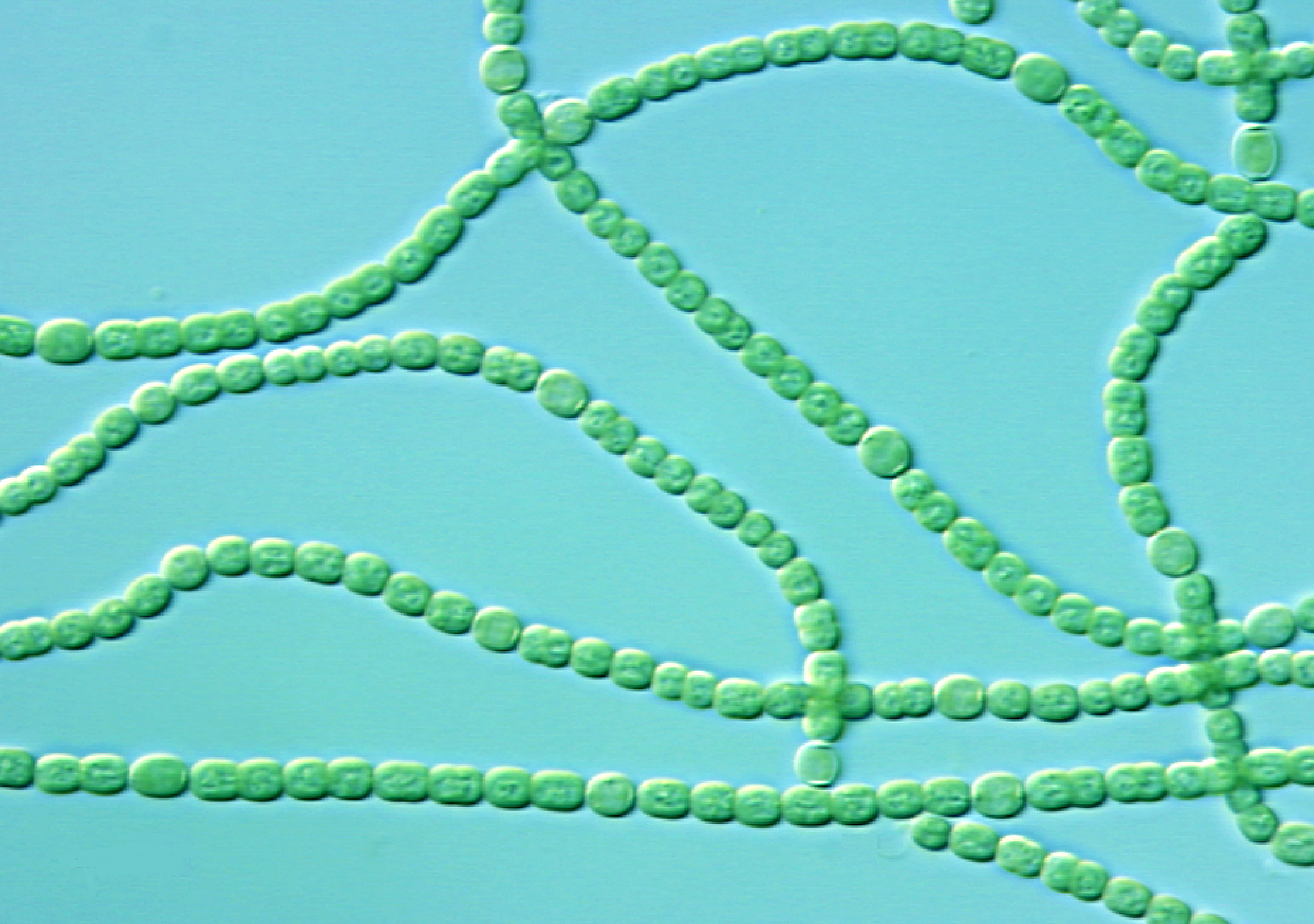

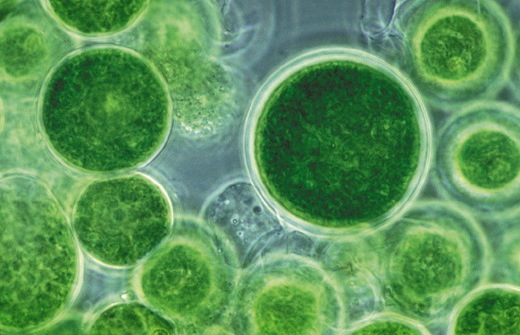


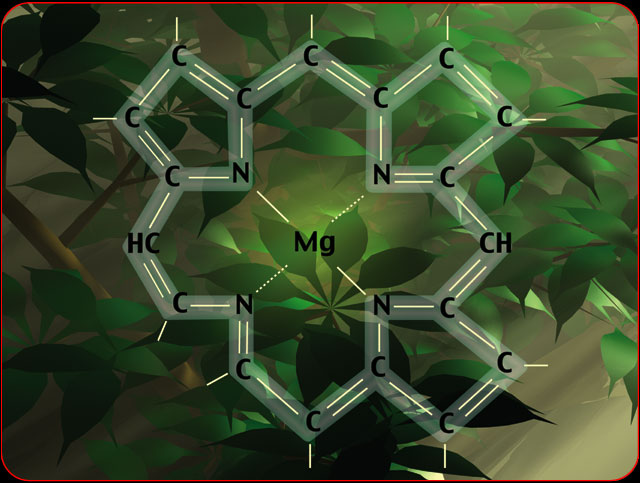


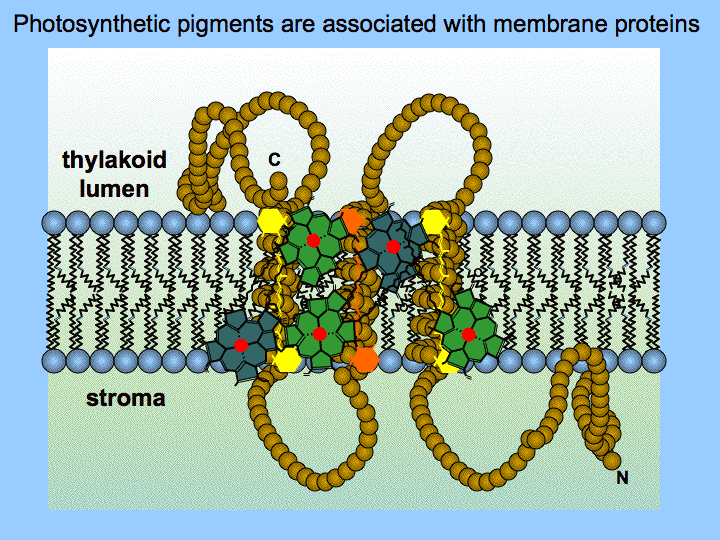


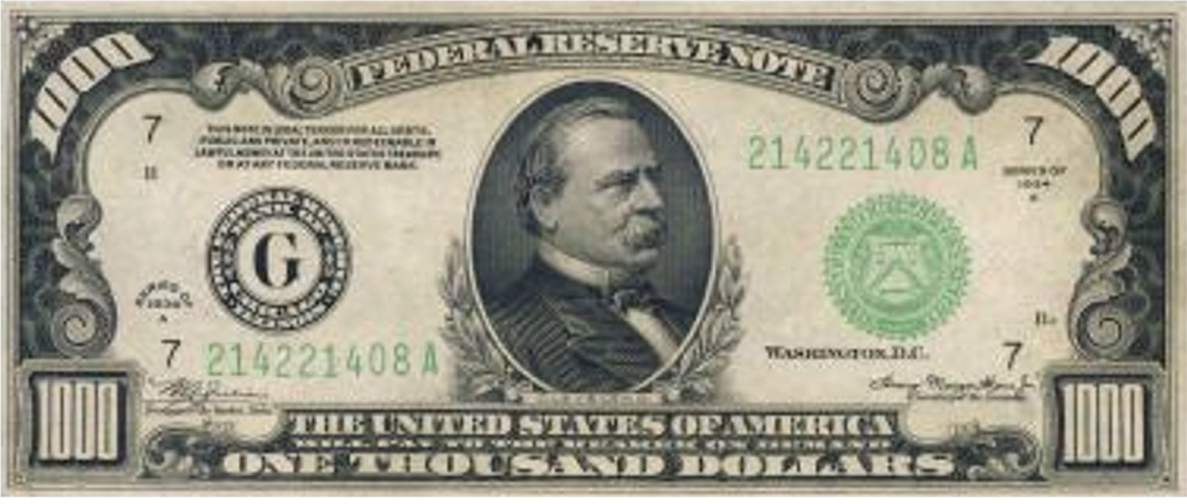


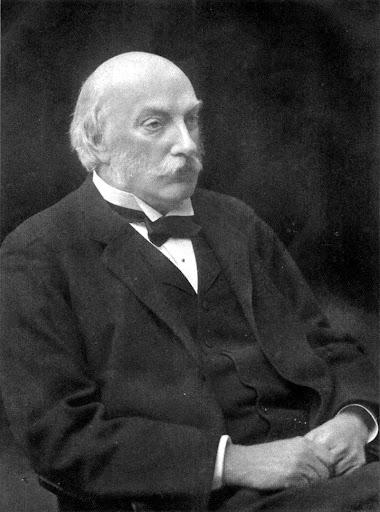


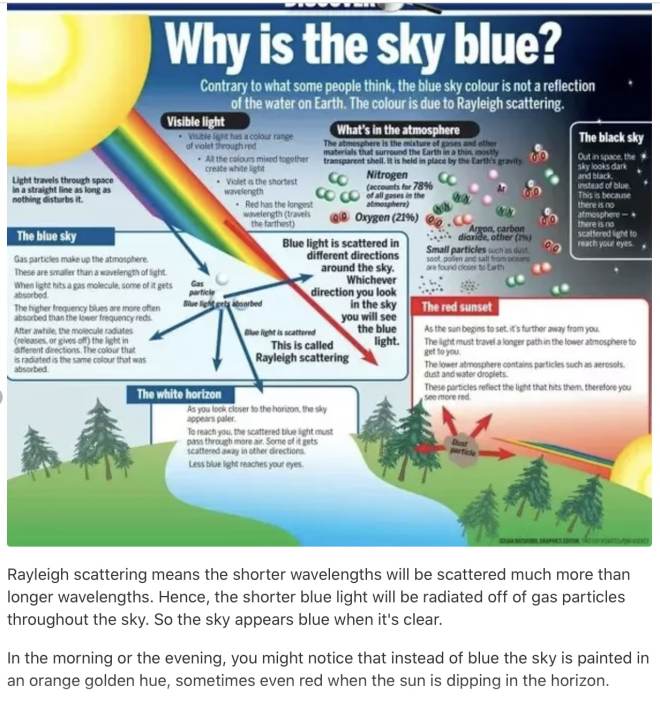
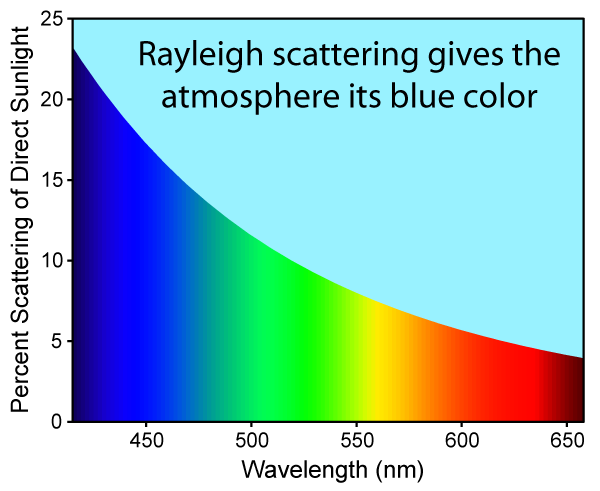
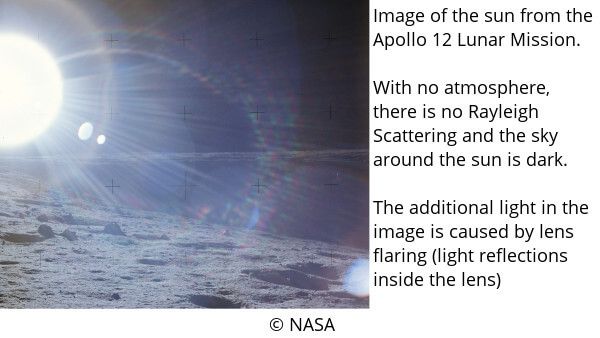


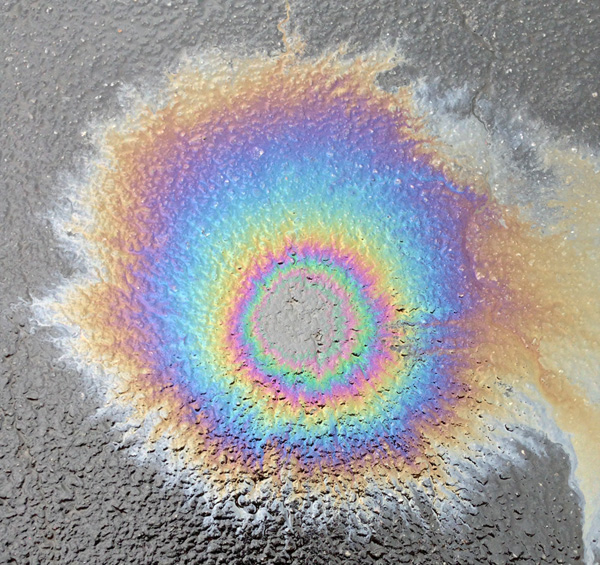
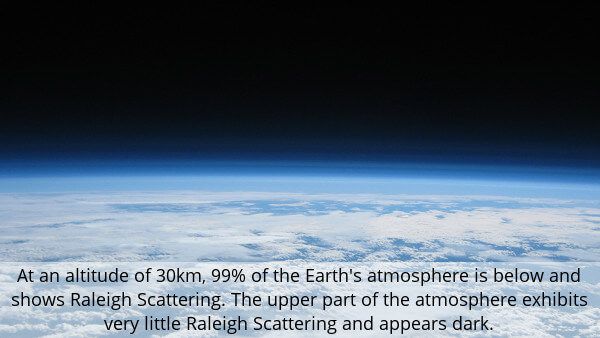
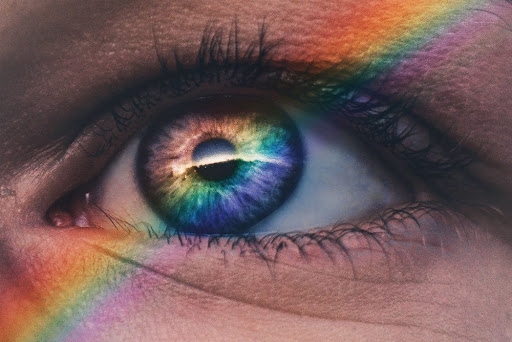
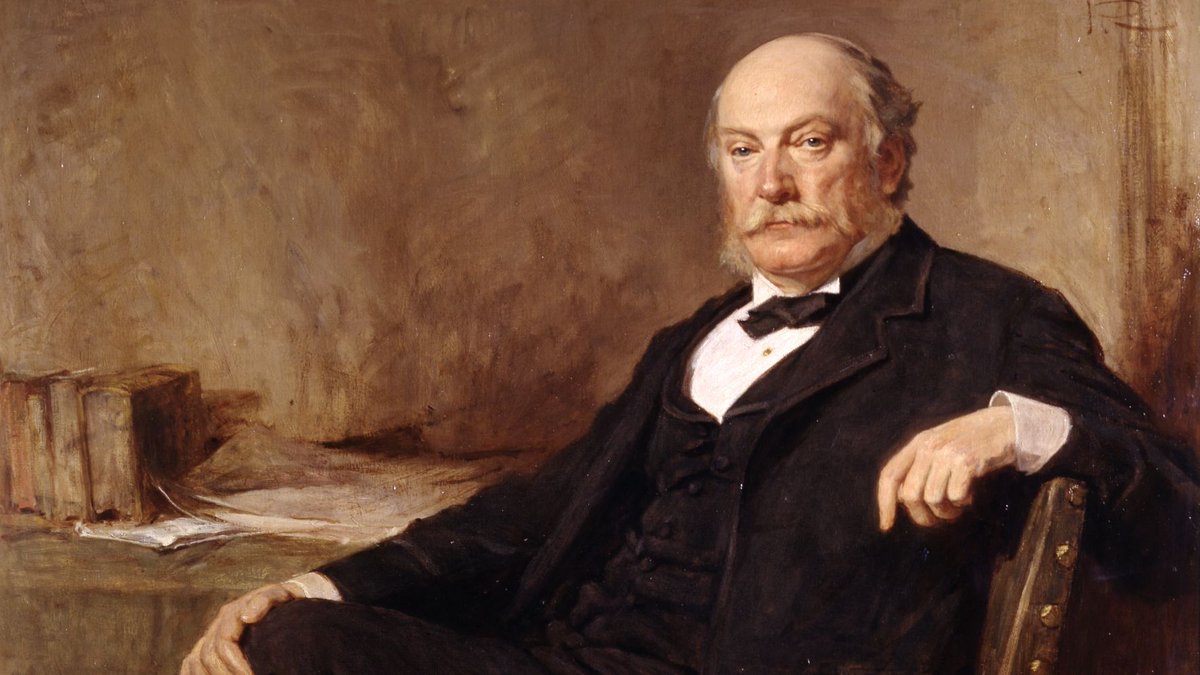


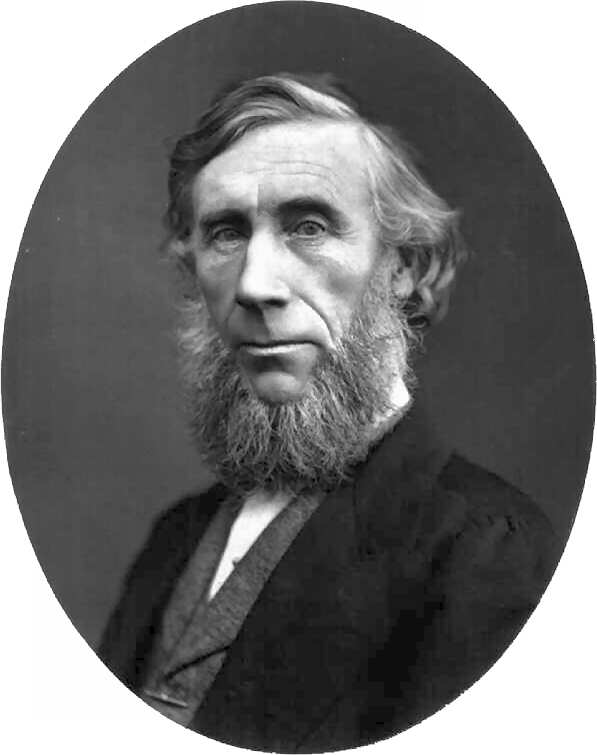




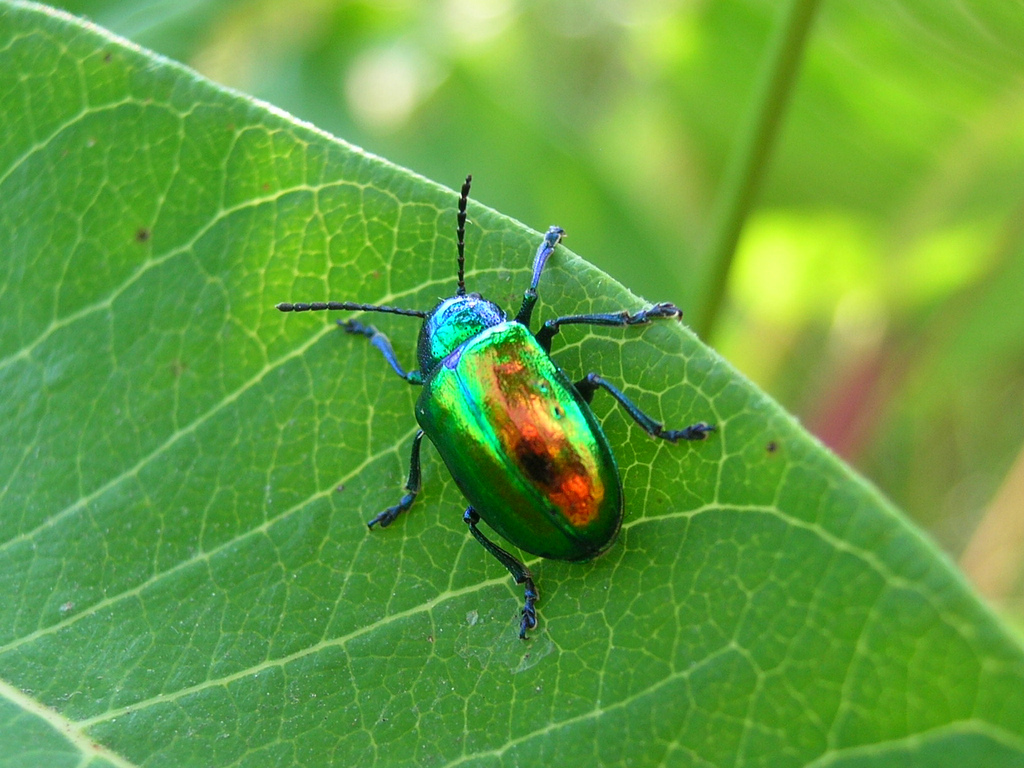


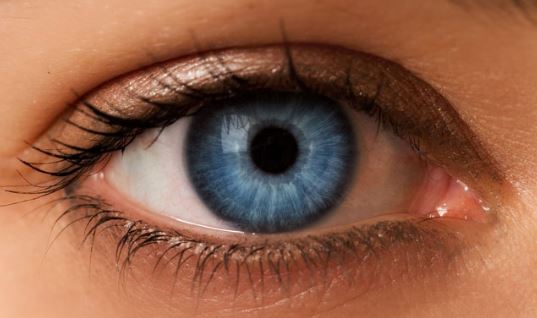

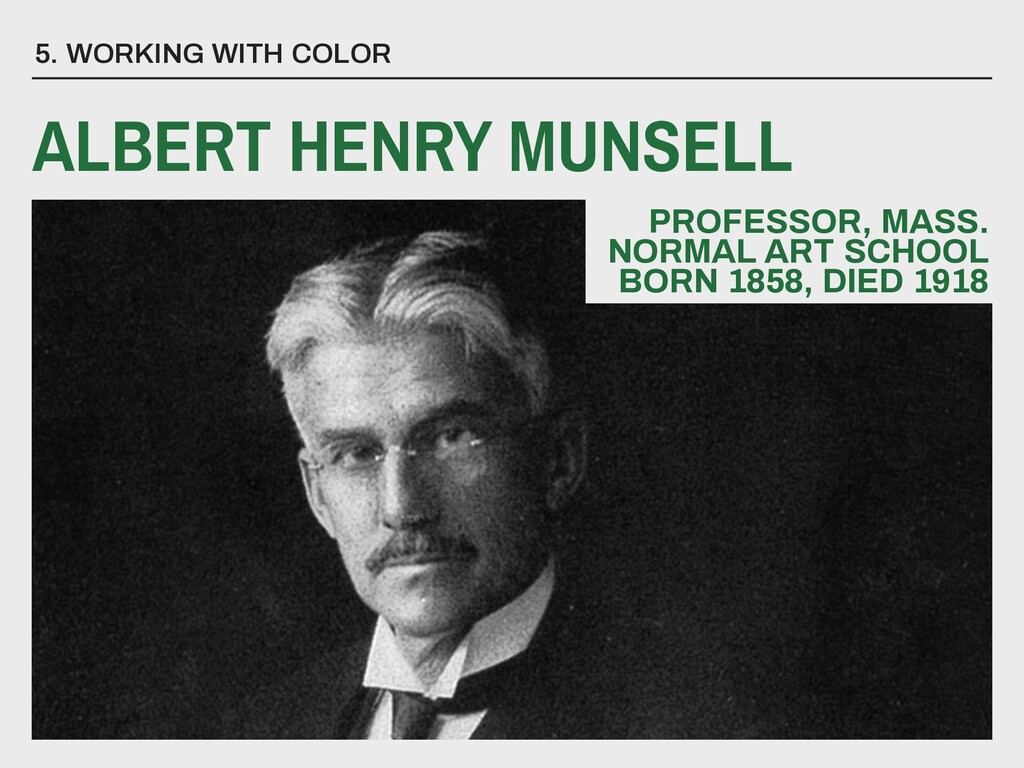
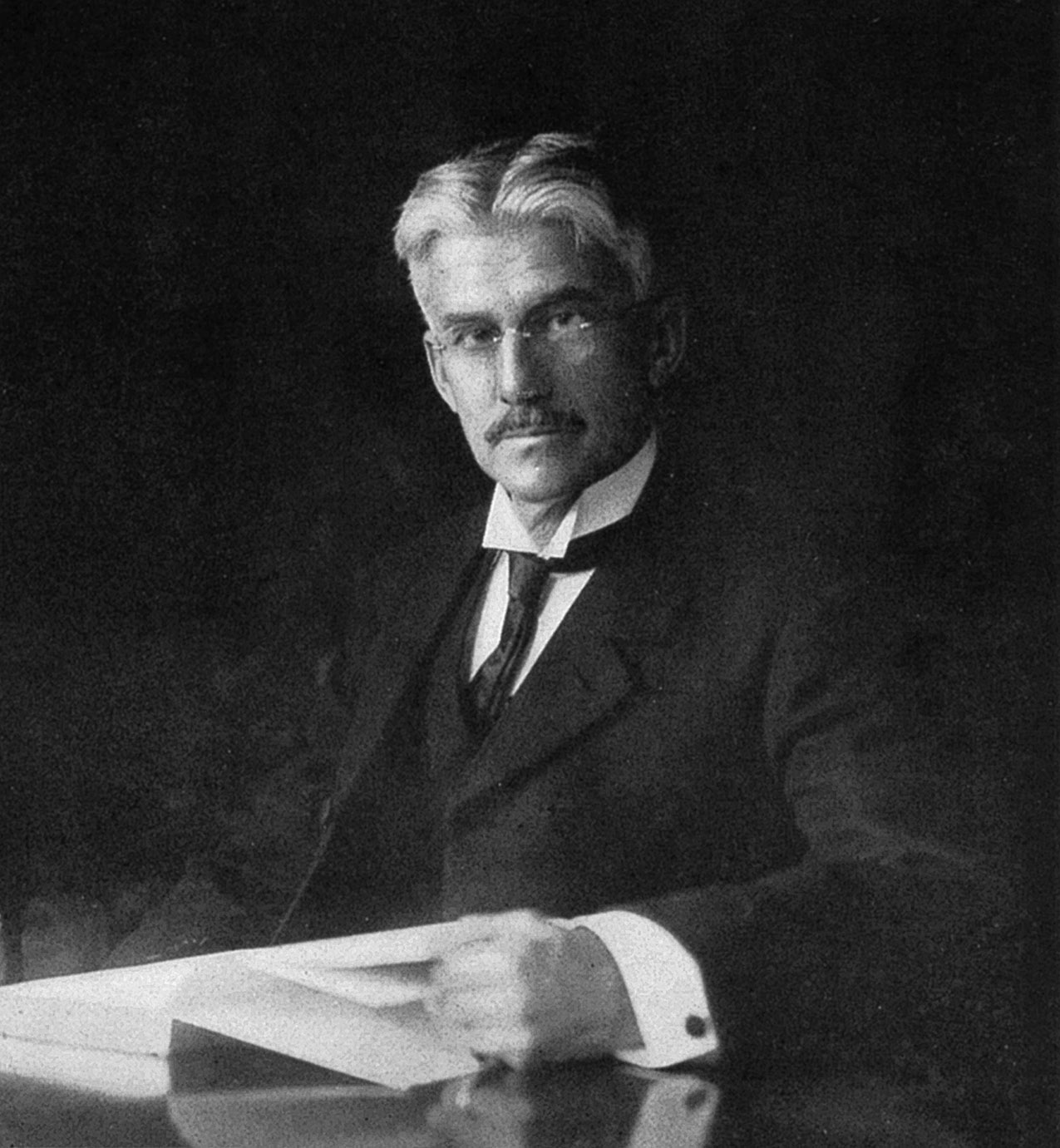
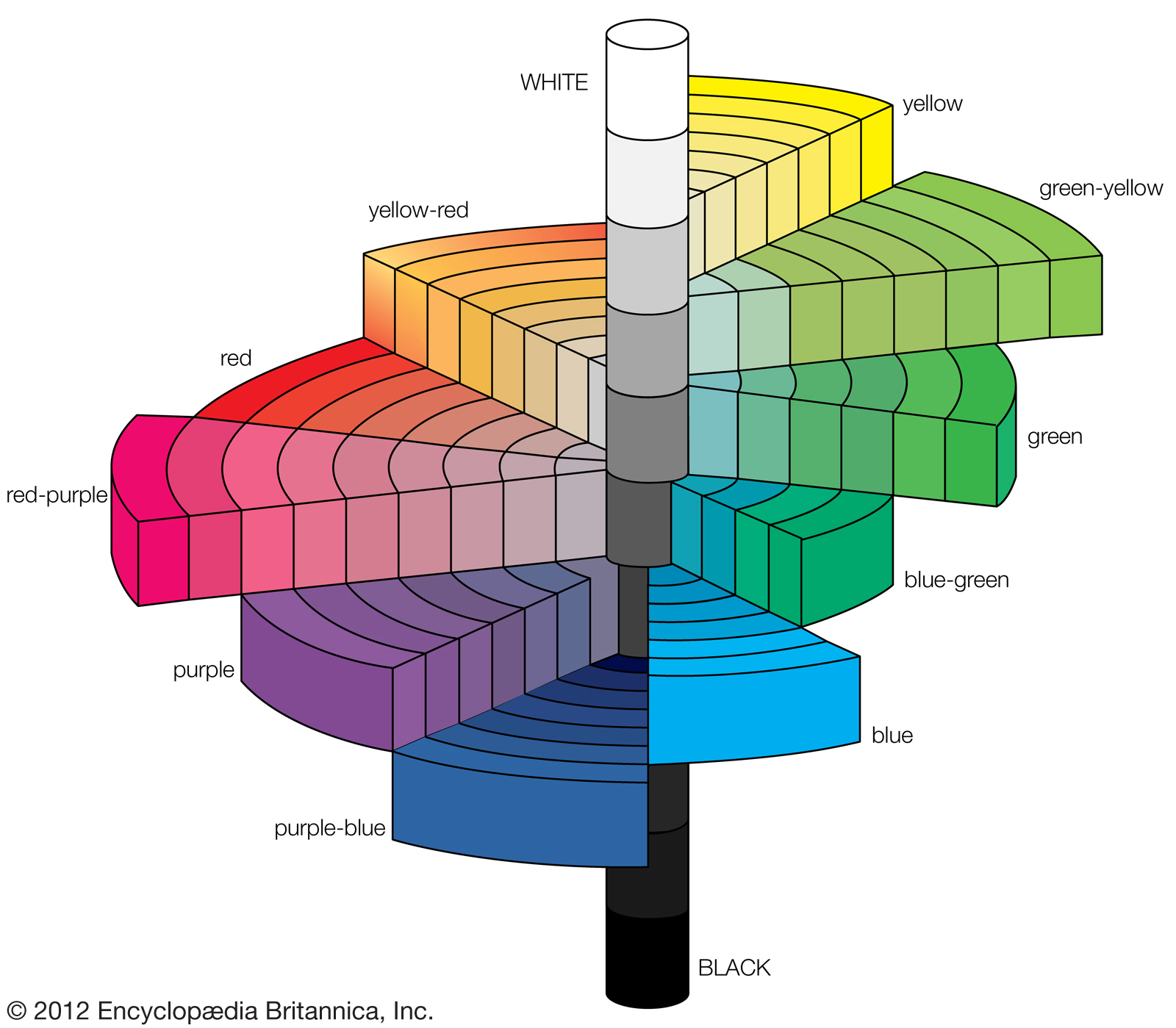


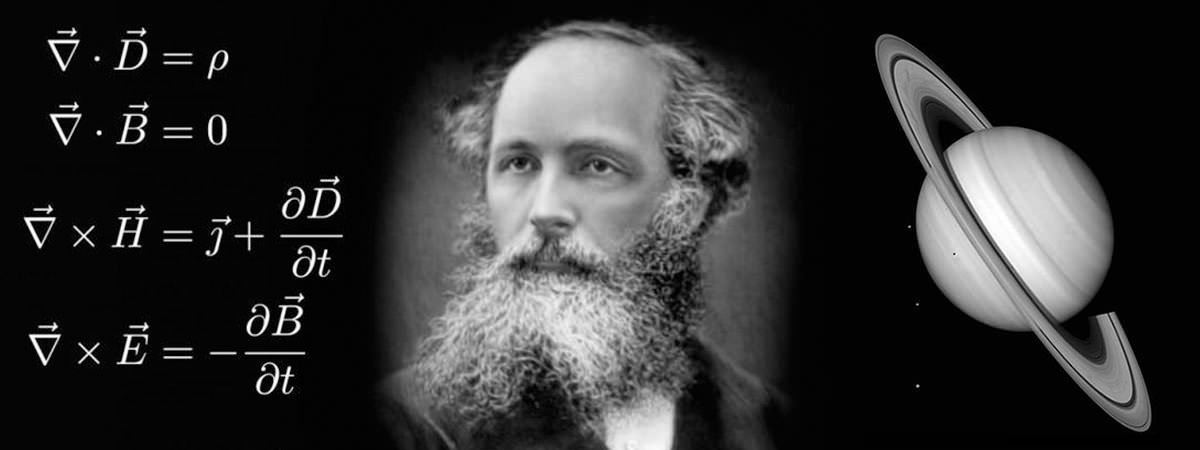
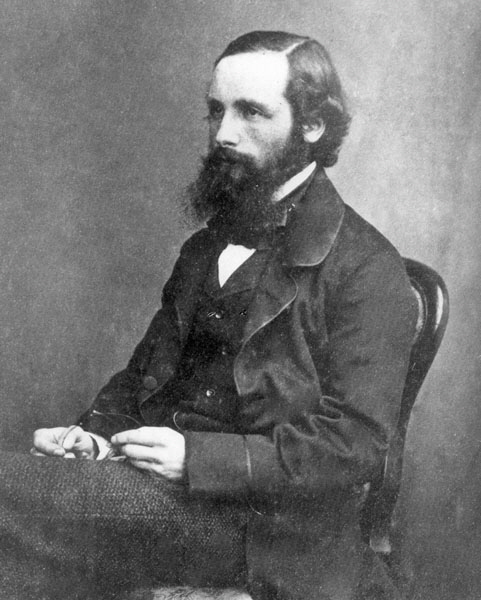

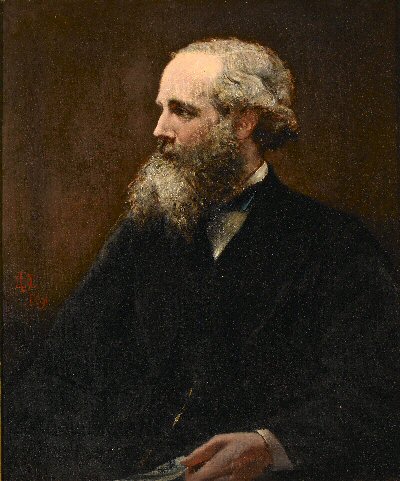
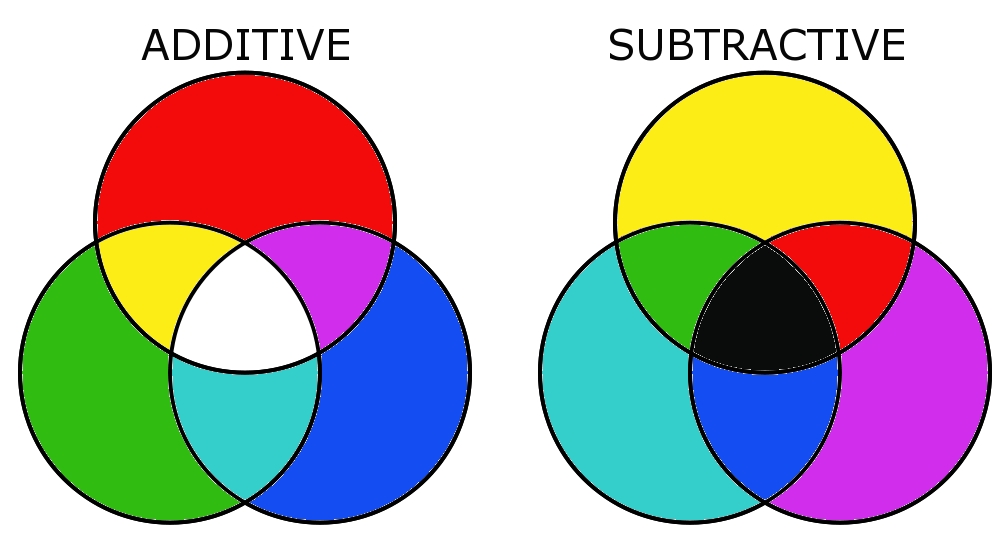
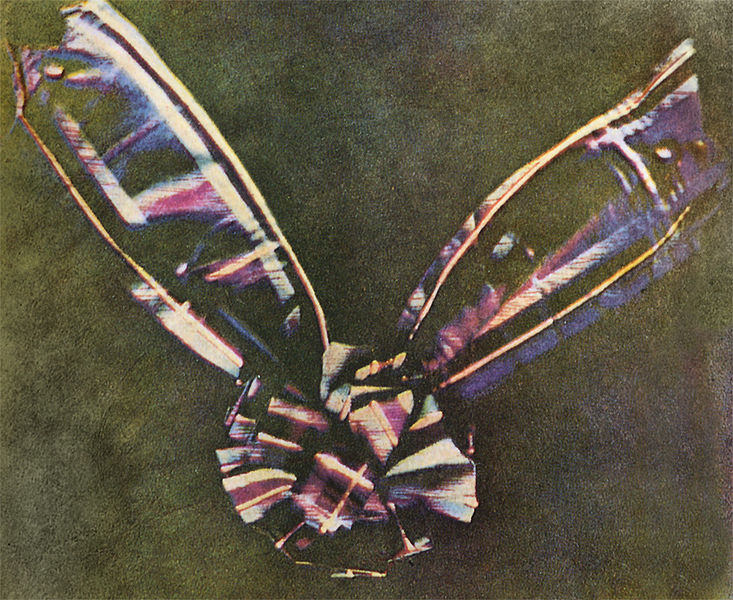


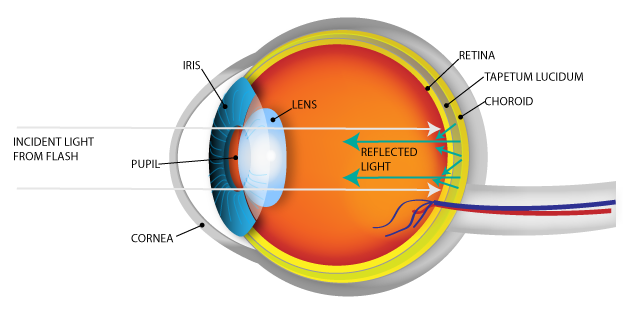
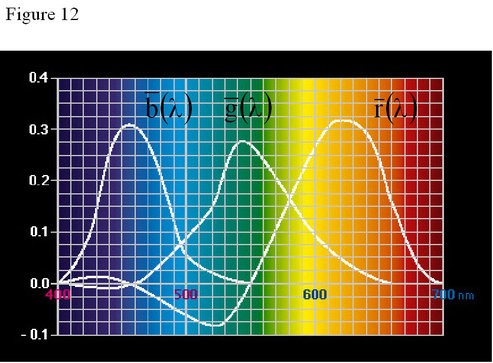

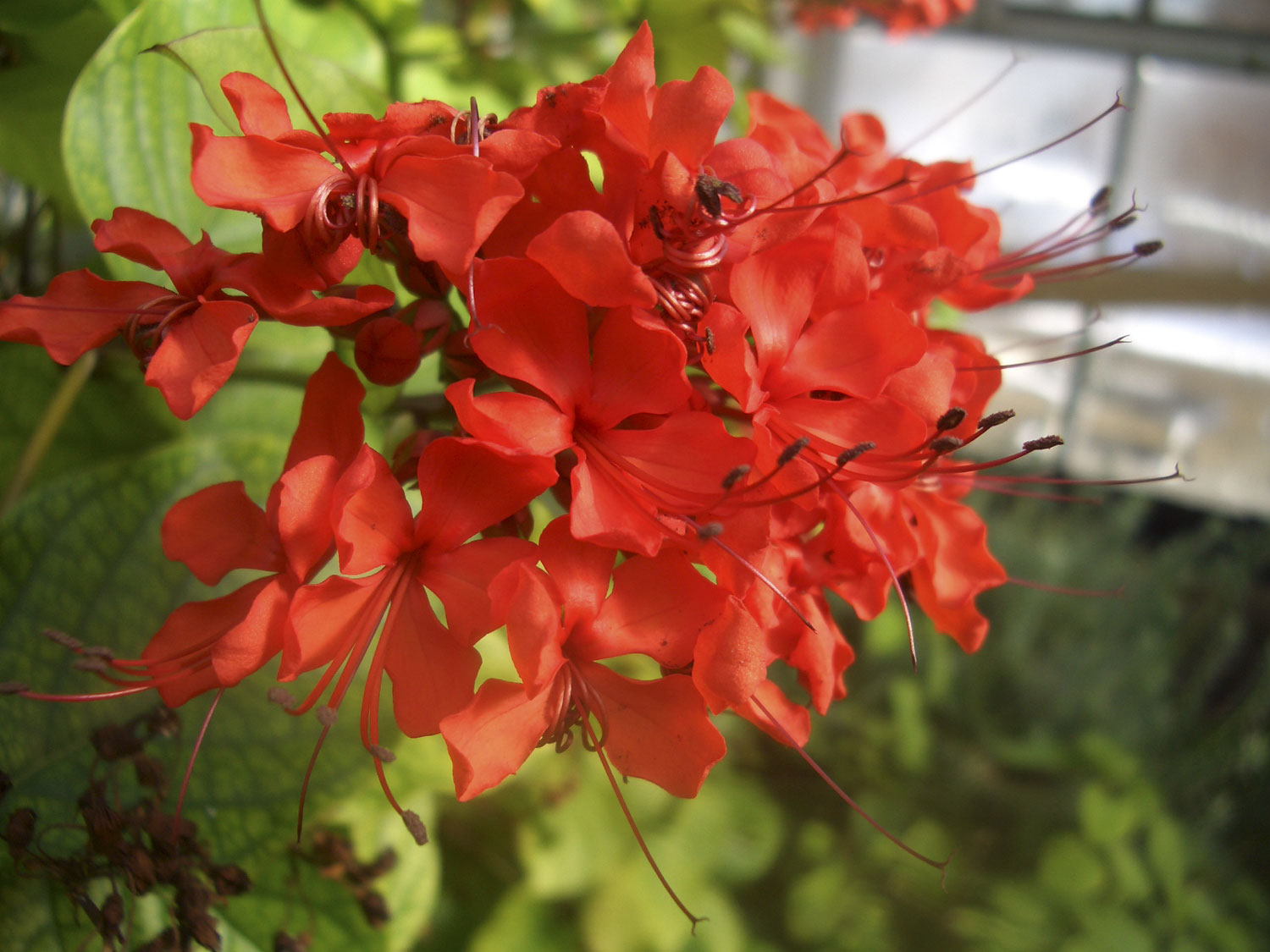


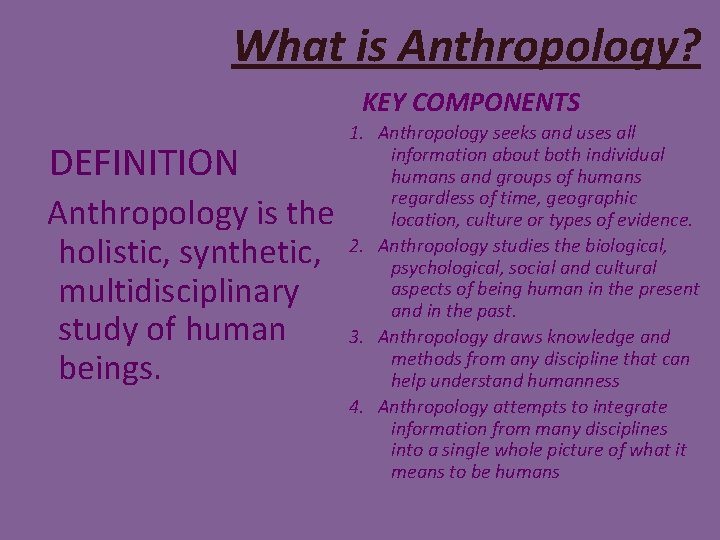




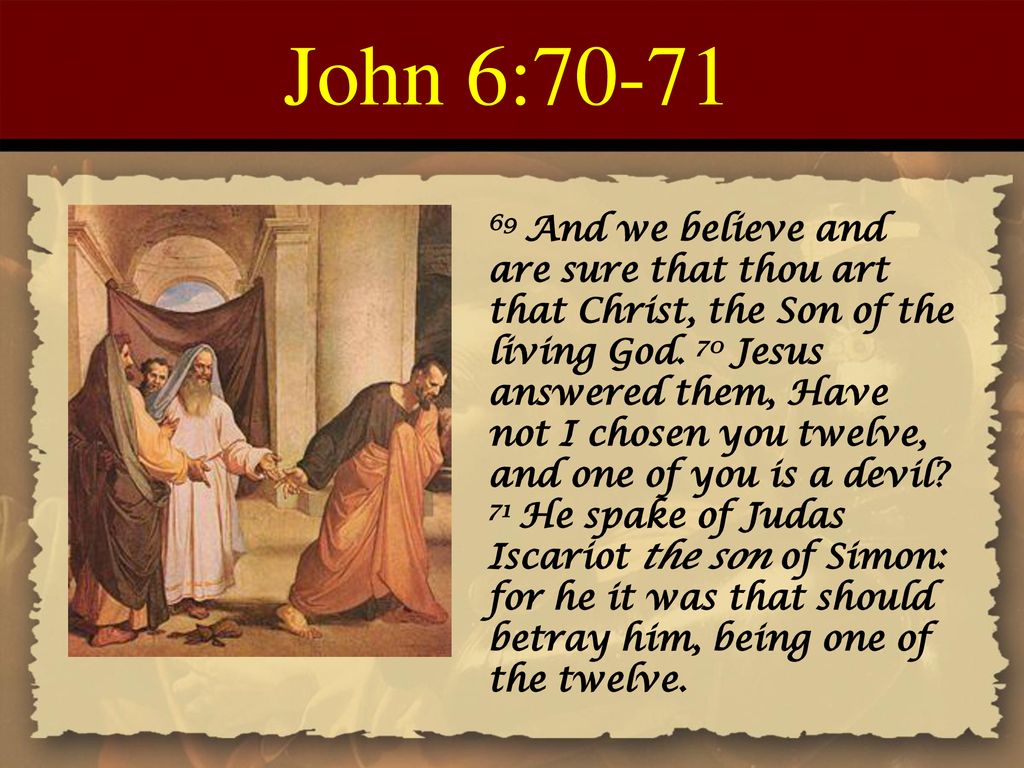
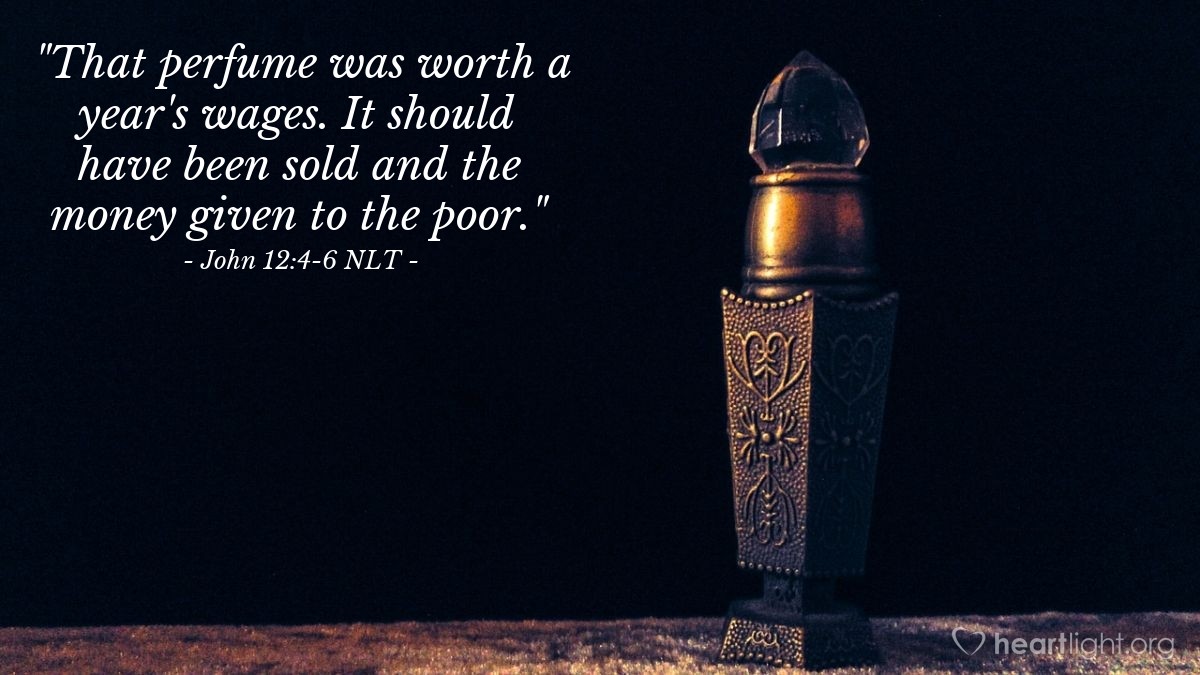
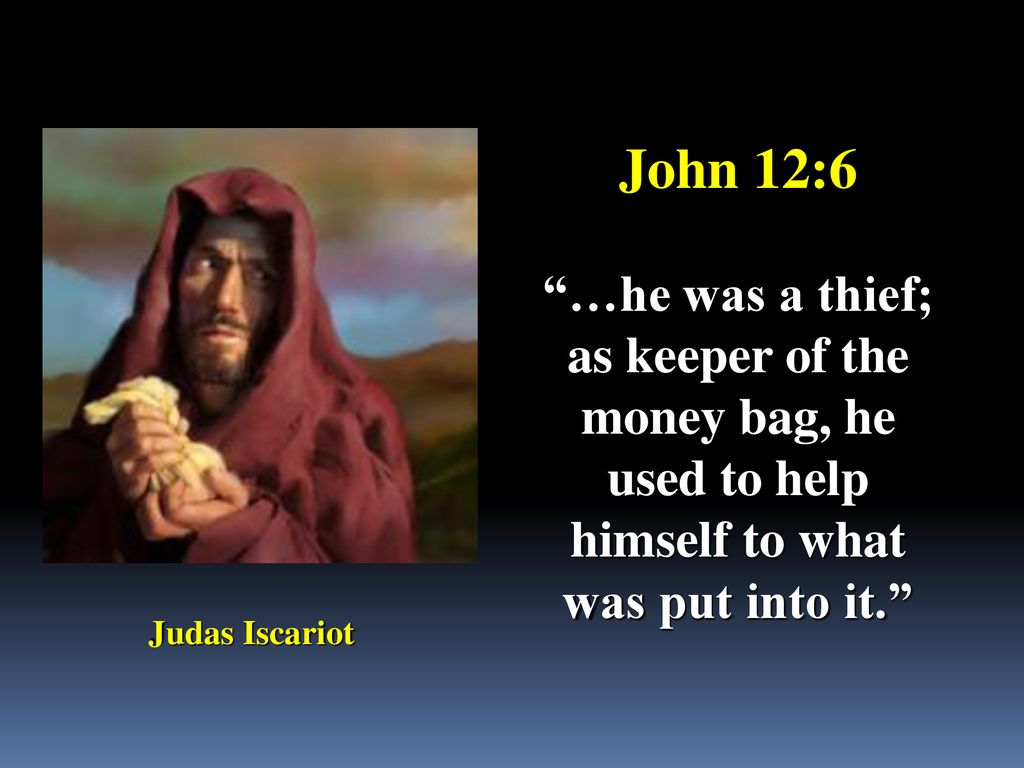


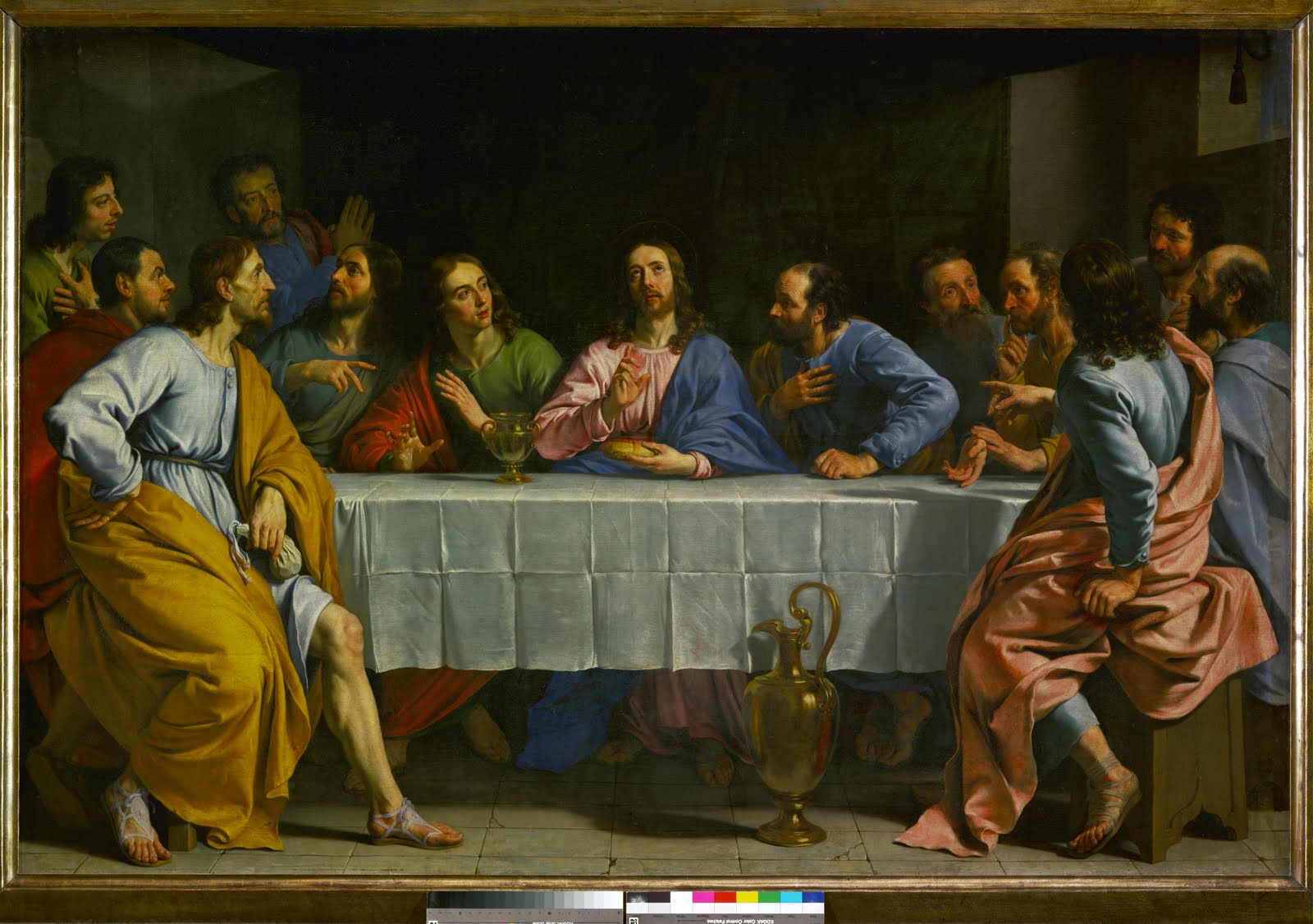

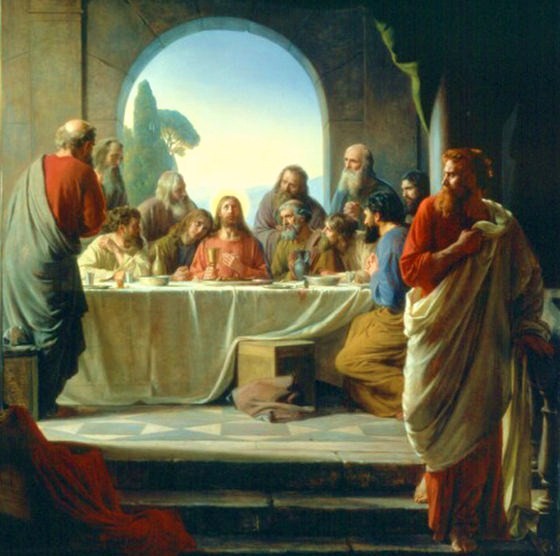
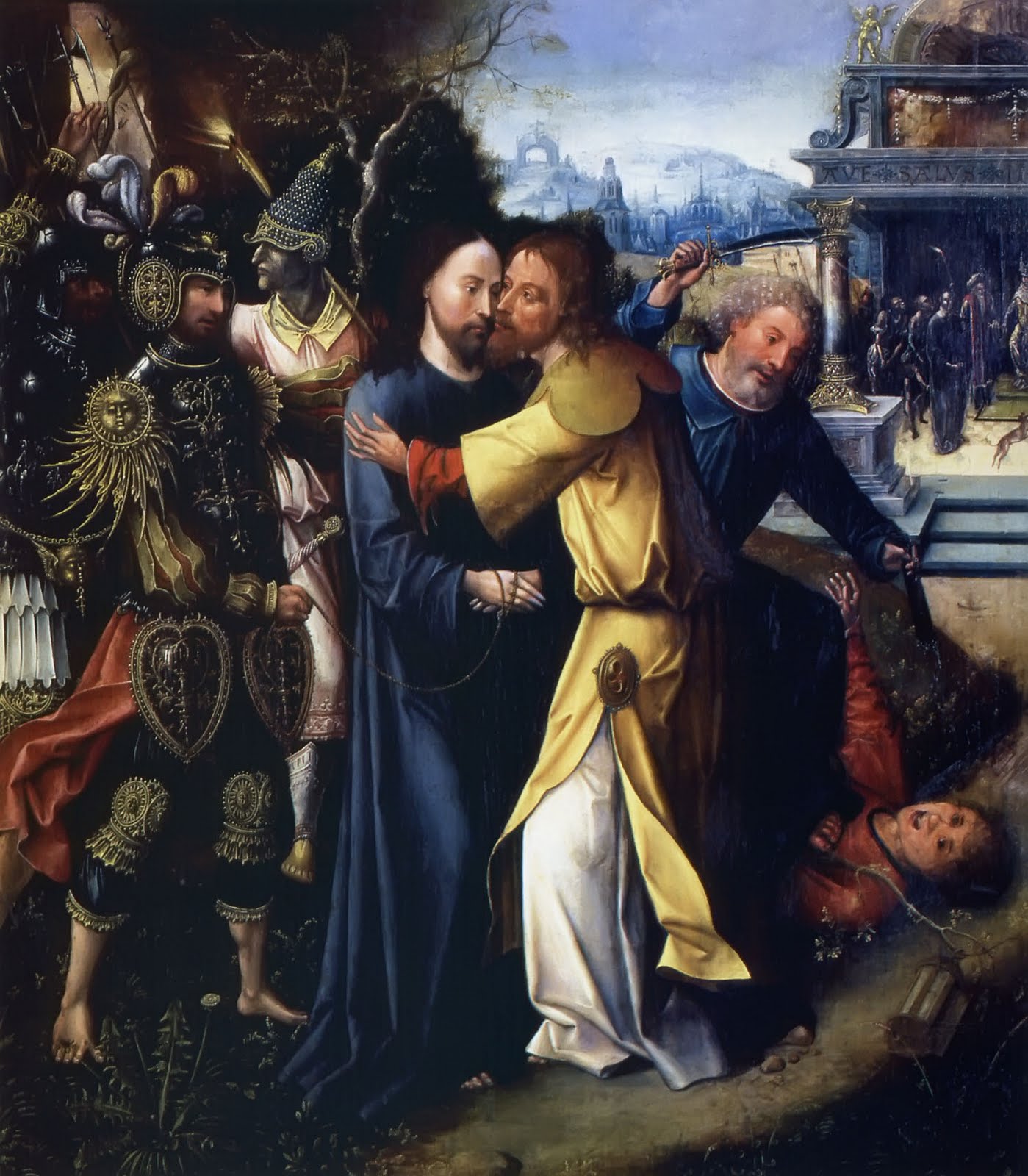
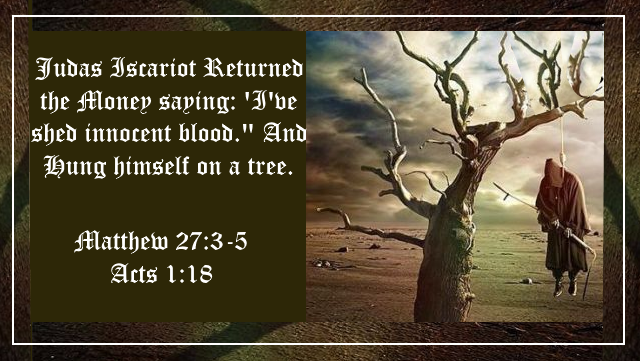

















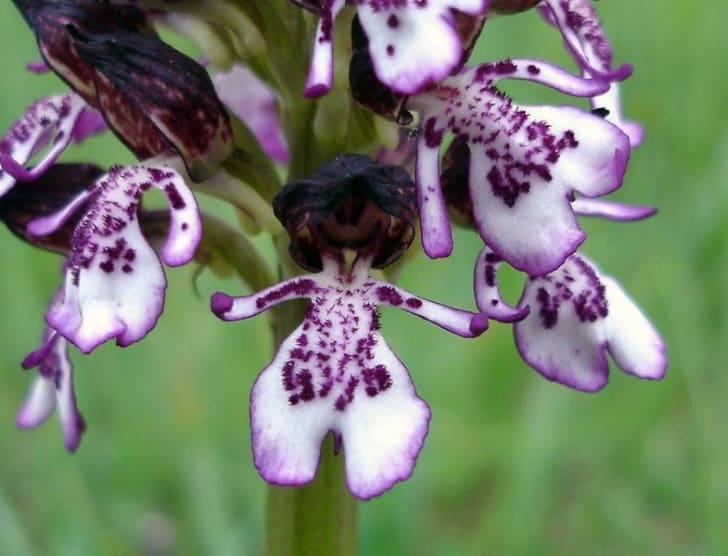


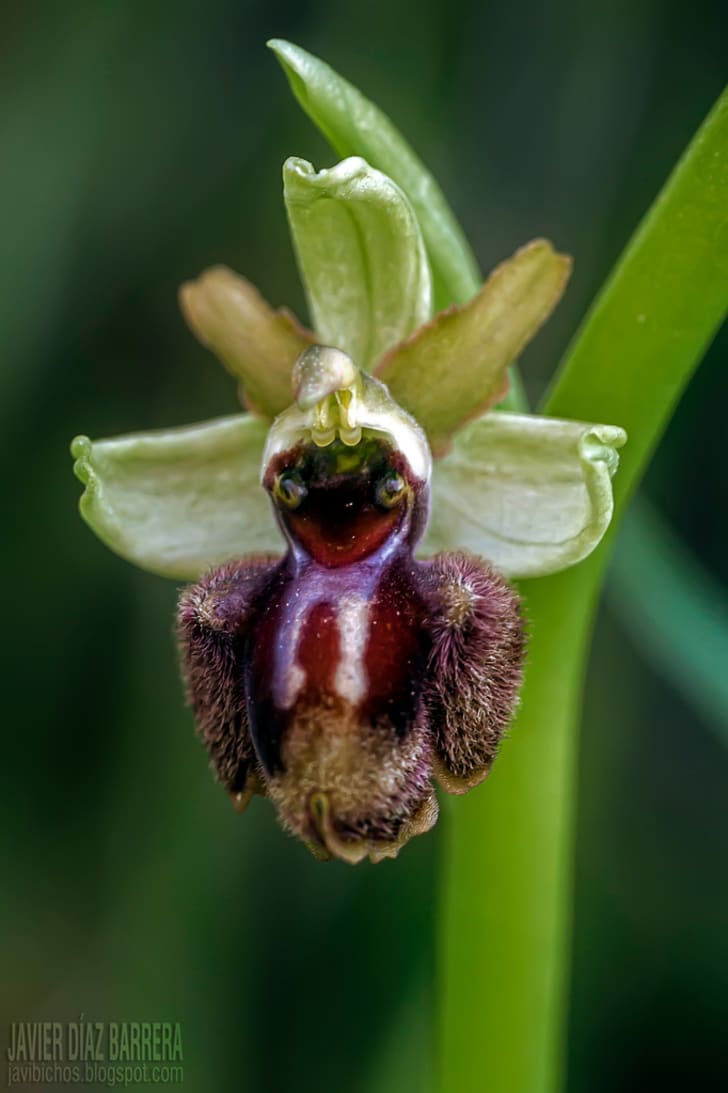


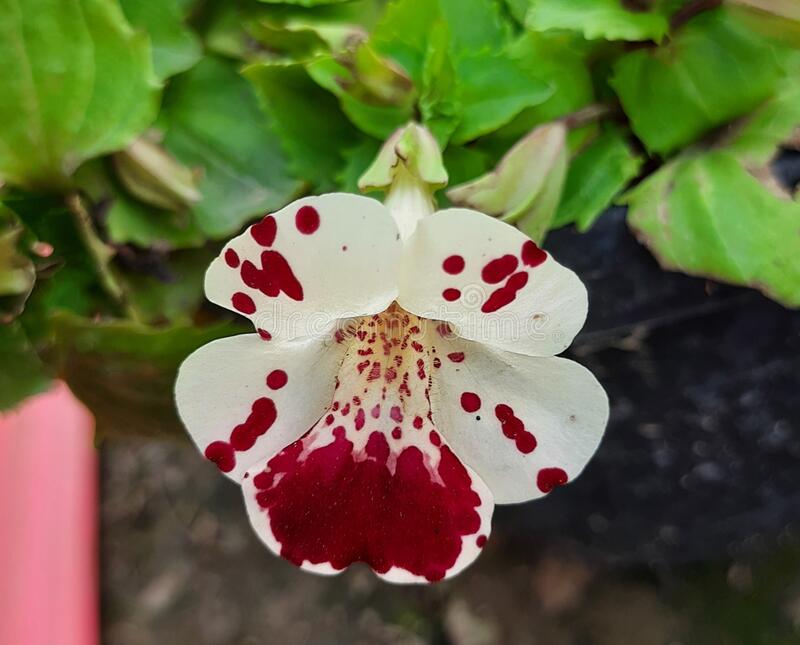

 Whole Dude - Whole Spirituality