
The Biological Significance of Dietary Polyamines


James Griffin is an expert in Food Retail Industry. To promote knowledge of food products, in 2014, he announced the “James Griffin Quinoa Challenge Award” and the same was presented to me at Whole Foods Market Inc., Ann Arbor, Michigan, USA on Sunday, May 18, 2014. This award describes importance of the development of a food database that food consumers can easily use to make important decisions about the food products they purchase to promote their health and to prevent diseases like cancer. I ask my readers to acknowledge the creative use of putrid smelling Nitrogen containing unchanging biomolecules that operate the creation of life and the dissolution of life. The fact of Creation is simply revealed by knowing the Smell, the Scent, the Aroma, the Flavor and the Odor of Polyamine Molecules that declare their presence in the performance of human Reproduction as well as the nature of Mortal Existence making it extremely difficult to conceal the forensic evidence of Death.
Polyamines continue to be a subject of intense study, with over 75,000 papers written on the topic since 1900. Since 2013, after reporting my Whole Discovery at Whole Foods, Ann Arbor, no researcher has shared my findings on the role of the Sense of Olfaction in describing the presence of Polyamines in aromatic compounds synthesized by Plants.

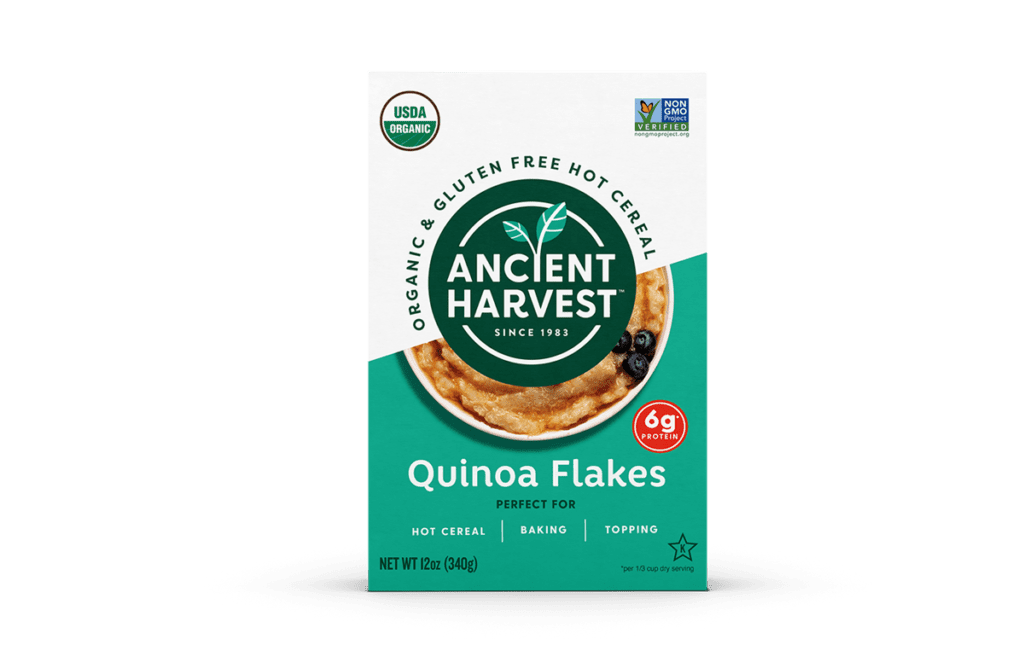
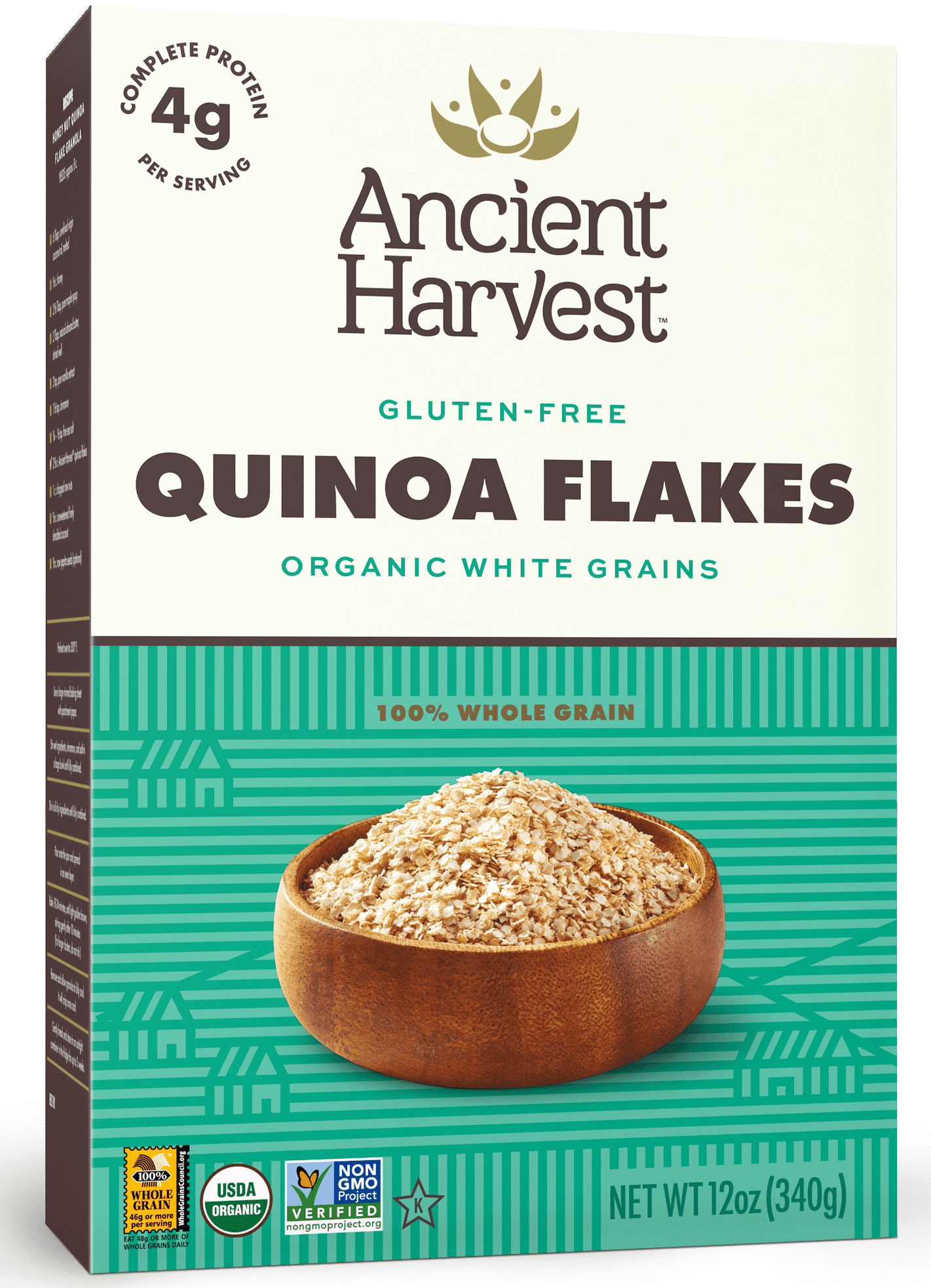
Quinoa Challenge primarily involves a ‘Smell Test’. It requires preparing a small serving of hot, Quinoa Porridge using Ancient Harvest Organic Quinoa Flakes and smelling the Quinoa Porridge while it is steaming hot. The Winner of Quinoa Challenge has to correctly name the Primary Odor generated by Quinoa. The Quinoa Challenge takes about 90 seconds. I am pleased to announce that I am the First Winner of Quinoa Challenge in Michigan. Most possibly, I could be the First Winner of Quinoa Challenge in the entire World. I have not read any articles, or stories about people who may have correctly identified the Primary Odor generated by Quinoa. Please share your Quinoa Flavor experience.

The Primary Odors include the following and this listing varies according to different classifications of Odor:
1. Sweaty, 2. Spermous, 3. Fishy, 4. Malty, 5. Urinous, 6. Musky, 7. Camphoraceous, 8. Pepperminty, 9. Putrid, 10. Pungent, 11. Floral, and 12. Ethereal.

There are three sources of Polyamines; 1. Synthesis within the human body, 2. Production by microorganisms residing in the human gut or intestinal tract, and 3. Contribution from the diet. There is extensive literature to describe the role of Polyamines in plants and animals. The Polyamines are ubiquitous polycationic compounds and are essential to male and female reproductive processes and to embryo/fetal development. Indeed their absence is characterized by infertility and arrest in embryogenesis. Mammals synthesize Polyamines de novo from amino acids or import these compounds from the diet. Polyamines are essential regulators of cell growth and gene expression and they are implicated in both mitosis and meiosis. In male reproduction, Polyamine expression correlates with stages of spermatogenesis and they function to promote sperm motility. In the female reproductive system, Polyamines are involved in ovarian follicle development and ovulation and Polyamine synthesis is required for steroidogenesis( production of steroid hormones) in the ovary. Polyamines play a role in implantation, in decidualization, in placenta formation and its function. Polyamine deprivation during gestation results in intrauterine growth retardation. Dietary arginine (amino acid) and dietary Polyamines can be stated as nutritional regulators of human fertility. Polyamines are universally distributed in all living cells. Biosynthesis of Polyamines from amino acids ornithine and methionine fluctuates according to the metabolic needs of the cell. Polyamines specifically interact with Nucleic Acids ( DNA and RNA ) and these compounds are found in intracellular organelle called ribosomes where they stimulate protein and RNA synthesis. There is an extensive literature indicating the physiological significance of these amino compounds.
Quinoa Challenge-Quinoa Smell Test-First Winner in Michigan

After discovering the ‘Essence of Man’ by simply smelling a Quinoa preparation (more specifically Ancient Harvest Organic Quinoa Flakes), I started encouraging others to take the ‘Quinoa Challenge’. I was even willing to pay for the price of the Quinoa Flakes to give others a chance to experience this unique aroma, flavor, scent, or smell of aromatic chemical compounds made by both plants and animals but do not always make a recognizable sensory impact.
In the entire biological kingdom, Chenopodium quinoa is a plant that makes compounds just like those chemical compounds found in the biological fluid like Semen.

I am pleased to officially declare that Mr. B.G. of Ann Arbor, Michigan, USA is the Second Winner of Quinoa Challenge. He is the second person who formally participated in the “Quinoa Challenge” and has correctly identified the Primary Odor of freshly prepared hot Quinoa porridge. I am very hopeful that the “James Griffin Quinoa Challenge Award” will help humanity to correctly identify the Flavor and the Magic of Chenopodium Quinoa. Hopefully, this discovery about Chenopodium quinoa’s Flavor would be recognized as the most significant finding after ‘The Discovery of America’ by Christopher Columbus.

The Quinoa Challenge: The Proof of Pudding is in the Eating:

I am asking my readers to take the ‘Quinoa Challenge’, which is a simple ‘Smell Test’ to discover the presence of Polyamines Putrescine, Spermidine, and Spermine in the breakfast cereal of Quinoa Flakes made by Ancient Harvest. In 90 seconds, you will find the dietary polyamines without conducting a time-consuming chemical analysis. If your Quinoa porridge has Semen-like smell, it most certainly contains those Polyamines. As the saying goes: “The Proof of Pudding is in the Eating.”



 Whole Dude - Whole Spirituality