
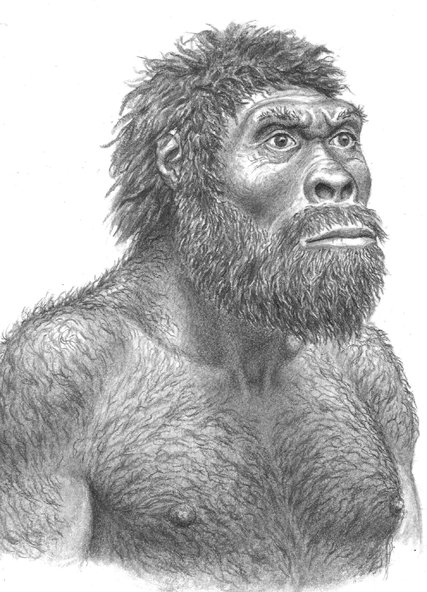
In my view, individualistic variation is the rule or dictum that operates production of all kinds of living things. Identification of ‘Species’ based on shared traits is useful for a ‘Species’ always breeds with another member of the same ‘Species’ to produce a new organism that may vary in appearance but shares several of hereditary traits of its biological parents. In other words, a creative mechanism, a creative operation, a creative principle and a creative process always ensures production of new, original, distinct, one of its own kind of Individual with Individuality using ‘The Law of Biogenesis’. Biodiversity may not be explained as consequence of ‘evolution’ in which an organism over period of time descends into a new organism or new ‘Species’.
While individualistic variation is the rule, it will not help us to simplify human lineage and suggest that anatomically modern human is delivered from the pelvis of “Lucy”(Australopithecus afarensis). Man can only be explained as a ‘new arrival’ for no other female ‘Hominid’ species had a pelvis designed for delivering a skull of size and shape that is characteristic of modern man.
Tag Archives: Whole Mendelism
Philosophy of Medicine. Lesson. 84 – The Origin of Anatomically Modern Man or Human Species
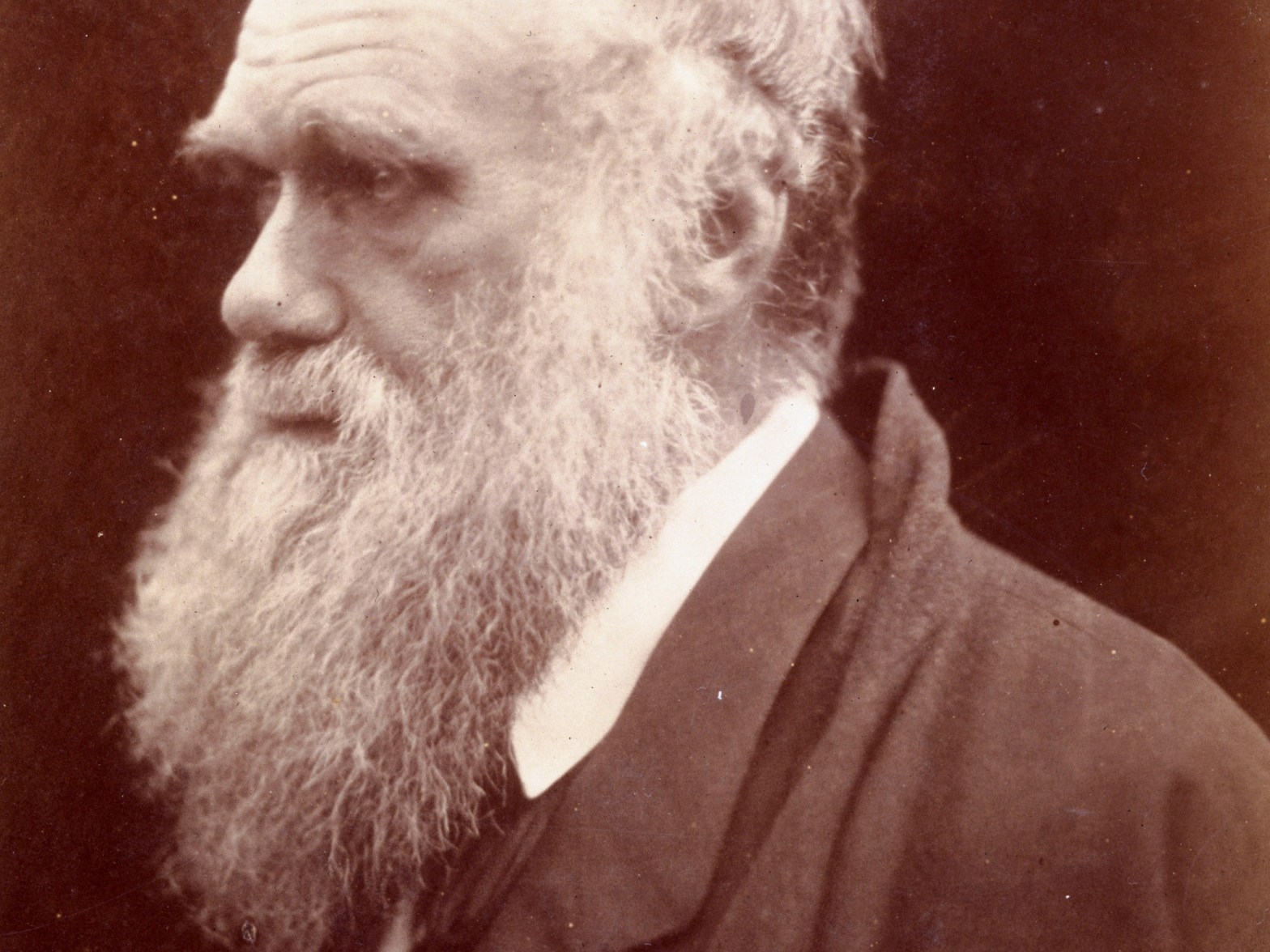
In my analysis, Gregor Mendel’s Laws of Inheritance do not verify, do not validate, and do not corroborate the ‘Theory of Evolution’ proposed by British naturalist Charles Darwin in 1859. In fact, the term ‘Evolution’ cannot be applied to the Living Matter or corporeal substance described in Biology as Protoplasm or Cytoplasm. The Chemical Composition of the Living Matter has essentially remained the same over billions of years. I cannot find any known Natural Factor, Natural Condition, Natural Cause, or Natural Mechanism to account for the Origin, the Beginning, the Genesis, the Descent of Man from any other previously existing species other than the species identified as Homo. sapiens, sapiens.

