HISTORY OF THE US-INDIA-TIBET RELATIONS: November 22. Special Frontier Force-Establishment No. 22-Vikas Regiment remembers the 35th US President John F. Kennedy.
NOVEMBER 22, 1963: DEATH OF THE PRESIDENT
The History of Special Frontier Force-Establishment No. 22-Vikas Regiment: June 03, 1963, Indian President Radhakrishnan by his visit acknowledges the India-Tibet-US military alliance/pact to oppose the military threat posed by China.
Shortly after noon on November 22, 1963, President John F. Kennedy was assassinated as he rode in a motorcade through Dealey Plaza in downtown Dallas, Texas.
By the fall of 1963, President John F. Kennedy and his political advisers were preparing for the next presidential campaign. Although he had not formally announced his candidacy, it was clear that President Kennedy was going to run and he seemed confident about his chances for re-election.
At the end of September, the president traveled west, speaking in nine different states in less than a week. The trip was meant to put a spotlight on natural resources and conservation efforts. But JFK also used it to sound out themes—such as education, national security, and world peace—for his run in 1964.
Campaigning in Texas
A month later, the president addressed Democratic gatherings in Boston and Philadelphia. Then, on November 12, he held the first important political planning session for the upcoming election year. At the meeting, JFK stressed the importance of winning Florida and Texas and talked about his plans to visit both states in the next two weeks.
Mrs. Kennedy would accompany him on the swing through Texas, which would be her first extended public appearance since the loss of their baby, Patrick, in August. On November 21, the president and first lady departed on Air Force One for the two-day, five-city tour of Texas.
President Kennedy was aware that a feud among party leaders in Texas could jeopardize his chances of carrying the state in 1964, and one of his aims for the trip was to bring Democrats together. He also knew that a relatively small but vocal group of extremists was contributing to the political tensions in Texas and would likely make its presence felt—particularly in Dallas, where US Ambassador to the United Nations Adlai Stevenson had been physically attacked a month earlier after making a speech there. Nonetheless, JFK seemed to relish the prospect of leaving Washington, getting out among the people and into the political fray.
The first stop was San Antonio. Vice President Lyndon B. Johnson, Governor John B. Connally, and Senator Ralph W. Yarborough led the welcoming party. They accompanied the president to Brooks Air Force Base for the dedication of the Aerospace Medical Health Center. Continuing on to Houston, he addressed a Latin American citizens’ organization and spoke at a testimonial dinner for Congressman Albert Thomas before ending the day in Fort Worth.
Morning in Fort Worth
A light rain was falling on Friday morning, November 22, but a crowd of several thousand stood in the parking lot outside the Texas Hotel where the Kennedys had spent the night. A platform was set up and the president, wearing no protection against the weather, came out to make some brief remarks. “There are no faint hearts in Fort Worth,” he began, “and I appreciate your being here this morning. Mrs. Kennedy is organizing herself. It takes longer, but, of course, she looks better than we do when she does it.” He went on to talk about the nation’s need for being “second to none” in defense and in space, for continued growth in the economy and “the willingness of citizens of the United States to assume the burdens of leadership.”
The warmth of the audience response was palpable as the president reached out to shake hands amidst a sea of smiling faces.
Back inside the hotel, the president spoke at a breakfast of the Fort Worth Chamber of Commerce, focusing on military preparedness. “We are still the keystone in the arch of freedom,” he said. “We will continue to do…our duty and the people of Texas will be in the lead.”
On to Dallas
The presidential party left the hotel and went by motorcade to Carswell Air Force Base for the thirteen-minute flight to Dallas. Arriving at Love Field, President and Mrs. Kennedy disembarked and immediately walked toward a fence where a crowd of well-wishers had gathered, and they spent several minutes shaking hands.
The first lady received a bouquet of red roses, which she brought with her to the waiting limousine. Governor John Connally and his wife, Nellie, were already seated in the open convertible as the Kennedys entered and sat behind them. Since it was no longer raining, the plastic bubble top had been left off. Vice President and Mrs. Johnson occupied another car in the motorcade.
The procession left the airport and traveled along a ten-mile route that wound through downtown Dallas on the way to the Trade Mart where the President was scheduled to speak at a luncheon.
The Assassination
Crowds of excited people lined the streets and waved to the Kennedys. The car turned off Main Street at Dealey Plaza around 12:30 p.m. As it was passing the Texas School Book Depository, gunfire suddenly reverberated in the plaza.
Bullets struck the president’s neck and head and he slumped over toward Mrs. Kennedy. The governor was shot in his back.
The car sped off to Parkland Memorial Hospital just a few minutes away. But little could be done for the President. A Catholic priest was summoned to administer the last rites, and at 1:00 p.m. John F. Kennedy was pronounced dead. Though seriously wounded, Governor Connally would recover.
The president’s body was brought to Love Field and placed on Air Force One. Before the plane took off, a grim-faced Lyndon B. Johnson stood in the tight, crowded compartment and took the oath of office, administered by US District Court Judge Sarah Hughes. The brief ceremony took place at 2:38 p.m.
Less than an hour earlier, police had arrested Lee Harvey Oswald, a recently hired employee at the Texas School Book Depository. He was being held for the assassination of President Kennedy and the fatal shooting, shortly afterward, of Patrolman J. D. Tippit on a Dallas street.
On Sunday morning, November 24, Oswald was scheduled to be transferred from police headquarters to the county jail. Viewers across America watching the live television coverage suddenly saw a man aim a pistol and fire at point-blank range. The assailant was identified as Jack Ruby, a local nightclub owner. Oswald died two hours later at Parkland Hospital.
The President’s Funeral
That same day, President Kennedy’s flag-draped casket was moved from the White House to the Capitol on a caisson drawn by six grey horses, accompanied by one riderless black horse. At Mrs. Kennedy’s request, the cortege and other ceremonial details were modeled at the funeral of Abraham Lincoln. Crowds lined Pennsylvania Avenue and many wept openly as the caisson passed. During the 21 hours that the president’s body lay in state in the Capitol Rotunda, about 250,000 people filed by to pay their respects.
On Monday, November 25, 1963, President Kennedy was laid to rest in Arlington National Cemetery. The funeral was attended by heads of state and representatives from more than 100 countries, with untold millions more watching on television. Afterward, at the gravesite, Mrs. Kennedy and her husband’s brothers, Robert and Edward, lit an eternal flame.
Perhaps the most indelible images of the day were the salute to his father given by little John F. Kennedy Jr. (whose third birthday it was), daughter Caroline kneeling next to her mother at the president’s bier, and the extraordinary grace and dignity shown by Jacqueline Kennedy.
As people throughout the nation and the world struggled to make sense of a senseless act and to articulate their feelings about President Kennedy’s life and legacy, many recalled these words from his inaugural address:
“All this will not be finished in the first one hundred days, nor in the first one thousand days, nor in the life of this administration. Nor even perhaps in our lifetime on this planet. But let us begin.”
President John F. Kennedy is known to me for he founded the military organization called the Special Frontier Force-Establishment No. 22-Vikas Regiment, in 1962 to secure Freedom, Democracy, Peace, and Justice in the occupied Land of Tibet. President Kennedy acted as a ‘True Neighbor’ of Tibet when he acted with compassion after recognizing the plight of helpless Tibetan people. The United States must reflect its true national values in the manner in which it treats its alien residents.
The Tibetan Resistance Movement at The White House. Washington DC: Sikyong Dr. Lobsang Sangay entered the United States White House this afternoon on November 21, 2020— a historic feat. This is the first time in the last 6 decades the head of the Central Tibetan Administration has been invited into the White House.
I trace the beginning of the Tibetan Resistance Movement from 1949 during the presidency of Harry S. Truman, the 33rd President of the United States (1945 to 1953).
Sikyong Dr. Lobsang Sangay entered the United States White House this afternoon on November 21, 2020 — a historic feat. This is the first time in the last 6 decades the head of the Central Tibetan Administration has been invited into the White House.
The Tibetan Resistance Movement at The White House. Sikyong Dr. Lobsang Sangay and Representative Tsering outside the White House compound after the meeting.
In the last 6 decades, the head of the Central Tibetan Administration (CTA) was denied entry to the US State Department and the White House; the logic for both denials was that the US government does not recognize the Tibetan government in exile. Today’s visit amounts to an acknowledgement of both the democratic system of the CTA and its political head.
Dr. Sangay met with White House officials. Prior to this meeting, Dr. Sangay had met with White House officials in undisclosed meetings and locations over a dozen times in the past 10 years since he became the CTA’s Sikyong in 2011. This unprecedented meeting perhaps will set an optimistic tone for CTA participation with US officials and be more formalized in the coming years.
Tibetan political leader visits White House for first time in six decades
By Reuters Staff
FILE PHOTO: Paramilitary police officers swap positions during a change of guard in front of Potala Palace in Lhasa, during a government-organised tour of the Tibet Autonomous Region, China, October 15, 2020. Picture taken October 15, 2020.
SHANGHAI (Reuters) – The head of the Tibetan government in exile has visited the U.S. White House for the first time in six decades, a move that could further infuriate Beijing, which has accused the United States of trying to destabilise the region.
Lobsang Sangay, President of the Central Tibetan Administration (CTA), was invited to the White House to meet the newly appointed U.S. Special Coordinator for Tibetan Issues, Robert Destro, on Friday, the CTA said in a press release.
“This unprecedented meeting perhaps will set an optimistic tone for CTA participation with U.S. officials and be more formalised in the coming years,” said the CTA, which is based in India’s Dharamshala.
Tibet has become one of the areas of dispute between the United States and China, with relations between the world’s two biggest economies at their lowest point in decades.
U.S. Secretary of State Mike Pompeo accused Beijing in July of violating Tibetan human rights and said Washington supported “meaningful autonomy” for the region.
Beijing officials have since accused the United States of using Tibet to try to promote “splittism” in China. China has also refused to engage with the Dalai Lama.
China seized control over Tibet in 1950 in what it described as a “peaceful liberation” that helped it throw off its “feudalist past”, but critics led by the exiled spiritual leader the Dalai Lama say Beijing’s rule amounts to “cultural genocide”.
Chinese President Xi Jinping said in August that China needed to build an “impregnable fortress” in Tibet in order to protect national unity.
The Tibetan Resistance Movement at The White House. Sikyong Dr. Lobsang Sangay and Representative Tsering outside the White House compound after the meeting.
The trappings of Chakrata Karma. I am a Refugee. Who is my Refuge? My partnership with the United States Central Intelligence Agency (CIA) begins on September 22, 1971 at Chakrata, Uttarakhand, India.
My partnership with the United States Central Intelligence Agency (CIA) begins on September 22, 1971, whereas the US involvement in Tibet dates back to the Hump Airlift Operations of World War II. I am sharing the story about the flight of His Holiness the 14th Dalai Lama from Lhasa in March 1959. The story mentions about the CIA’s role in the Tibetan Resistance Movement.
The Dalai Lama’s flight from Lhasa and his perilous journey to India: ‘A dizzying, frightening blur’
Excerpts from a new illustrated biography of the Tibetan spiritual leader.
The trappings of Chakrata Karma. I am a Refugee. Who is my Refuge? An archival photo of the Dalai Lama with his pet Lhasa Apso Senge in Dharamsala | Courtesy Tendzin Choegyal and Rinchen Khando (John Faber).
His Holiness The Fourteenth Dalai Lama: An Illustrated Biography comprises text and rare photographs assembled by Tenzin Geyche Tethong, who worked at the Tibetan Buddhist leader’s private office for four decades. Tethong retired as the Dalai Lama’s private secretary in 2007. Here are edited excerpts that detail the spiritual leader’s flight to India following Chinese aggression in Tibet.
Lhasa, 1959: Chinese aggression and a Tibetan resistance
Right after the Great Prayer Festival on 9 March, Brigadier Fu, who was in charge of PLA troops in Lhasa, invited the Dalai Lama for a theatrical performance at their headquarters. He instructed Phuntsok Tashi Taklha, the Dalai Lama’s brother-in-law, who was his chief of security, that His Holiness should come without protection and in secret. The young Tenzin Choegyal (Ngari Rinpoche), studying at Drepung monastery, was also invited.
This highly irregular request caused great worry. The news spread like wildfire and on 10 March, large crowds gathered outside the Norbulingka palace to prevent the Dalai Lama from going, suspecting it was a ruse by the Chinese to hold him hostage or worse, harm him. By midday, the huge crowd of thirty thousand grew restive.
The trappings of Chakrata Karma. I am a Refugee. Who is my Refuge? The Dalai Lama’s parents in 1940. Courtesy Tendzin Choegyal and Rinchen Khando (Hugh Richardson print)/Roli Books.
The Nechung oracle advised His Holiness to remain in Lhasa and engage with the Chinese. His Holiness spent the afternoon in divination. A few tense days later, a second visit to the oracle yielded the same message – to wait and negotiate. Time was passing for His Holiness in ‘a dizzying, frightening blur.’
On 16 March, the General informed the Dalai Lama that the Chinese were preparing to attack the Norbulingka. The thought of violence and the inevitable loss of life greatly upset His Holiness. The next day, he sought out the oracle again. This time – the oracle, swaying in a trance – said dramatically ‘go, go, go tonight’ and even gave instructions on the exact escape route to take, and then fell unconscious on the floor. Just at that moment, two shells exploded outside the palace building. On the night of 17 March, the twenty-three- year-old Dalai Lama, disguised as a soldier, left his summer palace and embarked on a long, dangerous journey to India into exile, not knowing when he would see his country or people again.
The trappings of Chakrata Karma. I am a Refugee. Who is my Refuge? One of the earliest photographs of the Dalai Lama aged four at Kumbum monastery, 1939. Courtesy Archibald Steele, in A.T. Steele Papers, Arizona State University Libraries, Special Collections/Roli Books.
Tibet’s destiny would change forever on the fateful day of 17 March 1959. His Holiness had been battling confusion and distress, but the oracle’s word revealed the way forward. The Dalai Lama also performed his own divination, which revealed advice from Manjusri, the Bodhisattva of wisdom. The oracle’s advice was confirmed and His Holiness felt the standoff could be diffused only if he left Tibet.
But surely, the Chinese would be carefully monitoring the situation? His Holiness informed only his immediate staff and delegated the preparations to his Lord Chamberlain, Phala Thupten Woden and the acting Chikyab Khenpo, his chief of monastic staff, Gadrang Lobsang Rigzin. Three different groups set off within hours of each other. In the afternoon, His Holiness’ tutors and four officials of the Kashag left hidden under a tarpaulin of a truck; some hours later the Great Mother, the young Tenzin Choegyal, his sister Tsering Dolma and an uncle left in disguise, with the two women dressed as men.
By this time the Lord Chamberlain had sent a message to the Indian Consul General in Lhasa on the question of exile and asylum in India. He also sent a message to the Chushi Gangdruk fighters in the south, asking them to be ready to protect and escort His Holiness.
For one last time His Holiness visited his personal shrine dedicated to Mahakala, the protector deity for the Dalai Lamas. After offering a silk khatag, His Holiness finished his prayers and left. Shortly before ten at night, he dressed as a soldier in trousers and a Tibetan chuba (robe) and walked out of Norbulingka. Slung across his left shoulder was a cylindrical case which housed a very precious item – a thangka of the protector-goddess Palden Lhamo that had once belonged to the Second Dalai Lama. Slung across his other shoulder was a rifle.
This was the third and last group to leave that day. With over tens of thousands of PLA soldiers in the area, the likelihood of being spotted and detained was a real risk. His Holiness and those accompanying him quickly crossed the Kyichu River, where the two groups were waiting on the other side. It was only then, His Holiness recalled later, that he put his glasses back on and was again able to see clearly.
The trappings of Chakrata Karma. I am a Refugee. Who is my Refuge? The Dalai Lama on his way to Assam, escorted by a unit of the Assam Rifles. Courtesy Tibet Museum/Roli Books.
The escape party rode most of the night, only stopping briefly on their way to the Che-La mountain pass, and reached the top at daybreak. His Holiness stopped to look around. It would be the last time he would get a glimpse of Lhasa. After a short prayer, they moved on towards the Yarlung Tsangpo, or the Brahmaputra river, to cross over into southern Tibet. His escape had not yet come to light, but fighting had broken out as the Tibetan forces were supporting the people of Lhasa. The Chinese launched greater attacks and on 20 March, they started shelling Norbulingka palace. It was only the next day that the Chinese found out that His Holiness had escaped.
The Lord Chamberlain’s message had been taken to two CIA-trained Tibetan radio operators, Athar and Lhotse, who were with the resistance forces holding Lhuntse Dzong, not far from the Indian border. This was where His Holiness was also headed. His intention was to temporarily set up base there and officially repudiate the 17-Point Agreement, and once again set up negotiations with the Chinese from a safe place within reach of India. On 25 March, they sent a message to the Americans, the Chinese attacks in Lhasa and all hopes of a negotiated settlement were lost.
A human tragedy of great proportions was unfolding. It later came to light that in the one-year period following the uprising, the PLA had eliminated over 87,000 Tibetans in Central Tibet alone. At Lhuntse Dzong, His Holiness conducted a ceremony of consecration to set up a new Tibetan government. The ceremony was attended by over a thousand people. But it was clear that there was imminent danger if the Dalai Lama remained in Tibet. Consequently, messages were conveyed to the Indians and the Americans that His Holiness desired to cross over into India seeking asylum.
John Greaney, a senior CIA officer, received the message on Saturday night, 28 March. With instructions from his boss, he sent a covert message to New Delhi informing them of the Dalai Lama’s request for asylum. Around this time, Gyalo Thondup writes that he visited Prime Minister Nehru at the Parliament House in Delhi through B.N. Mullick, chief of India’s Intelligence Bureau (IB). Nehru enquired if His Holiness was safe and when informed of his asylum request, he immediately said yes.
The trappings of Chakrata Karma. I am a Refugee. Who is my Refuge? The Dalai Lama arrives in India in 1959. Courtesy Tibet Museum/Roli Books.
The next day His Holiness left for the frontier, passing through the village of Jhora and as the escape party crossed over the Karpo La mountain pass, the last one on the Tibetan side before the border, an airplane flew over them, causing panic. They feared that the Chinese had spotted them. Tenzin Choegyal recounts, ‘… we were sure the Chinese would be on us in no time.’ The party decided to break into small groups and move forward for two more days. Messengers sent by Phala to the Indian border rejoined them here. They, too, conveyed the news that His Holiness was allowed to cross over into India.
As His Holiness recalled, his last night in Tibet was in rather miserable conditions at a small village called Mangmang. The escape party had endured rough weather all through their flight, and this seemed to cap it all. His Holiness fell sick with fever and dysentery. Two days later, on 31 March, he bade farewell to those who would remain in Tibet – some officials, the resistance fighters and the two Tibetan radio operators, Athar and Lhotse, who received a special blessing.
The party of approximately eighty people crossed over from the Land of Snows into the Tawang District, in the North East Frontier Agency (NEFA), now the state of Arunachal Pradesh. Waiting on the other side was the Indian Assistant Political Officer, T.S. Murthy, with greetings from Prime Minister Nehru. The exhausting, stressful two-week journey had finally come to an end.
The trappings of Chakrata Karma. I am a Refugee. Who is my Refuge? Excerpted with permission from His Holiness The Fourteenth Dalai Lama: An Illustrated Biography, Tenzin Geyche Tethong, Roli Books.
In my analysis, the US President Richard M. Nixon, and the US National Security Adviser Dr. Henry A. Kissinger did not undermine the Special Frontier Force-Nixon Connection during the Bangladesh Ops of 1971 in which the Special Frontier Force ( a military organization raised by the United States) initiated the Liberation of Bangladesh in November 1971 with military action in the Chittagong Hill Tracts.
November 1971. President Nixon’s views on Indian women did not undermine the Special Frontier Force-Nixon Connection.
‘Indian women sexless, unattractive, don’t know how they reproduce’ — US President Nixon said
In a set of newly declassified tapes, former US President Richard Nixon allegedly called Indian women ‘the most unattractive women in the world’, according to NYT op-ed.
TARAN DEOL, 4 September, 2020
November 1971. President Nixon’s views on Indian women did not undermine the Special Frontier Force-Nixon Connection.
New Delhi: Former US President Richard Nixon described Indian women as “the most unattractive women in the world” and the “most sexless”, claimed US professor Gary J. Bass in an opinion piece published on Thursday, September 03, 2020 in The New York Times.
In a column for The New York Times, Bass attributed these quotes to a set of newly declassified White House tapes of the US president’s conversations with Henry Kissinger, who was his National Security Advisor (NSA).
Nixon was the 37th US president, serving in office from 1969 to 1974.
The tapes were released by the Richard Nixon Presidential Library and Museum, according to Bass, who is a professor of politics and international relations at Princeton University and has also authored The Blood Telegram: Nixon, Kissinger and a Forgotten Genocide.
The book, which was a Pulitzer Prize finalist, was about the 1971 India-Pakistan war that led to the creation of Bangladesh.
In the tapes, the author claimed, Nixon compared Indian women to Black women and said, “I mean, people say, what about the Black Africans? Well, you can see something, the vitality there, I mean they have a little animallike charm, but God, those Indians, ack, pathetic. Uch.”
Furthermore, on 4 November 1971, Bass noted that when the president was in conversation with then Indian Prime Minister Indira Gandhi, he was heard saying “To me, they turn me off. How the hell do they turn other people on, Henry? Tell me.
“They are repulsive and it’s just easy to be tough with them,” he added.
In another instance, on 12 November 1971, while discussing the India-Pakistan war with Kissinger and his Secretary of State William P. Rogers, Nixon has been quoted as saying, “I don’t know how they reproduce!”
In one of the tapes, Bass stated that Kissinger can also be heard calling Indians “a scavenging people” as he blamed them for the mass exodus of Bengali Pakistanis.
Special Frontier Force-Establishment No. 22-Vikas Regiment and the Vietnam War. The Bald Eagle-Golden Eagle-Operation Eagle-Nixon Connection.The Bald Eagle-The Golden Eagle-Operation Eagle-The Nixon Connection. The US President Richard M. Nixon visits South Vietnam on July 30, 1969.November 1971. Nixon’s views on Indian women did not undermine the Special Frontier Force-Nixon Connection. President Nixon’s two-day visit to India on July 31, and August 01, 1969.The Bald Eagle-The Golden Eagle-Operation Eagle-The Nixon Connection. The US President Richard M.Nixon with Mrs. Indira Gandhi, Prime Minister of India during his visit on July 31, 1969.The Bald Eagle-The Golden Eagle-Operation Eagle-The Nixon Connection. The US National Security Adviser Dr. Henry A. Kissinger with Mrs. Indira Gandhi, Prime Minister of India.The Bald Eagle-The Golden Eagle-Operation Eagle-The Nixon Connection. The US President Richard M. Nixon with Mrs. Indira Gandhi, Prime Minister of India during his visit on July 31-August 01, 1969.The Bald Eagle-The Golden Eagle-Operation Eagle-Nixon Connection. The US President Richard M. Nixon with Mrs. Indira Gandhi, Prime Minister of India during his visit on July 31, 1969.The Bald Eagle-The Golden Eagle-Operation Eagle-The Nixon Connection. Mrs. Indira Gandhi, Prime Minister of India with the US President Richard M. Nixon at the White House on November 04, 1971.The Bald Eagle-The Golden Eagle-Operation Eagle: What is the Connection? Indian Prime Minister Indira Gandhi with the US President Richard Nixon at the White House, Washington, D.C. on November 04, 1971. The US did not sanction Operation Eagle.The Bald Eagle-The Golden Eagle-Operation Eagle-The Nixon Connection. Mrs. Indira Gandhi, Prime Minister of India with the US President Richard M. Nixon at the White House, November 04, 1971.The Bald Eagle-The Golden Eagle-Operation Eagle: What is the Connection? Indian Prime Minister Indira Gandhi with the US President Richard Nixon in Washington, D.C. on November 03/04, 1971. The US did not sanction Operation Eagle.The Bald Eagle-The Golden Eagle-Operation Eagle: What is the Connection? Indian Prime Minister Indira Gandhi with the US President Richard Nixon in the White House, Washington, D.C. on November 03/04, 1971. The US did not sanction Operation Eagle. The Bald Eagle-The Golden Eagle-Operation Eagle-The Nixon Connection. Mrs. Indira Gandhi, Prime Minister of India with the US President Richard M. Nixon in the White House on November 04, 1971.The Bald Eagle-The Golden Eagle-Operation Eagle: What is the Connection? Indian Prime Minister Indira Gandhi with the US President Richard Nixon in Washington, D.C. on November 04, 1971. The US did not sanction Operation Eagle.The Bald Eagle-The Golden Eagle-Operation Eagle: What is the Connection? Indian Prime Minister Indira Gandhi with the US President Richard Nixon in Washington, D.C. on November 03, 1971. The US did not sanction Operation Eagle.
SPECIAL FRONTIER FORCE-ESTABLISHMENT NO. 22-VIKAS REGIMENT- OPERATION EAGLE 1971 AND THE VIETNAM WAR:
THE EAGLE CONNECTION: THE BALD EAGLE-THE GOLDEN EAGLE-OPERATION EAGLE – WHAT IS THE CONNECTION?
The military action in the Chittagong Hill Tracts that initiated the Liberation of Bangladesh during 1971 is known as Operation Eagle. This military action used the military power of ‘The Bald Eagle’ and is executed by ‘The Golden Eagle’ without getting the formal approval or sanction of the US President.
Operation Eagle was a very modest military confrontation as compared to the Vietnam War. However, a comparison must be made to understand the use of military force to defeat an enemy to obtain a political objective. The Operation Eagle was executed using US weapons, ammunition, US military radios, medical supplies, assorted tools and equipment, field gear, and U.S. Military Field Rations-Meals Ready to Eat or MREs that the US Army was using in the conduct of the Vietnam War.
In a hilly, forest terrain, the use of aerial firepower or bombing campaigns will not dislodge the enemy. The enemy must be found on the ground and must be directly attacked. This is a view of Mizo Hills of India taken from Chittagong Hill Tracts in the foreground.
The military objectives of the Vietnam War could not be accomplished because of the reliance placed upon aerial bombardment to defeat the enemy. Operation Eagle was small in its scope and size. But, it did not rely upon the use of aerial bombardment. We operated on a ‘manpack’ basis, went in search of enemy positions, and directly challenged the enemy at his own post. United States failed to attack the enemy on the ground during the Vietnam War. To defend South Vietnam, the military strategy and planning would call for Infantry attacks on the enemy inside North Vietnam. United States used more bombs as compared to the number of bombs that were dropped during the Second World War and yet could not dislodge the enemy from his entrenched positions. We need to fight and engage the enemy on the ground. Secondly, during Nixon’s presidency(1969-1974), while engaged in War, the President conceded the battle by befriending the Enemy.
OPERATION EAGLE 1971 AND THE VIETNAM WAR INFANTRY WEAPONS AND FIELD GEAR:
OPERATION EAGLE 1971 AND THE VIETNAM WAR INFANTRY WEAPONS, FIELD GEAR AND COMMUNICATION EQUIPMENT. INDIA’S GOLDEN EAGLE SYMBOLIZES THE MILITARY OPERATION THAT WAS WAGED WITH THE MILITARY EQUIPMENT PROVIDED BY THE BALD EAGLE THAT SYMBOLIZES AMERICAN MILITARY POWER.
A military action by Infantry is best understood by examining the weapons that are used. During Operation Eagle 1971 and the Vietnam War, the Infantry used the same kinds of Infantry weapons. We must ignore the sophisticated technology and the firepower of United States Navy and Air Force. The battle must be won on the ground. During Operation Eagle 1971 we used the same Infantry weapons, equipment, and other supplies more effectively in our battle as compared to US Armyin its combat missions against its enemy in Vietnam. We did not use helicopters as gunships or to attack the enemy in support of ground troops. I would like to share some of the photo images of the Infantry Weapons and equipment that were used in the Vietnam War and which I have seen during Operation Eagle 1971.
The General Purpose Machine Gun M60 was designed for use in the Vietnam War was equally useful for Operation Eagle in the Chittagong Hill Tracts.M1 Muzzle loading 81mm Mortar is a heavy piece of Infantry weapon which provides indirect fire support. During Operation Eagle, our men carried them on their backs and used them to fire upon the enemy patrols and enemy posts. The most common weapon used by American Infantry Battalions in World War II, Korea, and Vietnam. Operation Eagle was fought on a manpack basis and this short-range, lightweight mortar was very useful.Rifle is the most basic Infantry weapon. M14 Infantry Assault Rifle was used in Vietnam. During Operation Eagle 1971, I politely refused to use this M14 Rifle as my personal weapon.The men used this Rifle. During Operation Eagle 1971, I could not bring my Sub Machine Gun or SMG and willingly participated in the battle without carrying the M14 Rifle.During Operation Eagle 1971 we were not allowed the use of cameras or photography. I would have looked like this man wearing Olive Green Coat Poncho. I used US Army Cap-Field.A Soldier needs his gun, boots, and clothing to protect himself. During Operation Eagle 1971, I used this US Army Nylon Poncho with Hood(Olive) to sleep on the ground and as a coat to protect myself from intense fog and dew prevalent in the Chittagong Hill Tracts.Short-range, manpack, portable, frequency modulated(FM) transceiver that provides two-way voice communication. Radio Set AN/PRC – 25 is used in the Vietnam War and I used the same in Operation Eagle. Two-way voice communications could be easily monitored by the enemy. Fortunately, It posed no problem as the enemy in the Chittagong Hill Tracts had no linguistic experts. I openly communicated with my Unit Commander in my native language of Telugu and there was absolutely no risk of revealing any sensitive information.The Bald Eagle-The Golden Eagle-Operation Eagle: What is the Connection?The Bald Eagle-The Golden Eagle-Operation Eagle: What is the Connection?The U.S. Army uses a variety of Individual Field Medical Kits. The Kits issued to us during Operation Eagle 1971 were Olive Green Canvas pouches worn on the belts by each individual. The medical supplies included Water Purification Tablets for use in water bottles, anti-Malaria pills, Insect Repellent Solution(DBP), Insect Repellent Cream(DMP), Injectable Tubonic Morphine, tetracycline tablets, Multivitamin tablets, Field dressings, bandages and others. The Kits were not stamped but the contents reveal the place of origin.Infantry marches on its feet. Boots are the most important equipment apart from Guns. I used Ankle Canvas Boots during Operation Eagle and marched on feet to fight and dislodge the enemy from the Chittagong Hill Tracts. The Canvas Boots lasted for the entire duration of Operation Eagle. They were better than the leather boots that I would use in other operational areas.The Bald Eagle-The Golden Eagle-Operation Eagle-The Nixon Connection. On November 03, 1971 the Connection was revealed to me by the military equipment and tools that I used in the conduct of the military operation in the Chittagong Hill Tracts.
WAR AND PEACE – A FAILURE OF U.S. DIPLOMACY:
United States failed in Vietnam as it failed to develop a clear vision to achieve its goal of resisting and containing the expansion of Communist Power in Southeast Asia. U.S. efforts to stop the spread of Communism got derailed by Dr. Henry Kissinger who chose the option of backstabbing people who support the United States in its global mission to oppose Communism using diplomacy and military power. U.S. gave away a lot during the Paris Peace Talks basically defeating the accomplishments of its military and literally ridiculing their sacrifices. The several concessions given to the Peoples’ Republic of China to win its cooperation failed to stop the flow of military assistance to North Vietnam.
The establishment of US-China relations gave no advantage to the United States for its War in Vietnam. United States added insult to its own injuries by seeking the support of Communist China to attack India across its Himalayan frontier in the North East Frontier Agency in a vain bid to stop India in its efforts to liberate Bangladesh during 1971.
President Nixon and Dr Henry Kissinger failed in their attempt to block the launching of Operation Eagle, the Bangladesh Ops of 1971.During 1971, Richard Nixon and Dr. Kissinger played on the Sino-Soviet Split. United States moved to normalize trade with China. Dr. Kissinger and President Nixon visited Peking(Beijing) to befriend Communist China. Did it stop China from delivering military assistance to North Vietnam? Did this famous meeting stop Hanoi’s EASTER OFFENSIVE in March 1972?President Nixon met Communist China’s Prime Minister Chou Enlai. Did this act of friendship help the US Army in the Vietnam War? Could it stop Communist North Vietnam from launching its major invasion of South Vietnam during March 1972? Using this friendship, both President Nixon and Dr. Kissinger tried their best to stop India from Liberating Bangladesh during 1971. This Nixon and Chou Enlai friendship did not stop the Liberation of Bangladesh which India initiated with Operation Eagle in the Chittagong Hill Tracts.Dr. Kissinger’s diplomatic initiatives totally fail the US Policy in Southeast Asia. Communist China remains a huge military threat in this region and United States fails in its mission to curb the expansion of Communist Power.
THE BALD EAGLE AND THE GOLDEN EAGLE CONNECTION:
The Bald Eagle and the Golden Eagle came together as Operation Eagle.
My Unit participated in Operation Eagle during 1971-72 to gain practical experience of Infantry Combat Operations to fight against Communists in a future battle.
The Operation Eagle 1971-72 was inclined towards peace. It intended to deliver peace to the people of Bangladesh who declared their independence from Pakistan during March 1971.
The War in Vietnam is over and yet the threat of Communism still persists in Southeast Asia. To deliver peace to people of Southeast Asia, the United States must learn from its failure in Vietnam. The failure was not that of the US Army which willingly sacrificed the lives of over 58,000 of its fighting men and women. The US political leadership had failed the US military mission in Vietnam. United States must seek assistance from the people of Southeast Asia and fight its enemy on the ground and dislodge the enemy in a ground battle.
Dr. R. R. Narasimham, B.Sc., M.B.B.S.,
Service Number: MS-8466, Rank. Captain,
Branch: Army Medical Corps/Short Service Regular Commission. Designation: Medical Officer, South Column Operation Eagle 1971-72.
October 31, 2020. 36th Anniversary of the martyrdom of Prime Minister Indira Gandhi. A flame that got extinguished.October 31, 2020. 36th Anniversary of the martyrdom of Prime Minister Indira Gandhi. A flame that got extinguished.October 31, 2020. 36th Anniversary of the martyrdom of Prime Minister Indira Gandhi. A flame that got extinguished .October 31, 2020. 36th Anniversary of the martyrdom of Prime Minister Indira Gandhi. A flame that got extinguished.October 31, 2020. 36th Anniversary of the martyrdom of Prime Minister Indira Gandhi. A flame that got extinguished.October 31, 2020. 36th Anniversary of the martyrdom of Prime Minister Indira Gandhi. A flame that got extinguished . October 31, 2020. 36th Anniversary of the martyrdom of Prime Minister Indira Gandhi. Operation Eagle (1971)-Public Grievance Registration Number: MODEF/E/2011/00761 dated 24 September, 2011 is asking the Government of India to give due recognition to a participant of Prime Minister Indira Gandhi’s military action in the Chittagong Hill Tracts that initiated the Liberation of Bangladesh during 1971.October 31, 2020. 36th Anniversary of the martyrdom of Prime Minister Indira Gandhi. A flame that got extinguished. October 31, 2020. 36th Anniversary of the martyrdom of Prime Minister Indira Gandhi. A flame that got extinguished. October 31, 2020. 36th Anniversary of the martyrdom of Prime Minister Indira Gandhi. A flame that got extinguished.Prime Minister Indira Gandhi took the executive responsibility to initiate military action in the Chittagong Hill Tracts to initiate the Liberation of Bangladesh during 1971. The Battle Plan was named Operation Eagle.On completion of my military training and medical internship, I was sent on deputation to serve in Special Frontier Force (Establishment No. 22), a multinational defense alliance/pact which is supervised by the Prime Minister and the Cabinet Secretariat/The Directorate General of Security.October 31, 2020. 36th Anniversary of the martyrdom of Prime Minister Indira Gandhi. A flame that got extinguished.
October 31, 2020. 36th Anniversary of the martyrdom of Prime Minister Indira Gandhi. A flame that got extinguished.
The Cold War in Asia. Democracy vs Communism. The Unfinished Korea-Vietnam War
The Cold War in Asia is about the security challenges imposed by the spread of Communism to Asia. The United States fought wars in Korea and Vietnam to contain the spread of Communism. I describe those military conflicts as ‘The Unfinished Korea-Vietnam War. In my analysis, the spread of Communism to Tibet must be defeated to stop the military expansionism of Communist China.
The Cold War in Asia. Democracy vs Communism. The Unfinished Korea-Vietnam War
BECA — and importance of three foundational pacts of India-US military cooperation
After LEMOA and COMCASA, New Delhi and Washington have signed BECA, sealing a framework of mutual trust and long-term military and strategic cooperation. The immediate context is the common threat from an aggressive and expansionist China, but the potential for cooperation in the future is immense.
Written by Shubhajit Roy , Edited by Explained Desk | New Delhi | Updated: October 28, 2020 1:49:58 pm
The Cold War in Asia. Democracy vs Communism. The Unfinished Korea-Vietnam War. Defence Minister Rajnath Singh and US Secretary of State Mike Pompeo in New Delhi (PTI)
India and the United States on Tuesday (October 27) signed the Basic Exchange and Cooperation Agreement (BECA), which, along with the two agreements signed earlier — the Logistics Exchange Memorandum of Agreement (LEMOA) and the Communications Compatibility and Security Agreement (COMCASA) — completes a troika of “foundational pacts” for deep military cooperation between the two countries.
What is the Basic Exchange and Cooperation Agreement (BECA)?
BECA will help India get real-time access to American geospatial intelligence that will enhance the accuracy of automated systems and weapons like missiles and armed drones. Through the sharing of information on maps and satellite images, it will help India access topographical and aeronautical data, and advanced products that will aid in navigation and targeting.
This could be key to Air Force-to-Air Force cooperation between India and the US. Just as your radio cab (or the GPS in your smartphone) helps you zero in on the path to your destination and helps you reach it quickly and efficiently, BECA will provide Indian military systems with a high-quality GPS to navigate missiles with real-time intelligence to precisely target the adversary.
Besides the sailing of ships, flying of aircraft, fighting of wars, and location of targets, geospatial intelligence is also critical to the response to natural disasters.
The signing of BECA flows from the commitment in the joint statement during President Donald Trump’s visit in February this year, when the two sides said they looked forward to an “early conclusion” of BECA.
The Cold War in Asia. Democracy vs Communism. The Unfinished Korea-Vietnam War. Defence Minister Rajnath Singh, Foreign Minister Subrahmanyam Jaishankar (R), US. Secretary of State Mike Pompeo (2L) and Secretary of Defence Mark Esper (L) during a press statement, at Hyderabad House in New Delhi (PTI)
And what is the Logistics Exchange Memorandum of Agreement (LEMOA) about?
LEMOA was the first of the three pacts to be signed in August 2016. LEMOA allows the militaries of the US and India to replenish from each other’s bases, and access supplies, spare parts and services from each other’s land facilities, air bases, and ports, which can then be reimbursed.
LEMOA is extremely useful for India-US Navy-to-Navy cooperation, since the two countries are cooperating closely in the Indo-Pacific. To put the usefulness of this agreement in simple terms, it is like being able to stop at a friend’s garage or workshop to refuel your car or get it repaired when you are far away from your own home or workshop.
The critical element that underpins LEMOA is mutual trust. Without trust, no country will be willing to expose its military and strategic assets such as warships to the facilities of another country.
The signing of LEMOA was in itself an affirmation of the mutual trust between the two militaries, and its application will enhance the trust. It took almost a decade to negotiate LEMOA, and the exercise in a sense bridged the trust deficit between India and the US, and paved the way for the other two foundational pacts.
While India had indeed provided ad hoc logistics support to the US in the past — such as allowing the refuelling of American aircraft in Bombay during the first Gulf War in 1991, and letting US warships visit Indian ports during the war on terror after 9/11— the signing of LEMOA has institutionalised this process and made it smoother.
The Cold War in Asia. Democracy vs Communism. The Unfinished Korea-Vietnam War.
Sushma Swaraj and Nirmala Sitharaman with US Secretary of State Mike Pompeo and the then US Secretary of Defense James Mattis at a joint press conference after the India-US 2 + 2 Dialogue in New Delhi in 2018 (File)
What about the Communications Compatibility and Security Agreement (COMCASA)?
COMCASA was signed in September 2018, after the first 2+2 dialogue during which then External Affairs Minister Sushma Swaraj and then Defence Minister Nirmala Sitharaman met the visiting Secretary of State Michael R Pompeo and then Secretary of Defence James N Mattis.
The pact allows the US to provide India with its encrypted communications equipment and systems so that Indian and US military commanders, and the aircraft and ships of the two countries, can communicate through secure networks during times of both peace and war. Again, to take a simple example, it’s like being able to exchange messages or communicate with a friend on WhatsApp, Signal, or Telegram in real time and in a secure manner.
The signing of COMCASA paved the way for the transfer of communication security equipment from the US to India to facilitate “interoperability” between their forces — and potentially with other militaries that use US-origin systems for secure data links.
What is the specific context of these pacts, and their practical benefit to India?
The strengthening of the mechanisms of cooperation between the two militaries must be seen in the context of an increasingly aggressive China, which threatens a large number of countries in its neighbourhood and beyond, and which has been challenging several established norms and aspects of international relations.
Amid the ongoing standoff on the Line of Actual Control (LAC) in Ladakh — the longest and most serious in three decades — India and the US intensified under-the-radar intelligence and military cooperation at an unprecedented level, especially since June.
Pompeo called up External Affairs Minister S Jaishankar in the third week of June, National Security Advisor Ajit Doval has been in touch with the US NSA Robert C O’Brien, and Chairman of the US Joint Chiefs of Staff Gen Mark A Milley has been in touch with Chief of Defence Staff Gen Bipin Rawat. The US Secretary of Defence Mark T Esper called up Defence Minister Rajnath Singh in the second week of July.
These conversations facilitated information-sharing between the security, military, and intelligence agencies of the two countries, including the sharing of high-end satellite images, telephone intercepts, and data on Chinese troops and weapons deployment along the LAC.
The Cold War in Asia. Democracy vs Communism. The Unfinished Korea-Vietnam War.
Defence Minister Rajnath Singh, center, gestures towards US Secretary of State Mike Pompeo, left, with Foreign Minister Subrahmanyam Jaishankar, right, standing beside him, ahead of their meeting at Hyderabad House in New Delhi (AP)
On Tuesday, Pompeo attacked China directly, and reiterated the American commitment to “stand with the people of India to confront threats to their sovereignty and to their liberty”.
“…I am glad to say that the United States and India are taking steps to strengthen cooperation against all manner of threats and not just those posed by the Chinese Communist Party,” Pompeo said. “We went (to the war memorial in New Delhi)… to honour the brave men and women of the Indian Armed forces who have sacrificed for the world’s largest democracy including 20 that were killed by the PLA forces in the Galwan valley in June.”
Esper said: “The defence ties between our two nations remain a key pillar of our overall bilateral relationship. Based on our shared values and common interests, we stand shoulder to shoulder, in support of a free and open Indo Pacific for all, particularly in light of increasing aggression and destabilising activities by China.”
Rajnath Singh and Jaishankar, who were present with Pompeo and Esper, did not name China, but spoke about “respecting” and “upholding” the “territorial integrity and sovereignty” of all states — an obvious reference to Beijing’s belligerence along the LAC.
And what is the big picture on the signing of these foundational pacts with the US and the way forward?
As mentioned above, it marks, above all, the enhancement of mutual trust and a commitment to the long-term strategic relationship. With these key defence pacts in place, cooperation between the US and India can take place in a more structured and efficient way, rather than in episodic bursts.
While LEMOA means one partner trusts the other enough to expose its valuable assets, COMCASA means one is confident that it can rely on encrypted systems to connect the two militaries. And the latest pact, BECA, means the countries can share highly classified information in real time without fear of being compromised.
The US wants India to move away from Russian equipment and platforms, as it feels this may expose its technology and information to Moscow. So far, India is going ahead with the purchase of the S-400 air defence missile system from Russia, and this has been a sticking point for American interlocutors.
For its part, India is wary of Pakistan’s deep-rooted ties with the Pentagon, and Washington’s dependence on Rawalpindi for access to Afghanistan as well as its exit strategy.
But, because of the clear and present danger from China, New Delhi’s strategic embrace of Washington is the obvious outcome. The Indian defence establishment has already used at least five American platforms at the LAC— C-17 Globemaster III for military transport, Boeing’s Chinook CH-47 as heavy-lift helicopters, Boeing’s Apache as tank-killers, P-8I Poseidon for overland reconnaissance, and Lockheed Martin’s C-130J for airlifting troops.
The Cold War in Asia. Democracy vs Communism. The Unfinished Korea-Vietnam War.
October 27. For the first time since 1947, the United States joins the Celebration of Infantry Day
October 27, 2020. For the first time since 1947, the United States joins the Celebration of 74th Infantry Day to pay tributes to the Indian Army Infantry soldiers for their courage and sacrifice in the First Kashmir War. The US Secretary of State Michael Pompeo and the US Secretary of Defence Mark Esper pay tribute at the National War Memorial, New Delhi.
For the very first time since 1947, the United States joins the Celebration of 74th Infantry Day to pay tributes to the Indian Army Infantry soldiers for their courage and sacrifice in the First Kashmir War.
Indian Army celebrates Infantry Day: When Pak invaders met ‘The Wall’
Infantry Day is observed as a remembrance of the first military event of independent India, when the Indian Army repelled the first attack on the Indian soil on October 27, 1947, in the Kashmir valley
US Secretary of State Michael Pompeo and US Secretary of Defence Mark Esper pay tribute at National War Memorial. Photo: ANI
The Indian Army celebrates October 27 every year as the ‘Infantry Day’, as it was on this day that the 1st Battalion of the Sikh Regiment landed at Srinagar airbase and displayed resoluteness and extraordinary courage and became ‘The Wall’ to thwart the evil designs of the Pakistan Army, who had invaded Kashmir with the help of tribal raiders in 1947.
PM’s message
October 27, 2020. The Celebration of 74th Infantry Day of the Indian Army. Prime Minister Narendra Modi pays his tribute at the War Memorial in New Delhi.
Prime Minister Narendra Modi extended greetings and stated that India is proud of the role played by infantry in protecting our nation. “Greetings to all ranks of our courageous infantry on the special occasion of Infantry Day. India is proud of the role played by the infantry in protecting our nation. Their bravery continues to motivate millions,” he tweeted.
The saga of courage and sacrifice
October 27, 2020. The Celebration of 74th Infantry Day of the Indian Army.
Chief of Defence Staff (CDS) General Bipin Rawat and Army chief General Manoj Mukund Naravane paid tributes at the National War Memorial on Infantry Day on Tuesday. Infantry Day is observed as a remembrance of the first military event of independent India, when the Indian Army repelled the first attack on the Indian soil on October 27, 1947, in the Kashmir valley. The victory was accomplished by the personnel of the First Battalion of the Sikh Regiment.
Chinar Corps
Chinar Corps celebrating the 74th Infantry Day at Badami Bagh Cantonment in Srinagar. Photo: AN
The Chinar Corps of the Indian Army on Tuesday celebrated the 74th Infantry Day at Badami Bagh Cantonment in Srinagar to honor the supreme sacrifice of the gallant soldiers in fighting the Pakistani invaders in Jammu and Kashmir in 1947. The celebration began with a solemn wreath-laying ceremony by Lieutenant General BS Raju, General Officer Commanding, Chinar Corps. Officers of all ranks paid tributes to the fallen soldiers at War Memorial at Badami Bagh Cantonment in Srinagar.
Lieutenant General PGK Menon’s message
74th Infantry Day’ was celebrated today by ‘Fire & Fury’ Corps at Leh with traditional solemnity & reverence. Photo: ANI
Lieutenant General PGK Menon, in his message, complimented the Infantrymen for their devotion to duty and indomitable spirit, while serving under trying and difficult conditions. He acknowledged their invaluable contribution in maintaining the sanctity of the nation’s borders in the Ladakh region, with fortitude and elan. He also called upon all ranks of the ‘Fire & Fury’ Corps to continue to draw inspiration from the heroic deeds of the bravehearts and always keep ‘Nation First’ in all their endeavors.
For the very first time since 1947, the United States joins the Celebration of 74th Infantry Day to pay tributes to the Indian Army Infantry soldiers for their courage and sacrifice in the First Kashmir War.
National Chemistry Week (NCW) is a public awareness campaign that promotes the value of chemistry in everyday life Celebrate National Chemistry Week 2020 October 18–24, 2020 with the theme, “Sticking with Chemistry.”
National Chemistry Week October 18-24, 2020. The Chemical Basis of Life and Spirituality.
In celebration of the National Chemistry Week, I invite my readers to explore Matter, Chemical Elements, and Chemical Compounds that are important for understanding Life and Spirituality.
MATTER – CHEMICAL ELEMENTS AND CHEMICAL COMPOUNDS:
National Chemistry Week October 18-24, 2020. The Chemical Basis of Life and Spirituality.
HENNING BRAND(c. 1630-c. 1710), GERMAN ALCHEMIST WHO DISCOVERED PHOSPHORUS DURING c.1669 or 1674. I WOULD DESCRIBE CHEMISTRY AS THE SCIENCE OF SPIRITUAL INTERACTIONS.
National Chemistry Week October 18-24, 2020. The Chemical Basis of Life and Spirituality.
ROBERT BOYLE (1627-1691)THE FATHER OF MODERN CHEMISTRY. Anglo-Irish Physicist and Chemist who separated the Science of Chemistry from Alchemy. He gave the first precise definitions of a Chemical Element, a Chemical Reaction, and Chemical Analysis. He discovered Boyle’s Law (Gas Laws).
All ‘Matter’ is composed of fundamental materials called Chemical Elements. A substance that cannot be decomposed into simpler substances by ordinary chemical processes is by definition an Element. There are about 88 ‘naturally’ occurring Elements, and about 20 Elements are used in measurable amounts by most living organisms. Phosphorus is an essential Element to all Life as it is a component of DNA and RNA that make up the genetic material of all cells and control reproduction of both the cell and the organism. Phosphorus is part of the energy storage and utilization system at the cellular level. In addition, Carbon, Hydrogen, Nitrogen, Oxygen, Iron, Calcium, Potassium, Magnesium, Cobalt, Cadmium, Copper, Manganese, Zinc, Molybdenum, Boron, Sodium, Chlorine, Fluorine, Iodine, Sulfur, and Chromium are all essential to one form of life or another. Elements can combine with one another to form a wide variety of more complex substances called Chemical Compounds. A Chemical Compound is a substance in which two or more Elements are joined by Chemical Bonds. A Chemical Compound can be created or broken down by means of a Chemical Reaction but not by mechanical or physical separation techniques. It helps to make the distinction between Mixture and Compound. Most naturally occurring Matter represents Physical Mixtures of Chemical Compounds that could be separated using simple physical techniques. While the number of known Elements is small, the number of possible Compounds is almost ‘infinite’; perhaps a million or more Chemical Compounds are known to exist. When two or more Elements combine to form a Compound, they lose their separate identities, and the product called Chemical Compound has characteristics quite different from those of the constituent Elements. For example, the Common Salt or Sodium Chloride is a combination of the highly reactive metallic element Sodium(Na) and the poisonous gas Chlorine(Cl). The unique taste and flavor imparted by Salt cannot be discovered by studying the physical and chemical properties of Sodium or Chlorine. Elements in Compounds always are combined in a definite proportion. For instance, a molecule of Water is always made up of two Hydrogen(H) atoms and one Oxygen(O) atom. Again, I would like to pay attention to the fact of two gaseous elements, Hydrogen, and Oxygen with quite different physical and chemical properties can combine to form the Compound Water which has altogether different properties from either Hydrogen or Oxygen. The simple, pure, original, and sweet taste imparted by Fresh Water cannot be discovered in its constituent Elements. I have mentioned that the Element Phosphorus is basic to all Life. Phosphorus is discovered in c.1674 by Hennig Brand. It is an extremely poisonous, yellow to white, waxy, solid substance. When exposed to air, Phosphorus ignites spontaneously. Some of the commercial uses of Phosphorus include the making of detergents, toxic nerve gases and explosives. We have to learn to make the distinction between Chemical Elements and Chemical Compounds and apply this understanding to know the nature of the relationship between things. Calcium Phosphate is the principal material found in bones and teeth. Adenosine Triphosphate or ATP is the fundamental energy source in living things. It is very understandable that all Matter is composed of units called Atoms and the physical structure of Atom is well-known. We have to be very careful and avoid deriving understanding about Life and Living Matter from the descriptive knowledge derived from Quantum Physics. To understand the nature of living experience, we need Chemical Molecules and Chemical Compounds whose qualities and characteristics may not be discovered from the study of Nuclear Physics. The phenomenon of creating and breaking down Chemical Compounds in living organisms is known as Metabolism. A Chemical Compound’s smallest units are Molecules and Ions. A Molecule can exist in the free state and still retain the characteristics of the Element or Compound; a Molecule can be formed by an Element when it consists of one Atom, or two, or more similar Atoms; a Molecule can be formed by a Compound when it consists of two or more different Atoms. The term ‘Ion’ is used to describe an Atom or Molecule bearing an electric charge as a result of having a number of negative electrons unequal to the number of positive protons in its nuclei. ‘Ionization’ is the process that describes the formation of ‘Ions’ from neutral Atoms or Molecules. ‘Ions’ that are positively charged are known as ‘Cations’, and that are negatively charged are known as ‘Anions’. Simple ‘Ions’ consist of a single charged Atom; double, triple, or even higher positive or negative charges are possible. Oxidation of Hydrogen removes its single electron and gives H+ or cationic Hydrogen which contains no electrons and it has a nucleus which is composed of one proton. This cationic Hydrogen plays a particularly important role in the Acid-Base Chemistry of the human organism with many reactions exchanging protons between soluble molecules. The internal environment of a living cell includes Hydrogen, Potassium, Sodium, Magnesium, Calcium, Chloride, Sulfate, Phosphate and several organic acid ‘Ions’. The chemical events collectively called ‘Metabolism’ require the concentration of Hydrogen Ions and electrolytes to remain within narrow limits in the tissue cells and in the fluid which bathes them. The term ‘pH’ or ‘Acidity’ is a measure of the Hydrogen Ion concentration and a reading level of 7 indicates ‘Neutral’. Human life is possible only if the Hydrogen Ion concentration of body fluid is kept within a narrow range. In health, a blood Hydrogen Ion concentration of 36 – 44 nmol/Liter or pH level of 7.37 – 7.45 is maintained by several closely integrated but widely differing mechanisms.
THE CHEMICAL ELEMENTS AND CHEMICAL COMPOUNDS OF LIFE:
National Chemistry Week October 18-24, 2020. The Chemical Basis of Life and Spirituality.
HENRY CAVENDISH(1731-1810), British Chemist and Physicist noted for his discovery of Hydrogen, a gaseous Element during 1766. French Chemist Lavoisier named the gas Hydrogen in 1783. Hydrogen is the most abundant element in the universe and it is the major fuel in fusion reactions of the Sun. However, this gas in its free state is very rare in our planet Earth.
National Chemistry Week October 18-24, 2020. The Chemical Basis of Life and Spirituality.
Hydrogen, the most abundant Element in the universe is present in its diatomic, molecular form. Hydrogen is important for the formation of Stars. In this photo image, NGC 604, a giant region of ionized Hydrogen in the Triangulum Galaxy is seen.
National Chemistry Week October 18-24, 2020. The Chemical Basis of Life and Spirituality.
Hydrogen makes up most of the mass( over 90%)of the universe and about 75 % of natural Matter by number of Atoms. Naturally occurring atomic Hydrogen is rare on Earth because Hydrogen readily forms covalent Compounds with most Elements. Hydrogen is present in the Water Molecule and in most Organic Compounds found in living organisms. Hydrogen forms a vast variety of Compounds with Carbon that are called Hydrocarbons.
To understand Life, we have to know about Hydrogen as it is the fuel that Sun expends in its role as the Cosmic source of Energy that supports the biological existence of all terrestrial organisms. Man exists on the surface of planet Earth, not on account of the merit of his physical, or mental work and effort. The man has no direct access to this source of energy produced from Hydrogen fuel. If Hydrogen is important to support the existence of Life, we have to understand the nature of ‘Spiritual Interactions’. Secondly, Hydrogen is important as it is required to form the Water Molecule. However, Oxygen, a colorless, odorless, tasteless gas, is the most abundant Element at the surface of the Earth. In the terrestrial environment, Oxygen accounts for about half of the mass of the Earth’s crust, 89% of the mass of the oceans, and 23% of the mass of the atmosphere or 21% of its volume. Oxygen makes up about two-thirds of the human body. It is a vital substance which supports vital functions. Among Chemical Elements used by the human body, Oxygen has the highest electronegativity and electron affinity. Oxygen can form ‘Anion’ with a double negative charge by accepting electrons from a donor like Hydrogen. Most of the Earth’s rocks and soils are principally compounds of Oxygen with Silicon and other metals. It is well understood that most organisms depend on Oxygen to sustain their biological processes. Biological Oxidation-Reduction Reactions are ultimately the sources of energy for the higher plants and animals. While speaking about the importance of Oxygen in the biosphere, we must recognize that Oxygen is responsible for natural decomposition of all organic material. Waste products from the activity of the living organisms, dead plants and animals decompose or oxidized through the agency of microorganisms. Thus, Oxygen plays a key role both in its support of important processes of Life and Death. Organic decay and decomposition are of fundamental importance for Life to renew itself and to be reborn and to cause rebirth. The study of ‘Spiritual Interactions’ must include the study of Life and Death.
National Chemistry Week October 18-24, 2020. The Chemical Basis of Life and Spirituality.
Joseph Priestley and Karl Scheel were the first to isolate the gaseous Element during 1773-74 which was named by Antoine Laurent Lavoisier as Oxygen. It is a colorless, odorless, tasteless gas, and is the most abundant Element found on planet Earth.
National Chemistry Week October 18-24, 2020. The Chemical Basis of Life and Spirituality.
Oxygen makes up about 90% of Water, two-thirds of the human body, and 20% by volume of Air. Normal atmospheric Oxygen is a diatomic Molecule.
National Chemistry Week October 18-24, 2020. The Chemical Basis of Life and Spirituality.
The common Chemical Reaction in which Oxygen unites with another substance is called Oxidation. Combustion or rapid oxidation, the burning of s substance may generate light and heat. The process called Oxidation need not involve the generation of light and heat. Oxygen itself does not burn. The Respiration of plants and animals is a form of Oxidation that is essential to the liberation of the energy stored in such food materials as Carbohydrates, Fats, and Proteins. Oxygen is necessary to sustain Metabolism which primarily involves the Oxidation-Reduction Chemical Reactions. If the Oxygen concentration were to drop to about half its value in the atmosphere, humans could no longer survive. The loss of Oxygen is critical as the human body has no means of storing Oxygen. Because the human body stores no Oxygen, any interference with breathing and ventilation that lasts more than a few minutes can cause Death.
National Chemistry Week October 18-24, 2020. The Chemical Basis of Life and Spirituality.
Dr Daniel Rutherford(1749-1819), Professor of Medicine & Botany, Edinburgh University, Scotland, discovered Nitrogen in 1772. Joseph Priestley and Henry Cavendish in England, and Carl W. Scheele in Sweden also get credit for the discovery of Nitrogen. The French Chemist Antoine Lavoisier proved that it is an Element.
On planet Earth, Nitrogen, the most abundant uncombined Element occurs as the diatomic molecule. Atmospheric air is 78.06% Nitrogen gas by volume. Nitrogen is an important component of Protoplasm or Living Matter. It is very remarkable to note that one type of organic molecule with a nitrogenous base plays a variety of roles in support of living functions.
National Chemistry Week October 18-24, 2020. The Chemical Basis of Life and Spirituality.
Adenosine Triphosphate or ATP is a Nucleotide; the monomeric unit of Nucleic Acid, contains a Purine or Nitrogenous base called Adenosine, a Sugar called Ribose and three Phosphate groups. In most Chemical Reactions of all cells in which transfer of energy occurs, the nucleotide ATP is involved. It functions as a Coenzyme in many enzyme-catalyzed reactions and helps in the performance of chemical, electrical, and osmotic work in animals, plants, and microorganisms.
National Chemistry Week October 18-24, 2020. The Chemical Basis of Life and Spirituality.
Cyclic Adenosine Monophosphate or cAMP is formed from ATP by the catalytic action of the enzyme Adenyl Cyclase. It controls many important functions in the cell including the ability of the cell to generate electrical impulses and is called “Second Messenger.” It is responsible for the intracellular mediation of hormonal effects on various cellular processes; e.g., Lipid Metabolism, Membrane Transport by opening Ion Channels, and Cell Reproduction.
National Chemistry Week October 18-24, 2020. The Chemical Basis of Life and Spirituality.
All living organisms need organic nitrogen compounds such as Proteins, Vitamins like Thiamine and Riboflavin. In nature, Nitrogen from the air is ‘fixed’ by some bacteria and plants. It is then made available to all organisms through ‘Nitrogen Cycle’.
The nonmetallic Element, Carbon is known to man since ancient times. Organic Chemistry is the study of Carbon Compounds. All living organisms contain Carbon Compounds and hence Carbon is the central Element in the Compounds of which organisms are composed. The Carbon Element found in all living organisms is primarily derived from Carbon Dioxide found in atmospheric air or dissolved in water. It occurs both free and combined form in nature and makes up about 1% of the volume of dry air. Carbon Dioxide is a colorless, odorless, tasteless gas. It is the raw material for Photosynthesis in green plants and is a product of animal respiration and of the decay of organic matter. It can cause Death by suffocation if inhaled in large amounts. If this Chemical Compound Carbon Dioxide, a gas that has the potential to cause Death, can impart ‘SWEETNESS’ to a substance that we recognize as ‘SUGAR’, it speaks about the potency that I describe as ‘Spiritual Interaction’ between the Elements of Life.
National Chemistry Week October 18-24, 2020. The Chemical Basis of Life and Spirituality.
Plants incorporate Carbon into Carbohydrates and other complex organic molecules by means of Photosynthesis. During Respiration or Cellular Oxidation, living organisms combine Oxygen with portions of Carbohydrate molecule, releasing Carbon in the form of Carbon dioxide and water.
Water Molecules are the simplest and most abundant of all the Molecules found in the living cell. The simplest forms of Life such as the Virus particles may exist as Molecules of Nucleic Acids and need living cells for their replication. Most Chemical Reactions inside the living cell require the aqueous medium. Cells contain 70 to 80% Water. Cell Chemistry involves the study of Reactions in aqueous solutions. But, much of the Water in Cells is not ordinary Water; it is found ‘structured’ in shells surrounding macromolecules, especially proteins. The activities inside the Cell are separated and take place inside compartments that are regulated. It is important to know that most of the Water inside the living Cell is structured and the Chemistry of the living Cell demands separation of events at Molecular level.
National Chemistry Week October 18-24, 2020. The Chemical Basis of Life and Spirituality.
ANTOINE LAURENT LAVOISIER(1743-1794), French Chemist and Physicist. He discovered the Composition of Water Molecule and of various other Organic Compounds.
National Chemistry Week October 18-24, 2020. The Chemical Basis of Life and Spirituality.
Water Molecule looks very simple and yet it plays a mysterious role inside all living cells. It is essential to Life and its propagation. Its Spiritual nature is revealed by its pure, original, and sweet taste it imparts apart from its role as a Chemical Compound. It is the main mode of transport of many Elements that are needed by the living organisms. Water is the Agent that leaches Nutrient Elements and Compounds from rocks and soils and makes them available for use by plants, and animals.
THE CYCLICAL FLOW OF TIME:
National Chemistry Week October 18-24, 2020. The Chemical Basis of Life and Spirituality.
SUN, THE COSMIC SOURCE OF ENERGY SHINES ALL THE TIME. IT IS APPARENTLY AN UNCHANGING EVENT. HOW DOES THE MAN MEASURE HIS TIME?
National Chemistry Week October 18-24, 2020. The Chemical Basis of Life and Spirituality.
The Flow of Time is measured as the duration of the interval between two events; Time exists for man and other living organisms as the measure of the period of duration from Sunrise to Sunset that causes an environmental change; the alternating periods of Light(DAY) and Darkness(NIGHT). Earth’s Rotational Spin transforms the instant called ‘FUTURE’ into an instant called ‘PAST’ without giving the man any choice to know the instant called ‘PRESENT’. Earth’s Revolution brings Seasons that man experiences at regular and constant intervals of Time while the man simply exists on the surface of planet Earth with no physical experience of Earth’s Motions through Space.
Things in Nature change with Time. Does Time exert a ‘FORCE’ entirely of its own to change things in Nature? If Time is viewed as a ‘FORCE’, or ‘POWER’, who controls this Force or Power and what are the Laws that operate this Force or Power? The Clocks and Calendars that man has invented create the illusion that we live in a world of mathematically measured segments of Time. Sir Isaac Newton(1687) stated that the flow of Time is absolute. Time is looked upon as a flow like a river: It “flows equably without relation to anything external.” Herman Minkowski, a Mathematician, added Time as the Fourth Dimension of three-dimensional Space. Time is seen as a dimension like Height and Width and it gives meaning to events and the order in which they occur. In 1905, while postulating the Theory of Relativity, Albert Einstein had observed that the measurement of Time is affected by the motion of the observer and hence it is not absolute. Gravity affects both Time and Light. The measurement of Time is affected by the gravitational field of each celestial body. The experience of Time on this planet is an illusionary experience and it may not be an absolute experience. Physicists tend to describe Time and Space as the building blocks of this universe. In the context of understanding the relationship between Time and Life, we will be forced to see Time in the internal Biological Clocks that keep all living entities in ‘sync’ with Nature.
National Chemistry Week October 18-24, 2020. The Chemical Basis of Life and Spirituality.
The Biological Clock: Every Living System behaves as if it contains a highly dependable ‘CLOCK’. It is a self-sustained internal timing mechanism that controls the ability of an organism to synchronize its existence with events in its internal and external environment. Such Time-Dependent variability in Function is called a Biological Rhythm.
All living things have in their nature a plan for their own dissolution and have the ability to use some unique Time-Dependent biological mechanism that is indissociable from life itself. Biological Rhythms represent the periodic biological fluctuation in an organism that corresponds to and is in response to periodic environmental change. Biological Clock in man measures Time as the Solar Day, the period of Earth’s Rotational Spin relative to the Sun. Such Biological Rhythms that occur once a Day are called Circadian( Latin Circa: About, Di: Day ), Solar Day, Diel, Daily, or Diurnal(Day-Active) Rhythm. The Rhythm is synchronized with an external Time-giving stimulus. Within the 24-Hour Cycle, a person usually sleeps approximately 8 hours and is awake 16 hours. For the health and the well-being of man, the daily alteration of Sleep and Wakefulness is important to maintain optimal physiological functions. Man is conditioned to exist under the influence of Time which is operated on planet Earth by its Rotation on its own axis.
THE CYCLICAL FLOW OF LIFE, MATTER, AND ENERGY:
All living organisms depend upon about 20 naturally occurring Chemical Elements. In order for Life to survive, these Elements must be constantly recycled in forms that plants and animals can use. Nutrient Cycle is the term used to describe the natural processes that keep all the Chemical Elements needed to support Life circulating within the Biosphere or Ecosphere. The far-reaching nature of Nutrient Cycles reveal the Interactions between Time, Life, Death, and Rebirth. Life continues using the process called Rebirth. Death is an important requirement to regenerate Life. The dissolution of individual living entities under the influence of Time is a prerequisite for Renewal of Life and the propagation of Life over the limits imposed by Time.
THE WATER OR HYDROLOGIC CYCLE:
National Chemistry Week October 18-24, 2020. The Chemical Basis of Life and Spirituality.
The Water Cycle or Hydrologic Cycle is necessary to the operation of all Nutrient Cycles. The energy for the transportation of Water Molecules is provided by the Sun and it is the Fundamental Basis for all other Time-Life Spiritual Interactions.
Water is important to all life forms for its role in the control of environmental conditions and as it is the main mode of transport of many nutrients; it is the agent that leaches nutrients from rocks and soils and make them available for further use by living organisms.
THE CARBON CYCLE:
National Chemistry Week October 18-24, 2020. The Chemical Basis of Life and Spirituality.
The Carbon Cycle clearly illustrates the complexity of relationships involved in the processes of Recycling Nutrient Elements in Nature. Life depends on the interwoven and interdependent relationships of green plants and animals, supplemented by the activities of bacteria, and the constant transport of nutrients within the Ecosystem and within organisms.
The Carbon Cycle describes the exchange of Carbon between living organisms and non-living environment. To maintain Life, an organism not only repairs or replaces( or both ) its structures by a constant supply of the materials of which it is composed but also keep its life processes in operation by a steady supply of energy. Living Systems must be supplied energy on a continual basis. Once spent, the energy for Life cannot be replenished except by further exposure of green plants to Sunlight. The Chemical Elements of Life are continually recycled by such processes as Photosynthesis and Respiration.
THE OXYGEN CYCLE:
National Chemistry Week October 18-24, 2020. The Chemical Basis of Life and Spirituality.
Photosynthesis and Respiration are complementary functions and drive the Oxygen Cycle. Oxygen is necessary to sustain Metabolism. Oxygen is also important and is responsible for natural decomposition of organic material, waste products of Metabolism, oxidative decomposition of dead plants and animals through the agency of microorganisms.
Oxygen is equally important for Life and Death as Death must be accompanied by decay and decomposition of organic material to release the Nutrient Elements for further use by other living organisms.
THE NITROGEN CYCLE:
National Chemistry Week October 18-24, 2020. The Chemical Basis of Life and Spirituality.
All living organisms participate in the Nitrogen Cycle. It includes the processes and Chemical Reactions involved in producing organic Nitrogen from inorganic Nitrogen and subsequently breaking down organic Nitrogen back to the inorganic form.
The Nitrogen Cycle begins when atmospheric Nitrogen and Hydrogen combine to form Ammonia in a process called Ammonification. The Nitrogen Compounds are made available to plants which combine them with the products of Photosynthesis to form Amino Acids, which are the basic components of Plant Proteins. Animals eat plant Proteins, break them down into Amino Acids during the process of digestion, and recombine them to form their own particular forms of Proteins in order to build tissues and organs of their bodies. A thorough breakdown of waste products, death and decay, help organic Nitrogen compounds to reenter environment.
THE PHOSPHORUS CYCLE:
National Chemistry Week October 18-24, 2020. The Chemical Basis of Life and Spirituality.
Phosphorus recycles more slowly than other Nutrient Elements. Phosphates are taken up by the roots of green plants and used in organic synthesis. They are passed to animals through ‘Food Chains’. Ultimately, Phosphates are released to the soil through bacterial and fungal decomposition after the death of an animal.
National Chemistry Week October 18-24, 2020. The Chemical Basis of Life and Spirituality.
We need to make the distinction between the Chemical Element Phosphorus and Phosphate the Chemical Compound that supports Life. The Phosphate mineral found in the rocks may have taken millions of years before it became available to plant Life.
ECOLOGY – LIFE AND DEATH SPIRITUAL INTERACTIONS:
National Chemistry Week October 18-24, 2020. The Chemical Basis of Life and Spirituality.
Life depends on the interwoven and interdependent relationships between living organisms and the environment. No organism leads a truly independent existence of its own. Each organism lives by either consuming other organisms or the products from other organisms. In a Biological Community, Life and Death have a relationship which has a Spiritual Basis.
Ecology describes the movement of Chemical Elements and Chemical Molecules in nature because of the interrelationships and interconnectedness of organisms that form the ‘Food Chains’. This flow has a cyclical pattern and Life and Death could be described as two stages in this exchange of material and energy between the living and non-living environment. Greek philosopher Heraclitus( c. 535 B.C. – c. 475 B.C.) held that there is no permanent Reality except the Reality of Change. His famous maxim: “You cannot step twice in the same River.” I beg to differ from his view. The permanent Reality describes the unchanging Spiritual Nature of a Chemical Molecule that supports Life and Existence. Water Molecule came into its existence billions of years ago and it still retains its unique and distinctive properties and is entirely unaffected by the influence of Time while it undergoes both physical and chemical changes in its Interactions. I seek to describe Spirituality in the unchanging nature of Chemical Molecules that operate the dynamic events of both Life and Death. If Life involves a series of Chemical Reactions such as the Redox or Oxidation-Reduction Chemical Reactions, the same dynamic process continues into Death causing changes to promote Regeneration, Rejuvenation, Renewal, and Rebirth. Spirit could be defined as the Dynamic Force that promotes Peace, Harmony, and Tranquility in the material transformations of Life and Death.
Dr R. Rudranarasimham, B.Sc., M.B.B.S.,
Kurnool Medical College, Kurnool, Andhra Pradesh, India,
The Discovery of the Hepatitis C Virus and my reflections on the Molecular Basis of Spiritual Interactions
The Nobel Prize in Medicine 2020 goes to discoverers of hepatitis C
By Nicoletta Lanese LIVE SCIENCE
Three scientists won the 2020 Nobel Prize in physiology or medicine for their discovery of hepatitis C, a blood-borne virus that can cause chronic inflammation of the liver, leading to severe scarring and cancer.
There are two main forms of hepatitis. One form is an acute disease caused by Hepatitis A virus that is transmitted by contaminated water or food. The other form is caused by Hepatitis B virus or Hepatitis C virus (this year’s Nobel prize). This form of blood-borne hepatitis is often a chronic disease that may progress to cirrhosis and hepatocellular carcinoma.
The researchers Harvey Alter, Michael Houghton and Charles Rice “made seminal discoveries that led to the identification of a novel virus, hepatitis C virus,” the Nobel Committee wrote in a statement. Two other forms of viral hepatitis — hepatitis A and B — had already been discovered at the time, but most cases of chronic hepatitis remained unexplained, they noted.
Summary of the discoveries awarded by this year’s Nobel prize. The methodical studies of transfusion-associated hepatitis by Harvey J. Alter demonstrated that an unknown virus was a common cause of chronic hepatitis. Michael Houghton used an untested strategy to isolate the genome of the new virus that was named Hepatitis C virus. Charles M. Rice provided the final evidence showing that Hepatitis C virus alone could cause hepatitis.
“The discovery of hepatitis C virus revealed the cause of the remaining cases of chronic hepatitis and made possible blood tests and new medicines that have saved millions of lives,” the committee wrote. The scientists’ award-winning work took place between the 1970s and 1990s, and enabled doctors to screen patients’ blood for the virus and cure many of the disease, Science Magazine reported.
The word “hepatitis” derives from the Greek words for “liver” and “inflammation,” and in addition to hepatitis viruses, the condition can arise from alcohol and drug use, bacterial infections, parasites and autoimmune disorders where the immune system attacks the liver, Live Science previously reported. Hepatitis A and E typically cause short-term illness and are transmitted through food or water contaminated with fecal matter. Hepatitis B and C, on the other hand, can lead to chronic infections and are transmitted through blood and other bodily fluids.
Physician and geneticist Baruch Blumberg won the 1976 Nobel Prize in physiology or medicine for first identifying hepatitis B, a discovery that led to both diagnostic tests for the virus and a successful vaccine, the committee wrote. However, even after this discovery, many cases of chronic hepatitis continued to crop up in patients who received blood transfusions, hinting that a second blood-borne virus might also cause the disease.
Alter found that the illness, which he called “non-A, non-B” hepatitis, could be transmitted from humans to chimpanzees through blood and had the characteristics of a virus. Houghton later led work to clone the virus and named it hepatitis C. Rice examined the virus’s genetic material, known as RNA, and performed genetic engineering experiments to learn how the pathogen causes hepatitis in chimps and humans. These experiments revealed that some forms of the virus do not cause disease, but an “active” form with specific genetic characteristics does.
Collectively, the three scientists’ discoveries led to the development of highly sensitive blood tests and antiviral drugs for hepatitis C; the new treatments can cure about 95% of hepatitis C patients, Science Magazine reported. “For the first time in history, the disease can now be cured, raising hopes of eradicating hepatitis C virus from the world population,” the Nobel Committee wrote.
That said, about 71 million people still live with chronic hepatitis C infections, worldwide, and the World Health Organization estimates that 400,000 people died of the disease in 2016, according to Science Magazine.
A big problem is “getting drugs to people and places where they desperately need them,” John McLauchlan, a professor of viral hepatitis at the University of Glasgow, told The Associated Press, noting that the disease primarily affects poor populations and people who use drugs.
The Discovery of the Hepatitis C Virus. From Left to Right, Harvey J. Alter, Michael Houghton, and Charles M. Rice, the recipients of the Nobel Prize in Medicine 2020.
Harvey J. Alter was born in 1935 in New York. He received his medical degree at the University of Rochester Medical School, and trained in internal medicine at Strong Memorial Hospital and at the University Hospitals of Seattle. In 1961, he joined the National Institutes of Health (NIH) as a clinical associate. He spent several years at Georgetown University before returning to NIH in 1969 to join the Clinical Center’s Department of Transfusion Medicine as a senior investigator.
Michael Houghton was born in the United Kingdom. He received his PhD degree in 1977 from King’s College London. He joined G. D. Searle & Company before moving to Chiron Corporation, Emeryville, California in 1982. He relocated to University of Alberta in 2010 and is currently a Canada Excellence Research Chair in Virology and the Li Ka Shing Professor of Virology at the University of Alberta where he is also Director of the Li Ka Shing Applied Virology Institute.
Charles M. Rice was born in 1952 in Sacramento. He received his PhD degree in 1981 from the California Institute of Technology where he also trained as a postdoctoral fellow between 1981-1985. He established his research group at Washington University School of Medicine, St Louis in 1986 and became full Professor in 1995. Since 2001 he has been Professor at the Rockefeller University, New York. During 2001-2018 he was the Scientific and Executive Director, Center for the Study of Hepatitis C at Rockefeller University where he remains active.
Tobacco mosaic virus. My Reflections on the Molecular Basis of Spiritual Interactions.
SPIRITUALISM-THE MOLECULAR BASIS OF SPIRITUALITY:
I am using the term ‘Spiritualism’ to describe a commonsense approach to religion and God by rational interpretation of verified information provided by Science.
The molecules and processes responsible for energy acquisition, energy manipulation, growth and reproduction are basically similar in all life-forms. To understand life, consideration must be given to describe the molecules that determine its structure and to the ways in which molecules are organized. The Molecular Basis of Spirituality describes the organization of molecules that is responsible for the coordination of living functions and living activities of life-forms. Spiritualism involves the capacity or capability to organize molecules to establish the reality of biological existence by any life-form. To explain the Molecular Basis of Spirituality, I would begin with the simplest life-forms that we know.
THE FOUNDERS OF VIROLOGY – THE STUDY OF VIRUSES:
Dmitri Ivanovsky( Dmitri Iosifovich Iwanowski ), Russian Botanist in 1892, discovered the filterable nature of a very tiny agent that causes Tobacco Mosaic Disease.Martinus Beijerinck, the Dutch Microbiologist in 1898 named the mysterious infectious agent that causes Tobacco Mosaic Disease as ‘VIRUS’.
I am glad to pay my respectful tribute to Dmitri Ivanovsky, Russian Botanist, and to Martinus Beijerinck, the Dutch Microbiologist, the founders of Virology, the Study of Viruses. Ivanovsky studied the Tobacco Mosaic Disease during 1892. By conducting experiments he had demonstrated that the disease is caused by a filterable agent smaller than bacteria. In 1898, Beijerinck independently replicated Ivanovsky’s experiments and found that the infectious agent could only reproduce by infecting leaves of the Tobacco plant. He named the mysterious infectious agent as Tobacco Mosaic Virus- the first Virus recognized.
THE STUDY OF VIRUSES, VIRIONS, VIROIDS, AND VIRUSOIDS:
Virus is a complex, molecular life-form that blurs the boundaries of living and non-living material.
Viruses are small masses of material( 100 – 2,000 angstrom ), complex molecular life-forms that blur the boundaries of living and non-living material. Most Viruses are smaller than the wavelength of visible light. They are extremely small and can only be seen with an electron microscope. As compared to light microscope, electron microscope can increase magnification from 1,000 – 2,000 diameters to around 300, 000 diameters. Viruses are 1,000 times more plentiful in water than originally suspected and hence Viruses could be the most numerous life-forms on Earth. Many hundreds of different types of Viruses exist and all of them need living cells to serve them as hosts. Viruses can only complete their life cycles as parasites as they reproduce only within the cells of their hosts, upon which they depend for many of their fundamental life processes. While many Viruses are harmless to their hosts, certain Viruses are responsible for important diseases of humans, animals, and plants. Many Viruses are known to man by the specific disease entities that they cause: Smallpox, Chickenpox, Measles, Mumps, Yellow fever, Polio myelitis, Rabies, Influenza, and the Common Cold. All of us without any exception would get the chance of experiencing the bouts of one or the other Viral infections.
The DNA of Herpes Virus particle is enclosed by an icosahedral(20-sided) shell of 162 protein units, or capsomers, and by an outer spiked lipoprotein envelope. It causes infectious diseases in man like Chickenpox and Shingles.
A complete virus particle or Virion consists of one molecule of Nucleic Acid, single or double-stranded, either DNA or RNA depending on the specific Virus. It has a protein coat called Capsid which consists of a specific number of protein molecules or Capsomers in a definitive arrangement. In some Viruses, the outer coat has lipid(fat) and carbohydrate. The protein coat helps the survival of the Virus while it exists outside a living cell. The protein coat is also concerned with the mechanisms by which the Virus enters and infects the host cell.
To understand the concept of Spiritualism as a functional relationship that generates the experience of Peace, Harmony and Tranquility in the human living condition, we must know the nature of biotic interaction called Parasitism that causes Disease. Millions of human lives have perished due to the scourge of Viral Diseases that afflict humankind. This Retrovirus called Human Immunodeficiency Virus(HIV) is responsible for Acquired Immune Deficiency Syndrome or AIDS.
During the stage of its life cycle, when the Virus is free and infectious, the virus particle or Virion is inert, and does not carry out the usual functions of a living entity, such as reproduction or growth in numbers. The propagation of a Virus requires the internal environment of a complete cell, including its biochemical machinery. The Virus loses the protein coat upon entry into a cell, after which the genetic material of the Virus reproduces using materials made by the host cell. The Virus leaves the host cell surrounded by the protein coat, the characteristics of these protein molecules are determined by the genes in the Virus, but the protein molecules are synthesized by the host cell. Viruses are often described as “naked genes” which have discarded all other attributes of complete cells. The Virion or virus particle contains the knowledge or biological information that is needed for its replication. However, to perform that reproductive function, a Virus needs the host cell’s chemical energy, and protein-and nucleic-acid synthesizing ability.
Viroids and Virusoids are the smallest and simplest form of all recognized Viruses and Self-replicating Molecules.They lack the protective shell of protein coat that most other Viruses have.
Viroids and Virusoids are the smallest and simplest form of all recognized Viruses and Self-replicating Molecules. Viroids are composed of nothing more than a single circular strand of genetic material and cause major disease in plants. Since Viroids lack the protective shell of protein, they do not even spread easily from one cell or plant to another. The genetic material of Viroid is RNA which has a length of only a few hundred ribonucletids(200-400). Viroids are described as molecules of “naked RNA” that are significantly smaller than the genome of the smallest Virus. They are also called ‘subviral particles’. Viroids/Virusoids “infect” other Viruses, and use the replication process of the host Virus to replicate themselves instead. Viroids are responsible for a number of serious diseases of economically important plants like the Coconut Palm and Chrysanthemums. Episomes are pieces of self-replicating genetic molecules found in some bacterial cells. These are similar to Viruses except for the fact that they only reproduce themselves when their host cells do, whereas Viruses reproduce themselves hundreds of times and often generate the signs and symptoms of the infectious disease they cause in the host.
RNA MOLECULE AS GENETIC MATERIAL:
The only human disease caused by a Viroid is HEPATITIS- D. The Viroid is enclosed in Hepatitis B Virus Capsid. Viroids use different strategies for encouraging host Viruses/cells to replicate its RNA molecule.
The RNA-containing Viruses are unique among living systems. They use RNA as their primary genetic material. Retroviruses produce the enzyme called RNA-directed DNA Polymerase or Reverse Transcriptase, which can make a DNA molecule from the Viral RNA molecule. This DNA molecule formed from RNA then serves as the principal genetic molecule within the infected, host cell. Retrovirus uses a life process that is termed ‘reverse transcription’. Two Retroviruses are associated with human leukemia which are Cancer of T-cells. The Retrovirus known as Human Immunodeficiency Virus or HIV is responsible for Acquired Immunodeficiency Syndrome or AIDS.
THE NUCLEIC ACID MOLECULE – THE ESSENCE AND EXISTENCE OF LIFE:
The Influenza Virus has the ability to cause pandemic(world-wide)infection of humans. The pandemic of 1918 is estimated to have killed 21-22 million people worldwide. The Virus got its name from the word “INFLUENCE” from an observation made more than 400 years ago that epidemics of respiratory illness occurred under the “influence” of planets and other astrological events. The term ‘spiritualism’ or ‘spirituality’ does not describe the ‘essence’ or character of this Viral Nucleic Acid Molecule.
Nucleic Acids are organic substances that are characteristic of all living things. These organic molecules are not found in nature except as components or products of organisms. They are called macromolecules; molecules of molecular weight greater than 10,000 daltons or 10,000 times the weight of a Hydrogen atom. These molecules are long chains or polymers that consist of chains of smaller units called monomers. Each Nucleic Acid chain is composed of subunits called nucleotides, each of which is composed of a specific sugar molecule( Deoxyribose or Ribose ), a molecule of Phosphoric Acid, and a molecule of one of four organic bases: Adenine(A), Guanine (G), Cytosine (C), and Thymine (T). The two chief types of Nucleic Acid are DNA (Deoxyribonucleic Acid), and RNA (Ribonucleic Acid). DNA contains the sugar deoxyribose and RNA contains the sugar ribose, and the base Uracil (U) instead of Thymine (T). The specific sequences of nucleotides constitute the genetic information of the life-form. Each three-nucleotide sequence specifies one particular amino acid. The long sequences of nucleotides thus correspond to the sequences of amino acids in the proteins that are synthesized. In order to be expressed as protein, the genetic information is carried to the protein-synthesizing machinery called Ribosomes found in the cytoplasm of the cell. Forms of RNA mediate this process and are important in the expression of the genetic code contained in the DNA for the synthesis of proteins. Although the triplet nucleotide code seems to be universal, the actual sequences of the nucleotides vary according to the species and individual organism. The Nucleic Acid Molecules, DNA/RNA is the substance of heredity; it carries the ‘essence’ or character of an organism from one generation to next generation. But, in the study of Viruses we have found that this ‘essence’ is not displayed until its ‘existence’ is supported and is established in a complete living cell. The Nucleic Acid Molecules do not have the capacity or capability of acquiring energy from their external environment. The Virion or virus particle is inert until it finds a host cell to establish its life as a living thing. The Nucleic Acid Molecules are important to establish the ‘essence’ of an organism and I find the characteristics called ‘Spiritualism’ or ‘Spirituality’ in the functional organization of those Molecules that establish the ‘existence’ of a living entity.
THE MOLECULAR BASIS OF SPIRITUALITY:
Smallpox or Variola was one of the worst scourges ever to afflict human beings. The Smallpox Vaccine developed by Dr. Edward Jenner, British Surgeon in 1796 was the first successful Immunization against any Infectious Disease or Agent. In October 1979, the World Health Organization(WHO) declared that the world is Smallpox Free. Spiritualism and Spirituality seek to establish Peace, Harmony, and Tranquility in all functional Biotic Interactions within the Individual and within the Biotic or Biological Community.
The purpose and goal of Spiritualism or Spirituality is that of generating Peace, Harmony, Tranquility and Equilibrium in all functional relationships within the Individual and between members of the Biotic or Biological Community. The disease, the disability, the morbidity, and the deaths caused by Viral infections demonstrate the consequences of Biotic Interactions called Parasitism. The functional organization of a variety of Molecules that formulate the phenomenon of ‘Existence’ is attributable to the ground substance found inside the Living, Complete Cell. The viral particles have no such functional organizational capacity or capability. In my analysis, the Spirit or Soul represents the ‘Knower’ of the functions and is the operating principle of the molecular organization underlying the phenomenon of ‘Existence’. The protoplasm, the ground substance, or the corporeal material of lifeforms is the ‘spiritual’ basis of Existence.
Dr. R. Rudra Narasimham, B.Sc., M.B.B.S.,
Kurnool Medical College, Kurnool, Andhra Pradesh, India,
The US Supreme Court must eliminate the Affordable Care Act for it fails to protect America from its pre-existing condition.
In my analysis, America cannot afford the expense of the Affordable Care Act. In fact, the Obamacare Act does not protect America from its Pre-Existing Condition. Obamacare offers no remedy to the life-threatening condition impacting the fiscal health of the nation. The Repeal and Replacing the Obamacare Act would be a “Huge Win” for America’s Fiscal Health.
The US Supreme Court must eliminate the Affordable Care Act for it fails to protect America from its pre-existing condition.
Trump says elimination of Obamacare would be a ‘win for the USA’
By Mark Moore
September 27, 2020
The US Supreme Court must eliminate the Affordable Care Act for it fails to protect America from its pre-existing condition.
President Trump said it would be a “win for the USA” if the Supreme Court eliminates the Affordable Care Act.
“Obamacare will be replaced with a MUCH better, and FAR cheaper, alternative if it is terminated in the Supreme Court. Would be a big WIN for the USA!” the president said Sunday in a tweet.
The statement came as Democratic leaders Rep. Nancy Pelosi and Sen. Chuck Schumer claimed the only reason he’s in a rush to get Judge Amy Coney Barrett on the bench is to kill the health-care plan.
“What I am concerned about is anyone that President Trump would have appointed was there to undo the Affordable Care Act. That is why he was in such a hurry,” Pelosi said on CNN’s “State of the Union.”
The Supreme Court is scheduled to hear oral arguments on the Affordable Care Act on Nov. 10 — one week after the election.
If Barrett clears the nomination process and is confirmed by election day — Nov. 3 — as the president and Senate Majority Leader Mitch McConnell intend, she would be able to participate in the arguments over the Affordable Care Act.
Pelosi argued Americans would lose health care at a time the coronavirus pandemic has killed more than 200,000 people in the US.
“What matters is what it means personally to the American people. If you have a pre-existing medical condition, that benefit will be gone. If you are a woman, you will be back to a time where being a woman is a pre-existing medical condition. If your adult children are on your policy, no longer will they be and that at time of a pandemic,” she said.
Schumer, at a news conference later Sunday about Trump’s court selection, said Barrett has already criticized Chief Justice John Robert’s 2012 vote upholding the Affordable Care Act, and that a reading of the law should “invalidate” it completely.
“Judge Barrett strongly criticized the ruling to uphold the Affordable Care Act, claiming that if justices read the law the way she does, they would ‘have had to invalidate’ the entire health care law,” the New York Democrat said.
Along with gutting the Affordable Care Act, Schumer said Barrett and the “far-right majority on the court” … “could also turn back the clock on women’s rights and a woman’s right to choose, workers’ rights, voting rights, civil rights, LGBT rights, environmental protections and more.”
The Trump administration and Congress did away with Obamacare’s individual mandate — requiring most Americans to have the plan or pay a penalty — and eliminated the penalty for not having insurance.
Opponents argued that without the penalty the health-care plan was unconstitutional.
“Chief Justice Roberts pushed the Affordable Care Act beyond its plausible meaning to save the statute,” Barrett wrote at the time.
“He construed the penalty imposed on those without health insurance as a tax, which permitted him to sustain the statute as a valid exercise of the taxing power.”
Trump, who campaigned on “repealing and replacing” Obamacare during his 2016 campaign, signed a series of executives orders last week to protect pre-existing conditions and introduce a number of affordable health-care options.
“We’re delivering better care with more choice at a much lower cost and working to ensure Americans have access to the care they need,” Trump said of his “America First Health Care Plan” at an event in Charlotte, NC.
The US Supreme Court must eliminate the Affordable Health Care Act for it fails to protect America from its pre-existing condition.


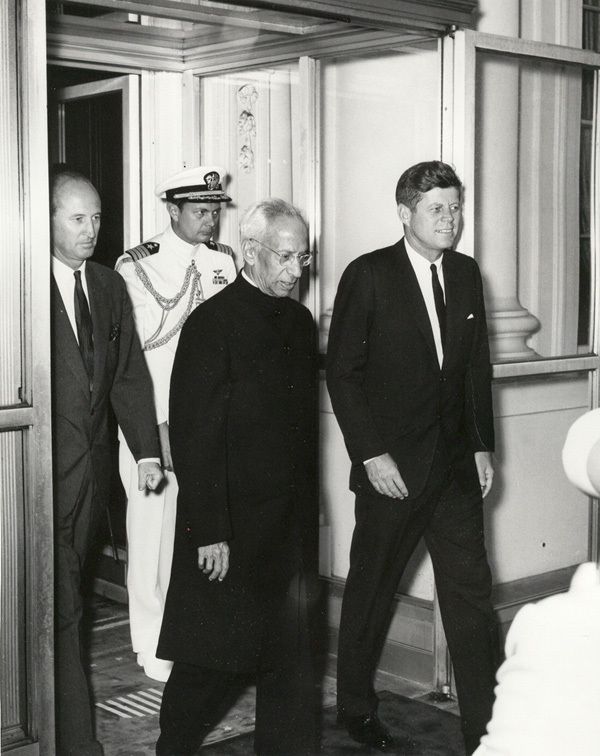


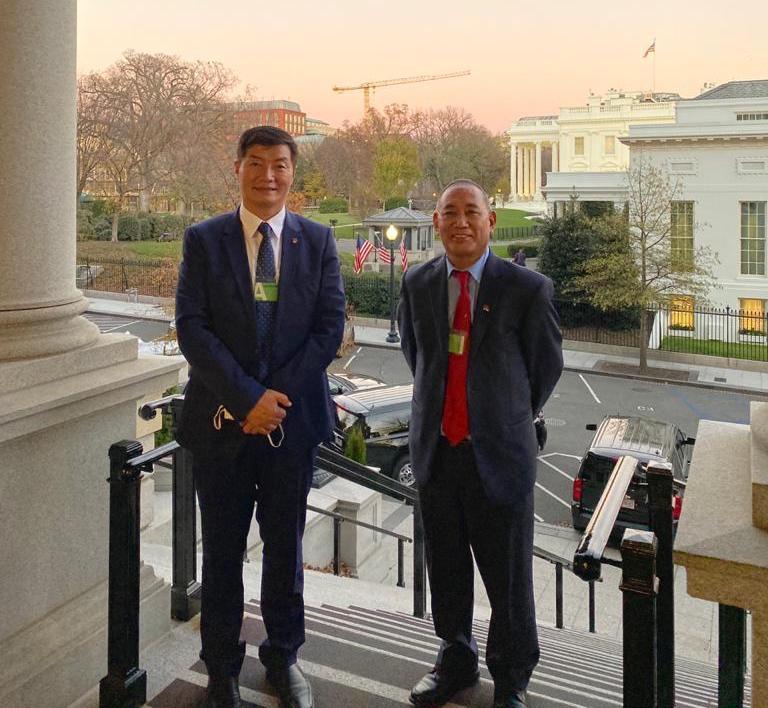

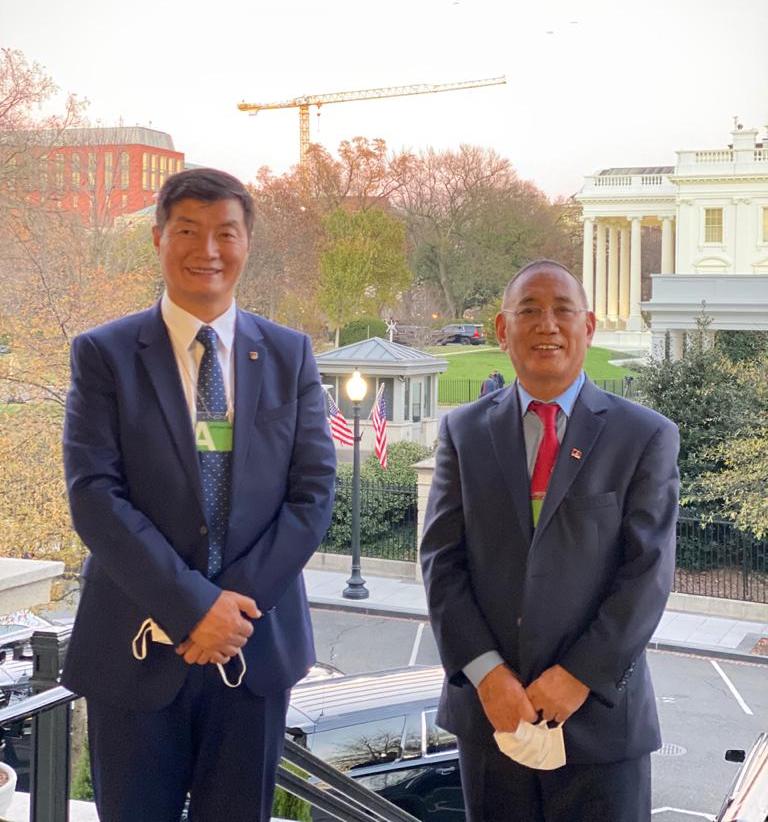


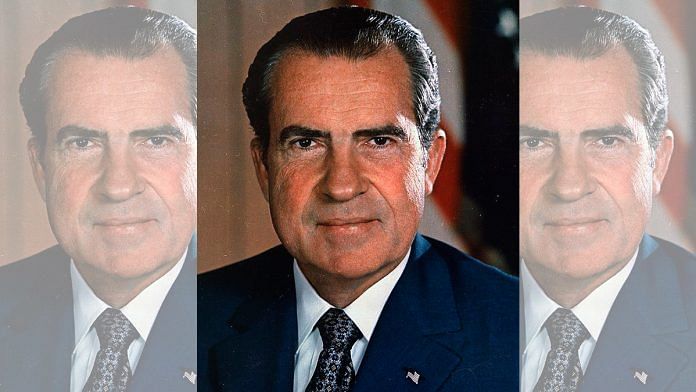


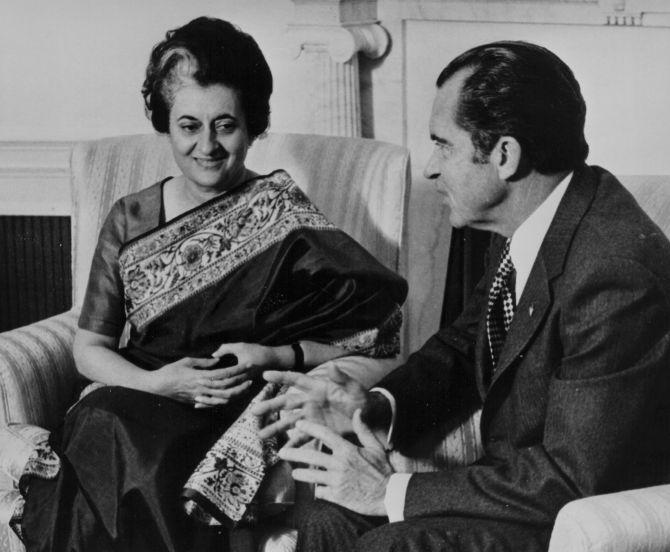


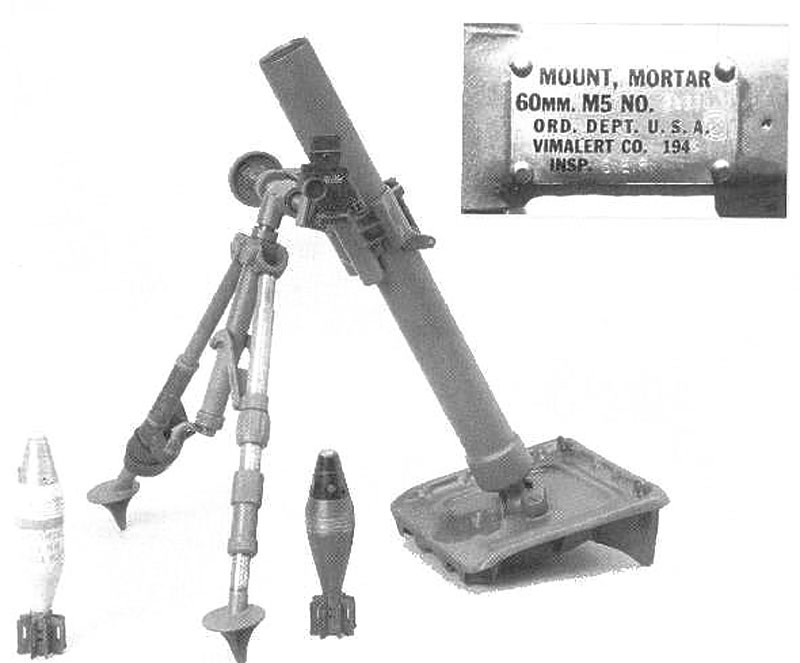


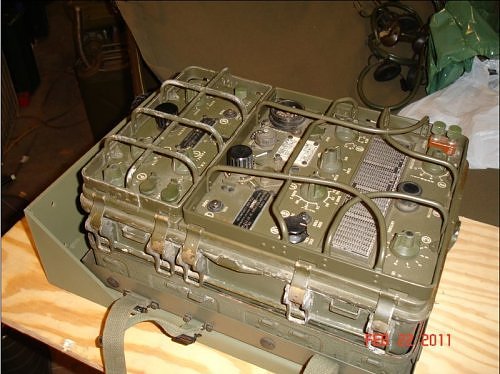


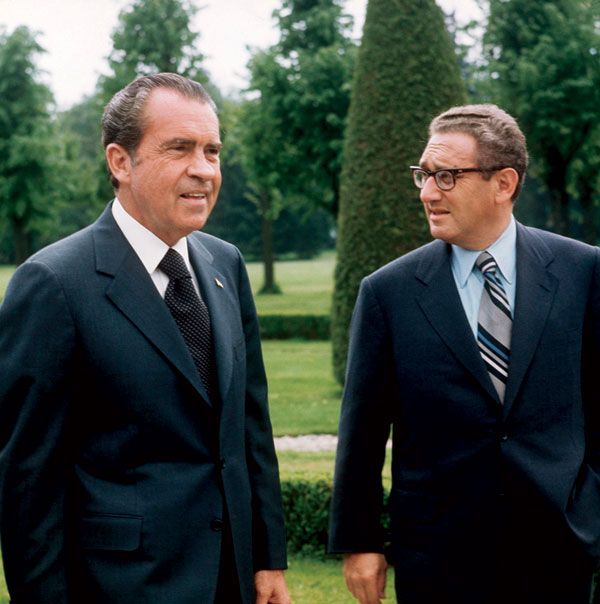


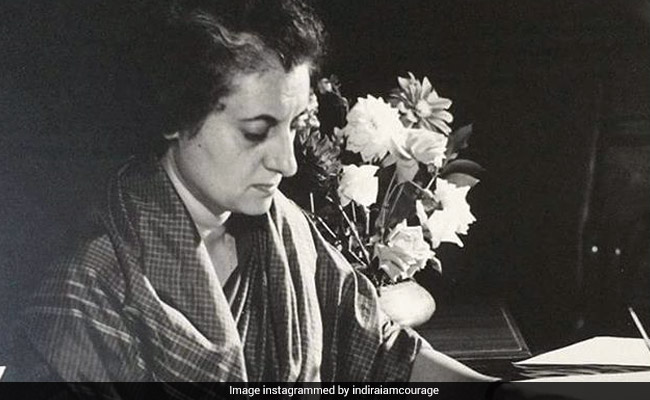
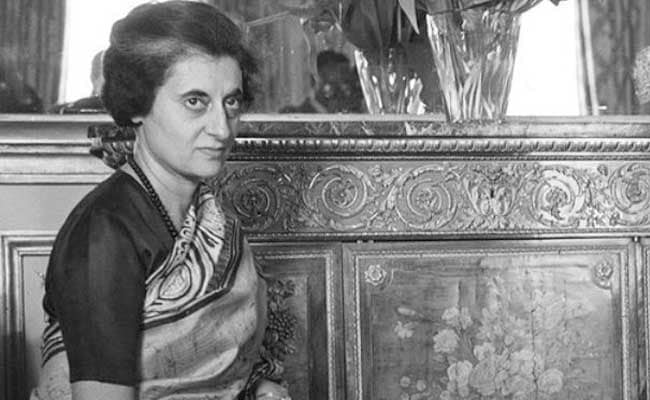


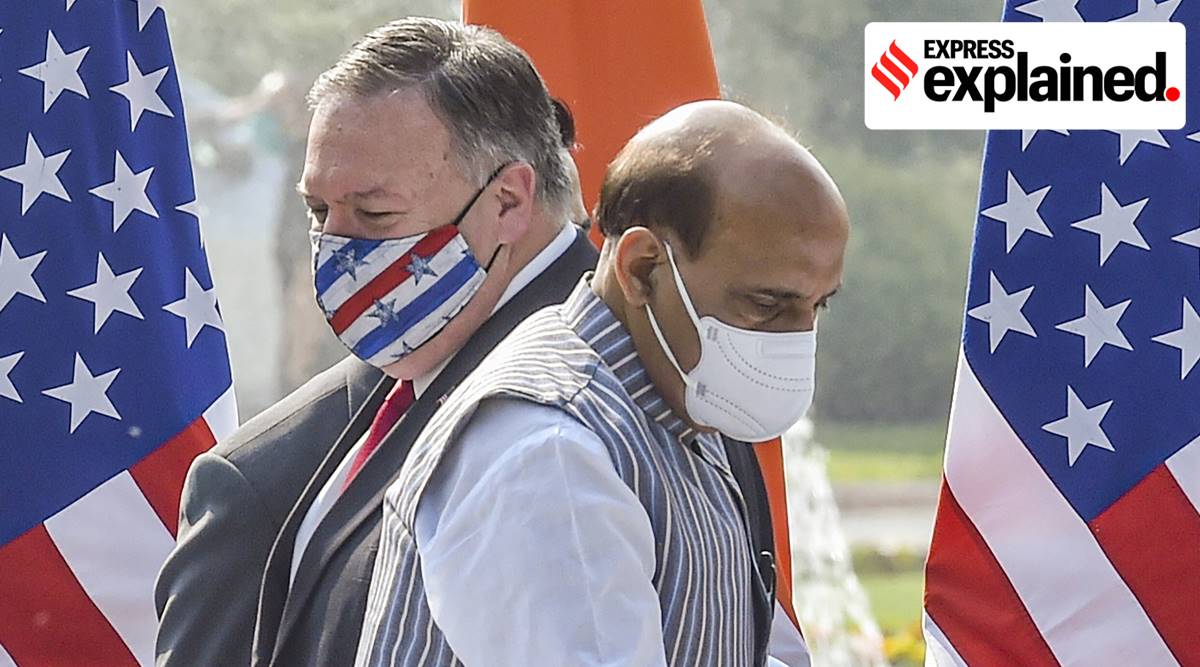
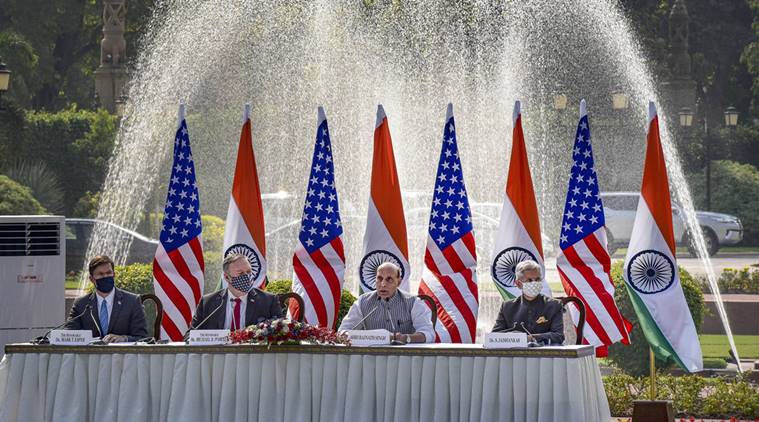
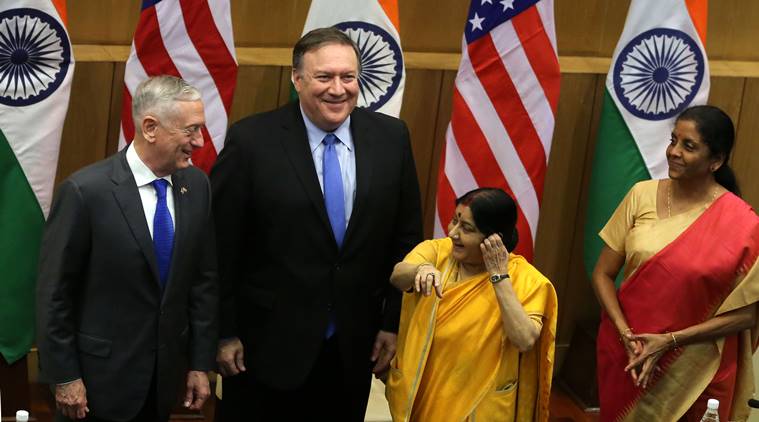
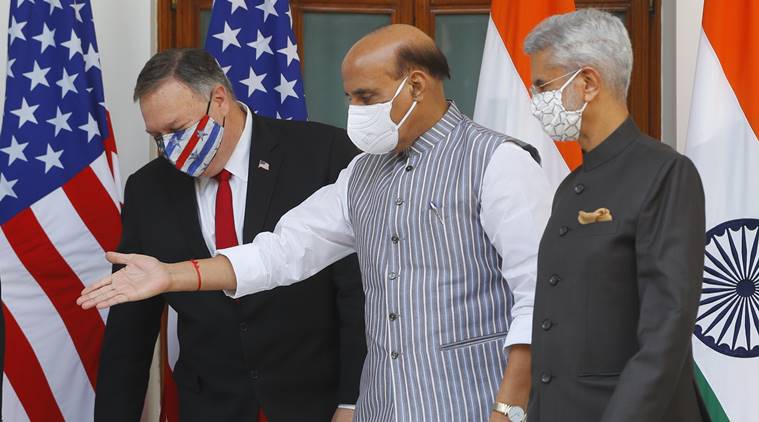


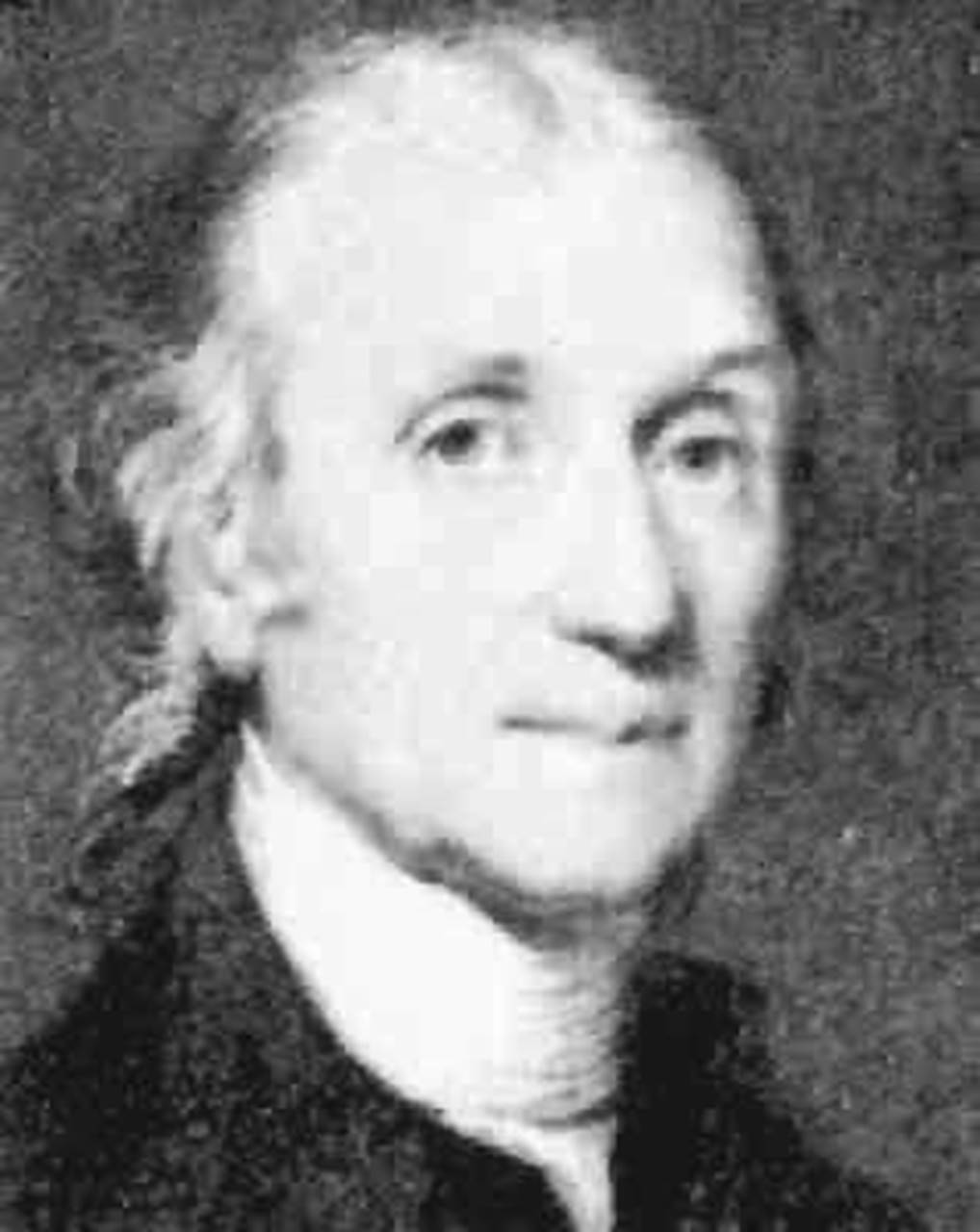
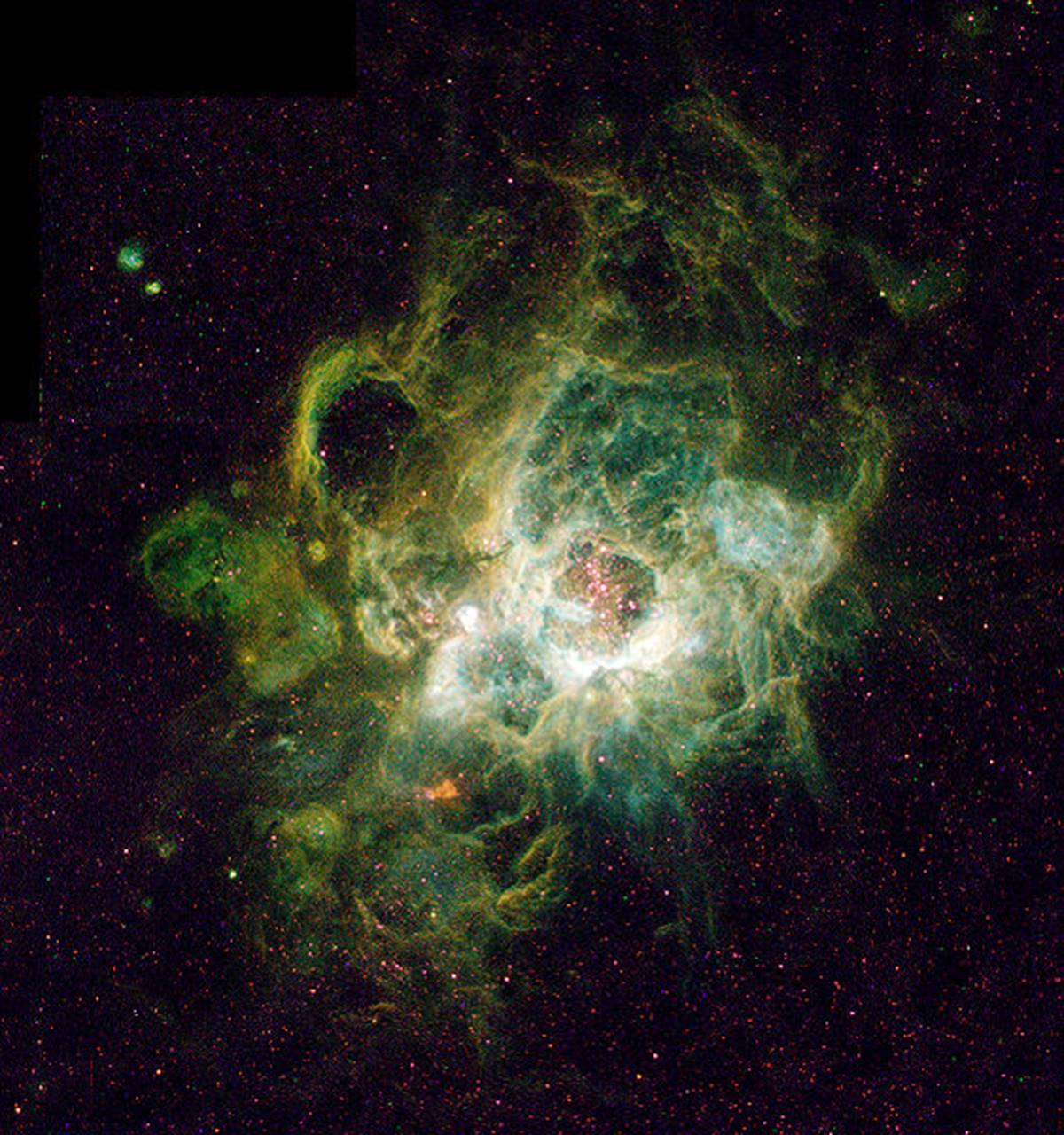


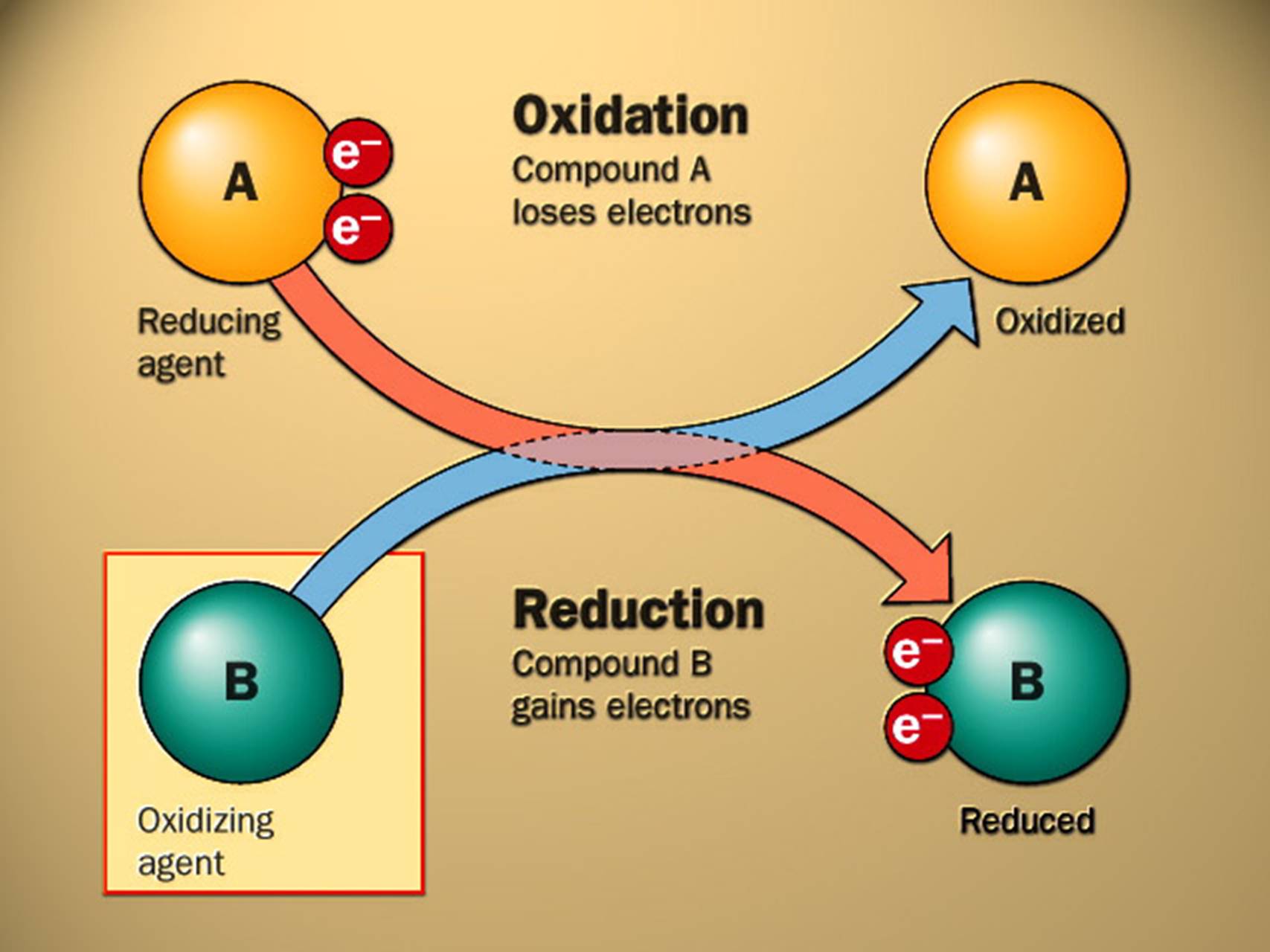

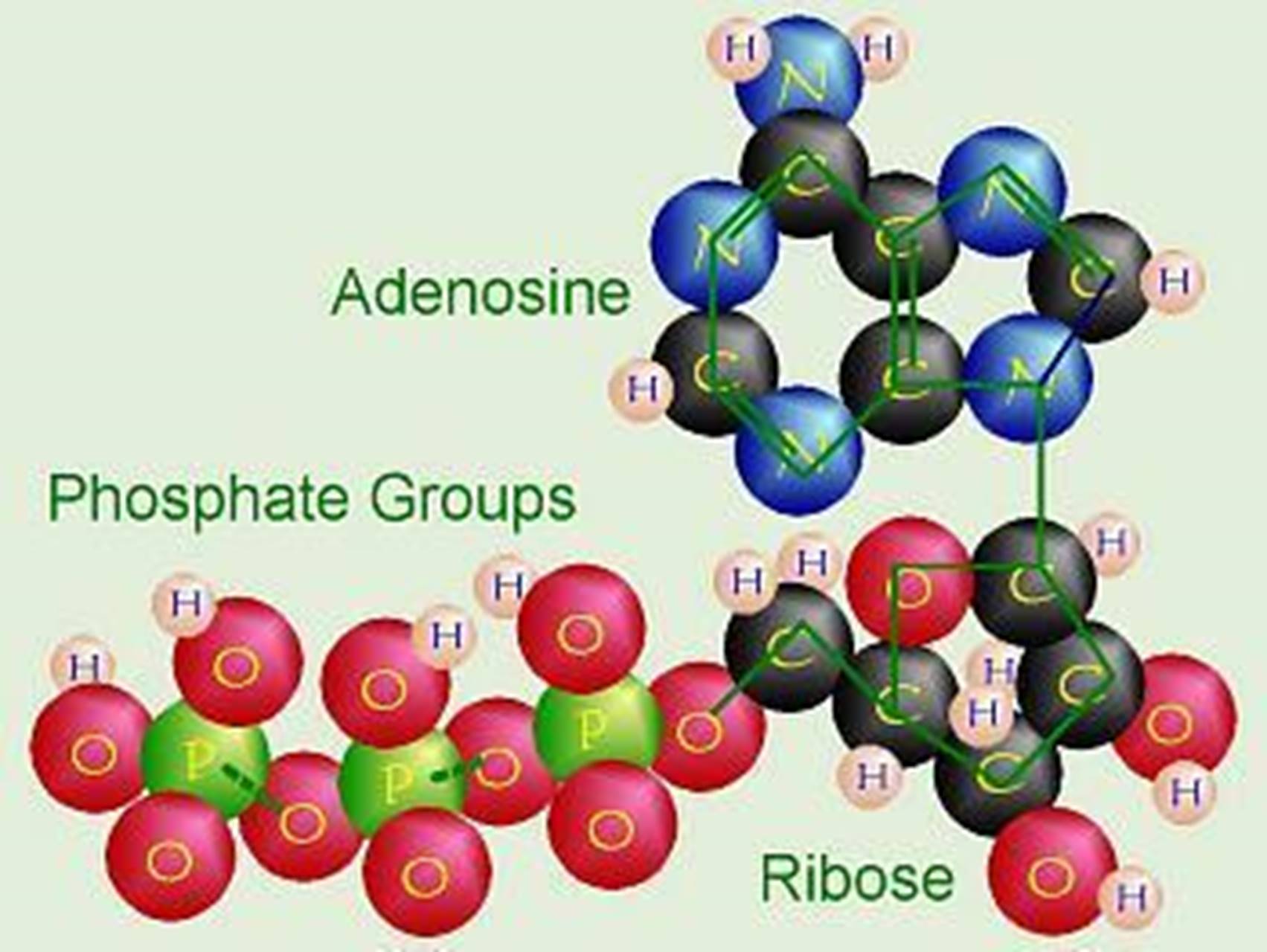


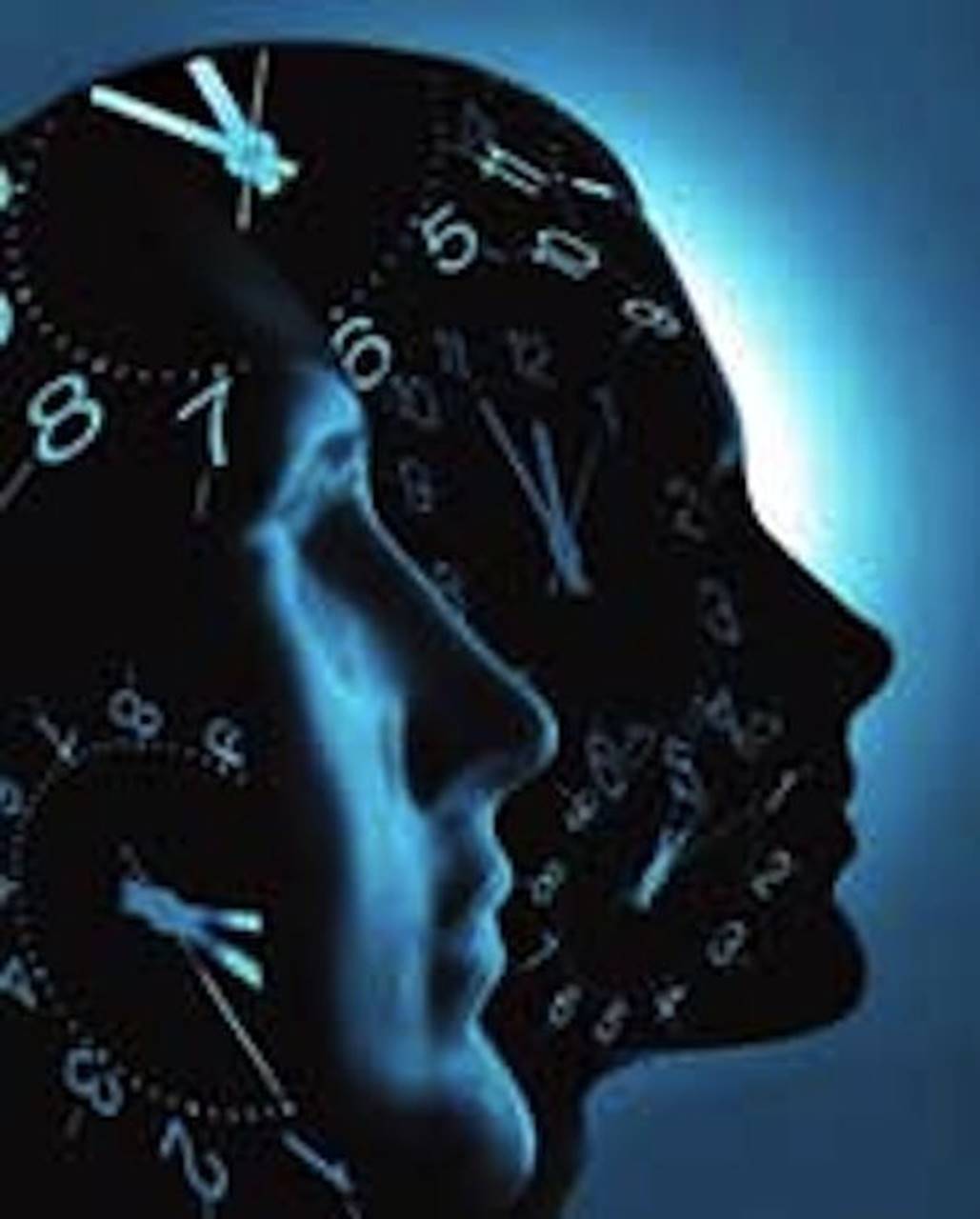

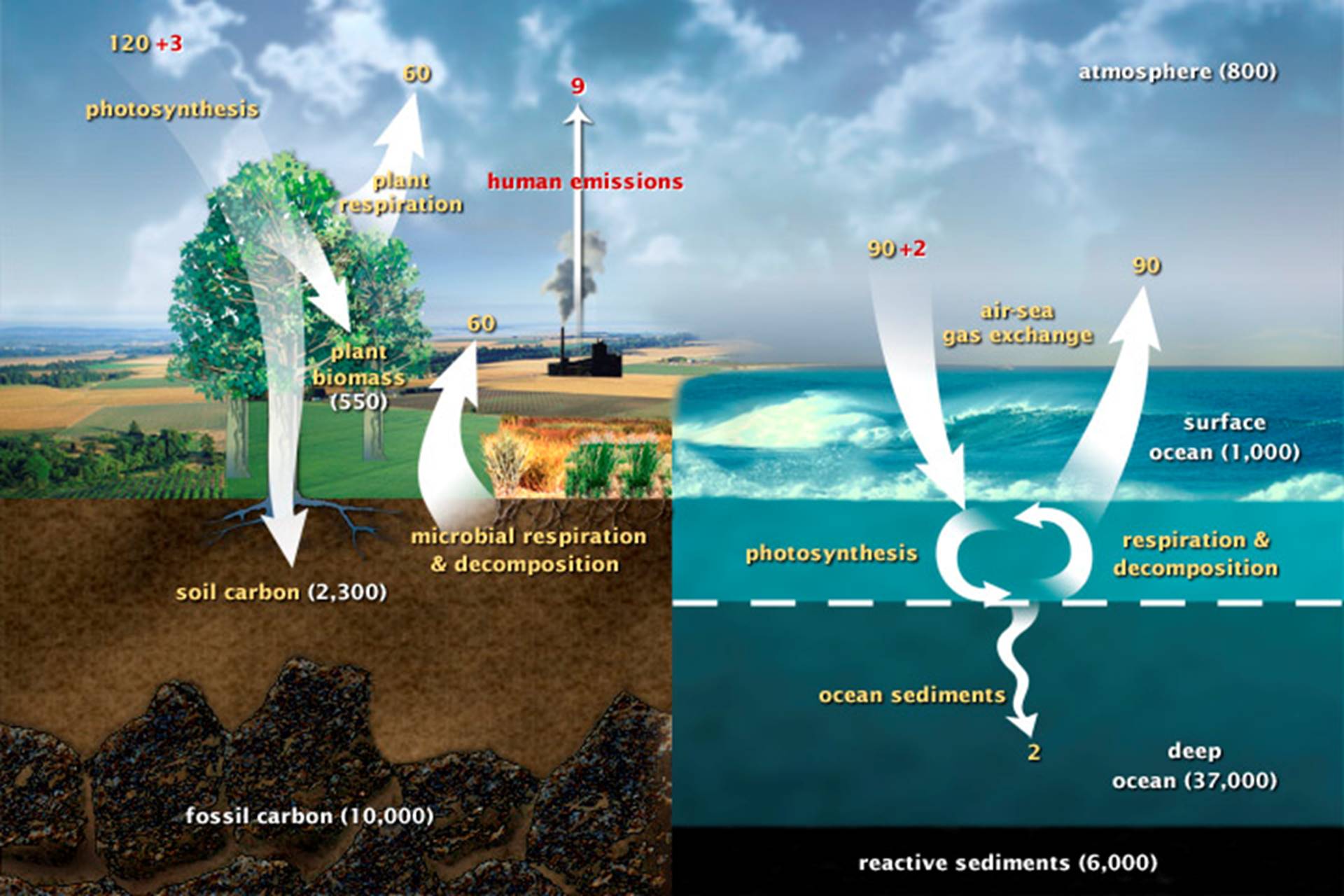

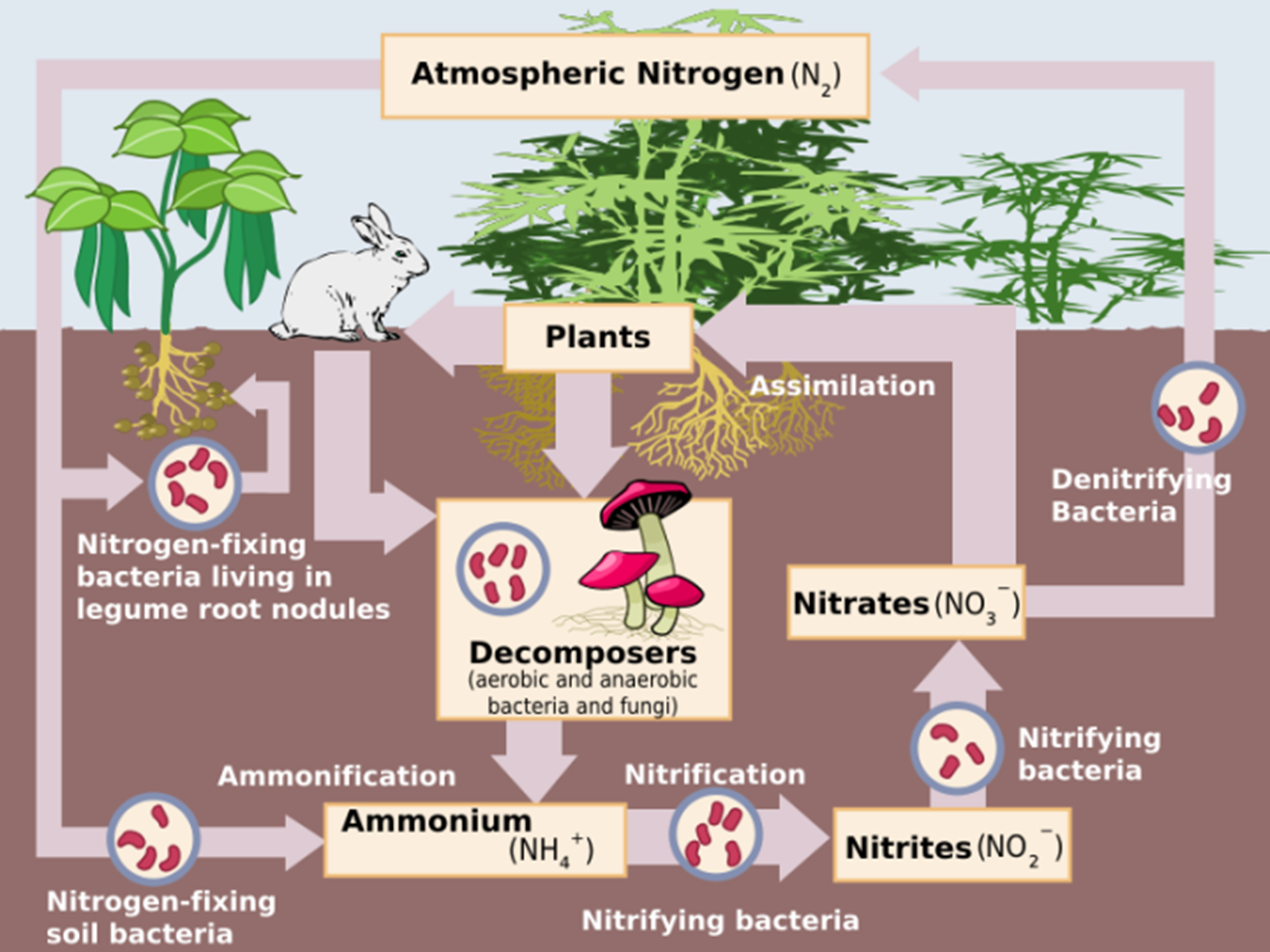




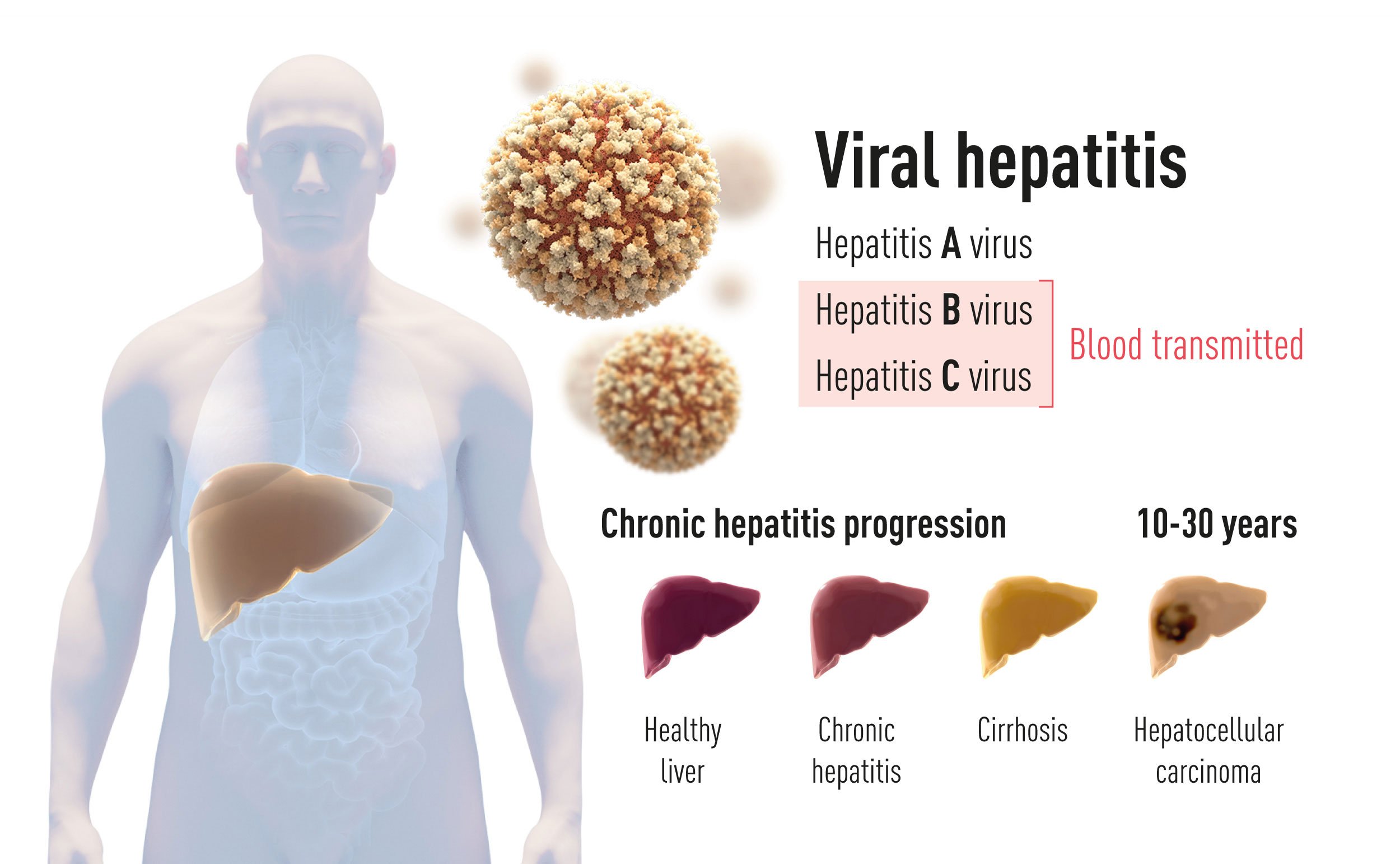
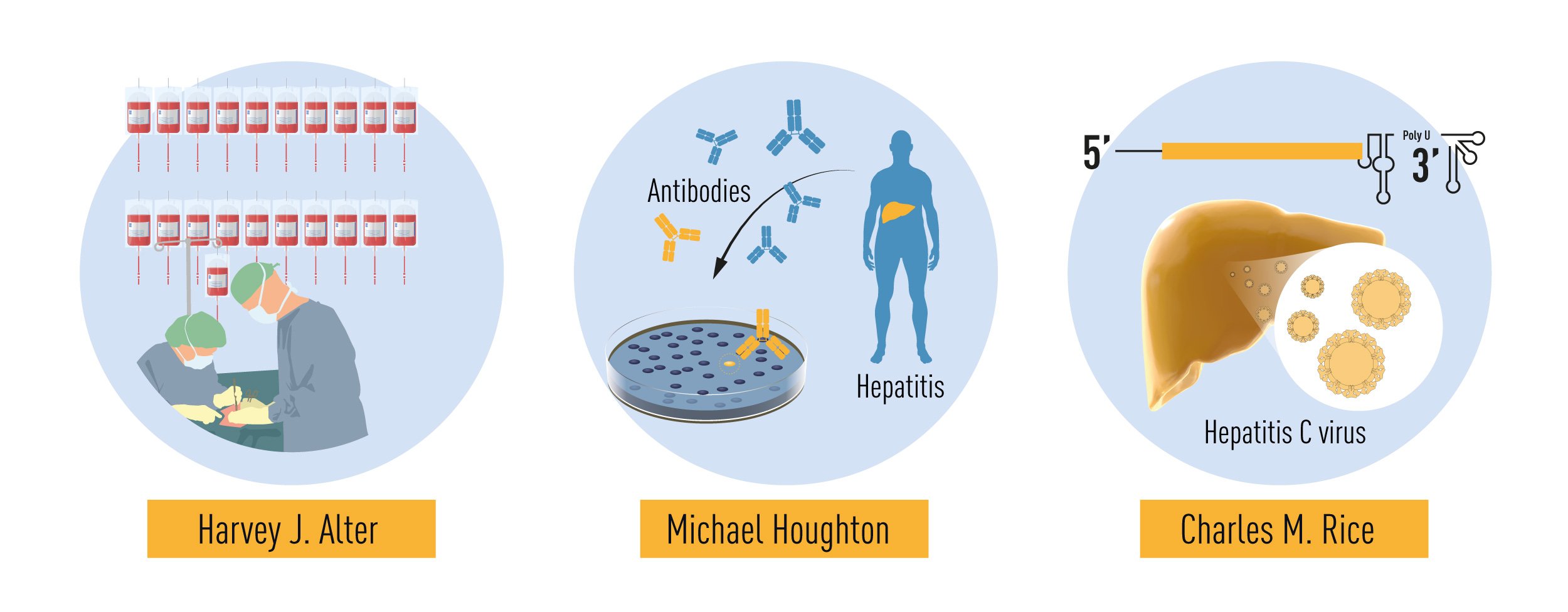


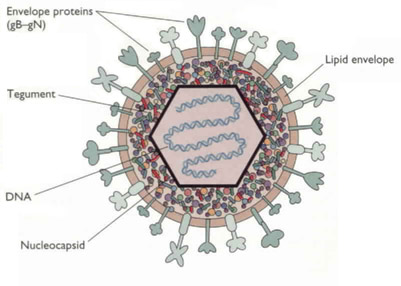

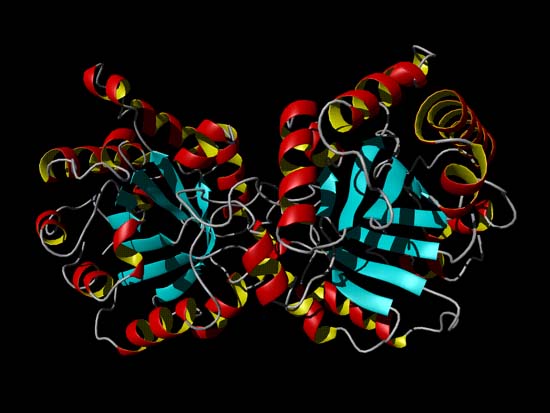
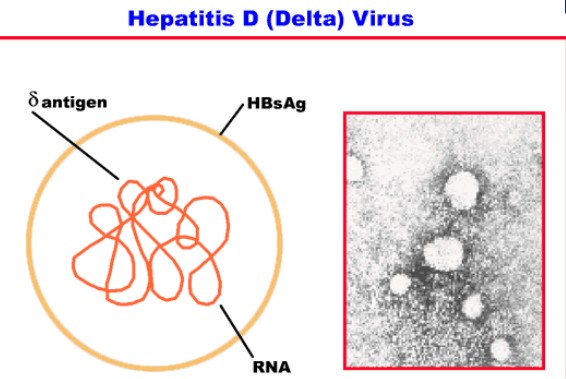


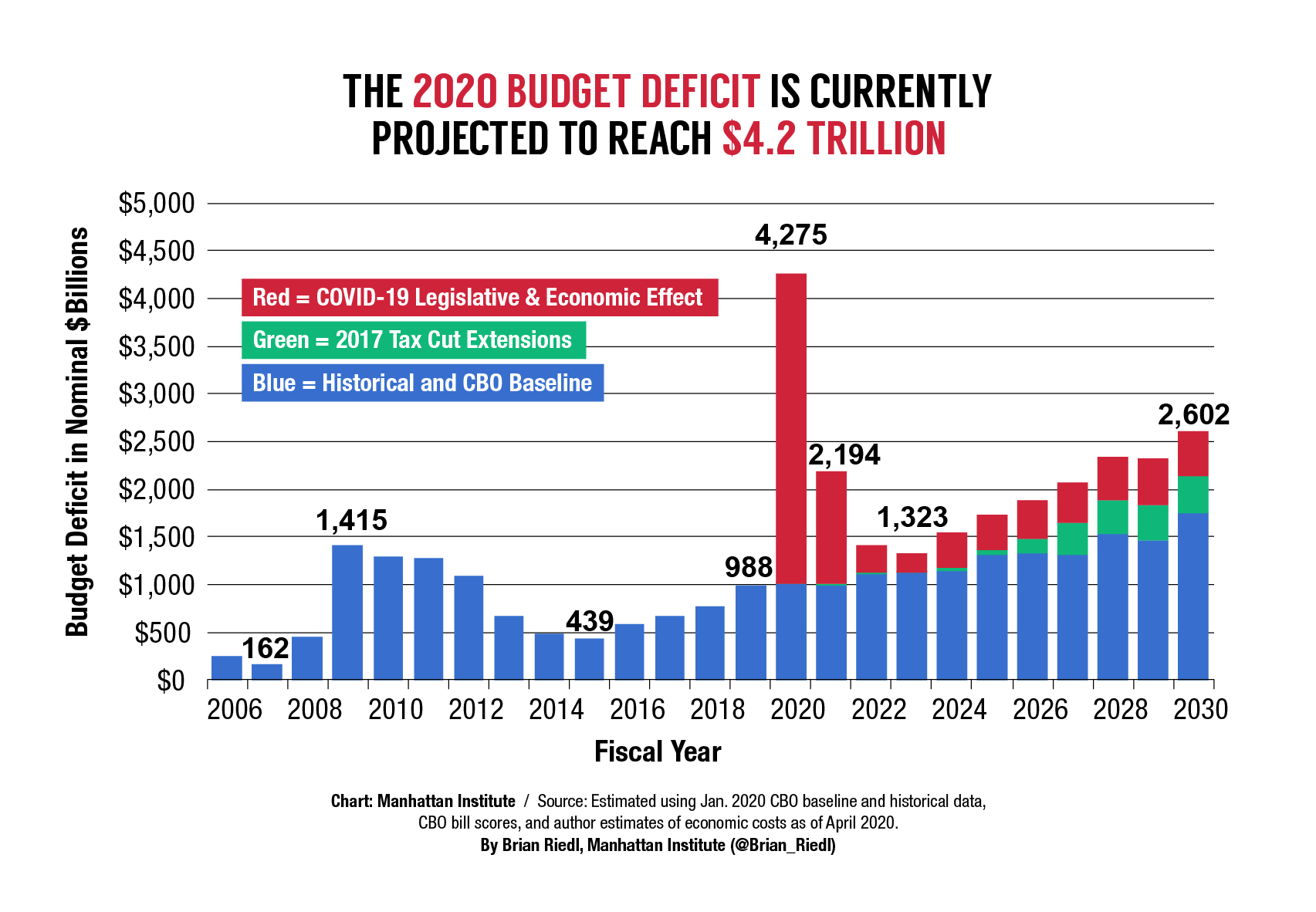


 Whole Dude - Whole Spirituality