
TIBET EQUILIBRIUM – DALAI LAMA DISPATCHES ENVOY TO CHINA
TIBET EQUILIBRIUM – DALAI LAMA DISPATCHES ENVOY TO CHINA

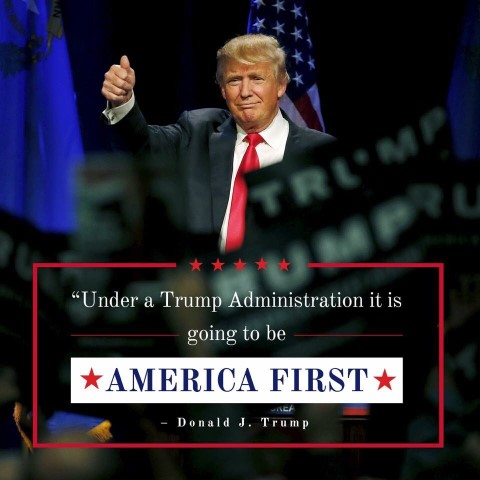
Tibet issue remained on ‘The Back Burner’ for a long time. The Supreme Ruler of Tibet is clearly getting tired, frustrated, disappointed, and disenchanted with President Trump’s America or Americans First foreign policy.

His Holiness the Dalai Lama listened to Trump’s demand and I am not surprised to find Tibet’s willingness to Back Off.
Rudranarasimham Rebbapragada
DOOM DOOMA DOOMSAYER
DALAI LAMA’S ENVOY SAMDONG RINPOCHE DISCREETLY VISITED CHINA
Clipped from: http://www.tibetanjournal.com/index.php/2017/12/05/dalai-lamas-envoy-samdhong-rinpoche-visited-china/
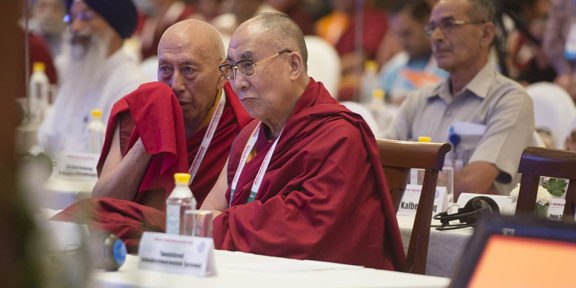
In one of the hottest news unfolding recently is that His Holiness the Dalai Lama’s personal emissary, the former Prime Minister of Tibetan government in Exile, His Eminence the Samdong Rinpoche is being said to have made a discreet visit to China! Besides the discussions going on in the Social media, an article in a major online media suggests the same.
“In a rapidly-unfolding development, the Dalai Lama may have sent his envoy Samdong on a discreet visit to Kunming (China). Samdong’s visit, starting from mid November, must have been facilitated by no less than You Quan – newly-appointed head of the United Front Work Department that overseas Tibetan affairs. Quan, who formerly served as party secretary of Fujian, is a close associate of President Xi. He had earlier successfully dealt with Hong Kong, Macau and Taiwan’s business communities.” suggested the report in The Wire.
However, there are no any official information available about the visit. The article which titled as ‘The Dalai Lama Wants to Return Home’ suggested that the Dalai Lama appointing the emissaries and lessened foreign visits recently have significantly pleased China.
“Appointing personal emissaries satisfies China. Beijing has been emphatically asking Dalai Lama to stop travelling to Western capitals, if talks are to be resumed. At the 19th party congress, the Tibet Work Forum chief told reporters that international figures have no excuse for meeting with the Dalai Lama. Recently, the Dalai Lama even had to abort his planned visit to Botswana, citing physical “exhaustion”.” added the report.
Besides the article also suggests, the former prime minister’s visit to China meant the working at the Five year’s plan to resolve the Tibet issue while the incumbent Prime Minister Dr. Sangay’s foreign visit during the same period meant the sustaining of Tibet issue for the next fifty years if the need be for the struggle. This discusses about the Five-Fifty policy being endorsed by the Tibetan Administration.
The article also noted that there is some hope in this juncture over the dialogue in view of the fact that the Chinese President Xi is reportedly known for having a soft side for Tibet while His Holiness himself has called President Xi being open minded and a realist leader. However, the facts are yet to be seen and the past is very bitter despite having held more than ten rounds of talks between the two!

On slouchingtowardsthatcham.com
Share this:

DOOMED TRUMP PRESIDENCY – DALAI LAMA’S UNWILLINGNESS TO VISIT THE UNITED STATES
DOOMED TRUMP PRESIDENCY – DALAI LAMA’S UNWILLINGNESS TO VISIT THE UNITED STATES

In my analysis, Trump Presidency is Doomed. Dalai Lama had requested the meeting with former US President Obama in New Delhi on Friday, December 01 on account of his unwillingness to visit the US.
“The Dalai Lama had requested the meeting because it is difficult for him to visit the US now due to his age.” In my interpretation, the real issue is not about Dalai Lama’s age. It’s about ‘Doomed Trump Presidency’.
Rudranarasimham Rebbapragada
DOOM DOOMA DOOMSAYER
OBAMA MEETS DALAI LAMA, INDIAN PM IN NEW DELHI
Clipped from: https://www.voanews.com/a/obama-meets-dalai-lama-indian-pm-in-new-delhi-/4144969.html
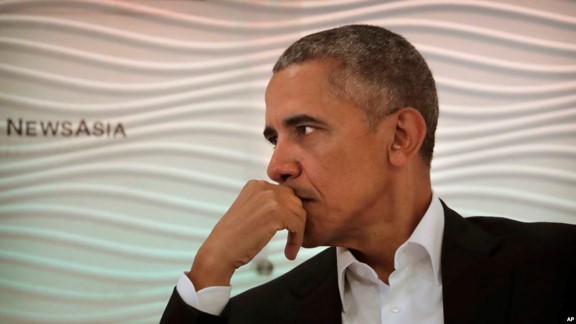
Former U.S. President Barack Obama listens to a question during a leadership summit in New Delhi, India, Dec. 1, 2017.
NEW DELHI —
Former President Barack Obama and Tibetan spiritual leader, the Dalai Lama, met in New Delhi Friday to discuss promoting peace in the world, according to the Dalai Lama’s office.
Obama, who is on a three nation tour, also met Indian Prime Minister Narendra Modi in India, where he arrived after visiting China.
“It was very good, I think like reunion,” the Dalai Lama leader said calling Obama an old and trusted friend after meeting him in a New Delhi hotel.
It was the sixth meeting between the two leaders — they last met in July last year when Obama hosted the Dalai Lama in the White House overriding strong objections from China which describes the Tibetan leader as a separatist and fears such meetings send the wrong signal to Tibetans.
Both men, who have won the Nobel Peace prize, discussed the kind of future they envision for the world, the Dalai Lama’s office said.
“I mentioned to him, we need promotion of sense of oneness…too much division,” the Dalai Lama later said.
The 82-year-old Tibetan leader, who has retired from a political role in the Tibetan exile administration, told Obama that laureates should meet to affect changes for the immediate future. “You are young and you can do a lot. Although my generation will not see the results, but your generation will definitely see the results.”
The Dalai Lama had requested the meeting because it is difficult for him to visit the US now due to his age.
Obama apparently discussed his Foundation’s work with the Tibetan leader.
Obama’s stop in Delhi included a meeting with Indian Prime Minister Modi. Both leaders had developed a good rapport after Modi came to power and helped boost the India-U.S. relationship, which has since been on an upward trajectory.
After the meeting, Modi tweeted that “It was a pleasure to meet, once again, former President and learn about the new initiatives being taken forward under his leadership at the Obama Foundation and his perspectives on further strengthening India-US strategic partnership.”
Addressing a leadership summit organized by the Hindustan Times, Obama also hailed India-US ties and said that the two countries “can help chart course for a better future, especially when democracy itself is being questioned.”
He also said India should cherish and nurture its large Muslim population that is integrated and considers itself Indian. “That is unfortunately not always the case in some other countries,” he said.
The comment came at time when critics have expressed concern about growing intolerance by Hindu fringe groups since Modi’s Hindu nationalist right-wing Bharatiya Janata Party came to power.
Obama also addressed a town hall meeting with about 280 young Indian leaders in New Delhi. From India he goes on to visit France.


Share this:

DALAI LAMA SAYS, “PAST IS PAST.” – I SAY, “THE PAST IS NOT DEAD. IN FACT IT’S NOT EVEN PAST.”
DALAI LAMA SAYS, "PAST IS PAST." – I SAY, "THE PAST IS NOT DEAD. IN FACT IT’S NOT EVEN PAST."
DALAI LAMA SAYS, "PAST IS PAST." – I SAY, "THE PAST IS NOT DEAD. IN FACT, IT’S NOT EVEN PAST."

Speaking about Tibet’s future, Dalai Lama says, "Past is past,…. Stressing that Tibetans wants to stay with China."
“We are not seeking independence… We want to stay with China. We want more development,” the spiritual leader of the Tibetan people said.
In my analysis, Tibet is blessed with Natural Freedom. Natural Forces acting over millions of years established Natural Conditions in Tibetan Plateau giving its denizens Natural Independence which man cannot take away through human efforts characterized as ‘Development’.
Tibet’s Past is not Dead. Indeed, it’s not even Past.
Rudranarasimham Rebbapragada
DOOM DOOMA DOOMSAYER

"PAST IS PAST": DALAI LAMA SAYS TIBET WANTS TO STAY WITH CHINA, WANTS DEVELOPMENT

Clipped from: http://tibet.net/2017/11/past-is-past-dalai-lama-says-tibet-wants-to-stay-with-china-wants-development/

Reproduced from Hindustan Times, 24 November 2017.
Tibet does not seek independence from China but wants greater development, Tibetan spiritual leader the Dalai Lama said in Kolkata Thursday.
China and Tibet enjoyed a close relationship, though there were occasional “fights”, he said at an interactive session organized by the Indian Chamber of Commerce.
“The past is past. We will have to look into the future,” he said, stressing that Tibetans wanted to stay with China.
“We are not seeking independence… We want to stay with China. We want more development,” the spiritual leader of the Tibetan people said.
The Dalai Lama also said China must respect Tibetans’ culture and heritage.
“Tibet has a different culture and a different script… The Chinese people love their own country. We love our own country,” he said.
Holding that no Chinese “understand what had happened in the last few decades”, he said the country had changed over the years.
“With China joining the world, it has changed 40% to 50% of what it was earlier,” he said.
The Dalai Lama referred to the ecological significance of the Tibetan Plateau and recalled that a Chinese ecologist had said its environmental impact was like that of the South Pole and the North Pole.
“The ecologist called it the Third Pole,” the Buddhist leader said.
The Dalai Lama said, “From Yangtze to Sindhu rivers, major rivers … come from Tibet. Billions of lives are involved. Taking care of the Tibetan Plateau is not only good for Tibet but for billions of people.”
The Dalai Lama also pitched for respect and recognition of the ‘Hindi-Chini bhai bhai’ spirit to take Sino-India relations forward.
“India and China should eventually find respect for ‘Hindi-Chini bhai bhai’,” he told the media when asked on China’s objections to President Ram Nath Kovind’s visit to Arunachal Pradesh.
He said “China needs India, India needs China” and “they have to live side by side”.
“There is no other way except to live peacefully and help each other,” he said.

Share this:

FIVE YEARS OF XI JINPING TRANSFORMS TIBET INTO GULAG ARCHIPELAGO
FIVE YEARS OF XI JINPING TRANSFORMS TIBET INTO GULAG ARCHIPELAGO
FIVE YEARS OF XI JINPING TRANSFORMS TIBET INTO GULAG ARCHIPELAGO

Five years of Xi Jinping’s rule transforms Tibet into Gulag Archipelago, a giant open-air prison. If nations of the world cannot reverse Communist China’s repression in Tibet, I invite Heavenly Strike to reestablish Natural Freedom, Natural Balance, Natural Harmony, and Natural Peace across Tibetan Plateau liberating Tibetans from Chinese Oppression and Suppression.
Rudranarasimham Rebbapragada
DOOM DOOMA DOOMSAYER

FIVE YEARS OF XI JINPING: TIBET REMAINS A GIANT OPEN-AIR PRISON
Clipped from: http://tibet.net/2017/11/five-years-of-xi-jinping-tibet-remains-a-giant-open-air-prison/
Hong Kong Free Press, 18 November
This week marks Xi Jinping’s fifth year in power. Head of the Communist Party and the nation’s armed forces, Xi has made the journey from unassuming CCP member to arguably the most powerful leader in China’s recent history.
His political ideology has been incorporated into the CCP’s party constitution, the upper echelons of the party have been filled with his allies and his political opponents have been rooted out by a nationwide anti-corruption campaign. The emperor reigns supreme.
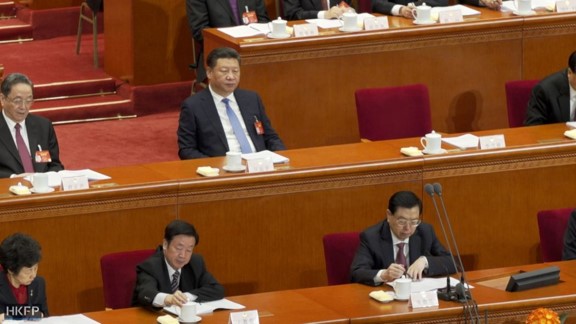
Xi Jinping at the 2017 National People’s Congress. Photo: Lukas Messmer/HKFP.
Outside of the party, Xi and the CCP hold on to power through a mix of old and new methods of intimidation. Over the past five years, the regime has maintained its dismal record on freedom of speech and its harassment of human rights defenders, along with the unfair trials and harsh prison sentences meted out by a judiciary that few would even bother to pretend is independent.
These abuses have been compounded by new methods introduced under Xi, such as laws to restrict the activities of foreign non-governmental organizations.
The objective is to maintain a rigid stability across China, where dissent is eradicated and any change takes place strictly on the terms of the party.
At the CCP’s 19th National Party Congress in late October, an emboldened Xi used his opening speech to threaten those who would dare to upend this stability, including those who do not recognize the CCP or Xi as their rulers: “We will never allow anyone, any organization, or any political party, at any time or in any form, to separate any part of Chinese territory from China.”
Tibetans will be wearily familiar with these words. They have been among those worst affected by Beijing’s desire to hold the People’s Republic of China together by force. Yet they steadfastly refuse to give in to CCP rule, remaining resolute not only through five years of Xi but also nearly 70 years of military occupation.
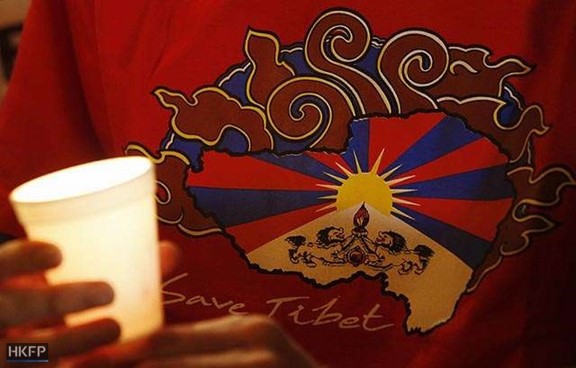
File photo: HKFP.
The CCP’s response has been to transform Tibet into one of the most repressive places on earth, a giant open-air prison.
The country remains under de-facto marshal law with police and security forces ever present. Protesters are beaten and Tibetans who fly their flag or display pictures of their exiled spiritual leader, the Dalai Lama, risk being snatched from the street or their home, and made to disappear inside a vast network of detention centers and prisons where beatings and torture are routine.
Under Xi the policy has been to suffocate Tibet by massively ramping up security and surveillance while cutting it off from the wider world.
Hundreds of police stations have been established in urban areas to segment towns and cities into grid systems, allowing police and security services to monitor residents. Over 20,000 security personnel have been deployed across the country to track the daily lives of Tibet’s village population.
These measures, along with tight control of the internet and the spread of CCTV, even into monasteries, are designed to root out any would-be “splittists” or “saboteurs”, the enemies of Xi’s prized stability. The results have been stark: in Xi’s first two years in power Human Rights Watch recorded 479 cases of individuals being detained or tried for political expression or criticism of government policy.
The size and scope of these security measures were on show during the CCP National Congress in late October. For the duration of the event, the entire Tibet Autonomous Region was closed to visitors while Chinese security forces were deployed in even greater numbers. Further restrictions were imposed on the internet and social media.
The one thing Tibetans could do during this period was watch Xi’s three-hour opening speech. In fact, the authorities insisted. According to local sources, students, including children in kindergarten, hospital patients and prisoners were all required to watch the speech.

Chinese soldiers in the Tibetan capital. Photo: Free Tibet.
Xi’s iron rule in China and Tibet has been accompanied by a more assertive foreign policy, visible in Beijing’s attempts to scare foreign governments and businesses into silence over human rights in Tibet. The fear of losing access to Chinese markets has forced governments and businesses to avoid any behavior that could antagonize Beijing.
In September The Financial Times revealed that German publishing group Springer Nature – which is expanding its China-based operations – had “blocked access to at least 1,000 academic articles in China that mention subjects deemed sensitive by Beijing, including Taiwan, Tibet and Hong Kong.”
Beijing’s attempts to cut Tibet off from the world and shut down talk of human rights have been accompanied by risible claims of record levels of happiness among Tibet’s people. Independent journalists, human rights organizations and other experts keen to check these claims are barred from Tibet, but how Tibetans really feel about the occupation can be seen in the fact that since 2009, almost 150 Tibetans have set themselves on fire in protest against the occupation.
Typically, the Xi regime has attempted to stamp such protests out by threatening would-be protesters rather than listening to their grievances. But despite new regulations to punish the families and communities of self-immolation protesters, at least four Tibetans carried out such protests this year, each shouting for freedom as they set themselves alight.
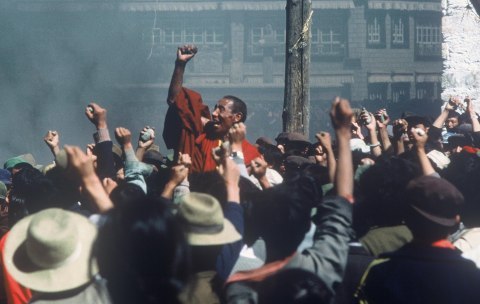
Tibetan monk Jampa Tenzin and protesters in Tibetan capital Lhasa, 1987. Photo: John Ackerly.
Other Tibetans continue to challenge the authorities and protest in defense of their environment, their culture and their freedom, showing remarkable bravery in the face of overwhelming pressure.
My organization, Free Tibet, was formed almost exactly 30 years ago in response to a series of large uprisings in Lhasa and the brutal police crackdown that followed. Ever since, we have played a key role in bringing footage and testimonies of CCP crimes and Tibetan resistance to the world’s attention, defying Beijing’s information blackout.
Those of us who live in freedom and who hear these stories from Tibet cannot afford to be silent.
As Xi Jinping looks forward to another five years in power, five more years of police crackdowns in Tibet and attempts to silence potential critics abroad, it is vital that people around the world, especially governments and world leaders, find their voice and speak out in support of Tibetans with courage and conviction.
Tibetans living under the shadow of Xi and his police state refuse to be intimidated. So must we.
John Jones is the Campaigns and Communications Manager at Free Tibet.


Sent from Mail for Windows 10
 |
Virus-free. www.avast.com |
Share this:

WHAT IS KSHAMA OR PATIENCE?
WHAT IS “KSHAMA?” or PATIENCE?
Whoever may be the person praying, whatever may be the place of prayer, the act of praying imparts virtue called “KSHAMA” or Patience.

Patience leads to Tolerance and Perseverance which give the ability to survive under adverse circumstances over which man has no control. For patience, tolerance, and perseverance involve factor called ‘time’ which always plays role in the natural healing procees, Time is recognized as Divine Healer.

Prayer is not act of begging for favors. Prayer is communication of our needs to God as man exists at all stages of his mortal existence on account of Divine Mercy, Grace, and Compassion.
Rudranarasimham Rebbapragada
Ann Arbor, MI, 48104-4162, USA.
MS Subbulakshmi-Kara charana Kritamva ShambhoMahadeva-Bowli-Adi-NilakantaSivan
|

BHAVANAJAGAT.ORG



|
Virus-free. www.avast.com |
Share this:

WHAT IS CONSCIOUSNESS? – IS THERE AWARENESS OF LIFE’S JOURNEY?
WHAT IS CONSCIOUSNESS? – IS THERE SELF-AWARENESS OF LIFE’S JOURNEY?
It is easy and convenient to use terms in conversation when no meaning is attached to the words used in conversation. It is unfortunate to note schools have not designed instructional programs to use words with well-defined meaning attached to them. Basic terms like, man, life, existence, consciousness, and self-awareness have to be used after giving or attaching meaning to those terms.
Consciousness fundamentally involves awareness of one’s own existence. For example, Amoeba proteus is aware or conscious of its own living condition at any given time, and place of its existence. Consciousness may include awareness of thoughts, moods, and feelings and yet it is not mental function. Consciousness is biological function, a characteristic of all living cells. In Clinical Medicine, consciousness is always evaluated and it does not involve taking educational, or occupational history. What you are is described by Science called Anatomy, and what you do is described by Science called Physiology. If Life is defined as ‘Knowledge in Action’, this Knowledge is not experience acquired by cells of human body through man’s learning process.
Life’s Journey relates to functional ability called locomotion which depends upon the nature of living, corporeal substance called protoplasm, or cytoplasm which always exists in perpetual state of motion. This living condition in perpetual motion is synchronized with motions of Earth that provide alternating periods of Light and Darkness called Day and Night while the Sun shines all the time. No instant during the entire period of one’s Life Journey is the same as another instant. Each living instant remains unique, or one of its own kind as no instant can repeat itself. During Life’s Journey, man has no consciousness or awareness of motion of his own living substance and has no consciousness or awareness of the motions of Earth. Man may have intellectual understanding of motions performed by his living substance and of Earth on which he finds his existence. This intellectual ability does not provide direct sensory experience of Journey performed by Living Substance or Earth. For that reason, I suggest that the “Journey” from point A to point B on the surface of Earth that man performs is predestined for man has no ability to control either motion of his living substance or motion of his earthly abode.
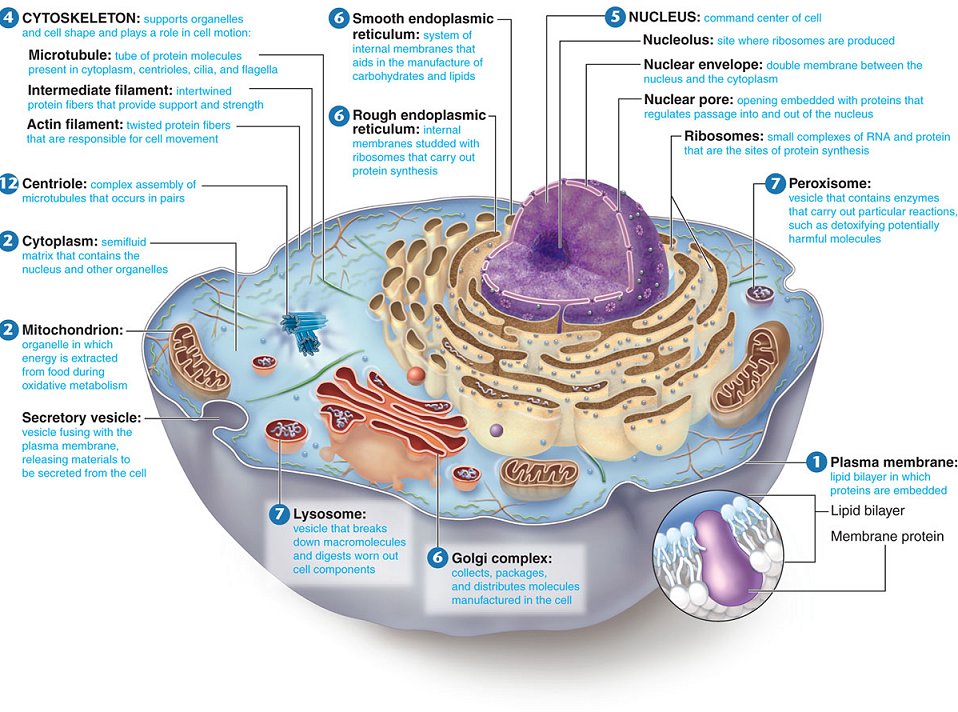
I always ask my readers to read cell anatomy and physiology to discuss any issue that pertains to life. The Cell Theory is verified Science; Cells are building blocks of life.

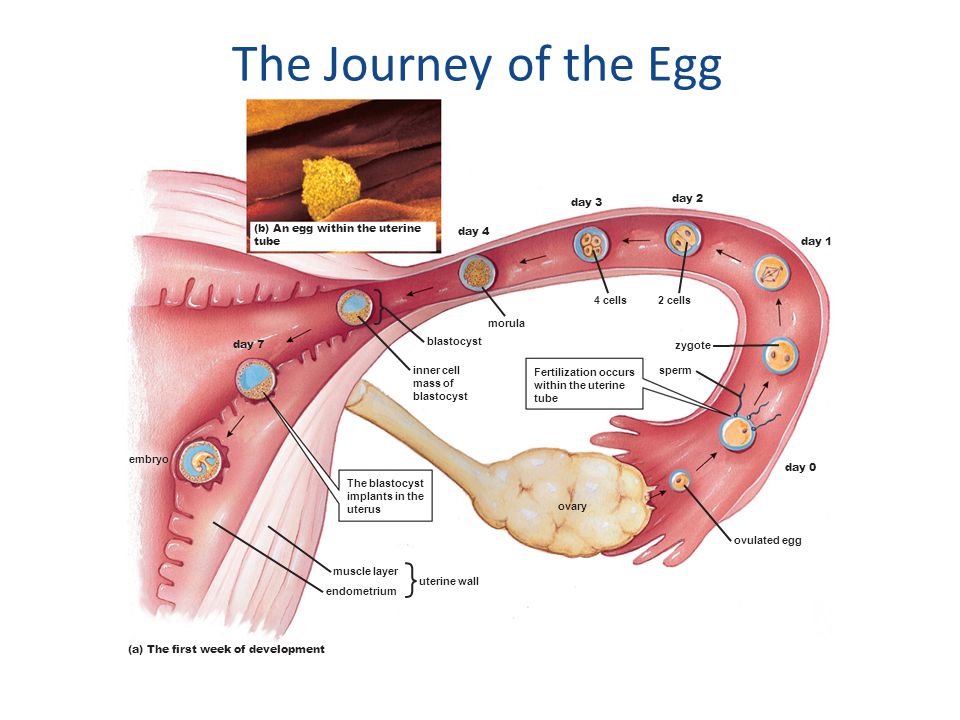
To speak of human consciousness or self-awareness, the discussion demands knowing Egg Cell as conscious entity.
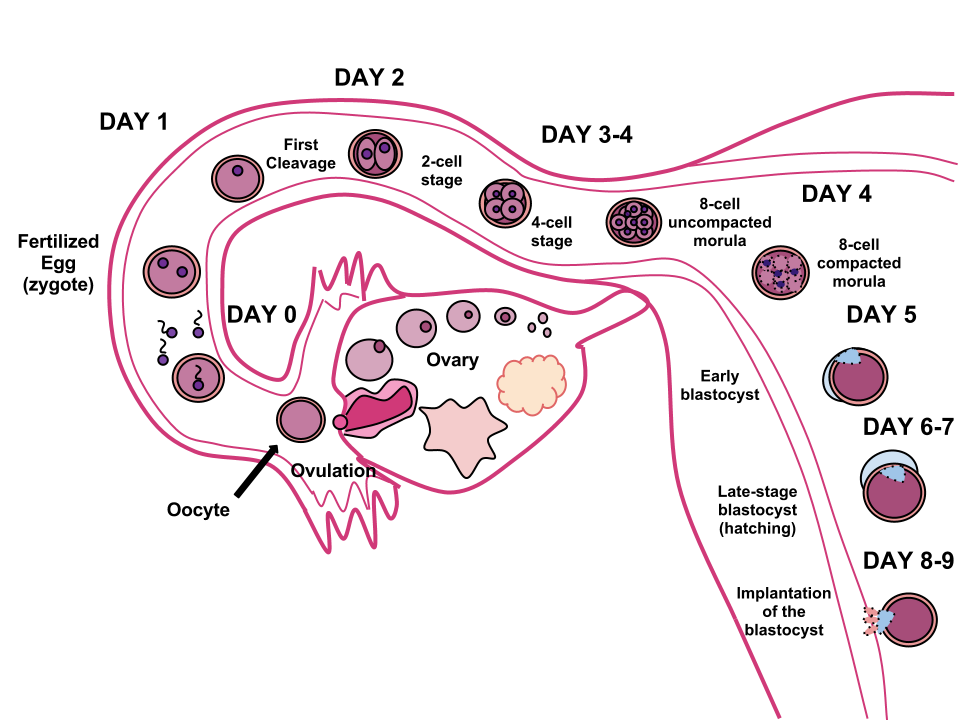
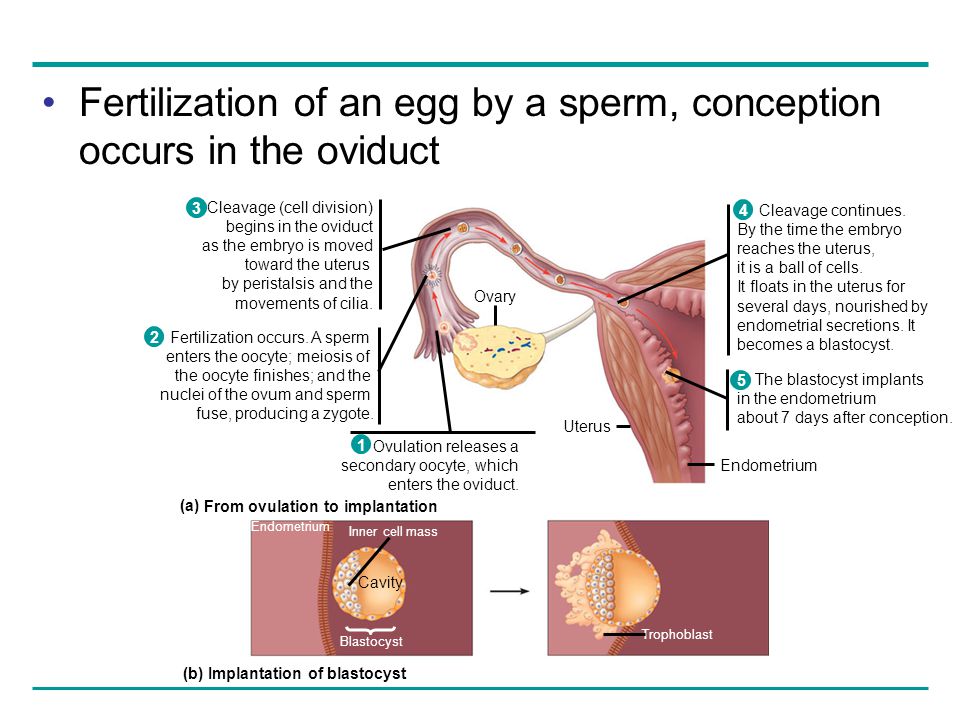
This Egg Cell begins Life’s Journey from the instant called Ovulation, later, Conception until another instant called Implantation. Does this Journey from Ovulation, Conception, to Implantation requires Consciousness or Self-Awareness?
Rudranarasimham Rebbapragada
Ann Arbor, MI 48104-4162 USA
BHAVANAJAGAT.ORG


Share this:

BORN SLAVE – FREEDOM OF MAN
BORN SLAVE – FREEDOM OF MAN
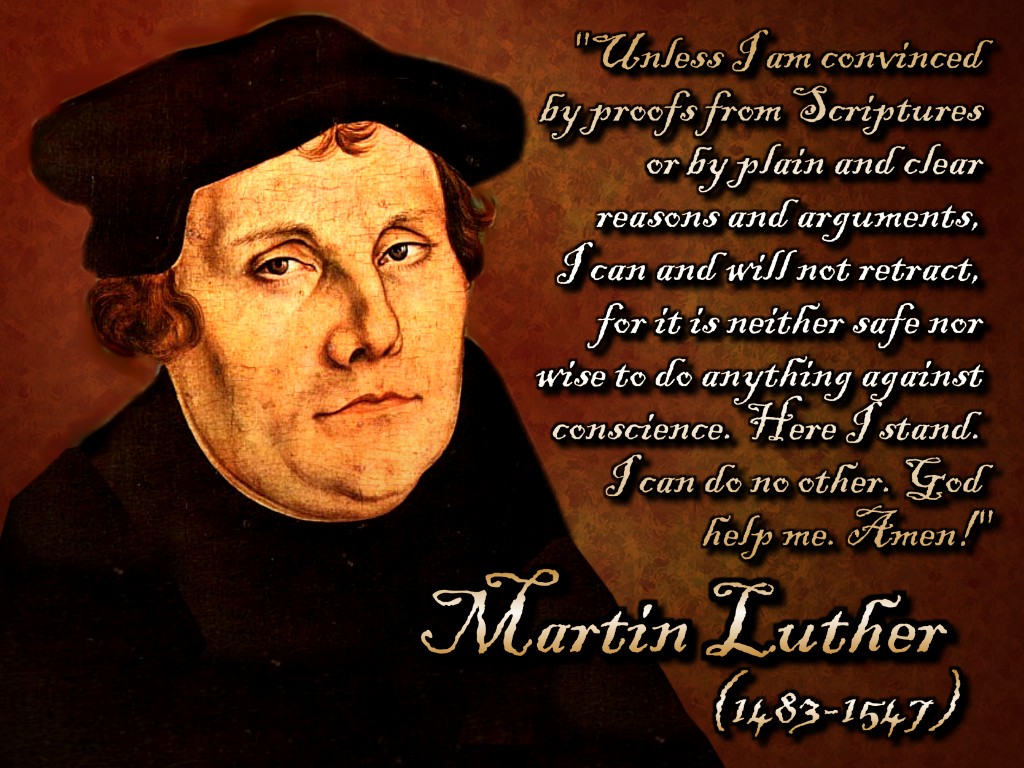
Martin Luther (1483-1547) examined ‘The Freedom of a Christian’ by proofs from Scriptures or Christian Theology. I examine ‘Freedom of Man’ by interpretation of verified information provided by Science. I examine the issue of Freedom by verifying or accounting for Man’s existence in Natural World.
The issue of Man’s Freedom, Freedom of Choice and Action, is always preceded by the fact of existence which depends upon structures and functions of cells, tissues, organs, and organ systems that constitute entity called Man.
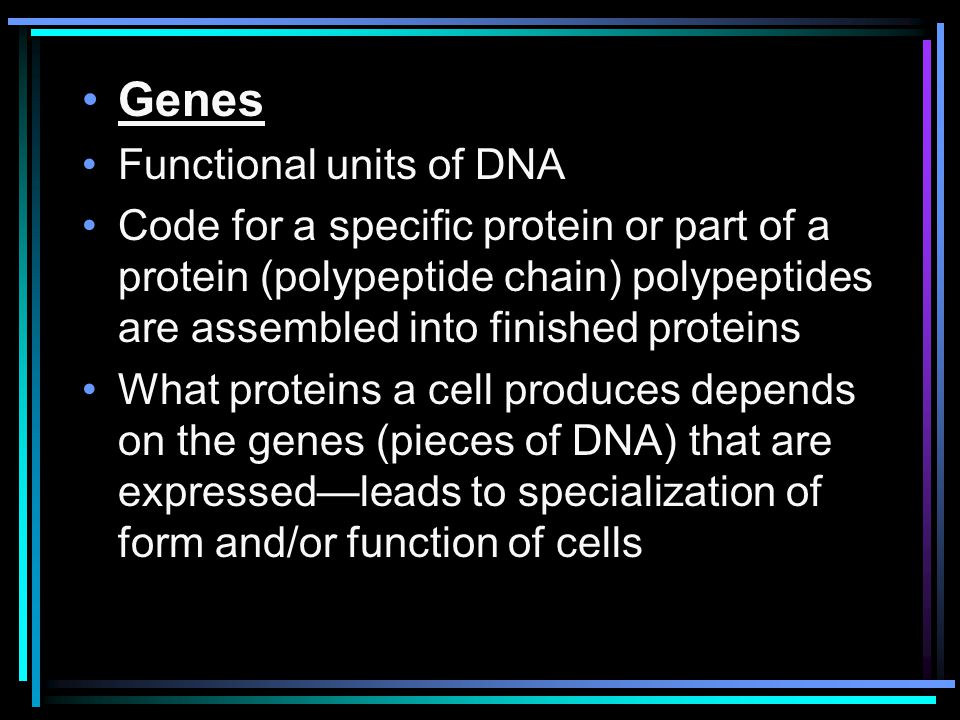
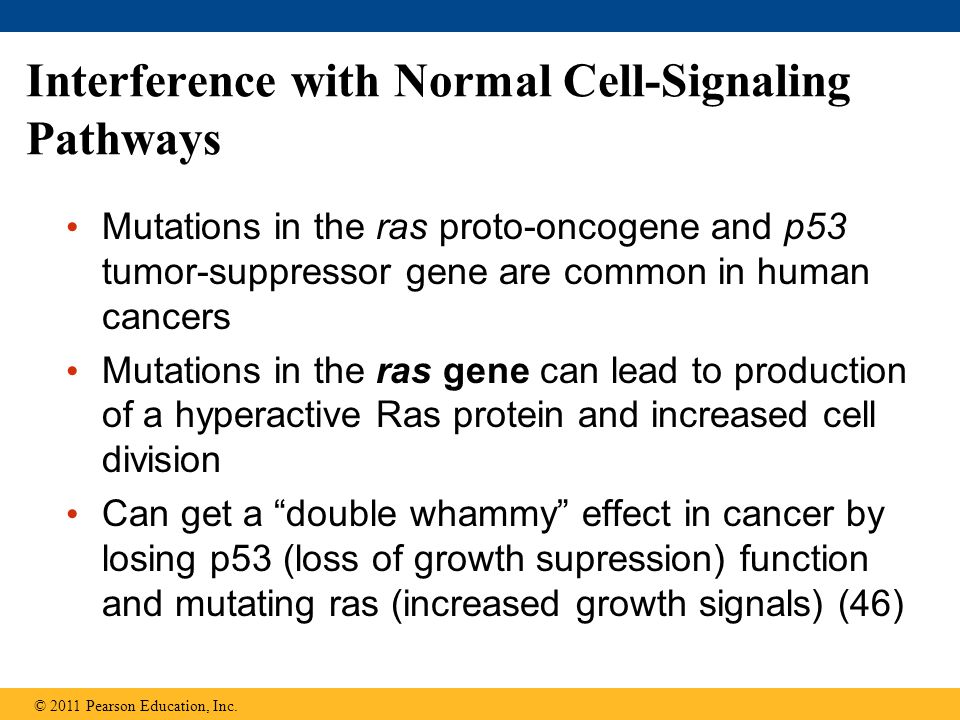
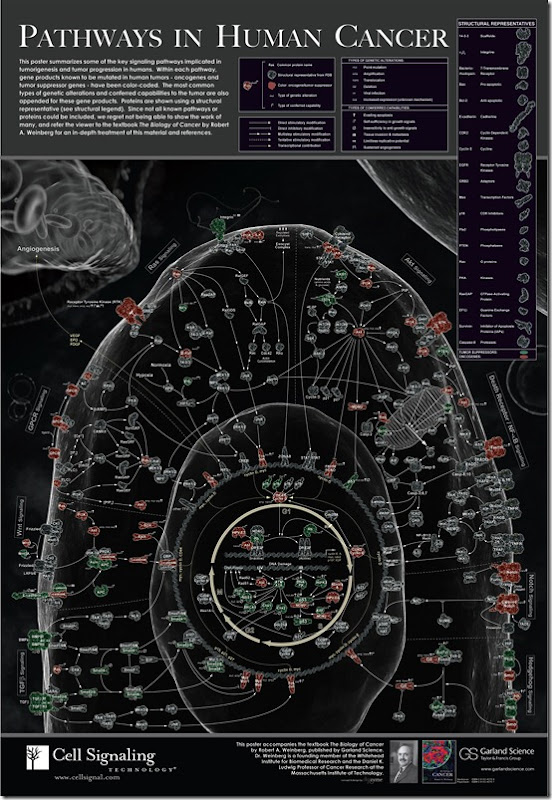
Not all genes are involved in determining structures of body. The problem comes with functional genes that get turned on and off on their own without giving man any chance to choose or act. For example, if a particular gene sends signal directing the cell to initiate cell division, man cannot intervene to stop that choice made by the gene to perform action called cell division.
As man has no ‘free will’, man depends upon medical and surgical interventions to interfere with independent choices and actions of genes of his own body. There is no known human language which man can use to communicate with genes of his body to guide their functions.
Cells and Tissues are the constituents of Man’s Human Body. Man lacks both Constitutive as well as Regulative Power to rule or govern cells of his own body. Man has no choice for his living condition or living state called ‘EXISTENCE’ is conditioned without concern for Freedom of Man.


Martin Luther says Man cannot save himself through his works or actions but by his Faith and Grace. However, that Faith and its gift of Everlasting Life or Salvation may still demand Man to live his mortal existence without Freedom.
Rudranarasimham Rebbapragada
Ann Arbor, MI 48104-4162 USA
BHAVANAJAGAT.ORG

Share this:

TIME TO TRUST ALL-POWERFUL GOD – THE FALL OF EVIL RED EMPIRE
TIME TO TRUST ALL-POWERFUL GOD – THE FALL OF EVIL RED EMPIRE

US President Donald Trump and China’s President Xi Jinping could be among the ‘Most-Powerful’ men in the world. However, I will not recognize any mortal human being as "All-Powerful."
For I trust in All-powerful God, I can expect ‘The Fall of Evil Red Empire’ as per the prophecy shared by ISAIAH, Chapter 47, and REVELATION, Chapter 18.
Rudranarasimham Rebbapragada
DOOM DOOMA DOOMSAYER
TIME FOR TRUMP TO TEST THE ALL-POWERFUL XI JINPING
By Henry M. Paulson Jr., – OPINION, THE WASHINGTON POST
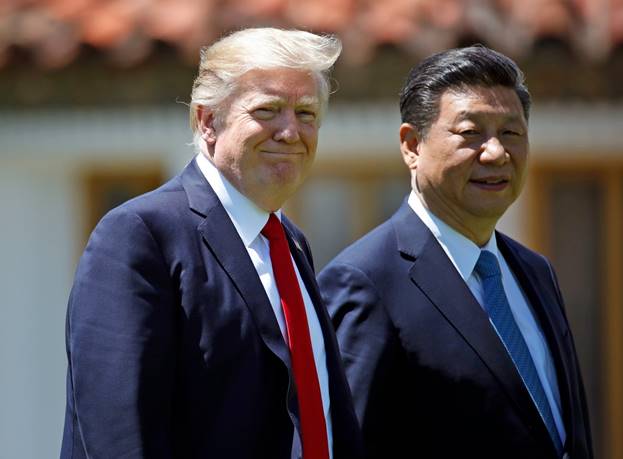
President Trump and Chinese President Xi Jinping. (Alex Brandon/Associated Press)
Henry M. Paulson Jr., treasury secretary from 2006 to 2009, is chairman of the Paulson Institute and author of “Dealing With China: An Insider Unmasks the New Economic Superpower.”
Many have crowned Chinese President Xi Jinping the most powerful man in the world following the 19th Chinese National Congress of the Communist Party. And, indeed, Xi is a dynamic leader who is transforming China. He has swiftly consolidated his authority to drive an ambitious domestic and international effort to establish China as a modern superpower.
Our preoccupation with Xi’s grand ambitions, however, has led us to neglect the scope of the challenges he and his country face. Simply put, ambition and power are not a substitute for deep and enduring reform, and a leader is only as powerful as the country he leads. As Xi knows all too well, China has serious and growing vulnerabilities. When President Trump visits China next week, he may well find he can leverage these emerging dynamics to advance U.S. interests.
In recent years, Xi has moved to address these challenges with a bold strategy aimed at consolidating the tools he needs to govern. Although he has crafted ambitious economic reform policies, he could not assure that they were implemented on a consistent basis in the provinces. And some of his most important and difficult goals have not been attempted.
During his first term, Xi tightened and made sweeping reforms to the Chinese legal system; took control of, cleaned out and started professionalizing the military; and restructured, centralized and, through an anti-corruption campaign, moved to shore up the domestic credibility of the Communist Party as the country’s primary means of governance.
As the party and the central government take power from the provinces, he has begun strengthening the Beijing bureaucracy’s capacity to manage a nation of 1.4 billion people. At the same time, he has neutralized his opposition and positioned trusted advisers to help implement his agenda.
Thus, Xi enters his second term better able to govern, but serious challenges stand in his way. He faces four major economic risks: overreliance on debt to finance growth; a failing state-owned sector; excess capacity across a range of industries, particularly steel; and the real prospect that markets will be closed to China in the United States and elsewhere if the country does not move more quickly to open its economy to foreign competition.
Xi must address China’s unsustainable accumulation of sub-national debt — much of it created by hundreds of thousands of failed firms kept alive by the state to preserve jobs. China won’t be able to grow out of its debt problem.
If China is to avoid a hard landing, it will need to stem the flow of credit and accept slower growth. The government has indicated its intention to do that, but it will require significant political will. Importantly, it must subject failing firms to the discipline of the marketplace. The longer China waits to deal with these problems the riskier and costlier it will get.
Xi will be increasingly pressed by the United States and other major economies to demonstrate that his government intends to uphold its pledge to lift restrictions blocking foreign competition. And he drags his feet at his own peril because the United States and others are reexamining their open-door policies and demanding greater reciprocity in China. This new attitude will put pressure on China just as Xi most needs the world’s export and investment markets. But competition from the private sector is ultimately the best way for him to address the inefficiencies with China’s state-owned enterprises and its massive overcapacity in steel, which, when exported, will increasingly lead to trade disputes.
Xi, however, seems undaunted and remains confident he can manage all the challenges in front of him. Trump and Xi have developed a good personal relationship. Xi’s new consolidation of power — and ability to use it now to get difficult things done — means Trump may have a greater opportunity on his trip to achieve breakthroughs in the security and economic arenas.
Progress on the most important economic issues has potential to build the mutual trust that would make it easier to achieve what is by far our top priority: a denuclearized Korean Peninsula. But no nation should trade away its vital interests; North Korean and economic negotiations should proceed at their own pace.
Trump should be strategic and forceful in defense of America’s industries of the future. It is essential that he fight to open markets and achieve a level playing field in sectors where the United States is most competitive — technology, financial services, the Internet, agribusiness, health care, environmental goods and services, autos, and movies. This has the potential to benefit both countries, particularly in the financial services, where China’s underdeveloped financial markets would clearly benefit from some world-class participants.
The United States should also focus on expanding our economic relationship with China to include direct investment, which creates U.S. jobs and ties our economies together in enduring and positive ways. Without increased market access, the path we are on could lead to important parts of the global economy being walled off from competition and trade. This risks hurting both the United States and China, which are the biggest beneficiaries of a rules-based economic order.
Xi’s new platform presents risks for the United States in an era in which there will be increasing security and economic competition. But it also has the potential for further collaboration with a leader who now has greater ability to deliver. It has always been as big a risk to overestimate China’s power as it is to underestimate its potential. Now the same could be said of Xi. Trump should test Xi’s new position of power by pressing China hard for movement on U.S. priorities.


Created with Microsoft OneNote 2016.
Share this:

WORKERS OF THE WORLD UNITE AGAINST CAPITALIST CLASS WITH CHINESE CHARACTERISTICS
WORKERS OF THE WORLD UNITE AGAINST CAPITALIST CLASS WITH CHINESE CHARACTERISTICS
WORKERS OF THE WORLD UNITE AGAINST CAPITALIST CLASS WITH CHINESE CHARACTERISTICS
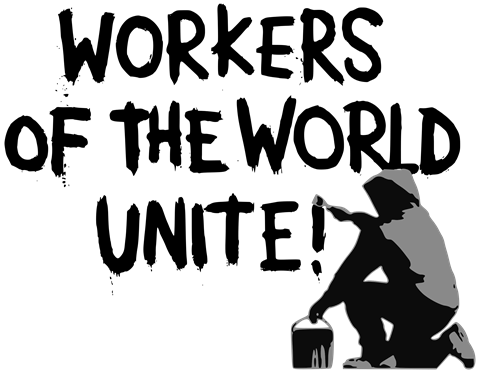
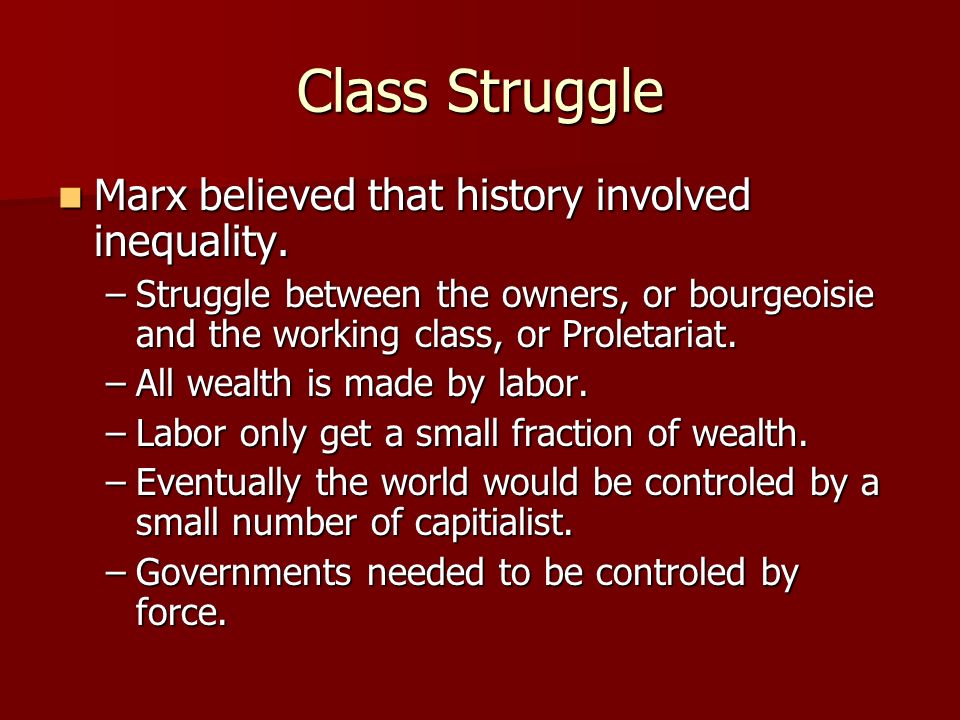
In my analysis, a new era of Capitalist Class with Chinese Characteristics has usurped power to impose its doctrine of Neocolonialism. I am asking Workers of the World to Unite Against Capitalist Class with Chinese Characteristics. Red China’s Plan to impose Social, and Economic Injustice using Force will be rejected by Working Class of all her Colonies.
Rudranarasimham Rebbapragada
DOOM DOOMA DOOMSAYER
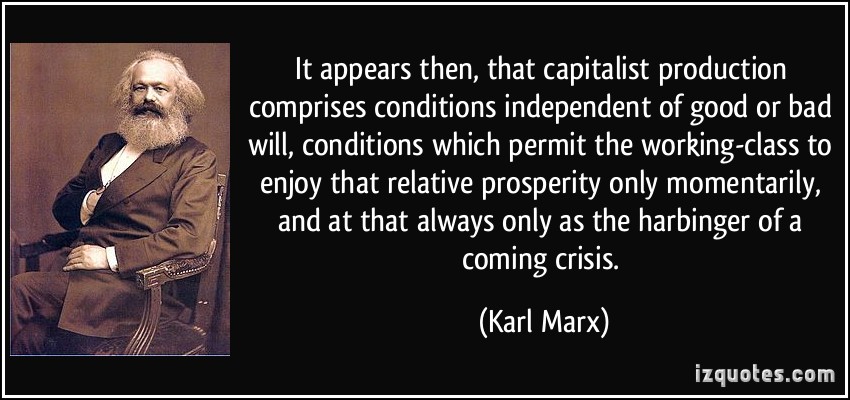
China’s Communist leadership has a model of totalitarianism for the 21st century
The Washington Post – Opinion
By Jackson Diehl
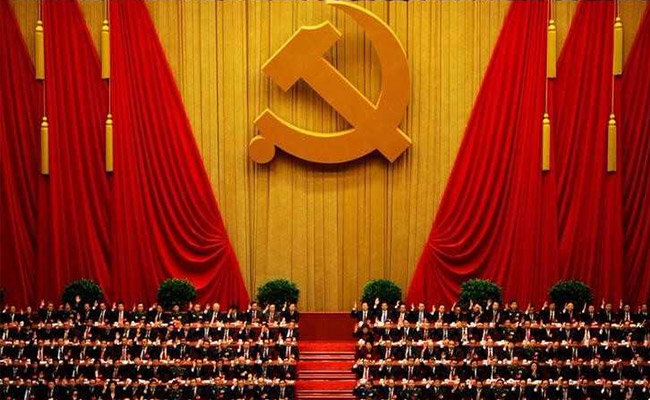
While the Trump White House wallowed in its usual trifling controversies, China’s Communist leadership this month staged what will be remembered as the most important political event of the year, and maybe of the century so far. As the party Congress concluded last week, Xi Jinping was confirmed as most powerful leader in Beijing since Mao Zedong — and he proclaimed the regime’s intention not just to become the world’s leading power, but to establish a new model of totalitarianism.
Xi’s “new era of socialism with Chinese characteristics” was written into the party constitution, making anyone who opposes it an enemy of the state. Its aim is to make China “a leading global power” by 2050, with a “world class military” built to fight and win wars. These aims will be achieved by reinforcing Xi’s dictatorial powers, and those of the party, over every area of life, using cutting-edge technologies like artificial intelligence. It’s a Stalinism for the 21st century.
Perhaps most ominously, Xi envisions his updated police state as a model for the rest of the world. Twenty-five years ago, the liberal democratic system of the West was supposed to represent the “end of history,” the definitive paradigm for human governance. Now, Xi imagines, it will be the regime he is in the process of creating. “It offers a new option for other countries and nations,” he said during a three-hour, 25-minute speech that was its own statement of grandiosity. “It offers Chinese wisdom and a Chinese approach to solving the problems facing mankind.”
Plenty of strongmen and would-be strongmen around the world were likely applauding, from Turkey’s Recep Tayyip Erdogan to Hungary’s Viktor Orban and, it seems, Stephen K. Bannon. The oracle of the alt-right called Xi’s 30,000-word text “an adult speech to adults,” in contrast to the “Pablum” of John McCain and George W. Bush, who delivered contemporaneous speeches defending democratic values and U.S. global leadership.
It’s worth considering what the world might look like 30 years from now if Xi’s ambitions are realized. A few broad themes stand out:
Concentration of power.
Xi is returning China to the era when a single, emperor-like figure ruled without the constraints of legal checks or term limits. In a break with the practice of the past two decades, no potential successor was named at the congress to the party’s standing committee, meaning that Xi aims to remain in power after his second five-year term as president ends in 2023. At 64, he could conceivably dominate China until 2035, the year he set for achieving many of his goals.
State control of all behavior.
In the past five years, Xi’s regime has wiped out the modest avenues for dissent his predecessors allowed, from human rights lawyers to non-government groups and cautiously critical journalists. Now it is developing a far more ambitious system of social control driven by new technologies. Every citizen will be given a “social credit” rating based on data collected through the Internet, the financial system and public surveillance, which will be stored along with facial images. Those with bad ratings will have good reason to fear being recognized by the regime’s ubiquitous cameras. At last, the overused term “Orwellian” will be accurate.
A global imperial system.
Xi’s “belt and road ” initiative, which will invest hundreds of billions of dollars in infrastructure projects across Eurasia, is meant to create a Beijing-dominated geopolitical block that overshadows the transatlantic alliance. Meanwhile, the regime is seeking to control how it is portrayed even in the West. It has kidnapped dissenters in other countries and sought to suppress critical discussion of China on university campuses. Western journalists who probe corruption are denied visas. If Xi has his way, even countries that remain democratic won’t practice free speech where China is concerned.
Of course, it is possible that Xi is overreaching. As it watches the United States and much of the rest of the West struggle with populist and nationalist movements, the political consequence of the last crisis of capitalism, the Chinese elite may overestimate the attraction of their totalitarian alternative. Centralized control of society and the stifling of individual freedom led China and other Communist nations to catastrophe in the late 20th century; Xi’s bet that a modified, technologically updated system can work in the 21st century could easily fail.
It would nevertheless be dangerous not to take China’s strongman seriously. He is imagining a world where human freedom would be drastically curtailed and global order dominated by a clique of dictators. When a former chief political adviser to the U.S. president applauds that “adult” vision, it’s not hard to imagine how it might prevail.
Read more from Jackson Diehl’s archive, follow him on Twitter or subscribe to his updates on Facebook.
Created with Microsoft OneNote 2016.

 Whole Dude - Whole Spirituality