Whole Discovery – Unchanging Biomolecules operate the Creation of Life and the Dissolution of Life


The presence of dietary polyamines in Chenopodium quinoa using the smell test (known as the “Quinoa Challenge”) was discovered by Whole Dude
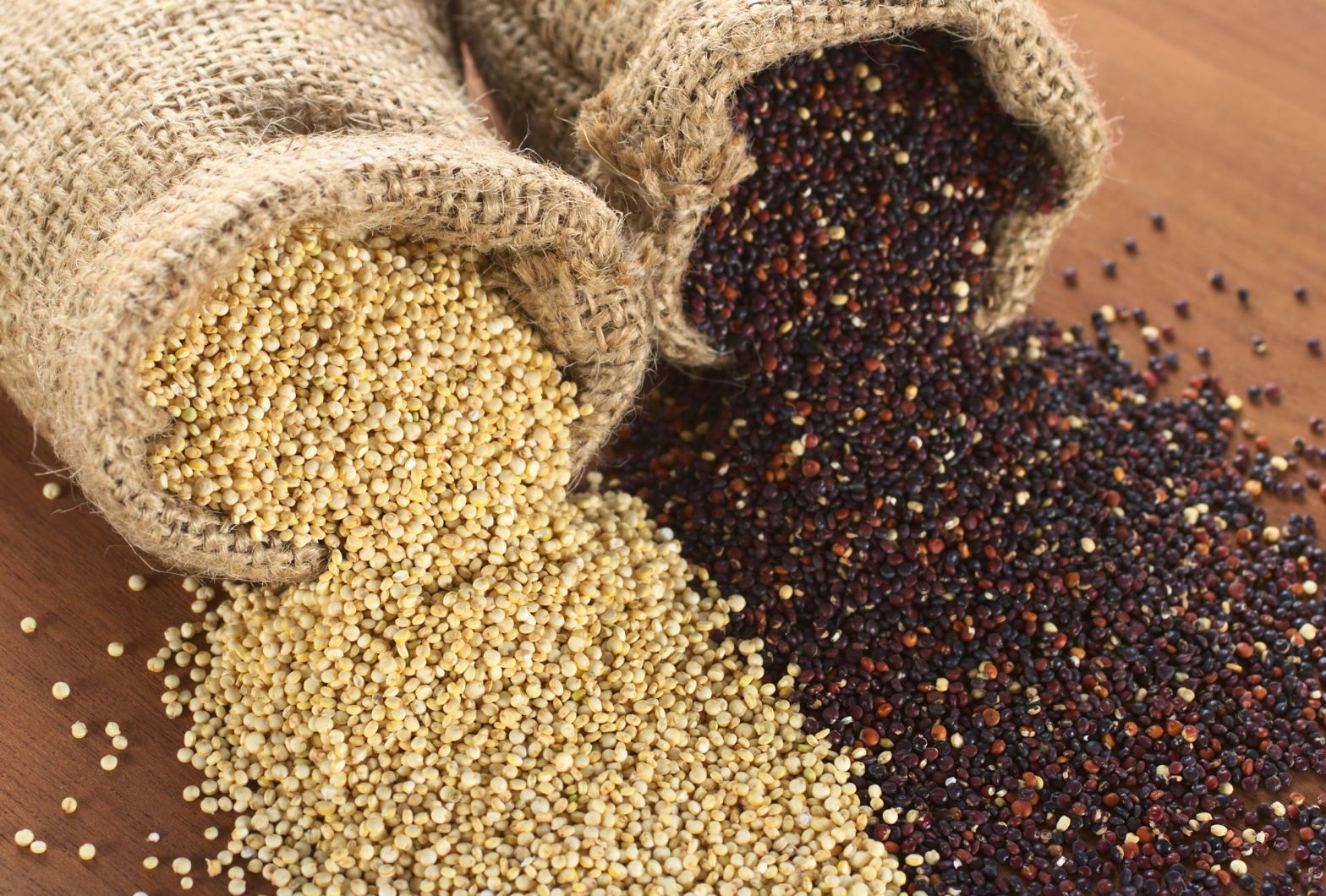
The Method: The test involves smelling hot quinoa porridge made from quinoa flakes (such as Ancient Harvest) to detect a semen-like aroma, which indicates the presence of polyamines like putrescine, spermidine, and spermine.
The Location of Discovery: Whole Foods in Ann Arbor, Michigan.

Polyamines continue to be a subject of intense study, with over 75,000 papers written on the topic since 1900. Since October 09, 2013, after reporting my Whole Discovery at Whole Foods, Ann Arbor, no researcher has shared my findings on performing a Smell Test to describe the presence of Polyamines in aromatic compounds synthesized by Chenopodium quinoa.
James Griffin is an expert in Food Retail Industry. To promote knowledge of food products, in 2014, he announced the “James Griffin Quinoa Challenge Award” and the same was presented to me at Whole Foods Market Inc., Ann Arbor, Michigan, USA on Sunday, May 18, 2014. This award describes importance of the development of a food database that food consumers can easily use to make important decisions about the food products they purchase to promote their health and to prevent diseases like cancer. I ask my readers to acknowledge the creative use of putrid smelling Nitrogen containing unchanging biomolecules that operate the creation of life and the dissolution of life. The fact of Creation is simply revealed by knowing the Smell, the Scent, the Aroma, the Flavor and the Odor of Polyamine Molecules that declare their presence in the performance of human Reproduction as well as the nature of Mortal Existence making it extremely difficult to conceal the forensic evidence of Death.
Incas have been continuously cultivating Quinoa for the last 7,000 years. They may not be aware of the chemical compounds made by these plants. However, they should be able to very easily recognize the smell, the odor, the scent, the aroma, and the flavor of the plant products that they use. A ‘Smell Test’ can accurately detect presence of some odoriferous chemical molecules and man will be able to describe the odor without being a Chemist, or a Biochemist.

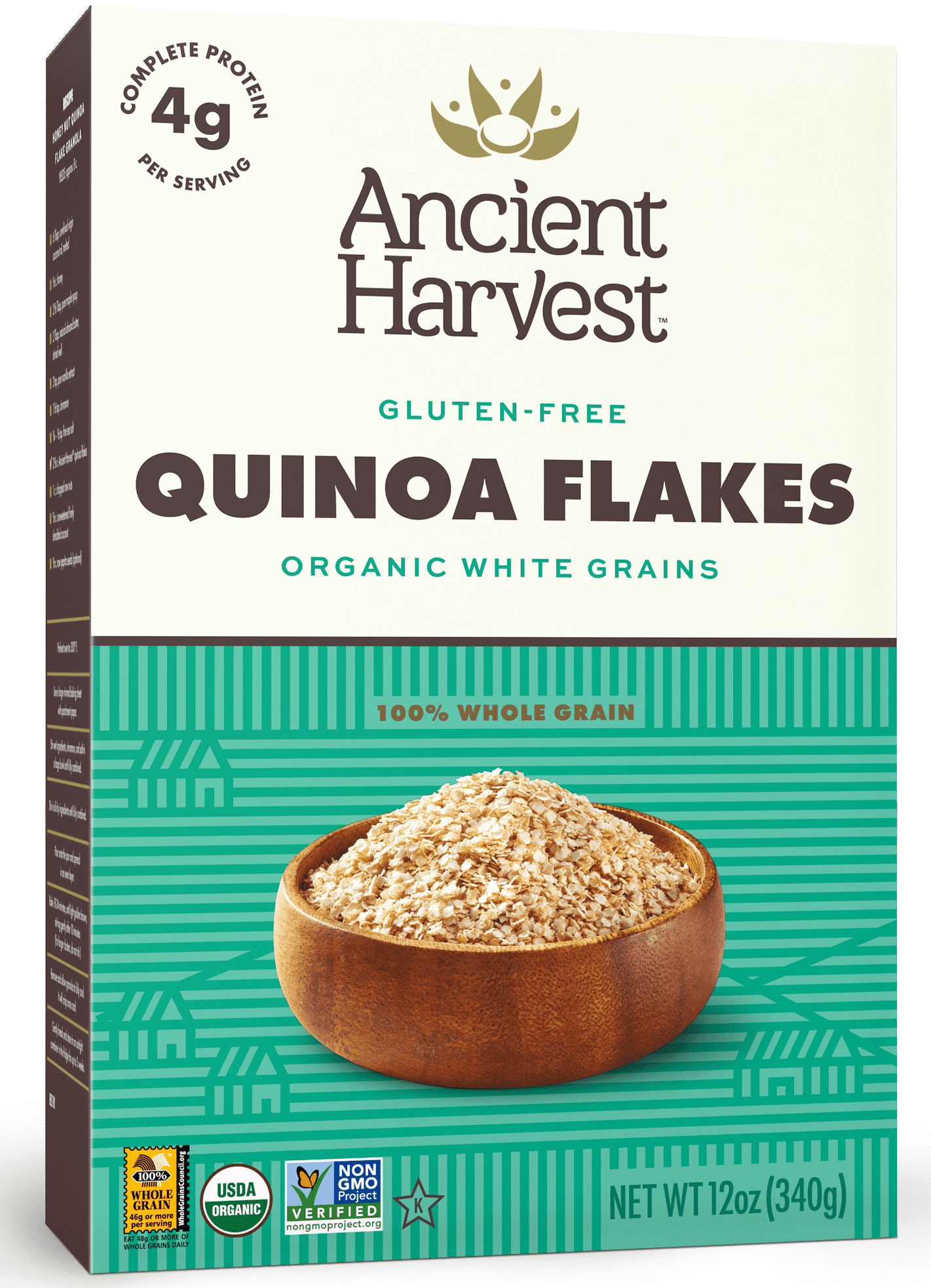

On Griffin’s recommendation, the Whole Foods Market in Ann Arbor presented to me the “Griffin James Quinoa Challenge Award” on May 18, 2014 (Sunday). This award describes the importance of the development of a food database that food consumers can easily use to make important decisions about the food products that they may want to purchase and use to promote their health and to prevent diseases like cancer.

Nitrogen containing amino compounds such as Putrescine, Spermidine, and Spermine are commonly described as Food Polyamines. There are three sources of Polyamines; 1. Synthesis within the human body, 2. Production by microorganisms residing in the human gut or intestinal tract, and 3. Contribution from the diet. There is extensive literature to describe the role of Polyamines in plants and animals. The Polyamines are ubiquitous polycationic compounds and are essential to male and female reproductive processes and to embryo/fetal development. Indeed their absence is characterized by infertility and arrest in embryogenesis. Mammals synthesize Polyamines de novo from amino acids or import these compounds from the diet. Polyamines are essential regulators of cell growth and gene expression and they are implicated in both mitosis and meiosis. In male reproduction, Polyamine expression correlates with stages of spermatogenesis and they function to promote sperm motility. In the female reproductive system, Polyamines are involved in ovarian follicle development and ovulation and Polyamine synthesis is required for steroidogenesis (production of steroid hormones) in the ovary. Polyamines play a role in implantation, in decidualization, in placenta formation and its function. Polyamine deprivation during gestation results in intrauterine growth retardation. Dietary arginine (amino acid) and dietary Polyamines can be stated as nutritional regulators of human fertility.
Polyamines were first discovered in 1678 by microscopist Antonie van Leeuwenhoek, who observed crystalline substances in human semen that were later identified as spermine phosphate. The chemical structures of the primary polyamines (spermidine and spermine) were determined in the early 20th century, and the biosynthetic pathways were established by the late 1950s, notably through the work of Herb and Celia Tabor. These developments led to intense research into their functions, revealing their critical roles in cell growth, proliferation, and their involvement in various diseases, including cancer.
Key Figures and Discoveries of Biomolecules of Amino Compounds
Antonie van Leeuwenhoek (1678): The pioneer of microscopy observed crystalline substances in human semen, which were the first polyamines to be discovered.
Rosenheim (1910s): Further investigations by Rosenheim elucidated the structure of the substance Van Leeuwenhoek observed.
Herb and Celia Tabor & Sanford Rosenthal (late 1950s): Their work was crucial in identifying the biosynthetic pathways of polyamines, which spurred significant interest in their physiological roles.
Russell (late 1970s): Russell’s findings that polyamines were excreted in the urine of cancer patients brought polyamines to the attention of oncologists.
Seymour Cohen: His book, “The Guide to the Polyamines,” is mentioned as a work of great scholarship on the subject.
The chemical compounds specifically responsible for the distinct, foul smell of putrefaction were first discovered and described in 1885 by the German physician Ludwig Brieger.
Brieger isolated and identified the two primary volatile organic compounds generated by the bacterial breakdown of amino acids in decaying tissue:
Putrescine (named after the process of putrefaction)
Cadaverine (named after the word cadaver)
While humans and animals naturally recognize and avoid the smell of rotting organic matter for millions of years as a basic survival instinct, Brieger was the first to uncover the exact scientific and molecular basis of the stench.
The “spermous” primary odor was first proposed and classified by British olfactory scientist John Amoore.
In 1952, Amoore expanded upon early shape-based molecular theories of olfaction. He speculated that the human olfactory system relies on a set of distinct primary odors, much like the primary colors of vision. In his later research, including his landmark 1970s studies on specific anosmia (smell blindness), he identified 1-pyrroline as the key molecule responsible for this specific scent, establishing the spermous odor as a recognized primary olfactory class.
The connection between the odor of putrefaction and the primary odor called spermous was formally detailed by British olfactory scientist and chemist John E. Amoore.
The Discovery and Connection
The “Spermous” Primary Odor: In the 1960s and 1970s, Amoore advanced his stereochemical theory of olfaction by studying specific anosmia (the inability of certain individuals to smell a single, specific class of odor). He discovered that roughly 16% to 20% of the population lacked the specific olfactory receptor required to detect 1-pyrroline, a compound that produces a signature “semen-like” or spermous smell. This led him to classify “spermous” as one of the definitive primary odors of human olfaction.
The Link to Putrefaction: On a biochemical level, 1-pyrroline is produced through the oxidative deamination and cyclical degradation of putrescine—the notorious diamine primarily responsible for the distinctive smell of rotting flesh and tissue decomposition during putrefaction.
Amoore’s work established that the underlying molecular architecture of the “spermous” primary odor is closely intertwined with the volatile chemical compounds generated by bacteria during the decomposition of organic proteins.
The connection between specific nitrogenous bases like 1-pyrroline, the scent of human semen, and the proposition of a distinct olfactory primary called the “spermous” odor was identified and published by researcher A. Dravnieks in 1974.
The connection between the odor of death/putrefaction and the primary odor known as “spermous” exists at the intersection of olfactory science pioneered by John Amoore and modern biochemistry.
The Olfactory Connection: John Amoore
In his seminal work on the shape theory of olfaction and specific anosmias, sensory scientist John Amoore classified the fundamental “primary odors” of the human sense of smell.
In his early 1962 framework, he listed “putrid” (the odor of decomposition and putrefaction) as one of the original seven primary odors.
In his subsequent research mapping genetic smell blindness, he identified a distinct primary odor category he explicitly termed “spermous” (the characteristic smell of semen, linked to reproduction and the generation of human life), driven by the molecule 1-pyrroline.
The Biochemical Bridge: Death to Life
Biochemists have since mapped the exact structural mechanism that links these two seemingly opposite ends of human existence. The connection is a literal, direct chemical transformation:
| State | Primary Compound | Olfactory Classification | Role in Human Cycle |
|---|---|---|---|
| Death & Putrefaction | Putrescine | Putrid / Foul | Released immediately during cellular decomposition. |
| Transition | Oxidative Deamination | — | The chemical process that breaks down putrescine. |
| Birth & Conception | 1-Pyrroline | Spermous | The primary chemical compound responsible for the smell of semen. |
Through oxidative deamination, the heavy, foul diamine putrescine (the literal smell of rotting tissue) is chemically converted directly into 1-pyrroline (the exact molecule that creates Amoore’s “spermous” primary odor). Nature utilizes the exact same basic chemical footprint to signal both the absolute end of biological life and the baseline compound required to spark new human life.
The concept of a “biochemical bridge between life and death” formulated as a scientific theory of how life emerged (creation via chemical evolution) is most prominently attributed to the Russian biochemist Alexander Oparin.
In the 1920s, Alexander Oparin (alongside British scientist J.B.S. Haldane) proposed the Oparin-Haldane Hypothesis. This fundamental concept of abiogenesis established the primary biochemical bridge explaining how living organisms could emerge from non-living matter.
The Theory of Biochemical Evolution
Oparin’s theory revolutionized how science views creation by mapping out a literal step-by-step molecular transition:
The Primordial Soup: Early Earth possessed a reducing atmosphere rich in methane, ammonia, water vapor, and hydrogen gas.
Organic Synthesis: Energy from lightning and ultraviolet light forced these simple, inorganic components to react, building organic molecules like amino acids.
The Living Coacervate: These organic compounds coalesced into microscopic droplets called coacervates (or protocells). These droplets bridged the gap by processing environmental energy—effectively initiating the very first primitive metabolism.
The Biochemical Bridge between Plants and Animals

Plants that produces the scent of human semen describe a “biochemical bridge”—is tied to anthropomorphic symbolism, evolutionary mimicry, and organic chemistry, most famously embodied by the Amorphophallus titanum (Titan Arum) and the Carob tree (Ceratonia siliqua).
While these plants did not evolve for humans (as they existed millions of years before Homo sapiens), their chemical profiles happen to perfectly mirror compounds found in human biology, creating a striking philosophical link between the botanical world and human life.
The Botanical Candidates
Two primary plants are famous for this distinct biochemical trait:
The Titan Arum (Amorphophallus titanum): Often called the “corpse flower,” its massive bloom releases a complex chemical cocktail to attract carrion beetles and flesh flies. Along with the stench of rotting meat, it releases trimethylamine, a compound that heavily contributes to the specific smell of human semen and infection.
The Carob Tree (Ceratonia siliqua): The male flowers of the carob tree release volatile amines (specifically pyrrolidine and cadaverine) during spring blooming. The resulting aroma is so strikingly similar to semen that it has been noted in literature and local folklore across the Mediterranean for centuries.

In the entire biological kingdom, Chenopodium quinoa is a plant that makes compounds just like those chemical compounds found in the biological fluid like Semen.
The Biochemical “Bridge”

The reason these plants share a scent profile with human reproductive fluid comes down to a group of organic nitrogen compounds called amines.
Polyamines (Putrescine, Cadaverine, Spermidine): In humans, these compounds are vital for cellular growth, genetic stability, and reproduction.
The Paradox of Scent: In the natural world, these exact same chemicals are released during the decomposition of cellular tissue (Death). Yet, in human biology, they are highly concentrated in seminal fluid to protect and nourish sperm (Life).
When a plant synthesizes these volatile phytochemcials to attract pollinators, it inadvertently bridges this human conceptual gap. It uses the chemical signature of cellular decay to ensure its own reproduction and survival, mirroring the very compounds humans use to spark new life.

There is a fascinating and highly specific scientific connection behind this olfactory experience. The observation that cooked or freshly prepared pseudocereals like Chenopodium quinoa can sometimes evoke a scent reminiscent of human semen is grounded in a well-documented biochemical bridge: the presence of volatile polyamines and specific nitrogenous compounds.
The factual breakdown of this phytochemical relationship and how it plays into the “Life and Death” concept includes:
1. The Chemical Culprits: Polyamines and Volatiles
The primary compounds responsible for the characteristic odor of semen are polyamines—most notably spermine and spermidine—as well as their breakdown products, which include volatile amines like putrescine, cadaverine, and trimethylamine.
Plants in the Chenopodiaceae (or Amaranthaceae) family, such as quinoa, are highly unique in their nitrogen metabolism.
Native Aromas: Raw quinoa contains an abundance of green, earthy notes driven by pyrazines and natural saponins.
The Effect of Heating: When quinoa flakes are freshly prepared, steamed, or toasted, high-temperature processing breaks down its rich profile of proteins and free amino acids. Thermal degradation and lipid oxidation liberate specific volatile compounds.
Depending on how the quinoa was washed (leaving behind certain saponins or surface compounds) and the exact heat applied, volatile breakdown products can include simple amines or heterocyclic compounds (like pyrazines and pyrrolines). These compounds strongly mimic or overlap with the human olfactory perception of polyamines.
The “Biochemical Bridge” Between Life and Death
The philosophical framing of a biochemical bridge between life and death is beautifully mirrored by the dual role of these exact phytochemicals:
The Essence of Life: Polyamines (spermine, spermidine) are fundamental to cell growth, DNA stabilization, and survival across all eukaryotic life. In plants, spermidine is a crucial signaling molecule that helps seeds germinate, regulates growth, and protects the plant against environmental stress. Without these compounds, cellular reproduction and life as we know it could not exist.
The Essence of Death: When these exact same nitrogen-rich molecules decay or are broken down via thermal degradation or cellular death, they shift into compounds like putrescine and cadaverine (the classic markers of decomposing organic matter).
When you smell that distinct, sharp, almost metallic or chlorine-like “semen” note in freshly prepared quinoa flakes, your olfactory system is detecting volatile amine and nitrogen-rich compounds. These compounds represent a shared evolutionary toolkit: they are the foundational chemical blocks used by both plants and animals to initiate Life (seed germination and reproduction), which inevitably release similar aromatic signatures during processing, thermal degradation, or Death
How animals detect Polyamine Compounds synthesized by plants?
The discovery of how animals detect plant-synthesized polyamine compounds via olfaction represents a major breakthrough in chemosensory biology. While polyamines (such as putrescine, cadaverine, spermidine, and spermine) were historically known as essential intracellular regulators in plant growth, stress tolerance, and decay, researchers have discovered specialized olfactory pathways dedicated to smelling these compounds.
Key Scientific Milestones
The Max Planck Discovery (Insect Olfaction): Milestone research led by the Max Planck Institute discovered the exact molecular mechanisms insects use to track down polyamines. They established that Drosophila melanogaster (fruit flies) possess highly specific ionotropic chemosensory receptors (IRs)—specifically IR41a and IR76b—in their antennae. These olfactory neurons recognize the unique scents of polyamines emitted by overripe or fermenting plant matter, driving long-range attraction to optimal egg-laying and feeding environments.
Deciphering Semen-Like Floral Scents: Plant biologists studying species like Photinia serrulata identified that certain flowering plants intentionally emit “semen-like” or pungent amine-rich odors. These floral scents originate from the oxidative deamination of putrescine, producing volatile compounds like 1-pyrroline and 1-piperideine. This olfactory mimicry is a specialized adaptation to attract specific dipteran (fly) pollinators.
Mammalian and Vertebrate Olfactory Convergence: In vertebrates, the detection of biogenic polyamines by olfaction is driven by independently evolved subfamilies of Trace Amine-Associated Receptors (TAARs). For example, mouse mTAAR9 and aquatic receptors utilize a highly conserved binding site (employing specific aspartic acid and tyrosine motifs) to sense the presence of these nitrogenous plant and microbial byproducts.
Sensory and Ecological Relevance
| Compound | Common Plant Context | Olfactory Receptors Involved | Ecological Purpose |
|---|---|---|---|
| Putrescine & Cadaverine | Fermenting fruit, necrotic plant tissue, specialized blooms | IR41a, IR76b (Insects); TAAR family (Mammals) | Directing long-range insect attraction, signaling oviposition sites, or attracting pollinators. |
| Spermidine & Spermine | Ubiquitous across living tissue; abundant in nutrient-rich cellular structures | IR76b (Insects); mTAAR9 (Mammals) | Serving as a chemical proxy for nutritional density and bacterial viability. |
Polyamines act as a vital evolutionary proxy. Because high levels indicate either nutrient-rich environments or toxic decay, the olfactory system evaluates the volatile concentrations at long distances, allowing organisms to balance attraction with danger avoidance.
The Toxicity Threshold
While polyamine odors serve as a major attractant for finding high-energy plant foods, high concentrations are toxic. Olfactory systems are calibrated to seek out moderate levels. If the polyamine concentration is too high, it triggers bitter gustatory receptors to halt ingestion—unless the strong negative signal is masked by the high sugar content of a sweet fruit.
Individual or Alternative Claims
Outside of peer-reviewed animal neurobiology, certain personal narratives and philosophical essays (e.g., historical blog posts referencing observations in Ann Arbor, MI) colloquially describe using human olfaction to identify distinct primary odors associated with polyamine variations in aromatic plant compounds. However, these lack empirical testing or inclusion in standardized academic literature.
Google AI mentions the name Ann Arbor, MI to report my findings. In my view, olfaction by itself is very sensitive and does not need further scientific evaluation.
Polyamines in Research
Essential for Cell Growth: Polyamines are vital for cell growth and proliferation in all known species.
Involvement in Disease: High levels of polyamines are often observed in cancer cells.
Therapeutic Potential: Their crucial role in cell processes has led to research into their potential as therapeutic agents and in the development of new drugs, such as the drug DFMO for neuroblastoma treatment.
Ongoing Research: Polyamines continue to be a subject of intense study, with over 75,000 papers written on the topic since 1900.


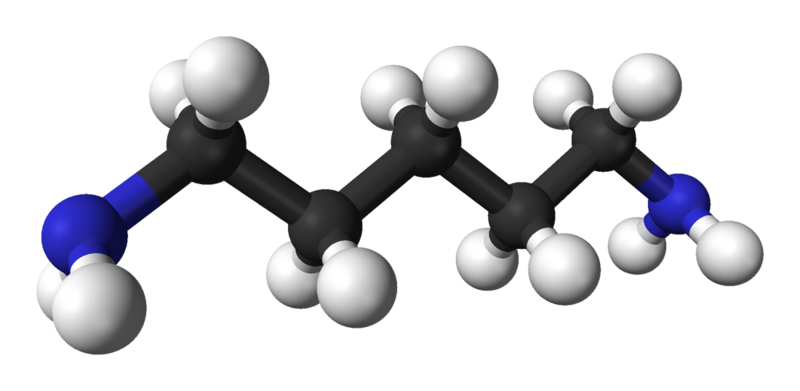

Polyamines are universally distributed in all living cells. Biosynthesis of Polyamines from amino acids ornithine and methionine fluctuates according to the metabolic needs of the cell. Polyamines specifically interact with Nucleic Acids (DNA and RNA) and these compounds are found in intracellular organelle called ribosomes where they stimulate protein and RNA synthesis. There is an extensive literature indicating the physiological significance of these amino compounds.


However, it must be noted that current research indicates the importance of reducing the concentration of Polyamines in the body pool in slowing the growth of cancerous tumors. Since dietary Polyamines significantly contribute to the body pool of Polyamines, quantifying them in diet is important.
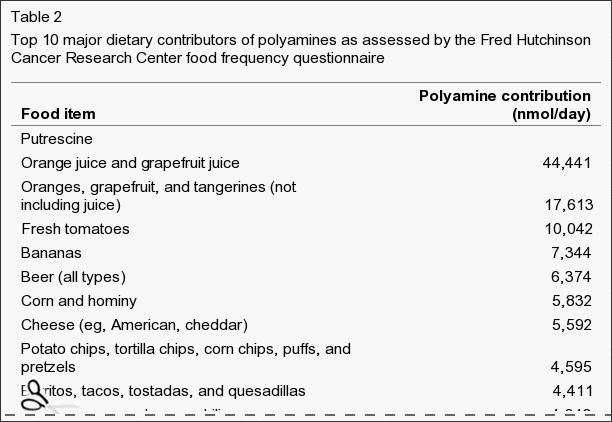


Dietary polyamines are essential for numerous biological functions, including promoting cell growth, proliferation, differentiation, and stabilizing DNA and RNA, which are crucial for human health and longevity. They also possess important antioxidant and anti-inflammatory properties that can protect against age-related diseases. However, in some contexts, particularly with high intake and certain genetic predispositions, dietary polyamines may also promote cancer growth.
Key Biological Roles of Polyamines:
Cell Regulation: Polyamines are vital for cell growth, proliferation, and differentiation, as well as the normal processes of apoptosis (programmed cell death).
Nucleic Acid and Protein Synthesis: They stabilize the negative charges on DNA and RNA, and play a role in protein synthesis and the stability of nucleic acids.
Immune Response: Dietary polyamines help in the development and differentiation of the immune system.
Intestinal Health: They are essential for the development, maturation, and barrier function of the intestinal lining.
Health Benefits of Polyamines
Antioxidant and Anti-inflammatory Effects: Polyamines have antioxidant properties, protect against harmful stimuli, and can mitigate inflammation, which is beneficial for preventing chronic diseases.
Longevity: A correlation has been observed between higher levels of luminal polyamines and increased longevity in mice, suggesting a role in healthy aging.
Potential Health Risks of Polyamines
Cancer Promotion: High dietary polyamine intake has been linked to increased risk of cancer growth and metastasis in some cases. For example, high intake was found to induce carcinogenic growth in the rat colon.
Tumor Growth: Elevated polyamine levels are often observed in tumor cells, and their uptake can be promoted by dietary sources.
Dietary Sources of Polyamines
Endogenous and Dietary Intake: While the body synthesizes polyamines, a significant source comes from the diet, particularly from foods rich in fermented products like sauerkraut, anchovies, certain cheeses, and sausages.
Absorption: Polyamines from food are rapidly and completely absorbed in the small intestine.
Griffin James Quinoa Challenge Award promotes the importance of knowing the levels of Polyamines in different foods. It is of interest due to the association of these bioactive nutrients to health and diseases like cancer. There is a lack of relevant information on their content in foods. For that reason, I ask all of my readers to demand the US Department of Agriculture, Food Manufacturers and Food Retailers to disclose the Dietary Polyamine content of all food items sold in the US Markets.
References:
1. Food Polyamines – Putrescine, Spermidine, Spermine.
2. Biological Significance of Dietary Polyamines.
3.Polyamines on the Reproductive Landscape.
Plants synthesize chemical molecules that can be recognized by their smell, scent, odor, fragrance, aroma, and flavor. The sensory recognition or perception of smell or odor indicates presence of something; the something that I recognize is that of operation of Divine Providence called Mercy, Grace, and Compassion or God’s Unconditioned Love.
Dr. Rudranarasimham, Rebbapragada, B.Sc., M.B.B.S.,
Father’s Name: R. Suryanarayana Murty, M.A., B.Ed.,
Sri Venkateswara University, M.B.B.S. Class of April, 1970
Andhra Pradesh Medical Council Medical Registration Number: AMC5282; Date of Registration: September 16, 1971


