
The Descent of Man from Apes
:max_bytes(150000):strip_icc():format(webp)/CharlesDarwin-5c2c3d7e46e0fb0001a343e3.jpg)
Charles Darwin (Feb. 12, 1809 to April 19, 1882) holds a unique place in history as the foremost proponent of the theory of evolution. Indeed, to this day, Darwin is the most famous evolution scientist and is credited with developing the Theory of Evolution through Natural Selection. While he lived a relatively quiet and studious life, his writings were controversial in their day and still routinely spark controversy.
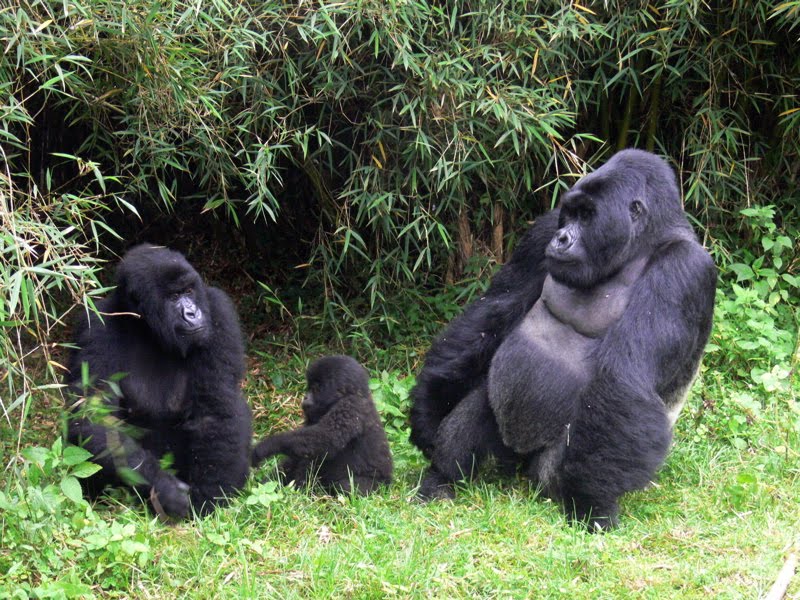
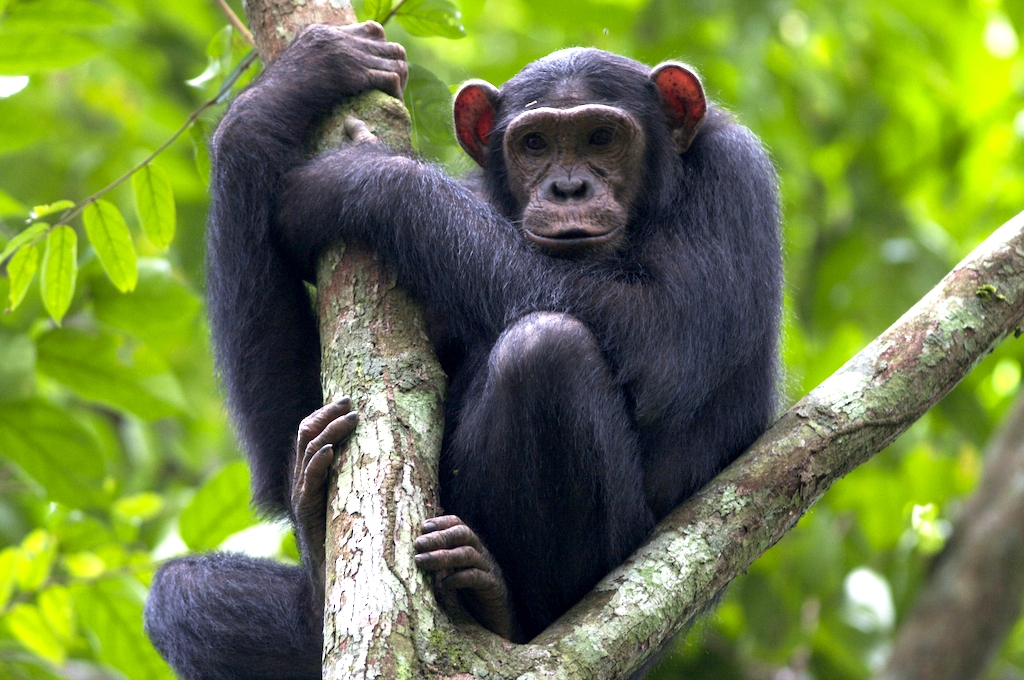
The plasticity of the genome allows an organism to make adaptive changes in response to environmental stresses. Such adaptive changes in the genome are only of a ‘minor order’. A ‘major order’ change in the genome would produce a skeletal change or a morphological variation of high significance that alters the identity of the species and may change its taxonomic classification.

Scientists have not demonstrated such ‘major order’ changes in genome in response to environmental stimuli. For example, a bacterial cell can change its genome and acquire the ability of drug resistance without making an evolutionary change in terms of its morphological appearance. Similarly, a bacterial cell can alter its sugar metabolism and yet retains its identity specific to its own species. In fact several different species such as cockroaches, sharks, and turtles are existing upon this planet Earth since the last 200 to 350 million years without changing their anatomical appearance. The dinosaurs of different sizes, shapes and eating habits survived on this planet for nearly 165 million years. In the absence of hard evidence, it is difficult to support the Theory of Evolution.
Spirituality Science – The Origin of Human Species:

The appearance of the Human Species about 8,000 to 10,000 years ago cannot be explained as a natural event and it cannot be accounted for by The Law of Natural Generation. There are two important principles involved; 1. The Biogenetic Law which stipulates that living organisms are generated only by living organisms, and 2. The Law of Natural Generation that states that offspring will always be of the same Species as the parent Species. In my view, the Origin of Human Species as a new form of life cannot be explained by the operation of natural causes. At the same time, I would like to respectfully avoid the term “Supernatural”, and would rather prefer to use the term “creative” to explain the Origin of Human Species and account for the Special Form of Man.
The Natural History of Human Species:

During the Period of the Great Ice Age or Pleistocene, continental glaciers covered much of N. North America, and NW Europe. The Holocene Epoch or Series which started approximately 10,000 years ago began to witness a change in Earth’s surface. The continental glaciers are now restricted to Antarctica and Greenland. It was not a cataclysmic change with consequences for the survival of life. The climatic change has actually helped the development and spread of modern human culture. It is indeed very surprising to note that this improvement in Earth’s surface and climate was accompanied by the extinction of giant mammals and the disappearance of a large variety of the Hominid Species.
Things in Nature Change with Time:

Darwin revolutionized biology with his Theory of Evolution. He claimed that all living species have evolved from preexisting forms and it brought about a reevaluation of the position of humans in relation to all other living forms. Darwin arrived at the idea that species descend or evolve from other species for he had observed that things in nature change with time.
Darwinism:

On November 24, 1859, Darwin published his theory under the title “On the Origin of Species by Means of Natural Selection, or the Preservation of Favoured Races in the Struggle for Life.” Species evolve from more primitive species through the process of Natural Selection which involves adaptations to a particular ecological way of life. In The Descent of Man and Selection in relation to Sex (1871), Darwin provided evidence for human evolution from more primitive species and discussed the role of sexual selection in evolution.
In my view, there is no extinct or living Species that can bridge the gap between the Human Species and its nearest Hominid allies. About, 10,000 years ago, Earth’s surface had changed. The land area covered by Ice has steadily decreased; in Upper Pleistocene about 28 percent land area was covered by Ice and in Holocene, only about 10 percent land area is covered by ice. The warming of the climate has increased the area of habitation available to the various Hominid Species. Environmental conditions are entirely favorable to the survival of all the Hominid Species. If Darwin’s Theory of Evolution is a valid theory, we must witness the simultaneous co-existence of all intermediate varieties that may have progressed through incremental changes leading to the Origin of the Human Species. There was no geological catastrophe, it is relatively easy to adapt to the changed environment, food supply is adequate and particularly the Hominid Species were not preying upon one another in their struggle for existence. Actually, Darwin’s view on blending of hereditary factors is not supported by Gregor Mendel’s classic experiments in hybridization. According to Mendel, Inheritance is particulate and his theory is fully validated. Distinct genetic factors combine to produce a certain somatic result without causing the loss of separate identities carried by specific genes. The genetic factors can therefore be assorted and enter into new genetic combinations in the next generation. There is no evidence to suggest that the new Human Species has arrived because of some abrupt mutations in a single generation of any particular Hominid Species. It may be noted that Darwin’s Theory claims that new species originate through natural processes of Heredity and Selection. The Natural Laws of Heredity, and the natural process named Natural Selection are not sufficient for the production of the new Human Species that replaced all other Hominid Species that survived until Middle and Upper Pleistocene.
The Origin of The Special Form of Man called Human Species:

Charles Darwin claims that new species do originate in the course of time. He describes the circumstances under which new species arise and other forms become extinct. He formulates the various factors in the differentiation of species. A new species does not require a special act of creation and it is entirely the result of a natural process which requires no factors other than those at work every day in the life, death, and breeding of plants and animals. According to Darwin, new species arises when, among the varieties of an existing species, certain intermediate forms become extinct, and the surviving varieties become more sharply separated from one another in type, and in the course of many generations of inbreeding, also tend to breed true. The process of natural selection may exterminate the parent-forms and the intermediate links. Thus the origin of species is associated with the extinction of intermediate varieties, combined with the survival of one or more of the extreme varieties. This theory requires the existence of an infinite number of intermediate members lying between two given species.
Comparative Anatomy is used by the evolutionary biologists as evidence to prove the origin of a new form of life from a previously existing form of life. However, the Human Species has a special form and the use of Comparative Anatomy may actually demolish the Theory of Evolution.
The Study of Human Foot refutes the idea of Man’s Descent From Apes.
The Study of Human Foot refutes the idea of Man’s Descent From Apes
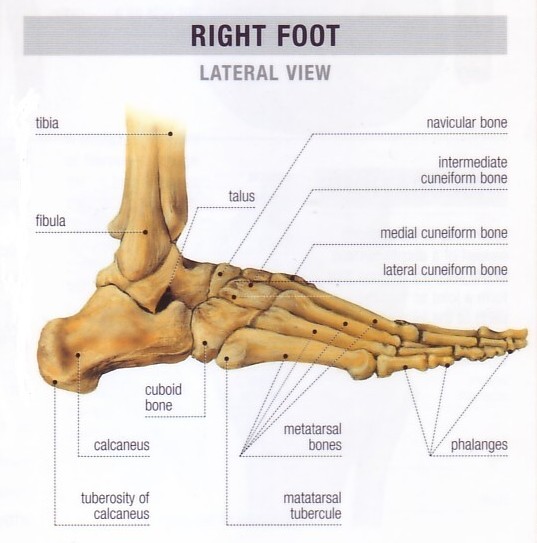
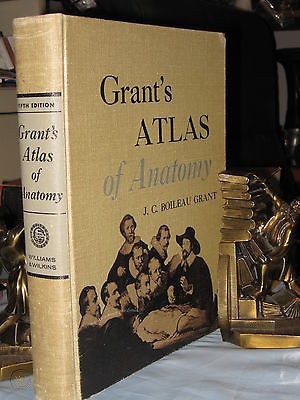
In 1965, while I was a student of Human Anatomy at Kurnool Medical College, I had the opportunity to know about Dr. J. C. B. Grant (1886-1973), the author of Grant’s Atlas of Anatomy. The 5th Edition of his Atlas was published in 1962 and was available in India in our Medical College Library.
Born in Loanhead (south of Edinburgh) in 1886, Grant studied medicine at the University of Edinburgh Medical School and graduated with an M.B., Ch.B. degree in 1908. While at Edinburgh, he worked under the renowned anatomist Daniel John Cunningham. Grant became a decorated serviceman of the Royal Army Medical Corps during the First World War before moving to Canada. He established himself as an ‘anatomist extraordinary’ at the University of Toronto, publishing three textbooks that form the basis of Grant’s Anatomy. The textbooks are still used in anatomy classes today, and made unforgettable memories for those who found themselves in his classes nearly a century ago. One of Grant’s many accomplishments was establishing a division of Histology within the department.
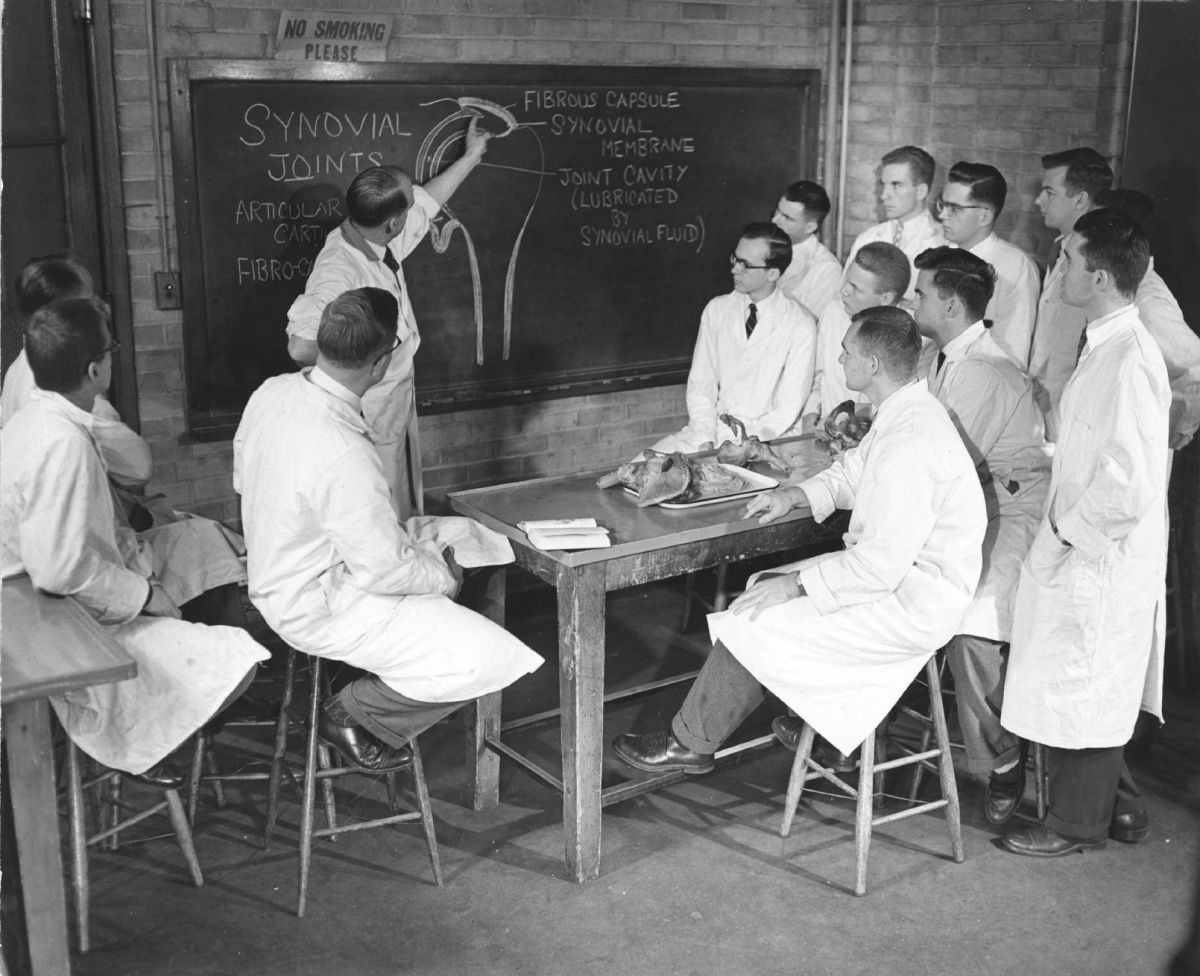
The Study of Human Anatomy is about knowing the Physical Dimension of Human Being, the building blocks and the structural units and organization of the human body. To defend human existence, Medical Science must lay emphasis on knowing the person who is at risk apart from knowing the agent posing the risk.
The Identity of Multicellular Human Organism:
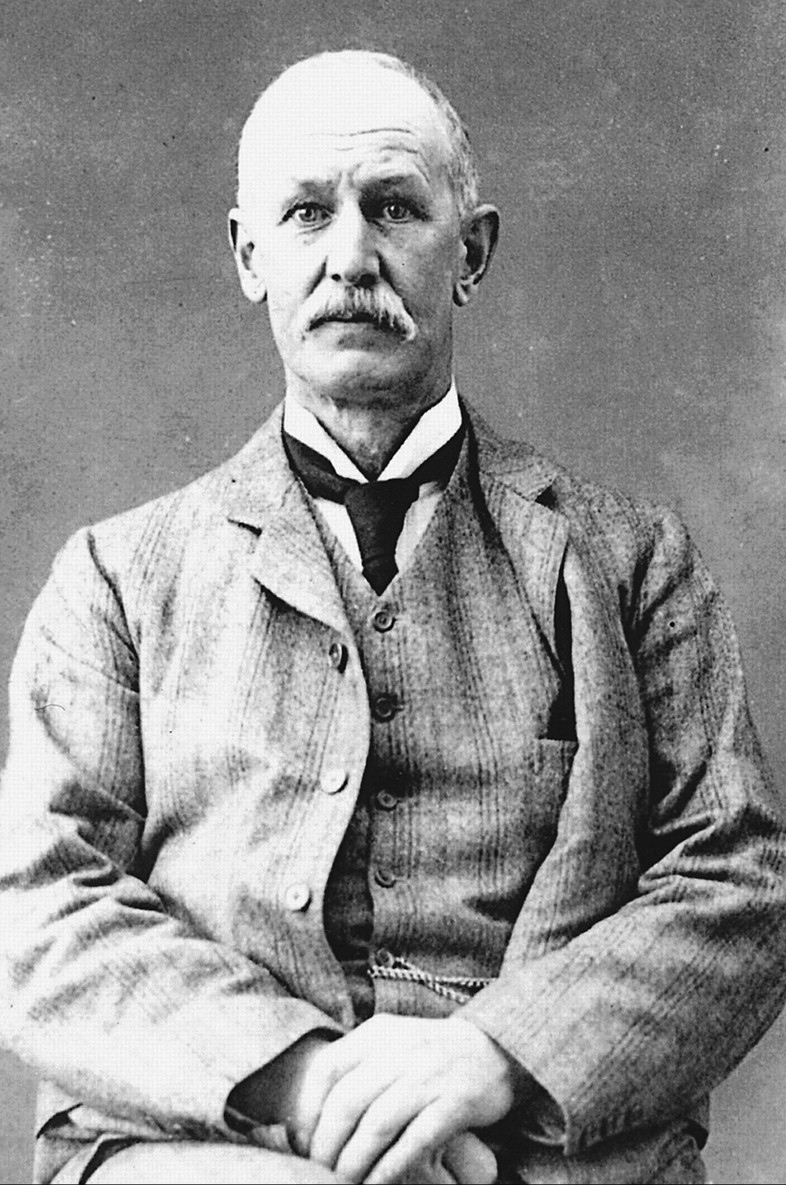
Daniel John Cunningham was born on 15 April 1850 in Scotland. After his initial schooling at his home town, Crieff, he took up the study of medicine at the University of Edinburgh and passed with honours. He is best known for the excellent series of dissection manuals, namely Cunningham’s Dissection Manuals. Cunningham’s Manual of Practical Anatomy has provided me the learning tools to know and understand the Human Species, its External and Internal Reality and its Identity as described by Cells, Tissues, Organs, and Organ Systems.

I learned the truths about the living human body and about Life while dissecting the dead human bodies in a systematic manner. The Manual of Practical Anatomy which guides us through this entire process was published in England.

So what is the Identity of this Human person or Human subject who experiences his life using the Sensory Experience such as vision and taste? How does the living Human organism maintains its Identity and Individuality? Apart from the Cultural Traditions of India, several Schools of Religious Thought claim that the Human Individuality and true or real Identity is represented by Human Soul. Where does this Soul exist in the human body? What is the location if the Soul is present in the living person? How does the human organism acquires Knowledge about its own structures and the functions they perform? To know the burdens of Life, I ask my readers to know the reality of Human Being and the nature of his existence.

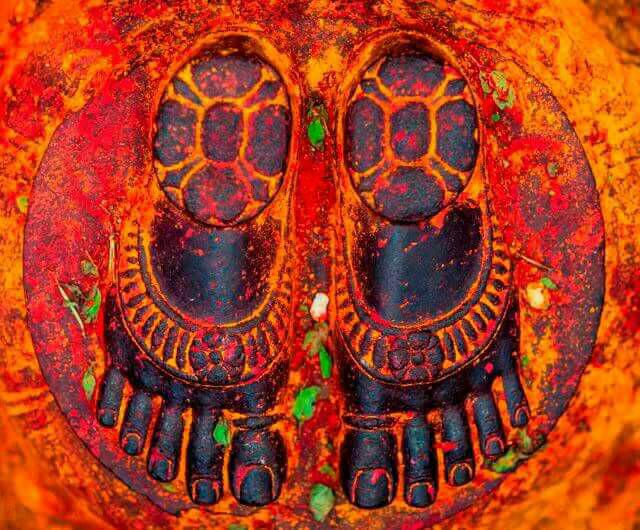
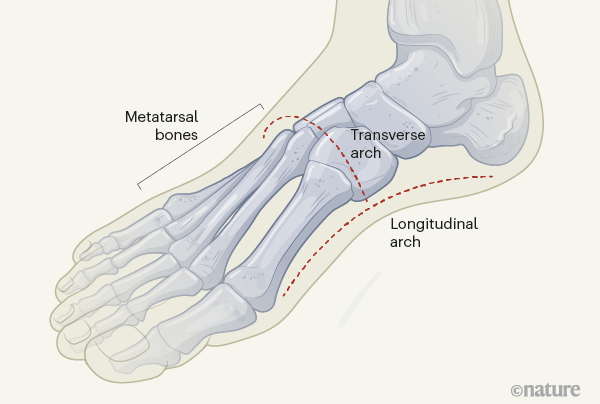
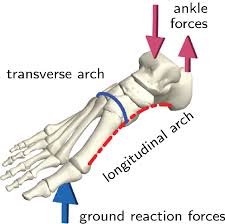
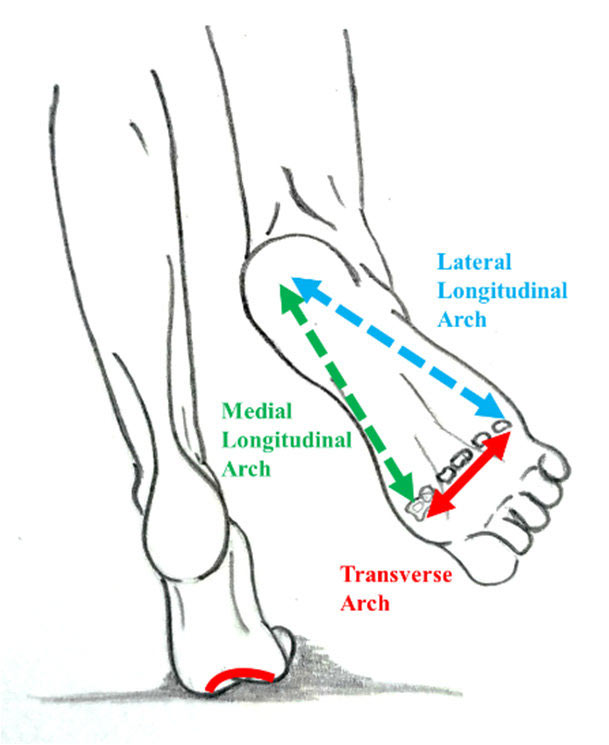
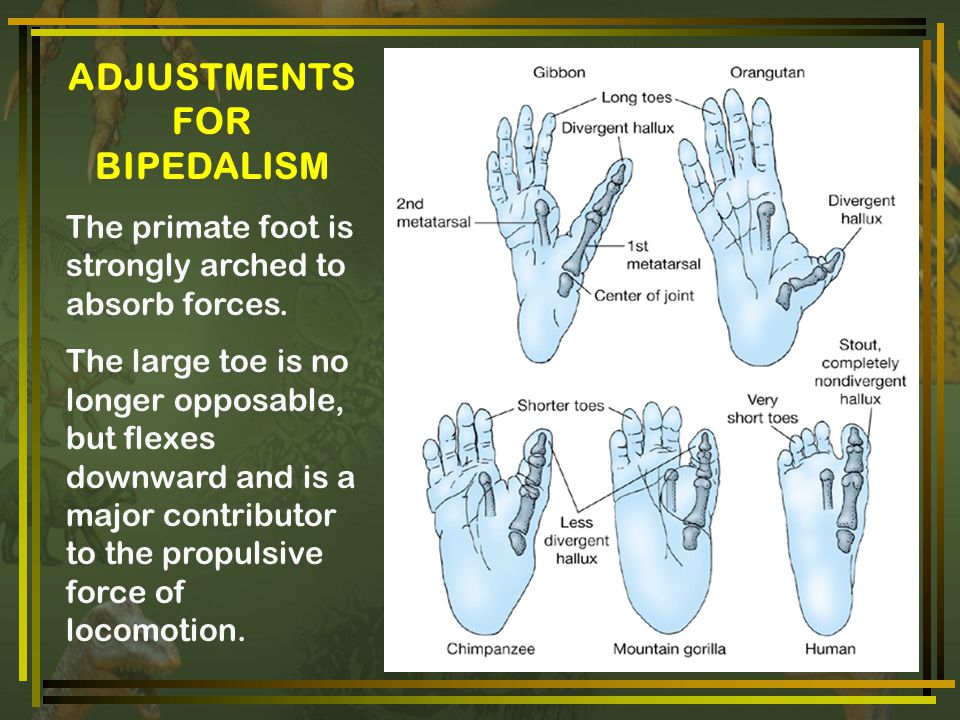
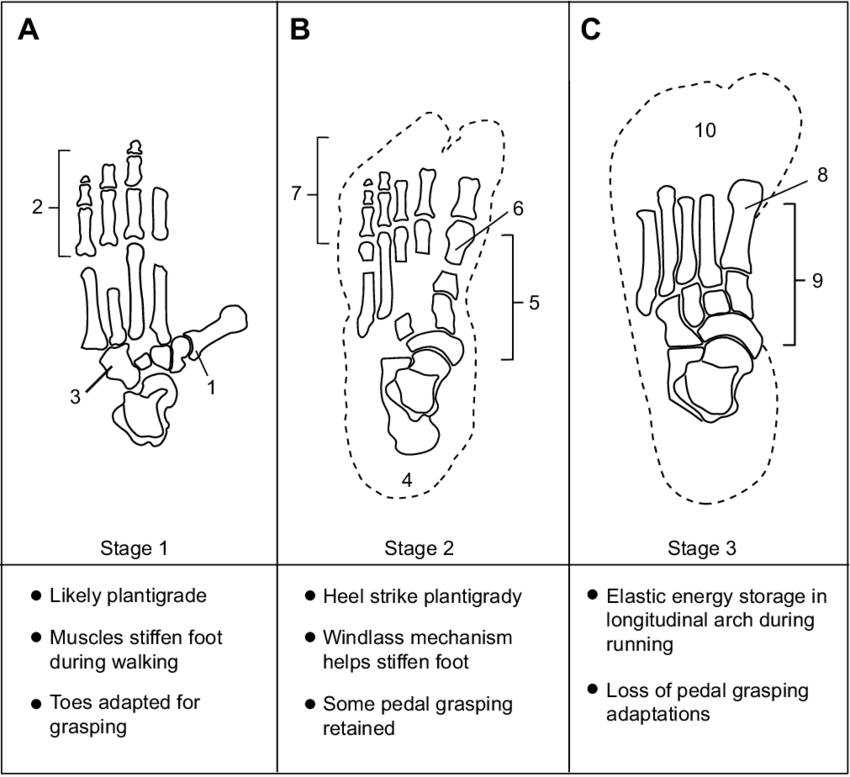
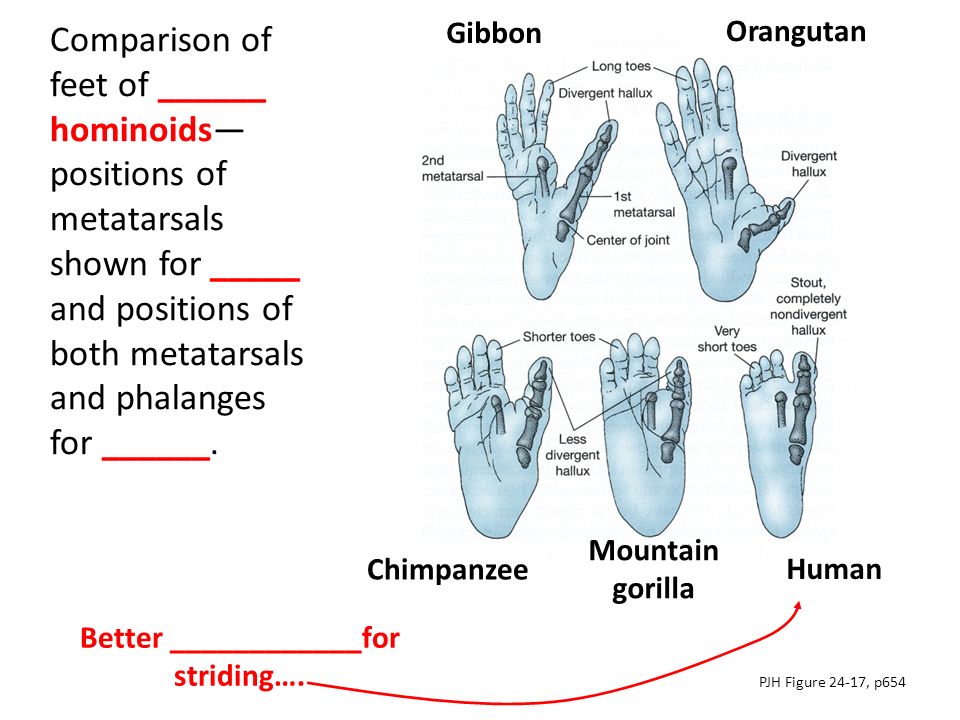
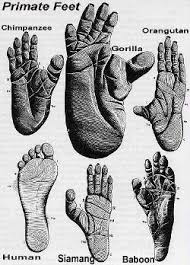
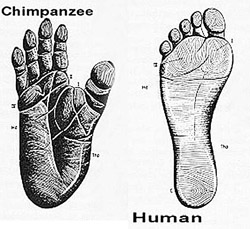
Humans walk and run effectively on the ground using two feet. Our arched foot, which is not a characteristic of other primates, is a unique feature crucial for human bipedalism. The arch provides the foot with the stiffness necessary to act as a lever that transmits the forces generated by leg muscles as they push against the ground. The arch also retains sufficient flexibility to function like a spring to store and then release mechanical energy.
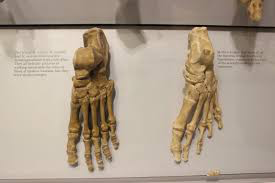
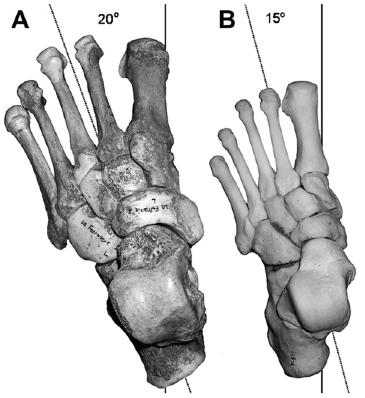
THE ORIGIN OF HUMAN SPECIES: THERE IS NO NATURAL CAUSE, NATURAL FACTOR, NATURAL CONDITION, OR NATURAL MECHANISM TO ACCOUNT FOR THE VARIATION SEEN WHEN THE NEANDERTHAL FOOT IS COMPARED WITH THE HUMAN FOOT.


Dr. Rudranarasimham, Rebbapragada, B.Sc., M.B.B.S.,
Father’s Name: R. Suryanarayana Murty
Sri Venkateswara University, M.B.B.S. Class of April, 1970
Andhra Pradesh Medical Council Medical Registration Number: AMC5282; Date of Registration: September 16, 1971


