
The Functional Organization of Living Systems
The objective of this presentation is to define ‘Spiritualism’ as an internal, mutually beneficial partnership, relationship, association, or bonding between individual living cells of the same organism, or between two different organisms. Spiritualism has to be explained in the context of biotic interactions and consciousness is aware of the nature and characteristics of such biotic interactions. The term Spirit or Soul is defined as the vital, animating principle found in all living things and hence the discussion about Life, Spirit, Soul, Spiritualism, and Spirituality fundamentally involves the Science called Biology.


Dr. Heinrich Anton de Bary coined the term ‘Symbiosis’ in 1879. It describes the living together of unlike organisms; the intimate association of two dissimilar organisms from which each organism benefits. Symbiosis (sym – together; bios – life) refers to various kinds of close and permanent associations between members of different species and the term could also be used to describe the nature of social relations between different human beings.

What is a Biotic Community?
A biotic community is a biological or natural community consisting of two or more interacting and interdependent populations of ‘living cells’ or living organisms. No species, and no individual member lives in isolation from other species or other living members in a biological community. The life of the community and of all its members, and of all organisms in it requires energy. In a biotic community, Life and Death are not the final events. The dying process precedes the living process, certain members of the biotic community experience death while new members are born to take part in the life of the community.
No Man is an island, entire of itself:
Ernest Hemingway’s novel “For Whom The Bell Tolls” gives this modern version of the quote from John Donne’s Meditation XVII, “Devotion Upon Emergent Occasions”:
“No man is an island, entire of itself; every man is a piece of the continent a part of the main.” In this blog post I would like to examine the biological basis for human existence and understand the nature of man and the status of man as an organism existing at a given place, with a given environment because of mutually beneficial biotic interactions.
What are Biotic Interactions?
Living organisms interact with each other competitively and sometimes beneficially. Some of these interactions are temporary, casual and of minor importance whereas others are permanent, vital and of major significance. Many interactions are highly specialized and complicated involving adaptive changes in structure, function, behavior, and ecology. Some interactions create negative effects on the interactants, reducing survival or reproductive success; other interactions produce effects increasing survival or reproductive success. In some cases, members of an interaction are apparently unaffected.
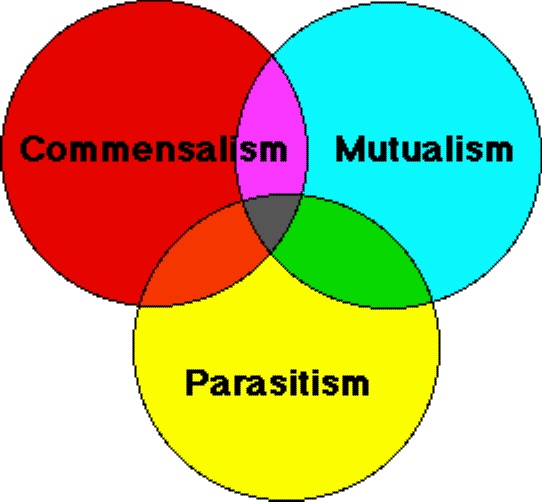
Biotic interactions could be divided into two categories; a. Intraspecific Interactions; ‘interactions between the individual living cells that comprise the same multicellular organism’, or interactions between members of the same species, and b. Interspecific Interactions; interactions between members of two or more different species. The biotic interactions may involve nutritional benefits, support of other metabolic functions, space in which to live, shelter, or protection, transport, or reproductive capability. Biotic interactions are significant not only because they influence individual species but also because they constitute the principal stabilizing, connective linkages among the various species contained in a biotic community. Individual members of any given species in a biological community persist in relative harmony because of biotic interactions despite individual gains and losses. As consequence of this web of interactions, the biotic community as a whole persists with all of its members ultimately contributing to its continuation. The consequences of biotic interactions could be positive, negative, or neutral.
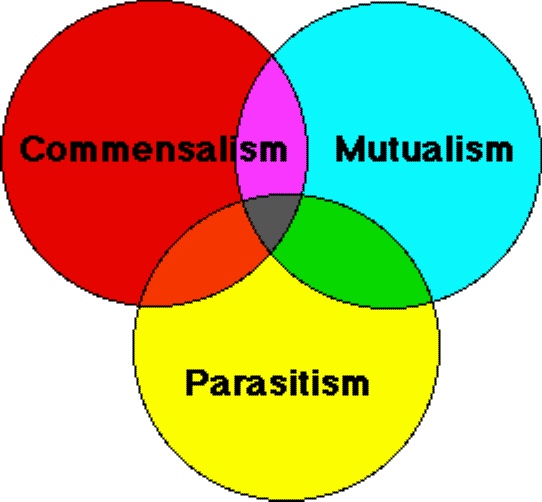
Mutualism is association of two different species that result in mutual benefit or gain. Facultative Mutualism or Protocooperation involves facultative interactions between plants and animals in ways that are general and indirect but beneficial to both species. The interactions that occur between soil bacteria and fungi and between them and higher plants growing in the soil are Protocooperative. In the zone of plant roots, soil bacteria and fungi interact with each other, some producing nutrients or metabolites required by others and all obtaining nutrients ultimately from root exudates and decaying organic matter. Plants benefit from the actions of this microflora by acquiring needed minerals, and nitrogen compounds. The important association of nitrifying bacteria in the process called Nitrogen Fixation, extraction of Nitrogen from the environment by the roots of leguminous plants is well-known. Collectively all microflora and higher plants, with associated soil fauna, participate in determining soil composition, soil structure, and soil fertility. Man exists in nature as a terrestrial organism because of these biotic interactions that transform the characteristics of soil and its ability to support life. Biotic communities that are based on Obligative Mutualism are characterized by stable, persistent, and interdependent associations between species. Coexistence in a given habitat is always required as this association is mandatory for the survival of each participant. This kind of association is perpetrated from one generation to the next. To guarantee coexistence of the partners, the species involved show relationships based upon structure, behavior, and life history. In lichens, the fungal member penetrates algal cells with feeding tubes or haustoria, thus effecting an intimate physical interconnection. This nutrient exchange helps the algal cells to develop resistance to drying or to extreme temperatures.
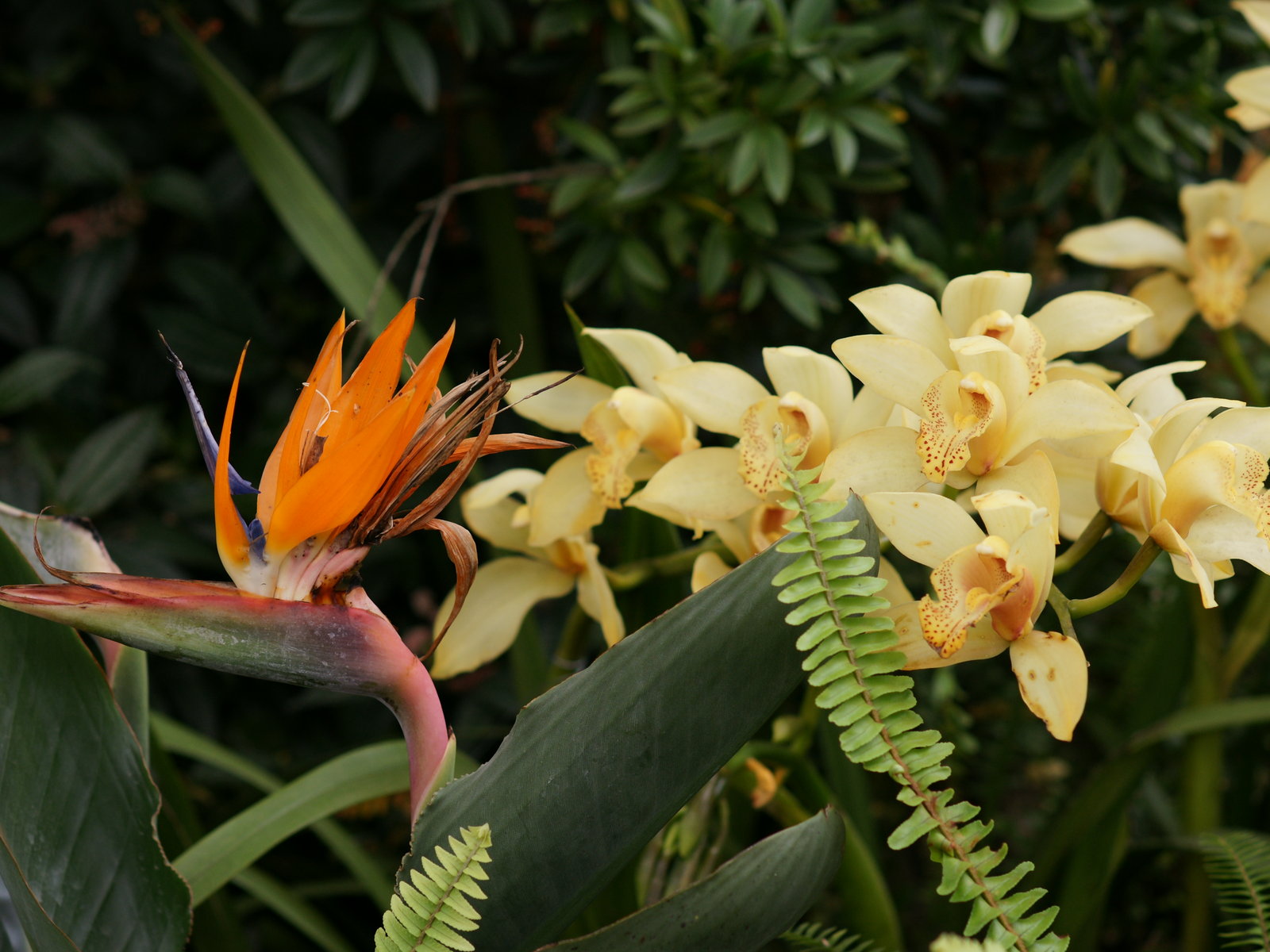
Commensalism is an association in which one member benefits while the other remains unaffected. Physical Commensalism involves the need for living space and the examples are provided by woody plants that physically support numerous orchids and ferns. Nutritional Commensalism is well illustrated by the many organisms found in the alimentary tracts of man and other higher animals. Such microbial gut flora use host waste products for food and acquire water and a suitable climate in which to live. No harm is done to the hosts.
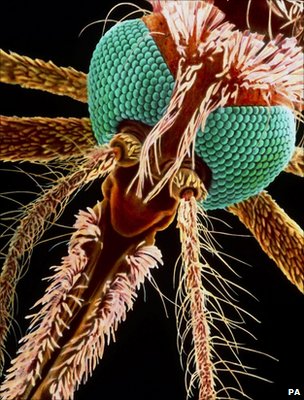
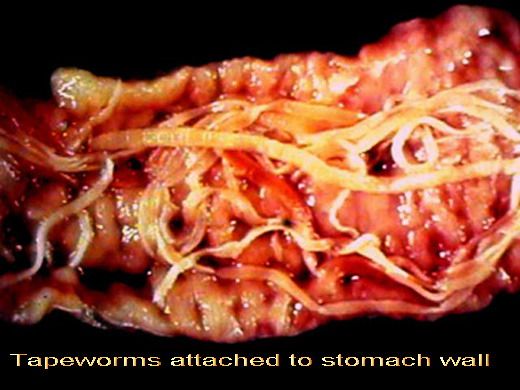
In Parasitism, the smaller organism benefits at the expense of the larger organism. Both plants and animals are attacked by parasites. Many parasites cause disease and death of the host organism. Parasitism constitutes a considerable burden on a host population. Many disease-causing organisms are parasites carried from host to host by some other organism; for example Malaria is caused by a protozoan parasite transmitted by mosquitoes. In such situations, the biotic interactions involve three necessarily coexisting species: the pathogen, the carrier or vector species, and the host. An intermediate host interposed between the target host and parasite adds ecological complications to host-parasite interactions: the parasite, host, and intermediate host must all be present in the same community in suitable numbers at the same time.
Consumption describes organisms eating organisms. It is the most important class of biotic interactions. Herbivory describes animals eating plants. Predation refers to a large or strong animal that consumes a small or weak animal. Scavengers eat or consume dead or decaying organisms and organic material. Consumption is the basic food association (trophic link) through which the composition dynamics and variation of biological community’s structure takes place. All organisms form links in the community food chains and food webs, the nutritional pathways characteristic of given biological community.
Amensalism is an association between organisms of two different species in which one is inhibited or destroyed and the other is unaffected. There are two basic modes of Amensalism; 1. Competition occurs when two species utilize a common, limited resource such as food, space, and water, and in doing so, one species interferes with, injures, or deprives the other species. Competition may involve a larger or stronger organism that excludes a smaller or weaker one from living space or deprives it of food; Intraspecific Competition occurs when competitors are of the same species. Competitive interactions may lead to Competitive Exclusion or Competitive Displacement, and 2. Antibiosis, in which one organism is unaffected but the other is damaged or killed by a chemical secretion. The classic example of Antibiosis is the discovery of Penicillin antibiotic by Dr. Alexander Fleming who had observed that the bread mold Penicillium notatum had effects upon the growth of colonies of bacteria. Mutual Antagonism occurs when a biotic interaction between two species results in harm or death to both.
Interactions within Members of the same Species: The role of Negative Interactions:
Intraspecific Competition provides the ultimate force limiting abundance of a species in a community. Natural enemies could be present or absent but others of the same species are always present providing the Competition that insures against over exploitation of available resources and the irreversible destruction of a community due to overpopulation. Fighting and territorial defense are some of the overt methods by which Competition manifests itself. Territoriality, the dividing up of resources, mostly space, is a common means of defense against overcrowding. Instead of involving individuals against individuals, it involves groups of individuals. It also produces the response of migration of individuals and mass flight of large groups of individuals. Competitive Intraspecific Interactions between humans and Mutual Antagonism among human social groups may endanger human existence.
The role of Positive Intraspecific Interactions:

Man’s life journey begins with conception and implantation of the embryo into maternal tissues at about six days after conception. The prolonged period of gestation, the anatomical connection between developing fetus and mother, the psychological bonding and the extended period of dependence of newborn and the role of parental care reveal importance of Positive Intraspecific Interactions for human existence. Numerous interactions among individuals of the same species lead to the development of social groups. Parental Care and protection provides the basis for many aggregations of like individuals, and social units like families.
Man’s Biological Existence as the Host of a Biotic Community:

Man exists in nature as a natural host to a biotic community of trillions of microorganisms. At birth, the stomach and gastrointestinal tract are usually sterile. With the first intake of food and contact with other humans present in the environment, bacteria commence colonization of infant’s digestive tract. These microorganisms perform functions beneficial to the host. The microbes are provided with a protected place to live and their environment is rich in nutrients. This mutual beneficial, symbiotic relationship is always present during the entire course of life after birth. The human body consists of about 100 trillion cells and it carries about ten times as many microbes in the intestines. The microbial flora include enteric bacteria, bacteroides, enterococci, lactobacilli, and clostridia. The small intestine contains low numbers of bacteria, about 100,000 to 10 million bacteria per millilitre of fluid. In the large intestine, the bacterial members can reach 100 billion per millilitre of fluid. It is estimated that these gut flora have around 100 times as many genes in aggregate as there are in the human genome. The metabolic activities performed by these bacteria resemble those of an internal organ of human body. The microbes are important to the health of humans. These bacteria are useful for efficient processing of food, absorption of water, absorption of nutrients like Magnesium, Calcium, and Iron. They perform a variety of useful functions such as synthesis of essential vitamins like Biotin, Vitamin K and production of short-chain fatty acids. The gut flora may produce hormones to direct the host to store fat. They train the host immune system to respond only to pathogens and thereby prevent the growth of harmful, pathogenic bacteria. They stimulate increased growth of human gut cells and stimulate the growth of indigenous bacteria. Gut flora have enzymes that human cells lack for breaking down complex sugars called polysaccharides. The gut flora help in digestion of unutilized energy substrates and may contribute up to 60 percent of the weight of the feces for human excretory function. Microbial flora of the gut can influence the phenomenon known as “Oral Tolerance” which may reduce overreactive immune response like those found in allergies and auto-immune disease. Gut flora play a major role in metabolizing dietary carcinogens and hence have role in prevention of cancer. Human existence demands the play of these biotic interactions for its own benefit and for the benefit of the biotic community as its natural host.
Spirituality – The Nature of Spiritual Interactions:

The term ‘spiritual’ describes the nature of a relationship, partnership, an association, or bonding between two living entities based upon characteristics such as compassion, sympathy, cooperation, mutual assistance, tolerance, voluntary subservience, devotion, and functional subordination to provide some benefit to the members participating in the biotic interaction at a given place and in a given environment. Depending upon size, complexity, and structure and functions of the Whole Organism, Spiritual Biotic Interactions and Spiritual Relationships are also based upon thoughts and feelings of sympathy and compassion that are attributes of mental functions and emotional makeup of the partners interacting. The Spiritual nature of biotic interactions is reflection of the Spiritual nature of the Creator of the living entities who has provided different modes of interactions using inspiration and imagination. Hence, Spirituality as a biotic interaction describes an internal, mutually beneficial partnership between individual cells of the human organism and the Whole Organism that represents it as a Human Individual.

The issue of spirituality, the nature of Soul and consciousness must be explored in the context of arriving at an understanding of man’s Identity and Individuality. If man is viewed as an association of trillions of cells, we need to know the Identity of that Subject who lives because of the functions of the trillions of cells. The purpose of consciousness at cellular level is to foster functional unity of the multicellular organism and to establish it as an Individual. In a multicellular organism, cells have short lives as individuals. The Subject or the whole organism has a life span of its own and it has effects on individual cells. Multicellularity is accompanied by adaptive subordination of all cells to the requirements of the organism as a whole. To achieve proper numerical balance between functionally related cell groups, the death of many cells is necessary for other cells to reach maturity. This programmed cell death plays an important role in embryological development. Such programmed cell death events are essential if the organism as a whole is to develop its normal final form. Waves of genetically driven cell deaths are critical to the proper modeling of organs and organ systems. We need to know and understand that death of cells is a must to establish the Identity and to sustain the Individuality of the human being. The dying process helps man to understand his Individuality. The Individuality is preserved while death is a daily event at the cellular level. The phenotype or the morphological appearance of the human Subject undergoes constant change during the Life journey and yet the Individuality remains unchanged. We recognize the death of this human Subject when his Soul departs from his body. Soul may be stated as an entity which is regarded as being immortal or spiritual part of the person. The Spirit of a dead person generally refers to a principle separate from the body and leading existence of its own. If Soul is viewed as a Non-thing or Nothingness, it comes into the world of existence by entering the physical being at its conception which becomes conscious or aware of its existence. This consciousness has also existed in a previously existing Living Egg Cell which is the Mother of Life, Energy, and Knowledge. Consciousness by its very nature is immortal, it is eternal, and it has no birth or death. We recognize the arrival and departure of the new product during the Life-Death continuum where the Individuality is unaffected by the changes that are caused by the powerful influence of Time.
Dr. Rudranarasimham, Rebbapragada, B.Sc., M.B.B.S.,
Father’s Name: R. Suryanarayana Murty
Sri Venkateswara University M.B.B.S. Class of April, 1970
Andhra Pradesh Medical Council Medical Registration Number: AMC5282; Date of Registration: September 16, 1971


