Michigan Medicine AHEAD Study uses unscientific demographic information to ascertain the Identity of Whole Dude for participation in Medical Research Project


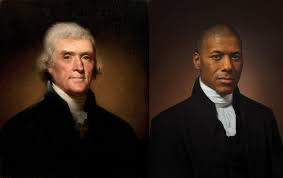

Man describes his identity in terms of his personal name, age, gender, race, ethnicity, place of origin, language, religion, political, occupational, or social affiliation. In reality, the man is an association of trillions of individual cells. Michigan Medicine should have known better and must use valid, verified principles to identify every Human Being as a Specific Individual with Individuality without depending upon unverified claims about Race and Ethnicity.

The AHEAD Study is researching the safety and effectiveness of an investigational medication in people who might be at increased risk for developing memory loss associated with Alzheimer’s Disease. The study is looking for participants age 55-80 years old, who have generally normal memory function in daily life, and who are not being treated for memory problems. For individuals age 55-64 years old, an additional risk factor is required, such as a parent or sibling with Alzheimer’s Disease or previous biomarker testing showing increased risk for developing Alzheimer’s Disease. This study sees participants in Ann Arbor. Contact Lauren Mackenzie at spearsl@med.umich.edu or 734-232-2415, Clinical Research Coordinator, Neurology Clinical Trials Organization (NeCTO), NCAC.
On Tuesday, December 05, 2023, at the Michigan Clinical Research Unit (MCRU) at the Cardiovascular Center (CVC), Whole Dude was interviewed for participating in the AHEAD Study. Whole Dude was asked to provide their demographic information to register their personal identity for participation in the Medical Research Project. Further, Whole Dude was asked to provide information about their Race which is entirely determined by the Place of their Birth, and the Country of their Birth. Whole Dude was asked to verify their Ethnicity using the one and only Criteria which relates to the Ethnicity of Hispanic people.
Whole Dude remains totally dismayed to learn that the Research Project has not established its own Protocol to describe the Identity and Individuality of the Specific Human Individual who may be included as a Research Subject in Clinical Medical Research. Michigan Medicine should have known better and must use valid, verified principles to identify every Human Being as a Specific Individual with Individuality without depending upon unverified claims about Race and Ethnicity.


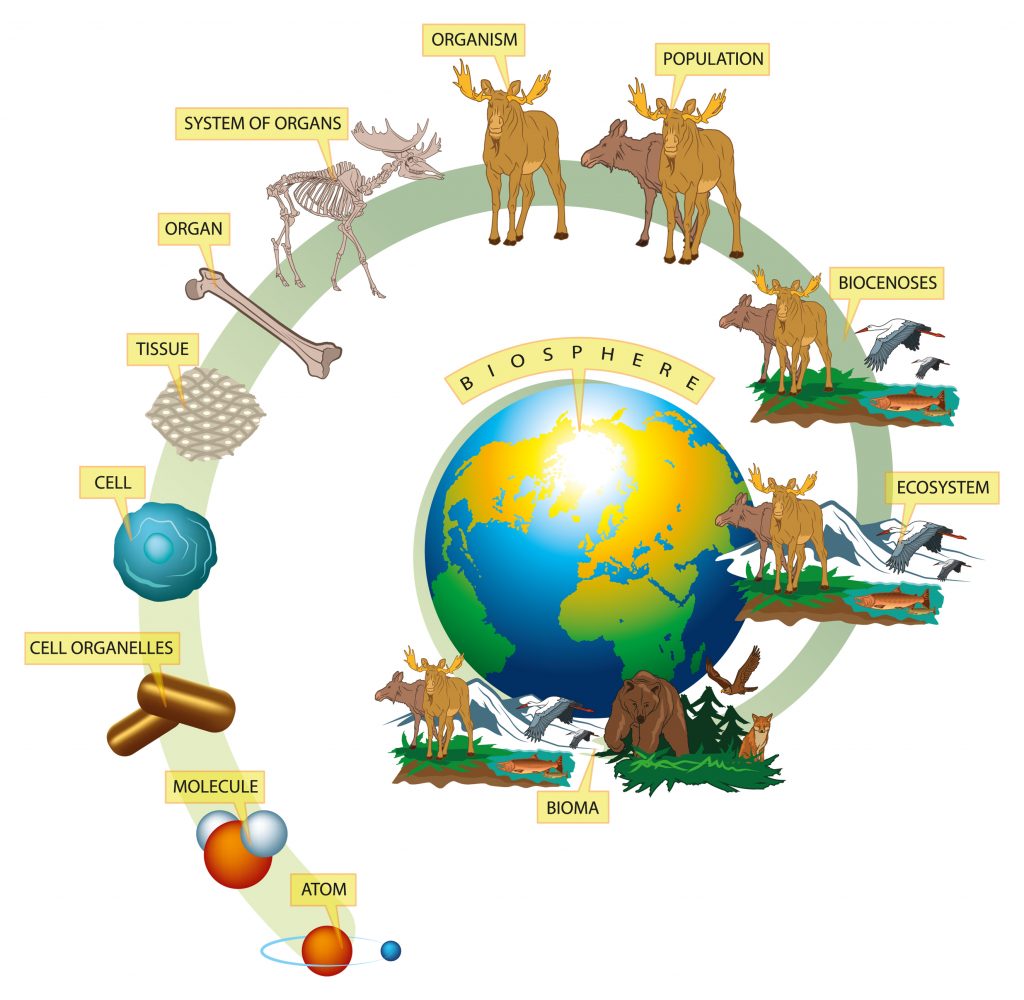
Man is constituted as a Biotic Community of socially interacting cells and microbes


The Cellular and the Molecular Basis of Identity and Individuality

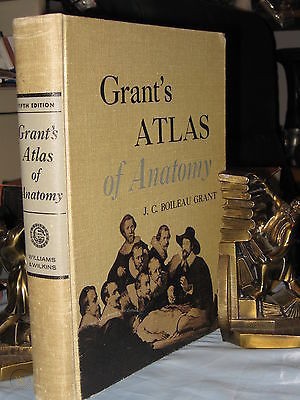
In 1965, while Whole Dude was a student of Human Anatomy at Kurnool Medical College, they had the opportunity to know Dr. J. C. B. Grant (1886-1973), the author of Grant’s Atlas of Anatomy. The 5th Edition of his Atlas was published in 1962 and was available in India in their Medical College Library.
John Charles Boileau Grant (1886–1973)
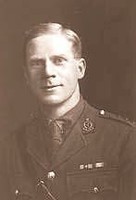
Born in Loanhead (south of Edinburgh) in 1886, Grant studied medicine at the University of Edinburgh Medical School and graduated with an M.B., Ch.B. degree in 1908. While at Edinburgh, he worked under the renowned anatomist Daniel John Cunningham. Grant became a decorated serviceman of the Royal Army Medical Corps during the First World War before moving to Canada.


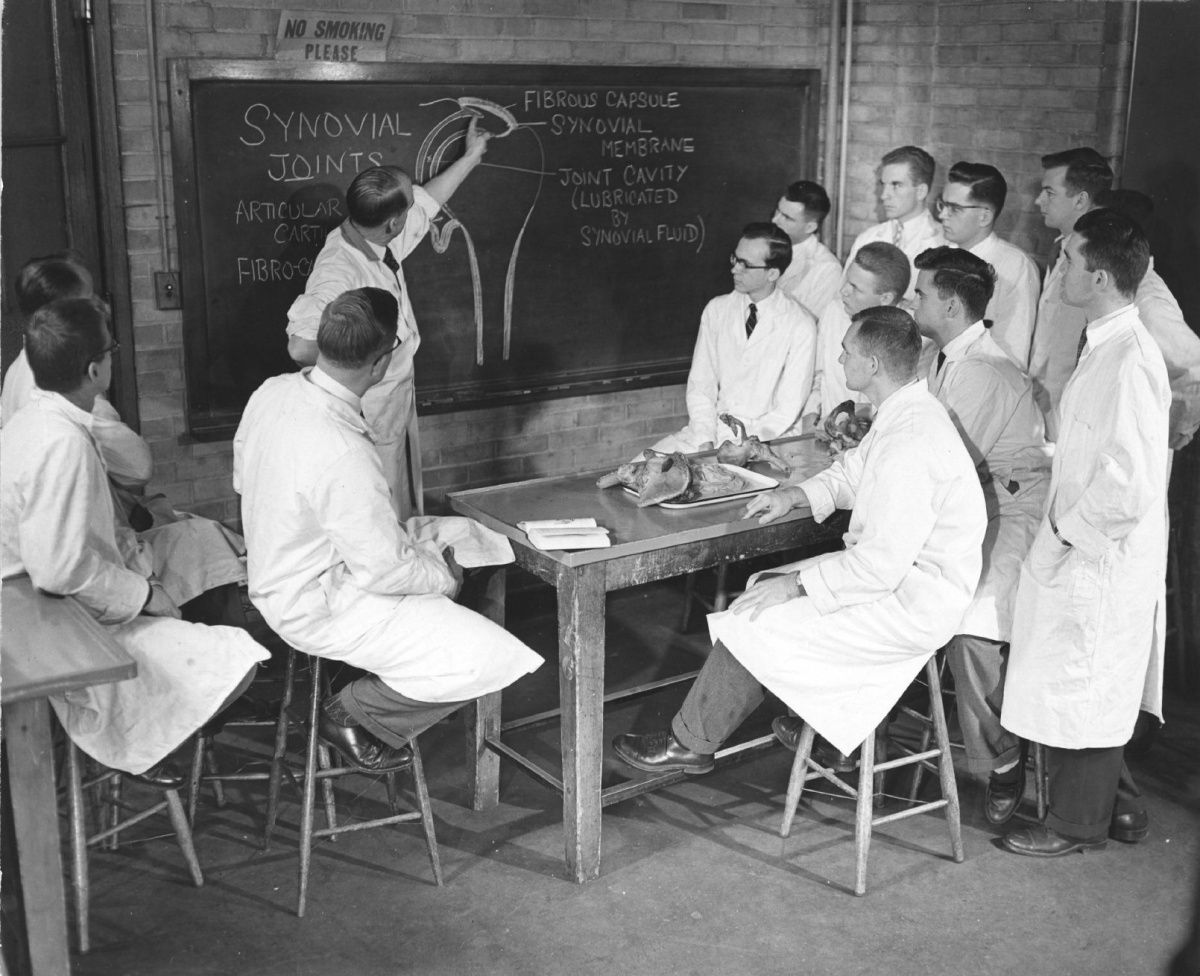
He established himself as an ‘anatomist extraordinary’ at the University of Toronto, publishing three textbooks that form the basis of Grant’s Anatomy. The textbooks are still used in anatomy classes today, and made unforgettable memories for those who found themselves in his classes nearly a century ago. One of Grant’s many accomplishments was establishing a division of histology within the department.
As a medical student, Whole Dude used Grant’s Atlas of Anatomy, the seminal work of Scottish-born Dr. John Charles Boileau Grant, who was the chair of Anatomy at the University of Toronto in 1930 and retired in 1965.
Students continue to use Grant’s textbooks today, and for the more artistic anatomist there’s even a Grant’s Anatomy Coloring Book, published in 2018.
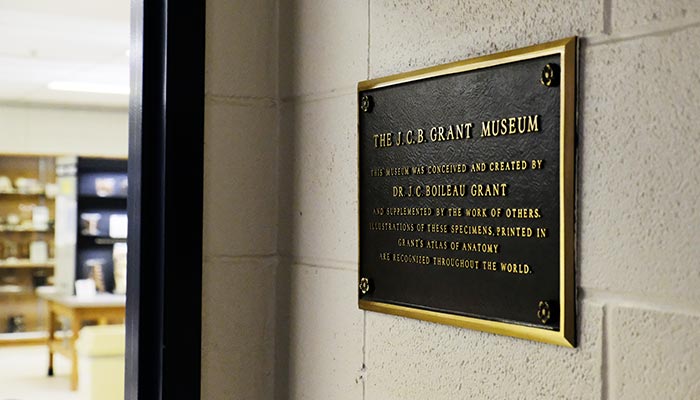
At the University of Toronto, Dr.McMurrich, Chair of Anatomy was succeeded as chairman in 1930 by Dr. John Charles Boileau Grant. Dr. Grant wrote three text books, of which “An Atlas of Anatomy” (published in 1943) rapidly gained international prominence and is still, one of the most widely used anatomical atlases in the world. It is now known as “Grant’s Atlas of Anatomy” and is in its tenth edition. The atlas was based on a series of elegant dissections done either by Grant or by others under his supervision. Many of these dissections are currently housed in Grant’s Museum at the University of Toronto.
The concept of Whole Dude relates to knowing the man, the building blocks and the structural units and organization of the human body. To defend human existence, Whole Dude lays the emphasis on knowing the person who is at risk apart from knowing the agent posing the risk.
The Identity of Multicellular Human Organism:

Daniel John Cunningham was born on 15 April 1850 in Scotland. After his initial schooling at his home town, Crieff, he took up the study of medicine at the University of Edinburgh and passed with honours. He is best known for the excellent series of dissection manuals, namely Cunningham’s Dissection Manuals. Cunningham’s Manual of Practical Anatomy has provided me the learning tools to know and understand Man’s External and Internal Reality and its Identity as described by Cells, Tissues, Organs,and Organ Systems.


Whole Dude learned the truths about the living human body and about Life while dissecting dead human bodies in a systematic manner. The Manual of Practical Anatomy which guides students through this entire process was published in England. The author Dr. Daniel John Cunningham prepared the Manual while dissecting cadavers of British or Irish citizens. He never encountered cadavers of Indian citizens. At Kurnool Medical College, Kurnool, Andhra Pradesh, India, where Whole Dude was a student, the Department of Anatomy obtains dead bodies from Government General Hospital Kurnool and most of the deceased are the poor and often illiterate people of that region. None of the deceased had the chance to know this man called Cunningham and Cunningham had no knowledge about the existence of these people who arrive on our dissection tables. But, as the dissection of the human body proceeds, inch, by inch, we recognize the anatomical parts as described by Cunningham. The manual also lists some anatomical variations and we very often exchange information between various dissection tables and recognize the variations mentioned. The dissections also involve slicing the organs and studying them, both macroscopically, and microscopically. We did not miss any part of the human body.

So what is the Identity of this Human Person who experiences his life using Sensory Experiences such as Taste? How does the living Human organism maintains its Identity and Individuality? Apart from the Cultural Traditions of India, several Schools of Religious Thought claim that the Human Individuality and true or real Identity is represented by Human Soul. Does man have a soul? Where does this soul exist in the human body? What is the location if the soul is present in the living person? How does the human organism acquires Knowledge about its own structures and the functions they perform?To know the burdens of Life, Whole Dude asks his readers to know the reality of man and the nature of his existence.

Human Identity vs Human Individuality:

Human Identity may involve a variety of factors such as facial appearance, age, gender, race, ethnicity, language, religion, culture, nationality, sexual orientation, social and occupational status. Whereas human individuality has to be evaluated by using the markers that the human body uses to recognize its own Self and defends its own existence from threats posed by Non-Self.

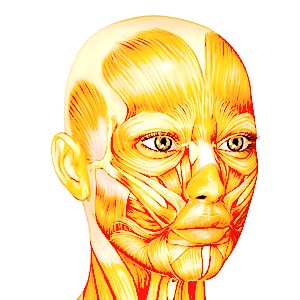


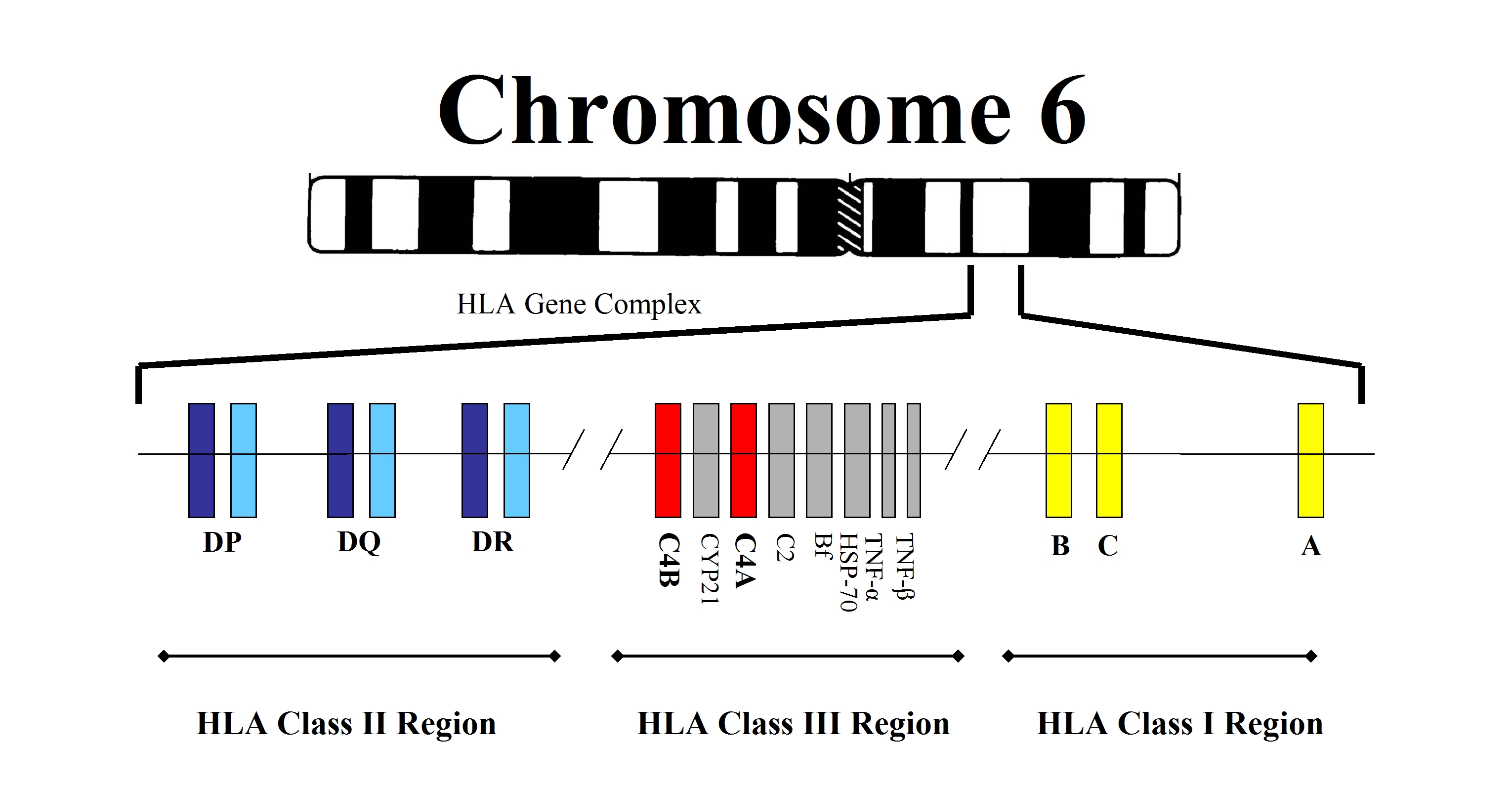
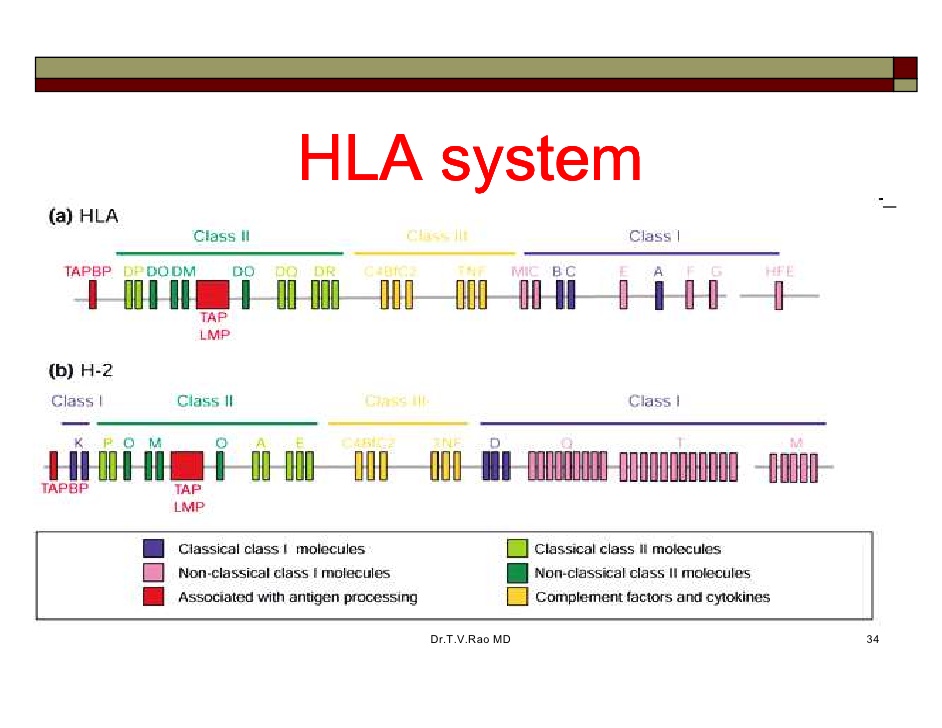
THE MAJOR HISTOCOMPATIBILITY COMPLEX (MHC) IS THE HUMAN LEUKOCYTE ANTIGEN (HLA) GENE CLUSTER ON CHROMOSOME 6. HUMAN ORGANS AND TISSUES CANNOT BE TRANSPLANTED OR GRAFTED INTO THE BODIES OF UNRELATED INDIVIDUALS. HUMAN IDENTITY MUST BE DISCOVERED AT MOLECULAR LEVEL TO ESTABLISH THE AFFINITY BETWEEN TWO HUMAN INDIVIDUALS.
Human Individuality and the Genome

Understanding Individuality:
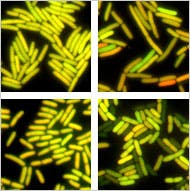
Dr. Michael Elowitz, Physicist at California Institute of Technology has conducted experiments on colonies of genetically identical (Clones) E. coli bacteria under identical experimental conditions and has discovered that the clones behave in different ways which could be viewed as an expression of ‘individuality’.

E. coli bacteria in billions populate our intestines. Typical E. coli bacillus has about 4,000 genes. Human cells have about 20,000 genes. The bacteria have fingerprints of their own and even when they share the exact same genome, they could still be identified as ‘individuals’.

The key to understanding E. coli’s fingerprints is to recognize that the bacteria are not simple machines. Unlike wires and transistors, E. coli’s molecules are floppy, twitchy and unpredictable. In an electronic device, like a computer or a radio, electrons stream in a steady flow through the machine’s circuits, but the molecules in E. coli jostle and wander. When E. coli begins using a gene to make a protein, it does not produce a smoothly increasing supply. It spurts out the proteins in fits and starts. One clone may produce half a dozen copies of a protein in an hour, while a clone right next to it produces none.
Michael Elowitz, a physicist at Caltech, put these bursts on display in an elegant experiment. He and his colleagues incited E. coli to produce its proteins for feeding on lactose. Dr. Elowitz and his colleagues added extra genes to the bacteria so that when they made lactose-digesting proteins, they also released light.
The bacteria, Dr. Elowitz found, did not produce a uniform glow. They flickered, sometimes brightly, sometimes dimly. And when Dr. Elowitz took a snapshot of the colony, it was not a uniform sea of light. Some microbes were dark at that moment while others shone at full strength.
At the very least, E. coli’s individuality should be a warning to those who would put human nature down to any sort of simple genetic determinism. Living things are more than just programs run by genetic software. Even in minuscule microbes, the same genes and the same genetic network can lead to different fates.
The bacteria have fingerprints of their own and even when they share the same genome, they could still be identified as individuals.

Humans differ from one another in too many different ways and it is hard to count. The current human population of over six billion could be identified as the same number of individuals. Each human being has an unique genome of his own. There are millions of typographical differences between one genome and another human genome. Even identical twins are not truly identical at all as identical genes in our cells can behave differently.
Living entities are not like simple machines. When we use a gene to make a protein, the gene may not produce a smoothly increasing supply of that protein. The gene tends to work in fits and starts and spurts out the protein. Identical genes can behave differently as the gene makes protein or remains silent depending upon the ‘Methyl’ groups that cap the DNA strands and function as ‘transducers’. These ‘Methyl’ groups sometimes fall off of DNA or become attached to new spots. Hence genetically identical individuals can have different physical identities in the natural world. The protein molecules that make up living entities, turn them into individuals.
The Irrelevance of Evolution:

In the natural world, all living entities exist as individuals and express their individuality. The Theory of Evolution proposes that a species can descend or arrive to become a new species by changing its genome in a gradual and incremental manner using a mechanism that is described as Natural Selection. As per Darwinism, the mechanism of natural selection operates via a process of random and unguided mutations in the genetic code that changes the genome and eventually produces the ‘biodiversity’ that we witness in the natural world.

This Theory of Evolution has no relevance to the ultimate identity of each individual member of a given species. This identity is dictated by interplay between the various components of each individual cell and its interactions with other cells. With the same genomes or different genomes, the living entities can only exist as individuals and they have no other choice. The evolutionary connections are not relevant to this identity. To understand the phenomenon of biodiversity, we will be forced to look at each individual member of each given species.
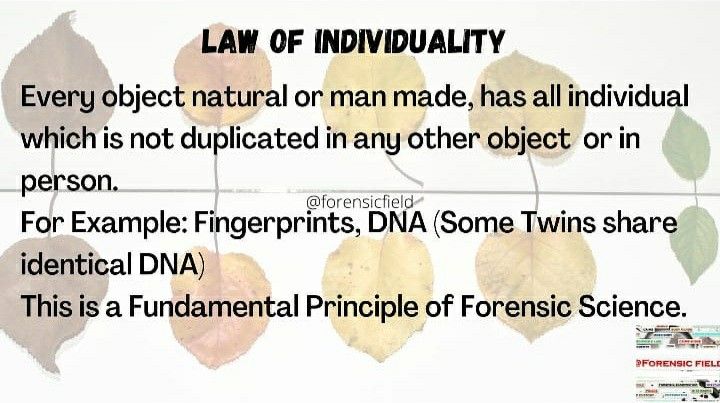
The Law of Individuality:
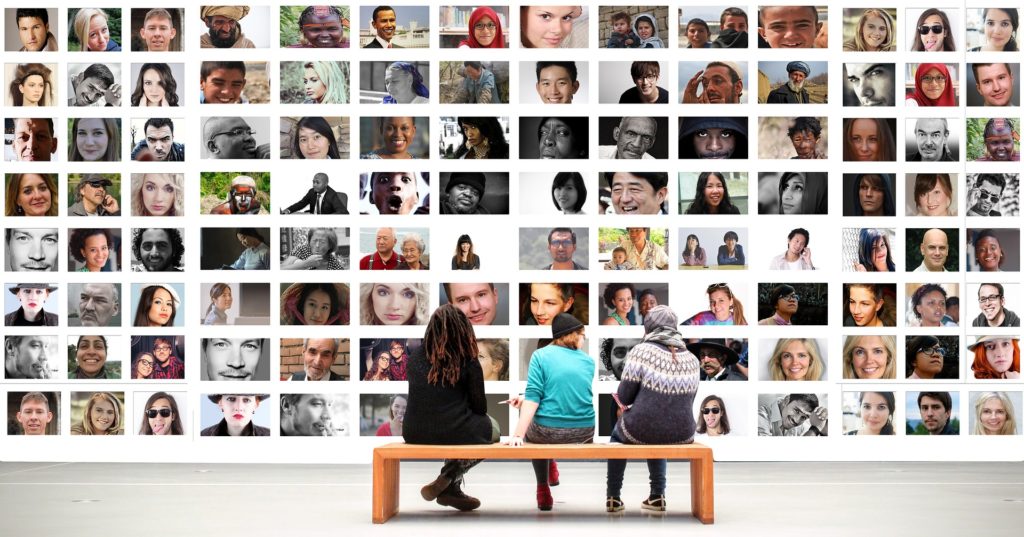
Whole Dude states that the Law of Individuality governs all the living entities and is manifested in various biological phenomena. The genes and the genetic code function in accordance with the Law of Individuality. Hence, Whole Dude describes Individuality as a Trade Mark. It is the characteristic of a biological entity. Genes and the genetic codes are the tools that an organism uses to express its Individuality. Each organism assembles its own kind of protein molecules to define its identity and to defend its existence in the natural world.
Whole Dude is the Given Name of a known, verified, specific Whole Person
What is Identity and What is Individuality?

A brief glance at the face is enough for most people to identify one another. However, man does not exist with the same identity during the course of his life. The word identity describes the condition or fact of being a specific person. Identification is the process by which a person can be identified in an accurate and consistent manner.

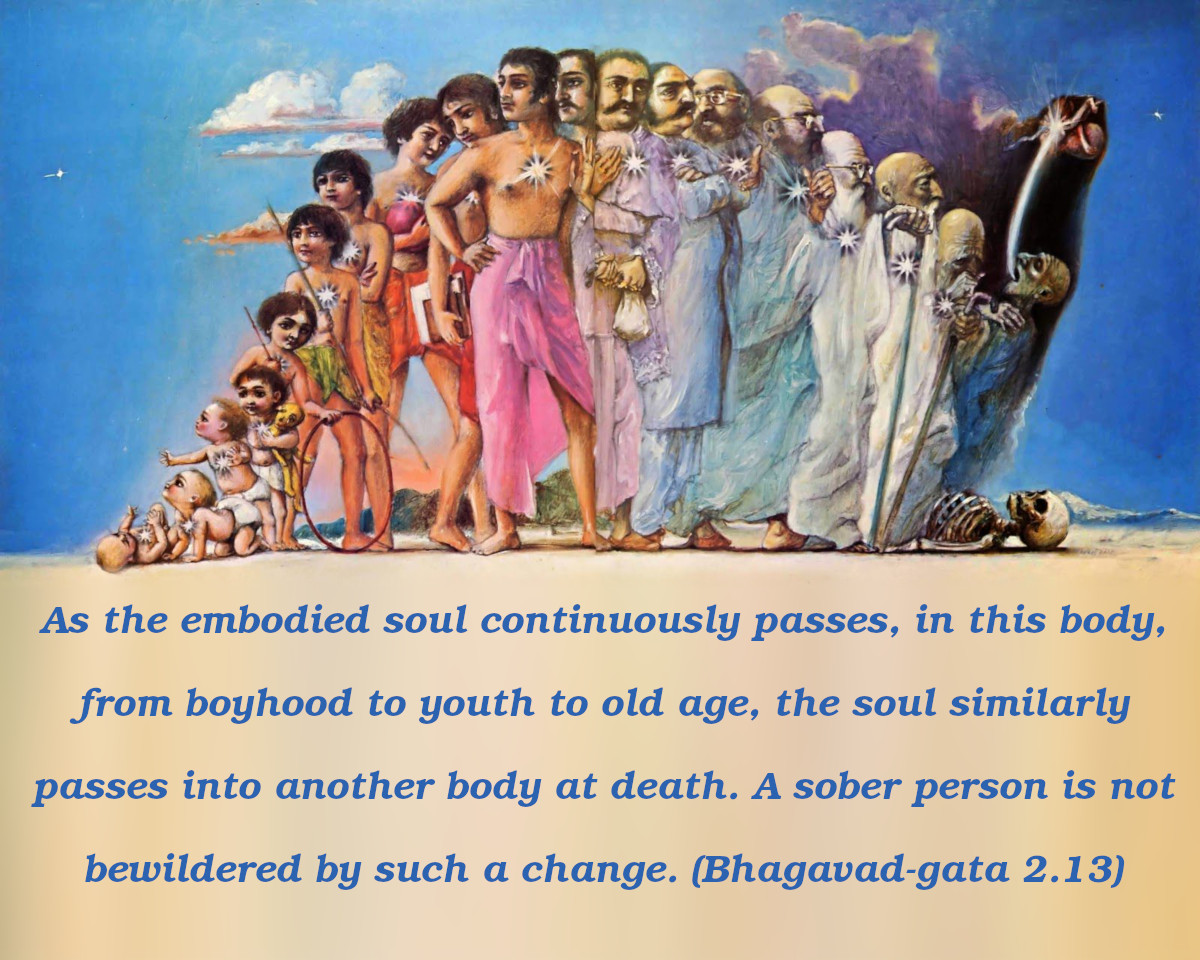
The morphological or the external appearance of a person is subject to constant changes and it differs in a significant manner during the various stages of life such as infancy, boyhood, adulthood, and old age. The term individuality describes the sum of the characteristics or qualities that set one person apart from others. The condition of being individual, or different from others establishes the indivisibility of man. Man is unique, original, one kind of person who has not existed before and would not also exist in future even when he shares the same identical genome. Two identical twins could be correctly identified as two different individuals. I propose the Law of Individuality and Creation which claims that man exists as Individual and has no choice in this conditioned nature of subjective physical existence in the world. Man can only exist as Individual with Individuality.

The Identification Technology:

Biometrics is that branch of Biology which deals with its data statistically and by mathematical analysis. Using Fingerprints is the oldest method of Identification using biometric information. People have tiny ridges of skin on their fingers. These ridges form through a combination of genetic and environmental factors. The genetic makeup, the position of the fetus in the womb, and the composition and density of surrounding amniotic fluid play a role in how every individual ridge on the skin surface of finger will form. Fingerprints are a unique marker for a person, even an identical twin. Fingerprint analysis can define the differences between two fingerprint impressions.

The Fingerprint is electronically read. The corrugated ridges of the skin are non-continuous and form a pattern that has distinguishing features or minutiae. Two varieties of Fingerprint scanning technology are currently used; the optical Fingerprint scanners and the Capacitance Fingerprint scanner that uses a computerized analysis.
Iris Recognition Technology:
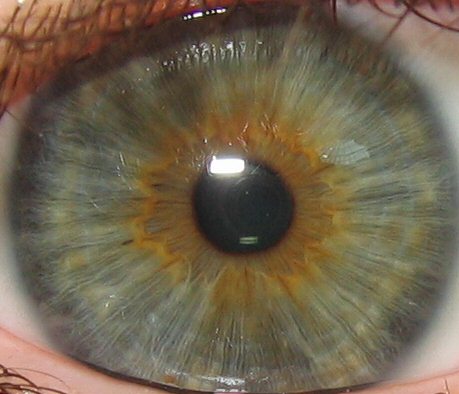
Iris Scanners use pattern recognition techniques based on images of the irides (Irises) of an individual’s eyes.

No two irides being the same, even in identical twins, individuals could be identified with accuracy and consistency.
DNA Analysis:

A small sample of DNA is amplified by using Polymerase Chain Reaction or PCR. In a method described as Short Tandem Repeat Analysis, it is examined to find how often base pairs repeat in specific locations or loci on a given DNA strand. These can be dinucleotide, trinucleotide, tetranucleotide, or pentanucleotide repeats; that is repetition of 2, 3, 4, or 5 base pairs. Very often, the investigator looks for tetranucleotide or pentanucleotide repeats in the DNA sample. The likelihood that any two individuals (except identical twins) will have the same 13-loci DNA profile can be as high as 1 in 1 billion or greater.
Biometric Facial Recognition Technology:

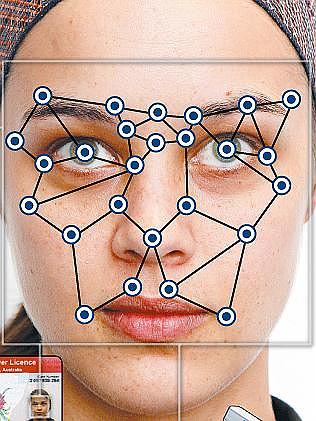
Every face has numerous distinguishable landmarks, the different peaks and valleys that make up facial features. These landmarks are known as nodal points. Each human face has approximately 80 nodal points.

Distance between the eyes, width of the nose, depth of the eye sockets, the shape of the cheekbones, the length of the jawline and other features are used as nodal points. These nodal points are measured creating a numerical code called a face print, representing the face in the database and comparison is made between images of face. 2D or 3D image of a person’s face uses distinct features of the face where rigid tissue and bone is most apparent, such as the curves of the eye socket, nose, and chin to identify the subject.
Unique templates are created from measurements between key points on the face and these measurements provide identification of the individual.
Skin Biometrics – Skin Surface Texture Analysis:

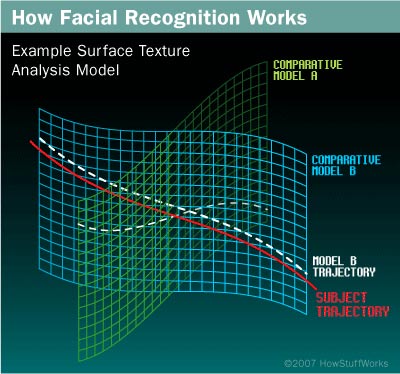
The Surface Texture Analysis algorithm operates on the top percentage of results as determined by the Local feature analysis. This method creates a Skin Print and performs either a 1:1 or 1:N match for verification or identification. It can identify the differences between identical twins.
Identity, Individuality, and Consciousness:

Man describes his identity in terms of his personal name, age, gender, race, ethnicity, place of origin, language, religion, political, occupational, or social affiliation. In reality, the man is an association of trillions of individual cells.

The human organism is a conscious being and the function called consciousness achieves functional unity of all these individual cells and works for the benefit of the individual who always maintains his individuality.

This is possible because individual cells have the ability to recognize the presence of other living cells in their environment and display functional subordination to serve the purpose of the whole organism.

Human Identity and Individuality is defined by the Doctrine of Molecular Individualism
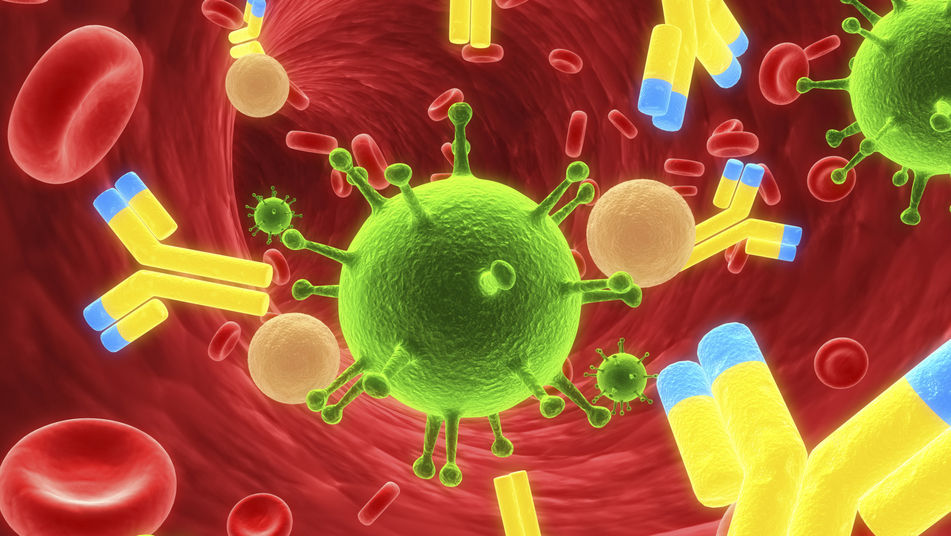
Whole Dude coined the phrase Whole Individualism to discover Man by a study of the building blocks, the structural units and organization of the human body. To defend human existence, Whole Individualism lays the emphasis on knowing the person who is at risk apart from knowing the agent posing the risk.
The Whole Dude Doctrine of Whole Individualism and Molecular Individualism

The man exists in the physical world for his existence is essentially supported by Unity or ‘Eikyata’ with ‘Prabhu’, or LORD God Creator. It is of great importance to note that man’s existence involves use of a creative mechanism that deploys unique molecules that establish man’s physical identity on a molecular basis. Man’s existence is ‘Conditioned’ for he has no choice other than that of existing as an Individual with Individuality. This Individualistic Nature of Existence is defended by Immune System that deploys unique molecules called Antibodies. Man’s existence is defended by a creative mechanism that involves deployment of Antibody molecules that distinguish or separate Self and Non-Self.


Modern Science has provided tools to visually examine large molecules and experimentally verify individualistic variations in their behavior. For this reason, we have to know each man as a Specific Individual with Individuality.
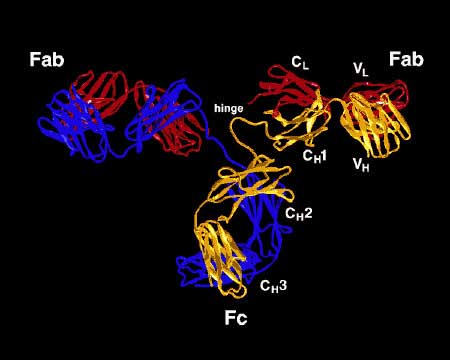
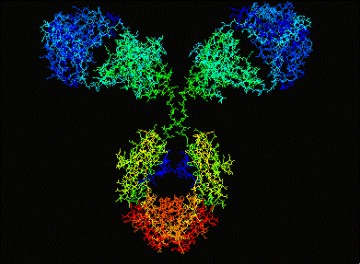
Knowing man’s identity and individuality demands understanding of molecules that defend human existence. For example, each antibody molecule bears two identical binding sites consisting of six b-loops.
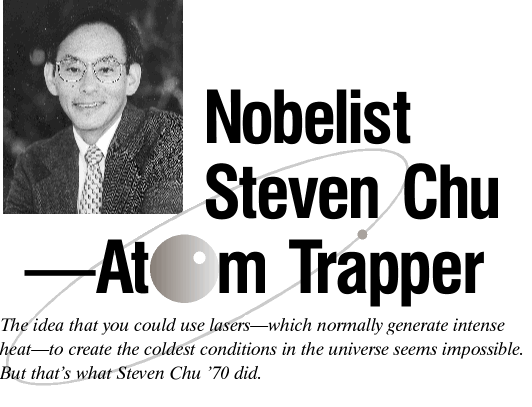
Nobel Laureate, Dr. Steven Chu (United States Secretary of Energy), former Professor of Physics and Applied Physics, Stanford University has described that molecules can exhibit a surprising degree of individuality. In experiments that examine the physical behavior of single molecules, Stanford researchers have discovered that identical polymers; long, flexible, spaghetti-like molecules that are found in everything from plastics to living cells; UNFOLD in a variety of ways even when exposed to the same experimental conditions. Dr. Chu had stated : “We discovered it because we have developed the ability to visualize and manipulate single molecules.” He had further observed that, “Only by looking at individual animals you can get a true sense of diversity of species.” Dr. Chu researched Biological Physics and Polymer Physics. Dr. Chu’s research in Polymer Physics made use of individual molecules of DNA to study Polymer Dynamics.
We define our identity in the natural world and defend our existence by deploying unique protein molecules. Our genetic code determines the protein molecules that we use. The genetic code is made up of DNA strands that express Molecular Individualism. It arises from exceedingly small differences in the initial configuration of the polymer.

Nobel Prize for Medicine Goes to Cancer Therapy
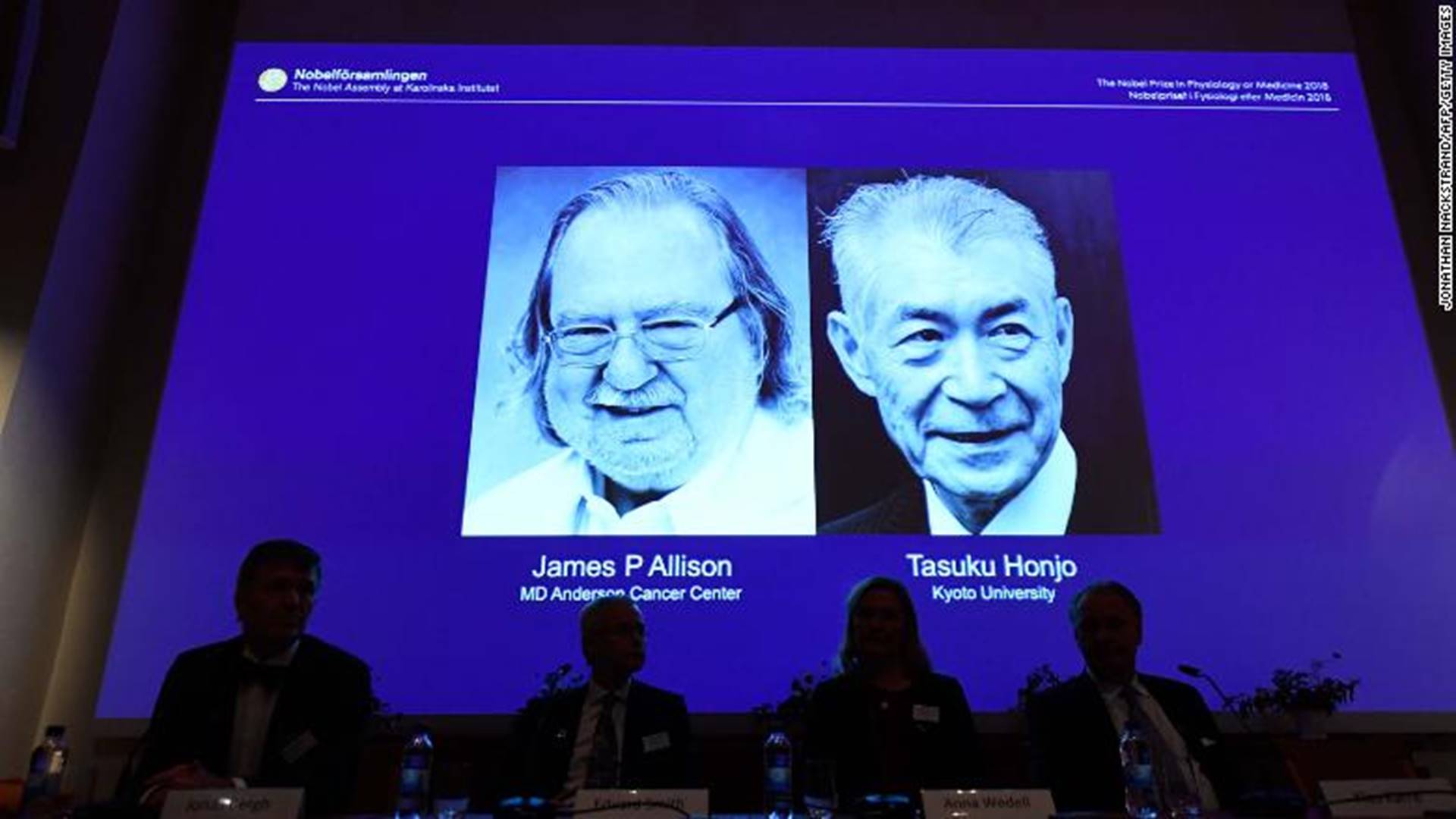
American James Allison and Japan’s Tasuku Honjo have won the 2018 Nobel Prize in Medicine for a pioneering approach to cancer treatment.
The Nobel committee said the pair’s research — which harnesses the body’s immune system to attack cancer cells — amounted to a “landmark in our fight against cancer.” The approach, known as immune checkpoint theory, had “revolutionized cancer treatment and has fundamentally changed the way we view how cancer can be managed,” the committee said.
Clipped from: https://www.bbc.com/news/health-45704322

Image copyright SPL
Two scientists who discovered how to fight cancer using the body’s immune system have won the 2018 Nobel Prize for physiology or medicine.
The work, by Professor James P Allison from the US and Professor Tasuku Honjo from Japan, has led to treatments for advanced, deadly skin cancer.
Immune checkpoint therapy has revolutionized cancer treatment, said the prize-giving Swedish Academy.
Experts say it has proved to be “strikingly effective”.
Prof Allison, of the University of Texas, and Prof Honjo, of Kyoto University, will share the Nobel prize sum of nine million Swedish kronor – about $1.01 million or 870,000 euros.
Accepting the prize, Tasuku Honjo told reporters: “I want to continue my research … so that this immune therapy will save more cancer patients than ever.”
Prof Allison said: “It’s a great, emotional privilege to meet cancer patients who’ve been successfully treated with immune checkpoint blockade. They are living proof of the power of basic science, of following our urge to learn and to understand how things work.”
Treating the untreatable
Our immune system protects us from disease, but it has built-in safeguards to stop it from attacking our own tissue.
The Whole Dude Doctrine of Molecular Individualism. Study of Antibody Molecules will help in understanding the concept of ‘Molecular Individualism’: 2018 Nobel Prize for Medicine. My Thoughts on the Molecular Basis for the Defense of Human Existence.
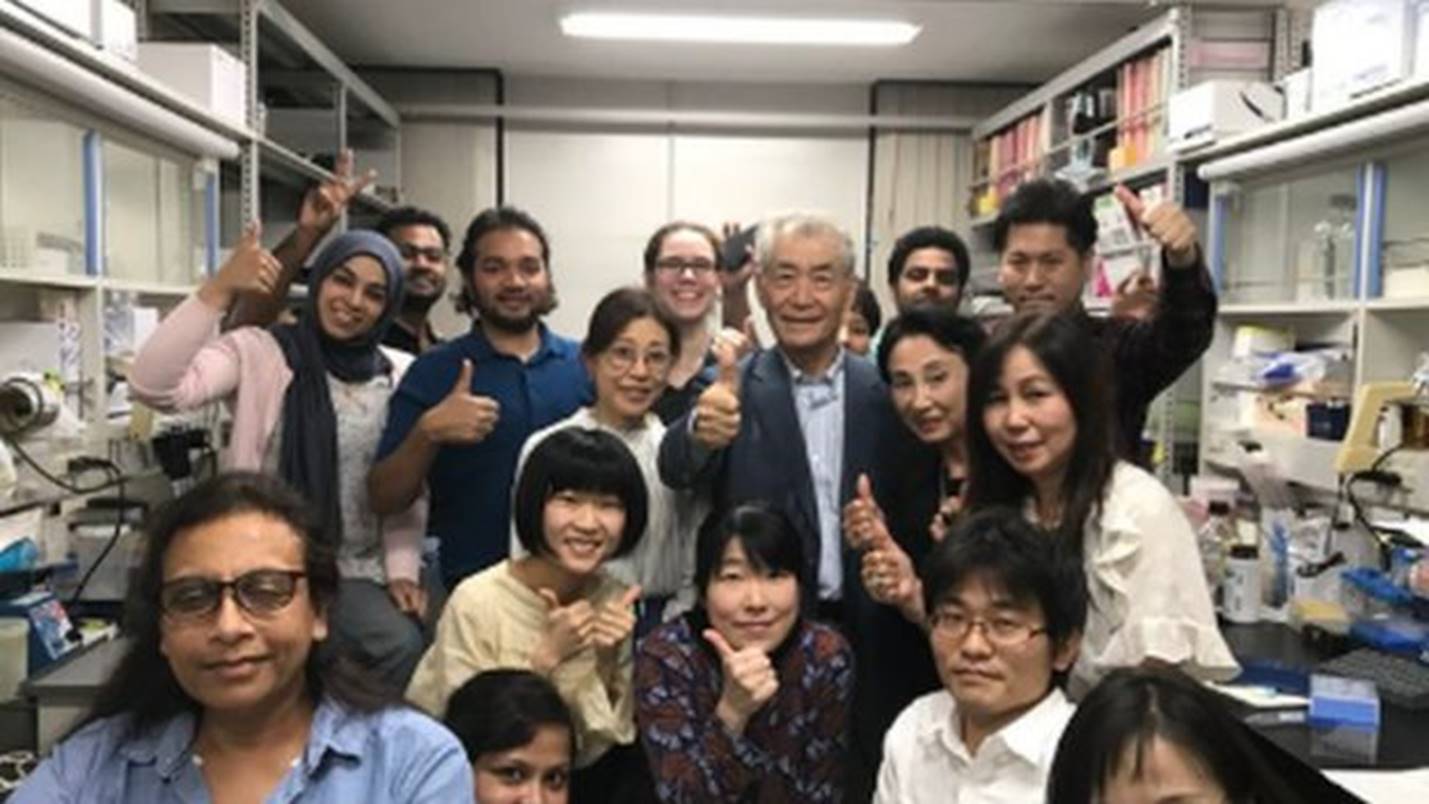
Image copyright. Kyoto University. Image caption. Professor Tasuku Honjo and his team at Kyoto University
Some cancers can take advantage of those “brakes” and dodge the attack too.
Allison and Honjo, now both in their 70s, discovered a way to unleash our immune cells to attack tumors by turning off proteins that put the brakes on.
And that led to the development of new drugs which now offer hope to patients with advanced and previously untreatable cancer.
Immune checkpoint therapy is being used by the NHS to treat people with the most serious form of skin cancer, melanoma.
It doesn’t work for everyone, but for some patients it appears to have worked incredibly well, getting rid of the tumor entirely, even after it had started to spread around the body.
Such remarkable results had never been seen before for patients like these.

The Whole Dude Doctrine of Molecular Individualism. Study of Antibody Molecules will help in understanding the concept of ‘Molecular Individualism’: 2018 Nobel Prize for Medicine. My Thoughts on the Molecular Basis for the Defense of Human Existence.
Image copyright. Getty Images. Image caption. Professor James P Allison
Doctors have also been using the treatment to help some people with advanced lung cancer.
Prof Charles Swanton, from Cancer Research UK, congratulated the prize winners, saying: “Thanks to this groundbreaking work, our own immune system’s innate power against cancer has been realized and harnessed into treatments that continue to save the lives of patients. For cancers such as advanced melanoma, lung, and kidney, these immune-boosting drugs have transformed the outlook for many patients who had run out of options.
“The booming field of immunotherapy that these discoveries have precipitated is still relatively in its infancy, so it’s exciting to consider how this research will progress in the future and what new opportunities will arise.”
My thoughts on the Molecular Basis for the Defense of Human Existence

The Whole Dude Doctrine of Molecular Individualism. Study of Antibody Molecules will help in understanding the concept of ‘Molecular Individualism’: 2018 Nobel Prize for Medicine. My Thoughts on the Molecular Basis for the Defense of Human Existence.
The Molecular Basis for the Defense of Human Existence. Man’s Unity with Lord God Creator can be learned from the study of Immunology. Each Antibody molecule bears two identical binding sites consisting of six b-Loops.
My ‘Theory of Man’ describes the Man as a Created Being. Man’s physical existence in the natural world in good health or ill-health always demands Man’s Unity (Sanskrit. Asmi) with Lord God Creator (Sanskrit. Brahman) for Man is constituted as a Spiritual Being. Man, the Rational Being is inclined to investigate the basis for the reality of his own existence. The reasoning for my statements is derived from the study of Immunology.
The Defense of Human Existence

THE MOLECULAR BASIS FOR THE DEFENSE OF HUMAN EXISTENCE. NATURE OF HUMAN IDENTITY AND INDIVIDUALITY IS REVEALED BY HUMAN DEFENSE MECHANISMS.
An individual exists in the natural world by his biological abilities to defend his continued existence as an independent entity. This essay explores the physiological aspects of human existence and the defensive mechanisms that sustain this existence and the molecules which define and shape our Individualism. The term immunity describes the natural defensive mechanisms that give an individual the ability to recognize foreign proteins and foreign substances and neutralize or degrade them with or without injury to the individual’s own tissues. Immunology is the branch of science concerned with the body’s response to foreign agents and substances.
The Functions of the Immune System

THE MOLECULAR BASIS FOR THE DEFENSE OF HUMAN EXISTENCE. ORGANS, CELLS, AND PROTEIN MOLECULES OF IMMUNE SYSTEM REPRESENT A CREATIVE MECHANISM TO OPPOSE, NEUTRALIZE, AND DESTROY FOREIGN INVADERS.
The immune system responds to invasion by the foreign organisms and their toxic products. This immune response is also described as active immunity. In the natural world, an infant is defended by molecules transferred passively across the placenta from the mother’s circulation during the fetal stage of development. The infant after birth may also receive passively protein molecules from mother when breastfed. This passive immunity defends the baby for several months and the baby further survives by developing its own immune system. Another major function of the immune system is the removal of damaged or dying cells. The immune system is also able to recognize and eliminate abnormal or mutant cells that frequently arise within the body. Using a system that is described as immune surveillance, the body recognizes and disposes of such abnormal cells which could result in the incidence of certain types of cancer. The immune system plays a vital role in protecting the body from bacteria, viruses, fungi, and parasites and helps to prevent certain types of cancer.
The immune system is very important and it is also very sensitive. The system’s very ability to recognize foreign substances may often result in undesirable reactions. Millions of people suffer on account of hypersensitivity or allergic reactions to fairly harmless substances present in the environment. Many individuals suffer on account of their sensitivity to proteins found in the foods such as milk, eggs, fish, wheat (gluten), and nuts that we consume. Sometimes, the immune system is misdirected and initiates an immune response against the body’s own cells or tissues producing a condition known as an autoimmune disease. While an immune system could cause some problems, we take full advantage of the system to defend ourselves from serious infectious diseases such as smallpox,polio,rabies, diphtheria, whooping-cough, measles, rubella, mumps, tetanus, typhoid, cholera, tuberculosis, hepatitis B, influenza and others by using vaccines and inoculations. Millions of lives are protected by routine use of vaccines and inoculations which help the body to become resistant to these infectious agents. We also use foreign proteins to protect the lives of people in times of a severe life-threatening crisis. We use blood, plasma, and sera (containing immunoglobulins secreted by animals) with utmost care to tide over an emergency. I used foreign immunoglobulins to treat snakebite victims and tetanus cases. The foreign proteins elicit a minor immune response and the situation is carefully monitored.
By being careless and reckless, and by polluting our food, water, air, and soil with dangerous chemicals, we damage our very sensitive immune system and this is contributing to a higher incidence of immune-related health problems in the population.
Types of Immune Response
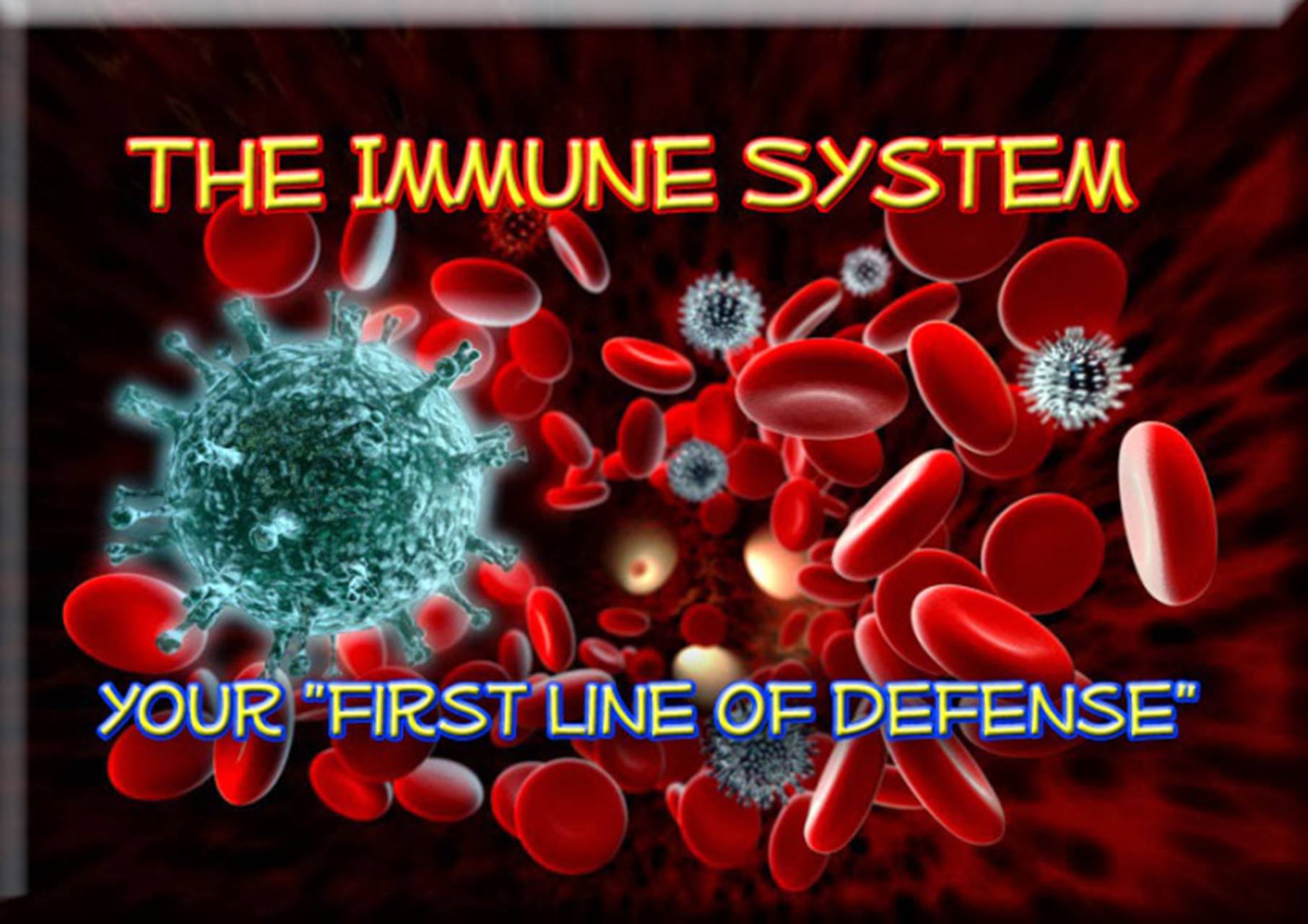
The Molecular Basis for the Defense of Human Existence: The Fundamental Basis of Human Existence is not that of Man’s Intelligence, Mental Memory and Mental Functions.
The immune system defends human existence with a variety of cells and by the protein molecules known as immunoglobulins or antibodies produced by the immune function capable cells. The ability to recognize foreignness, specificity of the response, and the memory of the prior immune response are the key characteristics of immune defense. The immune system must be able to recognize the foreign agents and foreign materials in order to locate and destroy them. Specificity means that immunity to one foreign substance or organism does not provide resistance to another type of organism. Memory is the ability of the individual to develop an accelerated, enhanced, and long-lasting immunity after the initial attack by an infectious disease. The memory function described in Immunology should not be confused with the mental faculty called Memory. The body defends itself through two types of mechanisms which work together to protect our existence. 1. Humoral Immunity:- this involves the production of protein molecules described as immunoglobulins or antibodies.2. Cell-mediated Immunity:- It does not involve secretion of antibodies but requires direct physical contact with the foreign substance or agent. It also involves the use of other protein molecules which assist in the defense mechanisms.
Humoral Immunity
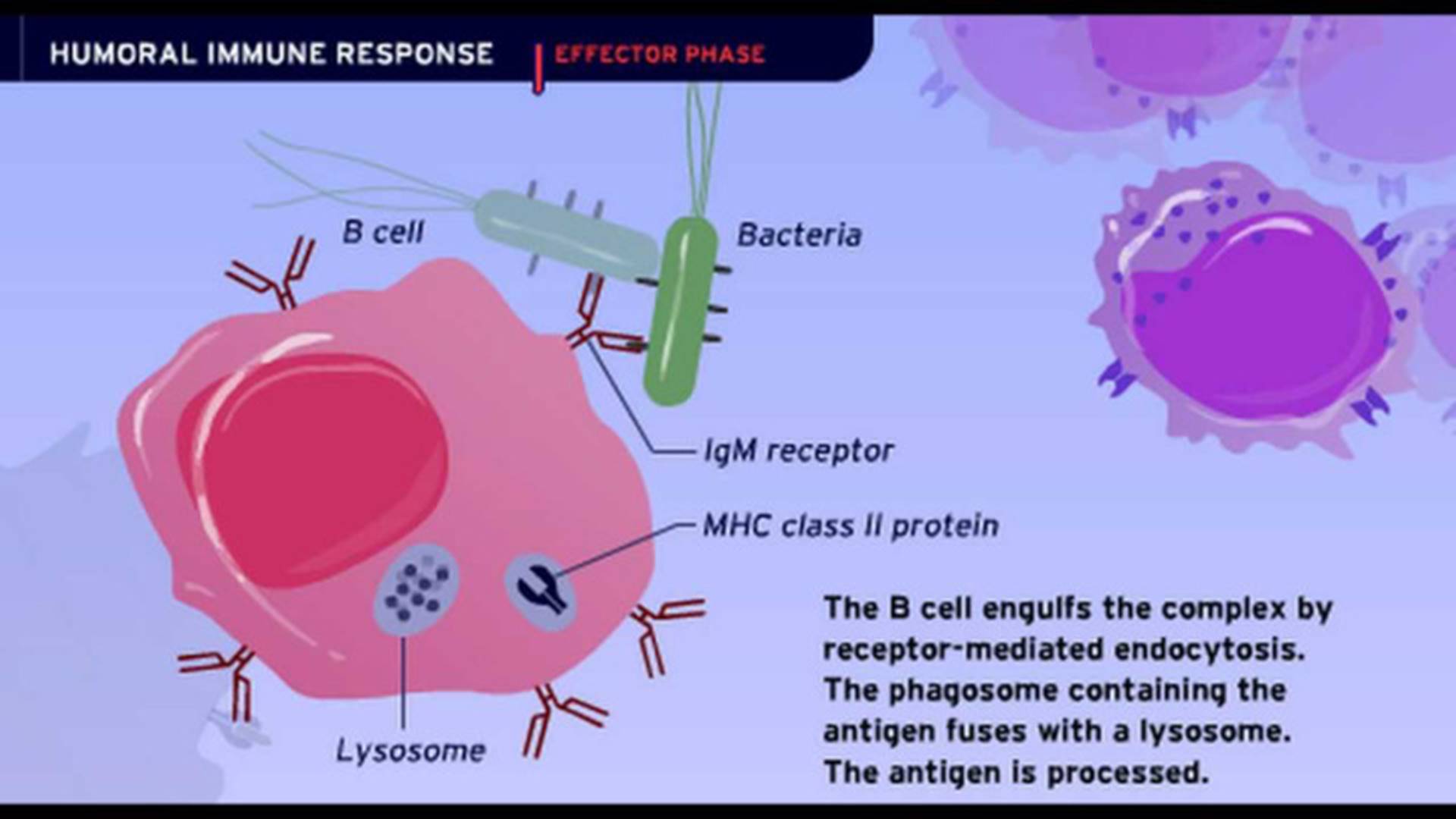
THE MOLECULAR BASIS FOR DEFENSE OF HUMAN EXISTENCE: HUMORAL IMMUNITY INVOLVES DEPLOYMENT OF UNIQUE PROTEIN MOLECULES TO COUNTERACT WITH FOREIGN PROTEIN MOLECULES.
The cells known as Lymphocytes or B cells are produced in the bone marrow and circulate in our blood and are distributed to the various lymphoid tissues in the body, such as the lymph nodes, spleen, tonsils, and Peyer’s Patches (Lymphoid Follicles) that line the small intestine. When stimulated by an infectious organism, production of lymphocytes increases and the lymphocytes are carried to the site of infection. Depending upon the site of infection, the lymph nodes of that region often swell up and are found packed with lymphocytes. The B cells produce chemical substances known as antibodies. These are protein molecules which are specifically generated against specific organisms. The foreign substance is described as antigen. The antibodies that are generated recognize their antigens with high affinity and extreme selectivity. The interaction of an antigen with its specific antibody involves only small areas on the antigen’s surface; these areas are known as antigenic determinants. Protein molecules are very potent antigens as they have several antigenic determinants. Many carbohydrates are also antigenic because they have antigenic determinants. The antibodies circulate in the blood. The simplest, most prevalent means by which the immune system defends the body against bacteria and viruses is by a combination of a specific antibody with the antigenic determinants on the surface of the invading organism. This interaction between antibodies and antigens produces an aggregate of cells called as an agglutination. The body has wandering scavenger cells known as Macrophages. The clumps of agglutinated cells are engulfed and digested by the macrophages. Antibodies also bind to toxic molecules given off by invading microorganisms and this reaction produces large, insoluble aggregates known as precipitates. These precipitates are also removed by macrophages. The virus after entering the body survives by its ability to invade or enter cells. Antibodies prevent the ability of the virus to infect cells by covering up and blocking the attachment sites of the virus.
Cell-Mediated Immunity

THE MOLECULAR BASIS FOR THE DEFENSE OF HUMAN EXISTENCE: INTERACTION OF CELLS AND UNIQUE PROTEIN MOLECULES OF IMMUNE SYSTEM DEFINES MAN’S IDENTITY ON MOLECULAR BASIS.
There is another distinct type of Lymphocytes known as T lymphocytes or T cells. T cells originate in the THYMUS and become localized in lymphoid organs. The immunity associated with T cells does not involve secretion of antibodies but through their direct contact with their targets or by the effects of secreted molecules known as lymphokines which help other cells to make the direct contact. There are four kinds of T cells. 1. The cytotoxic T cells
or Natural Killer cells or NK cells defend the body by destroying infected, foreign or cancerous cells. The other three kinds of T cells regulate immune responses by secreting messenger proteins known as lymphokines. 2. Helper T cells enable the other T cells and most B cells to perform their functions. The Helper T cells are destroyed by Human Immunodeficiency Virus (HIV) in Acquired Immune Deficiency Syndrome (AIDS) patients resulting in a depressed immune response that allows infection by a variety of microorganisms and the growth of some types of cancerous tumors. AIDS patients are very vulnerable to fatal infections. 3. Suppressor T cells dampen the immune response of the B and T cells. 4. The fourth kind of T cell is involved in certain kinds of hypersensitivity reactions. In a normal healthy individual, there is a balanced ratio of these four kinds of T cells to provide an efficient immune system for defense against all foreign substances. Macrophages and White blood cells known as neutrophils have the ability to engulf and digest particulate matter by the process of phagocytosis. They eliminate many foreign organisms and particulate materials that enter the body. The ability of NK cells to kill or destroy some cancerous or tumor cells is enhanced by two lymphokines known as gamma interferon and interleukin-1. Another lymphokine known as interleukin-2 activates the Lymphokine Activated Killer Cells or LAK cells which also have the ability to kill a variety of human tumor cells. Activated T cells also secrete a lymphokine known as Transfer Factor which is able to cause normal lymphocytes to release lymphokines or otherwise become activated and thus to destroy other cells. Transfer Factor stimulates the lymphocytes to develop normal immunity.
The Cytotoxic T cells destroy other cells by interacting with antigens present on the surfaces of the cell. They are involved in the attacks on tissues and organs grafted or introduced into the body, viral antigens found on infected cells and on chemicals that have entered the body and found attached to cells. T cells are involved in skin reactions resulting from contact with molecules found in poisonous plants like Poison Ivy, Poison Sumac, and Poison Oak.
Organ Transplantation and Cell-Mediated Immunity
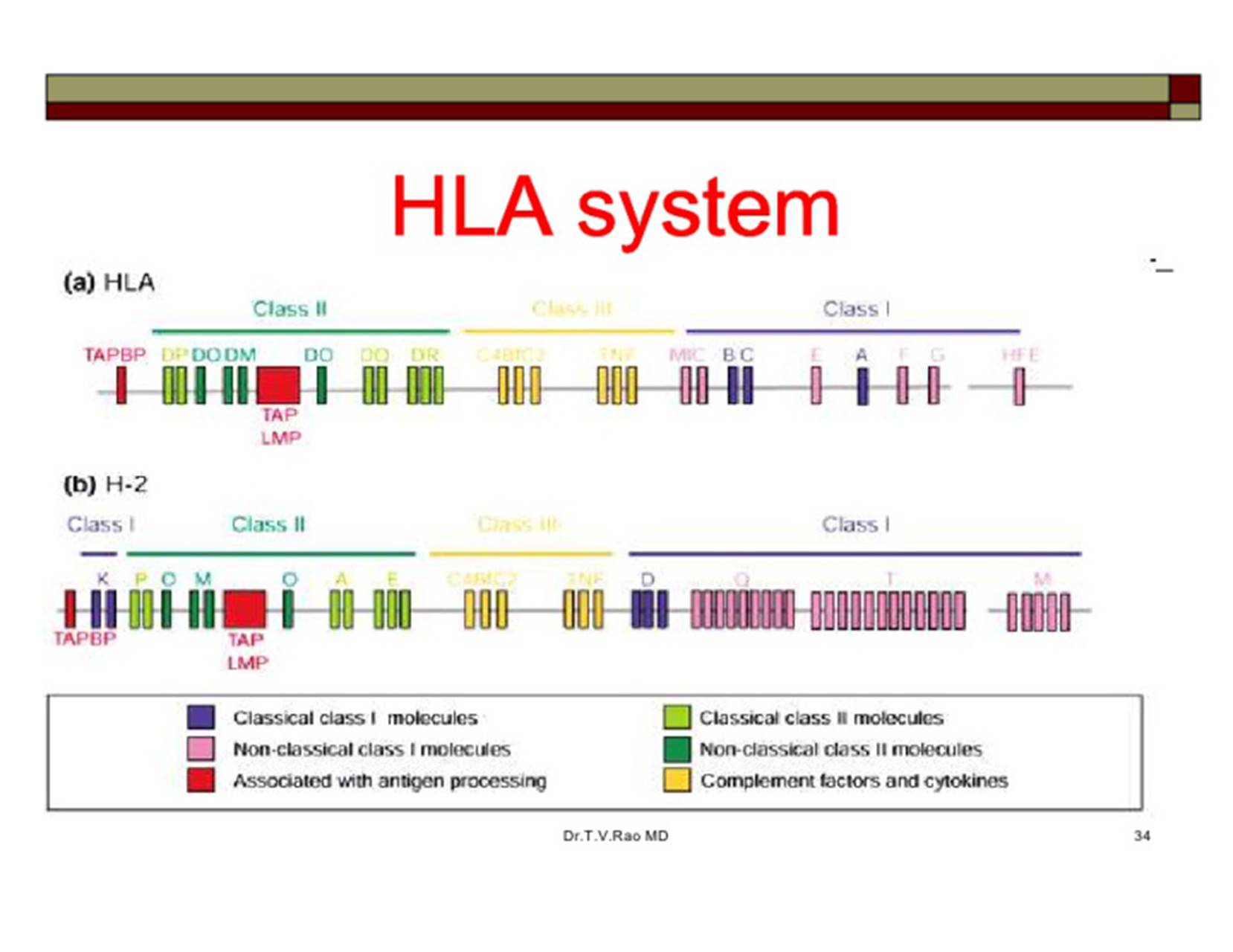
THE MOLECULAR BASIS FOR THE DEFENSE OF HUMAN EXISTENCE: ORGAN TRANSPLANTATION AND IMMUNOLOGY. MOLECULES OF HISTOCOMPATIBILITY LEUKOCYTE ANTIGEN (HLA) SYSTEM
T cells are involved in the rejection of transplanted tissues and organs. The chances of successful organ transplantation are improved by carefully matching the tissue or Histocompatibility Leukocyte Antigens known as the HLA system of the donor with those of the recipient. The protein molecules of the HLA Complex establish the identity of our body, its tissues, and various organs. They work to preserve the identity of the individual and to exclude the introduction or grafting of foreign material into the body. Even after careful matching, and selection of suitable donors, transplanted tissues or organs are usually maintained by using drugs that cause immunosuppression by which the normal immune response of the recipient against the donated organ is prevented.
Biological Existence
A normal, healthy immune system is vital to defend our biological existence. Immunodeficiency diseases, depressed or compromised immune system conditions such as associated with corticosteroid therapy, chemotherapy, radiation therapy, or exposure to certain types of toxic chemicals, and autoimmune diseases impose a heavy burden and threaten our existence. Medical interventions and treatment may help us but the quality of life is invariably compromised. A functioning immune system is important to defend our existence.
Molecular Individualism

The Molecular Basis for the Defense of Human Existence: Man exists as Individual with Individuality as his existence involves defensive mechanisms operated by independent, individual cells, and protein molecules which exhibit Cellular Autonomy. The cell is the lowest common denominator of all life. While the cell is functionally independent or autonomous or self-governing, it displays the abilities characterized by Mutal Assistance, Cooperation, Tolerance, and Functional Subservience to provide some benefit to the Individual who lives in the physical world.
2018 Nobel Prize for Medicine will help us to develop a ‘Theory of Man’ by the study of unique protein molecules that play an important role in the defense of human survival. The Physical Being called Man needs the support of Spirit, Soul, or a Divine Agency to bring Unity between the cells, tissues, organs, and organ systems providing the structural and functional basis for Man’s existence.


 Whole Dude - Whole Spirituality