
Musings on Quinoa Flavor Smell Test on October 09, 2013


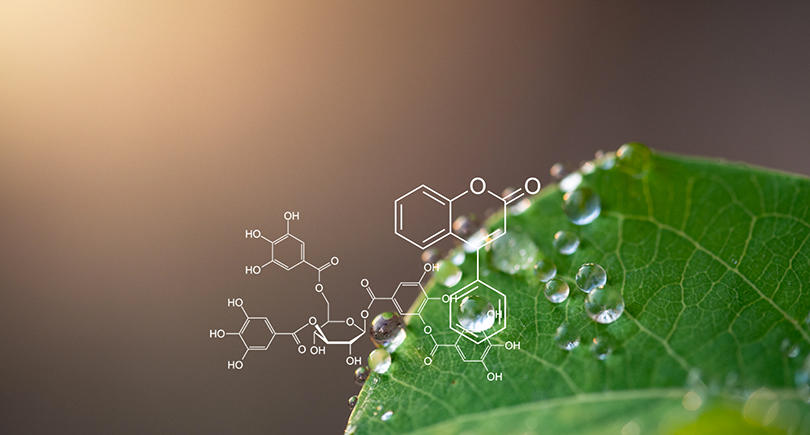
Phytochemistry is the branch of Chemistry dealing with the chemical processes associated with plant life and the chemical compounds produced by plants.

The Magic of Creation can be interpreted from an understanding of Photochemistry and Phytochemistry. Photochemistry provides information about light and matter interactions in the material world where the living things survive using directly, or indirectly the energy trapped by photosynthetic organisms. Phytochemistry provides information about the creation, or the synthesis of chemical molecules by plants which are not endowed with organs of special sensation.

The Magic of Creation is experienced by man who has the faculties of special sensation such as vision, olfaction (smell), and taste. Plants create chemical molecules that have the ability to provide the stimulus to cause a sensation that man can easily recognize. The fact of Creation can be recognized by knowing the color, the odor, the smell, the scent, the fragrance, the aroma, the flavor, and the taste of chemical molecules synthesized by plants.

Plants create a combination of colors, smells, odors, fragrances, and aromas by synthesizing a variety of chemical molecules even while they lack the specific sensory abilities to recognize the characteristics of those molecules.


In this blog post, I explore the connection between the chemical compounds made by Chenopodium quinoa and the male human reproductive system. I am totally amazed for my Whole Discovery of a plant that creates the same chemical compounds in the precise concentration and combination to generate the same odor, smell, flavor, scent, or aroma that is produced by a freshly voided sample of human male Semen, the biological fluid that contains seeds called Spermatozoa. Apparently, Quinoa Plant knows the Recipe to generate this Primary Odor long before the Origin of Man. In my entire food experience with a wide variety of plant, and animal products, I have never encountered a similar observation where I see convergence in chemical processes to generate unique, unmistakable and distinctive odor by two entirely different organisms. Both plants and man may synthesize similar chemical compounds using similar enzymatic pathways, still it would be very exceptional to generate an odor that man can easily recognize as his own. The mechanisms that operate the phenomenon of Evolution cannot bring about this kind of convergence. In my interpretation, it is the evidence of an artistic Unit created by the Whole Designer, or Whole Architect, and a Master Planner.

Quinoa (Spanish – Quinua, Quechua, Kinwa) is a member of the Goosefoot family and belongs to the genus called Chenopodium. These are weedy plants with small green flowers and scruffy foliage. These plants are cultivated by the Incas in the Altiplano of Bolivia, and Peru for the last 7,000 years challenging highly different environmental conditions. Quinoa is not a true cereal and is sometimes called pseudocereal as it does not belong to the Grass family like the true cereals such as Wheat and Rice. Quinoa plants produce fruits and seeds used as flour for making bread, pasta, breakfast flakes, and other staples.

Quinoa is one of the staple foods of the people of the Andes region of South America. It is described as complete food because of its protein quality; the balance between protein, fat, and carbohydrates. Unlike Wheat, and Rice, it is a good source of amino acid Lysine. It is a good source of minerals like iron, calcium, potassium, sodium, and zinc. The chemical analysis of Chenopodium quinoa seeds reveals the presence of several chemical compounds such as Phenols, Sterols, Terpens, Saponins, Amides, and Alkaloids. However, I emphasize about the presence of Polyamines, a class of chemical compounds found in all plant, and animal cells. The presence of Saponins in the outer layers of Quinoa seeds imparts a bitter taste to the food preparations and often people refuse to use Quinoa because of its taste, and smell.

What are Polyamines?


Polyamines are described as small aliphatic amines found in all animal, and plant cells. They are the major components which are not only involved in fundamental cellular processes, for example, cell proliferation, cell differentiation, and programmed cell death, but also in adaptive responses to environmental stresses.The human body Polyamine Pool has three major sources; 1. Synthesis within the body, 2. Production by microbes that inhabit the intestinal tract, and 3. dietary uptake of Polyamines. According to a study, the concentration levels of these chemical compounds in human male Semen are, 1. Putrescine ranged from 0 to 1.96 mmol/L (mean value= 0.10mmol/L), 2. Spermidine ranged from 0.017 to 0.96 mmol/L (mean value= 0.16mmol/L), and 3. Spermine ranged from 0.13 to 20.80 mmol/L (mean value= 2.43mmol/L). It must be noted that the odor sensation is influenced by both the arrangement of atoms within the molecule as well as the particular chemical groups that comprise the molecule. Olfaction is 10,000 times more sensitive than taste.
To describe the role of Polyamines in Plant and Human Physiology, I would like to quote from the abstract prepared by Lefevre PL, Palin MF, and Murphy BD in their article titled ‘Polyamines on the reproductive landscape’, and its full text may be viewed at:
http://www.ncbi.nlm.nih.gov/pubmed/21791568
The polyamines are ubiquitous polycationic compounds. Some of these namely spermine, spermidine, and putrescine are essential to male and female reproductive processes and to embryo/fetal development. Indeed their absence is characterized by infertility and arrest in embryogenesis. Mammals synthesize polyamines de novo from amino acids or import these compounds from the diet. They are essential regulators of cell growth and gene expression and they are implicated in both mitosis and meiosis. In male reproduction, polyamine expression correlates with stages of spermatogenesis and they function to promote sperm motility. Polyamines are involved in ovarian follicle development and ovulation in female mammals. Polyamine synthesis is required for steroidogenesis in the ovary. Polyamines play the role in embryo implantation. Elimination of polyamine synthesis abrogate embryo development at gastrulation. Polyamines play the role in implantation, in decidualization, in placenta formation and function. Polyamine deprivation during gestation results in intrauterine growth retardation. Dietary arginine and dietary polyamines act as nutritional regulators of fertility.
Similarly, I can quote several other research papers that describe the physiology of natural polyamines and their significance in performing a variety of metabolic functions. Please read the articles cited as references.
Quinoa’s Phytochemistry – A Natural Aphrodisiac Formulated Before the Creation of Man:

It is important to recognize the significance of Polyamine compounds such as Putrescine, Spermidine, and Spermine in Reproductive Biology. Animals derive essential amino acids and other organic compounds from their diet. Nutrition plays an important role in the reproductive success of an organism. Since scientific literature supports the view that dietary polyamines act as nutritional regulators of fertility, they can be easily incorporated into human dietary regimen, particularly of those young men and women who are sexually active and plan for reproductive success that ensures the birth of healthy babies. I am recommending the use of Quinoa as it is easy to verify the presence of nutritional polyamines by conducting a simple ‘Smell Test’. Its easy and takes only 90 seconds.
The Quinoa Challenge: The Proof of Pudding is in the Eating:

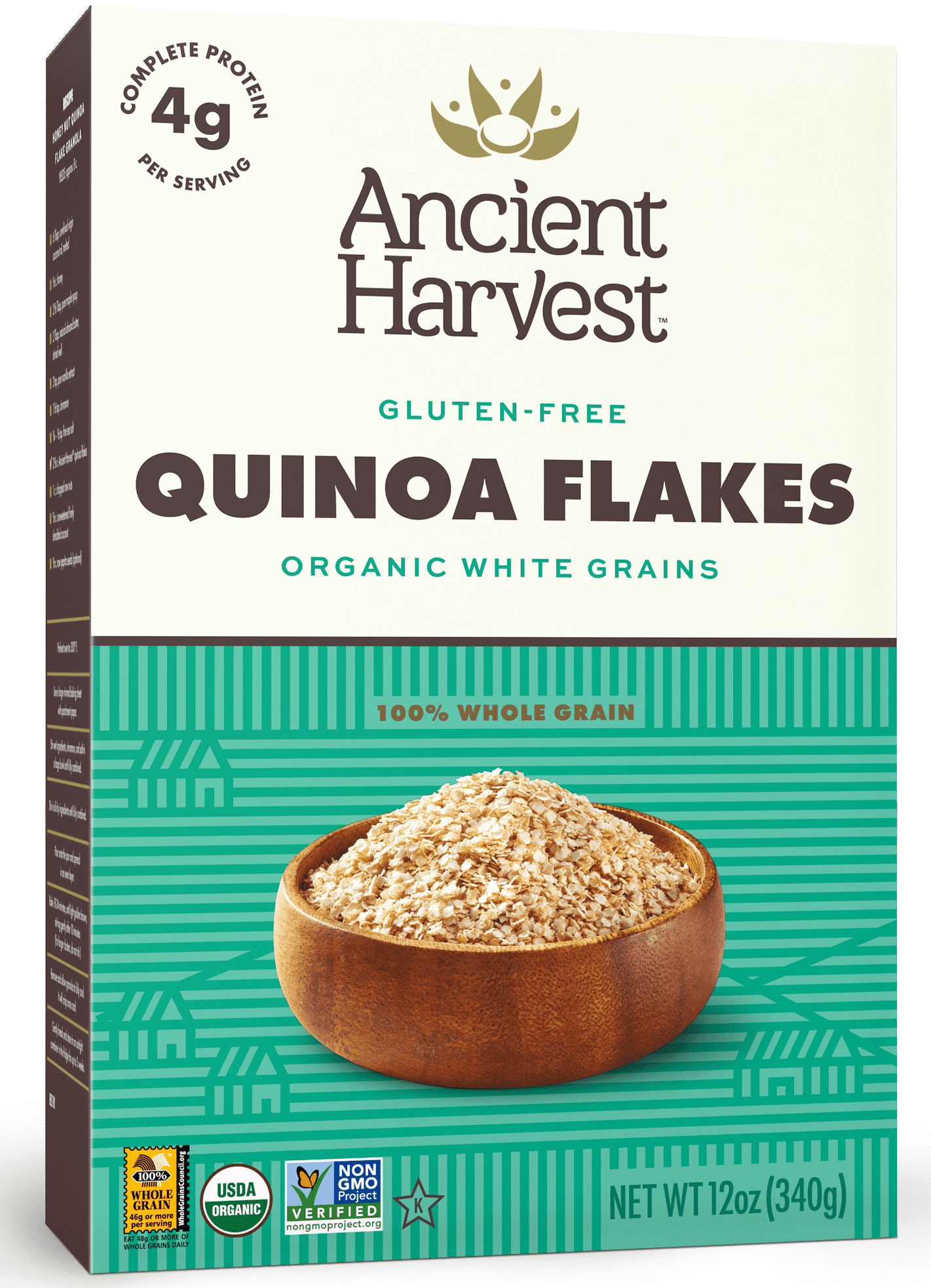
I am asking my readers to take the ‘Quinoa Challenge’, which is a simple ‘Smell Test’ to discover the presence of Polyamines Putrescine, Spermidine, and Spermine in the breakfast cereal of Quinoa Flakes made by Ancient Harvest. In 90 seconds, you will find the dietary polyamines without conducting a time-consuming chemical analysis. If your Quinoa porridge has Semen-like smell, it most certainly contains those Polyamines. As the saying goes: “The Proof of Pudding is in the Eating.”


The Magic of Creation – Take the Smell Test:


The Theory of Evolution tries to explain changes in the morphological appearances of organisms which exist under the influence of time. But, the fact of existence of life can only be explained by the unchanging creative mechanisms that operate the Laws of Phytochemistry. We have witnessed changes in the appearances of organisms while the nature, and composition of chemical molecules essentially remains the same, and the same oxidative-reduction chemical reactions operate during the life and death of organisms. For example, the unchanging chemical composition of water molecule makes possible the creation of a wide variety of other chemical molecules to establish biodiversity.

The detection of chemical molecules that stimulate the smell or olfaction sensation plays an important role in the survival of most animals. Smell is used for identifying and evaluating food, finding predators or prey, marking territory, and to stimulate reproductive activity. In several human traditions, the importance of smell, scent, odor, fragrance, and aroma is recognized and is glorified.

Seven odors such as sweaty, spermous, fishy, malty, urinous, and musky have been described as primary odors. The genetic and molecular analysis of the mechanisms of olfaction are researched by Linda Brown Buck, and Richard Axel who published a paper identifying 1,000 G-protein coupled receptors used for olfaction.


There could be 1,000 genes for Olfactory receptors which may detect the size, and shape of molecules and compose information for further recognition as a specific smell or odor. The word smell, or odor can be used as a general term to describe the quality or the characteristic perceived through the olfactory sense. Smell or odor suggests the presence or existence of something. The term scent refers to the emanation from the thing that is smelled. Scent could be faint, but it is a pervasive smell that gives a clue that could be tracked or followed. Odor is a heavier emanation and is often more clearly recognized. Smell or odor could be pleasant or unpleasant. Several descriptive terms are used to make the distinction between sensations that are appealing or offending. Fragrance is an agreeable, sweet smell, or pleasant odor. Aroma is a pleasant spicy odor. Perfume is relatively strong but usually pleasant smell that is natural, or manufactured. Bouquet is the fragrance of wine or brandy, and is also used to describe the characteristic aroma of a bunch of cut flowers. The term Redolence describes rich, pleasant combination of smells The term stink, or stench describe offending, or repulsive odors emanated by decaying organic materials. The term musty odor describes stale, moldy smell, and denotes the lack of freshness.


Phytochemistry of Chenopodium Quinoa. The Nutritional Regulators of Human Fertility: Polyamines are important for the production of Sperm cells in the Testes of males. Polyamines are equally important in human female reproductive system. Polyamines are involved in Ovarian follicle development, ovulation, the production of sex hormones in the Ovary and for female fertility, the ability to give birth to a baby.
References:
1. Polyamines and the integrity of the plant body. Galston AW
http://www.ncbi.nlm.nih.gov/pubmed/11540939
2.1,4-Diaminobutane(putrescine) spermidine and spermine. Tabor CW, Tabor H.
http://www.ncbi.nlm.nih.gov/pubmed/786151
3.Physiology of the natural polyamines. Raina A, Janne J
http://www.ncbi.nlm.nih.gov/pubmed/169440
4. Polyamines in Plant Physiology. AW Galston, RK Sawhney
http://www.ncbi.nlm.nih.gov/pubmed/11537482
5. Chenopodium quinoa(Wild): Composition, Chemistry, nutritional and functional properties. Abuqoch James LE
http://www.ncbi.nlm.nih.gov/pubmed/19878856
6. Advances in polyamine research in 2007. Kusanot, Yamaguchi K et al.,
http://www.ncbi.nlm.nih.gov/pubmed/17351711
7.Development of polyamine database for assessing dietary intake. Zoumas M C
http://www.ncbi.nlm.nih.gov/pubmed/17524725
Plants synthesize chemical molecules that can be recognized by their smell, scent, odor, fragrance, aroma, and flavor. The sensory recognition or perception of smell or odor indicates the presence of something; the something that I recognize is that of the operation of Divine Providence called Mercy, Grace, and Compassion.
Musings at Whole Foods, Ann Arbor – Quinoa Plant Discovered the Recipe for the Odor of Human Semen Long Before the Origin of Man. Phytochemistry of Chenopodium Quinoa. The Nutritional Regulators of Human Fertility. The seeds (Flakes) when boiled release Seminous odor and it is very remarkable coincidence between the odor generated by a plant and the glands of human male reproductive system. Spiritual Optics. The Designing of Chemical Molecules by Plants.
The Magic of Creation – The Proof of the Pudding is in the Eating – Discovery reported in 2013

James Griffin is an expert in Food Retail Industry. To promote knowledge of food products, in 2014, he announced the “James Griffin Quinoa Challenge Award” and the same was presented to me at Whole Foods Market Inc., Ann Arbor, Michigan, USA on Sunday, May 18, 2014. This award describes importance of the development of a food database that food consumers can easily use to make important decisions about the food products they purchase to promote their health and to prevent diseases like cancer. I ask my readers to acknowledge the creative use of putrid smelling Nitrogen containing unchanging biomolecules that operate the creation of life and the dissolution of life. The fact of Creation is simply revealed by knowing the Smell, the Scent, the Aroma, the Flavor and the Odor of Polyamine Molecules that declare their presence in the performance of human Reproduction as well as the nature of Mortal Existence making it extremely difficult to conceal the forensic evidence of Death.

Incas have been continuously cultivating Quinoa for the last 7,000 years. They may not be aware of the chemical compounds made by these plants. However, they should be able to very easily recognize the smell, the odor, the scent, the aroma, and the flavor of the plant products that they use. A ‘Smell Test’ can accurately detect presence of some odoriferous chemical molecules and man will be able to describe the odor without being a Chemist, or a Biochemist. Spermine imparts odor to human Semen. To be odorous, a substance must be sufficiently volatile for its molecules to be given off and carried into the nostrils where the Olfactory epithelium recognizes the presence of odoriferous molecules when they fit into functioning groups and specific receptors according to molecular size and shape. The strong, penetrating odor of freshly voided Semen is very distinctive, and is easily recognized by people of all Cultures. The smell, the odor, the scent, the flavor, or the aroma of Semen is attributed to presence of amino compounds such as Putrescine, Spermidine, and Spermine. Semen is a fluid of complex composition and it is produced by the secretions from several glands of the male reproductive system such as the Testes, Epididymis, the Ampulla of Ductus Deferens, the Seminal Vesicles, the Prostate, the Bulbourethral and Urethral Glands (Cowper & Littre glands).

 Whole Dude - Whole Spirituality