The Magic of Creation – The Proof of the Pudding is in the Eating – Discovery reported in 2013

Griffin James Quinoa Challenge Award at Whole Foods Market Inc., Ann Arbor promotes the idea of improving Product Knowledge. Currently, there are no laws to include Nutrition Information about Dietary Polyamine Content of Food Products sold by Retail Food Industry.

The Magic of Creation can be interpreted from an understanding of Photochemistry and Phytochemistry. Photochemistry provides information about light and matter interactions in the material world where the living things survive using directly, or indirectly the energy trapped by photosynthetic organisms. Phytochemistry provides information about the creation, or the synthesis of chemical molecules by plants which are not endowed with organs of special sensation. The Magic of Creation is experienced by man who has the faculties of special sensation such as vision, olfaction (smell), and taste. Plants create chemical molecules that have the ability to provide the stimulus to cause a sensation that man can easily recognize. The fact of Creation can be recognized by knowing the color, the odor, the smell, the scent, the fragrance, the aroma, the flavor, and the taste of chemical molecules synthesized by plants.

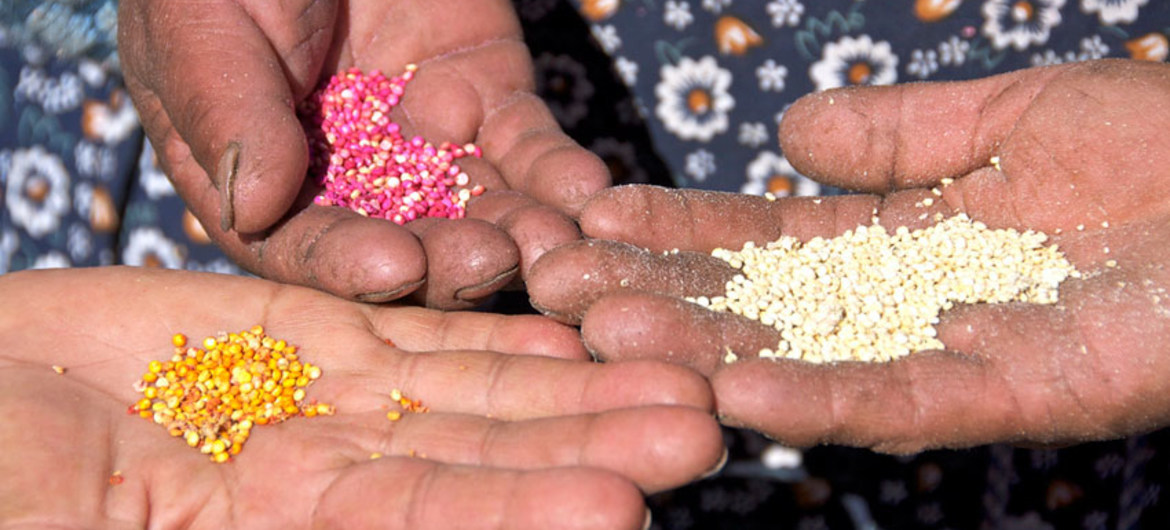
The Magic of Creation discovered at Whole Foods, Ann Arbor – The Proof of the Pudding is in the Eating. The Designing of Unchanging Chemical Molecules. The History of Quinoa. a, Seeds of C. suecicumC. pallidicaule and quinoa. b, The proportion of gene pairs in each species binned according to Ks values. c, Maximum likelihood tree generated from 3,132 SNPs. Black branches, diploid species. Colored branches, tetraploid species: red, quinoa; blue, C. berlandieri; yellow, C. hircinum. Branch values represent the percentage of 1,000 bootstrap replicates that support the topology. Scale bar represents substitutions per site. d, Evolutionary relationships of Chenopodium species, showing the hypothesized long-range dispersal of an ancestral C. berlandieri to South America, and the eventual domestication of quinoa from C. hircinum, either from a single event that gave rise to highland and subsequently coastal quinoa (1), or in two events that gave rise to highland (2a) and coastal (2b) quinoa independently. Blue, red and yellow shading represents the geographic distribution of C. berlandieri, quinoa and C. hircinum, respectively.

The Theory of Evolution tries to explain changes in the morphological appearances of organisms which exist under the influence of time. But, the fact of existence of life can only be explained by the unchanging creative mechanisms that operate the Laws of Phytochemistry. We have witnessed changes in the appearances of organisms while the nature, and composition of chemical molecules essentially remains the same, and the same oxidative-reduction chemical reactions operate during the life and death of organisms. For example, the unchanging chemical composition of water molecule makes possible the creation of a wide variety of other chemical molecules to establish biodiversity.

WholeDude - WholeDesigner - WholeMagic: The Water Molecule can exist in three different physical conditions such as liquid, soild, and gas. But, it maintains the same chemical composition, and displays unchanging behavior without being influenced by changing times.
WholeDude – WholeDesigner – WholeMagic: The Water Molecule can exist in three different physical conditions such as liquid, solid, and gas. But, it maintains the same chemical composition, and displays unchanging behavior without being influenced by changing times. In essence, it is the same chemical compound that existed in all living things of the past, and the present.

What it is to be a Substance? and What it is to Exist? We need to establish knowledge about the man and the world on a firm basis and the information it provides must be tested for its accuracy and consistency with an external reality. We have to make the fundamental distinction between the living and the non-living matter. The scientific advances of the 19th and 20th centuries reinforced the materialistic position concerning the basic similarity of organic living and inorganic physical matter. The man is viewed as a product of natural evolution and is thought to be subject to the same laws of Physics and Chemistry or mechanistic principles.

The Magic of Creation discovered at Whole Foods, Ann Arbor – The Proof of the Pudding is in the Eating. The Designing of Unchanging Chemical Molecules. SPIRITUALITY SCIENCE – THE ART OF KNOWING : HOW DO PLANTS KNOW WHAT THEY KNOW? PLANTS KNOW ABOUT LIGHT, THE LENGTH OF DAY, AND THE DURATION OF DARKNESS CALLED NIGHT. THERE IS NO “INTELLECT” INVOLVED IN THIS PROCESS OF KNOWING. THE ABILITY OF KNOWING LIGHT OR PHOTORECEPTION IS EXPLAINED BY PHOTOCHEMISTRY.

We need a methodology to study philosophy and to understand philosophical statements. Logical Positivism, also known as Scientific Empiricism aims to clarify concepts in both everyday and scientific language. It describes analysis of language as the function of philosophy. This analysis of language and of concepts is important to understand questions of belief and ideology which affect what we think we ought to do individually and socially. I would use this method of ‘Applied Philosophy’ to analyze the concept of Spiritual Optics, the Spiritual dimension of biological coloration and the synthesis of chemical molecules by plants.

Whole Dude – Whole Designer – Phytochemistry:

The Magic of Creation discovered at Whole Foods, Ann Arbor – The Proof of the Pudding is in the Eatng. The Designing of Unchanging Chemical Molecules.

Phytochemistry is the branch of Chemistry dealing with the chemical processes associated with plant life and the chemical compounds produced by plants.
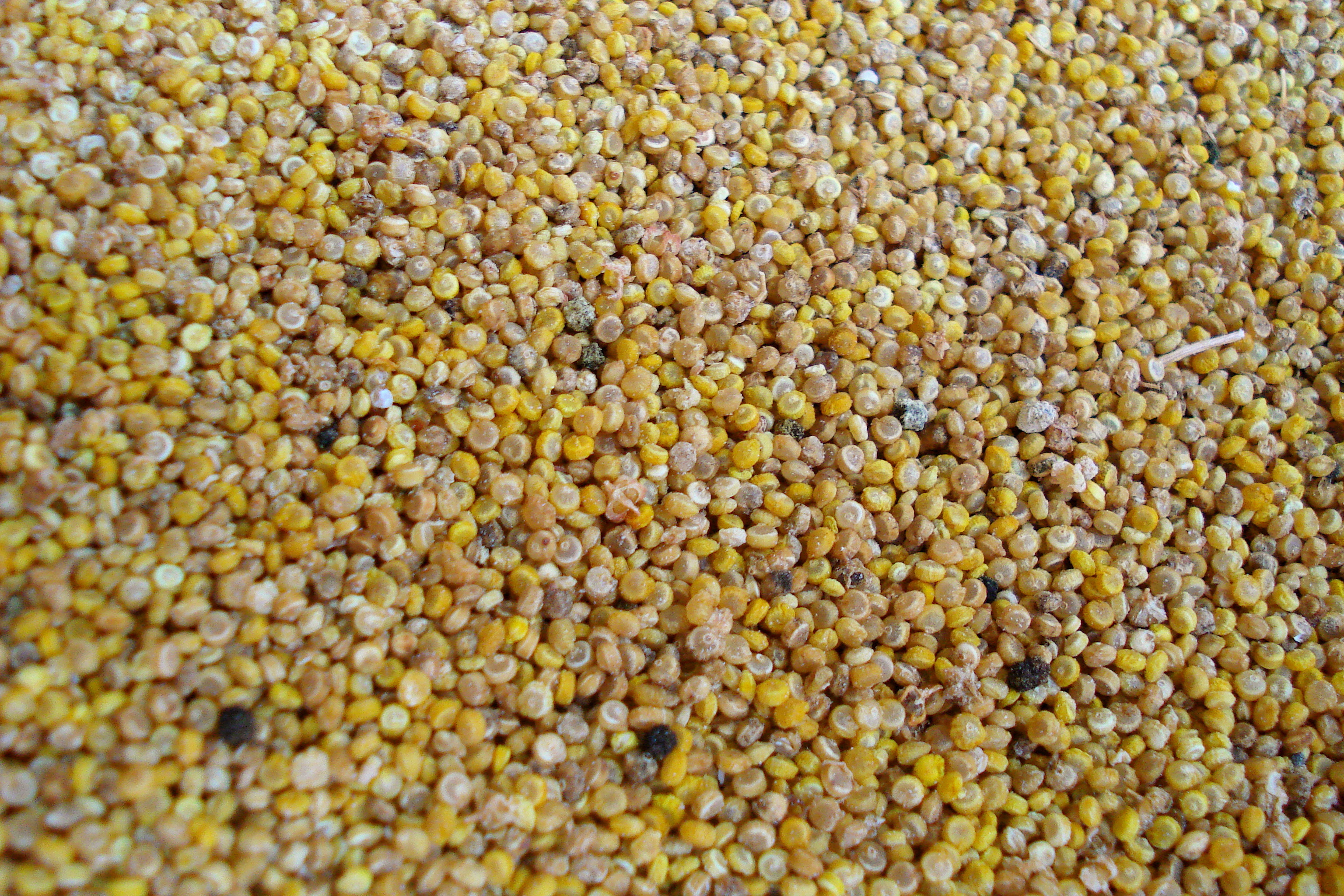
WholeDude - WholeDesigner - Phytochemistry: The seeds of Chenopodium quinoa. These seeds are related to the chemical compounds found in Seminal Plasma or Semen, a fluid created by the male, human reproductive system.
The Magic of Creation discovered at Whole Foods, Ann Arbor – The Proof of the Pudding is in the Eating. The Designing of Unchanging Chemical Molecules. Whole Dude – Whole Designer – Phytochemistry: The seeds of Chenopodium quinoa. These seeds contain the same chemical compounds found in Seminal Plasma or Semen, a complex fluid created by the male, human reproductive system.

In this blog post, I explore the connection between the chemical compounds made by Chenopodium quinoa and the male human reproductive system. I am amazed to  discover that a plant creates the same chemical compounds in the precise concentration and combination to generate the same odor, smell, flavor, scent, or aroma that is produced by a freshly voided sample of human male Semen, the biological fluid that contains seeds called Spermatozoa. In my entire food experience with a wide variety of plant, and animal products, I never encountered a similar observation where I observe the convergence in chemical processes to generate the unique, unmistakable and distinctive odor by two entirely different organisms. Both plants and the man may synthesize similar chemical compounds using similar enzymatic pathways, still it would be very exceptional to generate an odor that a man can easily recognize as his own. The mechanisms that operate the phenomenon of Evolution cannot bring about this kind of convergence. In my interpretation, it is the evidence of an Artistic Unit created by Whole Designer, or Whole Architect, and a Whole Planner.

WholeDude - WholeDesigner - Phytochemistry: Chenopodium quinoa synthesizes several amino chemical compounds called Polyamines such as Putrescine, Spermine, and Spermidine which are also present in the human, male reproductive secretion called Seminal Plasma or Semen.
The Magic of Creation discovered at Whole Foods, Ann Arbor – The Proof of the Pudding is in the Eating. The Designing of Unchanging Chemical Molecules. Whole Dude – Whole Designer – Phytochemistry: Chenopodium quinoa synthesizes several amino chemical compounds called Polyamines such as Putrescine, Spermine, and Spermidine which are also present in the human, male reproductive secretion called Seminal Plasma or Semen. But to generate a specific, identical odor, or smell, both the seeds and Semen must have a similar concentration, combination, and mixture of volatile, odor generating airborne molecules.

I ask my readers to acknowledge the creative use of putrid smelling Nitrogen containing unchanging biomolecules that operate the creation of life and the dissolution of life. The fact of Creation is simply revealed by knowing the Smell, the Scent, the Aroma, the Flavor and the Odor of Polyamine Molecules that declare their presence in the performance of human Reproduction as well as the nature of Mortal Existence making it extremely difficult to conceal the forensic evidence of Death.

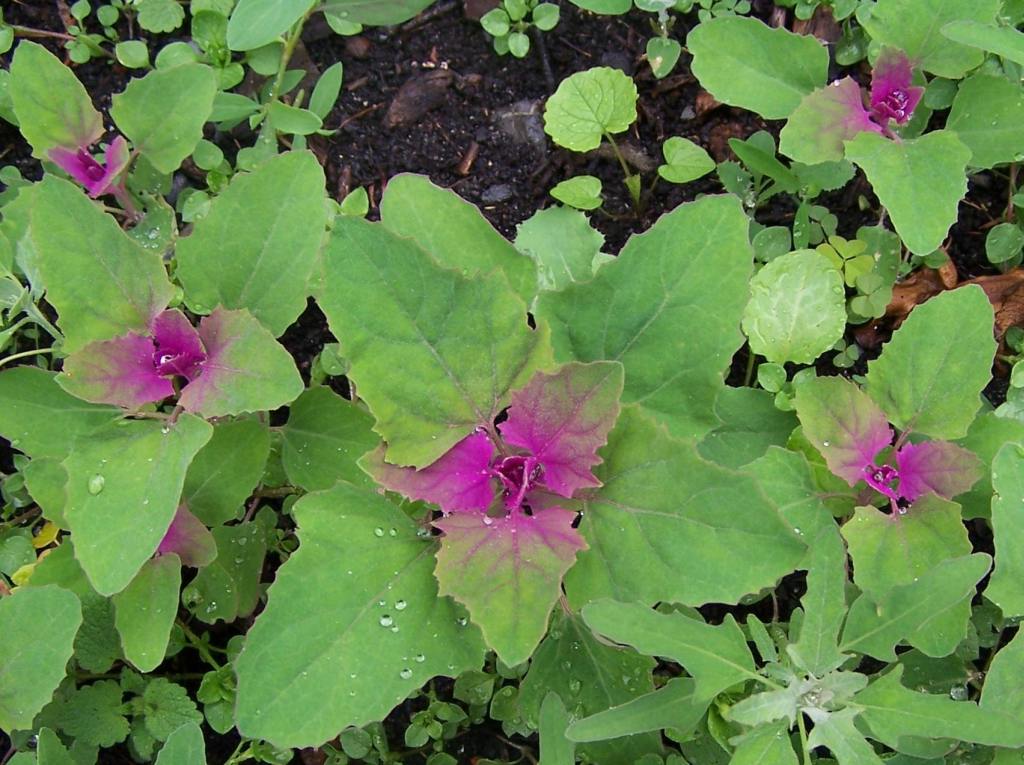
WholeDude - Whole Designer - Phytochemistry: Chenopodium quinoa belongs to the Goosefoot family called Chenopodiaceae, Order Caryophyllales, dicotyledonous plants including Chard, Spinach, and Beets. The leaf may have some resemblance to a Goose Foot.
The Magic of Creation discovered at Whole Foods, Ann Arbor – The Proof of the Pudding is in the Eating. The Designing of Unchanging Chemical Molecules.Whole Dude – Whole Designer – Phytochemistry: Chenopodium quinoa belongs to the Goosefoot family called Chenopodiaceae, Order Caryophyllales, dicotyledonous plants including Chard, Spinach, and Beets. The leaf may have some resemblance to a Goose Foot. This plant makes polyamines and the seeds have similar combination, and concentration of these chemicals to produce the same odor or smell that is given off by a freshly voided sample of human, male Semen.

Quinoa (Spanish – Quinua, Quechua, Kinwa) is a member of the Goosefoot family and belongs to the genus called Chenopodium. These are weedy plants with small green flowers and scruffy foliage. These plants are cultivated by the Incas in the Altiplano of Bolivia, and Peru for the last 7,000 years challenging highly different environmental conditions. Quinoa is not a true cereal and is sometimes called pseudocereal as it does not belong to the Grass family like the true cereals such as Wheat and Rice. Quinoa plants produce fruits and seeds used as flour for making bread, pasta, breakfast flakes, and other staples.

The Magic of Creation discovered at Whole Foods, Ann Arbor – The Proof of the Pudding is in the Eating. The Designing of Unchanging Chemical Molecules. Whole Dude – Whole Designer – Phytochemistry: Incas have been continuously cultivating Quinoa for the last 7,000 years. They may not be aware of the chemical compounds made by these plants. However, they should be able to very easily recognize the smell, the odor, the scent, the aroma, and the flavor of the plant products that they use. A ‘Smell Test’ can accurately detect presence of some odoriferous chemical molecules and any man will be able to describe the odor without being a Chemist, or a Biochemist.

Polyamines continue to be a subject of intense study, with over 75,000 papers written on the topic since 1900. Since 2013, after reporting my Whole Discovery at Whole Foods, Ann Arbor, no researcher has shared my findings on the role of the Sense of Olfaction in describing the presence of Polyamines in aromatic compounds synthesized by Plants.

WholeDude - WholeDesigner - Phytochemistry: Quinoa seeds are Gluten-Free. It is also Cholesterol-free, low-fat, and high in protein. Throughout the ages many foods have been considered sexual stimulants. Quinoa has a special reason to be recognized as an Aphrodisiac, a chemical agent that can enhance sexual performance. Such a claim can be based upon the study of Polyamines found in its leaves and seeds.
The Magic of Creation discovered at Whole Foods, Ann Arbor – The Proof of the Pudding is in the Eating. The Designing of Unchanging Chemical Molecules. Whole Dude – Whole Designer – Phytochemistry: Quinoa seeds are Gluten-Free. It is also Cholesterol-free, low-fat, and high in protein. Throughout the ages many foods have been considered sexual stimulants. Quinoa has a special reason to be recognized as an Aphrodisiac, a chemical agent that can enhance sexual performance. Such a claim can be based upon the study of Polyamines found in its leaves and seeds. Polyamines are now thought of as the nutritional regulators of human fertility.

Quinoa is one of the staple foods of the people of the Andes region of South America. It is described as complete food because of its protein quality; the balance between protein, fat, and carbohydrates. Unlike Wheat, and Rice, it is a good source of amino acid Lysine. It is a good source of minerals like iron, calcium, potassium, sodium, and zinc. The chemical analysis of Chenopodium quinoa seeds reveals the presence of several chemical compounds such as Phenols, Sterols, Terpens, Saponins, Amides, and Alkaloids. However, I emphasize about the presence of Polyamines, a class of chemical compounds found in all plant, and animal cells. The presence of Saponins in the outer layers of Quinoa seeds imparts a bitter taste to the food preparations and often people refuse to use Quinoa because of its taste, and smell.

WholeDude – WholeDesigner – WholeMagic: Chenopodium quinoa. The seeds when boiled release Seminous odor and it is very remarkable coincidence between the odor generated by a plant and the glands of human male reproductive system

Incas have been continuously cultivating Quinoa for the last 7,000 years. They may not be aware of the chemical compounds made by these plants. However, they should be able to very easily recognize the smell, the odor, the scent, the aroma, and the flavor of the plant products that they use. A ‘Smell Test’ can accurately detect presence of some odoriferous chemical molecules and man will be able to describe the odor without being a Chemist, or a Biochemist. Spermine imparts odor to human Semen. To be odorous, a substance must be sufficiently volatile for its molecules to be given off and carried into the nostrils where the Olfactory epithelium recognizes the presence of odoriferous molecules when they fit into functioning groups and specific receptors according to molecular size and shape. The strong, penetrating odor of freshly voided Semen is very distinctive, and is easily recognized by people of all Cultures. The smell, the odor, the scent, the flavor, or the aroma of Semen is attributed to presence of amino compounds such as Putrescine, Spermidine, and Spermine. Semen is a fluid of complex composition and it is produced by the secretions from several glands of the male reproductive system such as the Testes, Epididymis, the Ampulla of Ductus Deferens, the Seminal Vesicles, the Prostate, the Bulbourethral and Urethral Glands (Cowper & Littre glands).                                                                              

What are Polyamines?
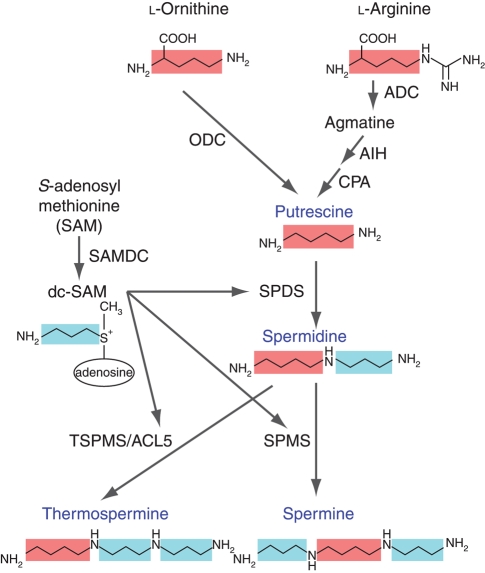
WholeDude - WholeDesigner - Phytochemistry: Biosynthetic pathways of Polyamines. There are three important sources for the human body Polyamine Pool; 1. The biosynthesis within the body, 2. Production by microorganisms residing in the gastrointestinal tract, and 3. Dietary contribution.
The Magic of Creation discovered at Whole Foods, Ann Arbor – The Proof of the Pudding is in the Eating. The Designing of Unchanging Chemical Molecules. Whole Dude – Whole Designer – Phytochemistry: Biosynthetic pathways of Polyamines. There are three important sources for the human body Polyamine Pool; 1. The biosynthesis within the body, 2. Production by microorganisms residing in the gastrointestinal tract, and 3. Dietary contribution.
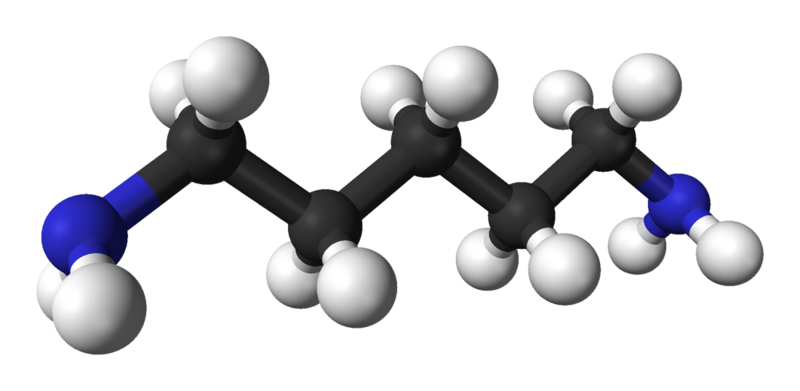
WholeDude - WholeDesigner - Phytochemistry: Diamine, any of a group of chemical compounds containing two NH radicals, or double amino groups. Putrescine, 1,4-Diaminobutane is a foul-smelling organic chemical compound often produced by the breakdown of amino acids.
The Magic of Creation discovered at Whole Foods, Ann Arbor – The Proof of the Pudding is in the Eating. The Designing of Unchanging Chemical Molecules. Whole Dude – Whole Designer – Phytochemistry: Diamine, any of a group of chemical compounds containing two NH2 radicals, or double amino groups. Putrescine, 1,4-Diaminobutane is a foul-smelling organic chemical compound often produced by the breakdown of amino acids. Its name describes its connection with putrid substances such as rotten meat or decaying organic matter.
Whole Dude - WholeDesigner - Phytochemistry: Cadaverine is a foul-smelling diamine compound produced by protein hydrolysis. Compounds such as 1,5-Pentanediamine/Pentamethylenediamine impart putrid odor to dead and decaying animal matter.
The Magic of Creation discovered at Whole Foods, Ann Arbor – The Proof of the Pudding is in the Eating. The Designing of Unchanging Chemical Molecules. Whole Dude – Whole Designer – Phytochemistry: Cadaverine is a foul-smelling diamine compound produced by protein hydrolysis. Compounds such as 1,5-Pentanediamine/Pentamethylenediamine impart putrid odor to dead and decaying animal matter.
WholeDude - WholeDesigner - Phytochemistry: Spermidine is a Polyamine and it is the precursor of a polyamine called Spermine. It is associated with the smell and flavor of Semen, the thick, whitish fluid secreted by the human male reproductive organs.
The Magic of Creation discovered at Whole Foods, Ann Arbor – The Proof of the Pudding is in the Eating. The Designing of Unchanging Chemical Molecules.Whole Dude – Whole Designer – Phytochemistry: Spermidine is a Triamine or Polyamine and it is the precursor of a polyamine called Spermine. It is associated with the smell and flavor of Semen, the thick, whitish fluid secreted by the human male reproductive organs.
WholeDude - WholeDesigner - Phytochemistry: This amino compound was first found in human semen sevral centuries ago. It is a basic substance associated with Nucleic Acids such as DNA and RNA, and cell membranes. It is found in nearly all animal, and plant cells. Its presence imparts smell and flavor to human Semen.
The Magic of Creation discovered at Whole Foods, Ann Arbor-The Proof of the Pudding is in the Eating. The Designing of Unchanging Chemical Molecules. Whole Dude – Whole Designer – Phytochemistry:TETRAMINE-POLYAMINE- SPERMINE – This amino compound was first found in human Semen several centuries ago. It is a basic substance associated with Nucleic Acids such as DNA and RNA, and cell membranes. It is found in nearly all animal, and plant cells. Its presence imparts smell and flavor to human Semen.
WholeDude - WholeDesigner - Phytochemistry: Spermine imparts odor to human Semen. To be odorous, a substance must be sufficiently volatile for its molecules to be given off and carried into the nostrils where the Olfactory epithelim recognizes the presence of odiferous molecules when they fit into functioning groups and specific receptors according to molecular size and shape.
The Magic of Creation discovered at Whole Foods, Ann Arbor-The Proof of the Pudding is in the Eating. The Designing of Unchanging Chemical Molecules. Whole Dude – Whole Designer – Phytochemistry: Spermine imparts odor to human Semen. To be odorous, a substance must be sufficiently volatile for its molecules to be given off and carried into the nostrils where the Olfactory epithelium recognizes the presence of odoriferous molecules when they fit into functioning groups and specific receptors according to molecular size and shape.

Polyamines are described as small aliphatic amines found in all animal, and plant cells. They are the major components which are not only involved in fundamental cellular processes, for example, cell proliferation, cell differentiation, and programmed cell death, but also in adaptive responses to environmental stresses.The human body Polyamine Pool has three major sources; 1. Synthesis within the body, 2. Production by microbes that inhabit the intestinal tract, and 3. dietary uptake of Polyamines. According to a study, the concentration levels of these chemical compounds in human male Semen are, 1. Putrescine ranged from 0 to 1.96 mmol/L ( mean value= 0.10 mmol/L), 2. Spermidine ranged from 0.017 to 0.96 mmol/L(mean value= 0.16 mmol/L), and 3. Spermine ranged from 0.13 to 20.80 mmol/L(mean value= 2.43 mmol/L). It must be noted that the odor sensation is influenced by both arrangement of atoms within the molecule as well as the particular chemical groups that comprise the molecule. Olfaction is 10,000 times more sensitive than taste. The levels of these compounds in popular dietary items is shown in the tables below:

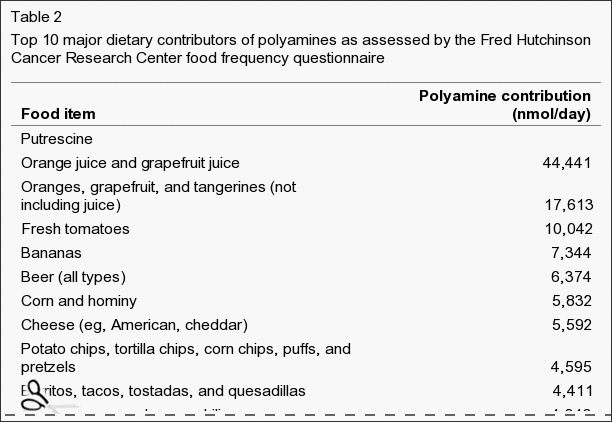
WholeDude - WholeDesigner - Phytochemistry : Dietary Sources of Polyamines found in top ten foods. None of them generate the same odor as that of human male Semen.
The Magic of Creation discovered at Whole Foods, Ann Arbor- The Proof of the Pudding is in the Eating. The Designing of Unchanging Chemical Molecules. Whole Dude – Whole Designer – Phytochemistry : Dietary Sources of Polyamines found in top ten foods. None of them generate the same odor as that of human male Semen.
WholeDude - WholeDesigner - Phytochemistry: Top ten sources of dietary Polyamines. None of these foods is associated with the Semen-like odor generated by Quinoa Flakes.
The Magic of Creation discovered at Whole Foods, Ann Arbor – The Proof of the Pudding is in the Eating. The Designing of Unchanging Chemical Molecules. Whole Dude – Whole Designer – Phytochemistry: Top ten sources of dietary Polyamines. None of these foods is associated with the Semen-like odor generated by Quinoa Flakes.

To describe the role of Polyamines in Plant and Human Physiology, I would like to quote from the abstract prepared by Lefevre PL, Palin MF, and Murphy BD in their article titled ‘Polyamines on the reproductive landscape’, and its full text may be viewed at:

http://www.ncbi.nlm.nih.gov/pubmed/21791568

The polyamines are ubiquitous polycationic compounds. Some of these namely spermine, spermidine, and putrescine are essential to male and female reproductive processes and to embryo/fetal development. Indeed their absence is characterized by infertility and arrest in embryogenesis. Mammals synthesize polyamines de novo from amino acids or import these compounds from the diet. They are essential regulators of cell growth and gene expression and they are implicated in both mitosis and meiosis. In male reproduction, polyamine expression correlates with stages of spermatogenesis and they function to promote sperm motility. Polyamines are involved in ovarian follicle development and ovulation in female mammals. Polyamine synthesis is required for steroidogenesis in the ovary. Polyamines play the role in embryo implantation. Elimination of polyamine synthesis abrogate embryo development at gastrulation. Polyamines play the role in implantation, in decidualization, in placenta formation and function. Polyamine deprivation during gestation results in intrauterine growth retardation. Dietary arginine and dietary polyamines act as nutritional regulators of fertility.

Similarly, I can quote several other research papers that describe the physiology of natural polyamines and their significance in performing a variety of metabolic functions. Please read the articles cited as references.

Quinoa’s Phytochemistry – A Natural Aphrodisiac:

WholeDude - WholeDesigner - Phytochemistry: Greek mythology describes Adonis as a youth of remarkable beauty. He is the chosen favorite of Greek goddess Aphrodite. The name 'Aphrodisiac' describes any agent that can increase, arouse, and enhance male sexual excitement, sexual performance or stimulate sexual desire. I would like to carefully describe Quinoa as an Aphrodisiac that should be used by both young men, and women who are sexually active and have concerns about fertility. The scent, the odor, the smell, or aroma of Quinoa preparation gives me the clue that it could be a source of dietary polyamines which are nutritional regulators of fertility.
The Magic of Creation discovered at Whole Foods, Ann Arbor -The Proof of the Pudding is in the Eating. The Designing of Unchanging Chemical Molecules. Whole Dude – Whole Designer – Phytochemistry: Greek mythology describes Adonis as a youth of remarkable beauty. He is the chosen favorite of Greek goddess Aphrodite. The name ‘Aphrodisiac’ describes any agent that can increase, arouse, and enhance male sexual excitement, sexual performance or stimulate sexual desire. I would like to carefully describe Quinoa as an Aphrodisiac that should be used by both young men, and women who are sexually active and have concerns about fertility. The scent, the odor, the smell, or aroma of Quinoa preparation gives me the clue that it could be a source of dietary polyamines which are nutritional regulators of fertility.

It is important to recognize significance of Polyamine compounds such as Putrescine, Spermidine, and Spermine in Reproductive Biology. Animals derive essential amino acids and other organic compounds from their diet. Nutrition plays an important role in the reproductive success of an organism. Since scientific literature supports the view that dietary polyamines act as nutritional regulators of fertility, they can be easily incorporated into human dietary regimen, particularly of those young men and women who are sexually active and plan for reproductive success that ensures the birth of healthy babies. I am recommending the use of Quinoa as it is easy to verify presence of nutritional polyamines by conducting a simple ‘Smell Test’. Its easy and takes only 90 seconds.

The Quinoa Challenge: The Proof of the Pudding is in the Eating:

I am asking my readers to take the ‘Quinoa Challenge’, which is a simple ‘Smell Test’ to discover presence of Polyamines Putrescine, Spermidine, and Spermine in the breakfast cereal of Quinoa Flakes made by Ancient Harvest. In 90 seconds, you will find the dietary polyamines without conducting a time-consuming chemical analysis. If your Quinoa porridge has Semen-like smell, it most certainly contains those Polyamines. As the saying goes: “The Proof of the Pudding is in the Eating.”

WholeDude - WholeDesigner - Phytochemistry: The strong, penetrating odor of freshly voided Semen is very distinctive, and is easily recognized by people of all Cultures. The smell, the odor, the scent, the flavor, or the aroma of Semen is attributed to the presence of amino compounds such as Putrescine, Cadaverine, Spermidine, and Spermine. Semen is a fluid of complex composition and it is produced by the secretions from several glands of the male reproductive system such as the Testes, Epididymis, the Ampulla of Ductus Deferens, the Seminal Vesicles, the Prostate, the Bulbourethral and Urethral Glands(Cowper & Littre glands).
The Magic of Creation discovered at Whole Foods, Ann Arbor – The Proof of the Pudding is in the Eating. The Designing of Unchanging Chemical Molecules. Whole Dude – Whole Designer – Phytochemistry: The strong, penetrating odor of freshly voided Semen is very distinctive, and is easily recognized by people of all Cultures. The smell, the odor, the scent, the flavor, or the aroma of Semen is attributed to presence of amino compounds such as Putrescine, Cadaverine, Spermidine, and Spermine. Semen is a fluid of complex composition and it is produced by the secretions from several glands of the male reproductive system such as the Testes, Epididymis, the Ampulla of Ductus Deferens, the Seminal Vesicles, the Prostate, the Bulbourethral and Urethral Glands(Cowper & Littre glands).
PHYTOCHEMISTRY OF CHENOPODIUM QUINOA : I USED ANCIENT HARVEST QUINOA HOT CEREAL FLAKES TO CONDUCT QUINOA SMELL TEST .
The Magic of Creation discovered at Whole Foods, Ann Arbor – The Proof of the Pudding is in the Eating. The Designing of Unchanging Chemical Molecules. PHYTOCHEMISTRY OF CHENOPODIUM QUINOA : I USED ANCIENT HARVEST QUINOA HOT CEREAL FLAKES TO CONDUCT THE QUINOA SMELL TEST .
WholeDude - WholeDesigner - Phytochemistry: The Sensation of Olfaction or Odor Quality is 10,000 times more sensitive than Taste sensation. Olfaction involves the detection of airborne chemical molecules. The Quinoa Challenge involves the detection of odor of Quinoa Flakes after heating them with water for just 90 seconds. Without conducting a chemical analysis, I can prove that Human Semen and Quinoa Flakes when cooked have nearly identical Polyamine composition that imaprt the unmistakable Semen odor or smell.
The Magic of Creation discovered at Whole Foods, Ann Arbor – The Proof of the Pudding is in the Eating. The Designing of Unchanging Chemical Molecules. Whole Dude – Whole Designer – Phytochemistry: The Sensation of Olfaction or Odor Quality is 10,000 times more sensitive than Taste sensation. Olfaction involves detection of airborne chemical molecules. The Quinoa Challenge involves detection of odor of Quinoa Flakes after heating them with water for just 90 seconds. Without conducting a chemical analysis, I can prove that Human Semen and Quinoa Flakes when cooked have nearly identical Polyamine composition that impart the unmistakable Semen odor or smell. For my study, I purchased Ancient Harvest Quinoa Flakes sold by Whole Foods Market, Ann Arbor. The box is priced at $5.99 or more.
WholeDude - WholeDesigner - Phytochemistry: The seeds of Chenopodium album - Lambsquarters or Pigweed are chewed or used in Inca traditional medicine in the treatment of urinary problems and for the problem of semen discharge during urination.
The Magic of Creation discovered at Whole Foods, Ann Arbor – The Proof of the Pudding is in the Eating. The Designing of Unchanging Chemical Molecules. Whole Dude – Whole Designer – Phytochemistry: The seeds of Chenopodium album – Lambsquarters or Pigweed are chewed or used in Inca traditional medicine in treatment of urinary problems and for the problem of semen discharge during urination.
WholeDude - WholeDesigner - Phytochemistry: Chenopodium vulvaria, Stinking Goosefoot, Notchweed, is a foul-smelling, or rank-smelling plant. The term 'rank-smelling' is used to describe strong, offensive smells like the smell of deer in sexual heat. The leaves of this plant are used in traditional Inca medicine for the treatment of hysteria and nervous trouble among women.
The Magic of Creation discovered at Whole Foods, Ann Arbor – The Proof of the Pudding is in the Eating. The Designing of Unchanging Chemical Molecules. Whole Dude – Whole Designer – Phytochemistry: Chenopodium vulvaria, Stinking Goosefoot, Notchweed, is a foul-smelling, or rank-smelling plant. The term ‘rank-smelling’ is used to describe strong, offensive smells like the smell of deer in sexual heat. The leaves of this plant are used in traditional Inca medicine for treatment of hysteria and nervous trouble among women.
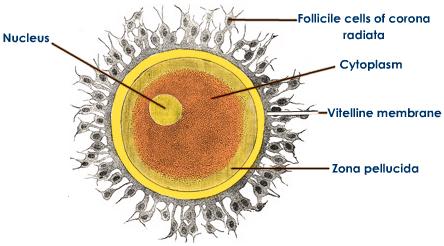
WholeDude - WholeDesigner - Phytochemistry: Polyamines are important for the production of Sperm cells in the Testes of males. Polyamines are equally important in human female reproductive system. Polyamines are involved in Ovarian follicle development, ovulation, the production of sex hormones in the Ovary and for female fertility, the ability to give birth to a baby.
The Magic of Creation discovered at Whole Foods, Ann Arbor-The Proof of the Pudding is in the Eating. The Designing of Unchanging Chemical Molecules. Whole Dude – Whole Designer – Phytochemistry: Polyamines are important for production of Sperm cells in the Testes of males. Polyamines are equally important in human female reproductive system. Polyamines are involved in Ovarian follicle development, ovulation, production of sex hormones in the Ovary and for female fertility, the ability to give birth to a baby.
WholeDude - WholeDesigner - Phytochemistry: The photo image of human embryo at 6 days. Polyamines play a role in embryo implantation. Polyamines are important for palcenta formation and function. Polyamines help in intrauterine growth of embryo and fetus. During pregnancy, maternal nutrition is important and it must include dietary sources of proteins, polyamines, vitamins, and minerals.
The Magic of Creation discovered at Whole Foods, Ann Arbor – The Proof of the Pudding is in the Eating. The Designing of Unchanging Chemical Molecules. Whole Dude – Whole Designer – Phytochemistry: The photo image of human embryo at 6 days. Polyamines play a role in embryo implantation. Polyamines are important for placenta formation and function. Polyamines help in intrauterine growth of embryo and fetus. During pregnancy, maternal nutrition is important and it must include dietary sources of proteins, polyamines, vitamins, and minerals to ensure the birth of a healthy baby.

The Problem of Male Potency – The Role of Quinoa as an Aphrodisiac:
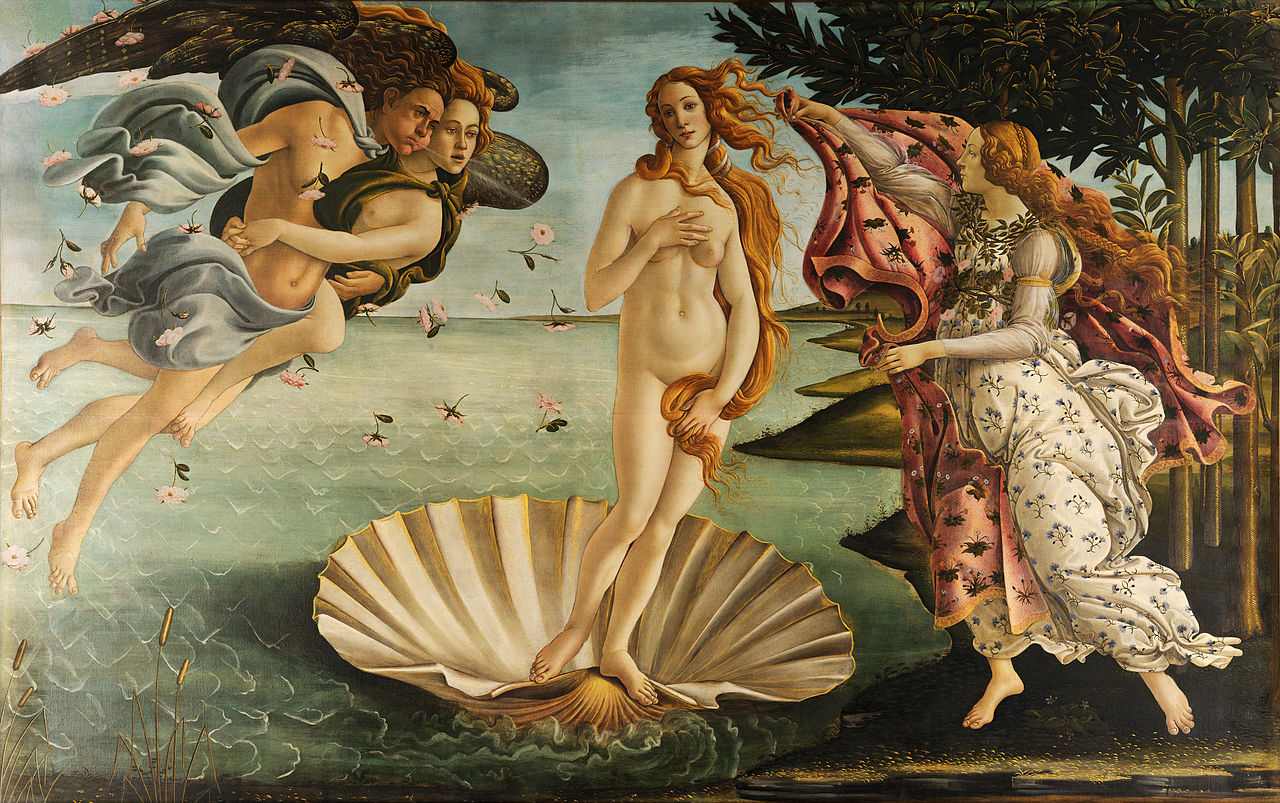
The Magic of Creation discovered at Whole Foods, Ann Arbor – The Proof of the Pudding is in the Eating. The Designing of Unchanging Chemical Molecules. The role of Quinoa as an Aphrodisiac. The Birth of Venus, by Sandro Botticelli, depicts the goddess of love floating on a giant scallop shell. The word aphrodisiac derives from her Greek name, Aphrodite.

The term potent is derived from the Sanskrit word “Pati” which means Master or husband. It generally refers to the ability to have  erection and hence have the power or energy or strength or capacity to engage in sexual intercourse. Very often, when human males are concerned about the problem of male potency they describe it as a problem of erectile dysfunction. When females are investigated for the problem of infertility, investigation of the male partner sometimes reveals the problems such as very low sperm counts and other abnormalities associated with the Seminal Fluid or Semen analysis. For men, impotence involves the problem of getting sexually excited, stimulation of sexual desire for the successful execution of sexual intercourse.

I do not propose Quinoa as an Erotic Food, or a Love Potion. Man’s universal attribution of libidinous effects to certain foods originated in the ancient belief; the belief in the therapeutic efficacy of “signatures.” If an object resembled genitalia, it is believed in several native cultures, that the object possessed sexual powers. Because of this belief, people describe the legendary aphrodisiac powers of Ginseng root and powdered Rhinoceros horn. Drugs like alcohol, marijuana, mescaline, opium, and others may cause sexual excitation through disinhibition. The fear, anxiety associated with erectile power and sexual performance may indeed have an inhibitory influence and may diminish sexual capacity. Inhibition could be the cause of much sexual malfunctioning. My recommendation of Quinoa as an aphrodisiac is based upon other considerations. Androgens are sex hormones that influence the growth and development of the male reproductive system. Testosterone is produced by the male testes. In the male, the Interstitial Cells of Leydig in the connective tissue surrounding the sperm-producing tubules of the testes are responsible for the production and secretion of androgens which are essential for the growth of the reproductive organs, the formation of sperm cells and for maintenance of sexual interest and libido or sexual drive. Secondly, Polyamines are required to protect the sperm cells during their journey in the female genital tract. Polyamines are alkaline compounds that counteract and buffer the acidic environment of the vaginal canal and protect DNA inside sperm cells. From a study of Phytochemistry, plant physiology, human physiology, biochemistry, medical biology, endocrinology, embryology, and human nutrition, it could be recommended to include some dietary sources of polyamines during the reproductive activity of both men and women to ensure the birth of viable, and healthy babies. For that reason, I am suggesting the use of Quinoa and if there is any doubt, perform the ‘Smell Test’ to verify the presence of aromatic amino compounds which play a role in both mitosis, and meiosis cell division apart from their association with Nucleic Acids like DNA, RNA, and their role in activity of Ribosomes and the Cell Membrane. Studies indicate that reducing concentration of Polyamines in the body pool may slow cancer process as the rapidly proliferating cancer cells need polyamines. To study viruses, Virologists use Chenopodium quinoa plants as plant virus hosts. Development of Polyamine Database for assessing Dietary Intake has been recommended and I am hopeful that nutritional guidelines will become available.

Quinoa is a functional food and it must be used in support of various physiological functions and its intake and of other polyamines could be also important in management of cancer. The biosynthesis of chemical molecules by plants is a creative process and the mechanism is creative as it generates diversity while the molecules maintain their unchanging properties and characteristics.

Simon Cyrene

References:

1. Polyamines and the integrity of the plant body. Galston AW

http://www.ncbi.nlm.nih.gov/pubmed/11540939

2.1,4-Diaminobutane(putrescine) spermidine and spermine. Tabor CW, Tabor H.

http://www.ncbi.nlm.nih.gov/pubmed/786151

3.Physiology of the natural polyamines. Raina A, Janne J

http://www.ncbi.nlm.nih.gov/pubmed/169440

4. Polyamines in Plant Physiology. AW Galston, RK Sawhney

http://www.ncbi.nlm.nih.gov/pubmed/11537482

5. Chenopodium quinoa(Wild): Composition, Chemistry, nutritional and functional properties. Abuqoch James LE

http://www.ncbi.nlm.nih.gov/pubmed/19878856

6. Advances in polyamine research in 2007. Kusanot, Yamaguchi K et al.,

http://www.ncbi.nlm.nih.gov/pubmed/17351711

7.Development of polyamine database for assessing dietary intake. Zoumas M C

http://www.ncbi.nlm.nih.gov/pubmed/17524725

The Magic of Creation discovered at Whole Foods, Ann Arbor. The Proof of the Pudding is in the Eatingi. The Designing of Unchanging Chemical Molecules. Phytochemistry of Quinoa plants.

Published by WholeDude

Whole Man - Whole Theory: I intentionally combined the words Whole and Dude to describe the Unity of Body, Mind, and Soul to establish the singularity called Man.

Leave a comment

This site uses Akismet to reduce spam. Learn how your comment data is processed.