
I ask Michigan Medicine and University of Michigan to admit its ignorance of the meaning of the term called Race. There is no human race called Indian
Excerpt: The Michigan Medicine AHEAD study is examining the efficacy of a medication aimed at preventing Alzheimer’s Disease in individuals at increased risk of developing the disease. The study has, however, faced criticism regarding its focus on years of schooling and its lack of a research protocol to verify the identity and individuality of the human organism. Critics assert that biological processes like the flow of biological information and protein synthesis are not influenced by education level and that individuality should not be tied to factors such as race and ethnicity. The conceptualization of “life as knowledge in action” and that it is an interplay of cellular function and knowledge must be explored.

The AHEAD Study is researching the safety and effectiveness of an investigational medication in people who might be at increased risk for developing memory loss associated with Alzheimer’s Disease. The study is looking for participants age 55-80 years old, who have generally normal memory function in daily life, and who are not being treated for memory problems. For individuals age 55-64 years old, an additional risk factor is required, such as a parent or sibling with Alzheimer’s Disease or previous biomarker testing showing increased risk for developing Alzheimer’s Disease. This study sees participants in Ann Arbor. Contact Lauren Mackenzie at spearsl@med.umich.edu or 734-232-2415.

On Tuesday, December 05, 2023, at the Michigan Clinical Research Unit (MCRU) at the Cardiovascular Center (CVC), I was interviewed for participating in the AHEAD Study and I completed the Stage 1A of the Screening process. I am asked to provide information about the most important occupation of my life, my sexual orientation, my race and ethnicity in the context of my place of birth and the country of origin, the total number of years I spent in the School to register my personal identity for participation in the Medical Research Project.

The AHEAD Study Research Protocol has not identified the basis for discovering the identity of a multicellular human organism. I can answer the questions I am asked. Do I have the ability to communicate my answers to the cells of my own body and reflect that identity in the living functions they perform to keep me alive?
India and Iran – What is the Connection?
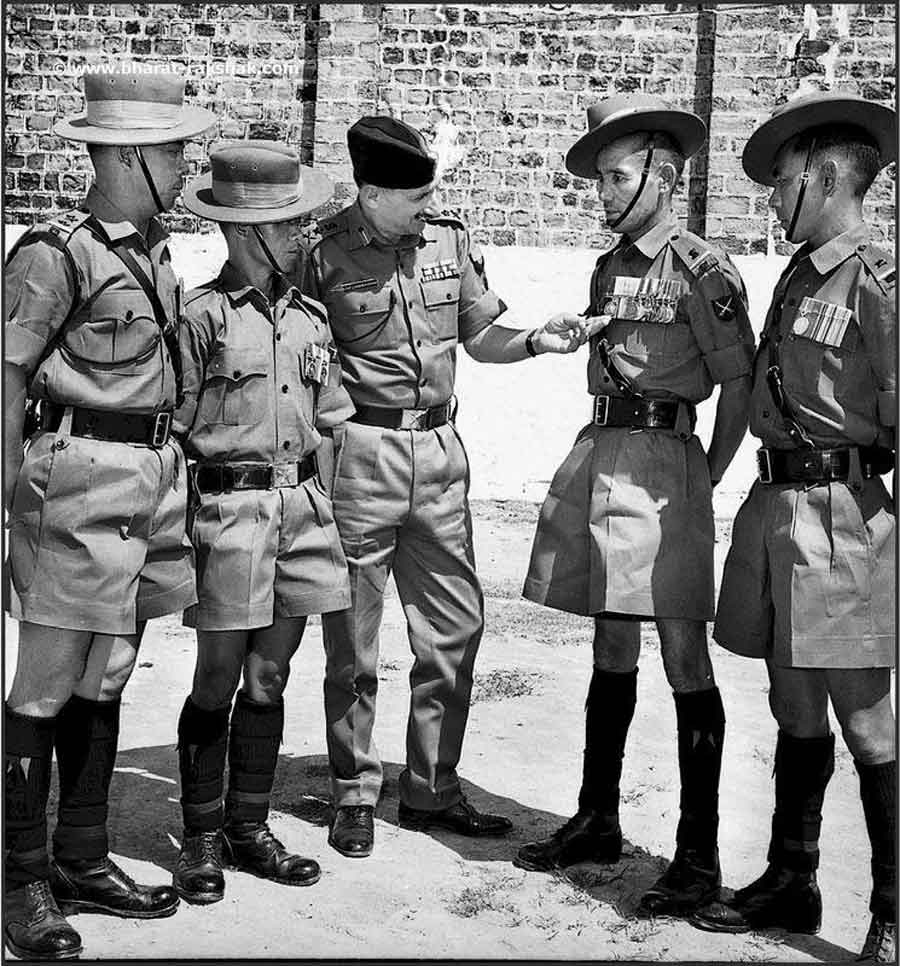
I joined the Indian Army Medical Corps during September 1969 when I qualified for the grant of Short Service Regular Commission in the rank of Second Lieutenant. General Manekshaw had a very high reputation across all the ranks and branches of the Indian Armed Forces. I had no opportunity to meet him in person but I always felt motivated by his spirit and enthusiasm to perform military tasks with cheerfulness and a sense of strong conviction to uphold the pride and dignity of Indian Army.
MY CONNECTION WITH THE PARSI COMMUNITY OF INDIA:

Parsis are the followers in India of the Iranian Prophet Zoroaster. The name means Persians. According to tradition, the Parsis had initially settled at Hormuz on the Persian Gulf and they sailed to India in the 8th century. They form a well-defined community and they have retained almost unchanged the beliefs and customs of their ancestors. Just like other Indians, the Parsis consider the elements of Fire, Water and Earth as sacred. I would like to speak about two members of this community with whom I am connected with love and a great admiration.
1. Field Marshal Sam Hormusji Framji Jamshedji Manekshaw:

In the year 1969, while I was a student at Kurnool Medical College, Kurnool, Andhra Pradesh, I qualified for the grant of Short Service Regular Commission to join the Indian Army Medical Corps in the rank of Second Lieutenant. I joined the Army Medical Corps on 26 July, 1970 in the rank of Lieutenant. On completion of my training, I got promoted to the rank of Captain on 26 July, 1971. My first task was getting ready for the crisis that India was facing on account of the influx of the Bangla refugees.
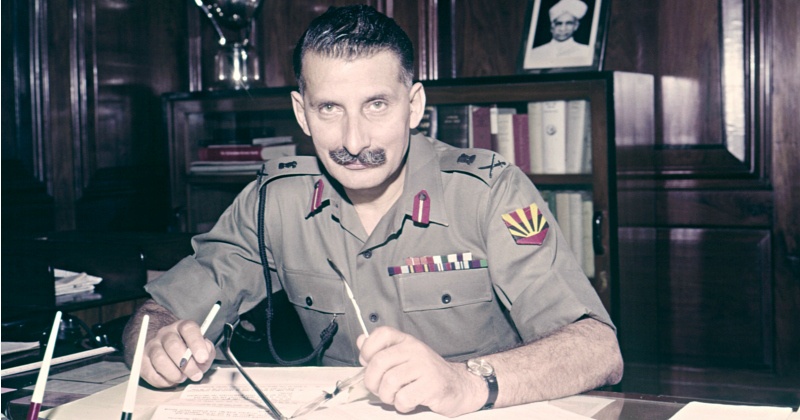
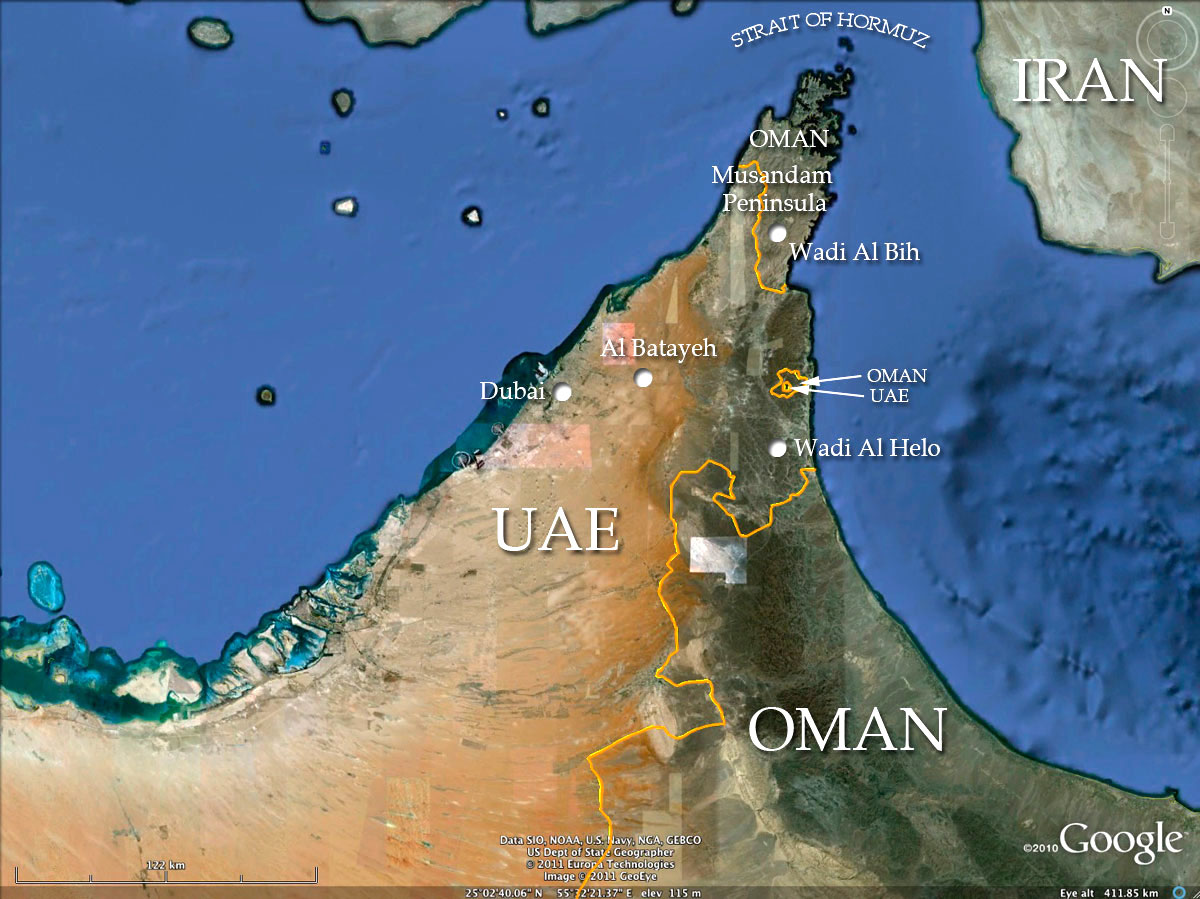
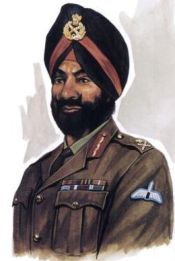
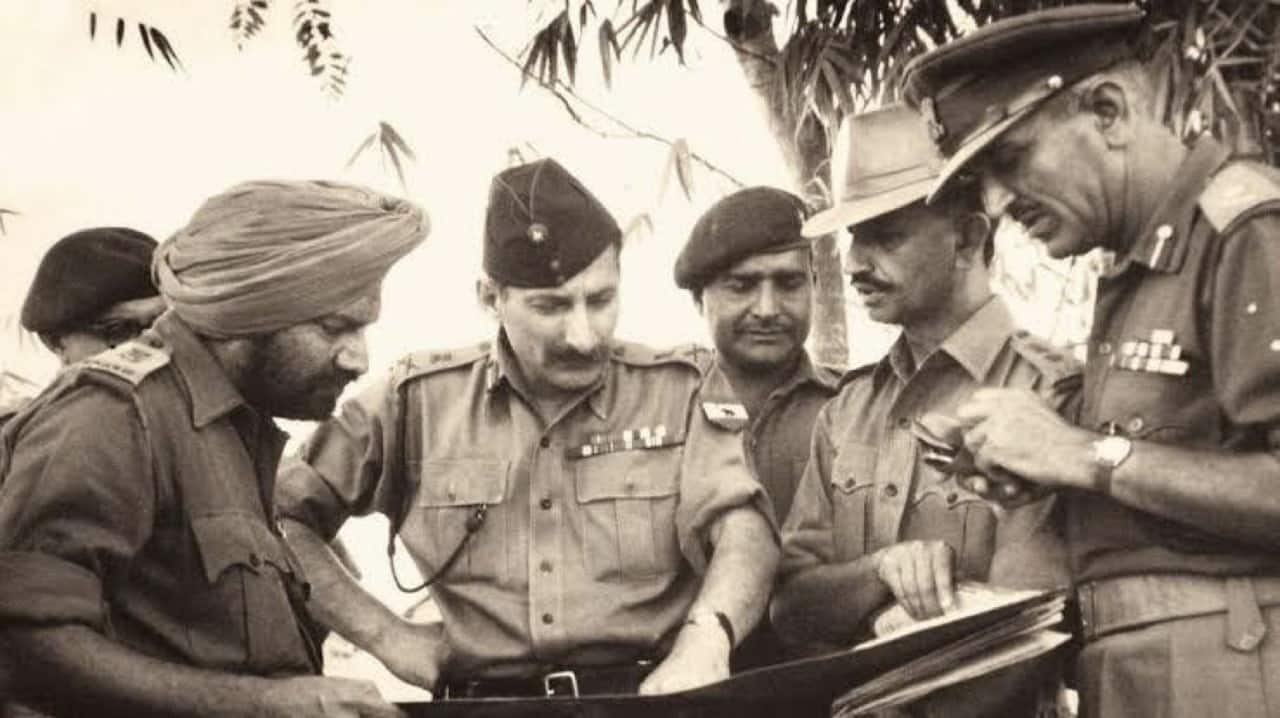
General Manekshaw was born in Amritsar, Punjab to Parsi parents. He became the 8th Chief of Staff of the Indian Army in 1969 and his distinguished military career has spanned four decades and through five wars, including World War II. He has the rare distinction of being honoured for his bravery on the battle front itself. He won the Military Cross for display of his valour in face of stiff resistance from the Japanese while he was leading a counter-offensive against the invading Japanese Army in Burma. He is the architect of India’s heroic victory in the 1971 India-Pakistan War. He had shown uncommon ability to motivate the troops and coupled it with a mature war strategy. He had masterminded the rout of the Pakistan Army in one of the quickest victories in recent military history. I take pride in my military service and my connection to Sam Bahadur. This military experience has helped me while I participated in Military Security and Intelligence Operations at Strait of Hormuz, Persian Gulf during 1984 to 1986 while I served in Royal Oman Army.

I began my military service under the leadership of a member of the Parsi Community which had arrived in India from Hormuz area of Persian Gulf (Iran) and my military career came to a final conclusion at Headquarters Peninsular Security Force (Hq PENSEC), Musandam, Khasab, on the shores of Persian Gulf at Strait of Hormuz while I was very actively involved in arresting the growth of Iranian influence in that area.
2. FEROZE GANDHI (FEROZE GANDHY):
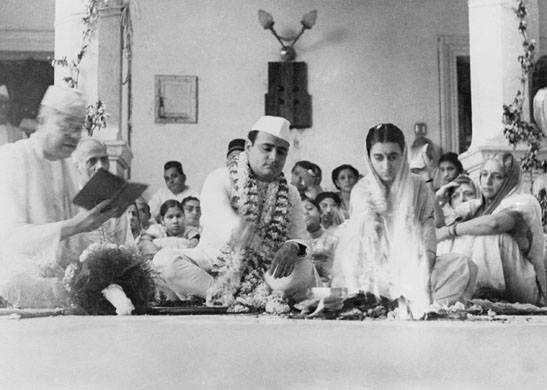

Feroze Gandhi was born into a Parsi family. He was a member of India’s first Parliament. He won his election in 1952 and in 1957 from Rai Bareilly constituency in Uttar Pradesh. His wife was his election manager. He was the husband of India’s first woman Prime Minister, Mrs. Indira Gandhi and the father of the former Indian Prime Minister Rajiv Gandhi. His grandson is a Member of Indian Parliament. Feroze died in 1960 but his name connects me to our beloved Prime Minister Indira Gandhi. I was a student in Kurnool Medical College in 1966 when Mrs. Gandhi was first appointed as the Prime Minister. I wrote her a personal letter to congratulate her and she had graciously responded to that letter. In 1967, I was in New Delhi to participate in a National Student Seminar for National Integration . Myself and other student delegates had a opportunity to meet Mrs. Gandhi at her residence and exchanged our views and expressed our concerns on several issues. After joining Indian Army, in 1971, I joined duty at the Office of the Directorate General of Security which takes its orders from the Prime Minister’s Cabinet Secretariat. It gave me an opportunity to understand the great leadership role played by Mrs.Gandhi and it provided me an insight into her foreign policy initiatives. Mrs. Gandhi’s decisive leadership had helped India to successfully test our first nuclear weapon.
SPECIAL FRONTIER FORCE – OPERATION EAGLE – INDIRA GANDHI’S MILITARY ACTION IN THE CHITTAGONG HILL TRACTS – LIBERATION WAR OF BANGLADESH 1971:

INDIAN AIR FORCE HELICOPTER PILOT FLIGHT LIEUTENANT PARVEZ JAMASJI, VrC . THE FIRST PARSI OFFICER OF INDIAN ARMED FORCES THAT I MET AND BRIEFLY INTERACTED DURING THE MILITARY ACTION IN THE CHITTAGONG HILL TRACTS THAT INITIATED THE LIBERATION OF BANGLADESH DURING 1971.
Among several people who had participated in Operation Eagle 1971, I want to mention the name of Flight Lieutenant Parvez Jamasji of Indian Air Force, the Parsi helicopter pilot who helped me with my battle casualty evacuation from the Chittagong Hill Tracts to our Field Hospital at Lungleh, Mizoram.
Iran is an ancient land. We had trade and Cultural relations with Iran (PERSIA – THE LAND OF ARYANS) for several centuries. People of Persian origin have immensely contributed to India in a variety of fields such as business, arts, architecture and public service. The Parsi community of India represents my connection to Iran, a Land which still proclaims its Aryan heritage.

Dr. R. Rudra Narasimham, B.Sc., M.B.B.S.,
Service Number: MR-03277K, Rank: Major Army Medical Corps/Direct Permanent Commission & XSCO-324 Naqeeb/Captain Force Medical Services, Royal Oman Army, Sultanate of Oman
Medical Officer, South Column Unit, Operation Eagle 1971-72
Headquarters Establishment No. 22 C/O 56 APO
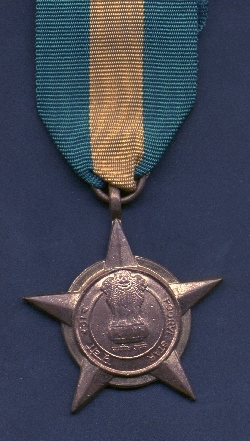


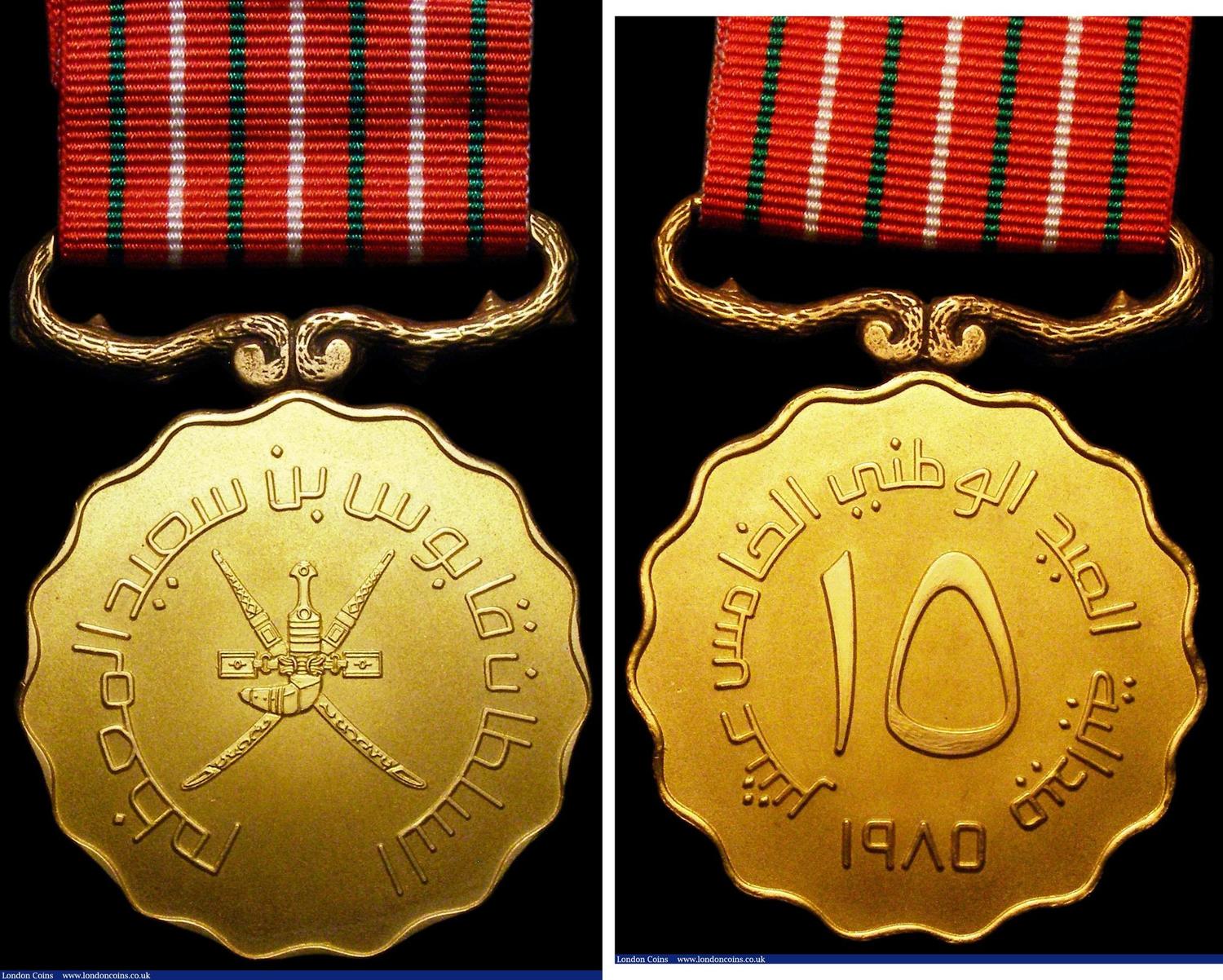
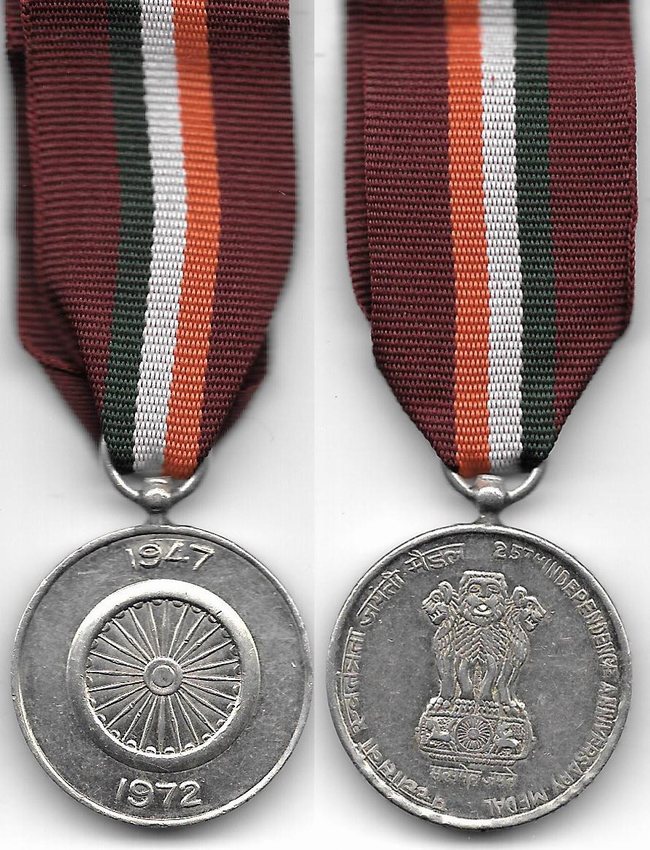
Bharat Darshan – Remembering Sam Bahadur


I have good reasons to pay this tribute to Field Marshal Sam Manekshaw (‘SAM BAHADUR’) who passed away on June 27, 2008. I count him as my ‘Parsi Connection’ apart from Mrs. Indira Gandhi who was India’s Prime Minister when I reported to Officers Training School, AMC Centre, Lucknow on July 26, 1970 to attend Basic Medical Officers Course 20/70. Interestingly, when I left military service, I was at Strait of Hormuz near Hormuz region of Iran to which Parsi community has its historical relationship.
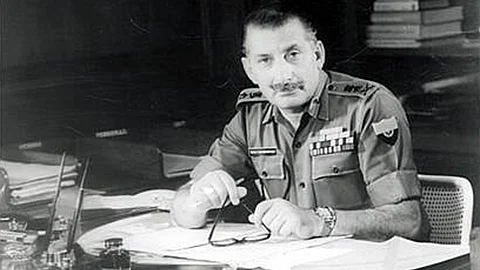
The video jerked into play… realised I wasn’t looking for the Great Man: Sam Manekshaw’s daughter Maja Daruwala
Field Marshal Sam Manekshaw died this day in 2008. A daughter remembers.
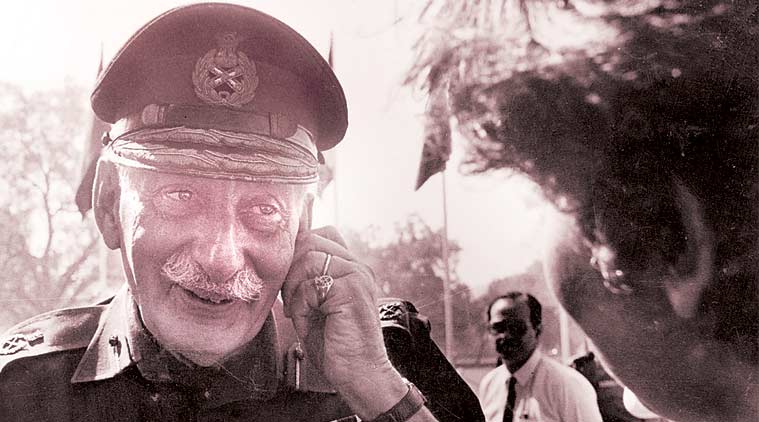
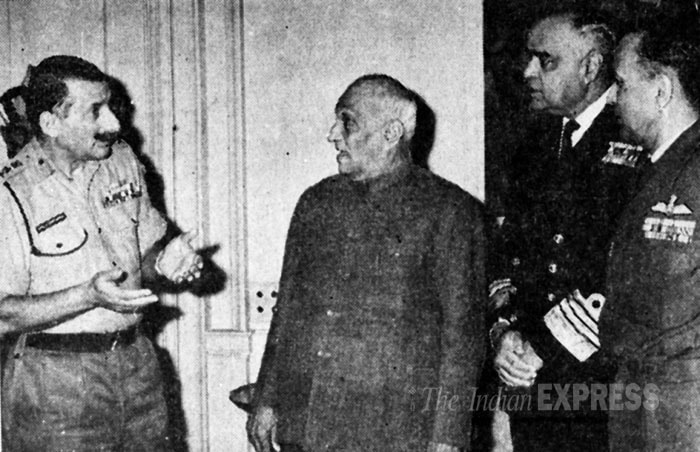
Field Marshal Sam Manekshaw led the Indian Army to victory in East Pakistan. (Photo: Express Archive)Written by Maja Daruwala | New Delhi | Published:June 27, 2016 1:27 am
Perhaps because there are so few of us around, people feel obliged to email and SMS me snippets of news and views, blogs, pictures and videos about Parsees. The complimentary pieces are bittersweet gestures of affection for a friend. They come tinged with regret that seems to mourn the inevitable passing away of our tiny community. The last little video I got came with the message “You should be proud” and opened into a montage of the usual greats. I watched with only tepid interest as the pictures and names in blazoned heroic script passed across the screen. There was Jamshedji, and Dorabji, Nani, Fali and Soli. There was Bhikhaji Cama and atomic energy Bhabha and Rattan of course, Adi, and apro Zubin and Cyrus. I’d seen them all before. At the end, the video stalled and I realised I was mildly miffed at the producers who had missed one name.Still and sad, I stared hard at the little dots going round and round as the video buffered into its last five seconds. In those long moments, I felt my chest tighten and my eyes prick as I remembered the missing man. He had meant so much to us. Eight years dead this week, he was still right there at every family gathering, lighting up the room with silly teasing and laughter, telling funny stories about the cook in Amritsar whose kheema my mother could never match, or the fair girl who’d given him his first innocent kiss by the back loo in exchange for a promise not to tell the elders she was meeting with the local rake, or the tale of how he had exasperated his mother into throwing a bunch of keys at him for explaining to all the household that his hazel eyes came from being born in Egypt. When we asked; “Why Egypt? His only explanation was “Baby, that’s the only name I knew!”
He taught us the names of all the flowers in the garden and read us Scheherazade stories from the Arabian Nights. Then wickedly played king. My sister was the favoured and beautiful Lal Pari, I the ugly sidey grateful to be included. When we asked what our mother was he’d say airily: “Oh, she’s the lady in waiting — waiting for everything.” He loved being the hero and would post us scurrilous detective stories at boarding school. In the hols, I complained to my aunt that no one believed the letters were from my father and she cried out “Bhai, you’re still doing the same thing!” She had been an early victim in their school days.
He had enthusiasms and dragged us willy-nilly into them because they had to be shared by everyone around. So my mother, straw hat on head, walked across the winter sun fields near Delhi while he shot quail and joined the locals in chai on the khatia after. At home, my sister wiggled hot and impatient under studio lights while he perfected the angle of his tripod camera. At the race course, he taught me to feed our one-fourth of a race horse with an open flat hand so I wouldn’t get bitten. It mattered not at all that First Entry never won a race.
In Ferozpur, the huge grounds of Flagstaff House turned him farmer. So we all dug potatoes out of the ground, picked cotton and felt how aniseed tasted right off the stalk. In Mhow, he battled the cook for suzerainty over the kitchen and competed with him to show he could make the best tasting chola ever — for breakfast! In Coonoor, it was trout fishing and endless hours fiddling to find just the right rods and reels and being coaxed into spearing live bait on to hook because he wasn’t going to do it.
Then it was milch cows. We had to have them. All the houses along Porter Avenue got milk at the same price for 20 years. Meticulous accounts were kept. The grandchildren got the 6 am milk run and my mother got to name the animals: Rose (naturally, what else can you name a cow), then Rose Bud, then just Bud, then Bud Bud. Until the Gorkhas put their foot down and only a minimal cow was allowed to remain on the premises.
He loved being loved and retired hurt one time when our long time charioteer cook and Gorkhas agreed that “hamari madam jaisa koi nahi”. He wasn’t expecting it. Beyond the jesting, there was wisdom. “You must spoil your children and spoil your children but they must never get spoiled.” He’d say.
The video jerked into play and pulled me out of my reverie. At last I was face to face with the last name and portrait. We looked at each other and I realised I wasn’t looking for the Great Man at all but for the funny, handsome brave father whose face anyway lives behind my eyes — always.







 Whole Dude - Whole Spirituality