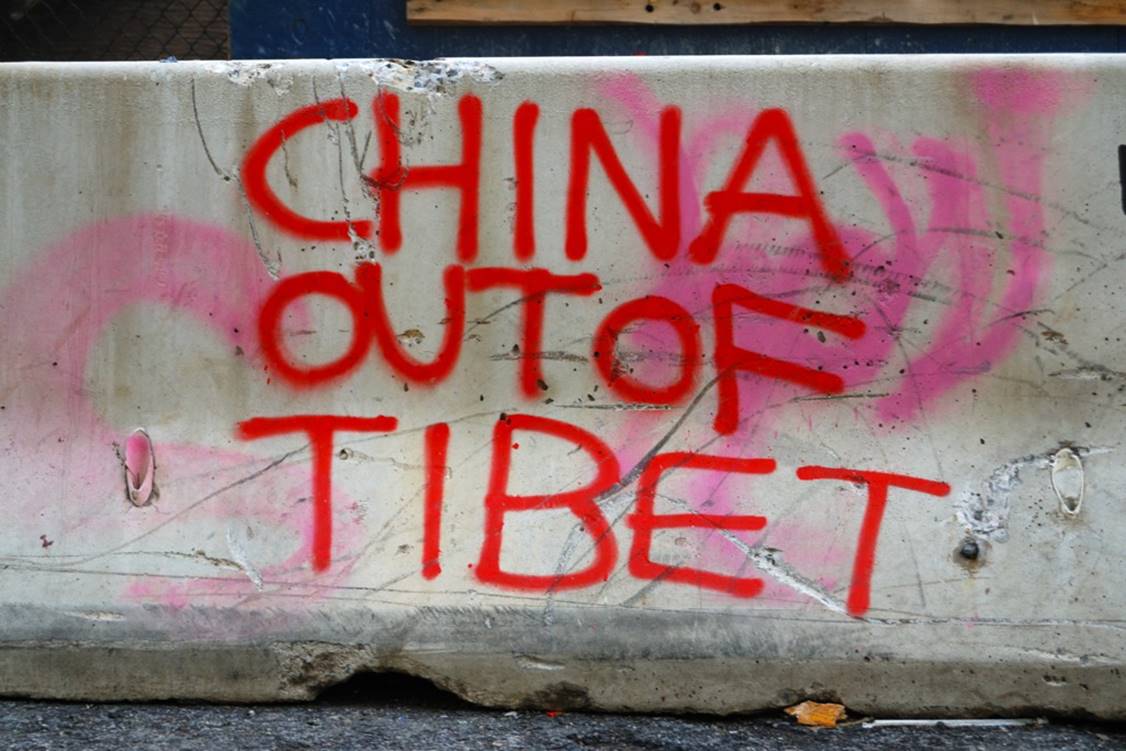
LIVING TIBETAN SPIRITS SHARE GLIMPSES OF NORBULINGKA – 8

LIVING TIBETAN SPIRITS SHARE GLIMPSES OF NORBULINGKA – 8

Clipped from: http://www.china.org.cn/travel/2018-06/08/content_51817810_6.htm

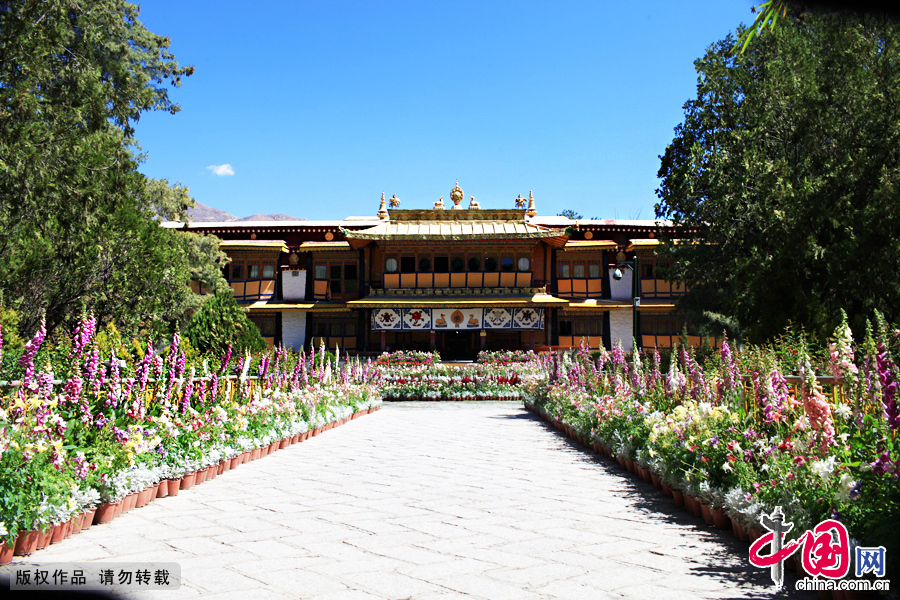
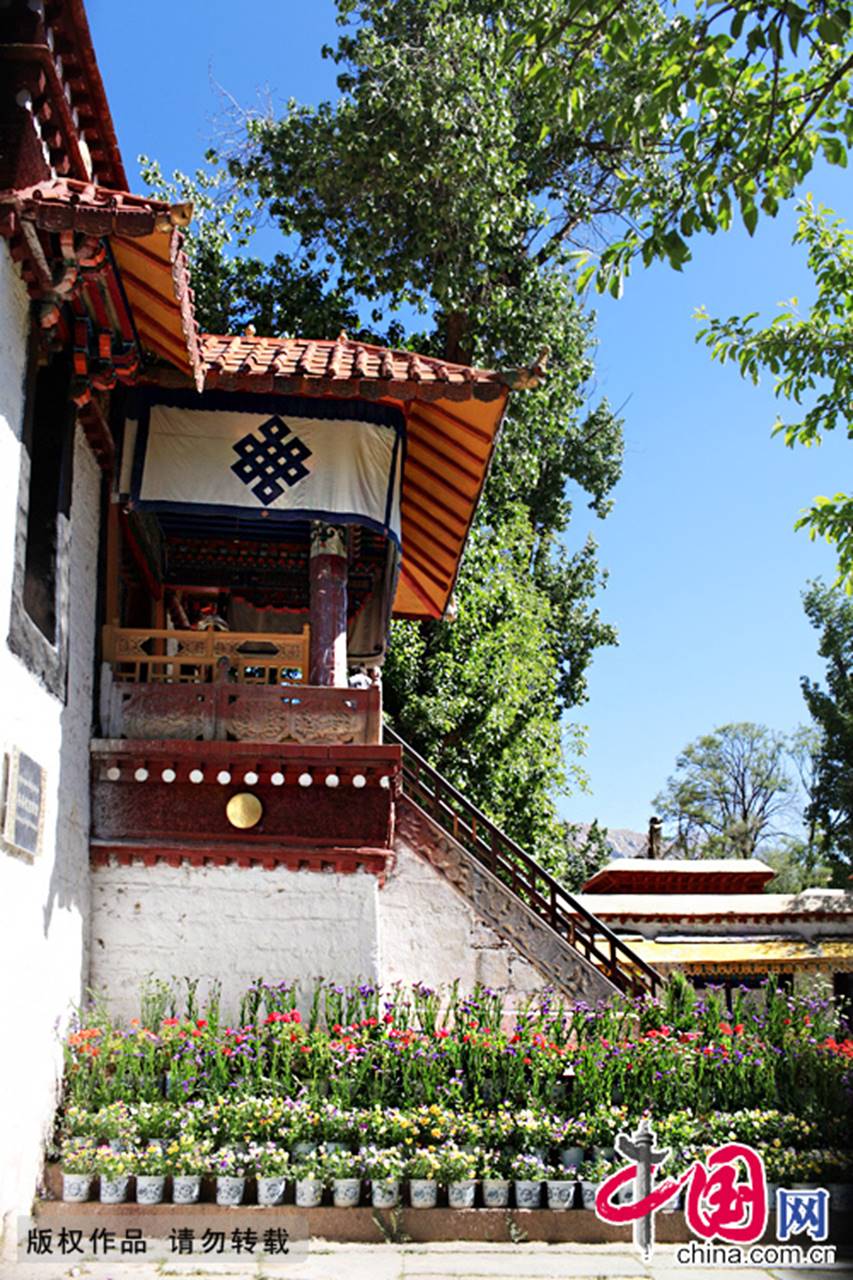
Norbulingka, literally the "Jeweled Garden," is a palace and its surrounding parks located in a western suburb of Lhasa. It was constructed in the 1740s as a summer palace for the Dalai Lama and later served the whole governmental administration. The place boasts typical Tibetan palace architecture, as well as gentle streams, dense and lush forestry, birds and animals. Covering an area of around 36 hectares, it is considered to be the largest man-made garden in Tibet. Being part of the "Historic Ensemble of the Potala Palace," Norbulingka is recognized as a UNESCO World Heritage Site, and was added as an extension to this Historic Ensemble in 2001.[China.org.cn]

Created with Microsoft OneNote 2016.

LIVING TIBETAN SPIRITS SHARE GLIMPSES OF NORBULINGKA – 7

LIVING TIBETAN SPIRITS SHARE GLIMPSES OF NORBULINGKA – 7

Clipped from: http://www.china.org.cn/travel/2018-06/08/content_51817810_7.htm

Norbulingka, literally the "Jeweled Garden," is a palace and its surrounding parks located in a western suburb of Lhasa. It was constructed in the 1740s as a summer palace for the Dalai Lama and later served the whole governmental administration. The place boasts typical Tibetan palace architecture, as well as gentle streams, dense and lush forestry, birds and animals. Covering an area of around 36 hectares, it is considered to be the largest man-made garden in Tibet. Being part of the "Historic Ensemble of the Potala Palace," Norbulingka is recognized as a UNESCO World Heritage Site, and was added as an extension to this Historic Ensemble in 2001.[China.org.cn]

Created with Microsoft OneNote 2016.

LIVING TIBETAN SPIRITS SHARE GLIMPSES OF NORBULINGKA – 6

LIVING TIBETAN SPIRITS SHARE GLIMPSES OF NORBULINGKA – 6

Clipped from: http://www.china.org.cn/travel/2018-06/08/content_51817810_8.htm

Norbulingka, literally the "Jeweled Garden," is a palace and its surrounding parks located in a western suburb of Lhasa. It was constructed in the 1740s as a summer palace for the Dalai Lama and later served the whole governmental administration. The place boasts typical Tibetan palace architecture, as well as gentle streams, dense and lush forestry, birds and animals. Covering an area of around 36 hectares, it is considered to be the largest man-made garden in Tibet. Being part of the "Historic Ensemble of the Potala Palace," Norbulingka is recognized as a UNESCO World Heritage Site, and was added as an extension to this Historic Ensemble in 2001.[China.org.cn]

Created with Microsoft OneNote 2016.

LIVING TIBETAN SPIRITS SHARE GLIMPSES OF NORBULINGKA – 5

LIVING TIBETAN SPIRITS SHARE GLIMPSES OF NORBULINGKA – 5

Clipped from: http://www.china.org.cn/travel/2018-06/08/content_51817810_9.htm

Norbulingka, literally the "Jeweled Garden," is a palace and its surrounding parks located in a western suburb of Lhasa. It was constructed in the 1740s as a summer palace for the Dalai Lama and later served the whole governmental administration. The place boasts typical Tibetan palace architecture, as well as gentle streams, dense and lush forestry, birds and animals. Covering an area of around 36 hectares, it is considered to be the largest man-made garden in Tibet. Being part of the "Historic Ensemble of the Potala Palace," Norbulingka is recognized as a UNESCO World Heritage Site, and was added as an extension to this Historic Ensemble in 2001.[China.org.cn]

Created with Microsoft OneNote 2016.

LIVING TIBETAN SPIRITS SHARE GLIMPSES OF NORBULINGKA – 4

LIVING TIBETAN SPIRITS SHARE GLIMPSES OF NORBULINGKA – 4

Clipped from: http://www.china.org.cn/travel/2018-06/08/content_51817810_10.htm

Norbulingka, literally the "Jeweled Garden," is a palace and its surrounding parks located in a western suburb of Lhasa. It was constructed in the 1740s as a summer palace for the Dalai Lama and later served the whole governmental administration. The place boasts typical Tibetan palace architecture, as well as gentle streams, dense and lush forestry, birds and animals. Covering an area of around 36 hectares, it is considered to be the largest man-made garden in Tibet. Being part of the "Historic Ensemble of the Potala Palace," Norbulingka is recognized as a UNESCO World Heritage Site, and was added as an extension to this Historic Ensemble in 2001.[China.org.cn]

Created with Microsoft OneNote 2016.

LIVING TIBETAN SPIRITS SHARE GLIMPSES OF NORBULINGKA – 3

LIVING TIBETAN SPIRITS SHARE GLIMPSES OF NORBULINGKA – 3

Clipped from: http://www.china.org.cn/travel/2018-06/08/content_51817810_11.htm

Norbulingka, literally the "Jeweled Garden," is a palace and its surrounding parks located in a western suburb of Lhasa. It was constructed in the 1740s as a summer palace for the Dalai Lama and later served the whole governmental administration. The place boasts typical Tibetan palace architecture, as well as gentle streams, dense and lush forestry, birds and animals. Covering an area of around 36 hectares, it is considered to be the largest man-made garden in Tibet. Being part of the "Historic Ensemble of the Potala Palace," Norbulingka is recognized as a UNESCO World Heritage Site, and was added as an extension to this Historic Ensemble in 2001.[China.org.cn]

Created with Microsoft OneNote 2016.

LIVING TIBETAN SPIRITS SHARE GLIMPSES OF NORBULINGKA – 2

LIVING TIBETAN SPIRITS SHARE GLIMPSES OF NORBULINGKA – 2

Clipped from: http://www.china.org.cn/travel/2018-06/08/content_51817810_12.htm

Norbulingka, literally the "Jeweled Garden," is a palace and its surrounding parks located in a western suburb of Lhasa. It was constructed in the 1740s as a summer palace for the Dalai Lama and later served the whole governmental administration. The place boasts typical Tibetan palace architecture, as well as gentle streams, dense and lush forestry, birds and animals. Covering an area of around 36 hectares, it is considered to be the largest man-made garden in Tibet. Being part of the "Historic Ensemble of the Potala Palace," Norbulingka is recognized as a UNESCO World Heritage Site, and was added as an extension to this Historic Ensemble in 2001.[China.org.cn]

Created with Microsoft OneNote 2016.

LIVING TIBETAN SPIRITS SHARE GLIMPSES OF NORBULINGKA -1

LIVING TIBETAN SPIRITS SHARE GLIMPSES OF NORBULINGKA -1

Clipped from: http://www.china.org.cn/travel/2018-06/08/content_51817810_13.htm

Norbulingka, literally the "Jeweled Garden," is a palace and its surrounding parks located in a western suburb of Lhasa. It was constructed in the 1740s as a summer palace for the Dalai Lama and later served the whole governmental administration. The place boasts typical Tibetan palace architecture, as well as gentle streams, dense and lush forestry, birds and animals. Covering an area of around 36 hectares, it is considered to be the largest man-made garden in Tibet. Being part of the "Historic Ensemble of the Potala Palace," Norbulingka is recognized as a UNESCO World Heritage Site, and was added as an extension to this Historic Ensemble in 2001.[China.org.cn]

Created with Microsoft OneNote 2016.

WORLD ENVIRONMENT DAY – STOP CHINA’S NEOCOLONIALISM

WORLD ENVIRONMENT DAY – STOP CHINA’S NEOCOLONIALISM

In promoting June 05, 2018, World Environment Day, I ask global community of nations to stop and resist China’s Neocolonialism.

Rudranarasimham Rebbapragada

Special Frontier Force

DALAI LAMA FOR AOPTING ETHICAL APPROACH FOR ENVIRONMENT CONSERVATION

Clipped from: https://www.thestatesman.com/cities/dalai-lama-for-adopting-ethical-approach-for-environment-conservation-1502644764.html

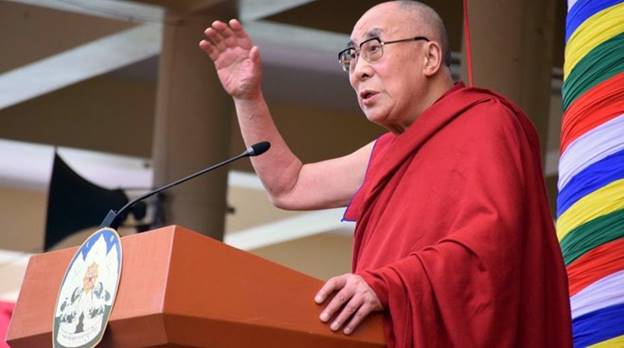
In a statement issued on World Environment Day, Dalai Lama said destruction of nature and nature resources results from ignorance, greed and lack of respect for the earth’s living things.

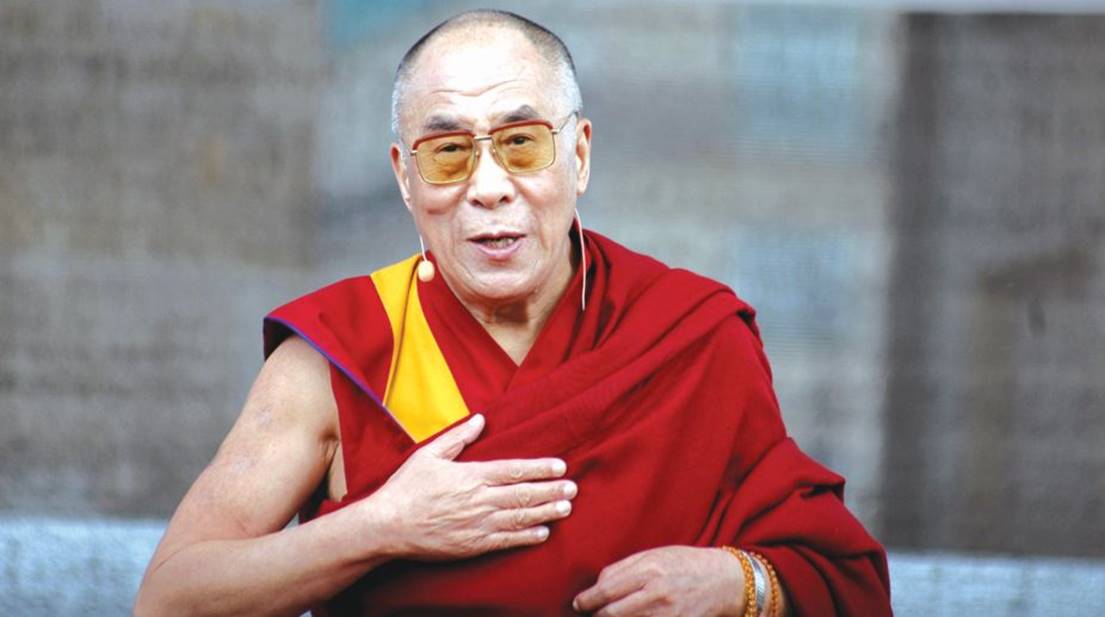
Tibetan spiritual leader Dalai Lama (Photo: Getty images/File)

Tibetan spiritual leader Dalai Lama called for ethical approach for environment conservation, while saying that the peace and survival of life on earth are threatened by human activities, which lack a commitment to humanitarian values.

In a statement issued on World Environment Day, Dalai Lama said destruction of nature and nature resources results from ignorance, greed and lack of respect for the earth’s living things.

This lack of respect extends even to earth’s human descendants, the future generations who will inherit a vastly degraded planet if world peace does not become a reality, and destruction of the natural environment continues at the present rate, he said.

“Our ancestors viewed the earth as rich and bountiful, which it is. Many people in the past also saw nature as inexhaustibly sustainable which we now know is the case only if we care for it,” he said, adding it is not difficult to forgive destruction in the past which resulted from ignorance.

Dalai Lama said today, however, we have access to more information and it is essential that we re-examine ethically what we have inherited, what we are responsible for, and what we will pass on to coming generations.

“Clearly this is a pivotal generation. Global communication is possible yet confrontations take place more often than meaningful dialogues for peace. Our marvels of science and technology are matched if not outweighed by many current tragedies, including human starvation in some parts of the world, and extinction of other life forms,” he said.

He said exploration of outer space takes place at the same time as the earth’s own oceans, seas, and freshwater areas grow increasingly polluted and their life forms are largely unknown or misunderstood.

Many of the earth’s habitats, animals, plants, insects, and even micro-organisms that we know of as rare or endangered, may not be known at all by future generations, said Dalai Lama.

“We have the capacity and the responsibility. We must act before it is too late,” Dalai Lama added.

Created with Microsoft OneNote 2016.

THE TIBET QUESTION – MIDDLE WAY APPROACH POSES DANGER TO WORLD

THE TIBET QUESTION – MIDDLE WAY APPROACH POSES DANGER TO WORLD

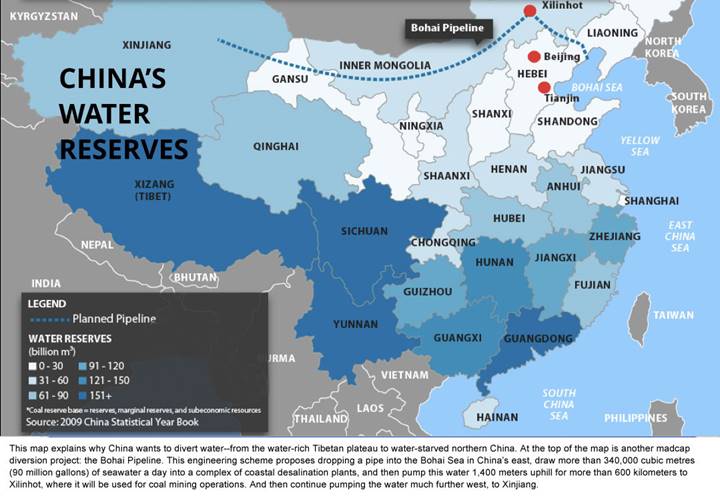
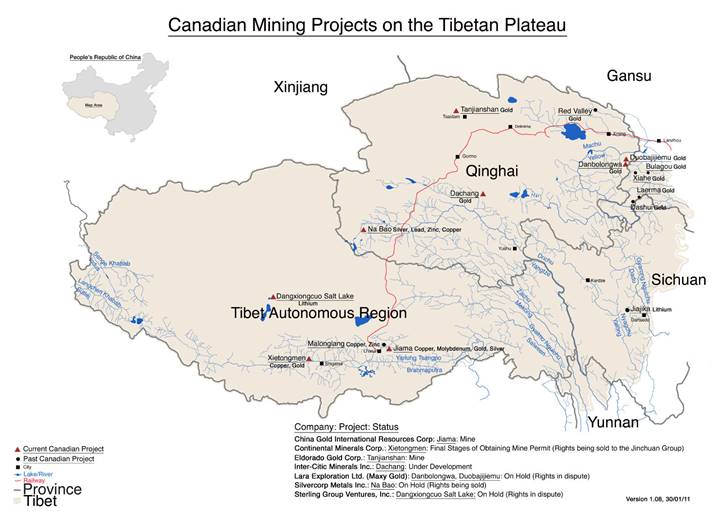
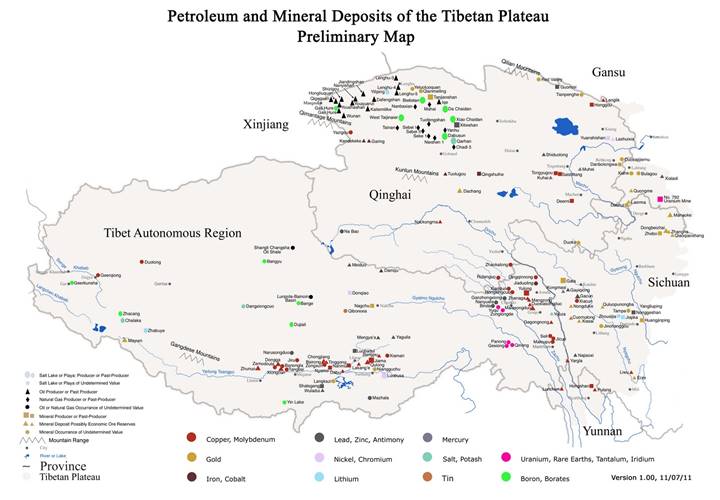
In my analysis, ‘The Tibet Question’ must not be resolved using ‘Middle Way’ approach recommended by the Dalai Lama, the Supreme Ruler of Tibet. World must recognize danger posed by Chinese occupation of Tibet. During 1950 to 1990, I was willing to embrace ‘Middle Way’ as practical solution to the Tibet Problem. I have not recognized threats posed by Chinese Military Expansionism. China is using military power to colonize Tibet to exploit natural resources without any concern for the consequences to environment and disruption of ecological balance. Granting ‘Meaningful Autonomy’ to Tibet will not save the world from ecological disaster posed by Chinese Economic

Expansionism.

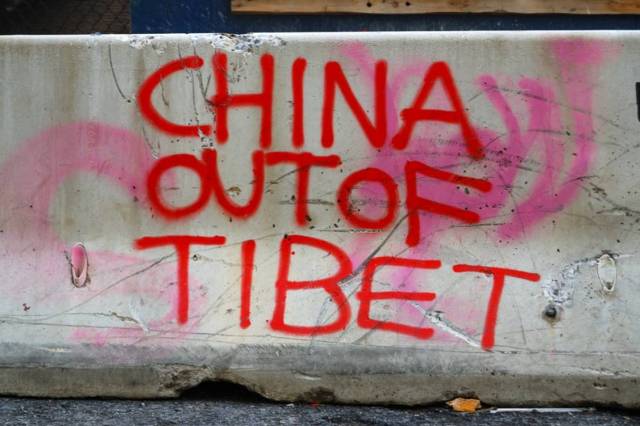
In my view, any solution that keeps Tibet in China will not succeed if China remains inside Tibet. There is no way other than that of getting China out of Tibet.

Rudranarasimham Rebbapragada

SPECIAL FRONTIER FORCE

MIDDLE WAY APPROACH BENEFICIAL FOR TIBET, CHINA: DALAI LAMA – THE STATESMAN

Clipped from: https://www.thestatesman.com/india/middle-way-approach-beneficial-tibet-china-dalai-lama-1502642721.html
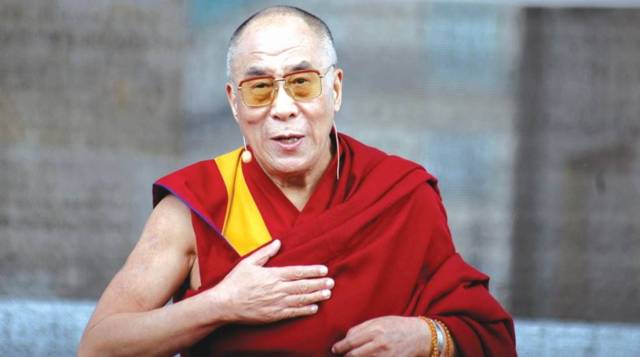
Dalai Lama.

Tibetan spiritual leader Dalai Lama on Wednesday said the ‘Middle Way Approach’ is the most practical approach and mutually beneficial to both the Tibetan and Chinese to solve the crisis in Tibet.

Addressing the delegates of the first international conference on Umaylam, Middle Way Approach at Tsuglagkhang in Dharamshala, he said that the guiding spirit of the Middle Way Approach is the pursuit of a mutually acceptable and mutually beneficial solution through dialogue, in the spirit of reconciliation and compromise.

“We resolved not to seek the separation and independence of Tibet but to strive for a solution within the framework of the People’s Republic of China (PRC),” he said.

Dalai Lama said despite all our sincere efforts to come to a peaceful settlement with the Chinese government, eventually in 1959, he along with his Cabinet had to go into exile. “Soon after arriving in exile, we began a series of discussions on this issue with and solicited suggestions from all on how to resolve the Tibetan problem through contact and discussions with the Chinese authorities,” he said, adding as a result, around 1974 the Tibetans adopted the Middle Way Approach. He said the approach even finds endorsement and solid support from a large number of Chinese scholars, activists, writers and public personalities. He regaled the 1,000 articles and opinion pieces written by Chinese scholars and writers supporting the move.

“These include a report by the Beijing-based legal NGO, the Gongmeng Constitutional Initiative, describing the suffering and grievances of the Tibetan people and calling for policy change. In 2012, 82 Chinese NGOs based in 15 countries sent a petition to the United Nations, the European Union, various Parliaments and governments, exhorting them to urge the Chinese government to start negotiations as soon as possible.

It included discussion on issues including religious freedom, the rights of using and preserving Tibetan language and culture and the Dalai Lama’s unfettered return to Tibet,” he said The Tibetan spiritual leader also spoke about how in the last few decades, global interests in Tibetan culture and religion have increased.

“More and more people now realize that Tibetans can contribute much to the world in developing inner values of peace and compassion. Even well-known scientists are now deeply engaged in exploring and researching the scientific and philosophical aspects of Tibetan Buddhism in bringing holistic well-being to all human beings irrespective of their faiths,” he added.
Created with Microsoft OneNote 2016.