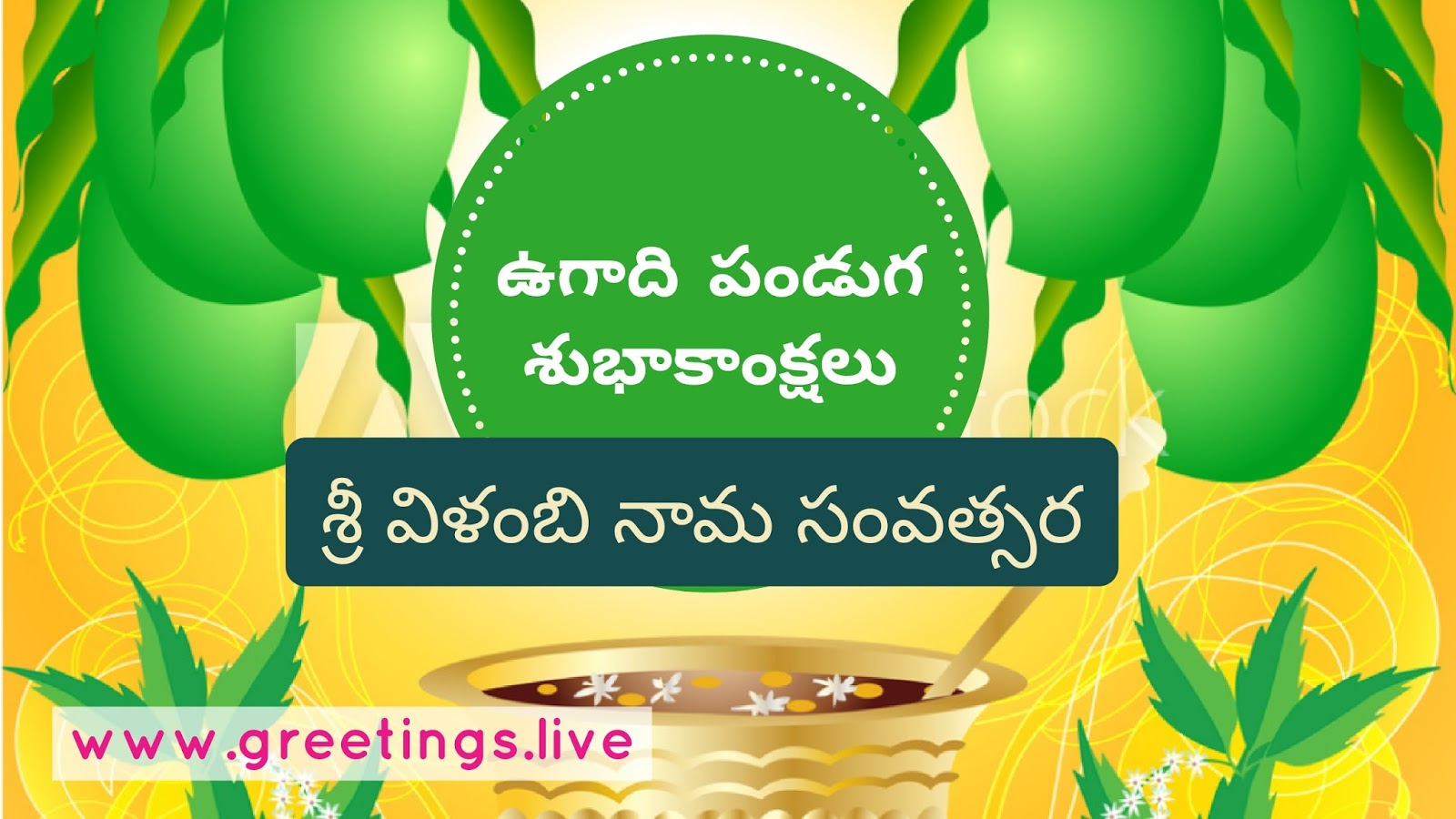
The Telugu New Year is traditionally celebrated as Ugadi festival. A traditional holiday dish, a relish called ‘Ugadi Pachadi’ is prepared to reflect the tastes and flavors of the Spring Season which may guide to prepare for the New Year with a willingness to accept the different dimensions of human experience under the influence of Time.Bharat Darshan – Welcome to Ugadi, the Telugu New Year Vishwavasu on Sunday, March 30, 2025. In several Indian traditions, the New Year begins during the Spring Season. The first month of the New Year is known as Chaitra.
Excerpt: The Telugu New Year is traditionally celebrated as Ugadi festival. A traditional holiday dish, a relish called ‘Ugadi Pachadi’ is prepared to reflect the tastes and flavors of the Spring Season which may guide to prepare for the New Year with a willingness to accept the different dimensions of human experience under the influence of Time.
The Celebration of Telugu New Year – Ugadi:
The Telugu New Year is traditionally celebrated as Ugadi festival. A traditional holiday dish, a relish called ‘Ugadi Pachadi’ is prepared to reflect the tastes and flavors of the Spring Season which may guide to prepare for the New Year with a willingness to accept the different dimensions of human experience under the influence of Time.
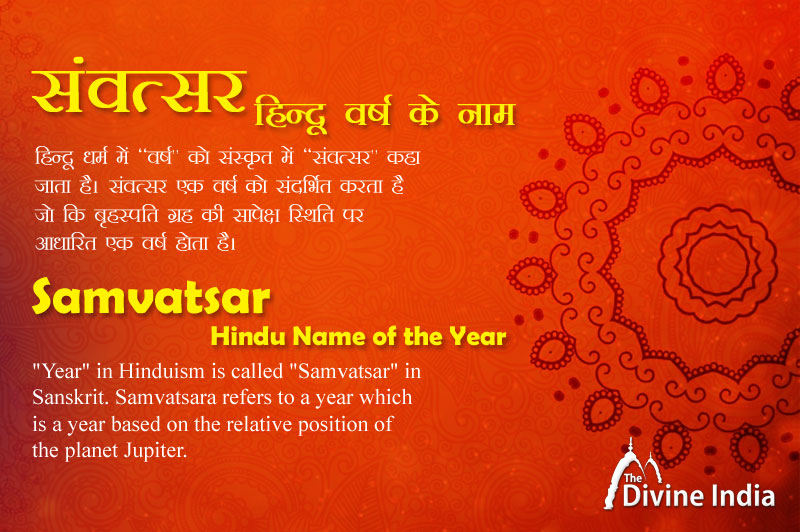
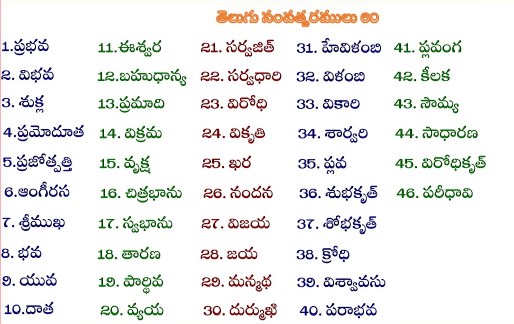
Ugadi or Yugadi is celebrated as the first day of the year by people of Andhra Pradesh, Telangana and Karnataka. On this day new Samvatsara, which is cycle of sixty years, starts. All sixty Samvatsara are identified by unique names.
The Celebration of Telugu New Year Vishwavasu. The Last Month of Telugu Calendar is known as Phalguna and it concludes on March 29, 2025, Amavasya or the New Moon Day. The New Year begins on March 30, 2025 with the First Month of Chaitra.
Ugadi is new year according to Luni-Solar calendar. Luni-Solar calendars consider the position of the Moon and the position of the Sun to divide the year into months and days.
The Celebration of Telugu New Year Vishwavasu. The Last Month of Telugu Calendar is known as Phalguna and it concludes on March 29, 2025, Amavasya or the New Moon Day. The New Year begins on March 30, 2025 with the First Month of Chaitra.
The counter-part of Luni-Solar calendar is Solar calendar which considers only position of the Sun to divide the year into months and days. Because of that Hindu new year is celebrated twice in the year with different names and at two different times of the year. The Hindu new year based on Solar calendar is known as Puthandu in Tamil Nadu, Bihu in Assam, Vaisakhi in Punjab, Pana Sankranti in Orissa and Naba Barsha in West Bengal.
The Celebration of Ugadi, the Telugu New YearThe Celebration of Ugadi, the Telugu New Year.
Ugadi is celebrated as Gudi Padwa by the people of Maharashtra. Both Ugadi and Gudi Padwa are celebrated on the same day.
The day begins with ritual oil-bath followed by prayers. Oil bath and eating Neem leaves are must rituals suggested by scriptures. North Indians don’t celebrate Ugadi but start nine days Chaitra Navratri Puja on the same day and also eat Neem with Mishri on the very first day of Navratri.
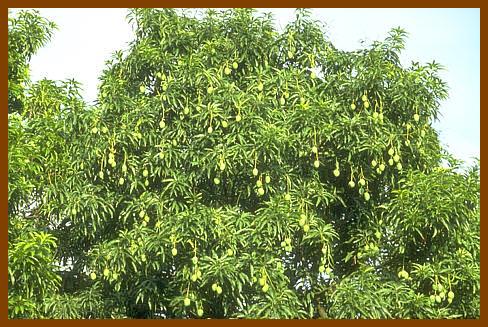
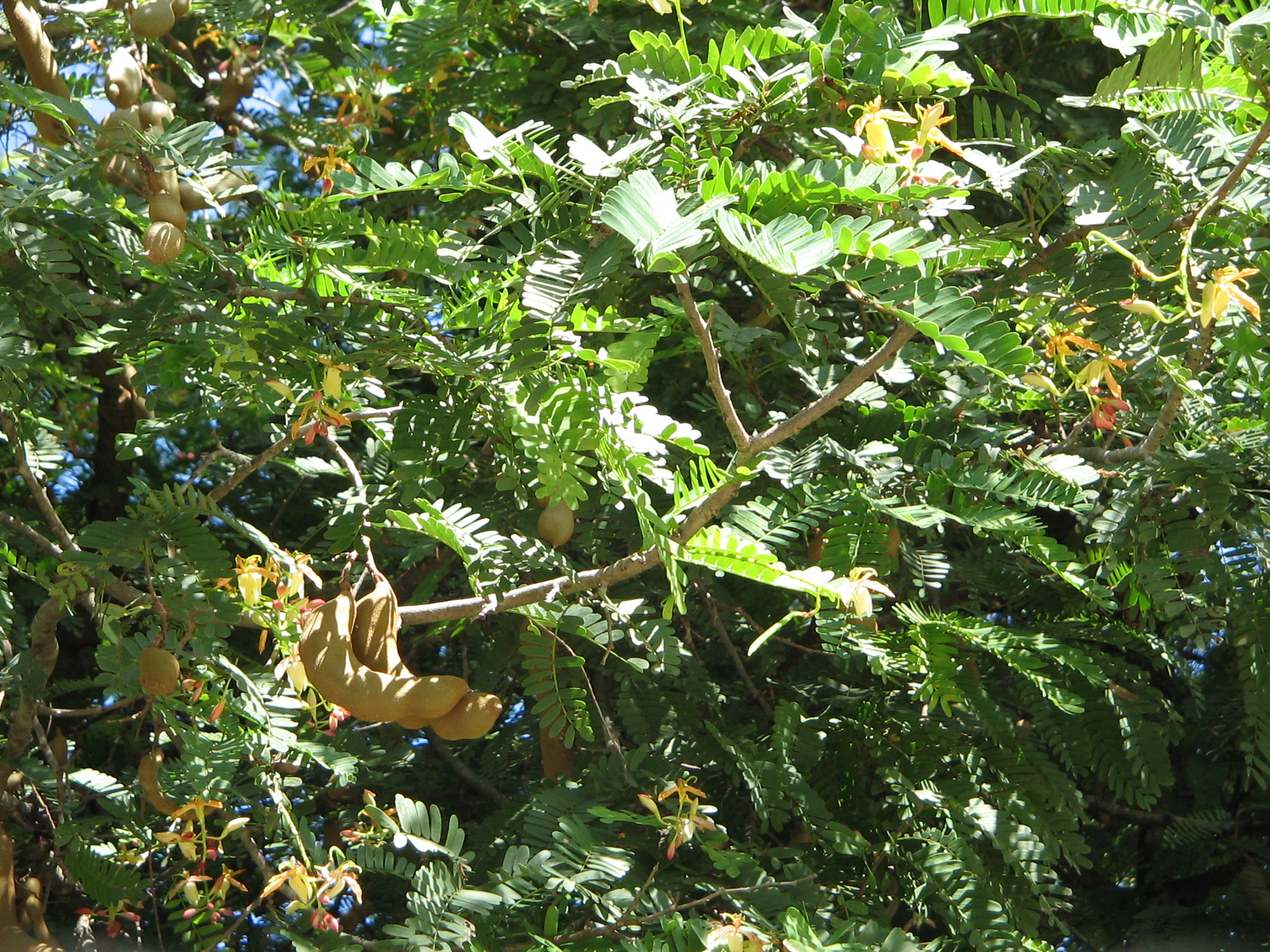
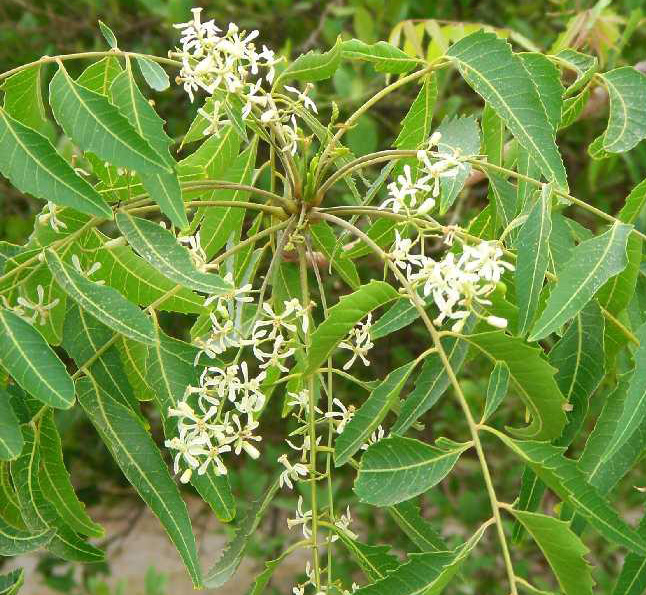
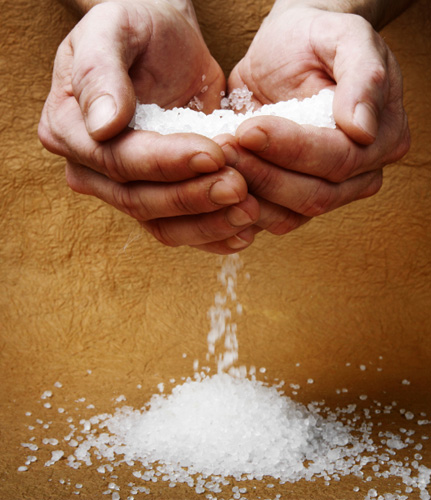
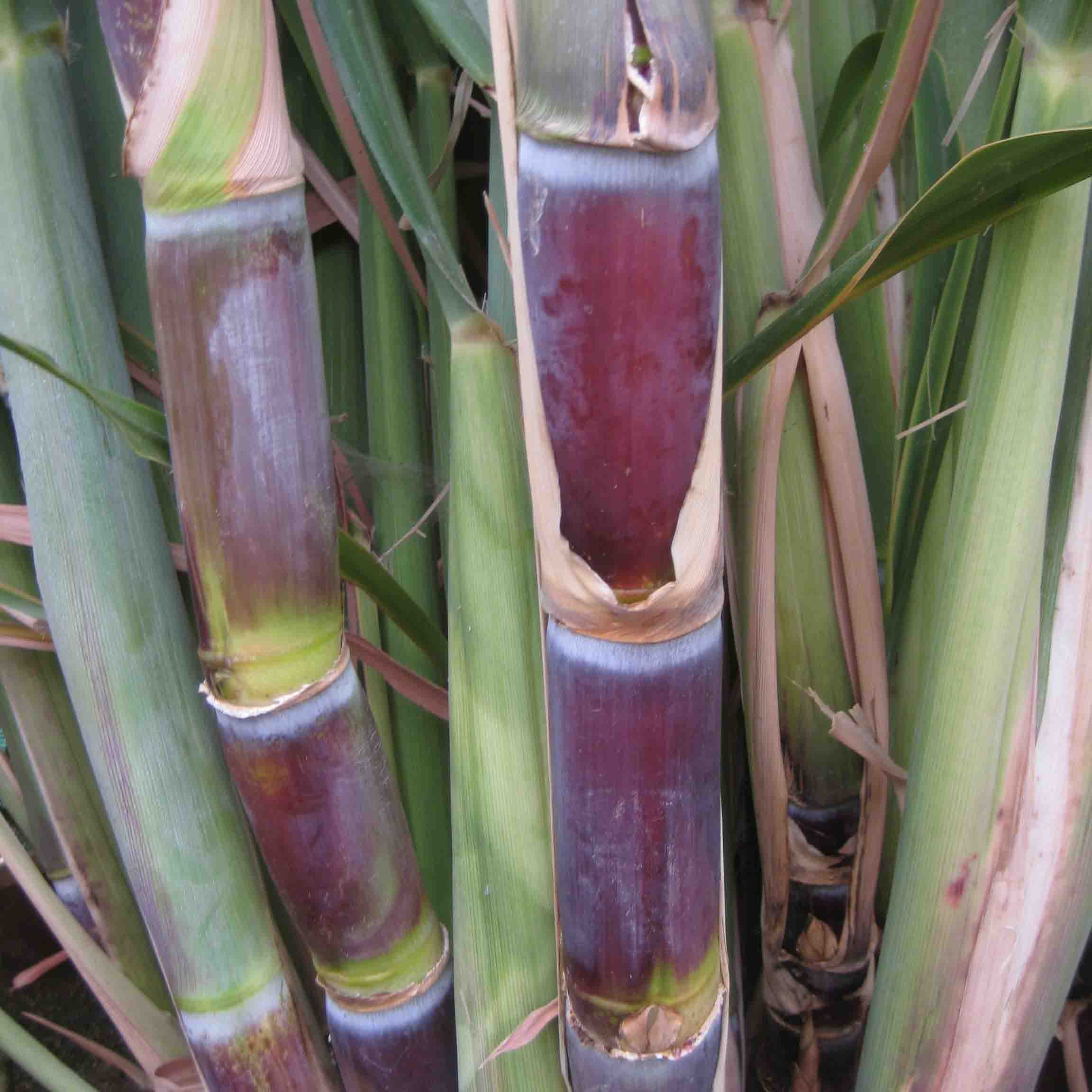
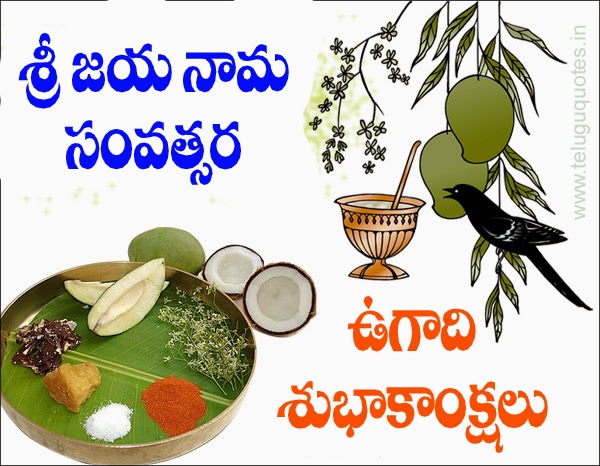
The Celebration of Ugadi, the Telugu New Year. There are Sixty Telugu New Years.The Celebration of Spring Season. Mangifera indica, the Cashew family of Anacardiaceae, the evergreen Mango tree is extensively grown across India. The unripe green fruits are used in the preparation of the traditional holiday dish in celebration of Ugadi festival. The fresh leaves are used in decorating the house. The taste and flavor of unripe Mango is unique, it is not sweet, it is not very sour or tart, and it is not bitter. Telugu people describe this taste as OGARU, the taste sensation imparted by eating unripe Pomegranate fruit. Tamarindus indica, evergreen tree, a native of Africa, belongs to Pea family Fabaceae, the leaves are pinnately compound or feather-formed leaves, the freshly harvested fruits add rich golden color, a mild sour taste with a tinge of sweetness to the traditional holiday dish.The Celebration of Spring Season. Tamarindus indica, evergreen tree, a native of Africa, belongs to Pea family Fabaceae, the leaves are pinnately compound or feather-formed leaves, the freshly harvested fruits add rich golden color, a mild sour taste with a tinge of sweetness to the traditional holiday dish.The Celebration of Spring Season. The Neem tree is evergreen, known as Azadirachta indica, belongs to the Mahogany family Meliaceae and is popular for its medicinal properties. The flowers which impart a mild taste of bitterness add flavor to the traditional holiday dish.The Celebration of Spring Season.The Covenant of Salt – The intimate connection of Salt with the idea of a Covenant or Binding Relationship between man and God or one person and another.The Celebration of Spring Season. Sugarcane, Saccharum officinarum, a perennial grass gives the taste of Sweetness to the traditional holiday dish. Small chunks of Sugarcane are used and in addition freshly prepared sugar called Jaggery, Gur, Gud, or Bellam is used. The Covenant of Salt – The intimate connection of Salt with the idea of a Covenant or Binding Relationship between man and God or one person and another.Ugadi pachadi is a mixture that has six different tastes sweet, sour, salt, pungent, spice and bitter. It signifies that life is a mixture of happiness, sadness, anger, disgust, fear and surprise.
The Telugu speaking people of India follow the Lunar Calendar and the first month of the year ( March-April) is known as Chaitra.
The Telugu New Year is traditionally celebrated as Ugadi festival. A traditional holiday dish, a relish called ‘Ugadi Pachadi’ is prepared to reflect the tastes and flavors of the Spring Season which may guide to prepare for the New Year with a willingness to accept the different dimensions of human experience under the influence of Time.
Sweet taste comes from jaggery & it symbolizes happiness.
Astringent or pungent taste that comes from raw unripe green mangoes & it symbolizes surprises in life.
Bitter taste that comes from neem flowers represent the sadness.
Sour taste comes from the tamarind & symbolizes unpleasantness.
Salty taste is from salt & represents fear of the unknown phase.
Hot or Spice comes from pepper & symbolizes anger.
The Celebration of Telugu New Year Krodhi, April 09 2024 to March 29, 2025
Bharat Darshan – Welcome to Ugadi, the Telugu New Year Krodhi on Tuesday, April 09, 2024.Bharat Darshan – Welcome to Ugadi, the Telugu New Year Krodhi on Tuesday, April 09, 2024. The first month of the Telugu Calendar, Chaitra begins on the first day of the Waxing Phase following the New Moon Day on Tuesday, April 09, 2024.Bharat Darshan – Welcome to Ugadi, the Telugu New Year Krodhi on Tuesday, April 09, 2024.
Welcome to Ugadi, the Telugu New Year Sobhakrith on Wednesday, March 22, 2023.
Telugu people are celebrating the dawn of their New Year called Sobhakrit which brings the Blessings of Peace and Harmony on Wednesday, March 22, 2023.Happy Ugadi to all of you.
Welcome to Ugadi, the Telugu New Year Sobhakrith on Wednesday, March 22, 2023.
Welcome to Ugadi, the Telugu New Year Subhakruth on Saturday, April 02, 2022.
Welcome to Ugadi, the Telugu New Year Subhakruth on Saturday, April 02, 2022.Bharat Darshan – Welcome to Ugadi, the Telugu New Year Plava on Tuesday, April 13, 2021. Chaitra (corresponds to April 13 to May 11) is the first month of the Telugu New Year 2021-22.Bharat Darshan – Welcome to Ugadi, the Telugu New Year Sharvari on Wednesday, March 25, 2020.
THE CELEBRATION OF SPRING SEASON – SATURDAY, APRIL 06, 2019.WELCOME TO THE TELUGU NEW YEAR VIKARI – UGADI CELEBRATION:
The Celebration of Spring Season on Saturday, April 06, 2019.The Celebration of Spring Season, Saturday, March 17, 2018.THE CELEBRATION OF SPRING SEASON ON WEDNESDAY, MARCH 29, 2017. THE DAWN OF TELUGU NEW YEAR “HEVILAMBA.”The Celebration of Spring Season April 06, 2016.THE CELEBRATION OF SPRING SEASON: WELCOME TO TELUGU NEW YEAR “MANMADHA.” UGADI CELEBRATION ON MARCH 21, 2015. EVERY NATURAL PHENOMENON IS POSSIBLE BECAUSE OF AN UNCHANGING REALITY. THINGS IN NATURE CHANGE WITH TIME FOR THERE IS AN UNCHANGING TRUTH THAT OPERATES ALL MANIFESTATIONS.
THE CELEBRATION OF SPRING SEASON: WELCOME TO TELUGU NEW YEAR “JAYA” – UGADI CELEBRATION ON MONDAY, MARCH 31, 2014:
THE CELEBRATION OF SPRING SEASON: THE BEGINNING OF THE NEW YEAR OR “UGADI” COMES WITH A NATURAL CHANGE IN THE ENVIRONMENT THAT BRINGS HOPE BY ITS RENEWAL, REGENERATION, REGROWTH, REVIVAL, AND REBIRTH. I SHARE THIS SENSE OF JOY WITH ALL MY READERS.
TELUGU NEW YEAR VIJAYA: UGADI- THE DAWN OF NEW YEAR APRIL 11, 2013:
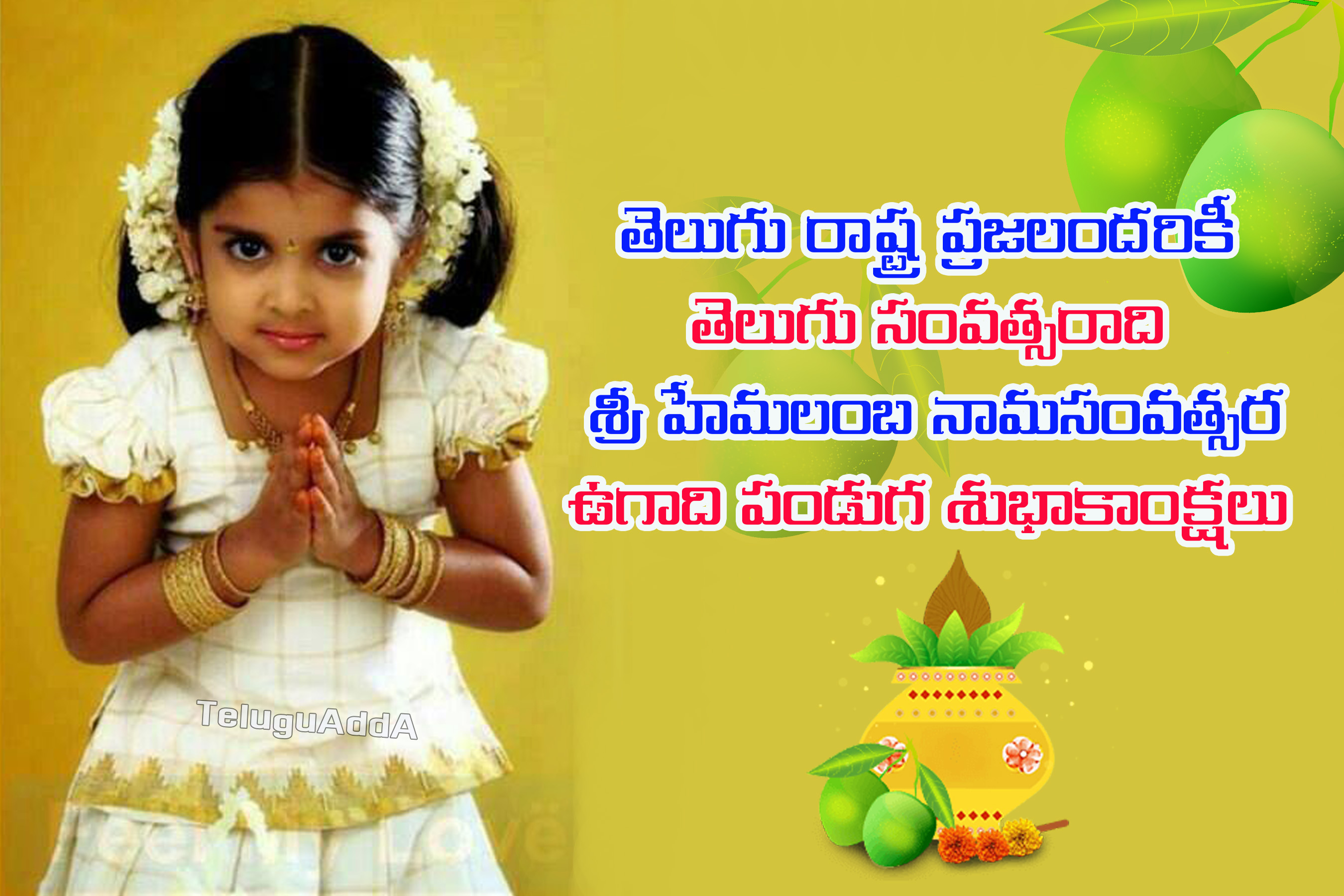
VIJAYA – TELUGU NEW YEAR ON APRIL 11, 2013 – UGADI – GREETINGS: The Celebration of Spring Season.Bharat Darshan – Welcome to Ugadi, the Telugu New Year Vishwavasu on Sunday, March 30, 2025.Ugadi Greetings. Best Wishes for a Very Happy Telugu New Year.Bharat Darshan – Welcome to Ugadi, the Telugu New Year Vishwavasu on Sunday, March 30, 2025.
Whole Man - Whole Theory: I intentionally combined the words Whole and Dude to describe the Unity of Body, Mind, and Soul to establish the singularity called Man.
View more posts
















 Whole Dude - Whole Spirituality