Bharat Darshan – The Discovery of ancient traditions of India
The Discovery of India in the Celebration of Maha Shivaratri.
Maha Shivaratri on Sunday, February 15, 2026
Shivaratri is great festival of convergence of Shiva and Shakti. Chaturdashi Tithi during Krishna Paksha (the waning crescent phase) in month of Magha is known as Maha Shivaratri according to the South Indian calendar. However according to the North Indian calendar Masik Shivaratri in the month of Phalguna is known as Maha Shivaratri. In both calendars it is naming convention of lunar month which differs. However both, North Indians and South Indians, celebrate Maha Shivaratri on the same day.
Defining Indian Identity – The Spirit of Nationalism. Mother Ganges is the Spirit of the Nation called India or Bharat.
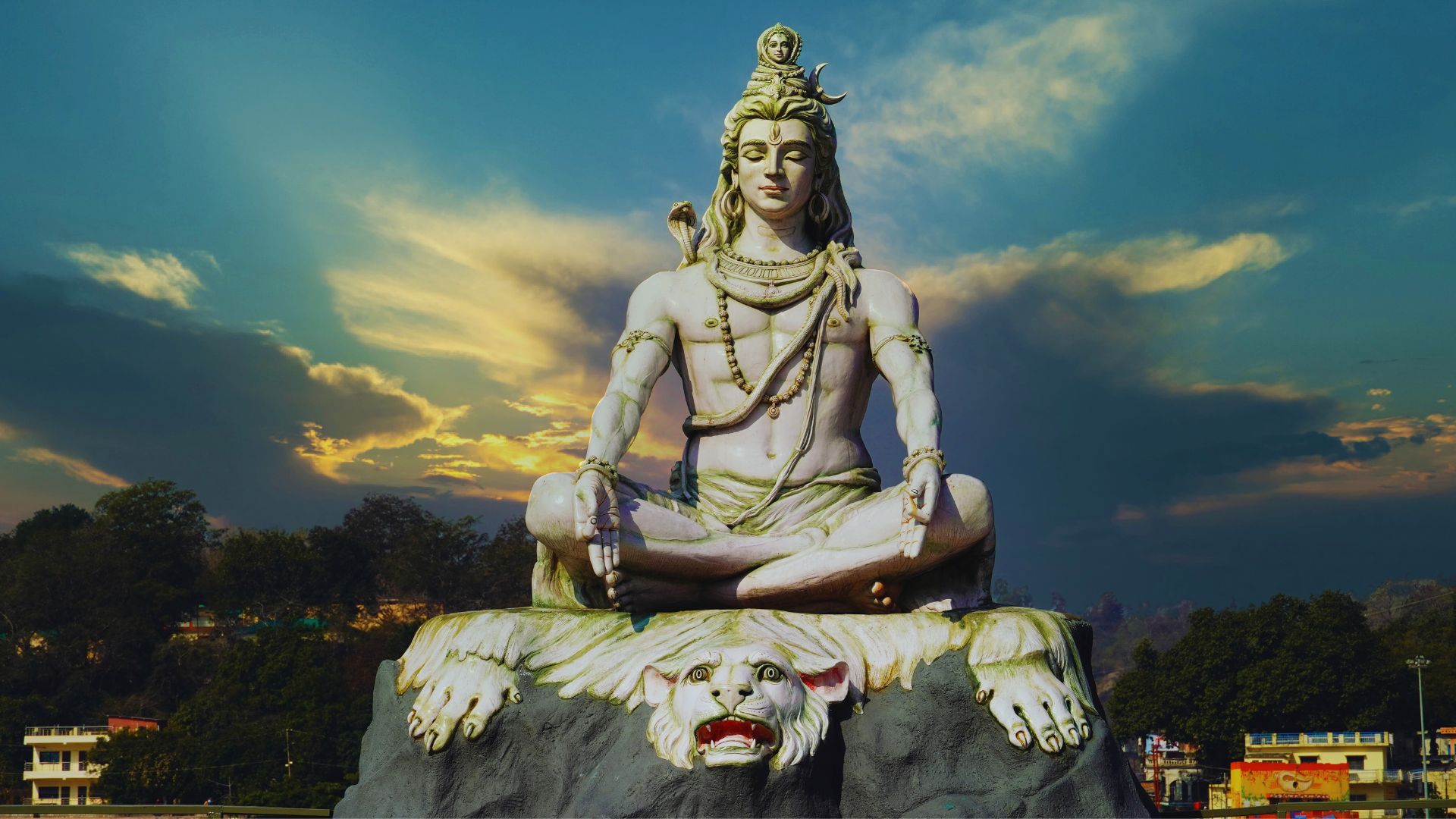
In India, the tradition of River Worship and the tradition of Idol Worship constitute the most ancient forms of ritualistic worship described as Sanatana Dharma. These traditions originated long before the introduction of ritualistic practices supported by the literary traditions, the use of hymns and scriptures. Lord Shiva facilitates the descent of the Holy River Ganges from Heaven to Earth and Lord Shiva is most often worshipped in the form of Linga which could be the first idol ever used by Indians.
In India, the tradition of River Worship and the tradition of Idol Worship constitute the most ancient forms of ritualistic worship described as Sanatana Dharma. Lord Shiva facilitates the descent of the Holy River Ganges from Heaven to Earth and Lord Shiva is most often worshipped in the form of Linga which could be the first idol ever used by Indians.
Bharat Darshan – The Discovery of India in the Celebration of Maha Shivaratri
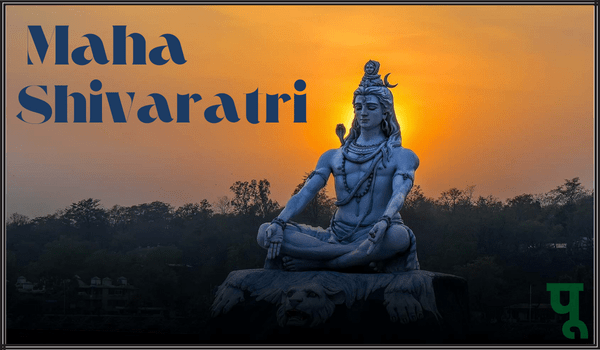
Bharat Darshan – Celebration of Maha Shivaratri. Discovery of India is best accomplished by a study of the traditions of Lord Shiva Worship.
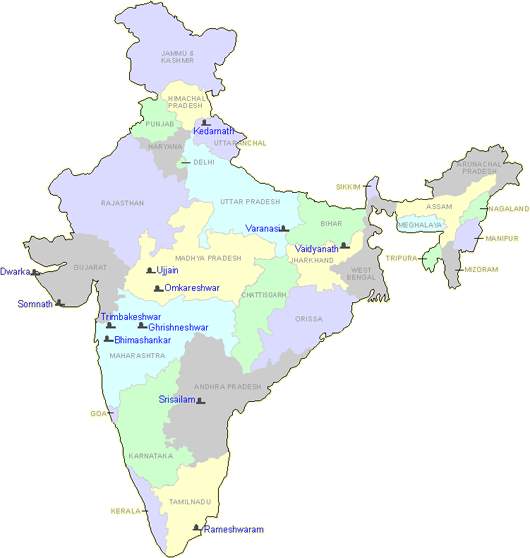
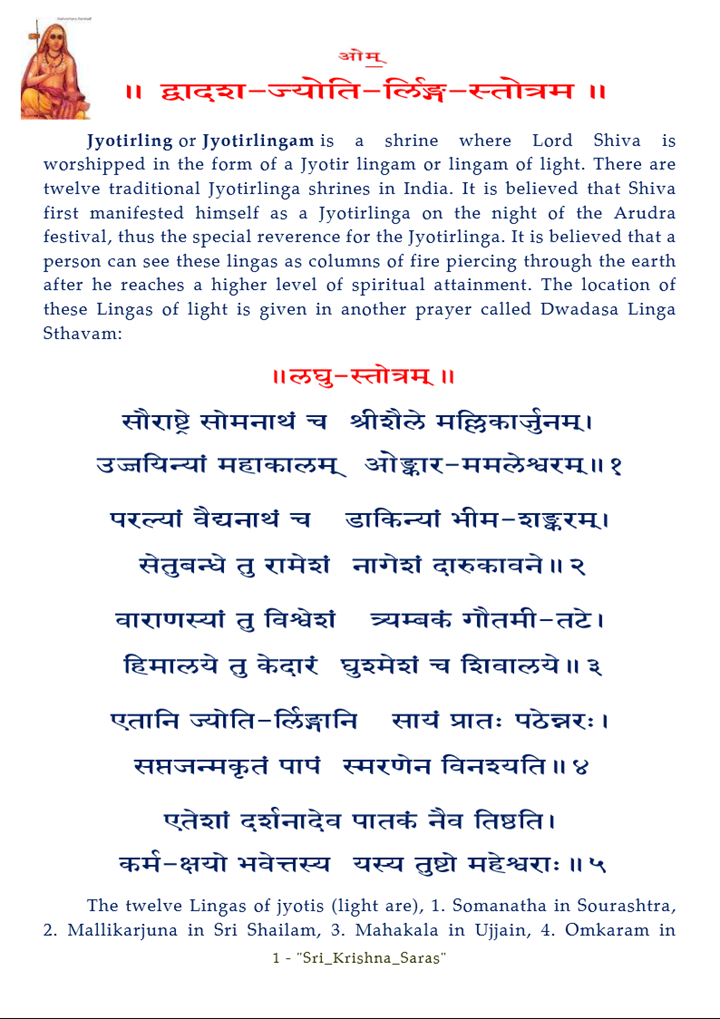
The Discovery of Bharat or India is best accomplished by exploring the traditions of Lord Shiva Worship. Shiva is worshiped in an impersonal form called Linga. Indian tradition describes Twelve places of great historical importance where Shiva descended on Earth in a form glorified as Jyotir Linga.
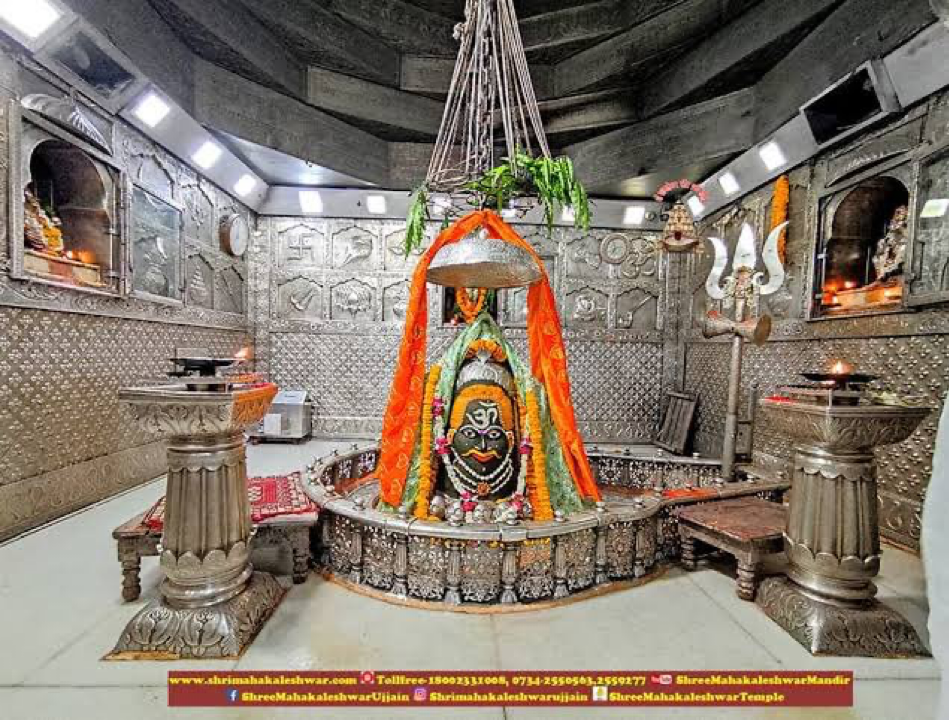
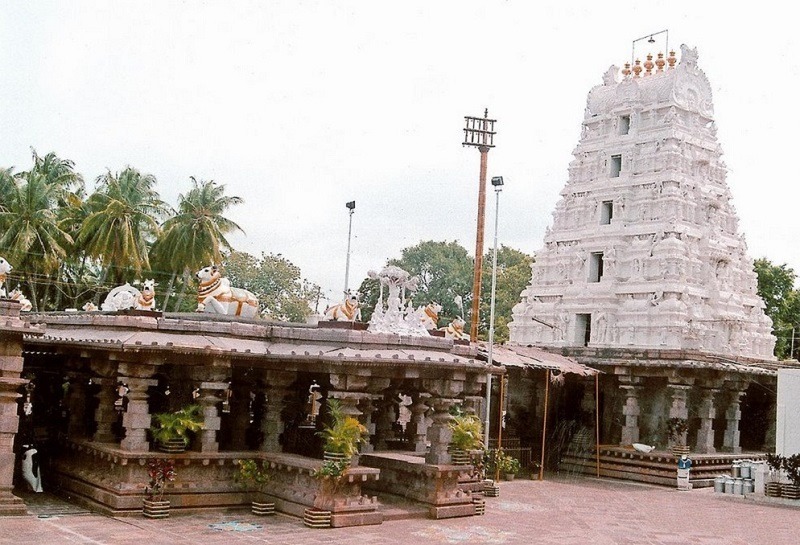
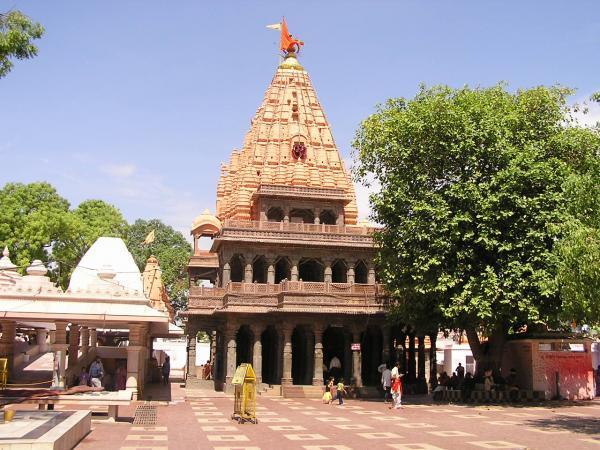
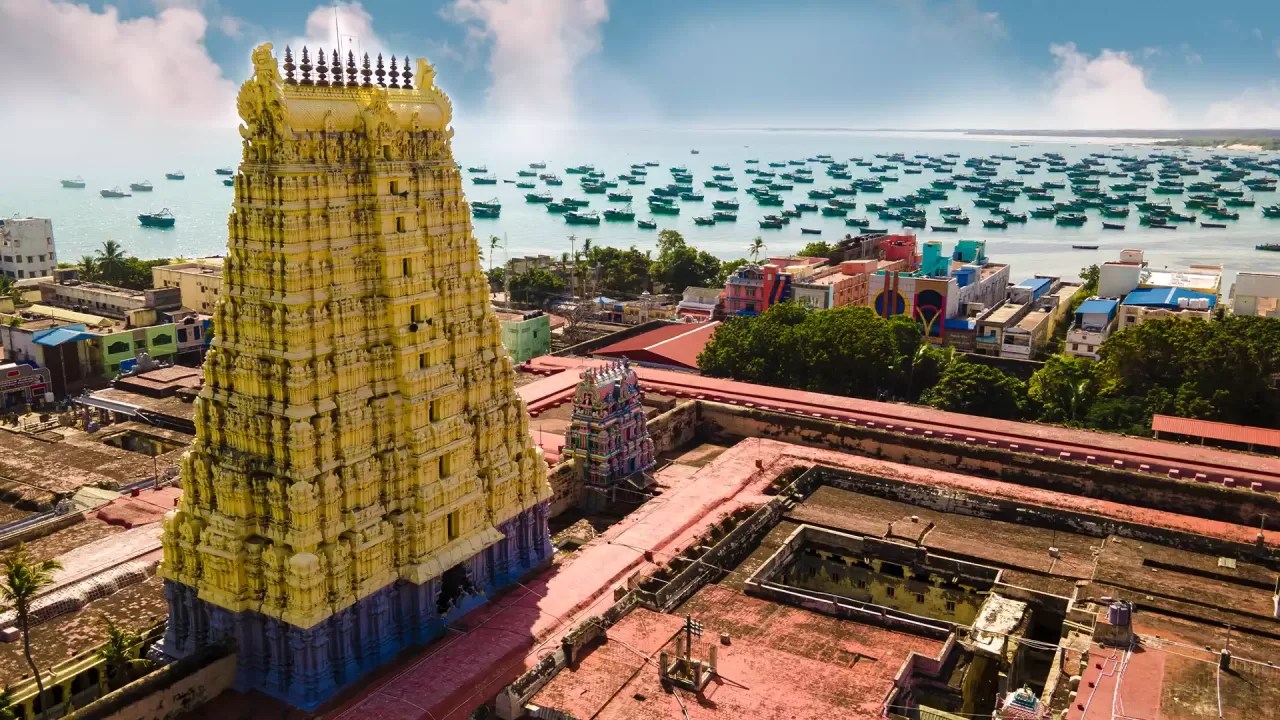
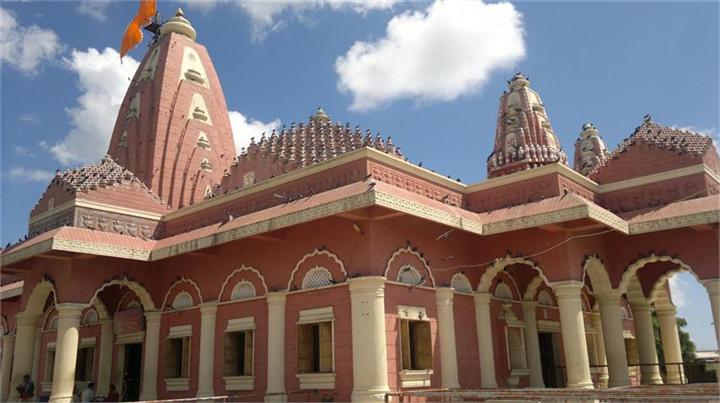
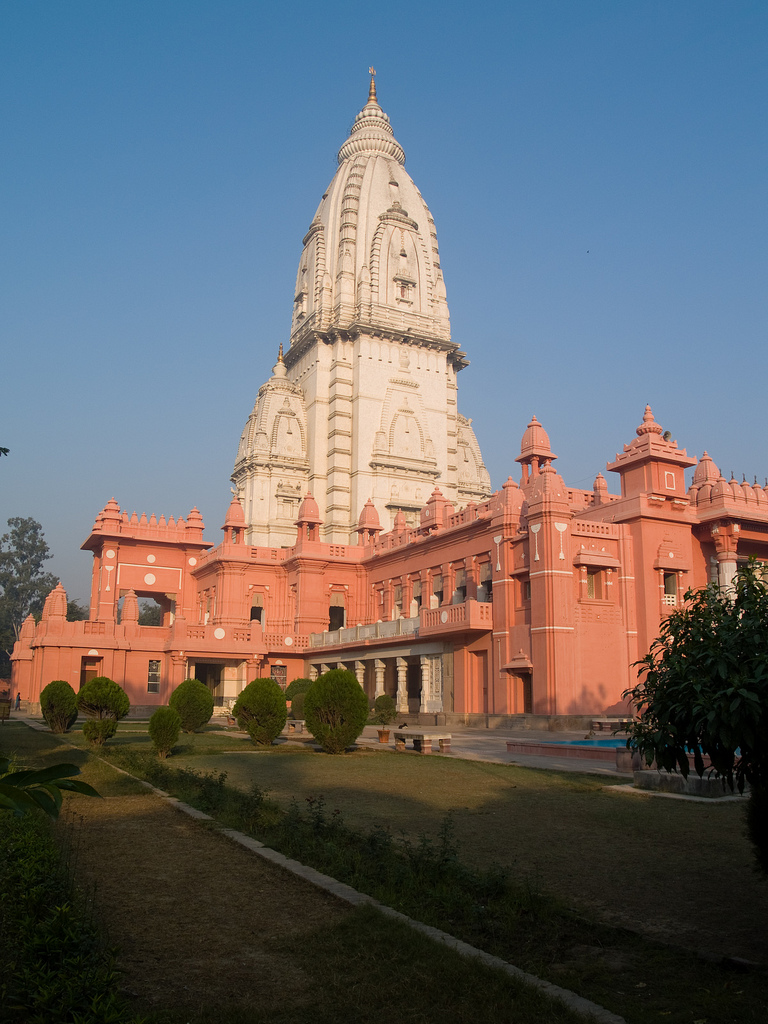
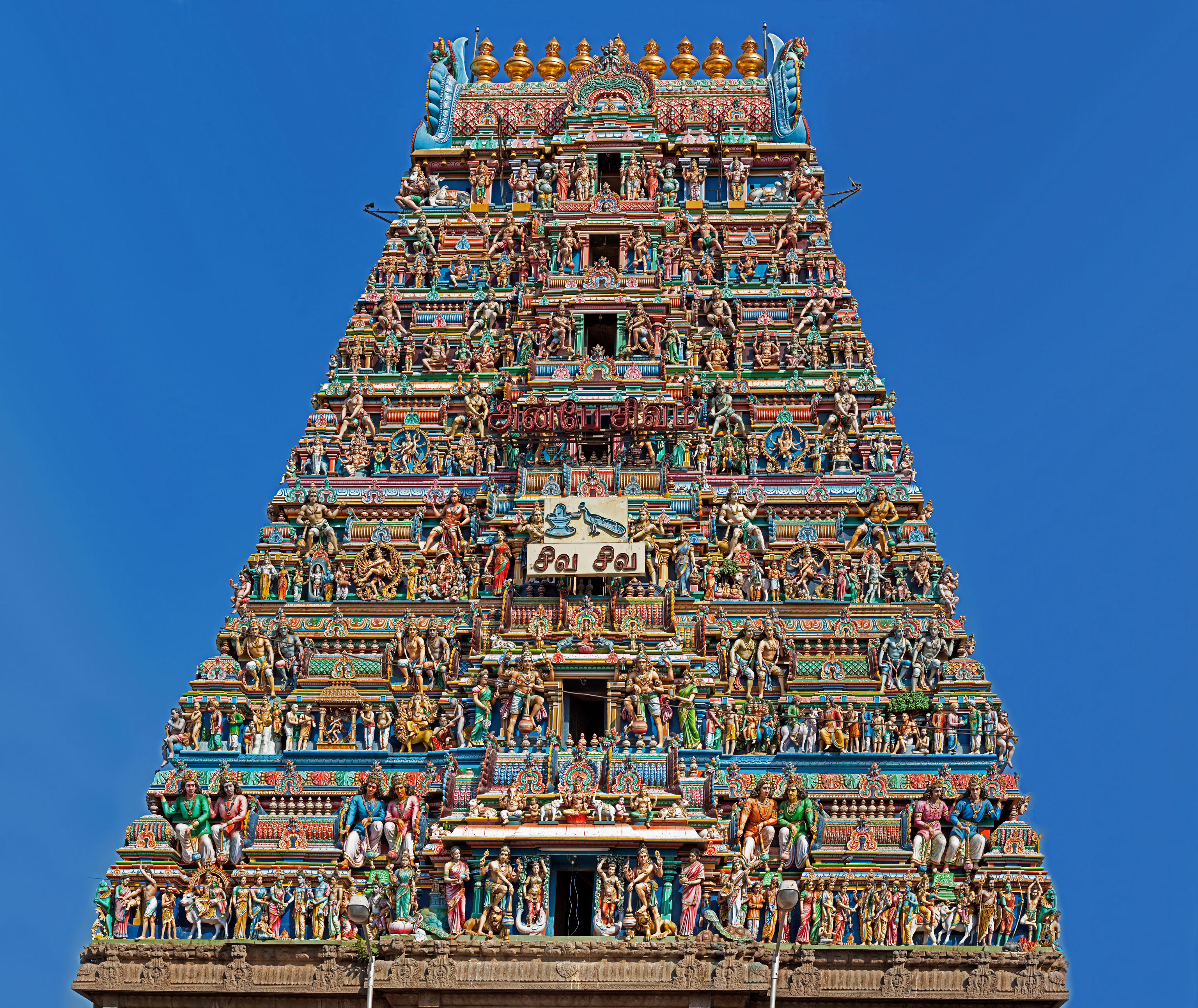
Somnath (Gujarat) – The Indestructible Light.•The first and most revered Jyotirlinga, symbolizing the eternal nature of Sanatan Dharma, which has survived invasions and destruction, yet stands strong. Represents Shiva as the cosmic healer, restoring balance and purity.Mallikarjuna (Andhra Pradesh) – Union of Shiva and Shakti. Reflects the oneness of Shiva and Devi Parvati, signifying the balance of cosmic energies—a key aspect of Hindu philosophy. Associated with spiritual liberation and removal of karmic burdens.Mahakaleshwar (Madhya Pradesh) – The Lord of Time and Death. The only Dakshinamukhi (south-facing) Jyotirlinga, Shiva as Mahakal, the timeless destroyer of evil. A center for tantric and vedic traditions, showcasing the depth of Hindu spiritual practices.Omkareshwar (Madhya Pradesh) – The Cosmic Om (ॐ). The Jyotirlinga shaped like Om (ॐ), representing the primordial sound from which the universe was created. Embodies the Vedantic truth that Shiva is omnipresent, omnipotent, and eternal.Kedarnath (Uttarakhand) – The Himalayan Abode of Shiva. The highest Jyotirlinga, standing as a testament to Hindu resilience and deep spiritual faith. Part of the Char Dham Yatra, emphasizing the importance of pilgrimage in Hindu Dharma.Bhimashankar (Maharashtra) – Destroyer of Darkness. Associated with Shiva’s victory over Tripurasura, symbolizing Dharma’s triumph over Adharma. Located in the Sahyadri hills, a region blessed with divine energies and natural beauty.Kashi Vishwanath (Uttar Pradesh) – The Eternal City of Shiva•Varanasi, the holiest city, is considered the spiritual capital of Hinduism, where Shiva whispers the mantra of liberation in the ears of the dying. Worshiping here grants Moksha, making it the most sacred pilgrimage site.Trimbakeshwar (Maharashtra) – Source of the Sacred Godavari. The three-faced lingam represents Brahma, Vishnu, and Shiva, emphasizing Hinduism’s all-encompassing unity. Highlights the significance of water and rivers in Hindu cosmology, as the Godavari originates here.Vaidyanath (Jharkhand) – The Divine Healer. Lord Shiva as the Vaidya (supreme doctor) who heals devotees from physical and spiritual afflictions. Associated with Ravana’s devotion, showing the depth of Bhakti in Sanatan Dharma.Nageshwar (Gujarat) – The Protector from Evil. Shiva as the destroyer of fear and negativity, safeguarding devotees from external and internal enemies. Mentioned in the Shiva Purana, reinforcing the wisdom of Hindu scriptures.Rameshwar (Tamil Nadu) – The Divine Connection of Rama and Shiva. Associated with Lord Rama’s devotion to Shiva, symbolizing unity among Hindu deities. Part of the Char Dham Yatra, linking North and South India spiritually.Grishneshwar (Maharashtra) – The Smallest Yet Most Powerful. The last Jyotirlinga, reflecting the principle of humility and unwavering faith in Shiva. Restored by Queen Ahilyabai Holkar, showing how Hindu rulers upheld Sanatan Dharma.Bharat Darshan – Celebration of Maha Shivaratri. Discovery of India through a study of traditions of LORD Shiva WorshipBharat Darshan – Discovery of India through study of traditions of LORD Shiva’s Worship. Hymn or Stotra in praise of Twelve or Dwadasa JyotirLinga Jyotirlinga Temple at Somnath, Gujarat is mentioned in Hindu prayers in praise and worship of Lord Shiva:”Sauraashtra dese visadeti ramye, Jyotirmayam Chandra Kalaa vatamsam, Bhakti pradaanaaya Krupaa vateernam, Tam Somanaatham Saranam prapadye.”Bharat Darshan – Celebration of Maha Shivaratri. Mallikarjuna Jyotirlinga Temple, Srisailam, Andhra PradeshBharat Darshan – Celebration of Maha Shivaratri. Mahakaleswar Jyotirlinga Temple, Ujjain, Madhya PradeshBharat Darshan – Celebration of Maha Shivaratri. Omkareshwar Jyotirlinga Temple on the banks of Narmada River, Madhya PradeshBharat Darshan – Celebration of Maha Shivaratri. Jyotirlinga Temple, Parli, Vaijnath, Jharkhand.Bharat Darshan – Celebration of Maha Shivaratri. Bhimashankar Jyotirlinga Temple, Maharashtra.Bharat Darshan – Celebration of Maha Shivaratri. Jyotirlinga Temple, Rameshwaram, Tamil Nadu.Bharat Darshan – Celebration of Maha Shivaratri. Nageshwar Jyotirlinga Temple, Dwaraka, GujaratBharat Darshan – Celebration of Maha Shivaratri. Jyotirlinga Temple, Varanasi, Kashi, Benaras, Uttar PradeshBharat Darshan – Celebration of Maha Shivaratri. Kedarnath Jyotirlinga Temple, Uttarakhand.Bharat Darshan – Celebration of Maha Shivaratri. Grishneshwar Jyotirlinga Temple, Aurangabad, Maharashtra.Bharat Darshan – Celebration of Maha Shivaratri. Trimbakeshwar Jyotirlinga Temple, Nashik, Maharashtra.Bharat Darshan – Celebration of Maha Shivratri. Lord Kapaleeswarar Temple in Mylapore, Madras City, Chennai, Tamil Nadu, India. The birth of a Brahman Spirit at House Number 2/37, Kutchery Road, Mylapore, Madras City is known to this Lord Shiva or Rudra. He presides over the Life and Death of this Brahman Spirit both in good health or ill health, and in Freedom or Captivity. Om, Namah Sivaya – The Five Letter Mantra – The Celebration of the Great Night of Lord Shiva.\\\\\\\\\\Bharat Darshan – The Discovery of India. The Celebration of Maha Shivratri on Sunday, February 15, 2026.
Whole Man - Whole Theory: I intentionally combined the words Whole and Dude to describe the Unity of Body, Mind, and Soul to establish the singularity called Man.
View more posts











 Whole Dude - Whole Spirituality