Whole Dude – Whole Name

Excerpt: The choice of my Name is predestined by the Date, Time and the Place of Birth and their relationship to the Science of Light called Jyotish. The people of Land of Bharat are extremely fond of choosing names. This fondness for selecting, using and remembering names is an important Cultural attribute which defines the Indian Identity. In my case, the choice of the Name is predestined by the Science of Light. Earthly events have celestial connections. For every name that appears in my blog post, there is a specific legend that describes the origin of that name.


The name ‘ Indian ‘ is related to the great river Sindhu which is also known as Indus. In 1492, Christopher Columbus sailed westwards towards setting sun to reach the shores of India. He discovered people living on islands whom he had mistakenly named as Indians. Apart from those island dwellers, the natives of the entire American continent, the so-called New World were named Indians. In spite of concerted efforts to rename them as Native Americans, the name Indian is still in use.
Name is a very important tool to describe personal identity. The word name as a noun, describes a person, place or thing. It is also a word or words by which an object of thought is known. Indians did not choose the name India or Indian.

The people of Land of Bharat are extremely fond of choosing names. This fondness for selecting, using and remembering names is an important Cultural attribute which defines the Indian Identity. In my case, the choice of the Name is predestined by the Science of Light. Earthly events have celestial connections. For every name that appears in my blog post, there is a specific legend that describes the origin of that name
The Tradition of Giving Names:

The name ” Rudra ” is one of the earliest names known to humanity. According to legend, the Vedic God Rudra acquired His name from His Creator Brahma. As per the story, a boy was seen ‘crying’ and ‘wandering’. The father asked the boy the reason for his ‘howling’. The boy answered that he was ‘weeping’ for he was not given a name. So, the father created a name by bringing together two Sanskrit words which mean ‘crying’ and ‘wandering’. Thus the name Ru+dra was born. This legend is an example of our emotional dependence upon the need for names. The major Deities such as VISHNU and SHIVA that Indians worship are known by thousands of names and remembering those names is deemed as an act of devoted worship. The use of these names is a fundamental right and I understand the term religious freedom in the context of my freedom to choose the name that I want to worship. The religious experience that I gained while growing up in India relates to the use of names as an act of worship. Worship would have no meaning or purpose and would not give me a sense of direction if I do not remember the beautiful names that I have come to know.
A Personal Name and a Personal Story:
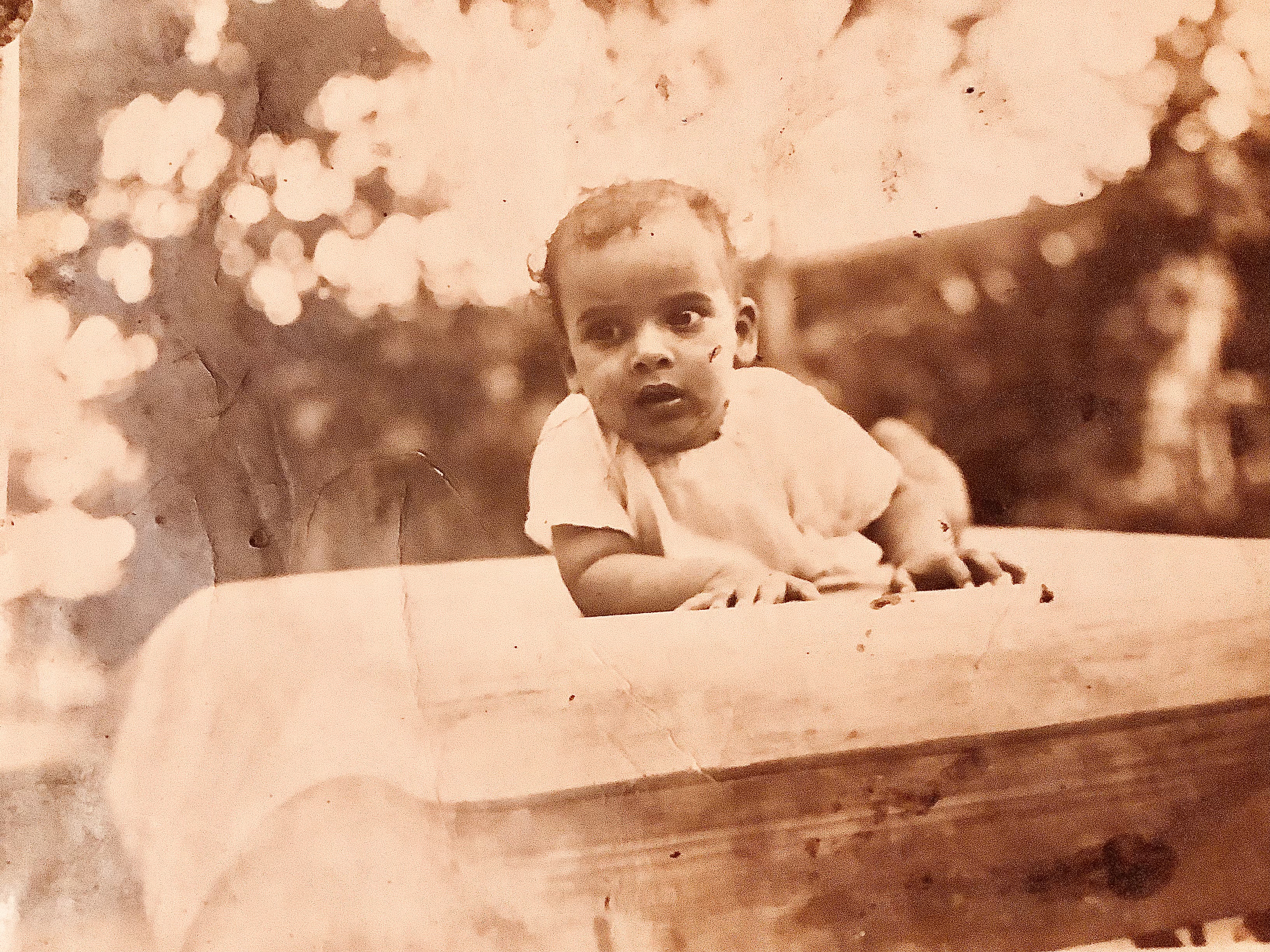

My personal name is very much a part of my personal story. If my birthplace had been different, my Name would have been different. My Name is chosen entirely due to the circumstances of my birth and I remain connected to the persons and the places for the rest of my life. I describe Mylapore, Madras city (Chennai) as my birth place and I describe Rajahmundry of East Godavari District as my native place.

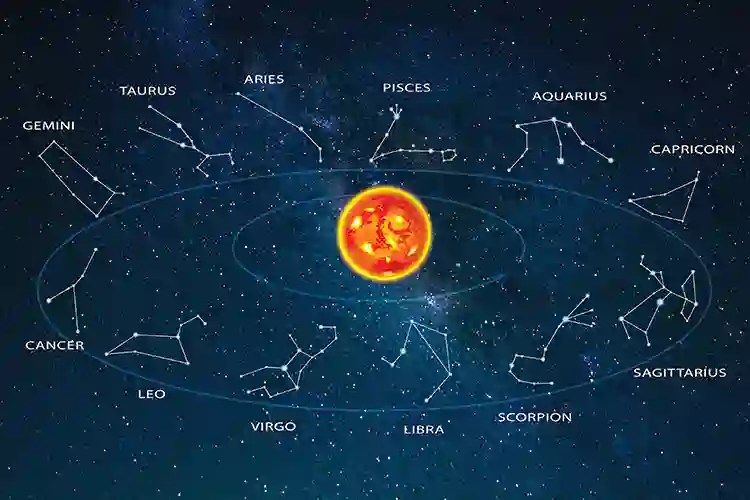
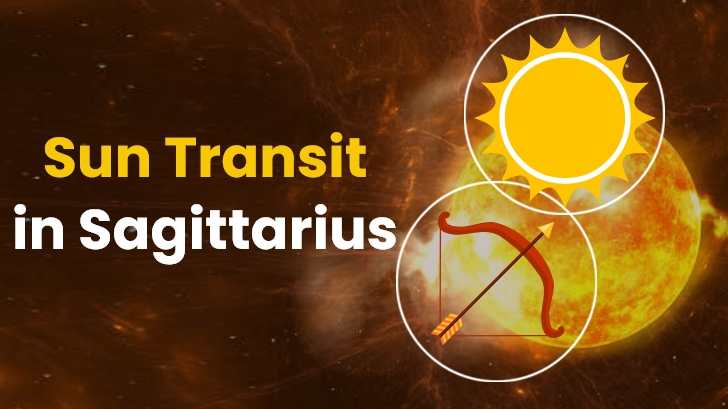
My mother gave birth to me at my maternal grandfather’s residence 2/37 Kutchery Road in Mylapore during the month called Dhanurmasam that represents Sun’s transit in Sagittarius.
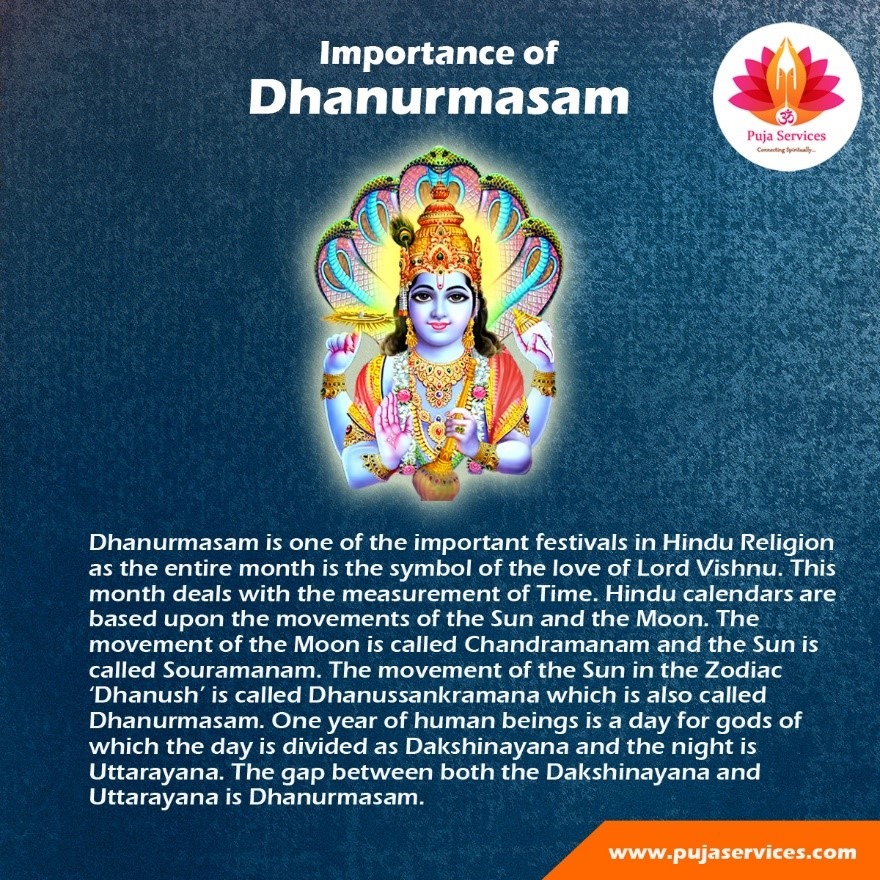

I am born on a Friday night, at 4:30 A.M or the early morning hours of Saturday as the day begins at Sunrise. My grandfather’s residence on Kutchery Road is located at a short distance from Santhome Cathedral on the East, and Kapaleeswarar Temple on the West.

The Corporation of Chennai, Public Health Department entered my birth in the Birth Register and issued a certificate which records my gender, the date and time of my birth, the place of my birth, the names of my father and mother, the registration number and it does not show my name as my parents did not give me a name while reporting my birth. Much later, while living in the United States, I contacted the City Corporation requesting the City Public Health Officer to add my name to my own birth record and my request was not granted for the City requires the signatures of two witnesses.

I spent the years of my early childhood at my paternal grandfather’s mansion in Innespeta, Rajahmundry, East Godavari District of Madras Presidency and later Andhra Pradesh, India.


As per the traditional belief and the practice of Vedic Astrology known as Jyotish (Science of Light), my Birth Star Moola predicted and warned about some forthcoming inauspicious events.
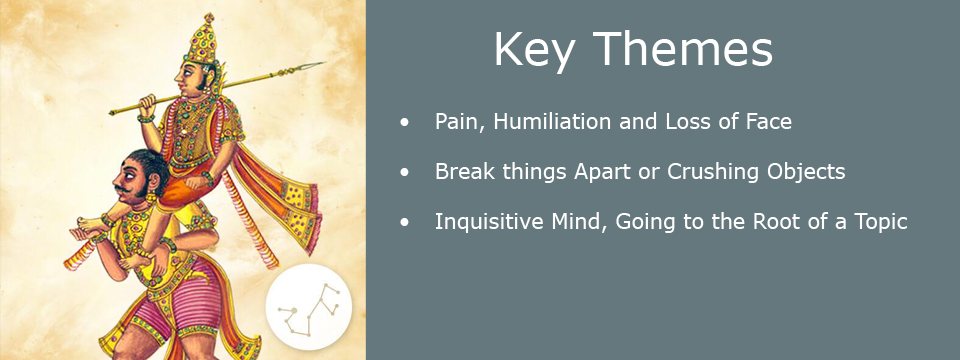
The astrological calculations suggested that remedial action is needed to counter the negative aspects of the Moola Birth Star.

Accordingly, my father performed a ritualistic worship popularly known as Rudra Abhishekam and worshiped Lord Shiva at the beautiful Kapaleeswarar Temple of Mylapore.

To ensure that I would always enjoy the blessings of Lord Shiva, my father decided to name me as Rudra. Hence, the name of Rudra instantly connects me to my birth place of Mylapore and to Lord Kapaleeswarar who was chosen as my personal protector.

My birth star also forewarned about consequences that impact my paternal grandfather. There was no easy escape from the influences and the second part of my personal name was carefully chosen as Narasimham to please my paternal grandmother, Lakshmi Narasamma. Because of the gender variation, her name Narasamma got transformed to Narasimham. This name immediately connects me to the Laws of Karma.

The names Rudra and Narasimham are well-known and particularly in the southern States of India, the name Narasimham and numerous variations of that name are frequently used. As long as I remain a conscious entity, my grandparents live in my consciousness.

Astrology or Jyotish may not be a perfect Science. Horoscopes may not precisely predict the future course of events in a person’s life. I exist in this world and I am known by a name which was specifically selected for me because of the predictions cast by my horoscope and the predictions came true and I find enough justification for this Indian Cultural Tradition called Jyotish.

A unique name and a unique perspective:
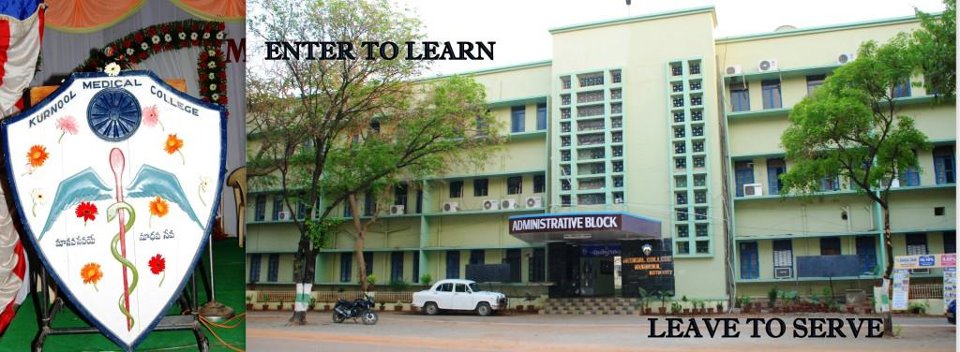
In 1965, I joined Kurnool Medical College after I obtained a Bachelor of Science degree from Osmania University, Hyderabad. At Kurnool, a batch of B.Sc., degree students were directly admitted into the second year of the medical education program that awards the M.B.B.S degree. Professor Rama Murthy of the Anatomy Department was very fond of knowing and recognizing each of his students by their personal names. On the first day of our Anatomy class, the attendance register was not ready and Professor Rama Murthy decided to call out names from the list of selected candidates. He very solemnly announced to the class that the roll call begins with a very angry and fiery name. We were intently listening to know what that name could be. Apparently, the list of selected students was prepared according to merit and my name was placed at the top of the list. He called my name and expressed his sense of disbelief. He asked me to verify my name and told the class that it was the first time in his life that he encountered a person with the personal name of Rudra Narasimham. His statement appears to be right and I have not met any other person who may have the same name. It is one of its own kind and is unique and special and these two names were put together to establish me as a Whole Person.

The name Rudra, the first part of my first name is related to Lord Shiva who is recognized as the God of Learning. Shiva is like Socrates. Socrates of 5th century B.C. is claimed to be the father of western thought. He implores people to “know thy self.” Socrates states that the ‘unexamined life is not worth living’. Shiva guides me to reflect upon life. Shiva encourages introspection, reflecting upon your own mind and thoughts. Shiva defines that the purpose of learning is to acquire the ability to think for oneself.
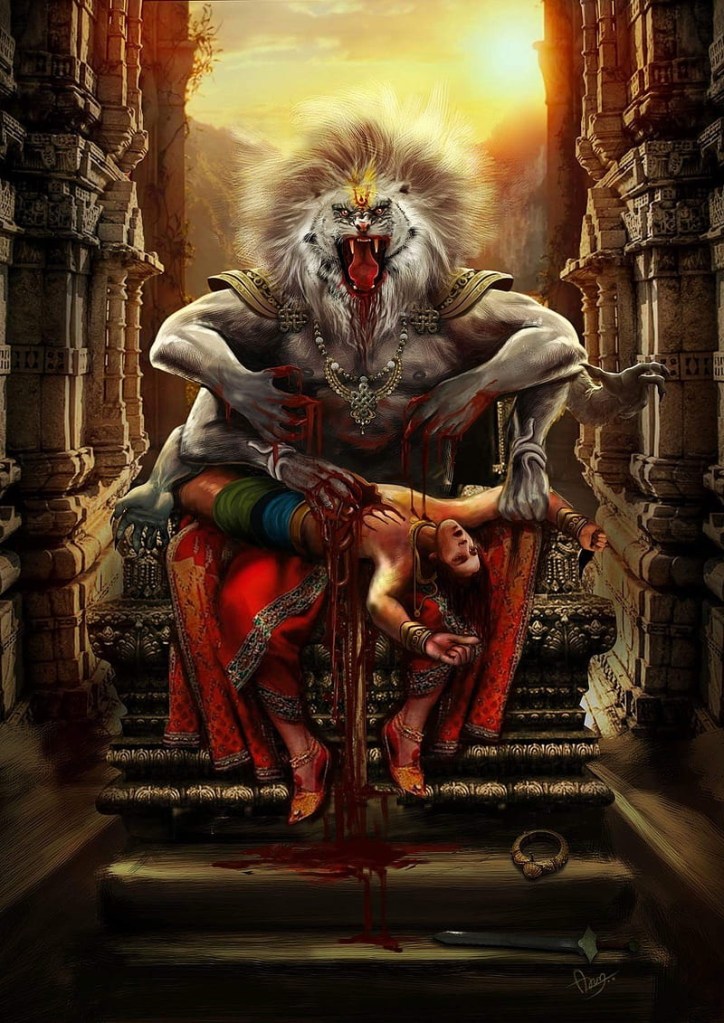
The name Narasimham represents to me a Whole Person who defends my right to choose the Name for my worship. The story about Prince Prahlad of Bhagavata Purana, the epic poem called Bhagavatam, represents the cultural importance attached to personal choice in matters of religious worship. Names of persons, places and the legends form a part of Cultural Legacy of our Land and define the Indian Identity described by the Name Bharat.


 Whole Dude - Whole Spirituality