What is Personalized Health Care? Who is the Person?
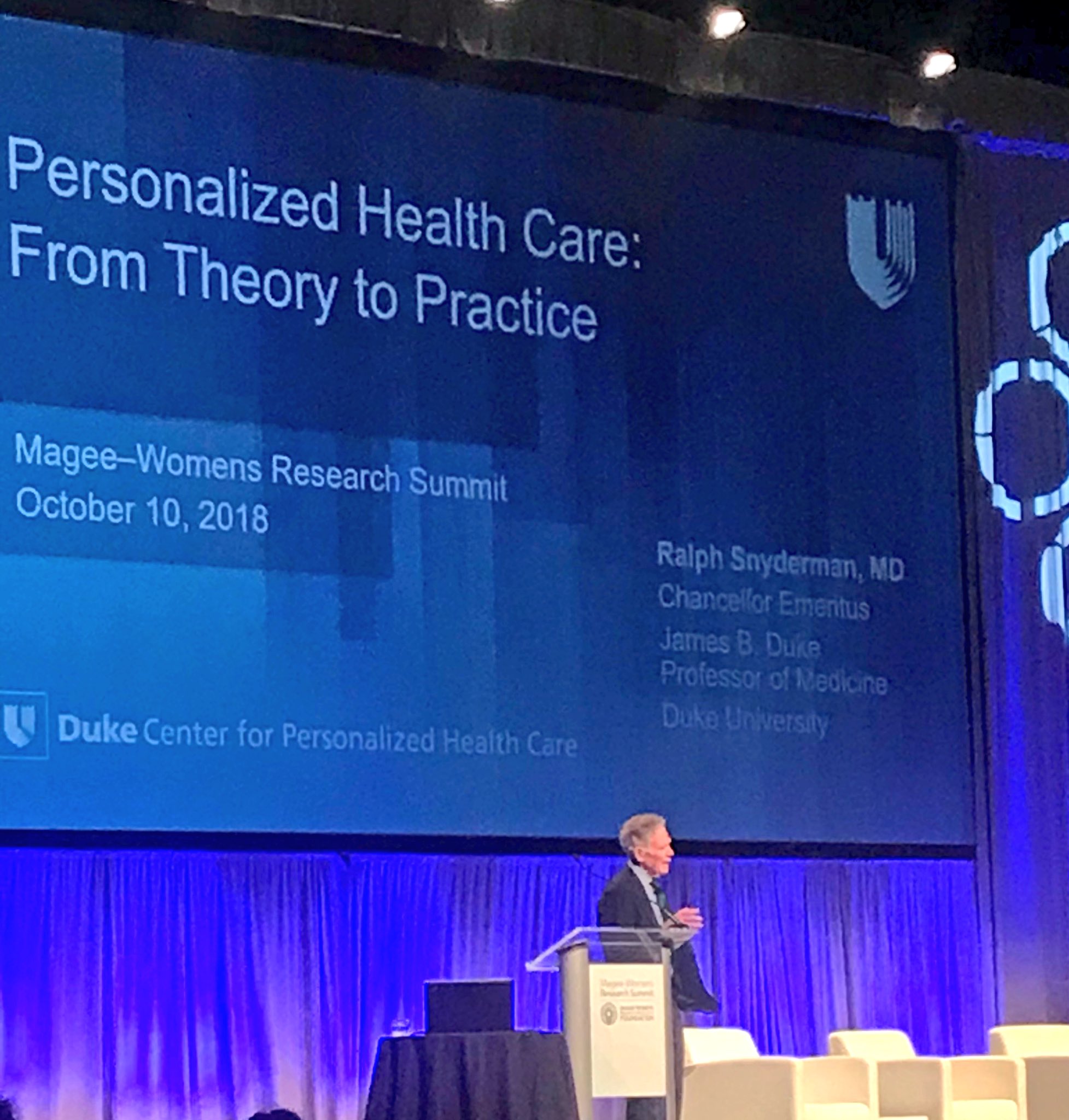

I ask Dr. Ralph Snyderman M.D. the Director of the Duke Center for Personalized Health Care to define the “Person,” the human subject, the beneficiary of the Health Care Plan called Personalized Health Care.
Rudra Narasimham Rebbapragada
Bhavanajagat
Recruiting The Dalai Lama To Bring Compassion Back Into Medicine
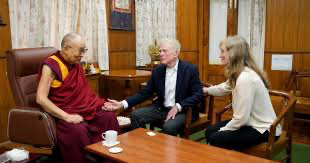
Ralph Snyderman spoke with the Dalai Lama at the leader’s residence in India last year.
Why I Spoke with the Dalai Lama About Compassion in Medicine
Posted on by Ralph Snyderman Posted in Uncategorized
I distinctly recall the moment I decided to become a physician. I was sitting on a bench in the hallway of Coney Island Hospital in Brooklyn, beside my aunt and older cousin, as we waited for the physicians to complete their examination of my beloved grandmother, in her early 90s, who was seriously ill. She doted on all of her grandchildren, particularly me, as I was the youngest. I loved my grandmother dearly. I recall seeing the doctors, dressed in their white uniforms, emerge from her room, holding her life in their hands. They eagerly reported what turned out to be good news, and thankfully, she lived over a year, and I entered the path to spend my life as a physician. Clearly, what drove me into the field of medicine was the compassion these doctors exhibited—their sincere desire to care for and improve the lives of others.
Amazingly, thirty-seven years later, I found myself as chancellor for health affairs at Duke University and dean of the Duke University School of Medicine where I oversaw the selection of our medical students. The school was in an enviable position of having thousands of applicants with the highest academic standards for a class of 100 students. While maintaining the most rigorous standards for scholastic achievement, we selected only those who convincingly demonstrated their compassion to serve the needs of others. But, what has become apparent to me is that the sincere desire to deliver compassionate care—what drives most individuals to become physicians—is greatly challenged by the rigor and difficulties of medical education and even more so by the current practice of medicine. Many factors are responsible for this, including the increasingly technical nature of medicine, the shortage of time available to engage with patients, and the ongoing bureaucratic issues needed for compliance. However, the lack of focus on compassion, the basic emotion bringing physicians to medicine, has, in my view, greatly reduced the joy of practicing medicine and the benefits that physicians can bring to their patients. Importantly, the lack of deep meaningful engagement between physicians and patients also greatly diminishes the value of care as patient behavior changes to achieve the best outcome is greatly dependent on the physician-patient relationship.
Being committed to develop more effective, proactive, personalized models of care delivery, I have become increasingly interested in developing approaches to care that maximize compassionate interaction between the patient and their physician, while increasing the effectiveness and enjoyment of this engagement. This being the case, I sought the opportunity to discuss compassion with the most recognized expert in compassion in the world, His Holiness the 14th Dalai Lama. Join me in learning what resulted from this meeting and how compassion can be brought back to the practice of medicine in my recent Academic Medicine Invited Commentary.
By Ralph Snyderman, MD – featured on the Academic Medicine Blog
R.S. is James B. Duke Professor of Medicine and director, Center for Personalized Health Care, Duke University School of Medicine, and chancellor emeritus, Duke University, Durham, North Carolina.
Ralph Snyderman is known as “The Father of Personalized Medicine.” He used to oversee the selection of medical students at Duke University in his role as chancellor for health affairs at Duke University and Dean of the Duke School of Medicine. He focused on admitting students who showed a clear desire for empathy and to serve the needs of others.
But he realized compassionate care is difficult to achieve in the current health system in the United States because of a variety of factors. Synderman now directs the Duke Center for Personalized Health Care. His mission is to create more personalized and compassionate ways of delivering medicine. Earlier this year he published a conversation he had with the 14th Dalai Lama about how to foster that change. The revelations from that conversation became a manuscript entitled “Compassion and Health Care: A Conversation with the Dalai Lama” recenlty published in the medical journal “Academic Medicine.”

 Whole Dude - Whole Spirituality