
The Living Things are composites of 1. Form, and 2. Matter. There are many living things that live with the same ‘form’ or morphological appearance while experiencing the aging process that defines the mortal dimension of Life. The term ‘extinction’ refers to the complete disappearance of a living form from the natural world.

However, the phenomenon of extinction cannot be easily applied to the Living Substance or Matter which has the faculty of propagating itself either by using the mechanism called Reproduction or the power called Nutrition which involves the ability of a Living Thing to consume Matter provided by other Living Things to renew or regenerate or rebuild its own Living Matter.
THE PHENOMENON OF LONGEVITY:
Since man exists as a Mortal Being, man has a natural tendency to investigate the Beginning of Life and the End of Life and seek a better understanding of the natural processes liking Aging that propels man to travel and reach the destination termed ‘Death’ without any choice. Aging is a widespread biological phenomenon and all living things display a natural tendency towards a decline of biological functions and a time-related disability to adapt to metabolic stress. At the same time, I ask my readers to note that the ‘Protoplasm’, the living substance that makes up both the cytoplasm and nucleoplasm appears to be potentially immortal. The term ‘Longevity’, the length or duration of a life or lives, must be interpreted in the context of the potential ability of Protoplasm to survive while individual members of species take birth, live, and die after a period of time. The term Life-Span describes the longest period of time that a typical individual can be expected to live. Similarly, Lifetime is the period of time that someone lives, or that something lasts, functions, or is in effect. Human beings have the unique ability to use their Lifetime to create a legacy that can endure giving an aura of immortality to that specific human individual who may have finished his or her mortal existence.
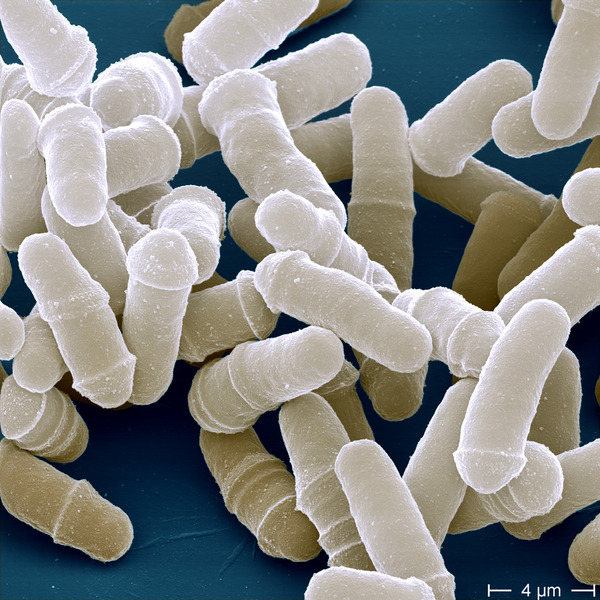
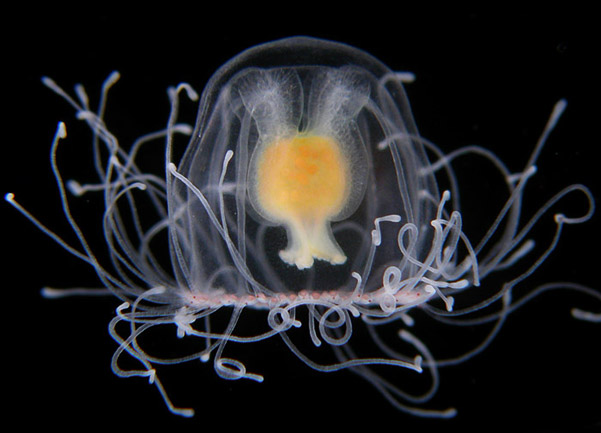
The concept of Life-Span implies that there is an individual whose existence has a definite beginning and end. Within the Phylum Protozoa, organisms that consist of a single cell, are numerous species that reproduce by fission which is a form of asexual reproduction in which the parent organism divides into two or more approximately equal parts, each becoming an independent individual. In such organisms where it is not easy to establish the beginning and end of an individual organism, the growth seems to continue indefinitely and a potential immortality can be observed. In organisms that use sexual reproduction, the limits of the life-span of each species appear to be determined by ‘Heredity’ which refers to the transmission of characteristics from parent to offspring by means of genes in the chromosomes. Each individual member of any given species has a life-span during which something of that individual lasts when transmitted to offspring as heritable information. The term heredity and the Laws of Inheritance and the Science called Genetics will have validity if, and only if some biological characteristics survive in spite of the death of any individual member of a species. It is very interesting to observe that there are several species of living things which have continuously lived for exceptionally long periods of time retaining their species-specific identity. Such organisms can be claimed to be immortal as they appear to be fully capable of surviving indefinitely. This faculty has been attributed to some insects, some simpler forms of invertebrate marine life (such as Tube Worms, Jellyfish, Clams, and Lobsters), certain fishes and reptiles which appear to be capable of unlimited growth. As the complexity of an organism increases, the internal changes associated with the aging process contribute to senescence and death of the organism. Even under the most favorable external conditions, there is a predetermined age beyond which a given individual of a species may not be able to survive. The Maximum Life-Span is often an estimate based on the longest lived organism of its species that is known to date. The Average Life-Span is a statistical concept that is derived by the analysis of mortality data for populations of each species. The Average Life-Span is related to Life Expectancy, the statistically probable length of time that a typical individual of any given species can be expected to live. Life Expectancy varies as it depends on the changing death rate over a period of time. Even species that have very slow-growing rates can experience higher than natural death rates due to external factors and may even face the threat of total extinction.
Longest-Living Animals in the World
John Harrington 10/30/2019
How long can a creature on Earth live? Animals living on the land, in the air, and in water can, under the right circumstances, live for many decades or even centuries.
The oldest-documented creature, a clam named Ming the Mollusk, lived for 507 years. Ming was born in 1499, seven years after Christopher Columbus first arrived in North America. We don’t know how much longer Ming would have lived if researchers trying to determine its age in 2006 had not opened the clam and in the process killed it. Ming’s fate is an example of an unfortunate encounter between people and animals.
To find the 50 longest living animals in the world, 24/7 Tempo reviewed data in the Human Ageing Genomic Resources database collection — specifically, the AnAge animal longevity database.
Cynthia Kenyon is a biochemist and geneticist working on unlocking the secrets of longevity. At a TED talk in Edinburgh, Scotland, eight years ago, she talked about aging. “There are some animals that don’t seem to age,” said Kenyon. “If you look at birds, which live a long time, cells from the birds tend to be more resistant to a lot of environmental stresses like high temperature, or hydrogen peroxide.”
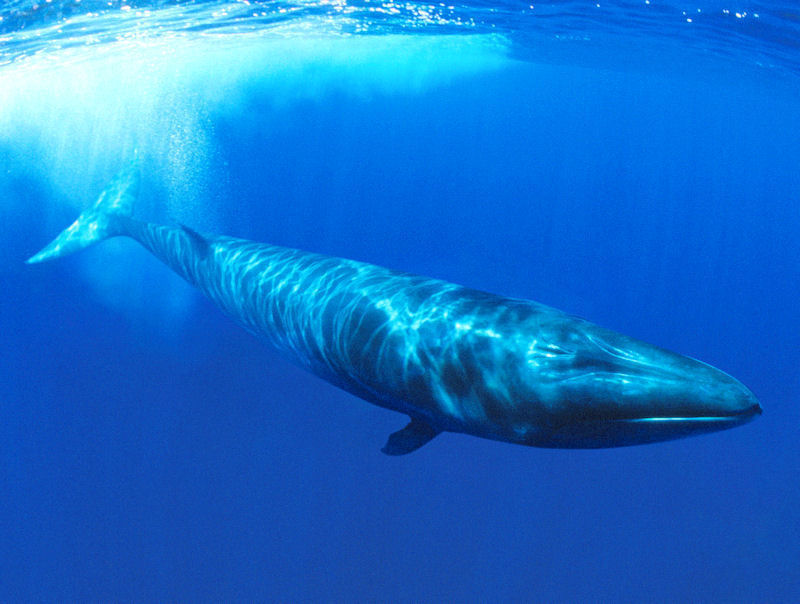
About three-fourths of the 50 species on our list are either fish or mammals like whales that live in the ocean. Size doesn’t appear to be a factor in how long animals live. Salamanders called olms that weigh less than an ounce can live as long as 102 years. The largest animal on Earth, the blue whale, can live to be up to 110 years. Despite its size, the blue whale is not among the most dangerous mammals on Earth.



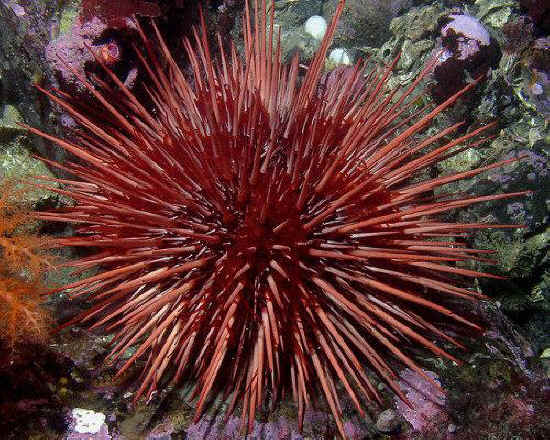
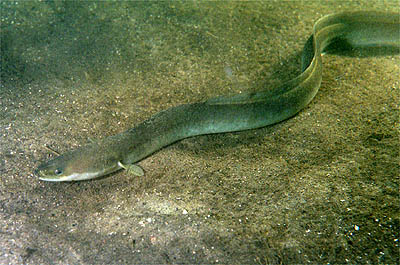
> Oldest recorded: 88 years
> Average adult weight: 8.0 lbs.
> Habitat: All over the European Continent. (Photo Credit. Wikimedia Commons)

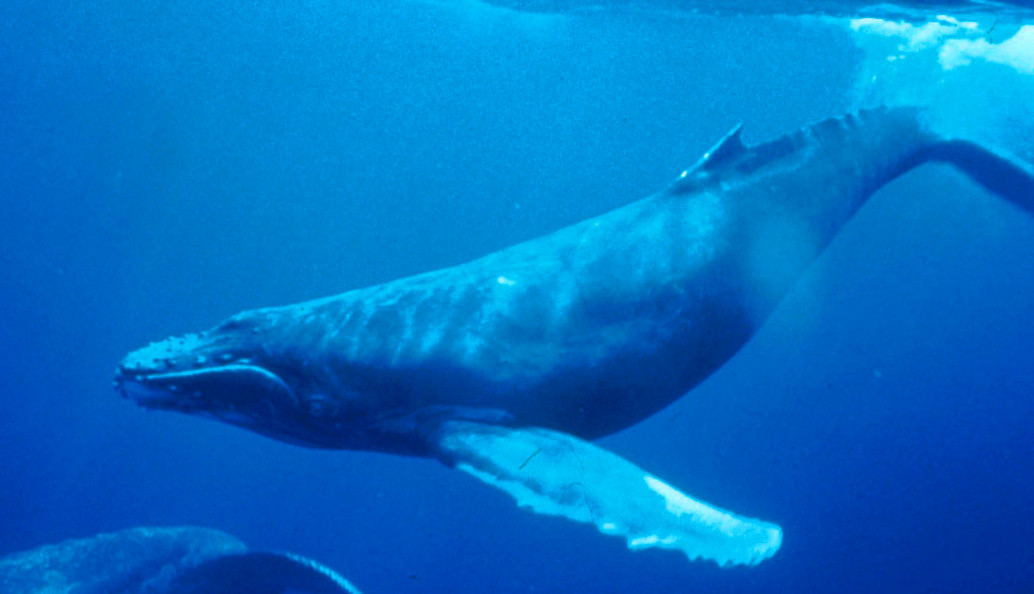
> Oldest recorded: 95 years
> Average adult weight: 66,138.7 lbs.
> Habitat: All major ocean basins.

> Oldest recorded: 100 years
> Average adult weight: 3.5 lbs.
> Habitat: Northern Atlantic Ocean.

> Oldest recorded: 102 years
> Average adult weight: 17 grams
> Habitat: Southern Europe. (Photo Credit. Wikimedia Commons)

> Oldest recorded: 106 years
> Average adult weight: 5.4 lbs.
> Habitat: Northern Pacific Ocean.
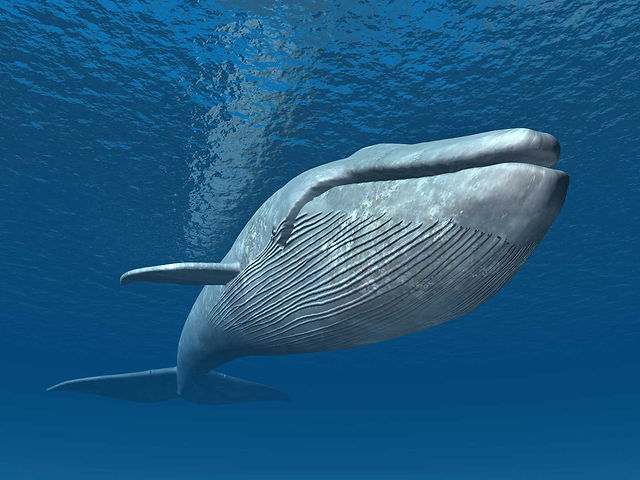
> Oldest recorded: 110 years
> Average adult weight: 299,828.7 lbs.
> Habitat: All Oceans except the Arctic.

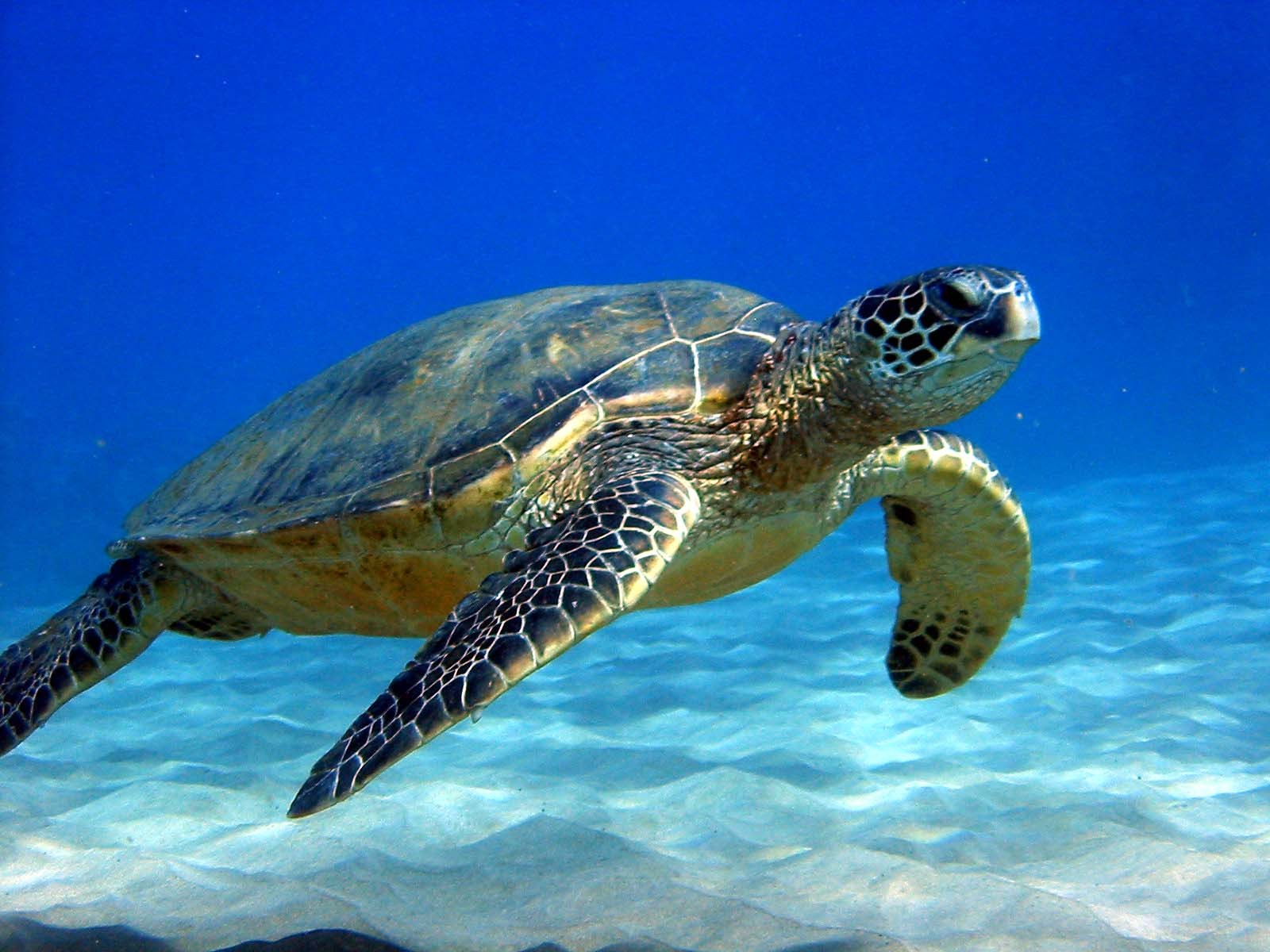
> Oldest recorded: 127 years
> Average adult weight: 13.0 lbs.
> Habitat: North Africa, Southwest Asia, and Southern Europe. (Photo Credit. Wikimedia Commons)
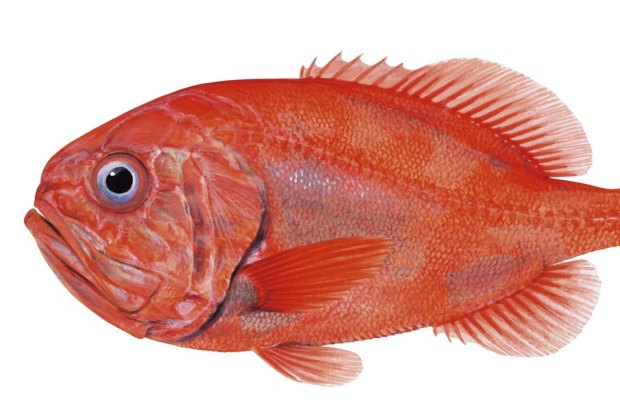
> Oldest recorded: 149 years
> Average adult weight: 8.5 lbs.
> Habitat: Southern Coast of Australia.


> Oldest recorded: 205 years
> Average adult weight: 1.1 lbs.
> Habitat: Northern Pacific Ocean.
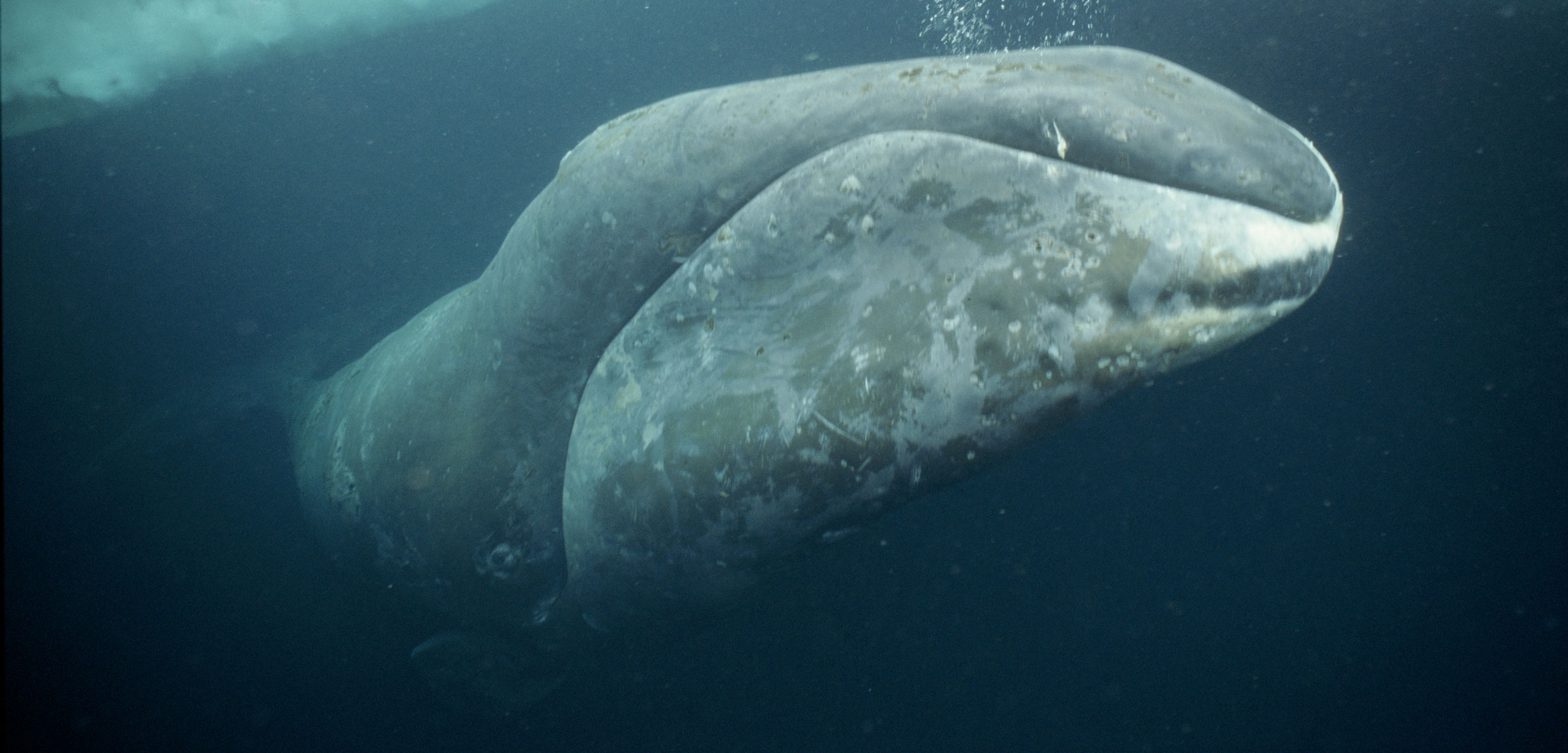
> Oldest recorded: 211 years
> Average adult weight: 220,462.3 lbs.
> Habitat: Arctic Ocean.

> Oldest recorded: 500 years
> Average adult weight: 2,260.0 lbs.
> Habitat: Arctic Ocean.
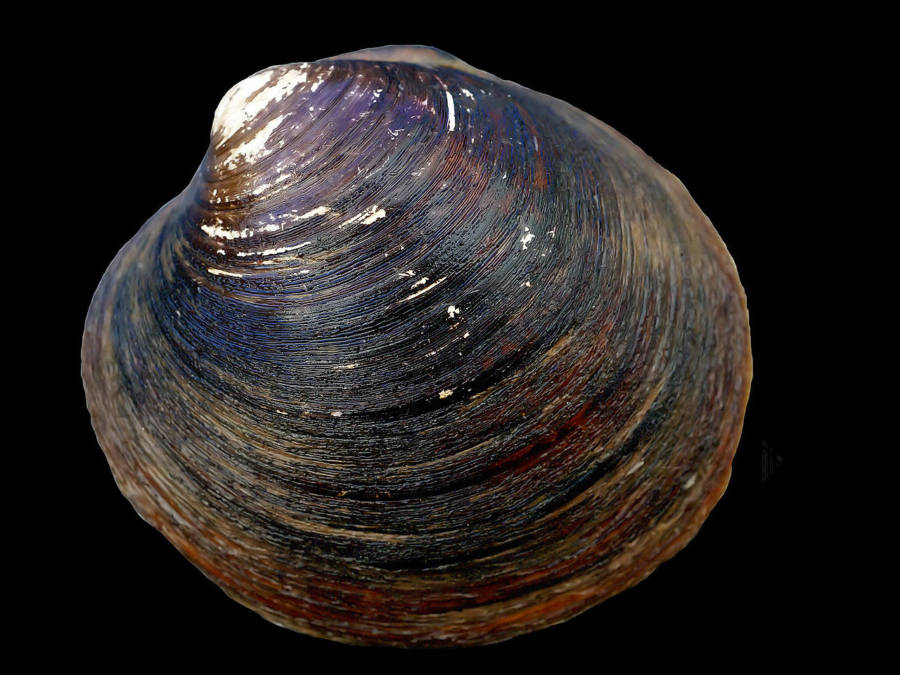
> Oldest recorded: 507 years
> Average adult weight: 0.5 lbs.
> Habitat: Northern Atlantic Ocean.
The issue of Life-Span of plants and trees and of Human Life-Span needs special consideration. In all animals, where the organism is formed by sexual reproduction, the beginning of life is defined by the formation of the fertilized egg cell or zygote. Very often, physical birth is considered to be the beginning of the Life-Span. The end or death of an organism is reflected in its inability to support its structural and functional organization that gives it a distinctive physical identity. This generation of Life by the union of an egg and sperm is a most remarkable event. In the entire Animal and Plant Kingdom where the organisms achieve reproduction sexually, the Generative Mechanism remains the same and is unchanged over millions of years. This Generative Potential of Sexual Reproduction is unaltered and it describes a most creative process that is involved in the beginning of all living creatures. In my view, the immutability of Life’s beginning is dependent upon the Unchanging Principle called Soul or Spirit.

 Whole Dude - Whole Spirituality